Choosing the right Plate Cooler can be a daunting task. With so many options available, understanding your specific needs is crucial. According to industry expert Tom Hargrove, "Selecting a Plate Cooler requires a balance between efficiency and suitability for your process." His insight reflects the importance of making an informed decision.
When evaluating Plate Coolers, consider factors like cooling capacity and design. A well-chosen Plate Cooler can enhance efficiency and lower energy costs. However, many overlook essential details, such as maintenance needs or integration with existing systems. This oversight can lead to challenges down the line.
Ultimately, a Plate Cooler is more than just equipment; it plays a vital role in production. Understanding the unique requirements of your operation will lead to better performance and reliability. Ensuring that the Plate Cooler aligns with your goals is a step towards success in your industry. In this evolving market, staying informed and reflective is key to making the best choice.
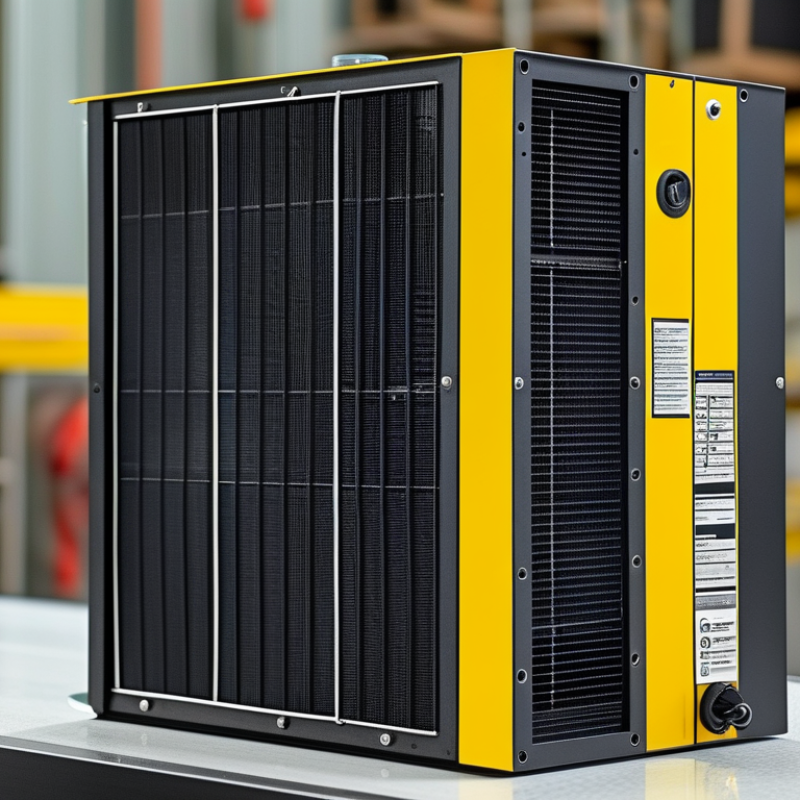
Understanding Plate Coolers: Definition and Functionality
Plate coolers are essential devices in various industries, especially in food and beverage production. These tools efficiently transfer heat between two fluids, usually helping to cool hot liquids rapidly. By using a series of plates, these coolers maximize surface area while minimizing space. The efficiency of plate coolers can be as high as 90%, making them a popular choice for many manufacturing processes.
According to a recent industry report, the demand for plate coolers is anticipated to grow by 5% annually. This growth is driven by their ability to enhance energy efficiency and reduce water consumption. However, selecting the right plate cooler can be challenging. Factors such as fluid compatibility and temperature requirements play a significant role. A common oversight is not considering the maintenance needs, which can affect long-term performance and reliability.
Different materials and designs can lead to varying efficiencies in heat transfer. Stainless steel remains a popular choice due to its durability and resistance to corrosion. Yet, it can be costly. Understanding your specific operational requirements is crucial in making the best selection. Analyzing the trade-offs between initial investment and operational efficiency will help ensure you choose wisely. The right cooler can vastly improve productivity, but without proper consideration, it could lead to unexpected costs.
Key Factors to Consider When Choosing a Plate Cooler
When choosing the best plate cooler, various factors should be considered to ensure it meets your specific needs. One crucial aspect is the cooling capacity. The plate cooler should efficiently handle the required heat exchange load. Look at data from reliable industry reports; they suggest that a cooler’s effectiveness can decrease by up to 25% if it’s undersized. This could lead to increased energy consumption and operational costs.
Material selection is another essential factor. Stainless steel is often preferred due to its durability and resistance to corrosion. According to a study by the American Society of Mechanical Engineers, stainless steel coolers last significantly longer than those made from other materials. This longevity translates into fewer replacement costs over time.
Consider the maintenance requirements as well. Regular cleaning and maintenance are crucial for optimal performance. You want a design that allows easy access for cleaning. Many users overlook this, leading to operational inefficiencies.
When evaluating your options, reflect on the specific processes and conditions where the cooler will be used. Not all coolers perform equally well under every situation. Your decision should be informed by both technical specifications and real-world performance data.
Comparing Different Types of Plate Coolers Available in the Market
When selecting a plate cooler, it's essential to understand the different types available. Typically, plate coolers can be classified into two main categories: gasketed and welded. Gasketed plate coolers are easier to disassemble for cleaning, which can significantly enhance sanitation. On the other hand, welded plate coolers offer superior durability and resistance to extreme pressures, making them suitable for high-demand environments.
Data from industry reports suggest that the efficiency of plate coolers can vary significantly. Gasketed units can achieve a thermal efficiency of around 80-90%, while welded units may reach up to 95%. This difference can have a substantial impact on energy consumption and operational costs over time, particularly in large-scale operations.
Consider your specific needs carefully. If you operate in a space requiring frequent cleaning, a gasketed cooler might suit you best. Reflect on the size and nature of your operations. A smaller setup may not require the high efficiency of a welded cooler, while larger operations could greatly benefit from that durability. It's noteworthy that while lower-priced options may be appealing, they often compromise on quality and long-term reliability.
Assessing Your Specific Cooling Needs and Requirements
Choosing the right plate cooler requires a thorough understanding of your specific cooling needs. The most critical factor is the cooling capacity required for your application. Industry reports suggest that nearly 70% of users underestimate their cooling requirements. This often leads to insufficient cooling, resulting in equipment failure or reduced efficiency.
Consider factors such as ambient temperature, desired exit temperature, and flow rate. For instance, if your process produces high heat loads, you may need a cooler with enhanced thermal transfer efficiency. According to a recent study published by the American Society of Heating, Refrigerating and Air-Conditioning Engineers (ASHRAE), optimizing these parameters can improve cooling performance by up to 40%.
Size is another aspect to reflect on. A cooler that is too large can lead to higher energy costs without added benefits. Conversely, a smaller unit might not provide adequate cooling, risking system integrity. Understanding the specific operational environment can guide your choice. Analyze factors like installation space, material compatibility, and maintenance accessibility. This analysis ensures that you select a plate cooler that meets your needs effectively.
Maintenance Tips for Prolonging the Life of Your Plate Cooler
Maintaining a plate cooler is essential for its longevity and efficiency. Regular maintenance helps prevent costly repairs and ensures optimal performance. Start by inspecting the cooler frequently for any signs of wear and tear. Keep an eye on the seals and joints. These areas can fail over time due to constant exposure to heat and cold. Replacing damaged parts promptly can save you headaches later.
Cleaning is another critical aspect. Dust and debris can accumulate over time, affecting the cooler's functionality. Use a mild detergent mixed with water to clean the surfaces. Rinse thoroughly to avoid any residue. Aim to perform this cleaning at least every few months. A clean cooler operates more efficiently and can maintain the desired temperature more effectively.
Consider the environment where your cooler operates. Excessive heat or moisture can impact its lifespan. Installing the cooler in a shaded area can help mitigate these effects. Regularly checking the plumbing and connections is also wise. This ensures there are no leaks or blockages. These small checks can make a significant difference in keeping your plate cooler running smoothly.
FAQS
: The cooling capacity is crucial. It must handle the required heat exchange load effectively.
Stainless steel is durable and corrosion-resistant. It typically lasts longer than other materials.
An undersized cooler can lose effectiveness by up to 25%. This may lead to higher energy costs.
Regular cleaning is vital. Poor access for maintenance can lead to operational inefficiencies.
Understand the required capacity. Many users underestimate their cooling needs, risking equipment failure.
Analyze ambient temperature, desired exit temperature, and flow rate for optimal performance.
Yes, a cooler too large or small can lead to inefficiencies. Size must align with specific needs.
Insufficient cooling could result in reduced efficiency or equipment failure.
Review real-world performance data alongside specs to make informed choices.
Consider installation space and material compatibility. Failing to evaluate these can lead to issues.
Conclusion
When selecting the best plate cooler for your needs, it's essential to understand its definition and functionality. A plate cooler is designed to efficiently cool liquids through a series of plates, maximizing surface area for heat exchange. Key factors to consider include the capacity, material, and efficiency of the cooler. By comparing different types available in the market, you can identify which design aligns best with your specific cooling requirements.
Furthermore, assessing your individual cooling needs is crucial to ensure optimal performance. Consider factors such as the volume of liquid to be cooled and the desired temperature. Lastly, regular maintenance is vital for prolonging the life of your plate cooler, ensuring it operates efficiently for years to come. By following these guidelines, you can make an informed decision that meets your cooling demands effectively.

 Flotte Energy