10 Tips for Choosing a Cold Plate Heat Exchanger?

Time:2026-09-14 Author:Sophia
0%

Selecting the right Cold Plate Heat Exchanger is rarely a simple catalog decision. It affects temperature stability, energy use, equipment life, and maintenance risk. A plate may look efficient on paper, yet perform poorly when flow conditions change.

Dr. Satish Kandlikar, a respected thermal-management researcher, has often emphasized a practical design principle: “Effective cooling depends on managing the complete thermal path, not just increasing fluid flow.” That idea deserves attention. Heat must travel from the component, through the interface material, into the plate, and finally into the coolant. Every step adds resistance. Small details matter.

This guide presents ten practical tips for choosing a suitable Cold Plate Heat Exchanger. It considers heat load, coolant compatibility, channel layout, pressure drop, plate material, connection size, sealing, manufacturability, testing, and long-term service. The discussion also reflects real engineering experience. A design that works in a laboratory may struggle beside a dusty factory line or inside a compact battery enclosure.

Perfect choices are uncommon.

Even experienced teams can overlook fouling, uneven contact pressure, or seasonal coolant changes. I have seen impressive thermal results weaken after installation because the pump could not maintain the required flow. That is an uncomfortable lesson, but a useful one. Reliable selection requires measured data, clear operating limits, and honest attention to installation conditions. These tips are intended to support that process, while leaving room for further testing and professional verification.
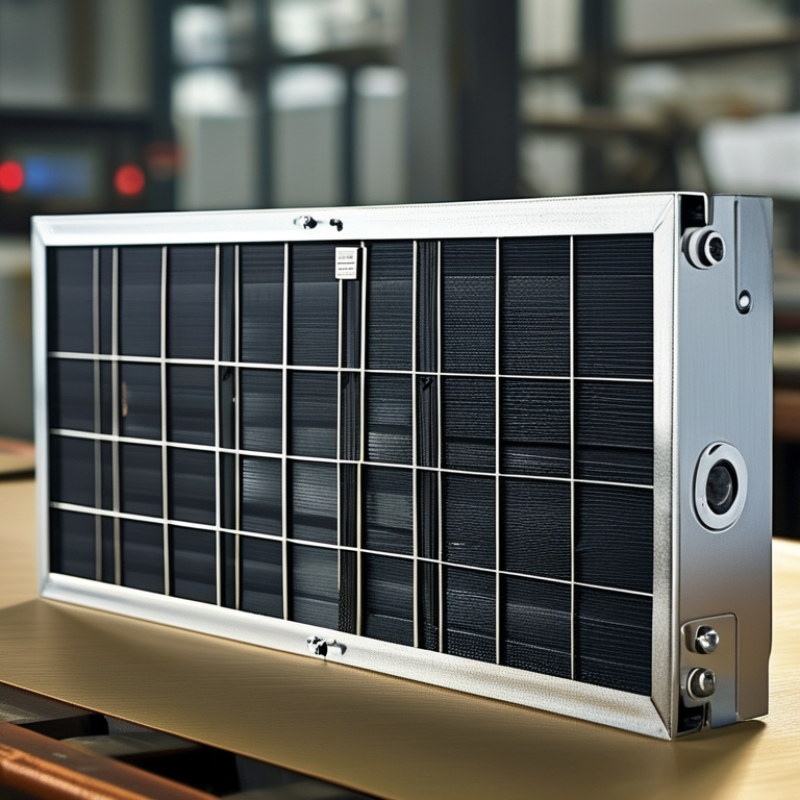
10 Tips for Choosing a Cold Plate Heat Exchanger?

Define Heat Duty, Flow Rate, and Approach Temperature Before Selection

10 Tips for Choosing a Cold Plate Heat Exchanger?

Selection should begin with three measured values: heat duty, flow rate, and approach temperature. Heat duty defines the required thermal transfer, usually calculated as Q = m × Cp × ΔT. Do not rely on a catalog estimate. Record inlet and outlet temperatures under real operating conditions. The International Energy Agency’s Energy Efficiency 2023 report identifies industry as responsible for about 37% of global final energy consumption. Small thermal losses can therefore become expensive.

Flow rate controls velocity, pressure drop, and fouling risk. A higher flow rate may improve heat transfer, but it also increases pumping power. The U.S. Department of Energy’s Pumping System Assessment Tool highlights pressure loss as a key factor in system energy use. Ask for the available pump head, not only the desired flow. Cold plates with narrow channels can perform well, yet they may expose a weak pump.

Approach temperature is the difference between the hot outlet and cold inlet temperatures. A tighter approach usually requires more surface area and may raise cost. Keep a safety margin for fluid property changes, scaling, and seasonal conditions. The AHRI Standard 400 framework emphasizes tested thermal and hydraulic performance for liquid-to-liquid heat exchangers. Still, test data may not match your fluid. I have seen designs fail after viscosity changed. Measure it again. That extra check can prevent an undersized exchanger, although the final margin should be reviewed by a qualified thermal engineer.

Choose Plate Materials for Fluid Chemistry, Corrosion, and 0.0001–0.0002 m²·K/W Fouling

10 Tips for Choosing a Cold Plate Heat Exchanger

Tip: Start with fluid chemistry, not price. Record pH, chloride level, dissolved oxygen, pressure, and operating temperature. Stainless steel may suit clean water, but chloride-rich fluids can demand a more resistant alloy. Copper transfers heat well, yet it may react poorly with certain fluids.

In field inspections, corrosion often begins near crevices, joints, or poorly flushed channels. Select plate materials after checking galvanic compatibility with frames, brazing materials, and fittings. Gasket chemistry matters too. A plate may survive the fluid while its gasket swells, hardens, or leaks. That detail is easy to miss.

Tip: Treat fouling resistance as a design decision. A fouling allowance of 0.0001–0.0002 m²·K/W can be suitable for controlled water systems, but it is not universal. Process fluids containing oil, minerals, or biological matter may need more allowance. More allowance usually means a larger exchanger. Not always better.

Tip: Ask for evidence from similar service conditions. Review inspection records, pressure-drop trends, and cleaning intervals. Laboratory data can look excellent, then fail in a dusty plant. I have seen clean surfaces during commissioning and heavy deposits months later. Leave room for adjustment, because real fluids rarely behave perfectly.

Balance Turbulent Flow Above Re 4,000 Against Acceptable Pressure Drop

Choosing a cold plate heat exchanger starts with flow, not plate count. Reynolds number above 4,000 usually indicates fully turbulent flow in conventional channels. That turbulence improves mixing and reduces thermal resistance. However, corrugated plates can create strong secondary motion before this threshold. A blind target can therefore waste pumping energy.

Use the Reynolds equation with actual viscosity at operating temperature. Do not rely on water data at 20°C. ASHRAE Handbook—HVAC Systems and Equipment (2024) emphasizes checking fluid properties, velocity, fouling, and pressure drop together. In practical water systems, designers often review channel velocities near 0.3–1.5 m/s, then verify erosion and noise risks. Keep a margin.

The pressure-drop limit must fit the pump curve. The U.S. Department of Energy’s Pumping System Assessment Tool shows how small pressure increases can raise annual pumping energy and operating cost. A design review should compare the exchanger’s calculated loss with the available differential pressure, including filters, valves, and piping. Many engineers reserve roughly 20–70 kPa for a compact exchanger, but this range is not universal. Brine, glycol, and high-viscosity fluids may need slower flow.

I would challenge any selection based only on maximum heat duty. A unit reaching Re 4,000 may still be unsuitable if its pressure drop exceeds the pump’s stable operating range. Check both sides. Then test fouled conditions, because a clean-plate calculation can look reassuring and fail later.

10 Tips for Choosing a Cold Plate Heat Exchanger: Balance Turbulent Flow Above Re 4,000 Against Acceptable Pressure Drop

This engineering reference compares estimated water-side pressure drop with turbulent heat-transfer performance in a representative smooth channel. The calculation assumes water at approximately 20°C, a 3 mm hydraulic diameter, a length-to-diameter ratio of 100, and a Prandtl number of 4.5. Reynolds numbers above 4,000 generally indicate turbulent internal flow, but the final operating point should also satisfy the pump and system pressure-drop limit.

Pressure drop increases rapidly as flow becomes more turbulent, while the estimated Nusselt number also rises. A practical selection usually targets a Reynolds number above 4,000 only when the added heat-transfer benefit justifies the available pumping power.

Verify Design Pressure, Temperature, and ASME VIII or EN 13445 Compliance

10 Tips for Choosing a Cold Plate Heat Exchanger?

When choosing a cold plate heat exchanger, do not treat pressure and temperature as catalog details. Ask for the stamped design values, not only the normal operating range. Design pressure must cover startup, shutdown, blocked outlets, and credible pressure surges. Temperature review should include metal temperature, fluid temperature, and thermal gradients. These values shape plate thickness, joining methods, gasket selection, and fatigue resistance. Small assumptions matter.

In my equipment reviews, the strongest evaluations begin with the pressure boundary. Check whether the exchanger is designed and documented under ASME VIII or EN 13445. Do not accept a compliance statement without supporting calculations, material certificates, inspection records, and pressure-test results. Confirm the stated edition and scope. Also ask who performed the design review and whether a qualified inspector witnessed testing. Paperwork is evidence.

A practical check compares nameplate values with process data and control-valve failure cases. Look for repeated thermal cycling, vacuum conditions, corrosion allowance, and uneven flow distribution. I once focused too heavily on peak pressure and overlooked rapid temperature swings. That gap could shorten service life. Engineers should record every assumption, including uncertain ones, and revisit them before approval. Perfect documentation is rare. Unexamined assumptions are riskier.

10 Tips for Choosing a Cold Plate Heat Exchanger: Verify Design Pressure, Temperature, and ASME VIII or EN 13445 Compliance
No. Selection Tip What to Verify Practical Design Data Required Evidence or Standard Check
1 Define the thermal duty Confirm the required heat-transfer rate, inlet and outlet temperatures, flow rates, and allowable pressure drop for both circuits. Heat duty is calculated as Q = ṁ × Cp × ΔT for a single-phase fluid. For water, the specific heat capacity is approximately 4.18 kJ/kg·K near room temperature. Request a heat-balance calculation showing the design duty, operating cases, fouling allowance, and temperature approach.
2 Verify design pressure Check the maximum allowable working pressure for the hot side, cold side, channels, connections, and any external pressure condition. Do not select from operating pressure alone. The design pressure should include credible surges, pump shutoff pressure, static head, and relief-system assumptions. Confirm the pressure rating on the datasheet, drawings, nameplate, and pressure-test certificate. The lower-rated side can limit the complete assembly.
3 Verify design temperature Identify minimum and maximum design temperatures, normal operating temperatures, startup and shutdown conditions, and metal-temperature limits. Temperature limits must account for hot spots, thermal transients, freezing risk, gasket or braze limits, and the effect of temperature on material strength. Check the design-temperature basis and material allowable stresses against the selected construction code and material specifications.
4 Check ASME VIII or EN 13445 applicability Determine whether the cold plate is a pressure vessel or pressure-containing component within the governing jurisdiction and project specification. ASME BPVC Section VIII provides rules for the construction of pressure vessels. EN 13445 covers unfired pressure vessels and includes design, fabrication, inspection, and testing requirements. Specify the applicable edition, design-by-rule or design-by-analysis route, authorized inspection requirements, and conformity documentation before fabrication.
5 Select compatible materials Evaluate plate, channel, manifold, tube, gasket, braze, weld, and connection materials against both fluids and temperature. Common choices include stainless steels, copper alloys, aluminum alloys, nickel alloys, and polymer sealing materials; the correct choice depends on chloride level, pH, oxygen, velocity, and temperature. Obtain material certificates, corrosion-resistance data, weld-procedure qualifications where applicable, and confirmation of galvanic-compatibility controls.
6 Match the fluid and flow regime Provide fluid composition, concentration, viscosity, density, specific heat, thermal conductivity, suspended solids, and expected flow range. Water-glycol mixtures have different viscosity and heat capacity from water. Higher viscosity can increase pressure drop and reduce the achievable heat-transfer coefficient. Require performance calculations at minimum, normal, and maximum flow. Verify that channel velocity remains within the supplier's erosion, vibration, and fouling limits.
7 Control pressure drop Set separate allowable pressure-drop limits for each side, including ports, manifolds, channels, valves, strainers, and connecting piping. Pressure drop is not a fixed property of the exchanger; it changes with flow rate, fluid viscosity, density, channel geometry, and fouling condition. Review the pressure-drop curve and calculation basis. Ensure the pump has adequate margin without forcing excessive flow through the cold plate.
8 Assess fouling, corrosion, and cleanability Identify scaling, biological growth, particulate blockage, oil contamination, corrosion, and the required maintenance interval. Fouling resistance is application-specific. A realistic fouling allowance reduces the risk of underestimating area, but excessive allowance can make the unit unnecessarily large. Specify filtration, water treatment, drain and vent points, cleaning chemicals, access requirements, and any passivation or surface-treatment procedure.
9 Check mechanical integrity and thermal cycling Review plate thickness, channel geometry, welds or brazed joints, nozzle loads, differential expansion, vibration, fatigue, and repeated startup/shutdown cycles. Thermal cycling can create fatigue stresses even when pressure and temperature remain below their maximum design values. Unequal temperatures across a plate can also cause local distortion. Request stress and fatigue evaluations when required, together with dimensional drawings, connection-load limits, weld or braze procedures, and inspection records.
10 Confirm testing, certification, and lifecycle support Define inspection, leak testing, pressure testing, documentation, spare parts, installation orientation, and replacement requirements. Hydrostatic testing is commonly preferred where practical because water stores less energy than compressed gas. Test pressure and hold time must follow the governing code and approved procedure. Require a data book containing drawings, calculations, material certificates, inspection reports, pressure-test records, calibration certificates, declarations of conformity, and operating instructions.
Important: The pressure, temperature, material, heat-duty, and pressure-drop values must be established from the actual process conditions and governing jurisdiction. Example values and general material categories are not a substitute for a certified design calculation or code review.

Compare AHRI 400 Ratings, Serviceability, Footprint, and Lifecycle Cost

Choosing a cold plate heat exchanger starts with verified performance, not a compact product photo. Check AHRI 400-rated data for capacity, flow rate, pressure drop, and operating temperatures. Certified results create a reliable comparison between different designs. Ask whether the rating matches your actual fluids and fouling conditions.

Serviceability matters during an emergency shutdown. A gasketed unit may open for inspection, cleaning, and plate replacement. Brazed designs often occupy less space, but internal access can be limited. Leave enough clearance for tools, lifting, and safe drainage. Measure the installed footprint, not only the catalog dimensions. A narrow room can make routine maintenance surprisingly difficult.

Lifecycle cost deserves a wider calculation. Include pump energy, water treatment, replacement parts, labor, and lost production. A lower purchase price can become expensive after repeated cleaning or frequent downtime. In field evaluations, I have seen pressure drop receive too little attention. That mistake increases pumping costs for years. I also question overly optimistic fouling allowances; real systems rarely stay perfectly clean. Compare five- to ten-year costs using your measured temperatures and flow data. Keep the assumptions visible. That makes technical review easier when operating conditions change.

FAQS

What information should be measured before selecting a cold plate heat exchanger?

Measure heat duty, flow rate, and approach temperature under real operating conditions. Use Q = m × Cp × ΔT. Catalog estimates can mislead. Record actual inlet and outlet temperatures.

Why does flow rate matter during selection?

Flow rate affects heat transfer, pressure drop, pumping power, and fouling risk. Ask for available pump head, not only the desired flow. A narrow channel may perform well but overwhelm a weak pump.

What is approach temperature?

Approach temperature is the difference between the hot outlet and cold inlet temperatures. A smaller approach usually needs more surface area. It may also increase cost. Keep a margin for changing fluid properties and seasonal conditions.

How should fluid chemistry influence plate material selection?

Record pH, chloride level, dissolved oxygen, pressure, and operating temperature. Clean water may suit stainless steel. Chloride-rich fluids may require a more resistant alloy. Copper transfers heat efficiently but may react with certain fluids.

Should gasket and connection materials be checked separately?

Yes. A plate may resist the fluid while its gasket swells, hardens, or leaks. Check compatibility among plates, frames, joining materials, fittings, and gaskets. Crevices and poorly flushed channels deserve close inspection.

How much fouling allowance is appropriate?

A fouling allowance of 0.0001–0.0002 m²·K/W may suit controlled water systems. It is not universal. Oil, minerals, and biological matter can require a larger allowance. More allowance usually means a larger exchanger. Not always better.

What pressure and temperature conditions must be reviewed?

Check design pressure, metal temperature, fluid temperature, and thermal gradients. Include startup, shutdown, blocked outlets, pressure surges, vacuum conditions, and control-valve failures. Repeated thermal cycling can shorten service life. Small assumptions matter.

What documentation should be requested before approval?

Request design calculations, material certificates, inspection records, and pressure-test results. Confirm compliance with applicable pressure-equipment standards. Compare nameplate values with actual process data. I once focused on peak pressure and missed rapid temperature swings. Measure it again.

Conclusion

Selecting the right Cold Plate Heat Exchanger begins with clearly defining the required heat duty, flow rates, inlet and outlet temperatures, and acceptable approach temperature. These values establish the exchanger’s size and performance target. Material selection should then reflect the chemistry of both fluids, expected corrosion risks, and fouling resistance, with a typical fouling allowance of 0.0001–0.0002 m²·K/W where appropriate.

Hydraulic performance is equally important. Turbulent flow above a Reynolds number of 4,000 can improve heat transfer, but pressure drop must remain within the limits of the pumping system. Before approval, verify design pressure, operating temperature, and compliance with applicable standards such as ASME Section VIII or EN 13445. Finally, compare AHRI 400 ratings, maintenance access, connection layout, footprint, energy use, and long-term service costs. A balanced evaluation of efficiency, reliability, safety, and lifecycle value will help ensure the selected exchanger performs consistently in its intended application.


Sophia

Sophia

Sophia is a dedicated marketing professional with an exceptional depth of knowledge about her company's products and services. With a keen understanding of market trends and customer needs, she crafts insightful blog posts that not only inform but also engage readers, enriching the company’s online......