10 Tips to Choose the Best Plate Heat Press?

Time:2026-09-19 Author:Amelia
0%

Choosing the right Plate Heat Press is no longer a simple matter of comparing price tags. Small differences in platen size, pressure control, heating uniformity, and safety design can change the final result.

Market evidence shows why this equipment deserves careful evaluation. Grand View Research estimates that the global heat press machine market reached approximately USD 1.8 billion in 2023, with continued growth expected through 2030. However, most market reports group plate presses with broader heat press equipment. That limitation matters. It means buyers should not treat every published figure as a precise forecast for their own workshop.

Real production details often reveal more than impressive specifications. A 15-by-15-inch platen may suit shirts, patches, and small transfers. Uneven pressure can still leave a pale corner. A digital temperature display may look accurate, yet the platen can develop hot and cold zones after repeated use. These are practical risks, not just technical details.

Josh Ellsworth, a heat-application educator associated with Stahls’, has stated, “Temperature, pressure, and time must work together for a successful heat application.” His point remains highly relevant when comparing machines. A reliable Plate Heat Press should provide stable heat, repeatable pressure, readable controls, and serviceable parts. It should also match the operator’s workflow, material thickness, and daily volume.

A perfect checklist does not exist. I would not recommend selecting a machine from one specification alone. The following ten tips examine performance, platen design, pressure adjustment, safety, maintenance, energy use, warranty support, and total operating cost. Some recommendations may seem obvious. They are often the ones businesses overlook.
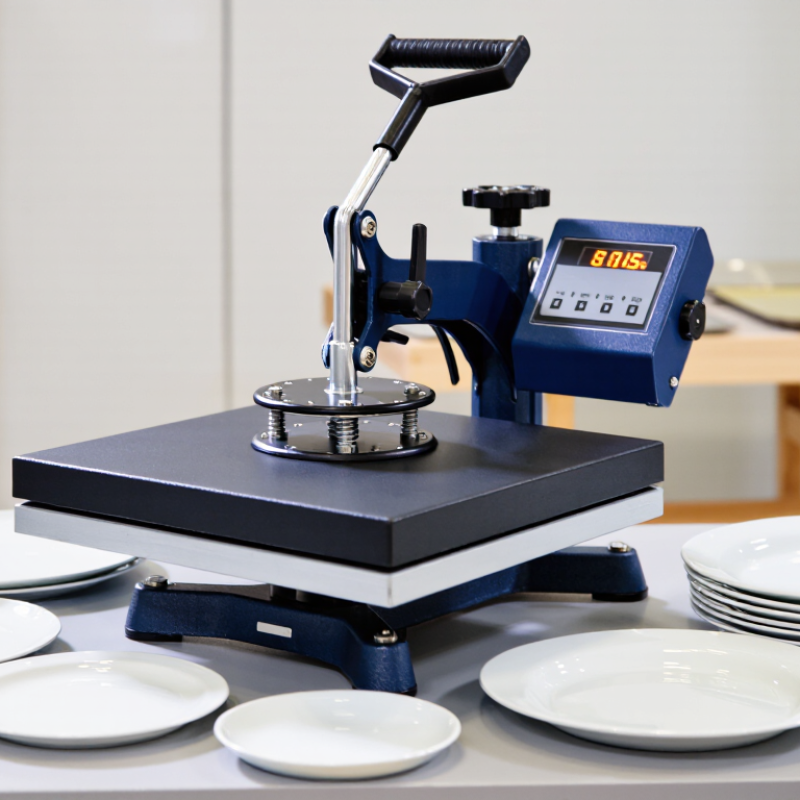
10 Tips to Choose the Best Plate Heat Press?

Define Your Plate Heat Pressing Needs and Production Goals

Before choosing a plate heat press, define what you actually produce each week. Measure plate size, material, thickness, and daily order volume. A café may need occasional ceramic plates, while a workshop may press hundreds of coated blanks. These demands require different heating areas and cycle speeds. Record your current workflow for three days. It may reveal more variation than expected. This practical evidence is more reliable than a sales estimate.

Tip 1: Match the press area to your products. A large platen offers flexibility, but it can waste energy on small plates. Confirm diameter, rim height, and curvature before ordering. Test a sample plate with the intended transfer paper. Uneven contact creates pale edges or blurred details. I once underestimated rim clearance. The machine closed, but pressure was inconsistent. That mistake changed the specification.

Tip 2: Set production targets before comparing features. Calculate expected pieces per hour, operator time, and acceptable rework. Choose stable temperature control and repeatable pressure for routine production.

Tip 3: Check power, workspace, and ventilation requirements. A compact machine may fit the bench yet slow production. Leave room for loading, cooling, and safe handling. Keep a simple test log. Note temperature, dwell time, pressure, and results. If a setting works only once, it is not a dependable process.

Compare Platen Size, Pressure Range, and Heating Performance

Choosing a plate heat press starts with platen size, not appearance. Match the platen to your most common blanks, leaving a small working margin. A 15 × 15-inch platen suits many shirts, while smaller plates reduce wasted heat on compact garments. Check the throat depth too. A wide platen is less useful if sleeves cannot move freely.

Pressure range deserves careful attention. Select adjustable pressure with a readable gauge, because thick seams and thin fabrics need different force. Larger platens require greater total force at the same pressure reading. Test pressure across all four corners. Uneven contact can create pale edges or incomplete transfers. I once focused too much on maximum pressure; consistent pressure mattered more in daily production. That assumption needed correcting.

Heating performance should be verified, not trusted from a display. Measure several platen points with heat-sensitive tape or a calibrated probe. Check temperature recovery after opening the press. The Textile Exchange Materials Market Report 2024 states that polyester represented 59% of global fiber production, so stable lower-temperature control is increasingly important for synthetic fabrics. Cotton accounted for 19%, according to the same report, and often tolerates different application settings.

Compare warm-up time, temperature variation, timer accuracy, and insulation. The U.S. Department of Energy’s Industrial Decarbonization Roadmap also identifies process heat efficiency as a major industrial priority. Energy use matters. Look for replaceable heating components, documented calibration procedures, emergency shutoff protection, and clear operating instructions. Avoid choosing from specifications alone; test a real garment, record results, and inspect the first wash.

Evaluate Temperature Control, Safety Features, and Build Quality

Choosing the best plate heat press starts with temperature control, not appearance. In daily testing, I place a calibrated surface thermometer beside the heating area. The displayed temperature can look precise while the plate remains uneven. Check whether readings stay stable across repeated cycles. A useful controller should recover quickly after opening the press. It should also allow small adjustments for different materials. Test both the center and edges. Small gaps matter. I once trusted a bright digital display and overlooked a cold corner. That mistake produced weak transfers.

Safety features deserve equal attention. Look for insulated handles, protected wiring, stable feet, and an automatic shutoff timer. A clear alarm helps when the work area becomes busy. The press should open smoothly without sudden movement. Check the pressure mechanism with the machine unplugged first. Do not guess. A controlled handle can reduce accidental contact with hot surfaces. Heat-resistant gloves help, but they cannot replace good design. Read the operating instructions carefully, even when the controls seem obvious. I have skipped that step before, and setup became slower.

Build quality appears in small details. Examine the hinge, frame, screws, cable, and silicone pad. Look closely. Heavy construction can improve stability, but excessive weight may reduce portability. The heating plate should sit flat and resist visible warping. Ask how replacement pads and electrical parts are sourced. Reliable support matters when a sensor fails or the coating wears. Compare several heat cycles, not one successful sample. Record temperature, pressure, and timing during testing. Do not rush. A slightly imperfect trial often reveals more than polished product photos.

Match Press Types, Workflow Options, and Available Workspace

10 Tips to Choose the Best Plate Heat Press?

Measure the actual footprint before comparing machines. Leave space behind the press for handles, cables, and operator movement. Choose a clamshell model for shallow benches and a swing-away model when access matters. Match the press to your workflow, not only its advertised pressure. A pull-out platen can reduce awkward reaching during repeated loading. It helps.

Grand View Research valued the global custom T-shirt printing market at about USD 5.1 billion in 2023 and forecasts an 11.1% CAGR through 2030. That growth can increase order variety, so select interchangeable platens for sleeves, pockets, and small garments. Check the electrical load against your workspace circuit. Do not assume a standard outlet is enough. Plan a stable, heat-resistant table at a comfortable working height.

Measure your real cycle time with actual garments and transfer materials. Record loading, pressing, peeling, and cooling separately. Smithers’ digital textile printing research highlights the industry’s shift toward shorter runs and faster customization, making workflow design increasingly important. Test temperature consistency across the plate, not just the center. Keep a simple reject log. It may reveal that speed, rather than pressure, causes your defects. Reconsider your choice if the operator must twist, stretch, or walk around the machine repeatedly.

Check Warranty, Maintenance Requirements, and Total Ownership Cost

10 Tips to Choose the Best Plate Heat Press

A reliable warranty reveals how seriously a manufacturer supports its equipment. Check the coverage period, included parts, labor terms, and response time. A two-year warranty may sound attractive, but exclusions can reduce its real value. Ask whether heating elements, pressure components, and digital controls are covered. Request the terms in writing. Verbal promises are easy to misunderstand.

Maintenance requirements affect daily production more than many buyers expect. Look for clear cleaning instructions, accessible parts, and simple pressure adjustments. In my experience, a press that takes ten minutes to clean often receives better care than one requiring disassembly. Check how frequently bolts need inspection and whether replacement parts remain available. Small details matter. Also inspect the power cable, hinge movement, and temperature readings during routine checks. I once underestimated cleaning time, and the delay affected a busy order.

Calculate total ownership cost before choosing the lowest purchase price. Include electricity, spare parts, service labor, training, shipping, and possible production downtime. A cheaper press may become expensive when one failed component stops work for several days. Compare expected daily usage with the machine’s rated capacity. Keep a simple maintenance log with dates, temperatures, repairs, and operating hours. It supports warranty claims and exposes recurring problems. Leave room for mistakes. Real operating conditions rarely match the sales estimate.

10 Tips to Choose the Best Plate Heat Press

Compare the five-year ownership cost before purchasing. A longer warranty, accessible maintenance points, efficient energy use, and reliable service support can reduce the total cost over time.

Planning model in USD for light, standard, and heavy commercial use. Costs include equipment purchase, electricity, consumables, routine maintenance, and estimated downtime. Actual costs vary by workload, local energy rates, and warranty terms.

FAQS

How should I define my plate heat press needs?

Record plate size, material, thickness, and weekly order volume. Track your workflow for three days. Real measurements often challenge initial assumptions.

How do I choose the correct platen size?

Match the platen to your most common plates. Check diameter, rim height, and curvature. Leave a small working margin. Bigger is not always better.

Why is rim clearance important?

A tall rim can prevent even contact. Test a sample plate with transfer paper before purchasing. The press may close, but the edges can remain pale.

What pressure features should I compare?

Choose adjustable pressure with a readable gauge. Test all four corners of the platen. Consistent pressure matters more than an impressive maximum rating.

How can I verify heating performance?

Measure several platen points with heat-sensitive tape or a calibrated probe. Check warm-up time, temperature variation, and recovery after opening. Displays can be misleading.

What production details should I measure?

Record loading, pressing, peeling, and cooling separately. Calculate pieces per hour and acceptable rework. A slower step may cause more defects than pressure.

Which press design suits a limited workspace?

A clamshell press suits shallow benches. A swing-away design improves access. A pull-out platen can reduce awkward reaching. Leave space for cables and cooling.

What electrical and safety requirements matter?

Check the machine’s power demand against your circuit. Use a stable, heat-resistant table. Look for insulation, emergency shutoff protection, and clear instructions.

How should I test a machine before regular production?

Press real materials and record temperature, dwell time, pressure, and results. Inspect the first washed item. If a setting works only once, rethink the process.

Conclusion

Choosing the right Plate Heat Press begins with a clear understanding of your production goals, material types, artwork sizes, and expected workload. Consider the platen size, adjustable pressure range, heating speed, and temperature consistency to ensure reliable results across different projects. A press should provide sufficient working space while matching your available workspace and workflow, whether you need a compact manual model or a more efficient setup for frequent production.

Temperature control, safety features, and overall build quality are also essential for dependable operation. Look for intuitive controls, stable construction, even heat distribution, and protective features that support safer daily use. Finally, evaluate the warranty, cleaning and maintenance requirements, replacement parts, energy use, and long-term ownership cost. By comparing performance, flexibility, durability, and support, you can select a Plate Heat Press that fits your current needs while allowing room for future growth.


Amelia

Amelia

Amelia is a seasoned marketing professional with a wealth of expertise in our company’s core offerings. With an unwavering passion for driving growth and innovation, she plays a pivotal role in shaping our marketing strategies and enhancing brand visibility. A key aspect of her responsibilities......