Top 10 Gasket Plate Heat Exchanger Benefits for Global Buyers?

Time:2026-08-22 Author:Sophia
0%

Gasket Plate Heat Exchangers (GPHE) are vital in various industries, offering efficient thermal management solutions. According to a report by MarketsandMarkets, the global heat exchanger market is projected to reach USD 22.9 billion by 2026. This growth emphasizes the increasing demand for GPHE due to their compact design and high efficiency.

Expert Mike Thompson, a leading consultant in heat exchange technology, states, “Gasket Plate Heat Exchangers provide unmatched flexibility and reliability for modern industrial applications.” This sentiment reflects the advantages GPHEs offer, such as easy maintenance and customization for specific needs. They excel in sectors like food processing, pharmaceuticals, and HVAC systems.

However, not all buyers recognize these benefits. Potential users must consider their particular requirements and assess GPHEs' suitability. While many companies have adopted this technology, there are still misconceptions regarding performance and durability. Buyers should carefully evaluate case studies and expert opinions to make informed decisions tailored to their operations.
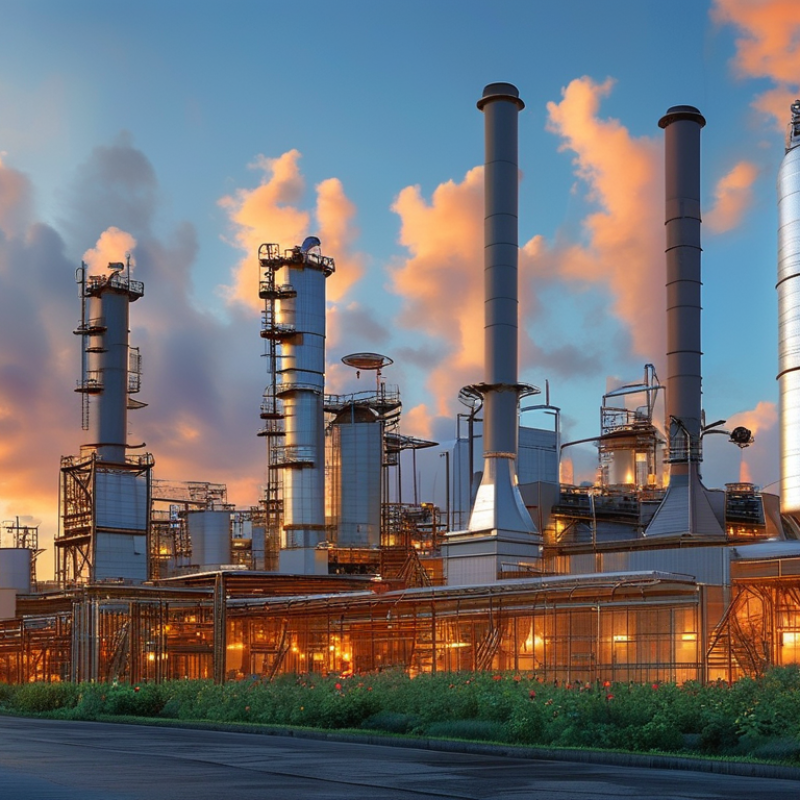
Top 10 Gasket Plate Heat Exchanger Benefits for Global Buyers?

Top Advantages of Gasket Plate Heat Exchangers for Efficiency

Gasket plate heat exchangers offer several advantages that enhance efficiency for various applications. One key benefit is their ability to maintain optimal temperature control. This ensures that processes run smoothly and minimizes energy waste. In tight spaces, gasket plate designs fit better than traditional exchangers. Their lightweight characteristics also make installation simpler and less labor-intensive.

Maintenance is another notable aspect. Gasket plate heat exchangers are easier to clean than other types. Many models allow for quick disassembly. This can reduce downtime in operations. Performance consistency is crucial, and these heat exchangers provide that. However, it is essential to monitor gasket integrity regularly. Failure to do so may lead to leaks and efficiency drops.

Energy savings is a critical factor. Many users report reduced operational costs due to their efficiency. Yet, it's important to choose the right materials based on specific needs. Not all gaskets suit every application. This can sometimes lead to inefficiencies if not carefully considered. Overall, gasket plate heat exchangers represent a practical choice for dynamic industries aiming to optimize performance and reliability.

Top 10 Benefits of Gasket Plate Heat Exchangers

Key Cost Savings Associated with Gasket Plate Heat Exchangers

Gasket plate heat exchangers are gaining traction in various industries due to their cost-saving advantages. One of the key benefits is their energy efficiency. These systems can transfer heat effectively, minimizing energy consumption. As energy costs rise, efficient heat exchangers help companies maintain profitability.

Reduced maintenance costs are another significant advantage. Gasket plate heat exchangers allow for easy disassembly. This feature simplifies cleaning and servicing, cutting down on unexpected repair expenses. Regular maintenance is essential but does not always guarantee longevity. The design prevents excessive wear, which can lead to costly replacements.

The initial investment can be a concern. However, the long-term savings often outweigh upfront costs. Buyers should not overlook potential tax deductions linked to energy-efficient systems. Gasket plate heat exchangers not only help in reducing operational costs but also contribute to sustainable practices. Many industries are moving toward greener technologies. This shift is not just beneficial for the planet; it can also enhance a company’s reputation.

Impact of Gasket Plate Design on Thermal Performance and Transfer Rates

The design of gasket plates plays a crucial role in thermal performance and transfer rates. A well-structured gasket plate enhances heat exchange efficiency by maximizing surface area. This optimization allows for better heat transfer, which is essential in various industrial processes. However, achieving the perfect balance in design requires careful consideration and expertise.

Different materials and configurations significantly impact the performance of gasket plates. Selecting the right material can improve thermal conductivity while ensuring durability. The channel design also influences flow patterns, affecting how effectively heat is transferred. It's essential to evaluate these factors to achieve reliable operation. Yet, many buyers overlook the technical specifications that define the effectiveness of these systems.

Reliability can be a concern when it comes to gasket plate solutions. Poor design can lead to leaks, affecting system performance. Regular maintenance is necessary to sustain efficiency throughout the operational lifespan. It’s a dilemma many manufacturers face: investing in advanced design or opting for cost-effective solutions. Each choice carries its own set of challenges and reflections on long-term performance.

Top 10 Gasket Plate Heat Exchanger Benefits for Global Buyers

Benefit Description Impact on Thermal Performance Transfer Rates
High Efficiency Offers enhanced heat transfer capabilities compared to traditional heat exchangers. Improved heat transfer coefficient due to plate design. Increased fluid velocity allows for better heat transfer.
Compact Design Smaller footprint allows for space-saving installations. Higher surface area to volume ratio leads to effective heat exchange. Higher transfer efficiency in limited spaces.
Easy Maintenance Quick access to plates facilitates cleaning and repairs. Maintained efficiency over a longer period with proper upkeep. Consistent transfer rates maintained without downtimes.
Versatility Applicable in various industries including food, chemical, and energy. Adaptable designs optimize performance for different fluids. Dynamic transfer capabilities tailored to specific applications.
Cost-Effective Operation Reduced energy consumption leads to lower operational costs. Operational efficiency minimizes heat loss. Overall reduced costs in heat transfer processes.
Customizable Tailored designs for specific thermal and flow requirements. Optimizes the thermal performance based on customer needs. Improved transfer rates tailored to system specifications.
Enhanced Durability Robust materials ensure longevity and reliability. Sustained performance over extended periods. Reliable transfer rates mitigate issues from wear and tear.
Safety Designed to handle different pressure levels safely. Minimized risk of leaks and failures enhances safety. Consistent transfer rates without compromising safety protocols.
Fast Installation Quick assembly and disassembly diminish downtime. Efficiency maintained through quick replacements. Increased operational productivity from reduced installation times.
Environmental Impact Reduced energy usage contributes to lower carbon footprint. Better thermal performance leads to energy conservation. Enhanced efficiency supports eco-friendly operations.

Maintenance Benefits: How Gasket Plate Heat Exchangers Reduce Downtime

Gasket plate heat exchangers offer significant maintenance benefits that can greatly reduce downtime in various industries. These units are designed for easy disassembly, allowing for quick access to plates for cleaning or inspection. Maintenance teams appreciate this accessibility, as it can lead to faster turnaround times during routine checks and repairs. The gasketed design also eliminates the need for expensive tools and highly trained personnel, making maintenance more efficient.

Another key advantage is the ability to replace gaskets without removing the entire unit. This flexibility allows operations to continue with minimal interruption. Regular maintenance checks can help identify potential issues before they escalate. However, neglecting routine inspections may lead to unforeseen downtime, costing businesses both time and money. Operators must remain vigilant about scheduled maintenance to fully enjoy the efficiency promised by these heat exchangers.

By investing in gasket plate heat exchangers, buyers can significantly enhance their operational reliability. The design not only minimizes the need for extensive repairs but also increases the overall lifespan of the equipment. Yet, it’s crucial to understand that proper care is the only way to achieve optimal performance. Regularly tracking the wear and tear of gaskets and plates can prevent costly breakdowns in the future.

Versatility of Gasket Plate Heat Exchangers in Various Industries

Gasket plate heat exchangers are pivotal in various industries due to their versatility. They efficiently transfer heat, making them essential in sectors like chemical processing, food and beverage, and HVAC. According to a report by Global Market Insights, the heat exchanger market is expected to surpass $22 billion by 2026. This growth is driven by energy-saving demands and increased industrial applications.

These heat exchangers excel in various applications. In the food industry, they handle thermal processes without compromising product quality. In chemical processing, they maintain precise temperature controls, crucial for reactions. Industries favor gasket plate heat exchangers for their compact design and easy maintenance. They can easily adapt to different configurations, making them valuable in dynamic production environments.

Maintenance is vital to ensure efficiency. Regular checks can prevent leaks and enhance lifespan. Consider employing smart monitoring technologies. These can provide real-time data for timely interventions. Training staff on proper handling is equally important. An informed workforce ensures optimal operation and minimizes errors. Although gasket plate heat exchangers are robust, they require periodic evaluations. Ignoring small issues can lead to larger, costly repairs. Emphasizing these preventive measures will significantly improve their performance in industrial applications.

FAQS

: What are the main benefits of gasket plate heat exchangers?

: They offer easy disassembly for cleaning and inspection, reducing maintenance time.

How does gasket design impact maintenance?

The gasketed design allows gasket replacement without removing the entire unit, minimizing downtime.

Why is regular maintenance important for heat exchangers?

Regular checks help identify issues early, preventing costly breakdowns and downtime.

In which industries are gasket plate heat exchangers commonly used?

They are used in chemical processing, food and beverage, and HVAC industries.

How does the compact design benefit operations?

The compact design allows easy adaptation to different configurations, fitting various production needs.

What can happen if routine inspections are neglected?

Neglecting maintenance may lead to unforeseen downtime and increased costs for businesses.

How can smart monitoring improve efficiency?

Smart monitoring provides real-time data, enabling timely interventions and better performance.

Why is staff training important for maintenance?

Trained staff ensure optimal operation and can minimize errors during handling.

What is a key factor in enhancing the lifespan of these heat exchangers?

Regular tracking of wear and tear on gaskets and plates is essential for longevity.

What is a potential risk associated with ignoring small issues?

Ignoring small problems can lead to larger, costly repairs down the line.

Conclusion

Gasket Plate Heat Exchangers offer numerous advantages for global buyers, primarily emphasizing efficiency and cost-effectiveness. Their design allows for optimal thermal performance and enhanced heat transfer rates, making them an excellent choice for various applications. The modularity and customization of the gasket plate design contribute to superior efficiency, enabling industries to save on energy costs while maintaining high performance.

Moreover, these heat exchangers reduce maintenance downtime through their easy-clean and serviceable design, which translates into increased operational reliability. Their versatility across different sectors—from food processing to chemical manufacturing—further solidifies their appeal. By adopting Gasket Plate Heat Exchangers, companies can achieve not only significant cost savings but also improved productivity, benefiting from a robust and adaptable heat exchange solution.


Sophia

Sophia

Sophia is a dedicated marketing professional with an exceptional depth of knowledge about her company's products and services. With a keen understanding of market trends and customer needs, she crafts insightful blog posts that not only inform but also engage readers, enriching the company’s online......