A Cold Plate Chiller is more than a compact cooling unit. It is part of a thermal system that must move heat steadily, protect sensitive equipment, and fit the space available. For global buyers, choosing a manufacturer means looking beyond headline capacity. Flow rate, operating temperature, coolant compatibility, controls, service access, and documented test data all matter.
Heat-transfer scholar John H. Lienhard IV’s work supports a basic principle: temperature differences drive heat transfer. This is a paraphrase, not a direct quotation. It is useful when comparing cold plate designs, because performance depends on the entire path from the heat source to the chiller. A small contact gap, a long hose, or an undersized pump can change real-world results. Details matter.
This guide introduces ten Cold Plate Chiller manufacturers serving international buyers. It considers product range, engineering support, customization, quality documentation, and after-sales service. Buyers should also confirm local voltage, ambient conditions, expected duty cycle, and replacement-part availability. A polished datasheet cannot answer every question. Ask for test conditions, not just peak figures.
The comparison is a starting point, not a final verdict. Manufacturer claims can vary, and public information may be incomplete. That deserves a closer look. Use the list to build a shortlist, then verify specifications against your process and request written confirmation before ordering.
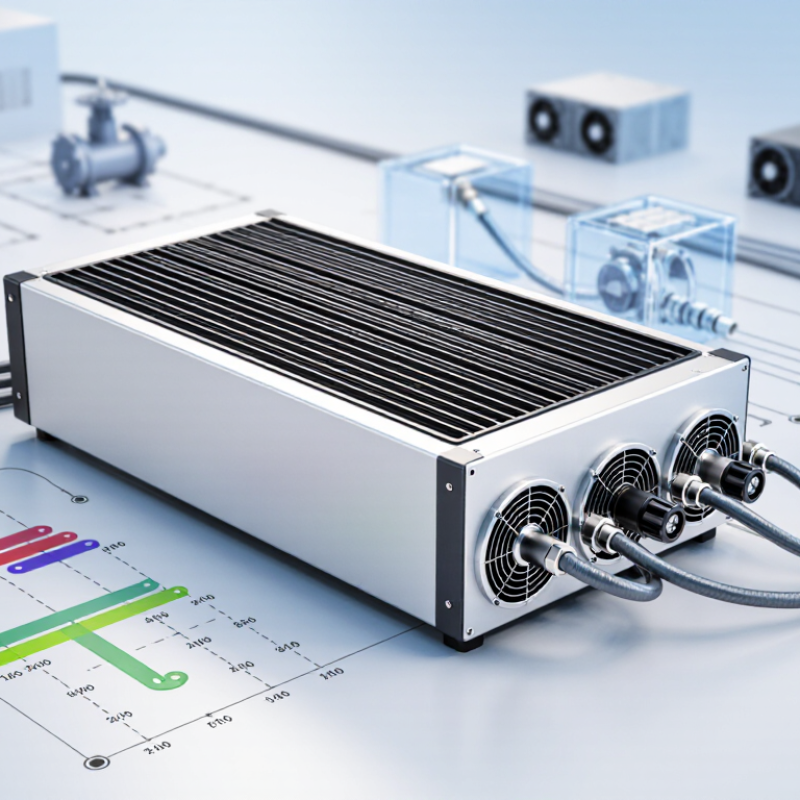
A cold plate chiller is a liquid-cooling system that removes heat from equipment through a metal plate attached to a hot component. Coolant flows through channels inside the plate, collects heat, and carries it to a chiller for removal. The cooled liquid then circulates back. Quiet, targeted cooling.
Cold plate chillers are used in data centers, power-conversion cabinets, battery test systems, and industrial equipment where concentrated heat can strain air cooling. In a 2024 report, Lawrence Berkeley National Laboratory estimated that U.S. data centers used 176 terawatt-hours of electricity in 2023, about 4.4% of the national total. The report projects 325–580 terawatt-hours by 2028. These figures describe data center electricity use, not chiller demand, but they show why efficient thermal management matters. One caveat: a liquid loop still needs careful leak checks and compatible coolant.
Tips: Match cooling capacity to the equipment’s real heat load, not its peak rating alone. Check flow rate, inlet temperature, and pressure drop during commissioning. Keep service access clear around fittings. Small details matter. A cold plate that is poorly mounted may transfer heat less effectively, even when the chiller is correctly sized.
A cold plate chiller circulates coolant through a cold plate attached to heat-generating equipment, then removes the absorbed heat through a refrigeration system or heat exchanger. The table below is a manufacturer-selection guide—not a ranked list of companies—and summarizes capabilities buyers can compare across suppliers.
| No. | Manufacturer capability to evaluate | What buyers should verify | Common applications |
|---|---|---|---|
| 1 | Thermal-capacity engineering | Ask for cooling capacity at the required coolant temperature and ambient conditions; capacity can change with operating conditions. | Data-center servers, power electronics, laser equipment |
| 2 | Temperature-control range | Confirm the specified supply-temperature range, stability, and whether the system can prevent condensation when operating below the surrounding air's dew point. | Laboratory instruments, semiconductor equipment, precision electronics |
| 3 | Flow and pressure design | Compare the required flow rate and pressure drop of the cold plate and circuit with the chiller pump's operating curve. | Battery test systems, industrial drives, server cooling loops |
| 4 | Coolant compatibility | Check that the pump, seals, tubing, and cold-plate materials are compatible with the specified water, water-glycol mixture, or other approved coolant. | EV testing, power electronics, laser systems |
| 5 | Cold-plate design and integration | Review plate dimensions, mounting method, connection type, materials, and interface requirements for the target component. | Inverters, RF amplifiers, battery modules, industrial lasers |
| 6 | Controls and monitoring | Check temperature and flow monitoring, alarms, interlocks, and communication options required by the equipment or facility. | Automated production lines, test benches, data centers |
| 7 | Leak prevention and serviceability | Ask about pressure and leak testing, connection access, filter maintenance, drain and fill procedures, and replacement-part availability. | Medical equipment, electronics manufacturing, continuous-duty systems |
| 8 | Electrical and safety documentation | Confirm electrical ratings, wiring diagrams, operating instructions, and documentation applicable to the destination market and installation. | Export installations, factory equipment, laboratory systems |
| 9 | Environmental and installation fit | Verify ambient-temperature limits, ventilation needs, noise expectations, enclosure protection, footprint, and heat-rejection requirements. | Telecommunications, outdoor cabinets, industrial facilities |
| 10 | Application support and customization | Evaluate engineering support for sizing, commissioning, coolant selection, system integration, and troubleshooting. | Custom machinery, research equipment, specialized test systems |
Typical uses include cooling servers and accelerators, power converters, laser sources, battery test equipment, semiconductor tools, and industrial electronics. Final chiller and coolant selection should be based on the component manufacturer's requirements and the complete cooling-loop design.
Ask for cooling capacity at your expected coolant temperature, ambient temperature, and flow rate. Request pressure-drop curves, temperature stability data, and part-load efficiency. A headline rating is not enough.
Workload peaks, coolant choice, and room temperature affect real performance. Ask for test methods and calibration records. Factory results can look cleaner than field results.
Compare operating limits, flow requirements, connection locations, and service clearances. Check that ports fit the planned pipe layout. Measure the space beside racks and pumps.
Ask how dirty filters and aging pumps affect performance. Confirm leak-test procedures, alarm behavior, and inspection intervals. Small details matter.
Check the availability of pumps, sensors, and seals near your site. Ask for documented response times and warranty steps. Broad coverage claims need verification.
Confirm minimum flow, coolant compatibility, and restart behavior after a power interruption. Ask what happens when the unit operates outside its normal range. Get clear answers.
Treat them cautiously. Real savings depend on workload patterns, installation quality, and maintenance. Estimates may not match your site.
Check whether test conditions are identical before comparing figures. Request sample performance curves and data for your expected inlet temperature. Some comparisons remain imperfect.
A Cold Plate Chiller removes heat from equipment by circulating chilled fluid through a plate that makes direct thermal contact with the heat source. It is commonly used in applications such as industrial machinery, laboratory systems, power electronics, and other processes that need stable, localized temperature control. Selecting a suitable unit starts with understanding the cooling load, operating environment, temperature range, installation constraints, and maintenance requirements.
For global buyers, comparing manufacturers involves more than reviewing product specifications. Consider their engineering capabilities, quality controls, customization options, documentation, technical assistance, spare-parts availability, and service coverage in your region. Leading suppliers may differ in chiller configurations, cooling capacity, controls, and support models, so the best choice depends on how closely these features match your application. A careful assessment of performance, reliability, total ownership needs, and communication support can help identify a Cold Plate Chiller manufacturer suited to both current requirements and future expansion.

 Flotte Energy