Pioneering heat exchange architectures and intelligent secondary network monitoring systems for global energy distribution optimization.
In the current industrial epoch, thermal management has transitioned from a supporting utility to a core driver of thermodynamic efficiency and environmental compliance. Global initiatives such as the European Green Deal and China's dual-carbon goals (peak carbon emission by 2030 and carbon neutrality by 2060) have pushed heat recovery and energy conservation to the top of corporate priorities. A heat exchanger is no longer a static piece of metallic plumbing; it is the vital organ in waste heat recovery (WHR), process optimization, and circular resource management.
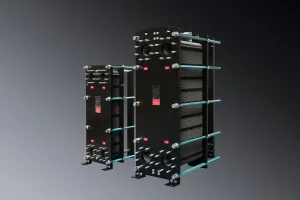
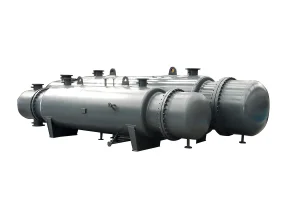
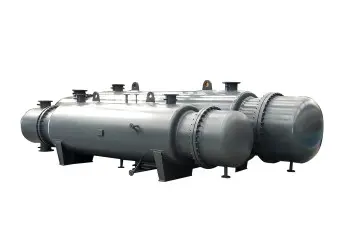
Within heavy industries—such as thermal power generation, chemical synthesis, metallurgical refining, and pharmaceutical formulation—the management of fluid thermodynamics represents the largest variable in operational expenditure. Historically, shell-and-tube configurations dominated, but the market is undergoing a structural transition towards detachable plate heat exchangers and intelligent integrated heat exchange units. These modular architectures provide significantly higher convective heat transfer coefficients (U-values) and offer rapid structural adaptability, taking up to 70% less spatial footprint compared to traditional designs.
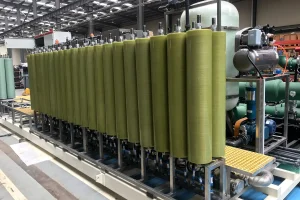
Simultaneously, the demand for complex process solutions has given rise to highly specialized subsystems. Multi-effect evaporation systems (MEE) and membrane concentration systems are transforming wastewater treatment into a value-generating process. By coupling thermal separation with advanced membranes, factories can achieve zero liquid discharge (ZLD) while recovering critical minerals, demonstrating how thermal engineering converges with sustainable resource recovery.
Tracing three decades of innovation, technical certification, and mass-scale production capabilities in mainland China.
Founded on a legacy that dates back to Flotte Thermal Engineering in 1995, and formally incorporated as Flotte Energy Saving Company in 2013 with a robust registered capital of 101 million yuan, Flotte has spent nearly three decades establishing itself as a global leader in water equipment, HVAC architectures, and water treatment technologies. The brand stands at the forefront of China's energy efficiency drive, combining systematic CAD/CAE modeling with advanced manufacturing protocols.
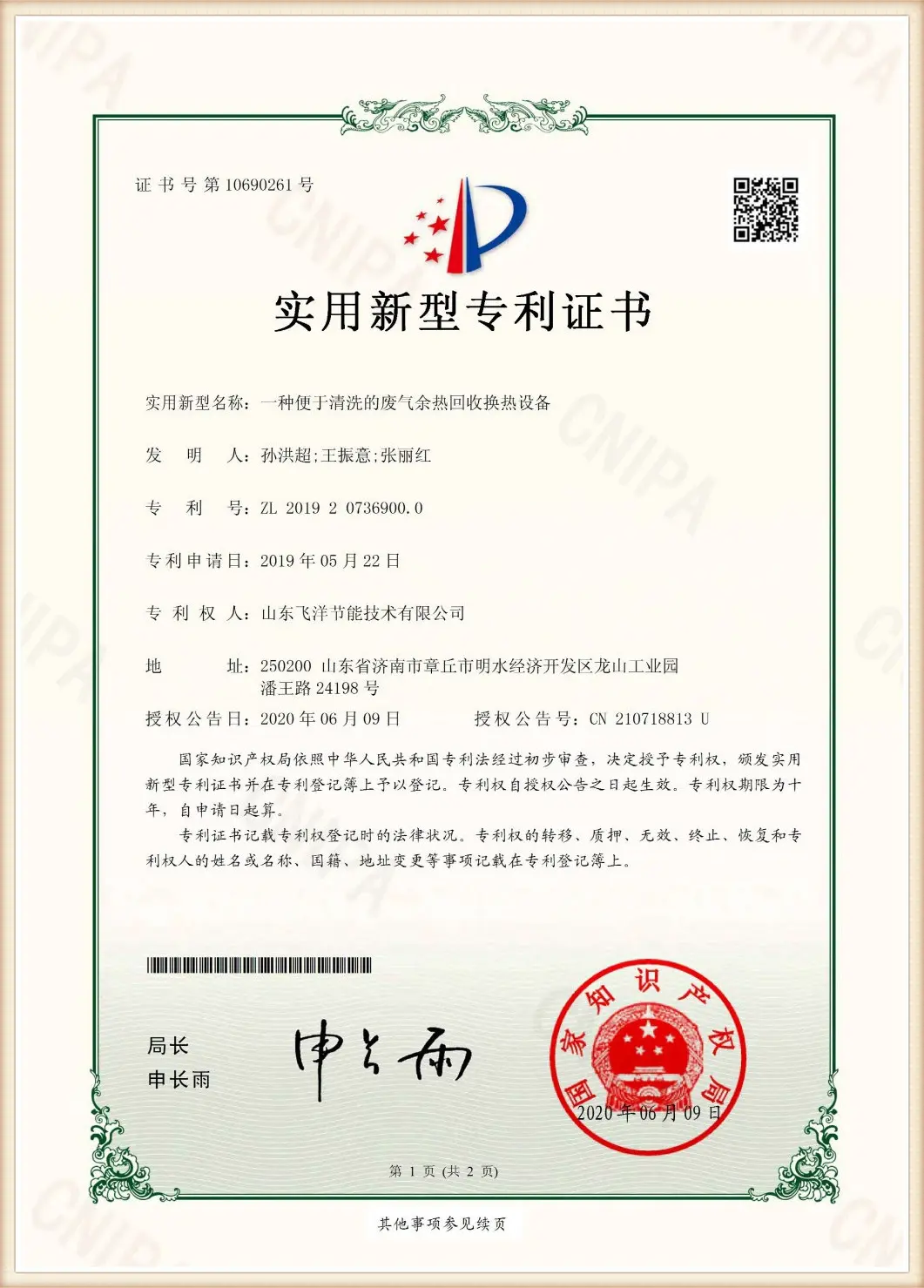
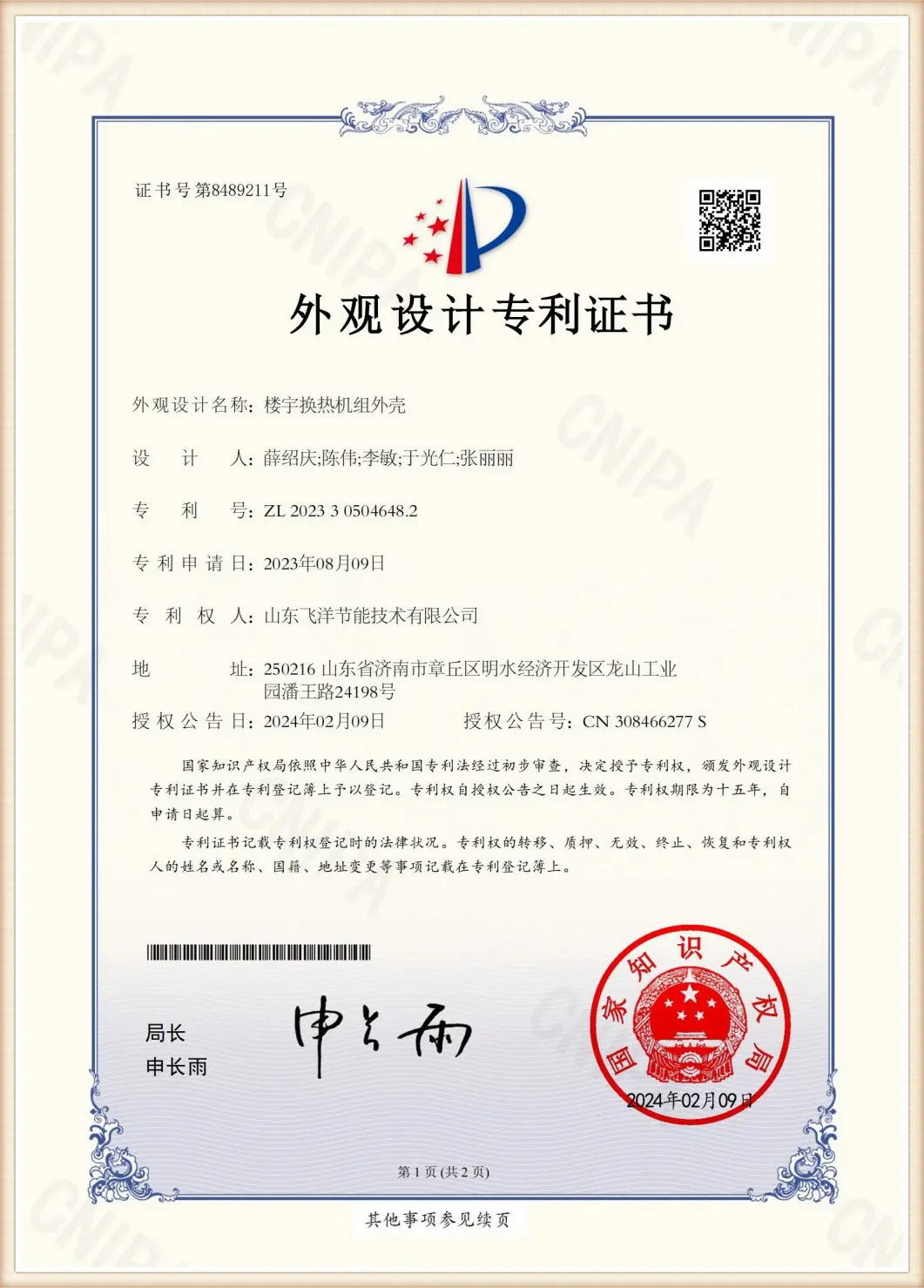
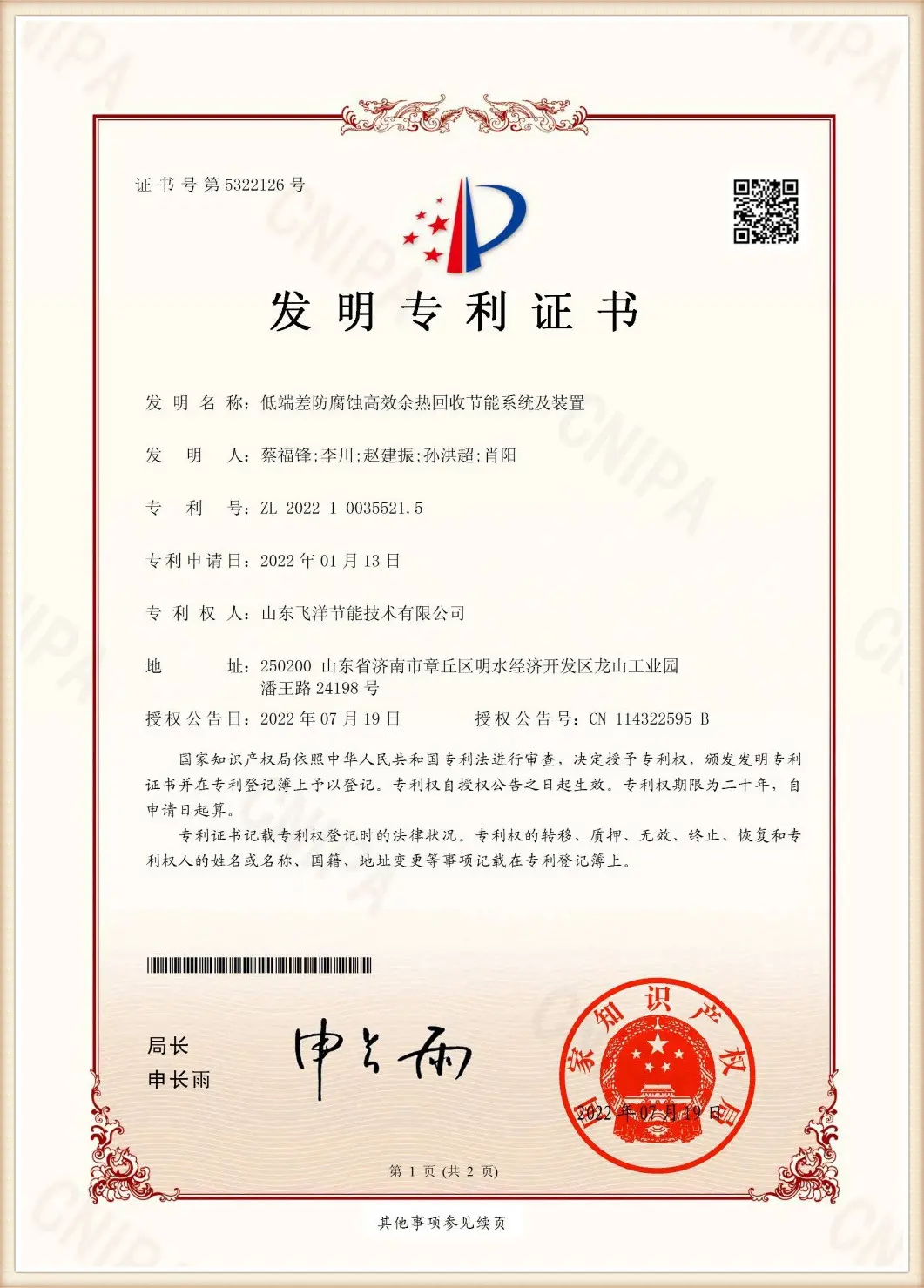
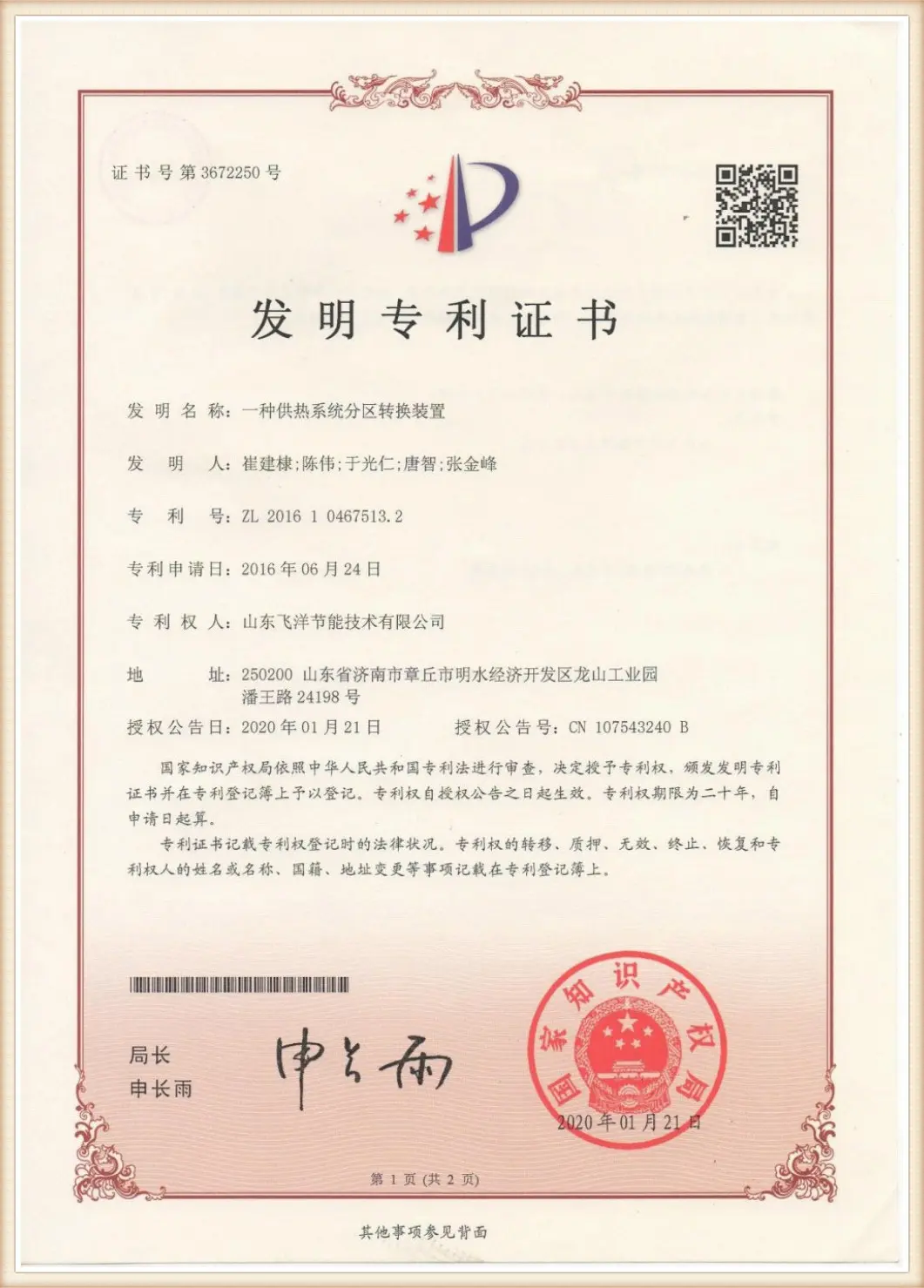
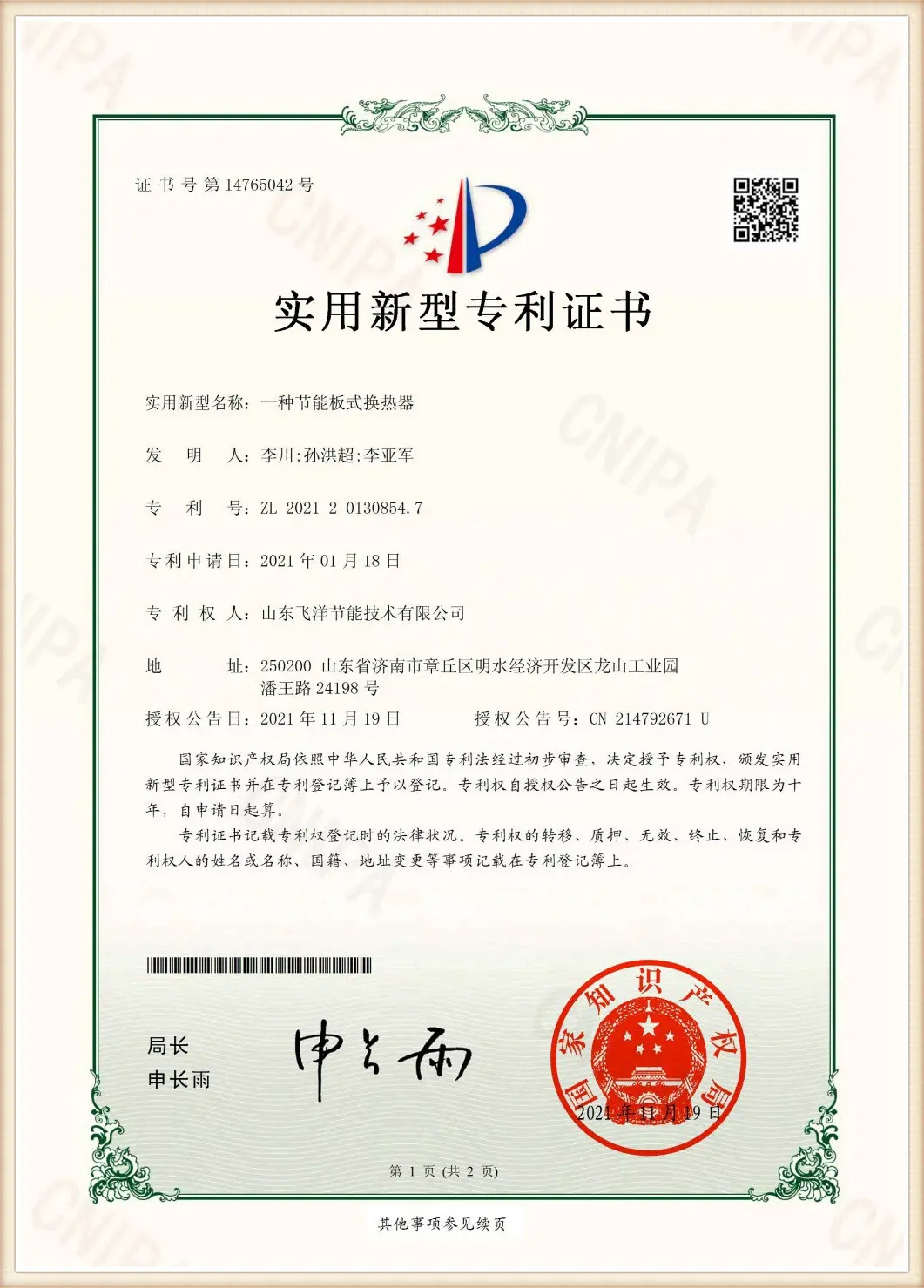
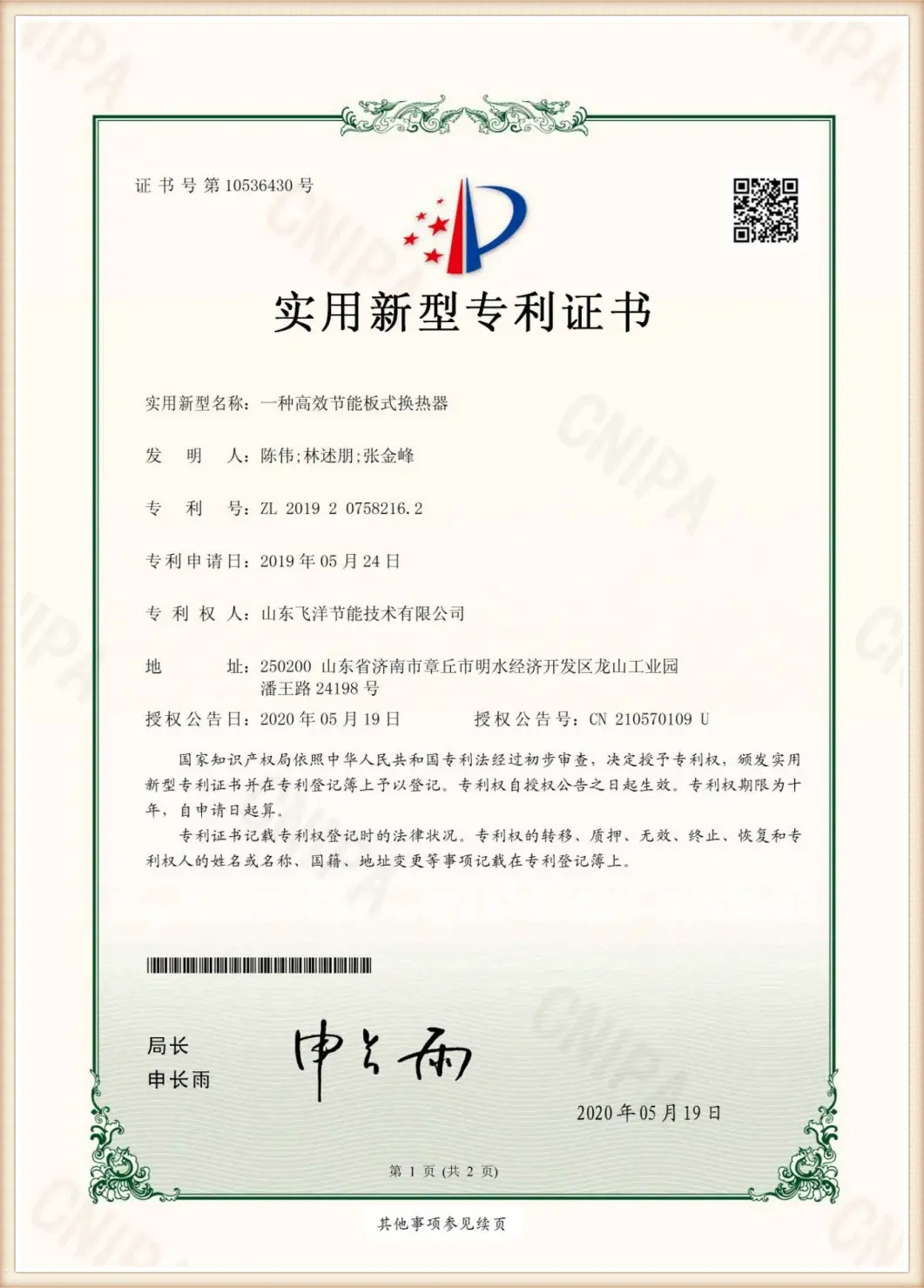
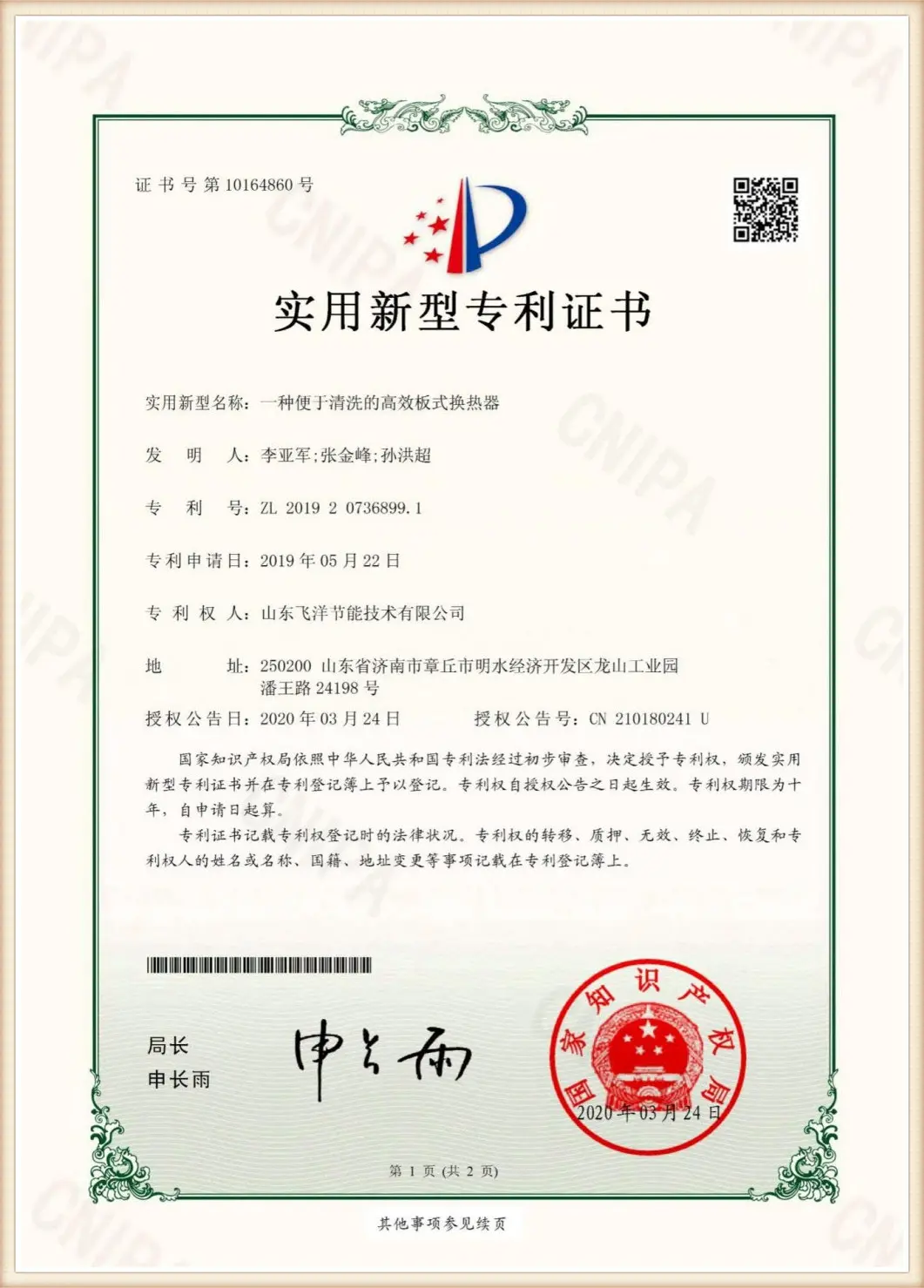
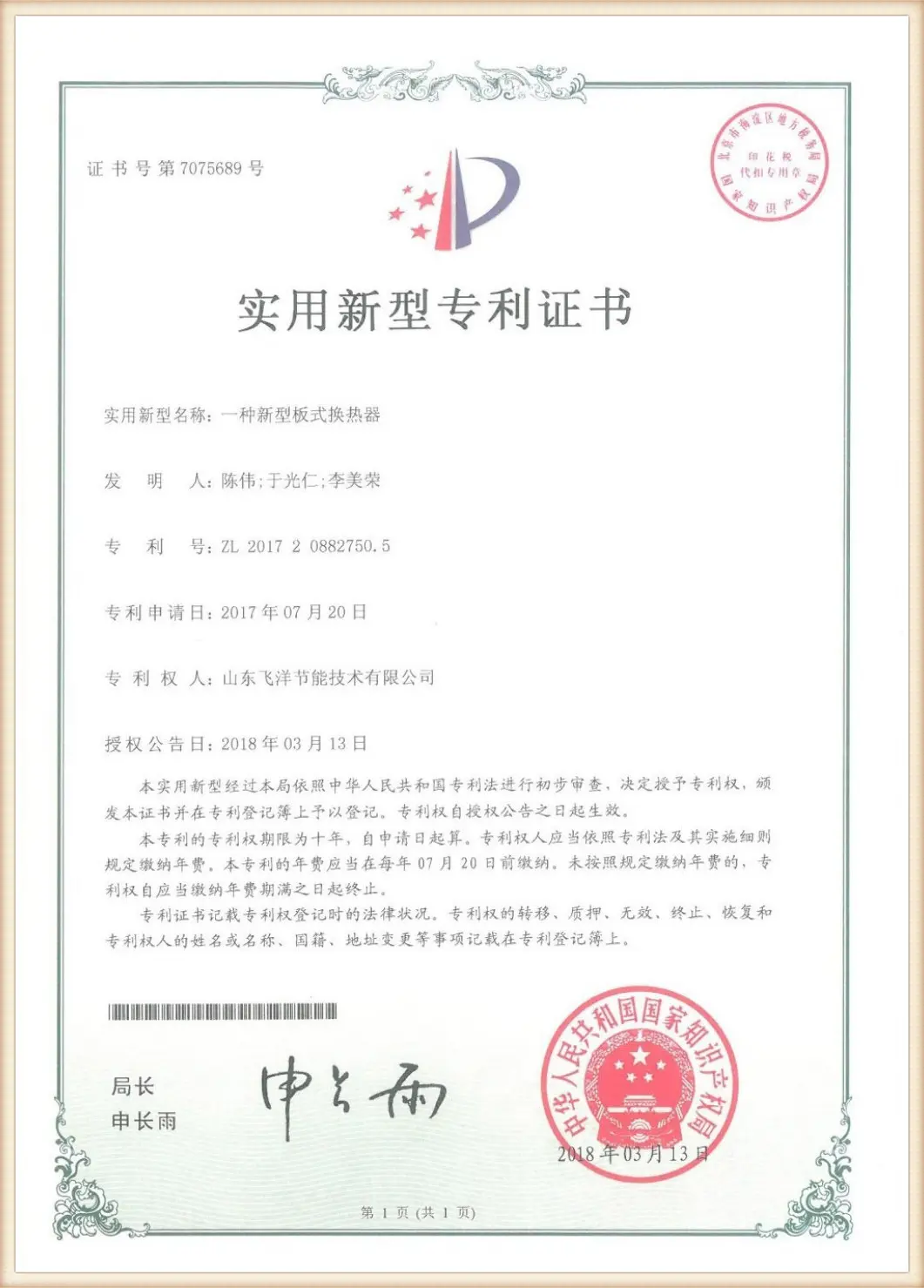
Rather than functioning simply as a component supplier, Flotte delivers end-to-end integration. Holding multiple proprietary patent certifications—including specialized designs for High-Efficiency Plate Heat Exchangers, Intelligent Plate Heat Exchanger Systems, and Plate Heat Exchanger Scale Removal Devices—the company has systematically solved the engineering problems of convective fouling, flow distribution maldistribution, and pressure drop penalties.
Flotte's manufacturing processes comply with strict quality frameworks. The company has secured mandatory national product certifications, safety registration for plate heat exchangers from the National Boiler and Pressure Vessel Standardization Technical Committee, and holds full certifications for ISO9001 (Quality Management), ISO14001 (Environmental Management), and ISO45001 (Occupational Health and Safety Management) systems. This ensures that every heat exchanger, valve, or evaporation system leaving the facility meets the standards required by international engineering procurement contracts (EPCs).
Exploring the strict quality control processes and heavy-industry assembly stages behind Flotte's high-efficiency heat exchangers.
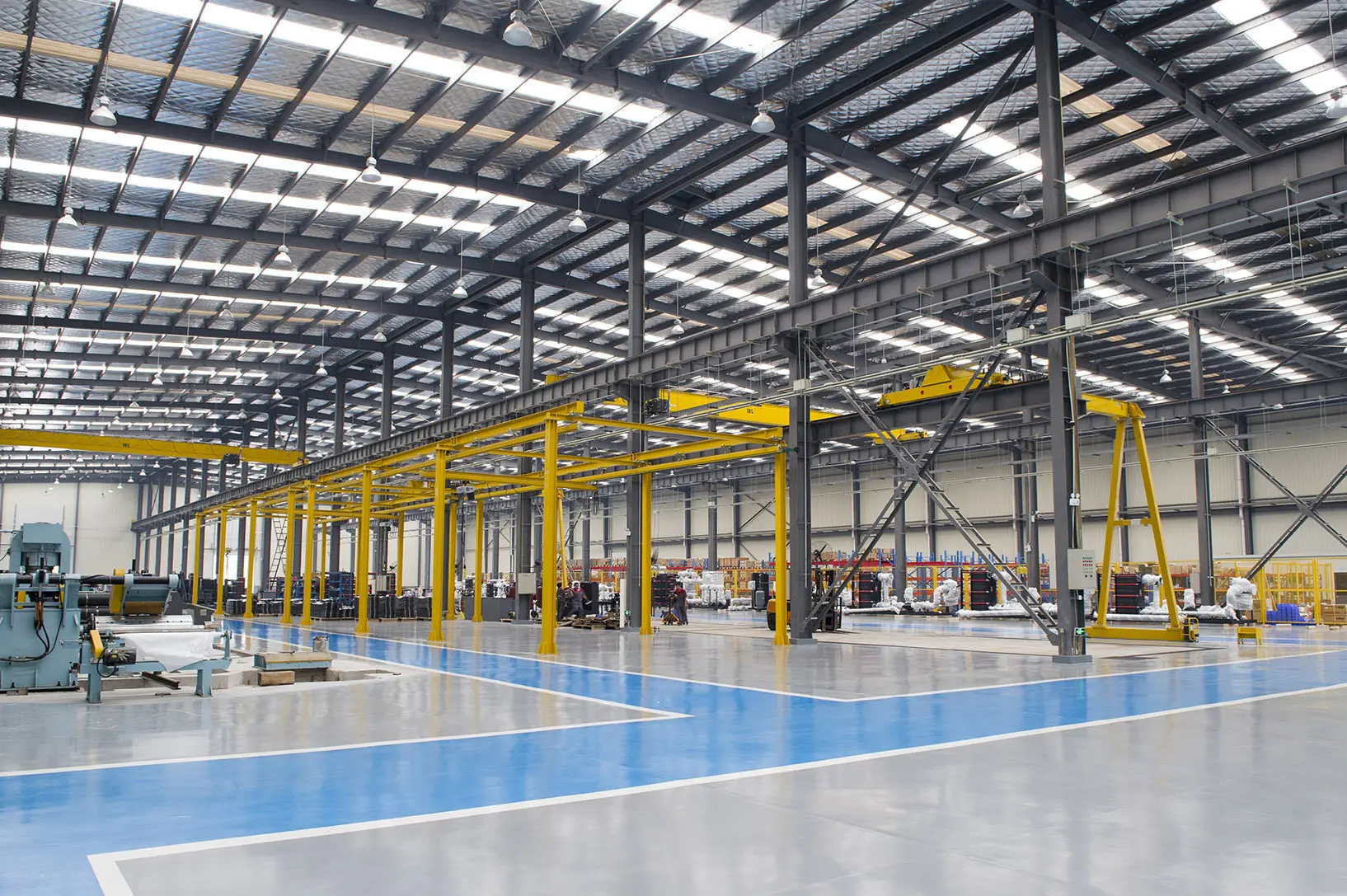
Flotte's modern production facilities feature state-of-the-art sheet metal processing and assembly machinery. The company uses precision-controlled manufacturing to prevent micro-defects in plate corrugations, which can lead to stress corrosion cracking under high-pressure conditions. Each step of the production process is carefully managed to maintain the structural integrity of the equipment:
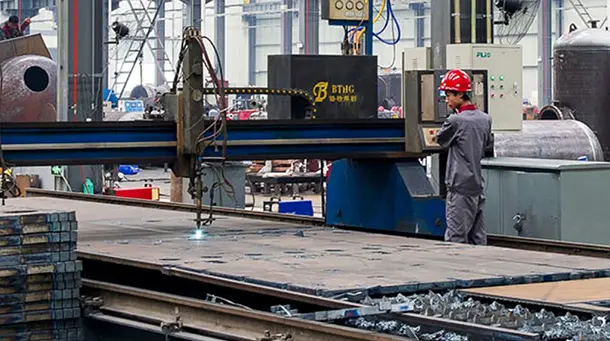
Precision laser and mechanical cutting of frame plates to ensure clean edges and structural tolerance alignment.
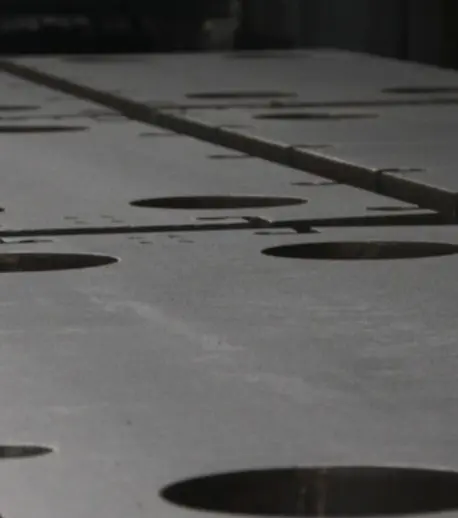
Targeted surface reinforcement and component shaping to handle extreme dynamic pressure surges in real-world pipelines.
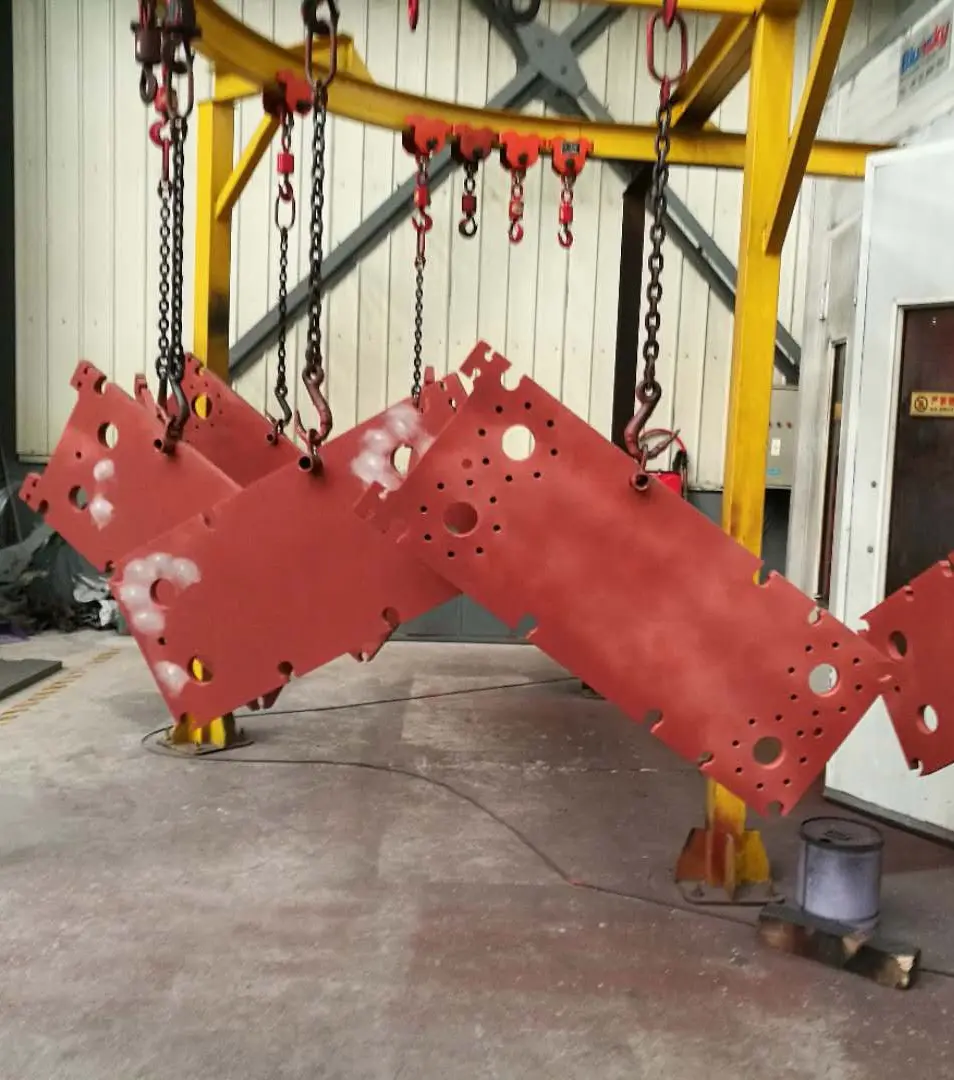
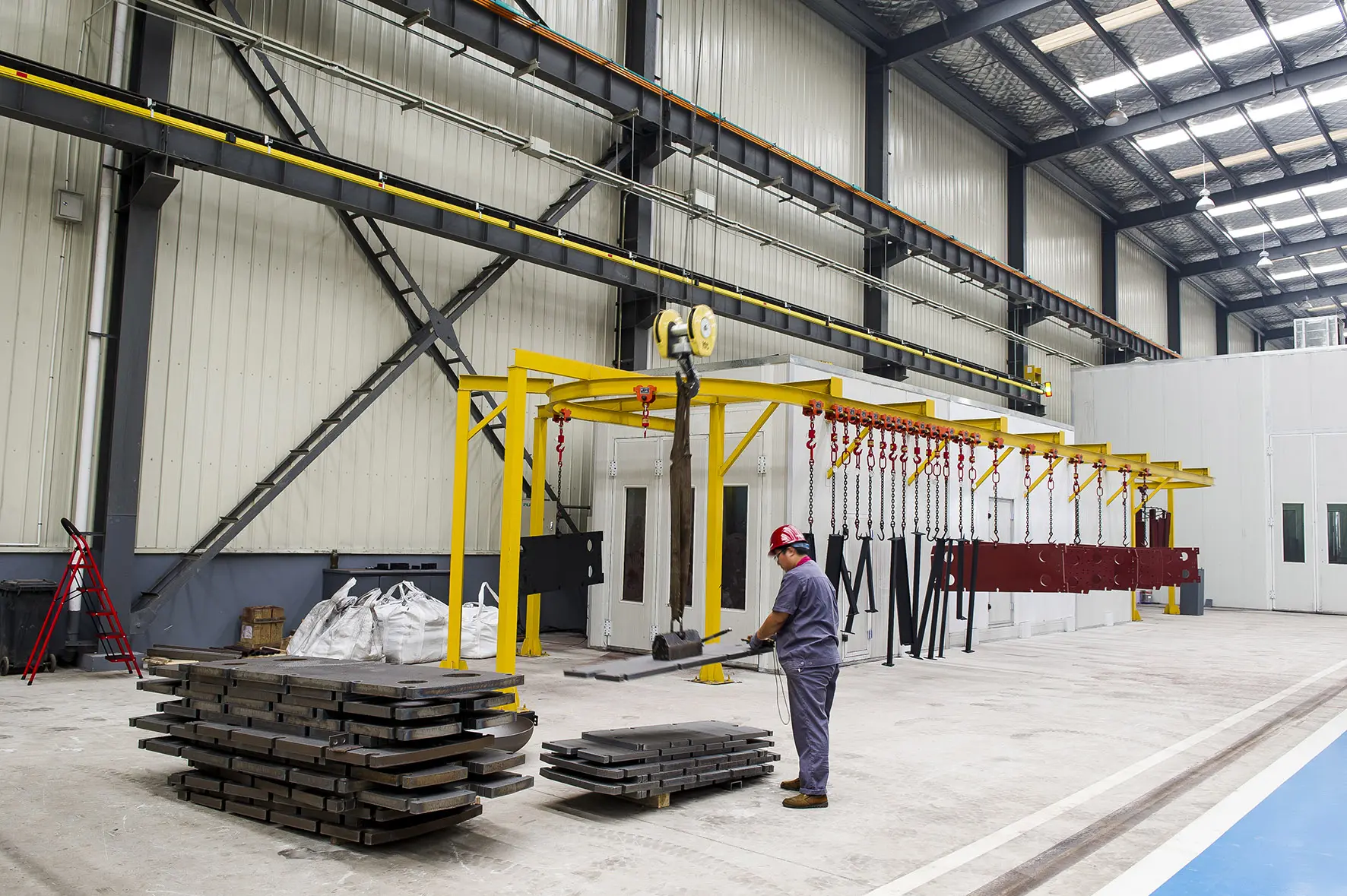
Multi-layer anti-corrosion coating application to protect external metallic structural frames from industrial oxidation.
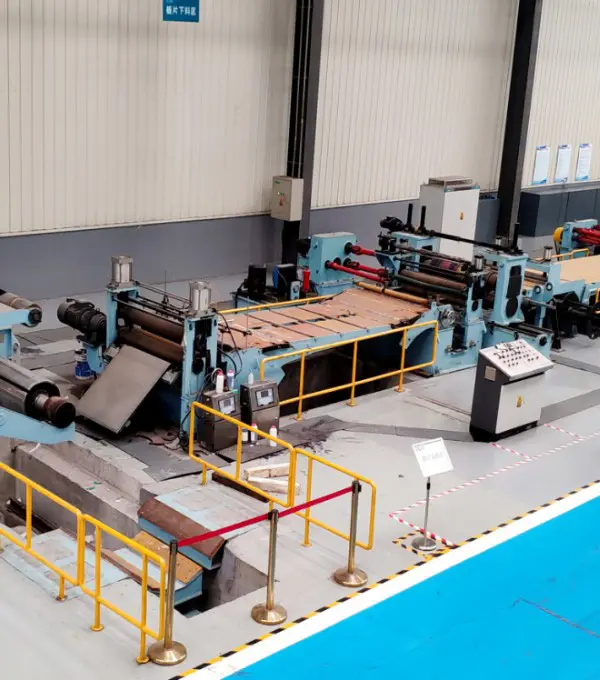
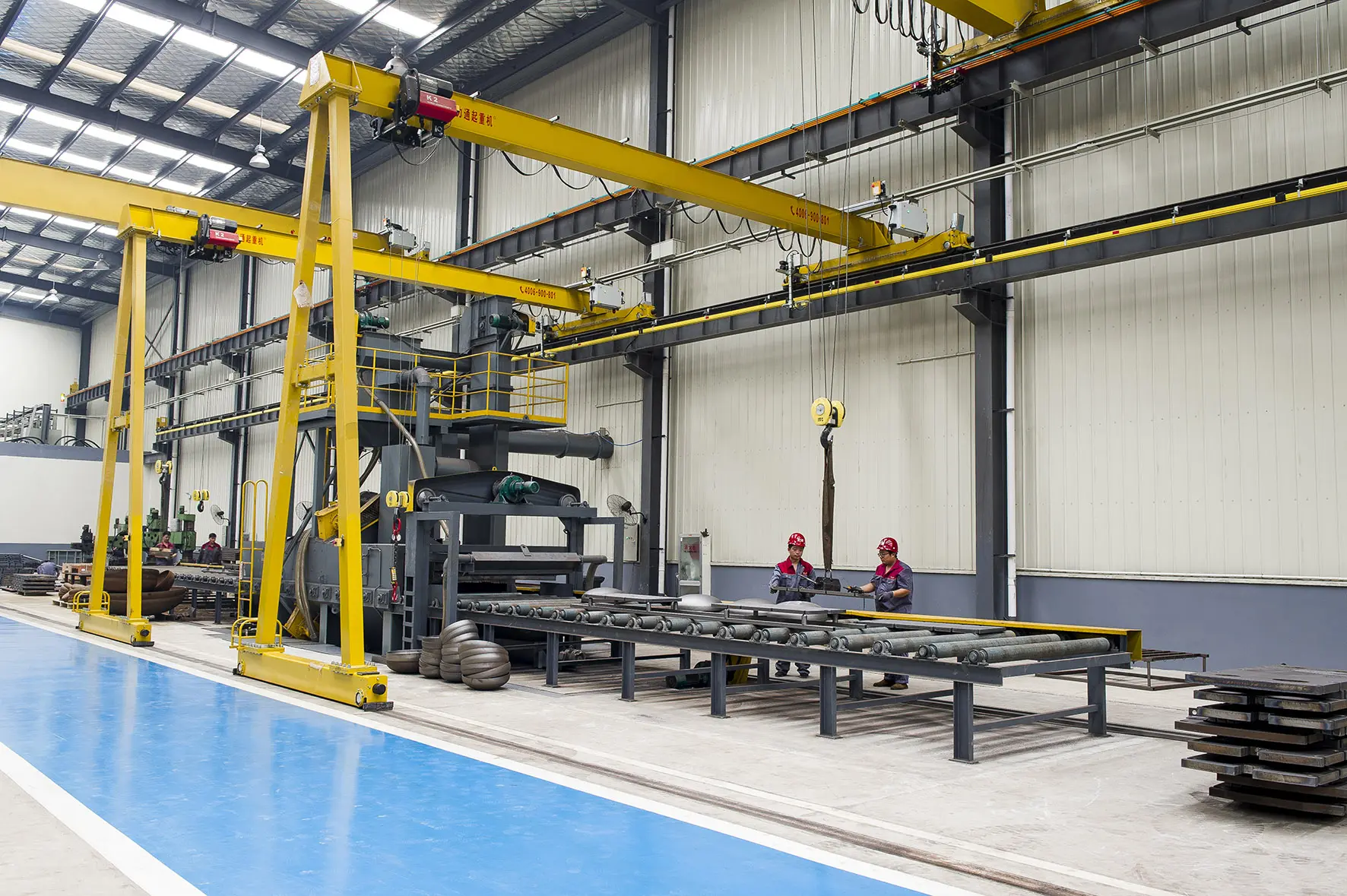
Automated sizing of raw alloy plates followed by laser etching of serial codes to ensure complete product traceability.
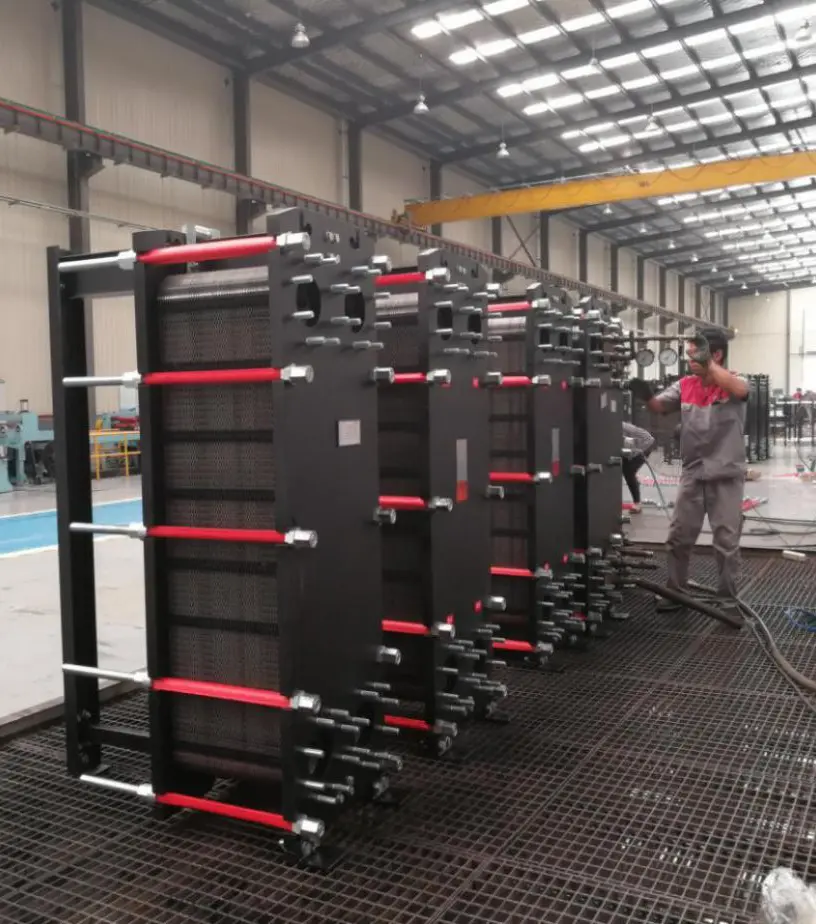
Hydrostatic proof testing conducted at 1.25x to 1.5x design pressure to verify seal integrity and prevent internal bypass leakage.
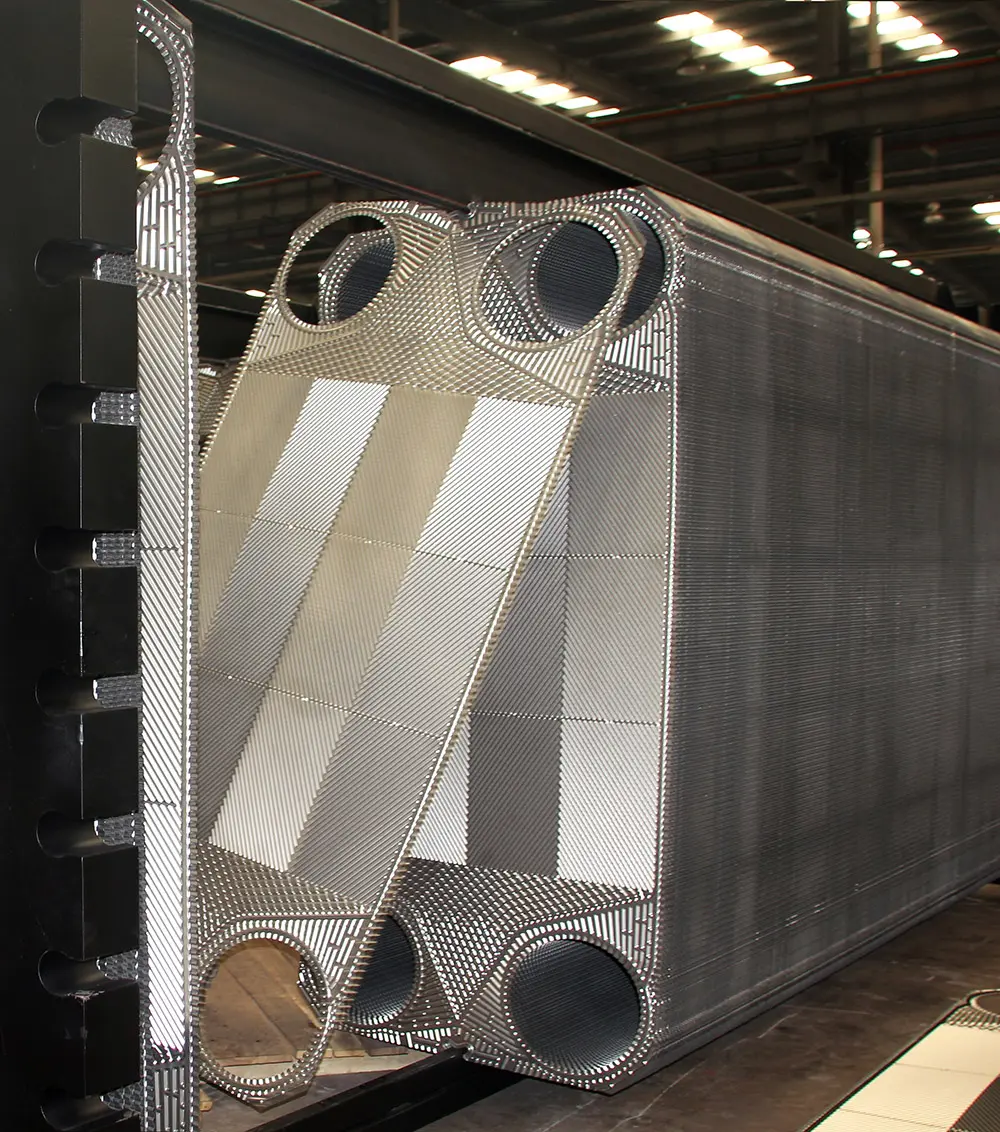
Precise alignment of the heat transfer plate pack, guide bars, and tie bolts by certified mechanical technicians.
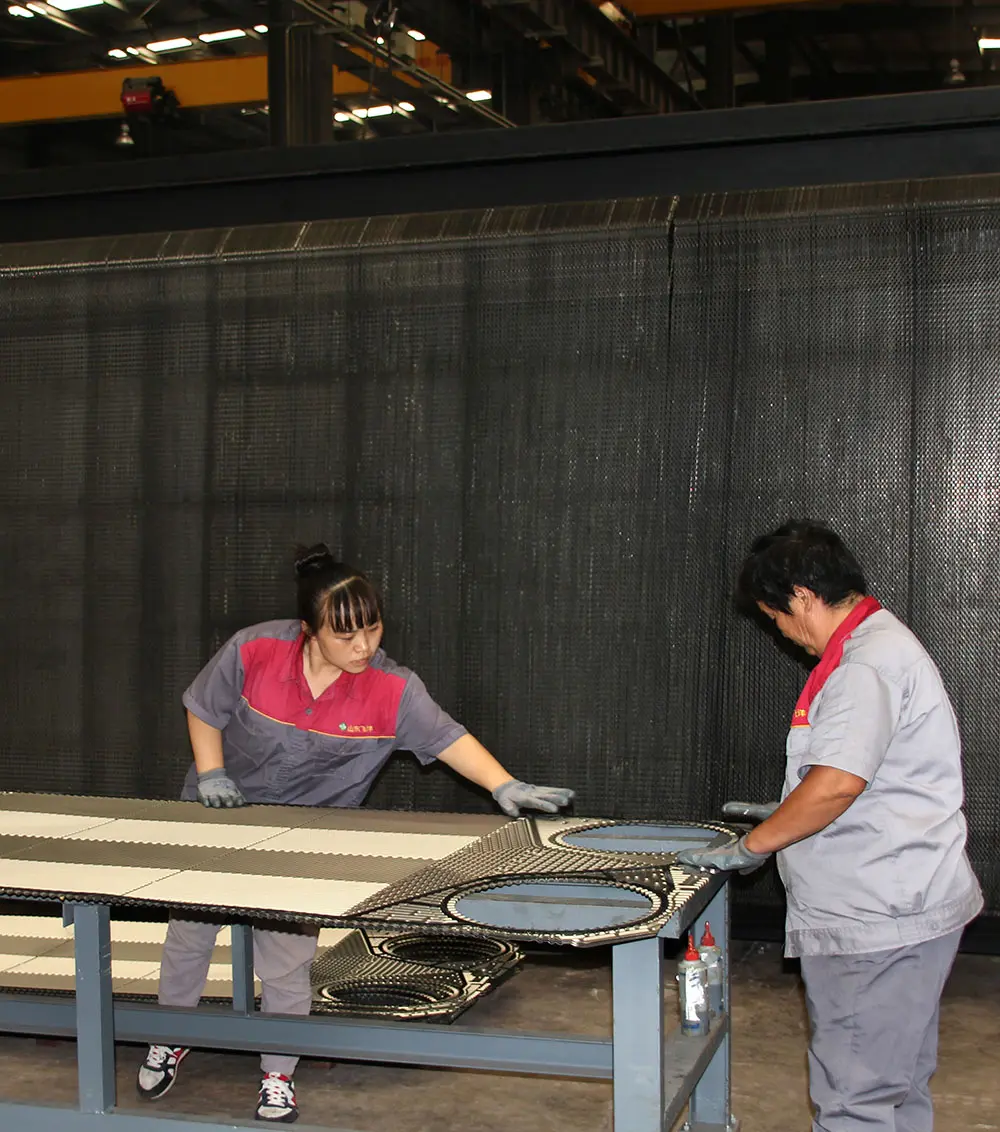
Precise mounting of Elastomeric Gaskets (NBR/EPDM/FKM) using clip-on or specialized bonding adhesives.
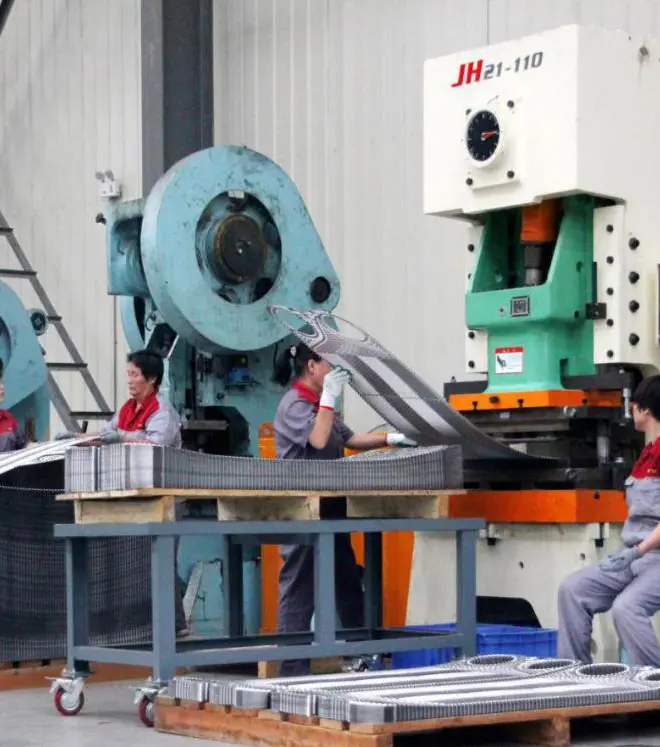
High-tonnage stamping presses punch port holes for fluid entry and exit with clean margins and minimal deformation.
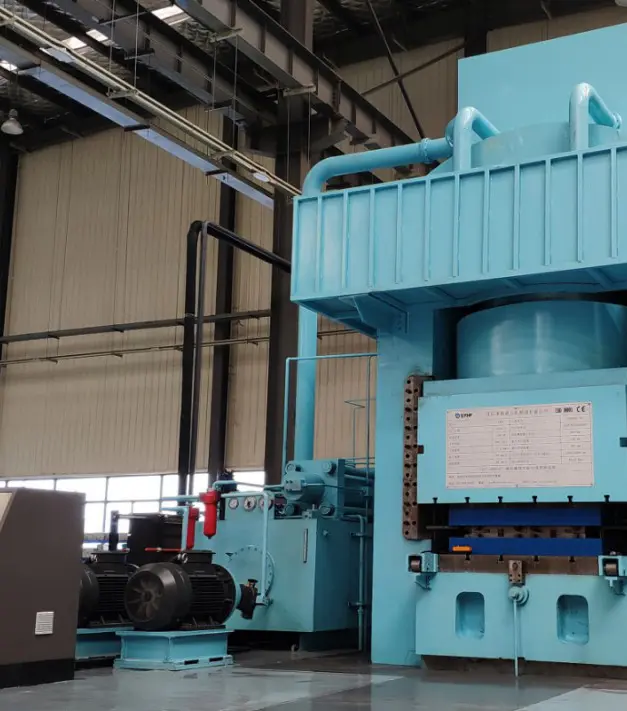
Continuous high-pressure cold-pressing of thermal plate corrugations to produce precise herringbone and washboard distributions.
From municipal utility heating to chemical process evaporation, explore how Flotte's designs resolve thermal management challenges.
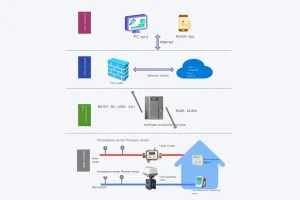
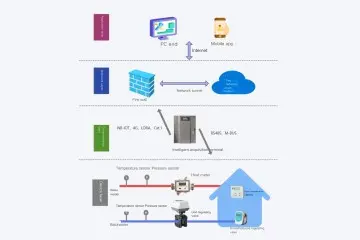
In urban centralized heating systems, plate heat exchangers act as the vital thermodynamic link between high-pressure primary municipal grids and local building secondary networks. Flotte integrates intelligent heating monitoring systems with balancing control valves to stabilize pressure differentials, regulate return temperatures, and eliminate hydraulic imbalances across districts.
This system uses real-time pressure, temperature, and flow data to adjust secondary loop parameters, preventing over-heating at near-end points and under-heating at far-end points. This optimization improves fuel efficiency for municipal heating plants and reduces carbon emissions.
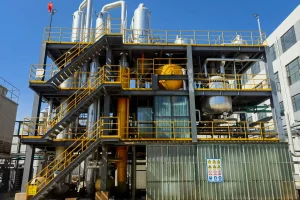
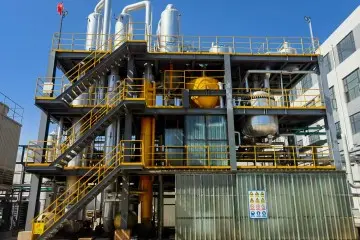
Chemical, pharmaceutical, and mining facilities generate highly saline, toxic process water that cannot be easily discharged. Flotte's Multi-Effect Evaporation Systems (MEE) reuse waste steam across multiple boiling chambers operating under descending pressures.
This design significantly reduces fresh steam consumption, lowers operating costs, and facilitates Zero Liquid Discharge (ZLD). By integrating these systems with membrane concentration modules, companies can recover clean, reusable water and crystallize chemical salts for commercial resale.
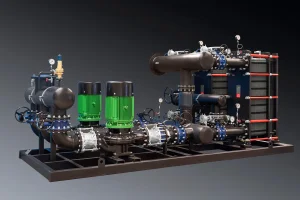
Modern commercial real estate requires high hydraulic stability across high static heights. Flotte's building heat exchanger units isolate pressure zones, protecting low-pressure boilers, chillers, and terminal fan coils from the high static head pressures of skyscrapers.
These units feature dynamic control valves and high-performance plates that enable heat exchange with very close temperature approaches, minimizing auxiliary pumping power requirements and contributing to green building certifications.
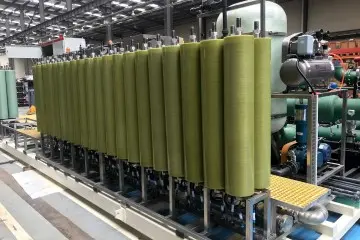
For operations dealing with heavy mineral scaling or organic foulants, Flotte provides integrated membrane concentration systems. These systems combine high-pressure filtration with specialized flow channels in the plates to handle highly concentrated feeds.
Engineered with alloy plates (such as Titanium and Hastelloy) and chemical-resistant gasket compounds, these units deliver stable performance when treating highly corrosive or acidic process streams.
The next decade of thermal engineering will be defined by the convergence of material science and digital technology. As factories and energy grids become smarter, heat exchange systems must evolve from passive mechanical components into self-optimizing, digitally integrated assets. Flotte is actively directing its R&D efforts toward three core technology areas:
To operate reliably in aggressive chemical environments and high-fouling municipal systems, Flotte is testing and deploying advanced plate materials. In addition to high-grade Stainless Steels (SS316L, SS904L), the company's production line regularly utilizes Titanium (Grade 1/2), Hastelloy C-276, and Nickel alloys.
We are also researching nano-composite surface coatings designed to repel organic molecules and inorganic salts. These coatings reduce the rate of crystallizing scaling on plate surfaces, helping maintain optimal heat transfer coefficients (U-values) for longer periods and extending cleaning intervals by up to 150%.
The integration of smart sensors into heat exchanger frames represents a major shift in predictive maintenance. Flotte's Intelligent Heating Network Monitoring System incorporates temperature, differential pressure, and ultrasonic flow sensors directly into the inlet and outlet ports of our heat exchange units.
By processing this data through edge computing controllers, the system calculates the real-time thermal resistance and fouling factor of the plate pack. Instead of relying on fixed calendar schedules, operators are notified of required cleaning or maintenance based on actual performance degradation, preventing unexpected downtime and optimizing maintenance resource allocation.
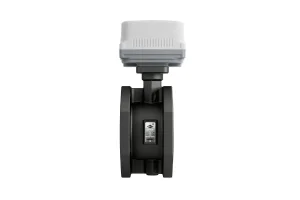
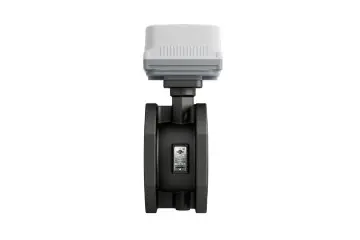
In central heating systems, hydraulic balance has long been a challenge. The introduction of Flotte's Secondary Network Intelligent Unit Balance Valve addresses this issue. These self-powered, modulating valves communicate dynamically with the building's central monitoring station.
By continuously adjusting valve aperture based on ambient temperature forecasts and return-line differentials, these valves eliminate thermal short-circuiting across distribution loops. This ensures balanced heat distribution throughout the entire network, regardless of physical distance from the main heating plant.
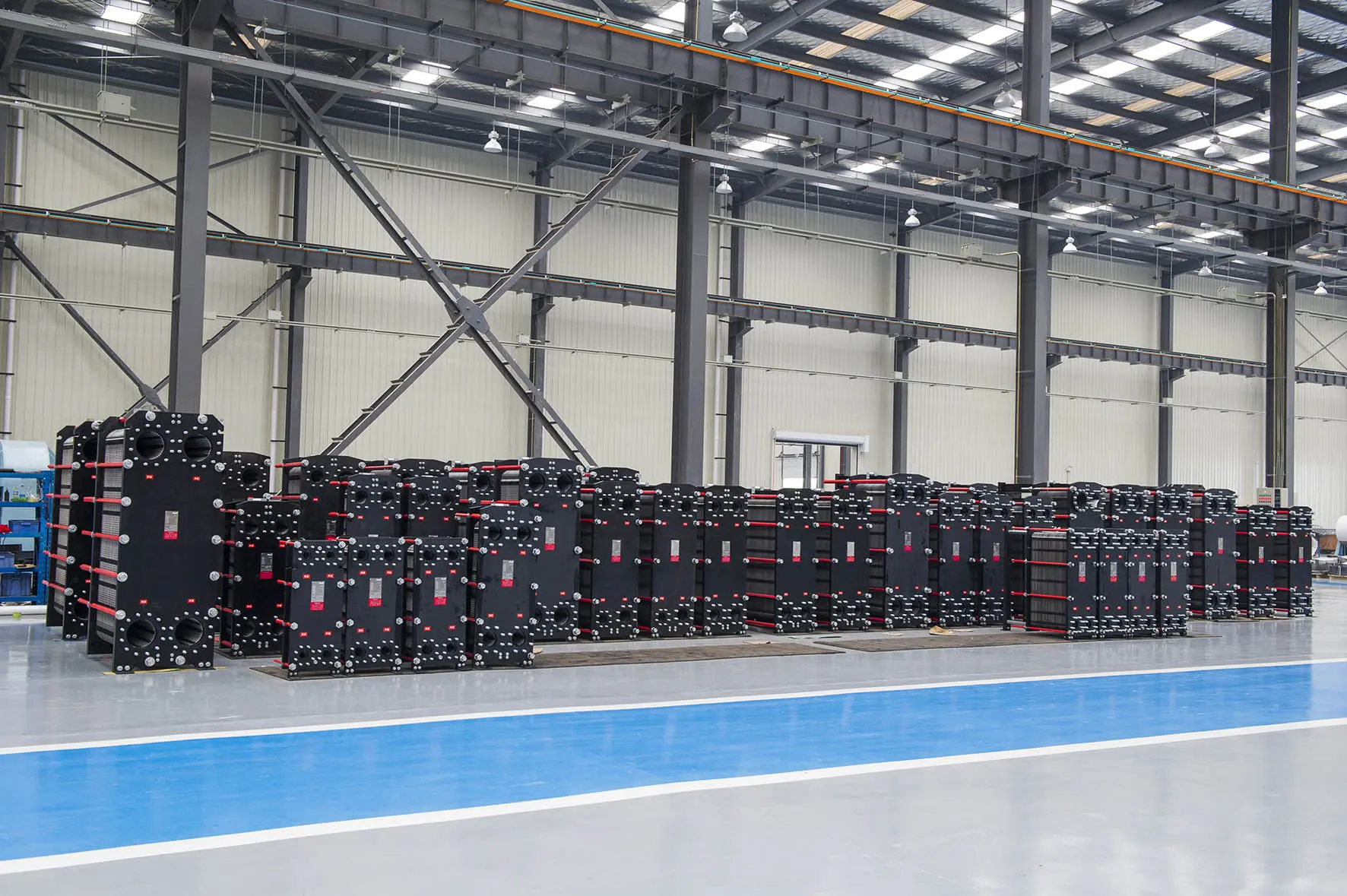
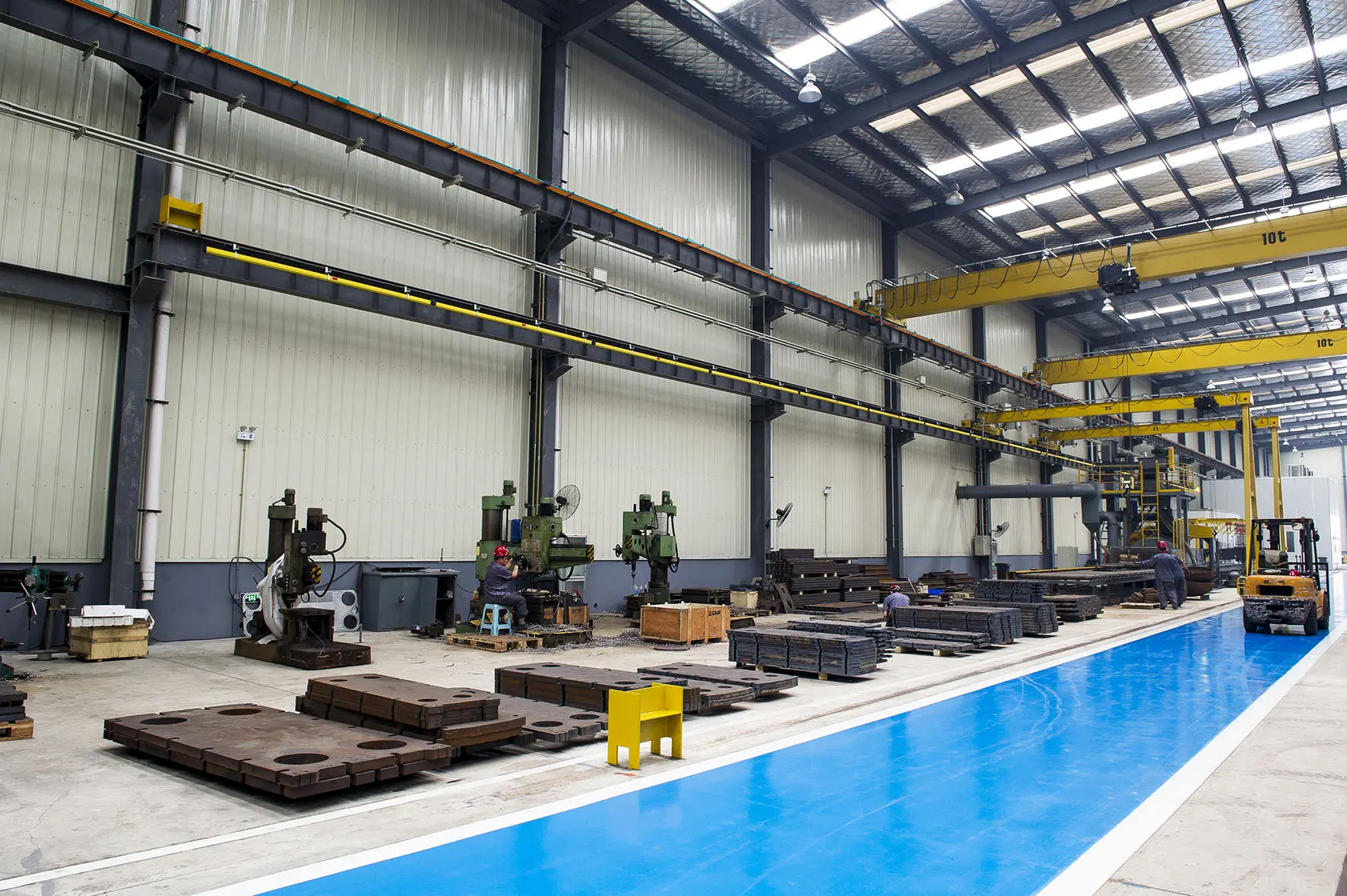
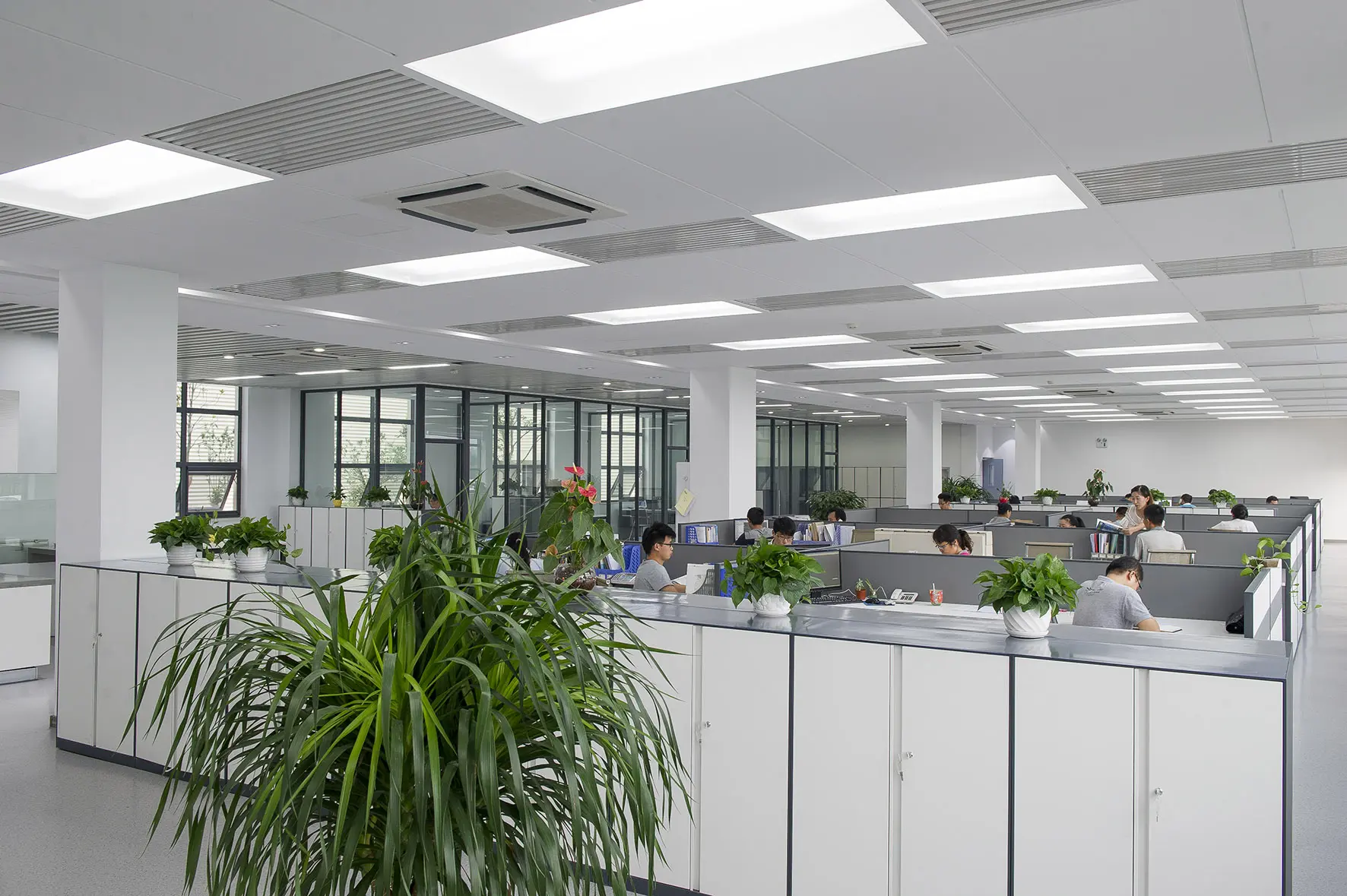
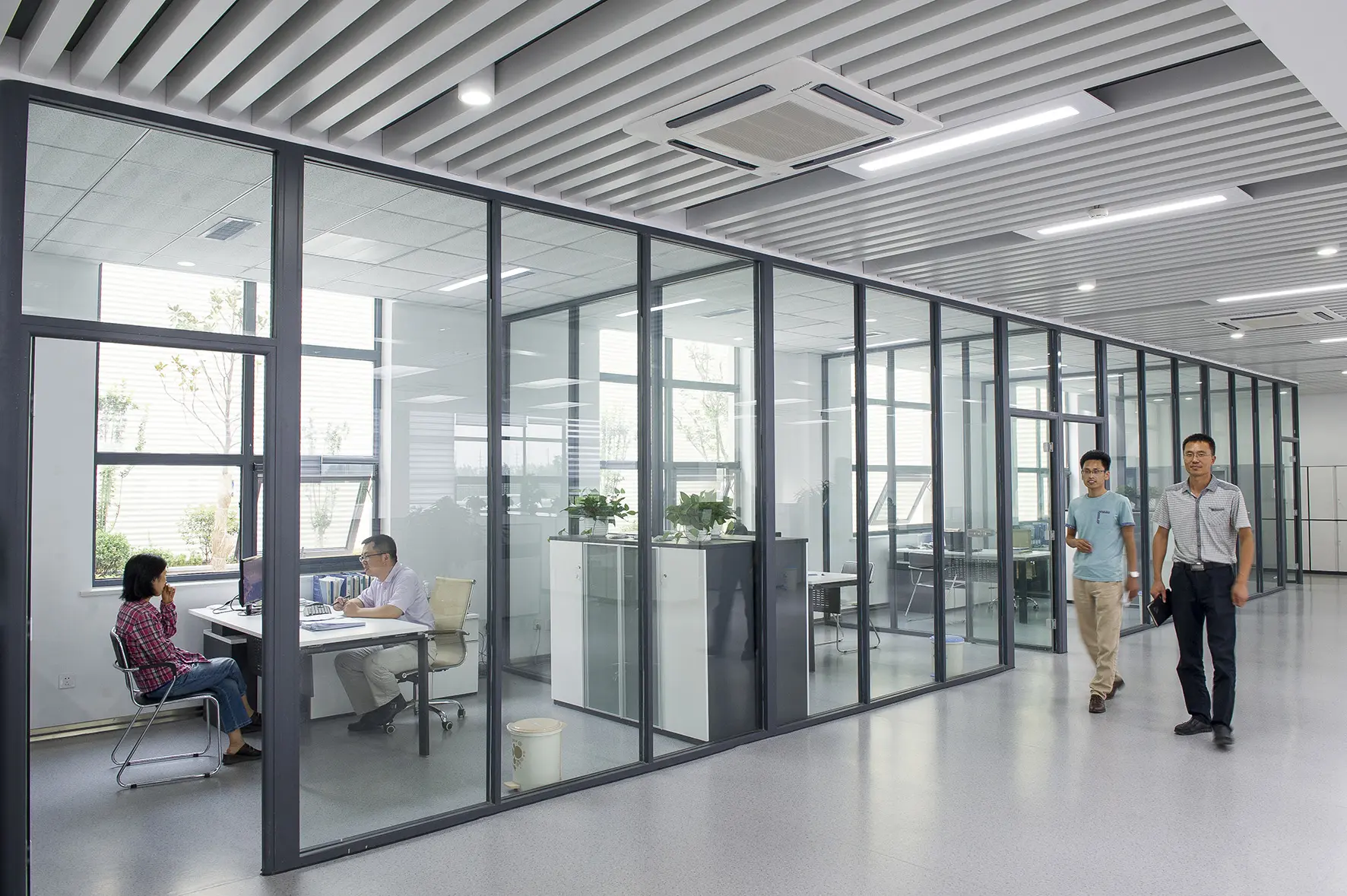
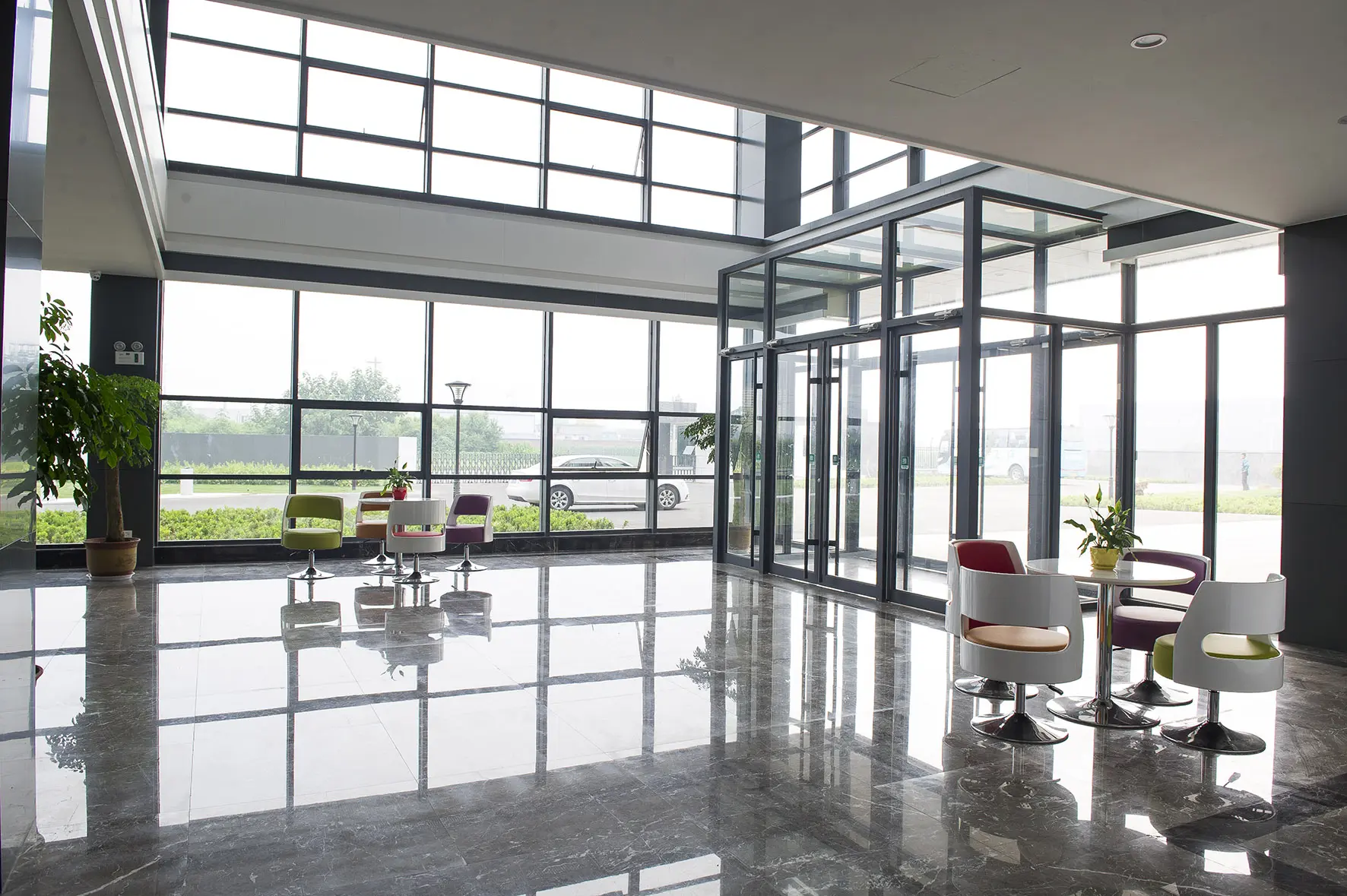
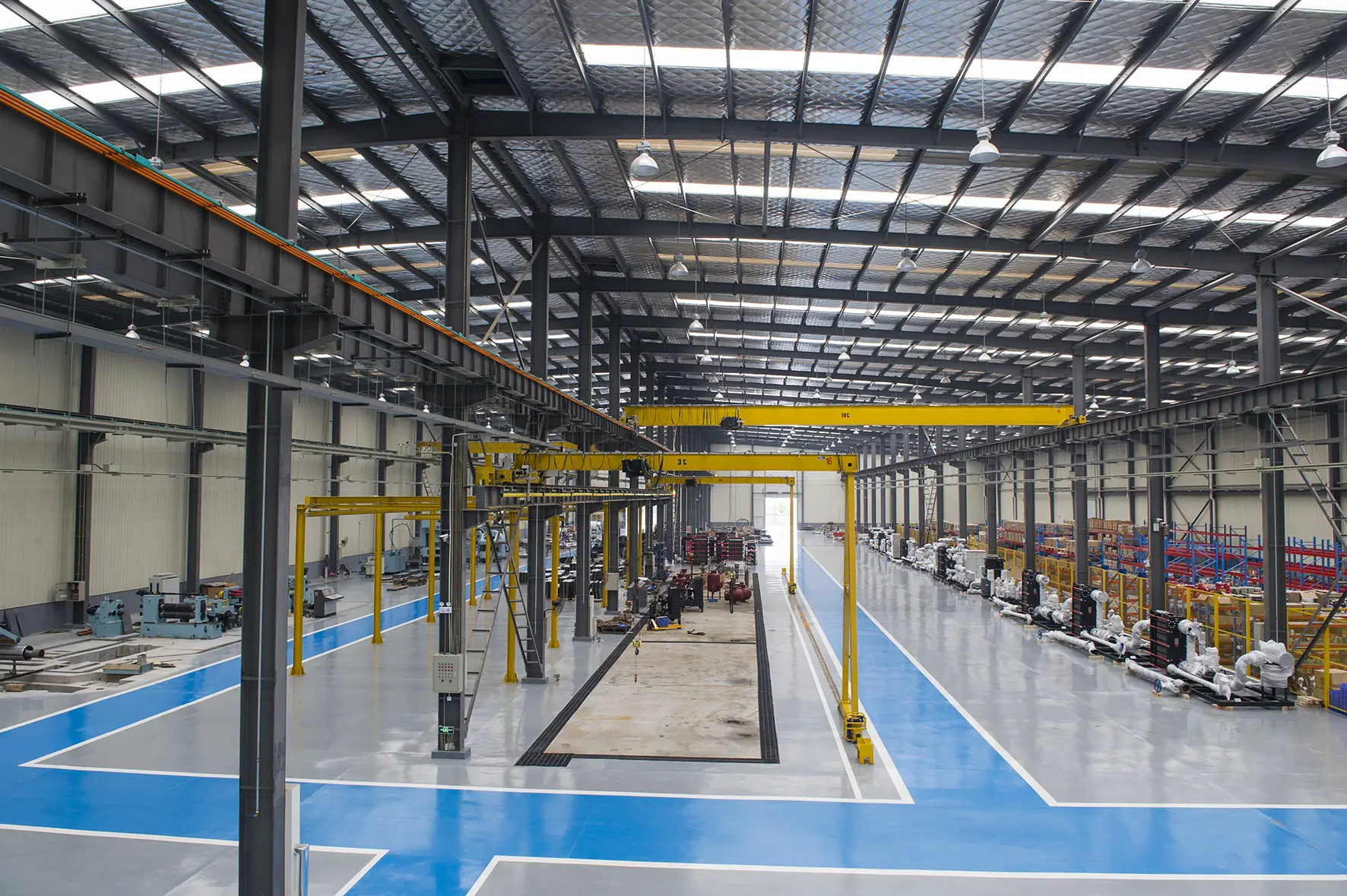
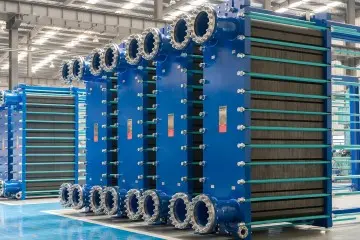
Visual tour of Flotte's 70,000 square meter manufacturing facility and international quality assurance credentials.
Expert analysis addressing common questions on thermal performance, system configuration, and maintenance optimization.
First, electronic sensors record pressure drops and temperatures across all nodes of the network. Second, this data is used by automated balance valves to adjust flow rates dynamically.
By continuously regulating the local resistance of individual loops, the system maintains balanced heat distribution across the entire network, reducing pump energy consumption and improving user comfort.Under conditions where stainless steel (even grade SS316L) is susceptible to pitting, crevice corrosion, and stress corrosion cracking (SCC), titanium remains inert. This resistance allows for thinner heat exchanger plates (e.g., 0.5mm), which helps offset the higher raw material cost by providing excellent heat transfer efficiency and a longer service life.
Every stage of production—from alloy chemical verification and plate thickness testing to stamping inspection—is documented under an ISO 9001:2015 quality management system.
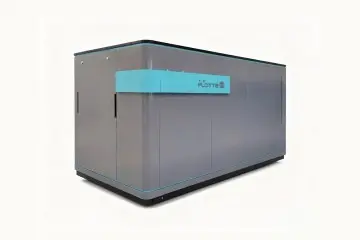
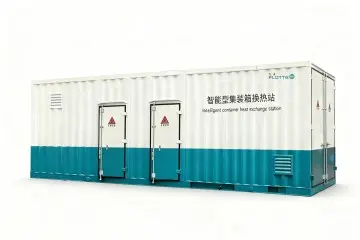
Finished assemblies undergo hydrostatic testing at 1.3x to 1.5x design pressure, along with dye penetrant and ultrasonic weld tests to verify seal and structural integrity. All units are issued standard compliance records and safety registry numbers under national pressure vessel frameworks prior to shipment.Browse our advanced manufacturing catalog featuring integrated box-type units, secondary network valves, and high-performance evaporators.
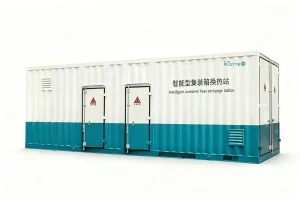
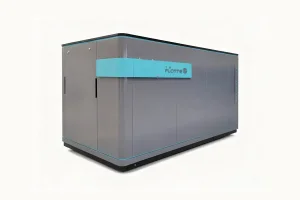
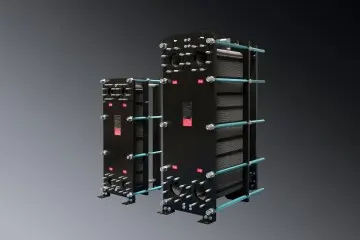
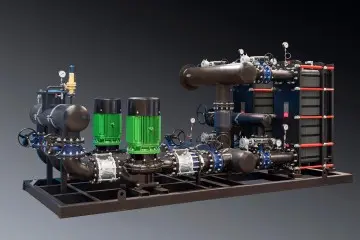
System and subsystem catalog models for process plants, district networks, and industrial heating infrastructure.

 Flotte Energy