Direct supply from state-of-the-art facilities offering reliable, high-precision industrial energy solutions.
Deep-dive analysis of modern thermodynamics, replacement dynamics, and the role of high-efficiency alternatives.
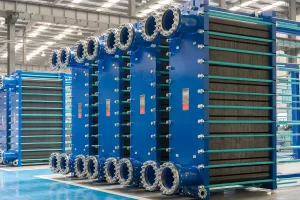
In modern industrial operations, thermal management is a primary variable dictating energy efficiency, process safety, and overall operating margins. Gasketed plate heat exchangers (GPHEs) stand as the cornerstone technology for heat transfer across global industries—ranging from marine engineering and petrochemical processing to HVAC systems and municipal district heating. Alfa Laval has historically set global benchmarks for GPHE designs, thanks to their specialized plate corrugated geometries, advanced sealing mechanisms, and optimized hydraulic distribution systems.
According to thermodynamic research, gasketed plate heat exchangers offer a compact footprint while delivering heat transfer coefficients that are three to five times higher than conventional shell-and-tube designs. By facilitating closer approach temperatures (often as low as 1°C), they maximize energy recovery, which directly supports the global push for industrial decarbonization.
Industrial plants face mounting pressure to upgrade aging infrastructure and reduce carbon footprints. As a result, the demand for replacement plates, specialized gaskets, and entirely custom heat exchanger modules compatible with leading brands like Alfa Laval has grown significantly. Industrial users require components that can withstand demanding pressures and corrosive media while offering long-term reliability. Today's global supply chain expects manufacturing partners to offer not only robust production capabilities but also comprehensive engineering support to optimize operational costs (TCO).
Our factory bridges this market gap by delivering highly precise, cost-effective alternatives and customized gasketed plate heat exchangers engineered to meet or exceed international standards. Drawing on decades of manufacturing history, we produce direct-replacement plates in materials like AISI 304, AISI 316L, Titanium, Hastelloy, and Nickel, coupled with high-durability gaskets (NBR, EPDM, FKM/Viton). This ensures seamless integration, reduced lead times, and substantial cost savings without compromising on performance or longevity.
Three decades of manufacturing excellence, certified quality standards, and deep technical expertise.
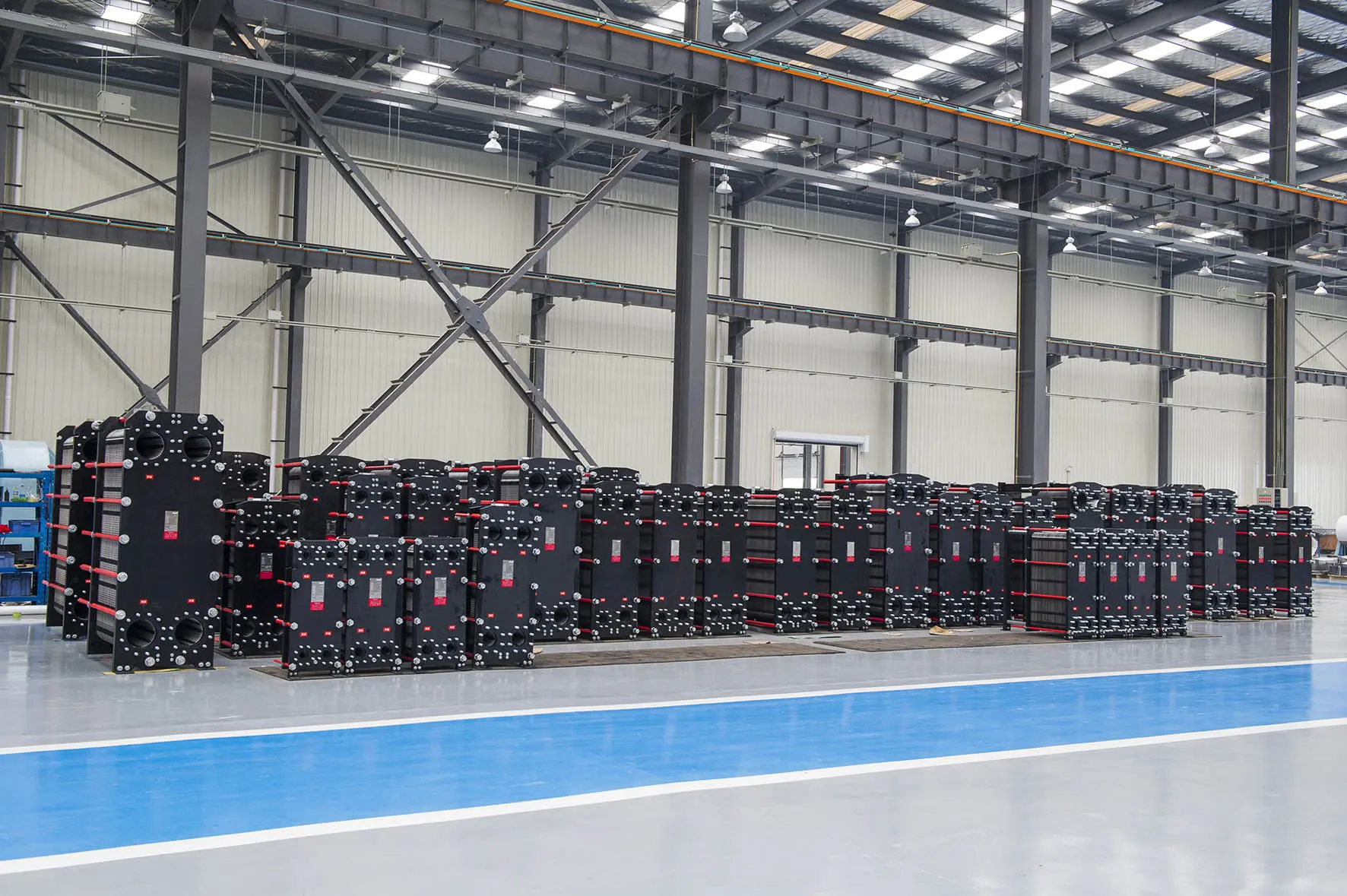
Established in 2013 with a registered capital of 101 million yuan, Flotte Energy Saving Company originated from Flotte Thermal Engineering, which was founded in 1995. With nearly three decades of engineering expertise, the company specializes in water equipment, HVAC systems, and water treatment technologies. Flotte consistently leads the industry in adopting cutting-edge technologies, developing innovative products, and delivering comprehensive production and sales services.
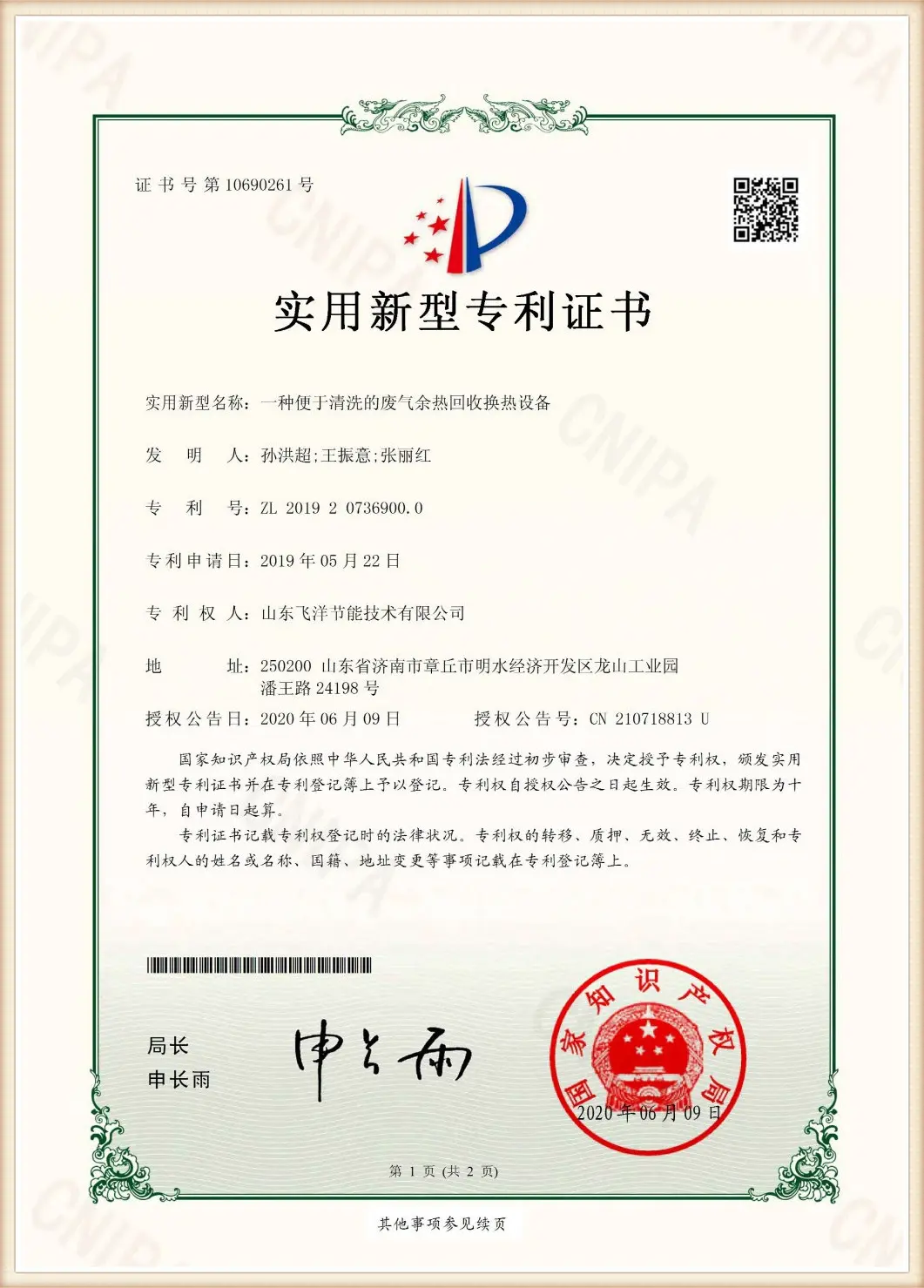
Our production quality control and service processes strictly adhere to the ISO 9001:2015 international quality management system, the ISO 14001 environmental management system, and the ISO 45001 occupational health and safety system. Additionally, our products comply with pressure vessel quality frameworks and have obtained safety registration and certifications from the National Standardization Committee.
How state-of-the-art Chinese factories optimize thermal performance while reducing global lead times.
China's manufacturing ecosystem has evolved from high-volume assembly to high-precision engineering. By leveraging localized supply chains for raw materials and deploying advanced automation, Chinese manufacturers can supply high-quality gasketed plate heat exchangers at competitive prices. This shift is particularly evident in the production of plates and gaskets compatible with major global brands like Alfa Laval.
The efficiency of a gasketed plate heat exchanger depends on the precision of the plate's chevron pattern. Even minor deviations during pressing can create uneven channel gaps, resulting in localized high-velocity zones, accelerated wear, and premature fouling. Flotte utilizes advanced stamping presses (ranging up to 20,000 tons) along with high-precision tooling dies to press plates with uniform thickness and precise corrugation depths. This degree of control ensures optimal fluid distribution, high turbulence at low velocities, and efficient heat transfer.
By optimizing the plate pressing process, we achieve a uniform metal thickness across the entire plate profile, which prevents stress concentration points and extends the service life of the heat exchanger—even under high pressures.
Gaskets are critical components in plate heat exchangers, as they must maintain tight seals under varying temperatures and pressures. Our gasket formulations use high-grade synthetic elastomers designed to resist chemical degradation and compression set. Our NBR (Nitrile Butadiene Rubber) gaskets offer excellent oil and water resistance up to 140°C, while our EPDM (Ethylene Propylene Diene Monomer) gaskets are optimized for steam and water applications up to 160°C. For aggressive chemical processing, we supply FKM (Fluorocarbon) gaskets capable of handling temperatures up to 180°C.
Additionally, our gasket profiles feature precise mechanical attachments, such as clip-on and snap-on designs. These systems allow for quick installation and secure seating in the plate groove, preventing gasket displacement during thermal cycling or pressure surges.
Strict quality control protocols guide every stage of production, from raw sheet cutting to final hydro-testing.
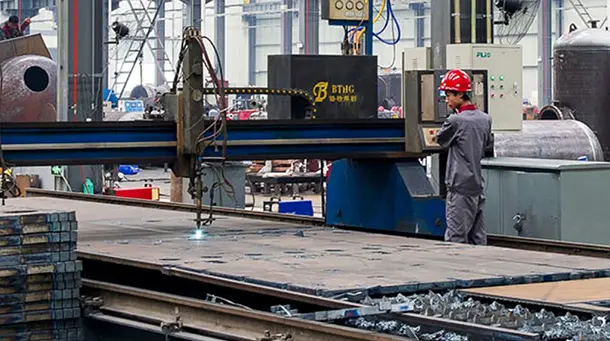
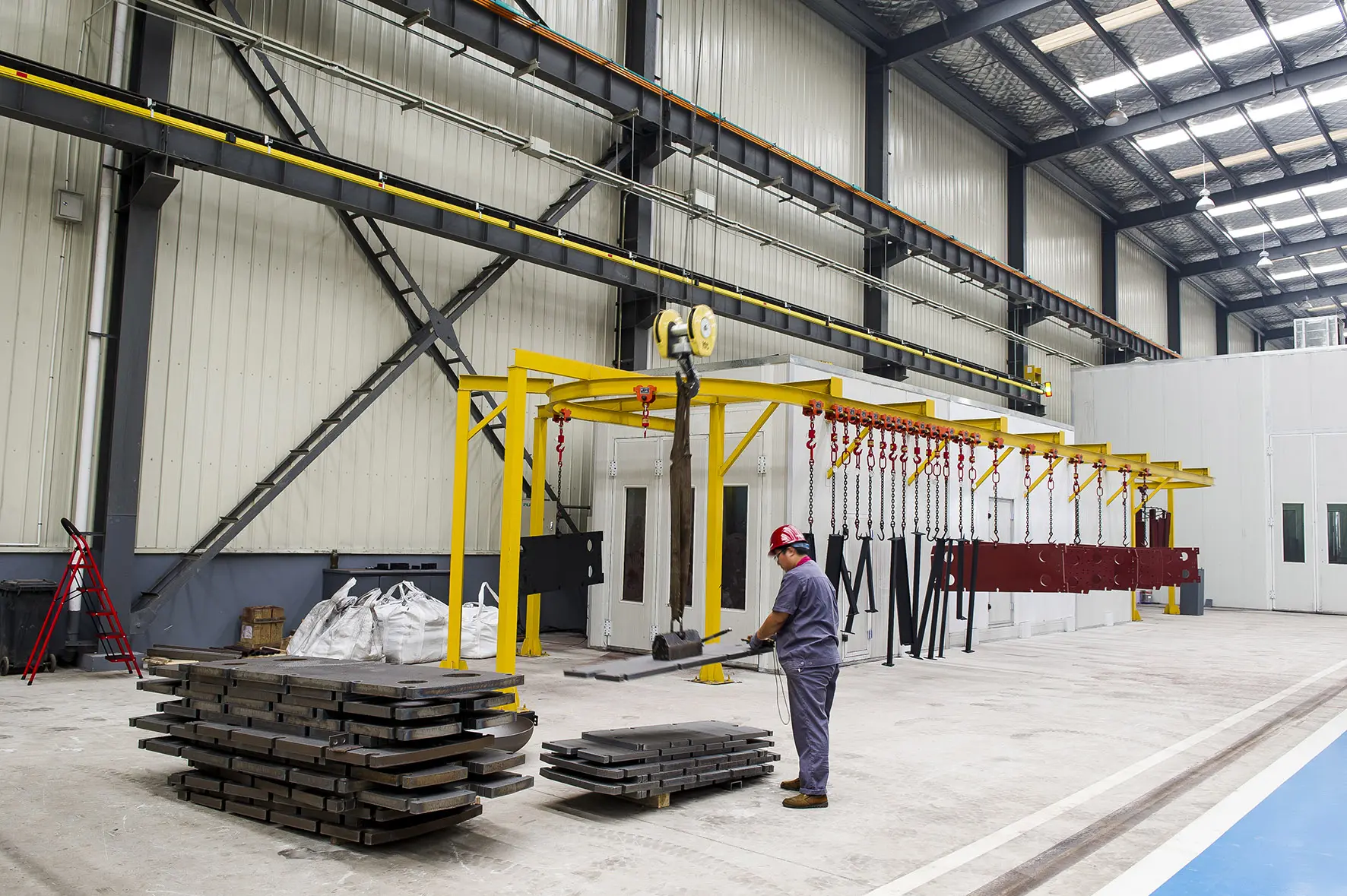
High-precision flame and plasma cutting systems shape thick steel frame plates, ensuring flat, dimensionally accurate components for pressure containment.
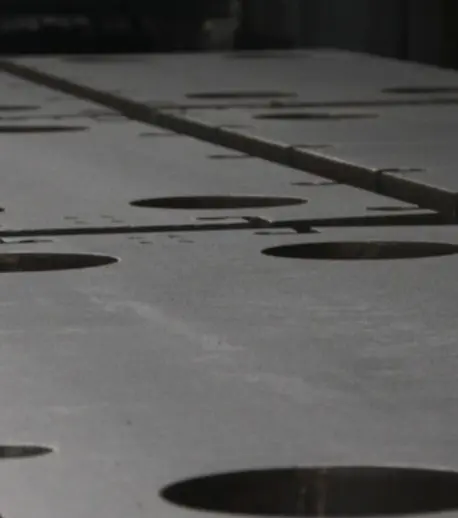
Advanced forging techniques refine the grain structure of key structural components, increasing fatigue resistance and yield strength.
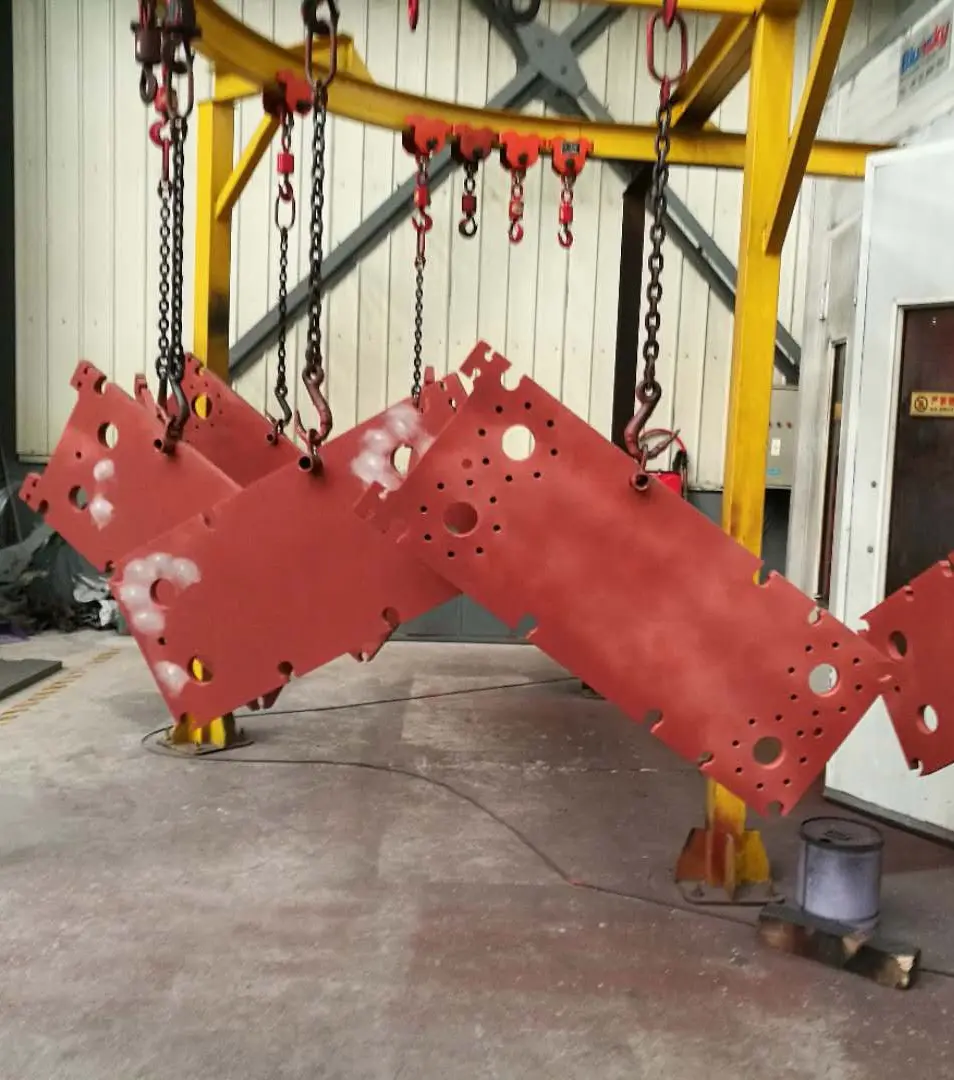
Multiple layers of epoxy primer and polyurethane topcoats are applied to protect external carbon steel frames from environmental corrosion.
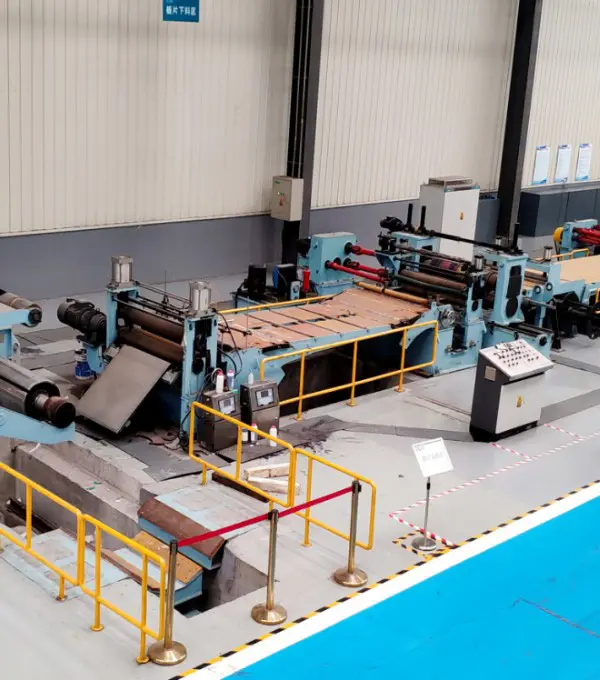
Precise shearing of coil materials into custom blanks. Traceability codes are stamped or laser-etched onto every sheet to track material origin.
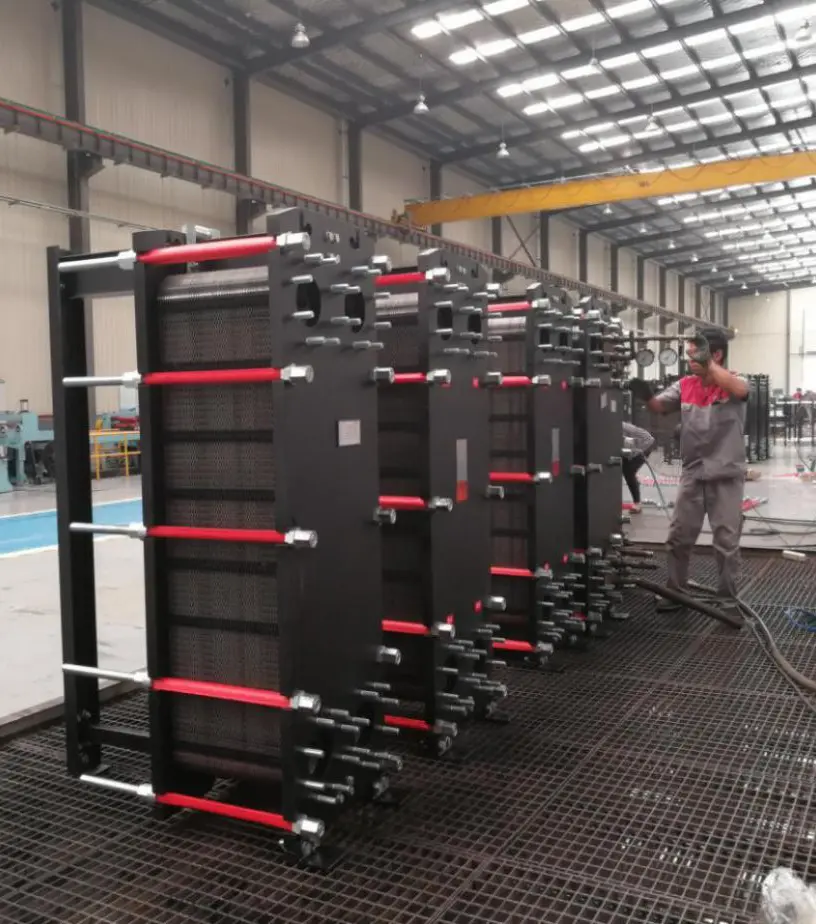
Every assembled heat exchanger undergoes rigorous hydrostatic testing at 1.3 to 1.5 times its design pressure to verify structural and sealing integrity.
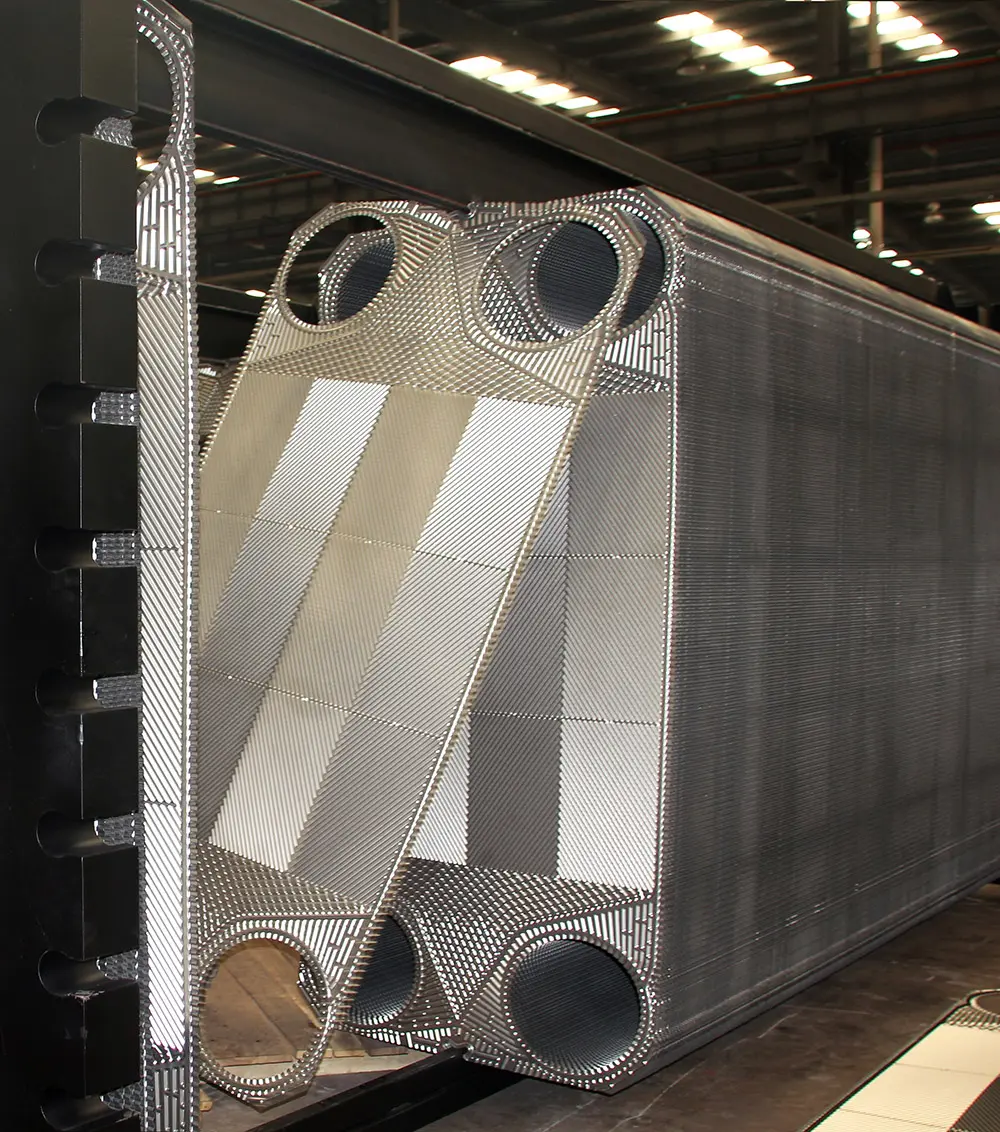
Technicians align plates and guide bars, tightening tie bolts to exact torque specifications to maintain uniform plate pack compression.
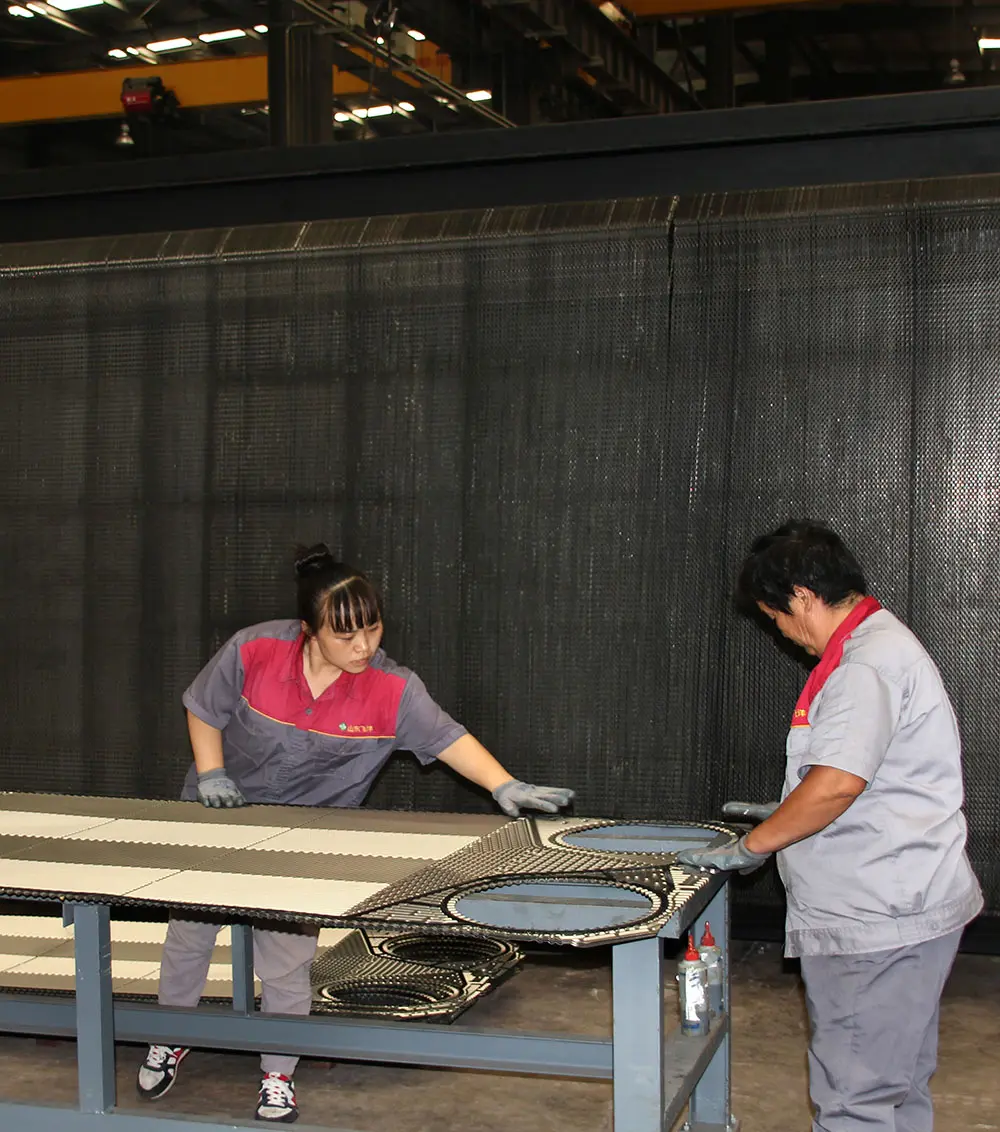
Gaskets are applied to plate grooves using automated machinery or precise manual placement, ensuring correct alignment and a secure fit.
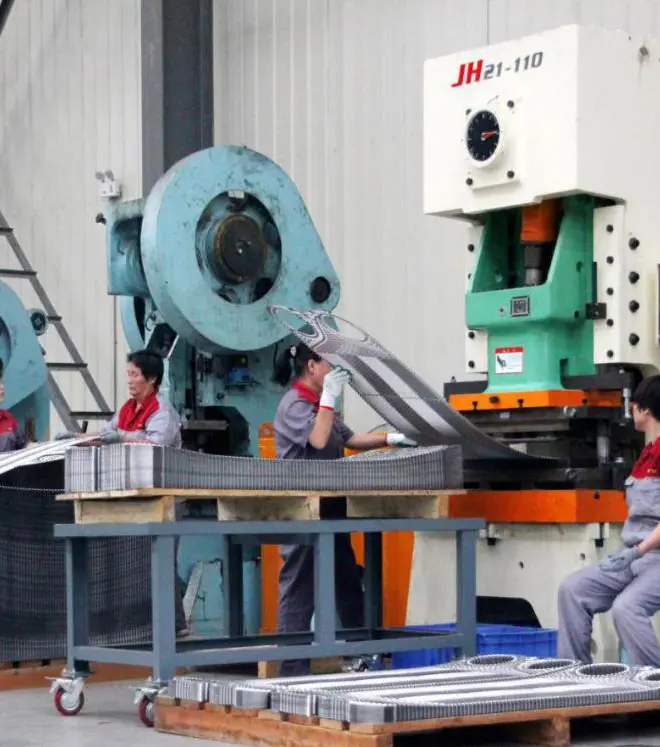
Precision punching presses cut port holes and locate slots in pressed sheets, maintaining clean edges and tight tolerances.
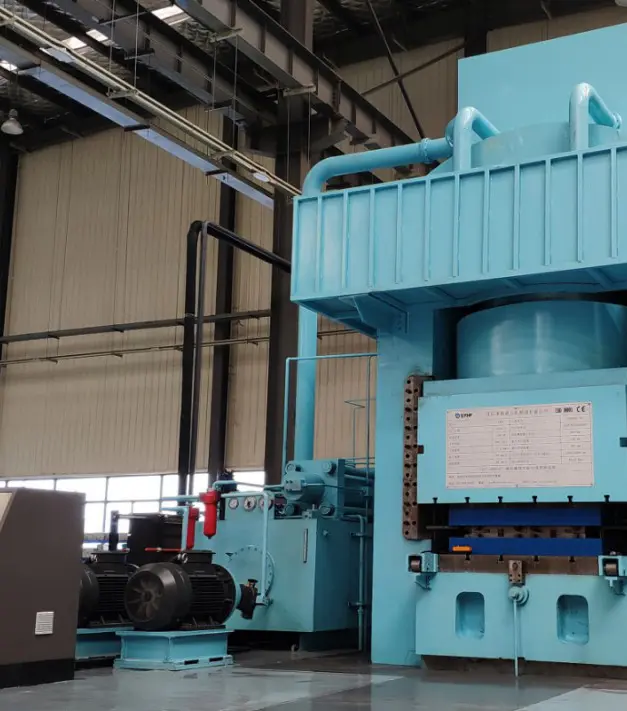
High-tonnage hydraulic presses stamp the corrugated chevron patterns into the sheets, forming the channels for fluid flow.
How gasketed plate heat exchangers support diverse sectors, from district heating networks to chemical processing.
Industrial heat exchangers must be tailored to the specific thermal and chemical demands of their applications. General, one-size-fits-all designs often lead to performance issues, such as premature fouling or inadequate heat transfer. Flotte designs and manufactures systems tailored to the exact requirements of several key industries:
In centralized municipal heating systems, plate heat exchangers act as isolation barriers between high-pressure primary utility lines and lower-pressure building networks. They ensure stable heat transfer while isolating regional networks from potential system-wide pressure spikes.
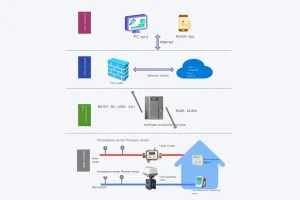
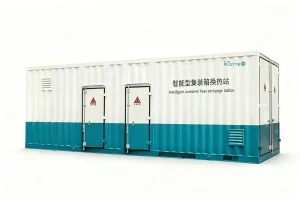
For these applications, our detachable heat exchangers and integrated pressure regulating stations are designed to handle variable thermal loads. They maintain precise target temperatures even during seasonal demand fluctuations, improving energy efficiency across municipal grids.
Chemical processes often involve highly corrosive media, aggressive solvents, and precise temperature requirements. To handle these conditions, we fabricate heat exchanger plates using specialized alloys like Hastelloy C-276, Titanium, or AISI 316L, paired with FKM or PTFE-shielded gaskets.
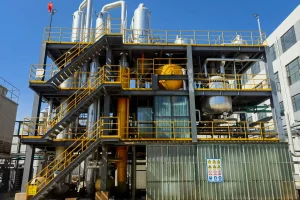
Our multi-effect evaporation and membrane concentration systems are used for solvent recovery, wastewater volume reduction, and industrial desalination. These systems help plants recover valuable process water, lower operational costs, and meet environmental compliance standards.
Our products conform to major pressure vessel design and quality management systems globally.
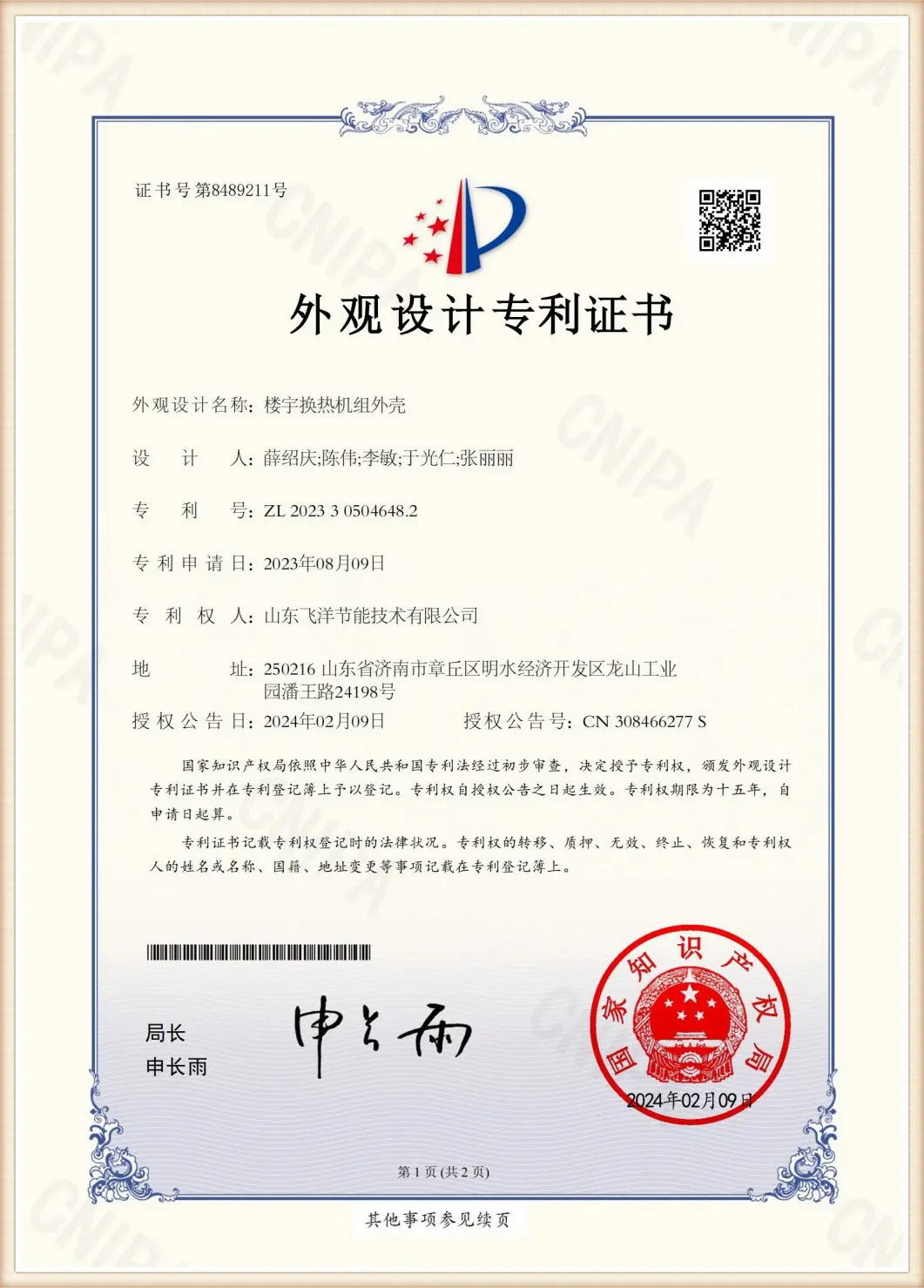
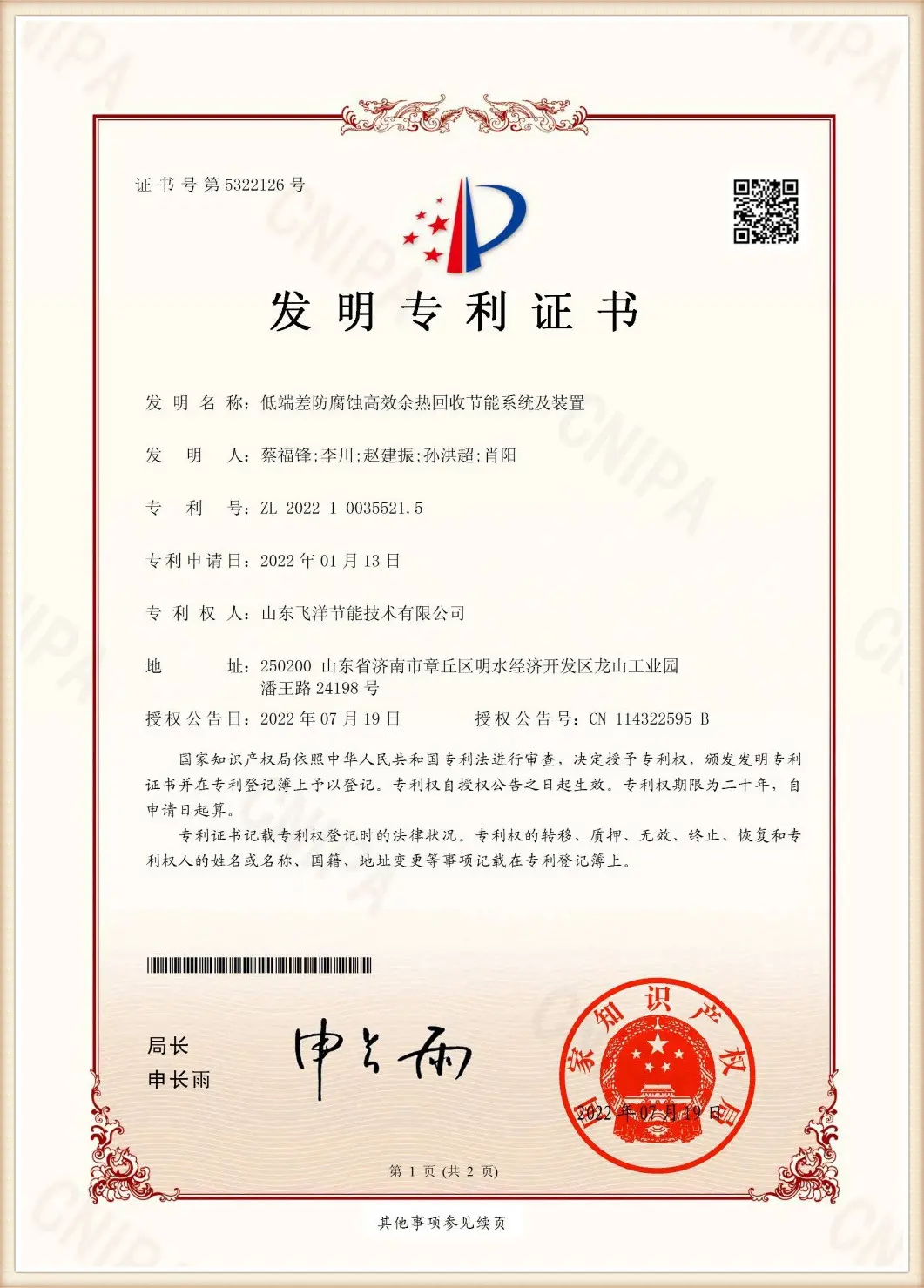
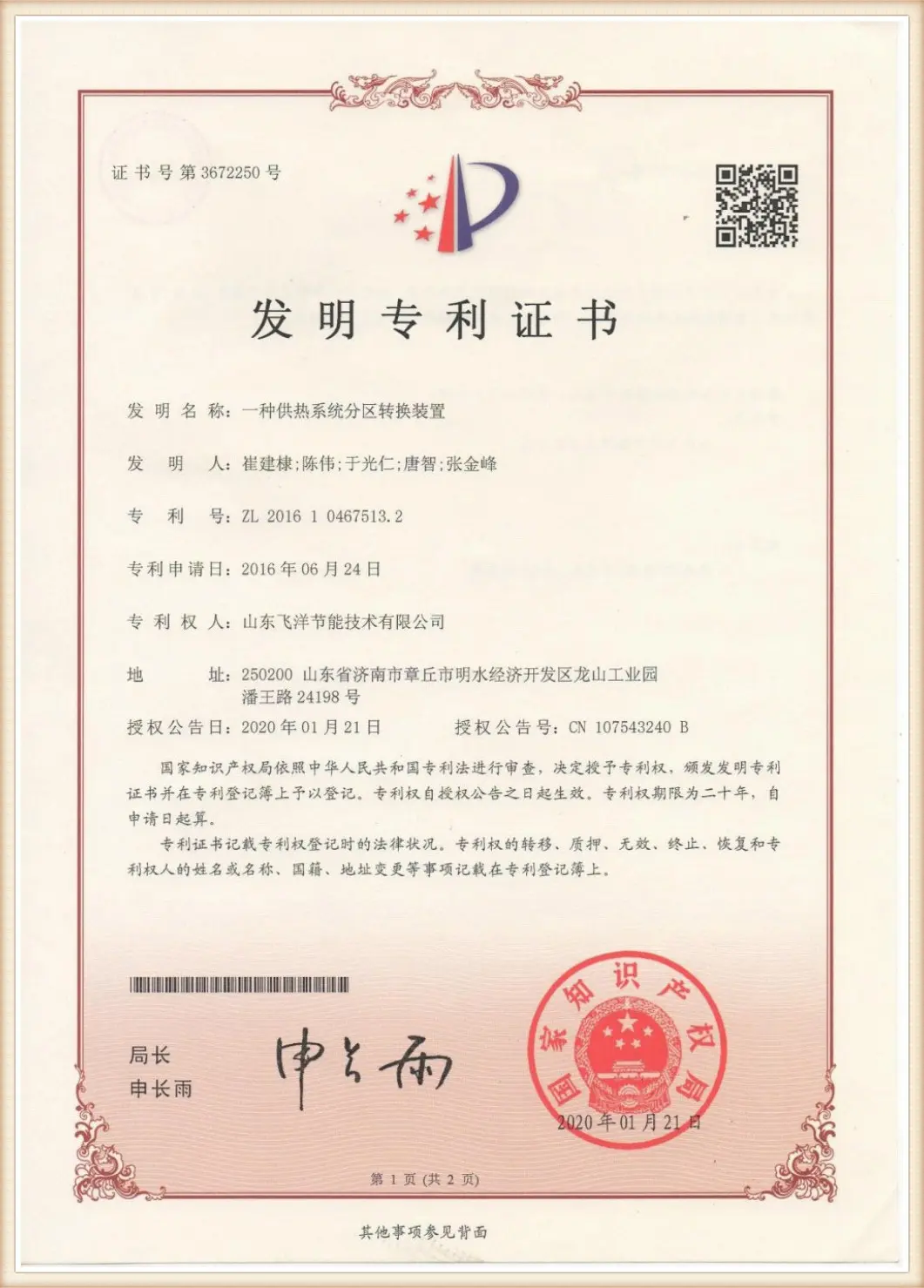
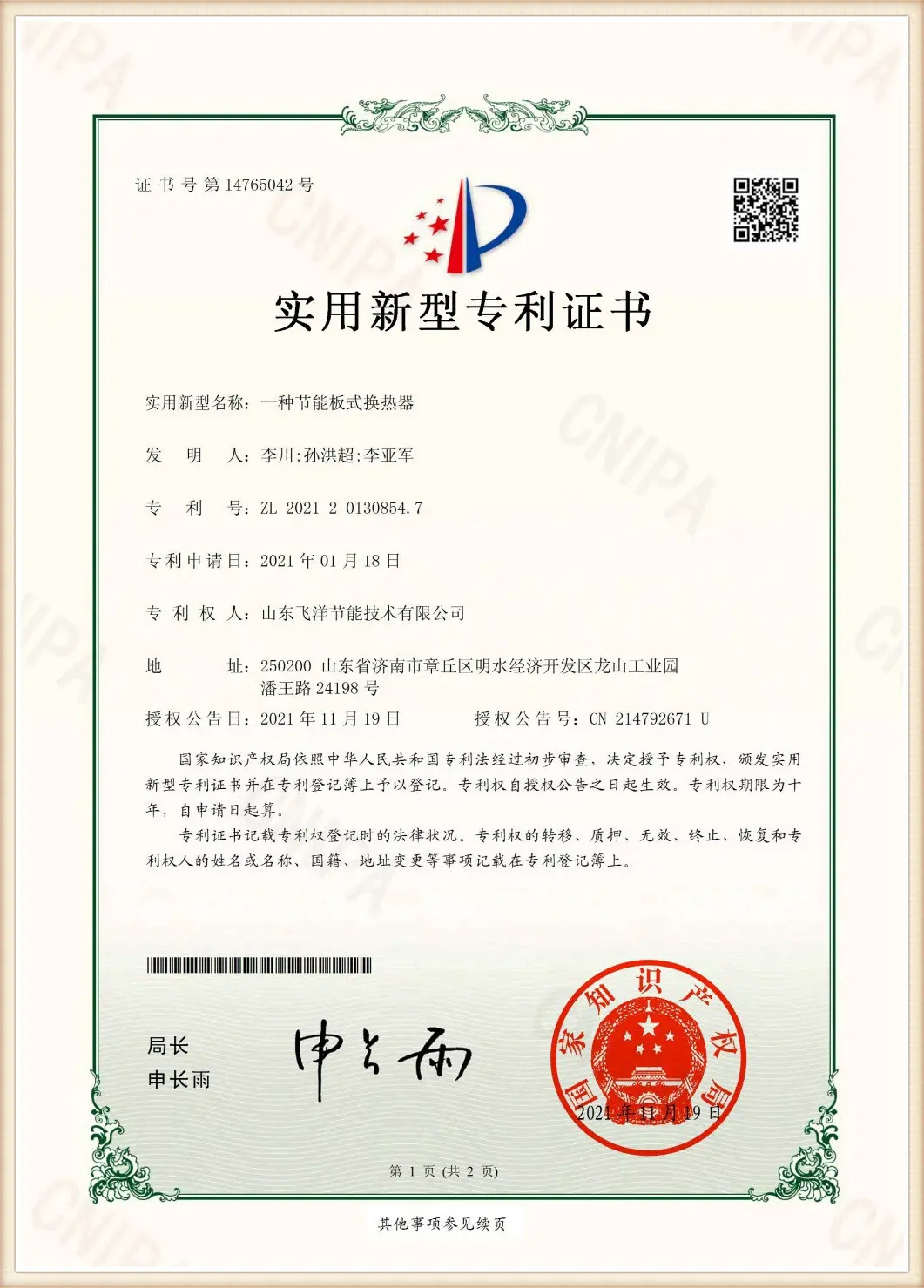
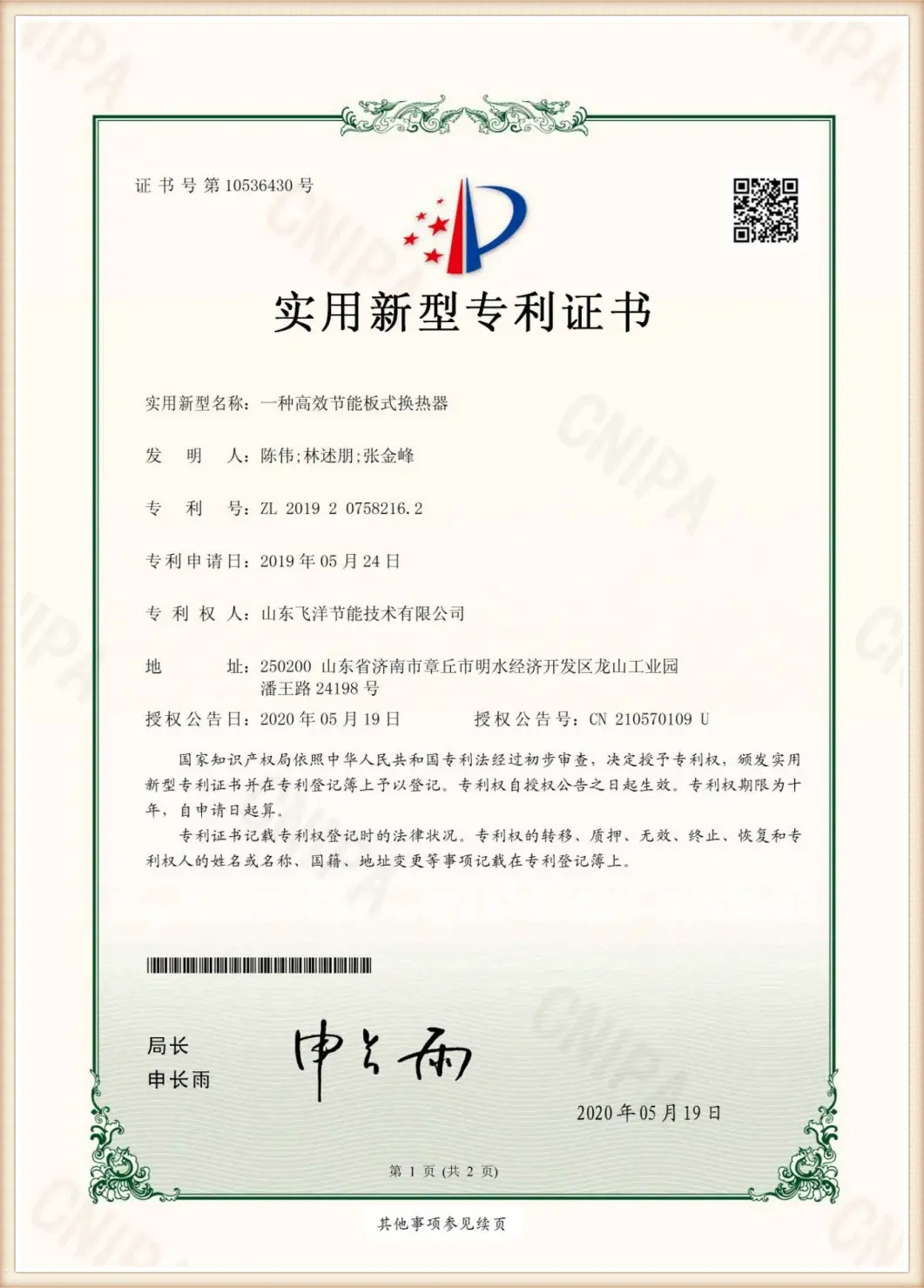
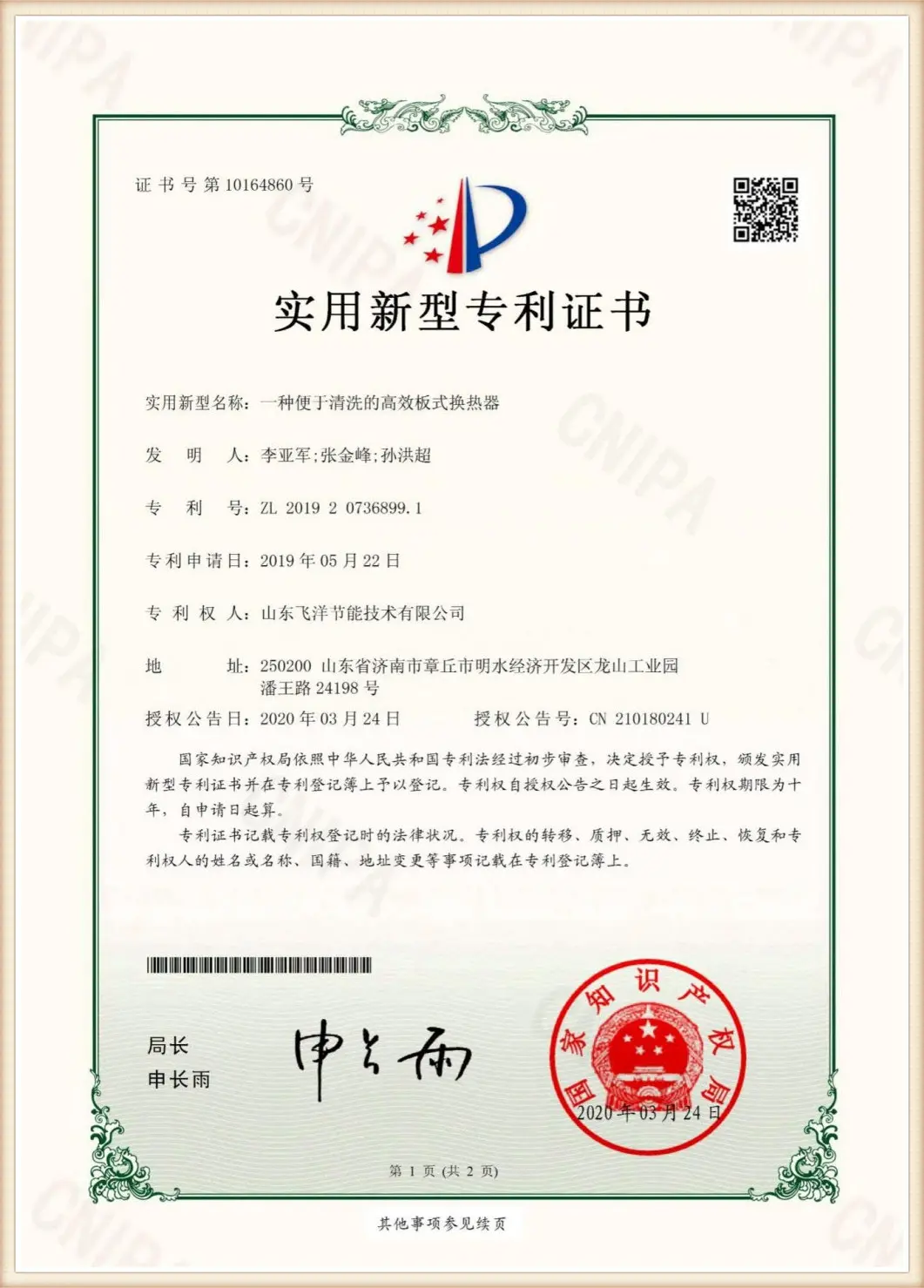
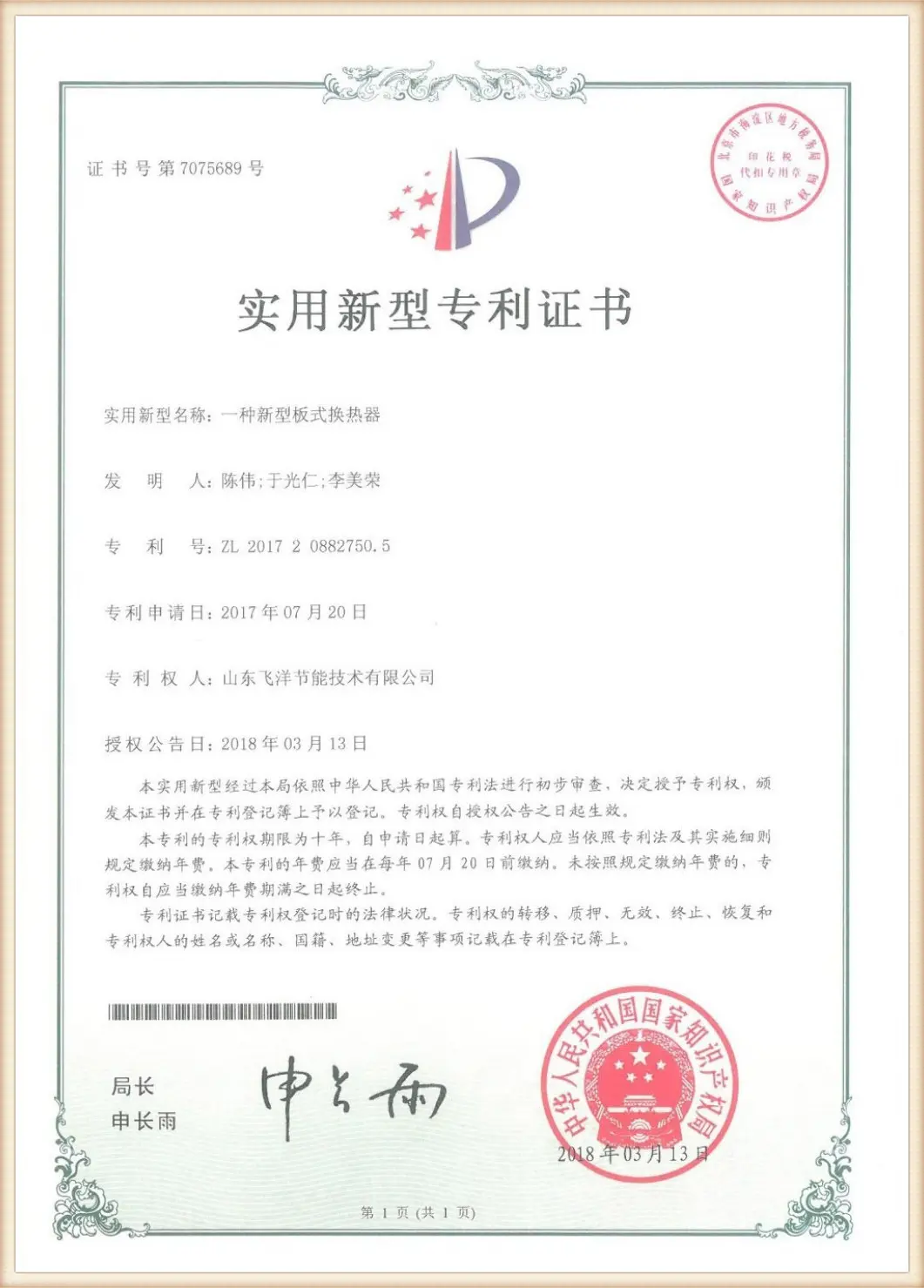
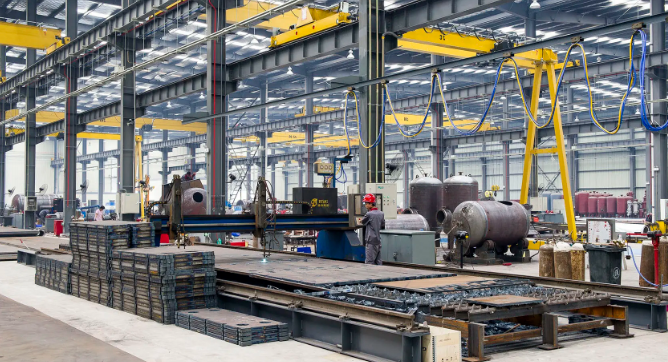
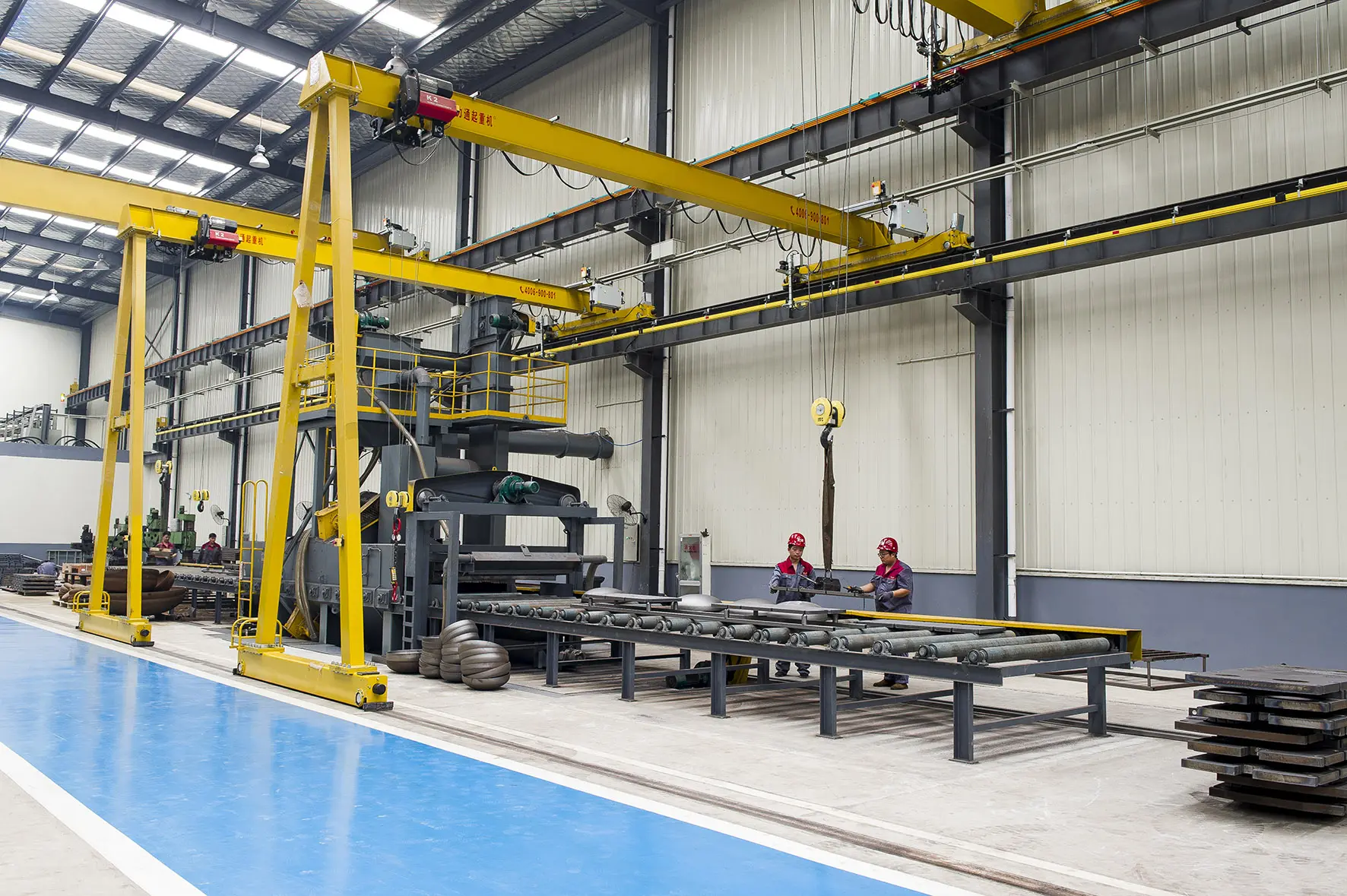
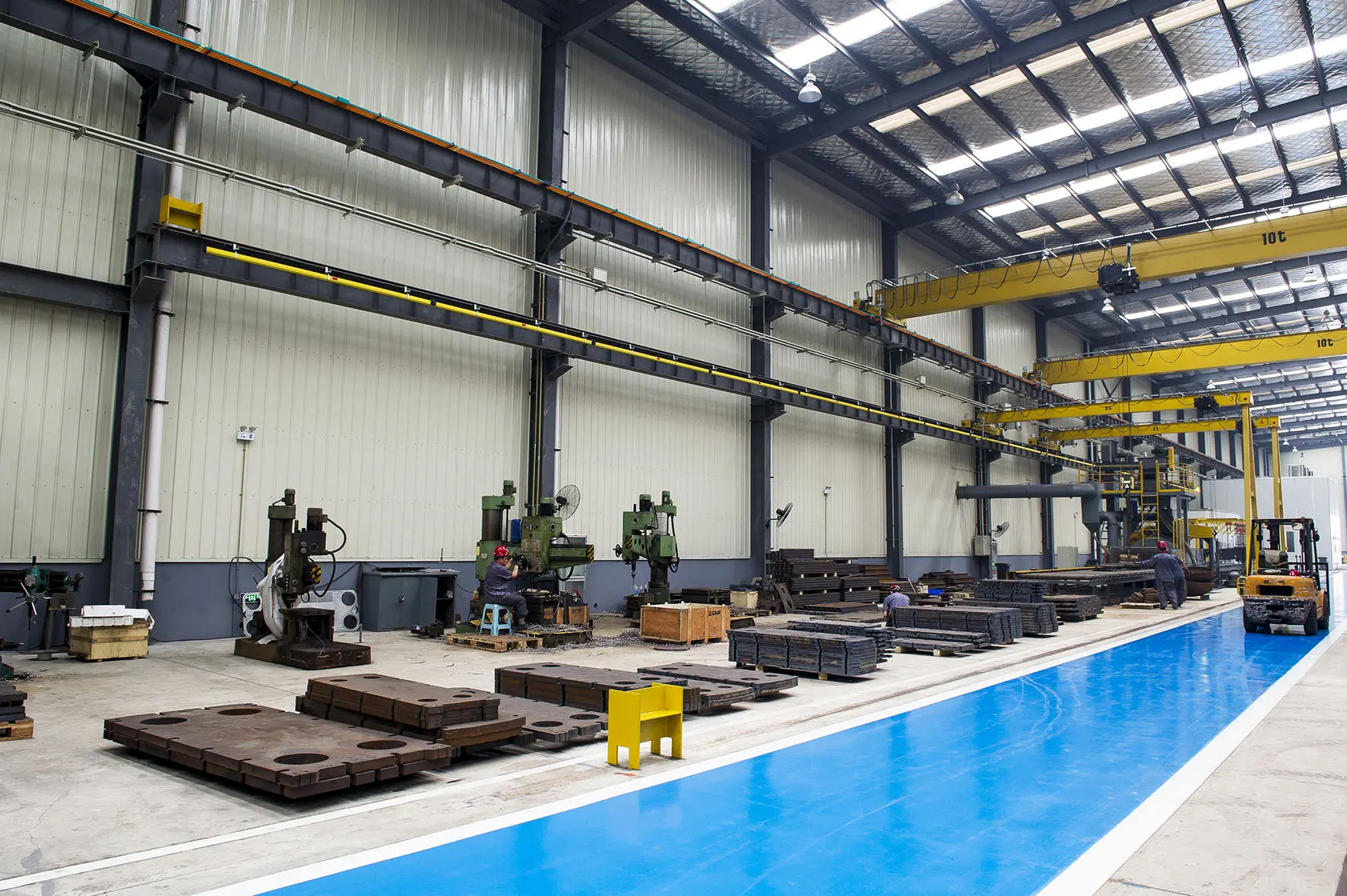
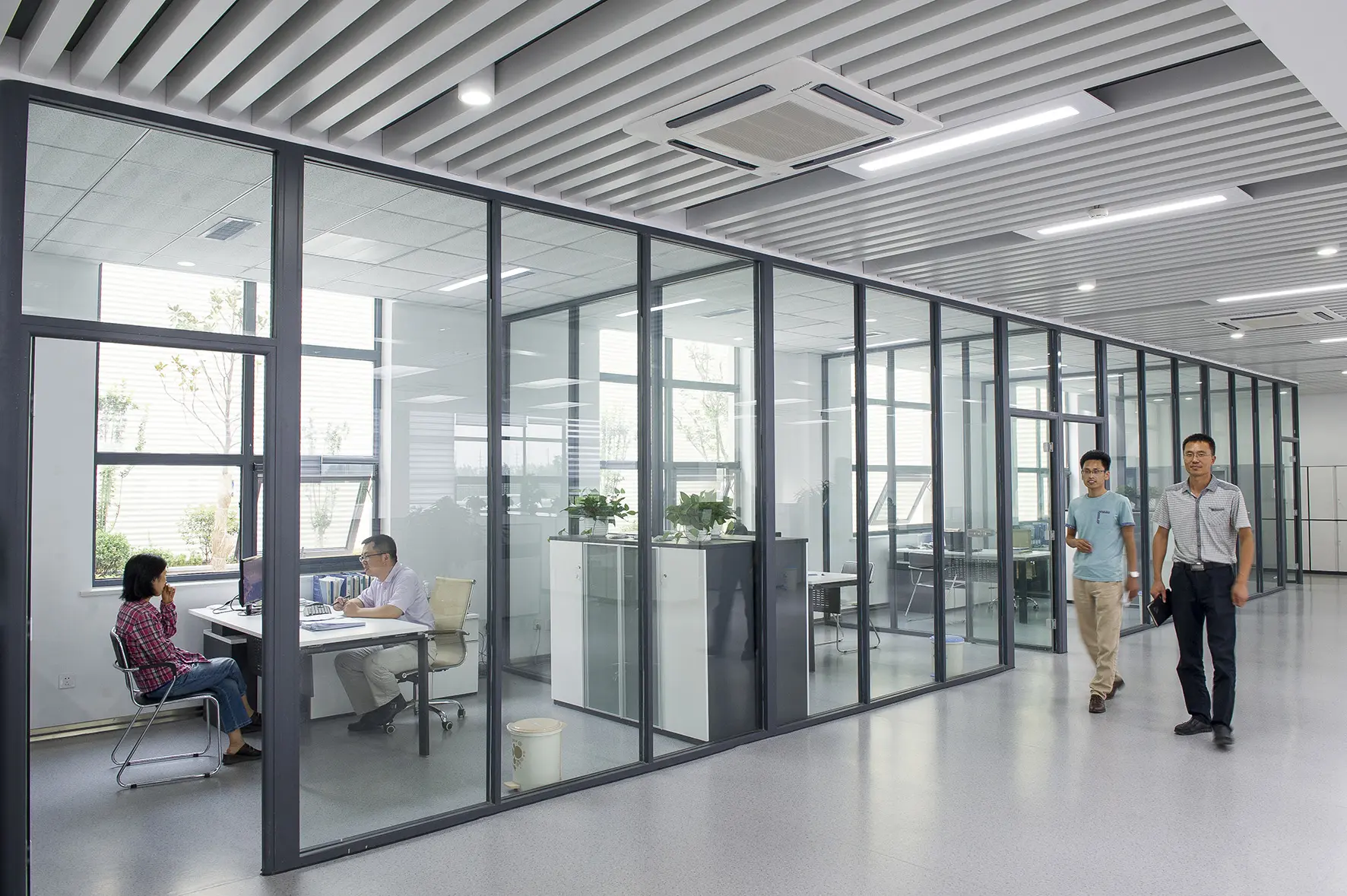
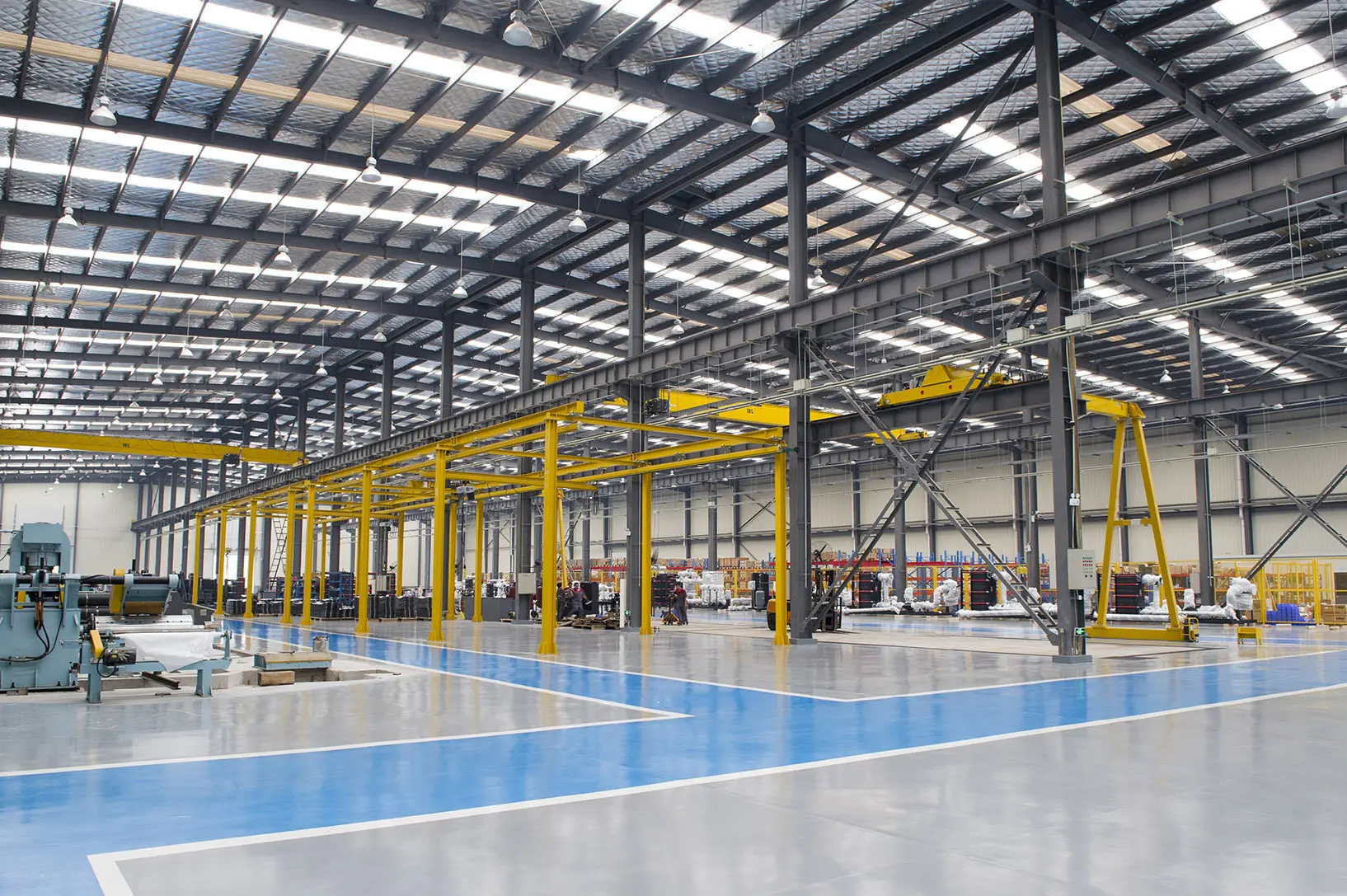
A look inside our 70,000 square meter manufacturing plant and testing laboratory.


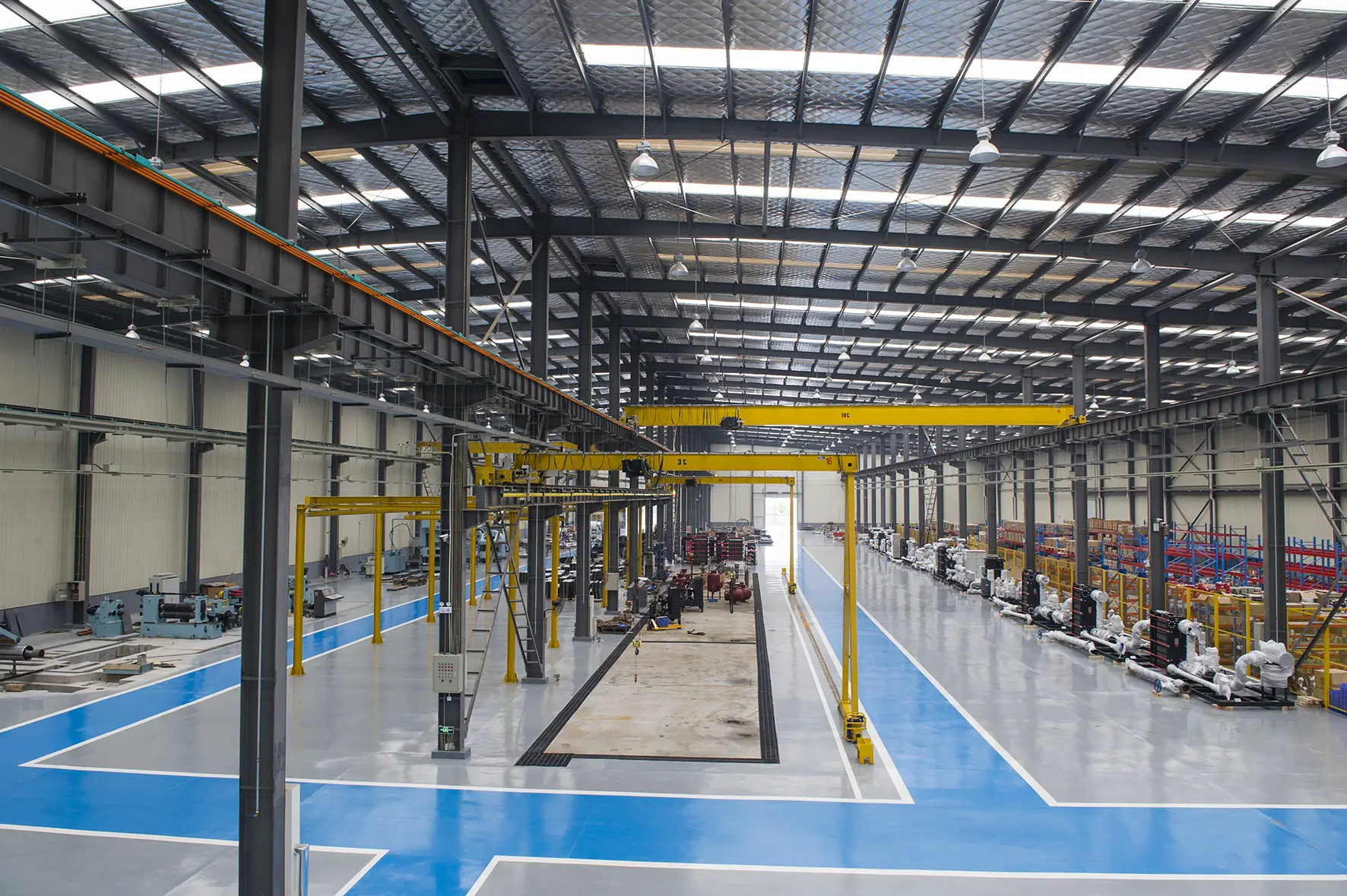
Addressing supply chain concerns, lead times, and compatibility requirements for replacement parts.
Procurement managers in chemical processing, power generation, and maritime shipping face several key challenges when sourcing heat exchanger components: managing long lead times, verifying dimensional accuracy, and balancing cost against field reliability. When sourcing alternative plates and gaskets for existing systems (such as Alfa Laval frames), absolute dimensional compatibility is critical. Even minor variations can prevent a tight seal, leading to leaks and unscheduled downtime.
Our facility addresses these challenges through strict dimensional verification and standardized quality assurance protocols. Every batch of plates we manufacture undergoes coordinate-measuring machine (CMM) inspections to confirm they match original OEM geometries. Additionally, we maintain a large inventory of raw materials and standard tooling dies, allowing us to complete and ship custom configurations faster than traditional supply channels.
Yes, our replacement plates and gaskets are engineered to match original Alfa Laval specifications. We use precise tooling dies designed to duplicate original corrugation patterns, port alignments, and gasket track geometries. This ensures that our parts can be installed alongside OEM plates without bypass leaks or structural mismatches.
Material selection depends on the chemical composition, operating temperature, and chloride content of your process fluid. For standard water-to-water applications, AISI 304 or AISI 316L stainless steel is typically sufficient. For high-chloride fluids (such as seawater or brine), Titanium or Titanium-Palladium alloys are recommended to prevent pitting corrosion. For aggressive acids or high temperatures, nickel alloys like Hastelloy C-276 offer superior chemical resistance.
The service life of a gasket depends on its operating environment, including working temperatures, pressure cycles, and chemical exposure. Under standard HVAC operating conditions, high-quality EPDM gaskets can last 5 to 7 years. In demanding chemical or high-temperature steam applications, gaskets may need to be replaced every 1 to 3 years. Regular maintenance and proper plate pack compression help maximize gasket life.
Every gasketed plate heat exchanger undergoes a series of quality checks before dispatch. These include raw material chemical analysis (using positive material identification), dimensional inspections of pressed plates, gasket fit verification, and hydrostatic pressure testing at 1.3 to 1.5 times the design working pressure. Testing documentation and material certificates are provided with every order.
Yes, our engineering team can design and build custom multi-pass plate configurations. Multi-pass arrangements are useful for applications with close temperature approaches or low flow rates on one side, allowing us to optimize velocity and thermal efficiency within a single frame.
Explore our full range of industrial heat exchangers, smart control valves, and concentration systems.
For detailed technical specifications, operational envelopes, and material compliance certifications, please refer to our catalog pages:
 Flotte Energy