Browse our certified high-performance heat exchangers, smart hydraulic components, and advanced membrane systems engineered to optimize municipal and industrial energy systems.

Flotte Energy Saving Company, established in 2013 with a registered capital of 101 million yuan, originated from Flotte Thermal Engineering founded in 1995. With three decades of dedicated technical expertise, the company specializes in water equipment, HVAC systems, and water treatment industries. It consistently leads industry peers in adopting cutting-edge technologies, developing innovative products, and delivering comprehensive production and sales services globally.
For industrial operators looking for equivalent replacements or direct solutions matching the Alfa Laval M6 Plate Heat Exchanger Manual, Flotte provides a rich engineering reference and factory-grade alternatives. The M6 plate configuration remains one of the world's most versatile thermal transfer designs, finding application in everything from small-scale food pasteurization to complex marine heating circuits. Knowing how to maintain, service, and configure this equipment is paramount to ensuring minimum down-time and maximum thermal performance.
Understanding the flow mechanics, plate dimensions, gasket material science, and connection frameworks to achieve optimum heat transfer coefficients.
The Alfa Laval M6 plate pattern utilizes chevron corrugations specifically designed to induce high turbulence at low fluid velocities. This maximizes the Nusselt number and overall heat transfer coefficients while managing pressure drops across the inlet ports.
Utilizing high-grade Clip-on (glue-free) gaskets in EPDM, NBR, and Viton/FKM. Flotte's proprietary rubber formulations prevent bypass leakage and survive extensive thermal cycling, strictly following standards detailed in the official M6 maintenance manual.
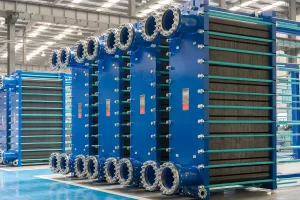
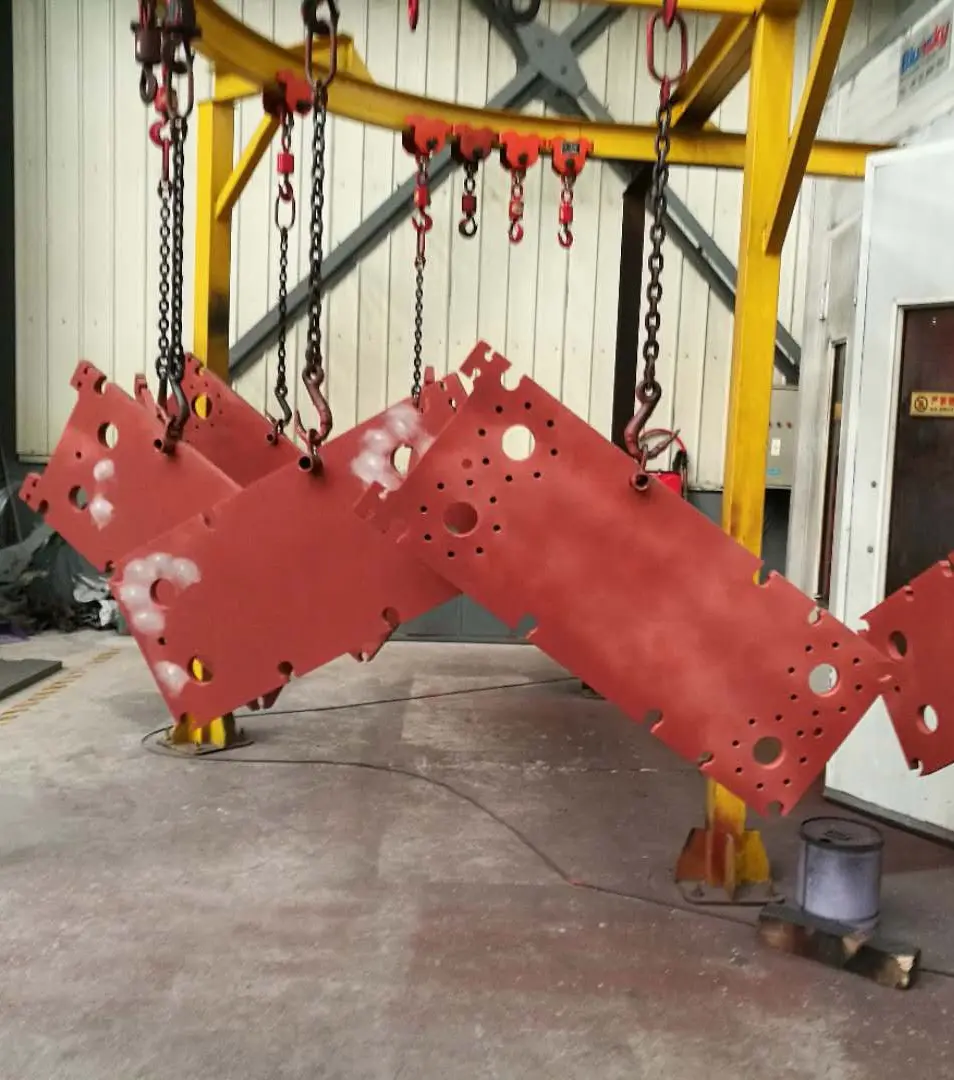
Heavy-duty carbon steel painted frame plates with high corrosion resistance. The design accommodates variable plate packs, allowing operators to increase capacity over time by simply adding plates to the compression rods.
Connecting high-performance heat exchange cores with macro energy systems to reduce carbon emissions and maximize industrial fuel efficiency.
In modern industrial manufacturing and municipal construction, heat exchangers are not isolated components; they serve as critical thermal control centers. Flotte’s state-of-the-art plate heat exchangers, built in reference to standard specifications like the Alfa Laval M6 manual, form the backbone of energy-saving district heating operations, petrochemical refinement, and pharmaceutical sterility. By leveraging precise heat exchange area calculations, we guarantee optimal LMTD (Logarithmic Mean Temperature Difference) and minimal fouling resistance.
Used heavily in pressure regulating stations and municipal sub-stations. The M6-level thermal performance enables efficient transfer between primary heating networks (high pressure) and secondary residential networks (low pressure).
Corrosive chemicals require high-end plate materials. Flotte produces M6-equivalent titanium and Hastelloy plates, engineered to resist localized pitting and hydrogen embrittlement in demanding fluid environments.
Sanitary standards require zero contamination risks. Glueless gaskets and micro-polished plate finishes ensure that the food or medication flows smoothly with zero bacterial buildup or fluid cross-contamination.
Our continuous progress in production technology and capacity enables us to serve global energy markets with unwavering stability.
Every single plate and gasket is produced and inspected under strict ISO standards, ensuring complete compliance with global high-pressure piping codes.
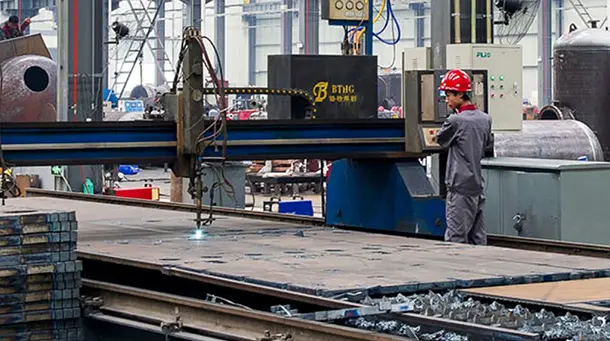
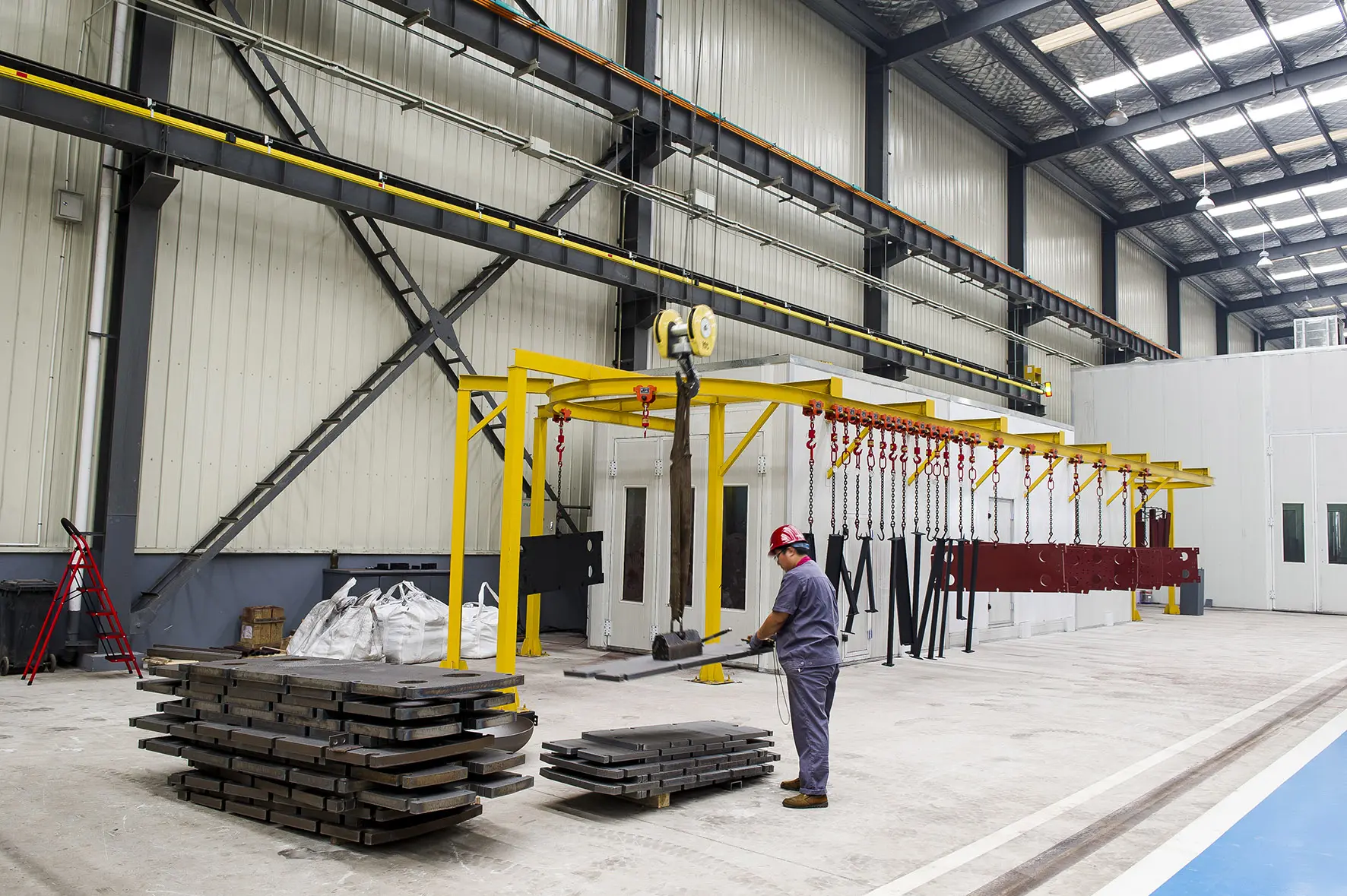
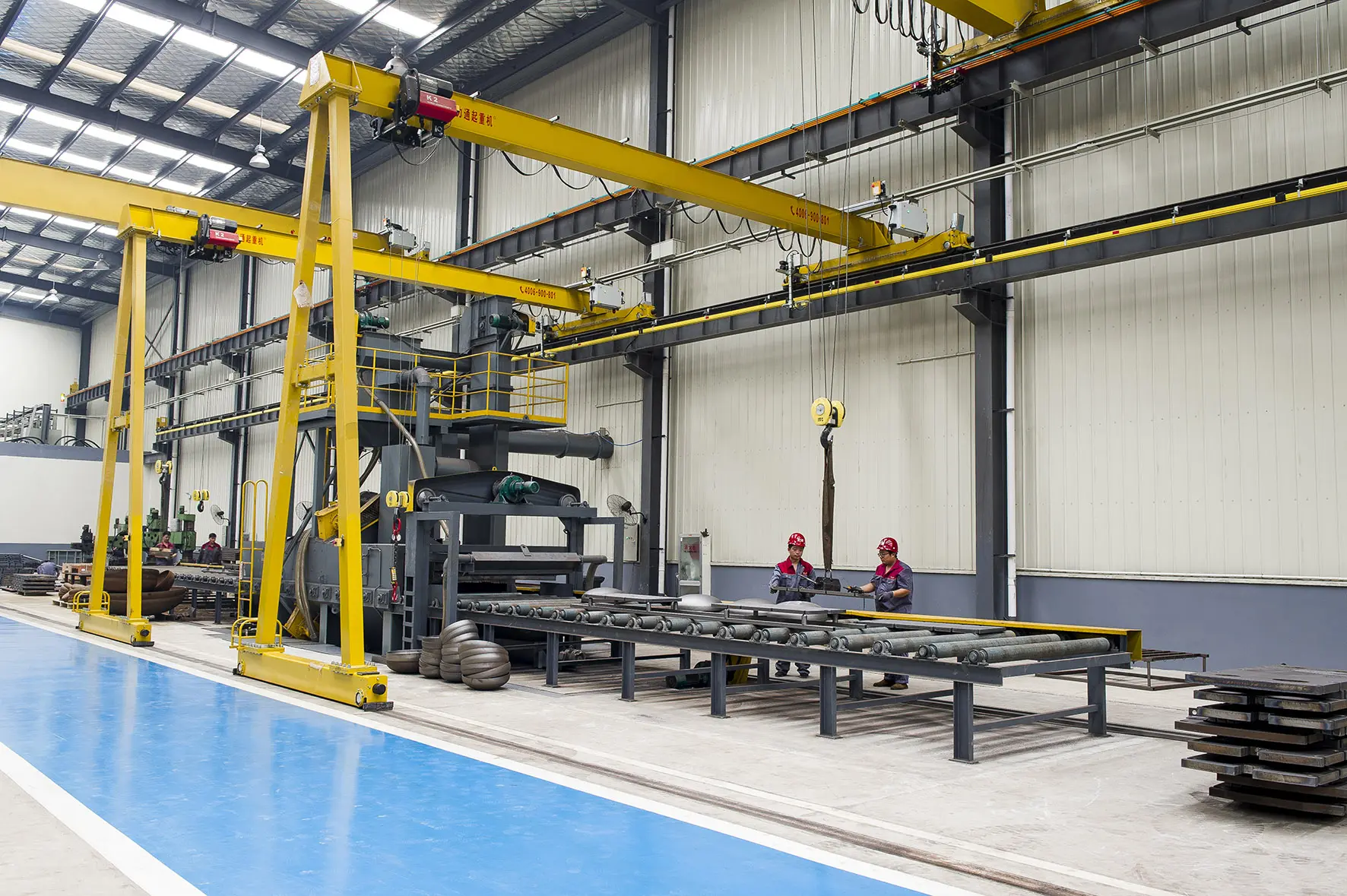
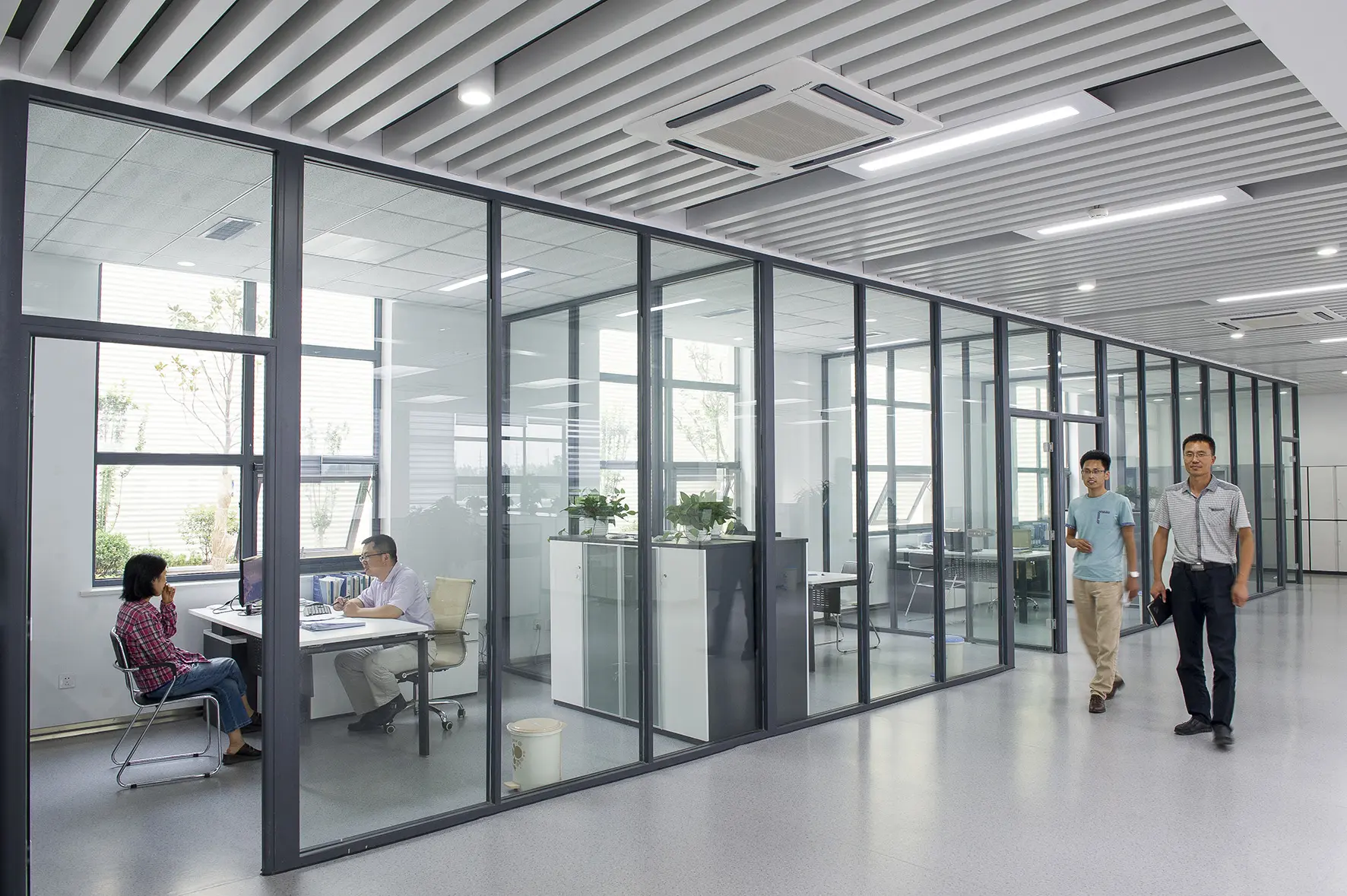
The company has established modern production facilities that combine advanced manufacturing with systematic management. Quality control is integrated into every step, starting from the metallurgy analysis of raw material sheets to the ultimate hydrostatic testing of the completed plate bundle. Our frontline production staff are certified technicians who have undergone rigorous formal training, complying fully with the pressure vessel quality assurance framework.
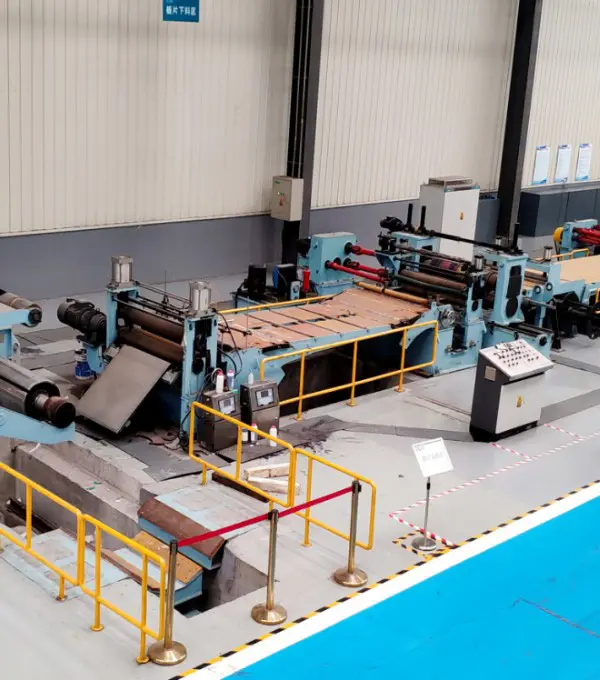
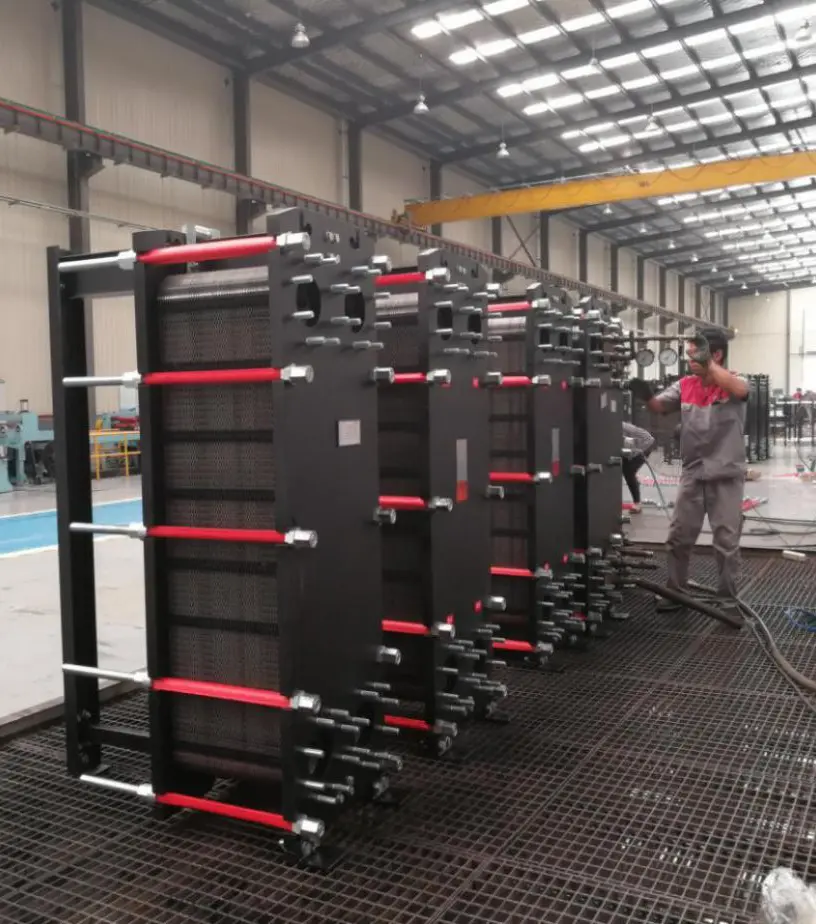
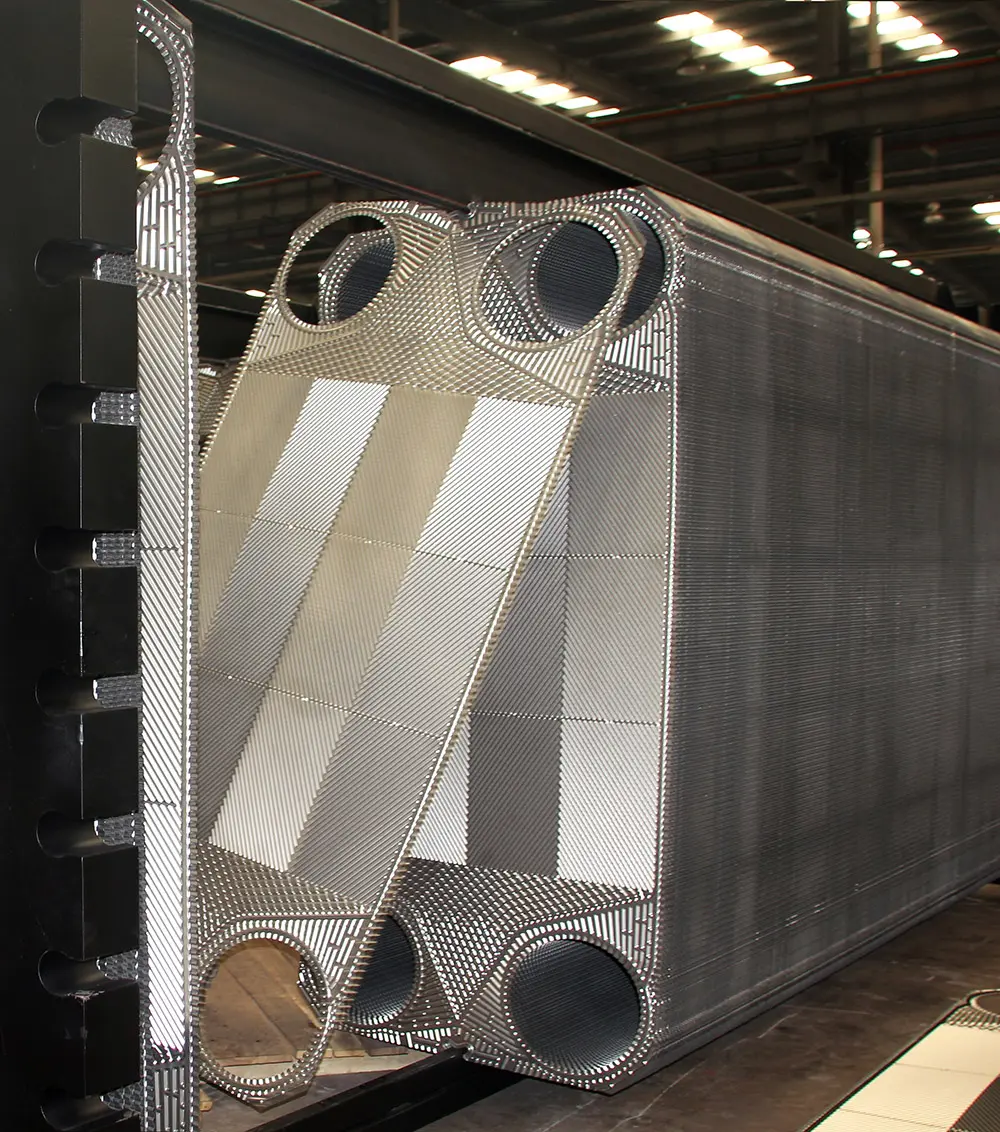
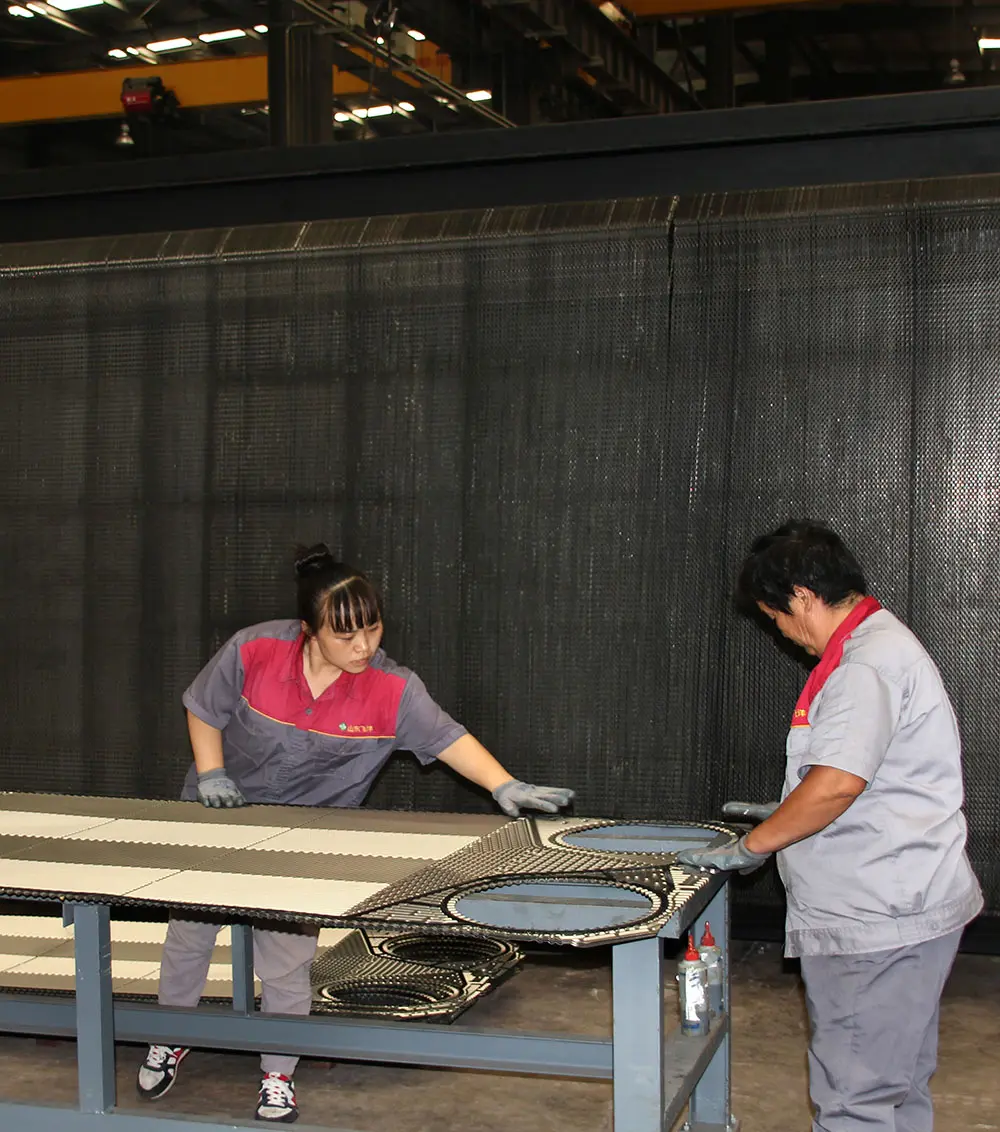
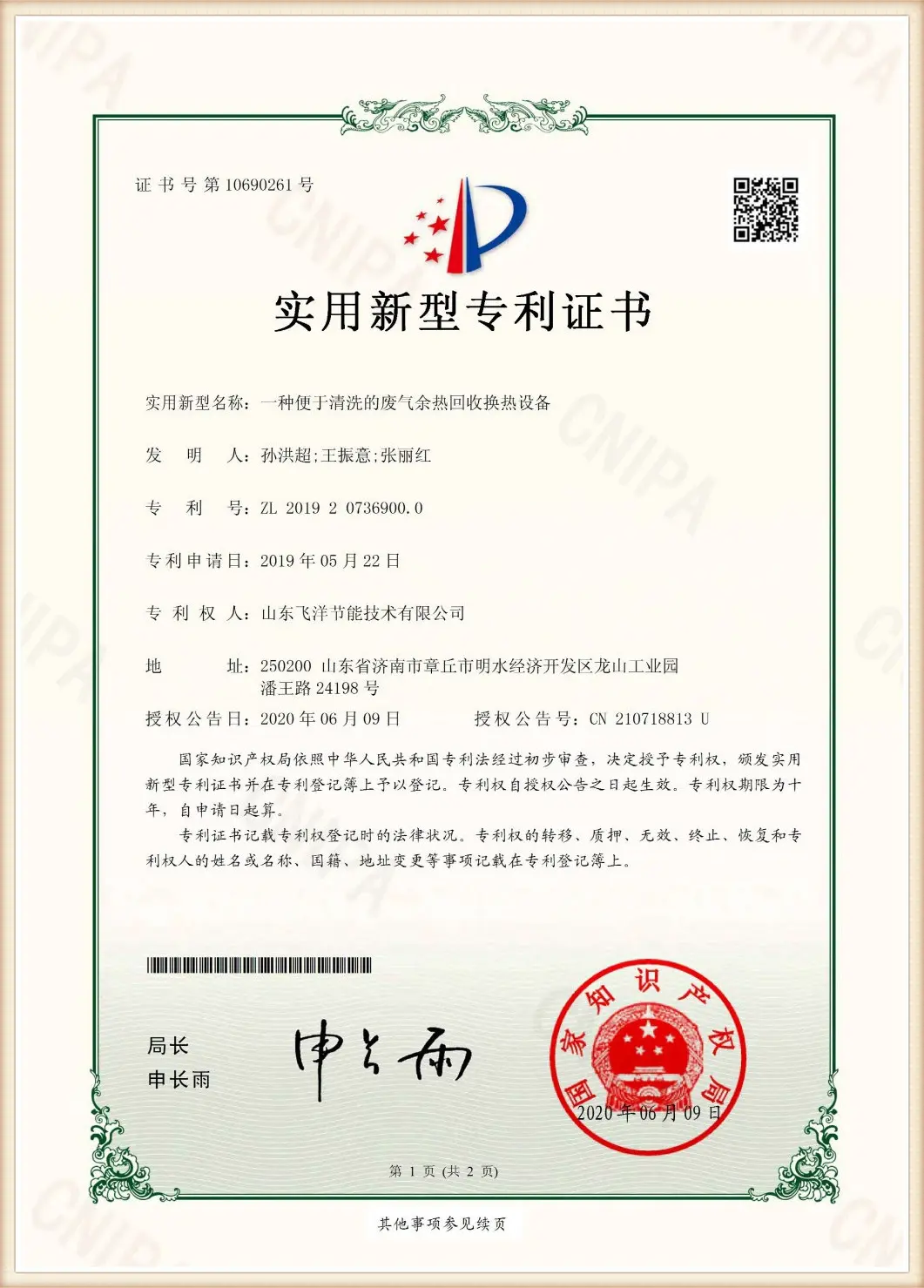
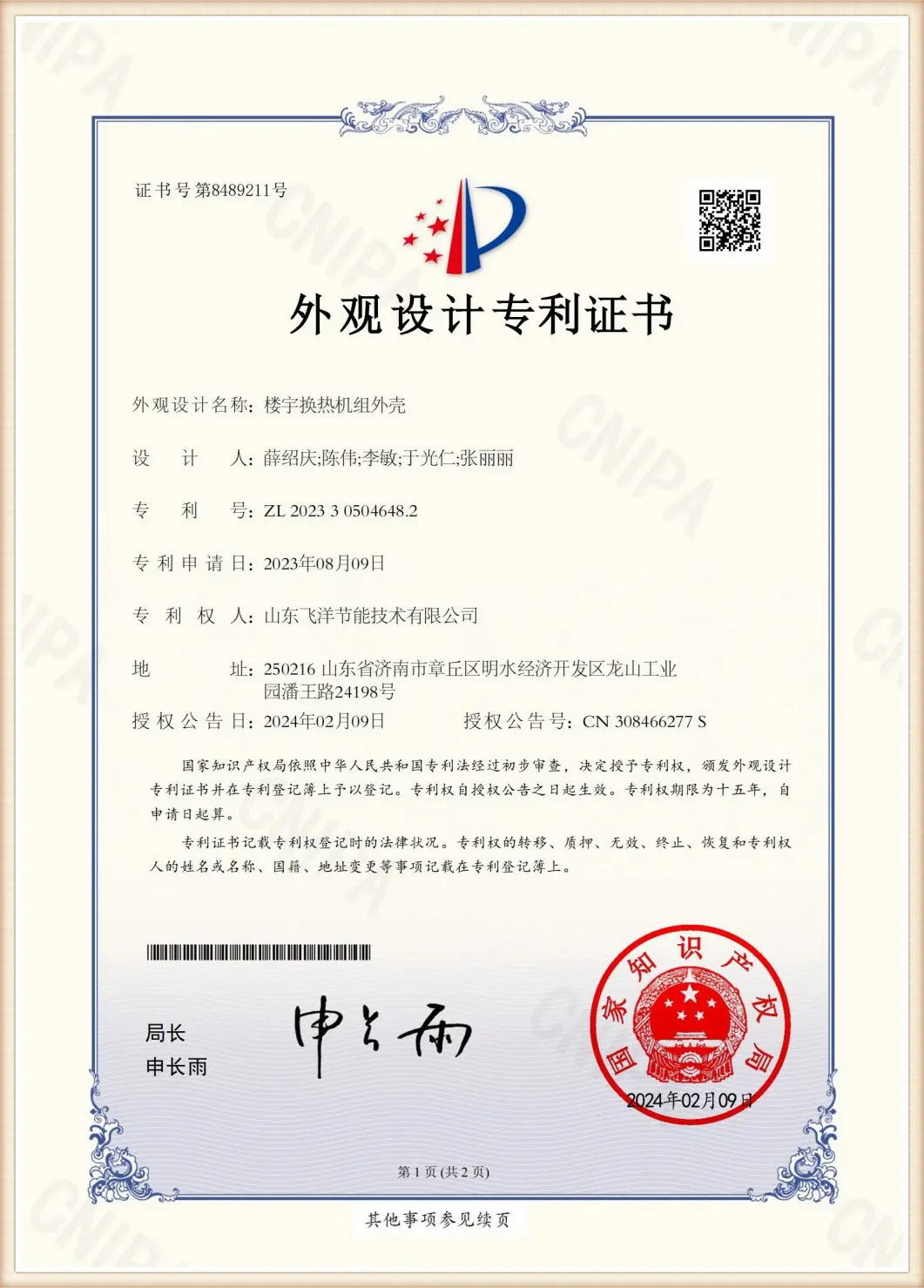
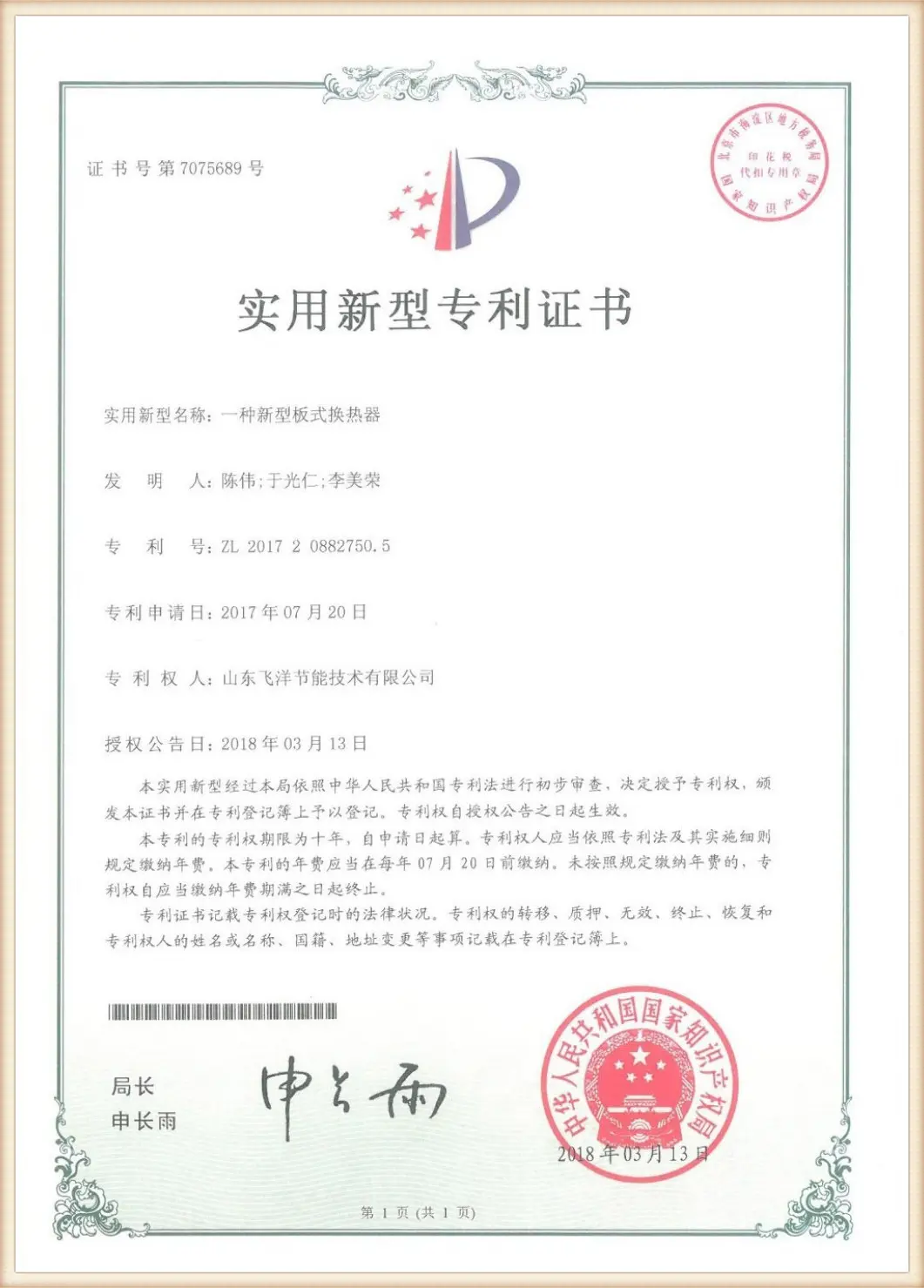
Our products have obtained mandatory national product certification and safety registration from the National Standardization Committee, along with the safety registration for plate heat exchangers issued by the National Boiler and Pressure Vessel Standardization Technical Committee. The company has also achieved ISO9001:2015 Quality Management System certification, ISO14001 Environmental Management System certification, and ISO45001 Occupational Health and Safety Management System certification.
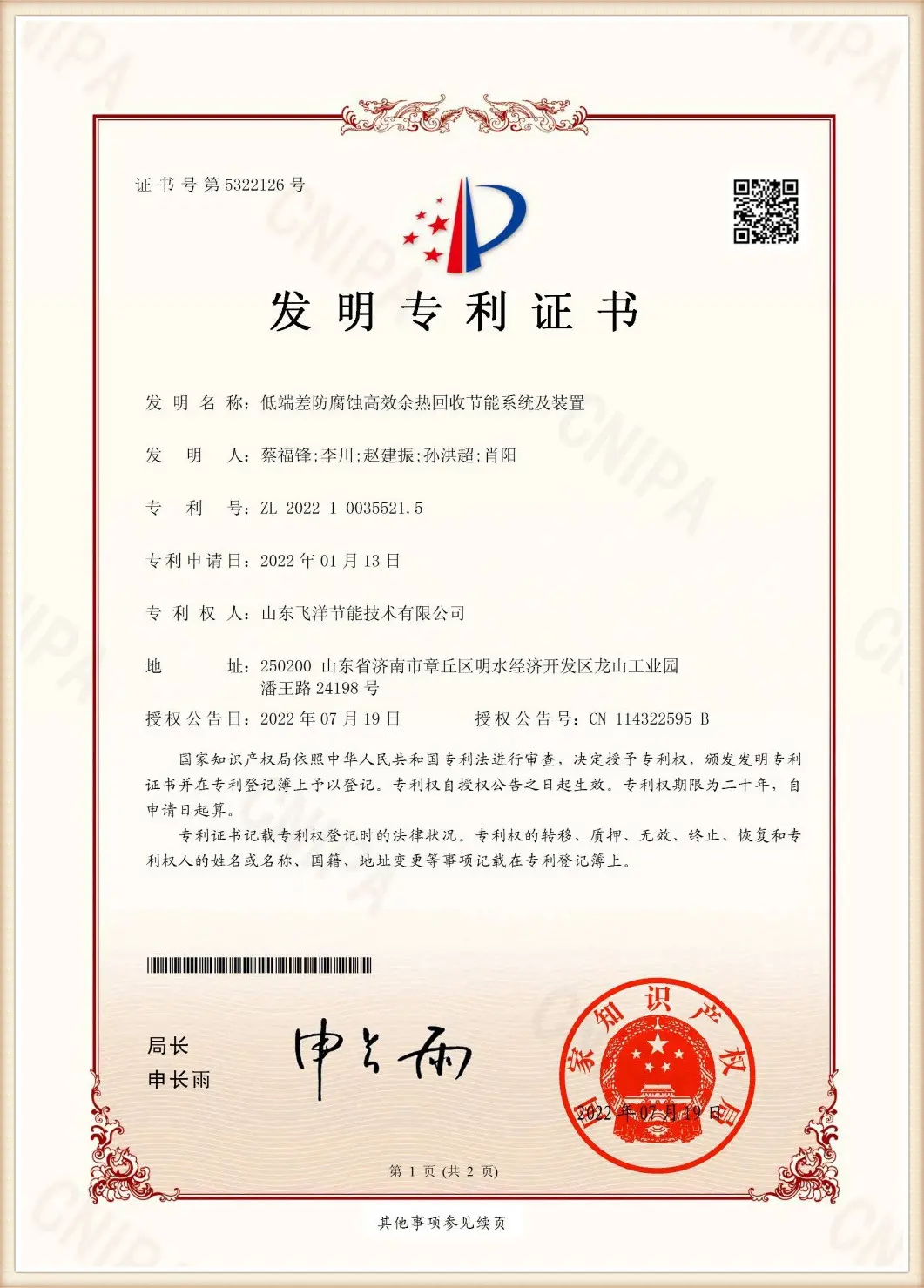
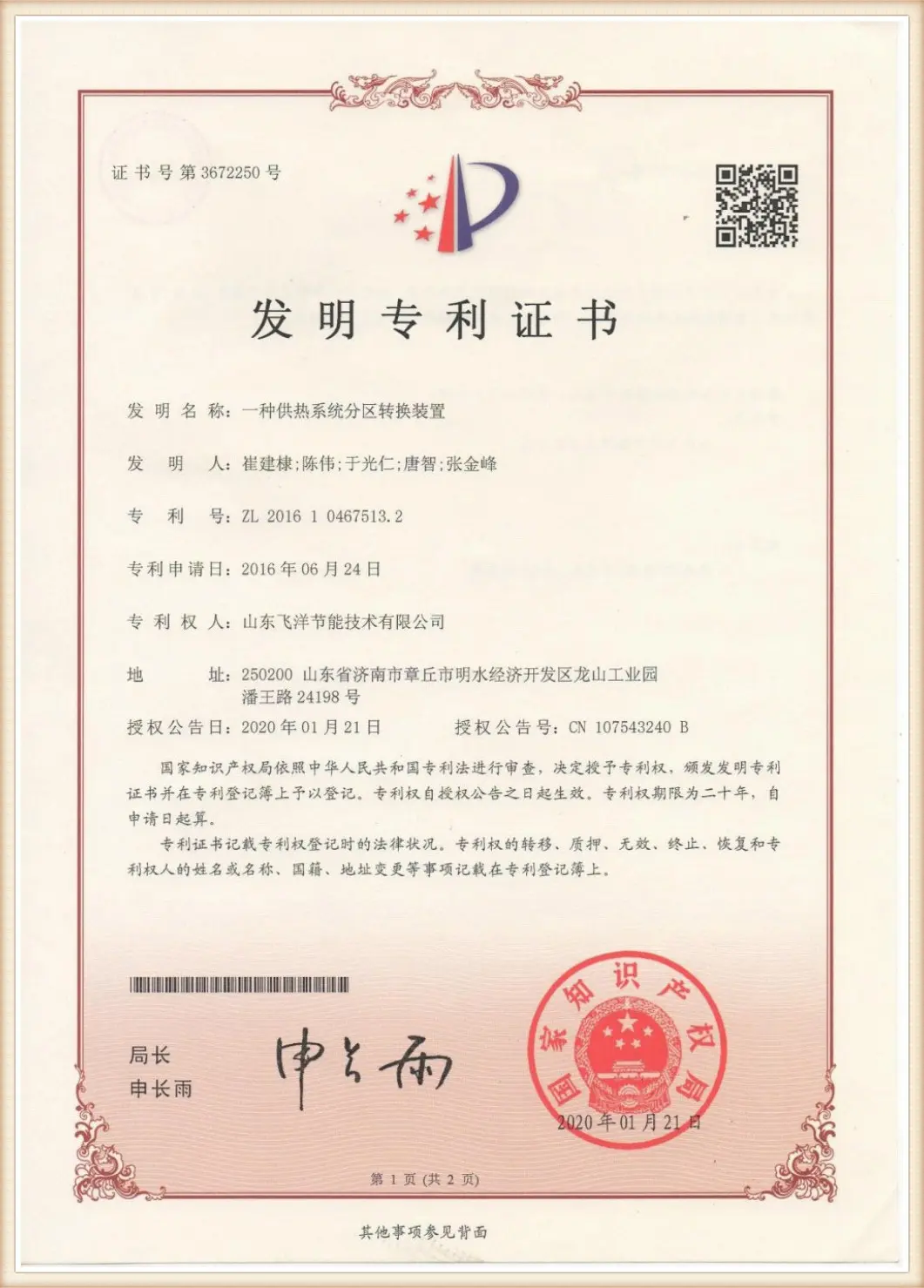
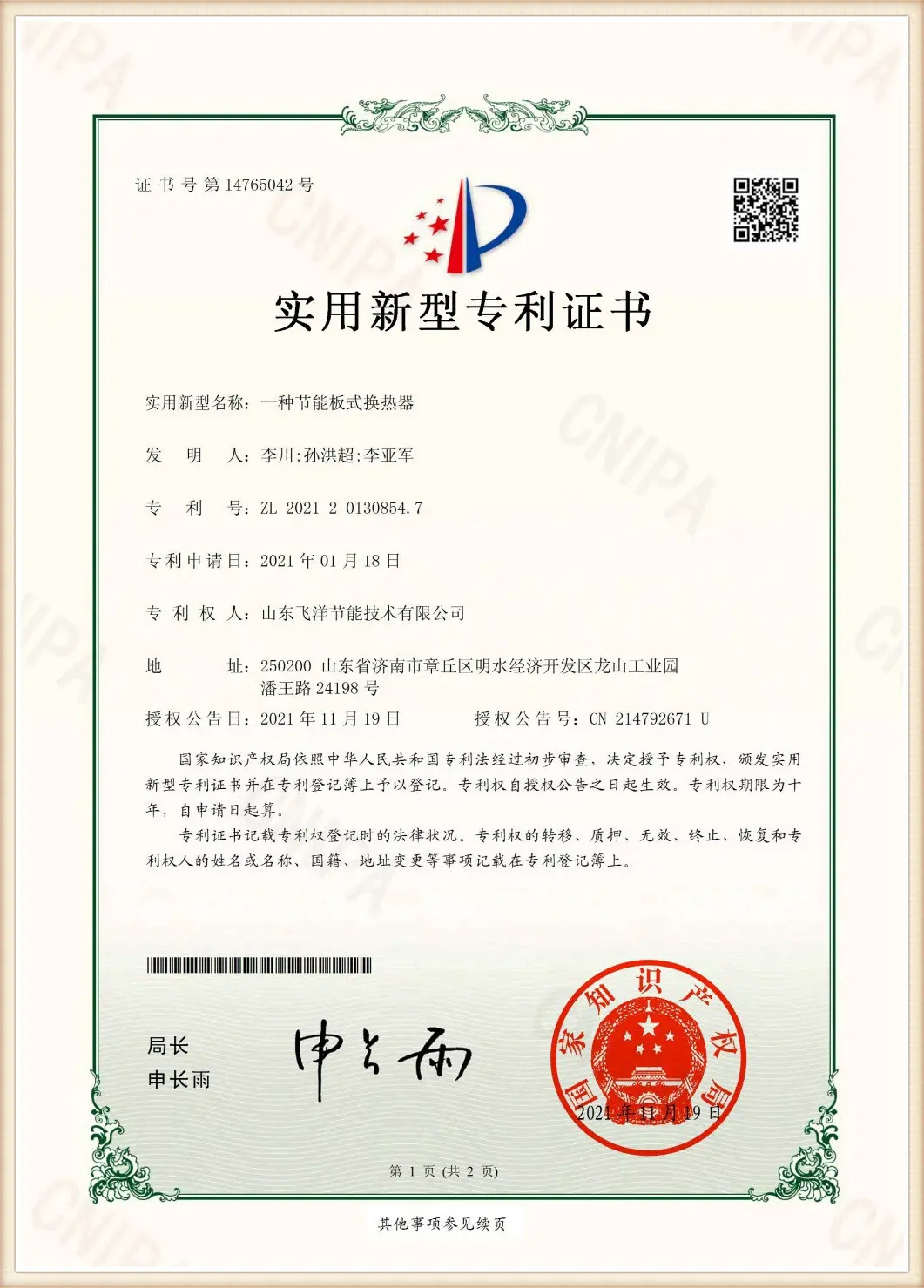
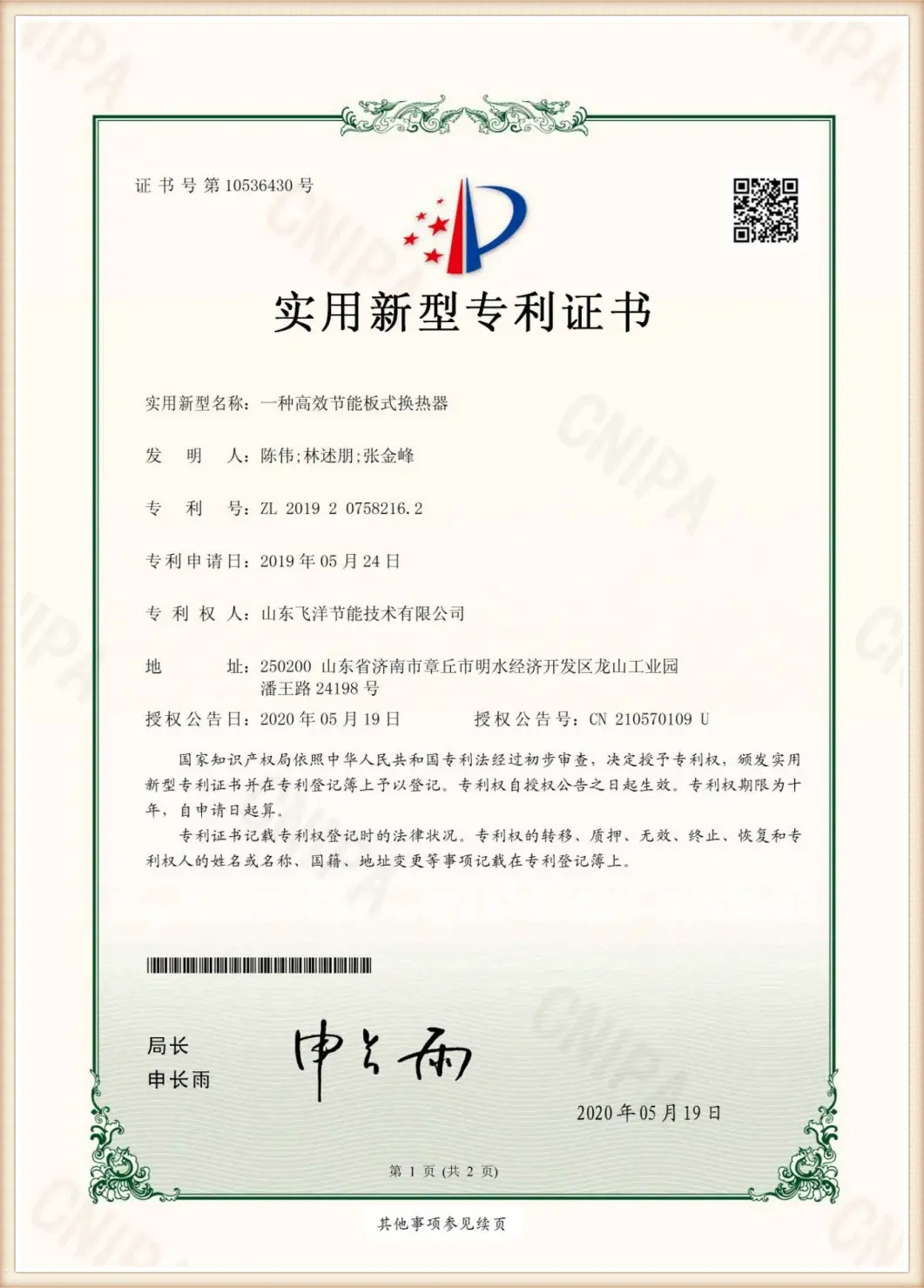
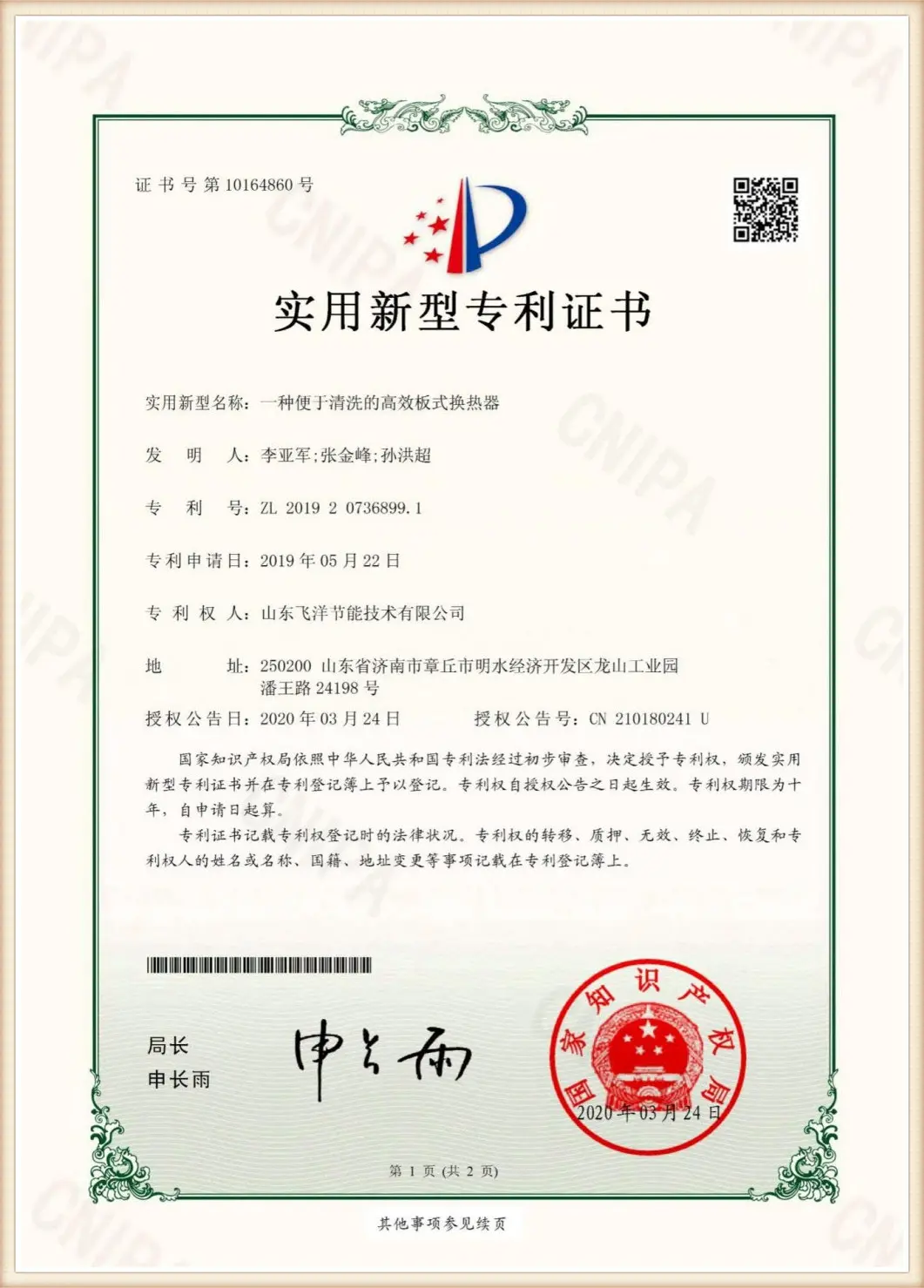
Through persistent investments in R&D, Flotte holds multiple patent certifications including "High-Efficiency Plate Heat Exchanger", "Intelligent Plate Heat Exchanger System", and "Plate Heat Exchanger Scale Removal Device". These technologies directly solve field challenges such as scale buildup, pressure fluctuation, and energy losses in low-temperature heat recovery applications.
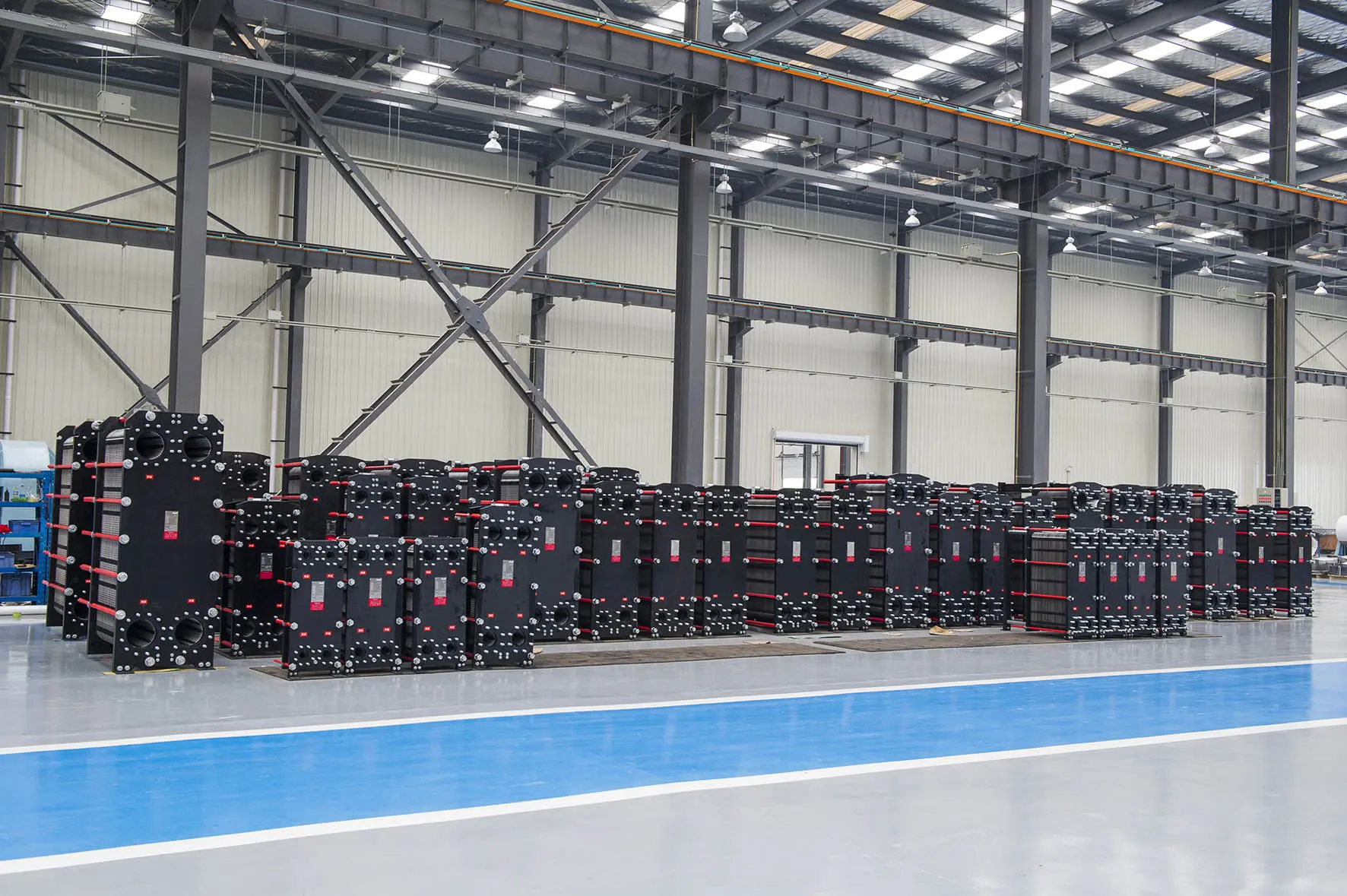
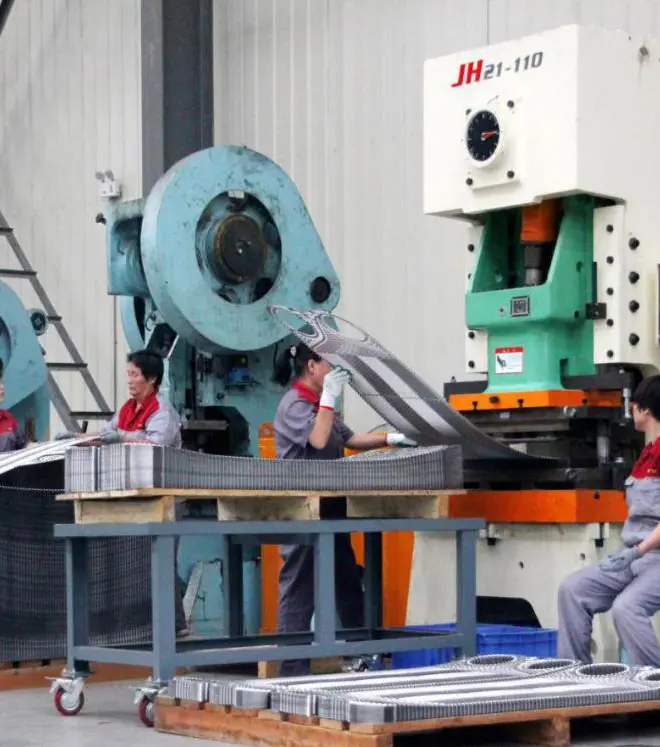
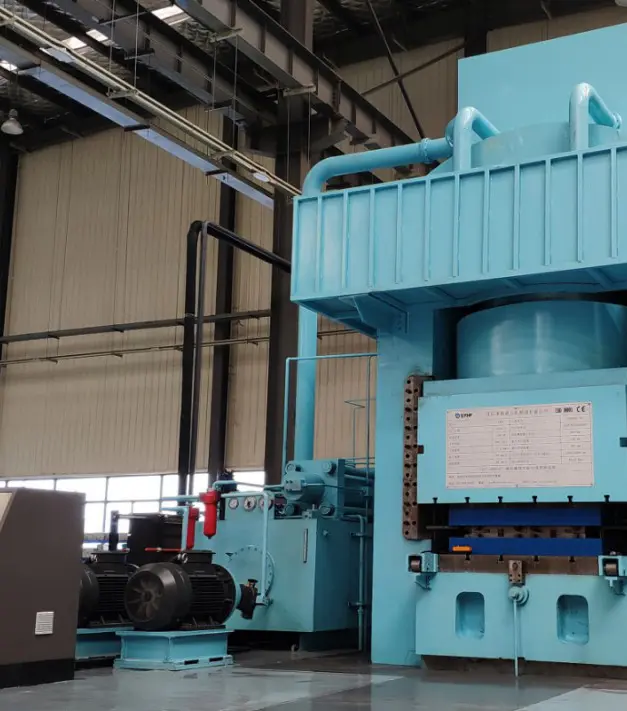
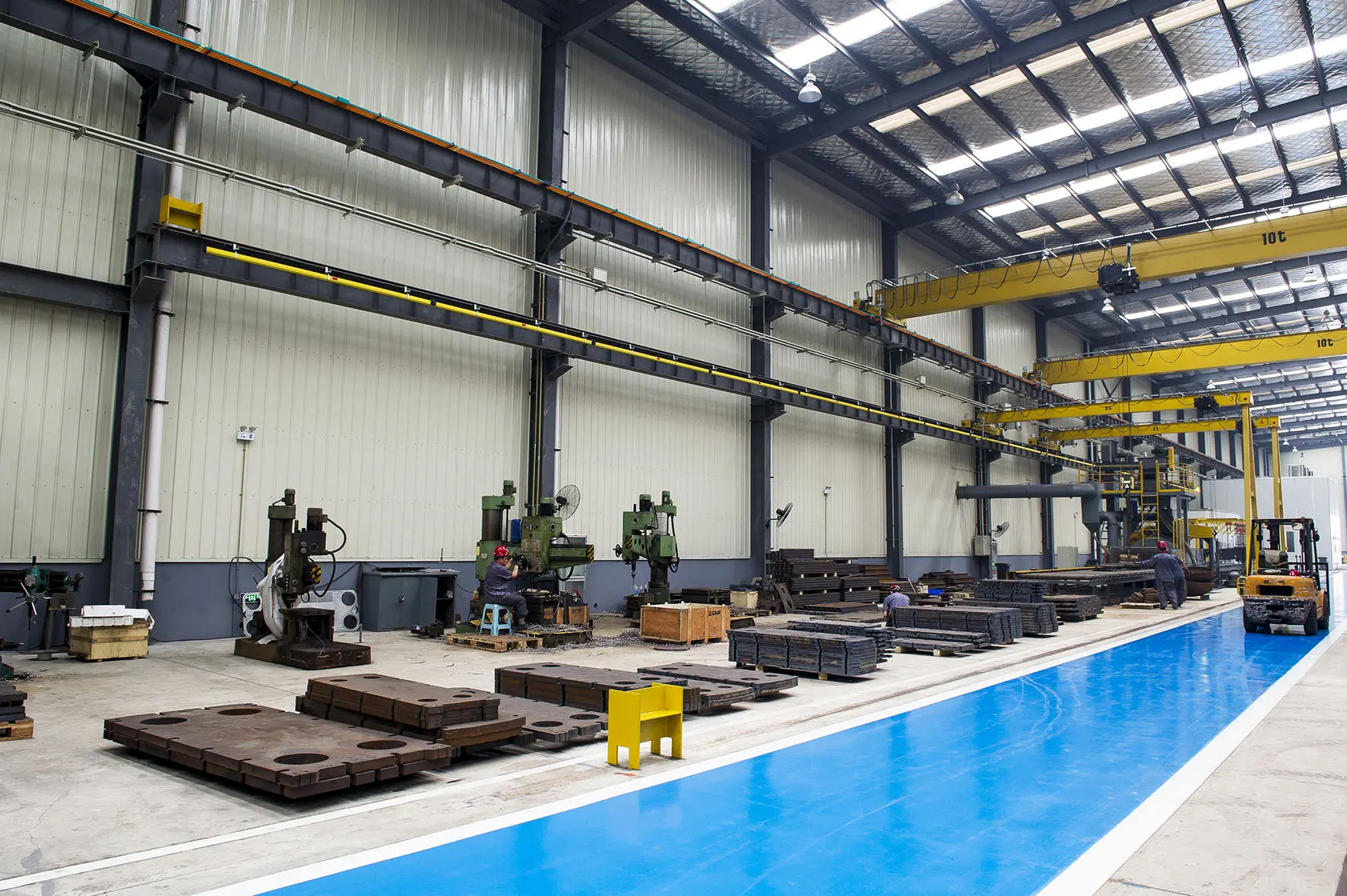
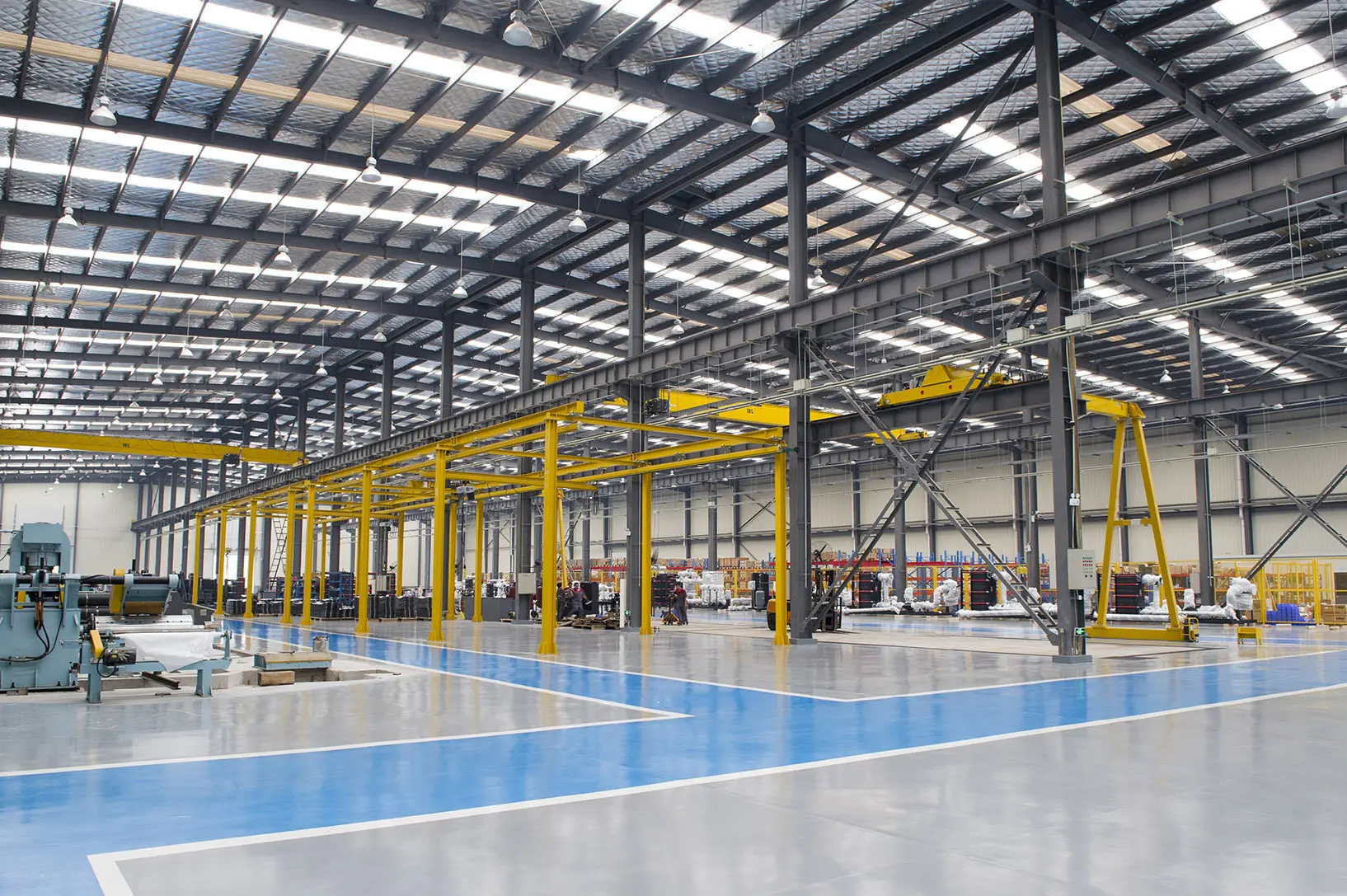
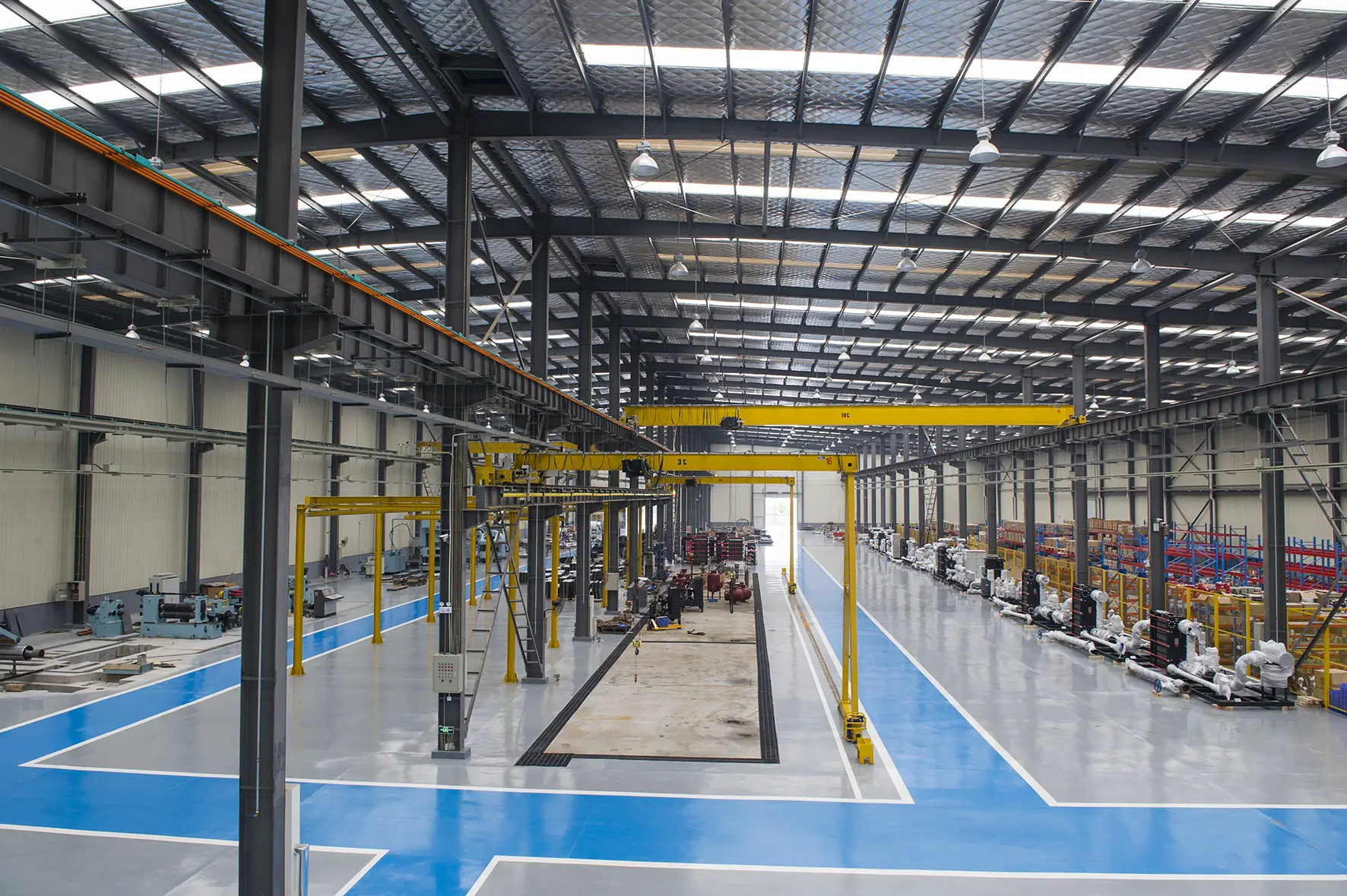
Take a look inside our 70,000 square meter state-of-the-art facility, home to massive plate-forming presses and automated welding centers.


Innovation and decarbonization guidelines for the next decade of fluid dynamics development.
In response to global sustainability mandates and the rising cost of energy, the roadmap for plate heat exchanger (PHE) design focuses on three key areas: minimizing material footprint, maximizing thermal efficiency, and smart monitoring integration.
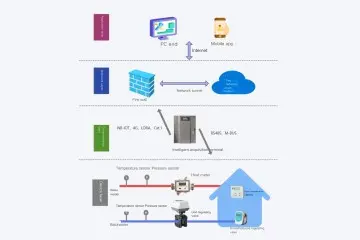
Historically, plate heat exchangers were selected based on static load demands. In the future, fluctuating renewable heat networks will require highly dynamic heat exchangers. Flotte is currently integrating IoT-enabled sensor platforms (such as our Room Temperature Collector and Secondary Network Balancing systems) directly into heat exchange units to measure real-time efficiency degradation and scale buildup. By leveraging predictive algorithms, plant managers can plan cleaning cycles, replacing old gaskets or plates only when necessary, which drastically decreases OPEX and resource waste.
Transitioning from standard 0.5mm plates to 0.4mm or even 0.3mm ultra-thin titanium alloys, reducing raw metal usage while increasing thermal conductivity, without sacrificing structural stability under high design pressures.
R&D projects to substitute synthetic petroleum-based rubber gaskets with sustainable, bio-derived elastomers that maintain sealing integrity under extreme temperatures (+180°C) and corrosive conditions.
Development of specialized nano-coatings for plate channels that prevent scale particles (calcium, magnesium) from sticking. This significantly extends the interval between CIP (Cleaning-in-Place) procedures.
Clear, expert-verified answers to common operations, troubleshooting, and replacement questions regarding M6 PHE configurations.
The "A-measurement" is the total length of the compressed plate pack between the frame plates. According to the technical manual, the measurement is determined by the equation: A = number of plates × (plate thickness + design channel depth). Clamping too tight can deform the chevrons on the plates, causing premature leakage or localized stress cracks. Under-tightening, on the other hand, will cause gasket bypass. Check your frame's nameplate for the specific A-dimension range.
Clip-on gaskets use mechanical tabs along the plate outer edges to secure the gasket in the groove, making replacement extremely fast and requiring no curing time. Glued gaskets are fixed with a special epoxy or neoprene adhesive, which is highly recommended for processes involving high pressure spikes or continuous vacuum loads where mechanical shifting must be completely avoided.
For mechanical scale, CIP (Cleaning-in-Place) using mild acid solutions is recommended. Always avoid hydrochloric acid (HCl) on stainless steel plates (AISI 304, AISI 316), as chloride ions cause rapid pitting corrosion. Instead, use organic acids like citric acid, phosphoric acid, or nitric acid under 5% concentration. For manual cleaning, use a soft nylon brush. Never use wire brushes or abrasive pads as they will scratch the polished flow path and accelerate future fouling.
Yes. One of the core benefits of the plate-and-frame design is scalability. As long as your frame's guide bar length and compression bolts have sufficient spare thread space, you can add equivalent M6 plates. However, you must recalculate the total flow rate and velocity to ensure the increased volume does not exceed the nozzle port connection limits (typically DN50 / 2-inch for M6 frames), which could cause high velocity erosion at the inlet ports.
EPDM (Ethylene Propylene Diene Monomer) is the standard and preferred choice for hot water and steam systems up to 150°C, offering excellent resistance to heat and aging. NBR (Nitrile Rubber) is preferred for hydrocarbons, oily fluids, and low-temperature water applications where oil resistance is needed, but it degrades much faster in continuous high-temperature water applications above 110°C.
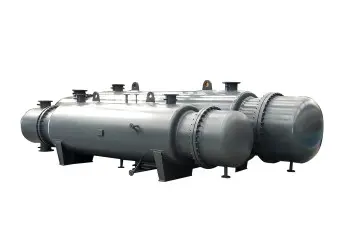
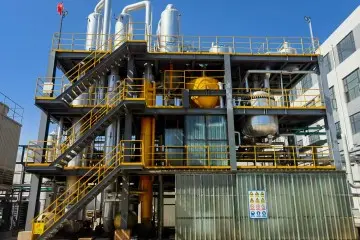
Explore our custom intelligent skids, heavy shell and tube units, and evaporation units manufactured in our certified workshops.
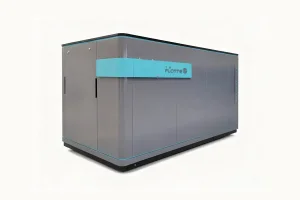
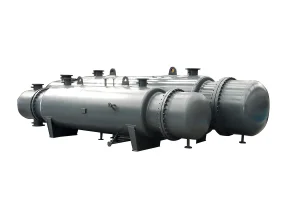
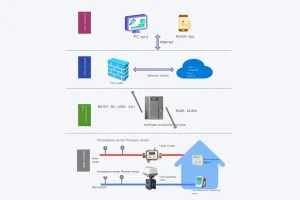
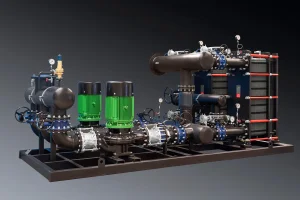
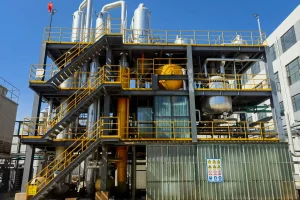
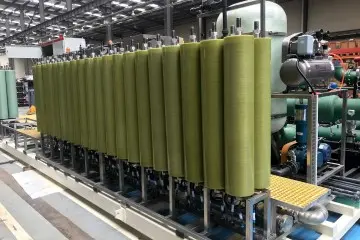
Examine our complete collection of detachable components, regulation balance systems, and alternative heat exchange configurations.
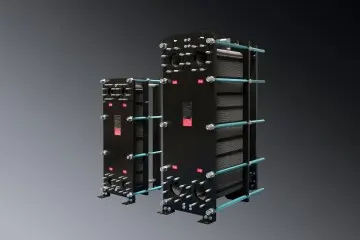
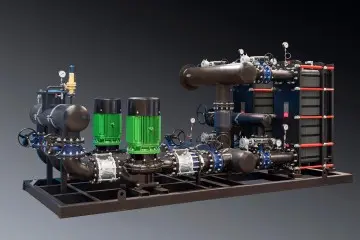
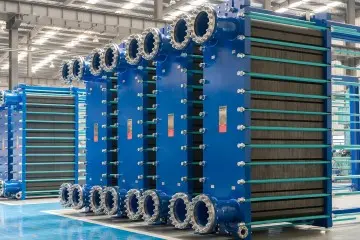

In accordance with industry-standard manuals, the maintenance cycle of an M6 plate heat exchanger depends heavily on three key parameters: temperature, working pressure, and fluid chemistry. Gasket lifetime decreases rapidly if the operating temperatures continuously hover near the upper limit of the gasket material’s threshold. Therefore, routine inspection must include checking the compression pack length, verifying pressure drops, and executing scheduled CIP (Clean-in-place) operations.
The M6 series features a symmetrical design that allows plates to be turned 180 degrees to change flow directions. When configuring the plate pack, remember that every second plate must be turned upside down. This creates the intersecting grid of channels through which fluids exchange heat without mixing. The correct positioning is verified by looking at the honeycombed edge profile of the fully assembled plate pack: it should form a neat, uniform pattern without single misaligned chevrons sticking out.
Tightening of the M6 frame tie bolts must be done systematically. When compressing a loose plate pack, tighten the bolts diagonally in sequence rather than working around the frame in a circle. This prevents twisting of the plates and uneven distribution of stress along the gaskets. A misaligned plate pack will immediately fail during hydrostatic testing, and the high localized pressure may permanently crush the metallic flow channels, requiring the purchase of replacement parts.
For operations teams seeking equivalent components or replacement parts conforming to the Alfa Laval M6 Plate Heat Exchanger Manual, working directly with established China manufacturers like Flotte offers major cost and logistical advantages. With our ISO 9001:2015 certified workshops, we ensure that every plate and gasket meets the exact tolerances required for drop-in compatibility, saving plant operators up to 40% in maintenance expenditures while keeping lead times low. Our engineering staff is equipped to assist with technical calculations, material selection, and field installation guidance.
 Flotte Energy