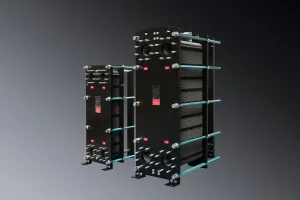
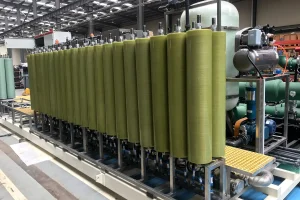
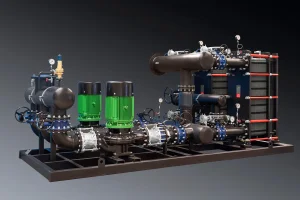
Explore our high-performance thermal regulation and separation systems, designed to improve the operational efficiency of global biological waste treatment processes.
Globally, biological waste treatment has transitioned from basic disposal methods to highly regulated, energy-intensive recovery processes. Modern biological waste management—ranging from municipal organic waste bio-digestion to medical pathogen sterilization and pharmaceutical sludge processing—demands strict thermal envelope control and water-purification compliance. Biological effluents often contain complex organic loads, active pathogens, or valuable biochemical raw materials. Safe handling, volume reduction, and sterilization processes require advanced heat exchange and mechanical separation technologies.
Without high-precision thermal control and membrane concentration systems, modern treatment facilities suffer from extreme energy losses, scaling, and operational failures. By combining advanced thermodynamic heat recovery with robust physical separation, global industries can reduce carbon footprints while executing sanitary, compliant waste mitigation. As an established pioneer, Flotte delivers the precise engineering answers required by the world's most demanding environmental directives.
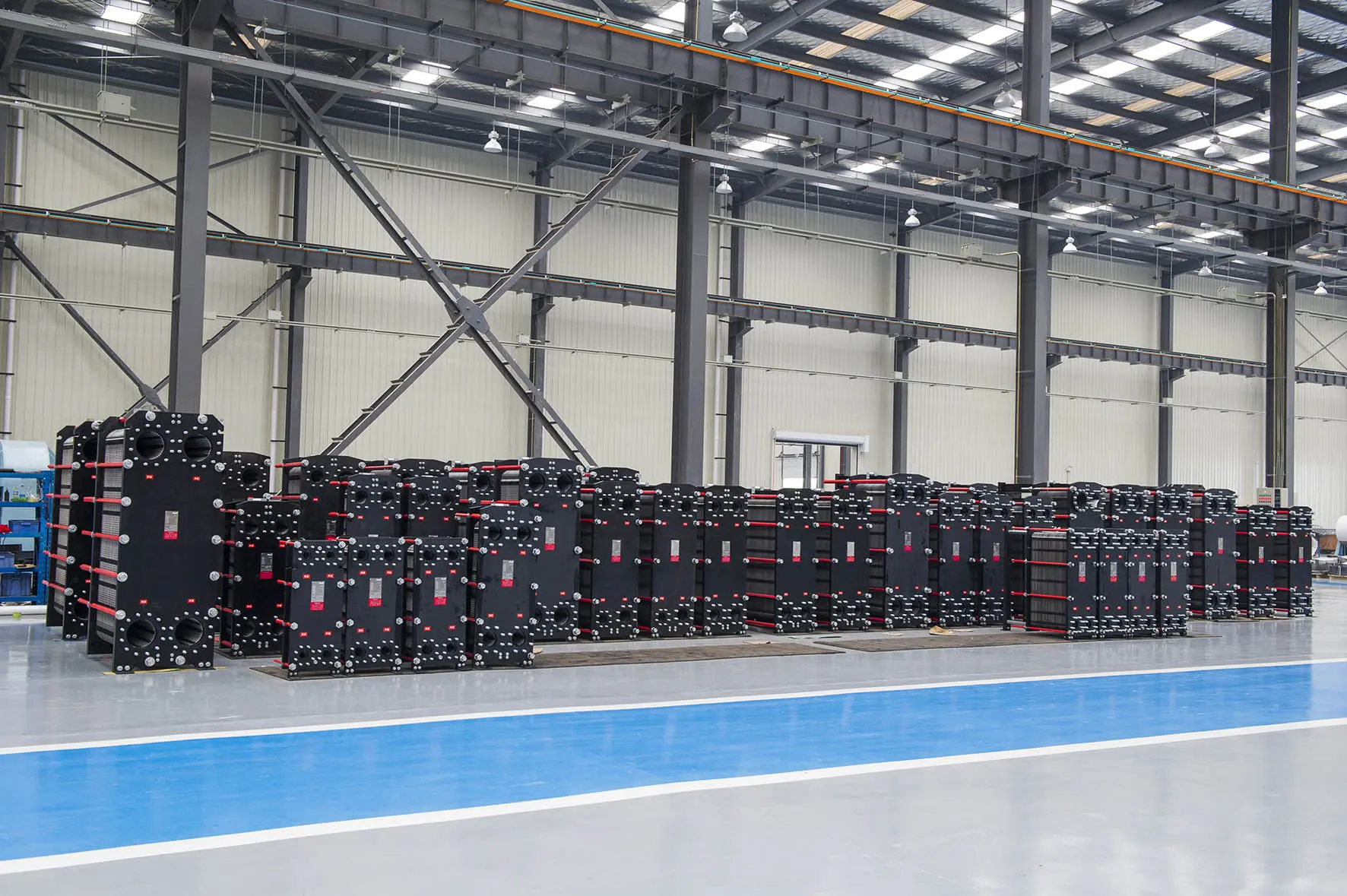
A statistical and certified snapshot of Flotte's capability to deliver high-quality, large-scale industrial heating and liquid treatment equipment globally.
Flotte Energy Saving Company (established in 2013, with roots tracing back to 1995) manages production processes, quality control, and global logistics under strict international system frameworks. Our equipment is certified under the ISO 9001:2015 Quality Management System, ISO 14001:2015 Environmental Management System, and ISO 45001:2018 Occupational Health & Safety System. Furthermore, our plate heat exchangers are officially registered and safety-certified by the National Boiler and Pressure Vessel Standardization Technical Committee.
Our technical superiority is supported by independent intellectual property, including proprietary patents such as "High-Efficiency Plate Heat Exchanger", "Intelligent Plate Heat Exchanger System", and "Plate Heat Exchanger Scale Removal Device". These patents directly address fouling and corrosion, which are common challenges when handling organic waste and biological sludges.
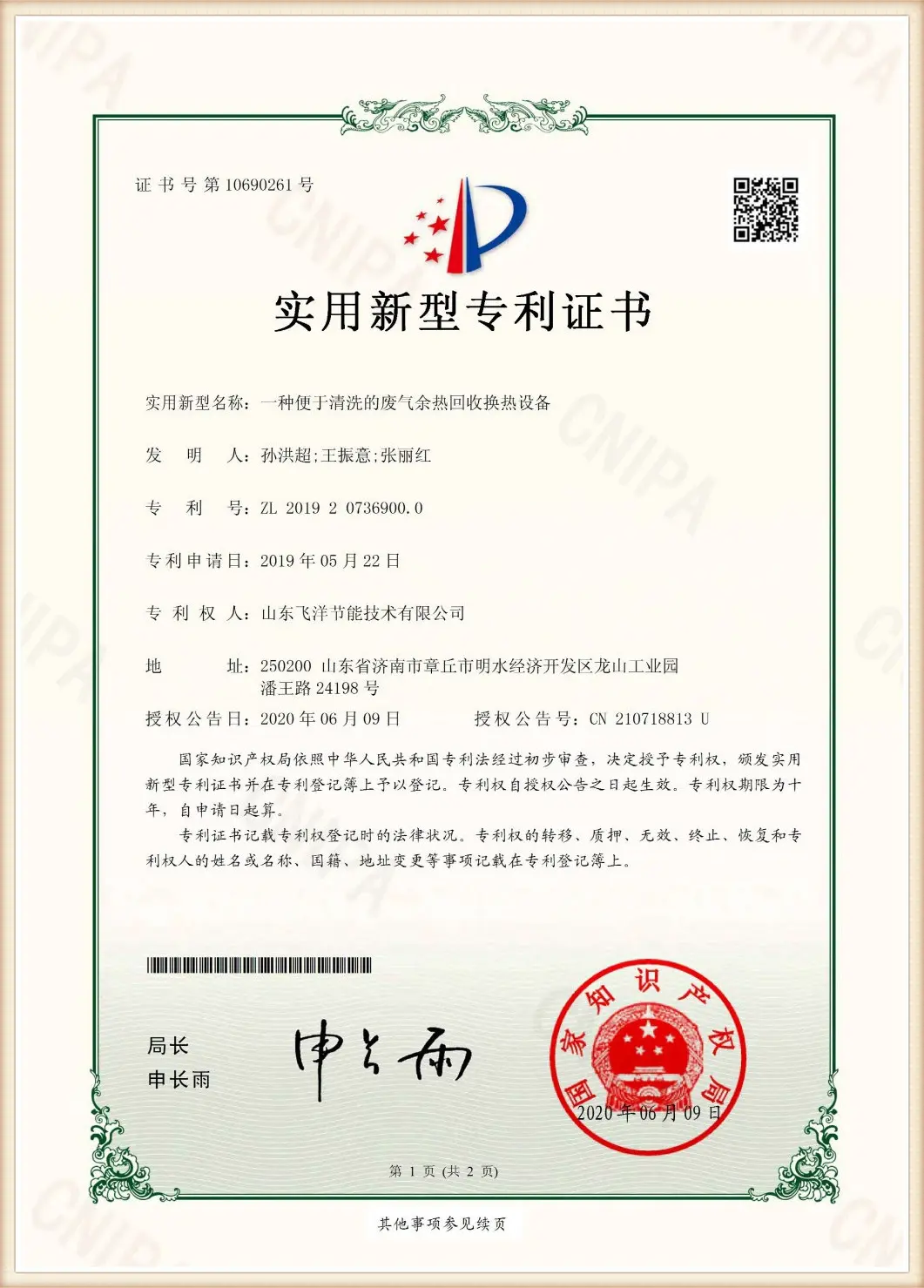
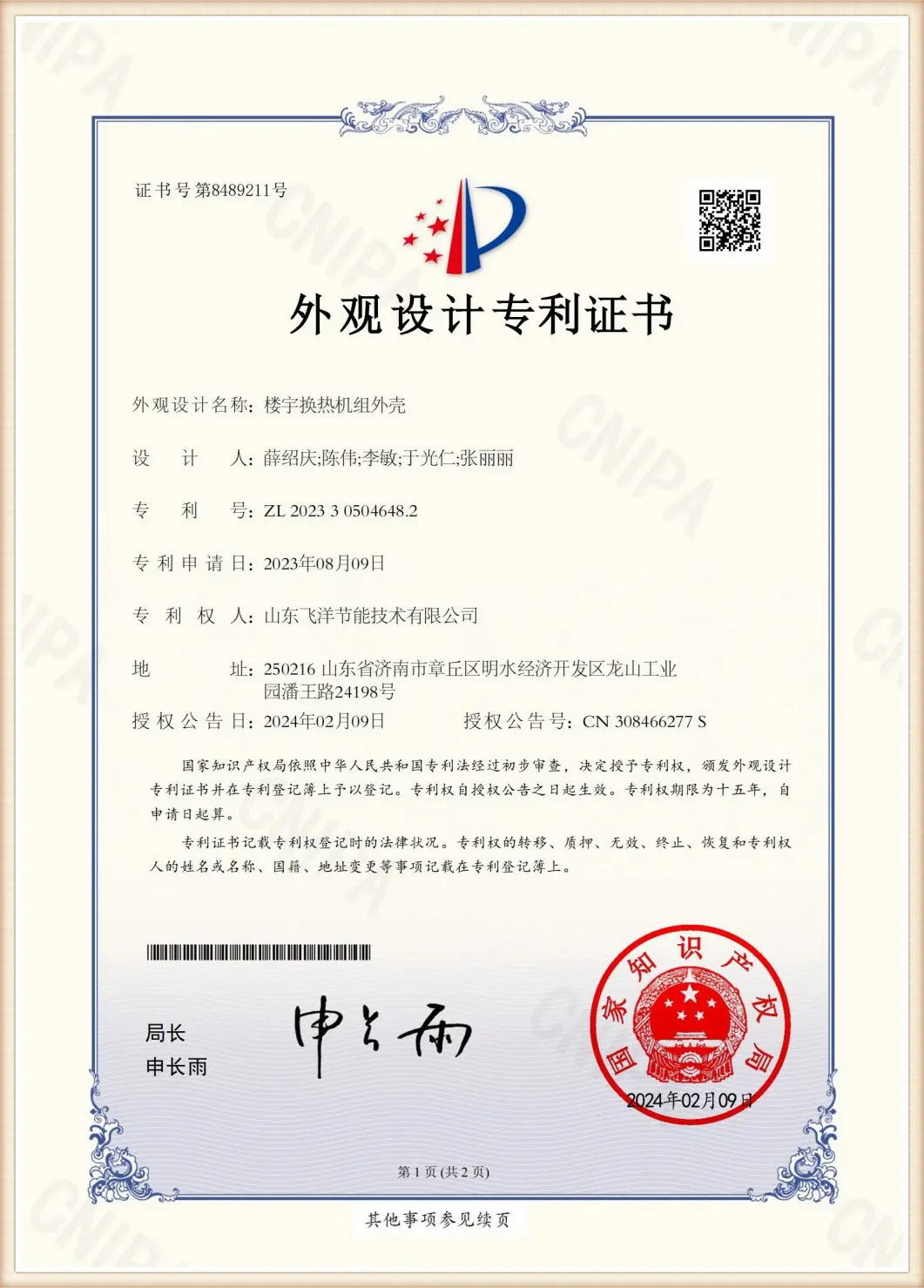
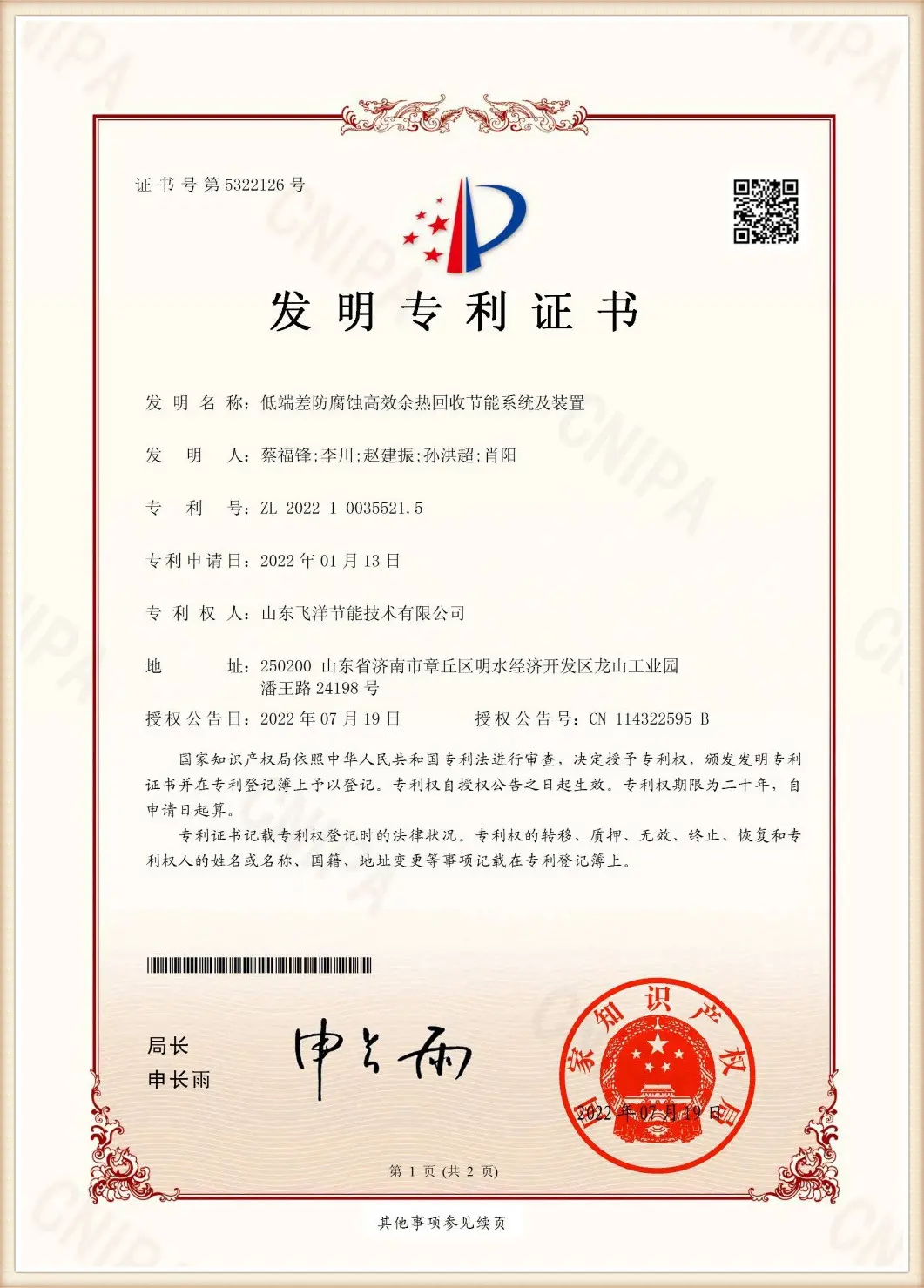
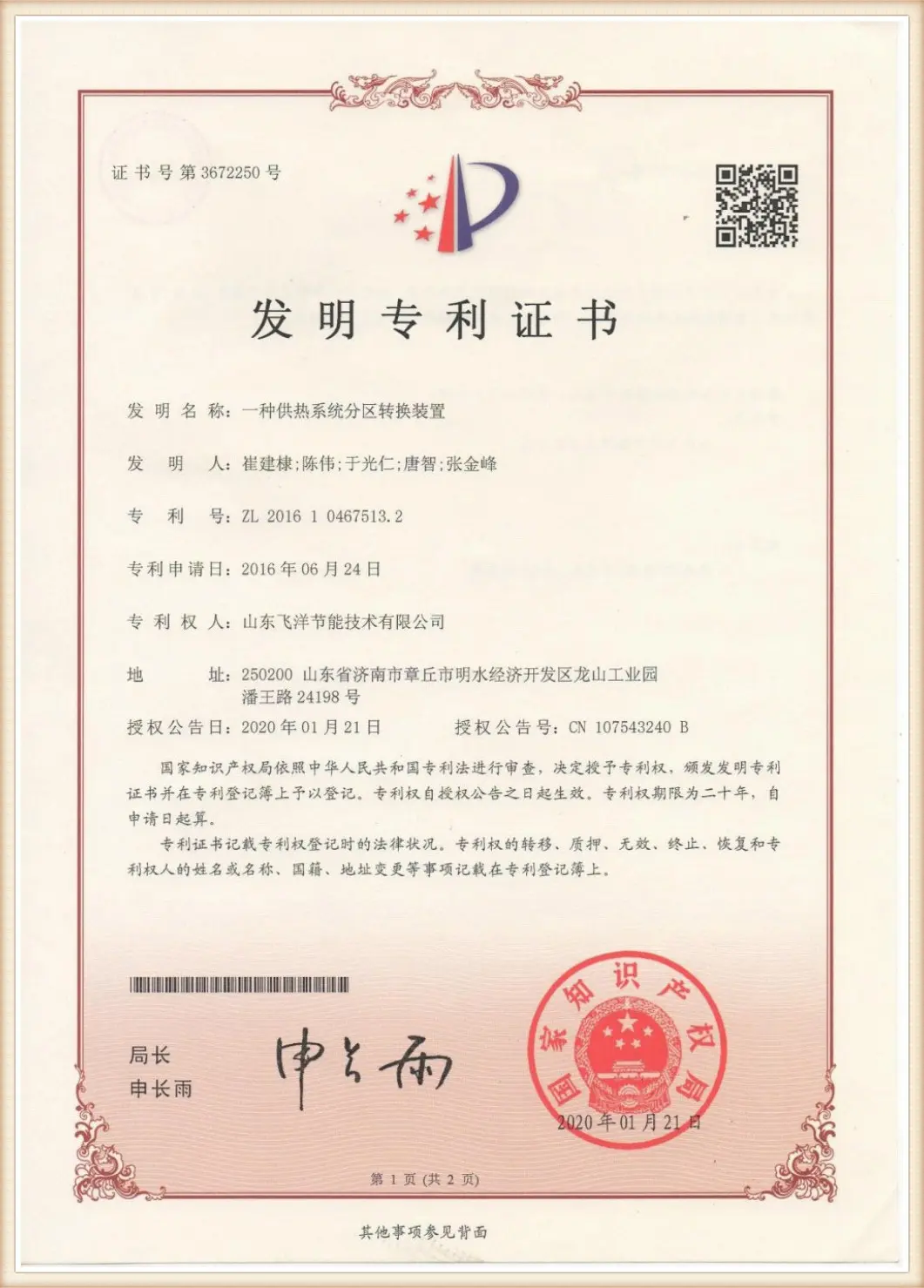
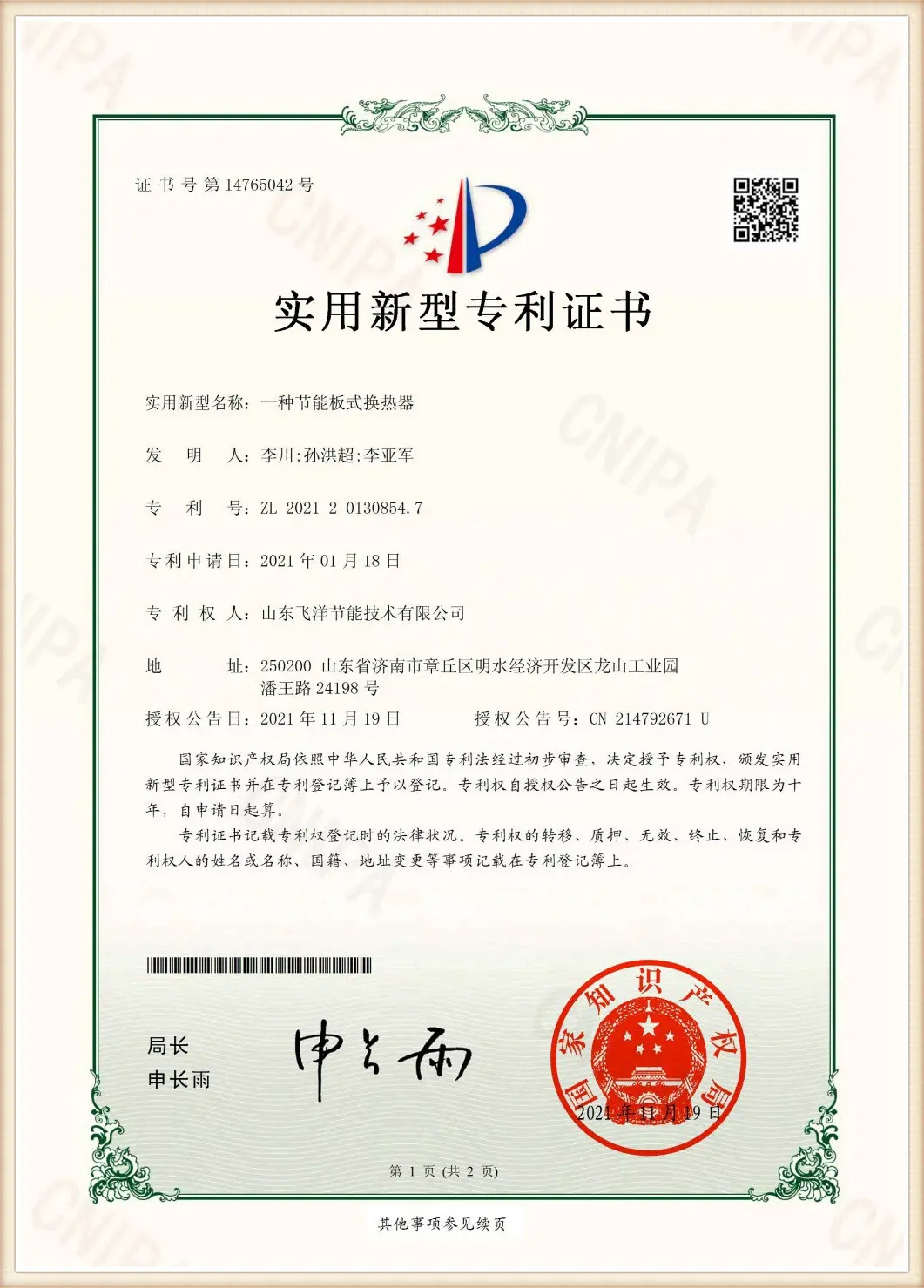
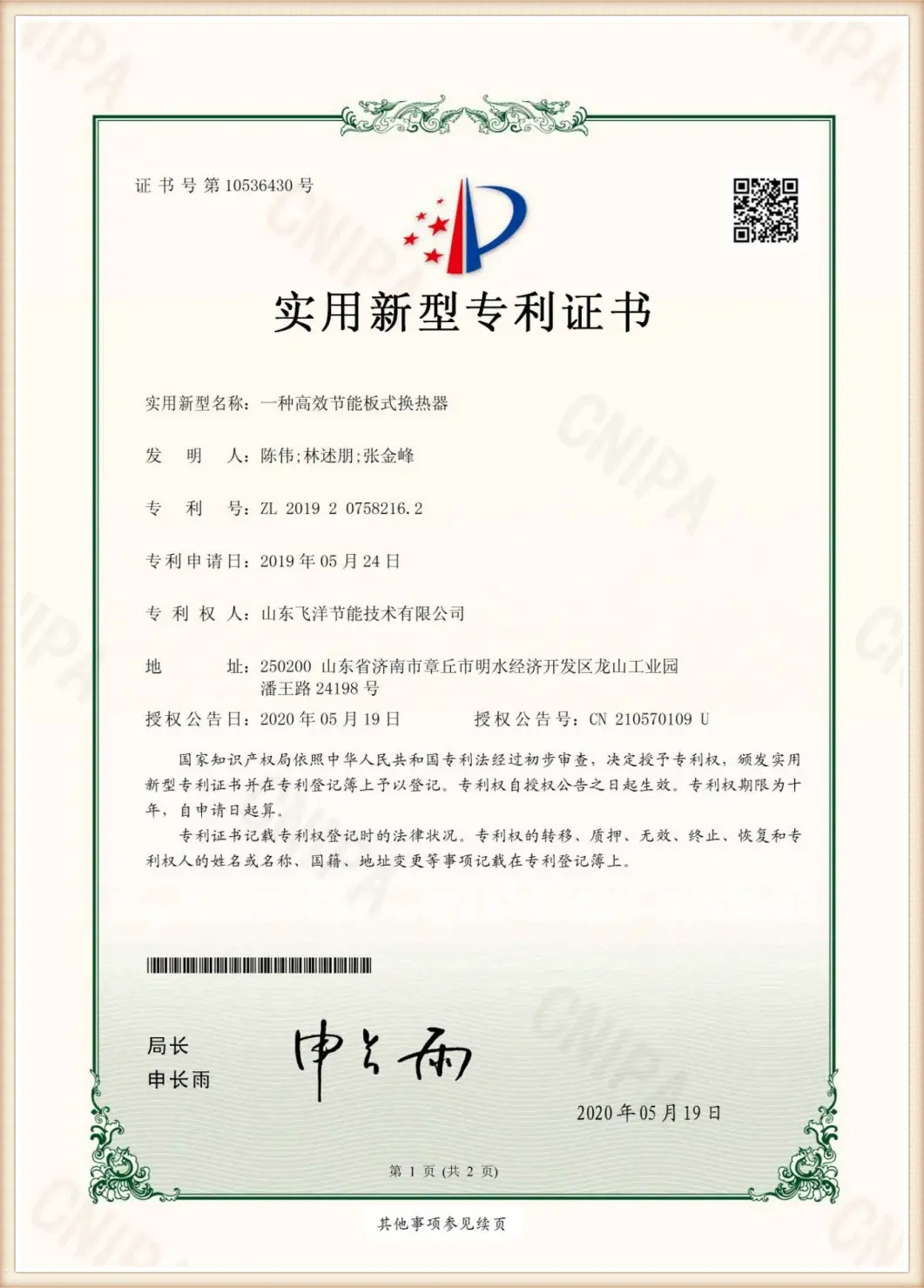
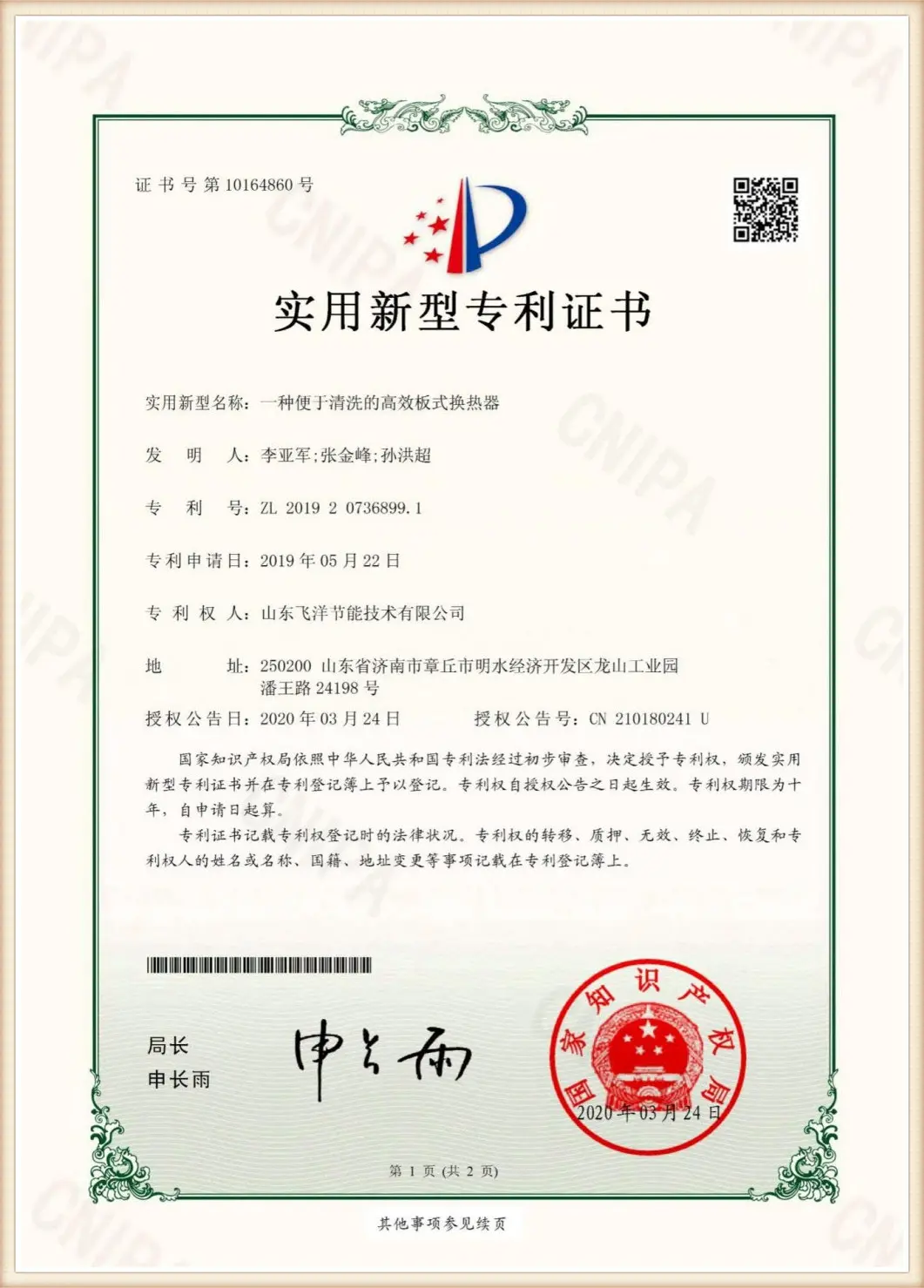
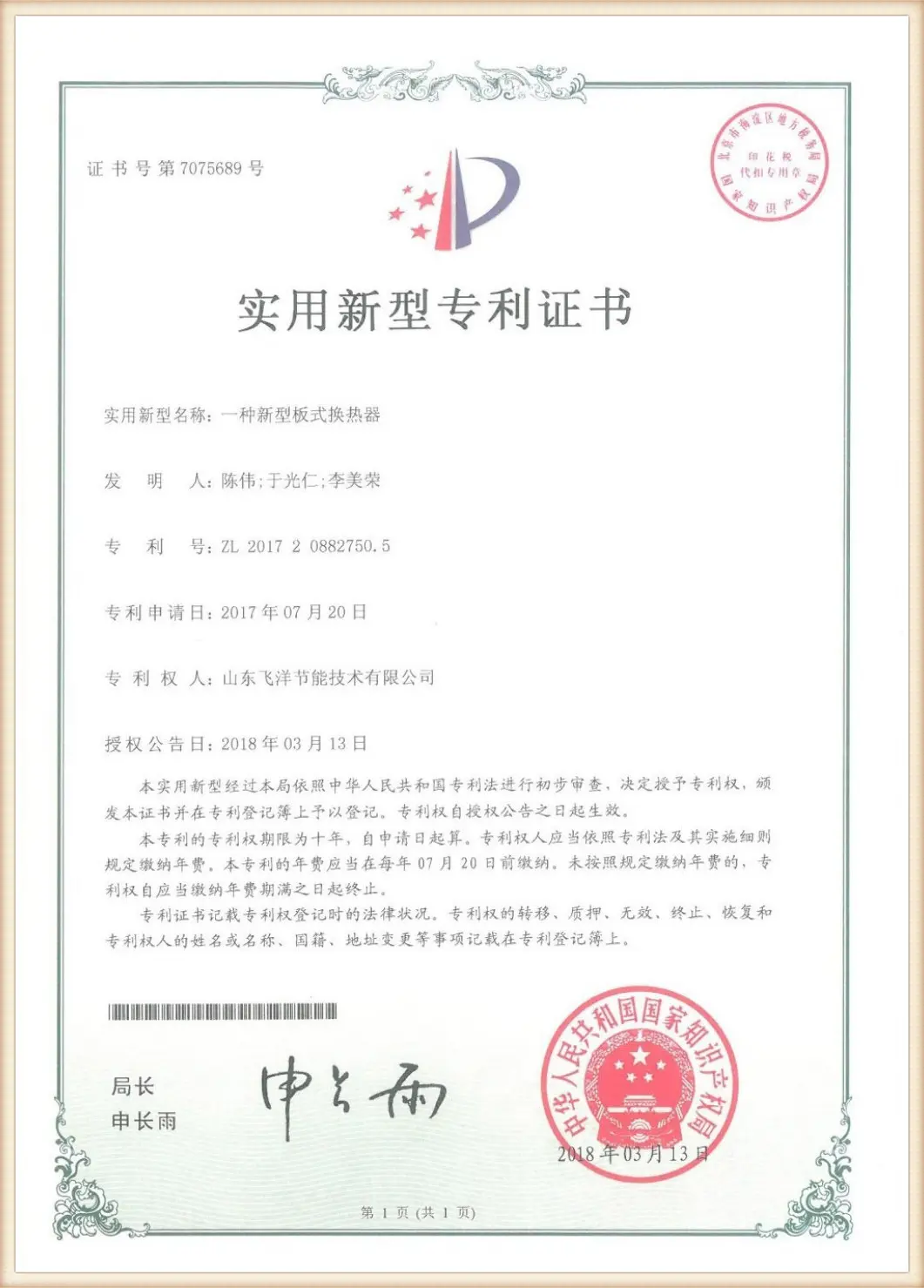
How our thermal and biological waste treatment technologies deliver operational advantages to global clients.
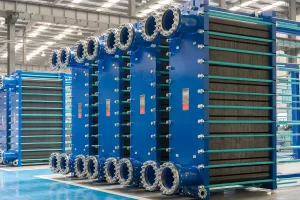
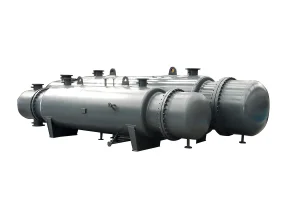
Our plate heat exchangers utilize a patented corrugated plate design. This geometry maximizes turbulence and heat transfer surface areas, yielding thermal efficiencies 2 to 3 times higher than standard shell-and-tube configurations, which helps lower energy consumption in waste concentration systems.
Our technologies support diverse applications, including centralized heating networks, chemical processes, pharmaceutical separation, and municipal organic waste reclamation. We custom-engineer materials—ranging from 316L Stainless Steel to Titanium—to match regional corrosive chemistry profiles.
From metallurgical sourcing to pressure testing, our production line maintains rigorous compliance tracking. Pressure vessels undergo mandatory inspections by national quality authorities, ensuring structural integrity under high-temperature biological processing conditions.
We provide a comprehensive service model, spanning localized design consulting, system integration, high-capacity supply chain logistics, and after-sales support. A specialized engineering team assists with remote installation guidance and commission troubleshooting.
Delivering high-performance thermodynamic and environmental systems through structured manufacturing controls and testing.
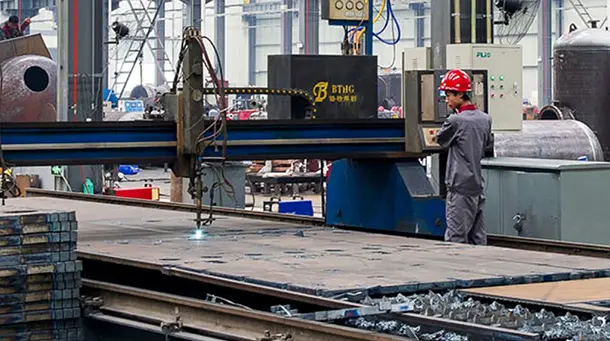
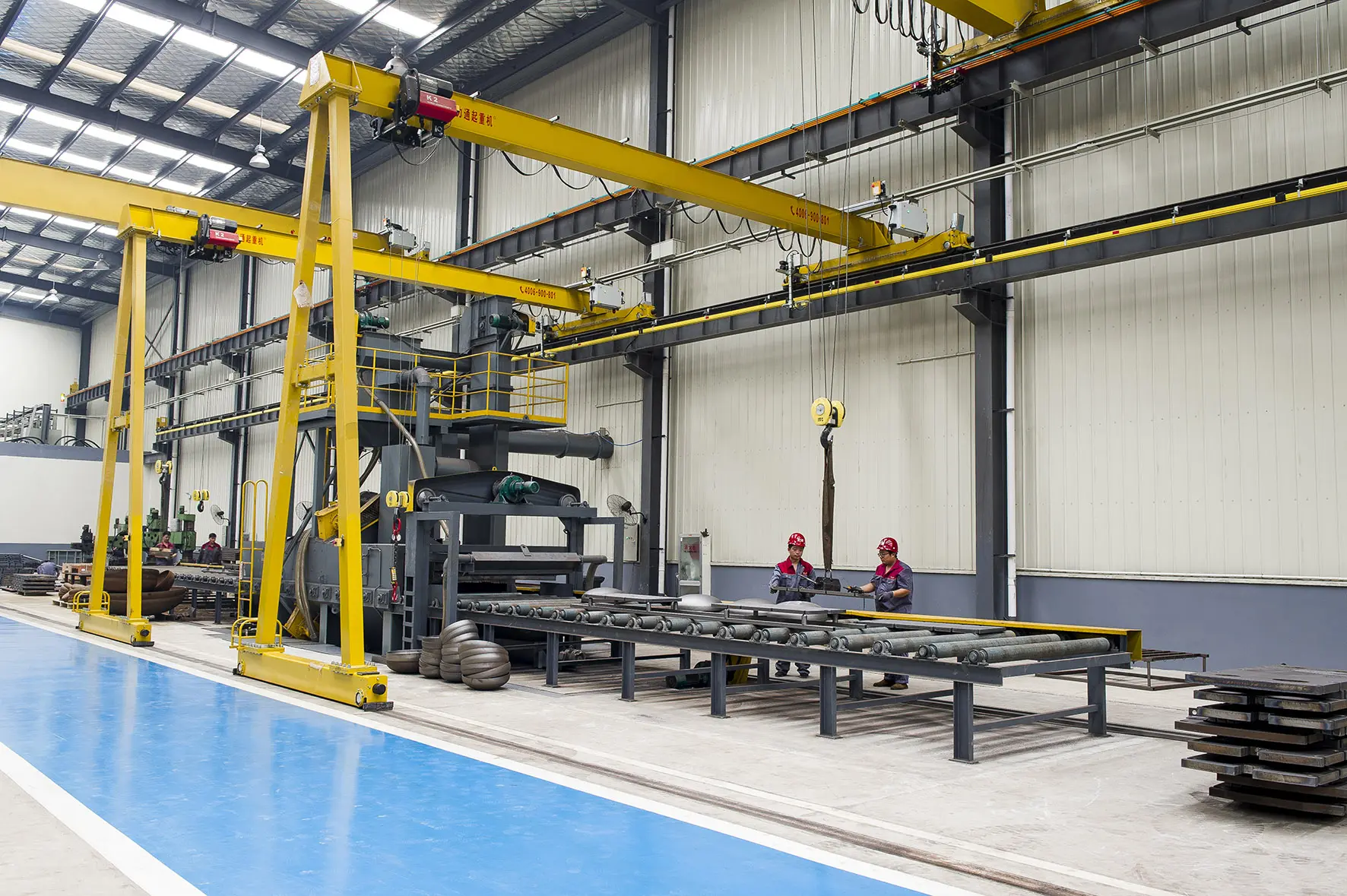
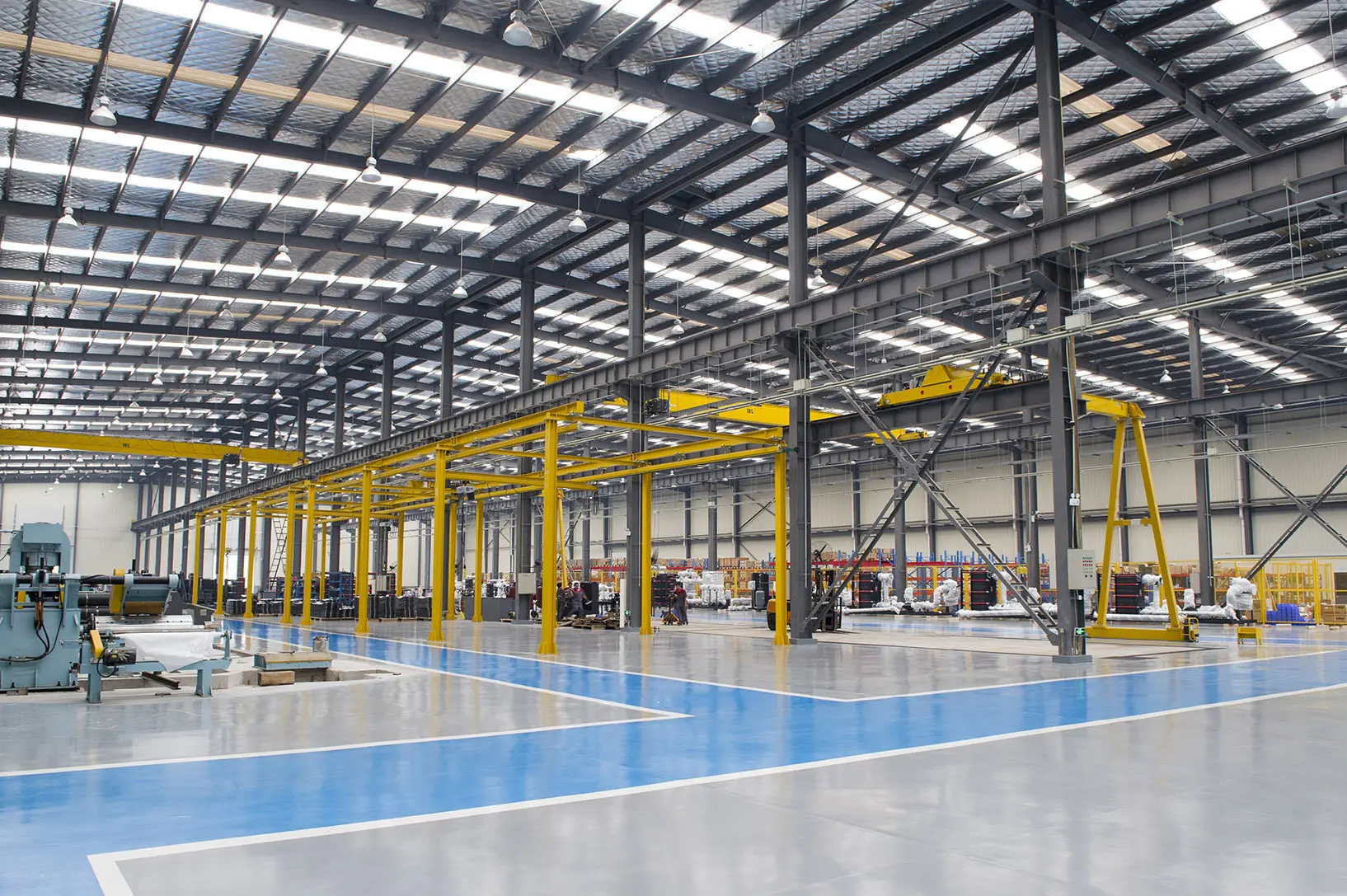
High-precision flame and laser cutting machines shape the heavy carbon steel and stainless steel outer frames of our pressure units.
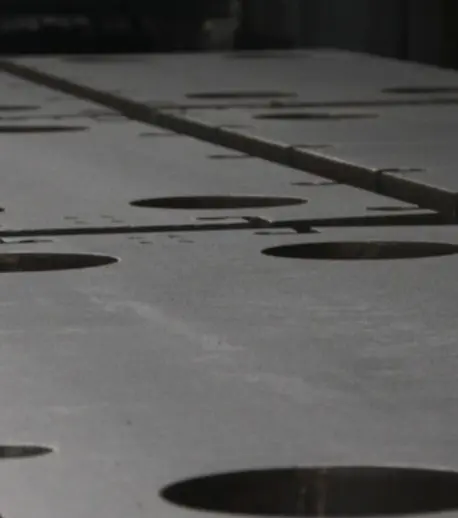
Specialized heat-treatment and micro-forging refine plate structure to withstand cyclic pressure stresses without micro-cracking.
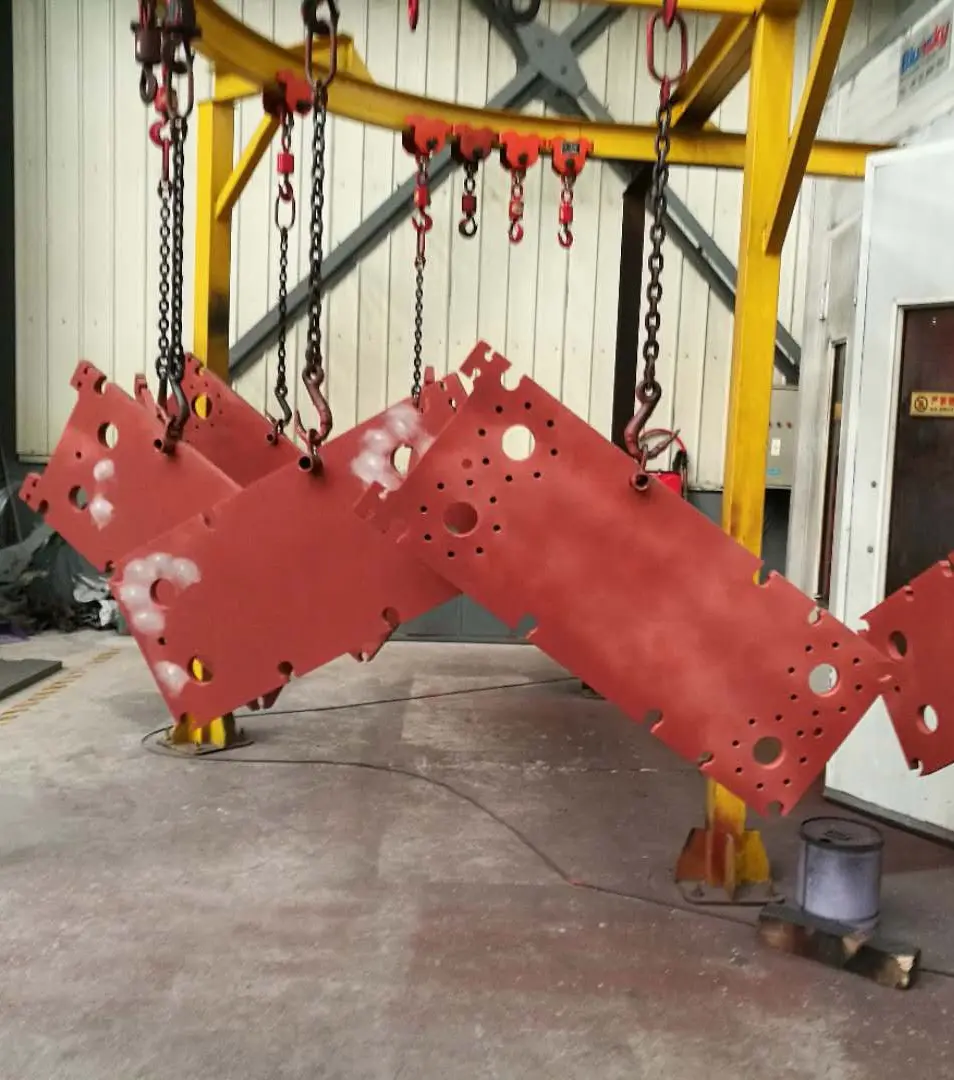
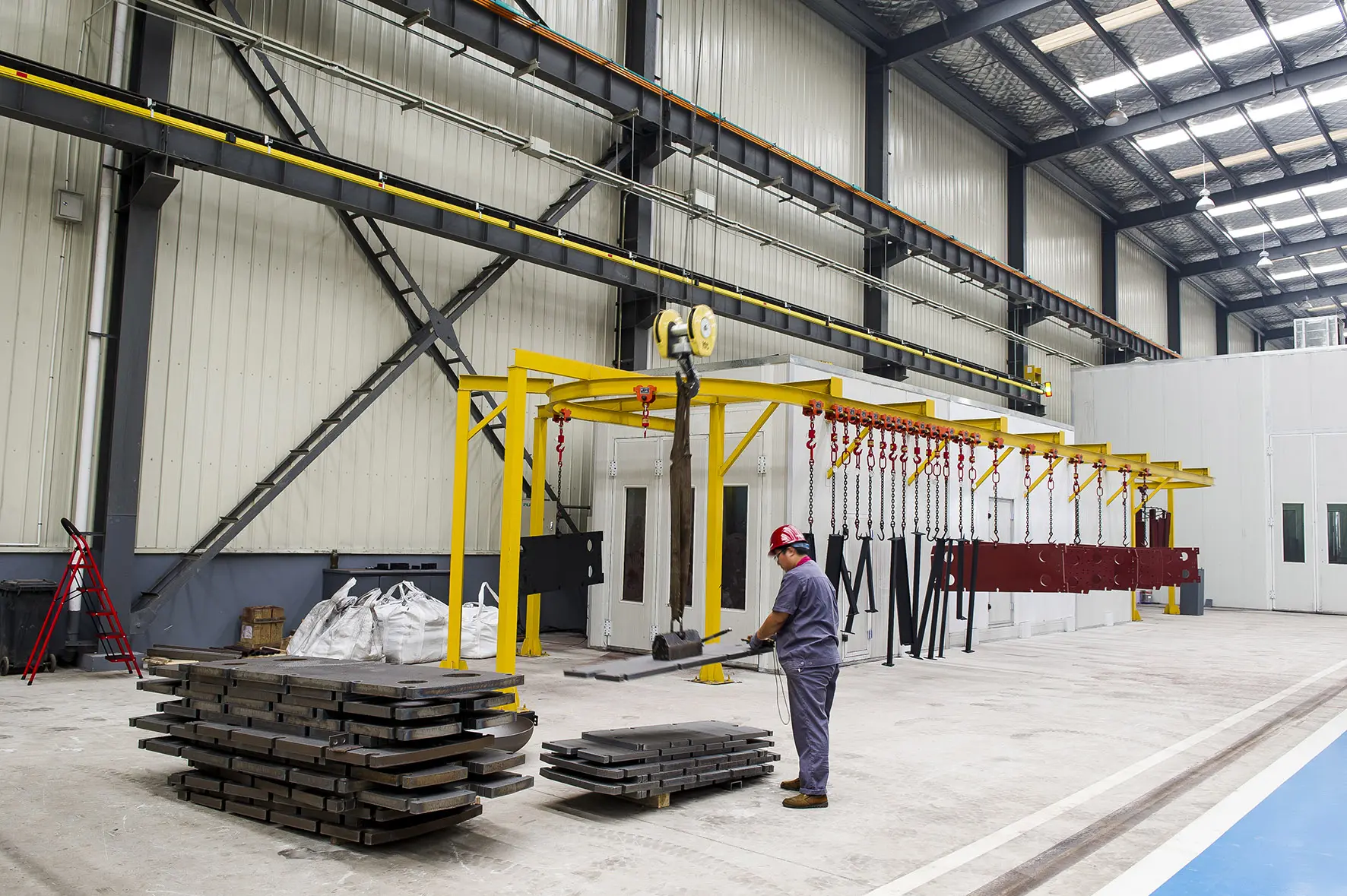
Multi-coat industrial-grade protective finishes safeguard structural steel components against harsh treatment room vapors.
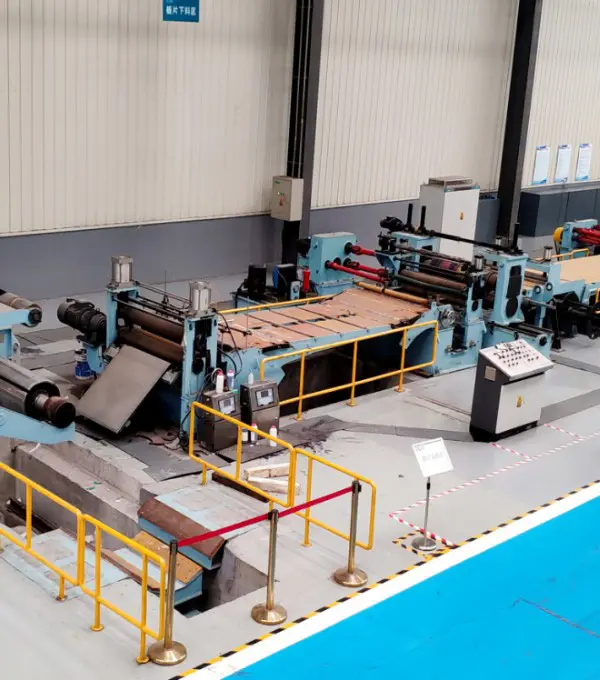
Individual raw materials are coded and cataloged to ensure full trace-ability throughout the product's operational life.
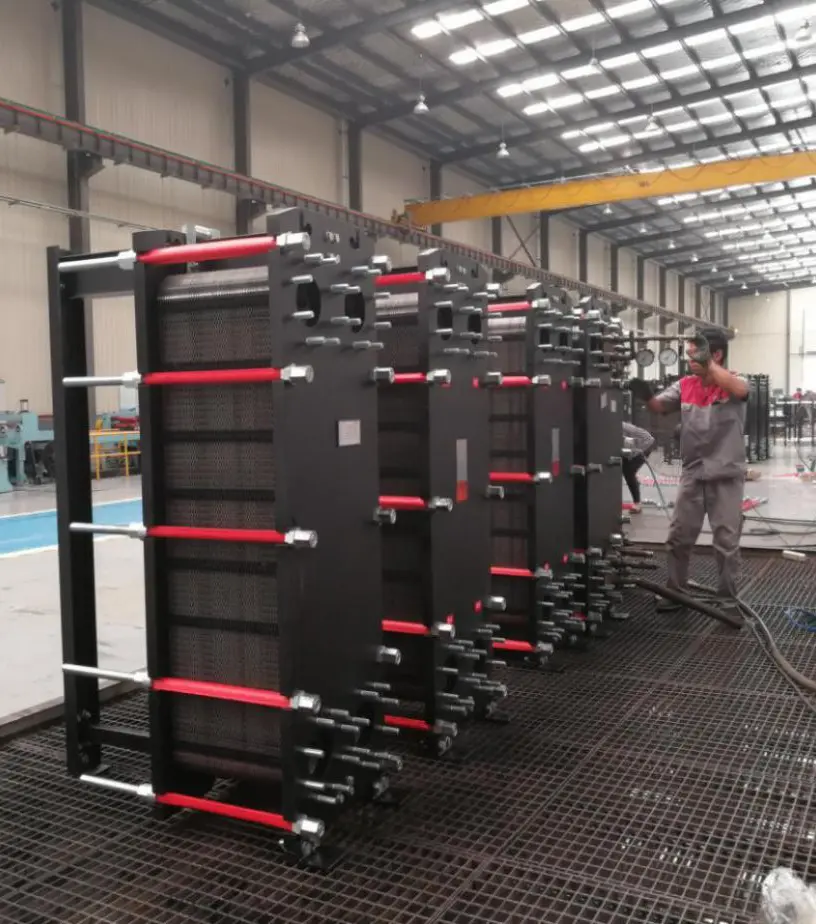
Every assembled heat-exchanger unit is subjected to water pressure testing up to 1.5 times its rating to verify structural seals.
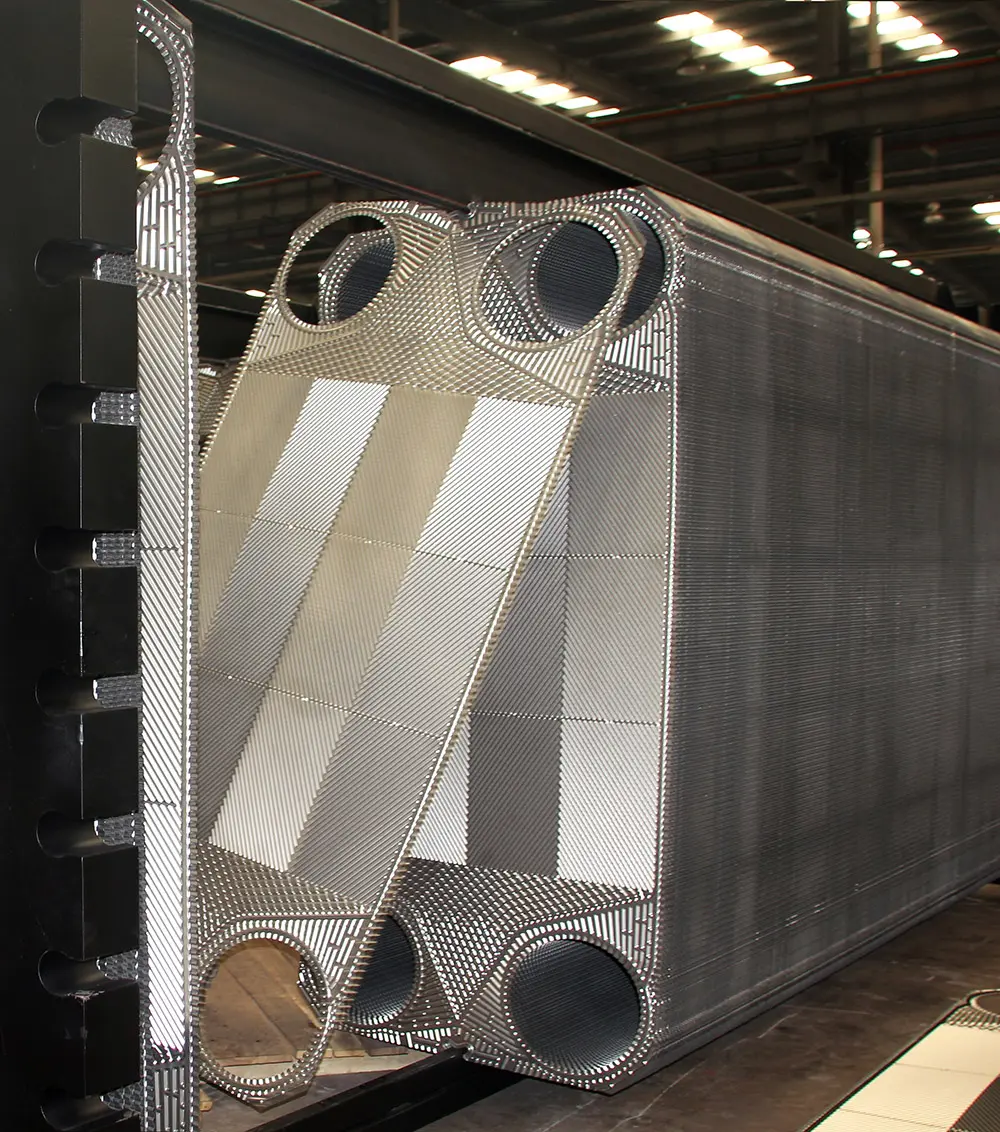
Experienced technicians install smart sensors, valves, and control panels onto the skid frames, creating a ready-to-connect unit.
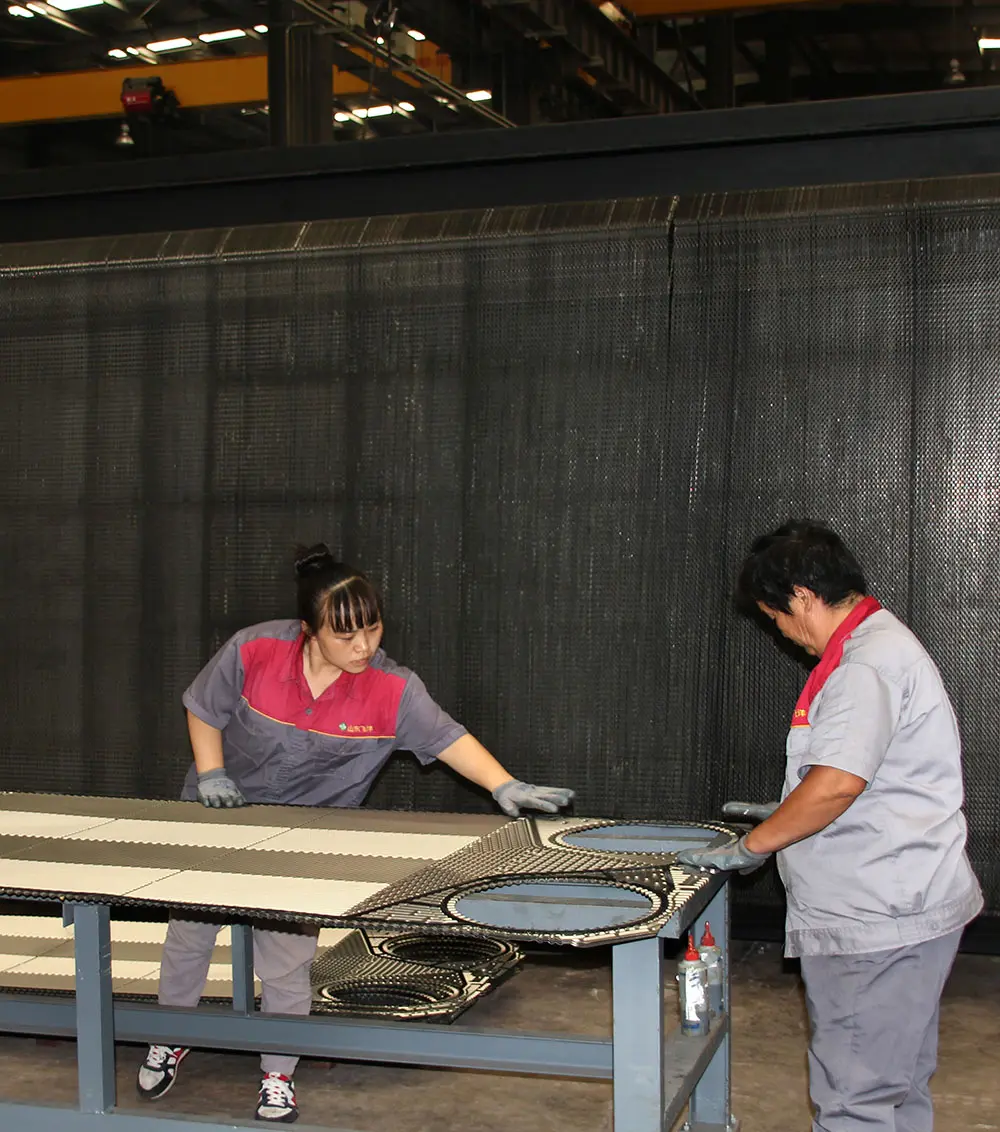
EPDM and NBR gaskets are set using high-durability adhesives, helping prevent cross-contamination between media streams.
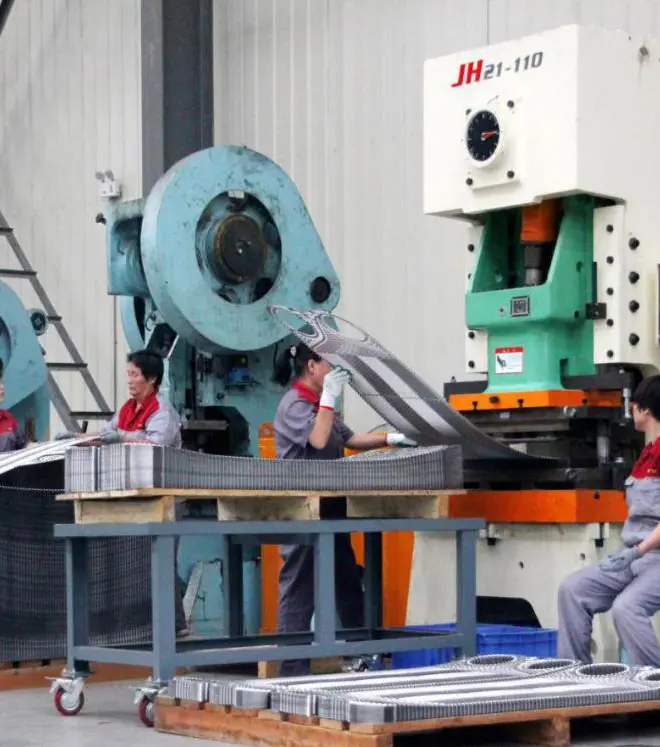
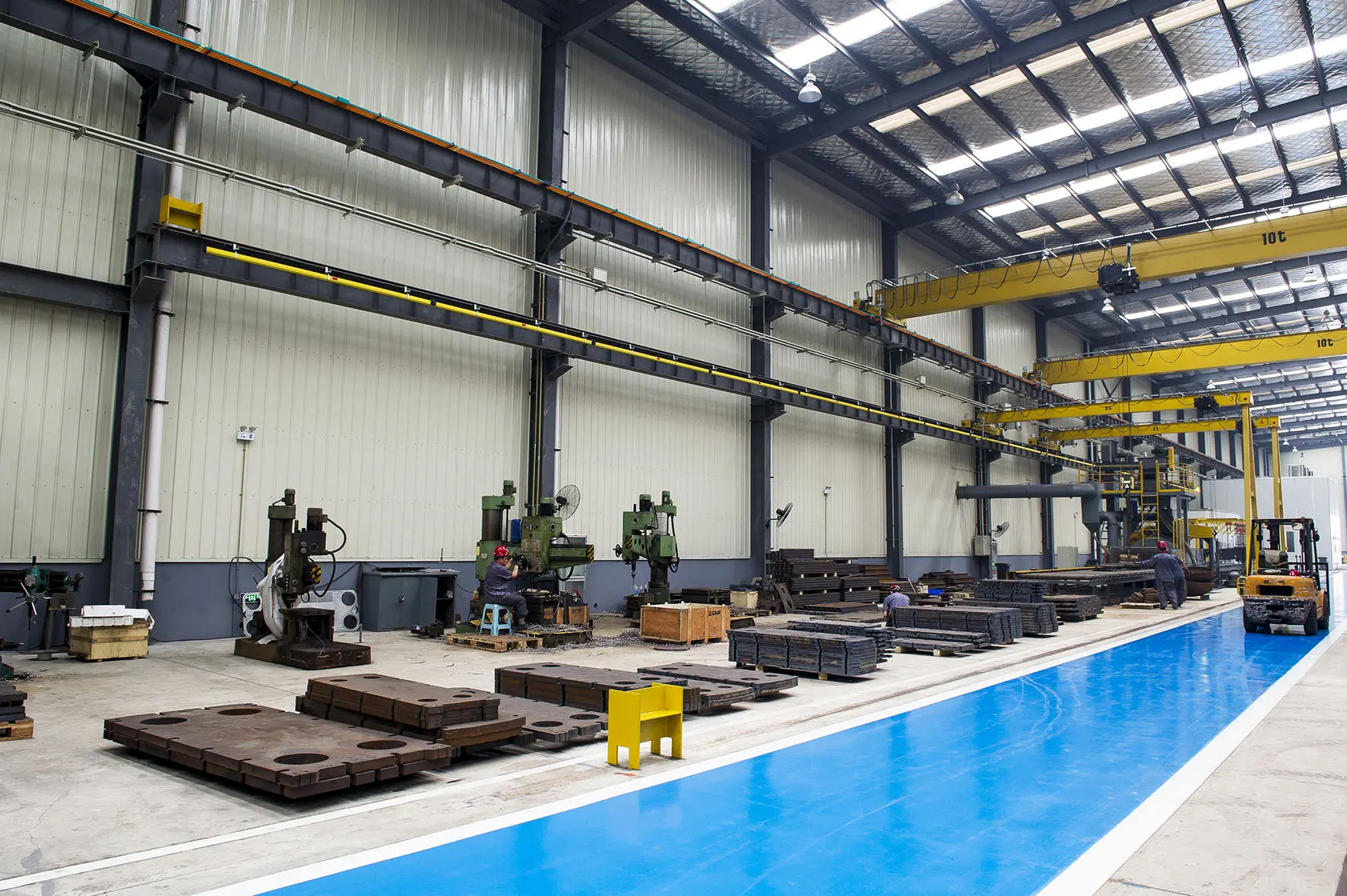
CNC metal punch presses form alignment guide holes in premium stainless and titanium plates, maintaining tight dimensional tolerance.
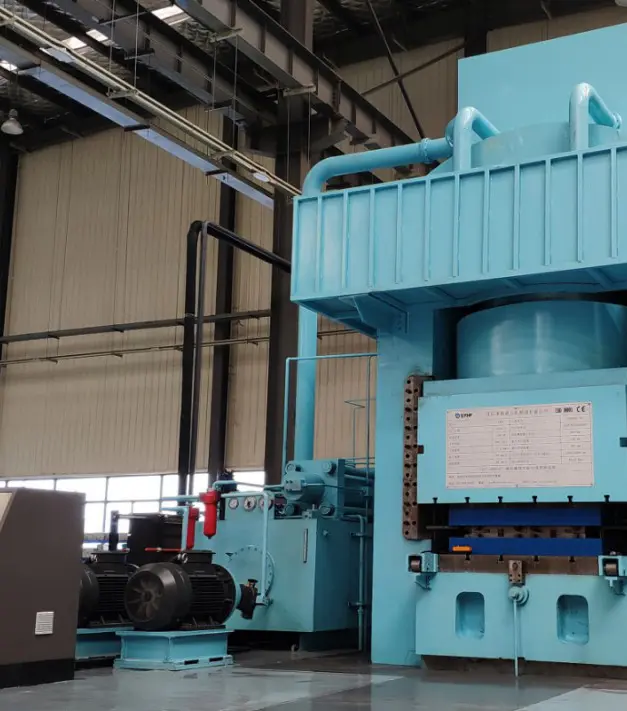
Large-tonnage hydraulic presses stamp the corrugated chevron patterns onto plates, ensuring consistent material thickness.
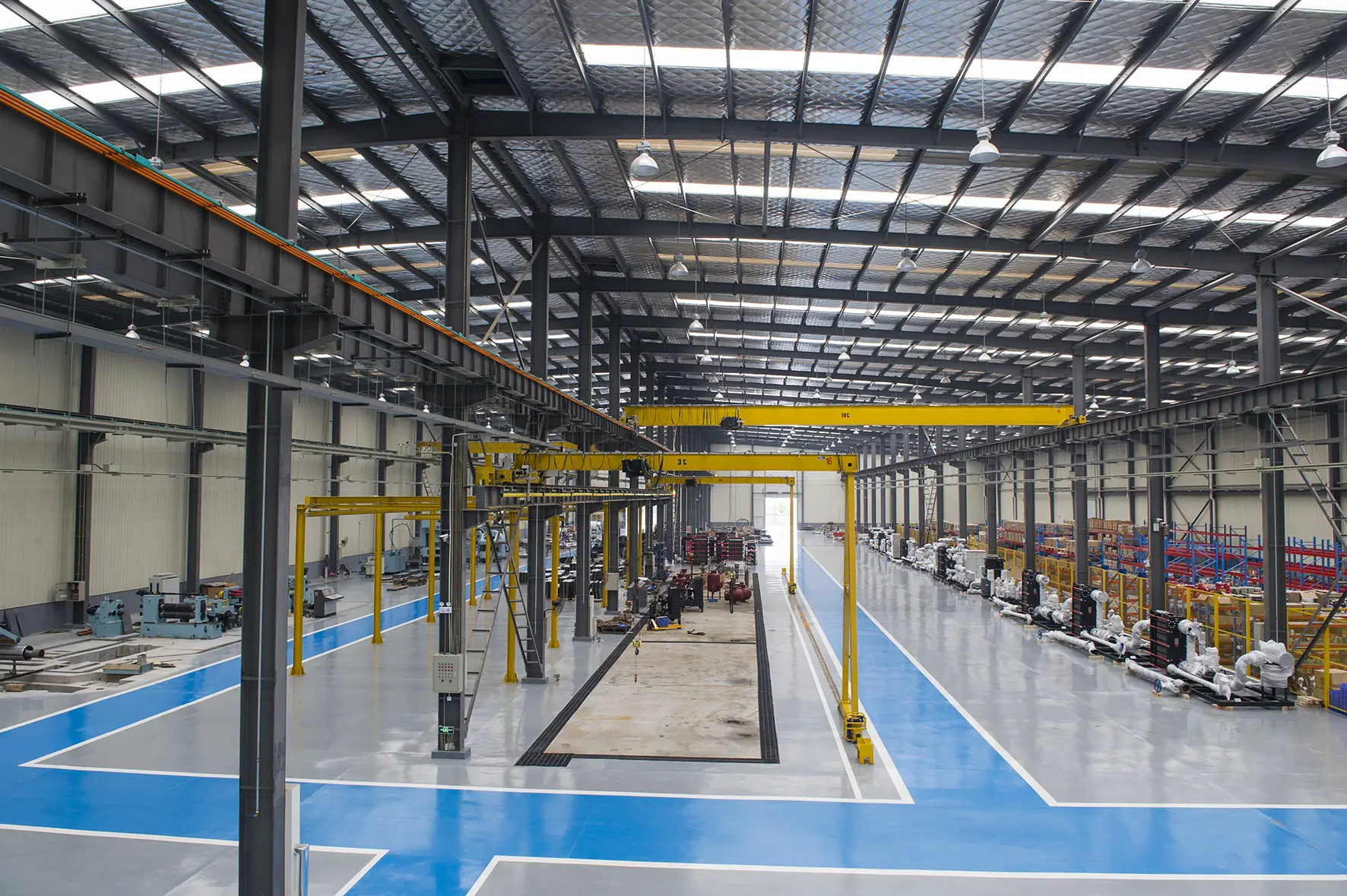
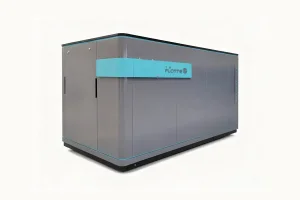
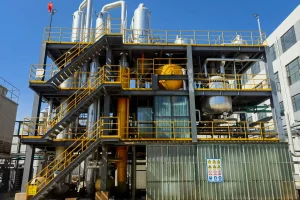
Biological waste treatment facilities process complex liquid effluents that require concentration, sterilization, and thermal recovery. Flotte's integrated product lineup—including Multi-Effect Evaporators (MEE), Membrane Concentration Systems, and Detachable Plate Heat Exchangers—is designed to handle these demanding applications. In a typical wastewater stream, organic content must be concentrated to high solid percentages before it can be effectively processed in incinerators or anaerobic digestors.
During multi-stage concentration, scaling on heat-transfer surfaces can reduce operational efficiency. Flotte's patented scale-resistant corrugated geometries induce fluid turbulence, which helps limit fouling. In biological applications where pathogen denaturation is required, our thermal systems maintain the target holding temperatures needed for sanitization, while capturing up to 90% of the exhaust heat to preheat incoming streams.
Our systems are deployed across diverse regional operating conditions:
International procurement managers look for systems that balance compliance with long-term cost efficiency. Flotte addresses these needs by offering customized engineering:
Technical answers to common questions about thermal integration in biological waste systems.
Biological sludge concentration requires thermal evaporation or heating steps. By using Flotte's patented corrugated plate heat exchangers, the incoming cold sludge is preheated by the outgoing hot effluent. This process can recover up to 90% of the energy, reducing the fuel or steam consumption of the primary boiler or evaporator.
Organic and biological fluids are prone to scaling under high thermal gradients. We address this using a patented scale removal and mitigation design, which optimizes flow velocity and chevron geometry. This configuration induces high-frequency fluid turbulence at low Reynolds numbers, keeping suspended solids in motion and reducing scale deposition on plate surfaces.
For standard biological waste, Stainless Steel 316L is typically sufficient. However, if the stream contains chloride ions or operates at high acidity (such as fermented organic waste or chemical processing fluids), we recommend and supply Titanium, Hastelloy, or custom-coated plates to prevent pitting and corrosion.
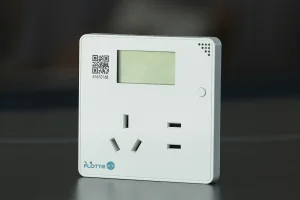
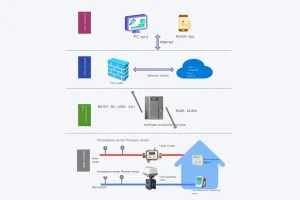
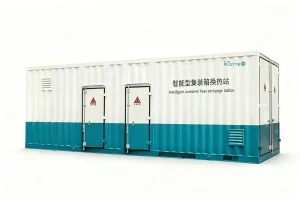
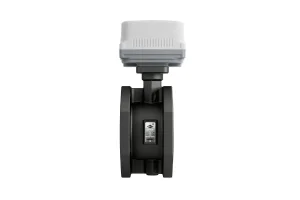
Yes. Our intelligent heat exchange units and secondary network monitoring systems include smart valves, temperature transmitters, and flow controllers. These instruments integrate with standard plant monitoring protocols, allowing control room operators to monitor thermal performance and system balance remotely.
Explore our high-efficiency filtration, balance systems, and plate heat transfer components for municipal and industrial installations.
 Flotte Energy