High-precision climate intelligence, modular membrane integration, and thermal energy recovery equipment tailored for demanding global environments.
Established in 2013 with a registered capital of 101 million yuan, Flotte Energy Saving Company originated from Flotte Thermal Engineering founded in 1995. With three decades of rigorous technical expertise, the company specializes in water equipment, HVAC systems, and water treatment industries. We consistently lead industry peers in adopting cutting-edge technologies, developing innovative products, and delivering comprehensive, high-quality production and sales services globally.
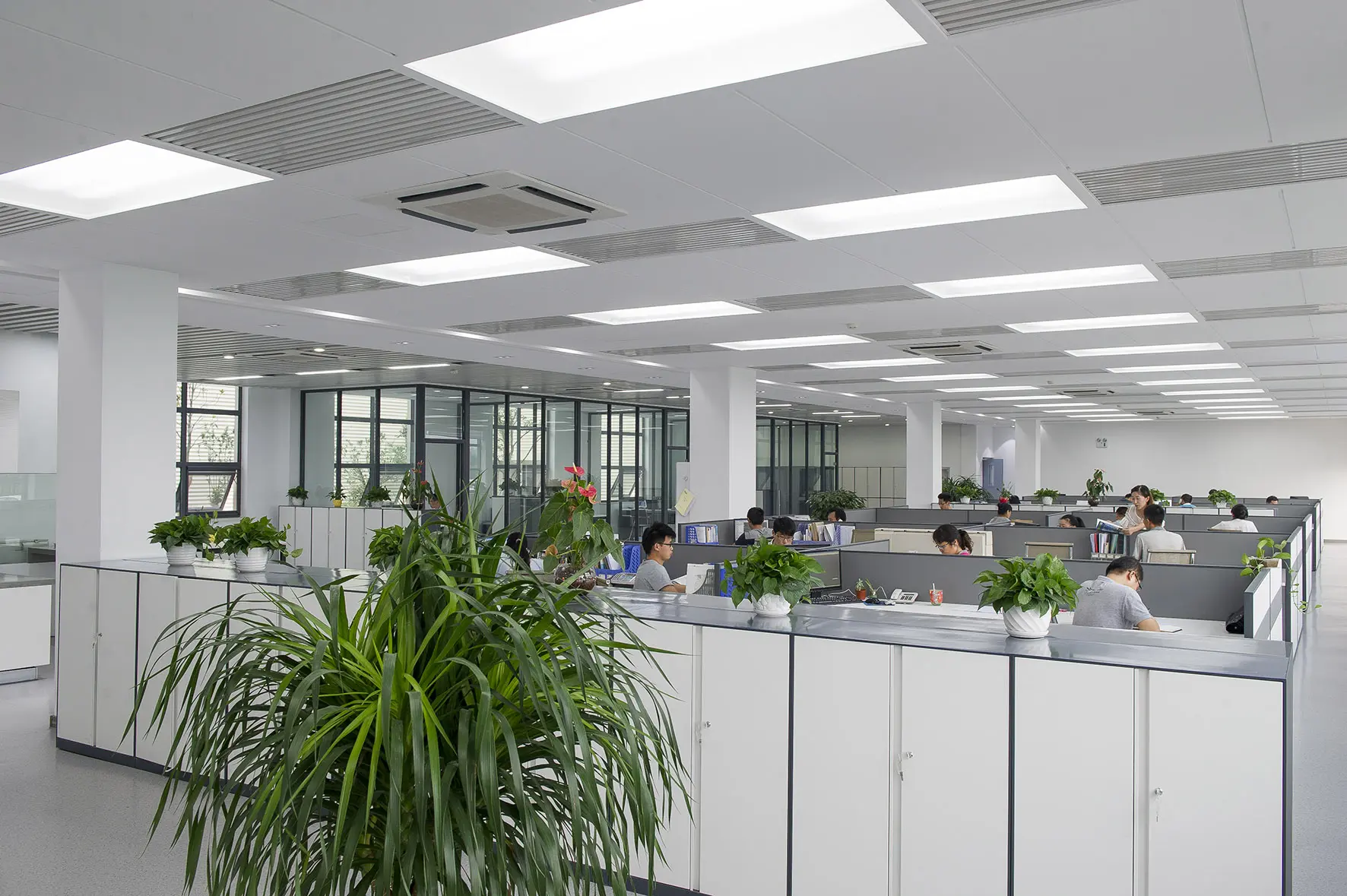
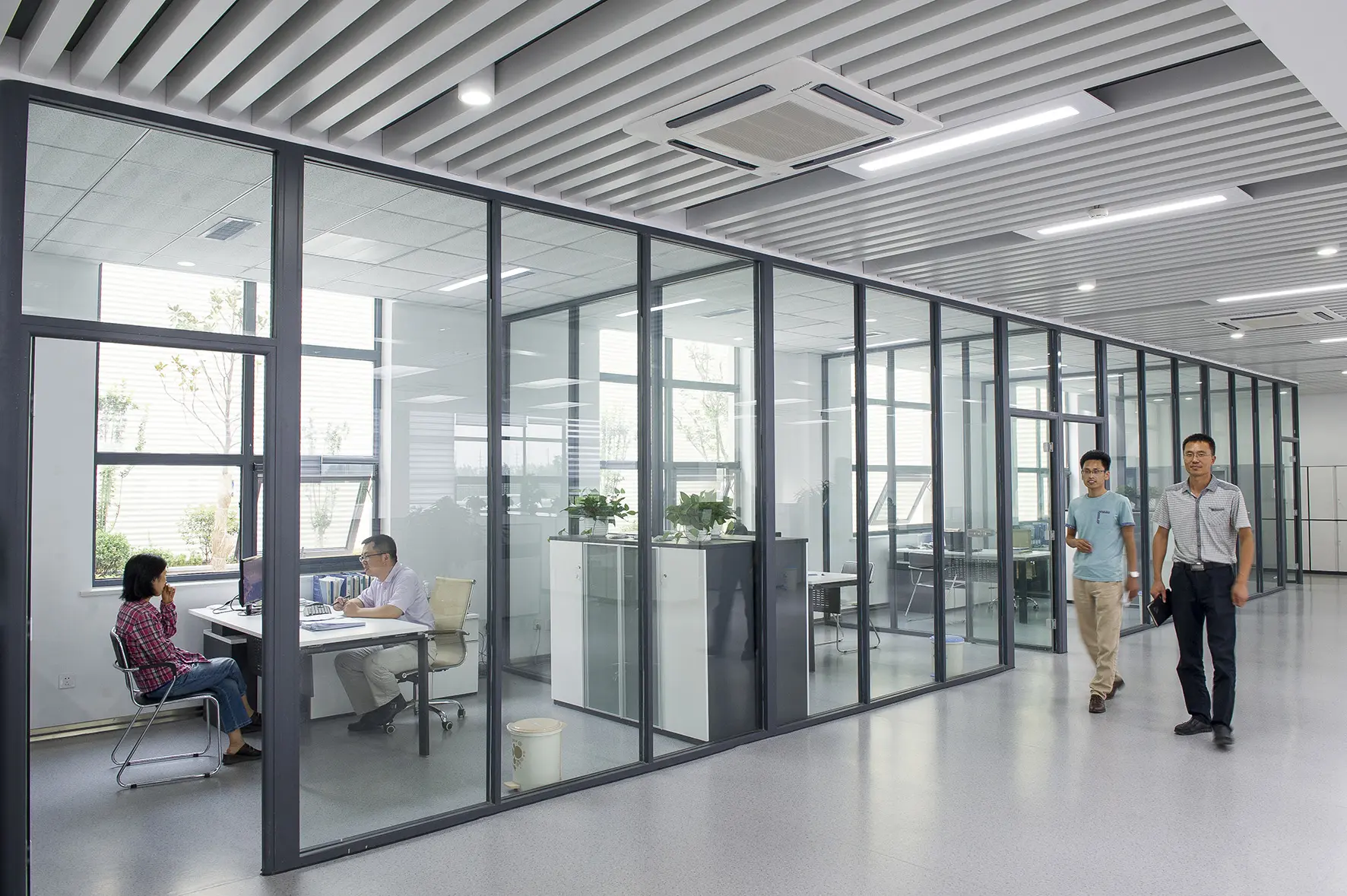
Our infrastructure combines professional designers and skilled technical workers. The design engineers have been engaged in custom engineering design for many years, possessing profound professional knowledge and rich practical experience to ensure the absolute reliability of our technical products. Equipped with a dedicated R&D center and advanced engineering laboratories, we continuously ensure the technical advancement and real-world durability of every product developed.
An expert analysis of industrial biotechnology, membrane filtration, and thermal intelligence for modern environmental engineering.
Biological wastewater treatment processes stand as the cornerstone of contemporary industrial environmental mitigation, acting as a crucial interface between dirty processing operations and zero-discharge/regulatory compliance. By leveraging the metabolisms of diverse microbial communities, biological processes break down carbonaceous organic matter (BOD/COD), nitrogen complexes, and phosphorus pollutants efficiently. However, to maximize operational efficiency and guarantee consistent effluent standards, modern engineering demands a structured integration of biotechnology with thermal and mechanical concentration systems.
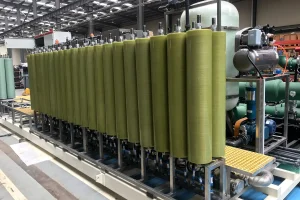
At the center of contemporary high-efficiency biological setups is the Membrane Bioreactor (MBR). By replacing traditional gravity-based secondary clarifiers with microfiltration or ultrafiltration membrane modules, MBR technology decouples Hydraulic Retention Time (HRT) from Solids Retention Time (SRT). This allows the bioreactor to operate at significantly higher Mixed Liquor Suspended Solids (MLSS) concentrations (ranging from 8,000 to 15,000 mg/L) than conventional systems.
Flotte's advanced Membrane Concentration Systems play an essential role downstream of the primary biological phase, concentrating organic substrates and desalting effluents to prepare the water for closed-loop industrial reuse. When combined with intelligent monitoring components, operations can balance flow fluctuations, reduce membrane fouling, and optimize energy distribution.
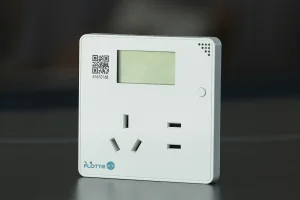
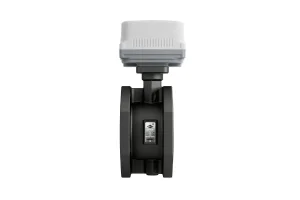
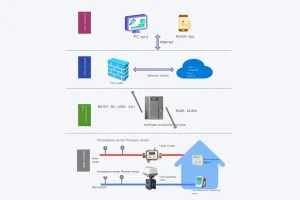
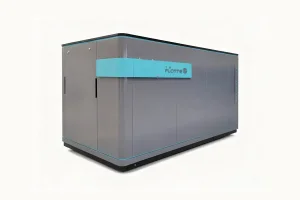
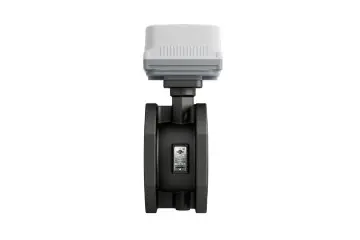
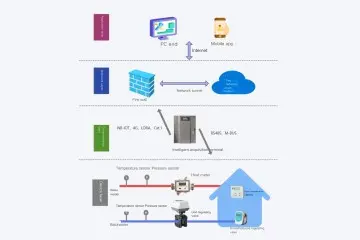
Looking to the horizon, the incorporation of high-precision sensory arrays, such as the China Room Temperature Collector, facilitates real-time thermodynamic modeling of wastewater matrices. Biological activity is intrinsically temperature-dependent; aerobic and anaerobic consortia experience distinct metabolic changes based on small temperature shifts. By monitoring thermodynamic properties continuously, automated systems can adjust secondary network valves to optimize heating and cooling loops, ensuring microbial kinetics remain at peak performance even in cold winter climates.
Deploying tailored thermal recovery and biological filtration solutions across key chemical, power, and pharmaceutical verticals.
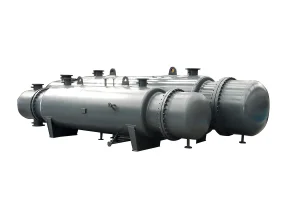
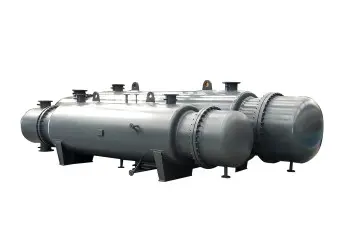
Chemical wastewater carries high concentrations of toxic organic substances, saline compounds, and heavy metals. Flotte integrates heavy-duty Shell and Tube Heat Exchangers with aerobic biological systems to regulate raw wastewater temperatures prior to digestion. This is paired with high-efficiency evaporators to achieve Zero Liquid Discharge (ZLD).
Pharmaceutical manufacturing produces complex wastewater with fluctuating antibiotic loads. Our solutions utilize MBR processes coupled with downstream Multi-Effect Evaporation (MEE) systems. This isolates complex organic molecules and sterilizes biological sludge, ensuring full compliance with stringent environmental discharge benchmarks.
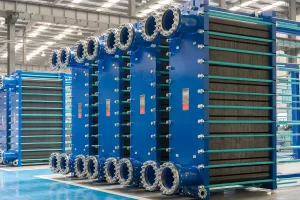
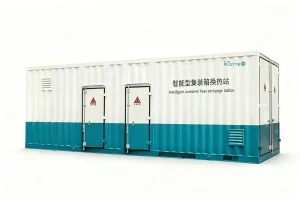
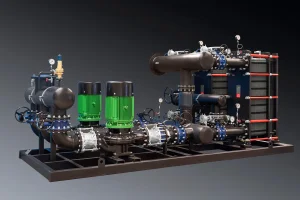
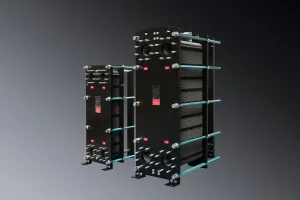
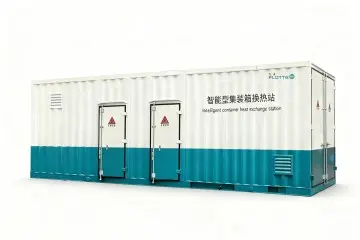
Low-grade heat present in treated municipal wastewater represents an untapped energy reservoir. Flotte's large-scale Detachable Plate Heat Exchangers allow municipalities to extract this thermal energy safely, feeding it back into centralized heating grids via intelligent secondary network systems, improving overall regional carbon balance.
How advanced manufacturing, strict quality standards, and regional material integration deliver unrivaled global competitiveness.
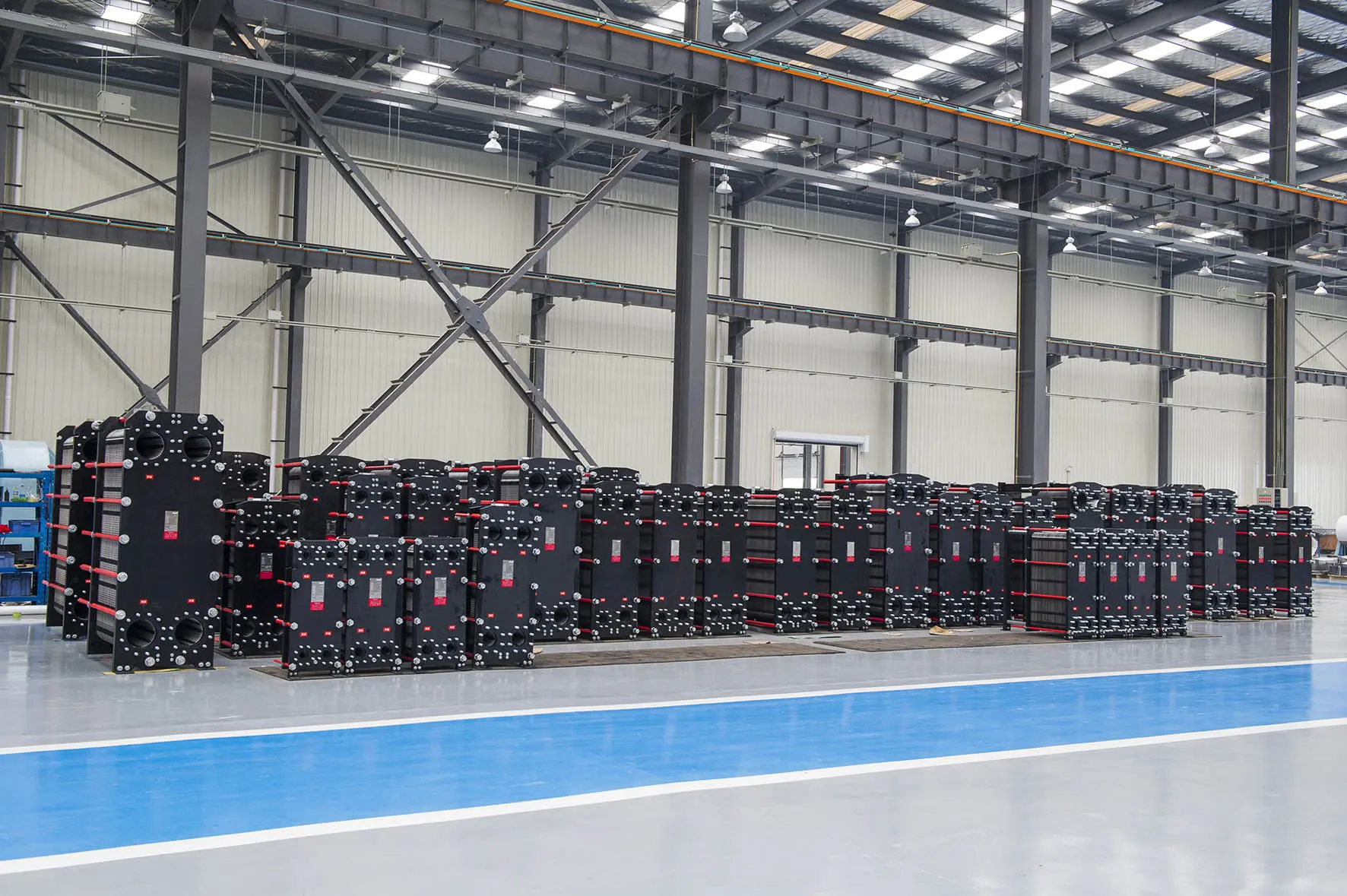
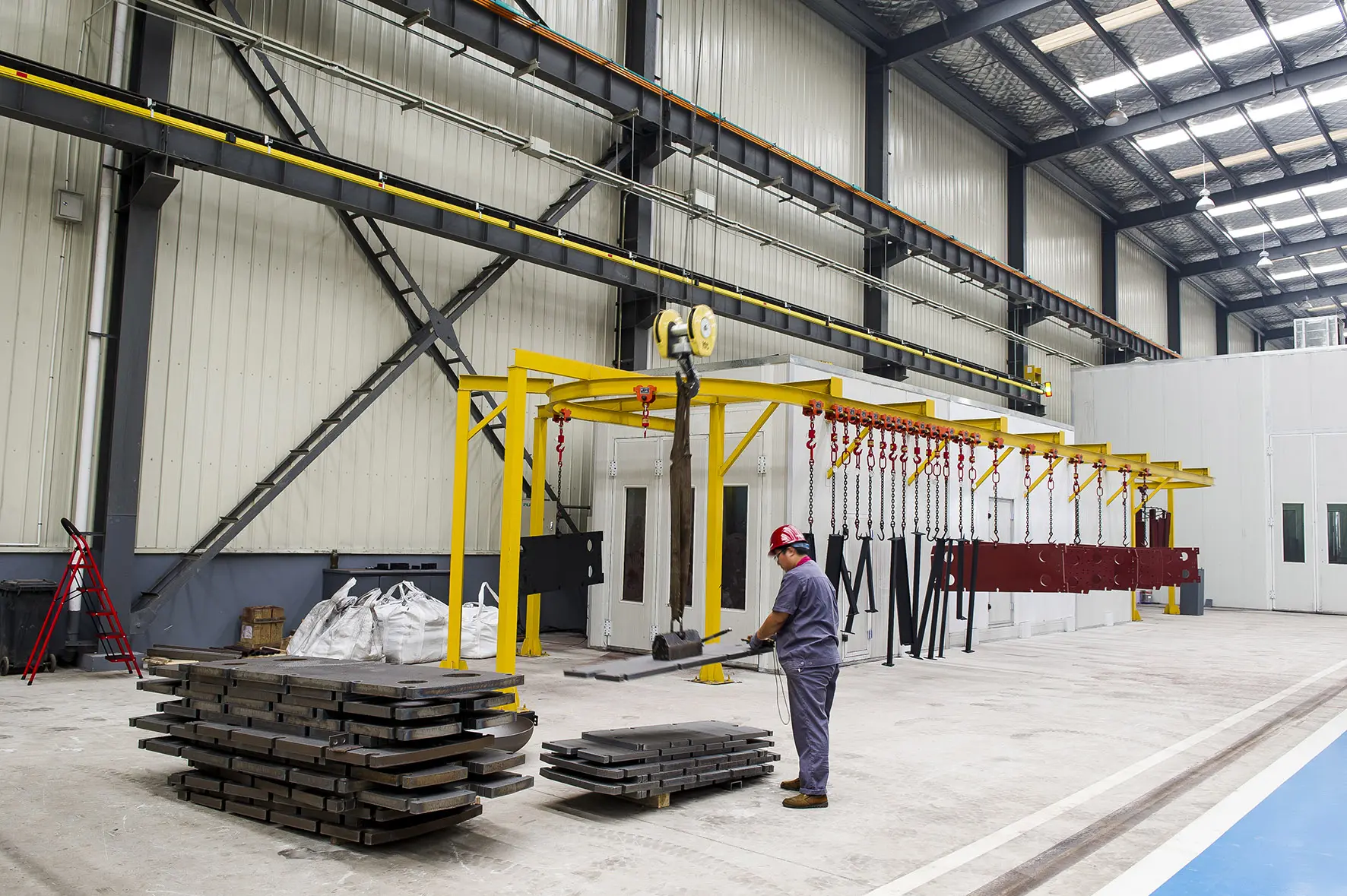
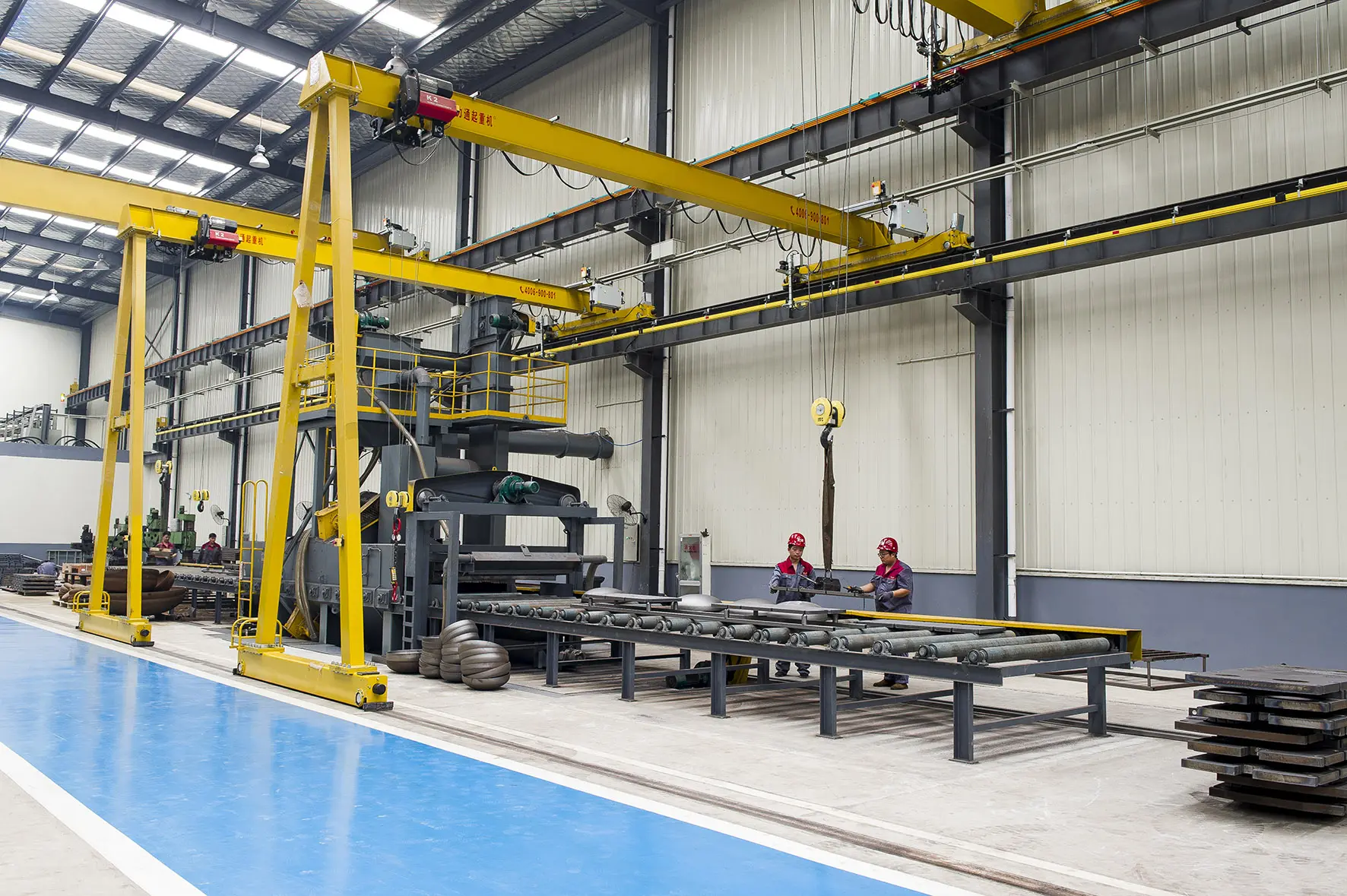
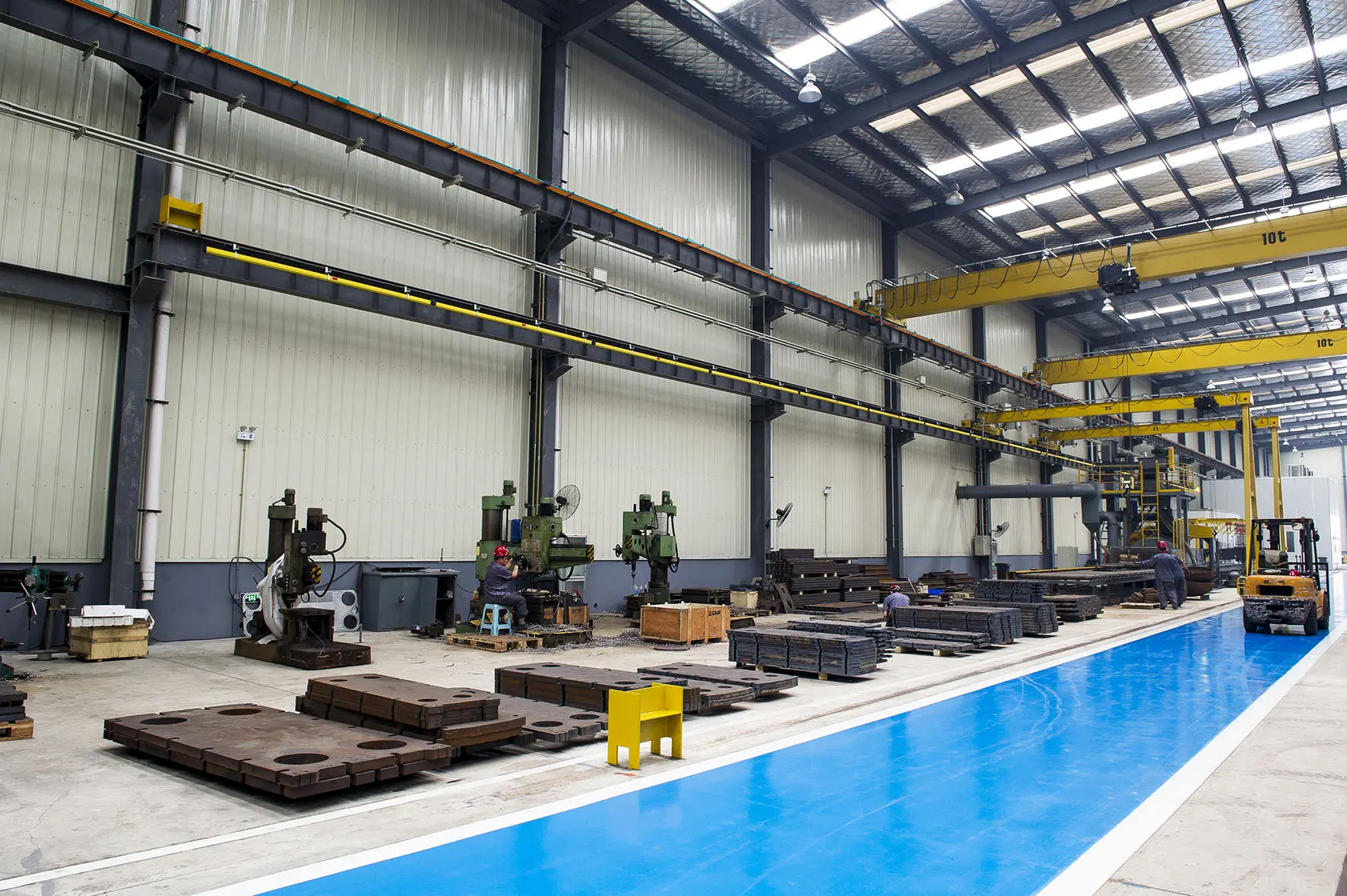
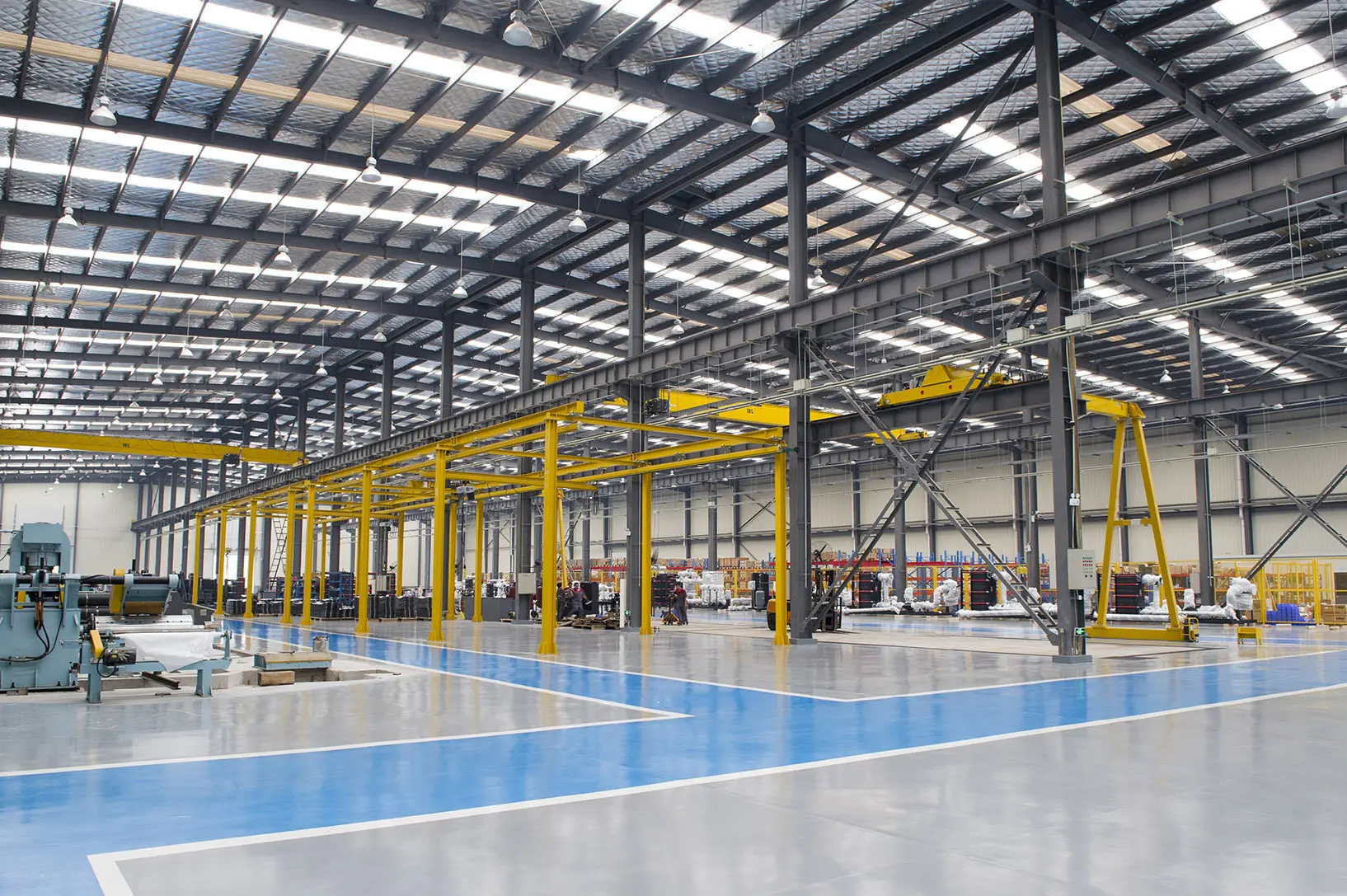
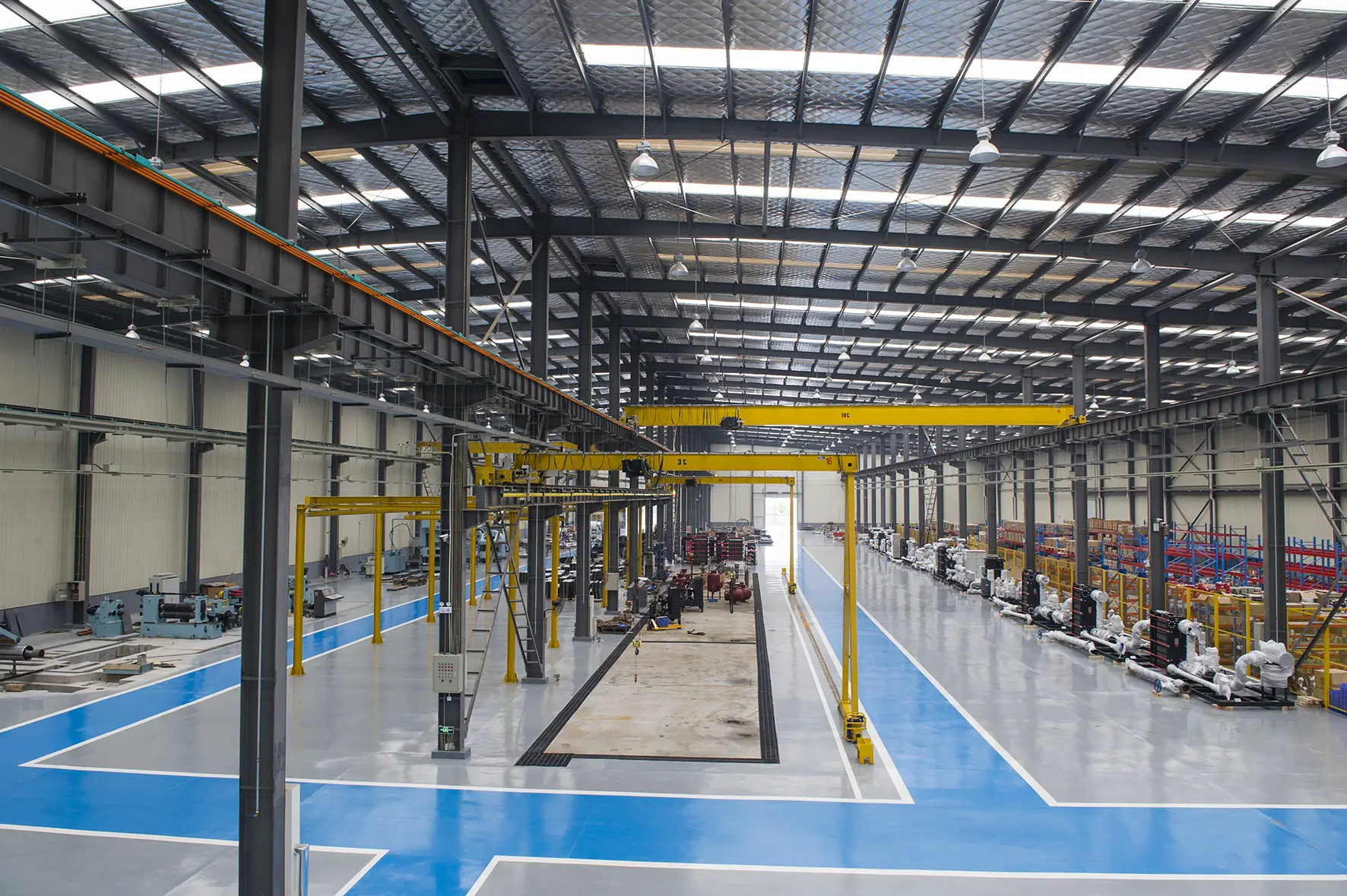
Our modern manufacturing facility covers a land area of 70,000 square meters and is organized around the principles of Factory 4.0. We produce approximately 4,500 heat exchange units and water supply/drainage equipment sets annually. Quality control is managed through a comprehensive tracking infrastructure that ensures all raw components—ranging from stainless steel plates to titanium sheets—are cataloged and tracked throughout the fabrication cycle.
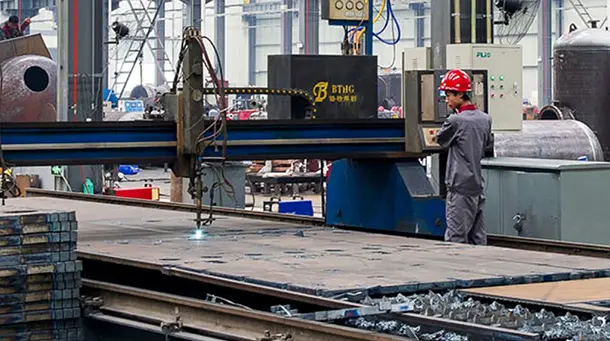
To support global supply chains, Flotte has integrated the manufacturing flow into a structured sequence. This setup reduces transit times between process steps and minimizes physical handling, which helps limit surface defects on materials like titanium or hastelloy plates. All frontline operators undergo rigorous certification programs, maintaining the integrity of our ISO 9001:2015, ISO 14001:2015, and ISO 45001:2018 management systems.
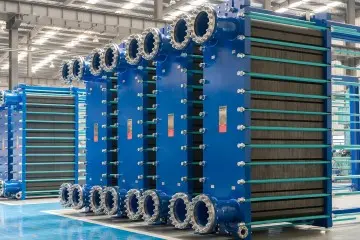
A detailed look at the physical processing and testing phases each heat exchange and biological water treatment module undergoes.
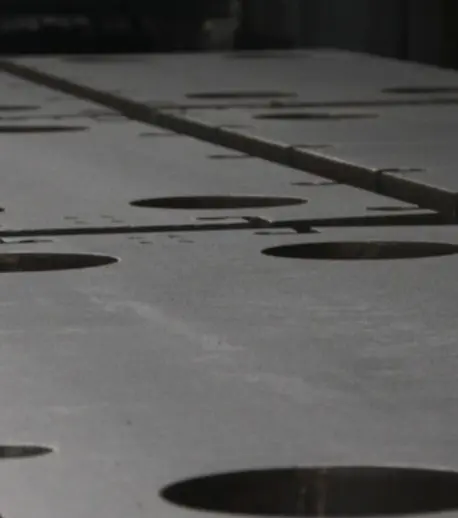
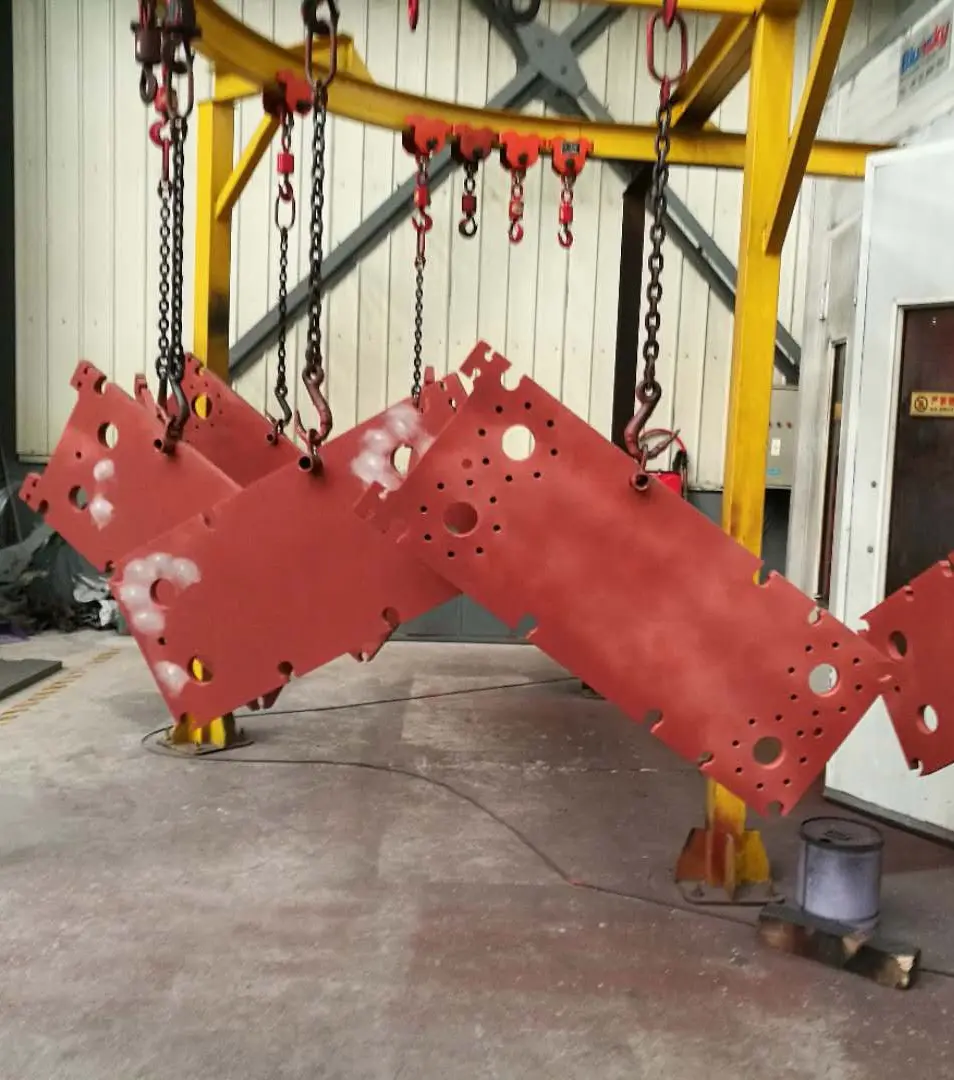
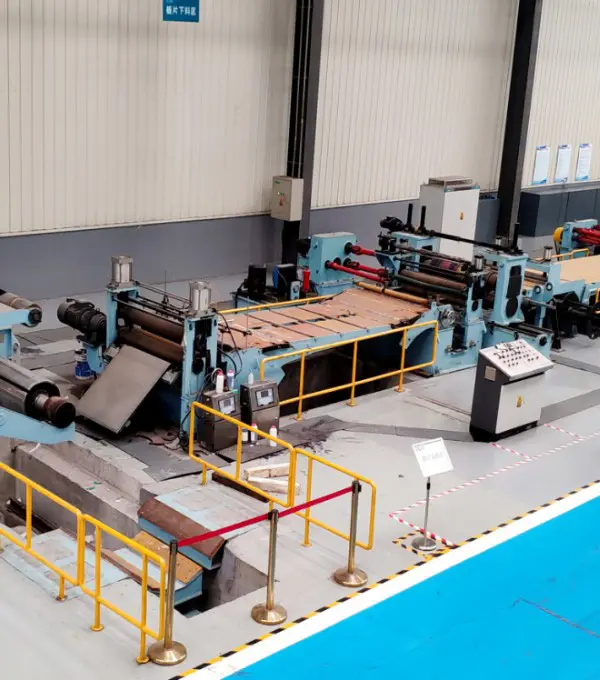
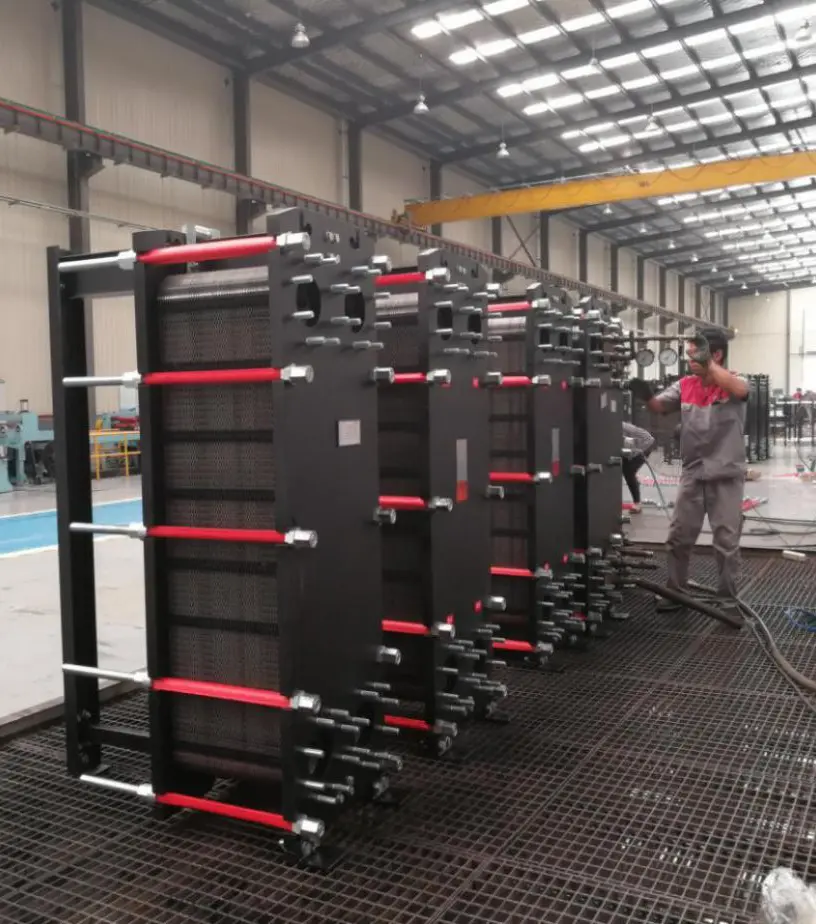
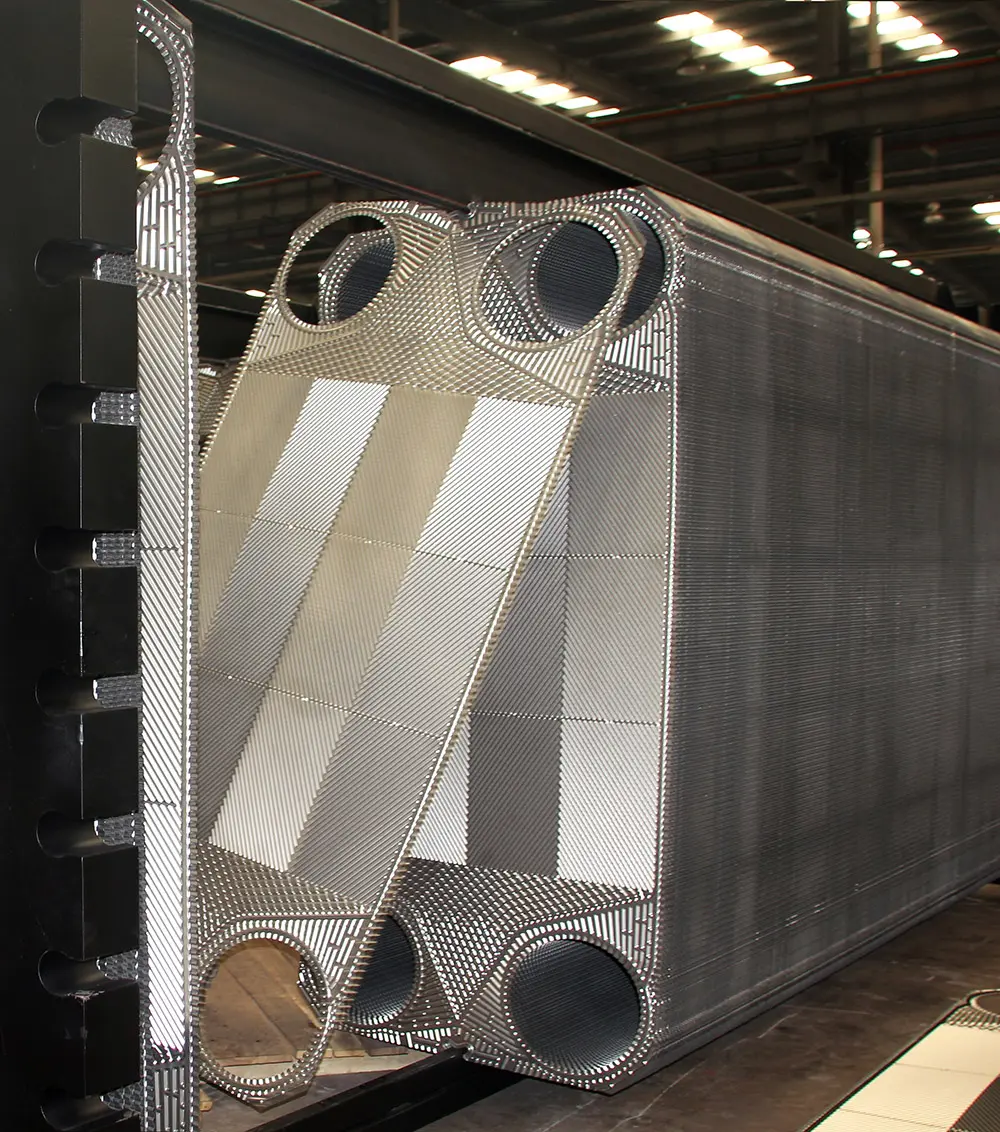
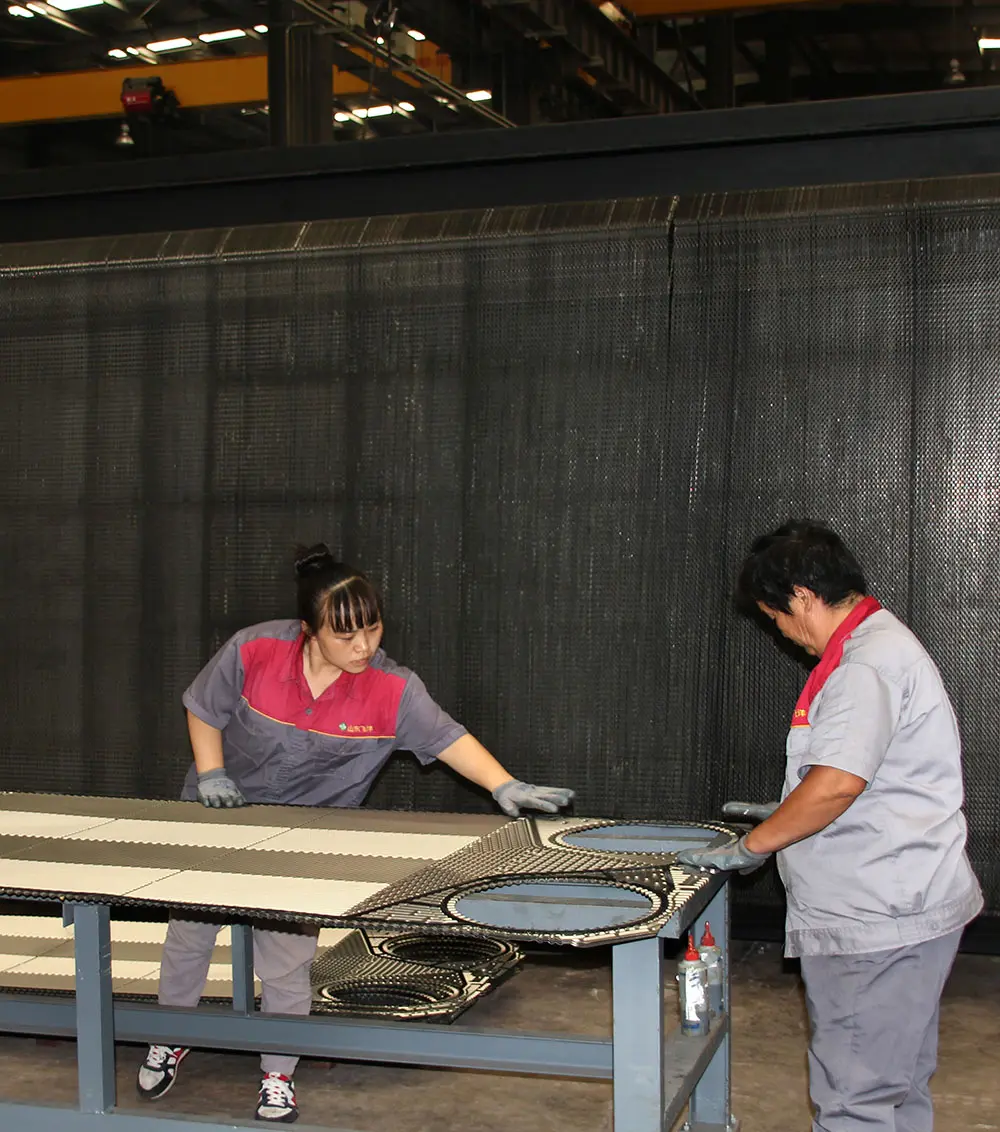
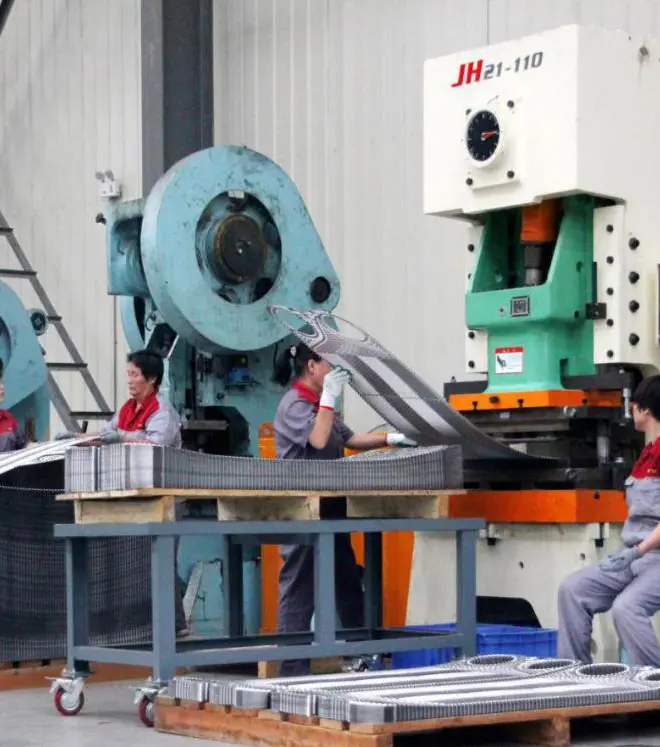
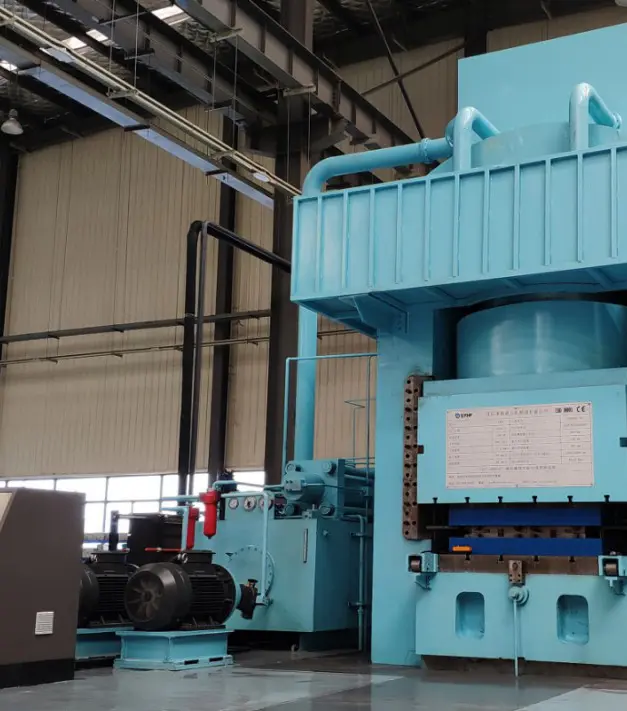
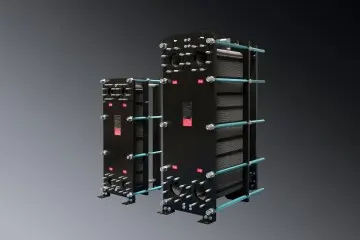
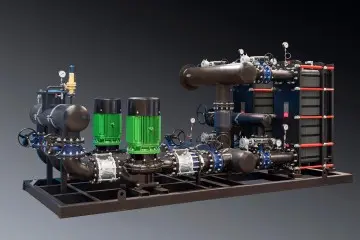
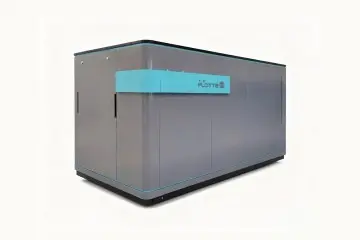
Explore our specialized thermal units, membrane assemblies, and regulation infrastructure designs.

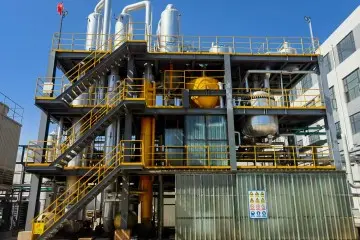
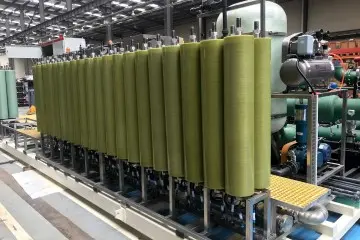
Ensuring mechanical integration and regulatory alignment across distinct regional environmental jurisdictions.
Deploying biological wastewater machinery and thermal networks internationally requires strict compliance with diverse engineering and safety protocols. Flotte ensures that all custom fabrications align with key global standards, including the ASME Boiler and Pressure Vessel Code (Section VIII) for North America, the Pressure Equipment Directive (PED 2014/68/EU) for the European Union, and relevant GB standards for the East Asian market. Our safety certificates and boiler registration approvals demonstrate our commitment to long-term operational safety.
International procurement teams evaluating biological treatment systems and large-scale heat exchangers prioritize equipment reliability and efficiency. System downtime in chemical processing or municipal heating can result in significant operational losses. Flotte addresses these priorities through:
All delivered projects include QA documentation packages. These records include raw mill certificates, hydro-testing reports (conducted under strict pressure limits), paint thickness validations, and alignment reports for auxiliary balance valves. This level of verification supports the certification requirements of global environmental agencies and industrial safety boards.
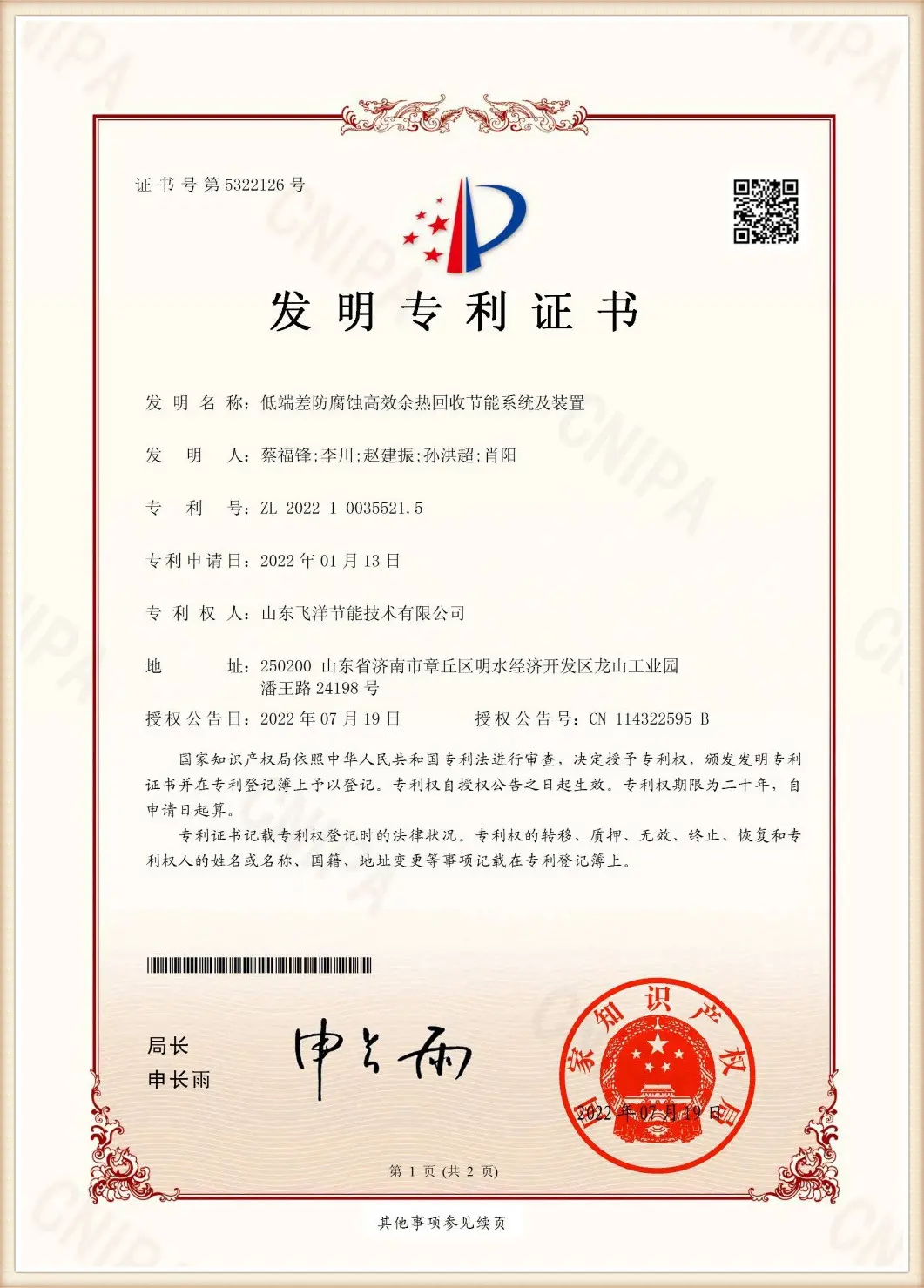
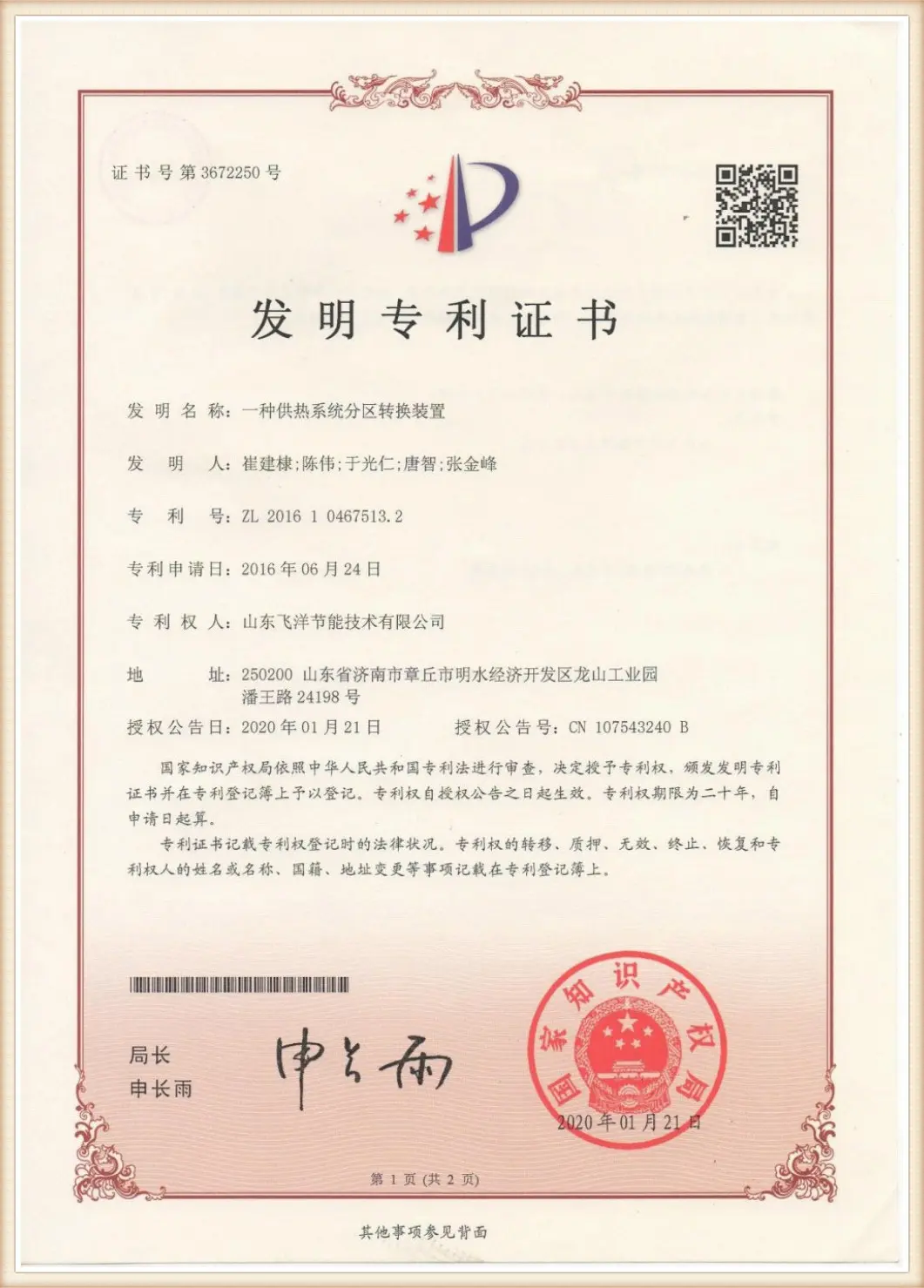
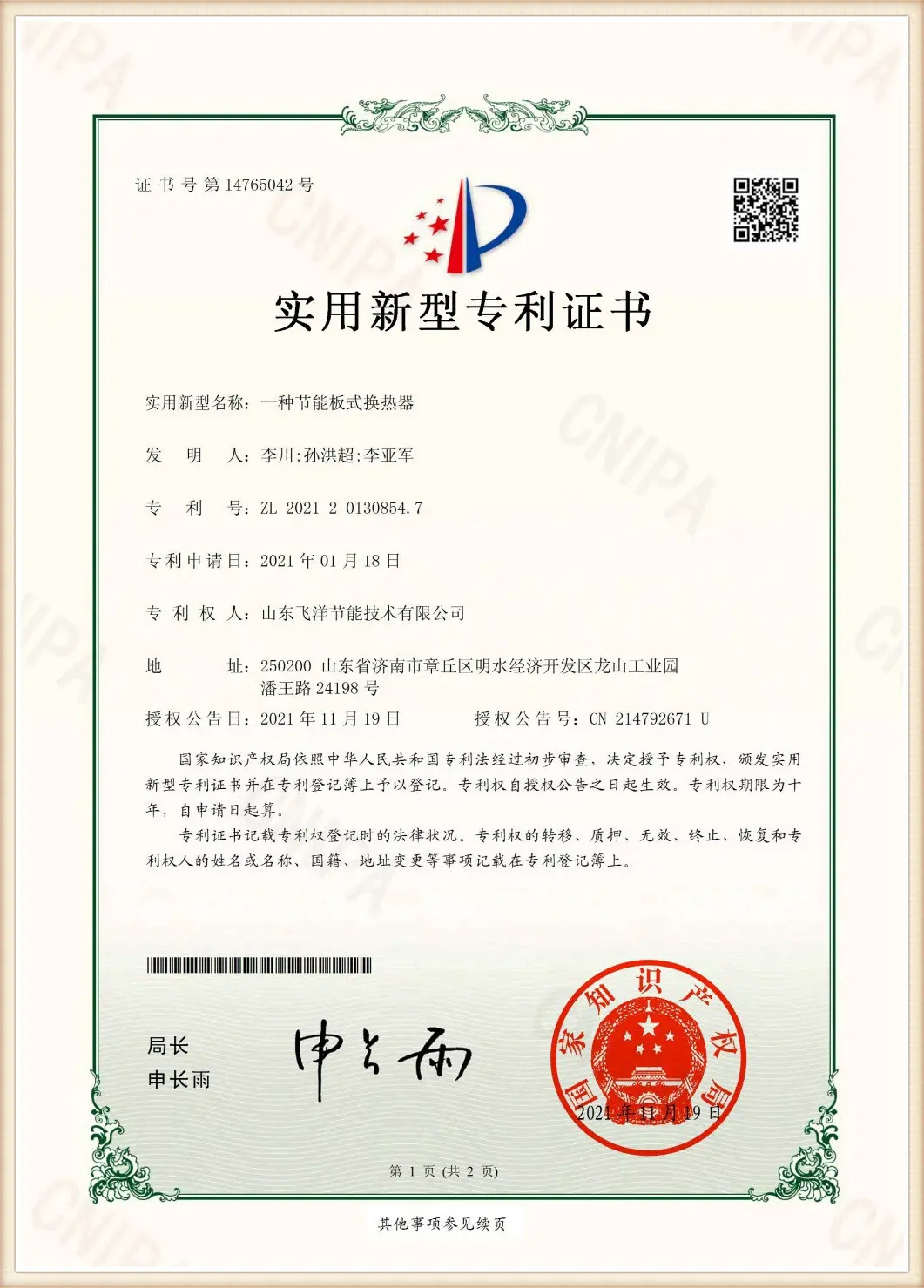
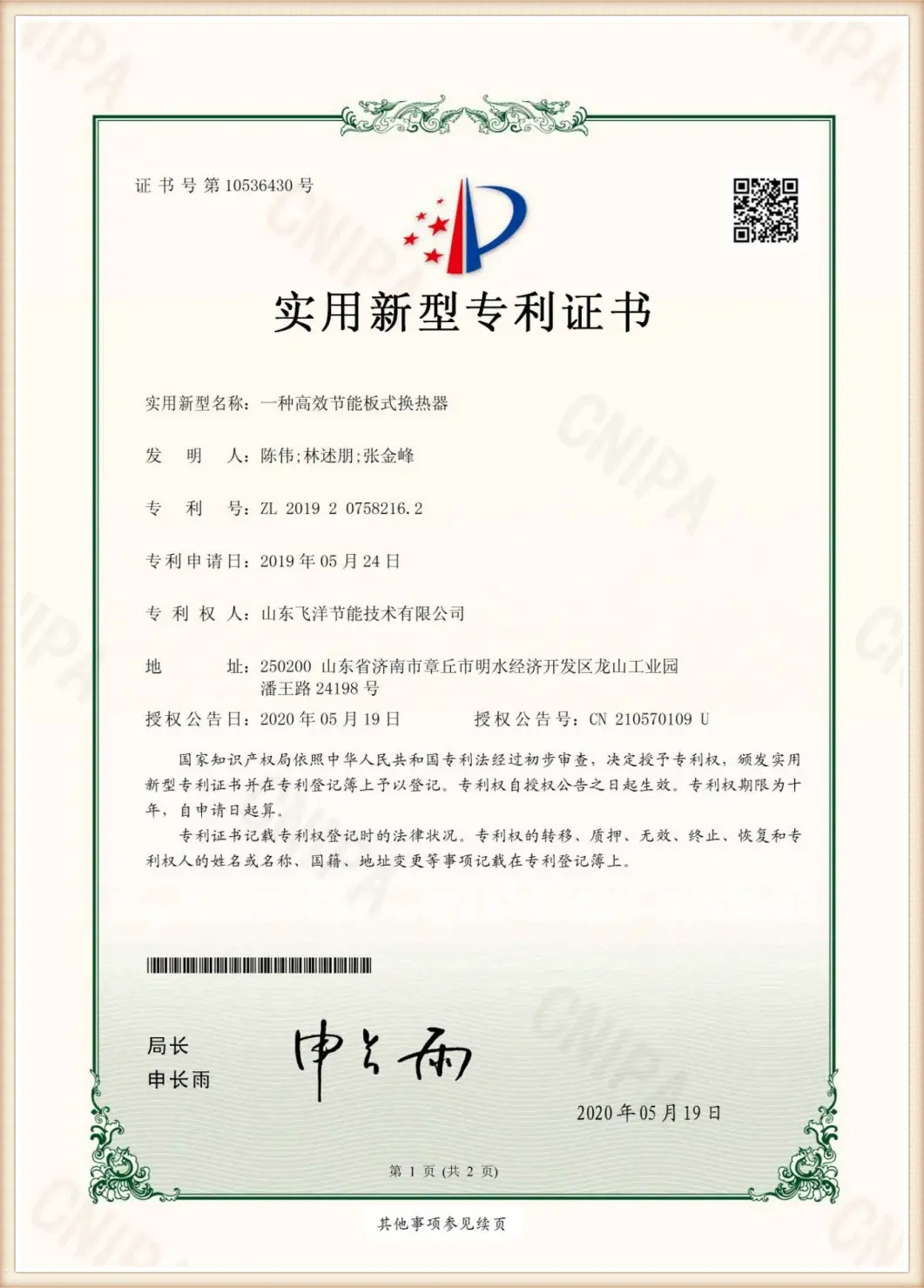
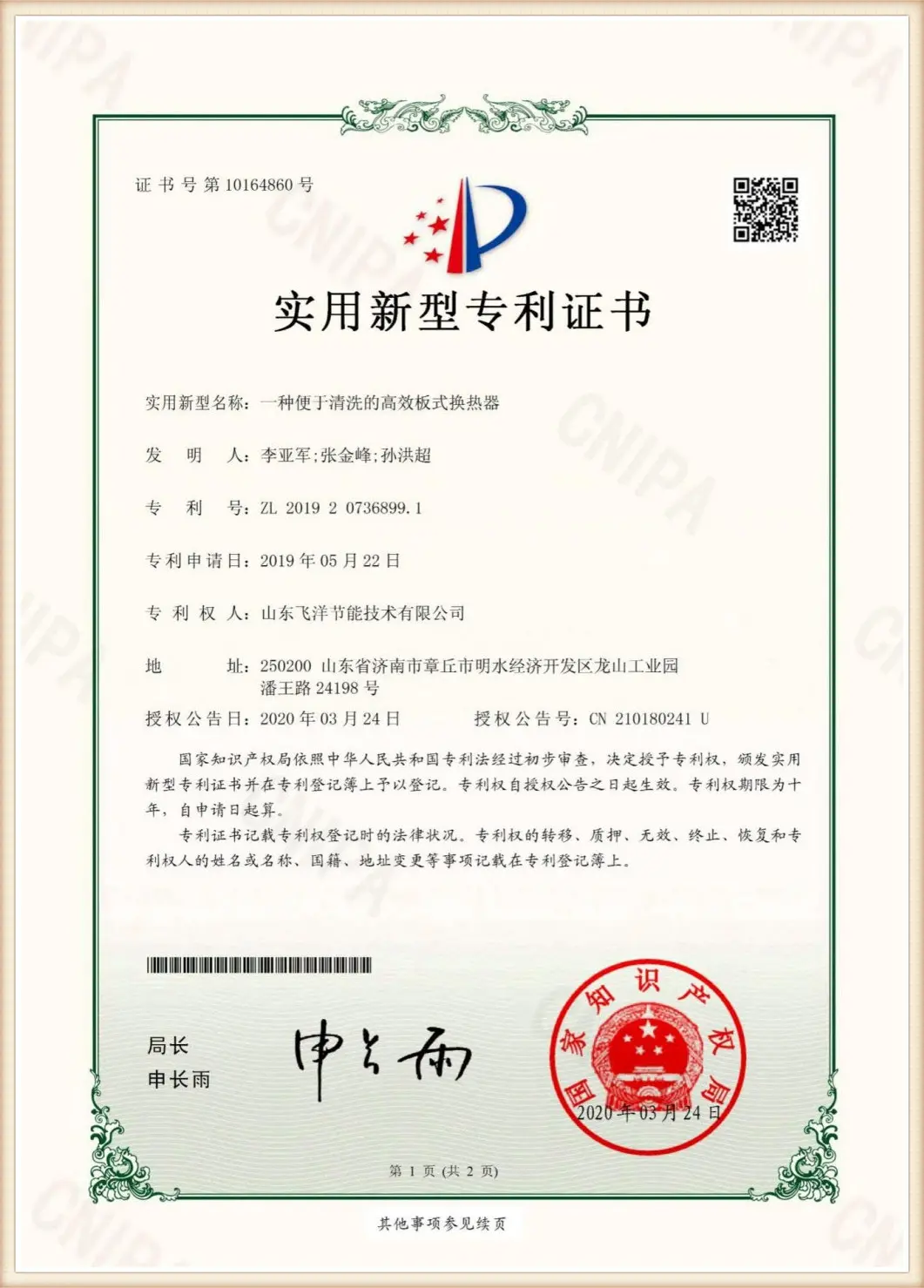
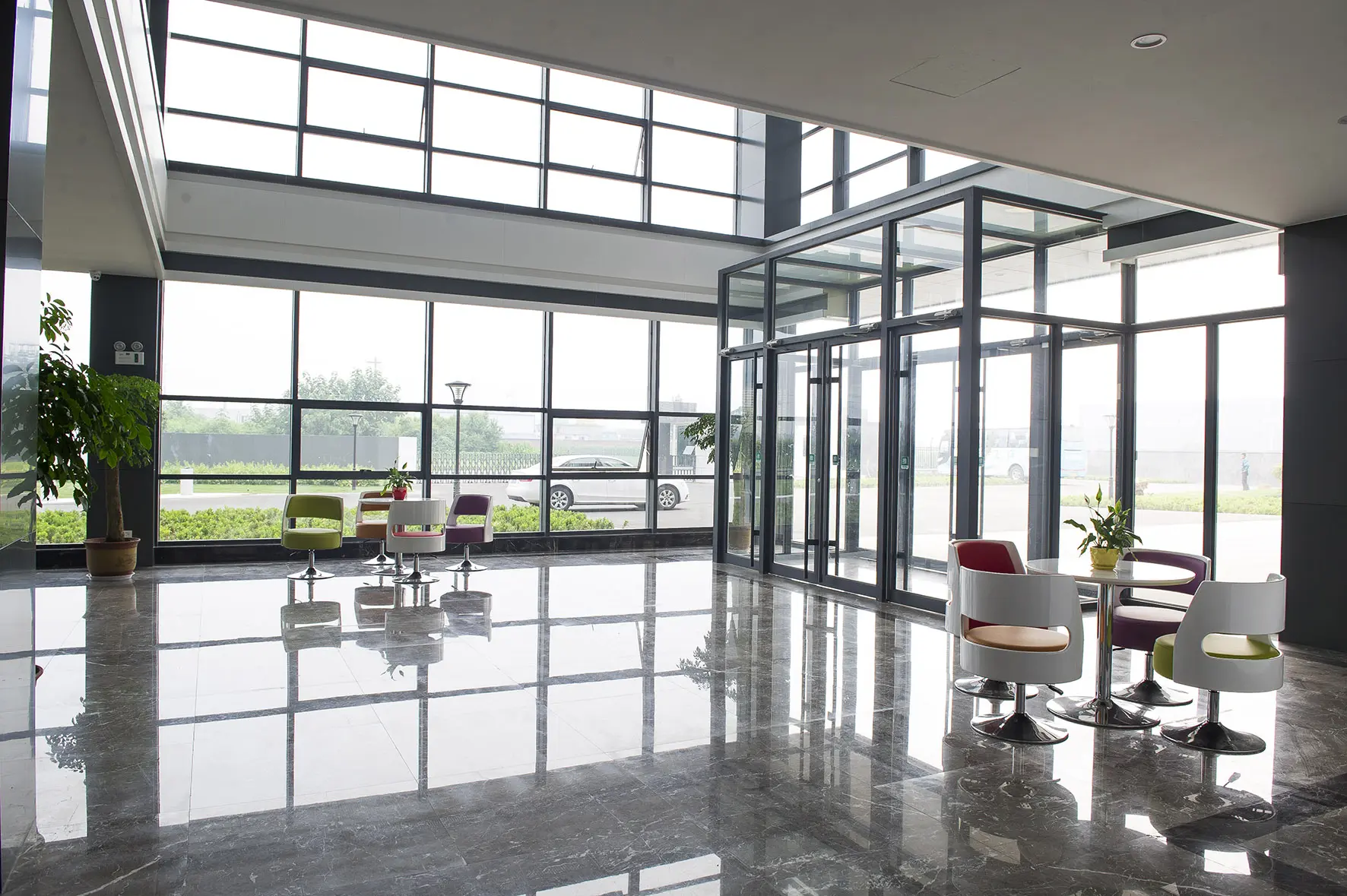
Our certifications and fabrication facilities demonstrate our commitment to manufacturing precision and quality control.
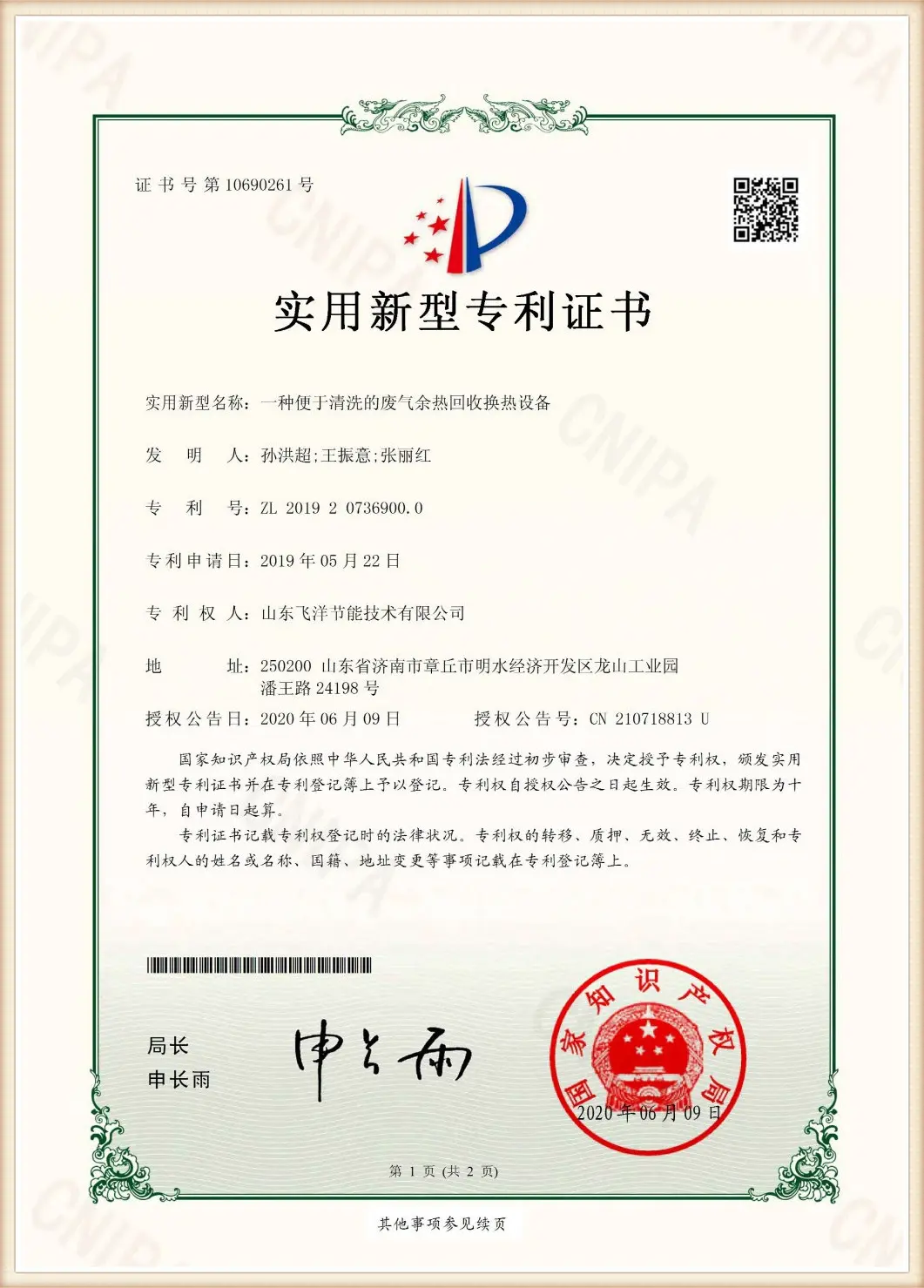
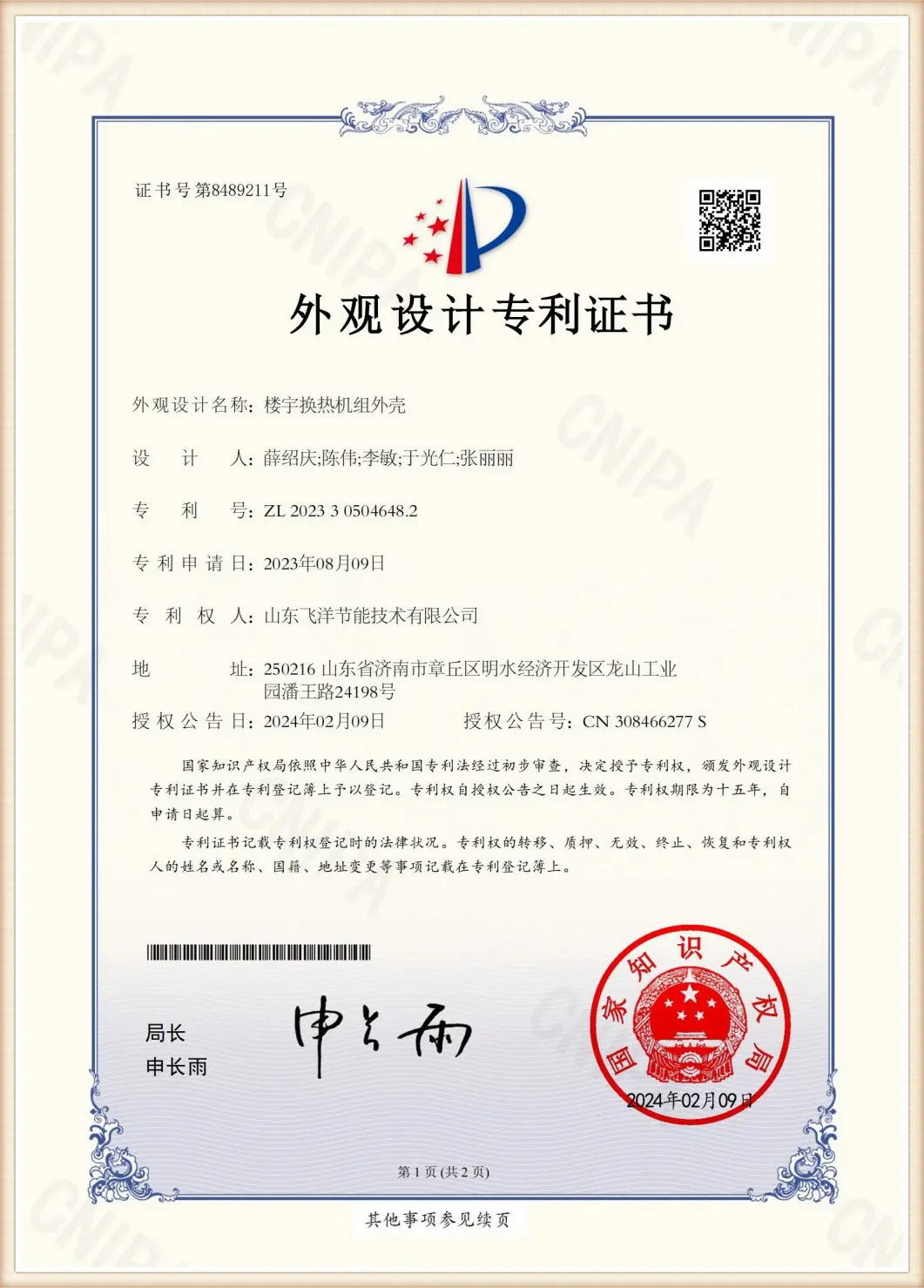
Answers to common engineering questions regarding the design, operation, and maintenance of high-capacity environmental systems.
Explore our full line of specialized heat exchangers, monitoring software systems, and separation modules.
 Flotte Energy