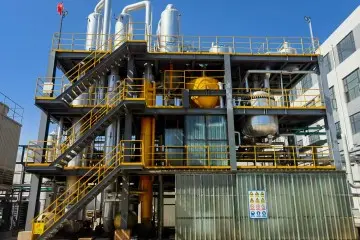
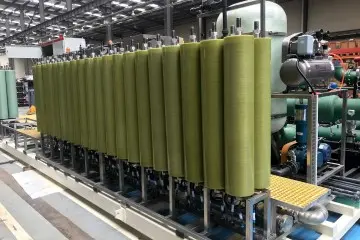
Explore our top-tier catalog including high-performance heat exchange units, motorized valves, and temperature acquisition devices optimized for modern district heating and industrial utility applications.
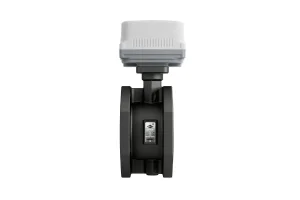

An authoritative engineering guide on Butterfly Motorized Valves, municipal heating, and thermodynamic efficiency integrations.
In modern industrial fluid networks, the search for maximum operational efficiency is driving structural changes in pipeline components. The global demand for motorized butterfly valves is rising rapidly, particularly in sectors such as large-scale district heating networks, municipal HVAC systems, water treatment processes, and power generation. Commercial buyers and project procurement managers are moving away from traditional manual or basic pneumatic valves. Instead, they require intelligent flow-regulating devices that support remote telemetry, have high torque safety factor margins, and feature long-term mechanical reliability.
Procuring industrial components from China has evolved beyond simple cost advantages. Today, global buyers prioritize advanced technological capabilities and strict quality standards, including API 609, ASME B16.34, EN 593, and ISO 5211 actuator mounting dimensions. Modern butterfly motorized valves must handle difficult environments, such as high-temperature hot water loop balancing, corrosive process chemicals, and high-pressure steam distribution. At Flotte, we address these challenges by providing corrosion-resistant materials (CF8, CF8M, Duplex Stainless Steel, and Super Duplex) paired with high-performance linear and rotary smart actuators. This helps prevent fluid cavitation, valve body deformation, and premature mechanical wear.
Industrial butterfly valves are categorized by their design complexity and pressure-handling capabilities. For standard water treatment and low-pressure HVAC applications, a concentric butterfly valve with an elastomeric liner (EPDM or NBR) is often used. However, higher temperatures and pressures require more advanced engineering. Double offset and triple offset designs help solve seal wear and localized stress issues:
On the actuation side, we integrate smart actuators with advanced communication protocols like Modbus RTU, BACnet/IP, Profibus, and 4-20mA analog control loops. These actuators feature precise optical encoders for position feedback, brushless DC motor drives for efficiency, and IP68-rated enclosures to withstand harsh environments. This ensures precise regulation in intelligent secondary heating networks.
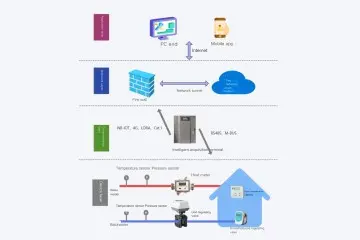
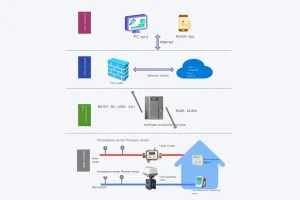
Motorized butterfly valves are key components in modern smart heating networks, working alongside plate heat exchange units, room temperature collectors, and secondary network balance systems. In municipal district heating, dynamic balancing is critical to prevent under-heating or over-heating at the end-user locations.
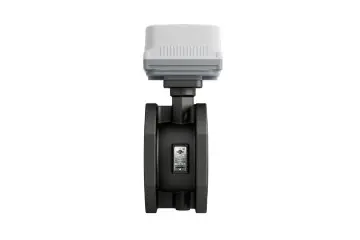
By connecting Flotte's Room Temperature Collectors with our Intelligent Unit Balance Valves, heating systems can dynamically adjust flow rates based on real-time indoor temperatures rather than just outdoor reference data. The motorized valve acts as the primary throttling mechanism. It uses digital signals to adjust its aperture, balancing water pressure across secondary loops. This prevents hydraulic imbalances and ensures optimized heat distribution, reducing energy loss at municipal boiler facilities.
The industrial valve market is moving toward smart, predictive components. Future motorized butterfly valves will act as active diagnostic nodes on the network. Flotte is currently researching the integration of edge computing sensors within smart actuator housings. These sensors track operational metrics like dynamic torque signatures, motor coil temperatures, and vibration frequencies.
By analyzing this data via machine learning algorithms, the system can predict wear on internal seals, detect stem misalignment, and schedule preventive maintenance before a failure occurs. This capability is crucial for plants where unplanned shutdowns can result in significant financial losses. Integrating smart valves with cloud-based IoT heating platforms will allow operators to manage and maintain entire municipal utility systems remotely.
Our solutions are designed to deliver reliable performance across thermal power, pharmaceuticals, chemical processing, and municipal central heating.
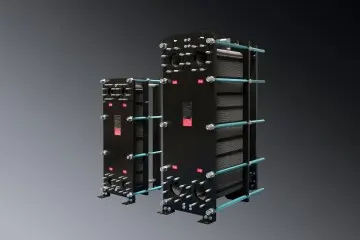
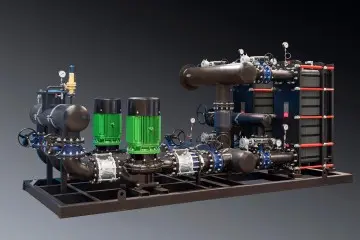
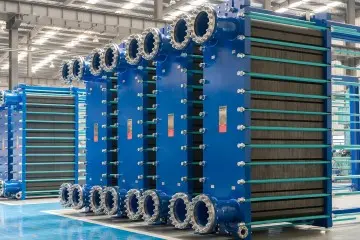
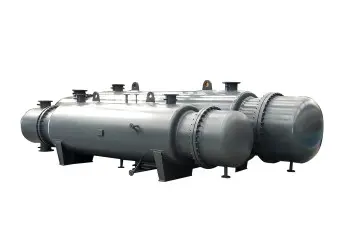
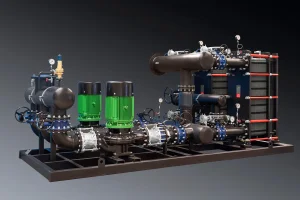
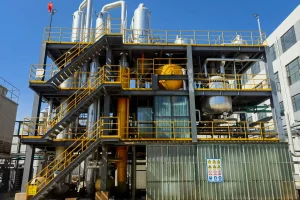
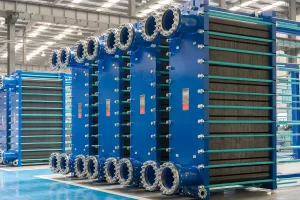
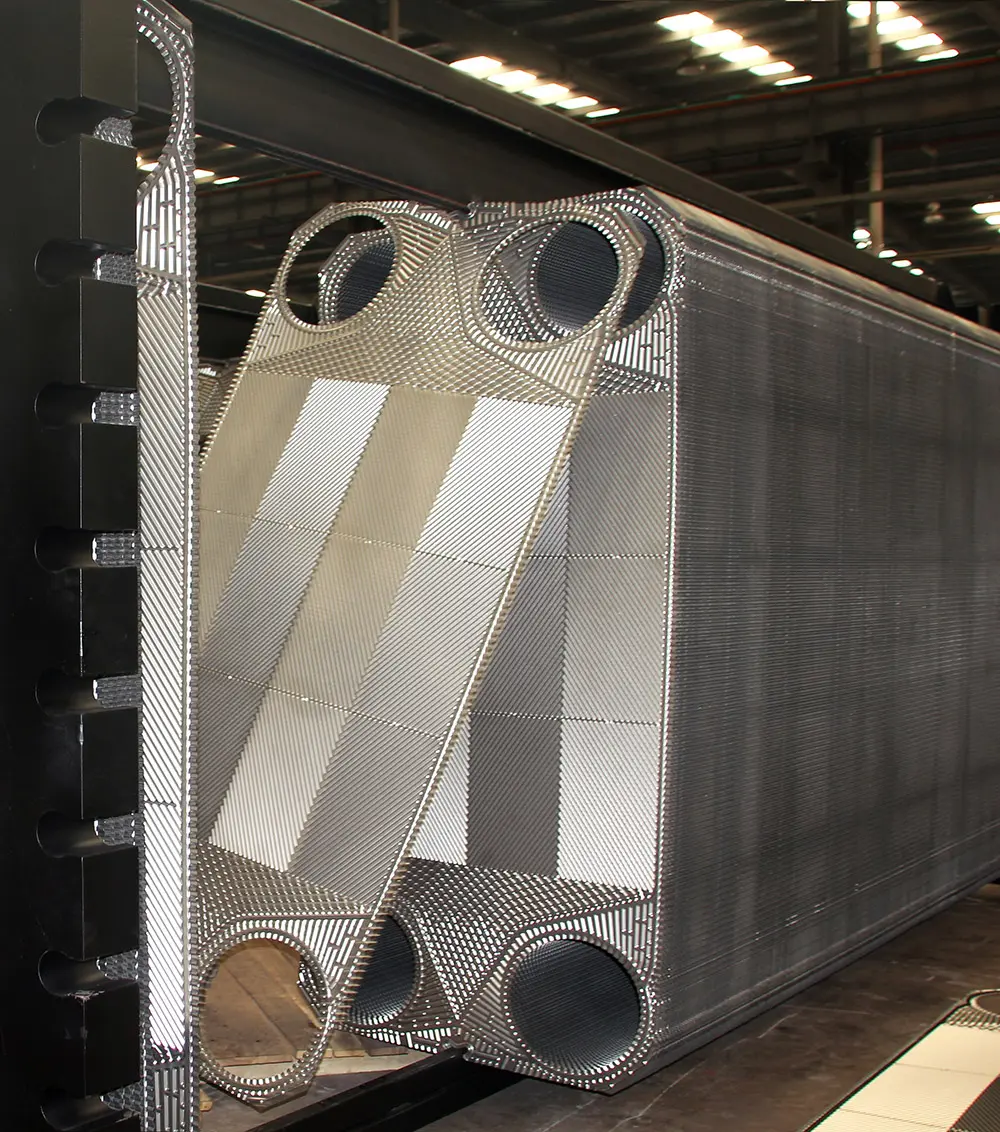
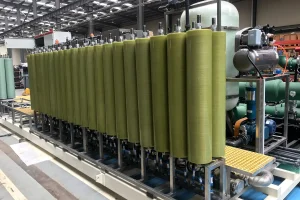
In large-scale district heating networks, our motorized butterfly valves and plate heat exchangers manage high-volume primary-to-secondary loop heat transfer. This dynamic flow balancing minimizes pipeline heat loss and maintains stable system pressures.
For corrosive environments, desalination plants, and chemical processing lines, we use high-grade alloys, titanium plates, and specialized PTFE seat compounds to provide reliable chemical resistance and prevent leaks.
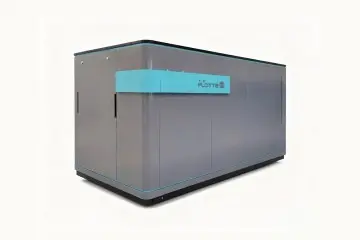
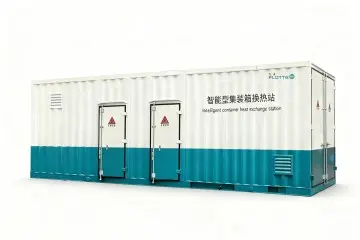
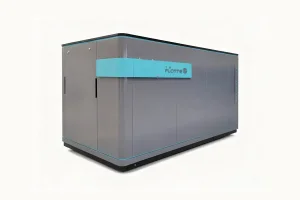
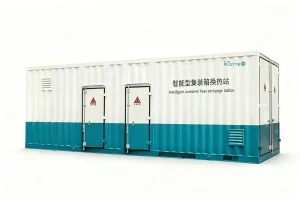
Our integrated box-type heat exchanger units and balance valves provide modular solutions for high-rise commercial structures and industrial facilities, helping to reduce carbon emissions through optimized energy management.
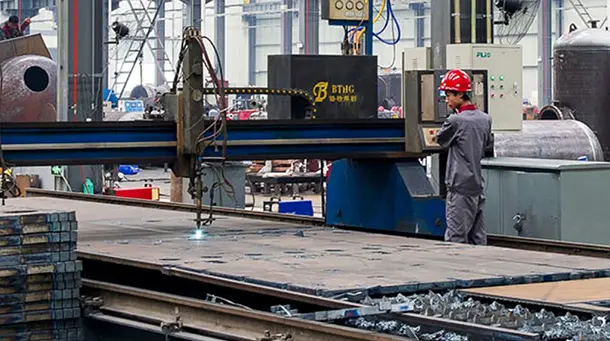
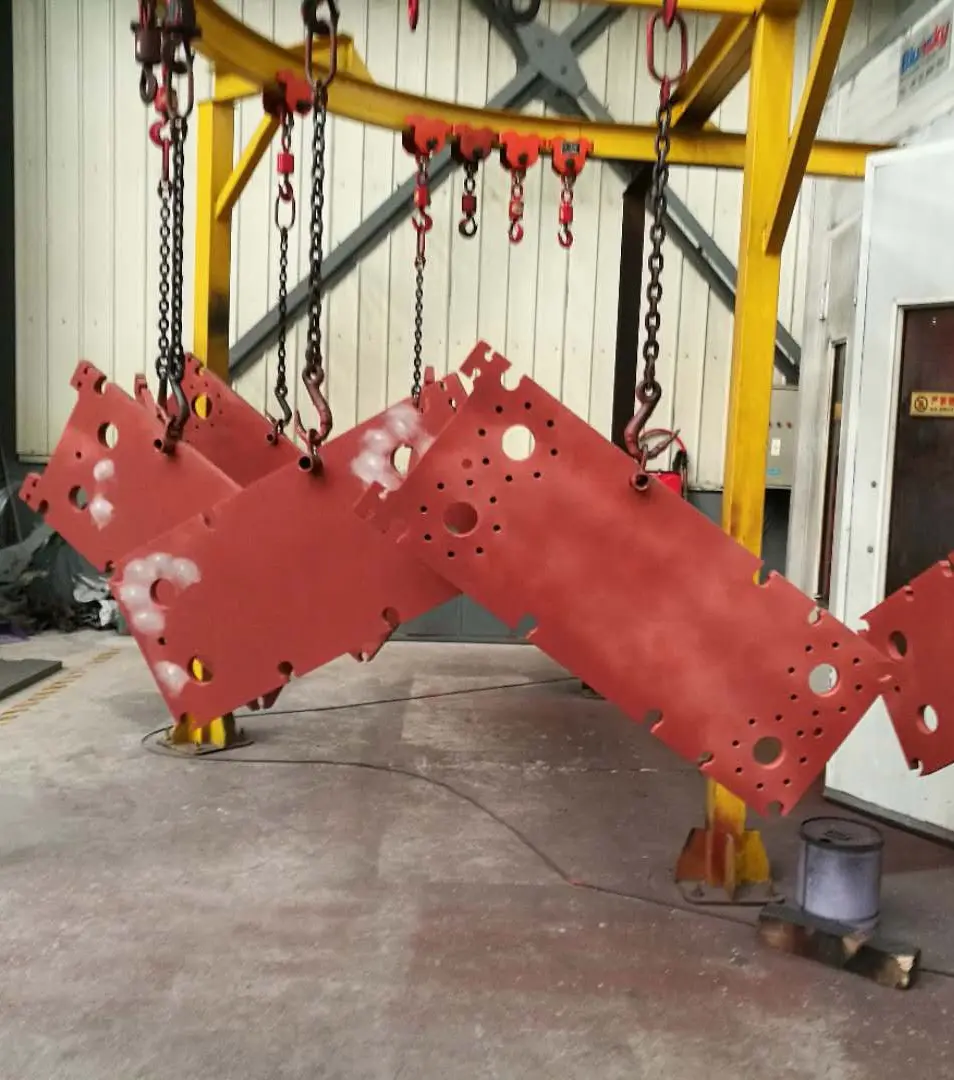
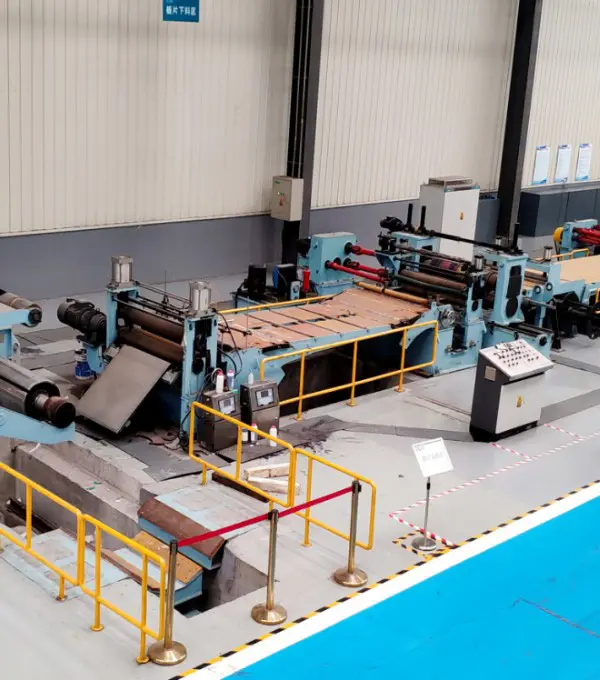
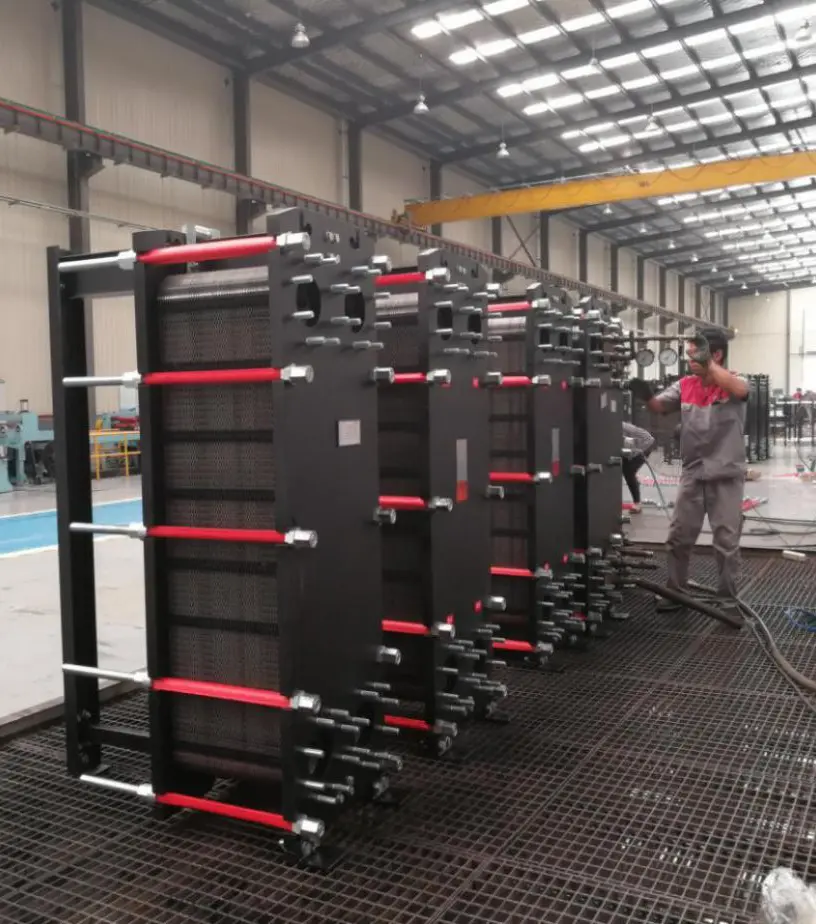
Our modern manufacturing facilities utilize advanced machining, micro-forging, and strict hydrostatic pressure testing to meet global industrial standards.
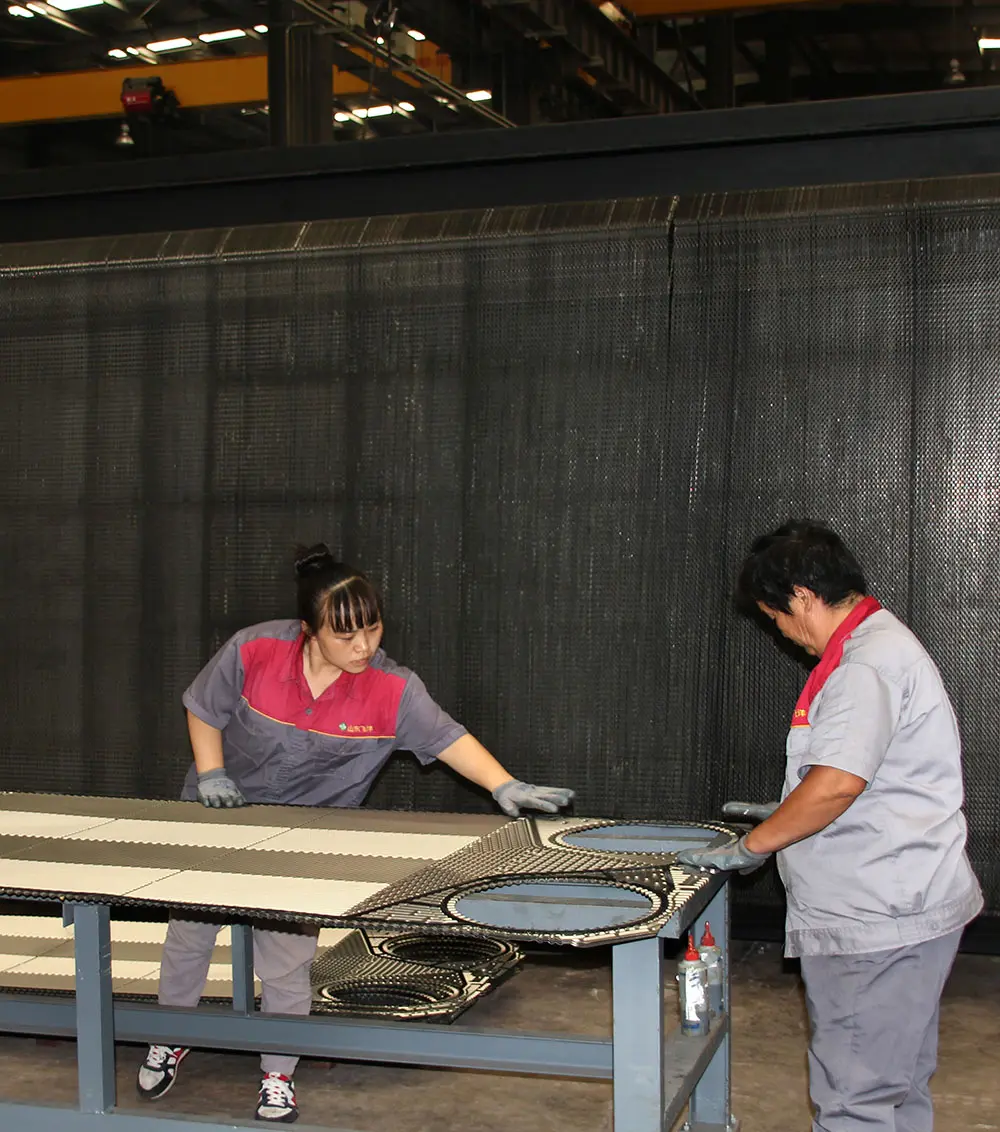
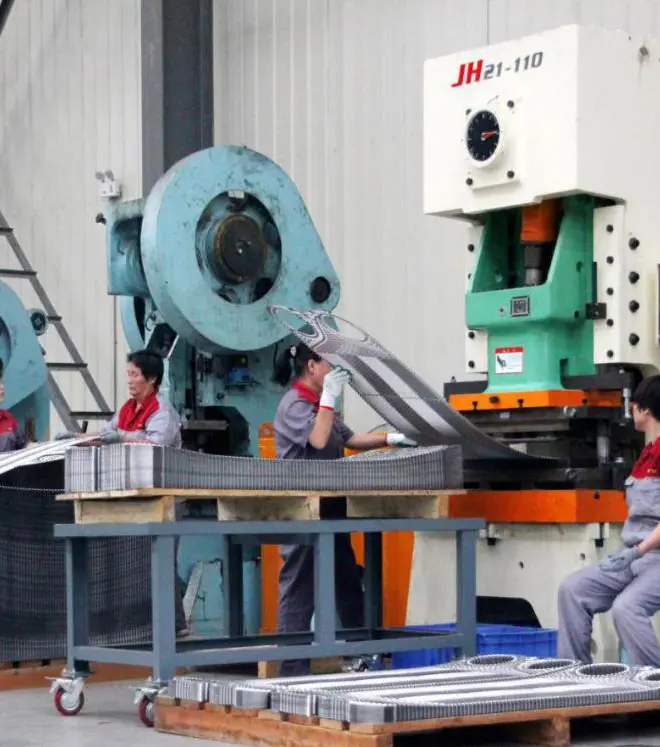
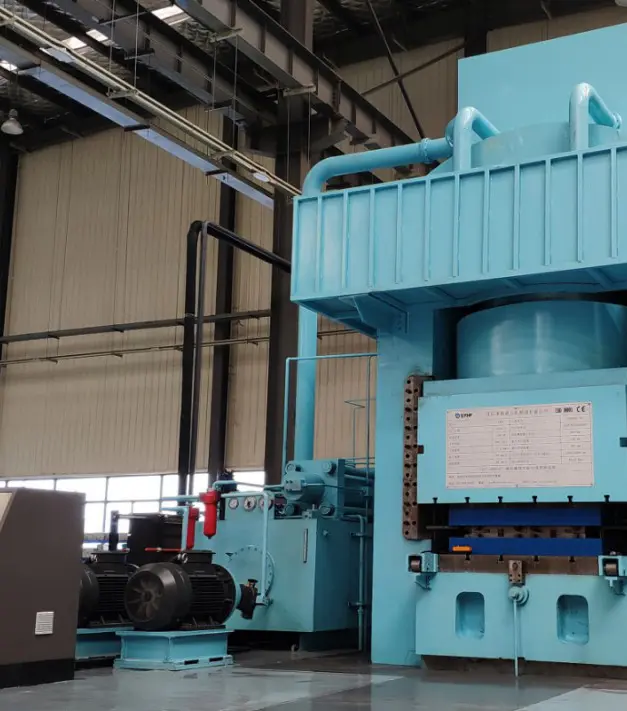
Established in 2013 with a registered capital of 101 million yuan, Flotte originated from Flotte Thermal Engineering founded in 1995. With nearly three decades of engineering expertise, we specialize in water treatment systems, municipal HVAC equipment, and industrial thermodynamic components. We consistently adopt new technologies to develop high-efficiency, reliable solutions for partners worldwide.
Our technical engineering team consists of skilled designers and manufacturing specialists with years of experience. We operate a dedicated research and development center and testing laboratories to ensure the mechanical durability and performance of every product.
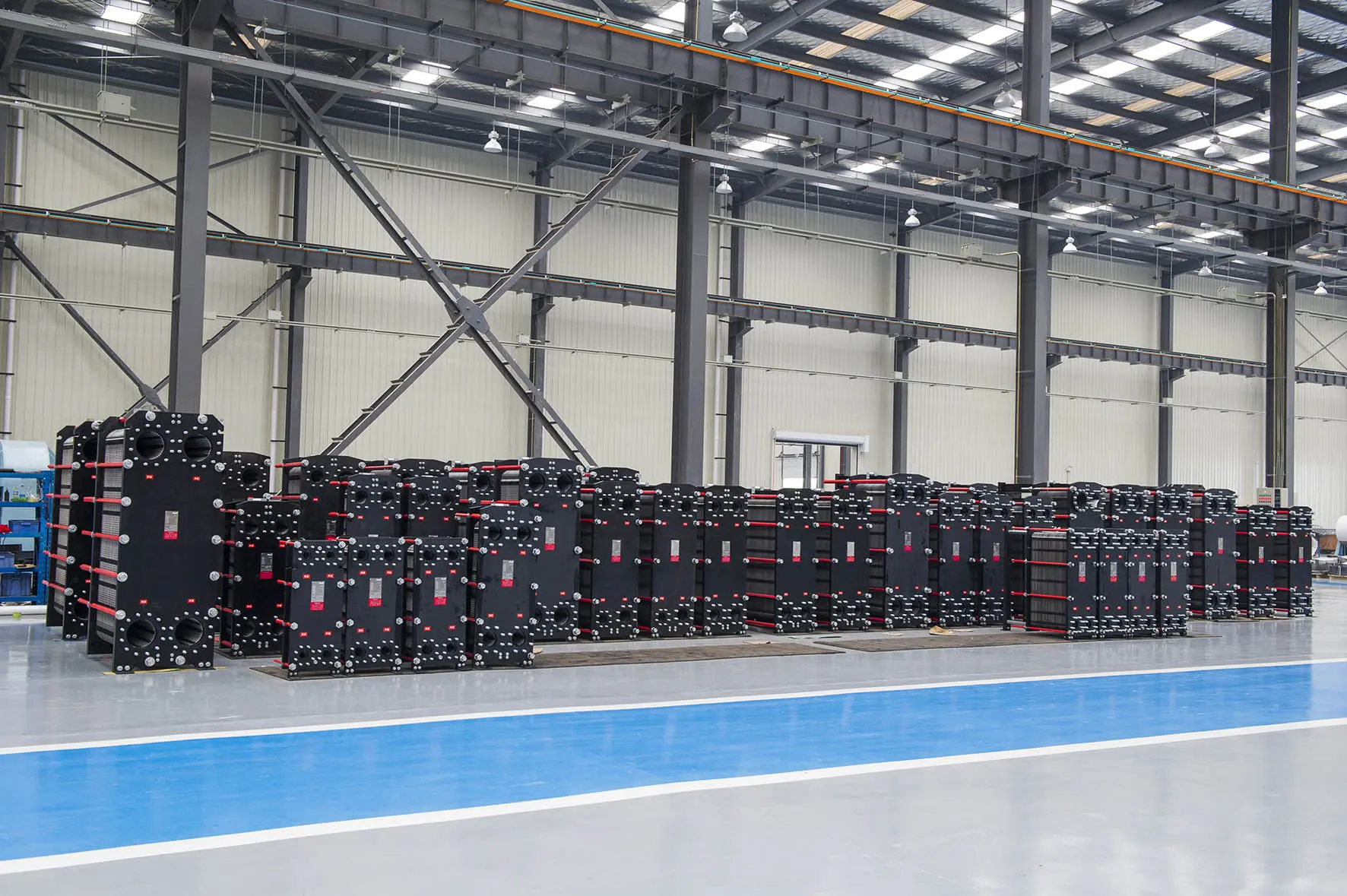
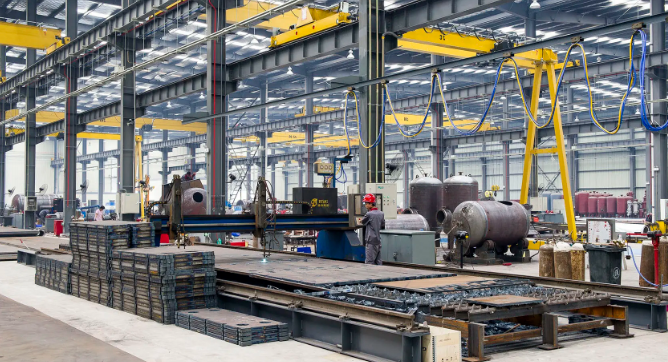
We manufacture a complete line of thermodynamic equipment, evaporation plants, and secondary network control valves designed for industrial energy efficiency.
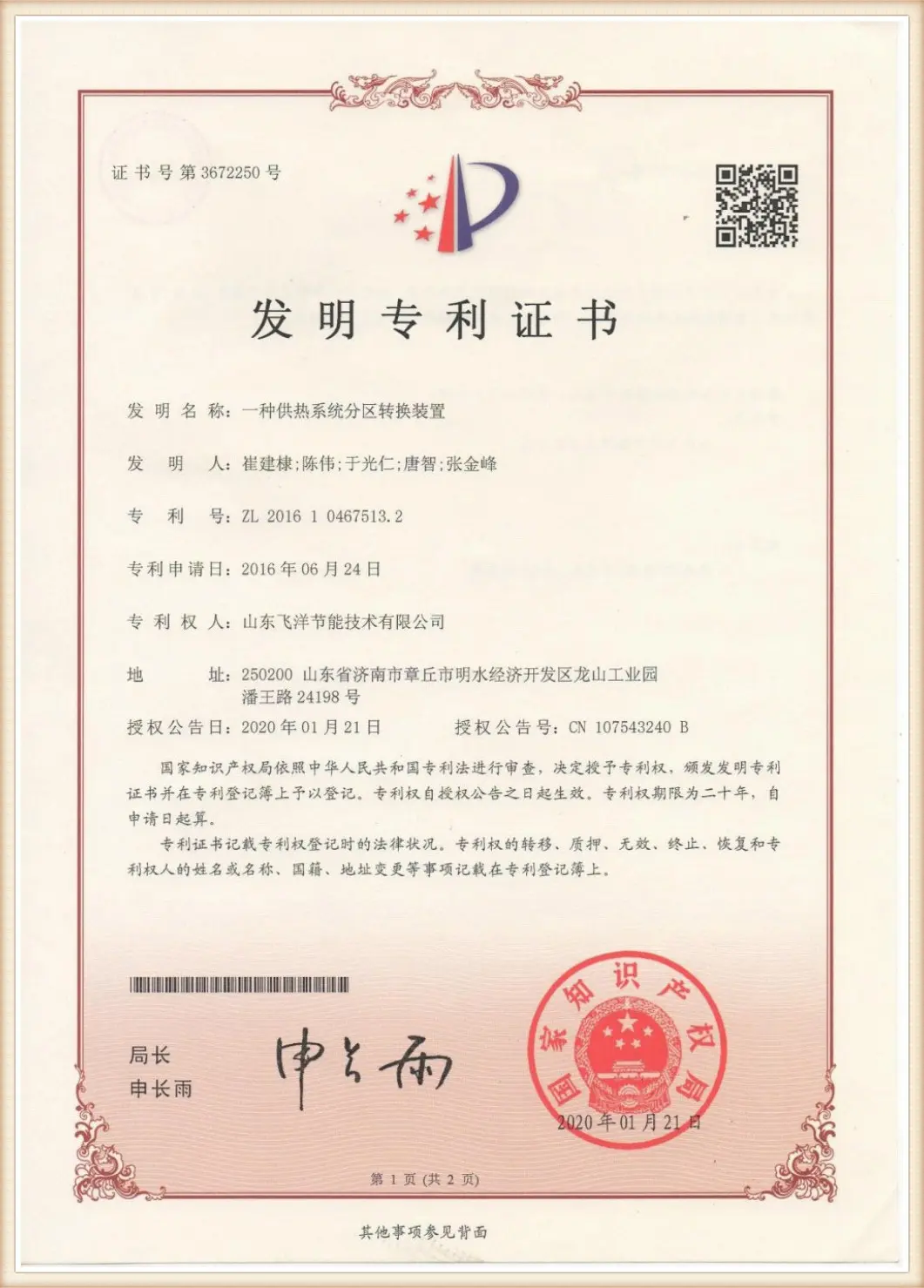
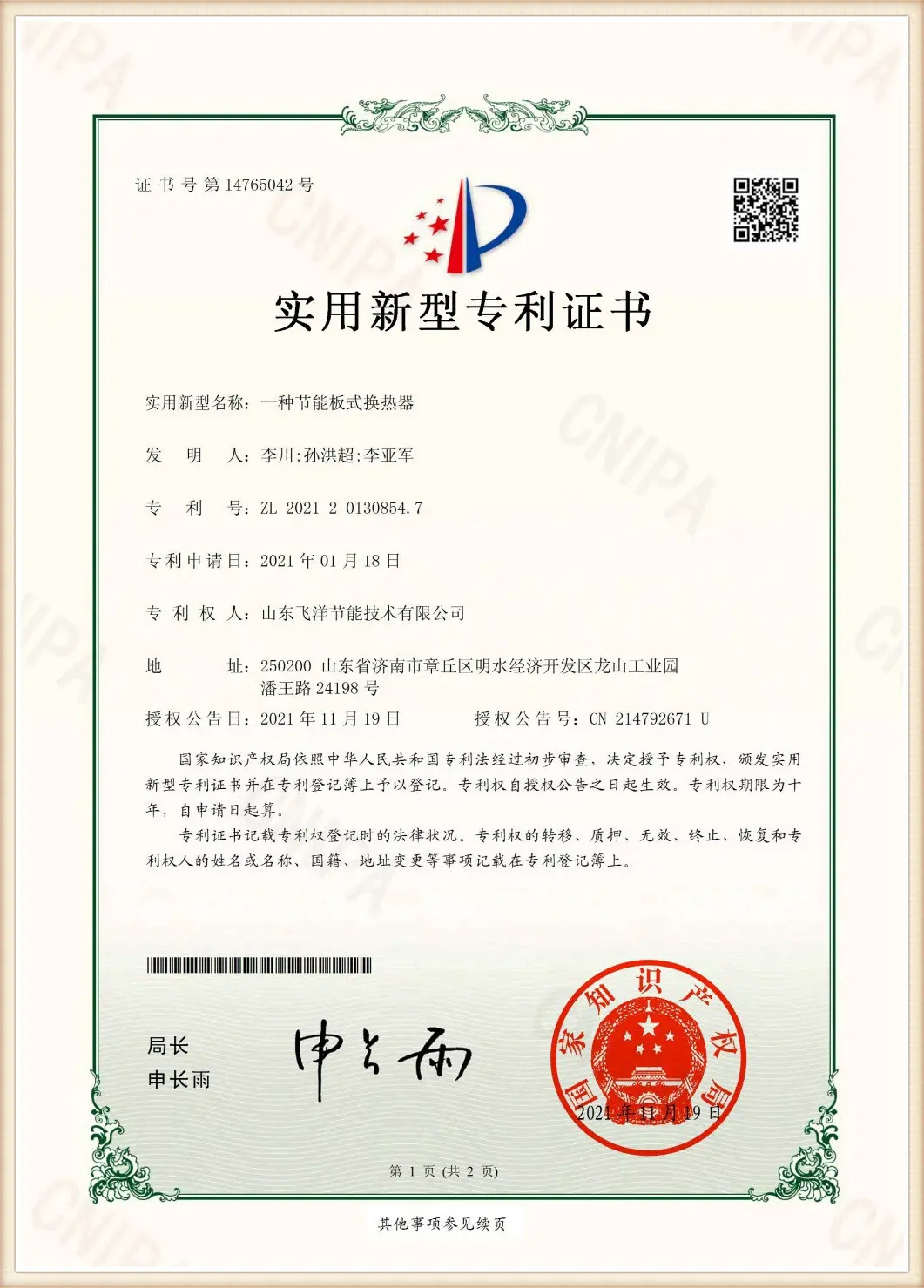
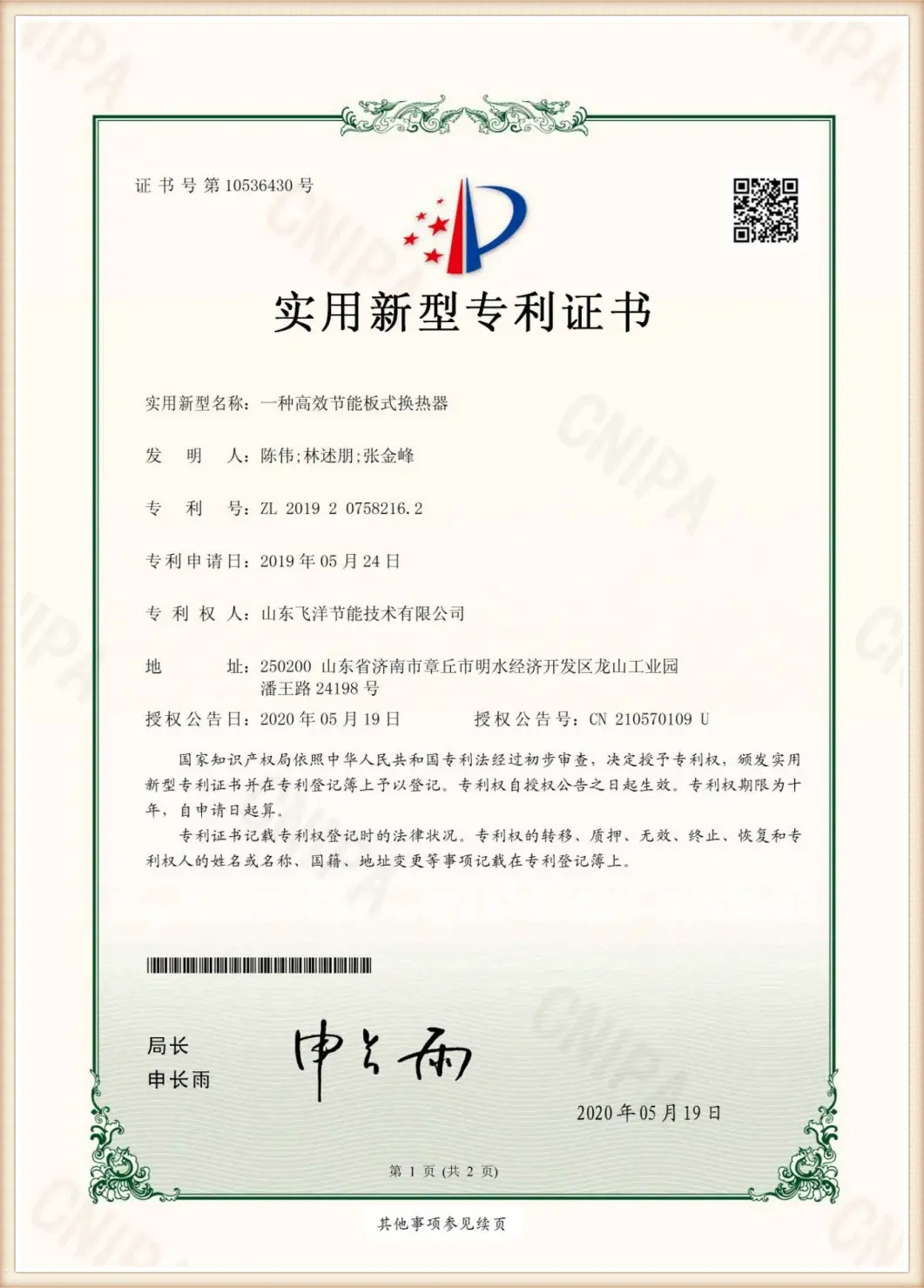
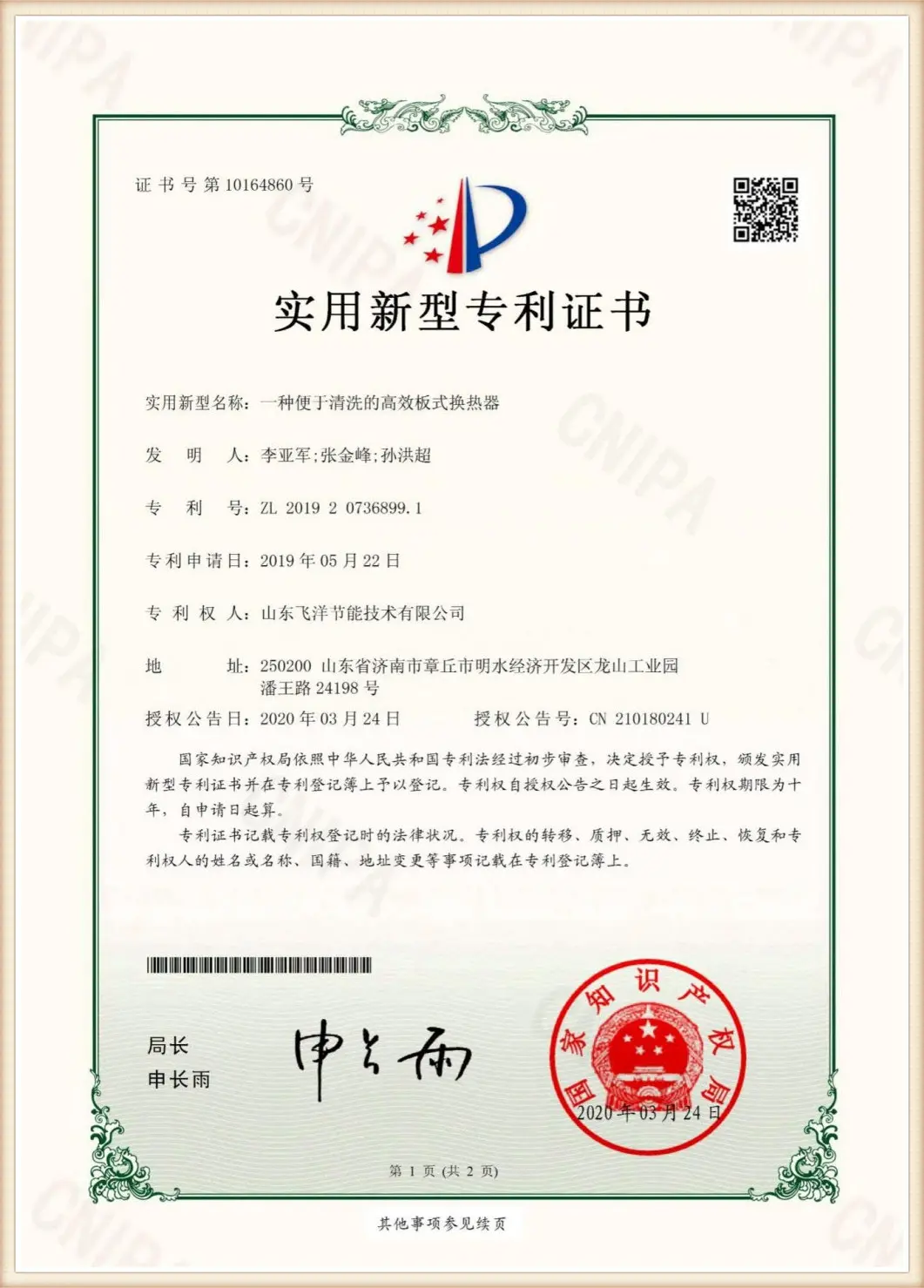
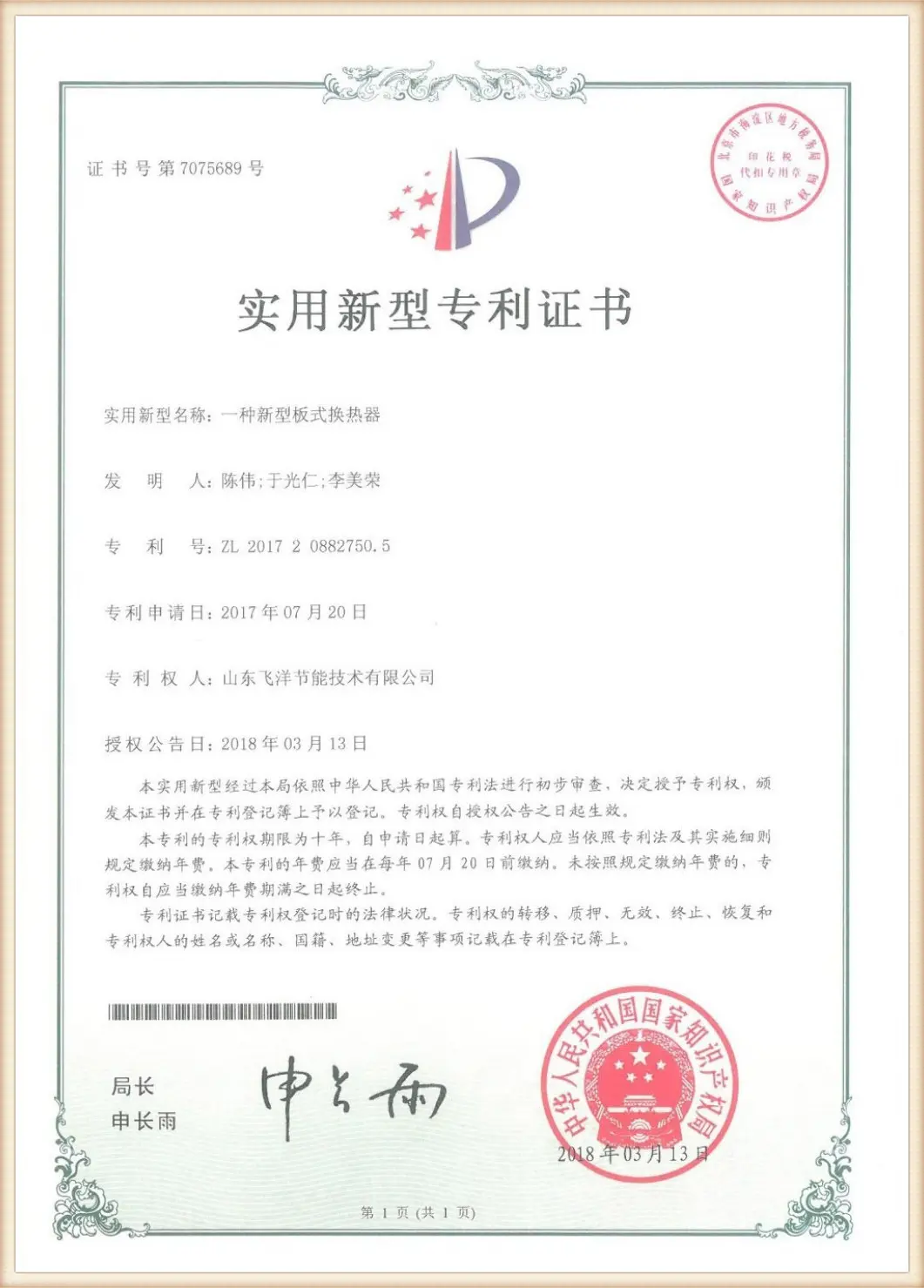
Our engineering designs hold multiple patent certifications, including High-Efficiency Plate Heat Exchangers, Intelligent Systems, and Safety Registrations from the National Standardization Committee.
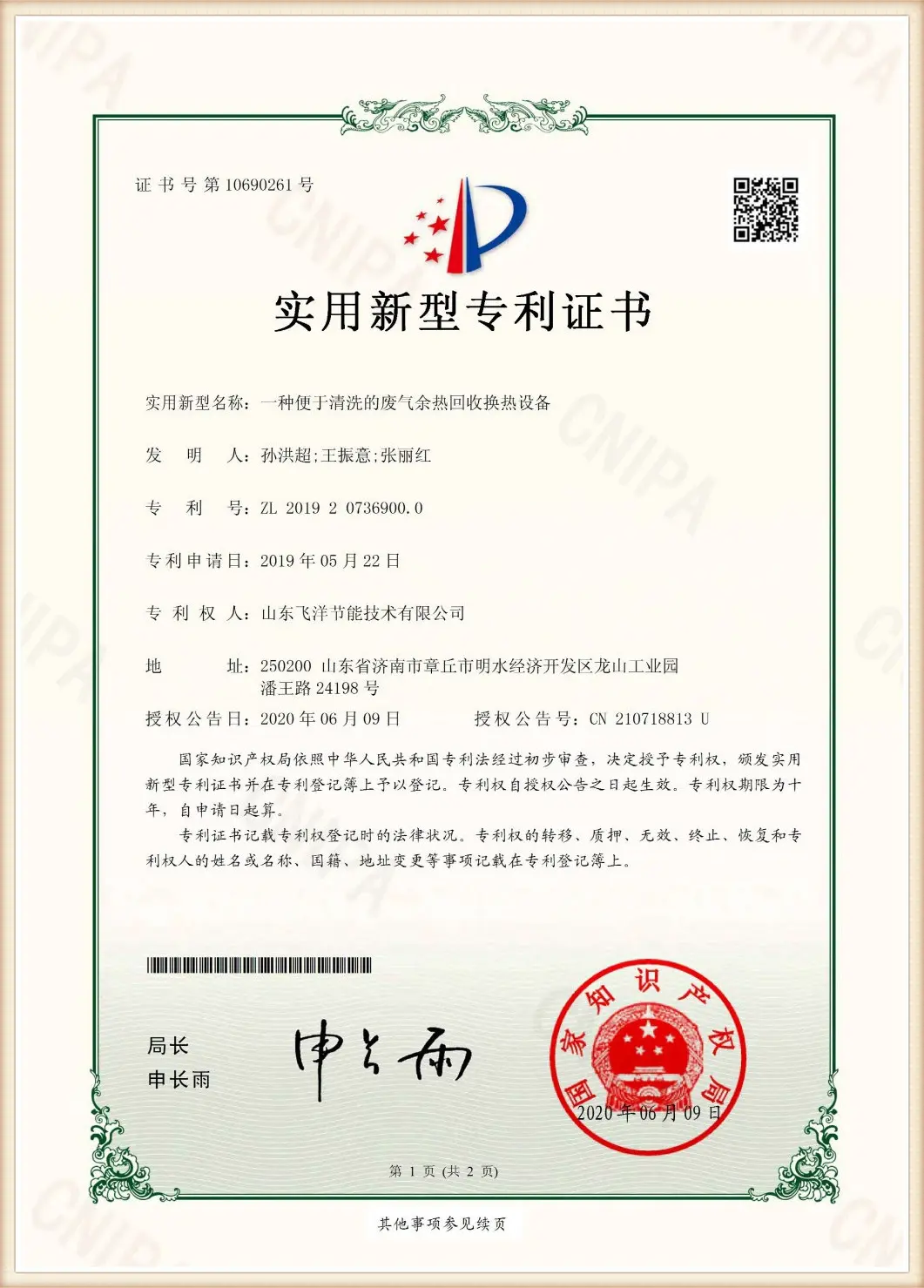
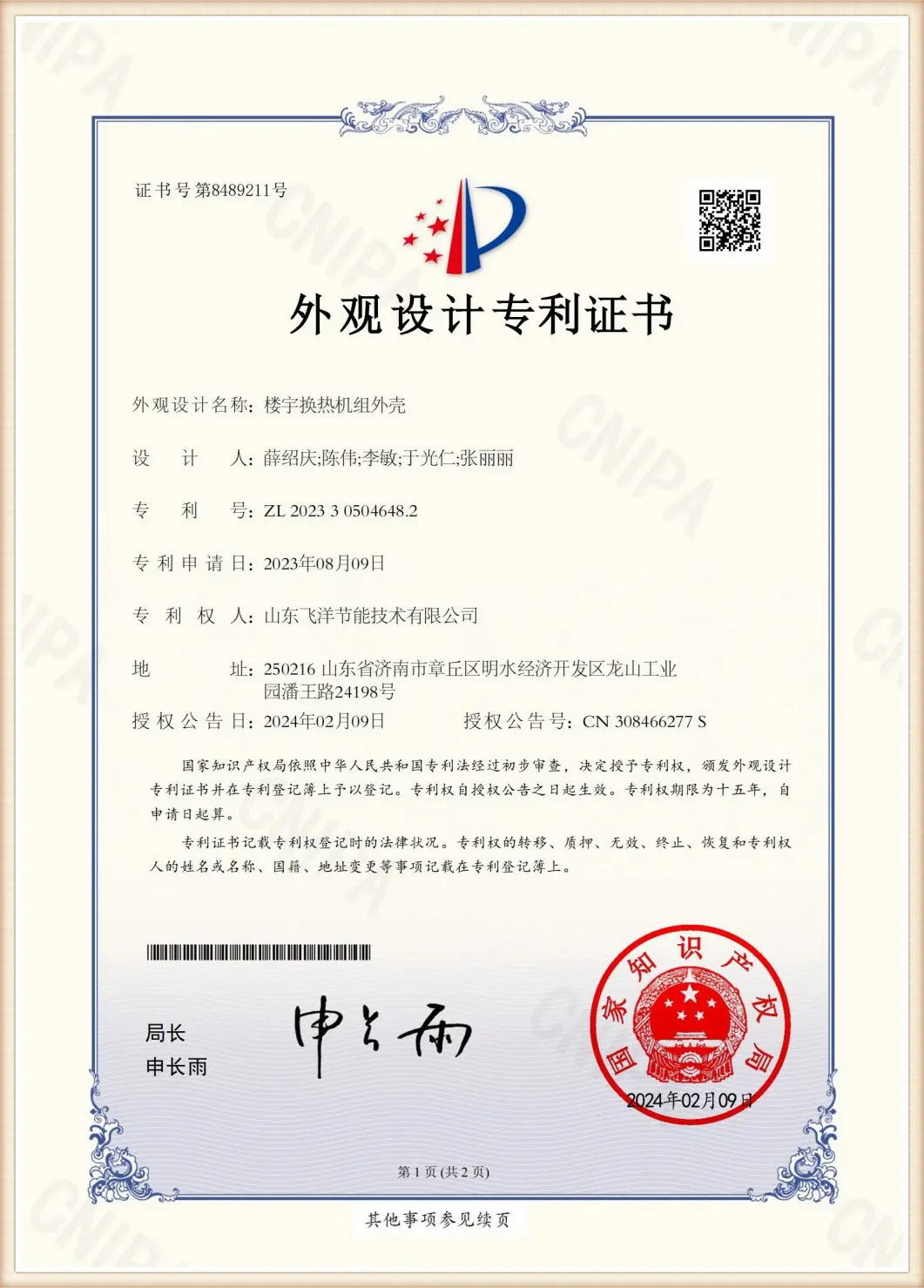
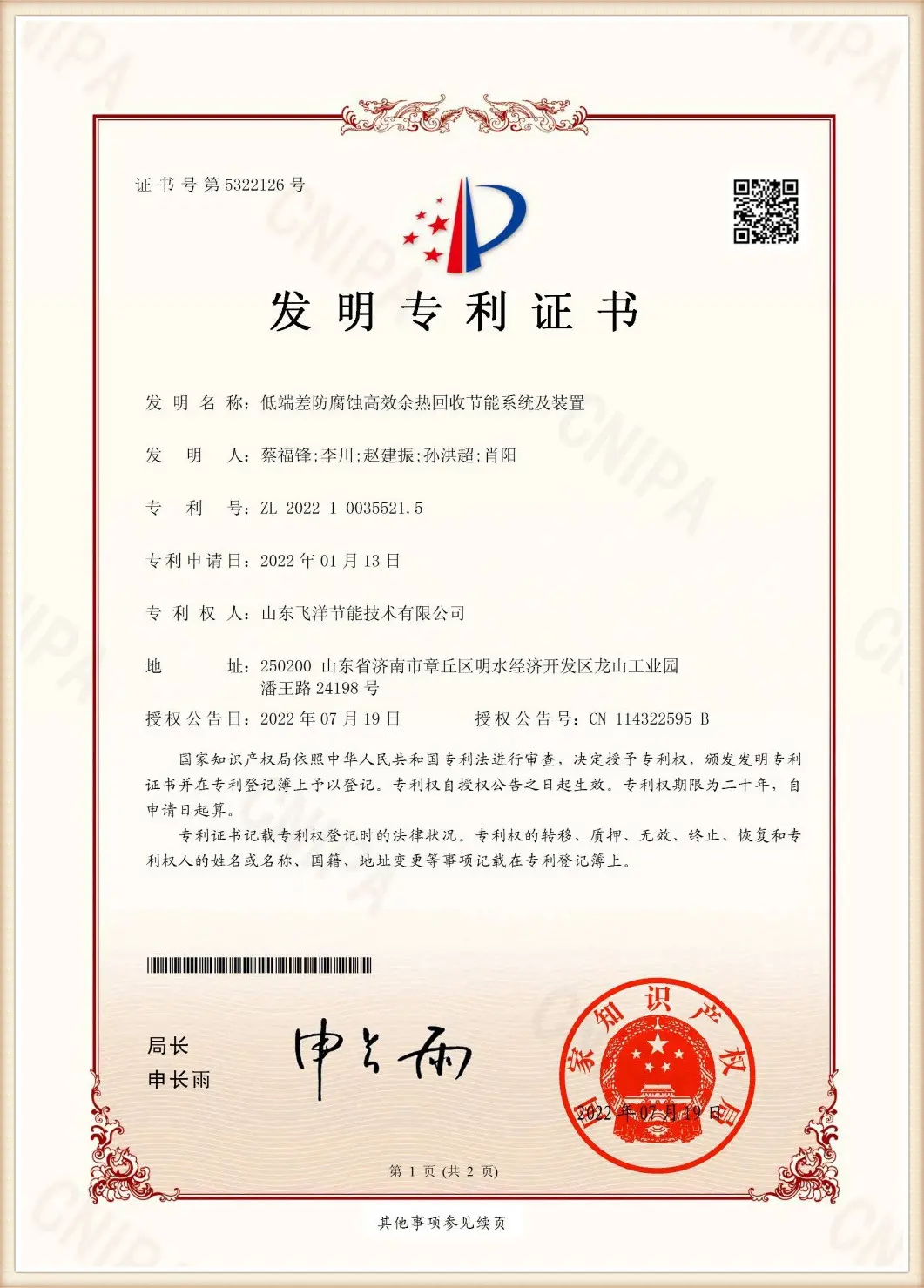
Expert answers to common engineering questions regarding the application, sizing, and selection of motorized flow control valves.
Browse our high-performance balance valves, evaporation units, and heat exchangers designed to support energy-efficient municipal systems.
 Flotte Energy