Explore our premium selection of industrial equipment manufactured directly under international standards for high energy efficiency and durability.
In the modern fluid mechanics and industrial pipeline infrastructure, the Butterfly Valve represents one of the most critical structural components. Far from being a simple throttle mechanism, high-performance butterfly valves—especially triple-eccentric metal-to-metal seated valves—are designed to manage extreme high-pressures, cryogenic conditions, and highly corrosive chemical flows. From global district heating grids to offshore gas terminals, they have replaced traditional, bulkier gate valves and ball valves due to their lightweight design, smaller footprint, and superb bidirectional zero-leakage capabilities.
Today, the global market for butterfly valves is driven by two parallel requirements: mechanical endurance and intelligent automation. Industries require absolute reliability under heavy cycling, while HVAC and municipal water networks demand smart systems that integrate seamlessly with IoT control loops. As energy costs soar, the reduction of fluid resistance (and the associated power savings from optimized disc designs) has turned butterfly valve design into an exercise in high-end computational fluid dynamics (CFD).
For international buyers, the challenge is not simply sourcing a valve, but finding an exporter that can consistently deliver products certified to international safety frameworks such as API 598, EN 12266-1, and ISO 9001, backed by trace-tested metallurgical inputs.
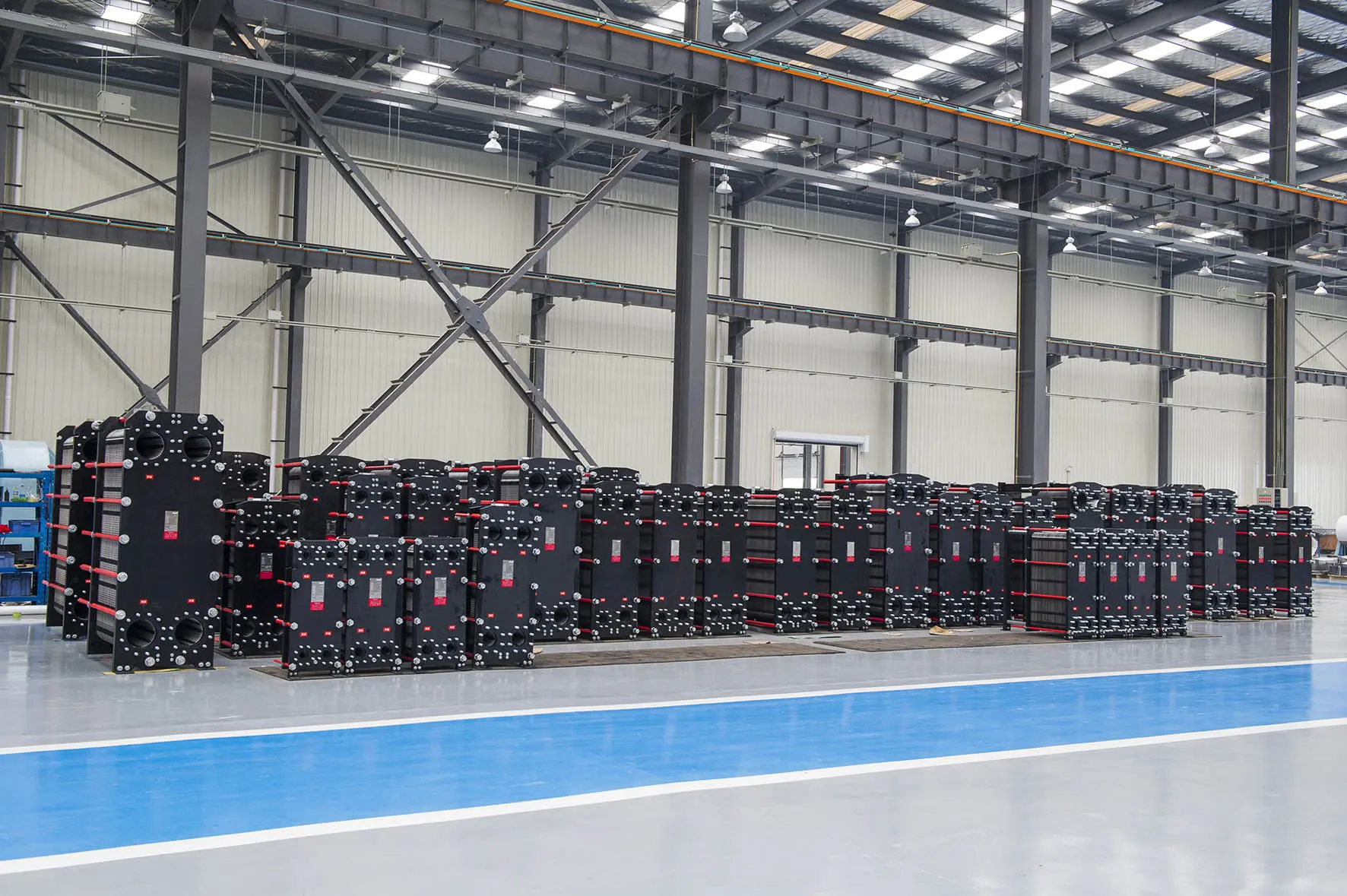
Originating from Flotte Thermal Engineering founded in 1995, Flotte Energy Saving Company (established in 2013 with a registered capital of 101 million yuan) possesses three decades of deep technical expertise in fluid control systems, heating grids, water treatment, and specialized industrial valves.
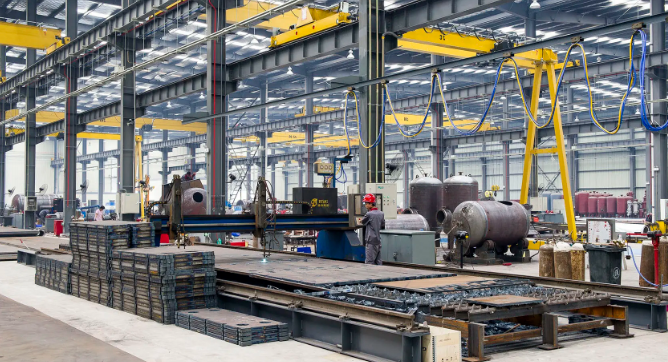
Flotte represents the pinnacle of Chinese engineering growth. We lead industry standards by adhering strictly to ISO 9001:2015 Quality Management Systems, ISO 14001 Environmental Management Systems, and ISO 45001 Occupational Health and Safety frameworks. Our thermal components and valve housings have obtained mandatory national safety registrations from the National Boiler and Pressure Vessel Standardization Technical Committee.
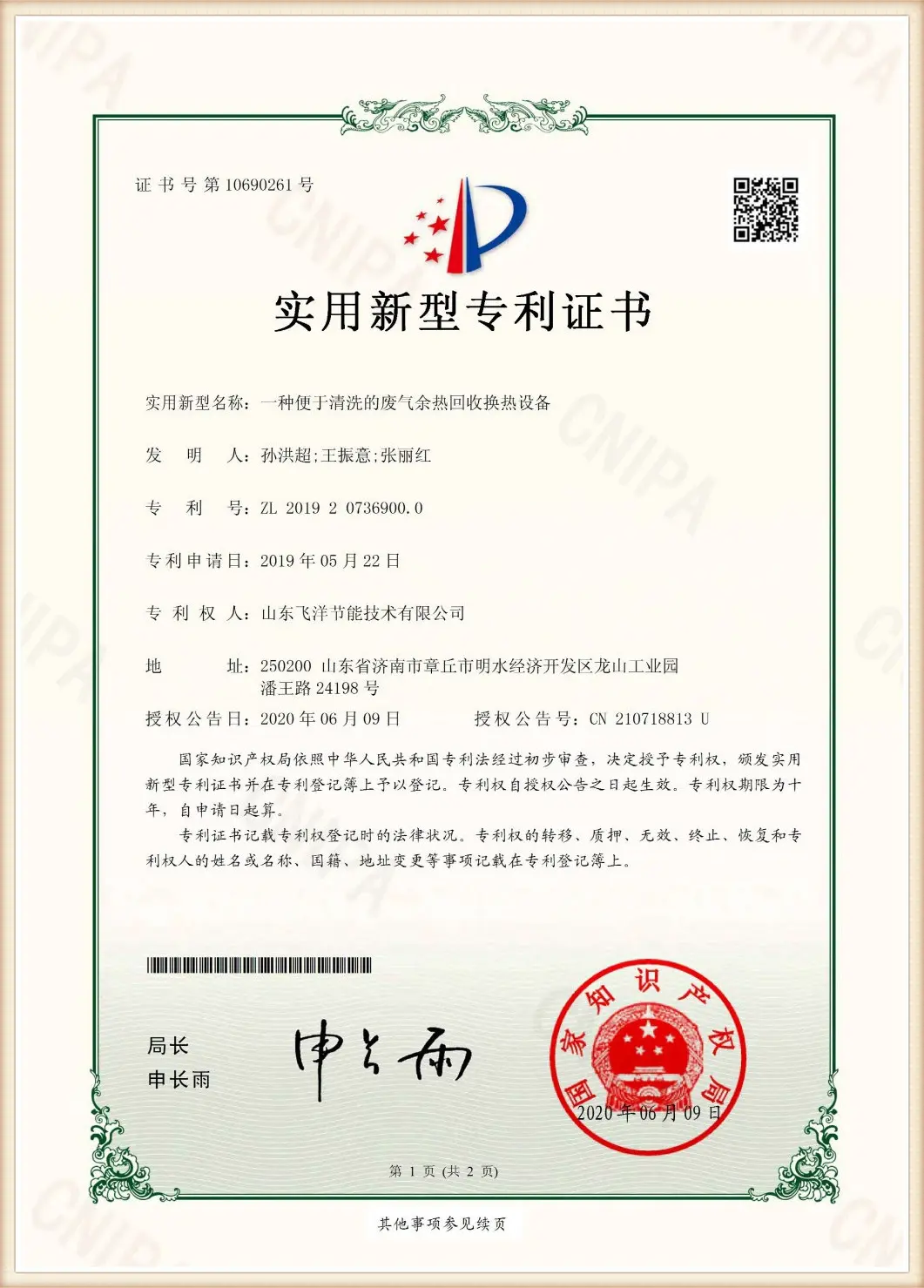
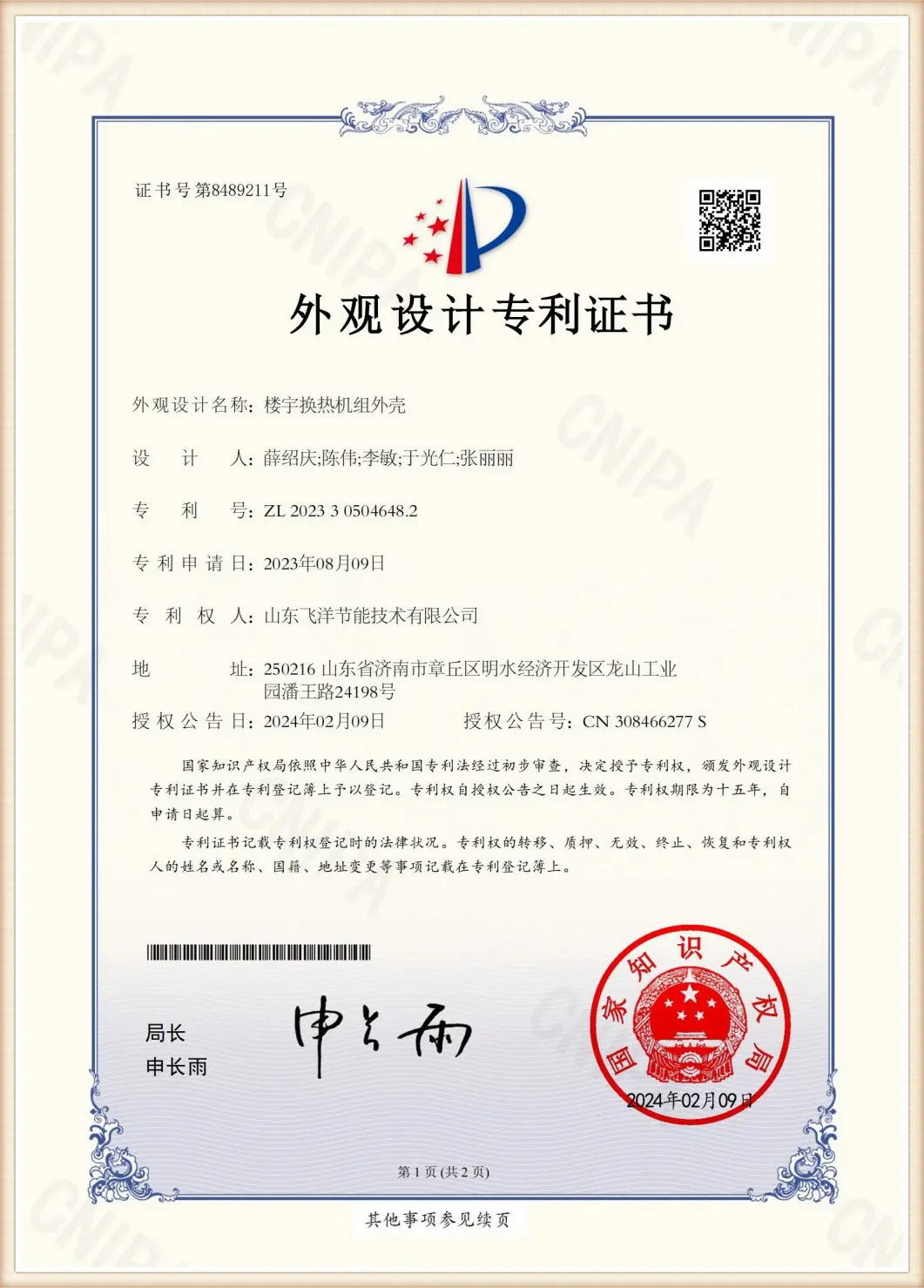
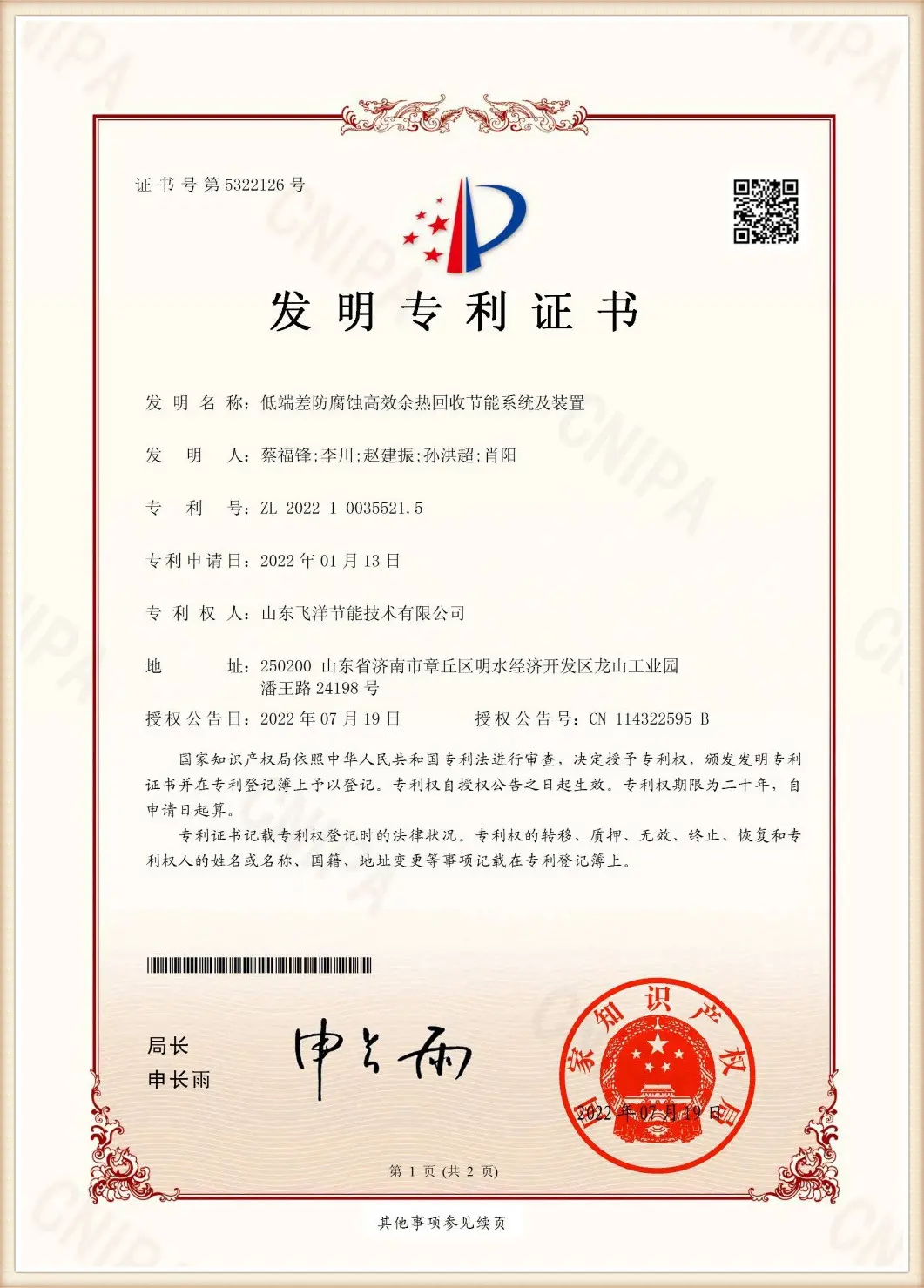
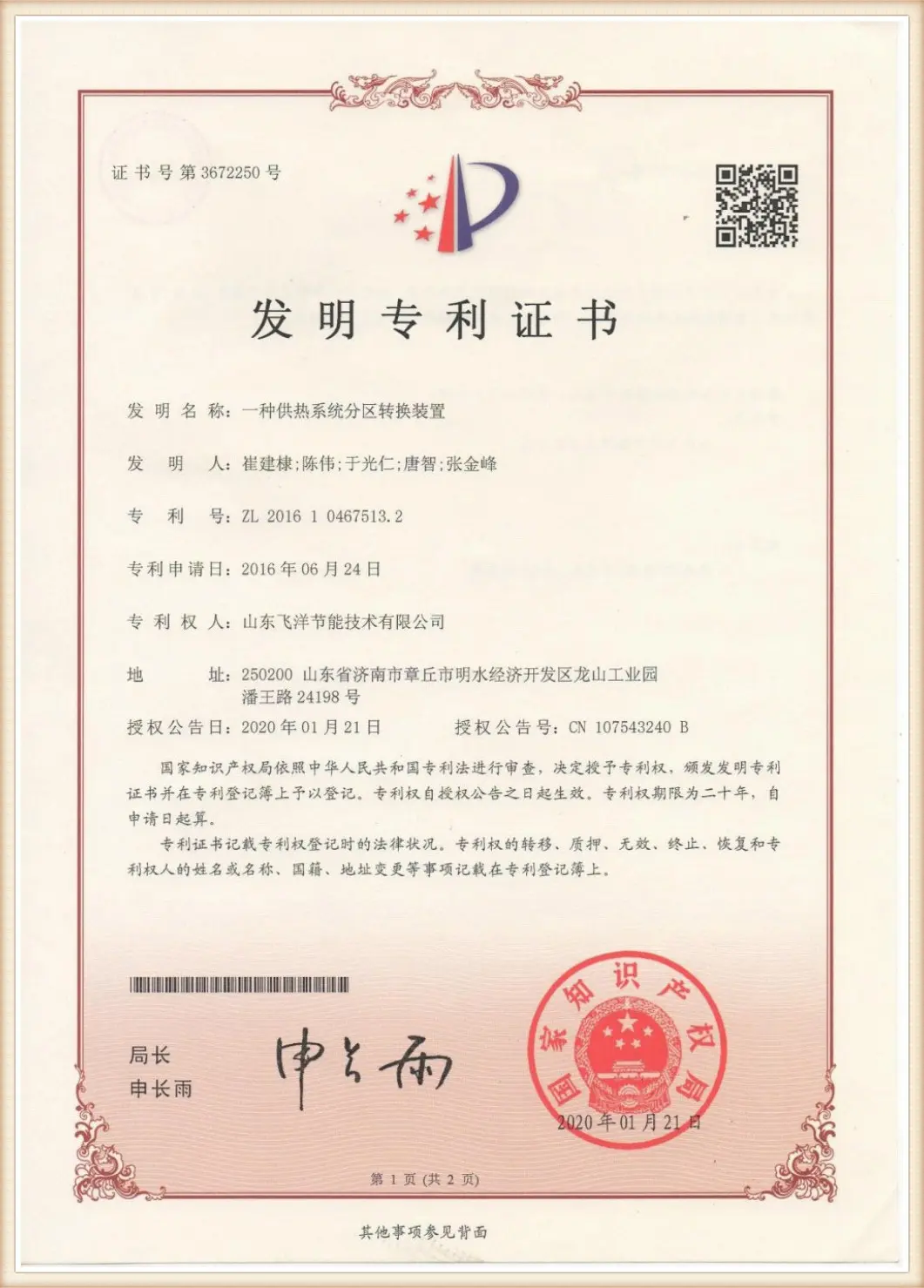
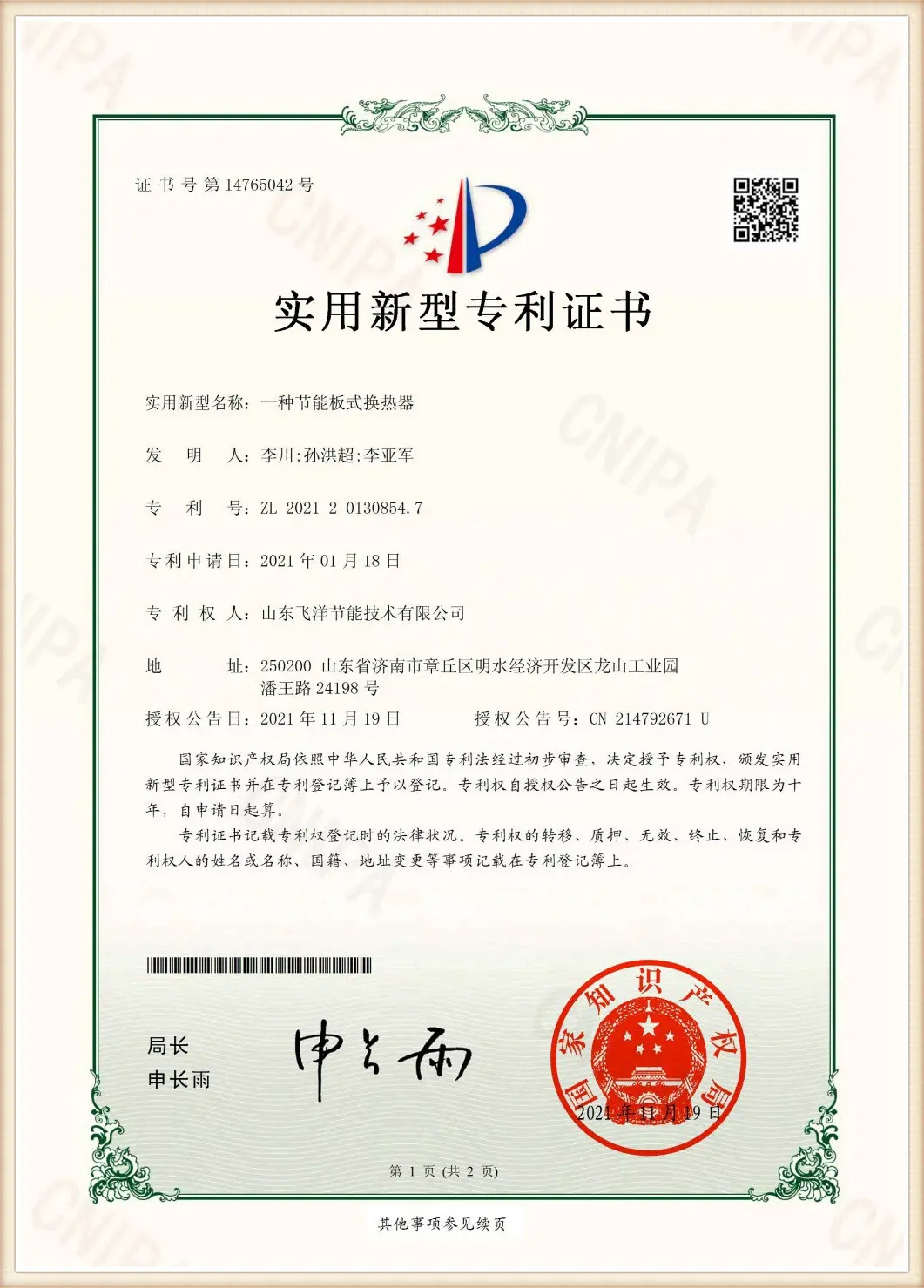
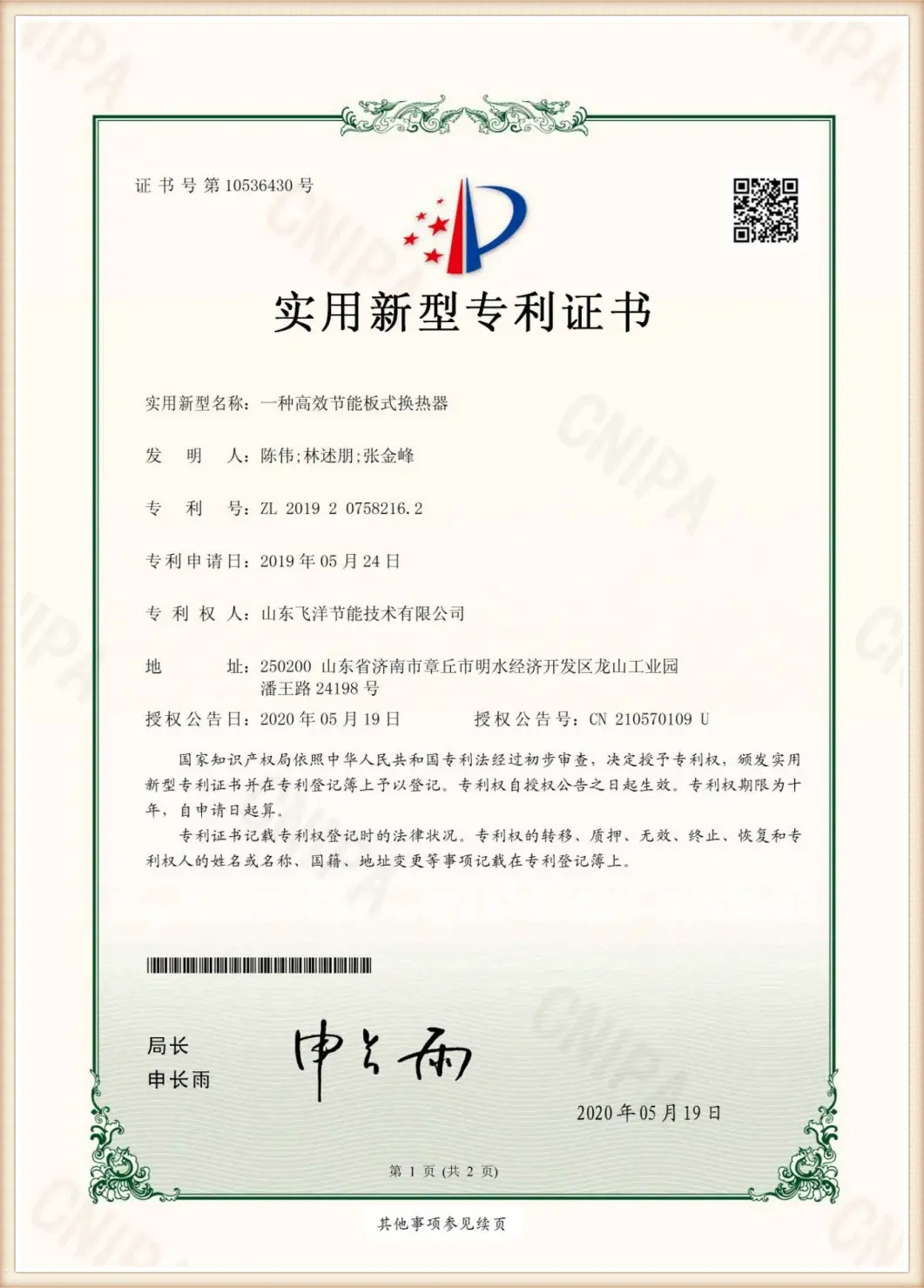
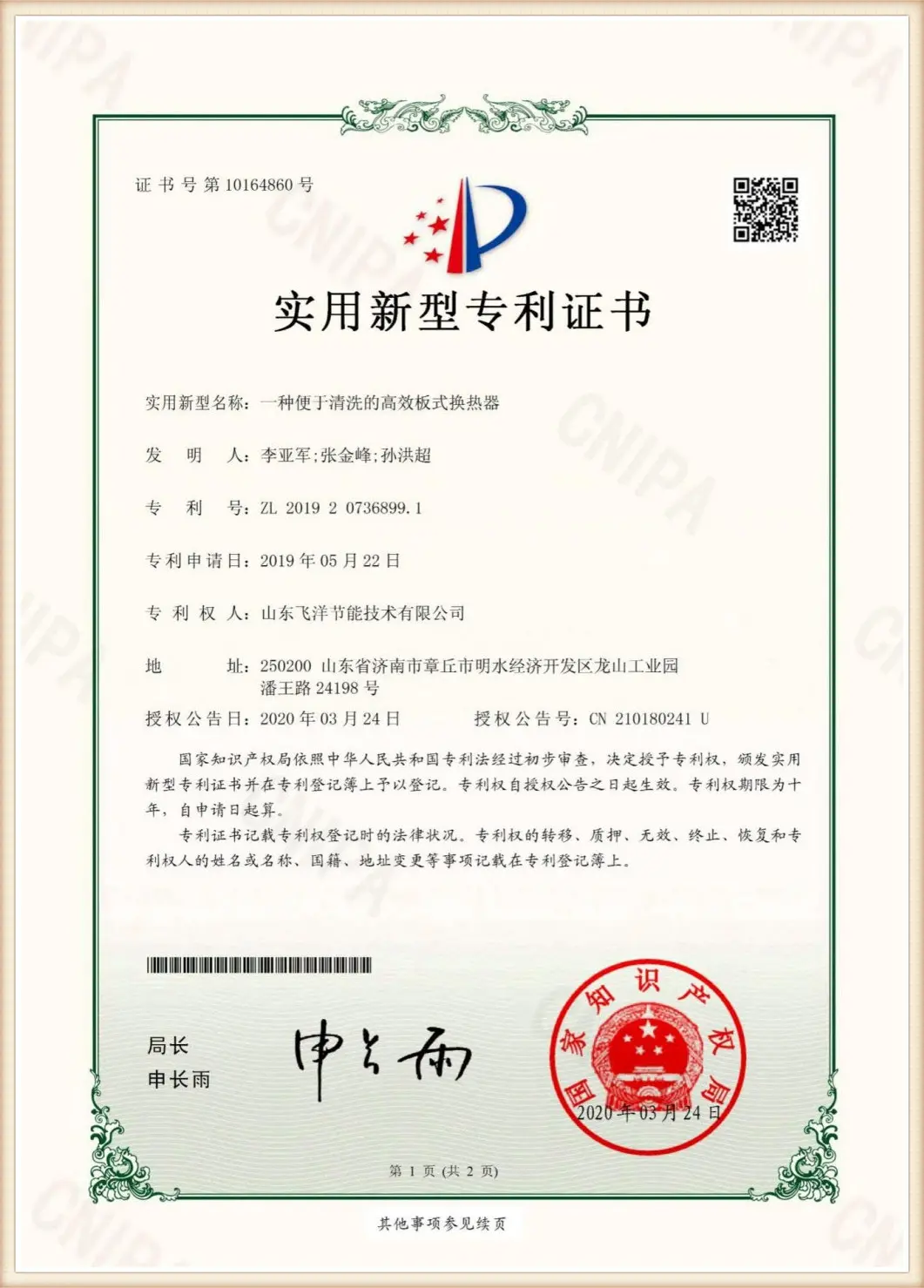
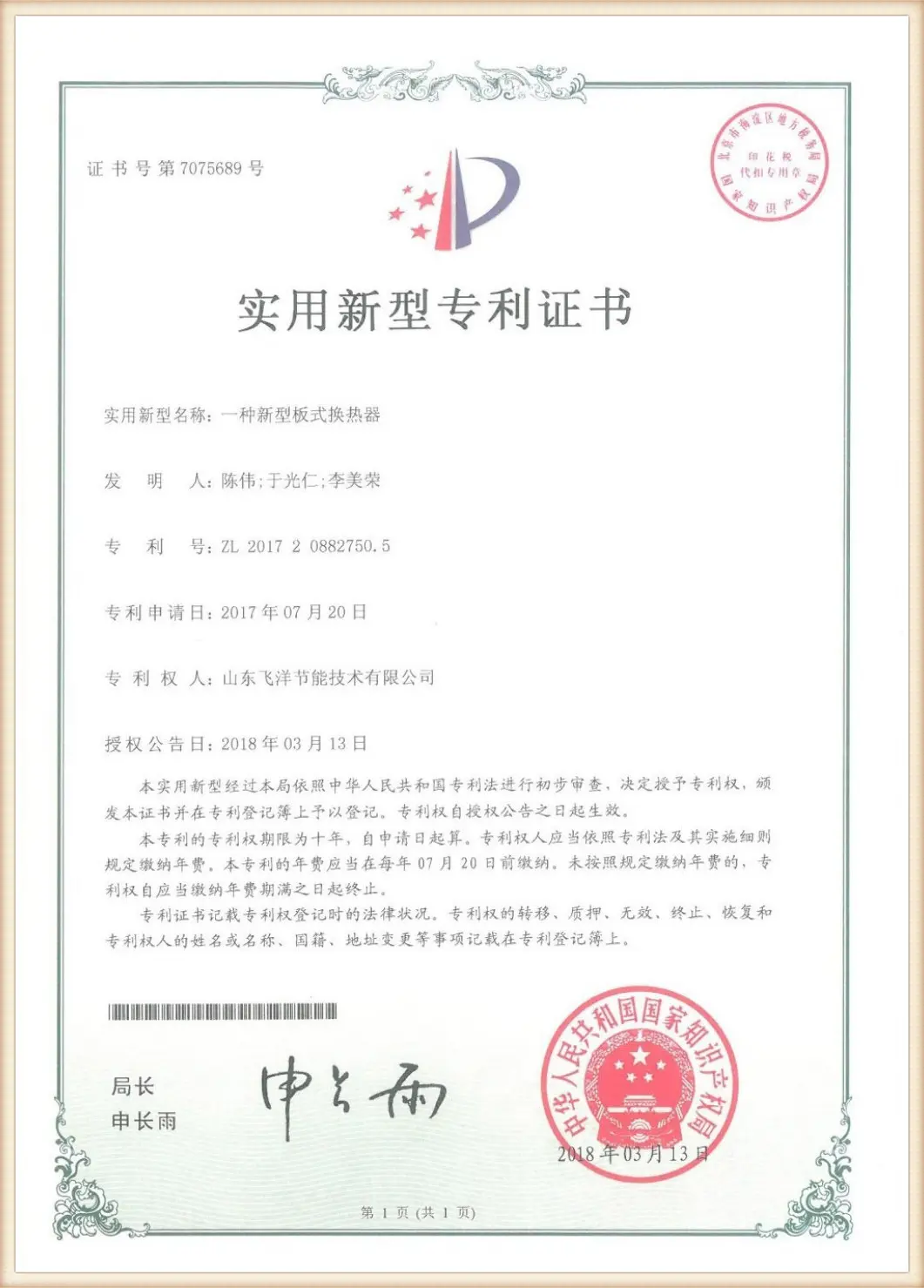
With multiple patent certifications including "High-Efficiency Plate Heat Exchangers", "Intelligent Plate Heat Exchanger Systems", and "Plate Heat Exchanger Scale Removal Devices", we combine fluid dynamics and thermal mechanical efficiency to deliver turnkey industrial installations. Through continuous technological research and our specialized engineering R&D center, we have scaled our production capacity to manufacture over 4,500 heat exchange units and water supply packages annually, yielding 500 million yuan in sales.
Why are leading international energy developers, municipal engineers, and plant operators turning to China for critical valve and thermal infrastructure supply chains?
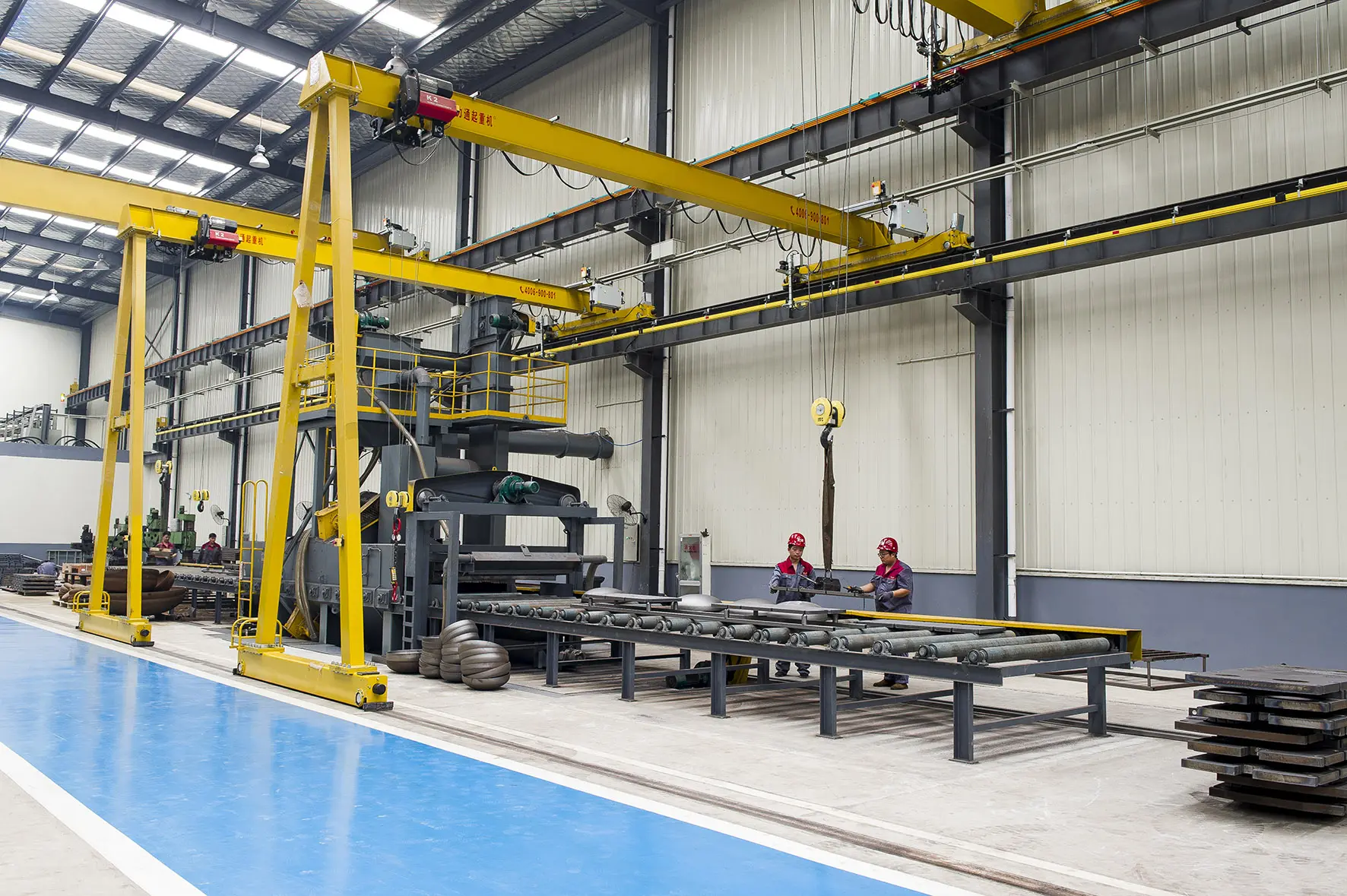
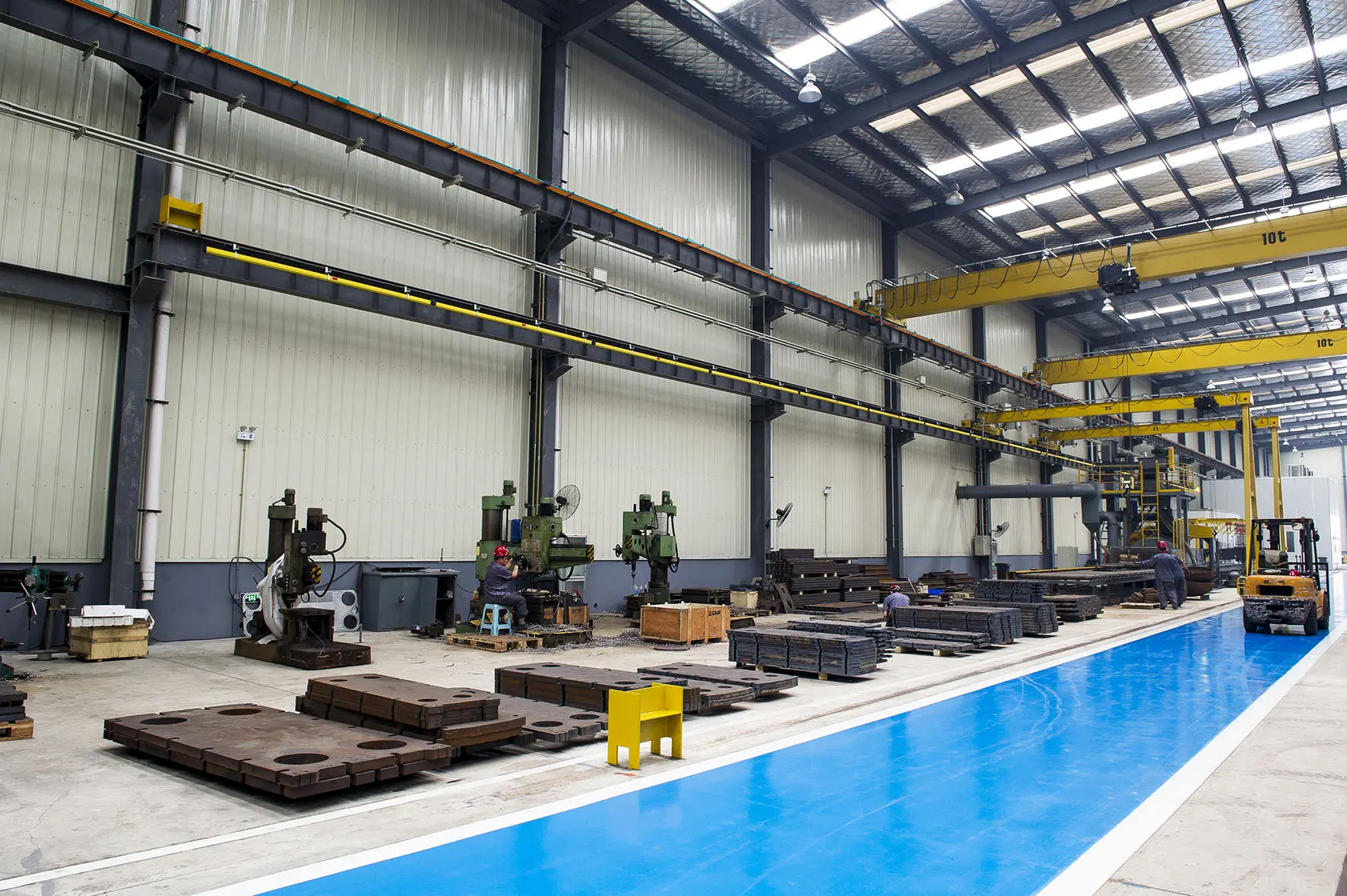
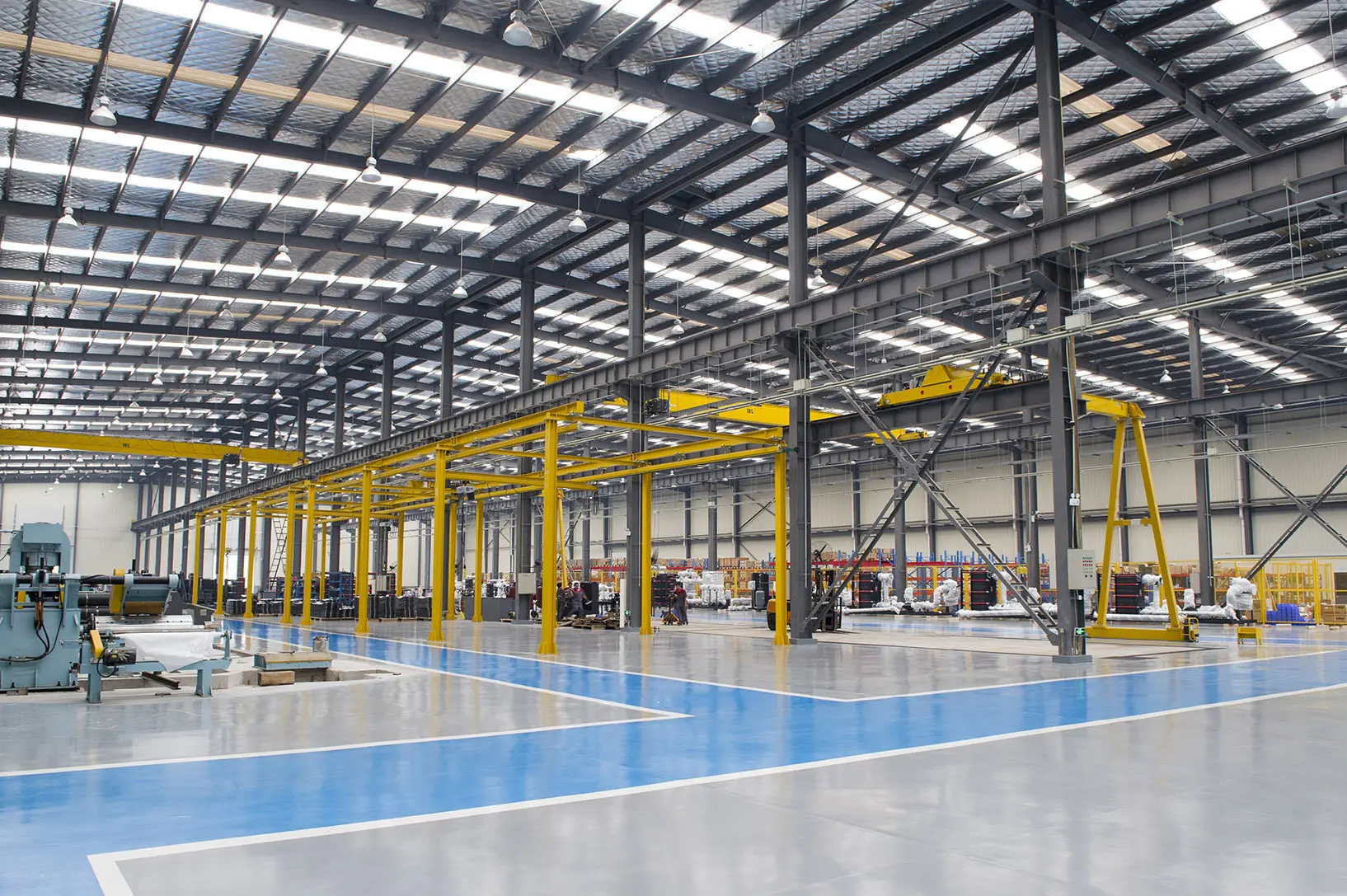
Our Chinese manufacturing clusters consolidate everything from raw alloy casting to precision CNC tooling and automated testing within a unified industrial zone. This minimizes material logistics delays and keeps processing tolerances tightly controlled.
Through standardizing core disc configurations, balancing stocks of high-strength seats, and using automated production line systems, our factory delivers massive volumes in a fraction of Western production schedules.
Quality is not sacrificed for cost. Each valve is tested for shell integrity and seat tightness using pneumatic and hydraulic testing rigs that meet API 598 standards before packing, backed by raw material metallurgical heat codes.
From raw plates to certified high-pressure valves, every step is rigorously monitored under ISO 9001:2015 standards, combining advanced material sciences with systematic engineering.
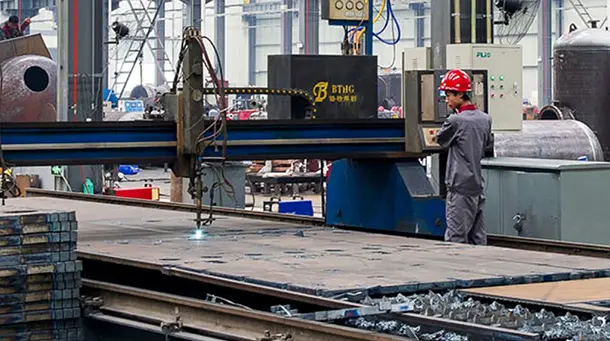
Heavy steel components are processed using advanced CNC plasma and flame cutting machines, securing dimensionally stable foundation blocks.
Forging high-stress components dynamically. This eliminates internal air pockets, aligns the metal grain structure, and guarantees fatigue resistance.
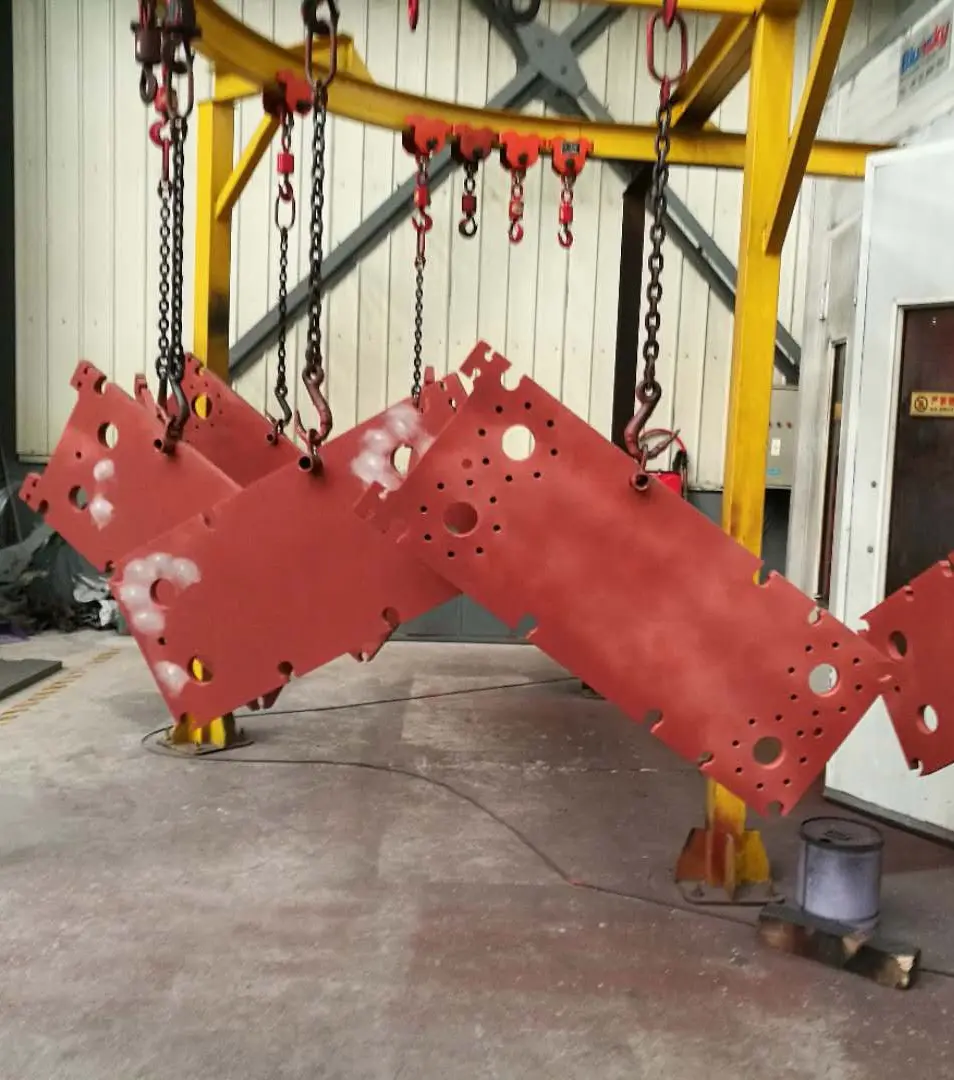
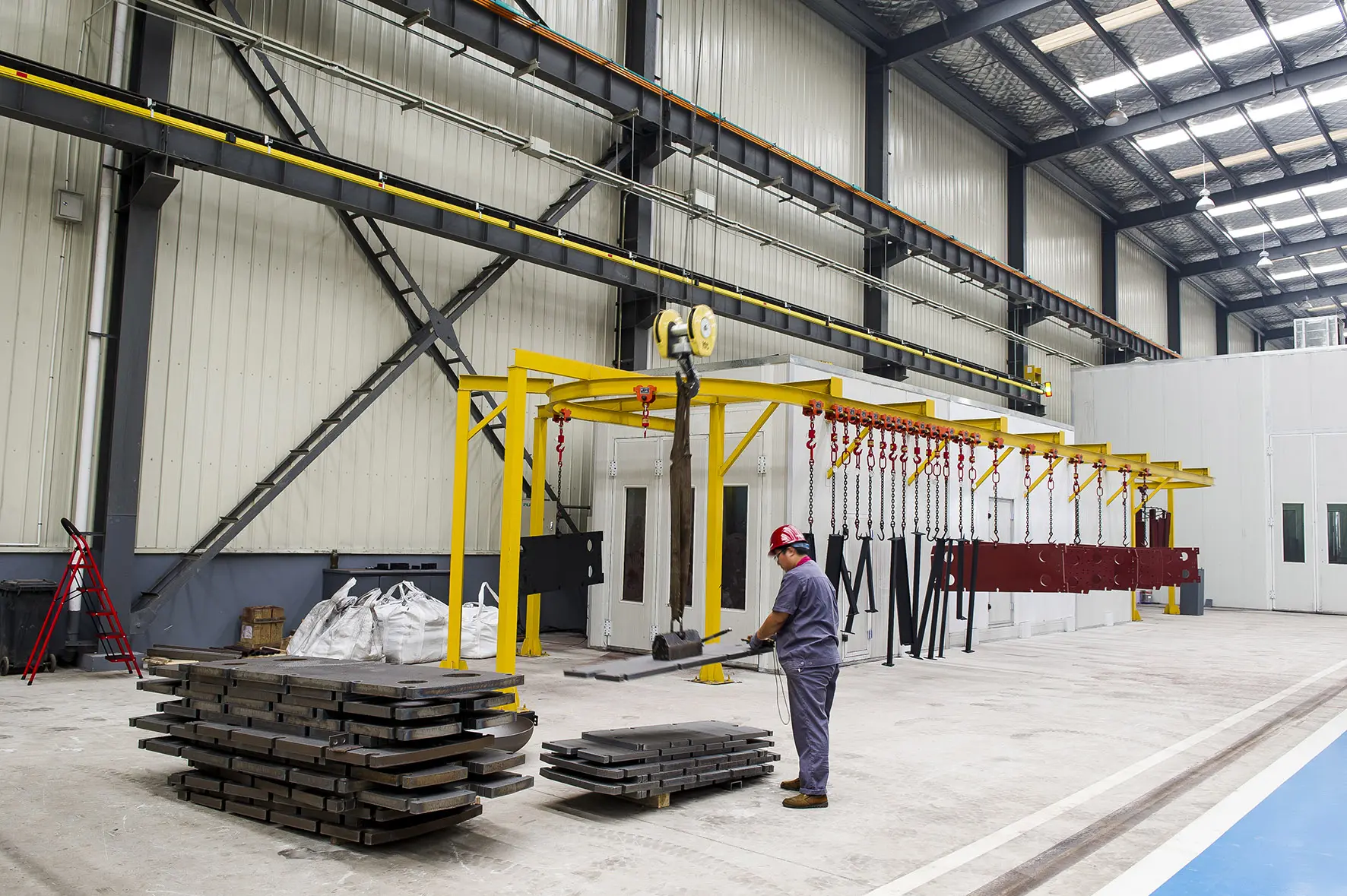
Multi-stage protective spray painting creates a shield against environmental wear and tear, matching C5-M marine anti-corrosion classifications.
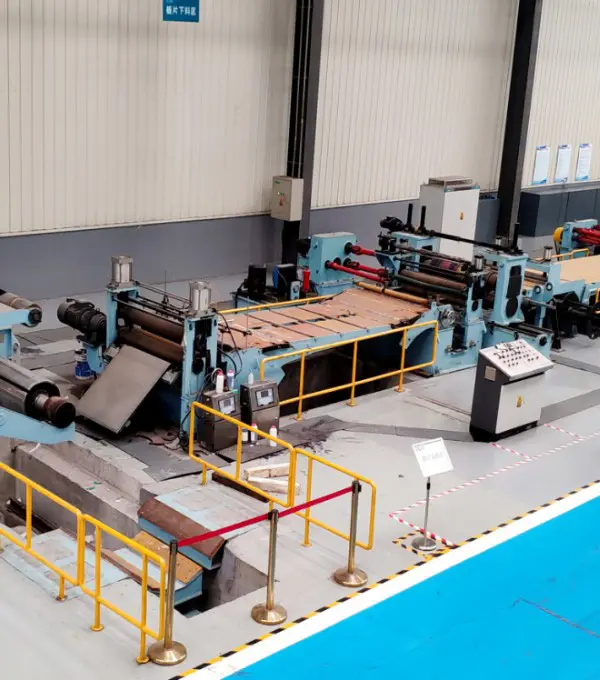
Materials are precision laser-cut and assigned unique laser codes, ensuring complete traceability back to the original steel mill certification.
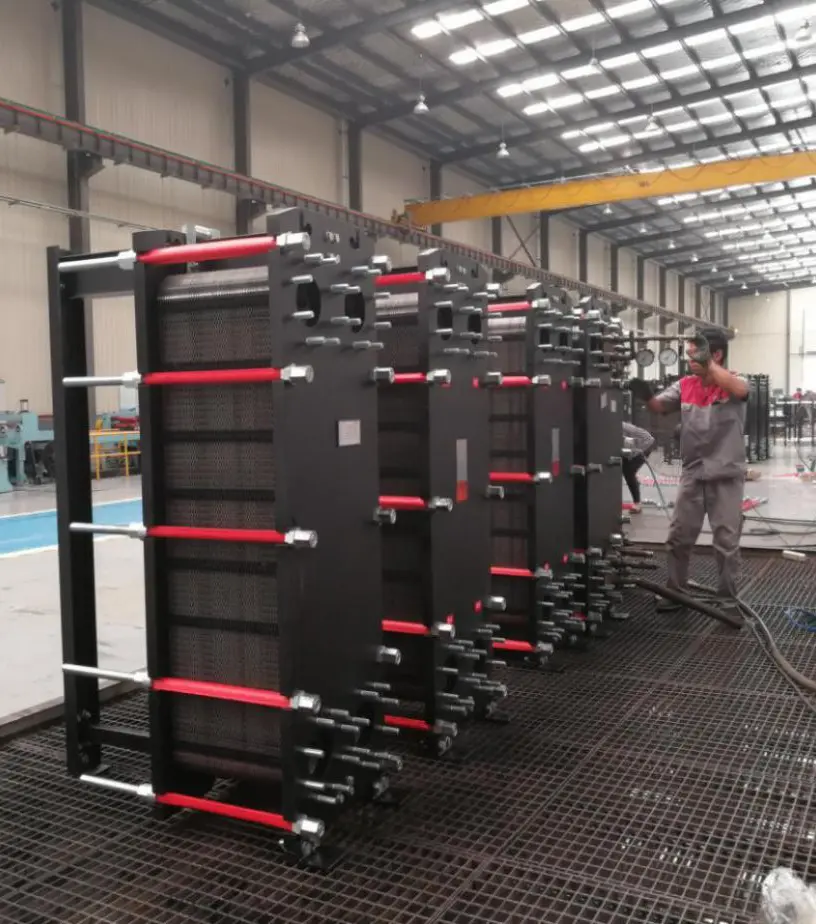
Every single valve body undergoes water pressure testing. We check for shell integrity and bubble-tight seat sealing at 1.5 times nominal pressure.
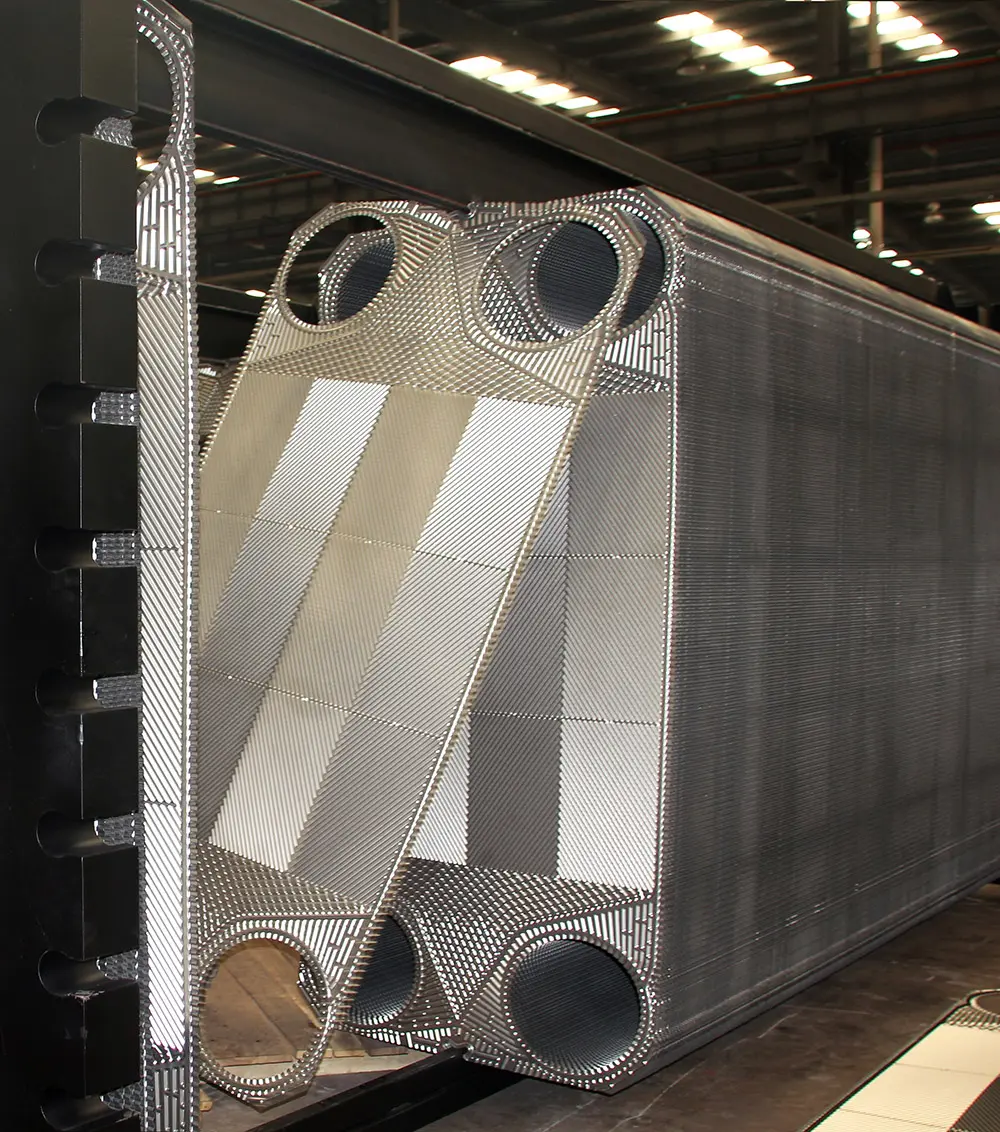
Technicians align the disc, stem, and seat assembly. This guarantees low torque operation and optimal seal performance across all positions.
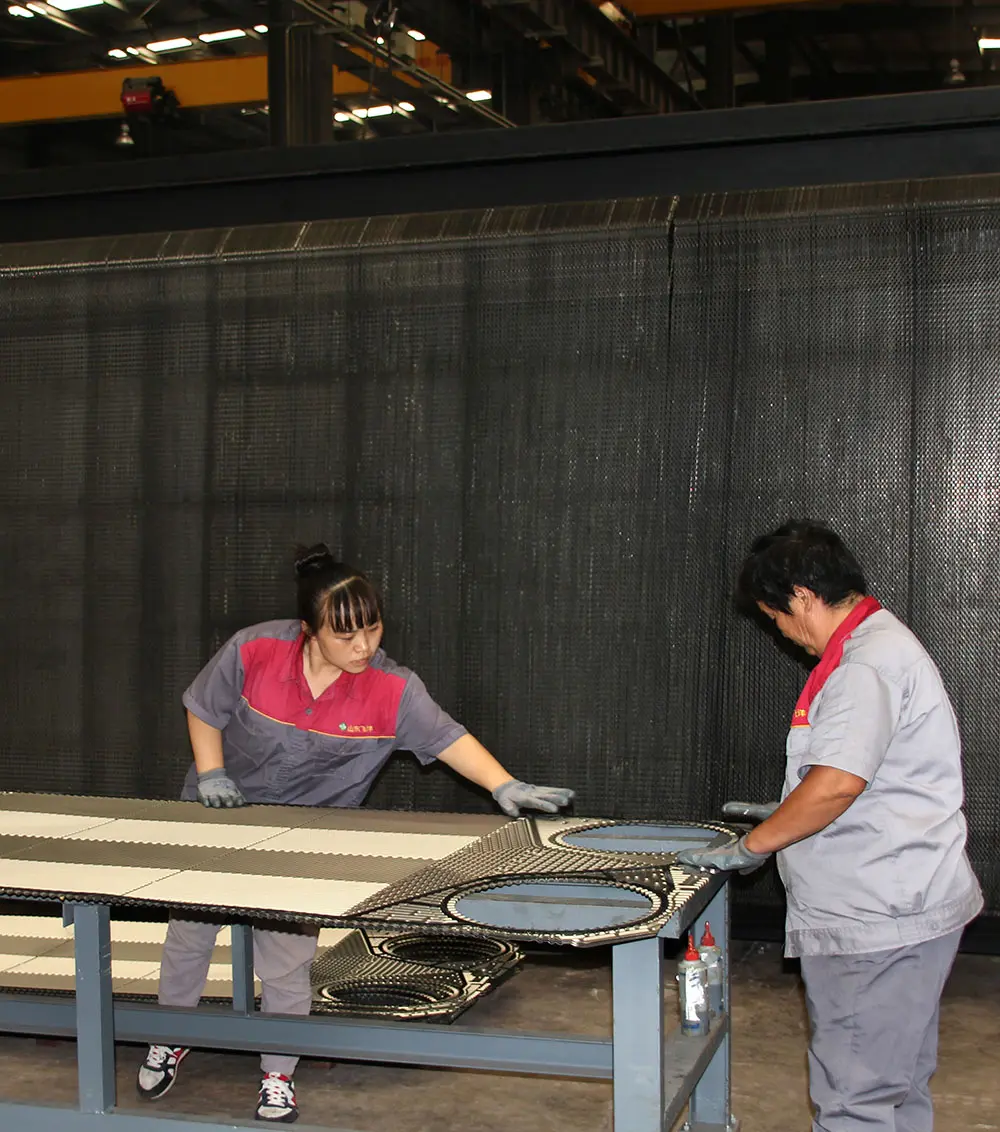
For resilient seated valves, vulcanized rubber profiles are applied to the valve body. This ensures high durability and zero bubble leakage.
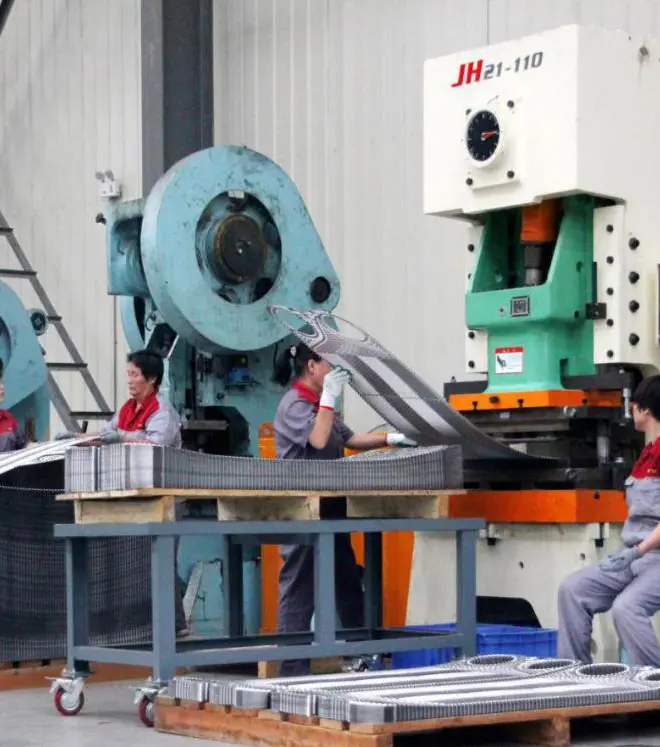
Heavy-duty hydraulic presses punch structural sections with strict repeatability, forming uniform components for heat exchanger frameworks.
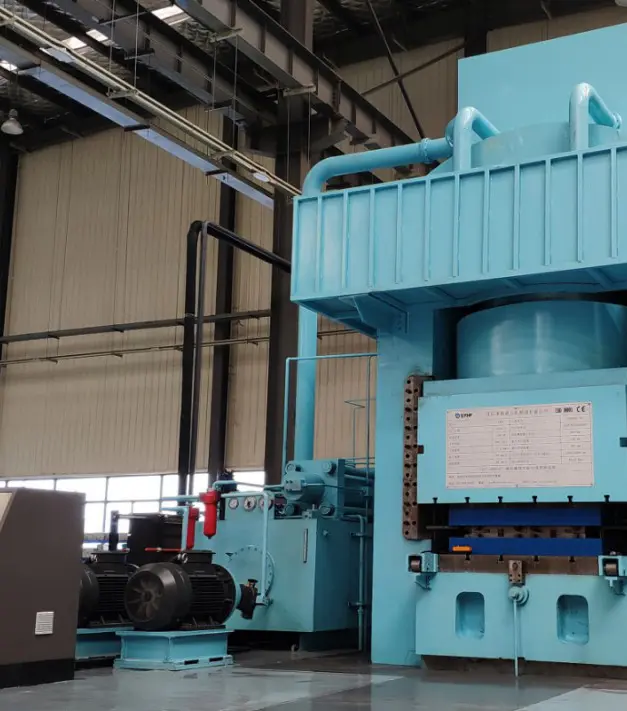
Corrugating heat exchanger plates under immense press loads creates the turbulent flow profiles needed to double thermal performance.
Our high-performance valves and heat exchange systems are engineered to withstand the unique operational stresses of heavy industries globally.
In large urban district heating networks, energy efficiency and leak prevention are critical. High-performance butterfly valves serve as the main shut-off valves in heating substations. Used alongside our Intelligent Unit Balance Valves, they allow municipal grids to control hydraulic flow rates and balance temperatures across secondary networks dynamically.
With pressure classes ranging from PN16 to PN40 and temperature ranges exceeding 150°C, these assemblies prevent heat loss, minimize pumping energy demands, and prevent pipe hammer issues during startup cycles.
Dealing with highly acidic and volatile materials requires zero-emission valve stems. Our triple-offset butterfly valves feature a friction-free closure design that minimizes wear on the seal seat. Utilizing WCB carbon steel, CF8M stainless steel, or titanium discs, these valves prevent fugitive emissions and handle extreme petrochemical processes safely.
In brackish and saltwater treatment plants utilizing membrane concentration systems, corrosion resistance is paramount. Flotte's valves are designed with Super Duplex and marine-grade rubber seats to ensure long-term stability and prevent galvanic corrosion.
Thermal and nuclear power stations use massive amounts of cooling water. Large-diameter concentric butterfly valves (up to DN3000) are used to isolate condensers and cooling towers. Designed for low torque requirements, they integrate seamlessly with hydraulic or pneumatic actuators for fast shutdown cycles.


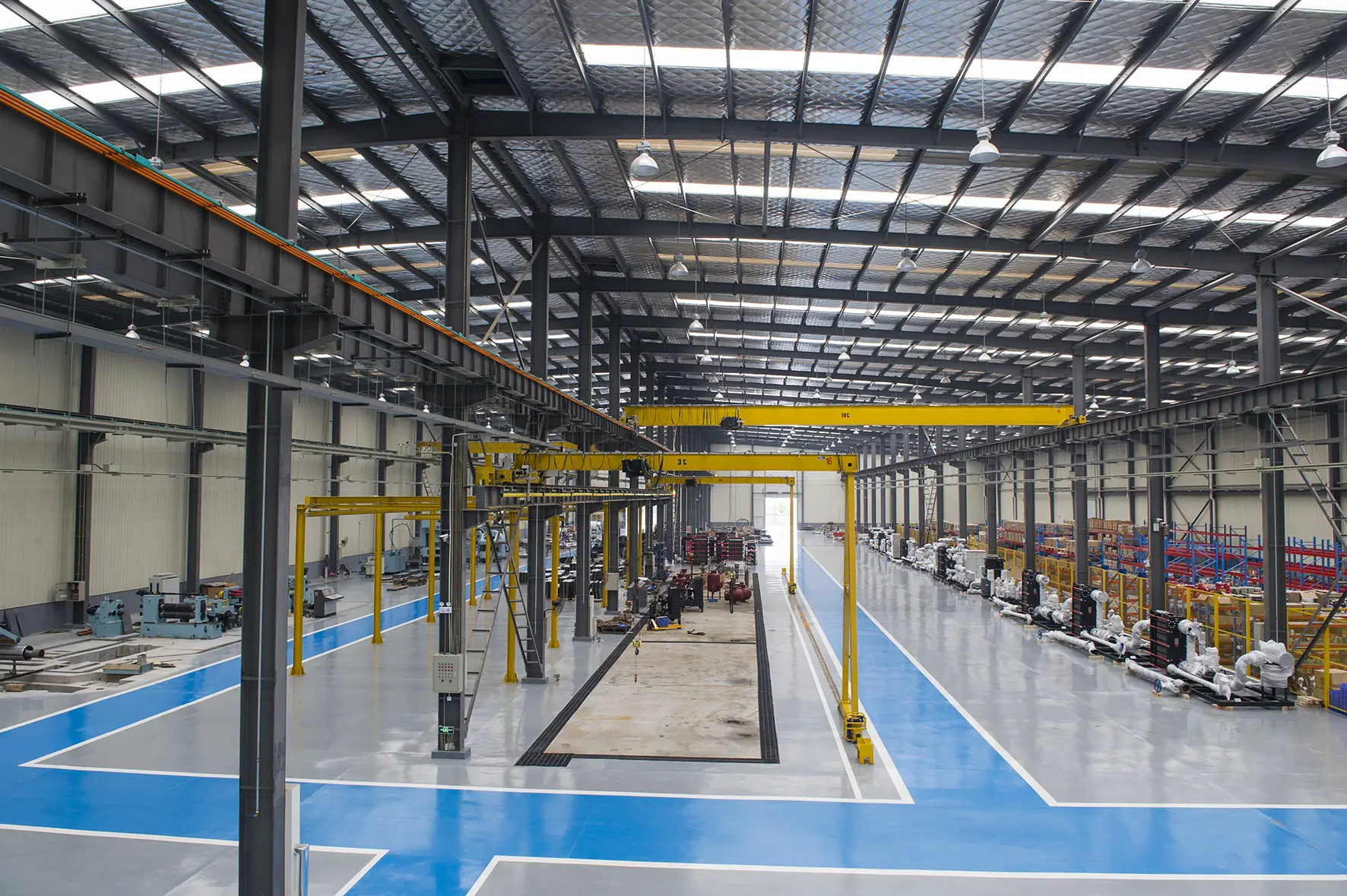
As global focus shifts toward digital transformation and net-zero targets, the industrial valve market is moving beyond manual components to digital systems.
Modern butterfly valves are increasingly fitted with smart actuators that monitor system parameters in real-time. By tracking torque variations and temperature changes, these units identify seal wear or fluid crystallization early, preventing unplanned downtime through predictive maintenance data loops.
Industrial processes require valves that can handle higher pressure classes and harsher chemicals. Manufacturers are adopting advanced metallurgy—such as Duplex 2205, Hastelloy, and titanium alloys—alongside advanced seating coatings like Stellite to ensure longevity under severe conditions.
Energy conservation is a major driver. Modern valve discs are designed with CFD modeling to reduce turbulence and pressure drops. Minimizing fluid resistance reduces the pump power needed to drive fluids through the pipeline system, directly cutting utility costs.
Procurement is shifting away from individual component sourcing toward pre-assembled systems. Integrating valves, piping, sensors, and heat exchangers on a modular skid allows for rapid installation and commission on-site, cutting down engineering hours significantly.
Navigating global valve procurement requires clear technical standards and compliance checks. Here is how Flotte supports engineering procurement teams.
We design and test all valve bodies in compliance with global standards, including API 609 for butterfly valve dimensions, API 598 for testing parameters, and ASME B16.34 for pressure-temperature ratings.
Every batch of castings undergoes chemical analysis and physical testing. Mill Test Certificates (MTC) matching EN 10204 Type 3.1 are provided to verify chemical composition and mechanical properties.
We supply soft seating options (EPDM, NBR, PTFE) for lower temperatures, alongside high-performance double and triple offset metal seats (Stellite overlays) for high-pressure steam and hydrocarbons.
Get answers to the most common questions regarding high-performance butterfly valves, quality standards, and importing from China.
Explore our comprehensive industrial catalog, including advanced balance valves, compact heat exchangers, and water treatment solutions.
Explore details across our core heat exchange machinery, industrial balancing valves, and customized filtration packages.
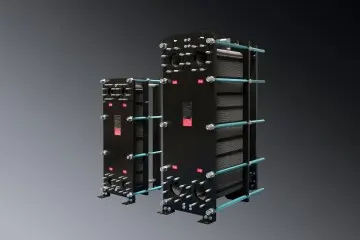
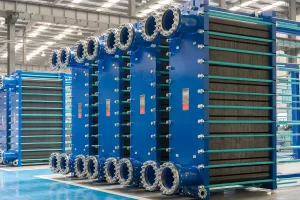
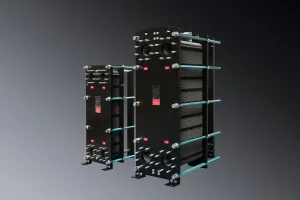
Features patented corrugated plates, delivering 2-3 times higher heat exchange efficiency than conventional designs.
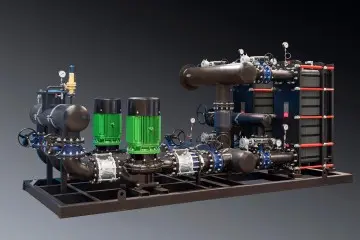
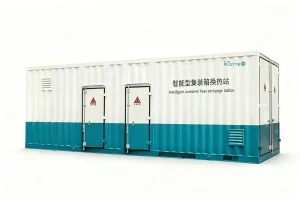
Turnkey heat station solution integrating plate heat exchangers, balance valves, control panels, and pumps.
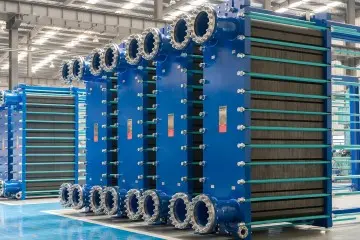
Specifically engineered for district heating networks, ensuring stable pressure control and high safety.
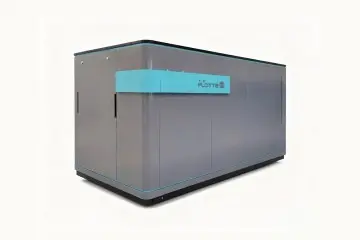
Energy-saving thermal management package optimized for commercial high-rise building HVAC networks.
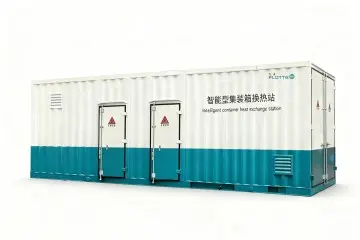
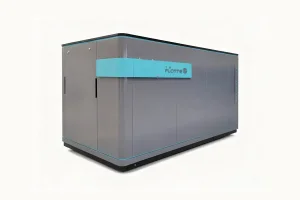
Fully enclosed modular heating skid designed for weather protection, compact foot-print, and low noise levels.
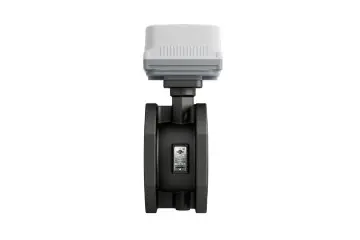
Allows dynamic temperature regulation in heating networks, ensuring even thermal distribution across pipelines.

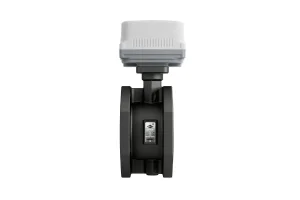
Equipped with high-precision sensors, providing real-time data input for smart temperature regulation loops.
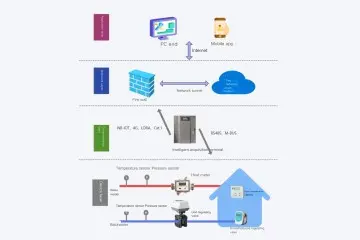
A comprehensive hardware and software platform that manages heating grid loads to reduce overall energy waste.
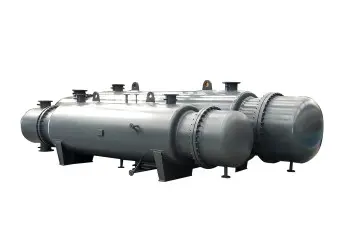
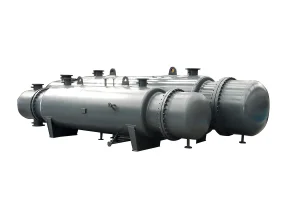
Classical heavy-duty thermal solution built to handle extreme thermal loads and high pressure differences.
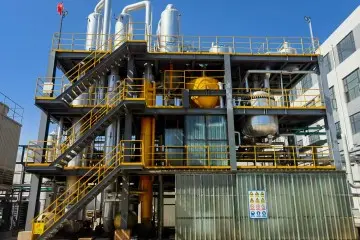
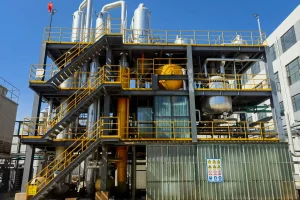
Enhances steam utilization during concentration runs, driving down thermal demands in chemical plants.
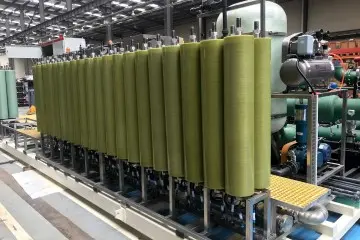
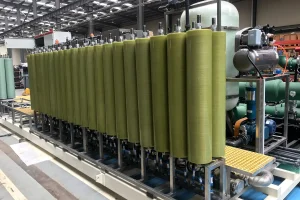
High-efficiency physical membrane filtration for water desalination and advanced liquid separation processes.
 Flotte Energy