Explore our premium machinery components and integrated heat regulation platforms engineered for energy efficiency and long service life.


In high-capacity utility networks and modern chemical processing facilities, the safety and operating consistency of fluid loops depend heavily on mechanical reliability. Butterfly Valve Manual Actuators represent the primary manual backup and control mechanisms across water purification, heavy manufacturing, and heating installations. As industrial environments trend toward automation, manual operators (including worm gearboxes, lever assemblies, and declutchable manual overrides) remain essential safeguarding layers that ensure continuous service during power outages or system maintenance.
As a premier partner in thermal systems, heat exchange stations, and custom valve mechanics, Flotte Energy Saving Company (originating from Flotte Thermal Engineering in 1995) applies nearly three decades of design expertise to high-efficiency components. In this comprehensive guide, we examine the global procurement requirements, material innovations, and mechanical standards that define top-tier butterfly valve manual actuator technologies.
"Reliable manual control mechanisms are not just a regulatory backstop; they are the foundation of process safety, allowing fine-tuned throttling and secure shutoff under high torque stresses."
Years of Engineering Experience
Registered Company Capital
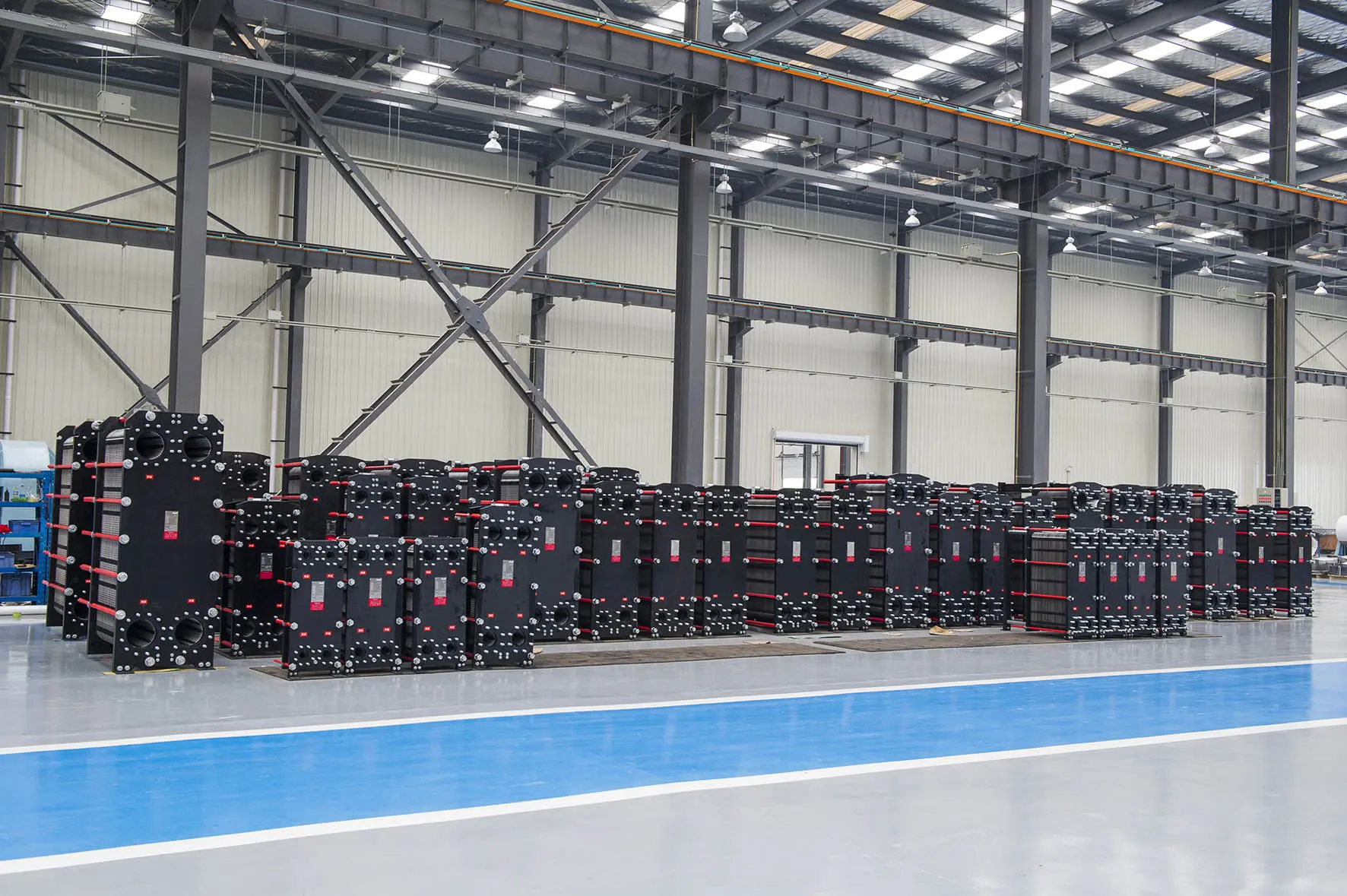
Advanced Manufacturing Facilities
Annual Heavy Systems Capacity
Strategic purchasing demands technical clarity. We break down the key engineering metrics and supply chain considerations that international EPC contractors require.
Interchangeability is crucial. Industrial procurers specify ISO 5211 connection flanges (from F05 to F30 configurations) to ensure that manual actuators interface cleanly with valve stems without custom mounting brackets.
From marine terminals to chemical processing plants, actuators must withstand elements. IP67 and IP68 ratings ensure dust tightness and continuous immersion protection, utilizing high-grade polyurethane seals and O-rings.
Manual torque input must remain below standard worker limit guidelines (usually less than 350 N rim pull force). Advanced worm gearboxes convert minimum handwheel input to maximum rotational output torque.
How precise valve positioning and manual actuation integrate into urban central heating, water networks, and manufacturing plants.
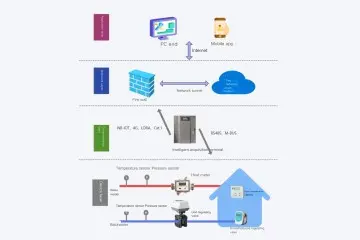
In high-pressure district heating installations, manual actuators operate concentric and high-performance eccentric butterfly valves. These systems require consistent manual positioning to control municipal heat distribution and regulate user temperatures at the building boundary.
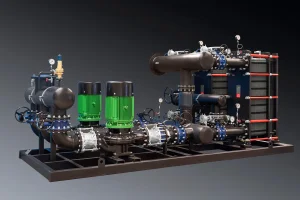
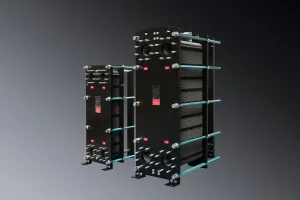
By coupling manual actuators with balancing valves and high-efficiency plate heat exchangers, energy utility operators maintain fine control over system flow rates, which helps reduce thermal loss and piping wear across municipal infrastructure networks.
In wastewater treatment and membrane desalination environments, chemical exposure is common. Manual actuators in these settings are constructed with epoxy-coated ductile iron bodies, stainless steel 316 shafts, and bronze worm wheels. This combination prevents corrosion and jamming during extended idle periods, helping maintain process safety in challenging environments.
We track the ongoing shift from traditional mechanical components to high-performance, connected manual systems.
Commonly used in automated lines, declutchable manual actuators allow operators to disconnect pneumatic or electric drives and transition to direct manual control during maintenance cycles or system power loss.
By using computer-optimized worm gear geometry, modern actuators achieve high mechanical advantage with minimal tooth wear, extending gearbox lifespans in high-cycle throttling applications.
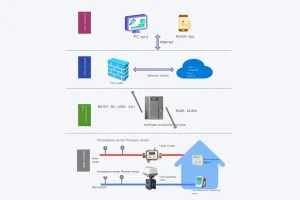
Modern manual gearboxes can be fitted with explosion-proof limit switch boxes. This allows the system to transmit valve open/closed positions back to the central SCADA system, bridging manual operation with digital plant monitoring.
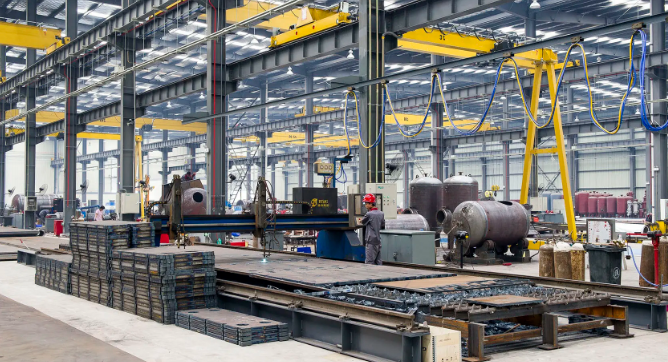
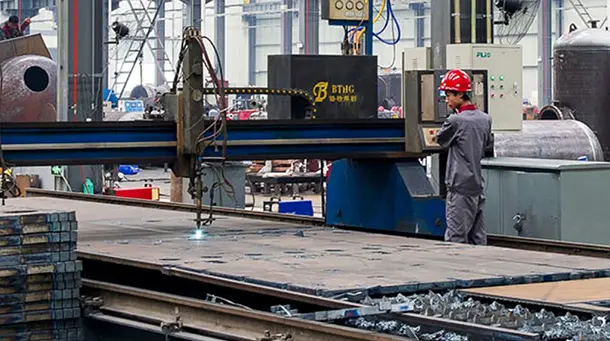
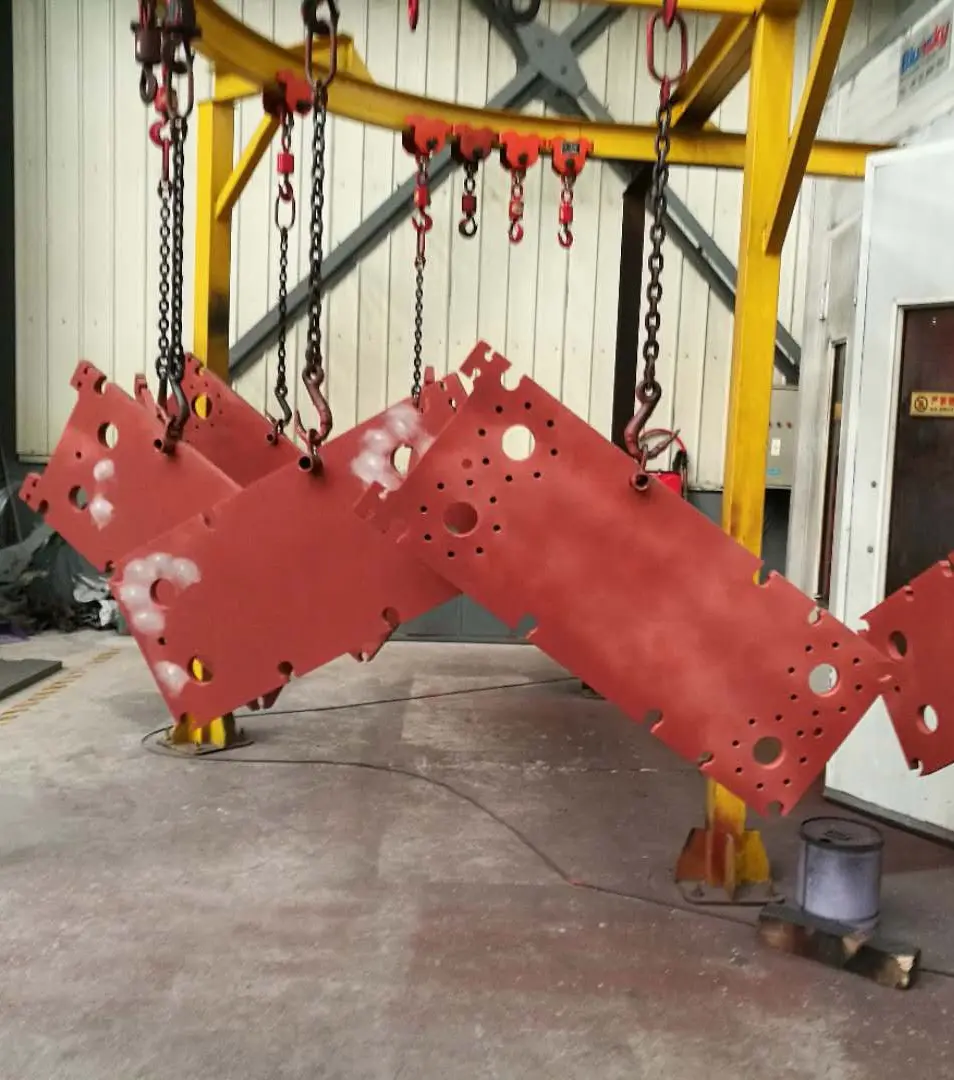
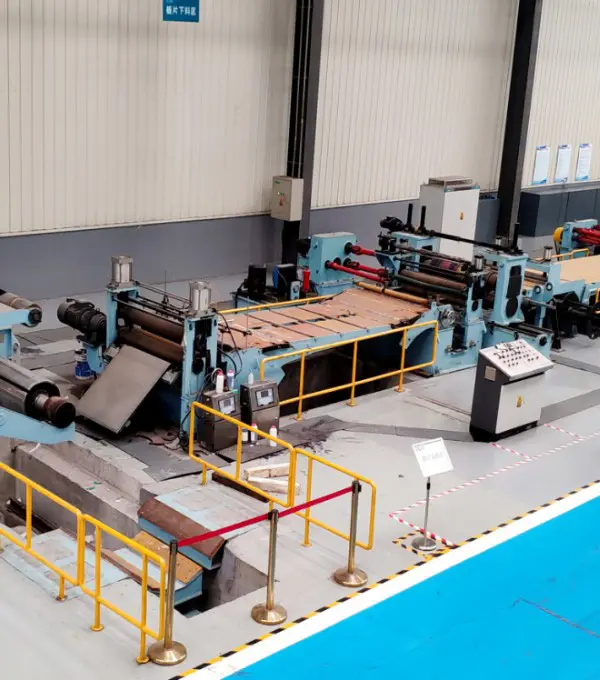
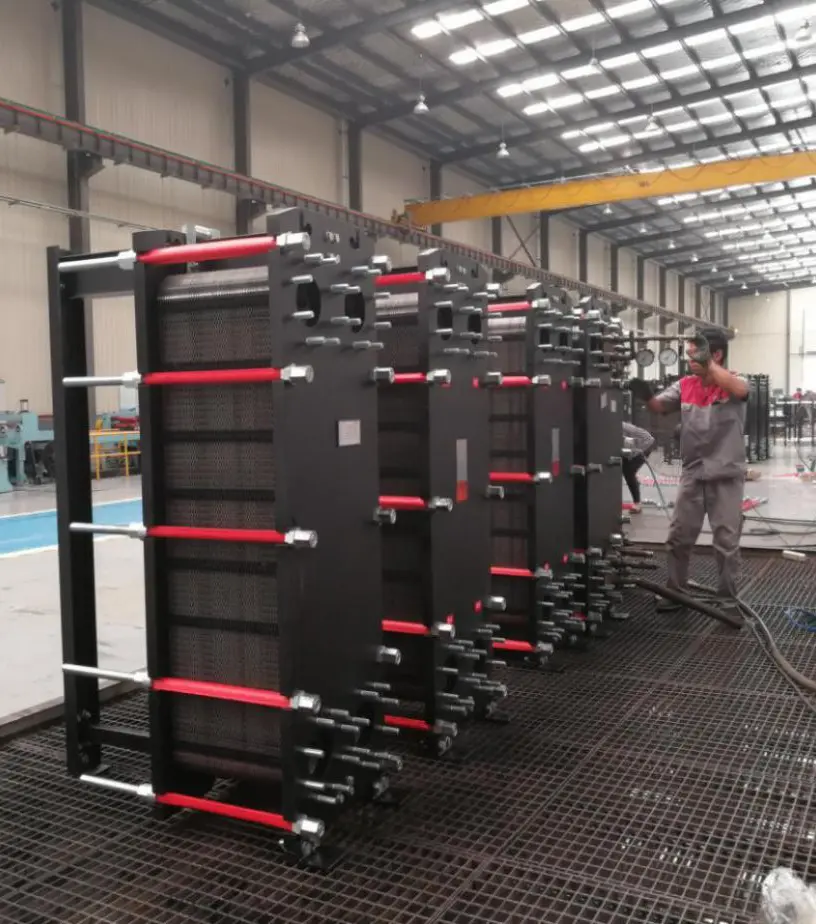
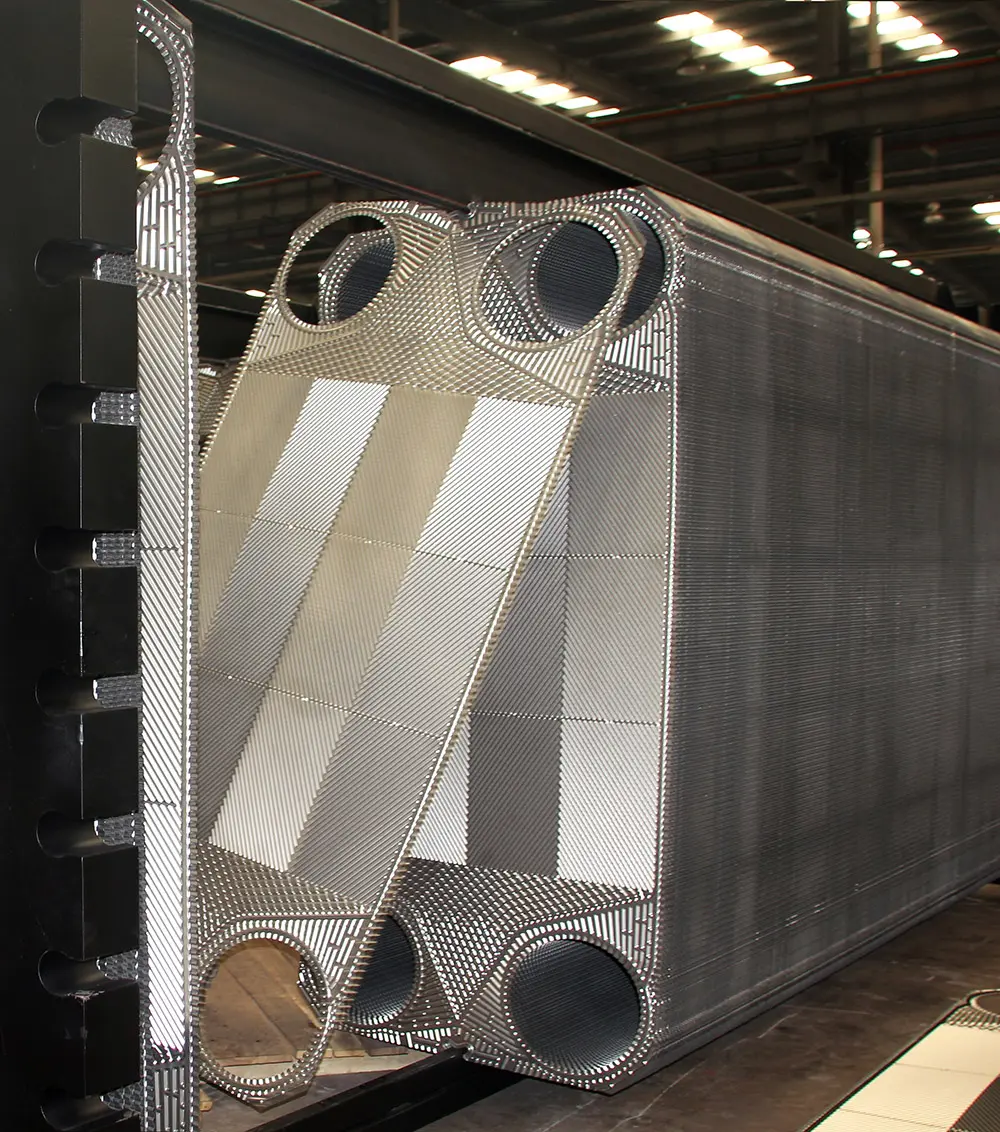
Product reliability depends on strict manufacturing controls. Our ISO 9001:2015 certified production line applies systematic checks at every step of fabrication.
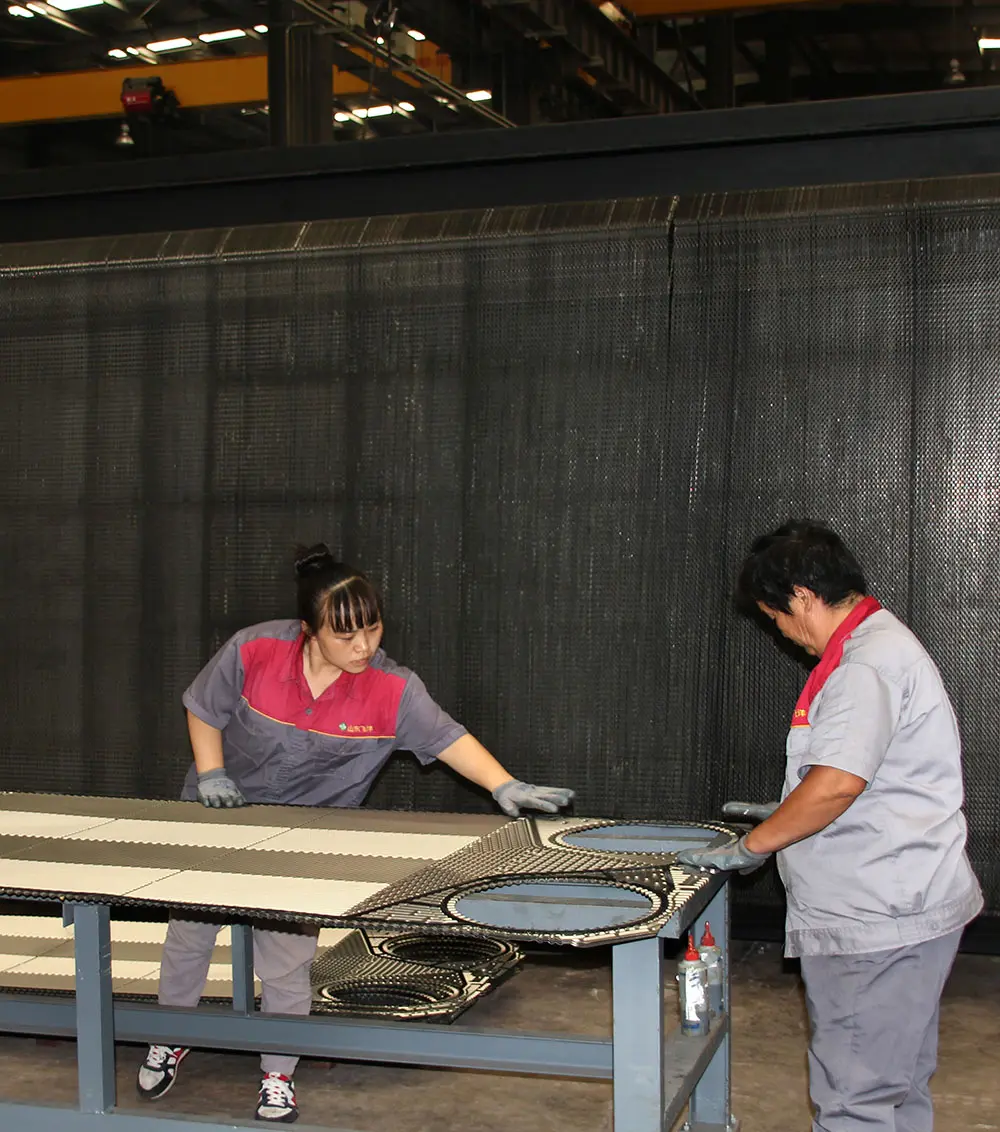
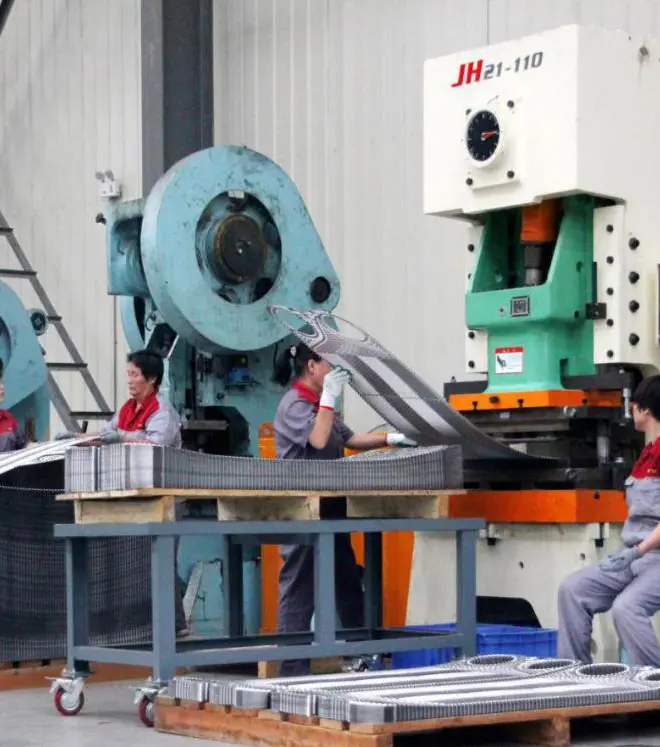
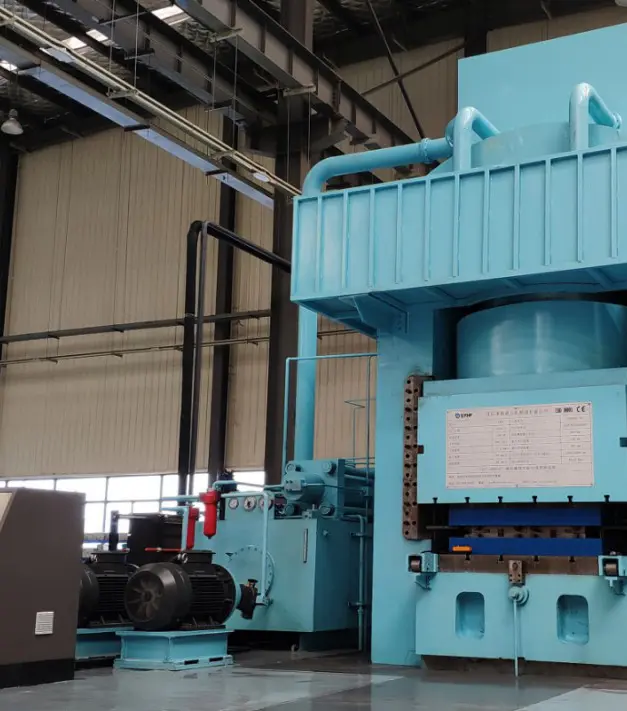
All Flotte systems and industrial accessories comply with pressure boundary guidelines and international safety regulations.
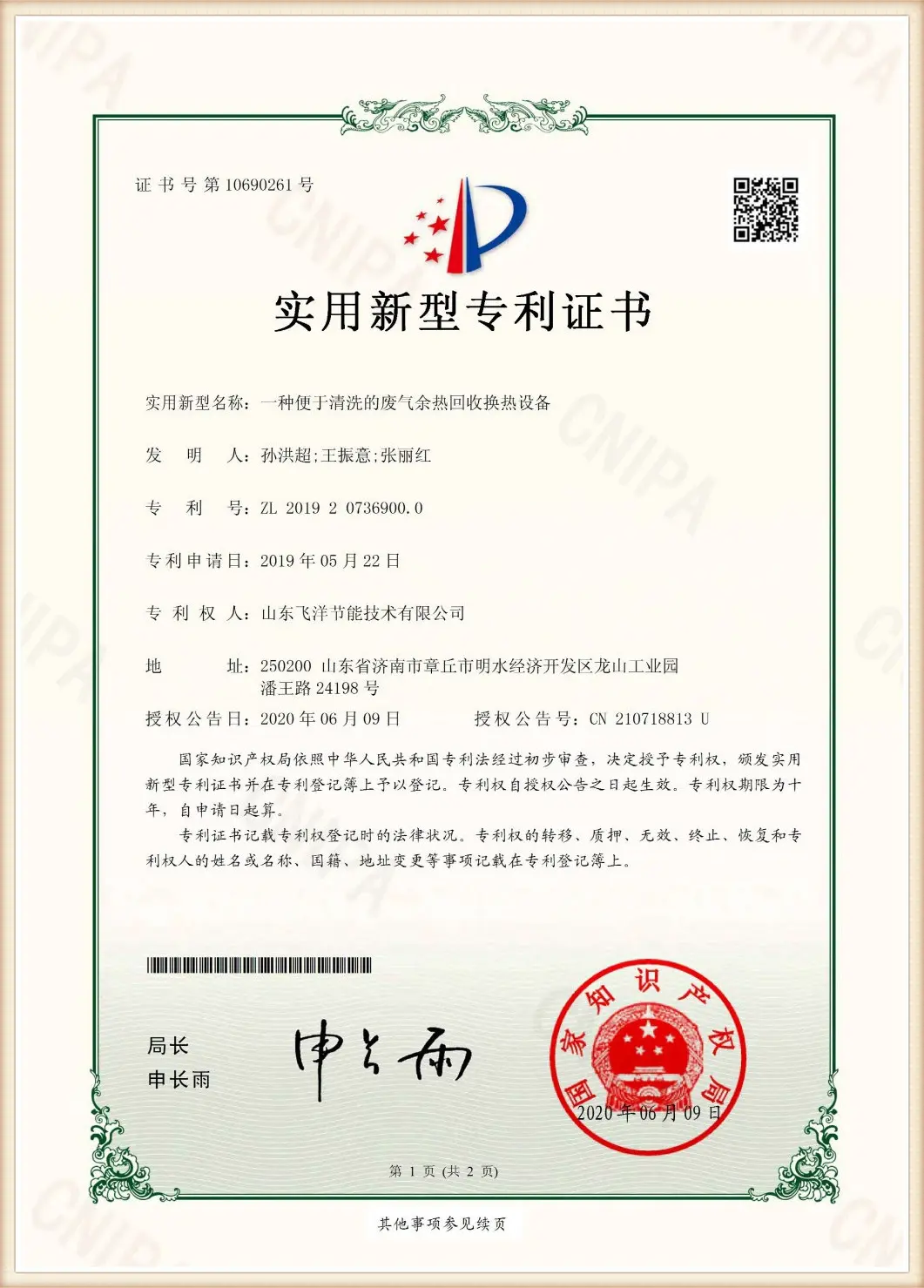
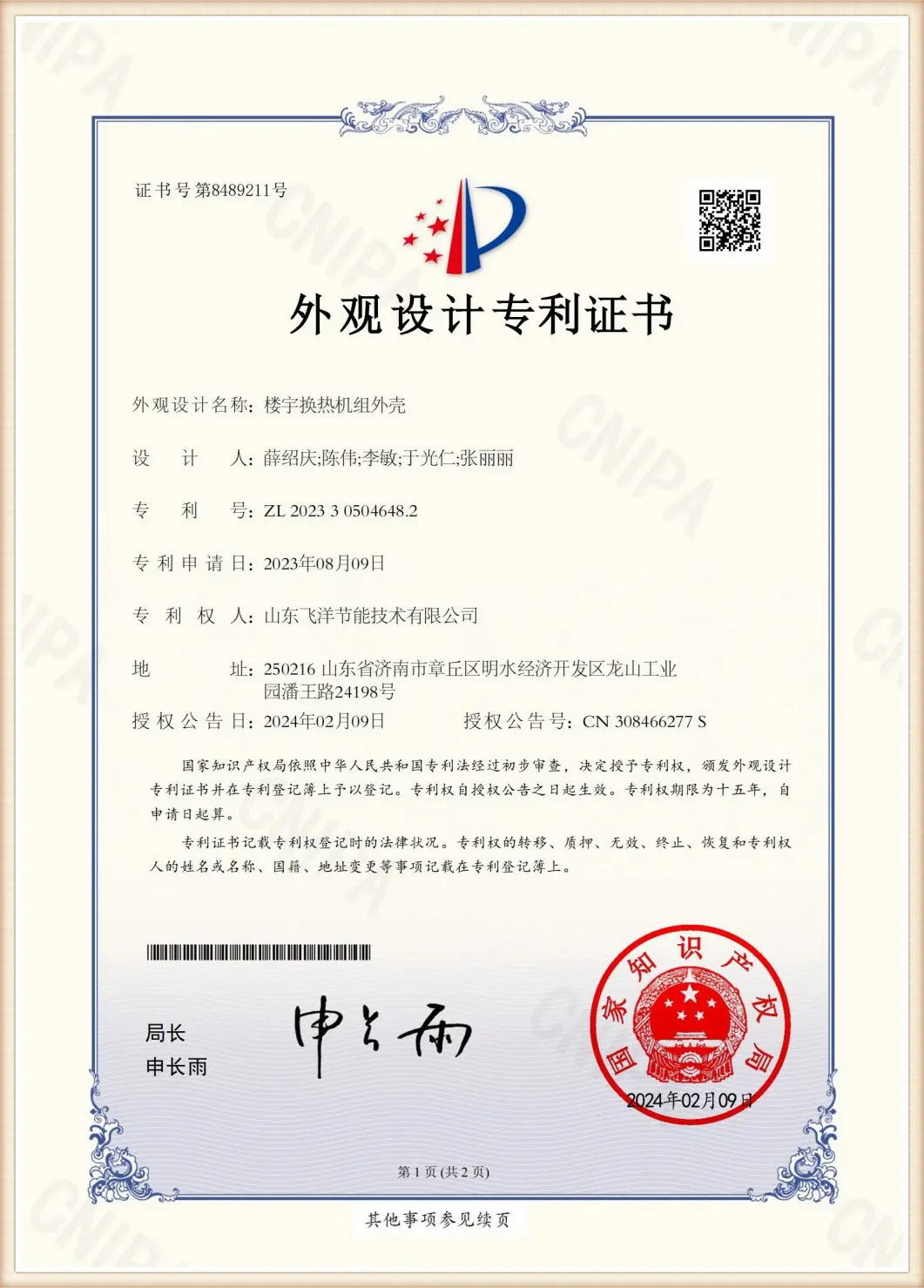
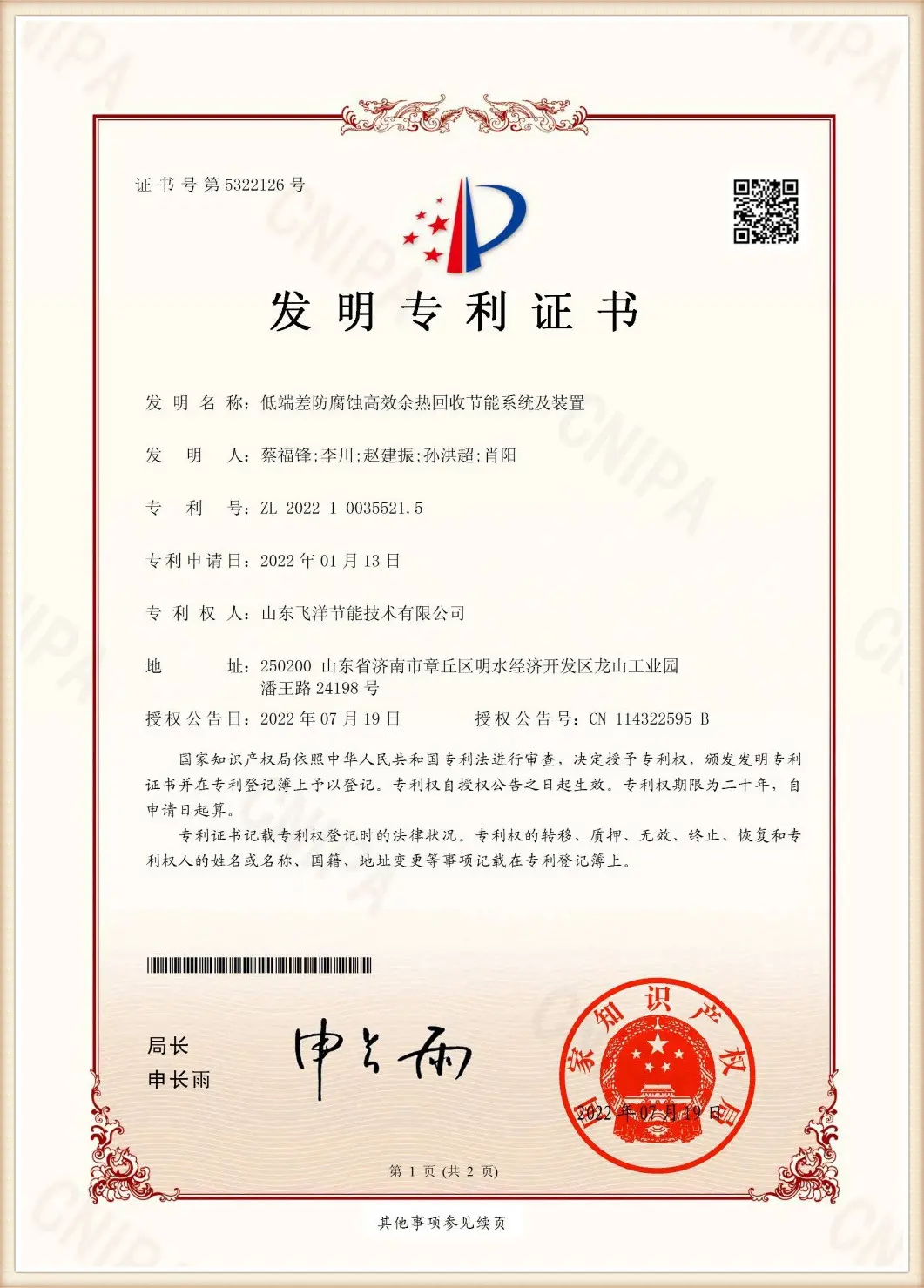
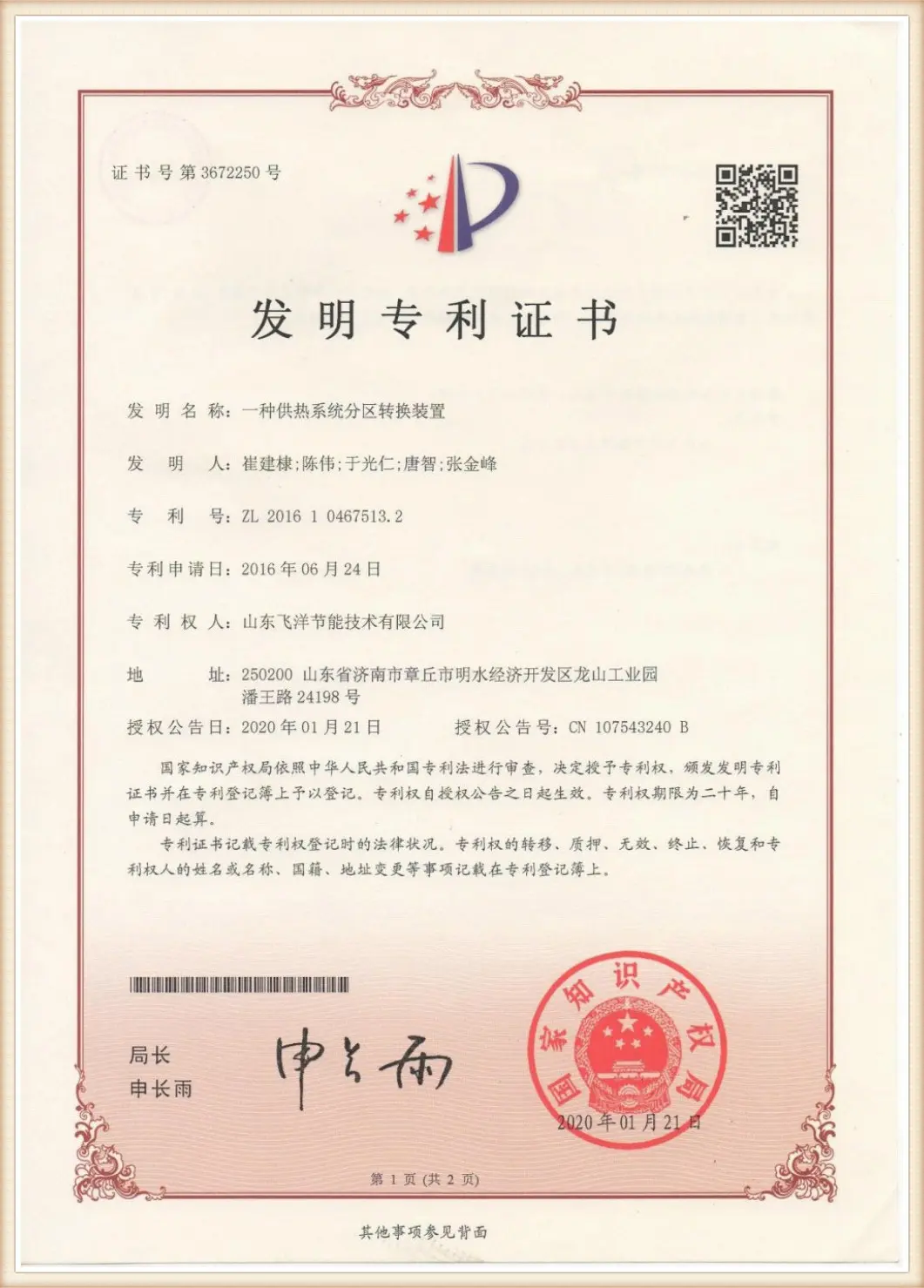
Our manufacturing processes strictly adhere to the ISO 9001:2015 International Quality Management System, alongside the pressure vessel quality assurance framework. The product line has received national approvals from standard committees, certifying reliable performance across high-pressure water networks and district HVAC loops.
Combining heavy-duty mechanical engineering with intelligent balancing systems to support industrial fluid processes.


Get answers to common engineering questions regarding the selection, mounting, and maintenance of butterfly valve manual actuators.
Actuator selection is based on the maximum dynamic torque requirement of the butterfly valve, including seating, unseating, and hydrodynamic torque under maximum differential pressure. We recommend applying a safety factor of 1.2 to 1.5 to choose a gearbox that keeps the handwheel input force within comfortable limits for manual operation.
Declutchable manual overrides allow switching between automated pneumatic or hydraulic control and manual operation. They are installed between the valve body and the automated actuator. When the clutch is engaged, operators can position the valve manually; when disengaged, the automated control system takes back control.
For standard systems, ductile iron (GGG40/50) with an epoxy-polyester coating is standard. For corrosive chemical lines, marine settings, or water treatment plants, stainless steel 316 bodies or nickel-plated housings with internal bronze gears help prevent galling and rusting.
ISO 5211 defines a standardized mounting pattern for matching actuators and valves. It specifies bolt circle dimensions, shaft drive shapes (double-D, square, or keyway), and flange diameters. Using ISO 5211-compliant components avoids the need for custom mounting kits, simplifies field assembly, and reduces replacement lead times.
Most industrial-grade worm gearboxes are factory-greased and sealed to IP67 or IP68. For units placed in demanding outdoor environments, we recommend annual visual inspections, check-ups of the shaft seals, and top-offs of the lithium-base grease to prevent moisture ingress and mechanical binding.
Yes. Many manual worm gear operators can be equipped with standard limit switch boxes. These boxes contain mechanical switches, proximity sensors, or digital positioners that transmit the valve's status back to a central SCADA control panel, helping coordinate manual operations with automated processes.
Premium solutions designed to improve heat transfer performance and support fluid treatment processes across global plants.
 Flotte Energy