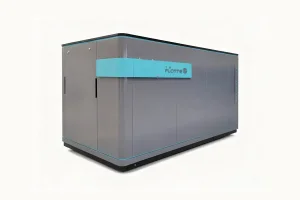
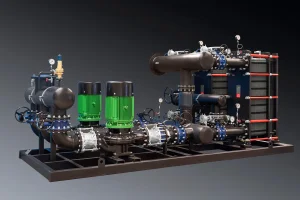
High-precision core equipment engineered for heavy industrial wastewater systems, zero liquid discharge, and district heating plants.
In the modern industrial era, global manufacturing is undergoing a drastic paradigm shift driven by strict environmental protocols and resources scarcity. Heavy processing fields—including chemical manufacturing, pharmaceuticals, thermal power generation, and textile production—are confronted with mounting pressure to implement Zero Liquid Discharge (ZLD) and advanced water recycling technologies. According to regional directives such as the EU Water Framework Directive and China's Environmental Protection Law, wastewater treatment is no longer a simple post-treatment compliance measure. It has evolved into an integrated process of resource recovery, water conservation, and thermodynamic efficiency optimization.
To survive this transition, global enterprises must look beyond the standard primary and secondary filtration systems. Modern industrial wastewater contains highly complex mixtures of dissolved solids (TDS), volatile organic compounds (VOCs), heavy metals, and corrosive acids. The design and deployment of an effective Waste Water Treatment Plant (WWTP) require a sophisticated balance of high-performance thermal evaporation technology, membrane separation techniques, and high-efficiency heat recovery systems. This is where the synergy between mechanical thermal engineering and biochemical wastewater treatment becomes critical.
Over 30 years of specialized thermal engineering, water equipment, and HVAC design leadership.
A major coal chemical industrial park in Inner Mongolia generated approximately 6,000 cubic meters of high-salinity wastewater daily. The wastewater was heavily loaded with chlorides, sulfates, and complex organic compounds, with a total dissolved solids (TDS) level exceeding 45,000 mg/L. Traditional disposal methods were prohibited due to strict regional groundwater protection laws.
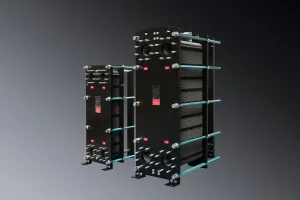
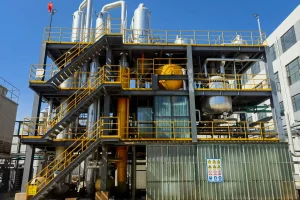
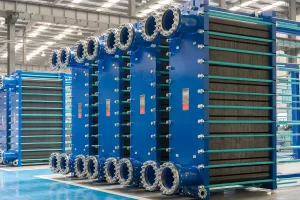
Solution Architecture: The park deployed a Flotte-engineered wastewater treatment scheme. The system first pre-treated the wastewater with advanced chemical softening, followed by a multi-stage membrane concentration system to concentrate the dissolved salts. The highly concentrated reject stream was then fed into the Flotte Multi-Effect Evaporation System. By utilizing Titanium-alloy Detachable Plate Heat Exchangers, the thermal evaporation process operated with supreme resistance to high chloride corrosion, recovering clean distilled water for reuse in cooling towers.
Key Results: The plant achieved absolute Zero Liquid Discharge (ZLD) with a clean water recovery rate of 98.2%. The high-efficiency heat recovery configurations reduced the system's external steam requirement by 28 tons per hour, saving the enterprise millions of USD in annual heating costs.
An API (Active Pharmaceutical Ingredients) manufacturing factory in Hebei faced challenges due to the high toxicity and variable COD (Chemical Oxygen Demand) of its process wastewater. Standard biological treatments were ineffective due to the antimicrobial properties of the wastewater.
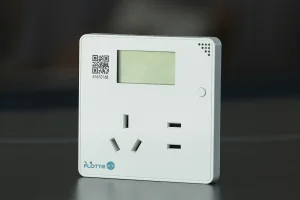
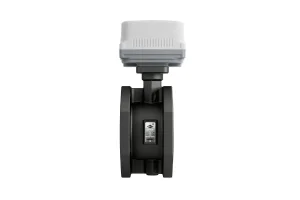
Solution Architecture: The treatment system combined high-pressure membrane concentration with MVR (Mechanical Vapor Recompression). Flotte provided a customized Membrane Concentration System that worked in tandem with high-precision temperature control sensors. To maintain the membrane operating temperature at the optimal thermodynamic window, Flotte integrated Intelligent Unit Balance Valves and high-performance room temperature collectors. This setup ensured stable water temperatures, preventing membrane fouling and extending the operational lifespan of the RO membranes.
Key Results: The pharmaceutical factory was able to recover 95% of the process water, while concentrating the organic toxins to a level suitable for incineration and valuable chemical crystallization, converting a waste liability into a commercial asset.
Integrating smart technologies with heavy manufacturing processes to maximize energy efficiency.
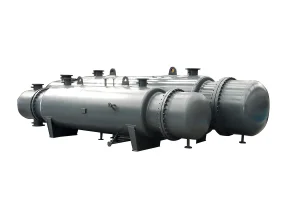
Our plate heat exchangers utilize patented corrugated plate designs that optimize turbulence, achieving 2-3 times higher heat transfer coefficients than conventional tube-and-shell designs.
Engineered to excel in central heating, chemical concentration, and HVAC systems, our designs adapt to complex fluid profiles and strict pressure vessel regulations globally.
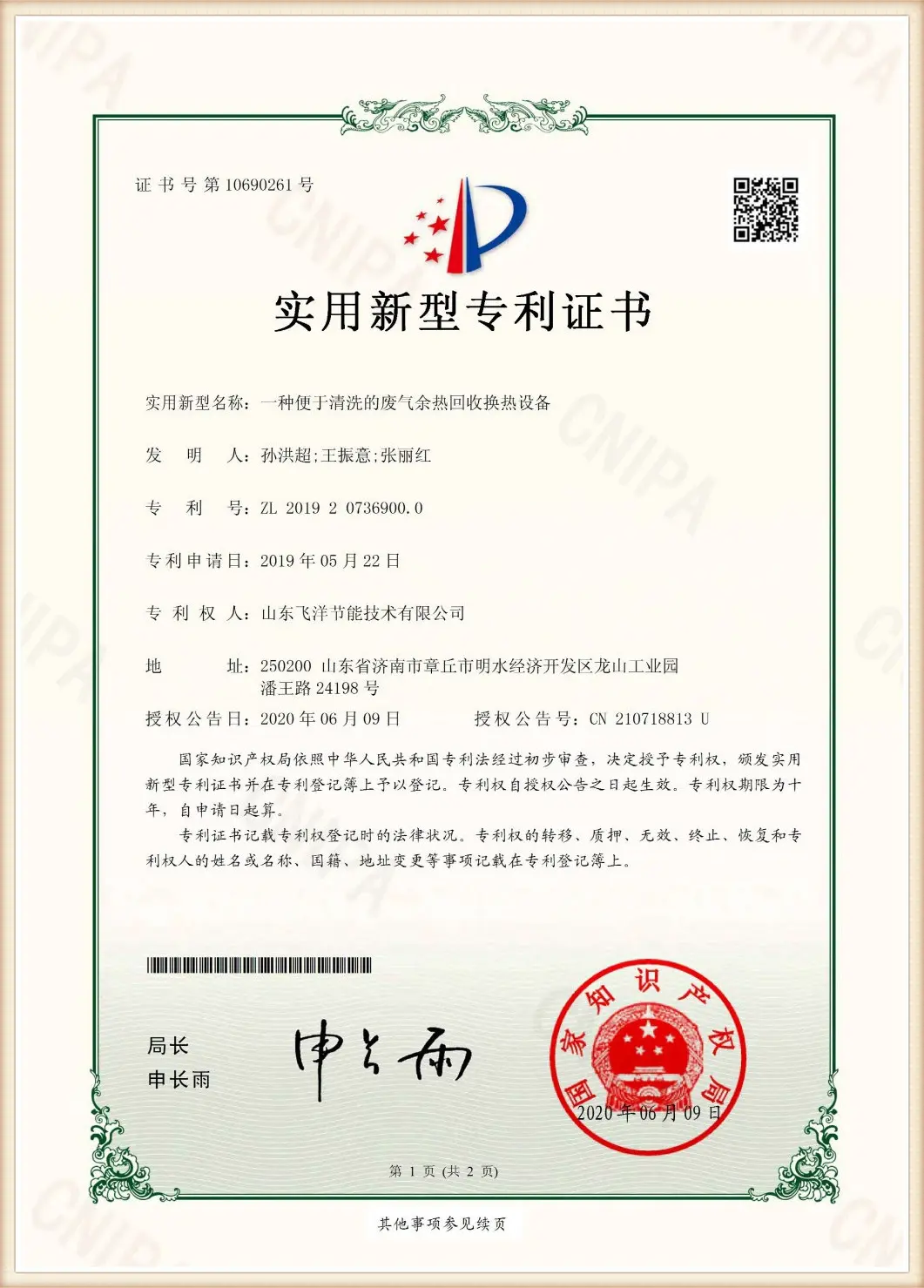
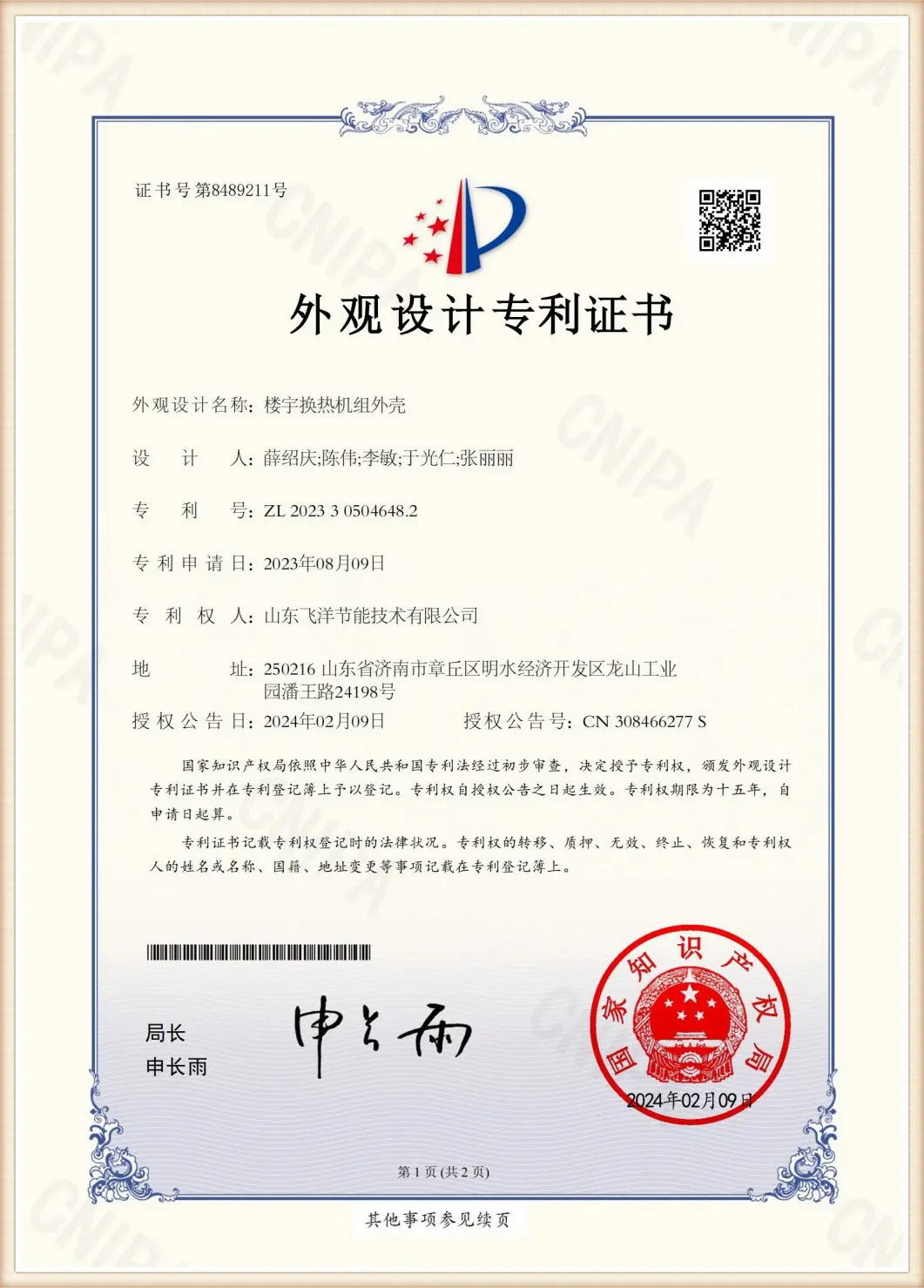
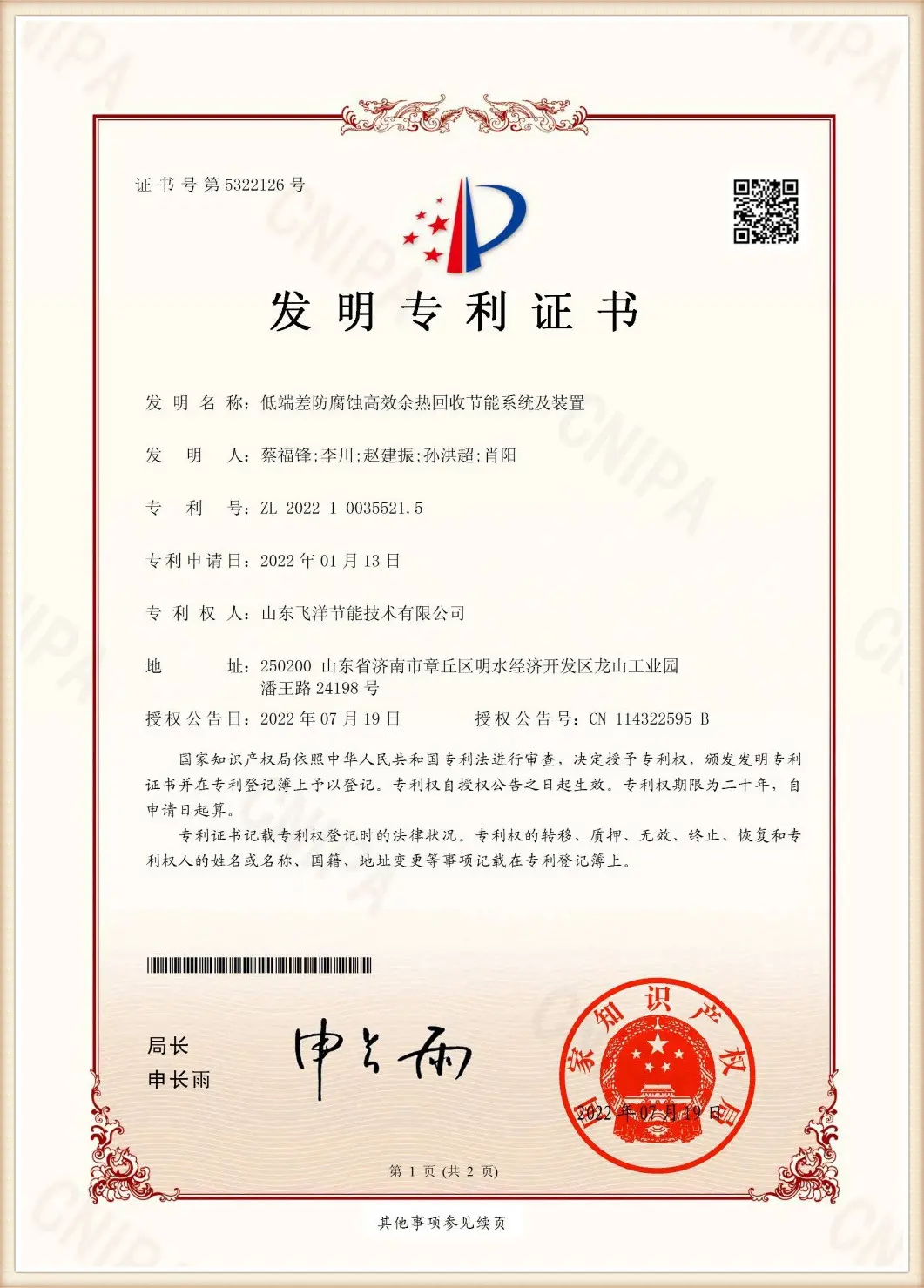
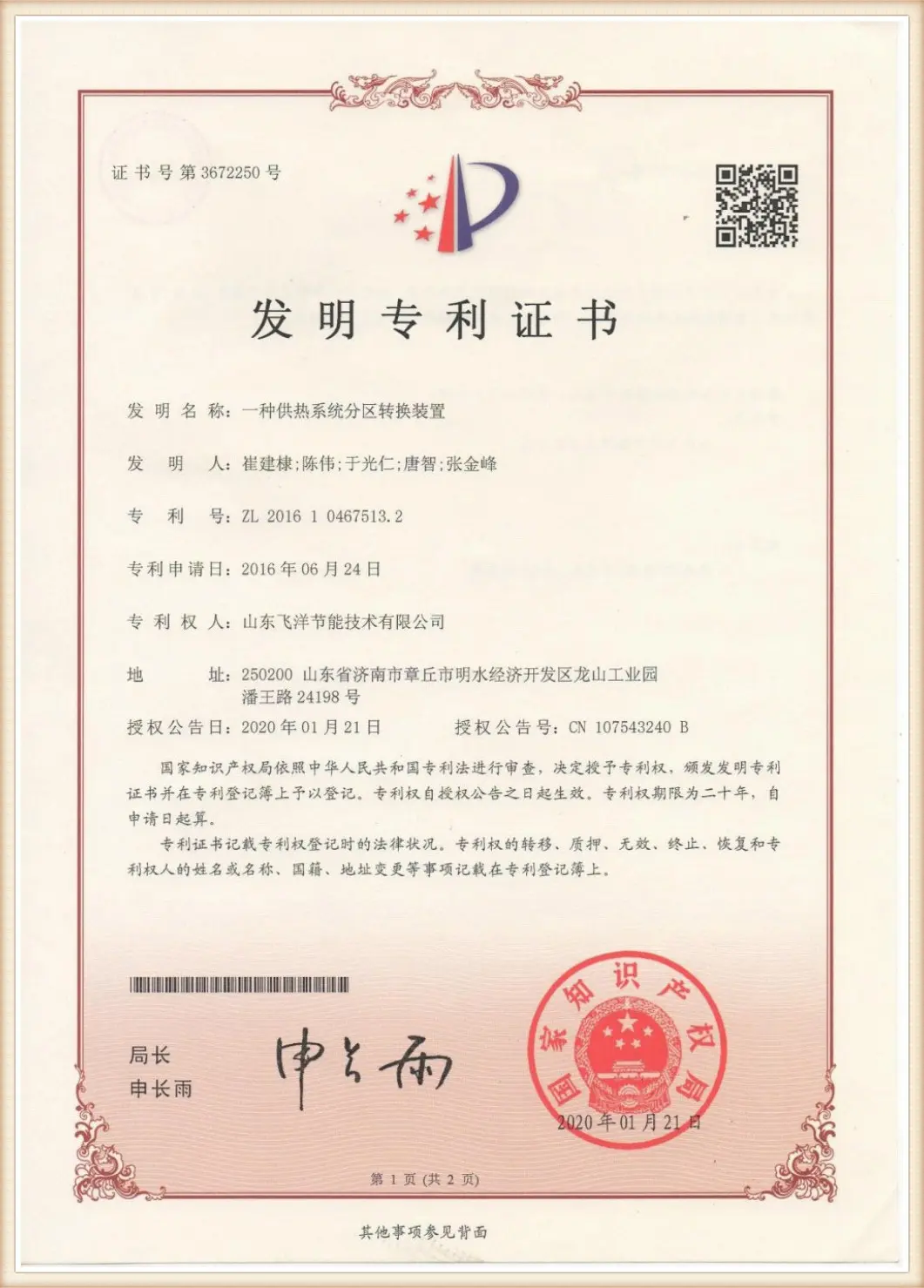
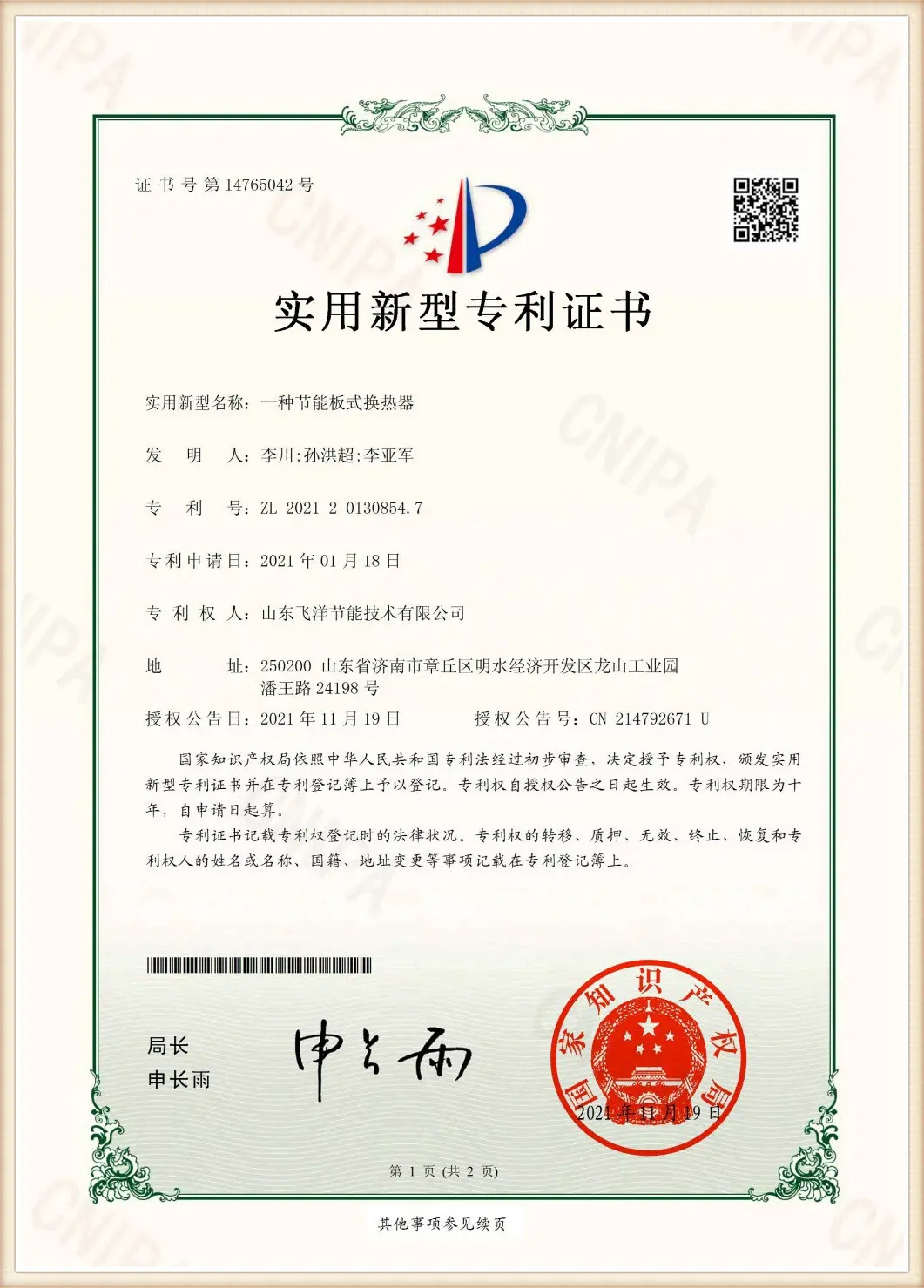
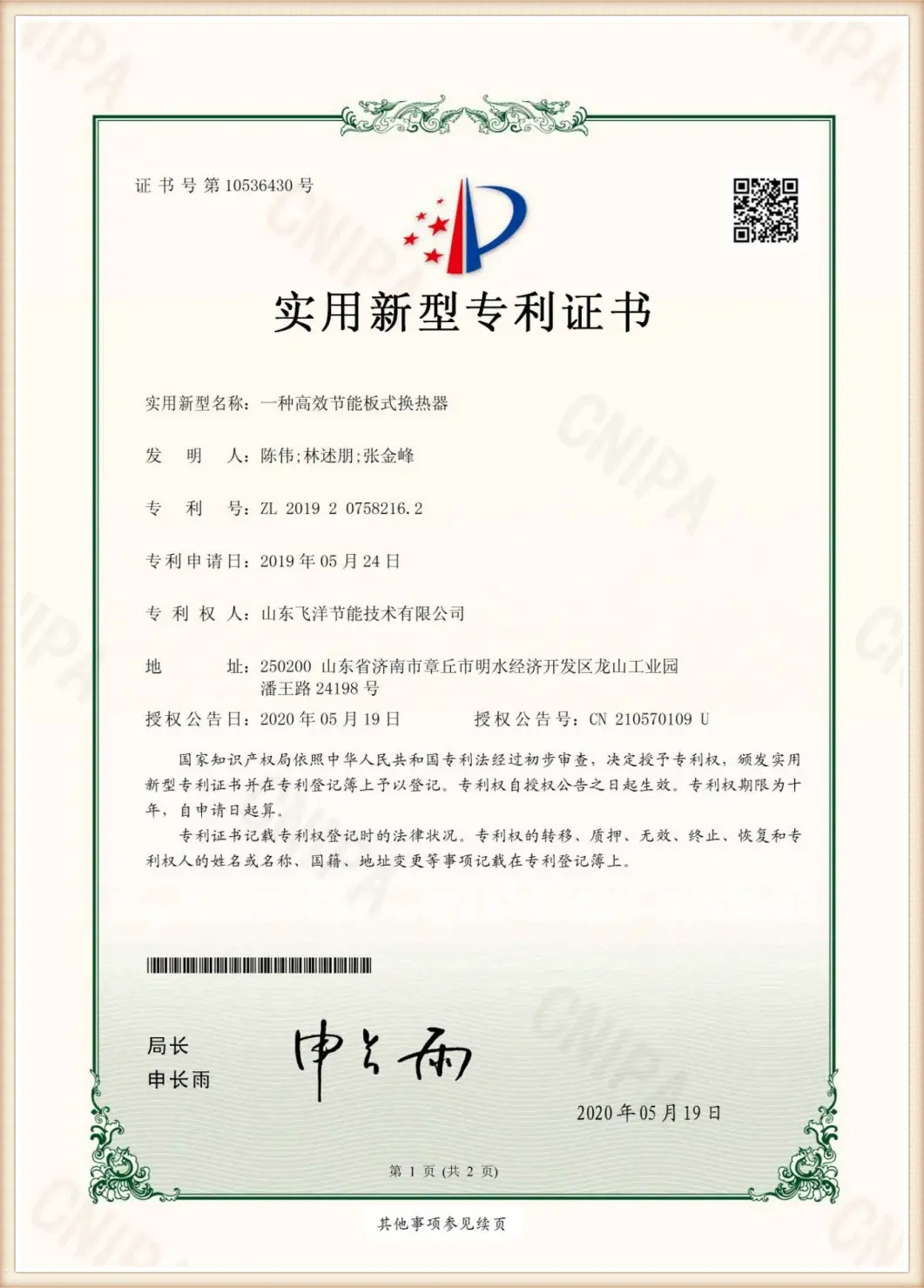
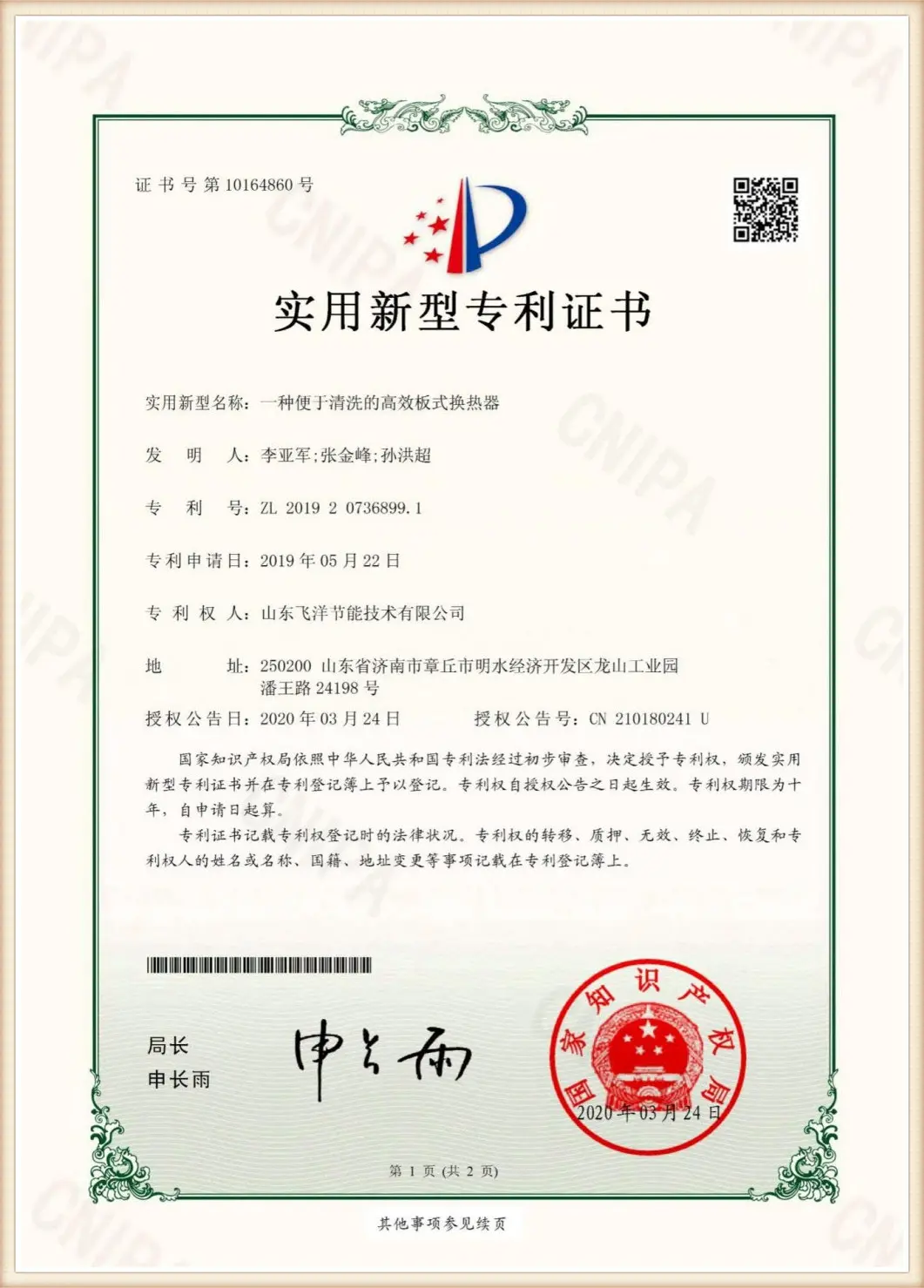
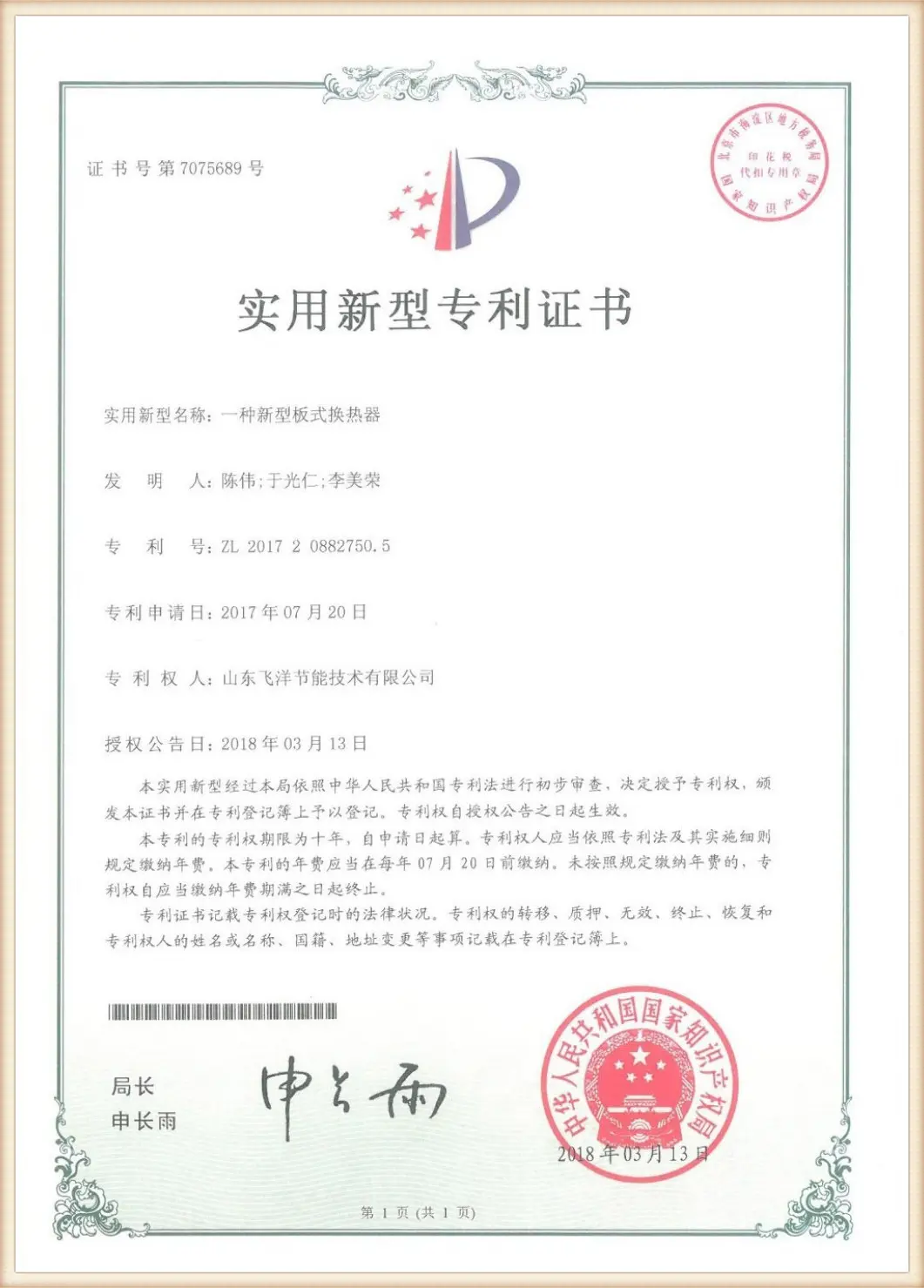
Compliant with ISO9001:2015, ISO14001:2015, and ISO45001:2018 standards, alongside specialized safety registrations from national pressure vessel committees.
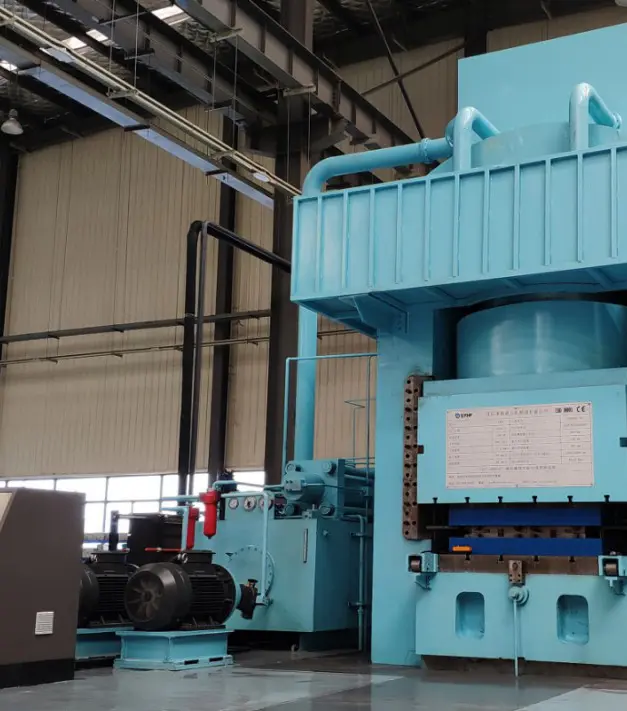
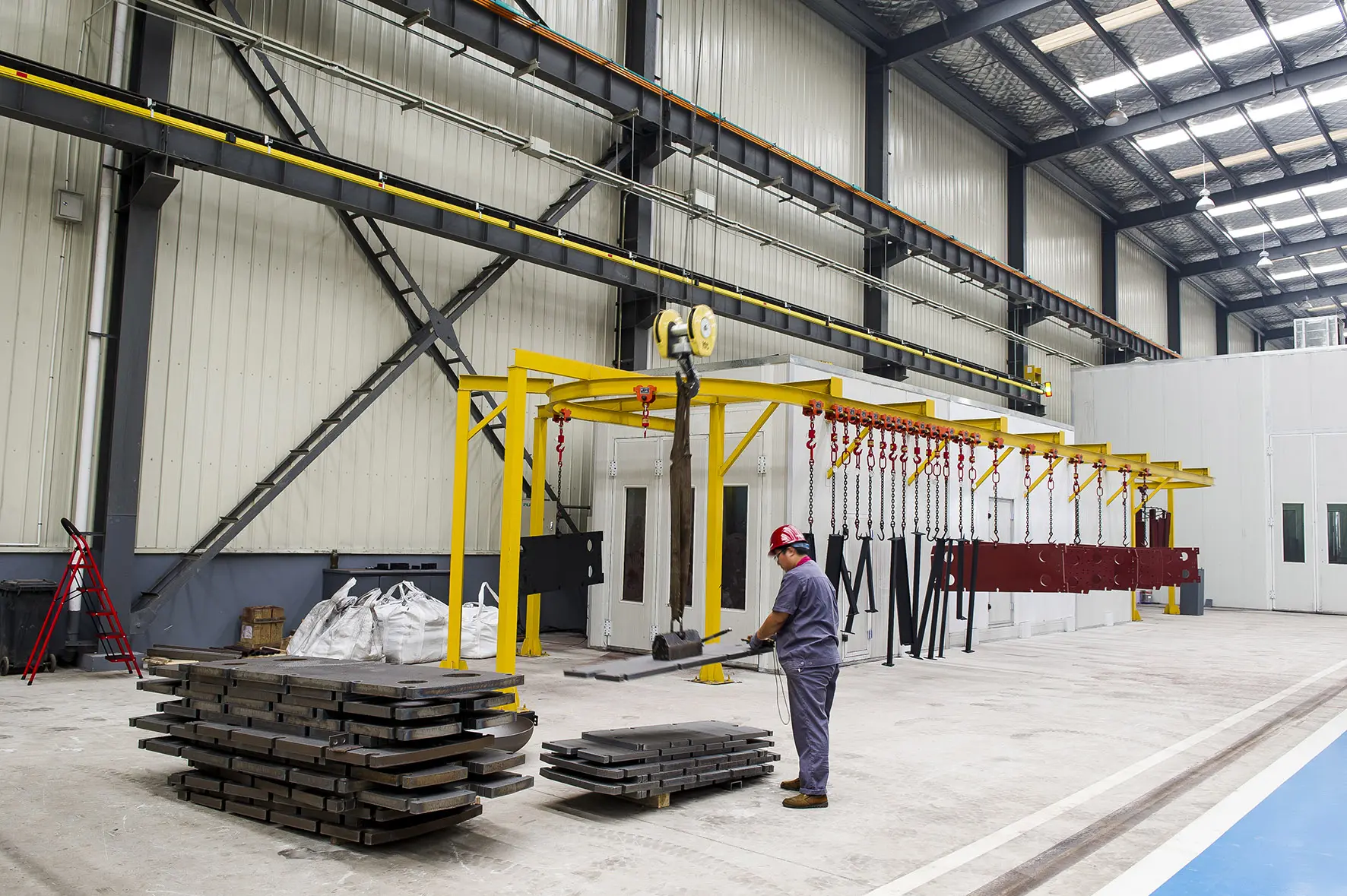
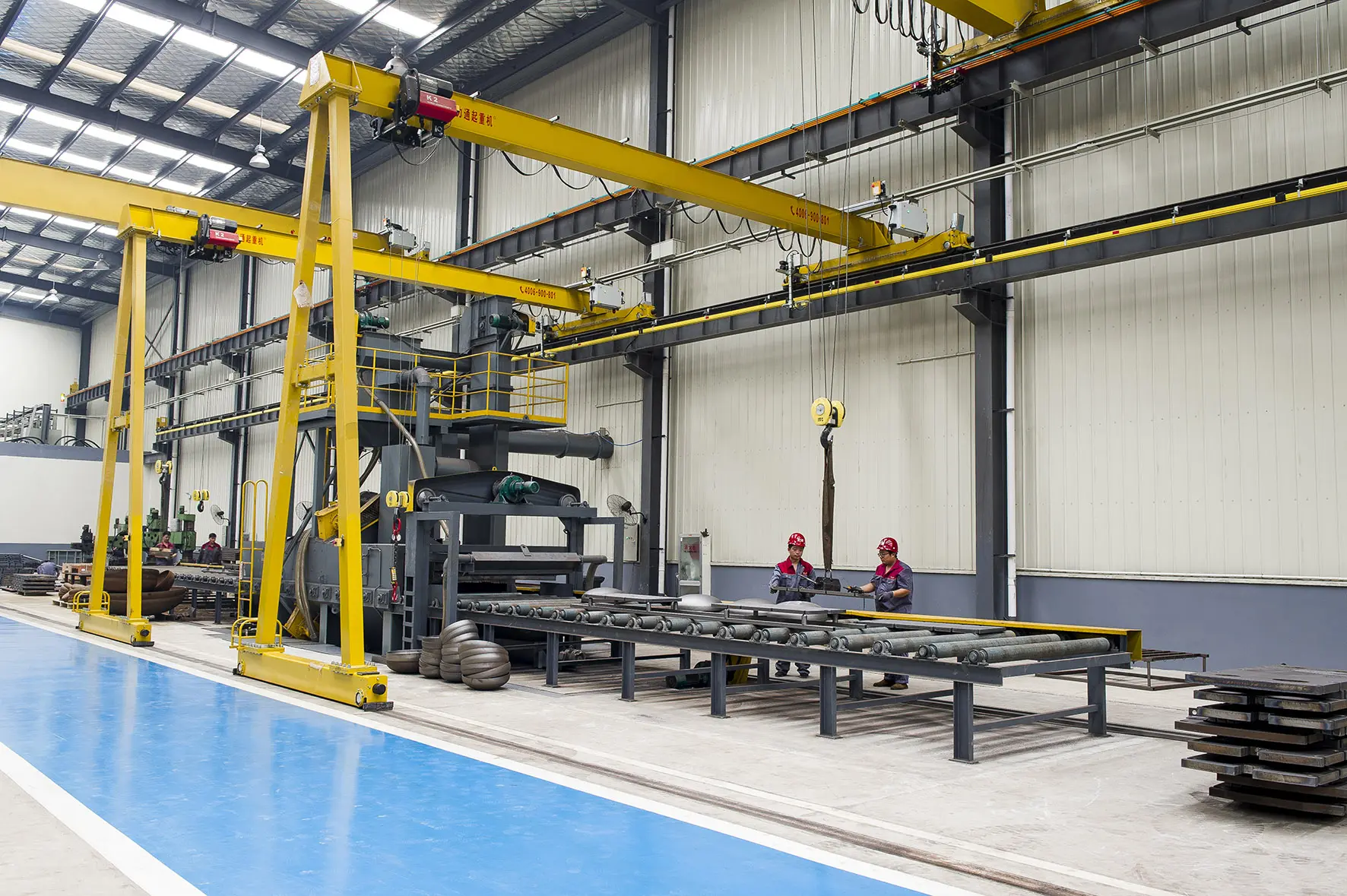
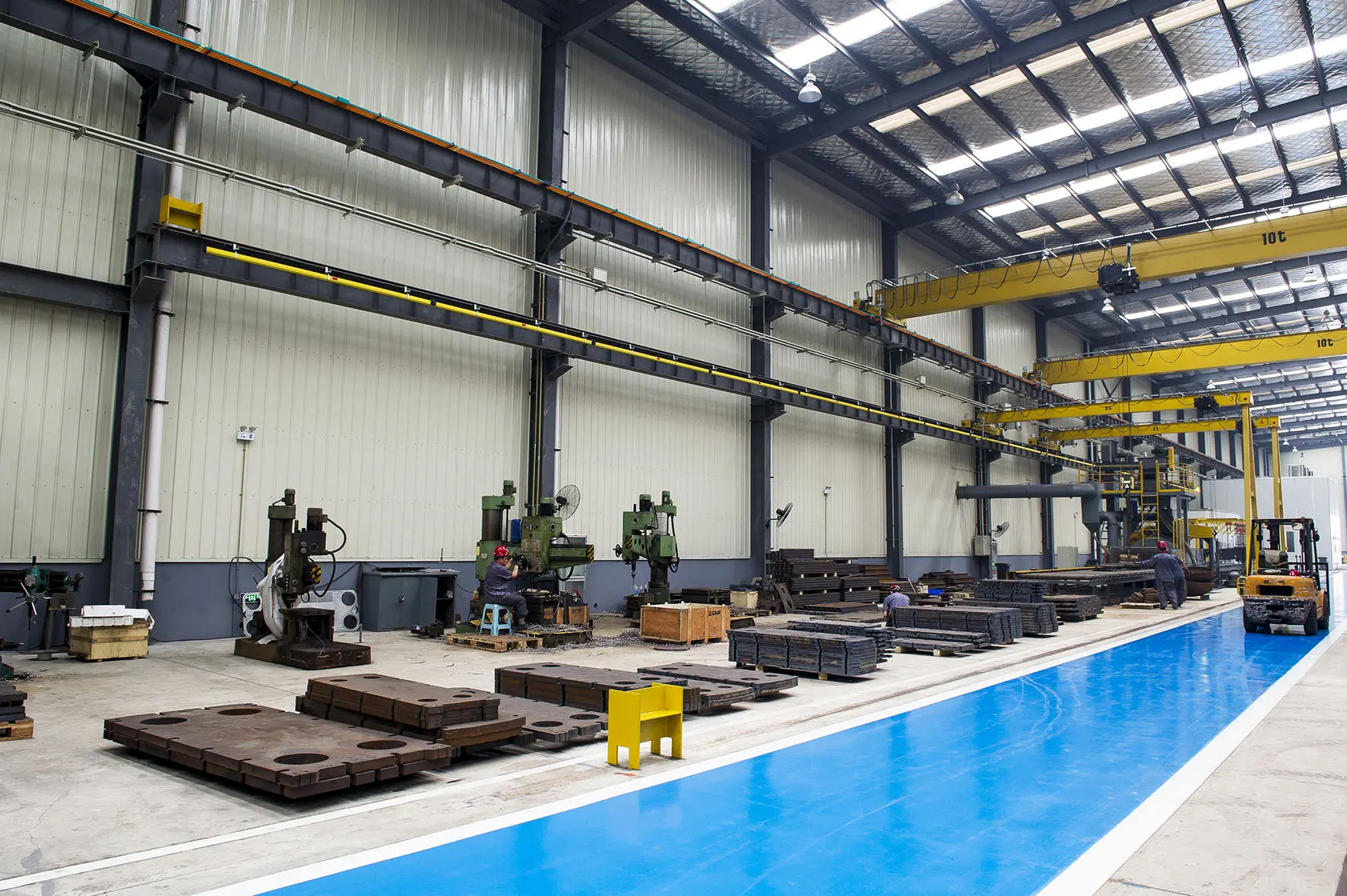
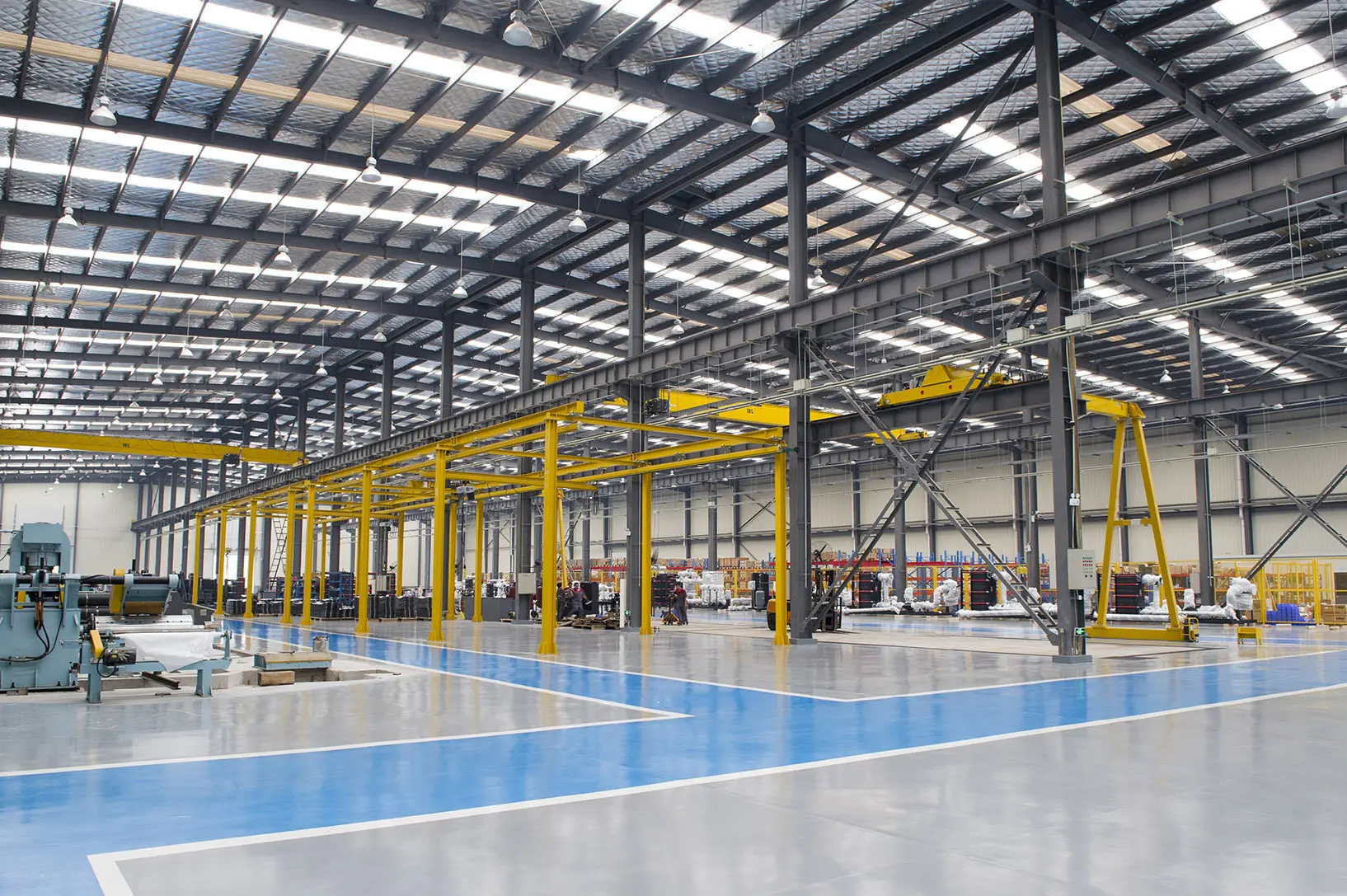
Every stage of production is meticulously monitored to guarantee maximum performance and longevity under high thermal stress.
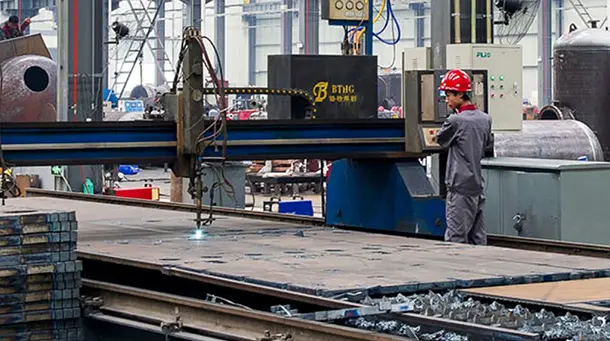
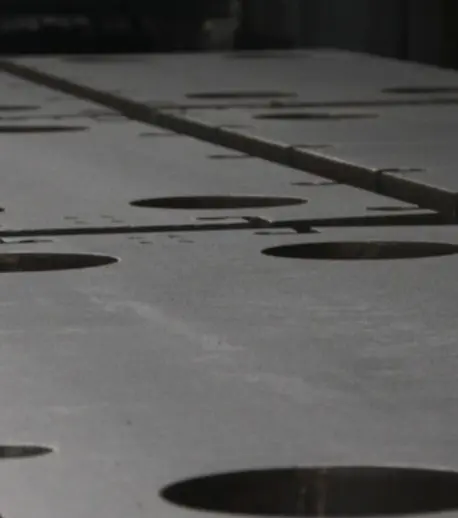
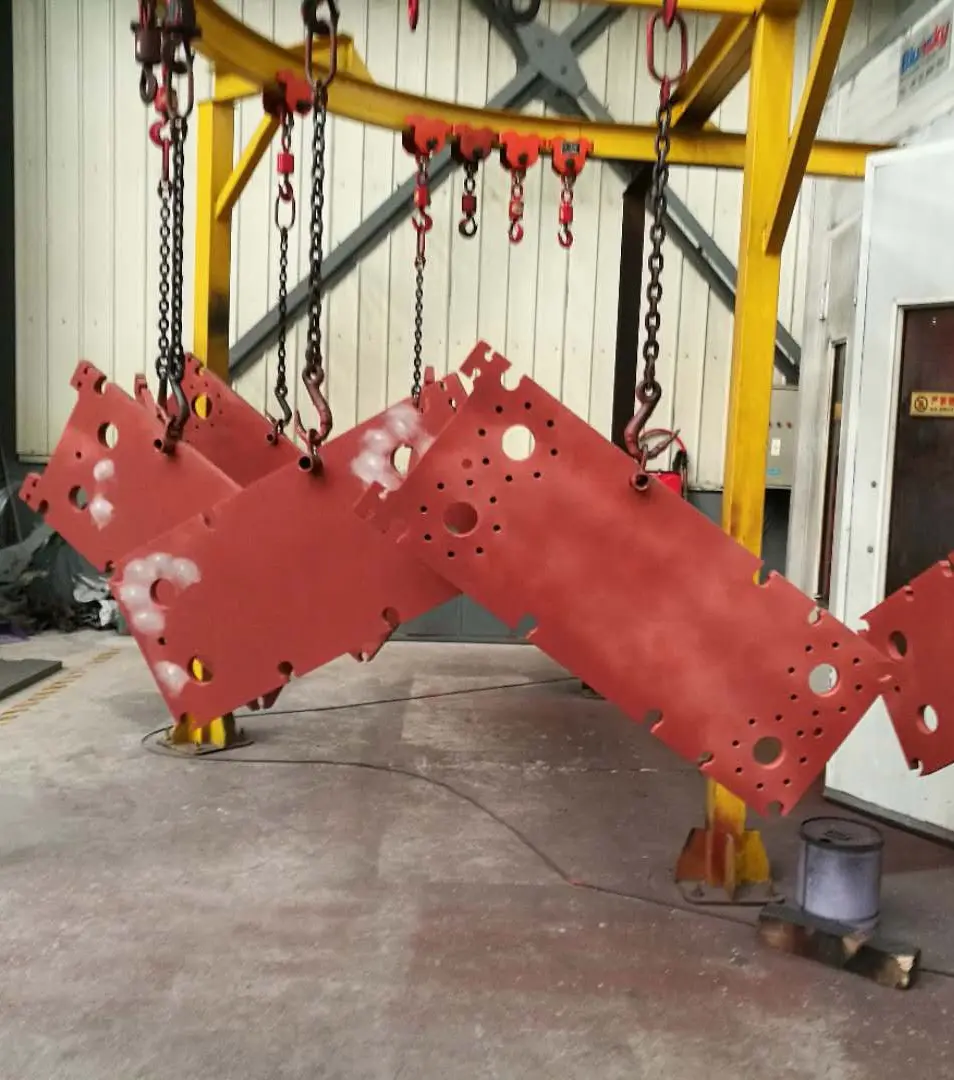
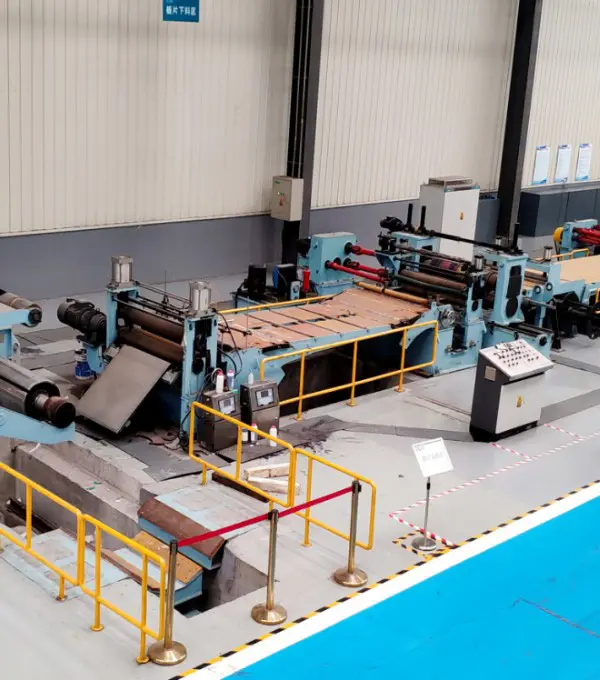
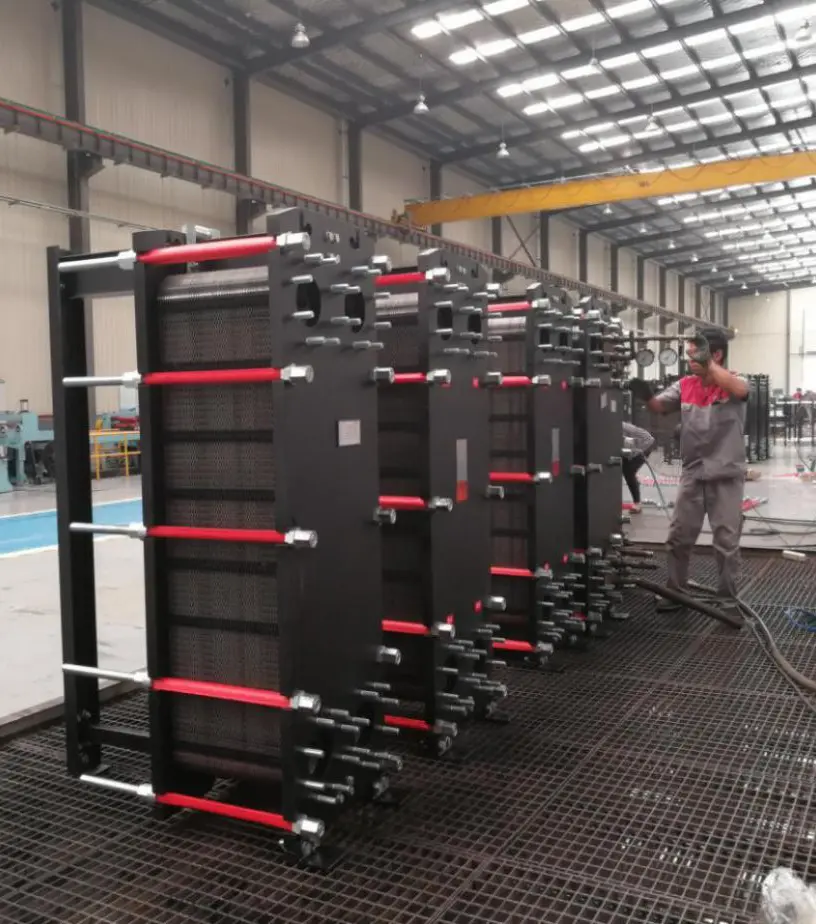
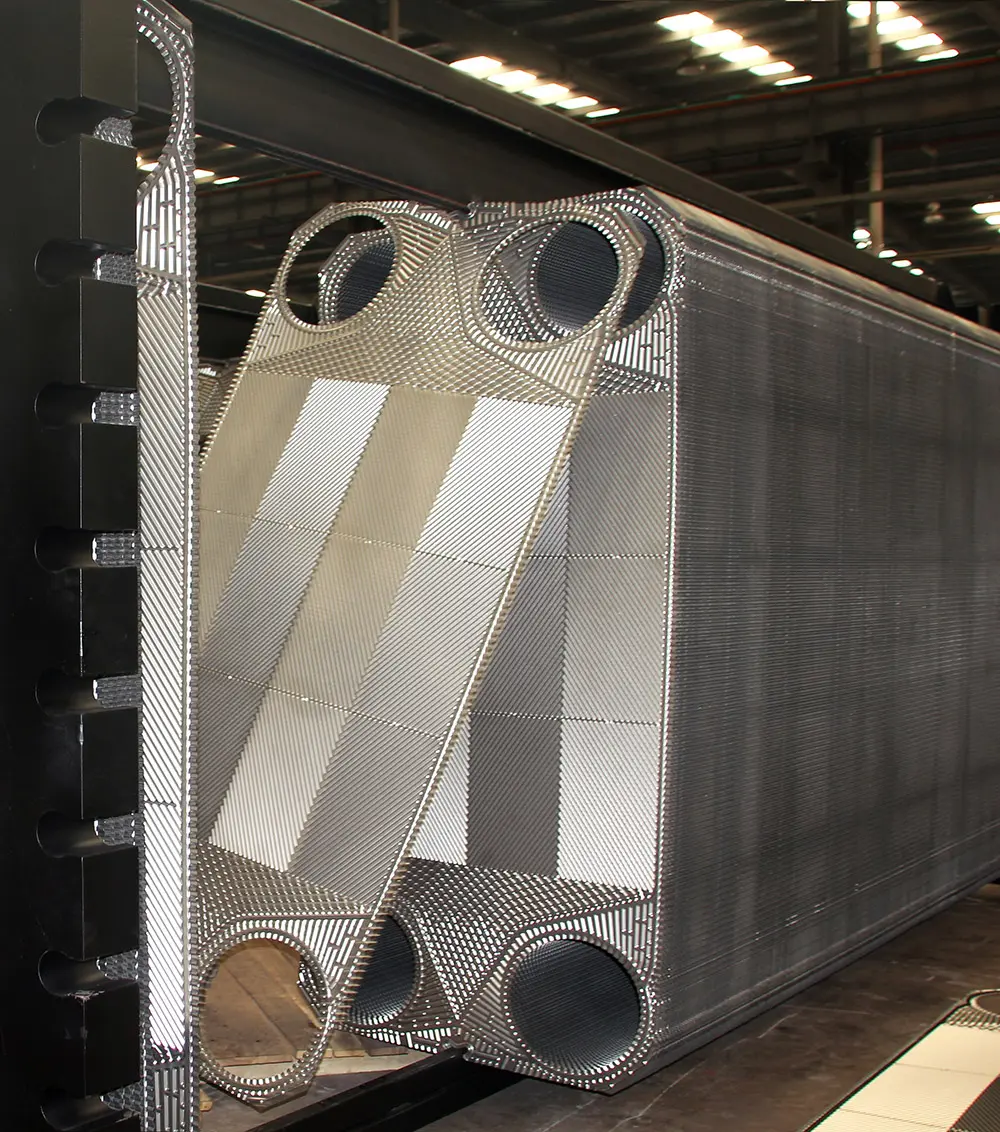
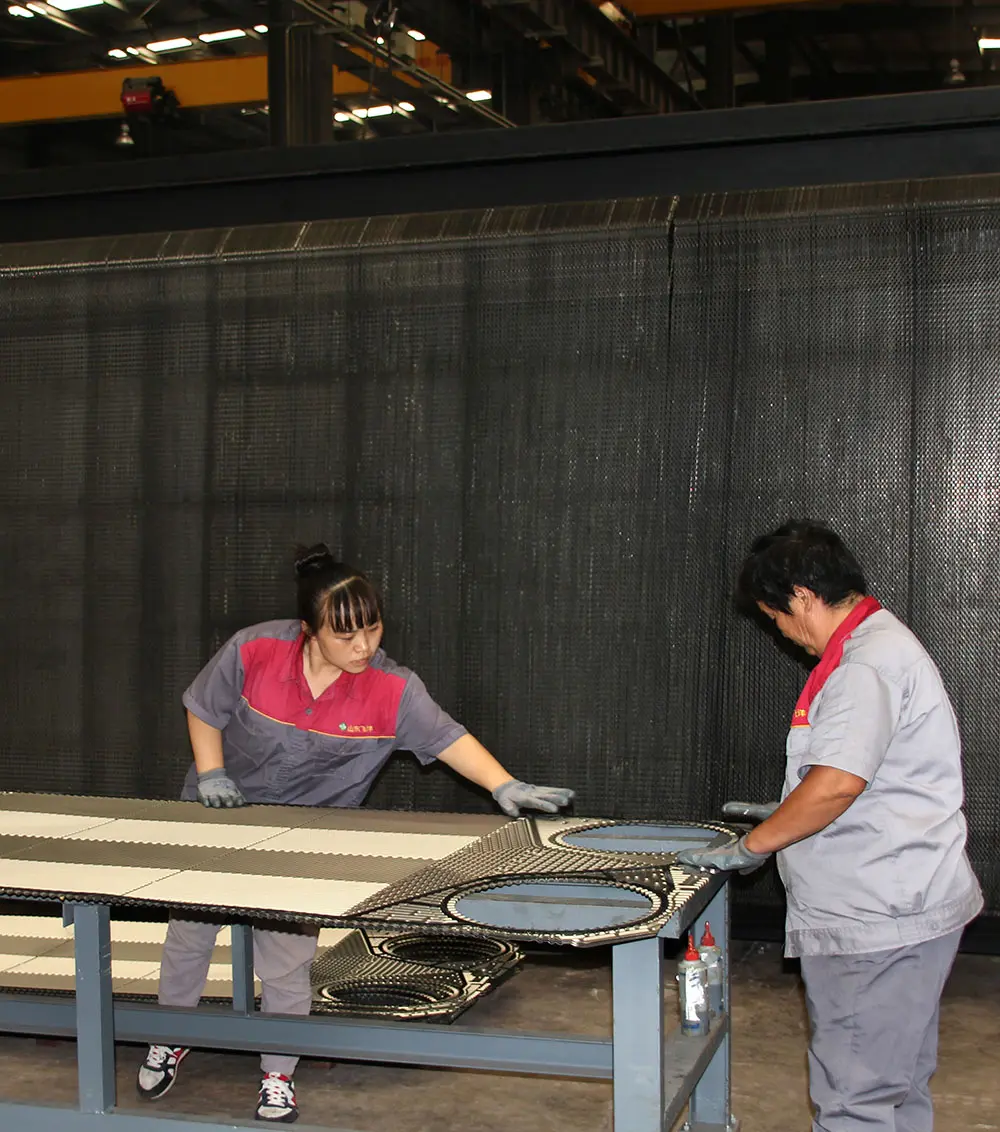
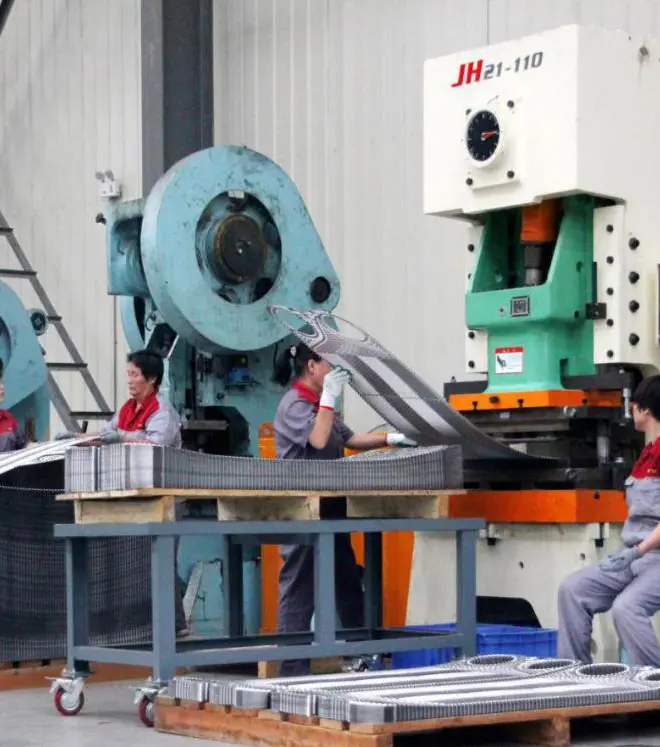
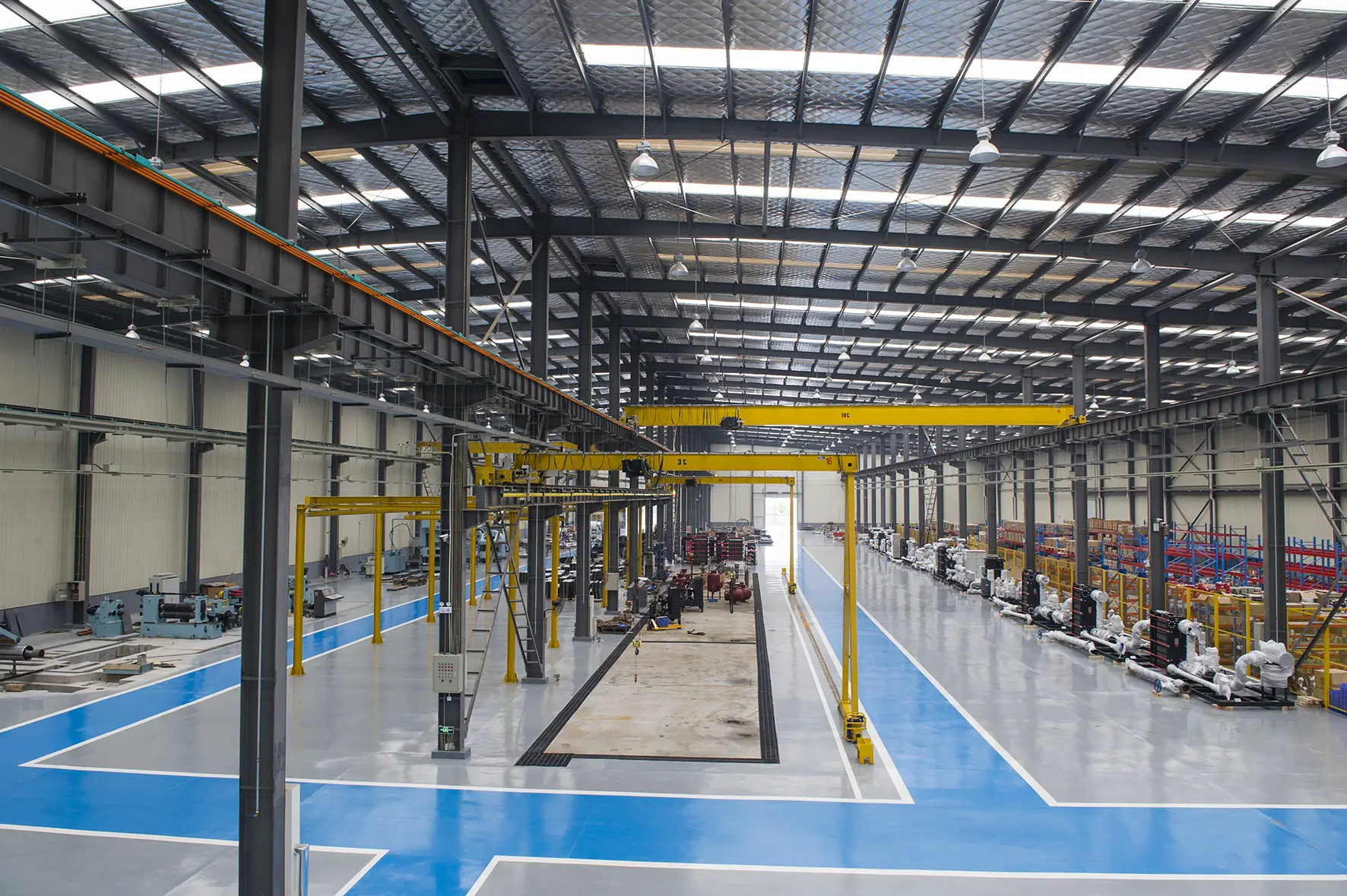
B2B procurement officers and engineering companies looking to source wastewater treatment machinery from China must prioritize technical compliance, manufacturing scalability, and component quality. Sourcing wastewater system components involves managing high pressures, complex chemical reactions, and aggressive corrosion factors. Procurement departments should structure their evaluation based on the following key metrics:
The industrial wastewater sector is moving rapidly toward intelligent automation and resource recovery. Future wastewater systems will rely heavily on cyber-physical components. Sensors such as Flotte Room Temperature Collectors and Intelligent Balance Valves form the base of this architecture, monitoring heat profiles and pressure drops across the wastewater facility in real-time.
Additionally, advanced membrane concentration technologies (like electrodialysis reversal and high-pressure RO) will continue to replace thermal processes for pre-concentration stages, while multi-effect and MVR evaporators will handle final crystallizer feeds. Advancing these systems requires close cooperation between thermal engineering centers and molecular separation labs. Flotte's R&D department continues to develop new surface treatments for detachable plate heat exchangers to prevent mineral scale build-up, reducing operational downtime and chemical cleaning cycles.
Answers to key engineering questions regarding industrial thermal systems and wastewater concentration.
Select from our certified industrial catalog for thermal, HVAC, and membrane applications.
 Flotte Energy