Discover our comprehensive range of high-efficiency thermal, fluid, and centrifugal separation systems designed for modern industrial processes.
In the modern manufacturing landscape, equipment reliability, energy conservation, and system longevity stand as the three pillars of operational profitability. Industrial oils—ranging from high-viscosity gear lubricants to sensitive hydraulic fluids and turbine oils—act as the lifeblood of critical machinery. However, particulate contamination, sub-micron wear debris, varnish formation, and moisture ingress continuously compromise these fluids, leading to premature machinery failure and astronomical disposal costs.
Traditional filtration methods, such as paper barrier filters and inline cartridges, suffer from rapid saturation and are unable to separate sub-micron particulates or emulsified water effectively. This is where Centrifugal Oil Cleaning Machines revolutionize the process. Utilizing high G-force centrifugal acceleration, these machines isolate particulates, dynamic contaminants, and moisture based on density differentials without consuming physical filter media. This whitepaper analyzes the technology, procurement requirements, and strategic integration of centrifugal separation solutions for global industries.
Why leading global procurement teams are transitioning from disposable barriers to high-efficiency centrifugal purification systems.
Standard barrier filters demand frequent element replacements, contributing to recurring procurement expenses, labor overhead, and disposal liabilities. Centrifugal separators rely on cleanable rotors that capture solids in a solid cake format, ensuring zero consumable costs during long-term operations.
High-pressure hydraulic systems, steam turbines, and large diesel engines demand absolute fluid cleanliness (often targeting ISO 4406 cleanliness levels of 15/13/10). Centrifugal cleaning systems routinely remove wear debris down to 1-micron and sub-micron sizes, drastically extending component service lives.
Global industrial initiatives strictly penalize excessive industrial waste. By continuously cleaning and recycling hydraulic and lubricating oils, corporations cut oil consumption by up to 70%, directly aligning operations with ESG guidelines and carbon mitigation frameworks.
Integrating centrifugal oil cleaning machines alongside advanced heating and heat transfer systems across diverse industrial sectors.
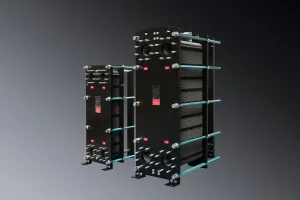
Steam turbines suffer from moisture condensation and fine particle contamination in turbine oil. Incorporating a dual system featuring a centrifugal oil purifier and Flotte's high-efficiency heat exchangers allows plants to regulate oil temperatures precisely while removing water and micro-dust continuously, avoiding catastrophic bearing wear.
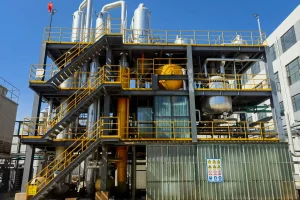
In chemical processing plants, gearboxes and compressors operate in highly corrosive and volatile environments. Centrifugal separation isolates highly abrasive particulate matter without reacting with chemical compounds, working in tandem with Flotte's Multi-Effect Evaporation systems to optimize wastewater and waste fluid recovery lines.
Sanitation and contamination control are critical. Centrifugal separation prevents hydraulic fluids on manufacturing lines from introducing metal shavings or atmospheric moisture into cleanrooms, ensuring complete process purity and compliance with strict sanitary regulations.
The technological trajectory of centrifugal systems from mechanical rotation to smart, AI-driven oil conditioning networks.
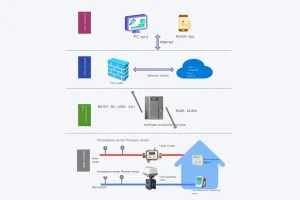
Future industrial operations will depend on self-correcting fluid conditioning loops. By integrating real-time telemetry with high-speed centrifugal separation, companies can transition from preventative scheduling to predictive, autonomous fluid restoration, maintaining zero-defect lubrication indefinitely.
Established in 2013 with a registered capital of 101 million yuan, originating from Flotte Thermal Engineering founded in 1995. With three decades of technical expertise, we specialize in water equipment, HVAC systems, and fluid treatment industries, delivering state-of-the-art products and comprehensive engineering services.
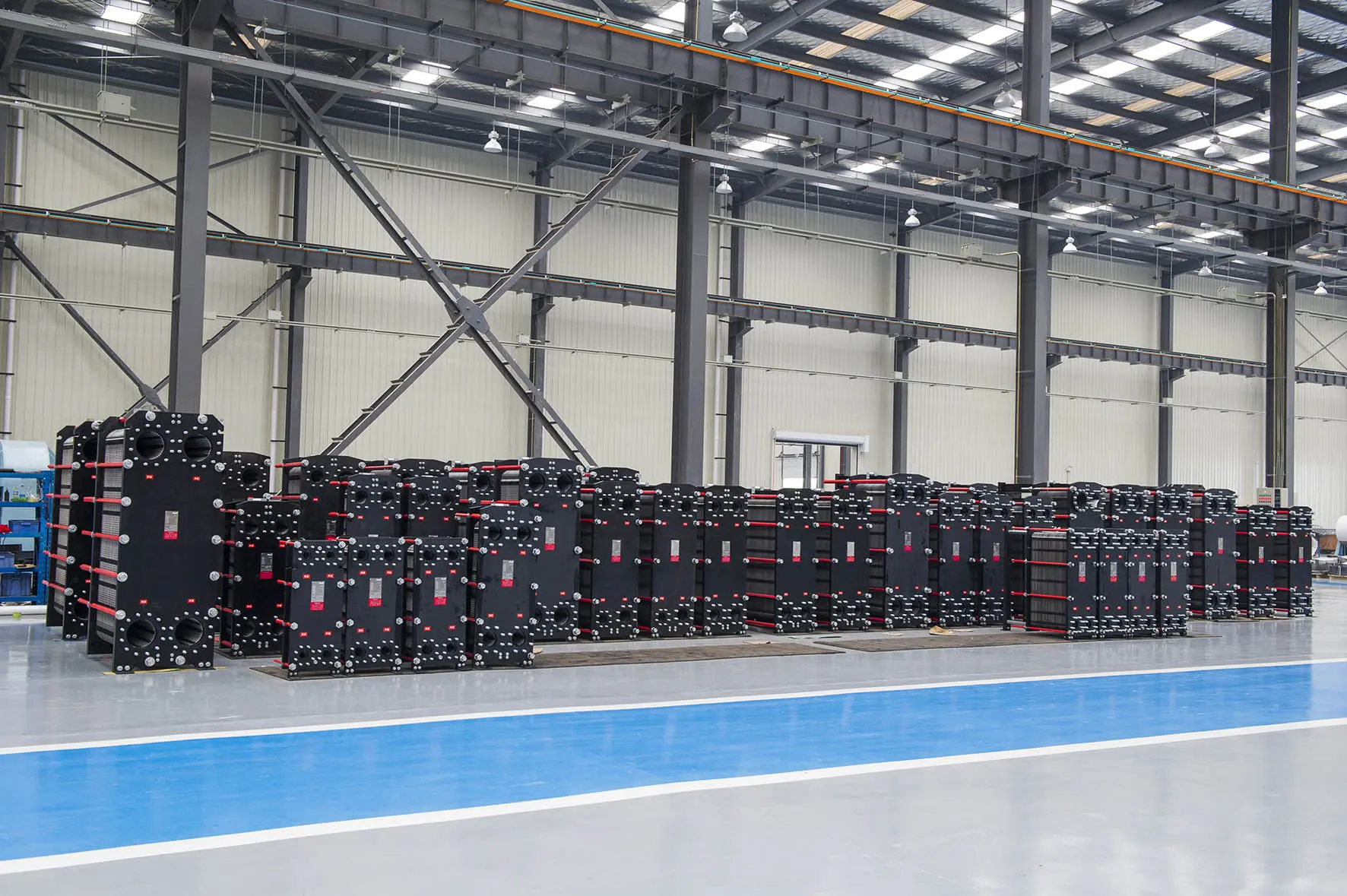
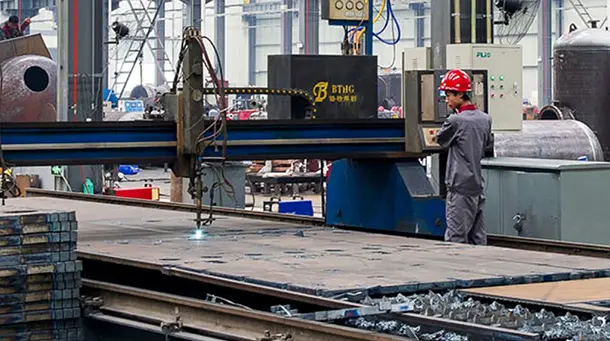
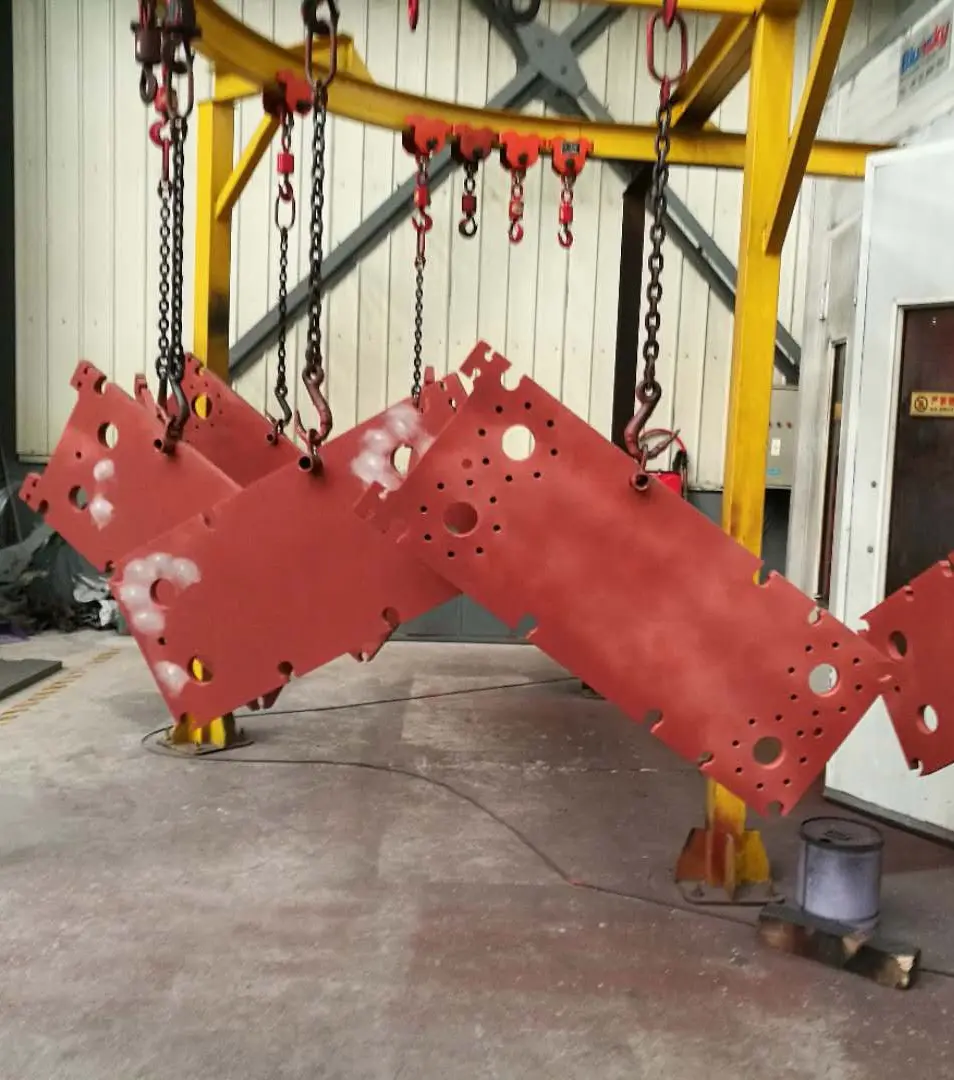
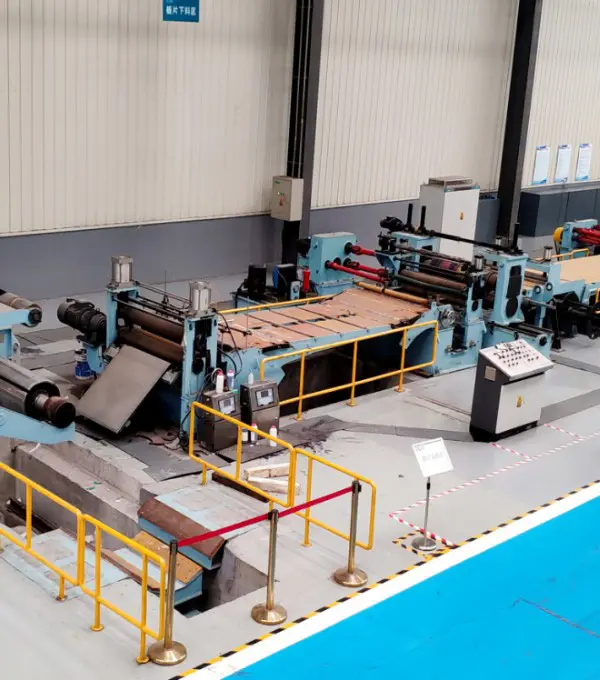
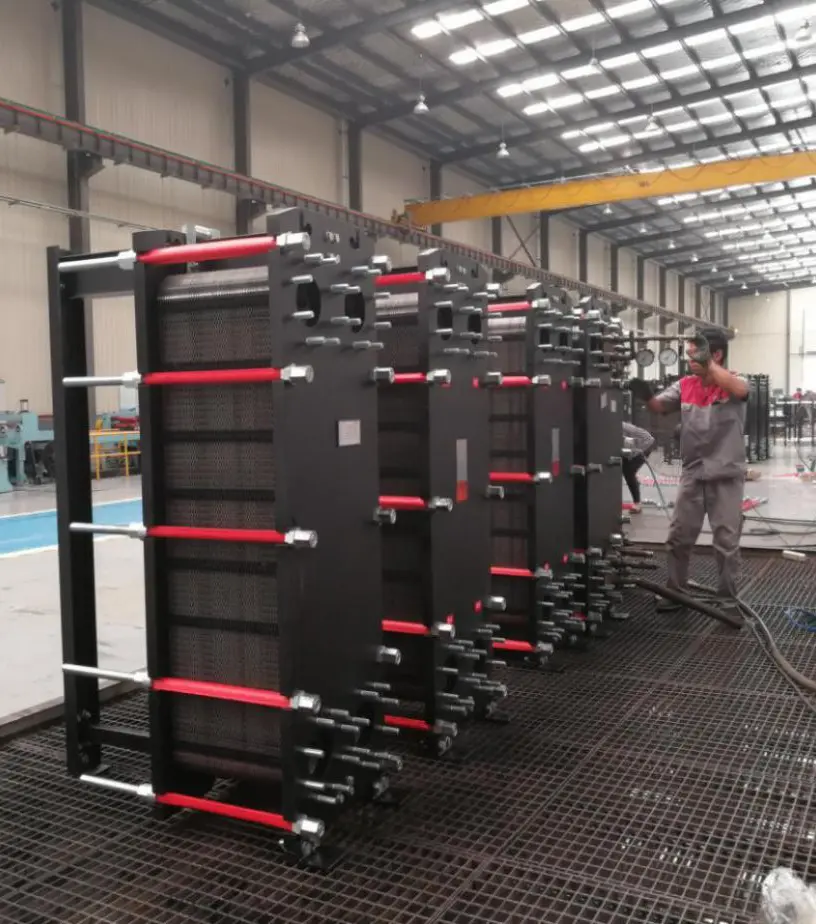
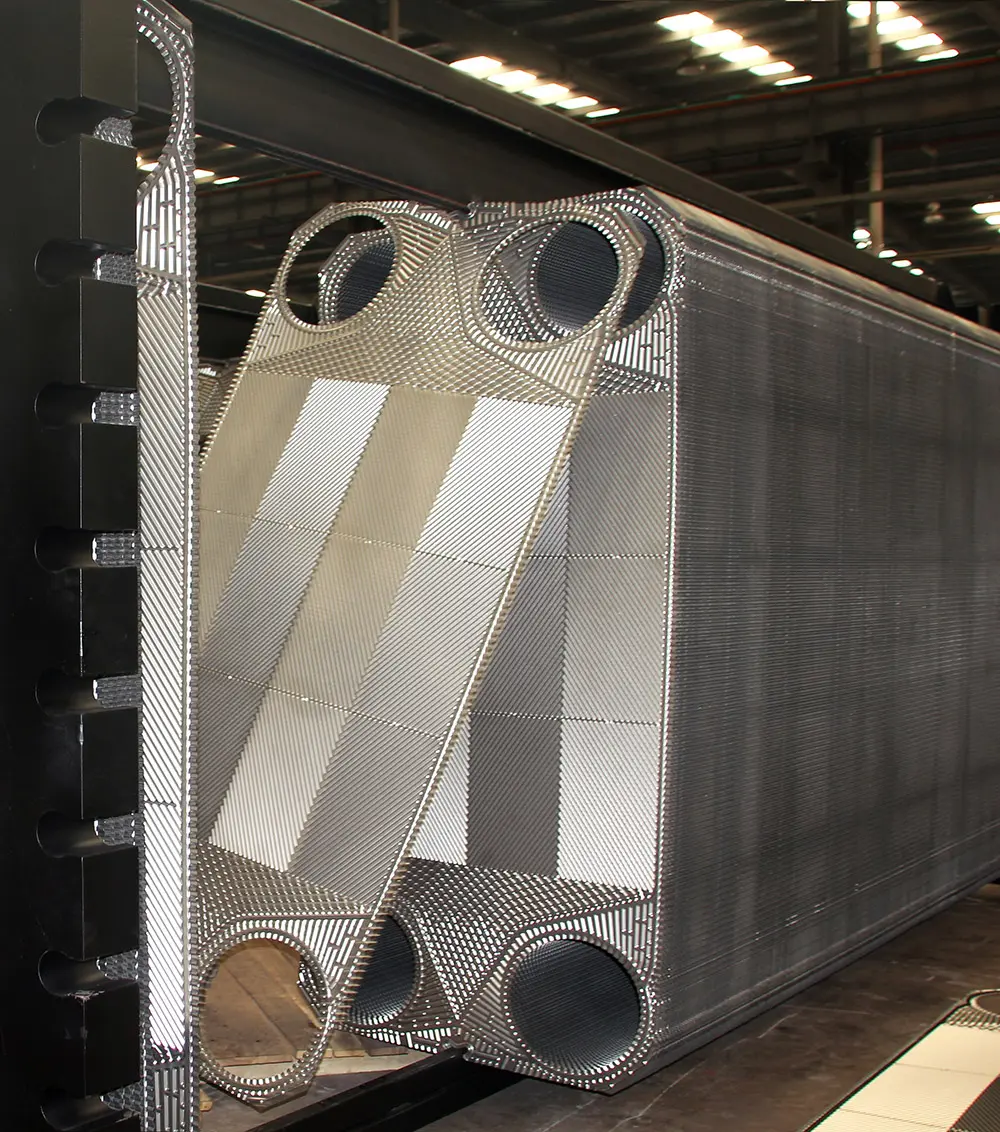
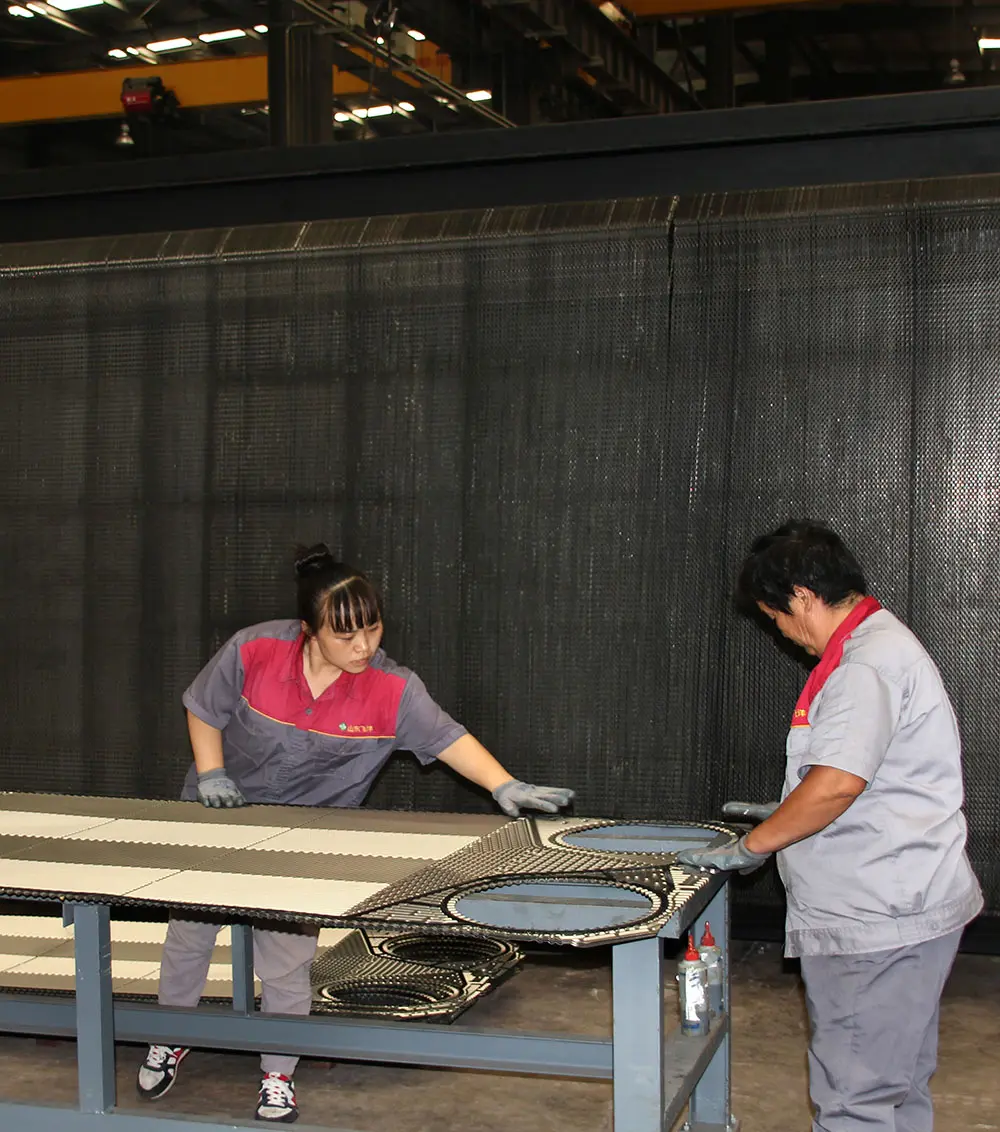
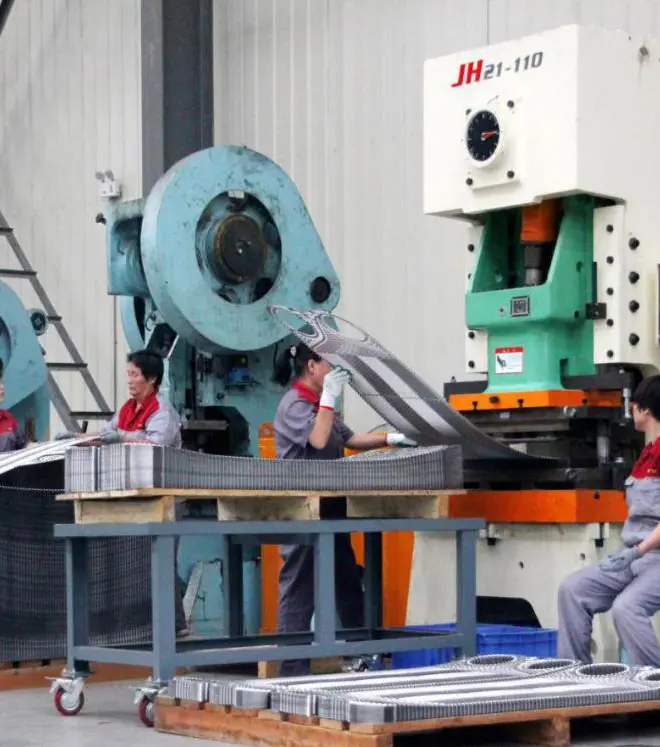
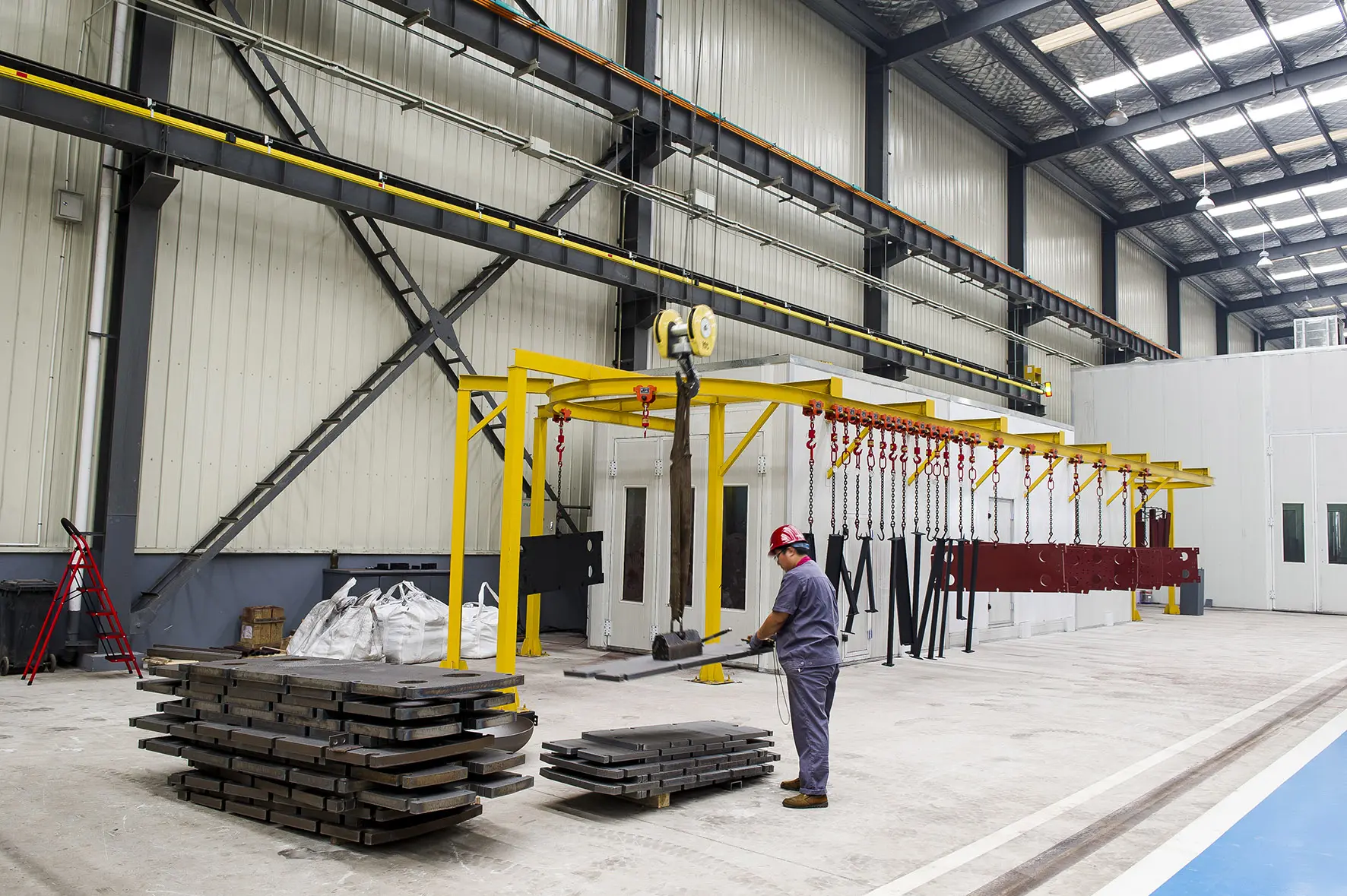
A look into our production facilities, rigorous quality management, and proprietary manufacturing workflow.
Ensuring our separation and thermal technologies align with target market directives and local regulations.
All equipment designs comply with key local engineering frameworks. For European projects, CE marking and Pressure Equipment Directive (PED) compliance are integrated. For North American deployments, ASME code stamping, UL listings, and CSA standards are strictly maintained.
Our international service teams provide engineering documentation, P&IDs, and operations manuals in English, Spanish, Russian, and Arabic. We offer DDP shipping configurations, customs clearances, and secure freight management to minimize lead times.
We offer remote Factory Acceptance Testing (FAT) via live HD streams, complete with material traceability reports. Our engineers assist during installation, commissioning, and site testing, ensuring swift integration into existing fluid loops.
Answers to complex engineering inquiries regarding centrifugal oil purification machines and integration methodologies.
Standard filters screen contaminants based on pore size (e.g., 10 or 20 microns) and must be discarded when full. Centrifugal separators rely on density differentials and high G-forces (often exceeding 2,500 Gs) to clean oil. This isolates sub-micron metal dust, soot, and sludge without consuming physical elements, preserving oil additives while removing contaminants down to 0.5 microns.
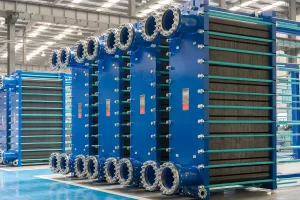
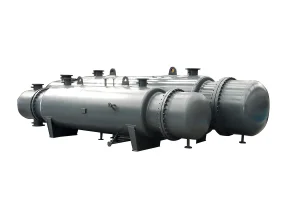
Yes. However, separation efficiency is closely tied to fluid viscosity. For high-viscosity oils (e.g., ISO VG 220 or 320), the oil is typically pre-heated using high-efficiency plate or shell-and-tube heat exchangers to reduce viscosity before entry. This optimizes flow rate, G-force efficiency, and solid cake formation in the rotor.
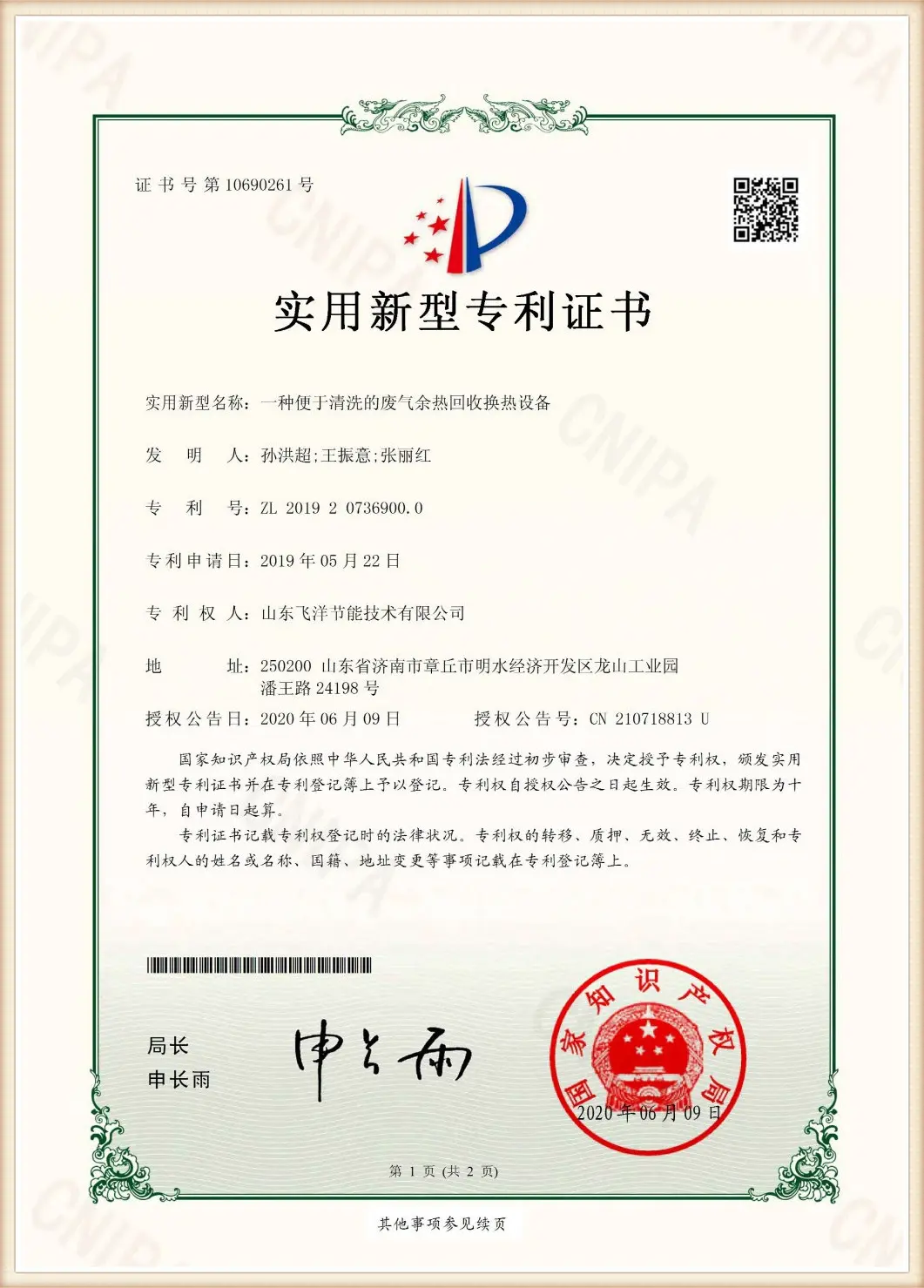
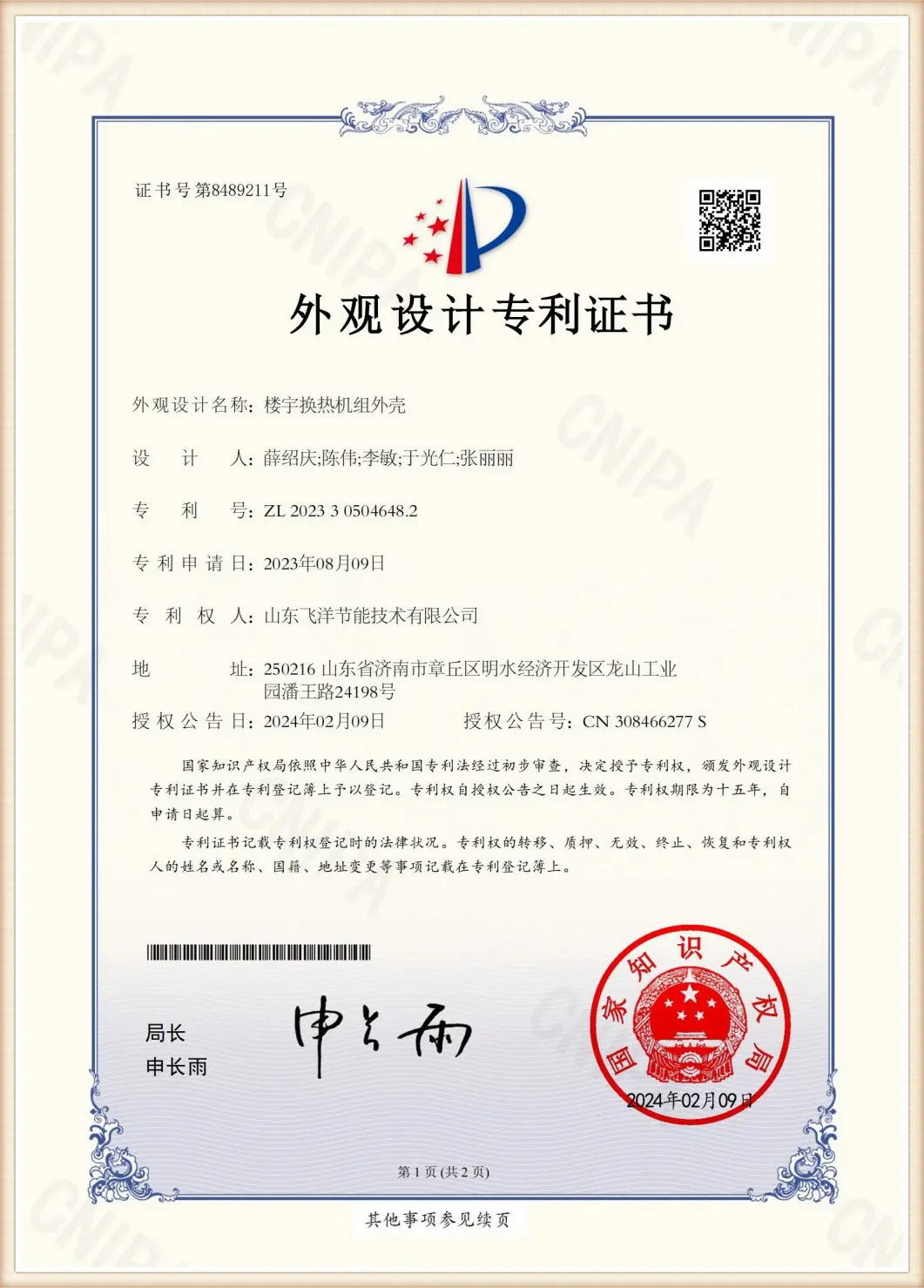
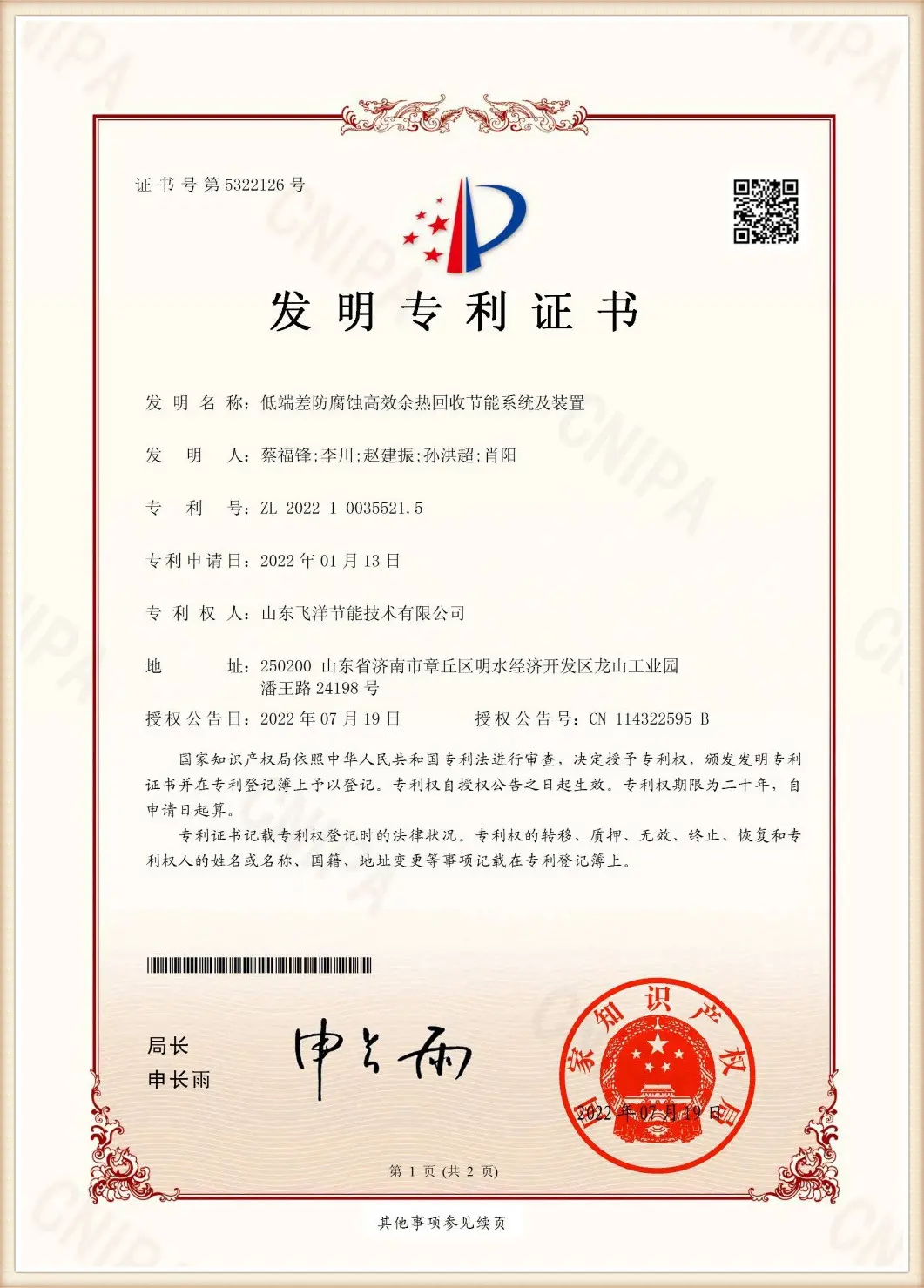
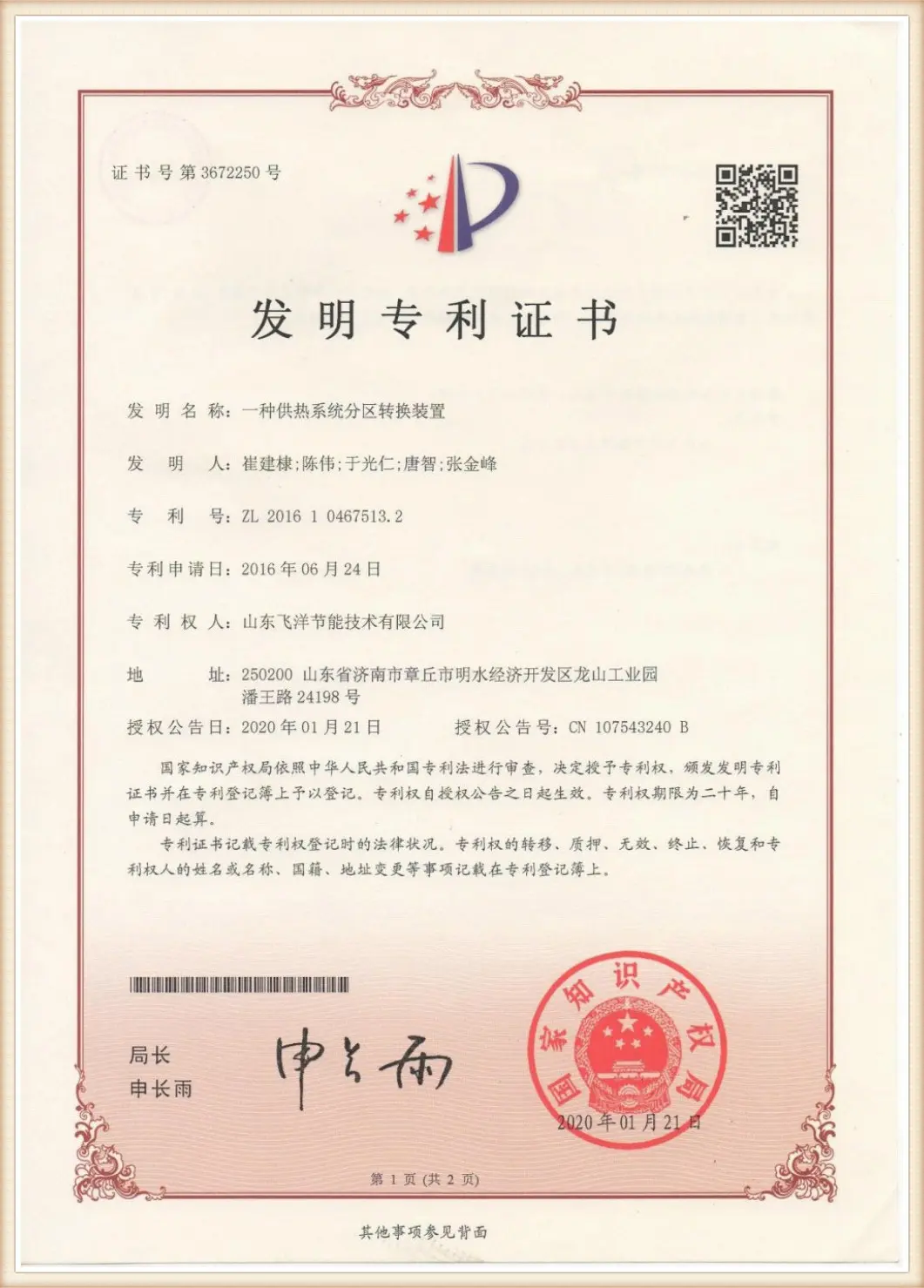
Flotte holds multiple patent certifications, including designs for "High-Efficiency Plate Heat Exchangers" and "Intelligent Plate Heat Exchanger Systems". Our product designs comply with national standardization codes and pressure vessel certifications. Additionally, our factories are audited and certified to ISO9001 (Quality), ISO14001 (Environmental Management), and ISO45001 (Occupational Health and Safety).
Maintenance is straightforward. Users stop the machine, open the centrifuge chamber, remove the rotor cover, scrape out the compressed sludge cake, and clean the assembly. No replacement cartridges or filter bags are required, which minimizes maintenance costs and downtime.
Tour our state-of-the-art facilities and view our quality certifications.
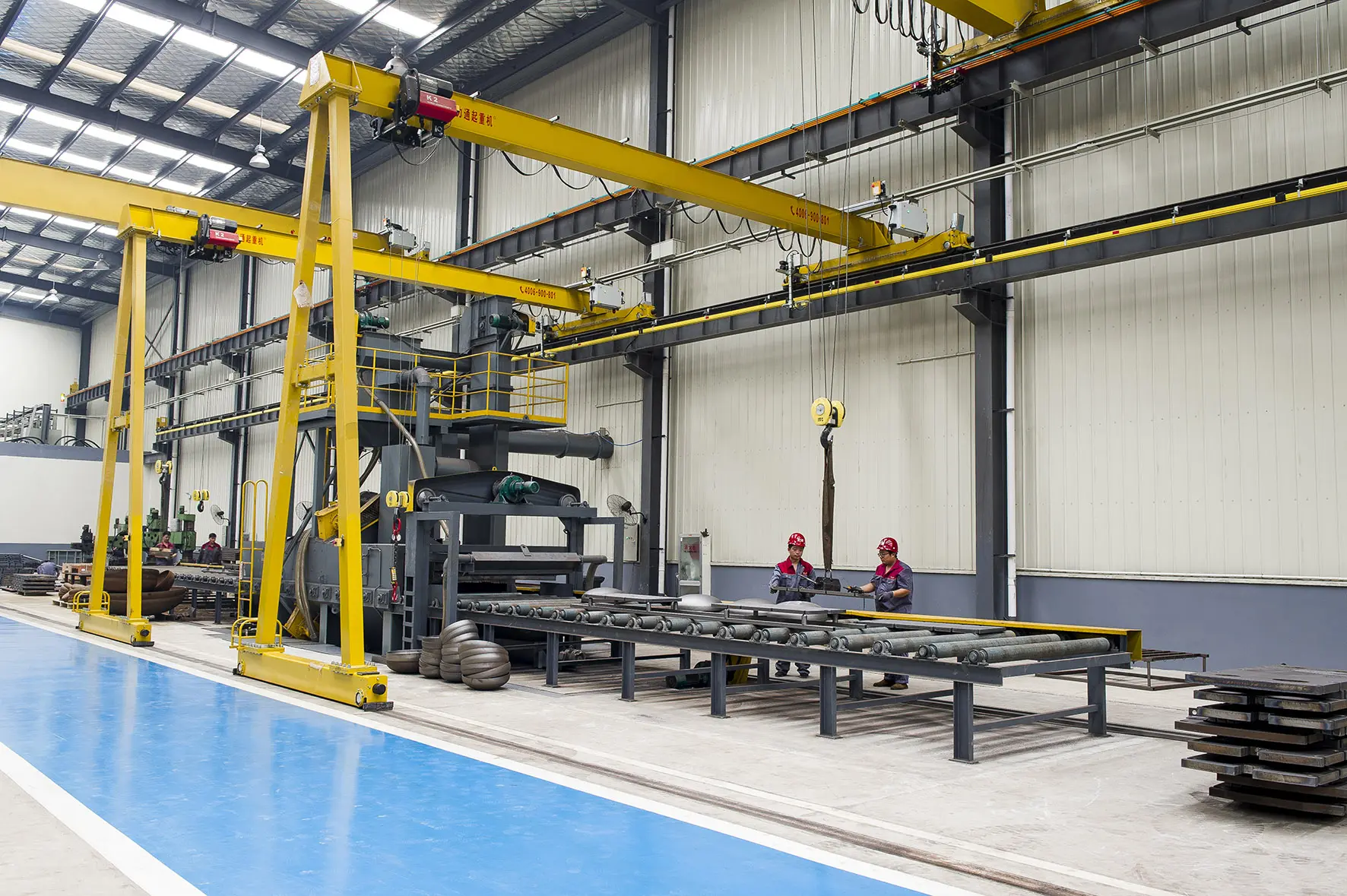
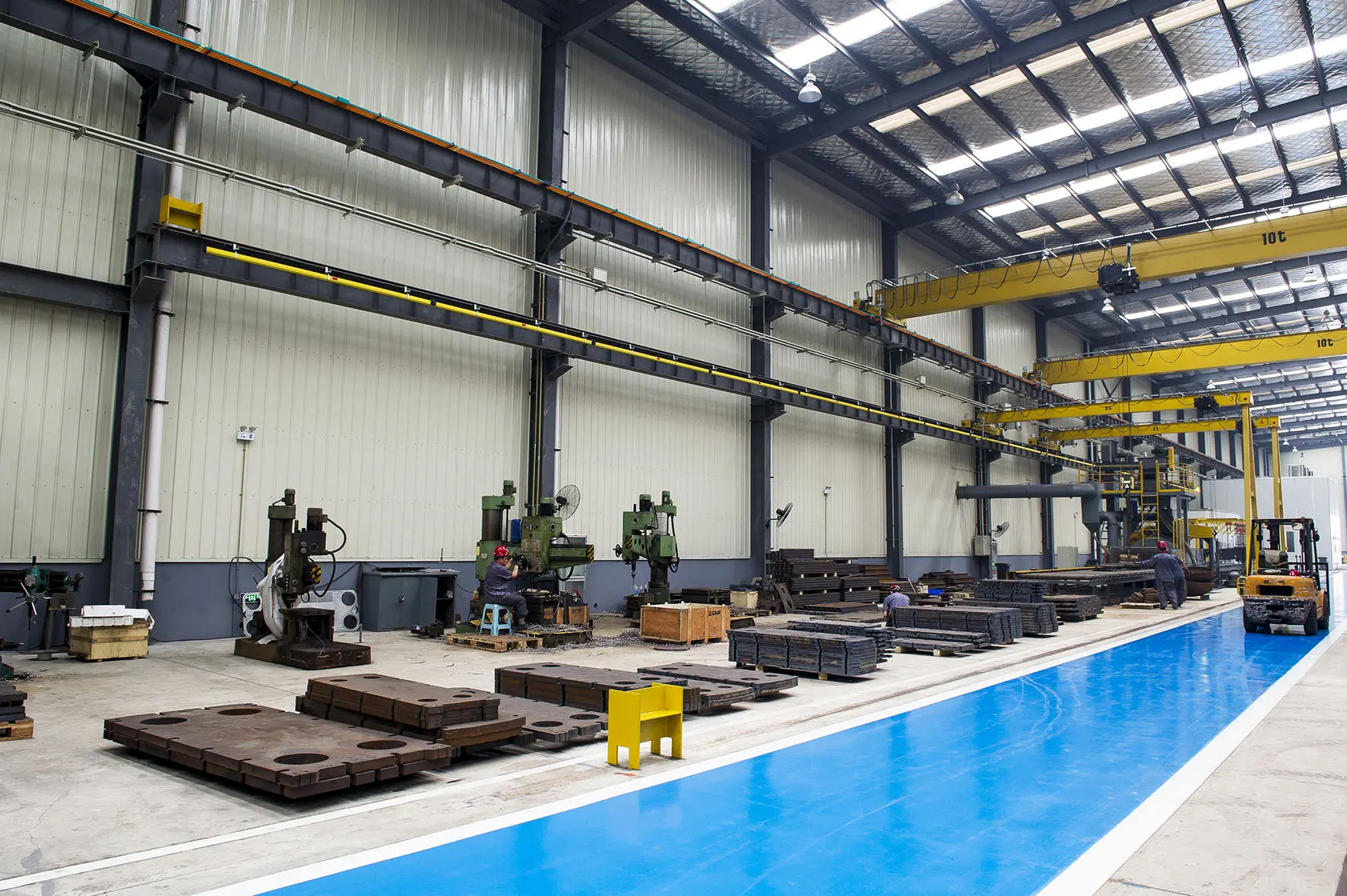
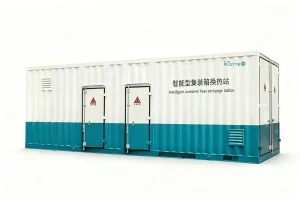
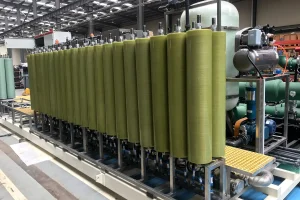
Browse additional heat transfer systems and monitoring products, manufactured to strict quality standards.
 Flotte Energy