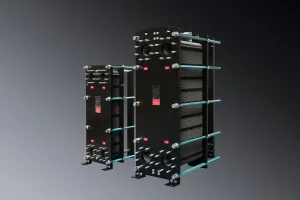
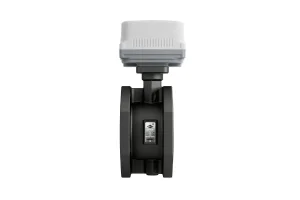
Explore our top-tier industrial membrane, thermal, and HVAC-supporting engineering systems optimized for international standard compliance.
In modern process engineering, the demand for precision, efficiency, and resource recovery has driven solid-liquid and liquid-liquid separation technologies to new technological heights. As a leading manufacturer at the intersection of thermal management, fluid systems, and concentration technologies, our exploration into the mechanics of centrifugal separation reveals its critical role. Centrifugal separators rely on high-speed rotational forces to accelerate sedimentation processes that would otherwise take days under natural gravity. This technology is vital for preparing process fluids before they enter sensitive thermal devices like plate heat exchangers, preventing scaling, clogging, and mechanical erosion.
The core mechanism of a centrifugal separator is governed by Stokes' Law, modified for a centrifugal field. When a mixture is fed into the rotating bowl of a centrifuge, it is subjected to centrifugal acceleration ($a_c = \omega^2 r$), where $\omega$ is the angular velocity and $r$ is the radial distance from the axis of rotation. The force exerted on a particle within this fluid is exponentially larger than gravity, often reaching 3,000 to 15,000 times the force of gravity (G-force). This immense force forces the higher-density solid particles outward against the bowl wall, while the lower-density liquid phases form concentric inner layers. Continuous discharge systems, such as decanter centrifuges and disc stack separators, rely on automated scroll conveyors or nozzle configurations to eject solids without stopping, ensuring uninterrupted process workflows in chemical plants, pharmaceutical facilities, and municipal wastewater treatment systems.
To design an efficient centrifugal separation system, engineers must analyze the viscosity of the carrier fluid, the particle size distribution, and the density differential ($\Delta \rho$) between the phases. A higher density differential yields faster separation. However, in applications with microscopic particles or highly viscous liquids (e.g., concentrated food products, chemical slurries), basic sedimentation fails. This is where advanced disc stack technologies step in. By incorporating a series of conical discs, the sedimentation distance is shortened dramatically, maximizing the clarification surface area within a compact footprint. Understanding these dynamics is critical for procurement managers downloading our technical manuals (Centrifugal Separator PDF) to match processing requirements with the right machinery.
Decades of industrial expertise, patented thermal designs, and state-of-the-art manufacturing lines.
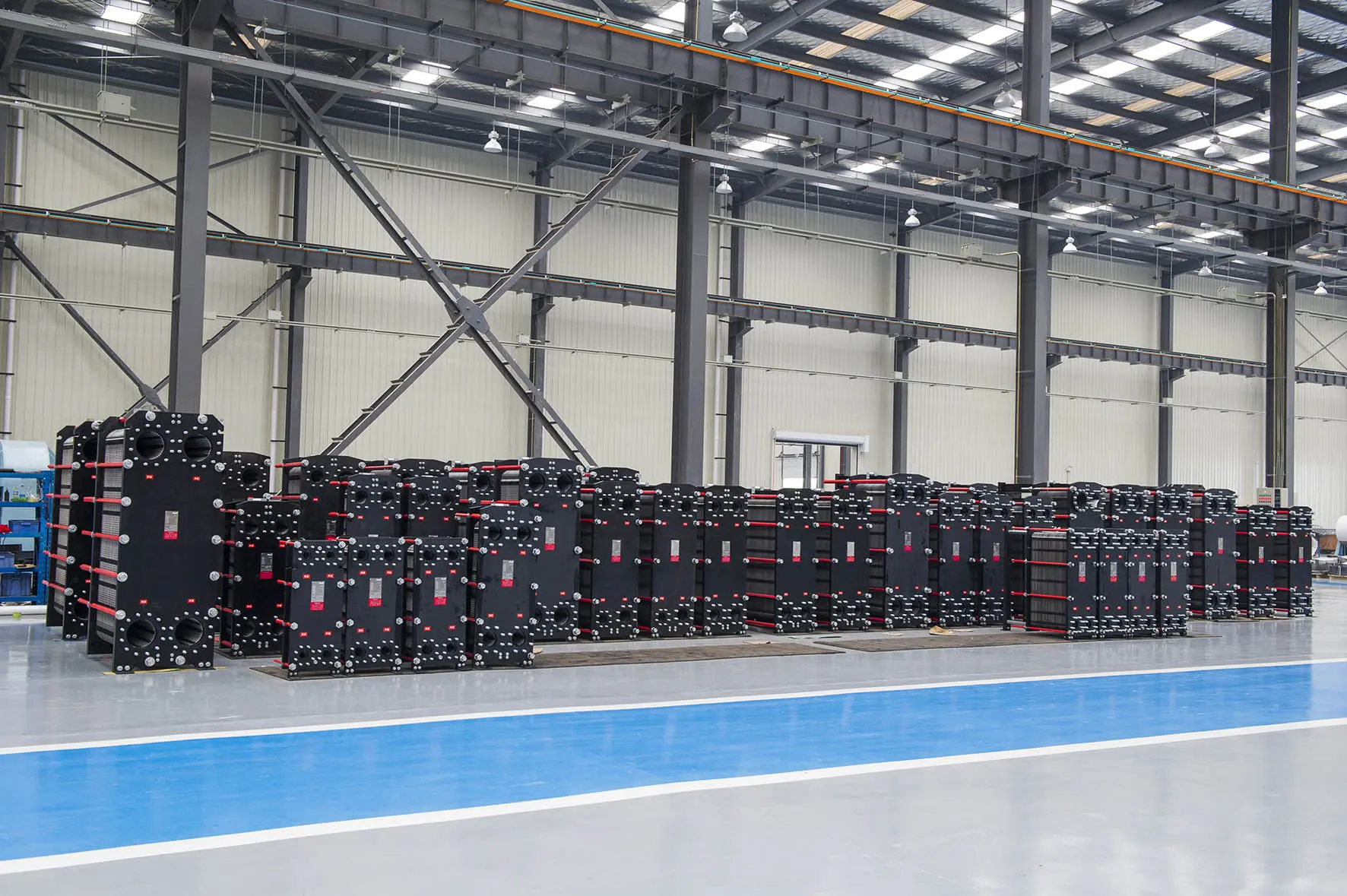
Flotte Energy Saving Company, established in 2013 with a registered capital of 101 million yuan, originated from Flotte Thermal Engineering founded in 1995. With three decades of technical expertise, the company specializes in water equipment, HVAC systems, and water treatment industries. It consistently leads industry peers in adopting cutting-edge technologies, developing innovative products, and delivering comprehensive production and sales services.
The company has been continuously advancing in production technology innovation, holding multiple patent certifications including "High-Efficiency Plate Heat Exchanger", "Intelligent Plate Heat Exchanger System", and "Plate Heat Exchanger Scale Removal Device". Our products have obtained mandatory national product certification and safety registration from the National Standardization Committee, along with the safety registration for plate heat exchangers issued by the National Boiler and Pressure Vessel Standardization Technical Committee. The company has also achieved ISO9001 Quality Management System certification, ISO14001 Environmental Management System certification, and ISO45001 Occupational Health and Safety Management System certification.
Rigorous quality control systems verified by national pressure vessel and standardization committees.
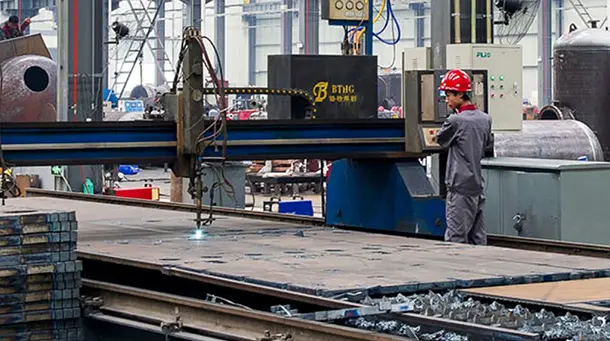
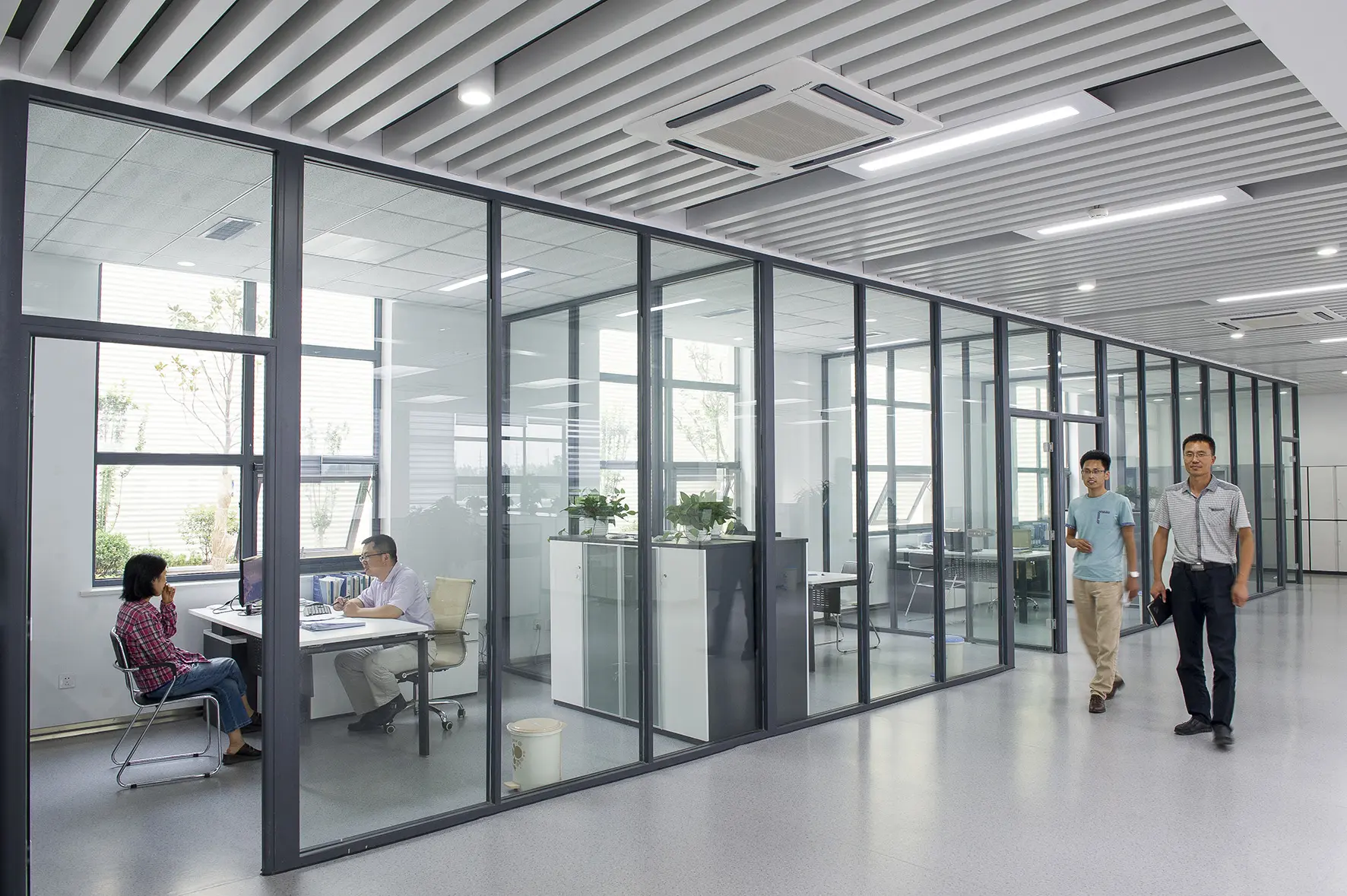
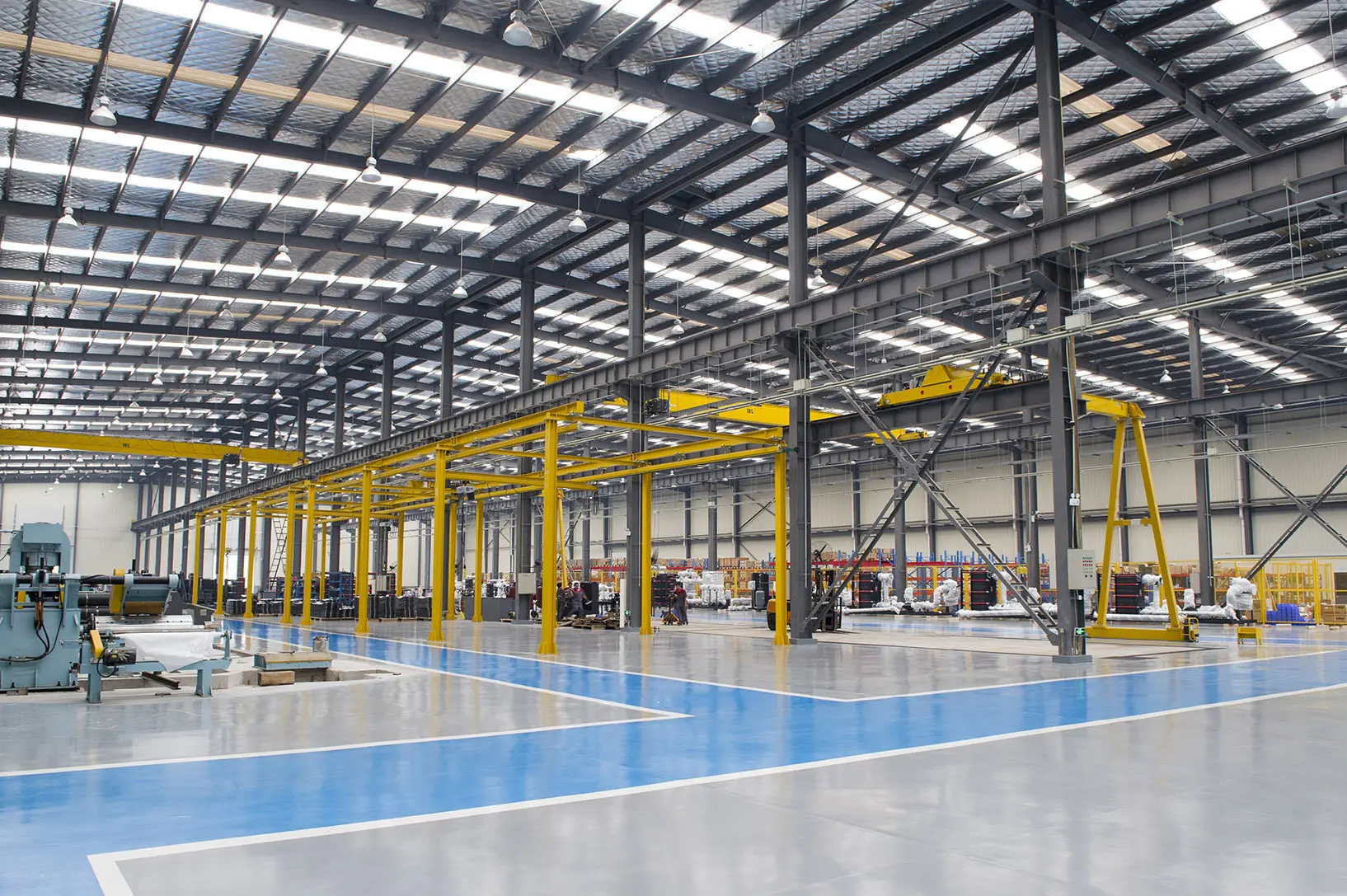
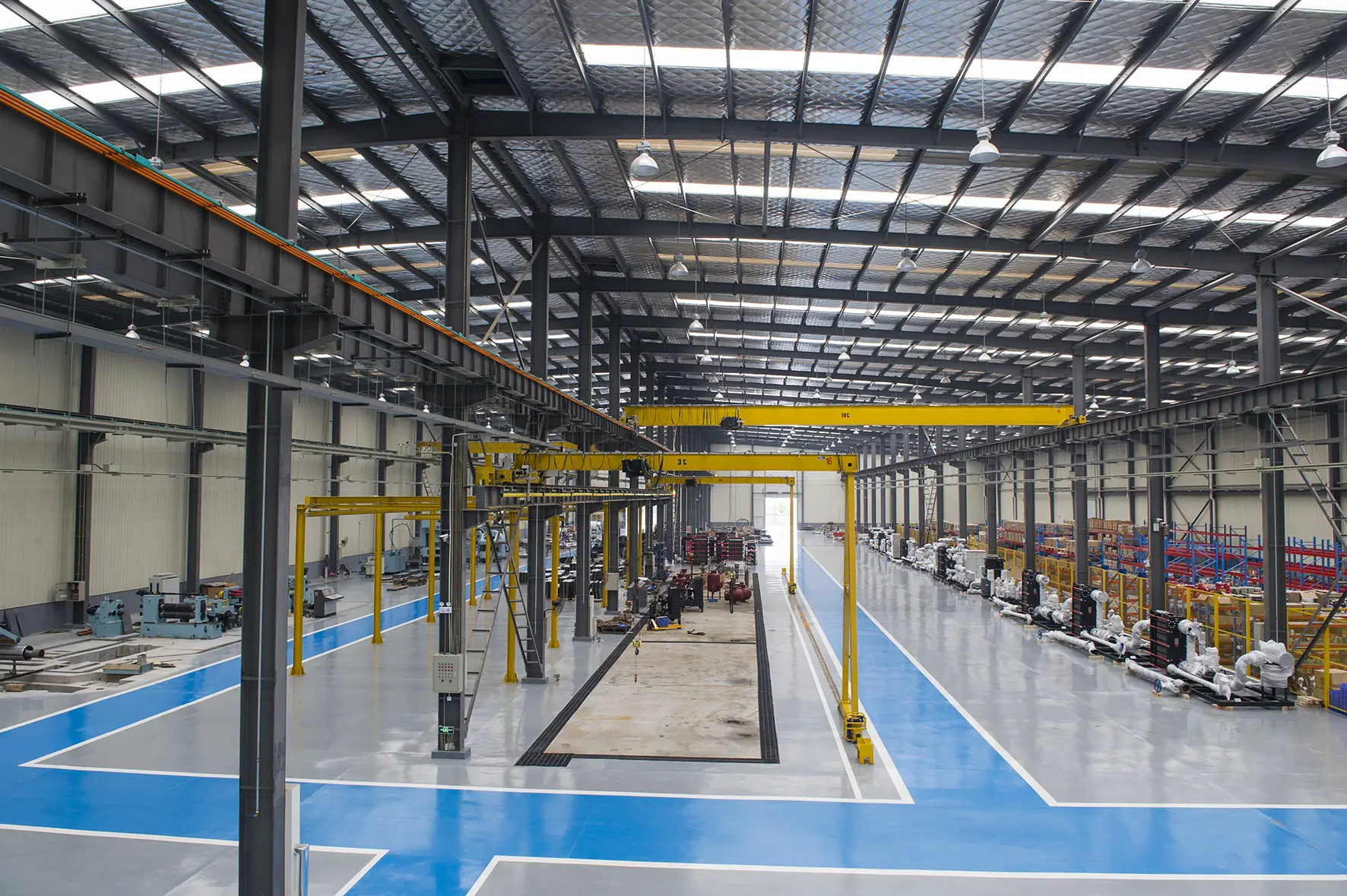
The company operates modern production workshops equipped with advanced manufacturing and quality inspection facilities. All frontline production staff are certified technicians who have undergone rigorous formal training. Production processes, quality control, and service operations strictly adhere to the ISO 9001:2015 international quality management system, while also complying with the pressure vessel quality assurance framework. Our products undergo mandatory inspections by national quality supervision authorities, ensuring full compliance with performance standards.
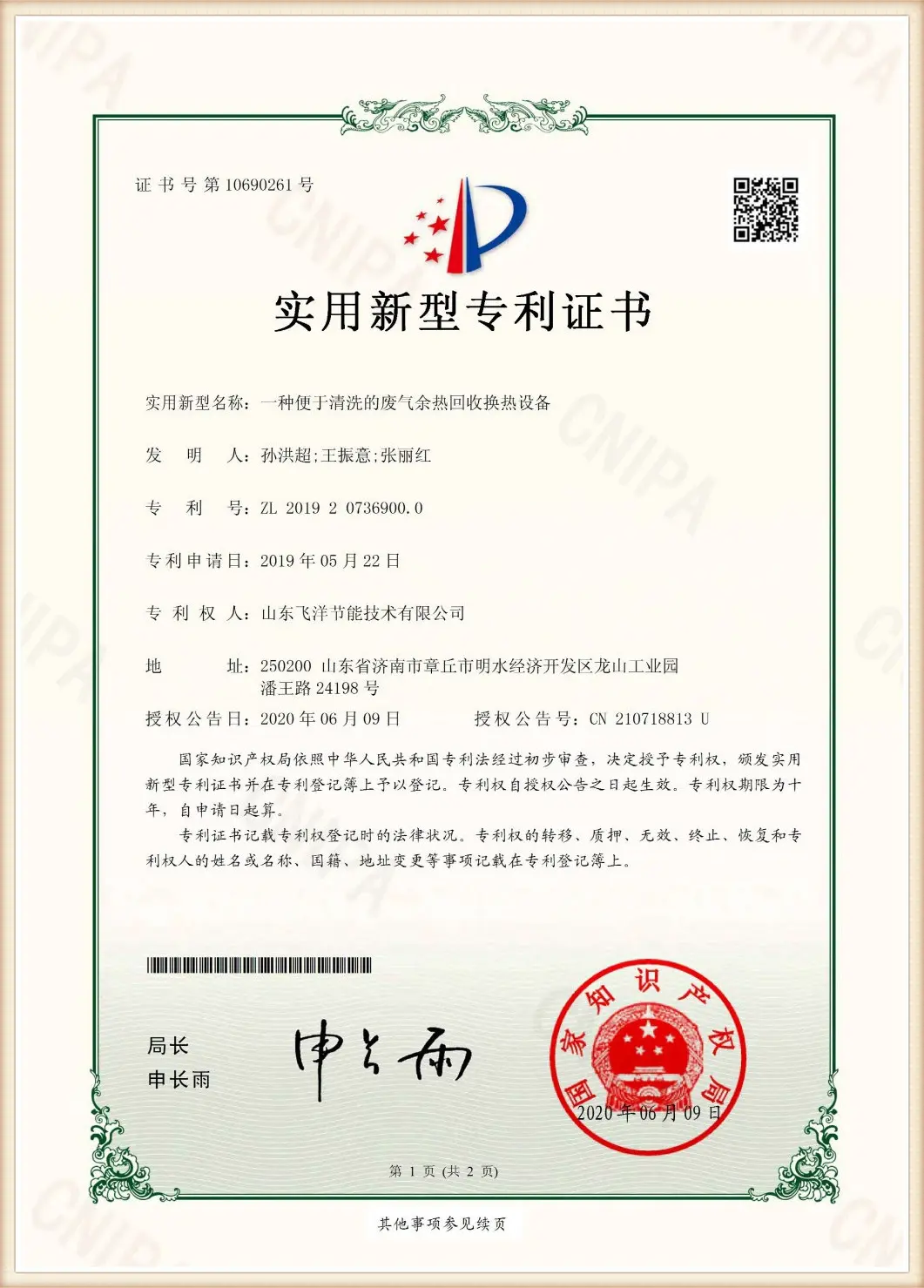
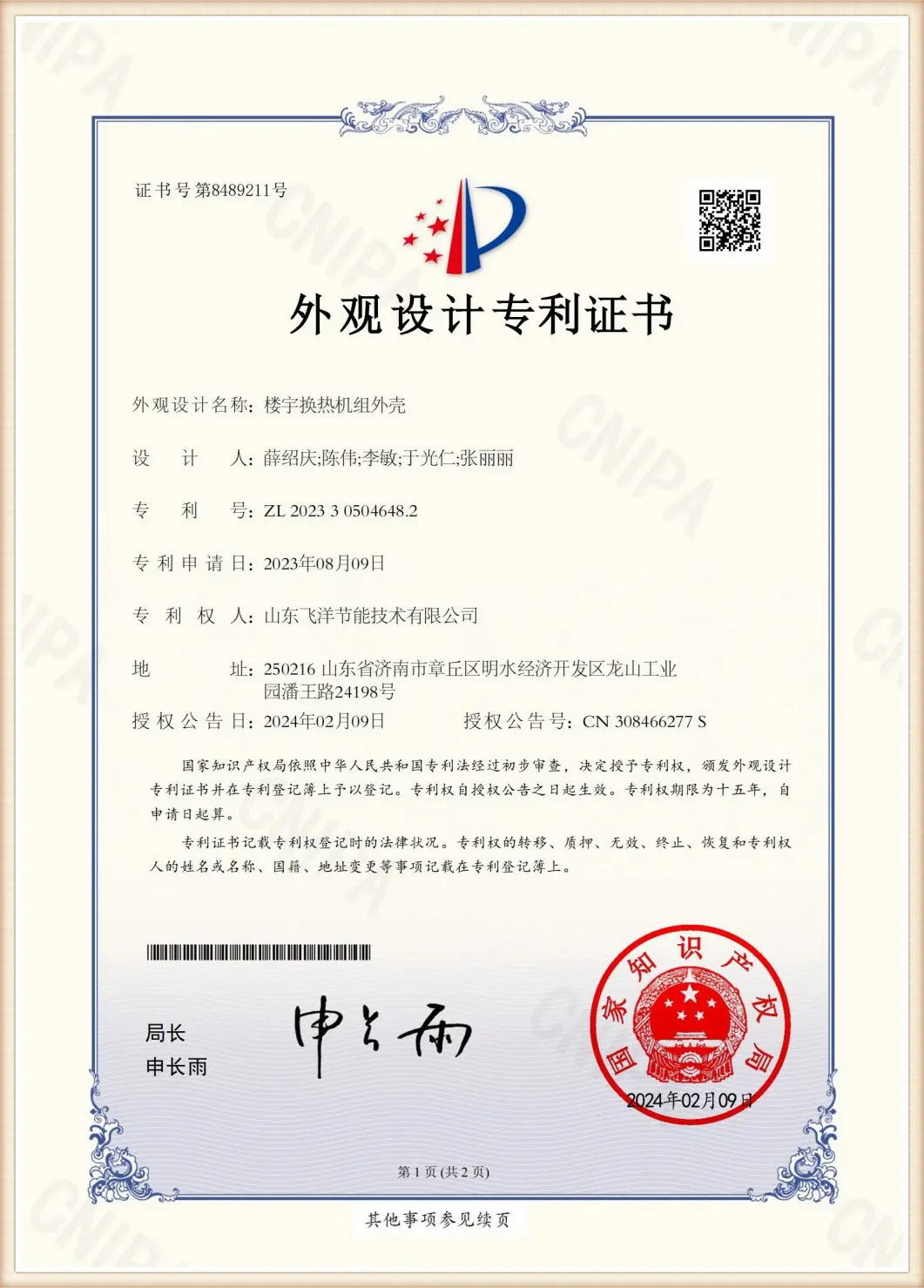
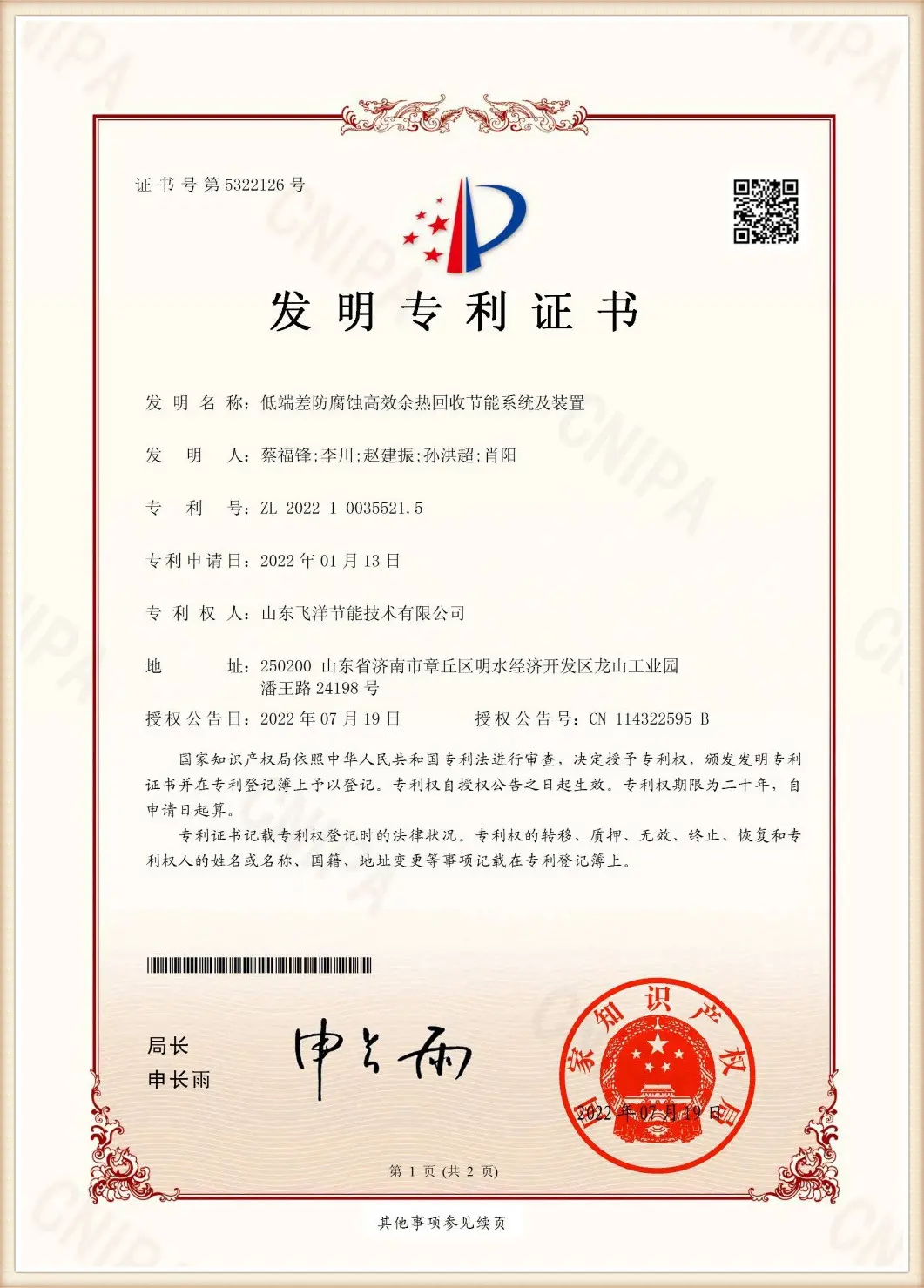
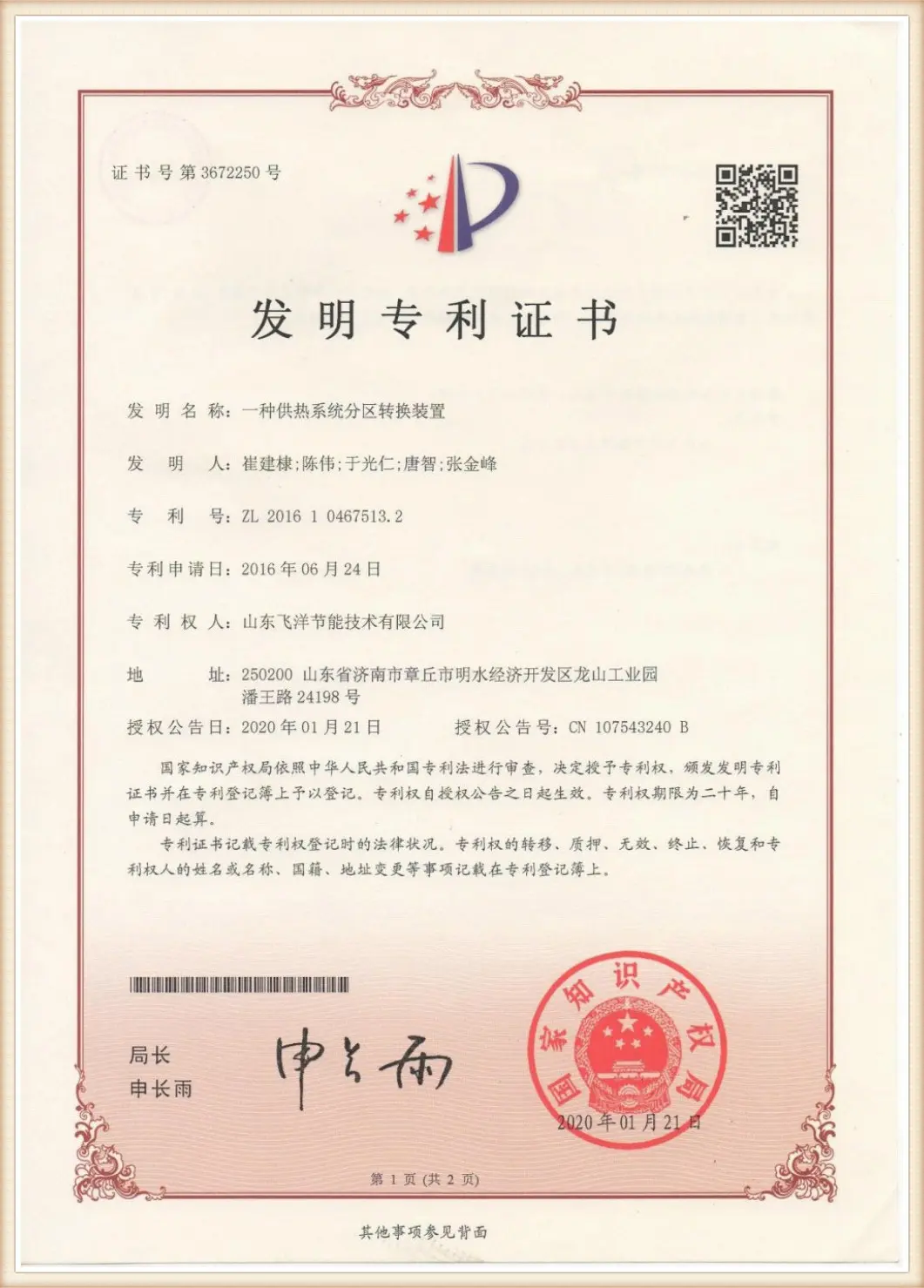
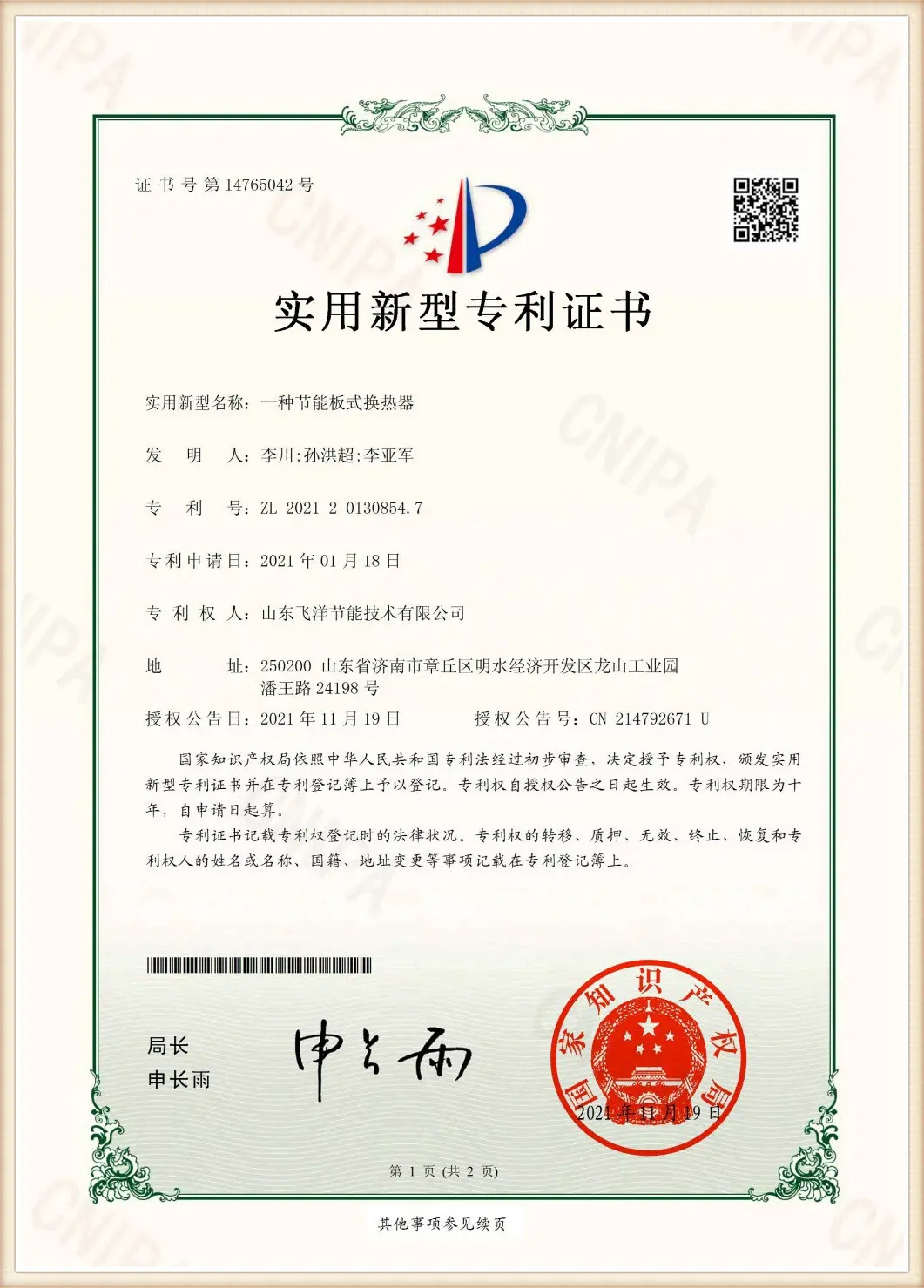
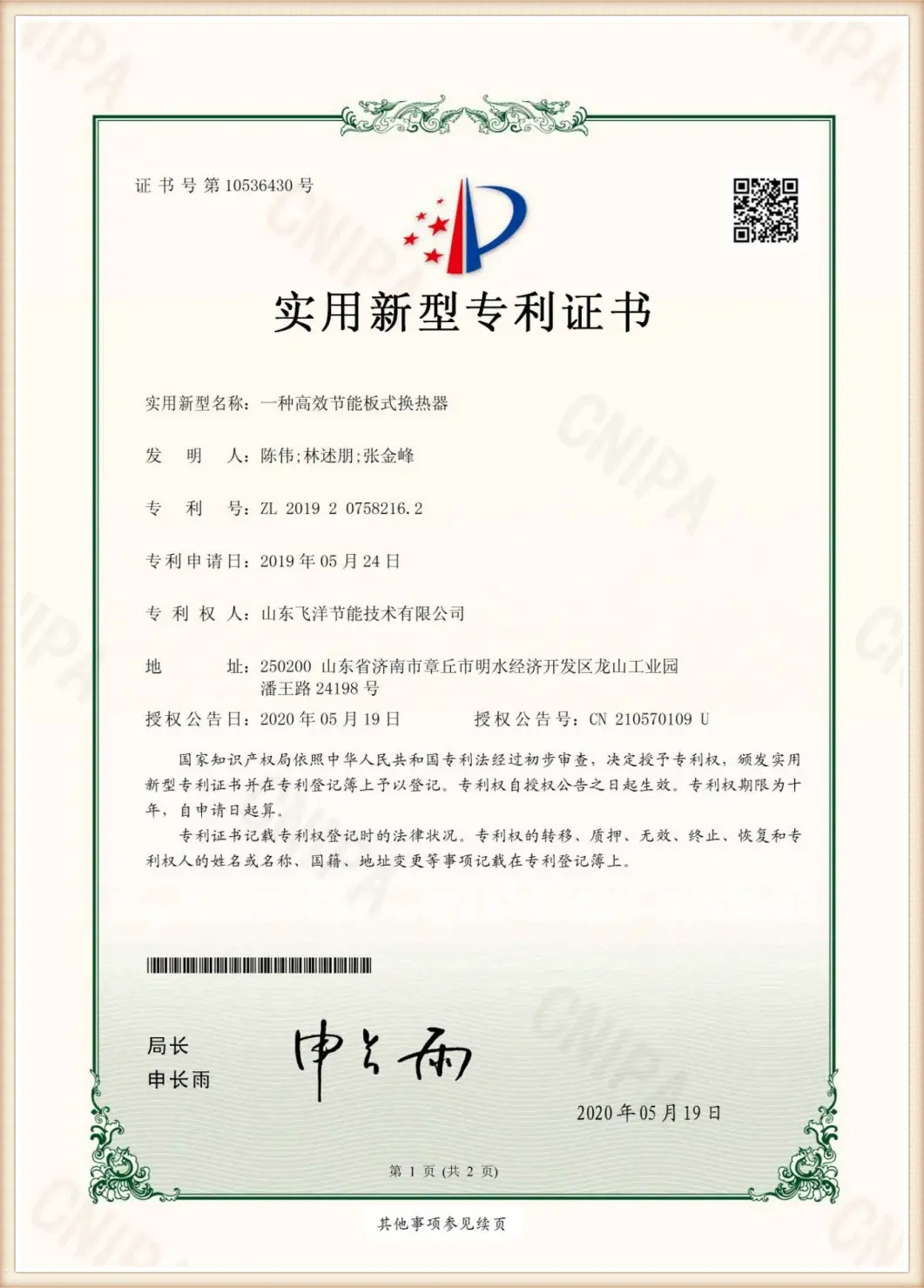
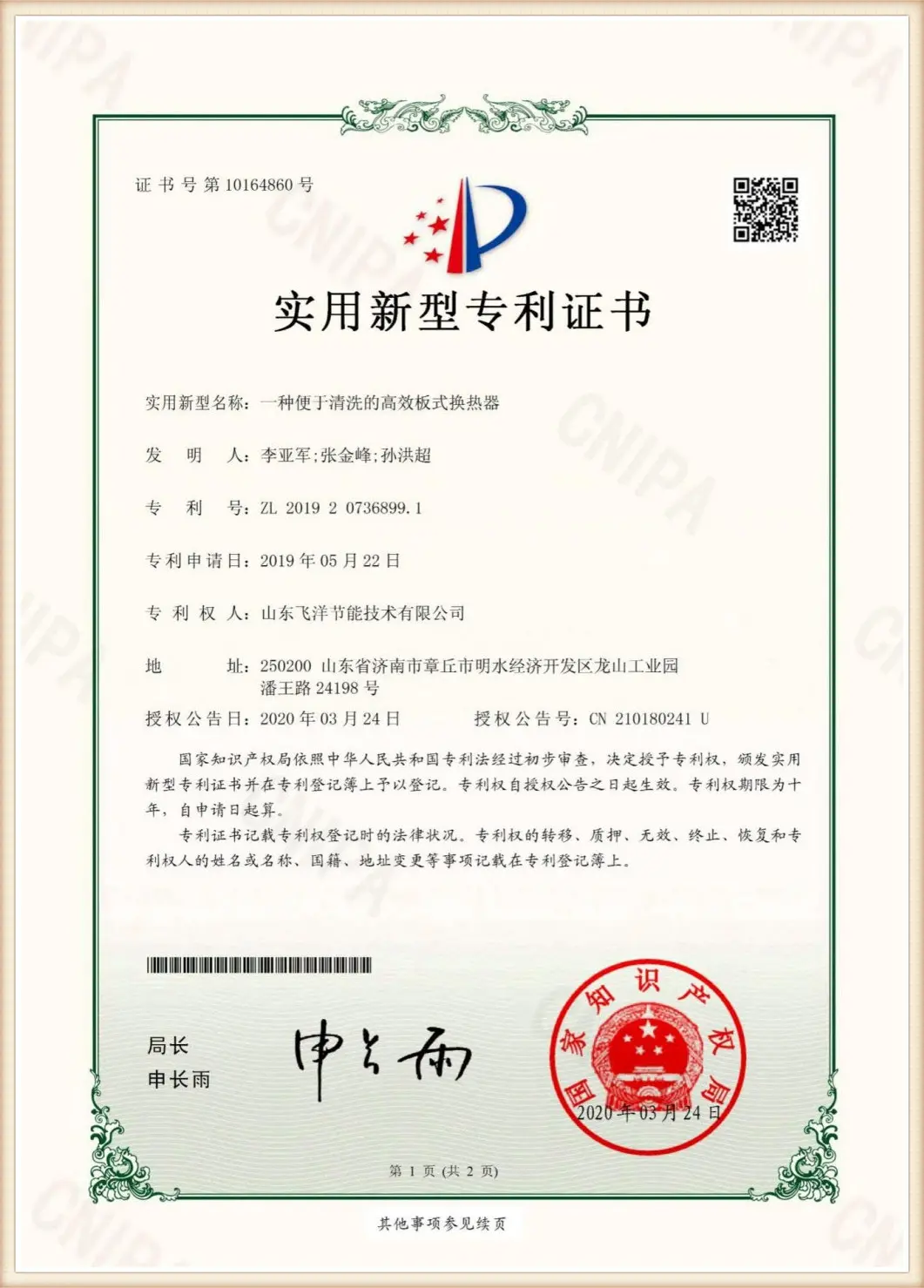
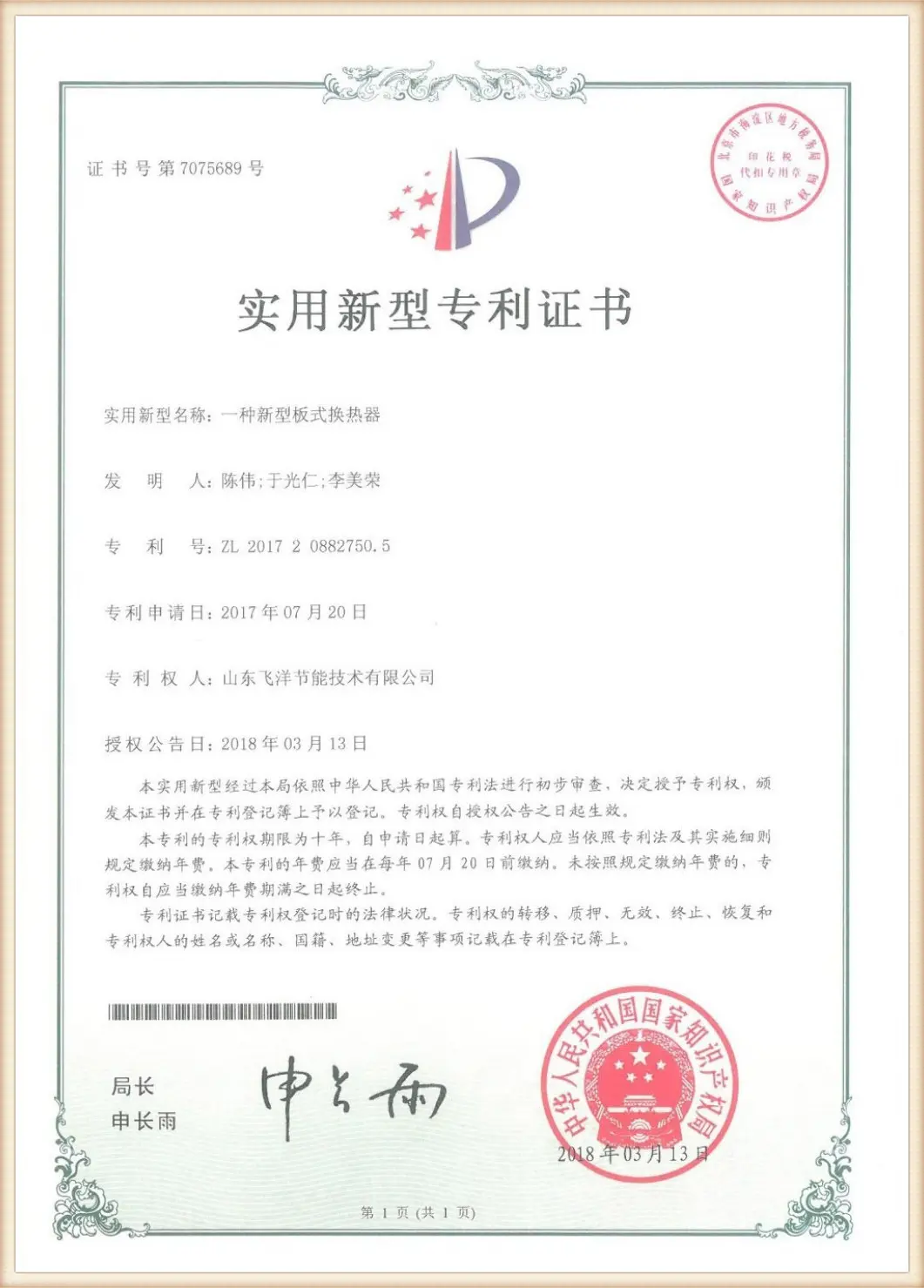
Precision engineering from design to structural verification, utilizing top-grade metallurgy and strict quality benchmarks.
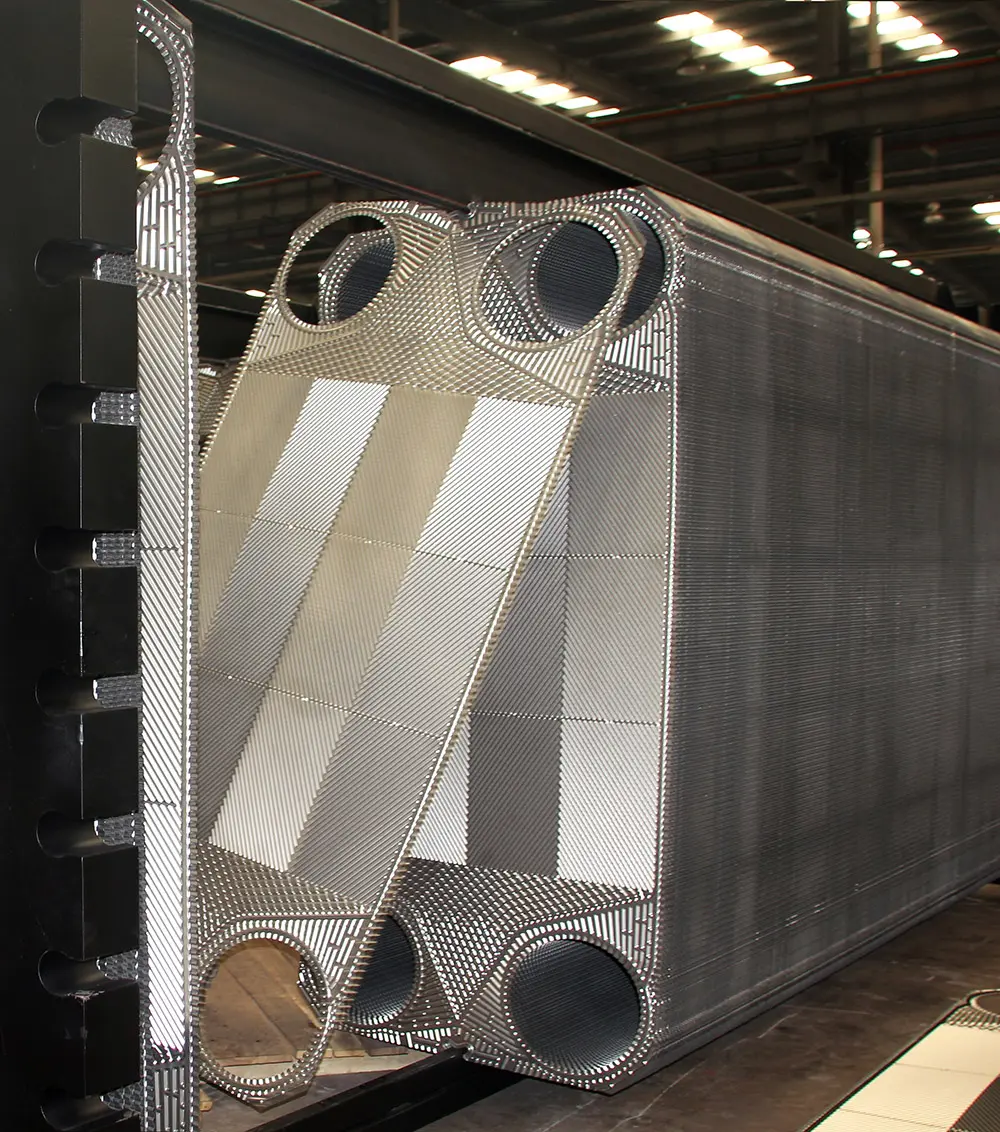
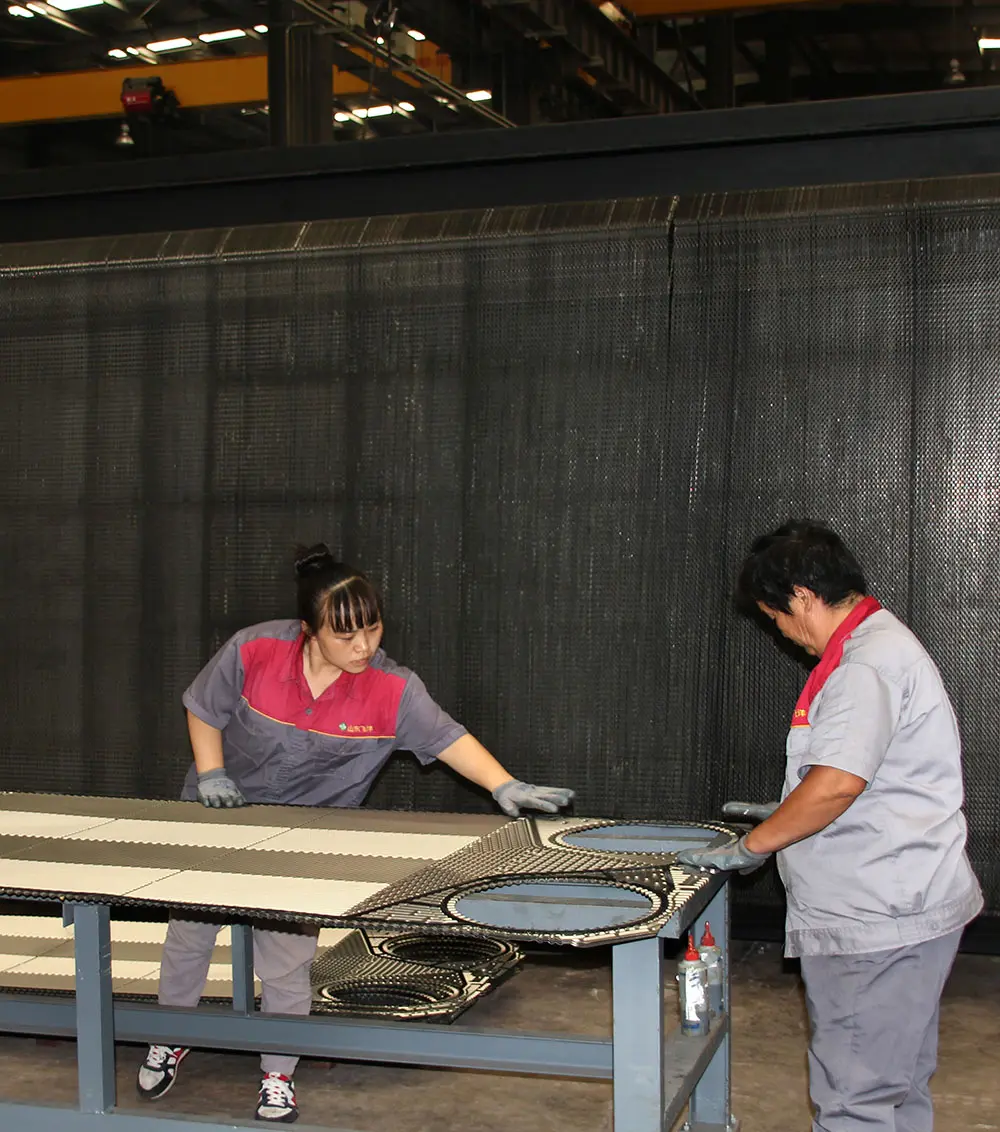
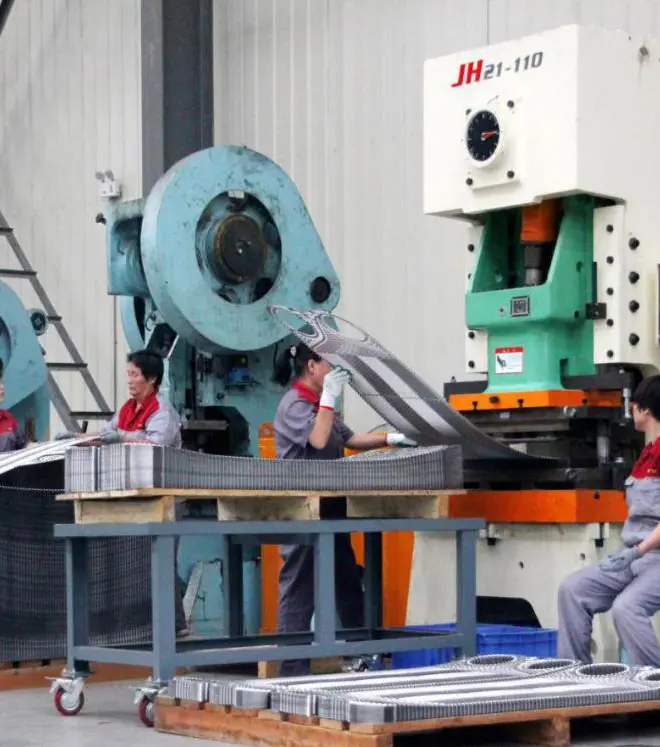
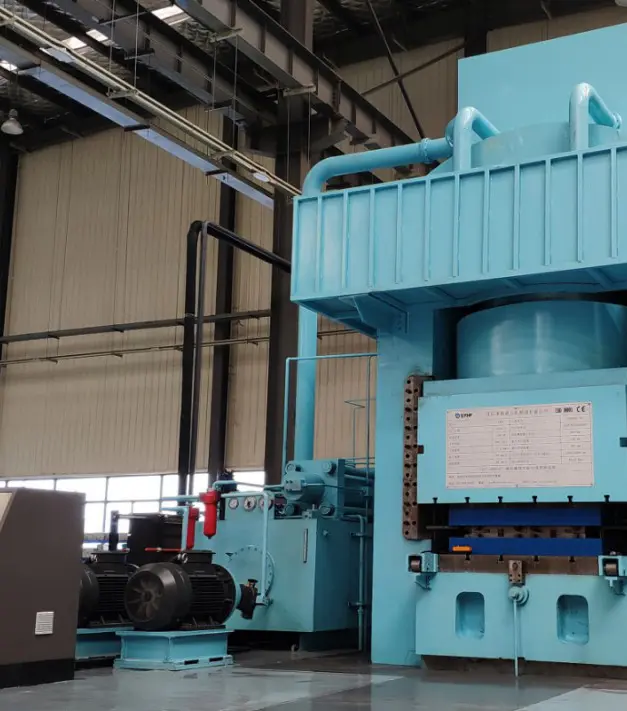
The global market for industrial separation is undergoing major shifts. Supply chain resilience, material traceabilities, and strict localized environmental standards (such as EU stage V limits or US EPA regulations) require manufacturers to adopt holistic engineering approaches. When procuring complex systems from a China Centrifugal Separator Supplier, global enterprises are not just looking for off-the-shelf machinery. They require integrated solutions that comply with international standards, such as ASME (American Society of Mechanical Engineers) Section VIII, European Union PED (Pressure Equipment Directive) 2014/68/EU, and CE marking. In resource-intensive zones like mining operations in Australia, chemical plants in Western Europe, and municipal wastewater grids in North America, failure to comply with local codes stops projects completely.
To mitigate these risks, Flotte leverages an advanced domestic supply chain based in our 70,000 m² modern production facility. The integration of high-grade raw material procurement, micro-forging technology, and systematic water pressure detection guarantees the mechanical integrity of our systems. This localized manufacturing capability ensures we can source high-end alloys (such as Duplex Stainless Steel 2205, Hastelloy, and Titanium Grade 1) from qualified suppliers. It allows us to deliver equipment with excellent chemical resistance and high mechanical durability. As a result, our machinery handles highly corrosive process streams while resisting wear under intense centrifugal shear stresses.
Beyond material quality, logistical efficiency is a key component of supply chain resilience. By standardizing components and maintaining an automated inventory of critical parts (gaskets, seals, bearing housings, and control modules), we can ship spare parts globally with short lead times. Our multi-lingual engineering teams coordinate closely with regional partners to provide local technical support, assist with commissioning, and provide detailed technical documentation. For projects requiring comprehensive engineering drawings and operation manuals, our downloadable Centrifugal Separator PDF manuals serve as useful reference material, streamlining the mechanical and electrical integration phases for onsite contractors.
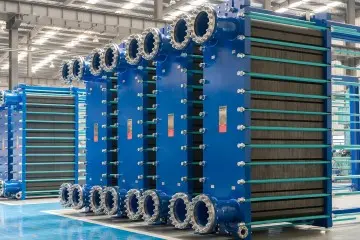
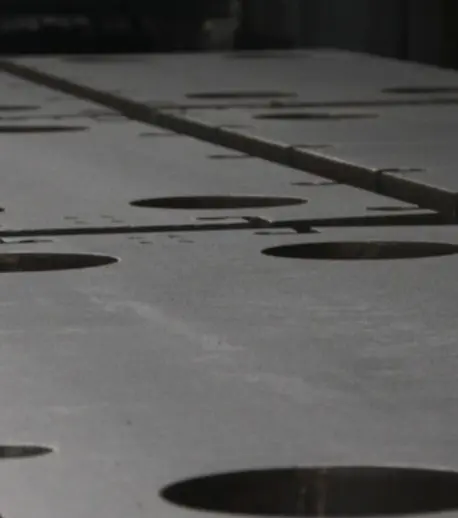
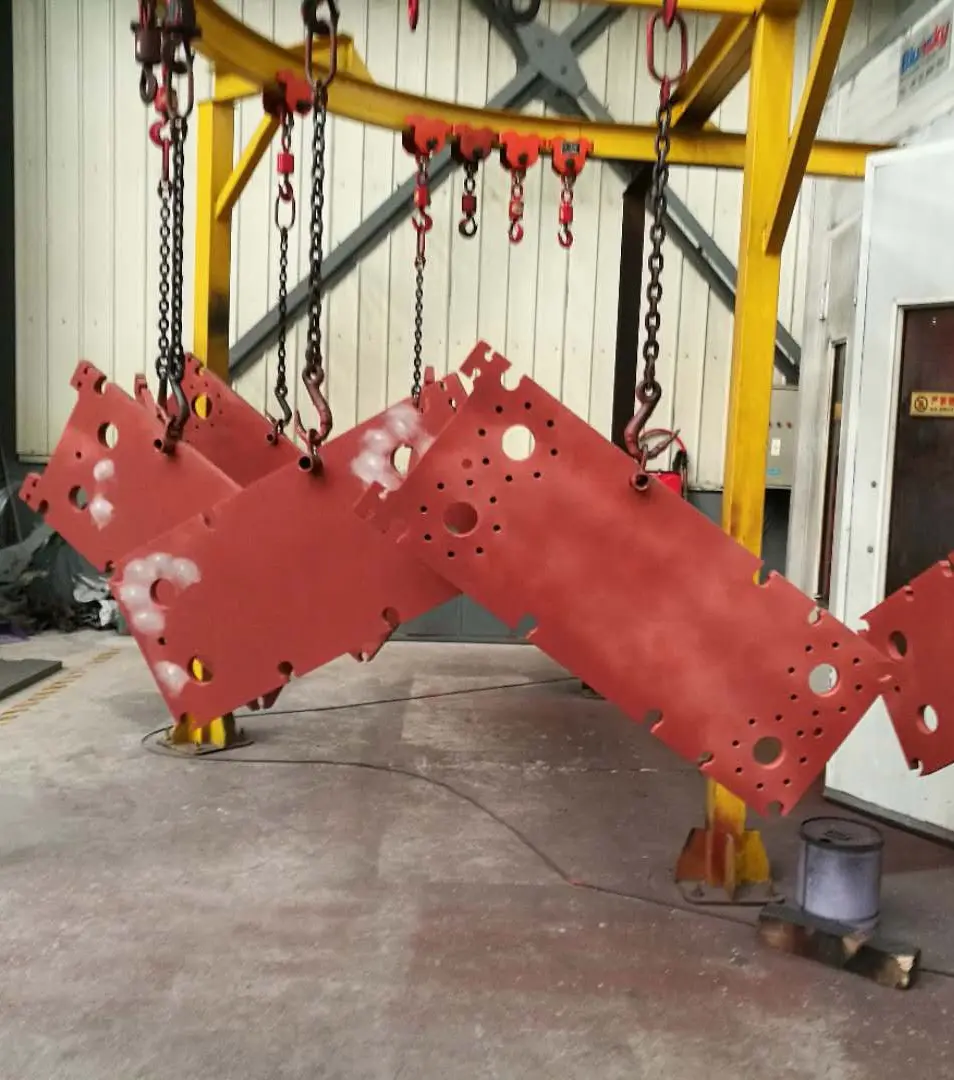
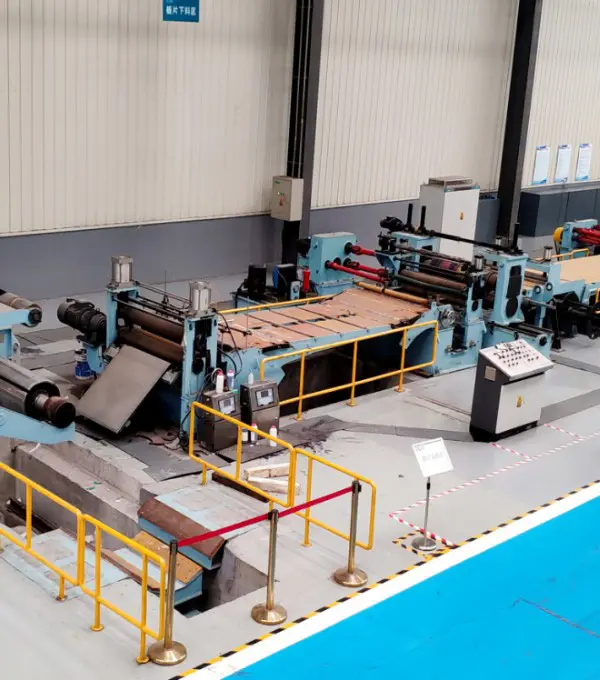
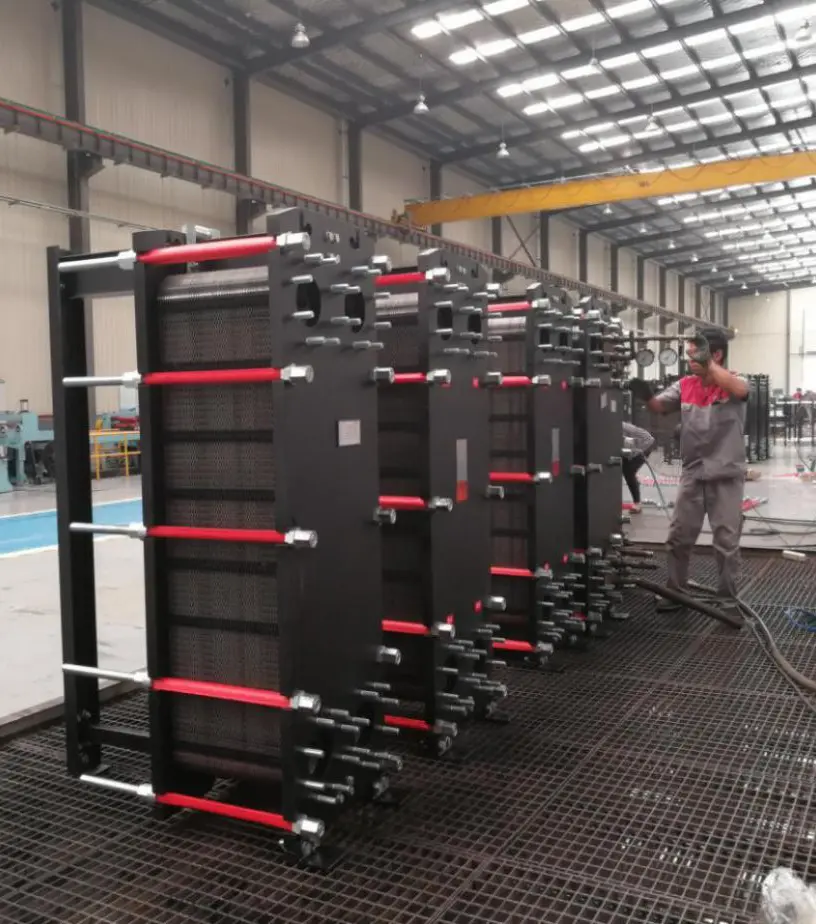
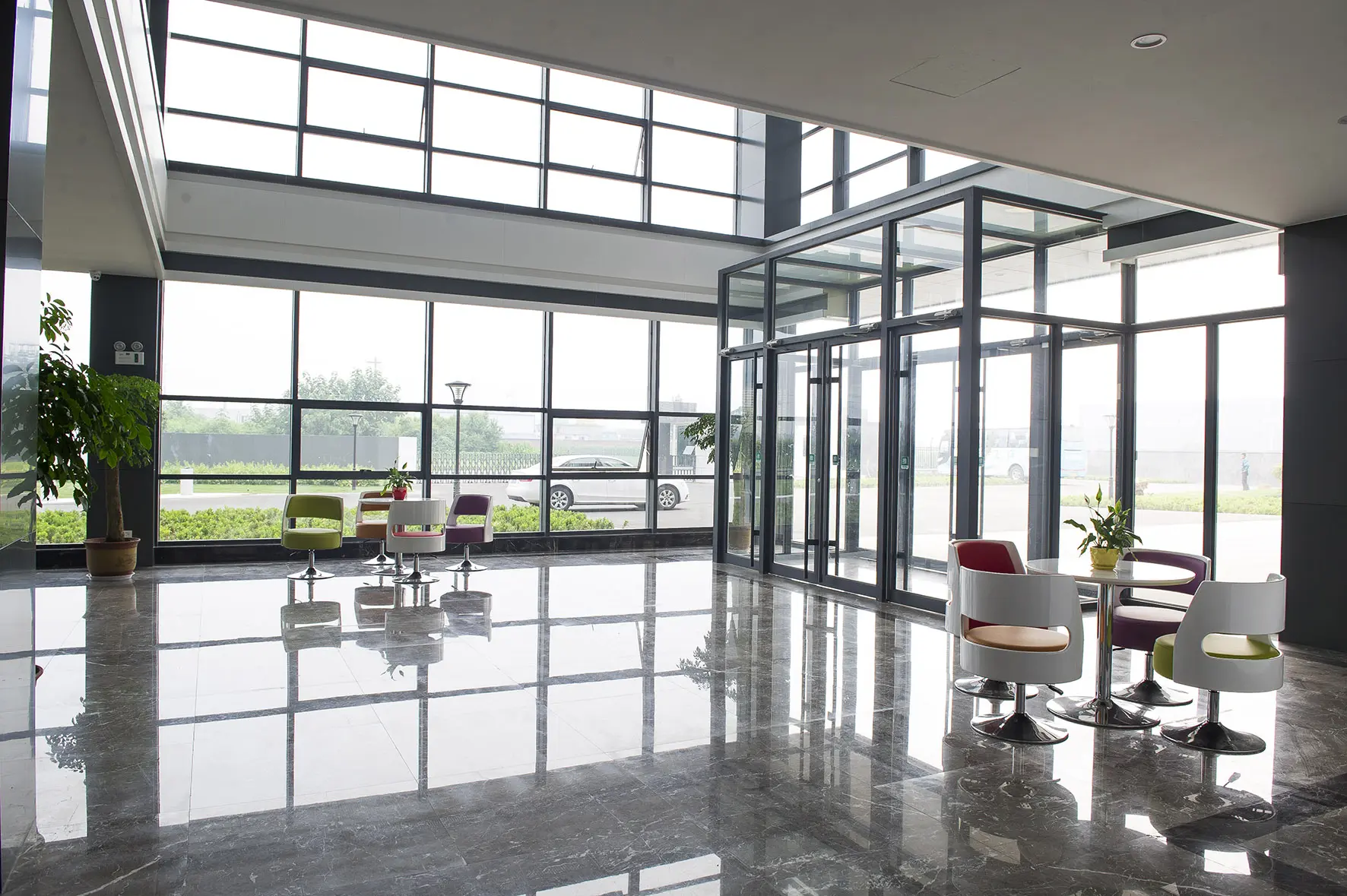
Inside our manufacturing hub, showing CNC precision engineering, sheet metal stamping, and cleanroom assembly lines.
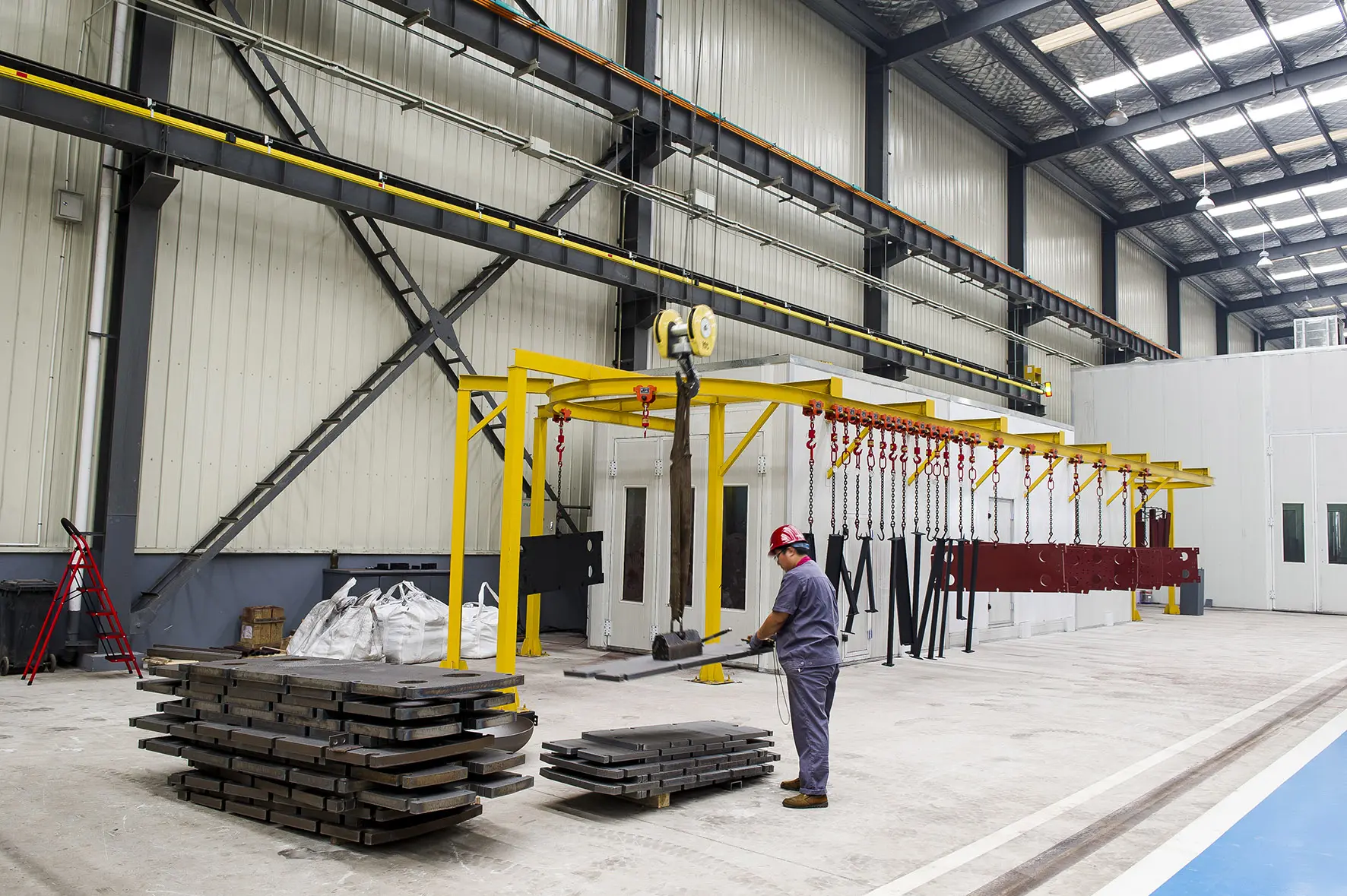
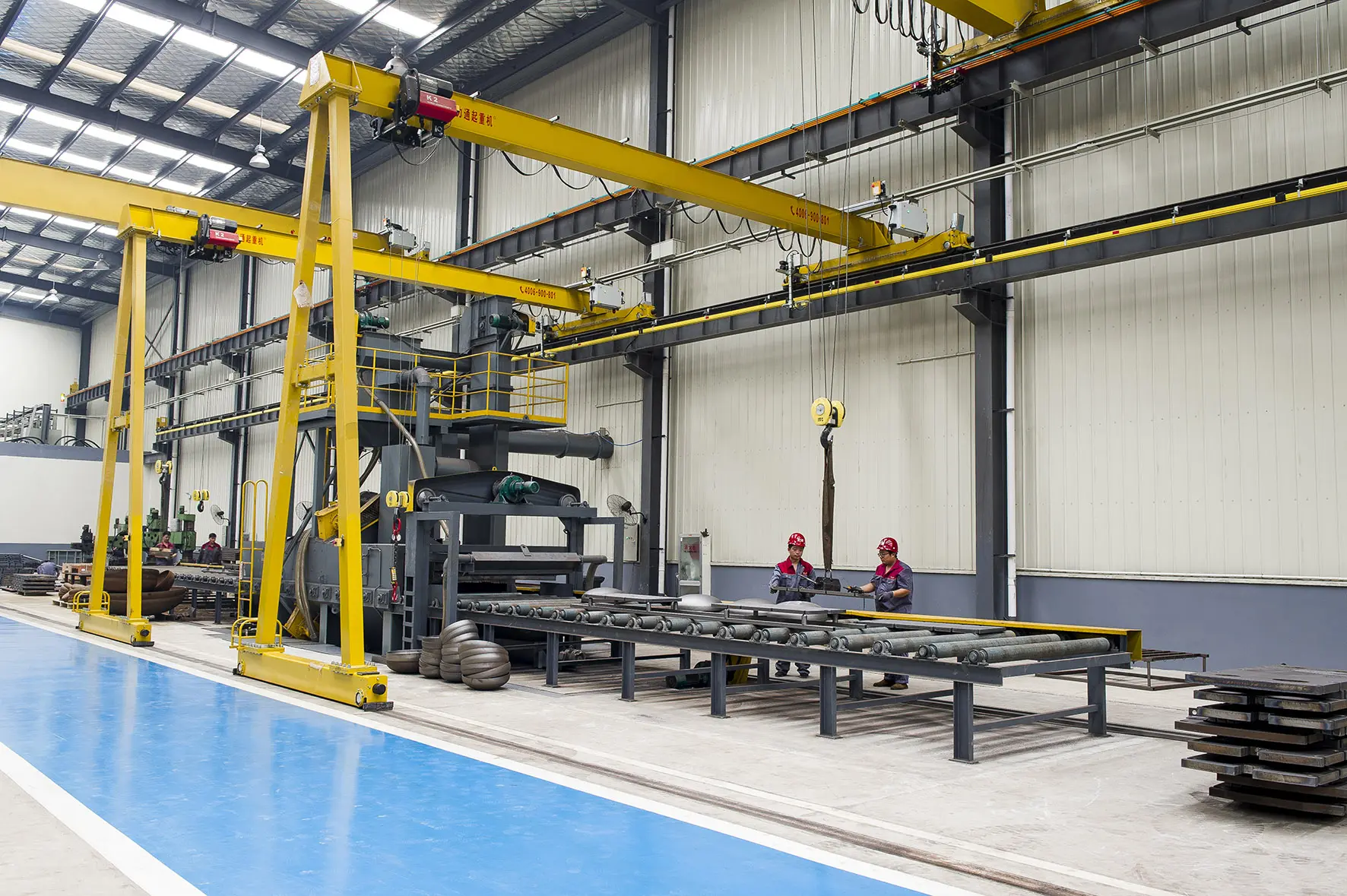
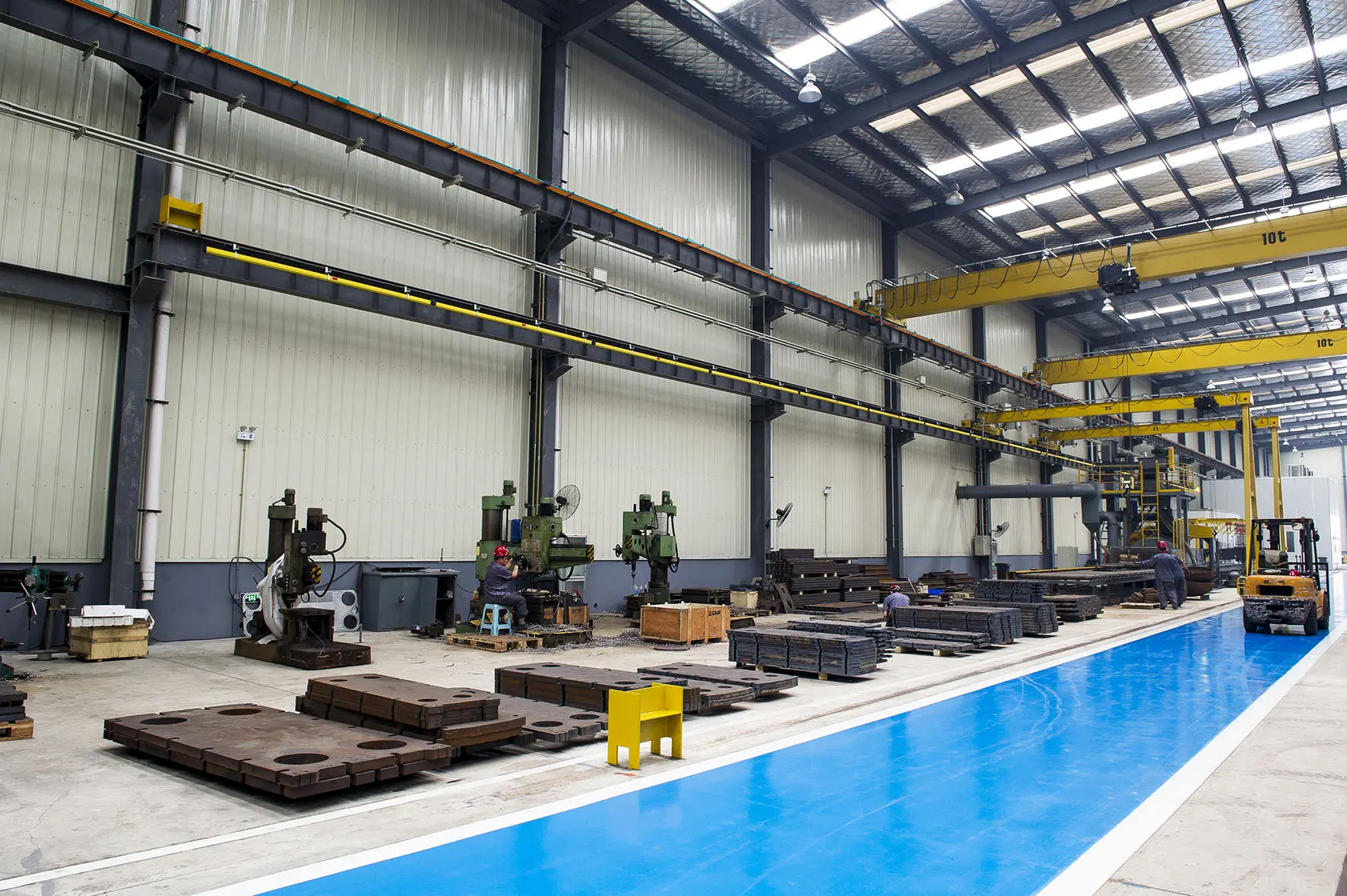
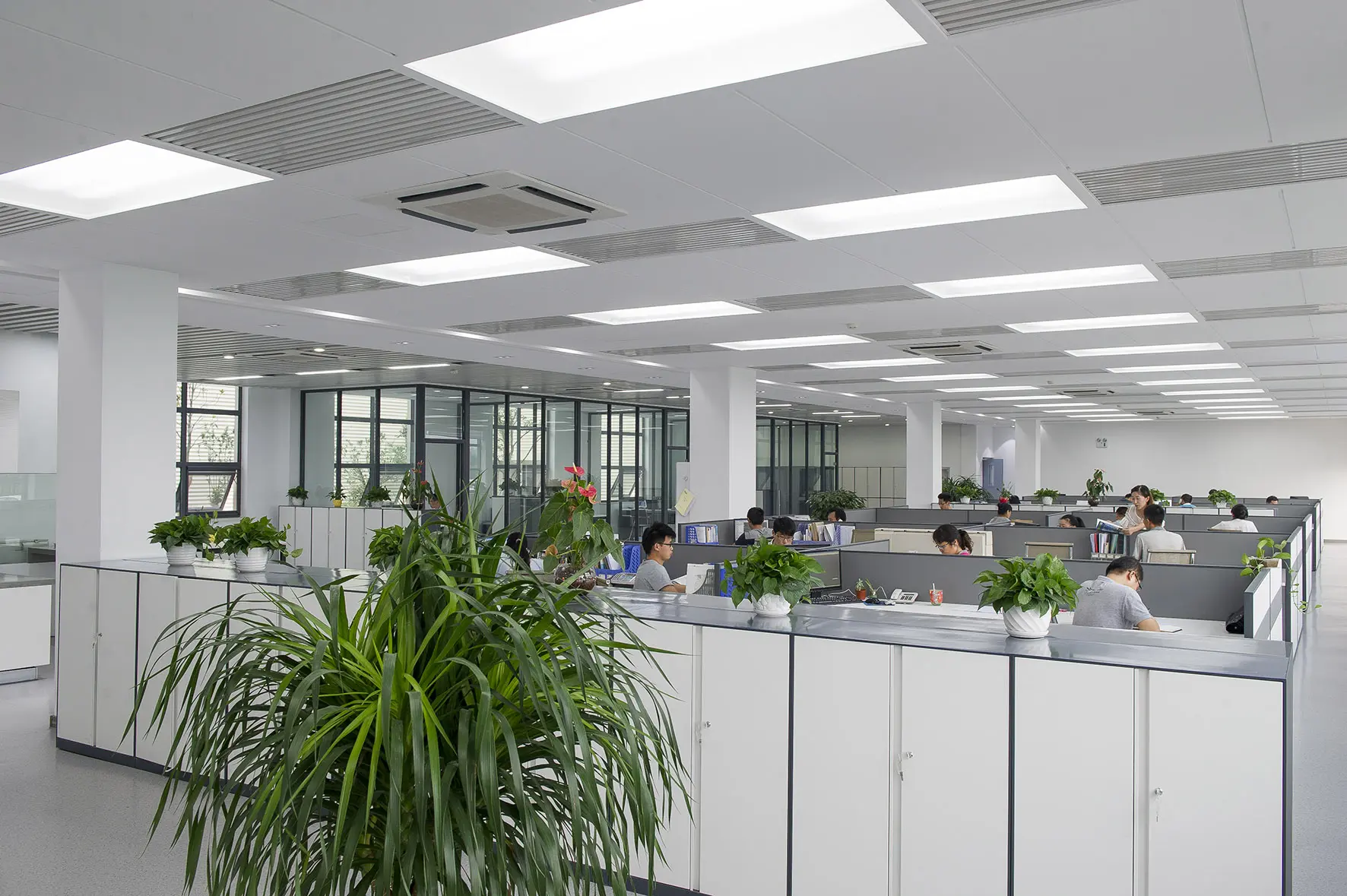
How Flotte delivers engineering value across heat transfer, industrial separation, and system controls.
Specializing in plate heat exchangers, it features patented corrugated plate design, achieving 2-3 times higher heat exchange efficiency than conventional equipment.
The products cover 8 core areas such as air conditioning, heating and ventilation, and central heating. The solutions have been verified by projects in many places around the world, and can accurately match different regional conditions and compliance requirements.
The whole process quality control system runs through the production, the products have obtained a variety of certifications, and the preferred stainless steel, titanium and other high-end materials ensure stable and durable in harsh environments.
We provide customized design, after-sales maintenance and one-stop service, multilingual team + efficient supply chain, to ensure that global customers can get timely technical and logistical support.
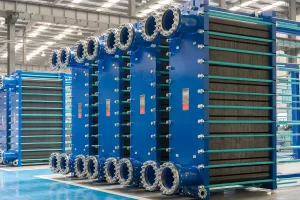
In municipal district heating networks, centralized energy nodes depend on thermal water quality to prevent long-term system deterioration. Our plate heat exchangers and balance valves control municipal heat distribution. However, when municipal networks rely on untreated groundwater or surface sources, particulate matter poses a major threat to these systems. This is where centrifugal separators play a critical role in pre-treatment. By continuously removing sand, scale, and iron oxide flakes from incoming water, these separators reduce the particulate load before the fluid enters the heat exchangers. This keeps heat transfer surfaces clean and ensures consistent, long-term system efficiency.
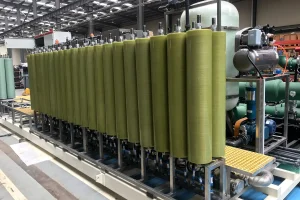
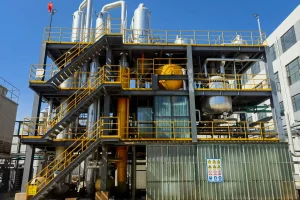
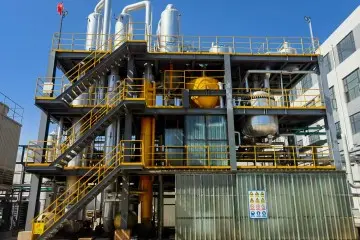
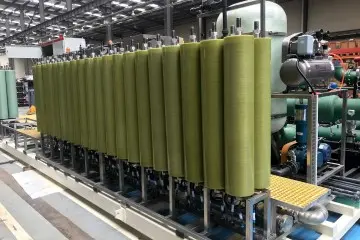
Furthermore, in industrial wastewater treatment and membrane concentration plants, centrifugal separation acts as the first line of defense. The raw feed stream, often containing abrasive solids, is directed through high-G-force separators. This step removes larger solids that could otherwise tear membrane surfaces or clog small flow channels. Our membrane concentration systems benefit from this upstream filtration, experiencing less fouling and longer service life. For chemical processing plants utilizing our Multi-Effect Evaporation Systems, removing suspended solids via centrifugal filtration prevents scale build-up on hot tube surfaces. This preserves heat transfer rates and reduces the frequency of cleaning cycles.
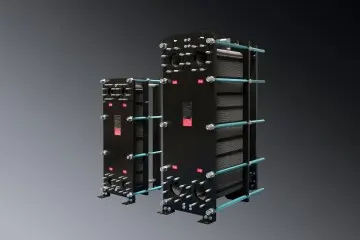
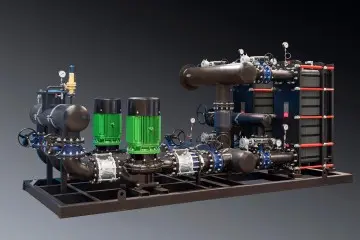
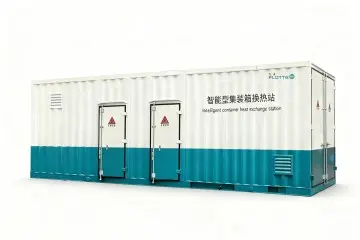
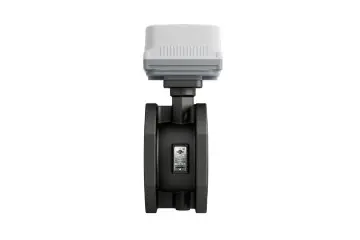
Detailed components, heat exchange assemblies, and separation supporting products engineered by Flotte.
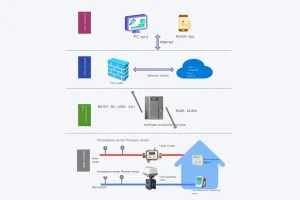
Looking ahead, industrial separation is shifting toward smart, automated operation. The integration of Internet of Things (IoT) sensors into centrifugal separators marks a significant milestone in our technology roadmap. Traditional separators relied on manual speed changes and scheduled shutdowns for inspection. In contrast, modern smart systems utilize continuous vibration analysis, temperature monitoring of the main bearings, and acoustic indicators to predict wear before failures occur. By incorporating frequency converters (VFDs) and PLC automation, the rotor speed can dynamically adjust to variations in input slurry density, optimizing power consumption and reducing motor stress.
Furthermore, energy recovery remains a core focus of our research and development. Centrifugal systems require high starting currents and run at high rotational speeds, consuming significant energy. We are addressing this by integrating regenerative drive systems that convert kinetic energy back into electrical energy during deceleration cycles. Additionally, our specialized clean-in-place (CIP) protocols utilize automated nozzle systems to clean the centrifuge bowl without disassembly. This reduces maintenance downtime from days to hours. For details on these energy-saving mechanisms, refer to the documentation in our downloadable Centrifugal Separator PDF, which outlines the electrical, mechanical, and control interfaces of our industrial products.
Direct answers to common engineering questions regarding centrifugal separation, heat exchange integration, and maintenance.
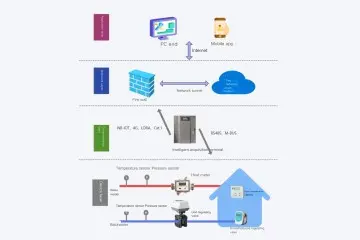
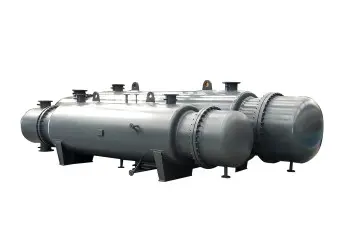
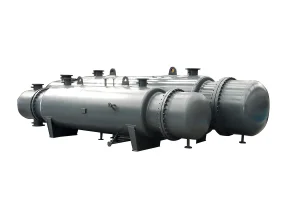
Explore our high-efficiency shell & tube heat exchangers, network monitoring systems, and intelligent control valves.
 Flotte Energy