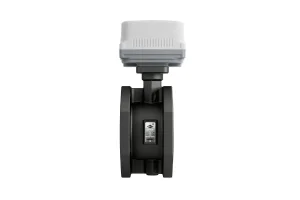
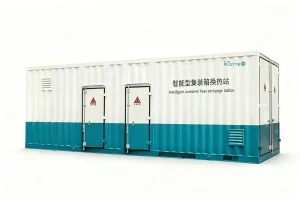
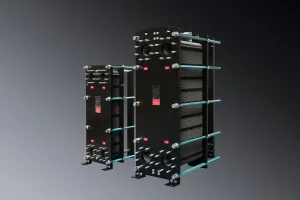
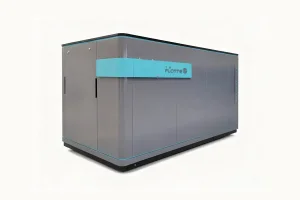
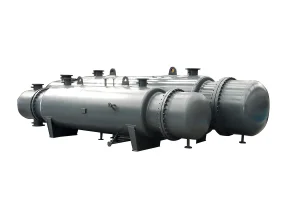
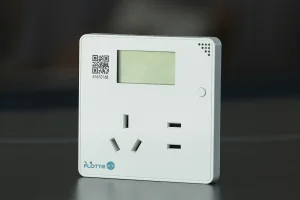
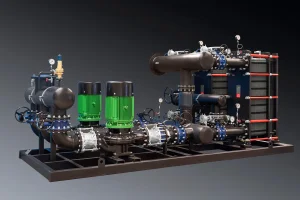
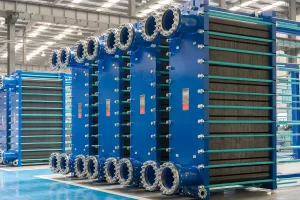
Explore our integrated HVAC, fluid control, and wastewater concentration machinery direct from our manufacturing base.
Analyzing the shift towards high-volume, continuous solid-liquid separation in modern wastewater engineering.
In the era of modern environmental compliance, sludge dewatering and solid-liquid separation represent critical operational bottlenecks across municipal and industrial sectors. Historically, industries relied heavily on belt filter presses, recessed chamber filter presses, or drying beds. However, these methods are characterized by intermittent batch processes, high footprint requirements, massive consumption of clean water for filter washing, and significant manual maintenance overhead.
The introduction of continuous-flow decanter centrifuges has fundamentally revolutionized this process landscape. By leveraging centrifugal force fields exceeding 2,500 to 3,500 Gs, these advanced industrial separation machines accelerate the sedimentation rate of suspended solids. The resulting separation delivers exceptional sludge cake dryness while optimizing flocculant (polymer) dosage rates. For international sourcing agents, municipal engineering leads, and industrial plant managers, identifying reliable China centrifuge sludge suppliers who integrate state-of-the-art metallurgical construction with smart control interfaces is paramount to reducing operational expenses (OPEX) and achieving environmental compliance.
Market dynamics, strict disposal regulations, and the drive for zero-liquid discharge (ZLD) paradigms.
The global market for industrial centrifuges is witnessing substantial expansion, driven by stringent national policies regarding chemical oxygen demand (COD), total suspended solids (TSS), and heavy metal disposal limits. Regions such as North America, Europe, and East Asia are implementing tighter landfill bans on wet waste. Sludge must undergo thorough dewatering to drop moisture levels below 60%—and in some regions below 45%—before it can be accepted at composting facilities, landfills, or incineration plants.
In terms of industrial economics, wet sludge transport represents a highly inefficient logistics model, where companies essentially pay to transport water. Centrifugal dewatering systematically reduces this cost burden by producing a concentrated, stackable dry cake. Furthermore, the global push toward "Circular Economy" paradigms has transformed sludge from a pure disposal liability into a potential energy source. Dewatered municipal sludge is co-incinerated in cement kilns or processed in anaerobic digesters to produce biogas. Within this framework, high G-force industrial centrifuges serve as the initial, non-negotiable process step, enabling subsequent thermal drying operations to operate at peak thermal efficiency.
How decanter centrifuges perform across diverse industrial environments and process feeds.
Processing waste activated sludge (WAS) and digested sludge. Centrifuges continuously handle high-volume feed rates, separating organic biomass to yield dry solids suitable for composting, direct agricultural application, or subsequent thermal drying loops.
Treating drilling fluid slurries and slops. Centrifuges separate high-density barite solids from oil- or water-based muds, allowing the reuse of drilling fluids while minimizing slurry waste discharge.
Ideal for dewatering hazardous sludges, chemical catalyst recovery, and industrial process streams. Specialized sealed gastight models prevent solvent vapor release, ensuring plant safety.
Dewatering of mineral sands, coal tailings, and fine ores. Advanced wear-resistant centrifuge liners resist highly abrasive silica particles, recovering clean water and producing transportable solids.
Gently separates active pharmaceutical ingredients (APIs), cellular biomass, and fermentation waste. Strict compliance options include polished duplex steel and Clean-in-Place (CIP) systems.
Processing starch, proteins, oil extractions, and food factory effluent. High-efficiency separation recovers valuable organic material for animal feed while minimizing downstream biological load.
Developing next-generation mechanical separation architectures to optimize energy recovery and structural durability.
To combat high abrasive forces generated during high G-force solids discharge, modern decanter scroll conveyors are reinforced with sintered tungsten carbide tiles. Bowl shells are dynamically cast from centrifugal duplex stainless steel (e.g., 1.4462 / SAF 2205), preventing stress-corrosion cracking and ensuring an operational lifespan exceeding 15 years in corrosive chemical environments.
Integrating advanced drive topologies enables precise control of the differential speed between the centrifuge bowl and scroll. Standard configurations incorporate regenerative VFDs, reclaiming electrical energy from the secondary motor and feeding it back into the primary bus. Digital PLCs dynamically adjust scroll torque to prevent feed-chamber plugging, managing changes in sludge consistency without human intervention.
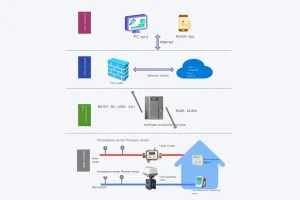
Developing the connection between centrifuge operations and supervisory control databases. Integrating vibration transmitters (piezoelectric type), bearing temperature RTDs, and flowmeters allows real-time diagnostics. Machine learning algorithms adapt polymer dosing rates based on centrate turbidity, lowering chemical consumption by up to 25% while maintaining dry cake targets.
Combining robust industrial clusters with stringent quality control to deliver competitive global solutions.
China's manufacturing ecosystem for industrial centrifuges leverages robust regional industrial clusters. The supply chain integrates raw material sourcing, heavy-duty forging, dynamic balancing, and electrical control panel assembly within localized regions. This proximity reduces transit times and manufacturing costs. By using advanced CNC centers for scroll machining and heavy-duty vertical lathes for large-diameter centrifuge bowls, Chinese suppliers maintain high geometric tolerances, minimizing mechanical vibration and extending bearing life.
Furthermore, companies like Flotte Energy Saving Company demonstrate how systematic quality management guarantees long-term field reliability. Adhering to the ISO 9001:2015, ISO 14001:2015, and ISO 45001:2018 management frameworks, each component undergoes rigorous testing—including raw material chemical validation via spectrometers, non-destructive ultrasonic testing for cast steel voids, and high-speed dynamic balancing of complete rotor assemblies. This approach ensures compliance with international quality standards.
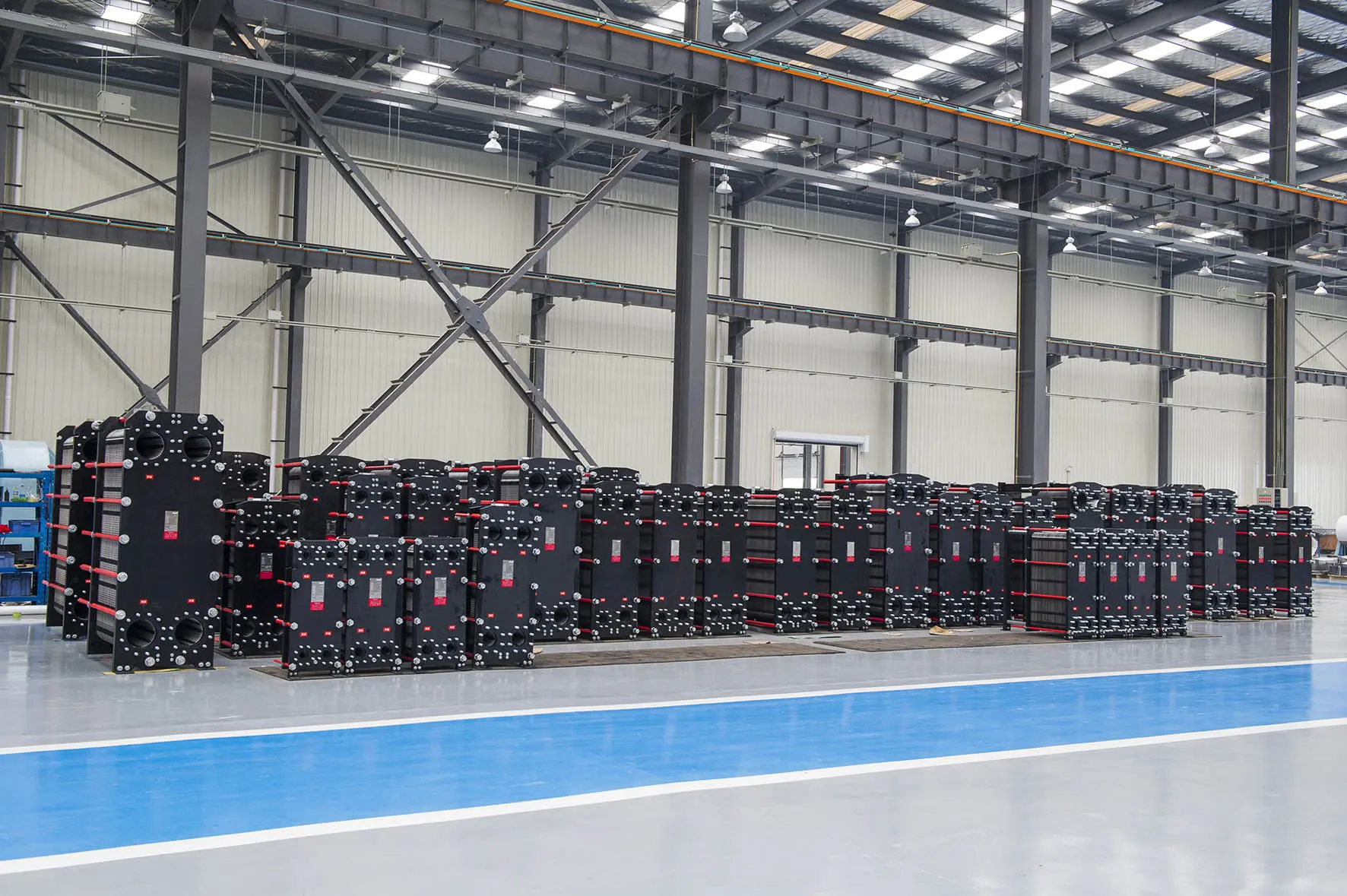
Established in 2013 with a registered capital of 101 million yuan, Flotte Energy Saving Company originated from Flotte Thermal Engineering founded in 1995. With three decades of technical expertise, the company specializes in water equipment, HVAC systems, and water treatment industries. It consistently leads industry peers in adopting cutting-edge technologies, developing innovative products, and delivering comprehensive production and sales services.
The company has been continuously advancing in production technology innovation, holding multiple patent certifications including "High-Efficiency Plate Heat Exchanger", "Intelligent Plate Heat Exchanger System", and "Plate Heat Exchanger Scale Removal Device" (see qualification documentation). Its products have obtained mandatory national product certification and safety registration from the National Standardization Committee, along with the safety registration for plate heat exchangers issued by the National Boiler and Pressure Vessel Standardization Technical Committee.
Flotte has accumulated valuable expertise in technology development, production, application, and installation services. Having delivered equipment and technical support for multiple key projects, it has cultivated a team of highly skilled technicians and installation specialists. Moving forward, the company will continue to thrive in the industry by maintaining cutting-edge technologies, providing premium products and professional services, while ensuring that past, present, and future users can rest assured about after-sales support.
The company has established modern production facilities that combine advanced manufacturing with systematic management, producing high-tech integrated products. It holds a leading position in the industry nationwide and commands a substantial market share. Annually, it manufactures approximately 4,500 heat exchange units and water supply/drainage equipment sets. With over 300 employees, the company generates annual sales revenue of 500 million yuan and contributes 15 million yuan in taxes and profits.
Combining specialized thermal engineering with modern manufacturing to optimize fluid processing.
Specializing in plate heat exchangers, it features patented corrugated plate design, achieving 2-3 times higher heat exchange efficiency than conventional equipment.
The products cover 8 core areas such as air conditioning, heating and ventilation, and central heating. The solutions have been verified by projects globally, matching regional conditions and compliance requirements.
The whole process quality control system runs through production. Products are certified, and preferred stainless steel, titanium and other high-end alloys ensure durability in harsh environments.
We provide customized design, after-sales maintenance, and one-stop services. A multilingual team combined with an efficient supply chain ensures timely logistics and technical support.
From metallurgical preparation to hydrostatic performance verification.
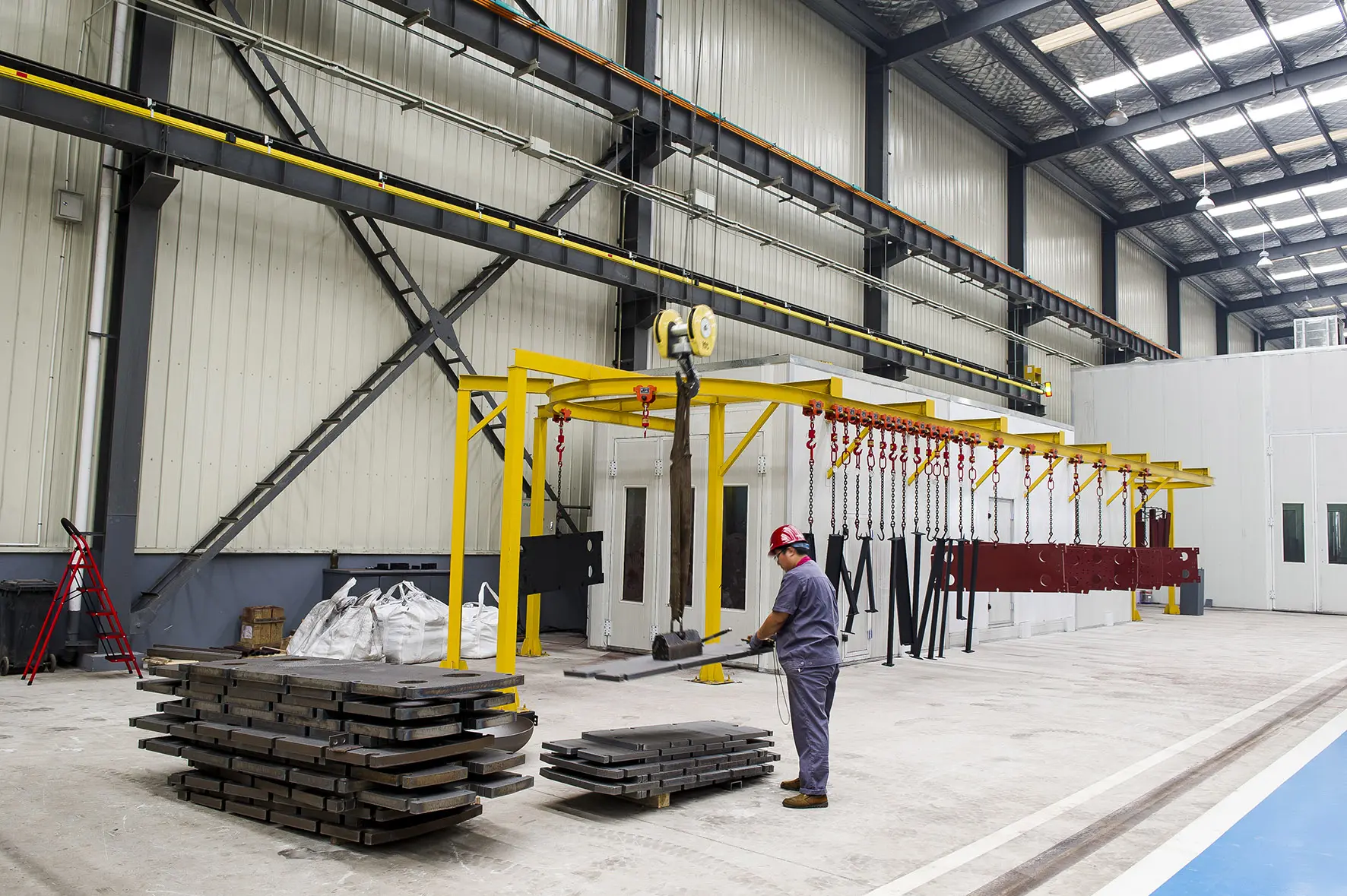
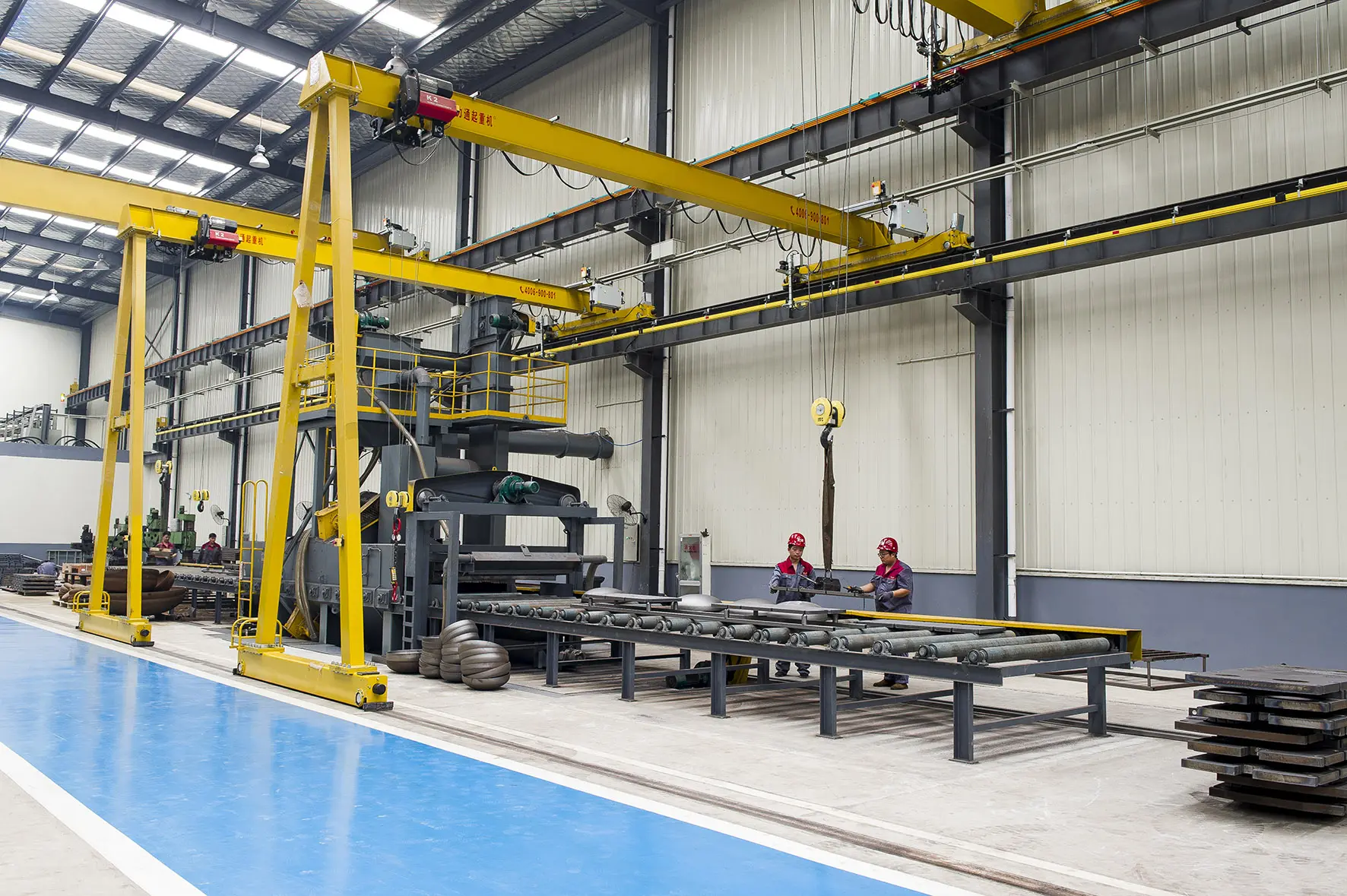
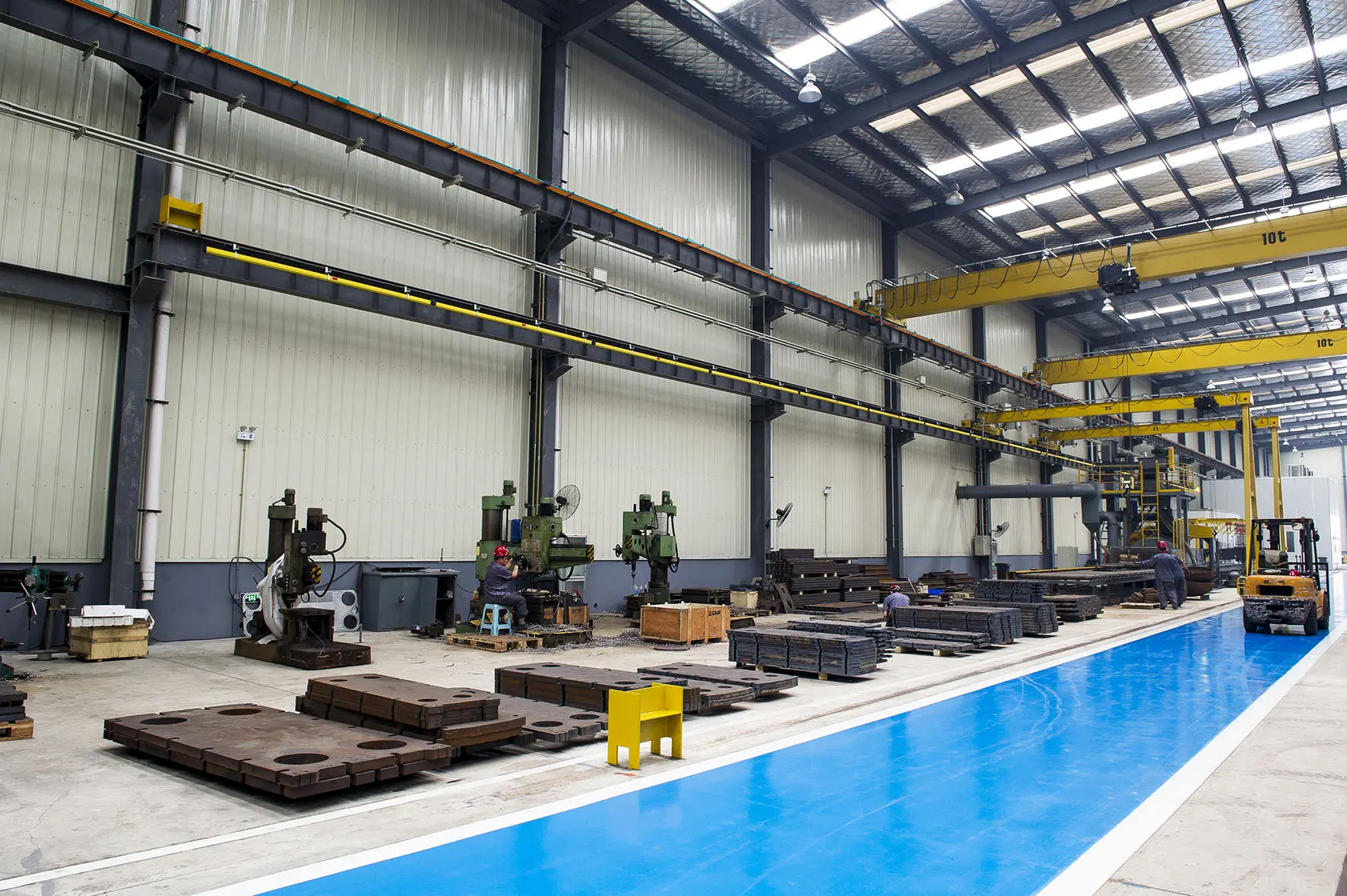
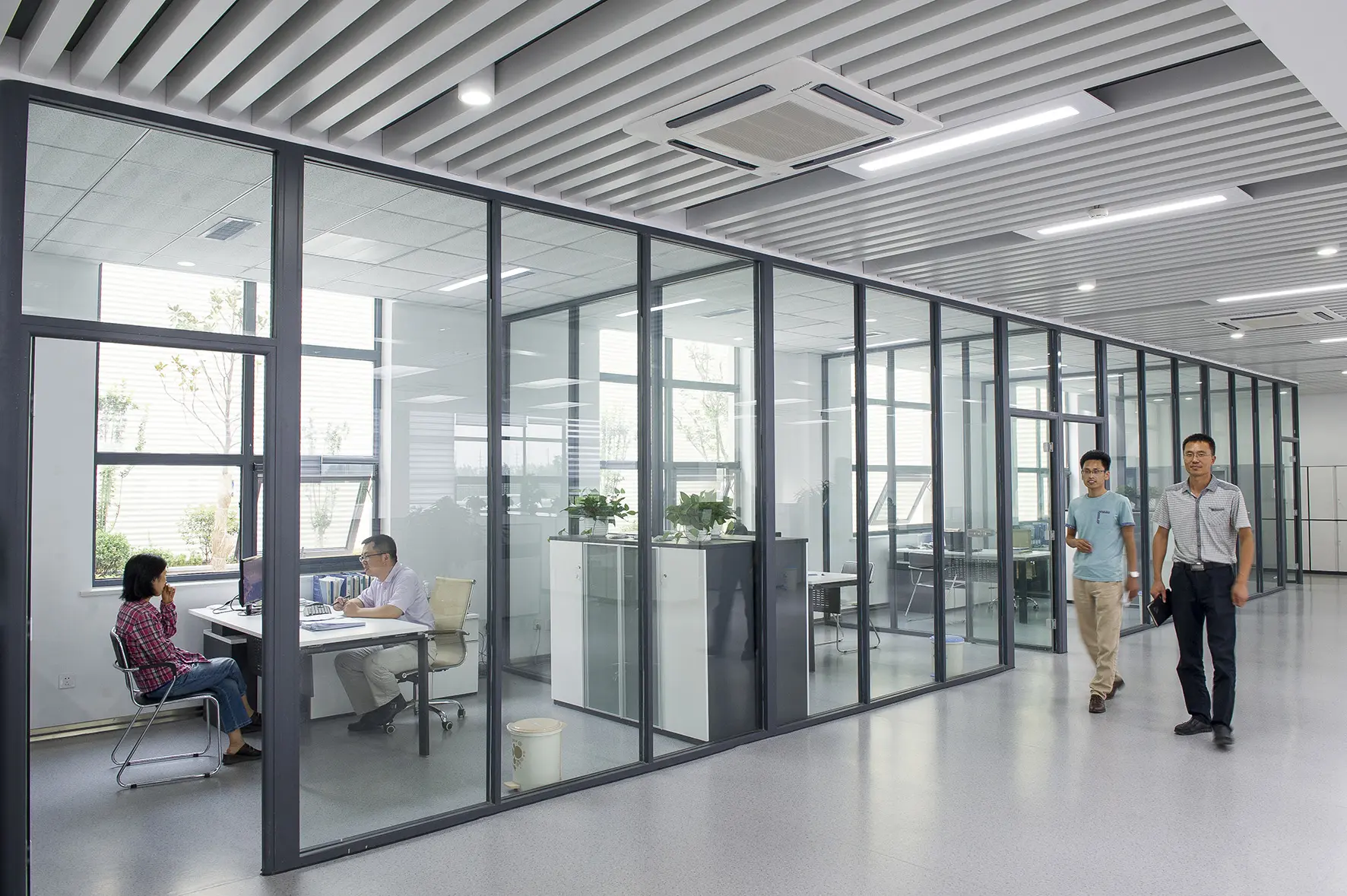
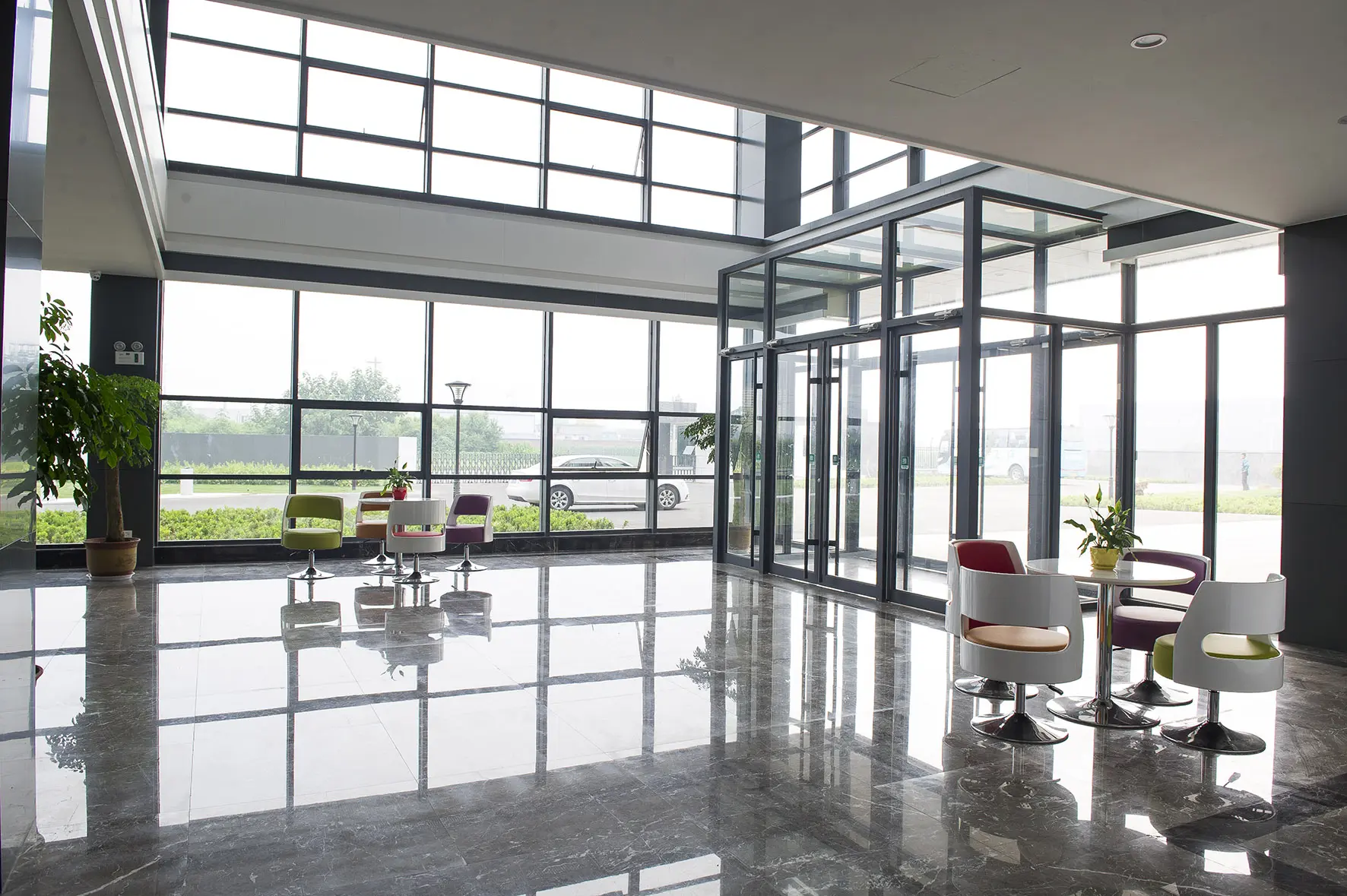
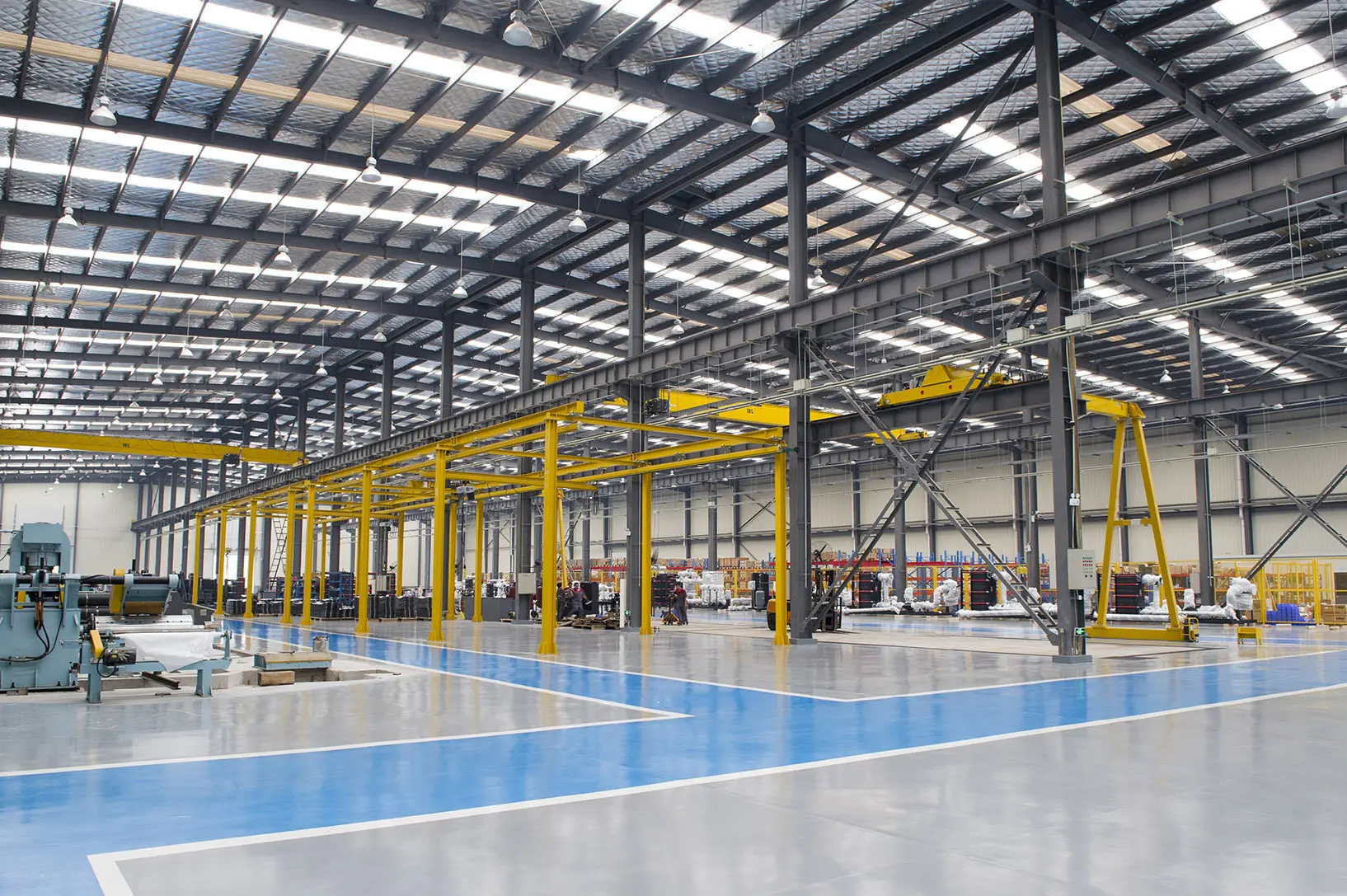
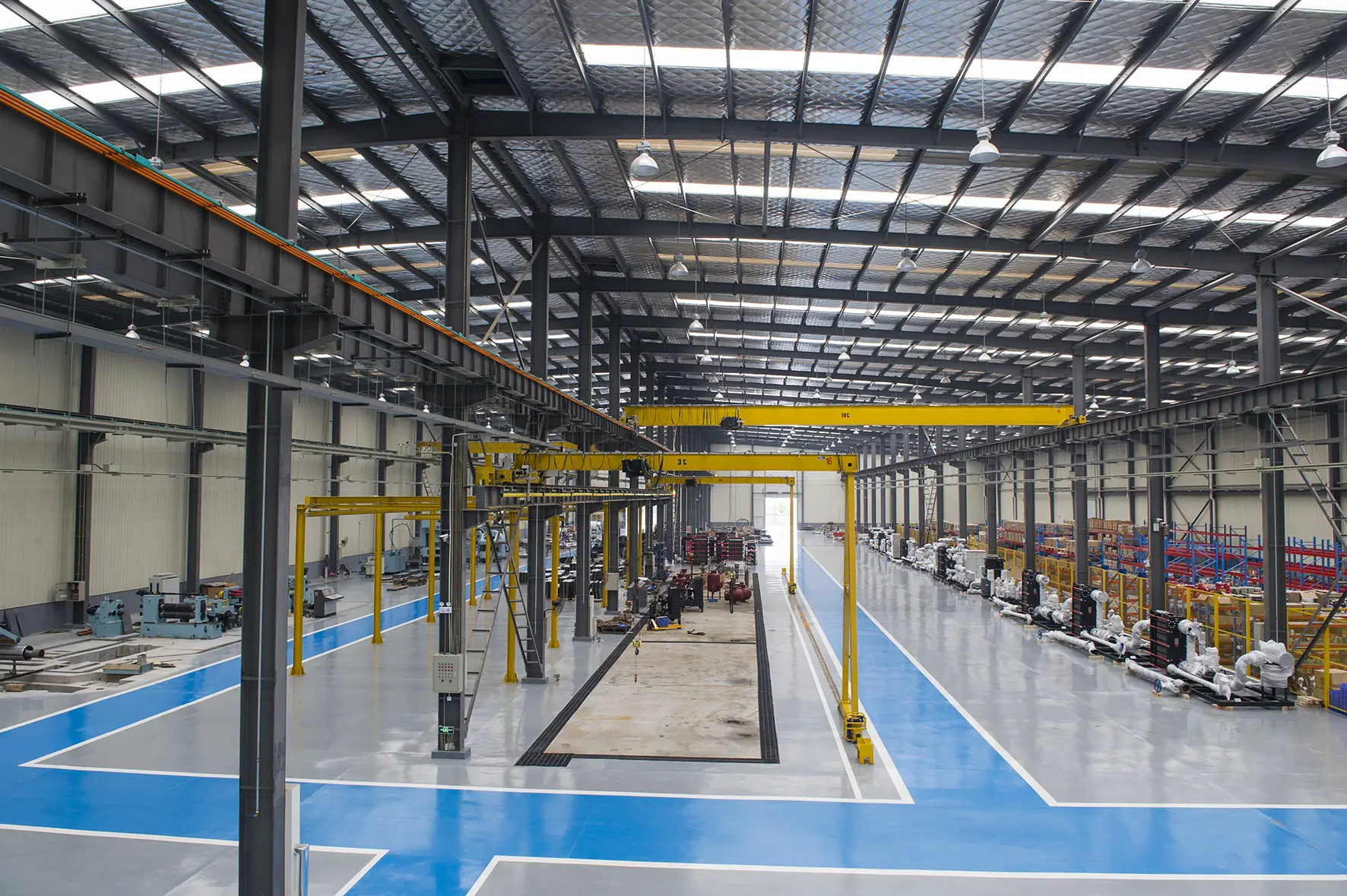
Our manufacturing facility operates modern production workshops equipped with advanced fabrication and quality inspection machinery. All frontline production staff are certified technicians who have undergone formal training. Production processes, quality control, and service operations strictly adhere to the ISO 9001:2015 international quality management system, while complying with the pressure vessel quality assurance framework.
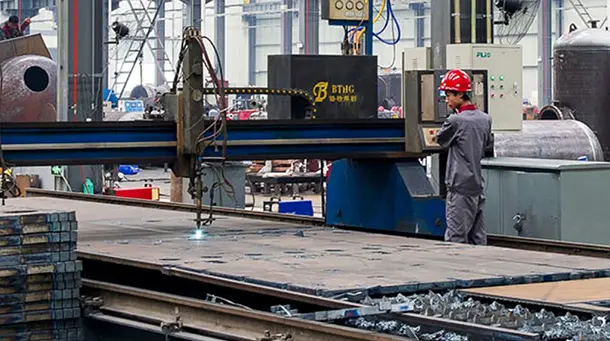
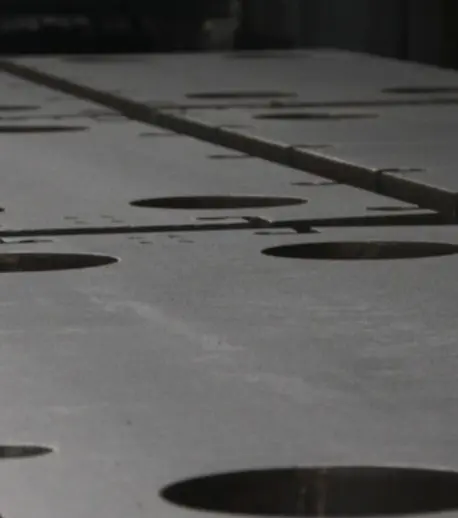
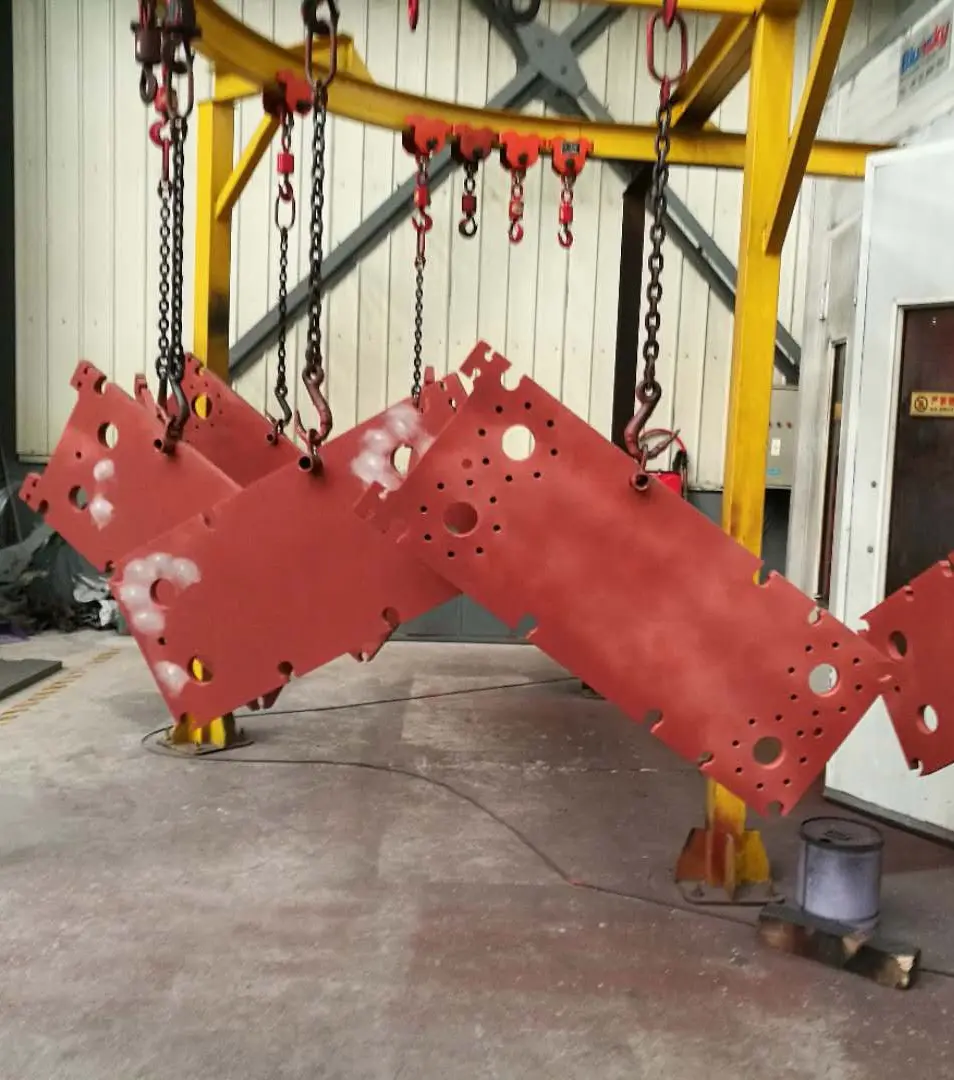
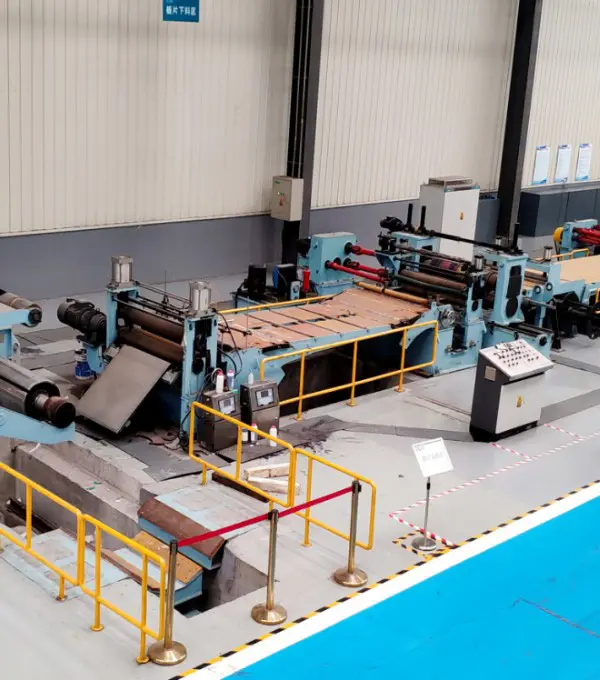
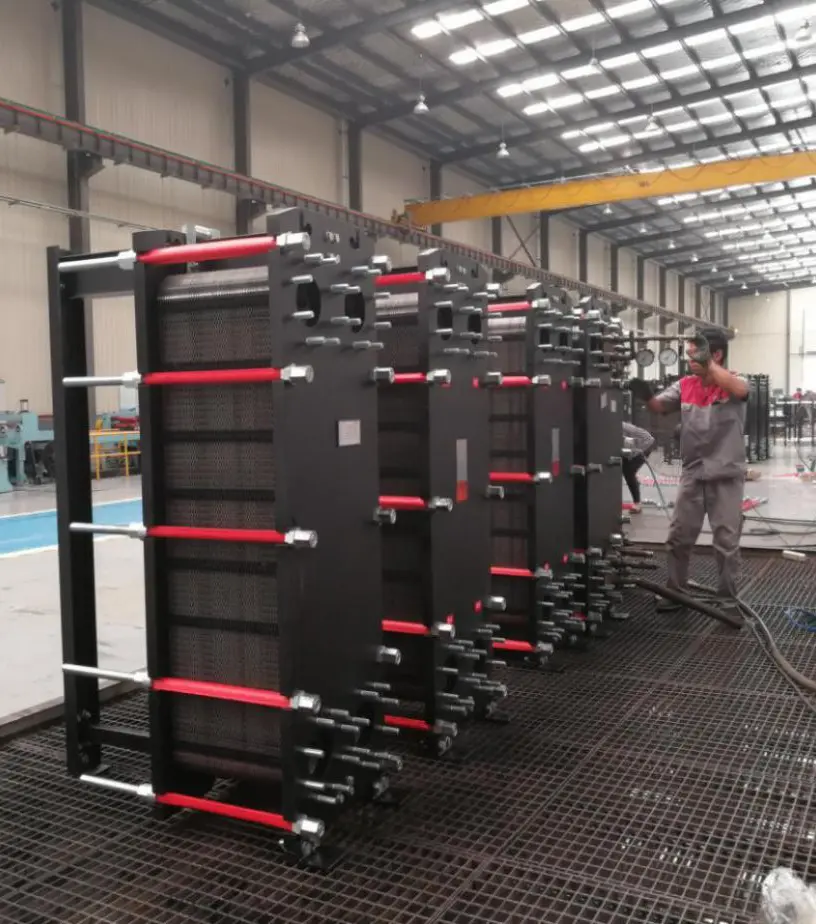
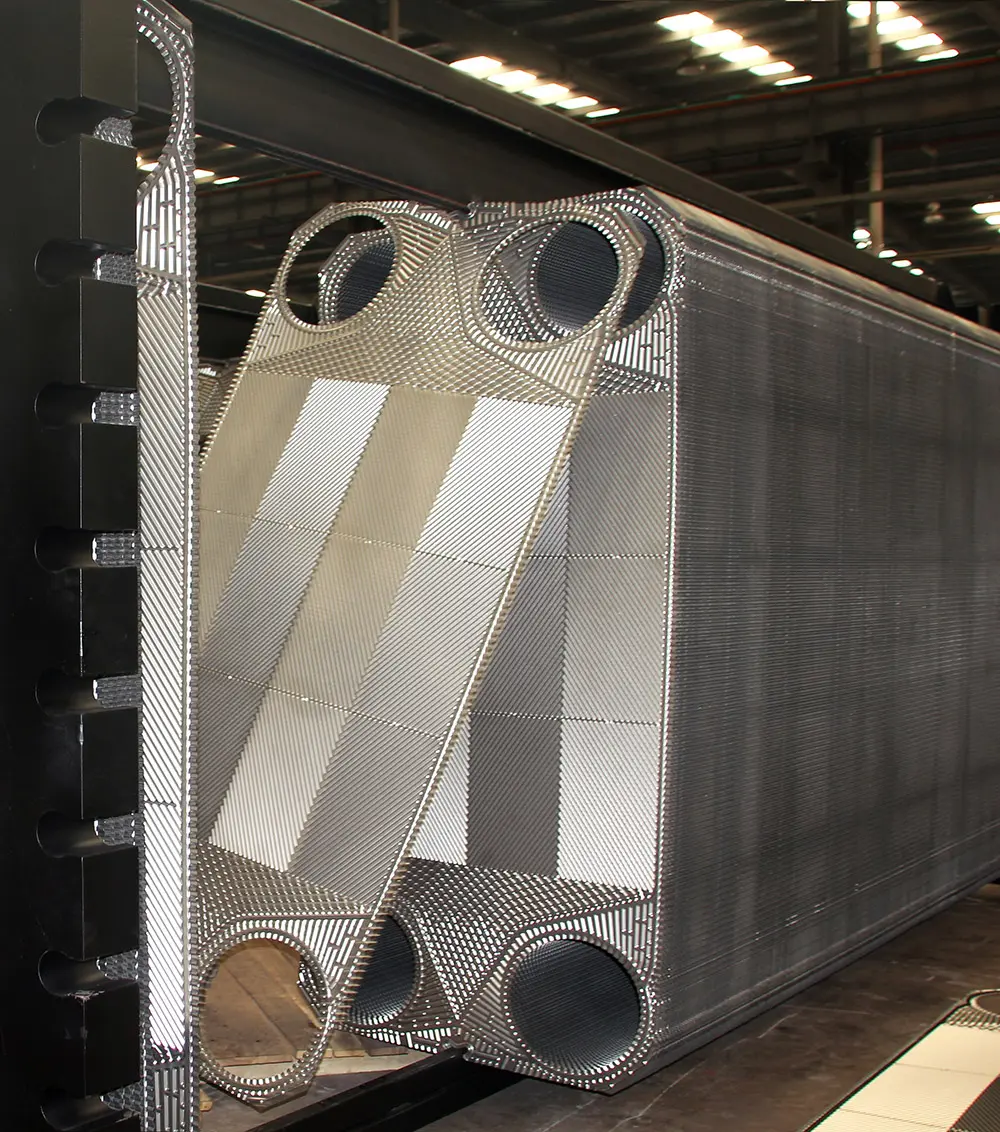
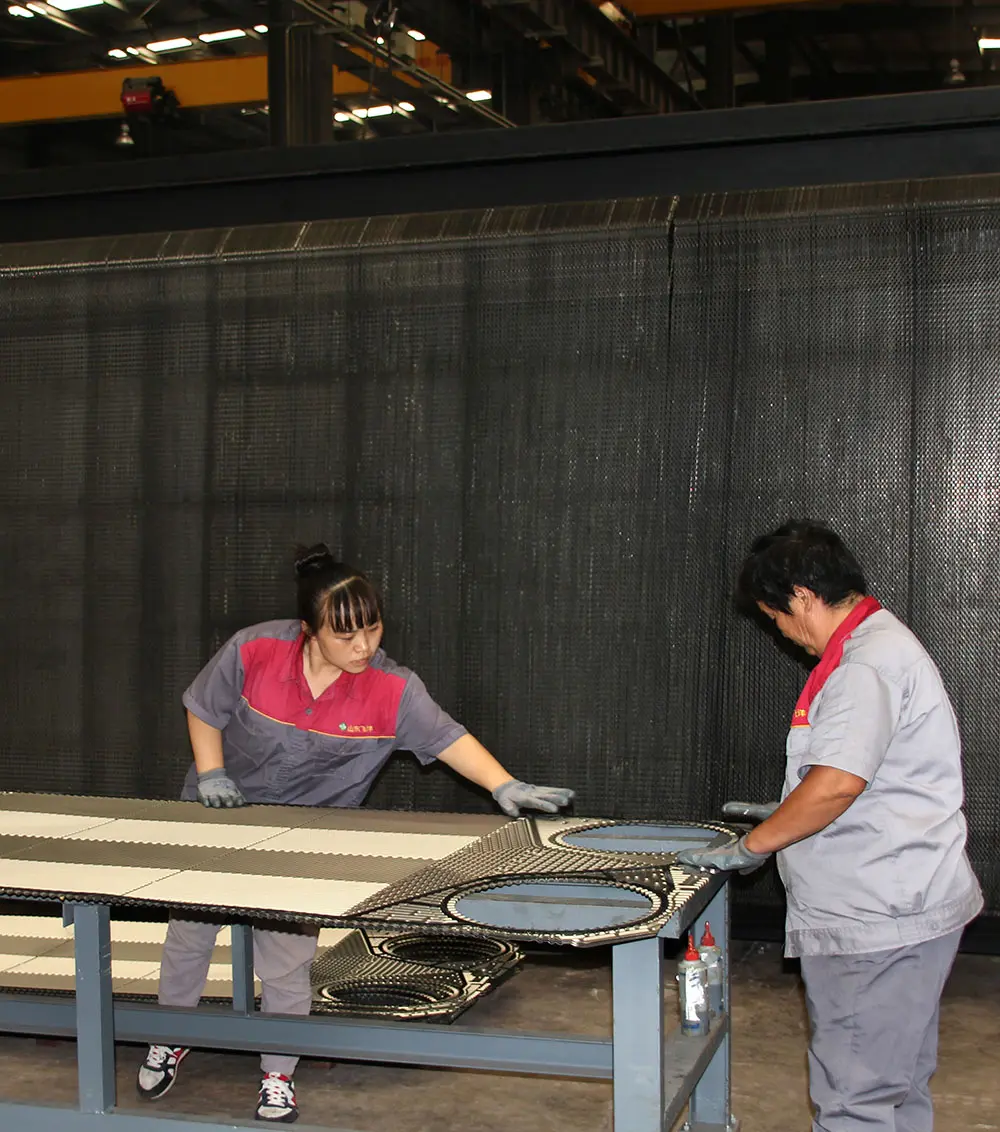
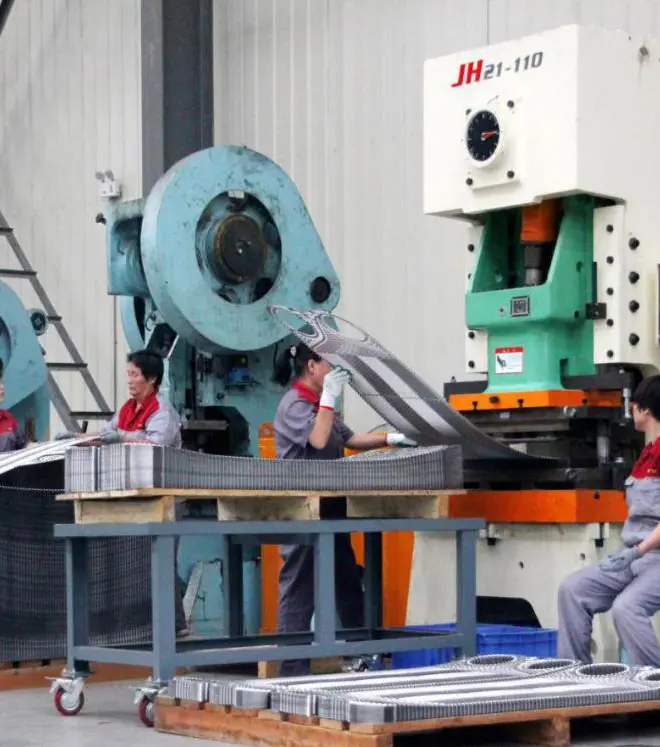
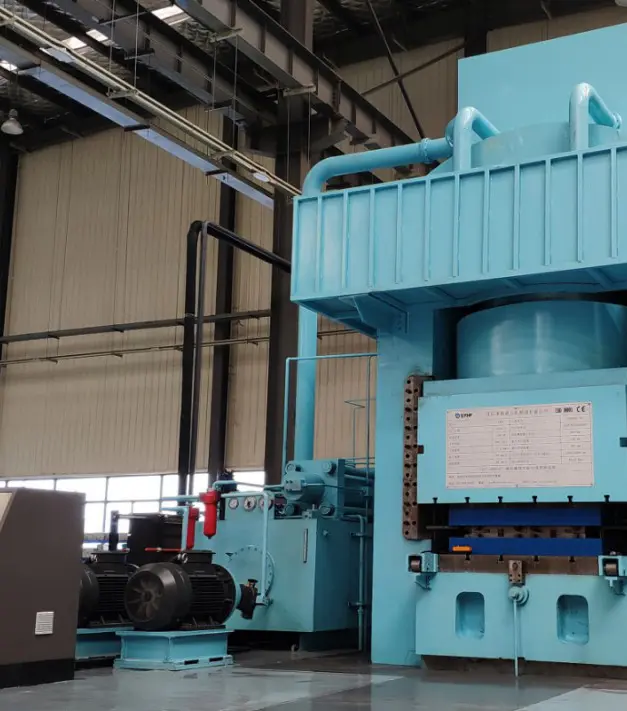
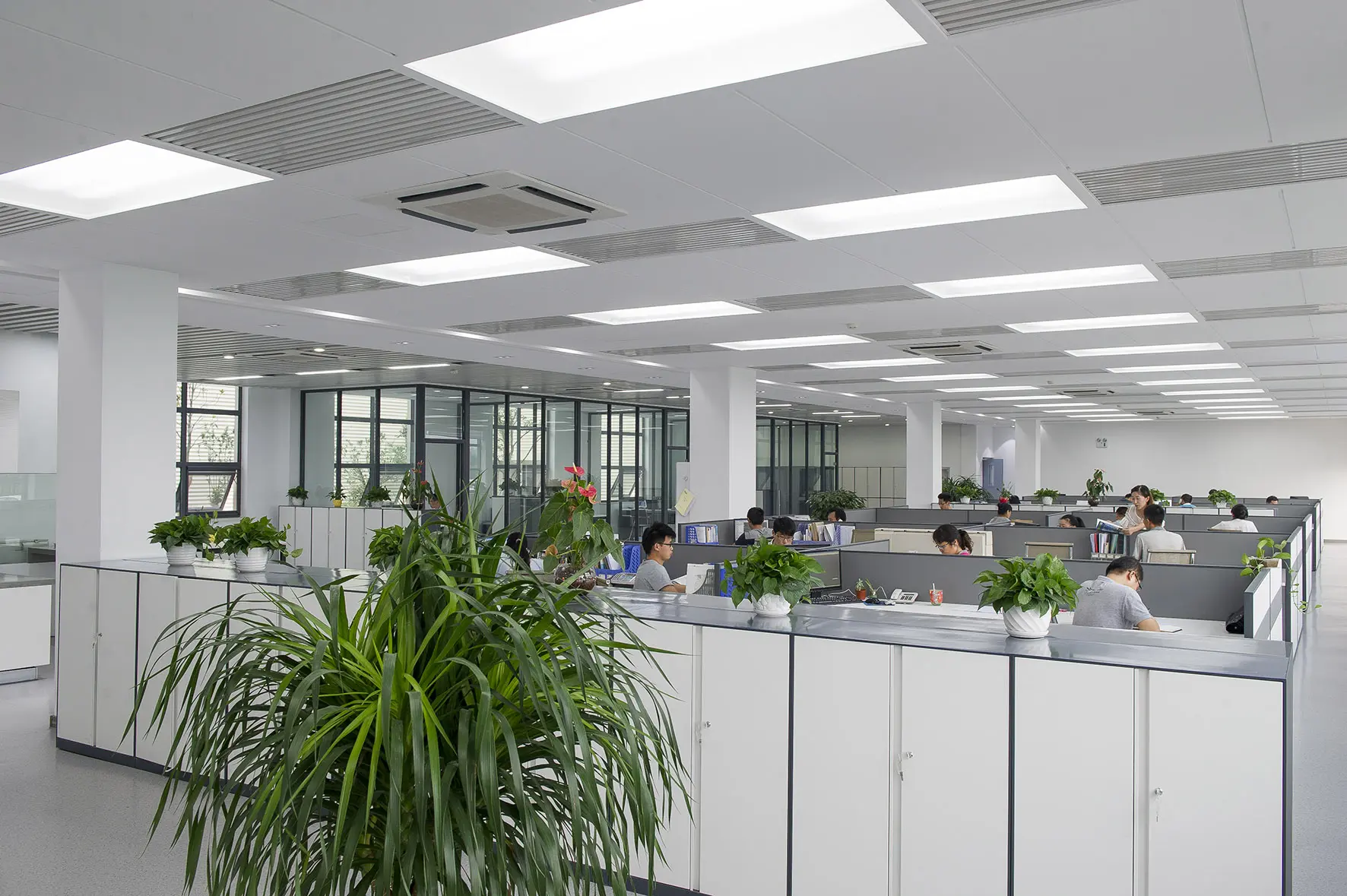
Reviewing our international regulatory certificates and modern facility infrastructure.
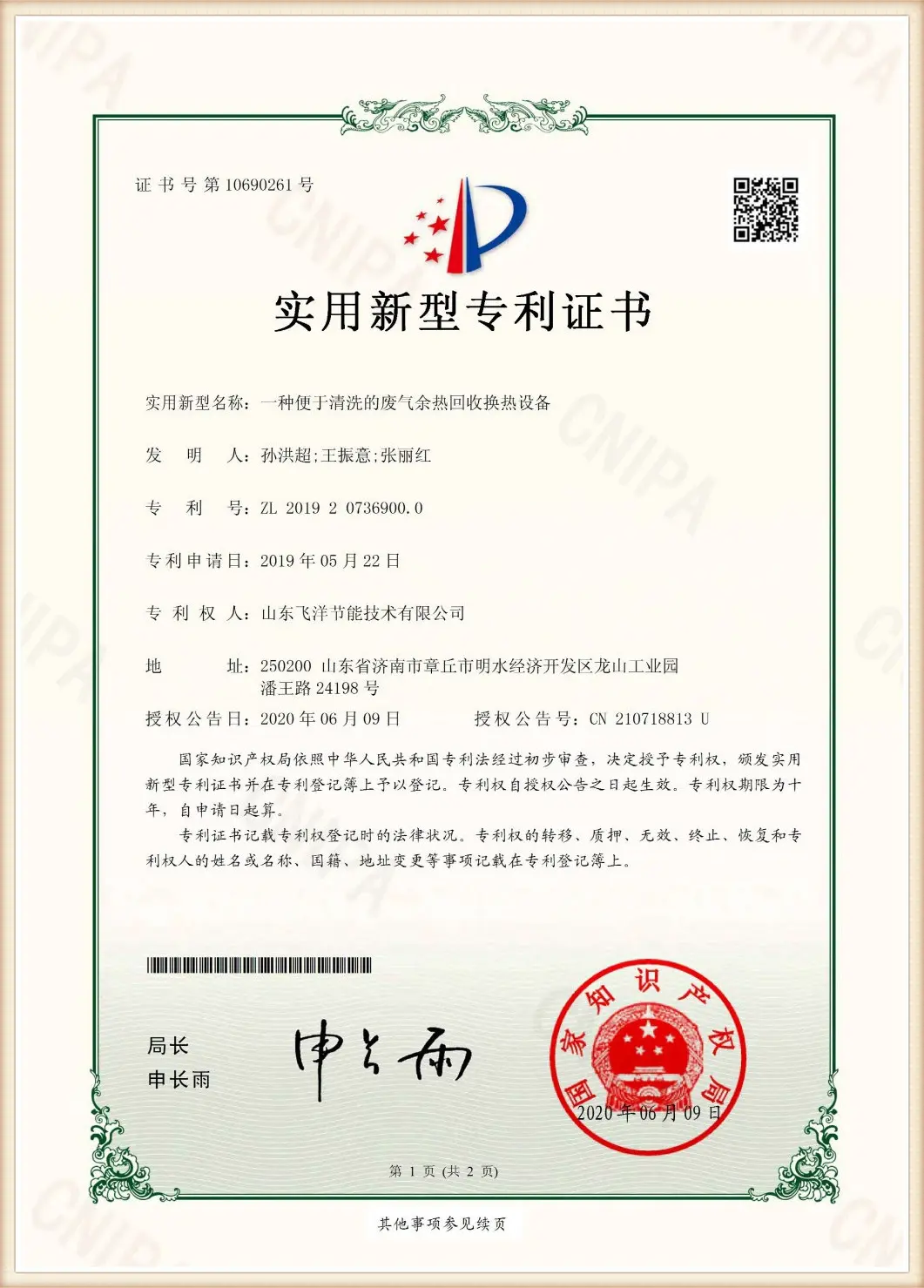
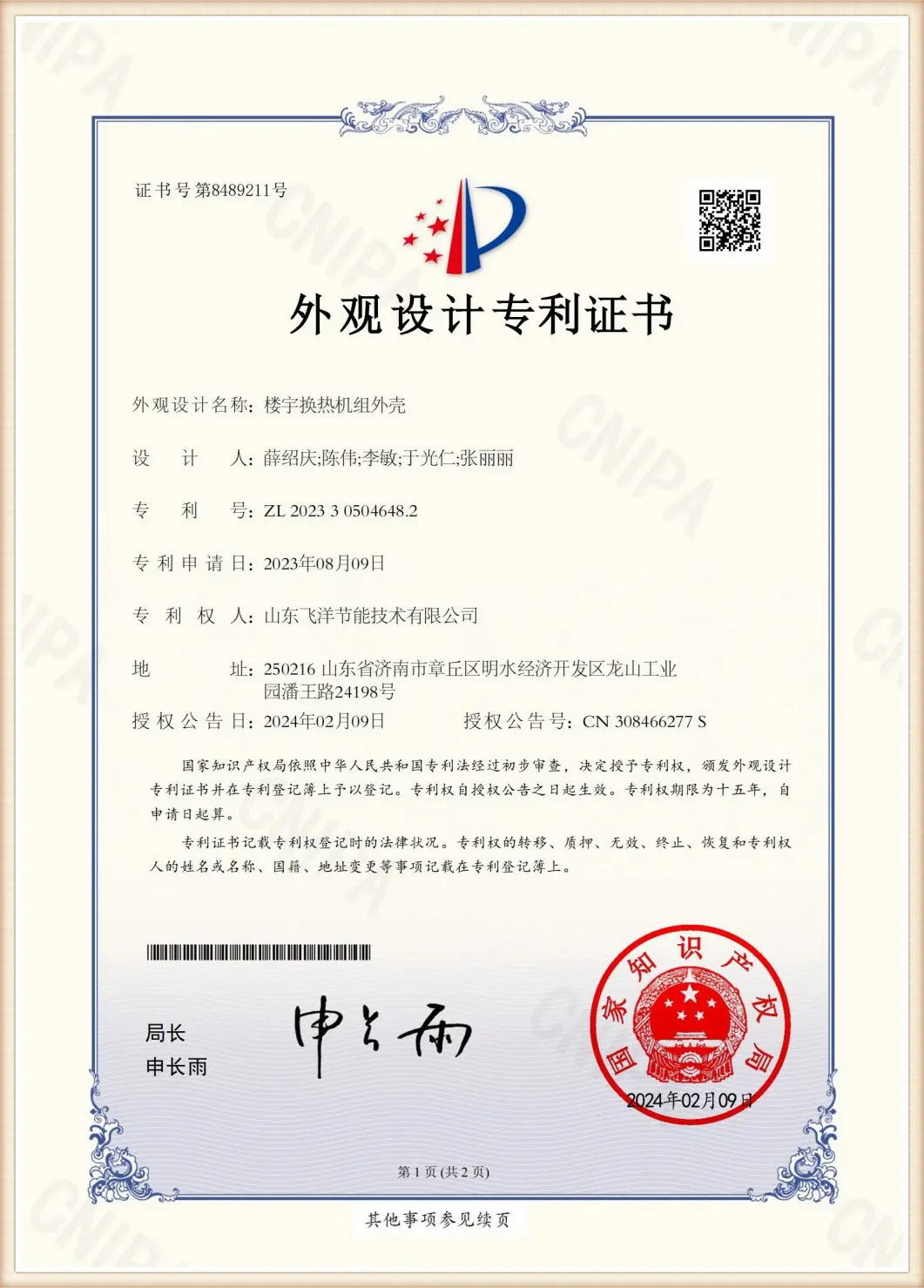
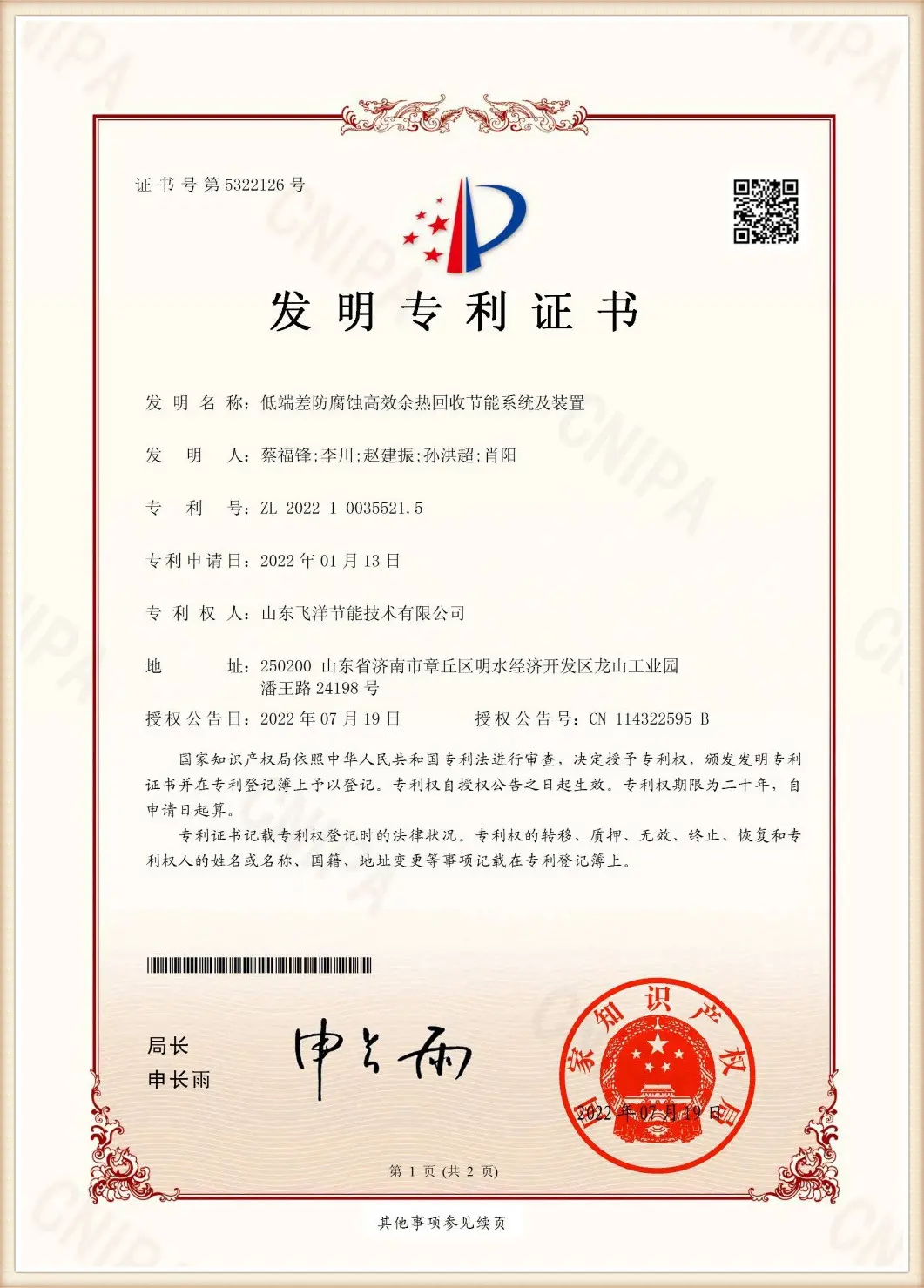
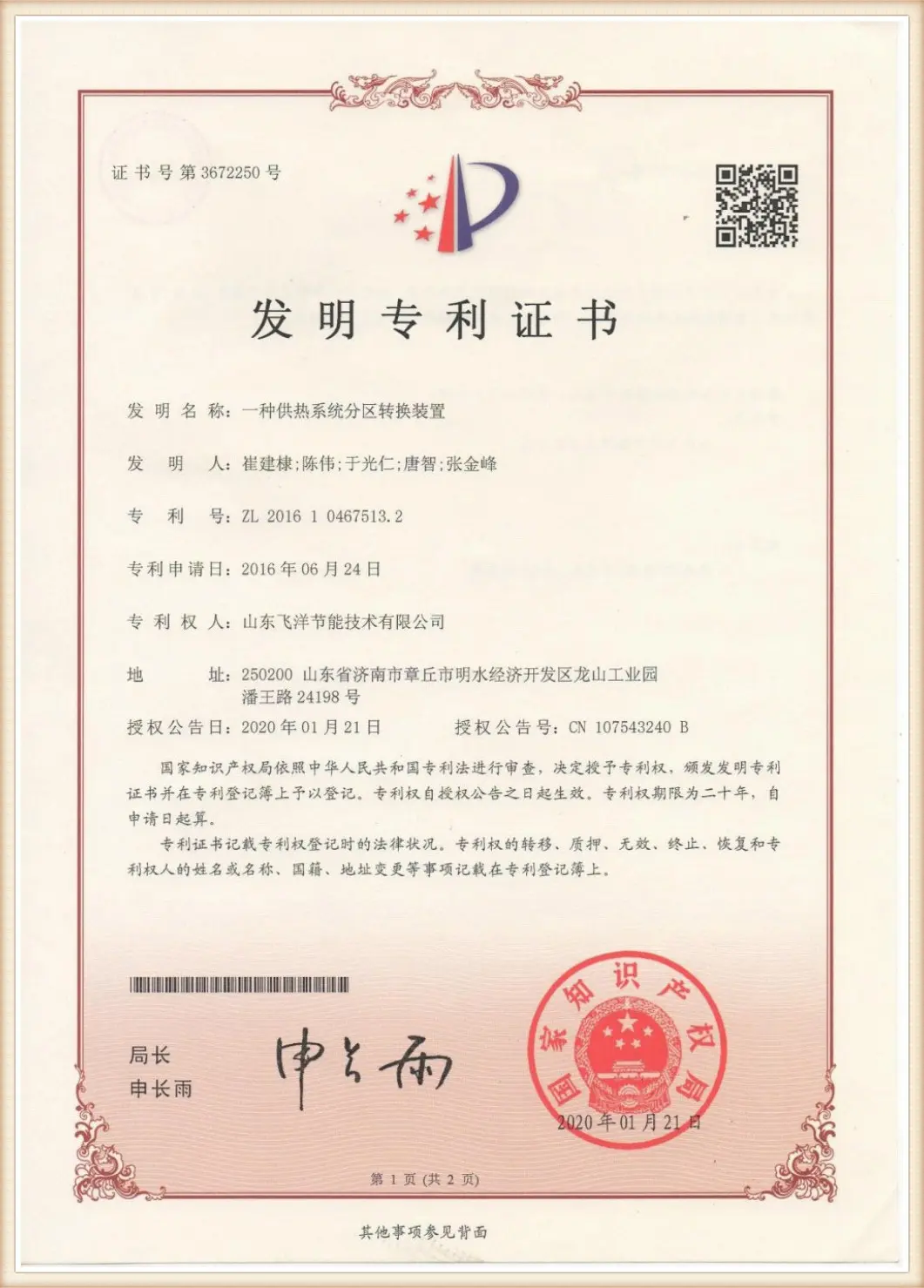
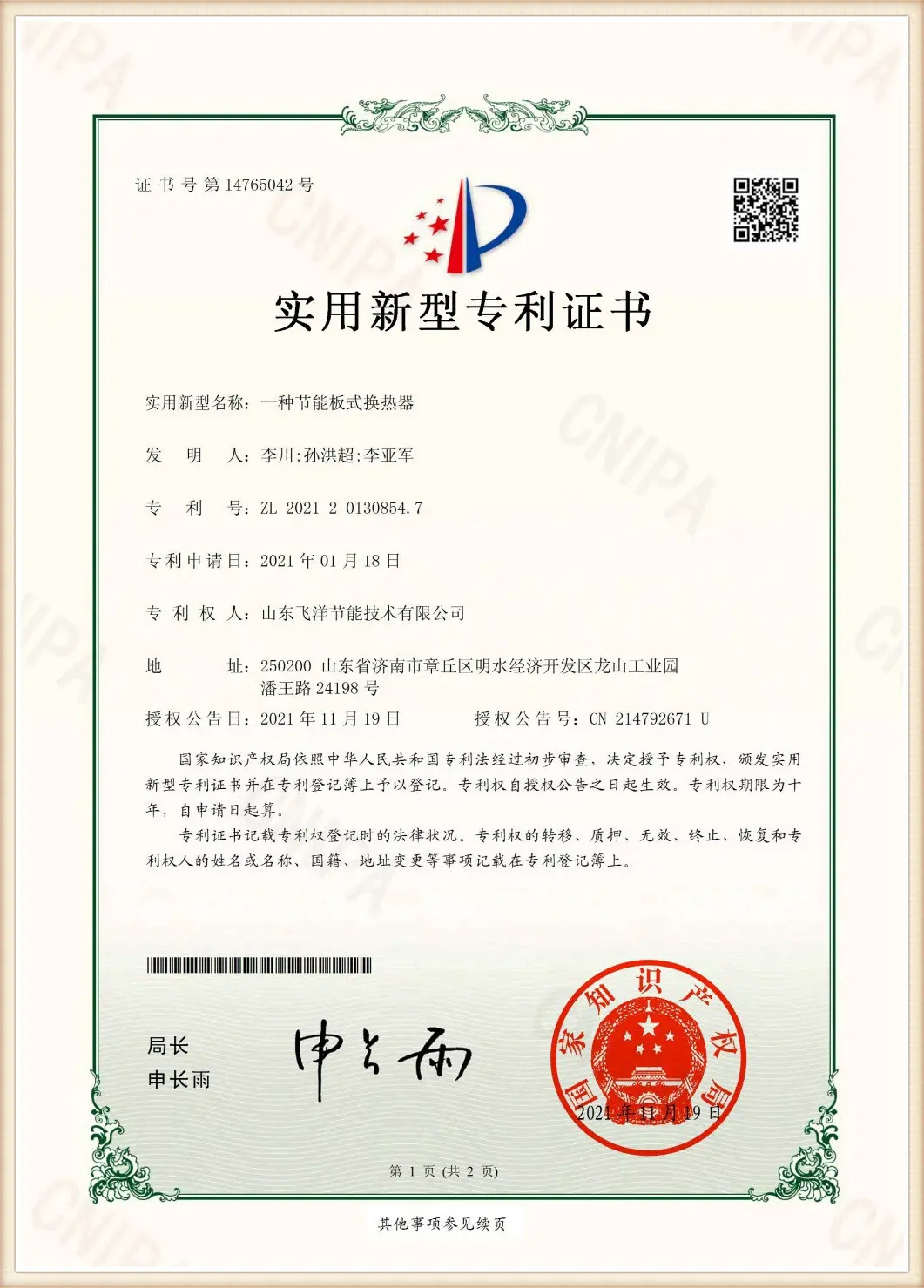
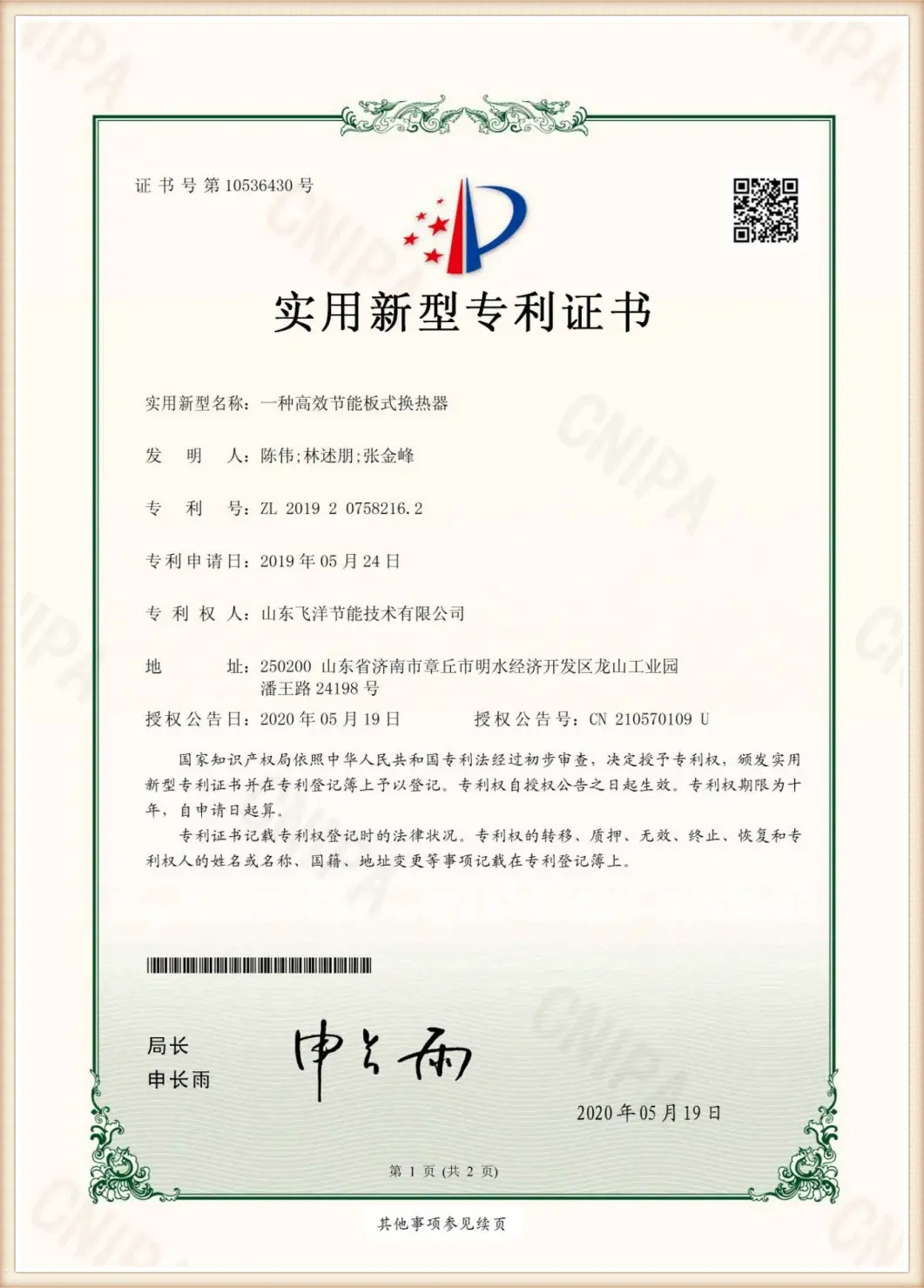
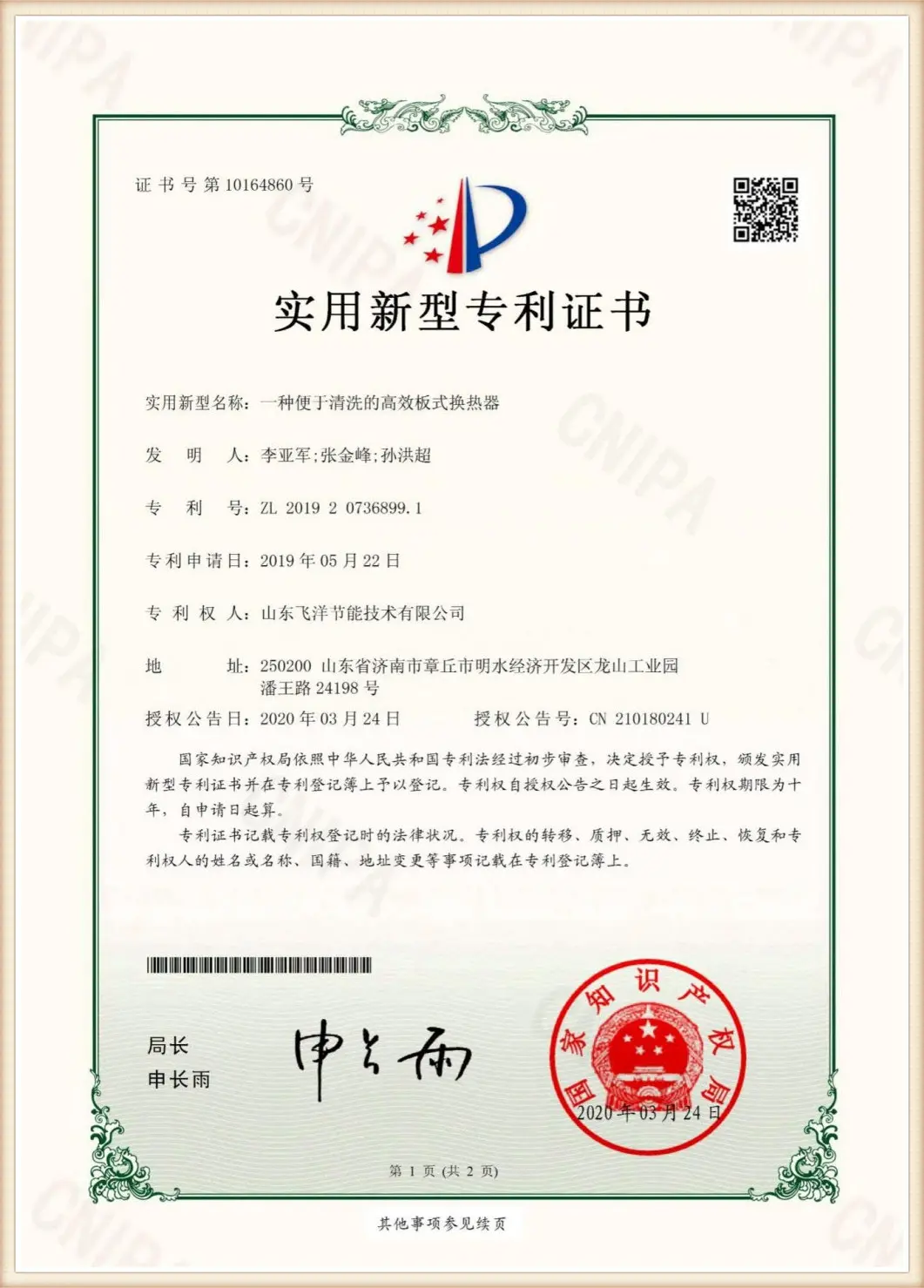
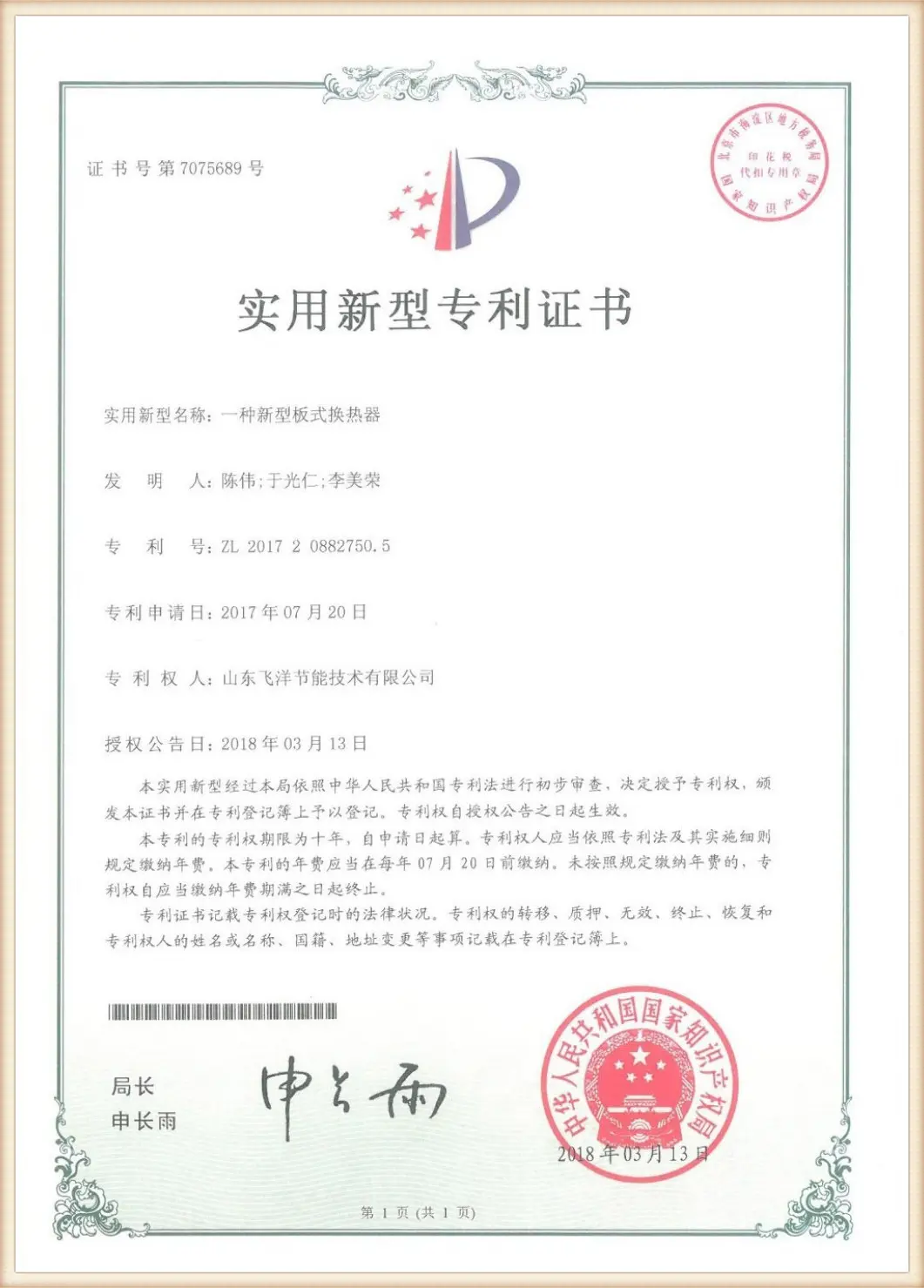
Take a look inside our high-precision machining, dynamic balancing, and assembly workshops.
Ensuring smooth installation, integration, and compliance with local environmental frameworks.
Sourcing industrial separation equipment from China requires compliance with regional environmental standards and safety frameworks. In North America, equipment must conform to UL/CSA electrical standards, whereas European Union installations require CE certification and compliance with the Machinery Directive 2006/42/EC. Responsible Chinese exporters provide comprehensive compliance documentation, including structural design reports, electrical schematics, and material traceability certificates.
Additionally, maintaining uptime depends on reliable local support. Suppliers address this by partnering with local maintenance firms and stocking critical replacement parts (such as bearings, seals, scroll tiles, and belts) in regional warehouses. Many manufacturers also offer remote telemetry systems. When connected to local plant networks, service engineers can diagnose issues, adjust VFD parameter sets, and fine-tune operational performance remotely, minimizing the need for on-site visits.
Answers to common questions from plant operators, process engineers, and procurement specialists.
Discover our range of heat exchange, monitoring, and membrane systems designed for zero-liquid discharge configurations.
 Flotte Energy