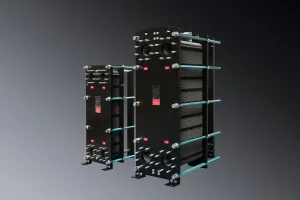
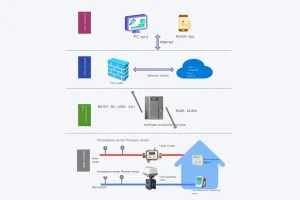
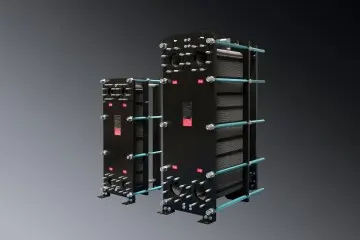
Explore our top-tier industrial thermal transfer and fluid regulation equipment engineered for ultimate energy efficiency and mechanical stability.
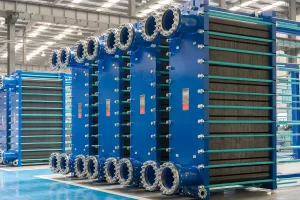
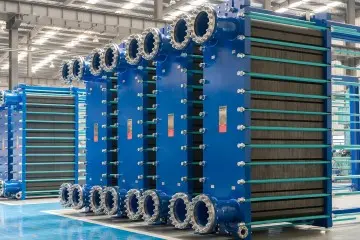
In modern heat transfer applications, the Plate Heat Exchanger (PHE) operates as a cornerstone unit for fluid mechanics, thermal optimization, and energy recovery. However, the integrity and operational efficacy of these complex systems are fundamentally dependent on a single critical component: the channel plate gasket. As a leading manufacturer and exporter in China, we recognize that gaskets are not merely simple rubber layers. They are engineered barriers designed to withstand high operational pressures, violent temperature cycling, and highly aggressive chemical media.
Channel plate gaskets function by isolating fluid channels within the plate bundle, routing the process fluids down alternating paths to achieve countercurrent thermal dynamics. A failure in gasket performance compromises system efficiency and risks catastrophic cross-contamination or external leaks. This whitepaper provides a comprehensive deep dive into the material sciences, industrial applications, manufacturing processes, and strategic supply chain dynamics that position China as the global powerhouse for channel plate gasket fabrication and export.
We formulate custom Nitrile Rubber (NBR), Ethylene Propylene Diene Monomer (EPDM), and Fluorinated Elastomers (FKM/Viton) to ensure high chemical stability across diverse operational pH levels and temperatures.
Our gaskets feature advanced profile designs, matching the exact plate grooves of major global OEM brands. This guarantees optimal sealing force and reduces the compression set under load.
Specifically engineered to support high working pressures. Designed to prevent blowout failures during sudden pump surges and system-wide pressure fluctuations.
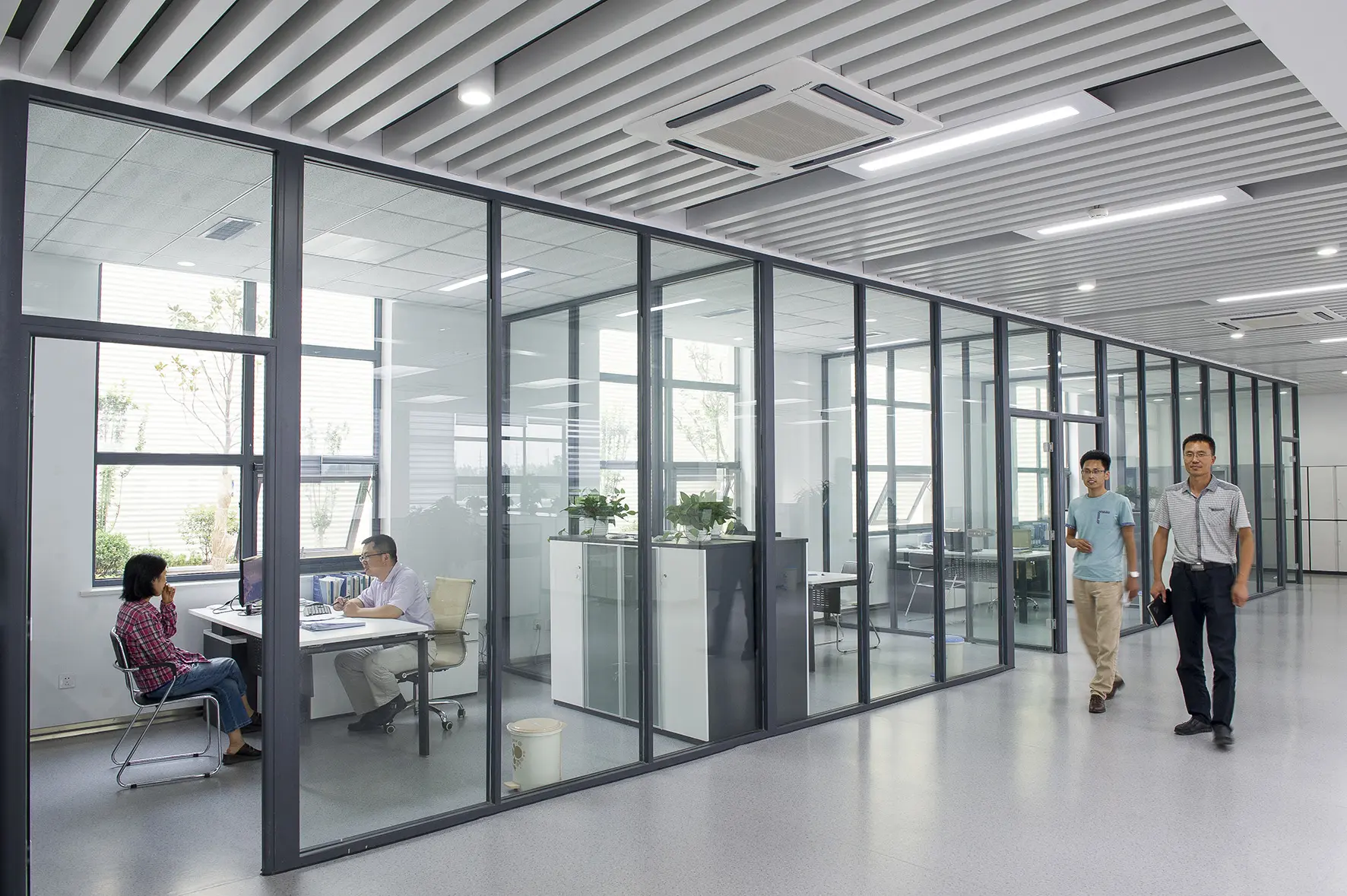
Flotte Energy Saving Company, established in 2013 with a registered capital of 101 million yuan, originated from the foundations of Flotte Thermal Engineering, which was established in 1995. With three decades of profound technical accumulation and engineering expertise, the company specializes in water systems, HVAC engineering, and comprehensive water treatment technologies.
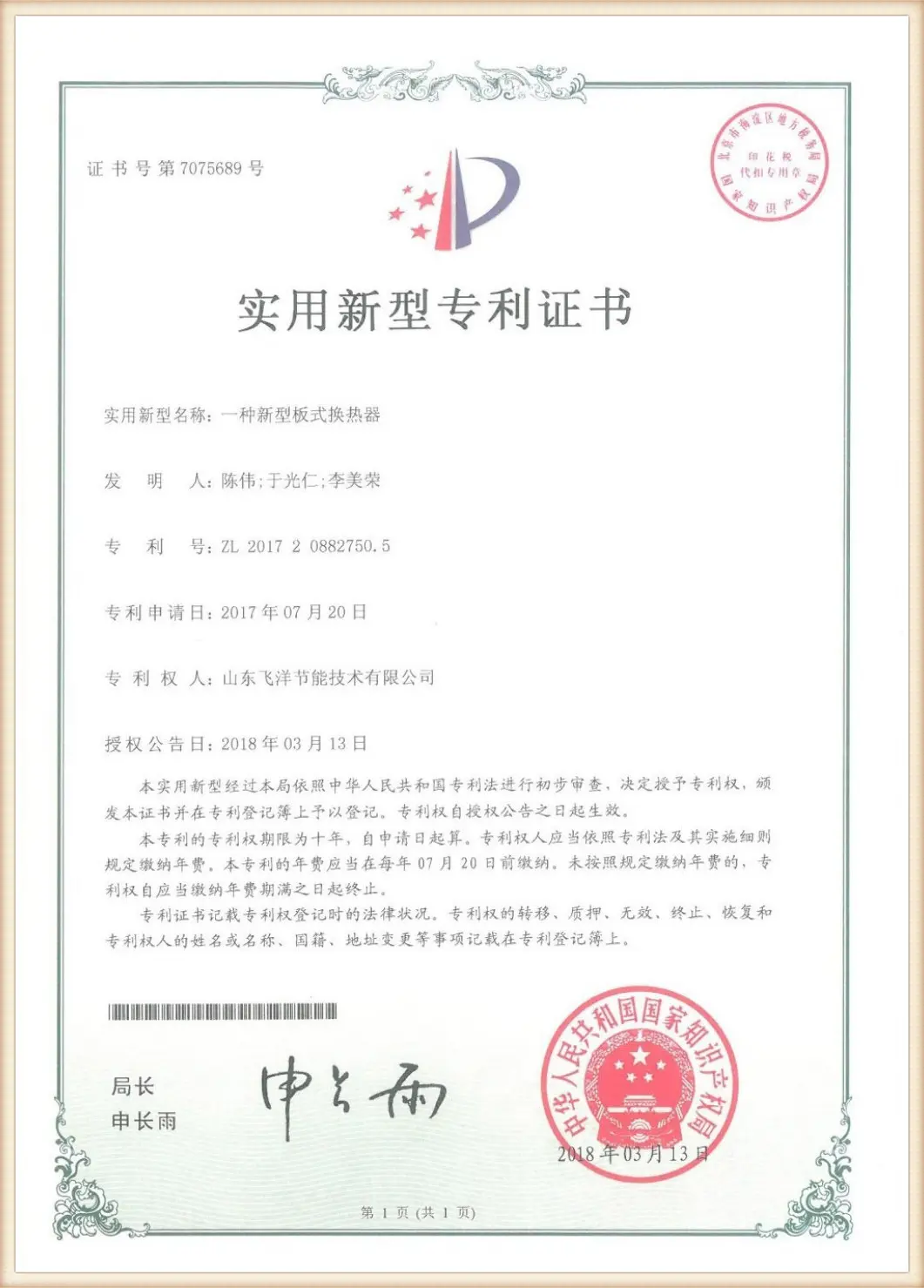
By adopting cutting-edge production methodologies, investing heavily in state-of-the-art laboratory environments, and offering seamless end-to-end integration from research to installation, Flotte continues to lead the industrial thermal landscape. Our products have obtained mandatory national certifications and rigorous safety registrations from the National Standardization Committee. Furthermore, we comply fully with safety registrations for plate heat exchangers issued by the National Boiler and Pressure Vessel Standardization Technical Committee.
Backed by a professional team of veteran designers and highly trained technical technicians, our manufacturing plants run on ISO9001 Quality Management Systems, ISO14001 Environmental Management, and ISO45001 Occupational Health & Safety Management systems.
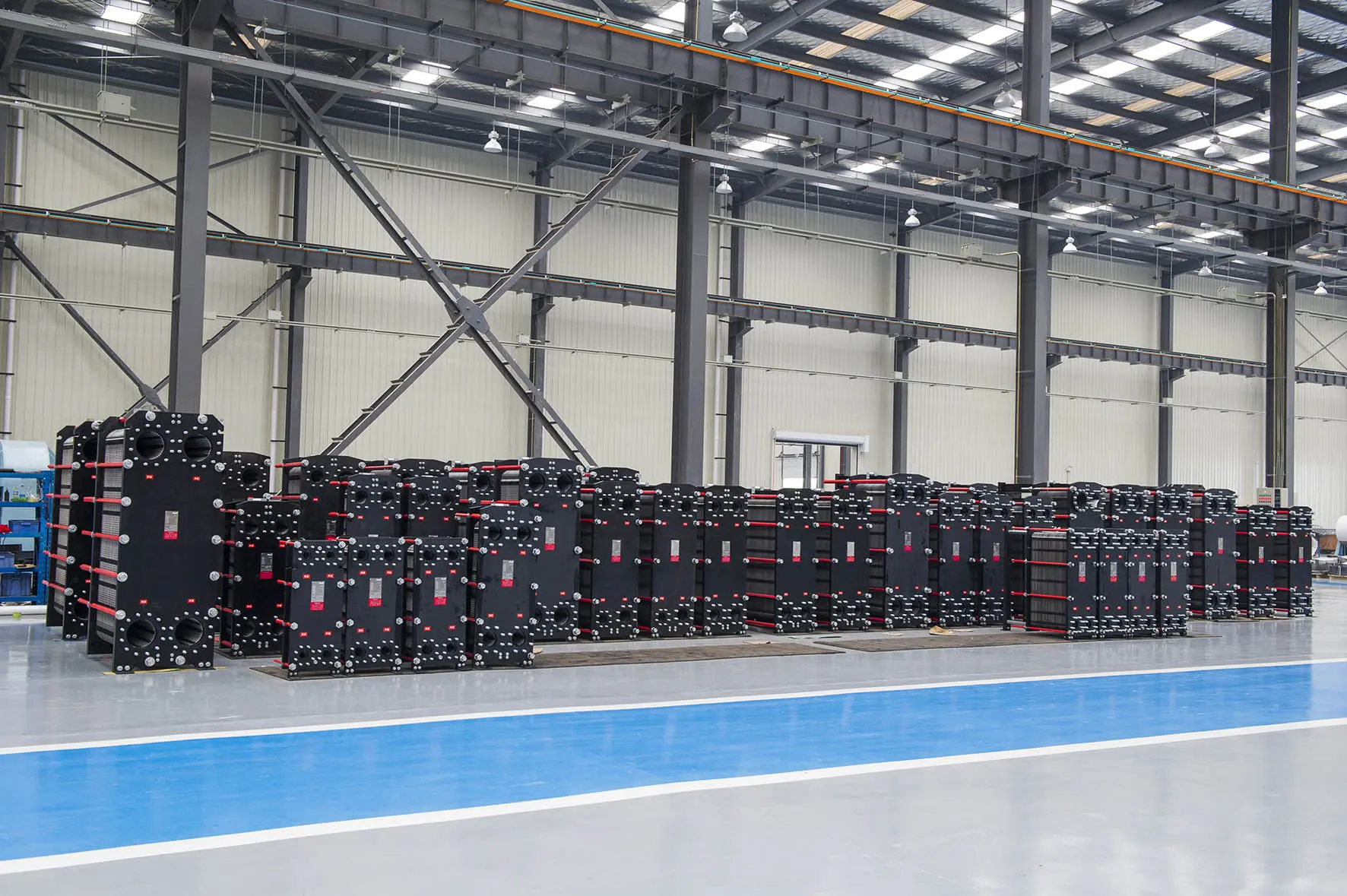
China has developed a mature, end-to-end industrial ecosystem that allows manufacturers like Flotte to provide global partners with exceptional technical value.
Our proximity to premium chemical raw material suppliers ensures consistent access to base polymers like NBR and EPDM. This supply chain security insulates our production from global logistics delays, allowing us to maintain stable lead times.
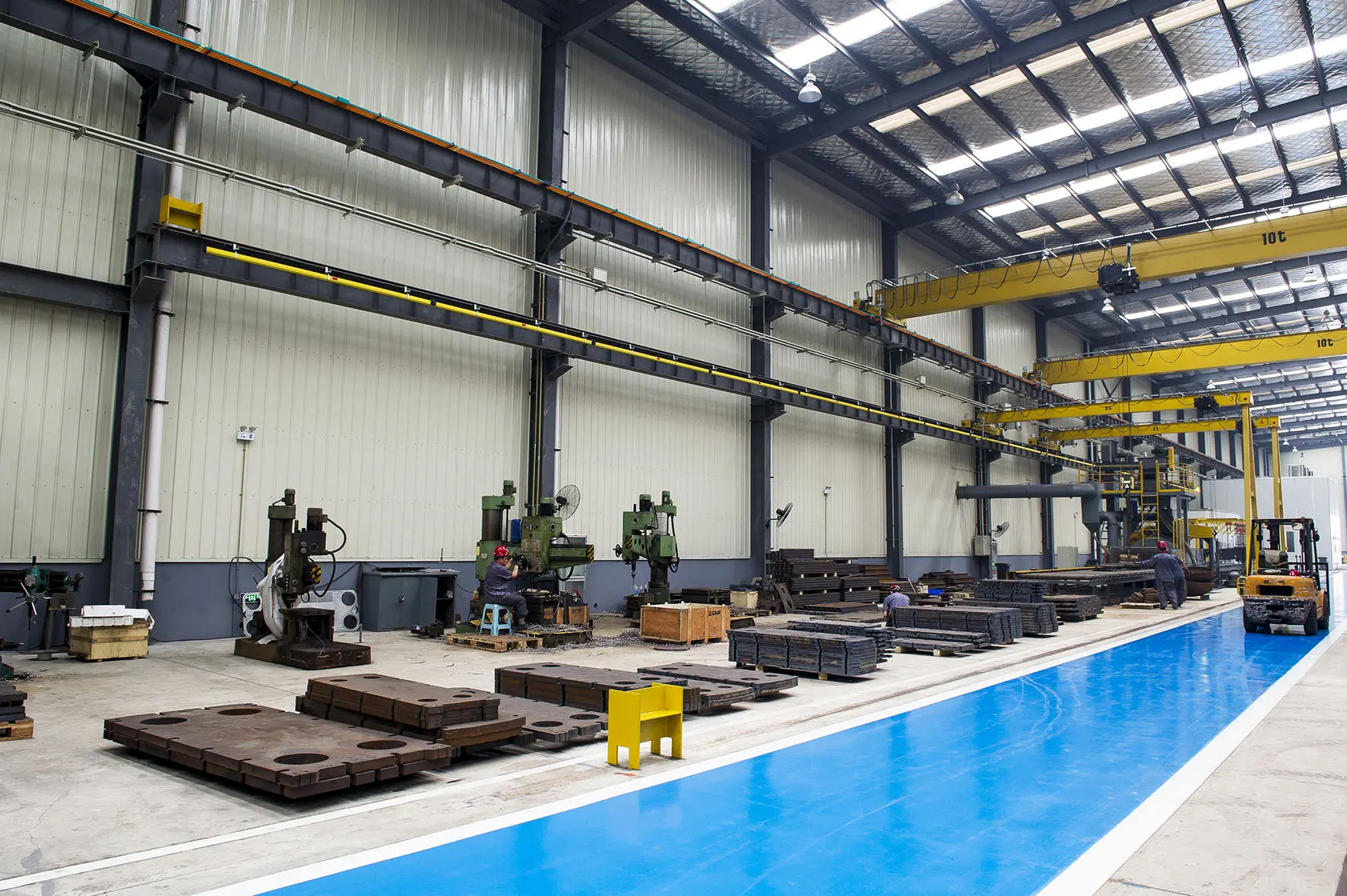
Chinese manufacturers utilize large-scale compression molding presses and highly precise CNC mold milling systems. This ensures that every channel plate gasket fits seamlessly with OEM specifications, minimizing installation errors.
Through highly automated processes, systematic lean management, and minimized material waste, we offer cost-effective pricing structures without compromising on raw material purity or testing standards.
Equipped with an in-house R&D team and dedicated tooling facility, we quickly design, iterate, and produce non-standard or discontinued gasket profiles based on technical drawings or physical samples.
Our products undergo thorough national testing and certification. Compliance with ISO and pressure vessel safety norms guarantees that our gaskets perform reliably under demanding global engineering standards.
Located near major shipping ports, our export framework handles standard sea, air, and express shipments efficiently. Fast transport times help minimize downtime for overseas engineering projects.
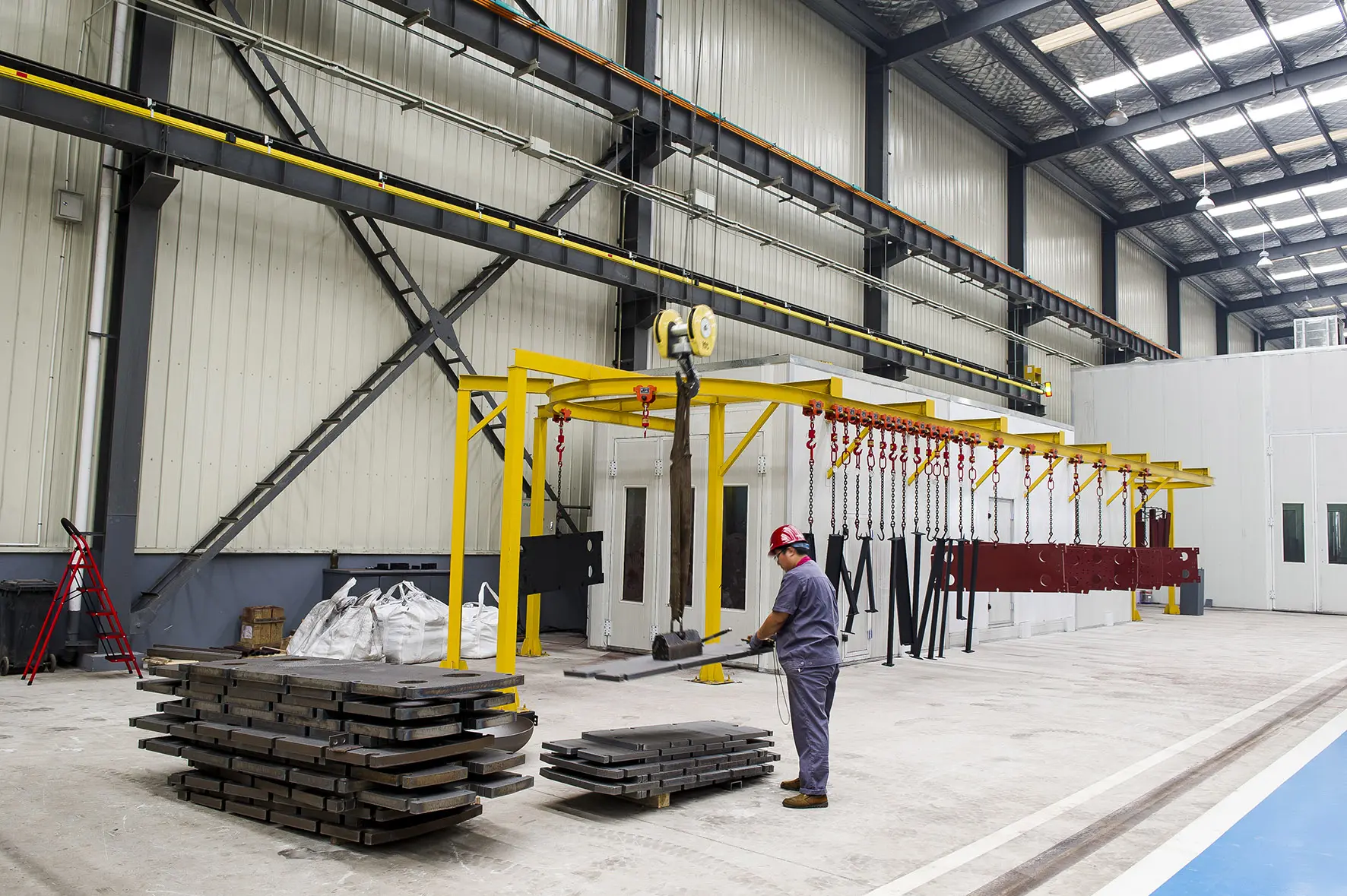
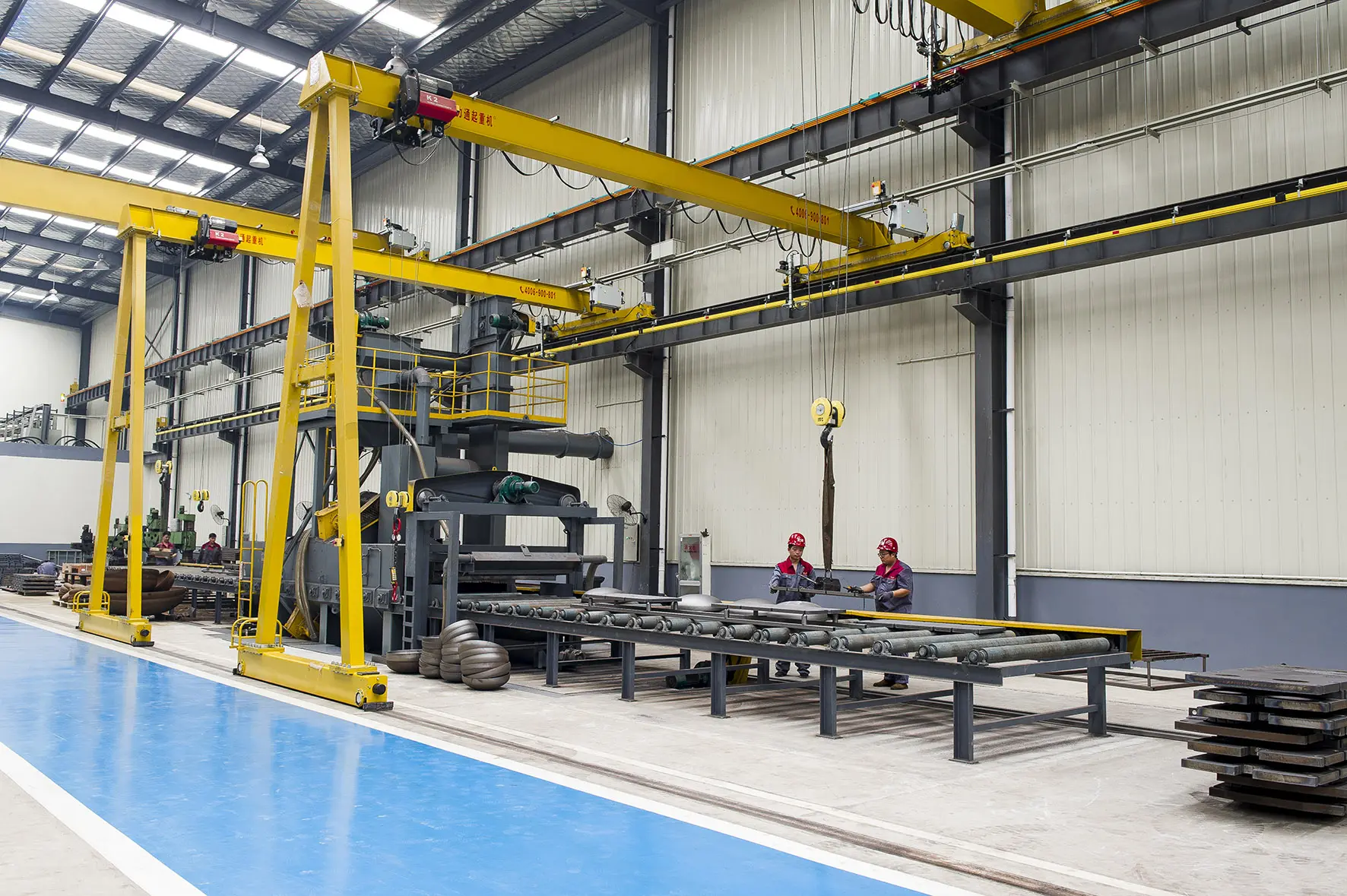
From raw sheet fabrication to final testing, every step of our manufacturing workflow is carefully monitored to ensure high-performance quality control.
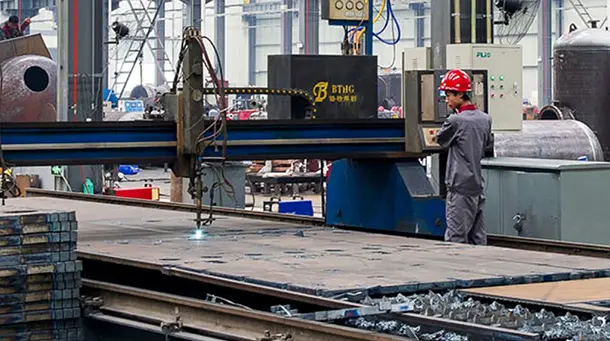
High-precision raw material sizing ensures optimal volume control prior to stamping and thermal processing phases.
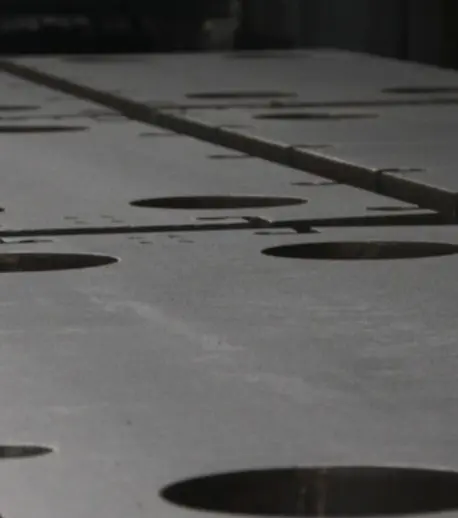
Enhances the structural density of critical metallic support elements, maximizing resistance to mechanical pressure.
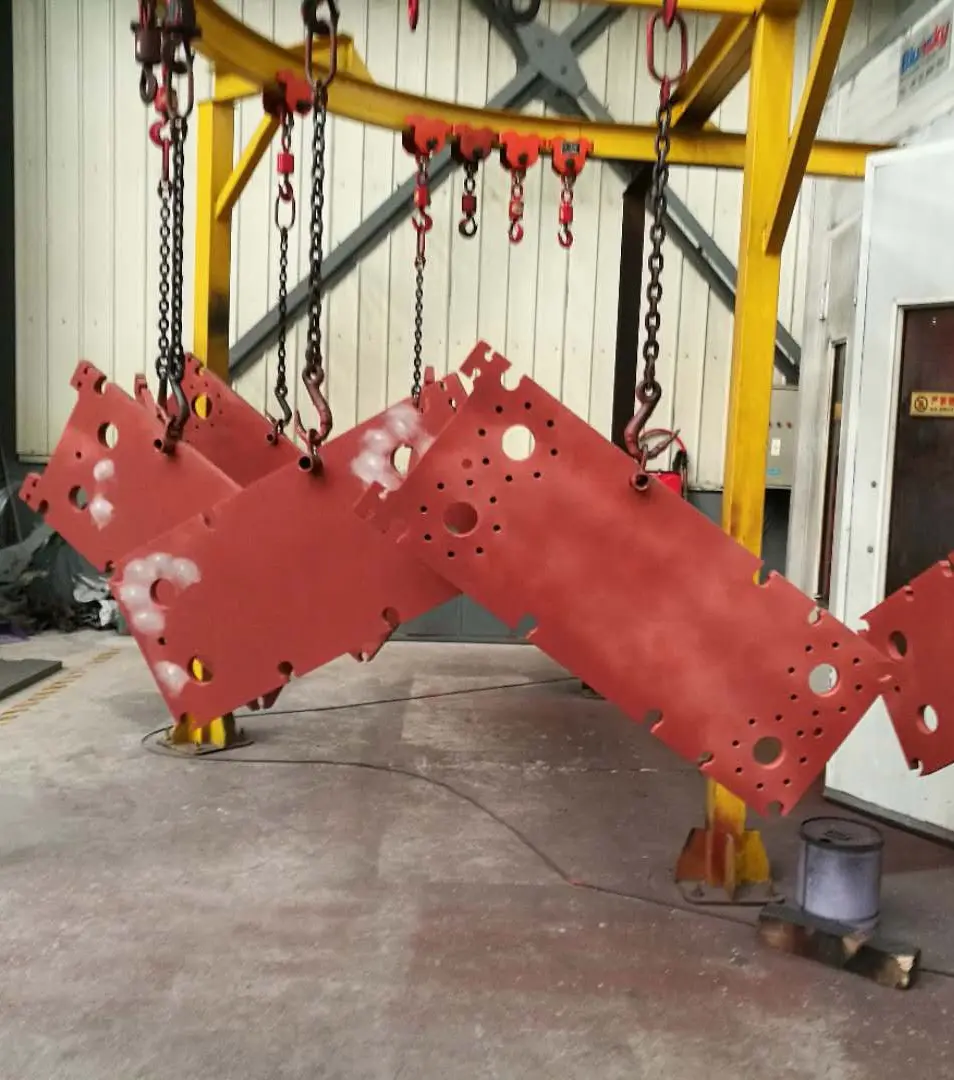
Applies specialized protective coatings to structural frameworks, shielding components from corrosive environments.
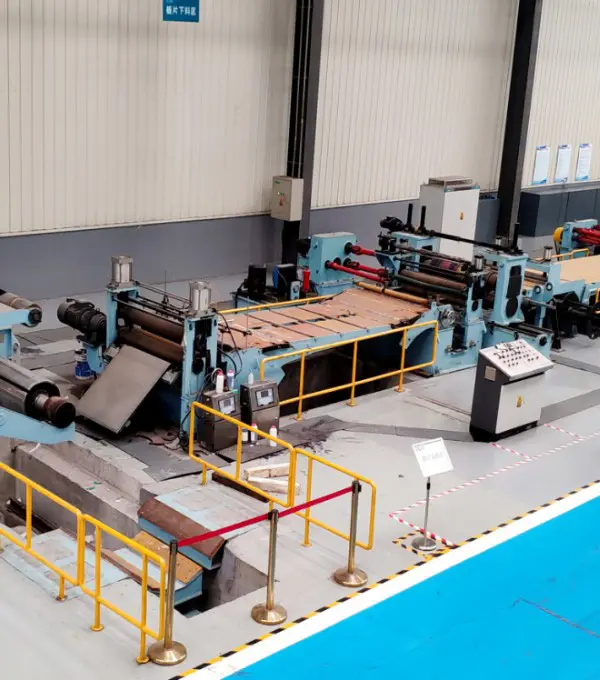
Automated cutting and continuous digital coding ensure complete batch traceability throughout the product lifecycle.
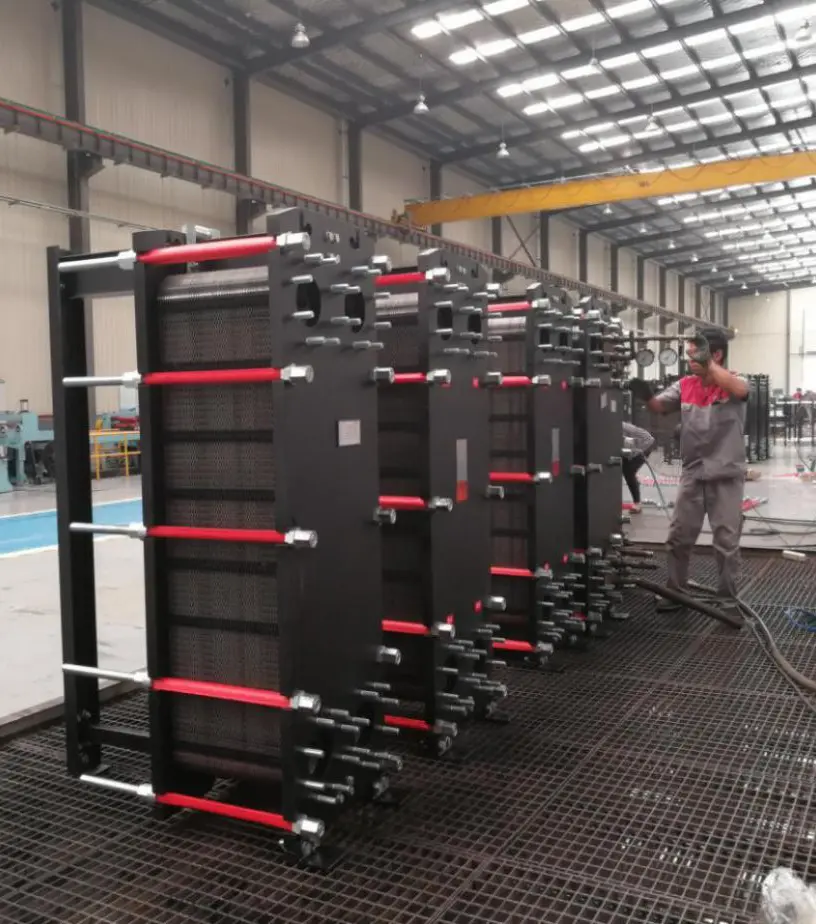
Every assembled heat transfer unit undergoes rigorous hydrostatic testing to verify gasket sealing integrity.
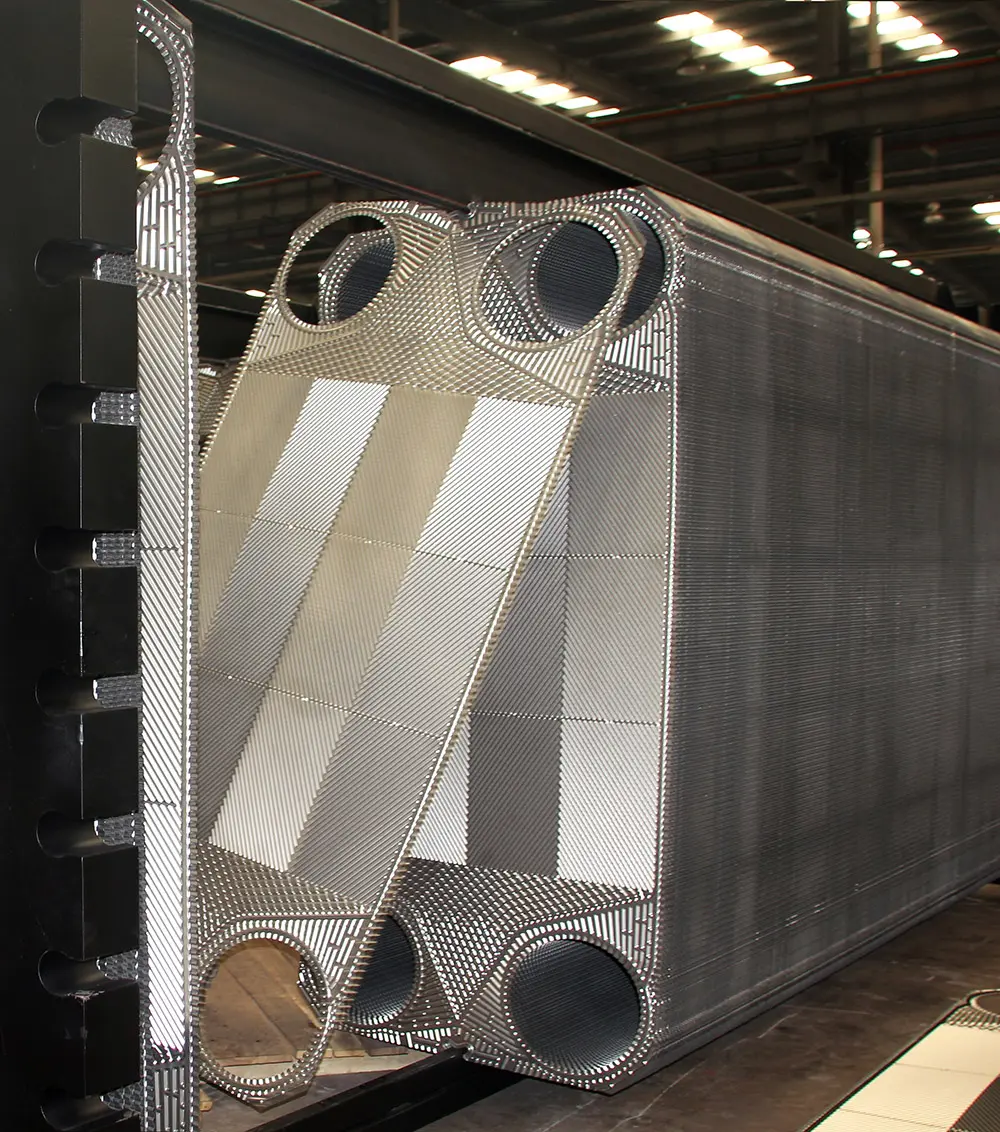
Skilled technicians mount the channel plate gaskets and secure structural plates to exact torque specifications.
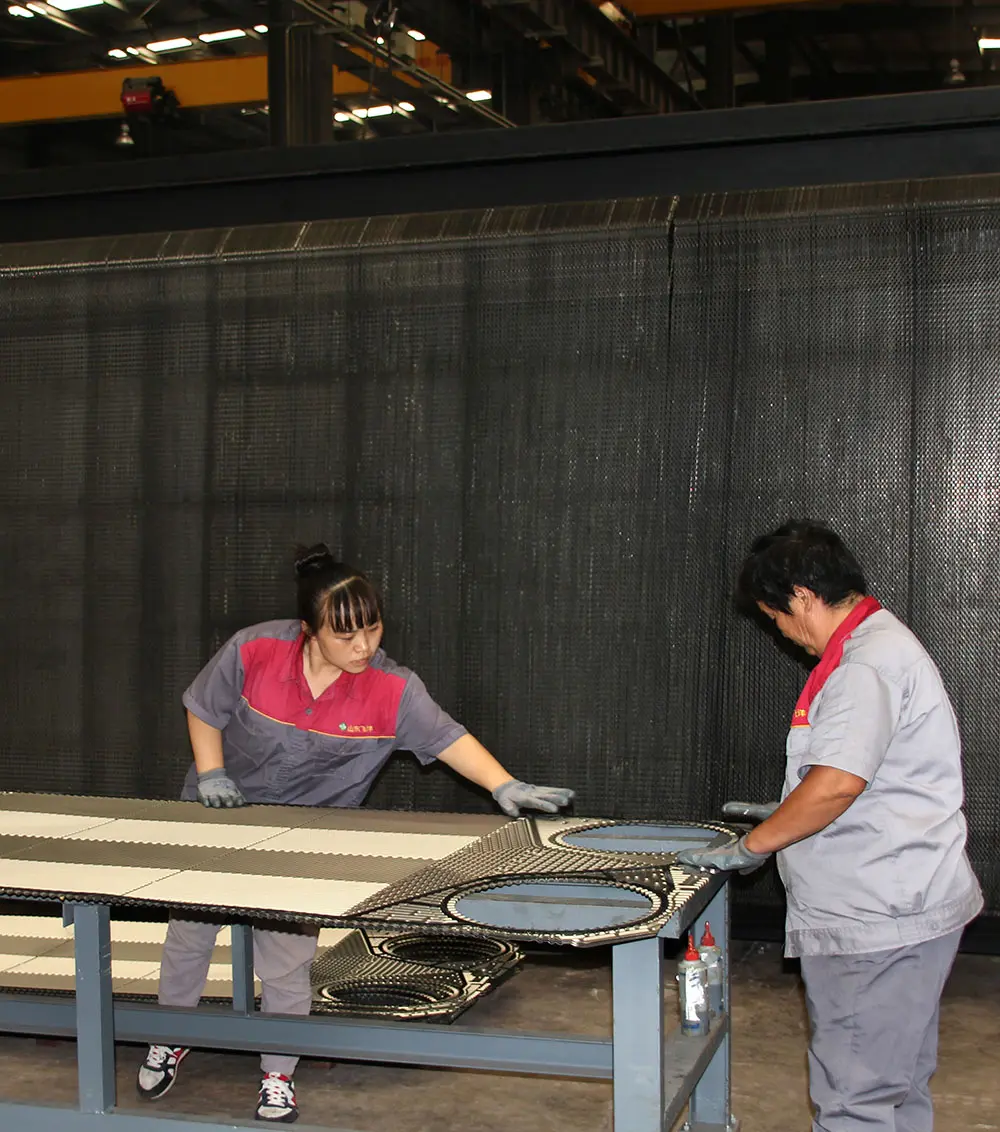
Direct vulcanization of elastomeric compound pads ensures high adhesion strength and prevents operational displacement.
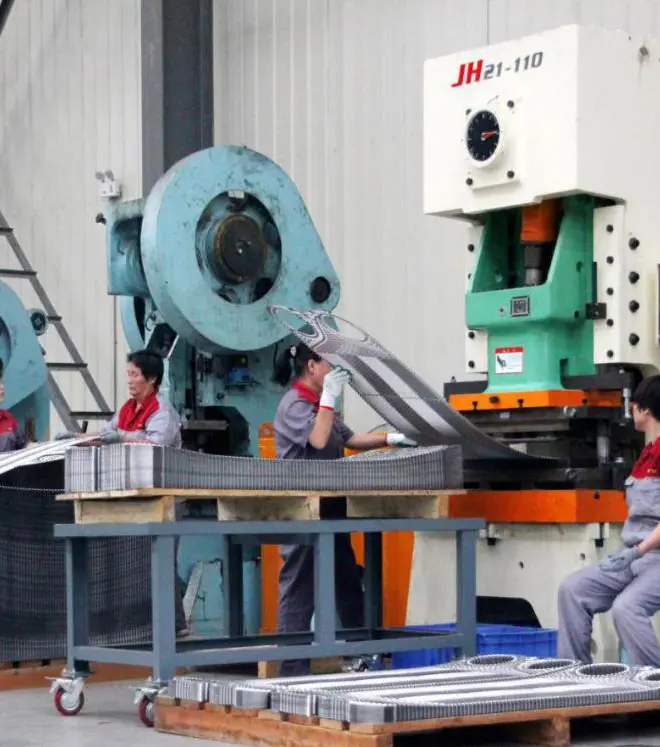
Automated stamping presses punch fluid ports with clean, burr-free edges, preserving tight structural clearances.
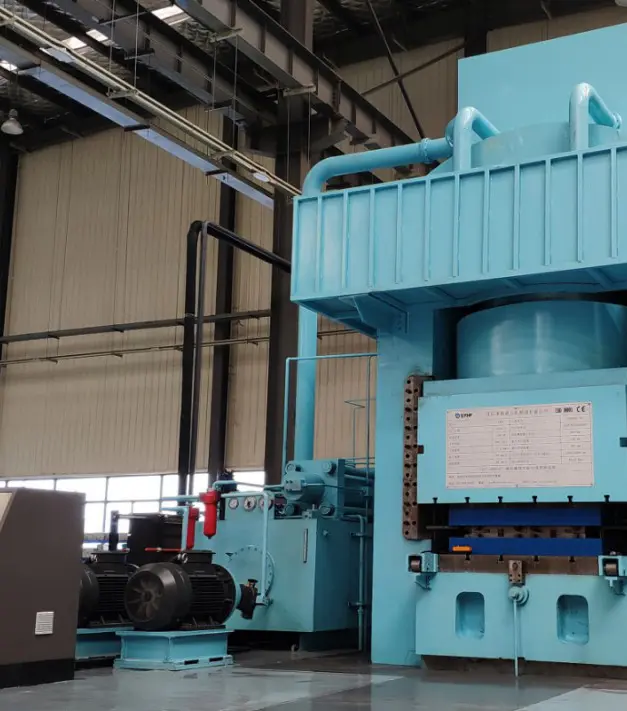
Corrugates stainless steel and titanium plates, establishing structural rigidity and high-turbulence fluid dynamics.
Our channel plate gaskets and heat transfer systems are deployed across various industrial sectors worldwide, from municipal heating networks to highly complex chemical processes.
In large-scale district heating networks, our EPDM gaskets seal plate heat exchangers that transfer thermal energy from primary municipal plants to secondary localized grids. High thermal durability ensures long-term operational cycles without seasonal downtime.
Processing aggressive fluids requires high chemical resistance. Our fluorinated elastomers (FKM) and customized sealing geometries isolate volatile media and withstand high operating temperatures, ensuring plant safety.
Hygienic processes demand non-toxic, FDA-compliant gaskets. Our specialized compounds prevent fluid absorption and withstand rigorous clean-in-place (CIP) sanitation protocols, maintaining high product purity.
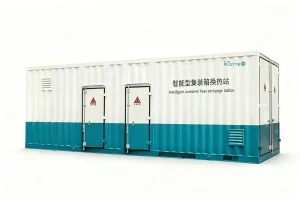
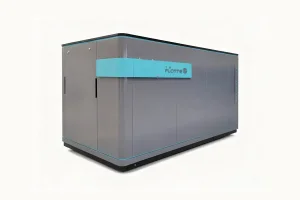
High static pressure loads in skyscrapers require reliable seals. Our detachable and box-type heat exchange units isolate high-pressure loops, optimizing building-wide thermal control.
Corrosive marine environments require robust seals. Combined with titanium plate configurations, our gaskets resist high-chloride feedstocks, supporting long-term desalination operations.
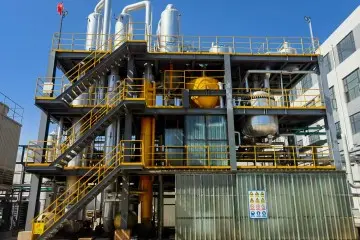
Used to manage wastewater concentration and process separations. High thermal stability prevents sealing degradation, helping to maximize steam utilization and energy recovery.
Our processes are audited and certified to meet high international standards, ensuring consistent safety and quality for global installations.
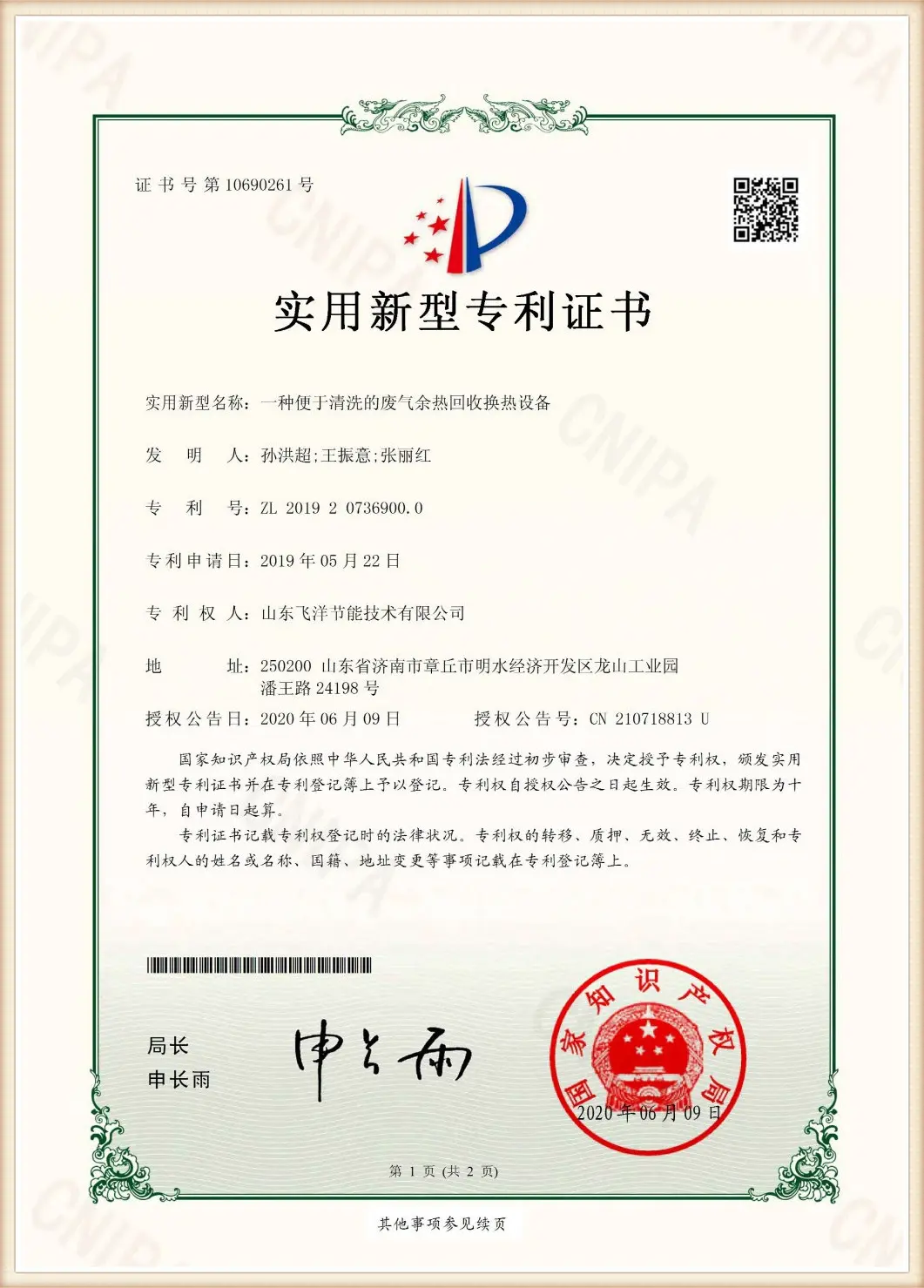
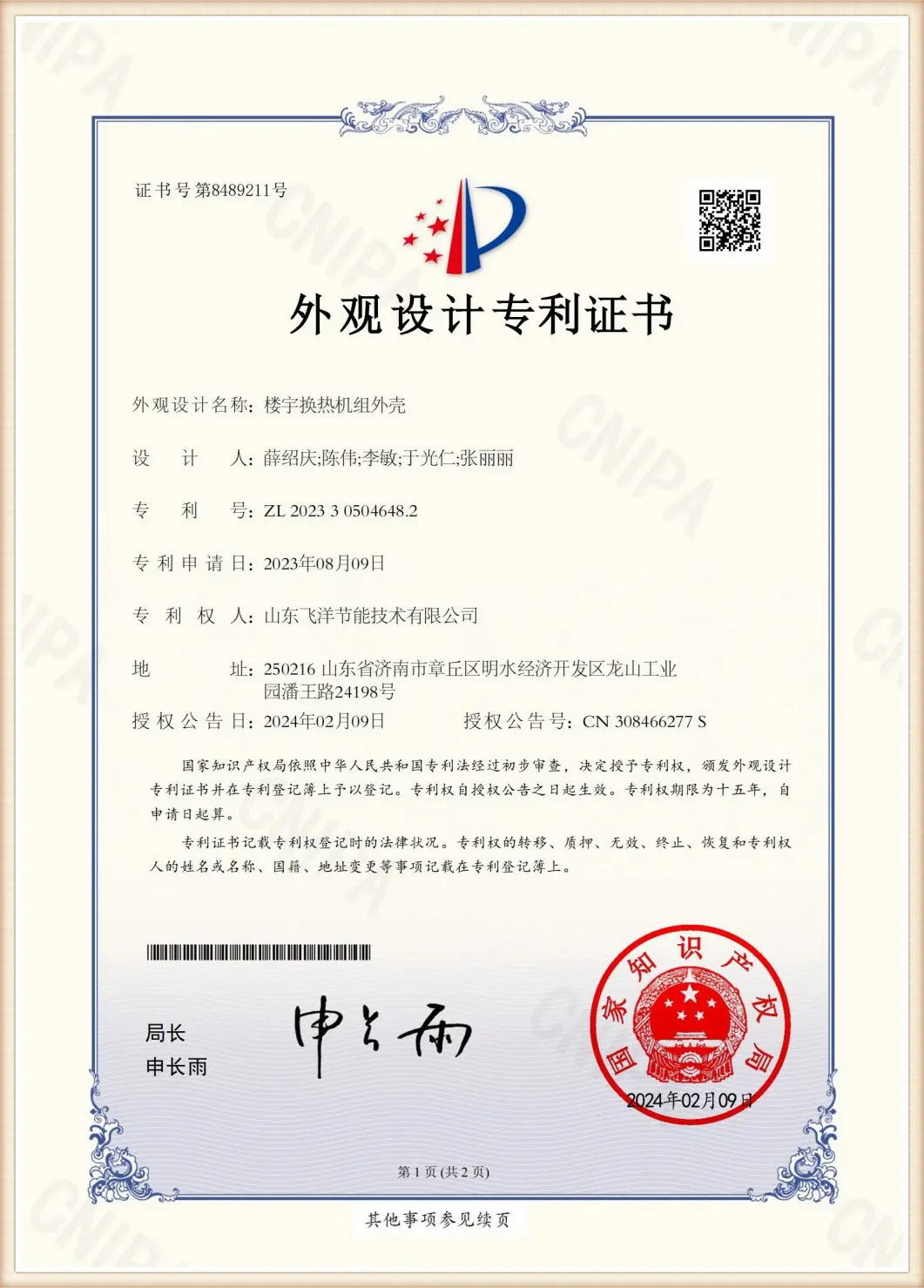
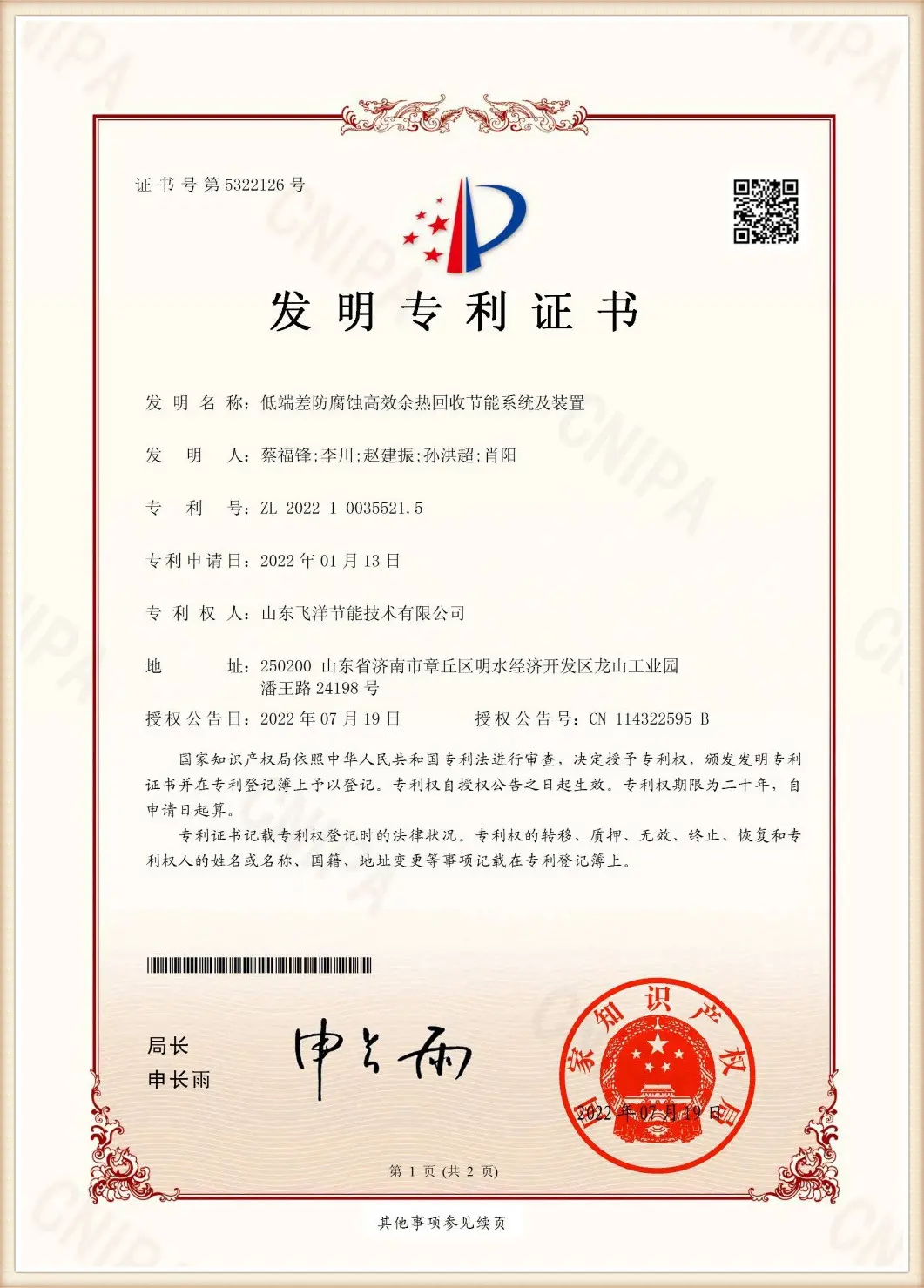
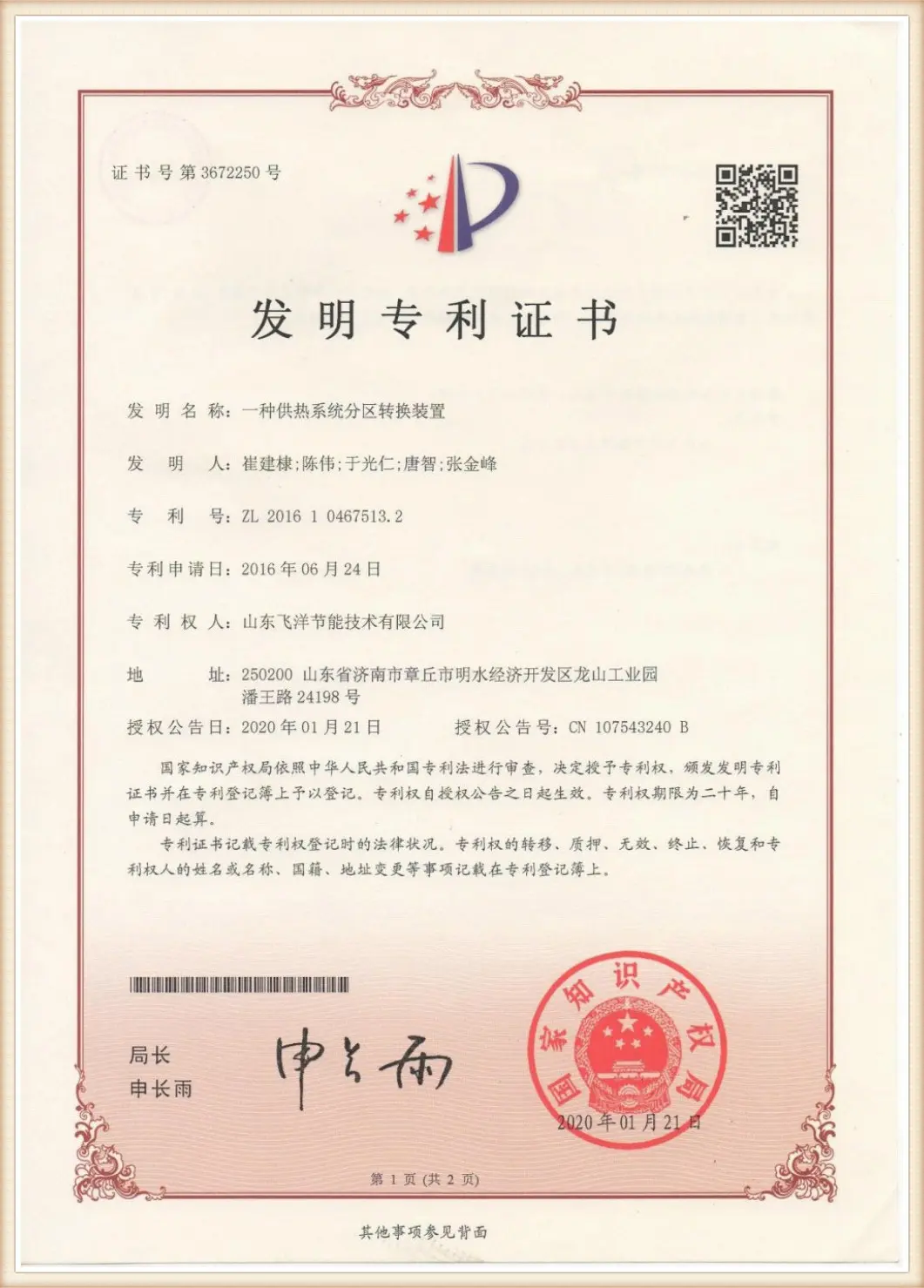
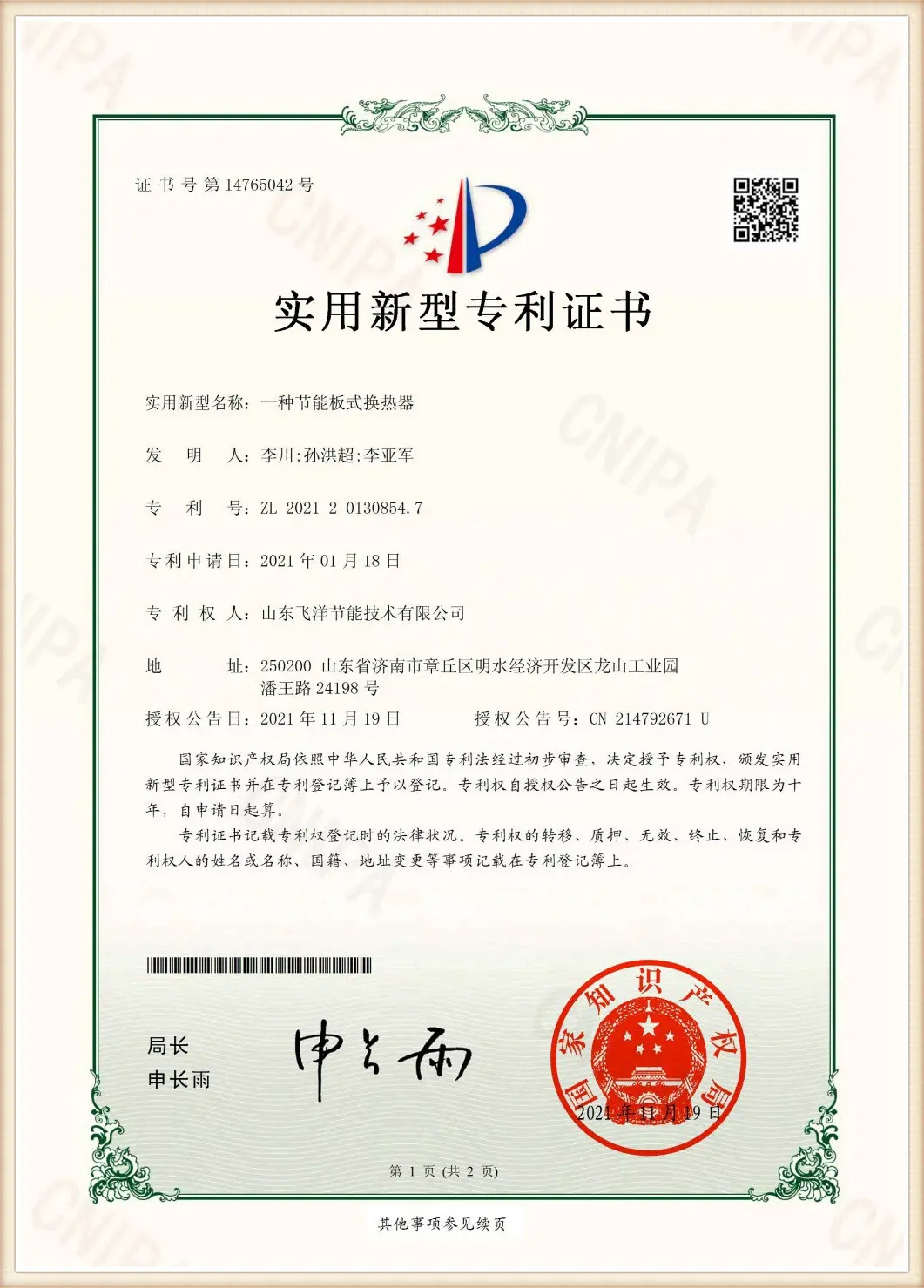
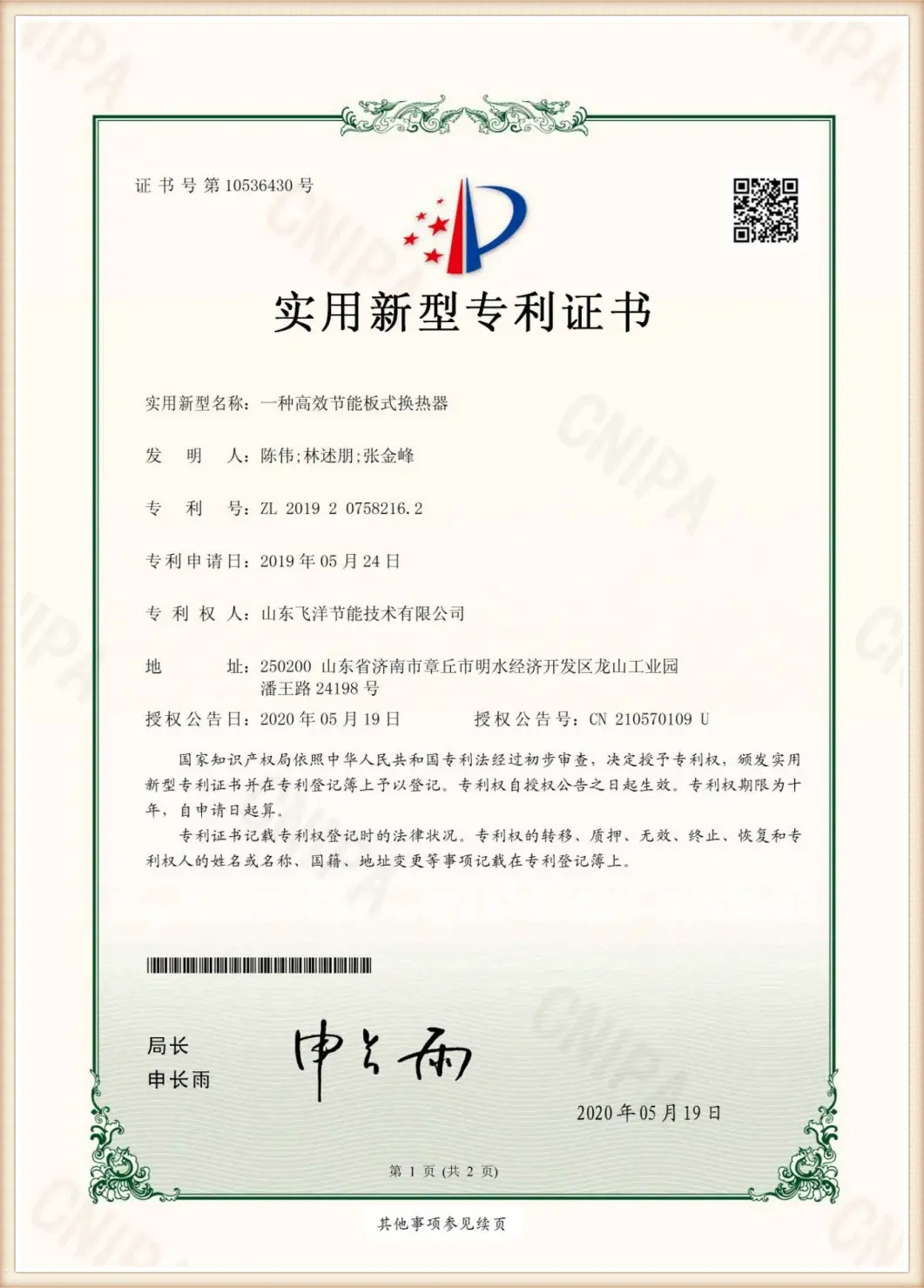
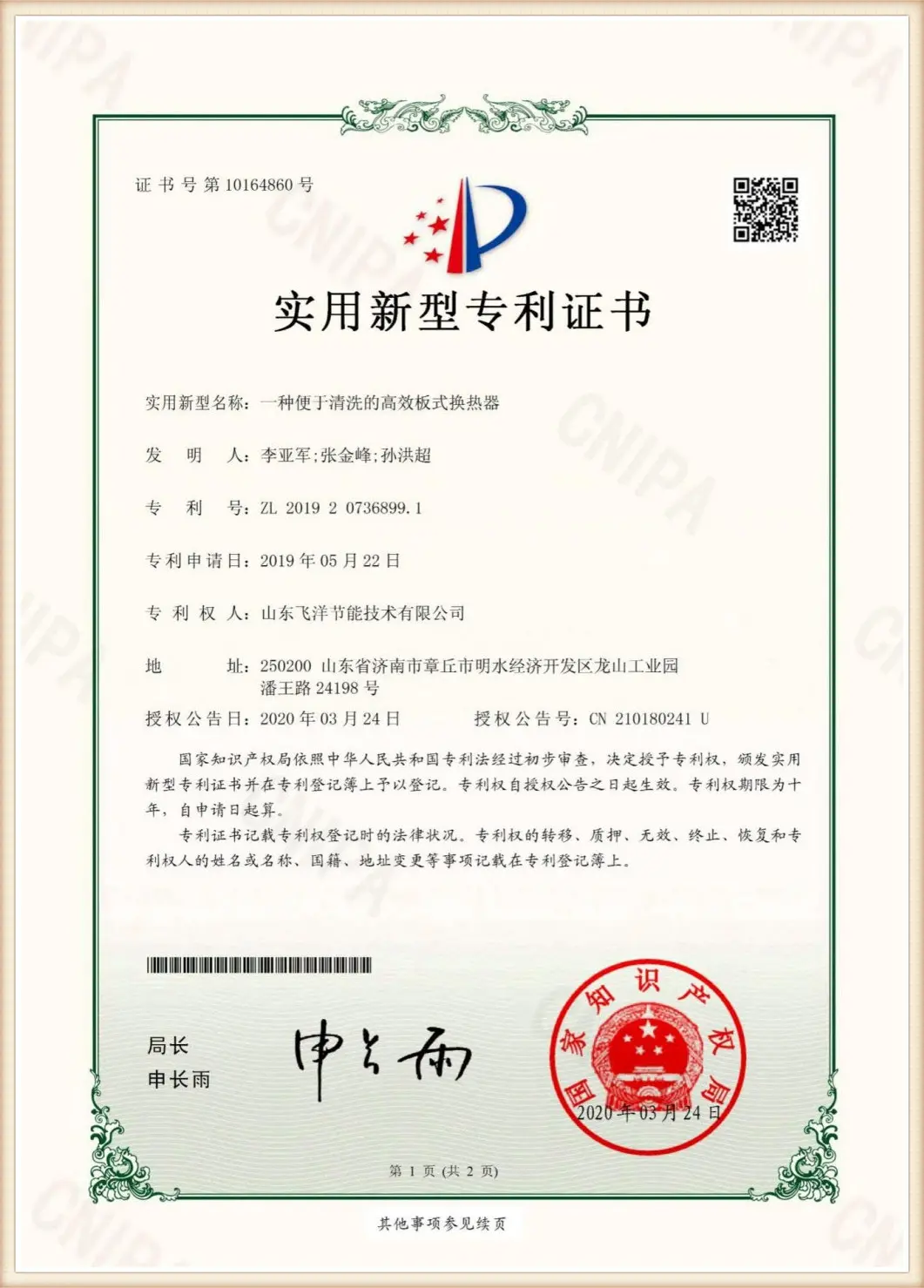


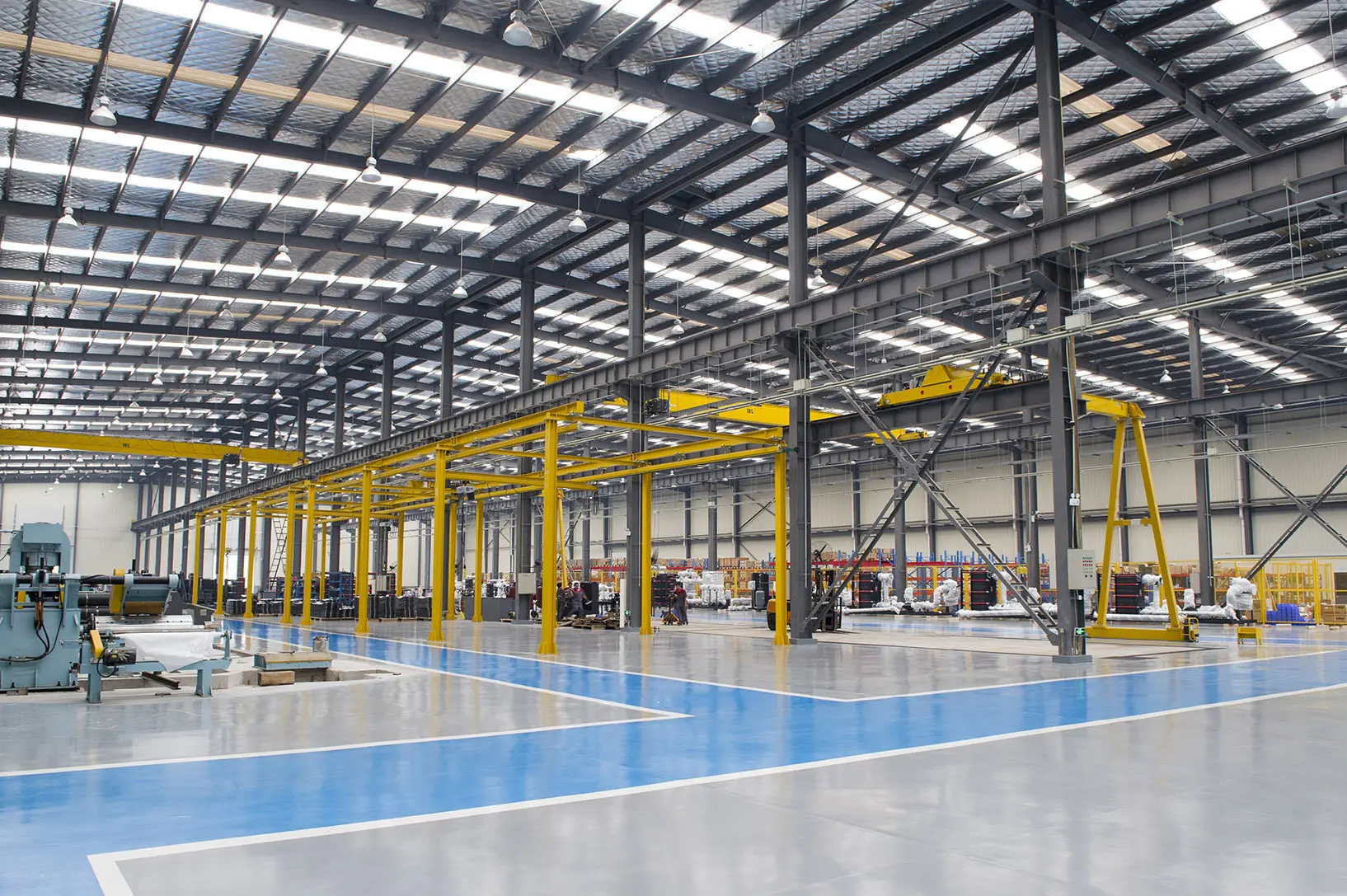
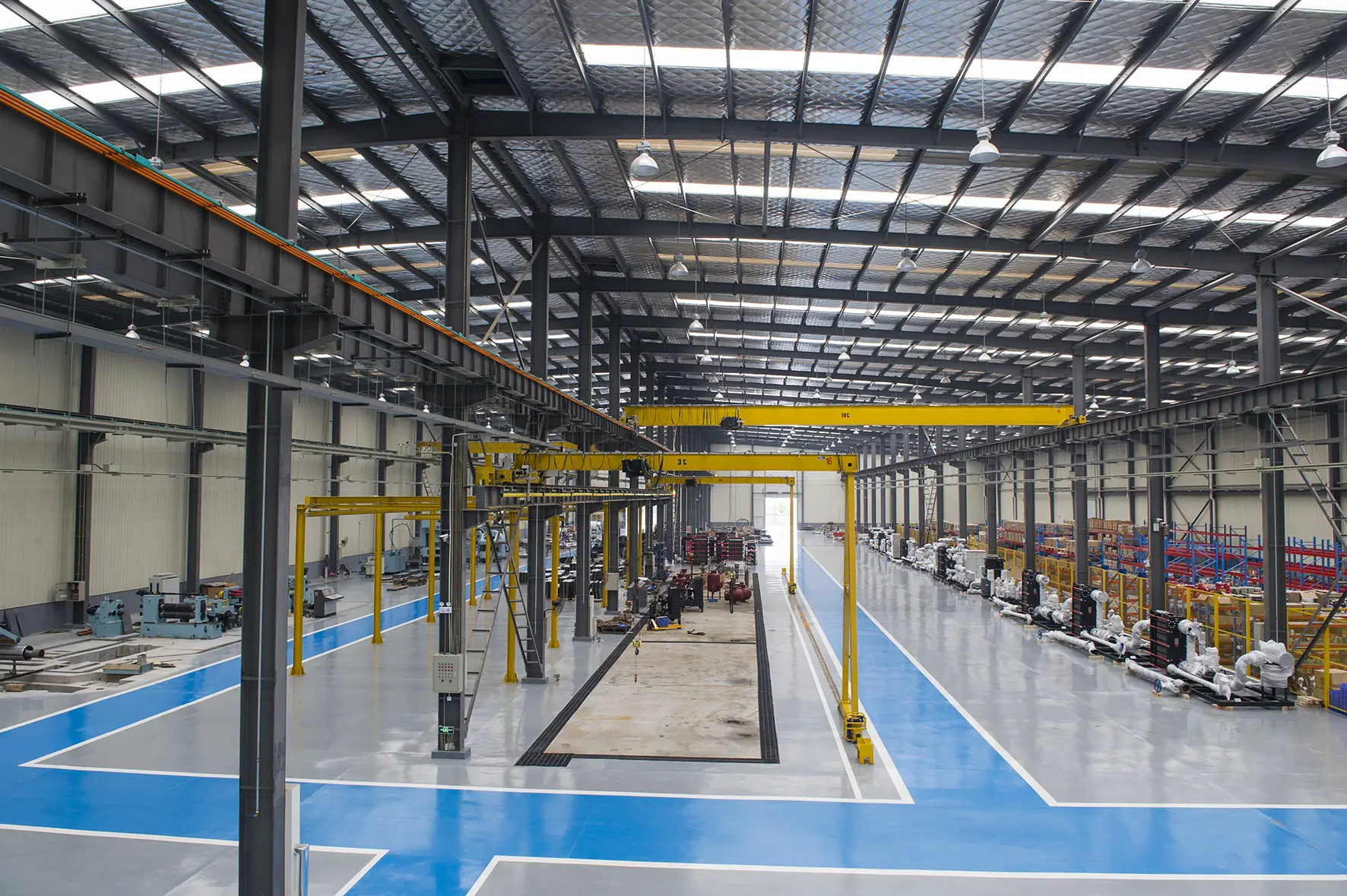
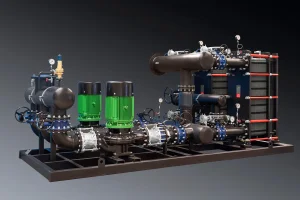
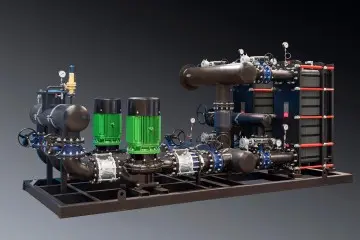
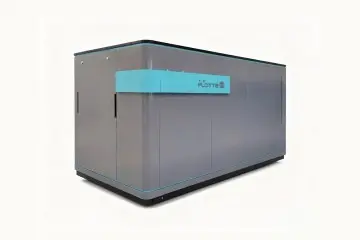
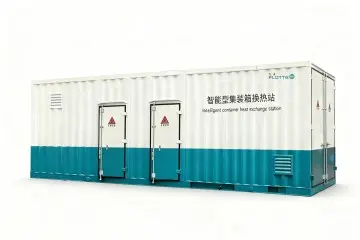
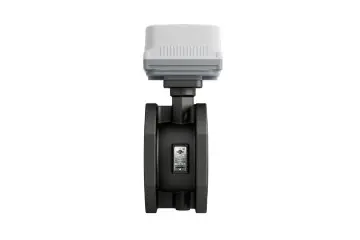
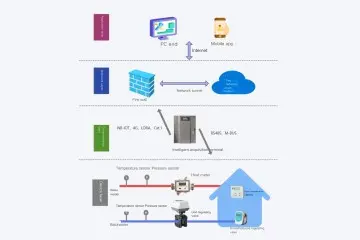
Our engineering team designs complete, skid-mounted systems that combine our plate gaskets with high-efficiency plates, valves, and monitoring tools.
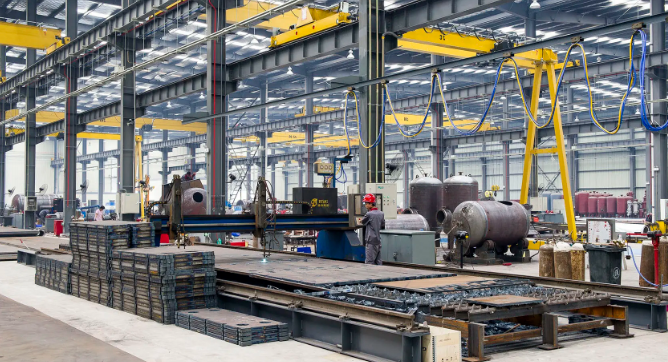
When sourcing replacement gaskets or complete heat exchange skids, procurement professionals look beyond basic unit cost. Key factors like compression set resistance, long-term chemical compatibility, and dimensional stability determine the true total cost of ownership.
Material Traceability: We verify the origin and quality of all raw material batches, ensuring our elastomers meet exact technical specifications.
Cross-Reference Validation: Our engineering team checks gasket profiles against major OEM specifications, helping to ensure a precise physical fit during field retrofits.
Packaging and Shelf Life: Specialized vacuum packaging and temperature-controlled storage protect our gaskets from ozone aging and UV degradation before installation.
Find technical answers regarding elastomer behavior, storage requirements, and OEM compatibility for channel plate gaskets.
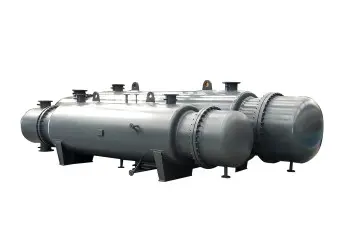
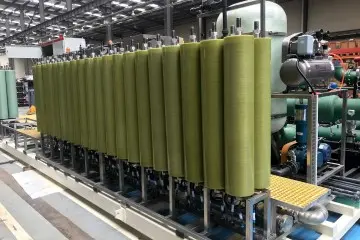
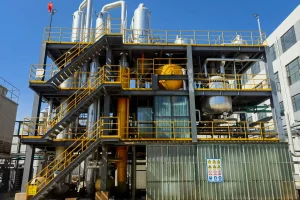
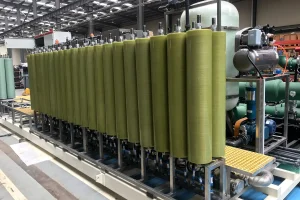
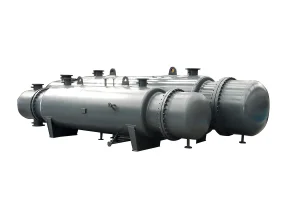
Browse our industrial-grade treatment systems, shell-and-tube units, and concentration technologies designed for modern resource recovery.
 Flotte Energy