Engineered to maximize thermal transmission efficiency while reducing operating expenses (OPEX) across complex industrial hydronic and HVAC systems.
The industrial heat exchanger sector is undergoing a rapid evolution. Global initiatives to achieve carbon neutrality are forcing heavy industries, district heating authorities, and large-scale commercial real estate developers to fundamentally optimize their thermal management configurations. As energy costs rise and regulatory bodies impose strict emission standards, standard non-optimized thermal hardware is no longer viable.
Coil heat exchangers, plate heat exchangers, and integrated thermal stations are critical tools in this energy transition. Modern industrial installations require solutions that optimize the Logarithmic Mean Temperature Difference (LMTD), reduce fluid pressure drop, and resist fouling. By utilizing advanced metallurgy and custom-engineered corrugation patterns, today's thermal units achieve heat transfer rates 30% to 50% higher than traditional designs, helping companies reclaim waste heat and lower their carbon footprint.
How multinational engineering firms vet suppliers and manage risk when purchasing core thermodynamic machinery.
Purchasers require verified performance models. Thermal capacity, fluid velocity, pressure drop tolerances, and fouling coefficients must be modeled using tools like HTRI or AspenTech to ensure performance under actual operating conditions.
Compliance is non-negotiable. Modern global projects require manufacturing standards that align with ASME Section VIII, PED 2014/68/EU, and ISO 9001/14001/45001 safety guidelines for pressure vessels.
Corrosive environments require high-grade raw materials. Global supply chains inspect raw materials using positive material identification (PMI) to verify grades like SS316L, Titanium, Hastelloy, and specialized copper alloys.
Procurement managers focus on long-term value. Key metrics include maintenance intervals, ease of disassembly for cleaning, replacement gasket availability, and overall operational longevity.
Flotte Energy Saving Company (registered capital of 101 million yuan) originated from Flotte Thermal Engineering founded in 1995. With three decades of technical expertise, the company specializes in water equipment, HVAC systems, and water treatment industries. It consistently leads industry peers in adopting cutting-edge technologies, developing innovative products, and delivering comprehensive production and sales services.
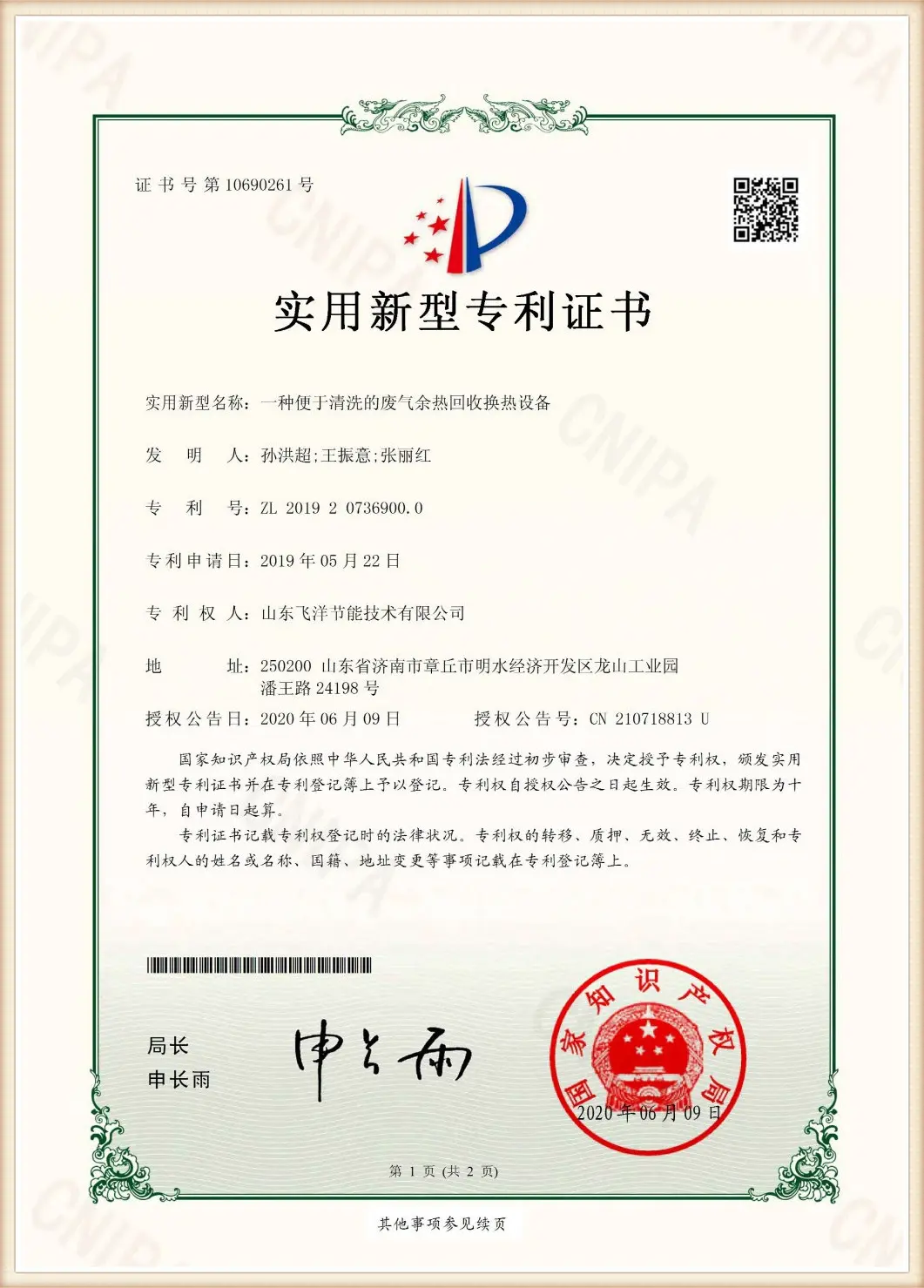
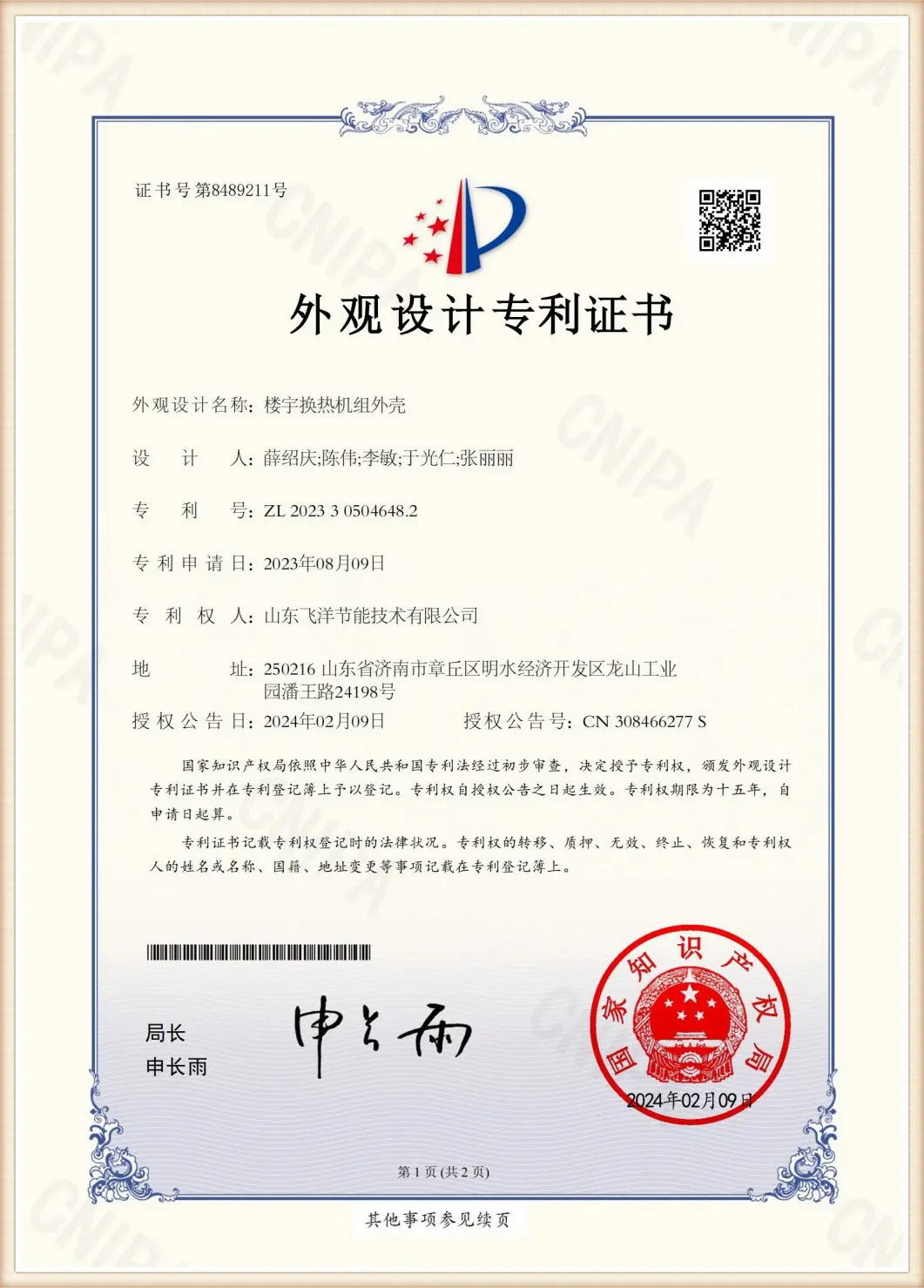
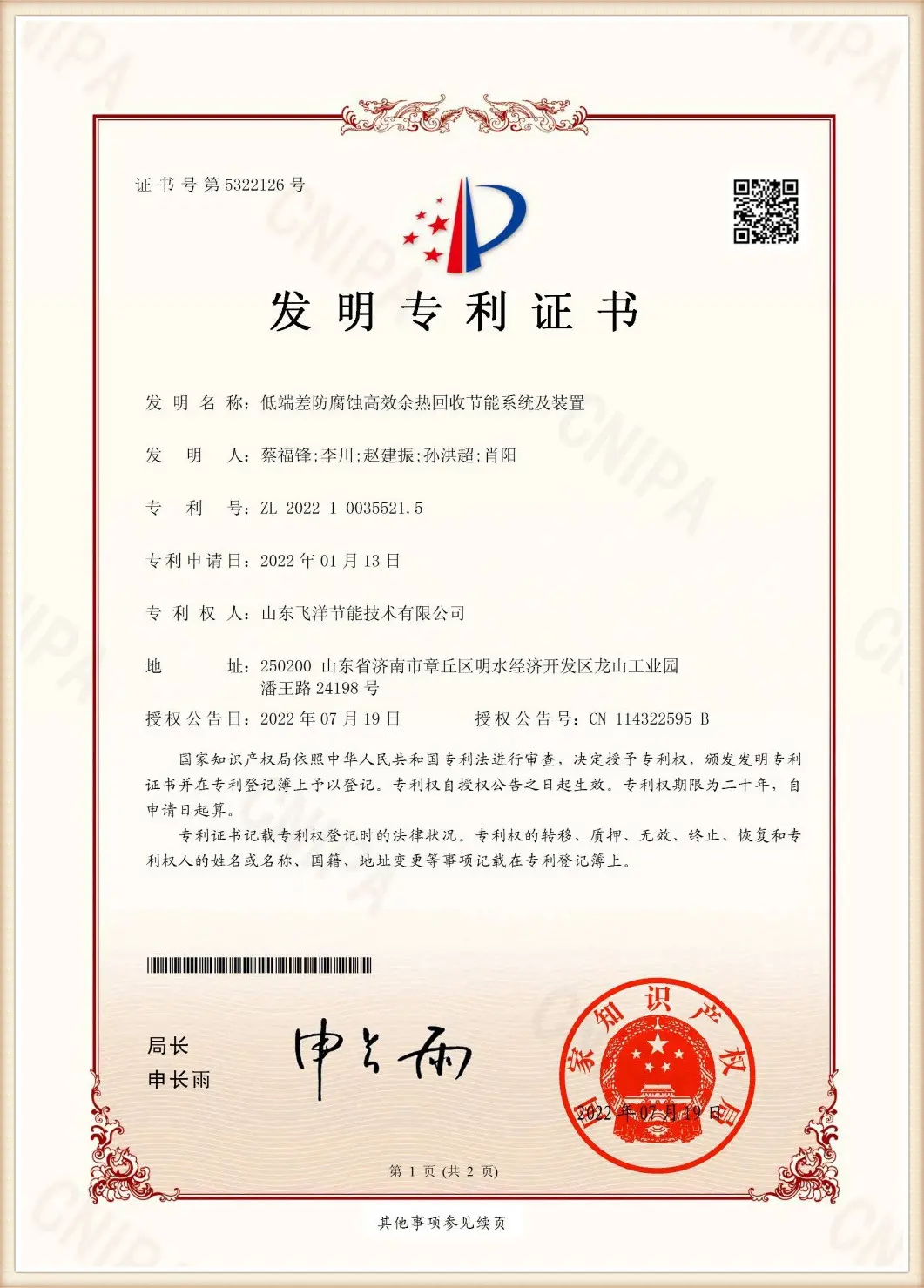
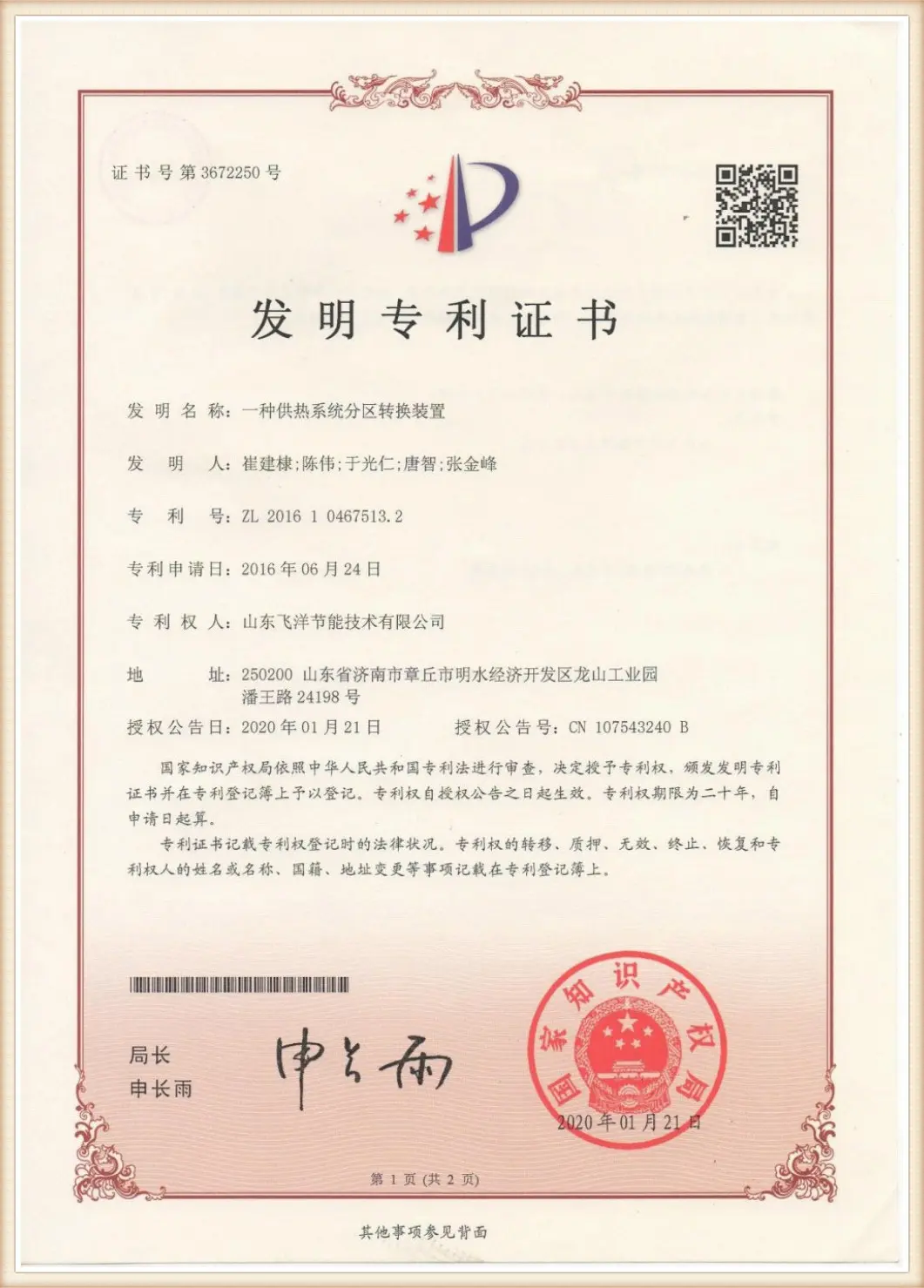
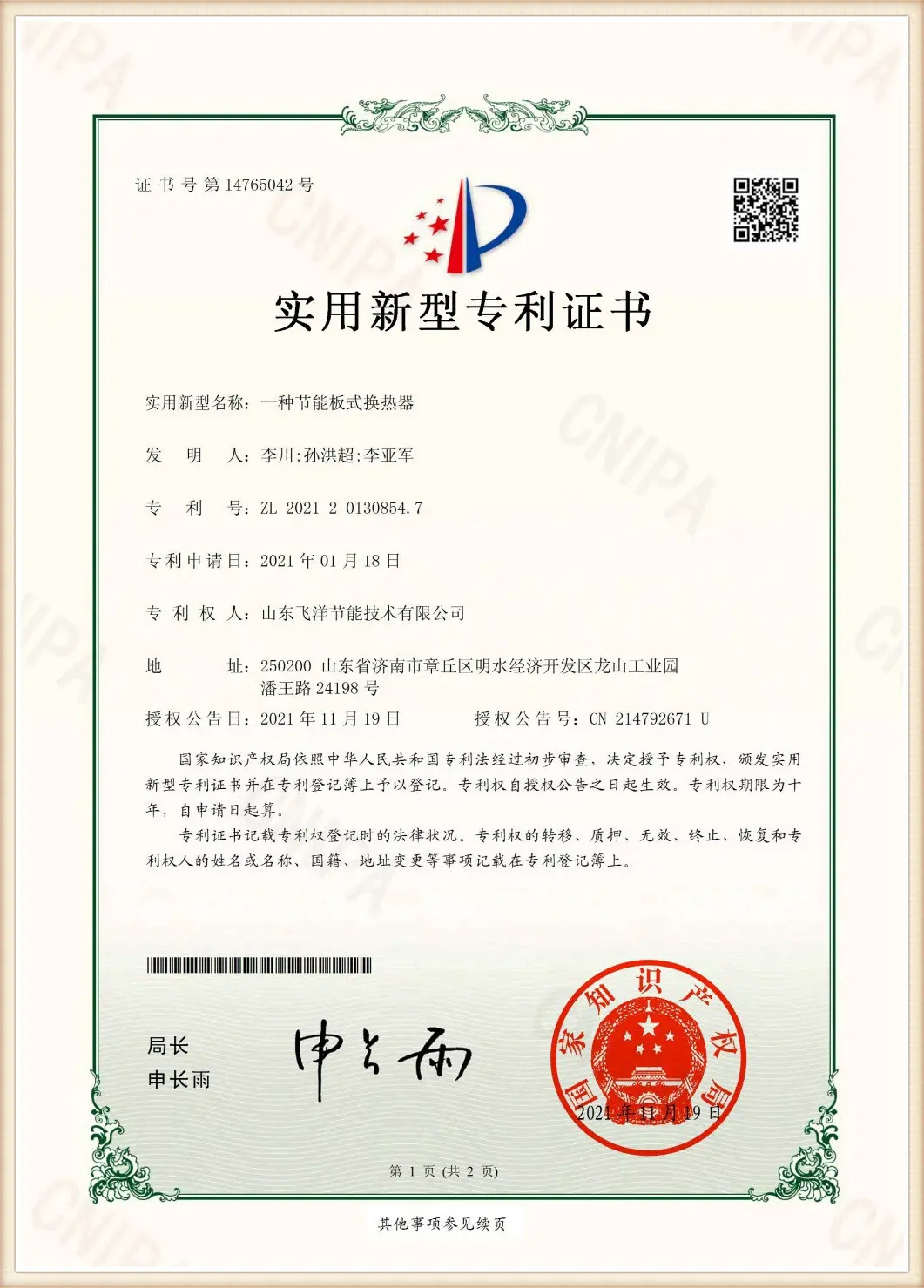
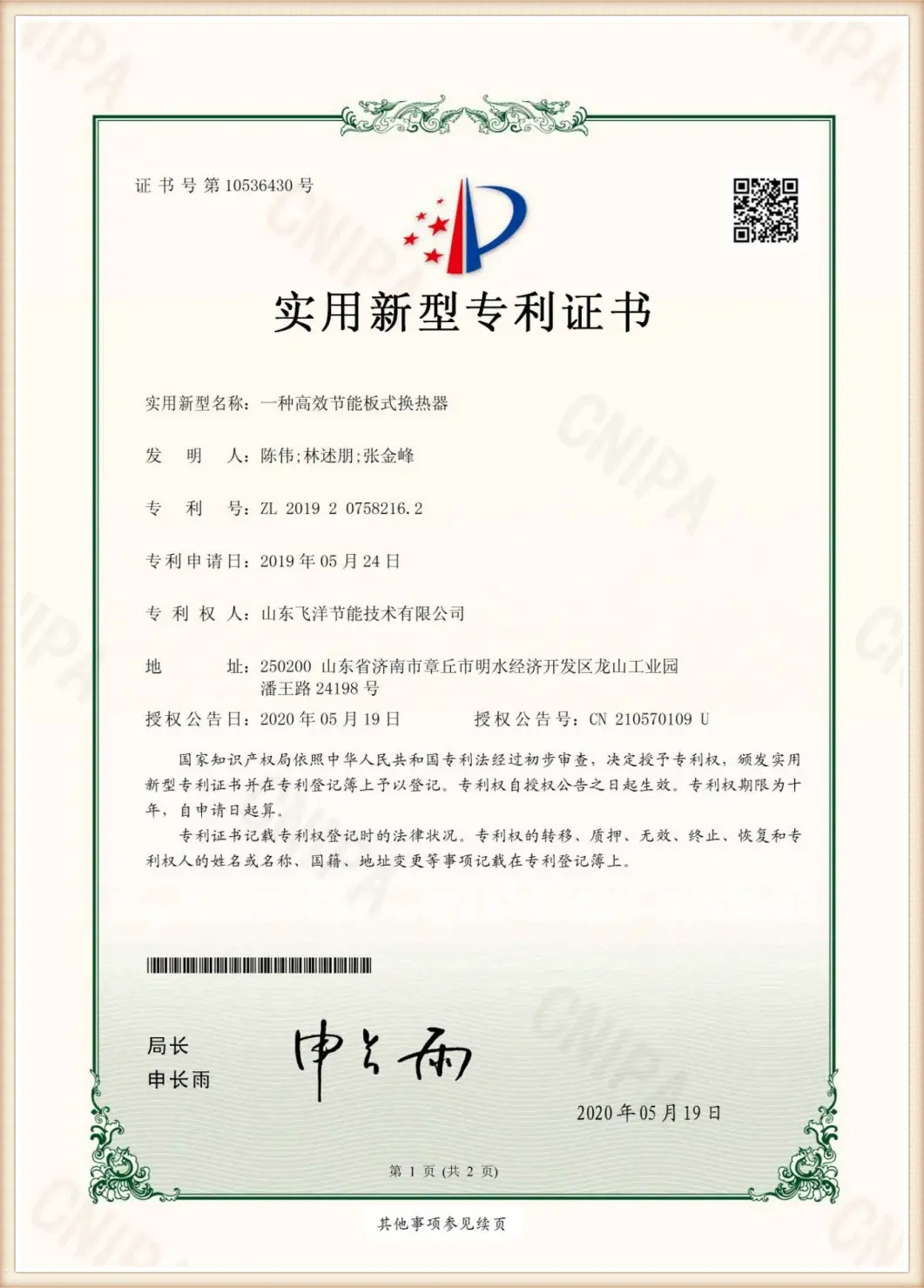
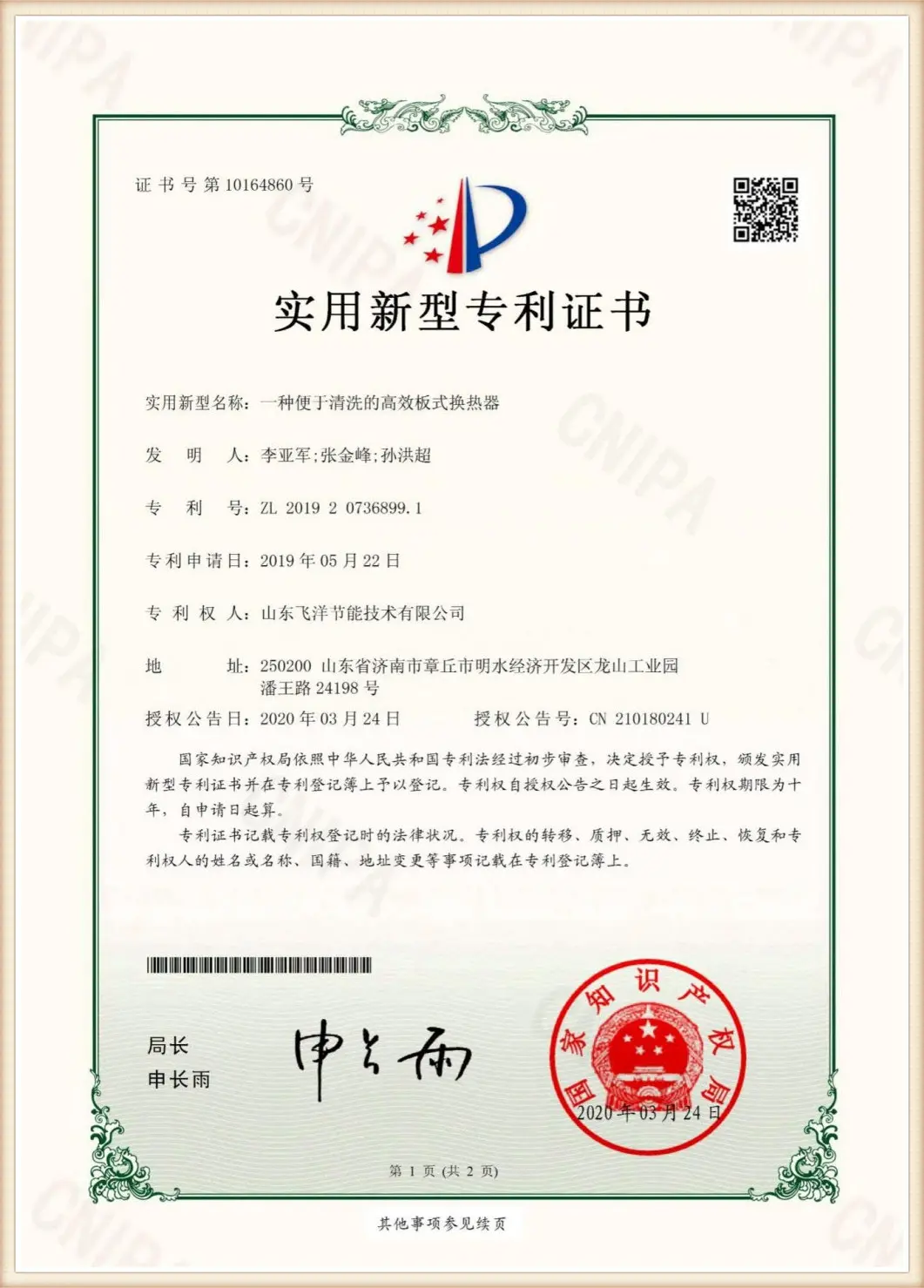
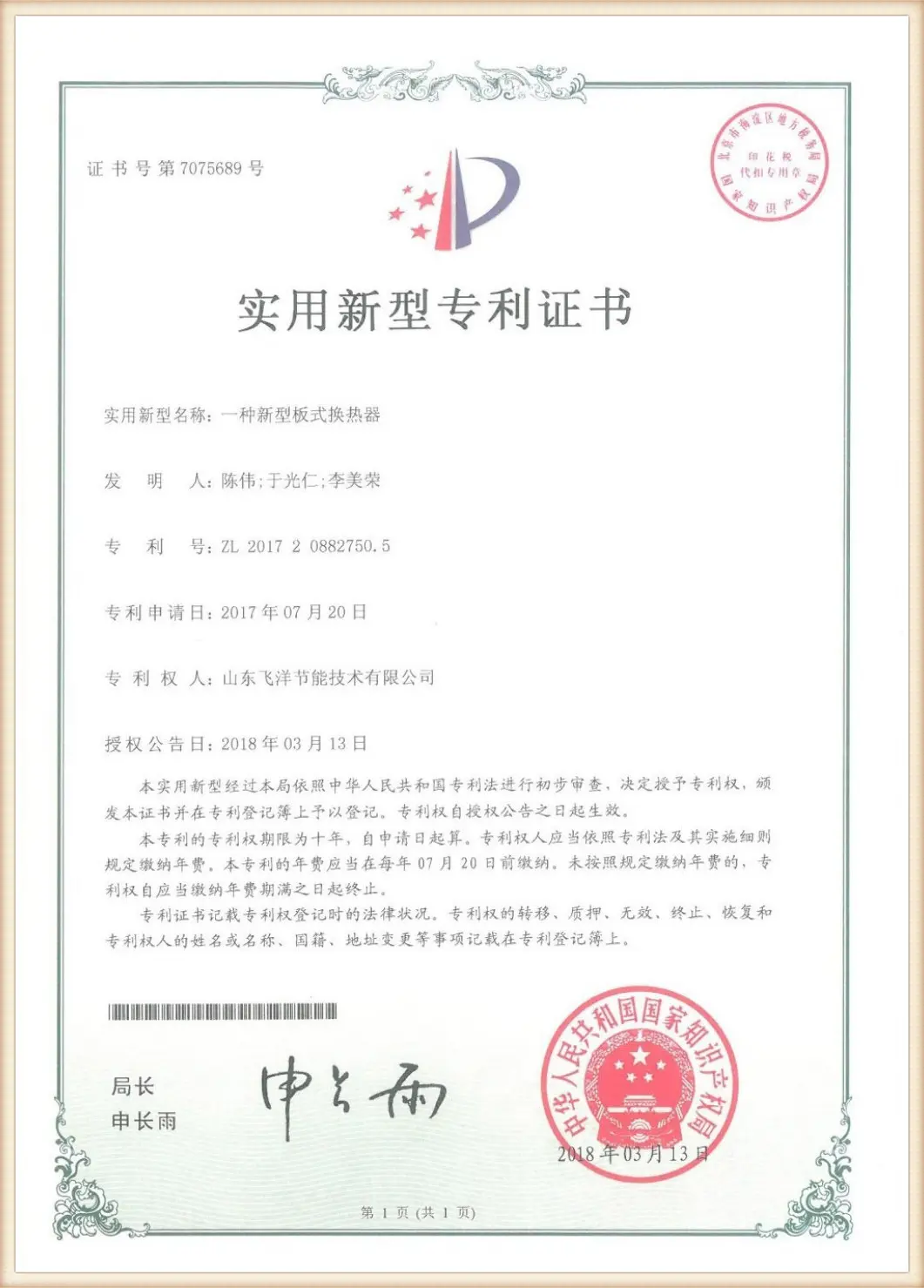
The company has been continuously advancing in production technology innovation, holding multiple patent certifications including "High-Efficiency Plate Heat Exchanger", "Intelligent Plate Heat Exchanger System", and "Plate Heat Exchanger Scale Removal Device". Our products have obtained mandatory national product certification and safety registration from the National Standardization Committee, along with the safety registration for plate heat exchangers issued by the National Boiler and Pressure Vessel Standardization Technical Committee.
Moving forward, the company will continue to grow in the thermal engineering industry by maintaining advanced design methods, providing premium products, and offering dedicated professional services to ensure our customers receive reliable long-term support.
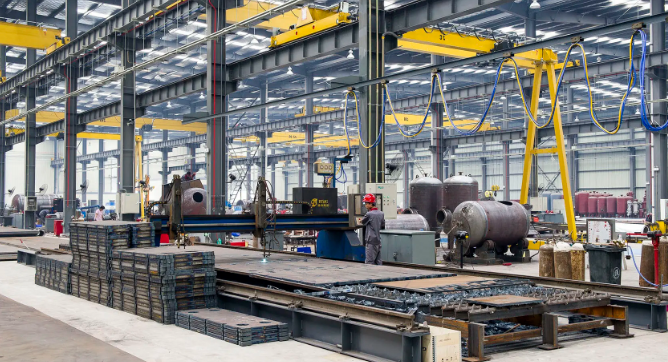
Integrating precision automation, strict quality control protocols, and robust logistics to support global energy infrastructure projects.
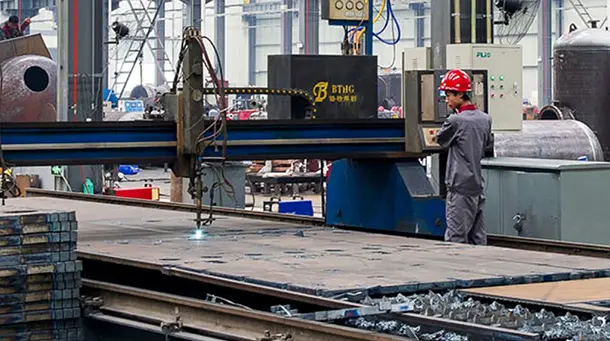
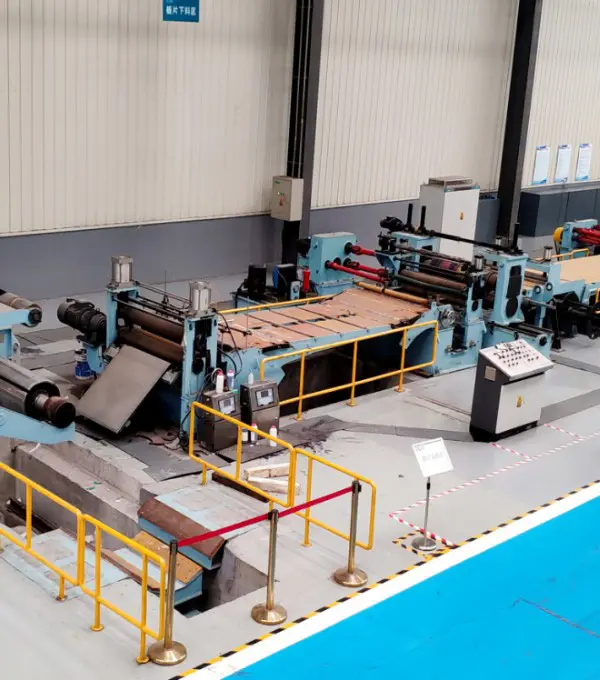
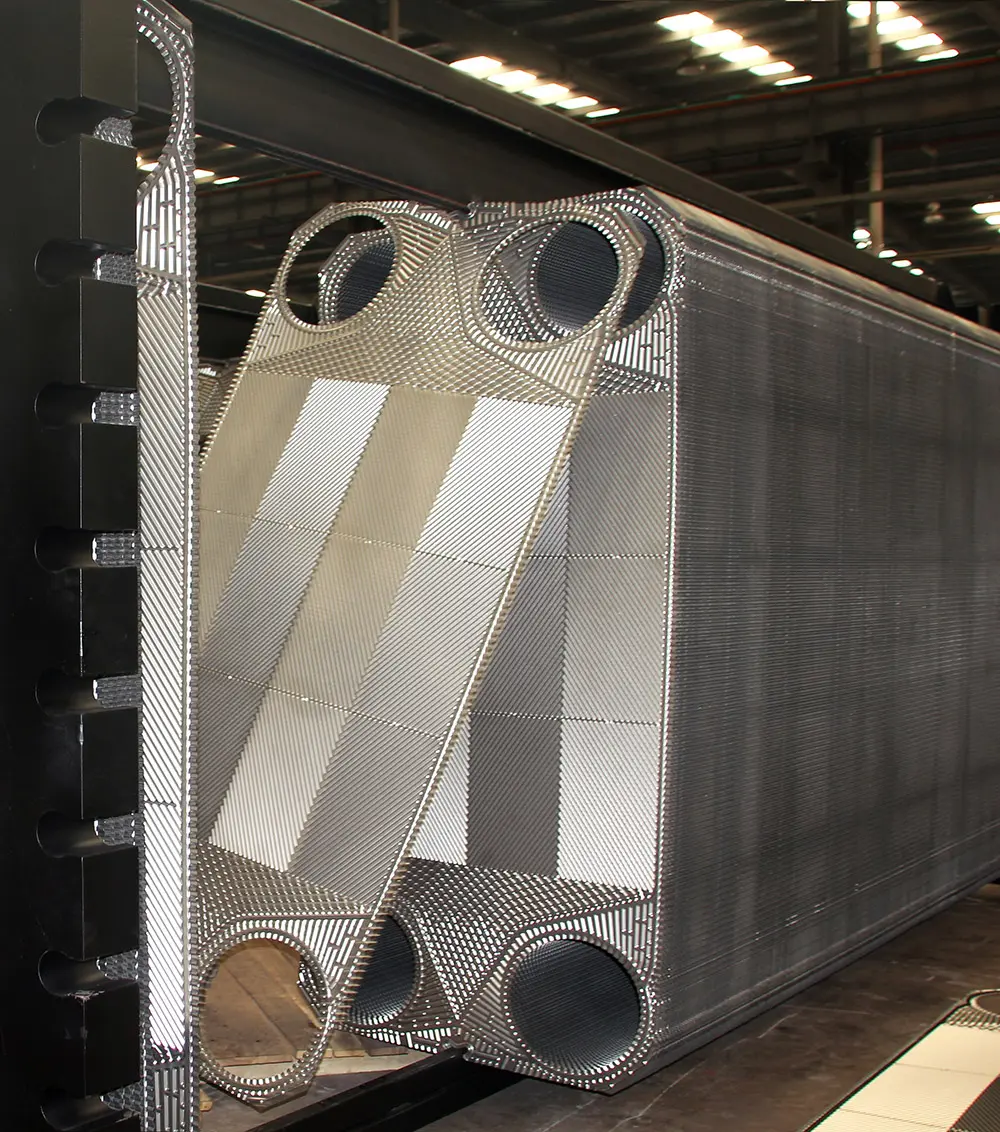
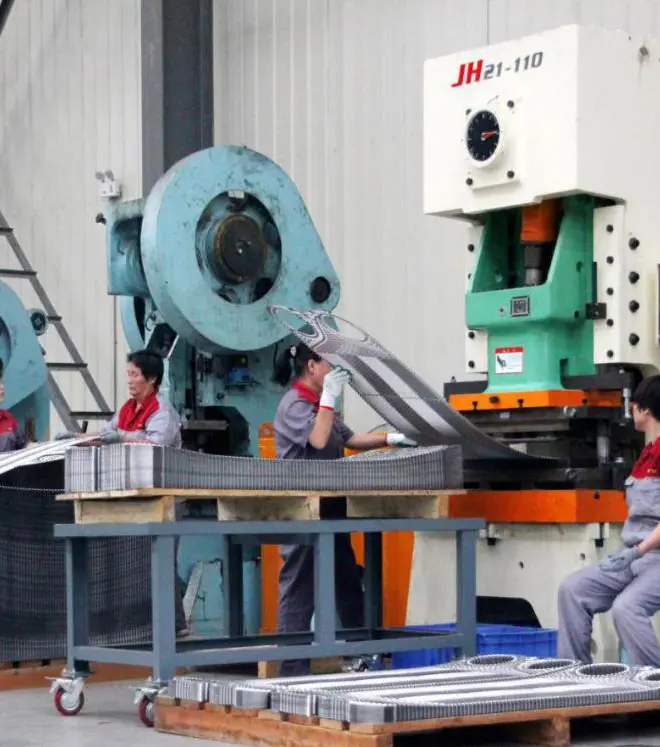
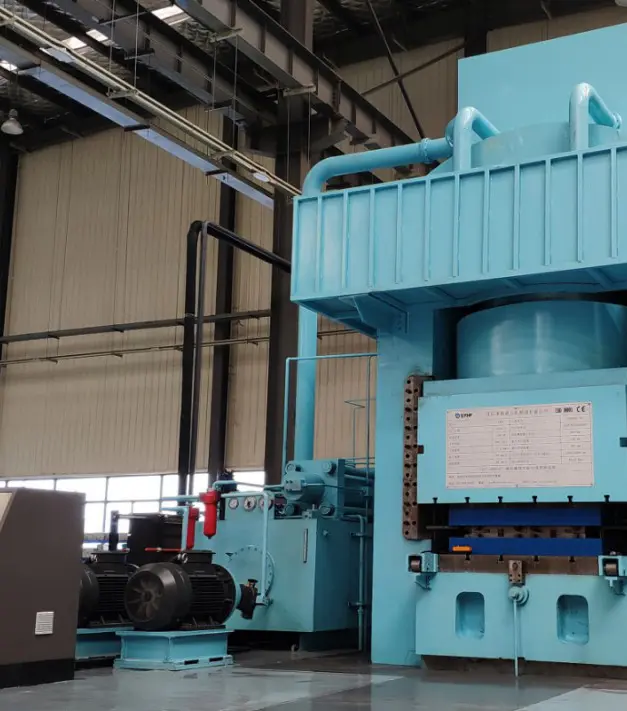
Our workshops utilize modern hydraulic forming presses and precision laser-cutting machines, enabling us to manufacture complex plate geometries with tight tolerances and consistent quality.
Our quality management system is certified to ISO 9001:2015. Every heat exchange unit undergoes high-pressure hydrostatic testing, helium leak detection, and dye-penetrant checks on all critical welds.
We partner with audited, high-tier raw material suppliers for stainless steel and titanium. This deep integration allows us to offer stable, competitive pricing and protect projects from market disruptions.
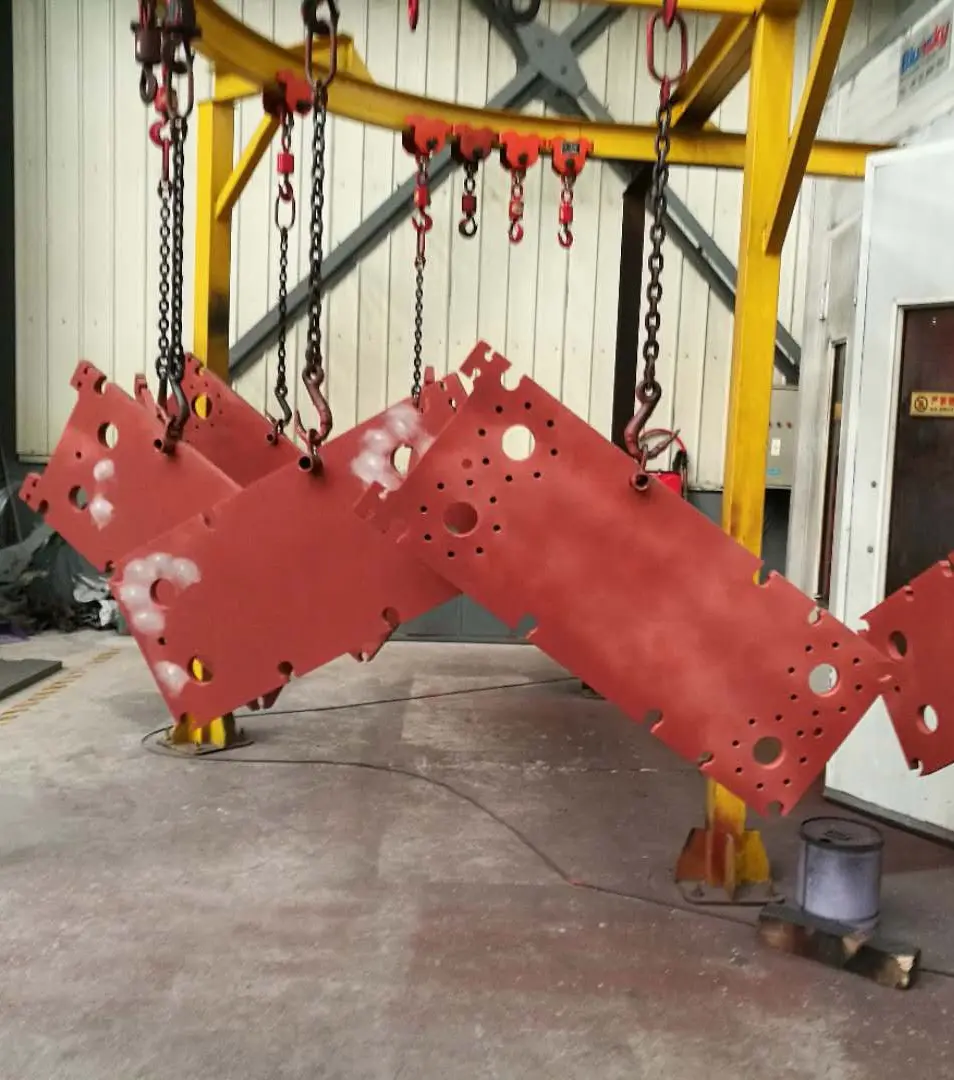
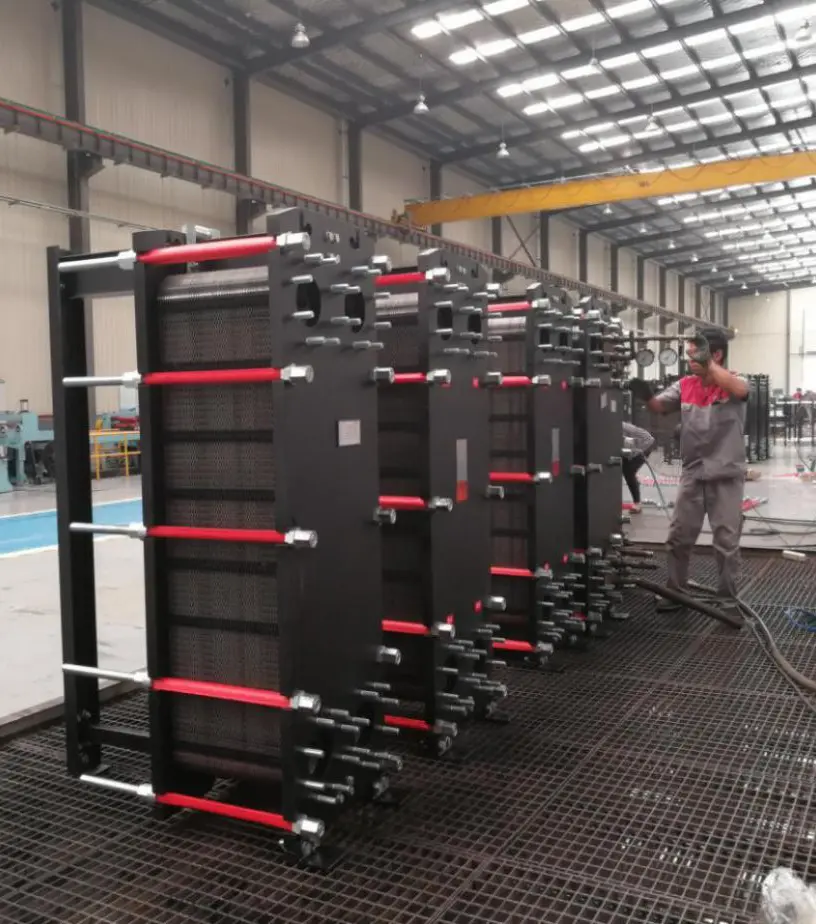
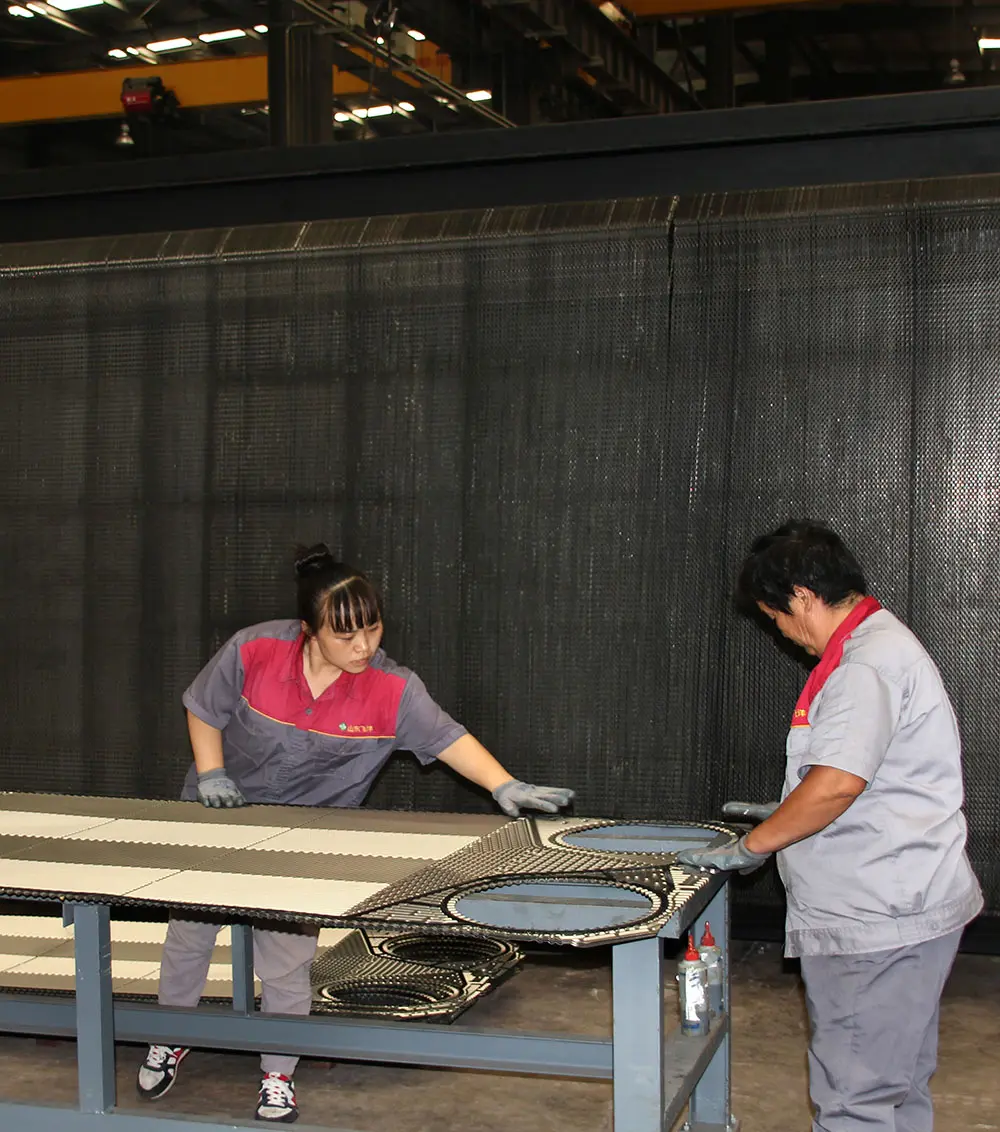
A technical overview of Flotte's processing operations, from raw metal sheets to finished pressure vessels.
Custom thermal solutions built to handle specific temperature profiles, fluid types, and environmental conditions.
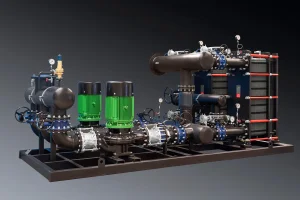
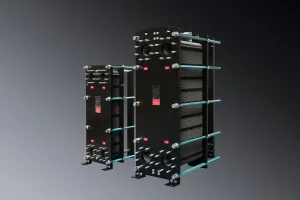
Used to transfer thermal energy between municipal networks and secondary building grids. These designs feature high-corrugation plate surfaces that optimize heat transfer with minimal temperature approach requirements.
Designed with corrosion-resistant plates, including Titanium and Hastelloy. These units safely manage aggressive organic solvents and acidic solutions while maintaining thermal stability.
High-capacity units designed for low-pressure steam condensation. Optimized plate configurations manage large vapor volume flows with minimal pressure drop, helping improve overall turbine efficiency.
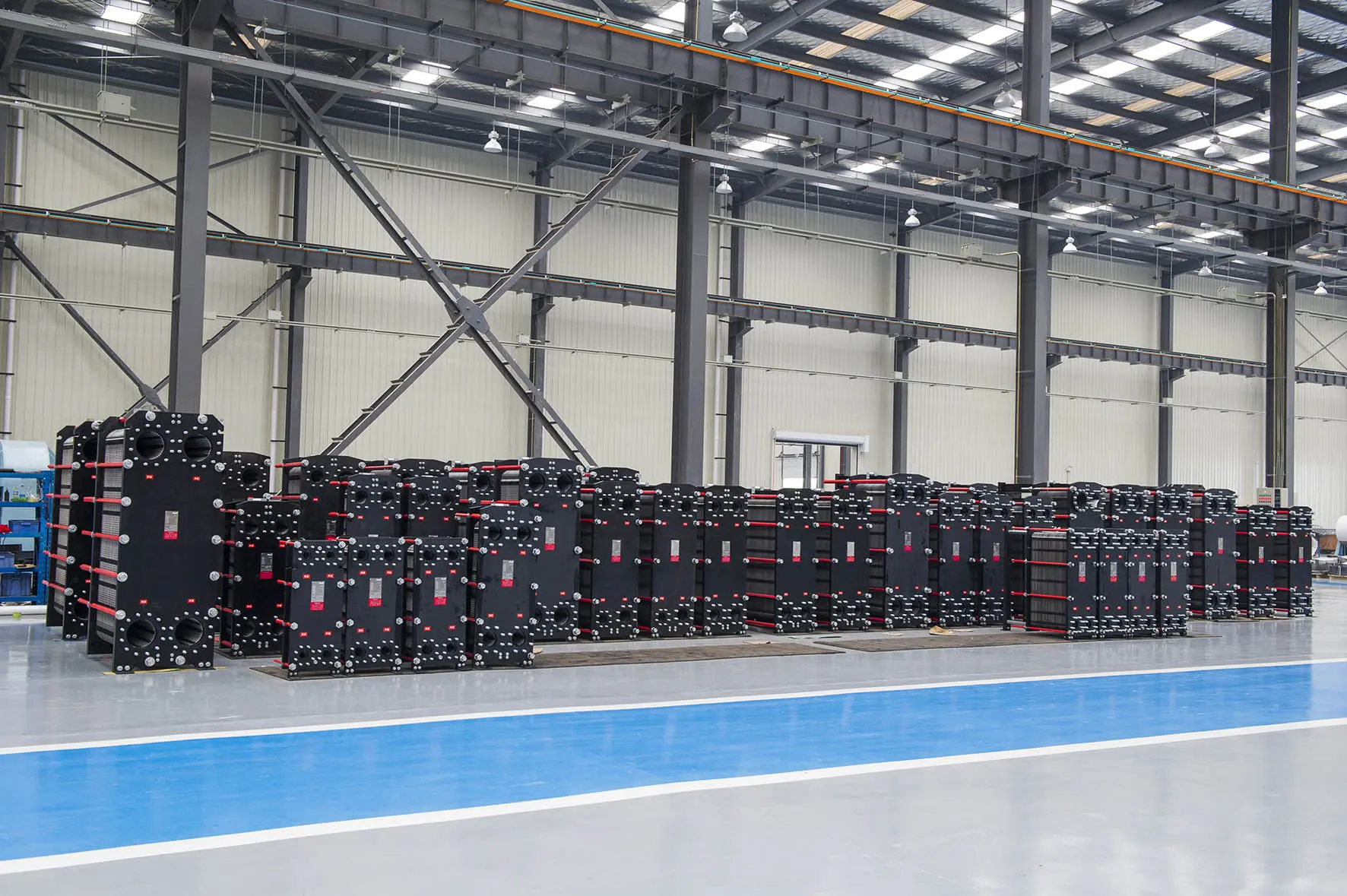
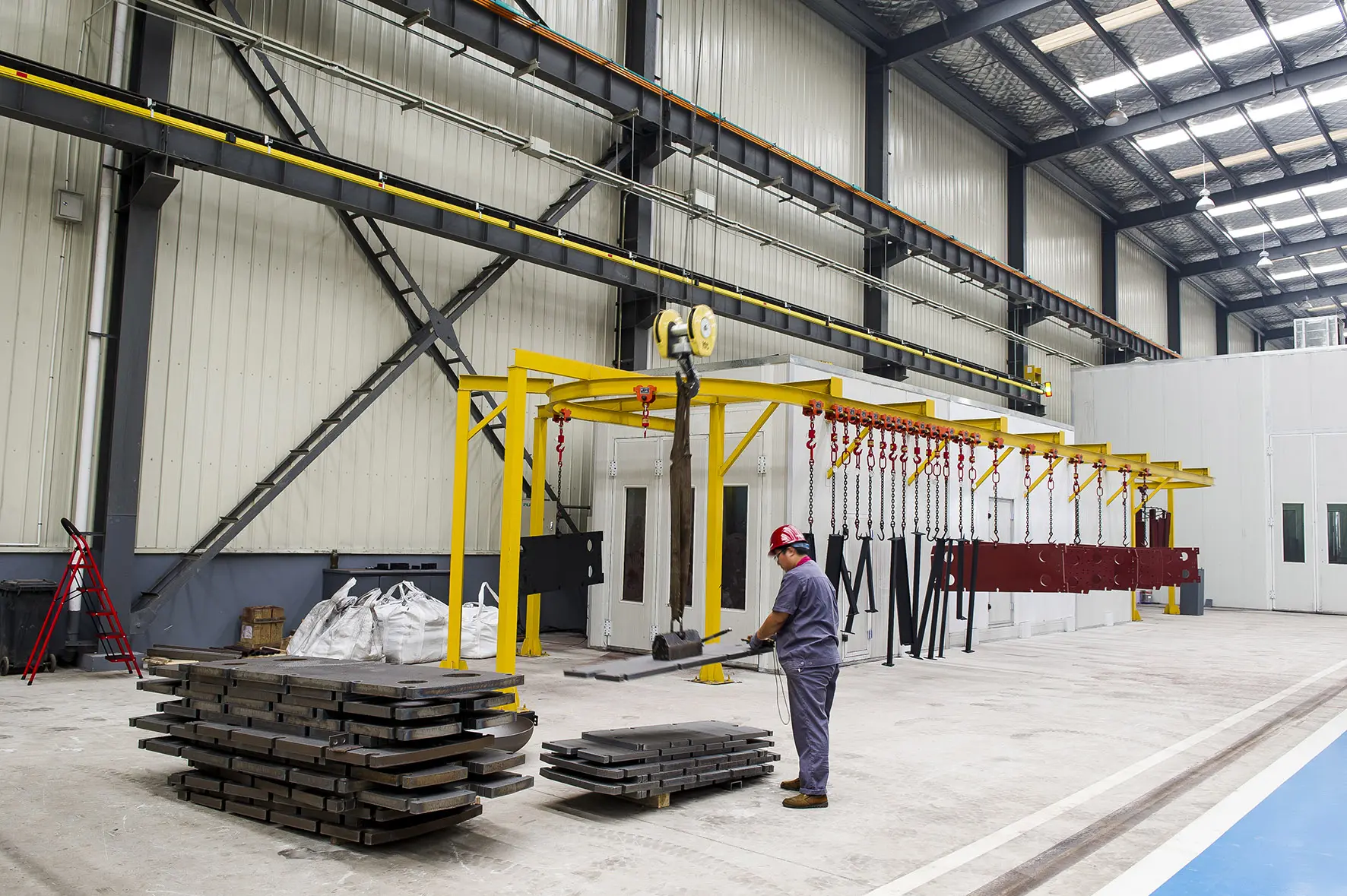
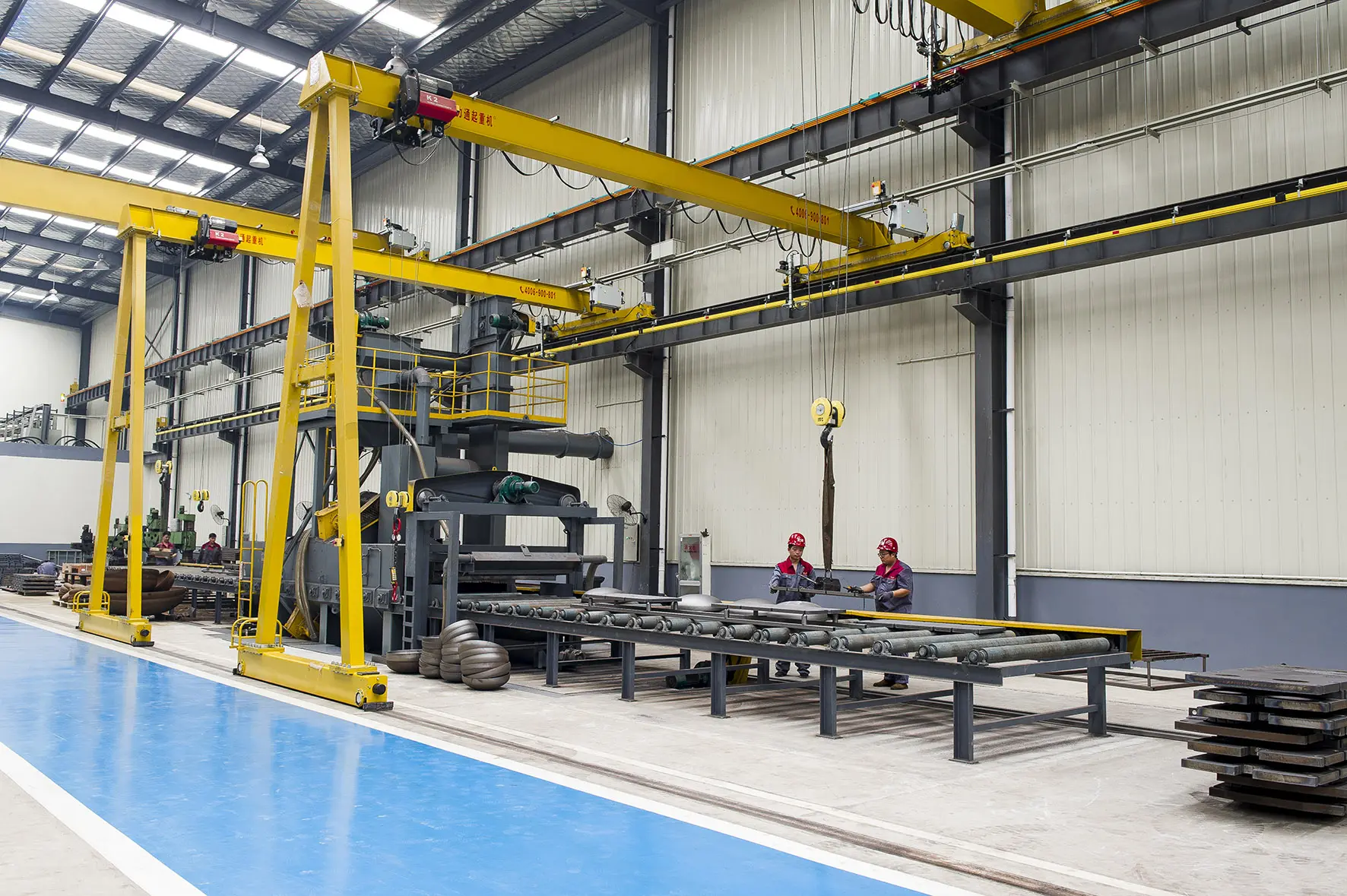
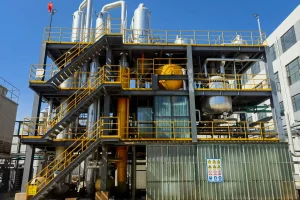
An inside look at our 70,000 square meter facility, highlighting our automated assembly lines and heavy stamping equipment.
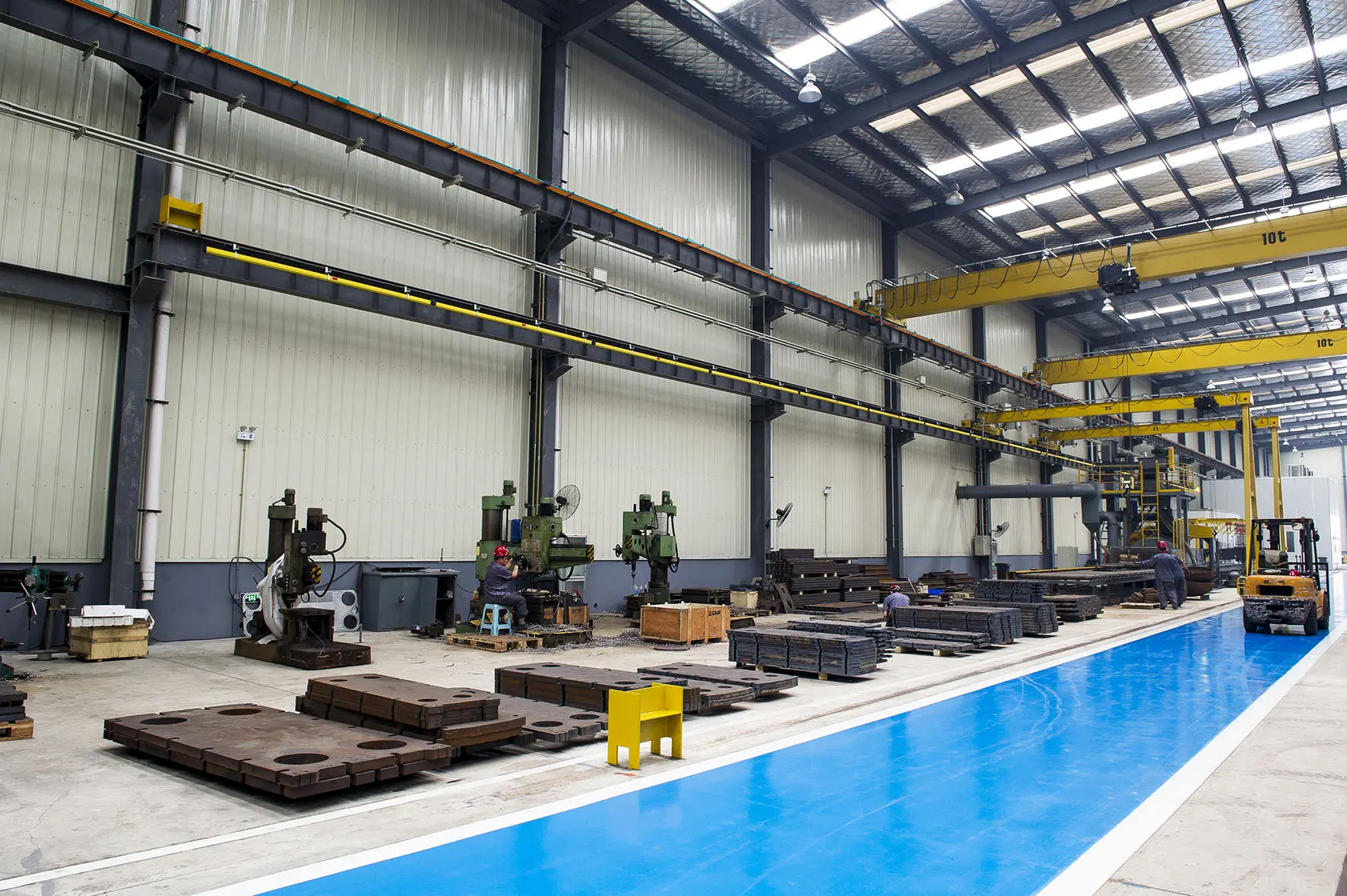

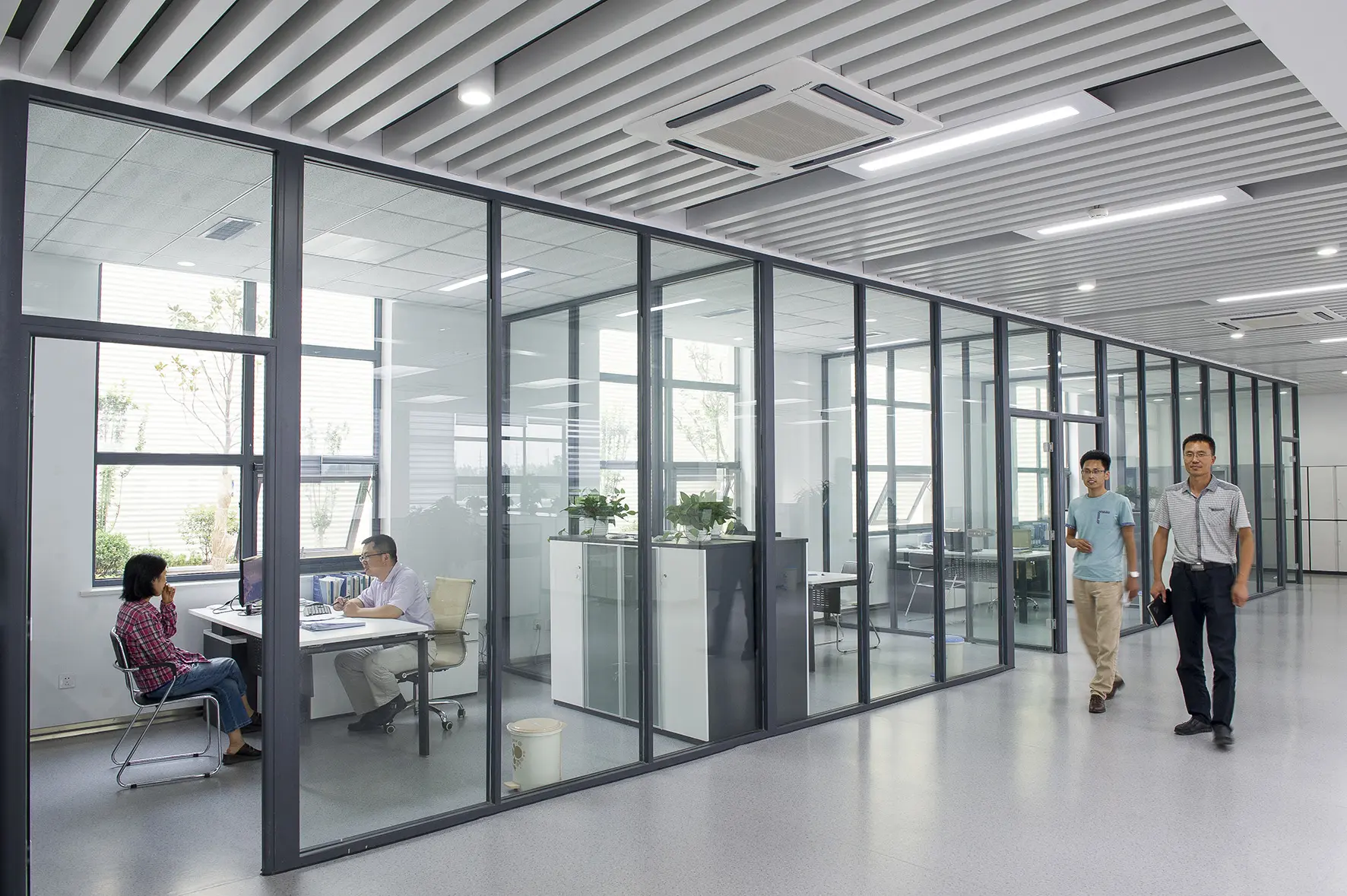

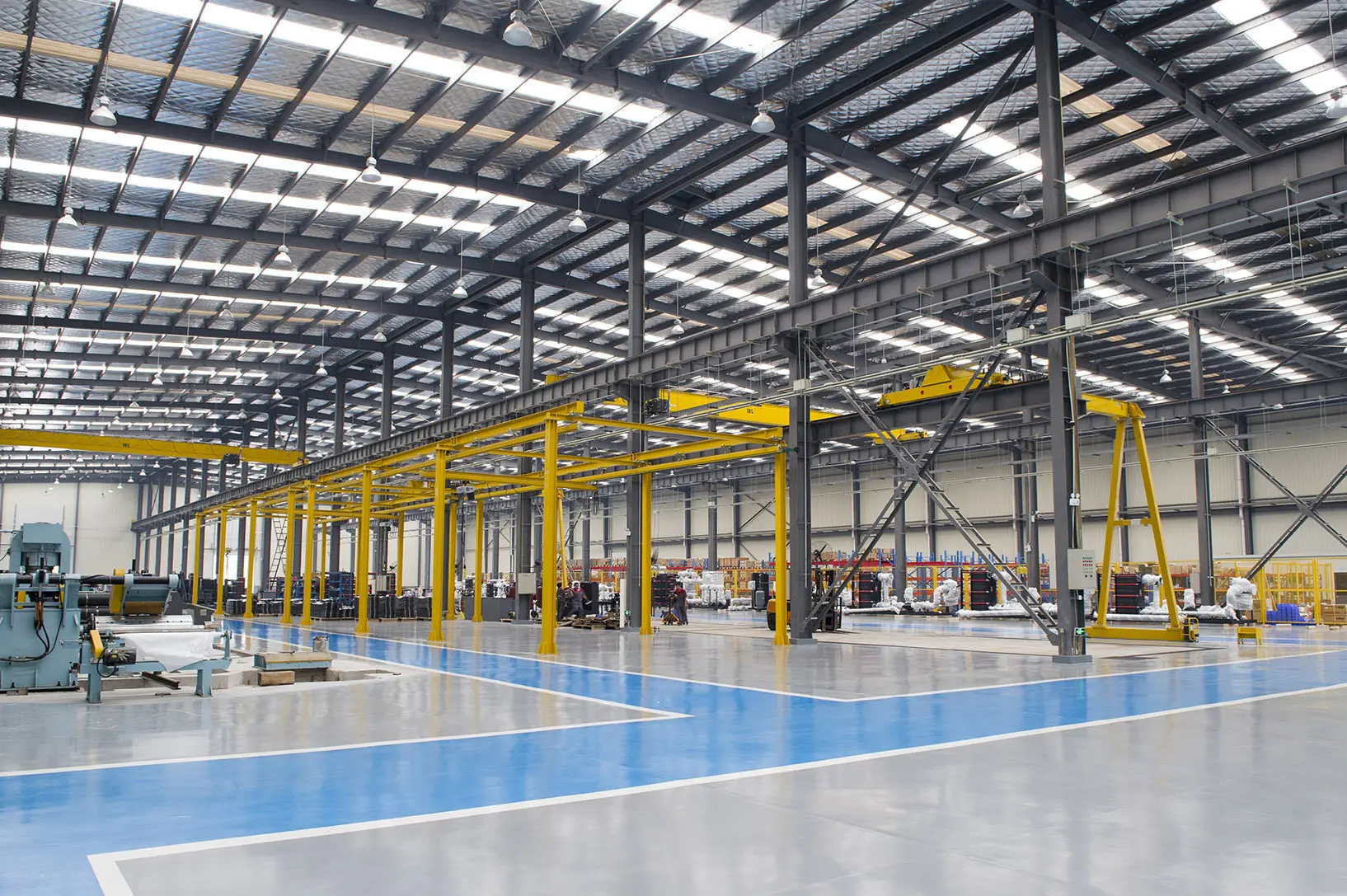
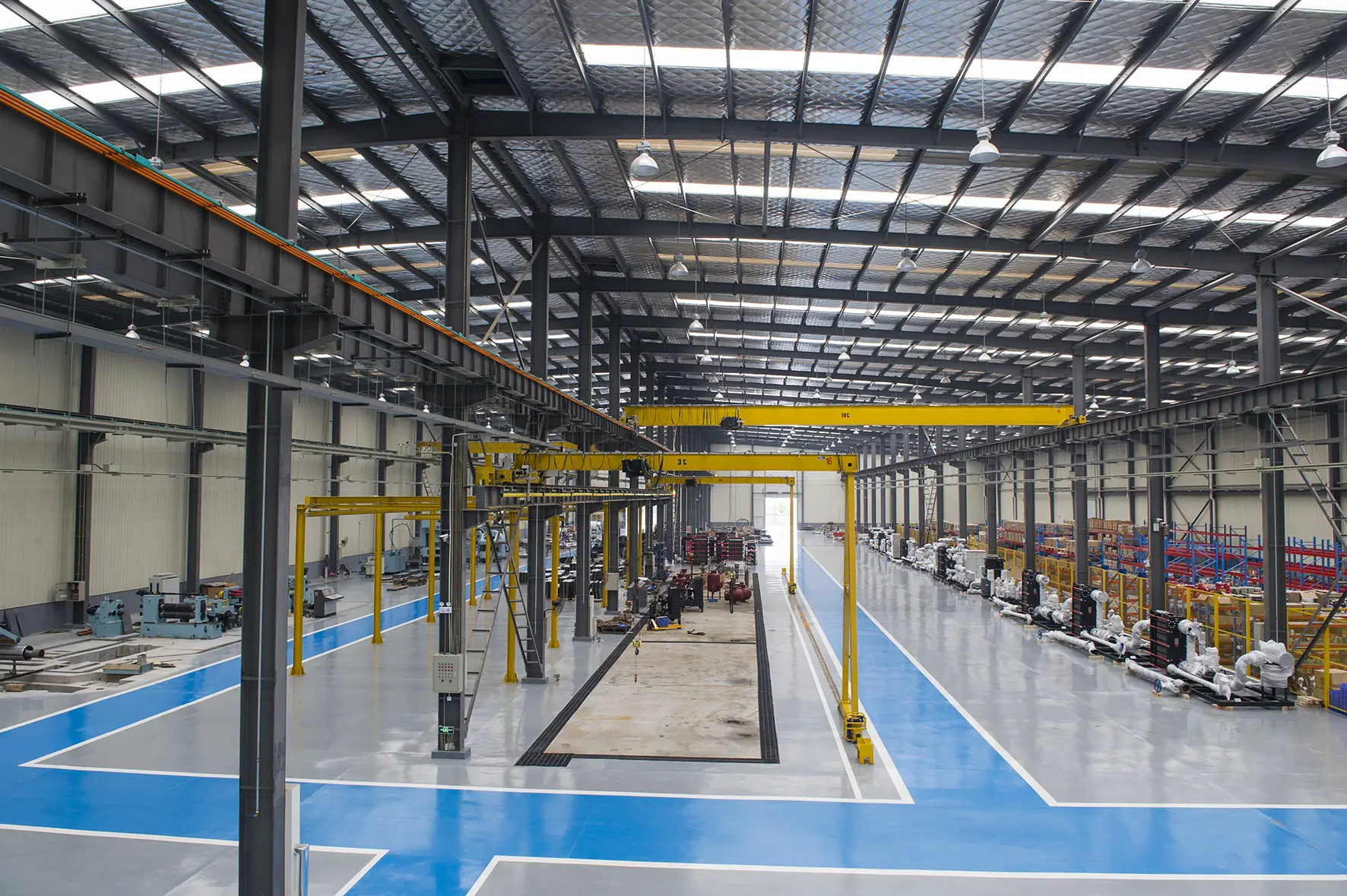
Flotte products are manufactured in compliance with international quality systems and pressure vessel codes, backed by ISO certifications and safety audits.
Explore our complete catalog of industrial pressure vessels, balancing valves, and heat exchangers designed for chemical processing and municipal utility networks.
Answers to common questions regarding design parameters, material verification, and international quality compliance.
 Flotte Energy