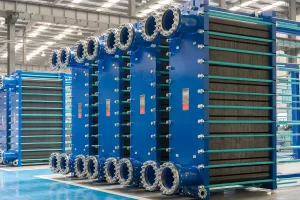
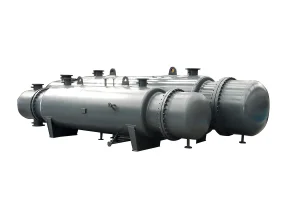
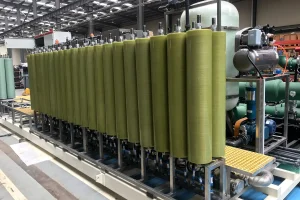
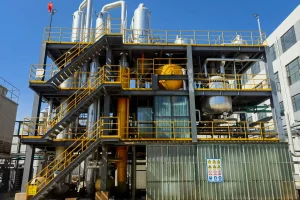
Explore our top-tier catalog of custom thermal units, precision collectors, and separation systems tailored for district heating networks, industrial refrigeration, and wastewater concentration applications.
Flotte Energy Saving Company, established in 2013 with a registered capital of 101 million yuan, originated from Flotte Thermal Engineering founded in 1995. With three decades of technical expertise, the company specializes in water equipment, HVAC systems, and water treatment industries. It consistently leads industry peers in adopting cutting-edge technologies, developing innovative products, and delivering comprehensive production and sales services.
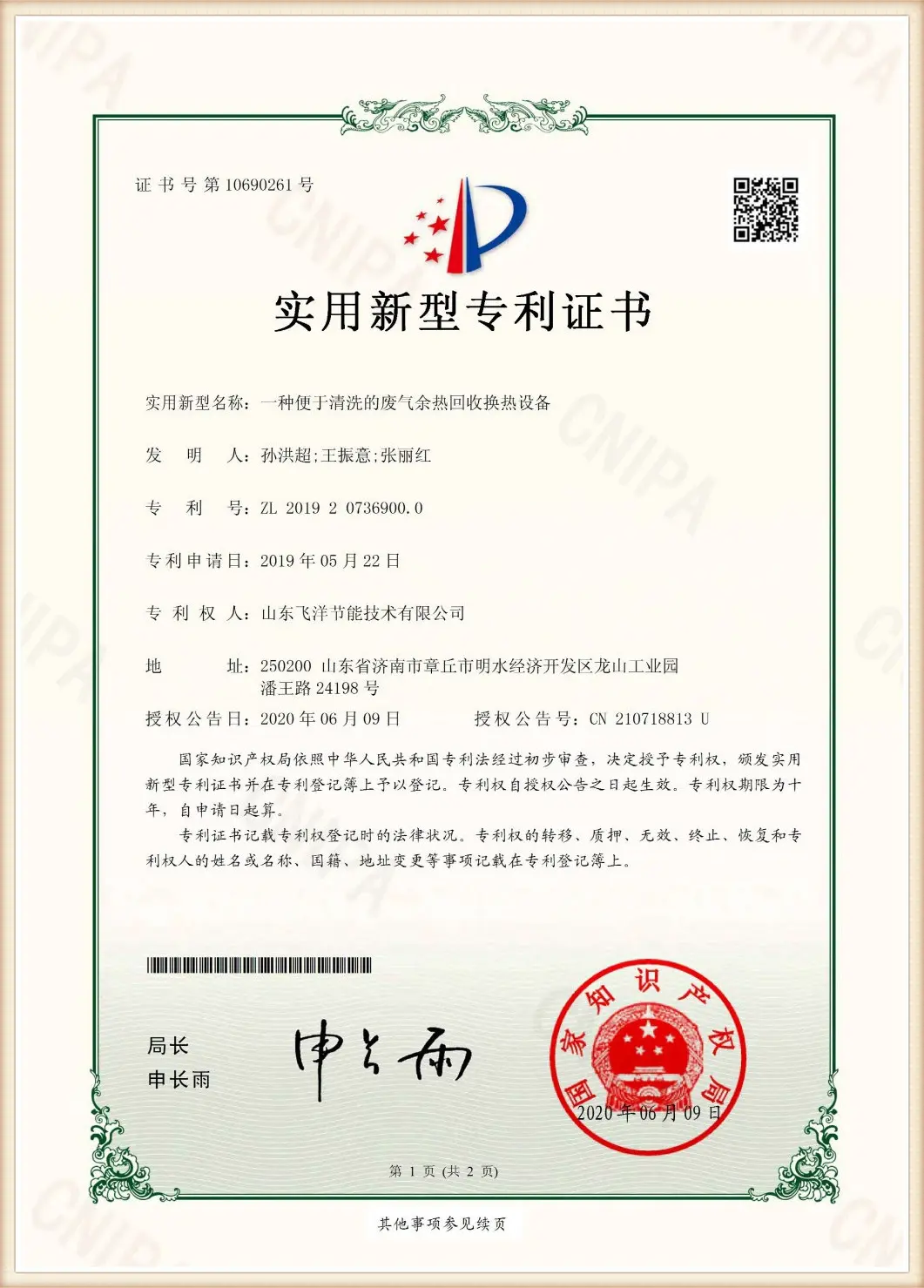
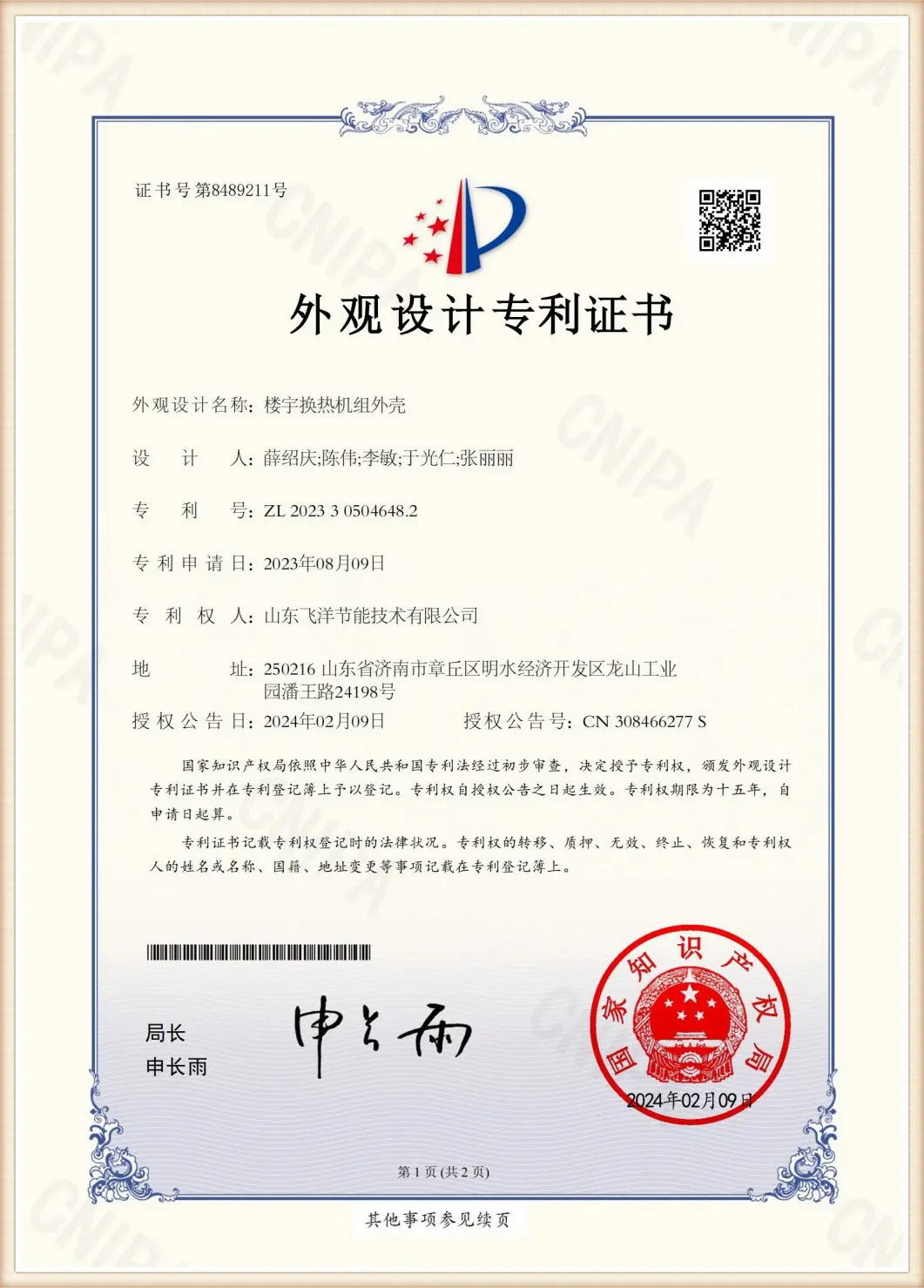
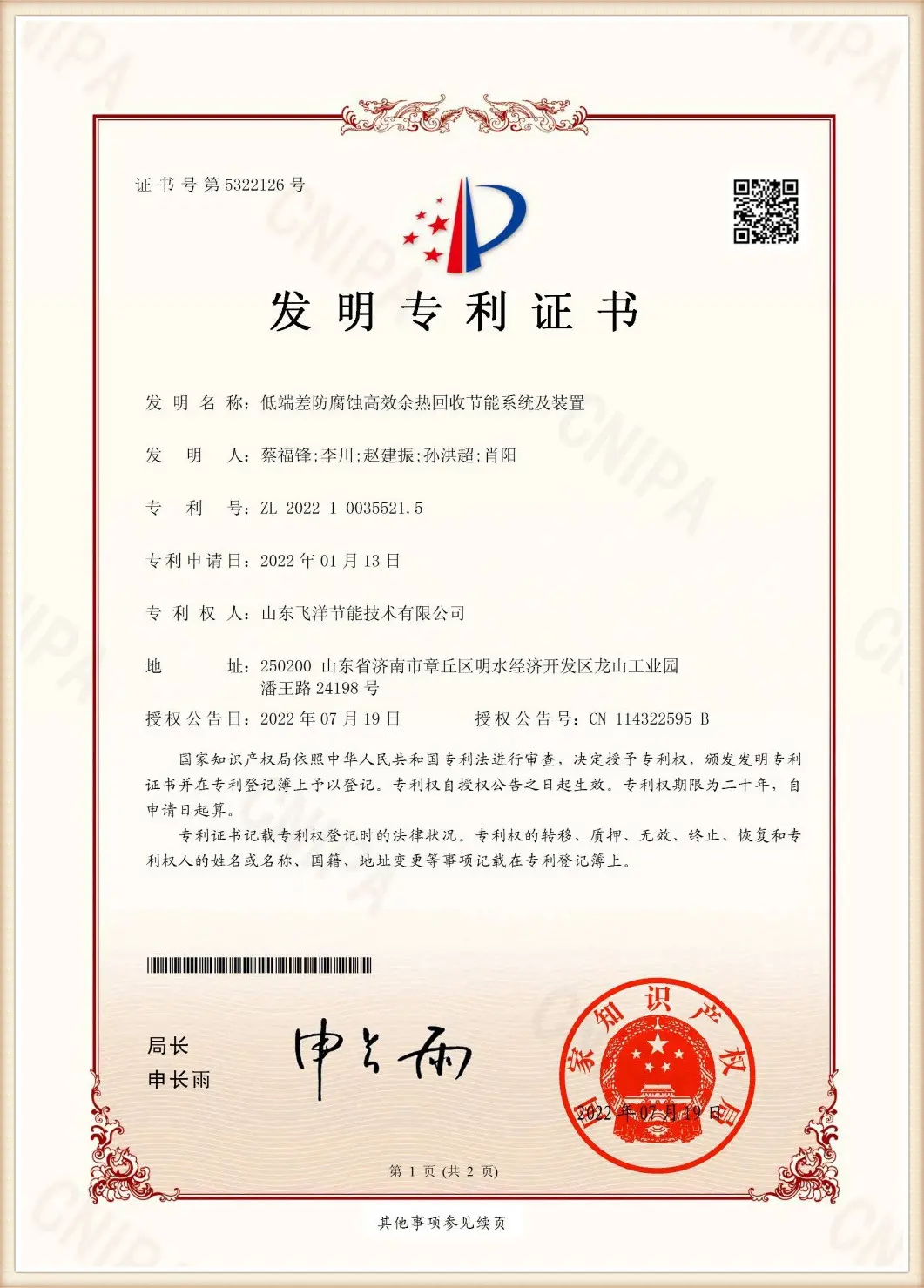
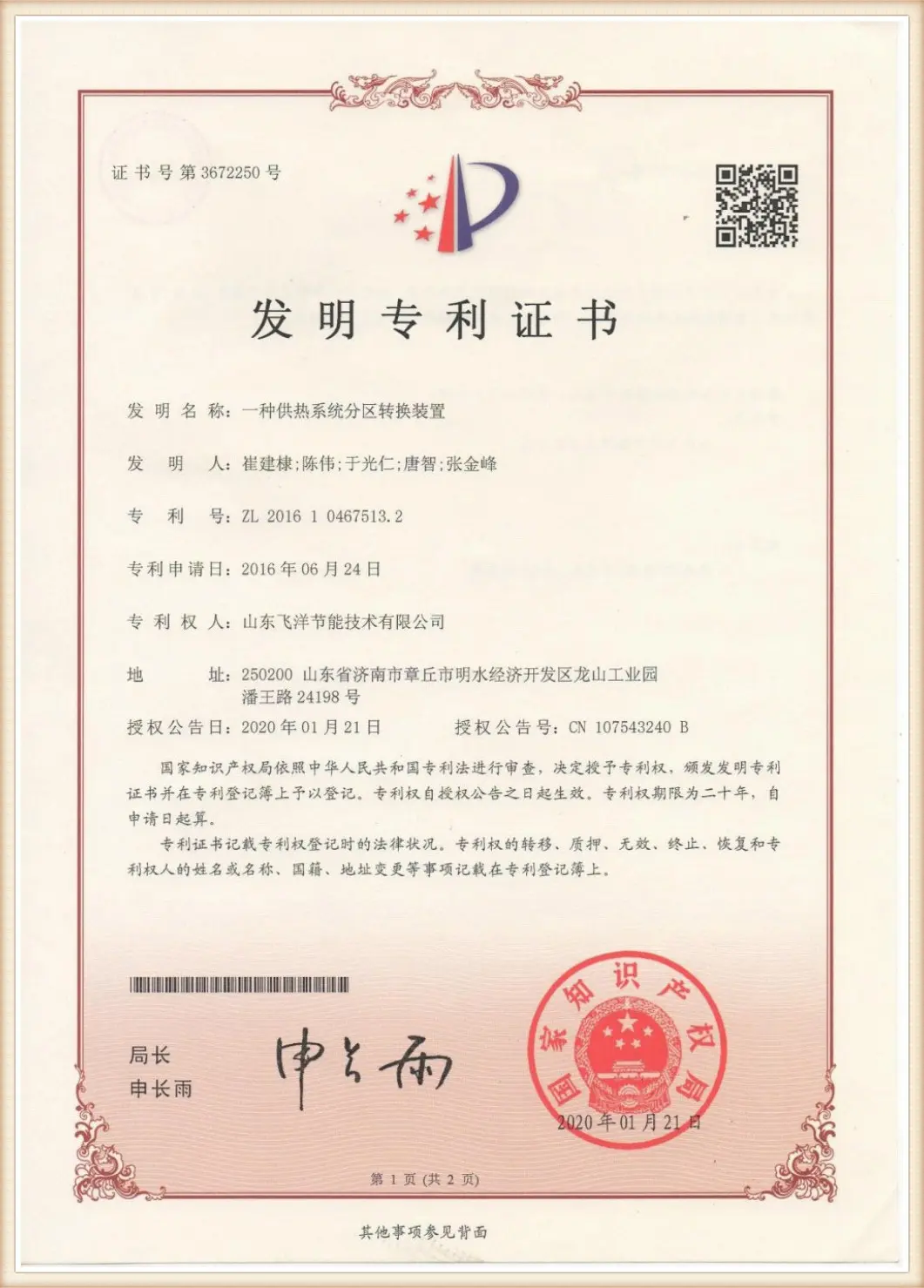
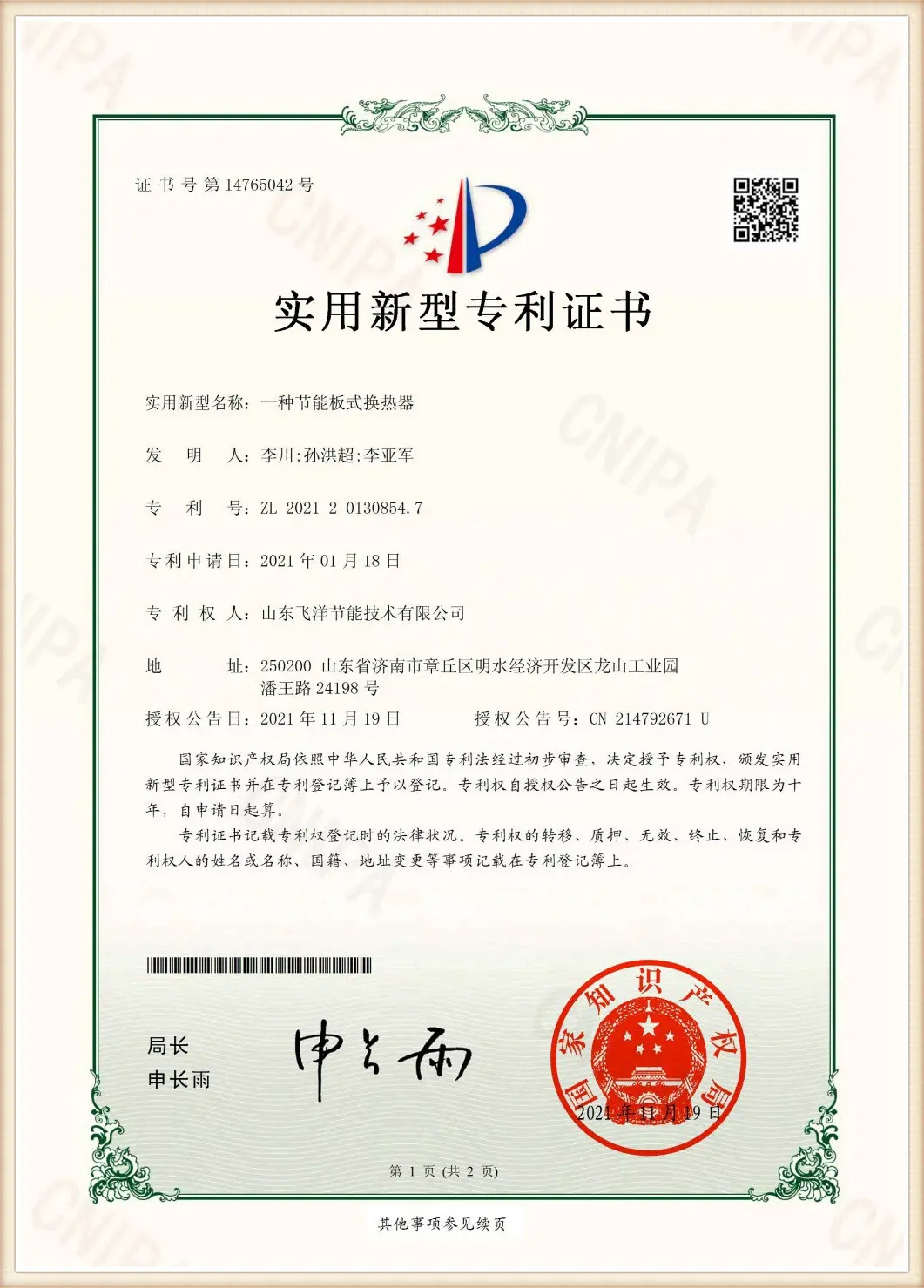
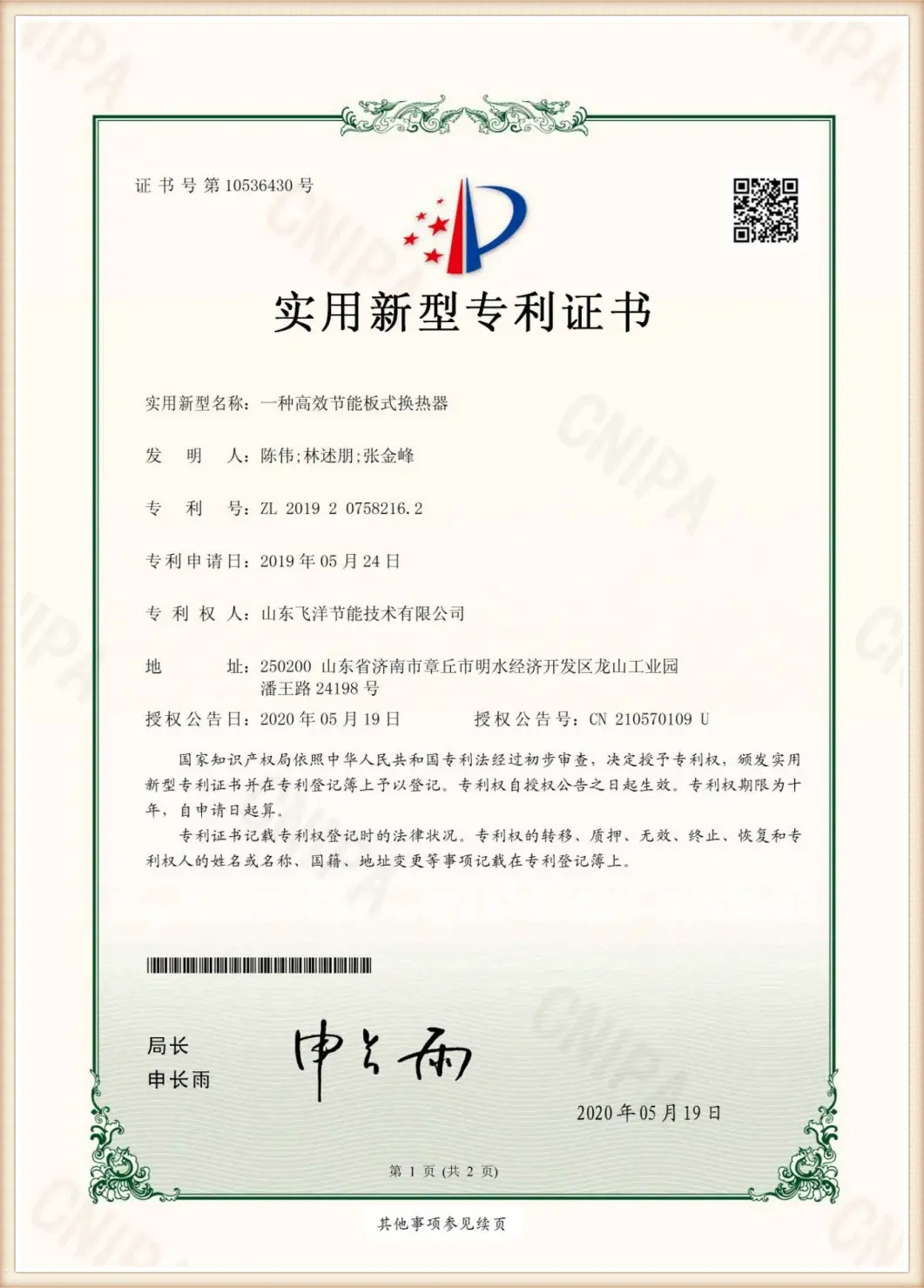
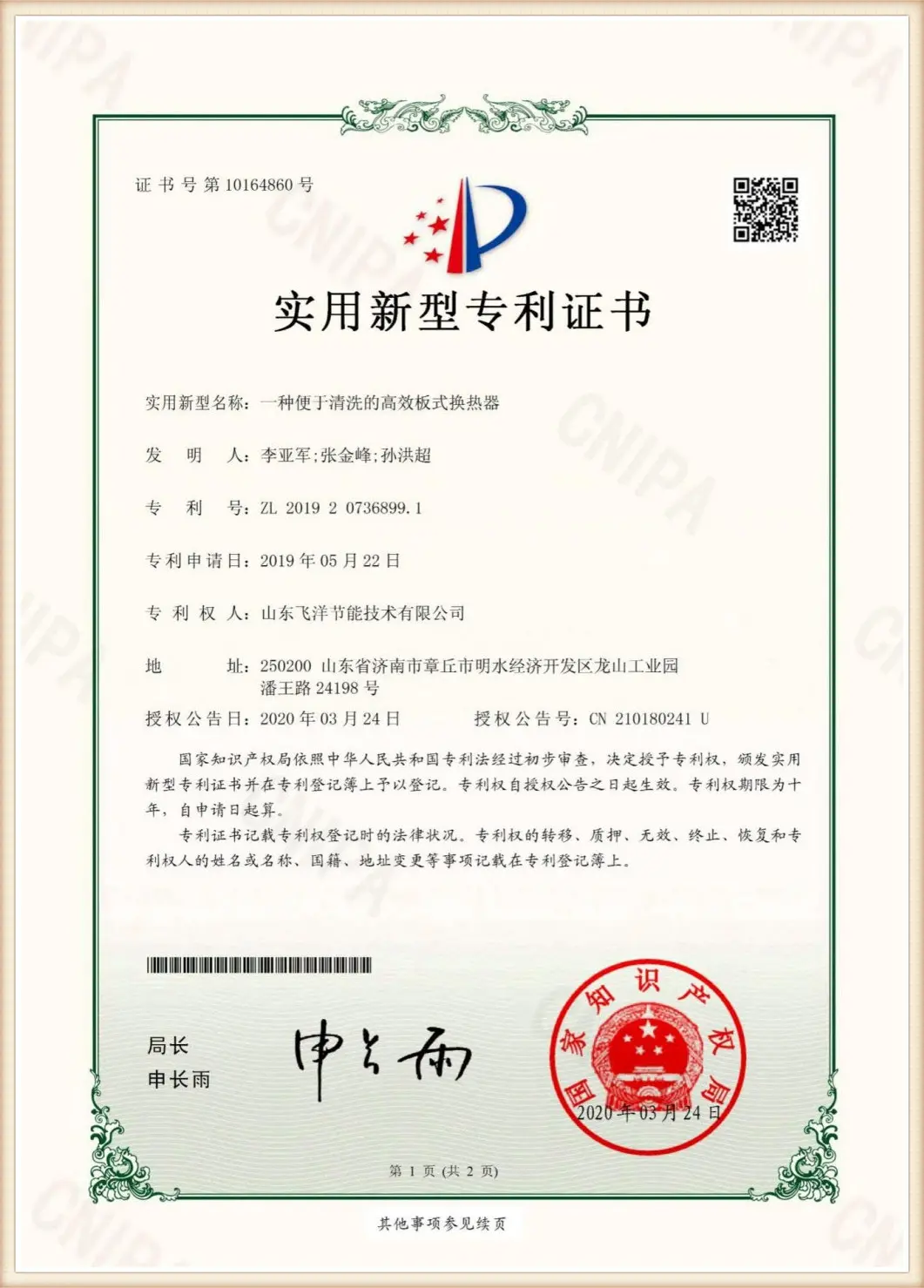
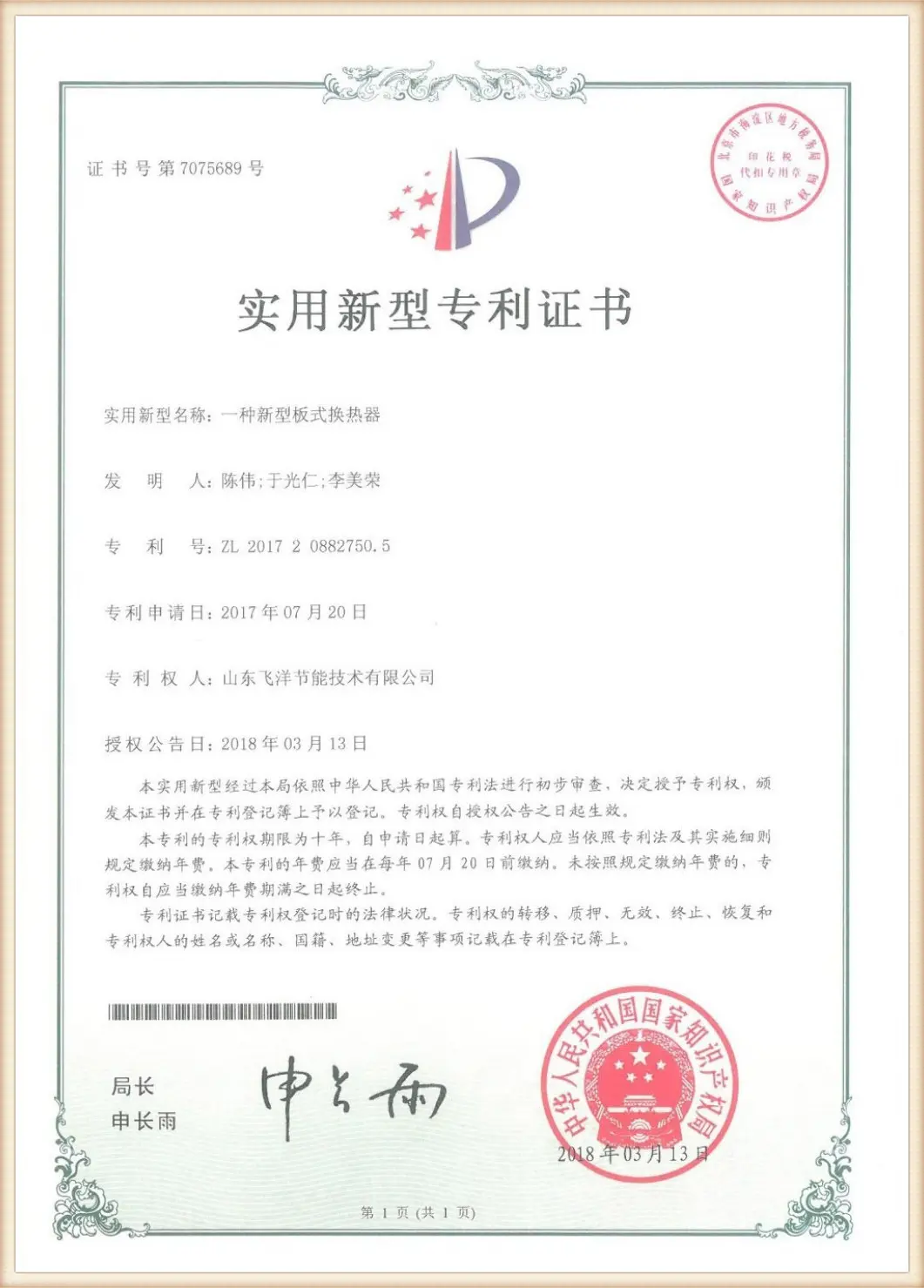
The company has been continuously advancing in production technology innovation, holding multiple patent certifications including "High-Efficiency Plate Heat Exchanger", "Intelligent Plate Heat Exchanger System", and "Plate Heat Exchanger Scale Removal Device" (see qualification documentation). Its products have obtained mandatory national product certification and safety registration from the National Standardization Committee, along with the safety registration for plate heat exchangers issued by the National Boiler and Pressure Vessel Standardization Technical Committee. The company has also achieved ISO9001 Quality Management System certification, ISO14001 Environmental Management System certification, and ISO45001 Occupational Health and Safety Management System certification.
When scaling thermal energy systems across different continents, exporters must navigate complex local regulatory landscapes. A generic plate heat exchanger model cannot simply be dropped into a municipal district heating grid in Germany or a chemical process line in Houston without structural changes. As global exporters, we provide comprehensive compliance engineering that bridges localized needs with advanced Chinese manufacturing efficiency.
Our engineering team customizes designs to comply with standard pressure vessel codes, including ASME Section VIII Division 1, European Pressure Equipment Directive (PED) 2014/68/EU, and local safety standards like the National Boiler and Pressure Vessel Safety Registration. Material selection is tailored depending on the chemical properties of local cooling fluids—ranging from SUS304 and SUS316L stainless steels for basic HVAC circuits to Titanium, Hastelloy, or Nickel alloys for highly corrosive desalination environments.
Our localization workflow goes beyond paper certifications. We facilitate:
Using proprietary thermodynamic calculation systems to evaluate heat transfer coefficients (U-values) and pressure drops under regional ambient conditions.
Providing optimized gasket compounds (NBR, EPDM, Viton/FKM) that resist local water treatment chemistry, chlorination, and steam cycles.
Ensuring pressure test certificates, manufacturing blueprints, and material tracking reports (MTRs) match regional specifications before shipping.
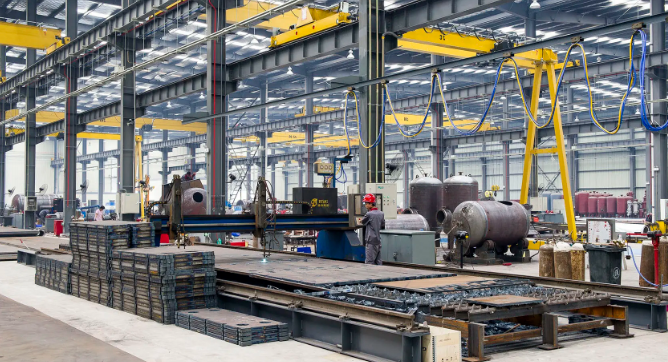
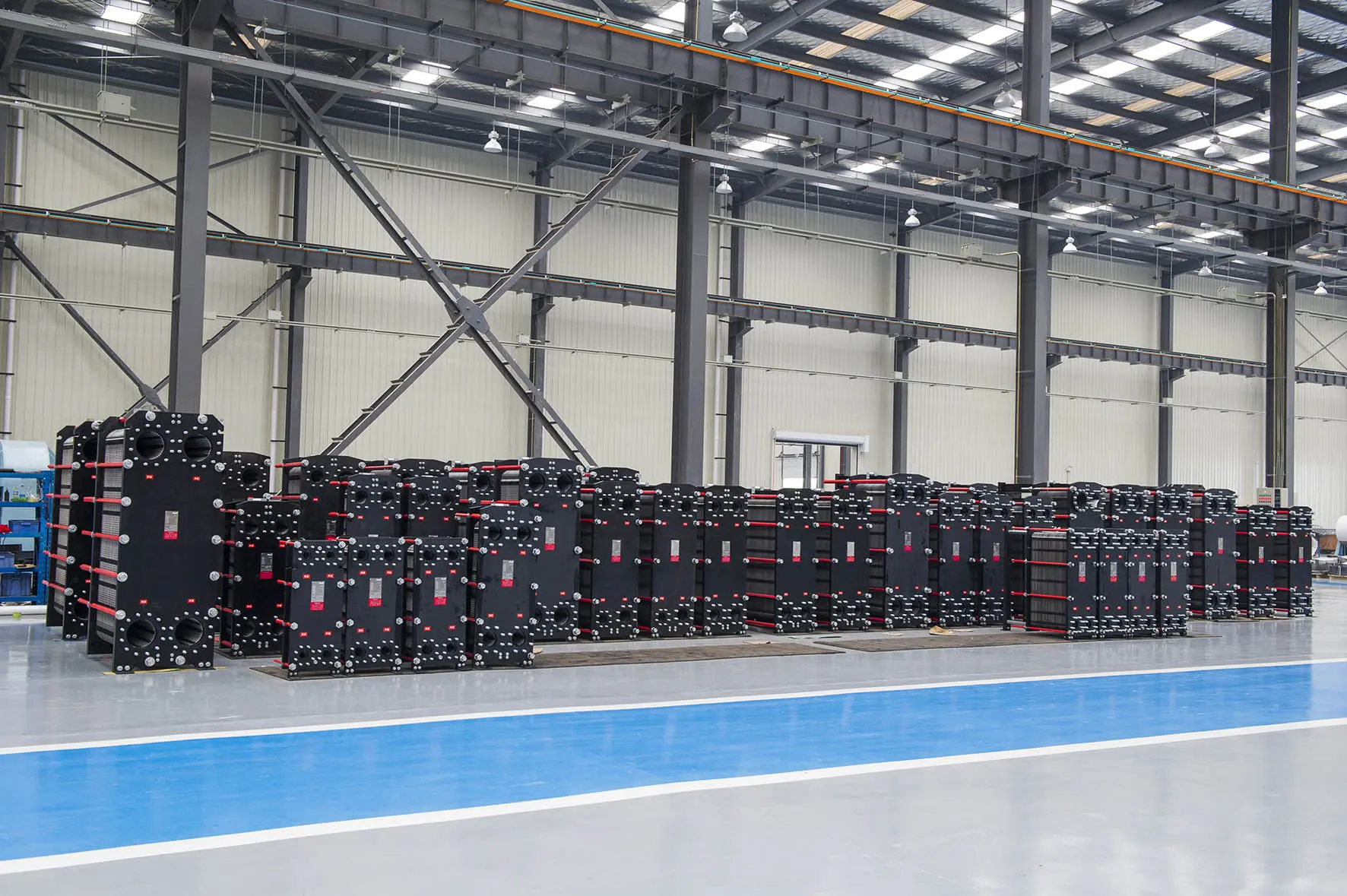
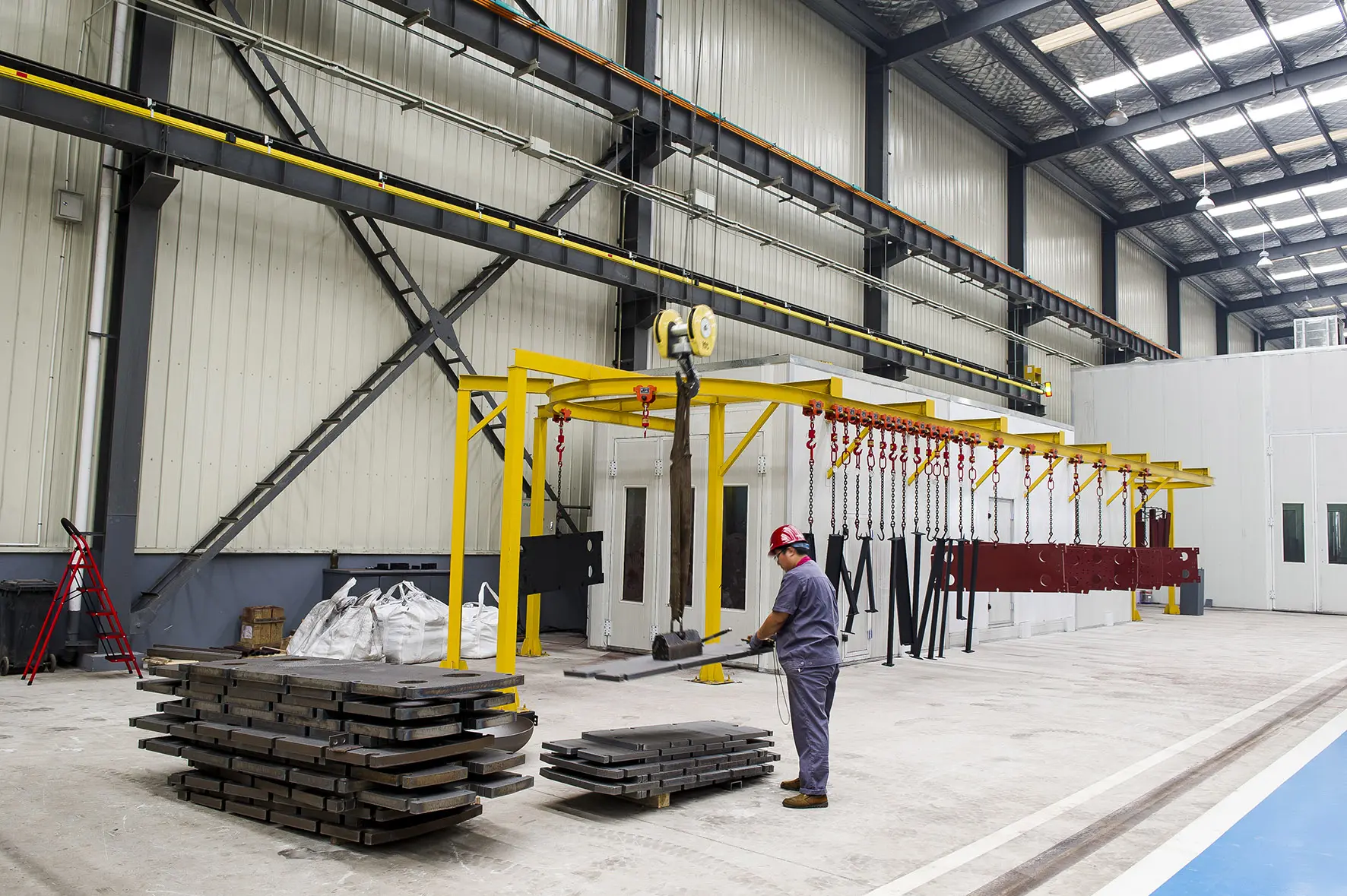
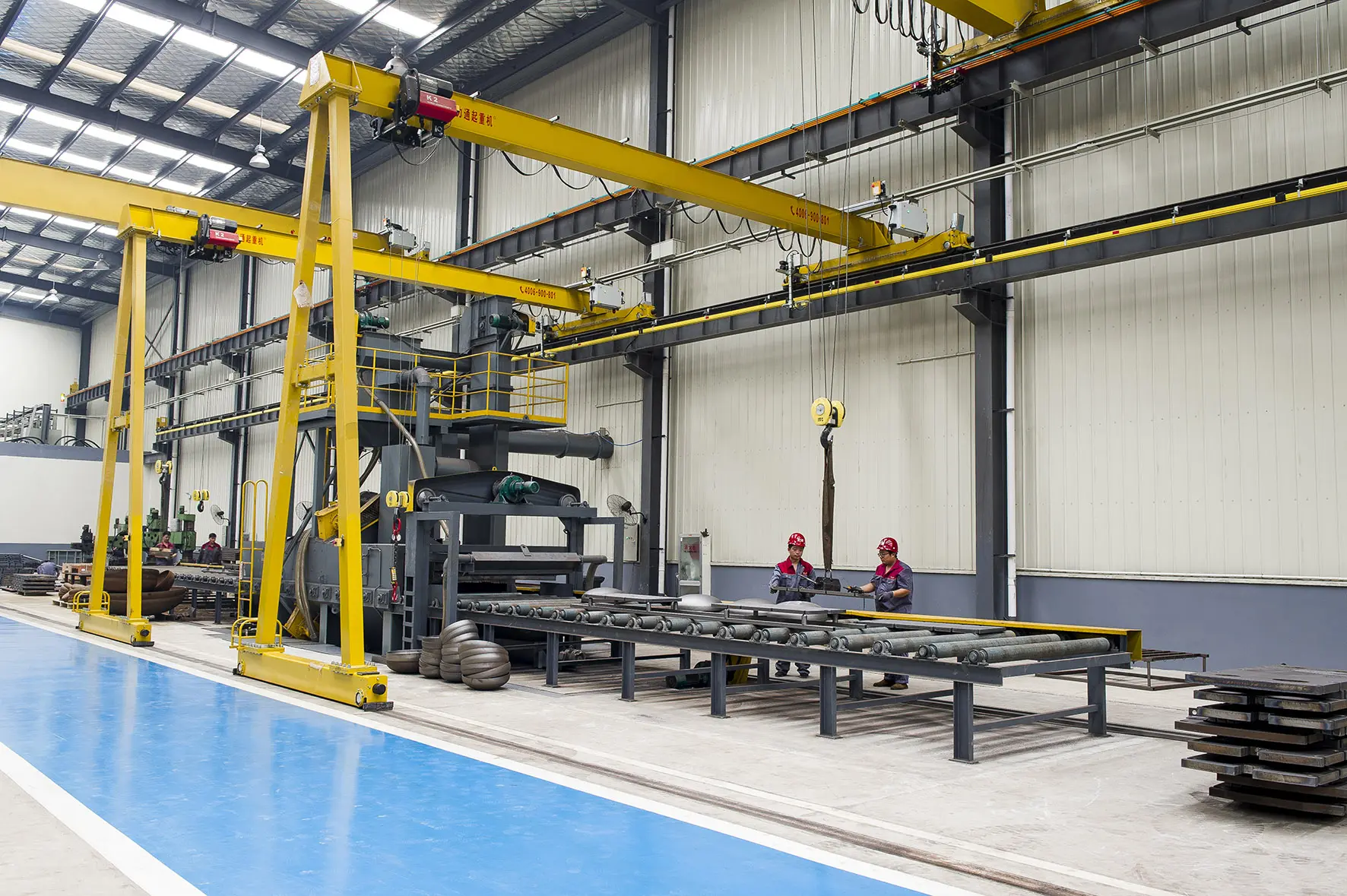
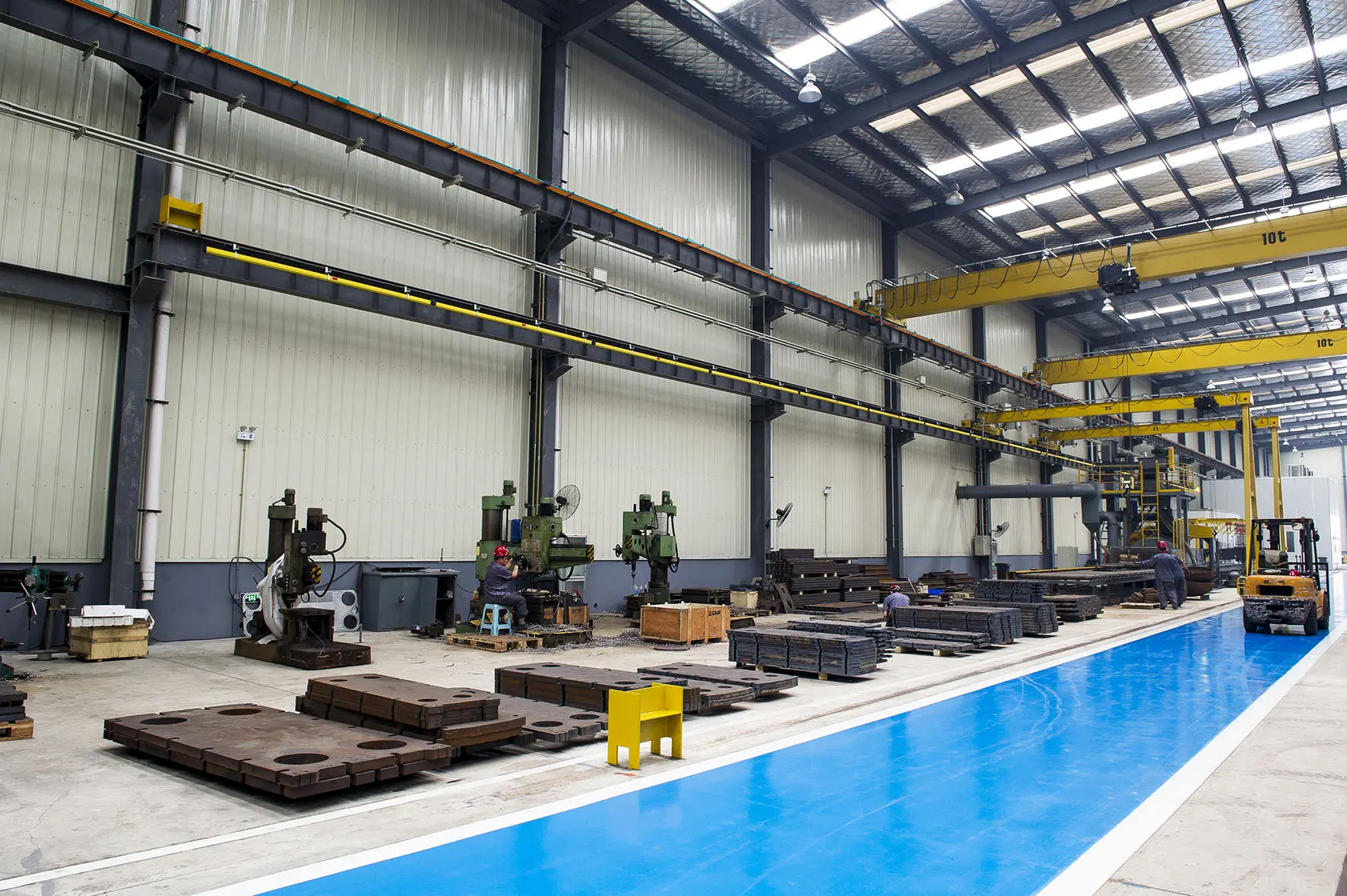
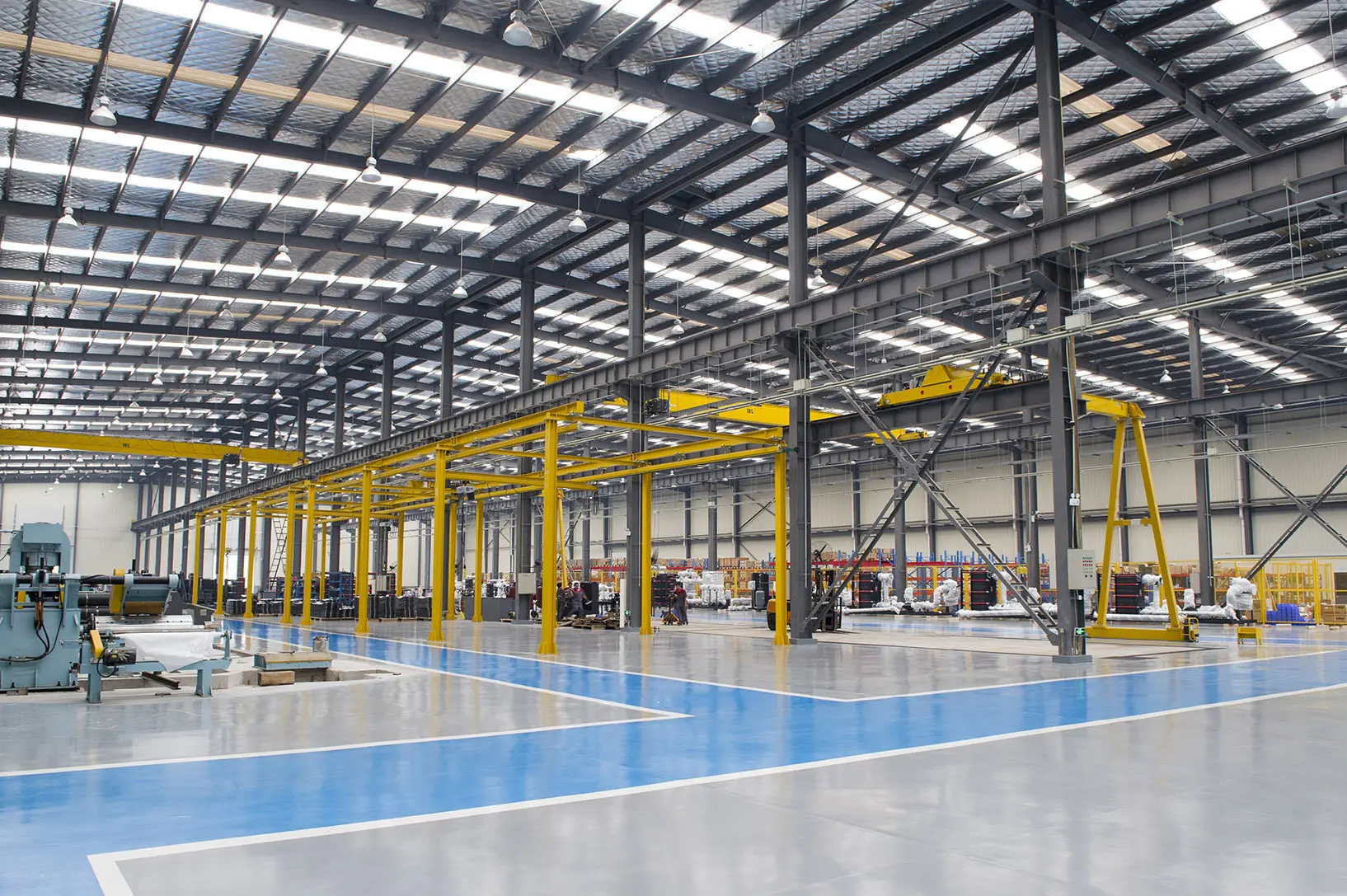
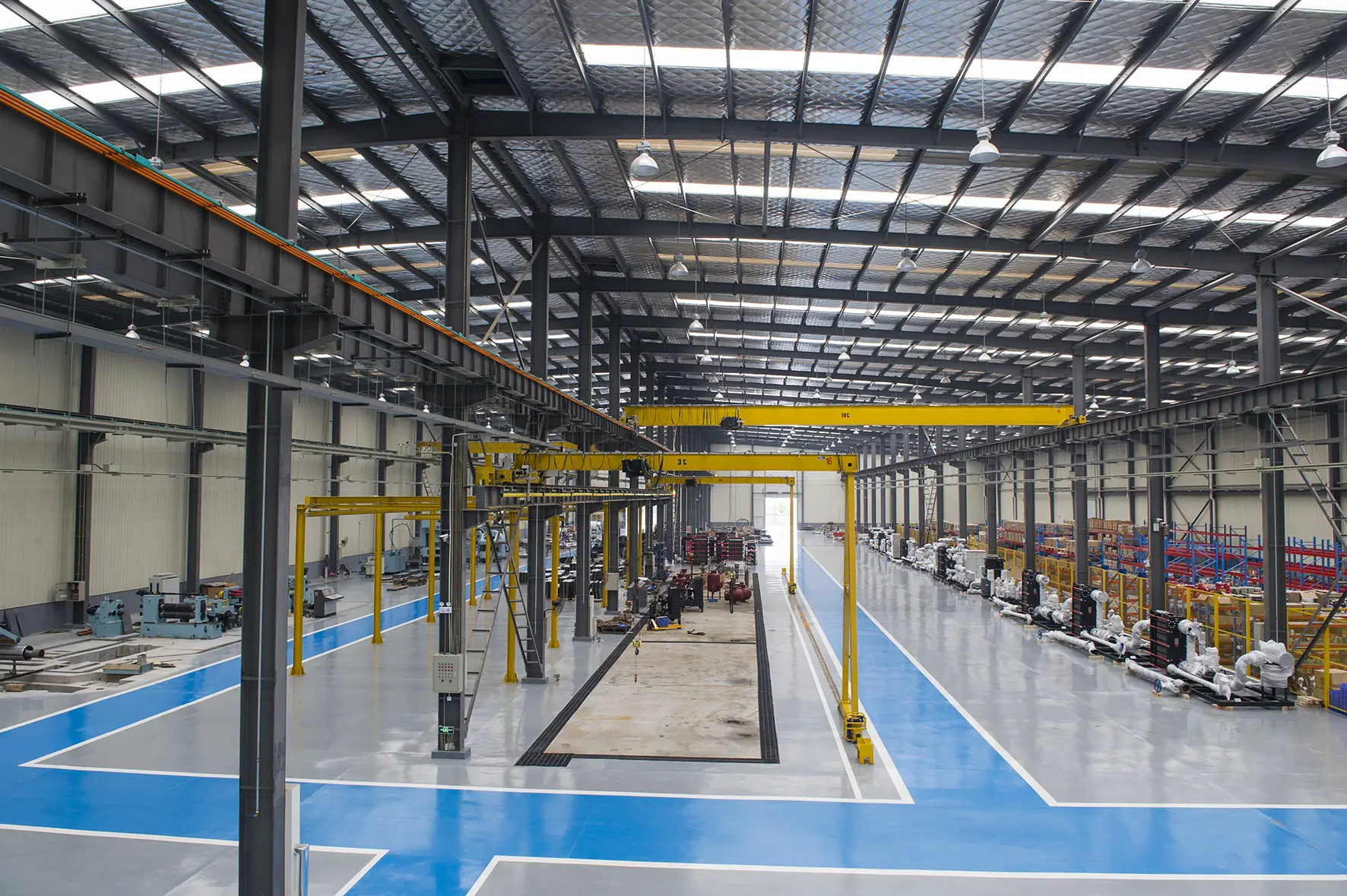
China's supply chain ecosystem represents a convergence of raw material accessibility, advanced tooling, and highly skilled manufacturing infrastructure. At Flotte, our 70,000-square-meter modern facility processes bulk stainless steel and titanium from prime steel works, reducing lead times for critical industrial components.
With over 260 trained line operators and an annual output reaching 4,500 integrated units, we optimize thermal plate geometry using massive CNC punching machines and hydraulic stamping machinery. Because we control everything from steel cutting to custom gasket fitting, we bypass intermediary markups, offering deep cost-efficiency to our global partners.
We strictly adhere to the ISO 9001:2015 International Quality Management System and run complete hydro-testing protocols on 100% of finished plate packages before packaging, avoiding cross-contamination and micro-fissure leakage during installation.
Every single plate, frame, and seal undergoes a standardized, multi-stage processing routine to ensure durability under fluctuating thermal loads.
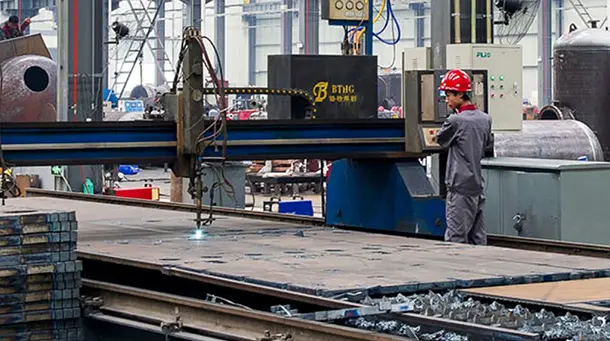
Precision profiling of heavy structural carbon steel frame plates to handle design pressures up to 2.5 MPa.
Applying localized high-pressure treatment to strengthen structural interfaces, connection ports, and threaded bolting rings.
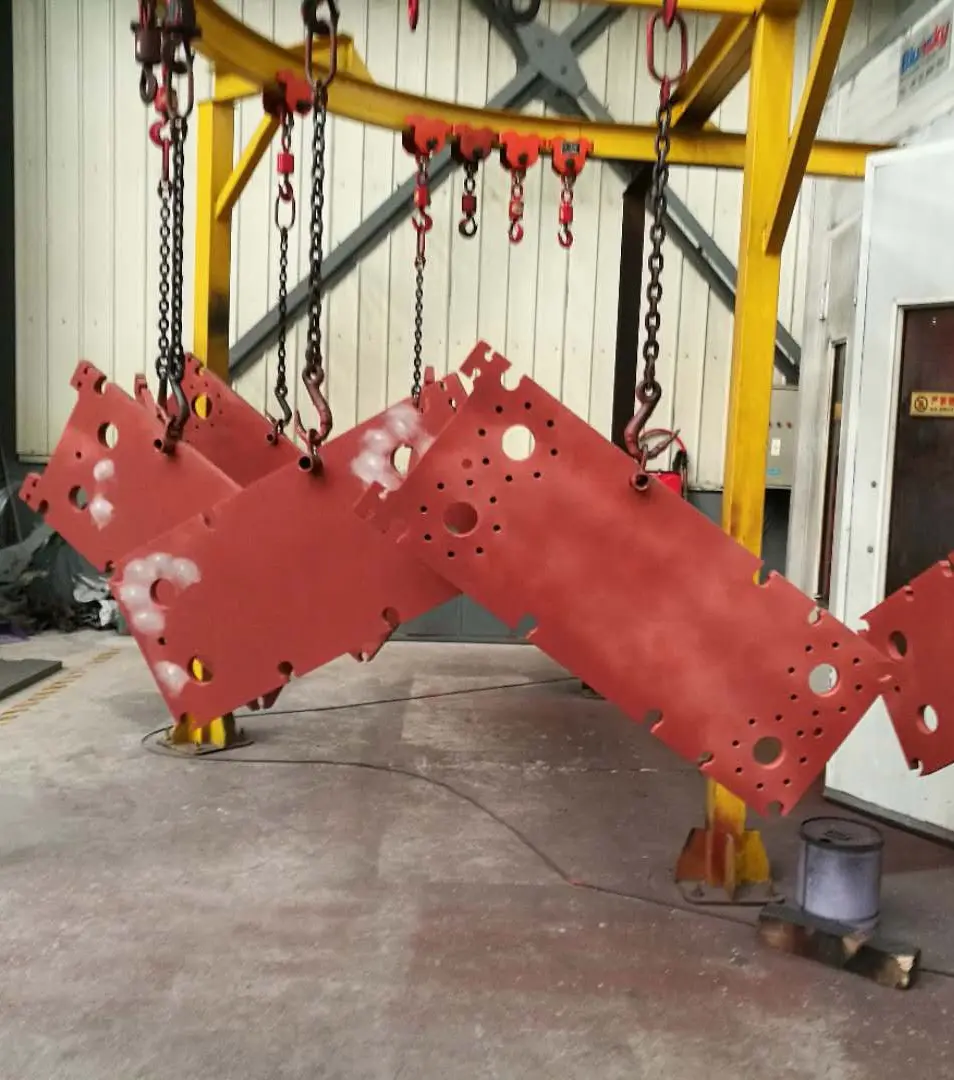
Multi-layer epoxy primers and industrial topcoats protect external carbon steel plates from salt spray and humidity.
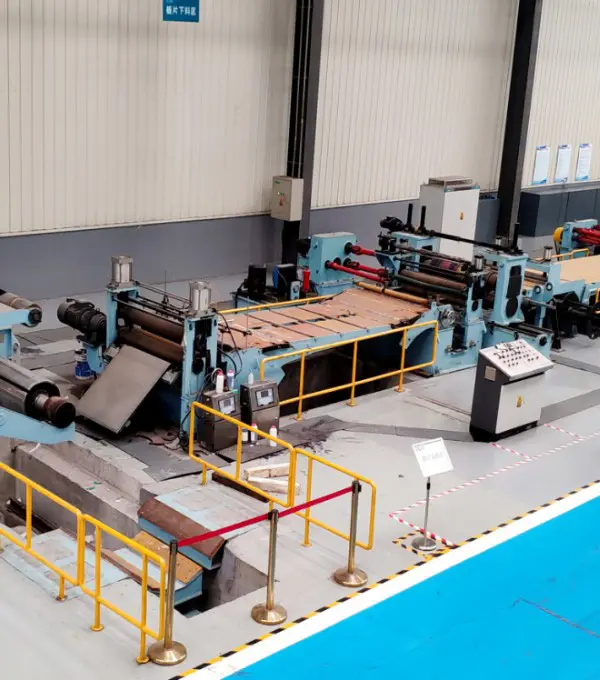
Automated laser slicing and batch engraving trace raw heat-transfer sheets back to their original mills.
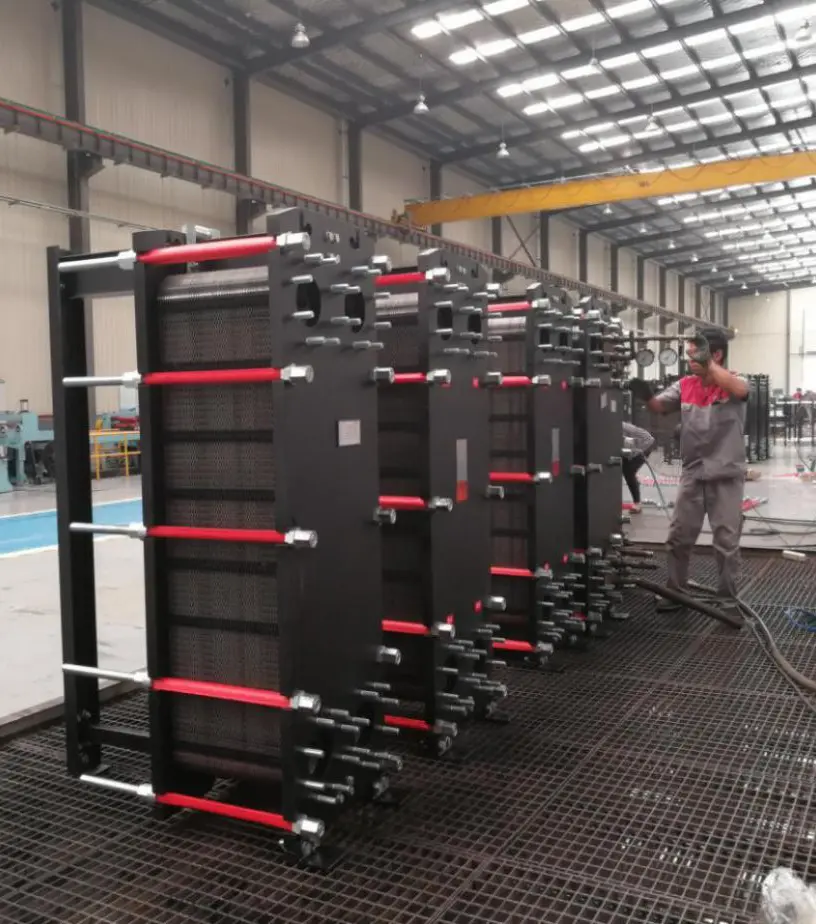
Every unit is pressurized to 1.3x design ratings, tracking expansion values and gasket compression limits.
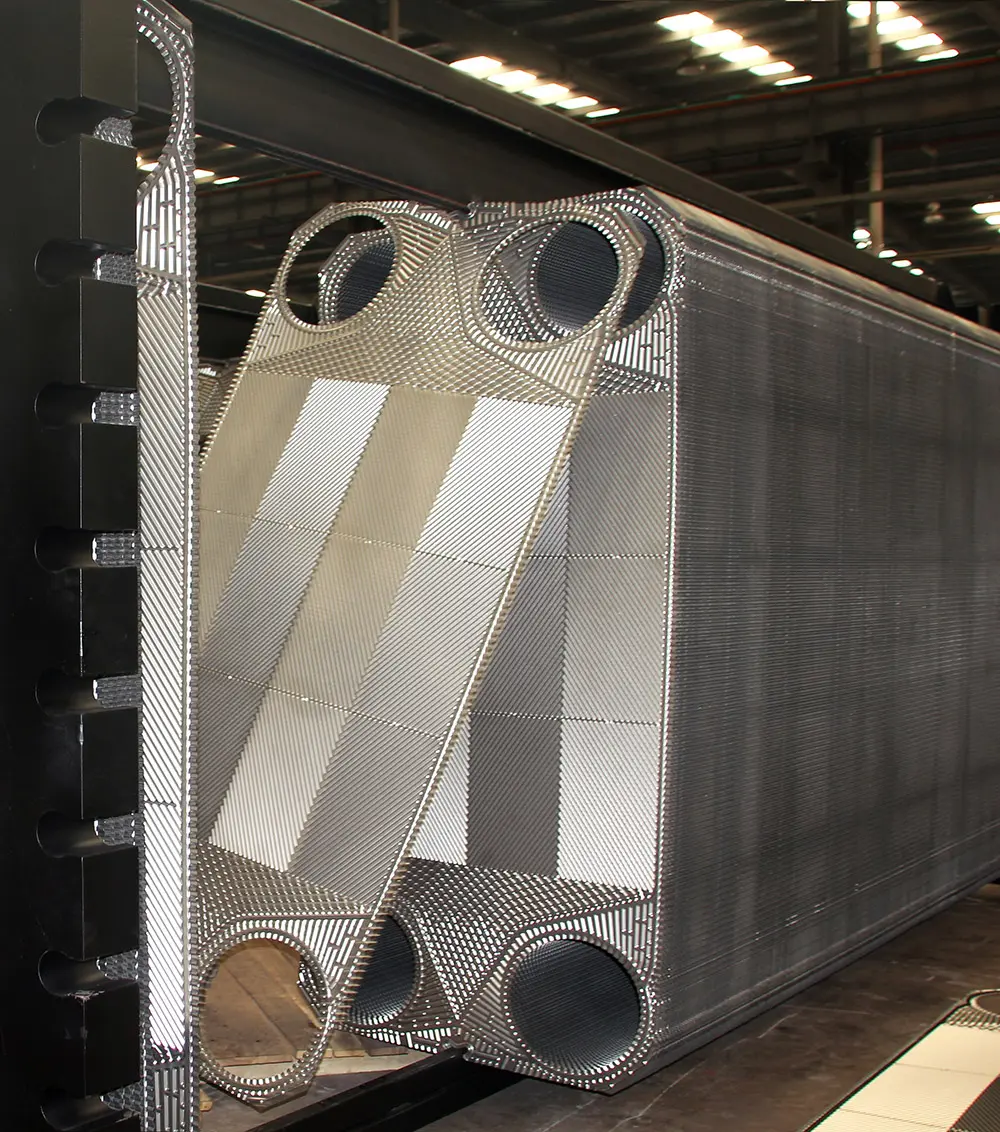
Careful structural alignment of custom corrugated plates, guided rods, and high-tensile locking bolts.
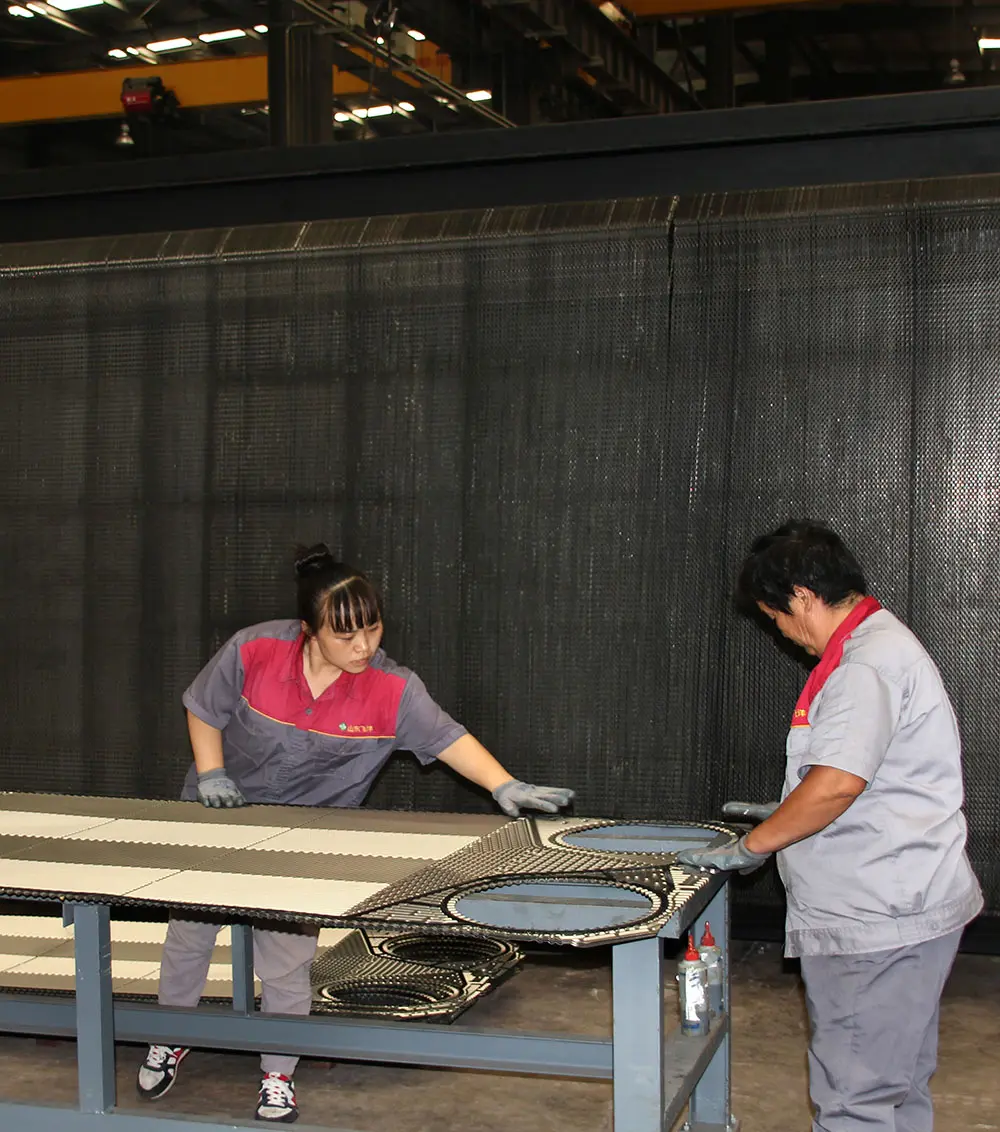
Ensuring stable mechanical elasticity of rubber grooves for long-term cycle tightness.
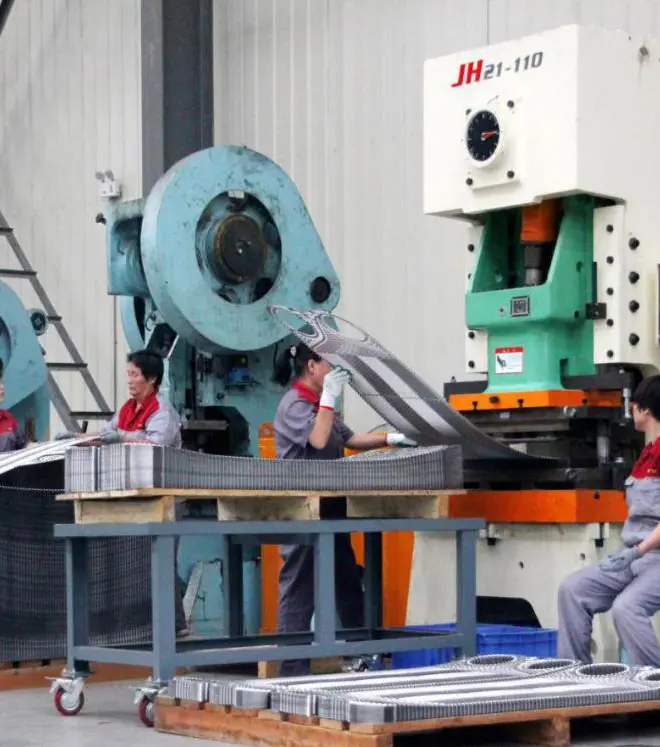
Stamping fluid port geometries with precise margins to minimize turbulence and localized corrosion.
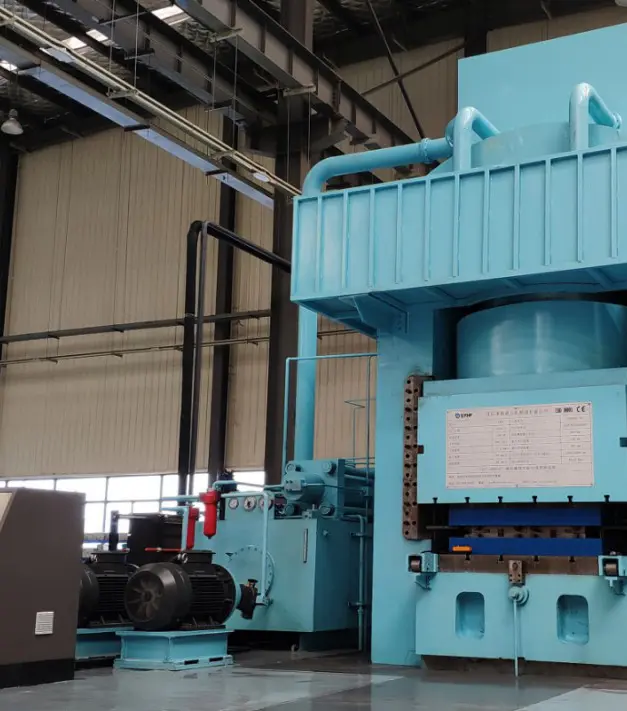
Hydraulic presses stamp proprietary herringbone corrugation angles (theta high/low) to balance flow friction with heat-transfer rates.
Different industries require customized heat exchange systems. Modern compact heat exchanger applications vary based on regional climates, fluid properties, and utility availability:
In Northern European and Northern Chinese central heating networks, pressure regulating stations rely on detachable plate heat exchangers to separate high-pressure distribution lines from building loops. These units must sustain variable thermal expansion during winter startups while keeping pressure drop within strict limits to control circulation pump energy consumption.
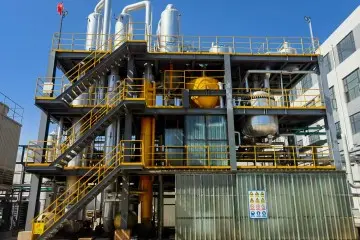
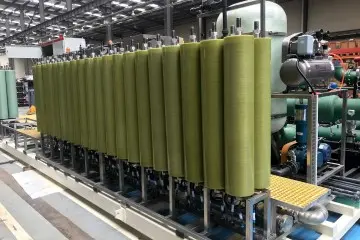
Desalination projects in coastal regions require advanced membrane concentration systems and multi-effect evaporation units. The presence of high-chloride fluids requires corrosion-resistant plates, such as Titanium GR1 or Duplex Stainless Steel 2205. Precise plate patterns ensure uniform fluid distribution, reducing fouling rates and extending maintenance intervals.
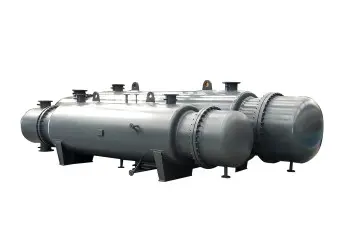
In chemical reactors, thermal control demands reliable heat transfer. Shell-and-tube type configurations handle fluctuating pressures and high-temperature reactions, while compact plate-fin layouts manage complex liquid-vapor transitions, maximizing heat recovery within a compact plant footprint.
To address these diverse demands, global procurement teams look for suppliers that can provide:
Our technical capability is backed by proprietary patents and international system audits. We hold active patents for "High-Efficiency Plate Heat Exchangers", "Intelligent Plate Heat Exchanger Systems", and "Plate Heat Exchanger Scale Removal Devices". These innovations optimize thermal efficiency while reducing scaling risks in geothermal and HVAC applications.
Modern thermal engineering is evolving beyond simple component supply. Heat transfer equipment is becoming part of smart energy networks. At Flotte, we align our product development with key industry shifts:
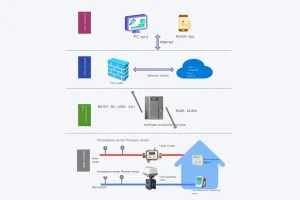
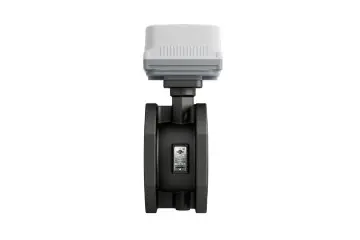
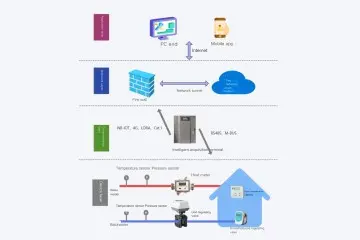
Integrating high-precision sensors, room temperature collectors, and remote PLC control valves allows HVAC systems to adjust primary network flows dynamically based on real-time heat demands, reducing energy waste.
Multi-effect evaporation and specialized membrane separation systems help retrieve clean water and minerals from industrial waste streams, helping processing facilities lower water footprints and meet strict environmental mandates.
We are studying micro-structured surface patterns and chemical coatings that prevent calcium carbonate and bio-foulants from bonding to plates, helping keep systems running efficiently.


Explore the second part of our core product line, featuring specialized membrane desalinators, smart collectors, and detachable plate heat exchangers for diverse industrial operations.
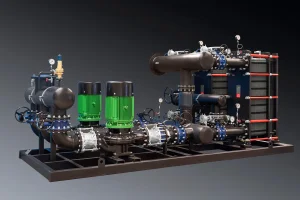
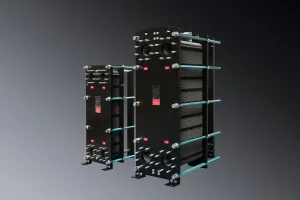
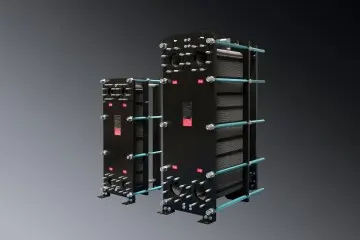
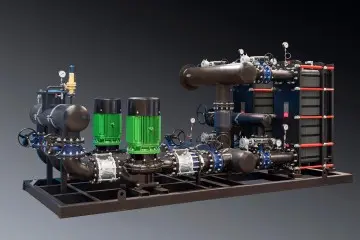
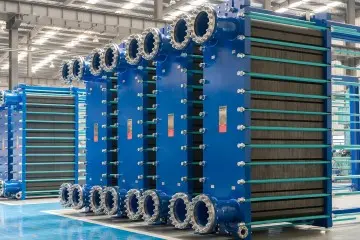
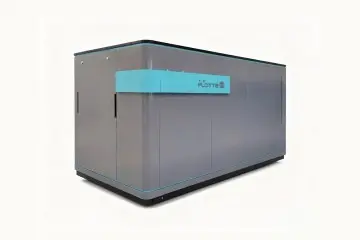
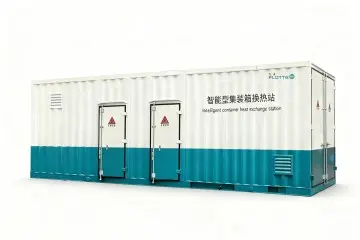
Below are the custom-engineered systems manufactured at our plant, supporting district energy plants, industrial evaporators, and smart secondary network balancing layouts.

 Flotte Energy