China Compact Heat Exchanger Design Supplier & Factories

High-Precision Thermal Management, Custom Computational Fluid Dynamics (CFD) Simulations, and Industrial Energy Optimization Solutions

The Frontiers of Compact Heat Exchanger (CHE) Design & Industrial Engineering

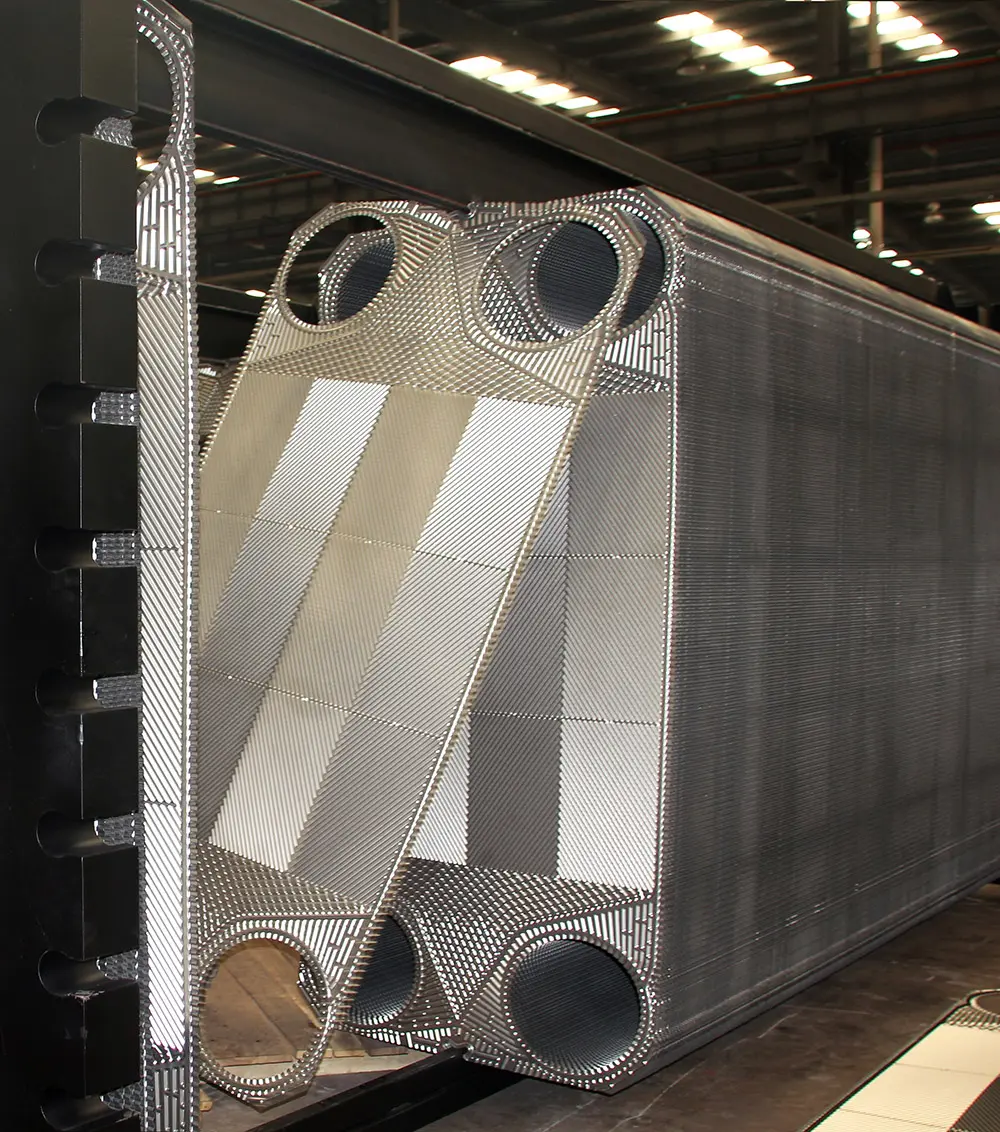
In modern process engineering, thermal efficiency and spatial footprint represent critical operational trade-offs. The Compact Heat Exchanger (CHE) has emerged as the definitive standard for industrial systems demanding rapid thermal distribution within restricted spatial configurations. Characterized by an area-to-volume ratio typically exceeding 700 m²/m³, these systems minimize structural bulk while maximizing thermodynamic throughput. At Flotte, our engineering principles focus on minimizing boundary layer resistances and optimizing fluid flow configurations, ensuring exceptional heat recovery performance.

Optimal compact design relies on detailed calculations of flow regimes, shear stresses, and thermal lengths. Traditional shell and tube models rely on massive volumetric envelopes to achieve required surface areas. In contrast, advanced compact designs utilize micro-grooves, corrugated patterns, and plate-fin structures to induce localized turbulence at lower Reynolds numbers. This turbulence disrupts the thermal boundary layer, boosting overall heat transfer coefficients (U-values) by 200% to 300% compared to conventional options. These designs also incorporate modern plate profiles that balance high heat transfer rates with manageable pressure drops, aligning with energy conservation requirements and industrial emission targets.

30+
Years of Production & Thermal Manufacturing Expertise
260+
Highly Skilled Specialists & Design Engineers
2000+
Annual Output Capacity of Industrial Units
70,000+
Square Meters of Advanced Infrastructure

Flotte Corporate Profile: A Legacy of Industrial Trust & Authority

Established in 2013 with a registered capital of 101 million yuan, Flotte Energy Saving Company trace our operational roots back to the founding of Flotte Thermal Engineering in 1995. This three-decade heritage equips our team with the deep application knowledge needed to design, manufacture, and optimize high-performance thermal systems for demanding industrial settings.

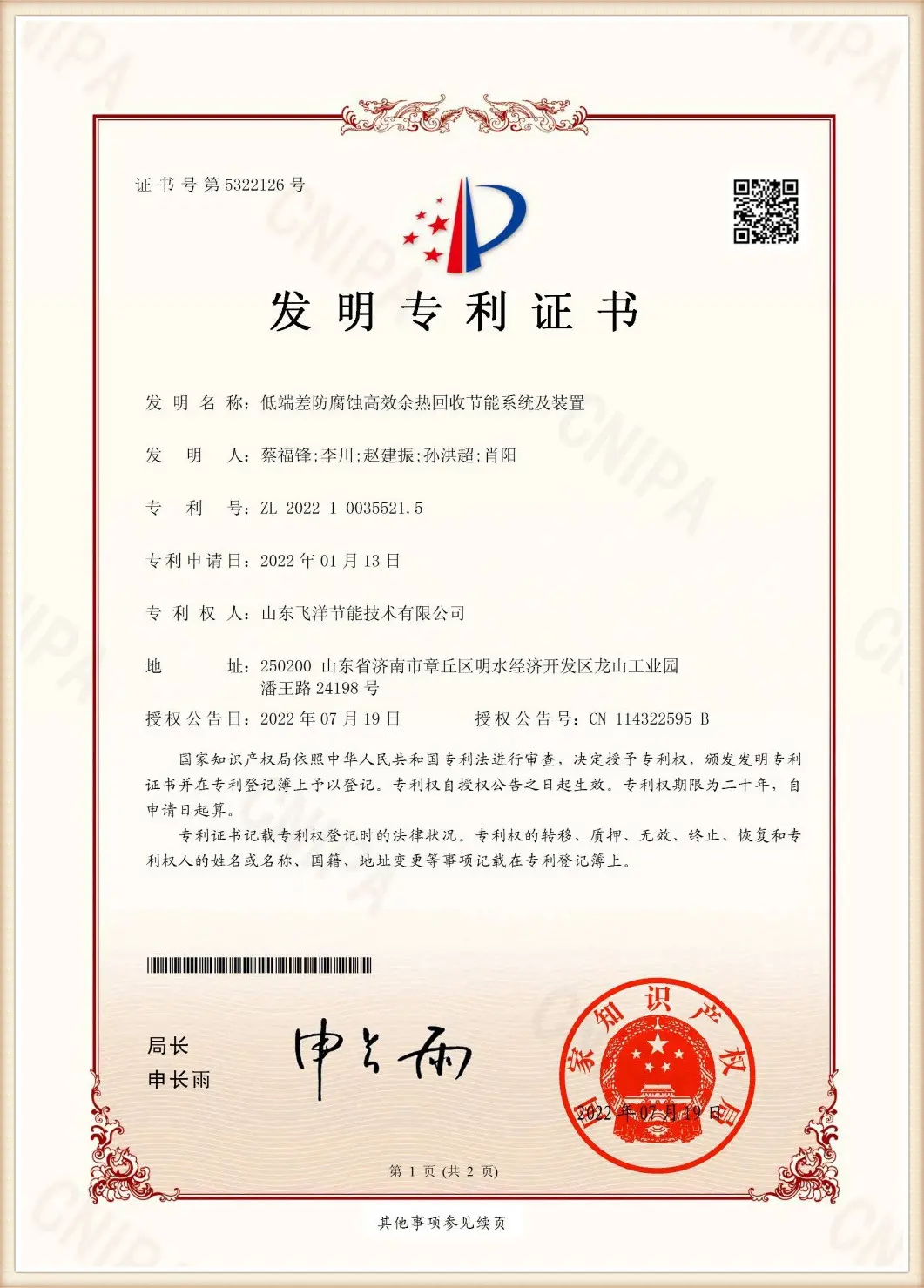
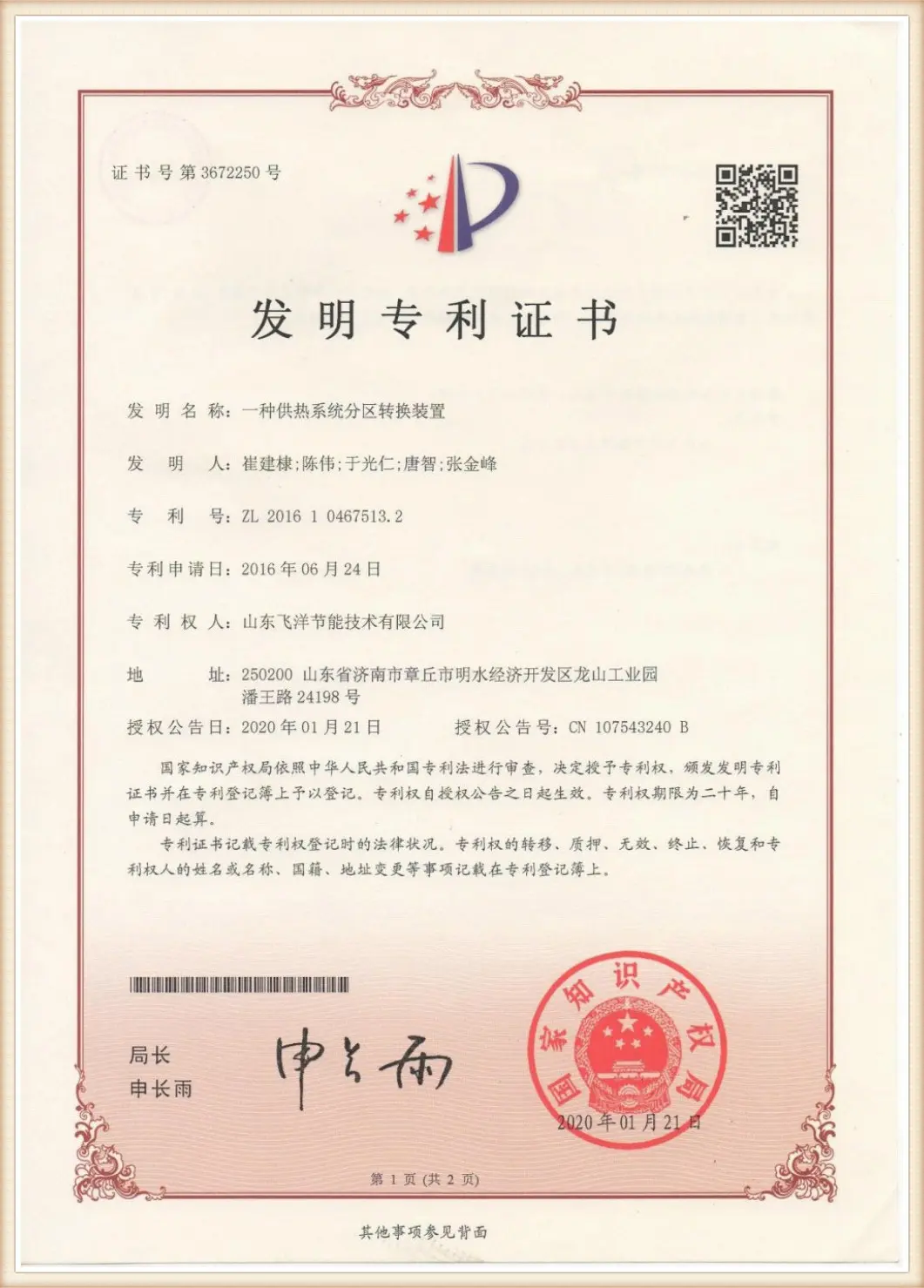
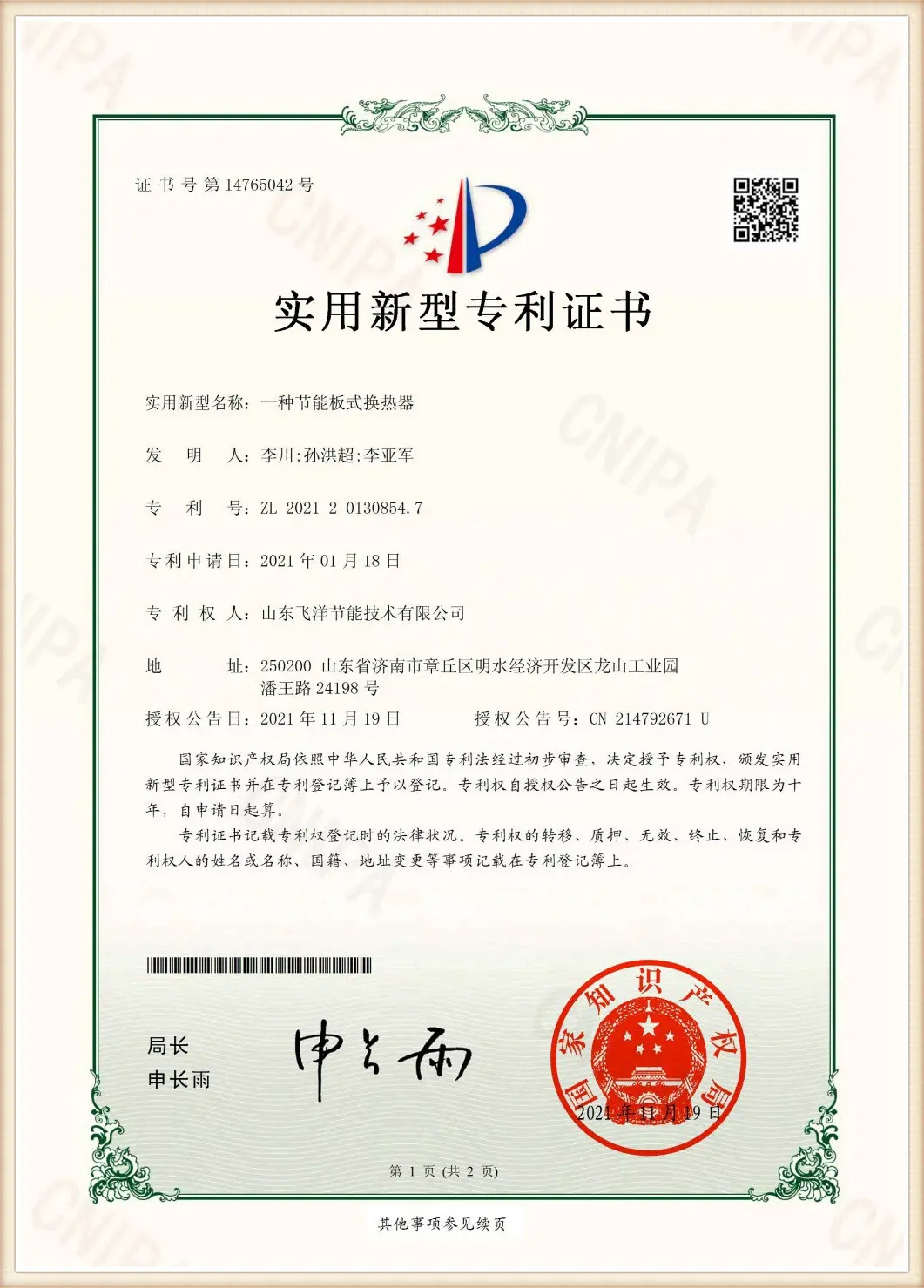
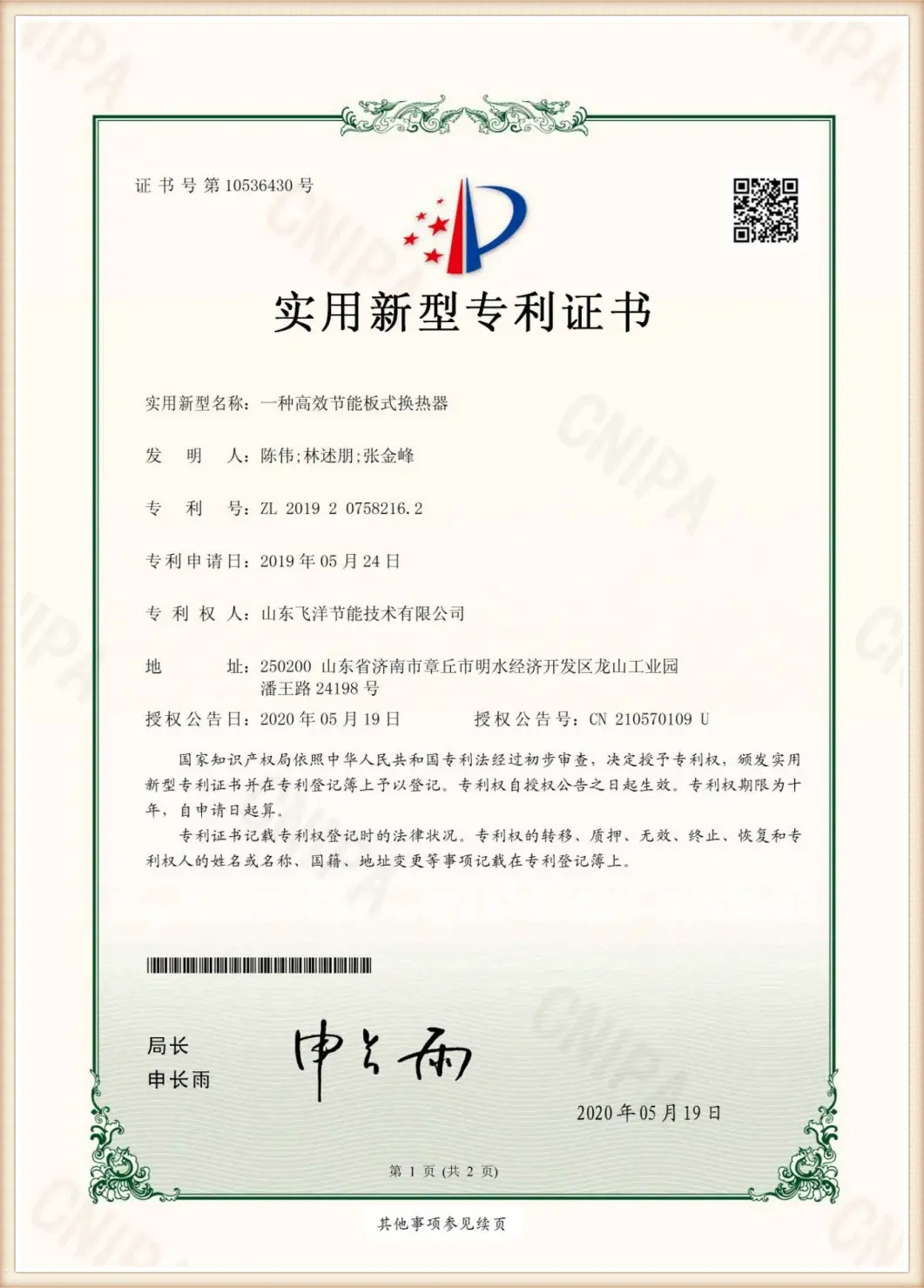
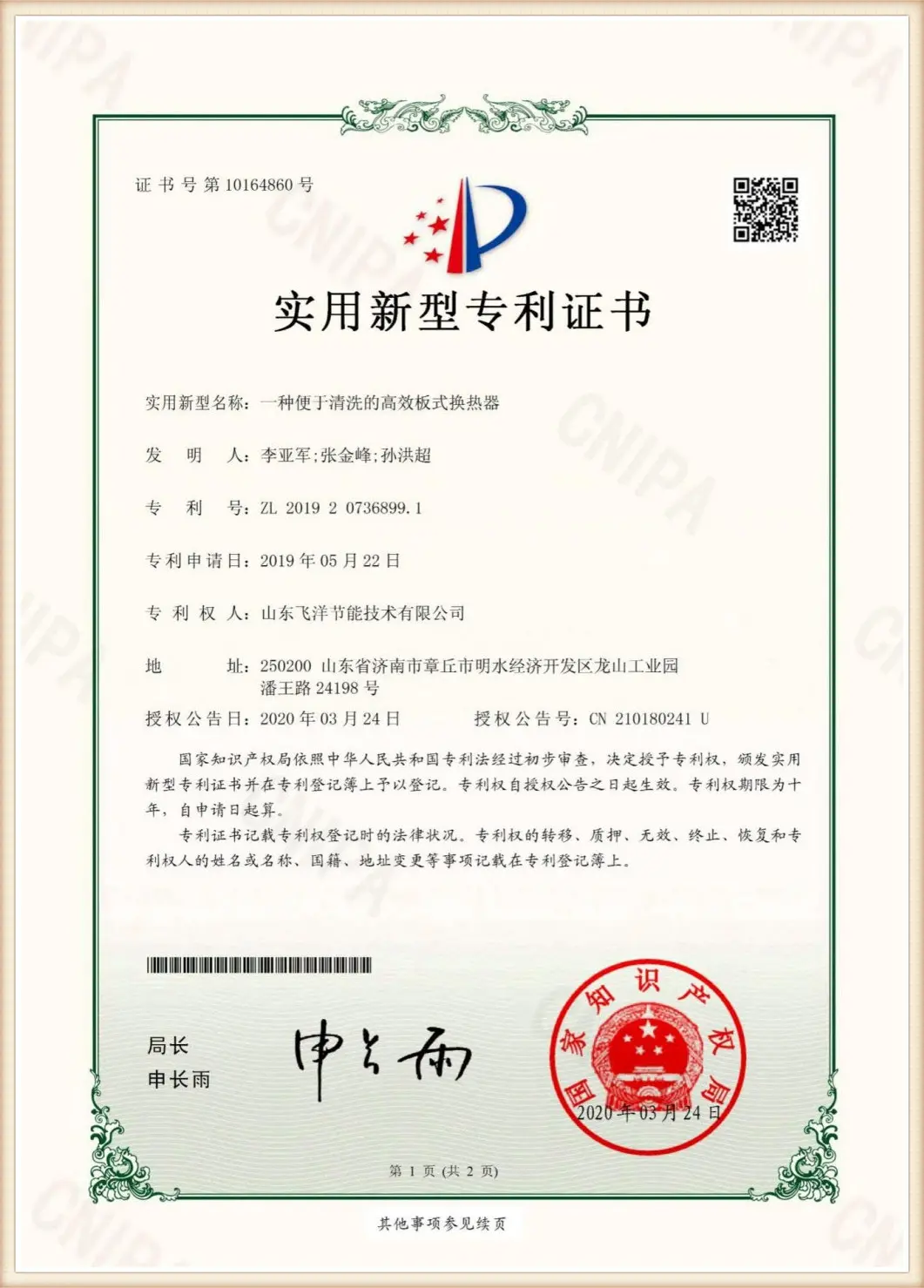
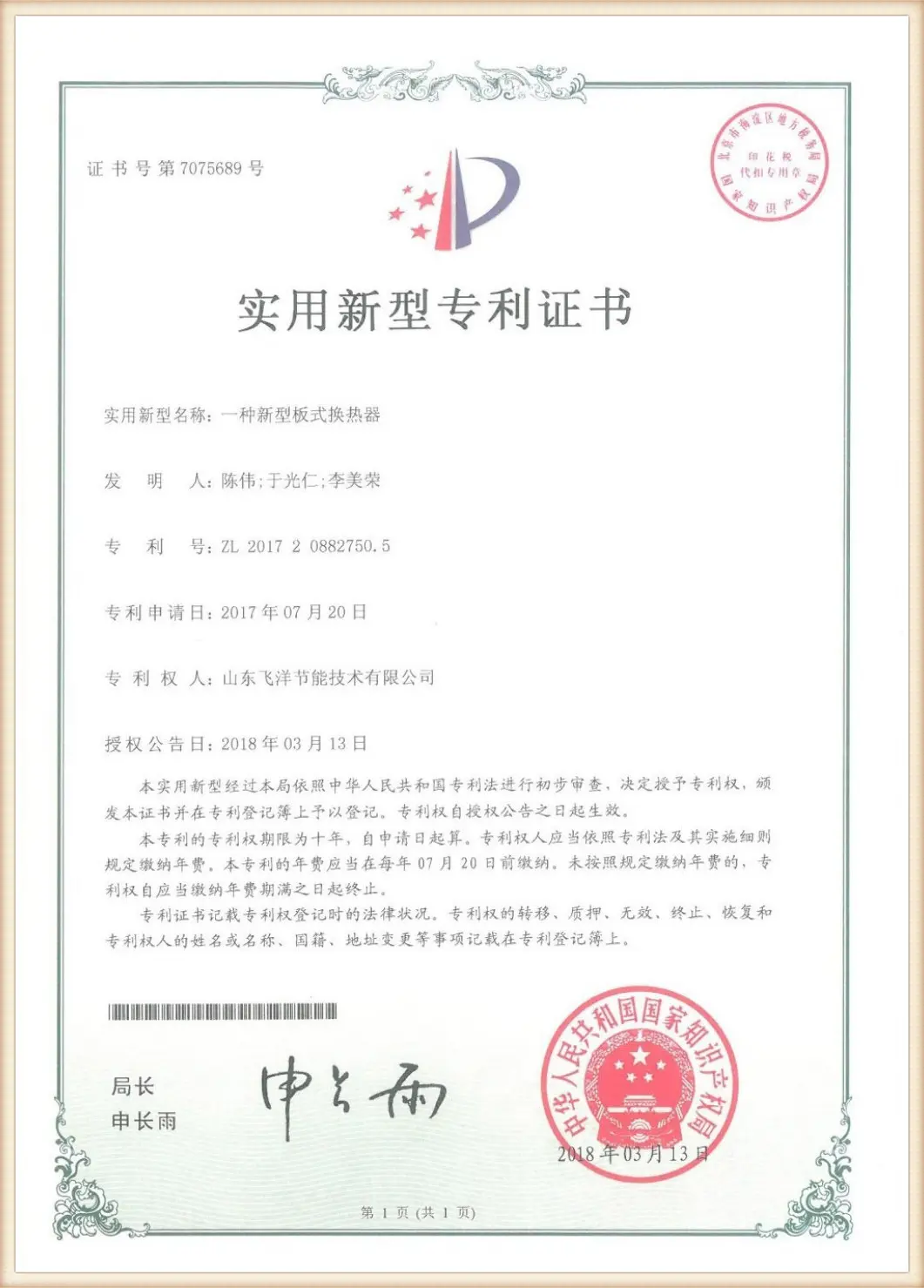
Our product line covers industrial HVAC units, specialized water treatment assemblies, energy recovery setups, and custom compact plate heat exchangers. Flotte holds key utility patents, including designs for "High-Efficiency Plate Heat Exchangers", "Intelligent Plate Heat Exchanger Systems", and "Plate Heat Exchanger Scale Removal Devices". These patents demonstrate our ongoing commitment to solving real-world challenges, such as biological fouling and scaling, which can degrade industrial system performance over time.

Our designs comply with strict quality and safety frameworks. Flotte products carry national product certifications and safety registrations from the National Standardization Committee. In addition, our plate heat exchangers are registered for safety by the National Boiler and Pressure Vessel Standardization Technical Committee. Our operations are guided by internationally recognized standards, including ISO9001:2015 Quality Management System, ISO14001:2015 Environmental Management System, and ISO45001:2018 Occupational Health and Safety Management System.
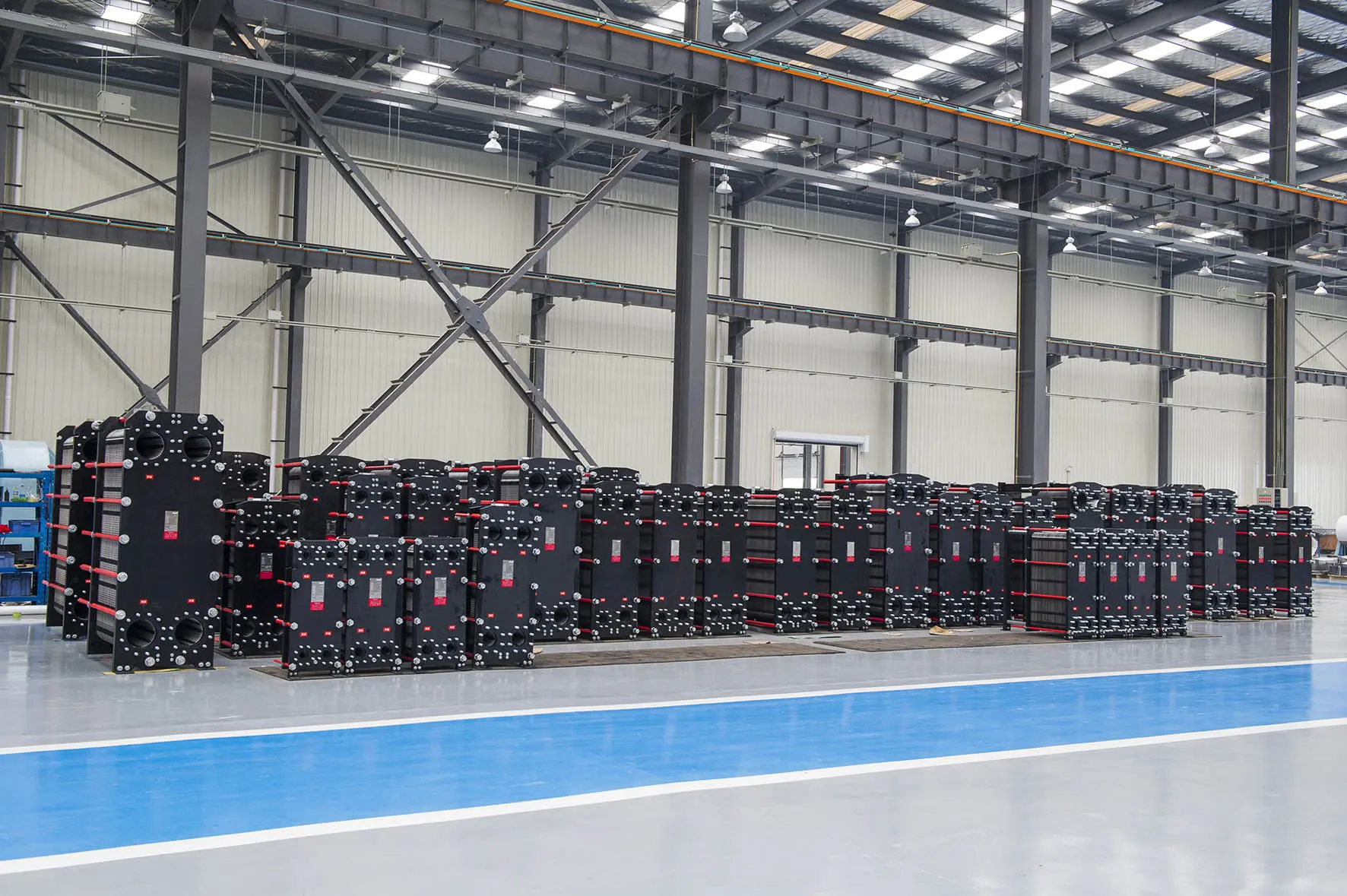
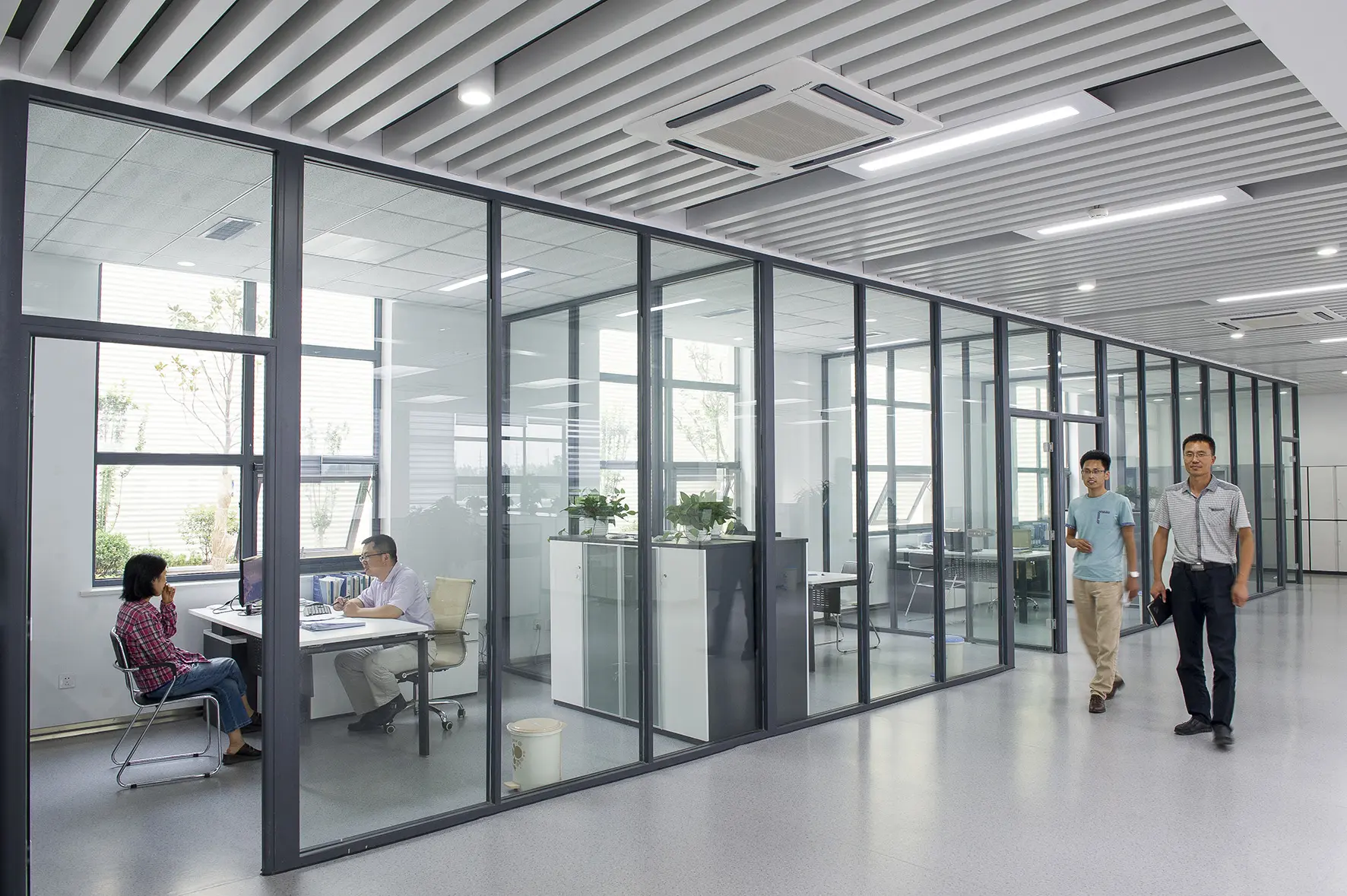
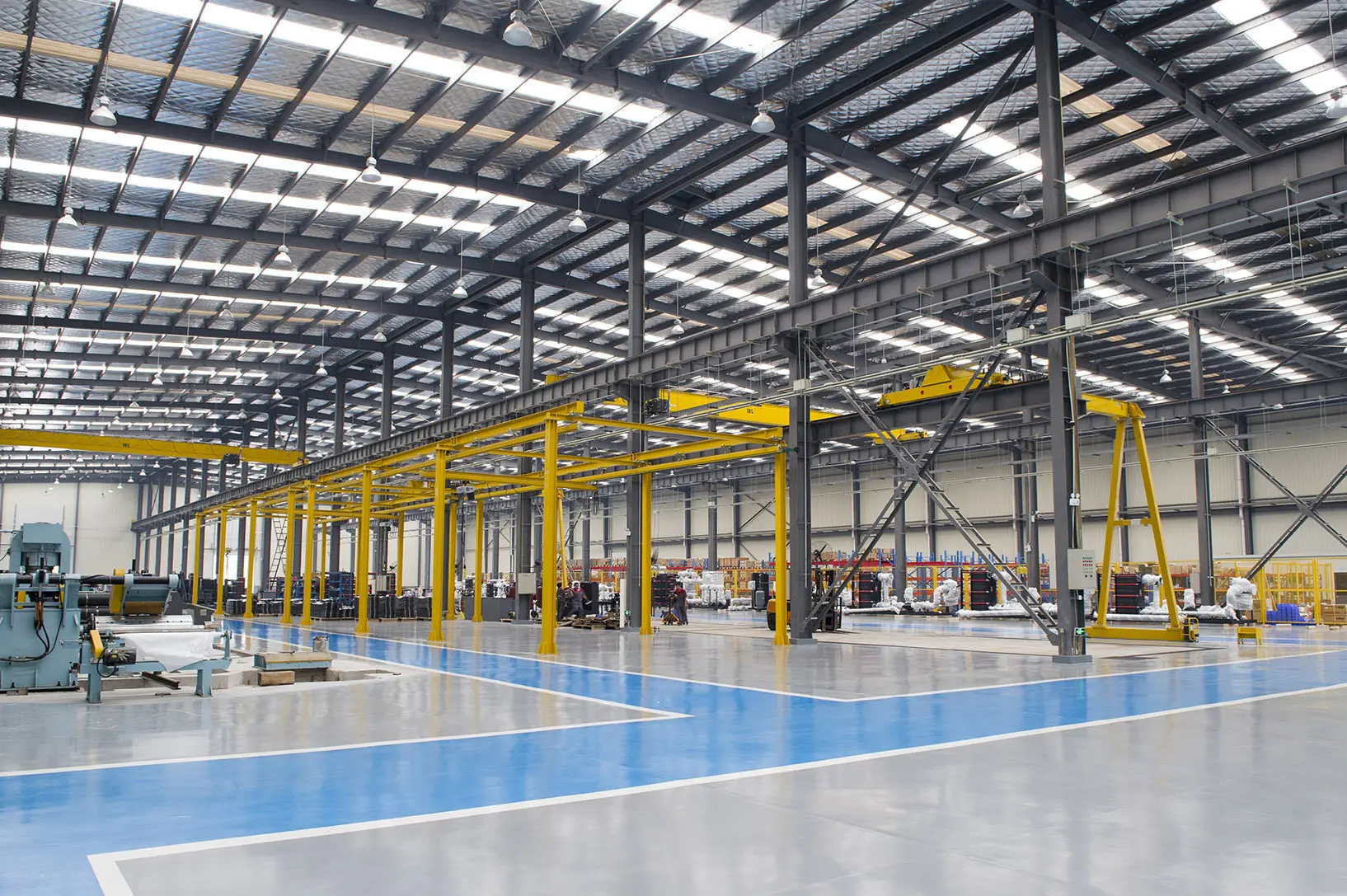
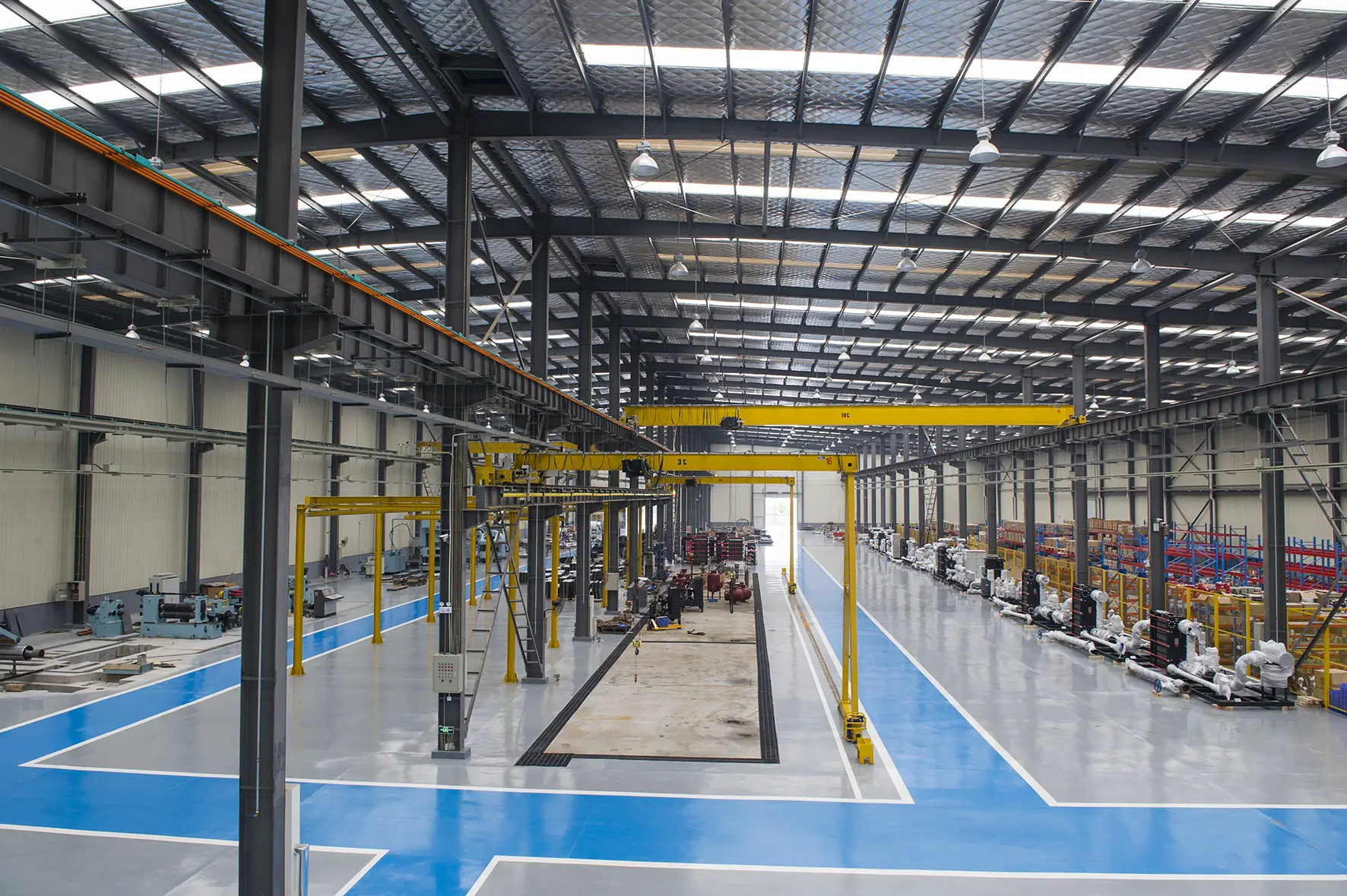
Flotte Manufacturing Complex and Office Building

Core Engineering Advantages & Technology Architecture

Our technical team includes experienced thermal designers and specialized fabrication technicians who understand the complexities of heat transfer physics and structural mechanics. By operating our own dedicated R&D center and testing laboratory, we quickly turn design concepts into physical prototypes, verifying performance under simulated field conditions.

Innovative Corrugation Optimization
We use patented corrugated configurations to generate high shear stress at the plate surface. This boundary-layer disruption yields heat transfer coefficients 2 to 3 times greater than traditional shell-and-tube setups, maximizing thermal performance.
Versatile Material Selection
We work with a wide range of corrosion-resistant alloys, including 304/316L Stainless Steel, Titanium (Grades 1 and 2), and Hastelloy C-276. This ensures reliable operation across aggressive chemical media, saline fluids, and high-temperature systems.
Precision Modular Configuration
Our systems feature a modular design, enabling straightforward field expansion, simplified servicing, and rapid initial installation. This approach shortens on-site assembly schedules and reduces overall project downtime.

Localized Application Scenarios & Engineering Performance

Industrial environments present diverse cooling and heating challenges. To ensure long-term performance, compact heat exchangers must be customized for their specific operating conditions.

Municipal District Heating Networks
In sub-zero winter regions, municipal networks require reliable heat transfer from primary cogeneration loops to residential distribution lines. Flotte's plate exchangers handle high flow rates and low approach temperatures, ensuring stable heat delivery while keeping thermal losses to a minimum.
Petrochemical & Heavy Chemical Processing
Corrosive chemicals, high operating pressures, and exothermic reactions demand rugged thermal designs. We construct custom exchangers using corrosion-resistant alloys, designed to prevent leakage and withstand chemical degradation during prolonged continuous operation.
High-Efficiency HVAC & Commercial Real Estate
Commercial developments require compact systems that fit into tight mechanical rooms. Our compact units deliver high heating and cooling capacities in a small footprint, integrating with building automation networks to optimize real-time energy use.
Pharmaceutical & Sanitary Processing
Sterile environments require clean designs that prevent cross-contamination. Our detachable and sanitary-grade exchangers feature polished contact surfaces and clean-in-place (CIP) layouts, complying with strict hygiene standards.

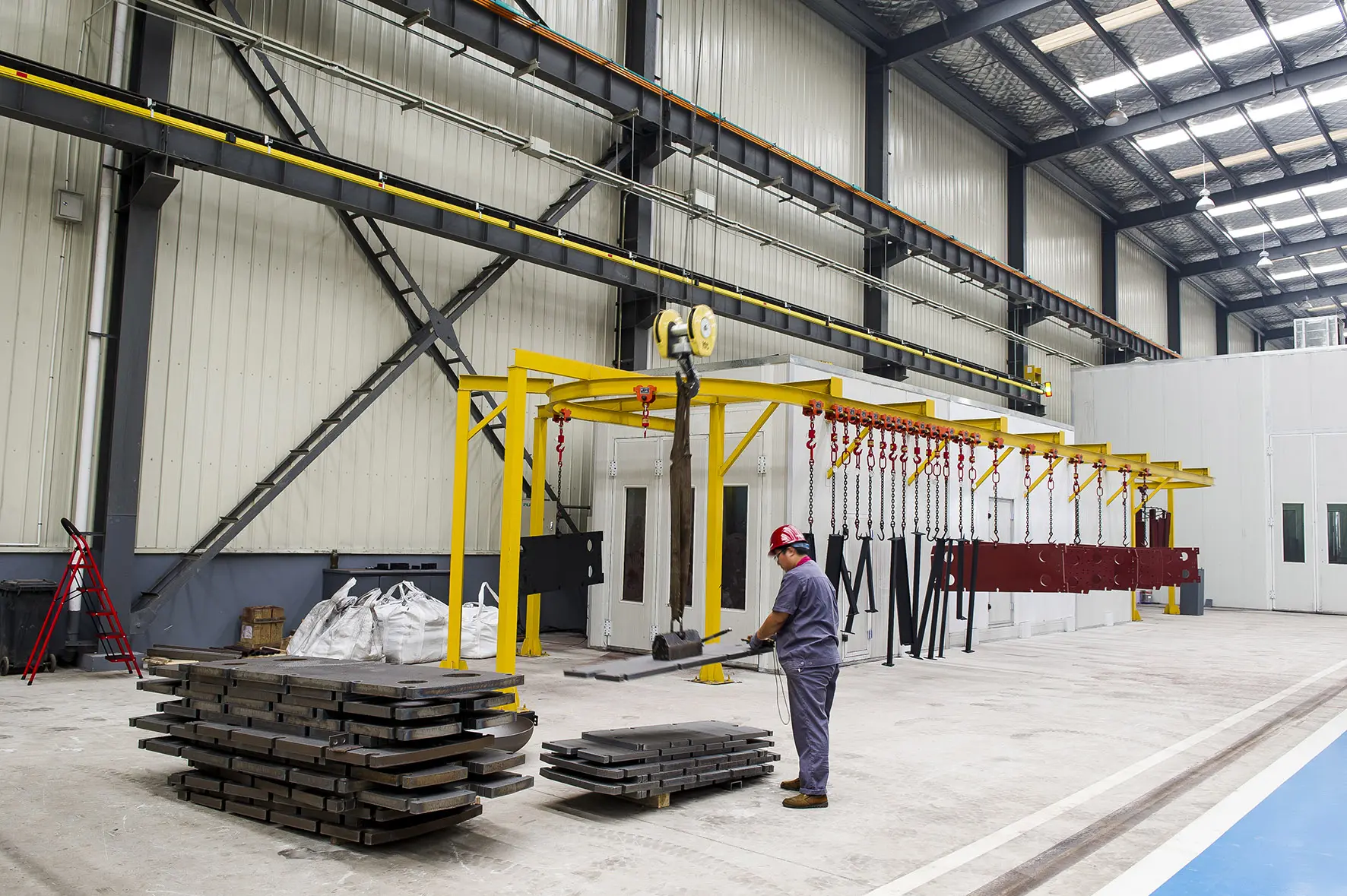
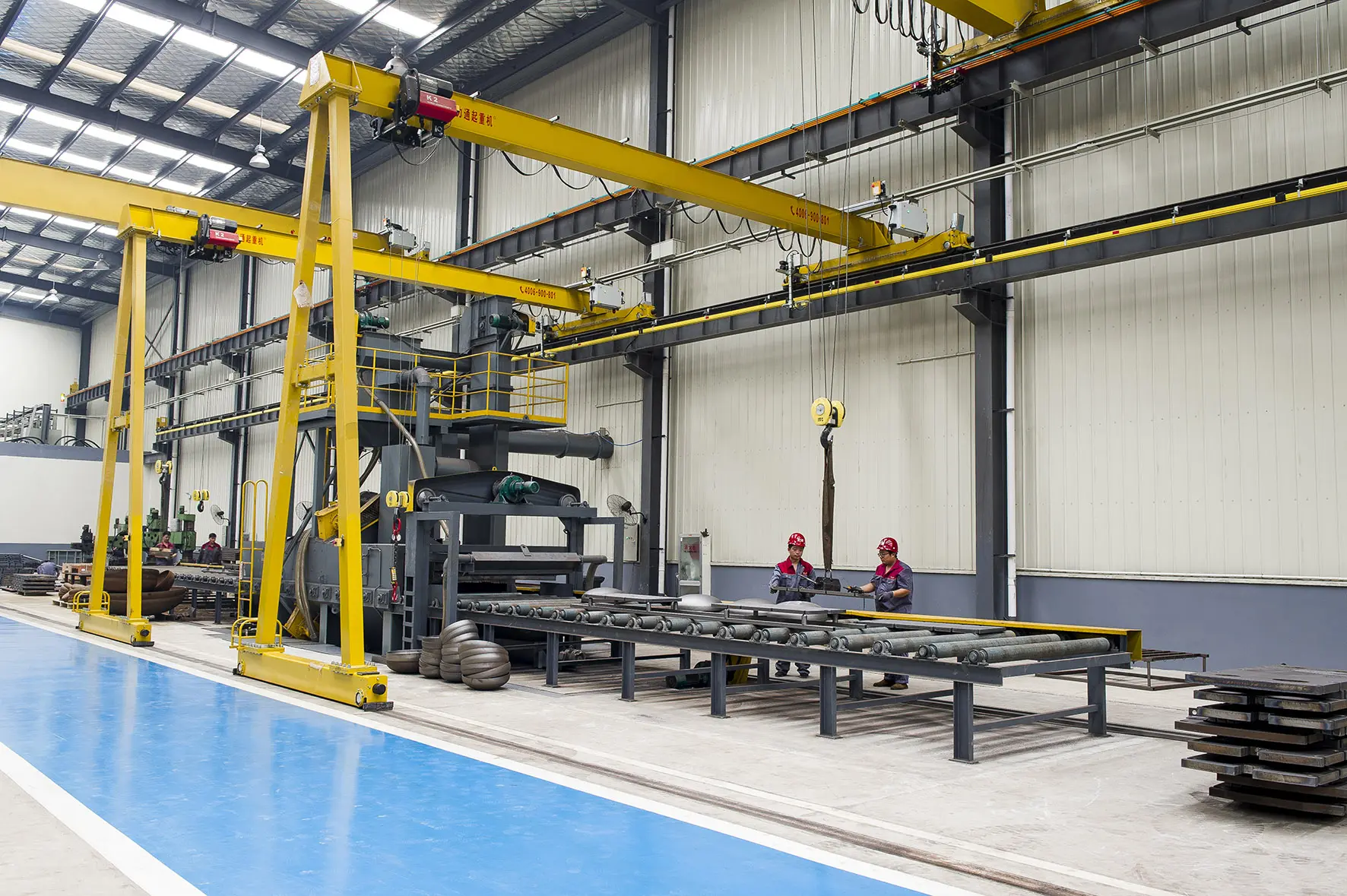
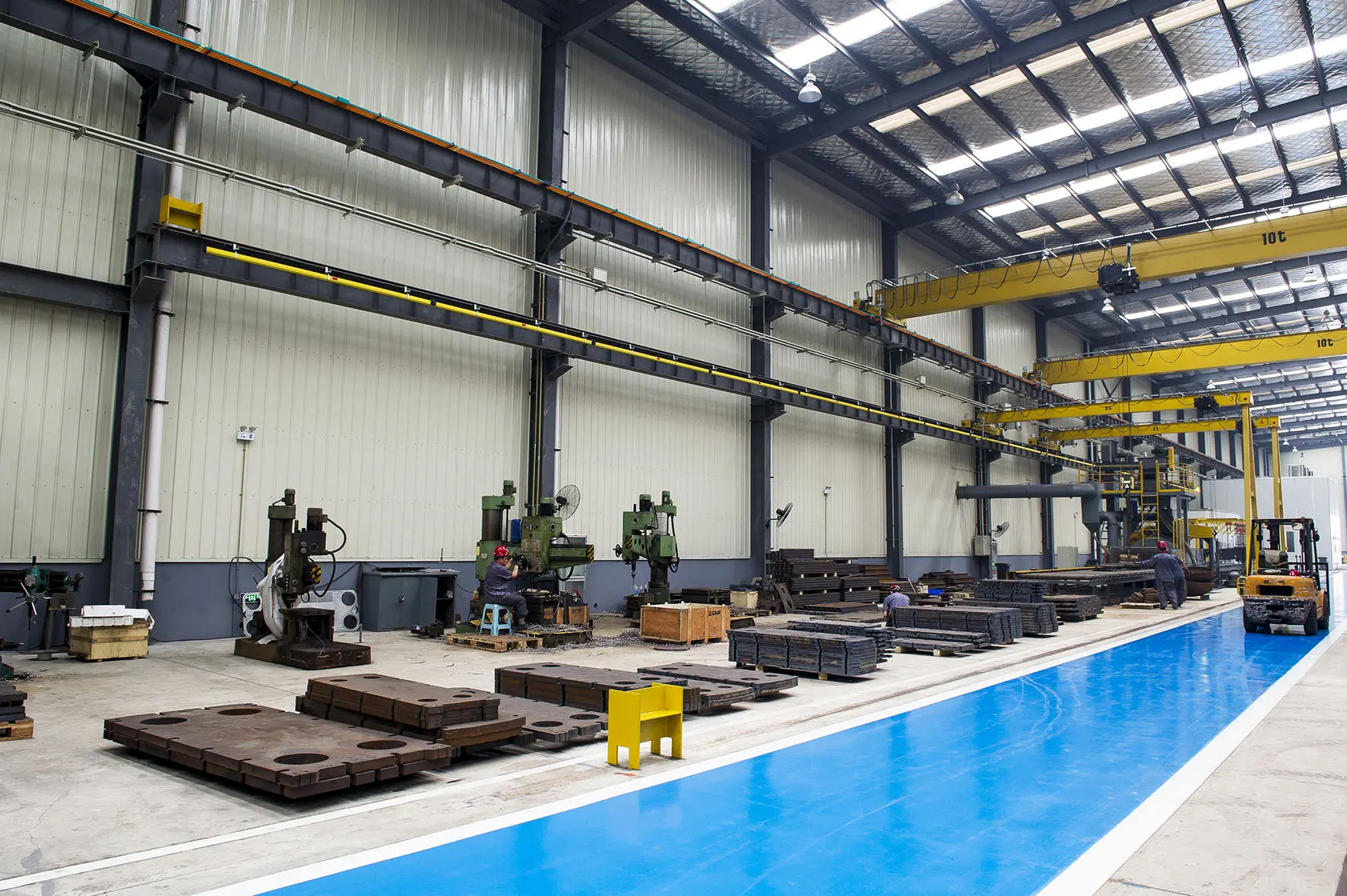
Comprehensive Production Flow & Quality Inspections

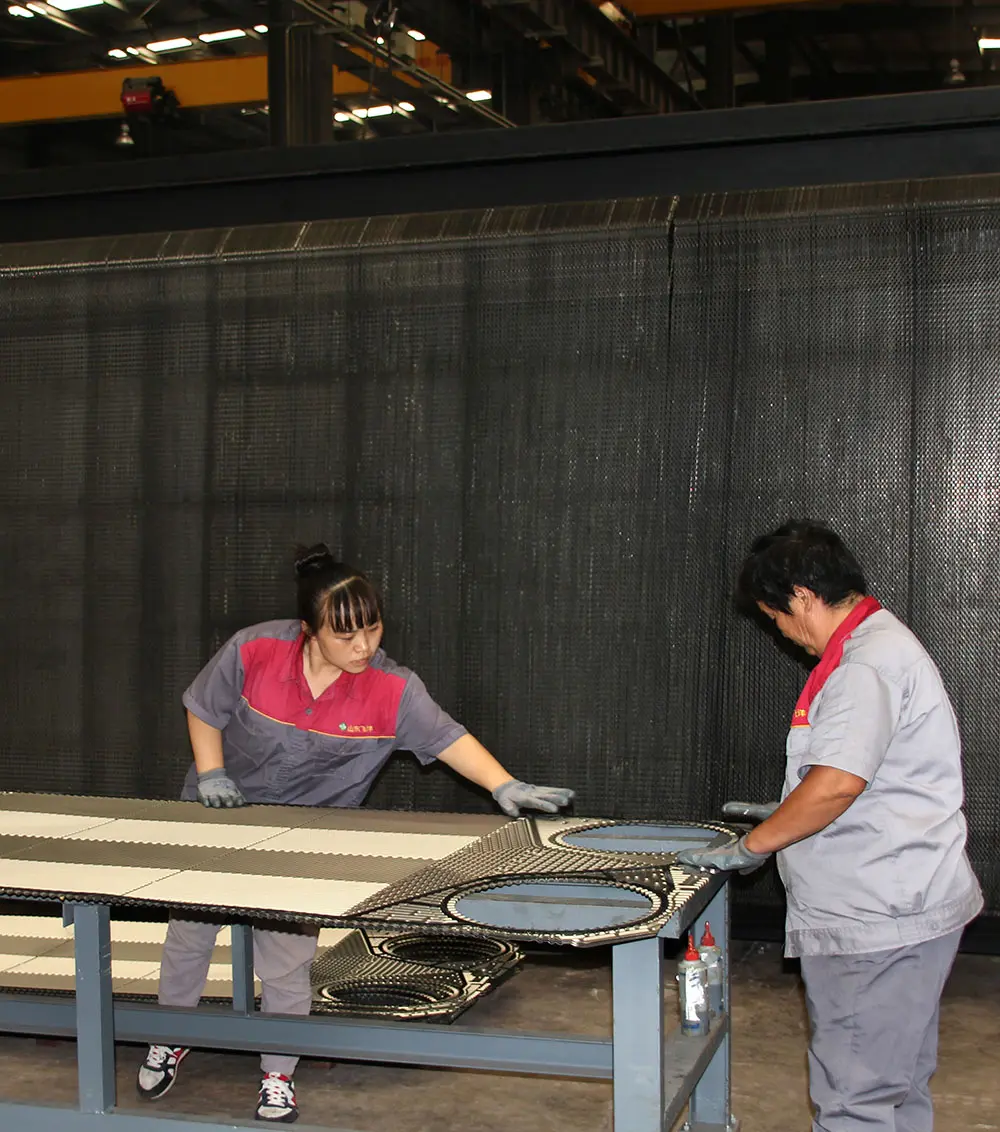
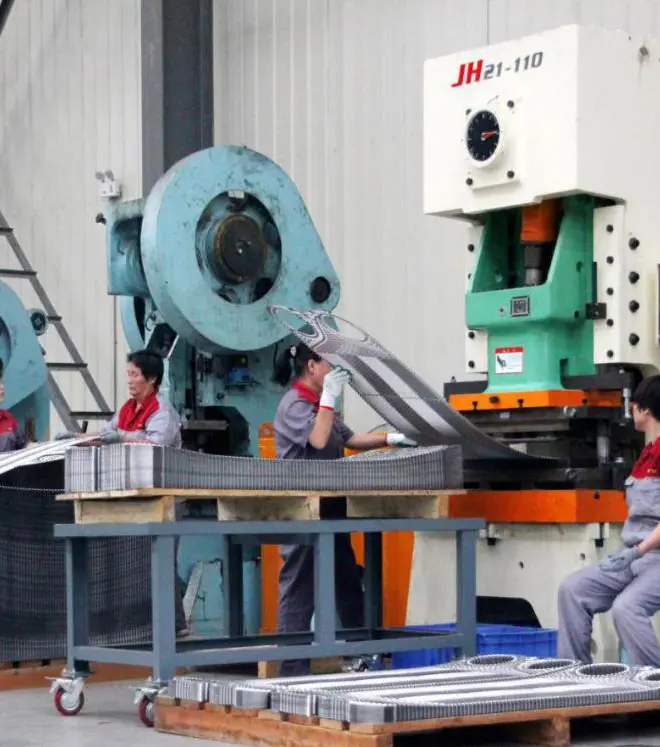
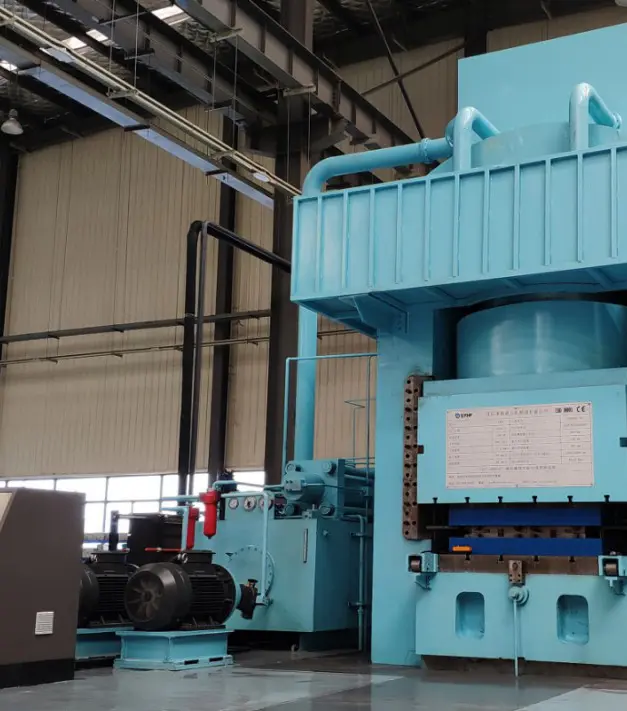
Every heat exchanger manufactured in our facility undergoes a structured fabrication and inspection workflow. Adherence to ISO 9001 and pressure vessel QA protocols ensures that each completed unit meets design specifications.
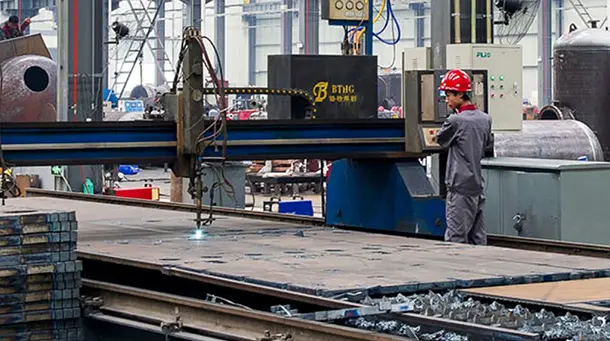
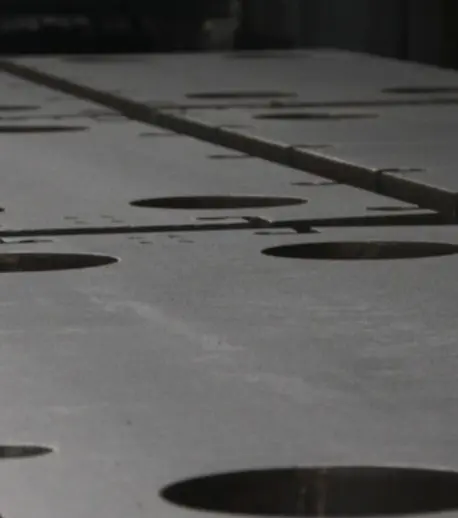
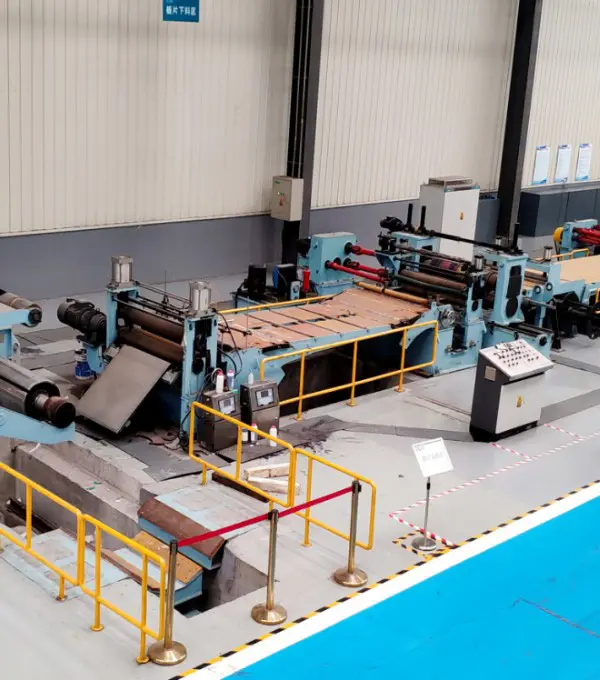
Splint cutting process
Splint Cutting
Micro-forging process
Micro-Forging
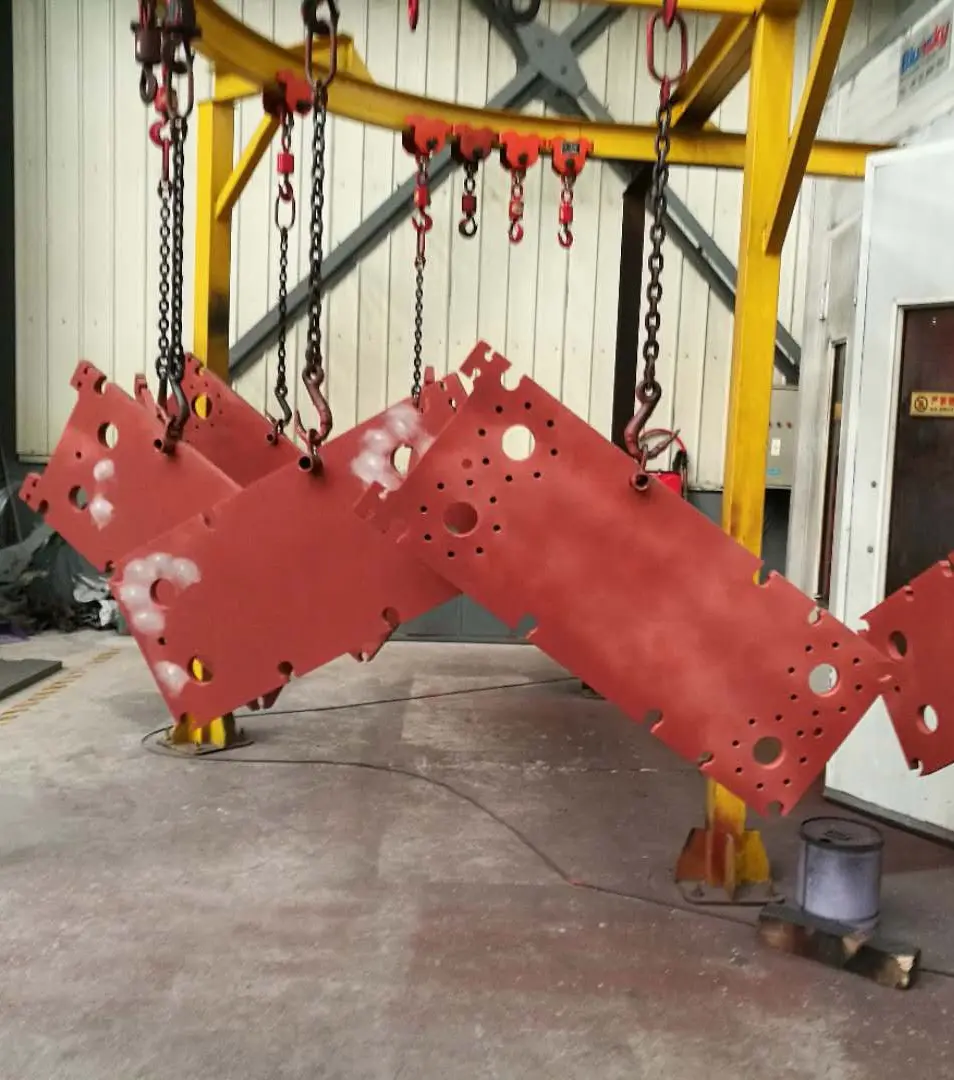
Spray painting process
Spray Painting
Sheet cutting and coding
Sheet Cutting & Coding
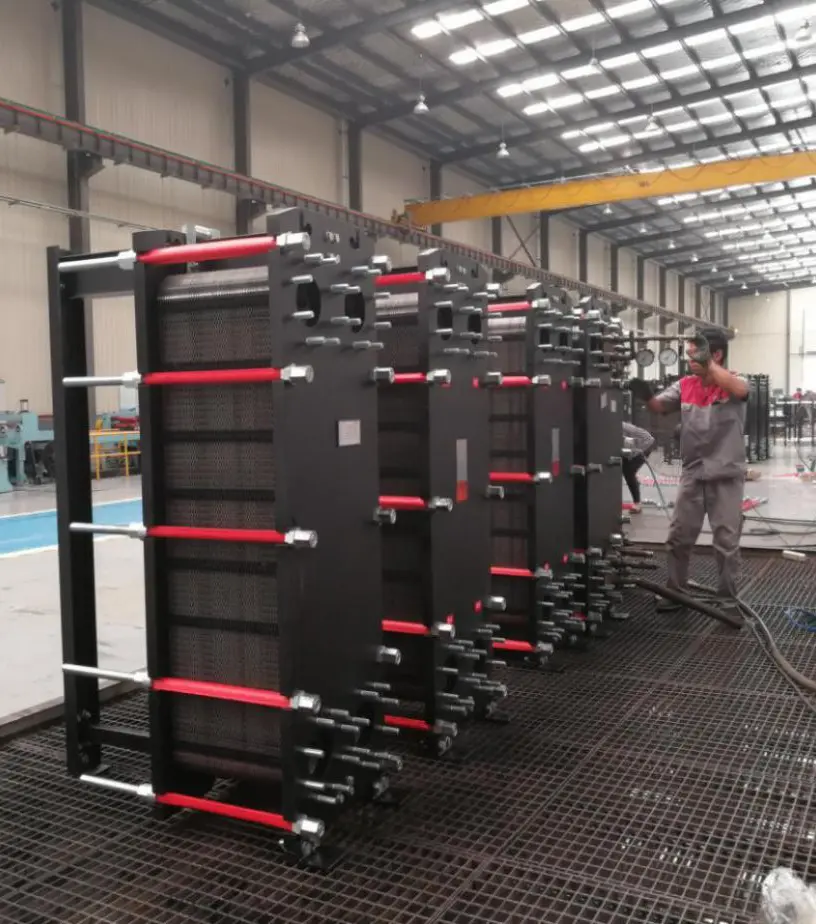
Water pressure detection
Hydro-Testing & Detection
Equipment assembly
Equipment Assembly
Rubber-coated pad preparation
Rubber-Coated Padding
Plate punching process
Plate Punching
Sheet stamping forming
Sheet Stamping Forming

China Supply Chain Resilience, Global Logistics & Price-to-Performance Value

Our manufacturing facility near China's main industrial hubs provides logistical and sourcing advantages. Access to raw material suppliers allows us to source high-grade alloys, specialized gaskets, and precision structural steel with short lead times. By integrating design, stamping, assembly, and testing under one roof, we optimize production scheduling.

This structural integration helps us manage manufacturing costs and maintain consistent quality control across all batches. Standard configurations ship within weeks, helping global clients minimize project delays compared to typical procurement timelines. Our proximity to major shipping ports in Tianjin and Qingdao enables reliable and efficient distribution to international sites in Europe, the Americas, and Southeast Asia.

Technology Roadmap: Intelligent Systems & High-Temperature Integration

The trend toward industrial electrification and high-temperature thermal storage requires new approaches to heat exchanger design. Flotte is developing next-generation microchannel models and hybrid diffusion-bonded plate heat exchangers capable of handling pressures up to 100 bar and temperatures exceeding 500°C. These designs are well-suited for demanding roles in green hydrogen production, carbon capture loops, and high-pressure gas cooling.

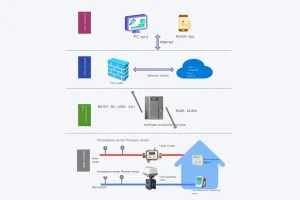
Additionally, our current designs integrate smart monitoring capabilities. By combining high-precision temperature collectors with cloud-based diagnostic software, our systems monitor heat transfer rates and pressure drops in real time. This allows operators to identify fouling trends early and schedule predictive maintenance, helping to prevent unexpected downtime.

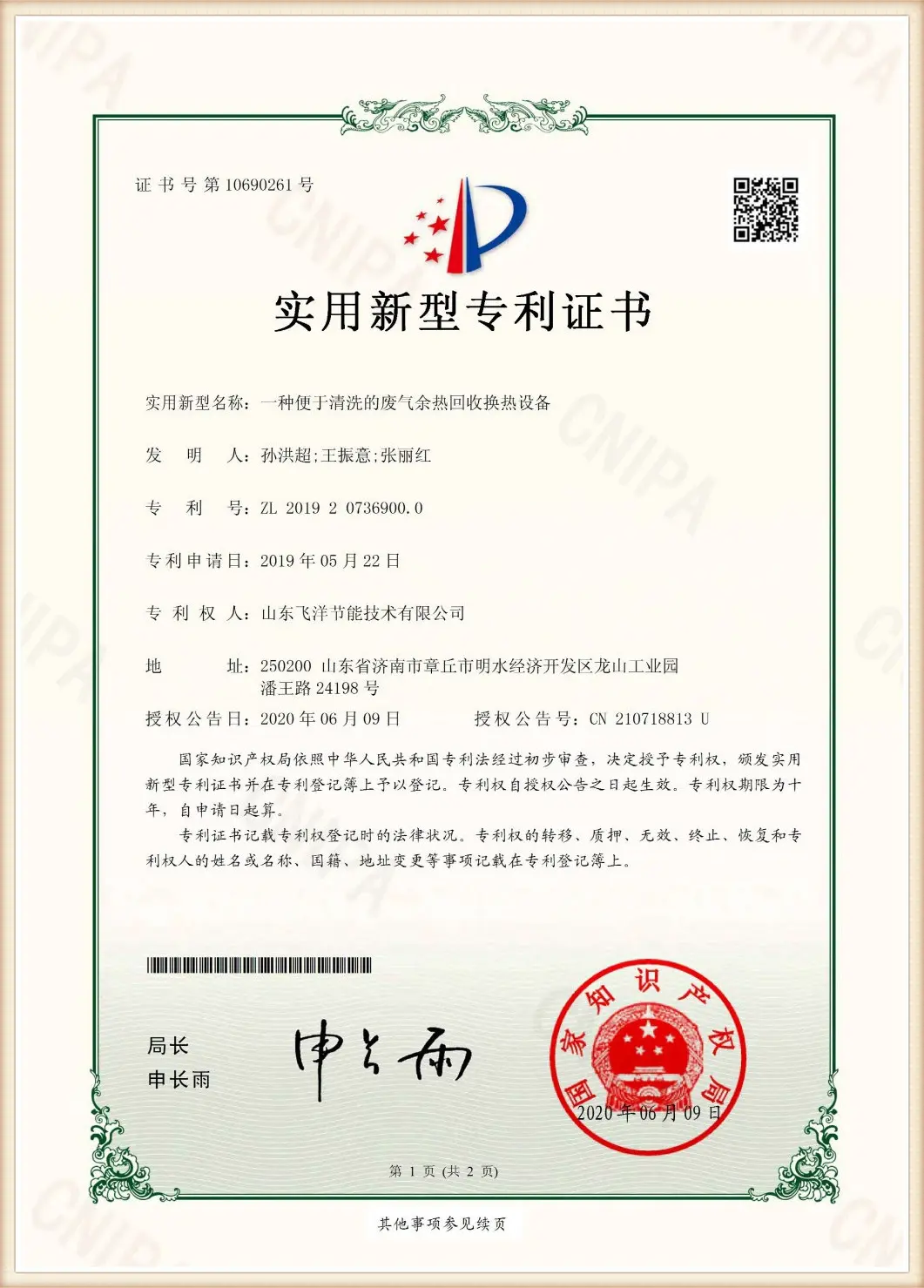
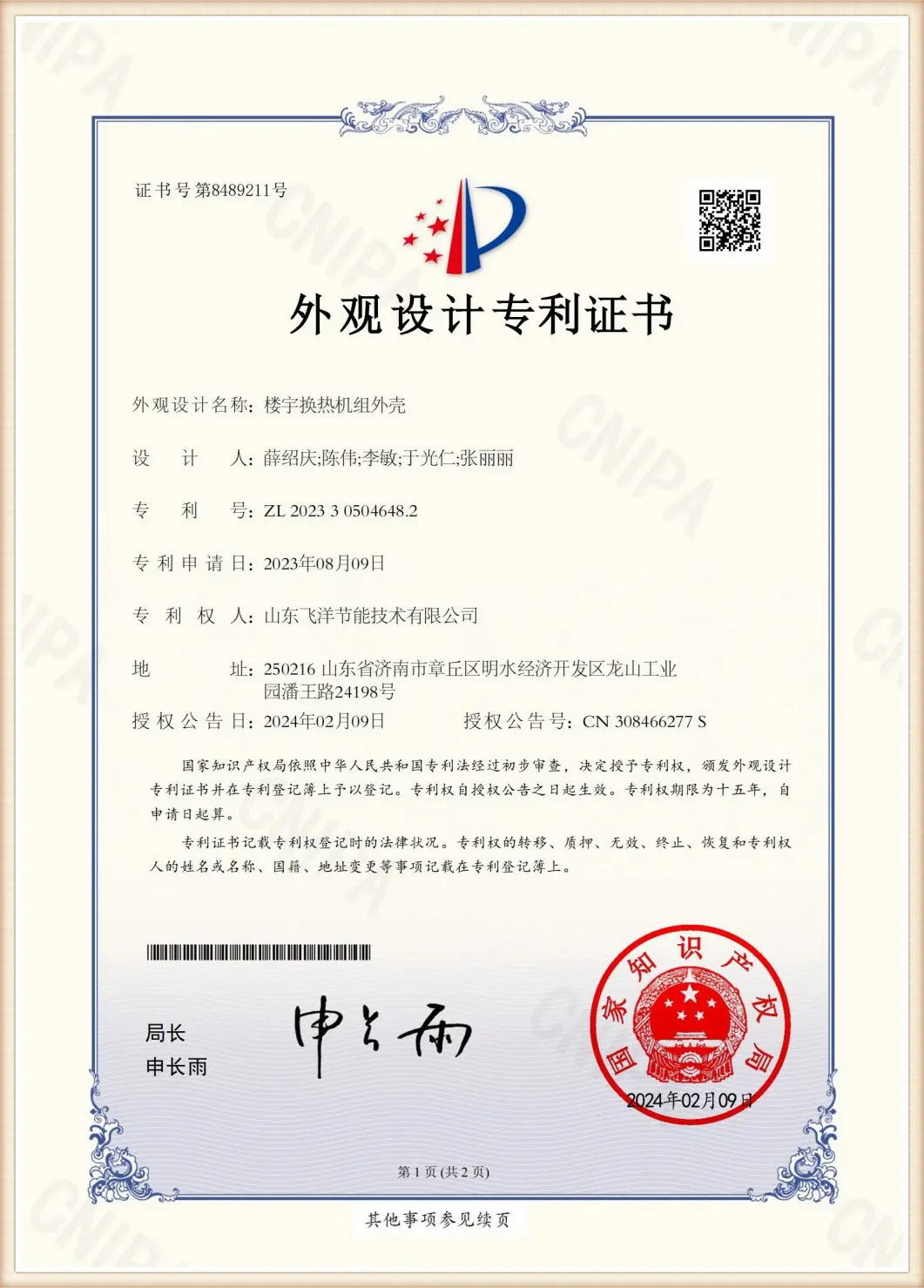
Certifications & Factory Operations Showcase

All process steps—from plate stamping to automated testing—are managed under audited safety and quality systems. Our certifications demonstrate compliance with international pressure vessel regulations.
Industry Technical Q&A (FAQ) - Intent Optimizations

What is the primary difference between a compact plate heat exchanger and a traditional shell and tube design?

The core difference lies in the area-to-volume density and flow patterns. Compact plate designs utilize corrugated paths that trigger local turbulence at lower Reynolds numbers, enhancing heat transfer coefficients. A compact plate unit typically requires only 20% to 30% of the physical space of an equivalent shell-and-tube unit, resulting in lower structural weights and reduced fluid volumes.

How does Flotte optimize plate heat exchangers for high-pressure industrial systems?

We adjust plate thicknesses, corrugation profiles, and locking mechanisms based on system requirements. For high-pressure setups, we use thick structural plates and support grids, or welded plate designs that replace traditional gaskets. Every configuration is simulated using CFD software and hydro-tested up to 1.5 times the maximum working pressure to ensure safety.

What maintenance strategies prevent scaling and fouling in compact heat exchangers?

Our patented scale removal designs and optimized flow velocities help minimize scaling. High shear stress along the plate surface creates a self-cleaning action that reduces deposit buildup. When maintenance is required, our detachable plate designs allow for mechanical cleaning or simple clean-in-place (CIP) flushing without dismantling the core frame.

How does Flotte support compliance with international engineering standards?

Our manufacturing processes follow ISO 9001:2015 and comply with pressure vessel standards such as ASME and CE-PED. We provide comprehensive documentation, including material traceability, pressure test logs, and weld inspection reports, to ensure smooth commissioning in international markets.

Which materials are recommended for corrosive or saline fluid exchange?

For low-corrosion applications, SS304 or SS316L is typically sufficient. For environments with high chloride levels, seawater, or aggressive chemical processing, we use Titanium (Grade 1 or 2) or Hastelloy C-276. These alloys resist pitting, crevice corrosion, and chemical attack under elevated temperatures.