Explore our highly integrated plate heat exchangers, evaporators, and smart secondary network valves designed to deliver unmatched energy efficiency.
Established with a solid foundation from Flotte Thermal Engineering in 1995, Flotte Energy Saving Company was formally capitalized in 2013 with 101 million yuan. Over three decades, we have dedicated ourselves to solving complex heat exchange, water treatment, and HVAC optimization challenges. By merging advanced hydraulic engineering with premium materials, we help industrial operators and municipal utilities slash carbon emissions and stabilize networks.
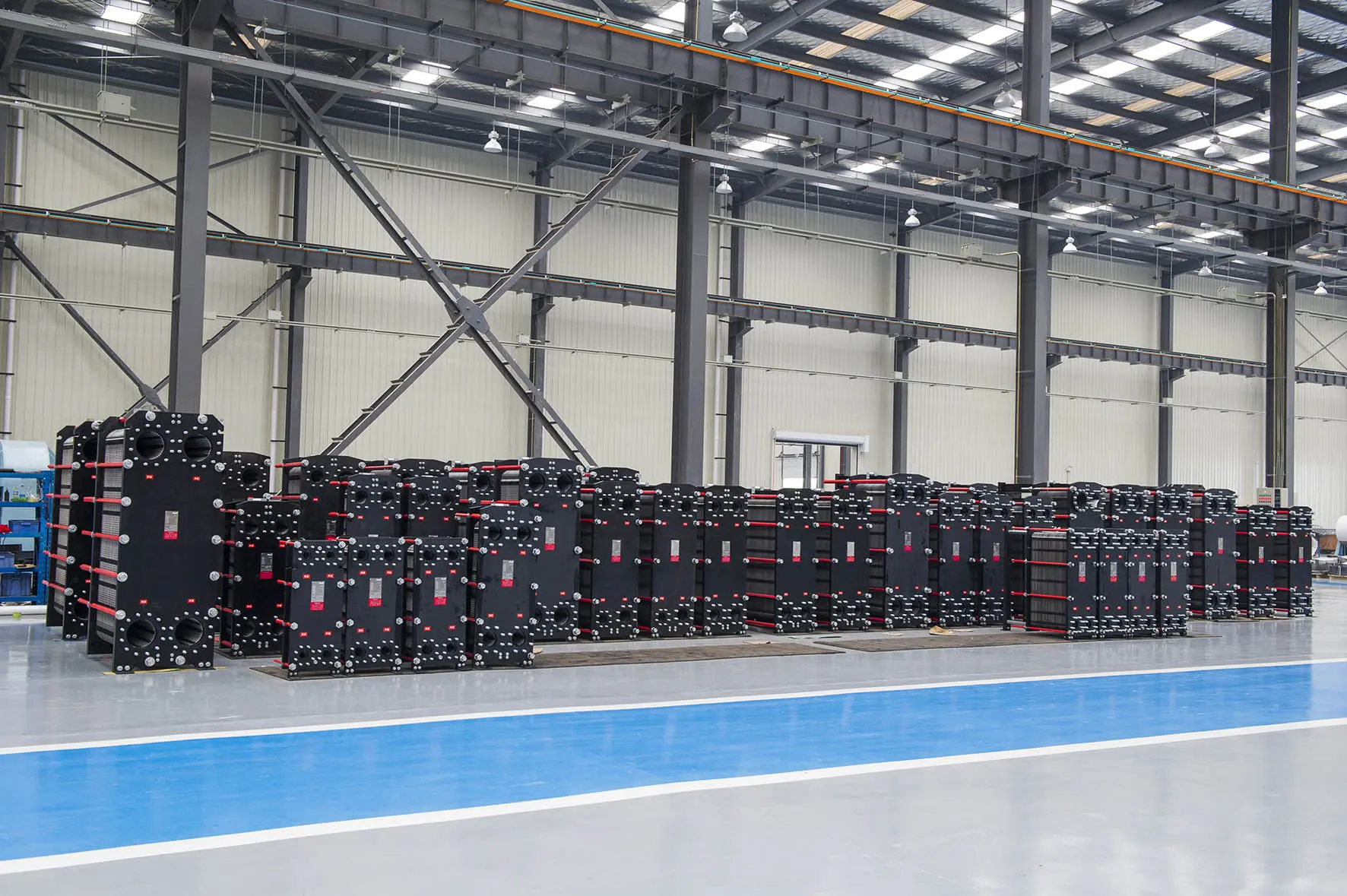
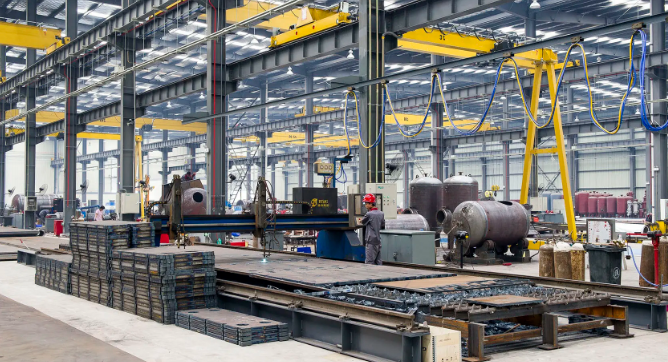
Our operation encompasses a massive 70,000 m² state-of-the-art facility where we manufacture over 4,500 integrated heat exchange units and water supply packages annually. Powered by 260+ employees—including senior mechanical design specialists and certified pressure vessel technicians—we generate an annual revenue exceeding 500 million yuan, driving innovation to global export channels.
The shift towards intelligent thermal management systems is redefining energy grids worldwide. We stand at the forefront of this evolution.
Global energy policies are mandating municipal district heating schemes to transition toward 4th and 5th generation configurations (4GDH/5GDH). These networks run on low supply temperatures (45°C - 55°C) to utilize geothermal and industrial waste heat. Generating adequate warmth at these parameters demands ultra-low pinch-point temperature approaches, only achievable with high-precision plate geometry and optimized channel spacing.
Industrial installations operating with hard process water face severe scale deposit risks, degrading heat transfer coefficients over time. Our patented scaling prevention designs and advanced mechanical scale-removal devices prevent severe calcification, reducing maintenance down-time and sustaining overall thermal efficiency across harsh chemistry applications.
Construction logistics and high labor costs in Europe and North America have sparked massive demand for pre-fabricated, compact, skid-mounted Heat Exchanger Units (HEUs). Integrating detachable plate exchangers, intelligent regulating valves, variable speed pumps, and programmable logic controllers (PLCs) on a single platform drastically reduces field-commissioning times.
How Flotte satisfies the demanding technical, material, and documentation requirements of B2B procurers across continents.
For international buyers in chemical, petrochemical, and pharmaceutical industries, material certification is non-negotiable. Flotte manufactures heat transfer plates utilizing premier alloys including AISI 304, AISI 316L, Titanium (Gr.1), Hastelloy C-276, and Nickel. Raw materials are audited with mill test certificates (MTC) matching EN 10204 3.1 standards, securing absolute corrosion-resistance profiles against organic acids and aggressive vapor concentrations.
Every single detachable plate heat exchanger and integrated unit undergoes computerized hydrostatic water pressure detection. Pressure limits are tested to 1.5 times the maximum design pressure (up to 2.5 MPa) to guarantee structural safety under thermal stress and water hammer events. Additionally, specialized rubber-coated gasket pads (EPDM, NBR, Viton) are subjected to strict compression tests to prevent cross-contamination between media channels.
Our vertically integrated production pipeline ensures each component matches engineering specifications from design to final pressure testing.
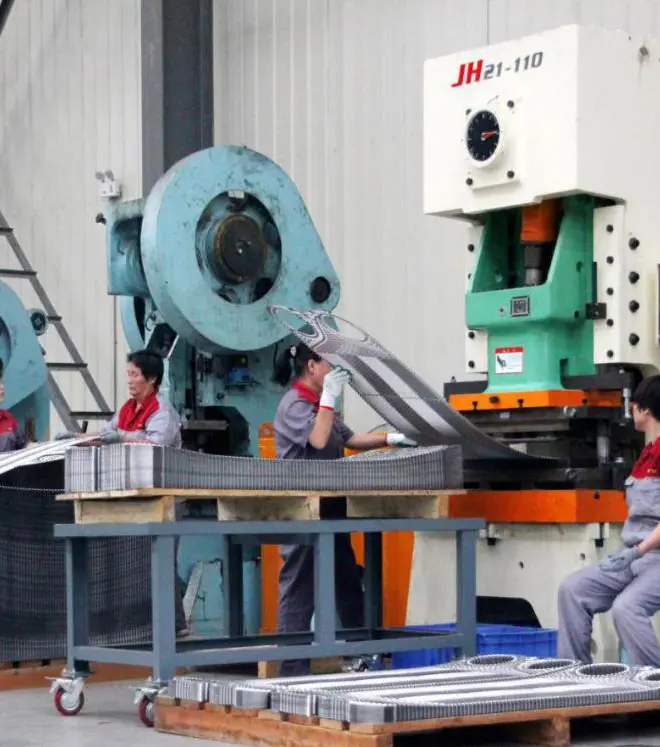
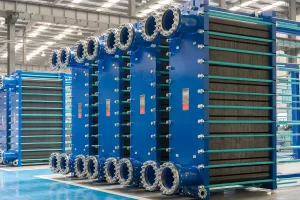
Advanced hydraulic presses stamp chevron patterns onto the metal sheets, creating micro-turbulences that dramatically increase heat transfer coefficients while minimizing flow resistance.
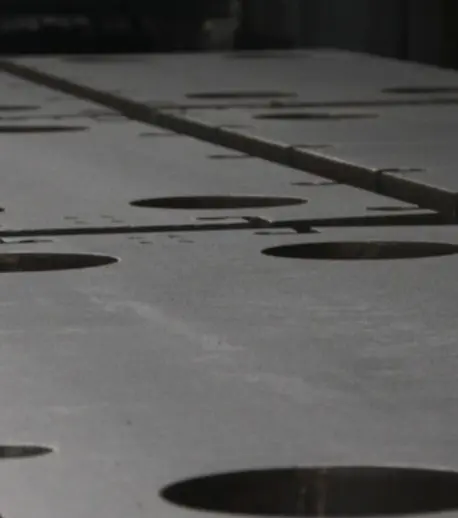
High-precision micro-forging techniques refine structural stress points in the channels, providing enhanced mechanical resistance against thermal fatigue and operational vibrations.
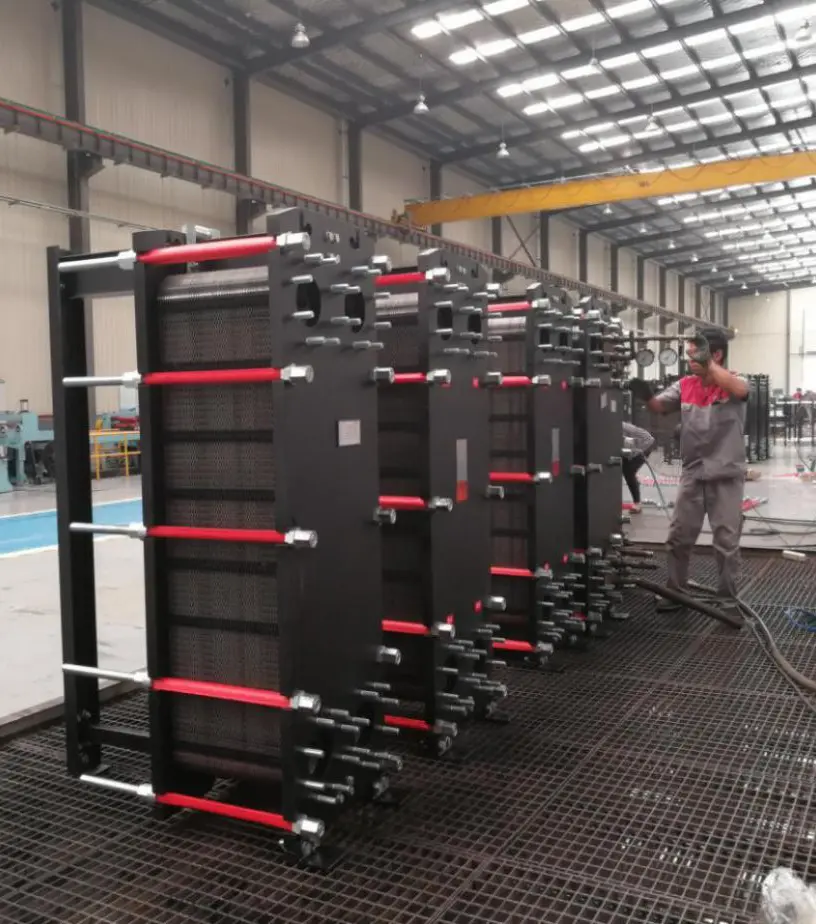
We execute rigorous hydrostatic pressure validations on each assembly. Testing processes strictly adhere to pressure vessel quality protocols, assuring complete leakage-free field operations.
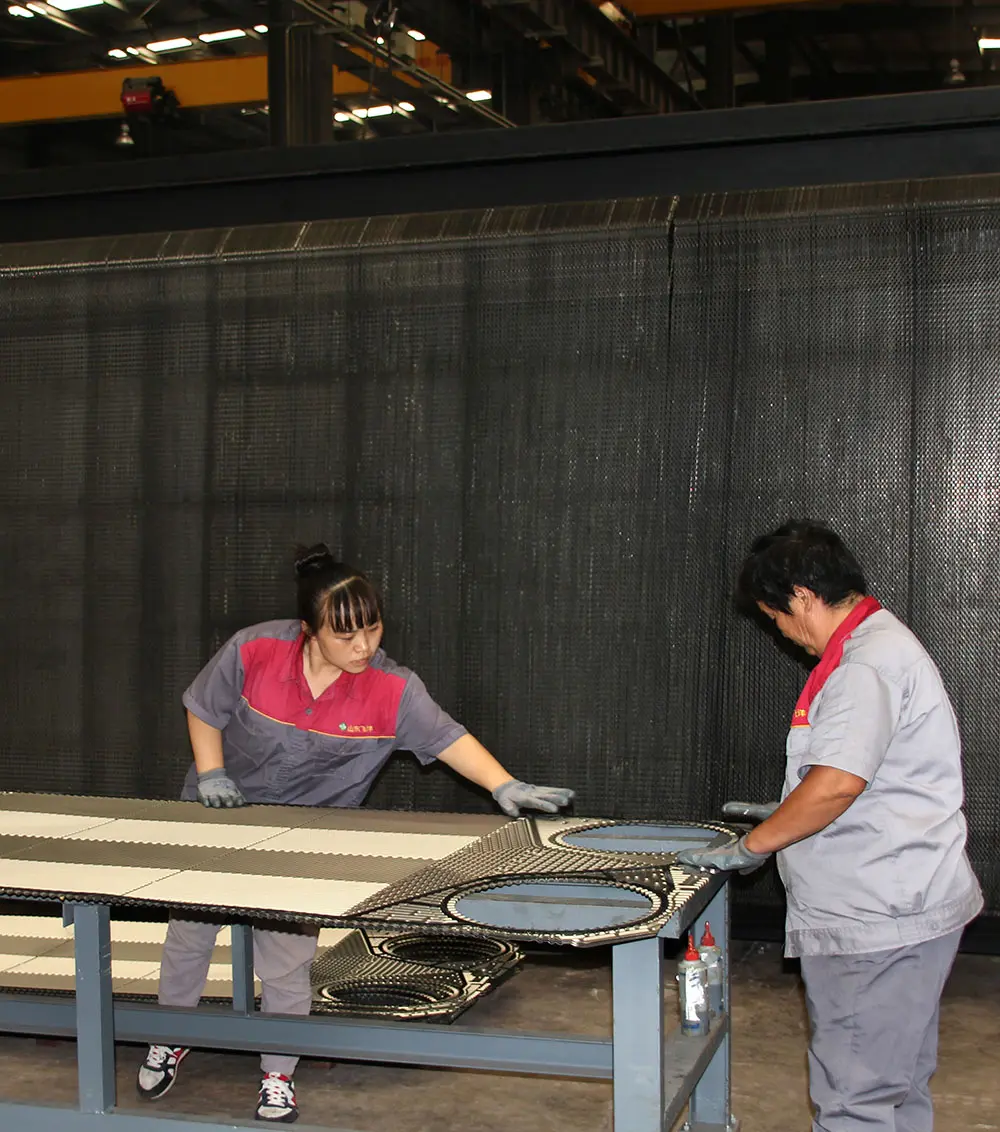
Premium grade gaskets are vulcanized and fitted into specific grooves. This ensures a tight, durable seal that withstands high temperatures and aggressive cleaning solvents.
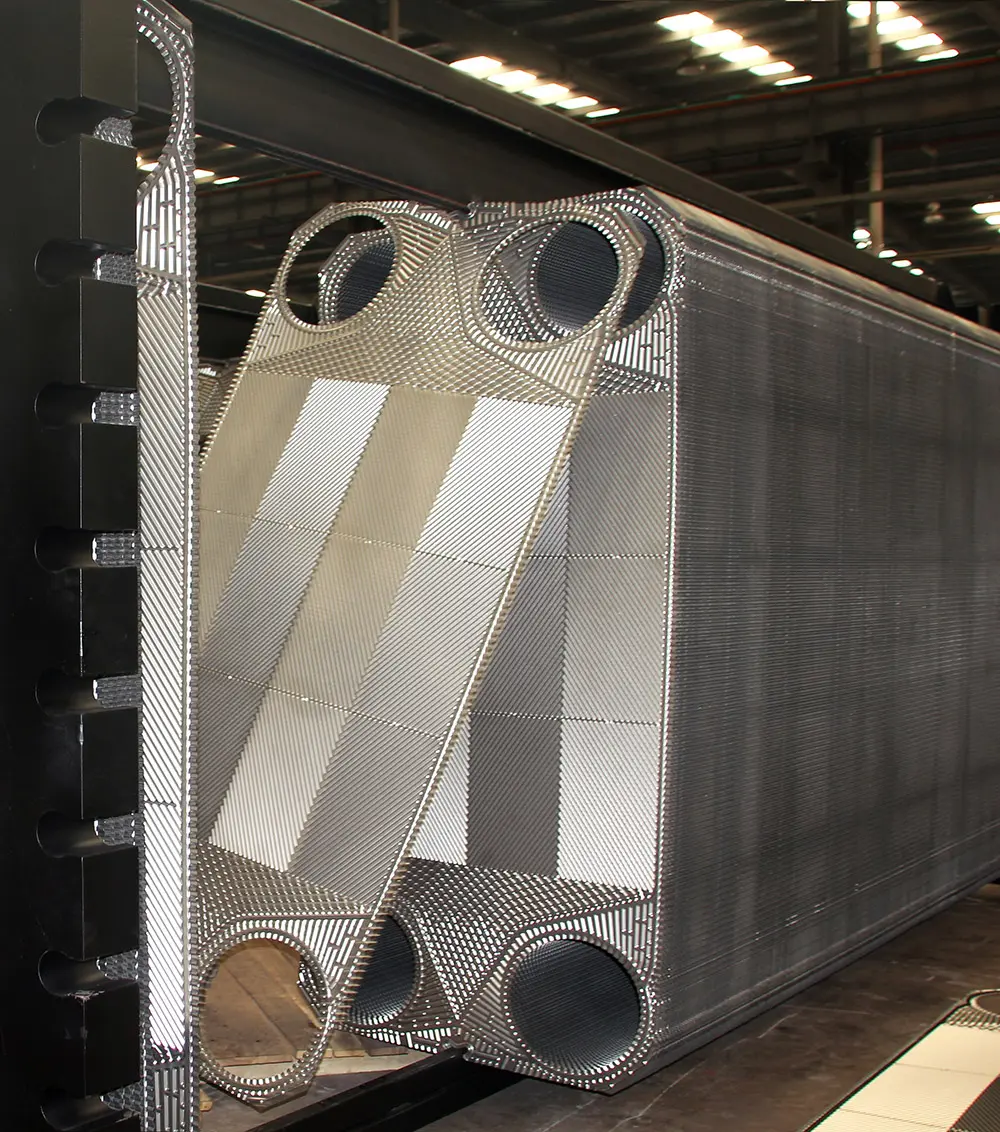
Our skilled, certified technicians bundle heat exchange plates, tie bolts, and structural steel frames into highly modular, compact thermal packages.
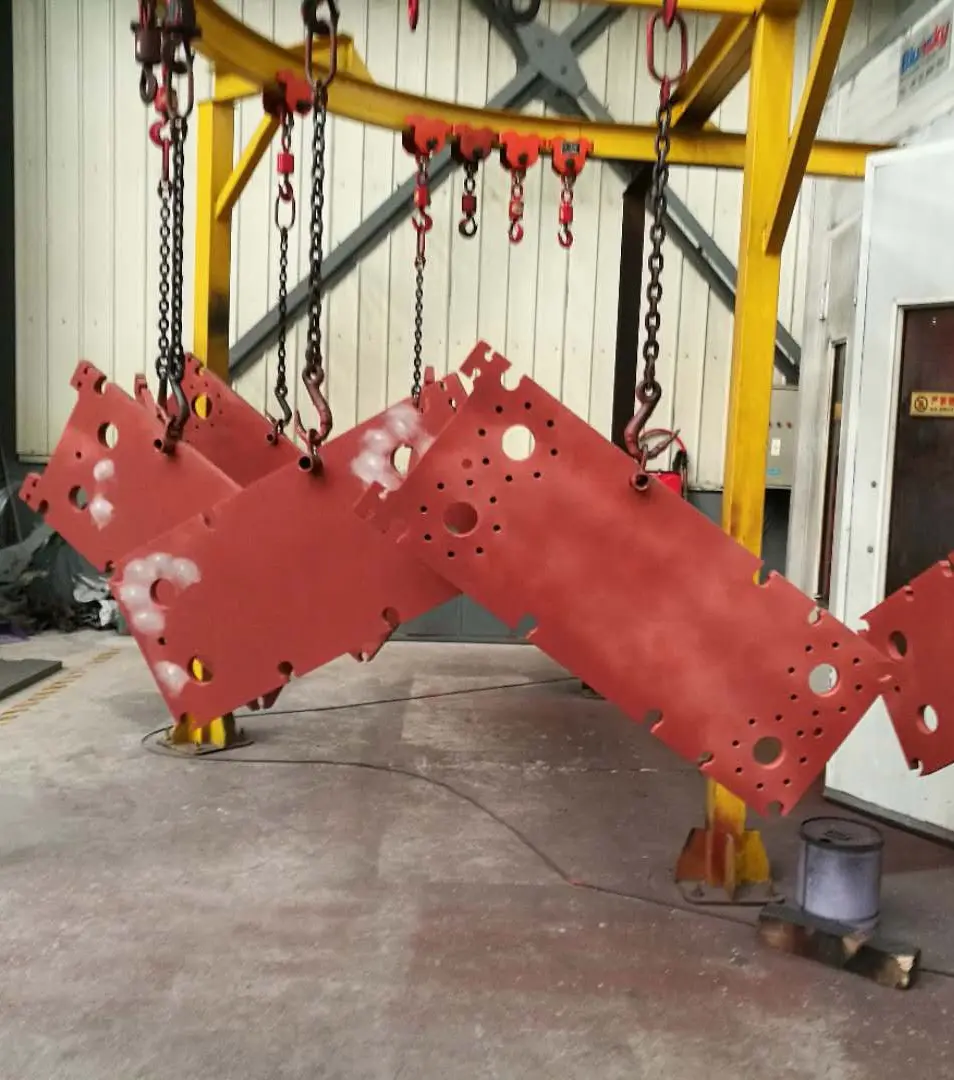
Frames and structural elements receive thick, multi-layer industrial coatings. This prevents rust, ensuring a long operational lifespan in humid plant rooms or outdoor enclosures.
Engineered thermal systems built to maximize energy savings across diverse, demanding operating environments.
For municipal utilities, Flotte design teams deliver large-scale plate heat exchangers optimized for pressure regulating stations. By managing high-pressure municipal primary pipe networks and transferring heat safely to secondary residential circuits, we achieve reliable municipal supply temperature control with minimal heat losses.
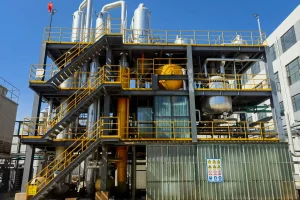
Engineered for food processing, waste concentration, and chemical engineering, our multi-effect evaporation and membrane concentration systems recycle thermal energy across cascading pressure vessels. By harvesting flashing vapor from previous effects to boil fluid in succeeding effects, steam consumption is slashed by up to 60% compared to single-effect units.
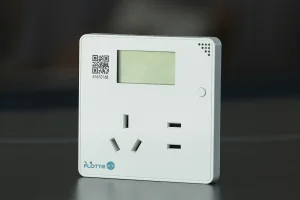
Secondary pipe networks often suffer from hydraulic imbalance, resulting in uneven heating between near-end and far-end buildings. Integrating our Intelligent Unit Balance Valves and Room Temperature Collectors enables real-time dynamic flow balancing, preventing excessive fluid circulation, saving pumping power, and reducing total energy waste.
Our operations and products strictly comply with globally recognized quality frameworks to support global B2B procurement needs.
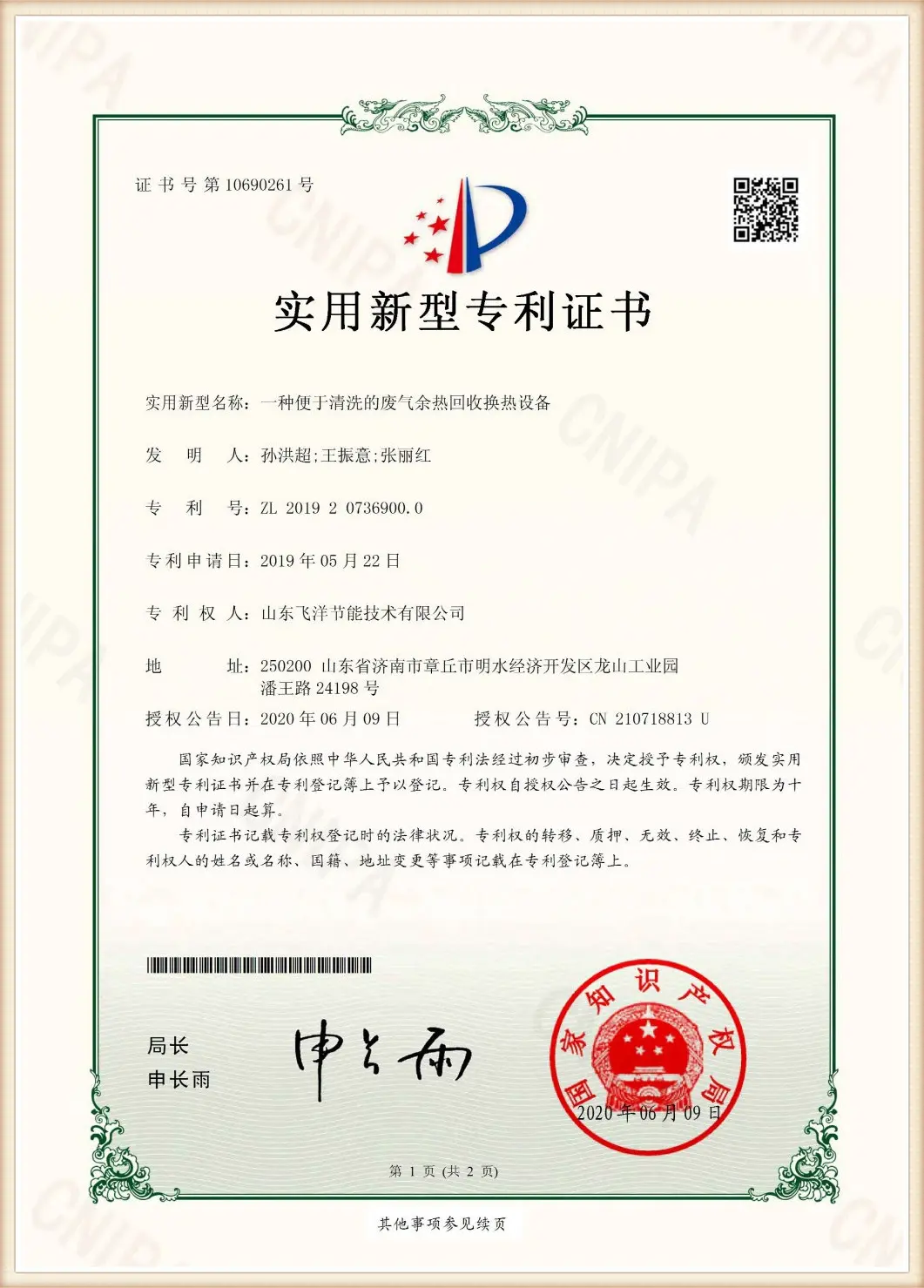
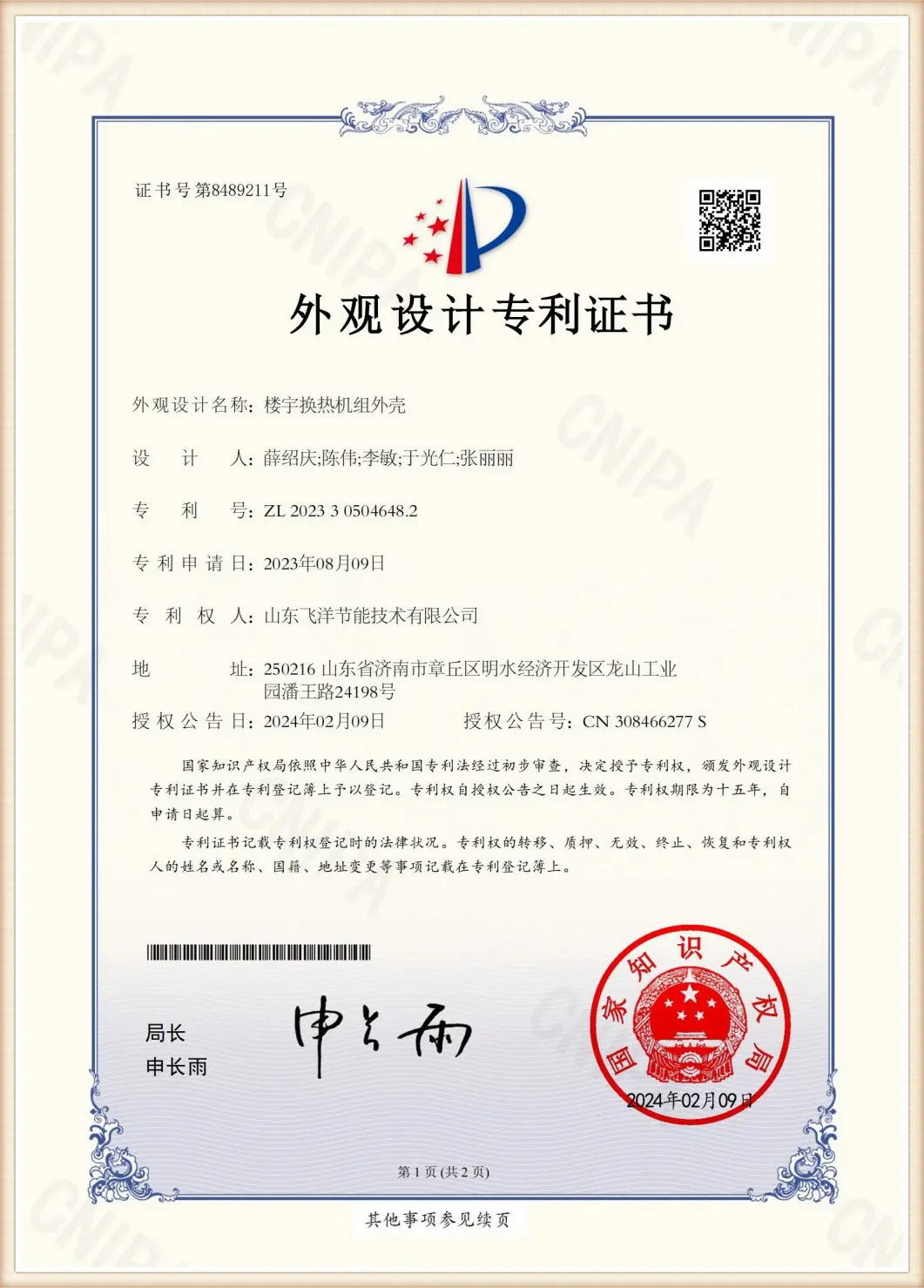
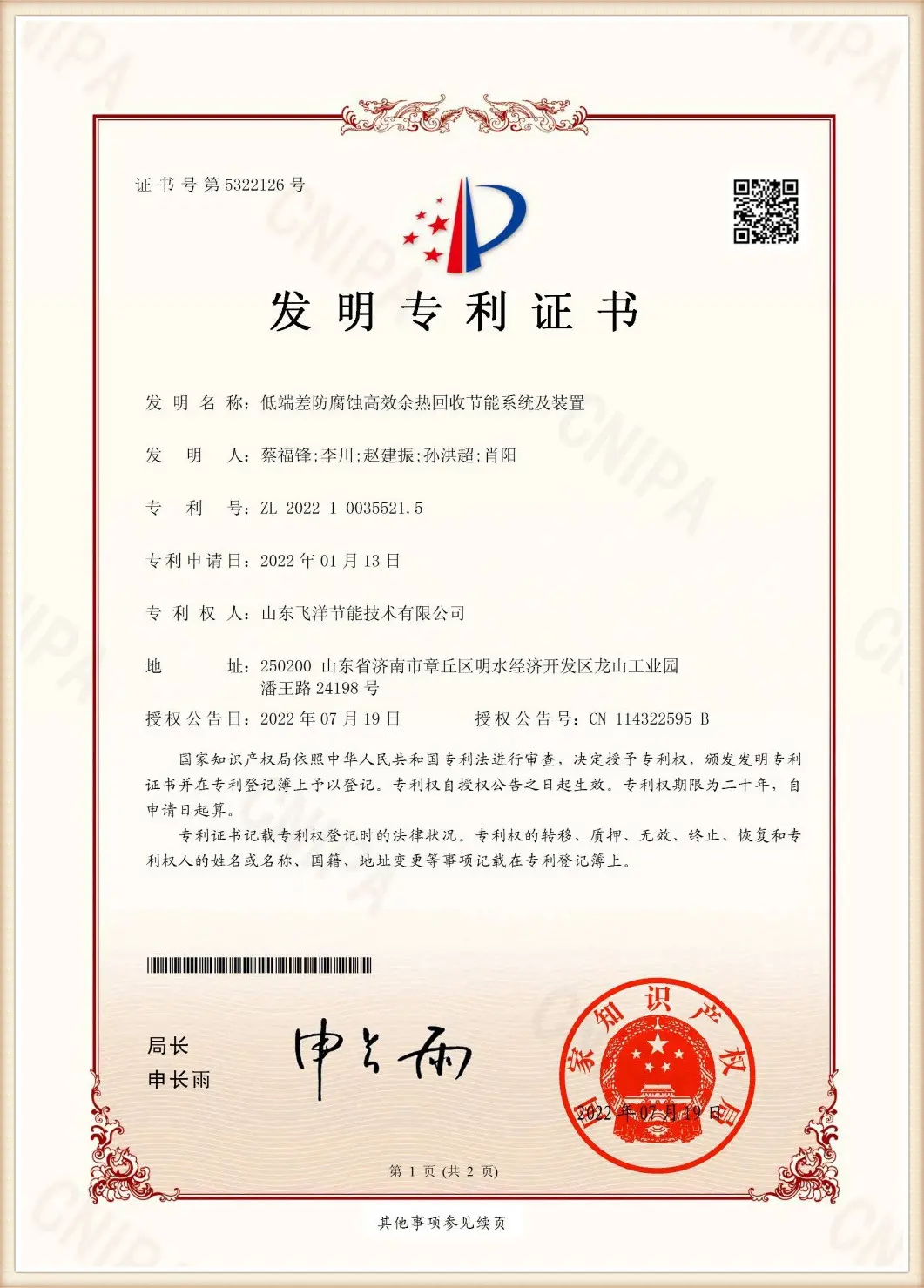
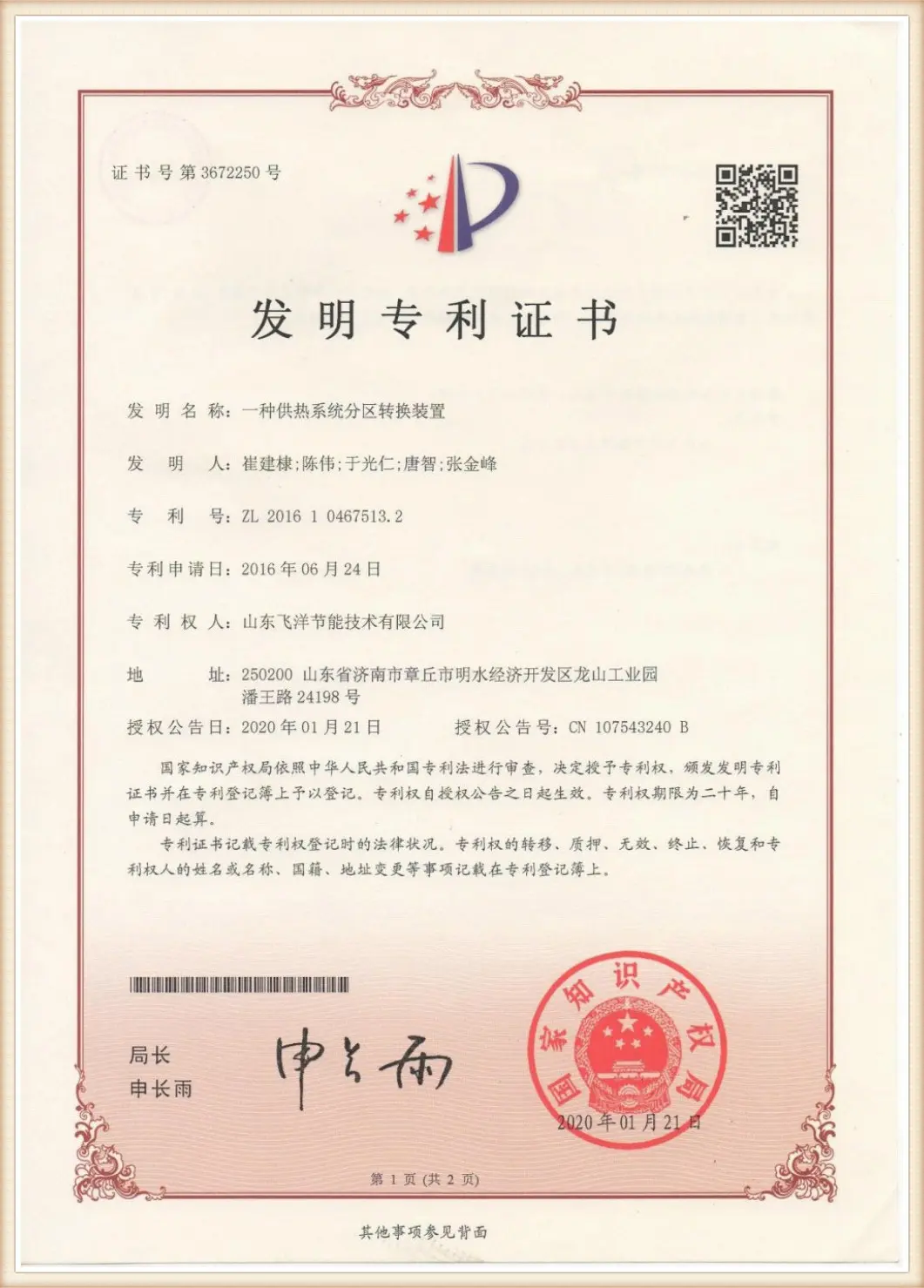
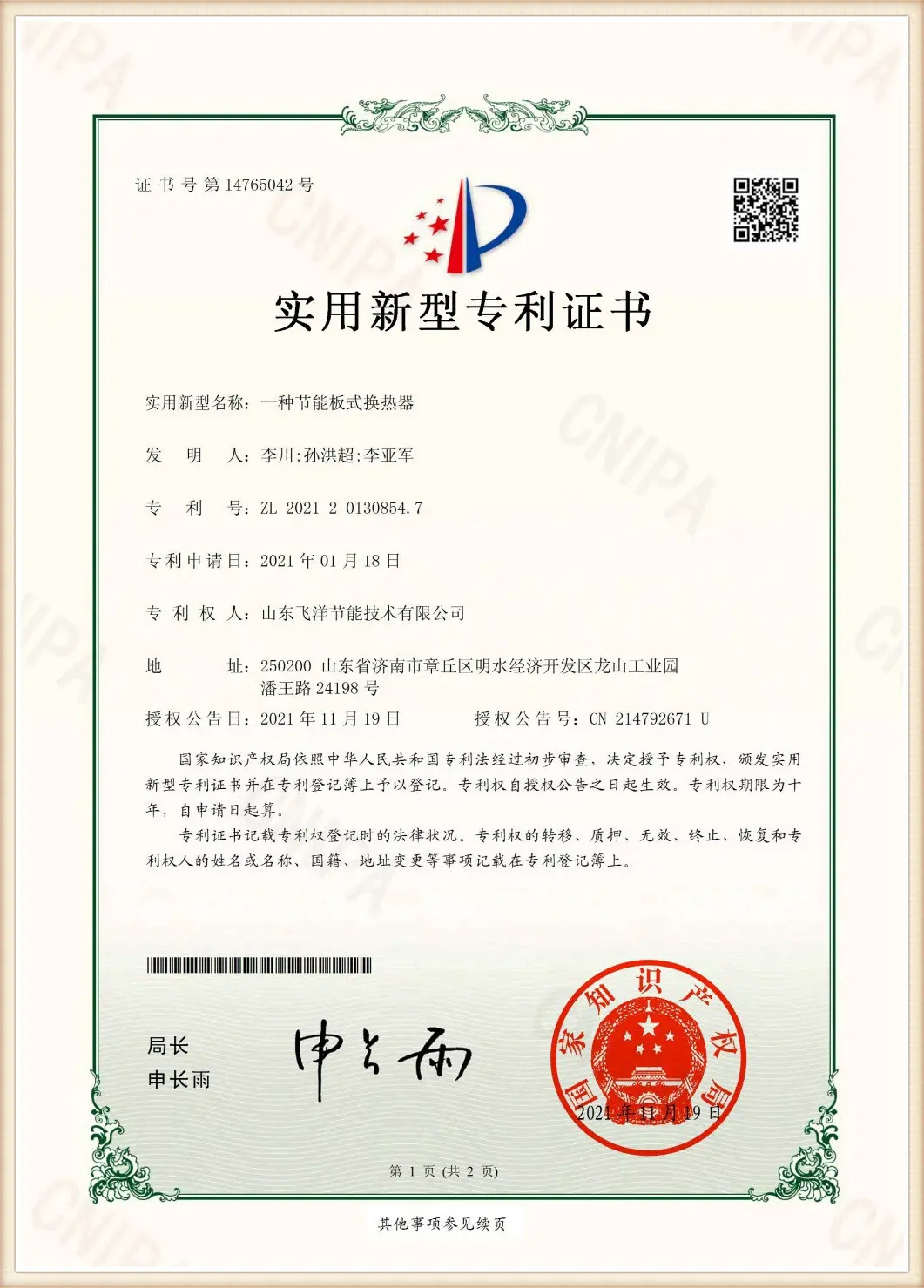
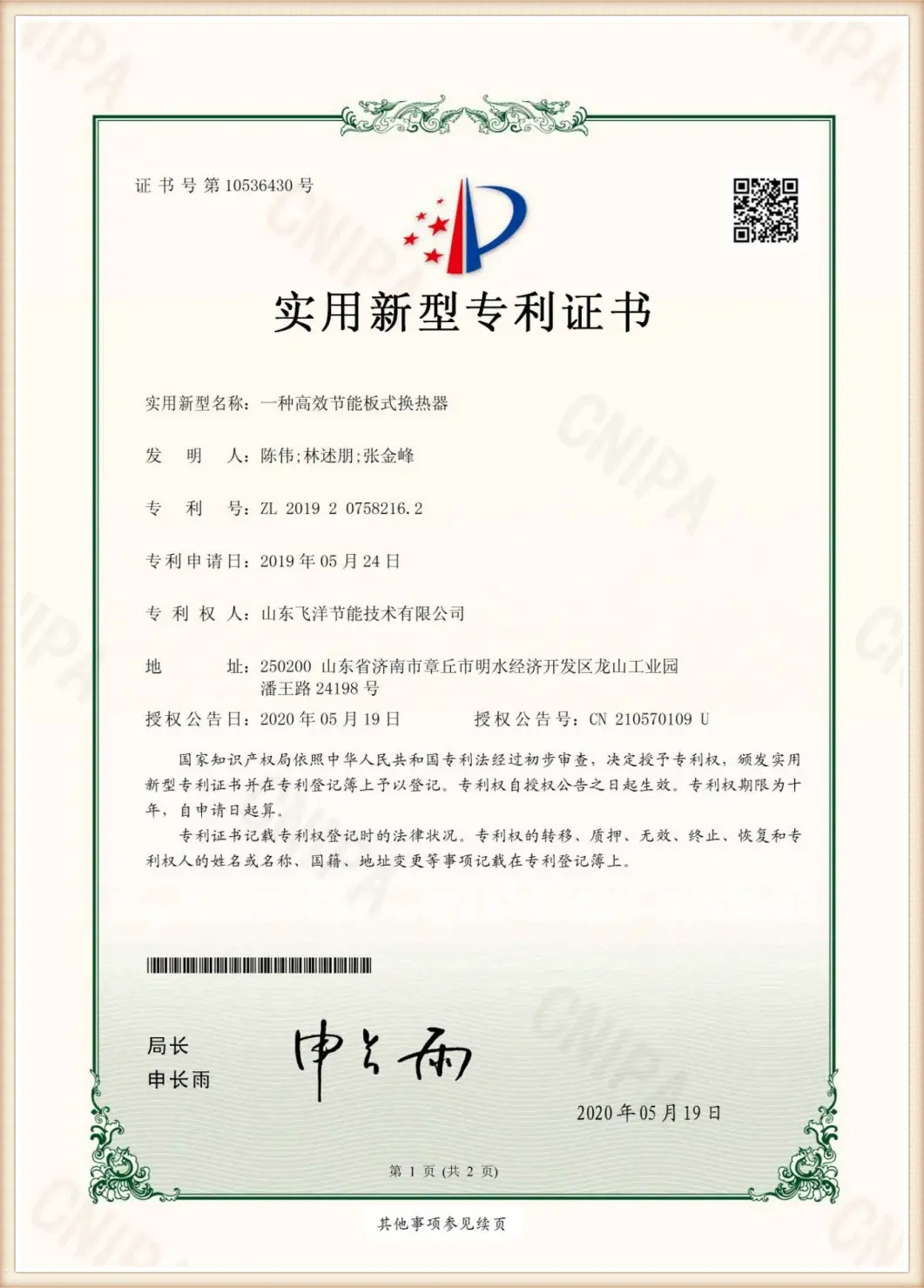
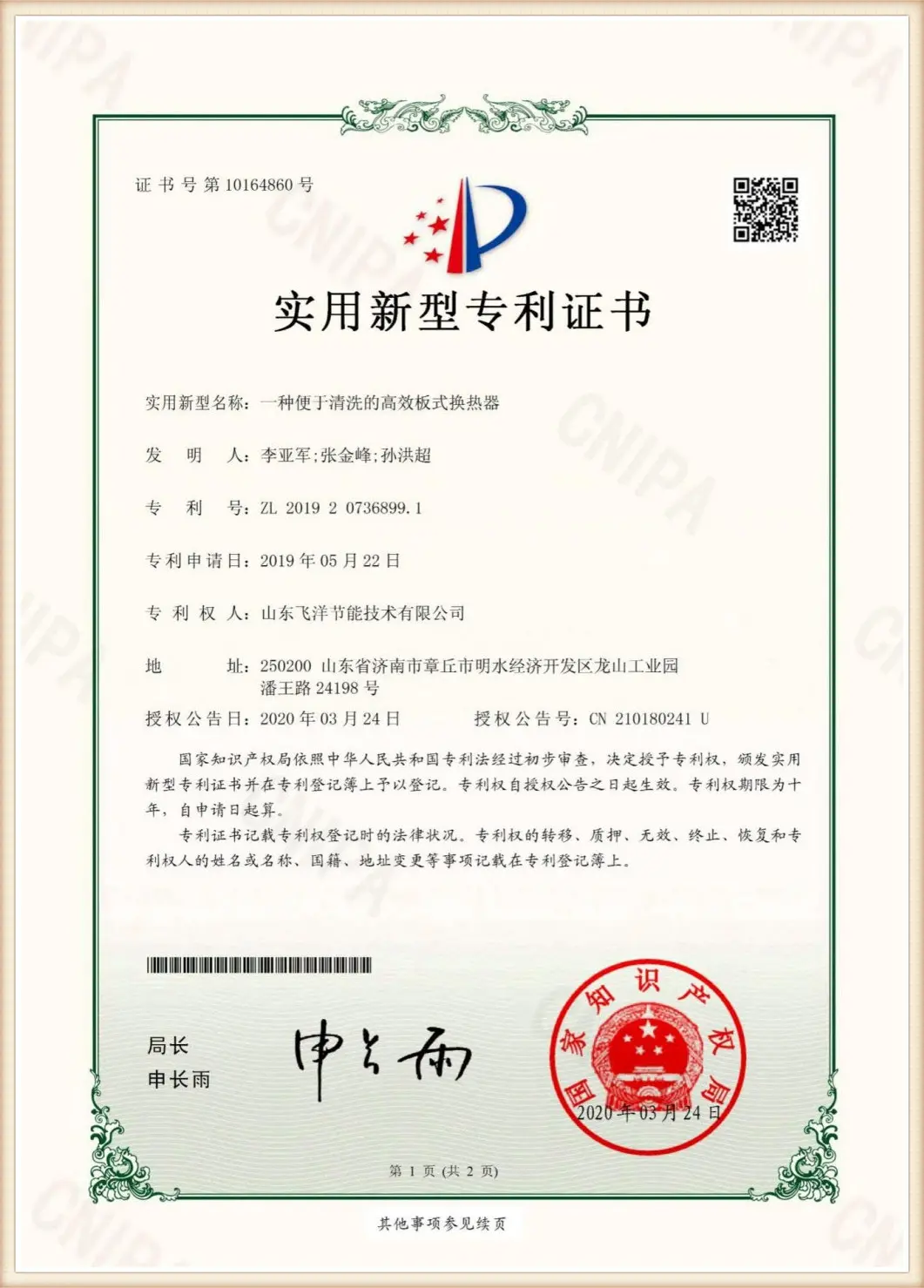
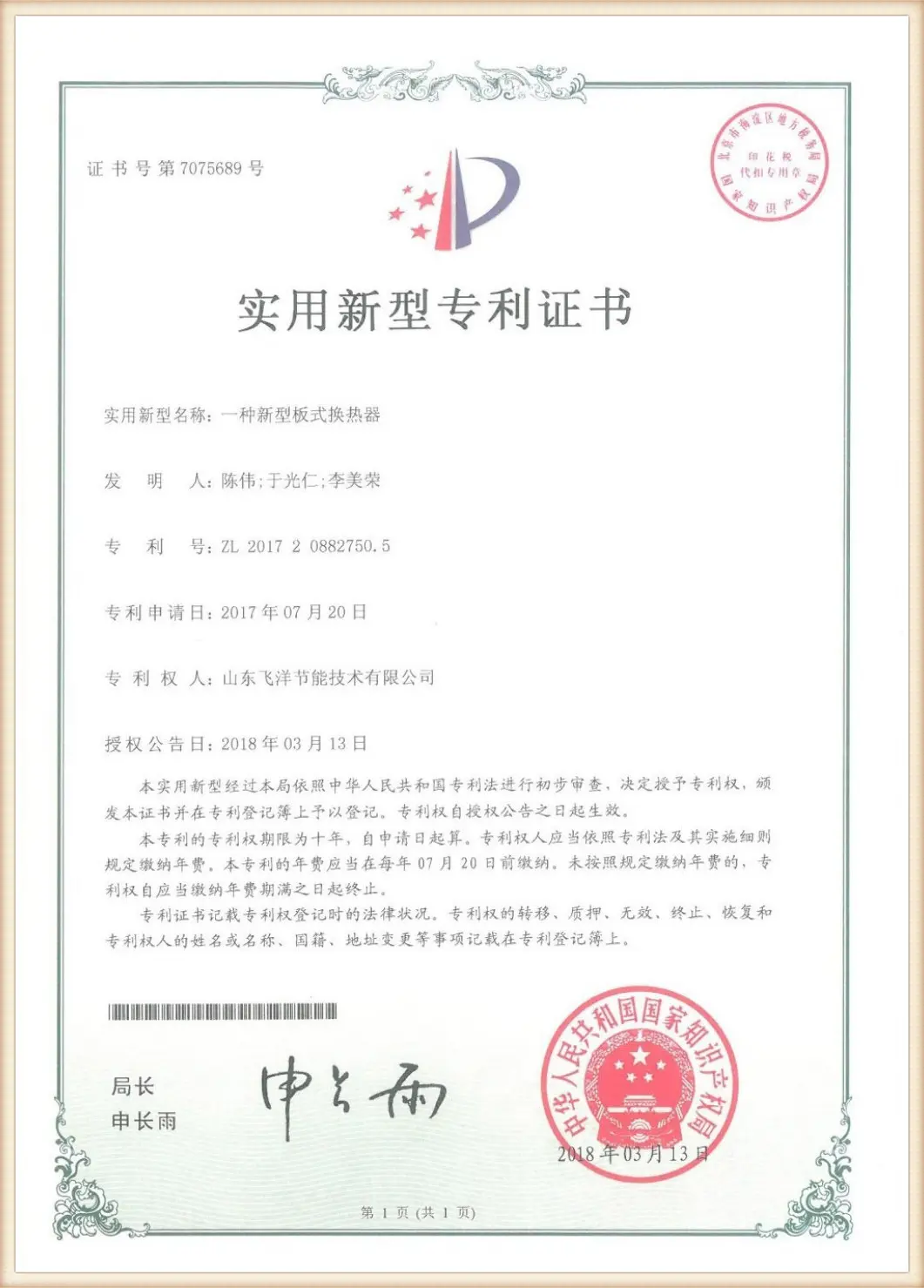
Flotte maintains certified conformance to the ISO 9001:2015 Quality Management System, ISO 14001:2015 Environmental Management System, and ISO 45001:2018 Occupational Health and Safety Framework. Furthermore, our plate heat exchangers carry specialized safety registrations granted by the National Standardization Committee and National Boiler and Pressure Vessel Standardization Technical Committee.
Our commitment to research and development ensures Flotte products continue to drive next-generation smart energy networks.
Technical clarifications on performance parameters, selection procedures, and installation logistics.
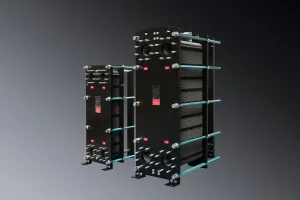
Flotte employs patented corrugated plate configurations designed to induce high turbulence even at low fluid velocities. This design yields overall heat transfer coefficients (U-values) that are 2-3 times higher than standard shell-and-tube models, ensuring minimal temperature approaches and maximizing thermal efficiency.
We supply high-performance elastomer gaskets including EPDM (for steam, water, and mild chemical solutions up to 150°C), NBR (for petroleum-based oils and fatty fluids), and Viton/FKM (for aggressive chemicals at high temperatures). Our design engineers verify gasket chemistry compatibility during the simulation phase.
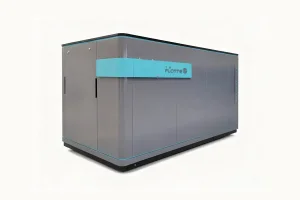
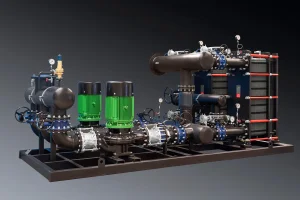
Yes. Our engineering division specializes in manufacturing complete, skid-mounted Heat Exchanger Units (HEUs). These systems integrate the plate heat exchangers, circulating pumps, intelligent balance valves, expansion tanks, and PLCs into a unified, compact structural frame, fully wired and programmed for plug-and-play installation.
All heavy industrial items, evaporators, and skid systems are treated with anti-corrosion spray-painting and wrapped in heavy industrial vapor-barrier foils. They are then secured inside reinforced wooden crates built for seaworthy export, ensuring complete protection against maritime corrosion and mechanical impacts during transport.
Our multi-effect evaporation design utilizes cascading pressure drops to reuse vapor. Boiling fluid under reduced pressures allows secondary steam generated from the first effect to serve as the heating medium for the second, multiplying thermal utility and significantly lowering energy inputs.
Lead times vary between 4 to 8 weeks depending on configuration complexity and order volume. Backed by our massive 70,000 m² factory capacity and a dedicated workforce of over 260 employees, we optimize production pipelines to guarantee timely delivery schedules.
Discover our comprehensive collection of intelligent control valves, sensors, and heavy evaporation machinery.
 Flotte Energy