Explore Flotte's premium selection of industrial plate heat exchangers, smart control valves, and centralized heating components.
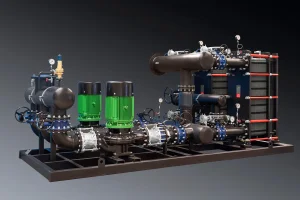
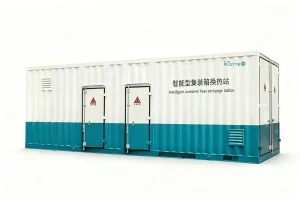

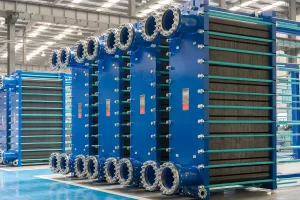
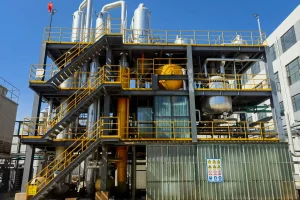
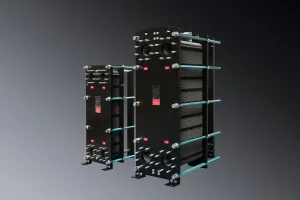
Established in 2013 with a registered capital of 101 million yuan, Flotte Energy Saving Company originated from the pioneering Flotte Thermal Engineering founded in 1995. With three decades of core technical expertise, we specialize in high-efficiency water equipment, HVAC systems, and water treatment technologies.
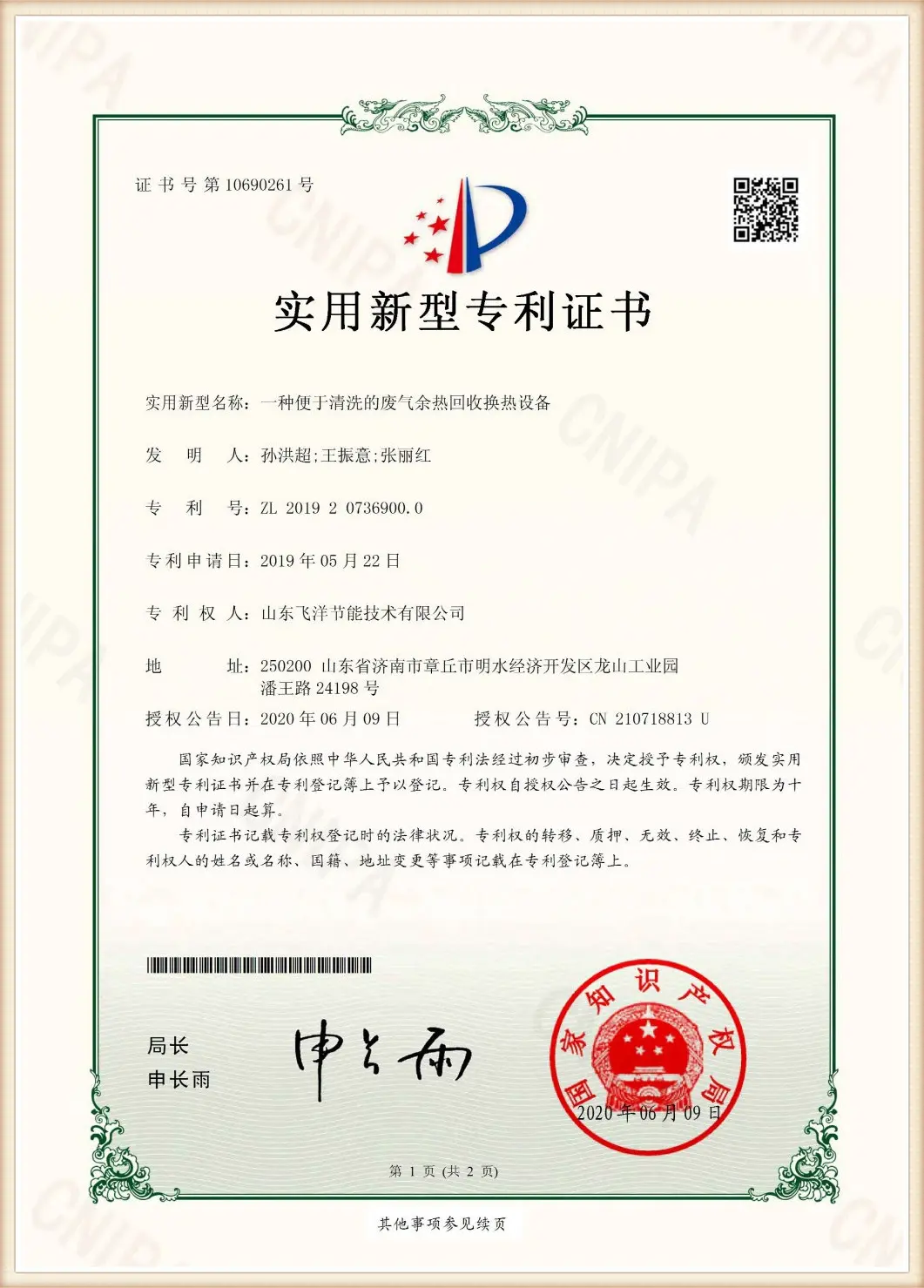
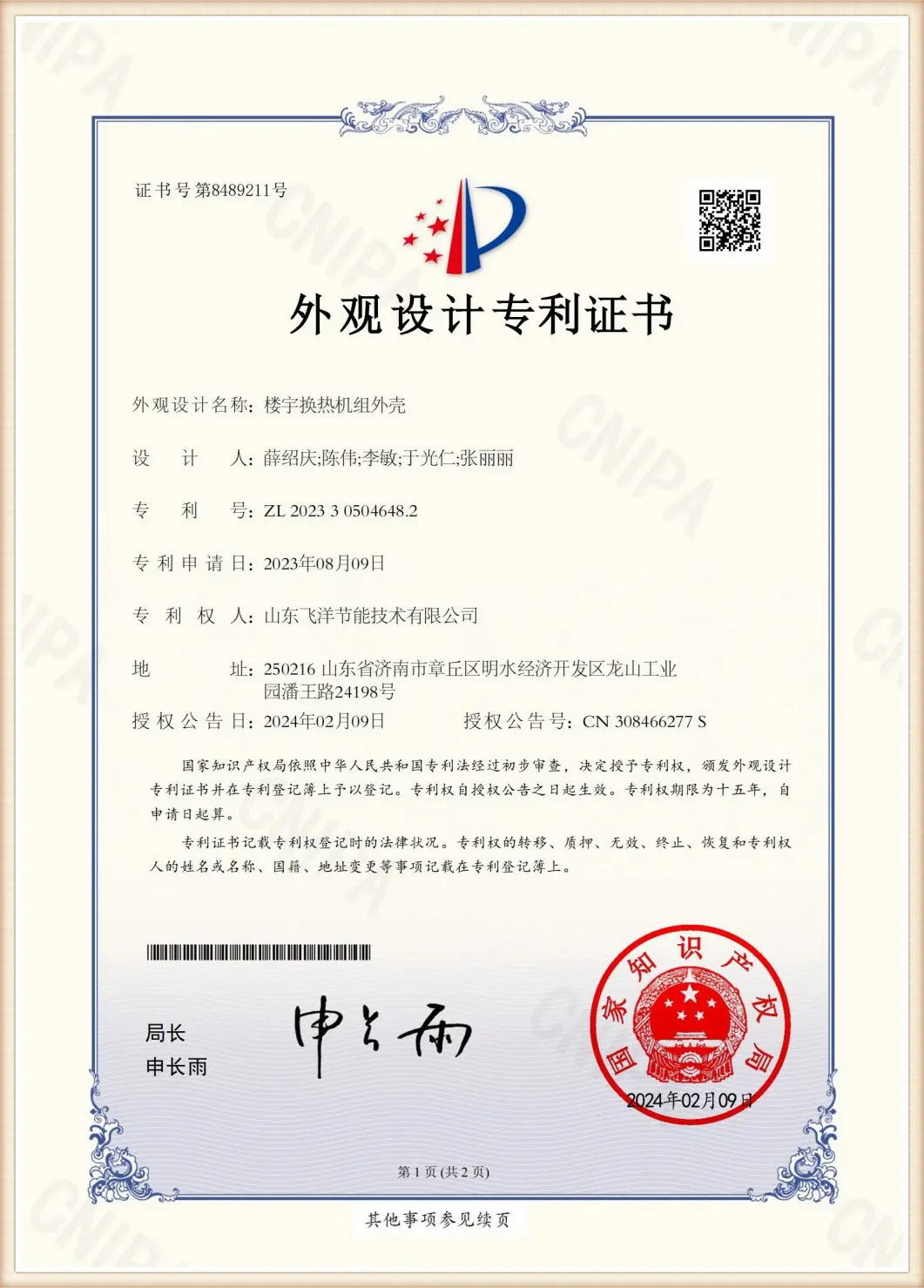
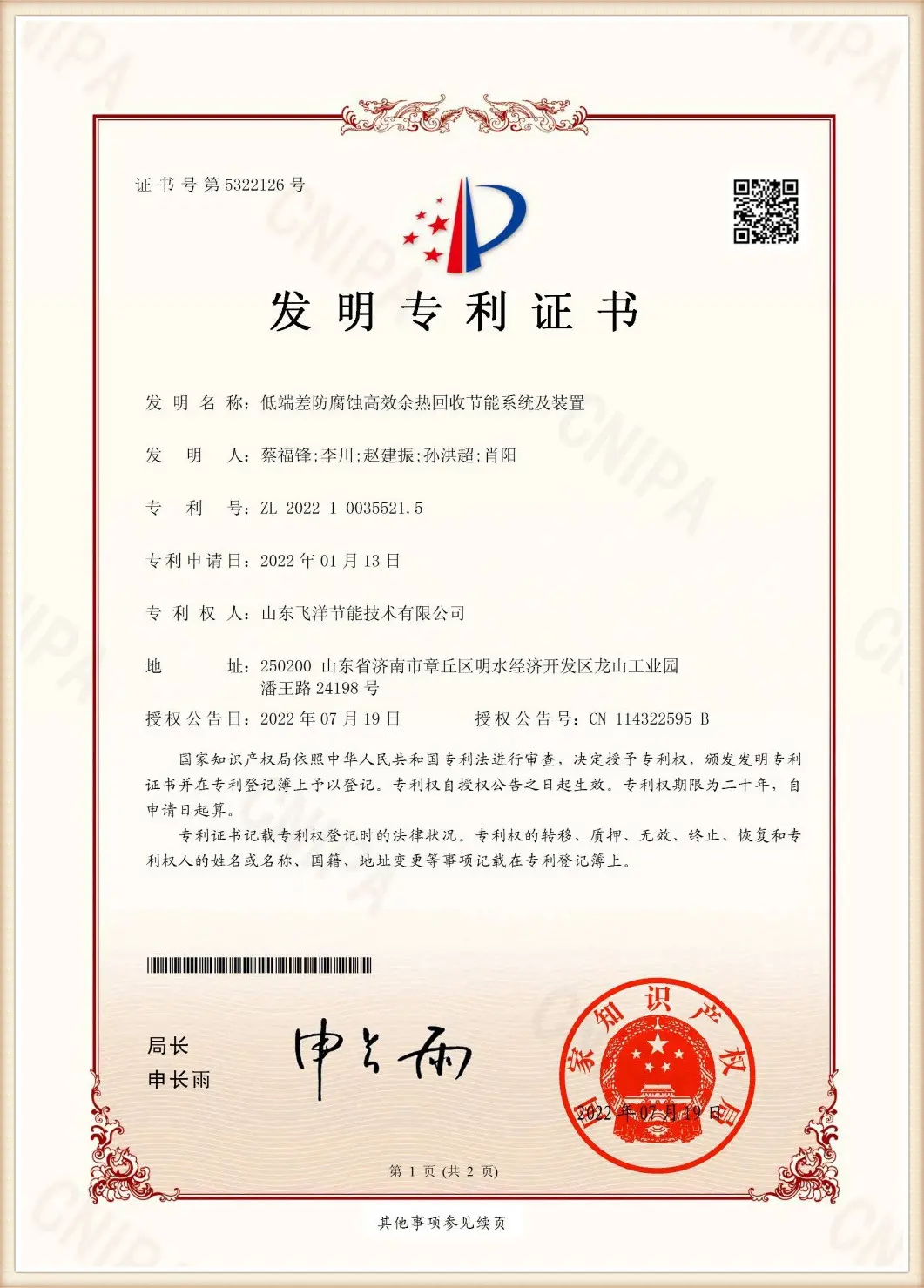
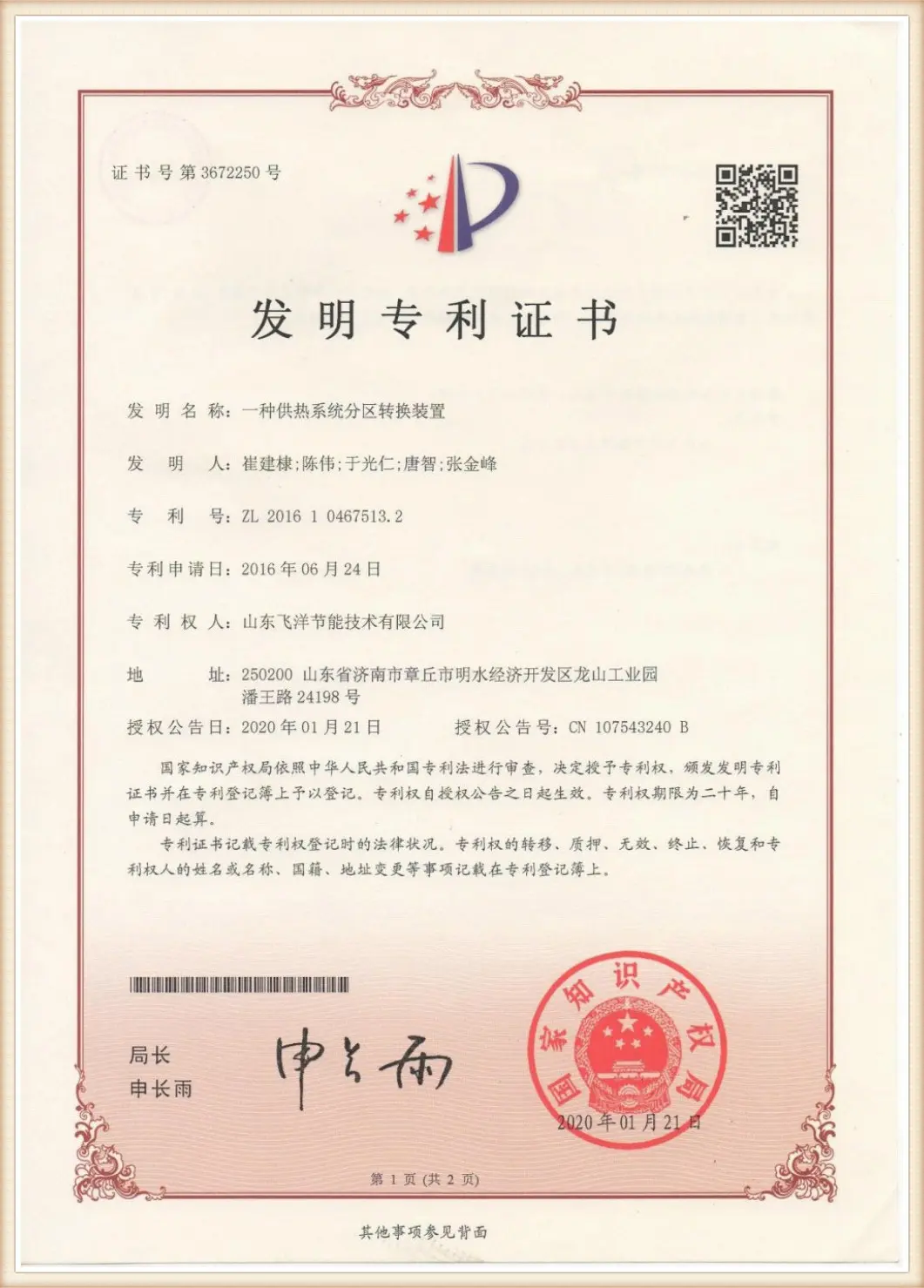
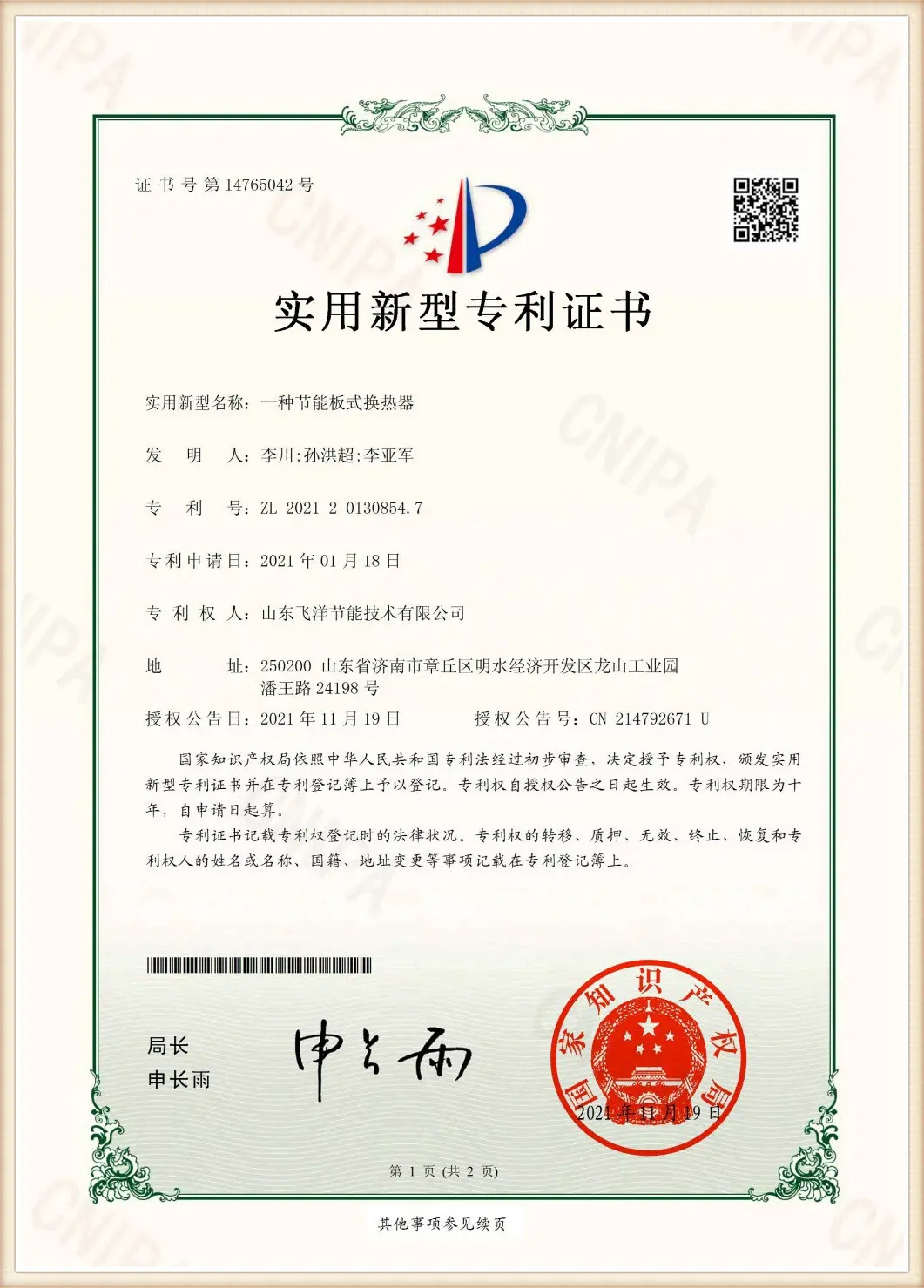
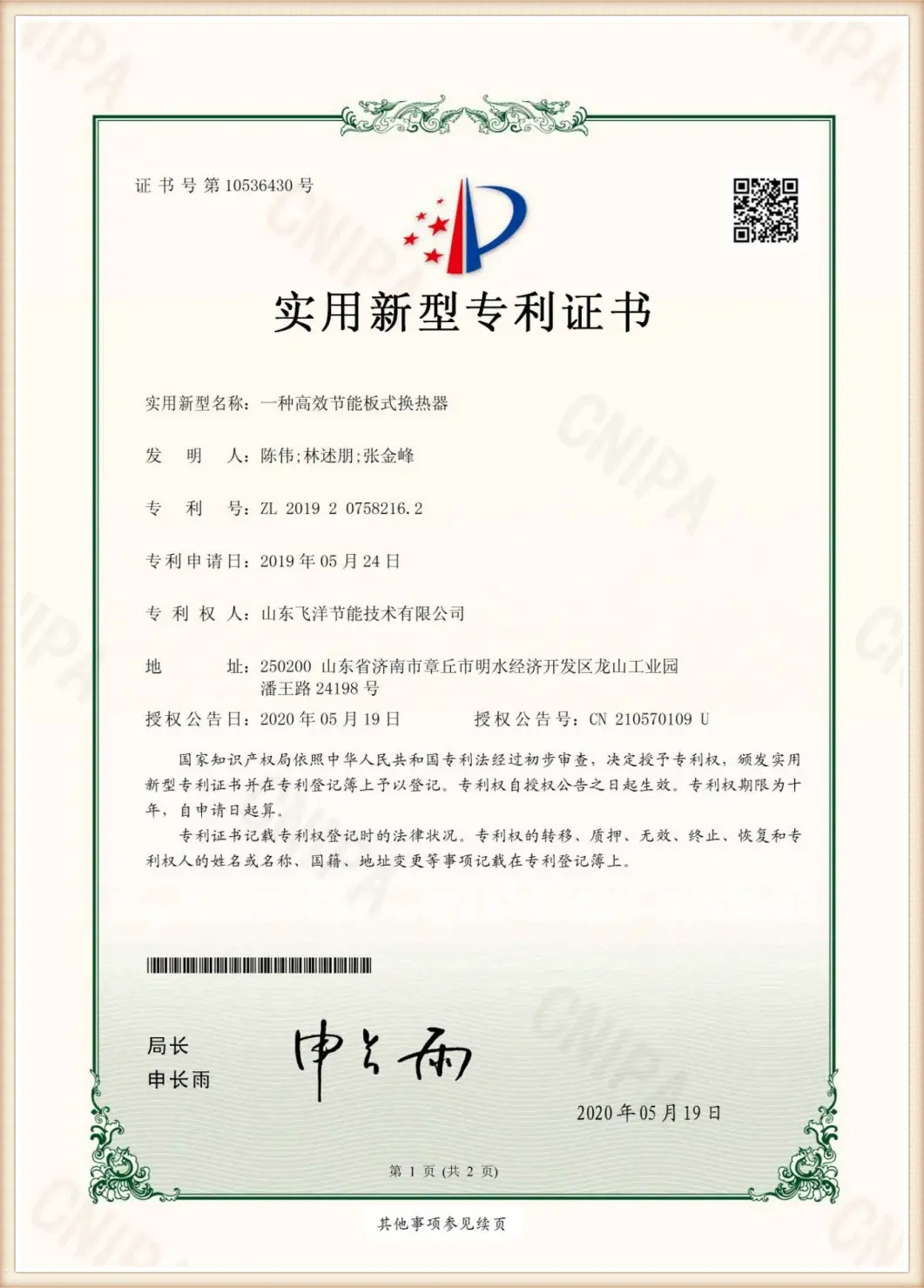
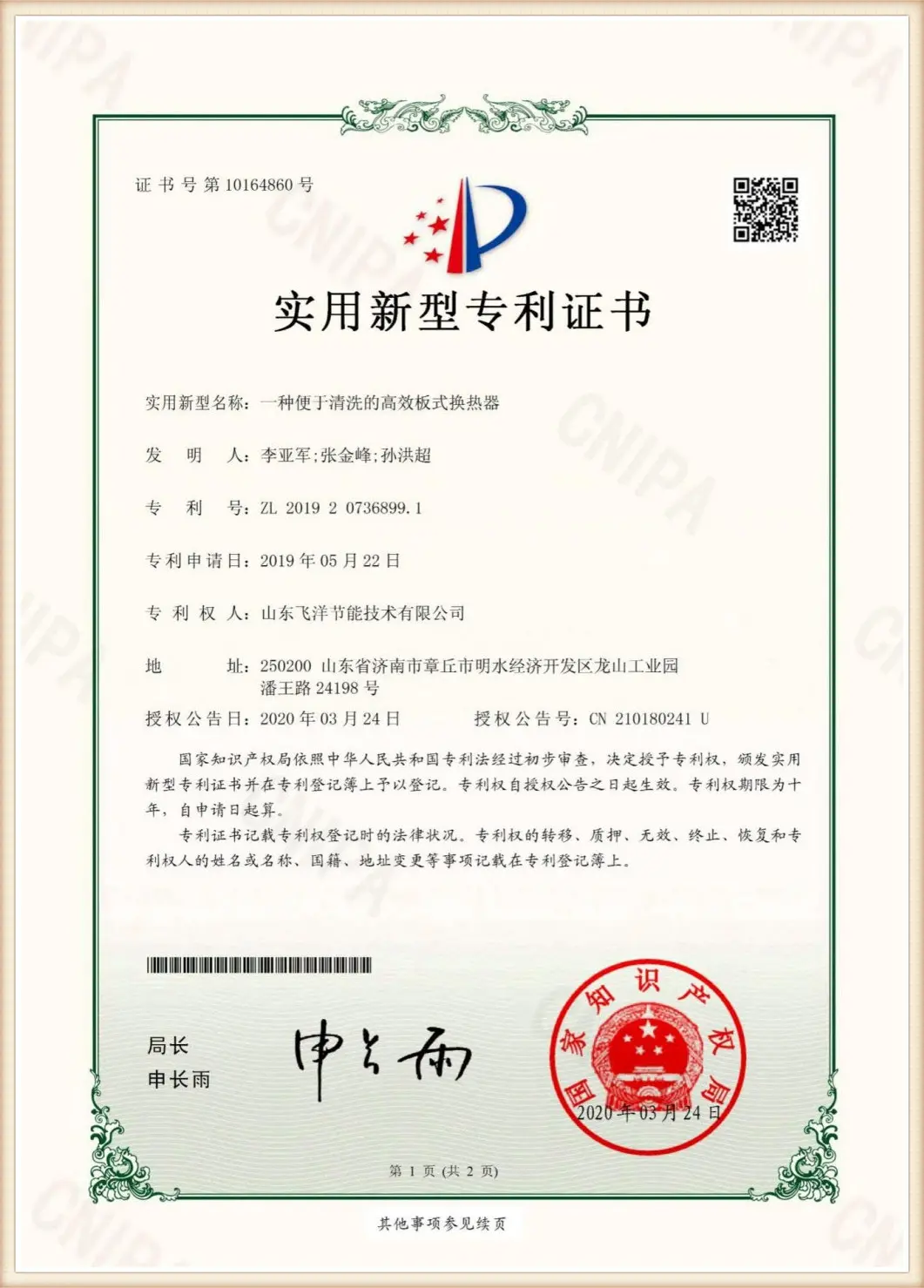
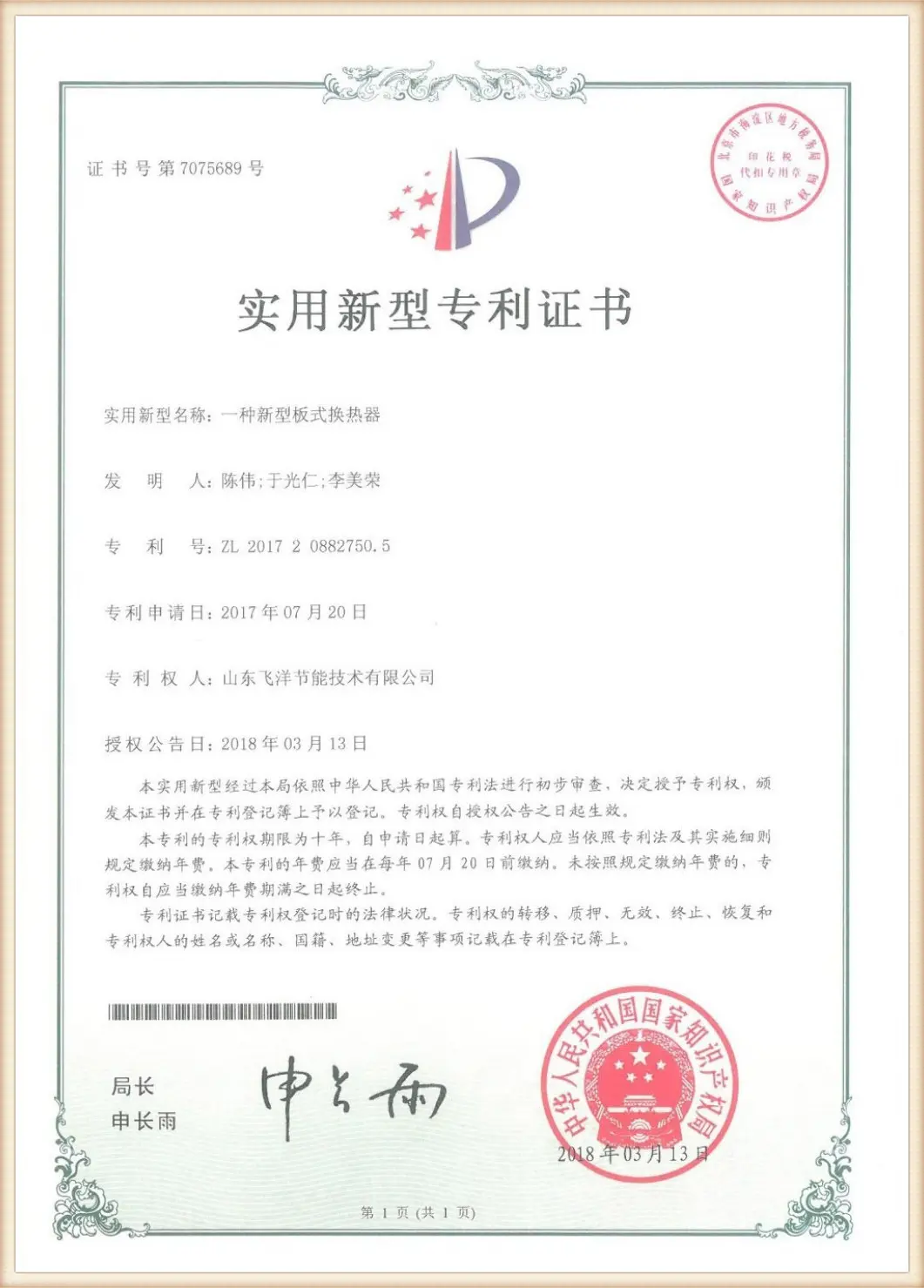
Our company continuously advances production technology innovation, holding a robust portfolio of certifications including patent certifications for "High-Efficiency Plate Heat Exchangers", "Intelligent Plate Heat Exchanger Systems", and "Plate Heat Exchanger Scale Removal Devices". We deliver elite engineering solutions that optimize thermal transfer, minimize hydraulic resistance, and secure long-term operational viability.
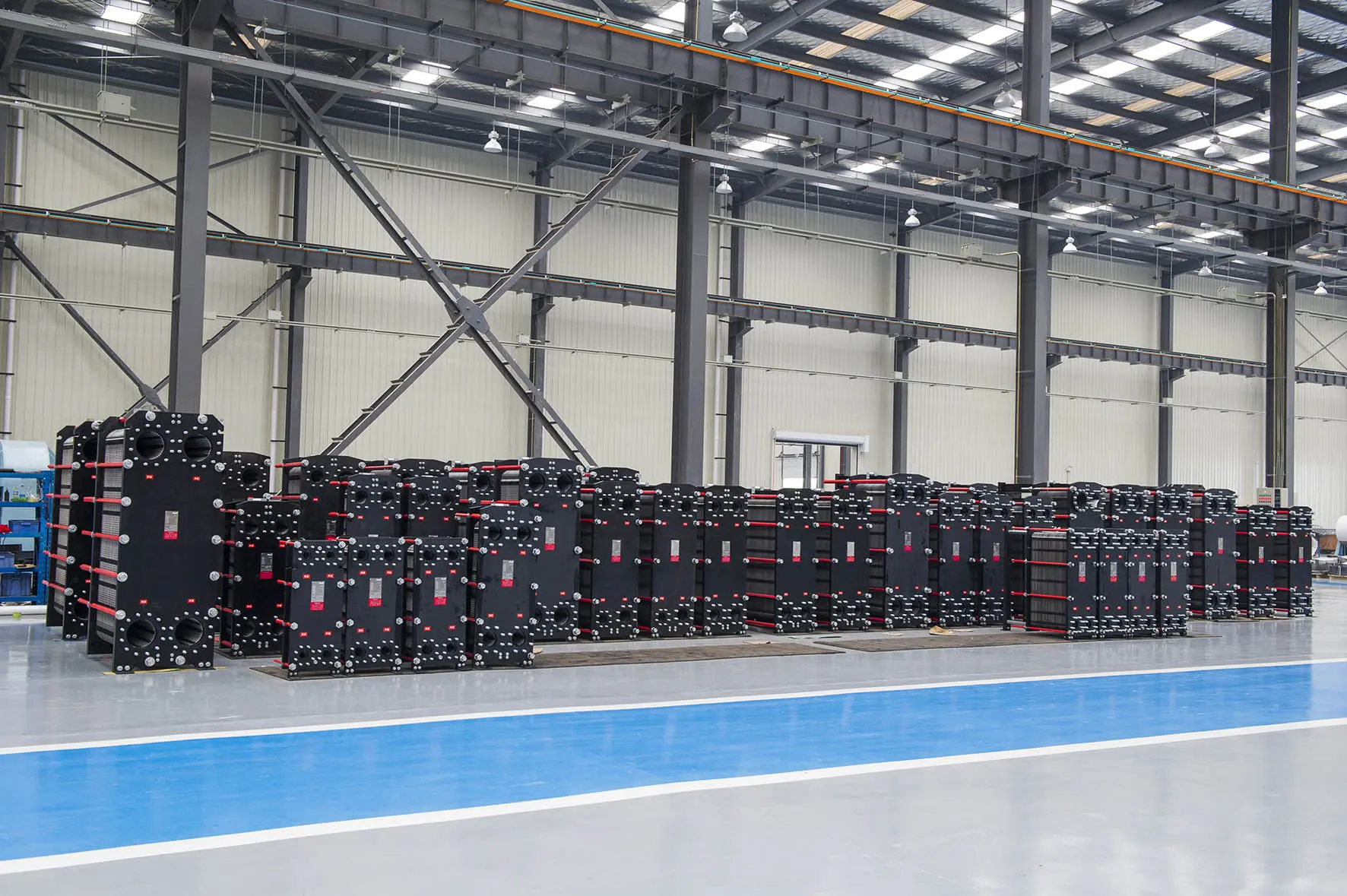
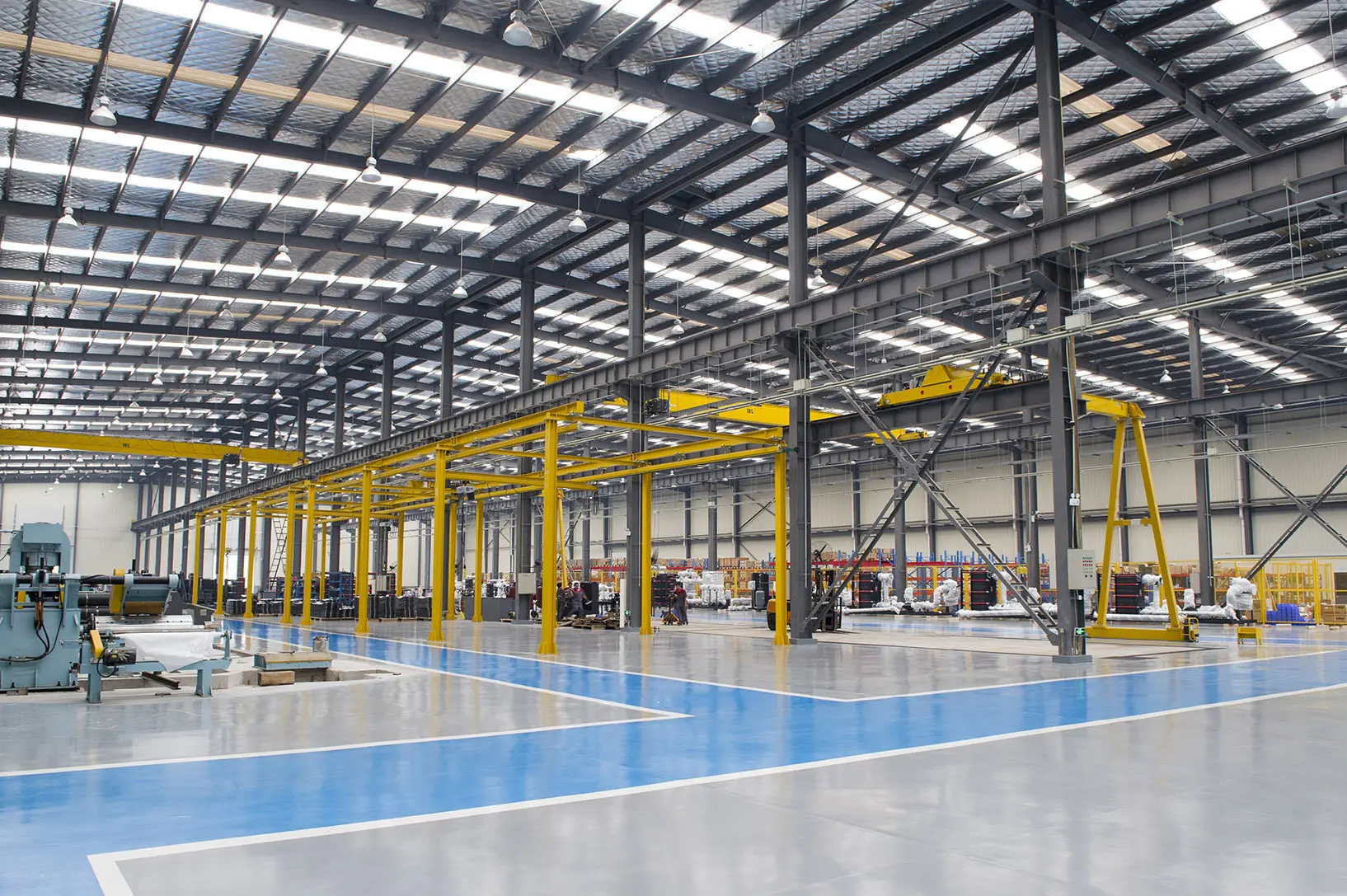
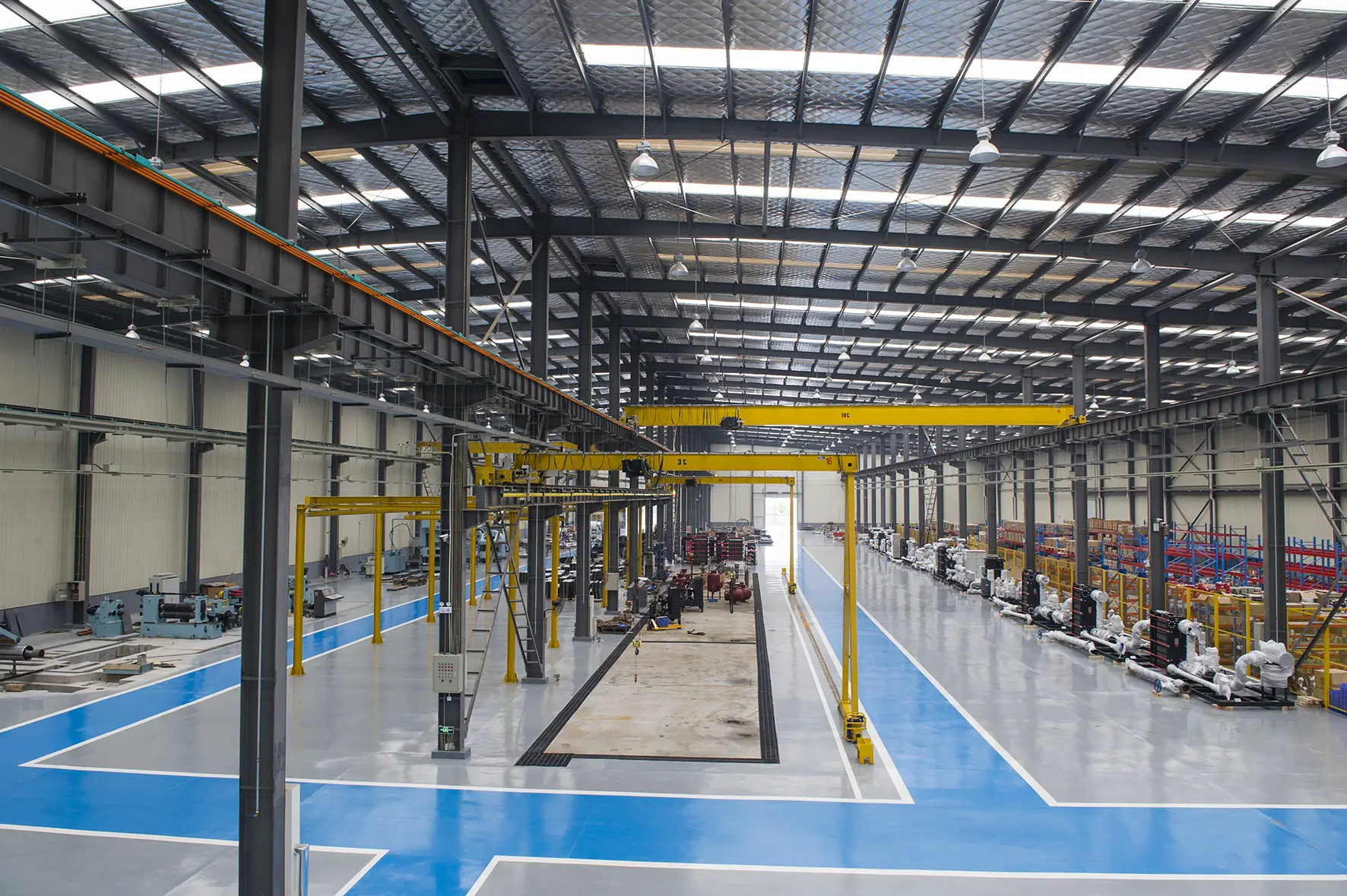
Our modern 70,000 m² facility utilizes state-of-the-art metal forming and quality inspection machinery to support global energy infrastructure.
In industrial thermal dynamics, the condenser plate stands as the core driver of phase-change and liquid-liquid heat transfer efficiency. Selecting the right manufacturer from China's industrial landscape requires a solid grasp of tool-and-die metallurgy, mechanical stress management, hydraulic distribution, and thermodynamic design.
Modern condenser plate designs depend on custom corrugation profiles. These profiles are meticulously pressed into stainless steel, titanium, or nickel alloys to generate turbulent flow even at low velocities. This turbulence disrupts the thermal boundary layer, boosting the heat transfer coefficient (U-value) by 2 to 3 times compared to standard shell-and-tube designs.
During condensation, vapor releases its latent heat of vaporization along the metallic interface. The plate's micro-pattern channels the condensate down the plate surface, maintaining a thin liquid film. This maximizes exposure of the heat exchange surface to active vapor. The chevron angle (corrugation pattern angle relative to fluid flow) determines both thermal performance and pressure drop. High-theta designs yield high heat transfer coefficients but generate larger pressure drops; low-theta plates minimize pressure resistance, making them ideal for high-volume vacuum condensation processes.
Achieving uniform material thickness across a large plate requires heavy industrial presses and precision stamping dies. The top Chinese manufacturing facilities utilize hydraulic stamping presses ranging from 10,000 to over 20,000 tons. This high-pressure environment prevents microscopic thinning, micro-cracks, and internal stresses that could lead to premature failure under high-pressure conditions.
For global engineering, procurement, and construction (EPC) firms, purchasing directly from a specialized factory in China provides significant cost advantages while maintaining rigorous quality standards. The integration of material sourcing, tool-and-die design, testing protocols, and assembly processes under one roof ensures short lead times and consistent product quality.
Leading manufacturers provide complete technical documentation, including thermal design calculations from specialized software, mechanical drawings, gasket material certifications, and hydrostatic test records. This end-to-end transparency helps engineers seamlessly integrate custom plates into complex district heating, chemical, and maritime cooling systems.
Inside Flotte's ISO 9001:2015 certified production line, where advanced tooling guarantees long-lasting heat exchange solutions.
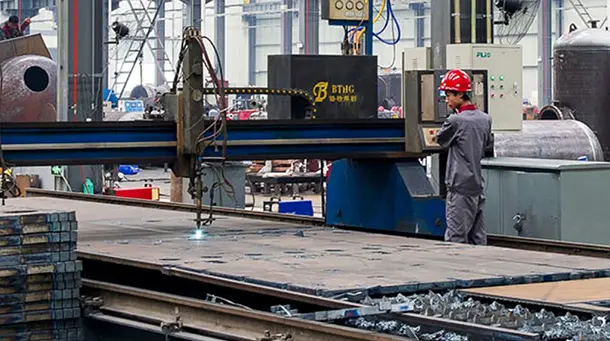
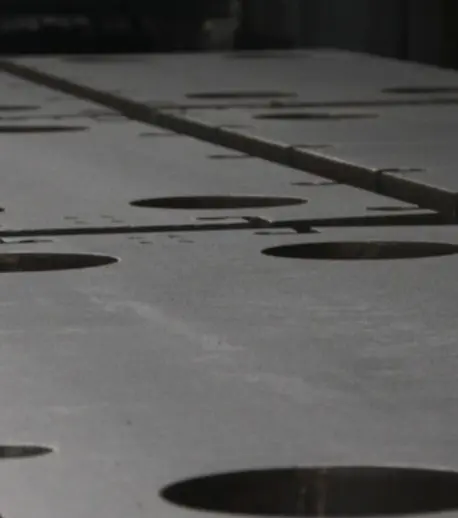
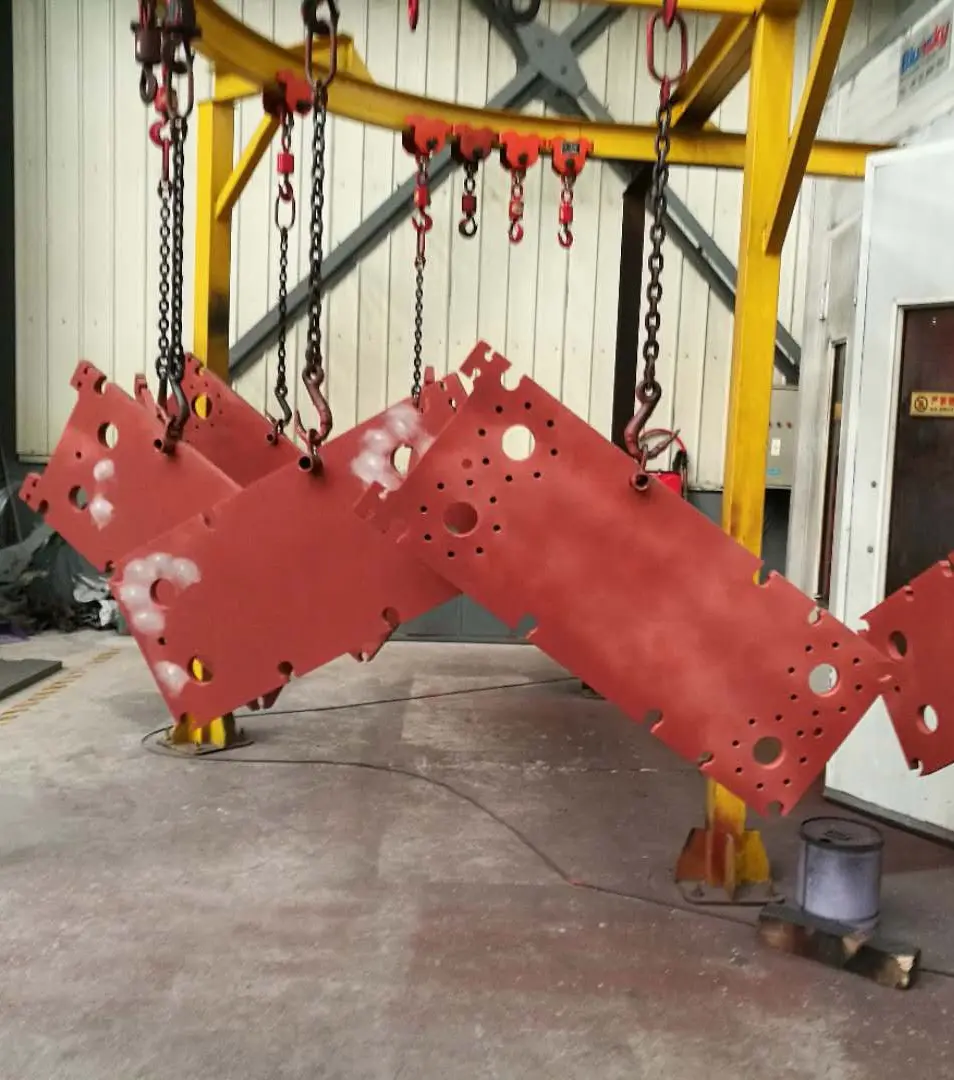
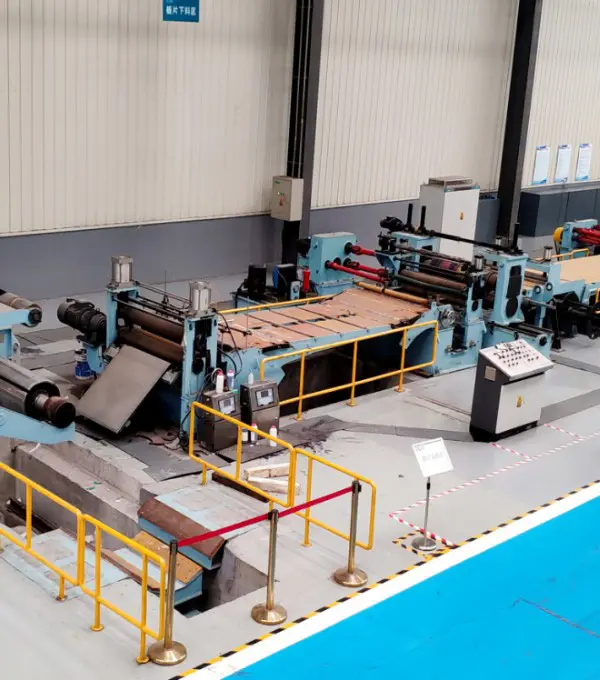
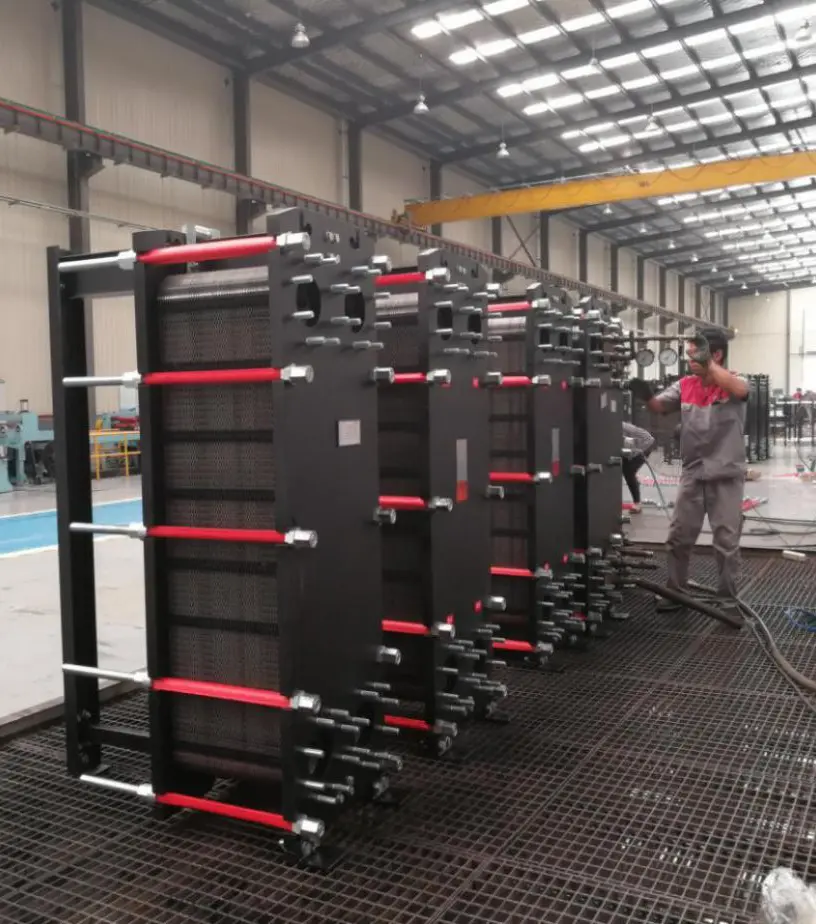
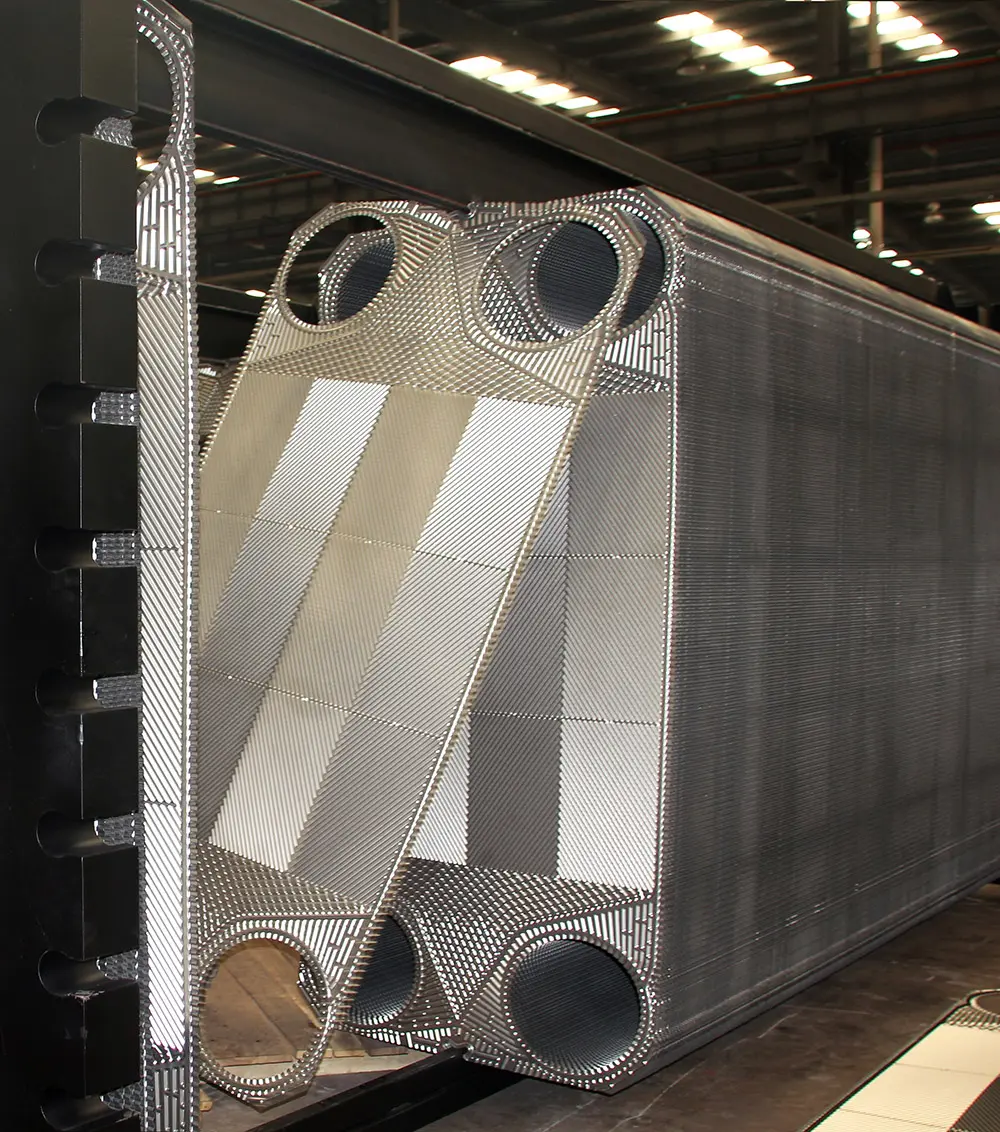
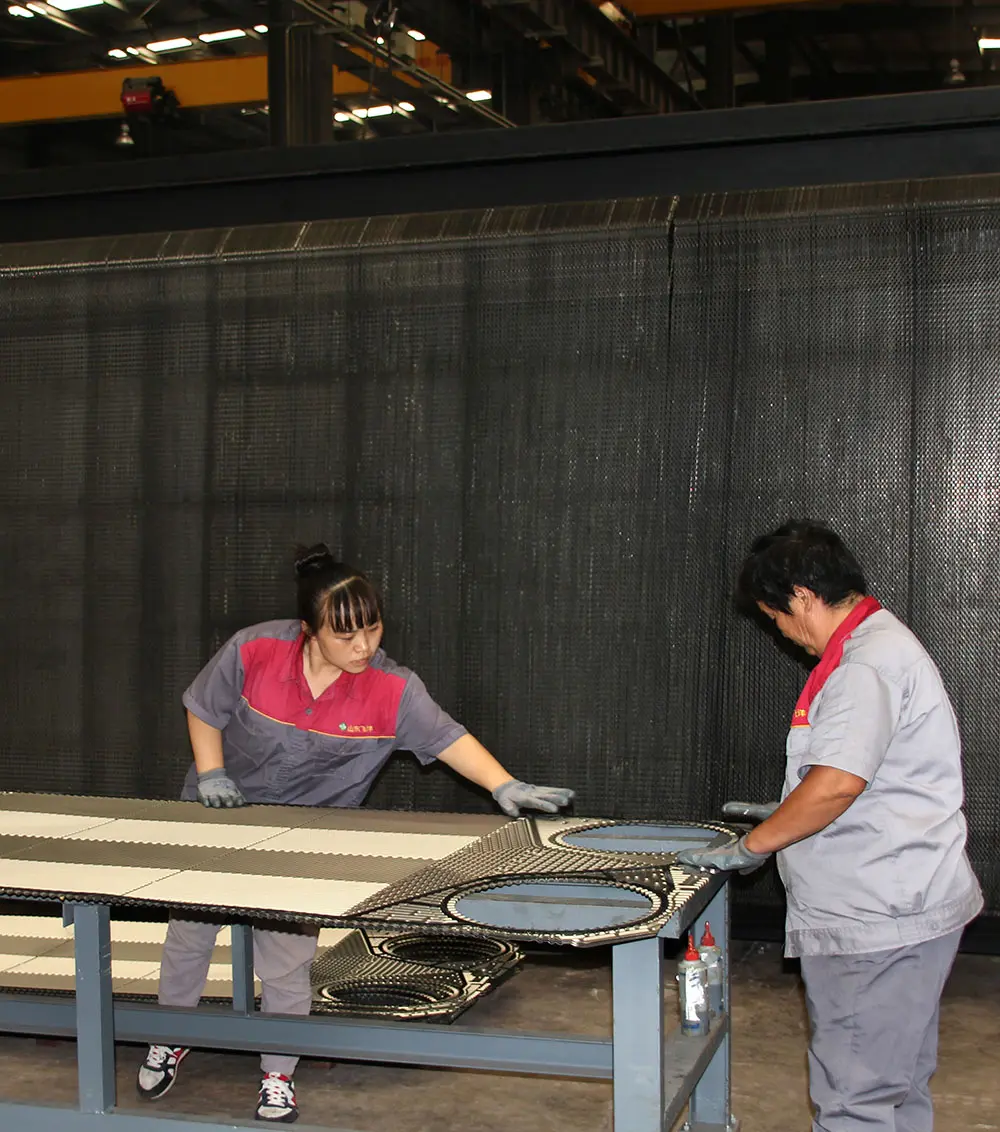
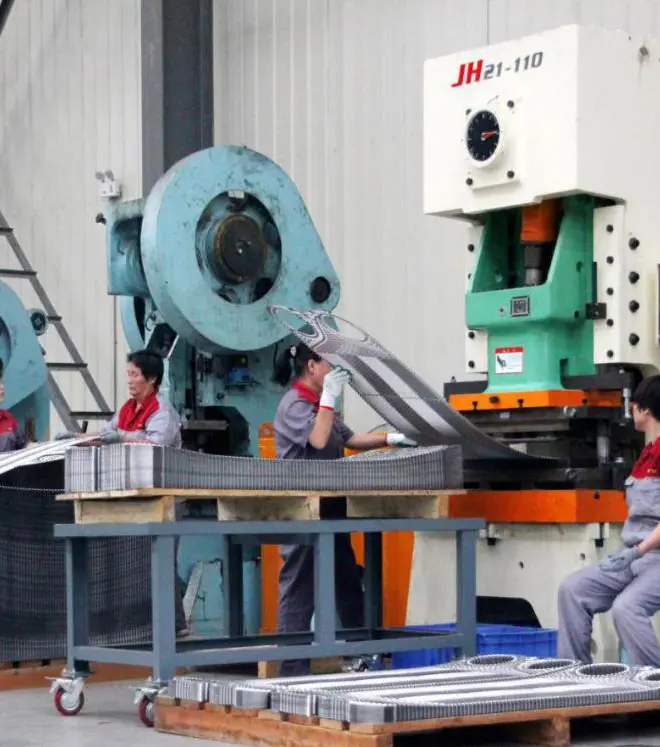
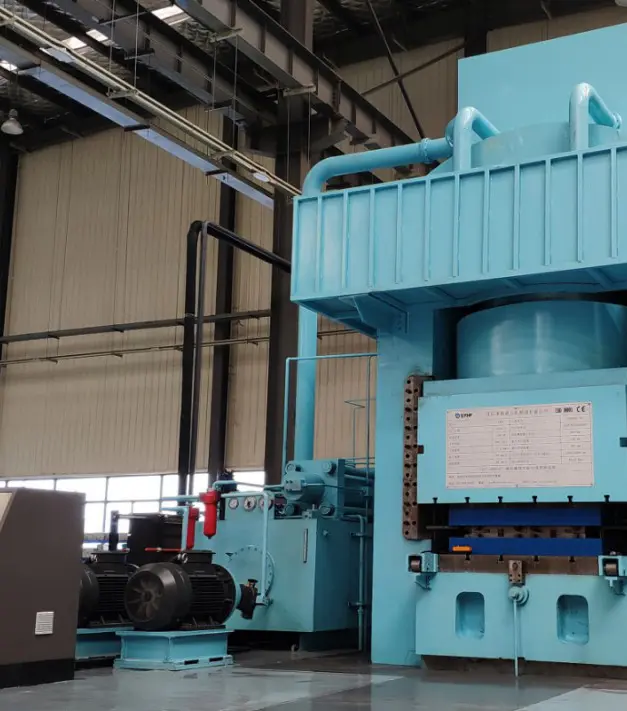
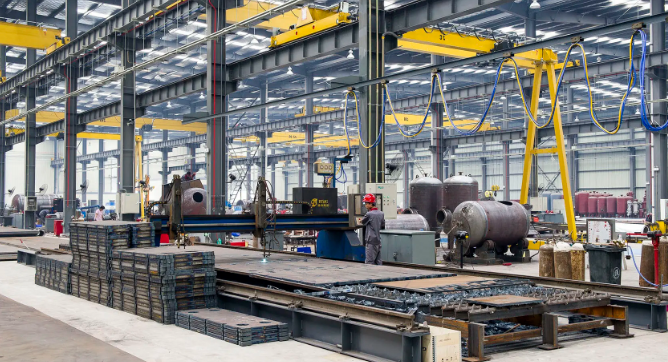
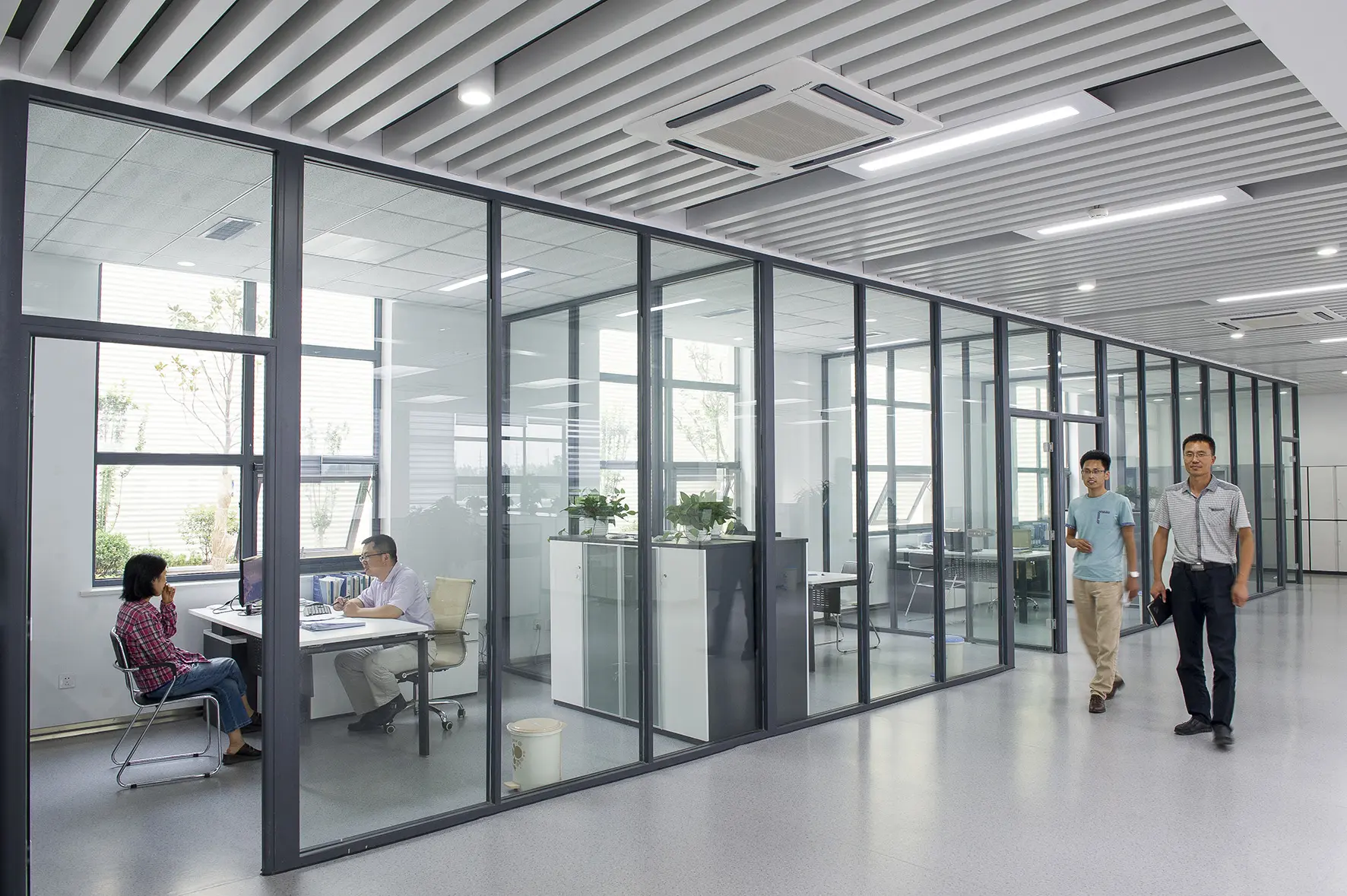
Flotte maintains modern production workshops equipped with advanced manufacturing and quality testing equipment. All front-line production employees are certified technicians who have undergone rigorous formal training.
Our production processes, quality control systems, and customer service operations strictly adhere to the ISO 9001:2015 international quality management framework. Additionally, they comply with the safety regulations of the national boiler and pressure vessel inspection authorities, ensuring full certification and standard compliance.
Adhering to the principles of "Quality First" and "Winning by Quality", our purchasing department maintains a vetted list of certified steel, alloy, and elastomer suppliers, checking incoming material quality at the gate before fabrication begins.
Why industrial plants, EPC managers, and municipal energy operators choose Flotte's heat exchange systems.
Specializing in plate heat exchangers, our patented corrugated plate designs improve heat exchange efficiency by 2 to 3 times compared to conventional shell-and-tube equipment.
Covering 8 core fields including HVAC, ventilation, power, chemical production, and municipal district heating, our systems adapt to local compliance and environmental conditions worldwide.
Our production stages are certified under ISO9001, ISO14001, and ISO45001. We use premium stainless steel, titanium, and nickel alloys to guarantee long-term operation in challenging conditions.
We offer customized thermal design calculations, professional installation guidance, after-sales maintenance, and swift delivery times via our integrated supply chain networks.
Flotte's plate heat transfer and regulation systems are implemented in demanding industrial projects worldwide.
In district heating systems, plate heat exchangers are the central link between municipal energy plants and local supply lines. They regulate delivery temperatures to match regional demands, reducing line losses and ensuring indoor comfort during cold seasons.
Process fluid cooling, heat recovery, and organic compound condensation demand reliable heat exchangers. Flotte's corrosion-resistant titanium and nickel alloy plates operate safely in high-temperature, corrosive fluid environments.
Sanitary plate heat exchangers feature smooth surfaces, gasket channels that prevent leakage, and easily cleanable frames to maintain sterile conditions in biopharmaceutical and food-processing applications.
A glimpse inside our production facility and testing yards.
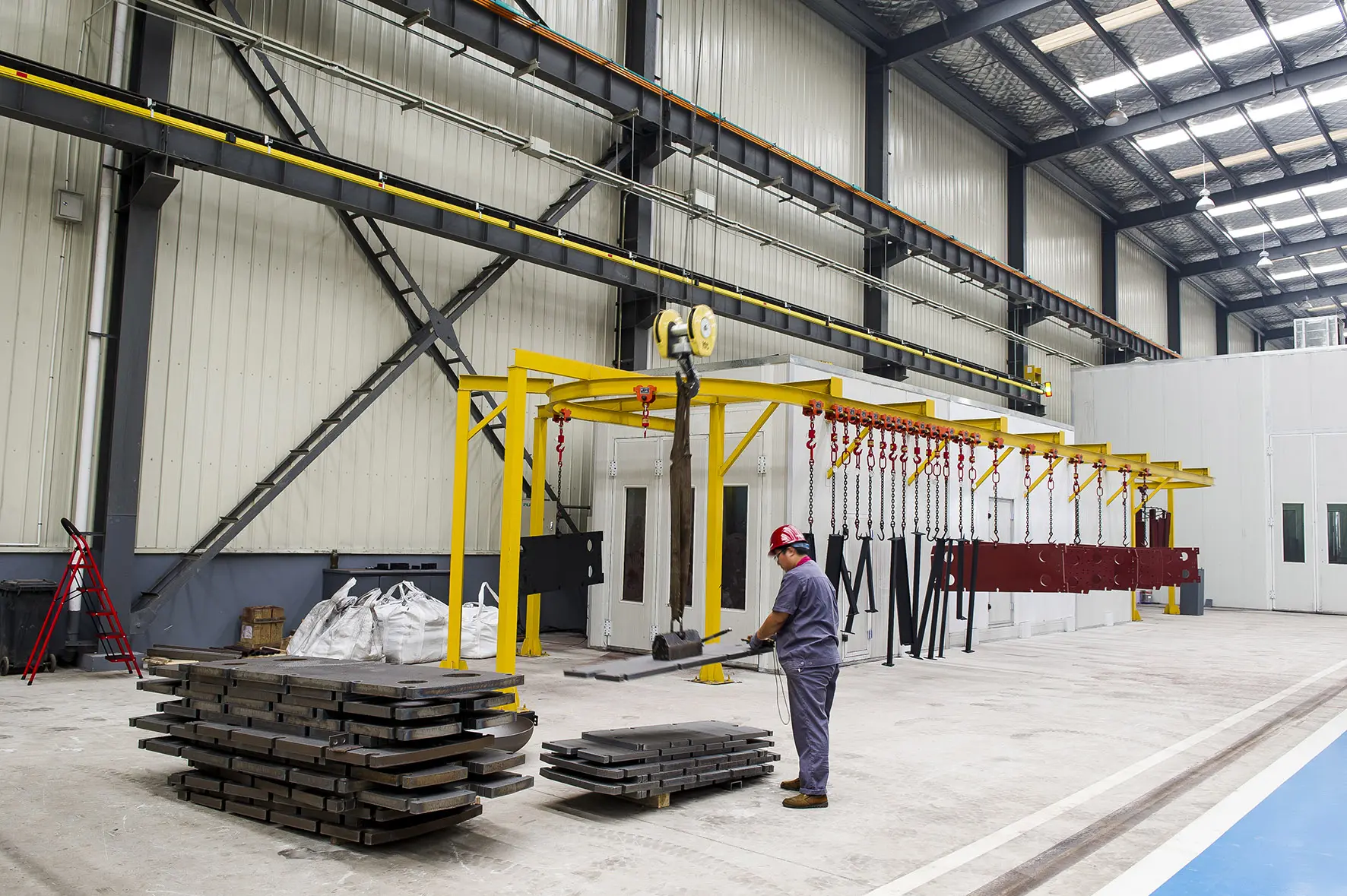
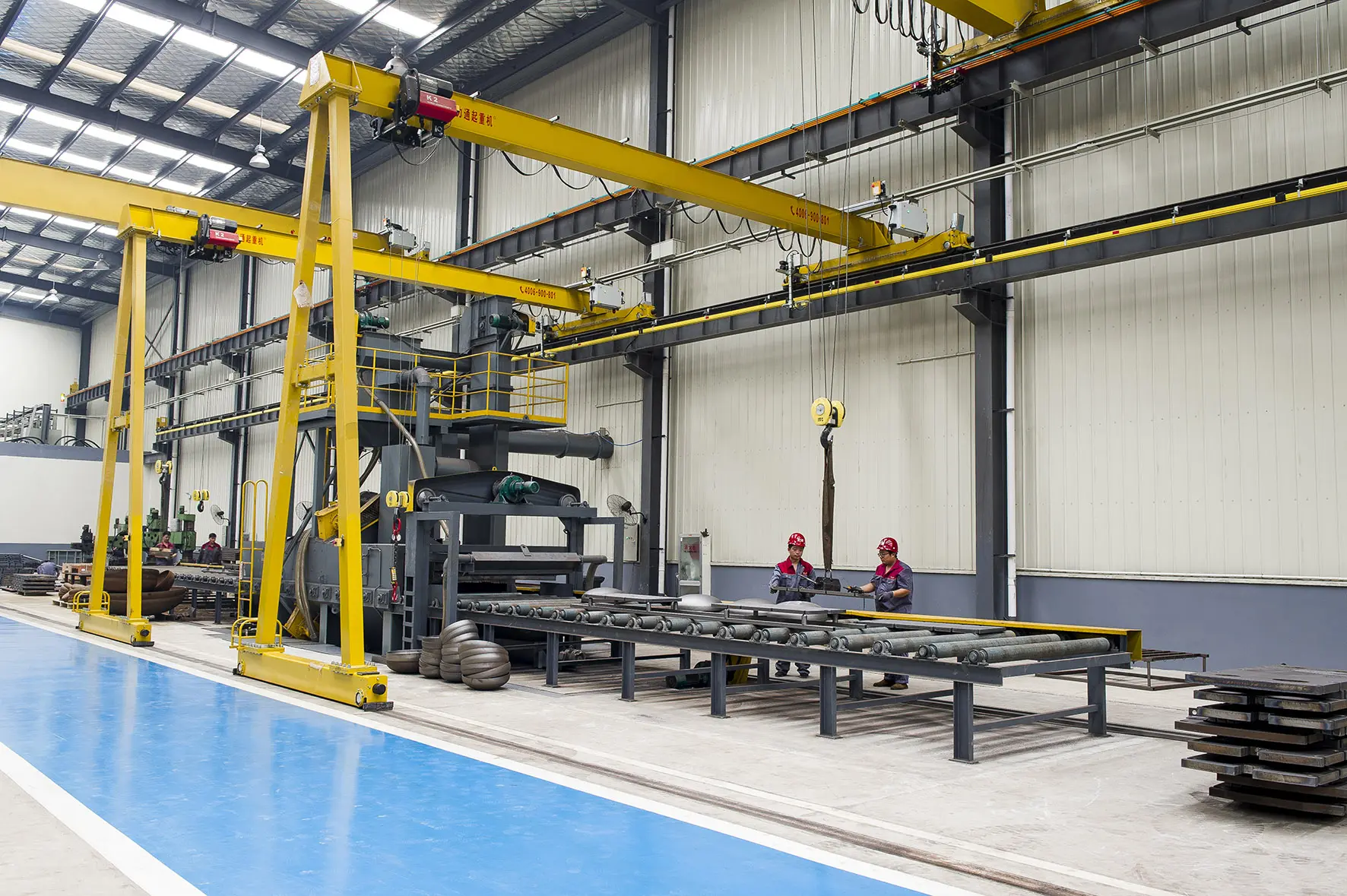
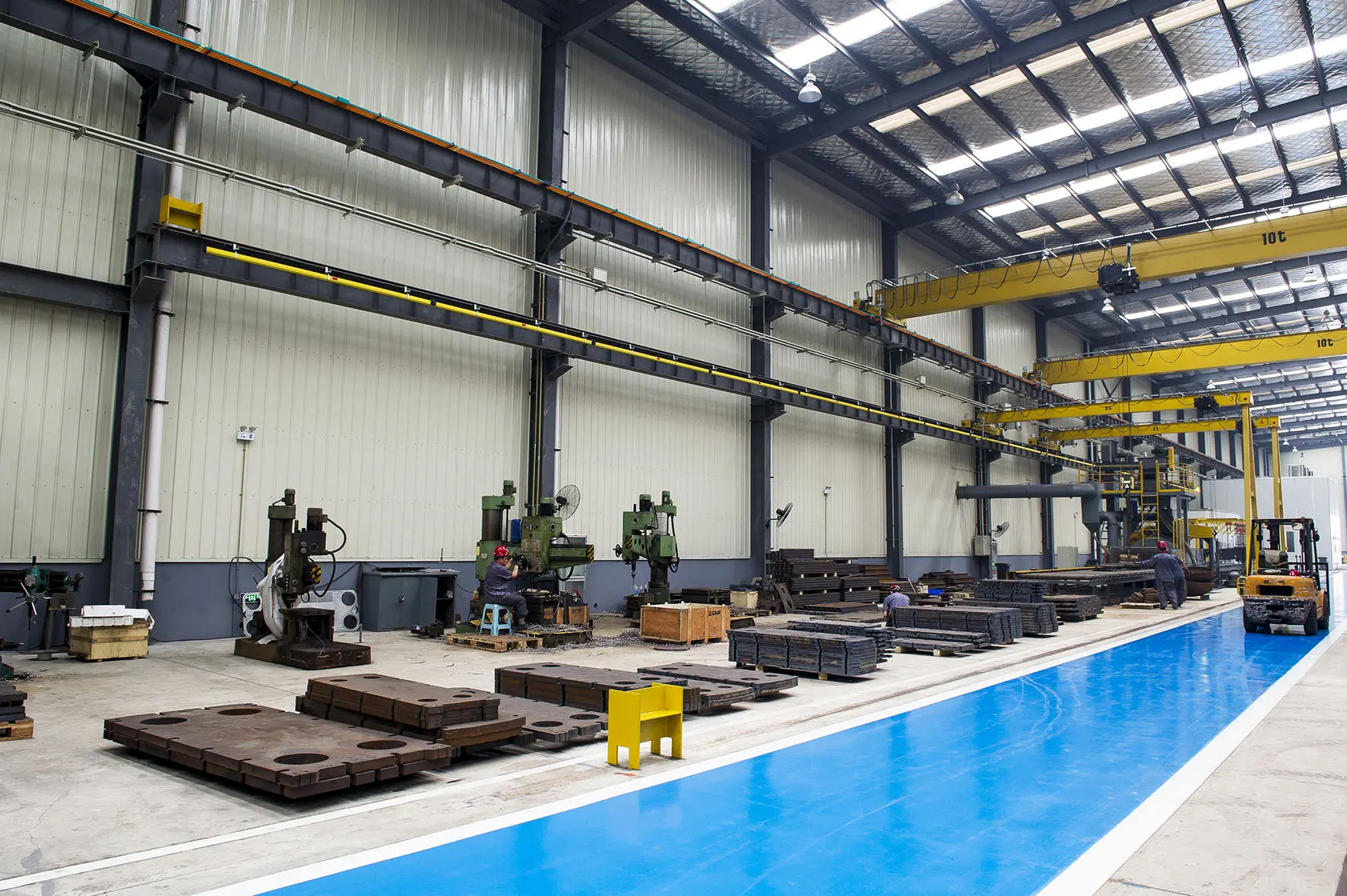


Tested and verified by national and international safety organizations to guarantee safe field operations.
Traditional condenser systems suffer from calcification, scaling, and bio-fouling, which can degrade thermal efficiency by up to 40% over time. To address this, Flotte's R&D team is developing nano-modified surface coatings. By applying hydrophobic or hydrophilic polymer layers to pressed plates, we reduce the adhesion of suspended solids and scaling compounds. This development extends maintenance intervals and maintains optimal heat transfer rates.
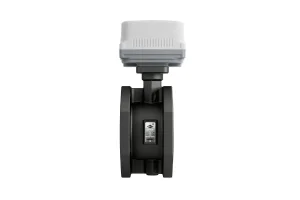
As municipal district heating and industrial processes adopt IoT technologies, plate heat exchangers are evolving from passive components into active, monitored systems. By combining high-precision sensors, such as our Room Temperature Collectors and Intelligent Balance Valves, with central monitoring units, system operators can track temperature profiles and flow rates in real-time. Smart control algorithms adjust flow distribution dynamically, optimizing thermal output and minimizing energy waste across heating networks.
Exporting thermal equipment worldwide requires strict compliance with regional safety frameworks. Flotte ensures its heat exchangers meet diverse regulatory standards, including Europe's Pressure Equipment Directive (PED 2014/68/EU), the American Society of Mechanical Engineers Boiler and Pressure Vessel Code (ASME Sec VIII), and local environmental rules. Every unit undergoes rigorous pressure testing, helium leak detection, and material testing to ensure safe field operation.
Expert technical answers regarding condenser plates, heat exchange design, and custom manufacturing.
For general water-to-water applications, Stainless Steel 304 or 316L is standard. However, when working with high-chloride liquids, acids, or seawater, Titanium (Gr.1) or Hastelloy C-276 is recommended. Titanium forms a natural oxide passivation layer that protects the plate against pitting corrosion.
The chevron angle (corrugation pattern angle relative to fluid flow) determines both thermal performance and pressure drop. High-theta designs yield high heat transfer coefficients but generate larger pressure drops; low-theta plates minimize pressure resistance, making them ideal for high-volume vacuum condensation processes.
Every plate heat exchanger undergoes hydrostatic testing at pressures exceeding the design specification (typically 1.3 to 1.5 times the operating pressure). We also perform dye penetrant tests on stamping blanks and visual checks on gasket seatings to ensure seal integrity.
Yes, our tool-and-die department can develop custom stamping dies to match specific dimensions, channel layouts, and port configurations. We help clients maintain existing thermal infrastructure by supplying compatible replacement plates.
Our intelligent balance valves adjust fluid flow dynamically based on temperature and pressure feedback. This automation prevents hydraulic short-circuiting and ensures balanced thermal distribution across all heat exchange terminals in the network.
With regular cleaning and correct gasket selection (e.g., EPDM for water, NBR for oils, Viton for chemical applications), the steel framework and plates can perform reliably for over 15 to 20 years. Elastomeric gaskets typically require inspection and replacement every 3 to 5 years depending on operating temperatures.
Select the appropriate system components for your industrial application or HVAC engineering project.
 Flotte Energy