Direct from Flotte's advanced production facility. High thermodynamic efficiency, robust construction, and certified safety compliance.
Established in 2013 with a registered capital of 101 million yuan, Flotte Energy Saving Company traces its roots back to the foundation of Flotte Thermal Engineering in 1995. For nearly 30 years, we have served as a premier developer and manufacturer of advanced heat exchange configurations, industrial cooler exchangers, water equipment, HVAC systems, and water treatment solutions.
By bridging the gap between pioneering thermodynamics research and scale manufacturing, we support critical processes across thermal power, pharmaceuticals, petro-chemicals, municipal heating networks, and chemical industries. Our long-term relationships with global buyers stand as a testament to our focus on durability, safety, and operational efficiency.
Understanding the mechanics behind high-efficiency heat transfer and material selections in modern industrial cooler exchangers.
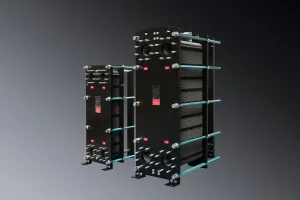
The corrugated plates in our heat exchangers feature patented chevron patterns designed to induce extreme micro-turbulence at low fluid velocities. This significantly increases the local heat transfer coefficient (U-value) while minimizing the pressure drop, allowing for ultra-compact system footprints compared to shell-and-tube designs.
Depending on the chemical composition of the operating media, we source high-end raw materials including SUS304, SUS316L, Titanium, Hastelloy, and Nickel alloys. Our advanced micro-forging presses ensure consistent plate thickness and structural uniformity, preventing stress corrosion cracking in high-salinity or acidic environments.
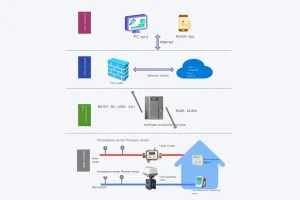
By integrating smart room temperature collectors and automated balancing valves, Flotte systems dynamically adjust flow rates to track heat loads in real-time. This active regulation prevents thermal shocks, reduces scaling speed on heat-exchange surfaces, and reduces total secondary network energy consumption.
From raw plate selection to the final hydro-testing, every step is rigorously monitored under ISO 9001:2015 and pressure vessel quality control frameworks.
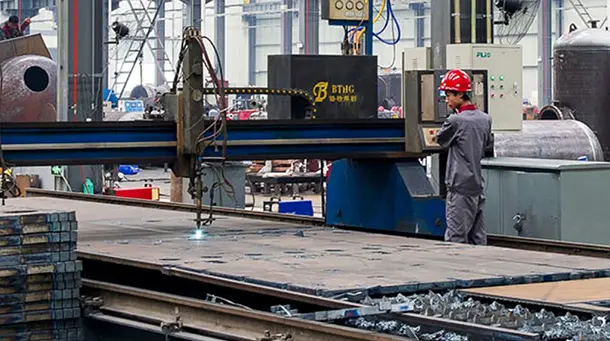
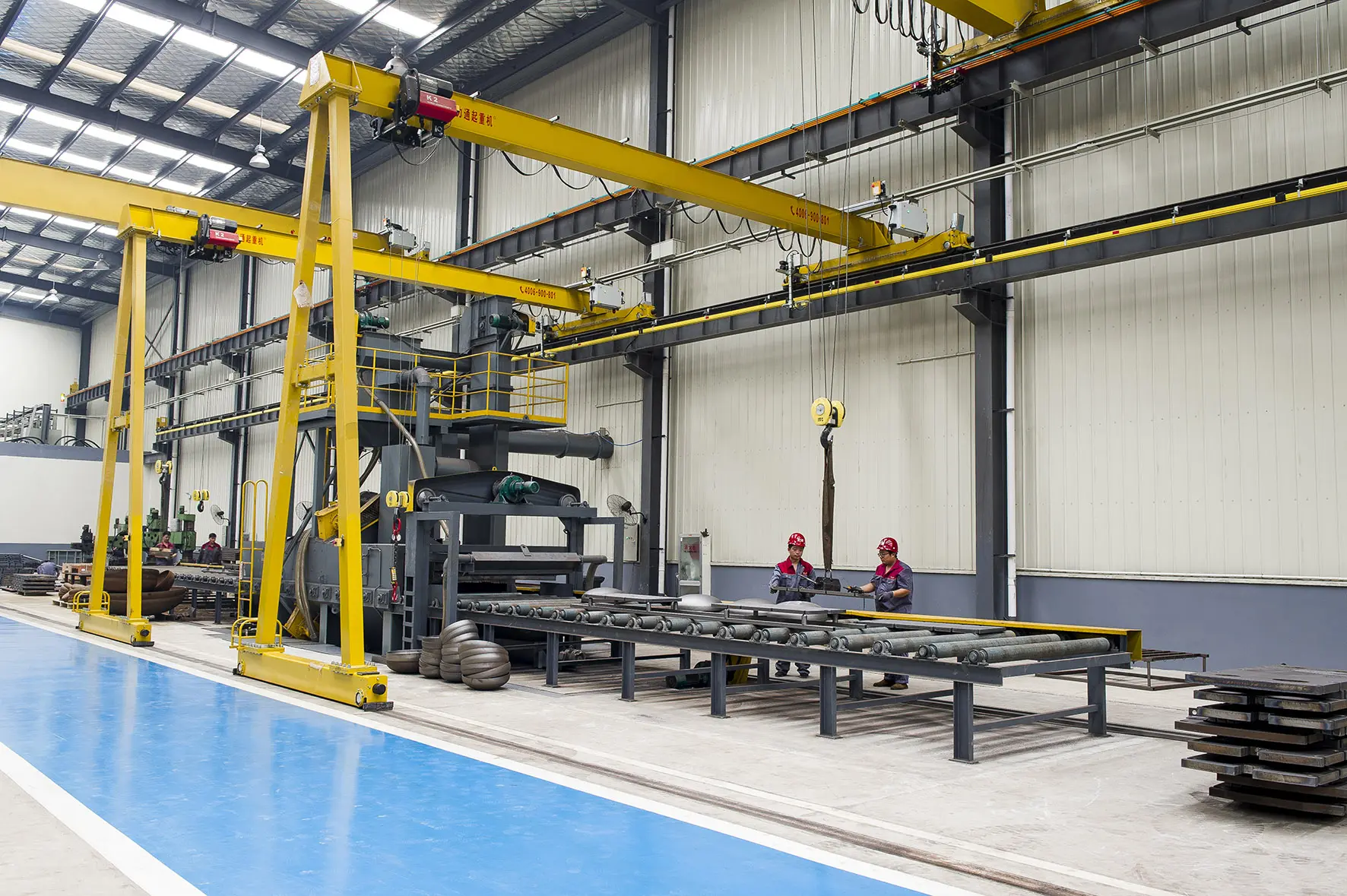
High-precision flame and plasma cutting machines slice structural steel sheets to design parameters, forming a rigid outer frame.
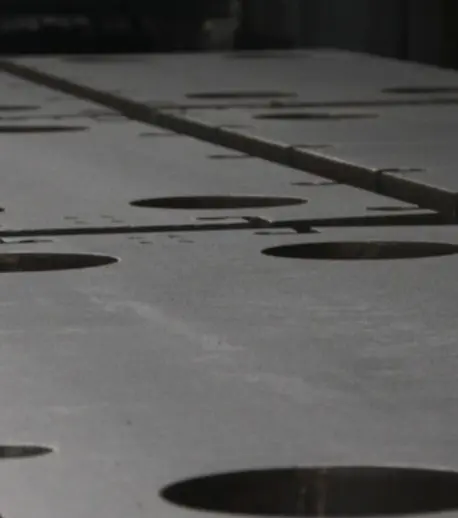
Controlled forging techniques eliminate micro-pores and align grain structures in high-stress connection ports and anchors.
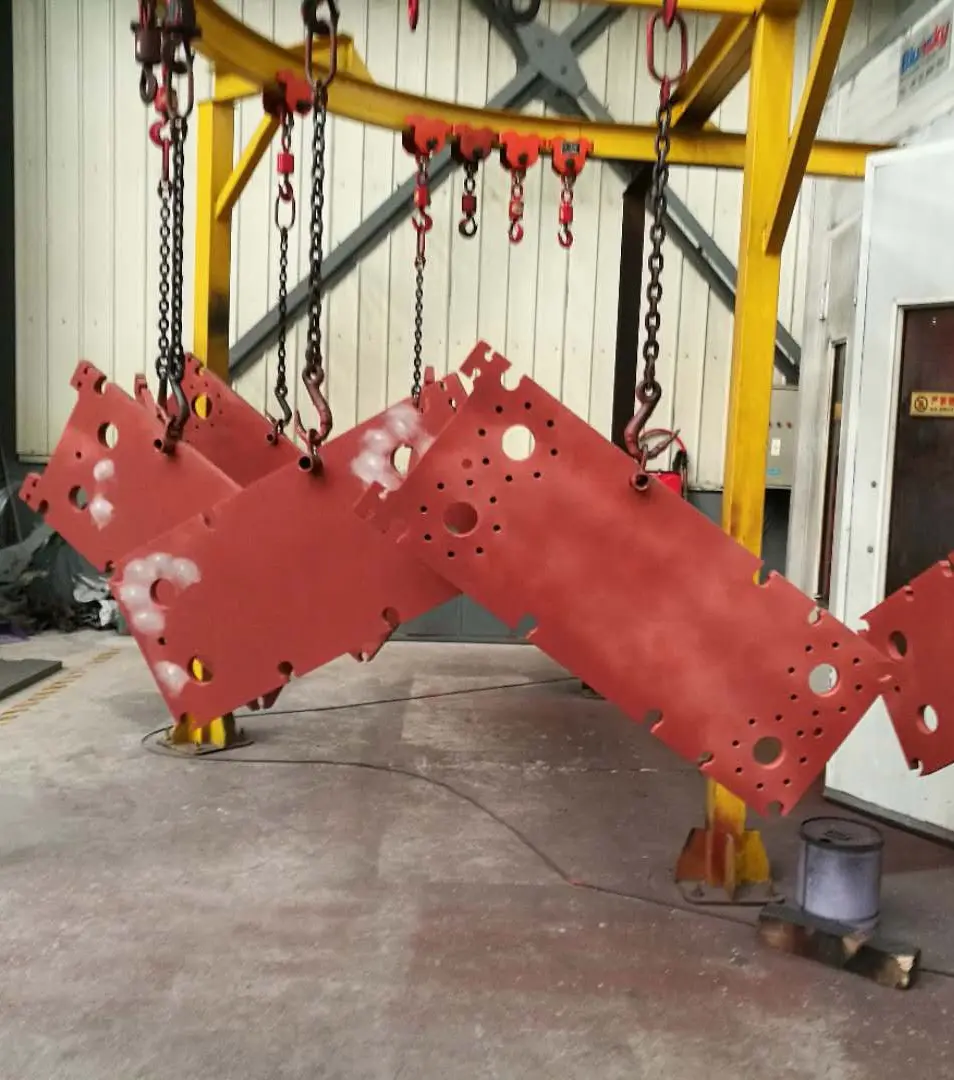
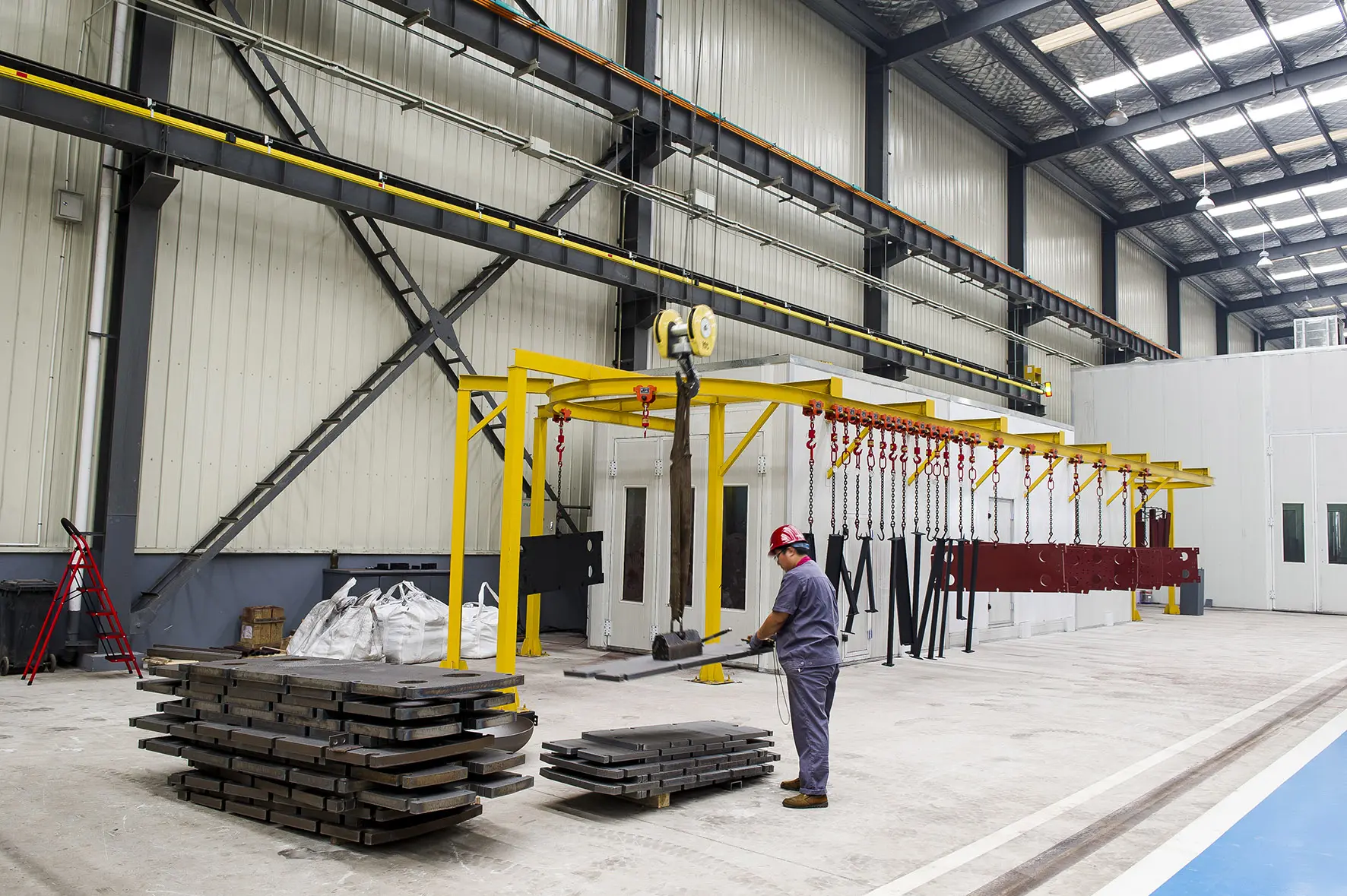
Industrial corrosion-resistant polyurethane primer and finish coats are applied in a dust-free chamber to withstand harsh outdoor conditions.
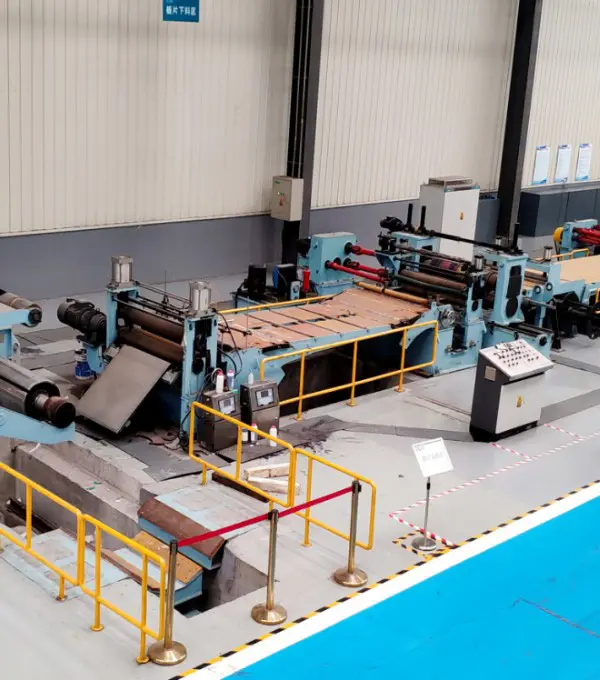
Traceability is key: heat-exchange plates are laser-cut and permanently stamped with material heat numbers and batch codes.
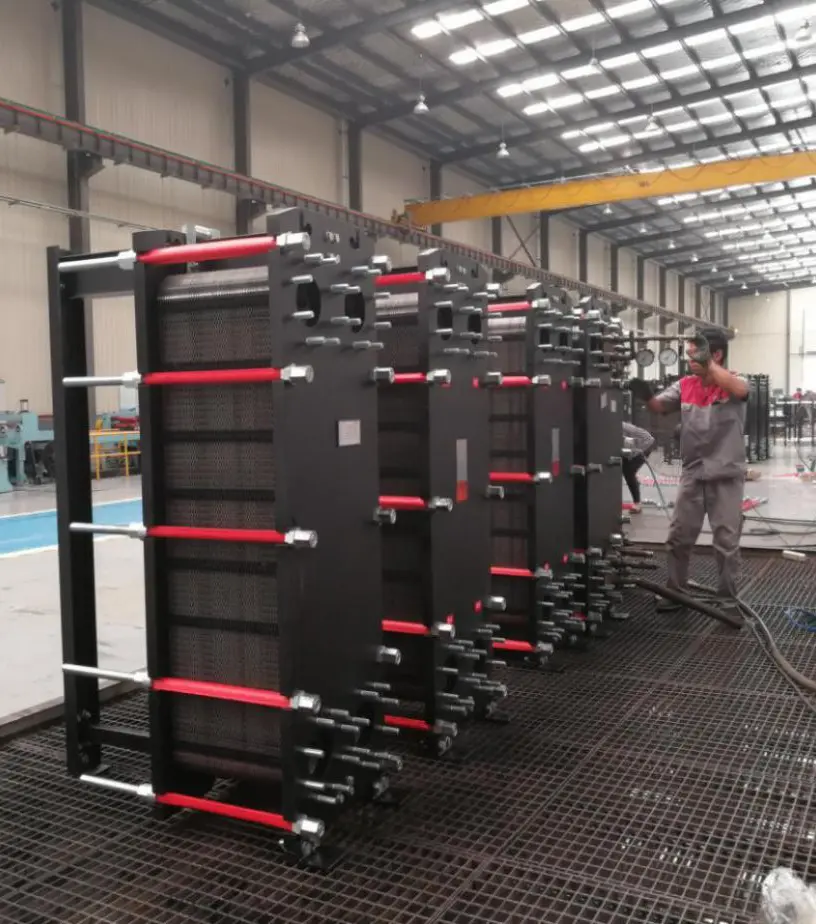
Every plate and assembled heat exchanger is subjected to hydrostatic tests at 1.3 to 1.5 times the design pressure limit.
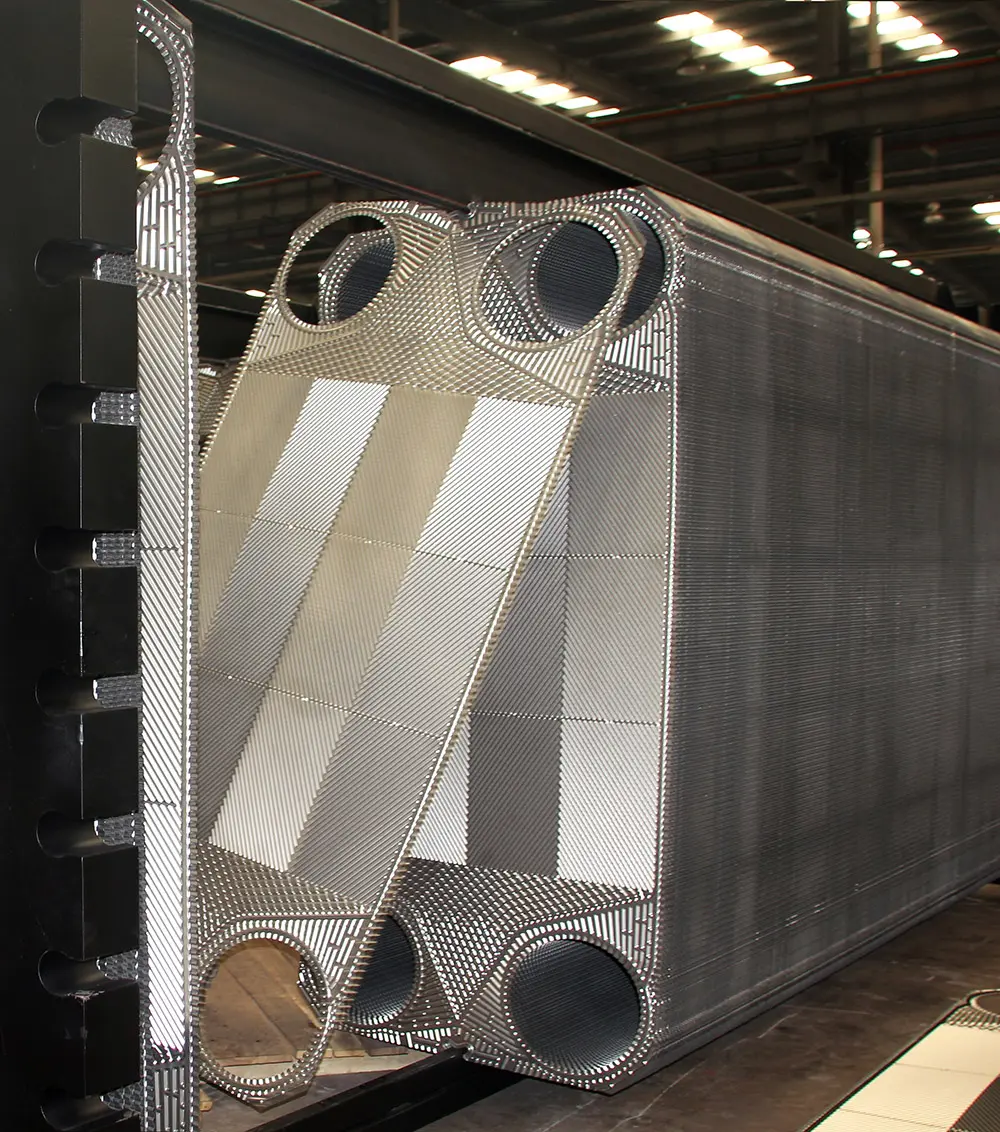
Certified assembly technicians compress the plate pack using torque wrenches to verify exact spacing and compression thickness.
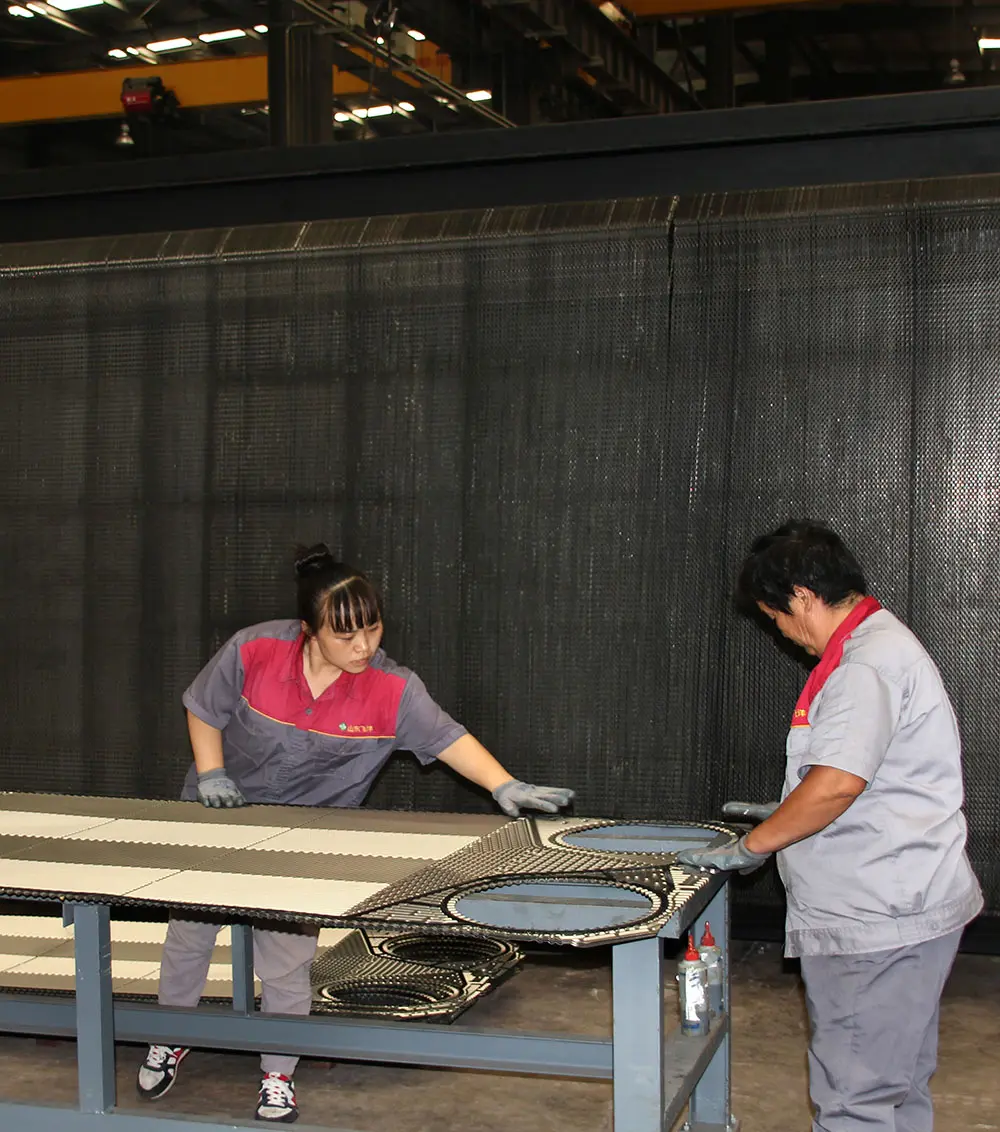
Precision-molded elastomer gaskets (EPDM, NBR, Viton) are secured in the grooves, ensuring zero cross-fluid contamination.
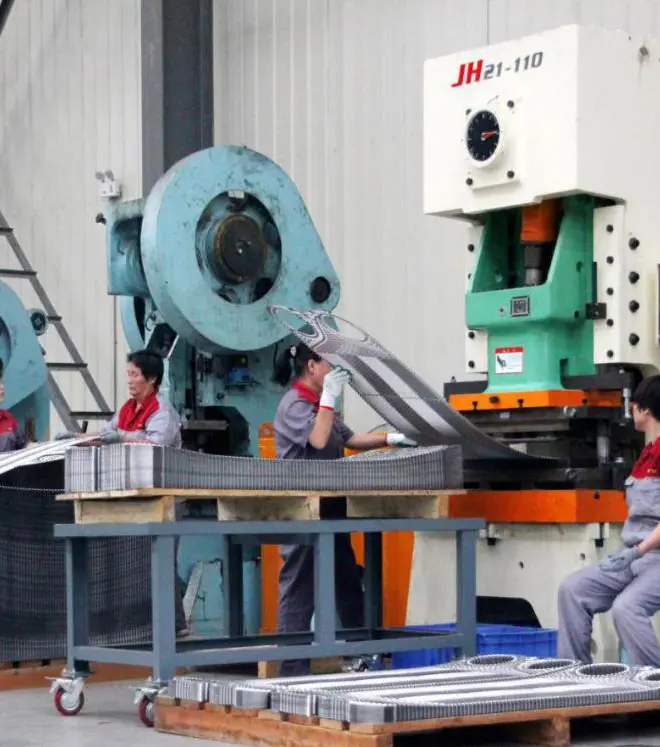
Heavy hydraulic punching systems form flow holes in a single step to eliminate structural distortions and sharp edge burrs.
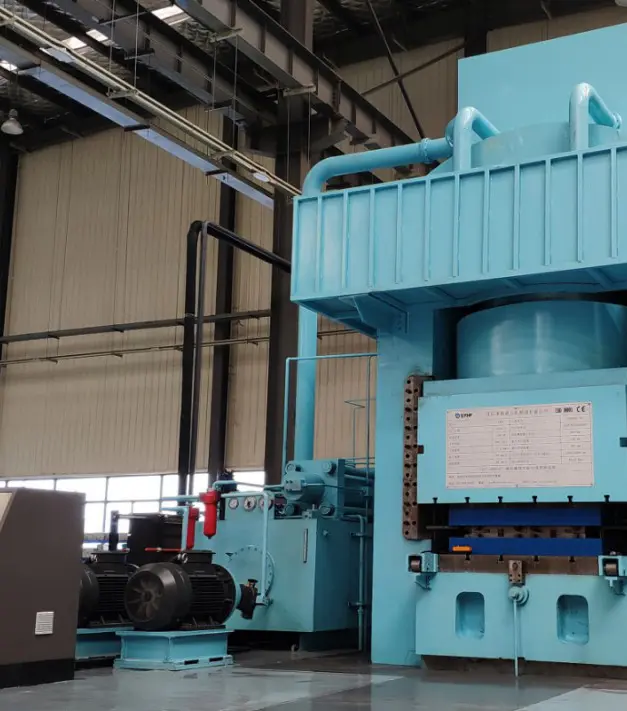
High-tonnage hydraulic presses stamp the raw metal sheets into precise corrugated patterns with tight tolerances.
How Flotte leverages industrial integration to deliver cost-effective, high-reliability thermal systems worldwide.
China produces over 50% of the world's raw stainless steel and titanium, providing direct, cost-efficient access to prime raw materials. Flotte's factory, located in a highly integrated industrial zone, benefits from direct raw material agreements with leading domestic mills. This results in stable pricing and shielding from global commodity volatility.
Furthermore, our manufacturing line integrates all auxiliary steps locally: from precision laser cutting to heavy hydraulic stamping, and computerized hydrostatic testing. This centralized infrastructure shortens typical production cycles to 2-4 weeks, compared to 8-12 weeks in other regions.
By implementing automated welding robots and digital inventory tracking, we optimize yield rates and maintain consistent tolerances. This enables us to export high-performance plate heat exchangers that match or exceed Western performance benchmarks at a lower total cost of ownership.
Aligning Chinese manufacturing capabilities with strict international codes, local installation directives, and environmental guidelines.
Exporting heat exchangers requires compliance with regional safety frameworks. Flotte's facilities are qualified to fabricate pressure equipment in compliance with the European Pressure Equipment Directive (PED 2014/68/EU), CE mark requirements, and China's GB150 codes. We supply complete material test reports (MTRs), pressure test certificates, and non-destructive testing (NDT) logs.
Water chemistry, fouling factors, and heating network styles vary significantly between Northern Europe, Central Asia, and North America. Our engineering department uses thermodynamic simulation software to configure plate arrangement, flow velocities, and gasket selections. This matches the unique water hardness and fluid chemistry of the target installation site, preventing premature scaling.
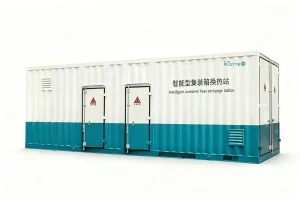
We optimize for ease of installation. Our pre-packaged, skid-mounted heat exchange stations arrive complete with PLC panels, variable frequency pumps, control valves, and sensors. This plug-and-play assembly reduces local site preparation, lowering labor costs and commissioning times for overseas mechanical contractors.
Deploying high-performance heat exchange solutions across diverse, demanding industrial settings.
In large-scale district heating networks, our plate heat exchangers serve as the isolation barrier between the primary municipal high-temperature loop and the secondary consumer loops. This system isolates pressure zones, protects local building loops from thermal stresses, and provides precise temperature regulation.
Corrosive fluids, organic solvents, and high thermal variations demand robust containment. Our titanium and Hastelloy plate exchangers facilitate safe heat recovery and process temperature control, minimizing risks of process fluids mixing with cooling water.
Hygiene is paramount in sterile processing. We fabricate double-wall and detachable plate heat exchangers that prevent contamination. Mirror-polished stainless steel plates prevent bacterial growth and simplify Cleaning-In-Place (CIP) routines.
Our facility complies with ISO9001, ISO14001, and ISO45001 standards, alongside specialized safety registrations for plate heat exchangers.
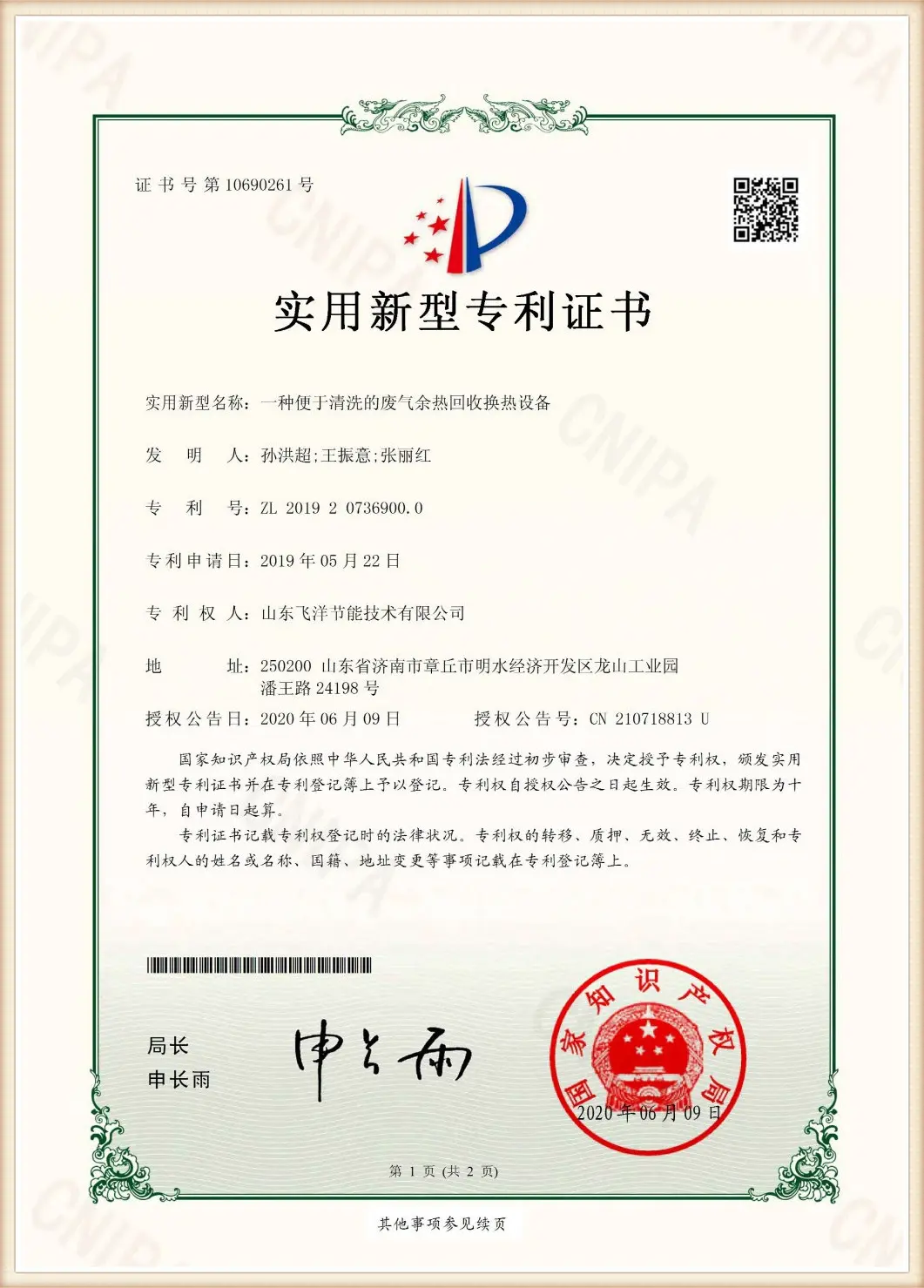
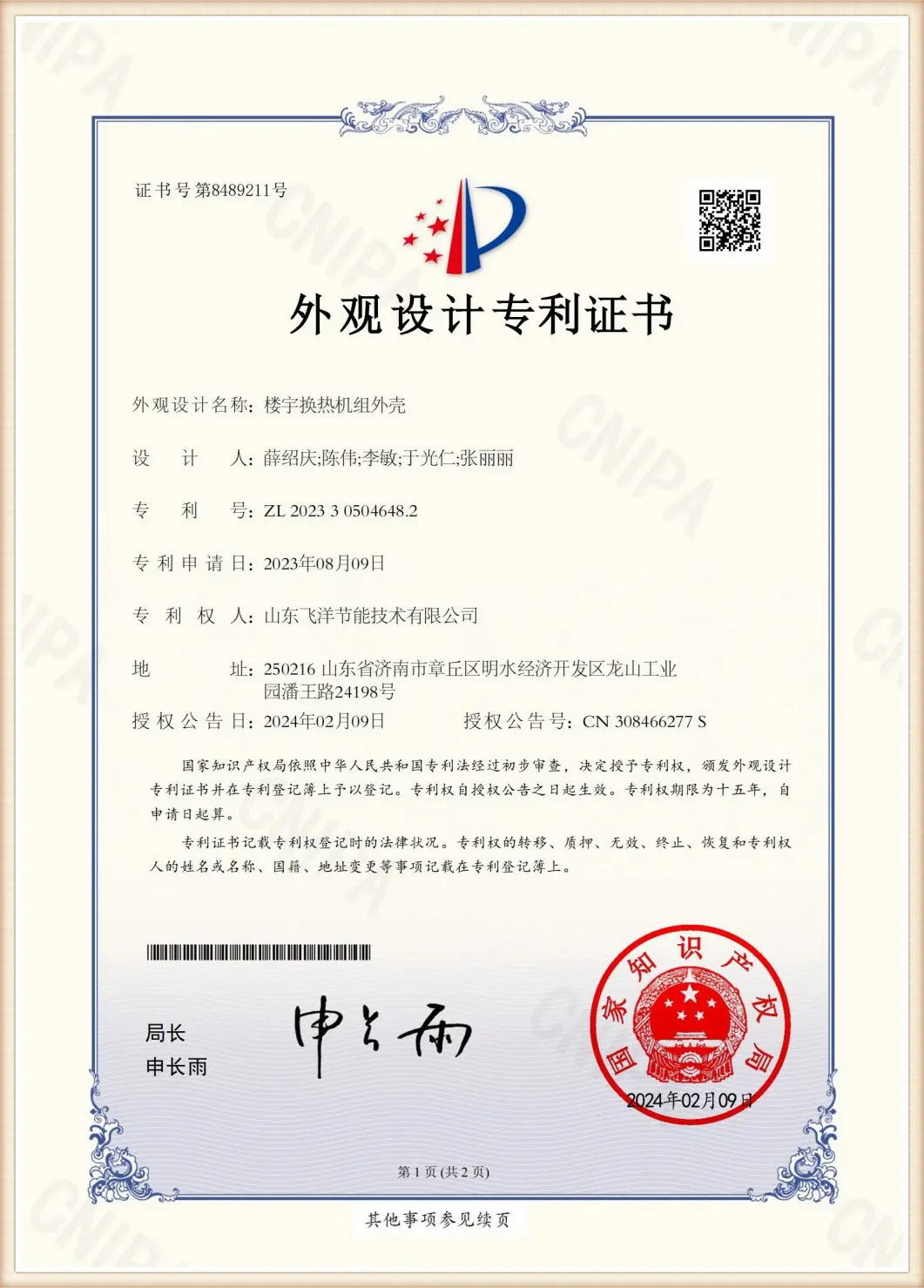
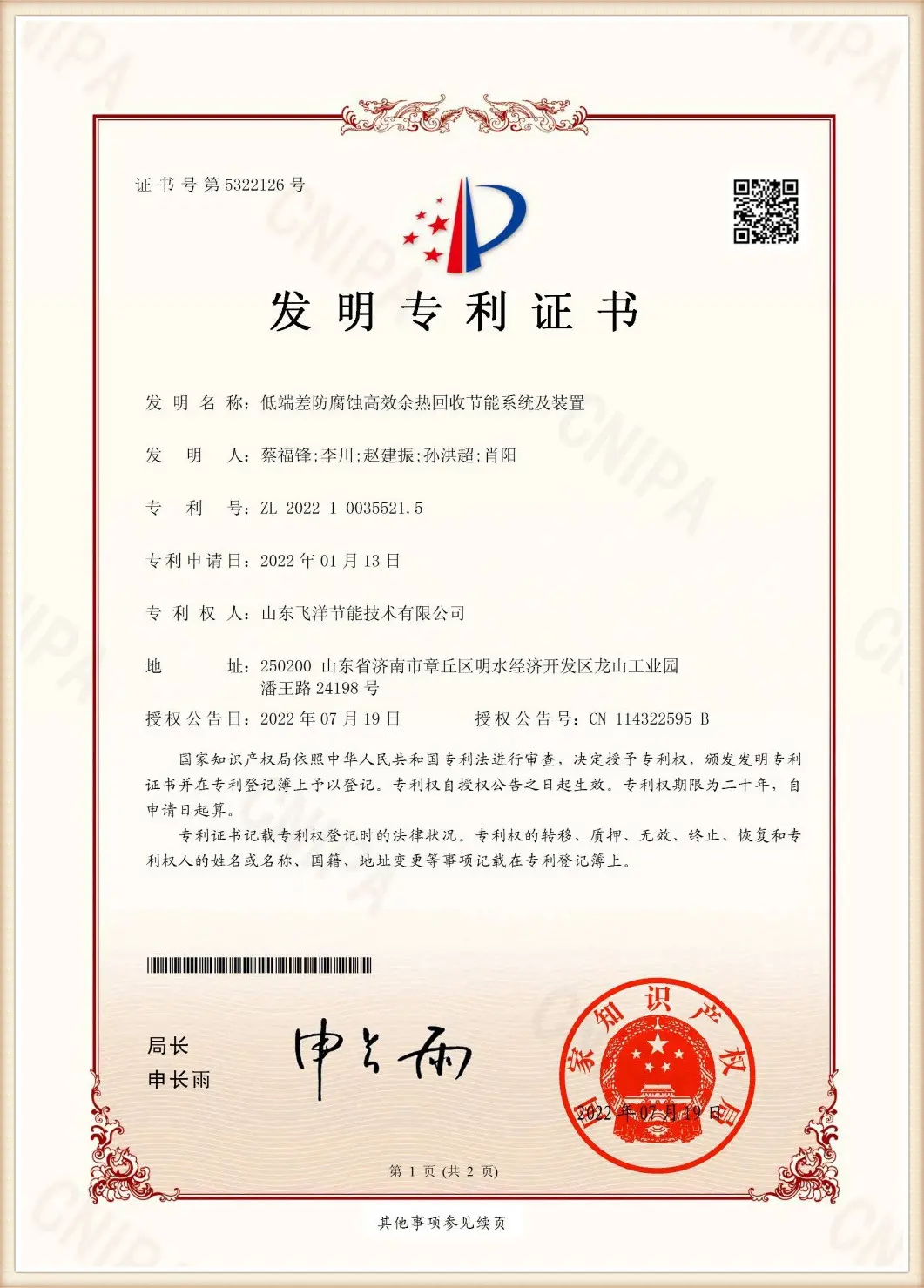
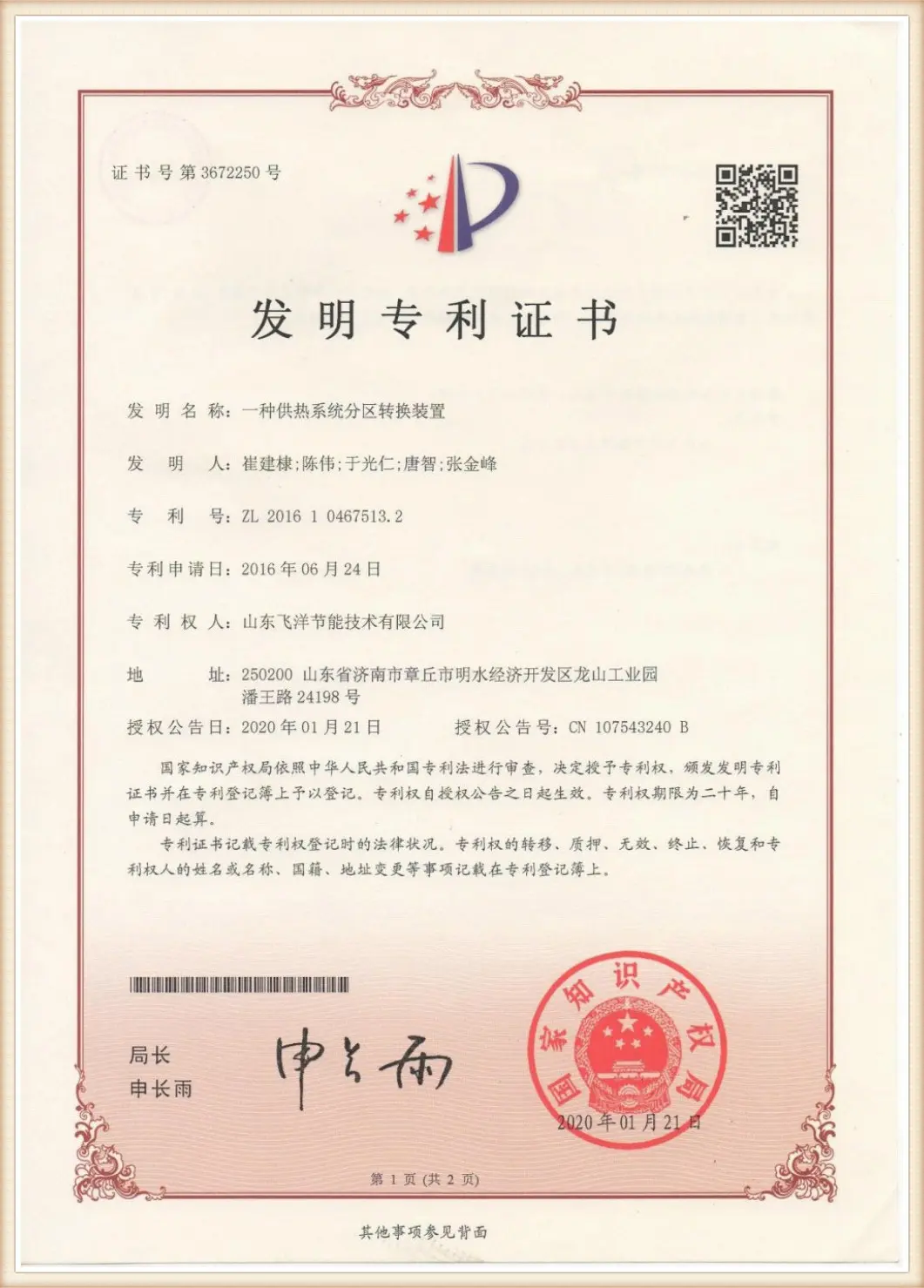
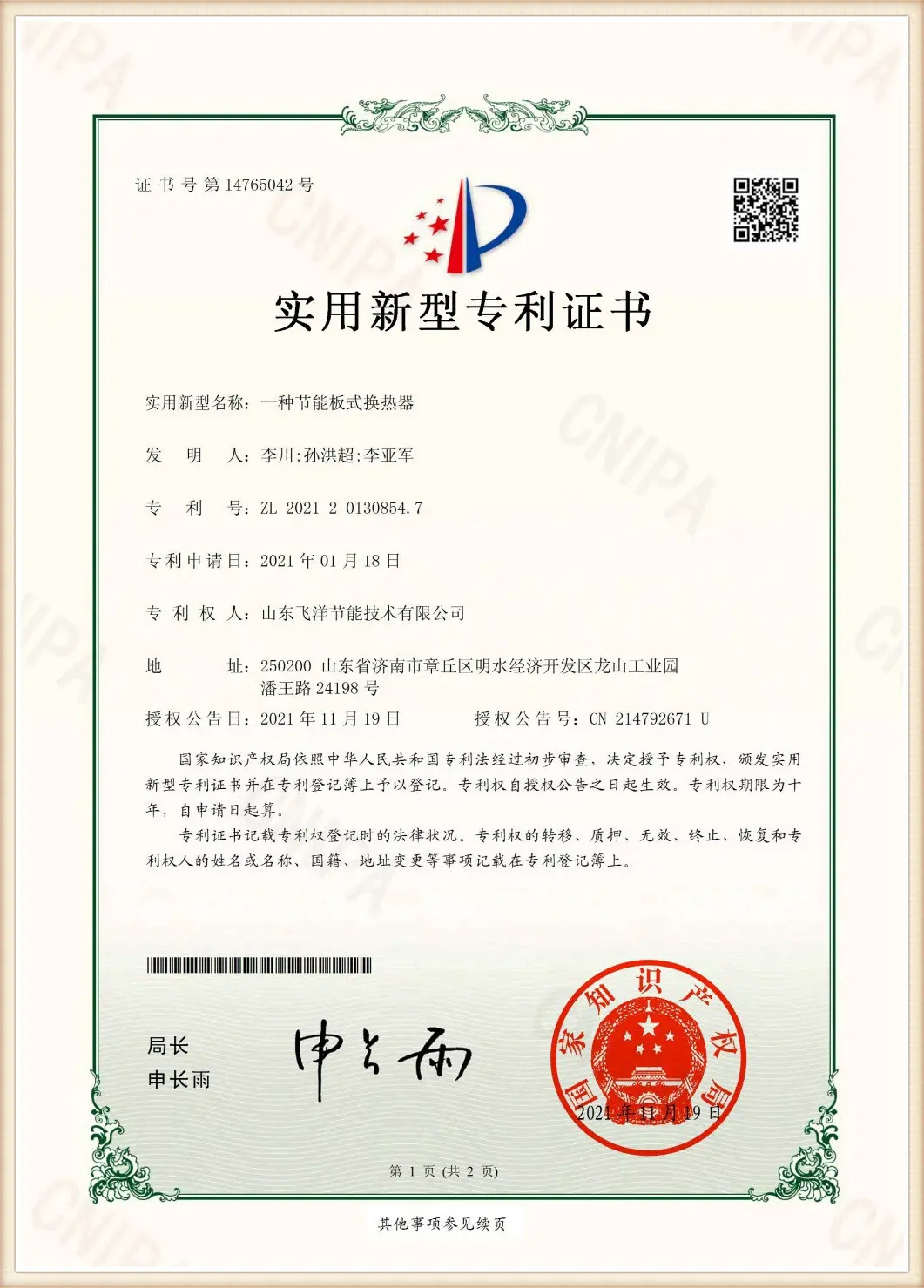
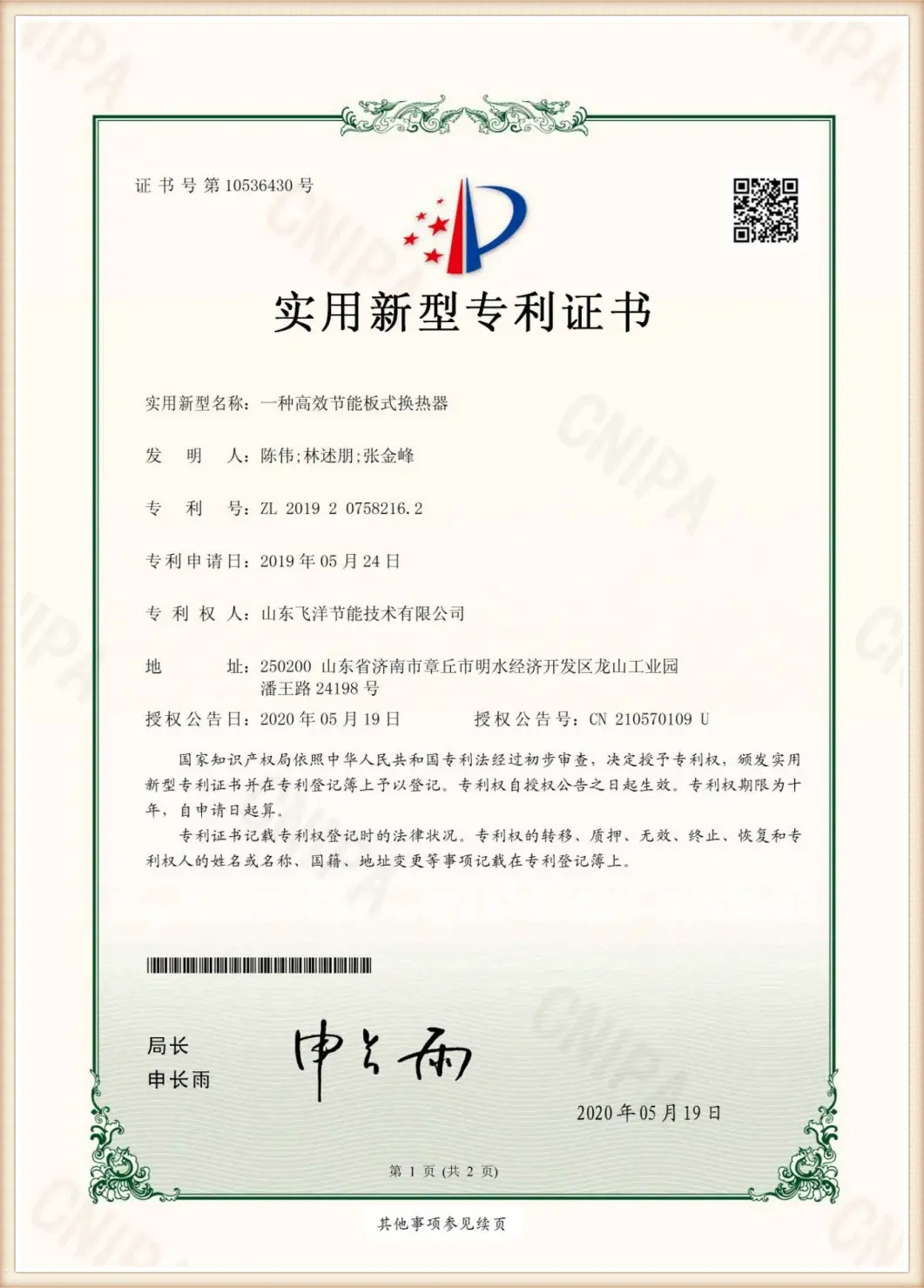
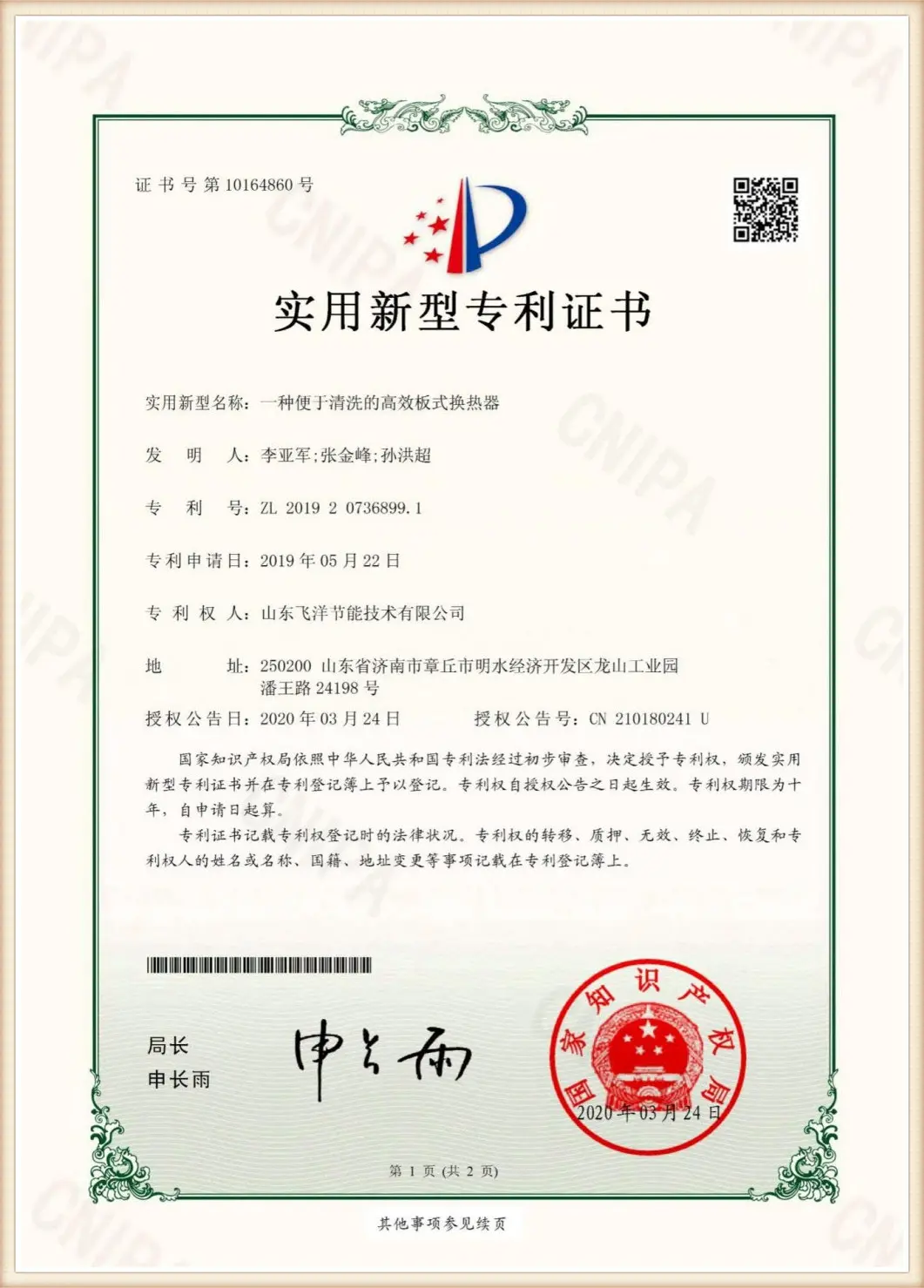
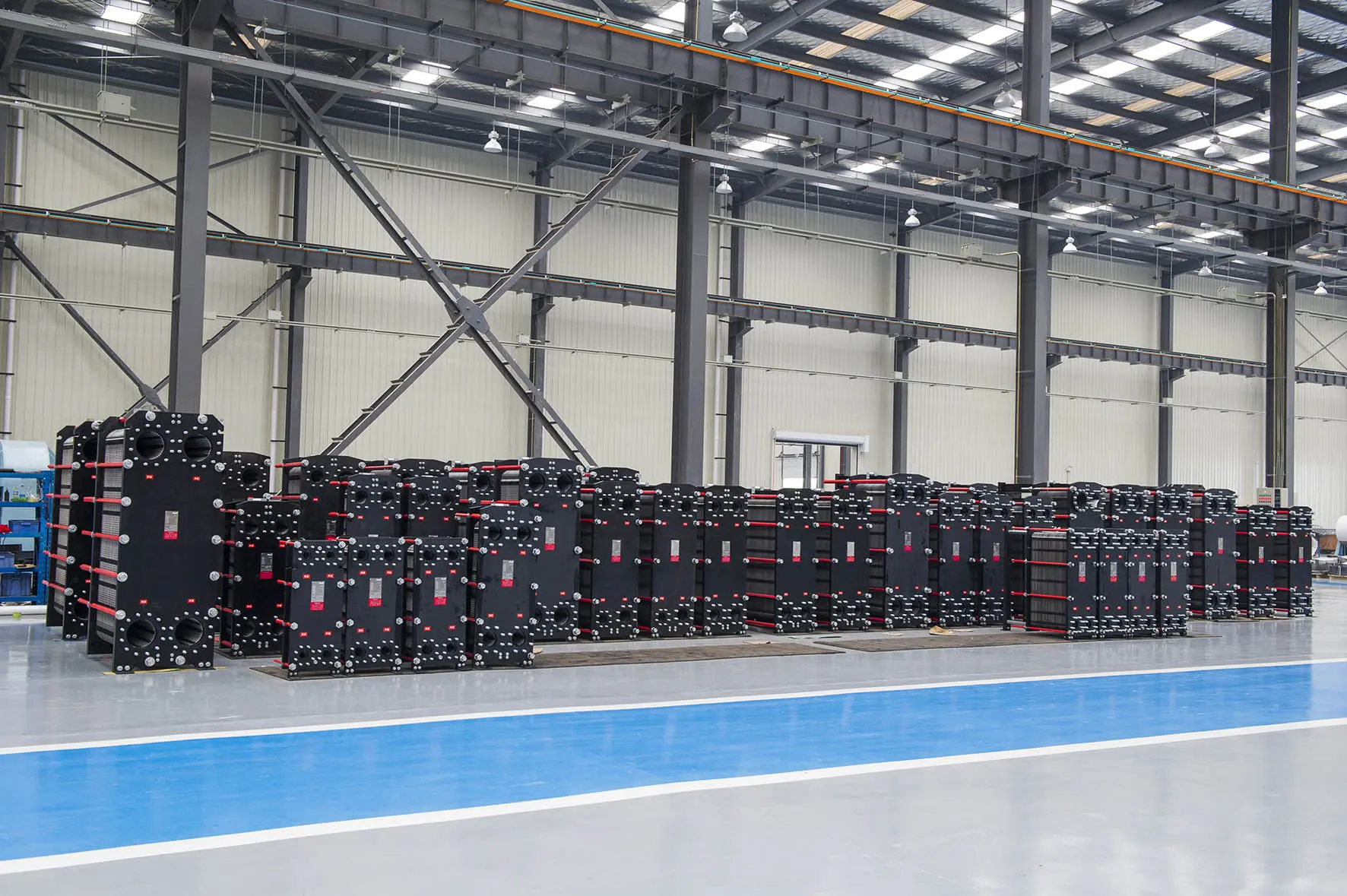
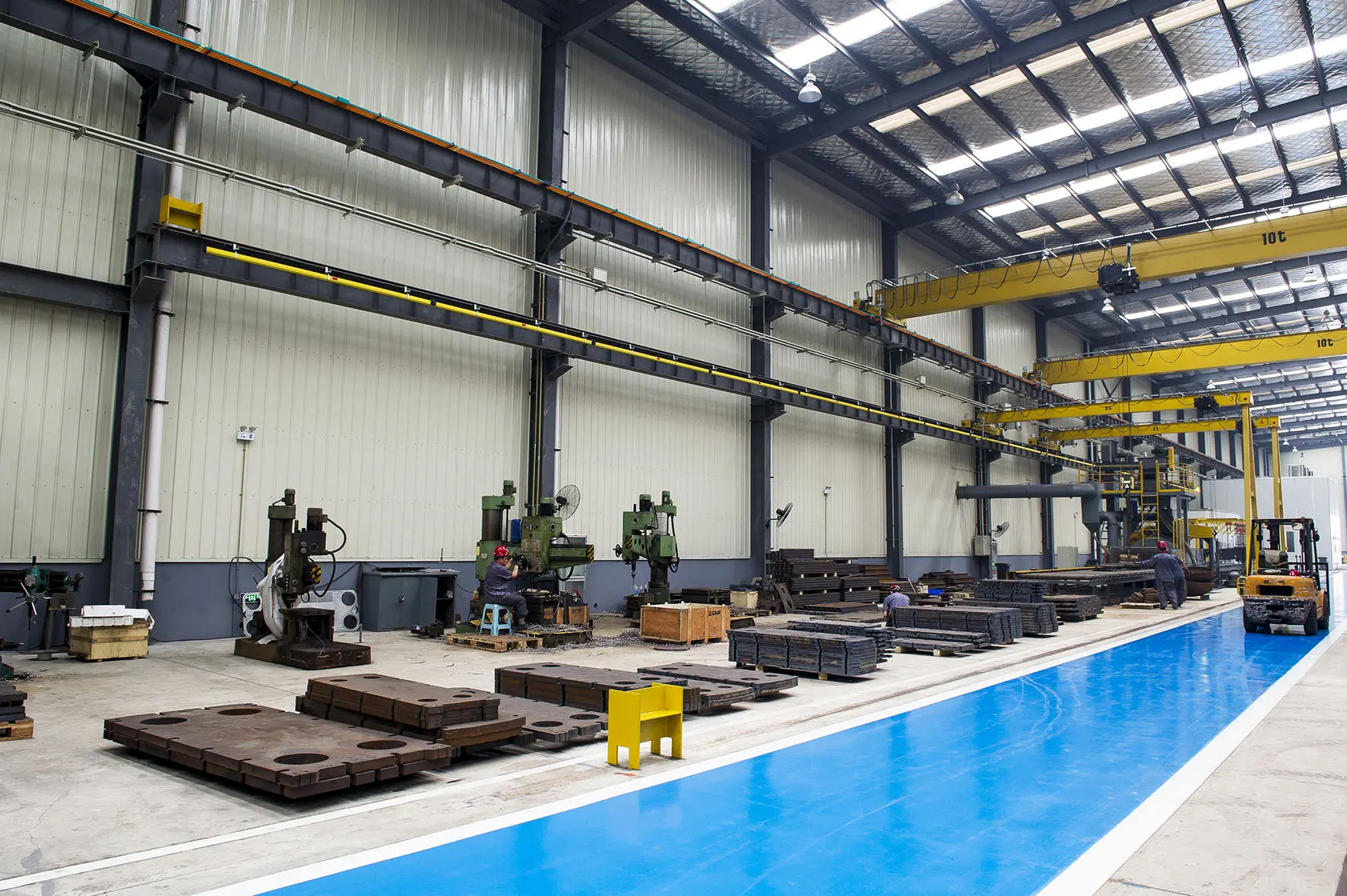
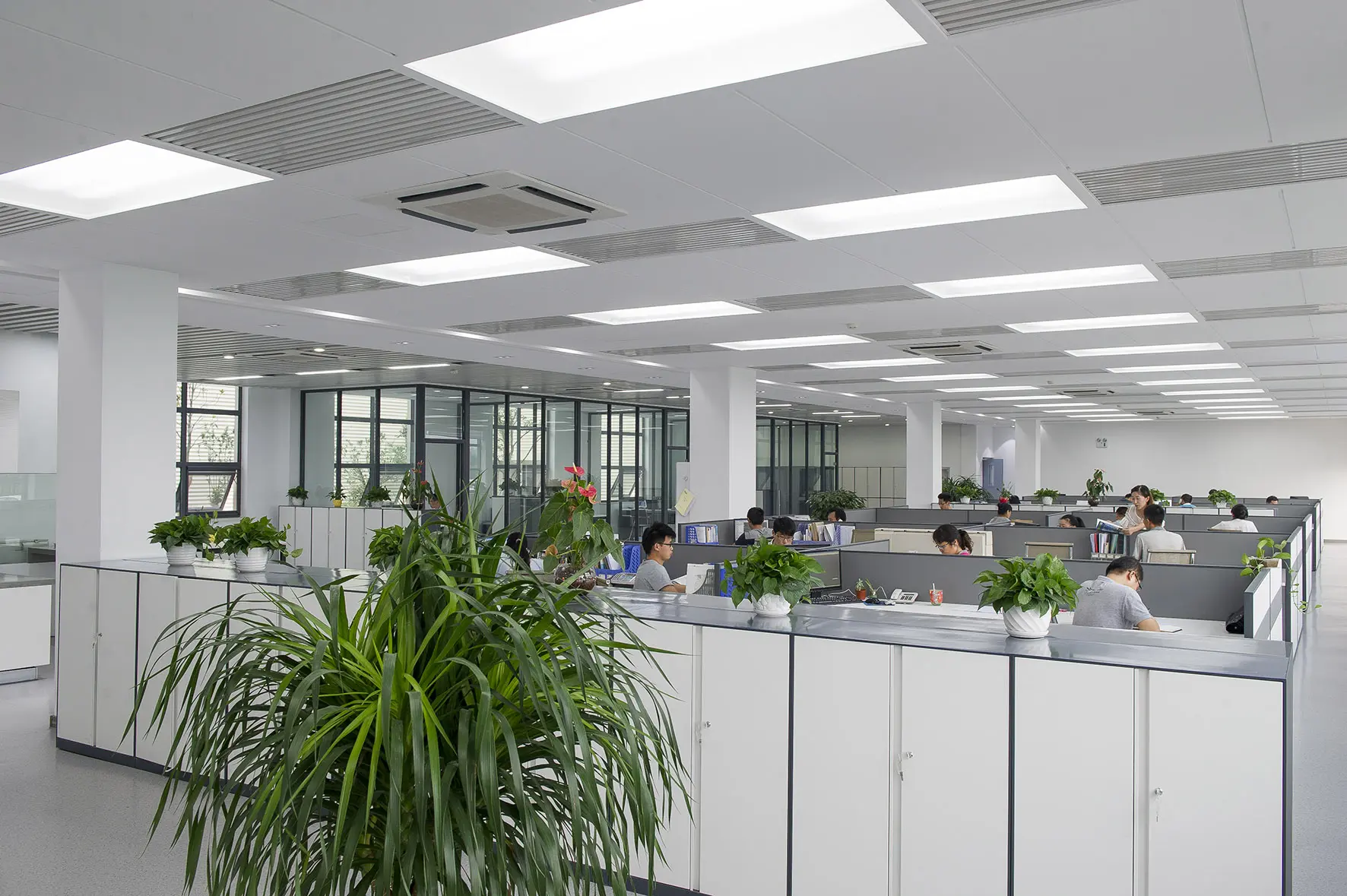
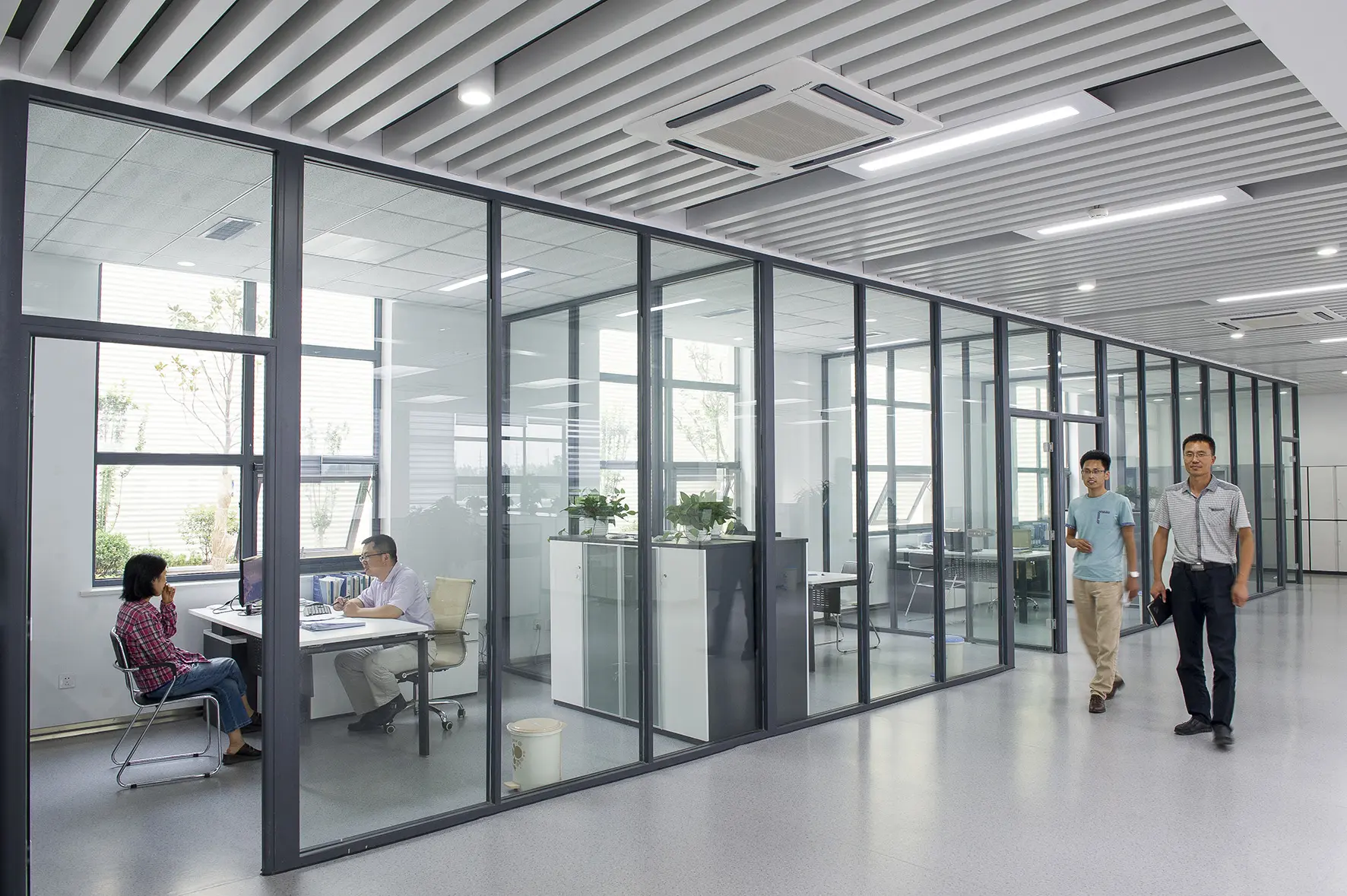
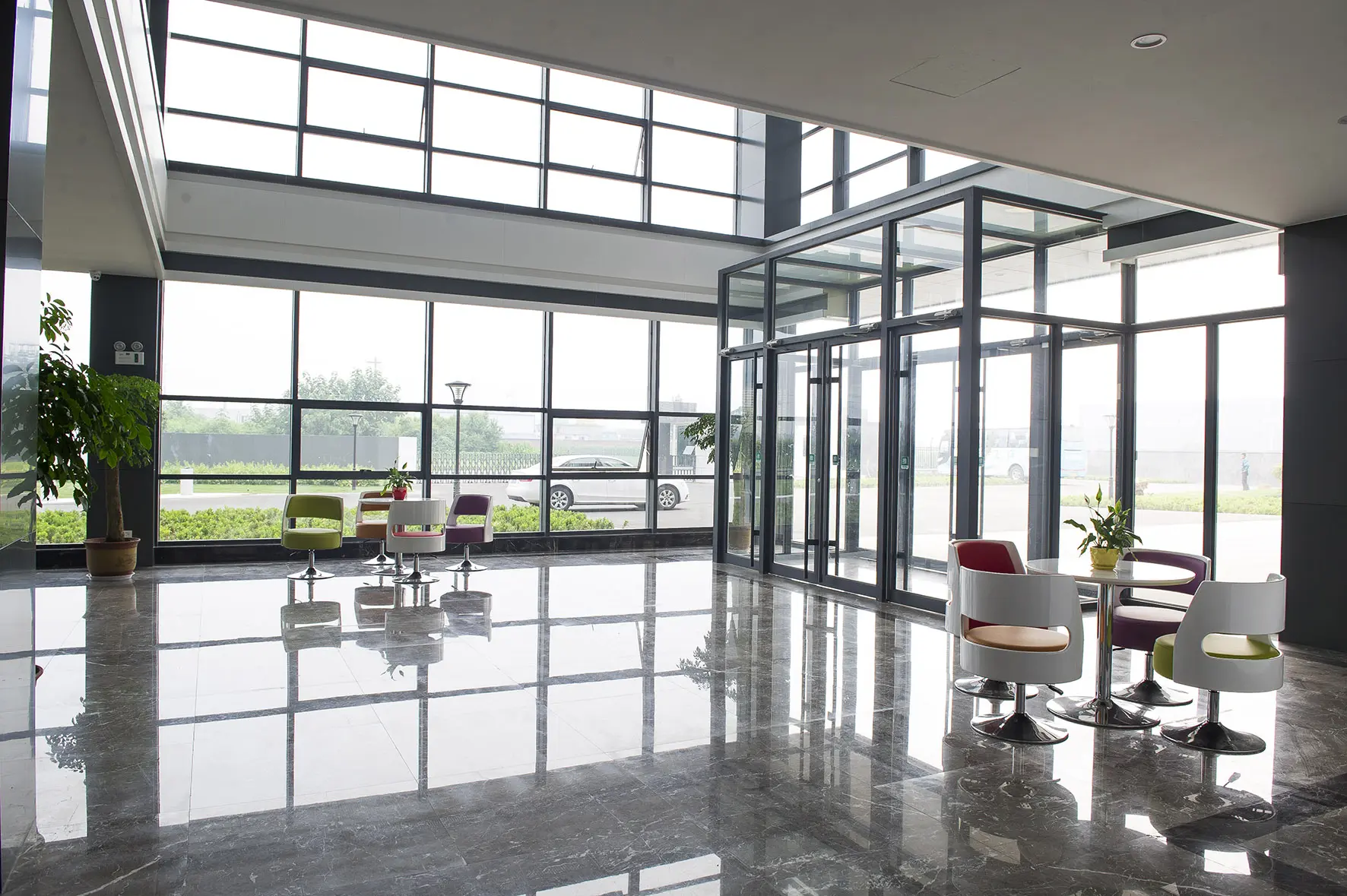
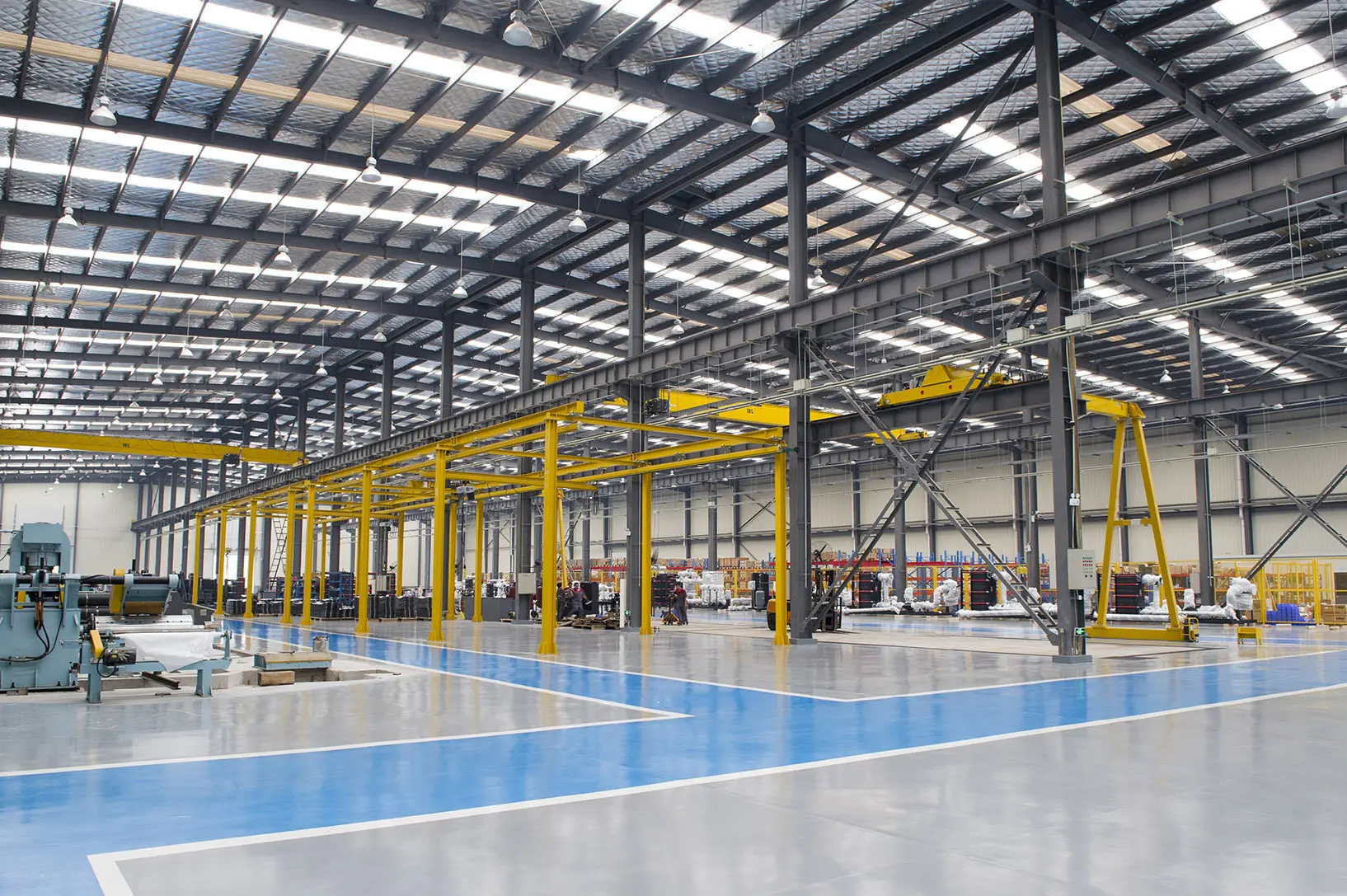
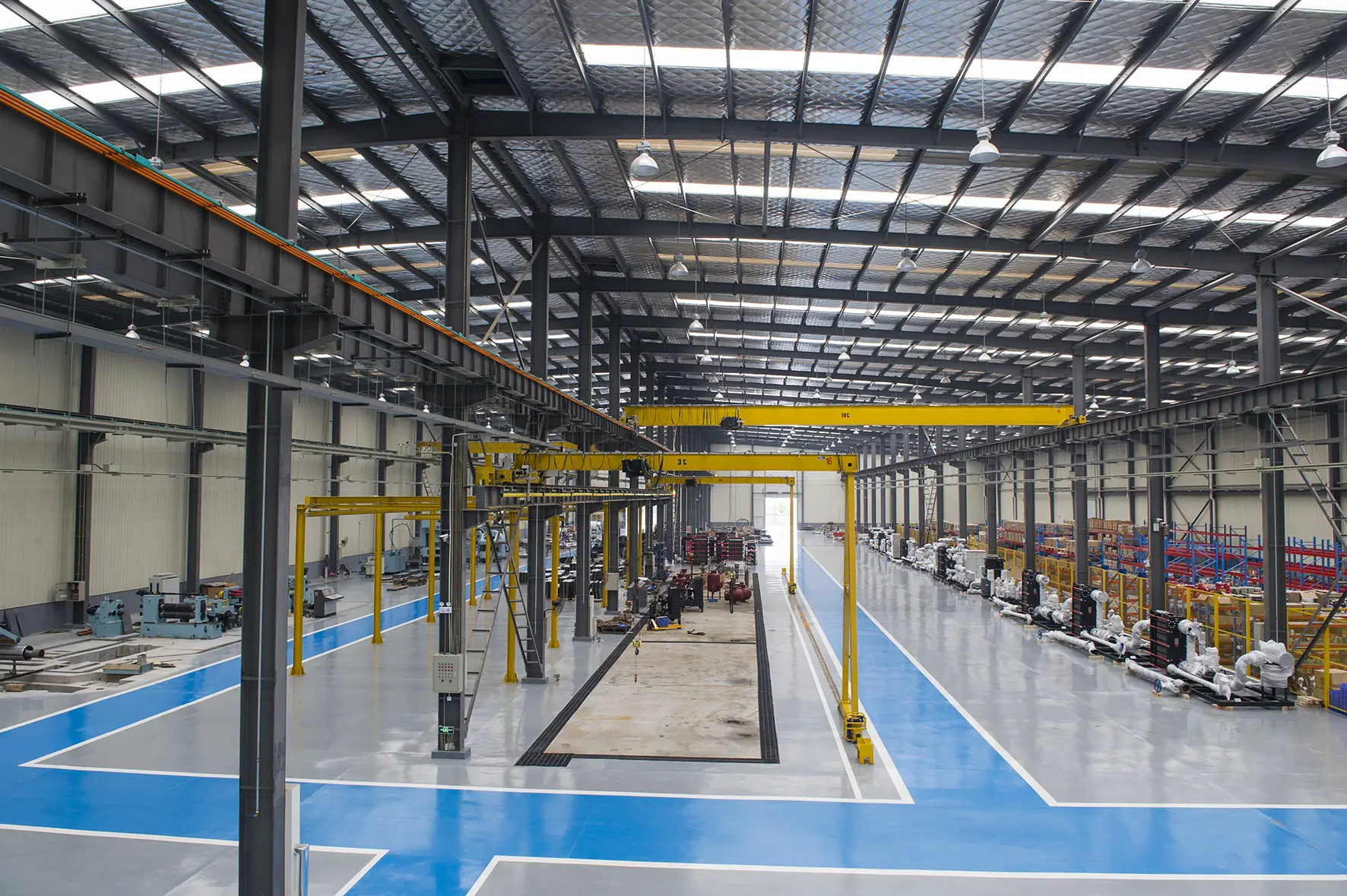
A look inside Flotte's production workshops, equipped with heavy-tonnage hydraulic presses, automated welding bays, and rigorous testing setups.
Discover how digitalization, energy efficiency mandates, and new fluid technologies are driving the evolution of cooler exchangers.
Modern heat exchange installations are no longer static mechanical elements. The integration of high-precision temperature transmitters, ultrasonic flowmeters, and smart valves allows the system to communicate directly with building management software (BMS). Using real-time monitoring, operators can track thermodynamic performance, calculate the immediate Heat Transfer Coefficient, and predict maintenance schedules before fouling restricts flow.
Procurement teams are shifting focus from initial capital costs to long-term operational expenditures. Factors such as gasket longevity, ease of cleaning, and pumping power requirements are critical. Flotte's plate designs minimize pressure drop while maintaining high turbulence, reducing pump energy consumption over the system's operational lifetime.
Decarbonization policies require systems to work with lower energy losses. Our multi-effect evaporation and membrane concentration configurations are engineered for low-temperature heat recovery, allowing industrial plants to capture waste heat from exhaust streams and reuse it within the process loop, reducing thermal emissions and fuel consumption.
No two process loops are identical. Flotte utilizes advanced thermal design software to run fluid simulations based on specific flow rates, viscosities, design temperatures, and pressure allowances. This custom configuration ensures the unit is neither oversized (which wastes capital) nor undersized (which restricts capacity).
Addressing common engineering and logistics questions regarding the purchase, design, and deployment of China-made cooler exchangers.
Explore additional specialized machinery, monitoring modules, and high-precision sensors manufactured by Flotte.
Discover our advanced product lines, developed to address industrial purification, evaporation, and real-time network balancing requirements.
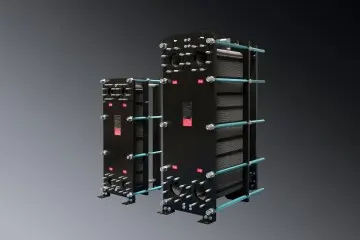
Engineered for easy maintenance and expansion, utilizing high-grade compression frames and optimized plate configurations.
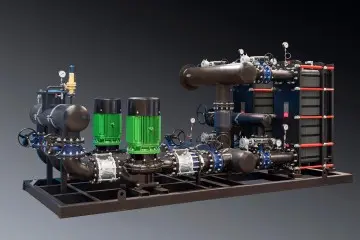
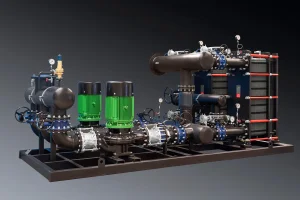
Includes pumps, sensors, controllers, and piping on a single structural skid for quick mechanical setup.
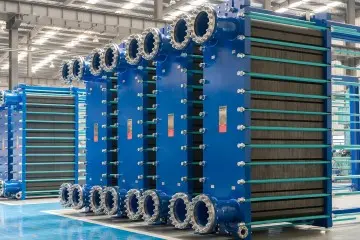
Combines reliable pressure regulation with high-efficiency thermal insulation loops for high-rise infrastructure.
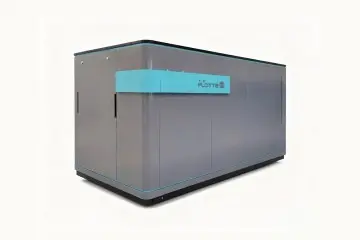
Custom-engineered to manage heating and cooling demands in modern commercial developments.
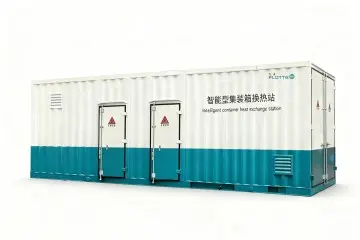
An enclosed configuration providing thermal protection, noise reduction, and weatherproof operation.
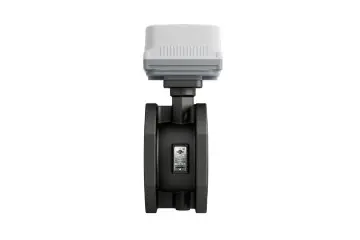
Ensures hydraulic balance across secondary heating loops, reducing cold spots and energy waste.

High-precision remote sensor array transmitting localized air temperature data to the control loop.
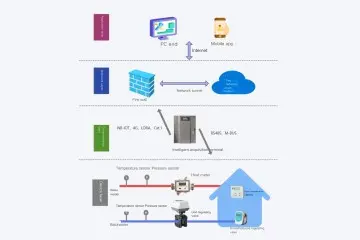
Centralized software and hardware network managing distribution parameters to prevent system-wide imbalances.
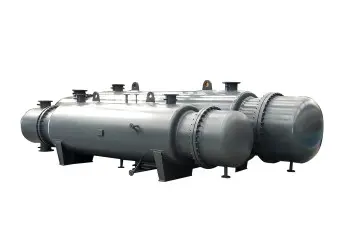
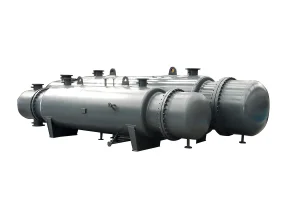
Designed for extreme high-temperature and high-pressure differentials in heavy chemical processing.
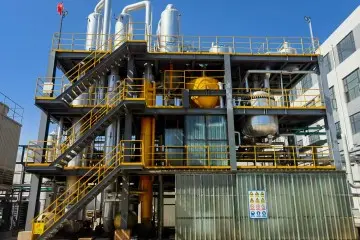
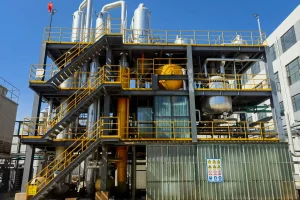
Recovers latent heat from vapor across consecutive stages, optimizing energy efficiency in concentration lines.
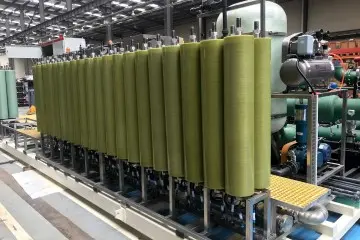
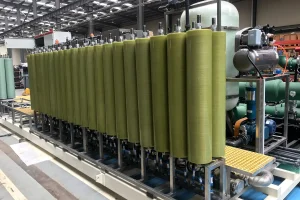
High-efficiency physical separation setup designed for industrial desalination and wastewater purification.
 Flotte Energy