Explore Flotte's industry-leading certified systems, engineered for maximum heat recovery and process integration globally.
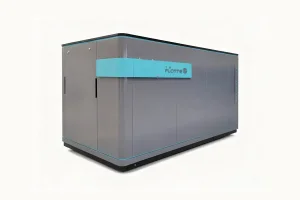
Established in 2013 with a registered capital of 101 million yuan, Flotte Energy Saving Company originated from the pioneering Flotte Thermal Engineering founded in 1995. With three decades of profound technical expertise, we specialize in high-performance water equipment, HVAC systems, and progressive water treatment industries. By constantly pushing the boundaries of mechanical and thermal engineering, Flotte stands as an authoritative reference in manufacturing, consulting, and system design.
When selecting a thermal transfer mechanism, industrial operators, chemical engineers, and facility managers face a crucial technological crossroad: choosing between a Plate Heat Exchanger (PHE) and a Tubular Heat Exchanger (SHELL & TUBE). Selecting the incorrect type of heat exchanger impacts energy consumption, thermal efficiency, cleaning cycles, structural footprint, and total cost of ownership (TCO). This comprehensive whitepaper provides in-depth analysis to guide engineering decision-makers worldwide.
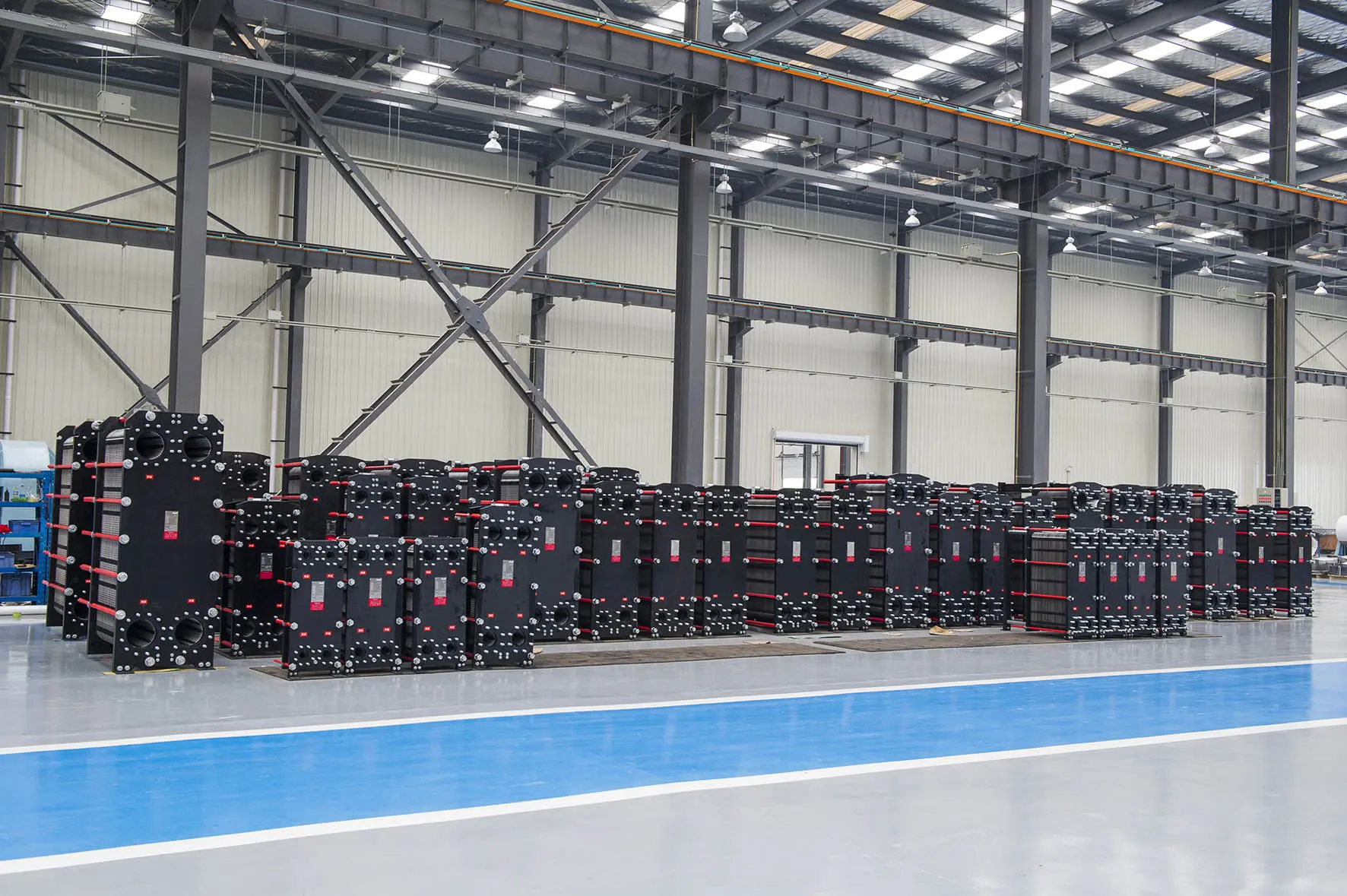
A comparative overview of thermal metrics, flow characteristics, mechanical stress capacity, and maintenance differences.
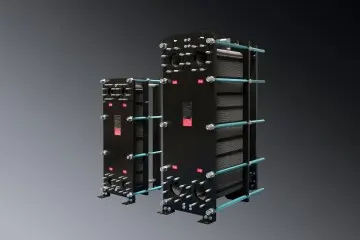
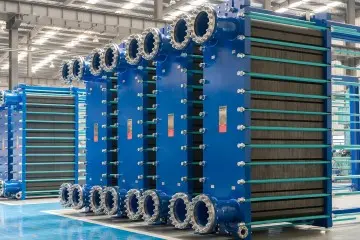
Plate Heat Exchangers utilize a series of thin, corrugated metal plates to transfer heat between two fluids. The plates are compressed within a frame, with gaskets directing the flow channels. The corrugated design creates high fluid turbulence at low Reynolds numbers, resulting in outstanding thermal efficiency.
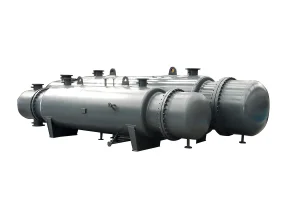
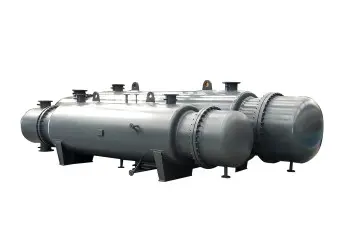
Tubular Heat Exchangers consist of a bundle of tubes housed inside a cylindrical shell. One fluid flows through the tubes, while the other flows over the outside of the tubes within the shell. This design is highly robust, making it the industry standard for high-temperature and high-pressure applications.
| Feature Parameter | Plate Heat Exchanger (PHE) | Tubular Heat Exchanger (Shell & Tube) | Engineering Selection Indicator |
|---|---|---|---|
| Heat Transfer Coefficient ($U$) | 3,000 – 7,500 W/m²·K (Highly Turbulent Flow) | 500 – 2,500 W/m²·K (Laminar/Transitional) | PHE offers 3x higher heat recovery efficiency. |
| Max Operating Temperature | Up to 180°C (limited by elastomer gaskets) | Exceeds 550°C (limited only by metallurgy) | Tubular preferred for extreme thermal environments. |
| Max Design Pressure | Up to 2.5 - 3.0 MPa (gasket dependent) | No practical limit (often exceeding 30 MPa) | High pressure process lines require Tubular units. |
| Approach Temperature | Extremely close approach (< 1°C achievable) | Typically > 4°C to 5°C required | PHE allows high energy recovery in low-grade heat applications. |
| Fouling Propensity | Very low; high shear stress prevents deposits | High; low velocity zones encourage fouling | PHE reduces maintenance down-time for scale-prone media. |
| Spatial Volume Footprint | Compact; fits into limited modular skid spaces | Bulky; requires space for tube bundle removal | PHE is ideal for compact urban HVAC and marine skids. |
How our technical department translates thermodynamic calculations into high-performance industrial equipment.
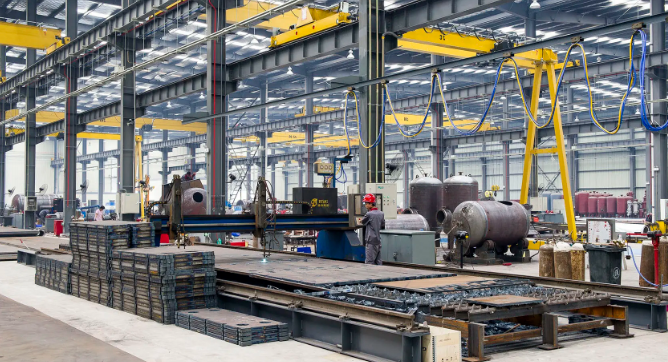
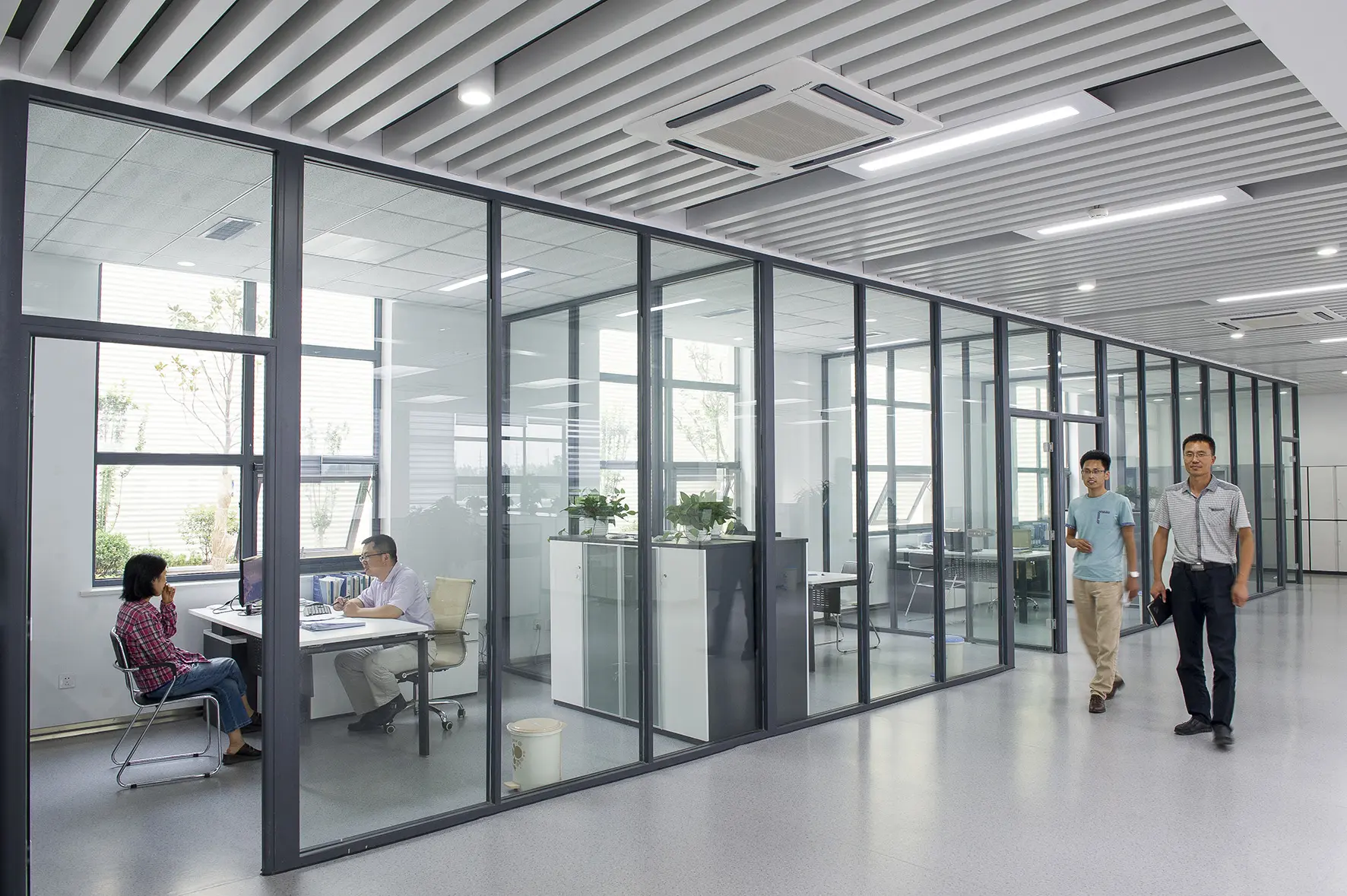
Our designers and technical staff bring decades of practical experience to every project. This expertise ensures the mechanical integrity and thermal performance of our products. Flotte maintains a dedicated R&D center and laboratory to continuously test and refine our heat exchange technologies.
We have accumulated valuable experience across technology development, manufacturing, application, and installation. Having delivered systems for key municipal and industrial projects, Flotte offers comprehensive project support and after-sales services globally.
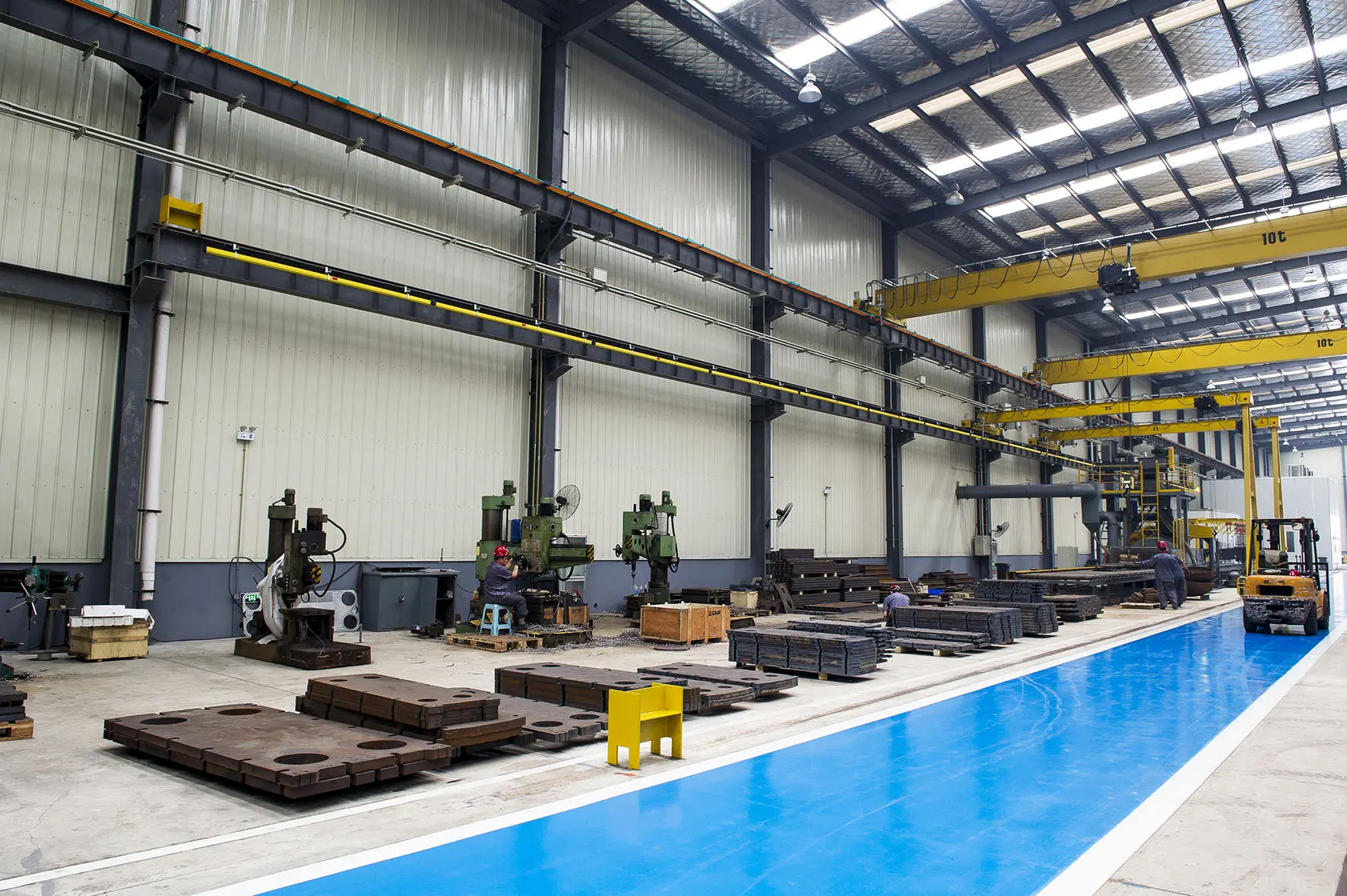
Our modern production facilities combine advanced manufacturing with systematic quality management. Annually, we manufacture approximately 4,500 heat exchange units and water treatment systems. Supported by over 300 employees, Flotte generates 500 million yuan in annual sales revenue, representing a strong market share nationwide.
A step-by-step look at our production process, from raw materials to final certified heat exchangers.
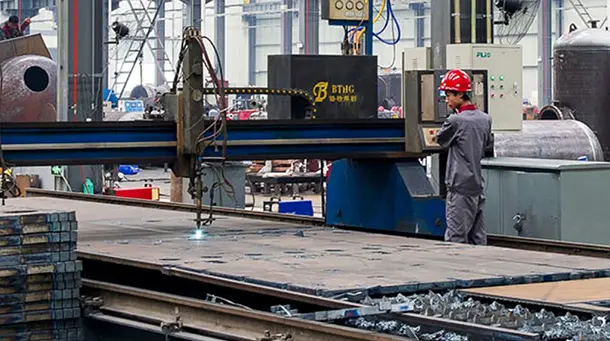
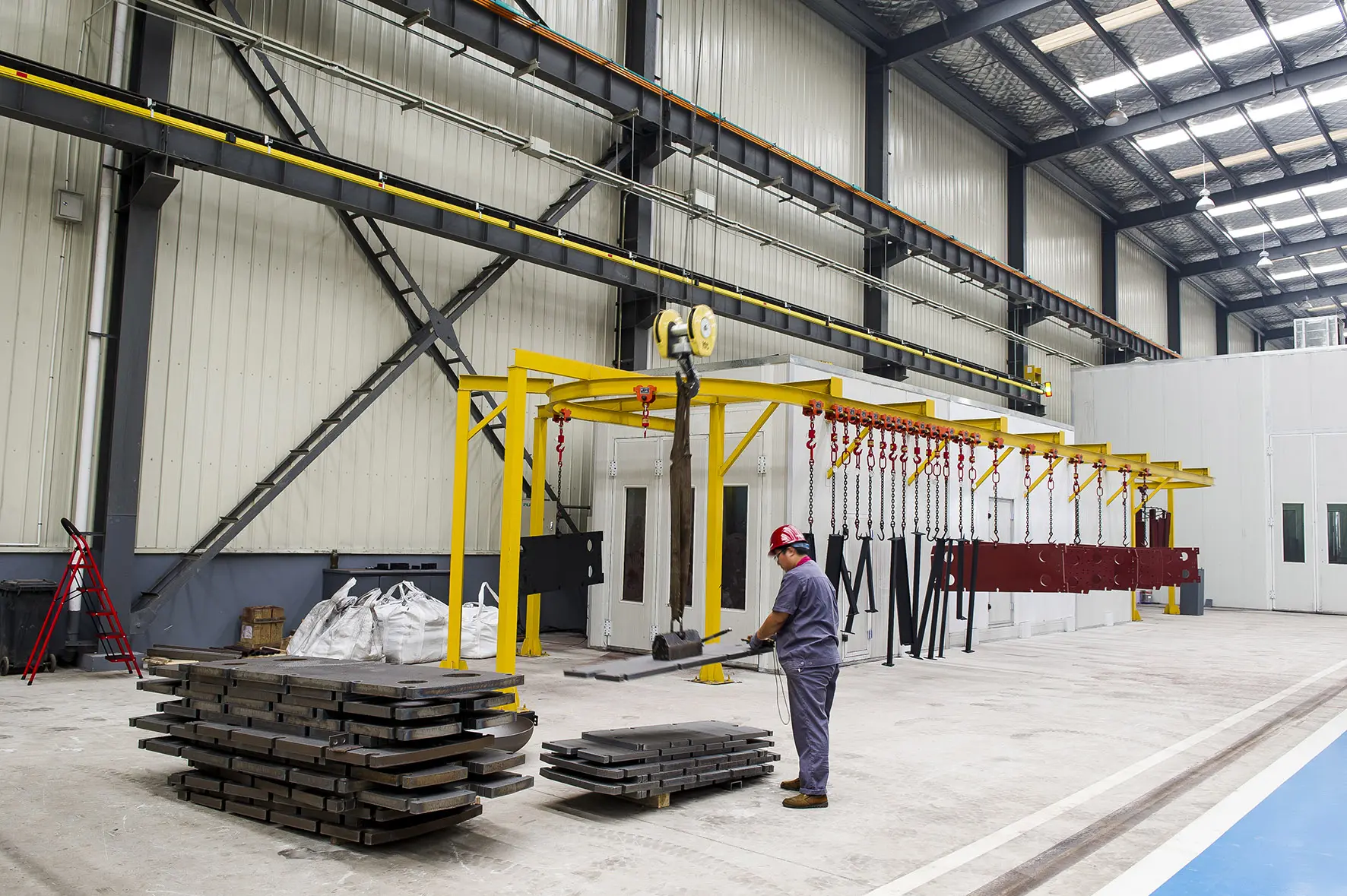
Heavy-duty plates are cut to precise dimensions using automated CNC plasma and laser systems, ensuring clean edges for frame assembly.
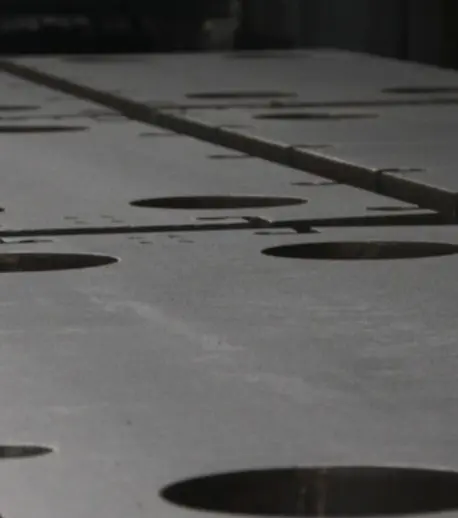
Controlled micro-forging refines the grain structure of the metal plates, increasing structural strength and resistance to fatigue and stress corrosion.
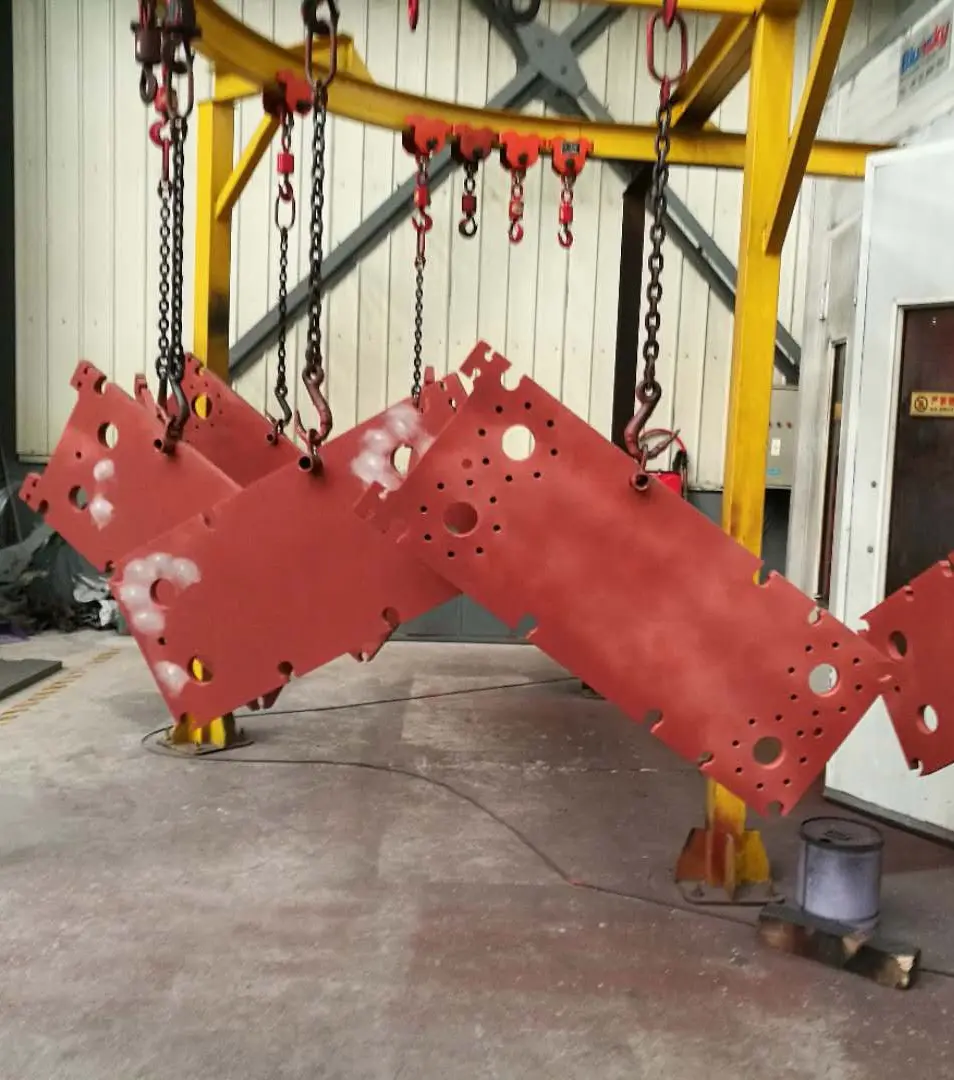
Corrosion-resistant epoxy coatings are applied in automated spray booths, providing long-term protection against harsh industrial environments.
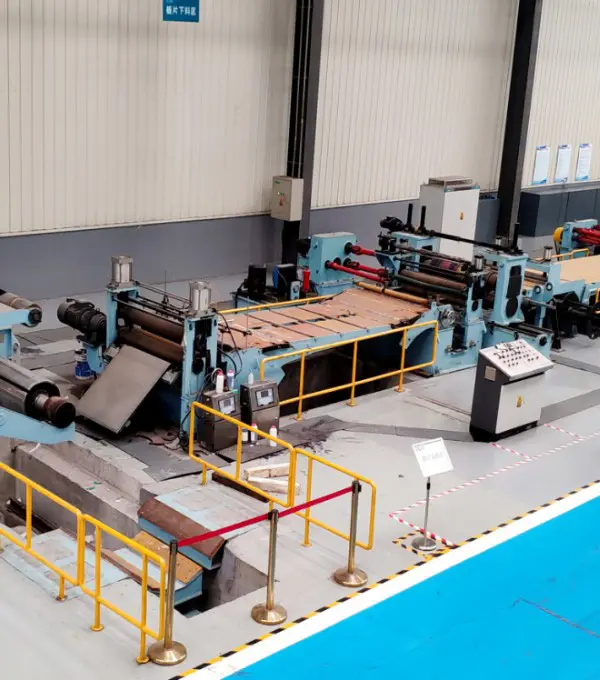
Raw material sheets are cut and marked with tracking codes to ensure material traceability throughout the manufacturing process.
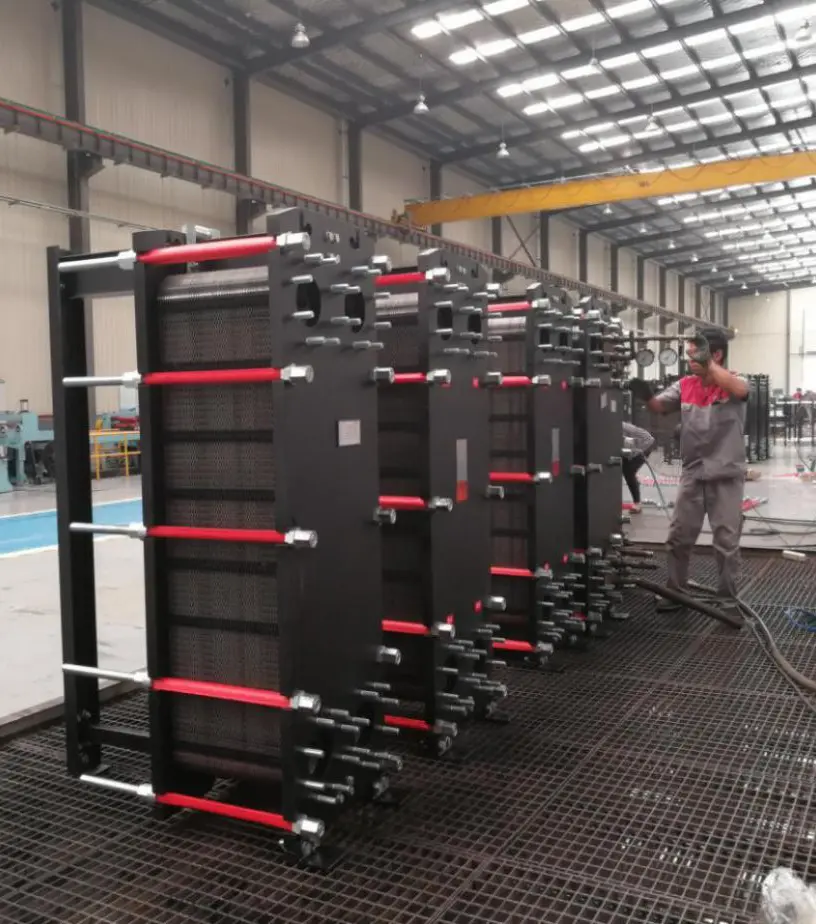
Every unit undergoes hydrostatic pressure testing to verify seal integrity and structural strength under simulated peak operating loads.
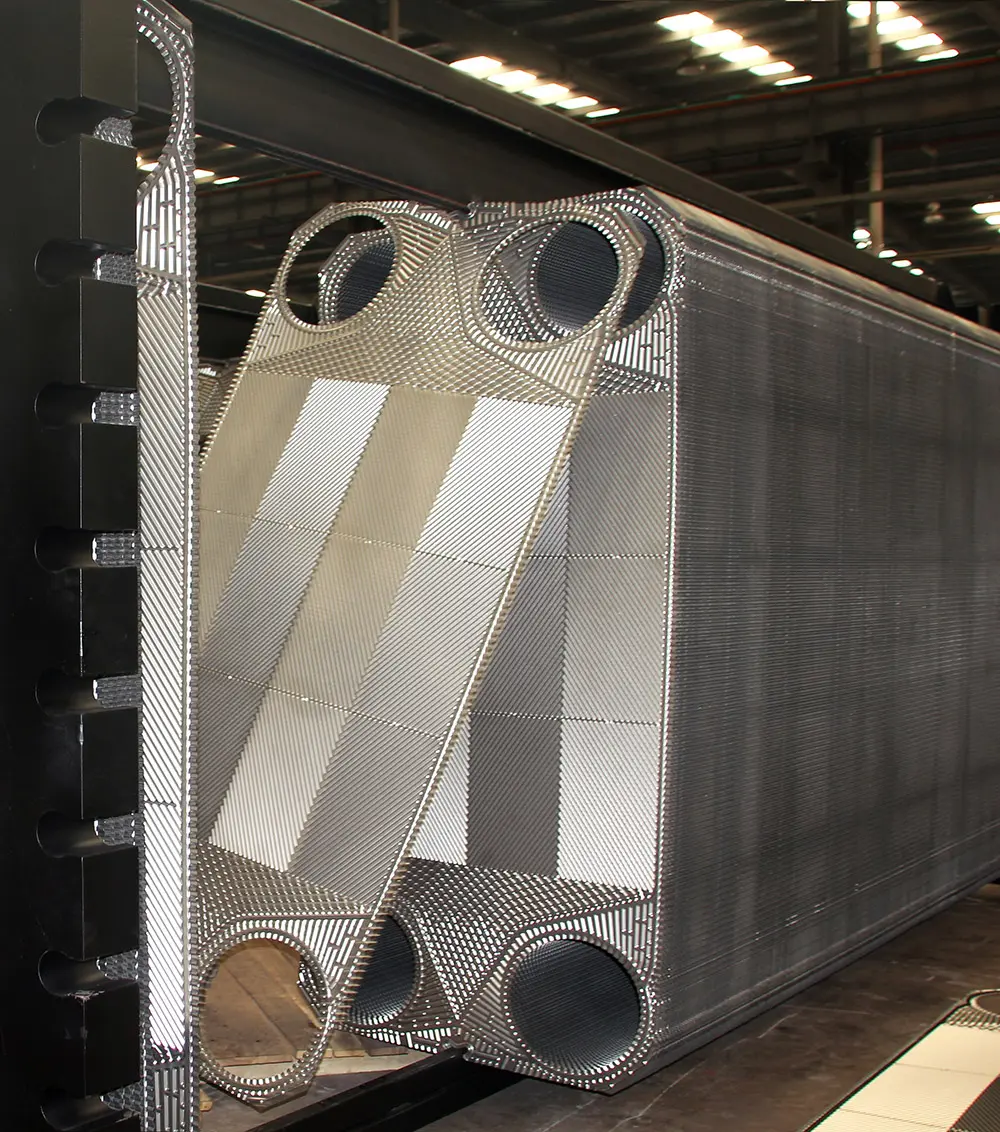
Experienced technicians assemble the components, including plates, gaskets, and frames, ensuring proper alignment and torque specifications.
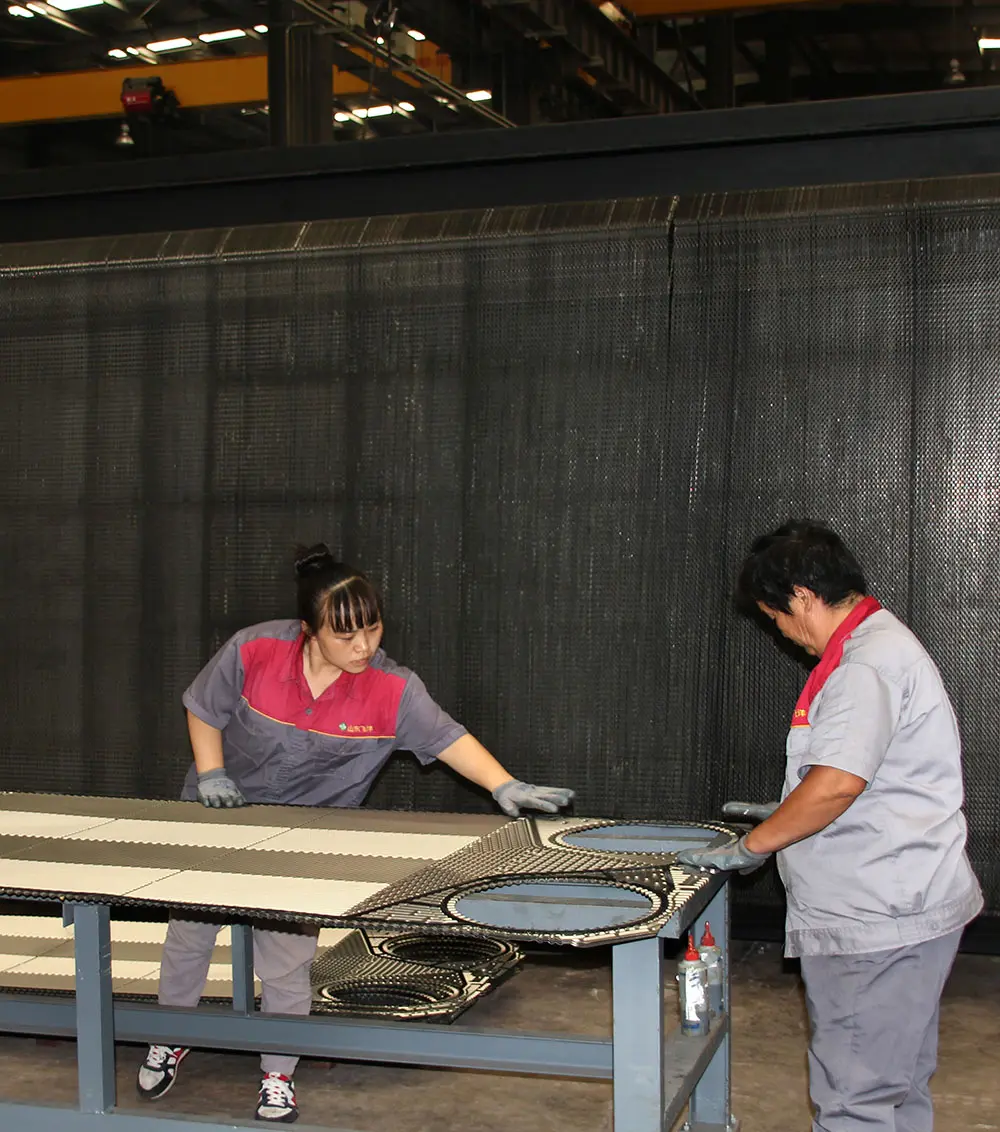
Precision elastomer gaskets are placed into the plate grooves, ensuring a reliable seal that prevents fluid bypass or external leakage.
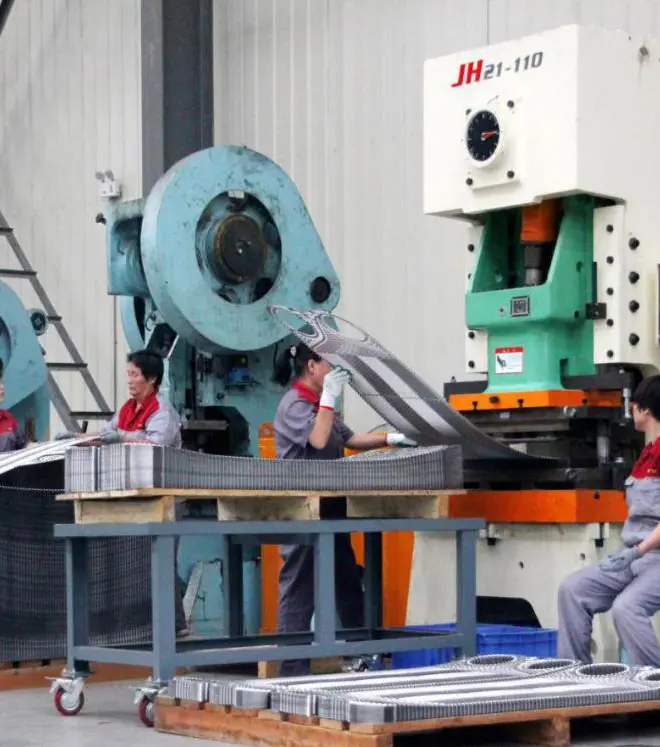
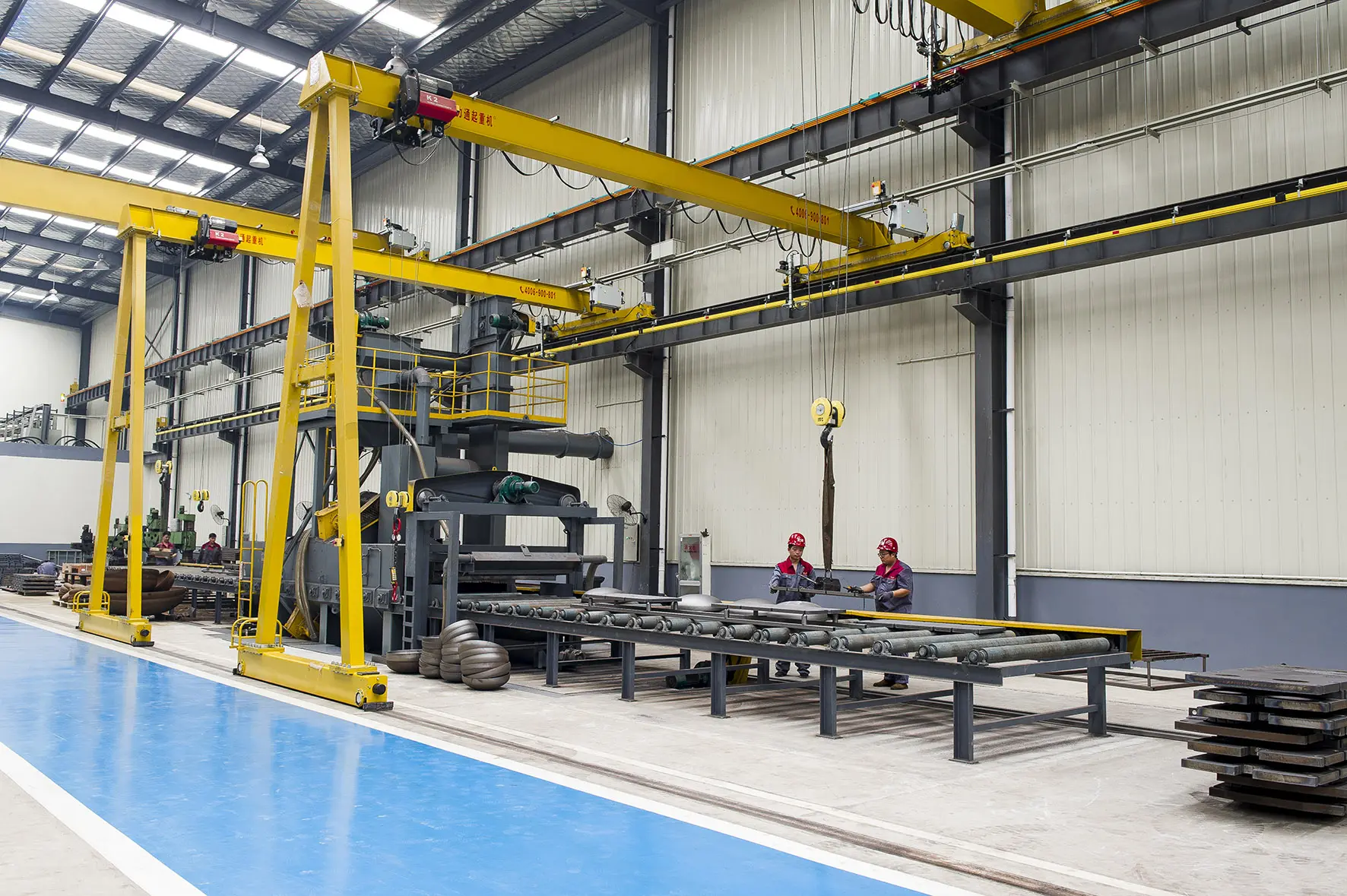
High-precision presses punch the fluid inlet and outlet ports, maintaining accurate spacing to ensure uniform flow distribution.
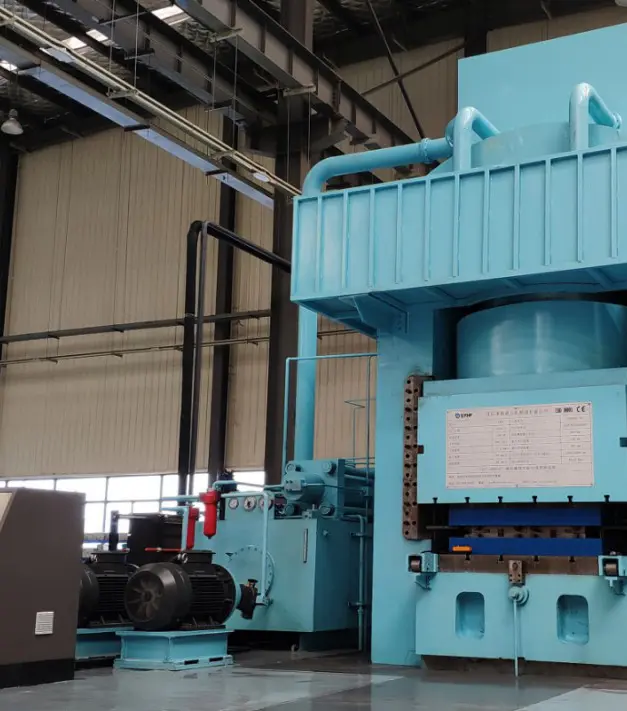
Using our high-tonnage hydraulic presses, metal sheets are stamped with corrugated chevron patterns to generate fluid turbulence.
How local regulations, fluid properties, and energy recovery targets influence system selection.
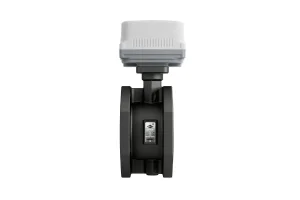
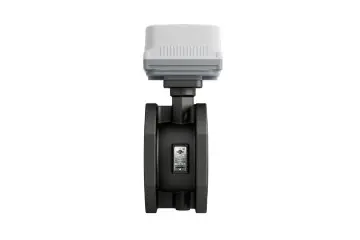
In large-scale district heating networks, Plate Heat Exchangers serve as the primary link between municipal steam or high-temperature water loops and building distribution systems. PHEs manage close temperature approaches efficiently, allowing secondary distribution loops to run at optimal temperatures. This maximizes thermal recovery and reduces losses across the network. Modern installations also utilize Intelligent Unit Balance Valves to monitor and adjust flow rates dynamically, stabilizing pressure across changing load profiles.
Chemical processes involving slurries, high particulates, or highly viscous fluids typically rely on Tubular Heat Exchangers. The larger flow passages within the tubes can handle solids that would otherwise block the narrow channels of plate designs. For corrosive chemical media, Flotte manufactures tubes and plates using specialized alloys like Titanium, Hastelloy, or SS316L, selecting materials based on process chemistry to ensure reliable operation.
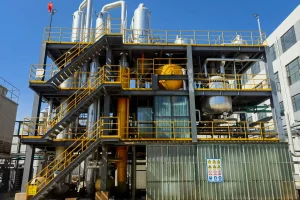
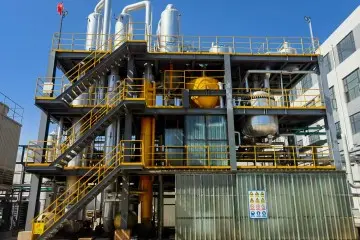
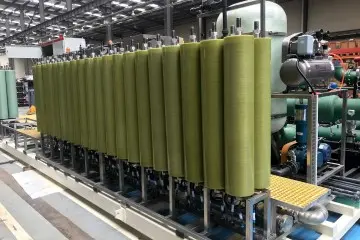
Industrial wastewater treatment and zero-liquid discharge (ZLD) plants combine multiple heat exchange technologies. In Multi-Effect Evaporation (MEE) and Membrane Concentration Systems, plate heat exchangers are used for preheating feed streams because of their high efficiency in compact footprints. Tubular designs are typically utilized in the final concentration and crystallization stages, where high-solids content and crystallization risk prevent the use of plate configurations.
Commercial building HVAC systems require high efficiency within limited mechanical room space. Modular plate heat exchangers are the standard solution here, serving as pressure interceptors in high-rise buildings and condenser isolation units. Their design allows for easy expansion by adding plates to the frame, providing flexibility for future load growth.
Our commitment to quality, environmental safety, and structural integrity is backed by comprehensive international certifications.
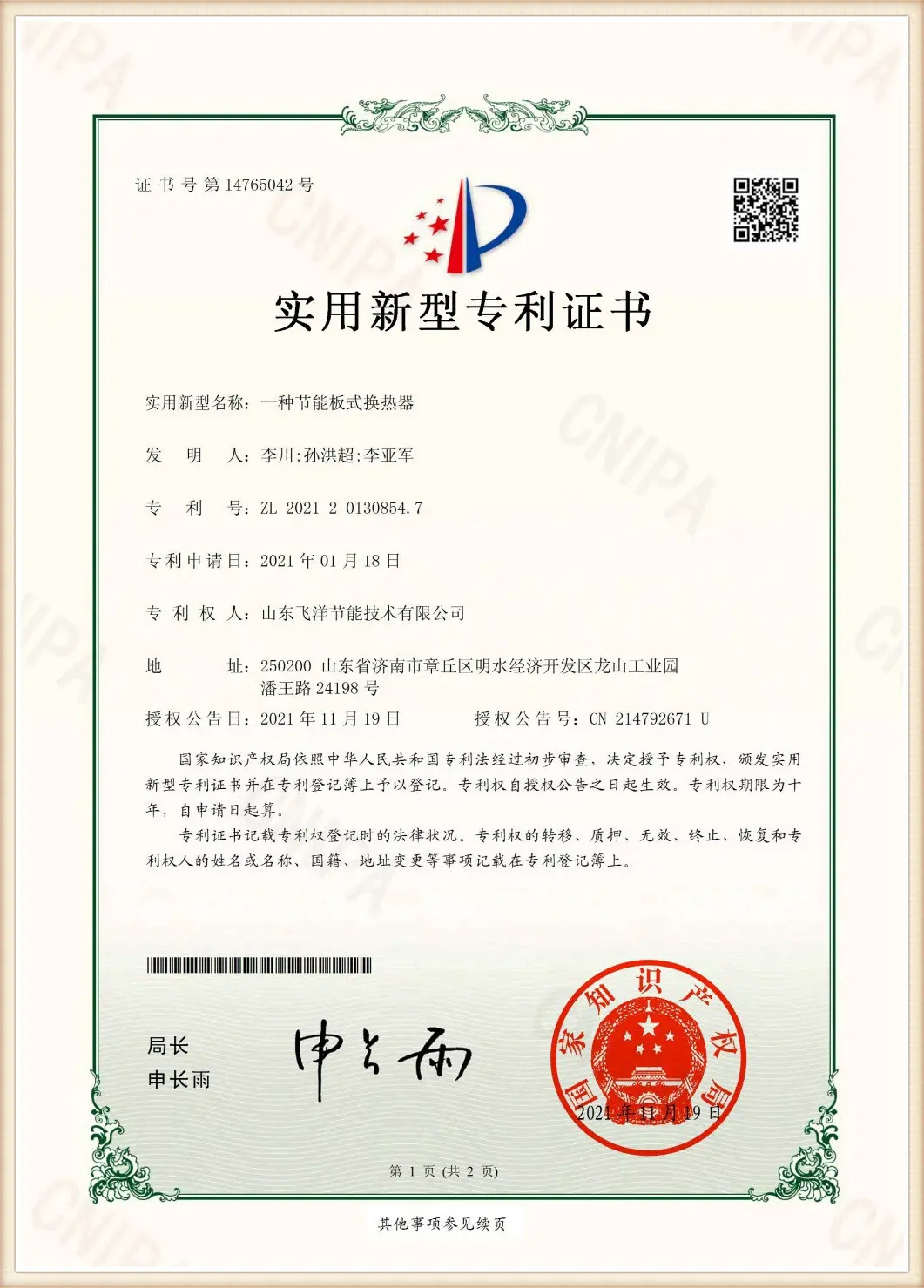
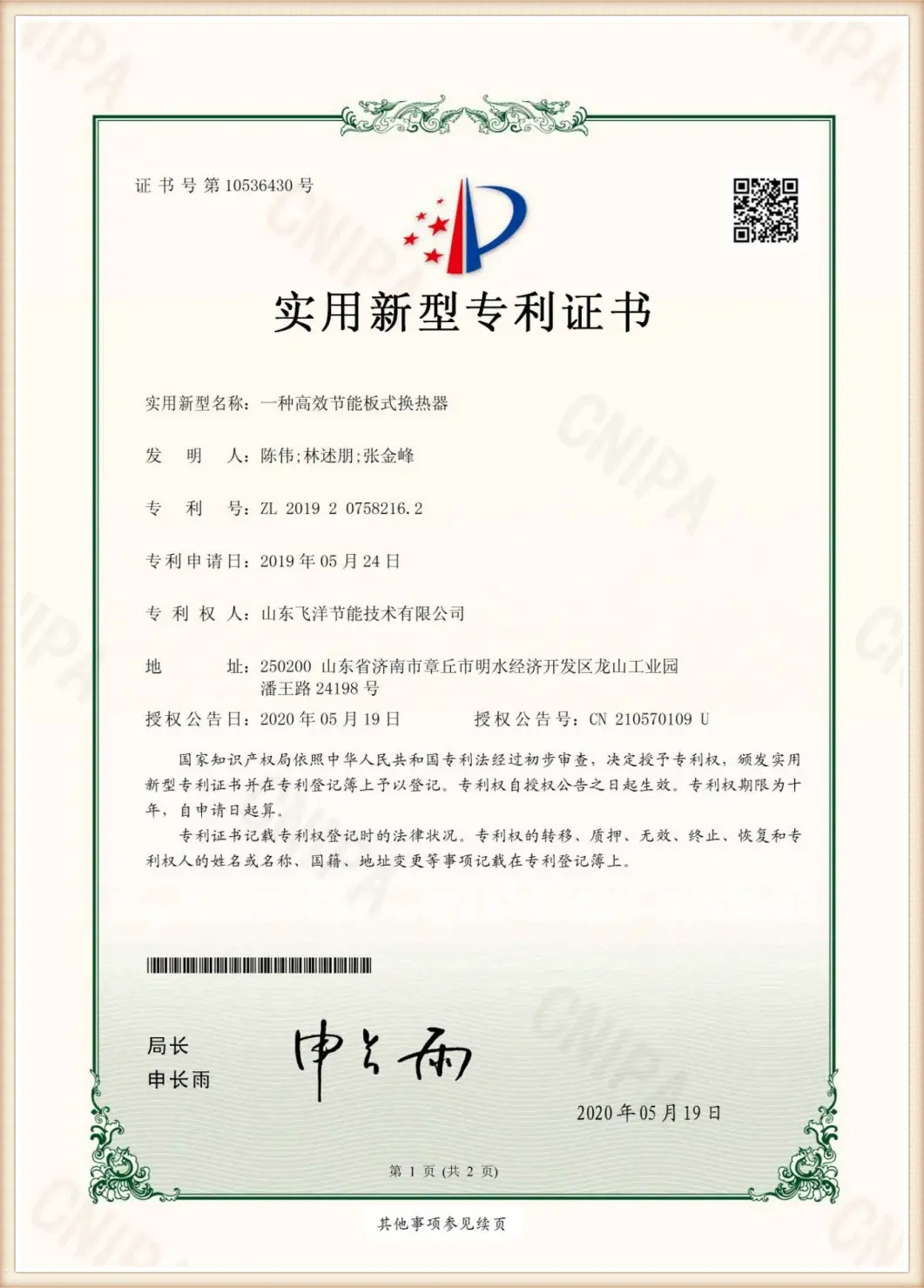
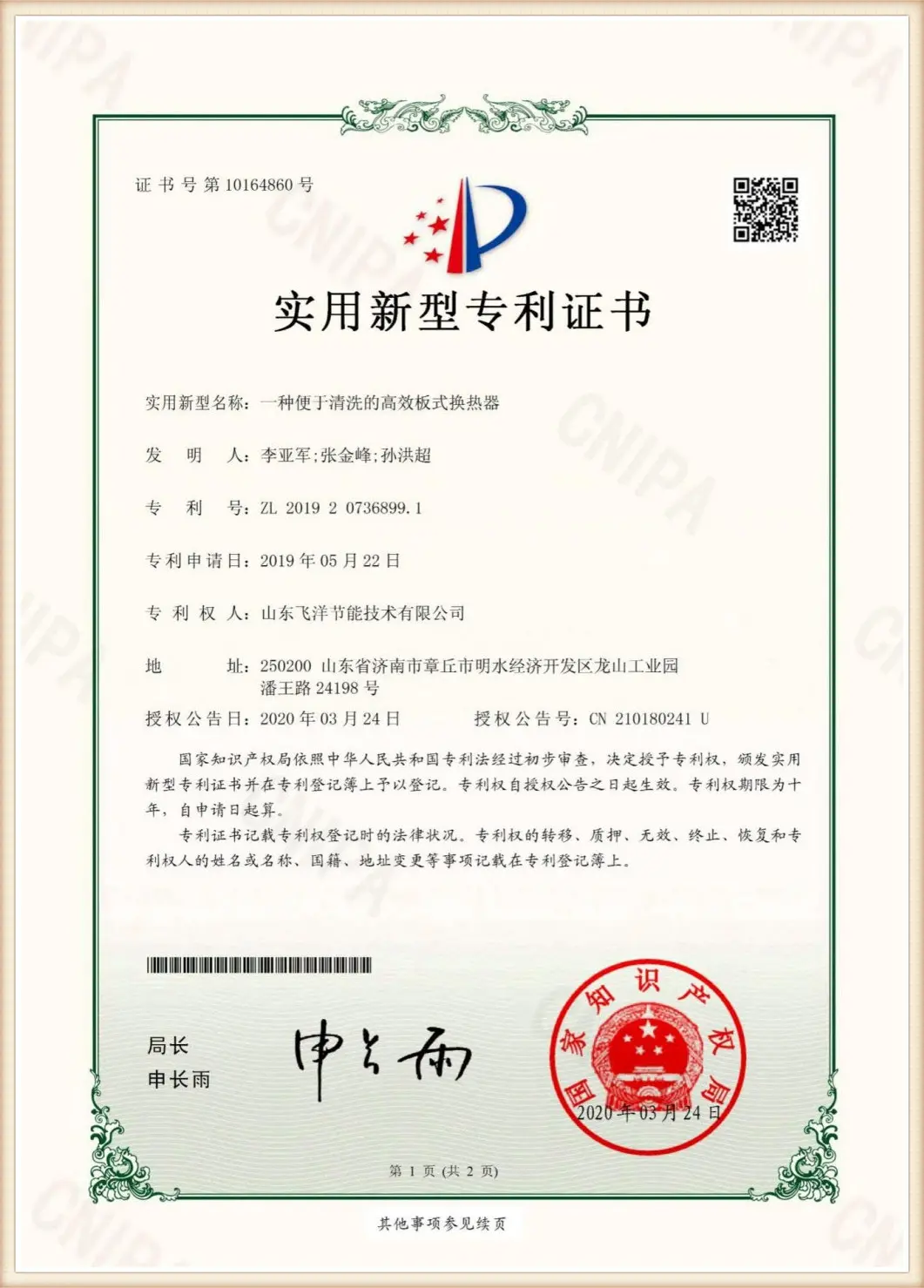
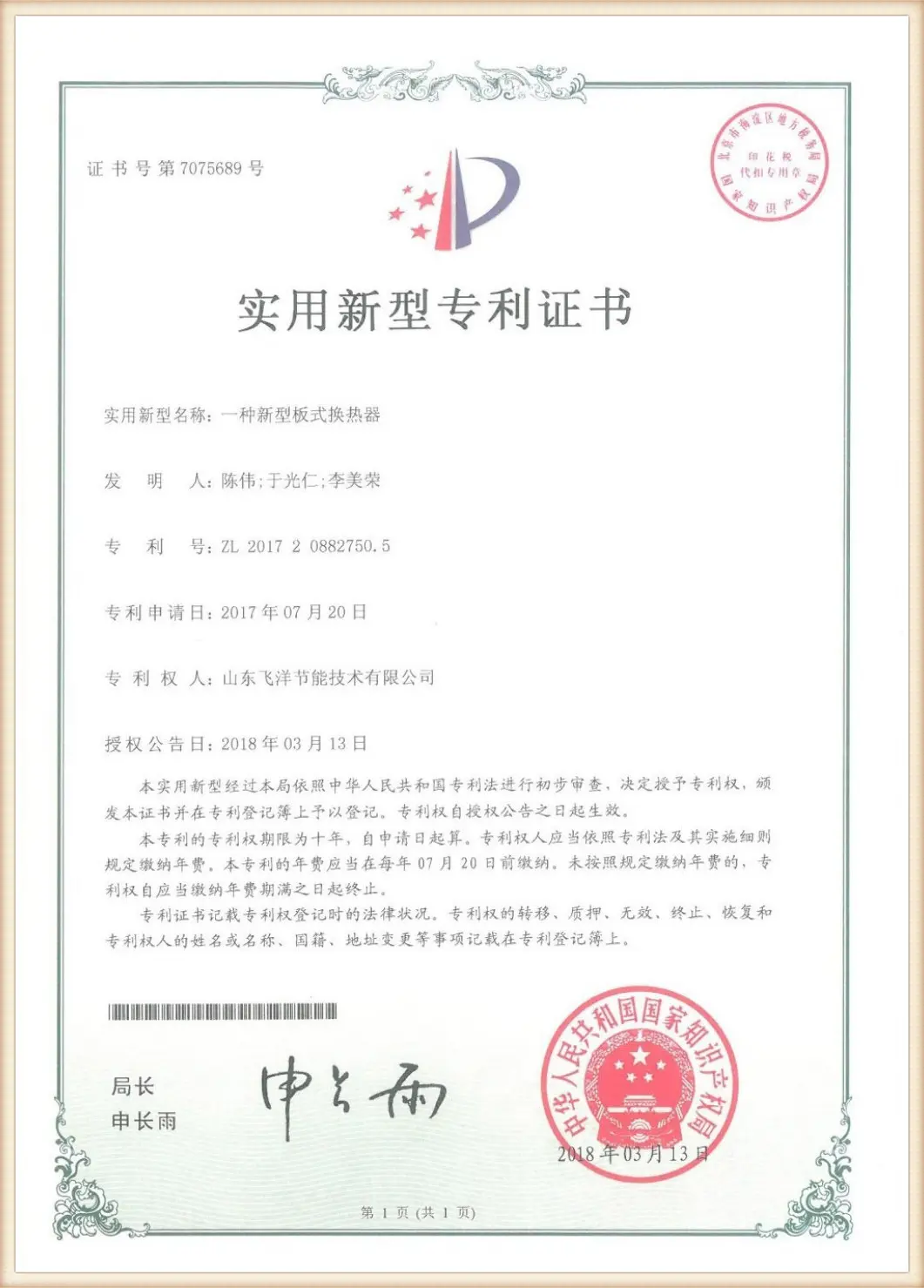
Flotte maintains a robust quality management framework. Our operations comply with the ISO 9001:2015 Quality Management System, ISO 14001:2015 Environmental Management System, and ISO 45001:2018 Occupational Health and Safety Management System. Additionally, our equipment meets key pressure vessel safety registrations and design standards.
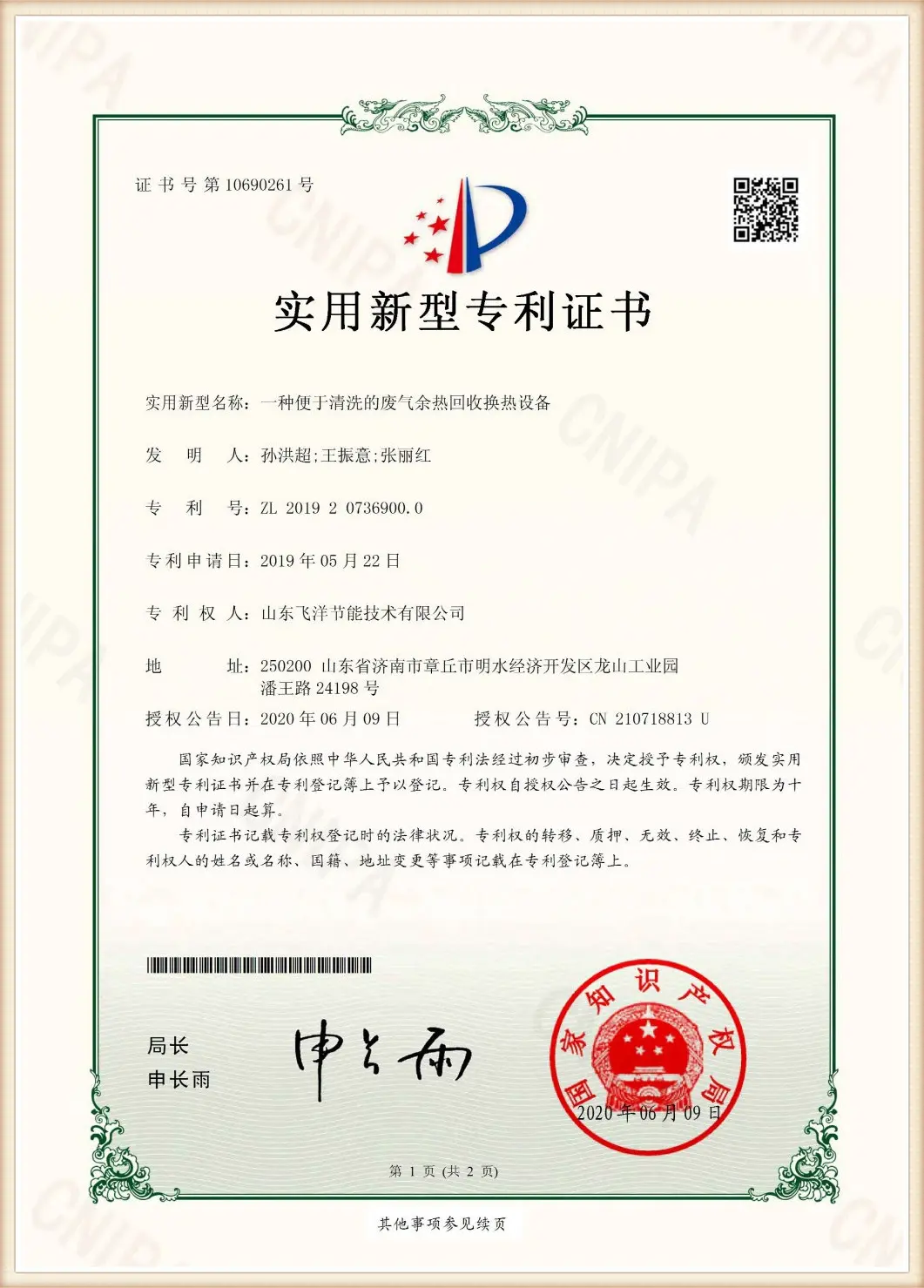
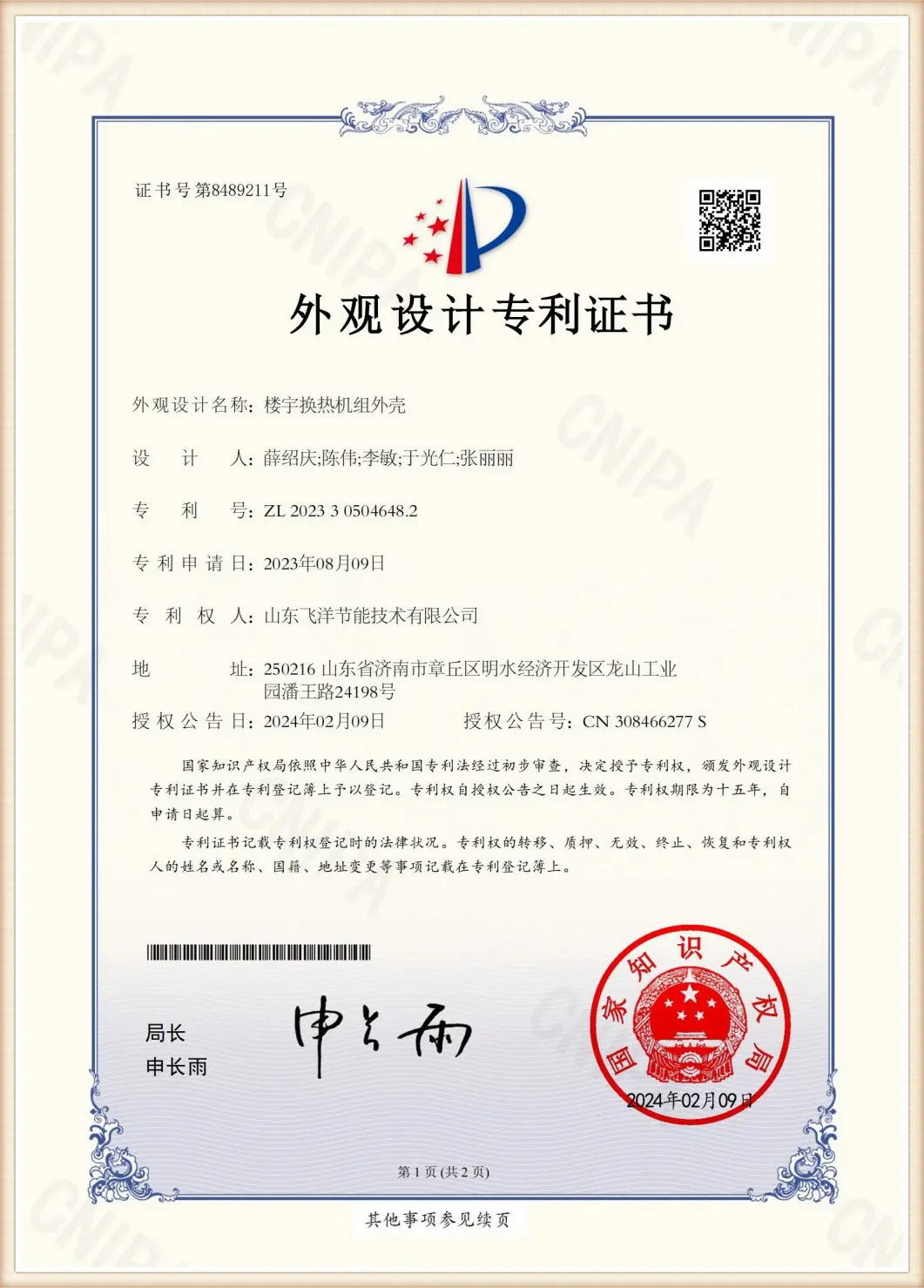
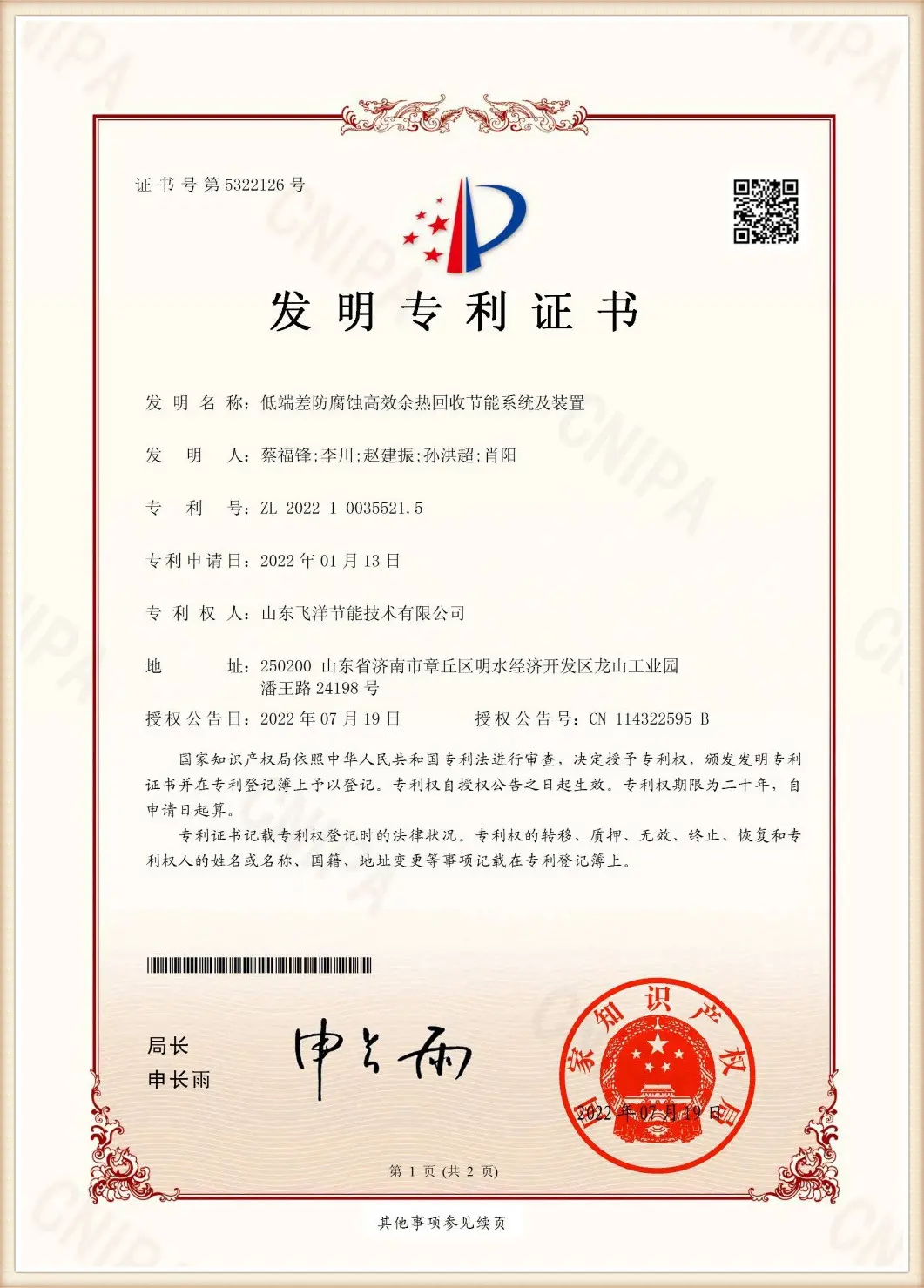
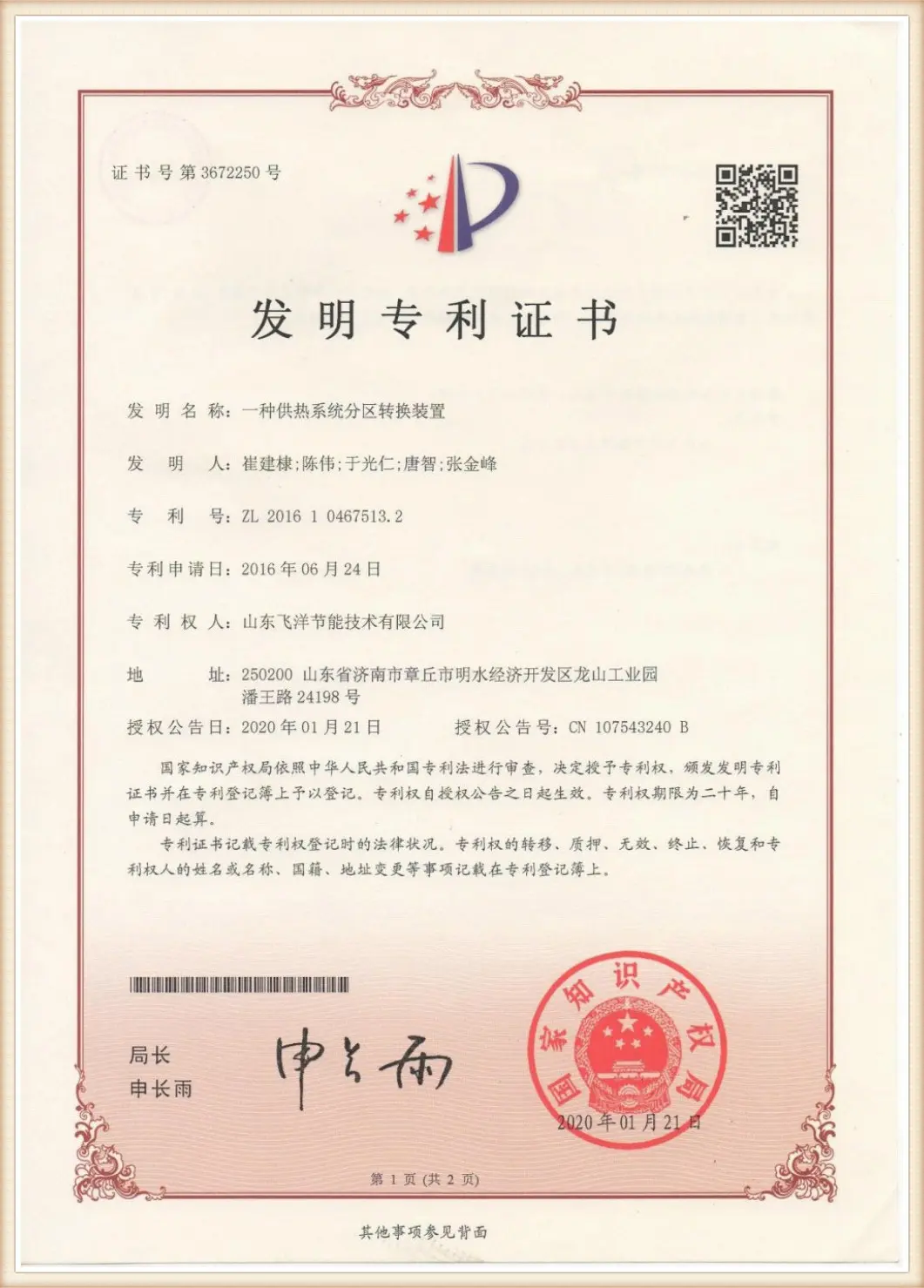
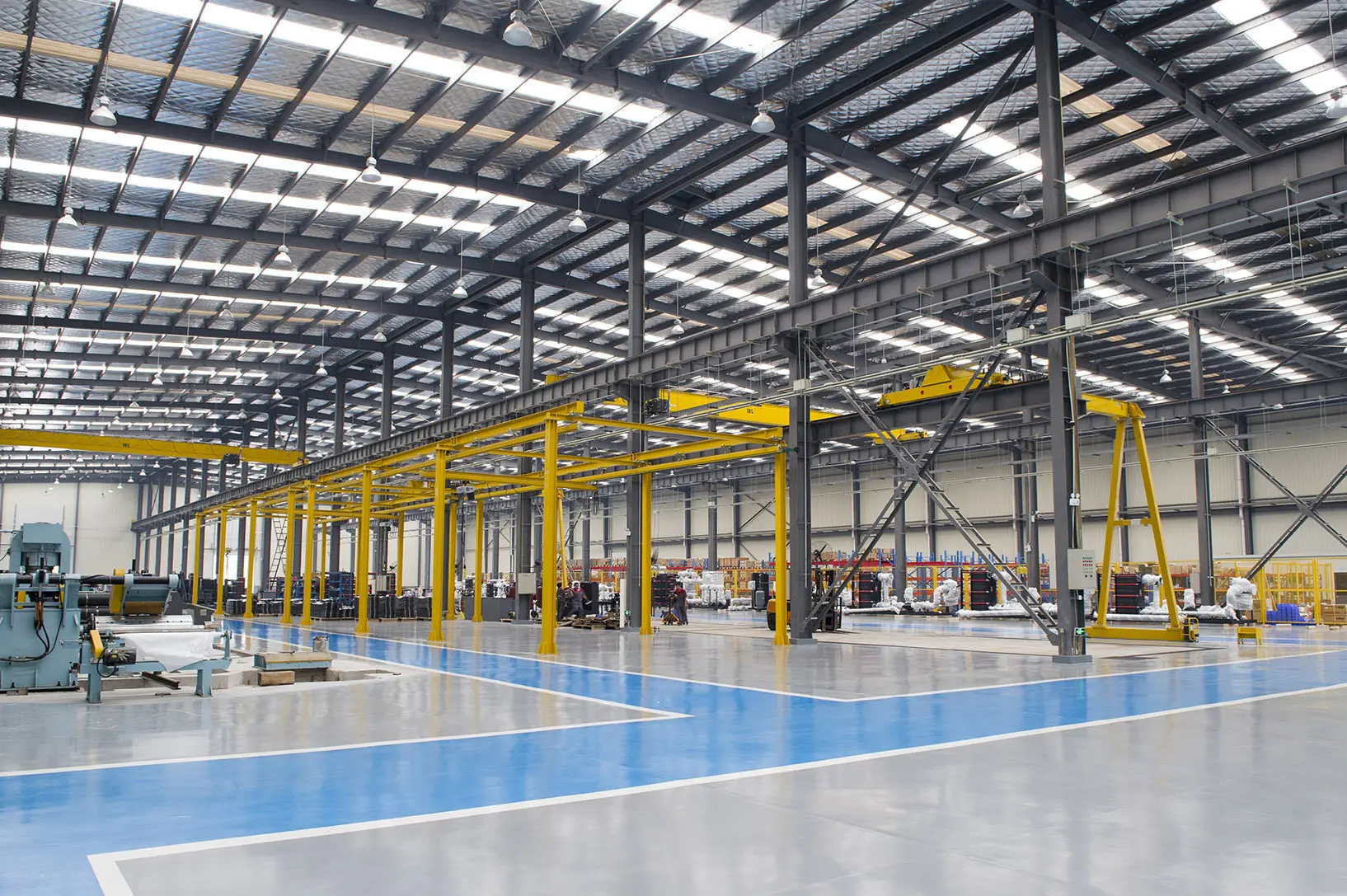
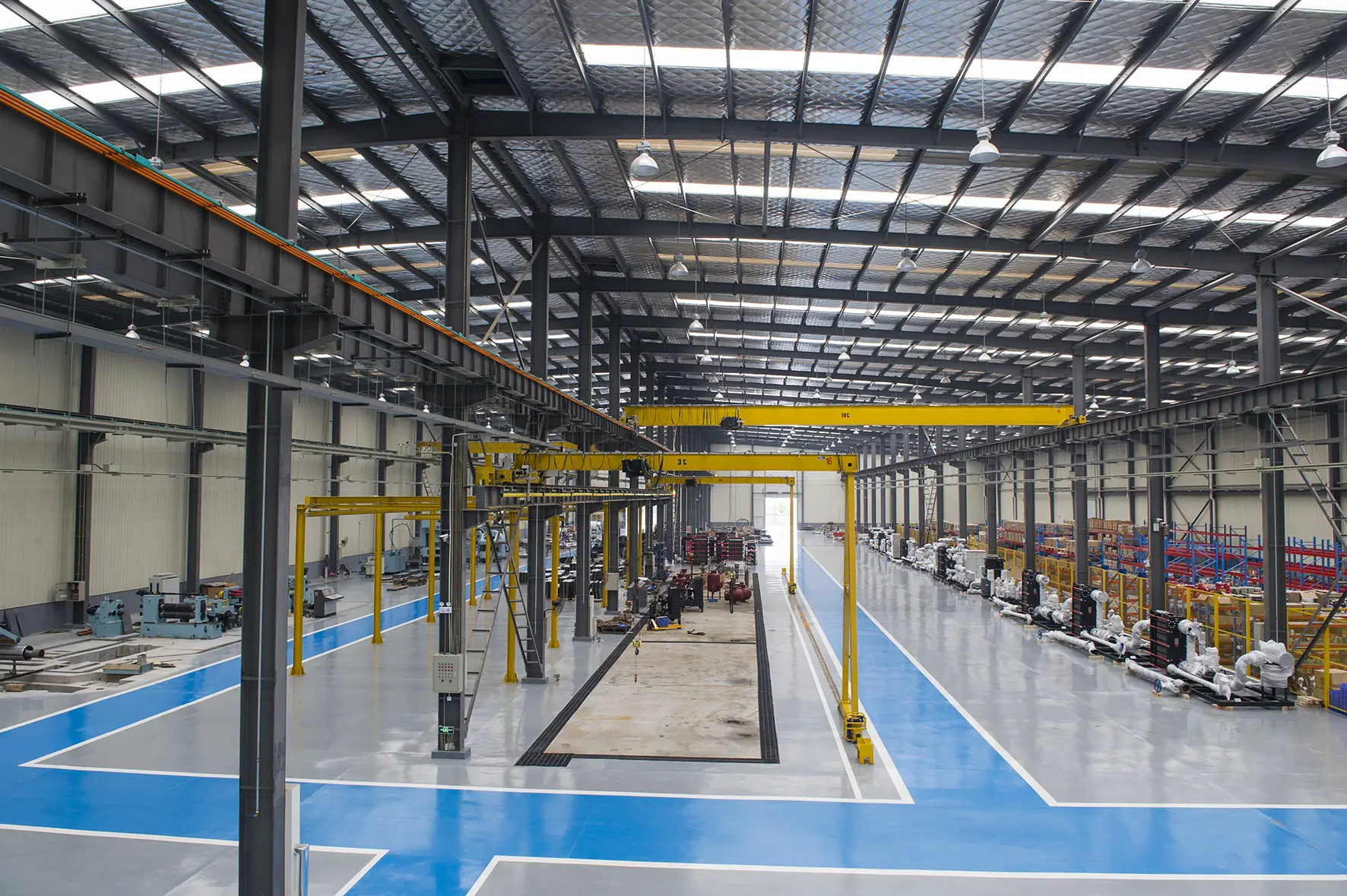
Our 70,000 square meter facility houses advanced production machinery and automated testing systems.


Delivering high-performance, custom-engineered thermal solutions for global industrial applications.
Our patented corrugated plate designs generate high fluid turbulence, delivering heat transfer coefficients 2 to 3 times higher than conventional equipment.
We provide solutions for core areas including heating, HVAC, and industrial processes, configured to meet specific regional requirements and codes.
We build our systems using certified titanium, stainless steel, and specialty alloys, ensuring reliable operation under challenging chemical conditions.
From initial thermal calculations to final installation support and aftermarket service, Flotte provides comprehensive engineering assistance for global projects.
Integrating digital monitoring and smart controls to improve heat exchange efficiency and system balance.
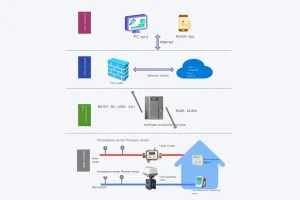
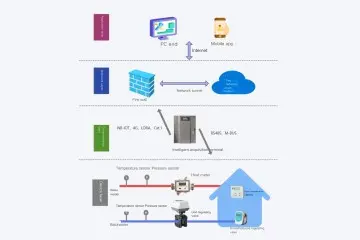
Modern heating and industrial cooling systems are evolving from static mechanical setups into dynamic, digital networks. Flotte's Intelligent Heating Network Monitoring System utilizes distributed sensors to track pressure, temperature, and flow rates across the system in real time. Analyzing this data helps operators identify efficiency drops, locate line blockages, and schedule preventive maintenance, reducing system downtime.
Hydronic imbalance is a common cause of efficiency loss in large-scale district heating networks. Incorporating Intelligent Balance Valves allows the system to adjust flow rates automatically based on changing heat load demands. This dynamic balancing maintains consistent temperature differentials across the network, reducing pump energy consumption and maximizing thermal efficiency.
Common engineering and procurement questions regarding plate and tubular heat exchangers.
Plate heat exchangers feature thin, corrugated metal plates that force fluids into highly turbulent flow regimes, even at low flow velocities. This turbulence disrupts the thermal boundary layer, resulting in heat transfer coefficients three to five times higher than those of typical tubular configurations.
Tubular heat exchangers are selected for applications with operating temperatures exceeding 180°C or pressures above 3.0 MPa, where elastomer gaskets would fail. They are also preferred for high-viscosity fluids or media containing large suspended solids that would clog the narrow channels of a plate heat exchanger.
We manufacture our gaskets using premium elastomers like EPDM, NBR, and Viton, which are cured under controlled thermal conditions. Our plate designs feature deep gasket grooves that lock the gasket in place, preventing blowout and maintaining a reliable seal under pressure cycles.
These valves adjust flow rates dynamically based on real-time temperature feedback from the secondary loop. This prevents over-supply to close-range buildings and ensures remote buildings receive adequate heat, balancing the network and reducing pump energy consumption.
Our chevron-patterned plates are designed to maintain high shear stress at the plate surface, which helps wash away deposits. For high-scaling applications, we select plate materials with low surface energy and configure flow velocities to minimize dead zones.
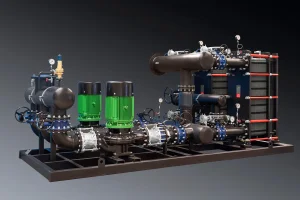
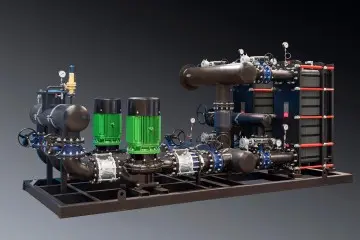
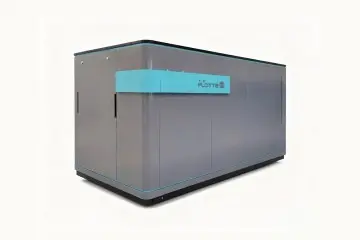
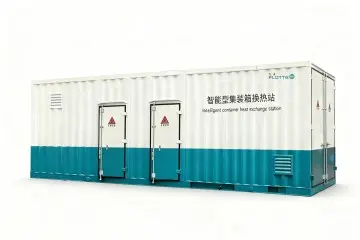
Modular box-type heat exchangers package the heat exchanger, pumps, valves, and control systems within a compact, pre-piped structural frame. This modular design simplifies site installation, saves floor space, and ensures proper component alignment.
We supply heat exchanger components in a range of corrosion-resistant materials, including Titanium, Nickel, Hastelloy, and stainless steel alloys like SS304, SS316L, and 904L, matching the metallurgy to the chemical composition of the process fluids.
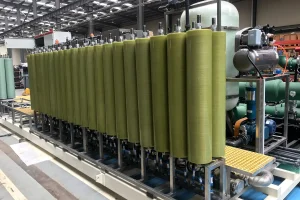
Membrane concentration systems serve as a pre-concentration stage, removing bulk water at lower operating costs. The concentrated brine is then directed to a thermal evaporator, reducing the overall energy required for zero-liquid discharge (ZLD) processes.
Our equipment is designed and manufactured in compliance with international quality standards, including GB150, ASME Section VIII, and CE-PED, ensuring compliance with local safety regulations for global installations.
Yes, one of the key benefits of gasketed plate heat exchangers is their adaptability. By loosening the compression bolts, additional plates can be added to the existing frame, allowing for capacity expansion without replacing the entire unit.
High-performance components designed to improve energy recovery and process control.
Our core product offerings, engineered for high thermal efficiency and long-term reliability.

 Flotte Energy