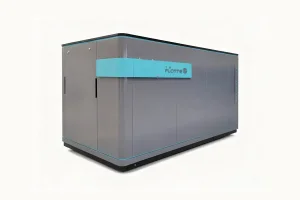
Explore our premium product portfolio designed for high efficiency HVAC and industrial process cooling.
The global transition toward high-efficiency industrial processes and environmental sustainability has placed thermal management at the center of modern engineering. As a landmark player, Flotte Energy Saving Company, established in 2013 with a registered capital of 101 million yuan, traces its roots to Flotte Thermal Engineering founded in 1995. This rich lineage provides over 30 years of technical expertise.
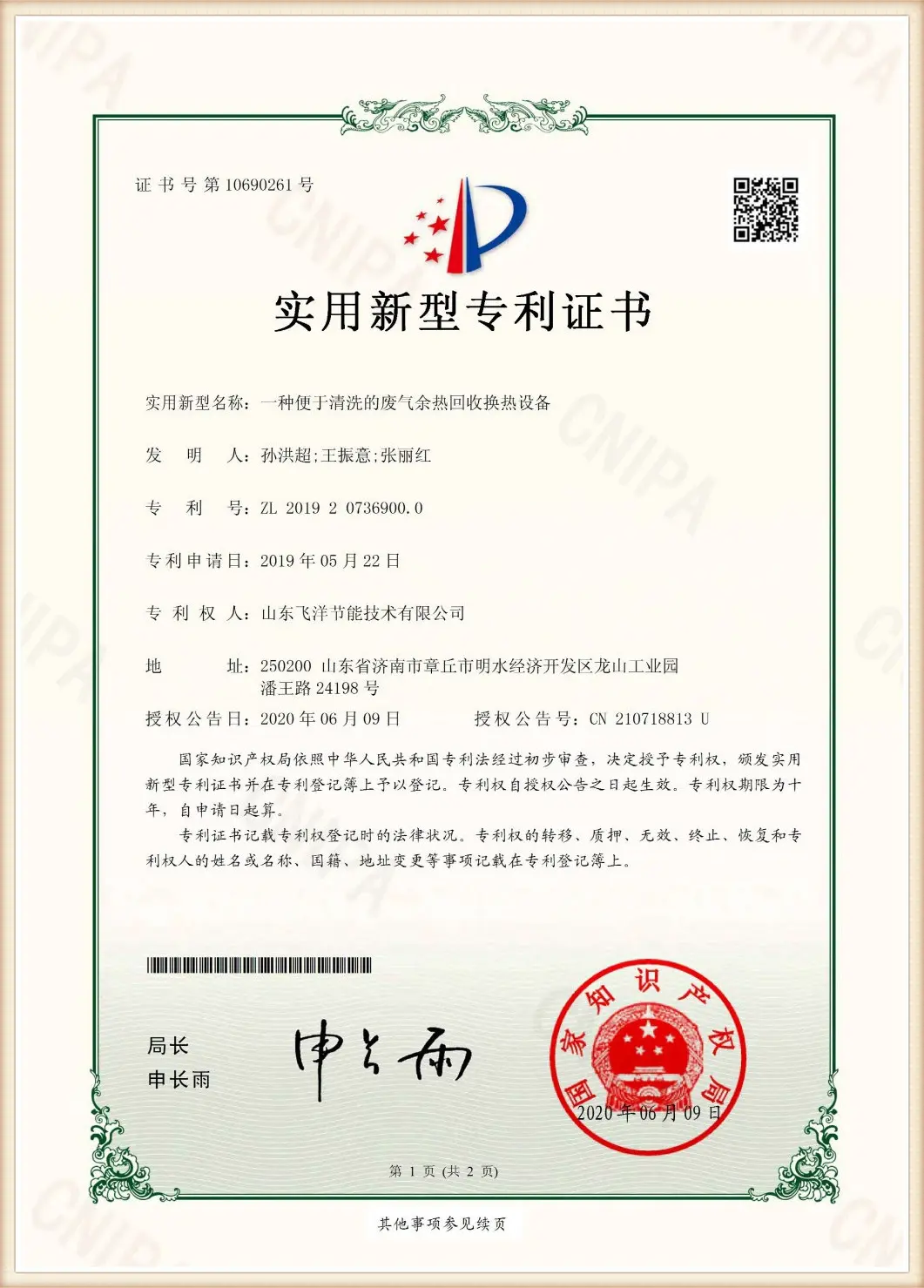
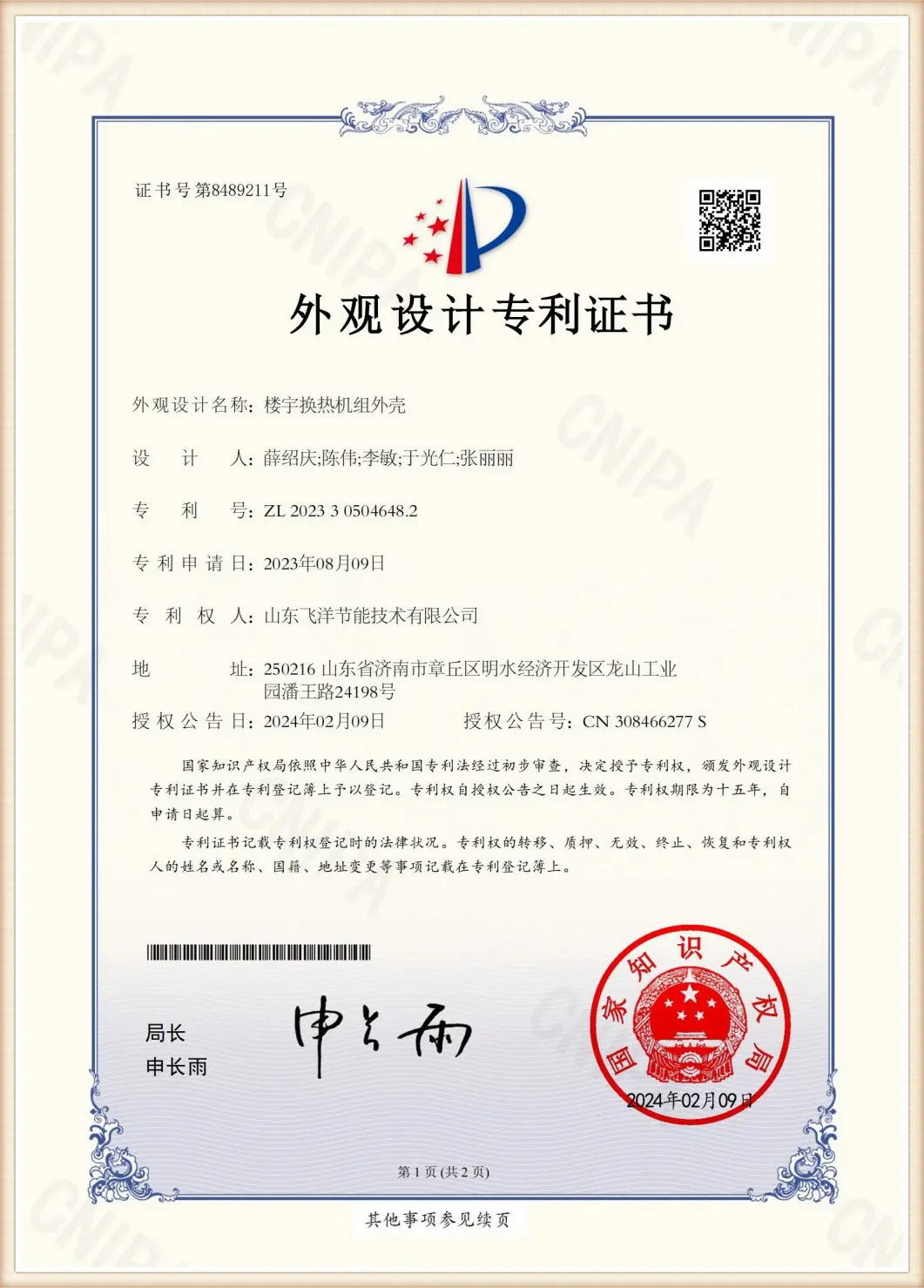
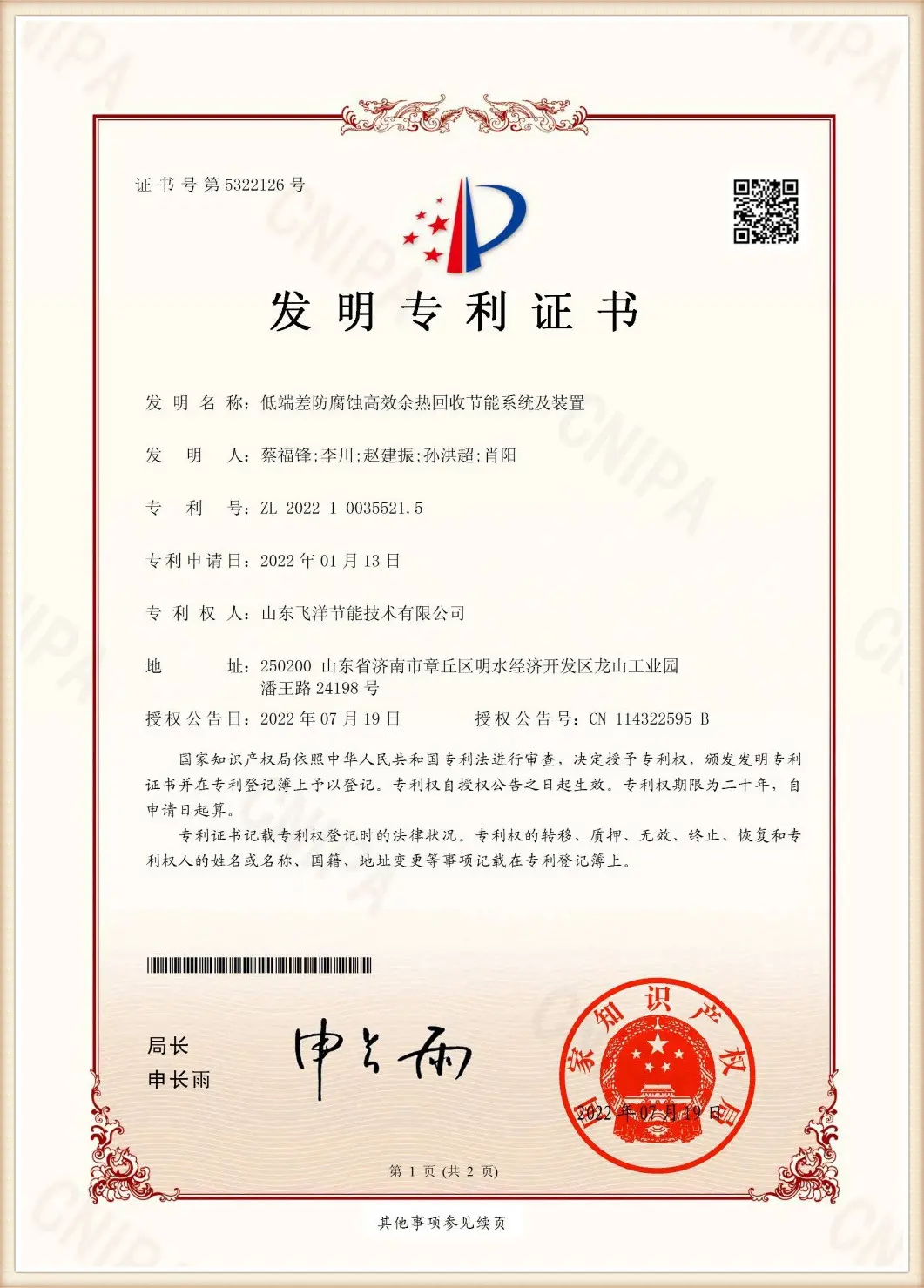
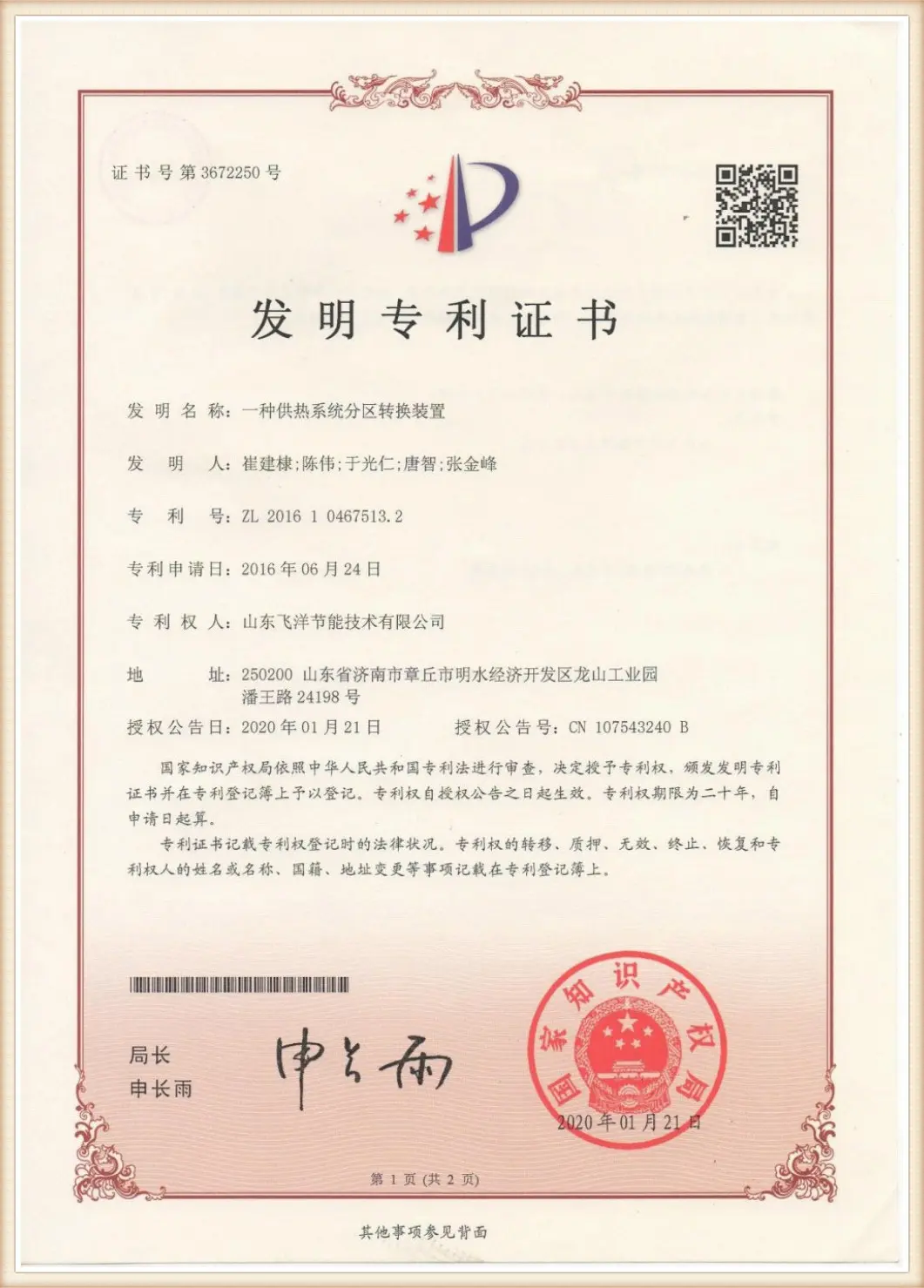
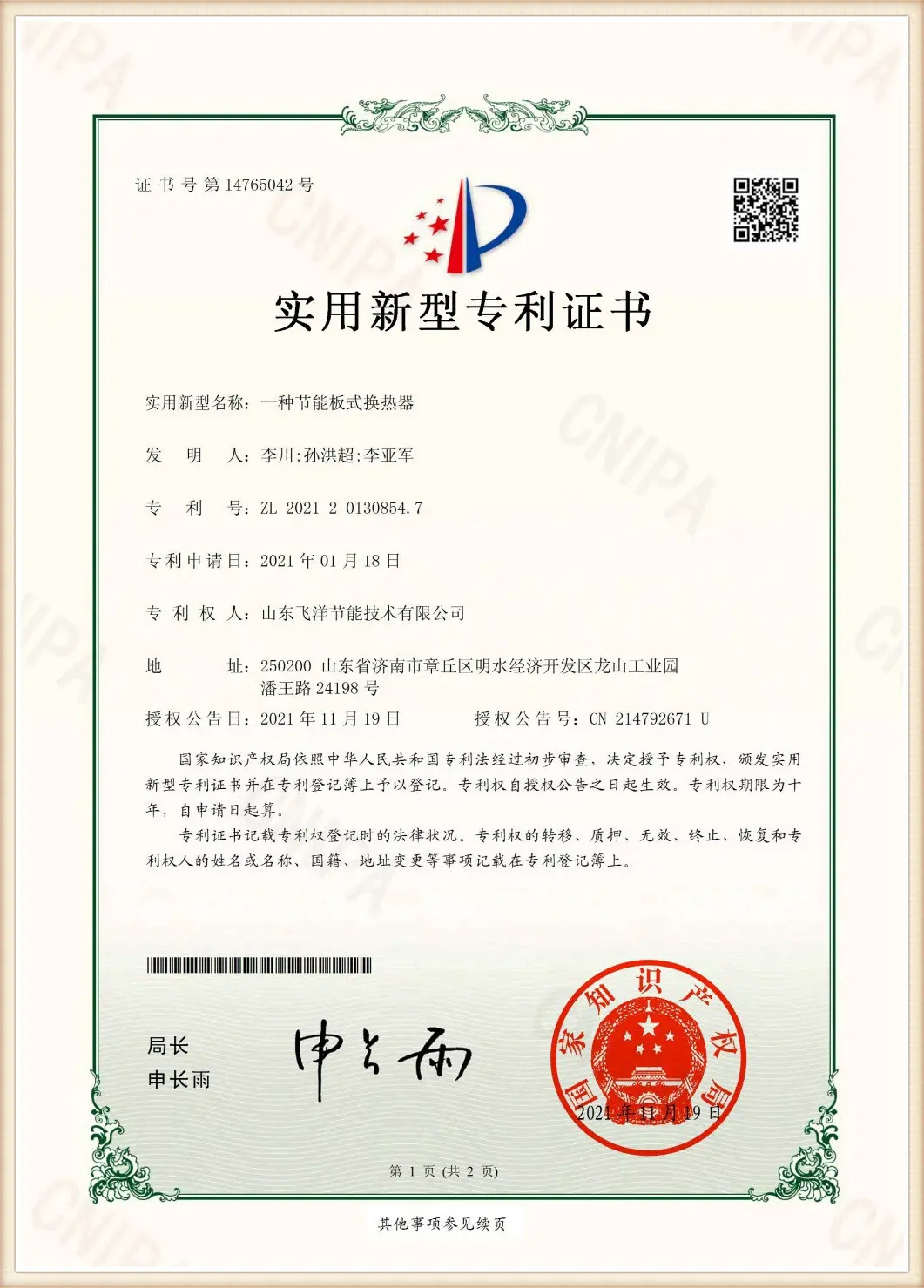
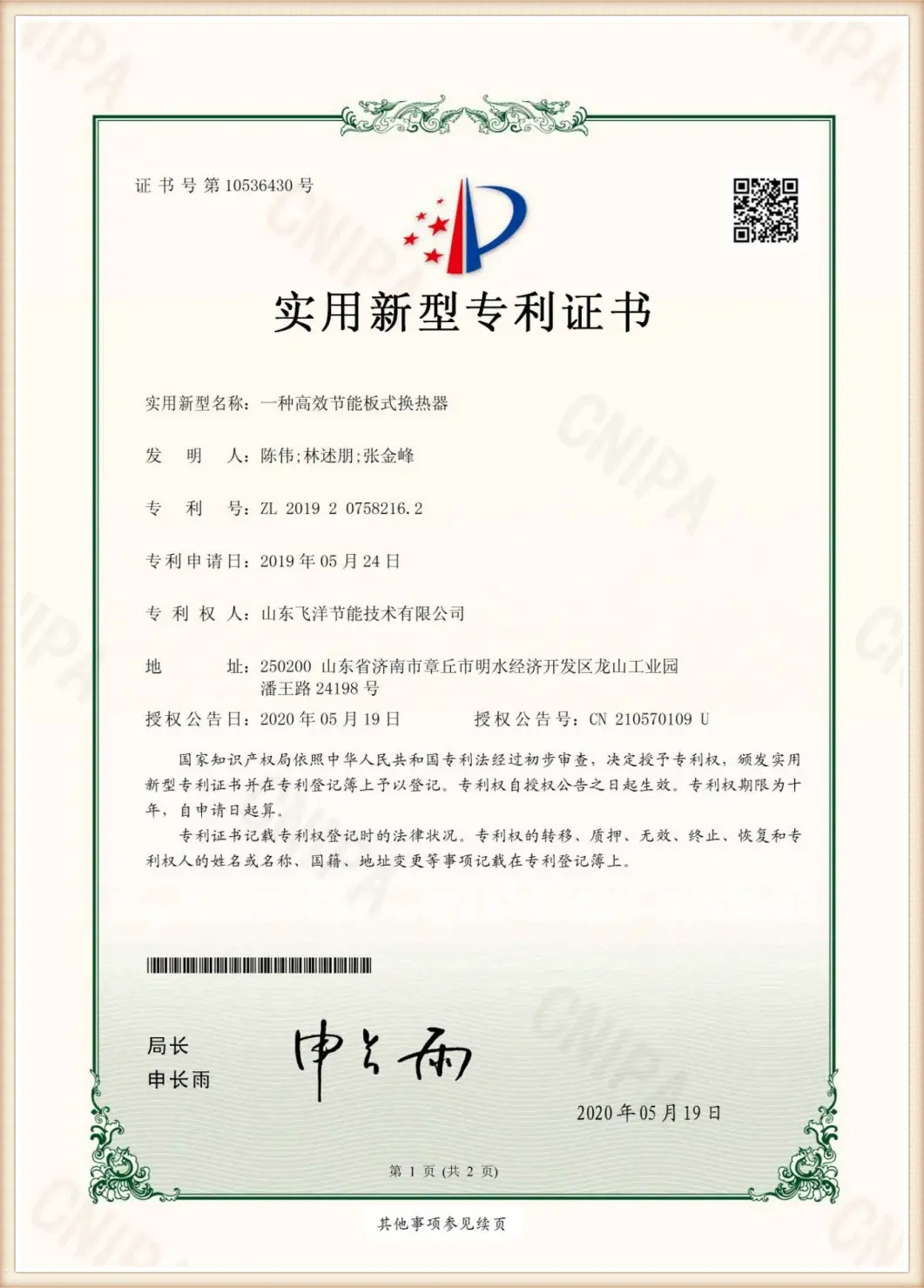
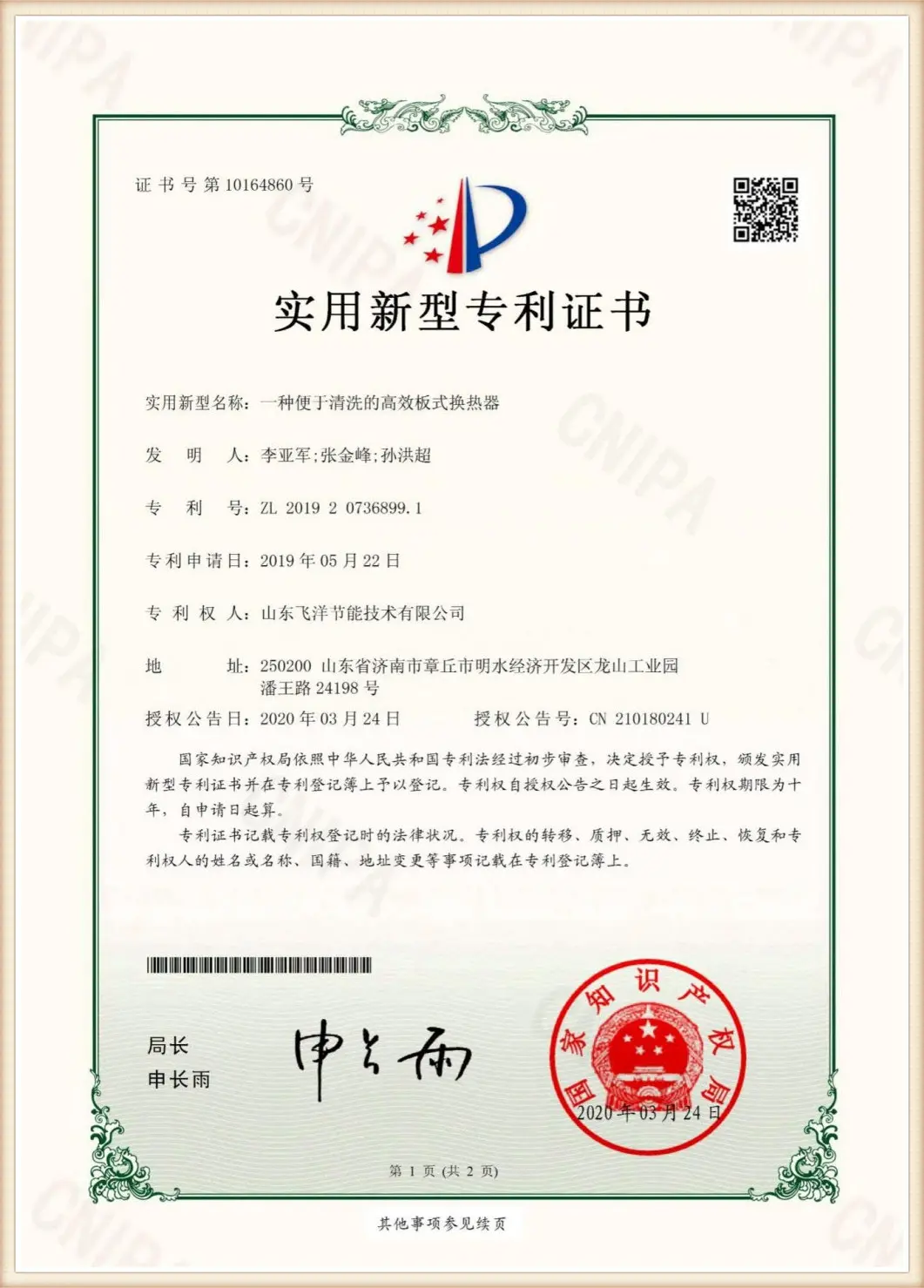
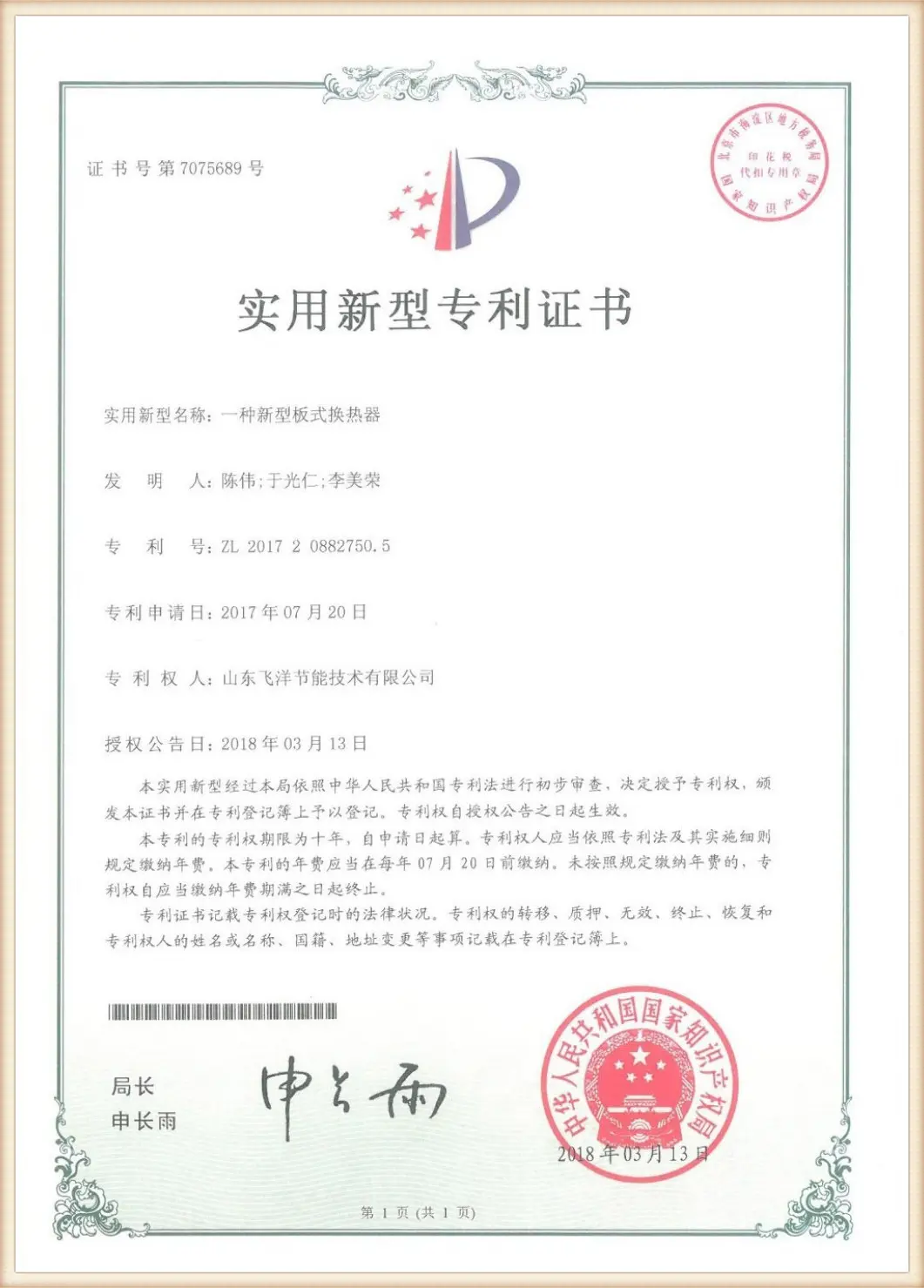
Specializing in water systems, district HVAC heating networks, and water treatment solutions, Flotte consistently leads the industry in adopting cutting-edge technologies. Our commitment is backed by major patent certifications, including our proprietary "High-Efficiency Plate Heat Exchanger", "Intelligent Plate Heat Exchanger System", and "Plate Heat Exchanger Scale Removal Device". We provide the global market with robust, energy-efficient solutions configured for harsh chemical, power, and civil infrastructures.
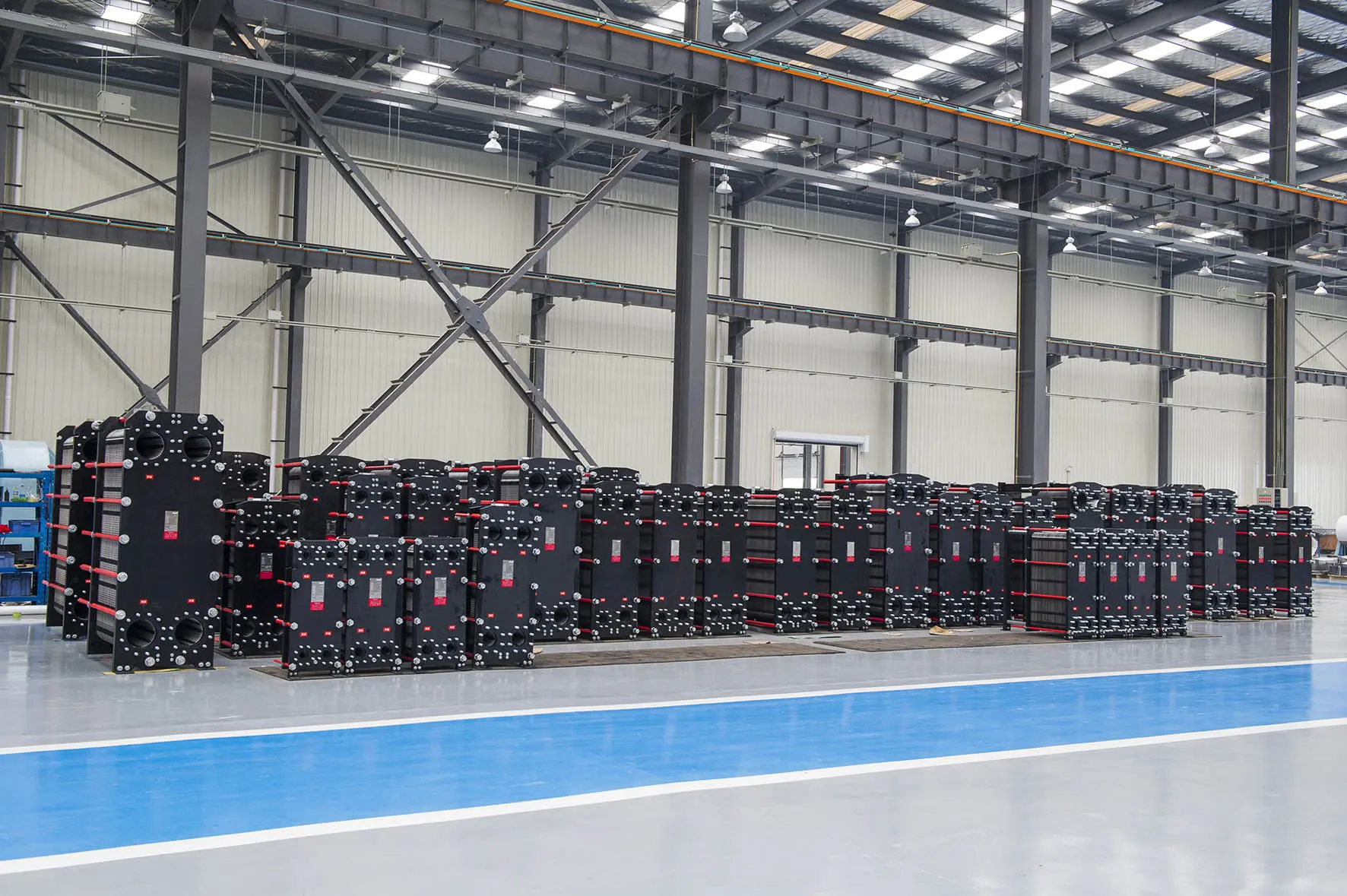
The Physics and Materials Engineering Behind High-Efficiency Plate Heat Exchangers
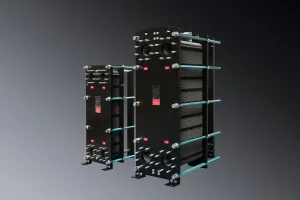
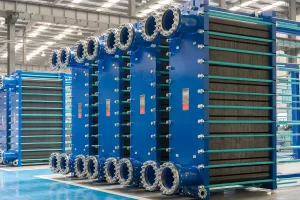
Our proprietary herringbone chevron plate geometry is calculated using numerical fluid simulation (CFD) modeling to maximize turbulence. Turbulence breaks the boundary layer of fluid film, boosting the overall heat transfer coefficient (U-value) by 2 to 3 times compared to standard shell-and-tube setups.
Fouling is the primary cause of thermal performance degradation. Flotte’s patented scale removal device utilizes physical vibration and hydrodynamic disruption to prevent calcium carbonate crystallization on plates, minimizing maintenance shutdowns and maintaining design thermal effectiveness.
We employ high-grade NBR, EPDM, and Viton (FKM) gaskets. Fitted with advanced clip-on mechanisms, these gaskets prevent fluid cross-contamination and guarantee tight sealing under high pressure (up to 2.5 MPa) and wide temperature windows (-50°C to 180°C).
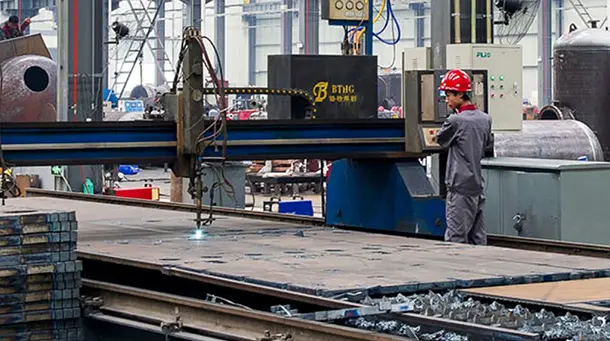
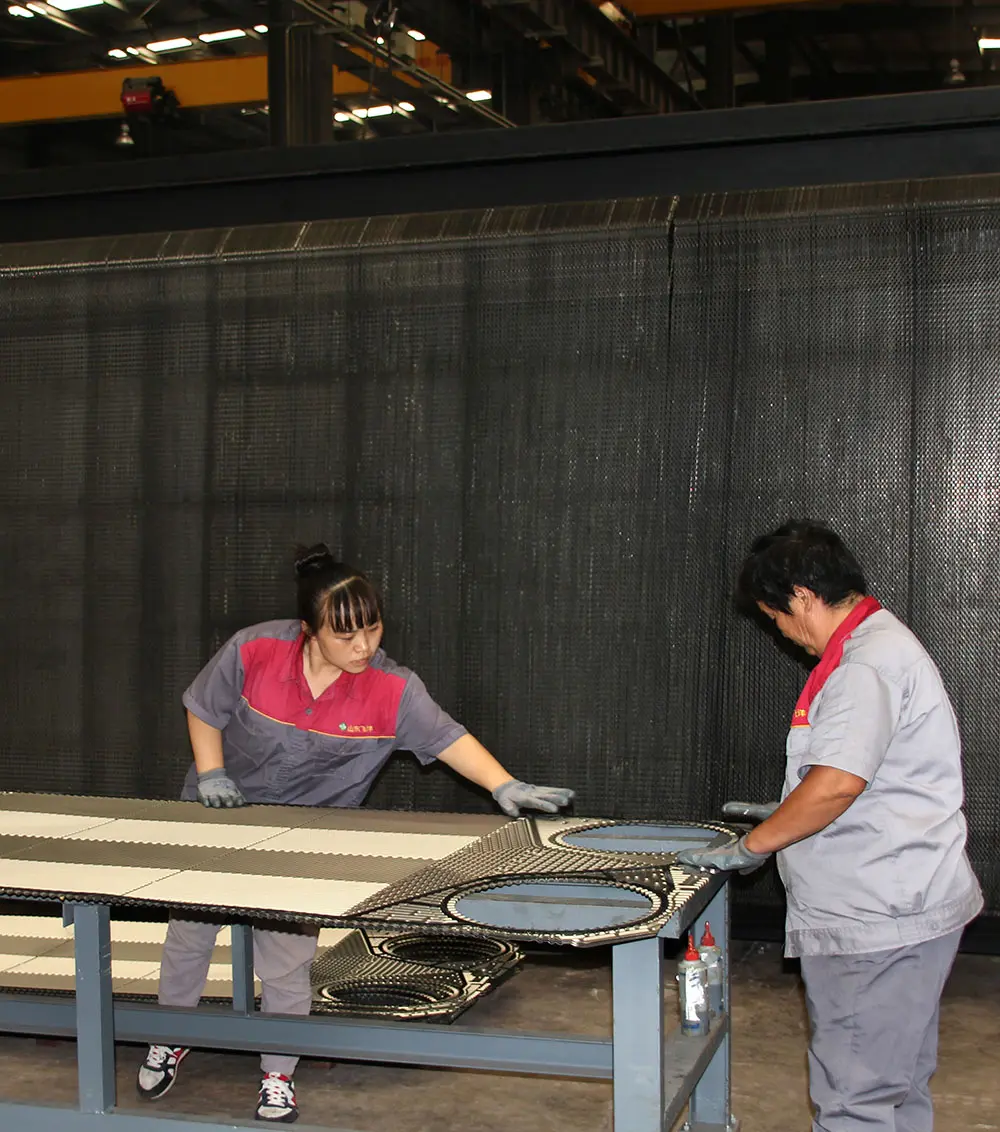
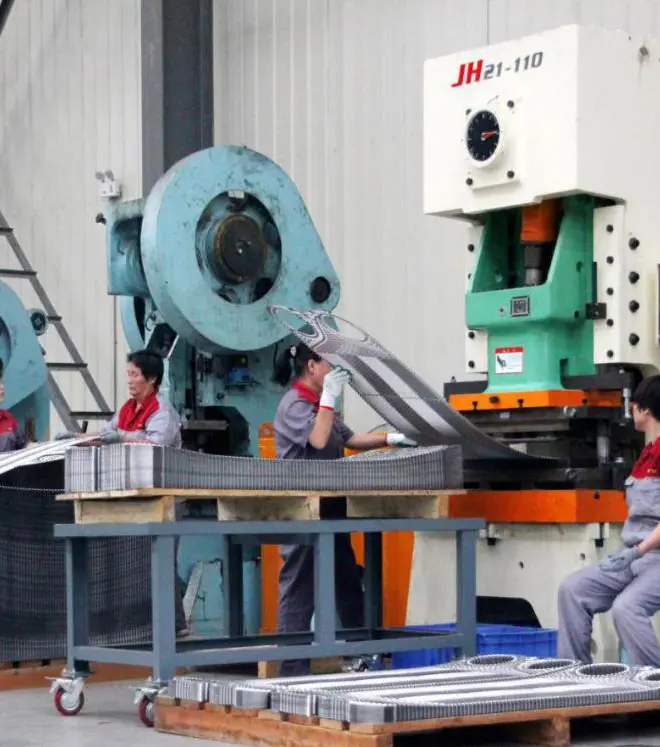
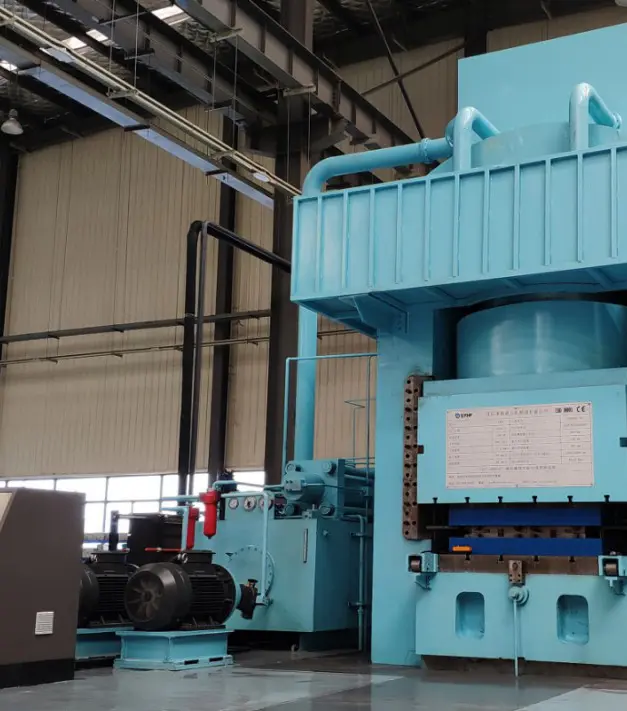
Strict quality-controlled steps producing pressure vessels and high-performance plates
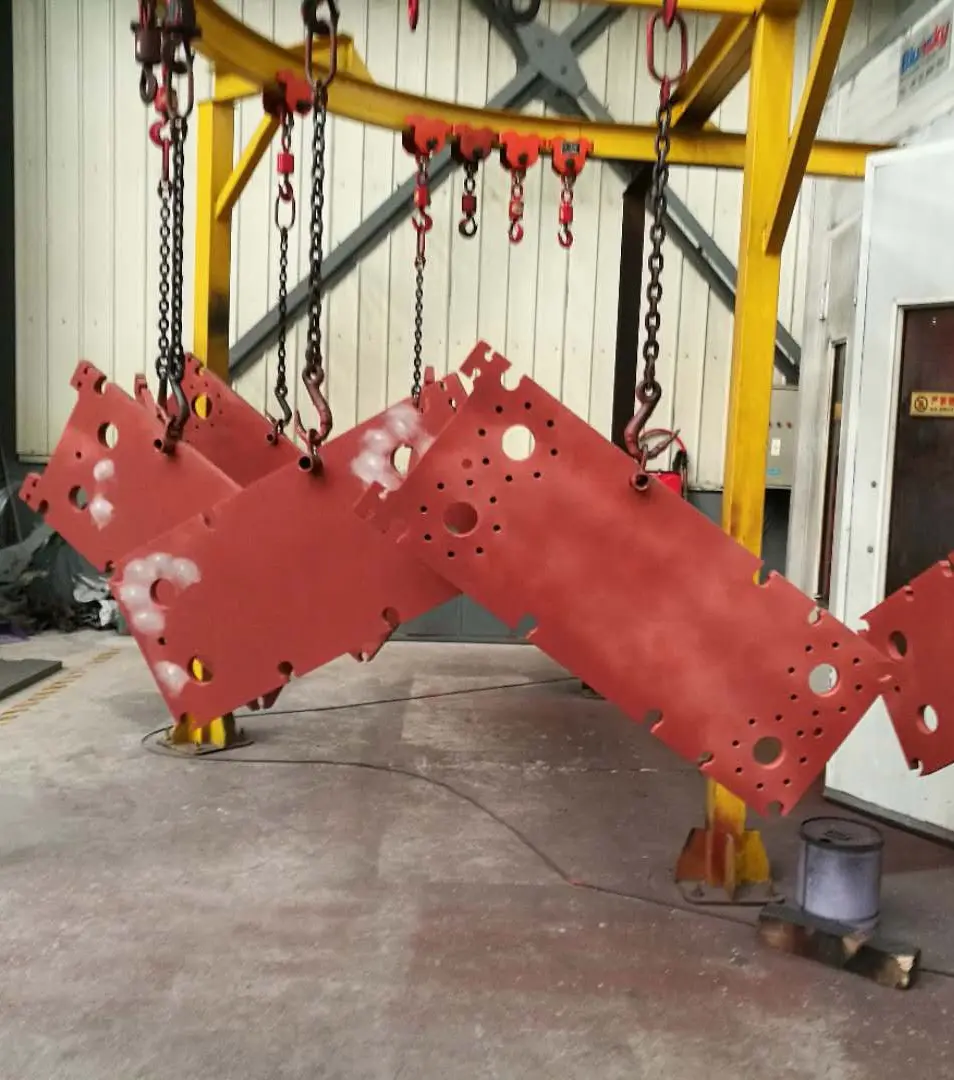
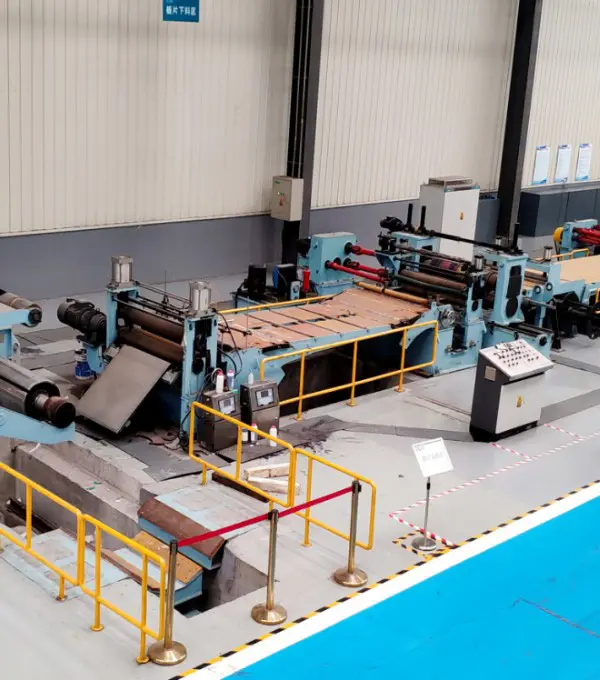
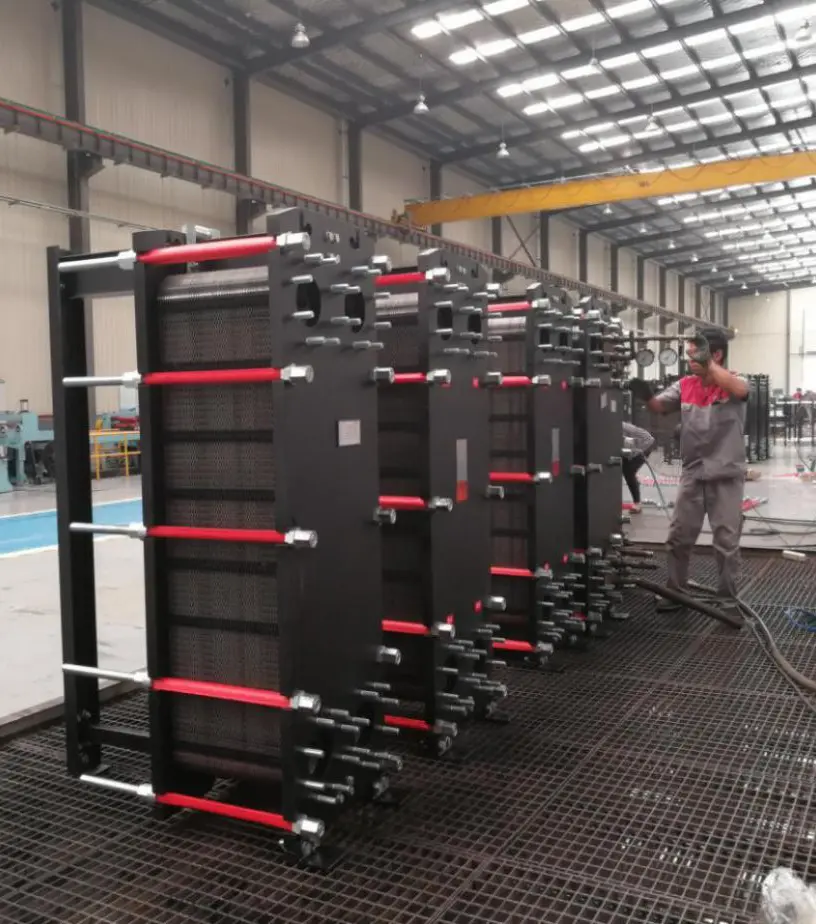
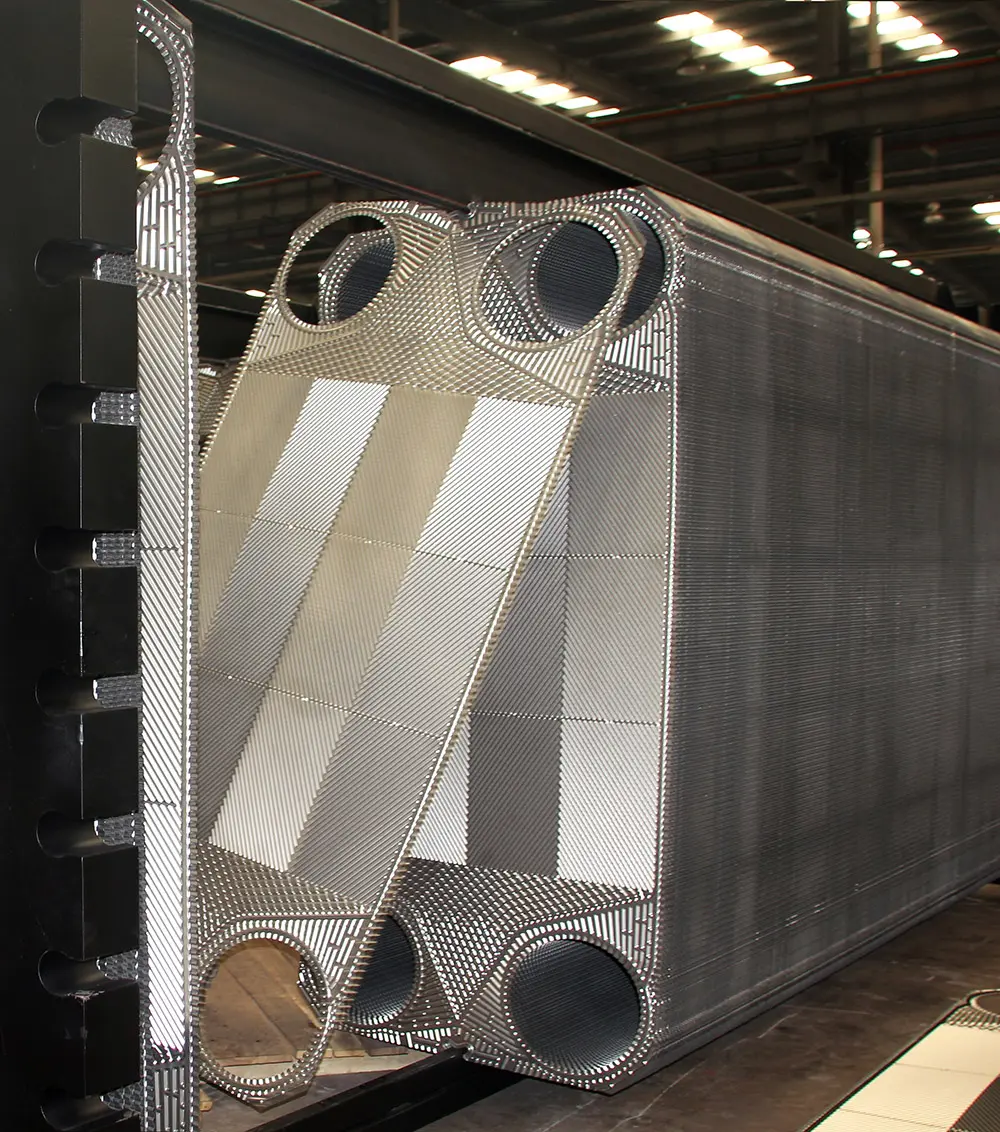
Tailored Solutions Across HVAC, Power generation, Chemical Synthesis, and Waste Zero Liquid Discharge
In cold climate regions, thermal efficiency directly impacts heating costs. Flotte's detachable plate heat exchangers serve as the core boundary interface in municipal pressure-regulating stations. By separating the primary high-pressure municipal steam network from the secondary localized network, our heat exchangers protect terminal buildings while providing responsive temperature adjustments.
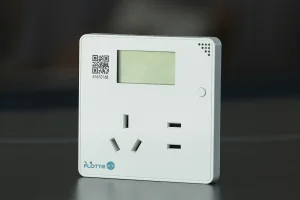
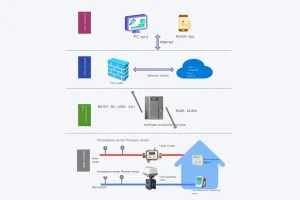
Integration with Room Temperature Collectors and intelligent balance valves allows real-time telemetry control. This reduces pipeline return water temperature, limits thermal losses, and saves up to 15% in primary energy consumption.
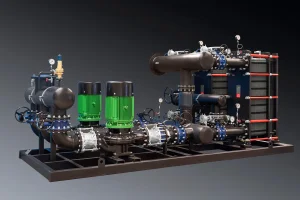
High-rise buildings require high design pressure ratings due to static liquid columns. Our integrated heating and cooling stations manage high hydrostatic pressures while facilitating thermal energy transfer between chillers, boilers, and fan coils.
By using compact plate designs instead of shell-and-tube heat exchangers, buildings save up to 70% in mechanical plant room footprint. This footprint reduction lowers structural overheads and frees up valuable commercial floor space.
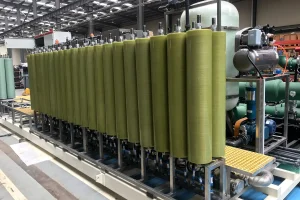
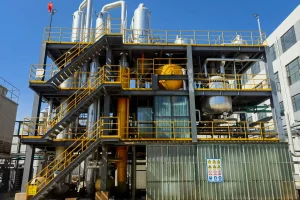
Environmental regulations require zero liquid discharge (ZLD) in chemical, power generation, and pharmaceutical processing. Flotte's Multi-Effect Evaporation Systems and Membrane Concentration Systems recover high-purity water from industrial wastewater.
Our configurations maximize latent heat recovery from low-pressure secondary steam. This design cuts steam consumption per ton of evaporated water by up to 60% compared to single-effect configurations.
Chemical plants handle corrosive media, high process temperatures, and variable viscous fluids. Flotte addresses these demanding environments by forming heat exchanger plates from specialized materials like Titanium, Hastelloy, and AISI 316L Stainless Steel.
This high-grade construction prevents stress corrosion cracking, withstands aggressive chemical media, and ensures continuous plant uptime during heavy refining and power generation cycles.
A comprehensive showcase of our structural configurations and thermal components
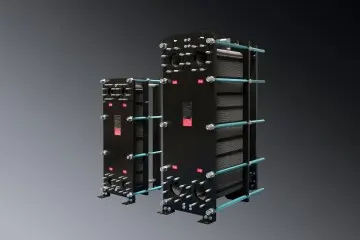
High-efficiency liquid-liquid heat transfer.
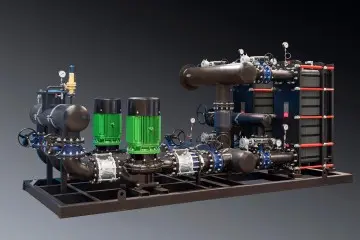
Integrated building heating solution.
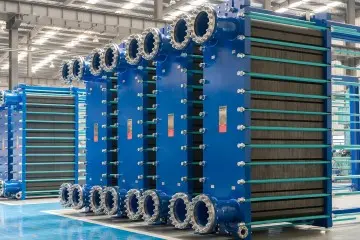
Detachable plate exchanger system.
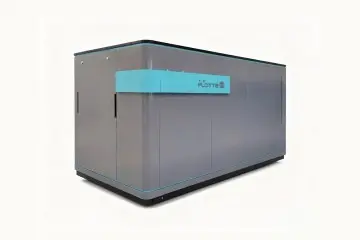
Designed for high-density HVAC applications.
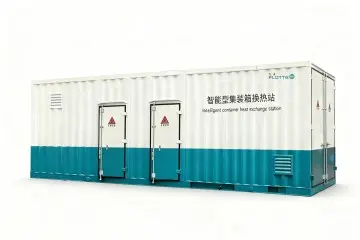
Fully-enclosed weatherproof station.
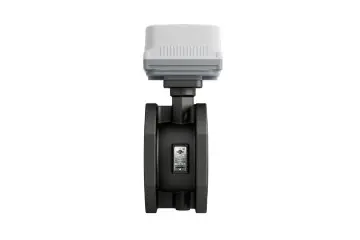
For balancing secondary network flow rates.

High-precision smart temperature telemetry.
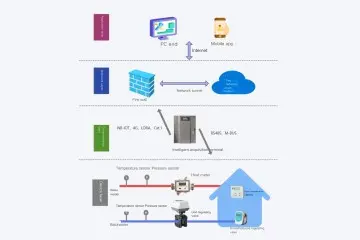
Real-time automated grid-wide balancing.
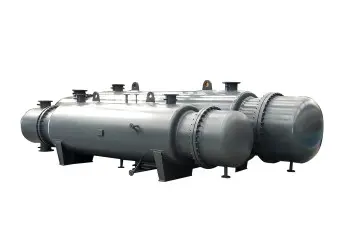
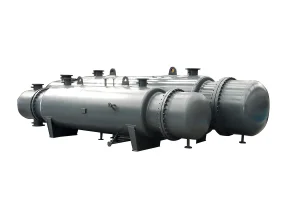
Robust design for high-pressure processes.
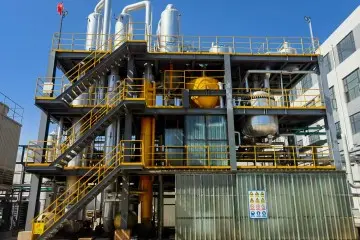
Advanced thermal separation for zero liquid discharge.
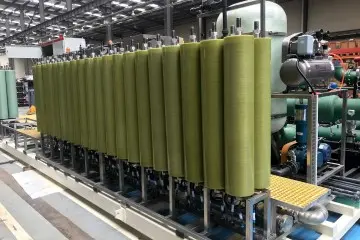
Membrane filtration system for desalination and purification.
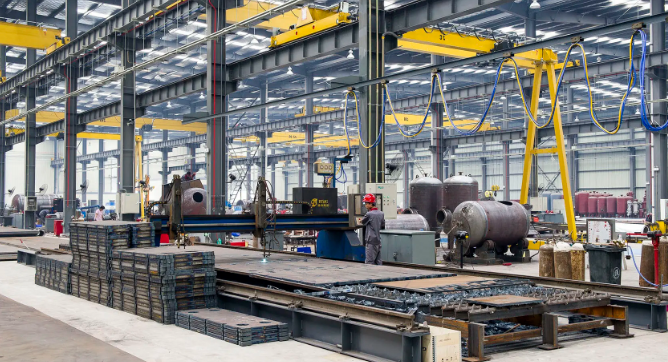
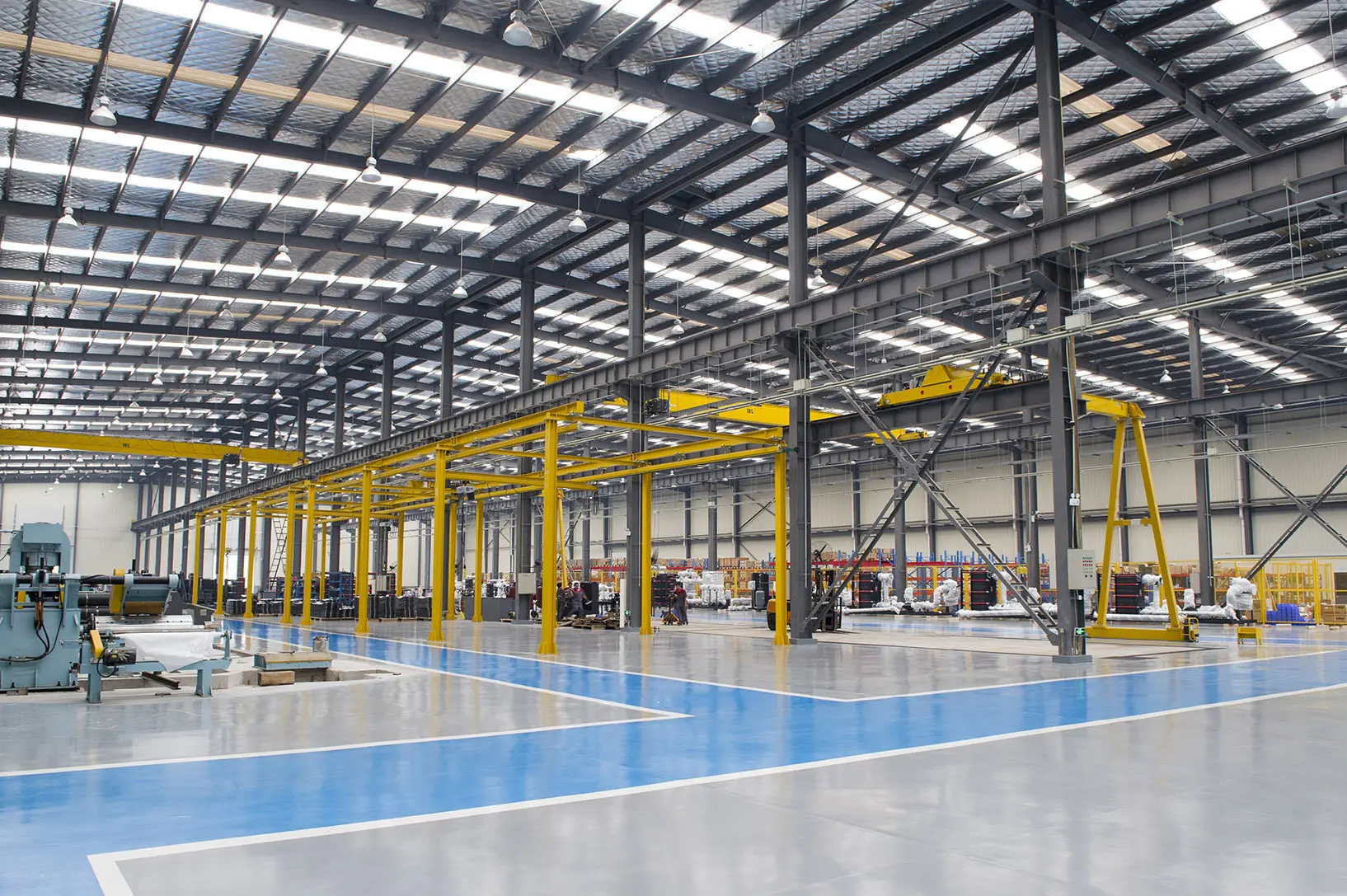
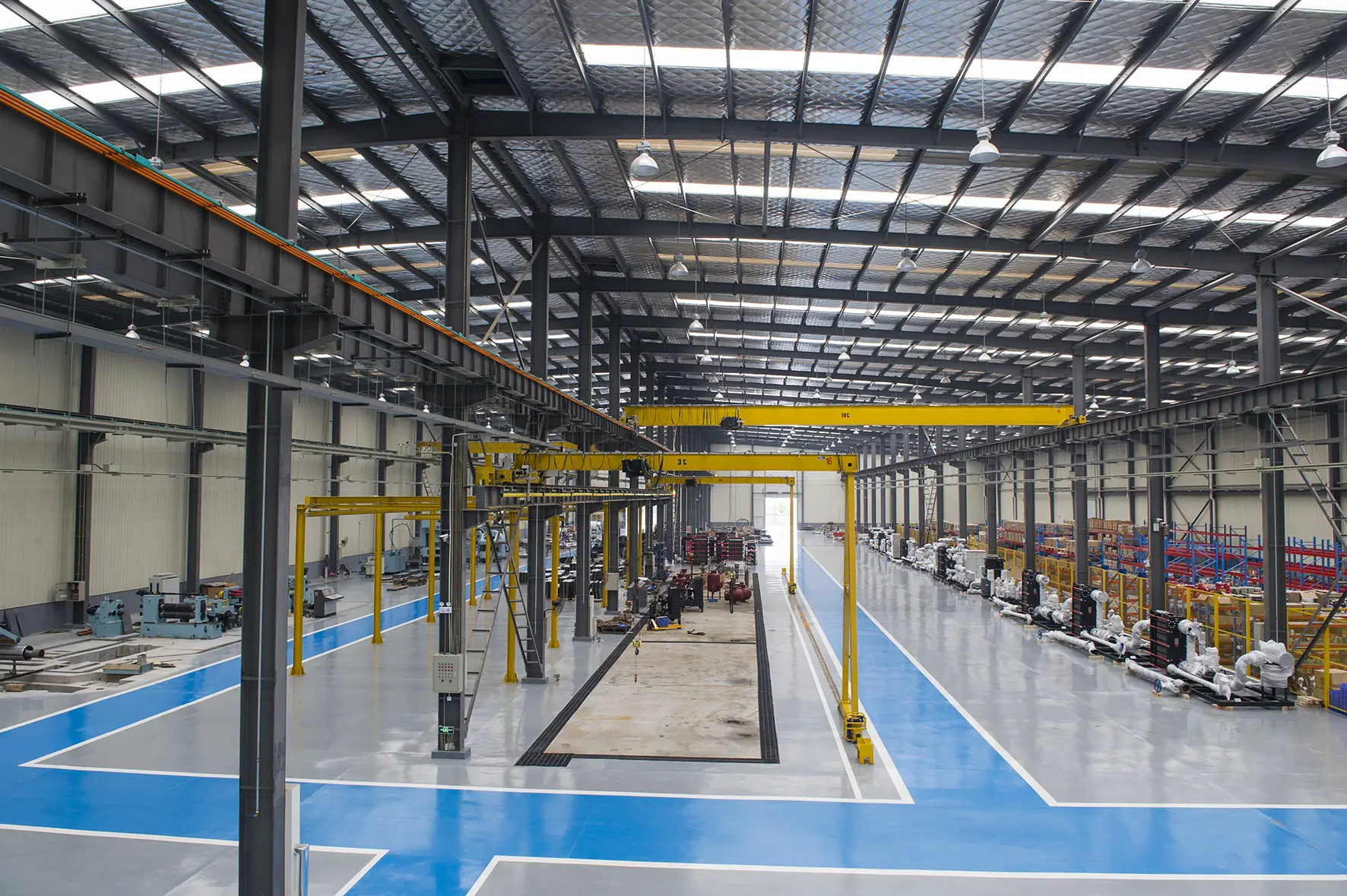
The concentration of component suppliers, raw material processing plants, and casting facilities in China allows Flotte to offer significant competitive advantages in production speed, material traceability, and cost efficiency.
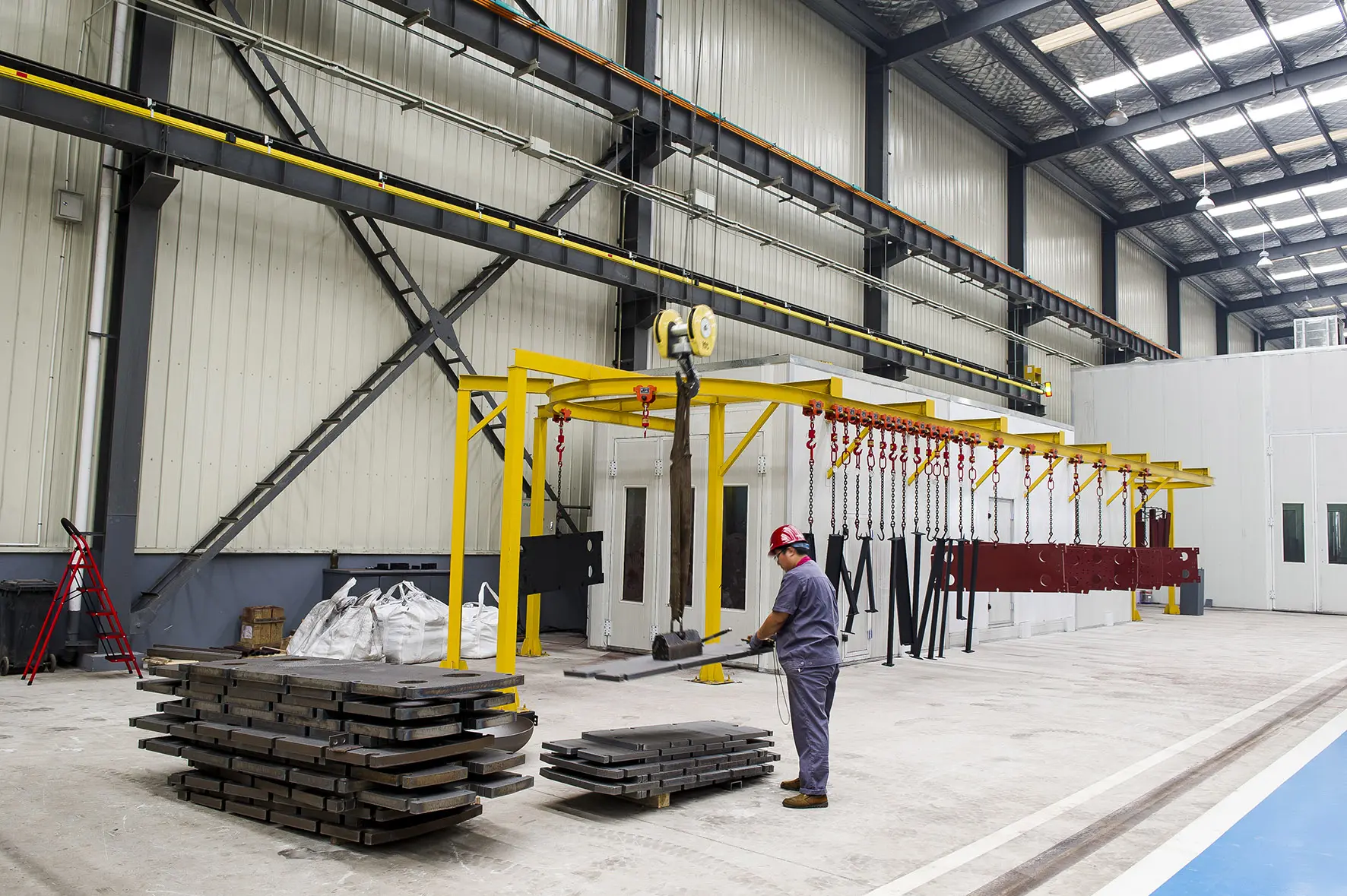
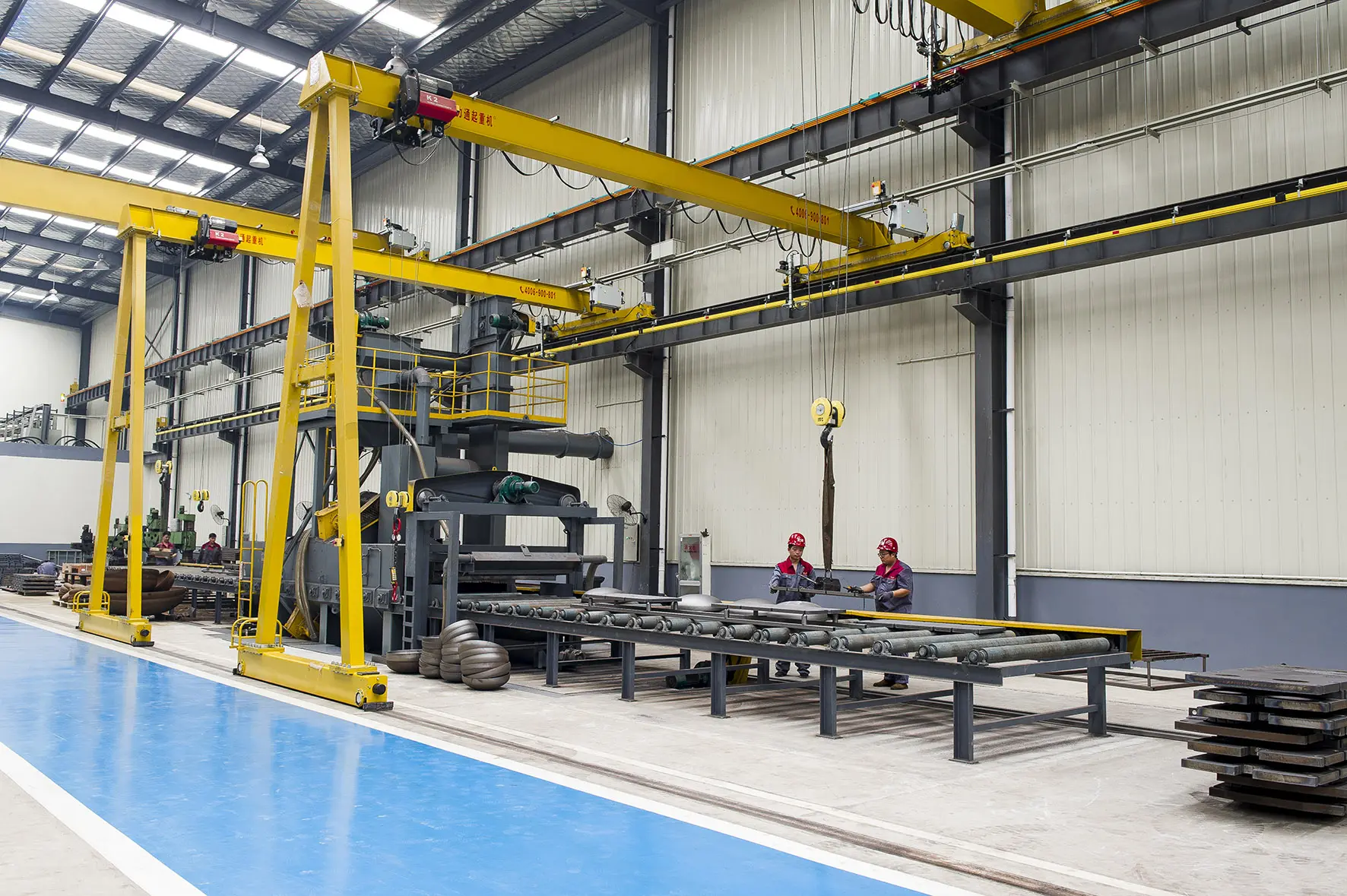
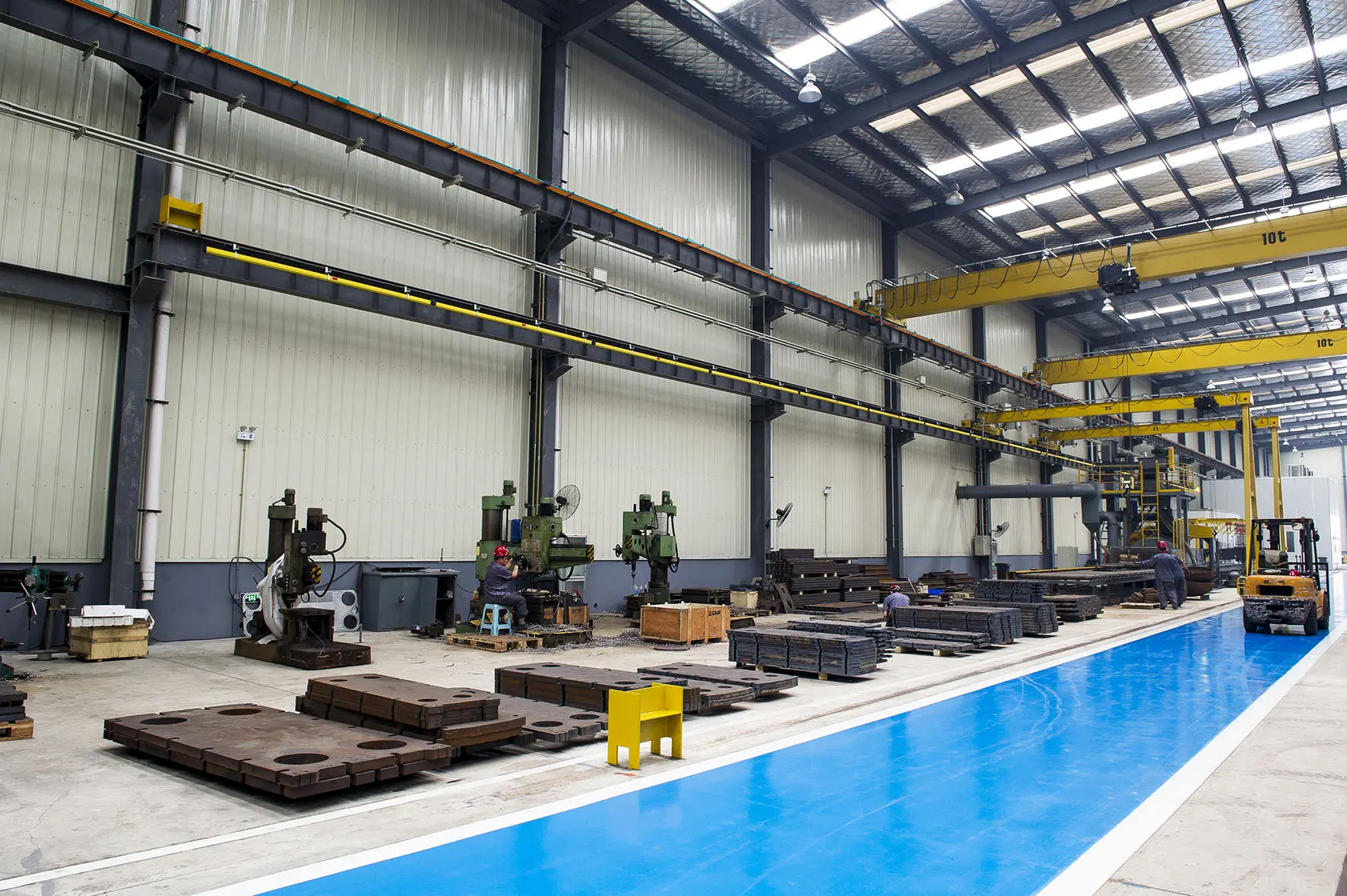
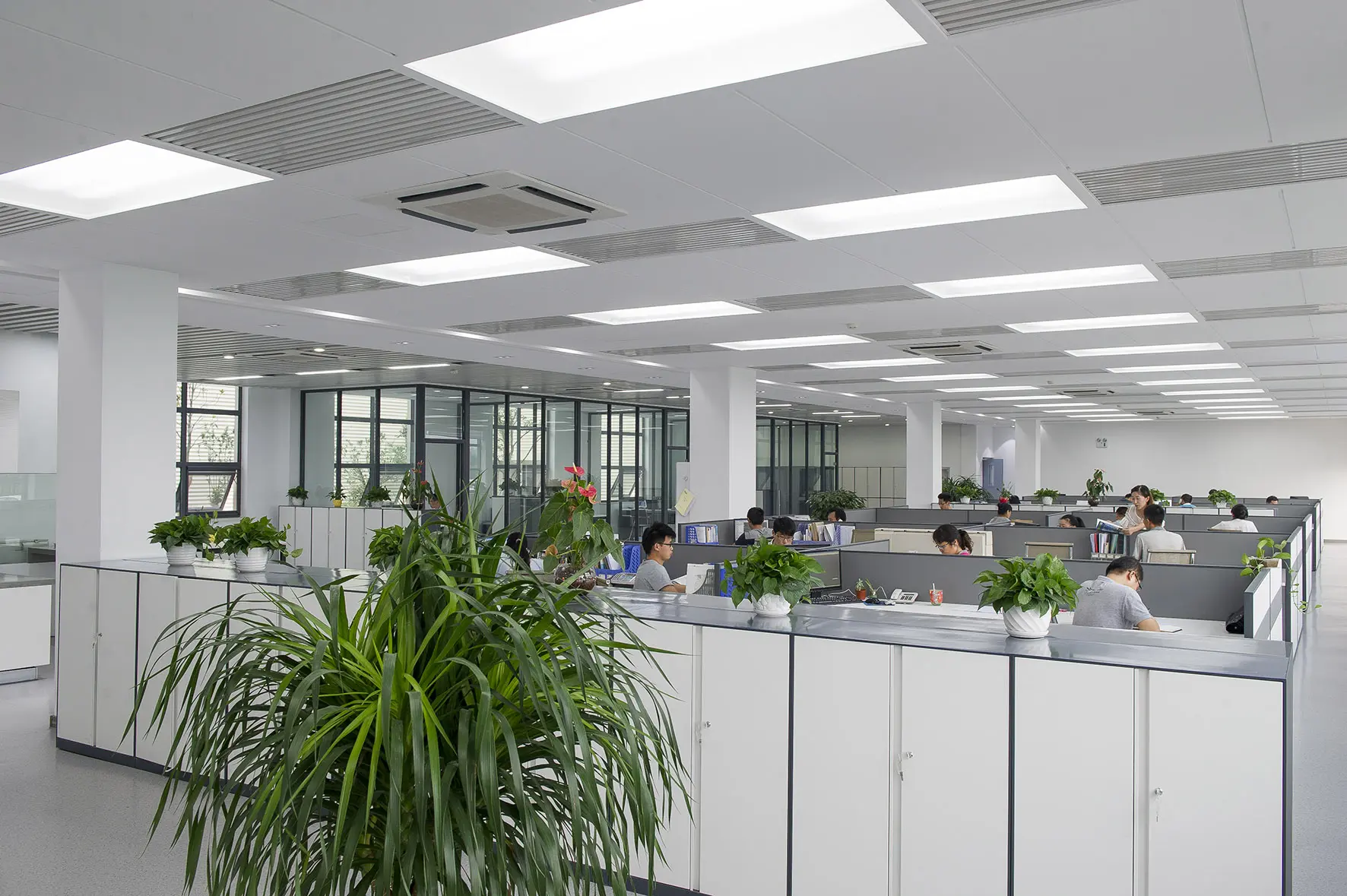
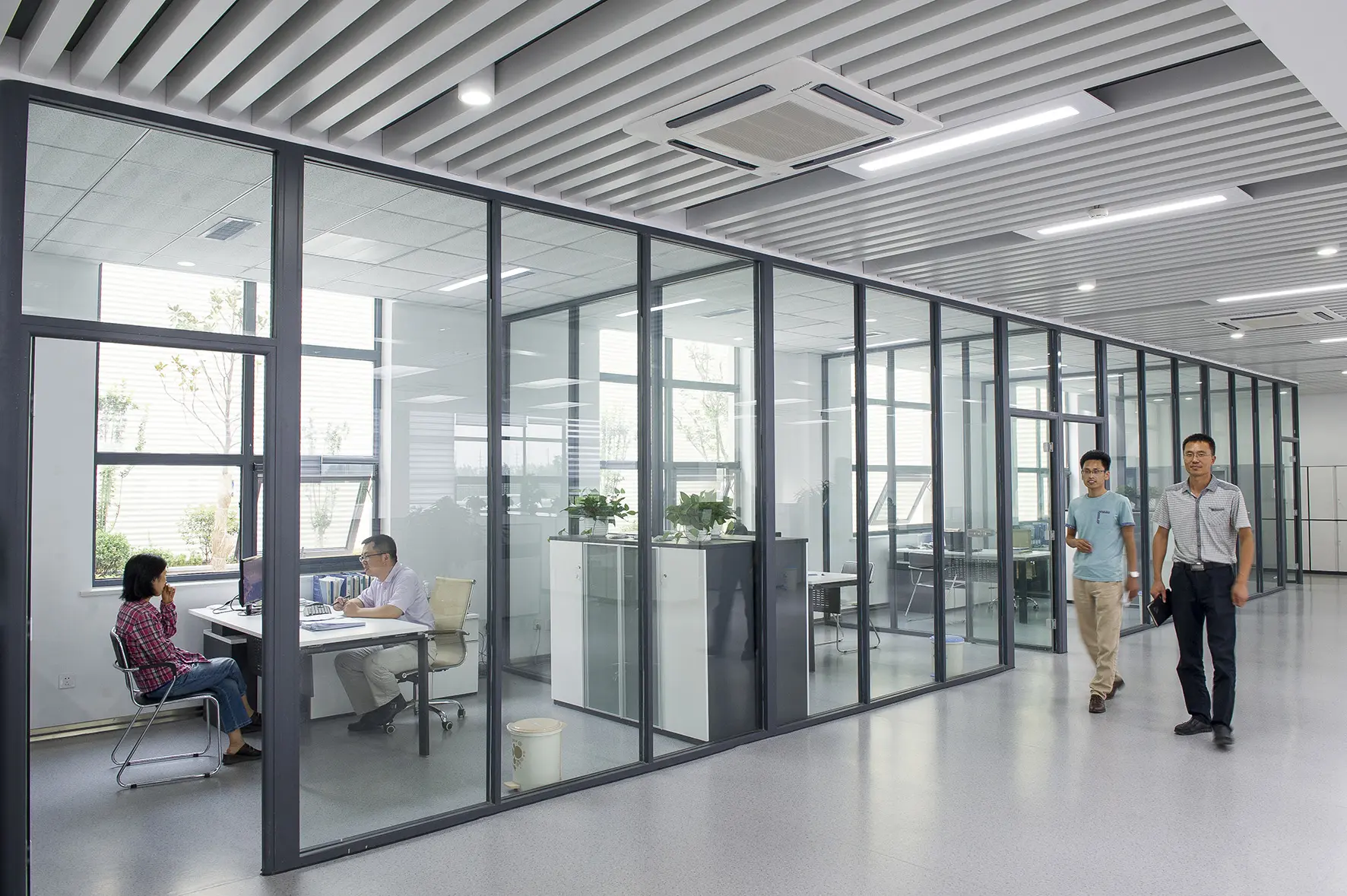
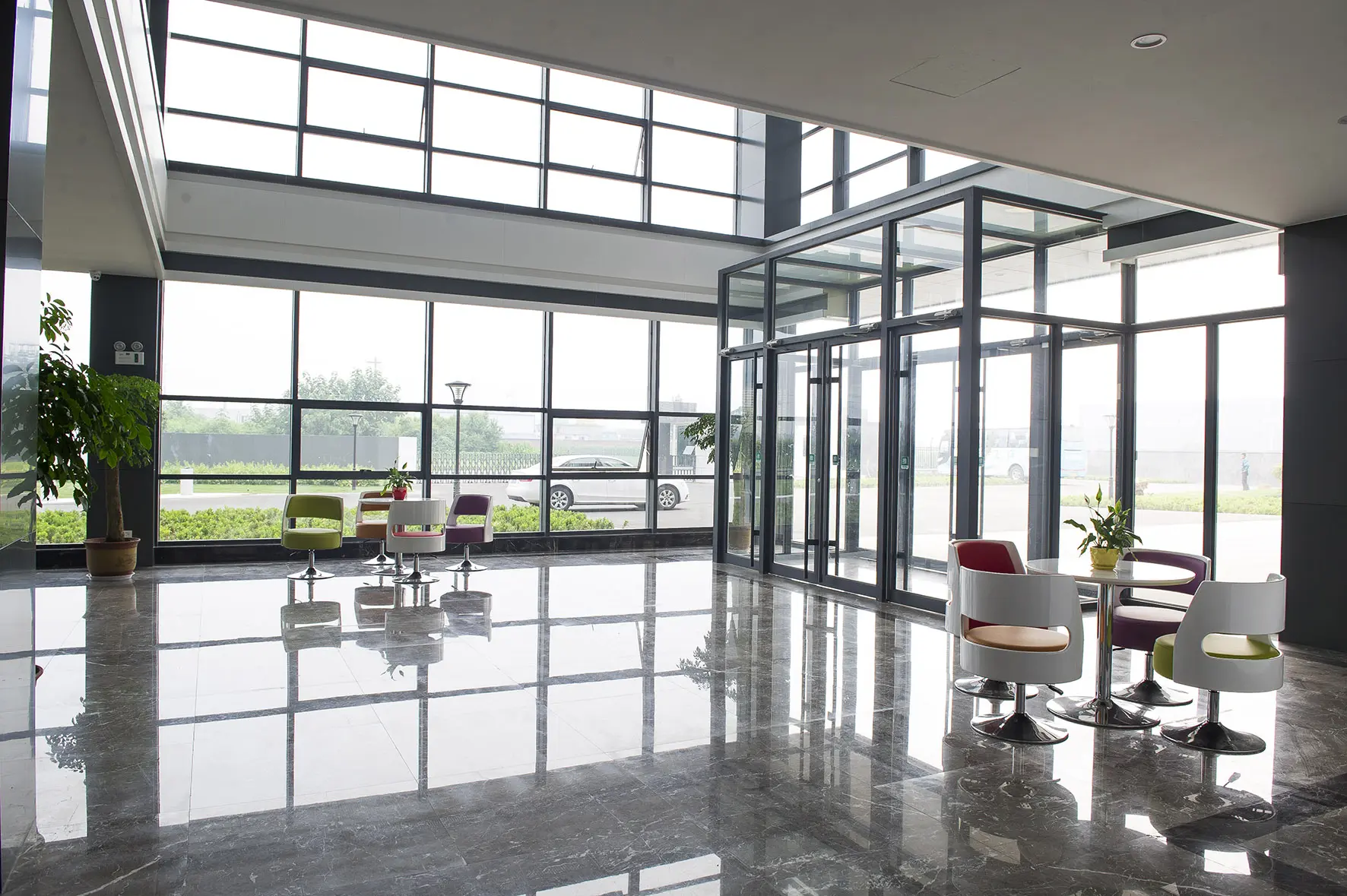
Flotte’s Integrated Ecosystem: By maintaining a 70,000 square meter factory floor, we house stamping, assembly, vulcanization, and hydrodynamic testing lines under one roof. This minimizes transportation delays, reduces material storage degradation, and speeds up time-to-market.
Unlike Western competitors that outsource plate stamping and gasket vulcanization to third parties, Flotte executes all core processes internally. This direct oversight reduces production lead times for custom titanium plate heat exchangers from months to just 2 to 3 weeks.
Verifiable compliance to international standards to ensure long-term operational reliability
We operate in strict accordance with ISO management frameworks: ISO9001:2015 for quality management, ISO14001:2015 for environmental control, and ISO45001:2018 for occupational health and safety.
Our manufacturing holds formal safety registrations issued by the National Boiler and Pressure Vessel Standardization Technical Committee, meeting rigorous pressure design rules for global civil and industrial applications.
We screen our direct metal alloy suppliers using optical emission spectrometry. This verifies chemical composition (including Chromium, Nickel, and Molybdenum levels) to ensure maximum corrosion resistance.
Insights on sizing, installation, maintenance, and supply chain management
Detachable plate heat exchangers feature thin, corrugated metal plates clamped together in a frame. This design forces fluids to flow over a large surface area with high turbulence, yielding a heat transfer coefficient (U-value) 2 to 3 times greater than shell-and-tube configurations. They also occupy up to 70% less floor space and can be disassembled for mechanical cleaning and capacity expansions. However, shell-and-tube heat exchangers remain better suited for extremely high pressure limits (exceeding 3 MPa) and temperatures above 200°C.
For standard municipal heating and clean water applications, AISI 304 Stainless Steel is the industry baseline. For process fluids containing chlorides or mild chemicals, AISI 316L Stainless Steel provides enhanced pitting resistance. For highly corrosive media (such as seawater, acids, or raw petrochemical effluents), Titanium or specialized alloys like Hastelloy are required. Titanium forms a stable protective oxide layer that resists chemical degradation and erosion.
A Room Temperature Collector houses high-precision sensors that monitor ambient room conditions across building zones. These units transmit temperature data back to the primary district heating substation's PLC controller. The controller then adjusts the heat exchanger's motorized control valves to balance heat delivery based on real-time indoor demand. This automated balancing eliminates overheating in upper floors, reduces return water temperatures, and cuts energy consumption.
Scaling occurs when calcium, magnesium, and other mineral salts crystallize on hot plate surfaces, creating a thermal barrier that reduces efficiency. Flotte’s patented scale removal device utilizes physical vibration and wave patterns to disrupt mineral adhesion without interrupting operations. By preventing scale buildup, this technology maintains design heat transfer rates, extends gasket lifespans, and reduces the frequency of acid wash cleanings.
Thanks to vertical integration at our 70,000 m² facility, Flotte controls every stage of production—from splint cutting and plate stamping to final pressure testing. This allows us to supply standard configuration plate heat exchangers within 7 to 10 working days. Custom configurations featuring specialized alloy plates (such as Titanium) or complex piping manifolds typically ship within 15 to 21 days.
A broad range of high-efficiency systems engineered for industrial water treatment and district heating
 Flotte Energy