Explore our premium grade products exported globally, conforming to international standards and high reliability certifications.
A comprehensive analysis of thermodynamics, environmental standards, and modern supply chain capability for global engineering buyers.
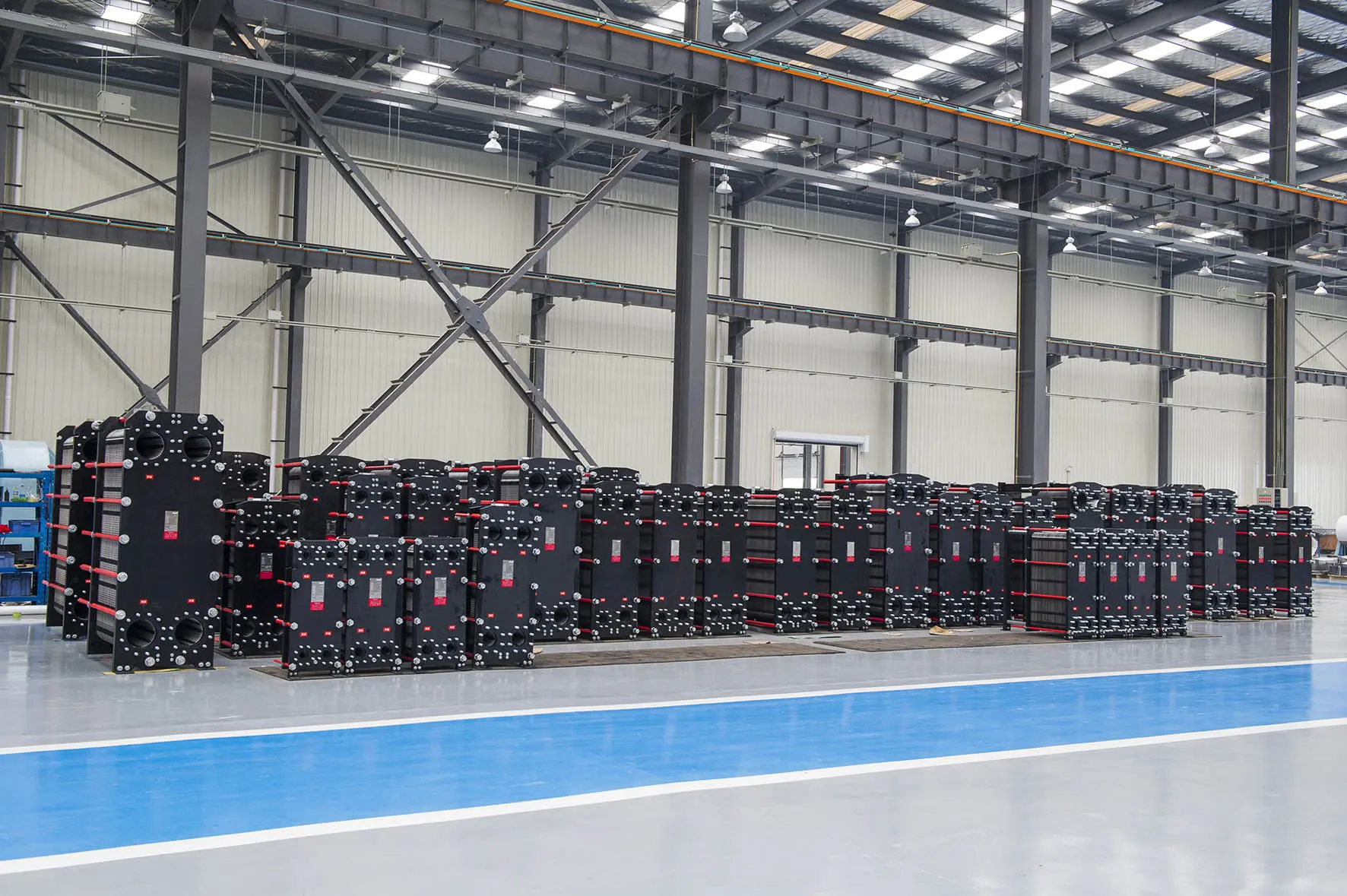
Established in 2013 with a registered capital of 101 million yuan, Flotte Energy Saving Company originated from Flotte Thermal Engineering founded in 1995. Over three decades of technical expertise has empowered us to dominate the water equipment, HVAC systems, and water treatment industries. As a leading China Gas Gas Heat Exchanger design factory, we continuously integrate the latest thermodynamic research to combat global emissions.
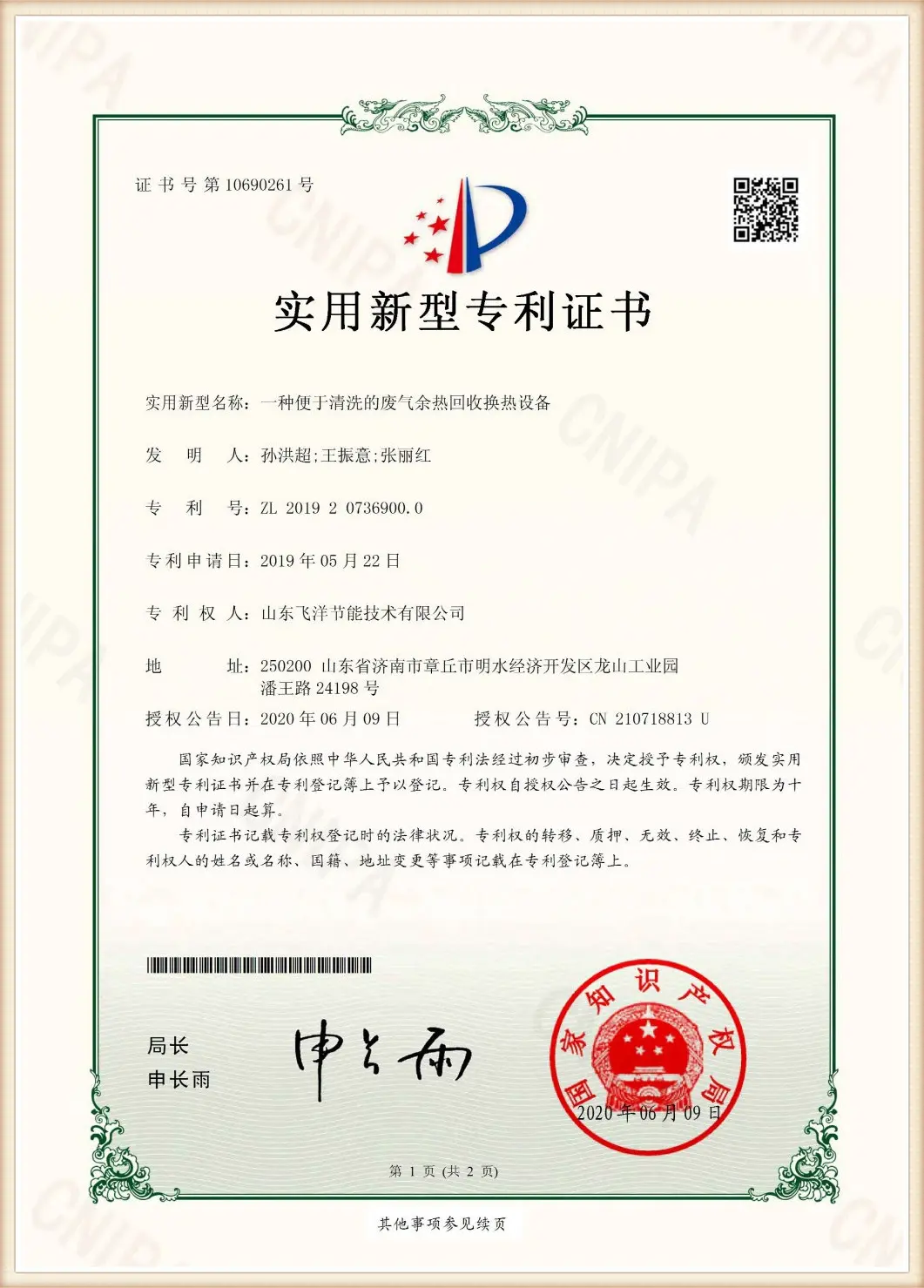
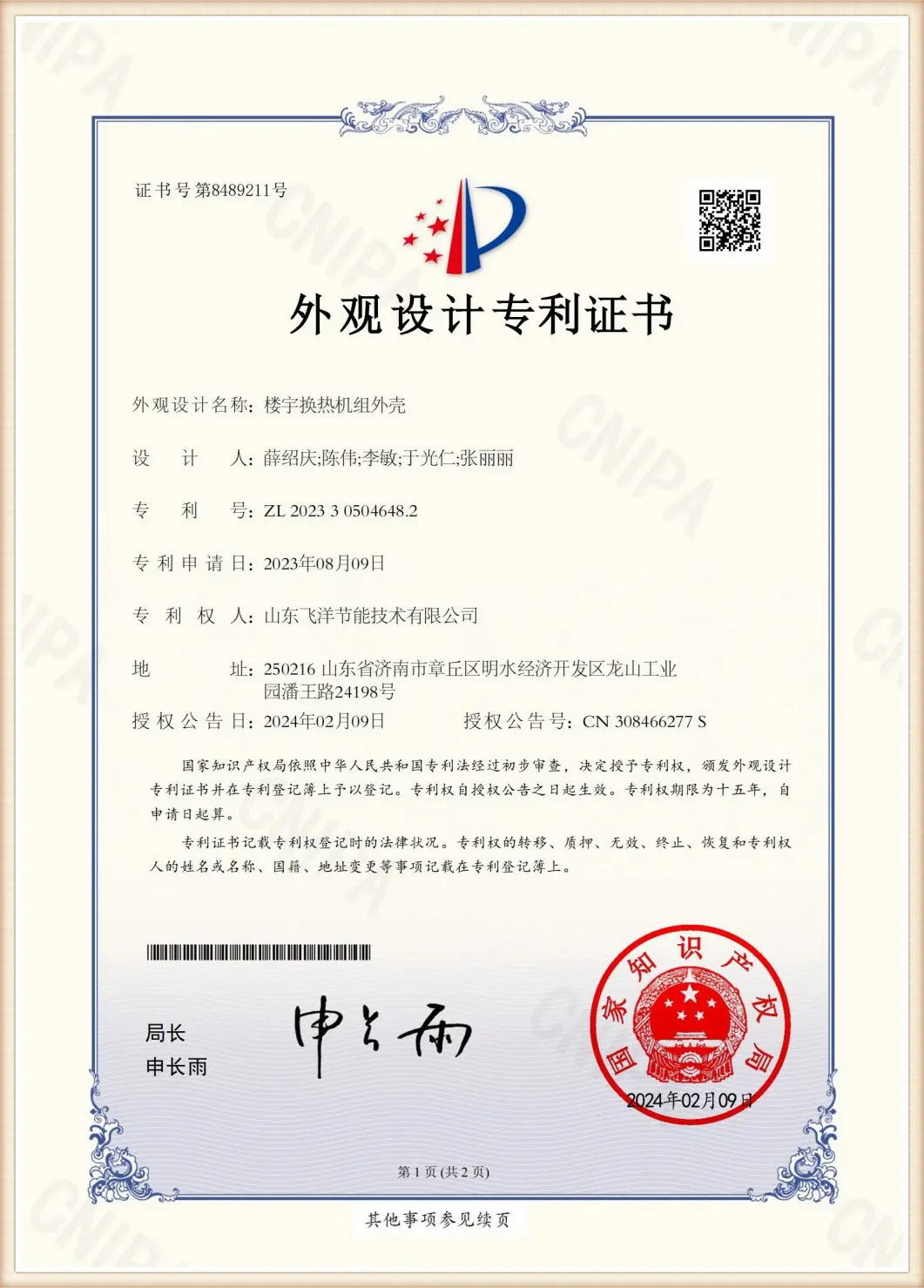
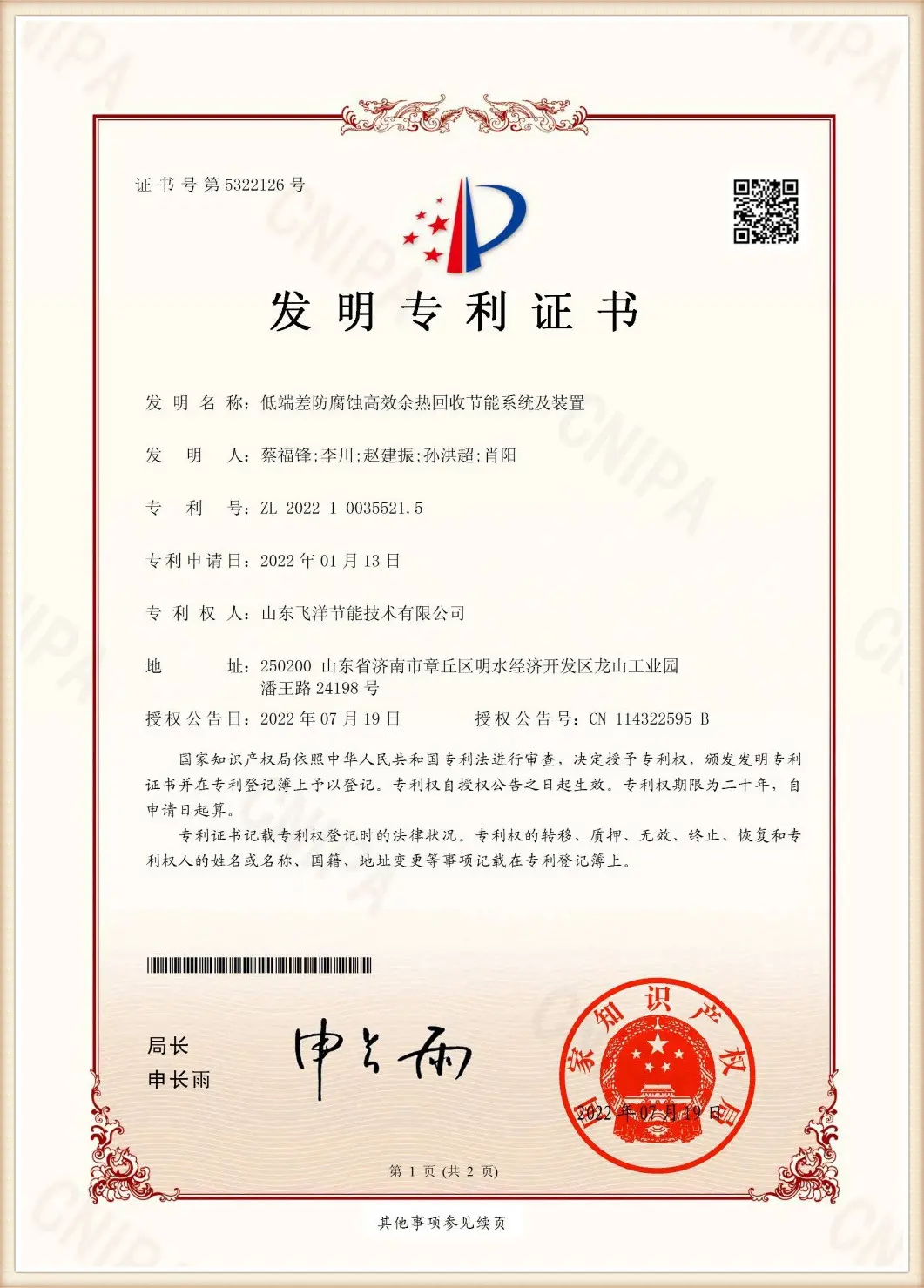
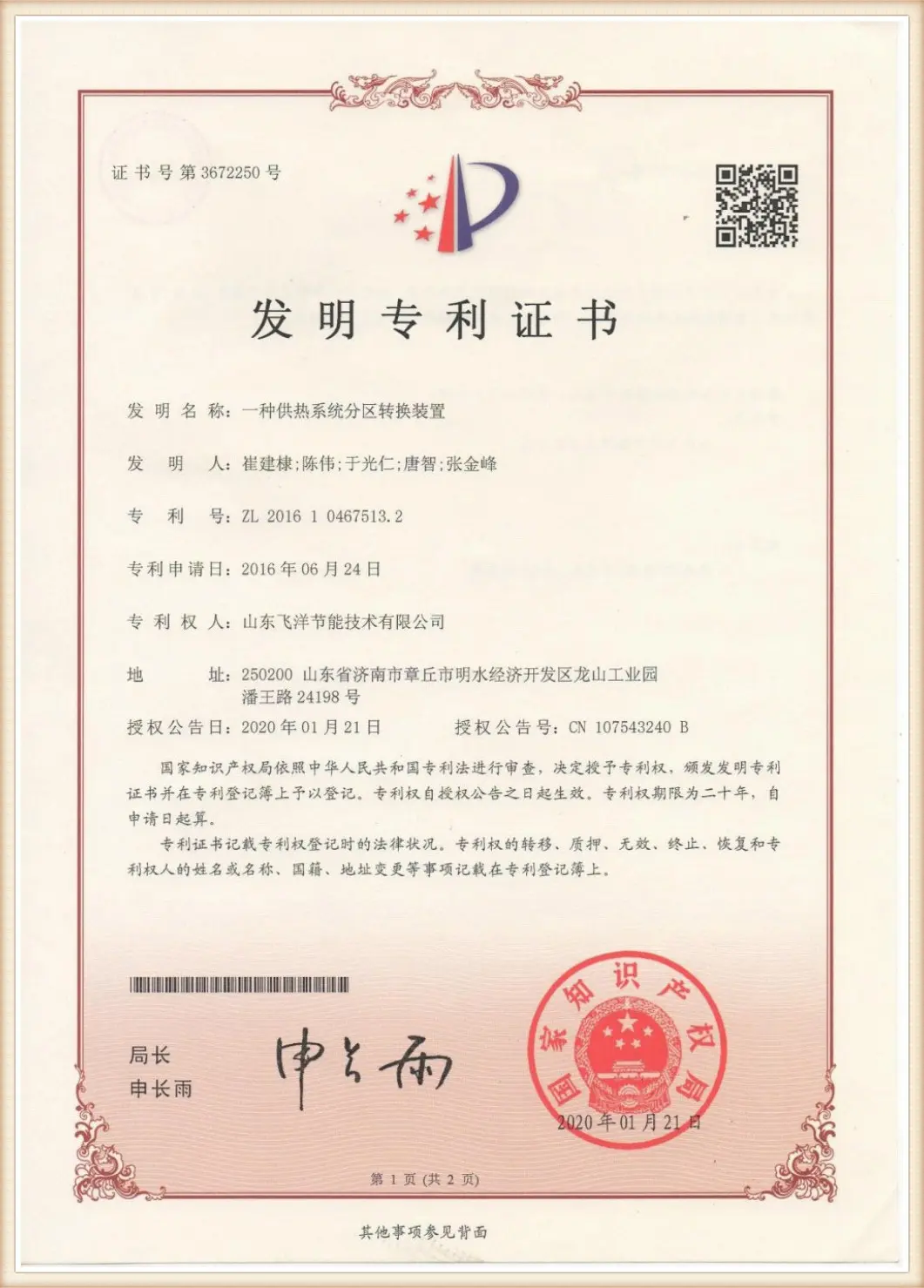
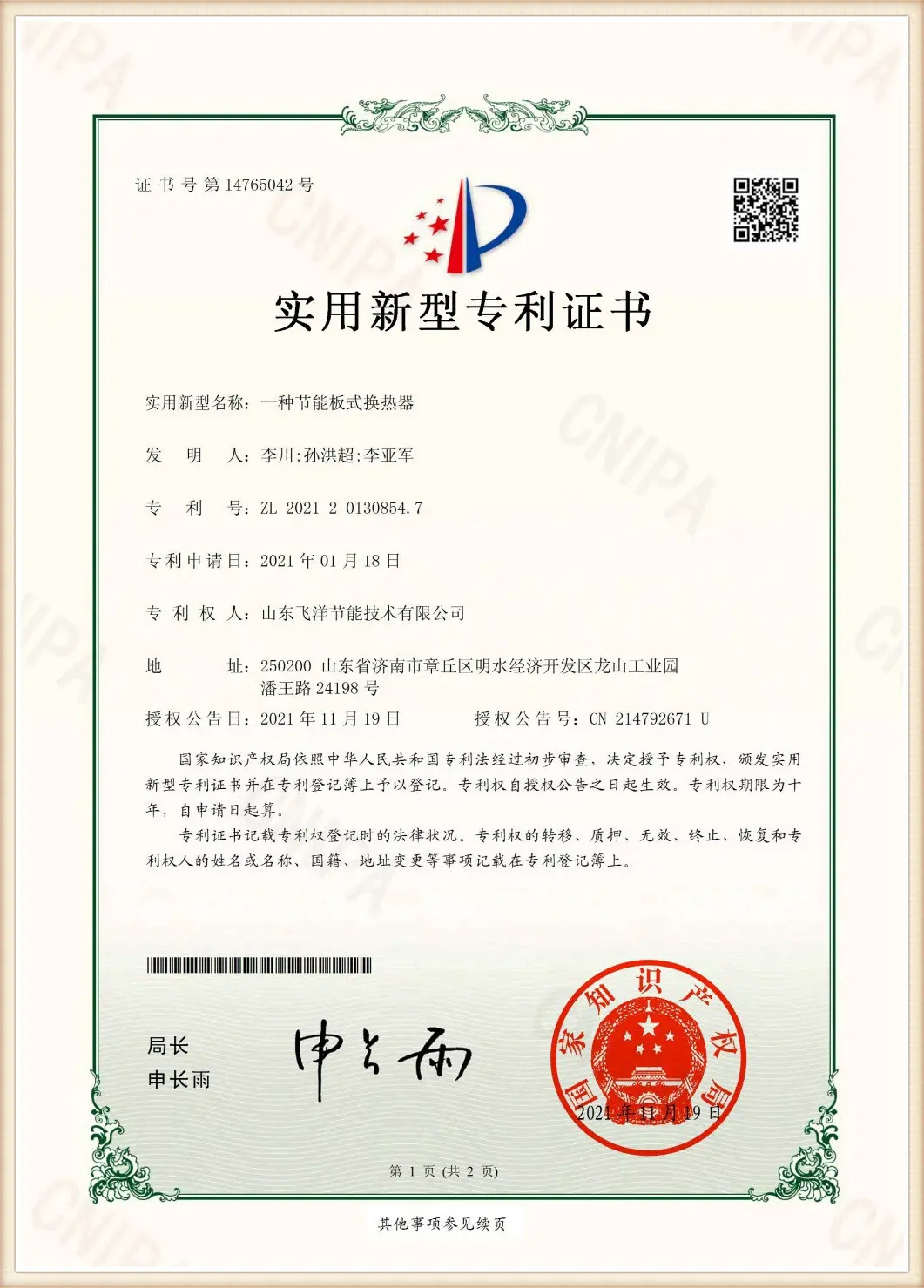
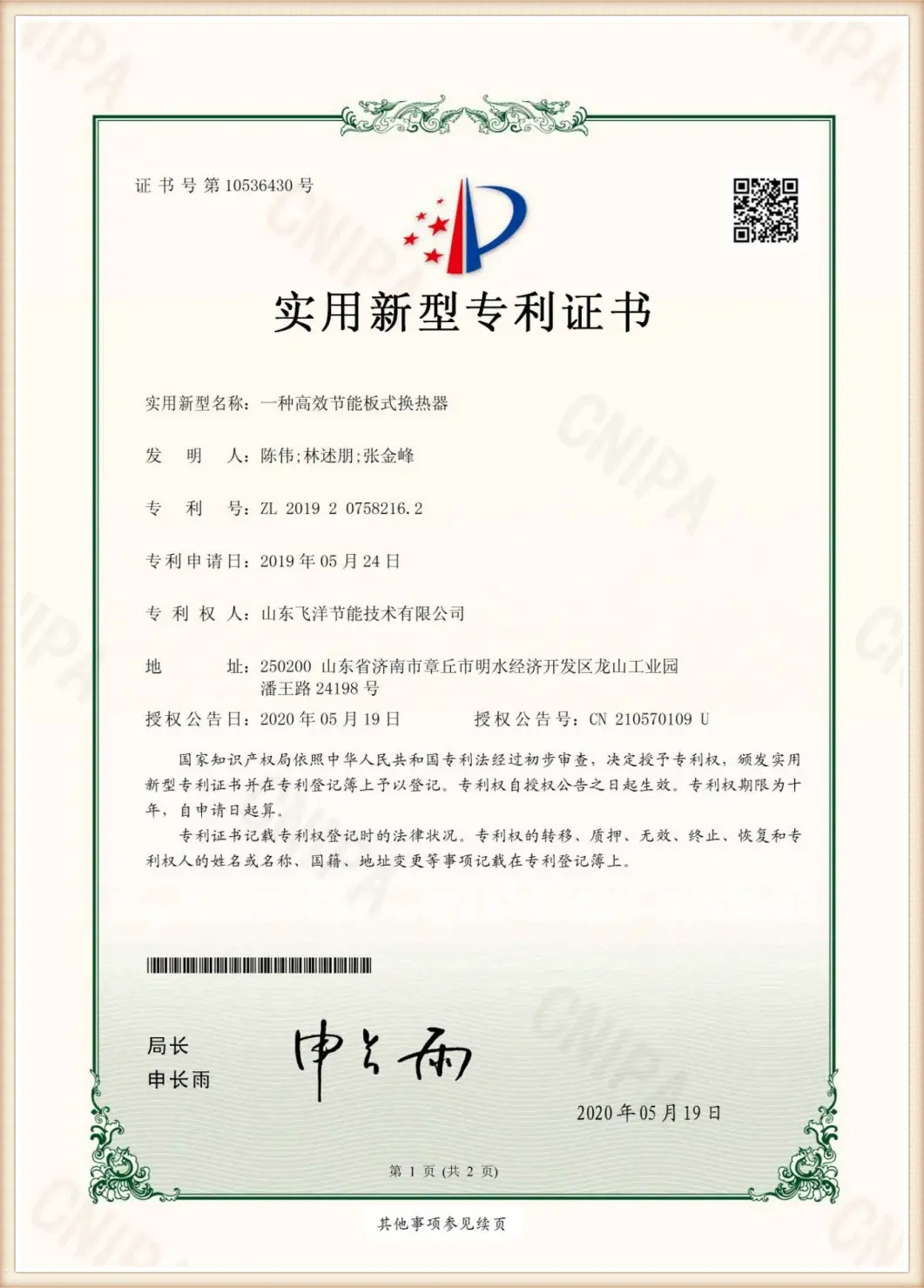
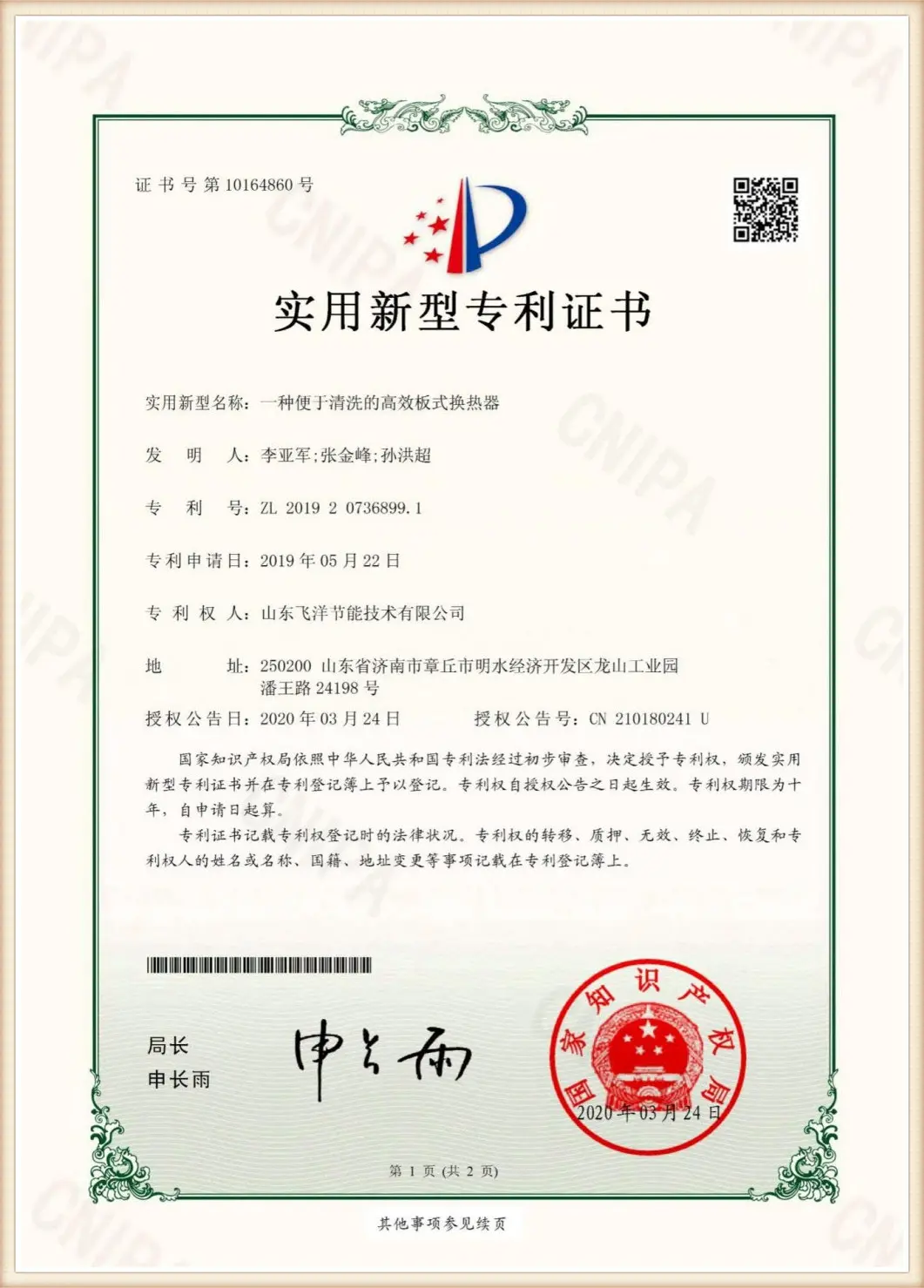
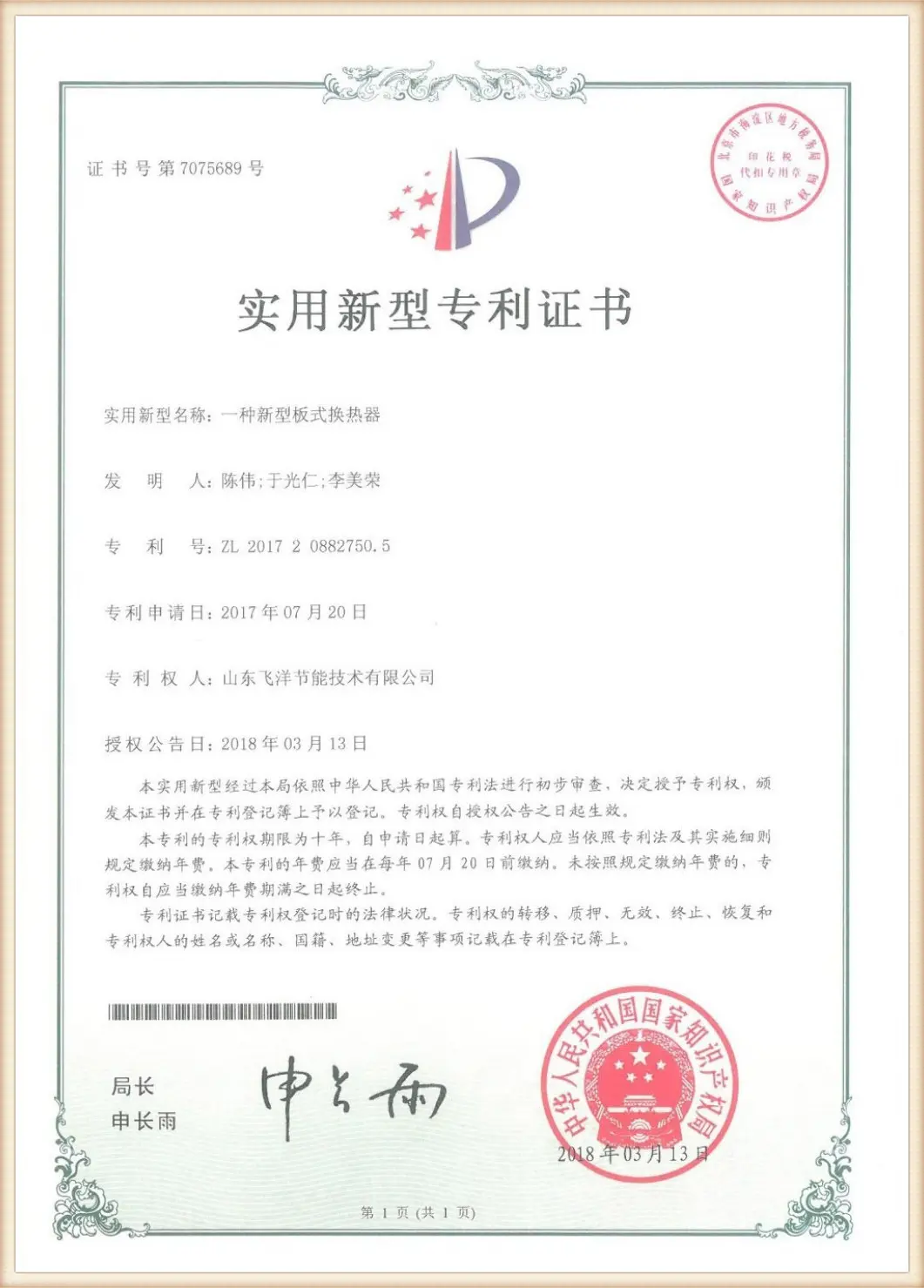
Our dedicated R&D center holds multiple patent certifications, including our proprietary "High-Efficiency Plate Heat Exchanger", "Intelligent Plate Heat Exchanger System", and "Plate Heat Exchanger Scale Removal Device". These proprietary systems ensure operational stability and minimized fouling rates under highly demanding environments.
Unveiling the thermal transfer, materials science, and fluid dynamics required for high-efficiency flue gas reheating.
In heavy industrial processes, particularly in coal-fired power plants and waste incineration plants, Flue Gas Desulfurization (FGD) systems are vital. However, treated clean flue gas exiting the wet scrubber is typically saturated at low temperatures (around 45°C to 55°C). Exhausting gas at this temperature creates a dense, visible plume and causes extreme corrosion in the chimney stack due to acid condensation.
The Gas Gas Heat Exchanger (GGH) addresses this issue by transferring thermal energy from hot untreated flue gas (leaving the boiler at 130°C to 150°C) to the cold clean flue gas. This reheats the clean gas to above 80°C, increasing its buoyancy, eliminating white plume visualization, and protecting downstream equipment from sulfuric acid dew-point corrosion.
A high-performing GGH must overcome substantial design issues:
Choosing the correct design architecture is crucial for long-term operational expenditure (OPEX) and capital expenditure (CAPEX) optimization:
| Feature/Parameter | Plate-type GGH (Flotte Technology) | Traditional Rotary GGH |
|---|---|---|
| Leakage Rate | Near 0% (Fully welded channels) | 1.5% to 5.0% (Mechanical rotation bypass) |
| Moving Parts | None (Static operation, low wear) | Rotors, drive assemblies, active seals |
| Pressure Drop | Optimized, low flow resistance | Variable, increases with blockages |
| Maintenance Cycle | Extremely low, modular clean-in-place (CIP) | High, requires regular seal replacement |
How international environmental laws and decarbonization objectives are shaping procurement decisions.
Regulatory bodies worldwide—including the EPA in the US, EU Industrial Emissions Directive (IED), and China's Ministry of Ecology and Environment—have put forth stringent standards for particulate emissions and sulfur compounds. Implementing modern GGH systems directly assists operators in adhering to zero-emission and wet-plume mitigation directives.
Industrial facilities are under pressure to improve overall thermal efficiency due to rising fuel costs and carbon taxes. Standard GGH systems capture heat from exhaust flows and return it to combustion processes or space heating loops, yielding massive fuel savings and lowering greenhouse gas outputs.
The modern industrial environment requires equipment capable of withstanding acidic gas condensation. Designers rely on high-grade titanium, custom enamel coatings, and high-nickel alloys to ensure a lifespan that matches or exceeds the primary boiler or reactor plant.
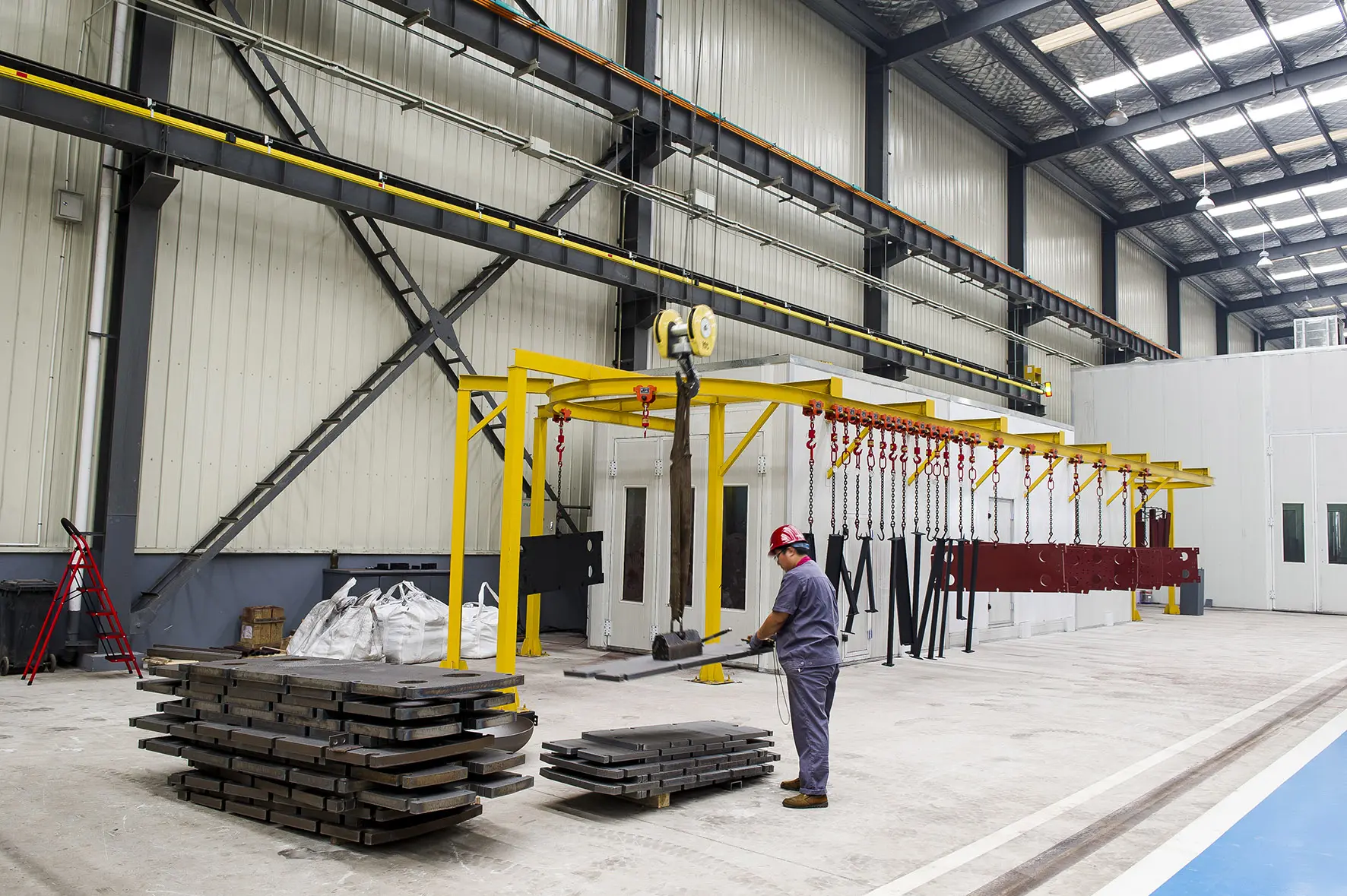
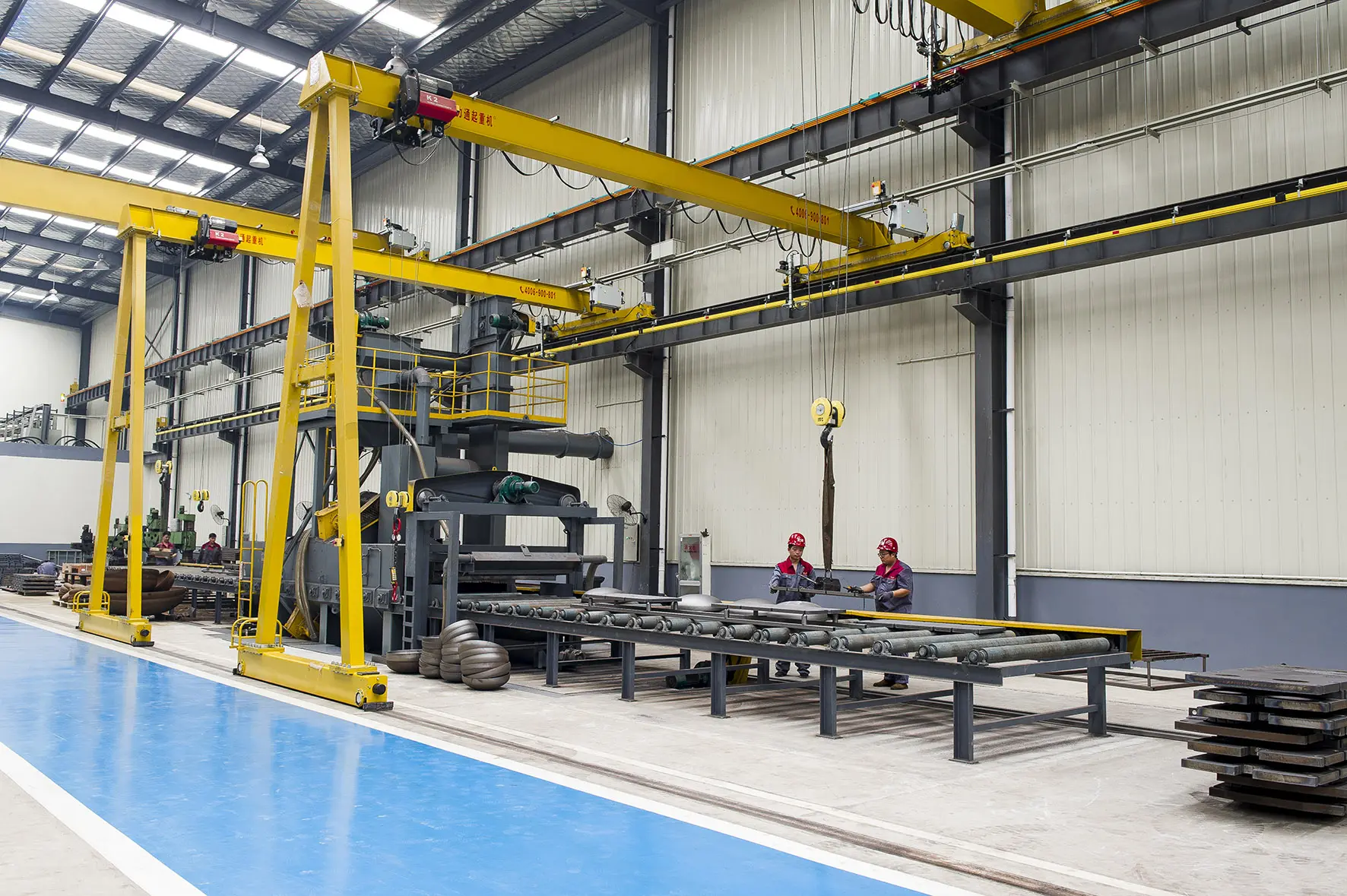
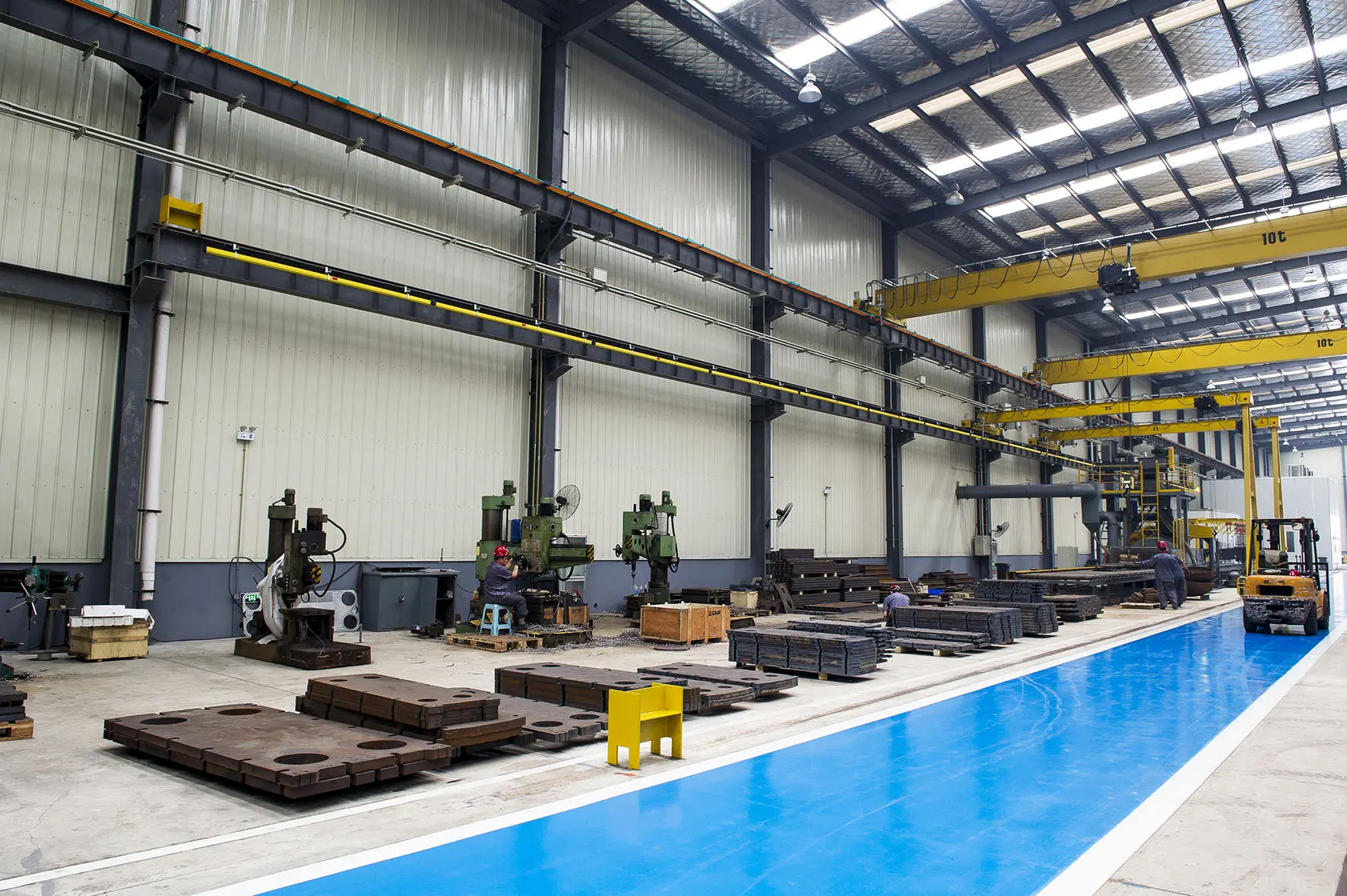
Combining automated machinery, stringent raw material procurement, and precise manufacturing steps to deliver long-term reliability.
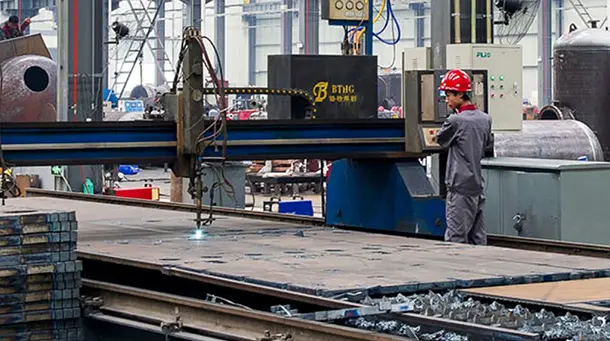
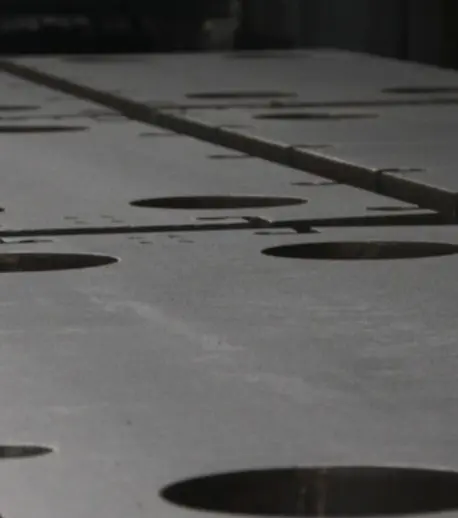
High-accuracy dimensional control of heavy support structural frames.
Enhancing structural density and micro-structural strength of sealing joints.
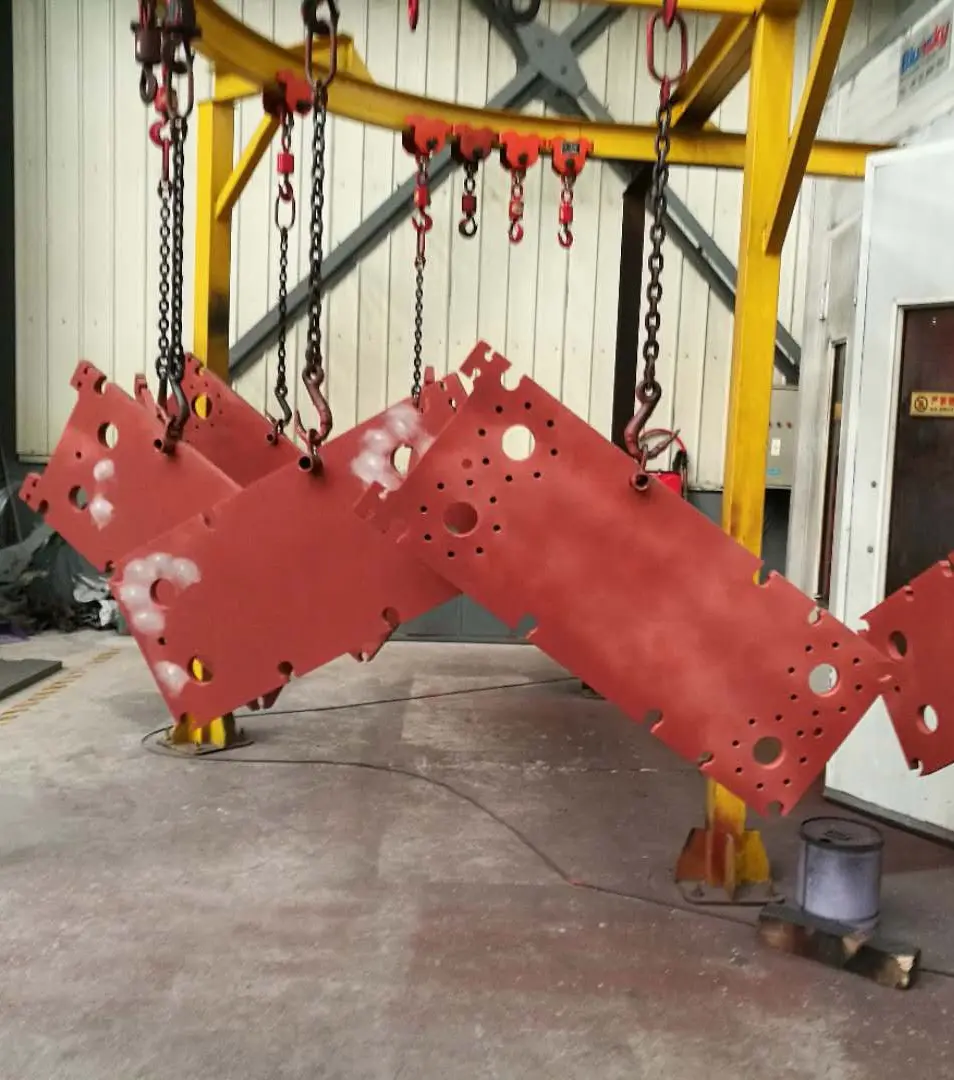
Multi-layer anti-corrosion barrier coatings for rugged field conditions.
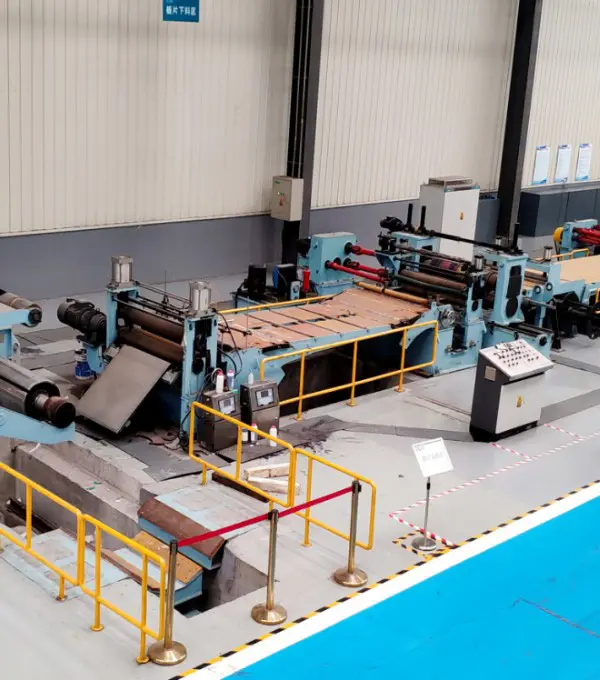
Traceable raw material handling through computer-controlled labeling.
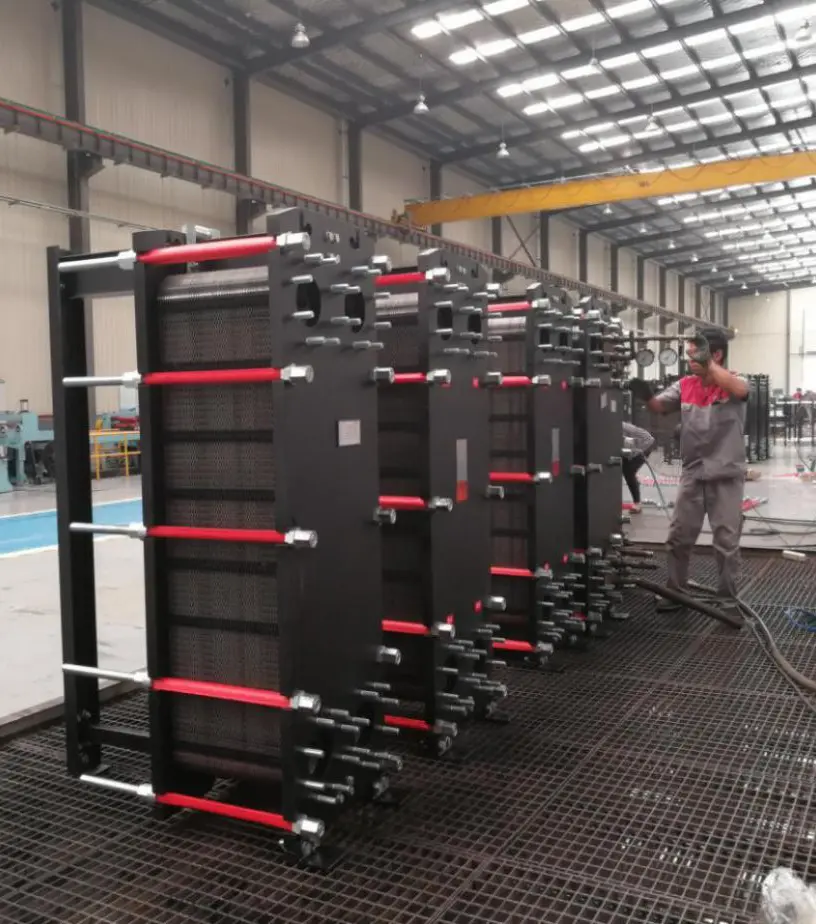
Rigorous leak and structural load testing at 1.5x design pressure.
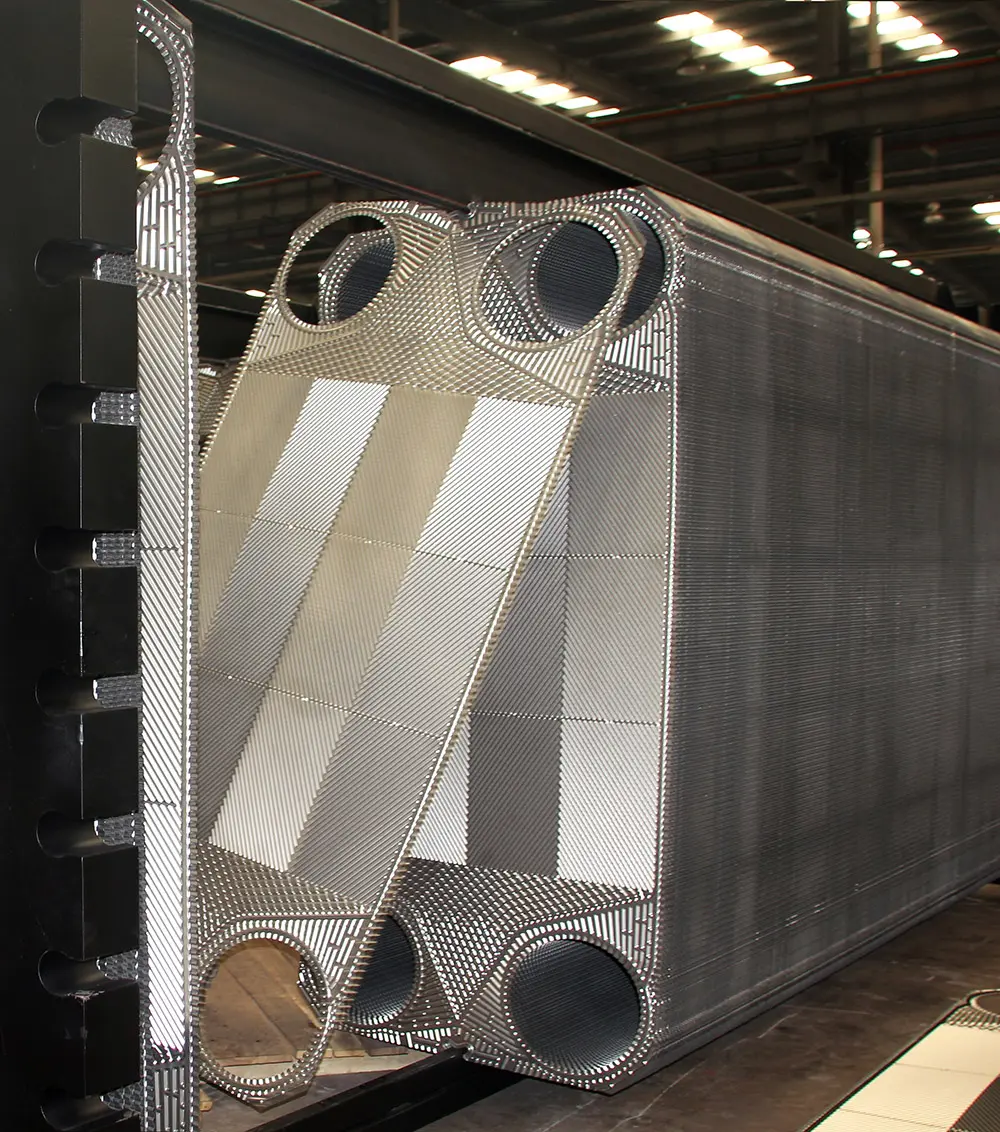
Precision mechanical assembly of structural components by certified teams.
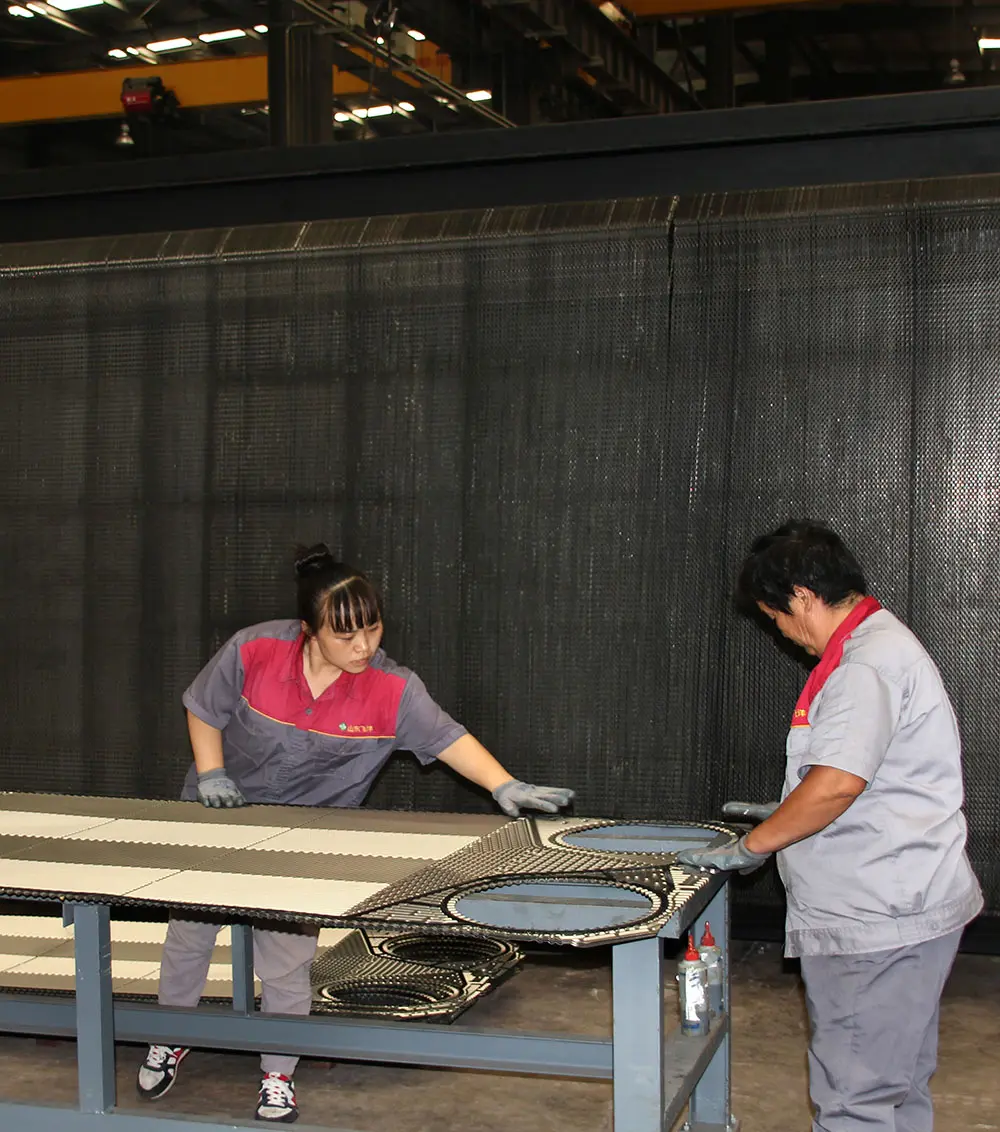
Securing high-elasticity sealing gaskets into plate tracks.
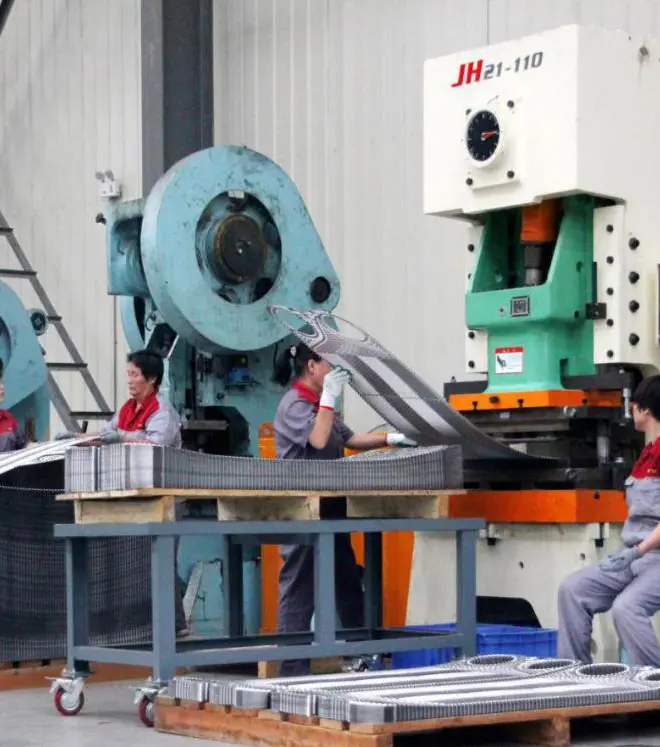
High-speed die-punching of flow ports on chemical-grade plate alloys.
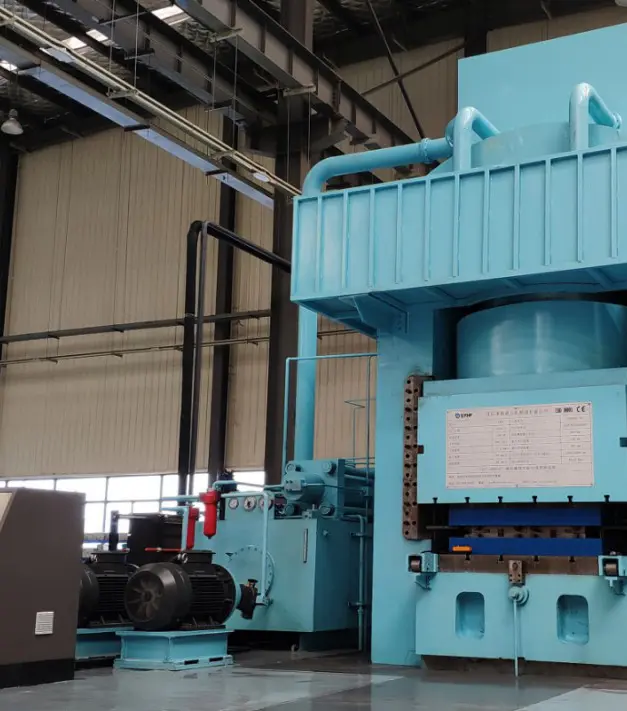
Hydraulic press forming of patented corrugated patterns for optimal heat transfer.
Adapting customized heat exchangers for regional networks, district heating grids, and chemical process installations.
In municipal heating grids, plate heat exchangers play an essential role. They serve as isolation barriers between municipal primary pipelines and residential secondary distribution pipelines, accommodating substantial pressure differences and facilitating smooth thermal transport. Flotte's pressure regulating stations with detachable plate heat exchangers are built to handle regional climate fluctuations, providing reliable and stable heating to local communities during winter seasons.
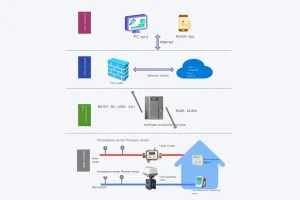
Integrating intelligent monitoring networks allows utility managers to check flow rates, temperature drops, and thermal energy usage remotely. Utilizing our patented scale removal devices reduces maintenance shutdowns, ensuring municipal service providers can maintain continuous operations throughout the coldest seasons.
Chemical, pharmaceutical, and wastewater processing facilities frequently deal with highly corrosive fluids and concentrated slurries. Our multi-effect evaporation and membrane concentration systems are designed to maximize steam reuse.
By recycling latent heat from evaporated vapor back into the process loop, thermal efficiency is significantly enhanced, leading to lower operating costs. Utilizing corrosion-resistant metals like Hastelloy and Titanium plates in our designs protects the equipment in aggressive chemical environments.
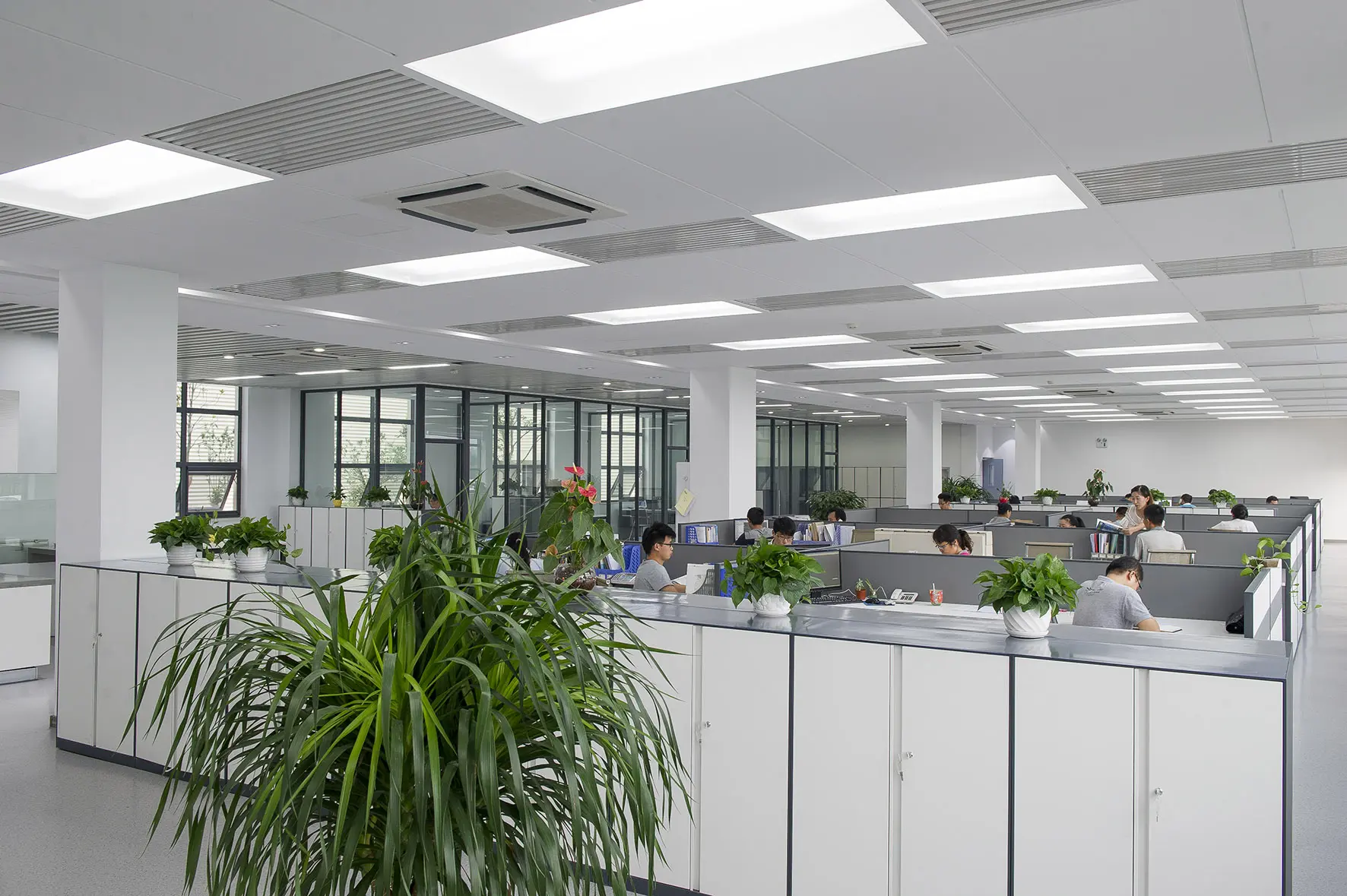
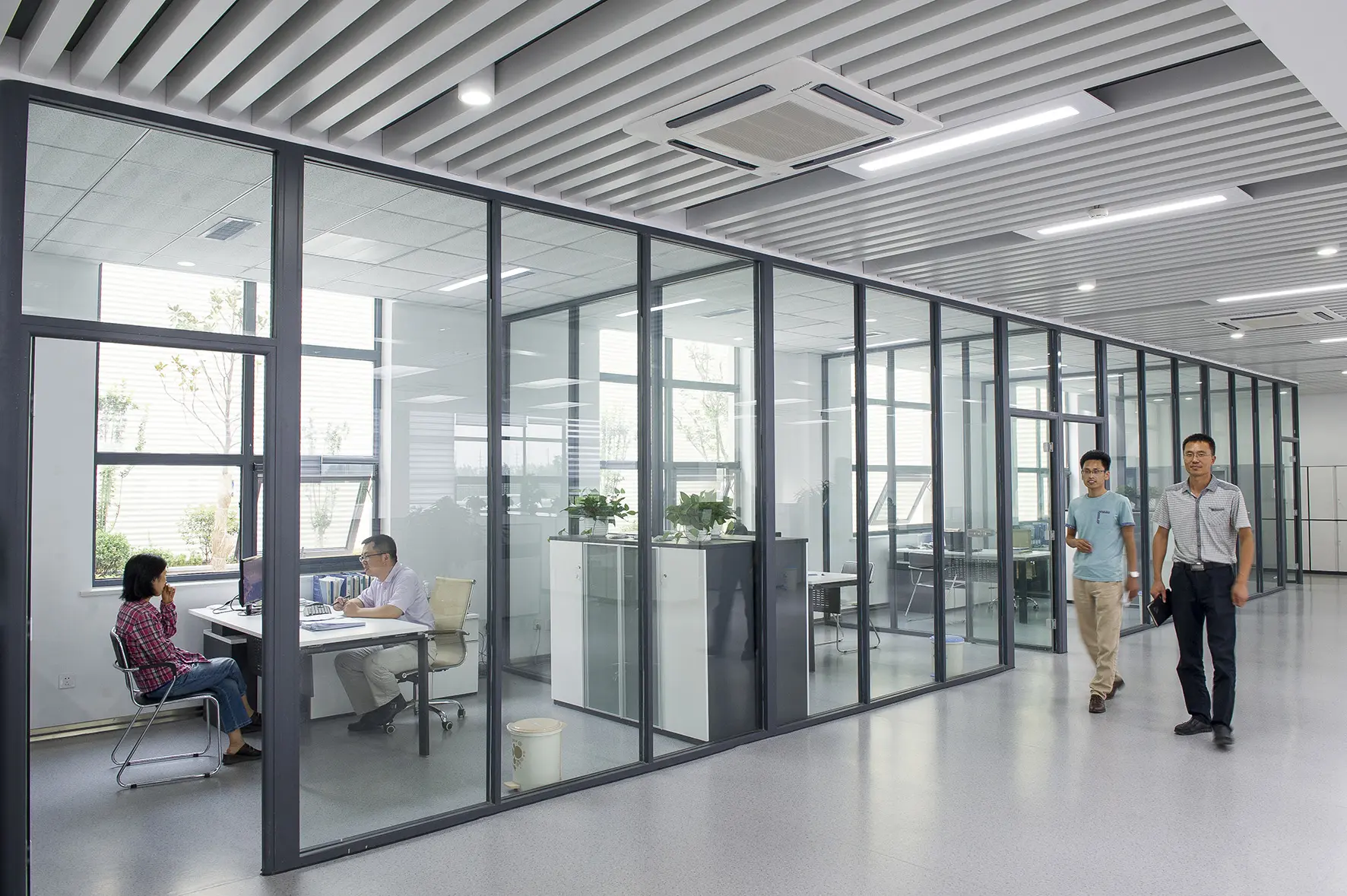
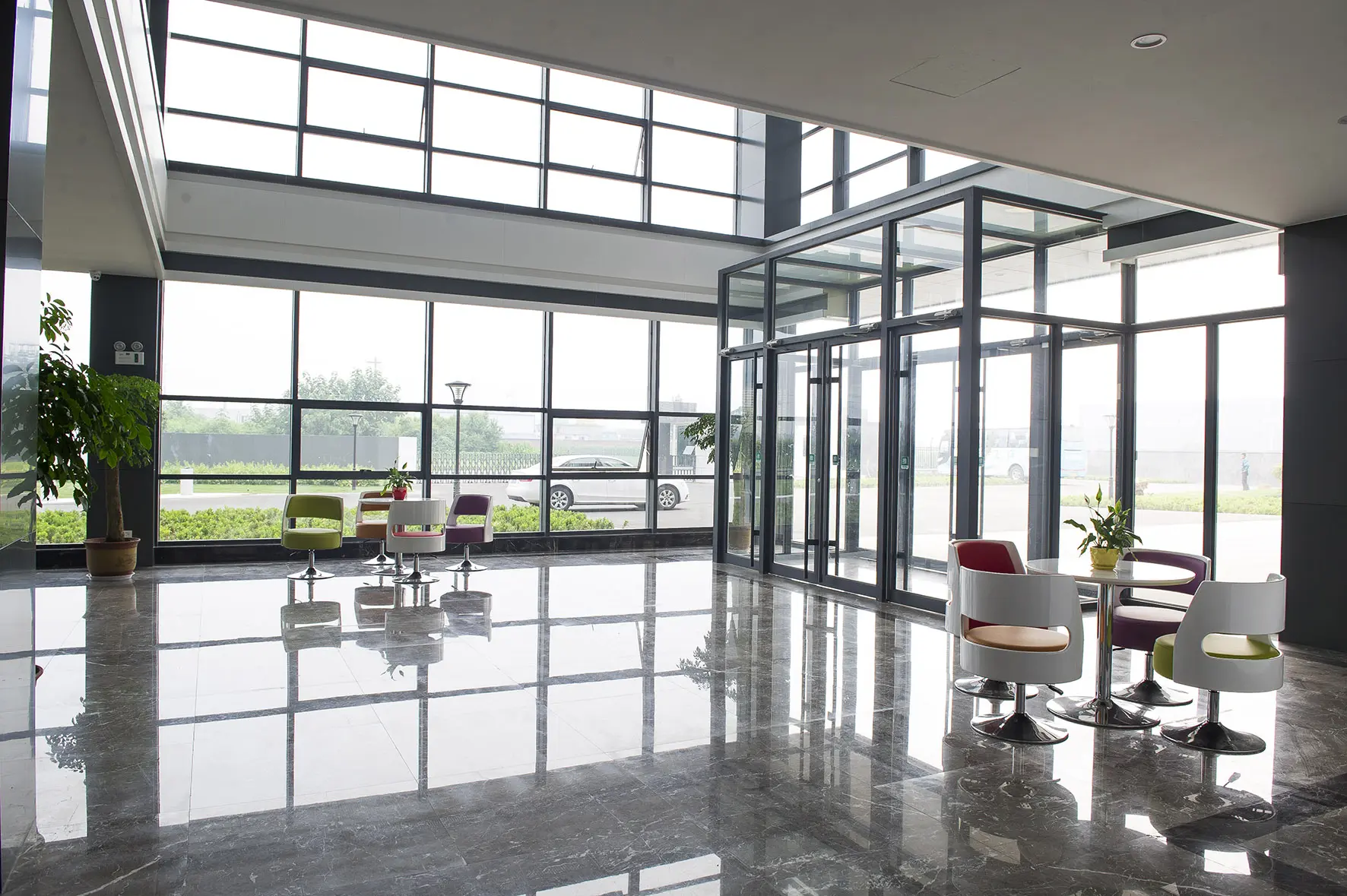
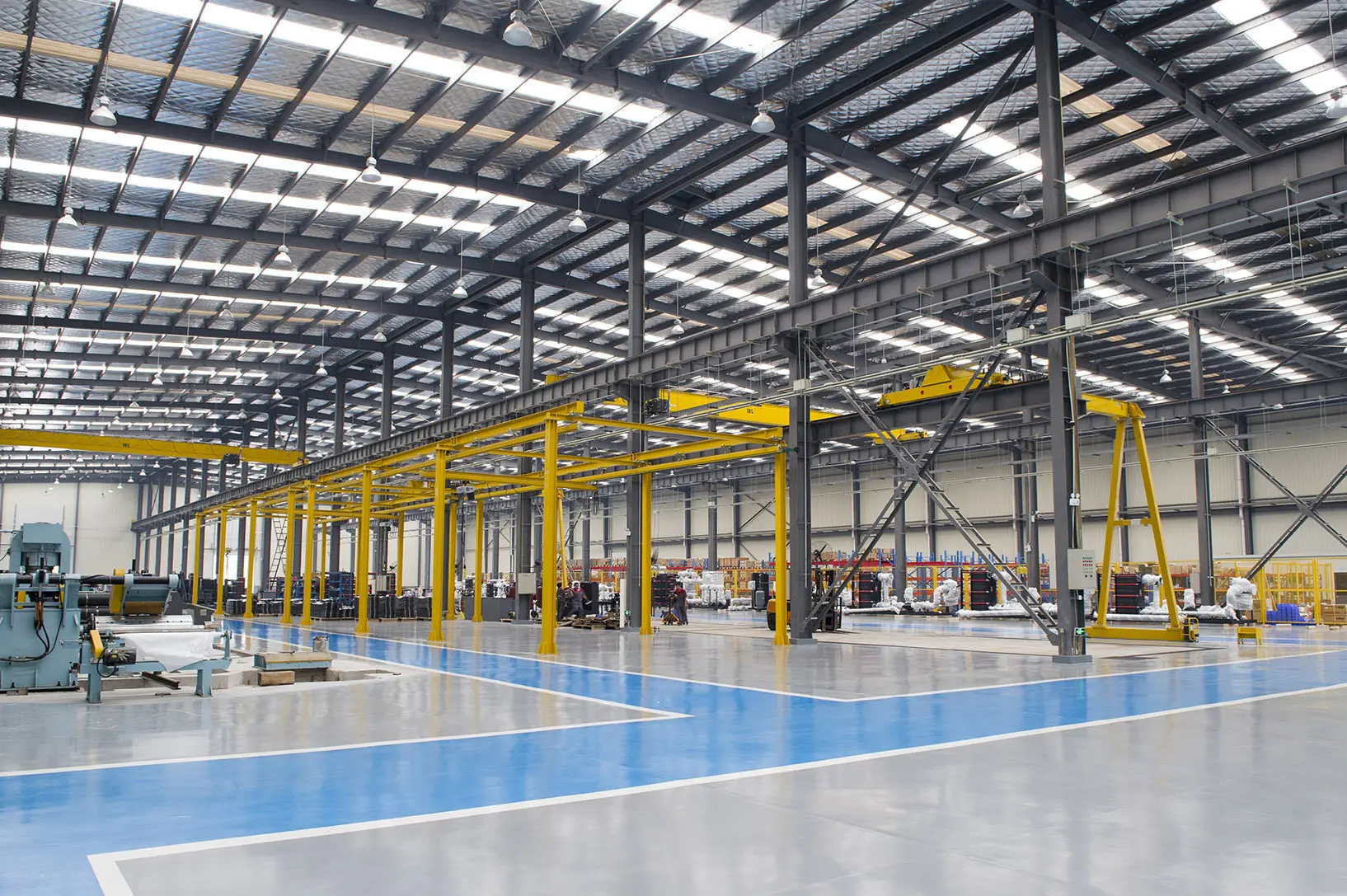
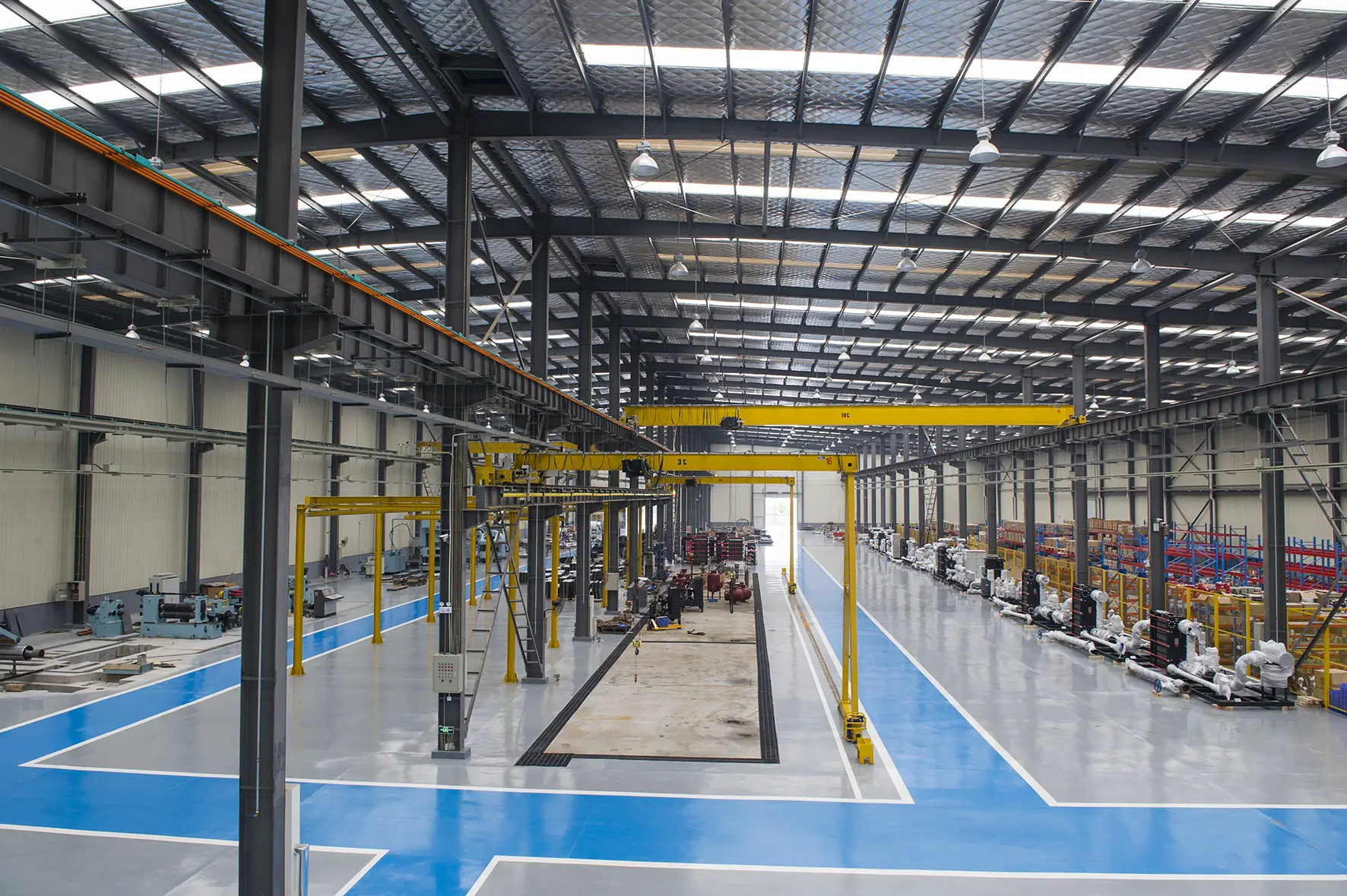
A rigorous quality management system certified under international standards ensures that every heat exchanger leaving our factory floor is built for long-term performance.
Direct technical guidance covering corrosion mitigation, design calculations, pressure drop limits, and system commissioning.
Explore our industrial-scale systems designed for thermal power, chemical synthesis, and municipal waste management applications.
 Flotte Energy