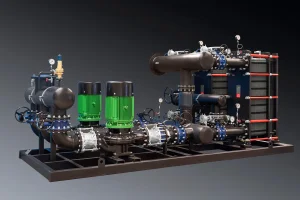
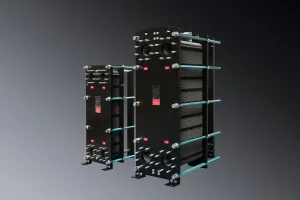
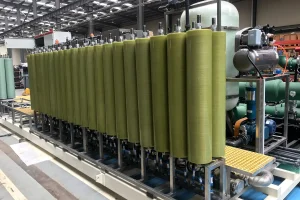
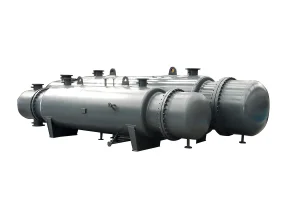
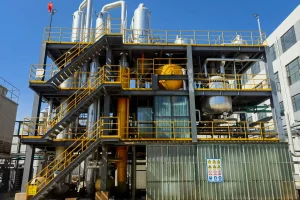
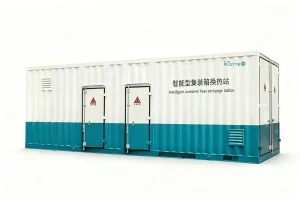
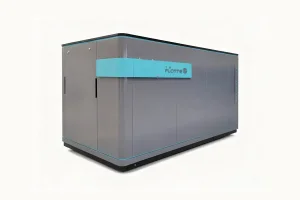
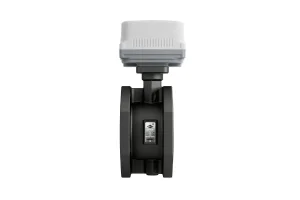
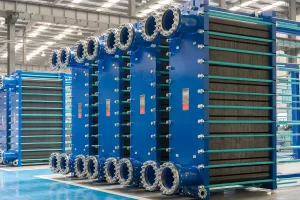
Explore our foundational range of highly efficient plate, shell-and-tube, and modular heat exchange units manufactured at our state-of-the-art China factory facility.
Flotte Energy Saving Company, established in 2013 with a robust registered capital of 101 million yuan, trace our professional heritage back to Flotte Thermal Engineering founded in 1995. With three decades of rigorous technical expertise, we specialize in high-efficiency water equipment, HVAC systems, and progressive water treatment solutions.
We consistently lead our global peers by integrating cutting-edge manufacturing protocols, developing smart heat exchanger technologies, and providing comprehensive global delivery pipelines. Our structural solutions are designed to address the energy-saving challenges faced by heavy industries, chemical facilities, and centralized thermal networks worldwide.
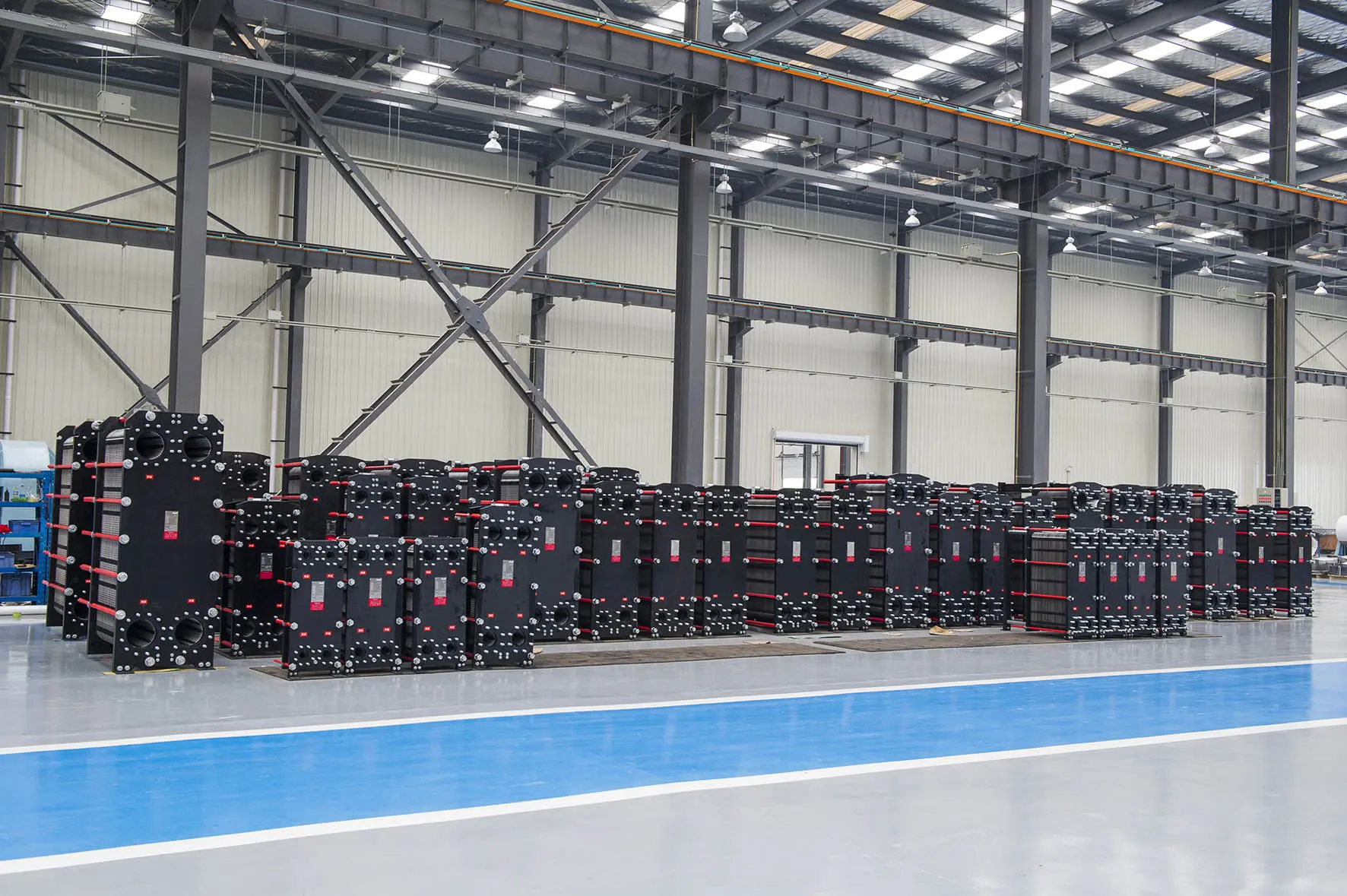
How Modern Thermal Management Systems Drive Carbon Neutrality and Systemic Energy Optimization Across Key Industrial Hubs.
In the contemporary industrial sector, thermal energy conservation is no longer merely an operational preference; it is a critical regulatory and economic imperative. The global shift toward sustainable energy storage and lower carbon footprints has forced companies to evaluate waste heat losses, particularly in exhaust gas systems and flue streams. This is where China Gas Heat Exchanger Manufacturers stand at the forefront of global engineering.
Gas-to-gas and gas-to-liquid heat exchangers play an essential role in recouping lost thermal units from industrial stacks, turbines, and boiler systems. Globally, heavy industries like petrochemical processing, metallurgy, and municipal utilities rely on these systems to preheat incoming combustion air or generate auxiliary hot water. Utilizing patented microchannel architectures and high-corrugation plate surfaces, modern exchangers reduce energy consumption by up to 30%, showing that efficient thermal engineering is the most direct path to reducing operational emissions.
By leveraging thermal energy from high-temperature flue gases to preheat combustion air, our gas heat exchangers significantly decrease fuel consumption in industrial boilers and furnaces, generating immediate cost savings.
Exhaust streams contain vast amounts of unharvested energy. Capturing this gas thermal output to generate hot water or feed steam systems forms the core mechanism of industrial decarbonization protocols.
In highly sensitive pharmaceutical and chemical processes, gas condensers safely cool volatile organic compounds (VOCs) and chemical vapors to preserve solvent purity while adhering to strict environmental standards.
Why domestic raw material availability, advanced manufacturing scale, and optimized logistics render our export infrastructure peerless.
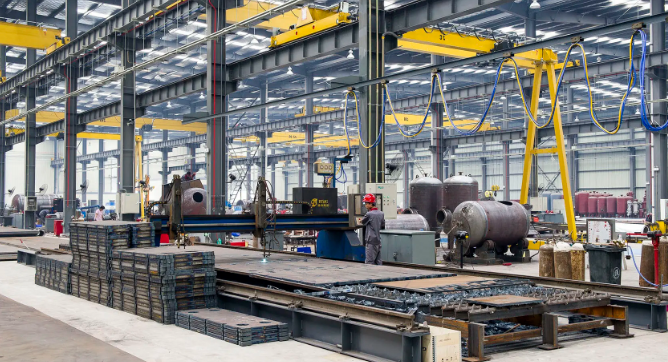
Unlike regional workshops that assembly third-party parts, Flotte features a vertically integrated supply chain. Our raw materials—ranging from high-corrosion-resistant 304/316L stainless steel to premium industrial titanium—are procured directly from top-tier national metallurgy mills. This minimizes raw material cost fluctuations and ensures uniform plate quality.
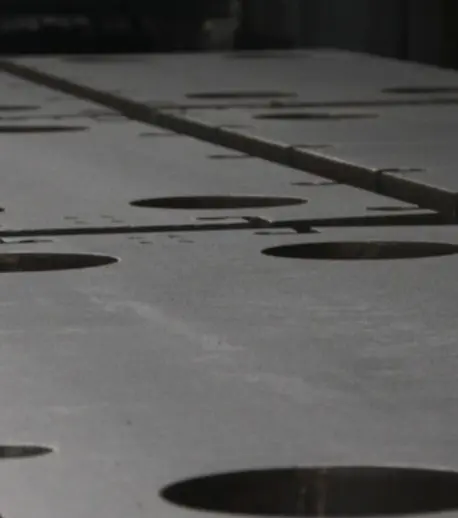
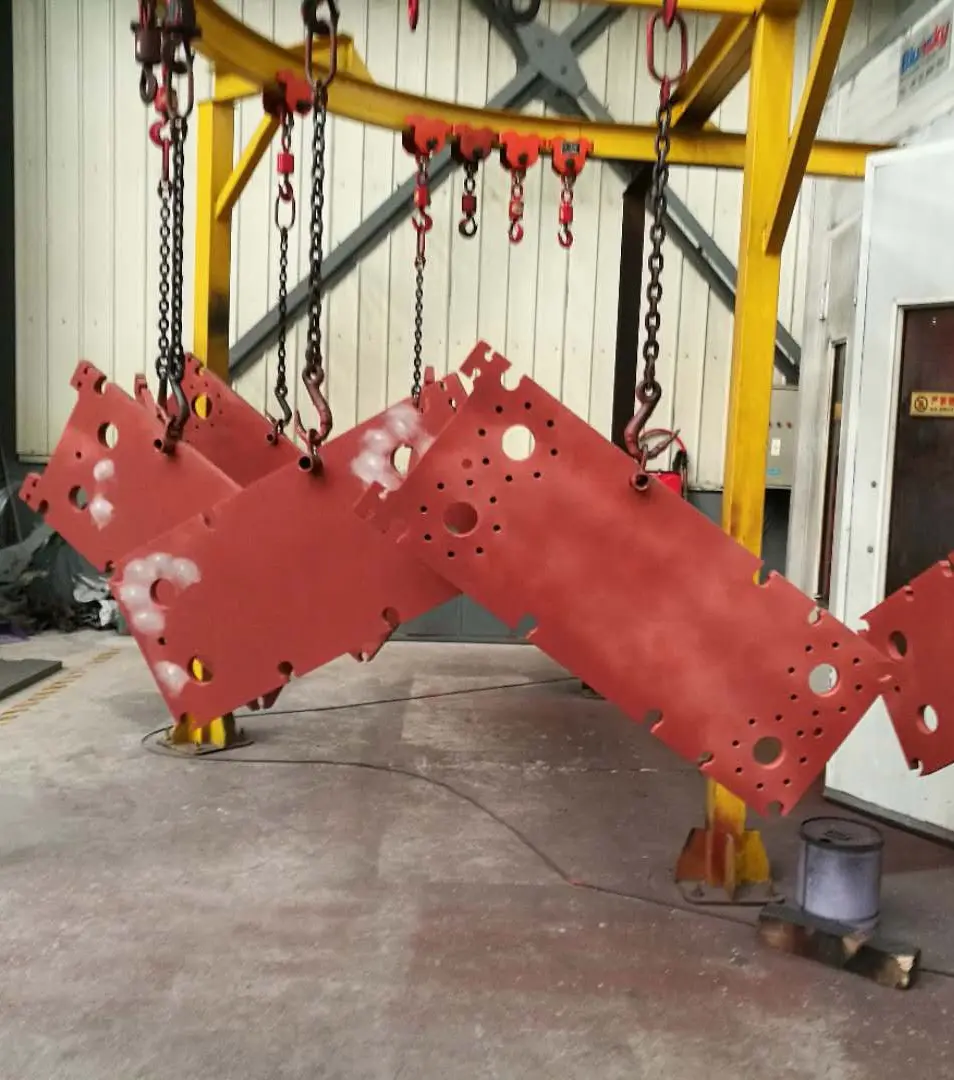
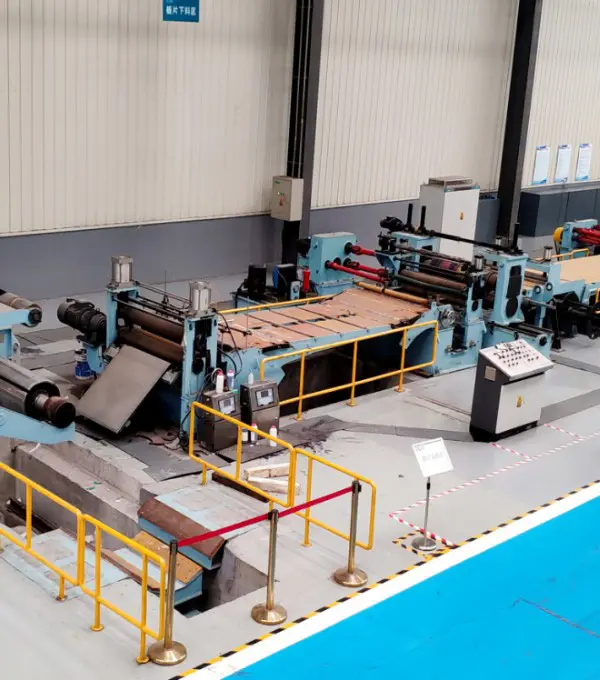
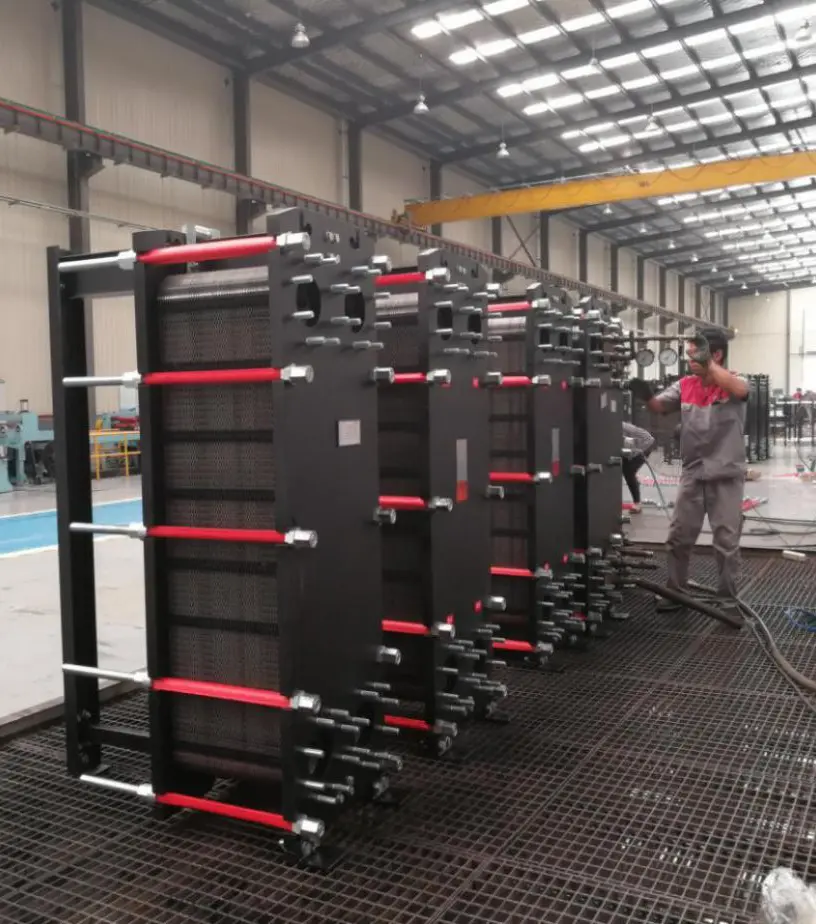
Operating a modernized facility of 70,000 square meters, our production floors are optimized for high-volume output. We produce approximately 4,500 heat exchange units and comprehensive water supply/drainage sets annually, exporting reliable machinery to complex operations in Europe, Central Asia, and the Americas.
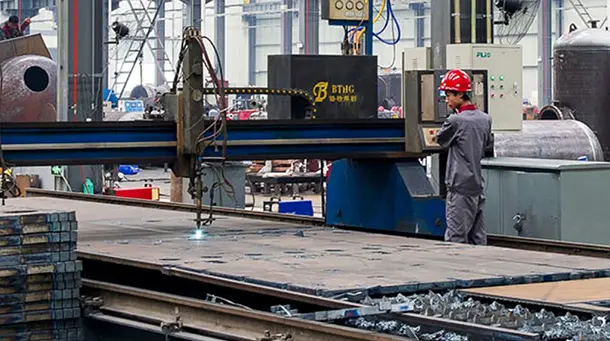
By executing all tooling, metal stamping, plate pressing, and pressure testing in-house, we eliminate intermediate handling markups, passing significant pricing advantages directly to our international clients.
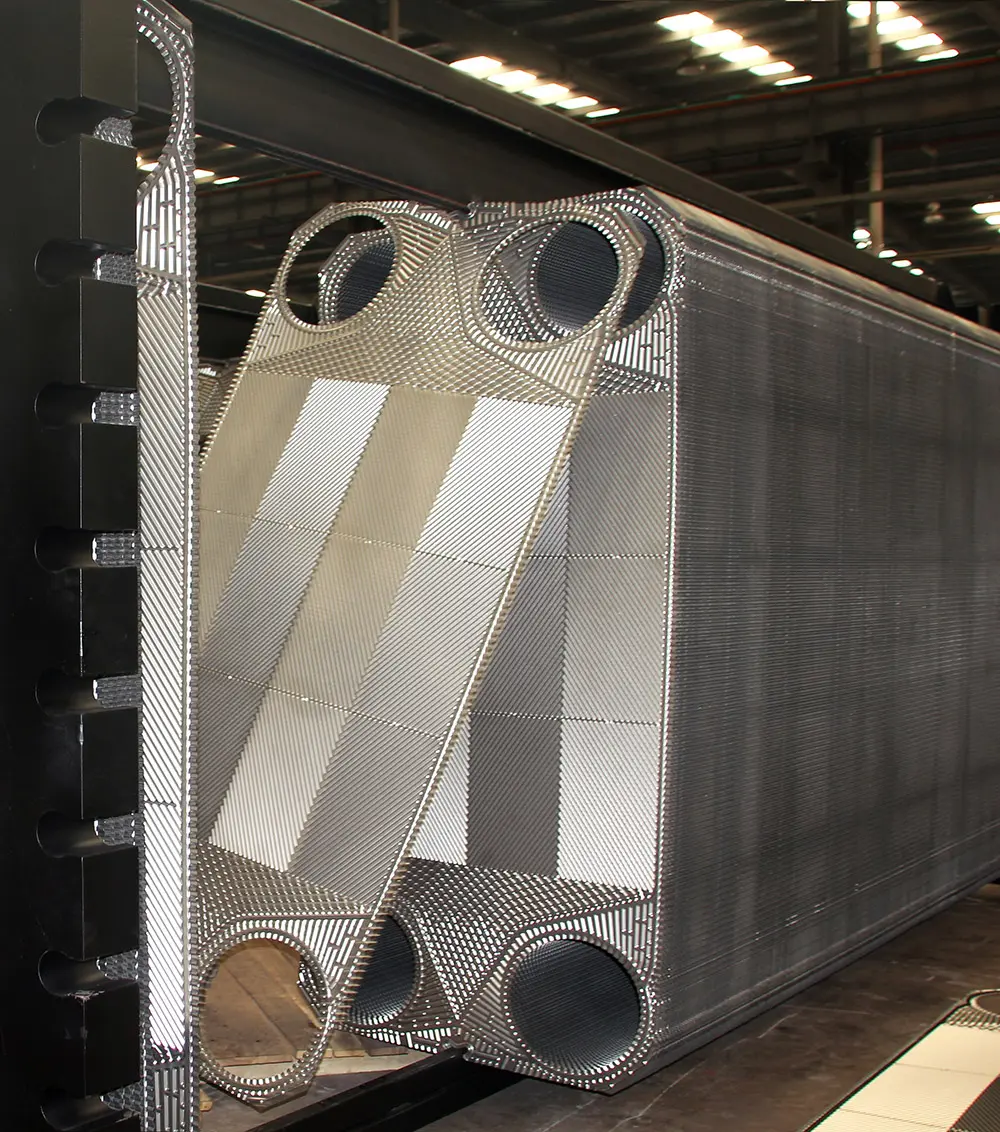
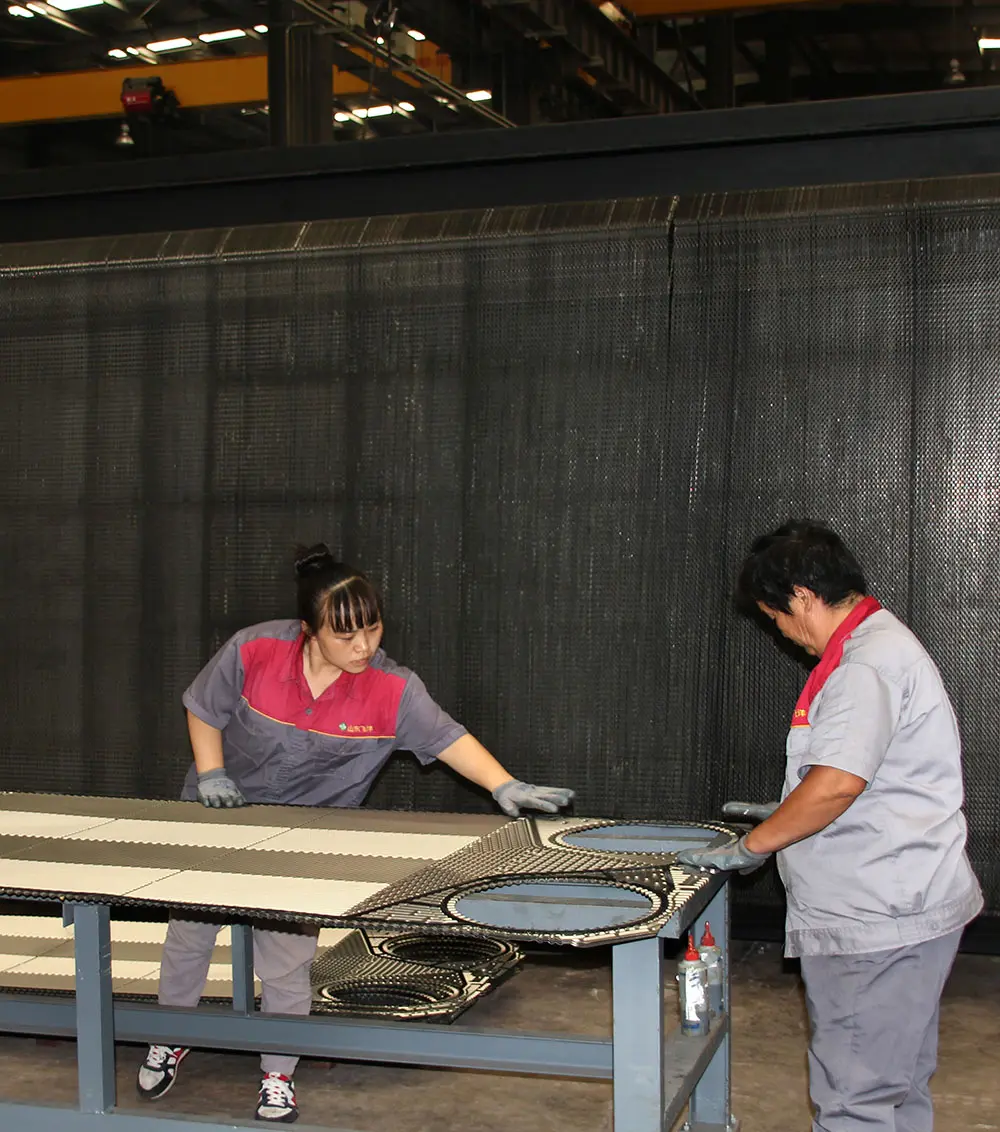
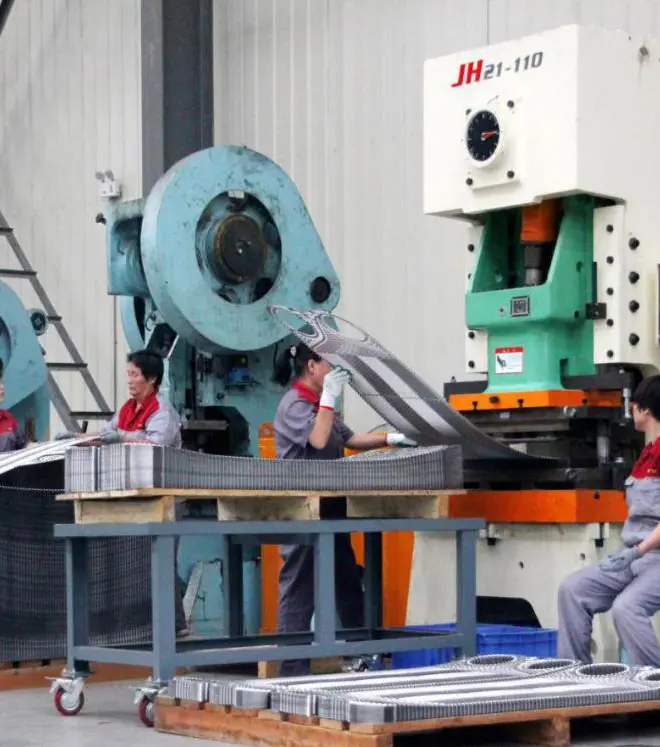
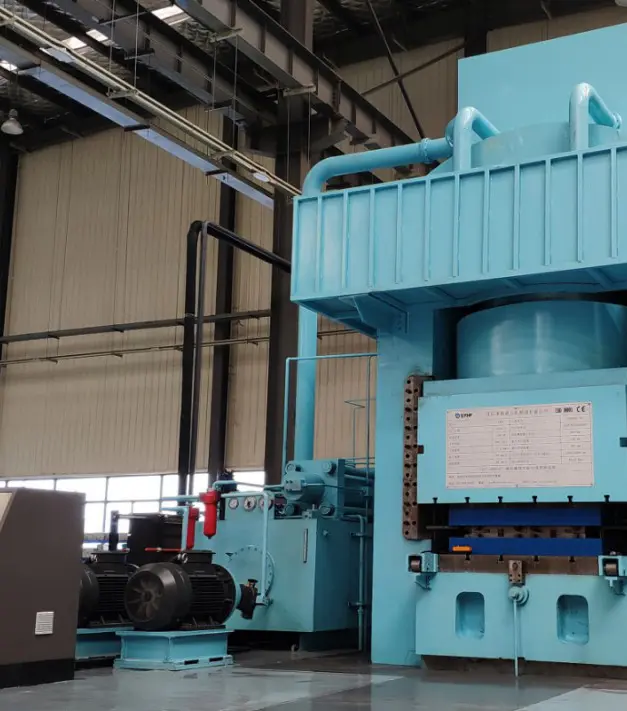
Tailored engineering solutions configured to meet regional climate challenges and localized heavy industrial processes.
In cold northern climates, our intelligent heat exchange units serve as primary nodes between high-temperature municipal thermal loops and secondary residential piping networks. Outfitted with intelligent balance valves, they deliver high thermal transfer rates under fluctuating loads, securing comfortable indoor environments while optimizing water consumption.
In hot regions, process cooling is a critical path operation. Our high-grade titanium shell-and-tube configurations are designed to withstand corrosive cooling media, including high-salinity brackish water. These units handle volatile gas condensations smoothly, showing high fouling resistance even under heavy continuous service.
Sanitation and thermal accuracy are essential for food processing and pharmaceutical synthesis. Our detachable stainless steel plate heat exchangers feature highly polished contact surfaces, which facilitate effortless CIP (Clean-in-Place) procedures, preventing cross-contamination while executing precise temperature profiles.
How R&D investments in smart flow control, high-efficiency microchannels, and zero-fouling alloys shape next-generation thermal management.
The future of thermal systems lies in the convergence of physical efficiency and artificial intelligence. At Flotte, our research and development programs focus heavily on improving heat transfer coefficients while minimizing pressure drops. By analyzing hydrodynamic behaviors, we have optimized the corrugation angles of our plates, increasing energy exchange rates by 2 to 3 times compared to conventional smooth-bore tubular systems.
Our future development strategy is built on three main pillars:
Strict quality assurance protocols validated by international auditing bodies and mandatory safety registrations.
When operating pressurized heat transfer equipment, safety and compliance are paramount. Flotte has built a comprehensive quality management system that ensures every exported unit performs reliably under high pressures and temperatures.
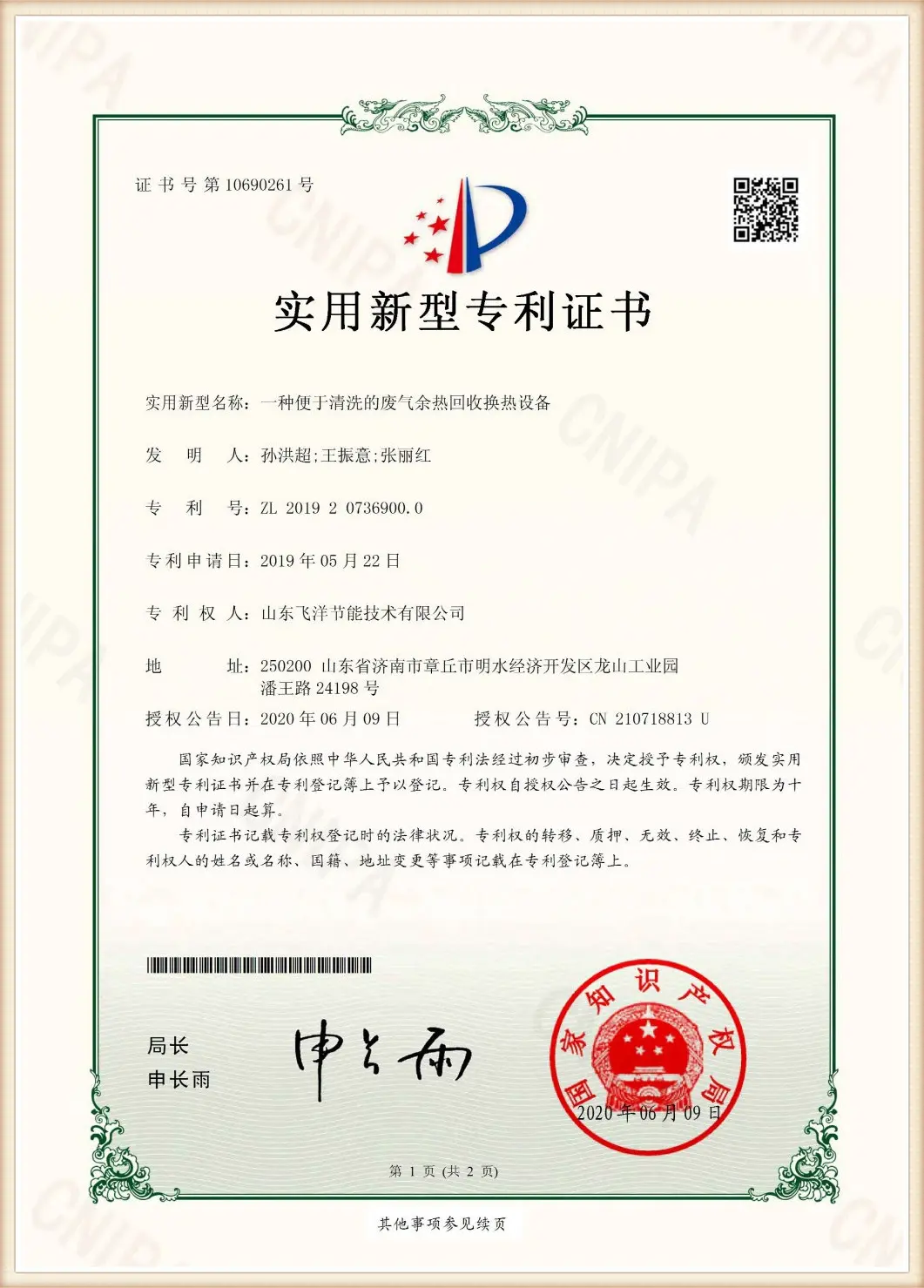
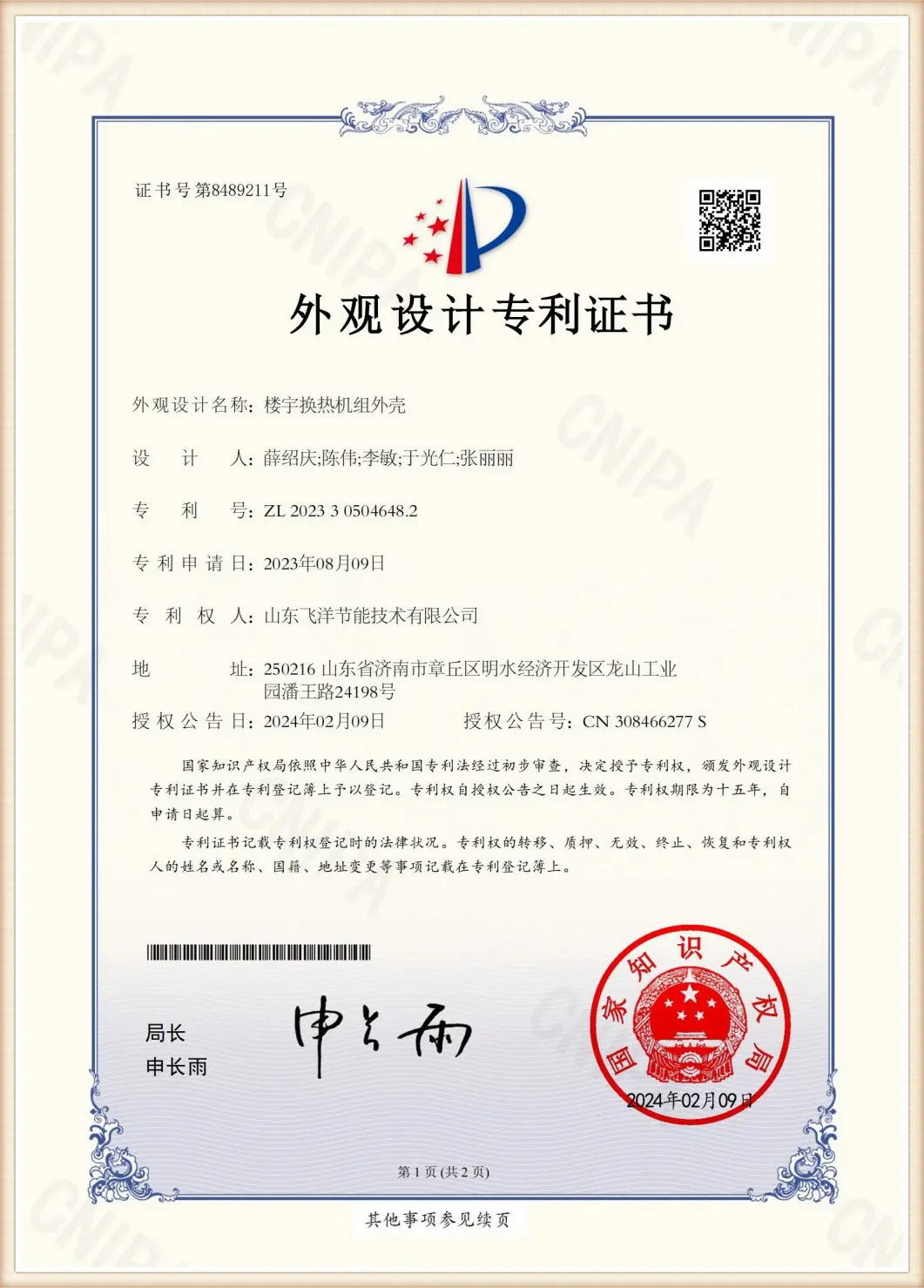
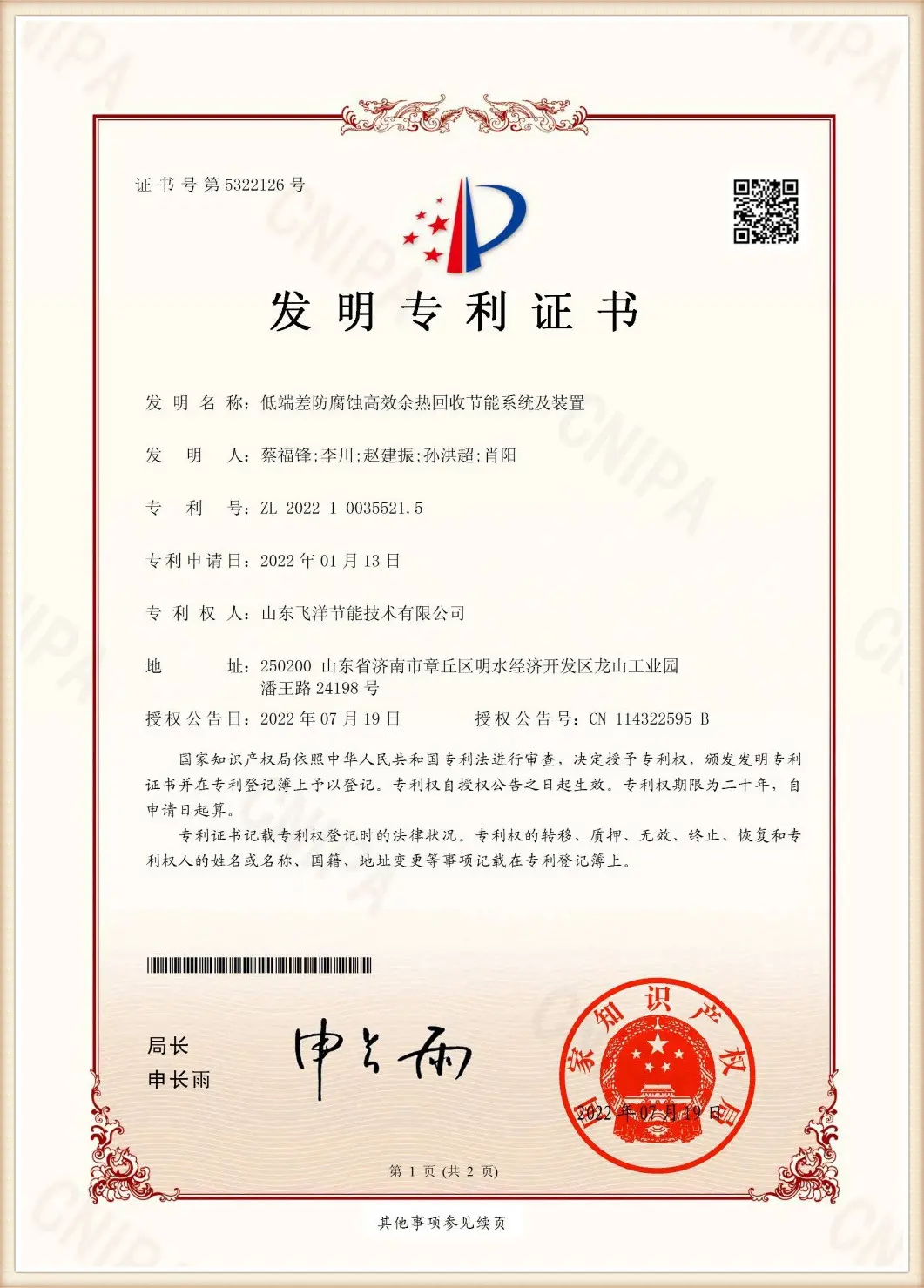
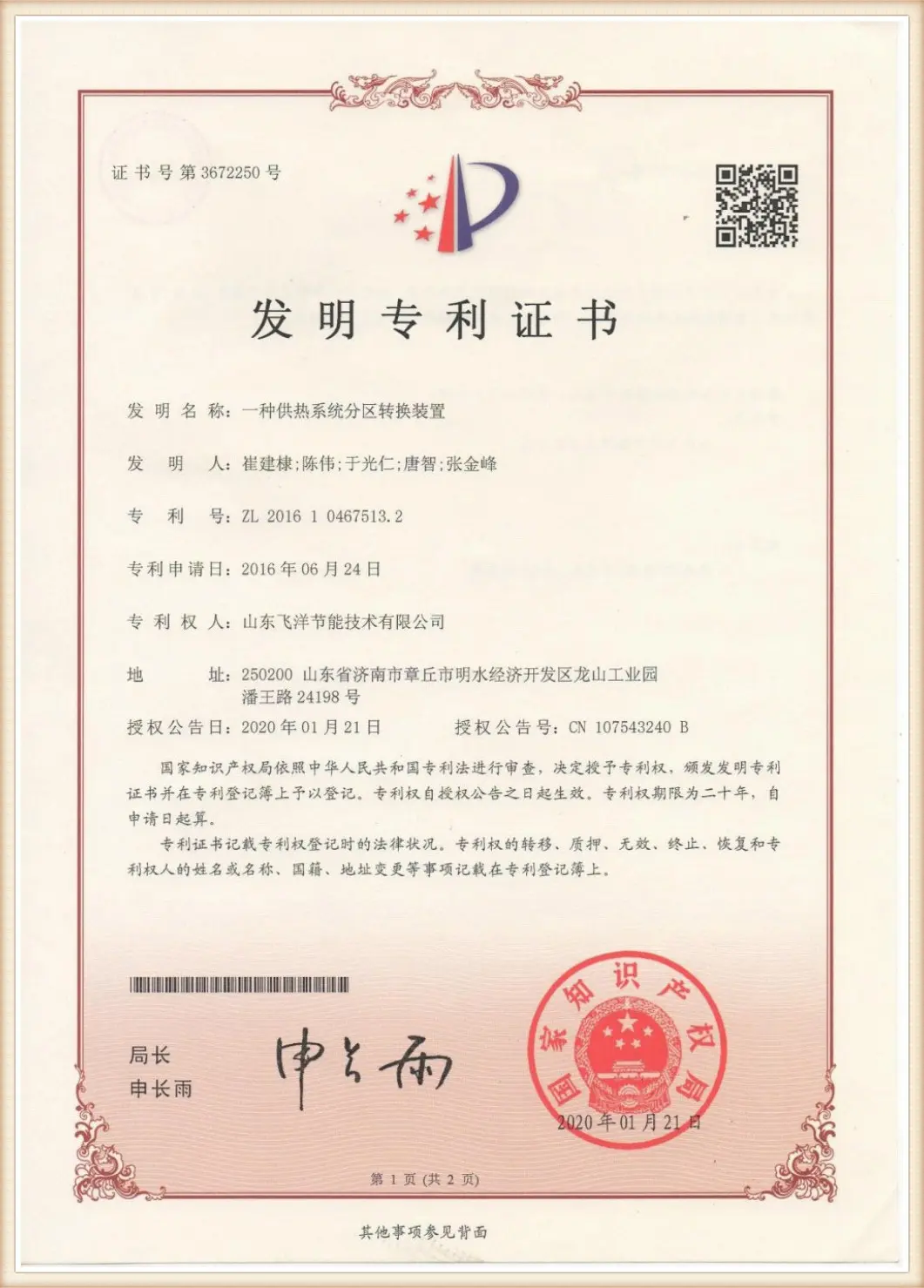
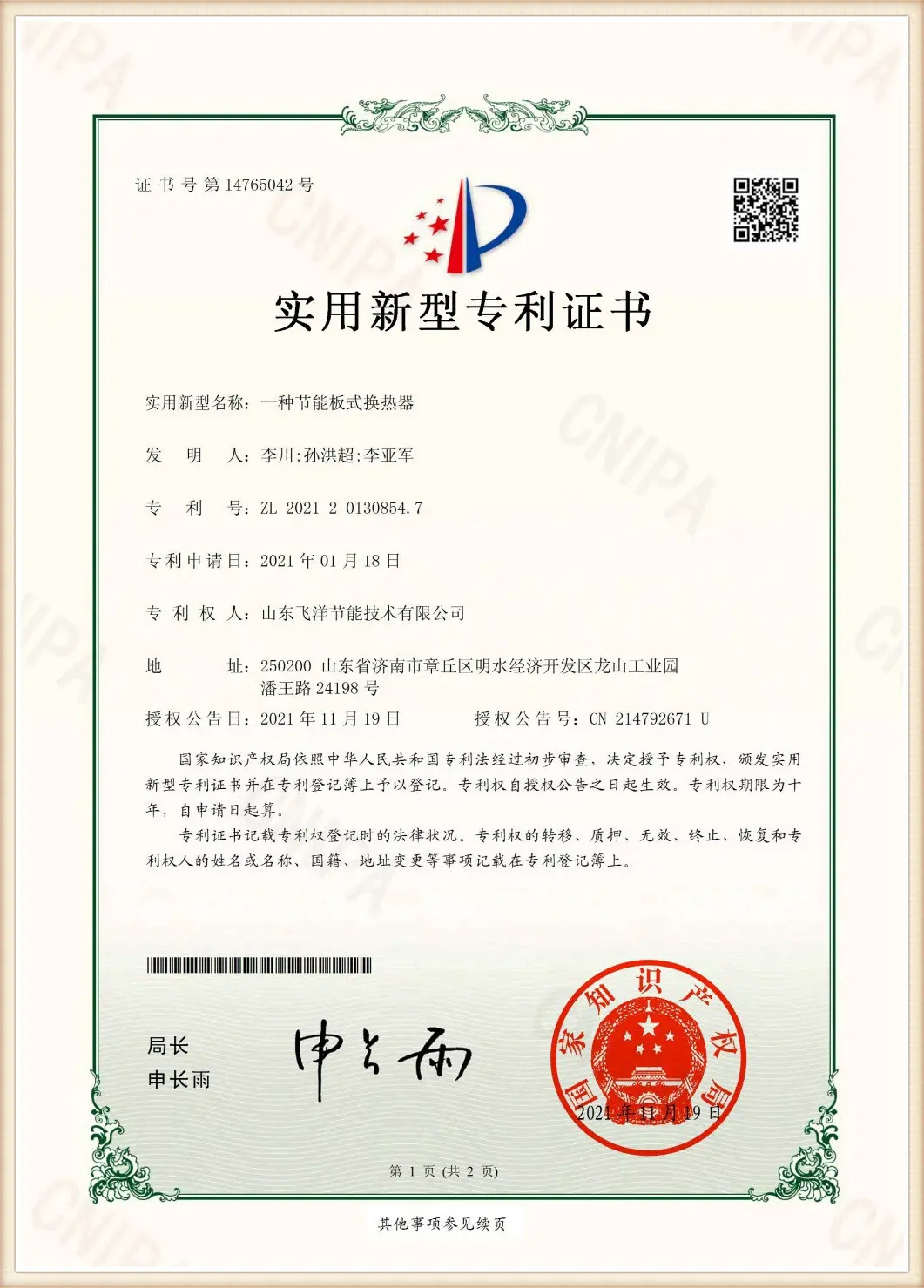
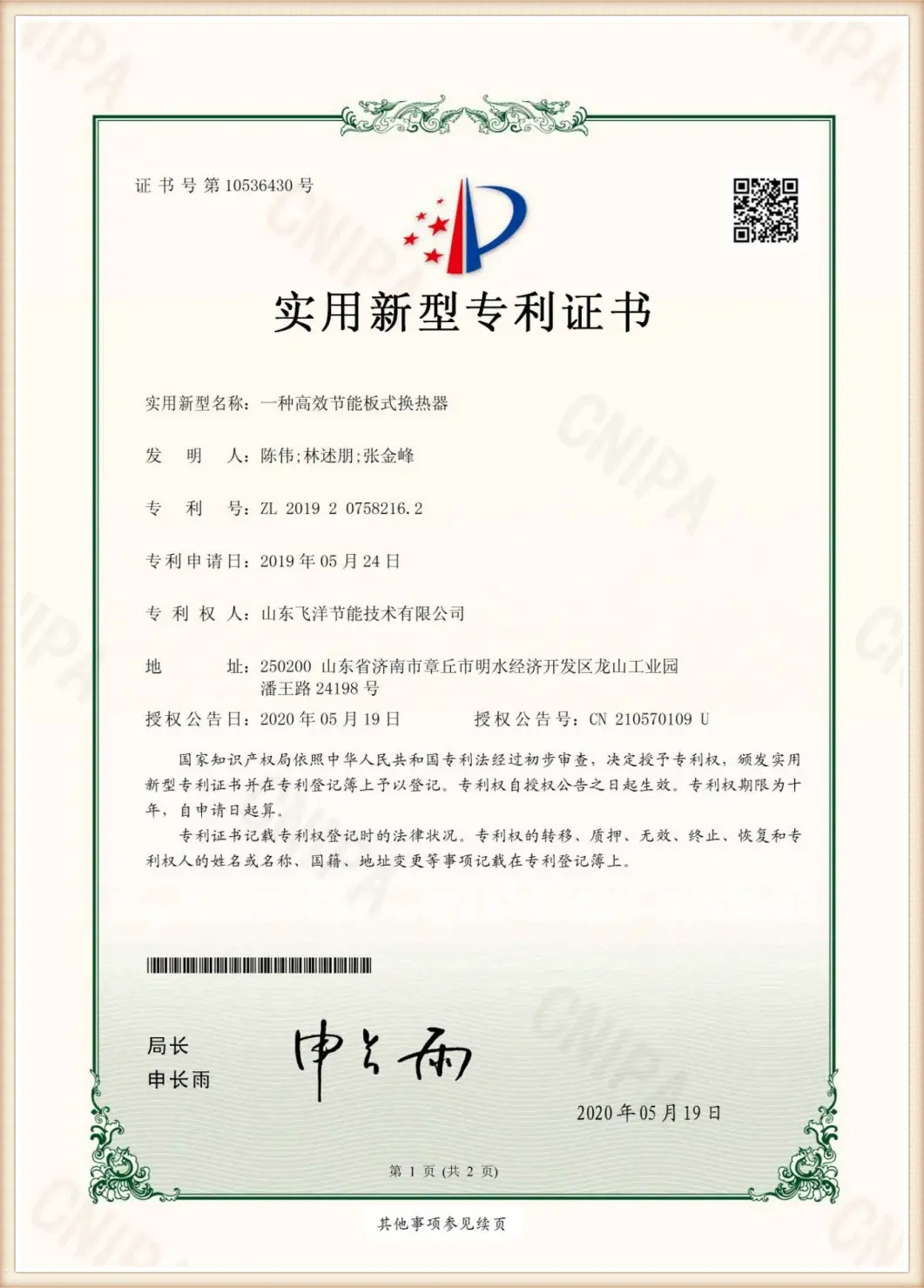
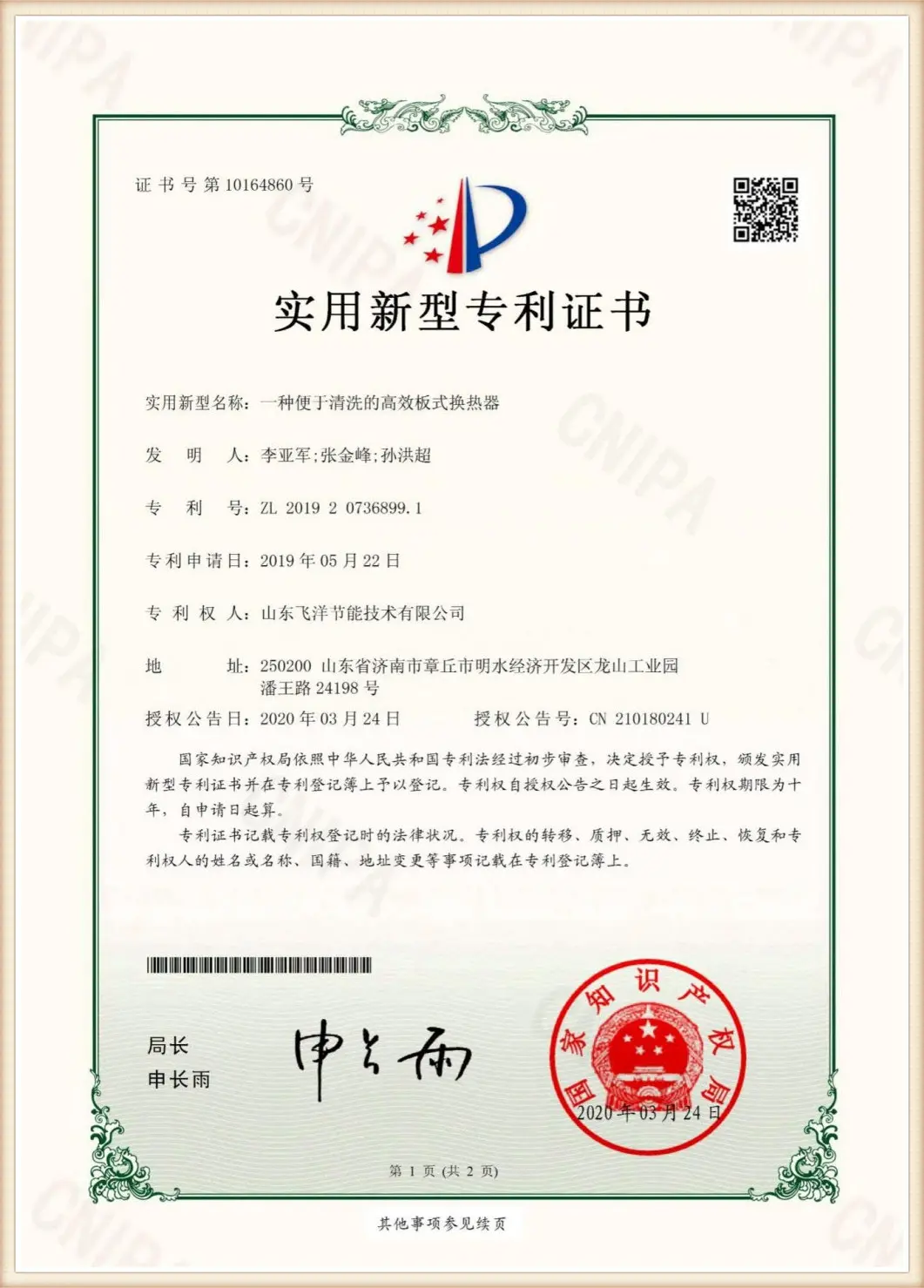
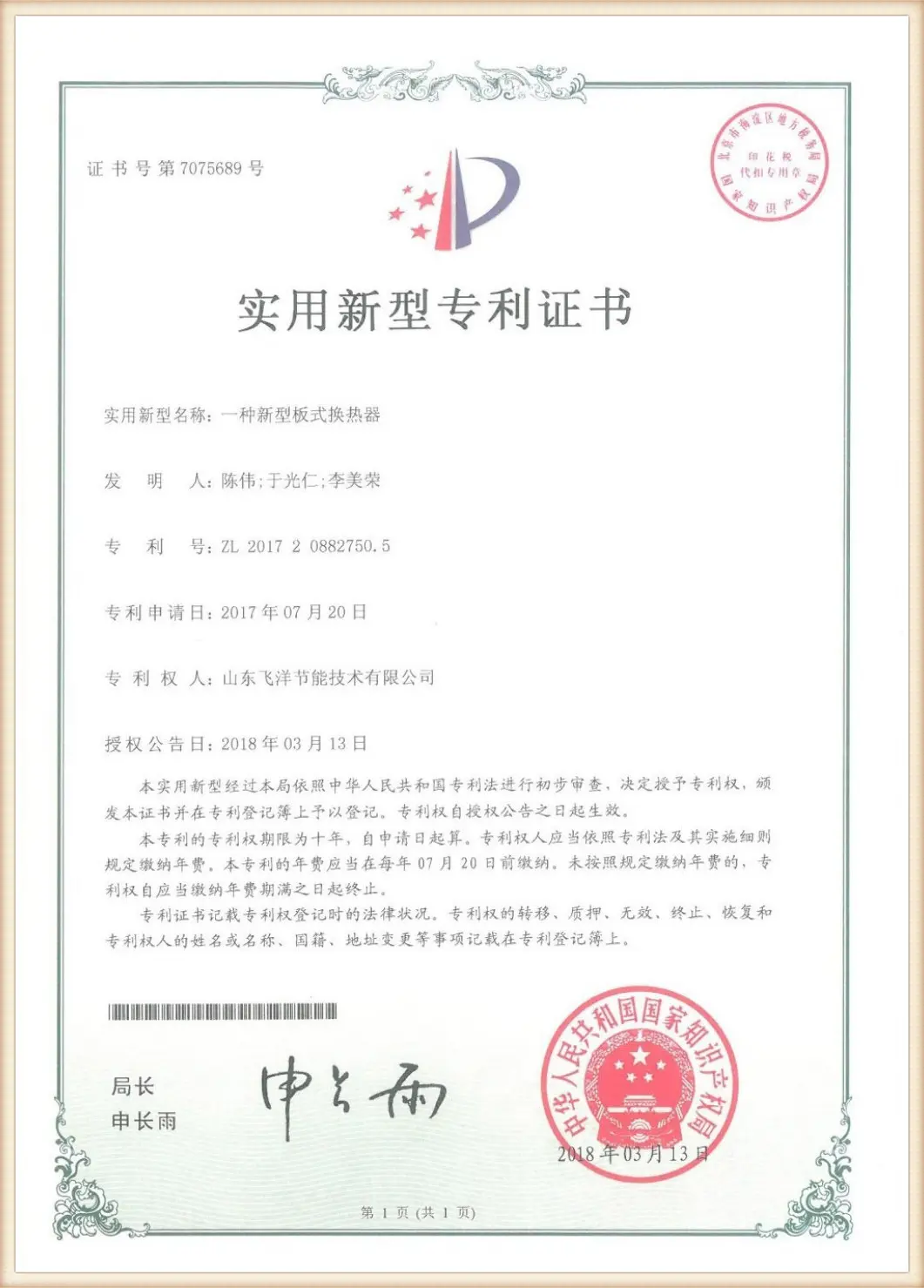
Our production facilities maintain triple certifications: ISO9001:2015 (Quality Management), ISO14001:2015 (Environmental Management), and ISO45001:2018 (Occupational Health & Safety). Additionally, our products carry safety registration licenses issued by the National Standardization Committee and the National Boiler and Pressure Vessel Standardization Technical Committee. These certifications verify that our engineering designs, material choices, and weld integrity meet or exceed international pressure equipment directives (PED).
Technical guidance and answers to common integration questions from procurement managers and thermal engineers.
Explore our integrated membrane concentration components, advanced control valves, and heavy-duty industrial heat exchangers.
 Flotte Energy