Explore our high-performance industrial heat exchangers, intelligent system units, and custom-engineered components directly from our manufacturing facility.

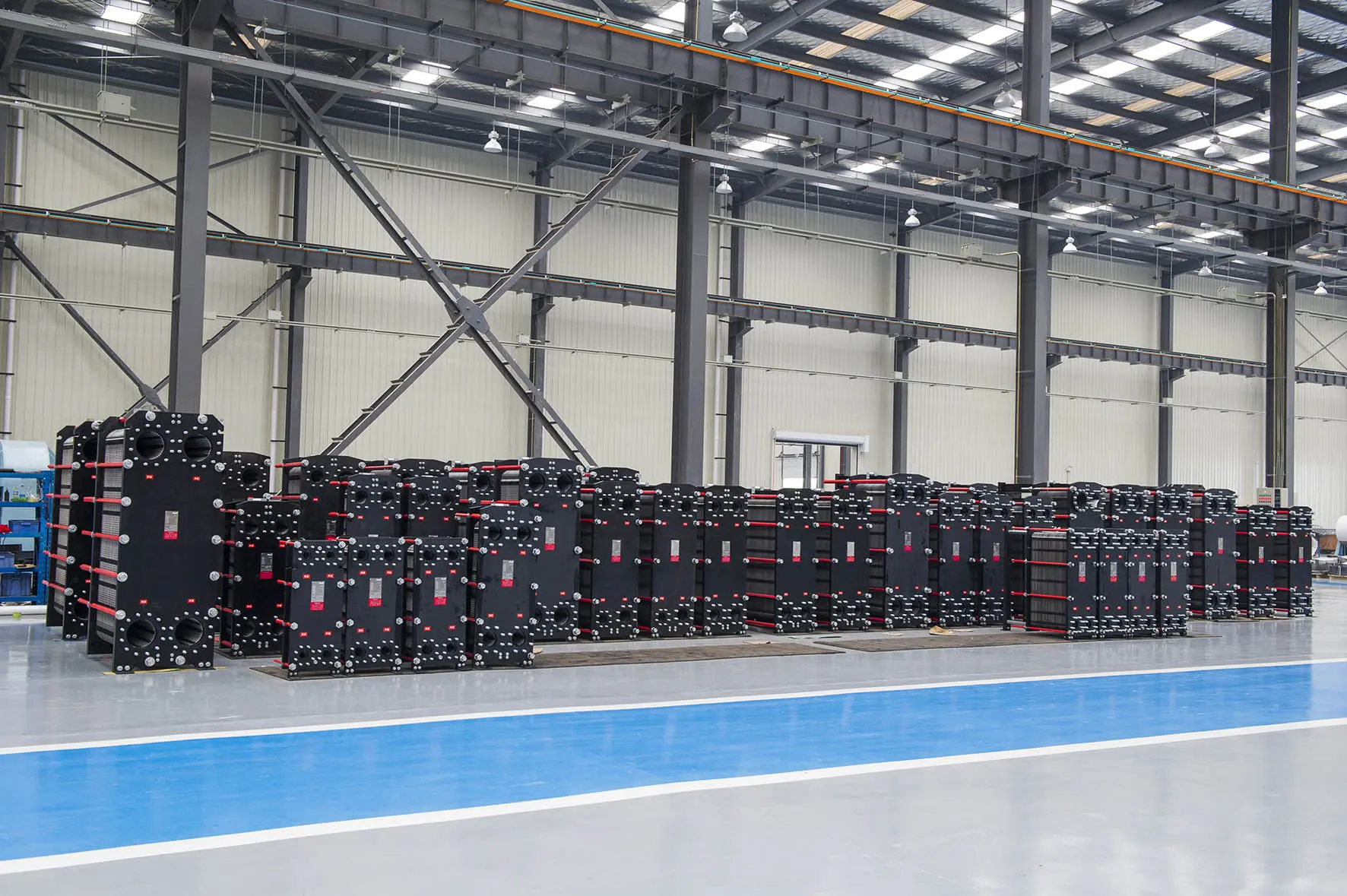
Flotte Energy Saving Company, established in 2013 with a registered capital of 101 million yuan, originated from Flotte Thermal Engineering founded in 1995. With three decades of rigorous technical expertise, the company specializes in water equipment, HVAC systems, and water treatment industries. We consistently lead industry peers in adopting cutting-edge thermal transfer technologies, developing innovative thermal exchange units, and delivering comprehensive B2B production and sales services worldwide.
Our commitment to quality is backed by professional thermal designers and skilled technical staff. Our engineers possess extensive practical experience, ensuring that every Gasketed Plate Heat Exchanger (GPHE) we fabricate achieves maximum efficiency, reliability, and thermodynamic efficiency in harsh operational environments.
In the contemporary B2B industrial landscape, the efficiency of thermodynamic operations dictates the operational economy and environmental footprints of manufacturing plants. Gasketed Plate Heat Exchangers (GPHE) form the cornerstone of centralized HVAC networks, petrochemical refineries, chemical synthesis facilities, and power plants. When sourcing gasket plates from a specialized supplier, global buyers prioritize three core metrics: material metallurgy, gasket vulcanization chemistry, and geometric channel configurations.
As a leading supplier in China, Flotte optimizes these variables using advanced mechanical presses and certified alloy materials. Sourcing from our facility minimizes supply chain friction. We secure premium stainless steels (AISI 304, AISI 316L), Titanium (Grade 1 and 2), and specialized super-alloys (Hastelloy C-276, Nickel, SMO 254) directly from verified metallurgical mills. This direct alignment ensures compliance with strict international specifications, offering a robust shield against crevice corrosion and premature stress cracking.
Our patented corrugated plate geometry yields a heat transfer coefficient 2-3 times greater than traditional shell-and-tube setups, optimizing thermal efficiency.
Engineered for 8 core industries, including municipal district heating, chemical synthesis, and heavy manufacturing systems, under varied global climates.
Our quality matrix integrates international standards ISO 9001, ISO 14001, and ISO 45001 with comprehensive non-destructive pressure vessel testing.
A multi-language engineering department delivers tailored fluid calculations, rapid parts supply, and comprehensive lifecycle assistance.
Industrial applications require bespoke thermodynamics. In centralized heating systems, plate heat exchangers act as the core link, transferring heat from municipal thermal plants or co-generation setups to local distribution loops. Precise control of approach temperatures reduces grid-wide thermal losses and enhances distribution efficiency. Flotte's plate designs optimize the balance between high turbulence (enhancing heat transfer) and pressure drop (minimizing pumping energy requirements).
Beyond municipal district heating, our systems support complex chemical operations where rapid fluid heating or cooling is vital to maintain reaction thermodynamics. Similarly, our custom marine-grade titanium plate heat exchangers withstand the challenges of seawater cooling loops. Within the pharmaceutical sector, specialized double-wall configurations prevent cross-contamination between service water and sterile product fluids, ensuring safety and compliance.
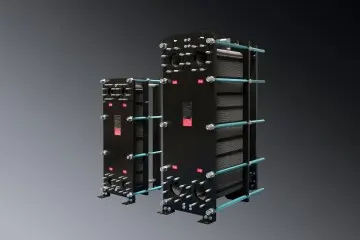
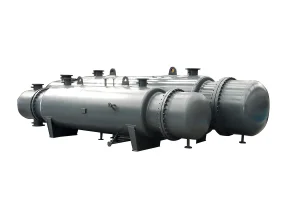
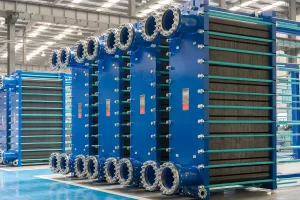
Efficient detachable configuration optimized for liquid-liquid and liquid-vapor heat transfer operations.
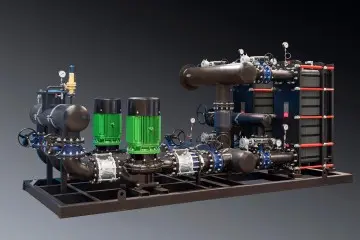
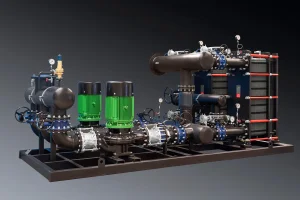
Integrated skid-mounted solution for district heating networks, featuring responsive PLC controls.
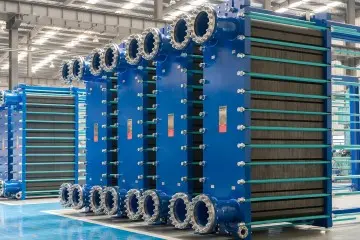
Removable plate heat exchanger units tailored for energy conversion and secondary loop regulation.
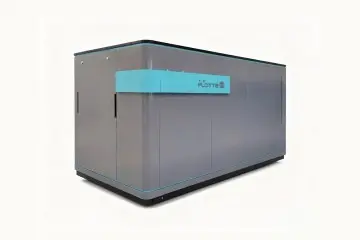
Compact, modular units for high-rise commercial structures and climate control loops.
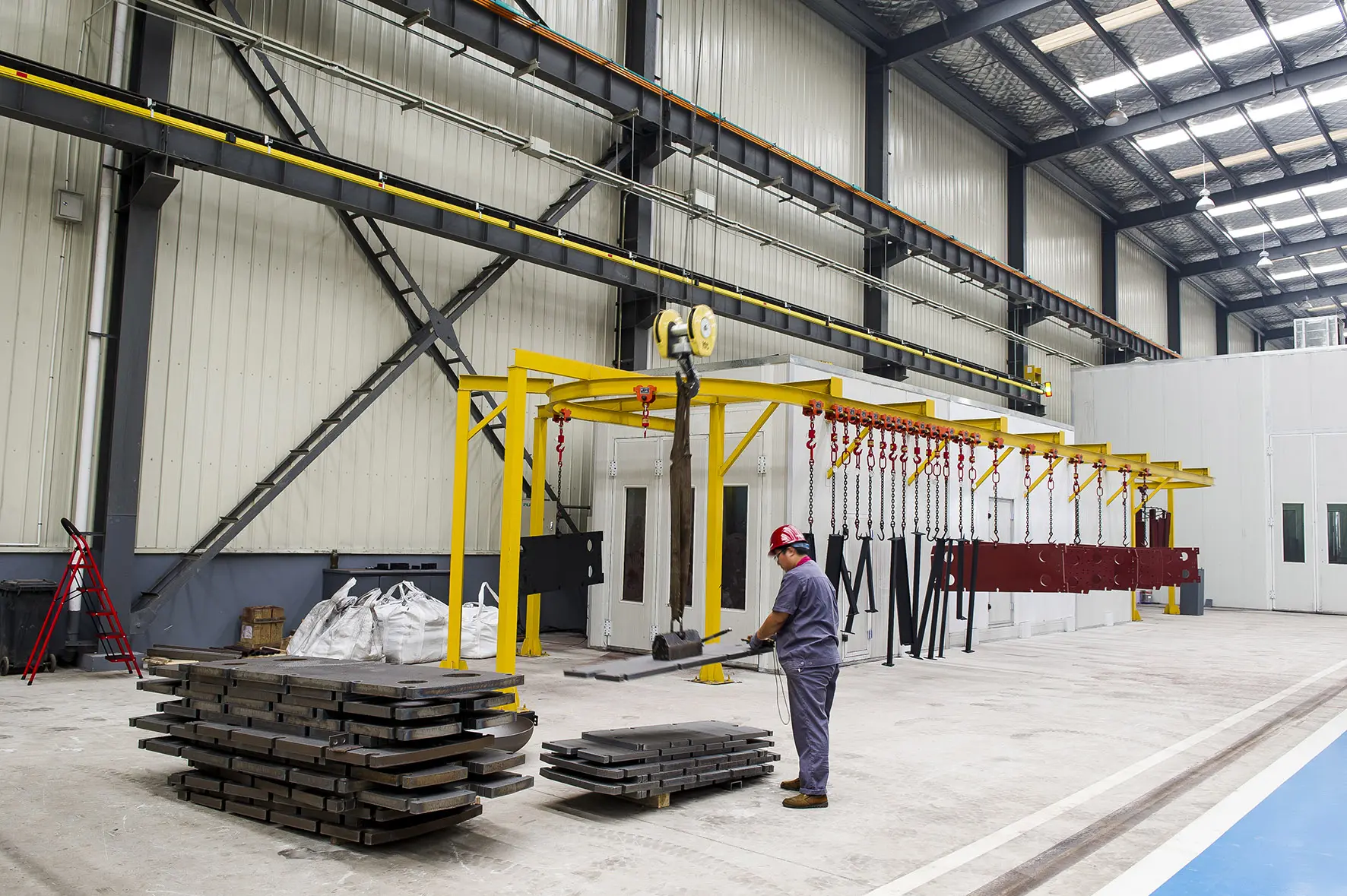
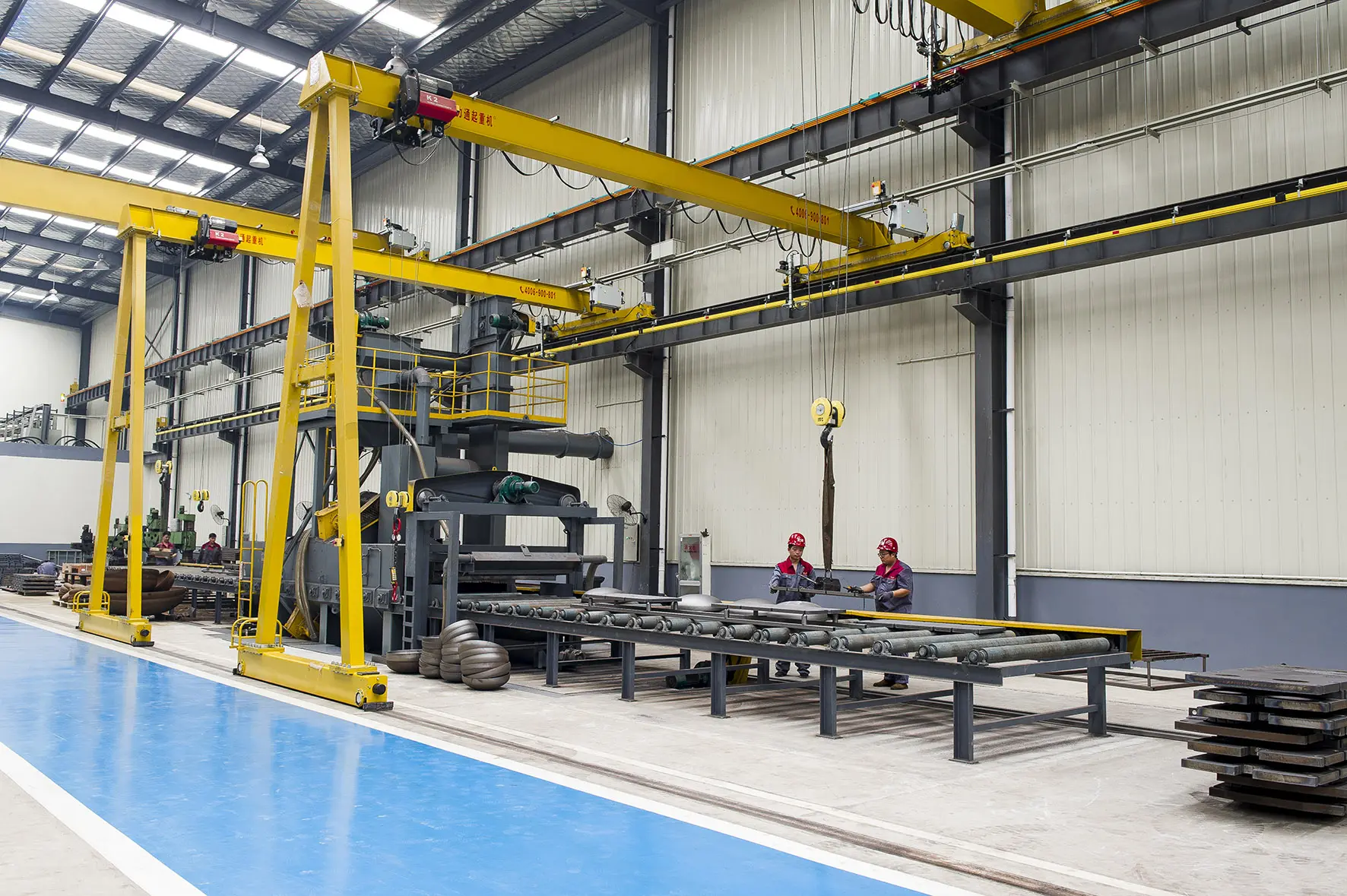
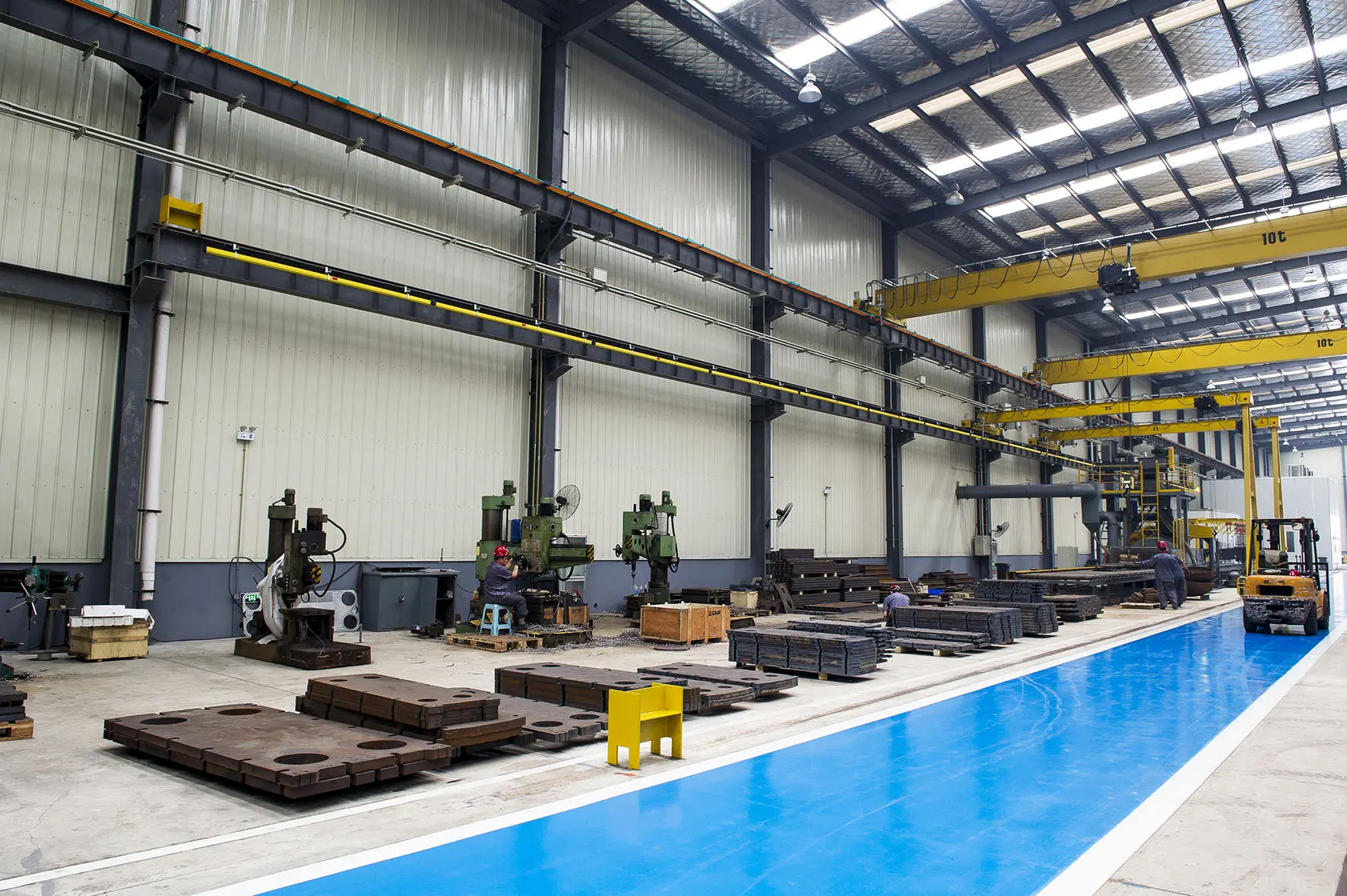
A look at the processes inside our 70,000 square meter factory facility, where quality control is maintained at every step.
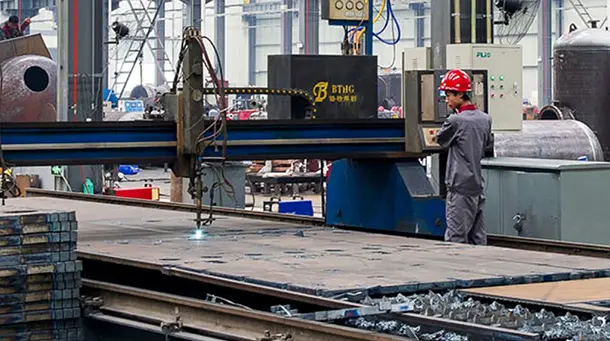
Heavy carbon steel and stainless steel compression plates are precision-cut using CNC lasers and plasma systems to guarantee structural integrity under high working pressures.
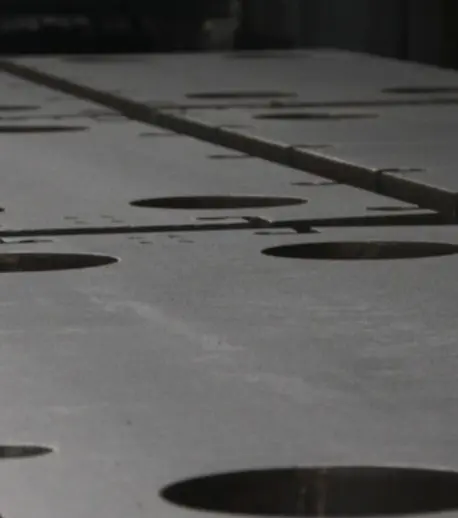
Critical structural interfaces and high-stress points undergo precision forging to eliminate micro-cavities and improve the material's fatigue limit.
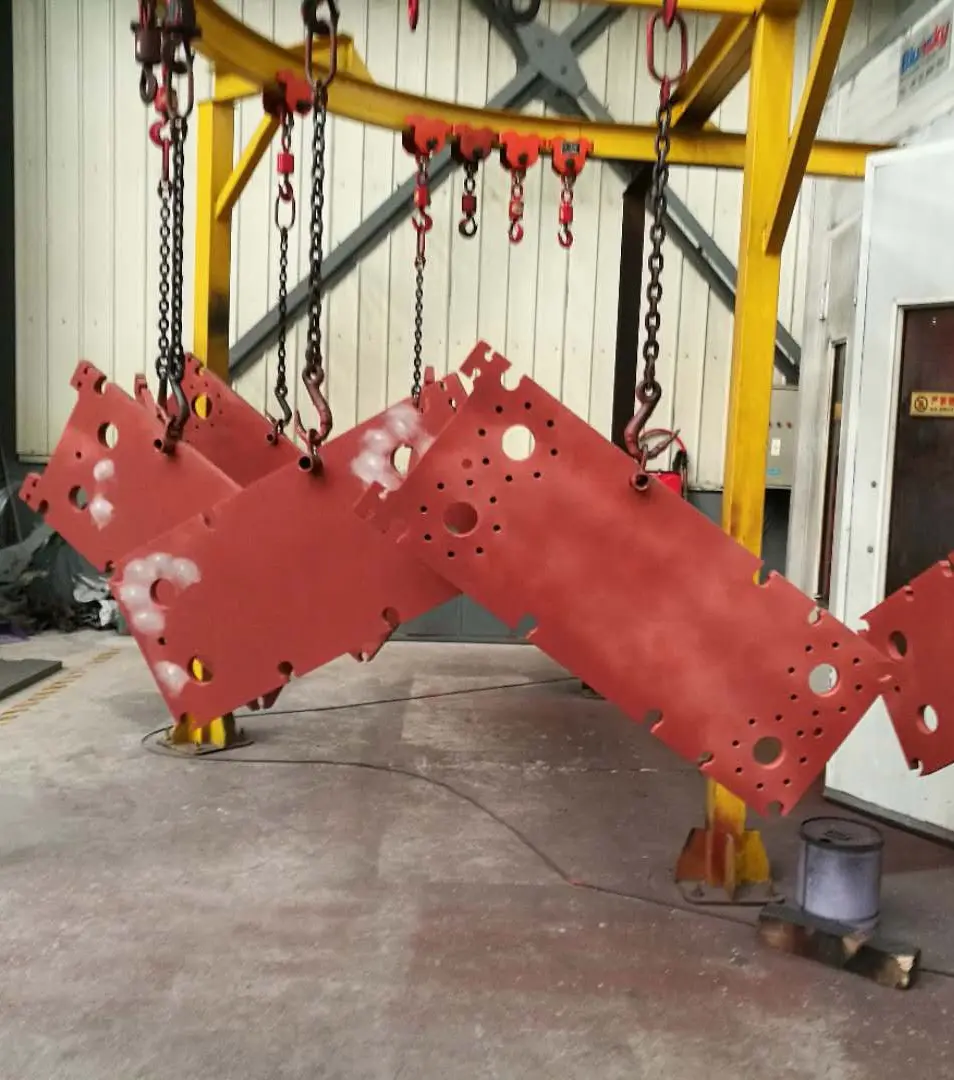
An anti-corrosive multi-layer industrial coating is applied under controlled conditions, protecting exterior components from moisture and chemical exposure.
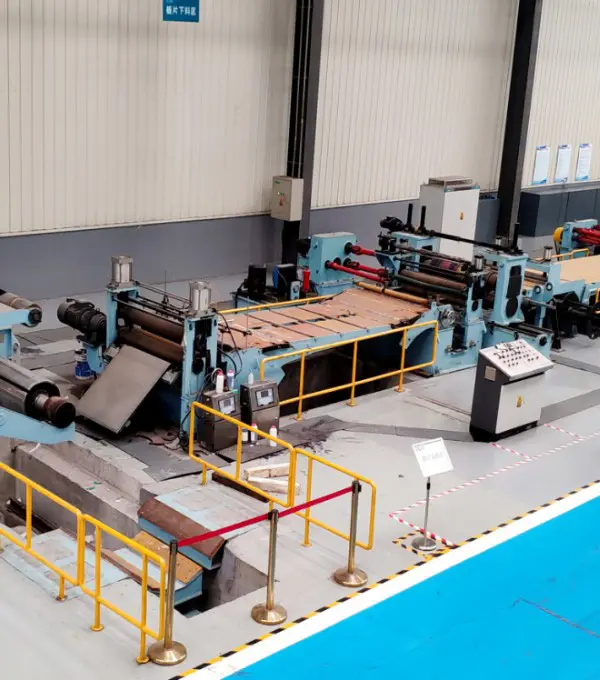
Raw metal coils are precision-sheared. Traceable laser codes are printed on each sheet to track material certificates through the production cycle.
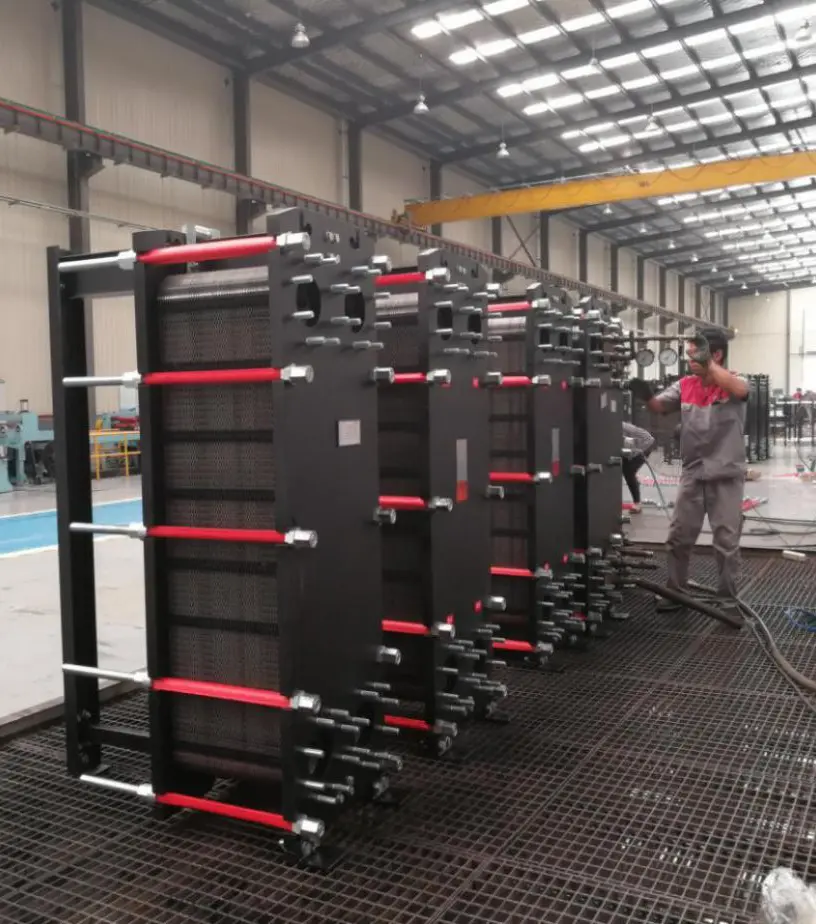
Assembled heat exchangers undergo hydrostatic tests at 1.25 to 1.5 times their design pressure, verifying structural integrity and seal reliability.
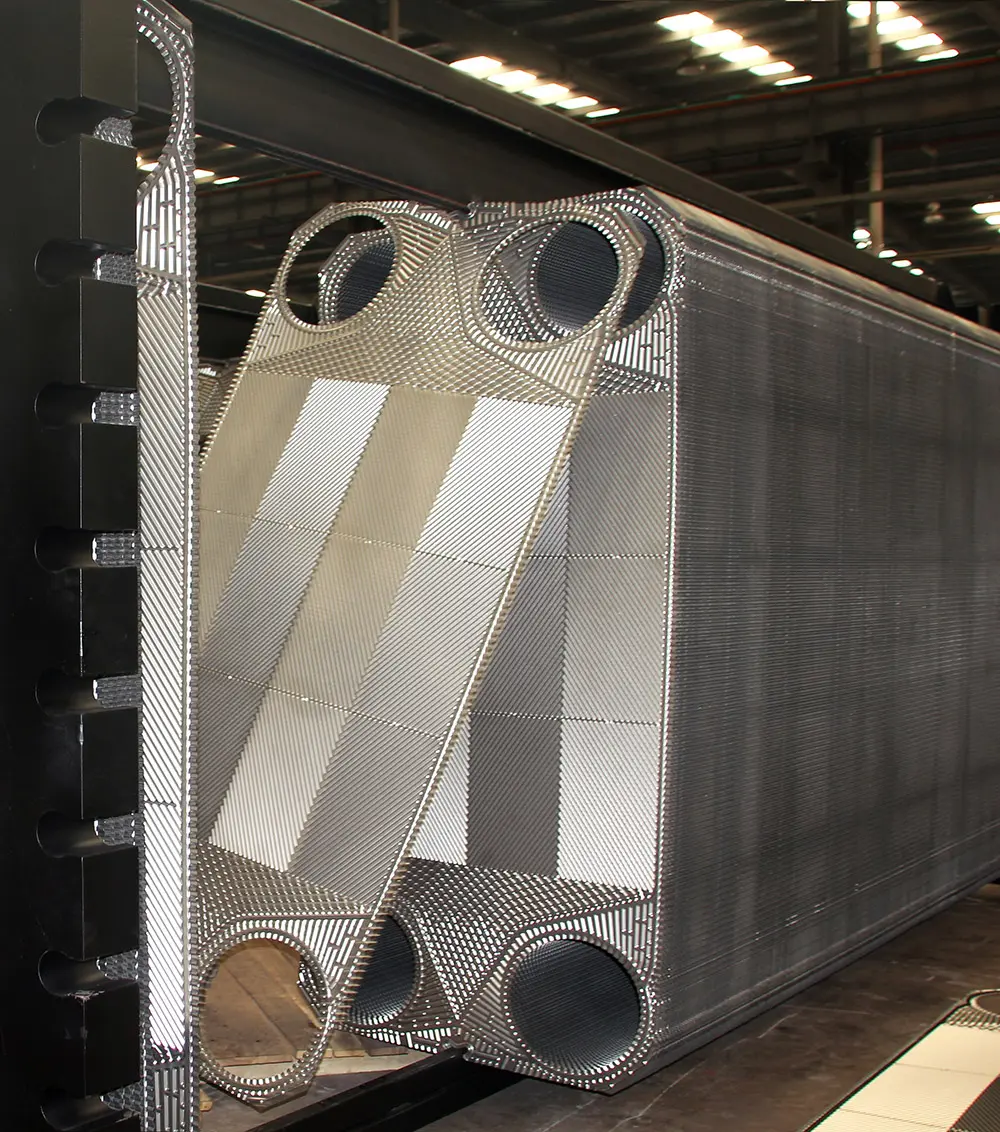
Technicians align plates and gaskets onto guide rails, using calibrated tensioning tools to apply uniform compression across the plate pack.
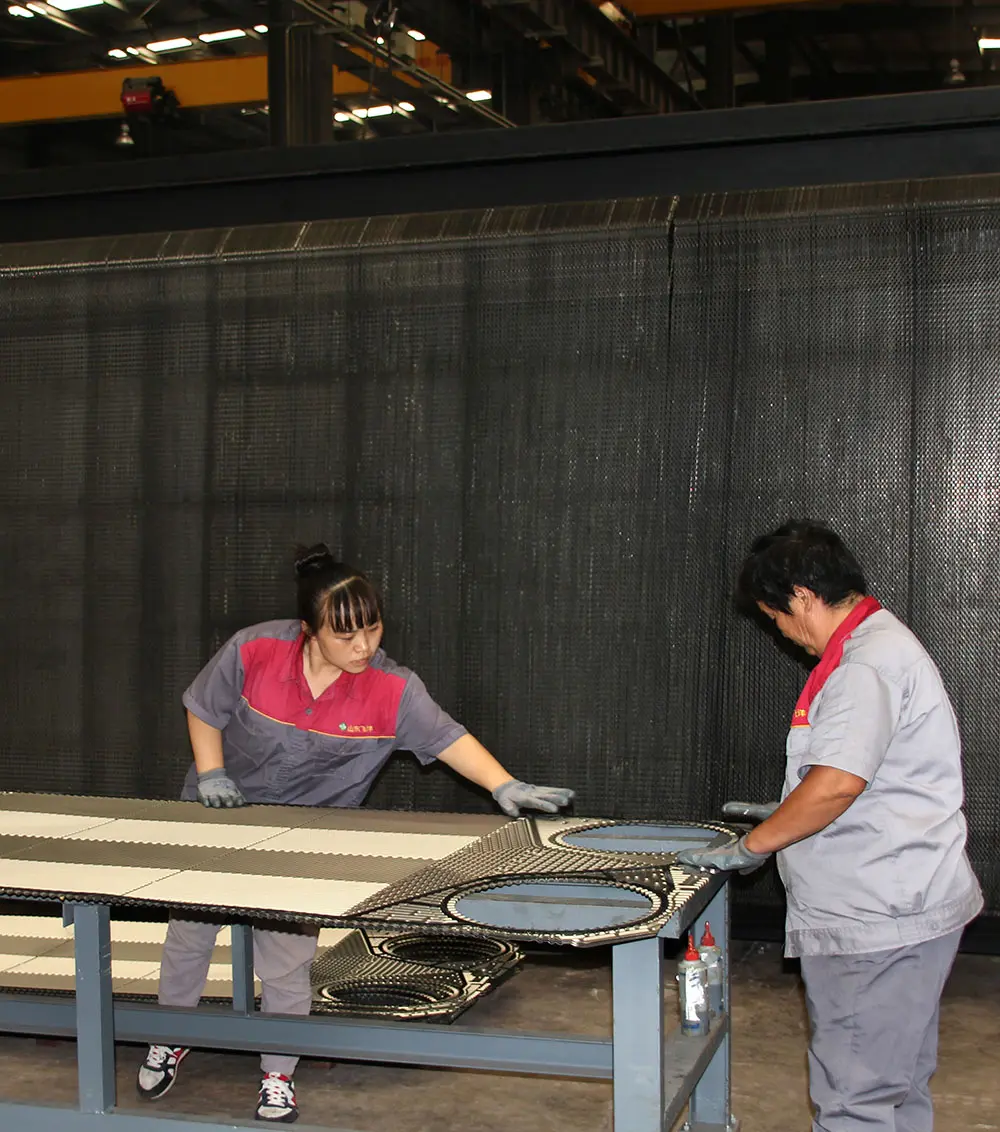
Elastomeric gaskets are secured into groove profiles using clip-on, snap-on, or specialized adhesive bonding systems to prevent dislodgement during operations.
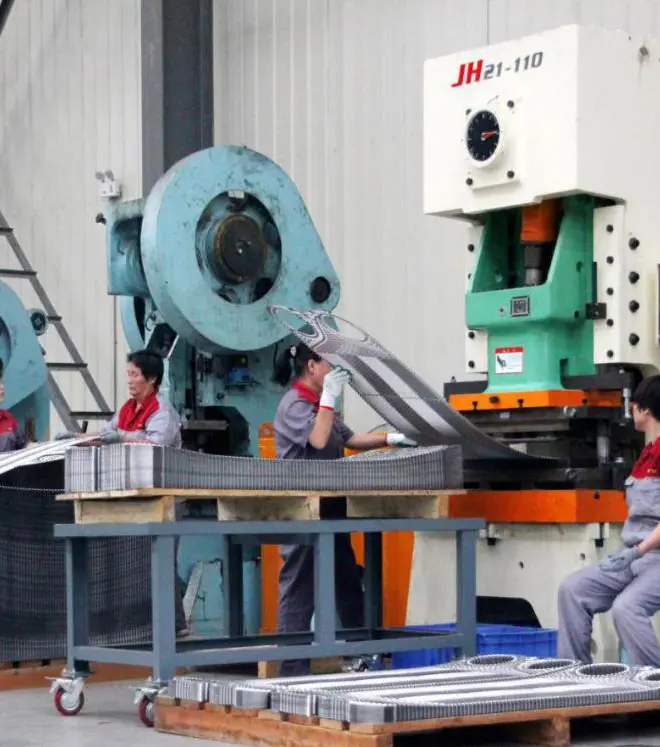
Advanced hydraulic press dies form the distribution port openings, ensuring clean edges that protect fluid pathways from flow disturbances.
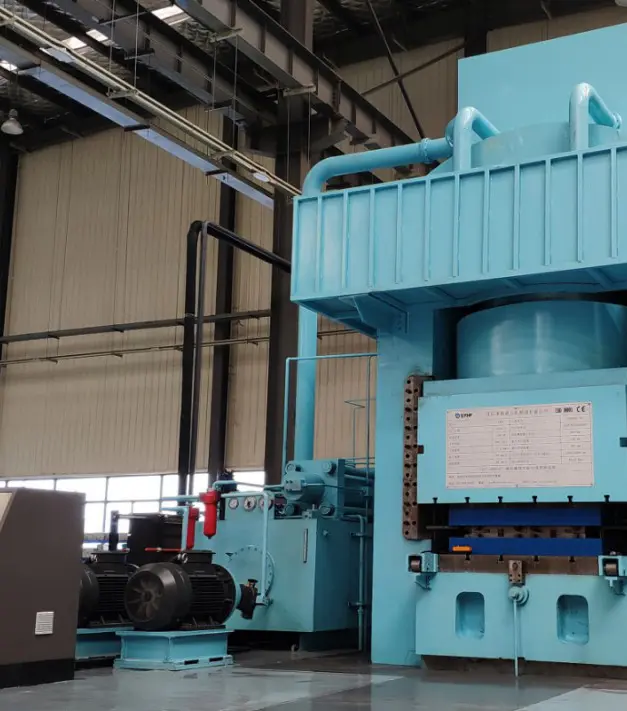
A high-tonnage hydraulic press stamps the herringbone pattern into metal sheets, establishing precise channel depths and heat transfer geometry.
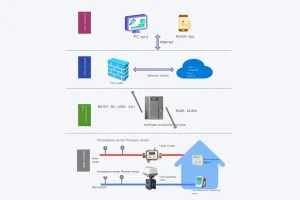
Modern thermal engineering is shifting toward intelligent, adaptive systems. Flotte's development roadmap focuses on integrating digital sensors into industrial heating networks. Through real-time monitoring of secondary distribution loops, operator systems can detect changes in flow rates, pressure drops, and thermal efficiency immediately.
This data supports predictive maintenance planning. By tracking deviations in heat transfer performance, operators can forecast scaling or fouling in the plate channels, scheduling service windows before system capacity degrades. Additionally, our R&D center studies advanced anti-fouling coatings and surface treatments, aiming to extend service intervals in demanding chemical and wastewater applications.
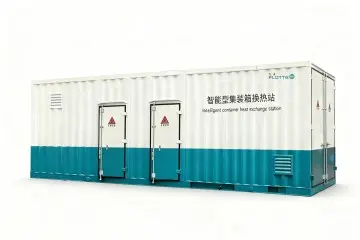
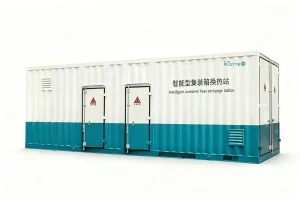
Enclosed, space-saving design containing heat exchangers, pumps, and control valves.
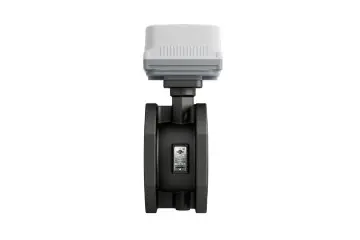
Regulates secondary network flow rates dynamically to maintain design heat distribution.

Provides high-precision temperature data feedback to optimize centralized heating controllers.
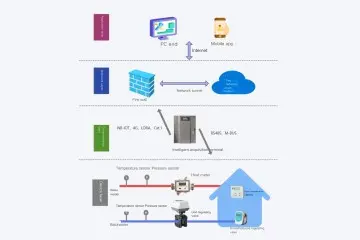
A centralized management system coordinating balances across complex municipal heating networks.
Shipping custom heat exchange units globally requires adherence to international mechanical codes. Flotte designs and tests pressure vessels in line with standard engineering regulations, including ISO 9001:2015, ISO 14001, and ISO 45001 safety structures. Every unit undergoes quality inspection by national safety authorities before shipping.
Our logistics and supply chain departments manage raw material sourcing and ocean freight coordination, keeping project delivery schedules on track. We supply full testing records, material certificates, hydrostatic test reports, and installation guides, facilitating local site integration and regulatory sign-off.
Our fabrication workshops are equipped with heavy stamping machinery, automatic welding systems, and hydrostatic test rigs.

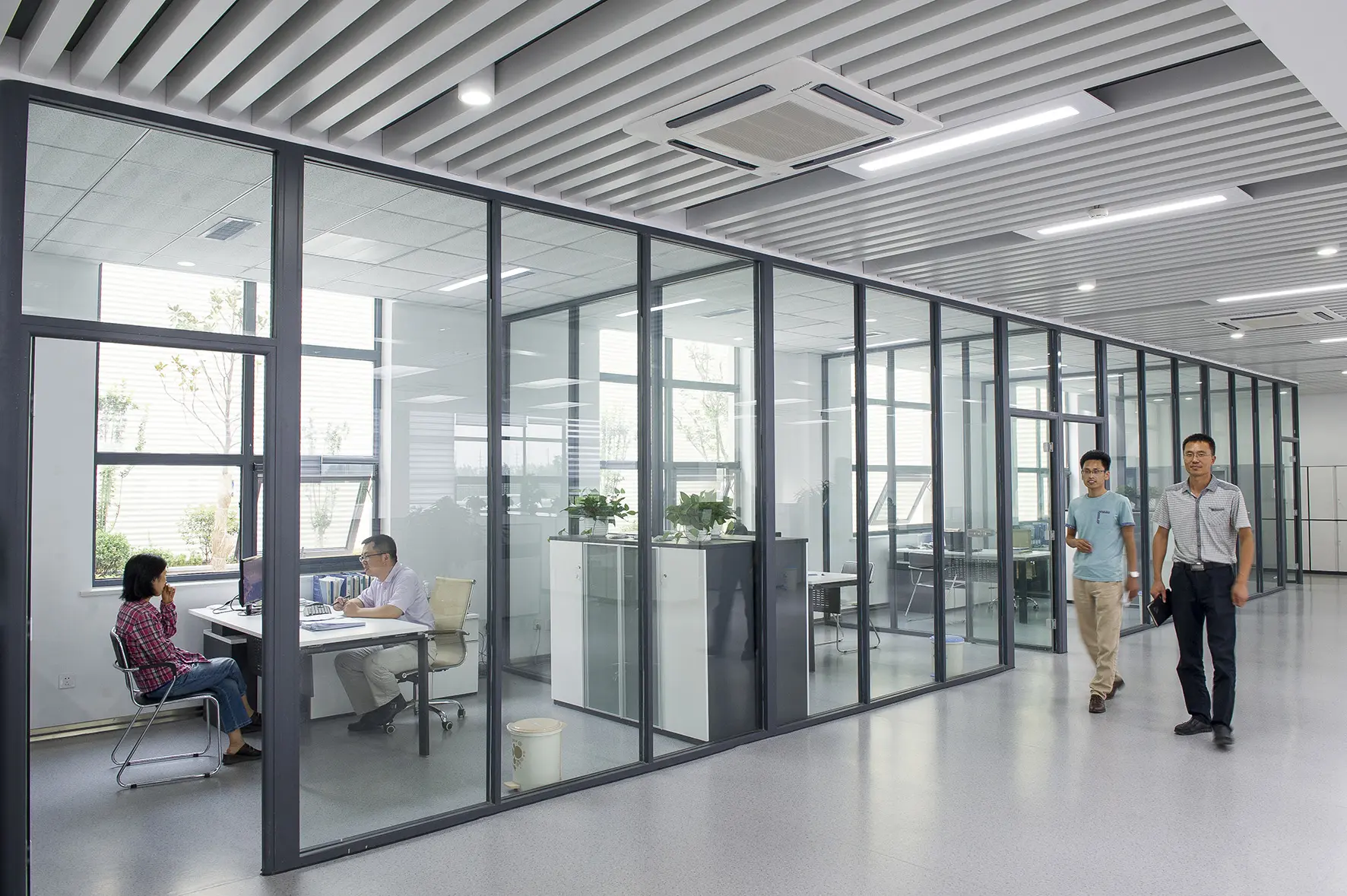

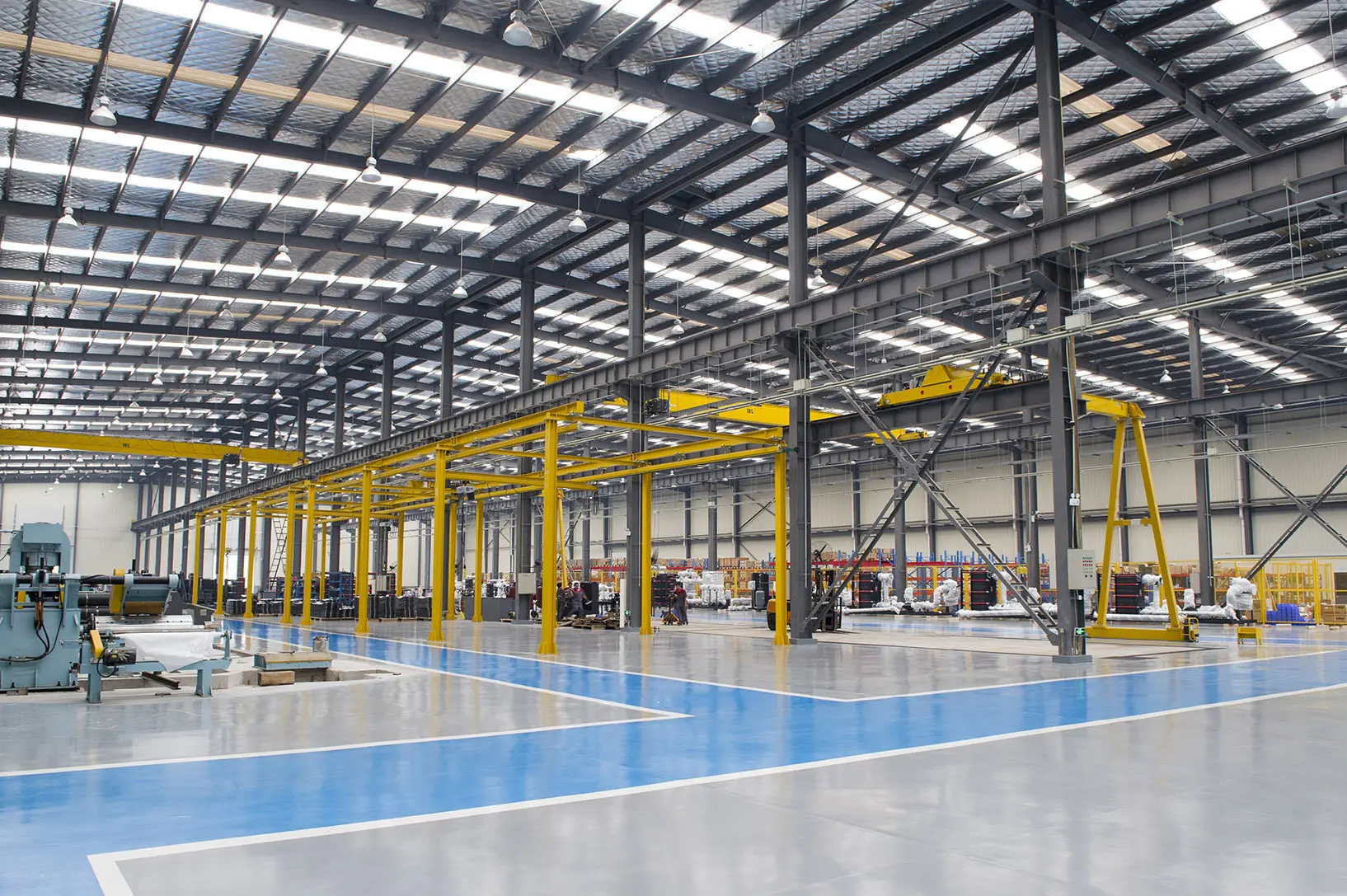
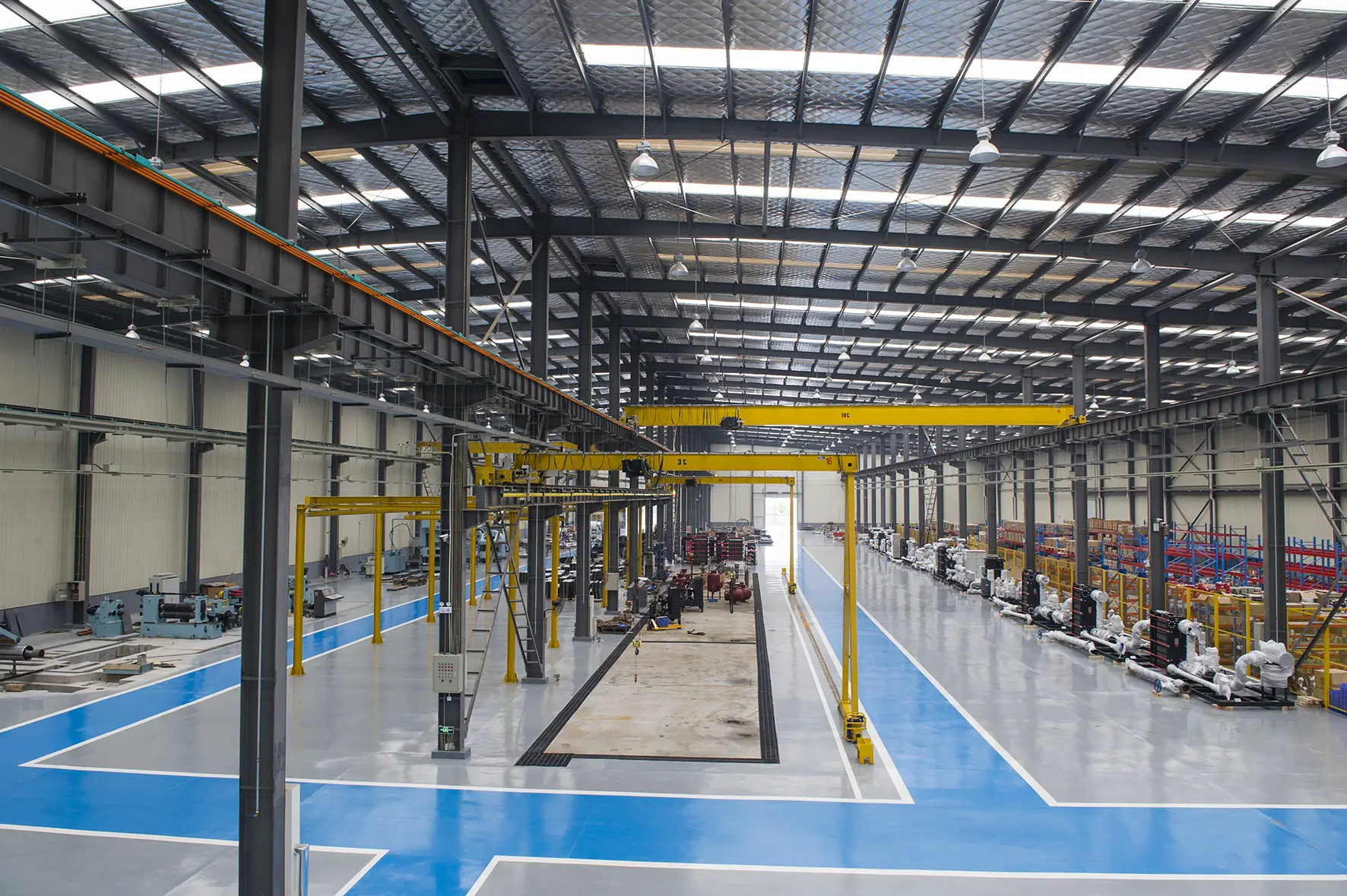
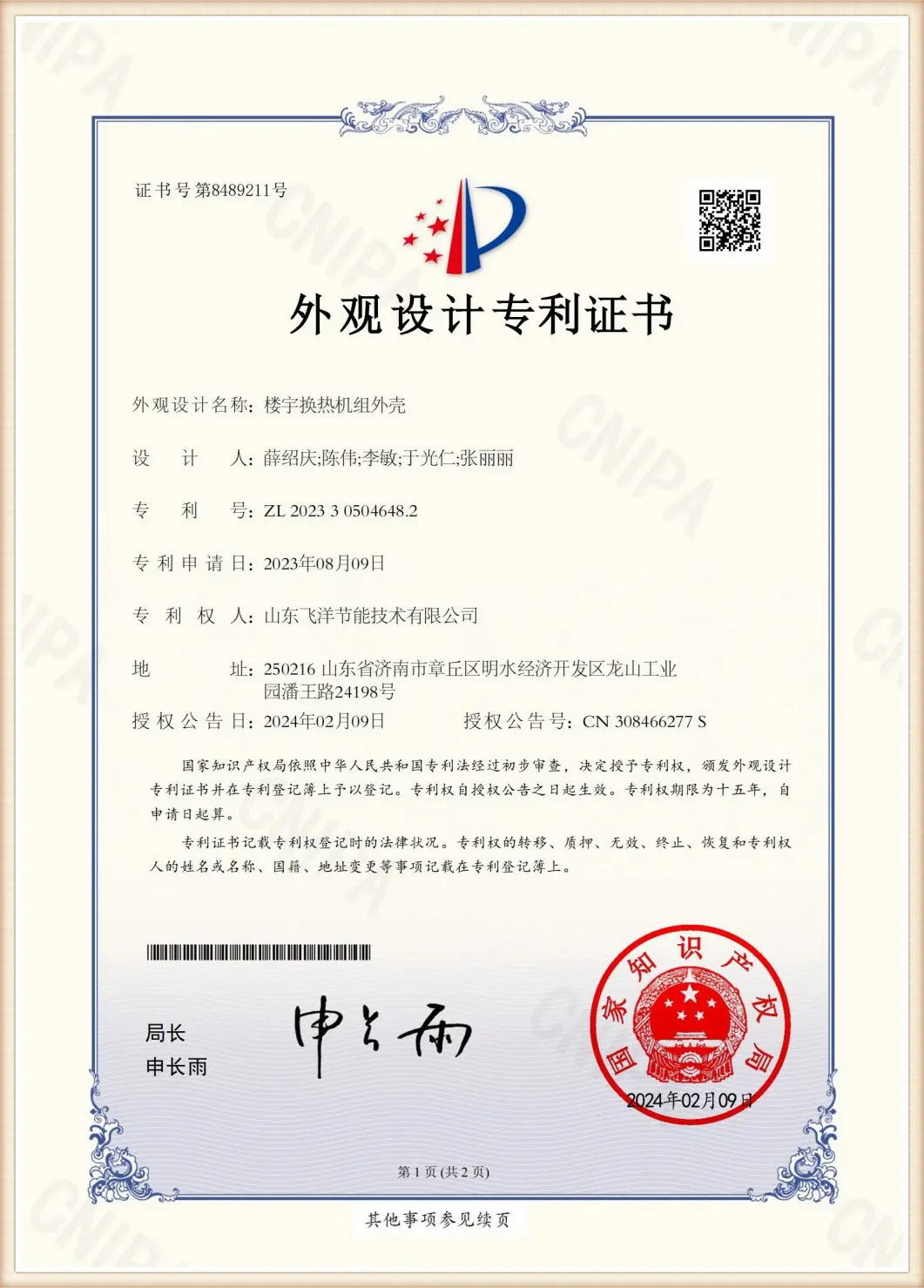
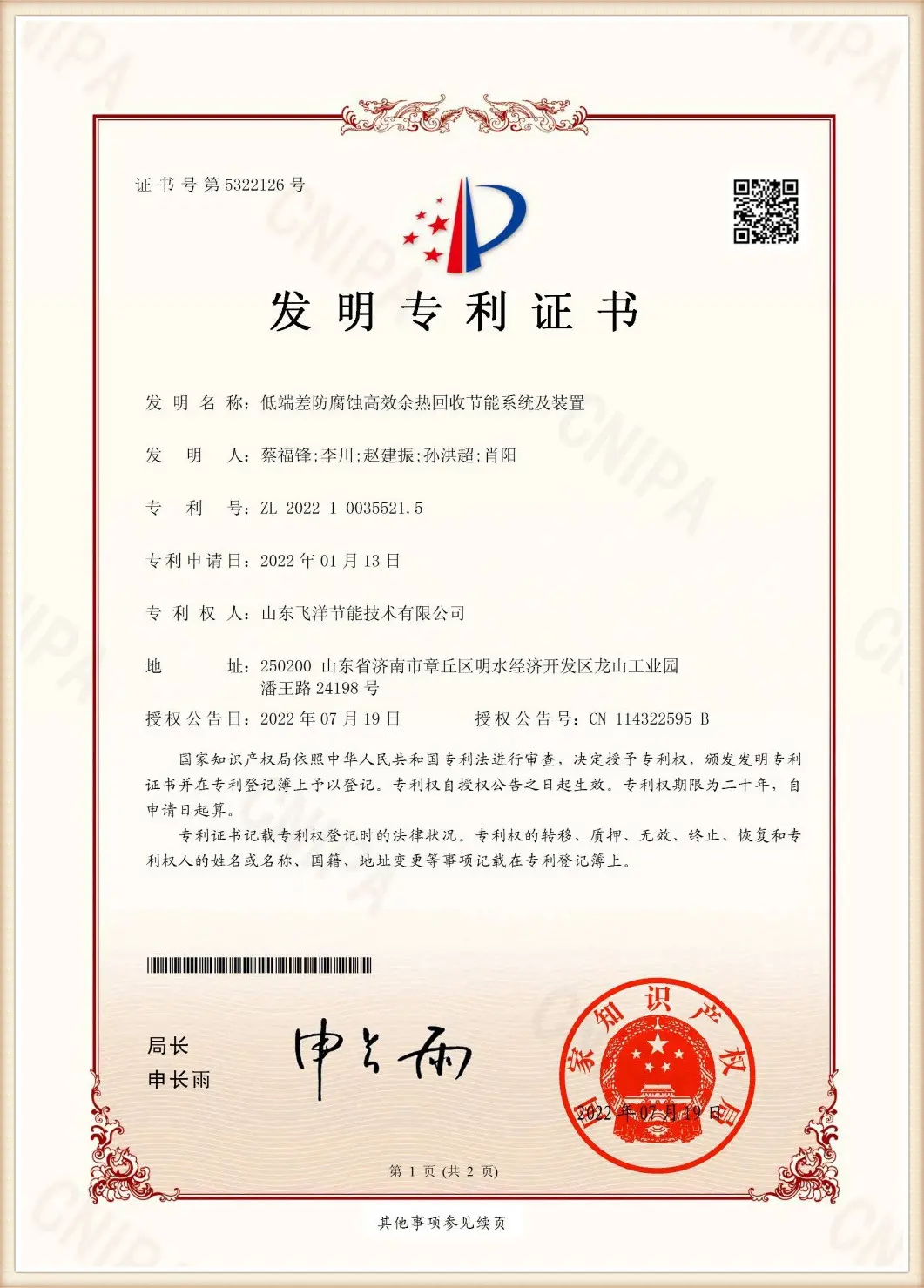
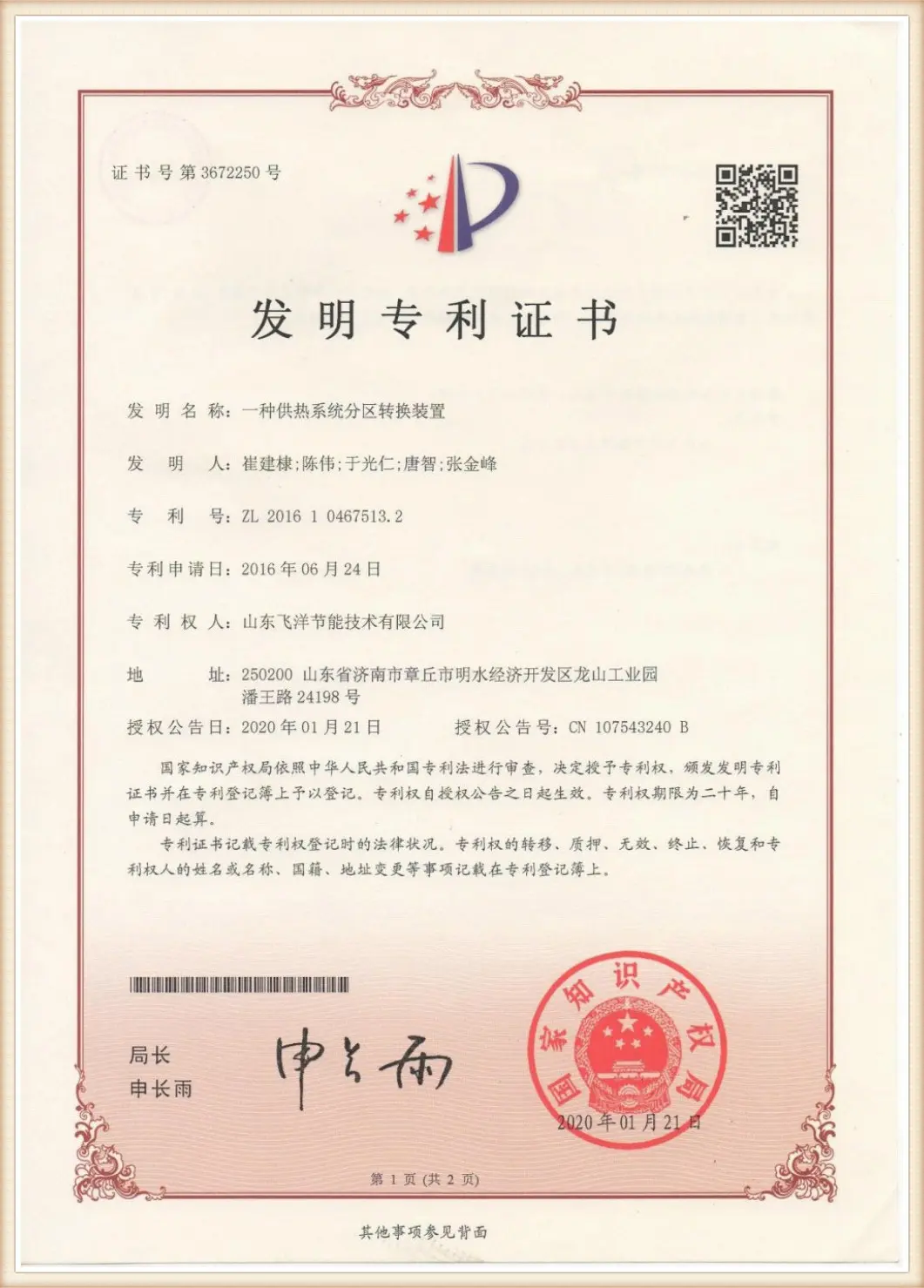
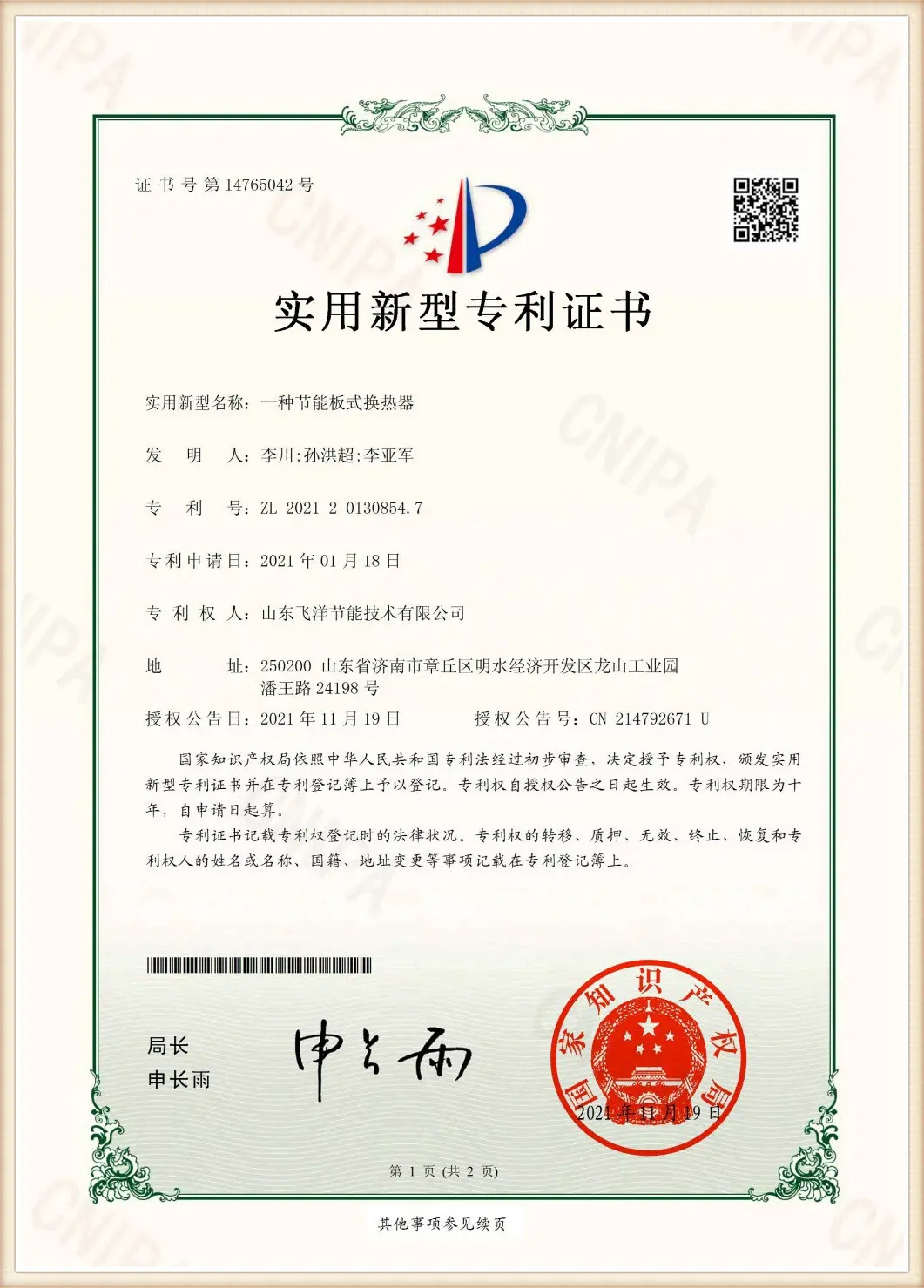
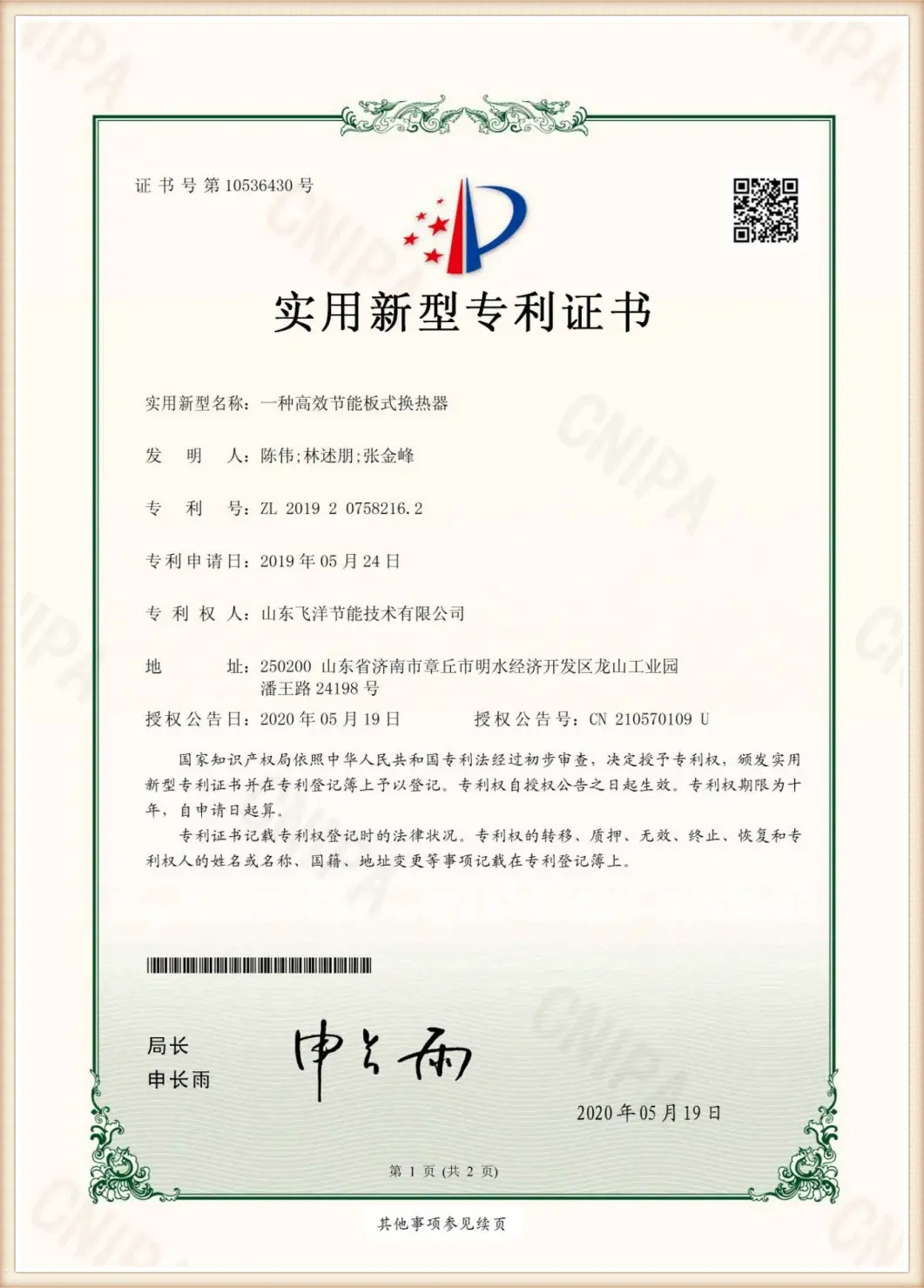
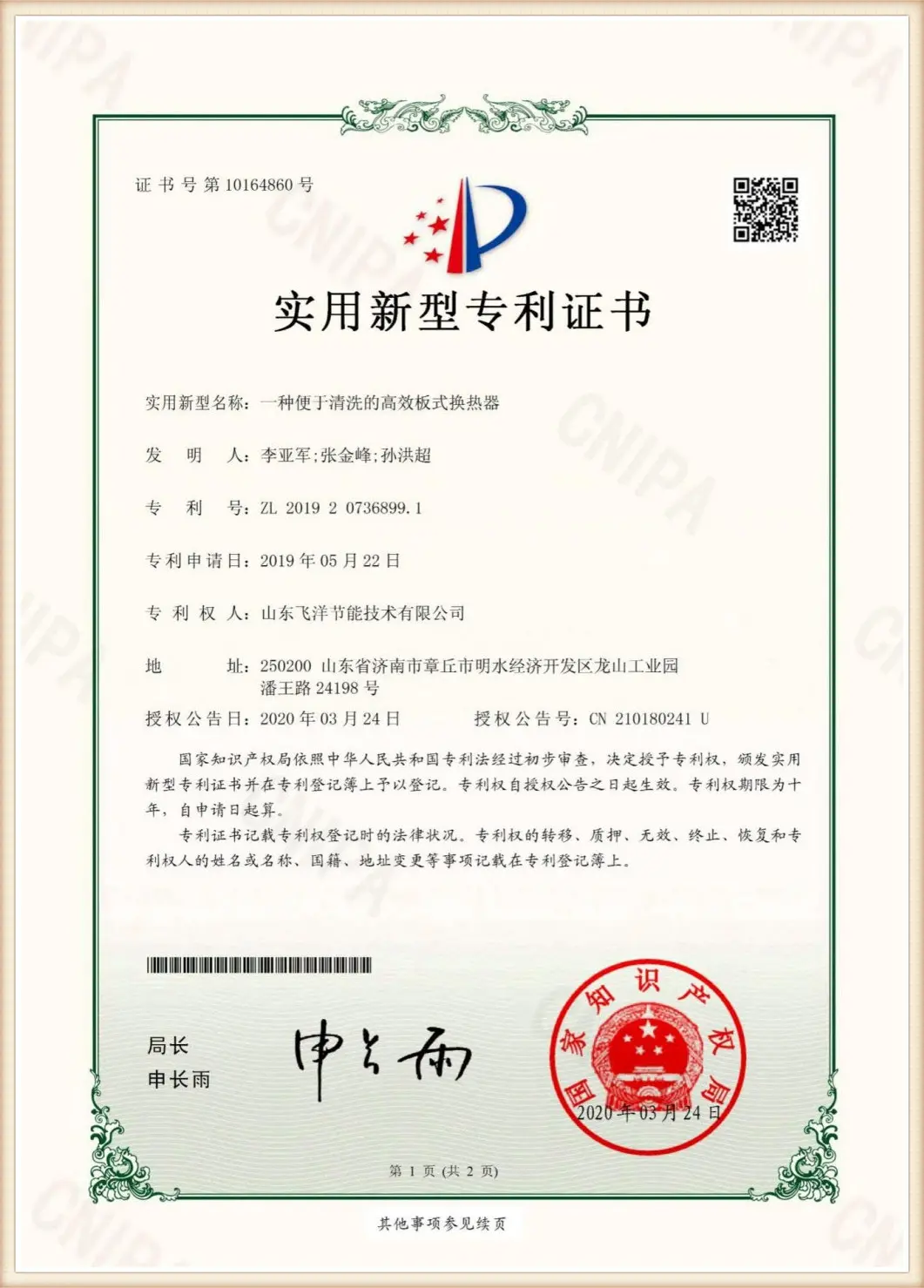
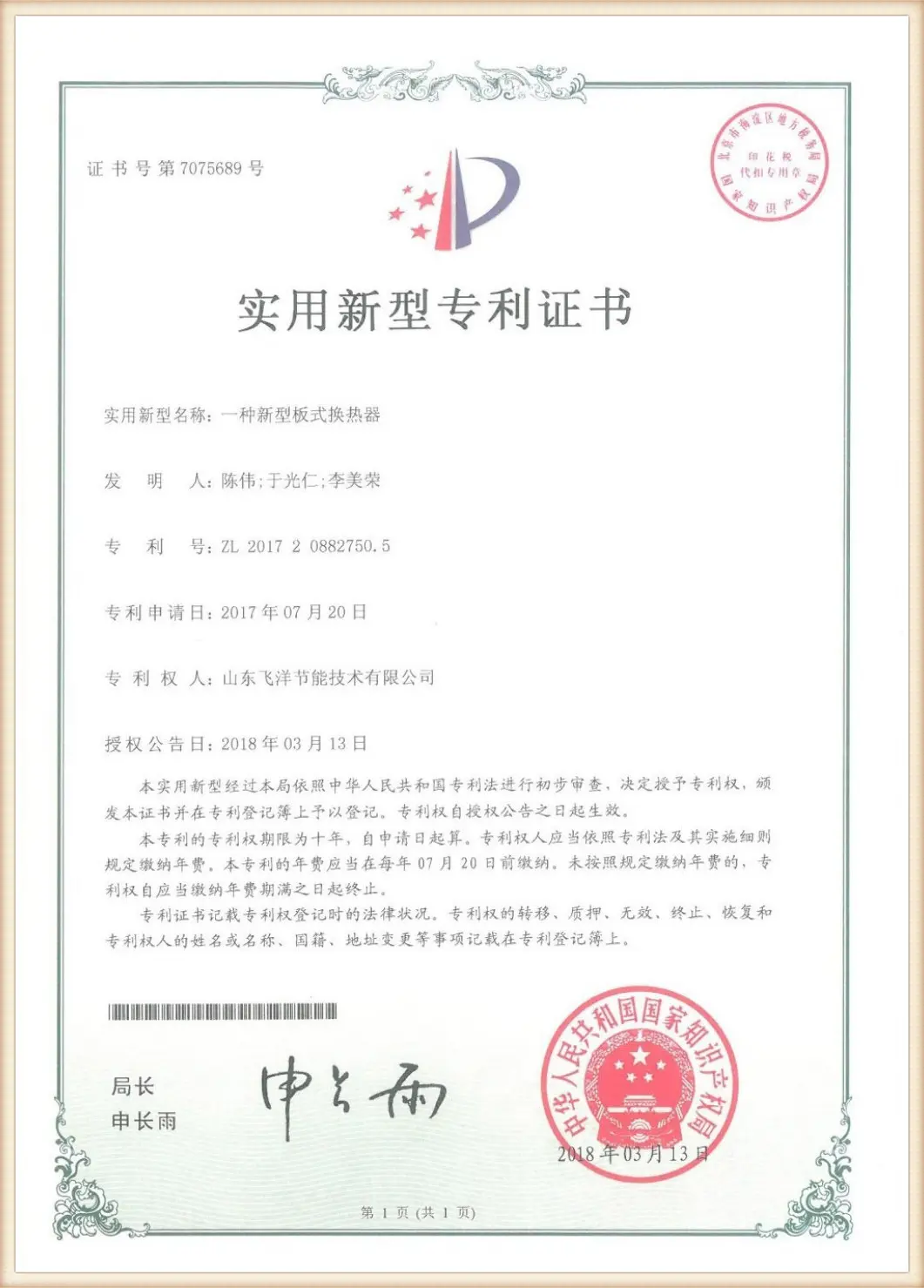
Our products are certified by international oversight boards, confirming compliance with pressure vessel standards.
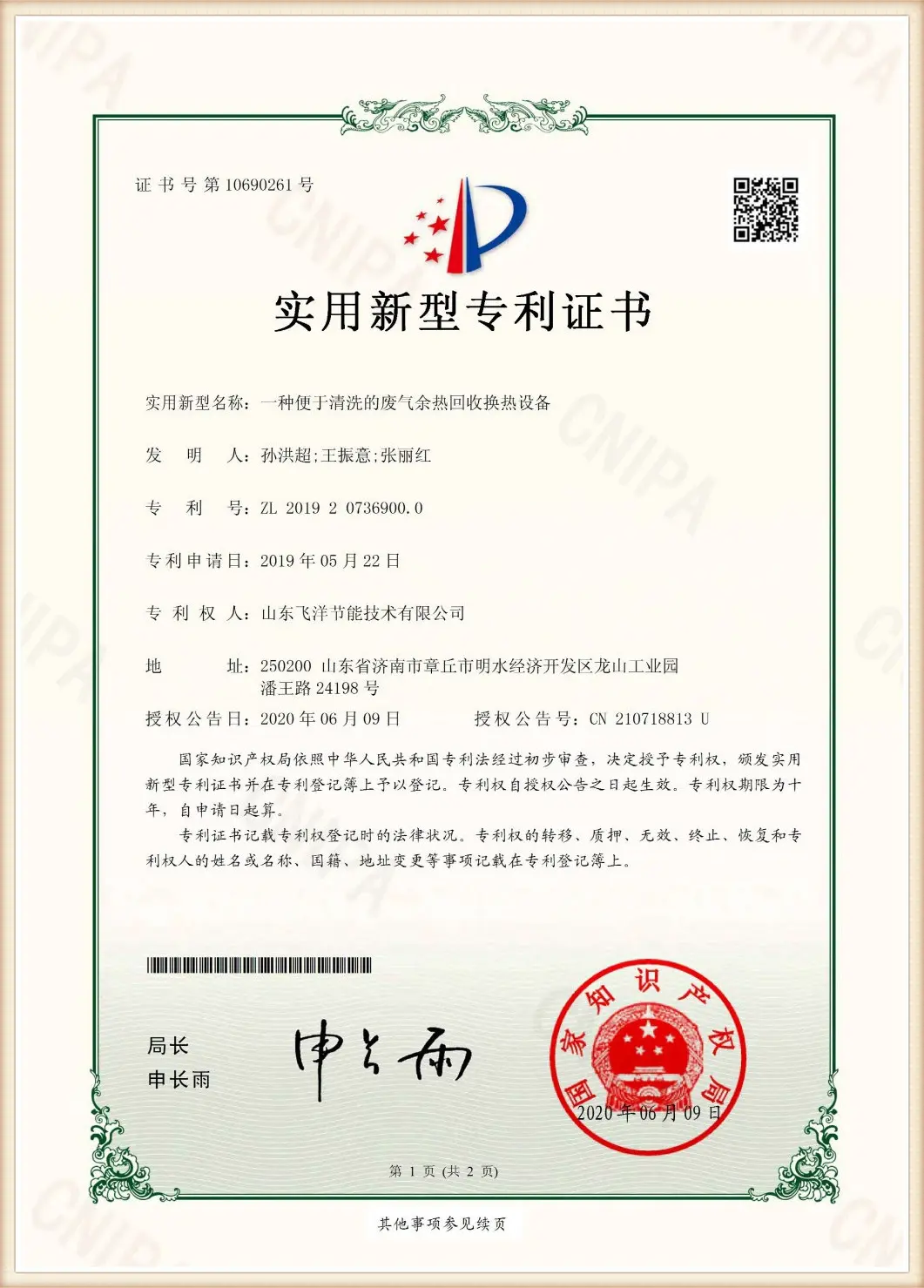
Get answers to typical questions about our industrial heat exchangers and gasket plates.
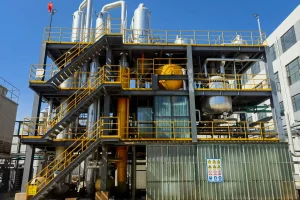
Explore our high-efficiency evaporation, concentration, and temperature monitoring systems built for complex processing applications.
 Flotte Energy