Examine our advanced production solutions engineered for high performance, thermal efficiency, and precise flow control.
Understanding the exact linguistic, engineering, and thermodynamic distinctions is crucial for B2B procurement managers and system architects.
A Heat Exchanger is a broad classification of equipment designed to transfer thermal energy between two or more fluids at different temperatures. Typically, one of the fluids is an external utility stream (such as steam, cooling water, refrigerant, or ambient air) used to adjust the energy level of the primary process fluid.
Its main objective is temperature control of the target process fluid to prepare it for subsequent reactions, storage, or environmental discharge. It is commonly found in utility loops, cooling towers, boiler feed preheaters, and condenser units.
A Heat Interchanger is a specialized sub-type of heat exchanger where thermal energy is transferred strictly internally between two process streams of the same plant loop. This process is often termed internal energy recovery or self-recuperation.
In an interchanger, the hot outlet fluid from a reactor is used to preheat the cold feed entering that same reactor. Since no external heating or cooling utility (like steam or chilled water) is introduced, the system achieves maximum thermodynamic efficiency by conserving enthalpy within the process boundary, minimizing primary energy inputs.
| Comparison Metric | Heat Exchanger (Standard) | Heat Interchanger (Internal Recovers) |
|---|---|---|
| Primary Fluid Types | Process Fluid + External Utility (Water, Steam, Glycol) | Process Fluid A + Process Fluid B (Within same system loop) |
| Thermodynamic Objective | Temperature regulation / Phase change (Condensation/Evaporation) | Internal enthalpy conservation (Heat Integration/Waste Minimization) |
| Operating Utility Cost | High (requires continuous consumption of utility media) | Zero direct utility cost (self-recuperating system) |
| Typical Configurations | Plate-and-Frame, Shell & Tube, Double Pipe, Fin-Fan | Shell & Tube, Microchannel, Gasketed/Semi-Welded Plates |
| Log Mean Temp Difference (LMTD) | Moderate to High (highly controlled by utility flow rates) | Narrow (demands precise surface area engineering to avoid cross-over) |
How the global focus on energy efficiency, green hydrogen, and carbon neutrality shapes industrial purchasing strategies.
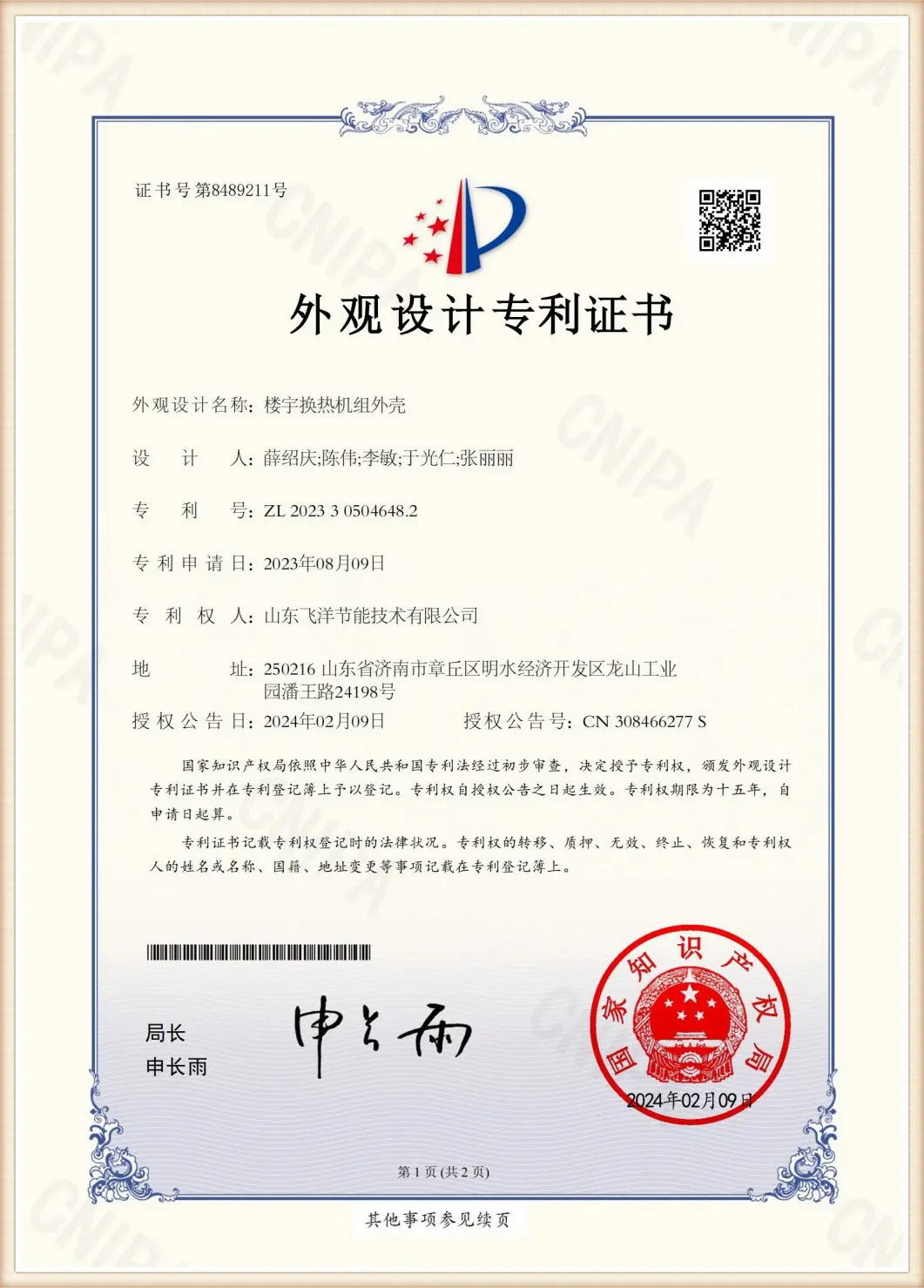
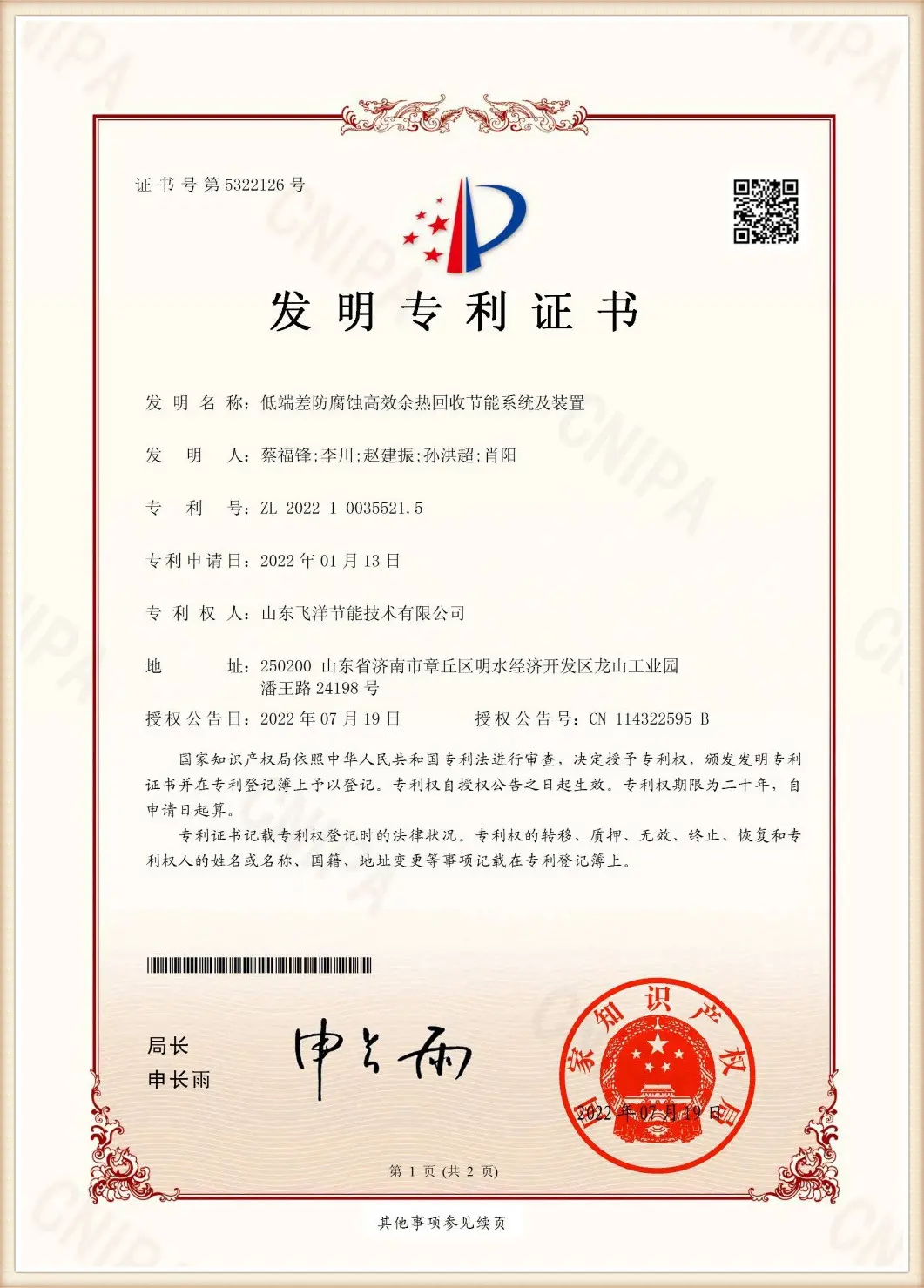
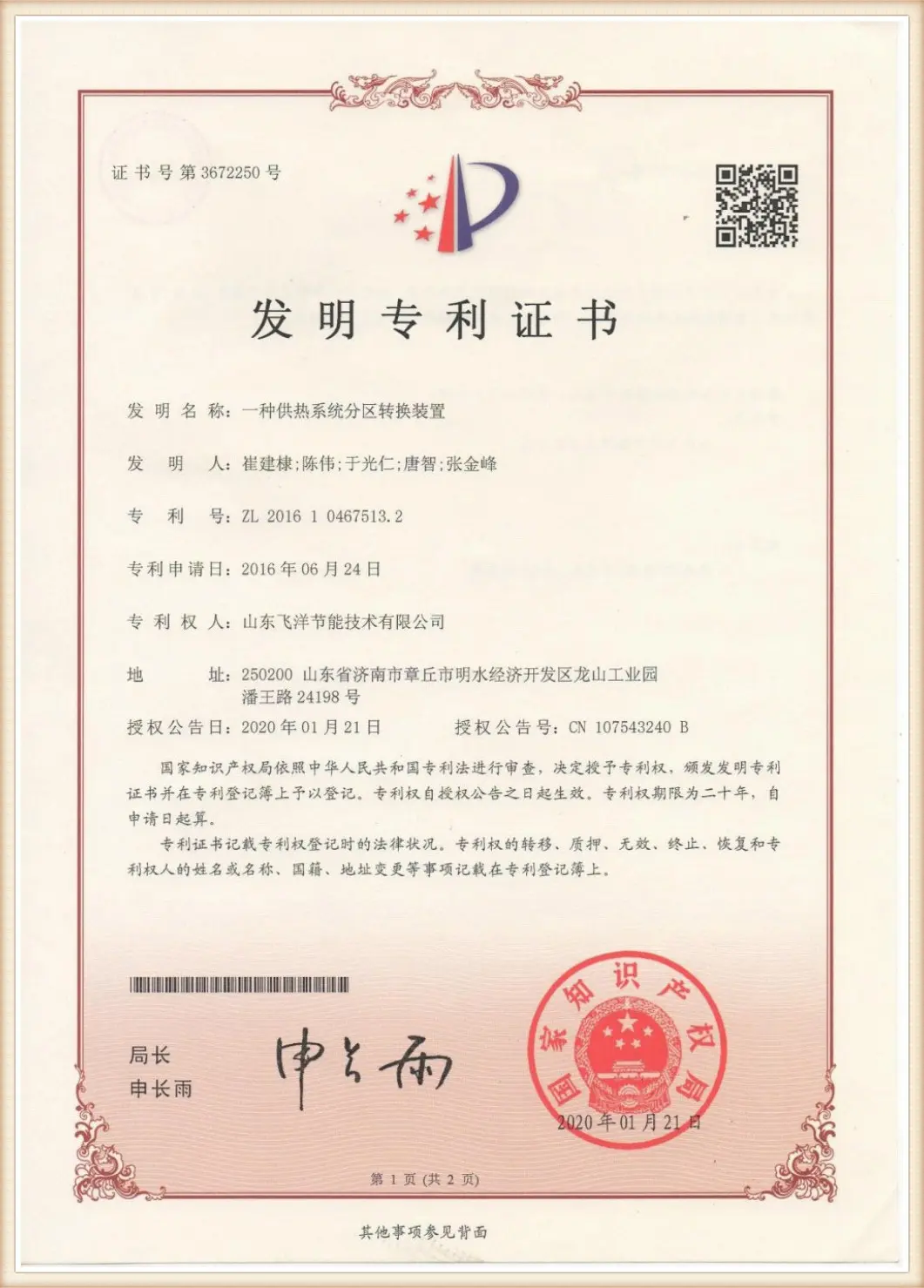
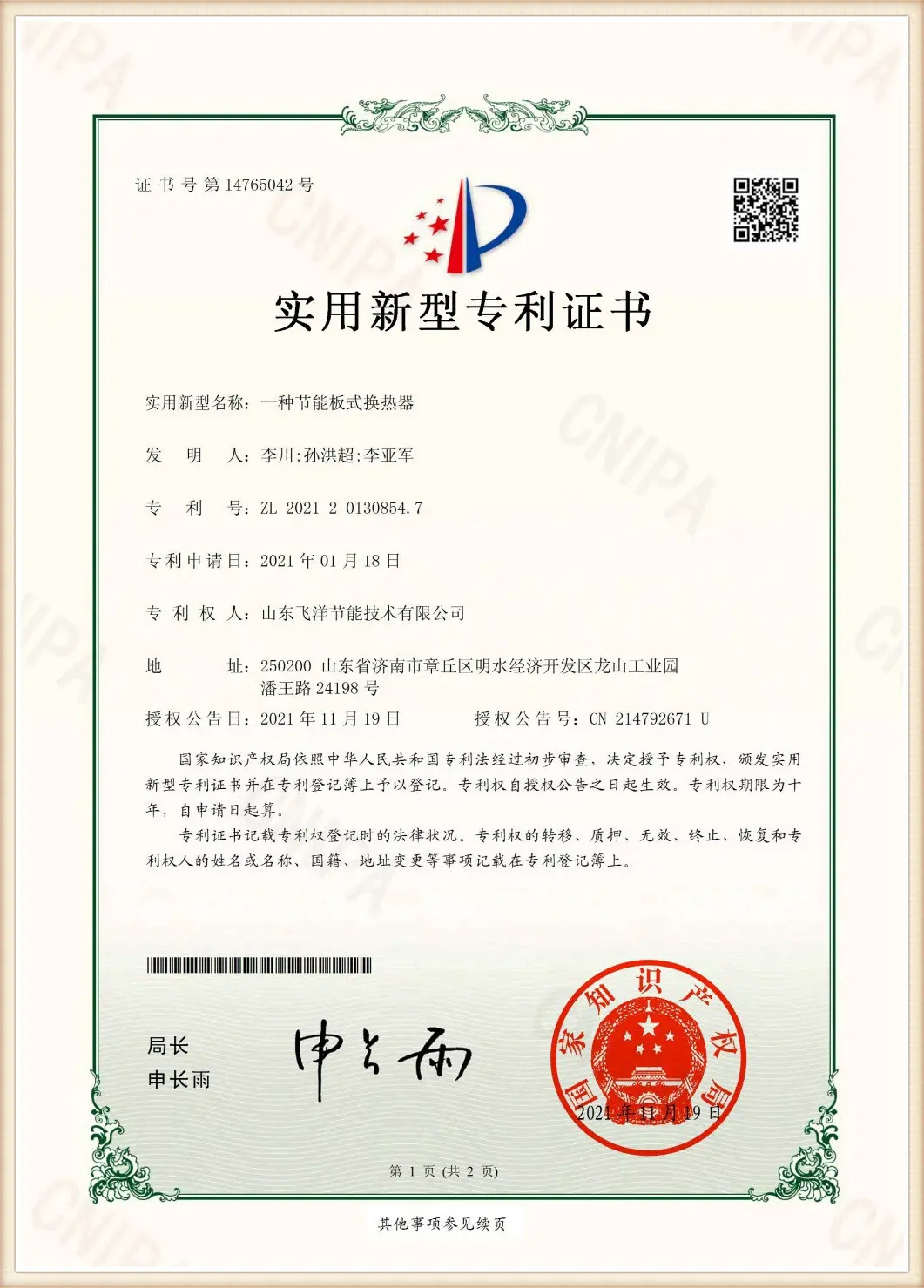
Flotte Energy Saving Company, established in 2013 with a registered capital of 101 million yuan, trace its roots to Flotte Thermal Engineering founded in 1995. With three decades of rigorous research and development, we specialize in water equipment, HVAC systems, and water treatment solutions.
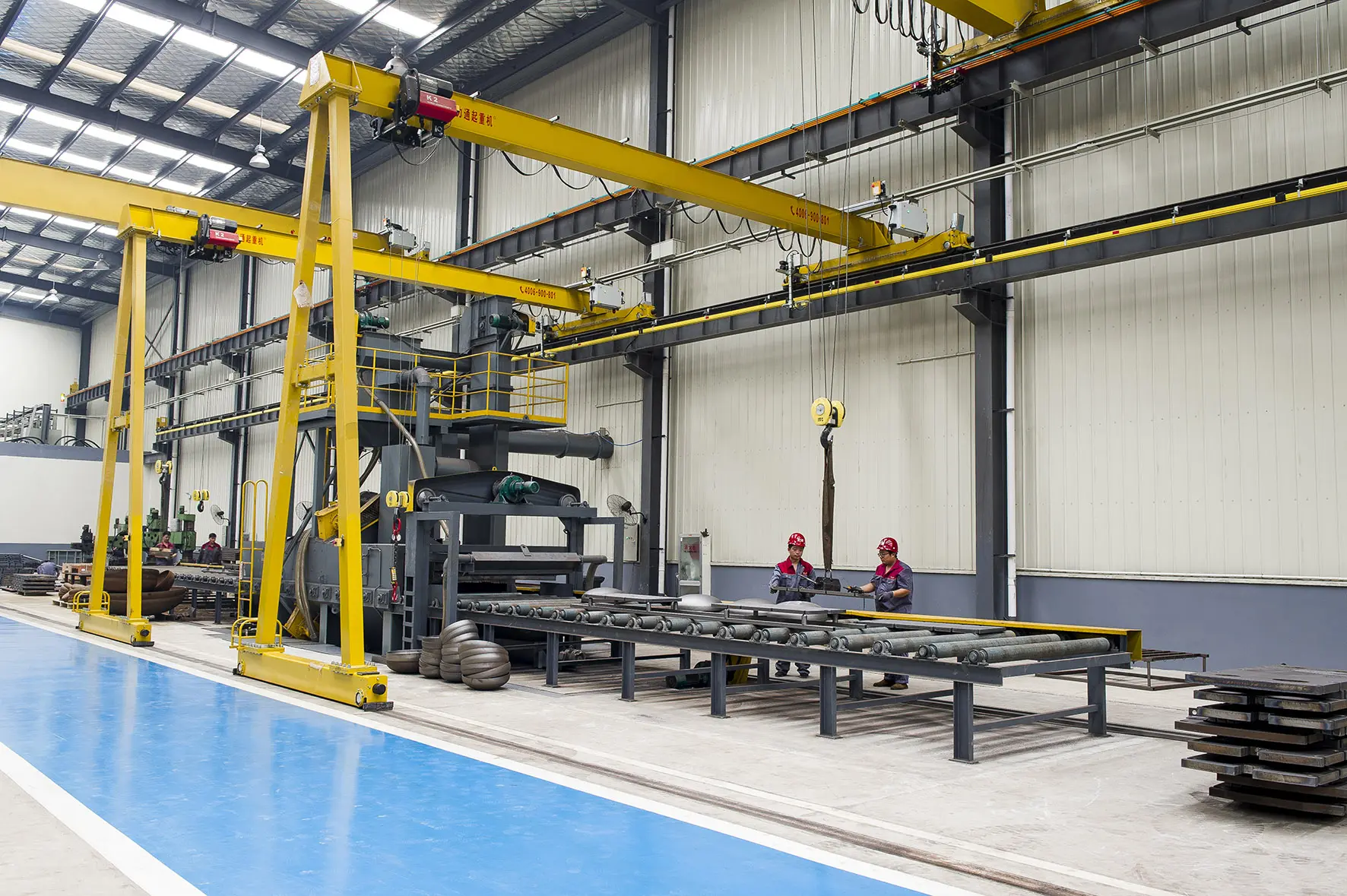
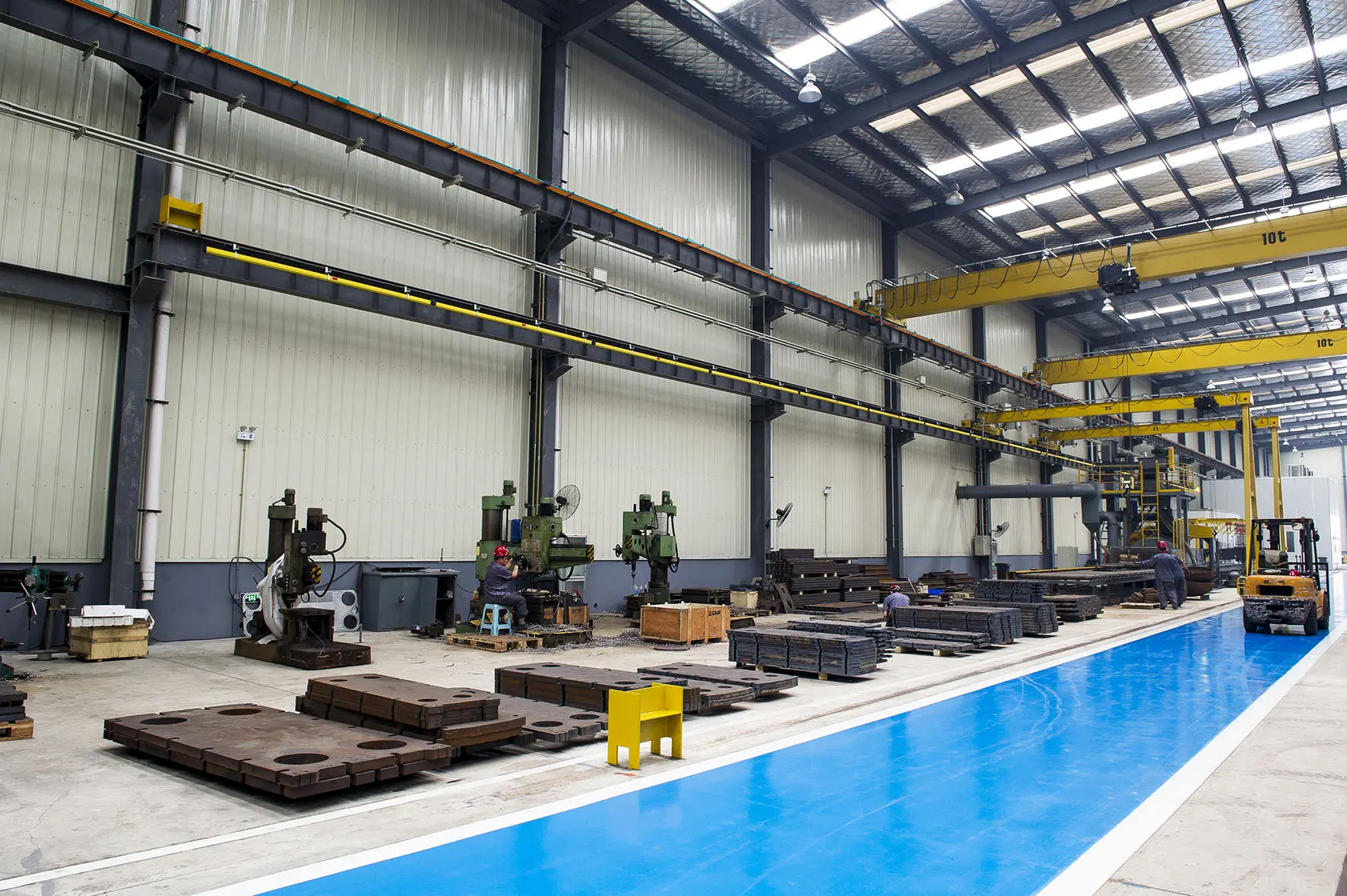
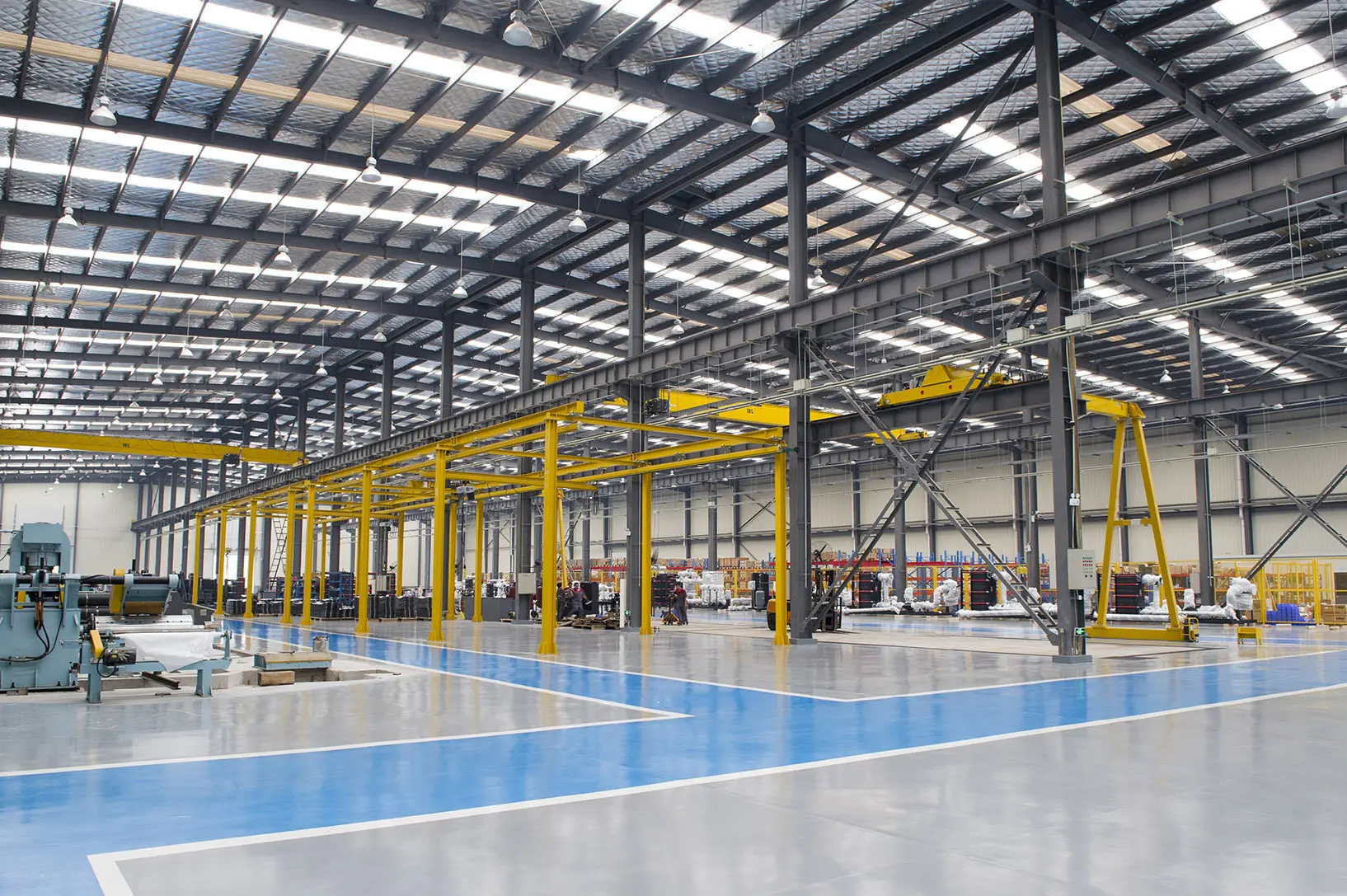
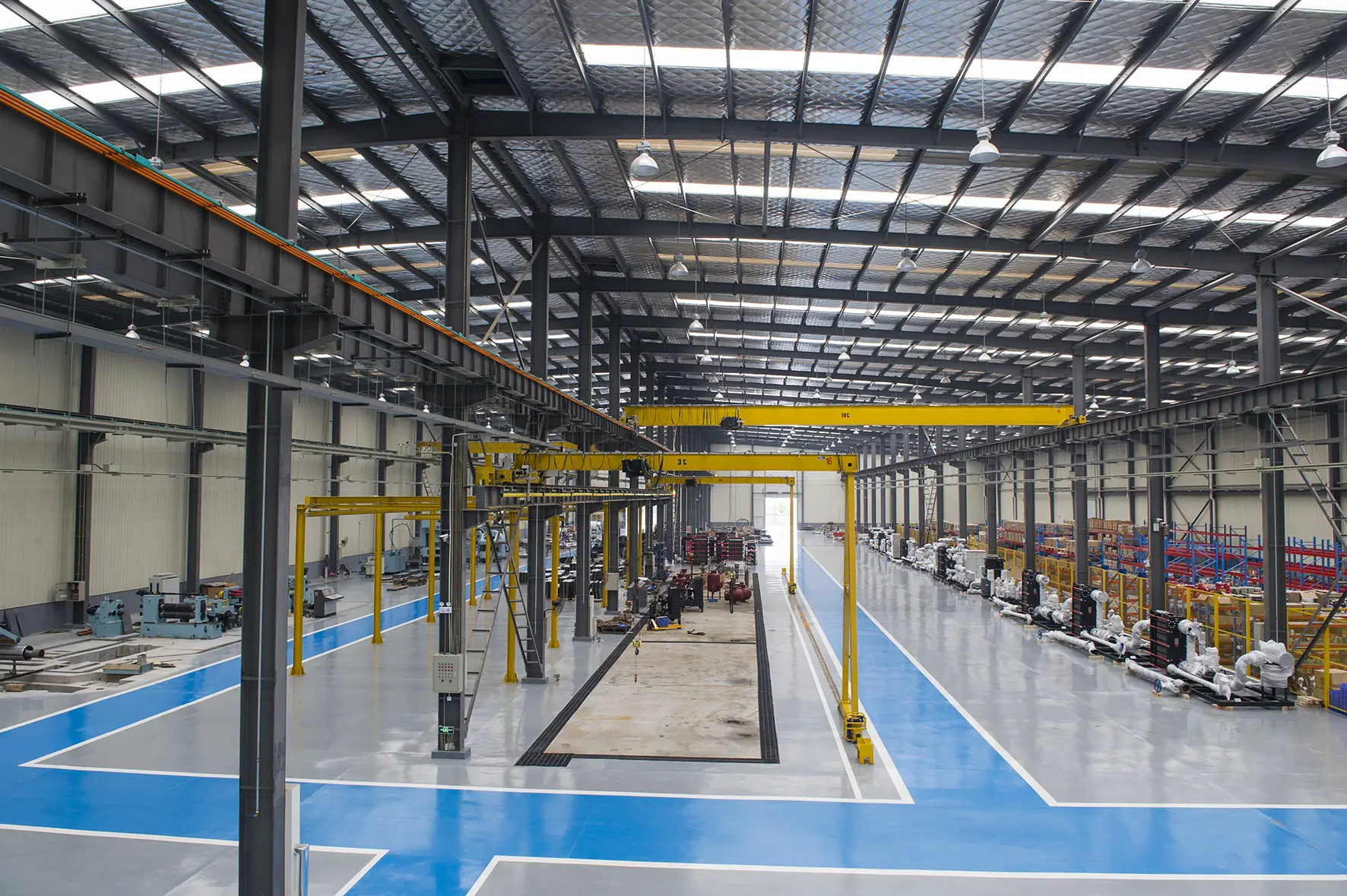
Flotte maintains a 70,000 square meter manufacturing campus and employs over 260 workers, including design engineers and alloy fabrication technicians. We produce more than 4,500 heat exchange units and water supply systems annually, generating sales revenues of 500 million yuan. Our manufacturing processes conform to quality management systems including **ISO 9001:2015**, **ISO 14001**, and **ISO 45001**.
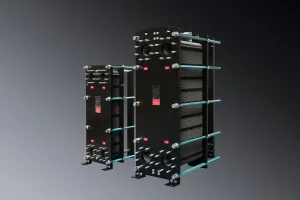
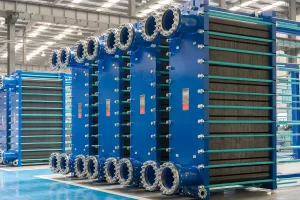
Features optimal corrugation angles and depth, yielding superior heat transfer coefficients and low pressure drops.
We utilize standard Stainless Steel (AISI 304, AISI 316L), Titanium, and Nickel alloys to withstand corrosive processes.
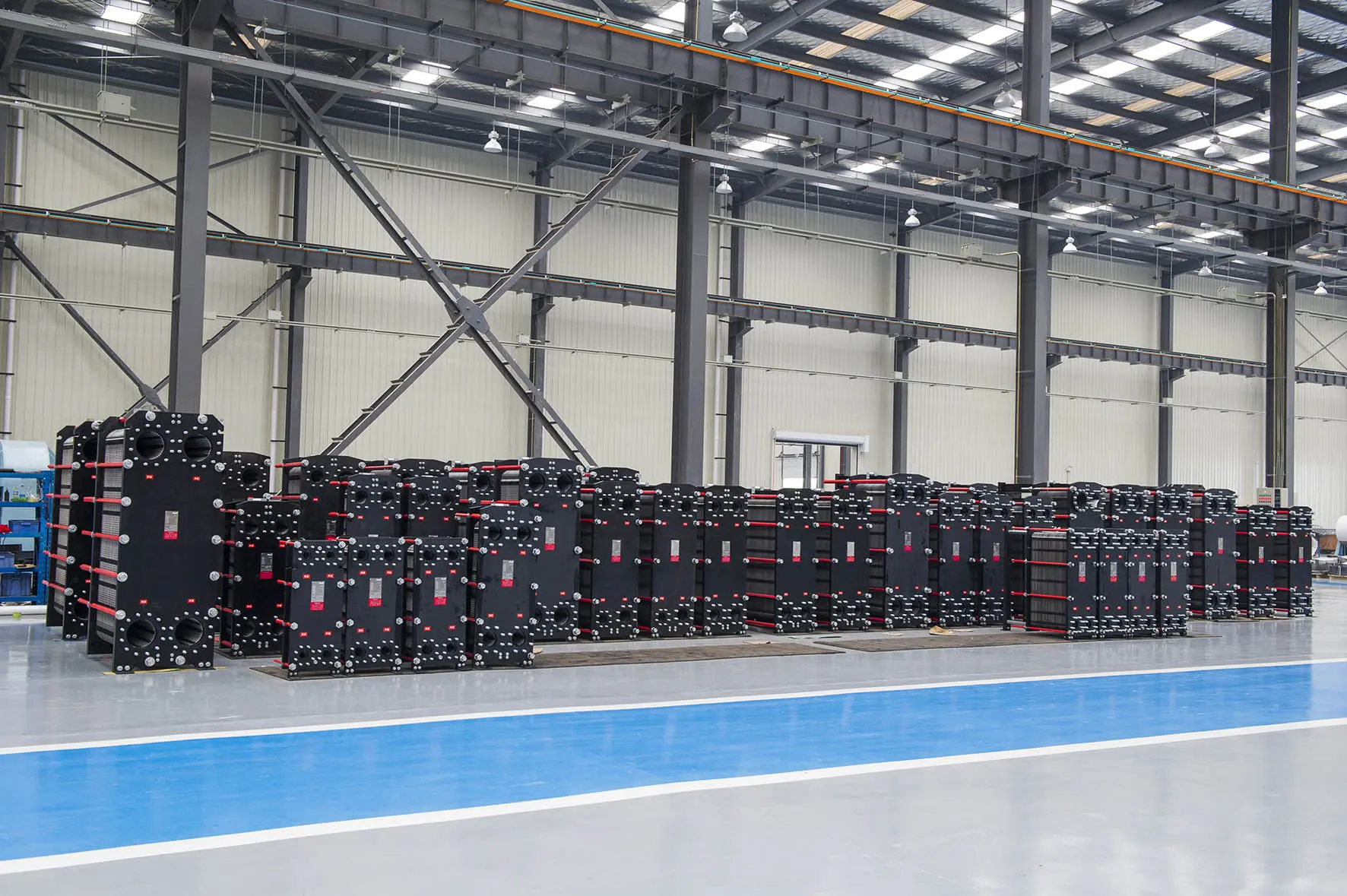
From raw plate stock to fully-certified pressure boundary thermal units, Flotte maintains strict manufacturing controls.
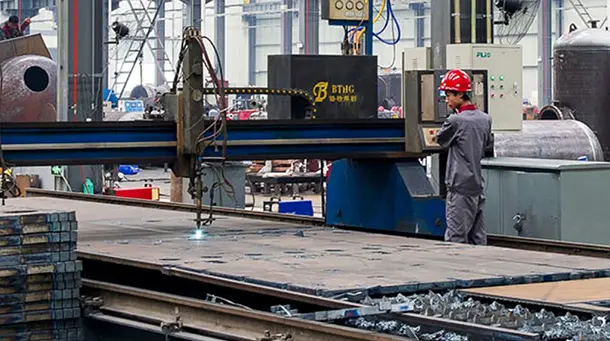 01
01
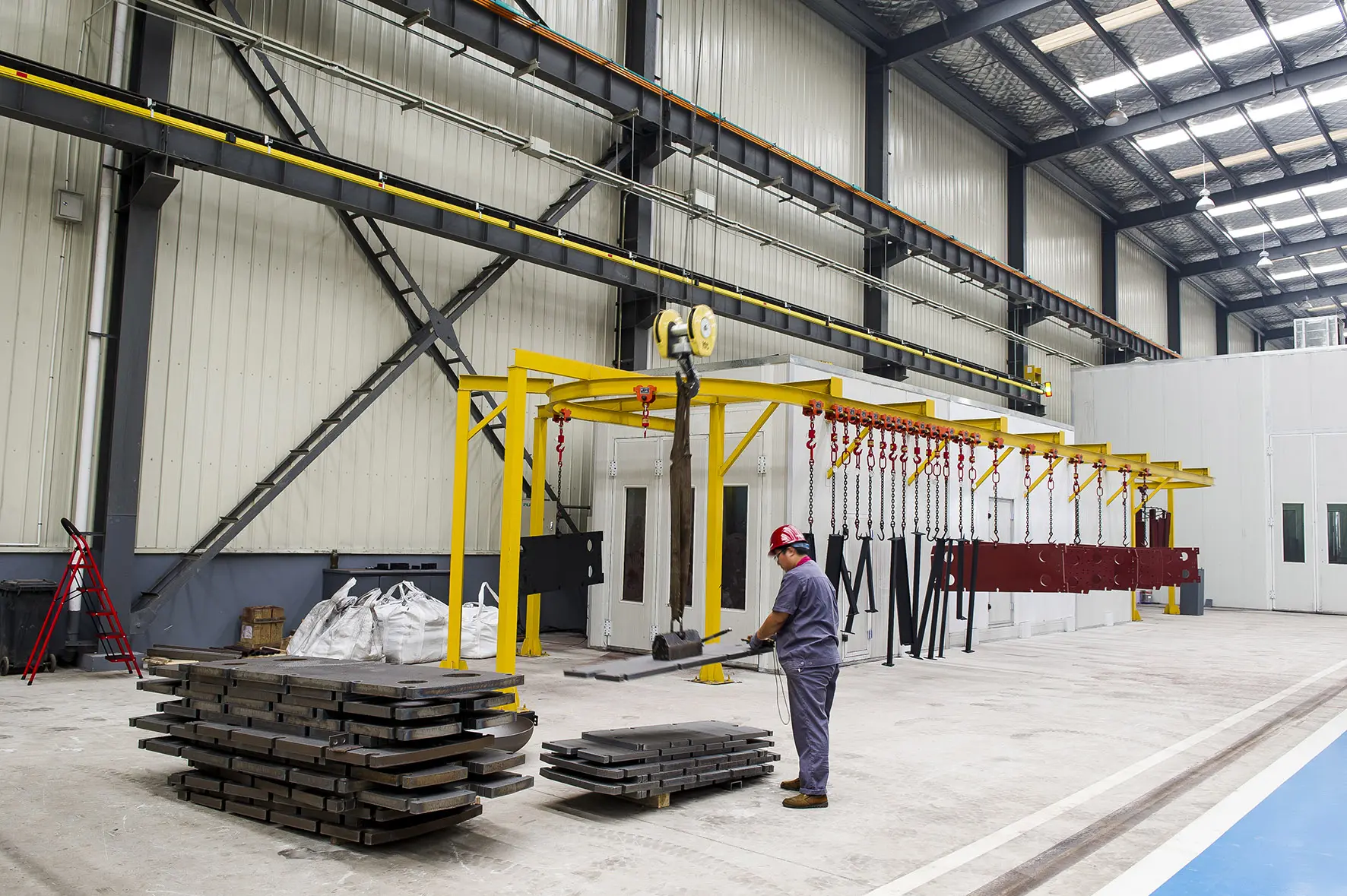
High-precision laser and flame cutting systems cut heavy carbon steel plates to form structurally rigid frames.
 02
02
Controlled thermal forging of frame bars and pressure plates to guarantee material strength under cyclic load stresses.
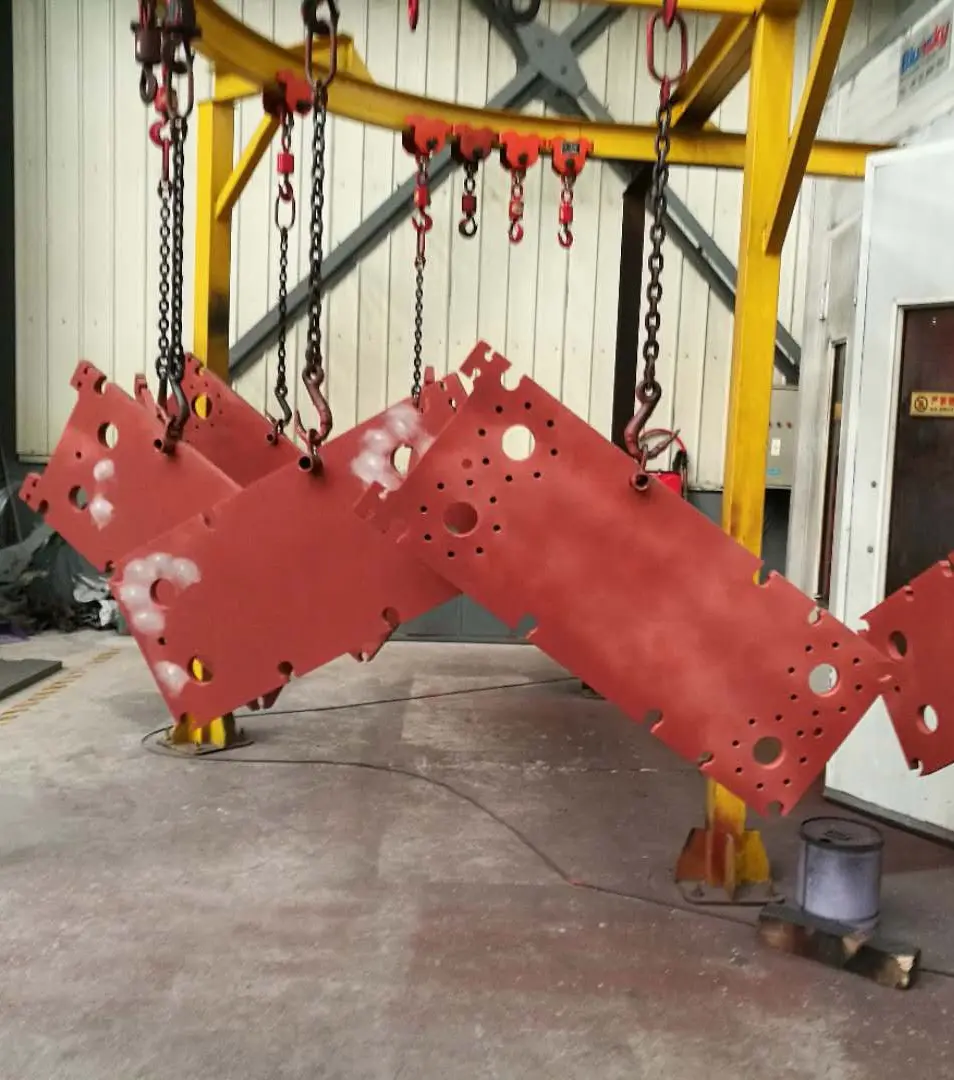 03
03
Multi-layer anti-corrosive industrial coatings protect external components from harsh operating environments.
 04
04
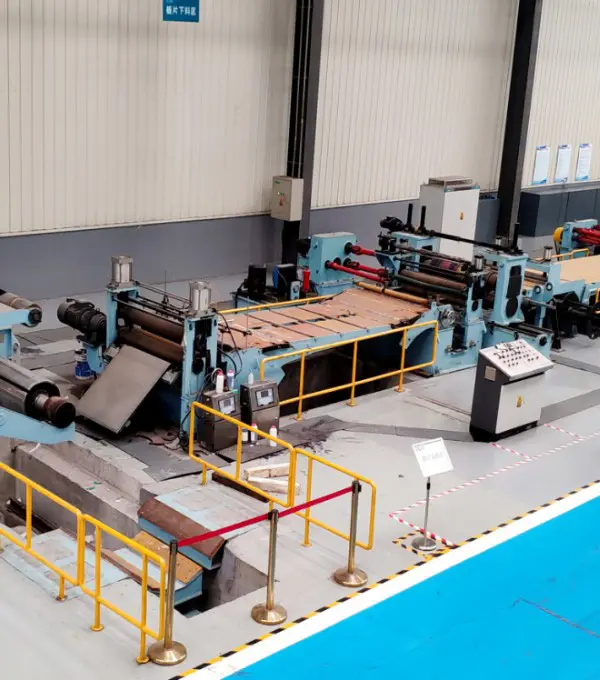
Materials (Titanium/Stainless Steel) are sheared and marked with unique heat numbers to trace physical origin.
 05
05
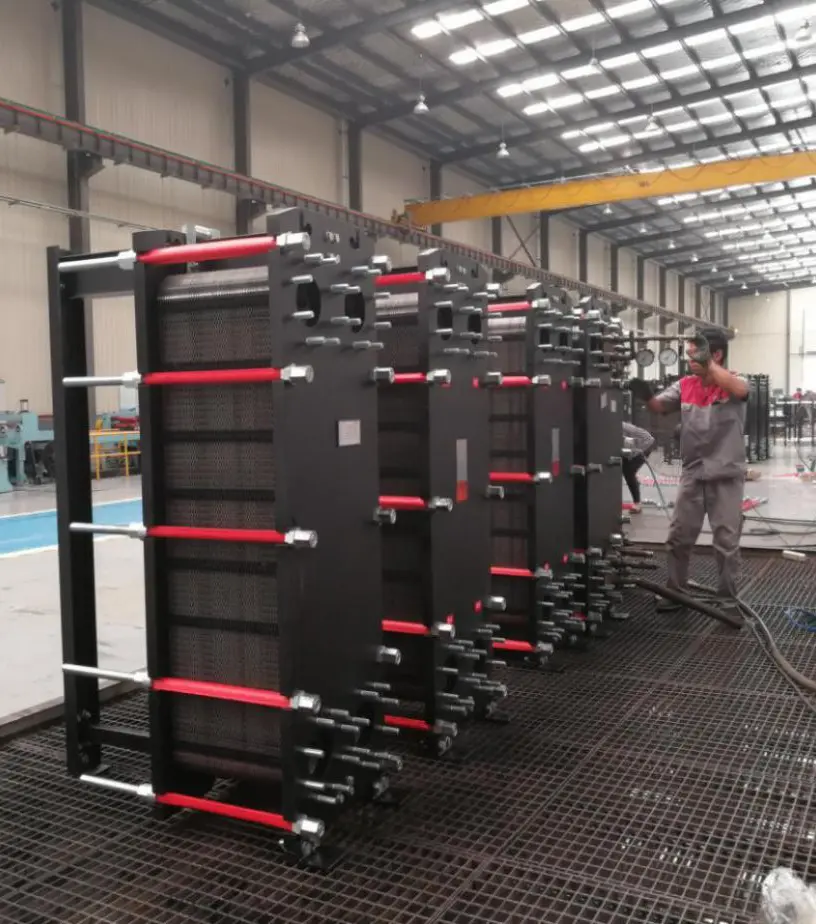
Hydrostatic leak testing up to 1.5 times the design working pressure confirms frame and plate structural integrity.
 06
06
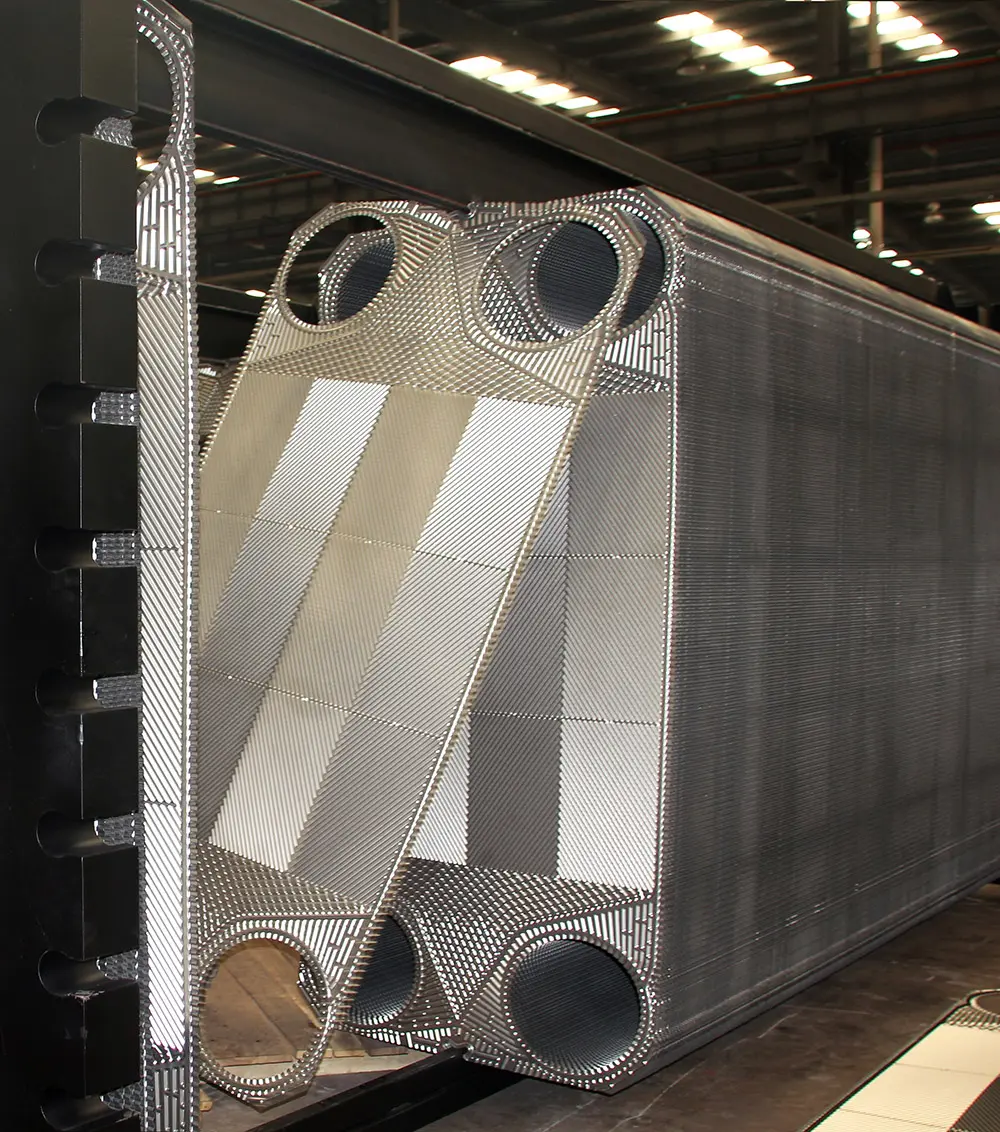
Precise alignment of plates, gaskets, and guide bars under controlled torque to prevent uneven gasket deformation.
 07
07
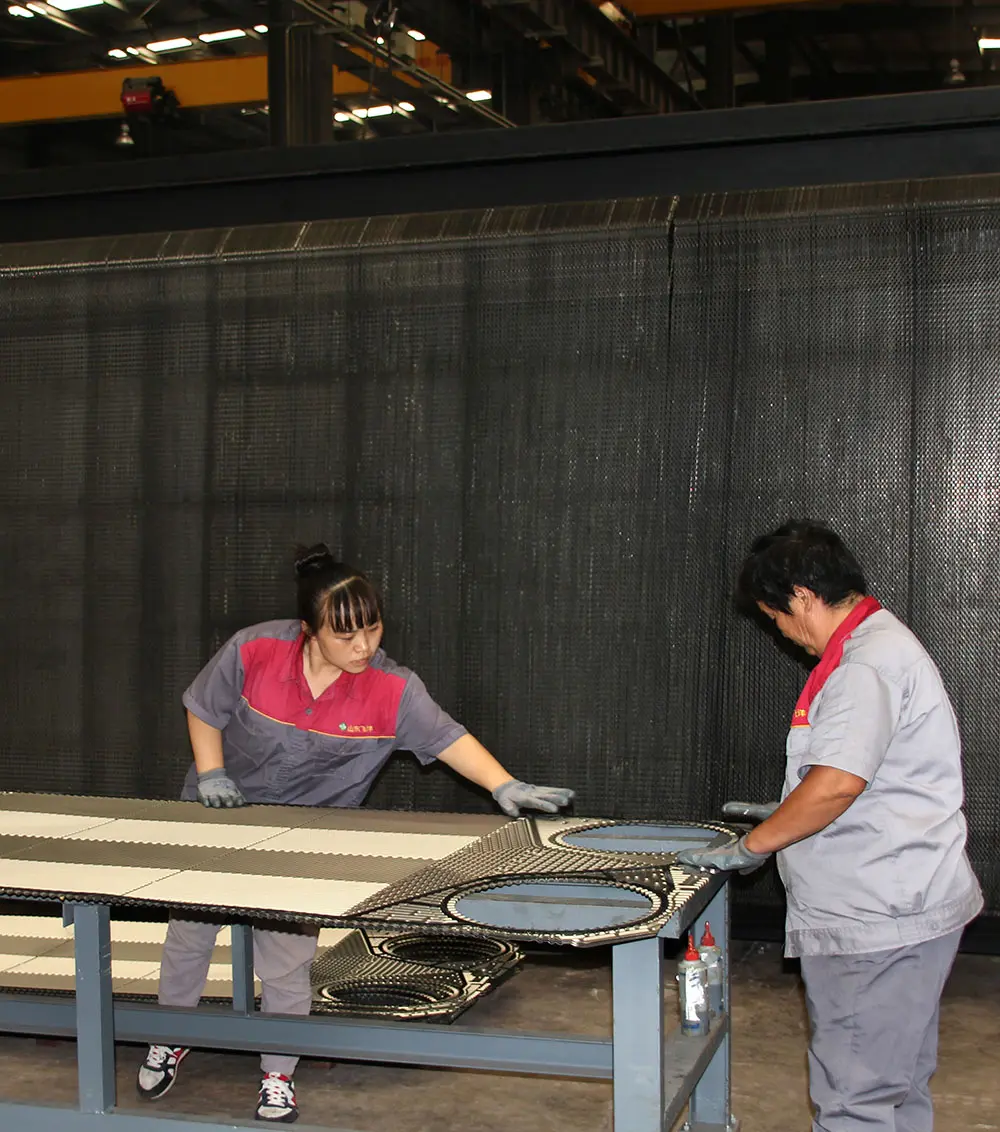
Precision vulcanization and alignment of EPDM or NBR gaskets into custom plate channels ensures leakproof boundaries.
 08
08
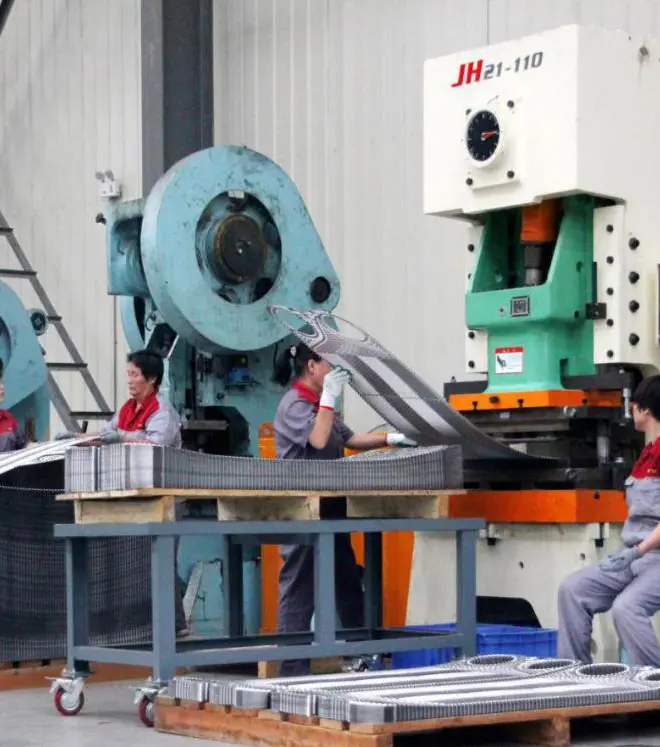
High-speed mechanical punching yields precise port alignments for uniform distribution inside the plate pack.
 09
09
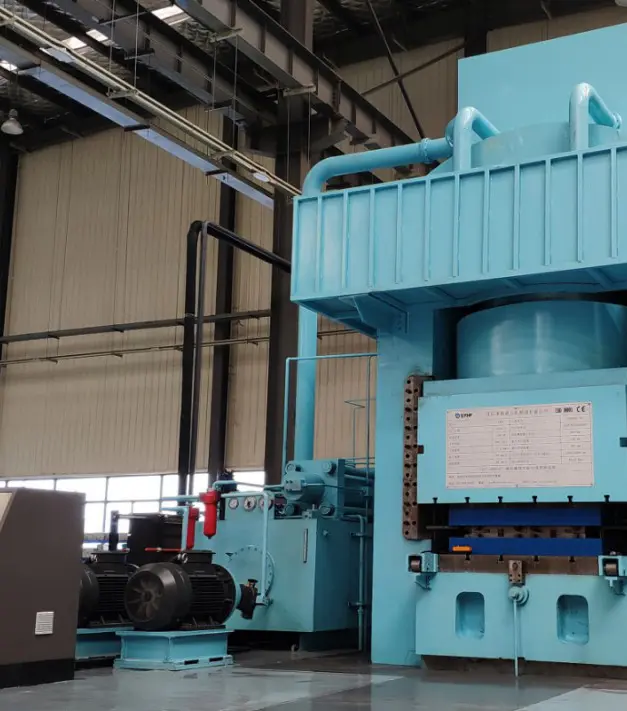
10,000+ ton hydraulic presses stamp complex corrugation profiles into high-alloy sheets with minimal thickness variations.
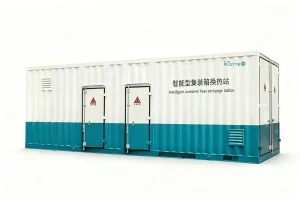
Flotte systems are integrated into municipal heating, chemical processing, pharmaceutical sterilization, and power generation loops. In municipal district heating systems, our integrated plate heat exchange packages act as the pressure decoupling boundary between municipal high-pressure supply systems and local distribution loops. They precisely regulate hot water temperatures while minimizing thermal losses.
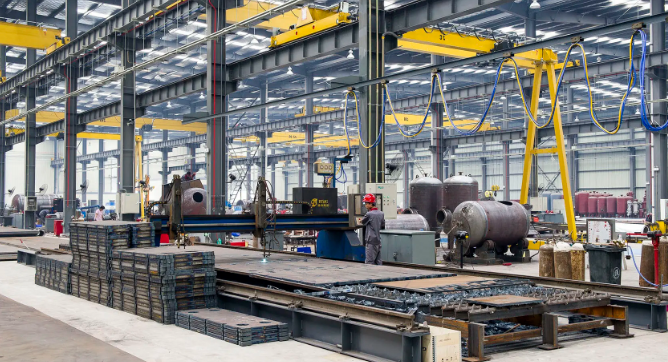
Every pressure unit manufactured in our facility undergoes rigorous verification by third-party inspection agencies. We source verified raw metals from ISO-certified suppliers, providing material test reports (MTR) according to EN 10204 3.1. These practices ensure our systems resist stress-corrosion cracking and withstand thermal cycling.
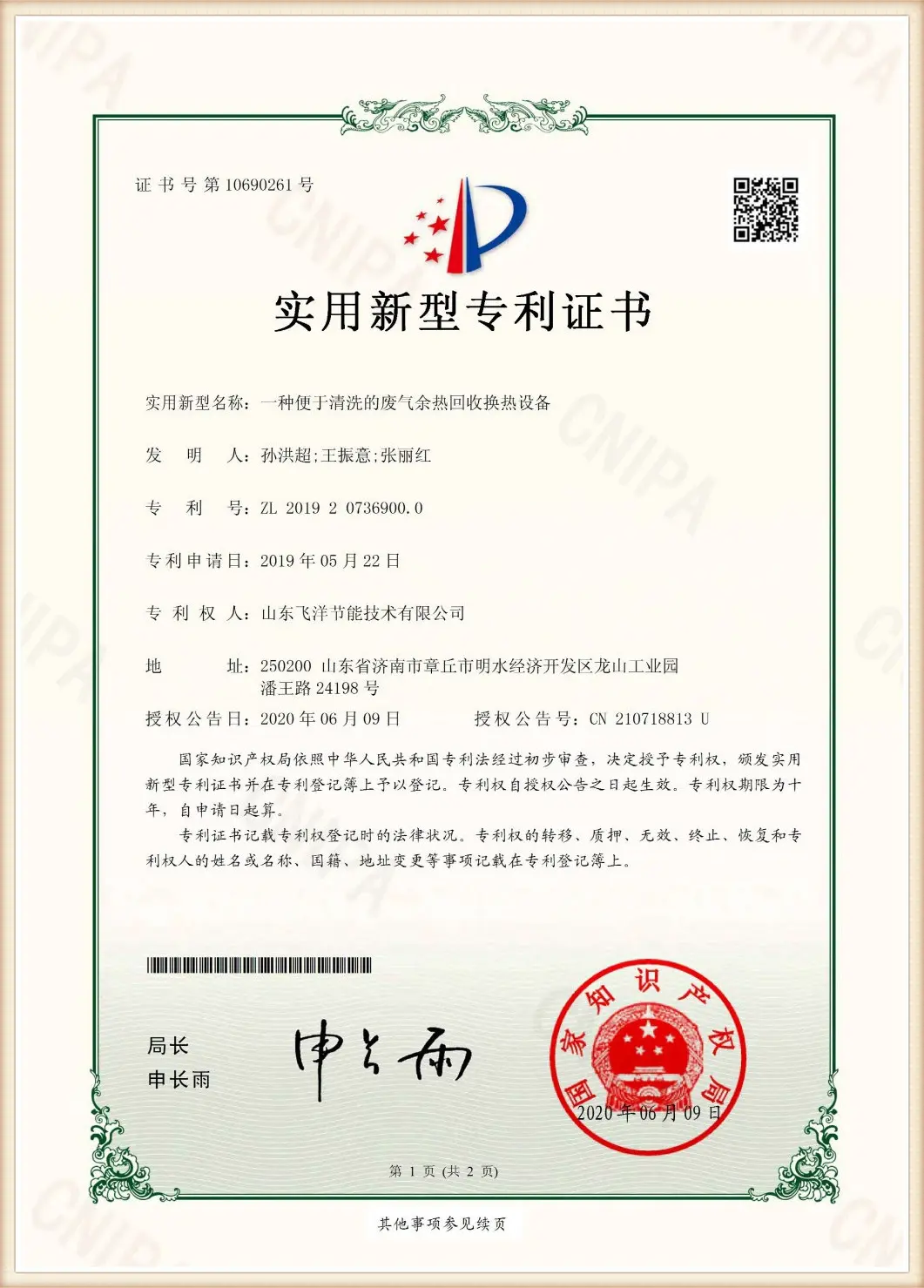
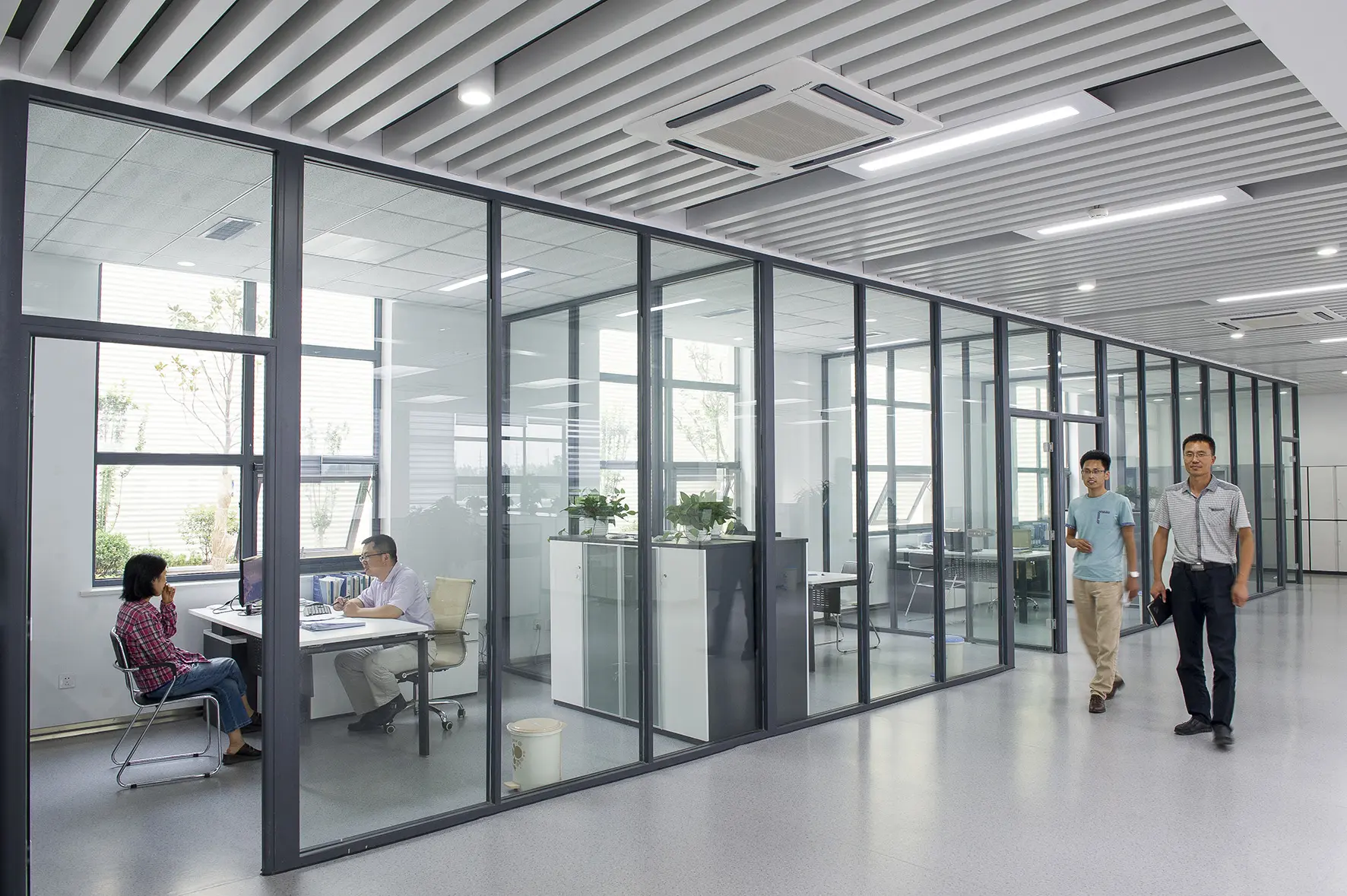
Our technology center develops proprietary, thermodynamic plate simulation algorithms. These allow our engineering teams to optimize plate counts, channel geometry, and pass configurations to deliver optimal heat transfer.
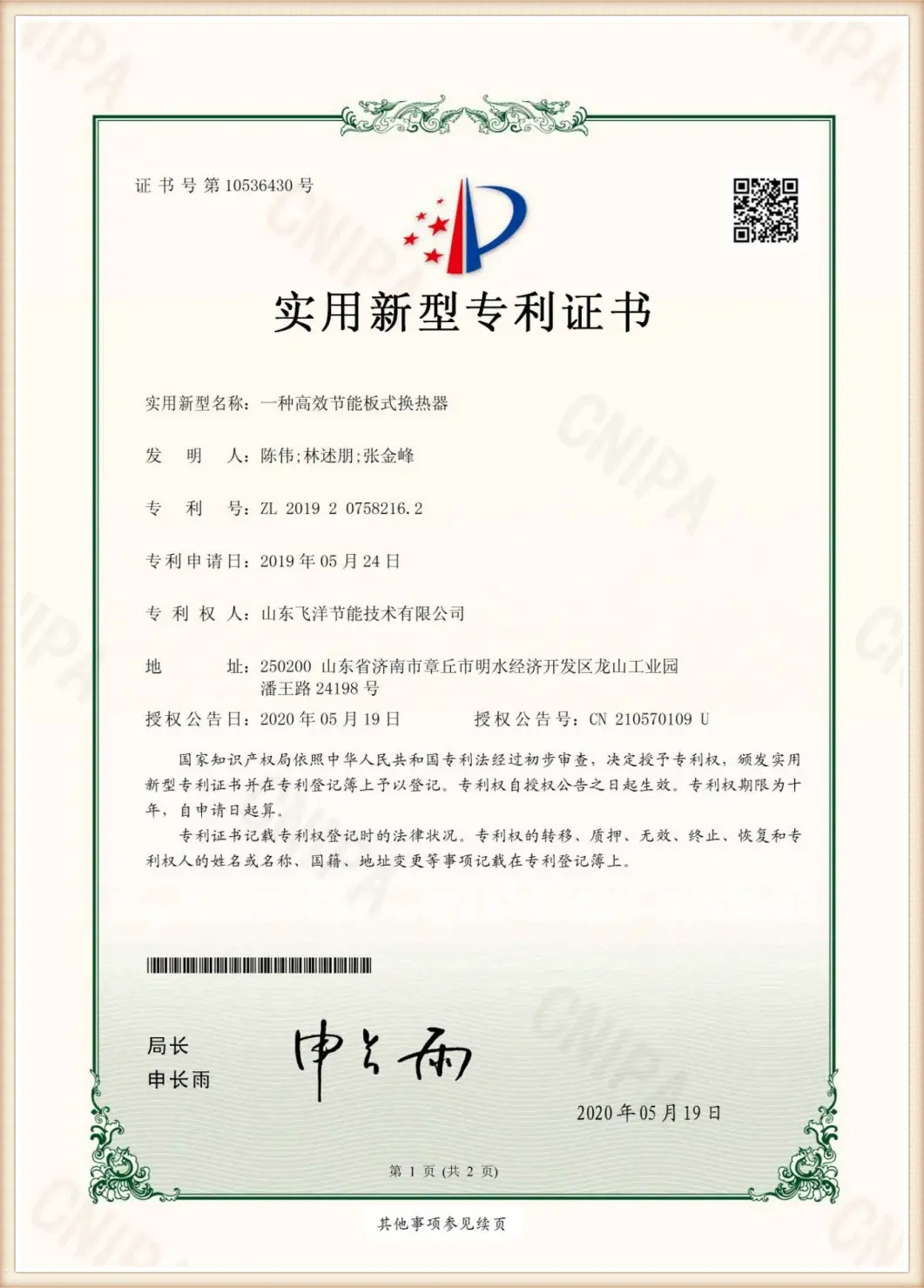
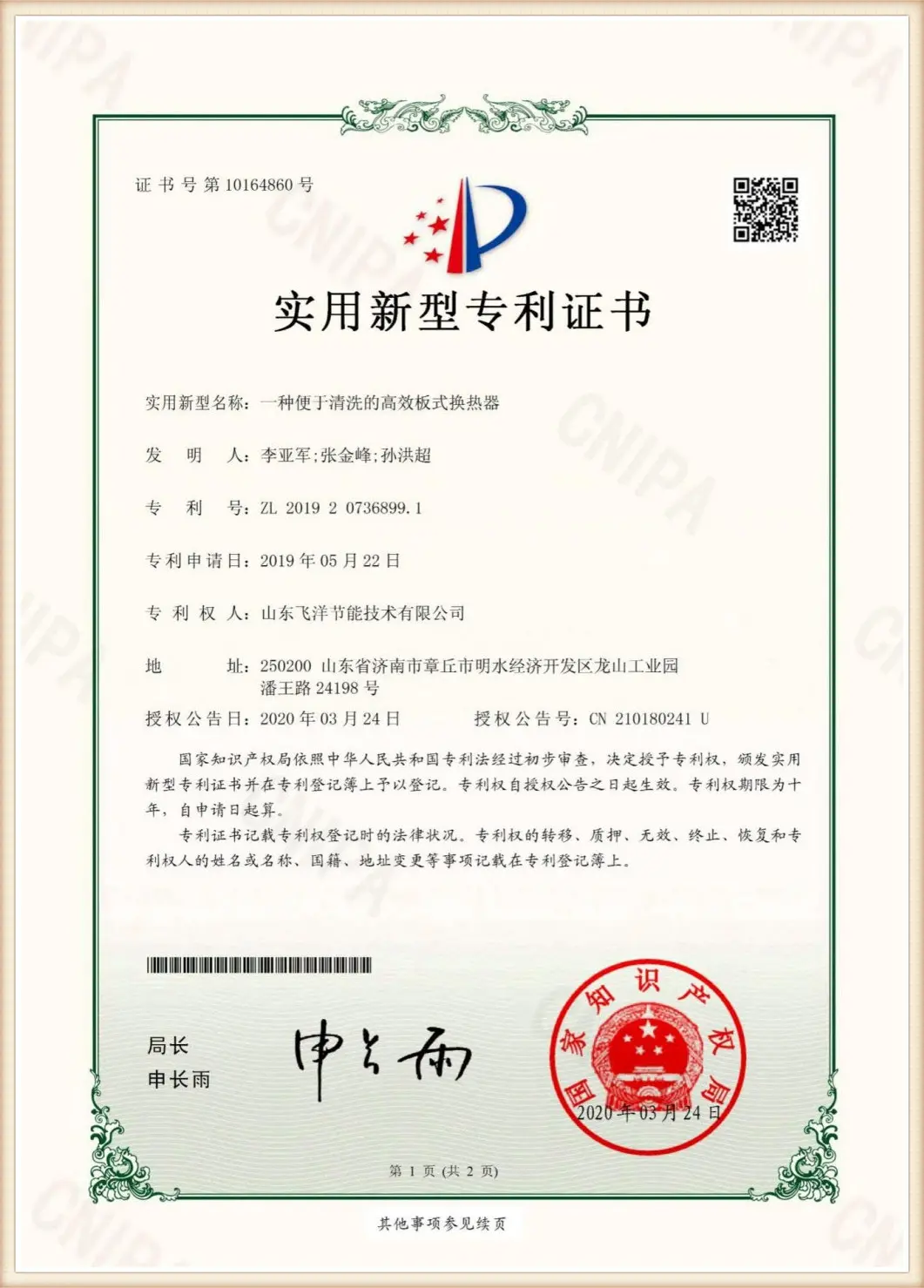
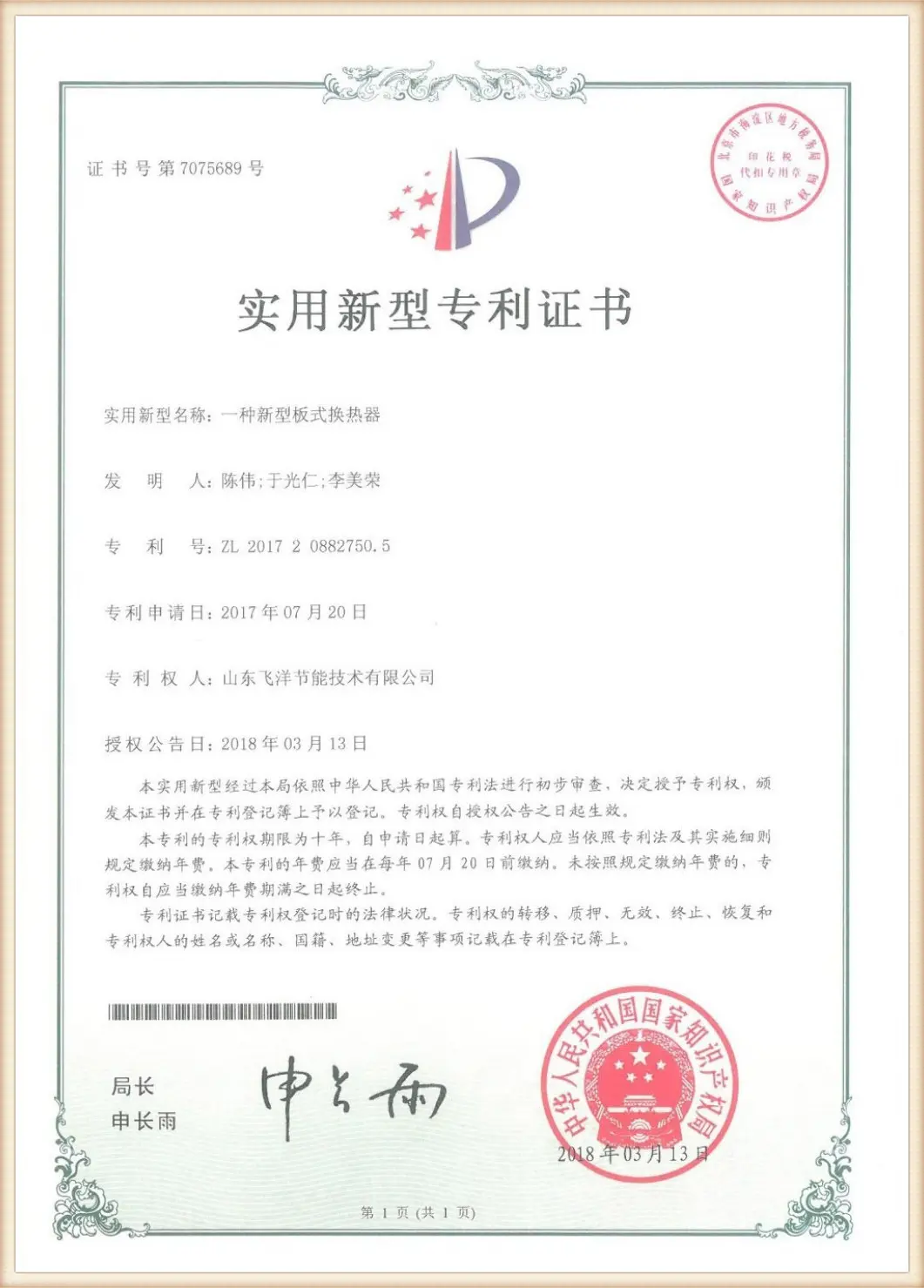
Take a virtual tour of our 70,000㎡ industrial park, where we combine advanced automation with rigorous manual quality inspections.


Clear, expert answers to common questions about thermal systems, process selection, and plant operations.
Discover our advanced process solutions, precision balance controls, and energy recovery components.
 Flotte Energy