Explore our elite range of heat exchangers, balancing valves, and high-efficiency thermodynamic systems.
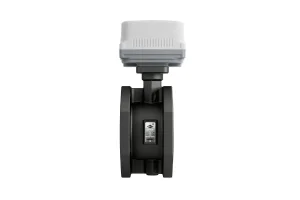
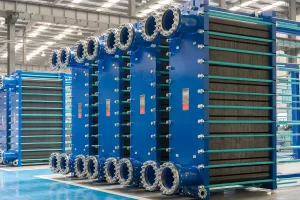
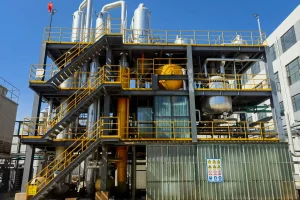
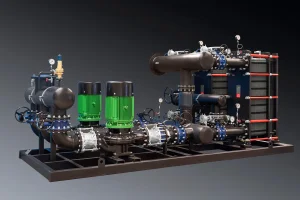
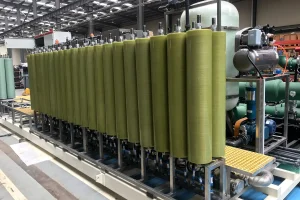
In industrial thermodynamics, the terms heat exchanger and heat interchanger are frequently utilized to describe systems engineered to transfer thermal energy between fluids. However, their precise positioning within process loops dictates distinct functional operations.
A heat exchanger refers broadly to any apparatus designed to transfer thermal energy between two or more fluids at differing temperatures. These fluids may be separated by a solid wall to prevent mixing, or they may be in direct contact. This category encompasses processes involving external energy utilities, such as steam-heated vaporizers or chilled water coolers, where one of the streams is specifically supplied to introduce or remove thermal load from a closed loop.
Conversely, a heat interchanger is a specialized subtype of heat exchanger. Its defining characteristic is that both the hot and cold fluid streams are active process fluids belonging to the same closed system or cycle. Rather than expending external energy (such as electricity or utility steam), a heat interchanger achieves internal heat recovery. It captures waste heat from an outbound process stream to pre-heat an inbound process stream, radically improving the system's thermal efficiency and reducing overall operating costs.
For engineering procurement directors, choosing the optimal configuration requires analyzing the Log Mean Temperature Difference (LMTD), fouling factors, pressure drop limitations, and structural metallurgy. At Flotte, we analyze these variables to engineer systems that balance structural integrity with maximum thermal transfer coefficients.
Unlocking unparalleled manufacturing efficiency, technological superiority, and robust supply chains.
China's heavy industrial clusters offer direct access to raw titanium, stainless steel, and specialized copper alloys. This localized proximity reduces supply chain delays, controls material costs, and secures high-grade materials for demanding industrial applications.
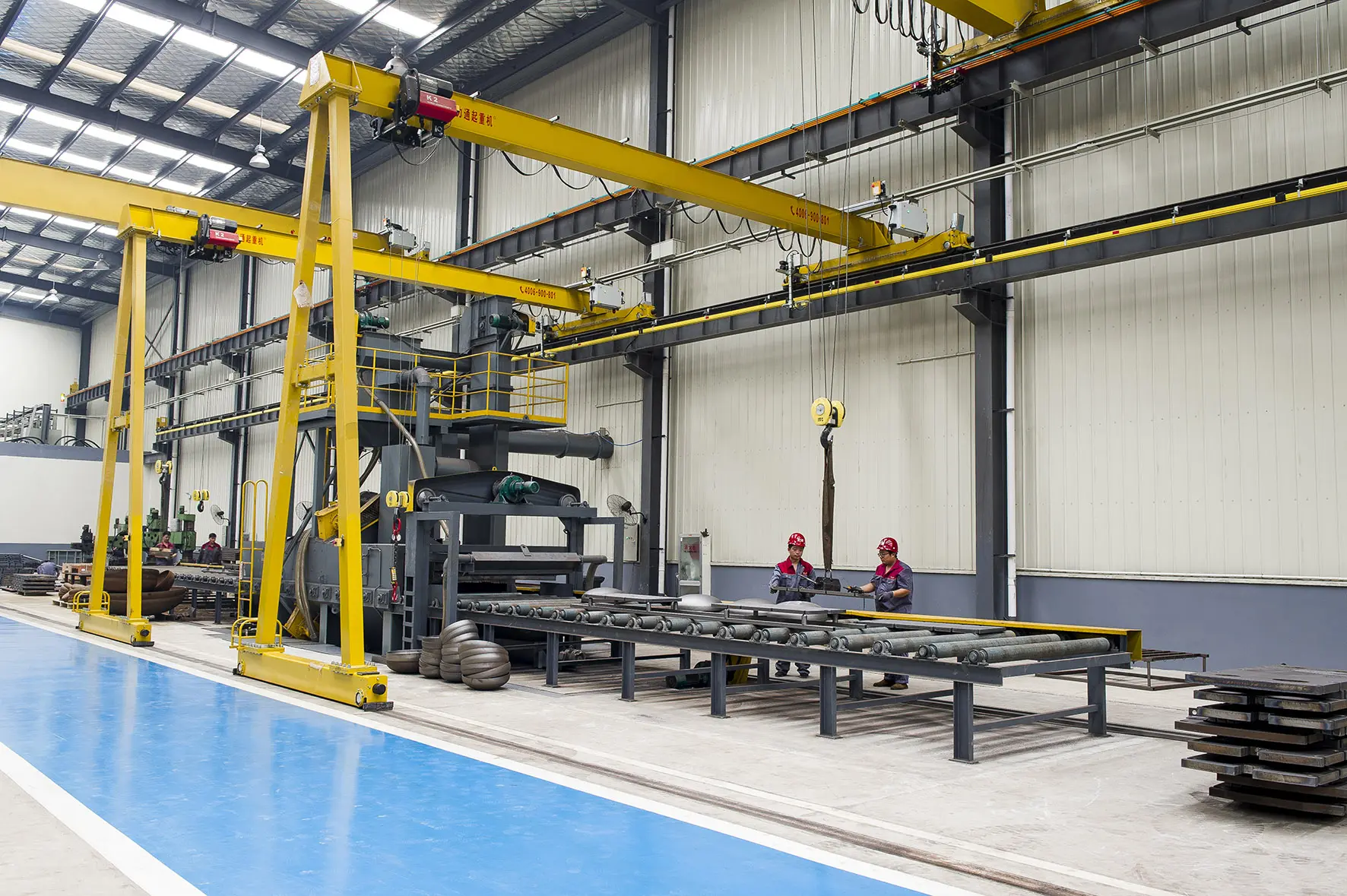
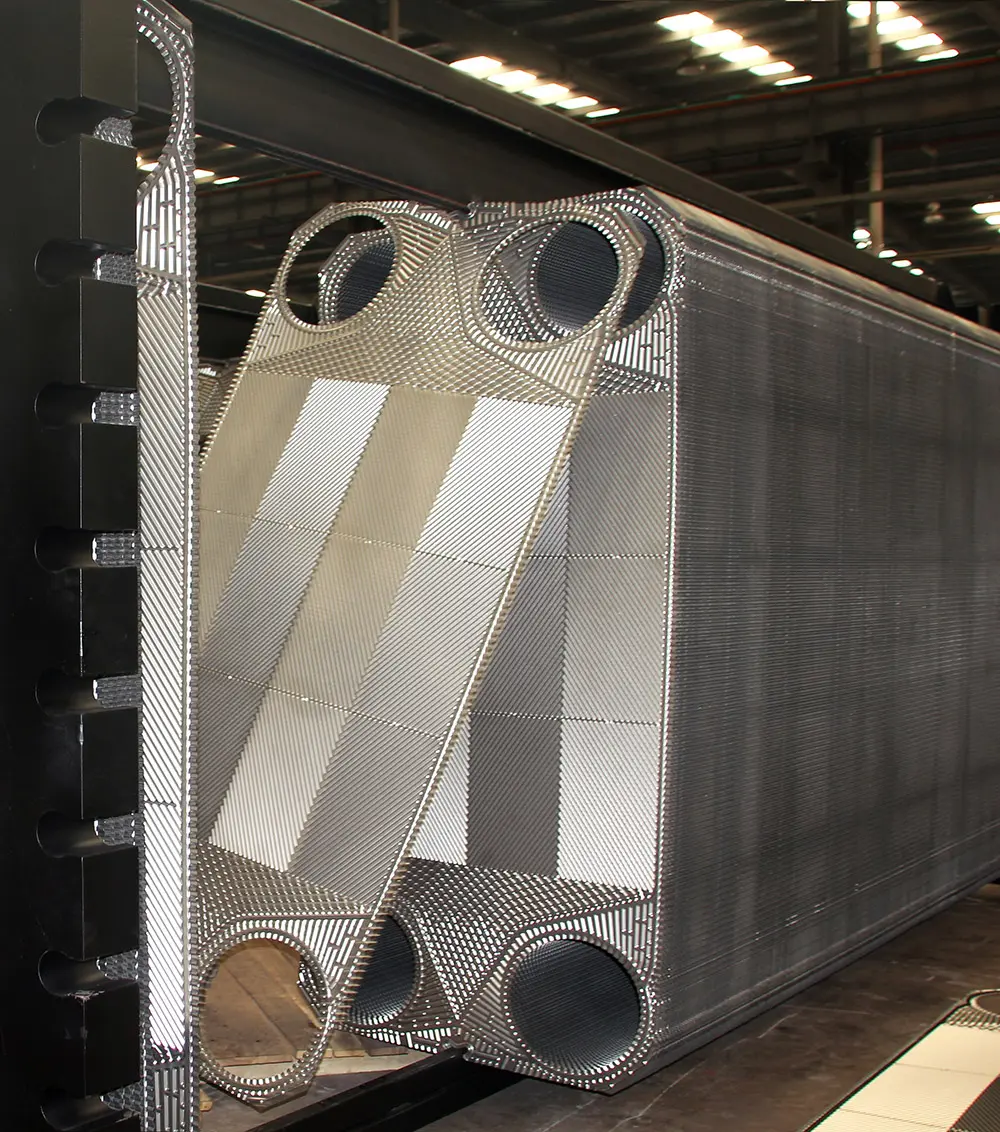
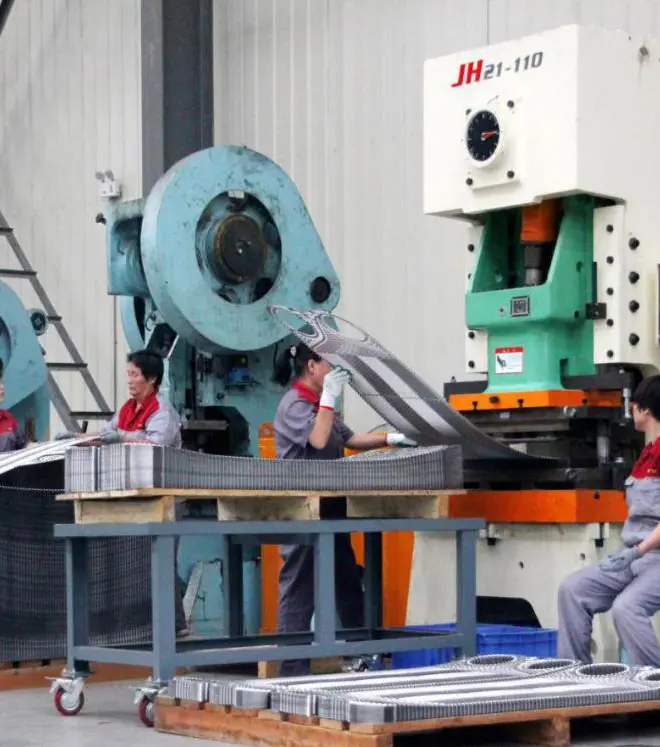
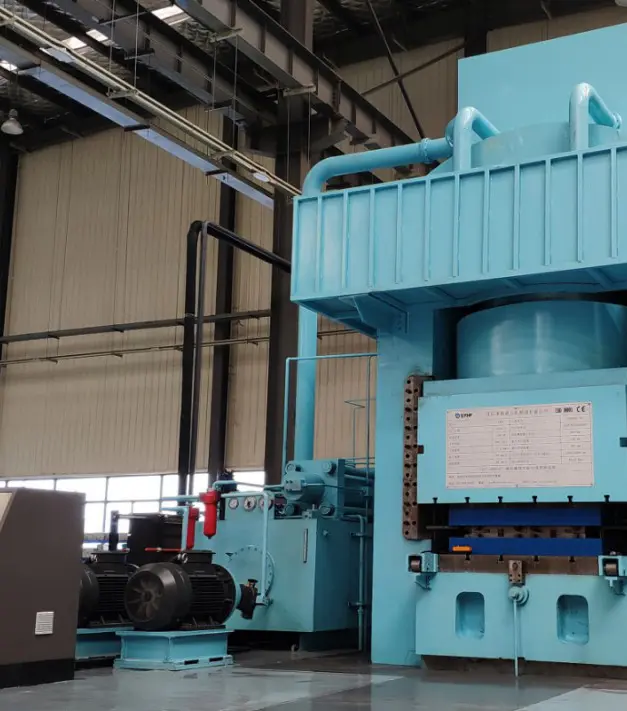
Our facilities house massive hydraulic presses (ranging from 10,000 to 20,000 tons) capable of executing precise corrugation profiles. This automation guarantees high dimensional accuracy and minimizes plate micro-fissures during the stamping phase.
By pairing optimized fabrication workflows with advanced design methodologies, Chinese exporters deliver ASME and CE-compliant heat exchangers at competitive prices. This enables global buyers to maximize thermal performance without inflating capital expenditure.
Decades of industrial growth and technical execution in figures.
Flotte Energy Saving Company, established in 2013 with a registered capital of 101 million yuan, originated from Flotte Thermal Engineering founded in 1995. With three decades of technical expertise, the company specializes in water equipment, HVAC systems, and water treatment industries. It consistently leads industry peers in adopting cutting-edge technologies, developing innovative products, and delivering comprehensive production and sales services.
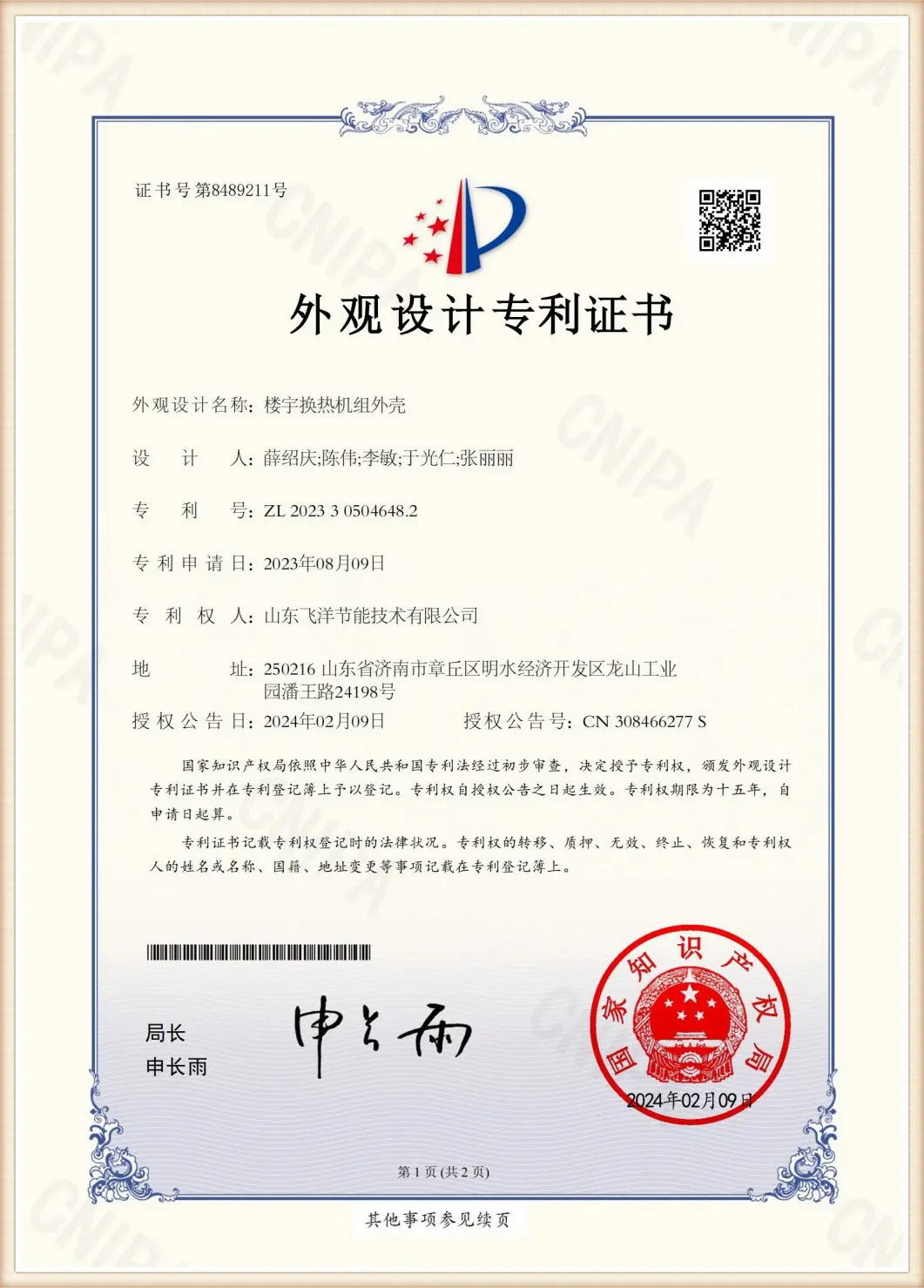
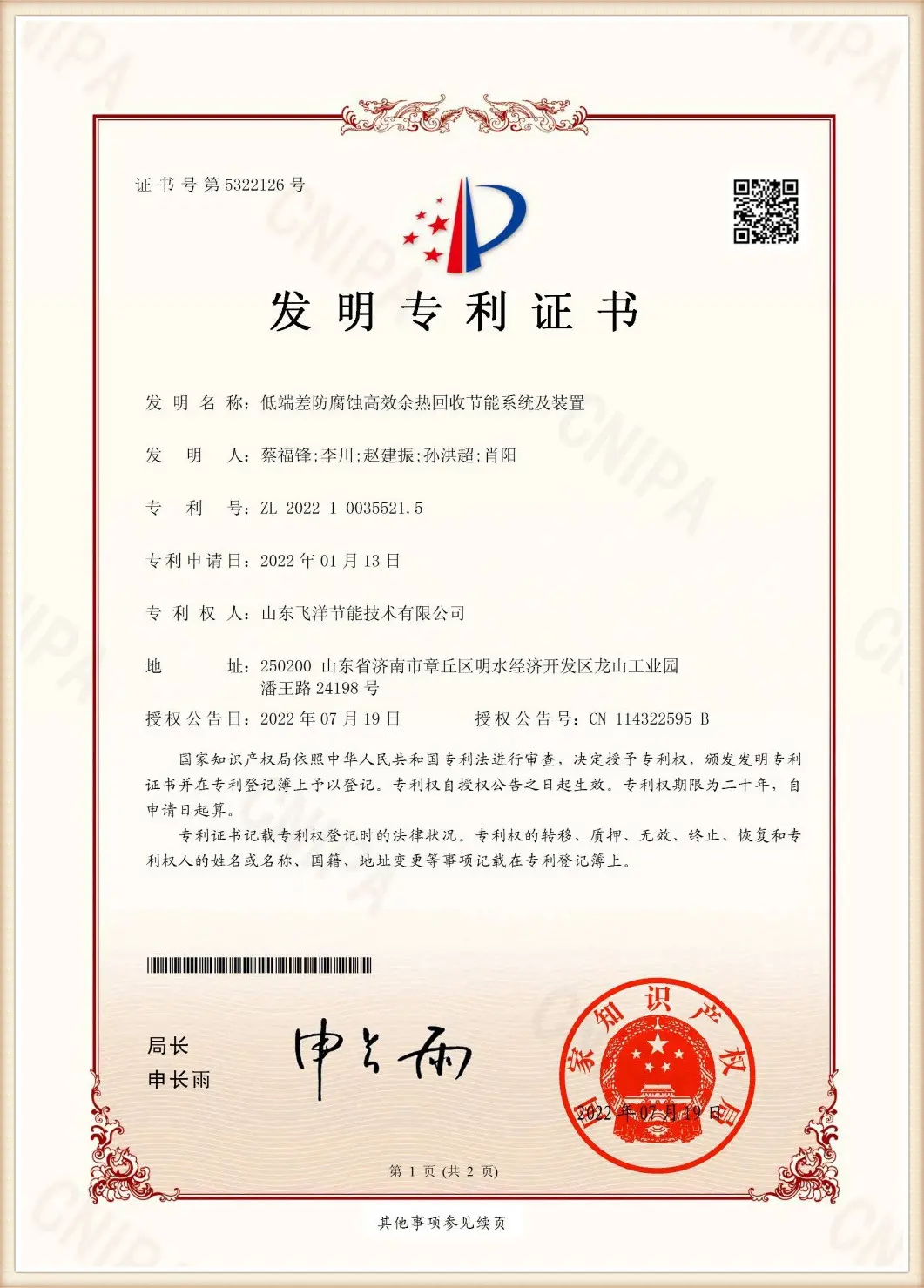
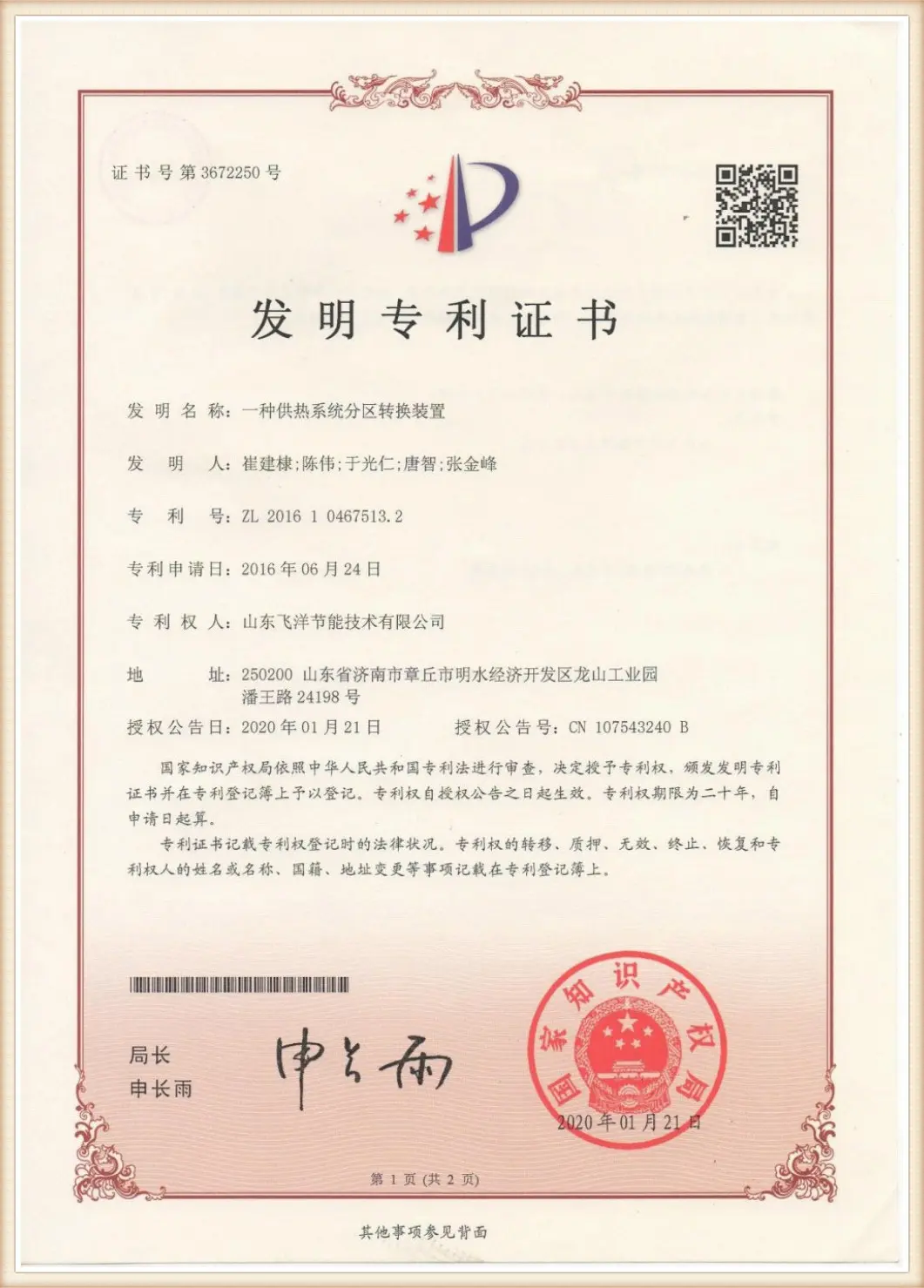
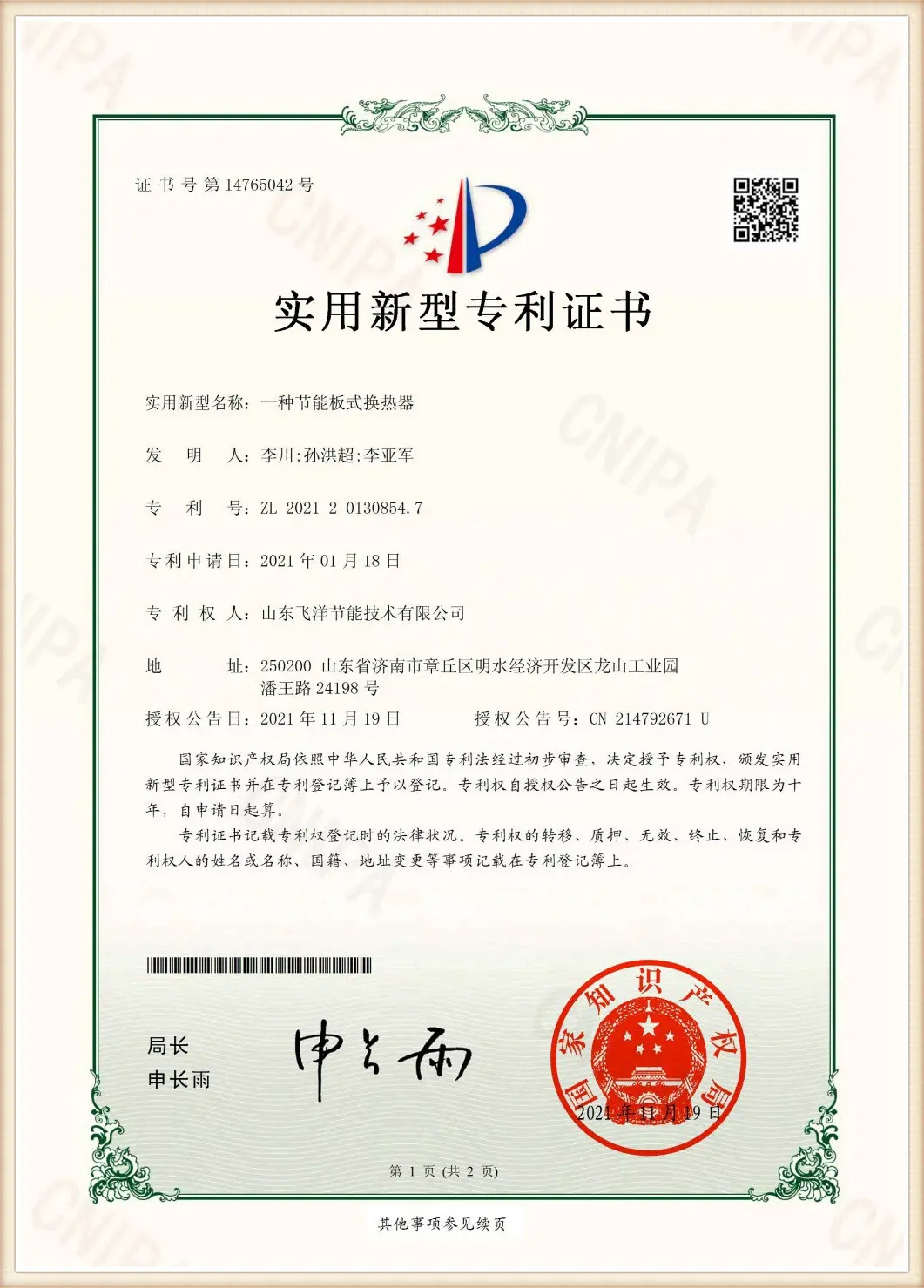
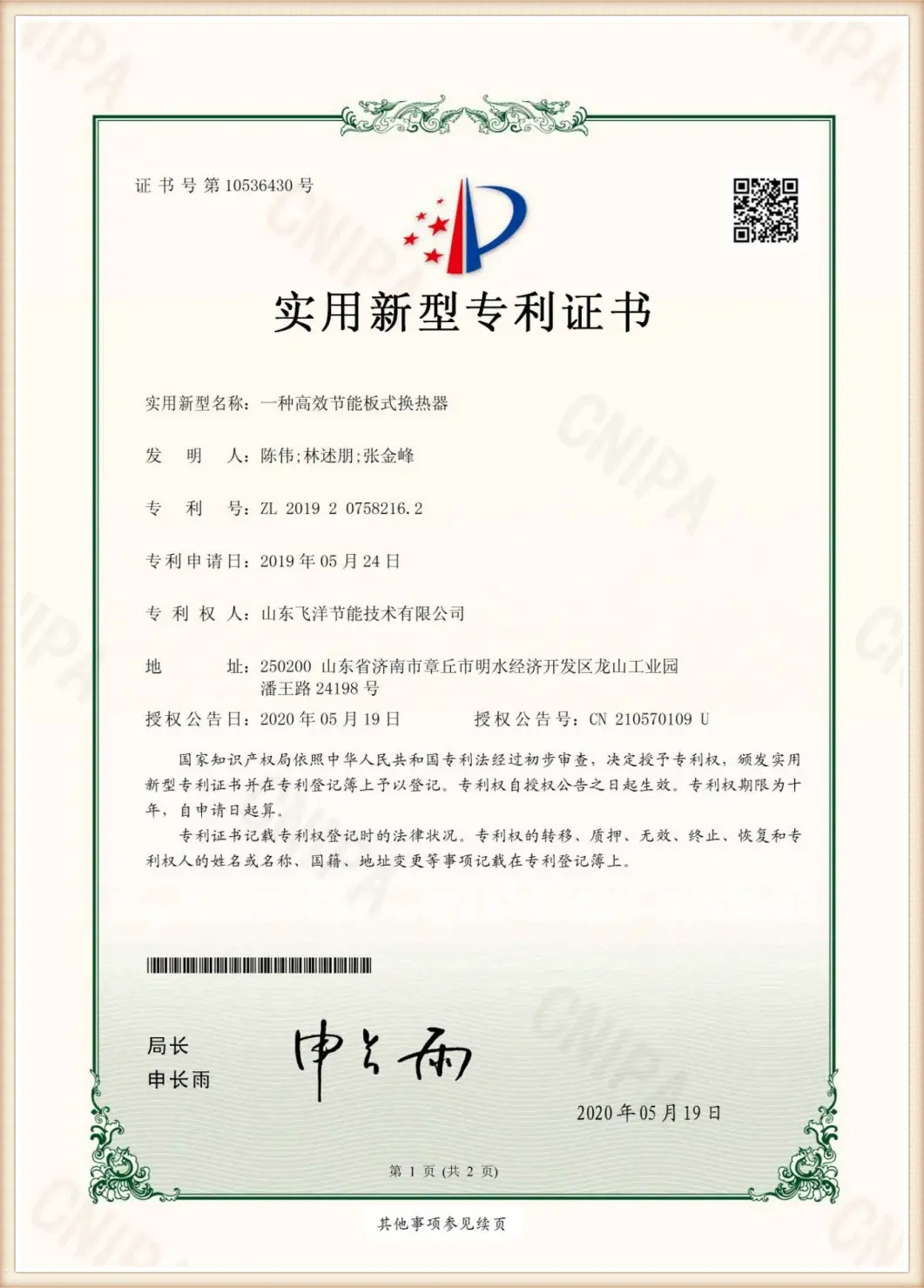
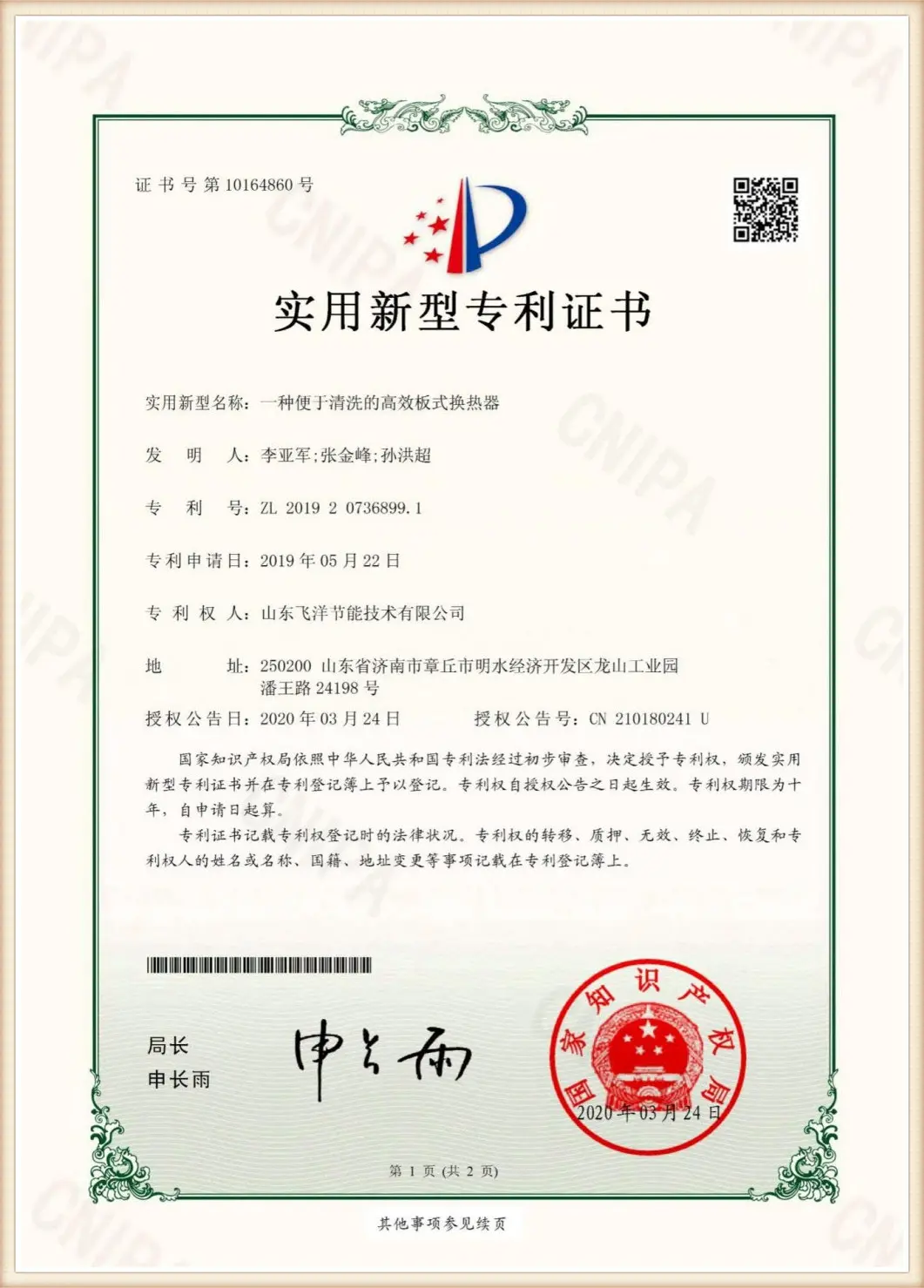
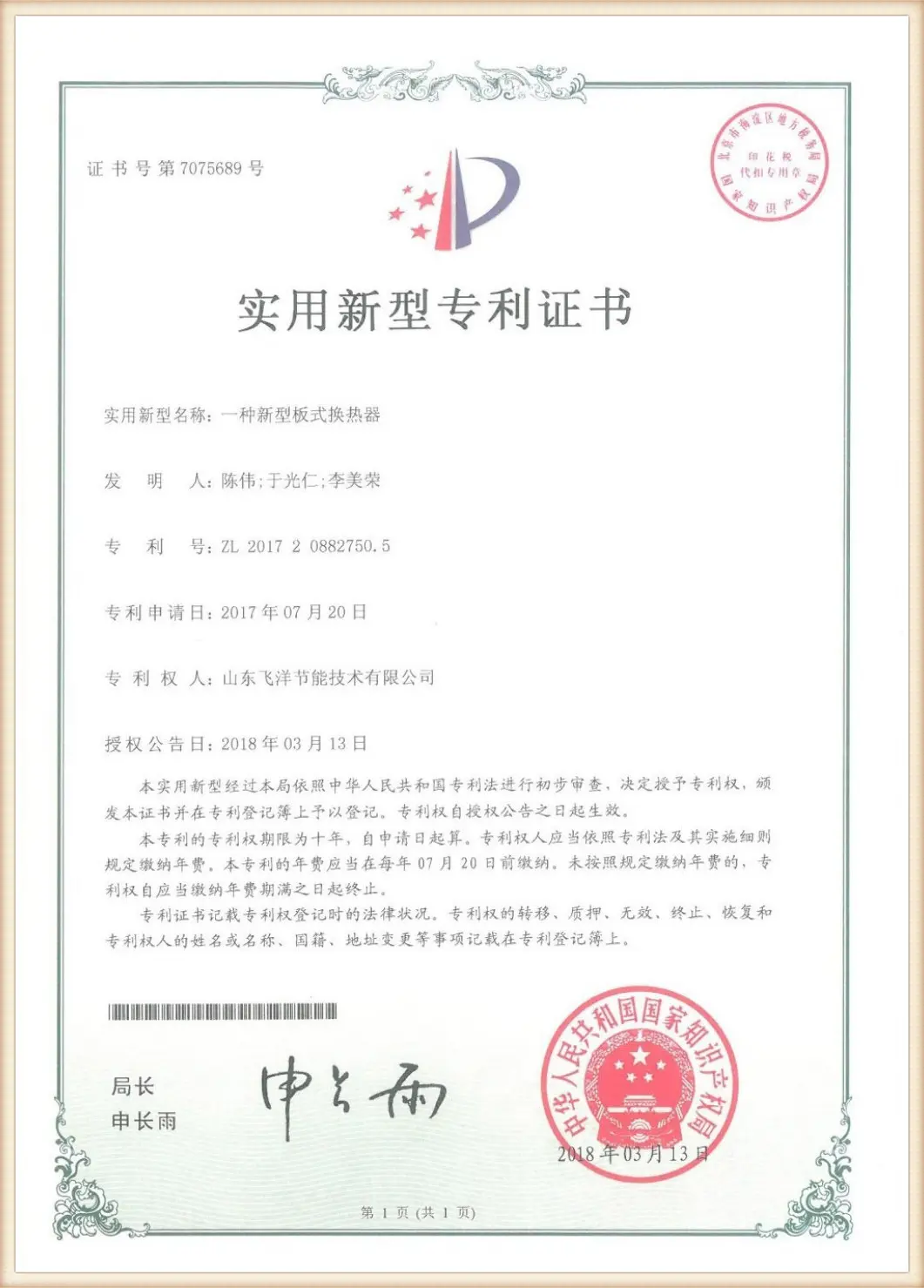
The company has been continuously advancing in production technology innovation, holding multiple patent certifications including "High-Efficiency Plate Heat Exchanger", "Intelligent Plate Heat Exchanger System", and "Plate Heat Exchanger Scale Removal Device" (see qualification documentation). Its products have obtained mandatory national product certification and safety registration from the National Standardization Committee, along with the safety registration for plate heat exchangers issued by the National Boiler and Pressure Vessel Standardization Technical Committee. The company has also achieved ISO9001 Quality Management System certification, ISO14001 Environmental Management System certification, and ISO45001 Occupational Health and Safety Management System certification.
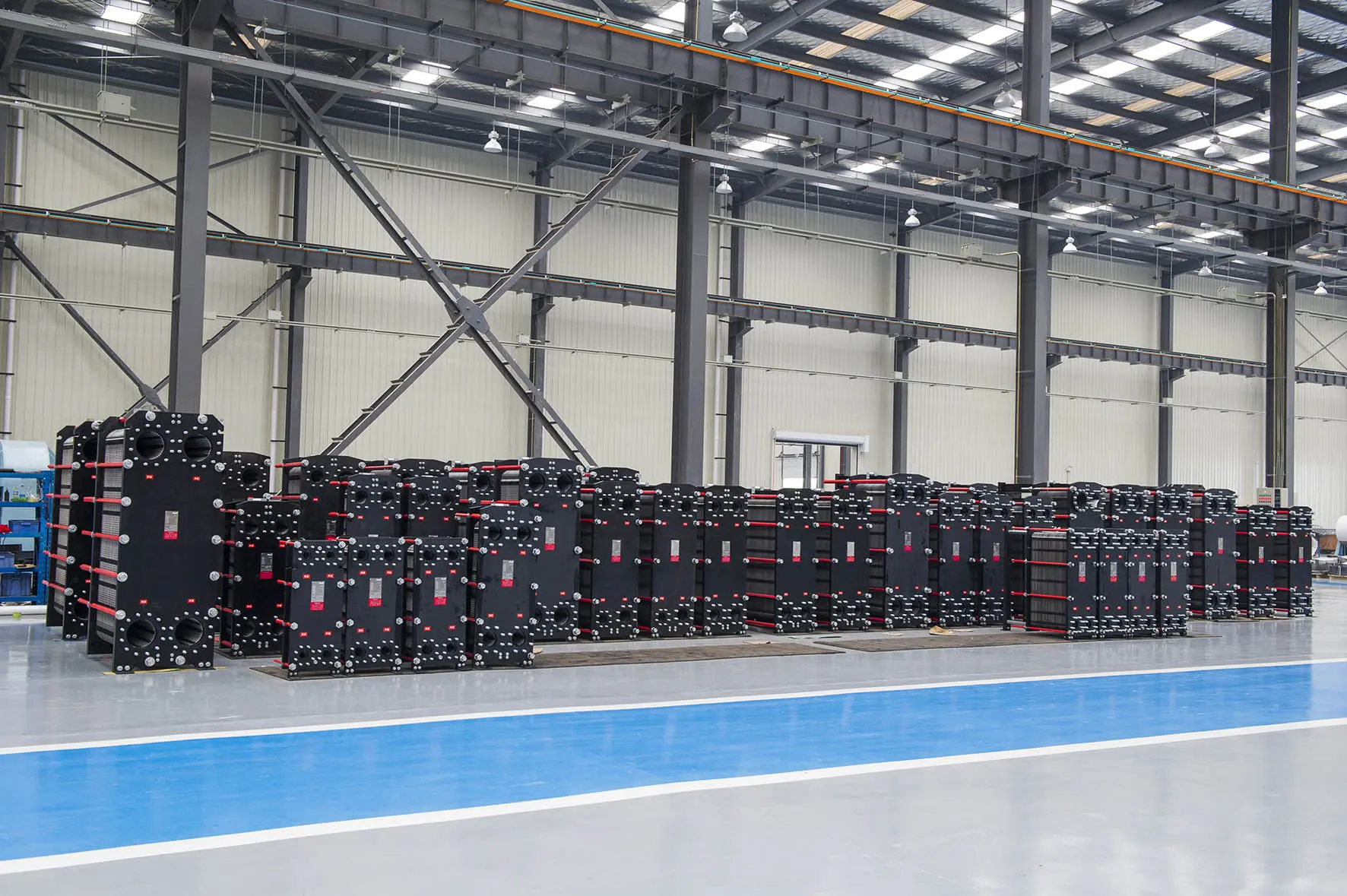
Our products undergo strict evaluations to align with international regulatory frameworks, confirming safe operation under high pressure and temperature differentials.
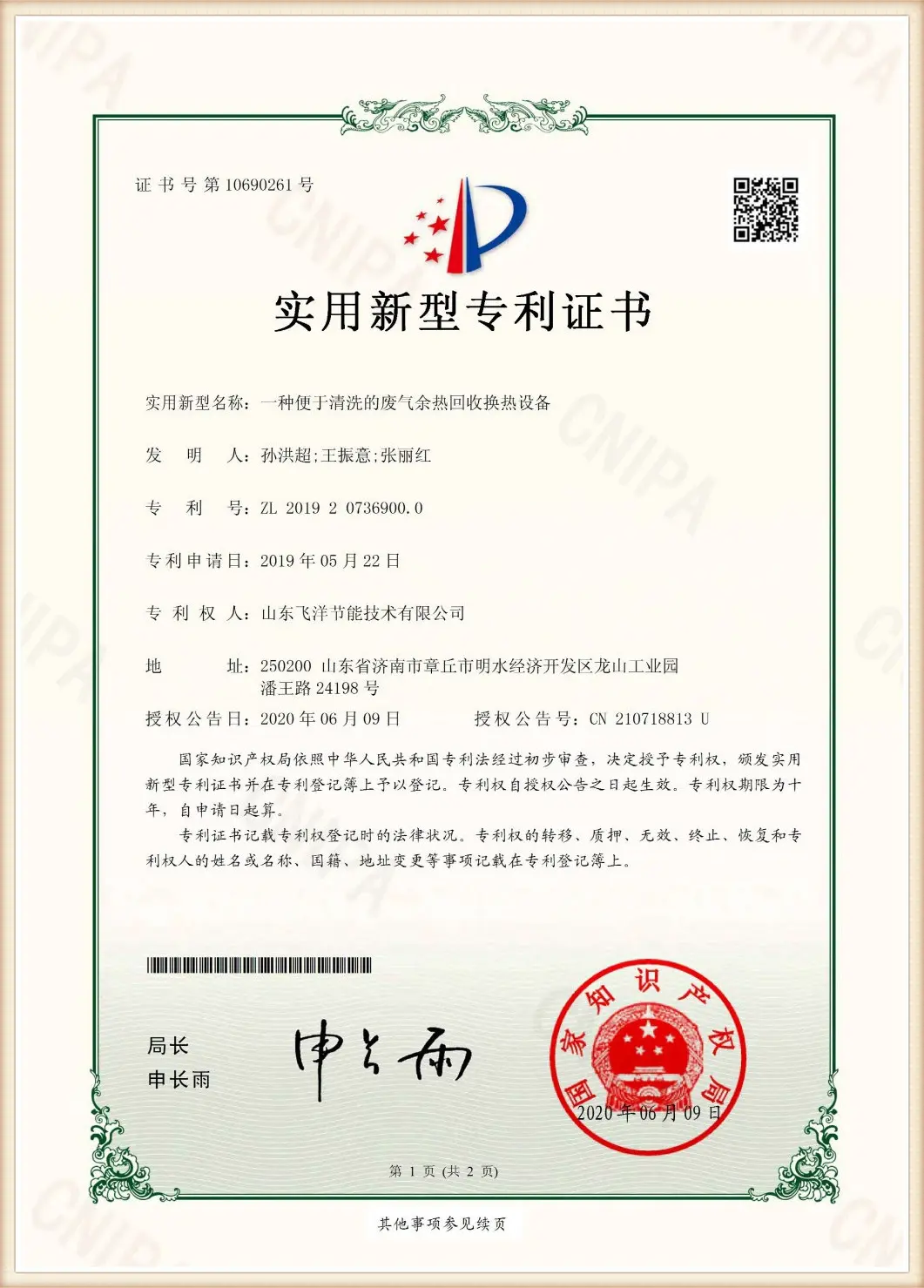
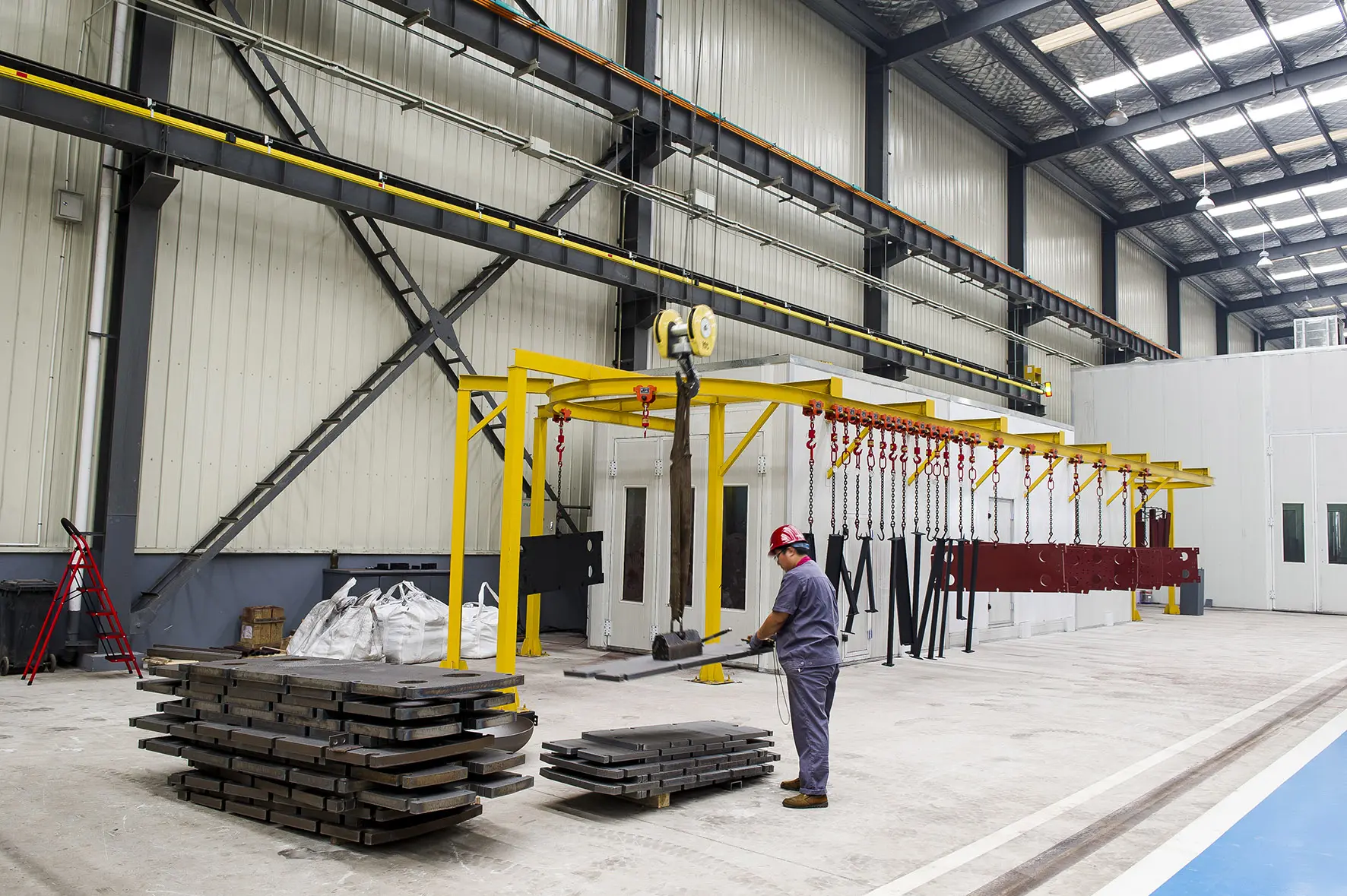
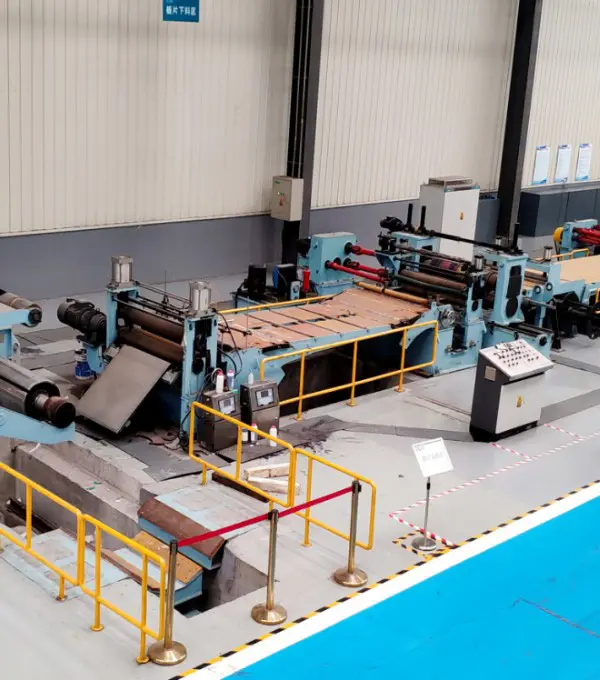
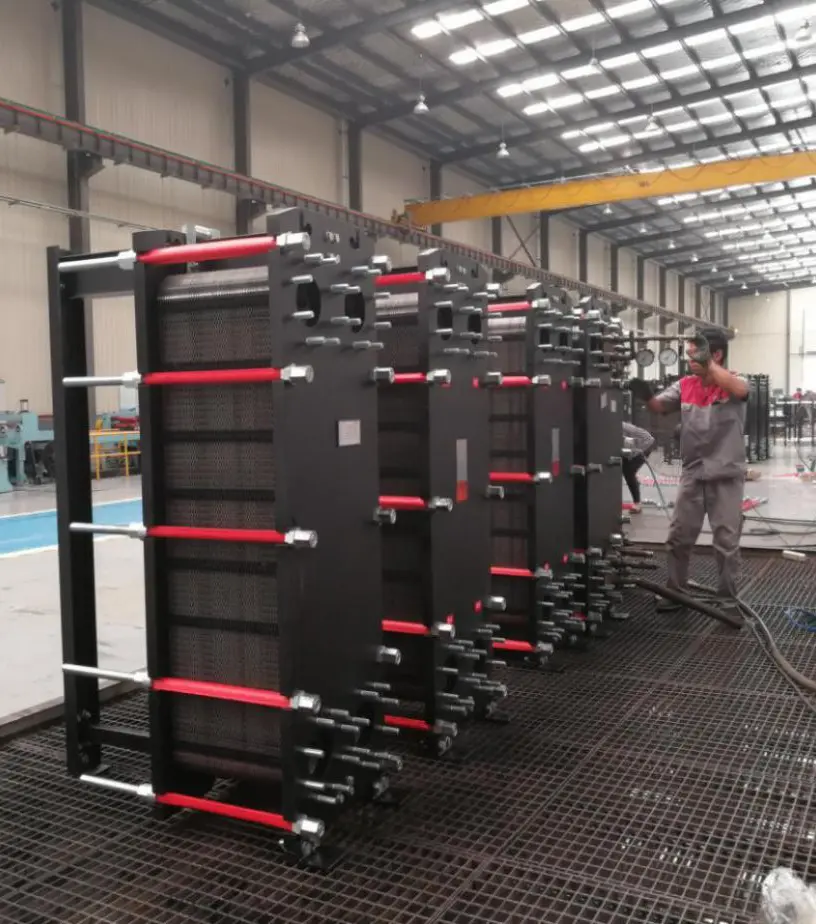
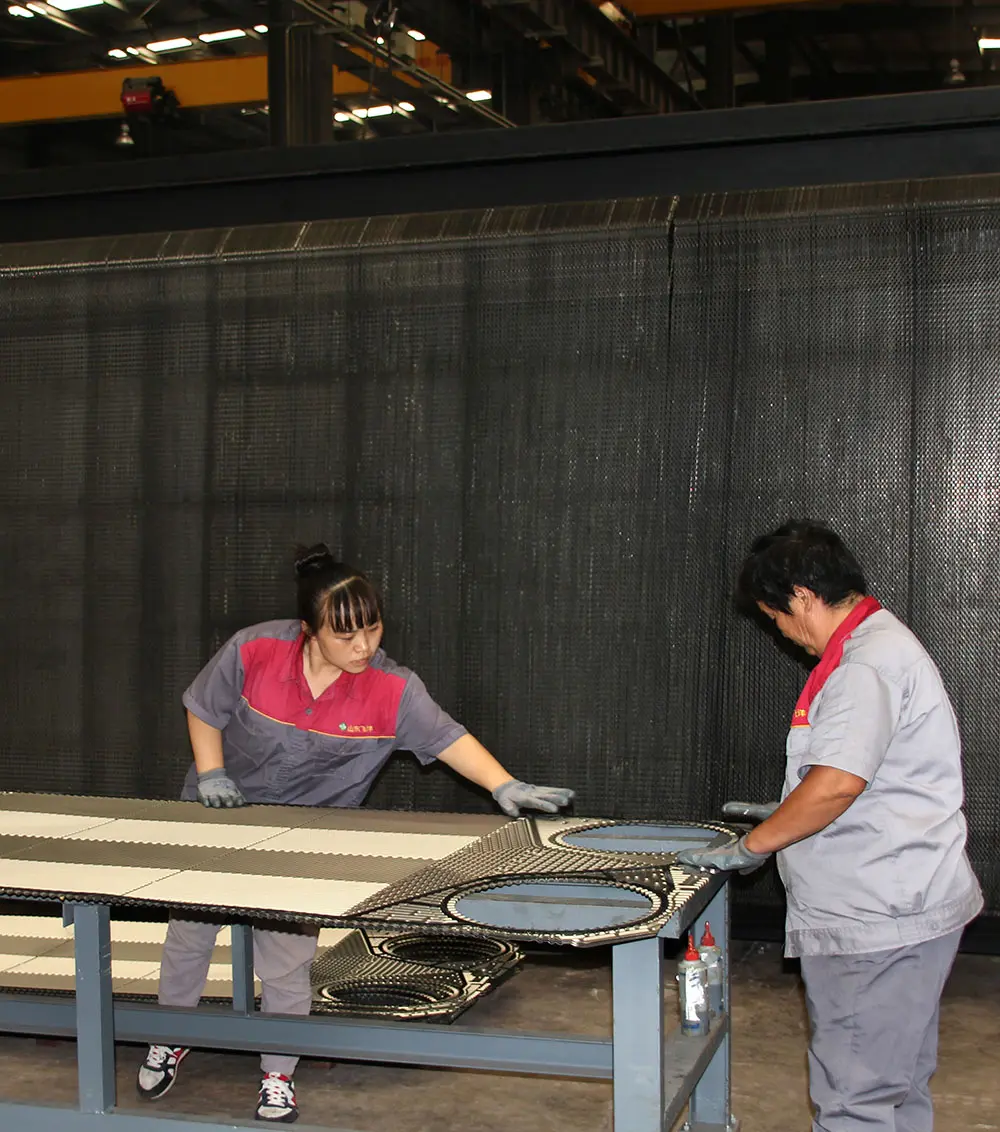
Tour our production facility, equipped with automated stamping presses and advanced testing rigs.
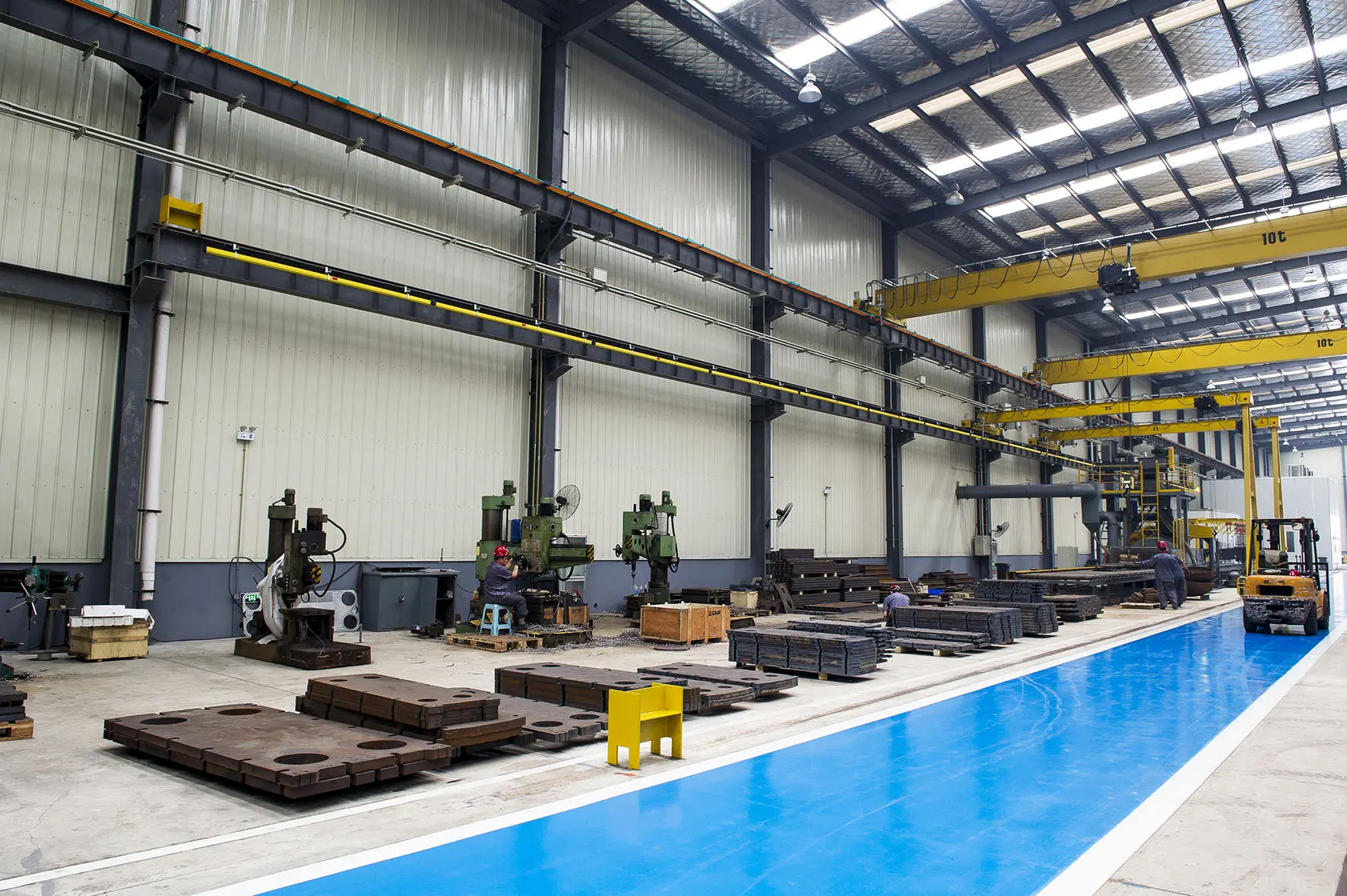
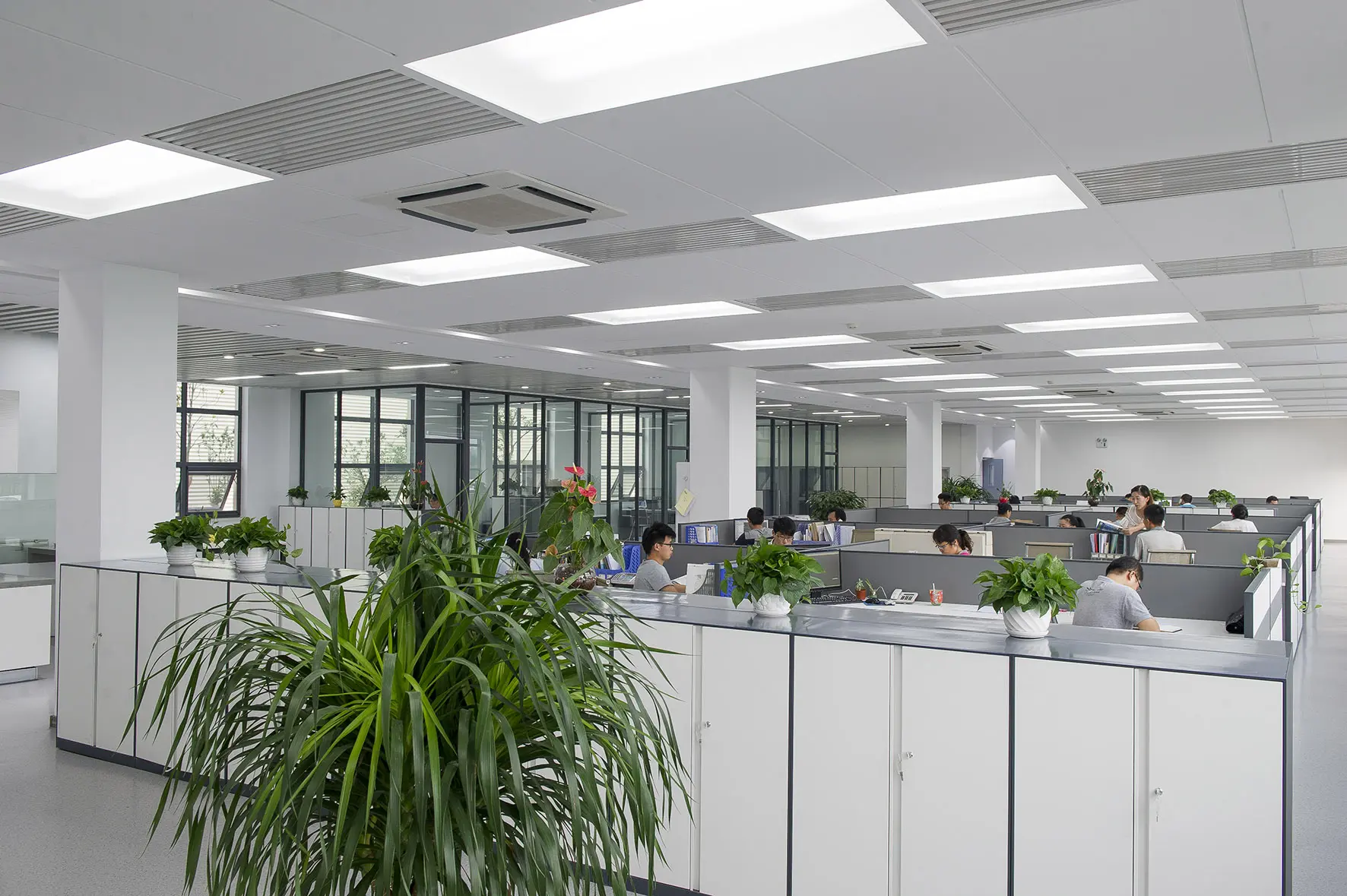
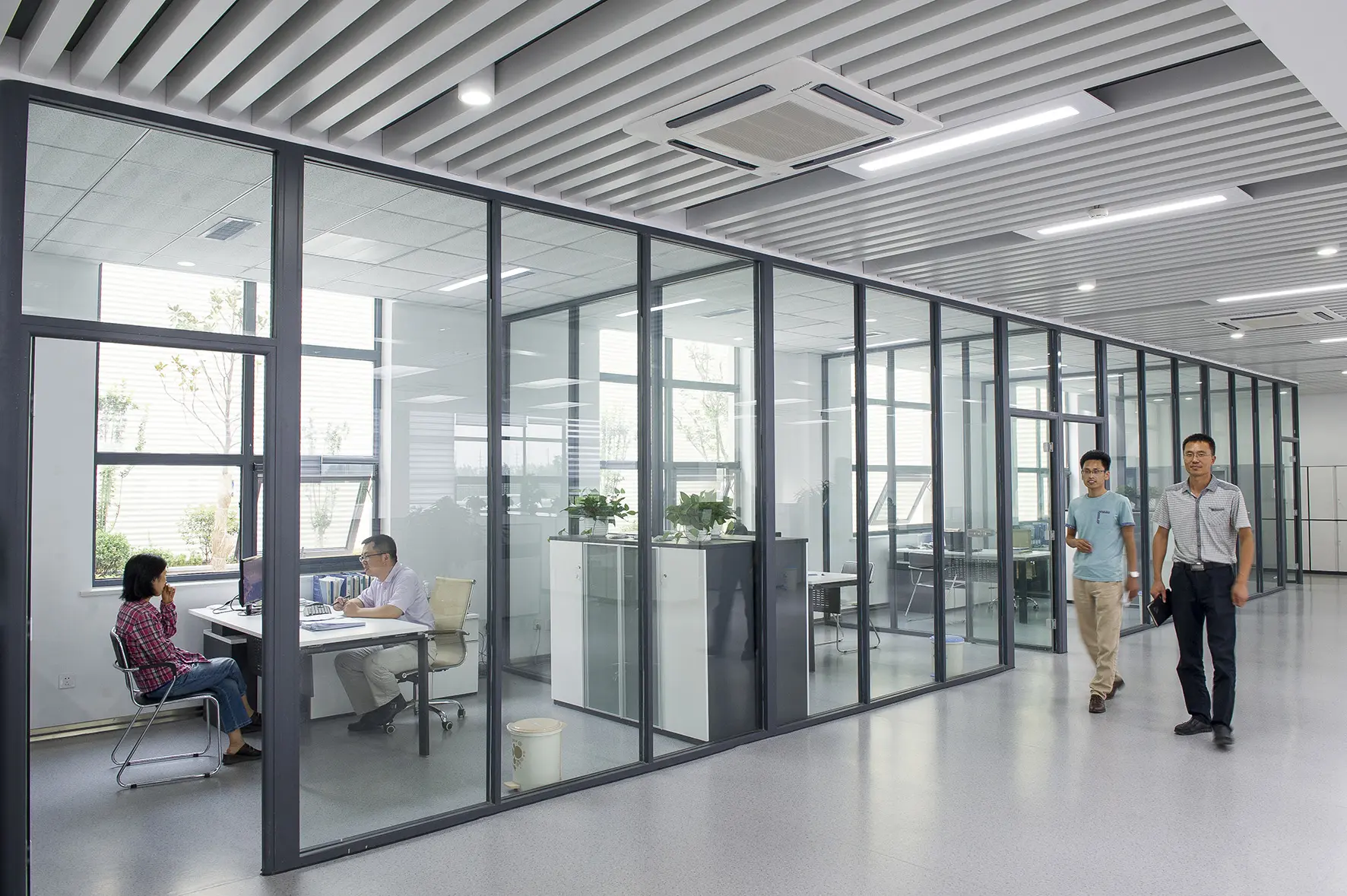

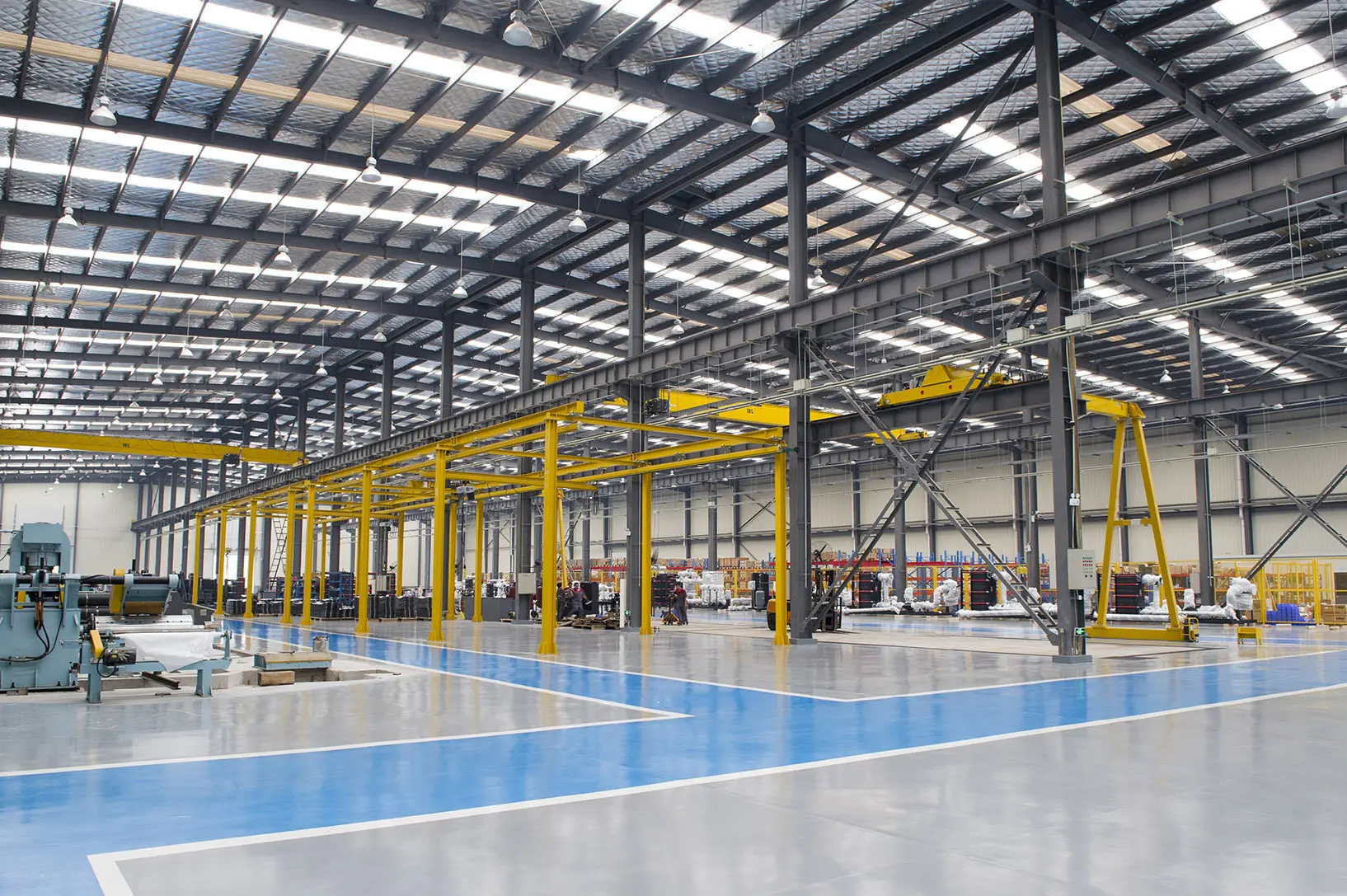
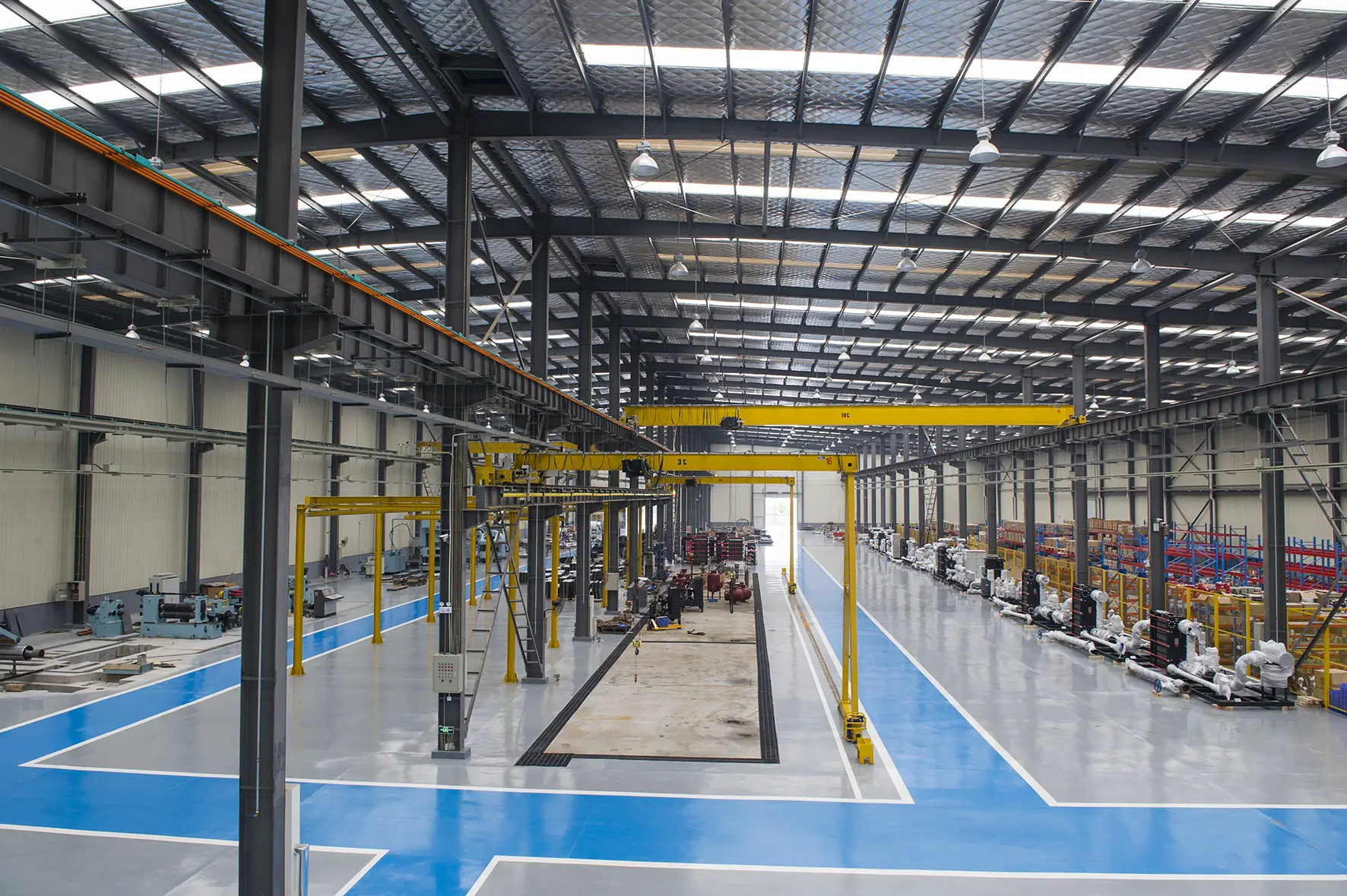
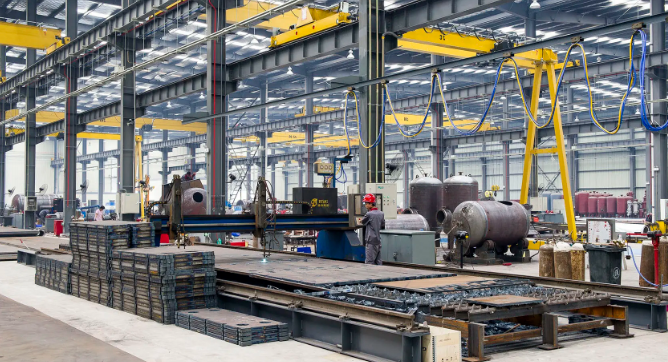
How our thermal systems integrate into municipal and heavy-industry infrastructure worldwide.
In centralized heating networks, plate heat exchangers act as the vital thermal link between high-pressure primary municipal pipelines and secondary residential circuits. Our systems optimize heat distribution and lower pumping losses, providing stable indoor climates during winter seasons.
Our multi-effect evaporation and membrane concentration systems support zero-liquid discharge (ZLD) plants. They separate concentrated salts from industrial effluents, allowing industrial facilities to recover water resources and satisfy environmental rules.
Equipped with chemically inert materials like Titanium, Hastelloy, and AISI 316L Stainless Steel, our heat interchangers manage corrosive process streams, recovery of high-temperature refinery outputs, and severe thermal cycles without failure.
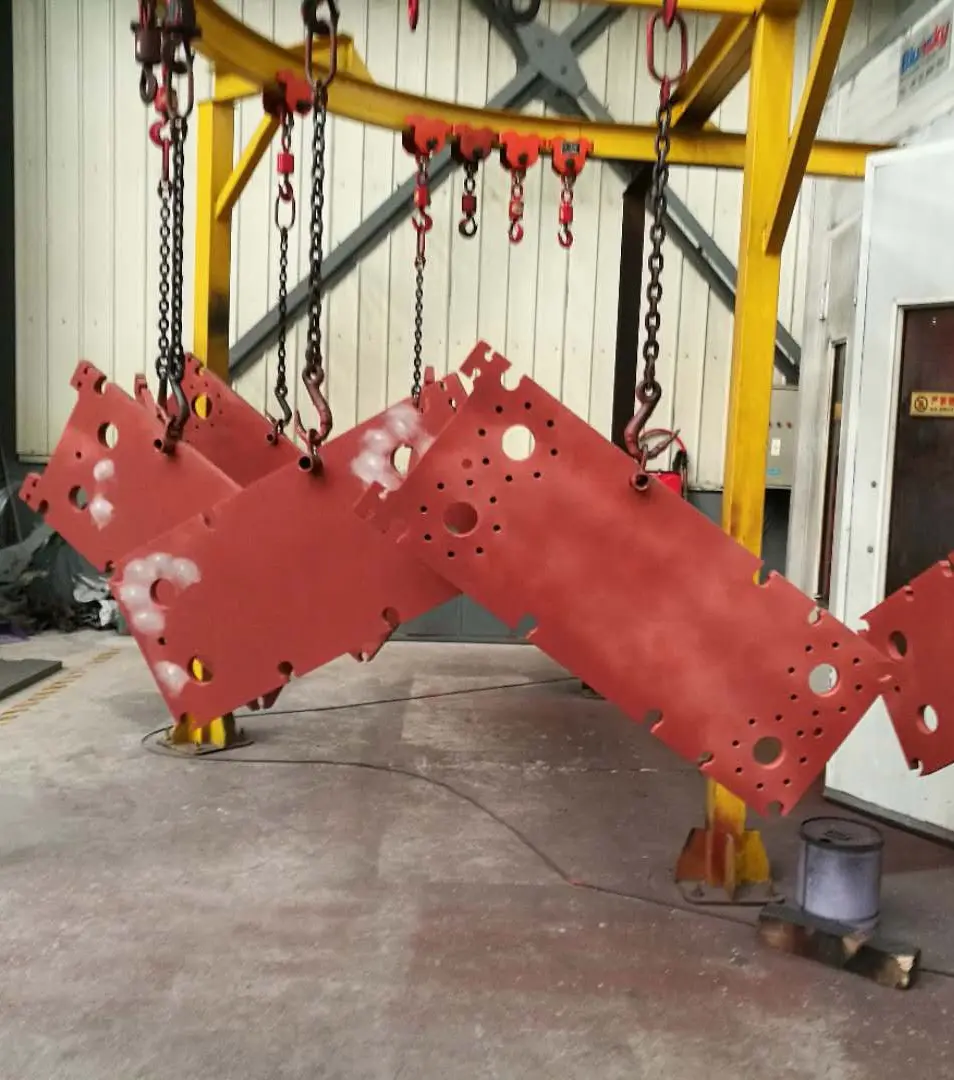
Every stage of production is governed by rigorous quality checkpoints, from raw plate cutting to hydrostatic leak testing.
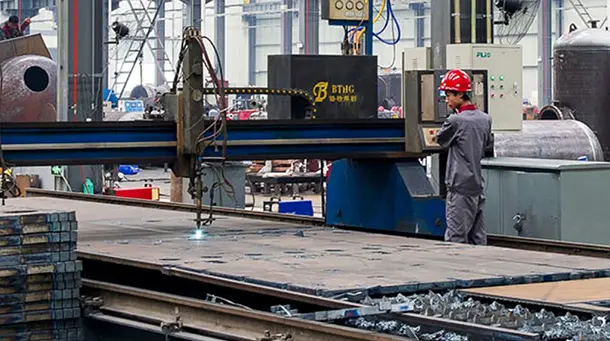
Optimized systems for high-performance municipal, HVAC, and industrial processes.
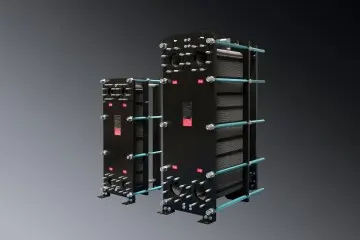
Engineered for simple maintenance and high-velocity turbulence, minimizing fouling and maximizing system availability.
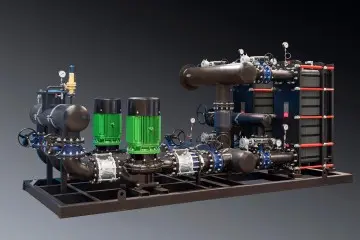
Fully packaged skid solutions incorporating valves, controllers, and monitoring sensors for quick commissioning.
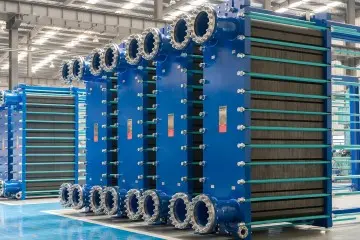
Combines mechanical pressure stabilization and thermal decoupling, suitable for large municipal district heating networks.
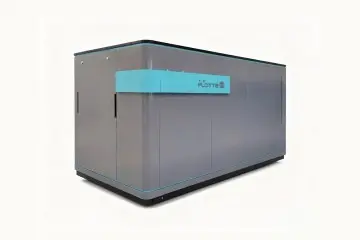
Designed for skyscrapers and administrative buildings to decouple static pressure, protecting boilers and chillers.
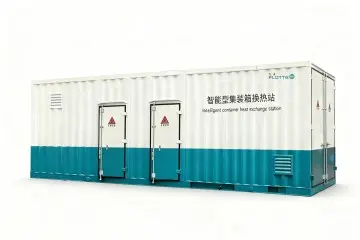
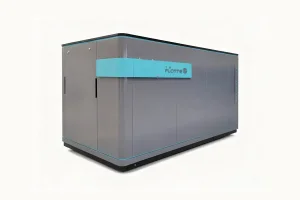
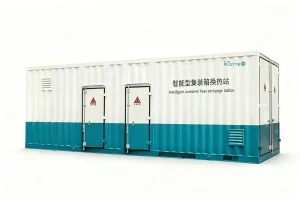
Weatherproof, soundproof enclosures for decentralized outdoor utility installations, featuring smart system interfaces.
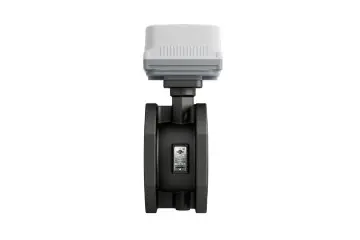
Regulates hydraulic parameters automatically, mitigating temperature imbalances and saving energy across grids.

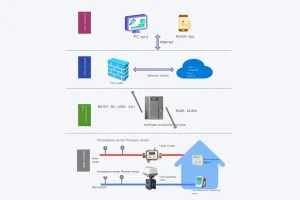
Monitors terminal indoor conditions, providing real-time data back to central heat exchange controls for automated temperature adjustment.
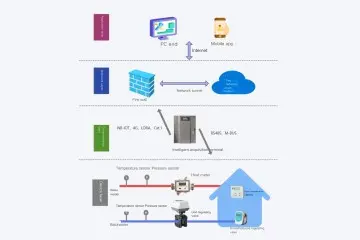
A software-hardware platform that optimizes flow distribution across multi-tier secondary heat networks.
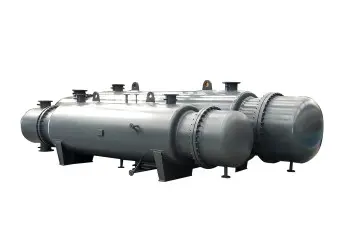
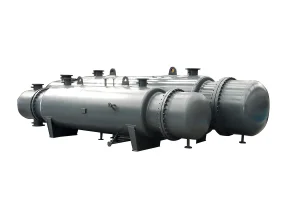
Heavy-duty, high-pressure solutions suitable for demanding industrial cooling, chemical processing, and refinery plants.
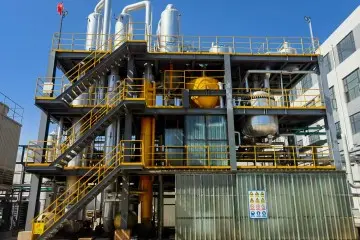
Optimizes steam utility by reusing latent vapor heat across multiple chambers, reducing fuel consumption in processing plants.
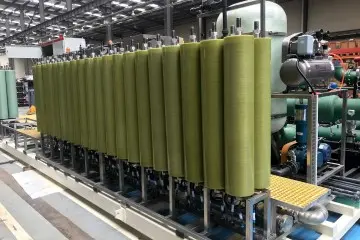
High-efficiency liquid purification and substance recovery for wastewater recycling and chemical separation.
Expert technical answers addressing selection criteria, performance bottlenecks, and maintenance cycles.
High-efficiency shell-and-tube units, smart monitoring controllers, and membrane purification components.
 Flotte Energy