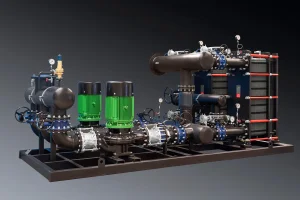
Discover our highly customized, industrial-grade heat exchange configurations designed to address severe pressure drop challenges and maximize clean thermodynamic transfer.

In the modern global industrial economy, thermal energy optimization has shifted from a basic utility requirement to a key competitive driver. Confronted with strict environmental mandates and volatile fuel pricing, chemical plants, district heating providers, and heavy factories are forced to improve system efficiencies. The modern industrial heat exchanger acts as the cornerstone of this efforts, serving to reclaim low-grade waste energy and minimize greenhouse gas profiles.
Globally, the integration of advanced heat exchange surfaces is accelerating across Europe, North America, and high-growth Asian corridors. Regulatory mandates such as the EU Ecodesign Directive and global carbon trading schemes require process plants to redesign their thermal networks. As a result, standard "one-size-fits-all" systems are giving way to high-performance, modular units configured for specific fluid behaviors, localized fouling indices, and high-pressure duties.
At Flotte Energy Saving Company, we are leading this evolution by manufacturing thermal systems that directly bridge the gap between engineering theory and practical operating reliability. Leveraging our foundation dating back to 1995, we build specialized components that enable high-efficiency thermal recovery under extreme conditions.
From our industrial roots in 1995 to a leading modern energy-saving technology group, our operational scale guarantees reliability.
Flotte Energy Saving Company, established in 2013 with a registered capital of 101 million yuan, originated from Flotte Thermal Engineering founded in 1995. With three decades of technical expertise, the company specializes in water equipment, HVAC systems, and water treatment industries. It consistently leads industry peers in adopting cutting-edge technologies, developing innovative products, and delivering comprehensive production and sales services.
Our expansive manufacturing footprint allows us to support massive municipal infrastructure builds and complex chemical processing projects. The state-of-the-art production floors combine high-precision automated tooling with a rigorous quality management structure, ensuring that every plate, gasket, and shell-and-tube module leaves the factory tested to handle peak demands.
Years of Industrial Manufacturing & Service
Highly Skilled Certified Professionals
Annual Production Volume of Units
Advanced Production & Research Footprint
Understanding the fluid dynamic properties, material integrity, and structural design that separate superior heat exchange systems from standard components.
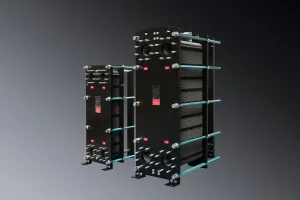
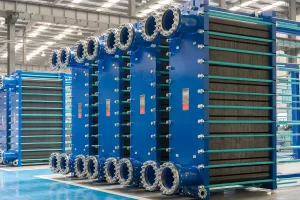
Our detachable plate systems feature patented corrugation profiles designed to generate high fluid turbulence even at low Reynolds numbers. This turbulence breaks down boundary layers, achieving a heat transfer coefficient 2-3 times higher than standard shell-and-tube units, drastically reducing the required surface footprint.
Addressing the common industry issue of fouling, Flotte integrates a dedicated "Scale Removal Device" directly within our plate heat exchangers. This prevents scaling from hard water and chemical residues, ensuring long-term stable thermal efficiency and reducing maintenance cycles.
For demanding environments, we utilize premium corrosion-resistant materials such as titanium alloys, Hastelloy, nickel plates, and AISI 316L stainless steel. Gasket seals are constructed from highly durable EPDM or NBR formulations, preventing chemical degradation and internal cross-contamination.
Analyzing how our advanced heat exchangers perform across municipal infrastructure, pharmaceutical manufacturing, and water purification environments.
In large-scale municipal heating systems, our plate heat exchangers isolate secondary building loops from primary municipal distribution pipes. By managing extreme pressure drops and protecting end-user loops from high pressures, these units optimize temperature regulation, limit thermal loss over long distances, and ensure efficient, comfortable heating during cold winter cycles.
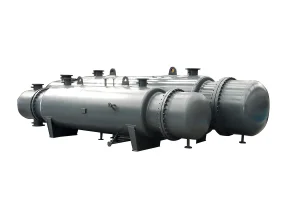
In pharmaceutical reactors and chemical refineries, precise temperature profiles are crucial for yield quality and process safety. Our high-efficiency shell-and-tube designs and evaporation systems deliver constant heat exchange, preventing thermal runaway and allowing chemical engineers to manage highly exothermic reactions safely.
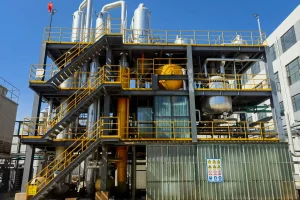
Dealing with industrial wastewater recovery requires specialized systems. Our cost-effective membrane concentration and multi-effect evaporation configurations isolate and purify salts and process fluids. These systems help companies achieve Zero Liquid Discharge (ZLD) mandates and recover clean process water efficiently.
Every thermal component is processed through a strict nine-step manufacturing sequence to ensure compliance with global high-pressure vessel standards.
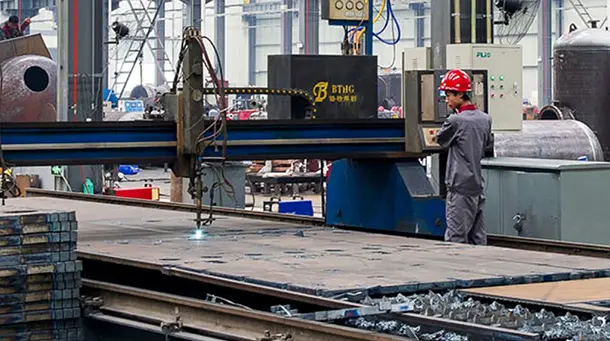
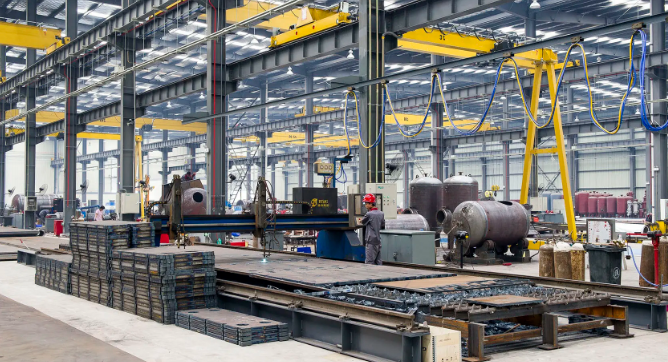
High-precision flame and plasma cutters shape heavy metal cover plates to exact specifications, ensuring flat surfaces and uniform bolting pressure.
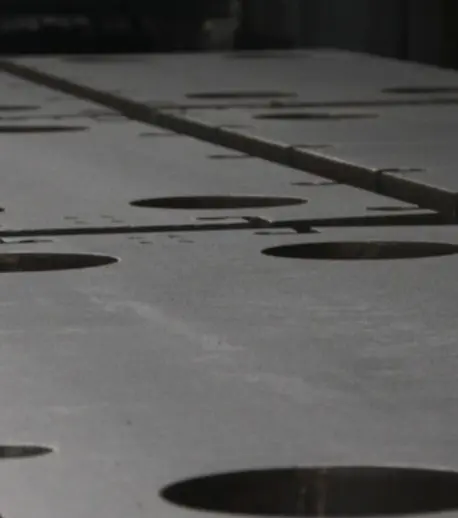
Advanced metallurgical micro-forging reinforces structural connections, enhancing resistance to fatigue and pressure spikes.
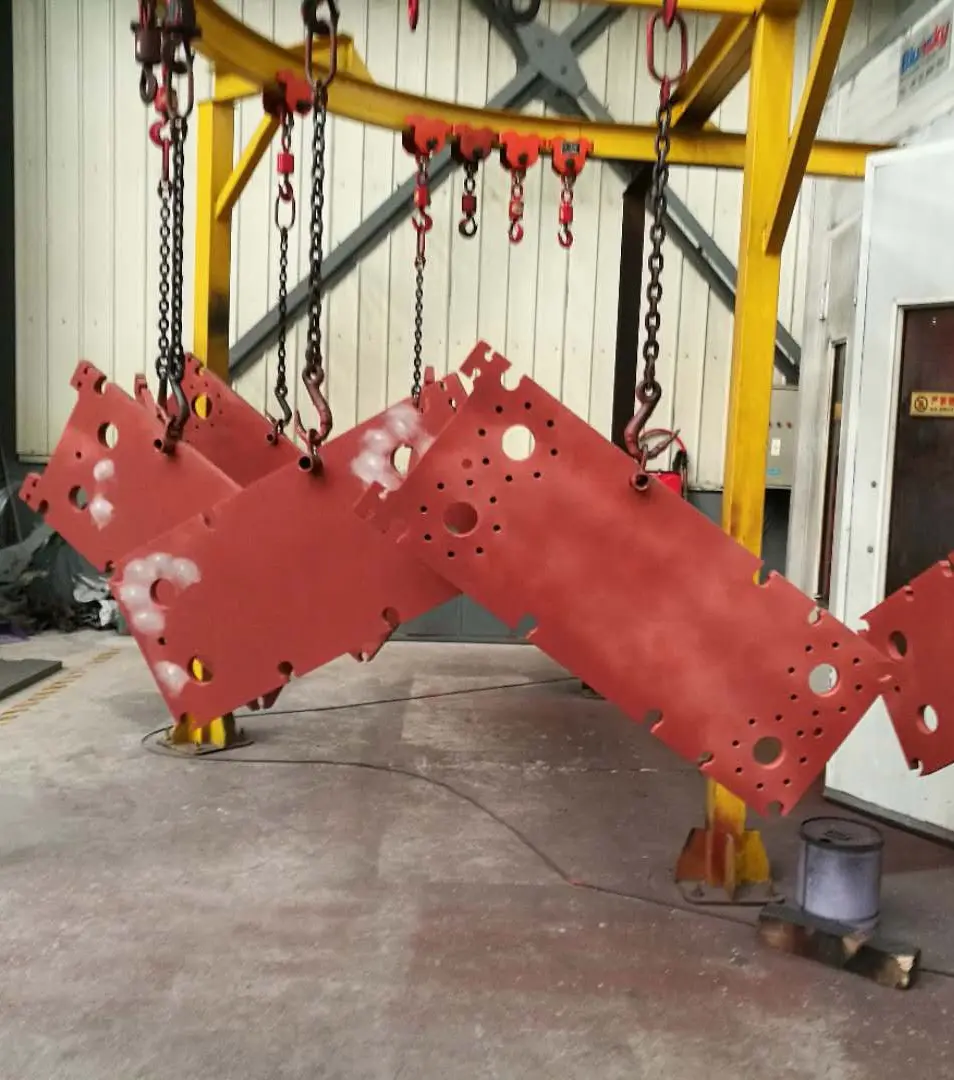
Multi-layered industrial anti-corrosive coatings are applied to protect external frames from harsh environmental exposures.
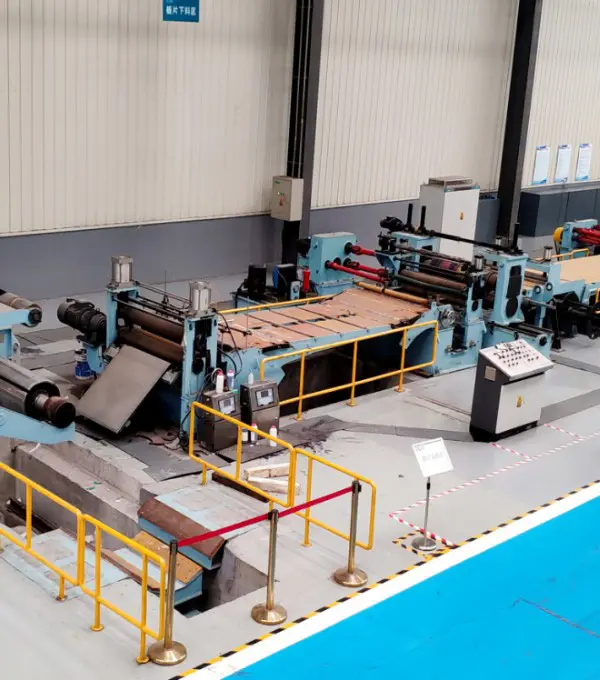
Individual thin alloy sheets are precision shear-cut, then laser-engraved with traceability codes linked directly to raw material mills.
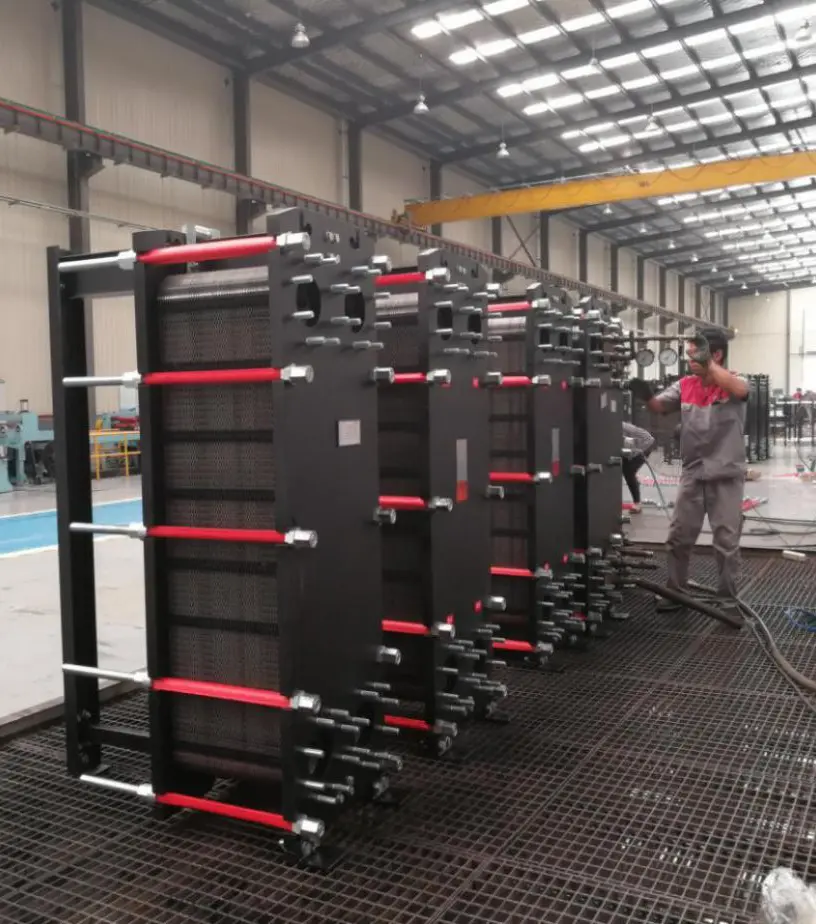
Assembled plates and channels undergo rigorous hydrostatic testing at 1.5 times the maximum rated pressure to confirm seal integrity.
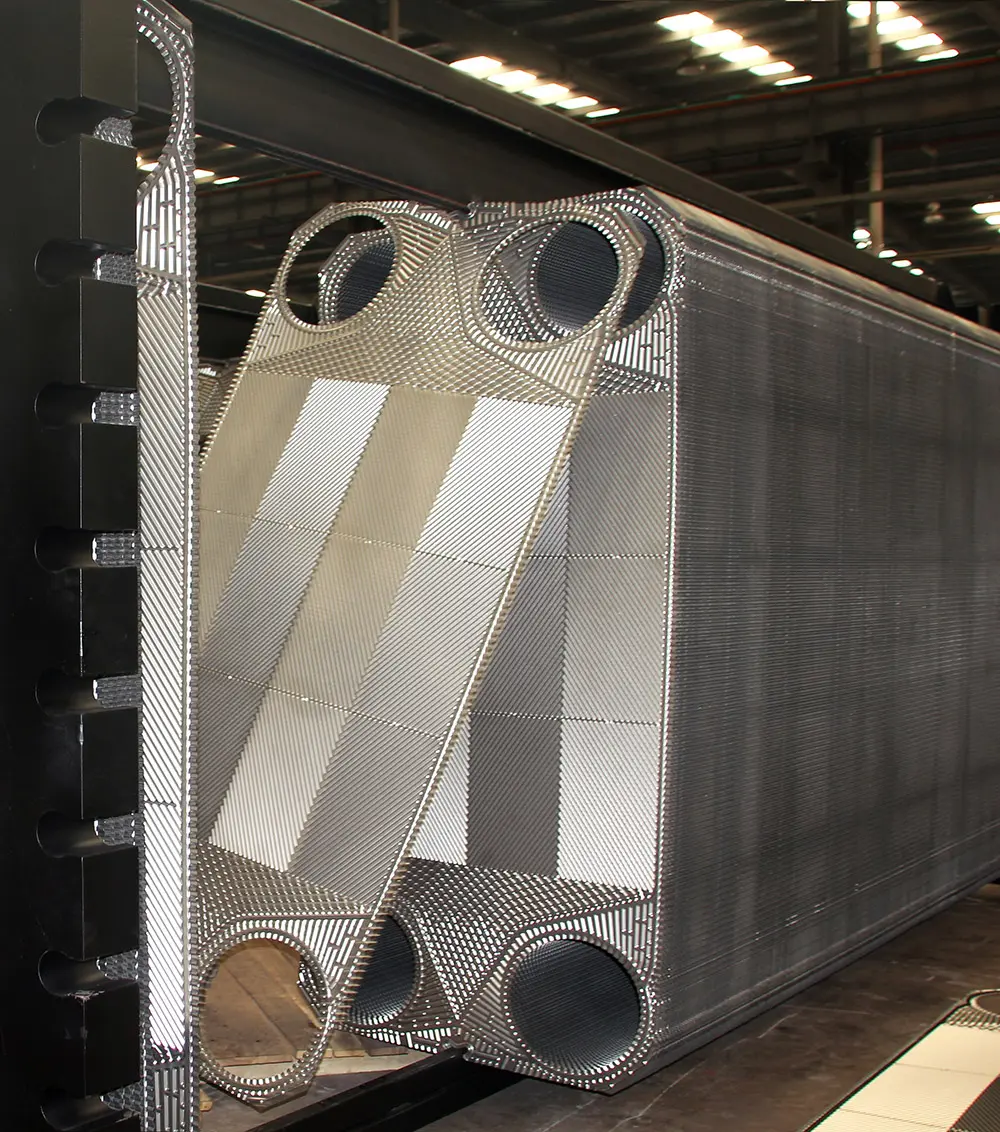
Trained, certified technicians compress plate packs using calibrated hydraulic tensioners to ensure uniform gasket seating.
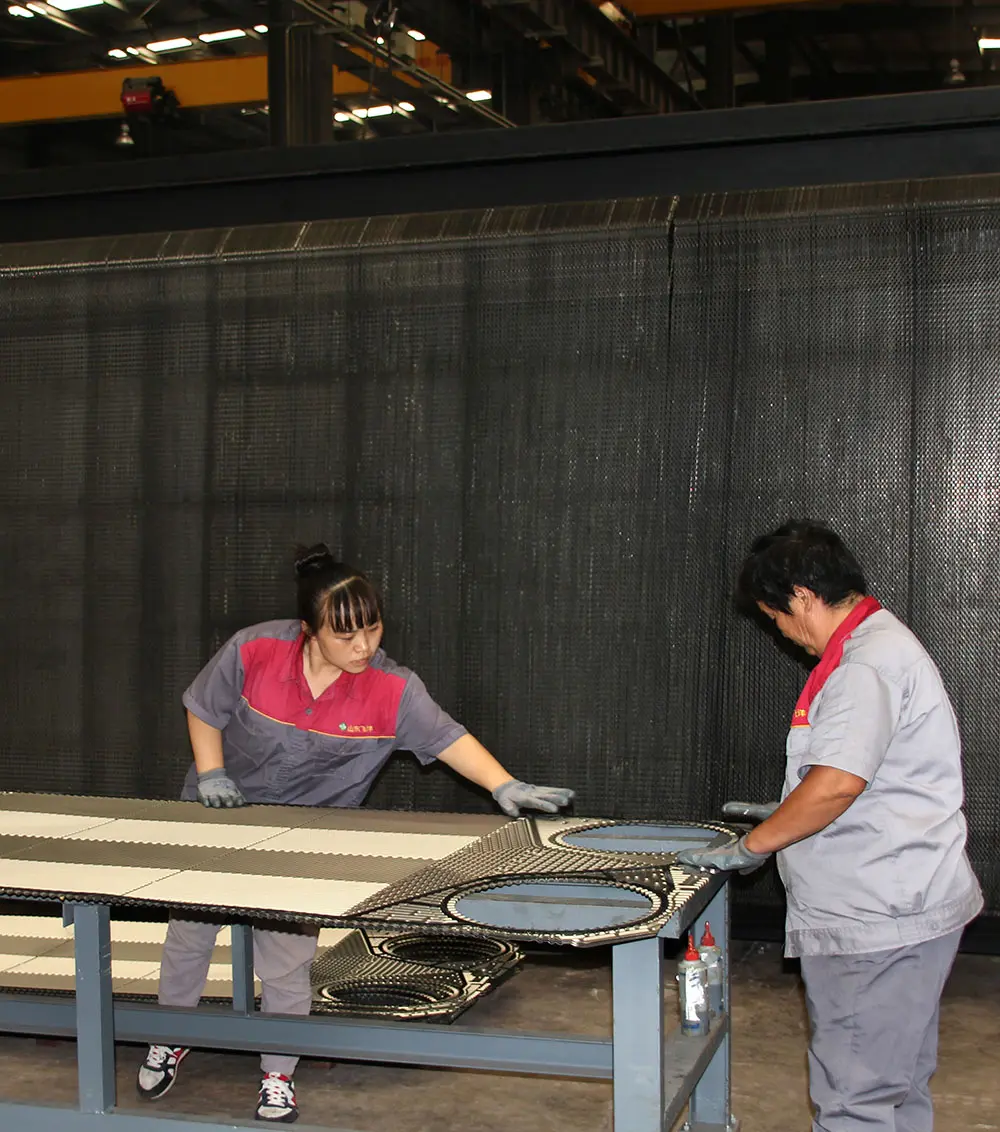
High-grade elastomer gaskets are precision-bonded into plate grooves to prevent internal fluid bypass.
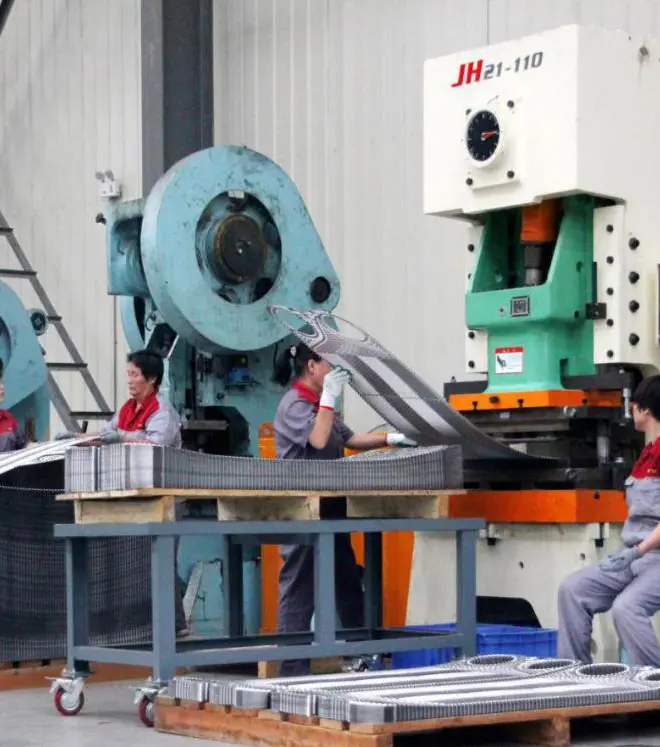
Inlet and outlet distribution ports are punched with clean, deburred edges to optimize fluid flow distribution.
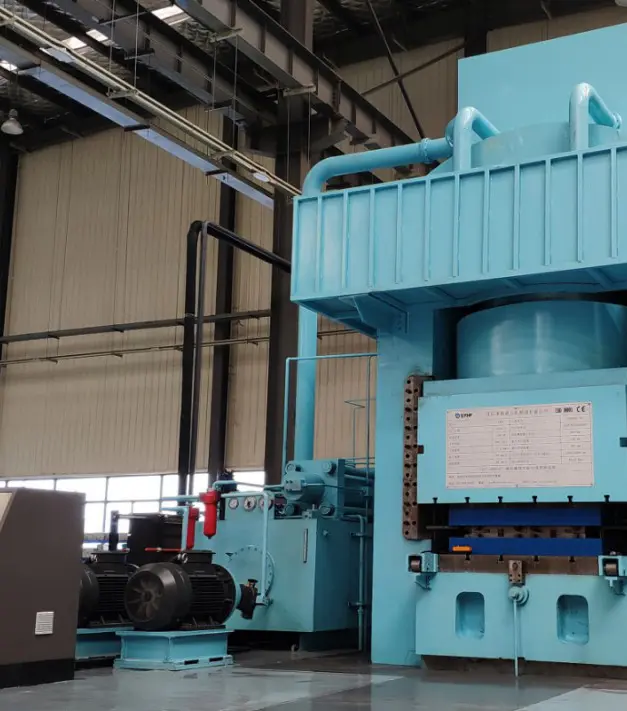
Large tonnage presses stamp custom corrugation patterns onto plate surfaces in a single stroke, preserving uniform material thickness.
The future of thermal systems lies in the transition from passive energy transfer to active, intelligent thermal management. Standard heat exchangers operate on fixed variables, often struggling to adapt to fluctuations in input temperatures or fluid velocities, leading to localized mechanical stress and fouling.
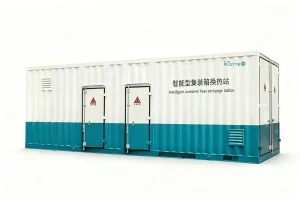
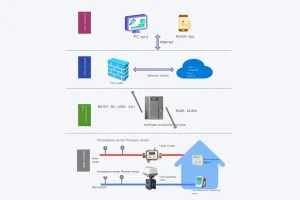
To address this, Flotte is integrating intelligent diagnostic hardware into our thermal assemblies. By deploying Room Temperature Collectors and high-precision sensors throughout secondary distribution lines, operators can monitor micro-temperature and pressure differentials in real-time.
Our technical development focuses on three primary areas:
Empowering heat distribution networks with live telemetry, automated valving, and continuous efficiency tracking.
Our manufacturing practices are audited and certified by leading global bodies to ensure safety under pressure.
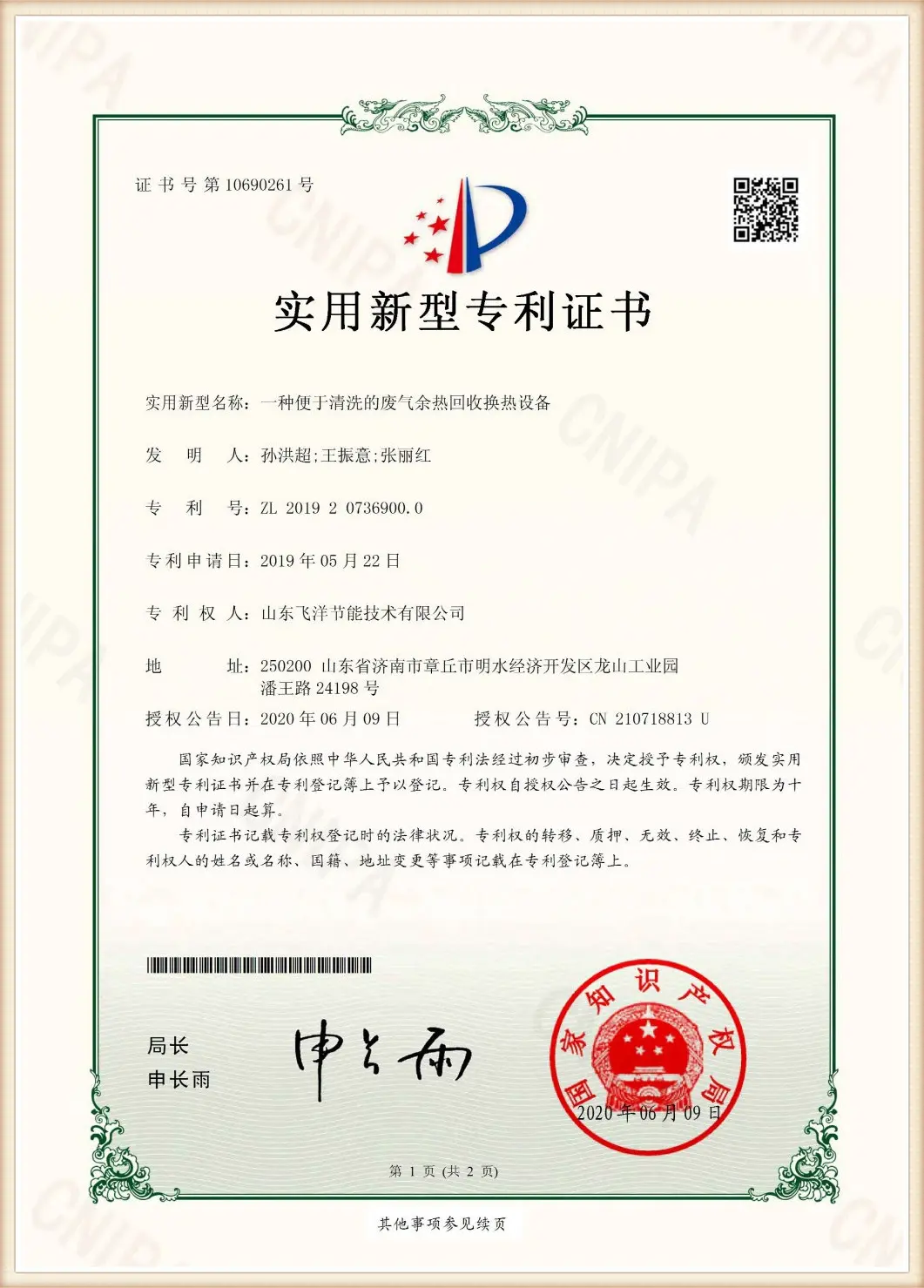
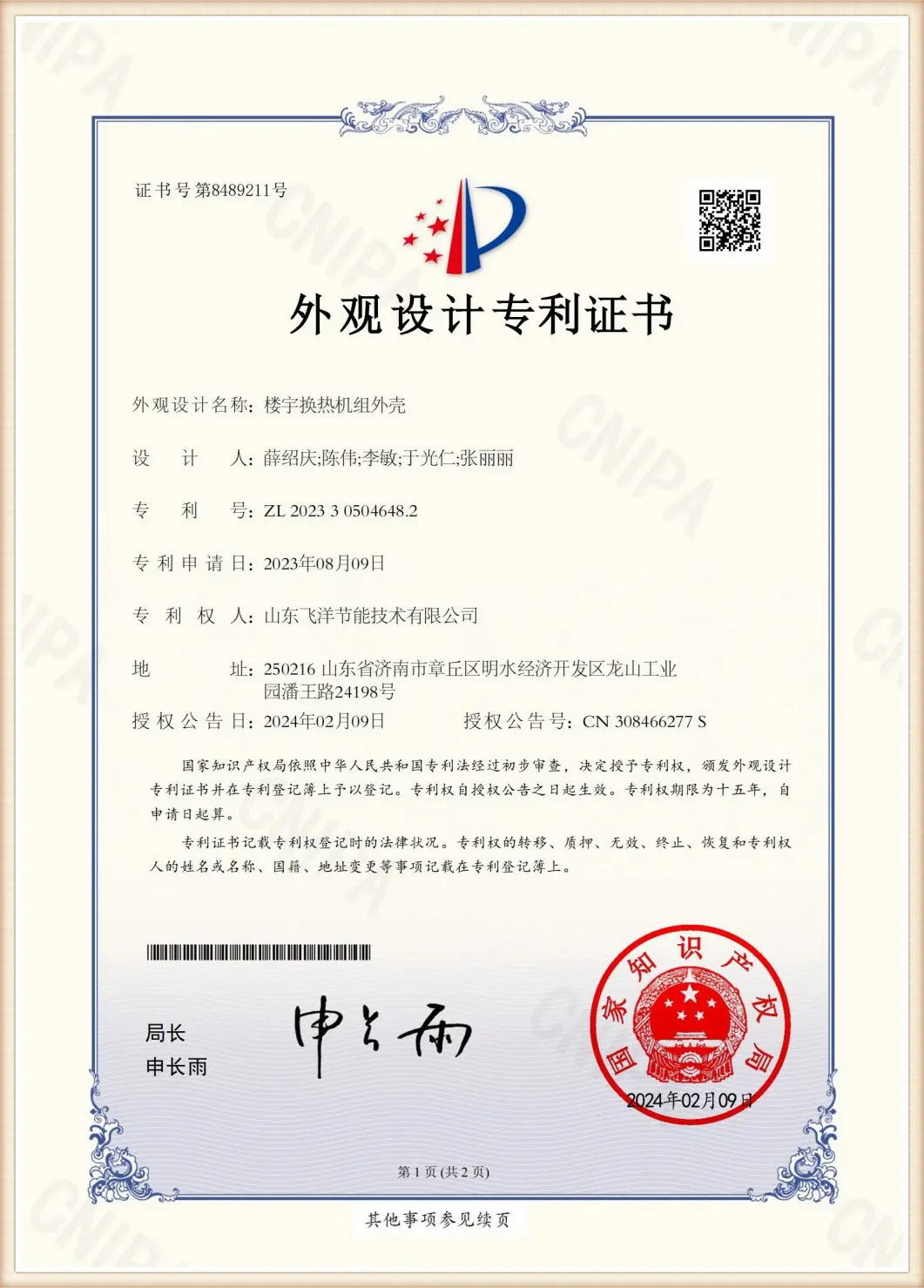
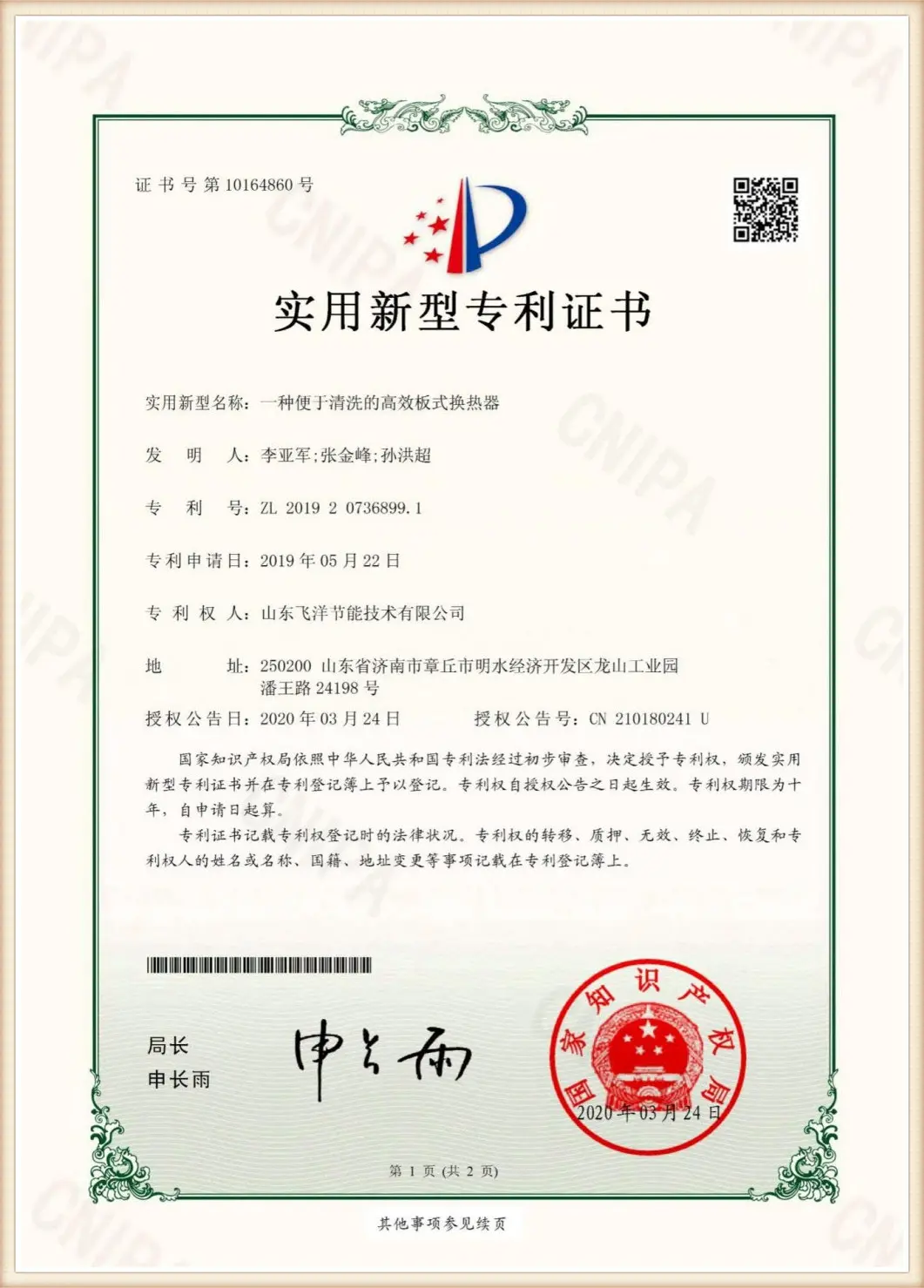
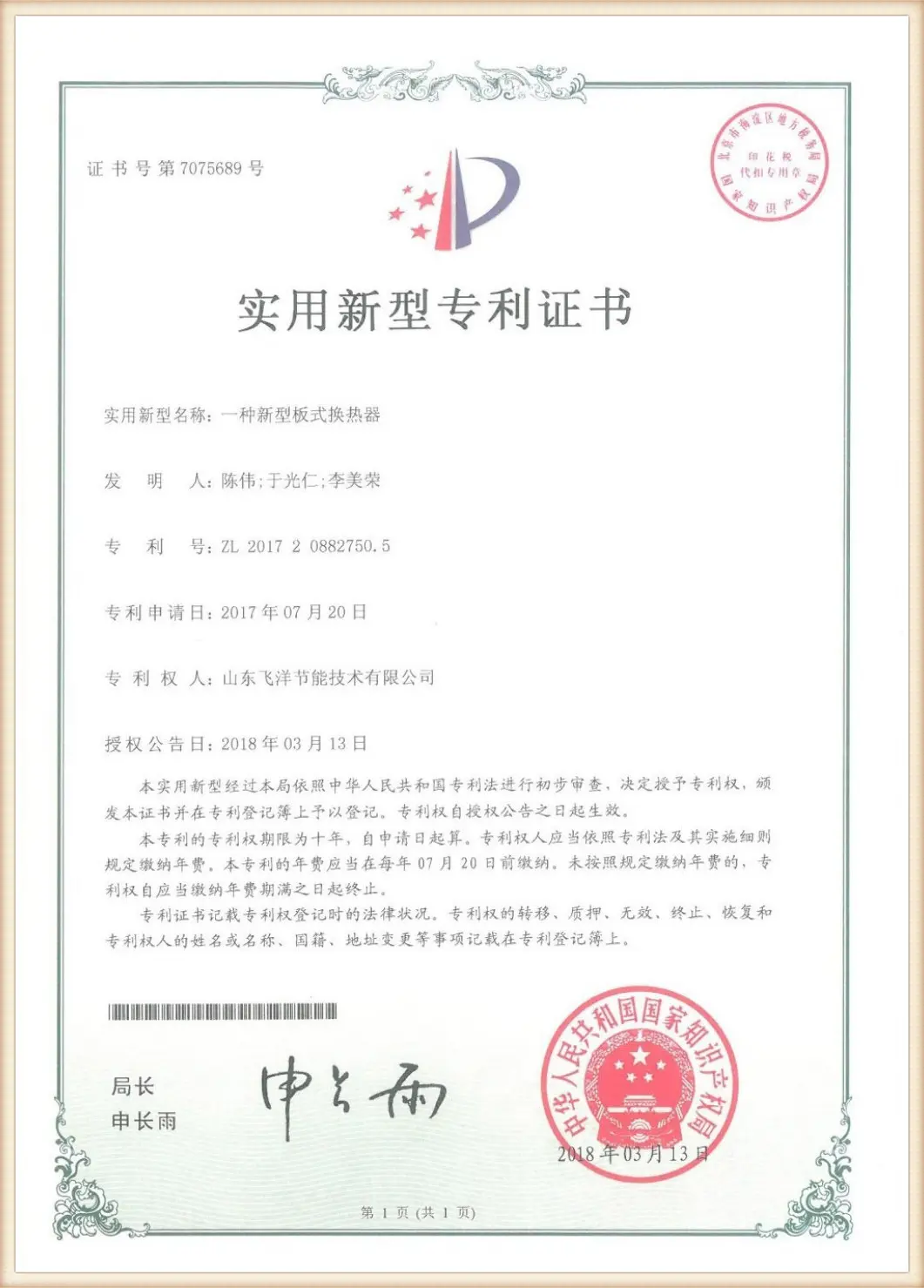
Our operations comply with the ISO 9001:2015 International Quality Management System framework, as well as strict safety regulations for pressure vessels. Our plate heat exchangers hold safety registrations from the National Boiler and Pressure Vessel Standardization Technical Committee, validating our structural calculations, raw materials, and weld integrity.
Additionally, Flotte operates under ISO 14001 Environmental Management and ISO 45001 Occupational Health and Safety guidelines, supporting sustainable production alongside high manufacturing efficiency.
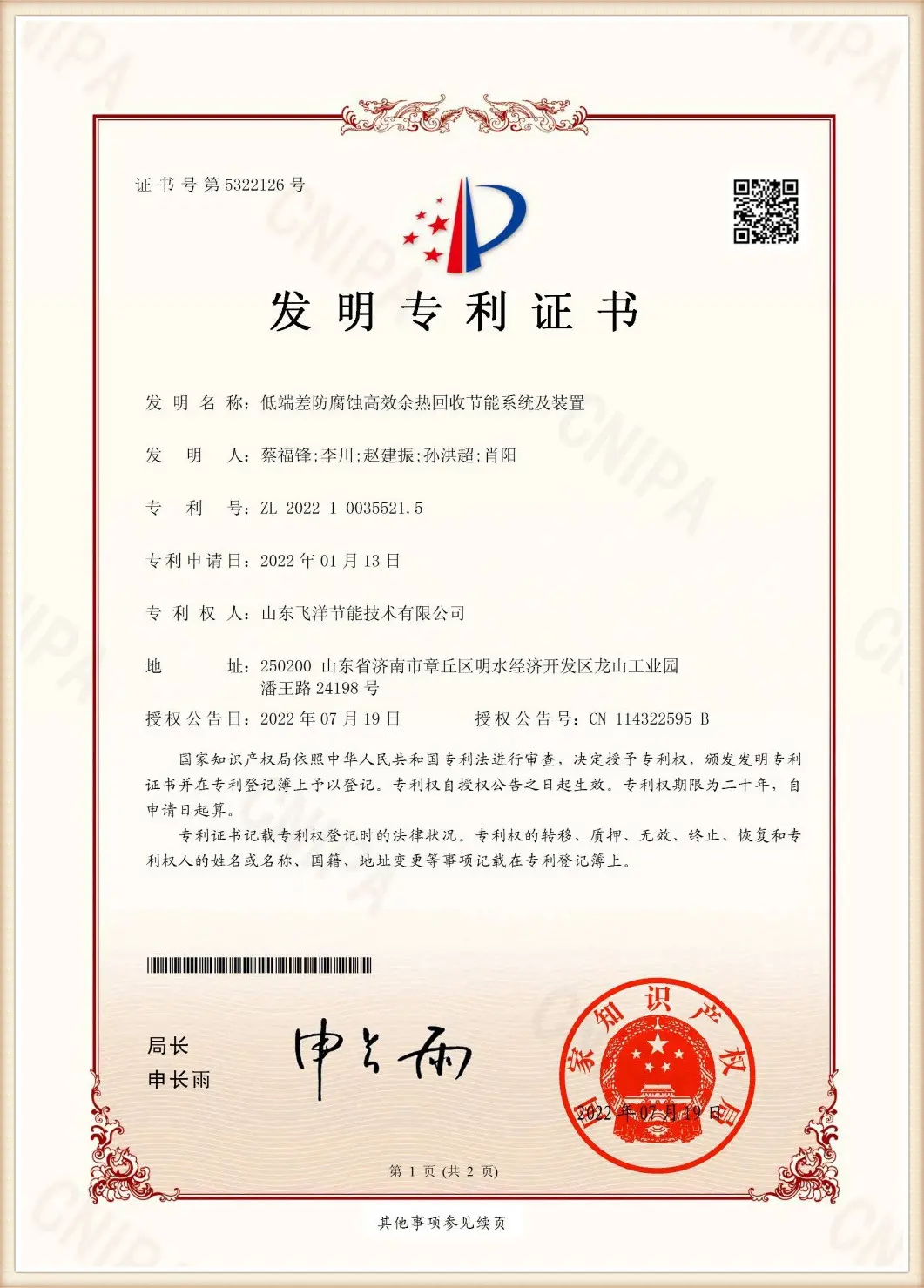
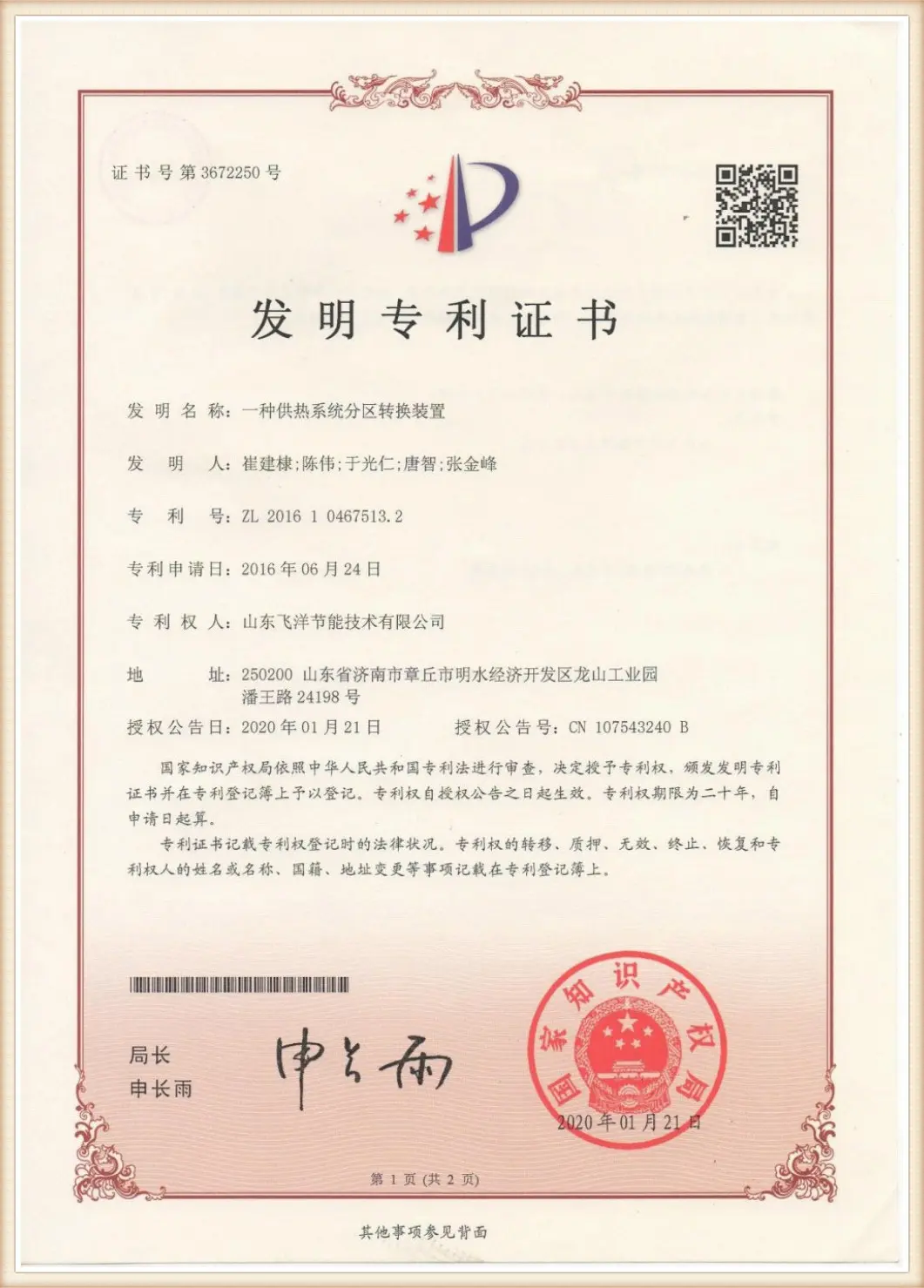
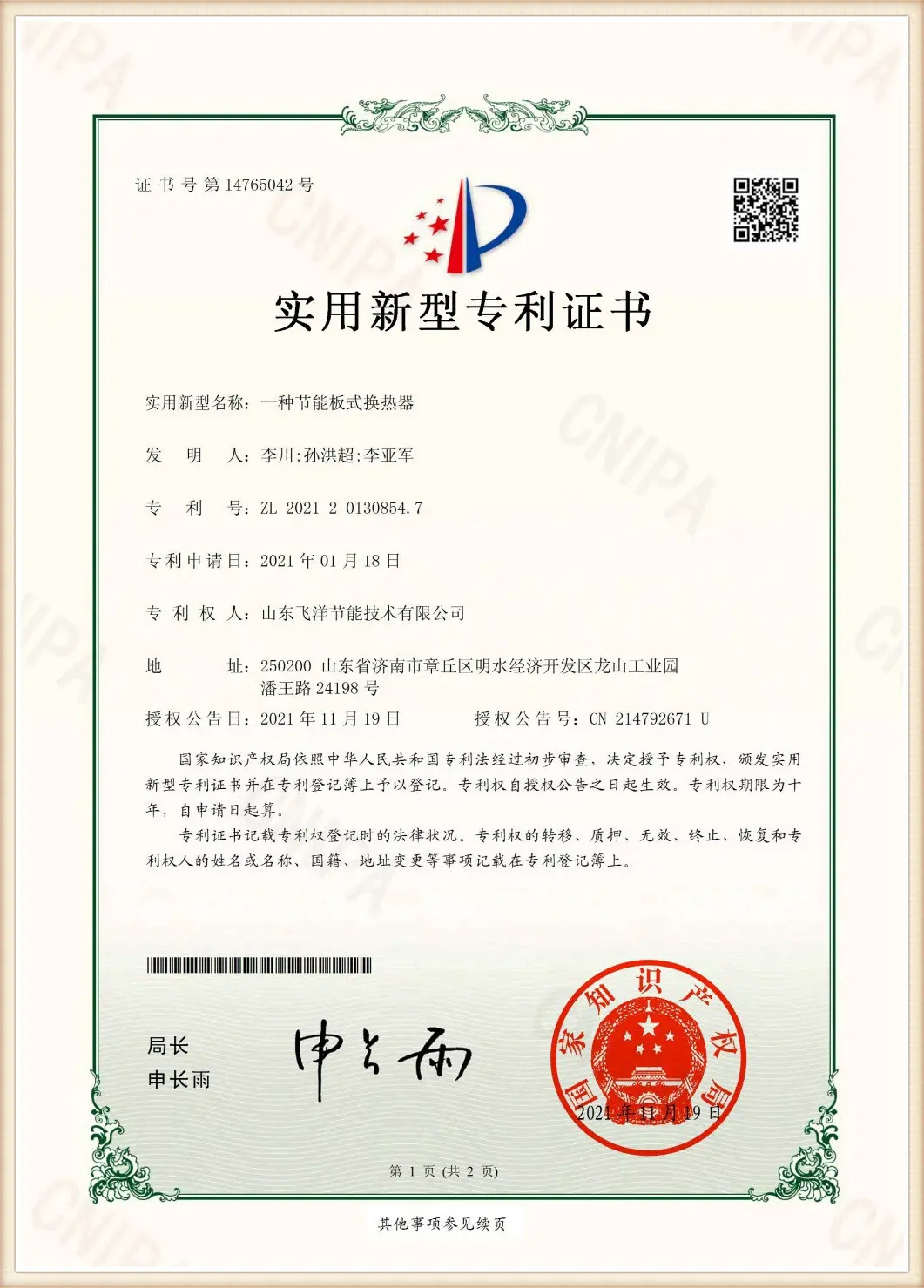
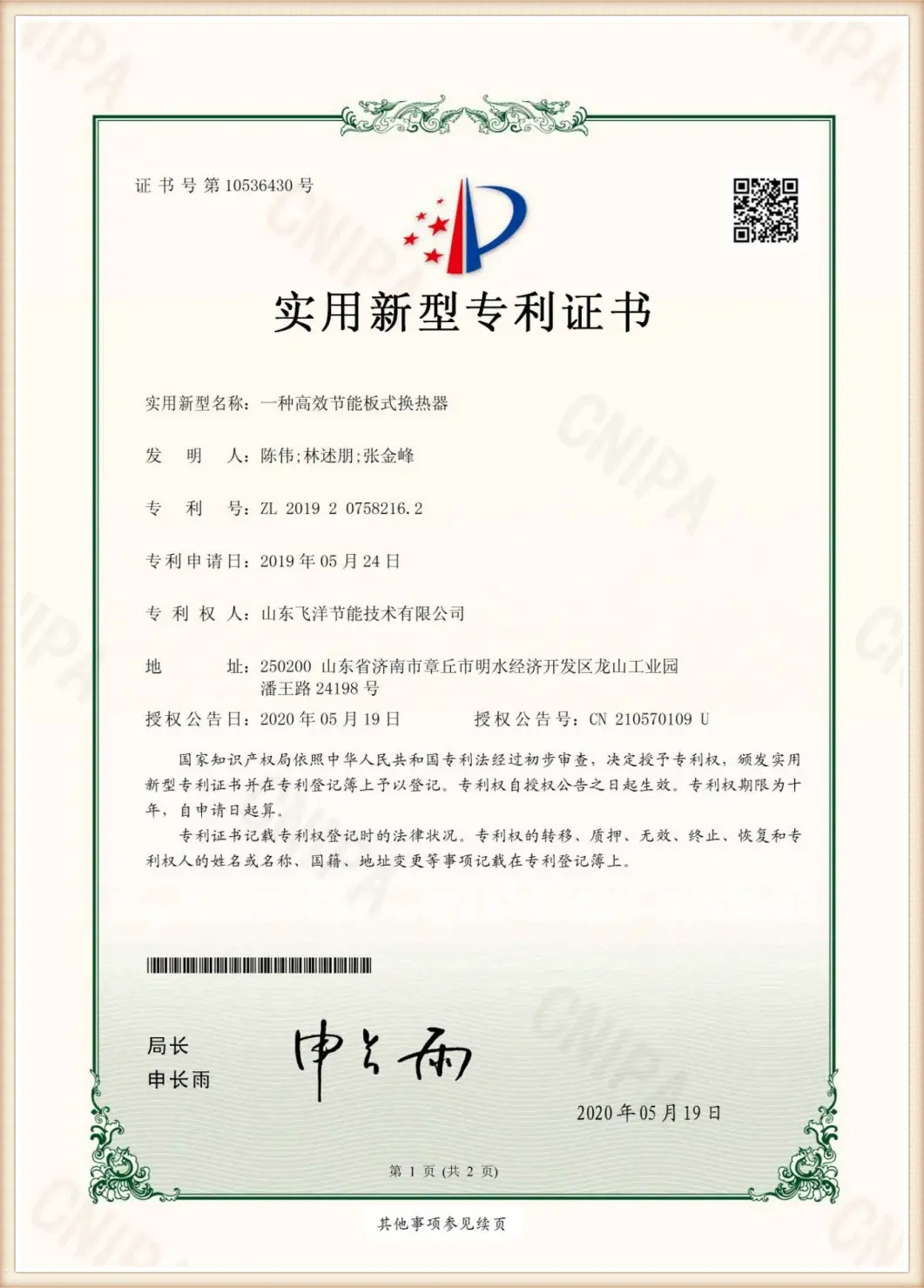
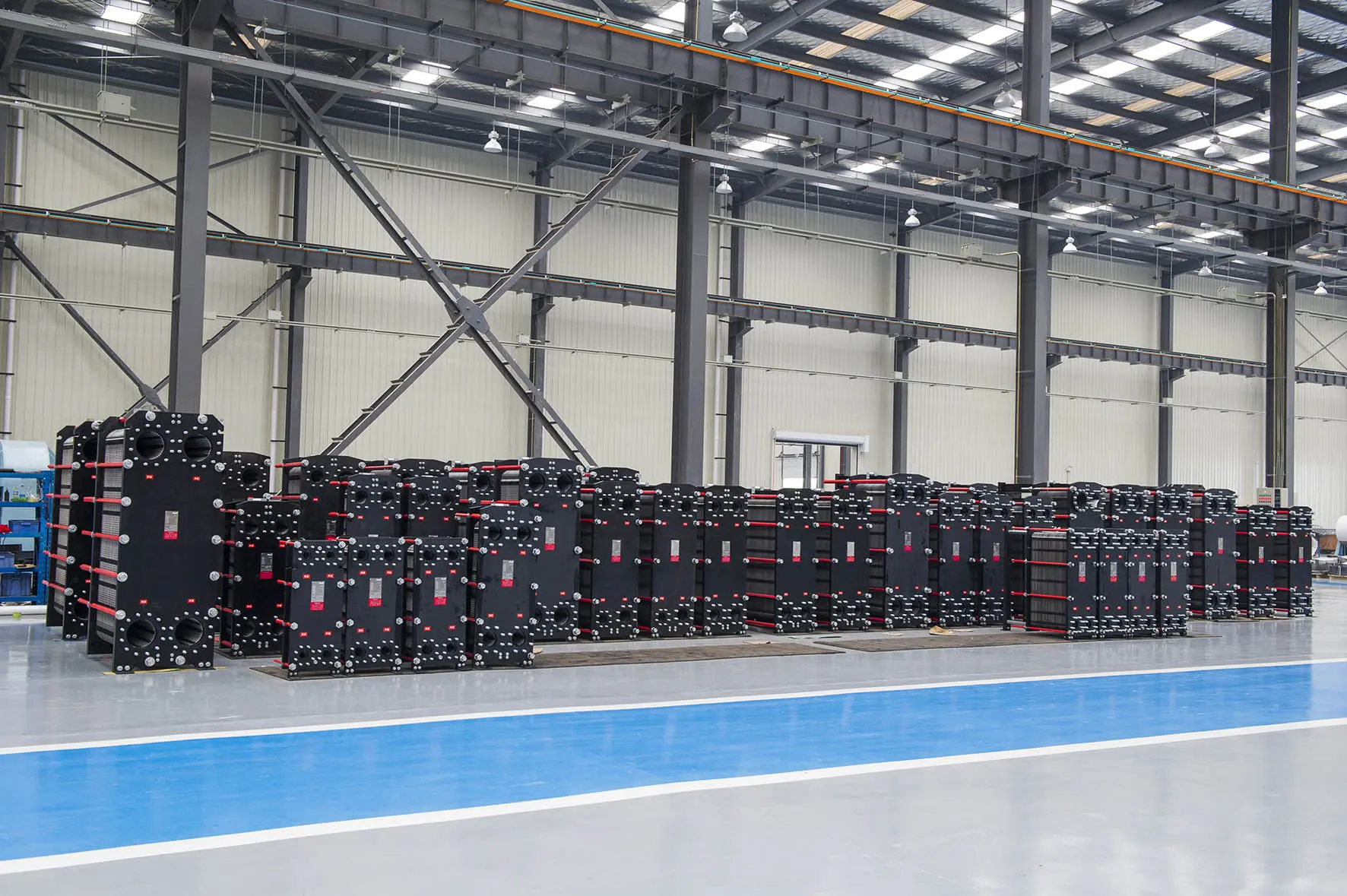
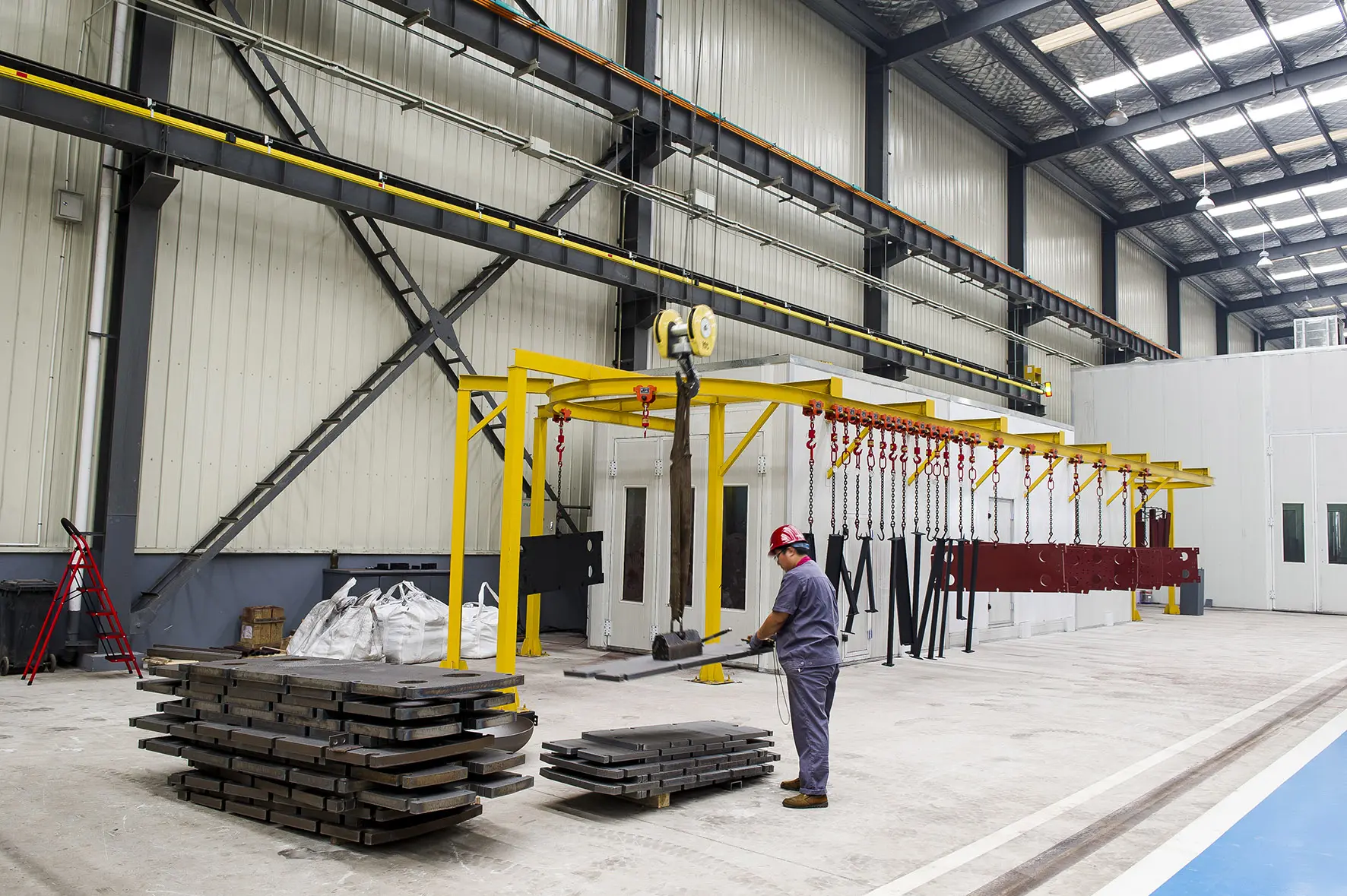
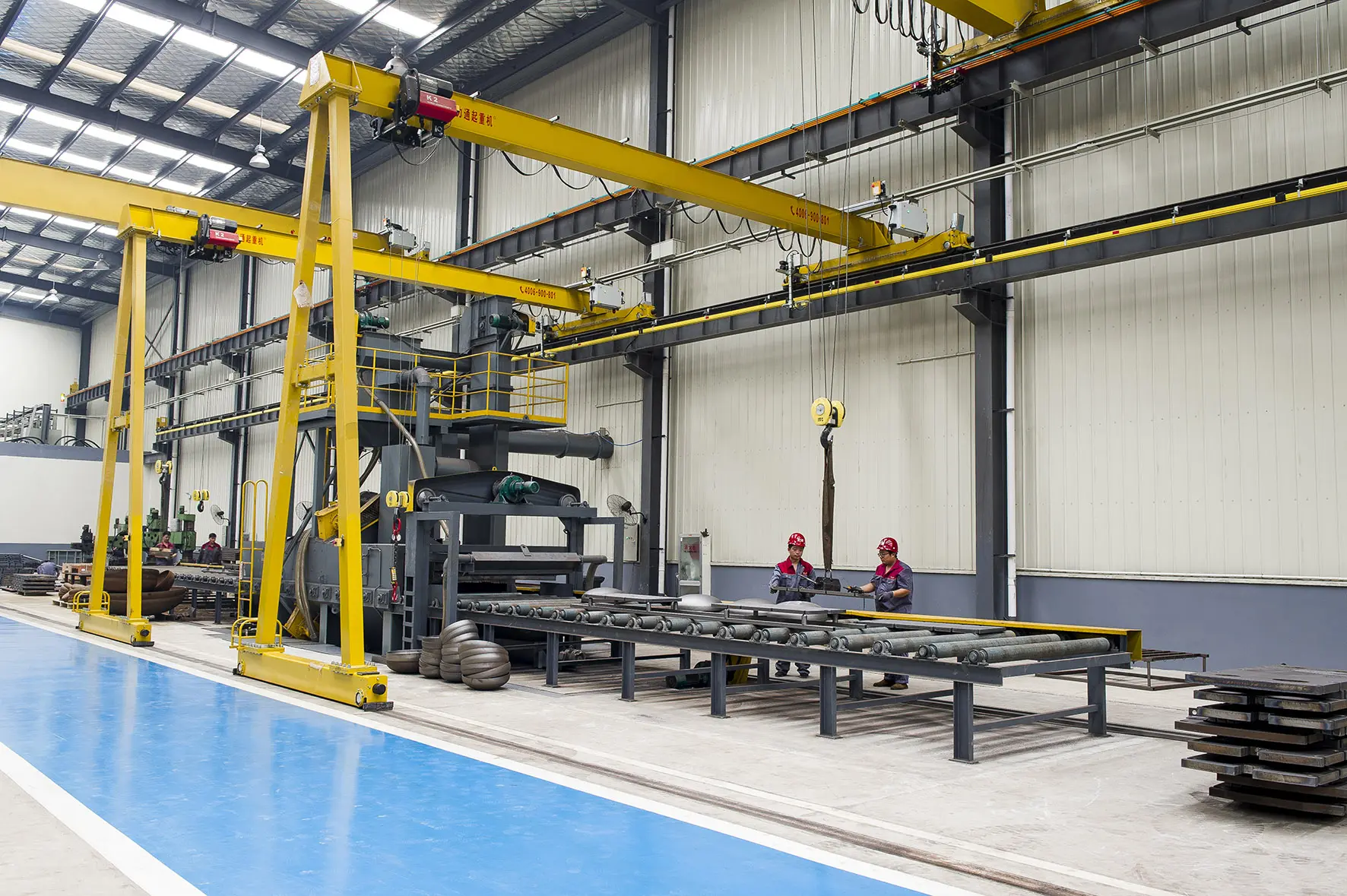
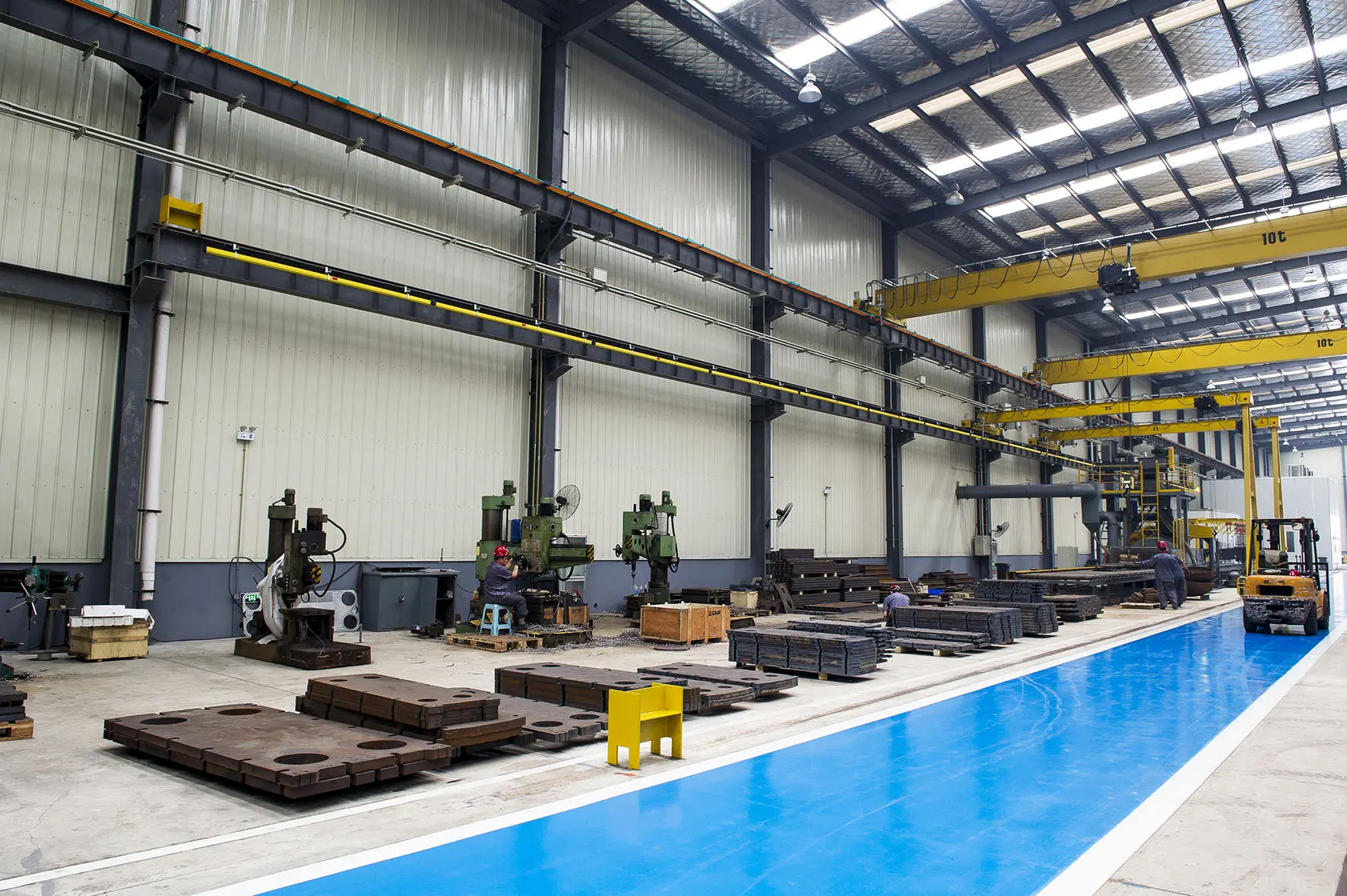
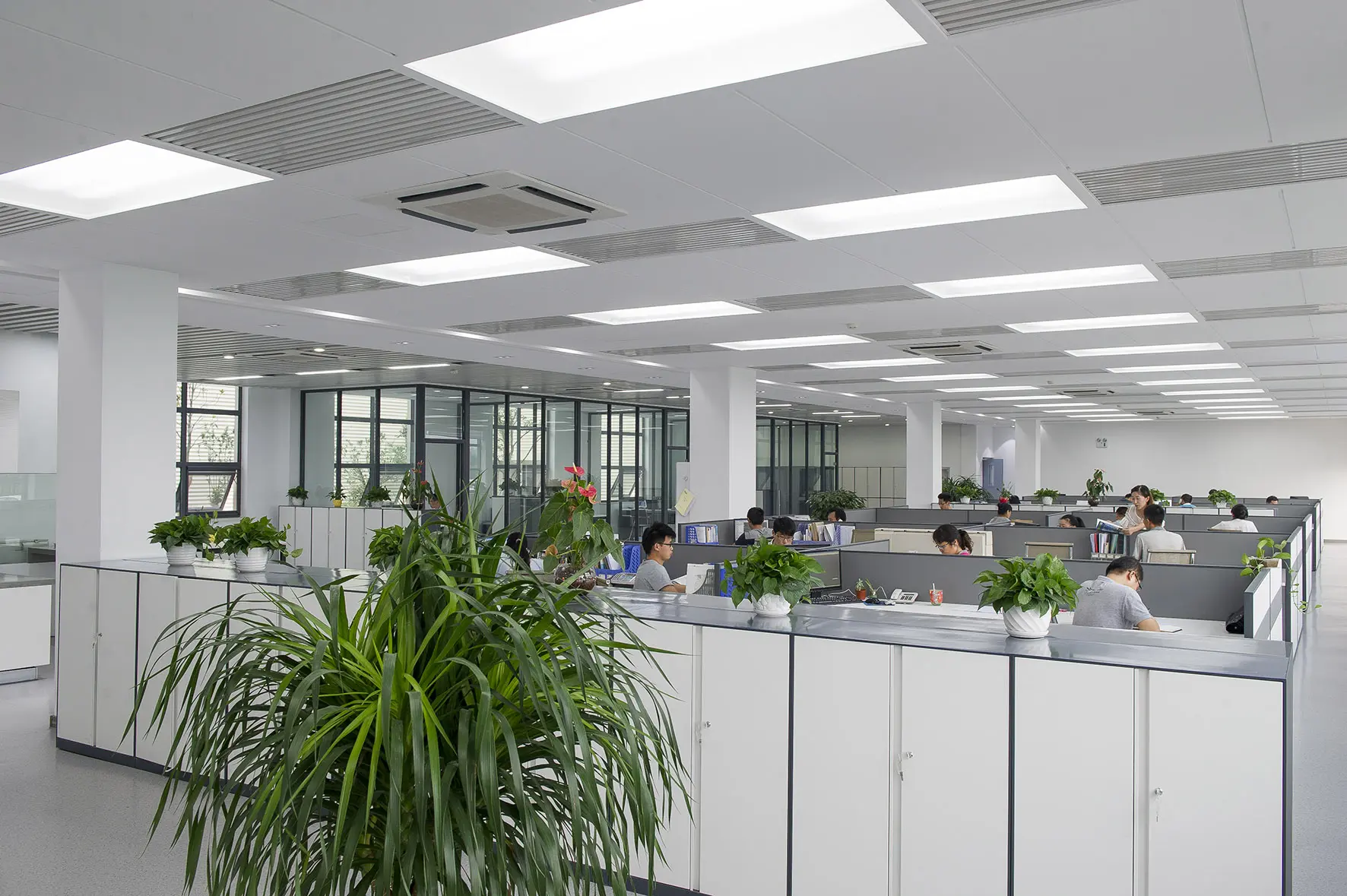
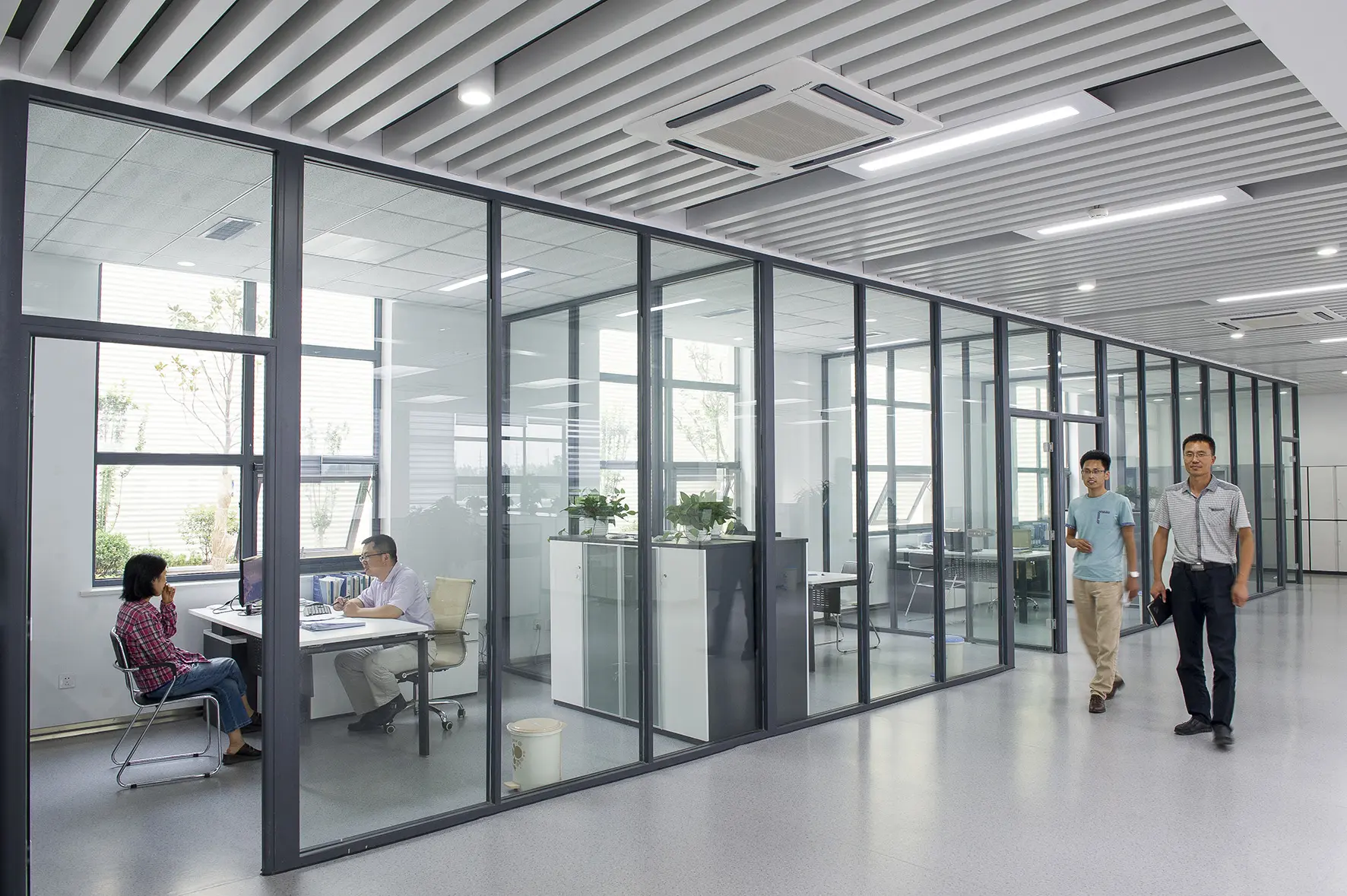
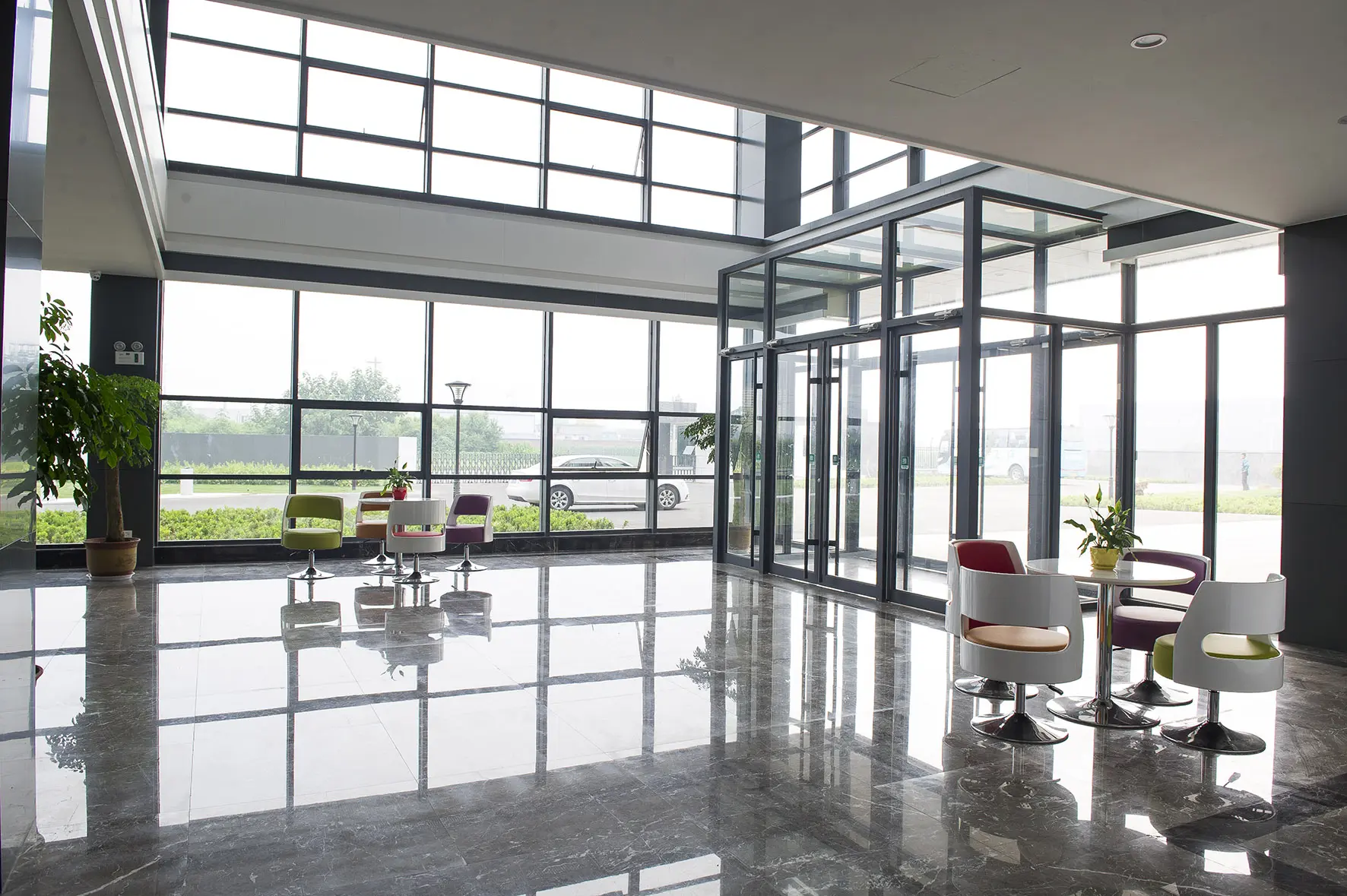
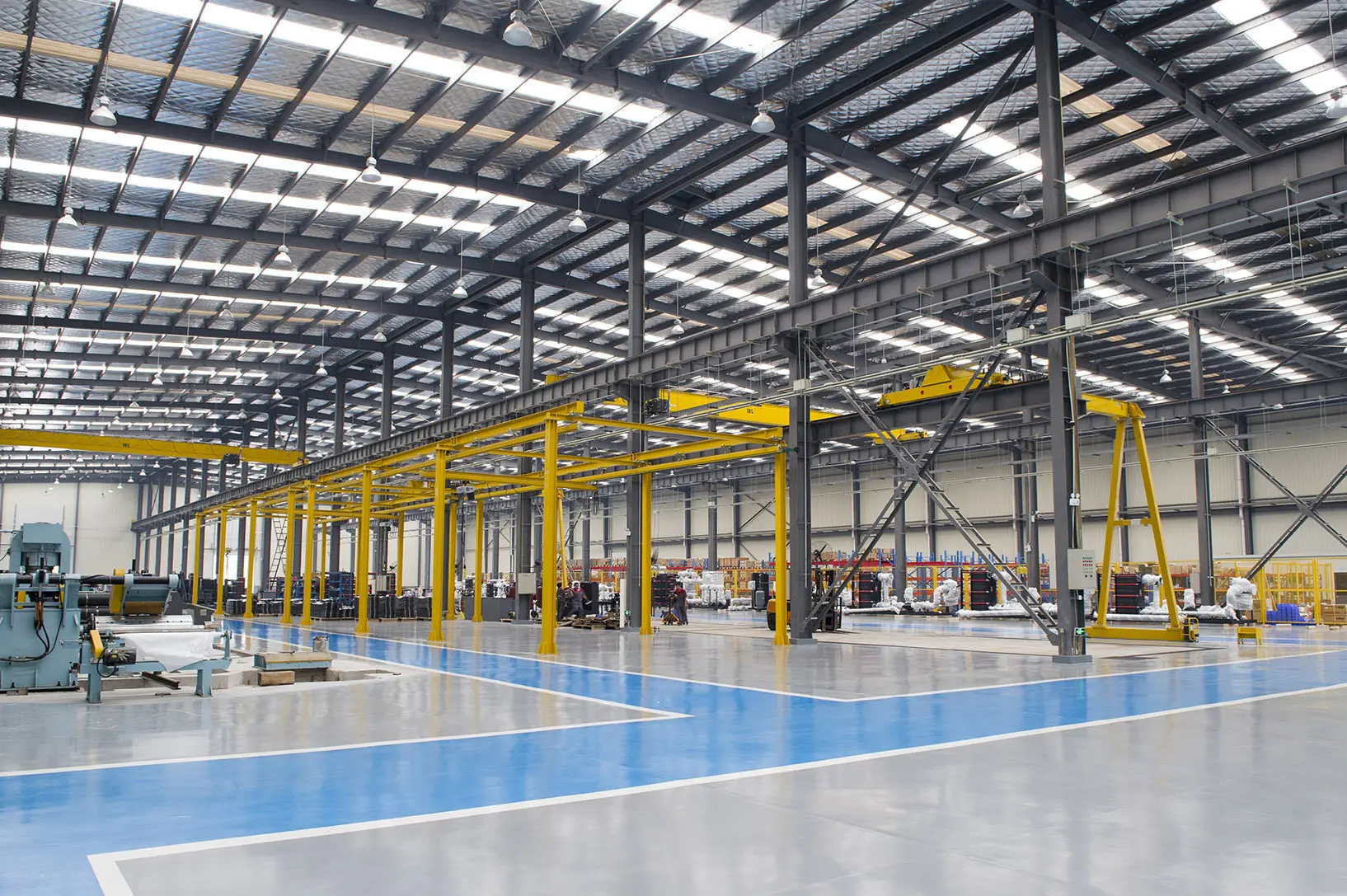
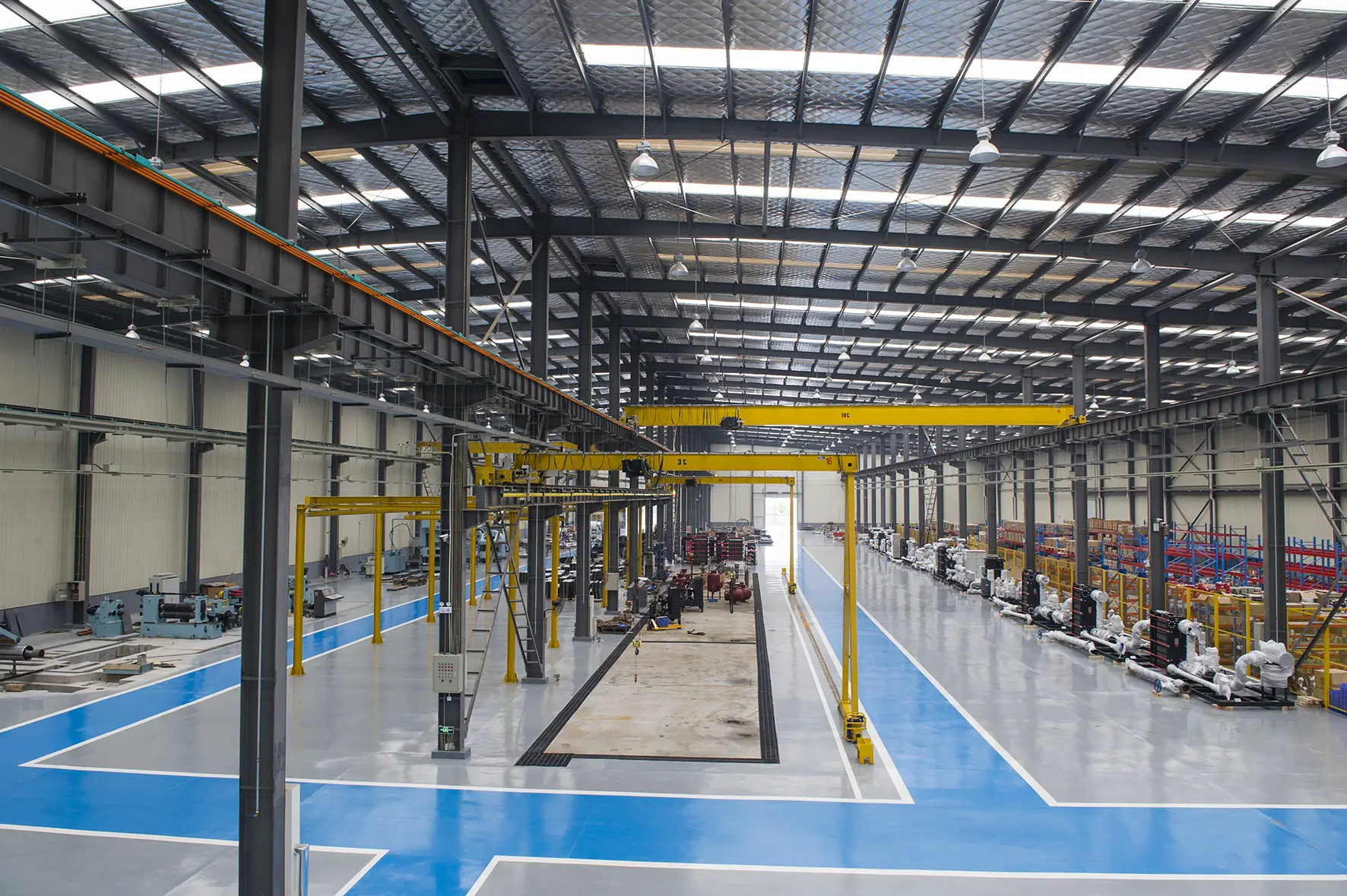
Inside our 70,000 square meter facility, specialized machinery stamps, presses, compiles, and tests heavy industrial thermal units.
Technical answers directly from our Engineering and Design Departments on optimization, material selection, and maintenance.
Our plate heat exchangers utilize a highly optimized micro-corrugation pattern on each plate. When fluids flow through the narrow channels between plates, these corrugations induce continuous local turbulence. This design increases the heat transfer coefficient to 2-3 times that of a conventional shell-and-tube system at comparable pressure drops, allowing for a much smaller physical footprint.
For chemical, marine, or highly corrosive applications, we offer plates made from AISI 316L Stainless Steel, Titanium, Hastelloy Alloys, and Nickel. Gaskets are matched to the chemical properties and temperature range of the fluids, using compounds like EPDM, NBR, or Viton (FKM) to ensure leak-free performance under thermal stress.
Scaling is a common challenge in hard water and high-temperature environments. Our patented design features structural elements that help disrupt scale formation and make mechanical cleaning easier, extending maintenance intervals, reducing downtime, and maintaining thermal efficiency over the life of the system.
Our intelligent units feature integrated communication interfaces (including Modbus RTU/TCP, Profibus, and Ethernet/IP) that connect with central control platforms. Combined with high-precision sensors like the Room Temperature Collector, the system dynamically balances secondary loop flows to maintain setpoints and optimize energy consumption.
Explore additional specialized components designed for precise fluid control, pressure regulation, and wastewater concentration.
 Flotte Energy