Select original, high-performance manufacturing solutions engineered to international compliance standards.
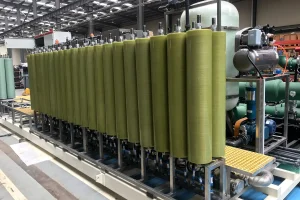
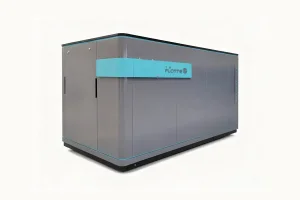
In the contemporary industrial landscape, thermal management has evolved from a utility support system to a primary lever for energy savings and carbon footprint reduction. Whether for heavy chemical processing plants, urban district heating grids, or specialized pharmaceutical purification processes, selecting the right thermal technology determines the lifetime operational efficiency of an entire installation. This white paper serves as an authoritative guide for international procurement directors and engineering leads evaluating global suppliers, focusing specifically on the commercial landscape, manufacturing capabilities, and design innovations coming out of China.
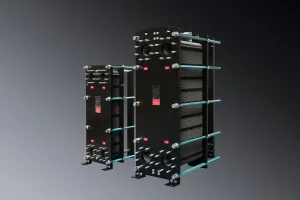
Historically, the global heat exchanger market was dominated by massive European and North American industrial conglomerates. However, the geographic center of production and technical execution has shifted. In response to global decarbonization mandates and volatile energy prices, modern processing industries demand systems that can manage tight temperature approaches—often requiring heat recovery within 1°C of the process fluid. Under these parameters, traditional shell-and-tube exchangers are frequently replaced with highly efficient plate heat exchangers (PHE) and integrated thermal modules.
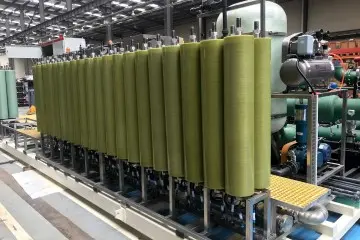
This market transition is further driven by the rise of membrane concentration systems in desalination and industrial liquid treatment, and the digitization of hydraulic control networks. Engineers now seek integrated systems where thermal transfer and intelligent flow balancing occur simultaneously, demanding that manufacturers offer comprehensive system integration rather than just raw components.
China's dominance in the heat exchanger sector is not just built on cost efficiency; it is driven by intense vertical integration. The engineering ecosystem surrounding modern Chinese manufacturers allows for rapid prototyping, specialized plate pressing, and precision gasket manufacturing under one unified supply system. For instance, the ability to source premium stainless steel, titanium, and advanced nickel alloys locally drastically reduces lead times for complex, anti-corrosive heat exchangers.
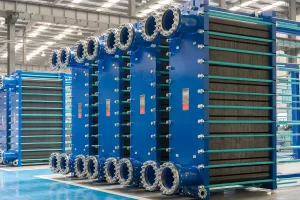
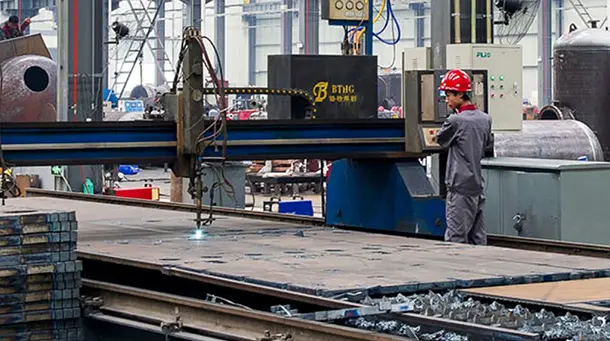
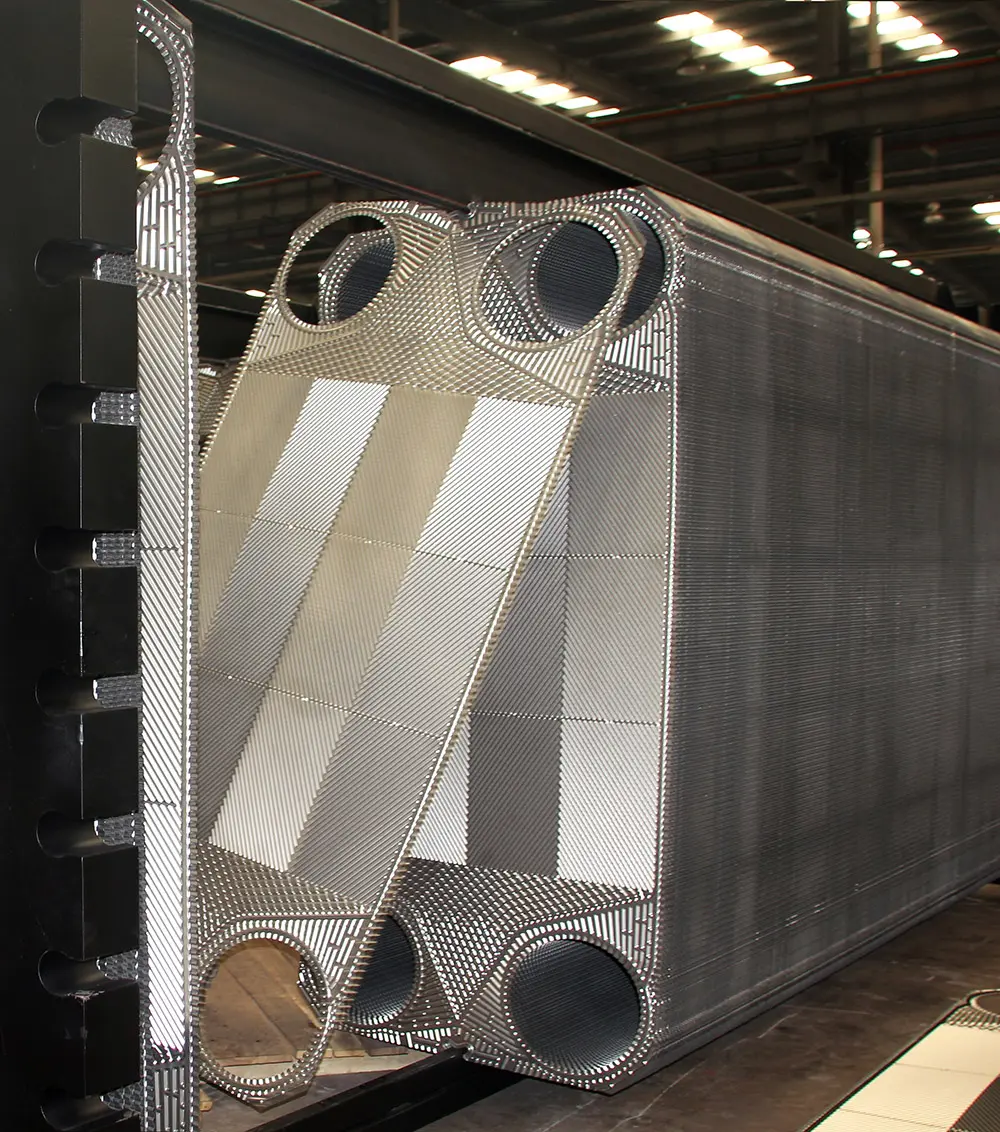
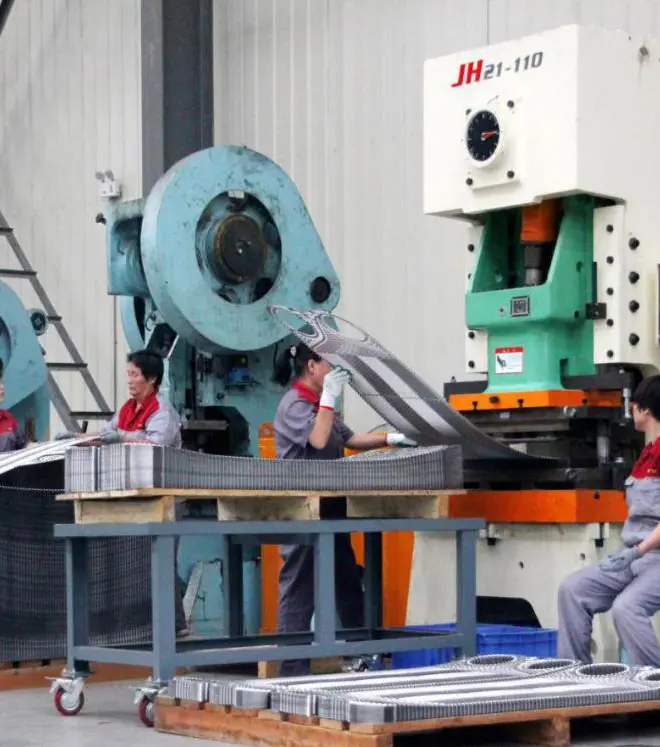
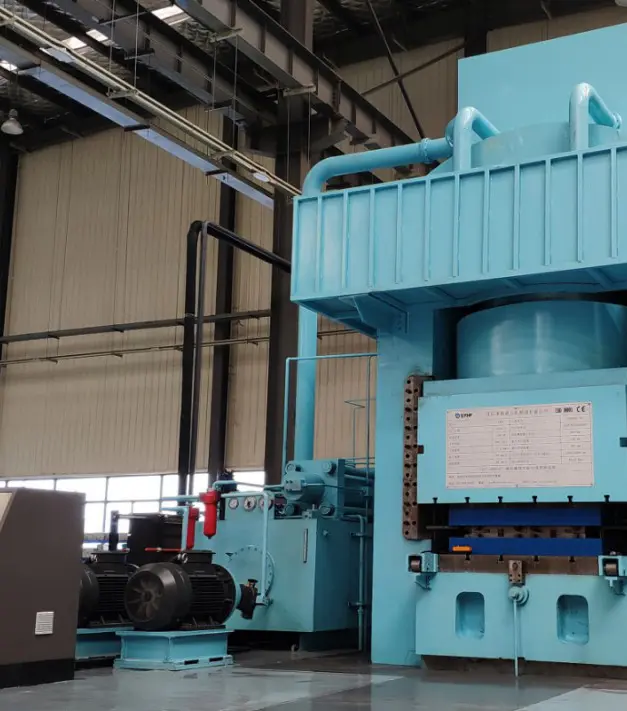
Furthermore, Chinese plants have invested heavily in high-tonnage hydraulic forming presses (ranging from 10,000 to 20,000 tons) capable of stamping large plates with precise corrugation patterns in a single stroke. This minimizes micro-stress fractures in the metal lattice, ensuring uniform thickness and long-term durability in high-pressure applications. In addition, the incorporation of advanced robotic welding and automatic assembly processes guarantees a level of repeatability that matches or exceeds legacy Western manufacturers.
When engineering departments compare suppliers, they must review standardized technical parameters. Below is a comparative baseline between the primary configurations exported globally:
| Exchanger Type | Heat Transfer Coefficient (U-value) | Pressure Drop Threshold | Fouling Factor Resistance | Maintenance Profile |
|---|---|---|---|---|
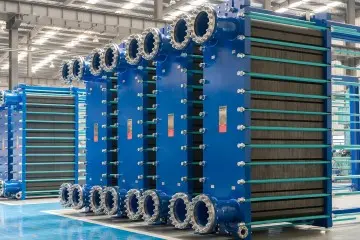
| Detachable Plate Heat Exchangers | High (3000 - 7000 W/m²K) | Moderate to High | Excellent (High turbulence reduces scaling) | Highly Flexible (Easy mechanical cleaning & expansion) |
| Shell and Tube Exchangers | Low to Moderate (1000 - 2500 W/m²K) | Low | Poor (Dead zones facilitate scaling) | Complex (Requires pulling heavy tube bundles) |
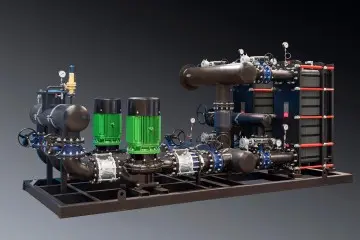
| Intelligent Integrated Units | Optimized via dynamic regulation | Dynamically Controlled | Self-cleansing via automated flow adjustments | System-level monitoring, modular servicing |
Flotte Energy Saving Company, established in 2013 with a registered capital of 101 million yuan, originated from Flotte Thermal Engineering founded in 1995. With three decades of technical expertise, the company specializes in water equipment, HVAC systems, and water treatment industries. It consistently leads industry peers in adopting cutting-edge technologies, developing innovative products, and delivering comprehensive production and sales services.
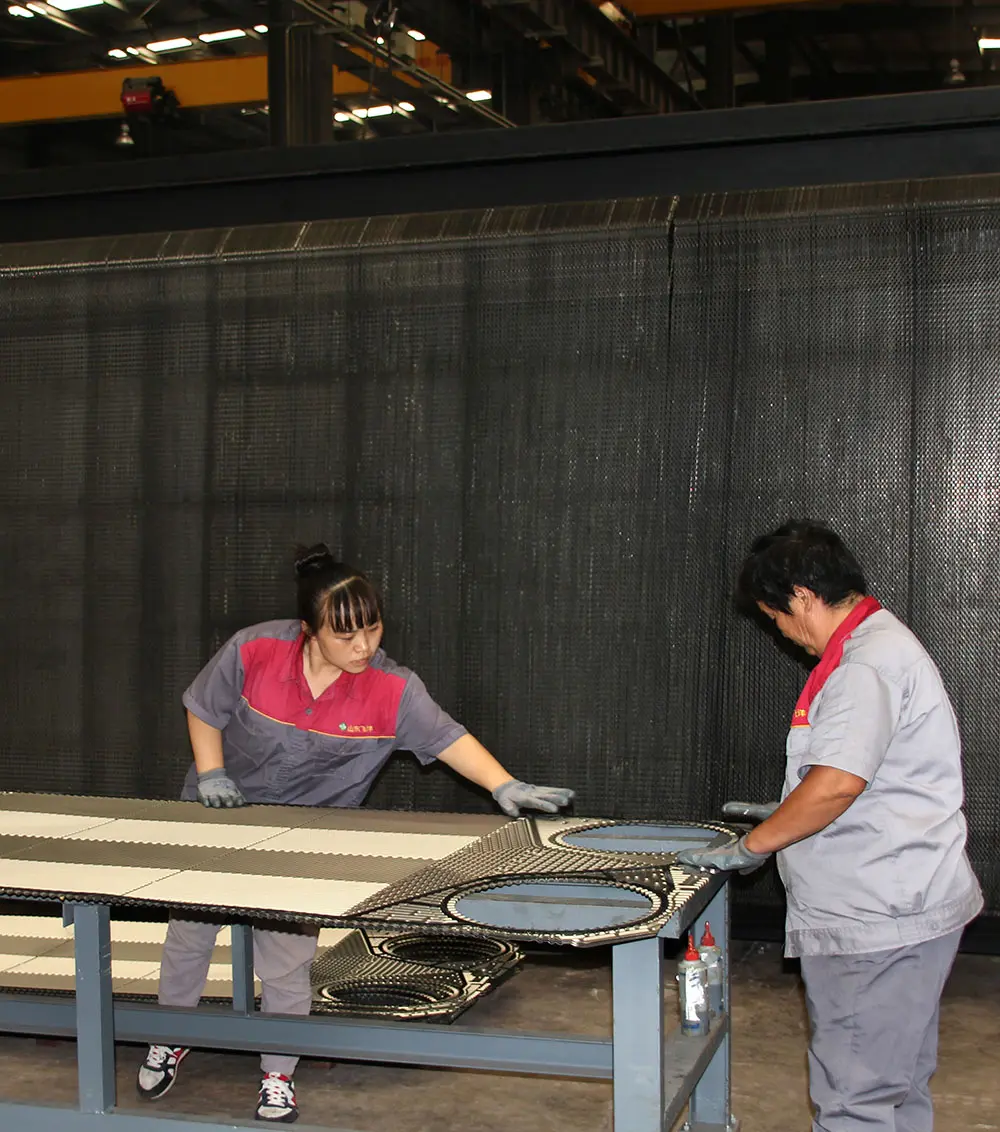
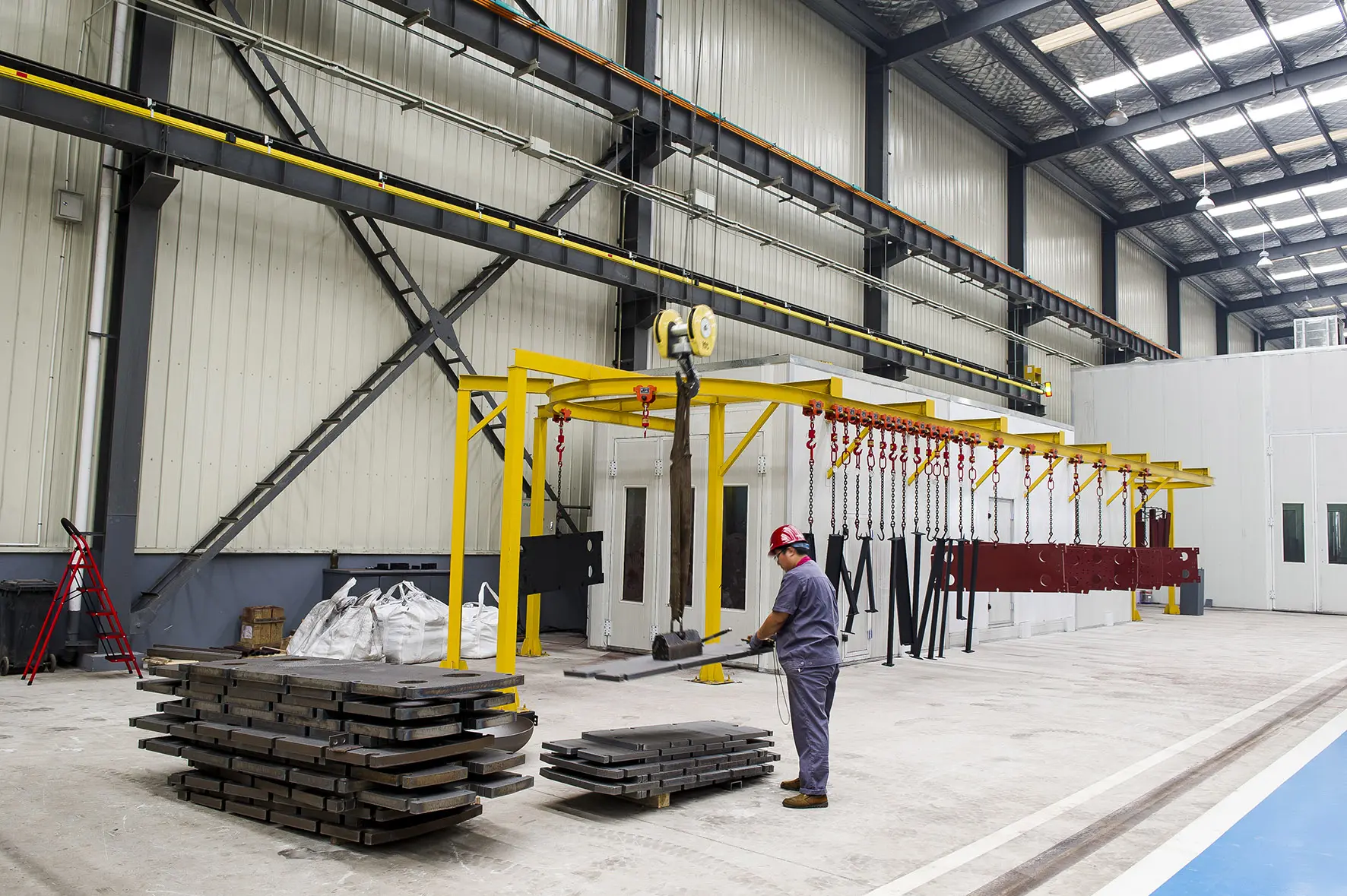
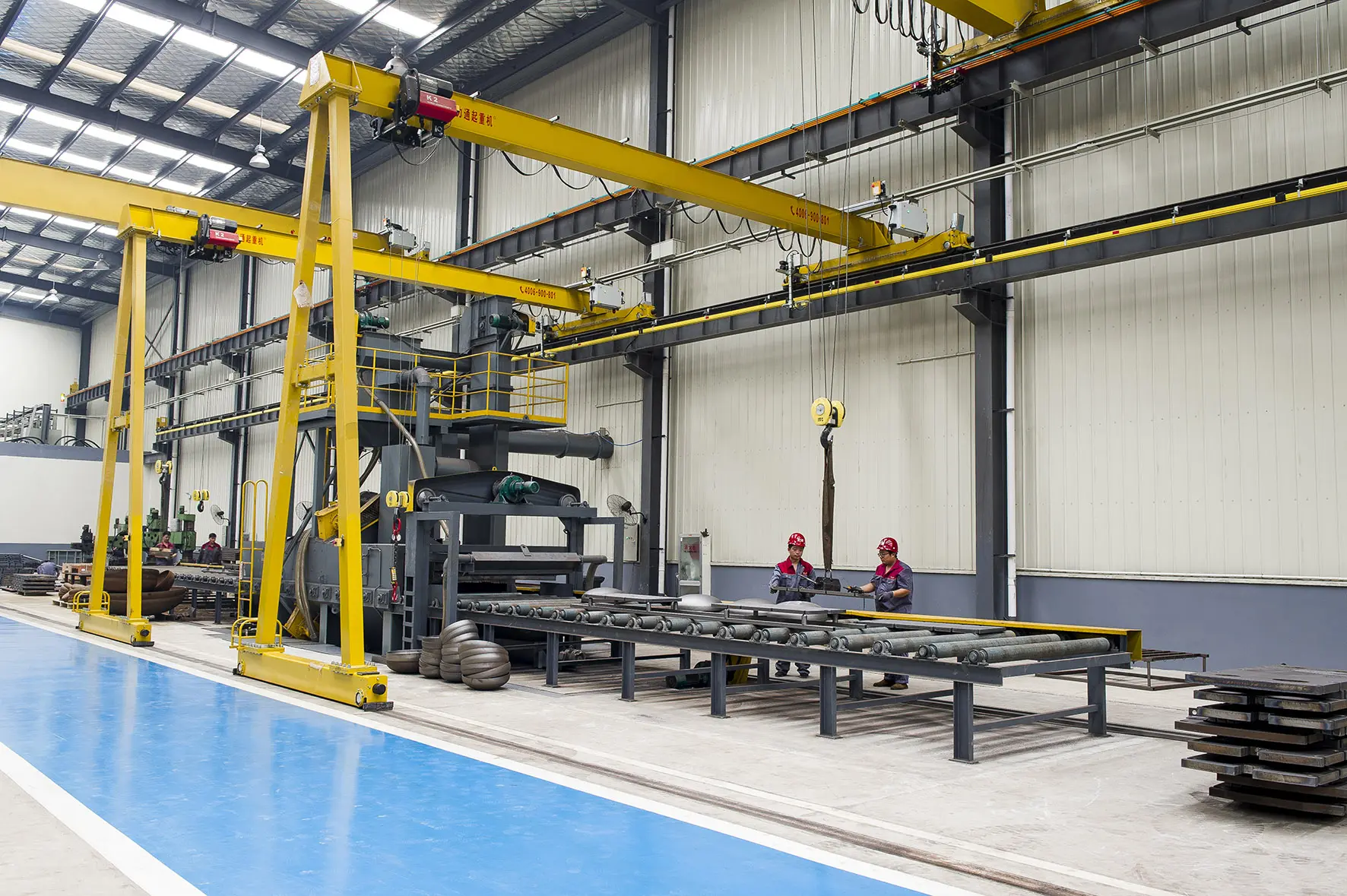
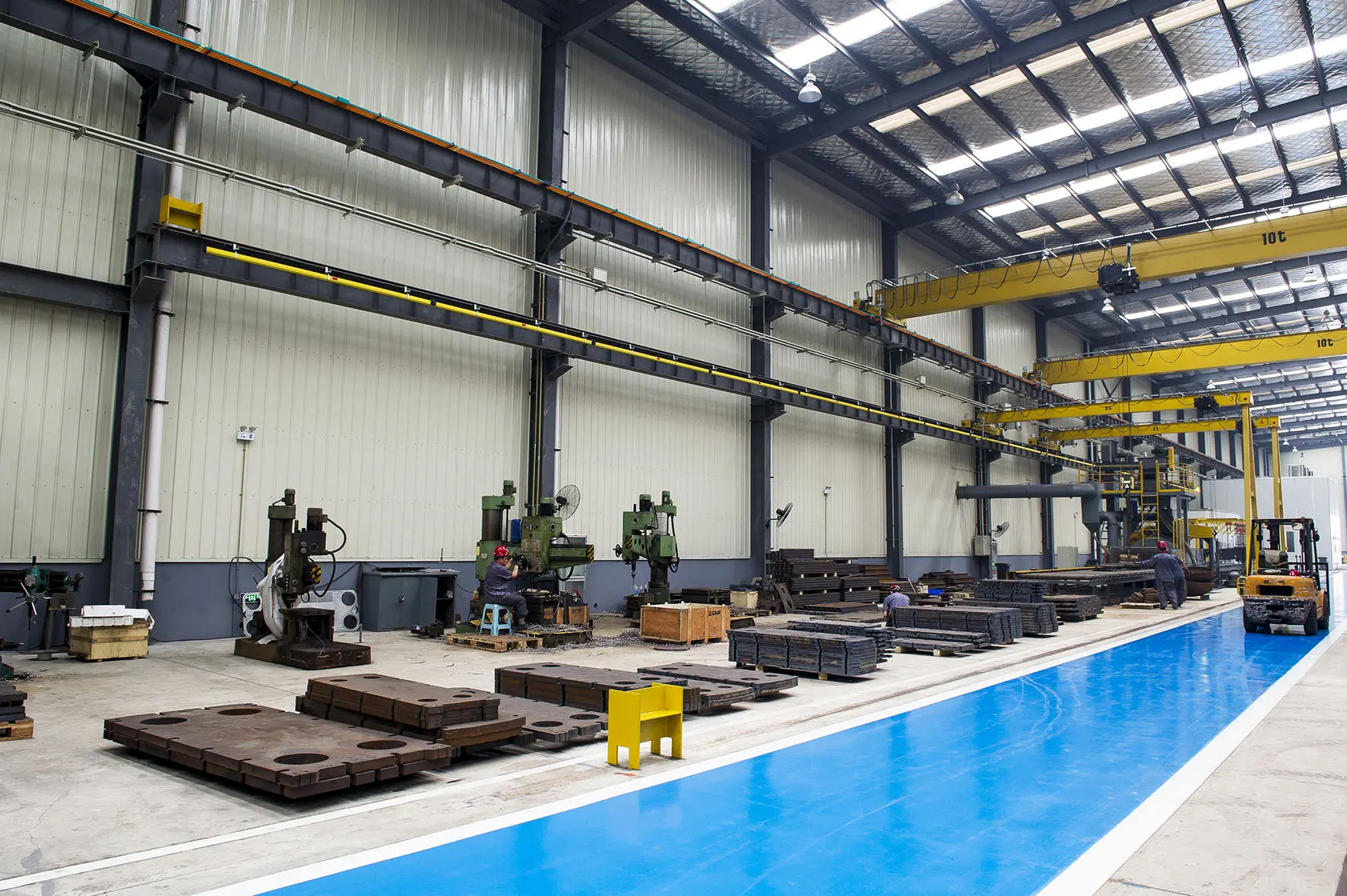
The company operates modern production workshops equipped with advanced manufacturing and quality inspection facilities. All frontline production staff are certified technicians who have undergone rigorous formal training. Production processes, quality control, and service operations strictly adhere to the ISO 9001:2015 international quality management system, while also complying with the pressure vessel quality assurance framework. Our products undergo mandatory inspections by national quality supervision authorities, ensuring full compliance with performance standards.
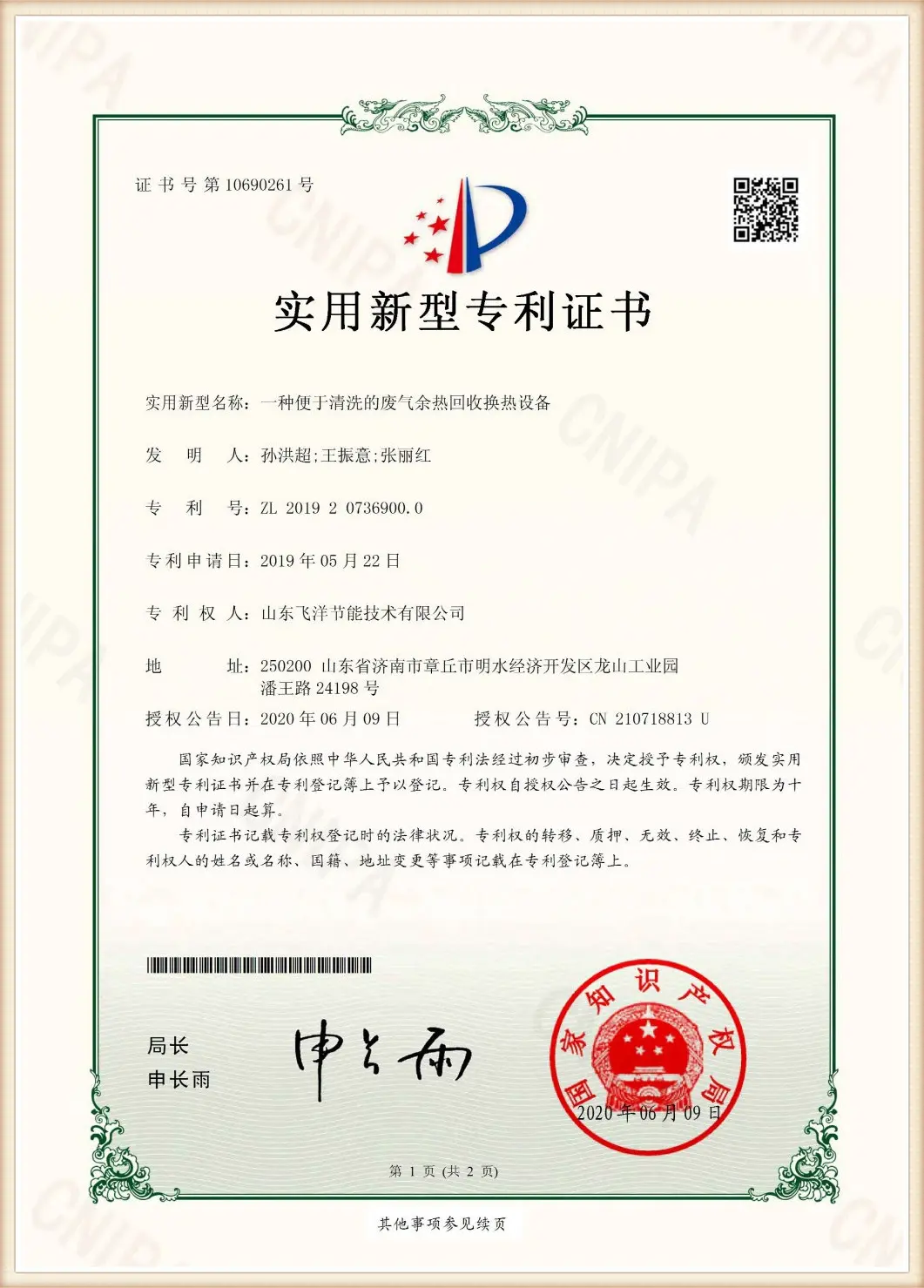
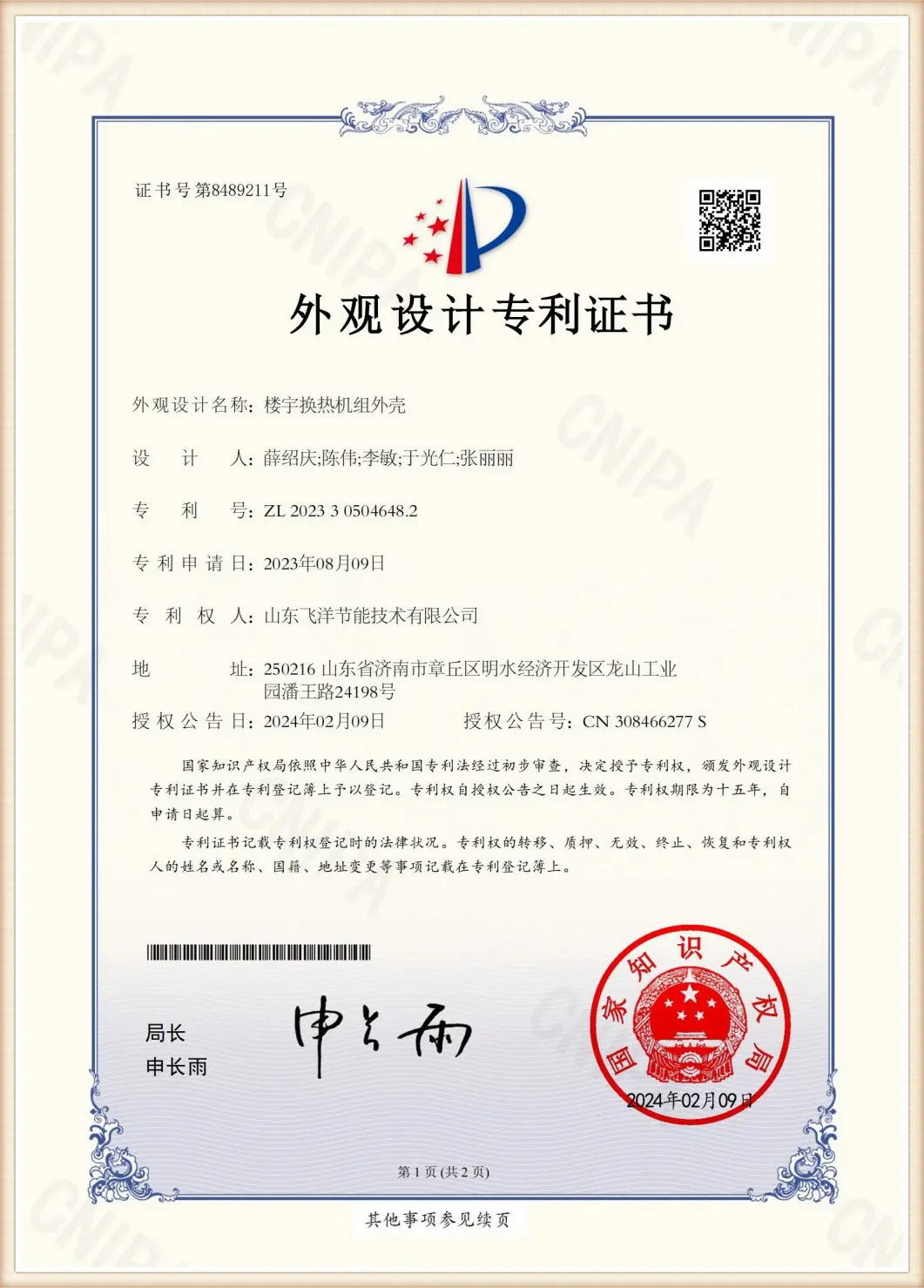
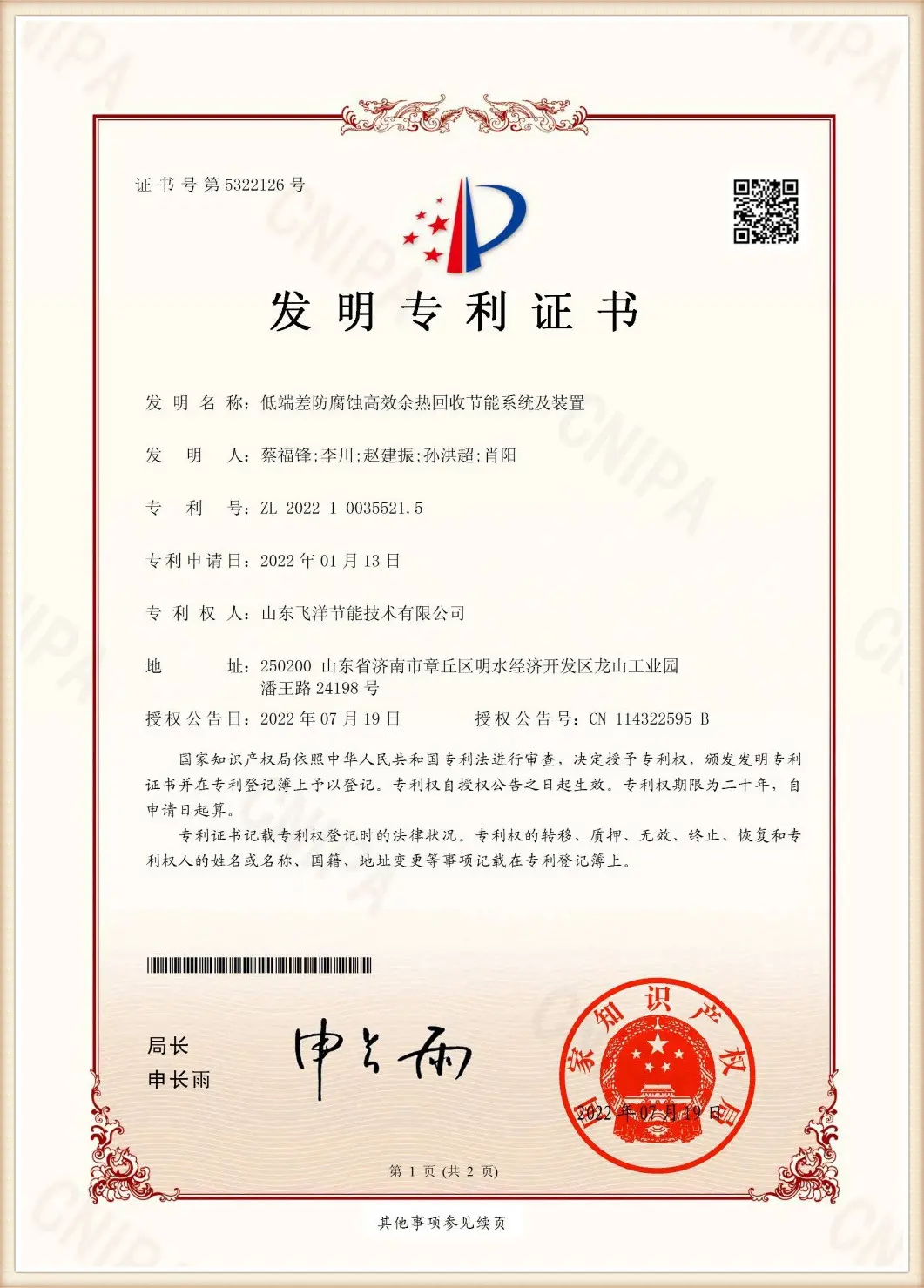
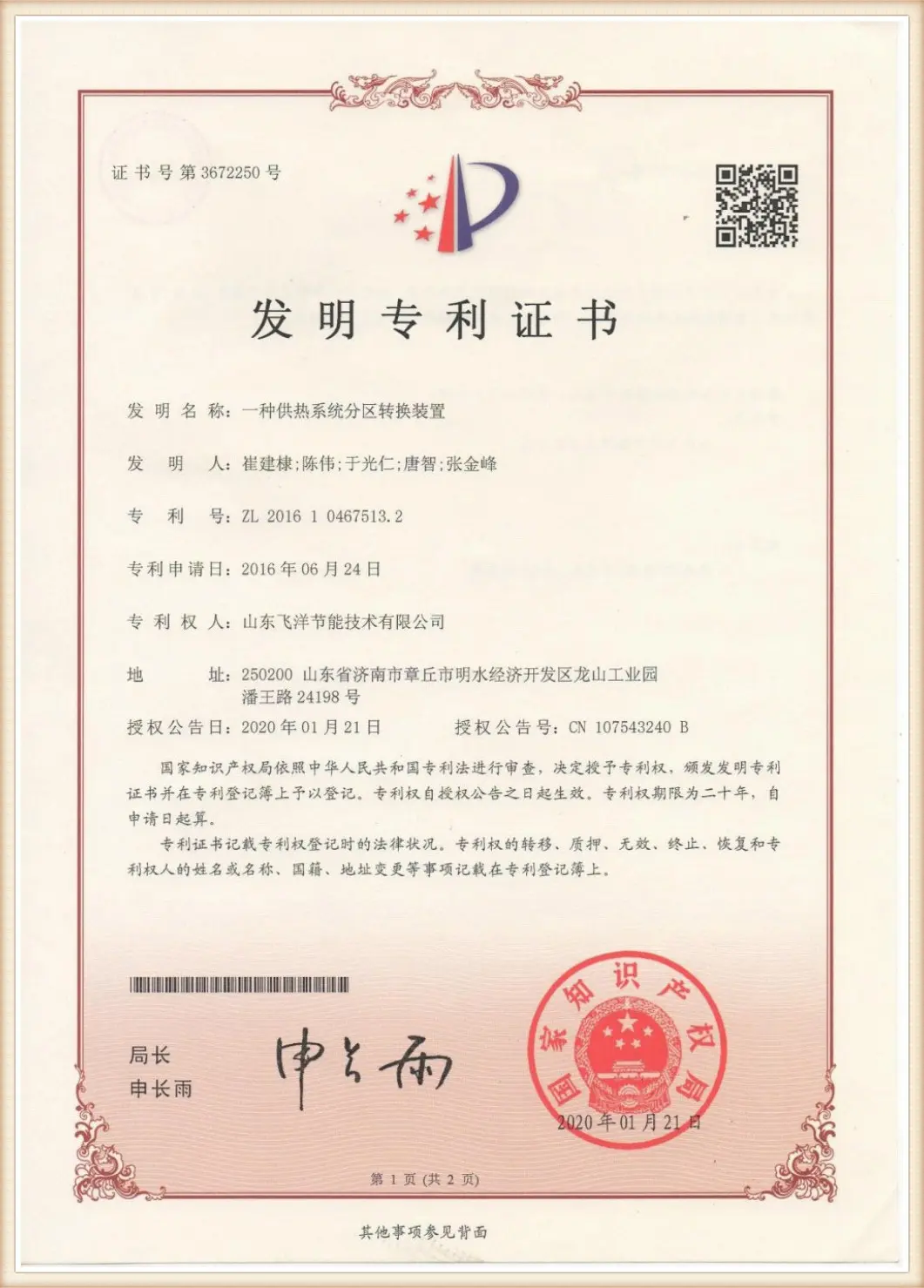
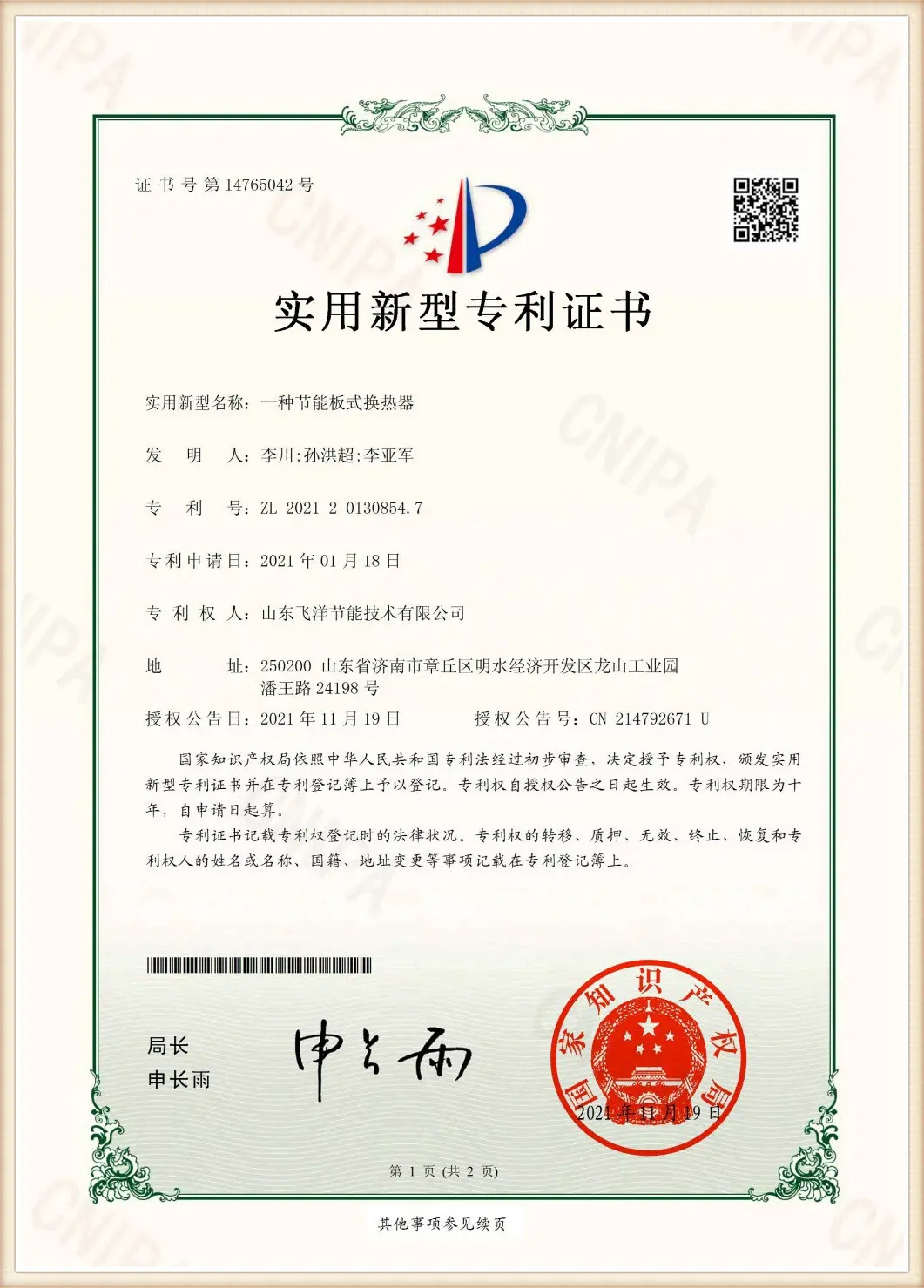
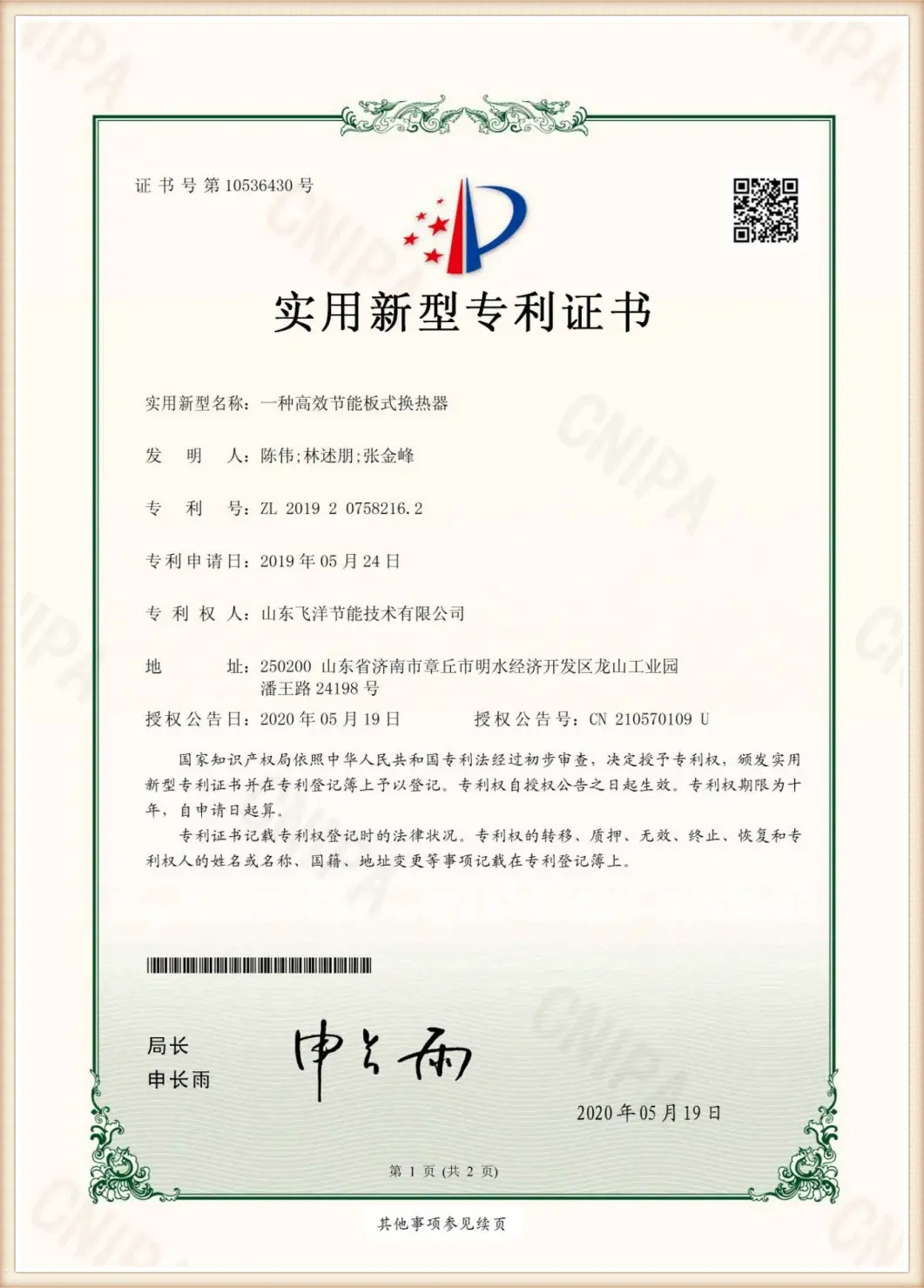
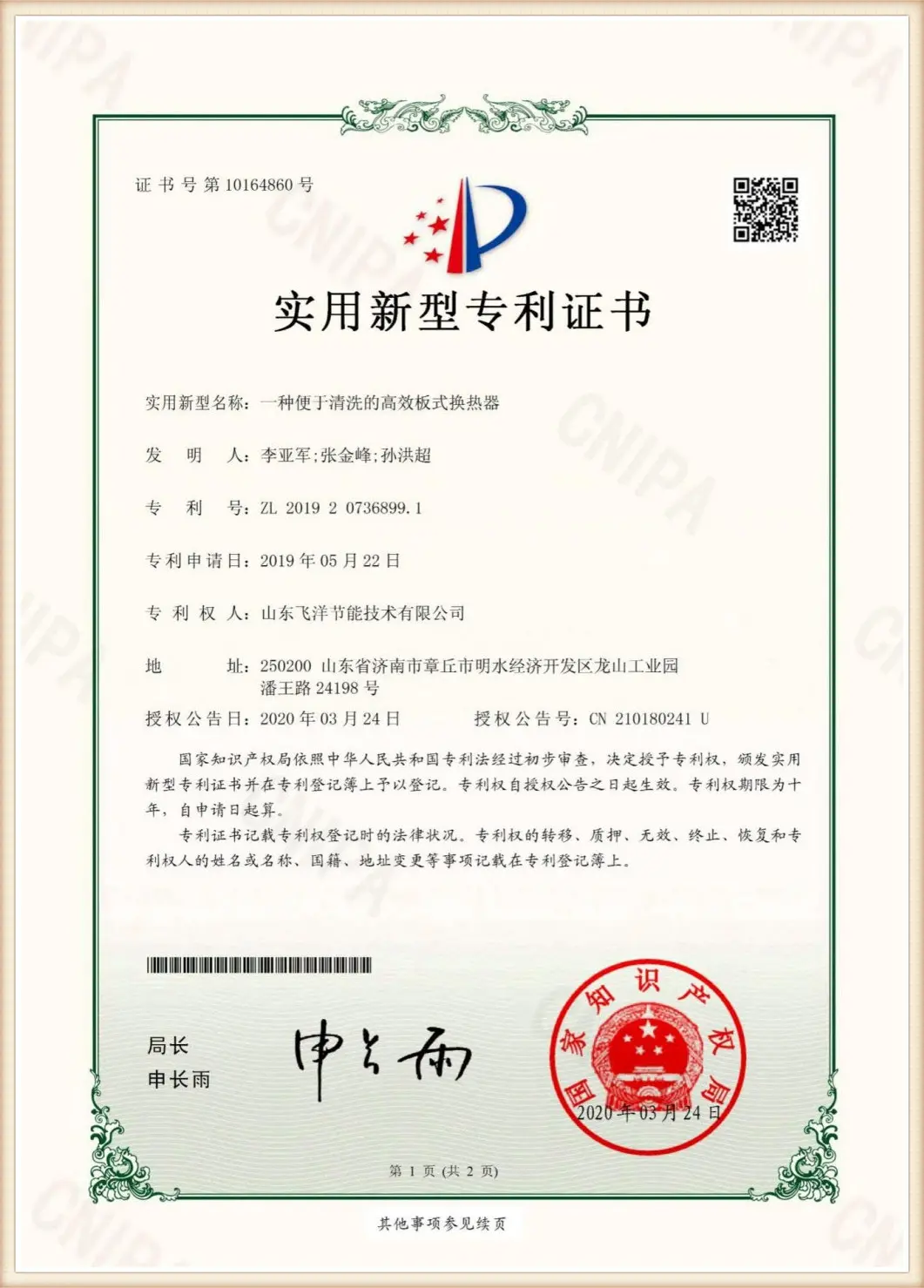
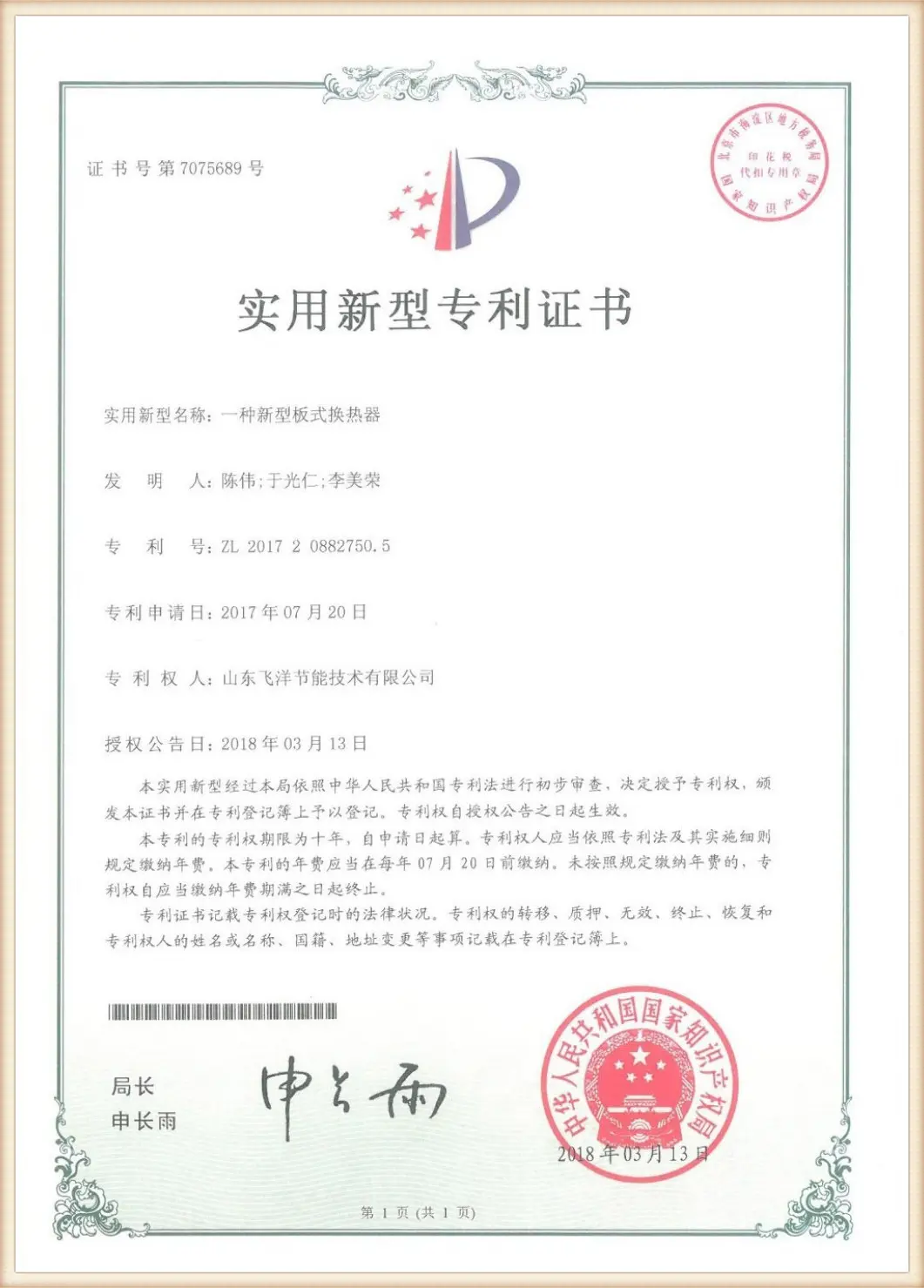
The company has been continuously advancing in production technology innovation, holding multiple patent certifications including "High-Efficiency Plate Heat Exchanger", "Intelligent Plate Heat Exchanger System", and "Plate Heat Exchanger Scale Removal Device" (see qualification documentation). Its products have obtained mandatory national product certification and safety registration from the National Standardization Committee, along with the safety registration for plate heat exchangers issued by the National Boiler and Pressure Vessel Standardization Technical Committee. The company has also achieved ISO9001 Quality Management System certification, ISO14001 Environmental Management System certification, and ISO45001 Occupational Health and Safety Management System certification.
Industrial applications present distinct chemical and hydraulic environments that dictate the required heat exchanger specification. Below is an evaluation of localized use cases:
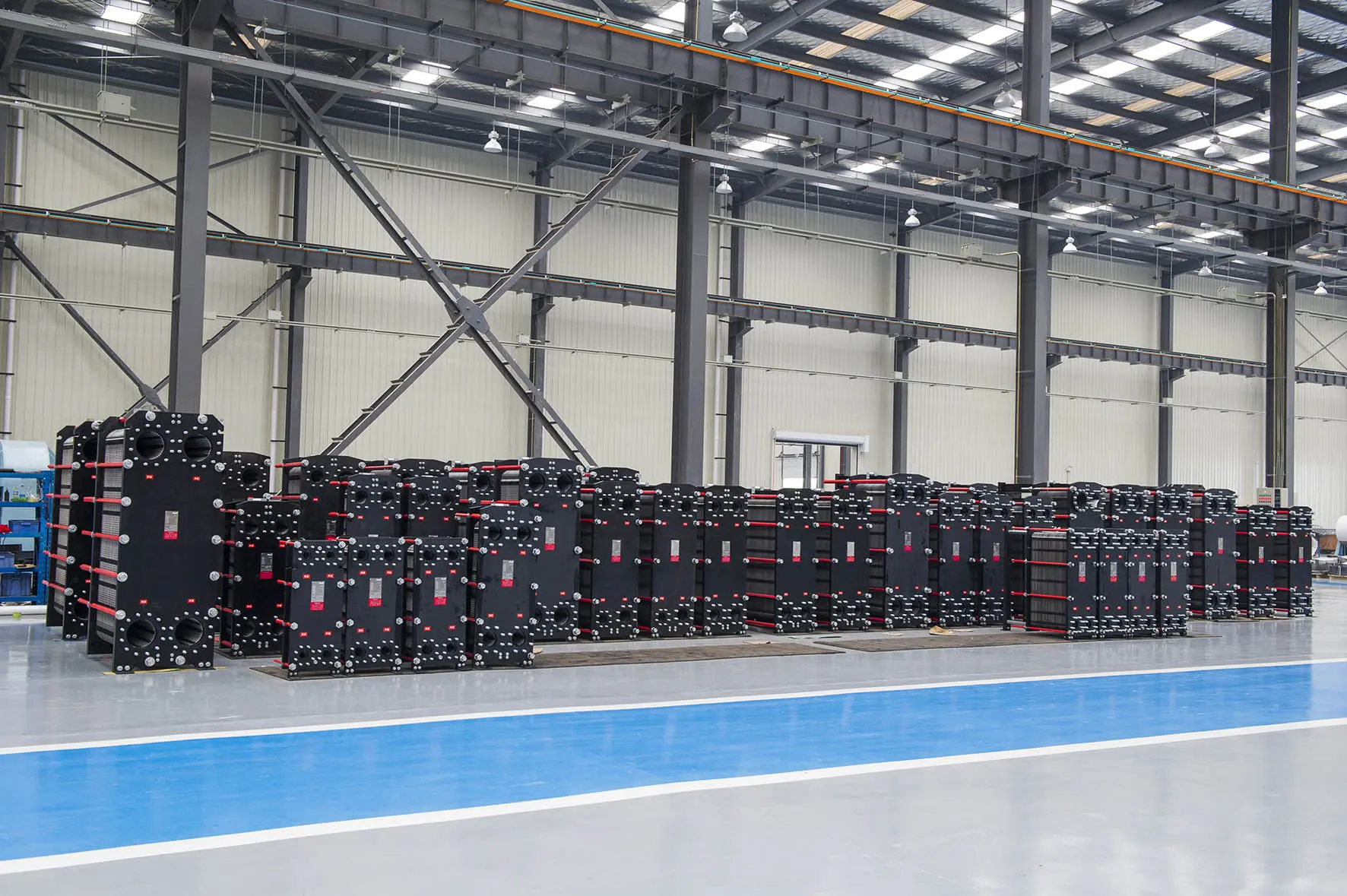
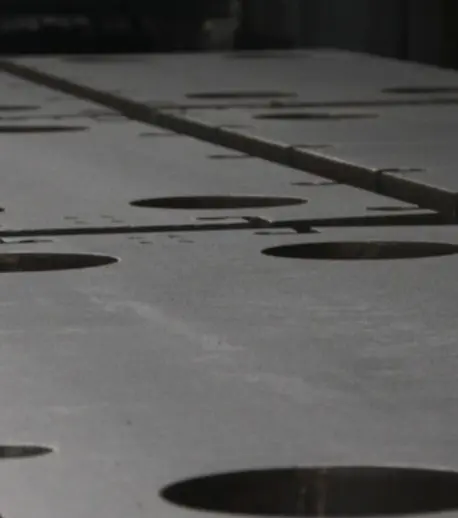
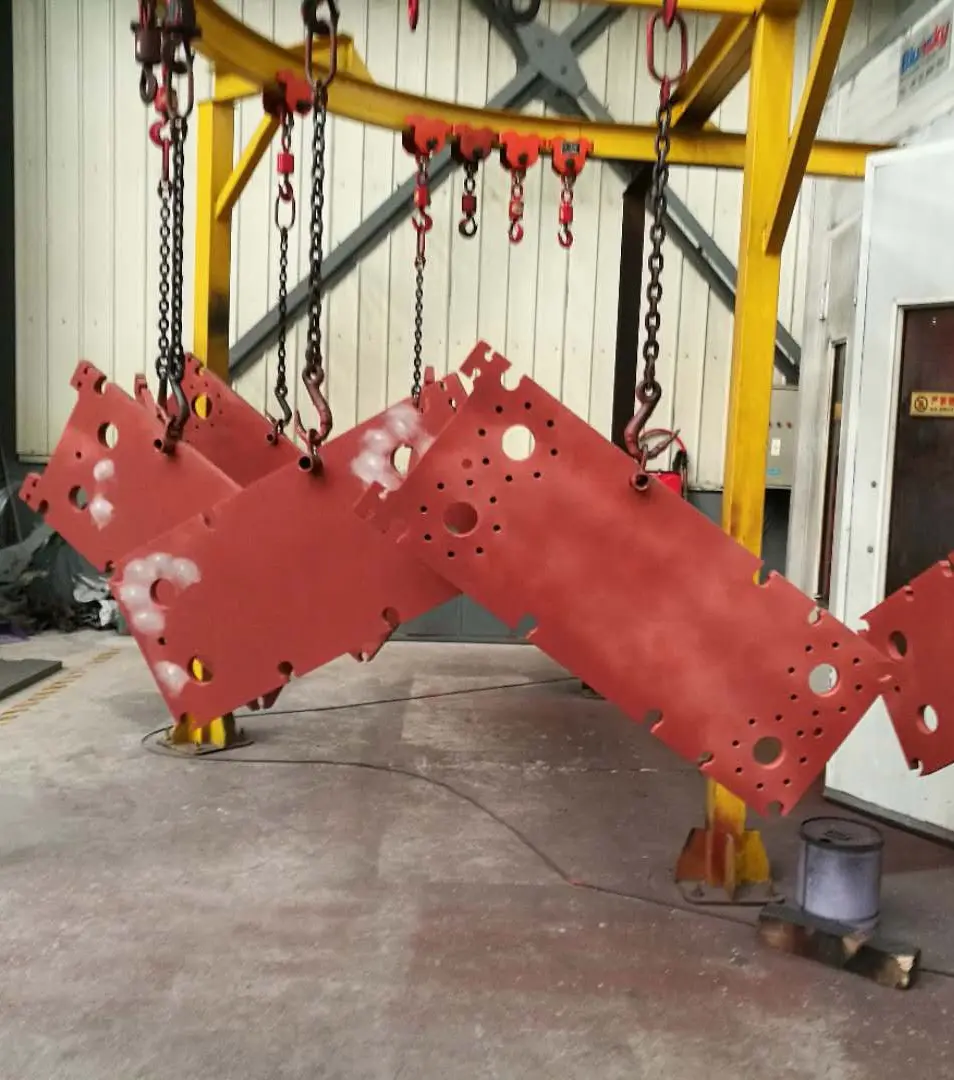
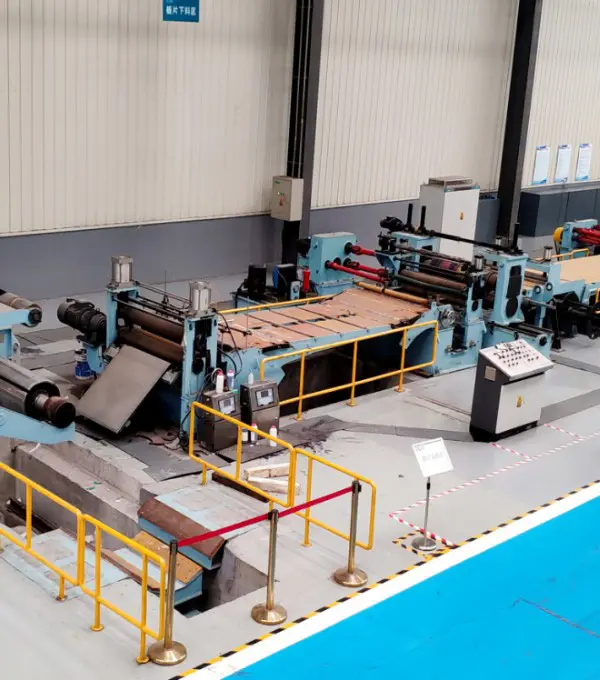
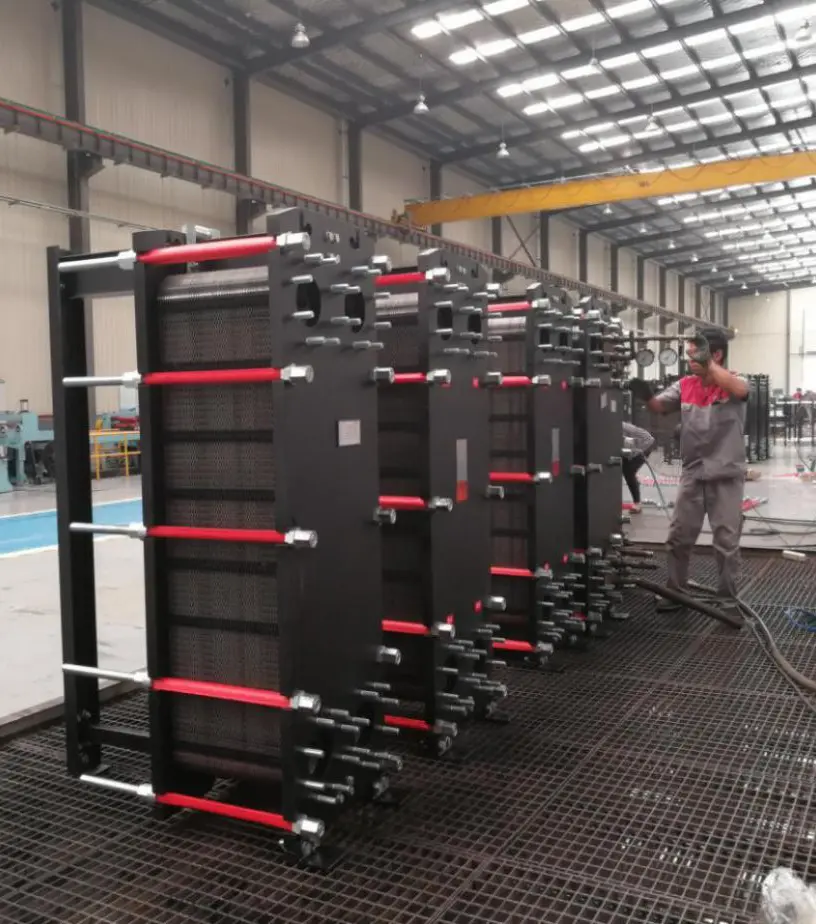
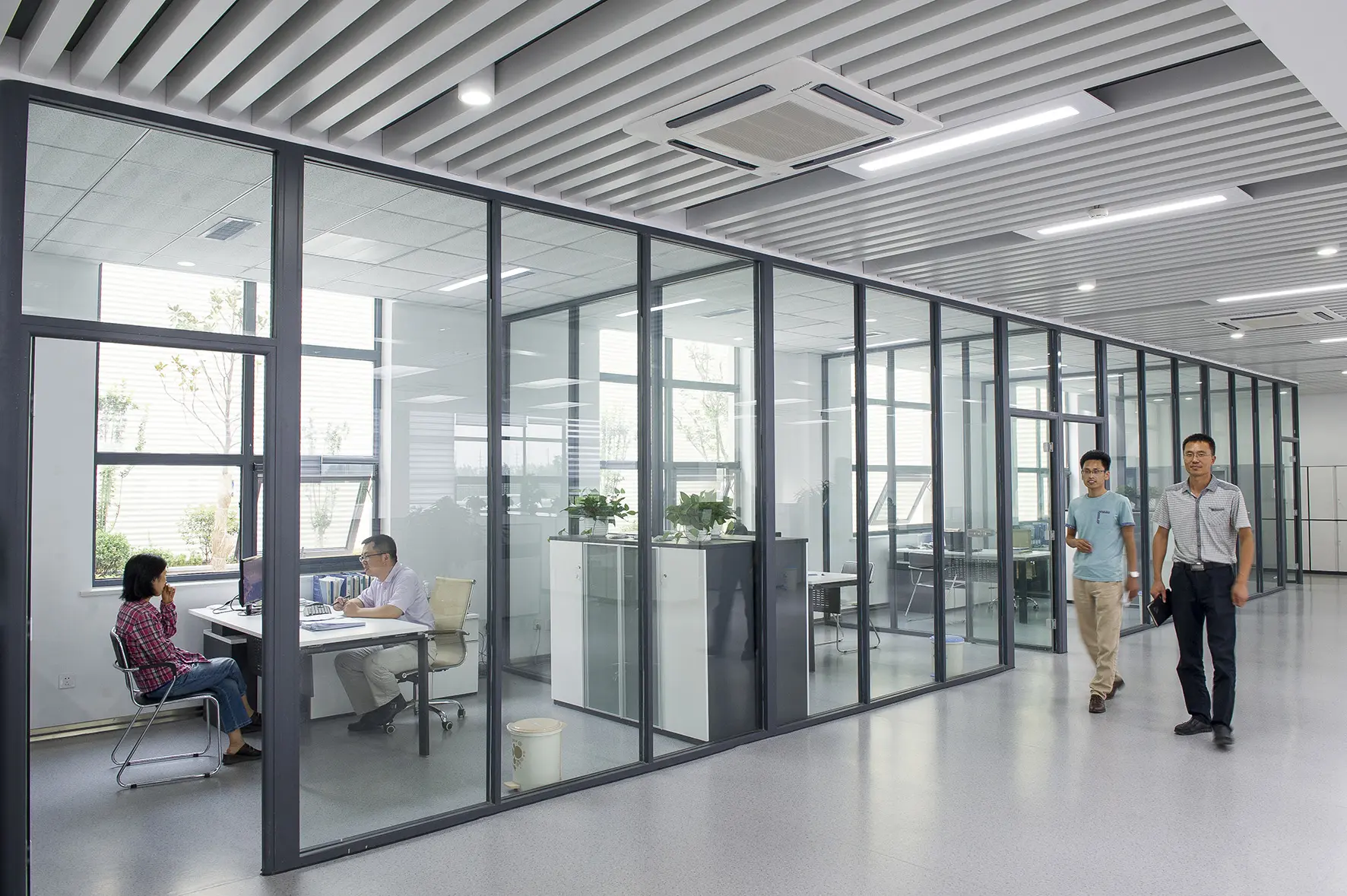
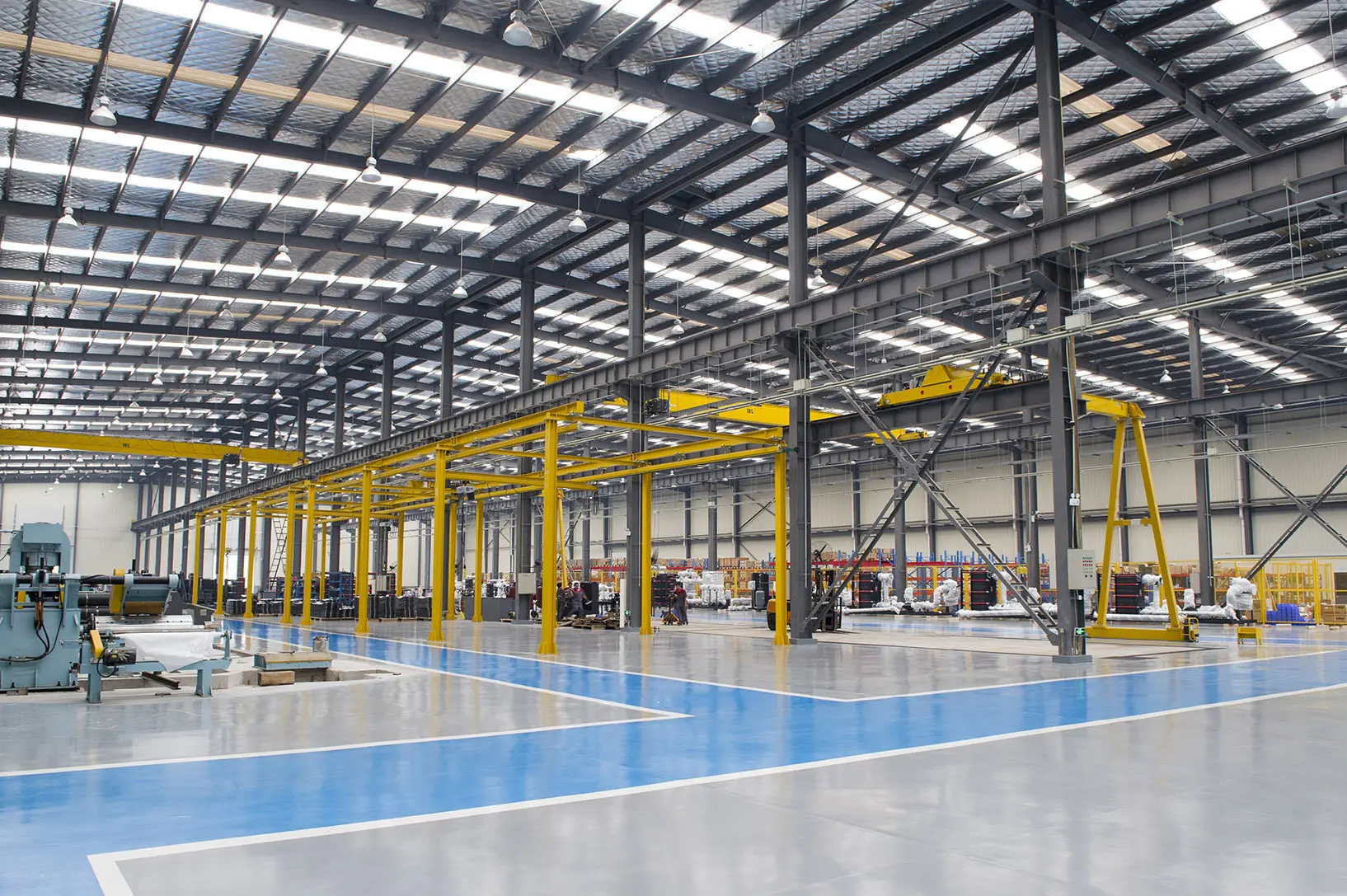
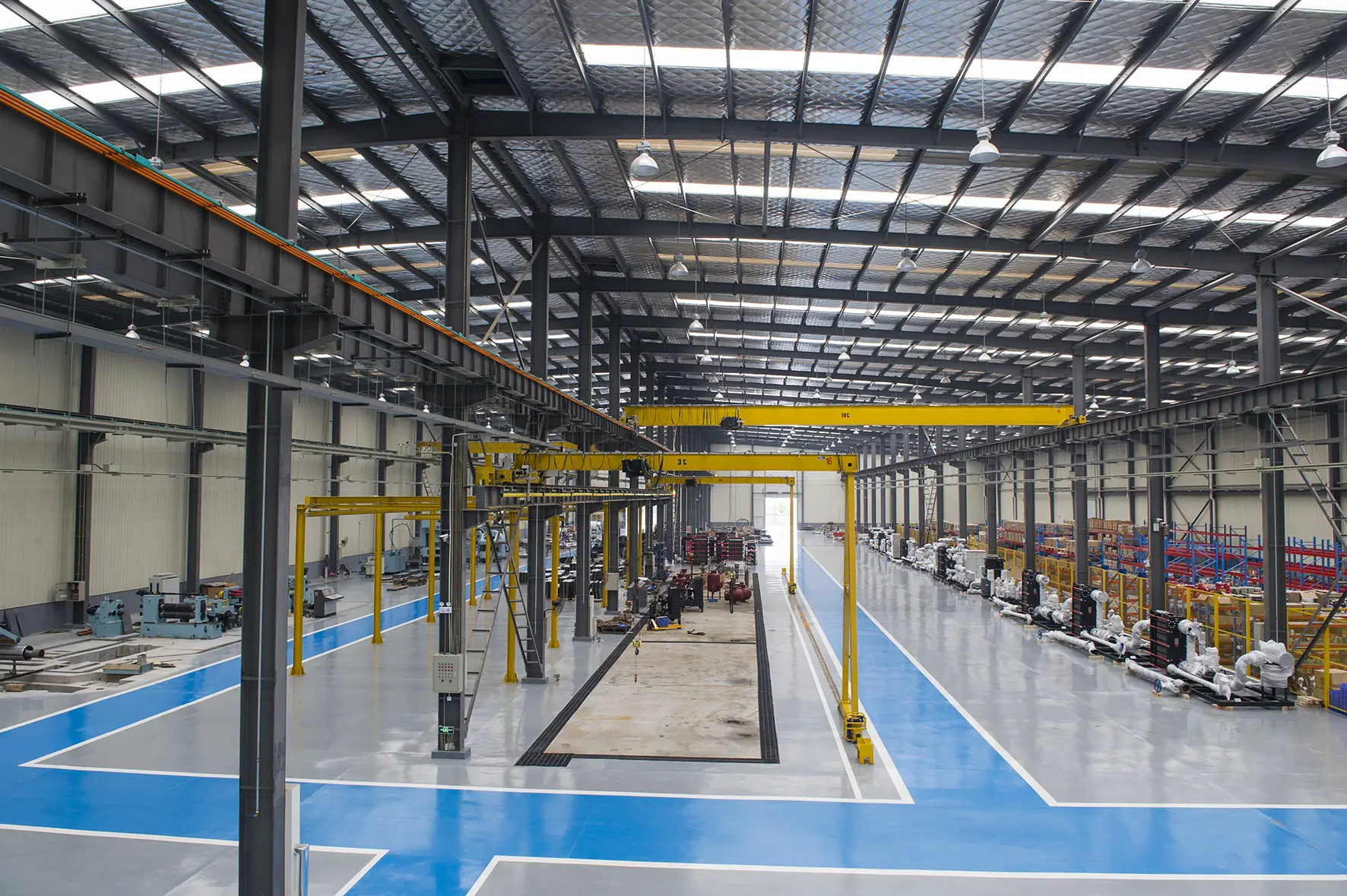
In Flotte's 70,000㎡ modern manufacturing facility, every piece of thermal equipment undergoes a strictly monitored 9-step production and quality assurance workflow to ensure international standard compliance.


The industry is transitioning from passive heat exchange to active, real-time energy flow management. Two key developments illustrate this trend:
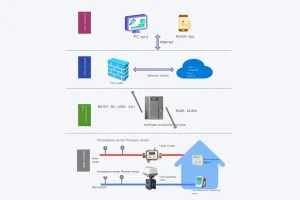
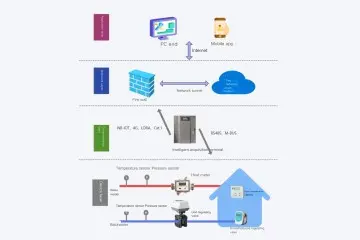
A. Integration of IoT Monitoring Systems: Operating a modern heating network without real-time analytics leads to significant operational waste. Modern heat exchange units are integrated with cloud monitoring systems that track local temperature profiles, pressures, and flow rates. This allows heating parameters to be dynamically adjusted based on external weather changes, preventing over-heating and decreasing thermal energy losses across the secondary network distribution loop.
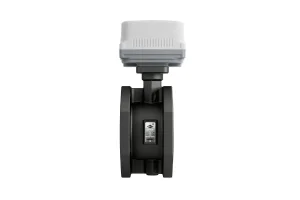
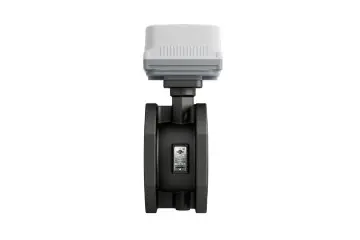
B. Hydraulic Valve Optimization: In complex buildings or wide municipal district heating systems, hydraulic imbalance is a frequent challenge. Distant zones often receive insufficient hot water supply while near loops are over-supplied. Intelligent balancing valves adjust hydraulic resistance in real-time, matching supply pressure to local heat demand to ensure stable operations across all network branches.
To reduce risk when choosing a manufacturing partner in China, global procurement teams should evaluate potential partners against several key qualifications:
Deep technical answers to assist engineering and sourcing teams.
Select certified products featuring complete material traceability and engineering documentation.
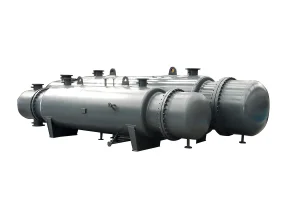
Precision engineered systems matching specific commercial and industrial application envelopes.
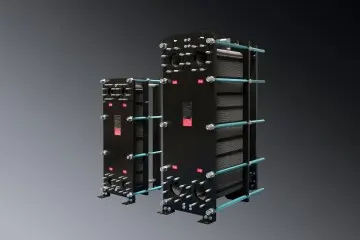


 Flotte Energy