Explore our core engineering configurations manufactured directly at our high-capacity Chinese facilities. Engineered to comply with rigorous international energy directives and mechanical standardizations.
Established in 2013 with a robust registered capital of 101 million yuan, Flotte Energy Saving Company traces its engineering lineage back to the founding of Flotte Thermal Engineering in 1995. This rich 30-year legacy of technical mastery has placed Flotte at the forefront of the commercial heating, ventilation, air conditioning (HVAC), industrial water supply, and advanced water treatment sectors.
By prioritizing the integration of thermodynamic efficiency with digital control frameworks, we continuously design state-of-the-art products that outperform conventional setups. Our operational blueprint is focused on offering verified "Information Gain" to system integrators, design institutes, and procurement managers worldwide, ensuring every custom thermal system configuration aligns with local regulatory protocols, structural demands, and high-efficiency metrics.
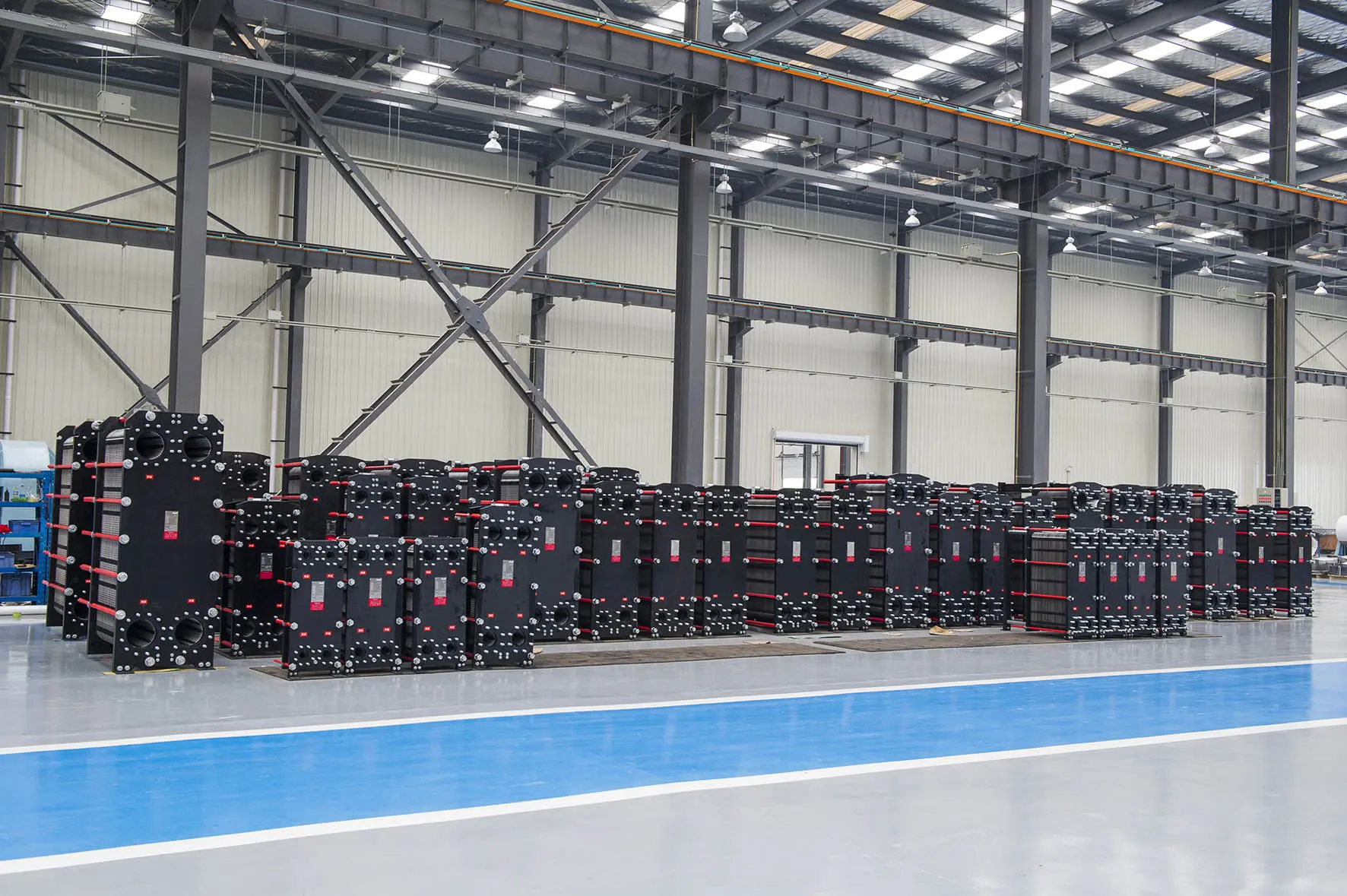
High-capacity operations and rigorous testing protocols back our reliability as a premium industrial supplier.
Industrial fluid dynamics require precise configurations to balance thermal transmission with hydraulic flow parameters. Achieving high heat transfer coefficients (U-values) while minimizing pressure drops (ΔP) requires customized engineering adjustments. Standard configurations are designed based on detailed analysis of flow behaviors, physical properties of media, and structural constraints.
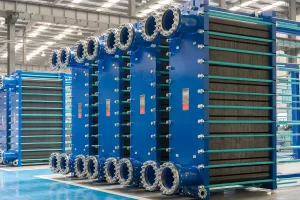
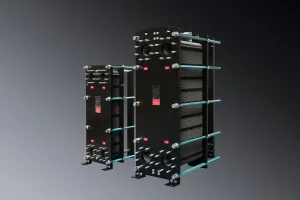
Configured with corrugated metal plates clamped within a heavy-duty frame, sealed with premium elastomer gaskets. Corrugation geometries, specifically herringbone chevron patterns, are customized based on thermal length requirements. High theta chevron configurations maximize boundary layer turbulence for superior thermal efficiency, while low theta profiles accommodate high flow velocities with minimal pressure resistance.
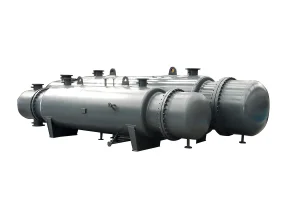
Engineered for extreme operating environments characterized by high pressures and temperature differences. Utilizing dense tube bundles housed within a cylindrical shell, these configurations mitigate thermal stress via floating tubesheets, U-tube layouts, or fixed configurations. Excellent for clean steam, process gases, and heavy fouling industrial process streams.
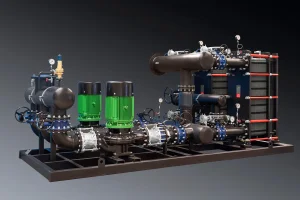
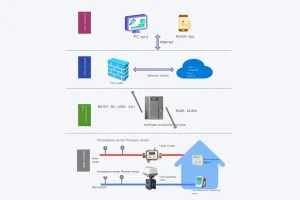
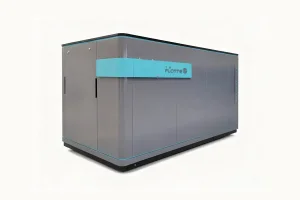
A comprehensive, skid-mounted heating and cooling configuration that integrates high-efficiency PHEs, smart balancing valves, variable speed circulating pumps, advanced sensors, and PLC logic controllers. Pre-assembled and tested under pressure to guarantee seamless field deployment and instant compatibility with smart city BMS interfaces.
| Thermal Configuration Type | Typical Heat Transfer Coefficient (W/m²·K) | Maximum Pressure Class | Corrosive Media Adaptability | Common Industrial Application |
|---|---|---|---|---|
| Detachable Plate Heat Exchangers | 3,000 - 7,000 | Up to 2.5 MPa | Excellent (Titanium, Hastelloy plates) | HVAC, District Heating, Seawater Cooling |
| Shell & Tube Exchangers | 500 - 2,500 | Up to 40 MPa+ | Moderate (Depends on Tube Metallurgy) | Chemical Processing, Power Generation, Oil & Gas |
| Intelligent Skid Units | Dynamic (Optimized via Controls) | Up to 2.5 MPa | High (Equipped with automated flushing options) | District Heating Stations, Smart Building HVAC |
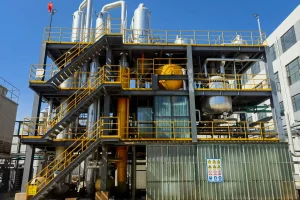
| Multi-Effect Evaporators | System Dependent | Vacuum to Low Pressure | High (Corrosion-resistant alloys required) | Wastewater Concentration, Zero-Liquid Discharge |
Modern industrial and urban infrastructures operate under strict decarbonization mandates. Commercial properties, process plants, and district energy networks account for a significant share of global thermal energy consumption. Optimizing heat recovery and distribution mechanisms is critical to reducing carbon footprints and lowering operational costs.
Our systems operate at the interface of local energy networks and building systems, converting municipal high-temperature supplies into safe, regulated low-temperature distribution networks. By leveraging high-precision manufacturing, we ensure that thermodynamic systems operate at their peak design limits, minimizing thermal losses and maximizing system service life.
From optimizing steam utilization in pharmaceutical factories to managing hydraulic balance in municipal heating systems, our custom configurations are designed to meet diverse operational demands while ensuring compliance with regional environmental standards.
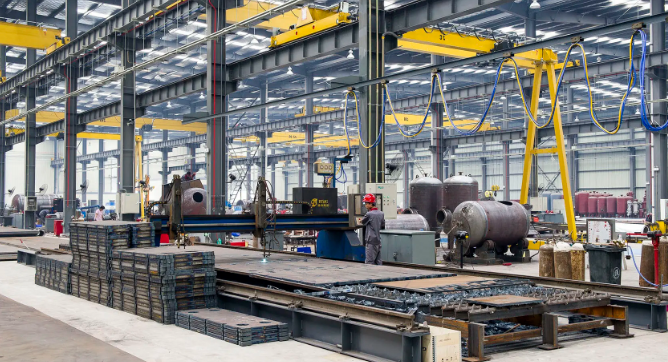
Operating within a highly integrated industrial ecosystem, our factory leverages a robust domestic supply chain. By source-contracting raw metal sheets (such as POSCO stainless steel, premium titanium, and nickel alloys) and manufacturing specialized tooling in-house, we secure stable material costs and reliable lead times for international projects.
Our production facilities utilize modern manufacturing processes and strict quality control measures to deliver high-quality, high-performance equipment. All frontline technicians undergo formal training and certification, ensuring adherence to the ISO 9001:2015 quality management framework and pressure vessel quality assurance standards. From raw material sourcing to final hydrostatic testing, every step is carefully monitored to ensure performance and reliability.
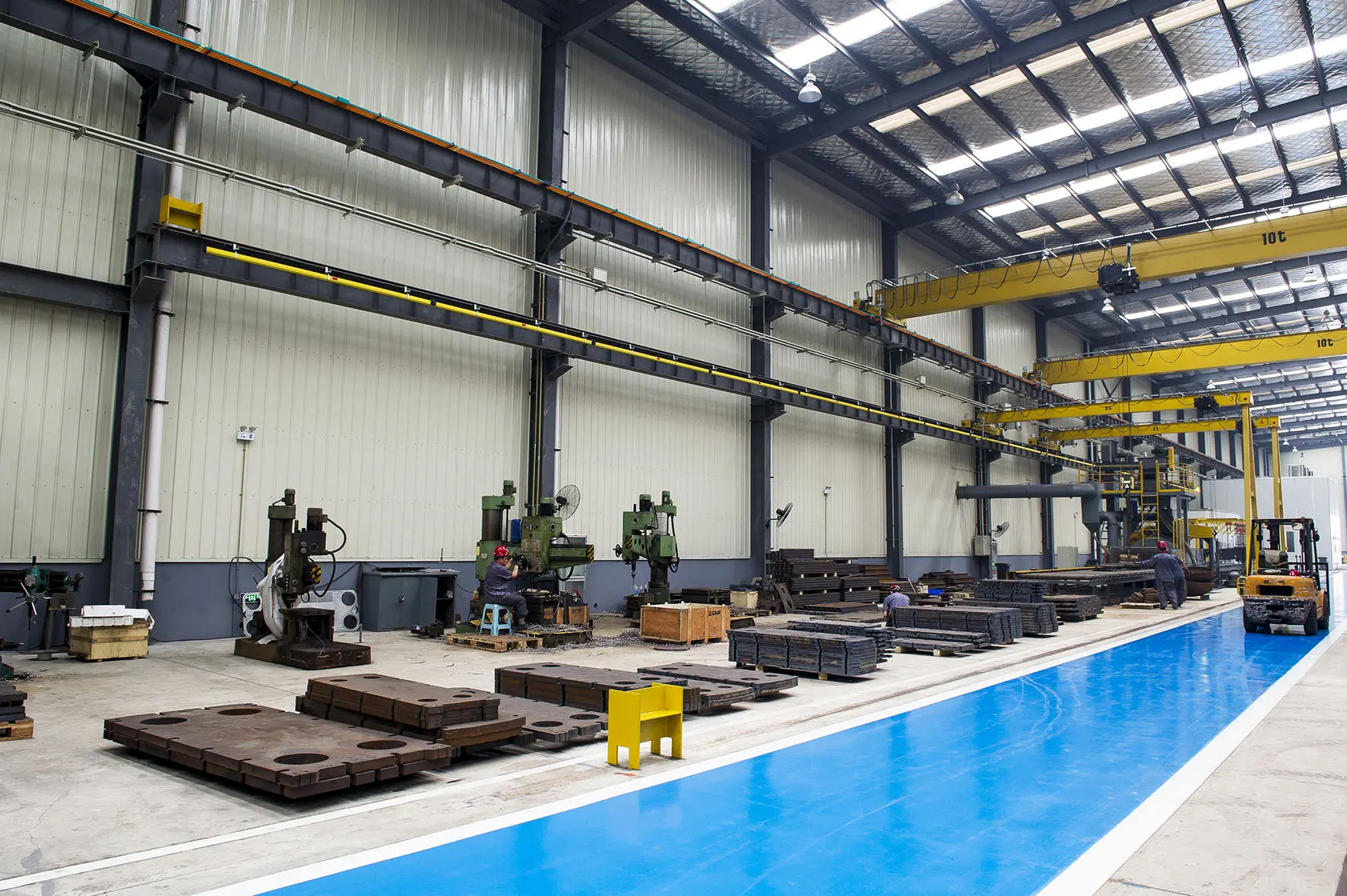
Our quality assurance framework covers nine distinct manufacturing stages. By monitoring key parameters at each step, we ensure every heat exchanger configuration meets strict mechanical and thermal specifications.
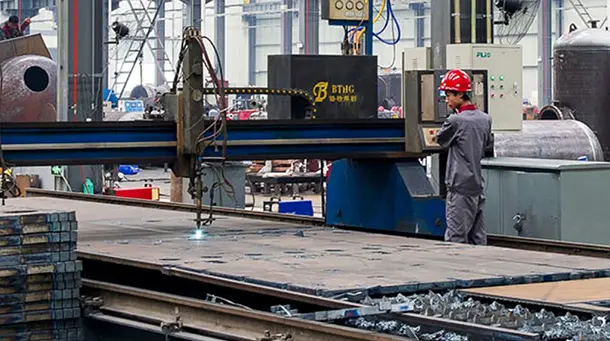
Heavy-duty carbon steel frame plates are cut using precision CNC fiber laser systems to ensure dimensional accuracy and flat sealing faces.
Specialized forming techniques align grain structures in high-stress areas of connections and nozzles, enhancing fatigue resistance.
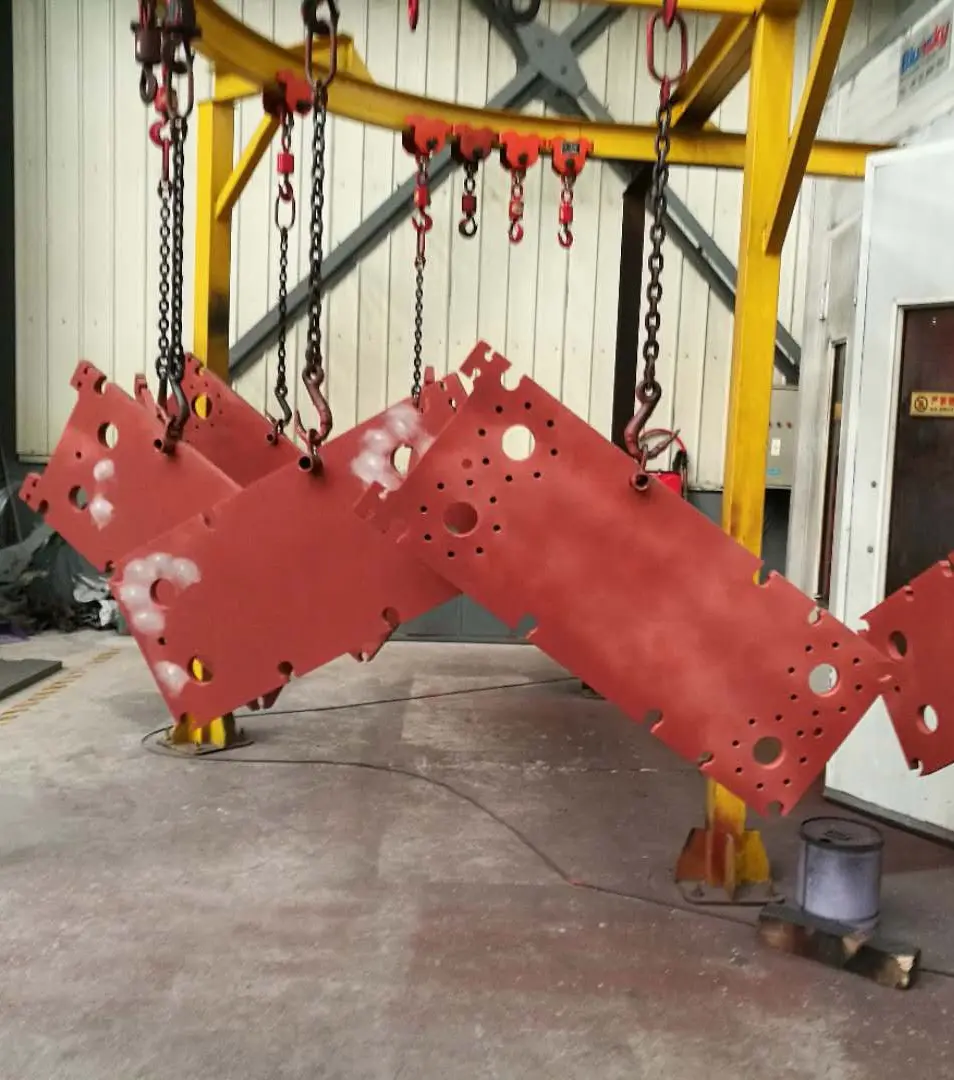
Multi-pass industrial coatings, including anti-corrosive primers and polyurethane topcoats, protect frame surfaces from environmental degradation.
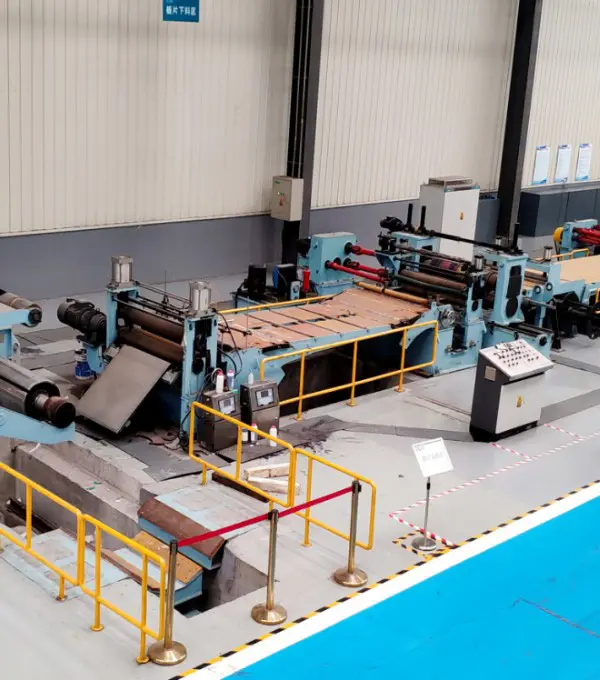
Pre-formed alloy coils are sheared and laser-marked with serial identifiers for material traceability throughout their service life.
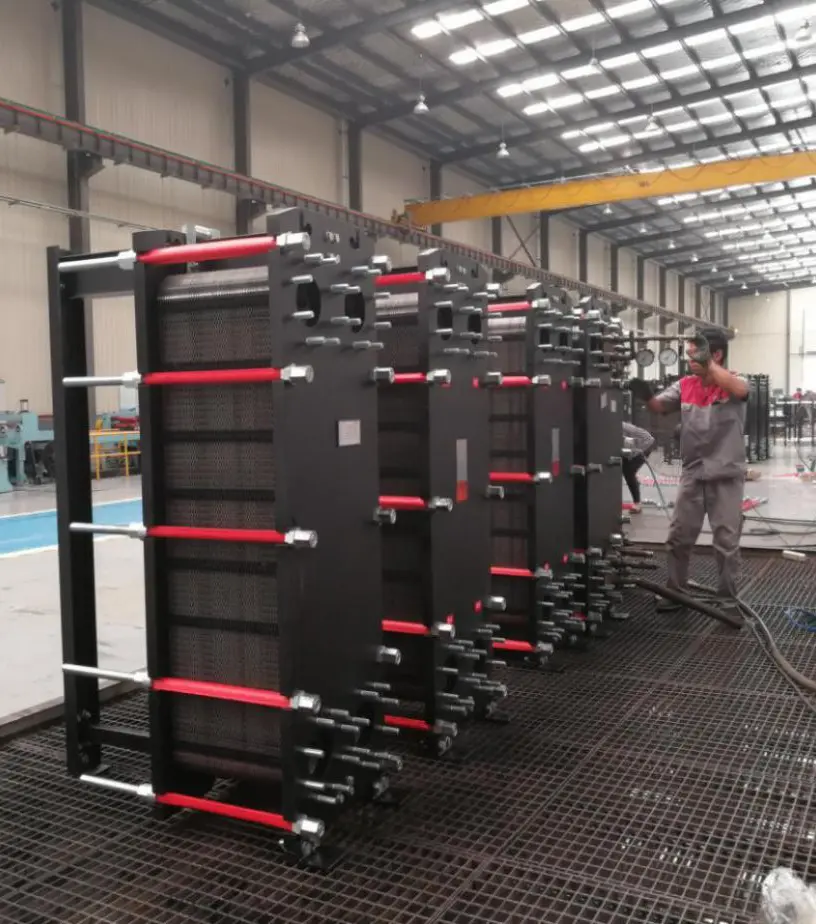
Completed assemblies undergo hydrostatic tests at 1.5x design pressure, held for specified durations to verify gasket sealing and structural integrity.
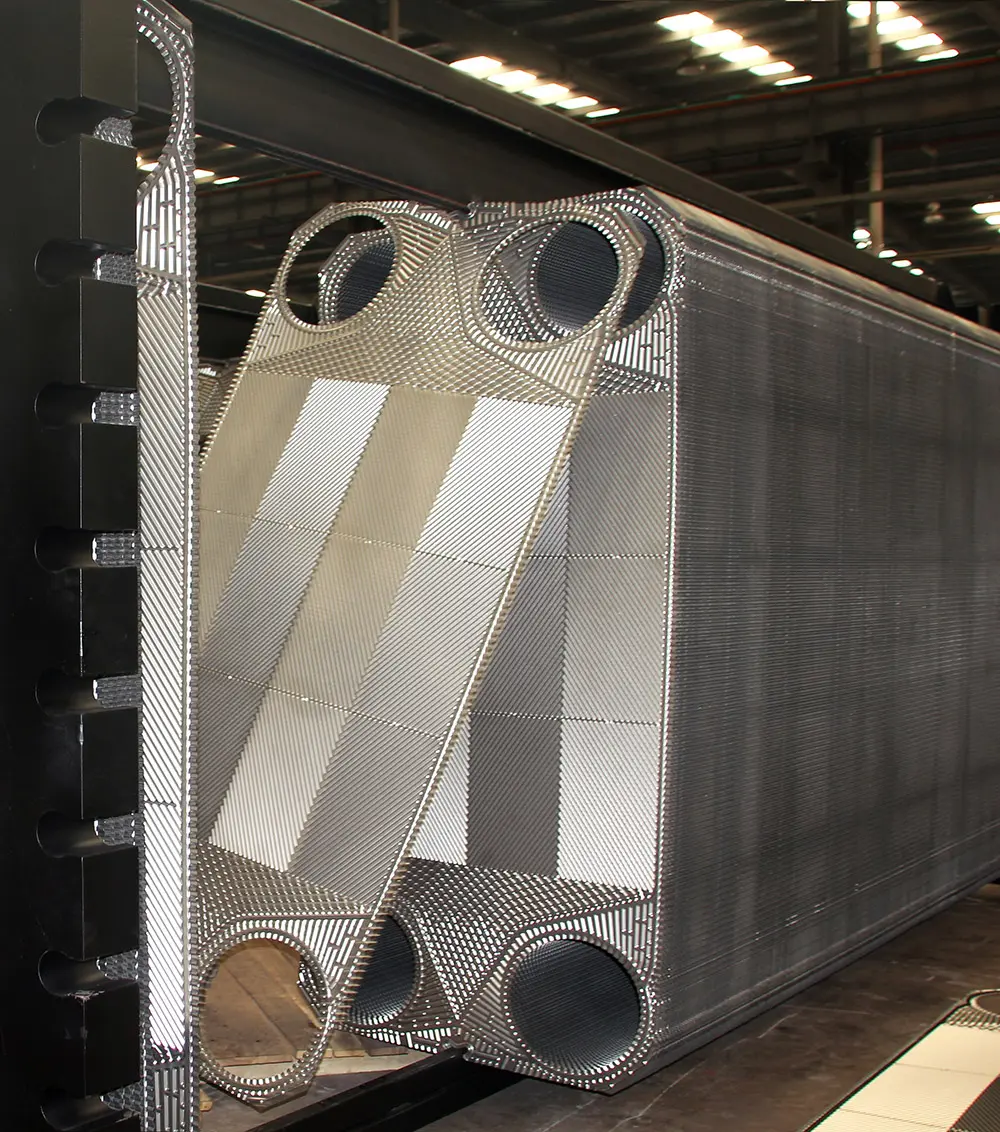
Aligned plate packs are compressed to precise block dimensions using torque-calibrated hydraulic tie rods to ensure uniform seal load.
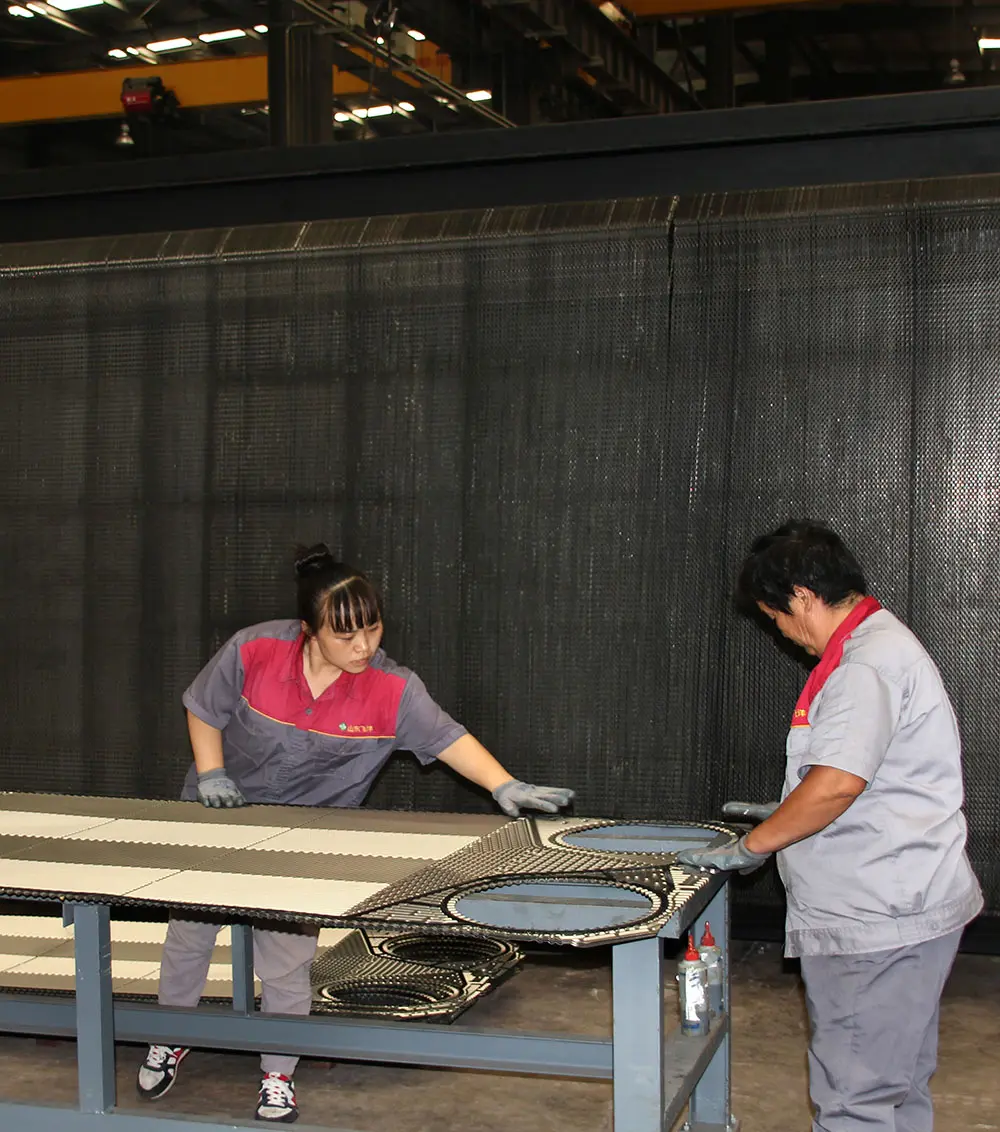
Gaskets are vulcanized and secured in groove tracks using clip-on or glue-free lock systems to simplify field replacement.
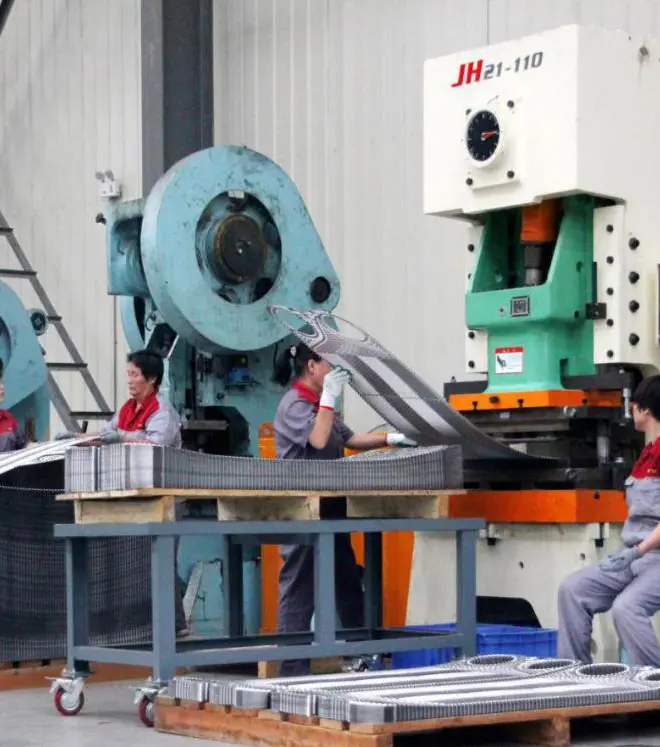
Port entry holes are punched with high-speed tool dies to form clean, burr-free edges that protect gasket boundaries.
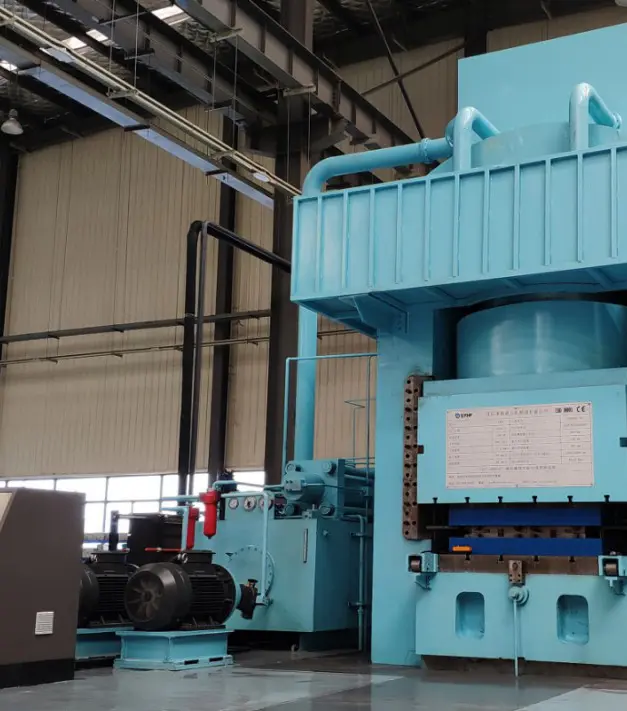
Large-tonnage hydraulic presses stamp the corrugated chevron patterns in a single stroke, ensuring uniform plate thickness and mechanical properties.
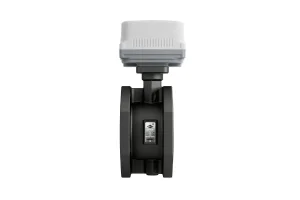
The next generation of heat exchange systems shifts focus from static components to active, intelligent subsystems. By integrating IoT-driven field sensors, variable hydraulic systems, and cloud-based analytics, we enable real-time optimization of energy transfer. High-precision room temperature collectors gather local data, feeding it directly to automated control valves that balance secondary heating networks.
Future developments target the integration of predictive maintenance algorithms. By tracking changes in pressure drop (ΔP) and temperature differences across heat transfer surfaces, the system can predict fouling accumulation. This allows operators to schedule maintenance proactively, minimizing downtime and optimizing long-term system efficiency.
Direct monitoring of temperature, pressure, and flow rates across primary and secondary system boundaries.
Automated balance valves adjust flow rates dynamically to maintain design temperatures and prevent energy waste.
Optimized plate geometries and surface treatments reduce deposit accumulation, sustaining high thermal efficiency.
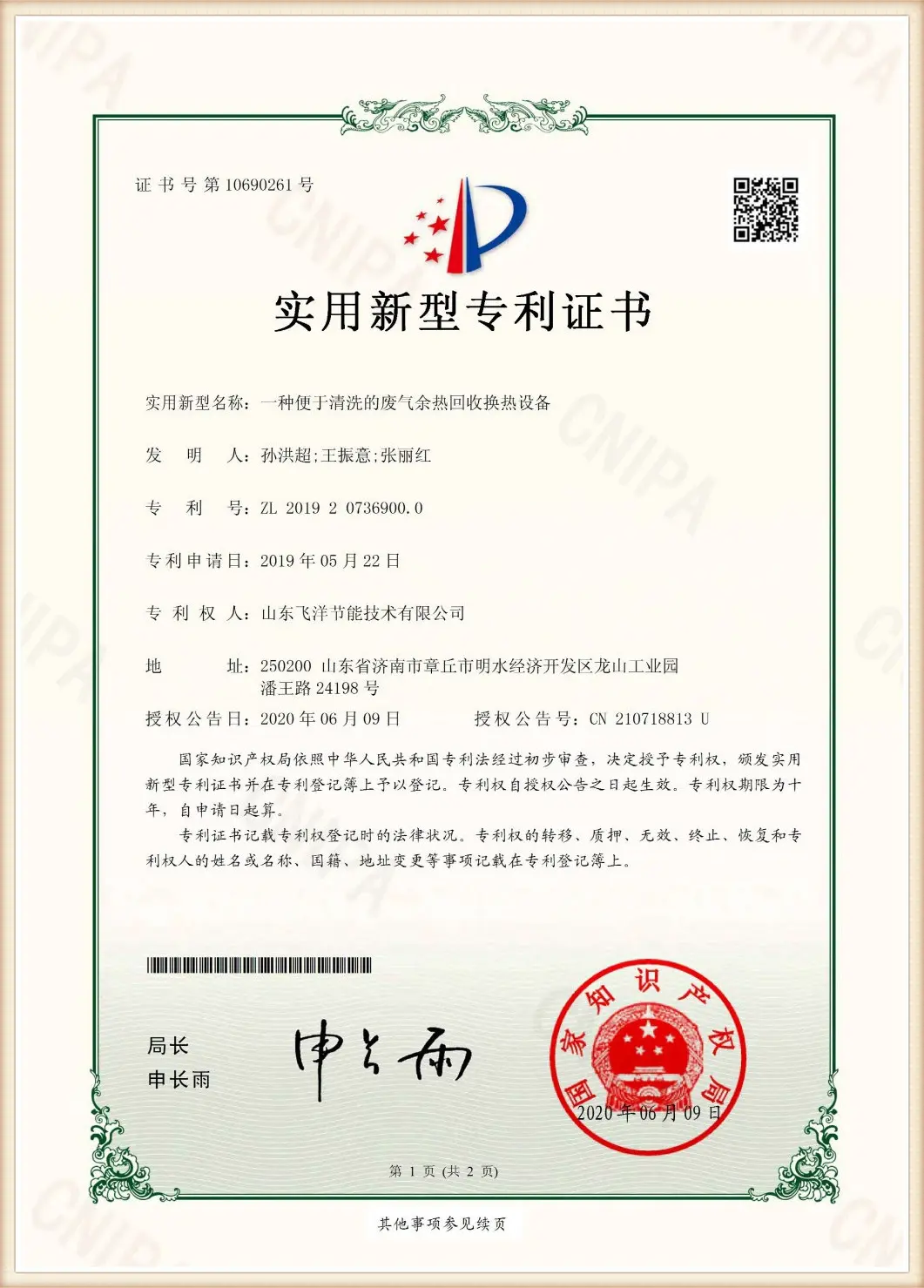
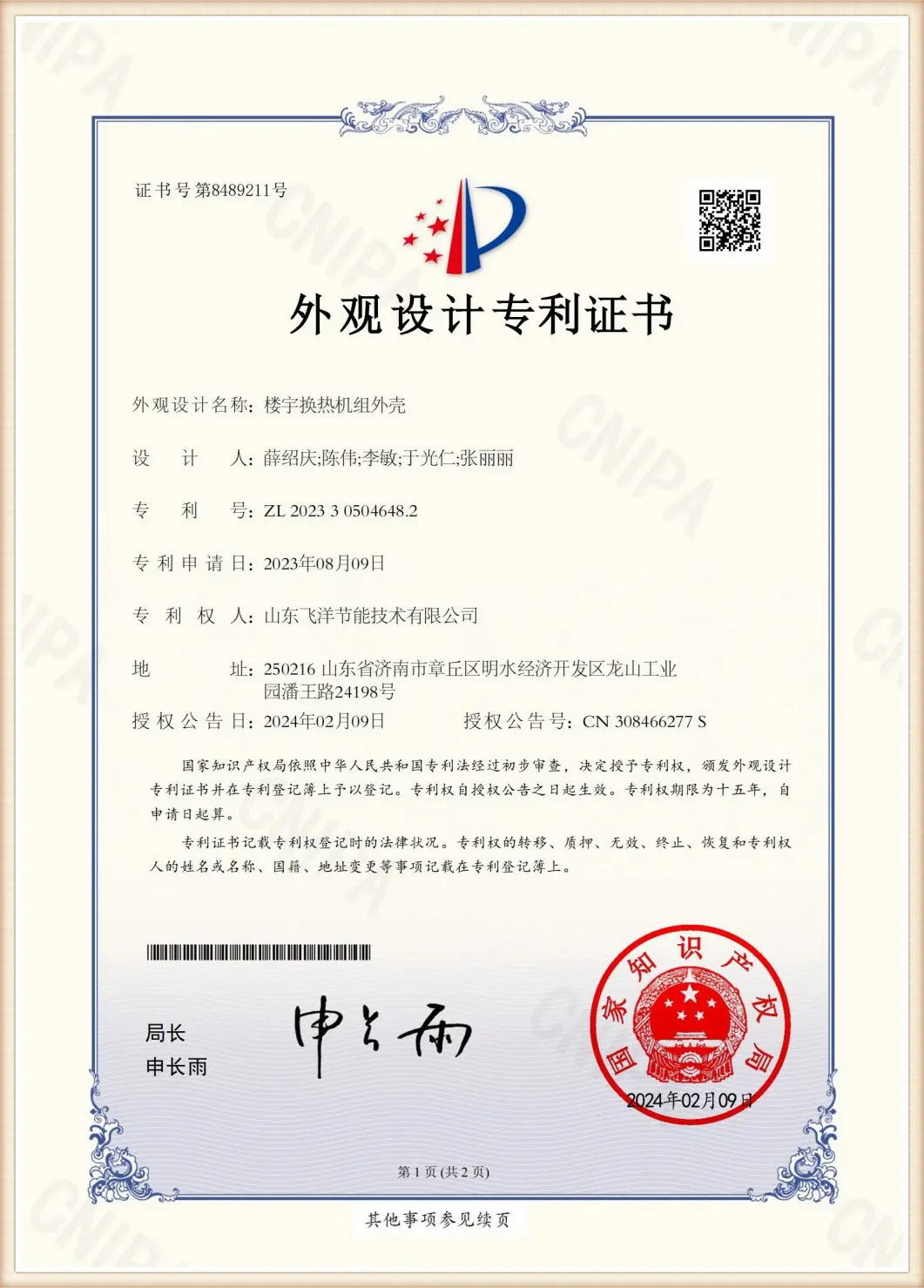
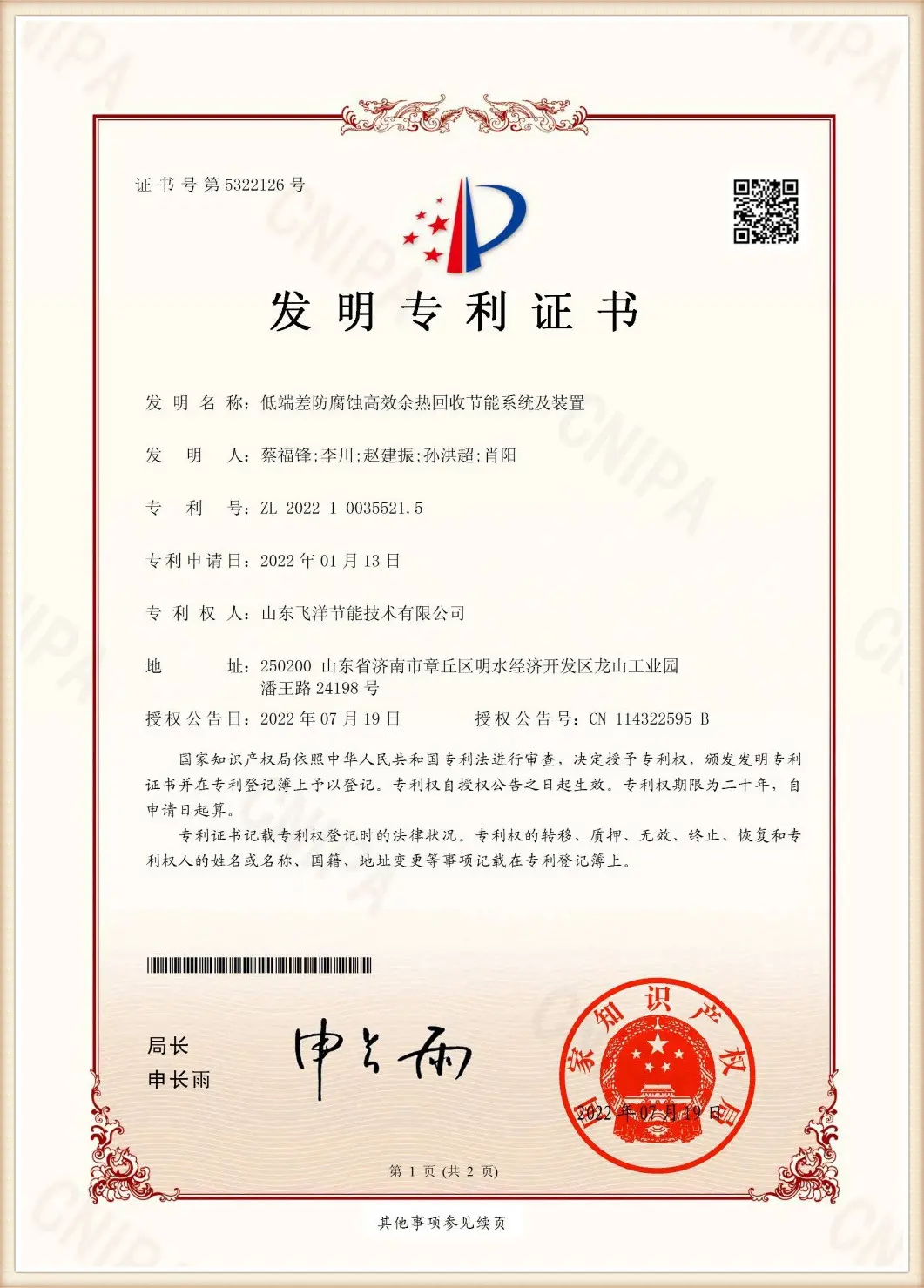
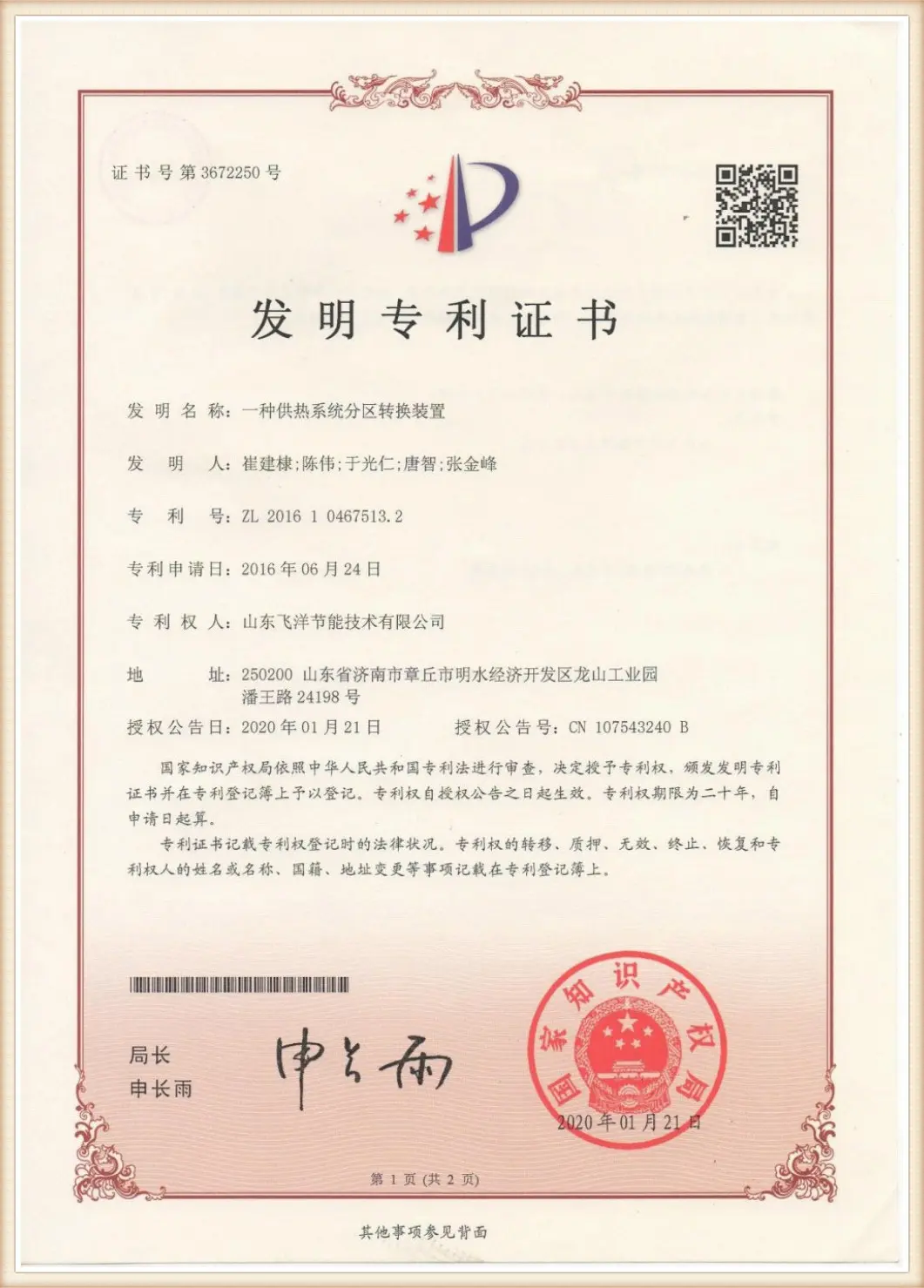
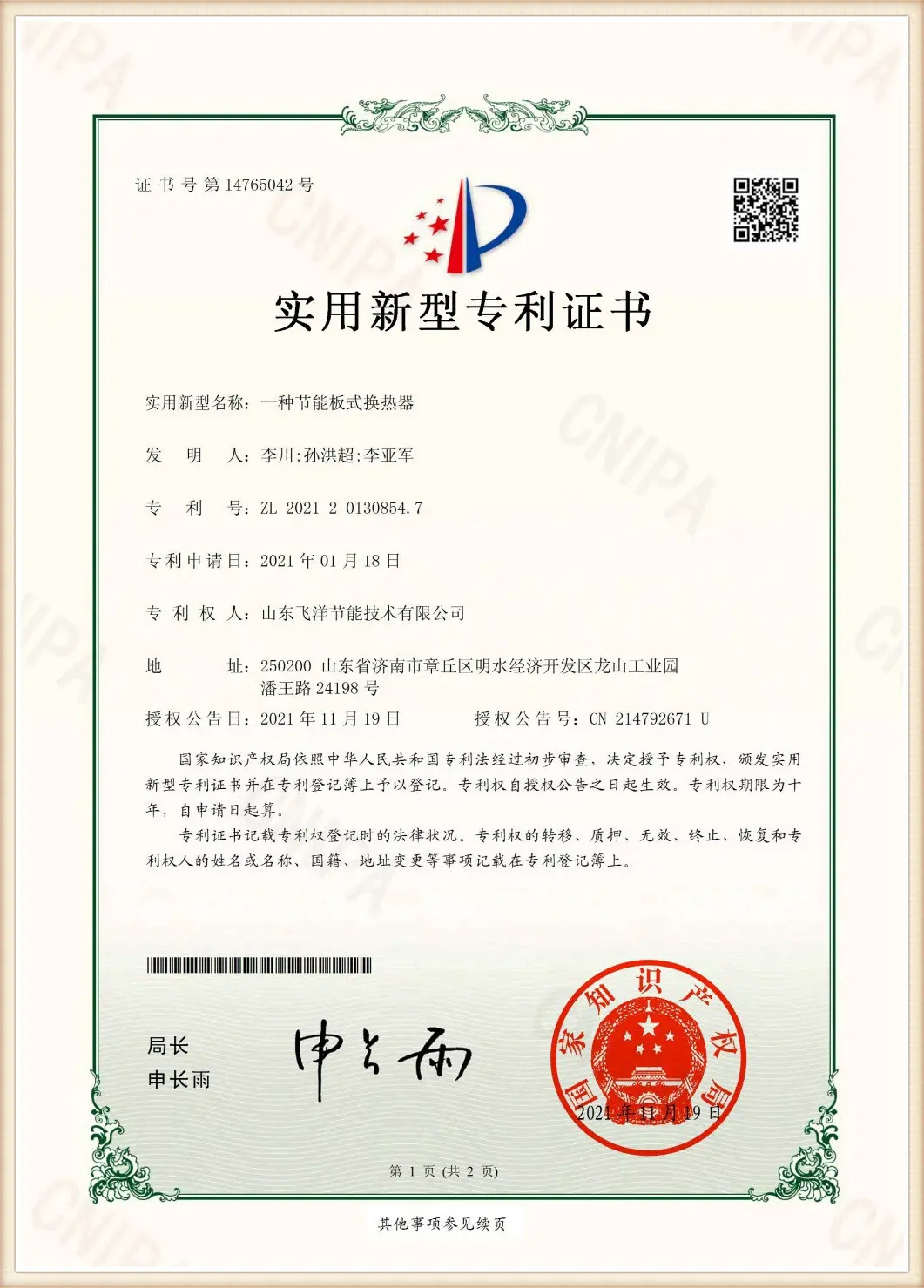
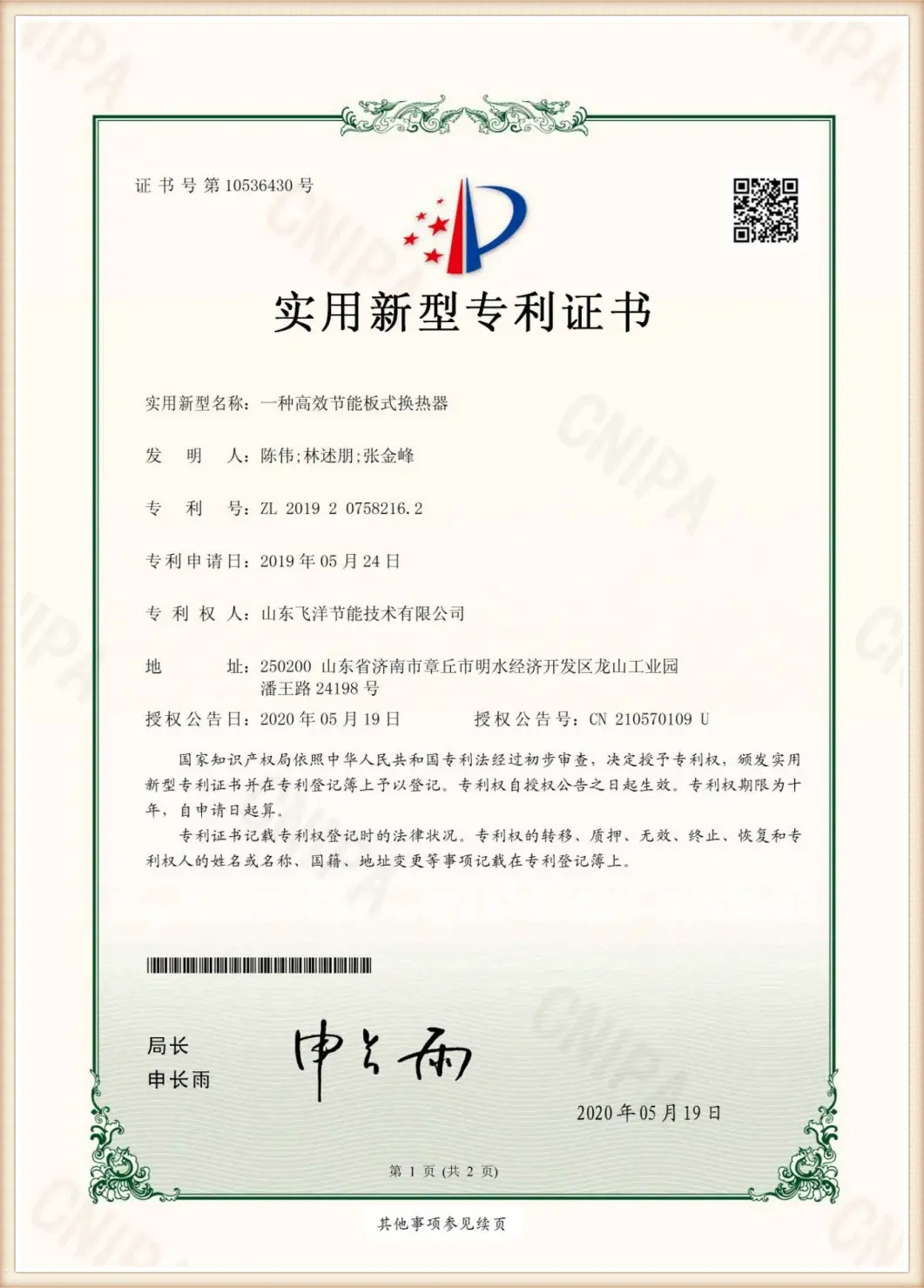
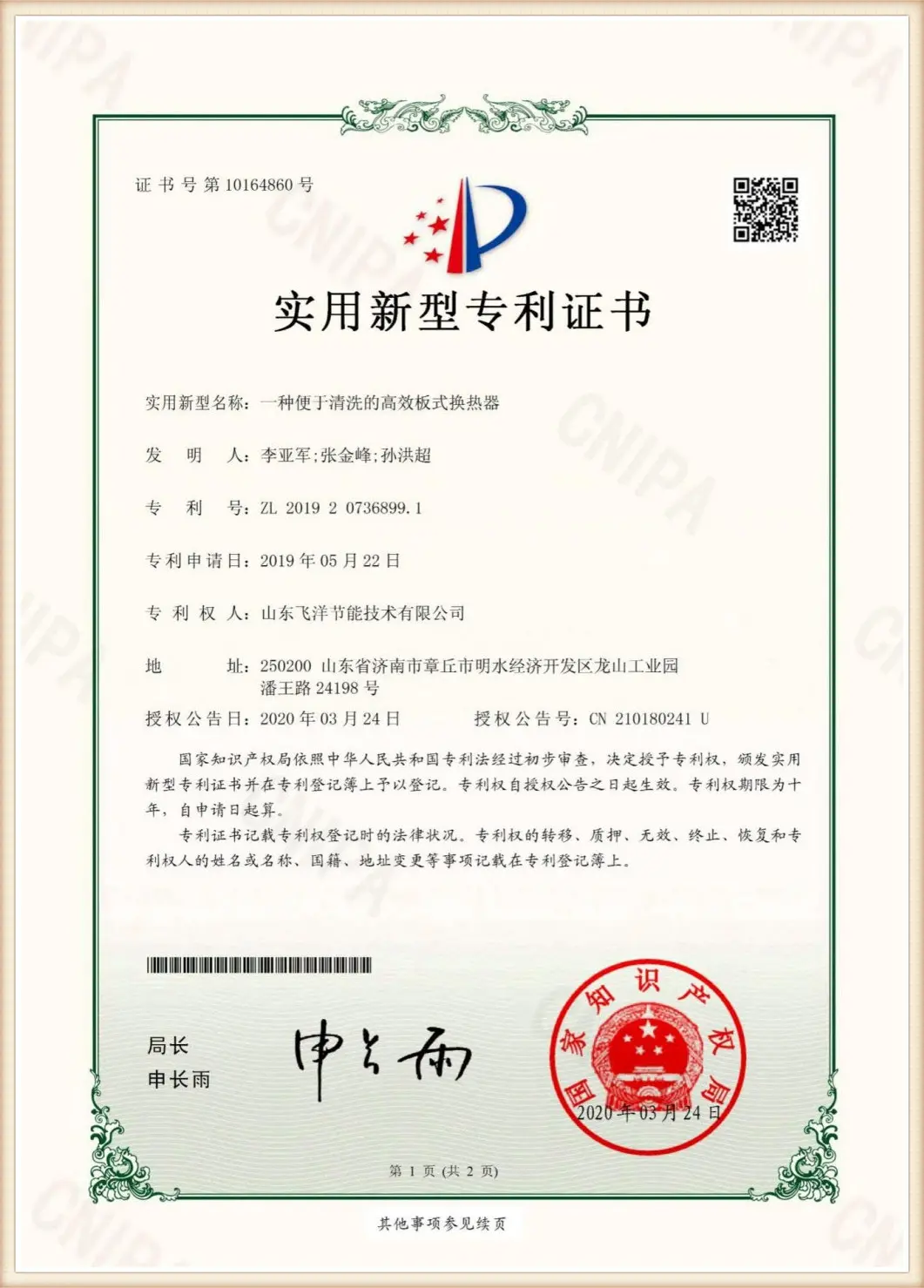
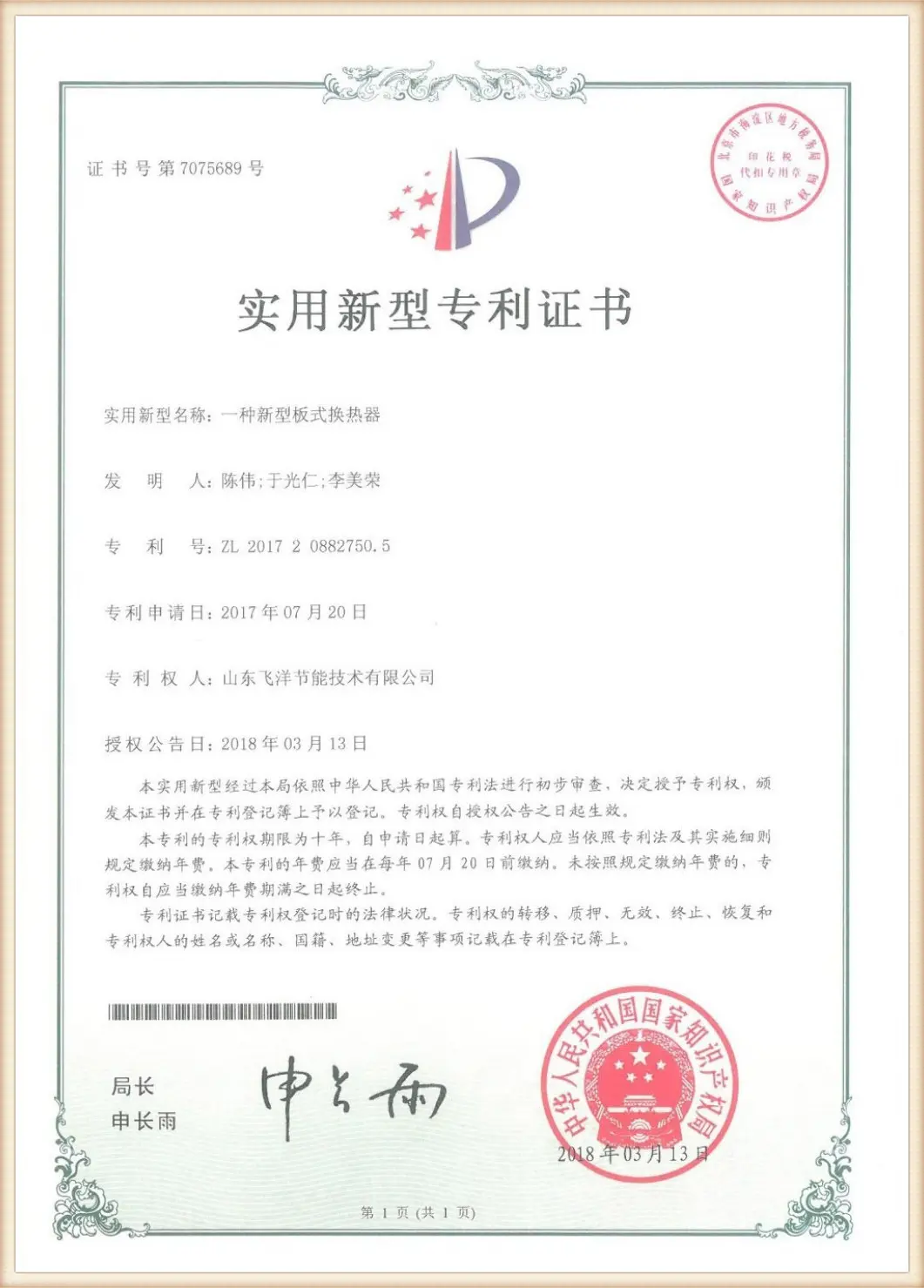
Our commitment to E-E-A-T is backed by formal credentials. Flotte products hold safety registrations from the National Standardization Committee and plate heat exchanger safety certificates from the National Boiler and Pressure Vessel Standardization Technical Committee. Manufacturing operates under certified ISO 9001:2015, ISO 14001:2015, and ISO 45001:2018 management systems.
Expert answers to common technical queries regarding heat exchanger selection, manufacturing standards, and operation.
Our product portfolio extends beyond heat exchange configurations to include membrane concentration systems, multi-effect evaporators, and smart components designed for complete process loop optimization.

 Flotte Energy