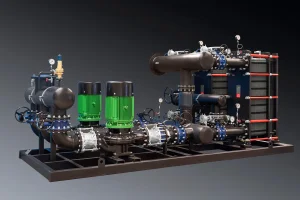
Engineered for energy optimization, chemical resistance, and severe duty district heating networks.
Flotte Energy Saving Company, established in 2013 with a registered capital of 101 million yuan, originated from Flotte Thermal Engineering founded in 1995. With three decades of technical expertise, the company specializes in water equipment, HVAC systems, and water treatment industries. It consistently leads industry peers in adopting cutting-edge technologies, developing innovative products, and delivering comprehensive production and sales services.
"Focus on the profession, focus on the expertise" — Flotte is committed to delivering the most advanced technical consultation, the most reasonable engineering solutions, the best equipment, and the most perfect after-sales support globally.
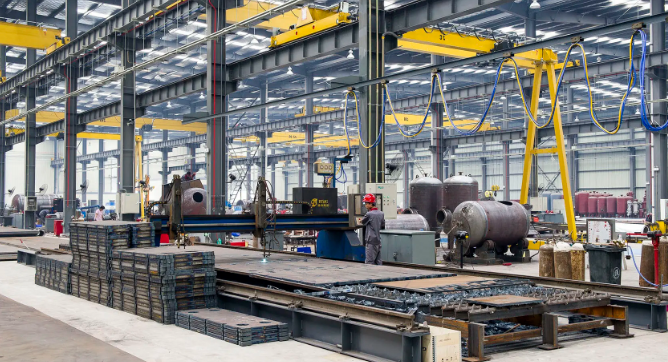
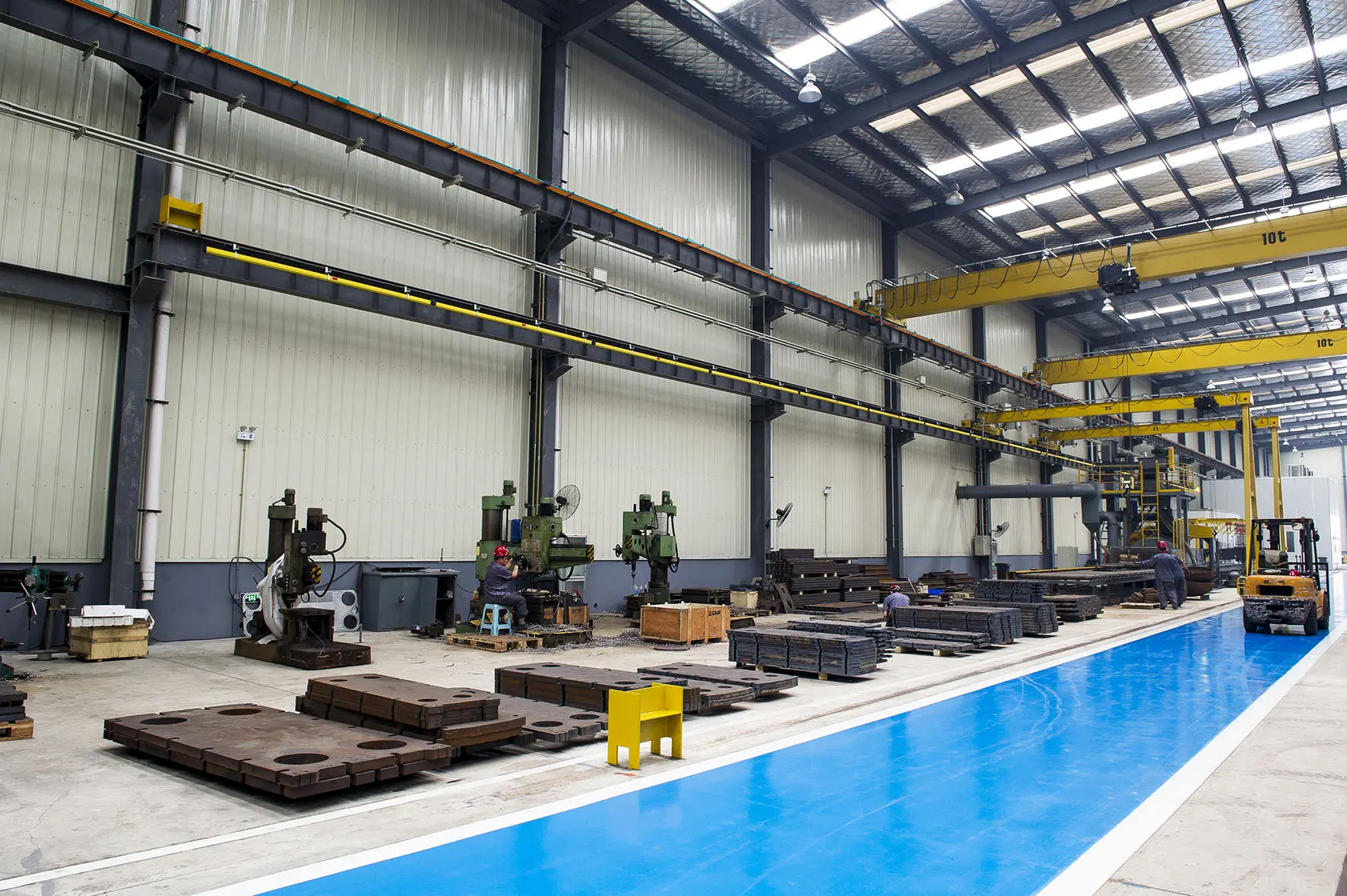
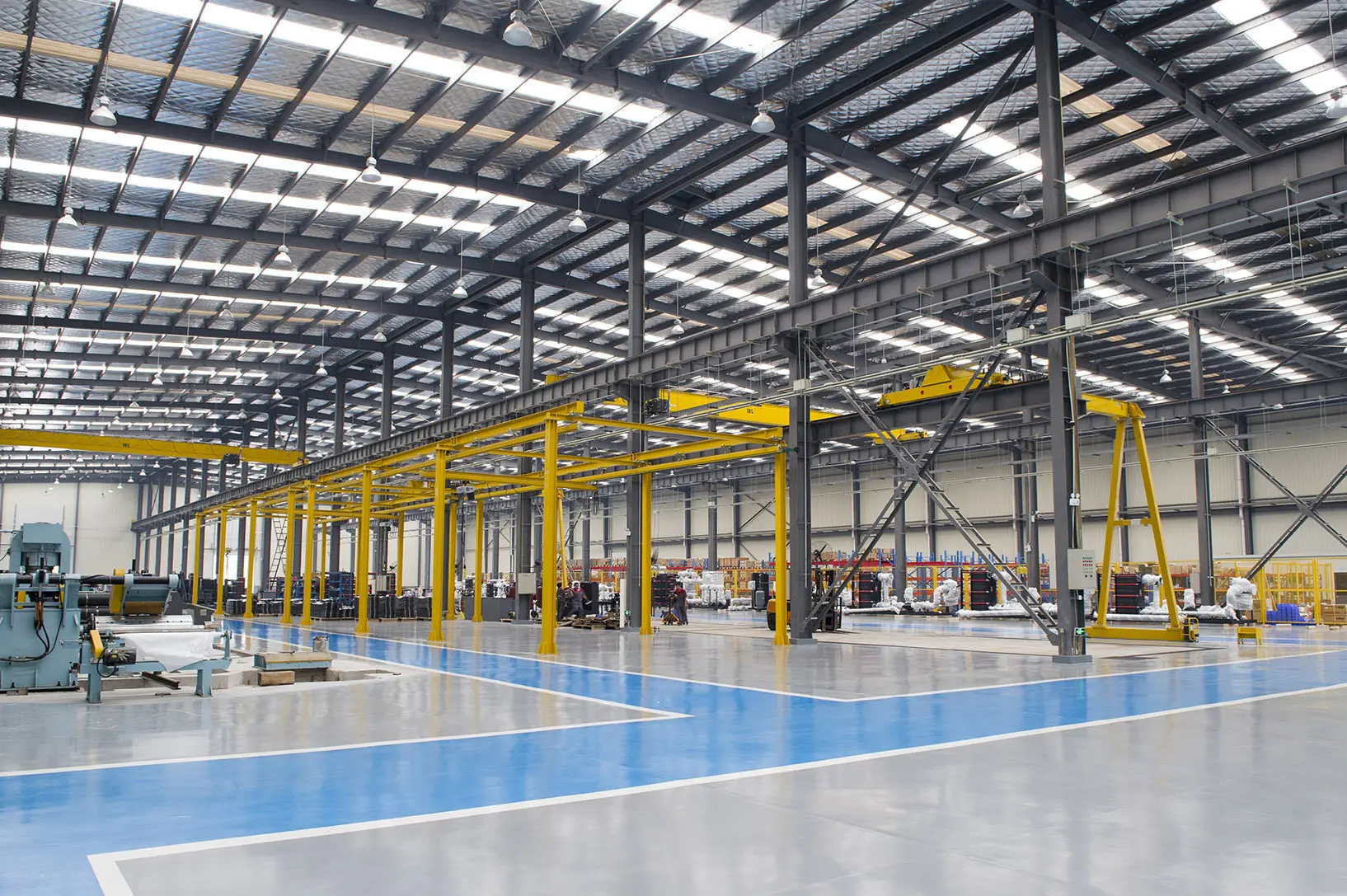
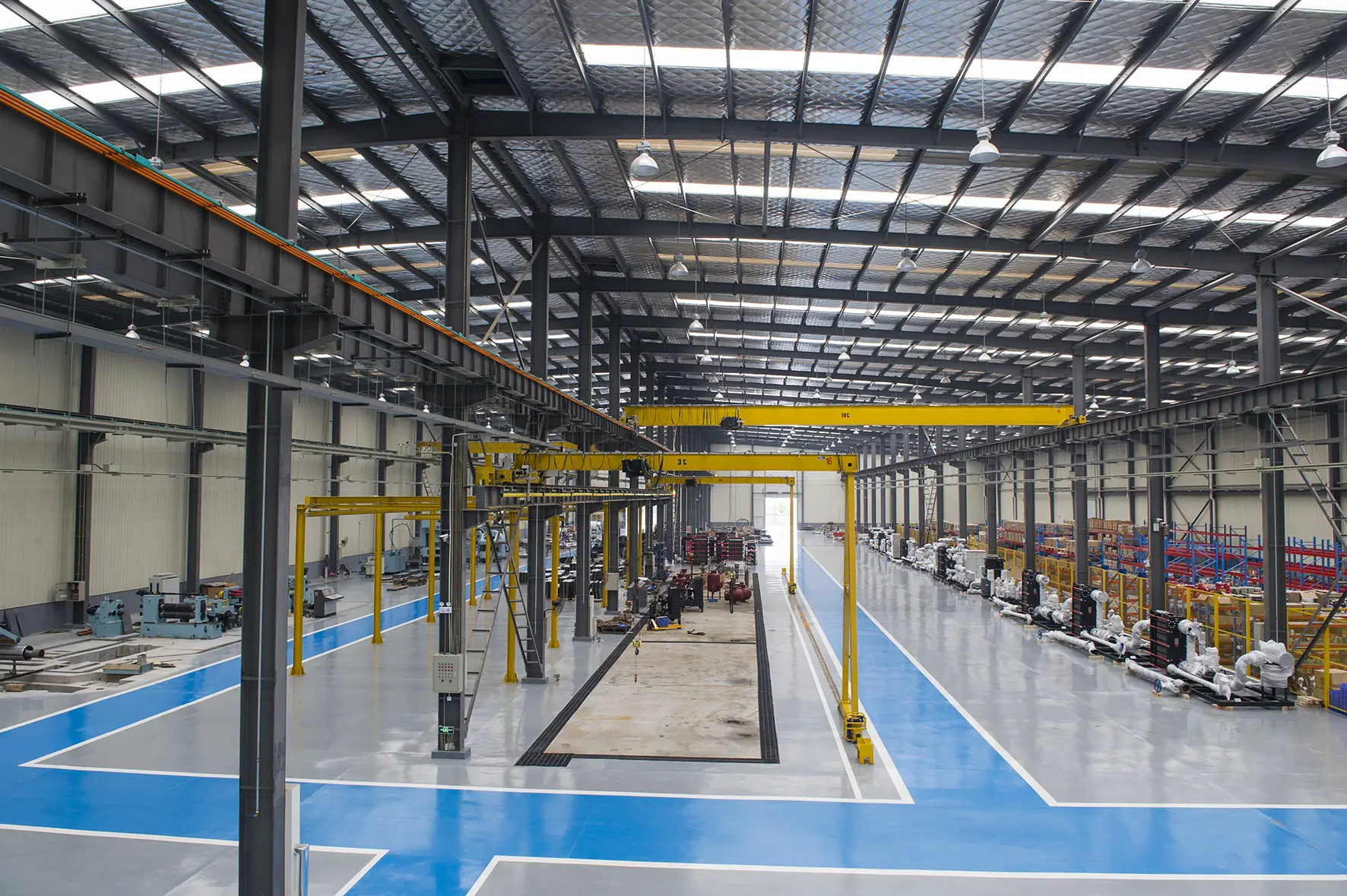
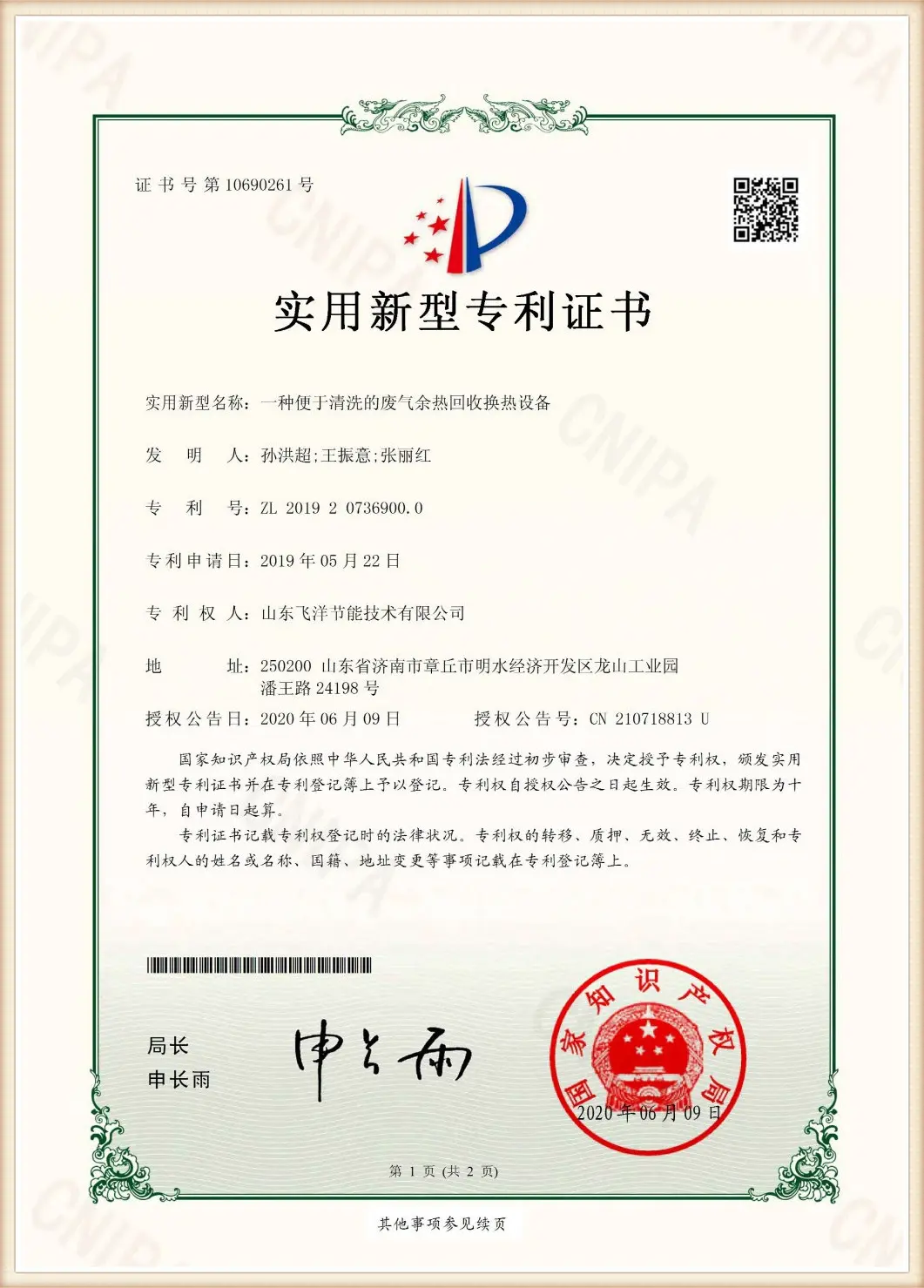
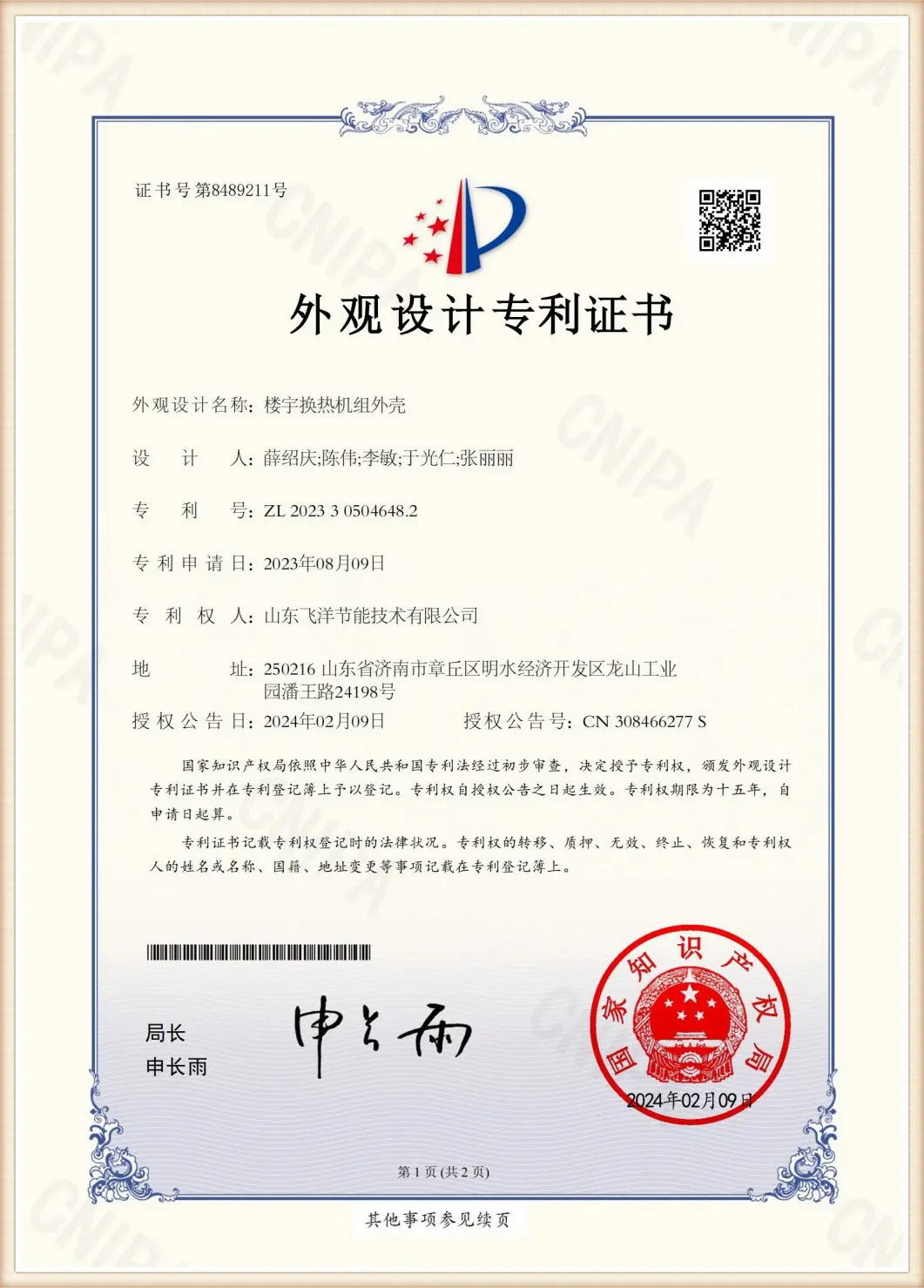
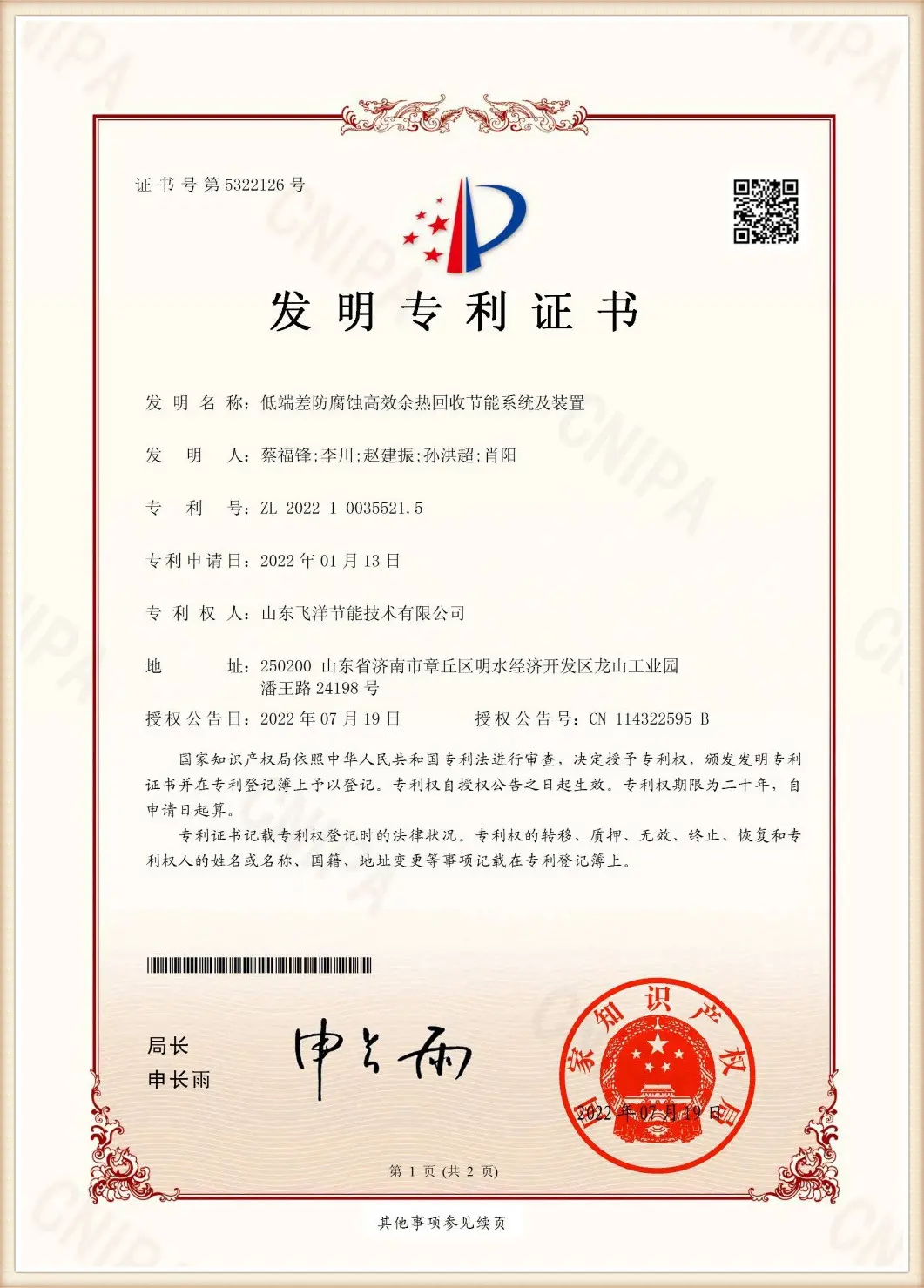
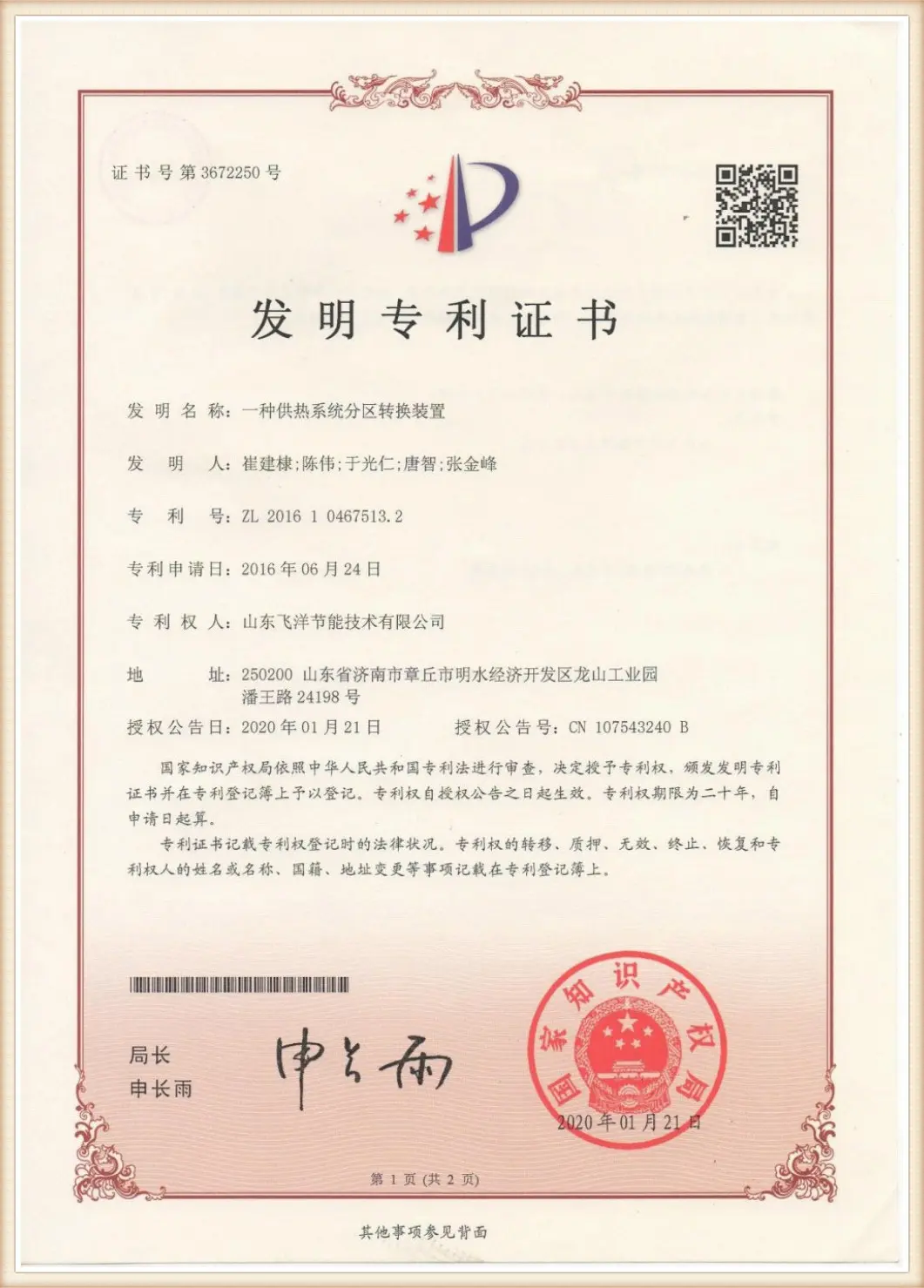
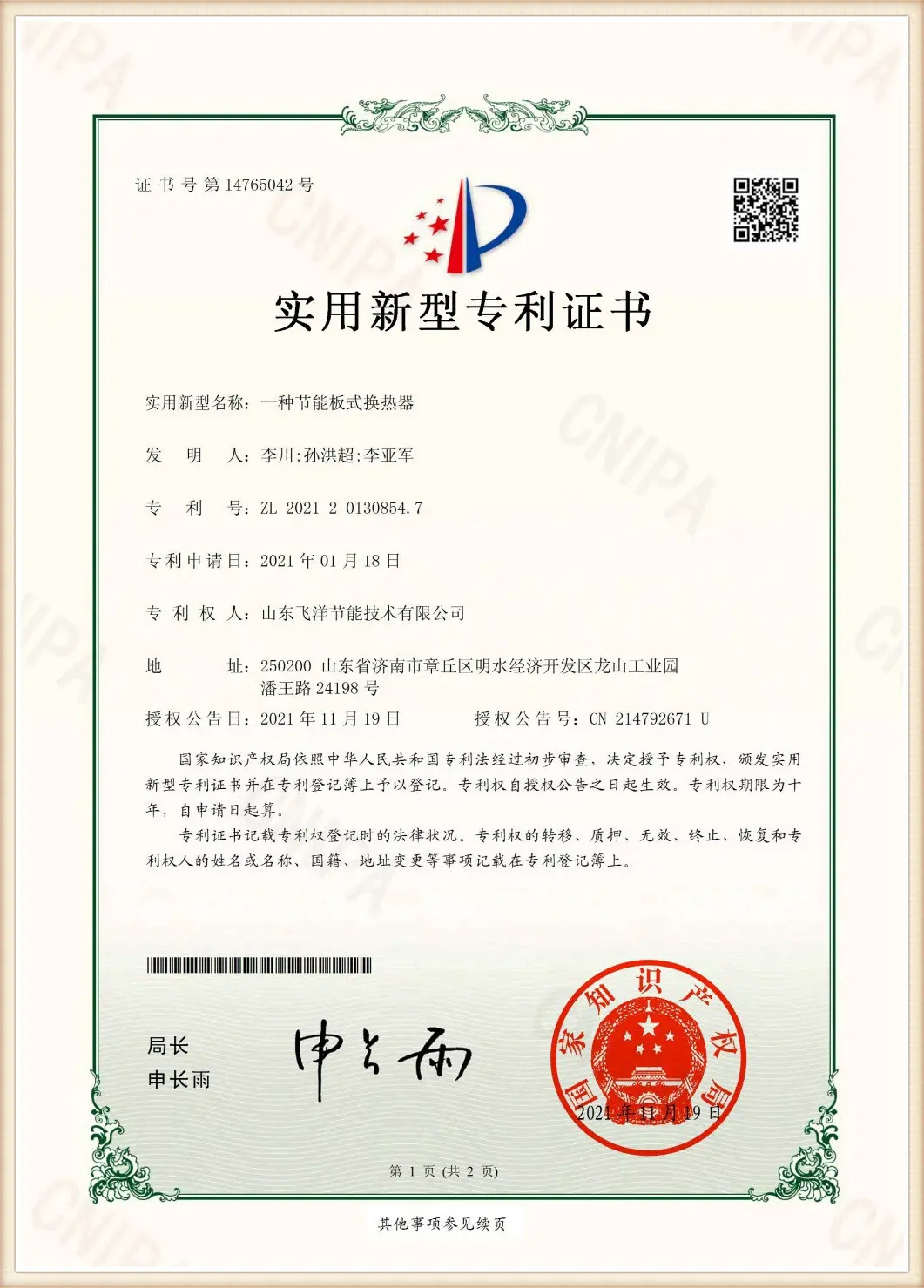
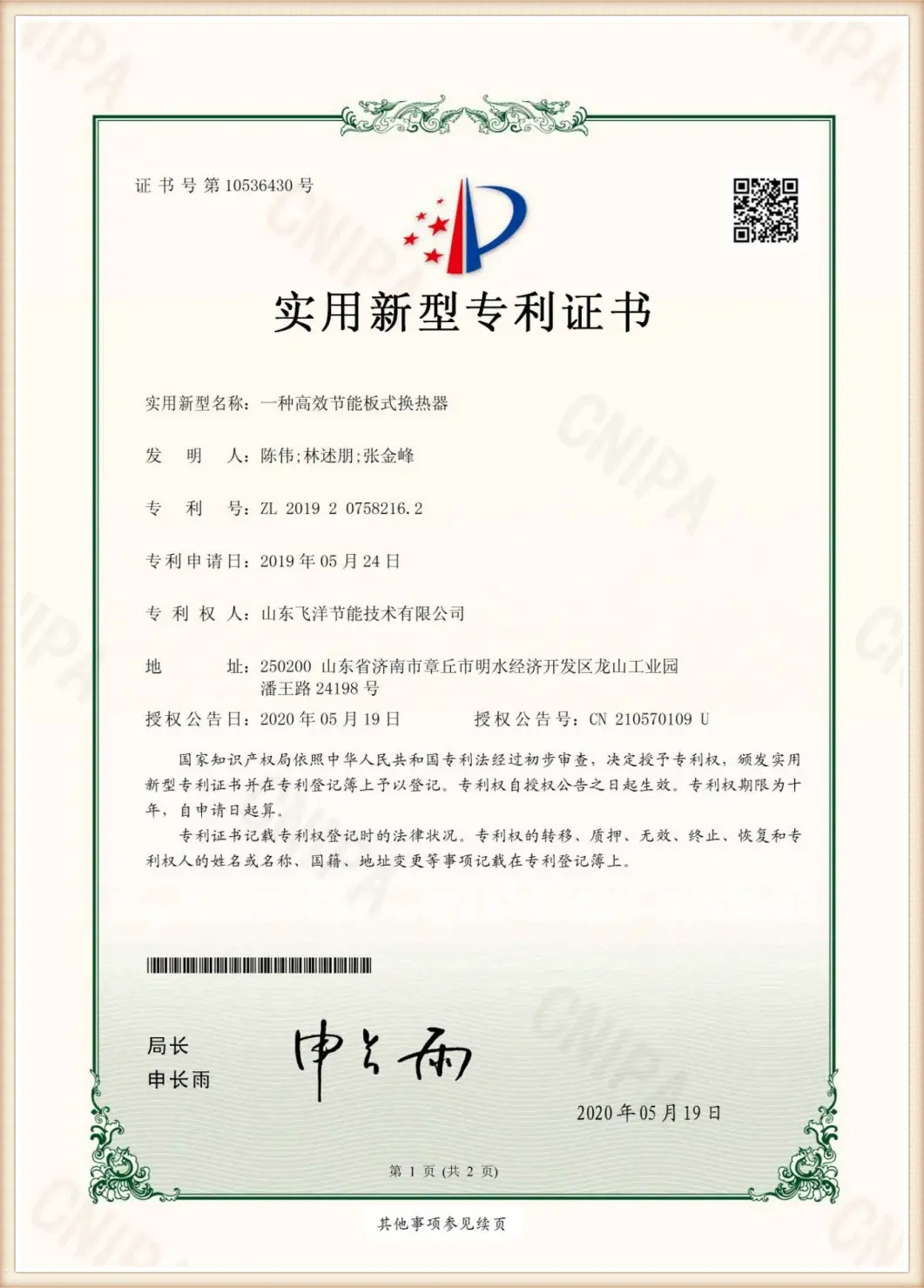
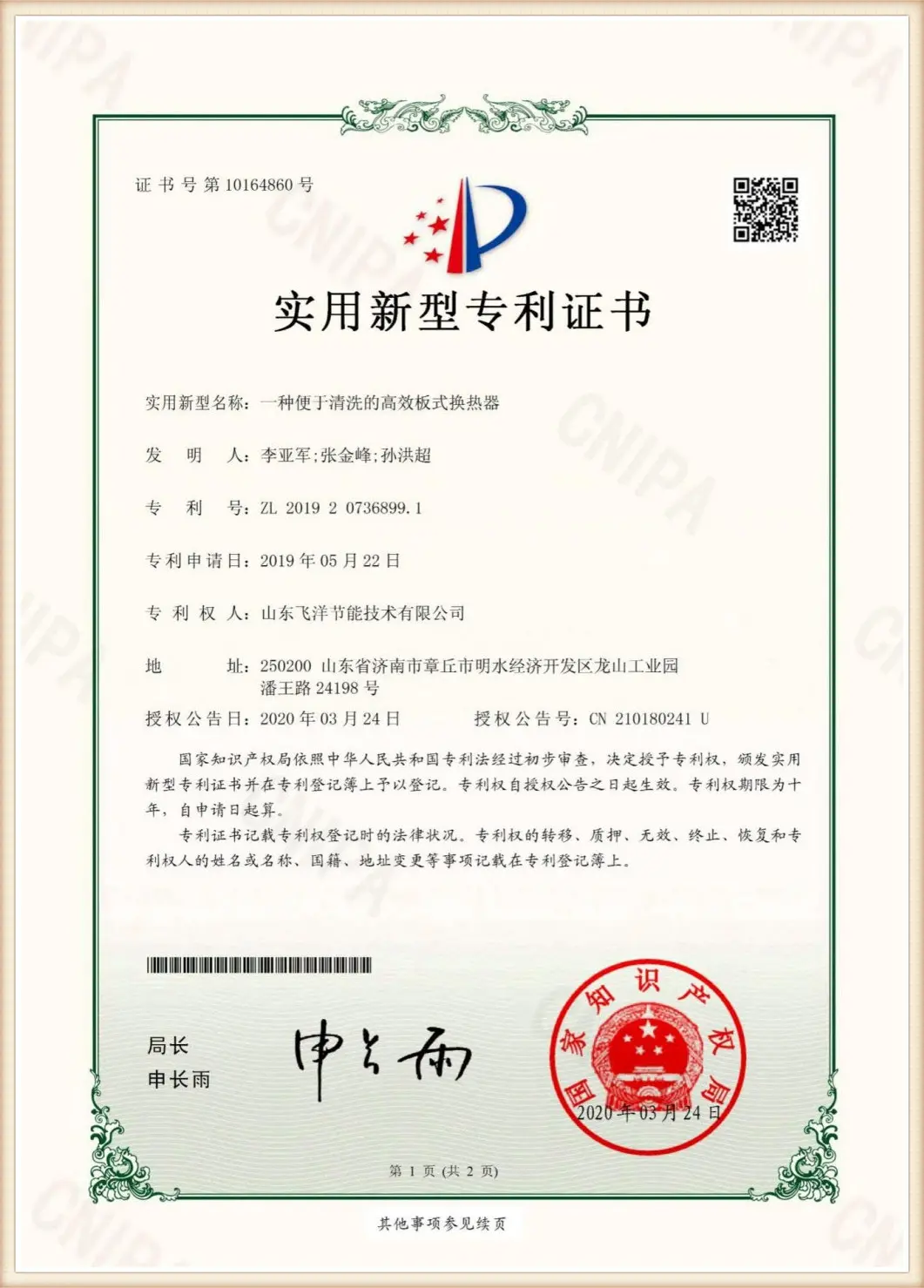
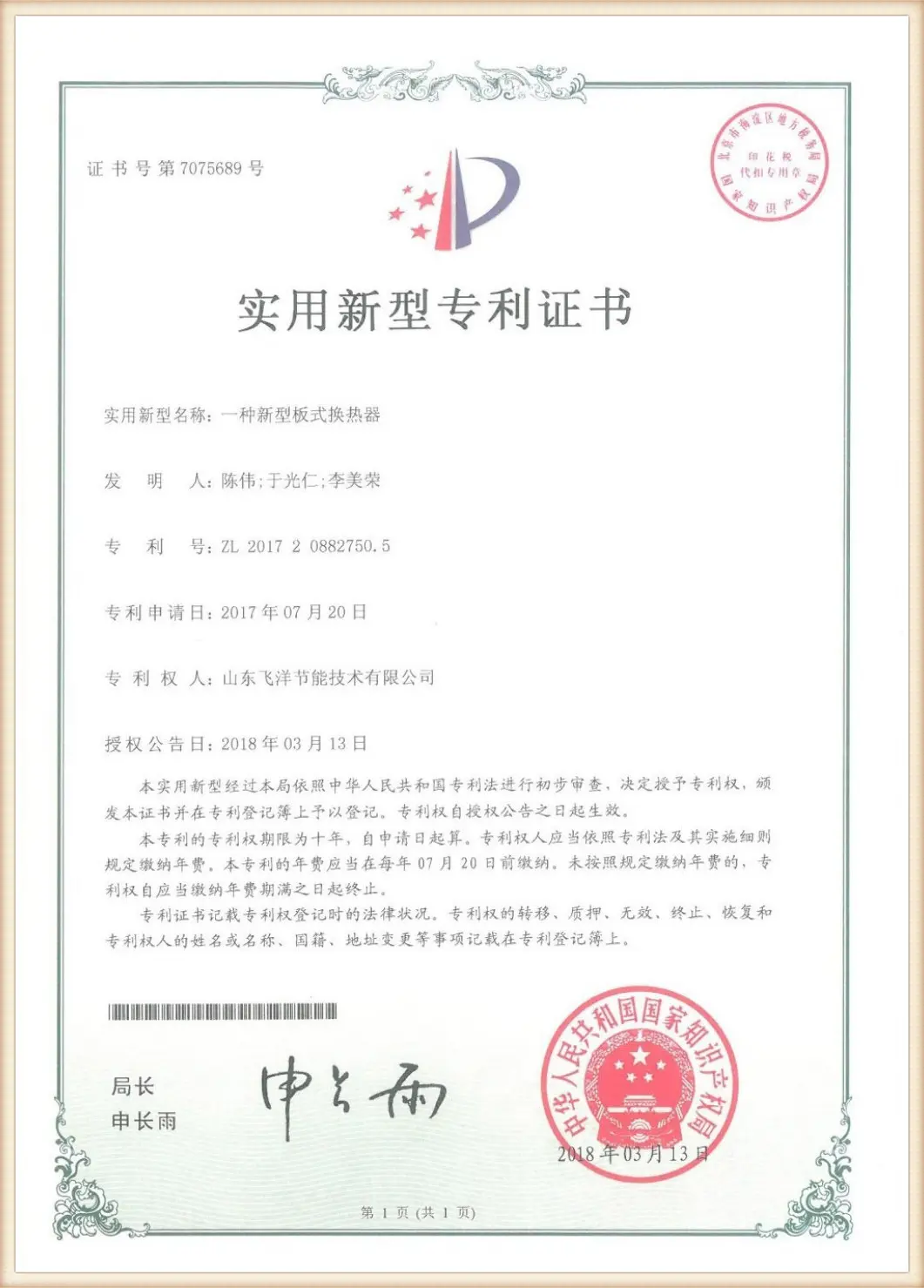
Our manufacturing capabilities combine advanced production technology innovation with rigorous quality control frameworks. Holding multiple proprietary patent certifications such as the "High-Efficiency Plate Heat Exchanger", "Intelligent Plate Heat Exchanger System", and "Plate Heat Exchanger Scale Removal Device", we guarantee optimized thermodynamic performance under various industrial stresses.
Meeting the strict demands of multinational industrial systems with high thermodynamic performance and optimized footprint.
In modern industrial operations, heat exchangers are not just static components; they are core components of energy recovery and process control systems. Global corporate procurement teams face complex challenges, including rising energy costs, carbon emissions regulations, and the need for system reliability in harsh environments.
As an established China-based heat exchanger details supplier and exporter, Flotte addresses these demands by optimizing every detail of design and manufacturing. From selecting high-grade materials (such as SS304, SS316L, Titanium, and Hastelloy) to applying advanced corrugation designs, our equipment ensures maximum thermal efficiency with minimum pressure drop. Our systems are engineered to withstand extreme pressures and thermal cycling, making them suitable for district heating, pharmaceutical sterilization, chemical processing, and HVAC infrastructure.
| Heat Exchanger Detail Type | Common Materials Used | Max Pressure (MPa) | Operating Temperature Range (°C) | Key Industrial Applications |
|---|---|---|---|---|
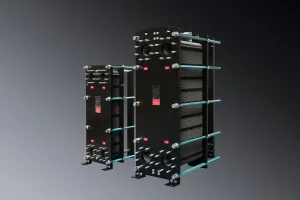
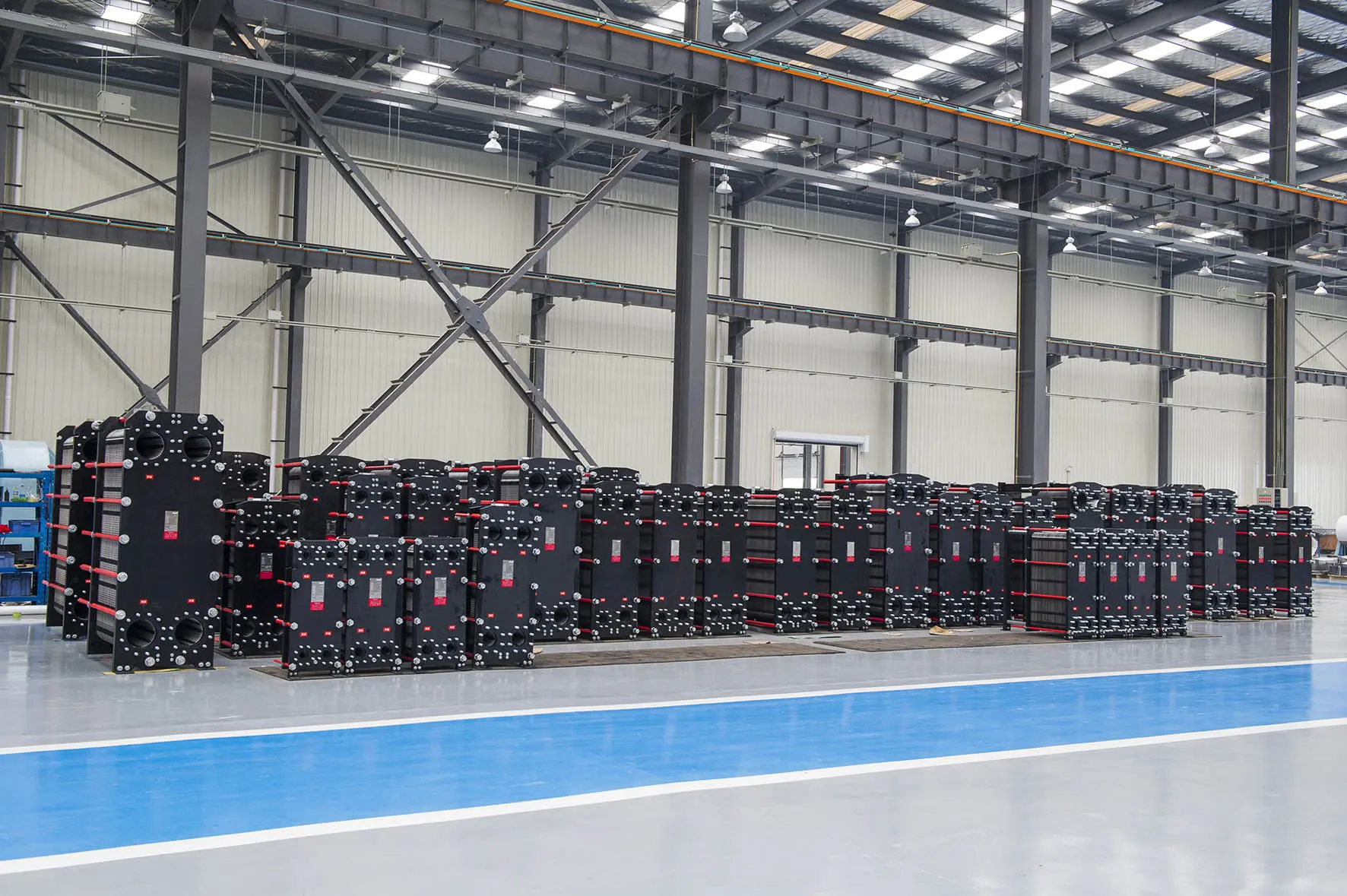
| Detachable Plate Heat Exchangers | AISI 304, AISI 316L, Titanium, EPDM/NBR Gaskets | 1.6 - 2.5 | -20°C to 180°C | Centralized heating, HVAC, Marine cooling, Food processing |
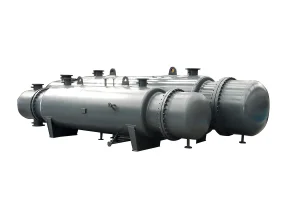
| Shell and Tube Heat Exchangers | Carbon Steel, Stainless Steel, Brass, Cu-Ni | Up to 10.0 | -50°C to 400°C+ | Petrochemicals, Thermal power plants, Oil cooling, High-pressure steam |
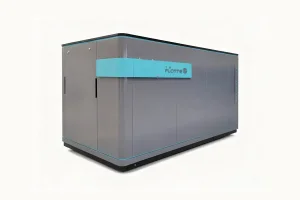
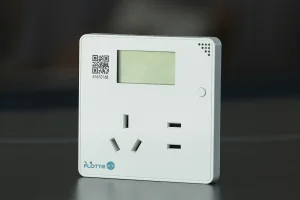
| Intelligent Heat Exchange Units | Integrated alloy piping, PLC controllers, Modbus sensors | 2.5 | 0°C to 150°C | Urban district heating networks, smart building energy hubs |
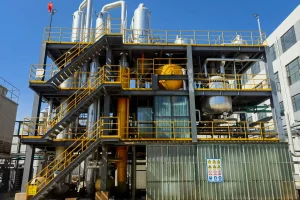
| Multi-Effect Evaporators | Super Duplex, Titanium, SS316L | Vacuum to 0.6 | 40°C to 120°C | Wastewater treatment, Zero Liquid Discharge (ZLD), Chemical concentration |
How Flotte's in-house R&D center and laboratory achieve industry-leading thermodynamic efficiency.
Our patented corrugated plate geometry induces high turbulence even at low flow velocities. This increases the heat transfer coefficient by 2 to 3 times compared to conventional shell and tube designs, minimizing surface fouling and footprint.
We source certified raw metals to ensure high reliability. The plates are pressed from premium stainless steel (SS316L) or pure titanium for corrosive sea-water duties. Every plate undergoes rigorous dye-penetrant and micro-forging checks to prevent leakage.
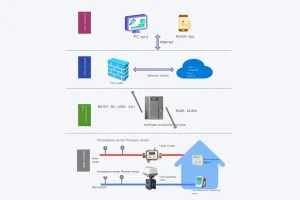
Integrating intelligent unit balance valves, room temperature collectors, and centralized heating monitoring systems allows real-time regulation. The system dynamically adjusts flow parameters based on ambient sensors, reducing pump energy consumption.
Real-world applications of Flotte thermal technology across critical global infrastructure.
In district heating networks, our removable plate heat exchangers act as pressure boundary interfaces between high-temperature municipal transmission mains and localized sub-loops. They safely regulate domestic hot water temperatures, optimize secondary network energy balance, reduce thermal distribution losses, and ensure winter system uptime.
Corrosive fluids, fast thermal responses, and extreme sanitary demands require high material compatibility. Flotte designs multi-effect evaporation and membrane concentration systems that handle waste recovery, clean-in-place (CIP) tasks, and phase-change evaporation loops with minimum maintenance downtime.
A step-by-step walk-through of our ISO 9001:2015-certified fabrication line.
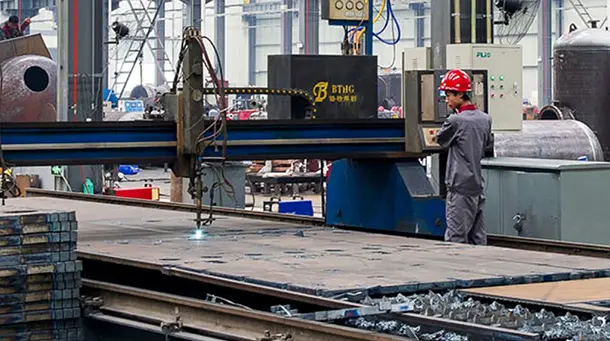
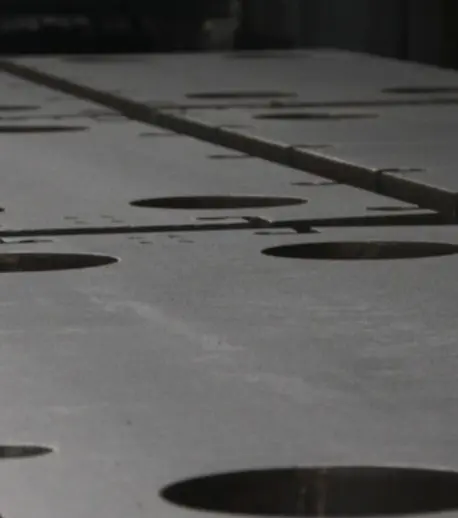
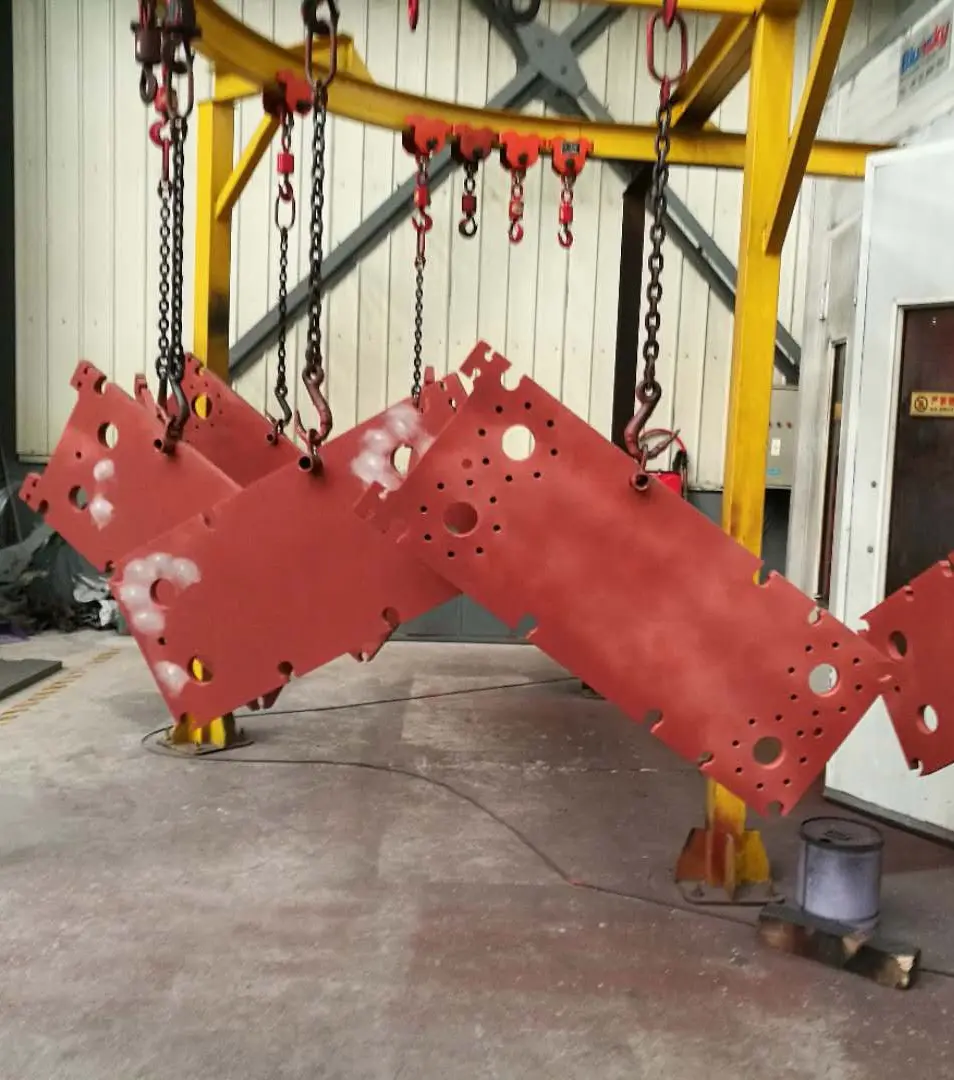
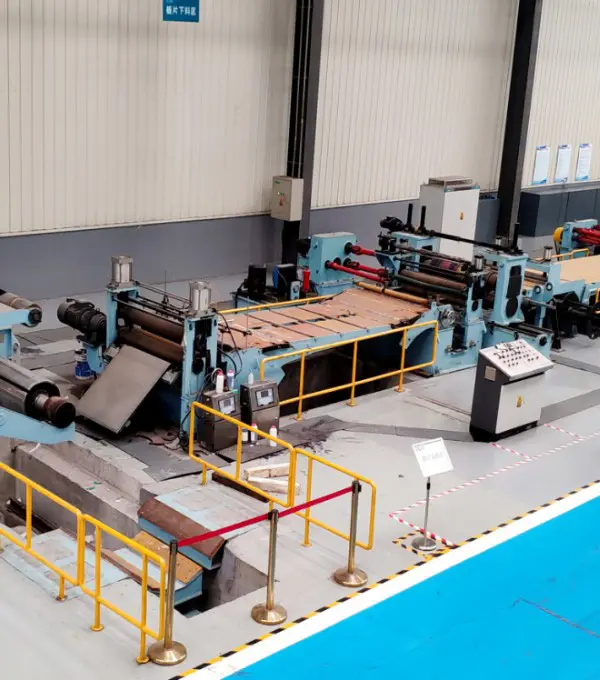
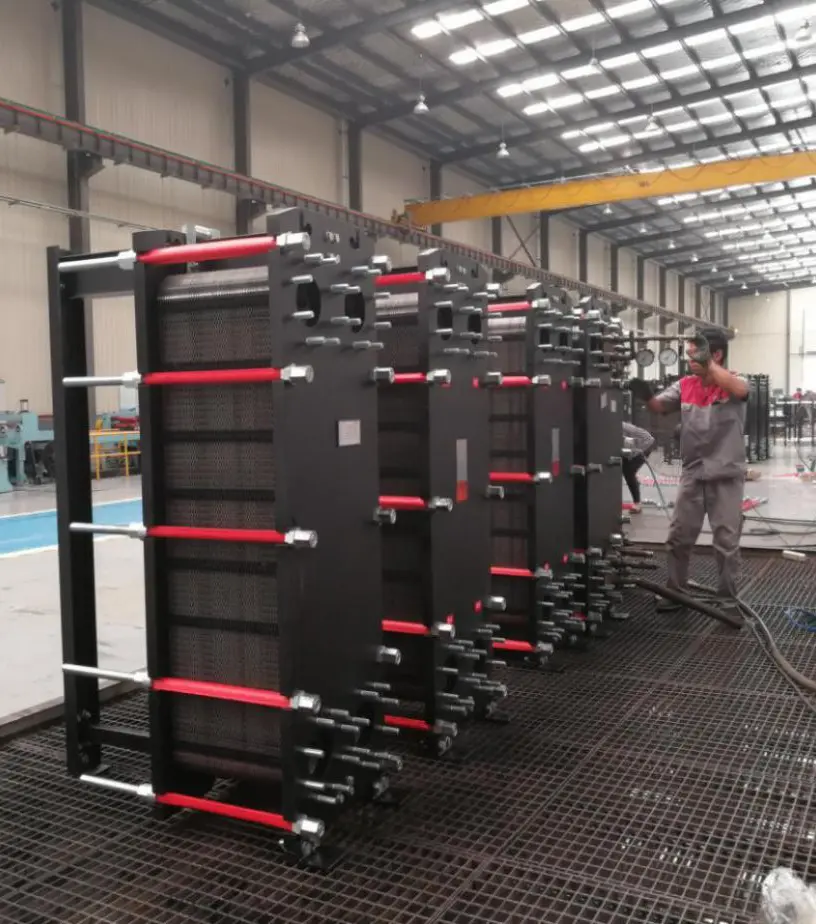
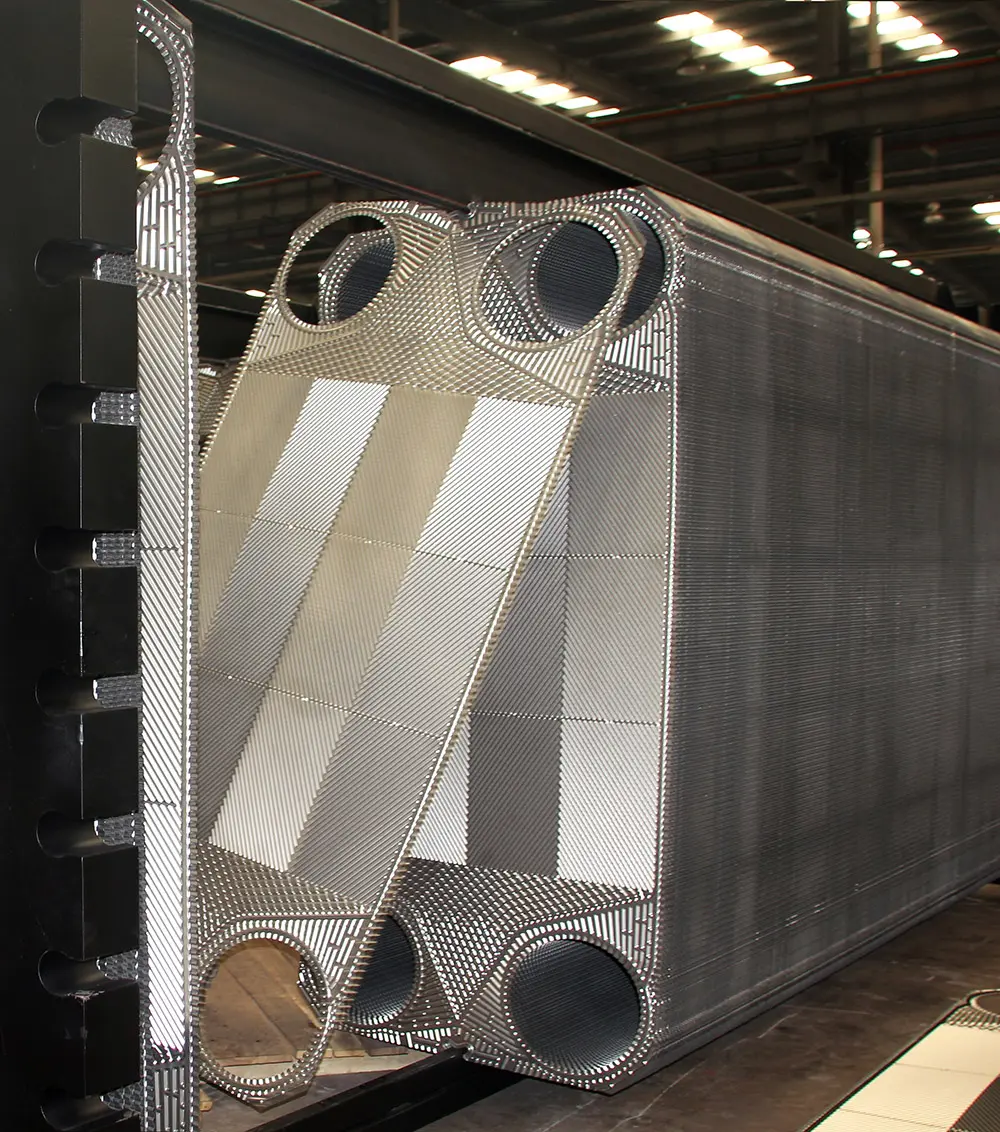
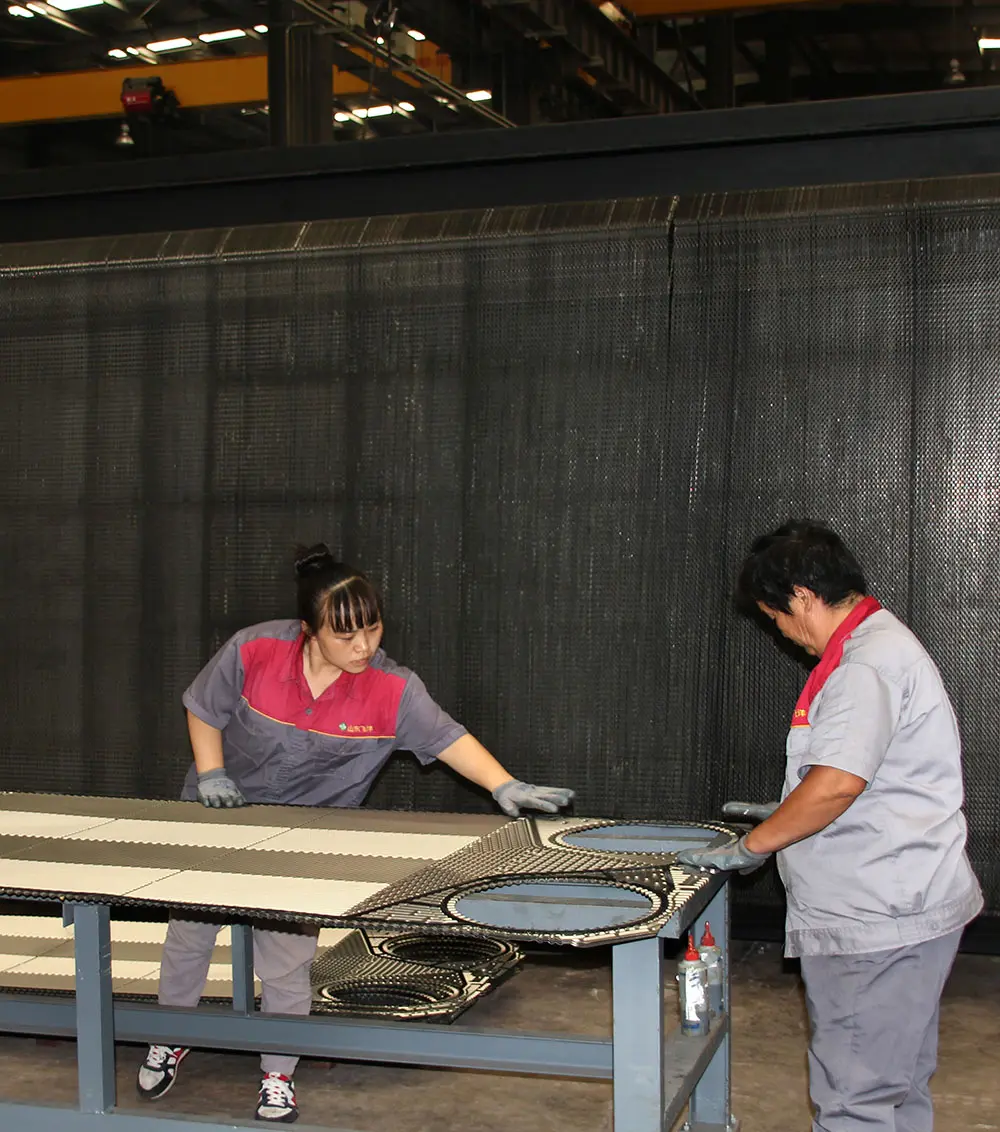
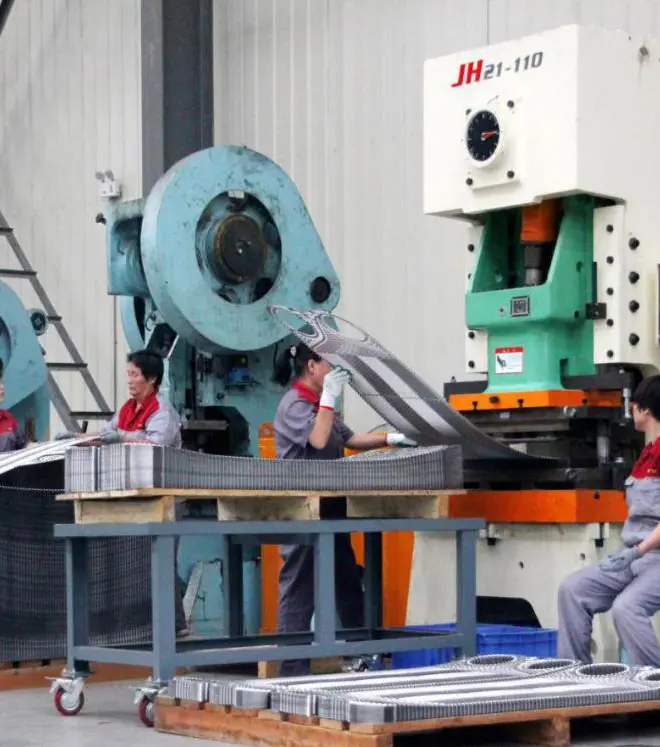
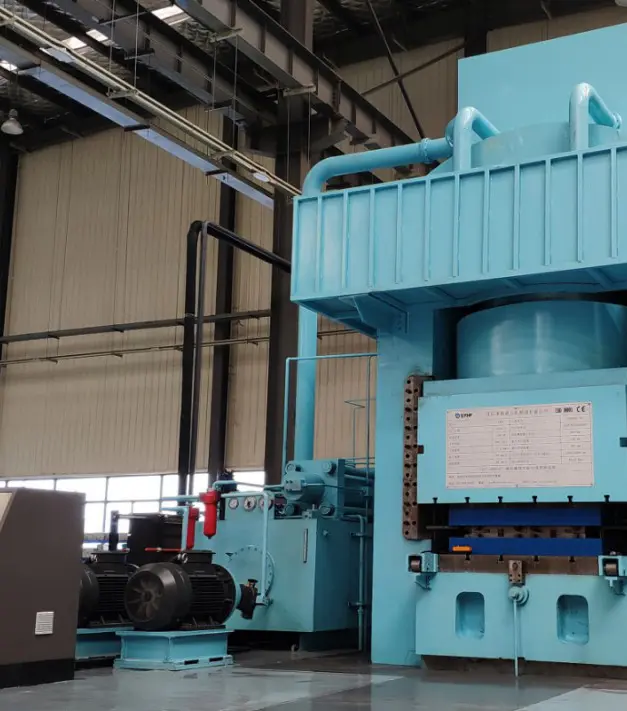
Adhering to strict international codes, including ISO9001, ISO14001, and ISO45001, to ensure project compliance.
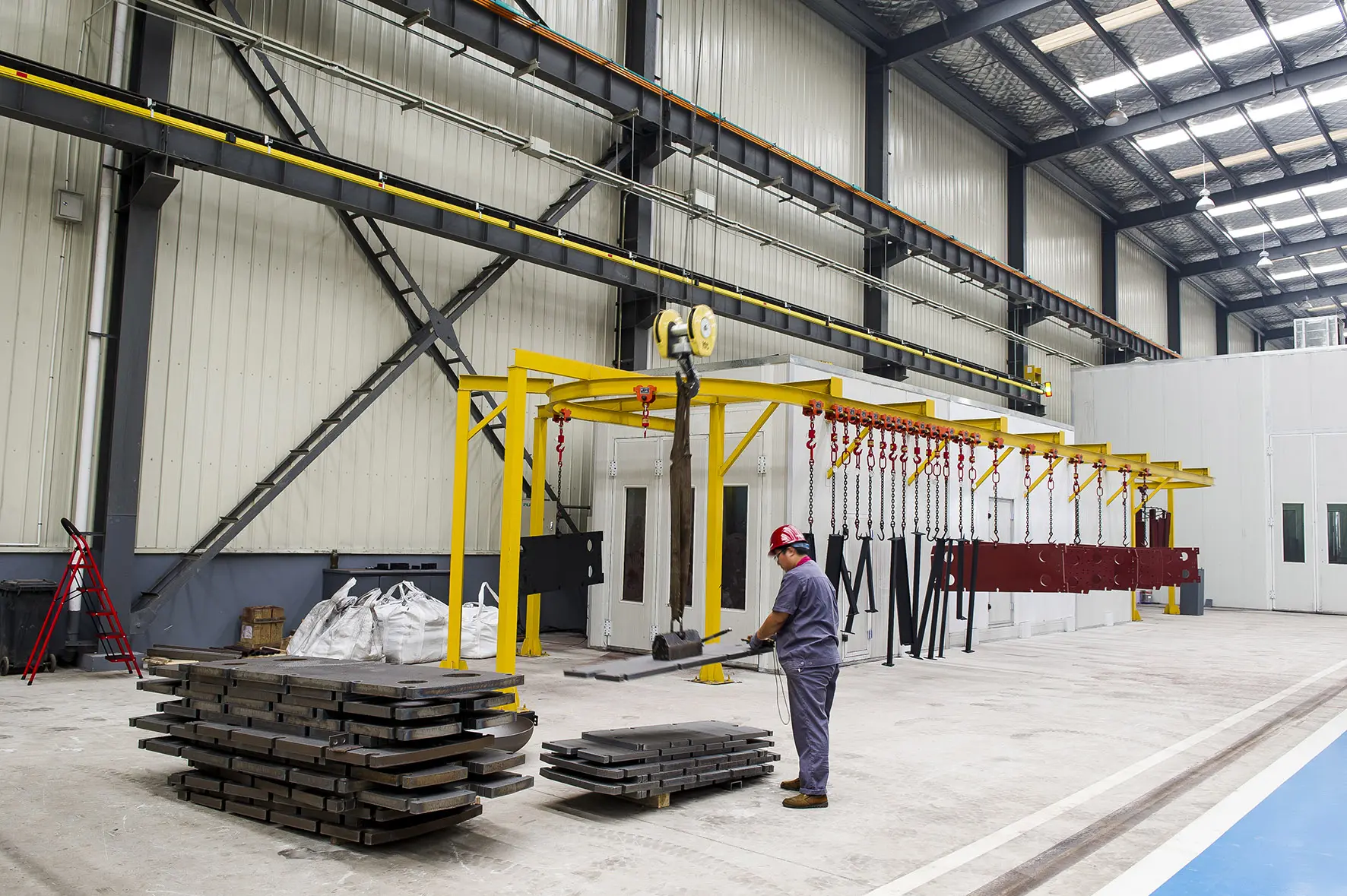
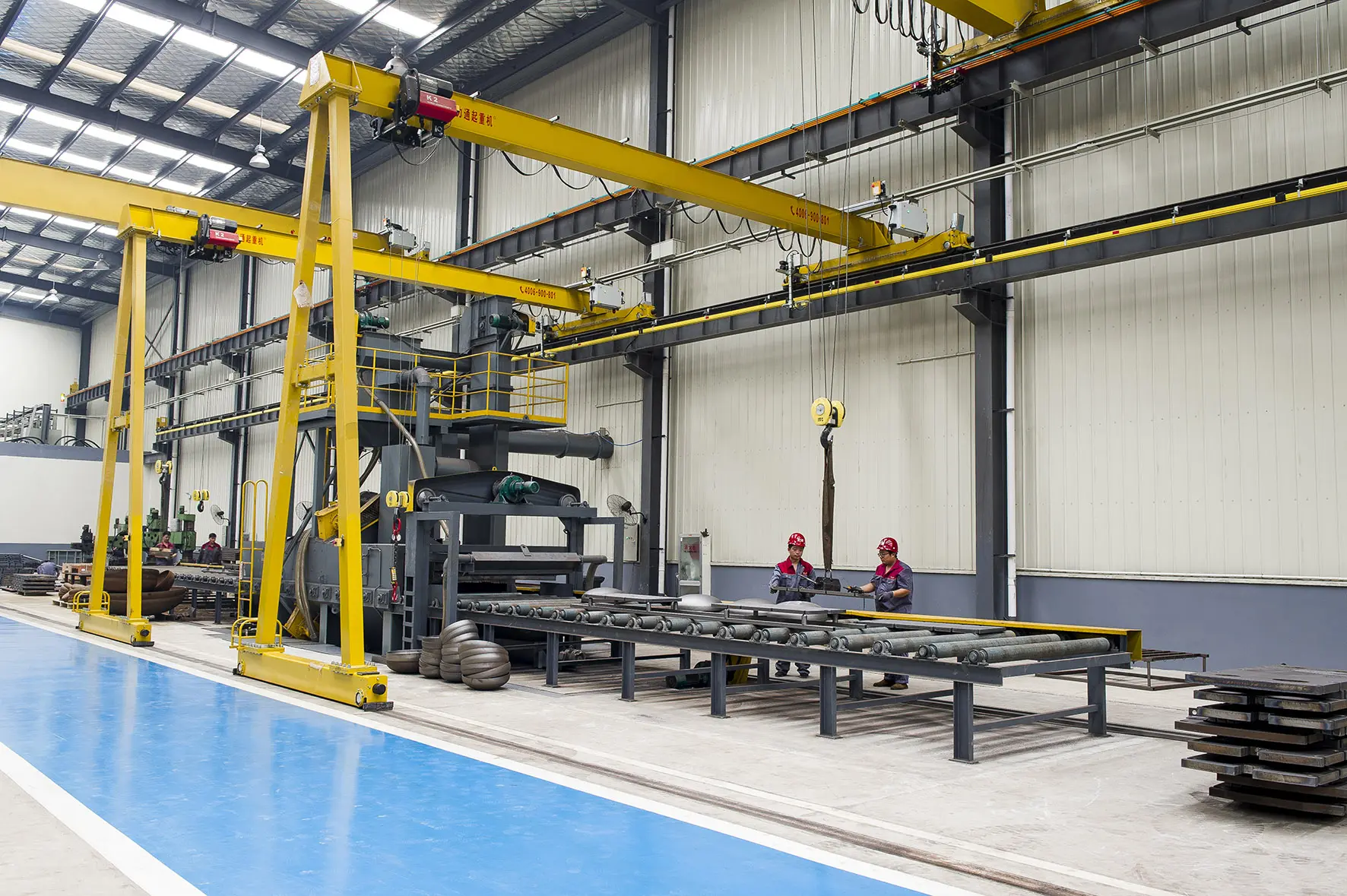
Integrating intelligent process control and low-energy concentration systems to support industrial carbon reduction.
Industries are shifting from passive cooling systems to closed-loop thermal networks that integrate recovery, concentration, and digital monitoring. In line with global energy saving targets, Flotte is executing a multi-tier engineering roadmap:
Ensuring product delivery, customs clearances, and operational certification internationally.
Working with international procurement departments requires clear compliance standards. Flotte manages design verification, material certificate tracing, and pressure vessel registrations. Every plate, shell, and weld is documented, satisfying regional certifications and safety standards, including pressure vessel guidelines issued by the National Standardization Committee.
Additionally, our logistical network handles deep sea and multi-modal routing to key industrial hubs worldwide. We ensure that our shipments arrive safely packaged, with matching gasket compounds, replacement hardware sets, and installation instructions to simplify commissioning on-site.
Expert answers to common engineering, installation, and procurement questions.
Engineered thermal systems and components for energy saving and waste recovery.
 Flotte Energy