Explore our primary configurations of industrial-grade heat exchange and separation technologies, built to ensure optimal heat transfer efficiency.

The global heat exchanger market is undergoing a profound structural transition driven by the dual mandates of energy efficiency and carbon neutrality. Once dominated by standard, heavy-gauge shell and tube units, the modern thermal engineering sector has shifted heavily toward highly compact, efficient, and specialized units. According to global industrial data, the demand for high-efficiency heat exchangers is rising at an unprecedented compound annual growth rate (CAGR), propelled by applications in regional heating networks, green chemistry, advanced refrigeration, and zero-liquid-discharge (ZLD) industrial operations.
In mature economies across Europe, North America, and parts of Asia, the primary focus is on retrofitting aging infrastructure. Facilities are looking to replace volumetric heat transfer models with compact plate configurations that offer heat transfer coefficients 2 to 3 times greater than traditional designs. Furthermore, industrial sectors such as pharmaceuticals and power generation require strict material specifications—ranging from standard Grade 304/316 stainless steels to exotic titanium, nickel alloys, and Hastelloy—capable of enduring aggressive chemical media and high thermal pressures.
As sustainability regulations tighten, particularly through directives like the EU's Ecodesign or global ESG mandates, the integration of heat exchangers within waste heat recovery frameworks is no longer optional. Industrial plant operators and EPC (Engineering, Procurement, and Construction) companies are systematically evaluating the lifecycle operating costs, fouling rates, and ease of maintenance of their thermal solutions, prioritizing systems that minimize both thermodynamic losses and installation footprints.
China's position as a global epicenter for heat exchanger manufacturing is built upon vertically integrated supply chains, automated hydraulic stamping infrastructure, and an unmatched reservoir of engineering talent. By co-locating raw metallurgy processing, precision mold design, gasket compounding, and heavy assembly within close-knit regional clusters, Chinese manufacturers achieve unparalleled cycle times and production economics without sacrificing quality standards.
Flotte Energy Saving Company, established in 2013 with a registered capital of 101 million yuan, originated from Flotte Thermal Engineering founded in 1995. With three decades of technical expertise, the company specializes in water equipment, HVAC systems, and water treatment industries. It consistently leads industry peers in adopting cutting-edge technologies, developing innovative products, and delivering comprehensive production and sales services.
Operating from a modern 70,000 m² land area, Flotte generates an annual sales revenue of 500 million yuan while maintaining a production capacity of approximately 4,500 heat exchange units and water supply/drainage equipment sets. Backed by rigorous quality compliance frameworks, all operations strictly adhere to the ISO 9001:2015, ISO 14001, and ISO 45001 international standards, ensuring that every exported product complies with rigorous pressure vessel regulations worldwide.
Every step in our factory is designed to ensure mechanical integrity, micro-level accuracy, and long-term durability under demanding industrial conditions.
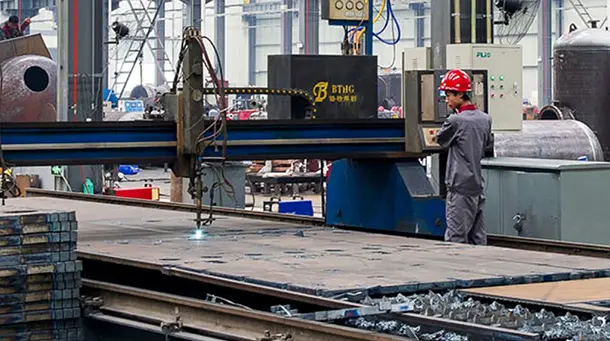
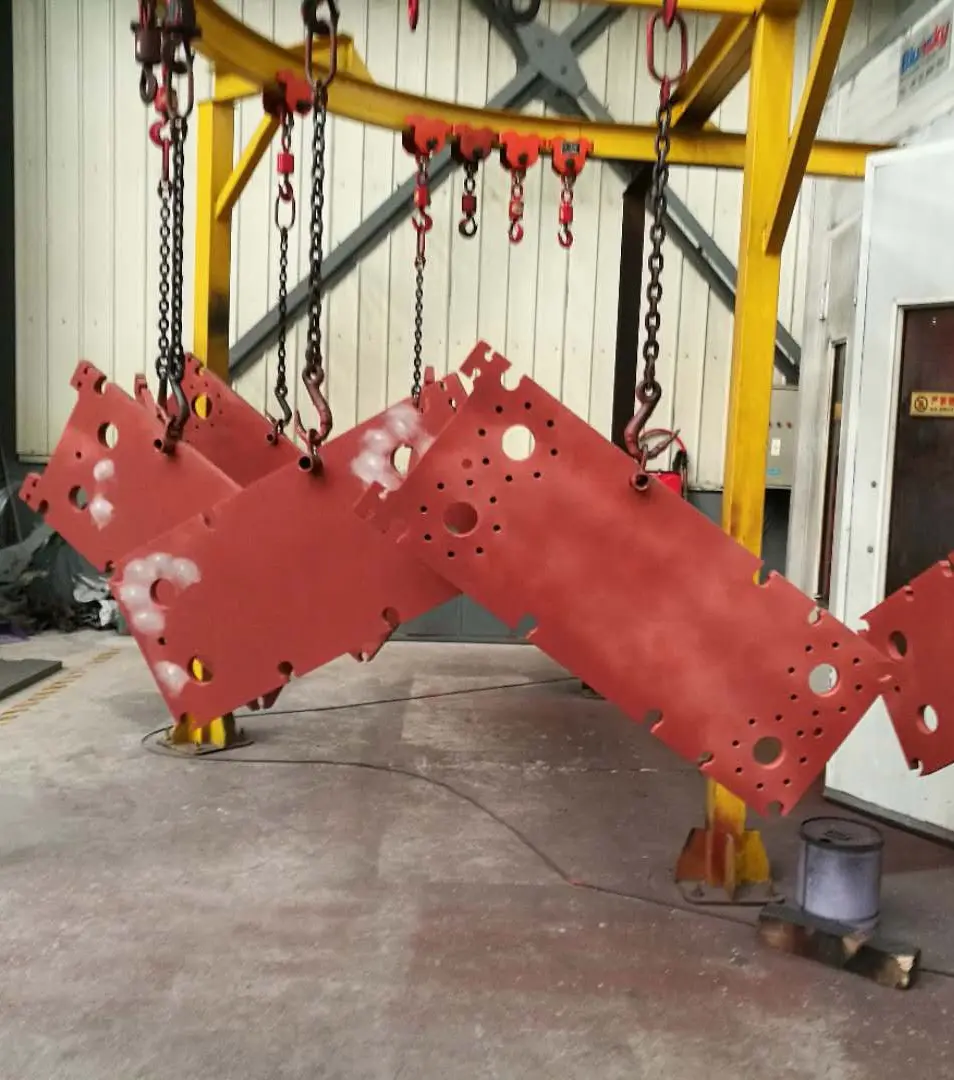
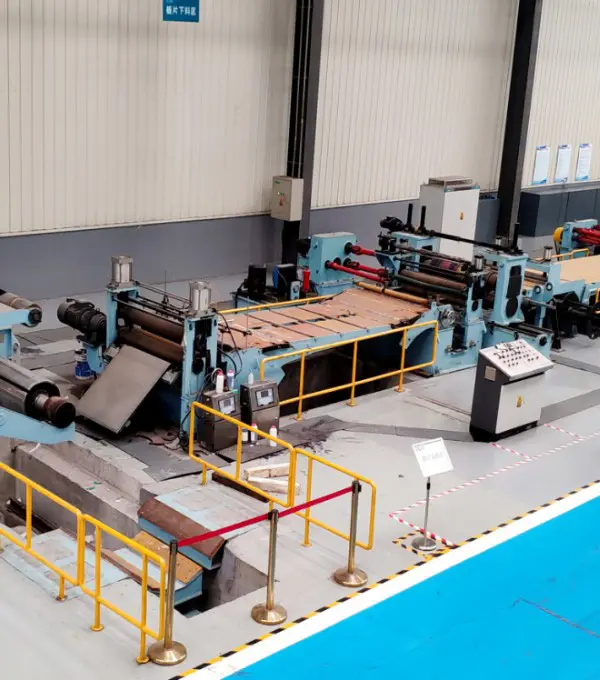
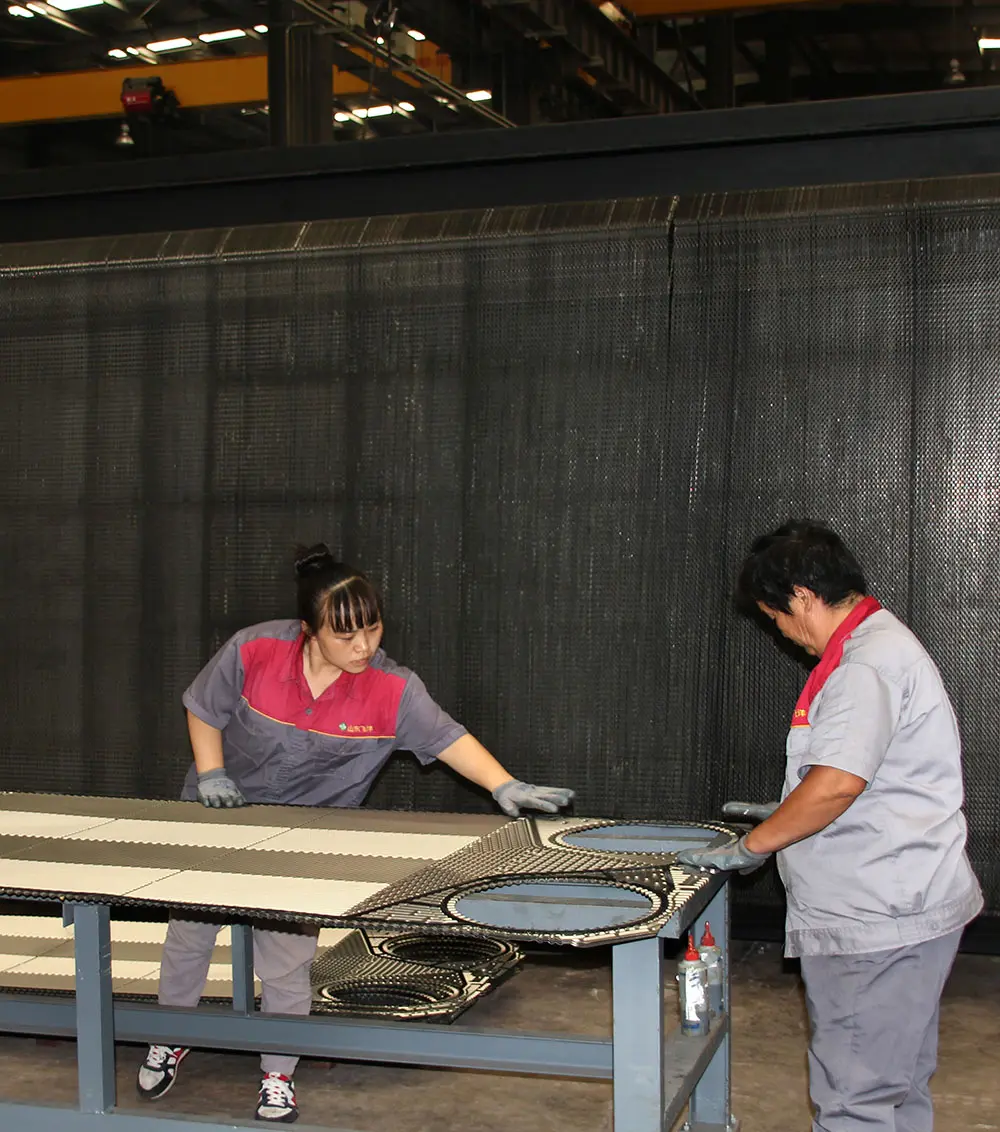
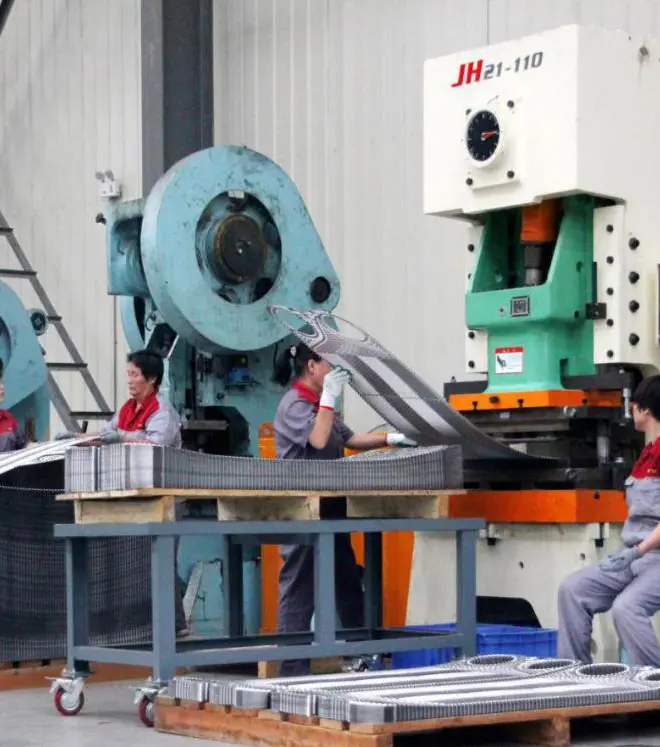
The reliability of a heat exchanger depends heavily on manufacturing precision. In our facilities, the process begins with Sheet Cutting & Coding, ensuring full chemical and metallurgical traceability of our high-quality raw sheet metals (e.g. titanium, 316L stainless steel). The next critical step is Plate Punching, where fluid flow ports are cut with tight tolerances.
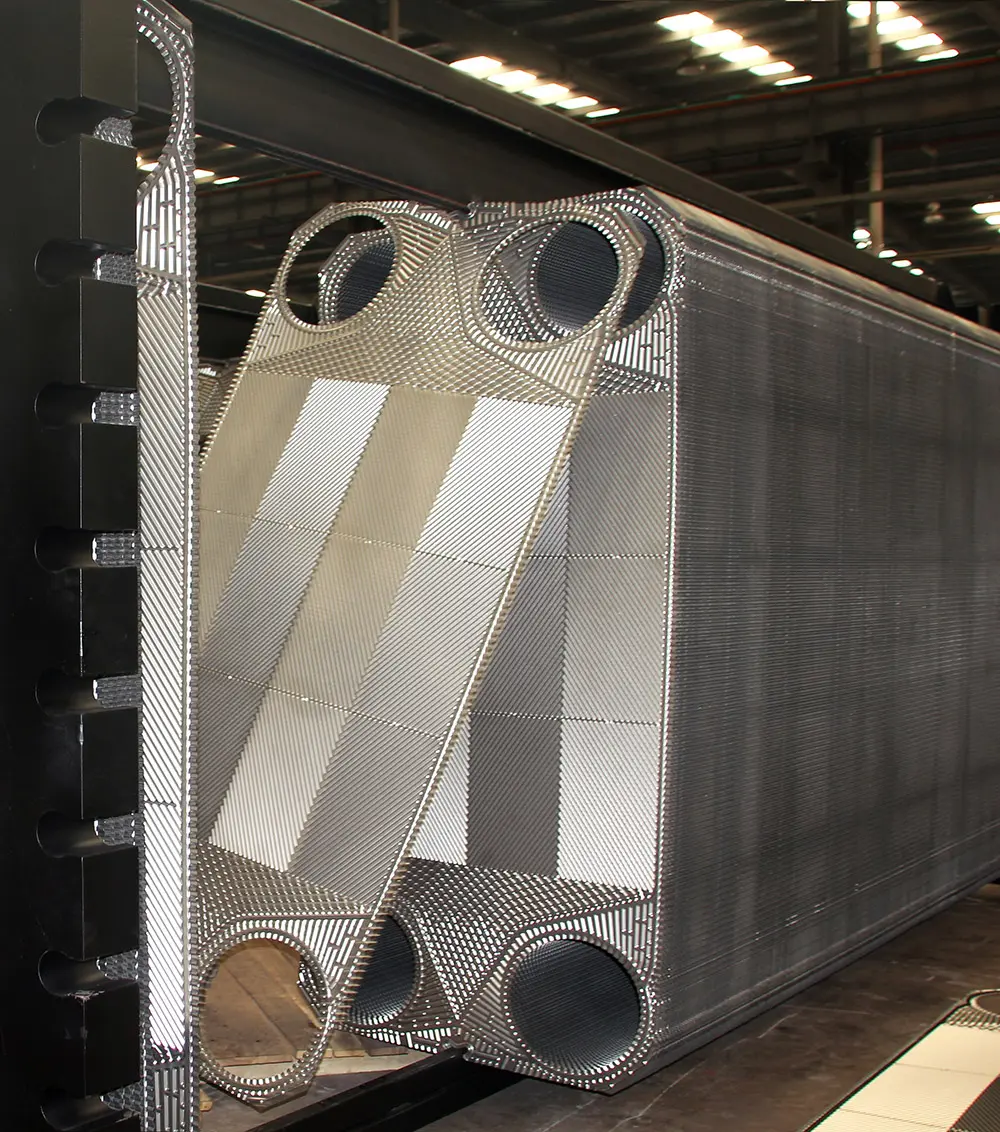
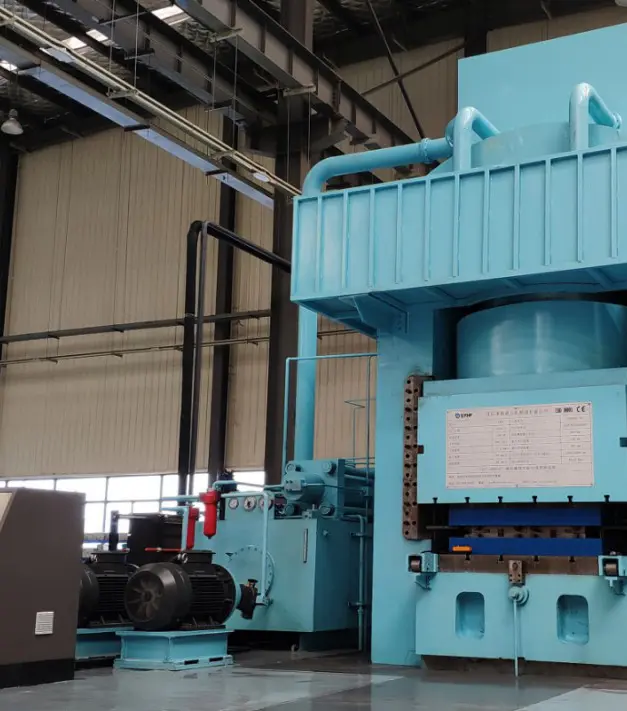
Following punching, sheets undergo Sheet Stamping Forming. Here, massive hydraulic presses stamp the corrugated chevron patterns onto the metal sheets in a single operation. Single-press stamping is crucial because it avoids micro-cracks and thinning at the ridges, ensuring consistent heat transfer performance and structural integrity under cyclic thermal expansion. Concurrent with this, heavy end frames are prepared via Splint Cutting and protected with multi-layer epoxy coatings during Spray Painting.
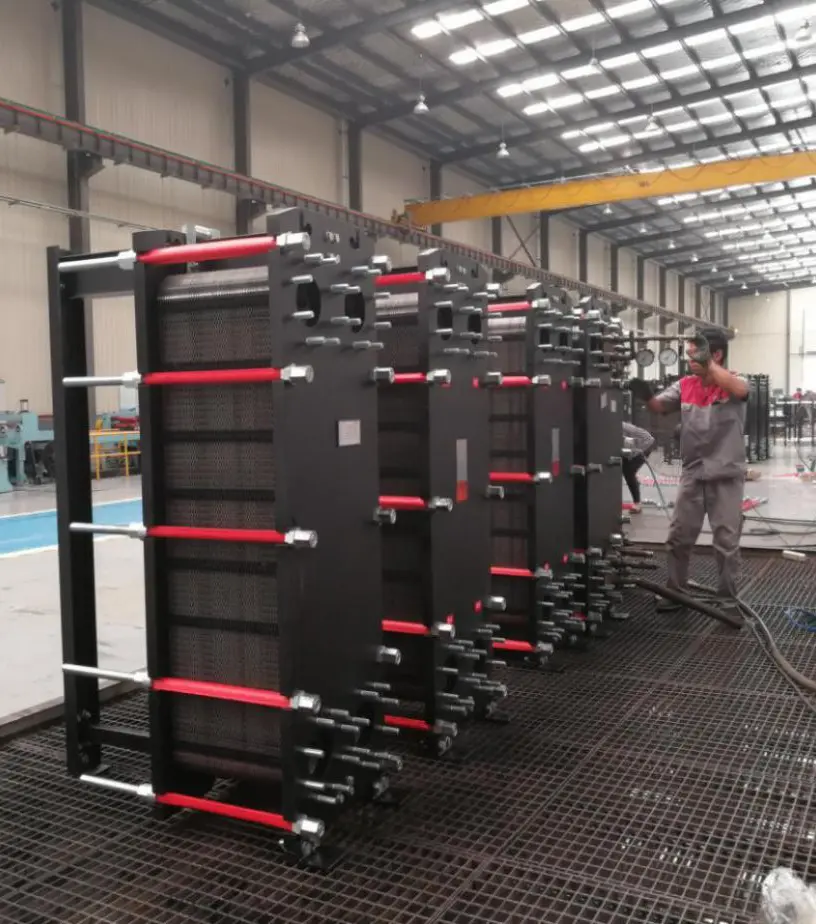
Once components are processed, precision Rubber-Coated Pads (Gaskets) are applied. Depending on the design, these gaskets are either chemically bonded or clipped securely into the profile slots to ensure pressure sealing. In the Equipment Assembly phase, plate packs are compressed to the exact dimension 'A' using pneumatic torque tools. Finally, every unit undergoes rigorous Water Pressure Detection (hydrostatic testing) up to 1.5 times the rated design pressure to guarantee leak-free field operations.
In large-scale municipal heating networks, our plate heat exchangers serve as critical barriers between primary boiler networks and localized secondary domestic distribution loops. They enable efficient thermal energy distribution across urban areas, helping maintain consistent indoor comfort during peak winter conditions.
Handling corrosive chemical components requires highly specialized alloys and chemical-resistant gasket compounds. Our customized shell and tube models and plate heat exchangers are widely deployed in process heating, solvent condensation, and acid cooling, ensuring long-term operational safety.
Our solutions optimize overall heat rejection cycles in steam turbines and cooling towers. In commercial HVAC applications, compact plate units separate high-rise building hydraulic zones, protecting lower-level equipment from hydrostatic overpressure while maximizing heat transfer rates.
Our specialized products are widely used in thermal power, pharmaceutical, chemical, and other major process industries. We have established stable, long-term partnerships globally, with our equipment performance and after-sales support consistently winning high praise from project engineers and operators alike.
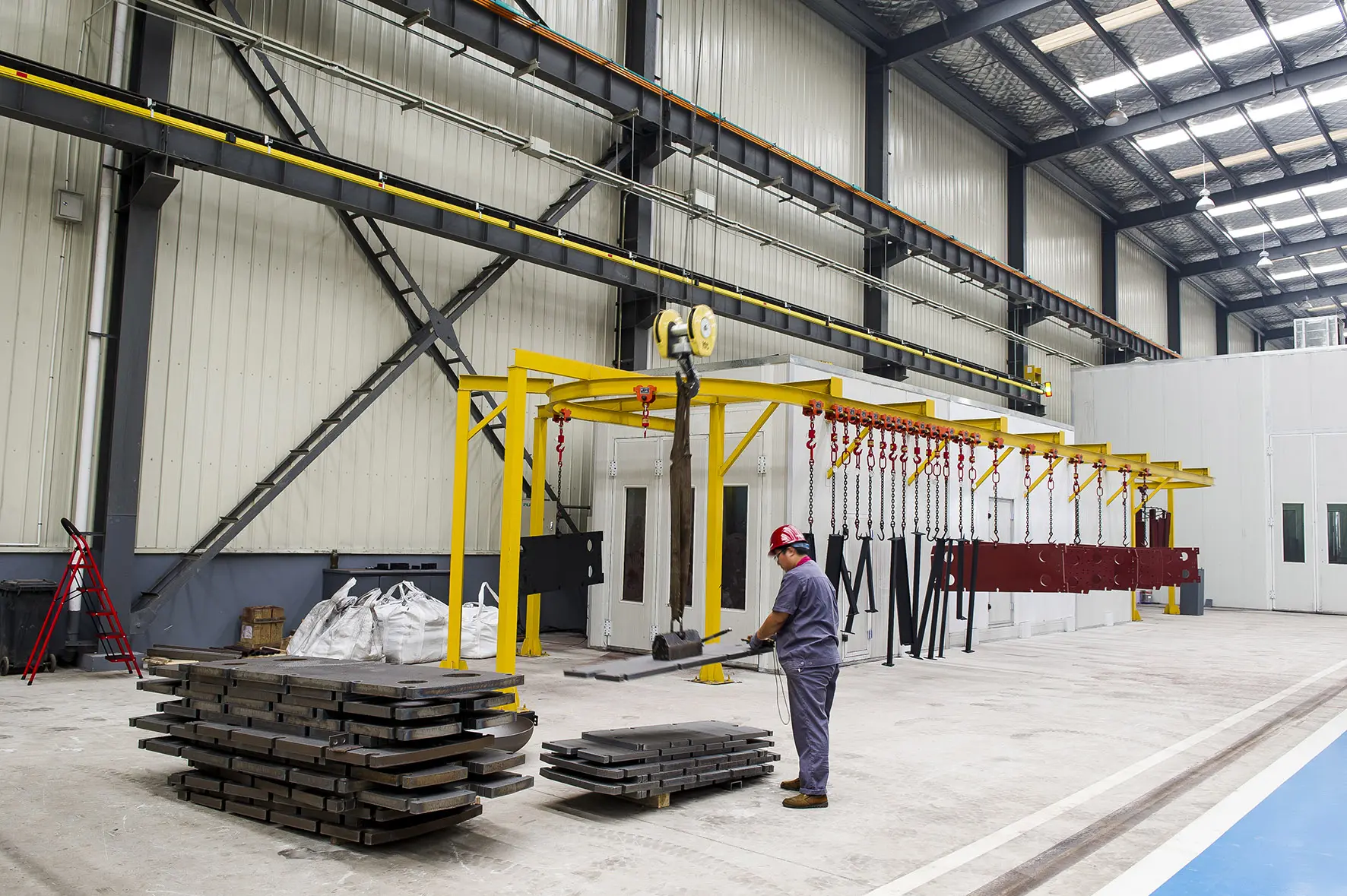
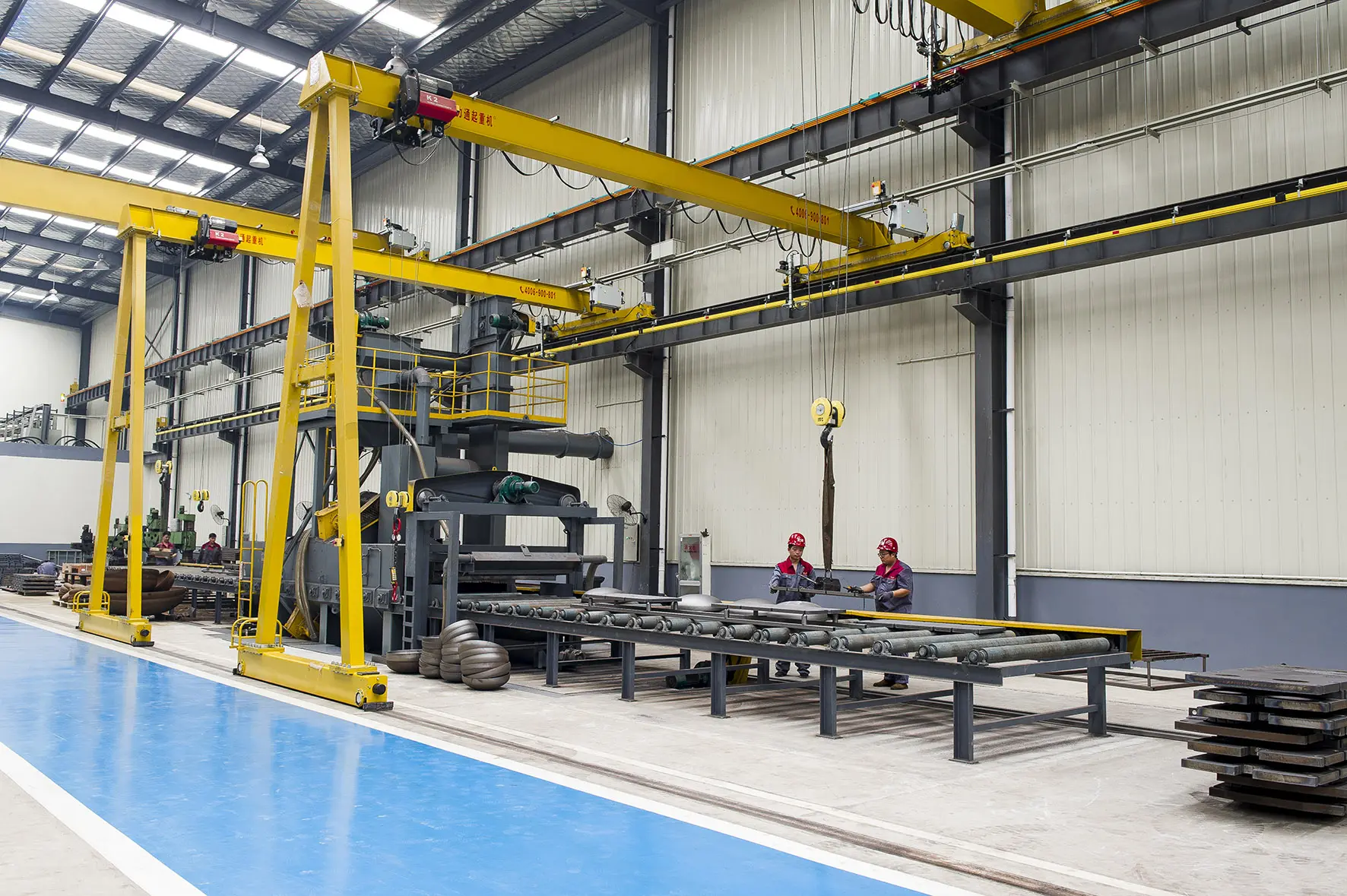
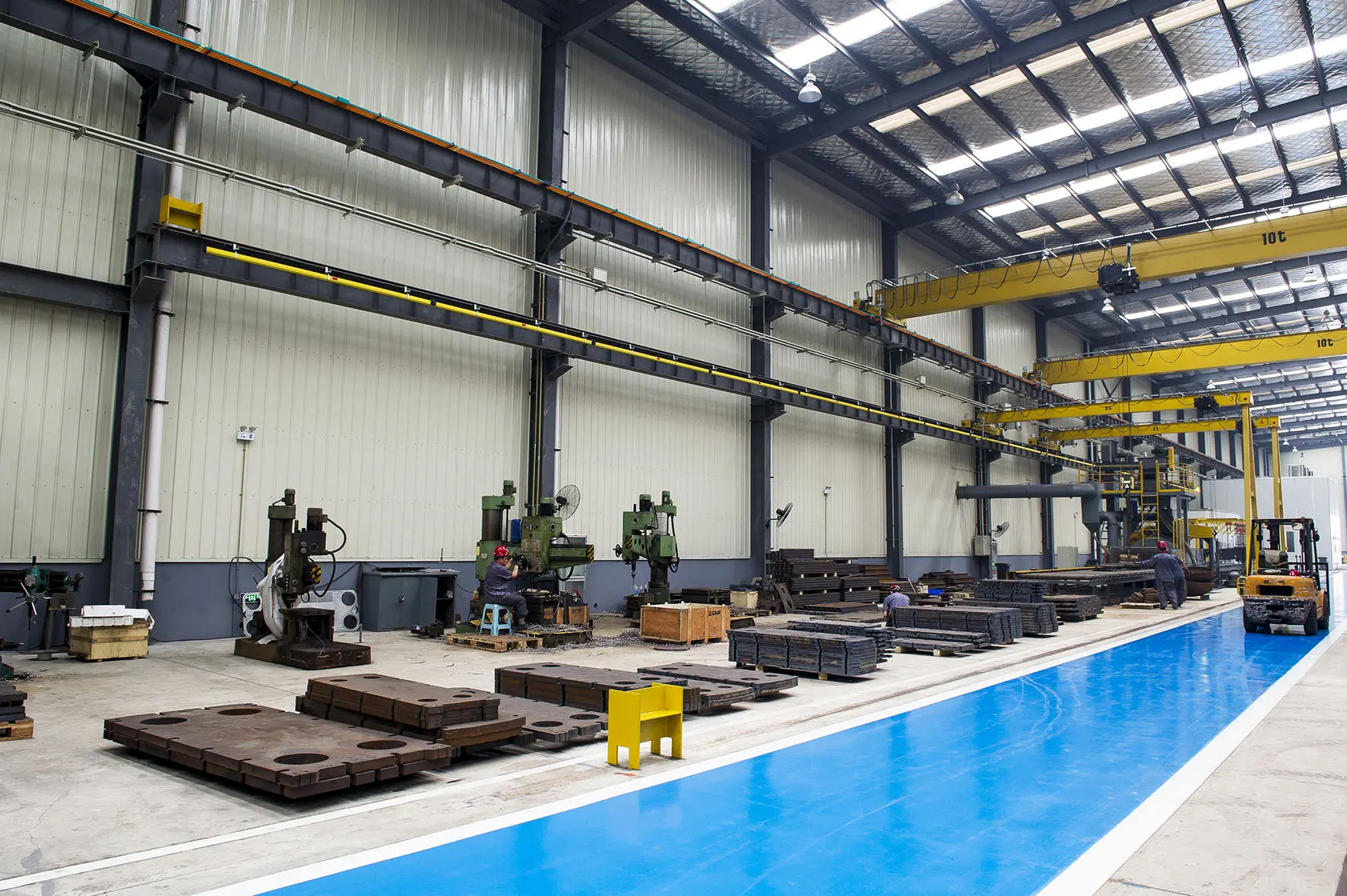
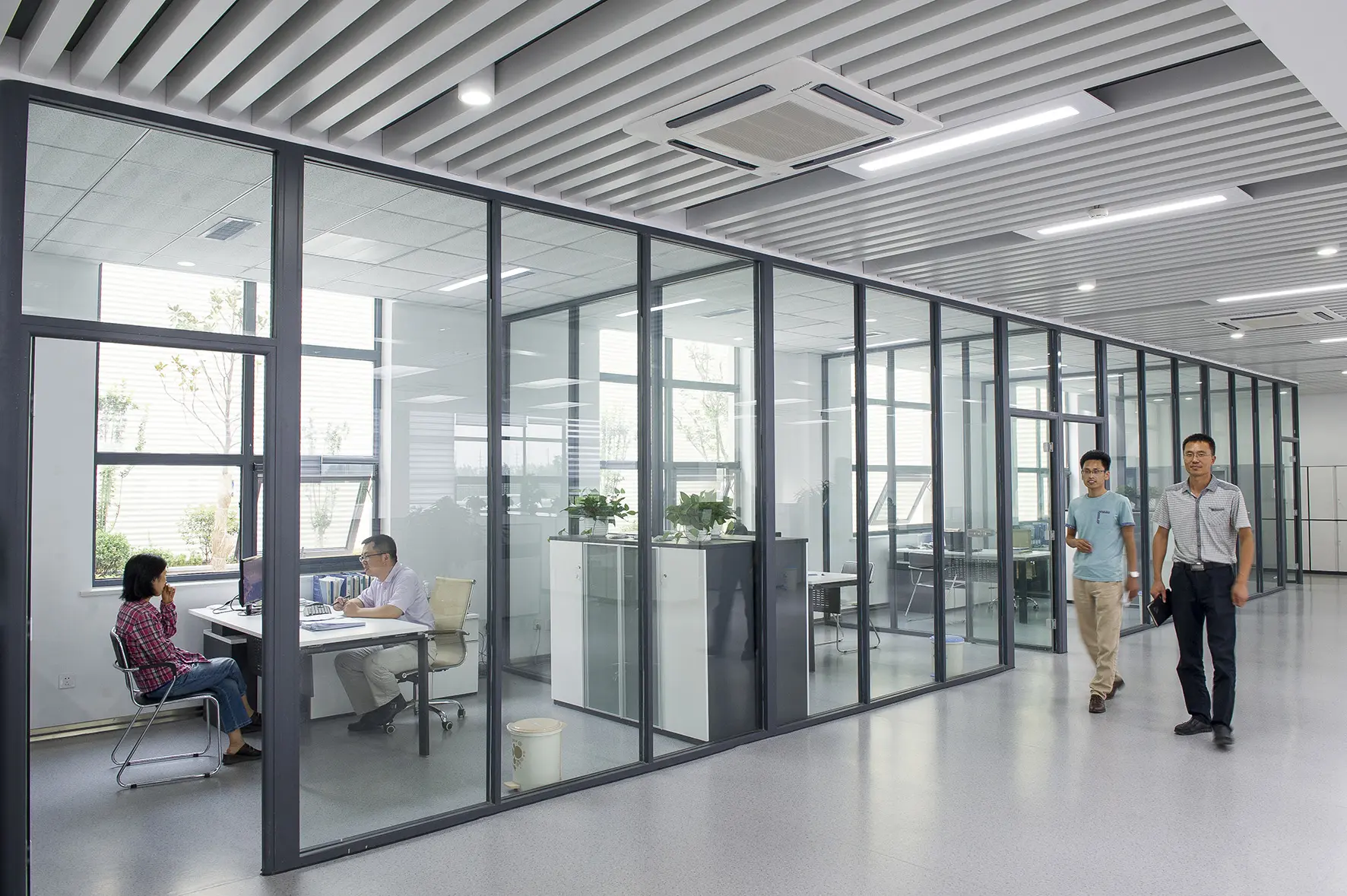
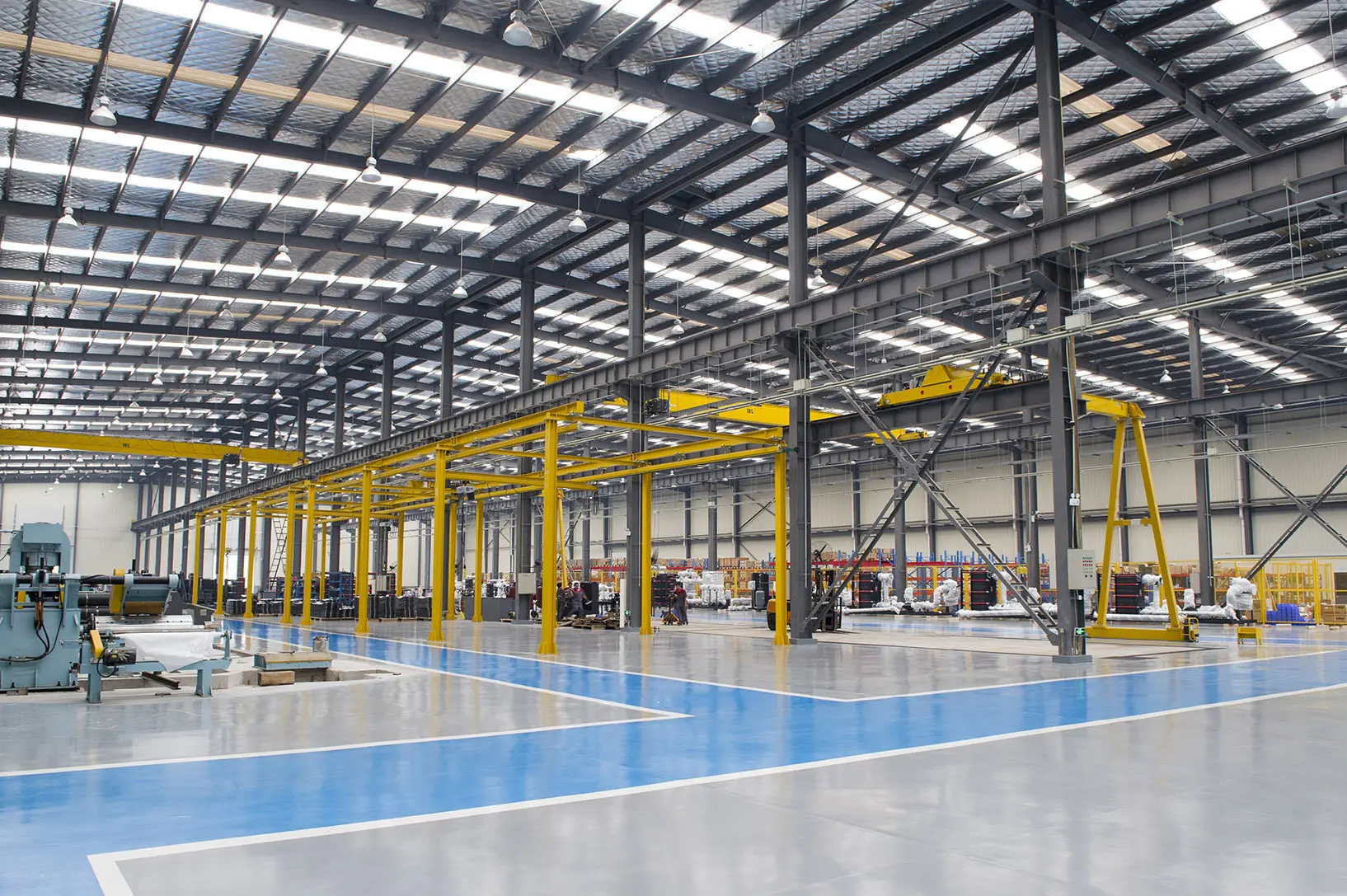
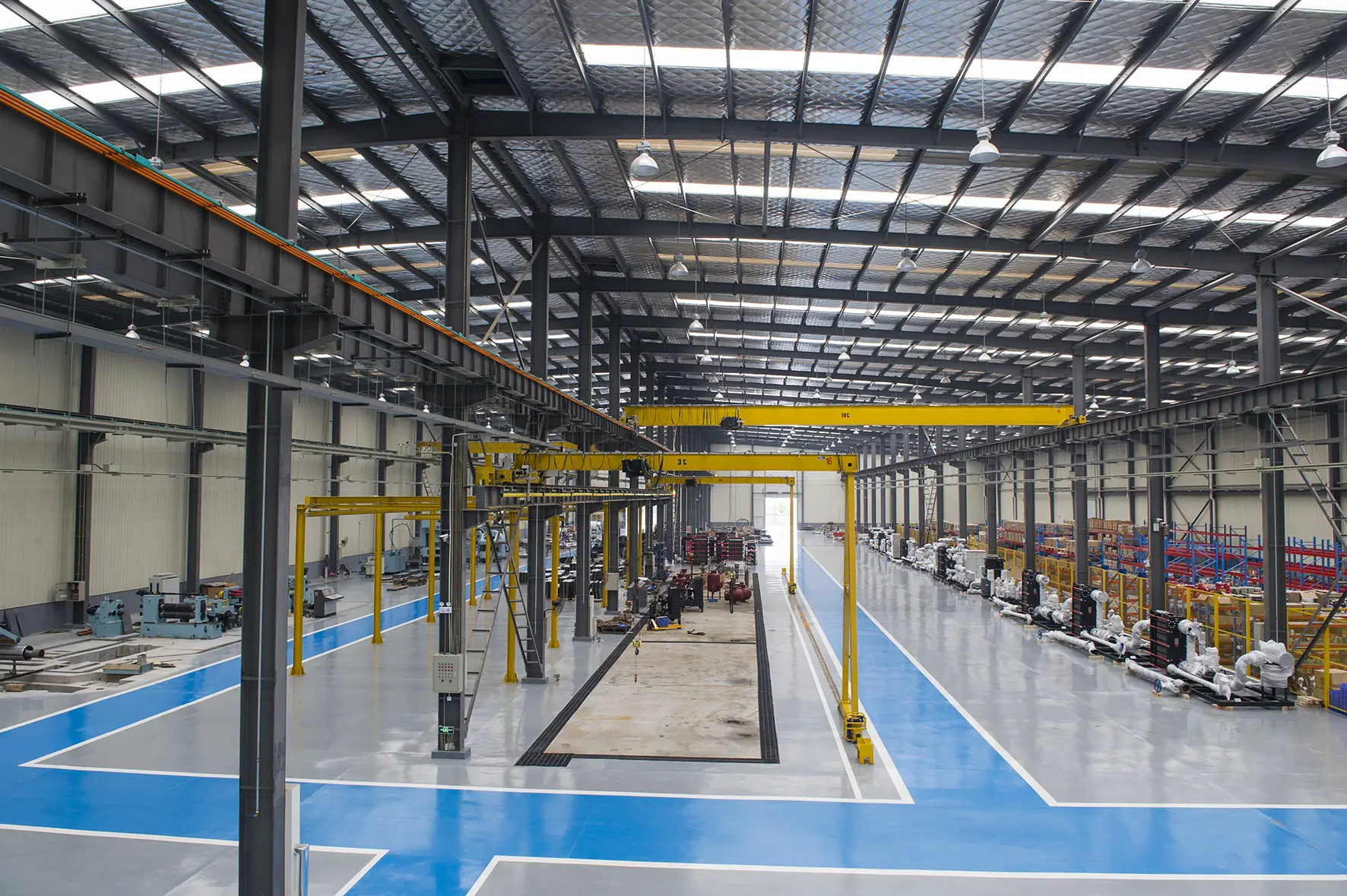
A glimpse inside our specialized manufacturing plant, showcasing our heavy machinery, assembly lines, and testing bays.


From modular pressure regulation systems to advanced chemical recovery solutions, our portfolio spans all major industrial applications.
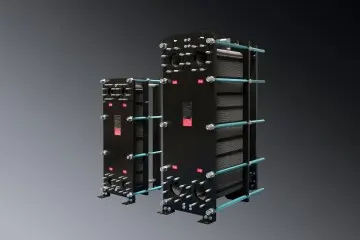
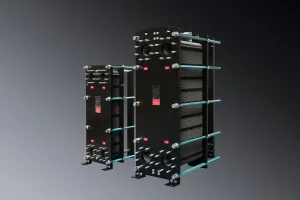
Highly accessible design featuring customizable plate configurations and simple maintenance, optimal for general cooling applications.
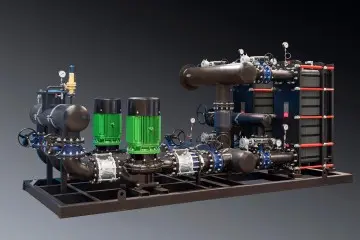
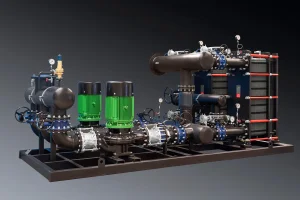
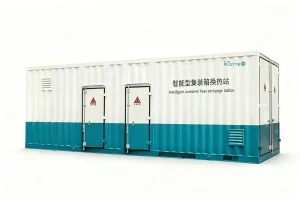
Fully integrated skids equipped with pumps, valves, and smart control loops for plug-and-play building heating systems.
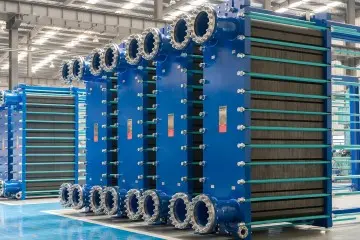
Dual-purpose skids that regulate pipeline inlet pressure while simultaneously managing thermal energy transfer.
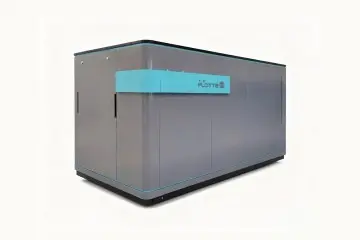
Specifically engineered to isolate static head pressures in high-rise buildings and optimize energy distribution.
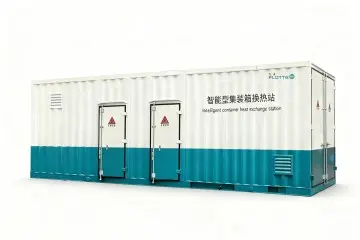
Enclosed, low-noise modular thermal skids designed for clean industrial spaces and compact technical rooms.
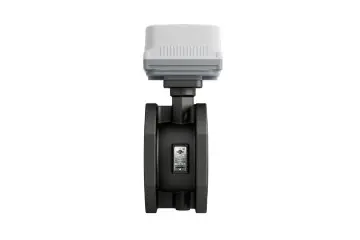
Provides fine hydraulic balance adjustments throughout heating networks to prevent uneven distribution.

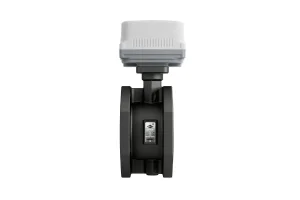
High-precision data acquisition sensors linked with centralized climate control units to optimize distribution cycles.
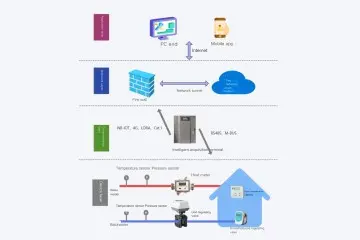
Centralized software and hardware system that dynamically balances system loads in real time.
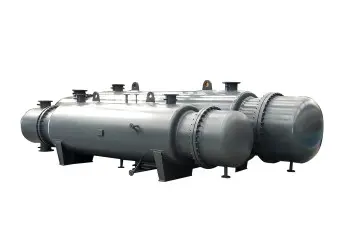
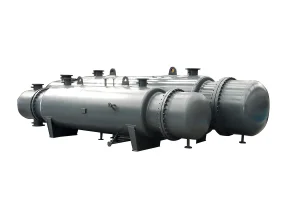
A heavy-duty solution designed for high thermal dynamics, elevated pressures, and process media with higher particulates.
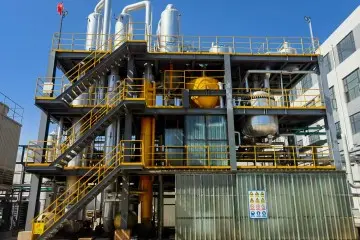
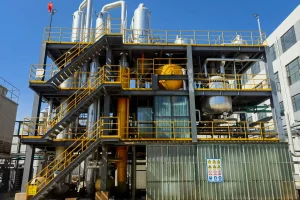
Multi-stage evaporation systems that repurpose secondary vapors to drive thermal desalination and concentration loops.
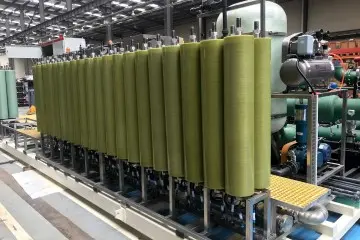
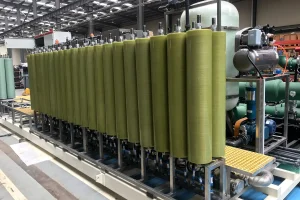
Advanced cross-flow filtration technology designed for wastewater treatment and chemical separations.
Our commitment to E-E-A-T and regulatory compliance is backed by leading global testing authorities and standard organizations.
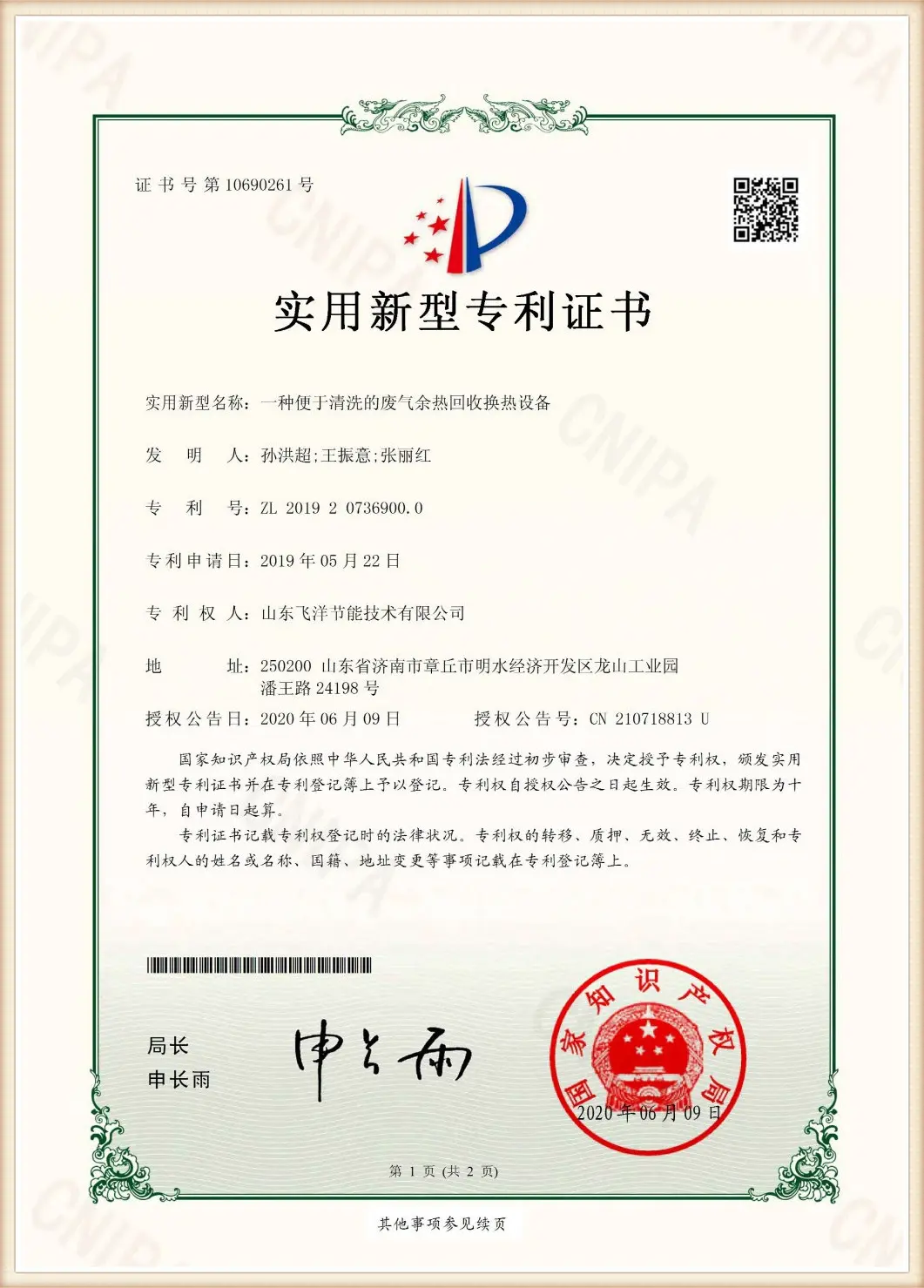
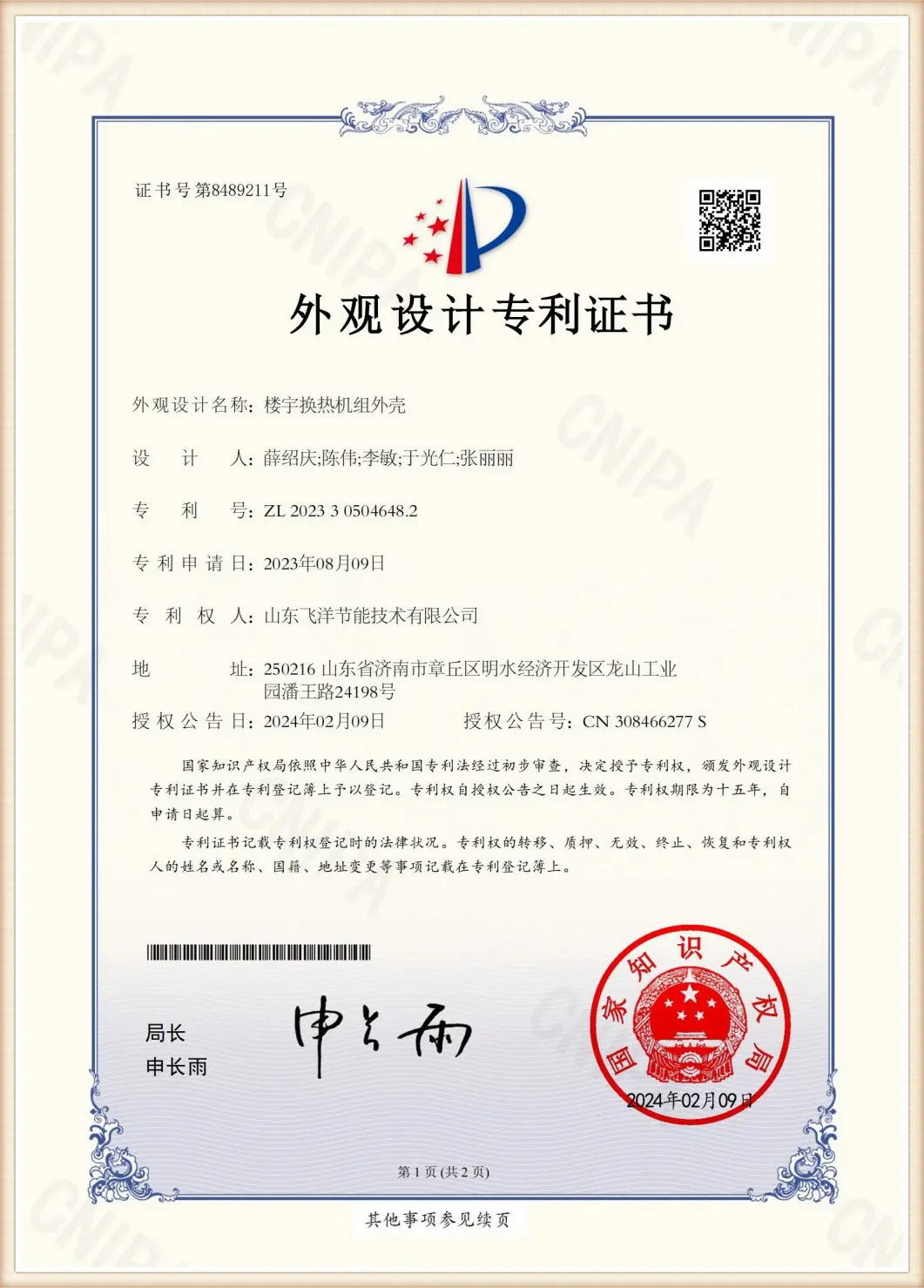
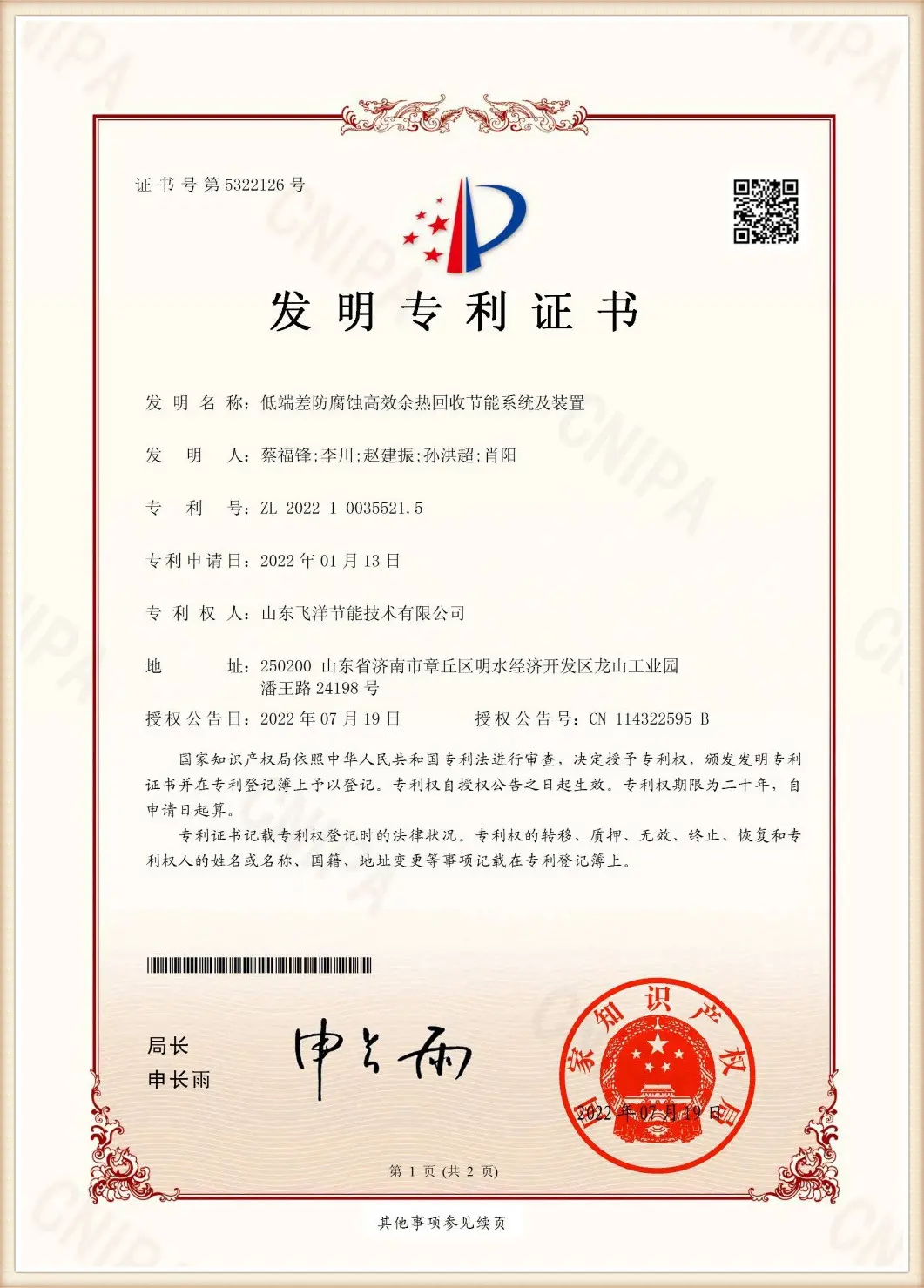
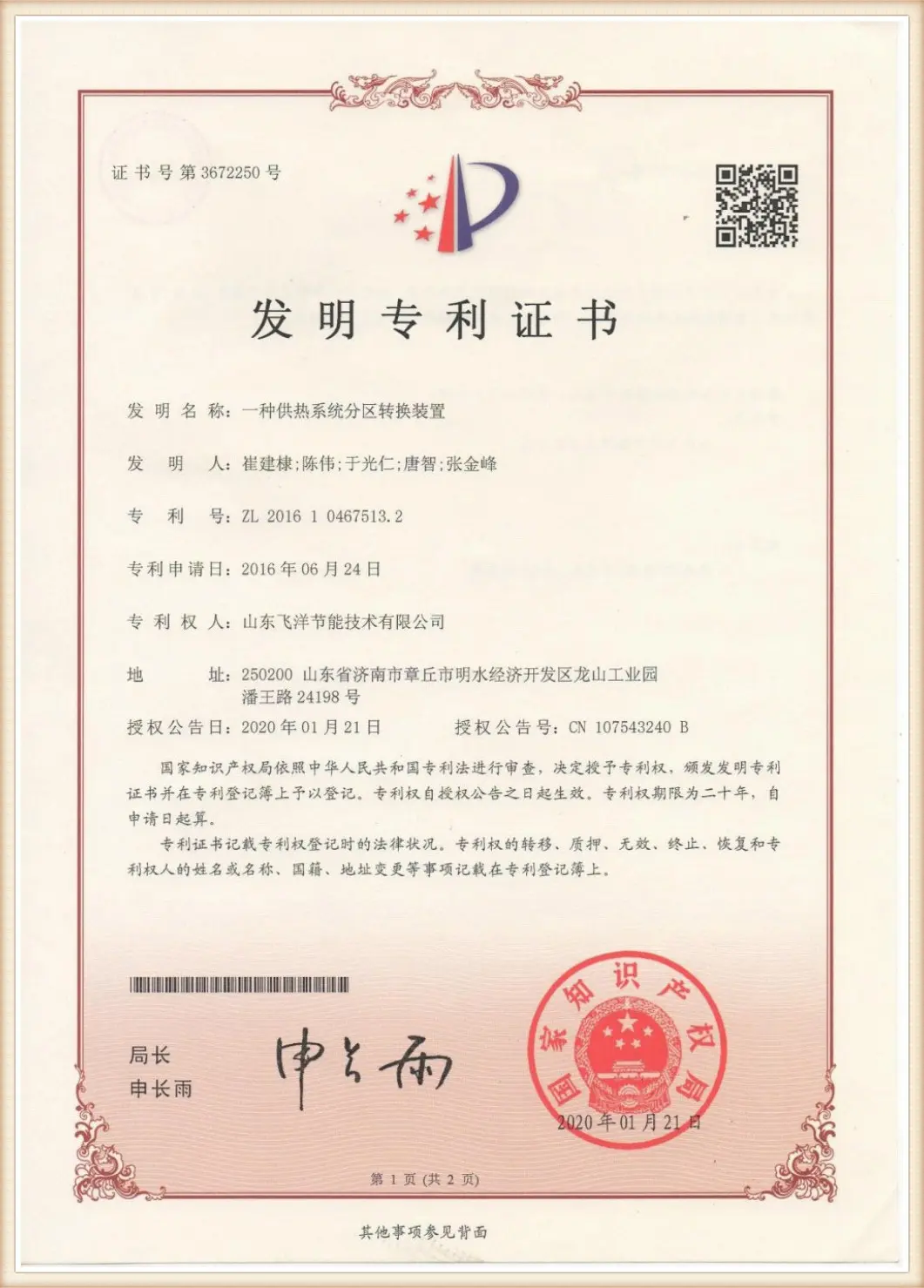
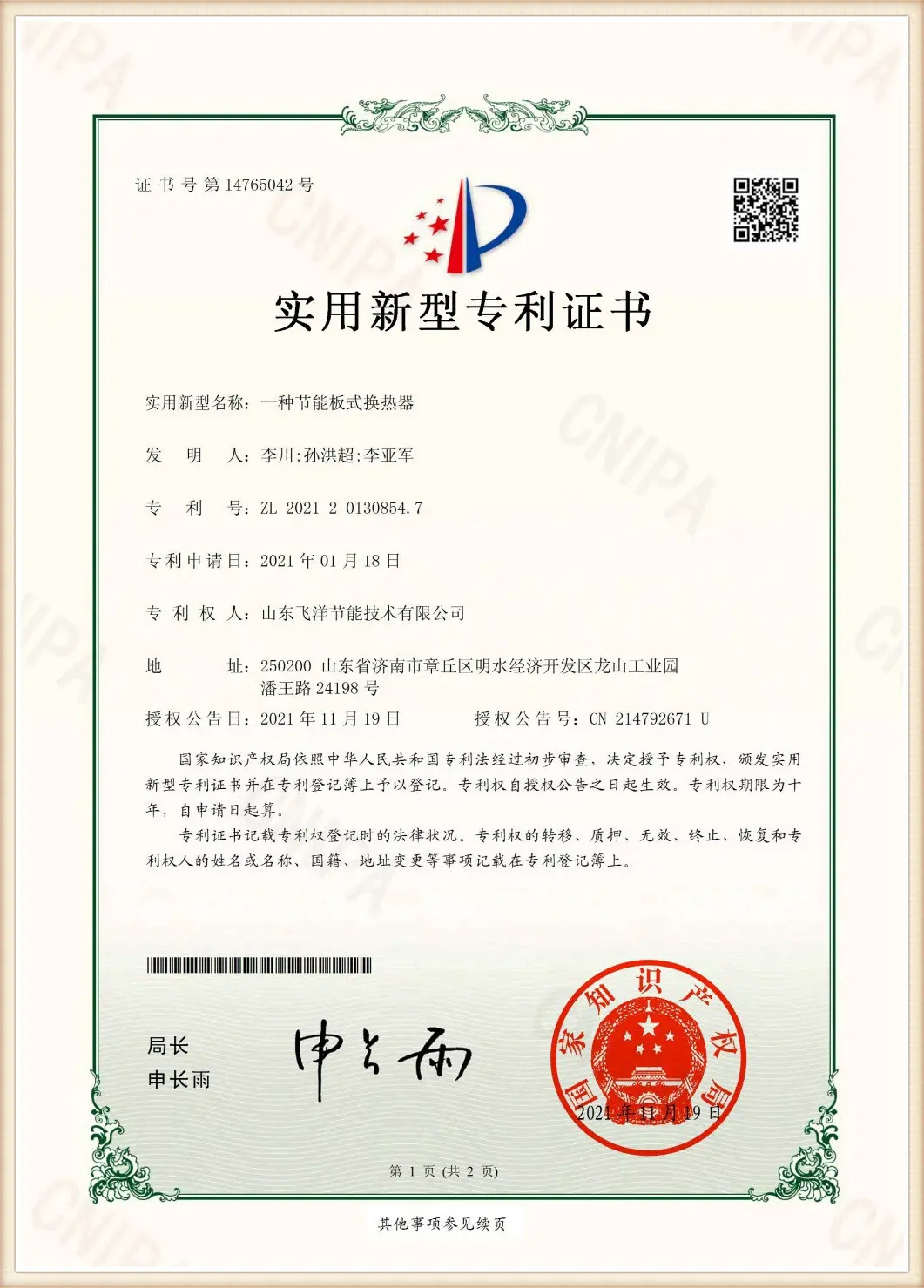
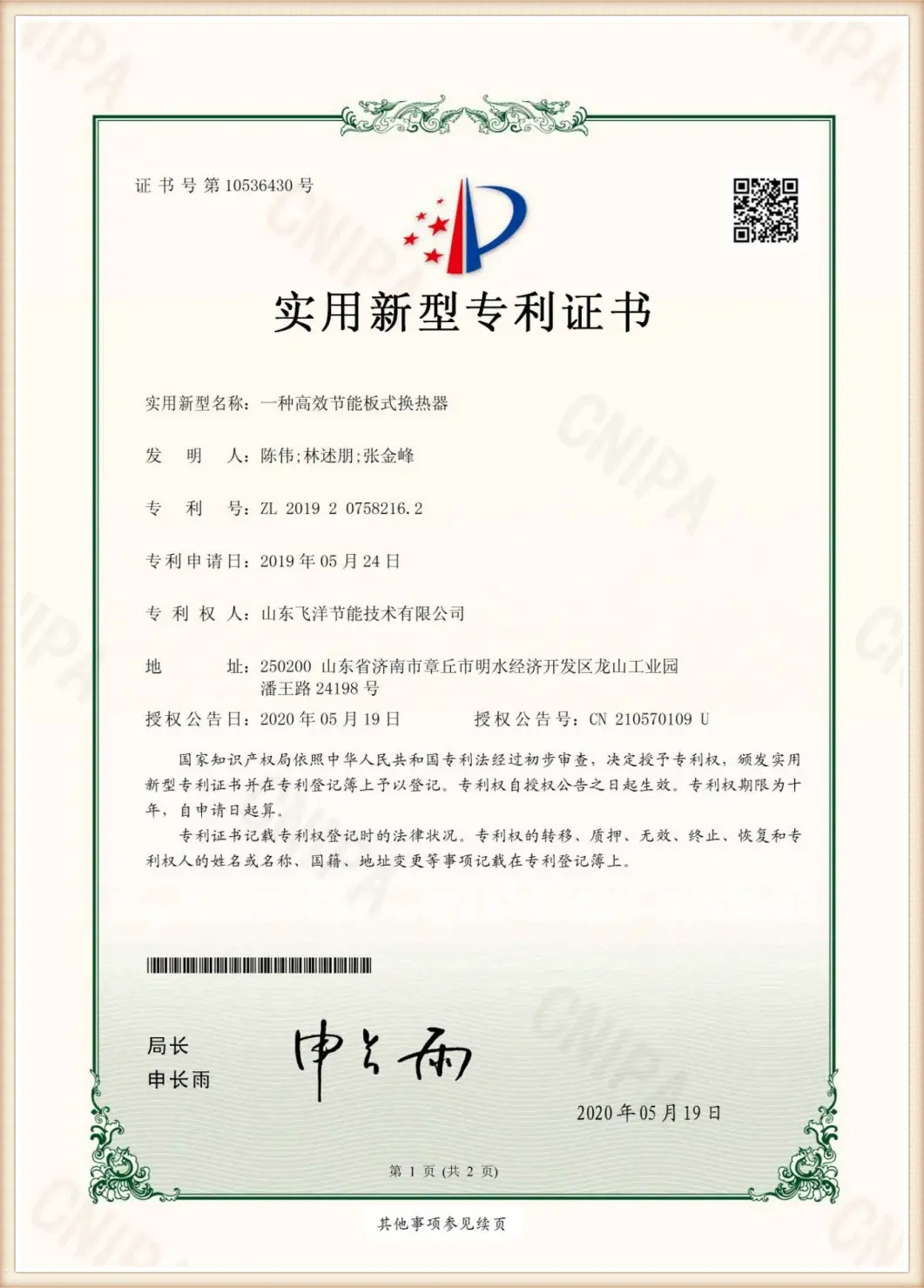
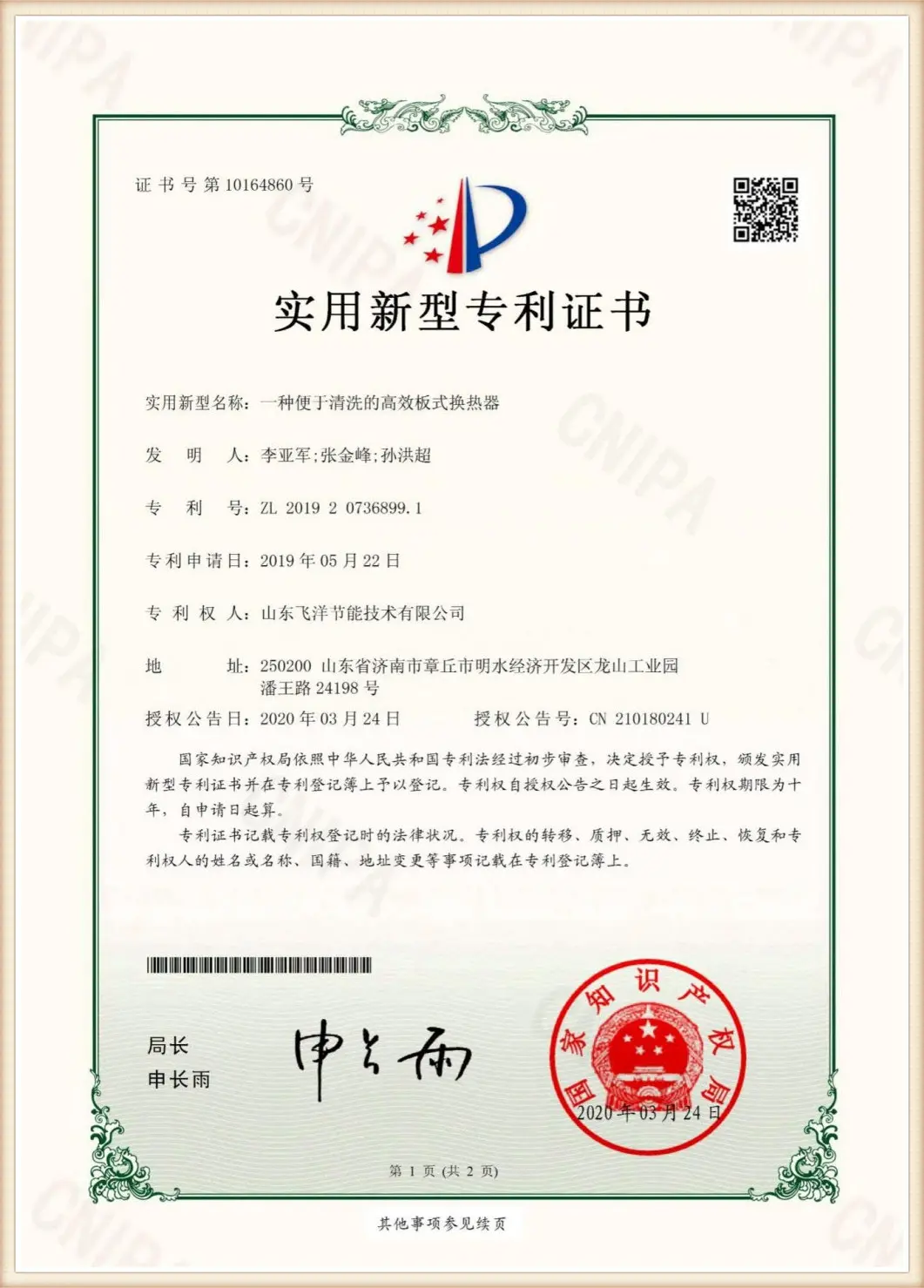
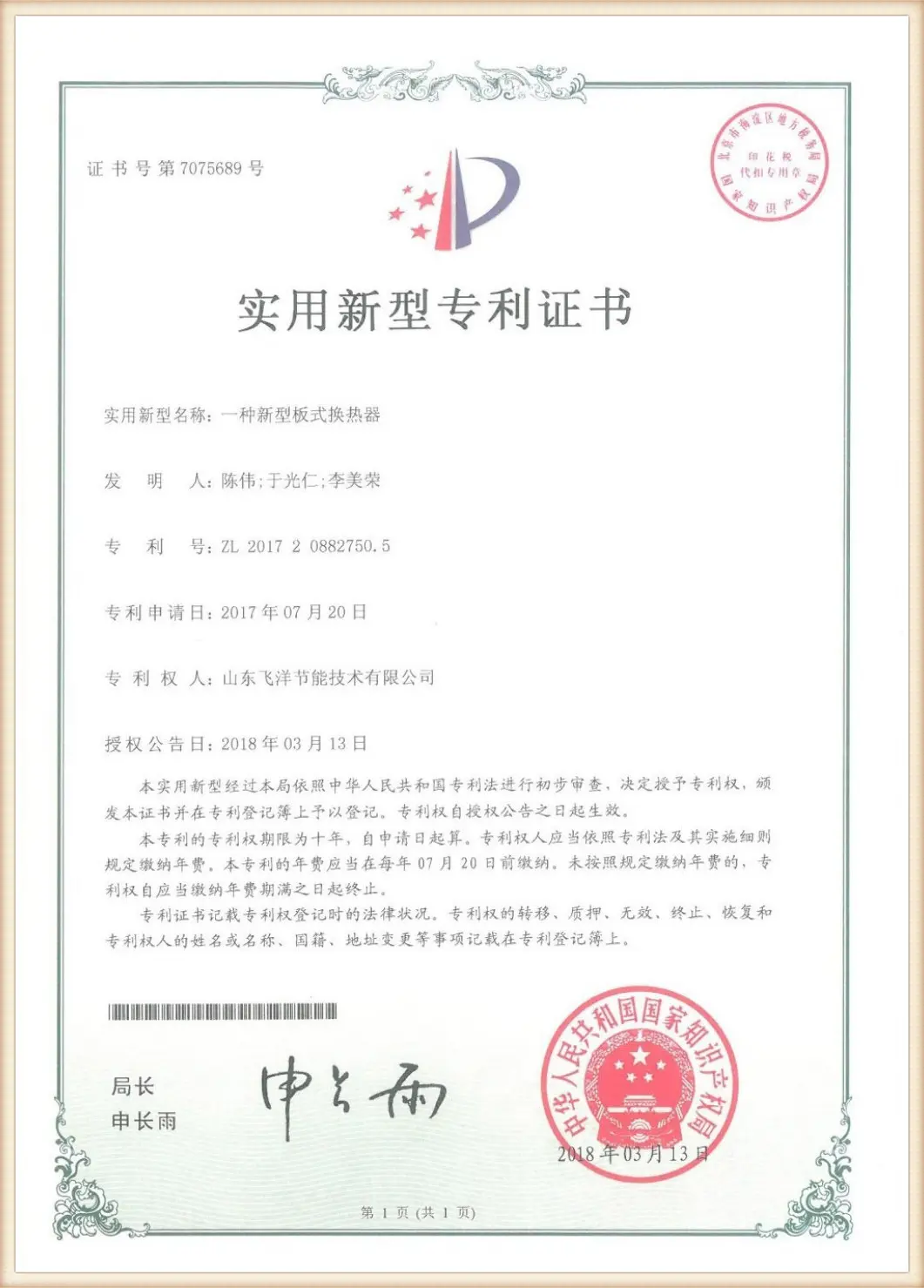
Our quality control frameworks are audited to meet international standards. Flotte is certified to ISO 9001:2015 (Quality Management System), ISO 14001:2015 (Environmental Management System), and ISO 45001:2018 (Occupational Health & Safety Management System). Our products hold safety registrations issued by the National Boiler and Pressure Vessel Standardization Technical Committee, validating their structural safety under extreme operating loads.
For procurement officers, EPC engineers, and facility managers, selecting the optimal heat exchanger configurations requires balancing several critical process parameters. Prior to issuing a Request for Quotation (RFQ), it is essential to define the following parameters to ensure accurate sizing and thermal modeling:
Our engineering division utilizes specialized thermal software to model fluid dynamics, calculate the Logarithmic Mean Temperature Difference (LMTD), and verify the Number of Transfer Units (NTU). By optimizing plate chevron angles (high-theta vs. low-theta plates), we balance heat transfer rates against pressure drop constraints. This process yields compact, efficient designs with lower total cost of ownership (TCO).
Answers to common technical and logistical questions for process engineers and procurement managers.
Explore our line of control devices, filtration systems, and custom industrial evaporators.
 Flotte Energy