Discover our foundational heat exchange units, evaporative separation solutions, and intelligent hydraulic balancing systems direct from our certified Chinese factory.
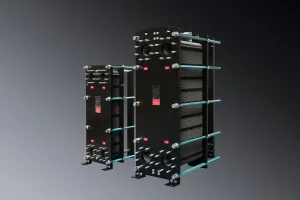
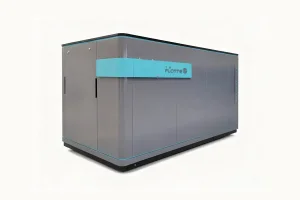
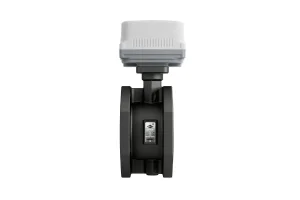
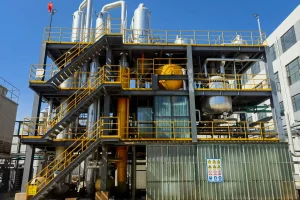
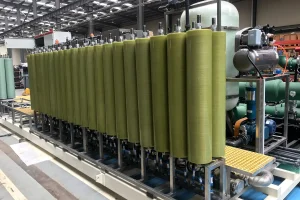
In modern thermal engineering, the selection of heat exchanger plate materials is the single most critical factor determining structural longevity, fluid safety, and energy conversion efficiency. As global industries align with decarbonization goals, energy efficiency in HVAC, marine cooling, and chemical processing has transitioned from an operational metrics concern to a core compliance standard.
A plate heat exchanger's (PHE) thermal efficacy relies on optimized fluid turbulence generated across its profiled metal sheets. Different media require specific material selections to combat electrochemical corrosion, stress cracking, fouling, and scale buildup. From food-grade sanitation demands to highly acidic offshore marine applications, our materials are selected and processed to ensure a zero-defect product life cycle.
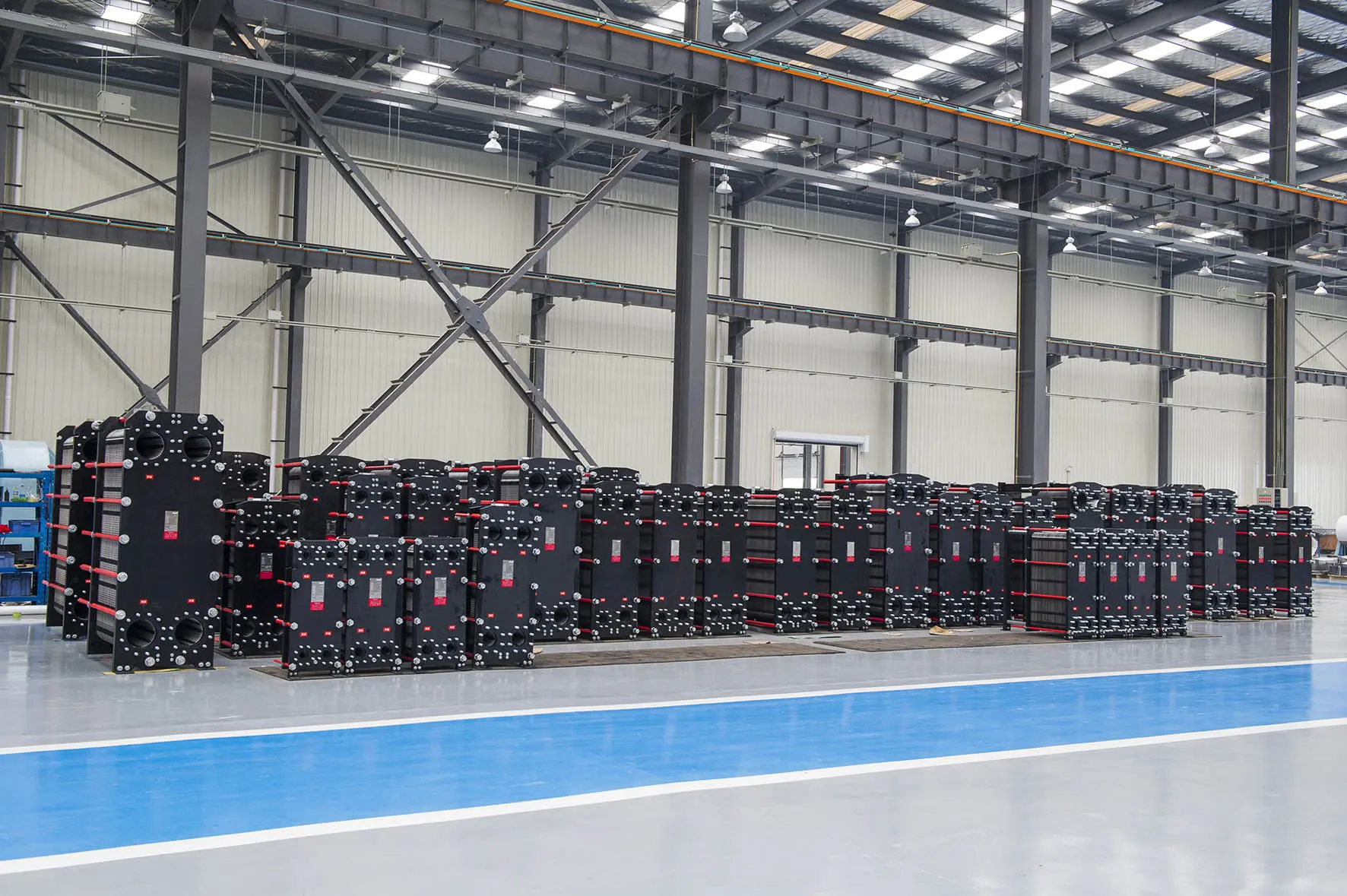
We source raw premium alloys to manufacture plates engineered for specific environmental stresses, electrochemical profiles, and process fluids.
| Material Classification | Common Industry Standards | Pitting Resistance (PREN) | Recommended Industrial Applications | Limitations & Non-Compatibility |
|---|---|---|---|---|
| AISI 304 / 304L (1.4301) | ASTM A240 304 | ~ 18 | Freshwater cooling, HVAC networks, organic chemicals, food and beverage processing, utility water heating. | Susceptible to chloride-induced pitting at concentrations exceeding 50 ppm at temperatures above 50°C. |
| AISI 316 / 316L (1.4404) | ASTM A240 316L | ~ 23 - 25 | Domestic water, HVAC cooling, mild seawater desalination, standard chemical synthesis, steam condensation. | Limited resistance to hot concentrated hydrochloric or sulfuric acid. Risk of crevice corrosion in warm seawater. |
| Titanium Grade 1 & 11 | ASTM B265 Gr. 1 | N/A (Oxide Passivity) | Offshore cooling loops, high-chloride geothermal brine, marine HVAC, chlor-alkali production, bleach handling. | Prone to hydride embrittlement when exposed to galvanic currents or reducing atmospheres above 120°C. |
| Hastelloy C-276 / Nickel Alloys | ASTM B575 C-276 | ~ 45 | Concentrated hot acids (hydrofluoric, sulfuric), petrochemical refining, phosphoric acid processing, paper mills. | Very high material cost. Strictly reserved for extreme chemical systems where standard materials fail. |
| SMO 254 (Super Austenitic) | UNS S31254 | ~ 42 - 45 | High-salinity seawater pipelines, flue gas desulfurization scrubbers, bleach plants, marine scrubber systems. | Requires precise stamping profiles and micro-forging due to its high tensile strength and strain hardening rate. |
Originally established as Flotte Thermal Engineering in 1995 and structured as Flotte Energy Saving Company in 2013 with 101 million Yuan registered capital.
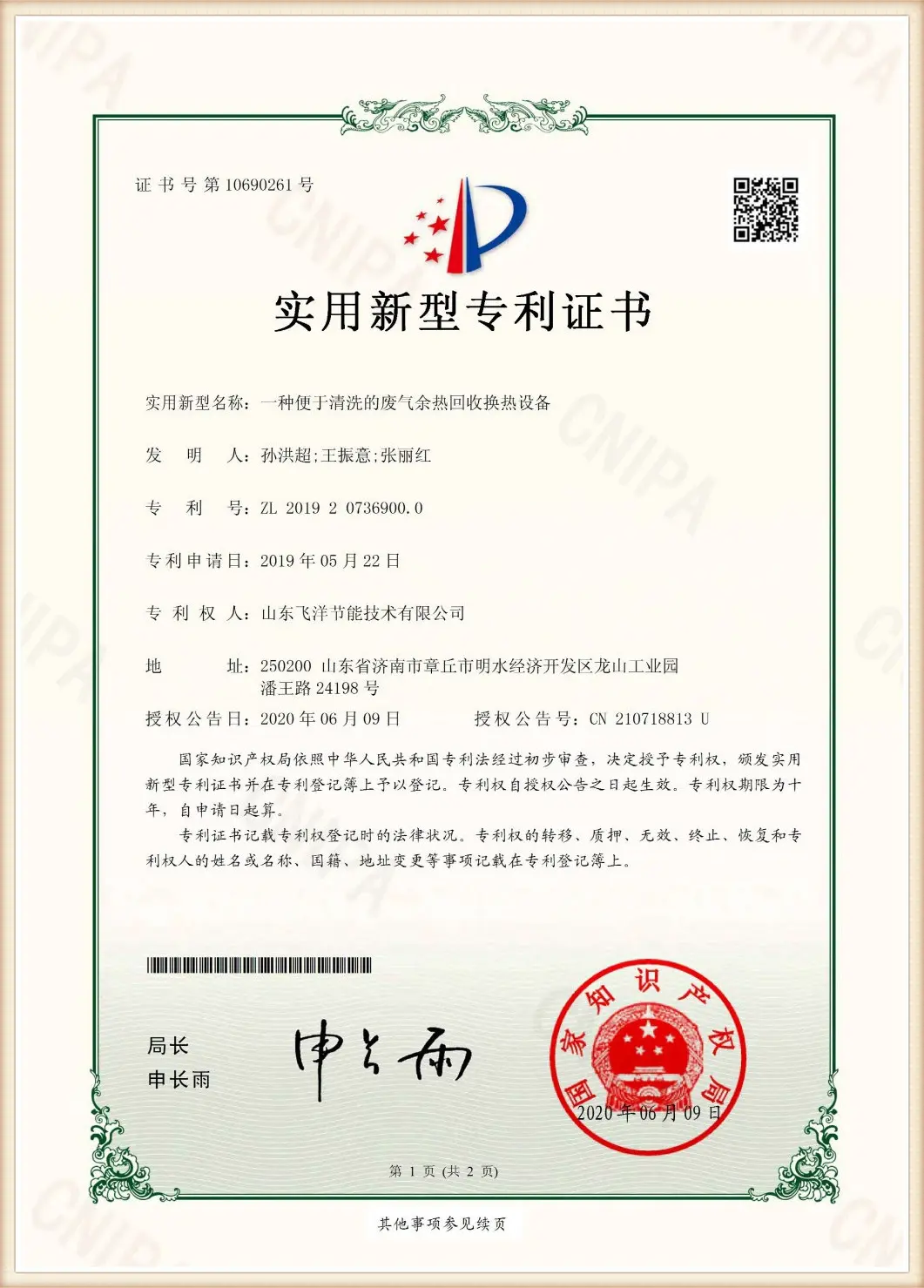
We are a specialized manufacturing enterprise focusing on water delivery equipment, industrial HVAC configurations, and municipal water treatment. We lead industry peers in adapting smart heat transfer technologies, holding premium patent certifications including the "High-Efficiency Plate Heat Exchanger", "Intelligent Plate Heat Exchanger System", and "Plate Heat Exchanger Scale Removal Device".
All Flotte systems have obtained mandatory national product safety registration from the National Standardization Committee and specialized pressure vessel safety registration for plate heat exchangers from the National Boiler and Pressure Vessel Standardization Technical Committee, meeting rigorous global engineering requirements.
Our operation runs in compliance with ISO9001 Quality Management System, ISO14001 Environmental Management System, and ISO45001 Occupational Health and Safety Management System protocols. This guarantees traceability of raw alloy sheets to final pressure tests.
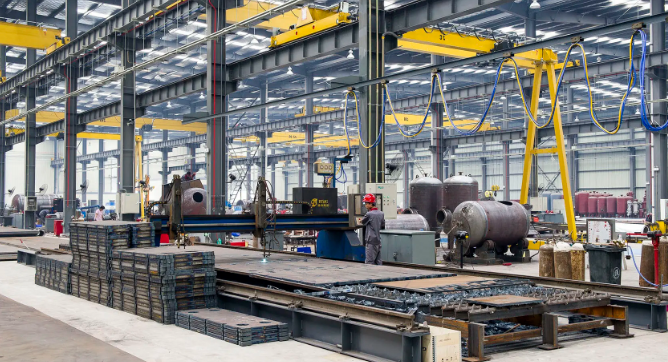
Flotte operates modern production workshops equipped with advanced manufacturing facilities and quality control instruments. All frontline production technicians undergo rigorous, formal training before handling our high-tonnage hydraulic presses and CNC laser cutting arrays.
Our purchasing department strictly manages our list of qualified steel mill partners. This ensures that every sheet of stainless steel (304/316L/904L) or titanium arrives with verified ladle analysis certification. By controlling the metallurgy at the source, we prevent micro-cracks and localized chemical segregation during high-pressure stamping. This quality control approach is standard across our complete annual production capacity of 4,500 heat exchange units.
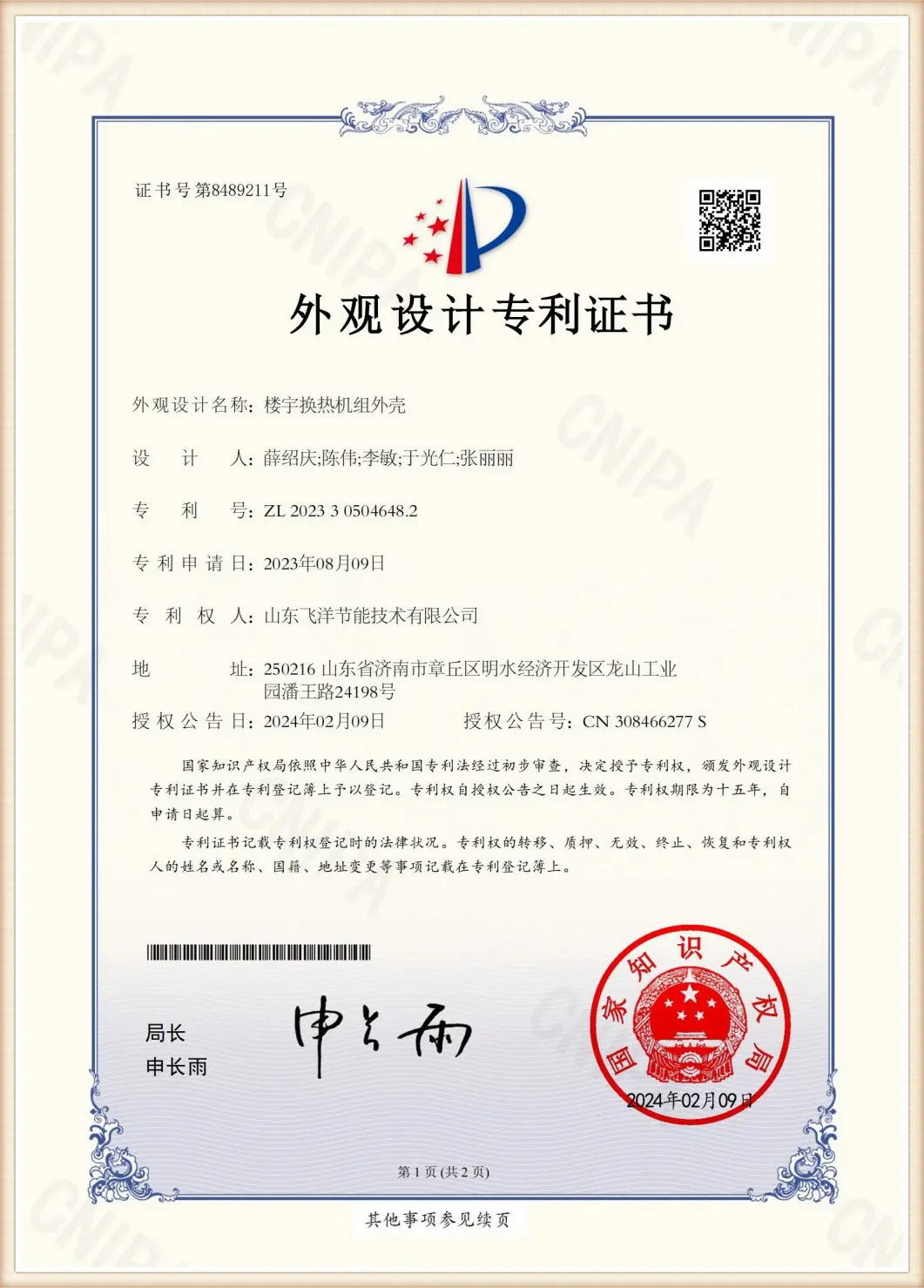
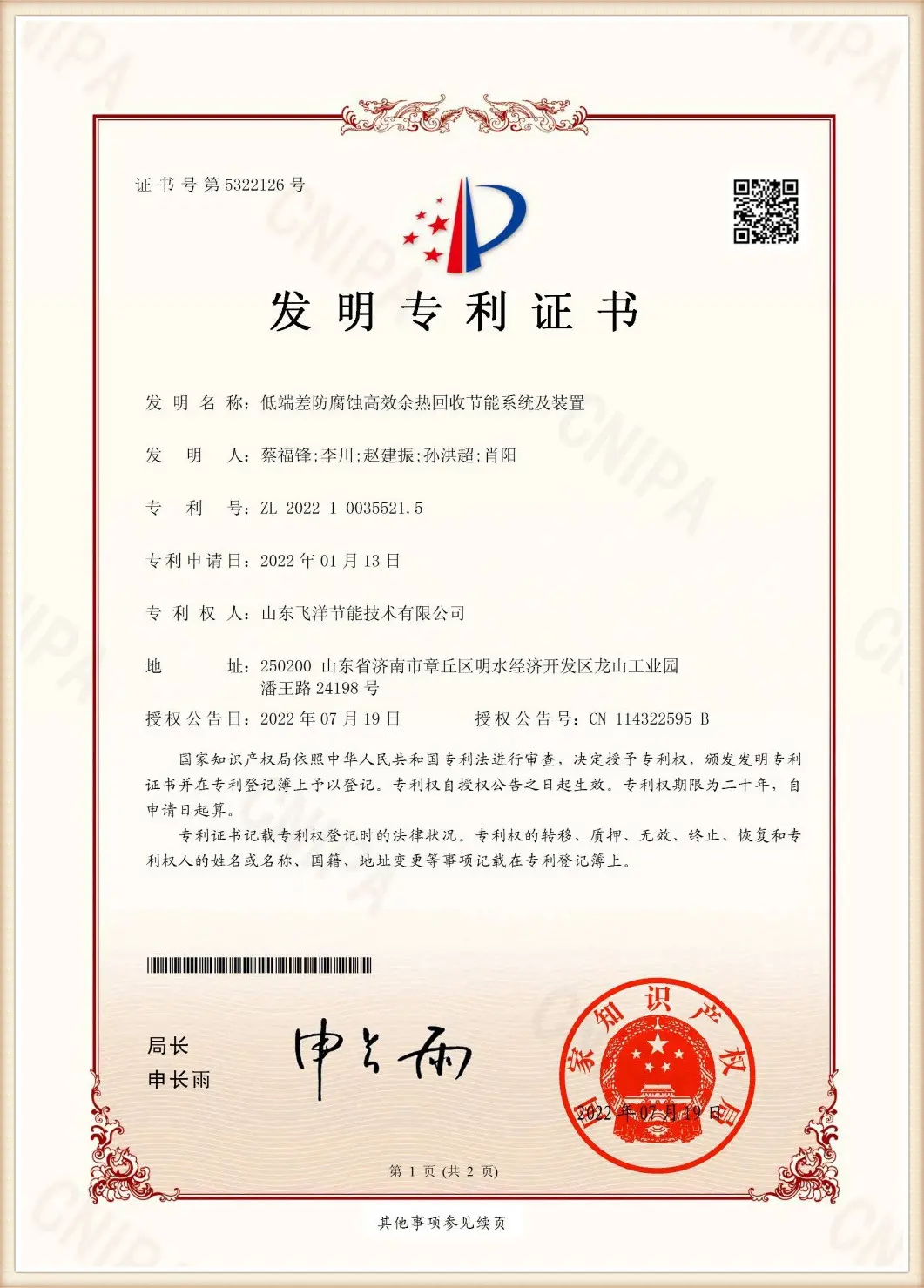
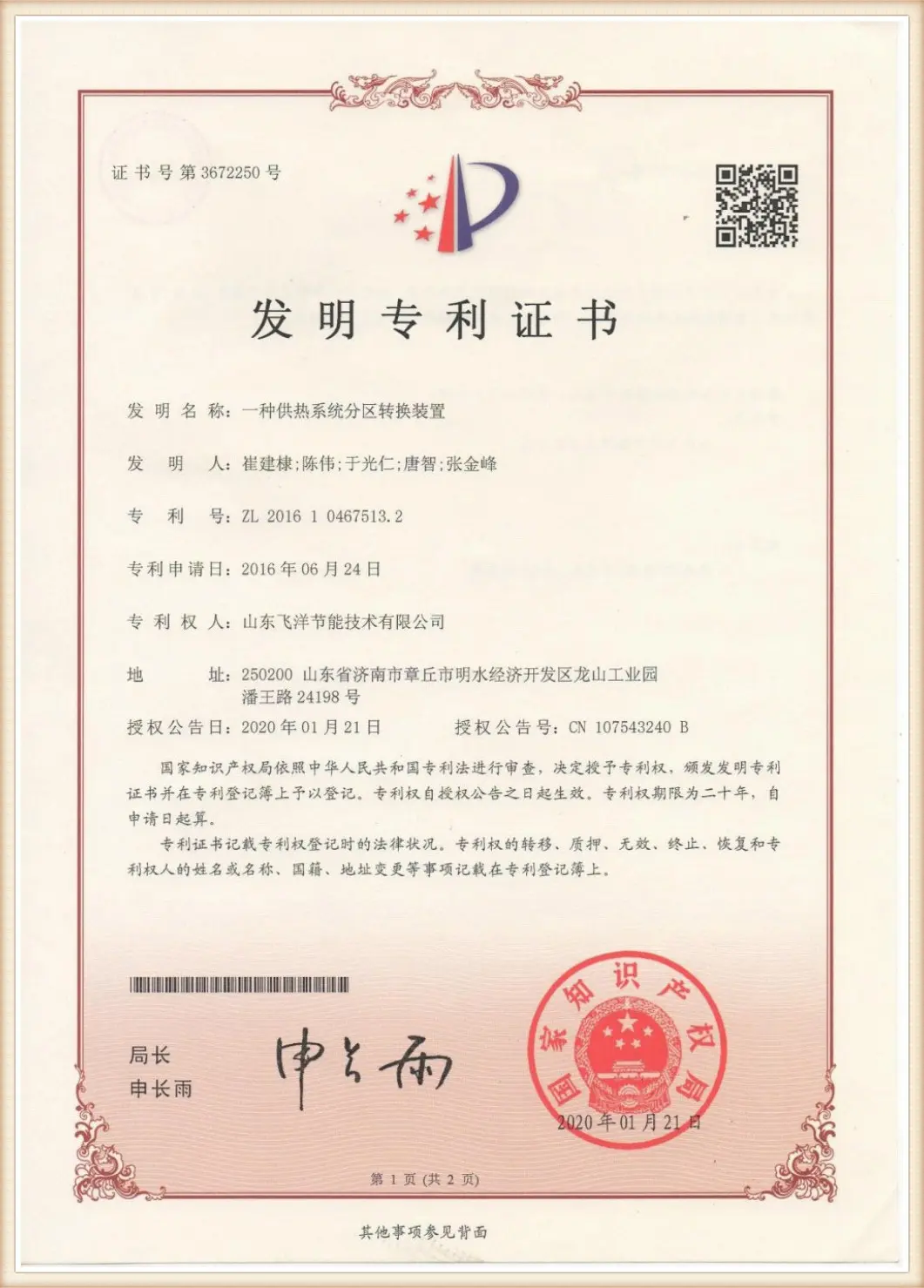
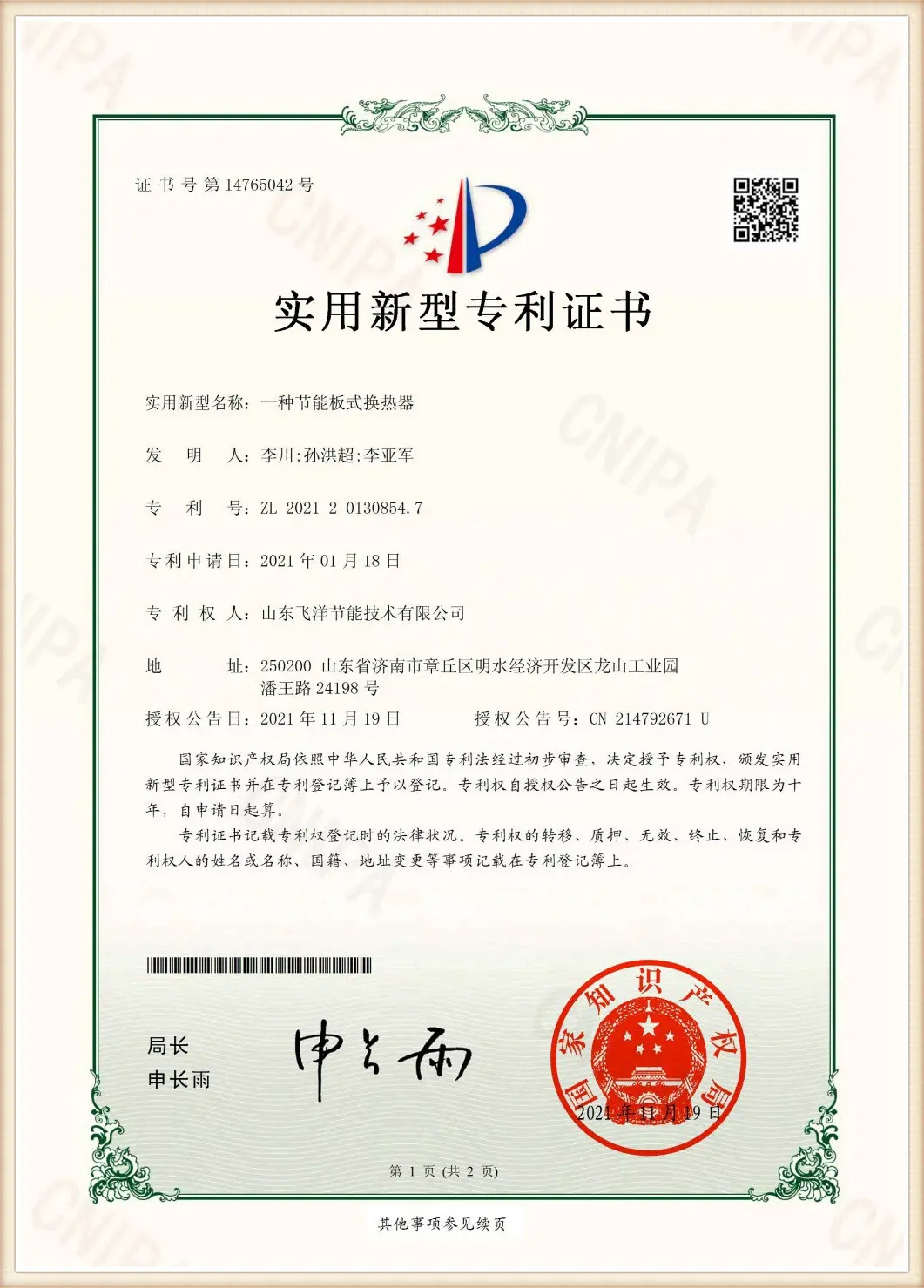
We maintain strict adherence to international safety and pressure compliance standards. Below is a subset of our verified credentials.
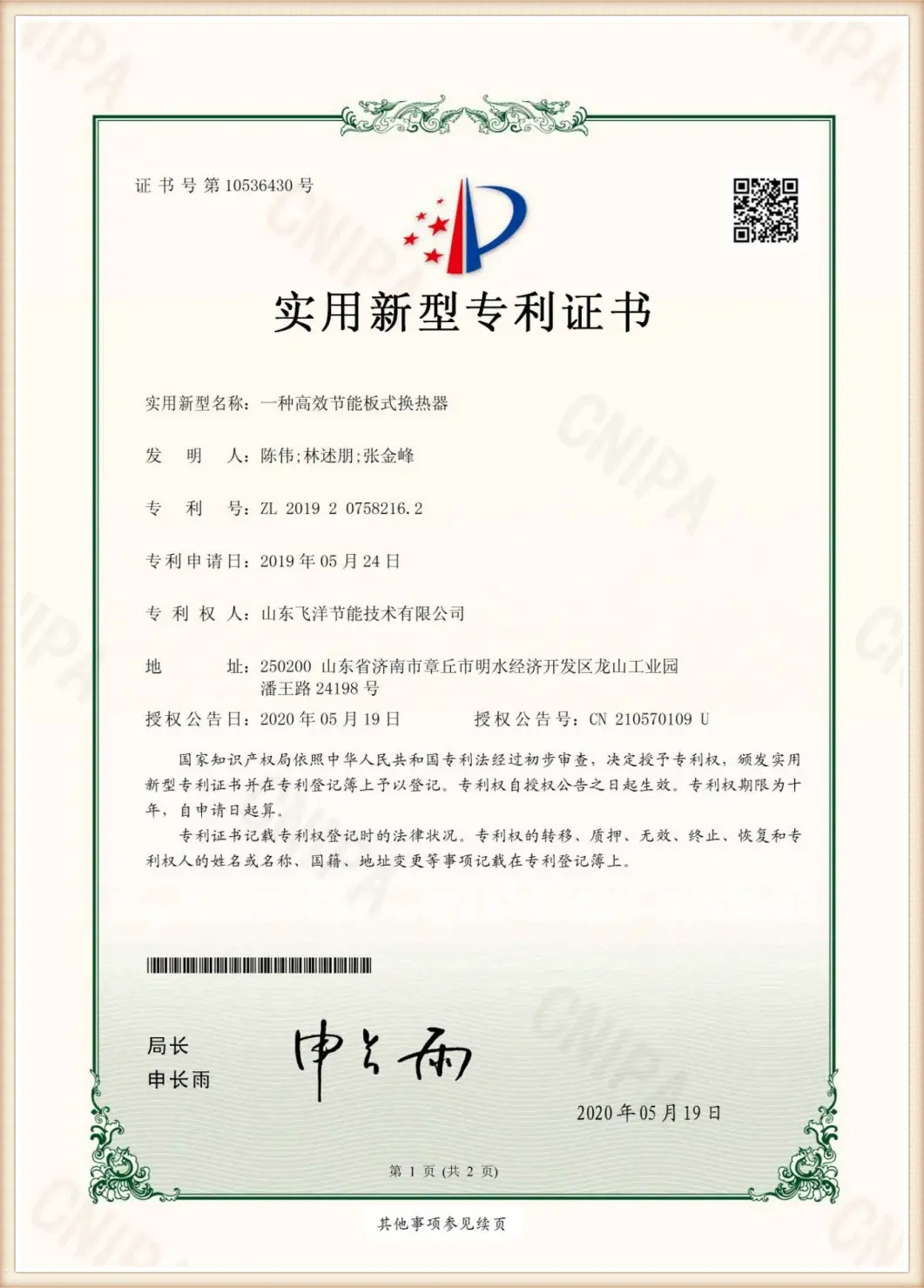
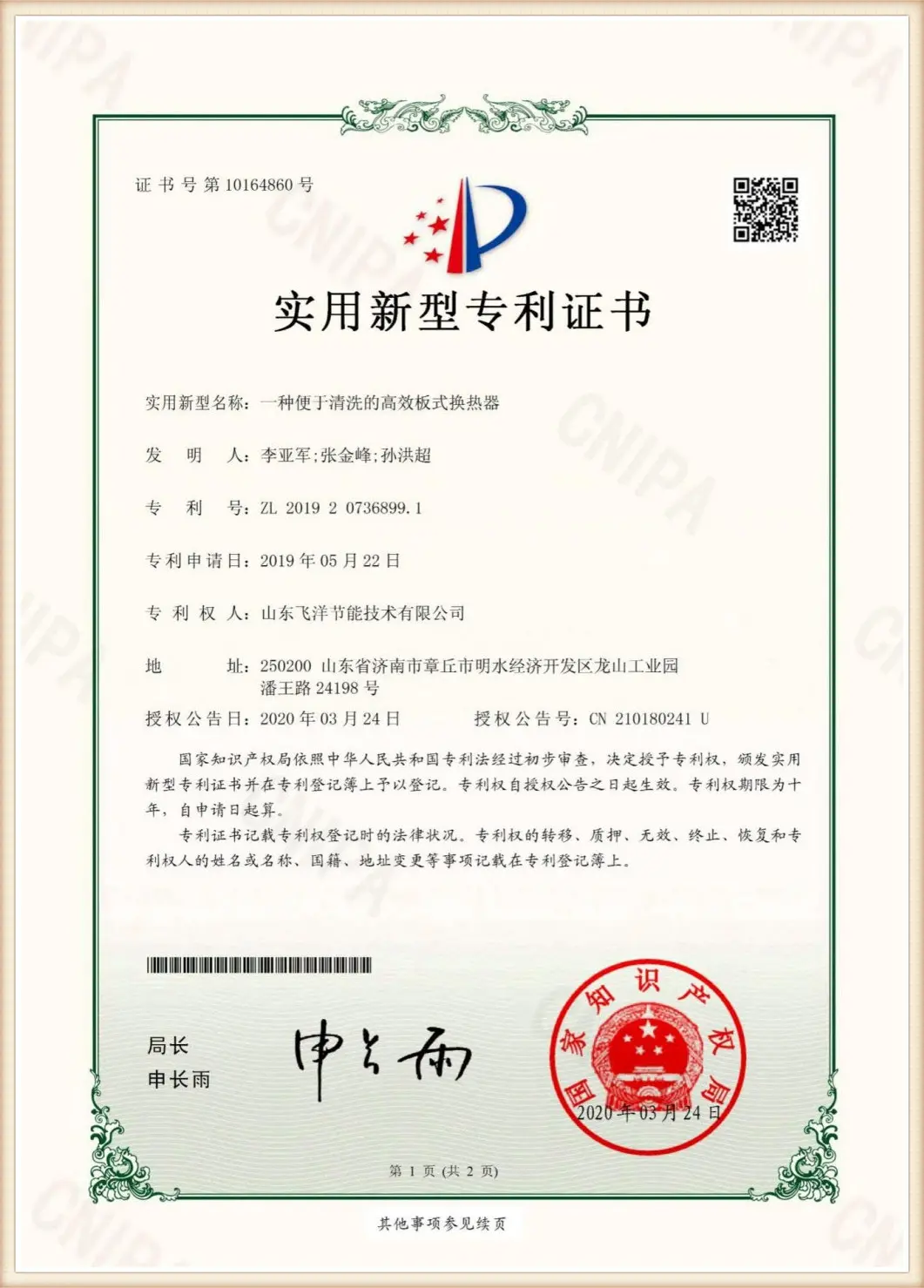
From initial sheet metal division to final hydrostatic testing, our processes ensure structural reliability.
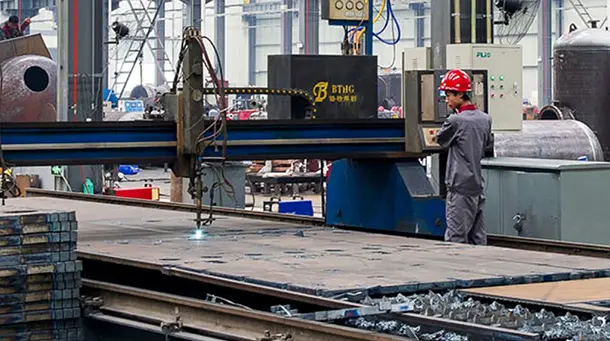
Thick frame plates and pressure plates are cut using heavy-duty CNC systems to match targeted piping footprints.
Micro-level material profiling ensures structural uniform density across localized stress zones on the metal.
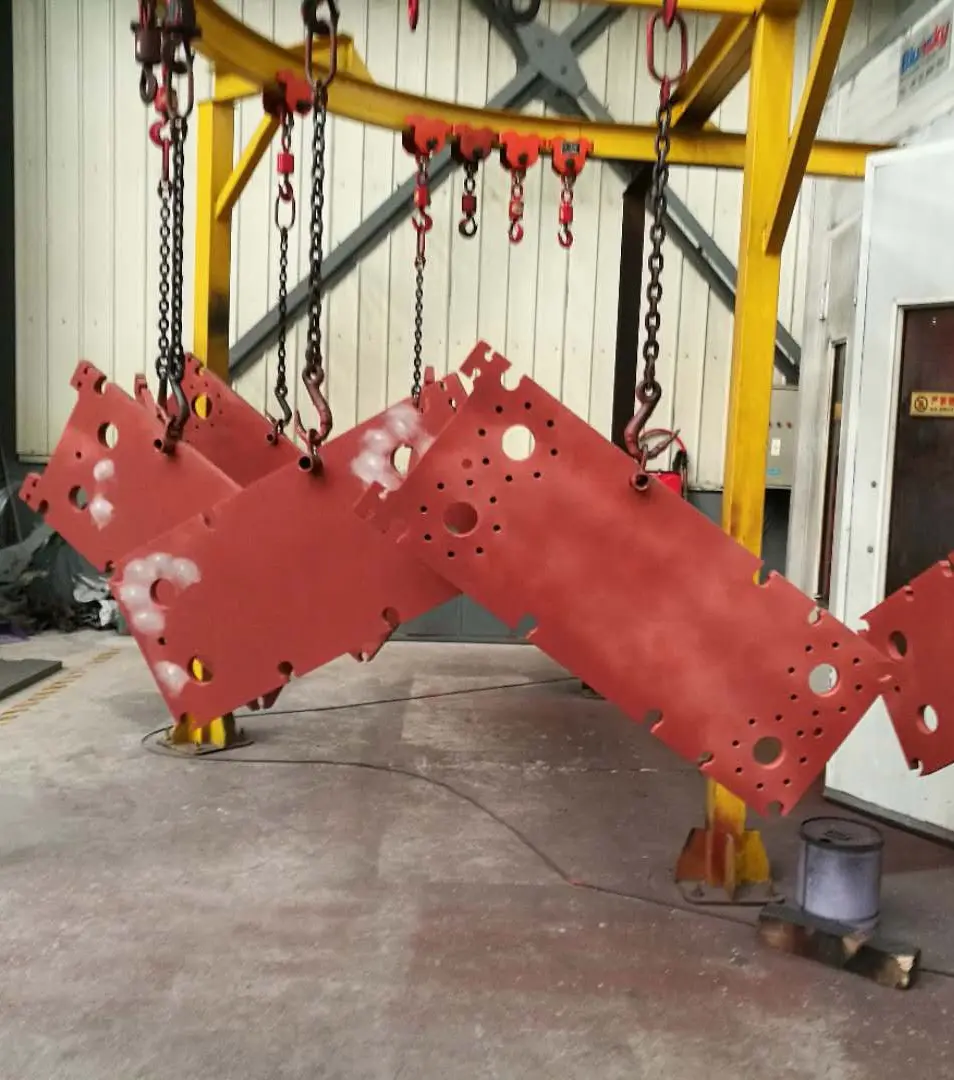
Applying high-grade anti-corrosive multi-layer epoxy coatings to carbon steel components to withstand harsh environments.
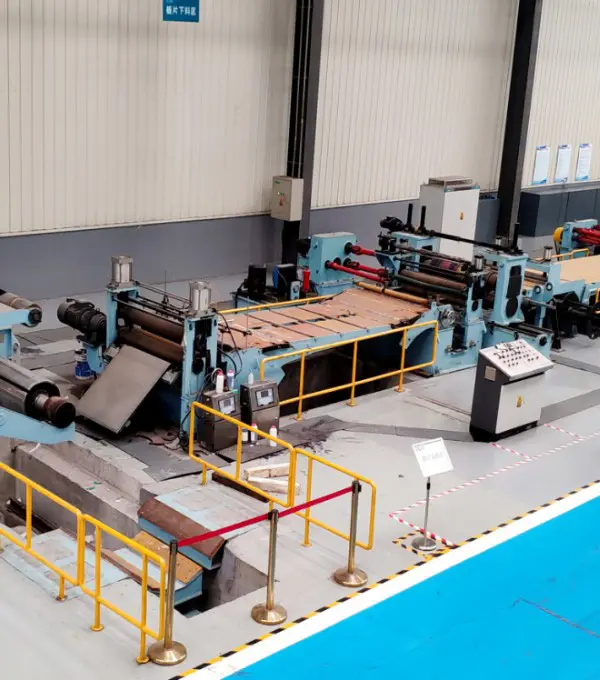
Alloy sheets are precision sheared and laser-marked with heat codes for full traceability.
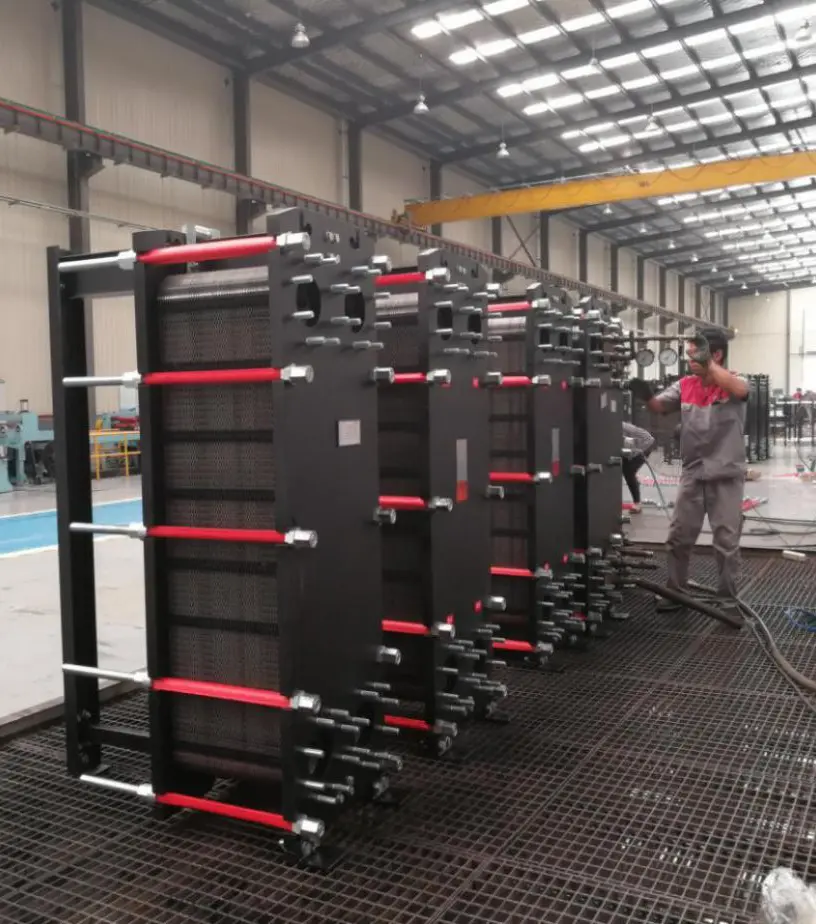
Hydrostatic testing checks assembly sealing integrity and pressure retention above design limits.
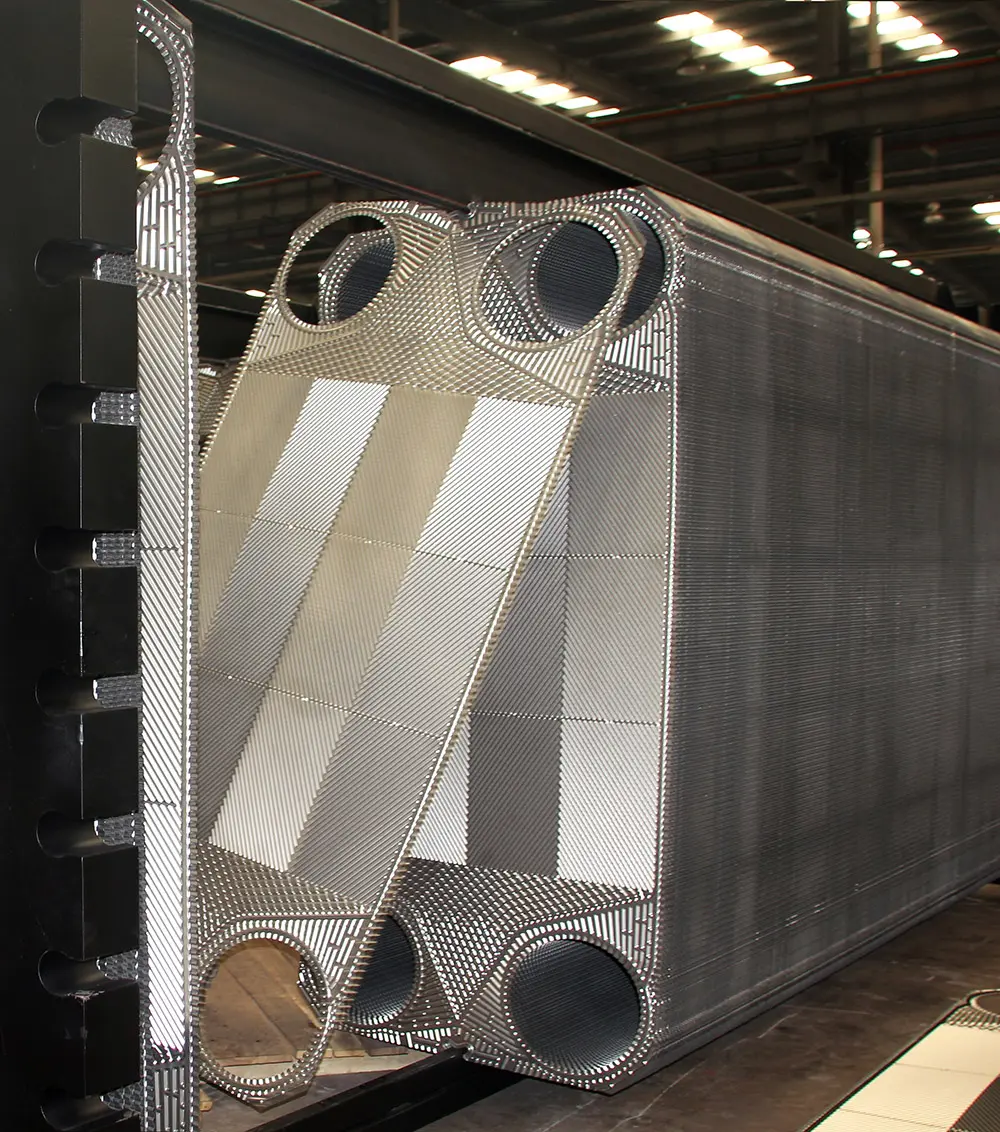
Assembling plates, gaskets, guide bars, and compression bolts to design torque parameters.
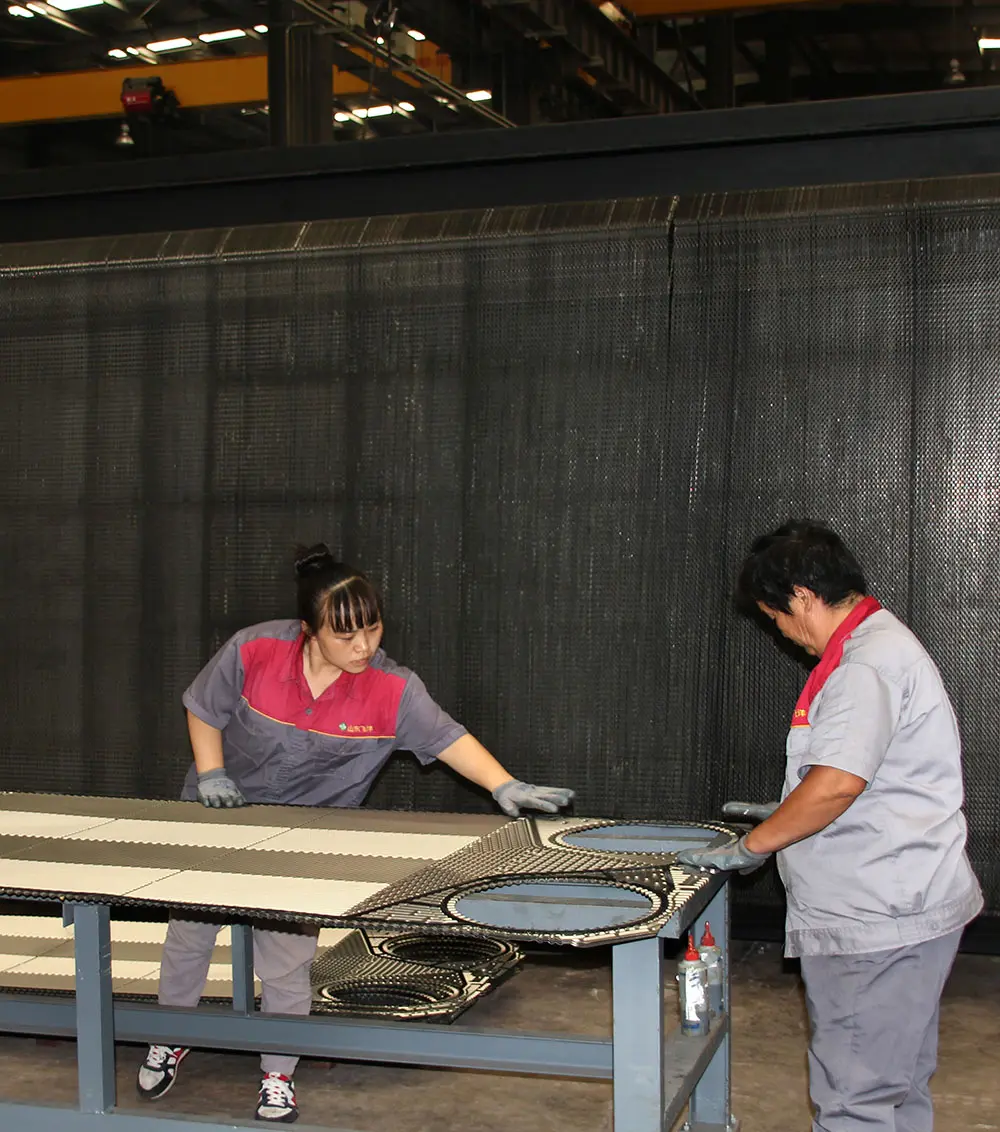
Applying high-temperature gaskets (EPDM, NBR, FKM) with precision alignment to prevent leak paths.
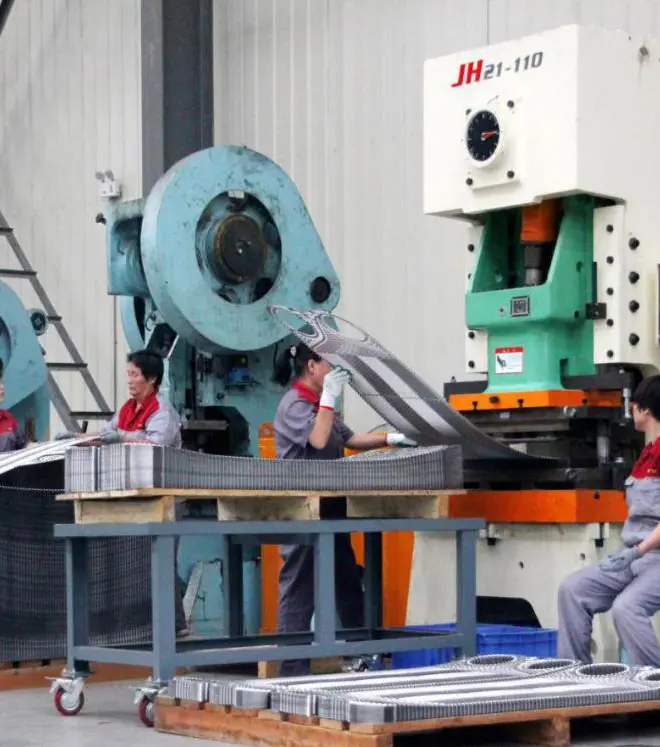
High-speed mechanical punching forms precise corner ports to direct fluid flow loops.
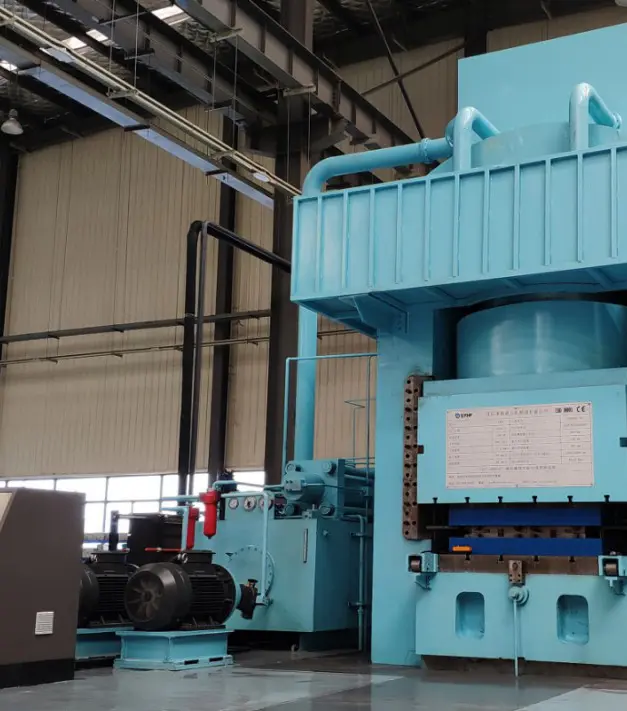
Raw alloy is stamped in a single action by heavy hydraulic presses to form chevron flow patterns.
Why engineering firms and procurement managers choose Flotte as their long-term supply partner.
Specializing in plate heat exchangers, it features patented corrugated plate design, achieving 2-3 times higher heat exchange efficiency than conventional equipment.
Our products cover 8 core areas such as air conditioning, heating and ventilation, and central heating. The solutions have been verified by projects in many places around the world, and can accurately match different regional conditions and compliance requirements.
The whole process quality control system runs through the production, the products have obtained a variety of certifications, and the preferred stainless steel, titanium and other high-end materials ensure stable and durable in harsh environments.
We provide customized design, after-sales maintenance and one-stop service, multilingual team + efficient supply chain, to ensure that global customers can get timely technical and logistical support.
How our heat exchangers function under varying regional, chemical, and municipal operational conditions.
In centralized district heating, plate heat exchangers act as isolation barriers between high-pressure municipal heating loops and secondary residential piping. By using high-performance gasketed plates, municipal networks run at lower system pressures, preventing thermal fatigue in building heating infrastructure and optimizing thermal transfer efficiency.
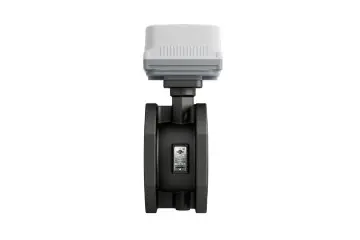
High-rise buildings require thermal boundary separation to isolate lower building floor pressure limits from the static head pressure of upper HVAC risers. Flotte balance valves and heat exchange units manage pressure distribution to prevent piping failure and ensure uniform building temperature control.
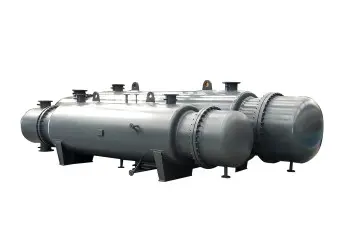
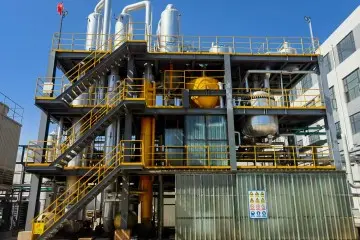
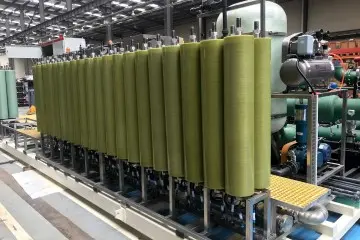
For chemical concentration, pharmaceutical extraction, and wastewater purification, our multi-effect evaporation and membrane concentration systems utilize corrosion-resistant plate designs to handle aggressive chemical actions and prevent equipment fouling.
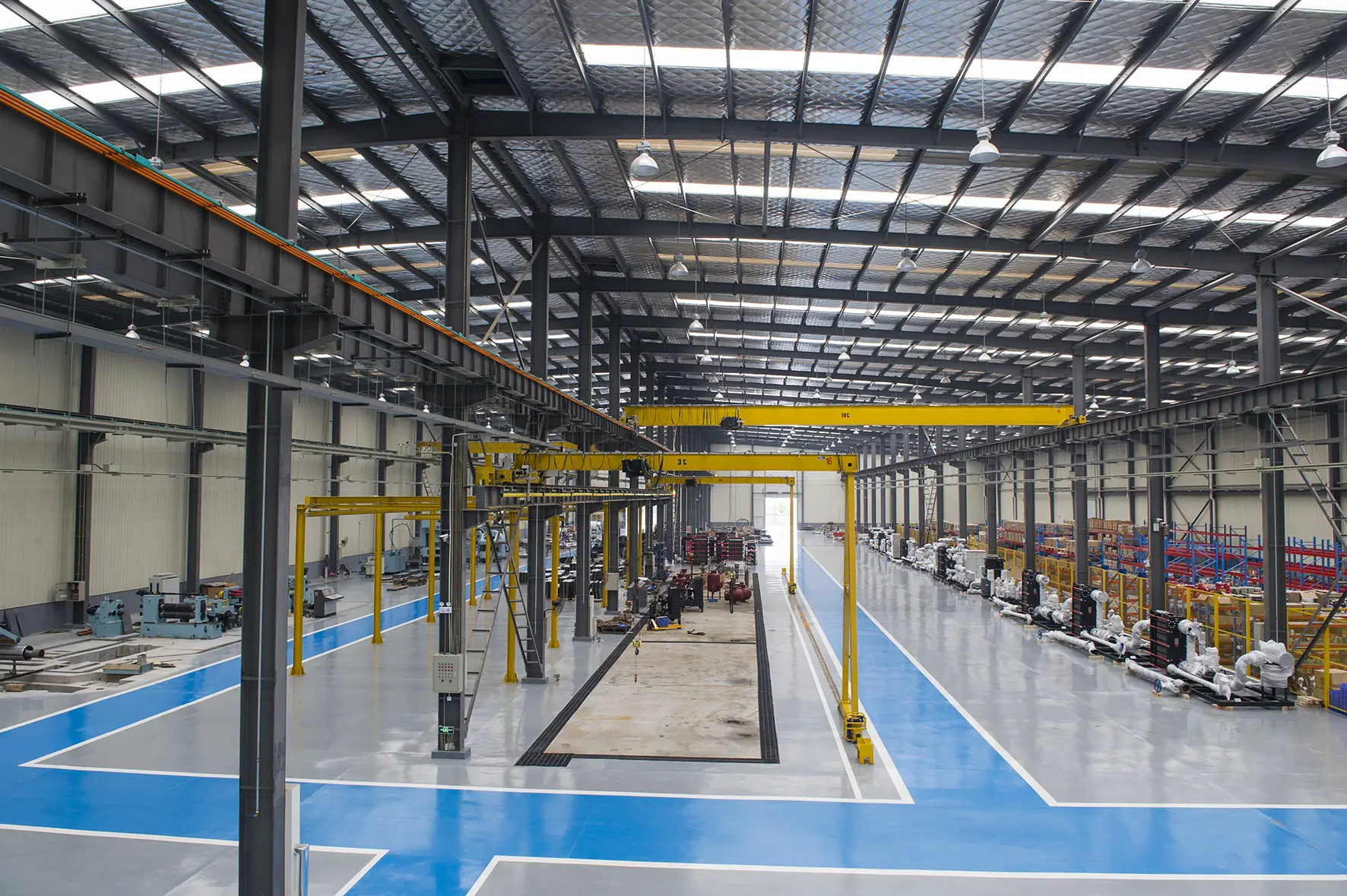
A showcase of our heavy manufacturing floors, clean stamping cells, and system integration halls.
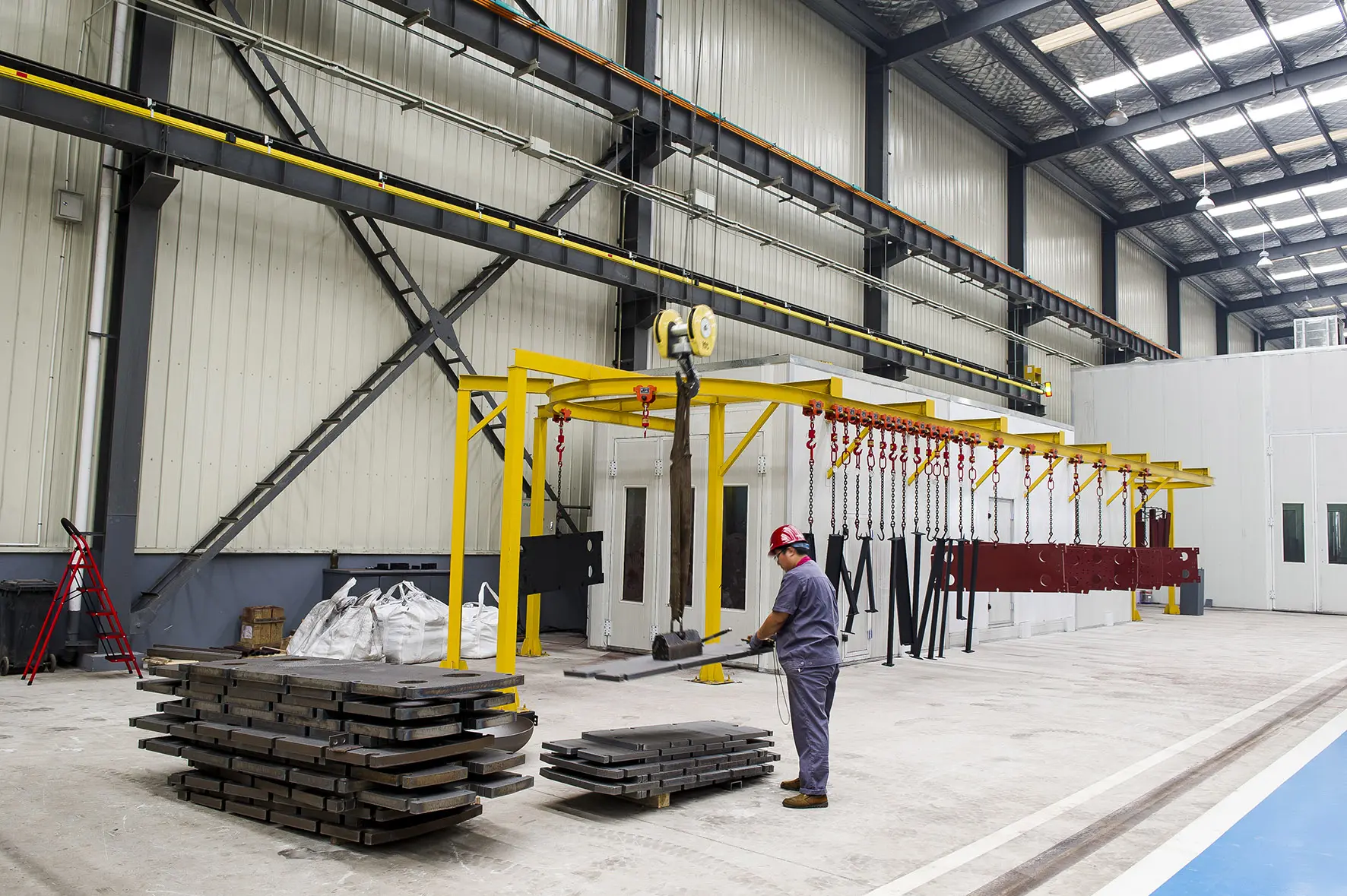
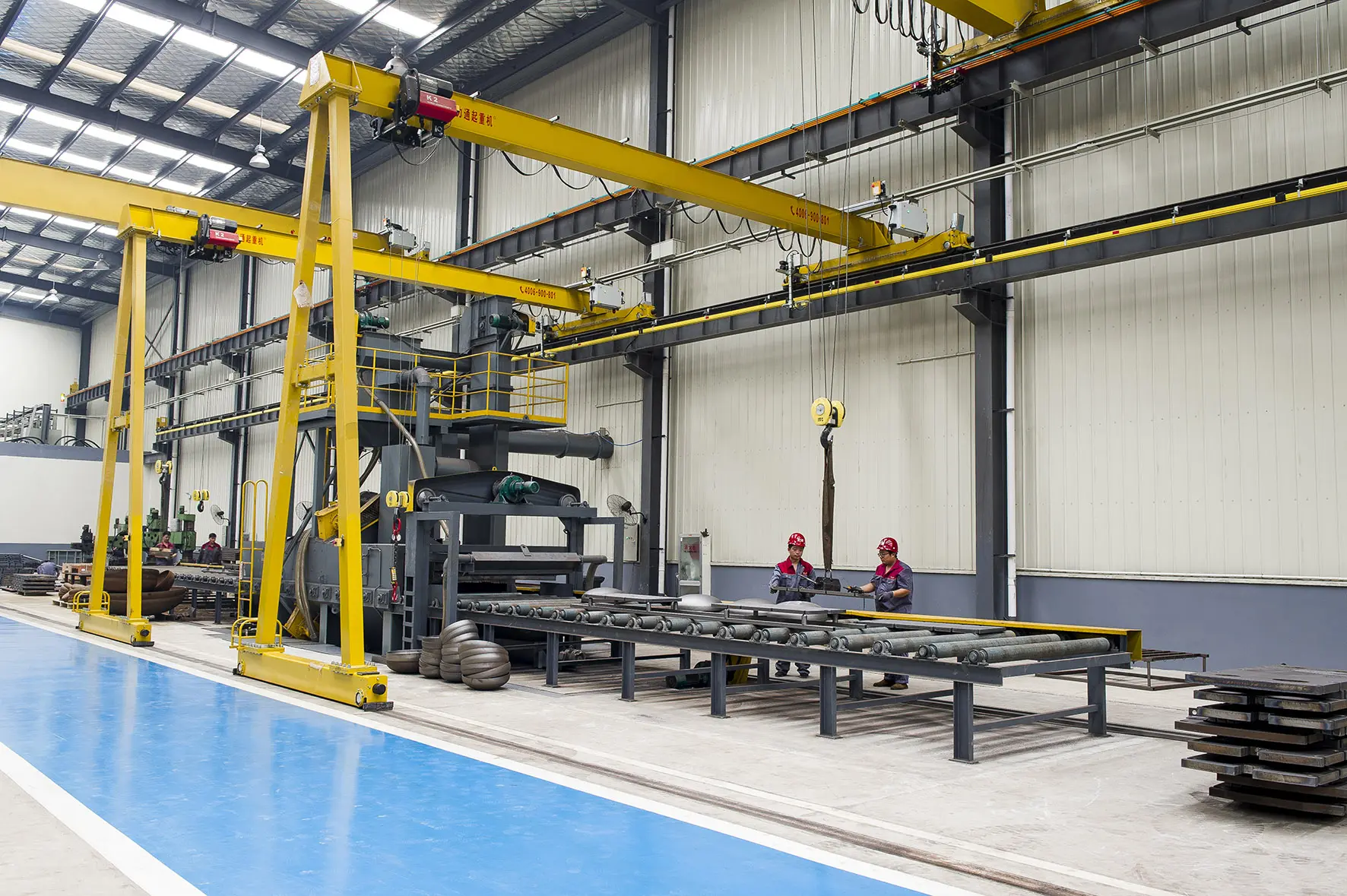
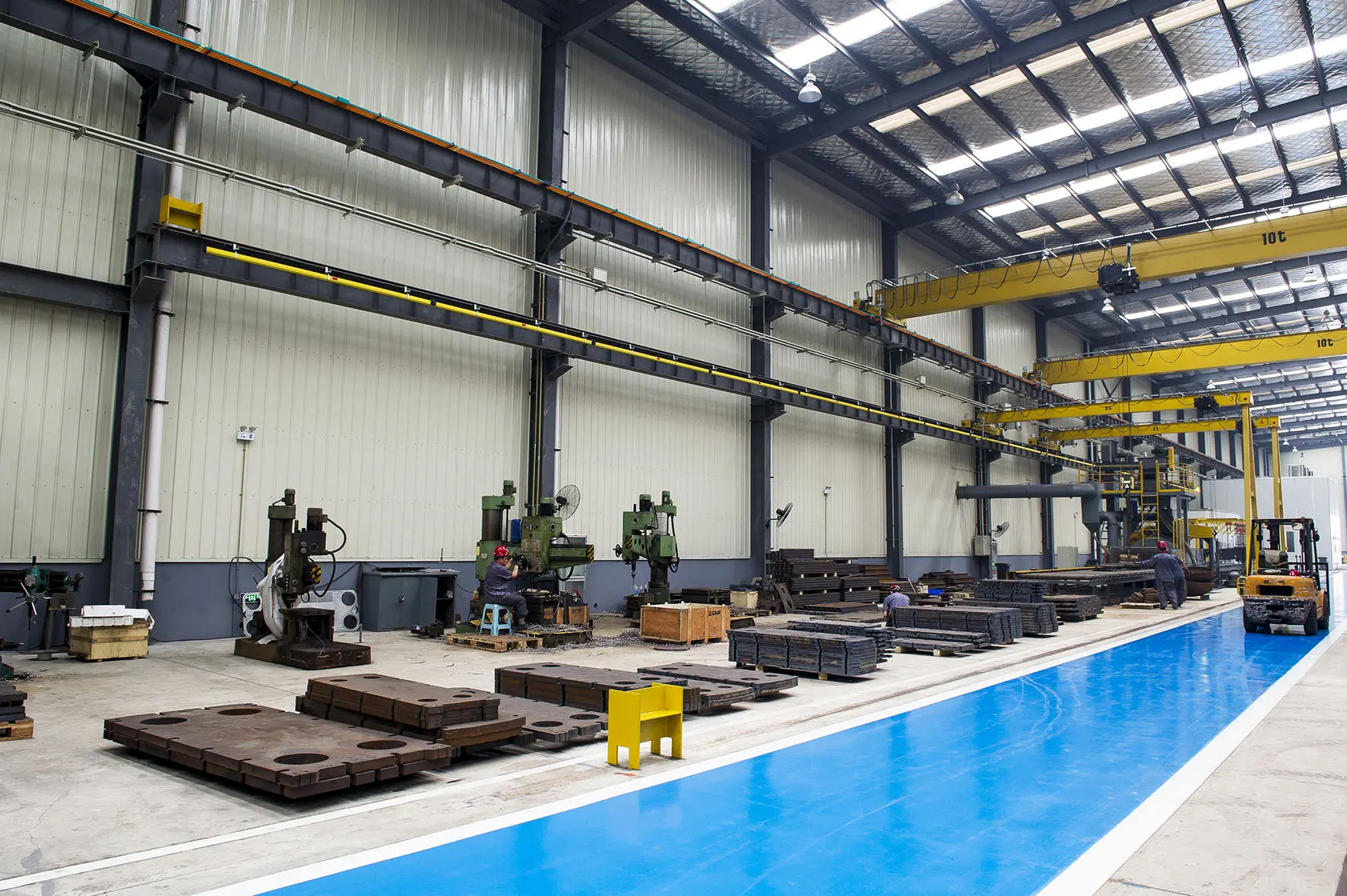

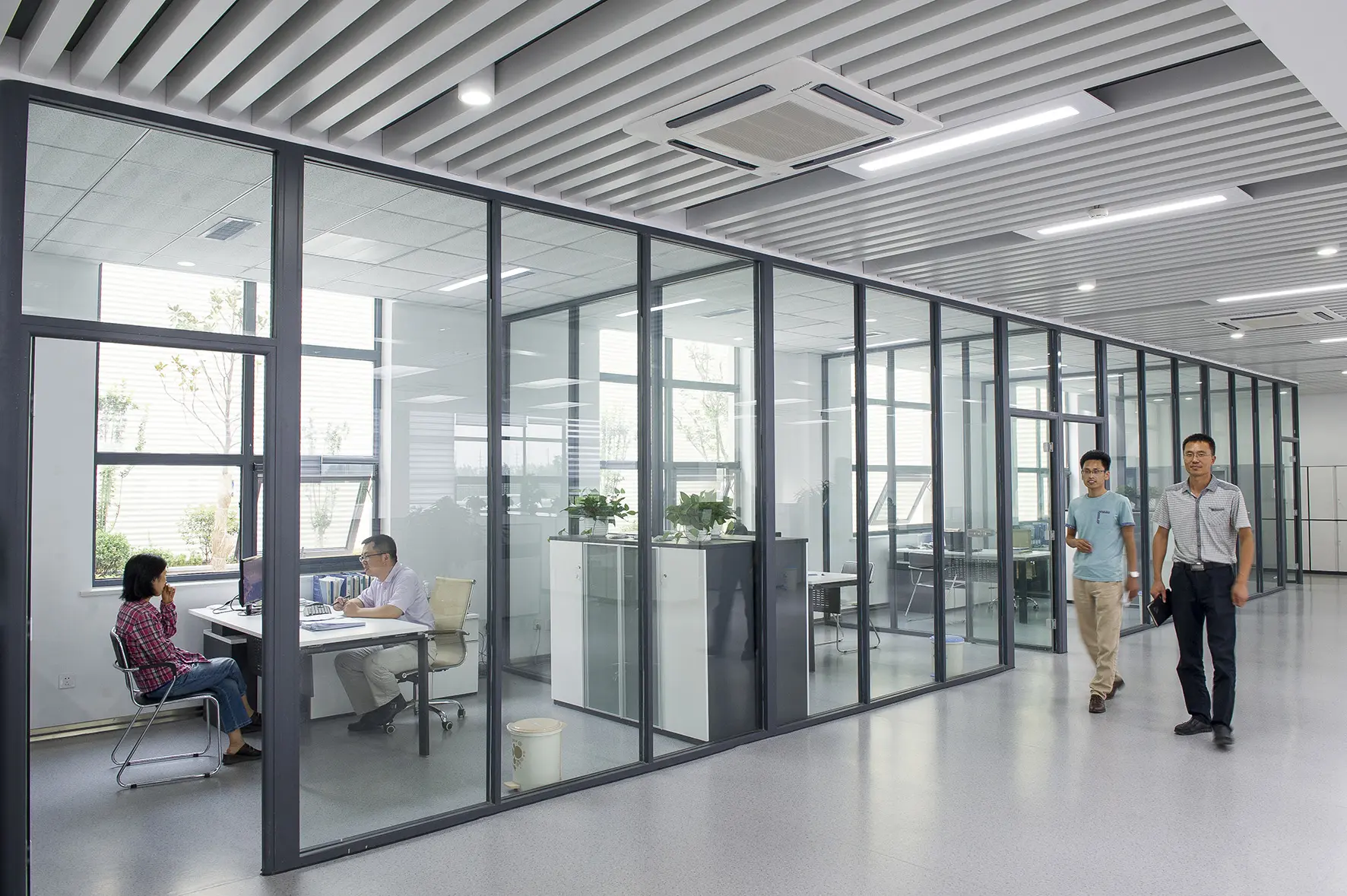

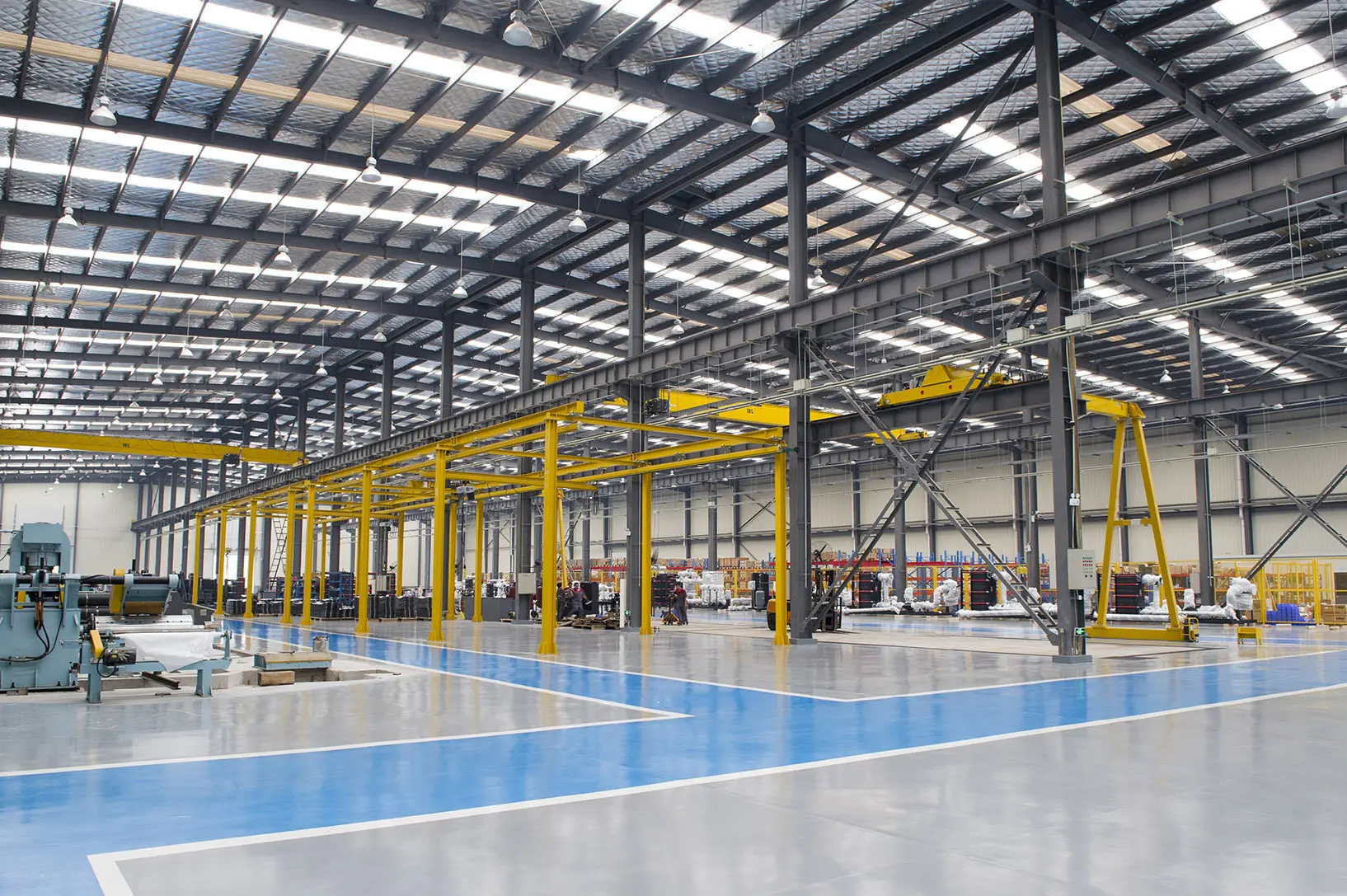
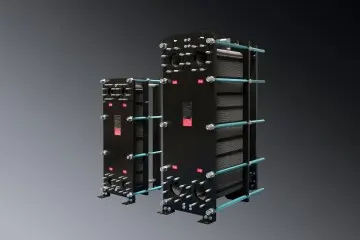
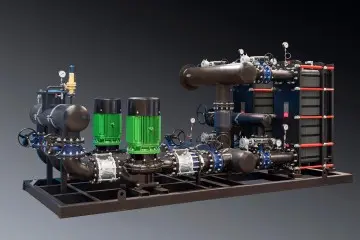
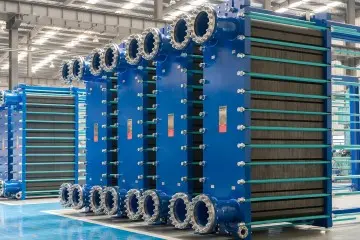
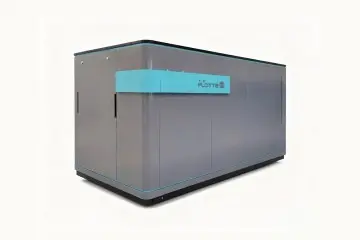
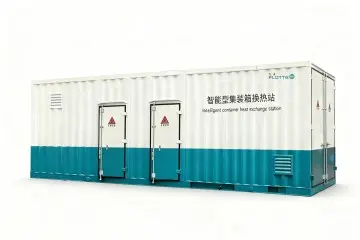
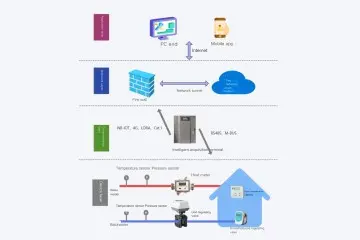
Each solution is built to address specific temperature drop demands and fluid compositions.

Crucial engineering guidance and procurement insights directly answered by Flotte’s technical division.
Plate thickness determines both the thermal resistance across the plate and its structural pressure rating. Generally, plate thicknesses range from 0.5mm to 0.8mm. Thinner plates reduce thermal resistance, maximizing the heat transfer coefficient (U-value). However, in high-pressure or corrosive systems, thicker plates (e.g., 0.6mm - 1.0mm) are used to prevent deformation and withstand chemical corrosion over extended runtimes.
We source raw titanium alloys from certified Chinese mill partners, performing independent ladle analyses to confirm compliance with ASTM B265 Grade 1 or 11 parameters. After processing, our quality control team subjects every batch to dye penetrant testing to detect micro-fissures and performs hydrostatic pressure testing to verify seal performance before delivery.
Hastelloy C-276 contains high levels of nickel, molybdenum, and chromium, which provide resistance to pitting and stress corrosion cracking in high-temperature, highly acidic or high-chloride environments where 316L stainless steel would fail. Hastelloy C-276 is suitable for hot concentrated acids, bleaching agents, or highly corrosive geothermal fluids.
The primary causes of plate failure are pitting corrosion from incorrect material selection, gasket degradation from high temperatures or chemical incompatibility, and scale buildup that restricts flow and increases pressure drop. These failures can be prevented by selecting chemically compatible materials and gaskets, installing scale-control devices, and scheduling regular clean-in-place (CIP) maintenance.
The chevron profile angle (theta) controls the balance between heat transfer efficiency and pressure drop. High-theta plates (e.g., 60°) generate high turbulence and heat transfer rates but cause a higher pressure drop. Low-theta plates (e.g., 30°) have a lower pressure drop but yield lower heat transfer rates. Mix-and-match plate configurations allow us to customize thermal systems to meet specific pressure and temperature drop requirements.
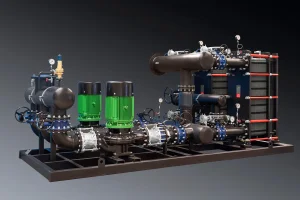
Explore our smart temperature regulation networks, automatic balancing valves, and high-efficiency plate modules.
 Flotte Energy