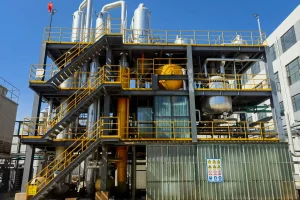
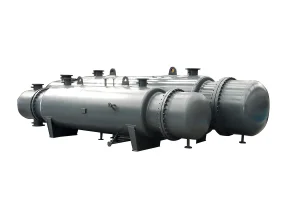
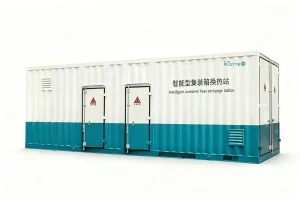
Discover our state-of-the-art thermal engineering and separation systems designed for modern industrial applications.
Providing authoritative thermodynamic configurations and industrial-grade high-pressure solutions for critical operations.
Flotte Energy Saving Company, formally incorporated with a substantial registered capital of 101 million yuan, represents the culmination of engineering progress that began with Flotte Thermal Engineering in 1995. Across three decades of continuous R&D and field implementation, the organization has consistently designed, developed, and manufactured high-end pressure vessels, high-efficiency plate heat exchangers, HVAC balancing systems, and advanced wastewater/water treatment equipment.
Unlike standard suppliers, Flotte is committed to delivering Information Gain in design. Every thermal unit we build is computed with thermodynamic modeling tools that optimize the fluid friction factor, the Prandtl number, and the Reynolds boundary conditions. This enables our products to function reliably under extreme working pressures while maximizing thermal efficiency and heat transfer coefficients.
With our base in China, we operate as a key global partner and exporter, delivering custom industrial setups to international enterprises. Through a combination of cutting-edge materials (including Titanium Gr. 1, AISI 316L, and Hastelloy C-276) and professional manufacturing, we ensure your heating, cooling, and concentration systems operate with minimized downtime and lowered carbon footprints.
Navigating structural integrity, ASME/CE certifications, and supply chain logistics in global procurement markets.
Procurement teams in North America and Western Europe operate under strict regulatory oversight, prioritizing ASME Section VIII Division 1 & 2 design verification and PED (Pressure Equipment Directive) certifications. High energy costs make thermodynamic efficiency critical. Sourcing from experienced Chinese manufacturers like Flotte reduces capital expenditure (CAPEX) by 30-40% while maintaining compliance with strict pressure boundary regulations.
For major desalination projects and petroleum refineries in the Middle East and SE Asia, equipment must resist chemical corrosion and survive harsh environments. Key requirements include high-grade Titanium plate structures and durable gaskets (such as EPDM, NBR, and Viton) to withstand high temperatures and pressures. Flotte provides custom options that are built to withstand challenging chemical exposures.
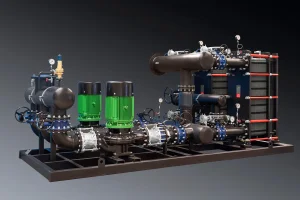
Urbanization and district heating projects require highly reliable heat exchanger systems that can run continuously. Heavy municipal systems depend on intelligent, skid-mounted units with automatic variable-frequency controls and balanced valve structures. Our integrated heat exchange systems support steady municipal network operation, offering reliable heating during peak demand.
How industrial thermal engineering supports energy conservation, environmental sustainability, and operational resilience.
Under global pressure to achieve net-zero carbon emissions, heavy industries face a challenging path forward. Power generation, chemical processing, and pharmaceutical manufacturing are responsible for a significant share of industrial heat loss. Capturing and reusing this energy is a practical and direct way to lower overall carbon footprints.
By integrating multi-effect evaporation and plate heat exchangers into process piping, factories can recapture heat from steam and hot effluents. This preheats boiler feed water or feeds thermal energy back into local district heating grids, reducing fuel use and lowering emissions.
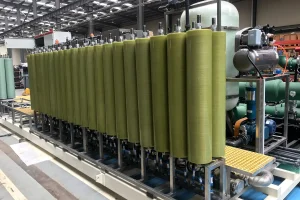
Modern membrane concentration systems allow chemical and pharmaceutical plants to recycle process water while concentrating hazardous waste streams. This supports zero-liquid discharge (ZLD) practices and reduces environmental compliance costs.
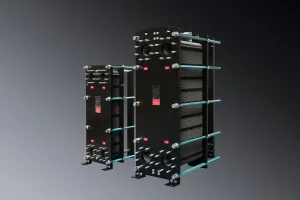
Our plate heat exchanger pressure capabilities are verified through finite element analysis (FEA) to endure thermal shock, rapid pressure spikes, and long-term cyclic loading. This helps prevent system failures in continuous-operation plants.
The evolution of thermodynamic interfaces, digital integration, and material sciences in heat transfer systems.
Historically, flat-plate heat exchangers faced limits in high-pressure environments. Modern manufacturing uses computer-designed corrugation patterns that create high fluid turbulence. This turbulence increases the heat transfer coefficient while maintaining the structural rigidity needed to handle higher pressure loads.
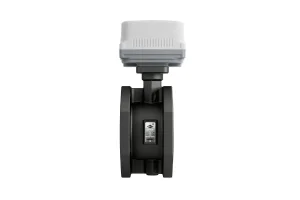
Future systems will move beyond passive metal plates. The next generation of heating systems integrates balancing valves, flow sensors, and PLC units. These components connect to centralized controls to adjust flow rates dynamically based on real-time heat loads, preventing thermal lag and excessive pressure drop.
Fouling and scaling reduce heat transfer efficiency over time. The industry is adopting nano-structured surface coatings that resist mineral scale buildup. Combined with built-in scale removal designs, these materials ensure stable heat transfer and reduce the frequency of maintenance shutdowns.
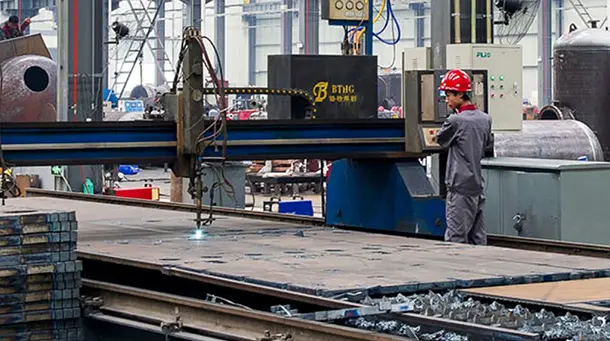
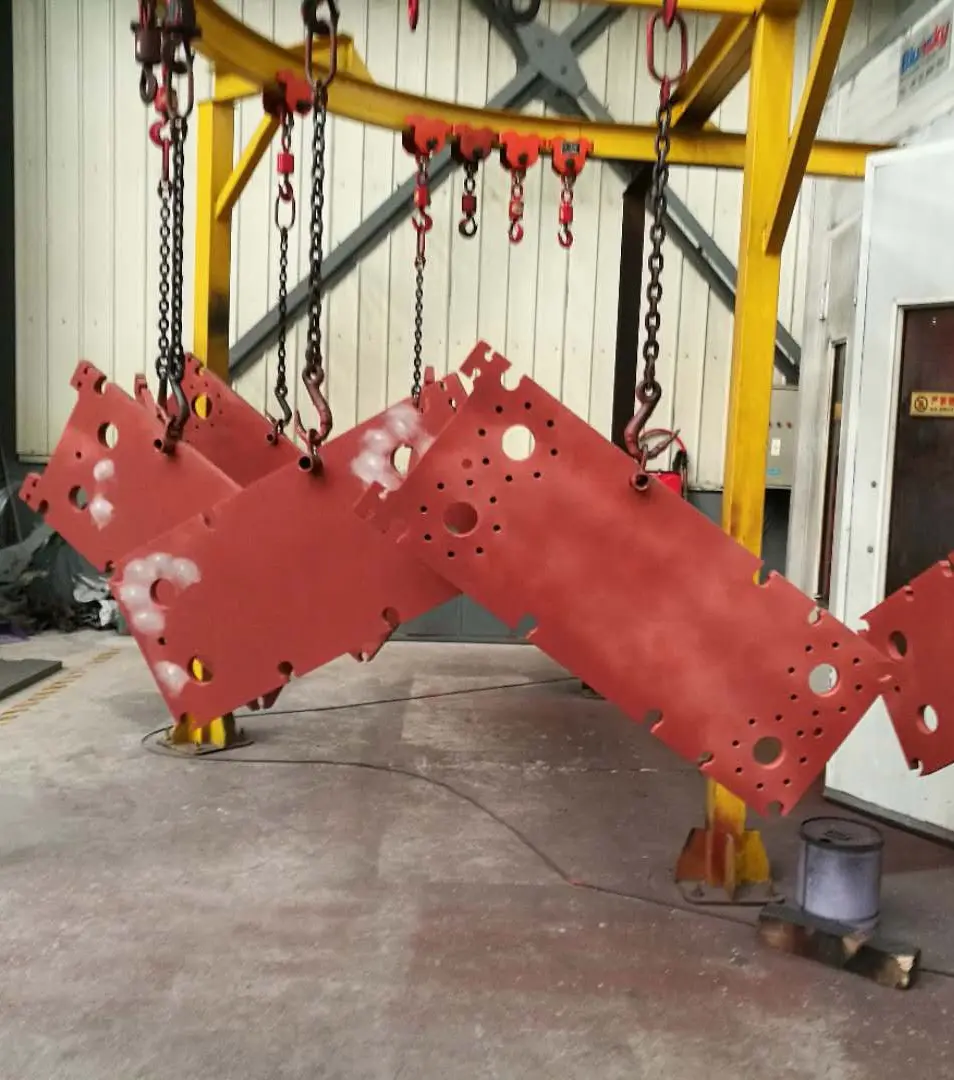
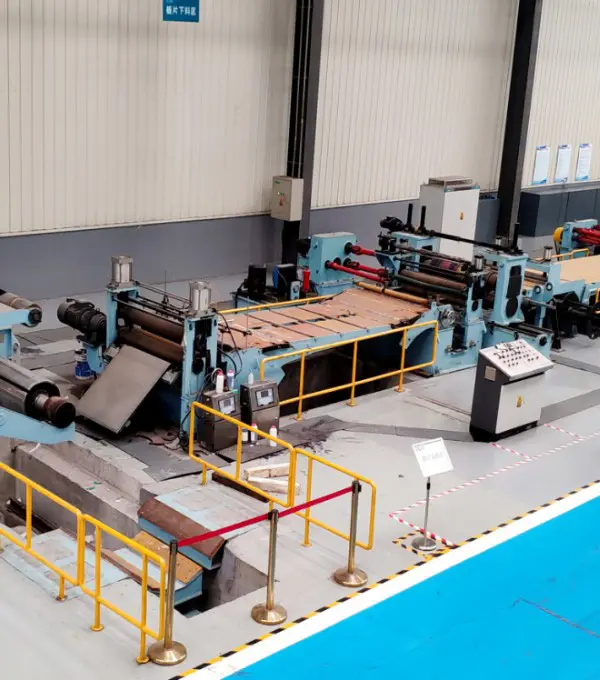
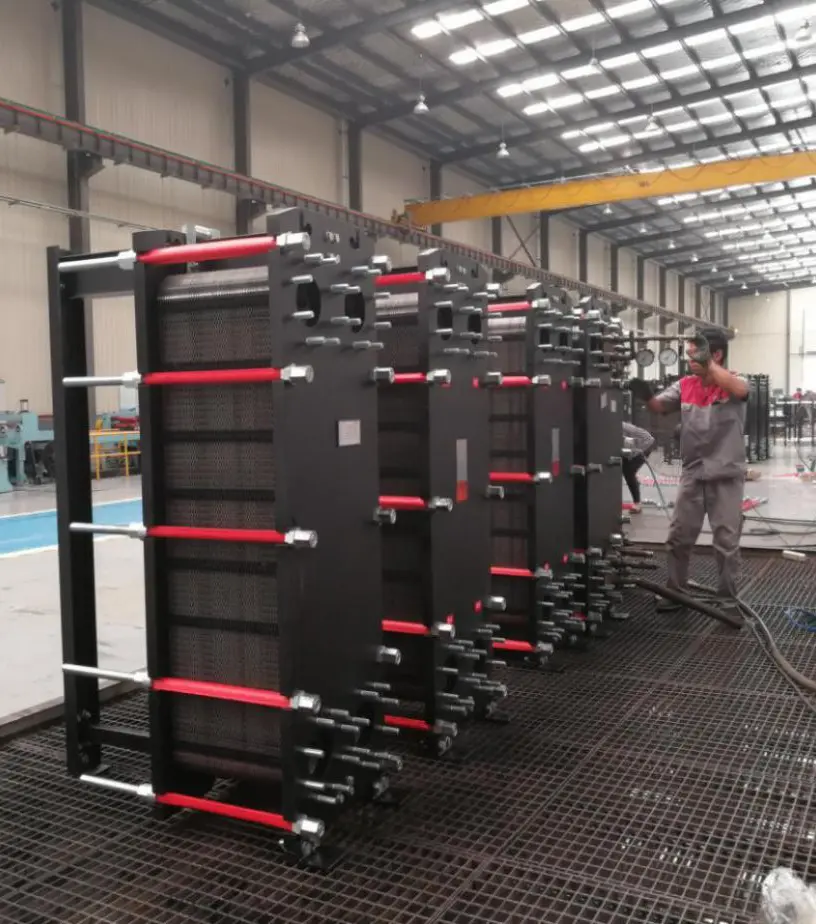
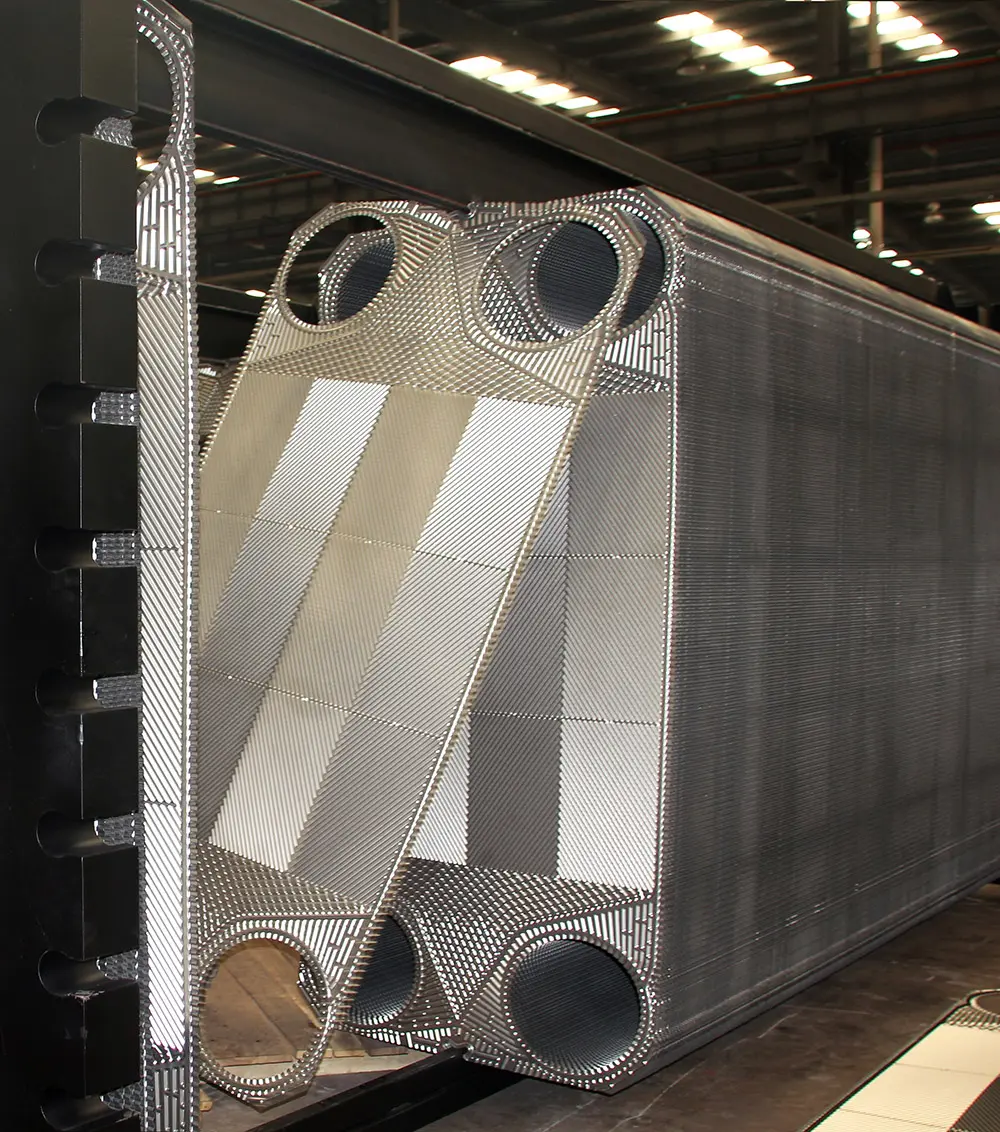
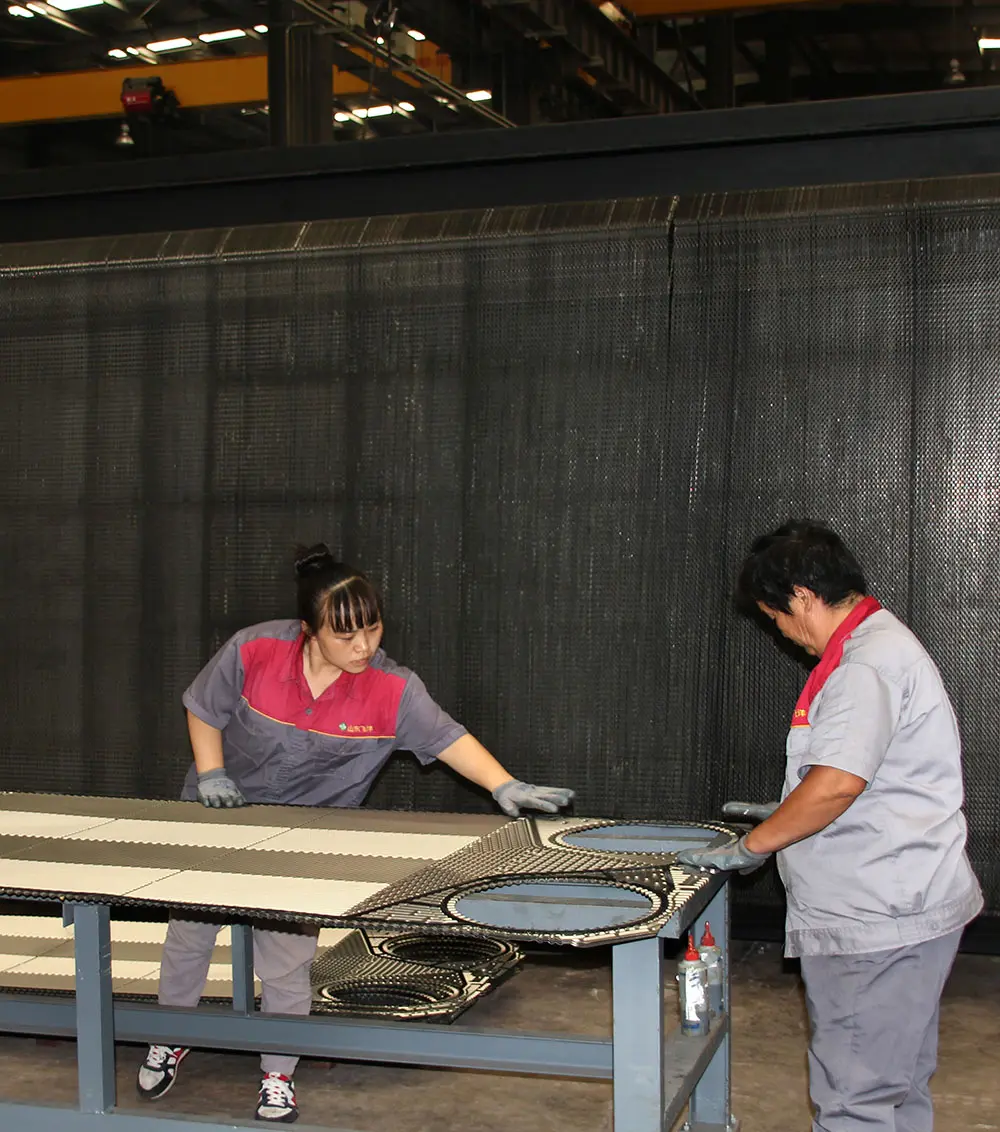
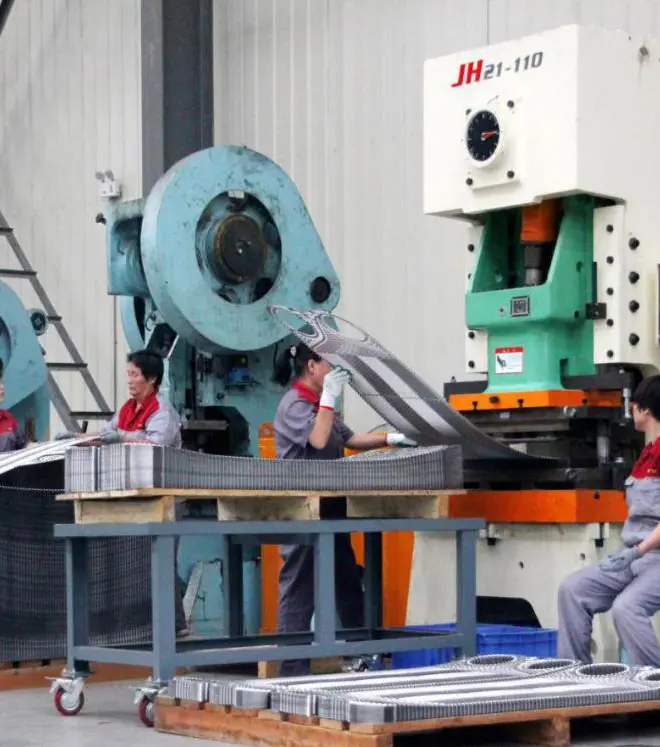
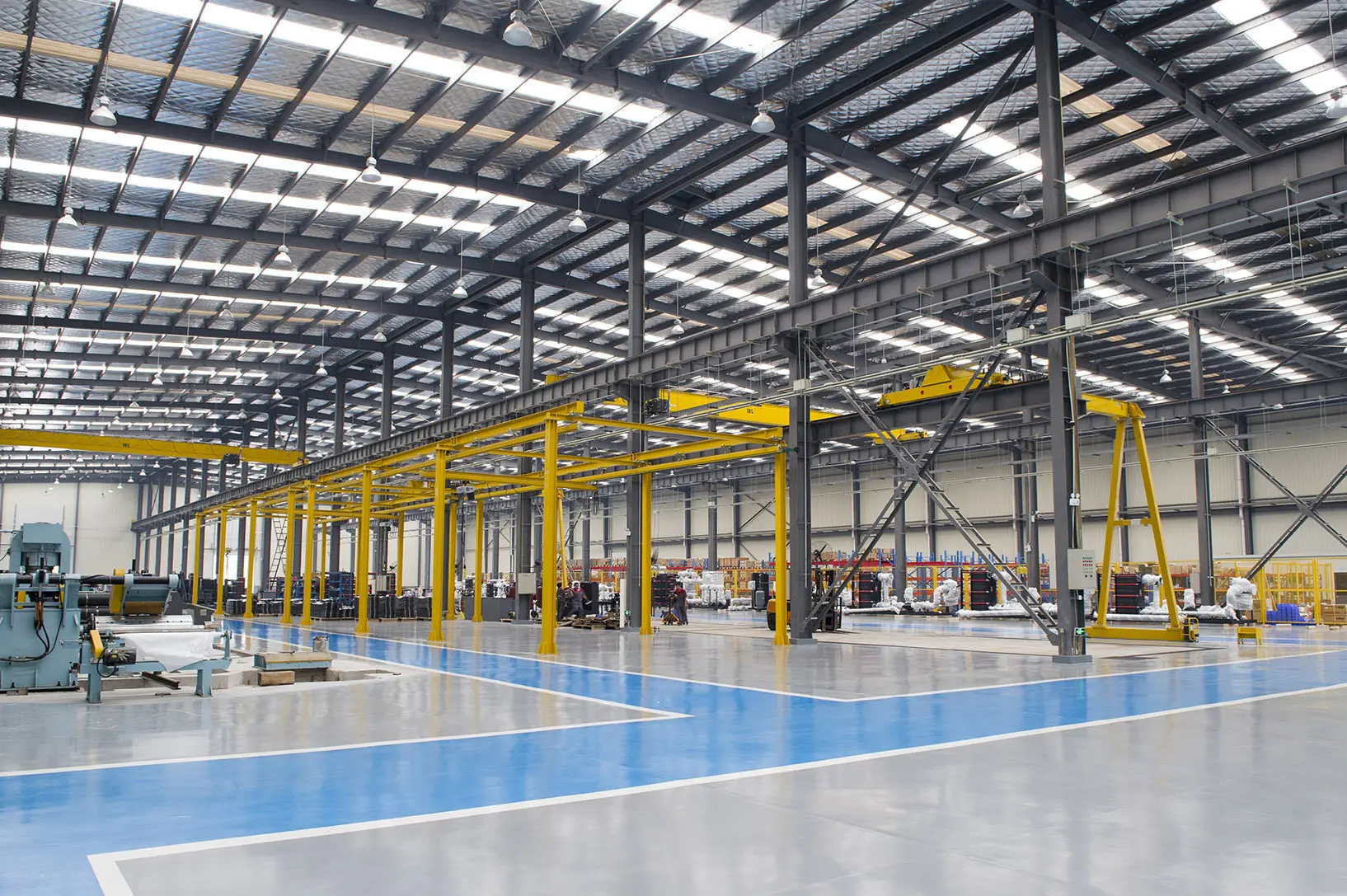
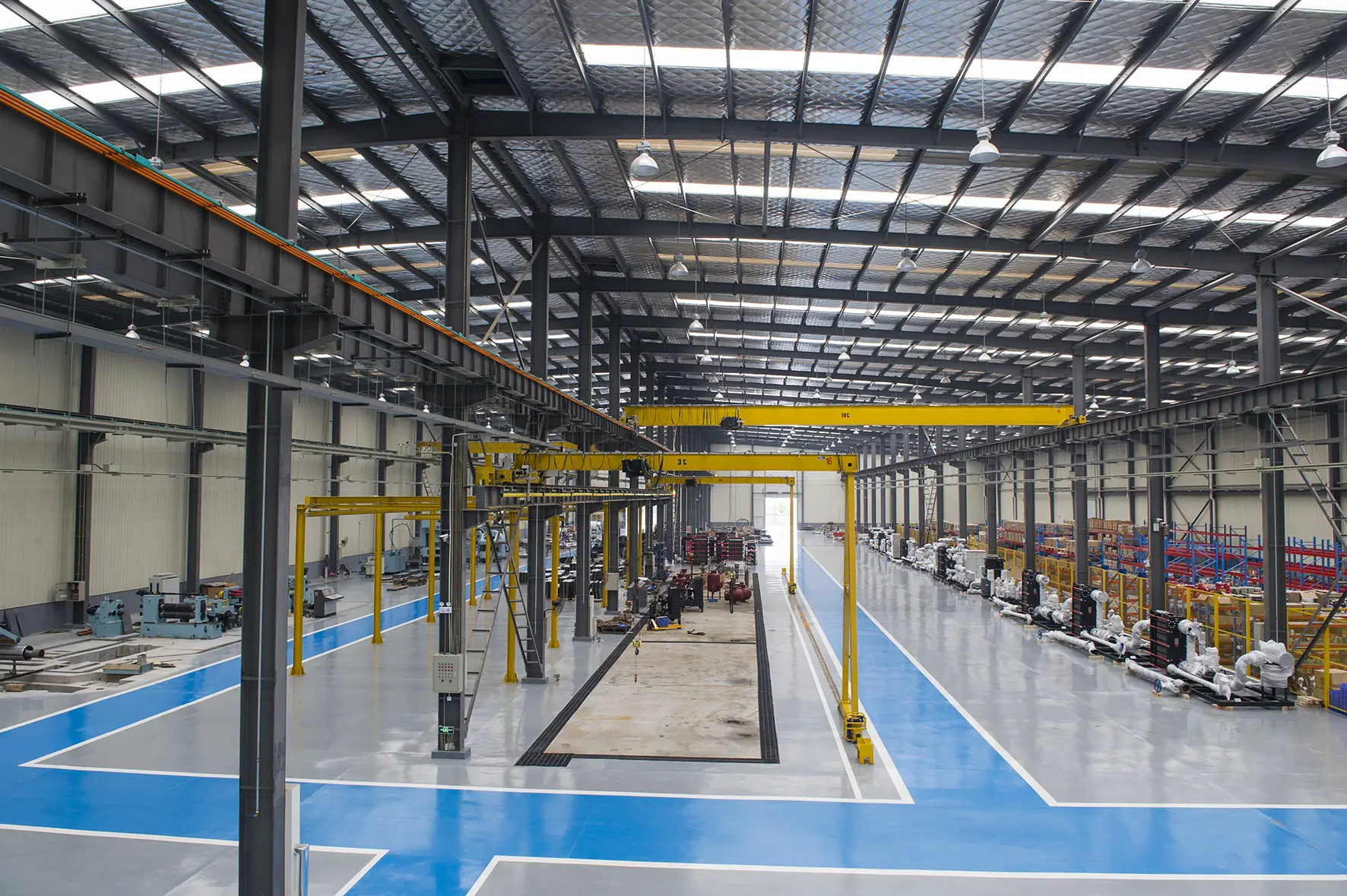
A transparent look at Flotte's ISO 9001 certified manufacturing process, ensuring structural reliability for every unit.
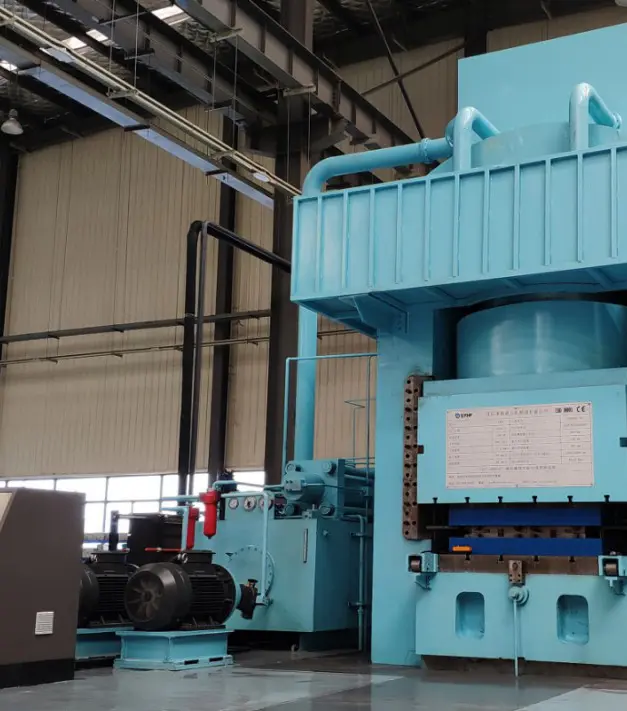
Strict compliance frameworks ensuring safe, high-pressure operation across international boundaries.
Flotte's operations are guided by international safety standards. We maintain ISO 9001 Quality Management, ISO 14001 Environmental Management, and ISO 45001 Occupational Health and Safety certifications.
Our high-efficiency plate heat exchangers hold official safety registrations from the National Standardization Committee and the National Boiler and Pressure Vessel Standardization Technical Committee. These quality controls verify that our equipment handles high pressure safely and performs reliably over a long service life.
Every material batch is fully traceable, from raw plate stamping to final pressure testing. The structural components are built to resist stress corrosion cracking and withstand thermal cyclical strain, ensuring safe and continuous operation.
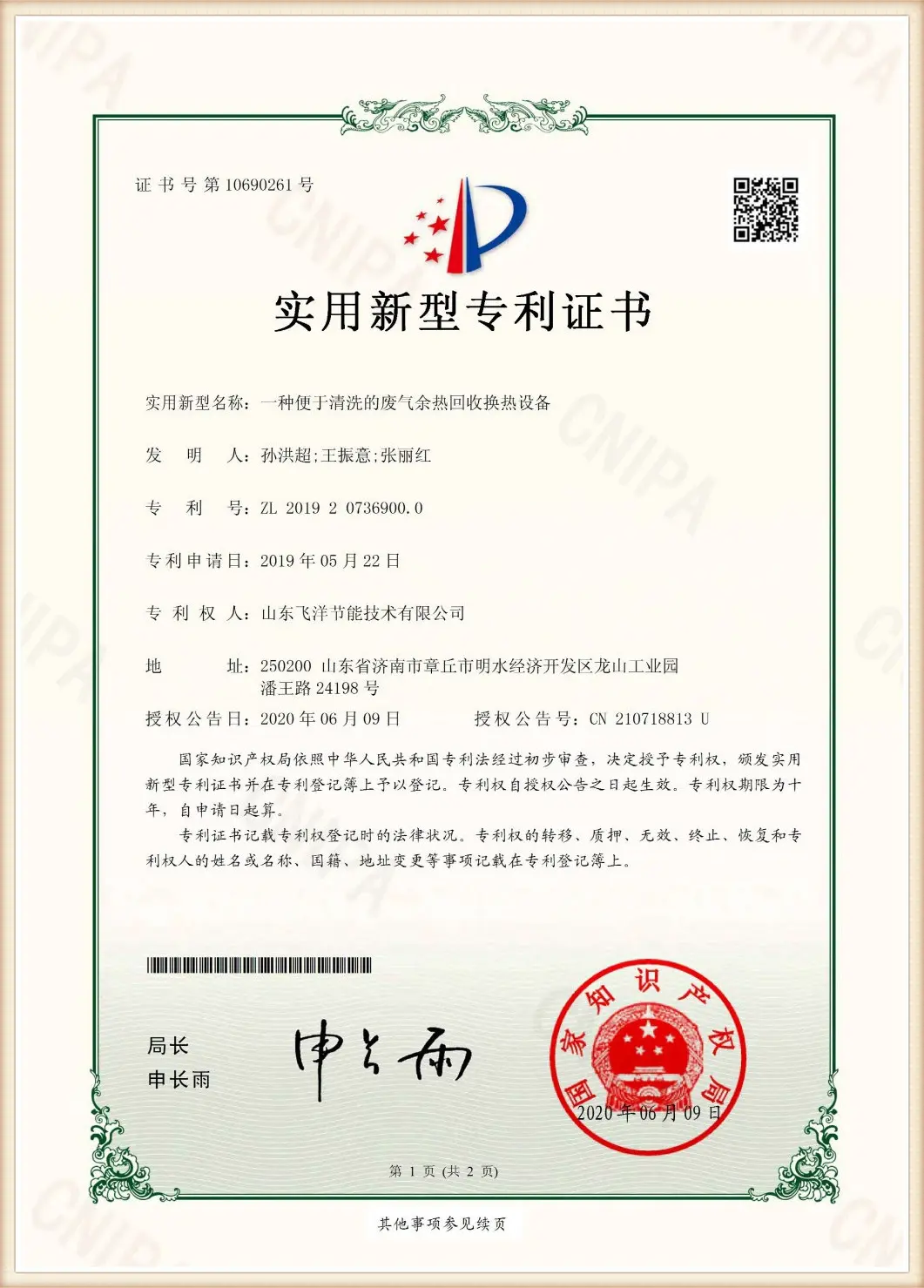
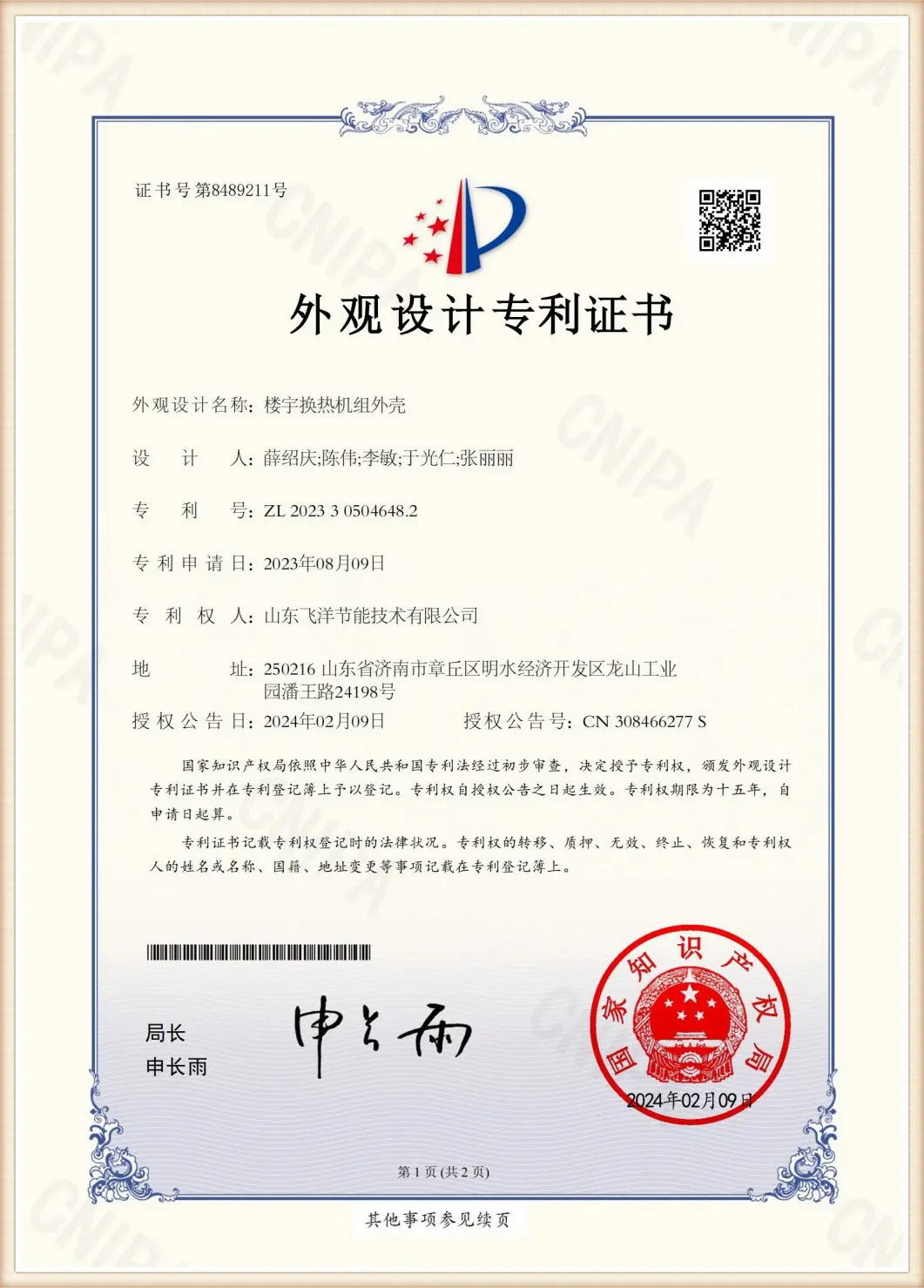
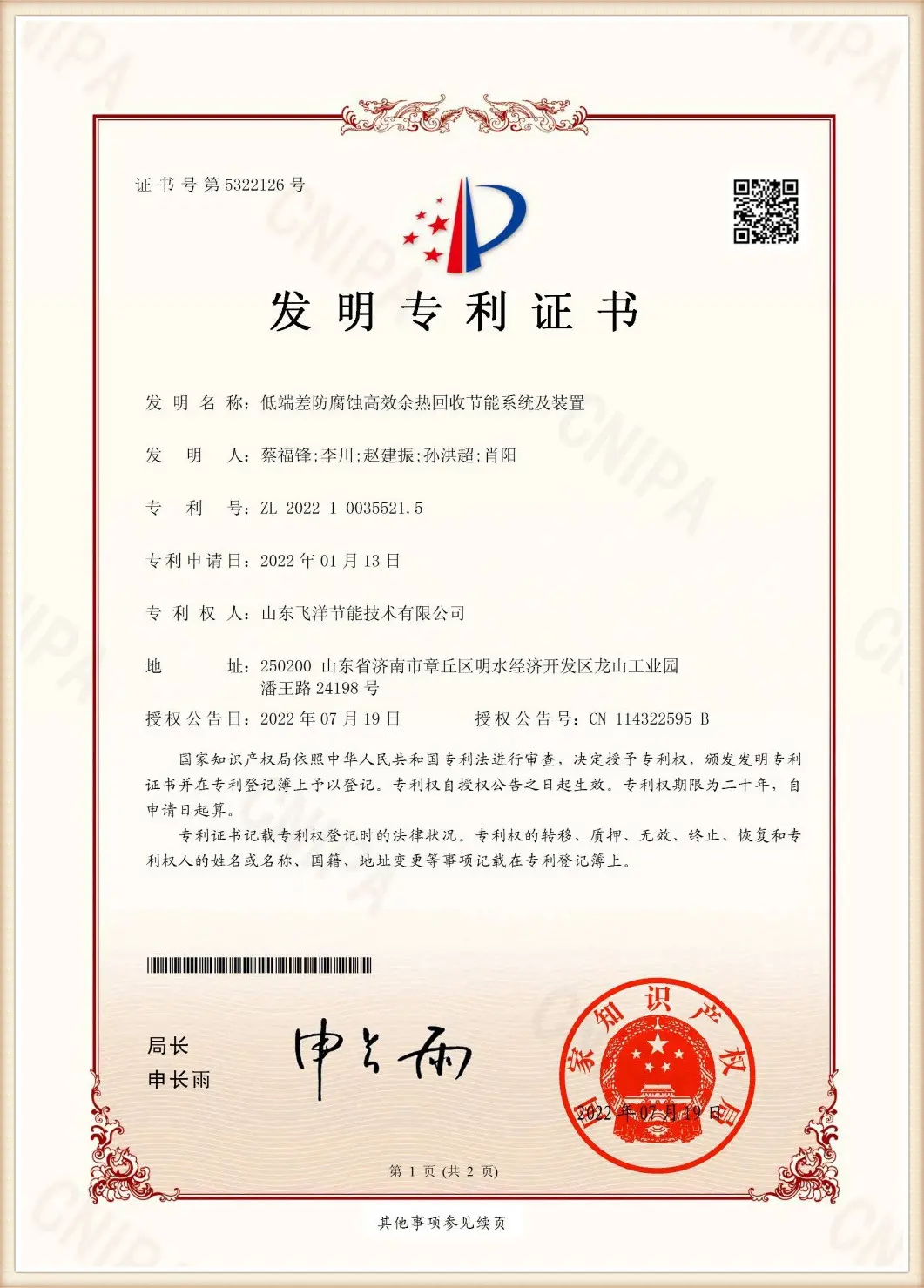
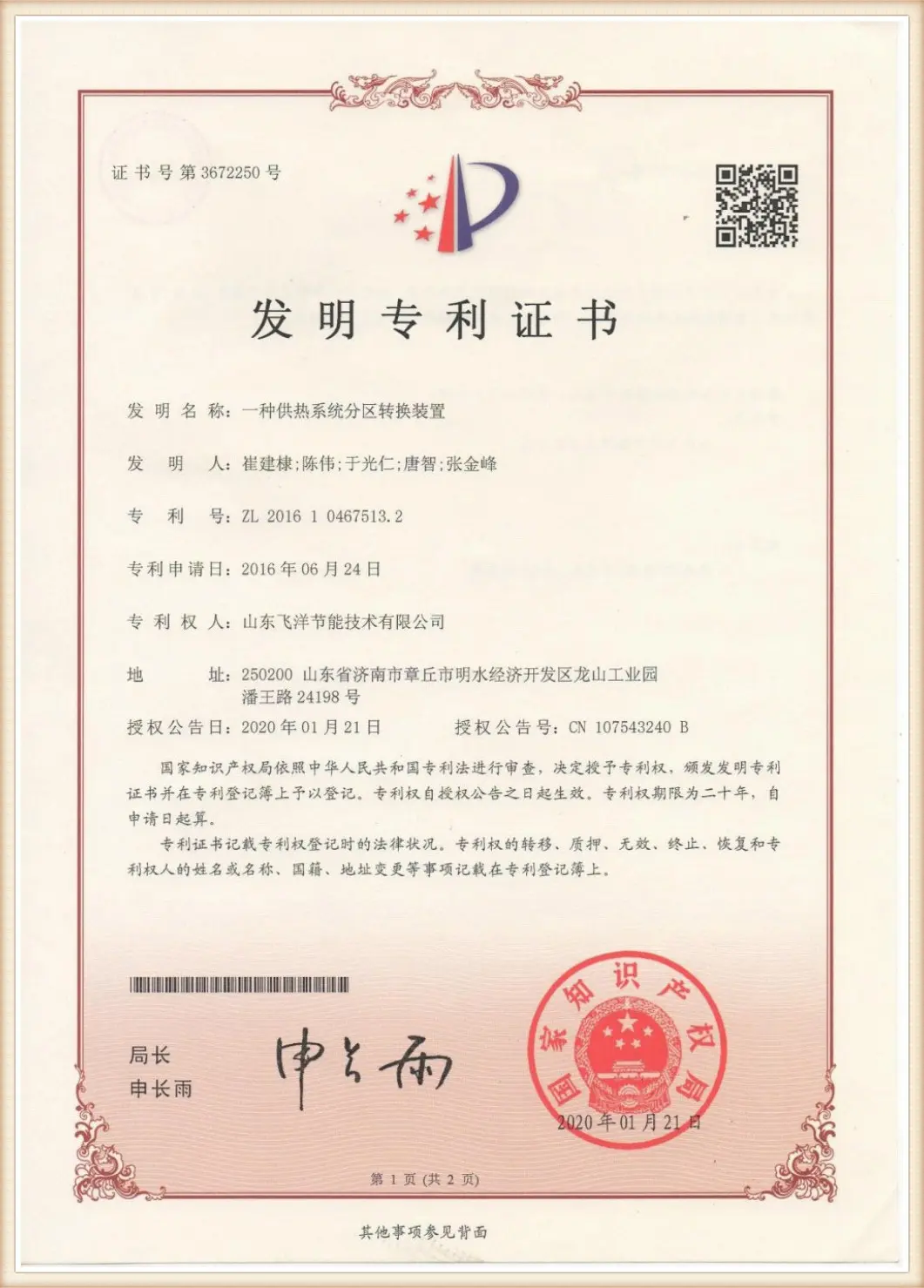
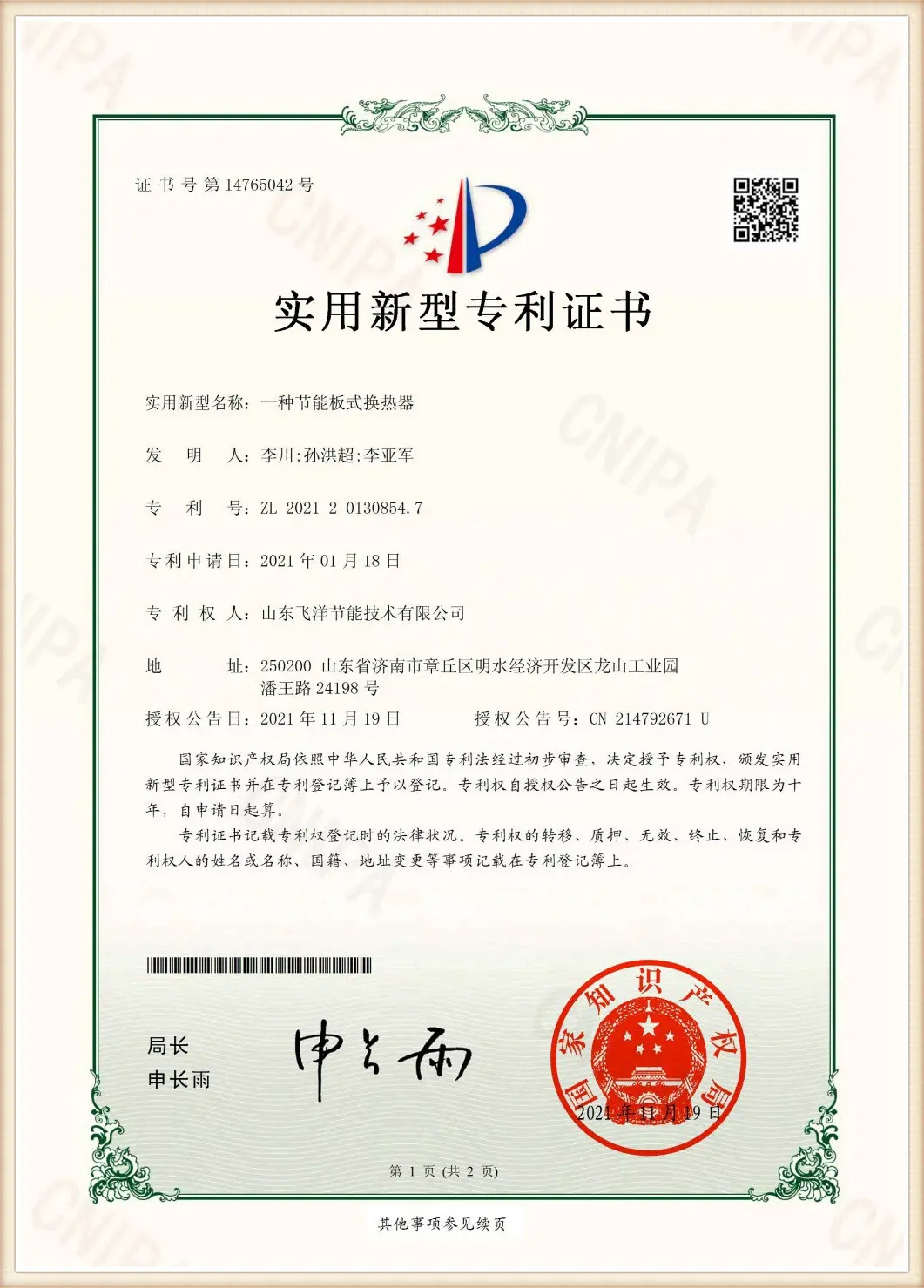
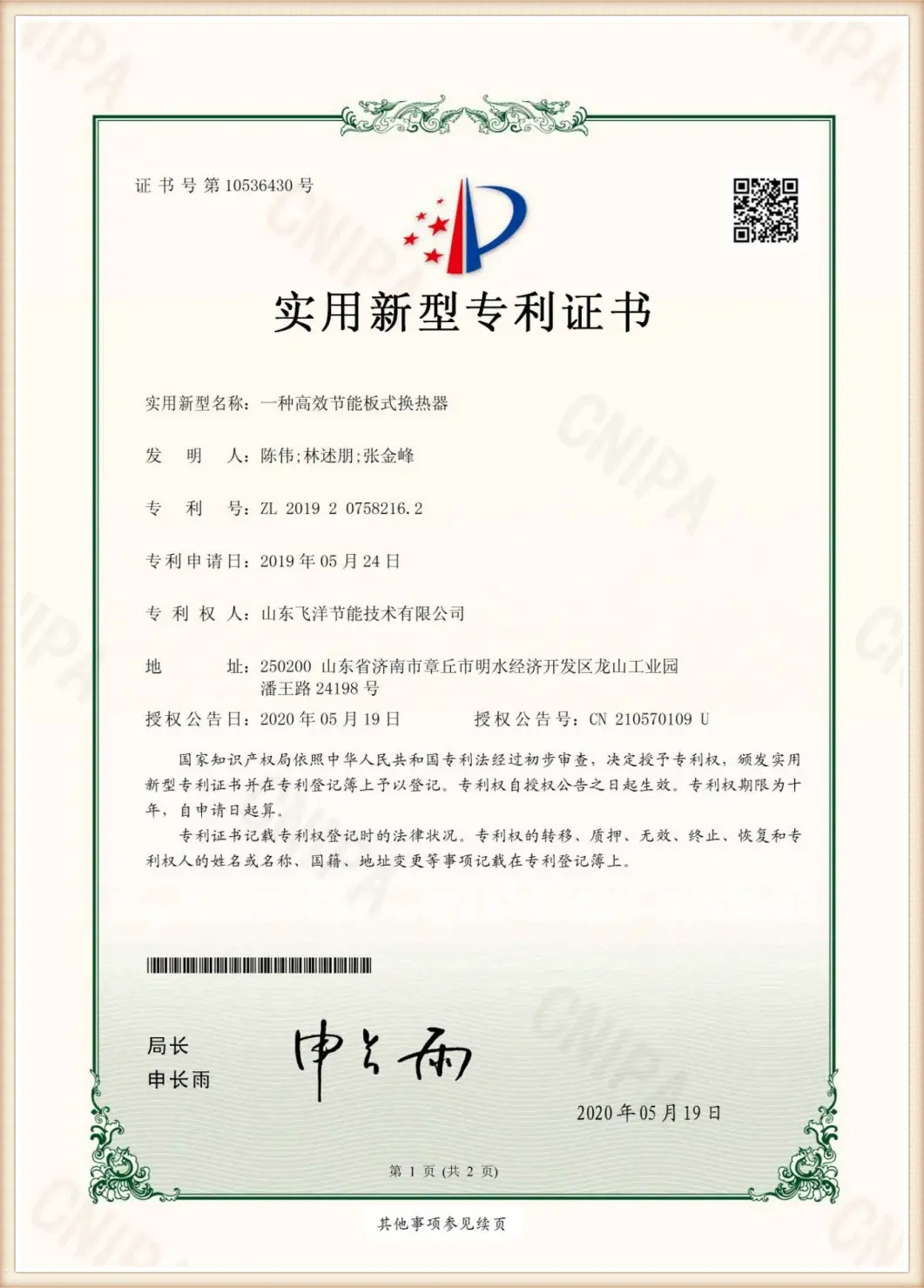
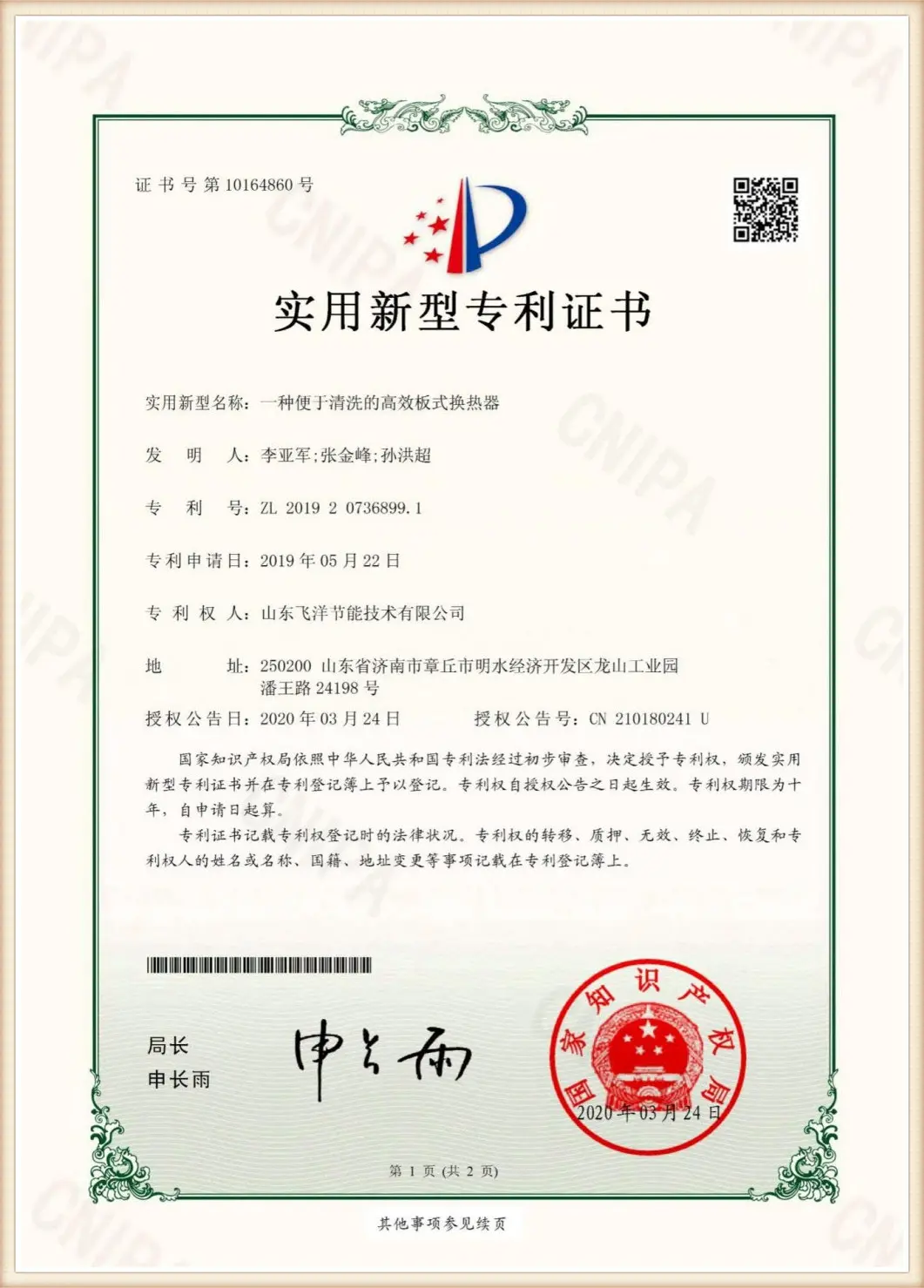
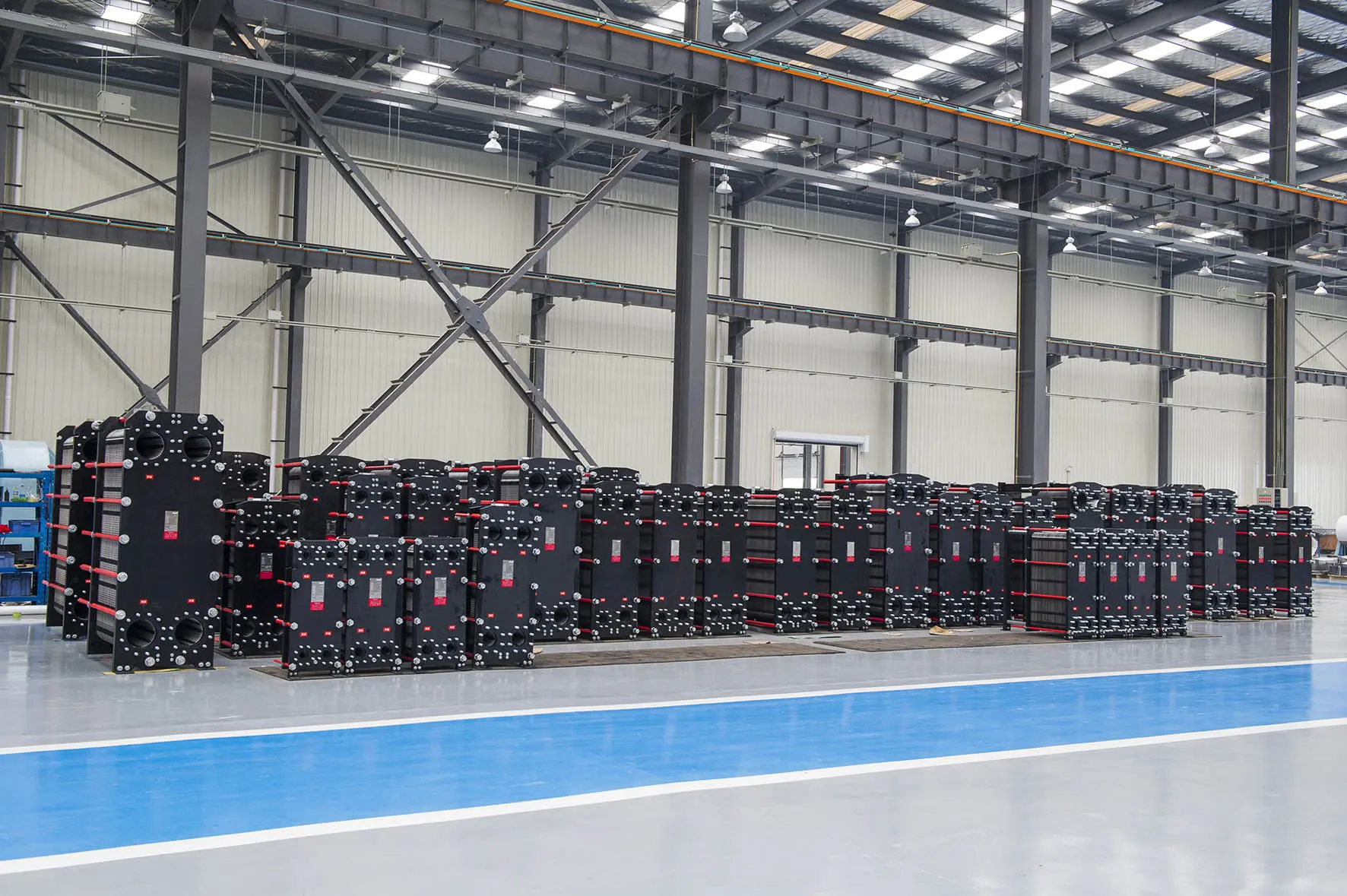
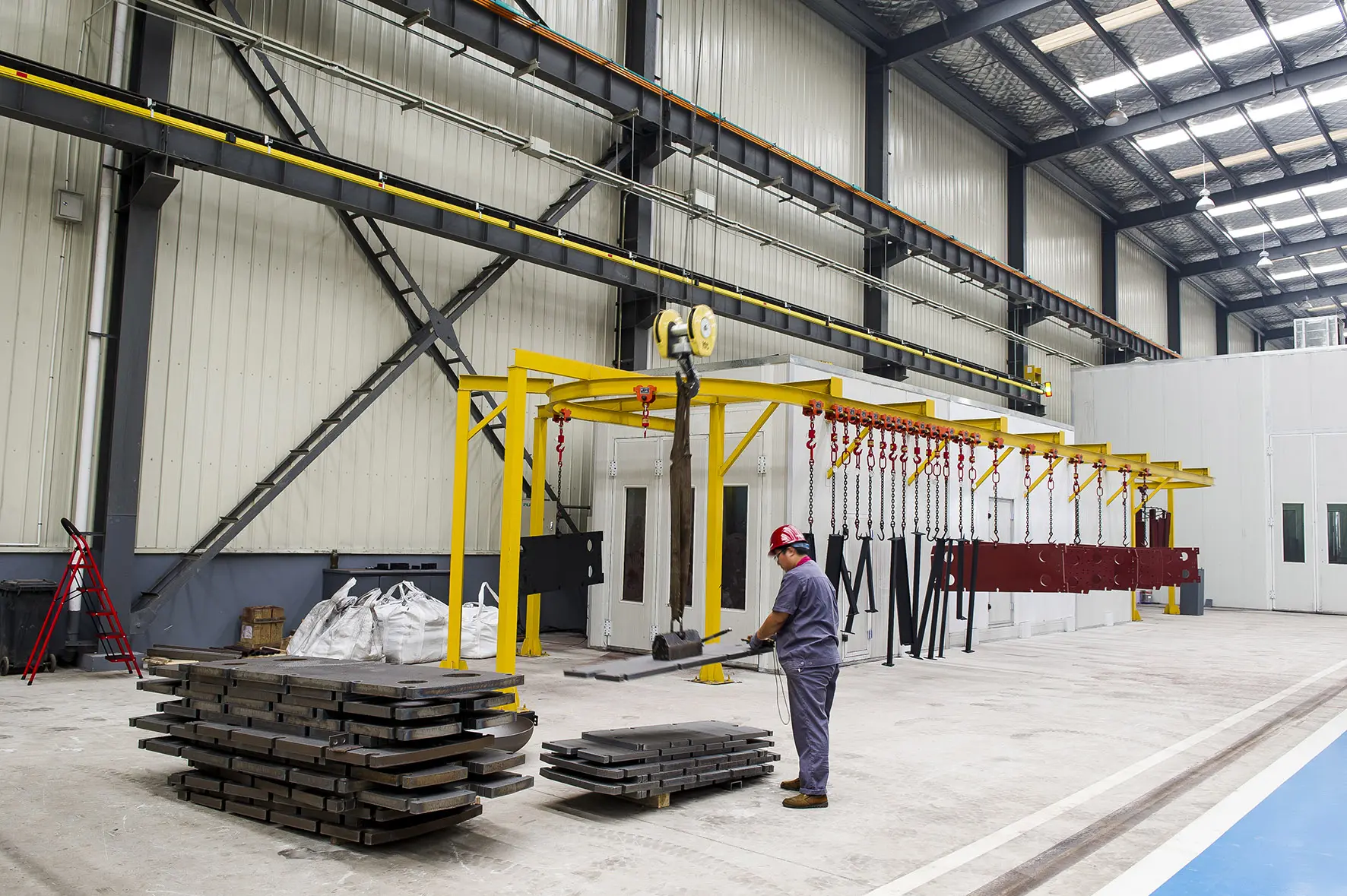
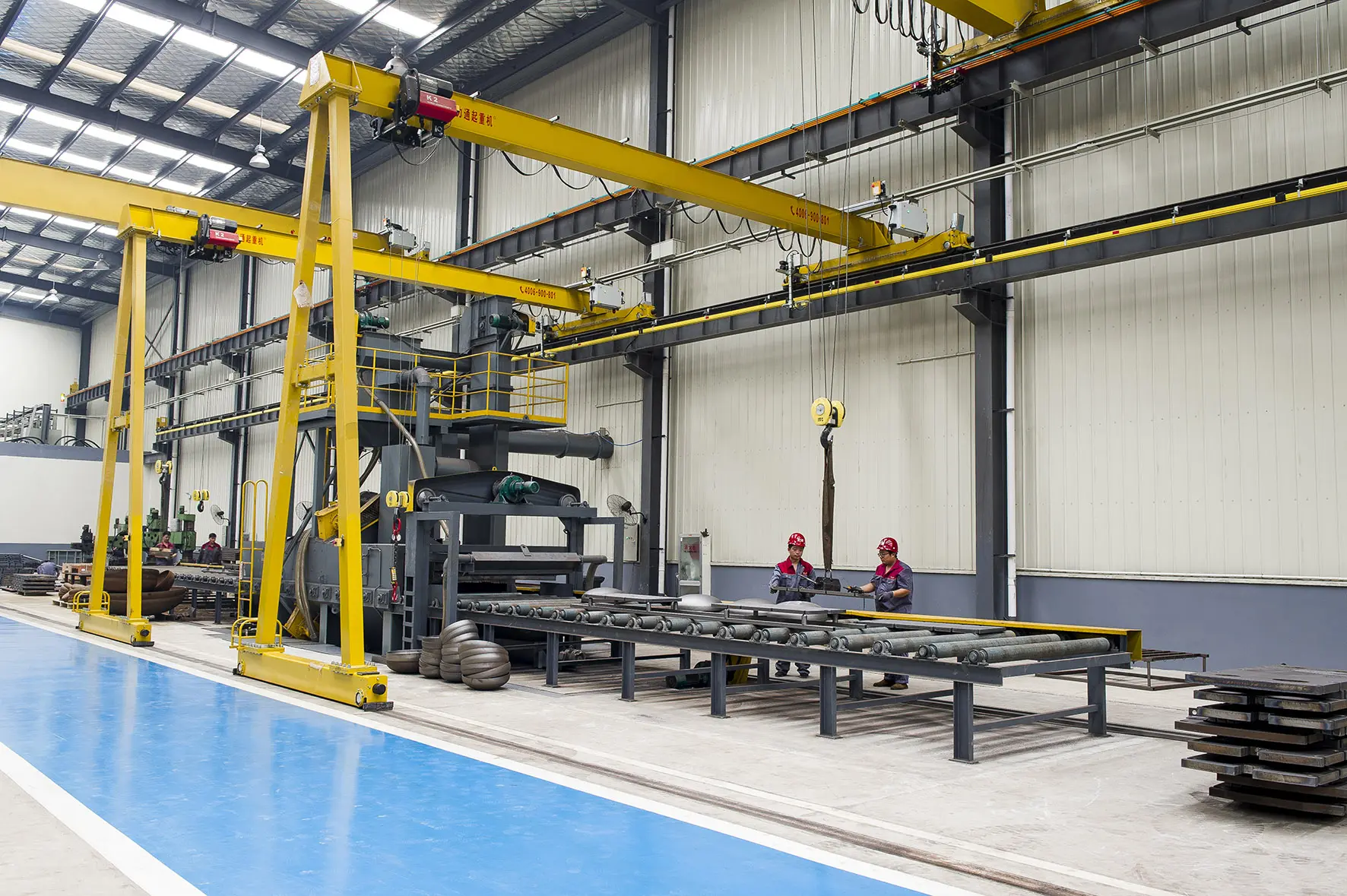
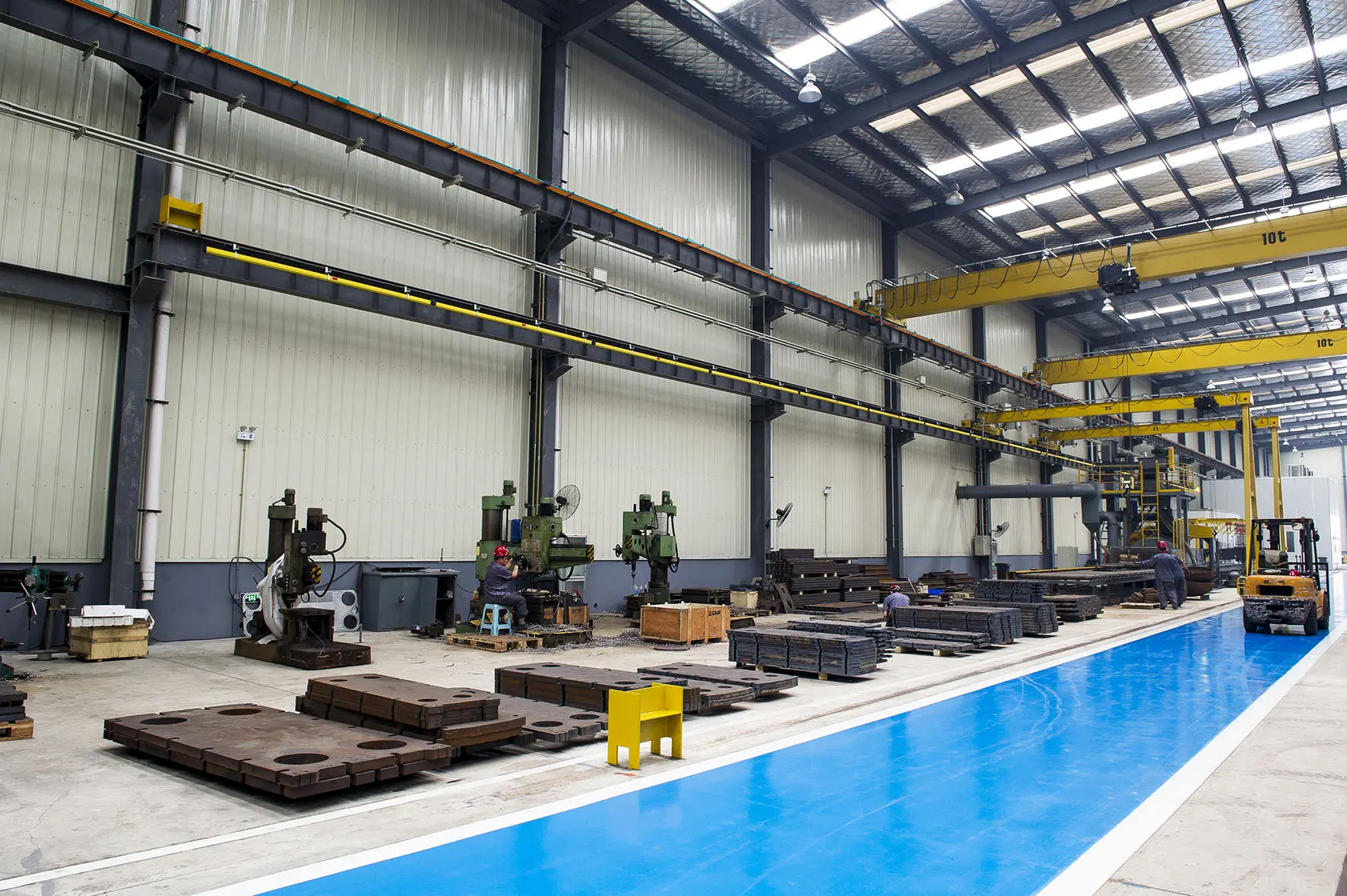
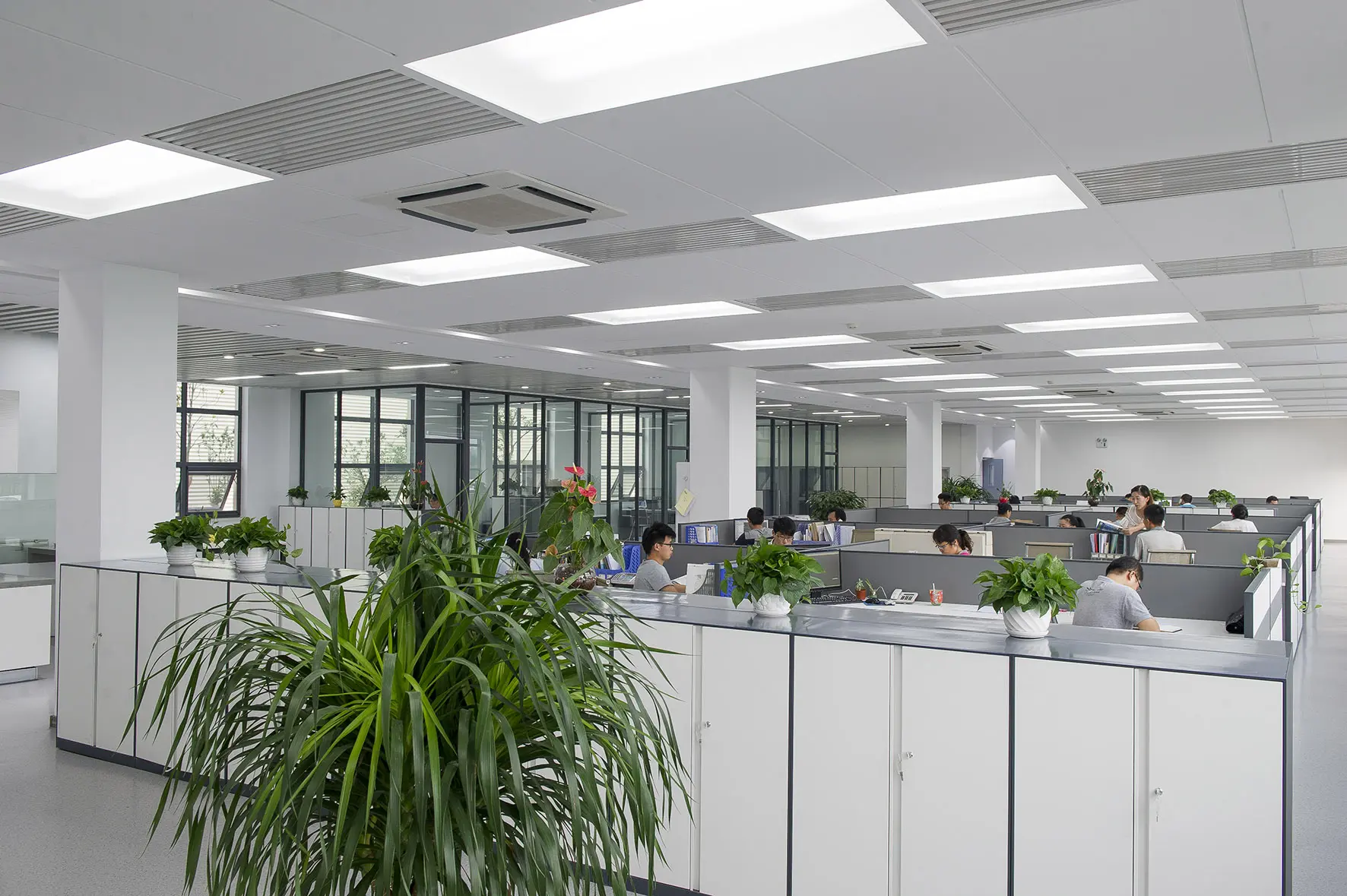
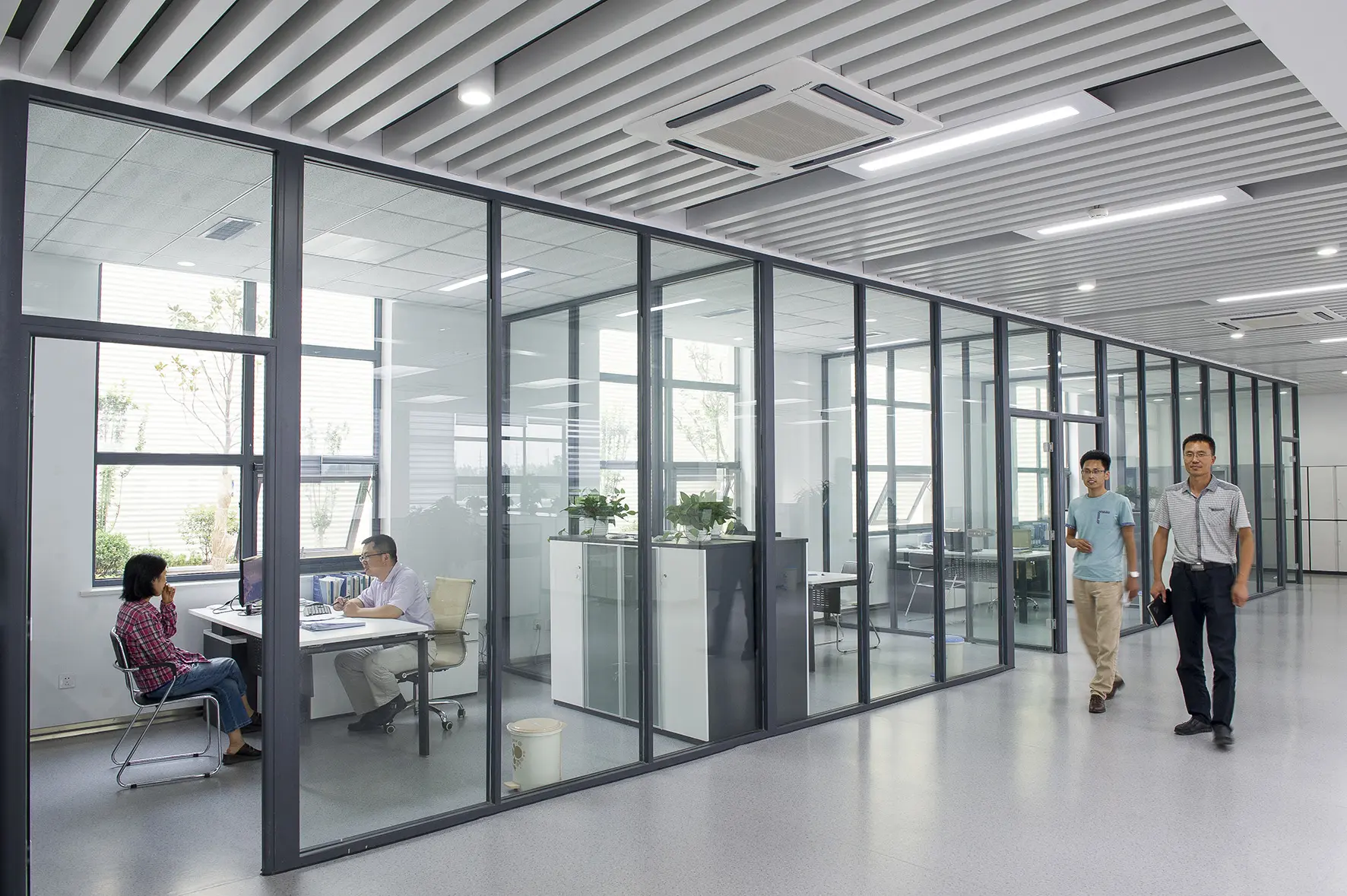
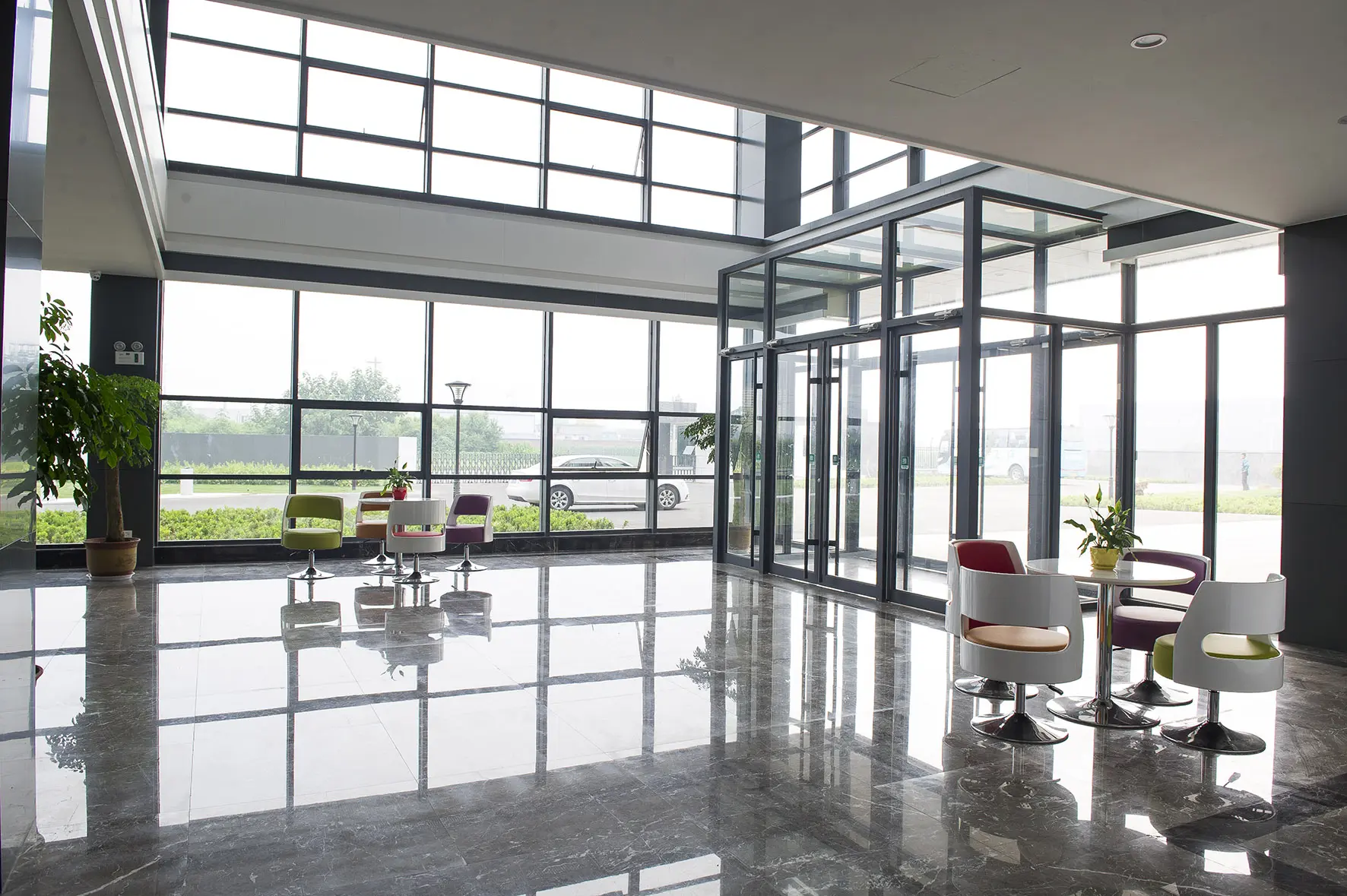
Inside our heavy-duty manufacturing and testing centers where advanced thermal units are built.
Expert technical answers regarding structural design, pressure limits, and heat exchanger selection.
Explore our industrial thermal units and automated control valves, engineered to handle demanding pressure loads.
 Flotte Energy