Discover our primary selection of industrial-grade heat exchange units, evaporators, and membrane concentration platforms engineered for rigorous effluent treatment operations.
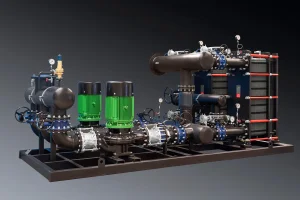
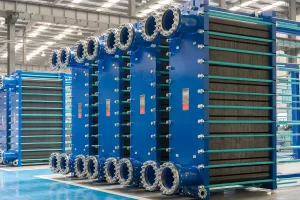
Flotte Energy Saving Company, formally established in 2013 with a registered capital of 101 million yuan, trace our roots back to Flotte Thermal Engineering founded in 1995. For three decades, we have continuously pioneered the boundaries of liquid-to-liquid heat exchange, evaporation technology, and comprehensive water treatment operations.
By fusing mechanical expertise with chemical process technology, Flotte designs, manufactures, and commissions custom thermal treatment infrastructure for global industrial clients. As environmental regulations tighten, the mandate to recycle process water has become a major driver of industrial compliance. Flotte's plate heat exchangers, evaporators, and membrane separation systems enable plants to achieve Zero Liquid Discharge (ZLD) while recovering high-value chemical byproducts and energy.
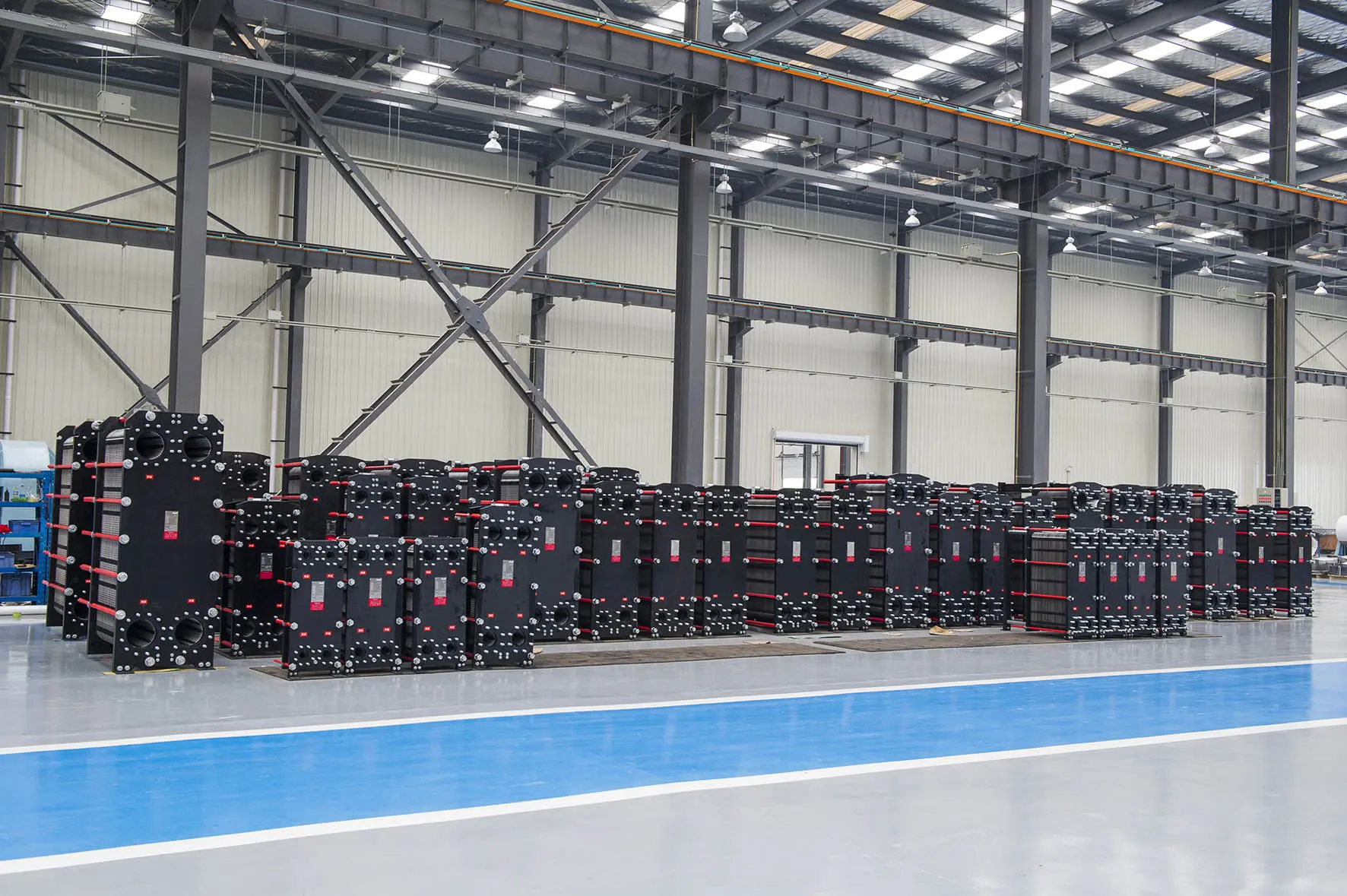
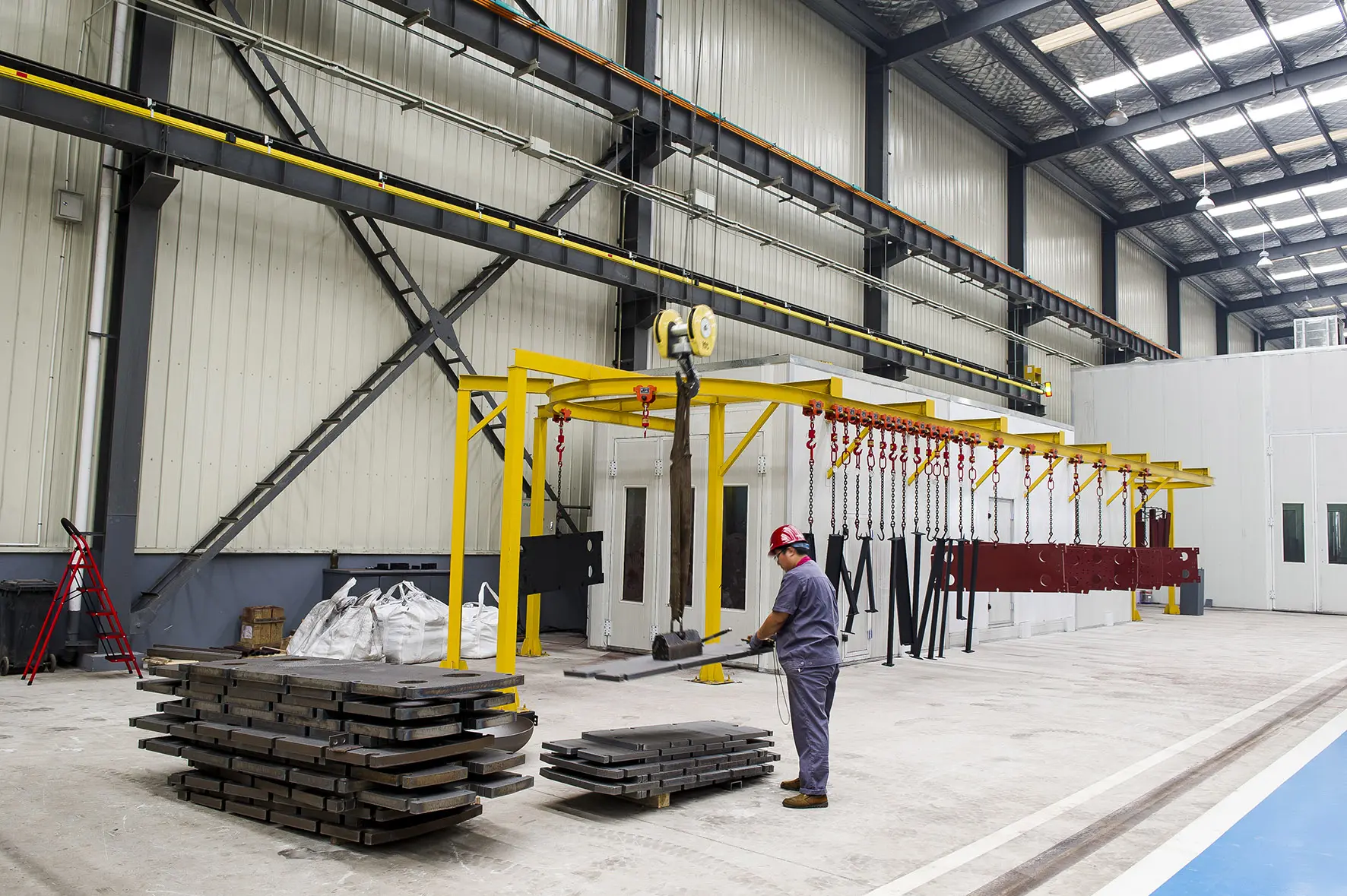
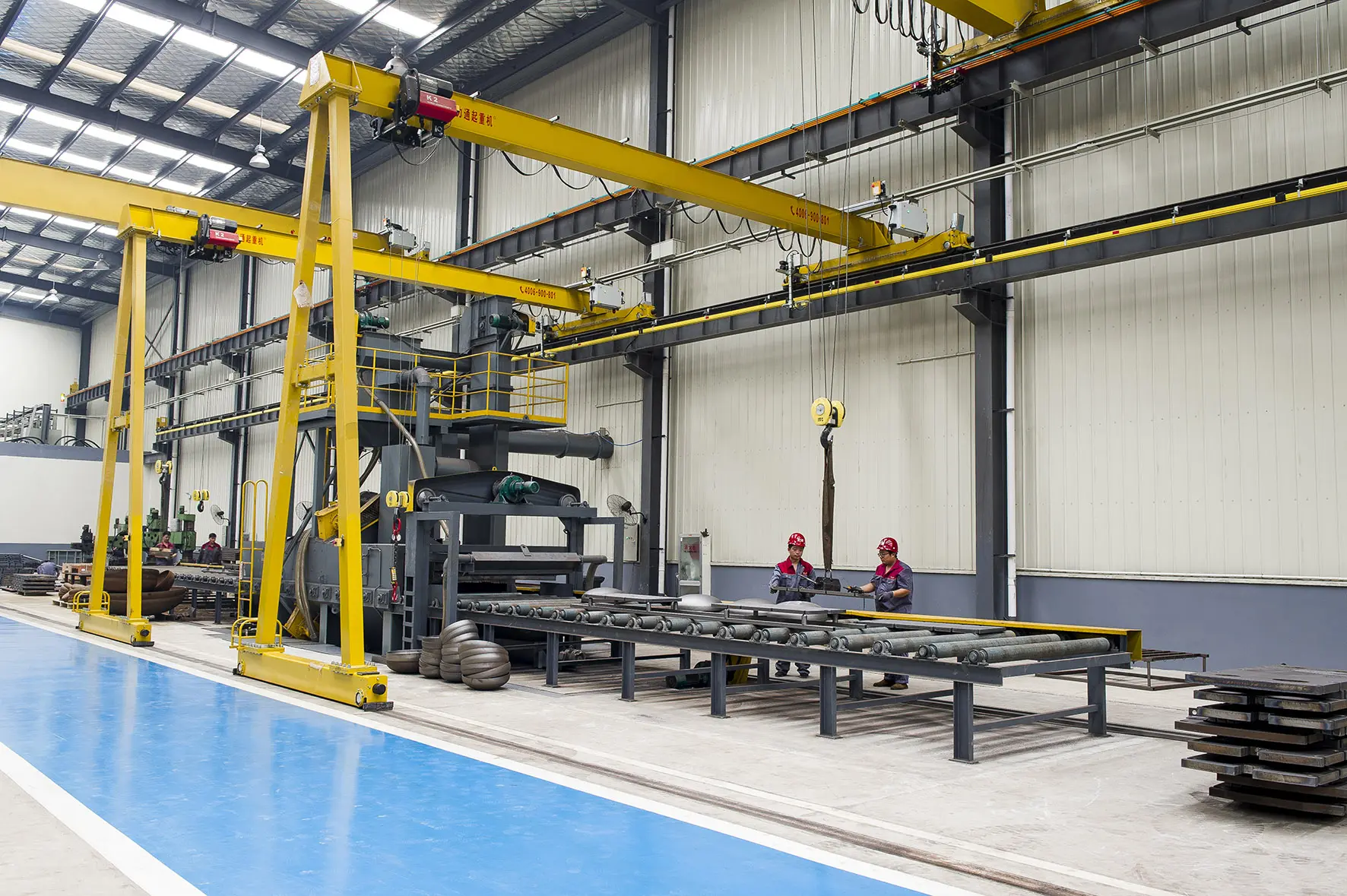
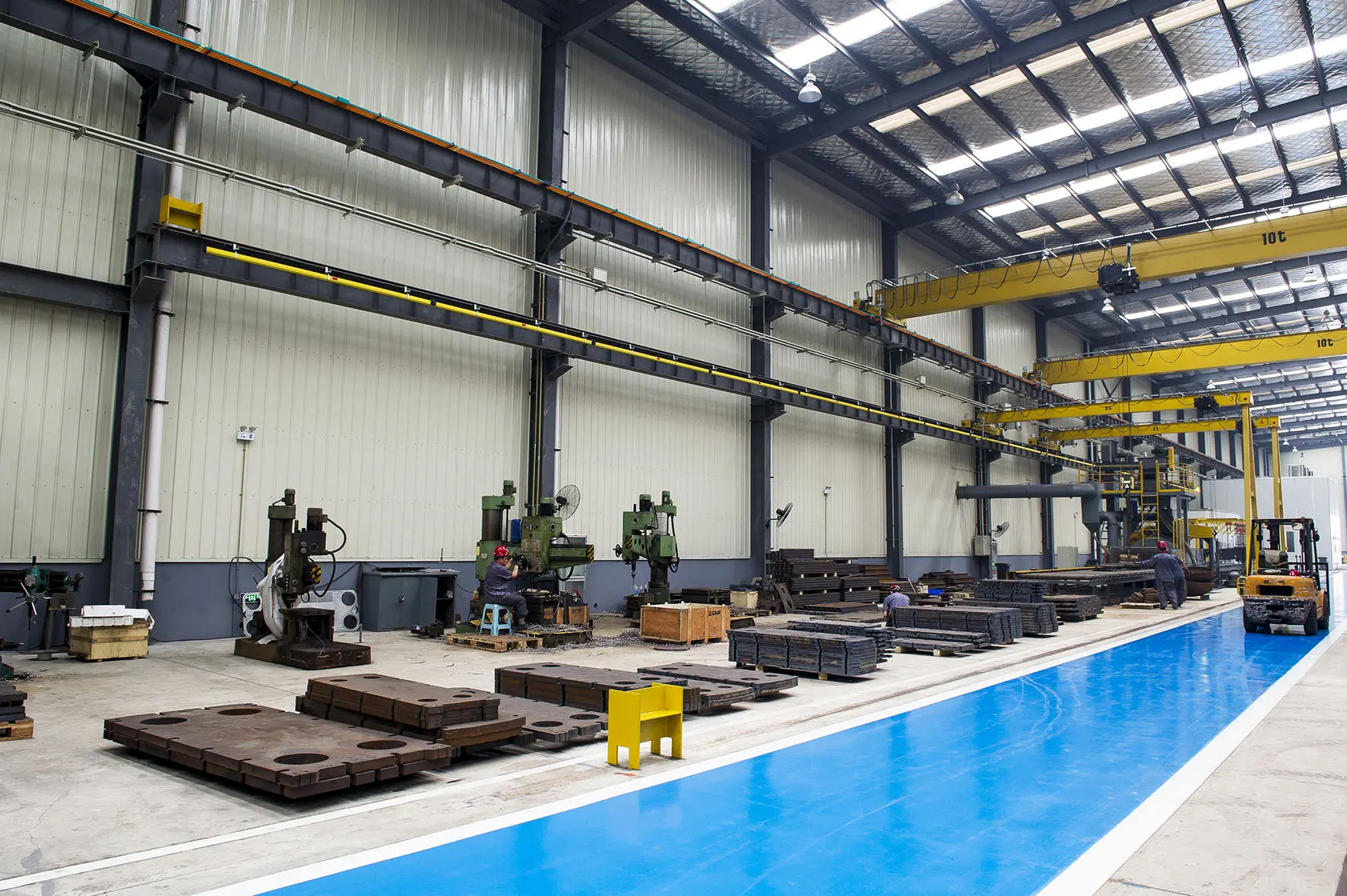
Our state-of-the-art facilities produce high-integrity pressure systems certified to international metrics, guaranteeing consistent processing performance under extreme industrial conditions.
Our patented corrugated plate designs create highly turbulent liquid flow, yielding heat transfer coefficients 2 to 3 times greater than traditional shell-and-tube models. This micro-fluidic turbulence disrupts boundary layers and significantly minimizes fouling rates.
We address critical cooling, heating, and condensation scenarios across eight core industrial domains: power generation, petrochemical processing, pharmaceutical synthesis, chemical engineering, mining effluent handling, food processing, and central district heating networks.
Our manufacturing processes are fully compliant with ISO 9001, ISO 14001, and ISO 45001 standards. We maintain pressure vessel manufacturing certifications verified by national standard committees, and offer titanium, Hastelloy, and premium stainless steel alloys (316L/304).
Treating wastewater via evaporation requires thermal equipment that handles highly concentrated brine without scaling or structural corrosion. Our design team uses finite element analysis (FEA) and computational fluid dynamics (CFD) to design plate configurations that maximize liquid turbulence while minimizing shear stress and pressure drops.
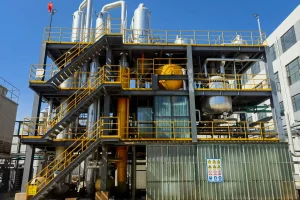
For wastewater with high salt concentration (NaCl, Na2SO4), we deploy specialized Multi-Effect Evaporation (MEE) and Mechanical Vapor Recompression (MVR) systems. By utilizing secondary steam, these platforms require minimal external steam energy inputs. This combination of thermal efficiency and corrosion resistance makes Flotte equipment ideal for chemical plants, coal gasification facilities, and pharmaceutical plants worldwide.
Analyzing intent across industrial markets reveals that international procurement officers focus heavily on durability, compliance, and thermal recovery efficiency.
Chemical process effluent streams are characterized by high acidity, organic loads, and suspended solids. We supply plate and shell-and-tube exchangers built from corrosion-resistant titanium and nickel alloys, designed to handle high temperature and high pressure while recovering heat from corrosive fluids.
To achieve ZLD, wastewater must be concentrated beyond saturation to crystallize salts. Flotte Multi-Effect Evaporators and Membrane Concentration systems work in series to extract clean water, leaving dry salt cakes for disposal or recycling, helping plants meet strict environmental guidelines.
Industrial operations generate massive amounts of low-grade waste heat. By using our removable, high-performance plate heat exchangers, municipal heating systems and industrial plants can capture this waste heat, using it to warm buildings or preheat boiler water to lower fuel usage.
Sanitary processing requires smooth, crevice-free surfaces that resist bacterial growth. Our high-grade stainless steel heat exchange units are built with electropolished surfaces and double-tube sheet designs to eliminate the risk of cross-contamination between product and utility loops.
From raw plate selection to high-pressure validation, our 9-step quality control system ensures each system performs reliably under demanding industrial conditions.
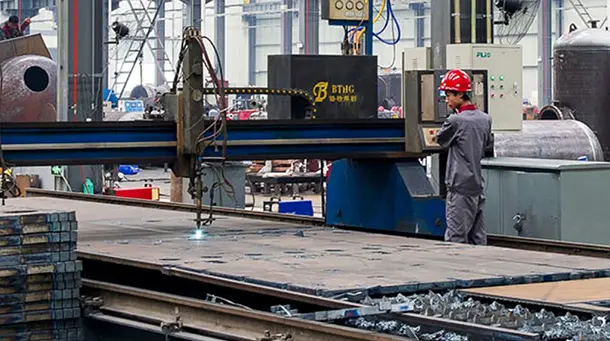
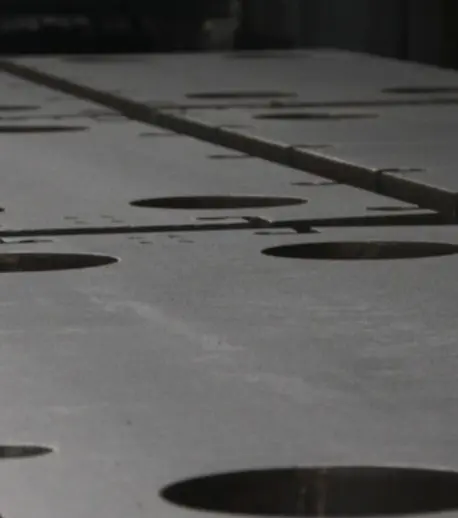
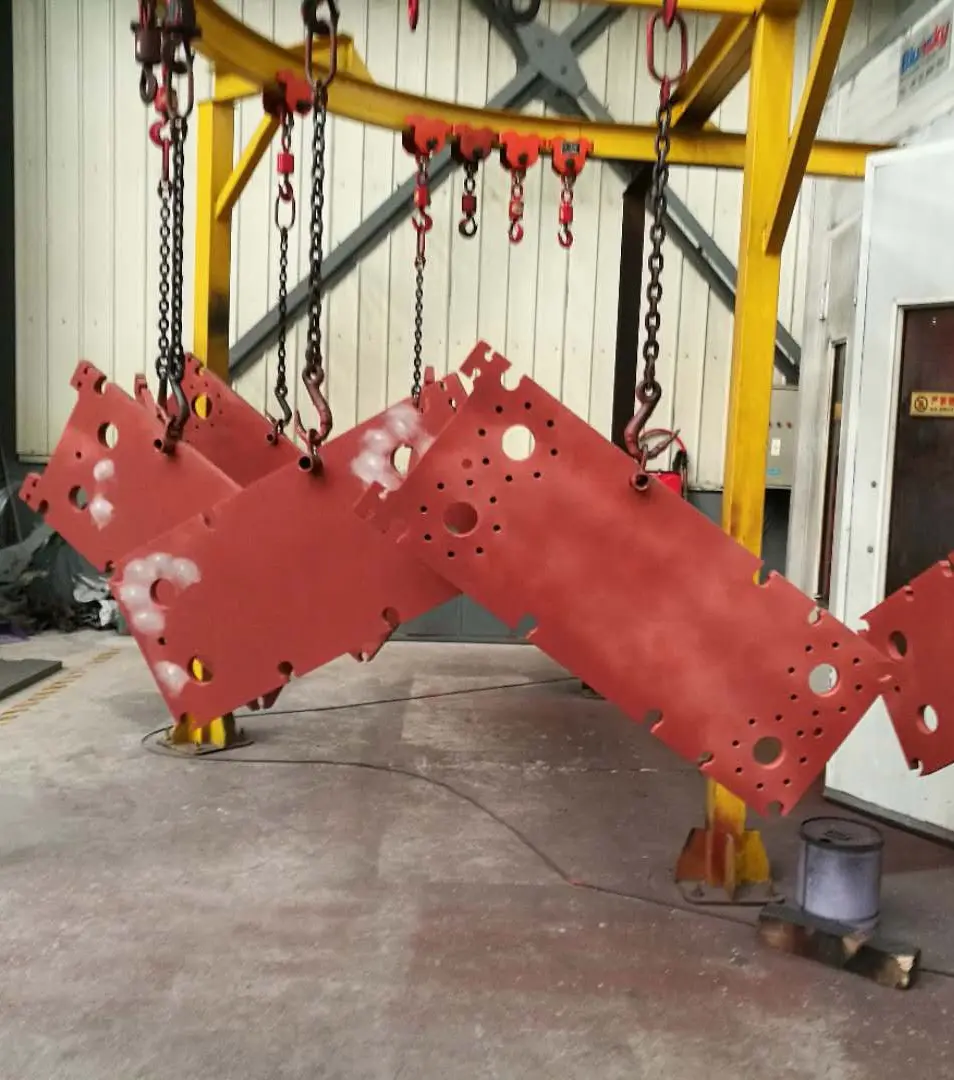
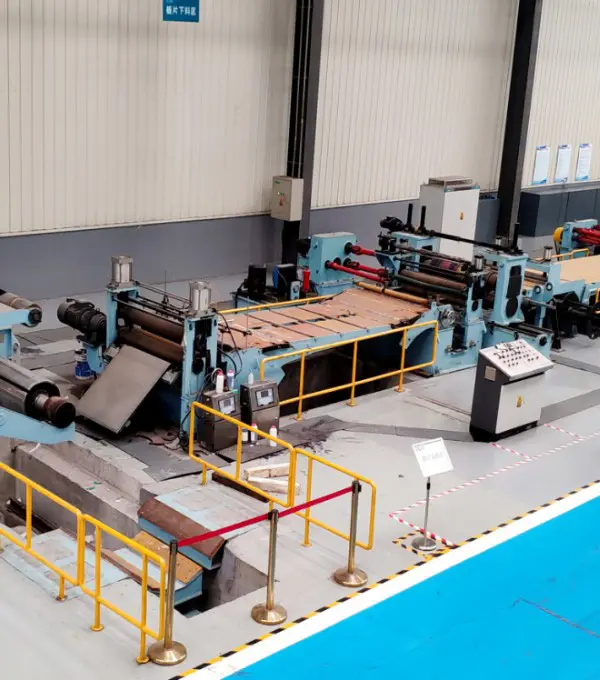
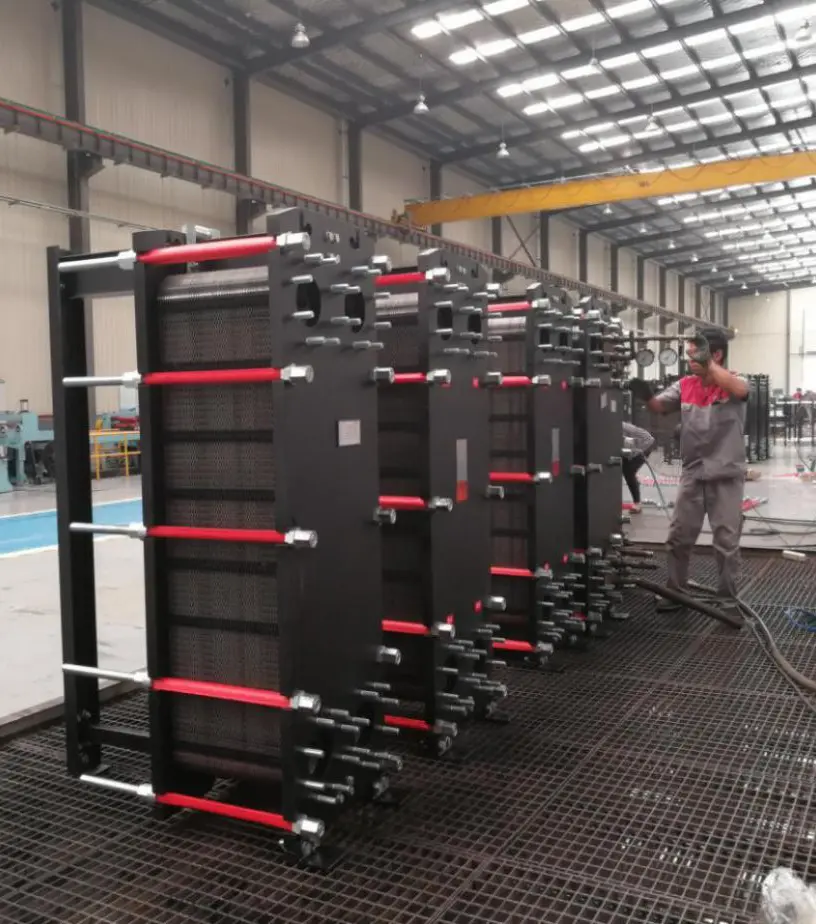
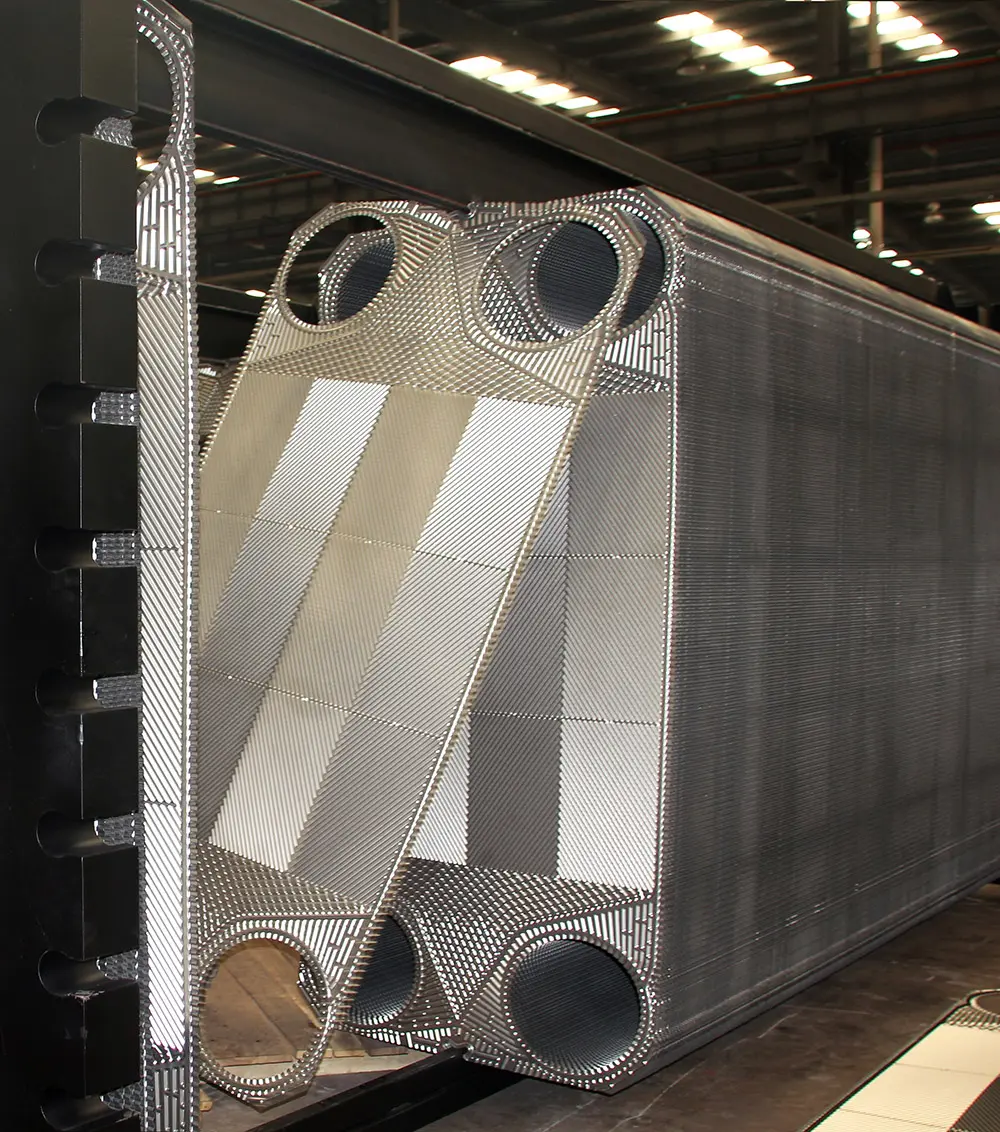
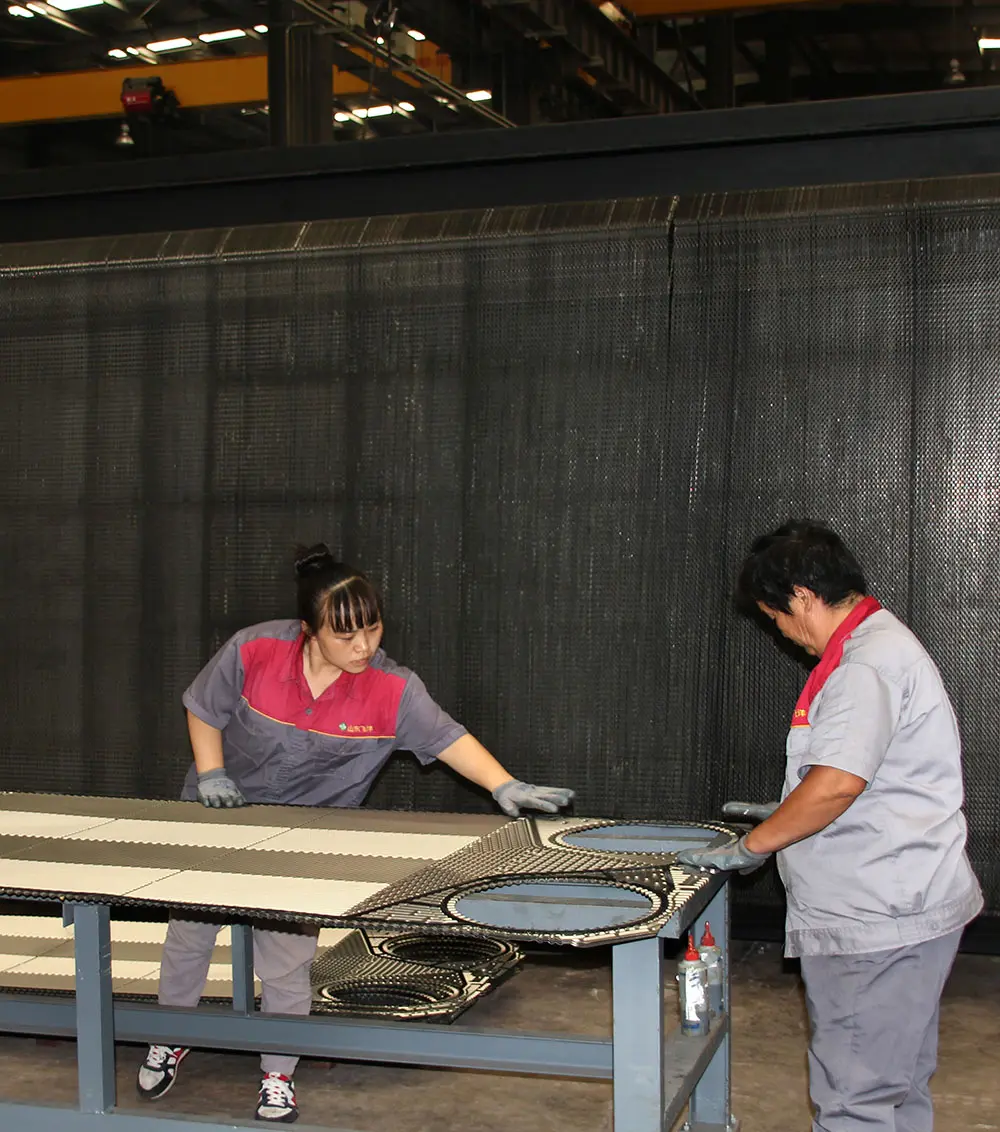
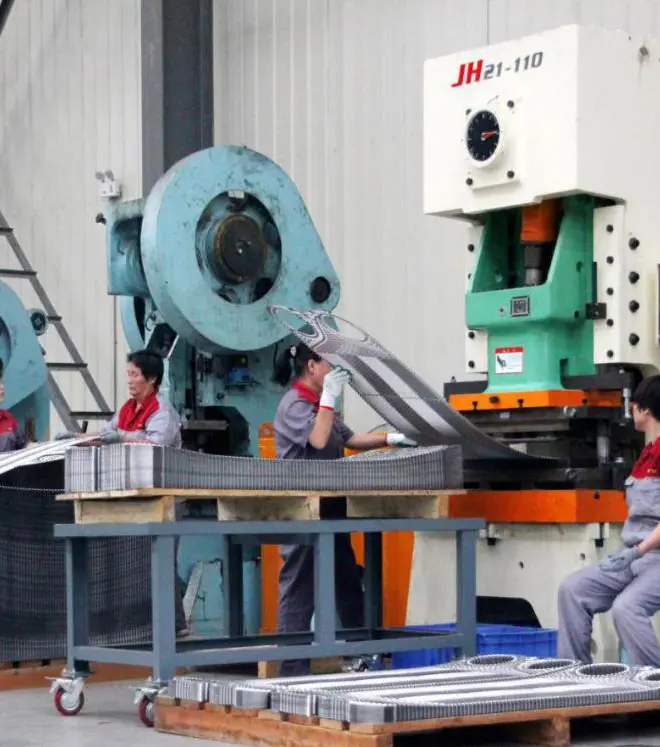
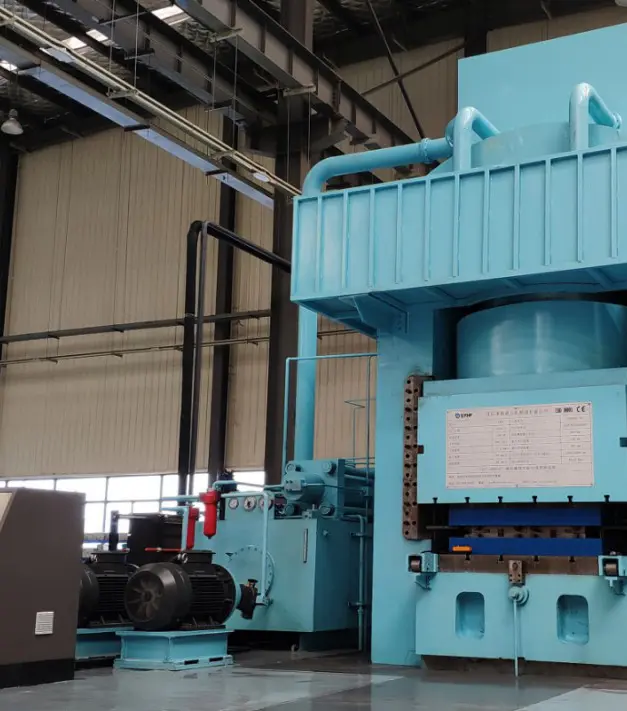
Our thermal and membrane separation platforms are custom-engineered to improve processing efficiency and withstand harsh, chemical-heavy operating environments.
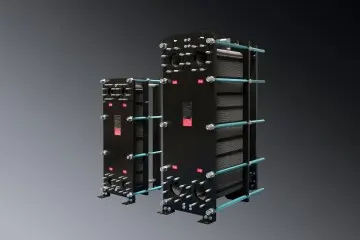
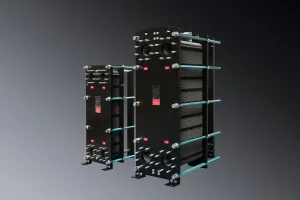
Engineered for straightforward cleaning and maintenance. Gasketed structures allow users to easily increase or decrease the number of plates to adapt to changing heat load requirements.
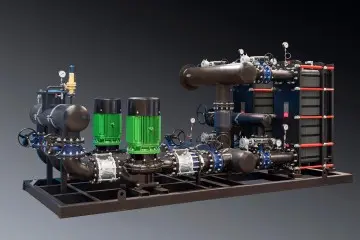
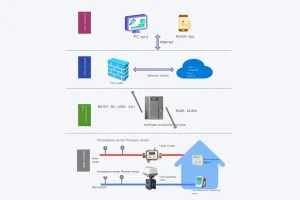
Equipped with PLC control cabinets, variable frequency pumps, control valves, and array sensors to adjust thermal output in real-time, preventing energy loss during supply fluctuations.
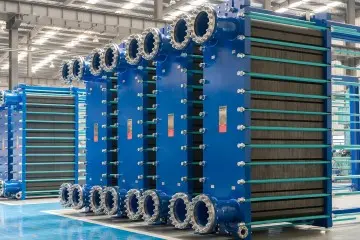
Designed for large district heating networks, managing pressure drops and maintaining constant steam-to-water or water-to-water heat transfer across long-distance distribution lines.
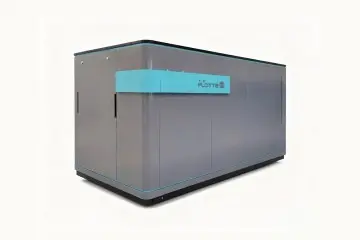
Compact thermal units that balance indoor heating demands while protecting mechanical systems from excessive building pressure, saving energy in large commercial facilities.
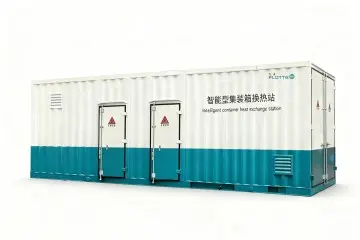
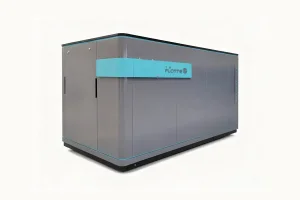
Enclosed, weatherized heat exchange systems designed for outdoor installation, providing protection against dust and moisture in challenging mining or desert sites.
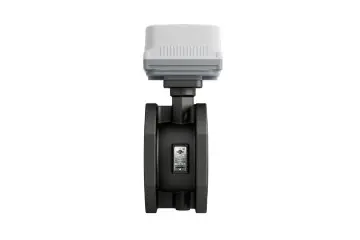
High-precision valves that regulate fluid distribution within heat networks, optimizing hydraulic balance and preventing cold ends in downstream pipelines.

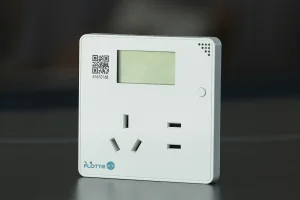
Sensor arrays that monitor and transmit real-time ambient temperature data to central controllers, ensuring precise thermal output and comfortable indoor spaces.
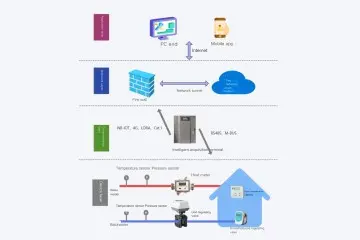
A software-hardware platform that monitors secondary distribution loops to minimize energy waste and ensure balanced heat delivery across all distribution paths.
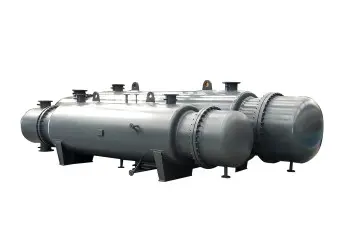
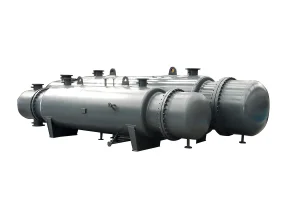
Robust thermal systems built to withstand high pressures and temperatures, making them ideal for heavy steam processing, cooling duties, and oil refining processes.
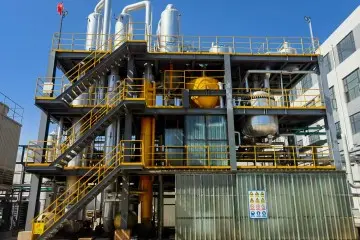
Optimized evaporation systems that reuse heat from secondary steam across multiple chambers, reducing steam consumption during industrial wastewater treatment.
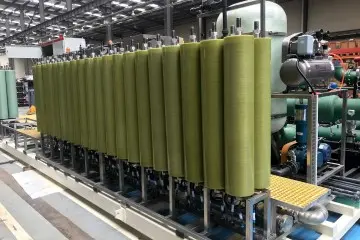
Advanced filtration systems that use high-pressure reverse osmosis (RO) or nanofiltration (NF) membranes to concentrate mineral brines, saving energy prior to final thermal crystallization.
All Flotte systems undergo rigorous factory acceptance testing (FAT) to ensure compliance with strict pressure vessel codes and international safety standards.
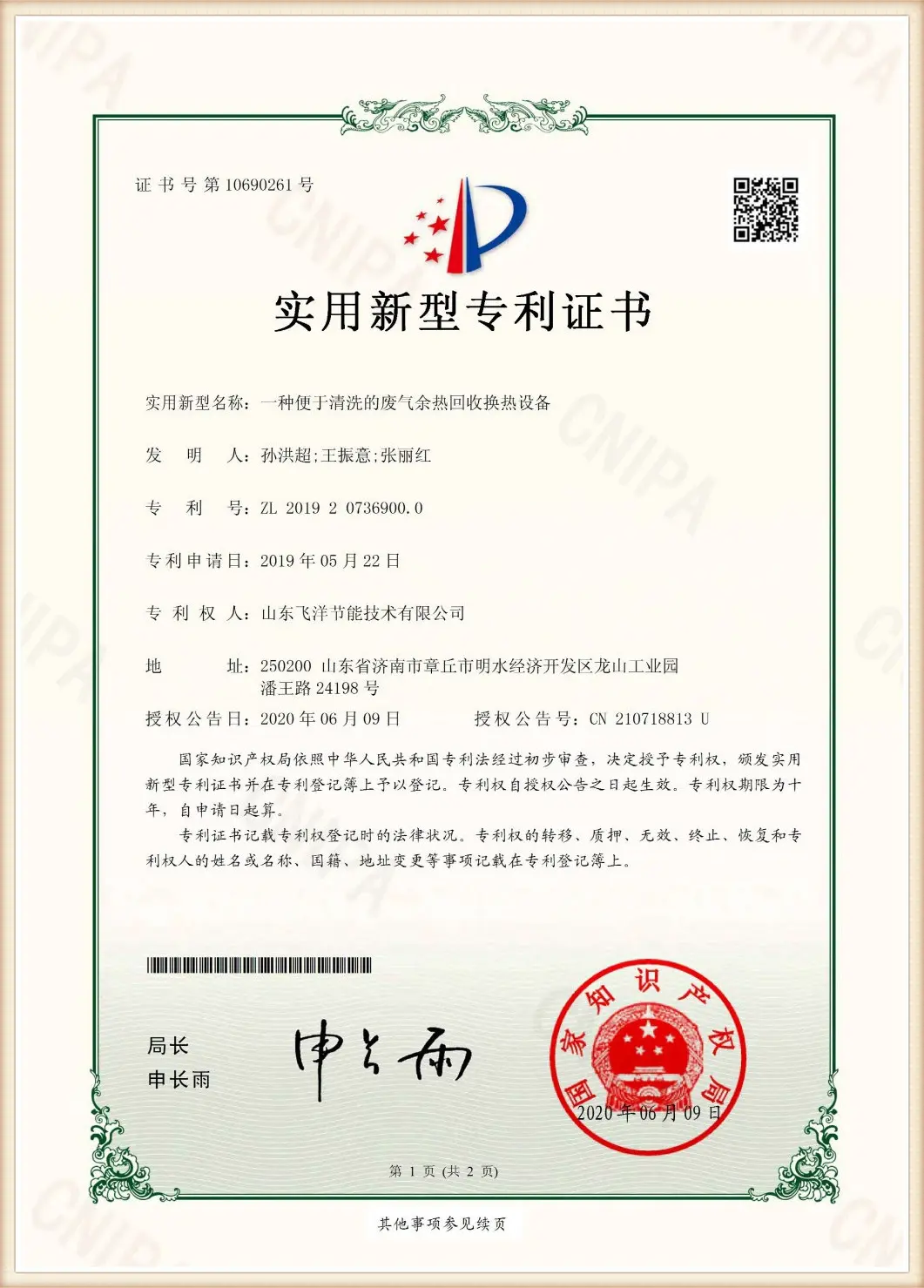
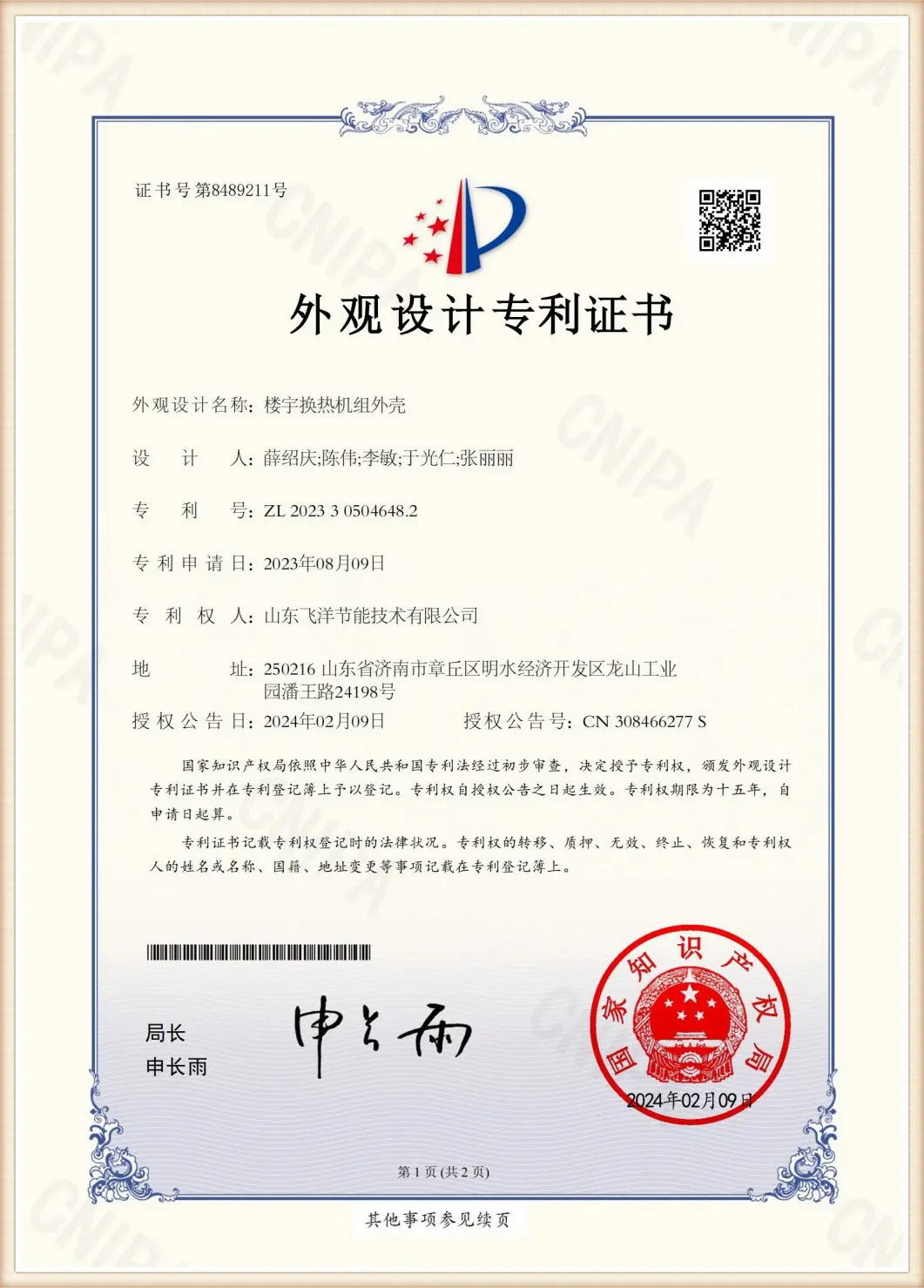
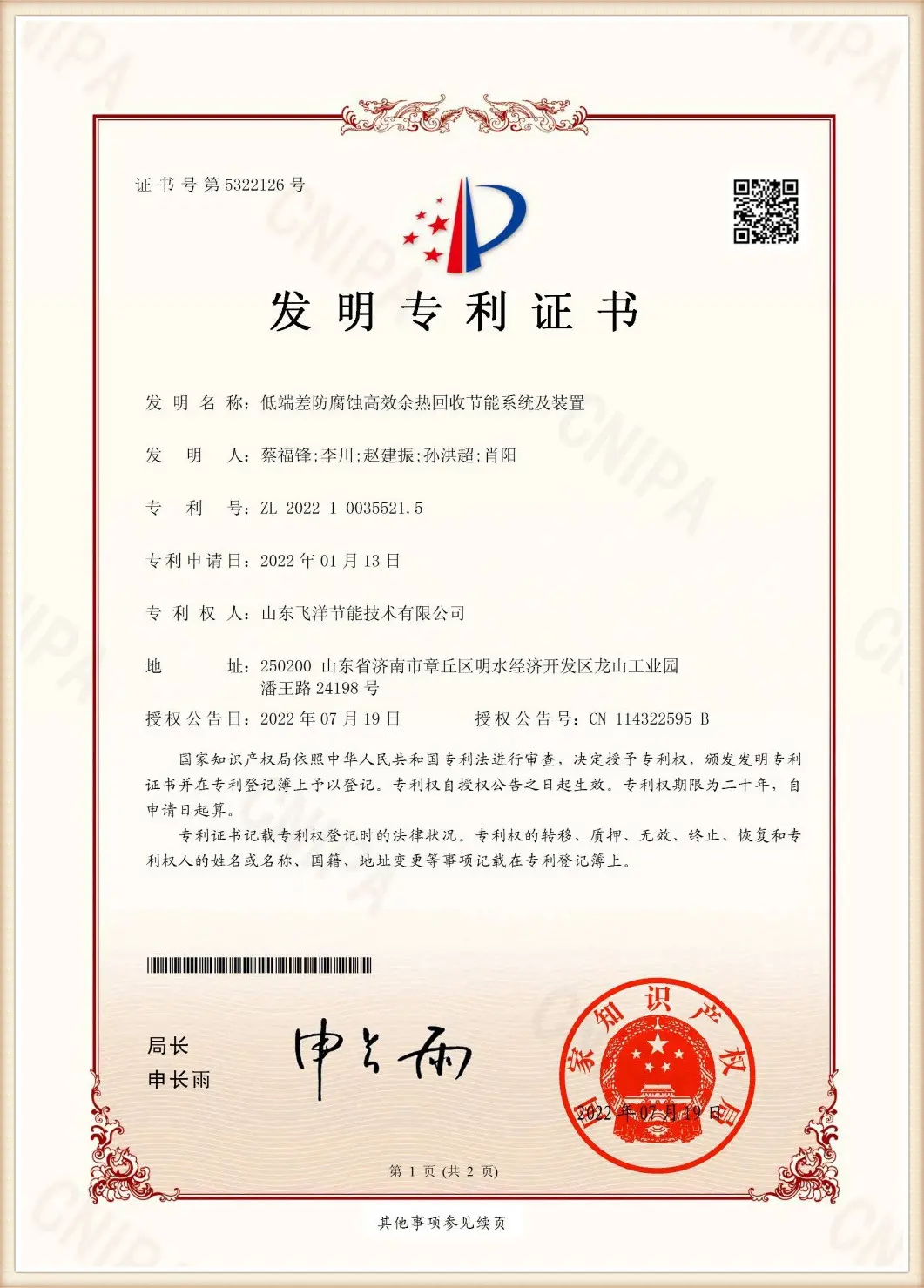
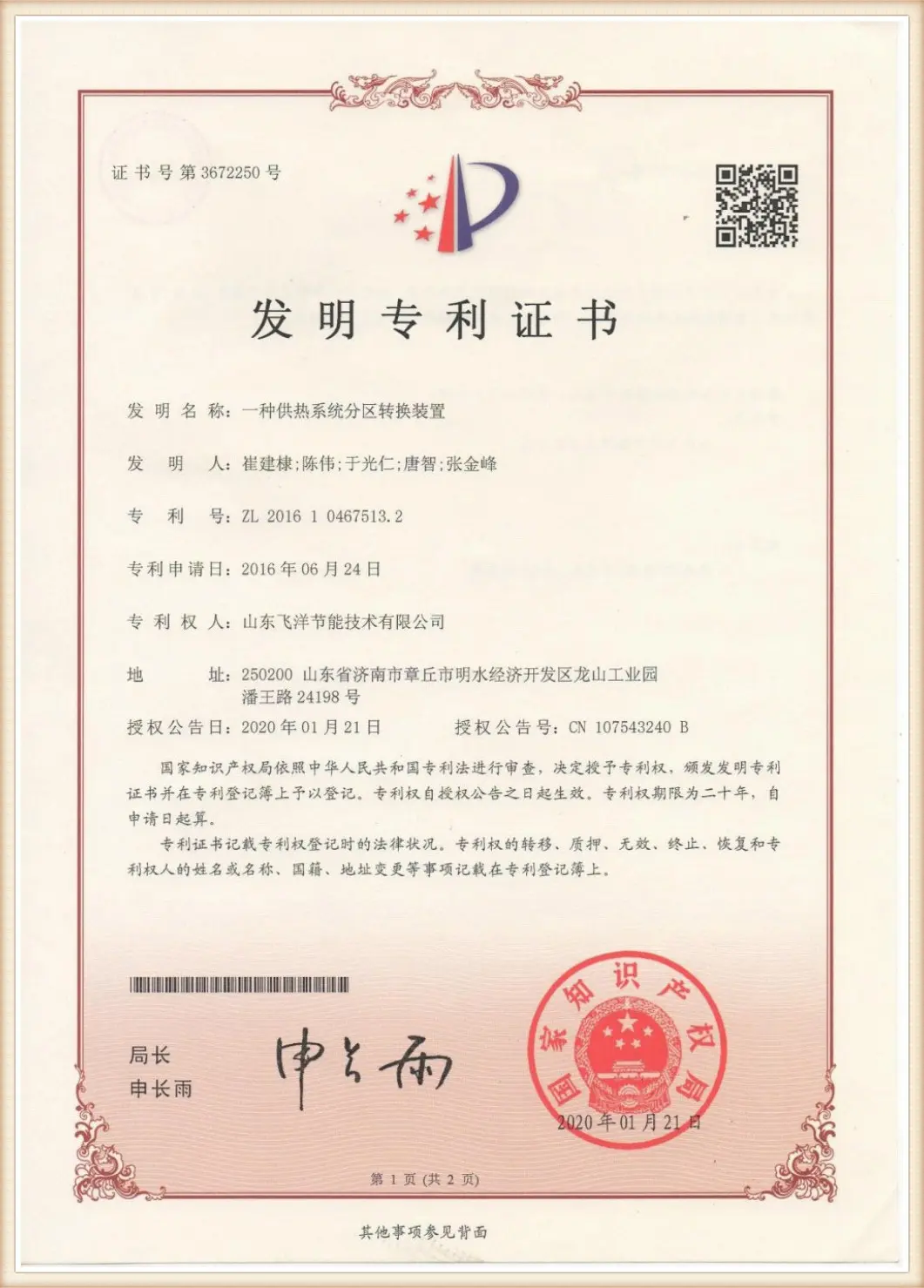
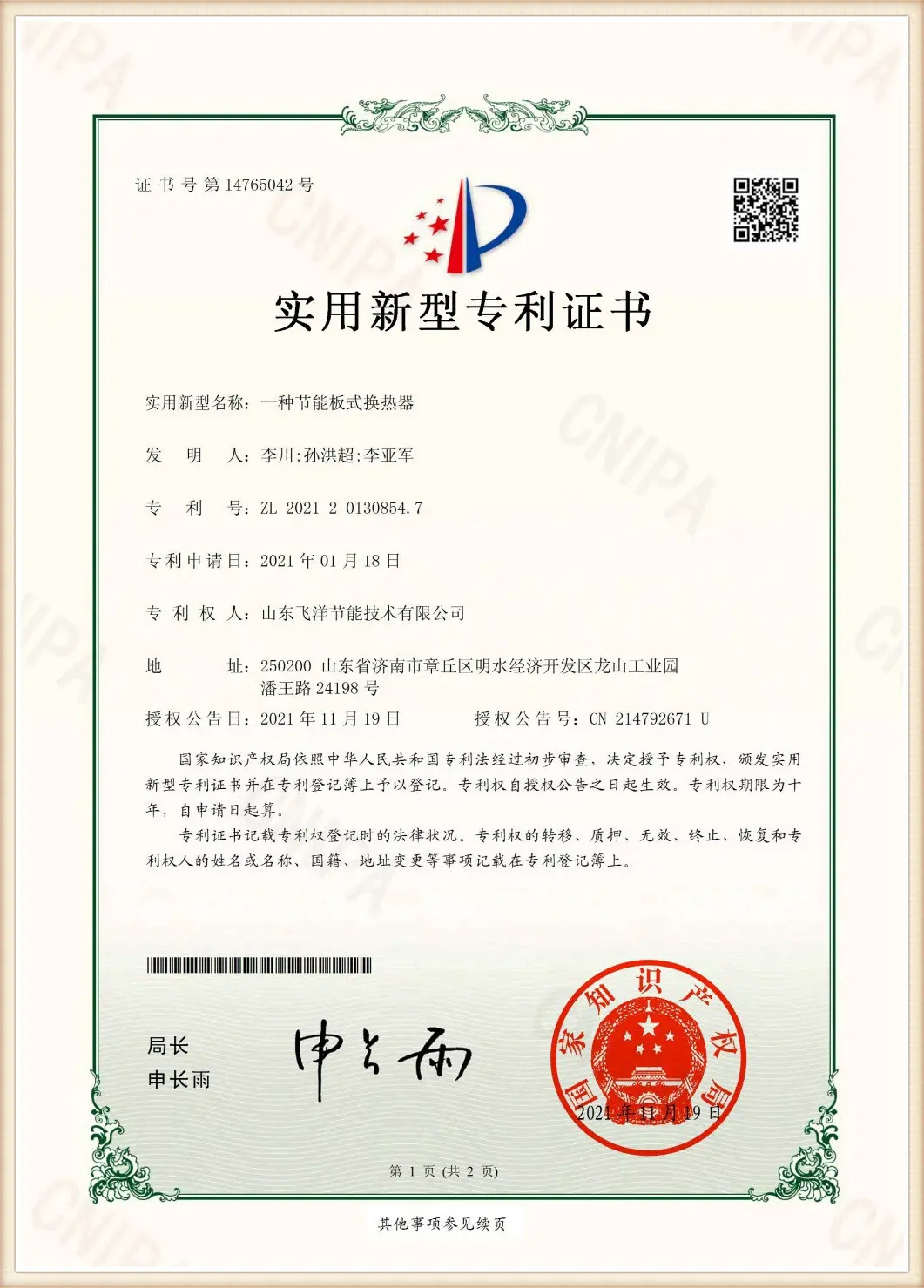
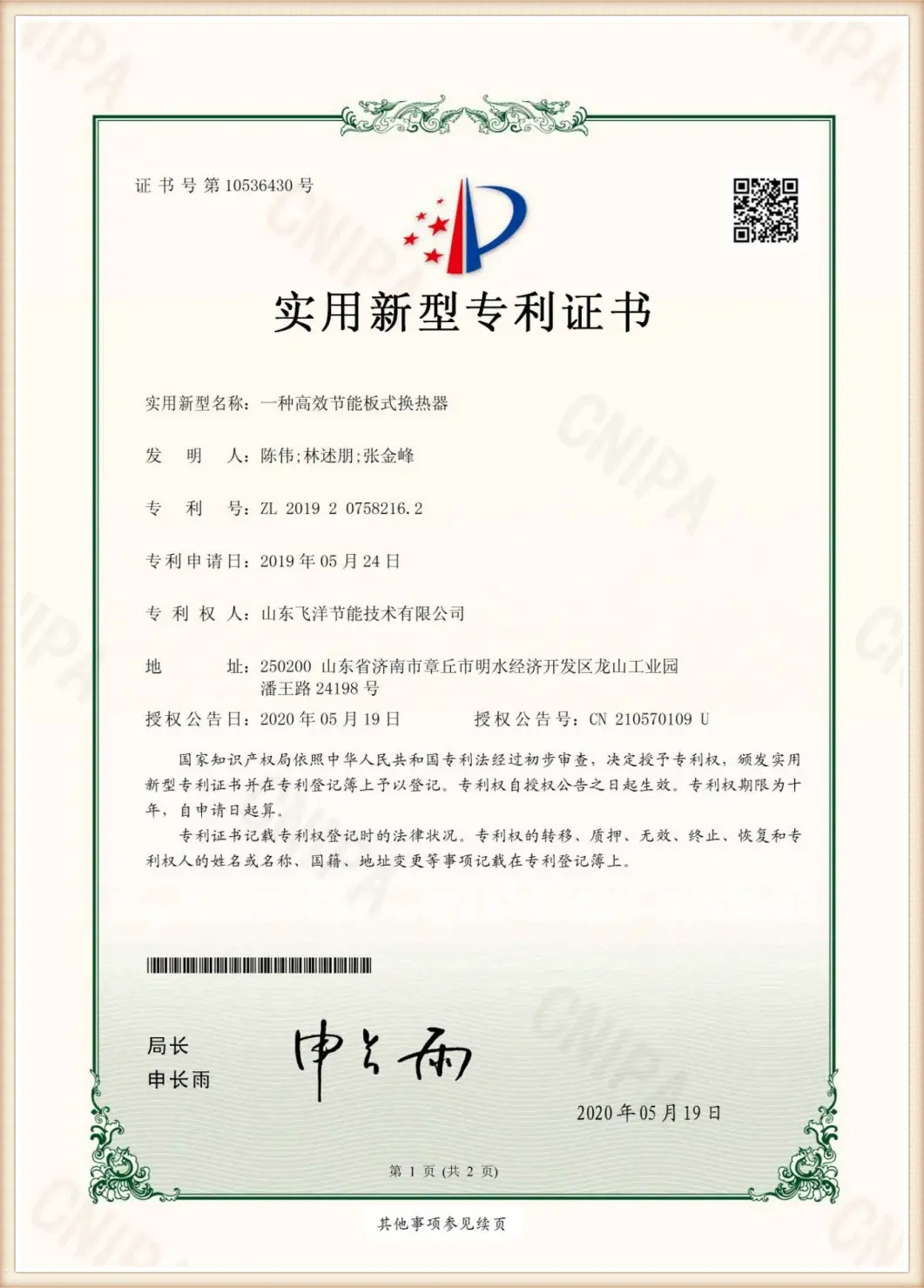
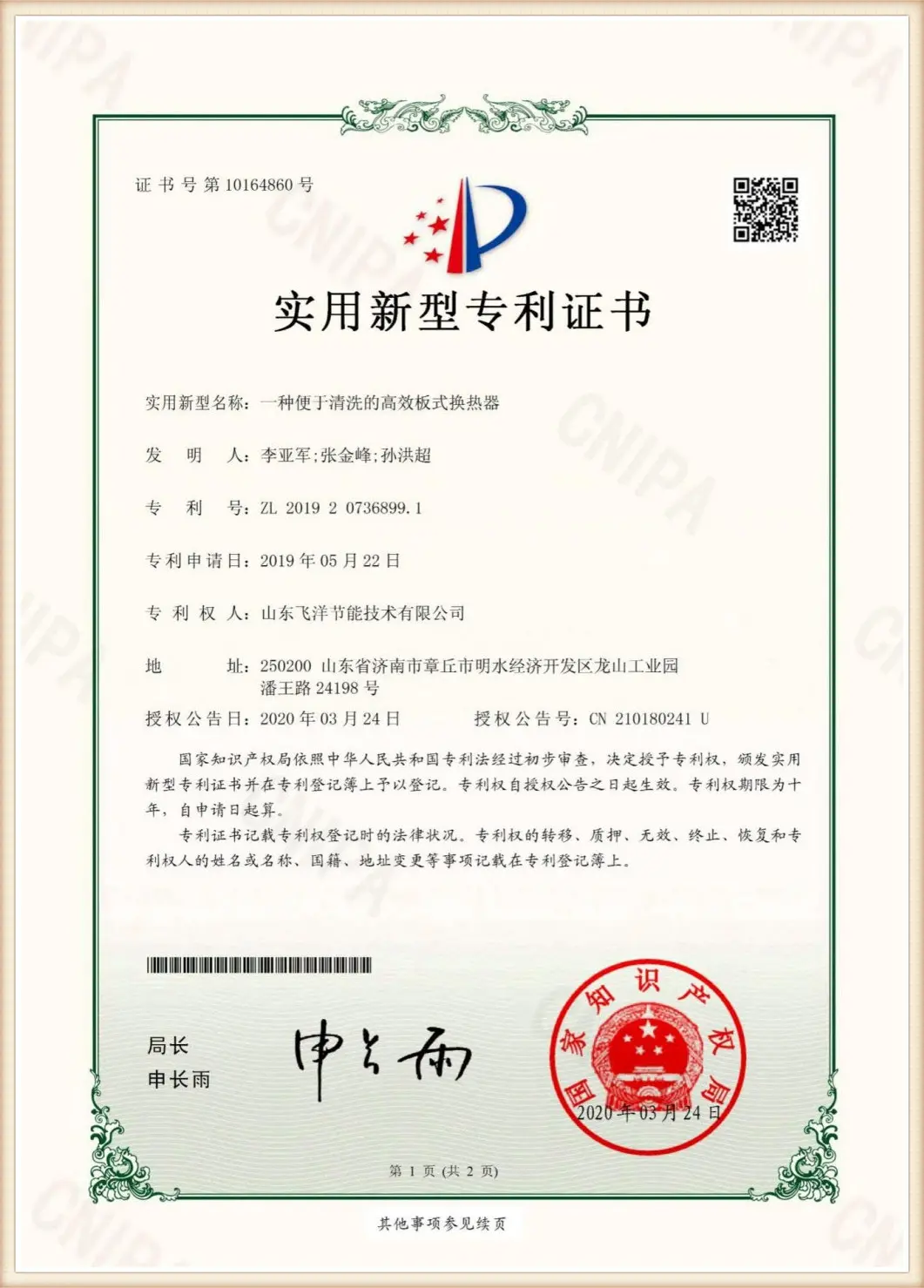
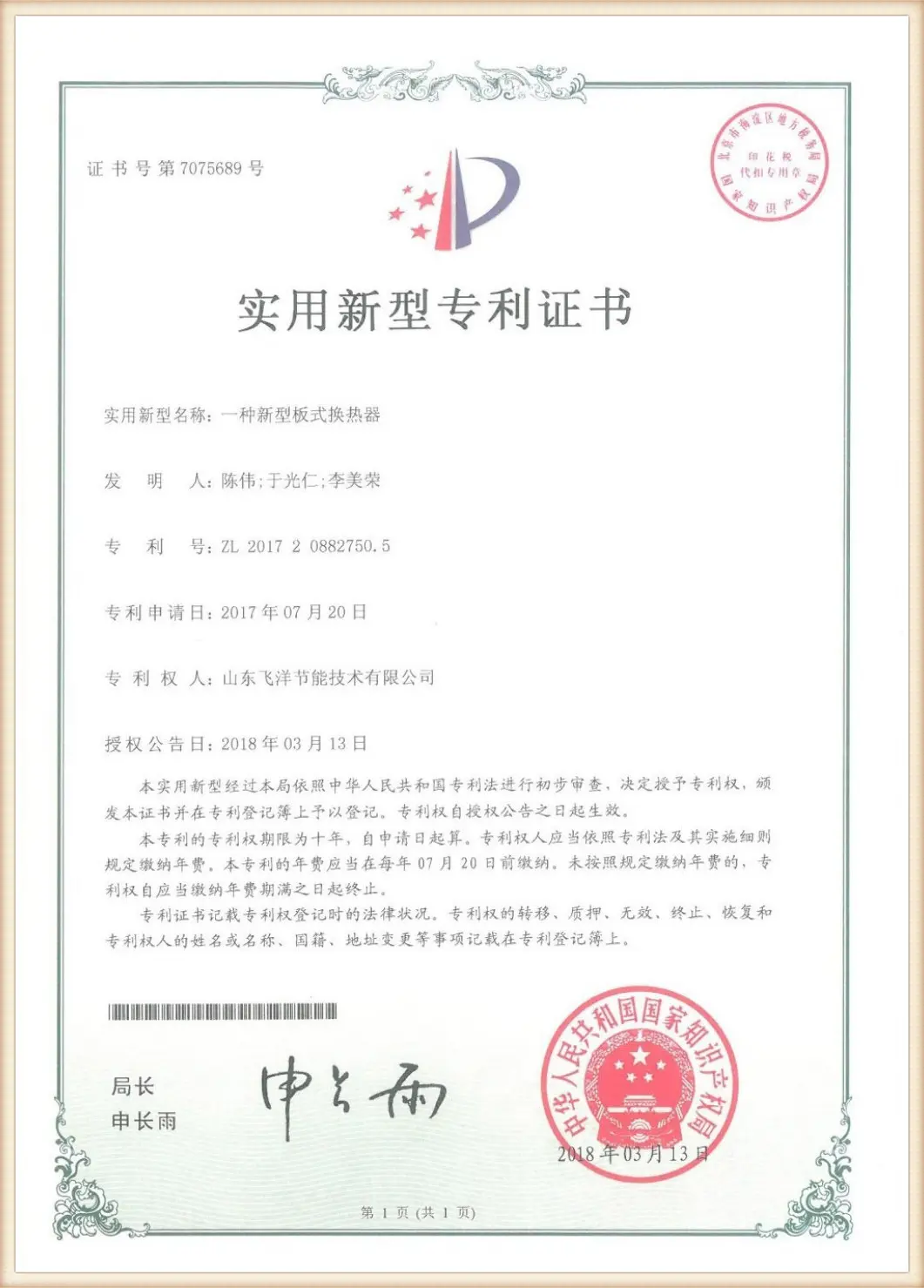
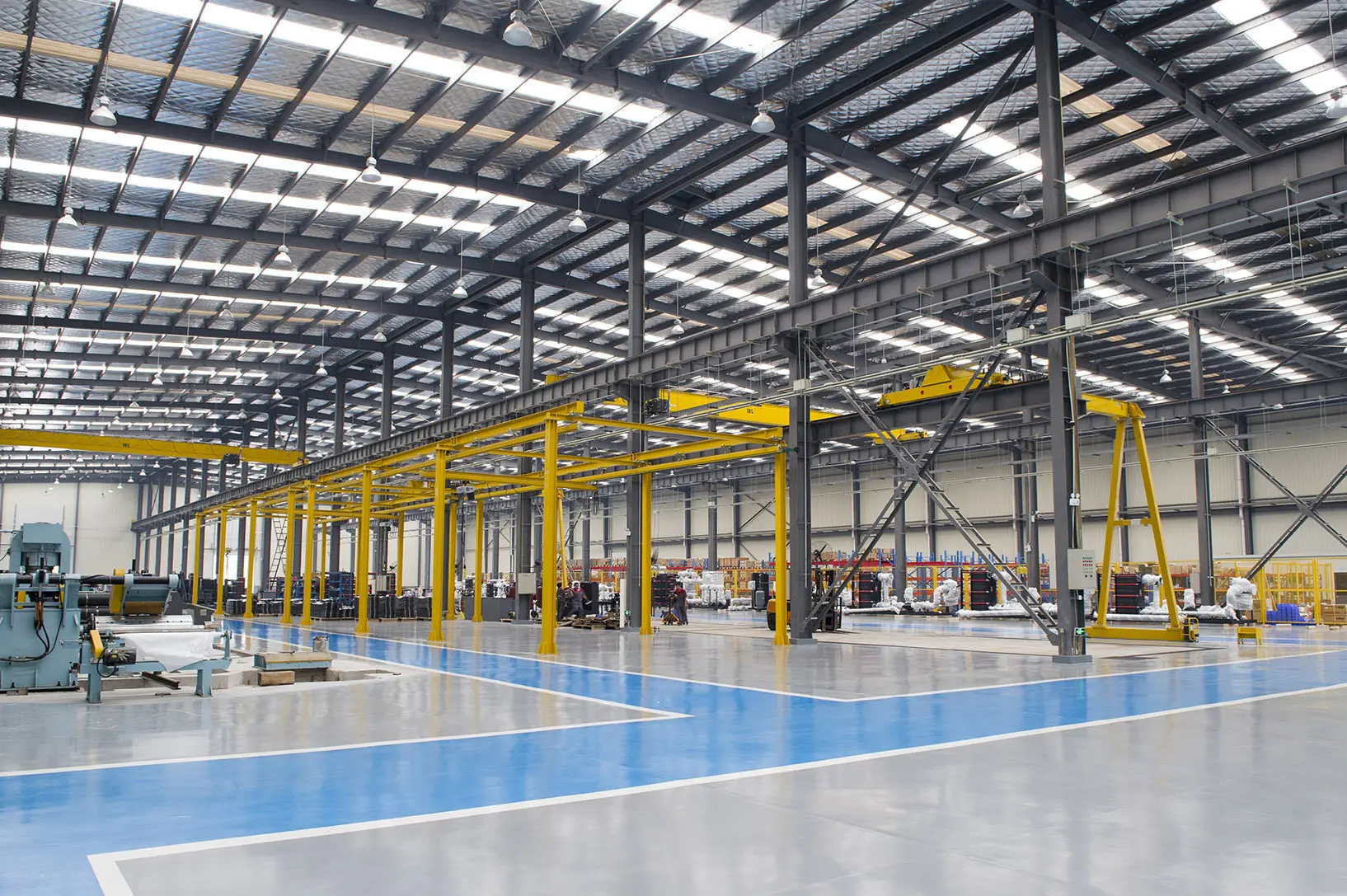
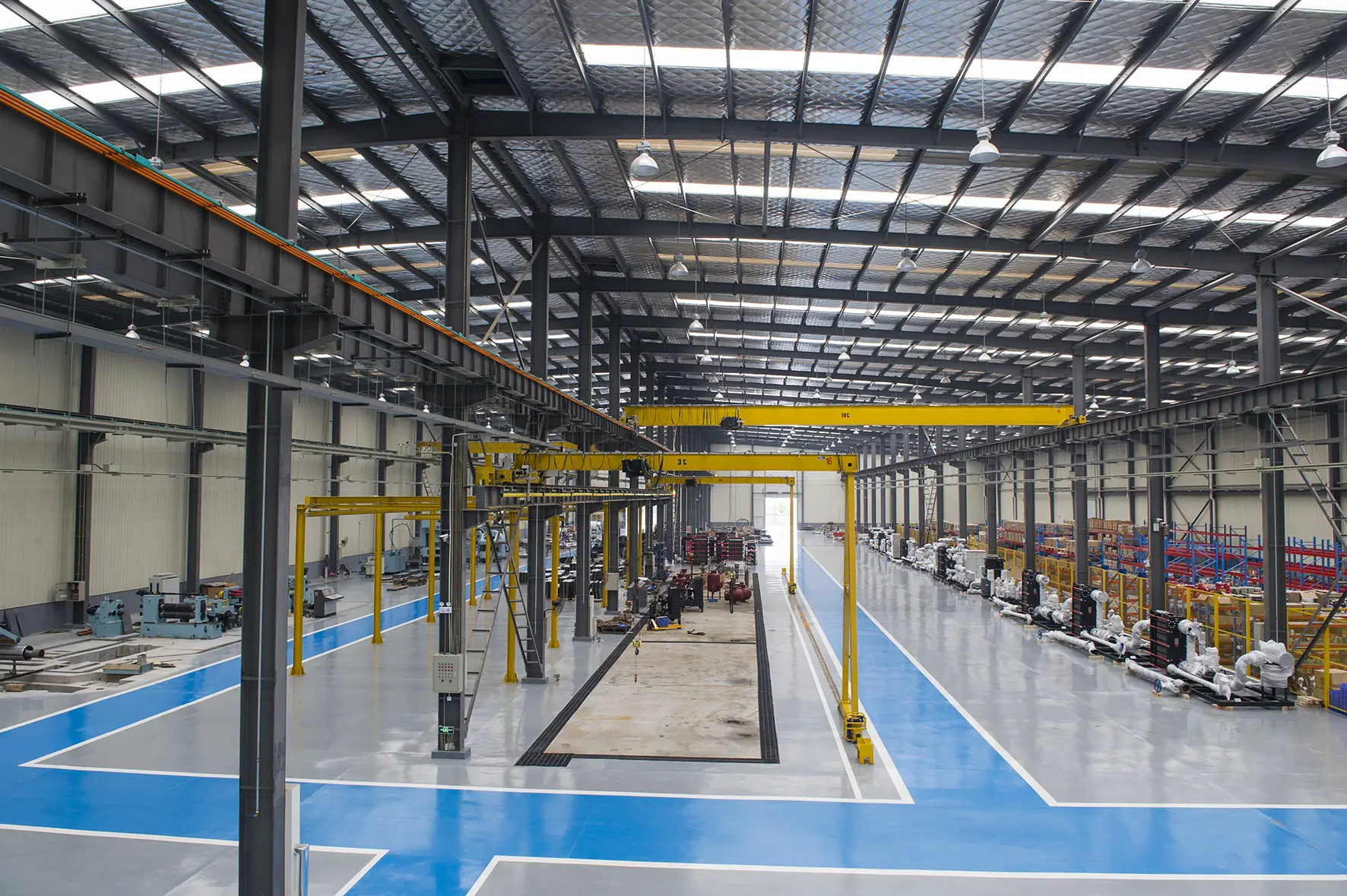
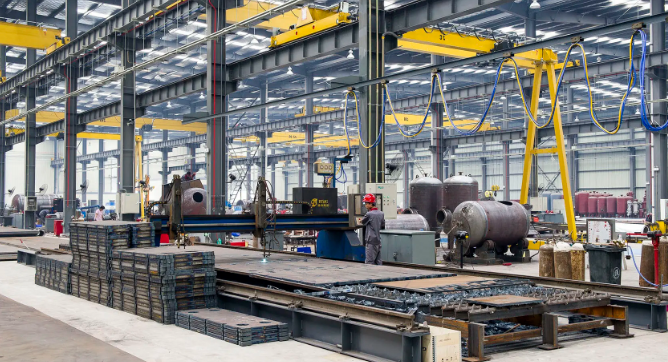
Flotte operates advanced machining and assembly workshops, utilizing high-precision hydraulic forming presses, laser cutting machines, and automatic welding robots to maintain consistent build quality. All technicians undergo rigorous safety and quality training, and we maintain an audit trail for all raw materials—including stainless steel plate coils and elastomers—to ensure traceability.
Flotte's R&D focus centers on optimizing thermal energy recovery and integrating smart controls to help industrial sites reduce carbon emissions.
We are expanding our MVR evaporation line, using mechanical compressors to compress secondary steam and reuse its latent heat. This process operates with electricity rather than fresh steam, reducing thermal energy requirements.
Integrating acoustic sensors and predictive analytics allows our smart systems to estimate scale thickness in real time. This enables maintenance teams to plan Cleaning-in-Place (CIP) cycles only when required, reducing downtime.
Using automated orbital welding and gas shielding allows us to manufacture heat exchangers with thin-gauge plates made from corrosion-resistant alloys, ensuring reliable heat transfer when processing aggressive chemical wastewater.
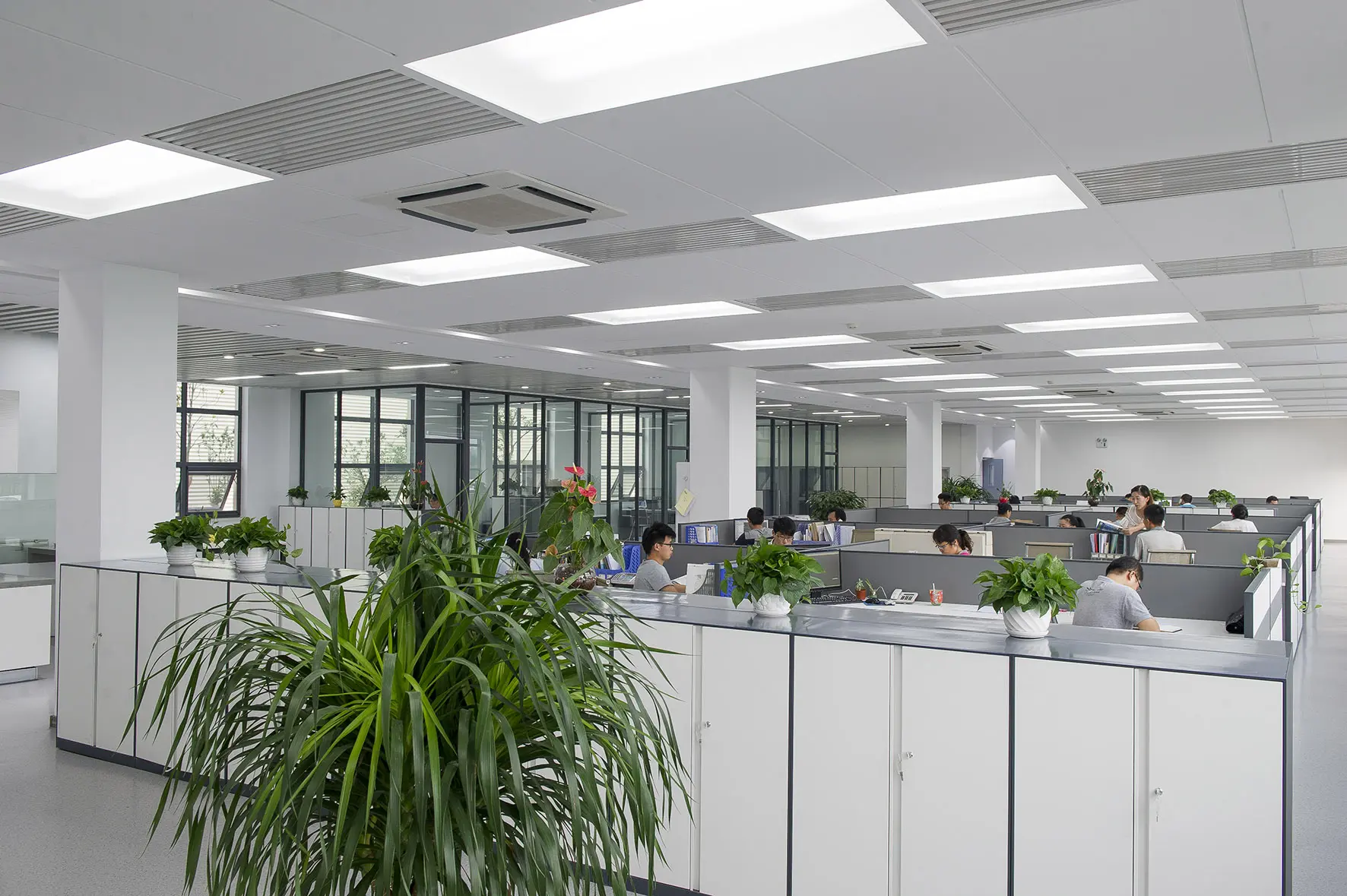
We support international buyers with comprehensive documentation, regulatory alignment, and logistical coordination for seamless deployment.
Flotte designs and manufactures pressure vessel systems in compliance with ASME Section VIII, EU Pressure Equipment Directive (PED) 2014/68/EU, and GB150 Chinese national standards. We handle third-party inspections and deliver complete design calculations, materials certificates, and hydrostatic test reports with each system.
Our engineering team manages transport packaging, ocean shipping documentation, and onsite installation support. With experienced field technicians and regional distributor partnerships, we provide fast startup assistance, troubleshooting, and replacement parts to keep your systems running smoothly.
Find answers to common engineering questions regarding the selection, operation, and maintenance of industrial heat exchangers and evaporators.
To design an efficient heat exchanger, our engineers need details on the wastewater composition (including chloride, sulfate, and organic levels), fluid viscosity, density, hot and cold side temperature profiles, target pressure drop limits, and flow rates. These specifications help determine the correct plate corrugation pattern, gasket elastomers (such as EPDM, NBR, or Viton), and plate metallurgy (316L, Titanium, or Hastelloy).
MEE systems operate by using the vapor generated in one evaporation stage (effect) to heat the wastewater in the next stage, which runs at a lower boiling pressure. This cascading process allows the system to evaporate multiple pounds of water for every pound of prime steam consumed, significantly lowering energy costs compared to single-effect evaporation systems.
We mitigate scaling through several methods: designing corrugated plate patterns that induce high-turbulence fluid flow to sweep surfaces clean, utilizing forced circulation in evaporators to keep liquid velocity high, and installing automated Cleaning-in-Place (CIP) systems that wash the heat exchange plates without requiring manual disassembly.
For high-chloride fluids (such as seawater or concentrated brines), standard 304 and 316L stainless steel are susceptible to pitting and stress corrosion cracking. In these applications, we recommend titanium (Grade 1 or Grade 11), Hastelloy C-276, or duplex stainless steels (such as SAF 2205 or SAF 2507) to ensure long-term durability and performance.
We build systems to comply with major global standards, including the ASME Boiler and Pressure Vessel Code (Section VIII, Division 1) with U-stamp registration, the European Union's Pressure Equipment Directive (PED 2014/68/EU) for CE marking, and China's GB150 standards. Each unit is tested and documented before shipment.
Review our complete equipment line, built to support zero-liquid discharge, energy recovery, and process water recycling goals.
 Flotte Energy