Direct supply from state-of-the-art Chinese engineering facilities. High-efficiency plate heat exchangers, concentration systems, and smart HVAC control units.
Heat exchangers are essential thermal management systems that facilitate the transfer of thermal energy between two or more fluids at different temperatures. According to basic thermodynamic law, energy moves naturally from a high-temperature zone to a low-temperature zone. However, executing this transfer with maximum efficiency, zero physical fluid mixing, and minimal pressure drop requires highly specialized structural geometries.
In our technical Heat Exchanger Working Principle PDF, we dissect the mathematical formulations governing modern convective heat transfer. The fundamental rate equation is represented as:
Where Q represents the heat transfer rate (Watts), U represents the overall heat transfer coefficient (W/m²·K), A is the heat transfer surface area (m²), and LMTD represents the Logarithmic Mean Temperature Difference. Our engineering methodology aims to maximize the coefficient U and optimize surface area A through patented plate chevron designs without causing excessive pressure drop (Δp).
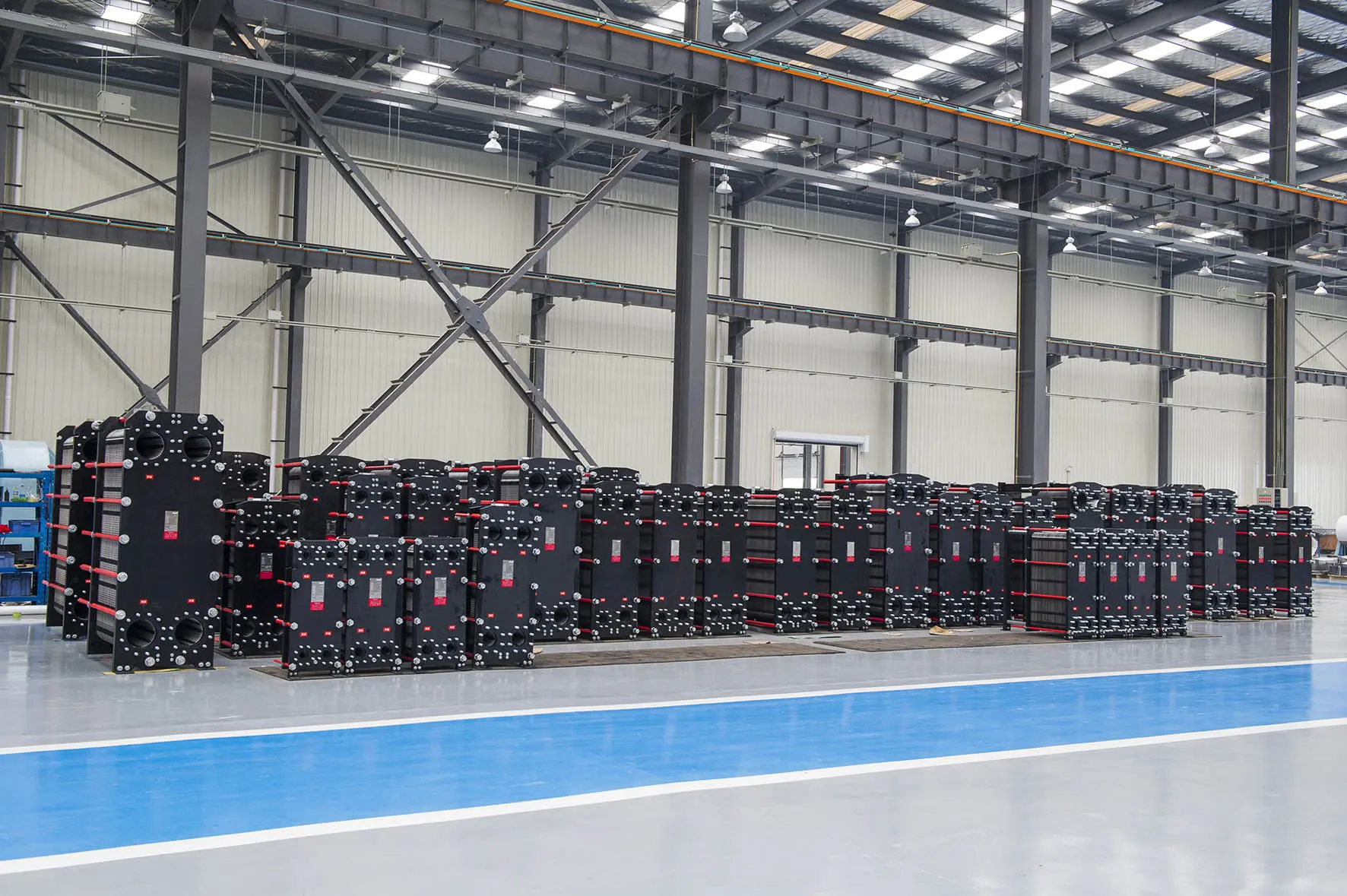
Analyzing the paradigm shift in industrial thermodynamic design towards AI-guided operations, intelligent flow optimization, and carbon-neutral thermal systems.
Integrating machine learning algorithms with Computational Fluid Dynamics (CFD) to predict micro-channel flow characteristics, mitigating dead-zones and fouling phenomena prior to physical stamping.
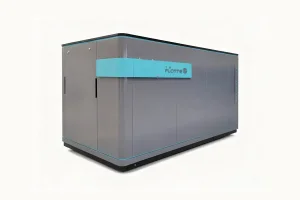
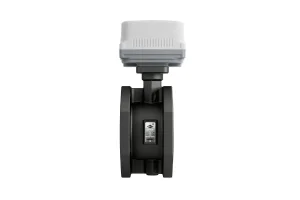
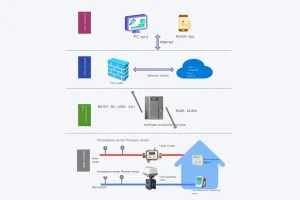
Moving from passive heat transfer to smart, self-regulating units. Utilizing integrated temperature collectors, network monitoring, and balance valves for real-time load matching.
Enabling waste heat recovery in heavy industrial processes. Re-routing low-grade thermal discharges back into the municipal utility network, slashing scope-1 greenhouse gas emissions.
Deploying robust thermal infrastructure across critical sectors to maximize operational uptime and thermal efficiency.
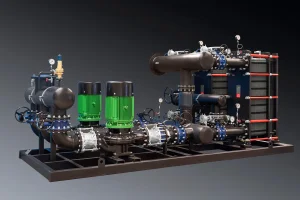
Urban density demands reliable, massive-scale heating solutions. Our heat exchanger units transfer municipal energy from deep primary grids into secondary domestic loops. Equipped with intelligent secondary balance valves and high-precision room collectors, these setups prevent heat imbalances and decrease overall boiler energy requirements by up to 30%.
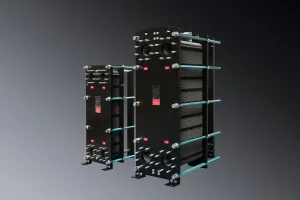
Strict hygiene standards require physical separation of media with zero risk of cross-contamination. Our detachable plate heat exchangers allow regular visual inspections and manual cleaning. We employ double-wall plates and food-grade EPDM/NBR gaskets that comply with FDA standards, allowing safe handling of pharmaceutical APIs and aggressive chemical reactants.
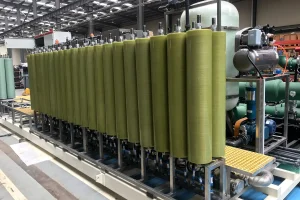
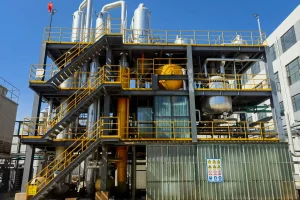
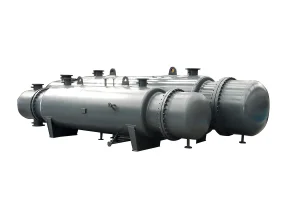
In highly regulated industries, waste liquid must be concentrated and filtered. Flotte's Multi-Effect Evaporators and Membrane Concentration systems work in unison to recover pure distillate, leaving behind crystalline solids. The integrated shell-and-tube exchangers utilize condensation thermal energy to preheat raw wastewater, maintaining self-sustaining, low-energy thermal loops.
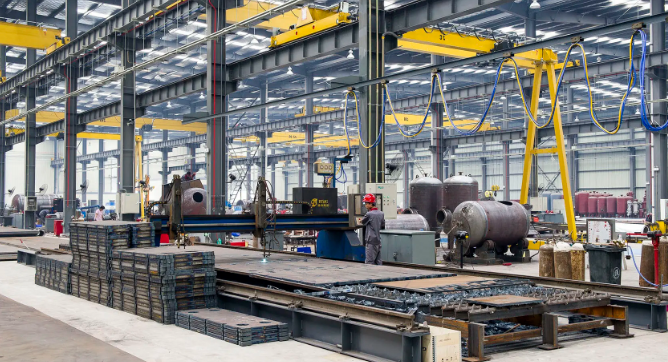
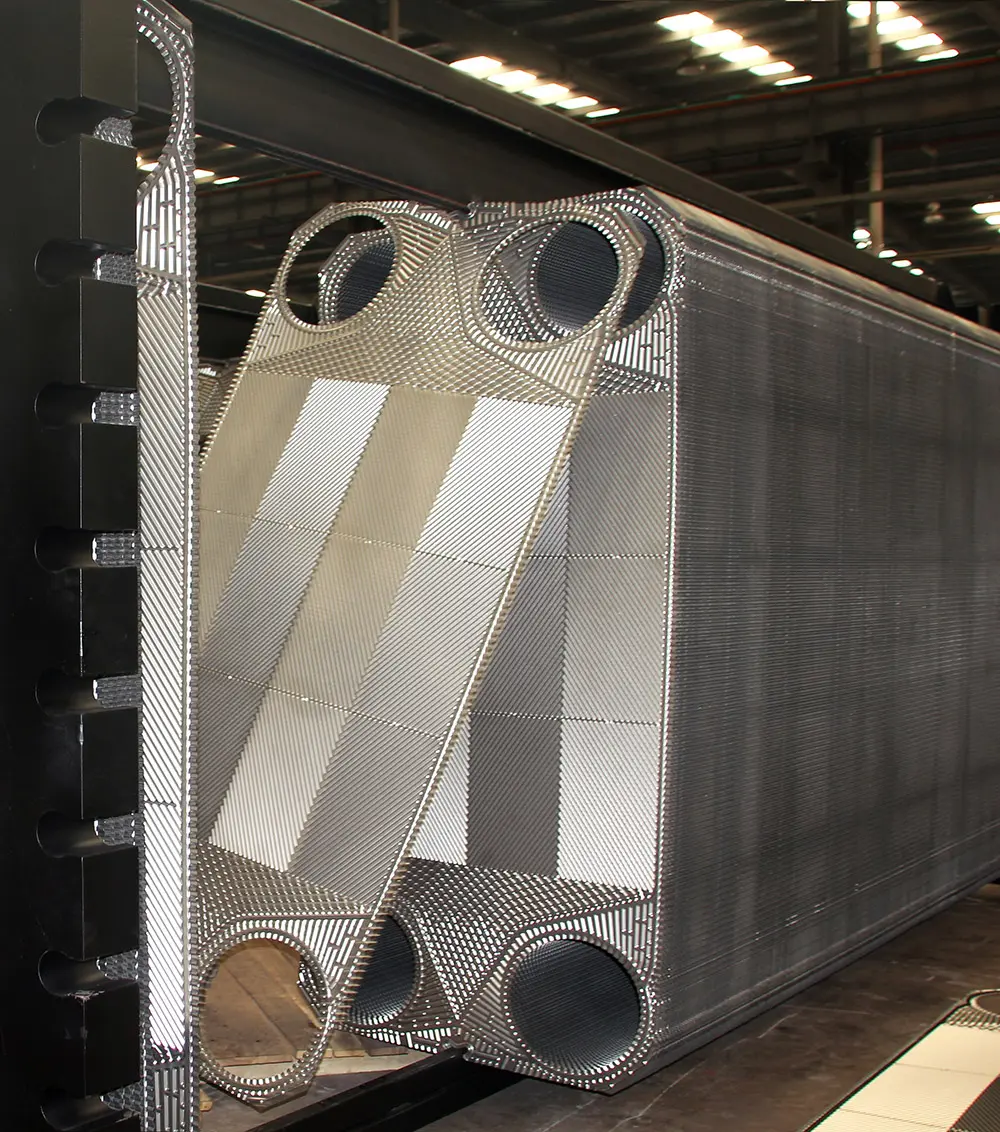
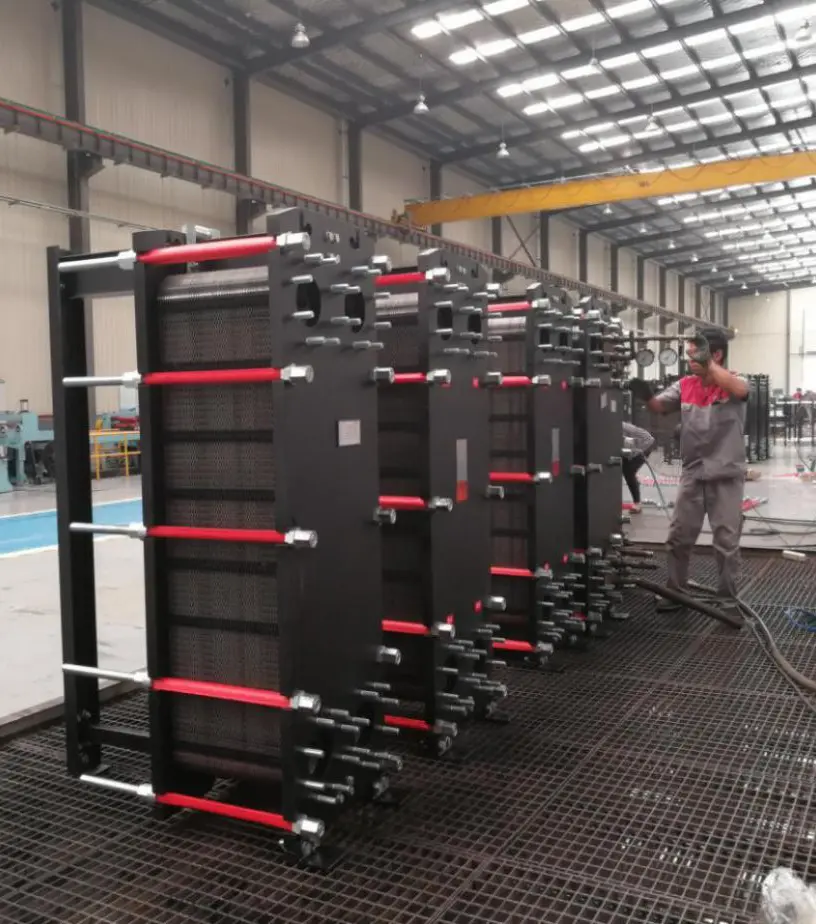
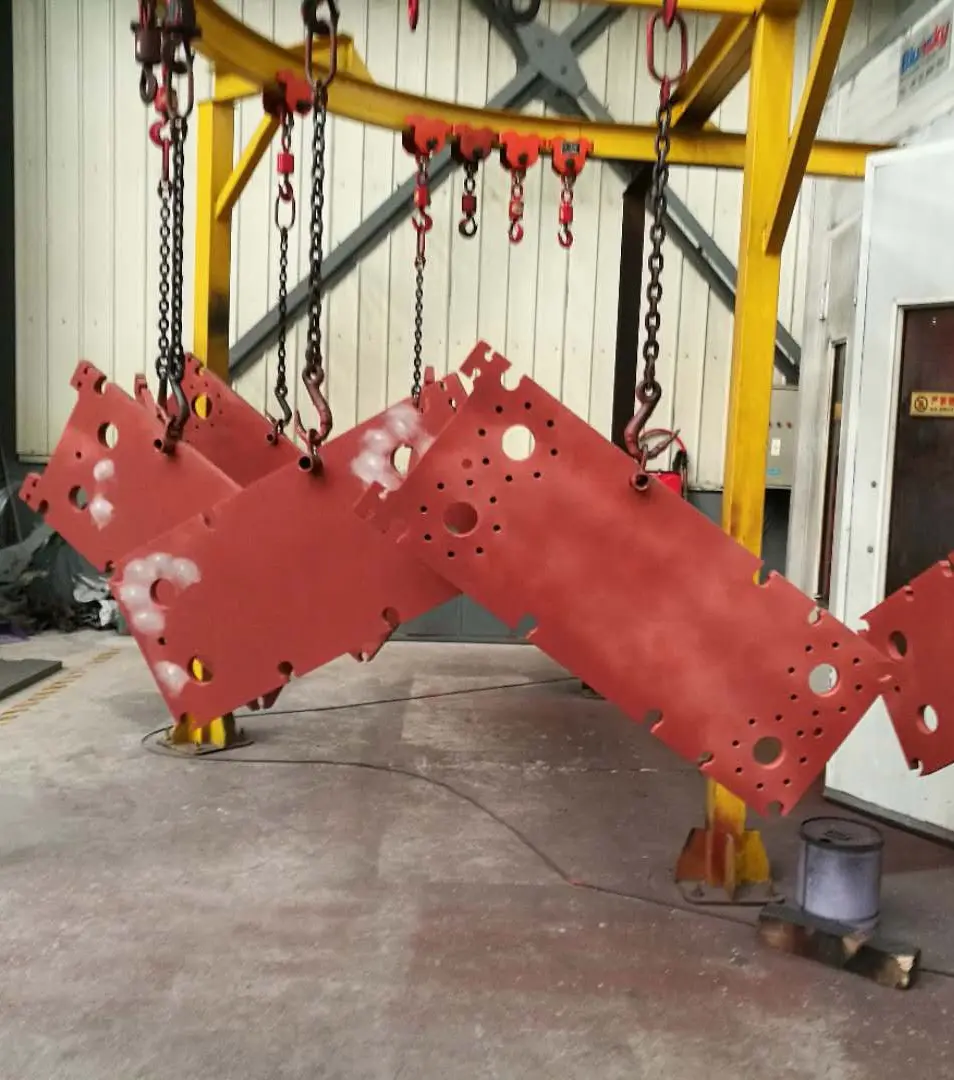
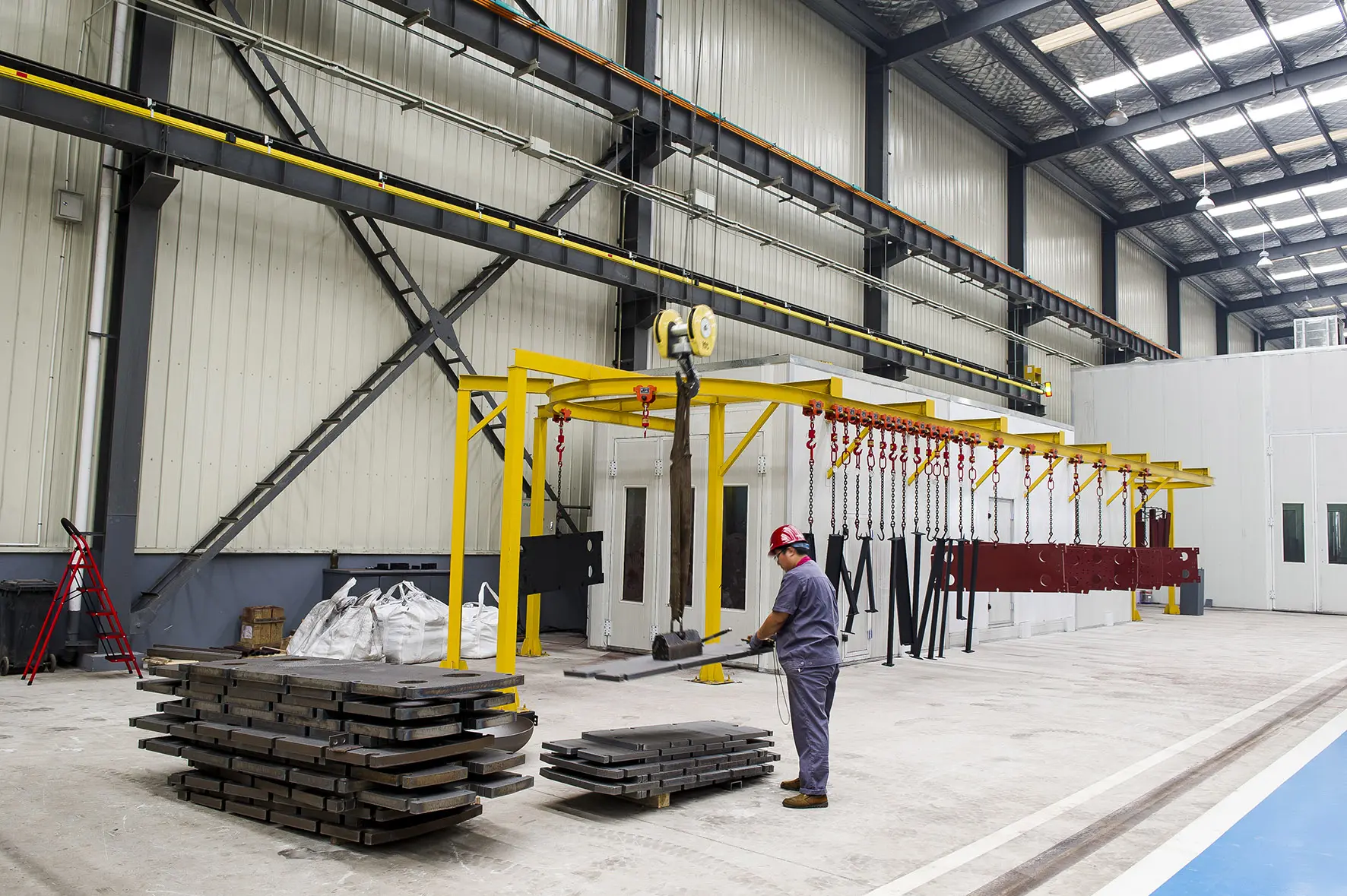
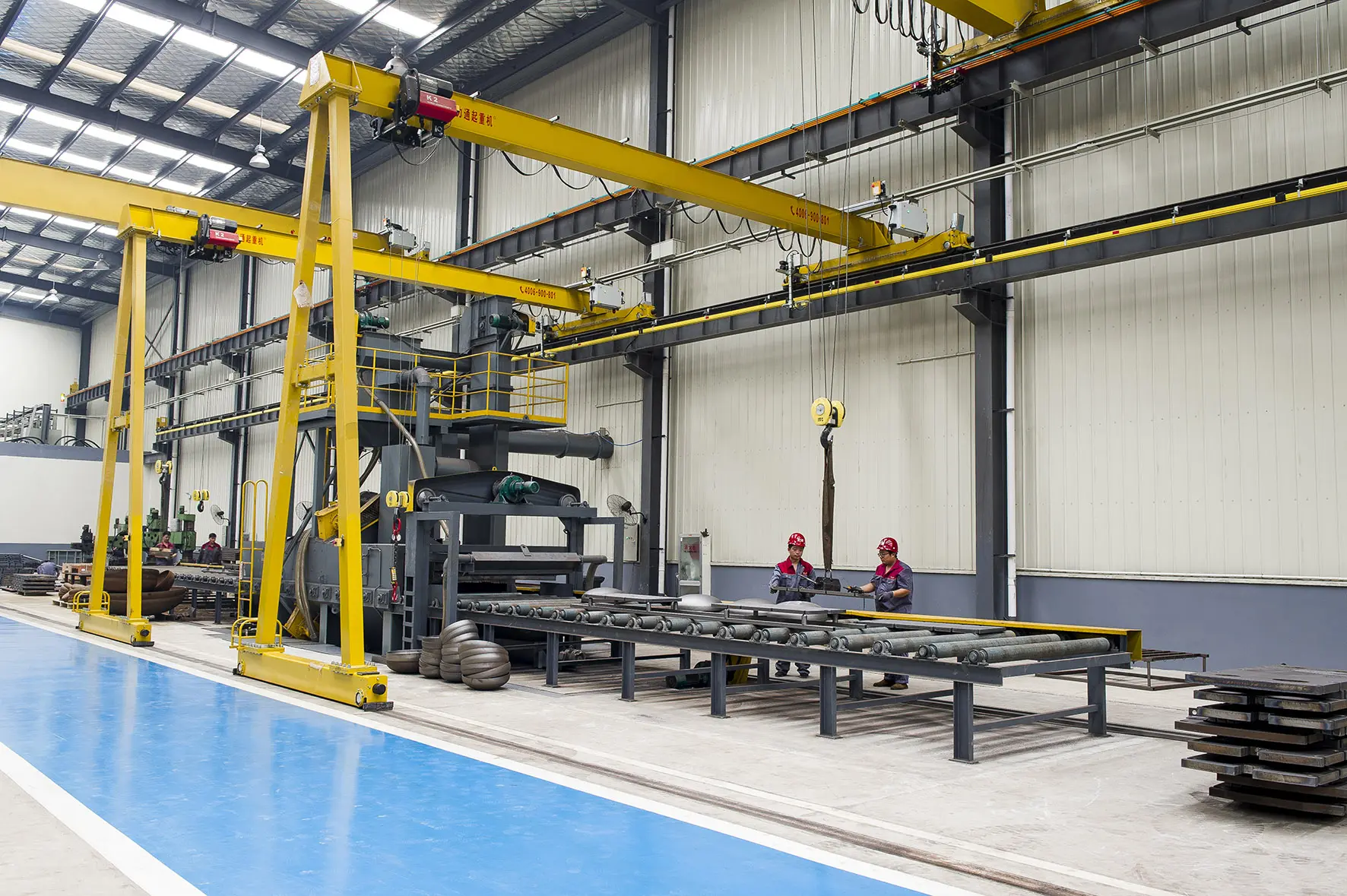
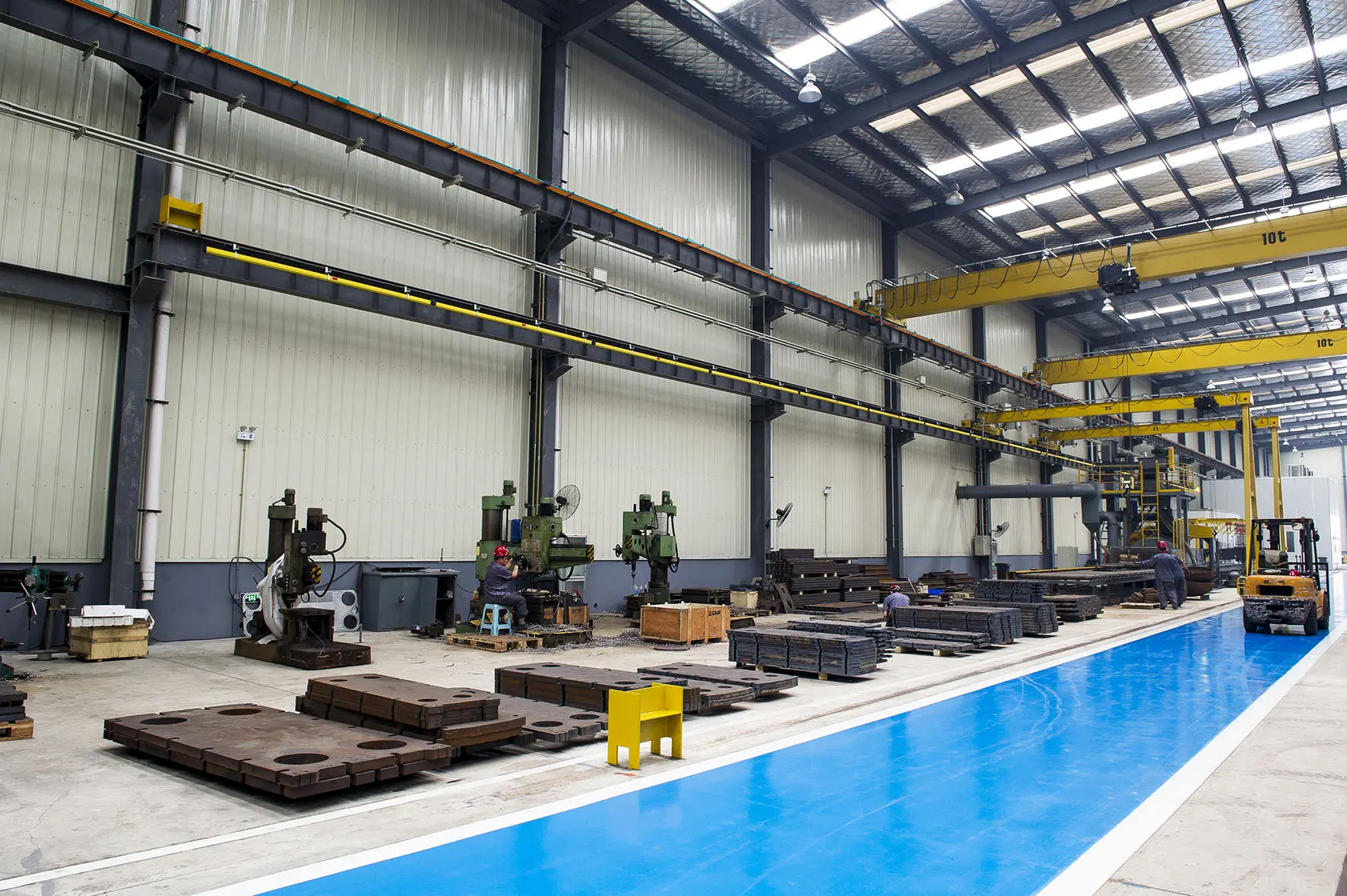
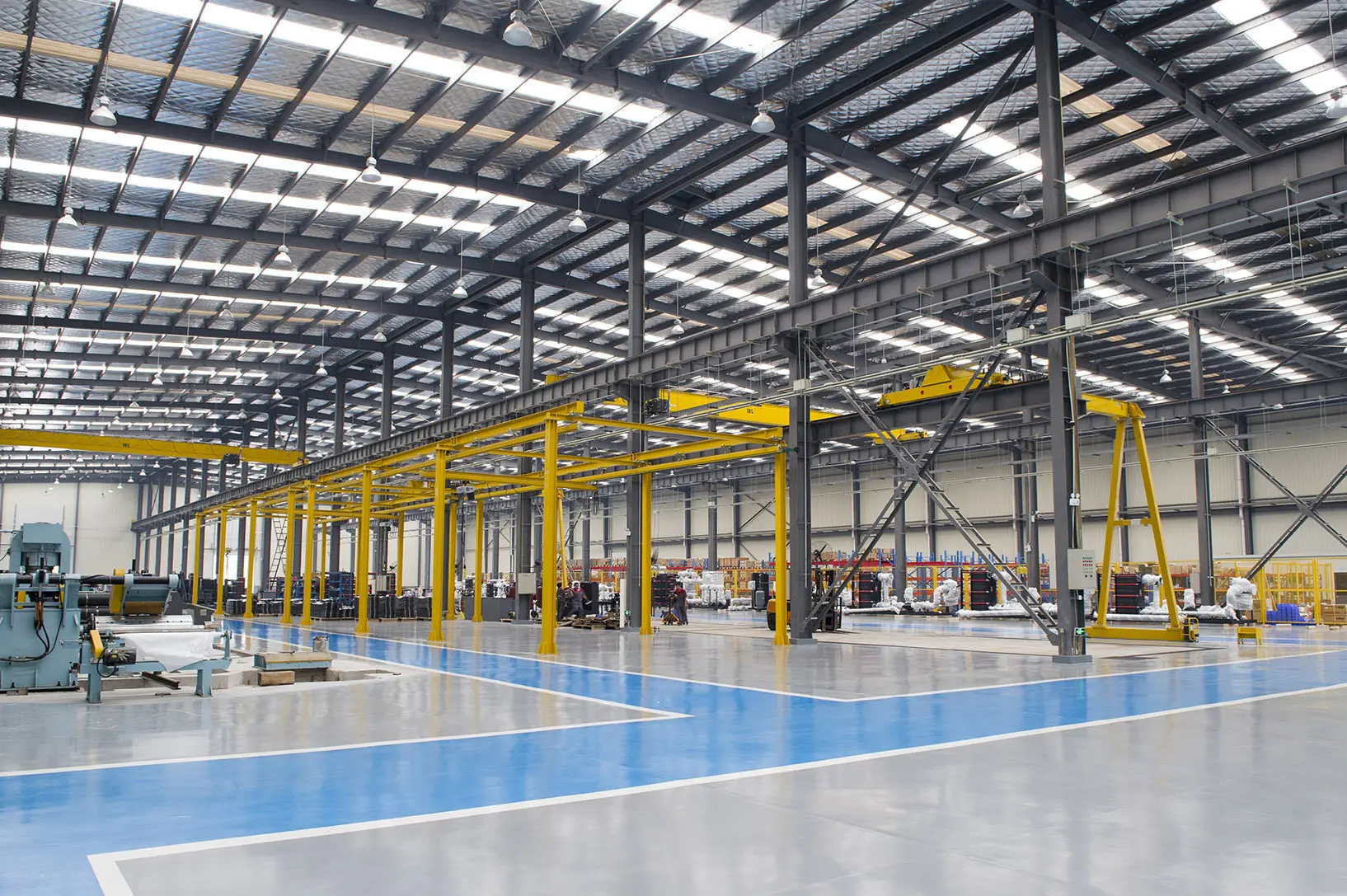
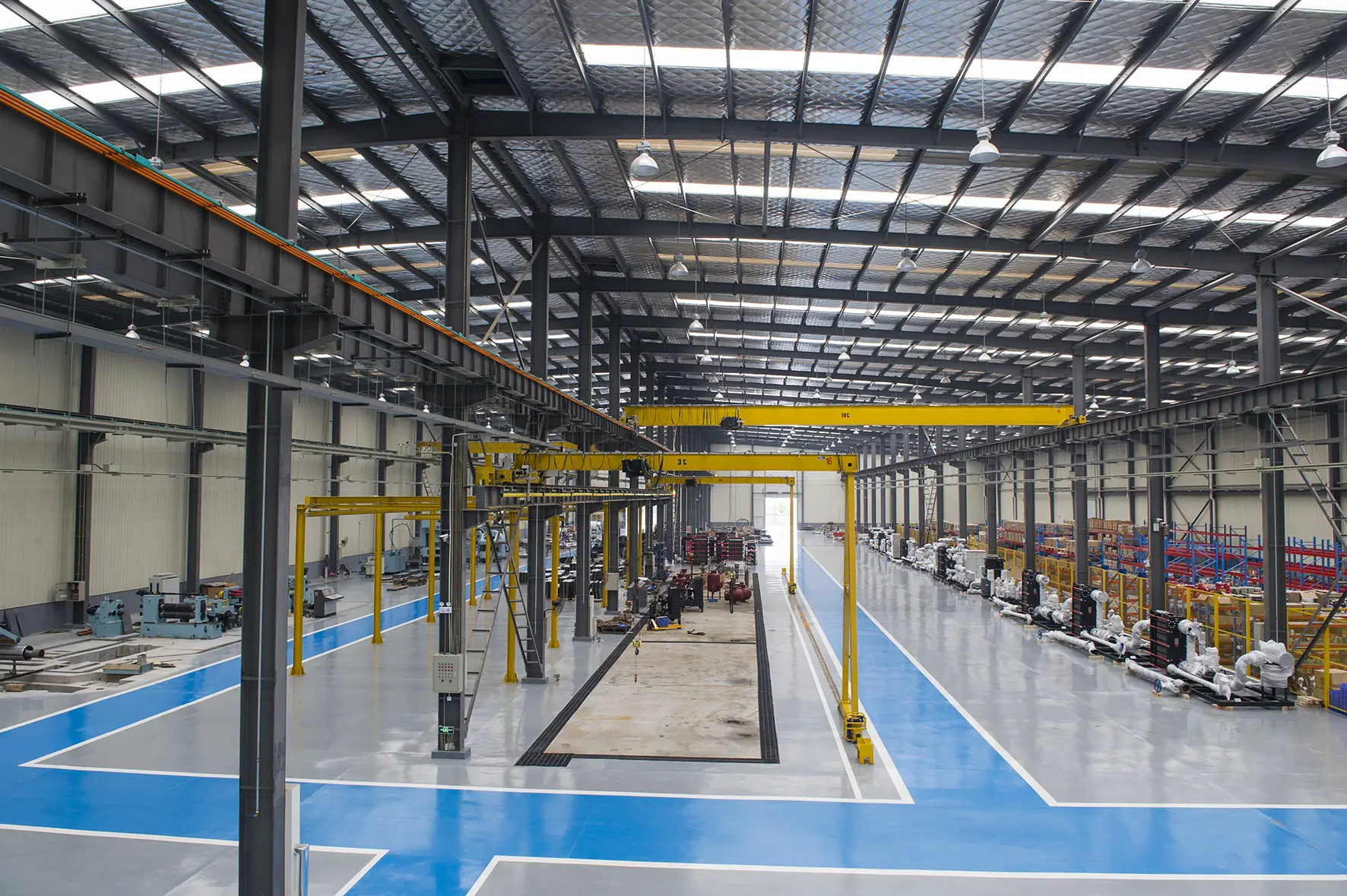
Our 70,000 m² state-of-the-art facility integrates advanced metallurgy, robotic fabrication, and automated pressure testing to ensure quality consistency.
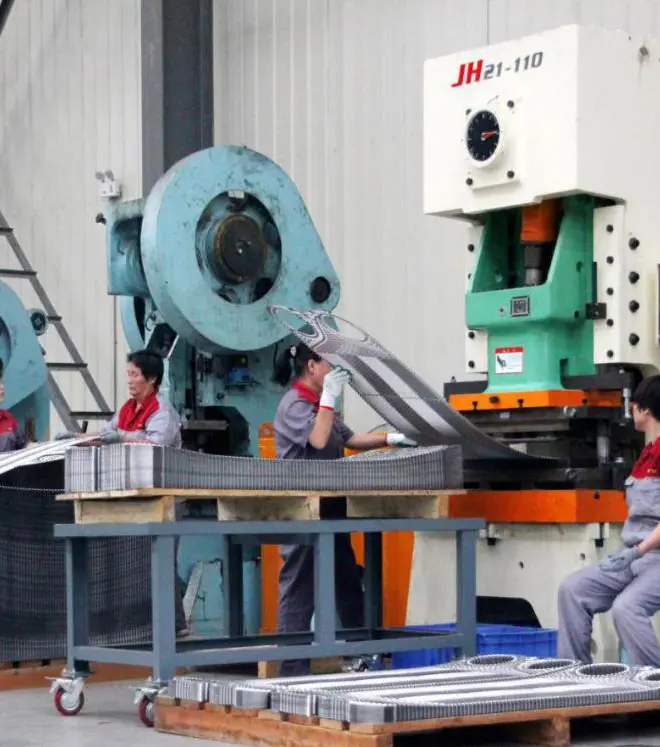
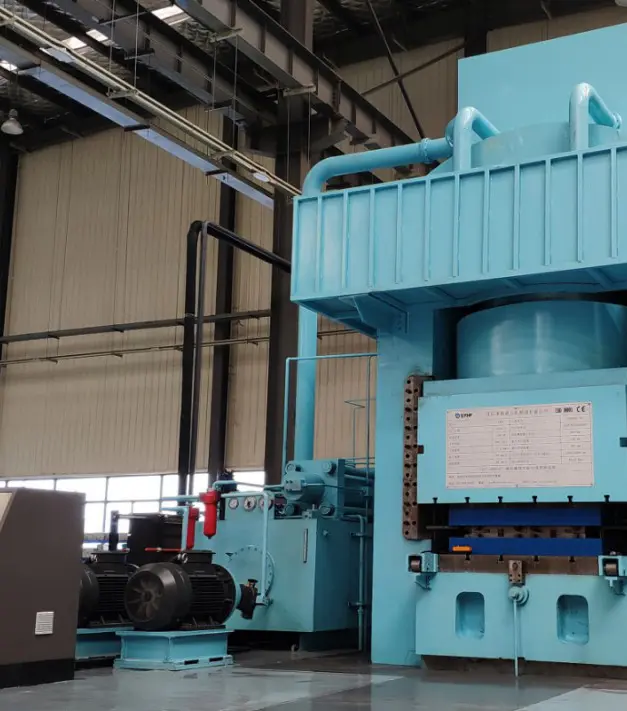
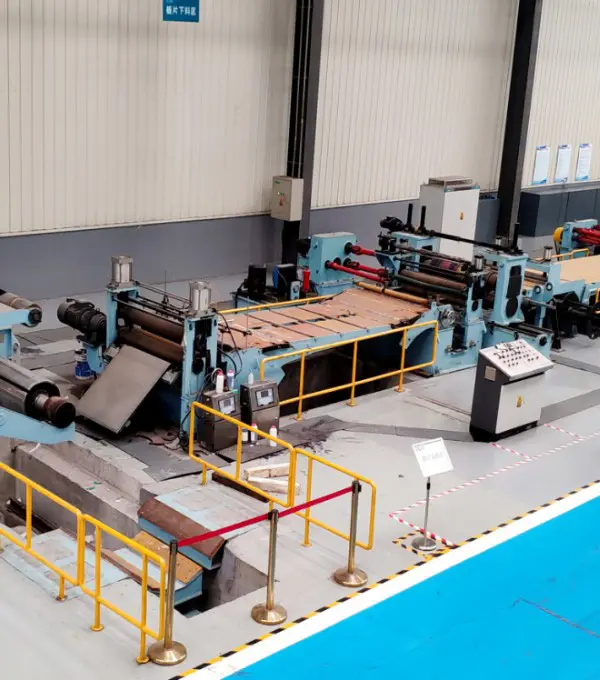
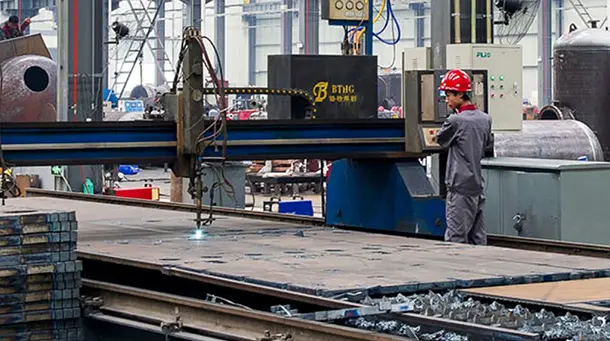
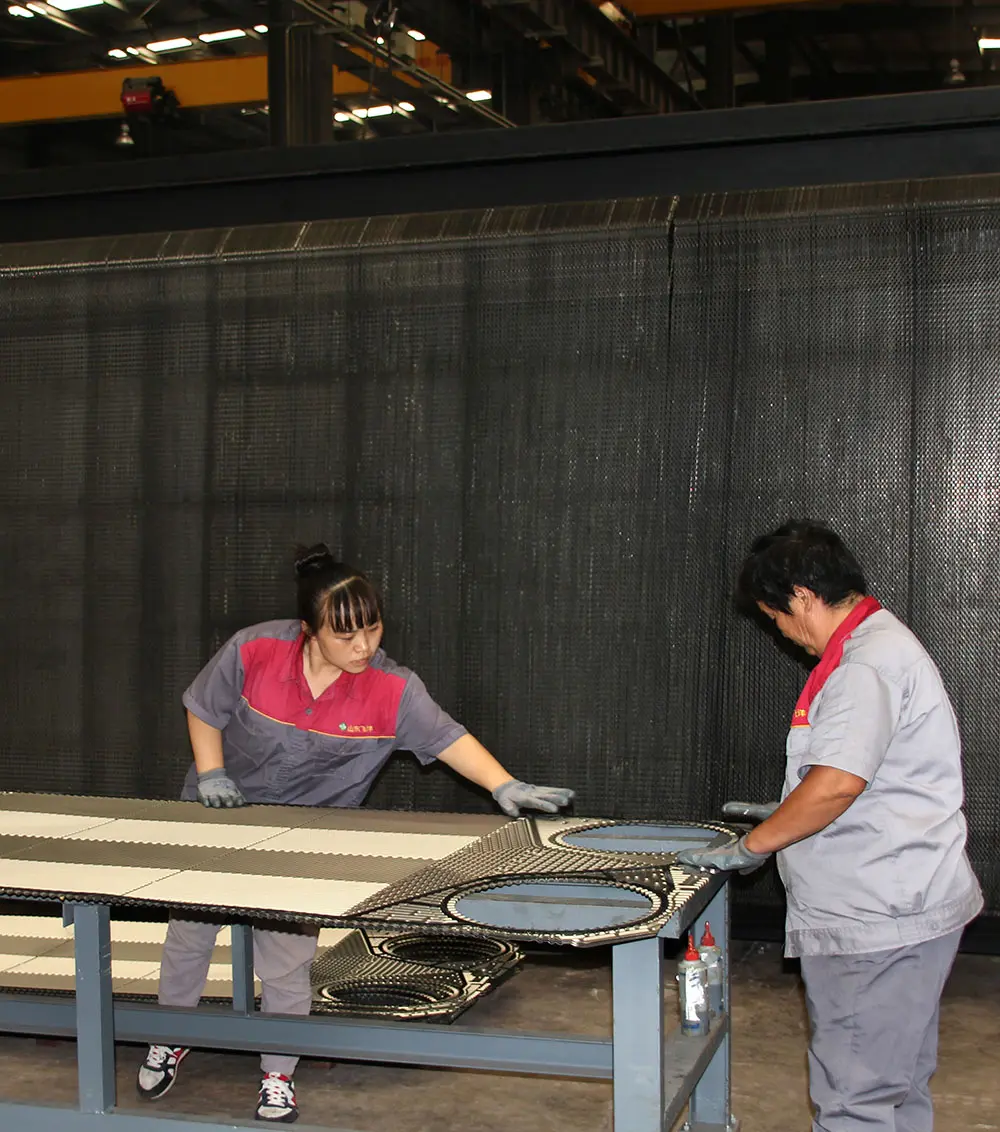
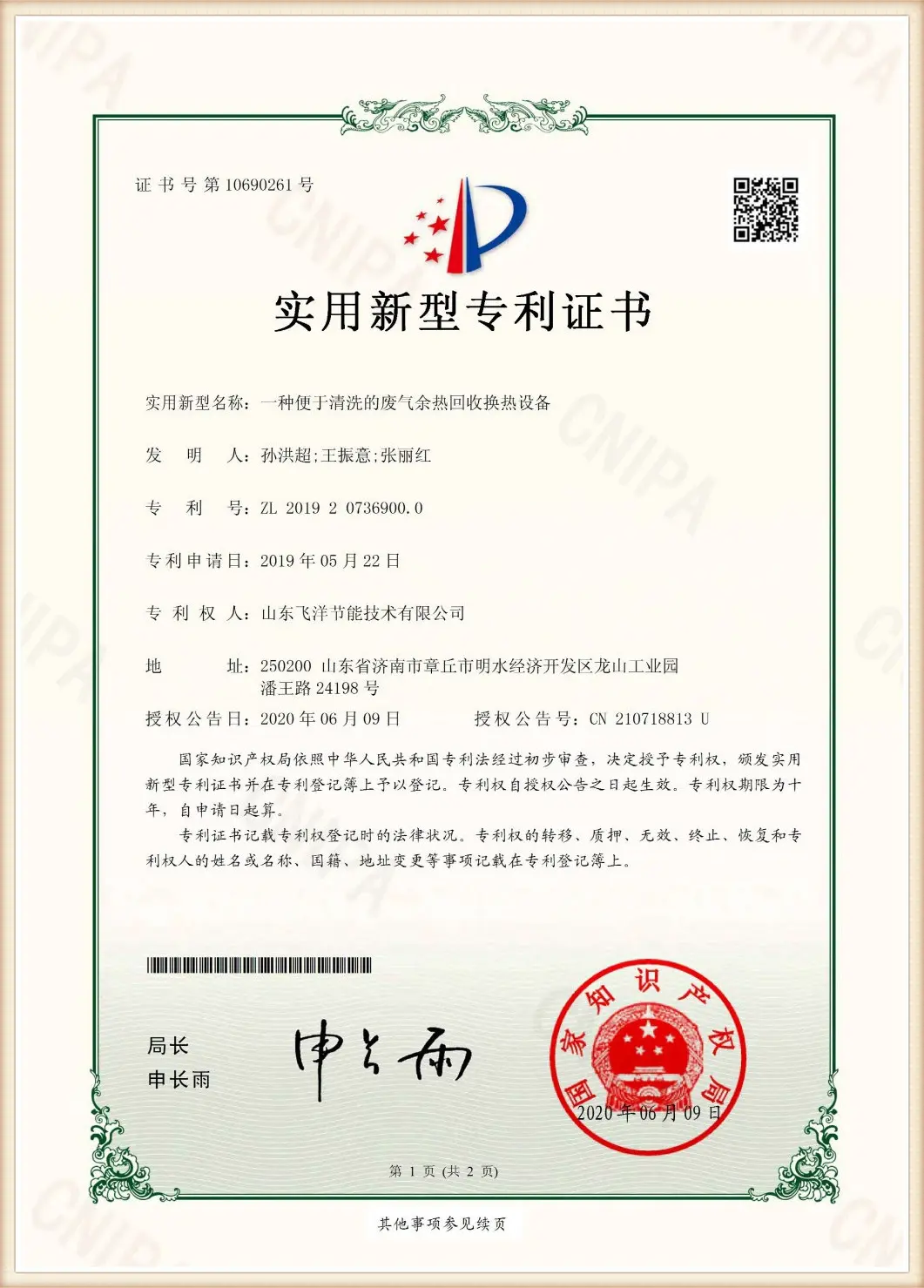
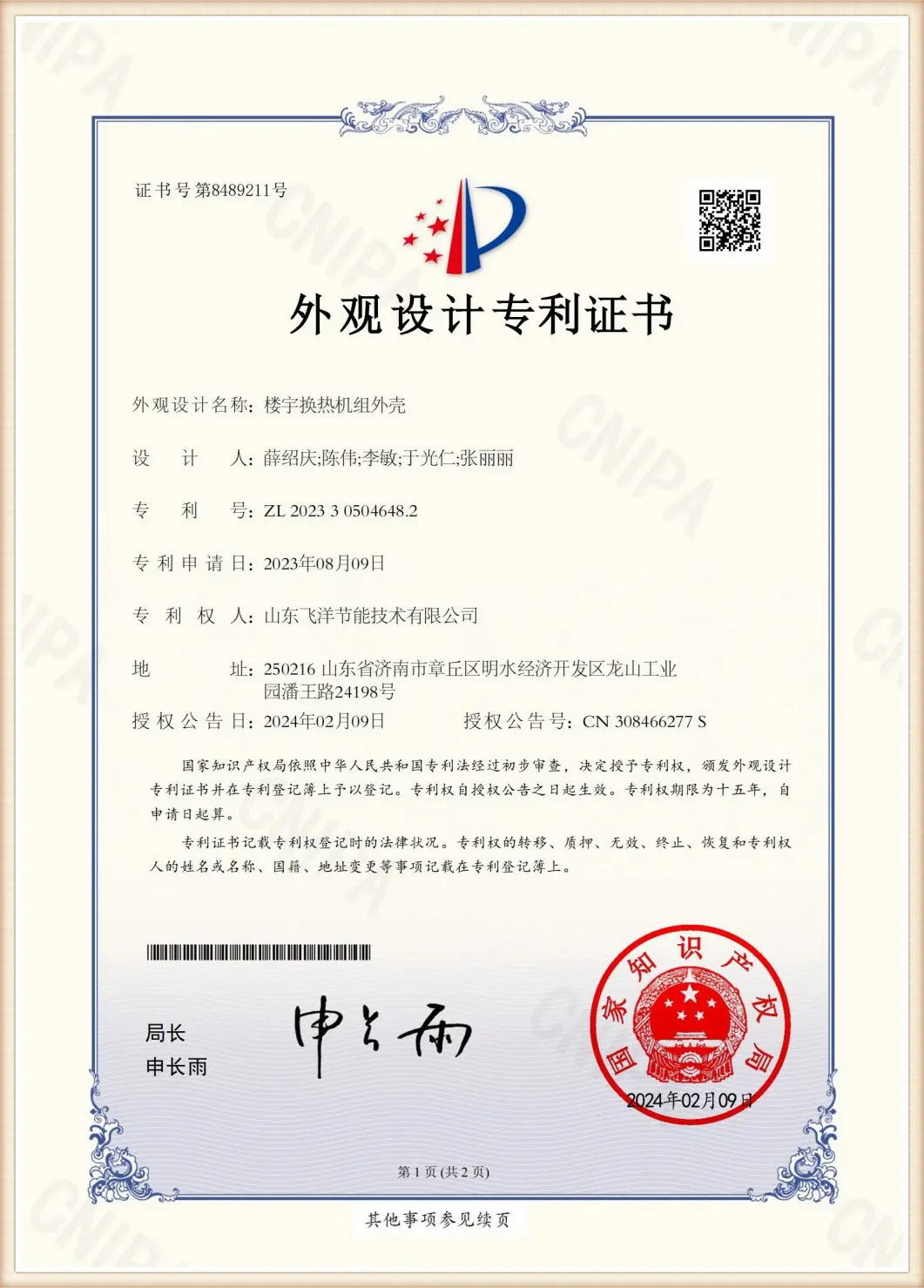
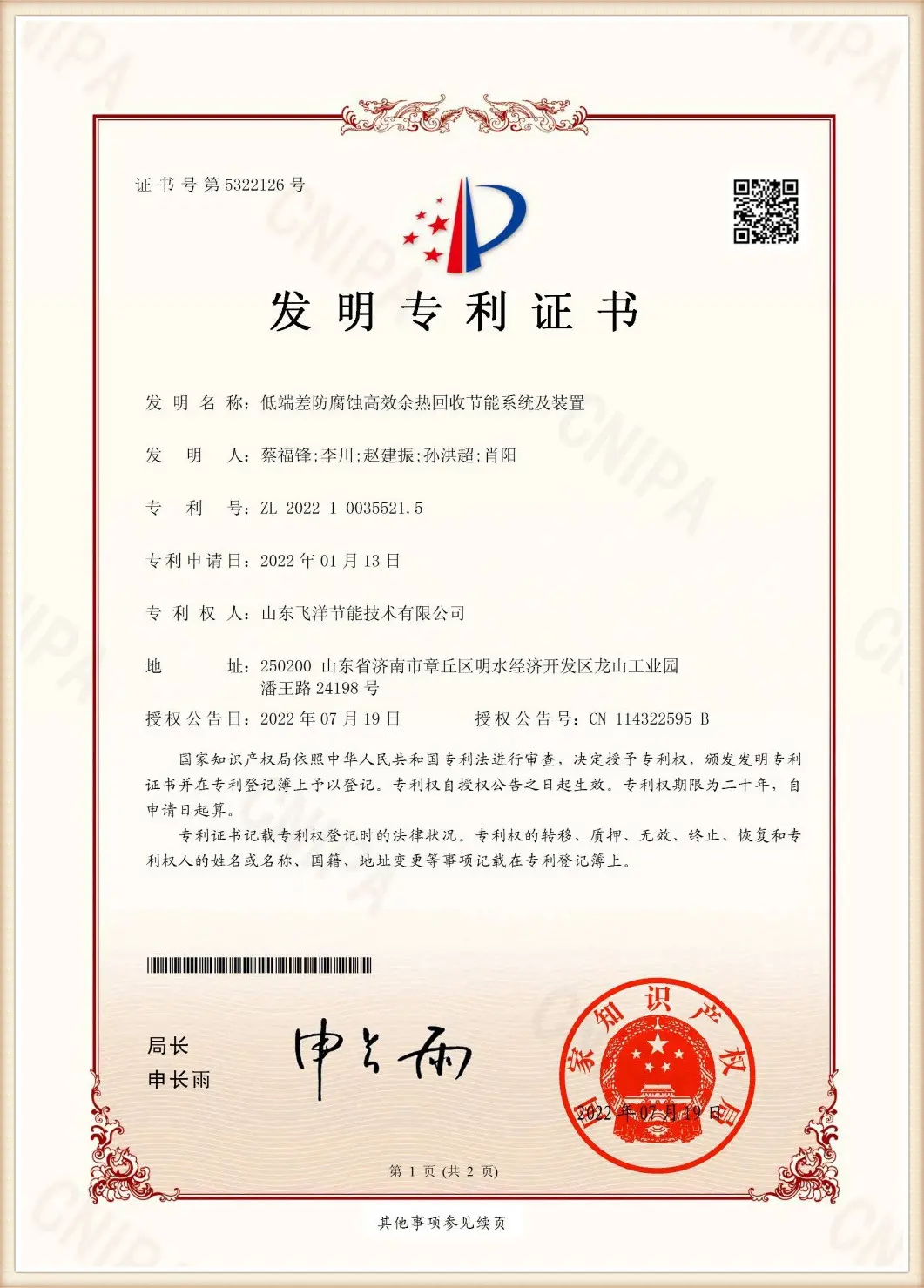
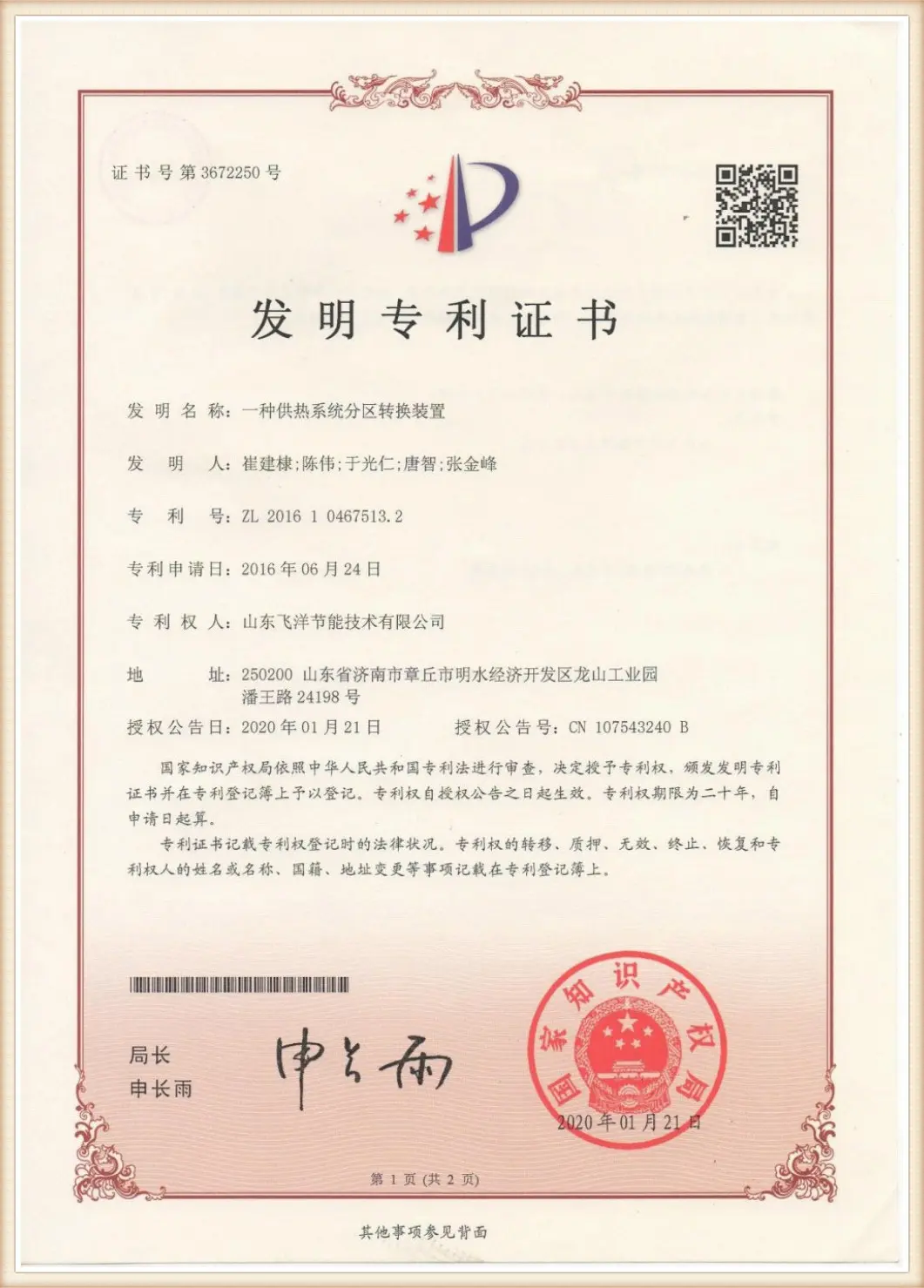
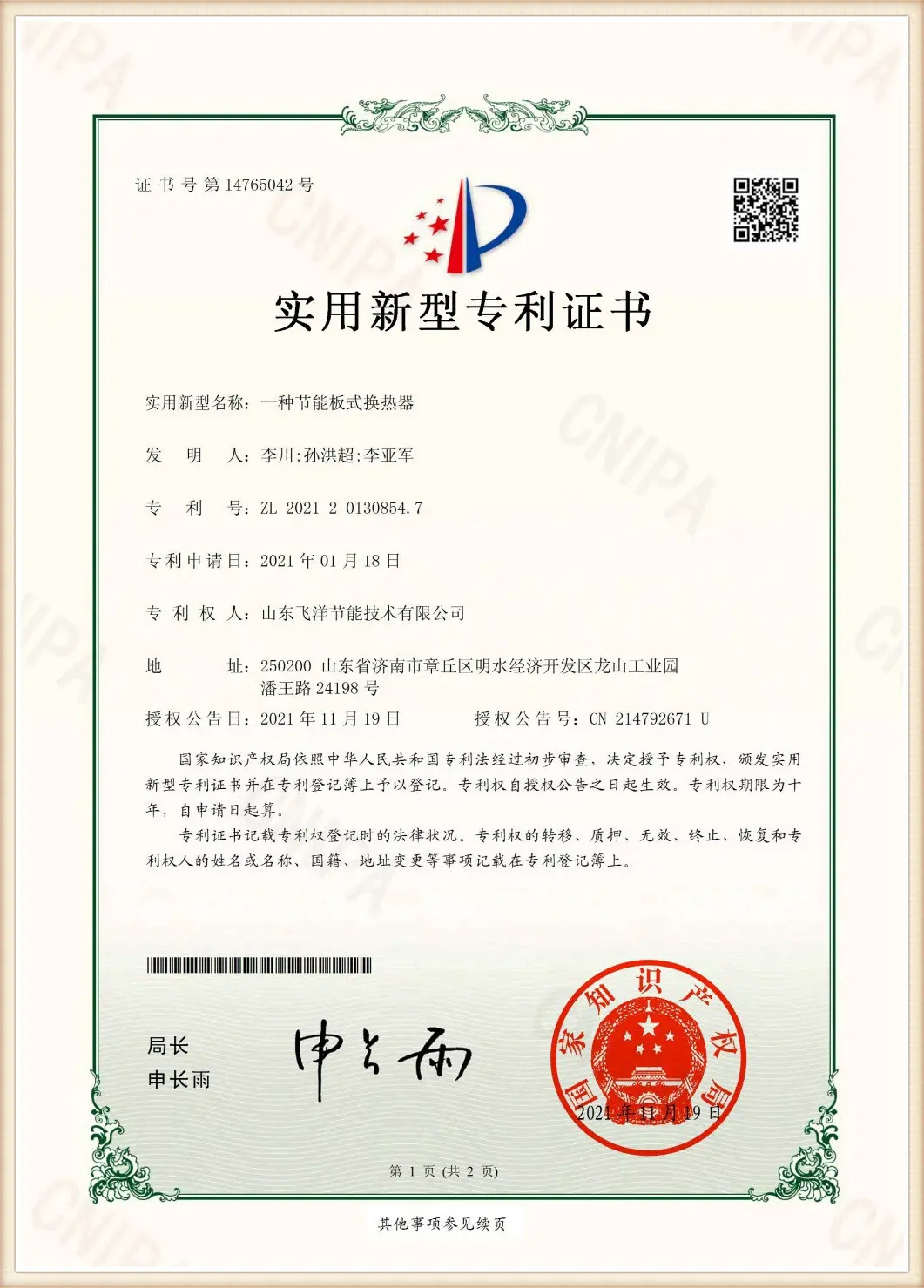
Flotte holds mandatory quality standards, including safety registrations for pressure vessel manufacturing and ISO certifications.
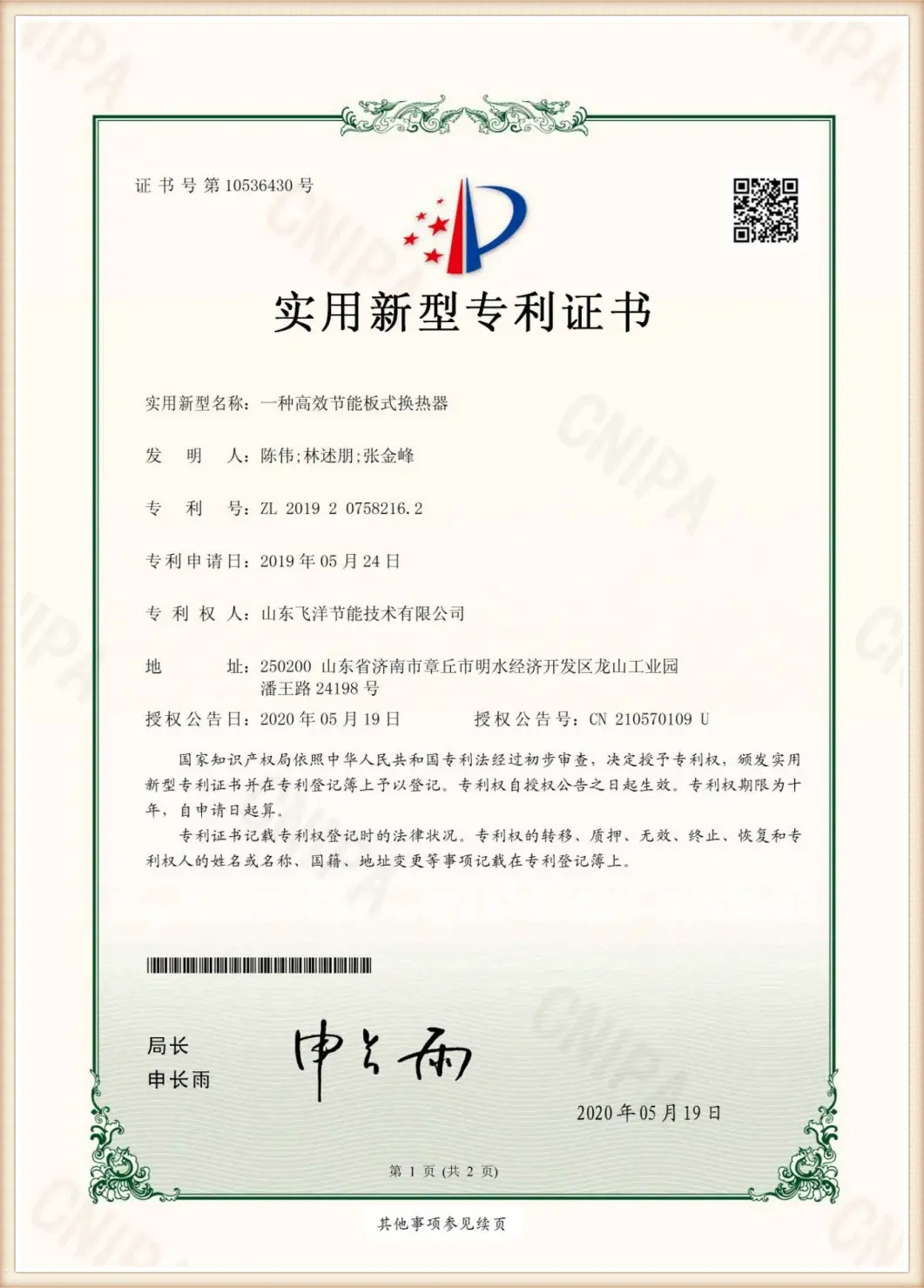
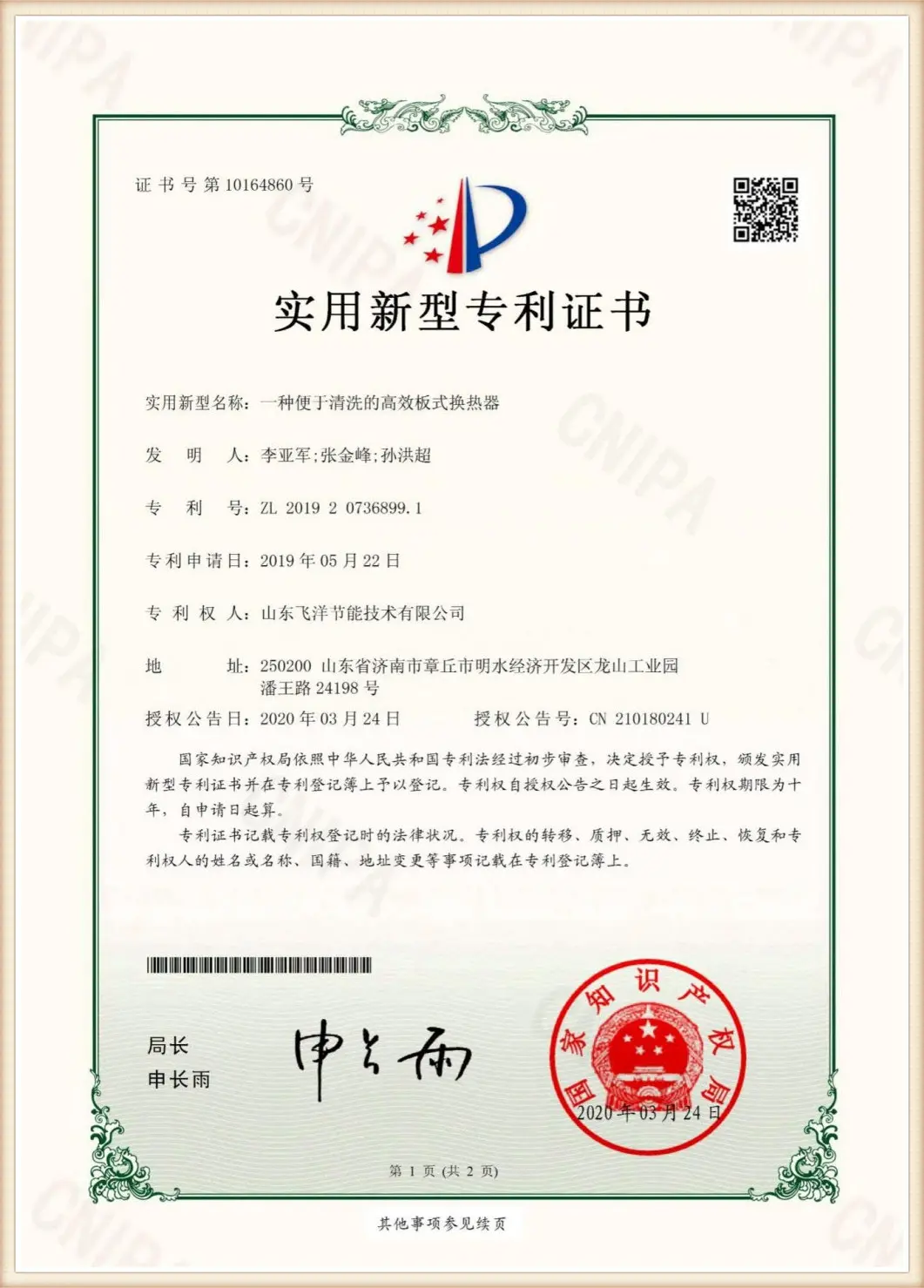
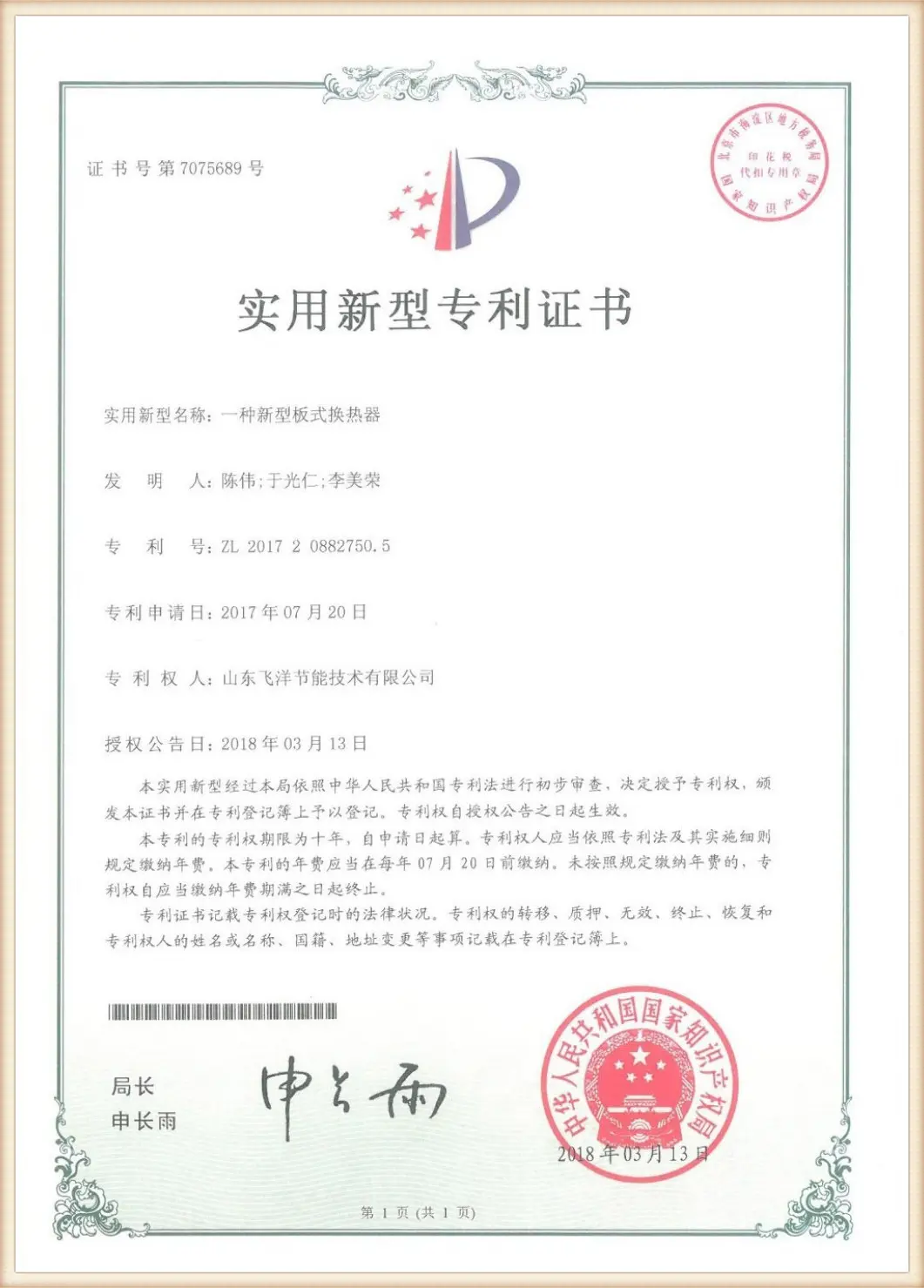
Ensure your request for quote (RFQ) addresses essential technical specifications. Below is the primary operational framework required by EPC contractors.
| Technical Parameter | Standard Values / Selection Range | Application Engineering Impact |
|---|---|---|
| Plate Materials | Stainless Steel 304, 316L, Titanium Gr1, Hastelloy C-276, Nickel 200/201 | Dictates corrosion resistance, acid/alkali tolerance, and material longevity. |
| Gasket Materials | NBR (Nitrile), EPDM (Ethylene Propylene), Viton/FKM (Fluorocarbon) | Controls operating temperature range (-50°C to 180°C) and chemical compatibility. |
| Design Pressure | PN6, PN10, PN16, PN25, PN40 (Custom pressure ratings on request) | Determines clamping plate thickness and mechanical integrity under hydraulic surge. |
| Chevron Pattern Angle | High Theta (Blunt angle), Low Theta (Sharp angle), Mixed chevron models | Balances heat transfer rate against pressure drop to match pump horsepower. |
| Design Certifications | ISO9001:2015, ISO14001:2015, ISO45001:2018, ASME Boiler Section VIII | Ensures full legal compliance with municipal building codes and safety boards. |
Take an inside look at our manufacturing centers, where heavy hydraulic press lines shape the metals that drive international thermodynamics.



Answers to common questions regarding engineering calculations, maintenance, and product customization.
The chevron pattern pressed onto stainless steel plates forces incoming liquids to constantly change direction. This generates turbulent flow even at low flow rates, keeping the convective boundary layers thin. A high chevron angle increases turbulence and the heat transfer coefficient (U), but also results in a higher pressure drop.
Gasket selection depends on operating fluid, temperature, and pressure. EPDM is standard for hot water, steam, and mild chemicals up to 150°C. Nitrile (NBR) is suited for non-synthetic oil and water applications up to 110°C. For corrosive chemical media or higher temperatures, Viton/FKM gaskets are recommended.
Detachable designs use a frame and tightening bolts, allowing easy disassembly for cleaning or maintenance. This style is ideal for fluids prone to fouling, scaling, or crystallization. Additionally, the heat transfer surface area can be modified by adding or removing plates if thermal demands change.
Our scale removal device introduces localized hydrodynamic pulses that weaken mineral buildup on the plates. Combined with optimized flow distribution, this reduces the need for manual chemical CIP (Clean-In-Place) procedures, keeping thermal performance stable over longer periods.
Yes. Low ambient temperatures and thin air at high altitudes affect HVAC system design. We calibrate sizing calculations by adjusting the LMTD and using high-precision sensor packages to ensure stable heat distribution and prevent freezing risks.
All pressure vessels must comply with local safety guidelines, such as CE-PED for the European Union or ASME Section VIII for North America. Flotte products are manufactured in ISO-certified plants and can be custom-tested to meet international design codes.
Complete your facility setup with our line of smart sensors, pressure-regulating stations, and evaporation units.
 Flotte Energy