In modern industrial process engineering, the performance of thermal management hardware is ultimately evaluated by a single critical metric: the overall Heat Transfer Coefficient (commonly denoted as U or k-value).
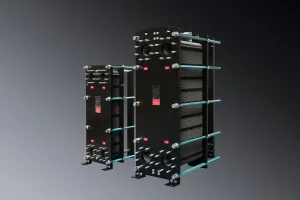
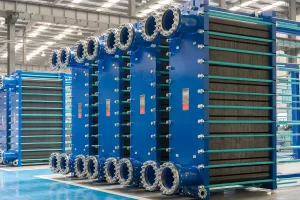
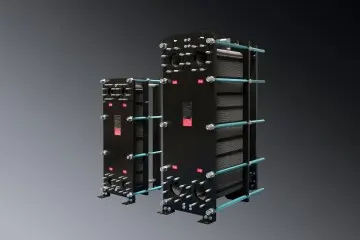
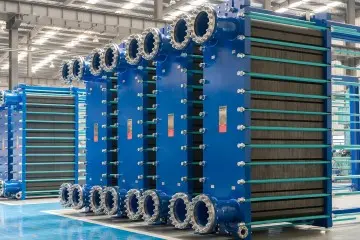
Maximizing the overall heat transfer coefficient within plate heat exchangers (PHE) requires an intricate equilibrium of fluid mechanics, structural metallurgy, and surface topography. In contrast to conventional shell-and-tube models, plate heat exchangers route process fluids through dense pathways bordered by thin metal barriers. This configuration results in extremely low hydraulic diameters ($D_h$), which triggers rapid turbulence at low Reynolds numbers.
By designing specific wave vectors, chevron geometries, and pressing depths, manufacturers can adjust boundary layers and convective coefficients on both the warm and cool circuits. Optimized configurations elevate thermal performance to levels 3 to 5 times greater than shell-and-tube systems. This technical approach forms the core of Flotte’s thermal systems, helping global enterprises reduce energy usage and improve operational efficiency across demanding industries.
Years of Engineering Experience
Dedicated Engineering Specialists
Annual Production Volume
State-of-the-Art Factory Footprint
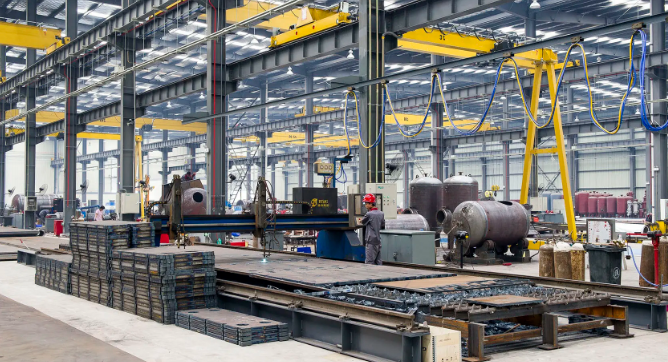
Established in 2013 with a registered capital of 101 million yuan, Flotte Energy Saving Company builds upon the foundation laid by Flotte Thermal Engineering in 1995. With three decades of technical expertise, our organization has established itself as a leading name in water equipment, HVAC systems, and water treatment industries.
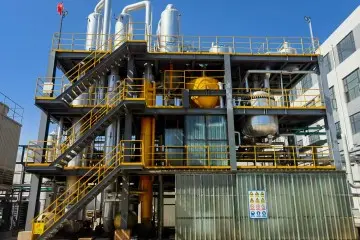
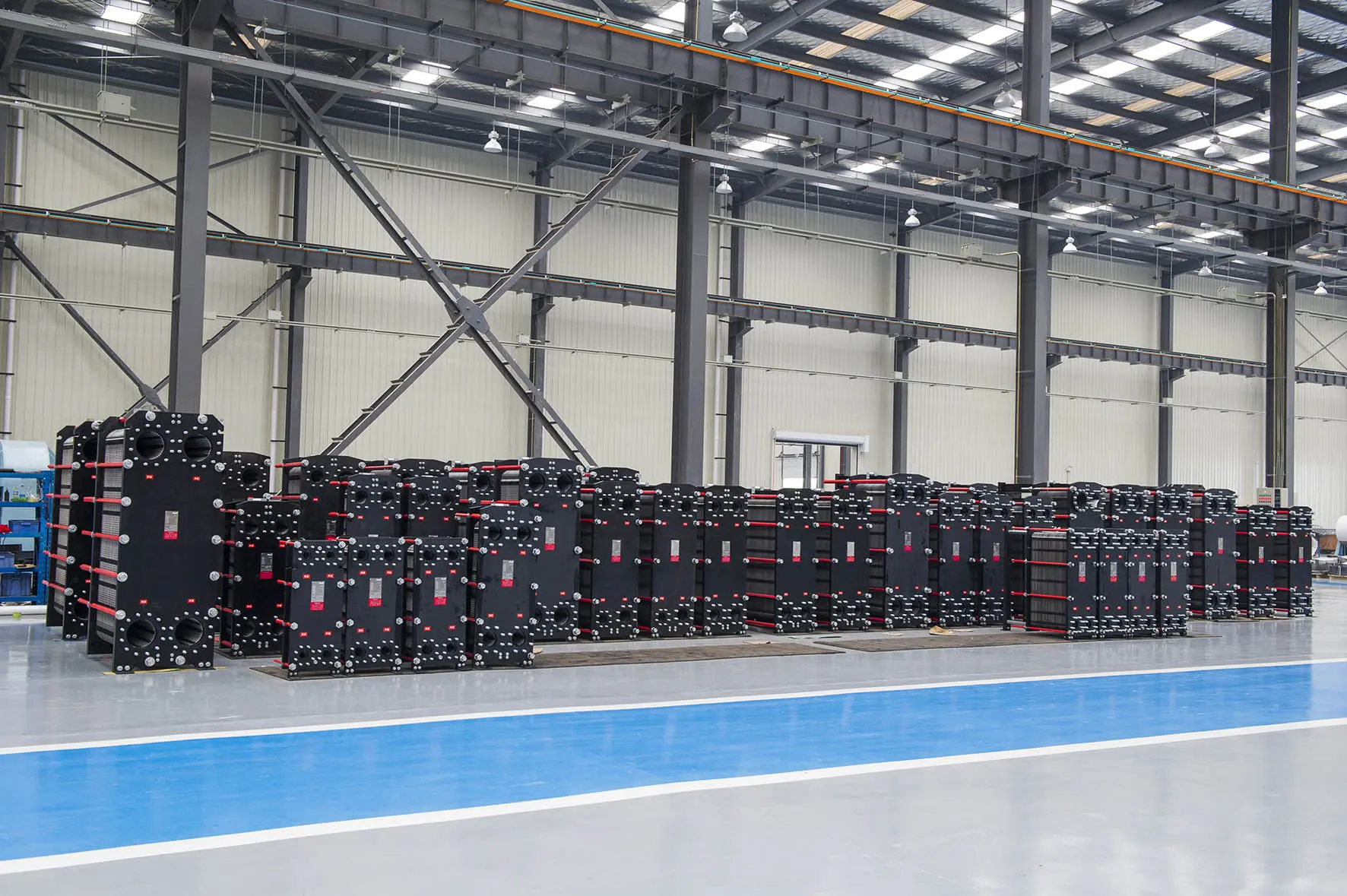
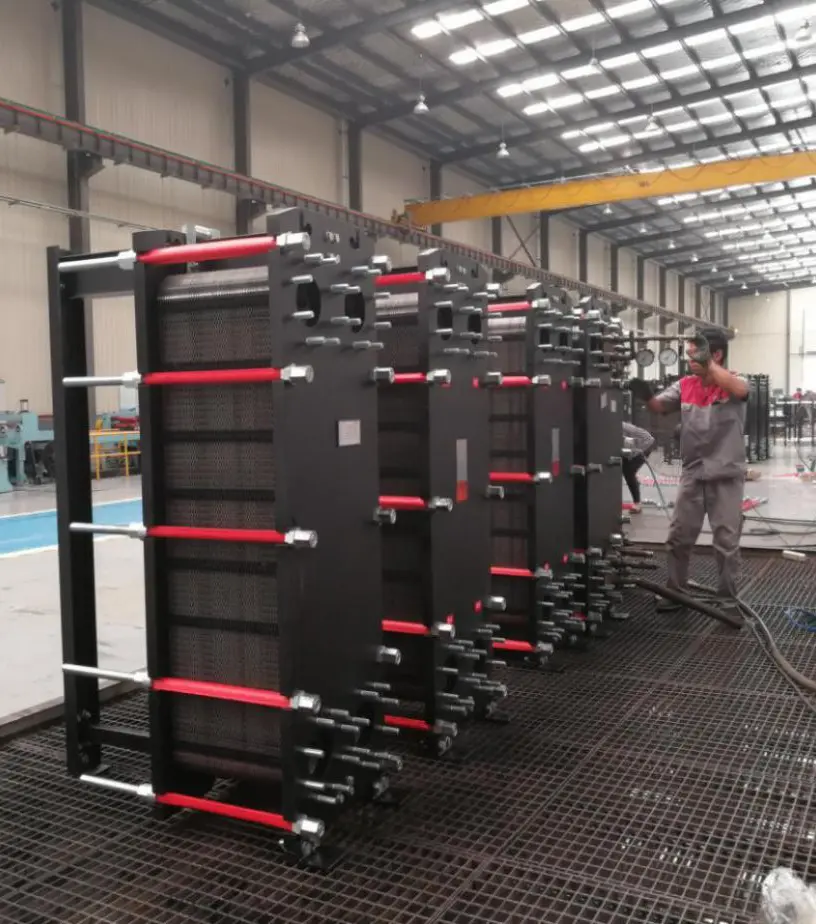
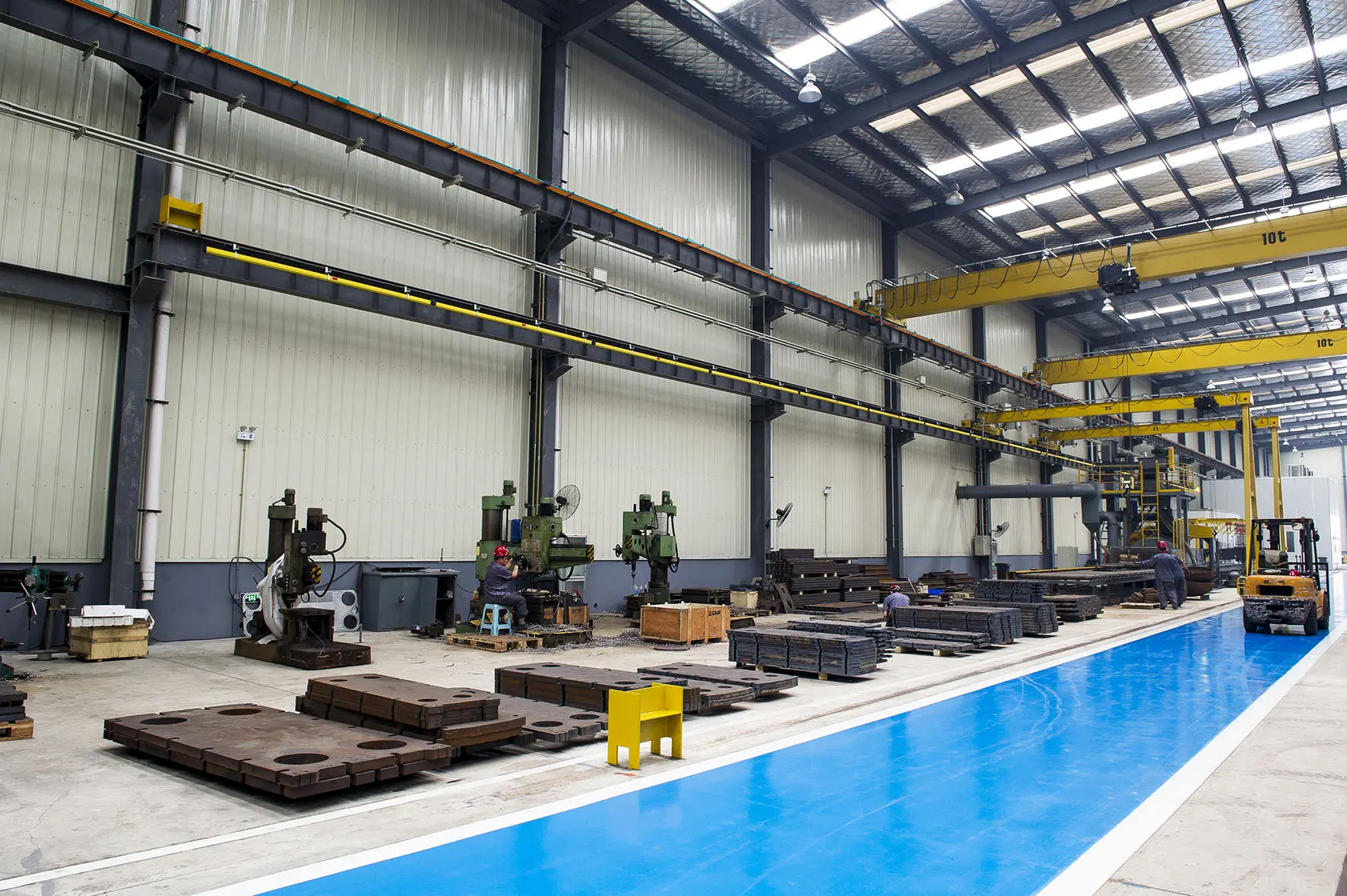
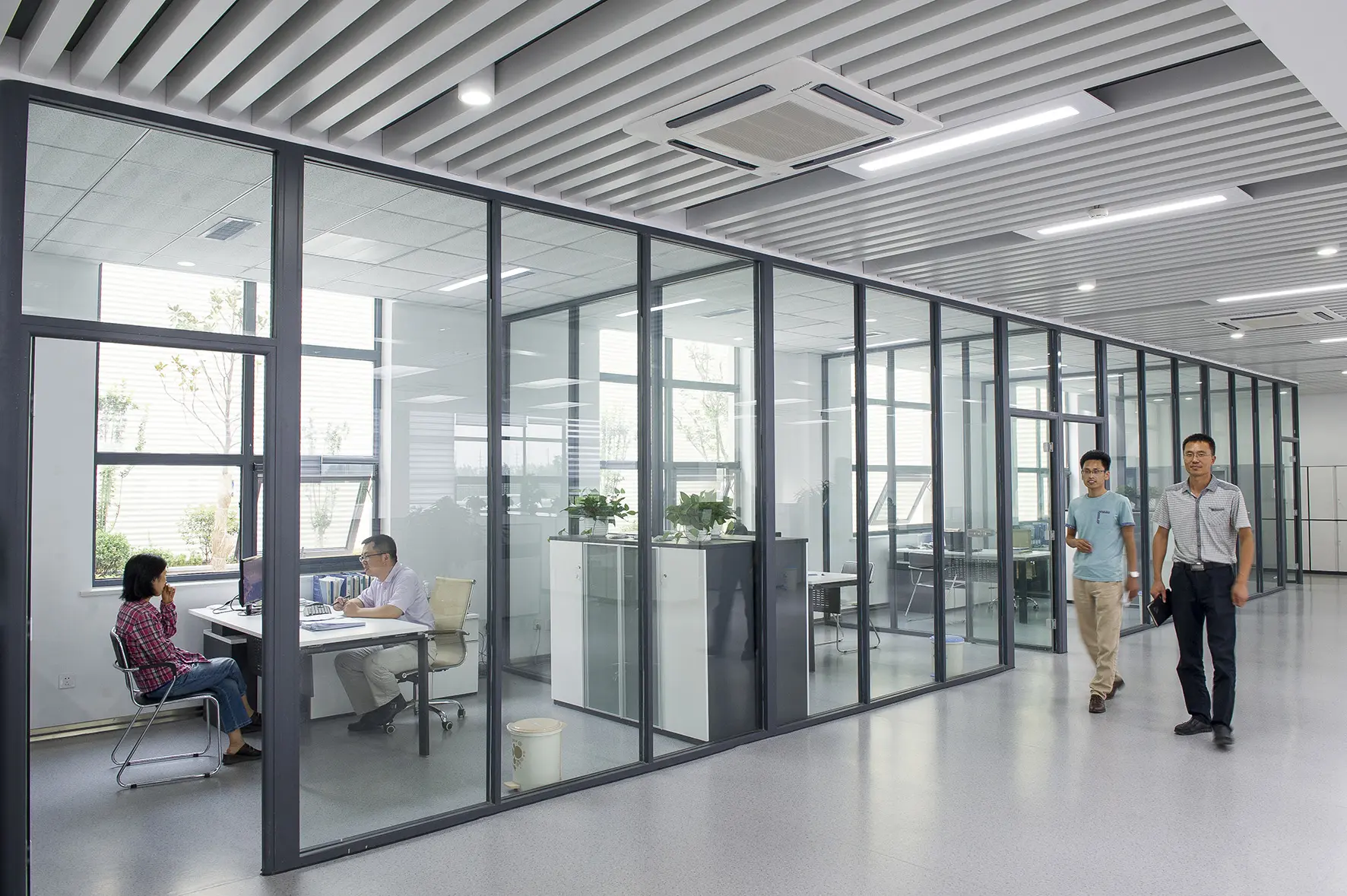
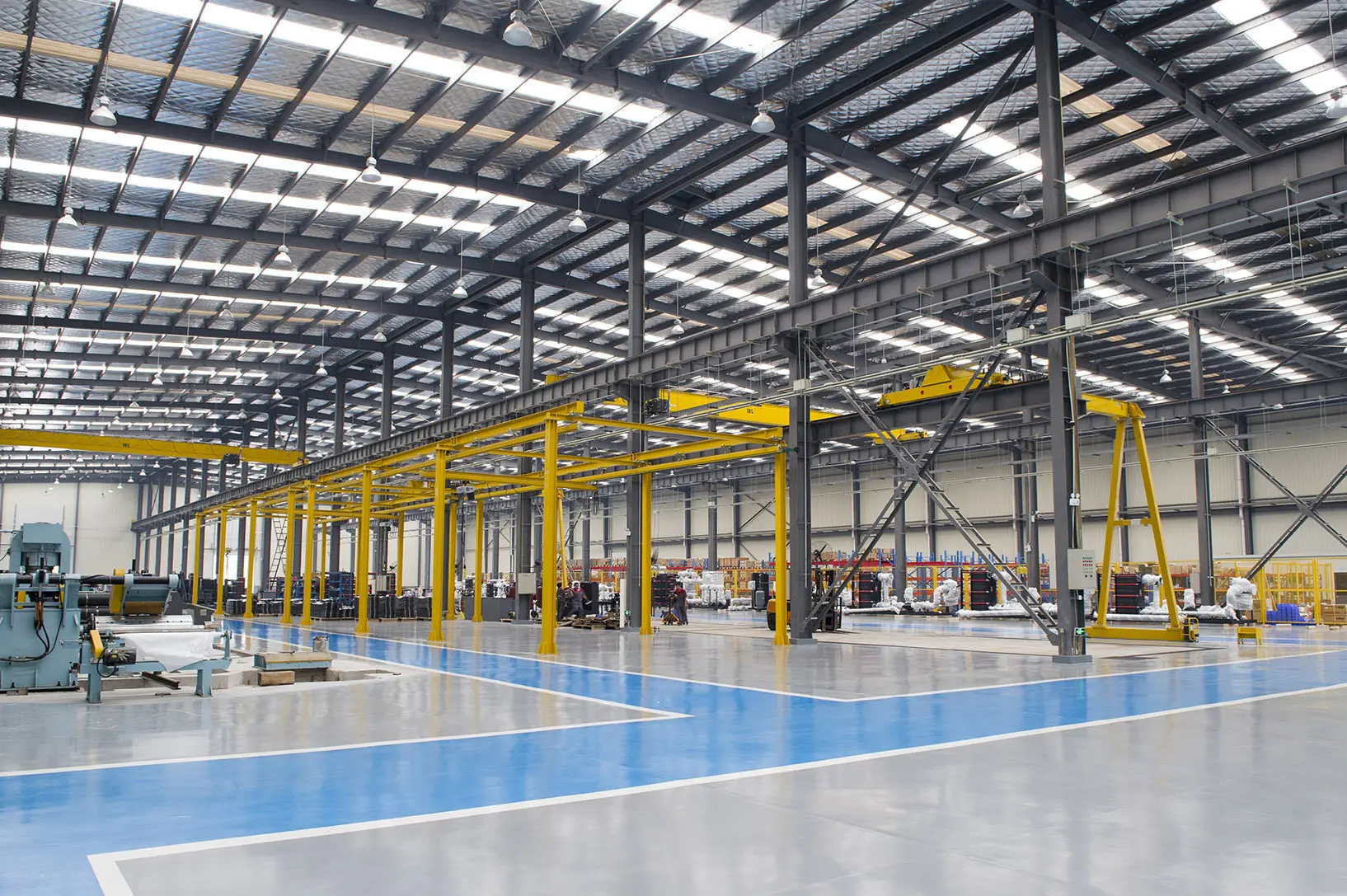
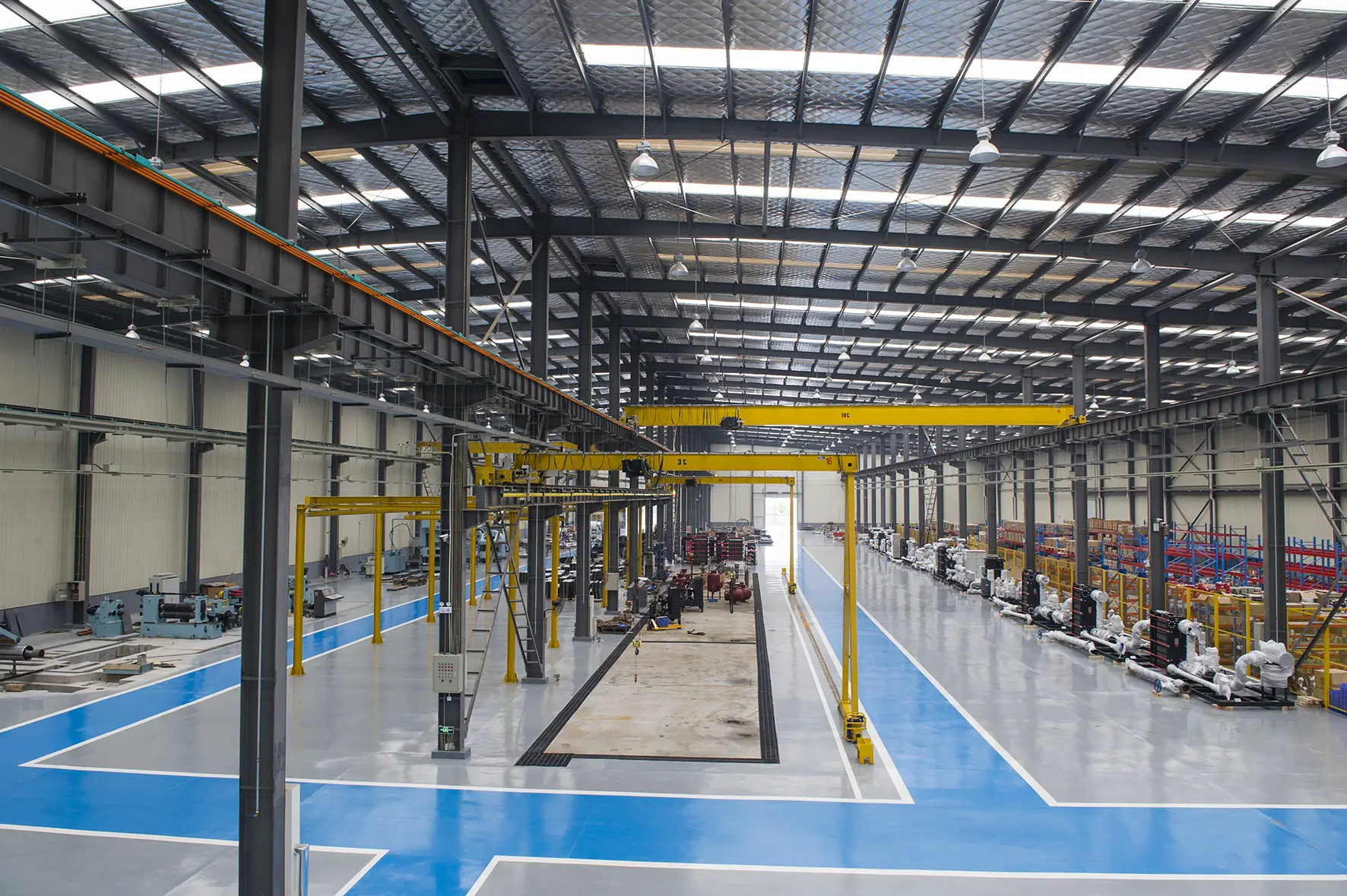
Operating from a modern 70,000 m² facility with a workforce of over 300 employees (including more than 260 dedicated technical professionals), Flotte records annual sales revenues of 500 million yuan while contributing 15 million yuan in taxes and profits. This financial stability supports our continuous research and development, allowing us to produce roughly 4,500 heat exchange units and water supply systems each year.
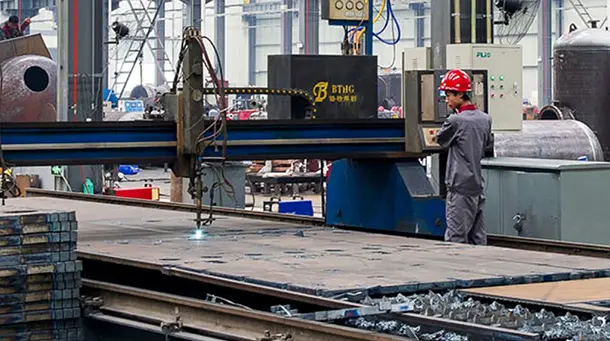
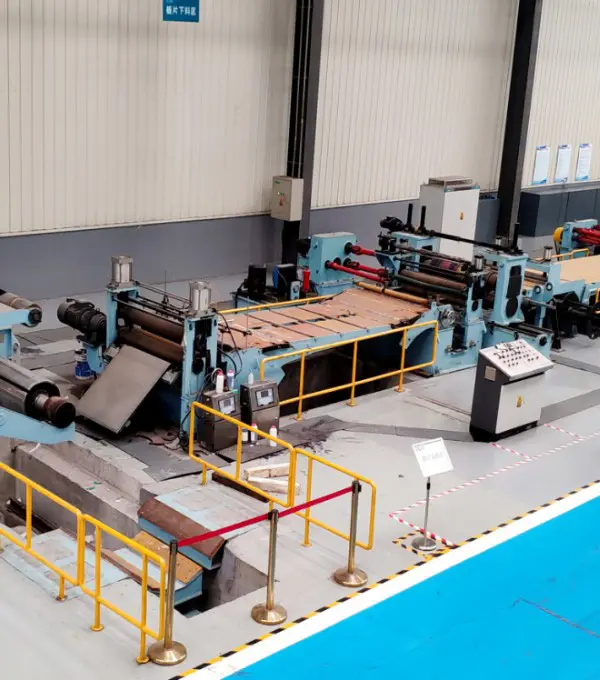
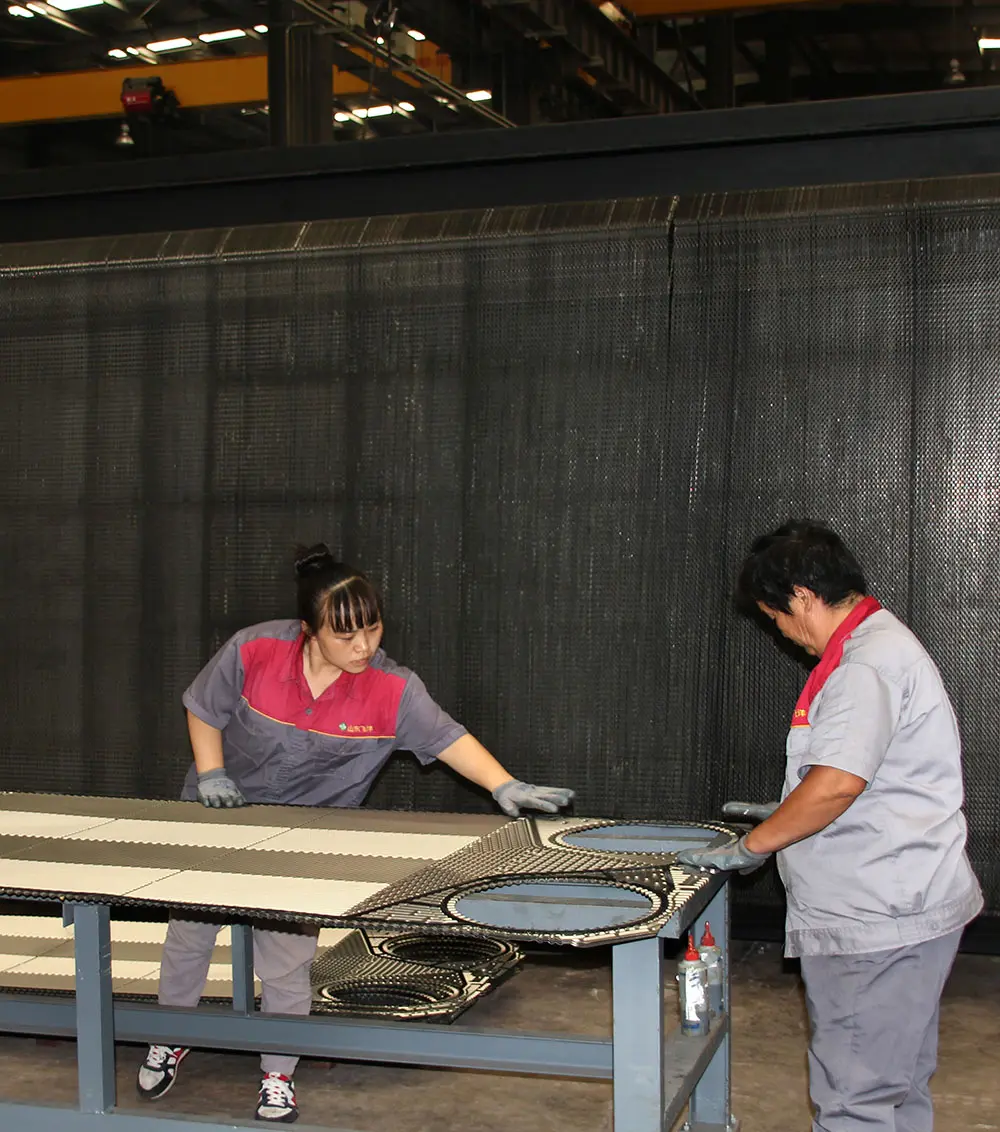
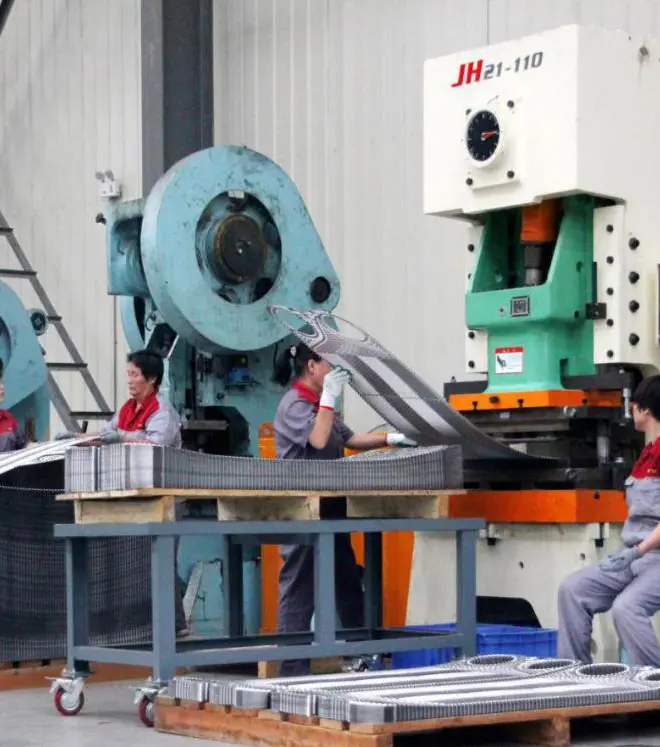
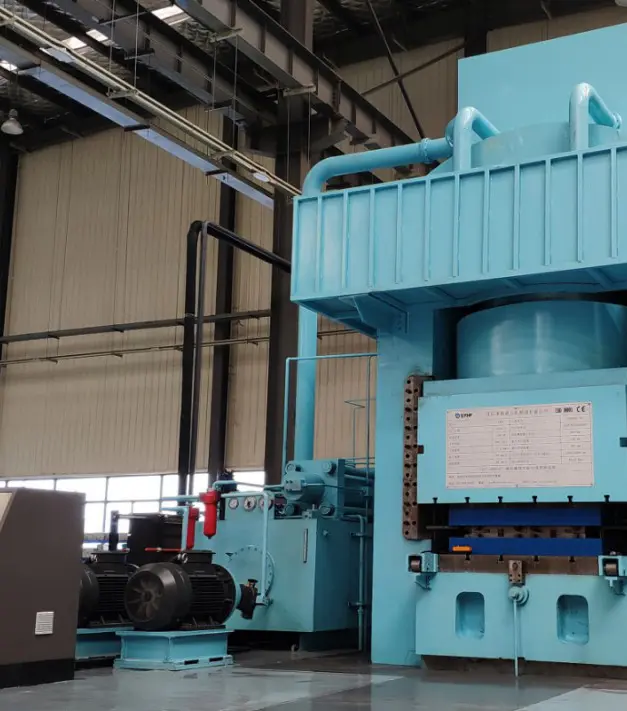
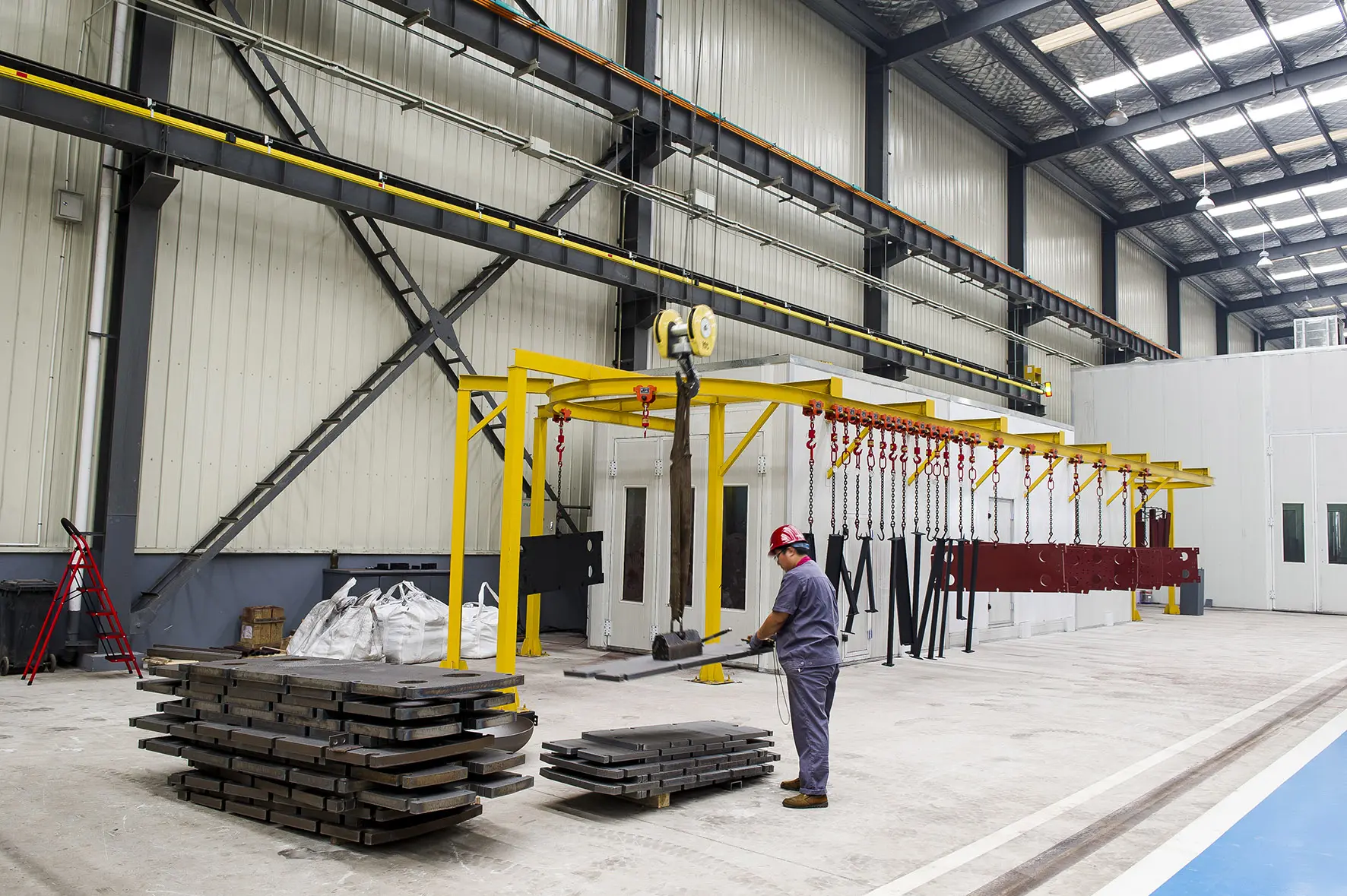
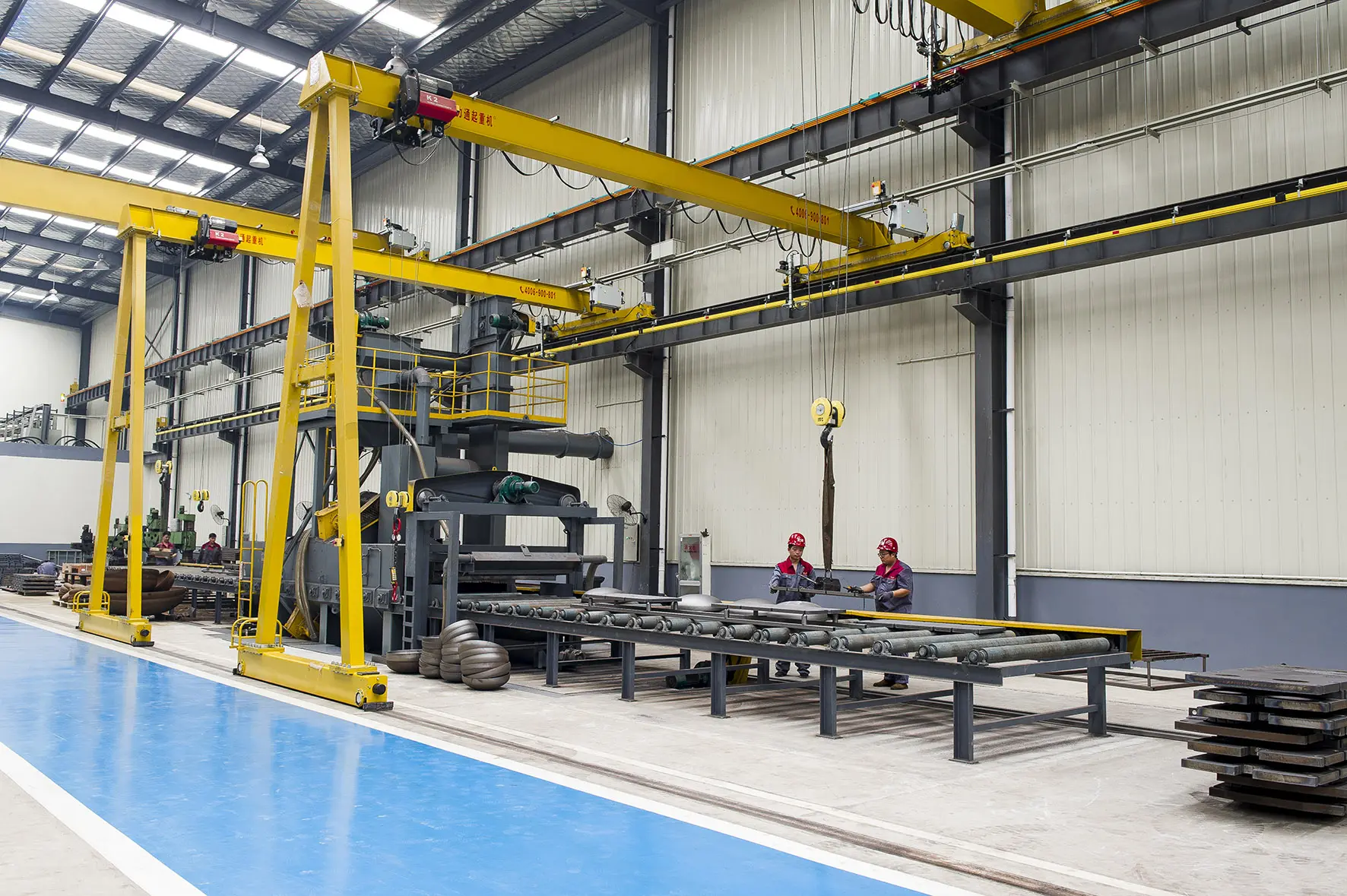
Our facility runs modern workshops with advanced manufacturing and quality inspection systems. Frontline technicians undergo formal training and certification, and all production processes strictly follow the ISO 9001:2015 International Quality Management System and pressure vessel quality frameworks. This ensures our products consistently meet mandatory national quality standards and performance criteria.
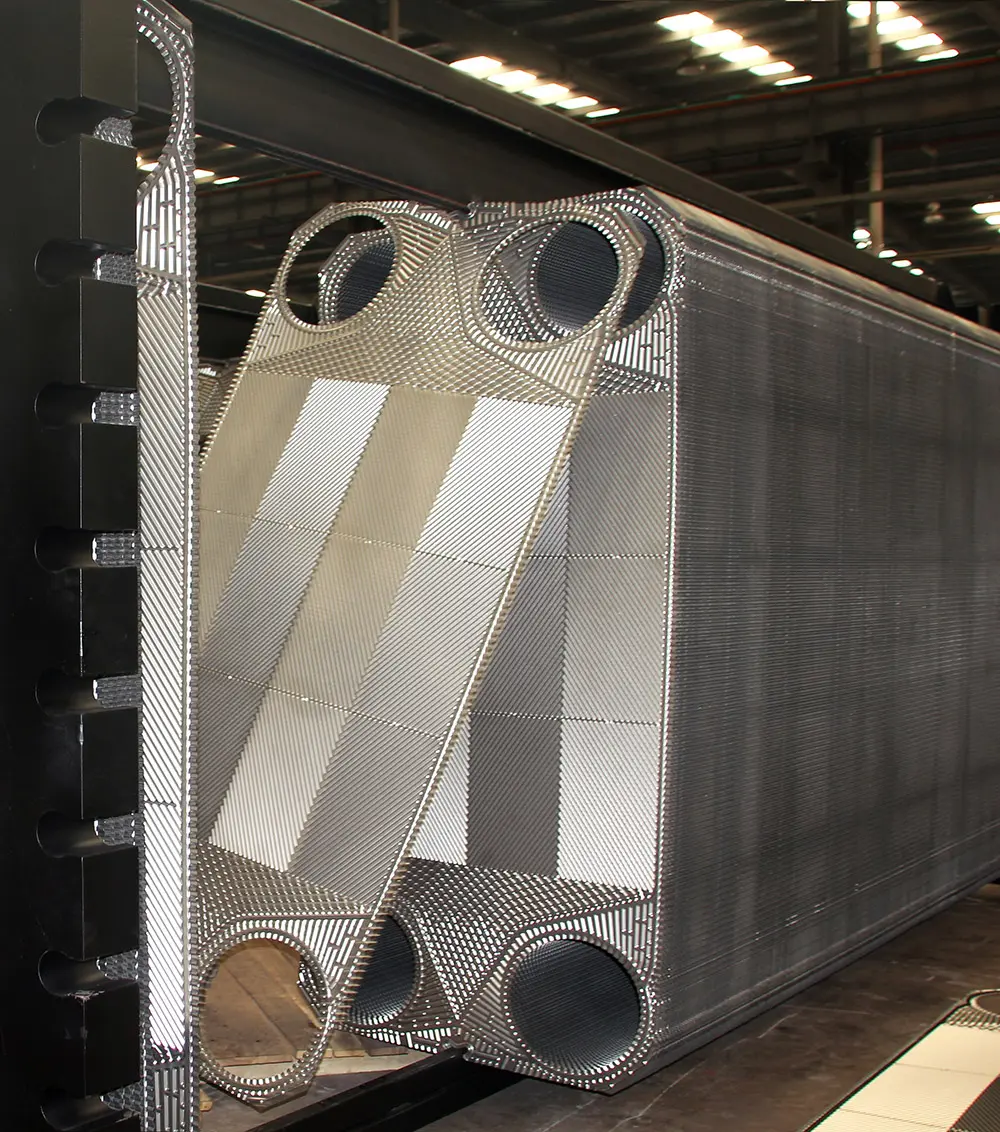
Our chevron plate profiles are engineered to generate low-Reynolds turbulence, disrupting the fluid boundary layers. This mechanical action reduces thermal resistance and raises the convective heat transfer coefficient.
Using high-purity plates made of AISI 304, AISI 316L, and Titanium decreases wall thickness ($\delta$) to as low as 0.5mm. This design lowers conductive resistance without affecting mechanical integrity or pressure handling.
Uniform fluid distribution across the plate surface eliminates stagnant zones, reducing fouling rates ($R_f$) and maintaining high operational heat transfer coefficients over long cycles.
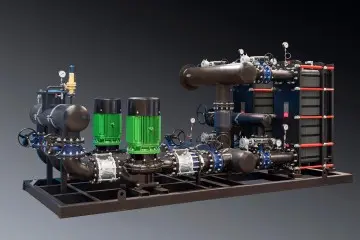
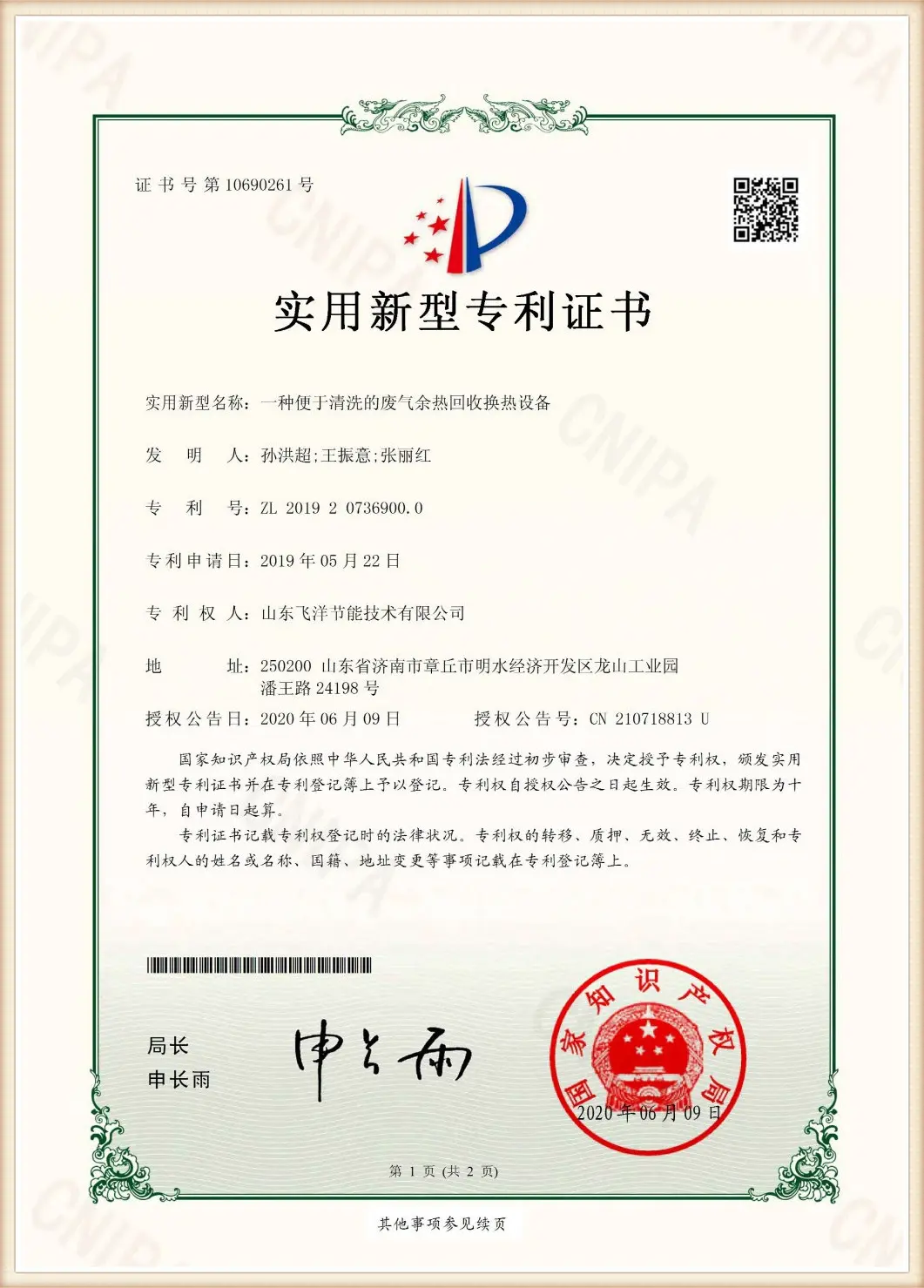
Our plate heat exchangers utilize patented corrugated designs that deliver 2 to 3 times higher thermal efficiency than conventional systems under equivalent pressure drop conditions.
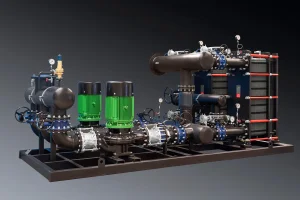
Our solutions adapt to HVAC, regional centralized heating, chemical processing, and sanitary pharmaceutical environments, meeting diverse international design parameters.
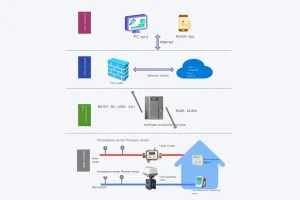
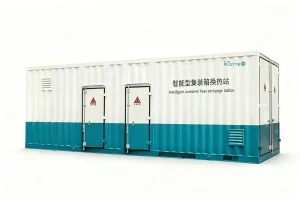
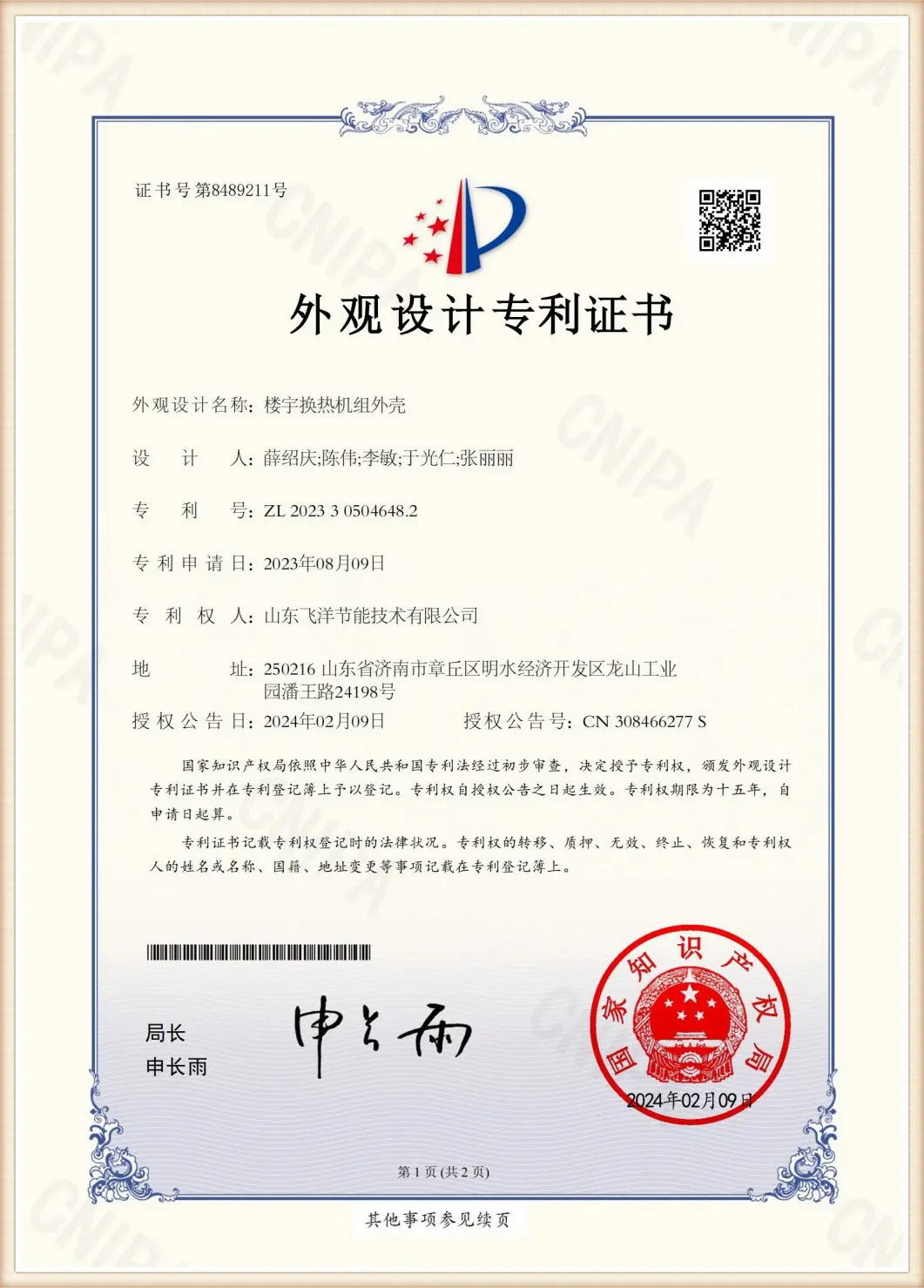
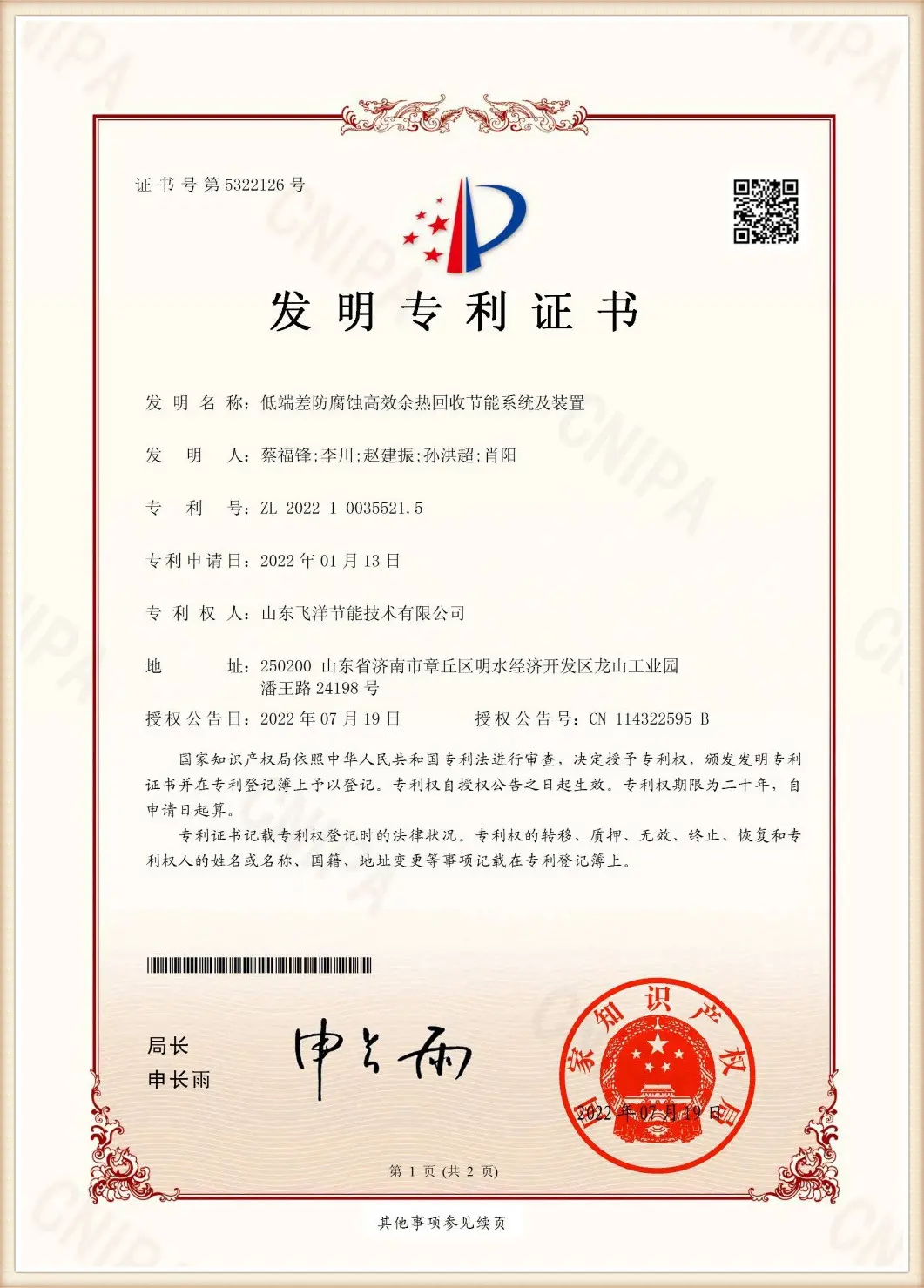
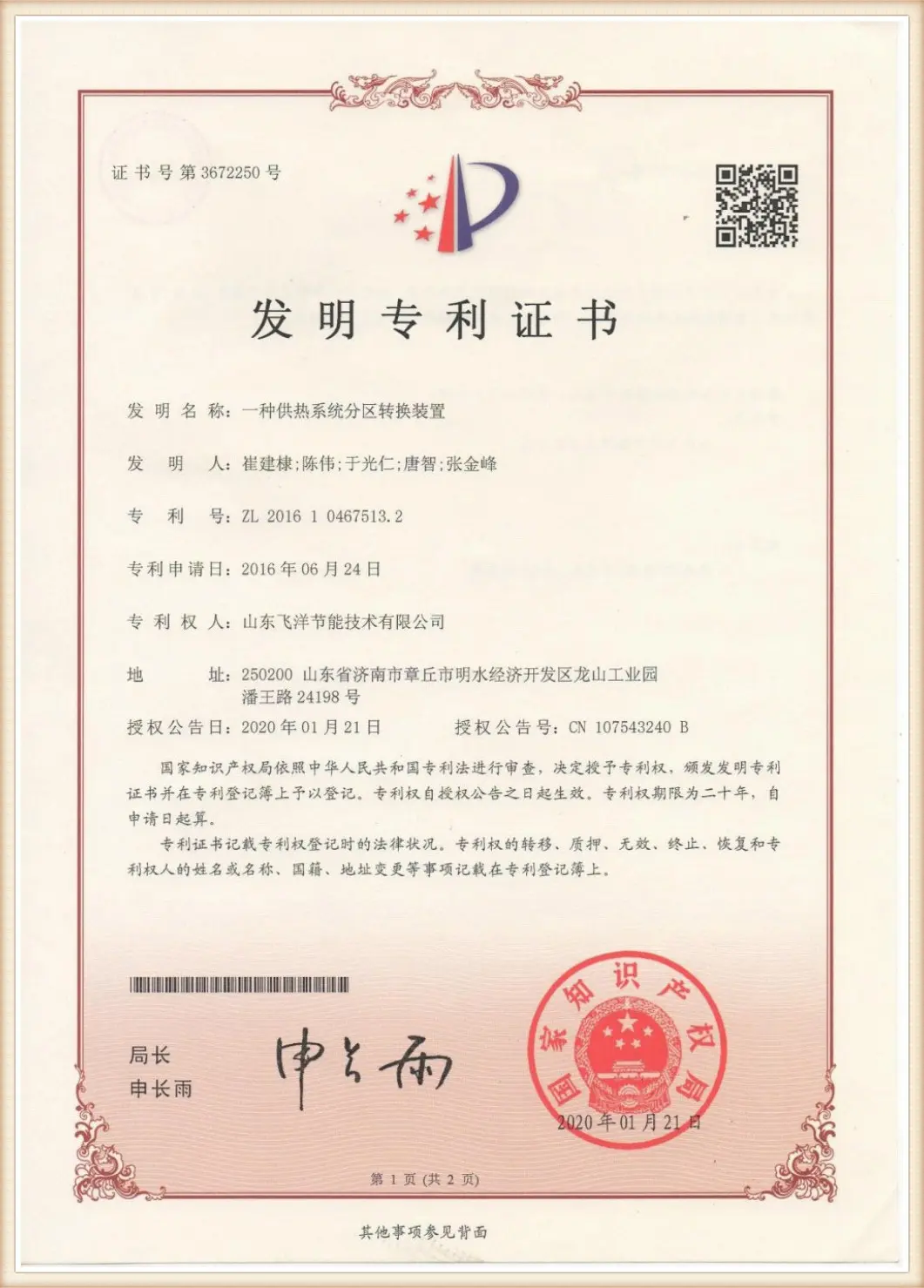
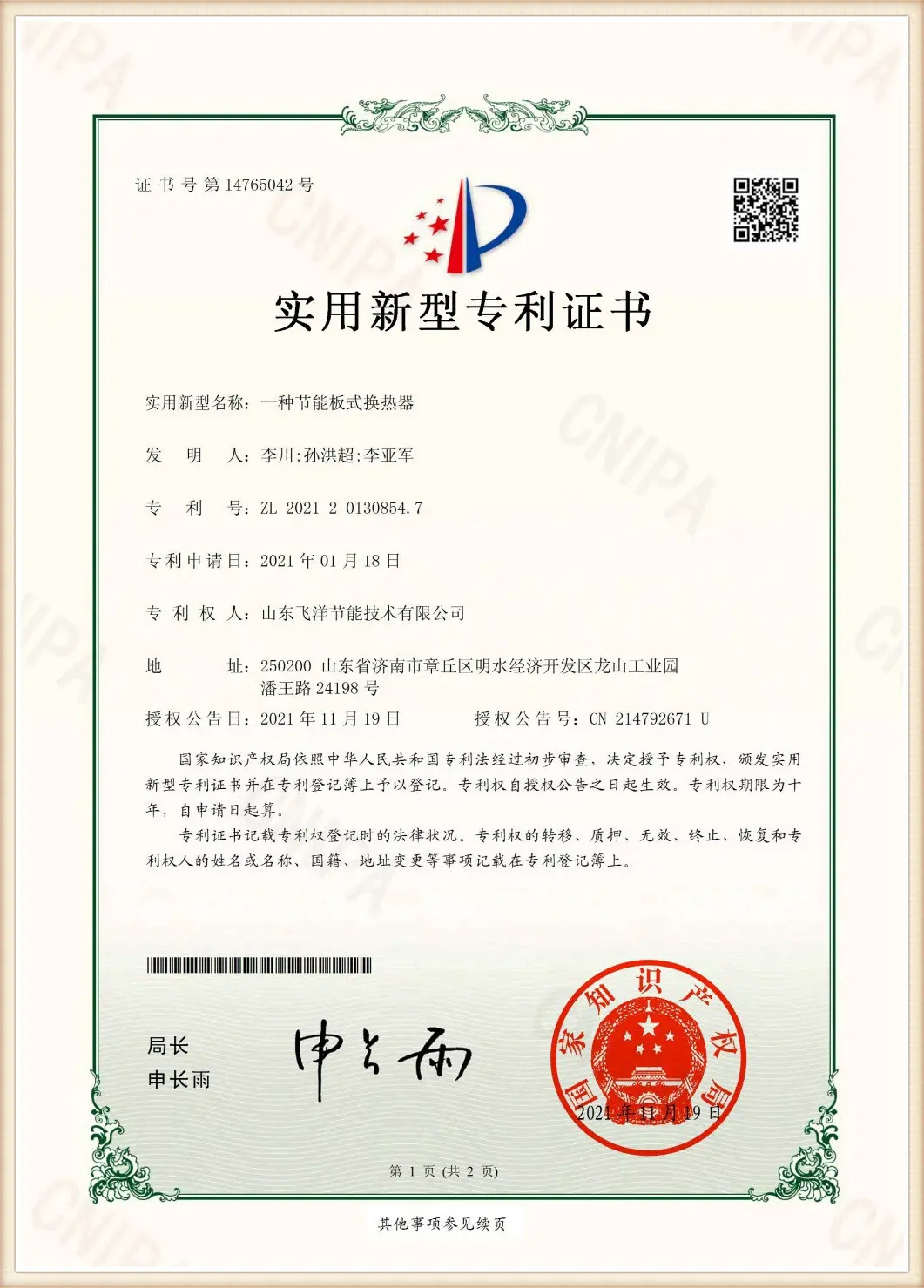
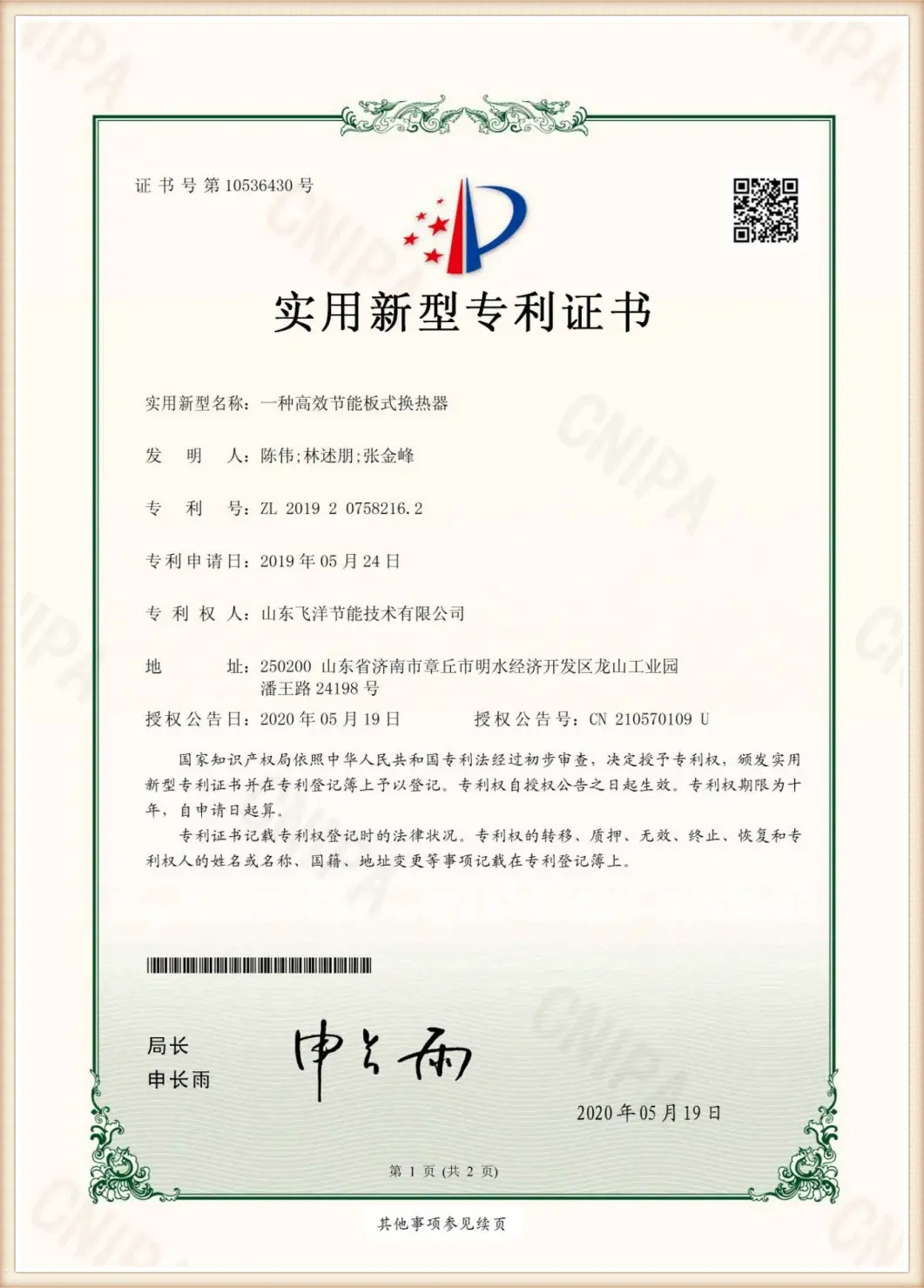
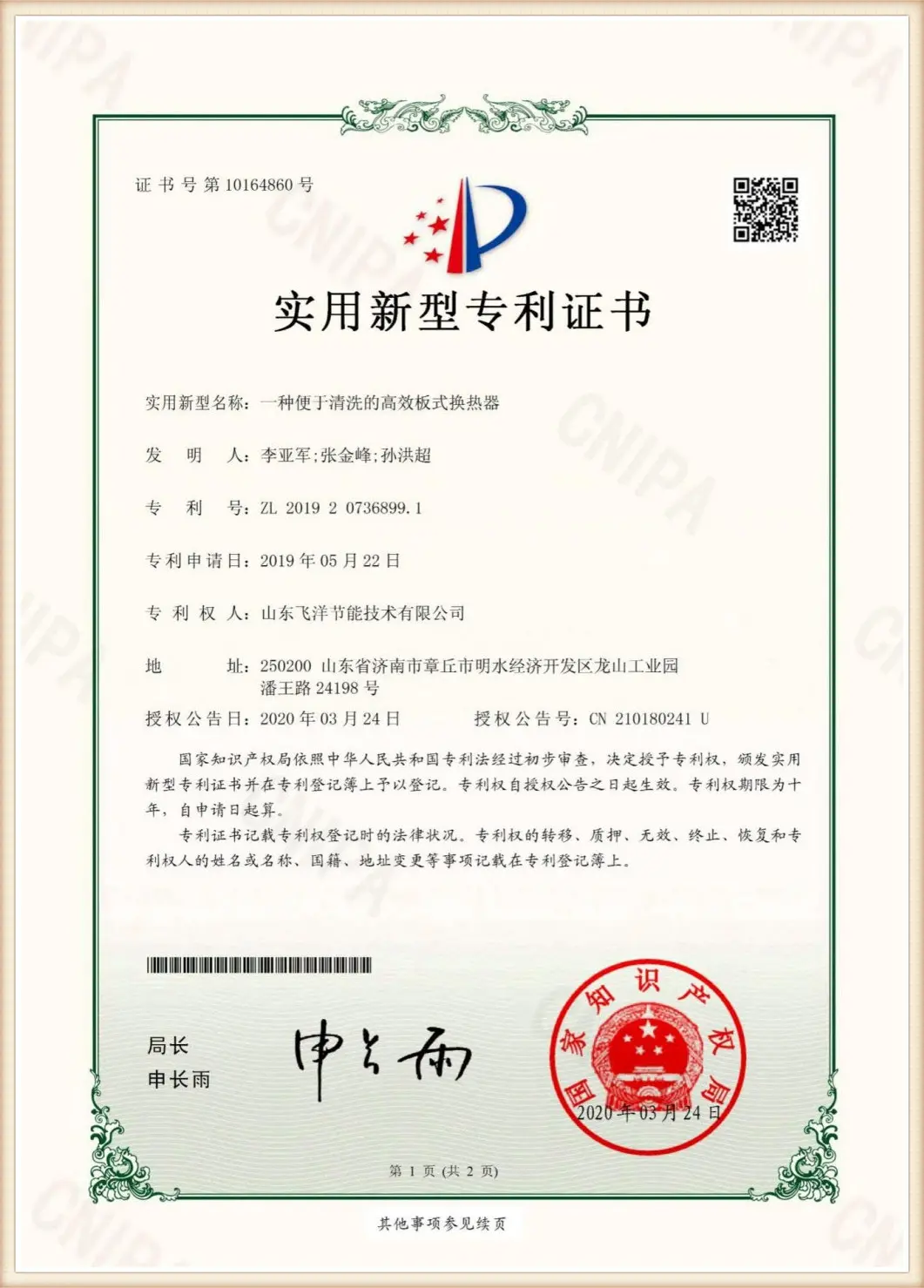
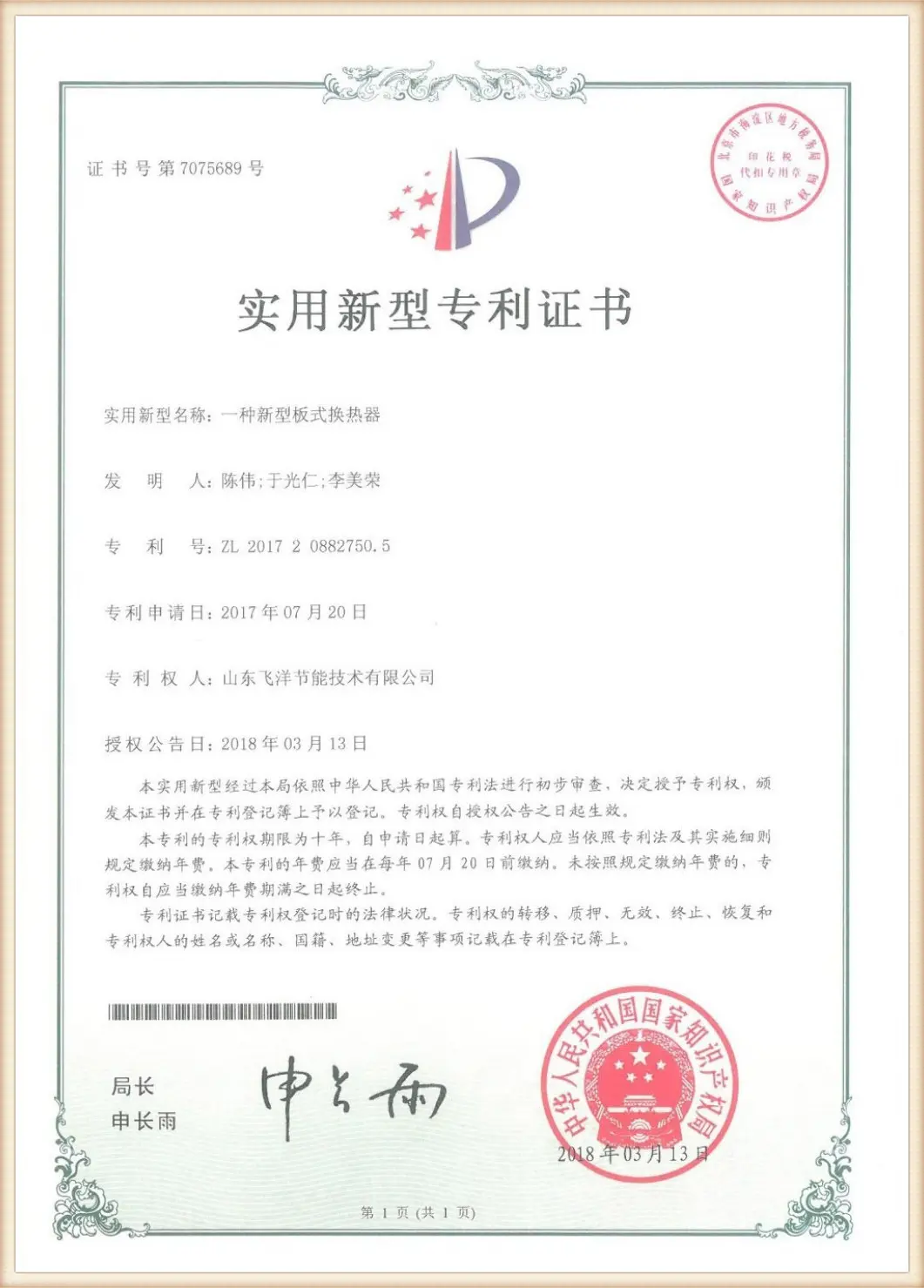
Our products carry certifications for "High-Efficiency Plate Heat Exchangers" and "Intelligent Heat Exchange Systems," backed by complete ISO and pressure vessel standards.
We provide comprehensive engineering services, custom CAD layouts, thermal modeling, and worldwide delivery support for international procurement networks.


Industrial processes account for approximately one-third of global energy consumption. For engineering leads, EPC contractors, and facility managers, upgrading thermal efficiency is a key step toward lower operational costs and reduced carbon emissions. Implementing plate heat exchangers with high heat transfer coefficients helps optimize waste heat recovery, reducing primary fuel usage across diverse sectors.
Whether designing central district heating networks in Eastern Europe, cooling chemical processes in North America, or manufacturing sanitary systems in East Asia, system reliability depends on international standards. Global sourcing projects require compliance with ASME Section VIII (US), Pressure Equipment Directive (PED) 2014/68/EU (Europe), and China's national GB/T 151 standards. Flotte provides full certification and engineering documentation for our thermal systems, helping clients streamline compliance and deployment.
The overall heat transfer coefficient ($U$) is defined by the thermal resistances of the hot convective boundary layer ($h_h$), the cold convective boundary layer ($h_c$), the plate material thickness ($\delta$) divided by its thermal conductivity ($\lambda$), and the fouling resistances on both surfaces ($R_{f,h}$, $R_{f,c}$). The formula is: $1/U = 1/h_h + 1/h_c + \delta/\lambda + R_{f,h} + R_{f,c}$.
Plate selection depends on fluid chemistry. AISI 304 and 316L stainless steel suit typical water-to-water applications, while Titanium is preferred for high-salinity seawater or aggressive acids. Gasket choices rely on temperature profiles: NBR works up to 120°C, EPDM handles temperatures up to 160°C, and FKM (Viton) suits high-temperature applications or organic solvents.
To prevent fouling, our plates are designed to promote early turbulence, which creates a self-cleaning shear force along the channels. Additionally, using uniform distribution ports helps eliminate dead spots, maintaining a high heat transfer coefficient throughout the system's runtime.
Our products meet quality standards verified by ISO 9001:2015 (Quality), ISO 14001:2015 (Environment), and ISO 45001:2018 (Occupational Health). Flotte plate heat exchangers also carry pressure vessel safety registrations from the National Boiler and Pressure Vessel Standardization Technical Committee.
 Flotte Energy