Advanced Equipment Portfolios Engineered for Energy Optimization and Flow Control
A Thirty-Year Legacy of Manufacturing Innovation, R&D Leadership, and Quality Engineering
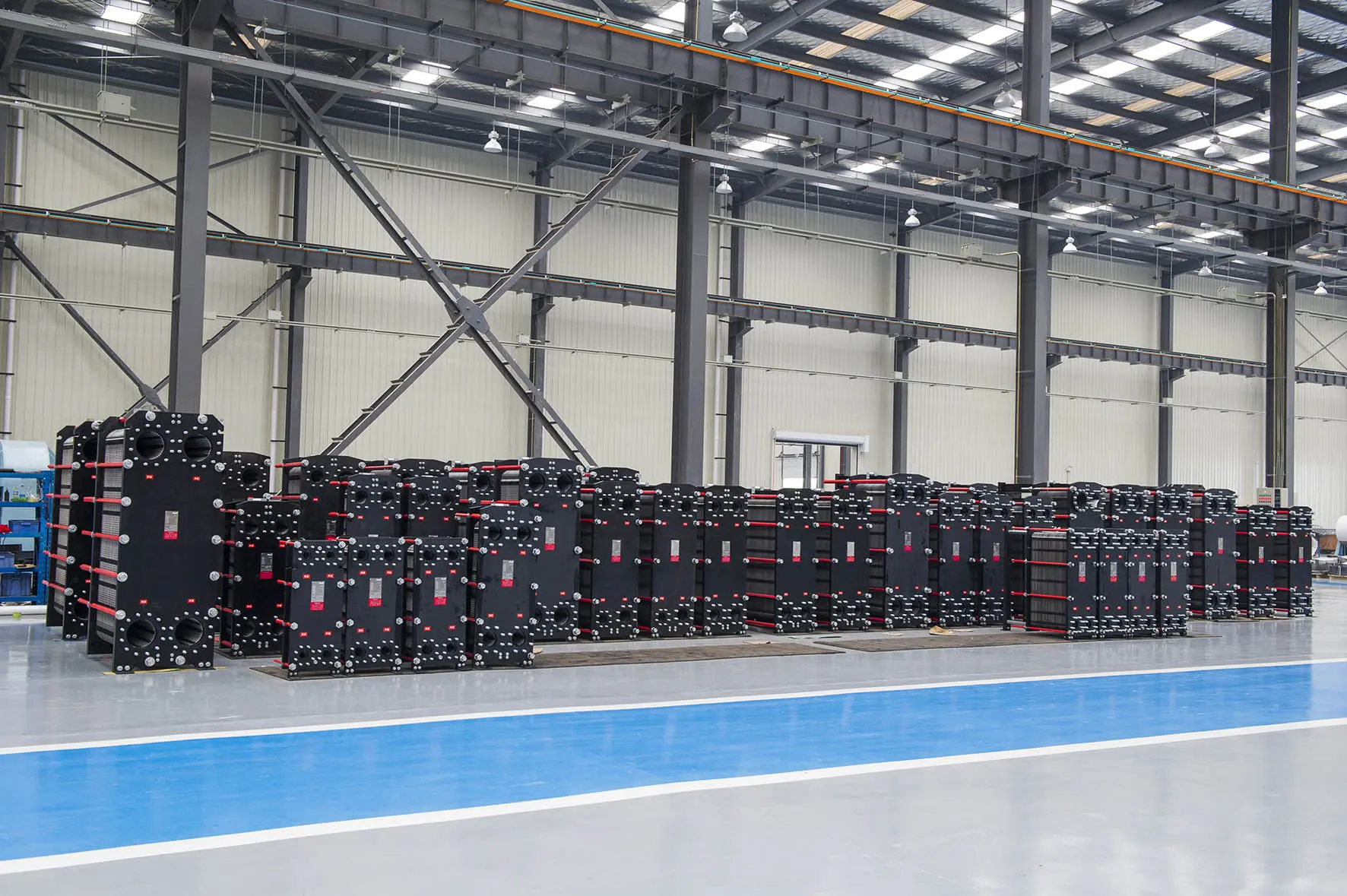
Flotte Energy Saving Company, established in 2013 with a registered capital of 101 million yuan, originated from Flotte Thermal Engineering founded in 1995. With three decades of technical expertise, the company specializes in water equipment, HVAC systems, and water treatment industries. We consistently lead industry peers in adopting cutting-edge technologies, developing innovative products, and delivering comprehensive production and sales services.
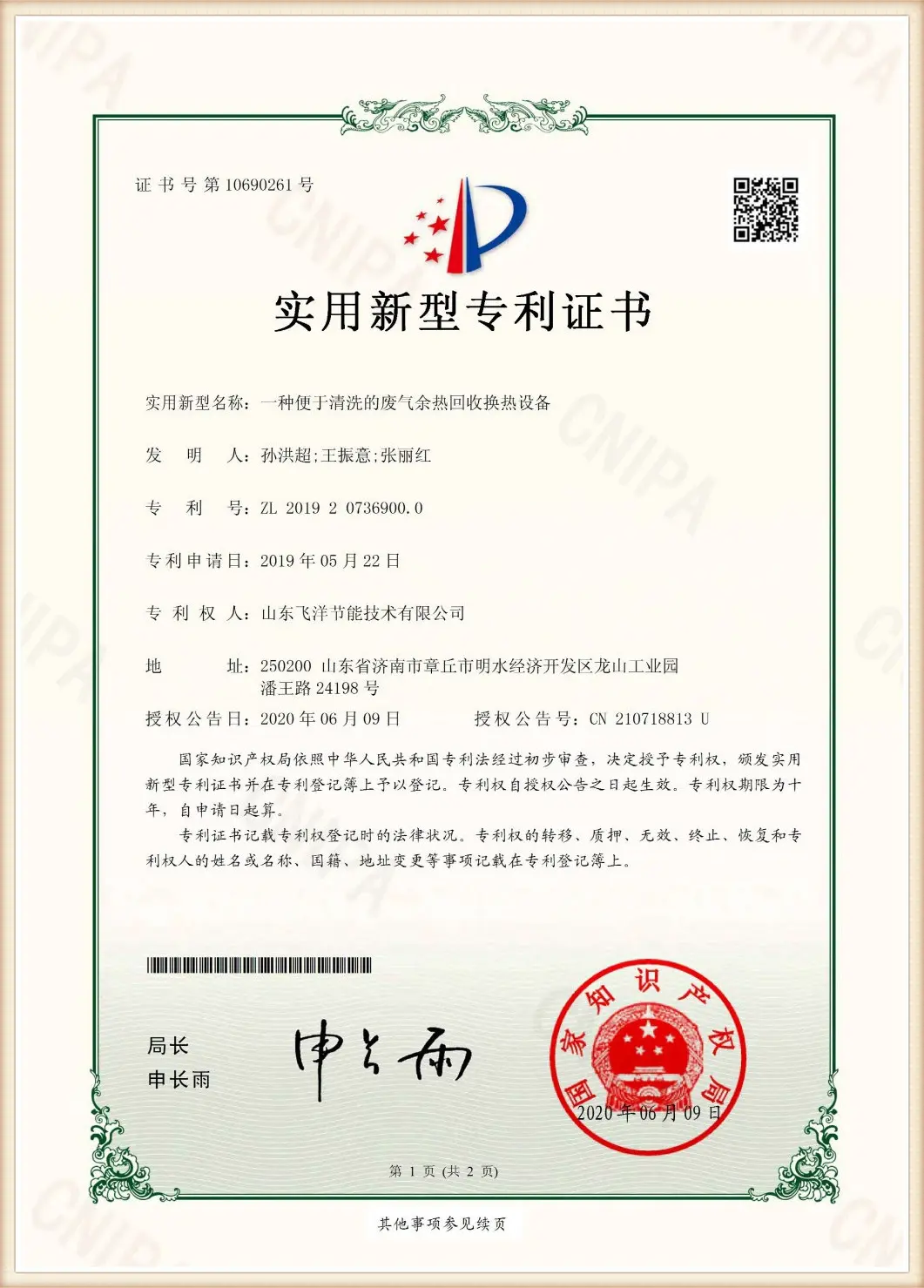
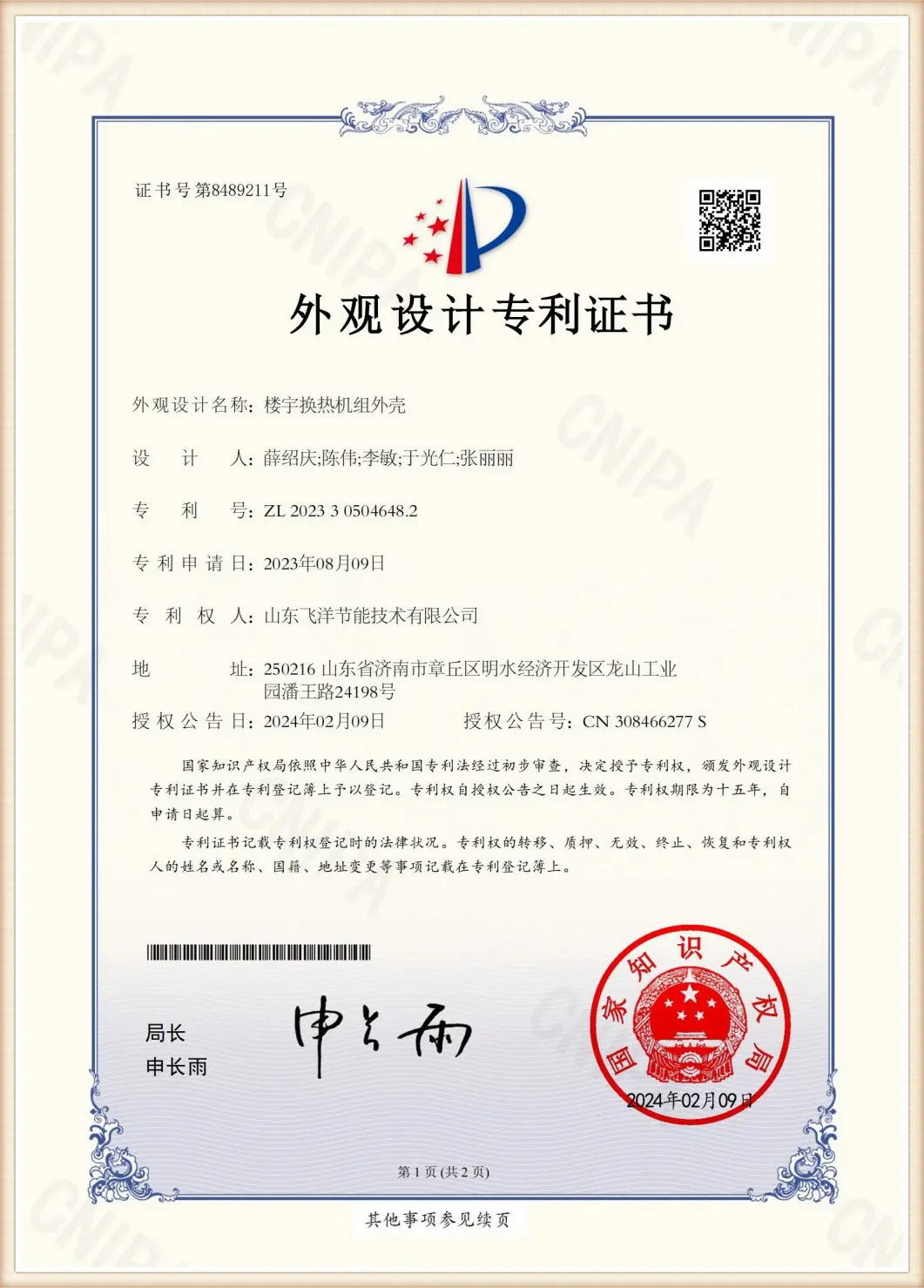
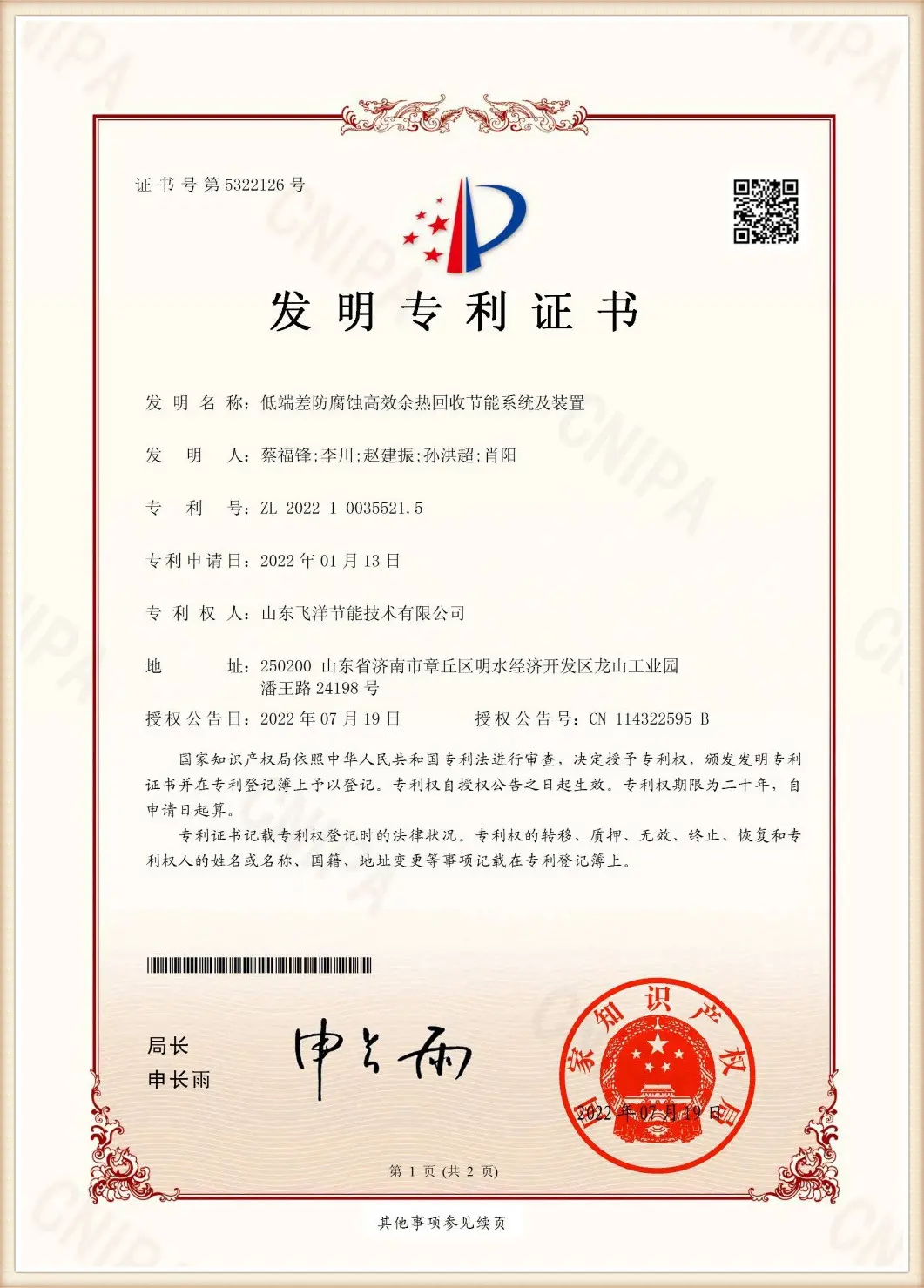
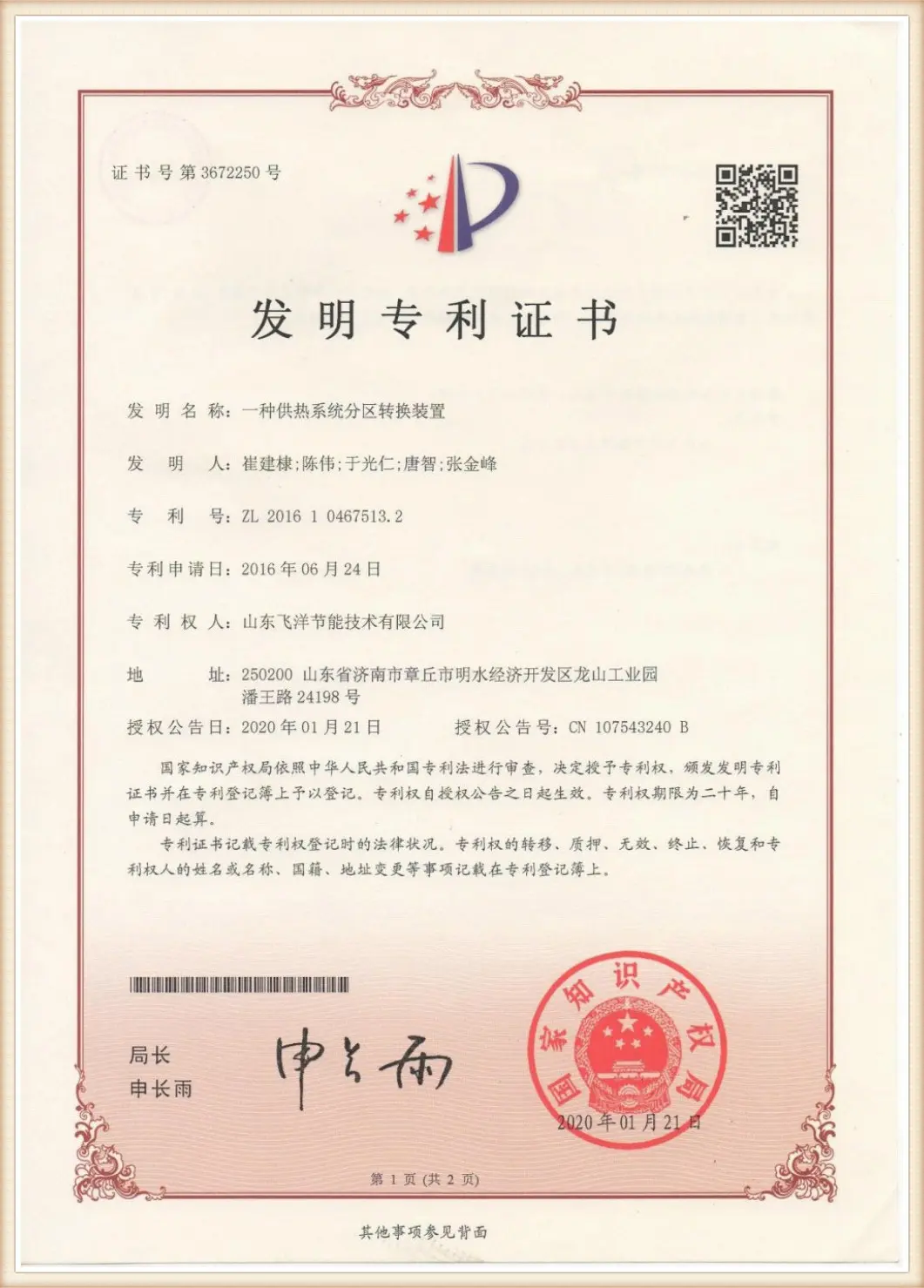
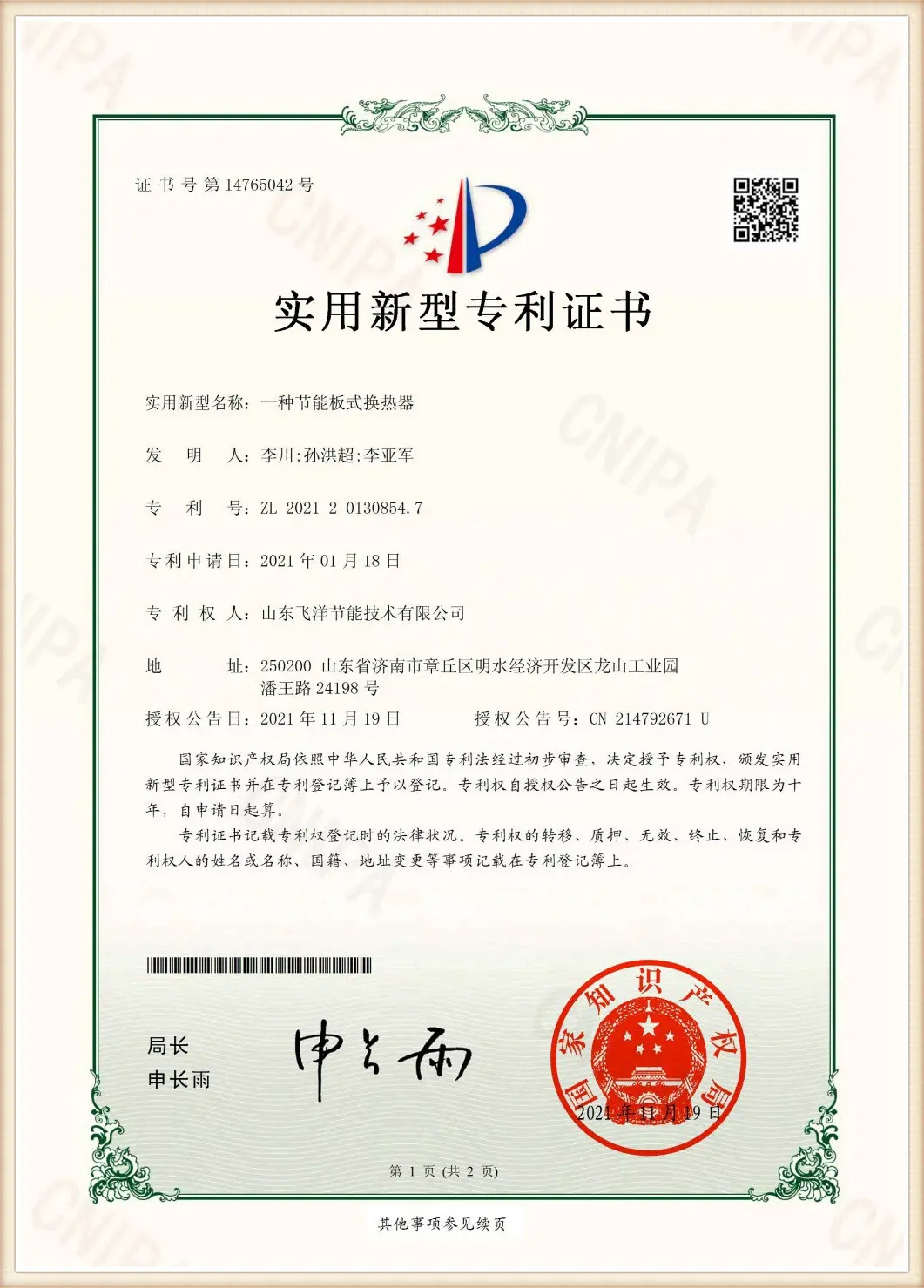
The company has been continuously advancing in production technology innovation, holding multiple patent certifications including "High-Efficiency Plate Heat Exchanger", "Intelligent Plate Heat Exchanger System", and "Plate Heat Exchanger Scale Removal Device". Our products have obtained mandatory national product certification and safety registration from the National Standardization Committee, along with the safety registration for plate heat exchangers issued by the National Boiler and Pressure Vessel Standardization Technical Committee. We have achieved ISO9001 Quality Management System, ISO14001 Environmental Management System, and ISO45001 Occupational Health and Safety Management System certifications.
In modern industrial processes, the demand for precise liquid-liquid separation is higher than ever. Liquid-liquid decanters have evolved from simple static gravity settling basins into highly complex, dynamically controlled process units. Historically, separation relied heavily on residence time, requiring large footprints and resulting in low operational efficiency. With modern thermodynamics, fluid dynamics simulation, and materials science, Chinese manufacturers have pioneered the development of high-efficiency decanter systems.
By manipulating gravitational forces, coalescence mechanics, and temperature fields, contemporary liquid-liquid decanters achieve ultra-high purity phases. This evolution is particularly crucial for industries like petrochemicals, hydrometallurgy, pharmaceuticals, and wastewater purification, where even minor impurities can compromise down-stream processes or violate environmental regulations. Today's systems leverage advanced corrugated internals, electrostatic coalescers, and precise thermal control to accelerate phase separation—minimizing processing footprints while maximizing throughput.
When procurement managers and EPC (Engineering, Procurement, and Construction) companies source liquid-liquid decanters, their primary intent focuses on three pillars: Reliability, Energy Efficiency, and Operational Versatility. Global enterprises require equipment that can seamlessly integrate into automated distributed control systems (DCS) while handling fluctuating inlet compositions without process upsets.
Key procurement specifications include corrosion resistance (with extensive use of 316L, Duplex Stainless Steel, Titanium, and Hastelloy), pressure ratings compliant with ASME or PED standards, and minimized thermal loss. Furthermore, the integration of heat recovery loops within the decanting framework—using technologies like plate-type and shell-and-tube heat exchangers—is a growing trend. This combination allows for pre-heating or cooling of process streams to optimize density differences and viscosity, which are critical physical properties dictating the speed of phase separation under Stokes' Law.
Substantial Infrastructure and Professional Workforce Driving High-Volume Output
The company has established modern production facilities that combine advanced manufacturing with systematic management, producing high-tech integrated products. It holds a leading position in the industry nationwide and commands a substantial market share. Annually, it manufactures approximately 4,500 heat exchange units and water supply/drainage equipment sets. With over 300 employees, the company generates annual sales revenue of 500 million yuan and contributes 15 million yuan in taxes and profits.
Modern industrial sites rarely operate separation systems in isolation. Flotte specializes in creating Macro-Industrial Solutions that interconnect liquid-liquid decanters with auxiliary systems. For instance, in chemical synthesis and solvent recovery loops, decanting is paired with high-efficiency multi-effect evaporation systems (MEE) or membrane concentration systems to concentrate target compounds while returning purified solvents back to the reactor.
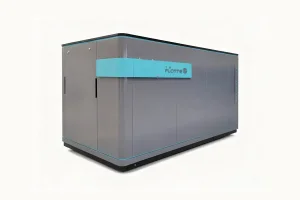
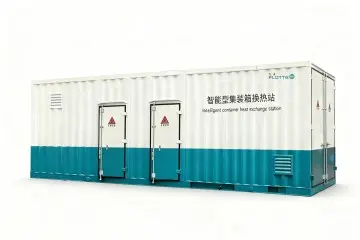
By incorporating Flotte’s patented high-efficiency plate heat exchangers, systems can maintain precise process temperatures. This prevents wax precipitation or solvent vaporization, ensuring stable phase separation boundary layers. Flotte's integrated box-type heat exchange units offer plug-and-play capability, reducing installation times, optimizing space requirements, and lowering onsite piping costs for international projects.
The separation technology sector is transitioning towards smarter, self-optimizing operations. Flotte’s R&D centers are pioneering the integration of smart sensing networks. By utilizing high-precision room temperature collectors and multi-point interface level sensors, the next generation of liquid-liquid decanters will autonomously adjust internal baffle configurations and phase exit valves in real-time, responding dynamically to changing density dynamics.
Additionally, the push toward carbon-neutral industrial facilities demands minimized thermal dissipation. Our technology roadmap prioritizes sub-cooling recovery loops and hybrid membrane-separation integration. This design reduces steam demand by up to 35% when paired with our Multi-Effect Evaporation Systems. This commitment to green engineering ensures that purchasers from North America, Europe, and Asia can comfortably meet local carbon accounting and energy audits.
Crafting Industrial Equipment with Precision Engineering, Cutting-Edge Metalworking, and Full Quality Traceability
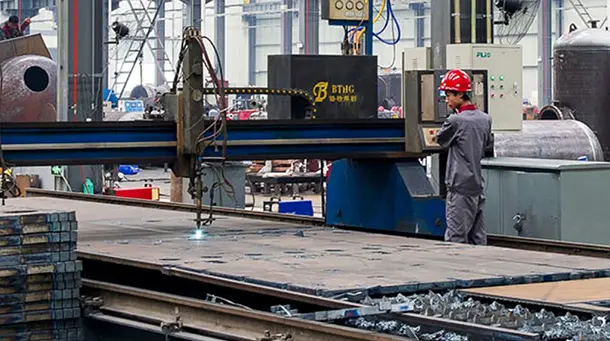
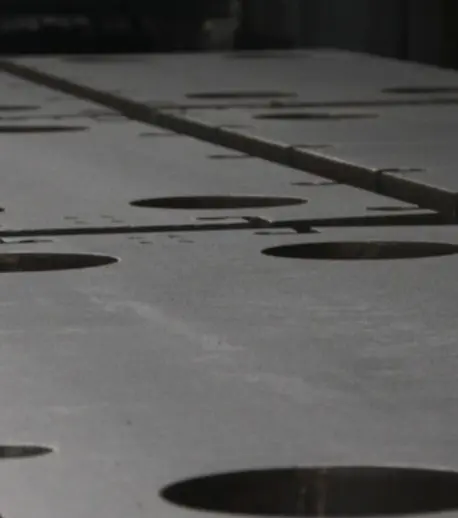
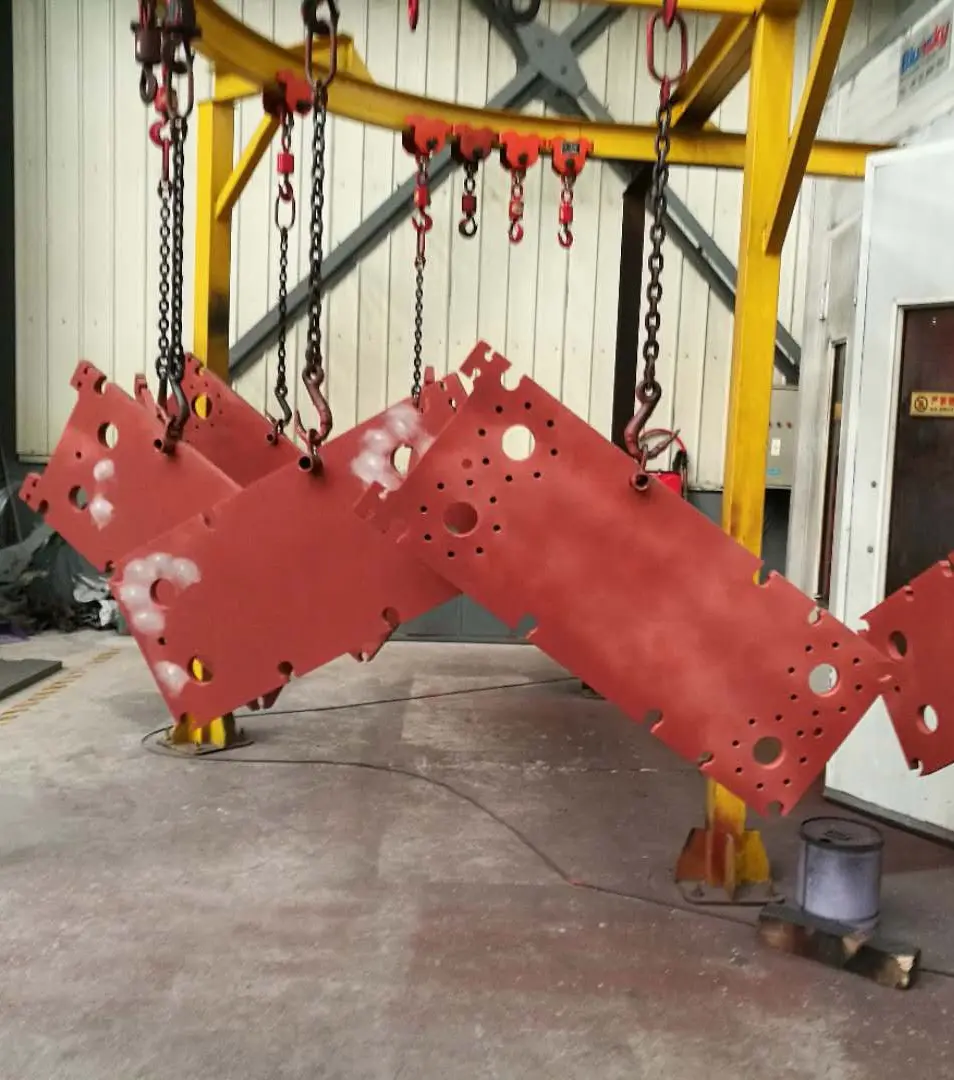
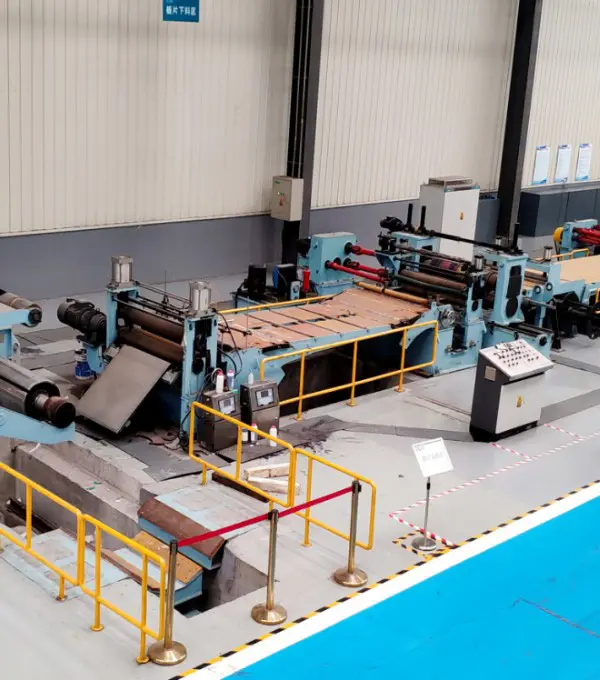
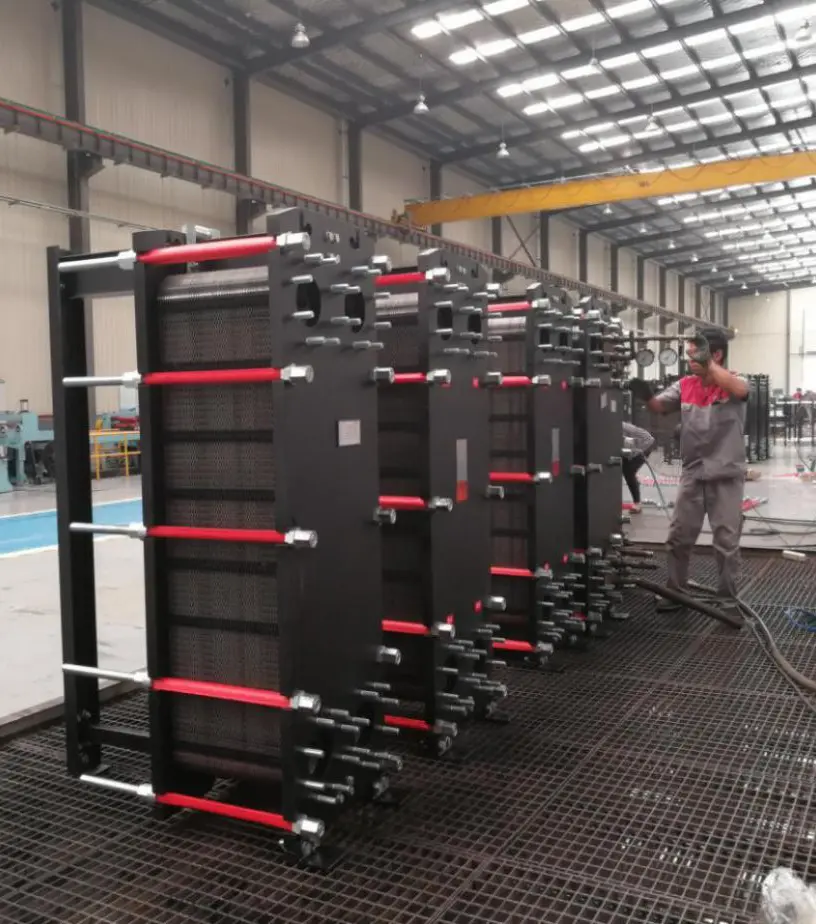
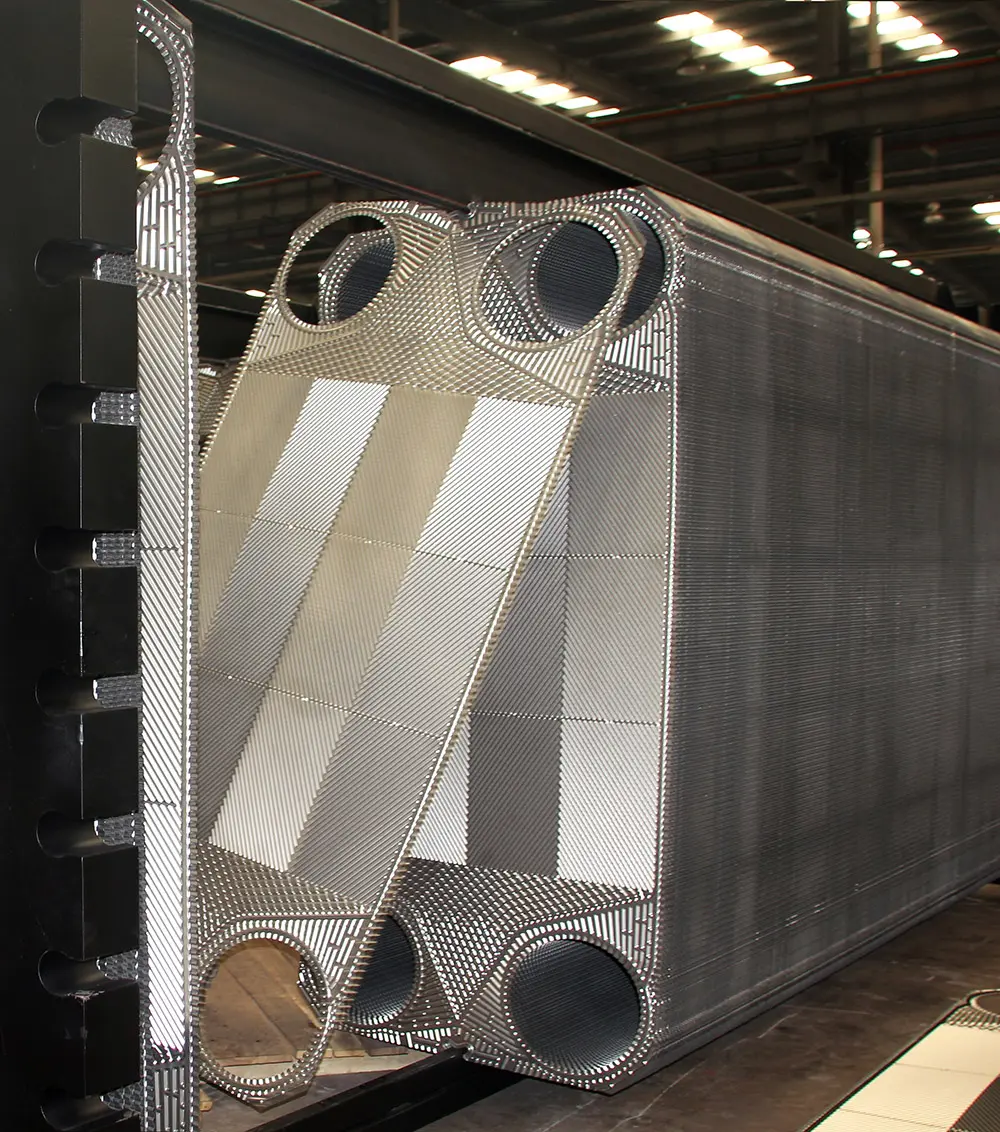
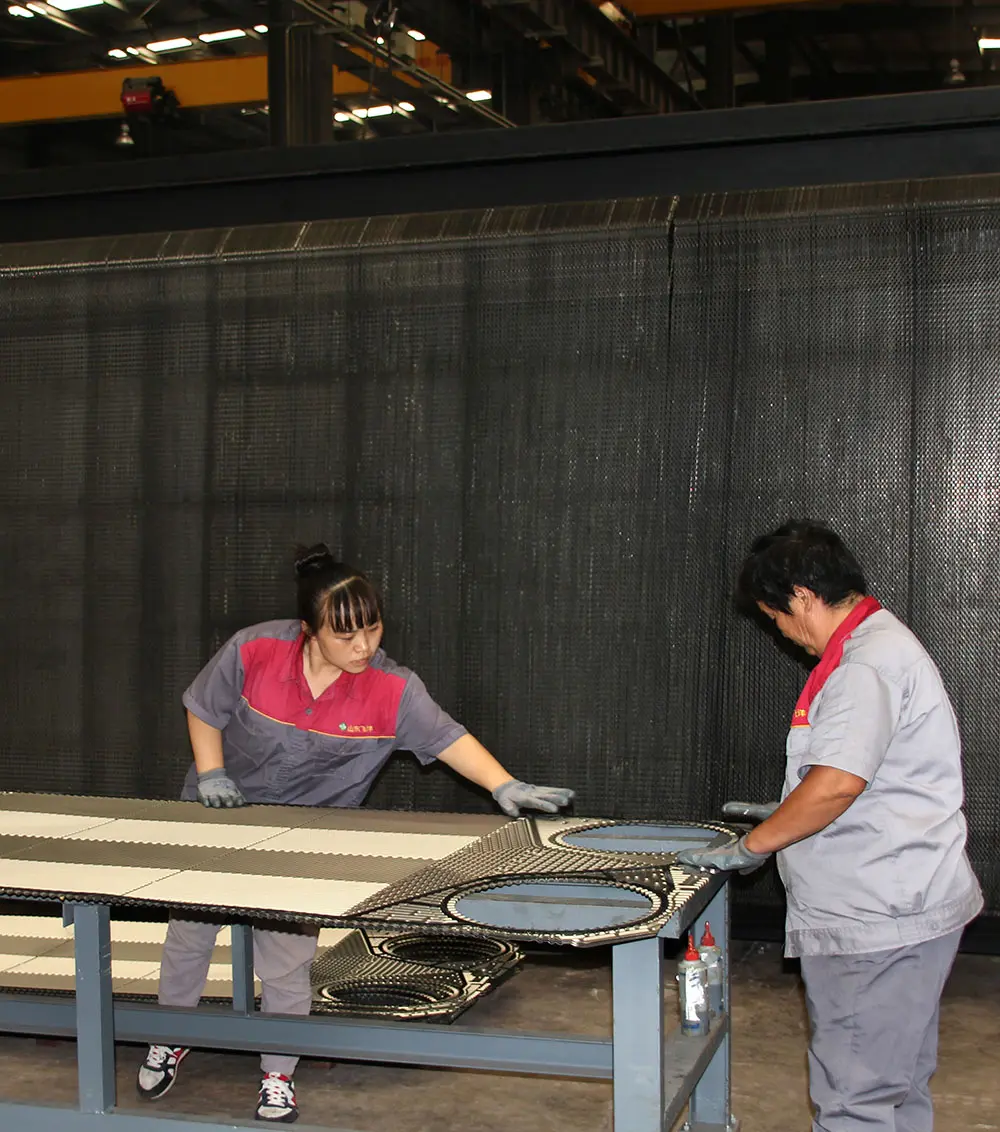
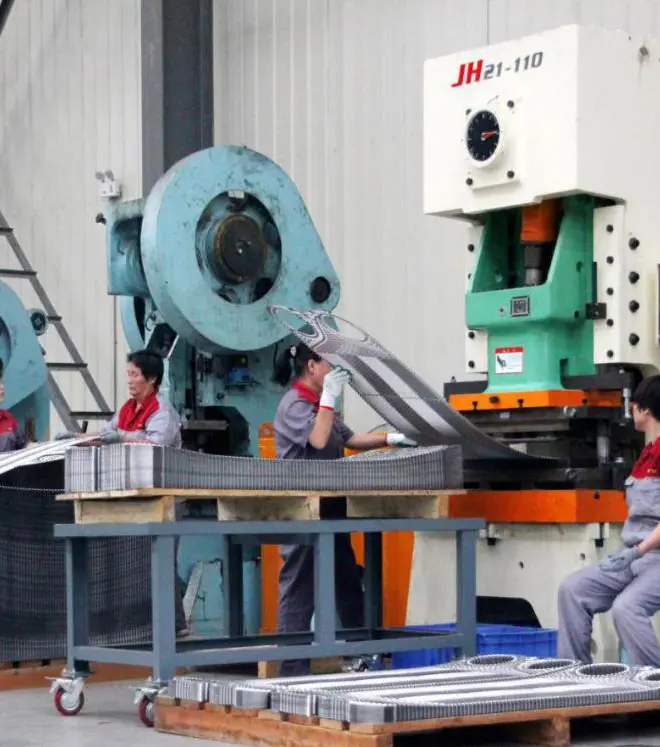
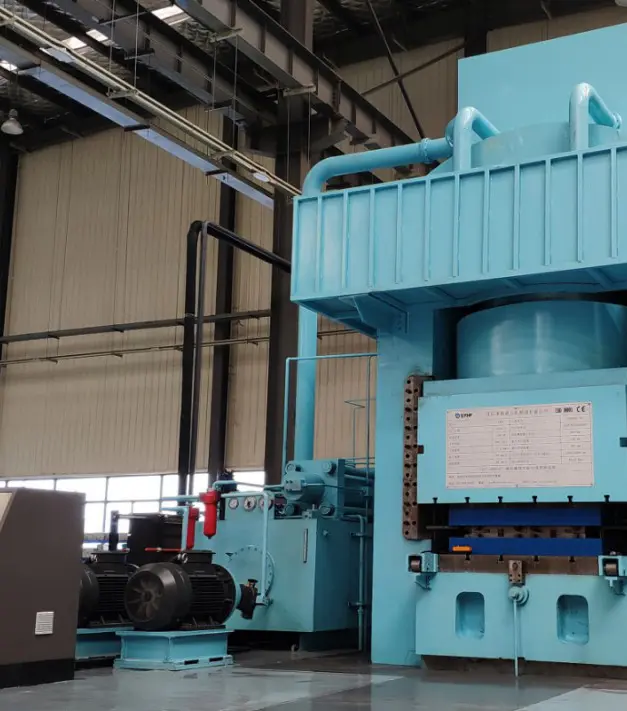
The company operates modern production workshops equipped with advanced manufacturing and quality inspection facilities. All frontline production staff are certified technicians who have undergone rigorous formal training. Production processes, quality control, and service operations strictly adhere to the ISO 9001:2015 international quality management system, while also complying with the pressure vessel quality assurance framework. Our products undergo mandatory inspections by national quality supervision authorities, ensuring full compliance with performance standards.
Adhering to the concept of "quality first" and "winning by quality", the company has established a sound quality assurance system, improved the quality supervision and management of all staff, whole process and all aspects, and made great efforts in product technology, quality and service. The company conscientiously carries out on-site management and rectification work, and establishes a safe and civilized production environment.
Product quality and the quality of purchased materials are inseparable. Therefore, the company asks the purchasing department to determine the list of qualified suppliers and strengthen the contact with each supplier to ensure product quality. The company's products are widely used in thermal power, pharmaceutical, chemical and other major industries, accumulated a large number of long-term partners, product quality and service have won the unanimous praise of users.
Why Global Engineering Teams Partner with Flotte for Thermal and Separation Design
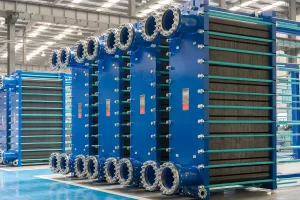
Specializing in plate heat exchangers, it features patented corrugated plate design, achieving 2-3 times higher heat exchange efficiency than conventional equipment.
The products cover 8 core areas such as air conditioning, heating and ventilation, and central heating. The solutions have been verified by projects in many places around the world, and can accurately match different regional conditions and compliance requirements.
The whole process quality control system runs through the production, the products have obtained a variety of certifications, and the preferred stainless steel, titanium and other high-end materials ensure stable and durable in harsh environments.
We provide customized design, after-sales maintenance and one-stop service, multilingual team + efficient supply chain, to ensure that global customers can get timely technical and logistical support.
Fully compliant with international pressure vessel regulations and ISO performance metrics
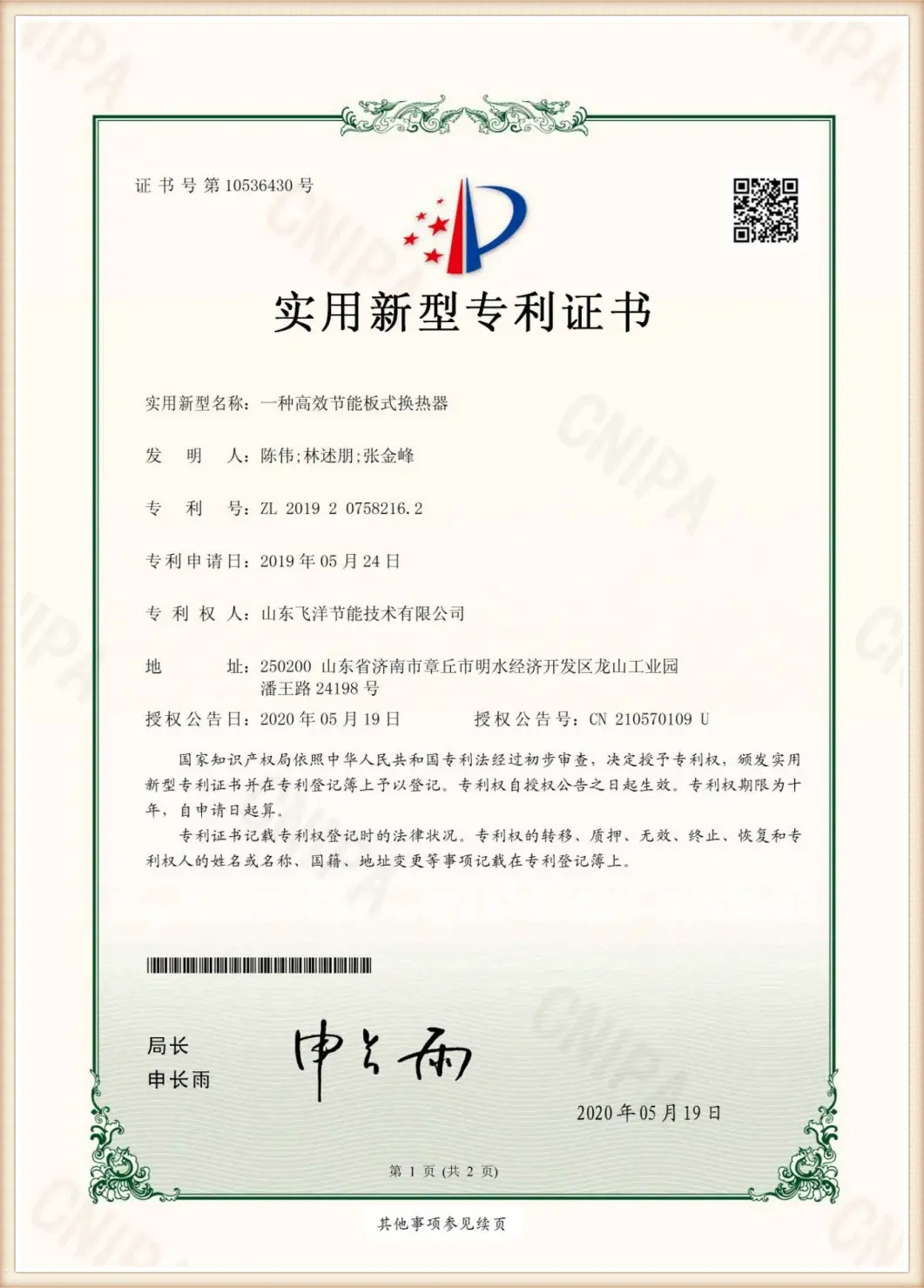
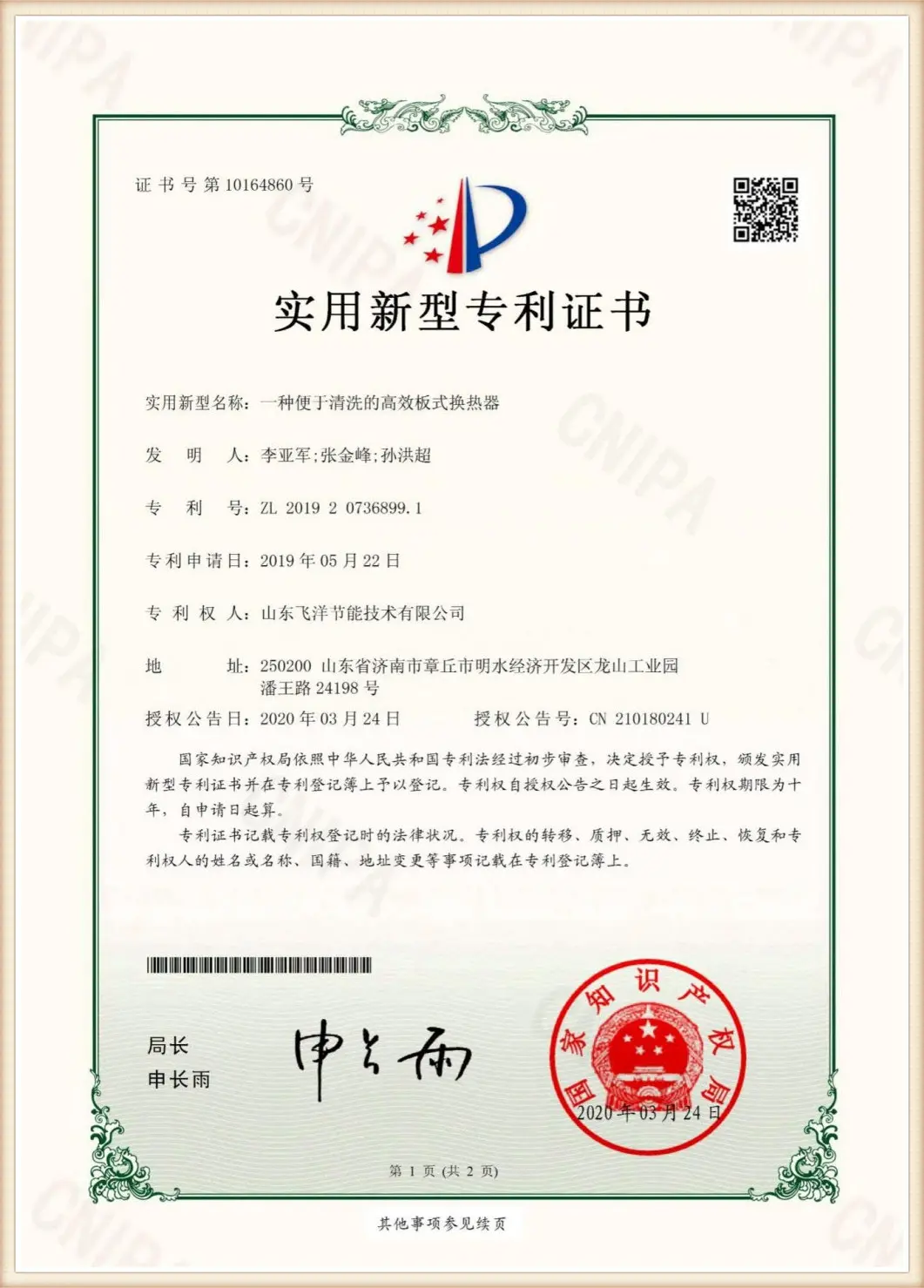
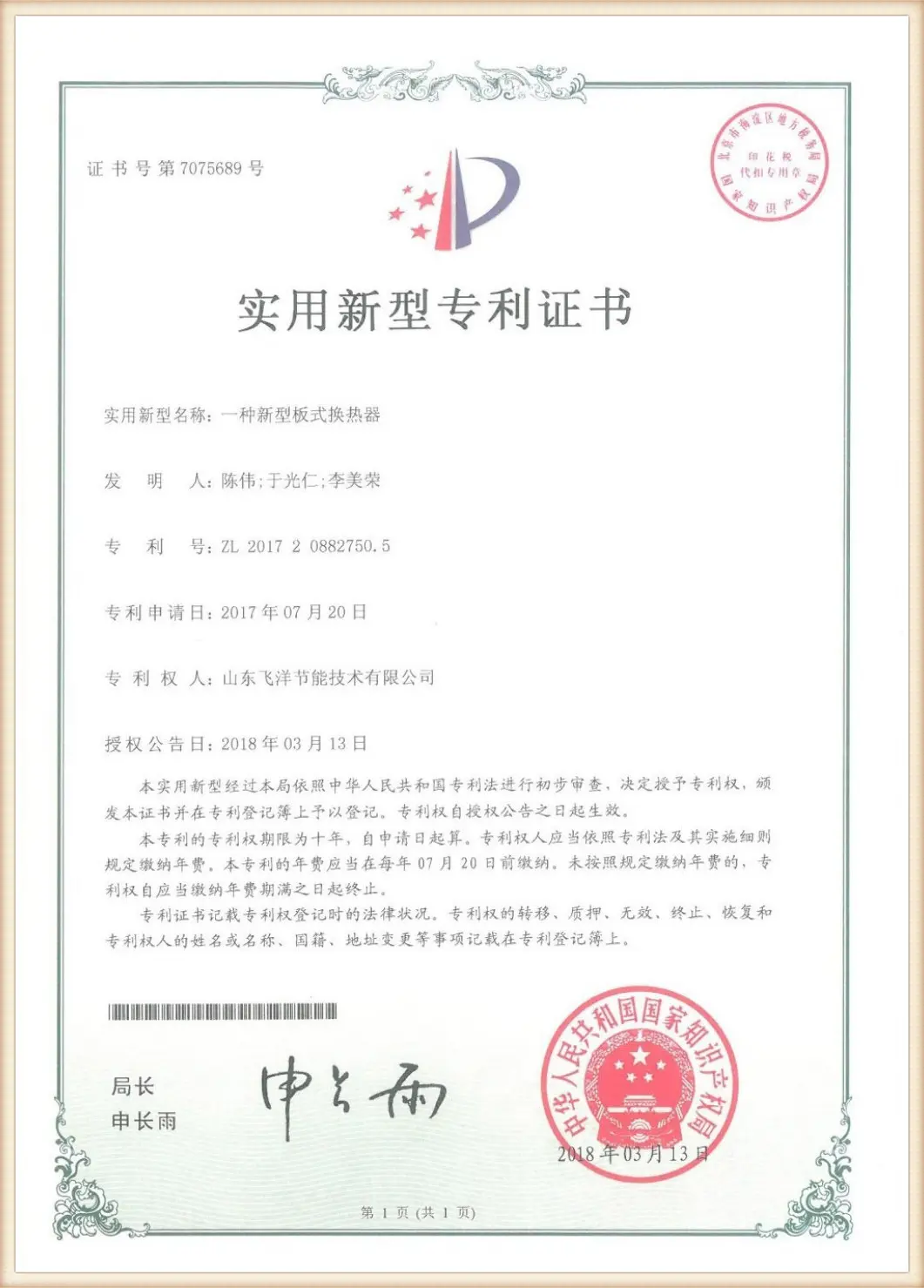
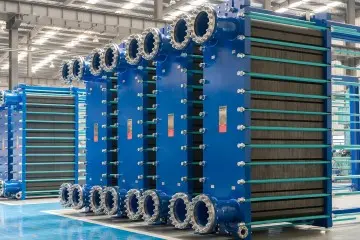
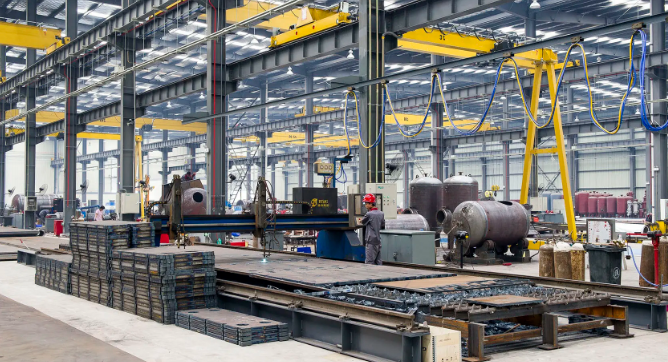
Inside our 70,000 ㎡ high-tech processing facility in China
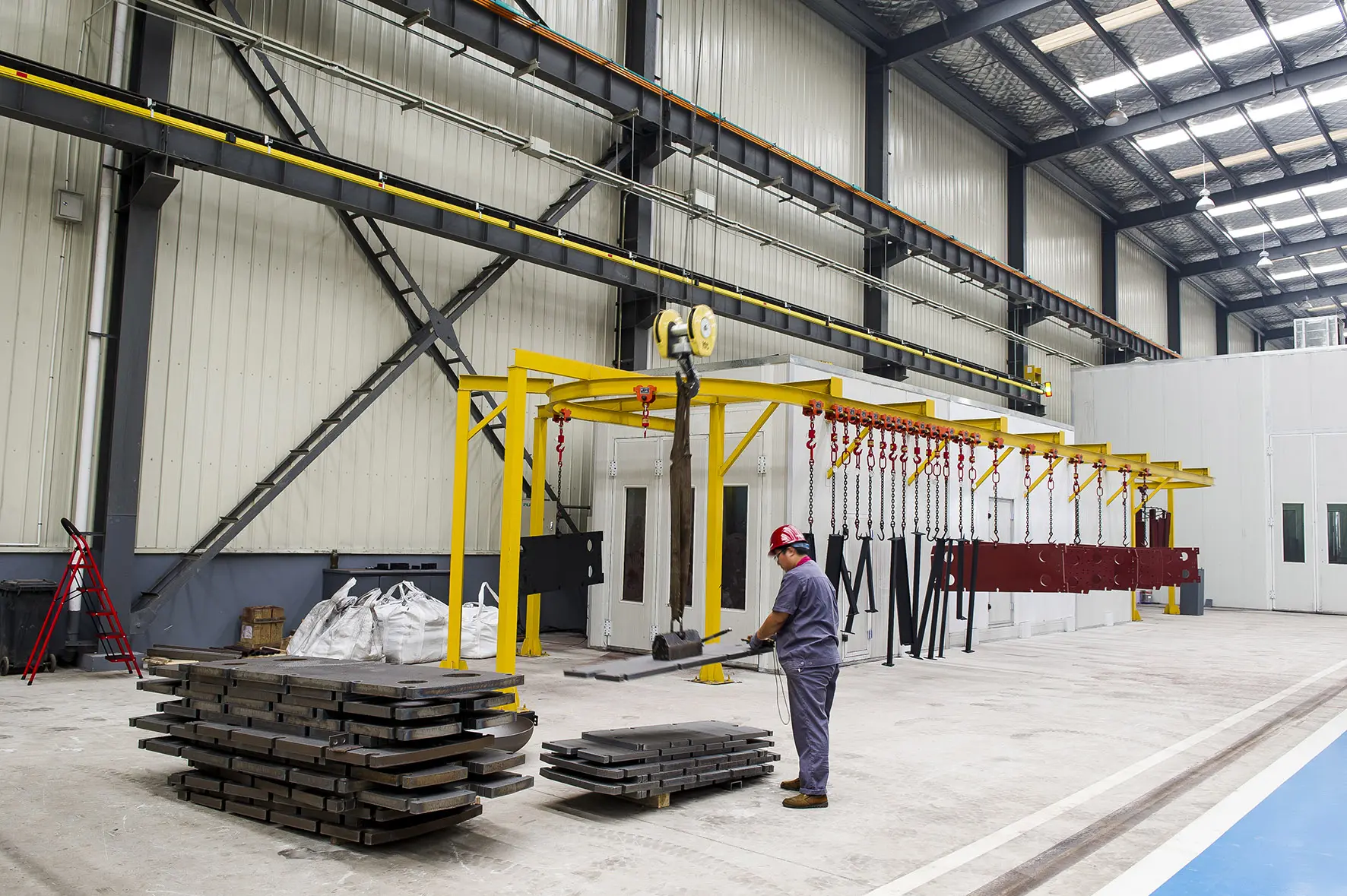
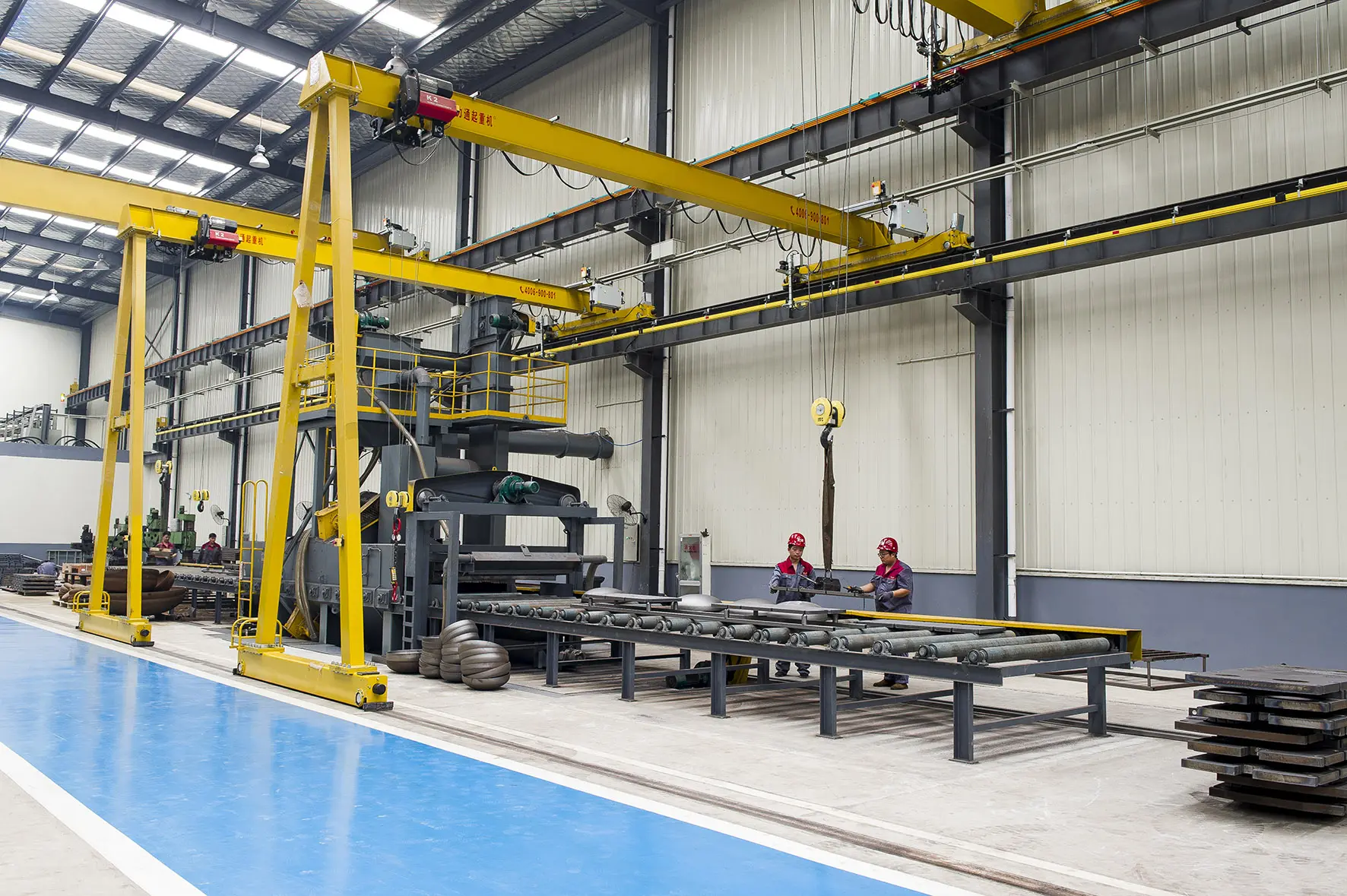
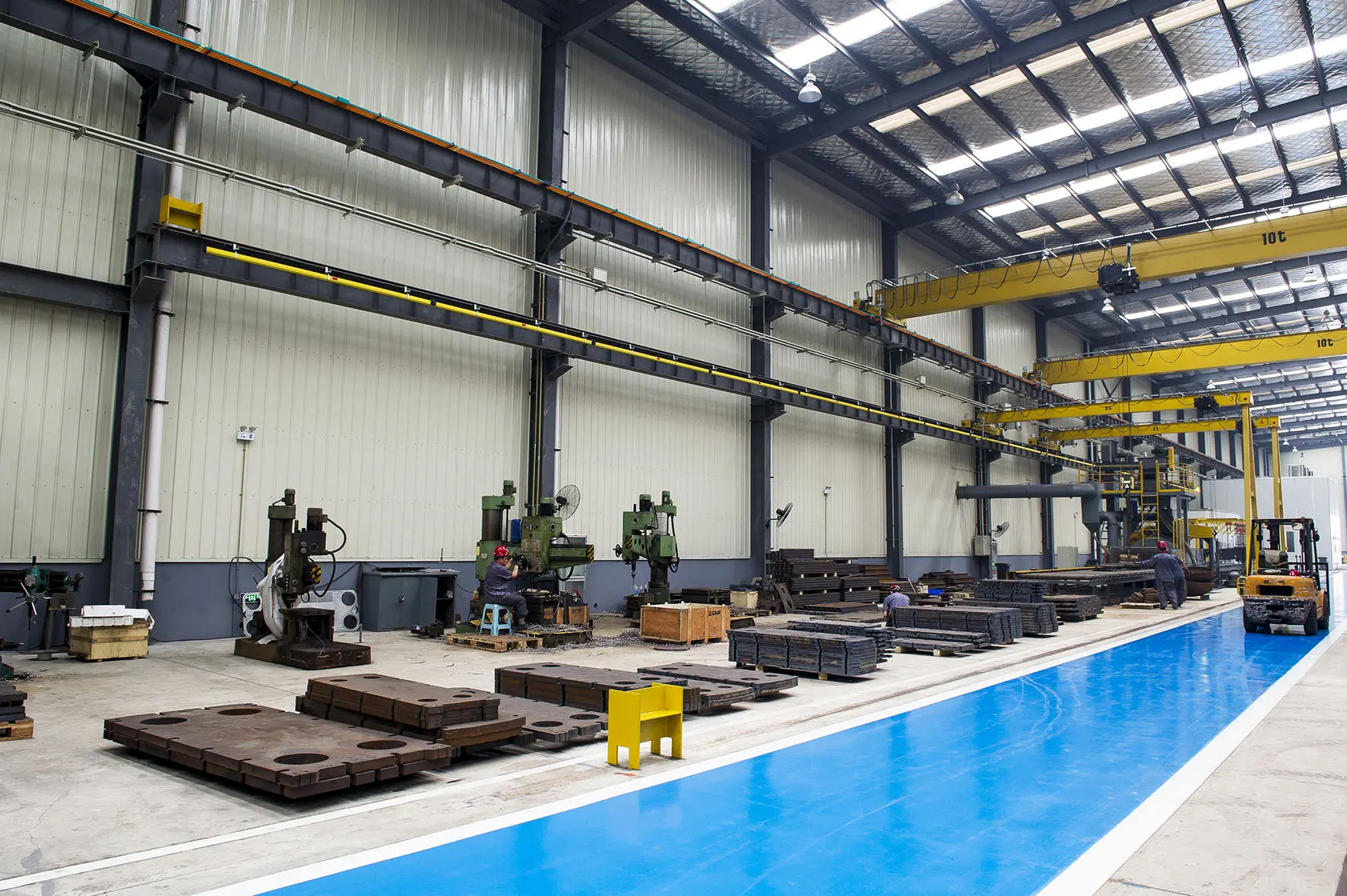

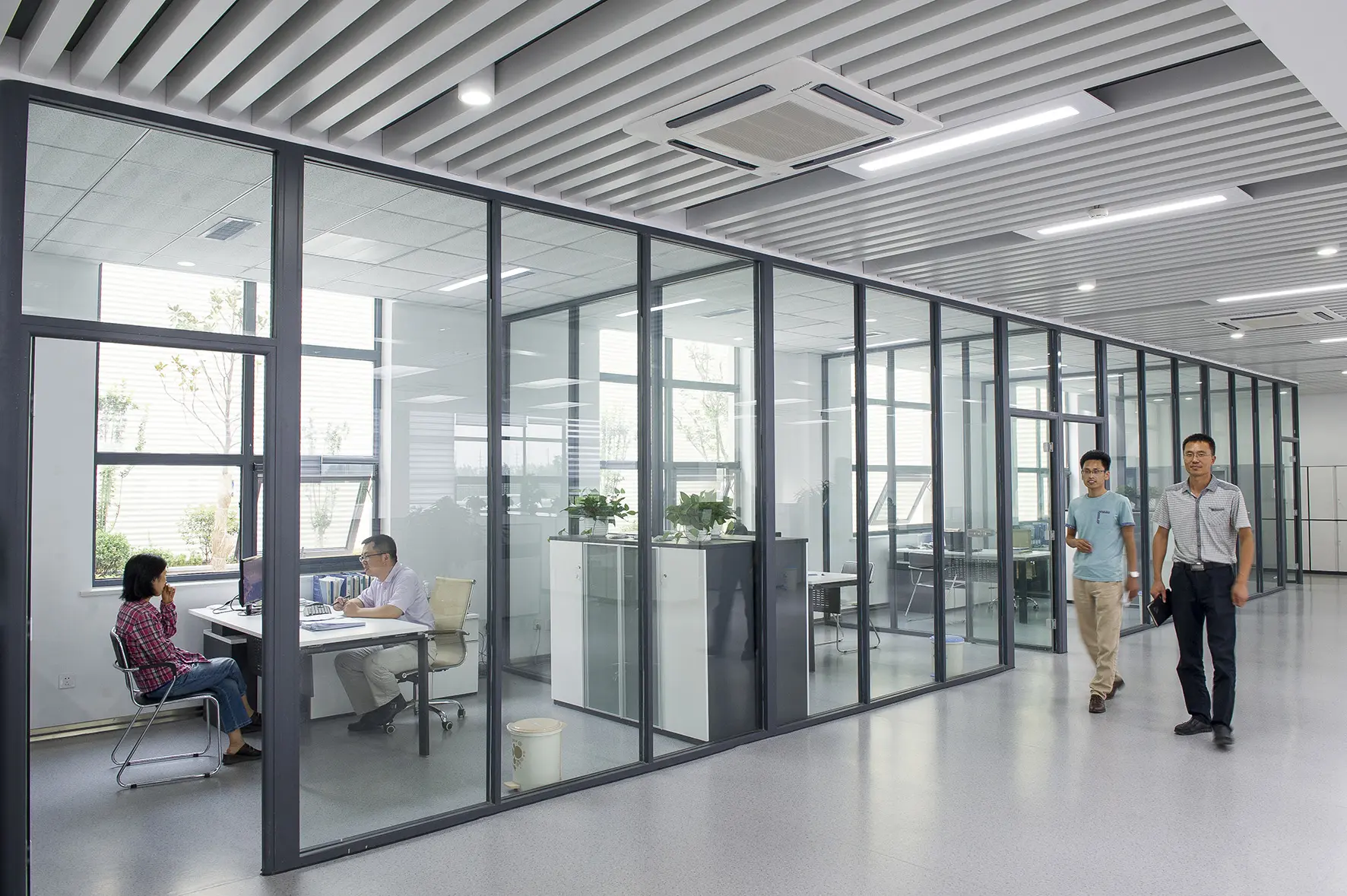

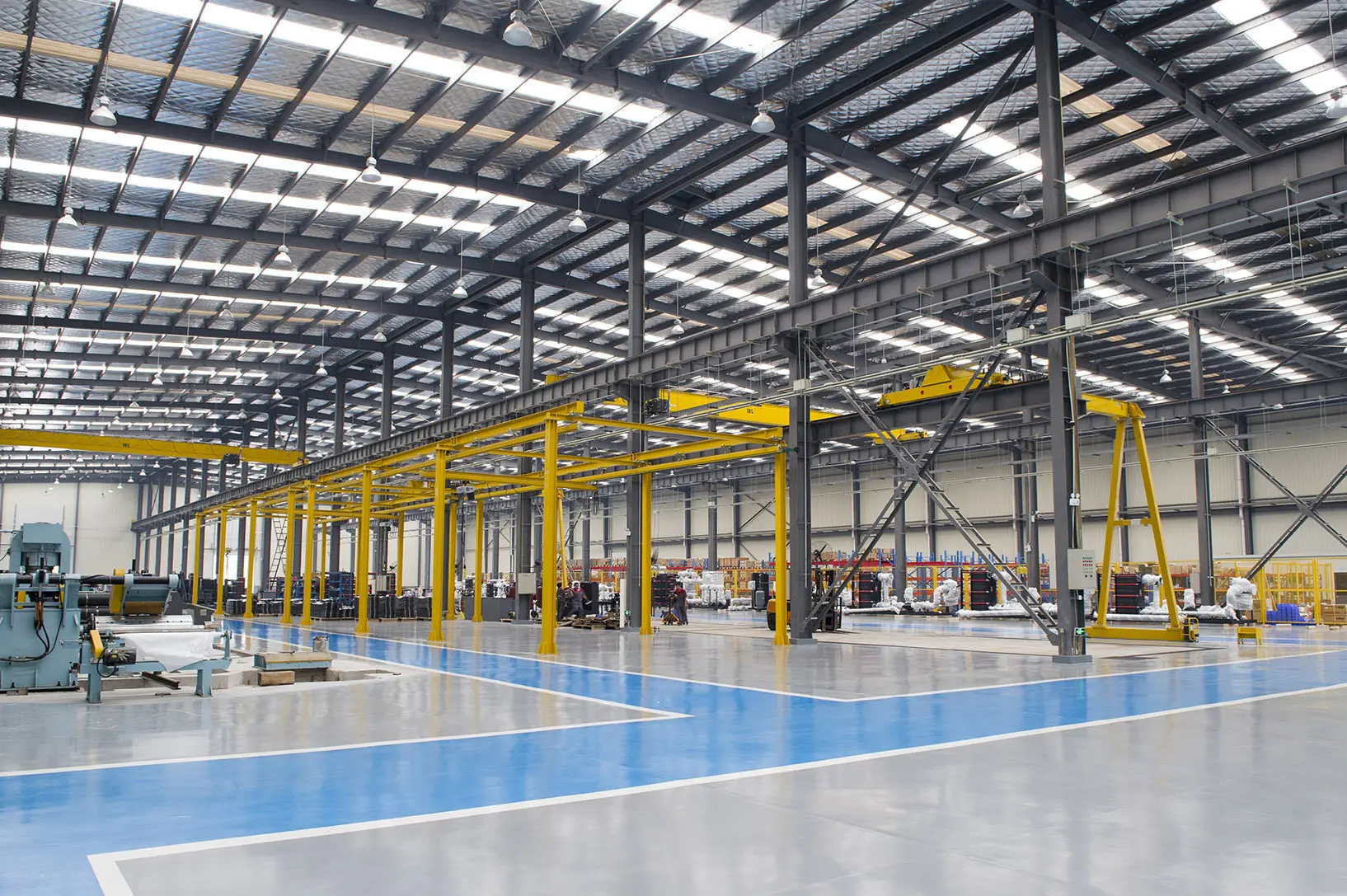
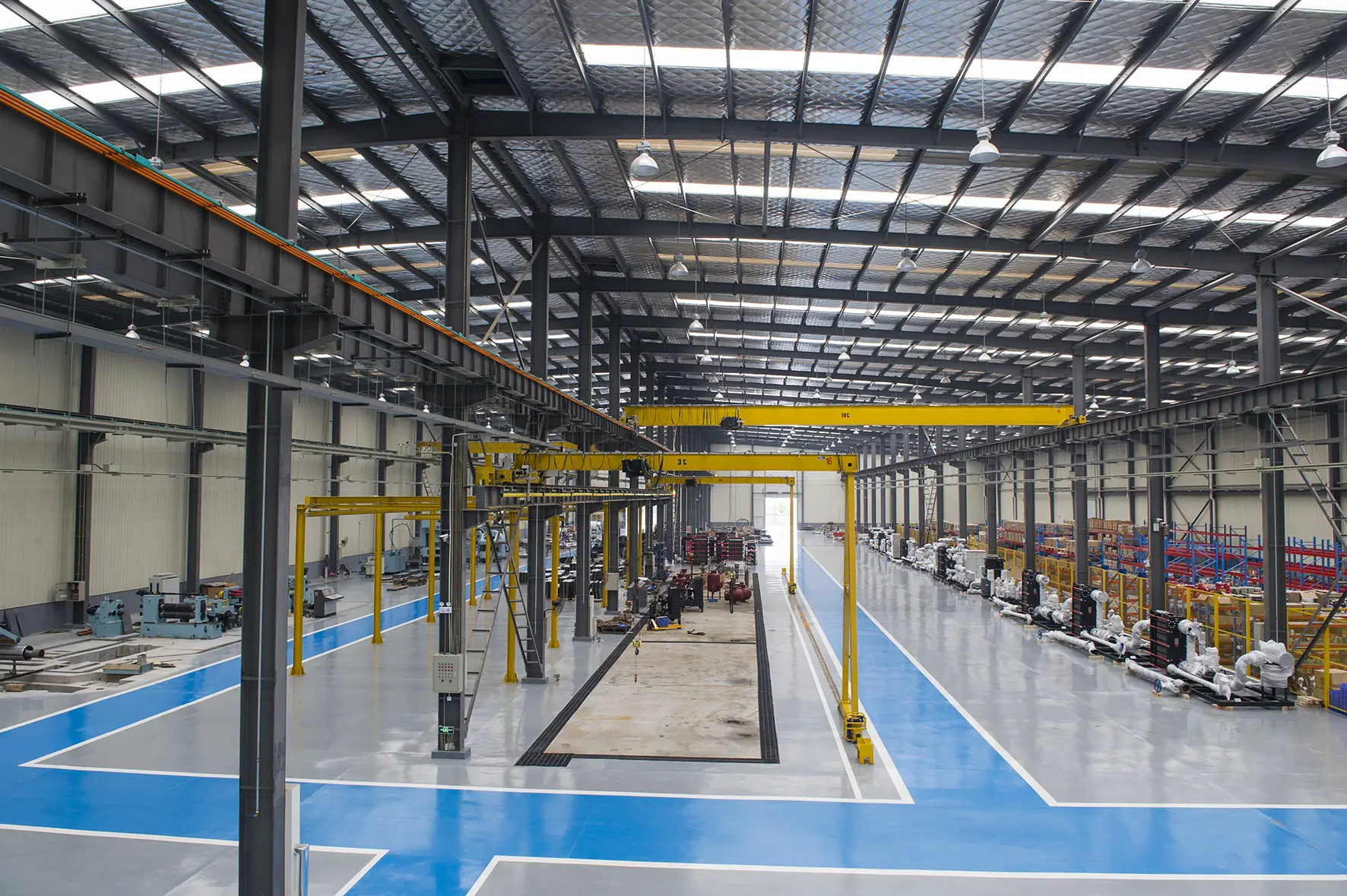
Providing specialized technology and tailored system engineering for heavy industries globally
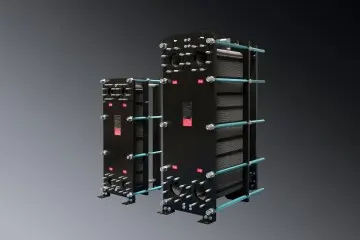
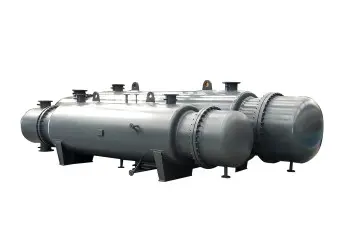
Detachable structures designed for swift scale cleaning and gasket replacement, ensuring minimum downtime in chemical processes.
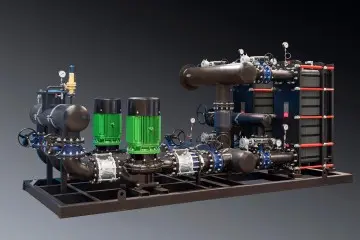
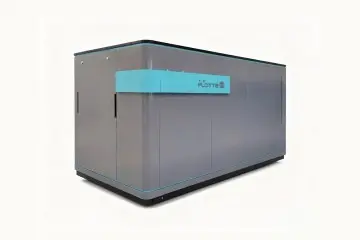
An integrated heating solution utilizing smart telemetry to maintain target water and solvent temperatures dynamically.
Equipped with high-performance plate exchangers to balance pressure variables in district municipal heating systems.
High-efficiency thermal units tailored specifically for large-scale building HVAC and district energy distribution networks.
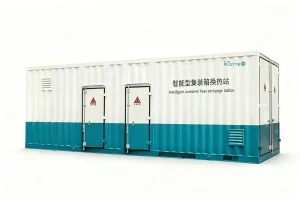
Modular containerized design that provides weatherproof protection and easy relocation for transient industrial mining sites.
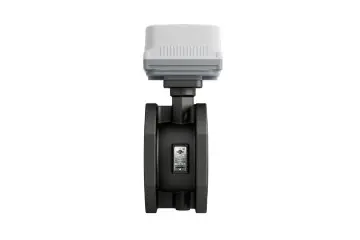
Regulates and distributes secondary network fluid dynamics automatically to achieve optimum thermal efficiency.
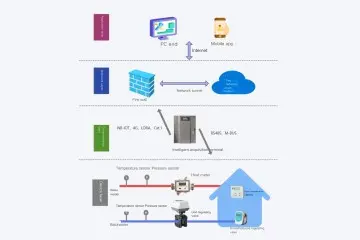
High-precision physical sensor networks gather temperature indicators, feeding raw data to automated control loops.
Integrates control protocols, pressure sensors, and temperature profiles for central monitoring of municipal energy grids.
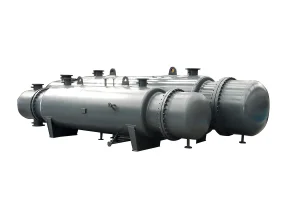
Designed for high-temperature and high-pressure settings, utilizing premium alloy steel for superior chemical durability.
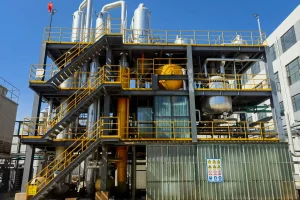
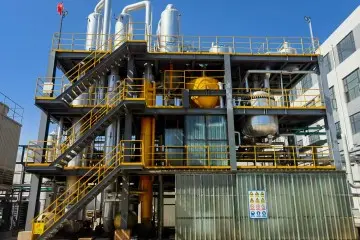
Optimizes waste steam cycles to concentrate liquid streams, providing high energy conservation factors.
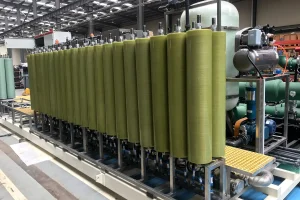
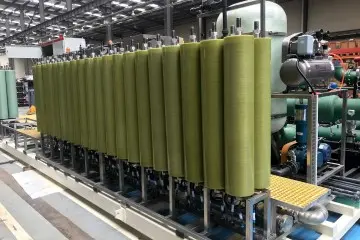
High-efficiency physical barriers optimized for desalination, wastewater reduction, and target extraction.
To support global deployments in chemical processing and petrochemical infrastructure, Flotte has structured a thorough compliance and quality assurance system. Our manufacturing workflow adheres entirely to ISO 9001:2015 for quality management, ISO 14001 for environmental stewardship, and ISO 45001 for workplace health and safety. Every liquid-liquid decanter shell and pressure regulating vessel undergoes intensive radiographic testing, hydrostatic pressure tests, and structural stress modeling to ensure complete alignment with regional guidelines such as European Pressure Equipment Directive (PED) and ASME Boiler and Pressure Vessel Codes.
Recognizing the operational challenges of international projects, Flotte offers localized technical support, remote commissioning supervision, and a rapid-response parts inventory. By maintaining direct strategic relationships with global logistics providers and tier-one material suppliers, Flotte ensures that pre-configured heat exchange systems, valves, and structural spares arrive at customer destinations on schedule, preventing costly project overruns.
The core physics of phase separation inside a horizontal or centrifugal liquid-liquid decanter relies heavily on the differences in density between the immiscible liquid phases, as governed by Stokes' Law. Under gravity settling conditions, the sedimentation velocity of dispersed droplets is defined by:
Where r is droplet radius, ρ_p and ρ_f represent phase densities, g is gravitational acceleration, and μ represents the dynamic viscosity of the continuous phase. Because dynamic viscosity is highly temperature-dependent, incorporating Flotte’s high-precision thermal control systems directly before the inlet of the decanting process ensures the mixture is kept at the precise thermodynamic sweet spot. This maximizes density disparity while minimizing viscosity, thereby exponentially accelerating phase separation rates, reducing the required settling area, and preventing emulsified interface layers from escaping through the phase outlets.
Addressing Crucial Engineering Queries Regarding Liquid Separation and Thermal Control
A liquid-liquid decanter separates two immiscible liquids of different densities. Operating under Stokes' Law, it provides a stable quiescent zone allowing the heavier liquid phase to settle to the bottom and the lighter liquid phase to float to the top. Weir plates and adjustable phase division valves then draw off each purified stream continuously.
Temperature directly alters fluid density and dynamic viscosity. By heating or cooling the process streams via plate or shell-and-tube heat exchangers, manufacturers can decrease the dynamic viscosity of the continuous phase. According to Stokes' Law, this reduction accelerates droplet migration and settlement, speeding up processing cycles and improving separation quality.
Yes. Flotte possesses certifications for pressure vessel design and fabrication. Our manufacturing matches the requirements of the National Standardization Committee and the National Boiler and Pressure Vessel Standardization Technical Committee, and easily integrates ISO 9001:2015 frameworks for European and North American projects.
For aggressive chemical media containing acids, chlorides, or organic solvents, Flotte utilizes specialized alloys including Titanium, Hastelloy, 316L Stainless Steel, and Duplex Stainless Steels (2205/2507). This protects the inner vessel and internals from accelerated galvanic corrosion and pitting.
Custom engineered systems—including design, computational fluid dynamics (CFD) simulation, structural review, raw material sourcing, fabrication, and hydrostatic pressure testing—generally span from 8 to 14 weeks, depending on structural size, material requirements, and compliance certifications.
Premium Equipment Custom-Built for Chemical Plants, Municipal Utilities, and Heavy Industrial Projects
 Flotte Energy