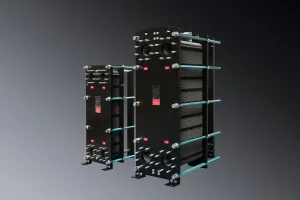
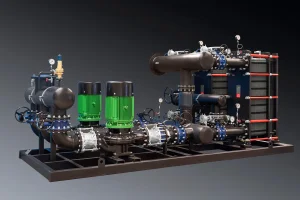
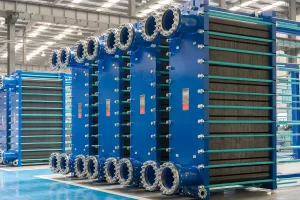
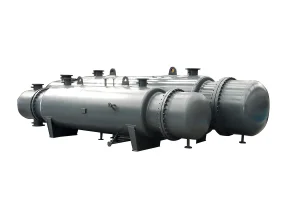
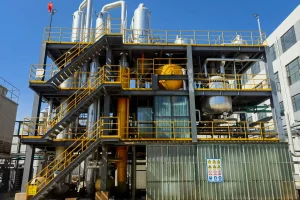
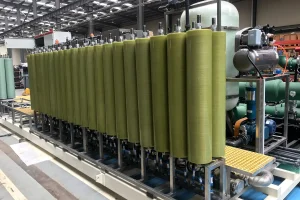
Flotte Energy Saving Company, established in 2013 with a registered capital of 101 million yuan, originated from Flotte Thermal Engineering founded in 1995. With three decades of rigorous technical expertise, the company specializes in high-performance water equipment, HVAC systems, and industrial water treatment. We consistently lead industry peers in adopting cutting-edge manufacturing technologies, developing proprietary thermal solutions, and delivering end-to-end global distribution and support.
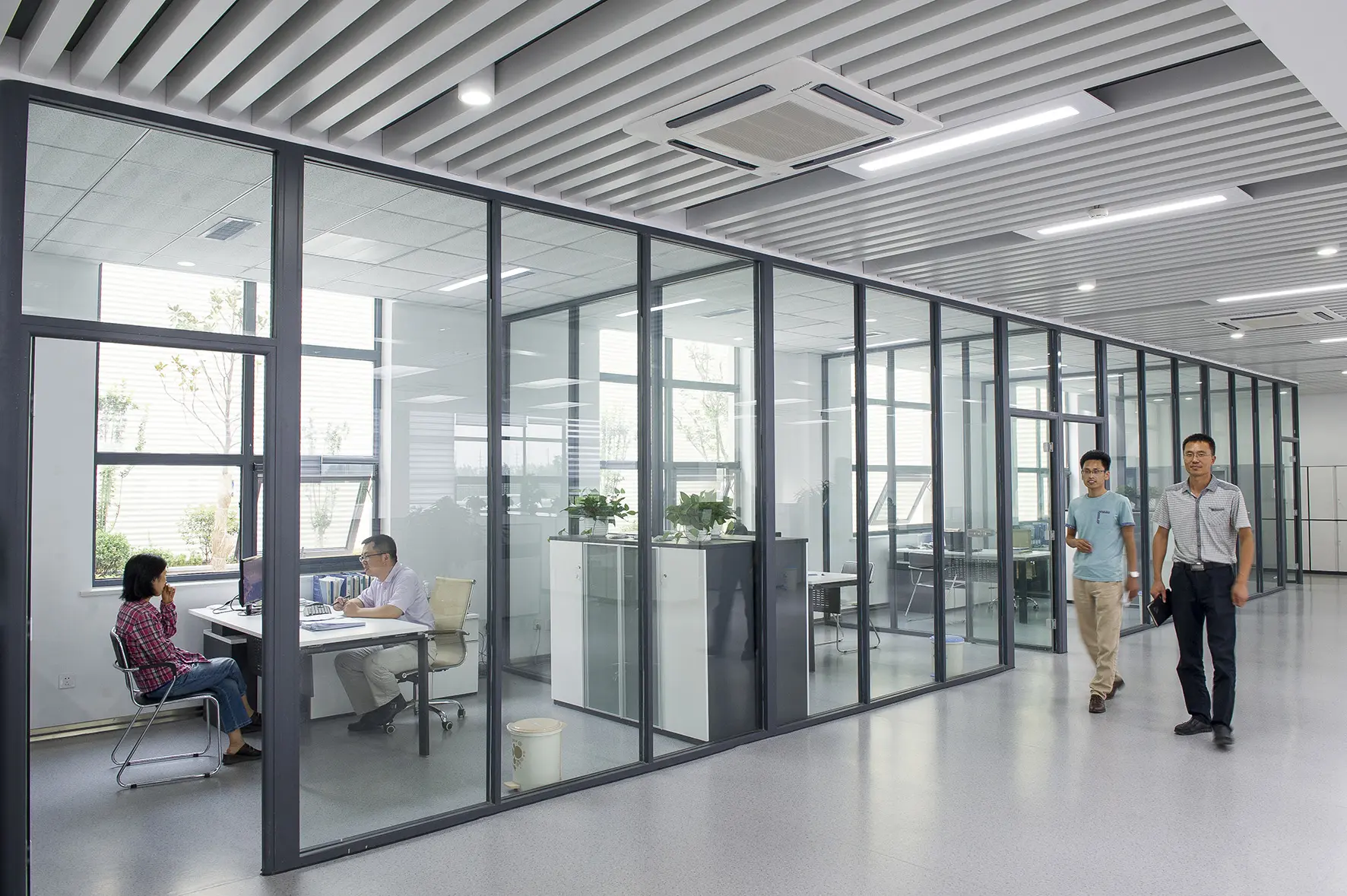
Our commitment to thermal excellence is backed by an advanced engineering department and dedicated scientific research labs. Flotte ensures that complex thermodynamic systems—specifically those requiring precise LMTD (Logarithmic Mean Temperature Difference) calculations—are designed for optimal energy utilization, structural durability, and minimal operational maintenance overhead.
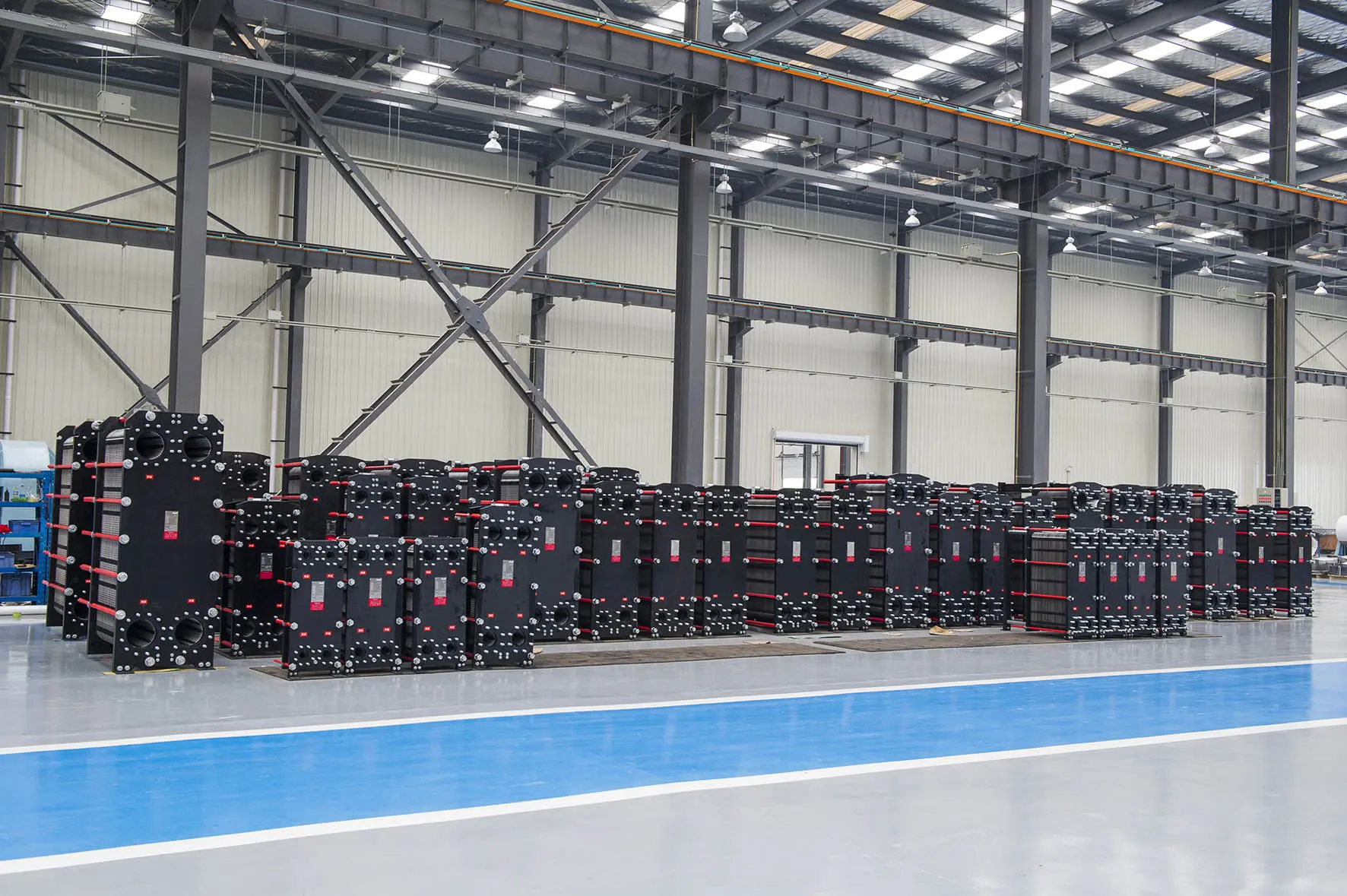
In high-precision thermal systems, the Logarithmic Mean Temperature Difference (LMTD) acts as the fundamental mathematical driver for sizing heat exchangers. A higher efficiency plate heat exchanger design maximizes the overall heat transfer coefficient (U) while maintaining a minimal LMTD boundary. This requires advanced plate geometry, optimized chevron angles, and superior material science. Flotte’s state-of-the-art plate profiles generate high turbulence at lower Reynolds numbers, dramatically boosting heat transfer rates while controlling pressure drop constraints.
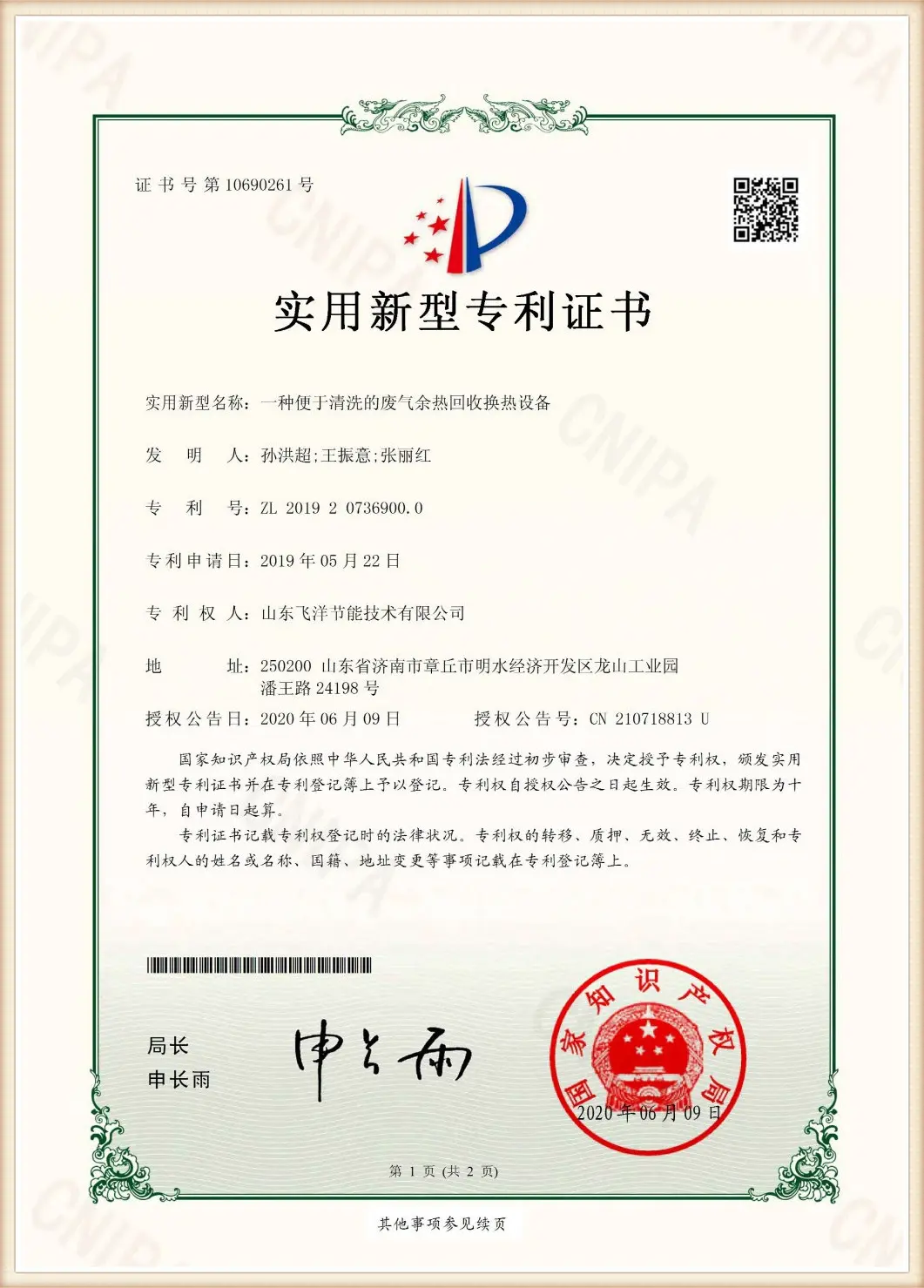
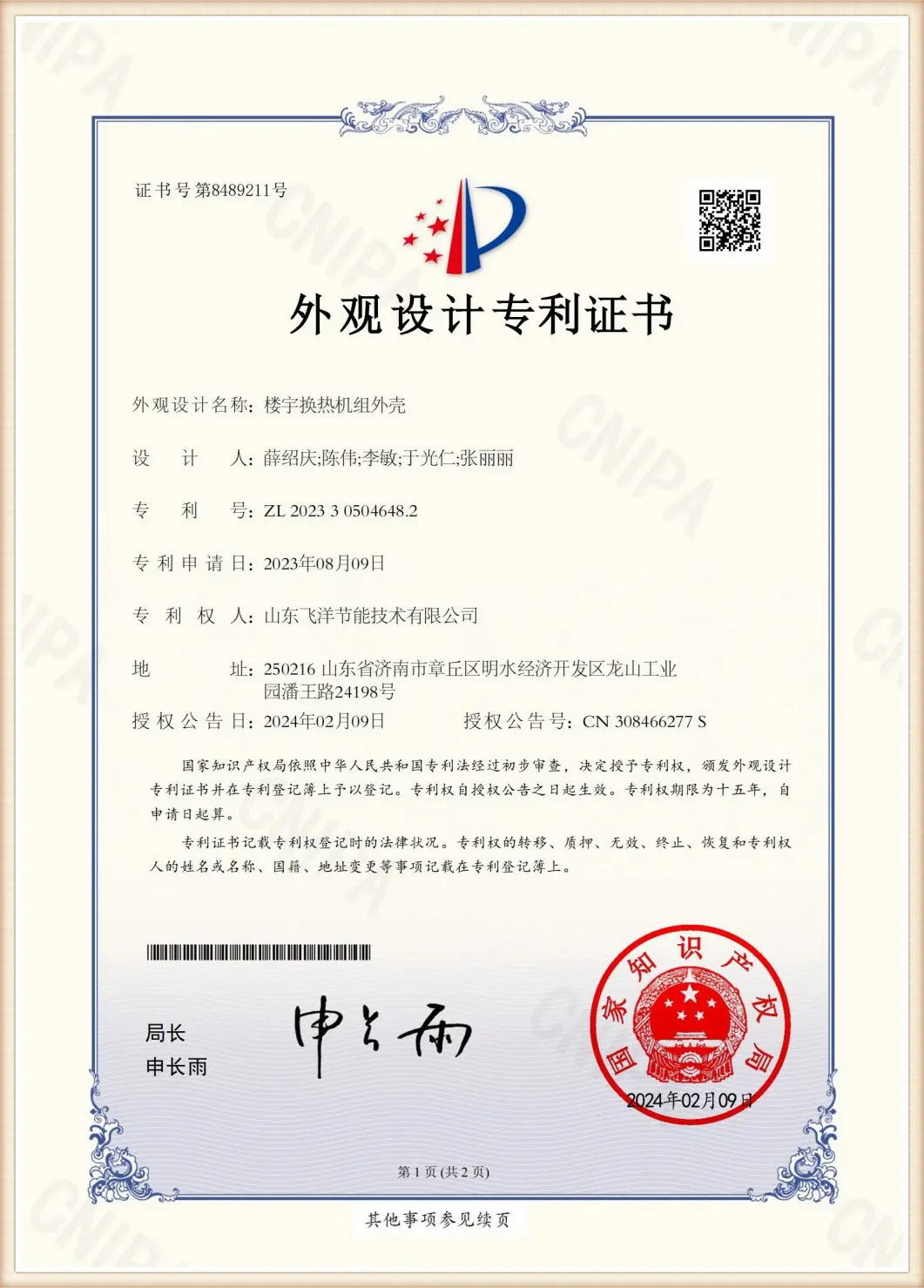
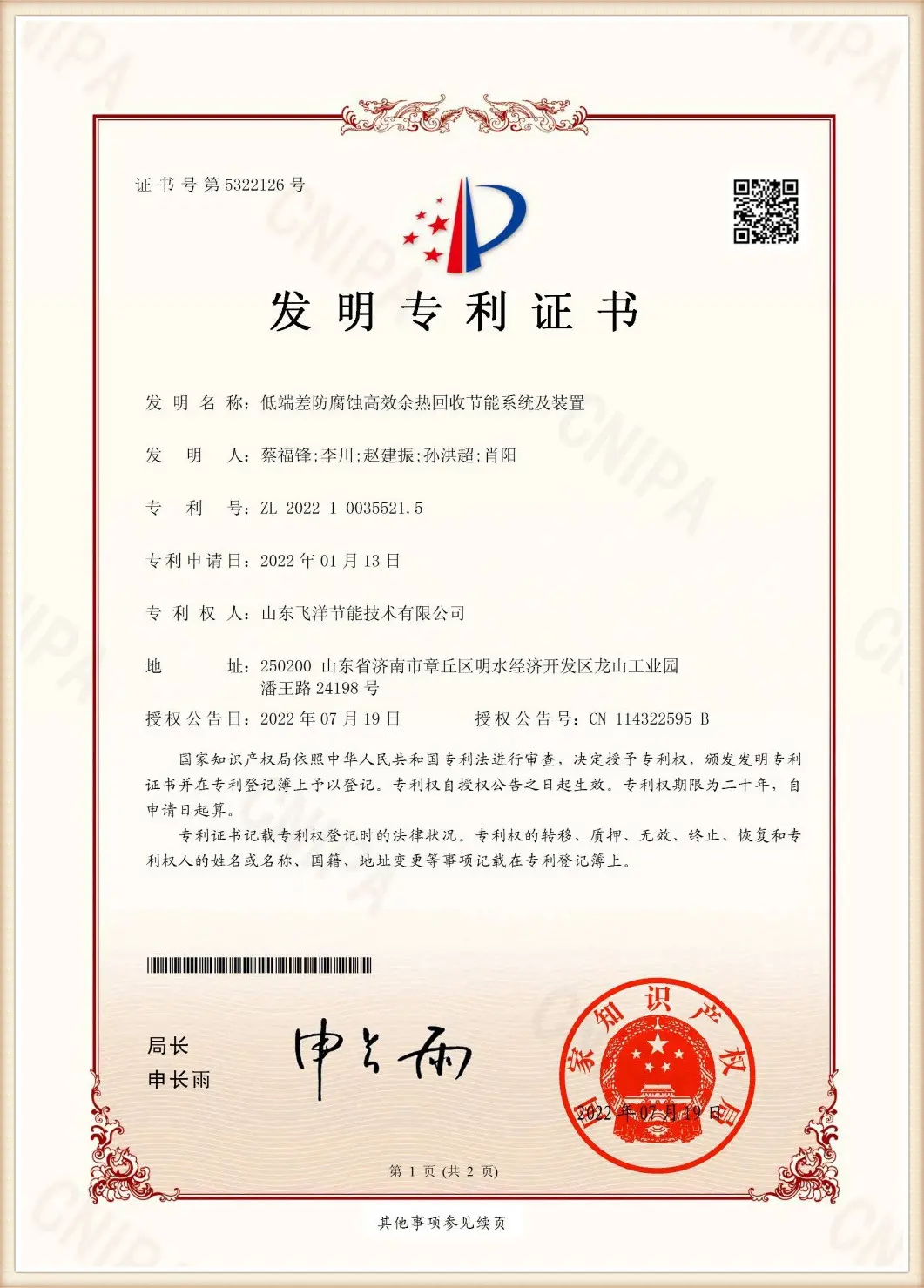
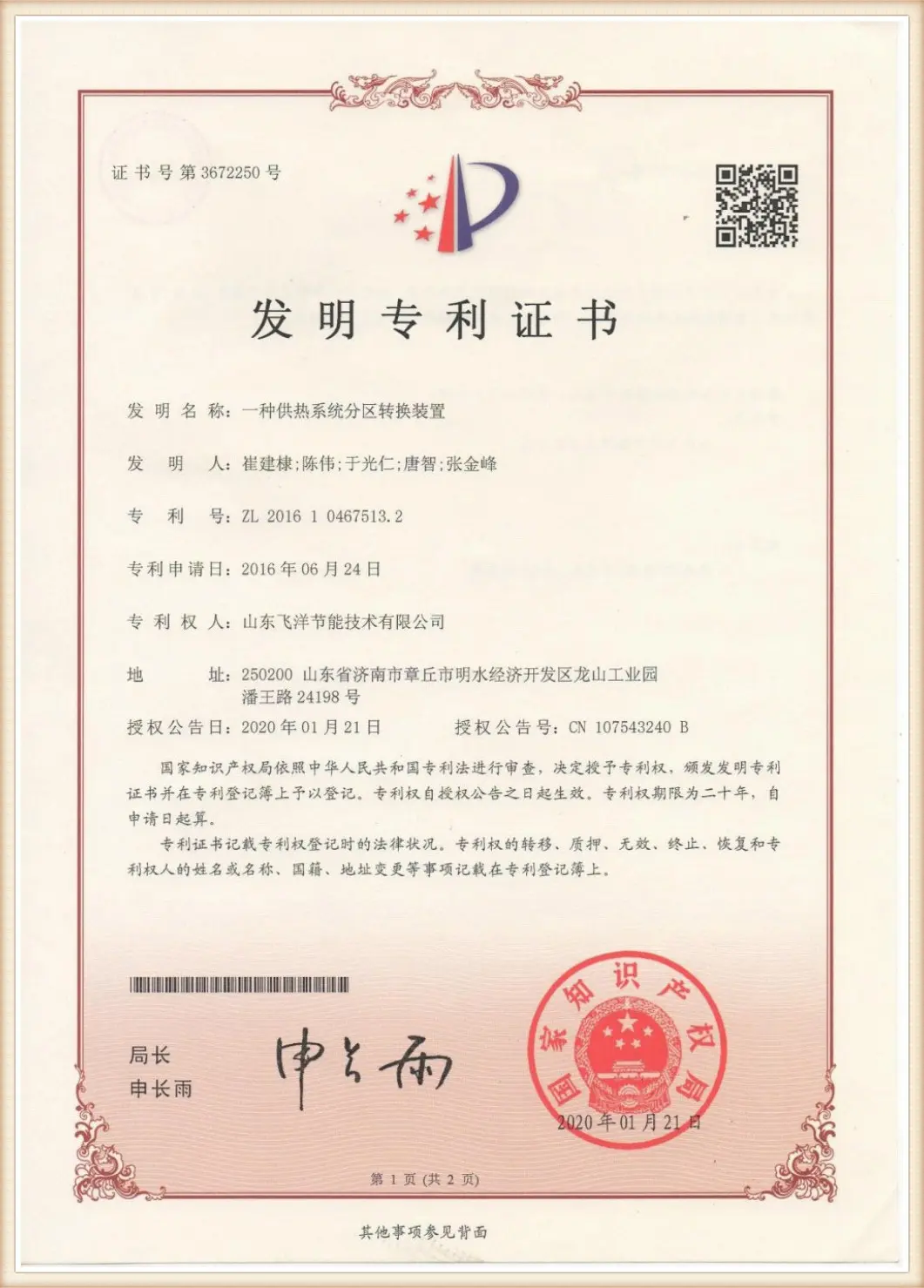
Our relentless innovation has yielded multiple national patent certifications, including:
Every unit conforms strictly to the National Standardization Committee rules and pressure vessel safety frameworks. Flotte holds active certifications for ISO9001 Quality Management, ISO14001 Environmental Management, and ISO45001 Occupational Health and Safety Management. Our engineering workflows integrate advanced software models with real-world laboratory validation, ensuring that predictive modeling matches actual onsite thermal outcomes.
By adjusting plate chevron orientations and channel spacing, Flotte engineers match specific media viscosities and flowrates to maximize the heat transfer surface utilization and approximate close temperature approaches down to 1°C.
We source certified metallurgical plates (SS304, SS316L, Titanium, Hastelloy) and premium gaskets (NBR, EPDM, FKM) from qualified global suppliers, ensuring high-temperature and chemical resistance across heavy industrial applications.
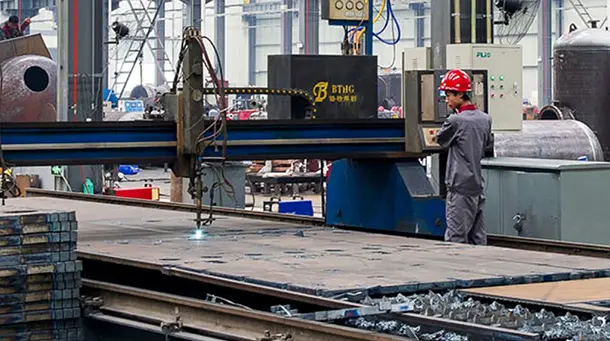
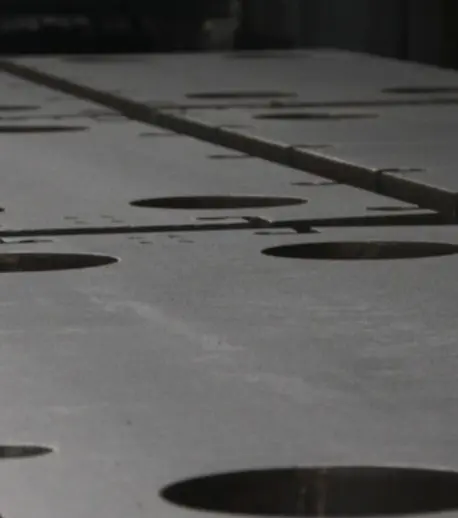
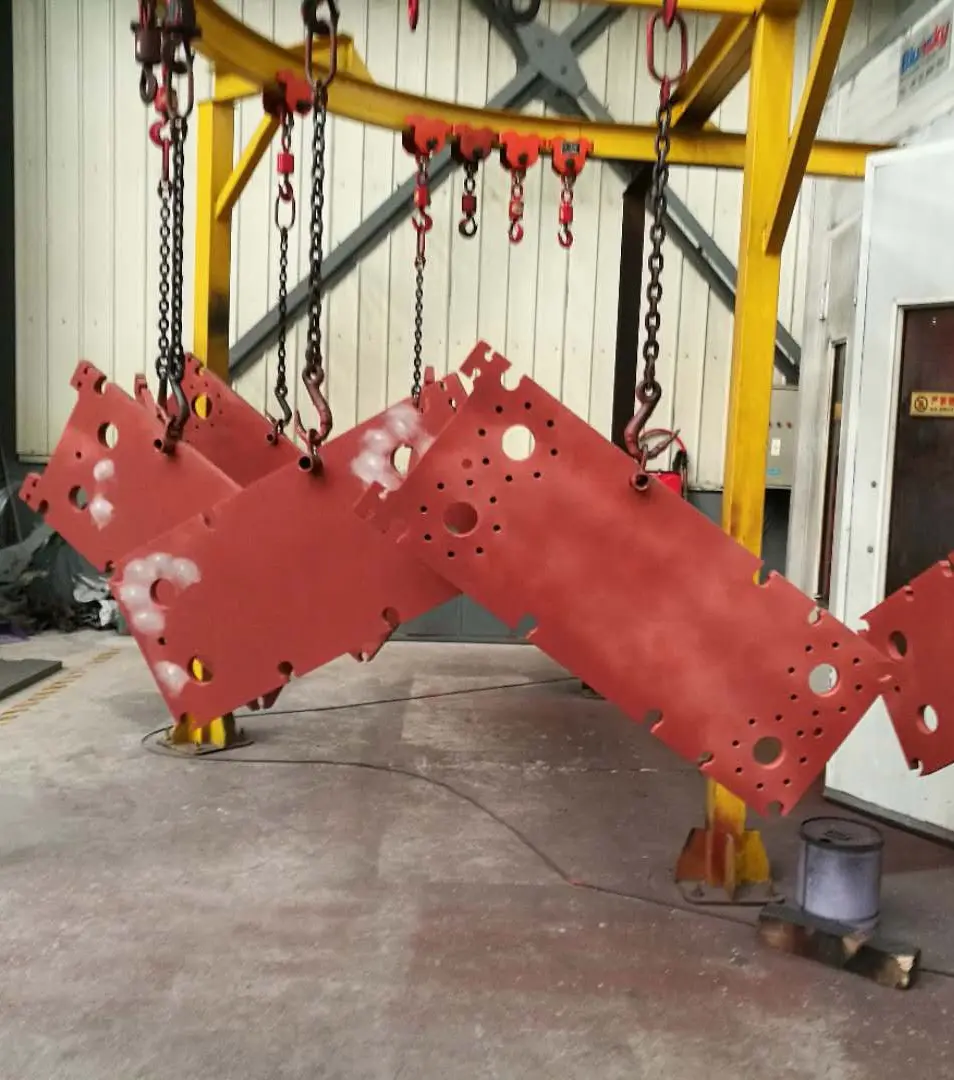
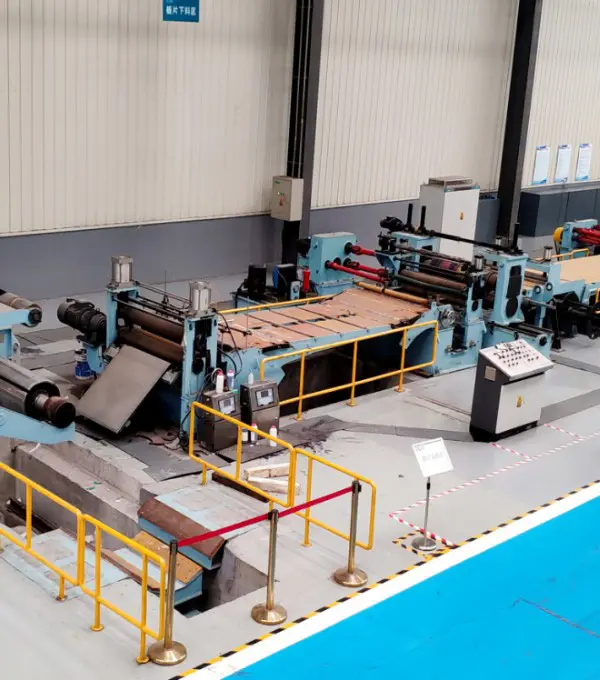
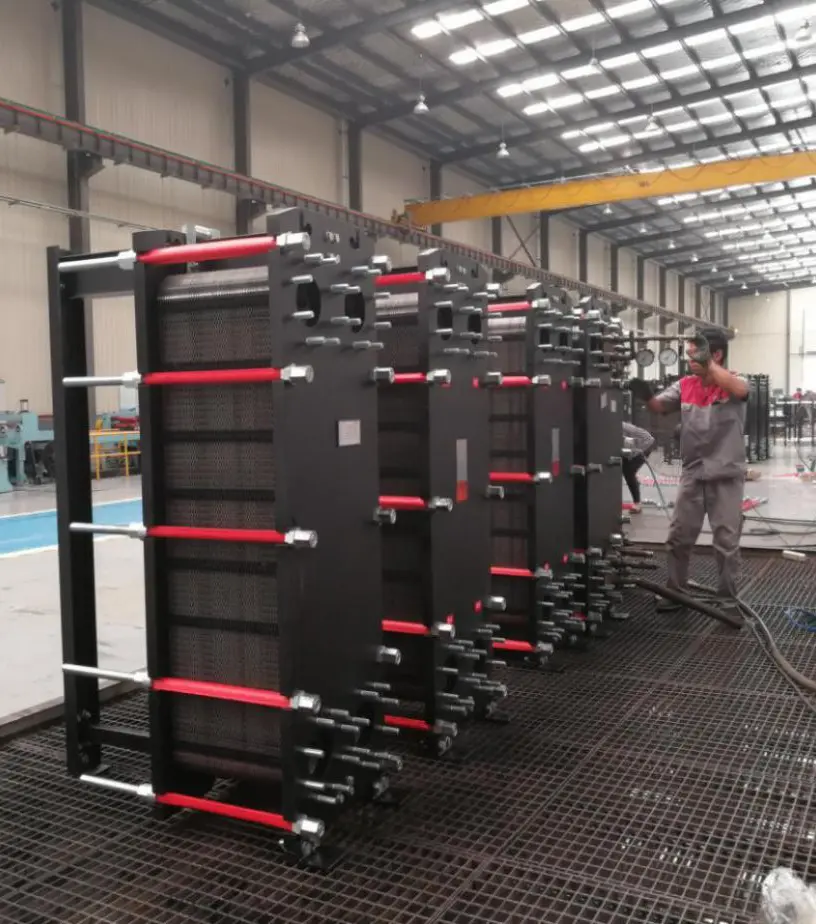
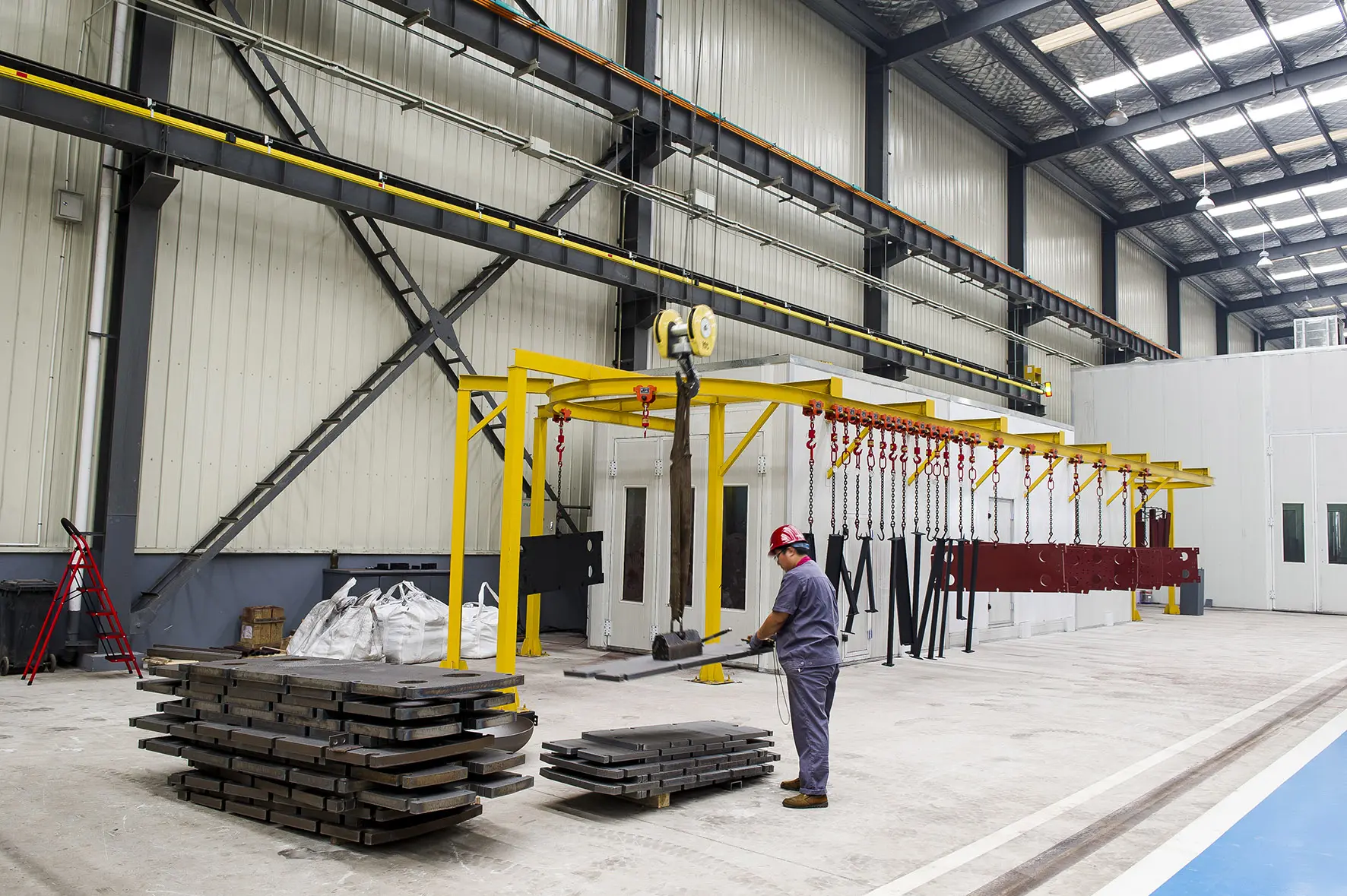
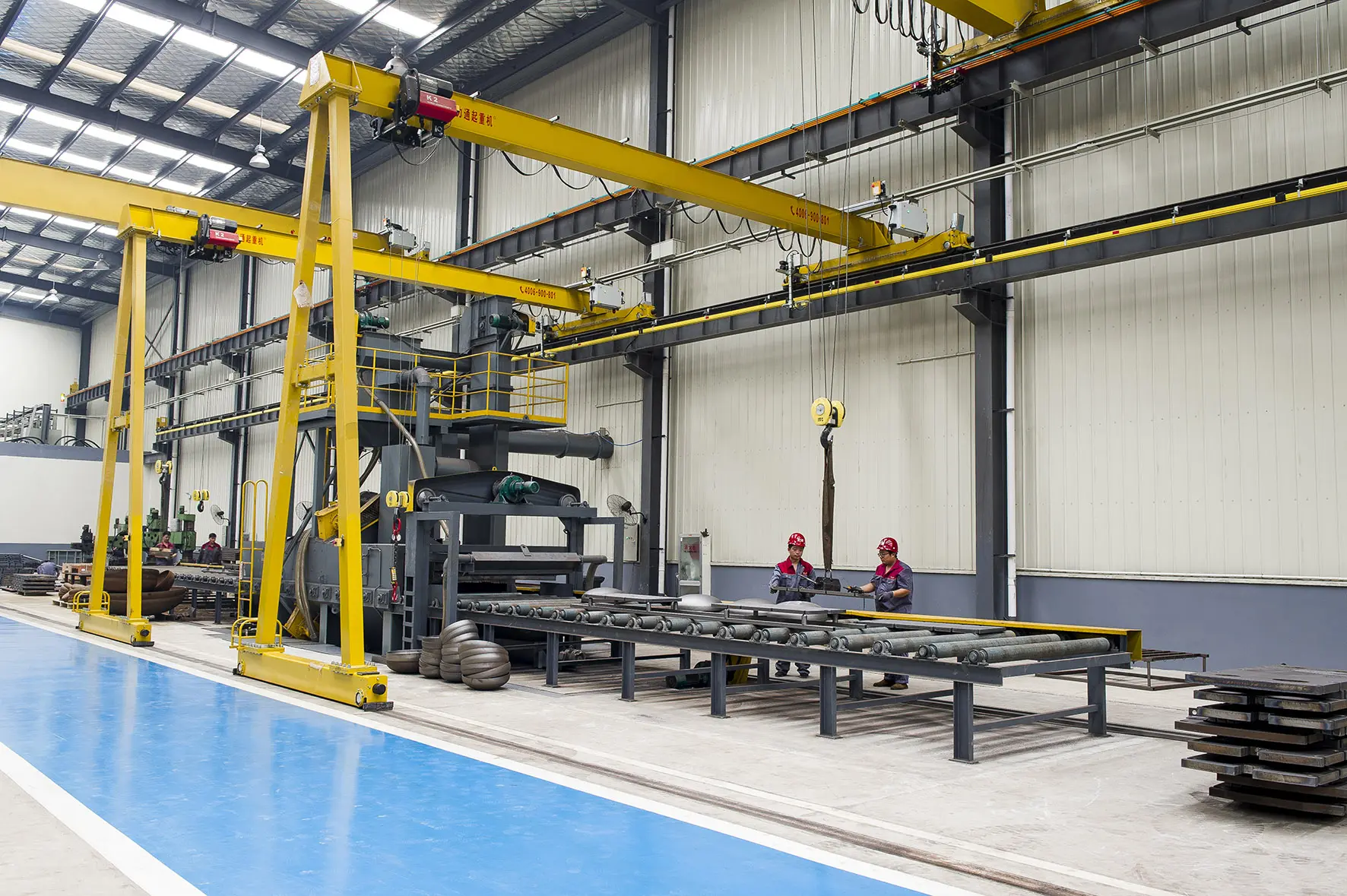
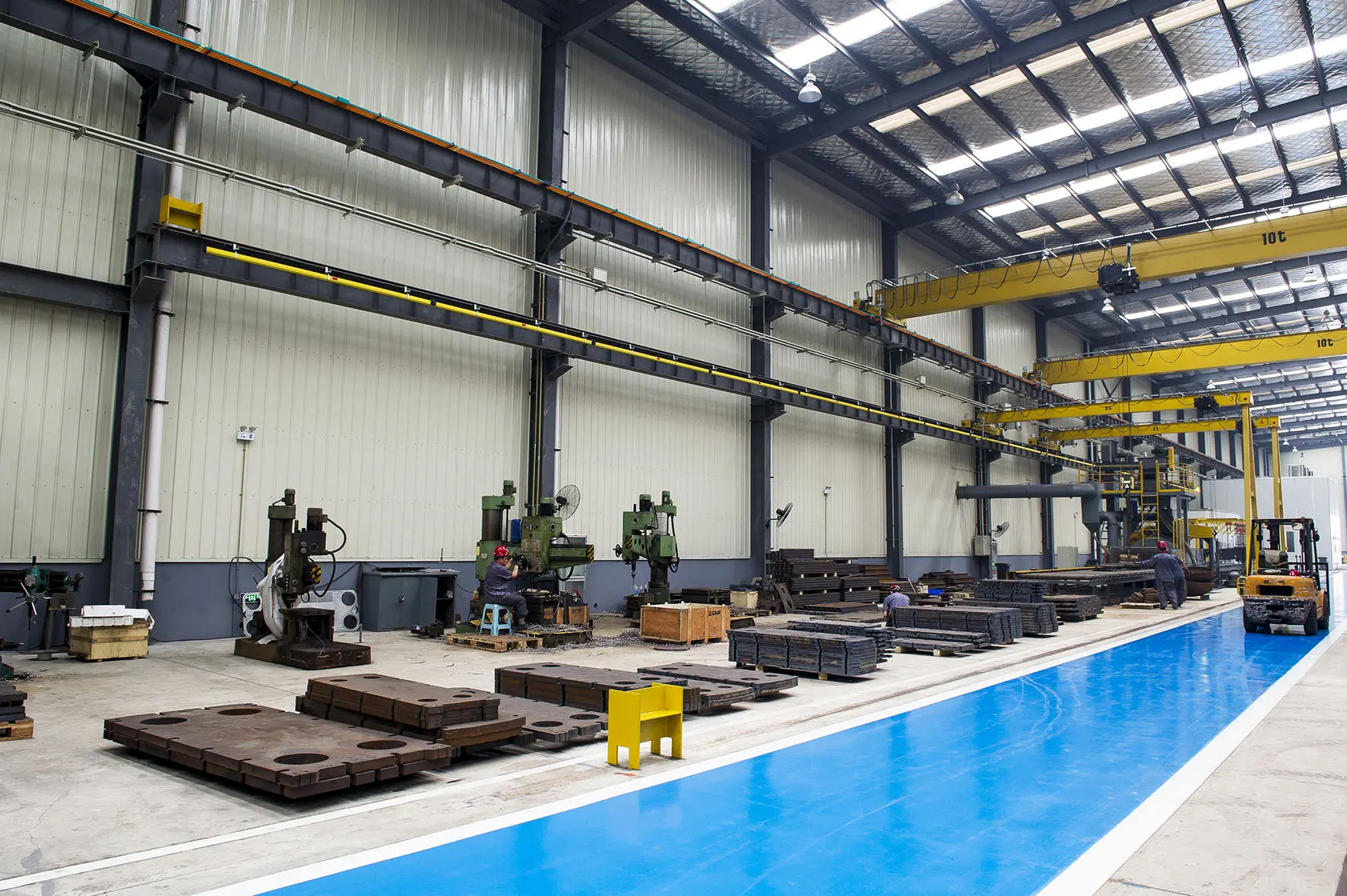
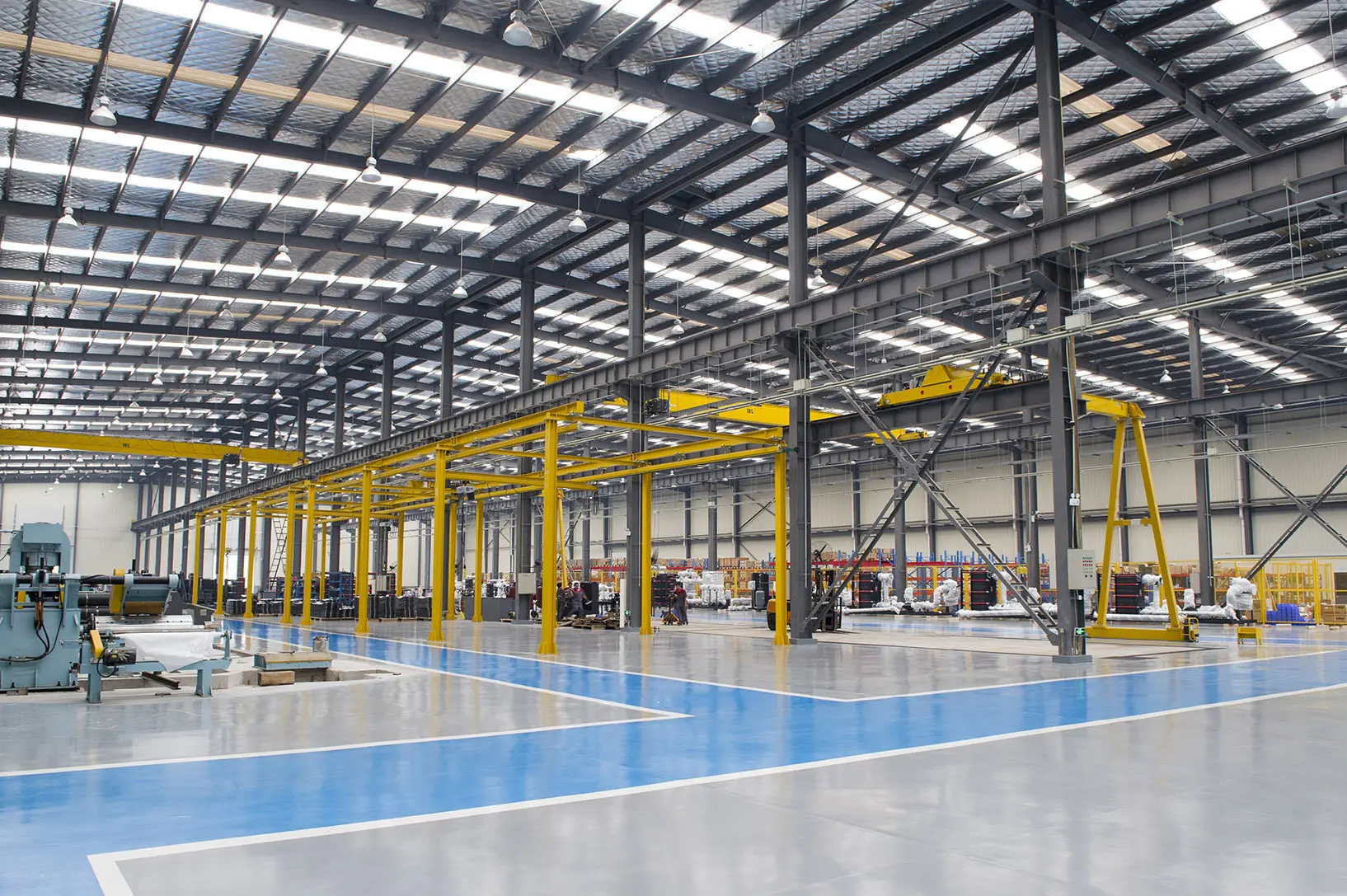
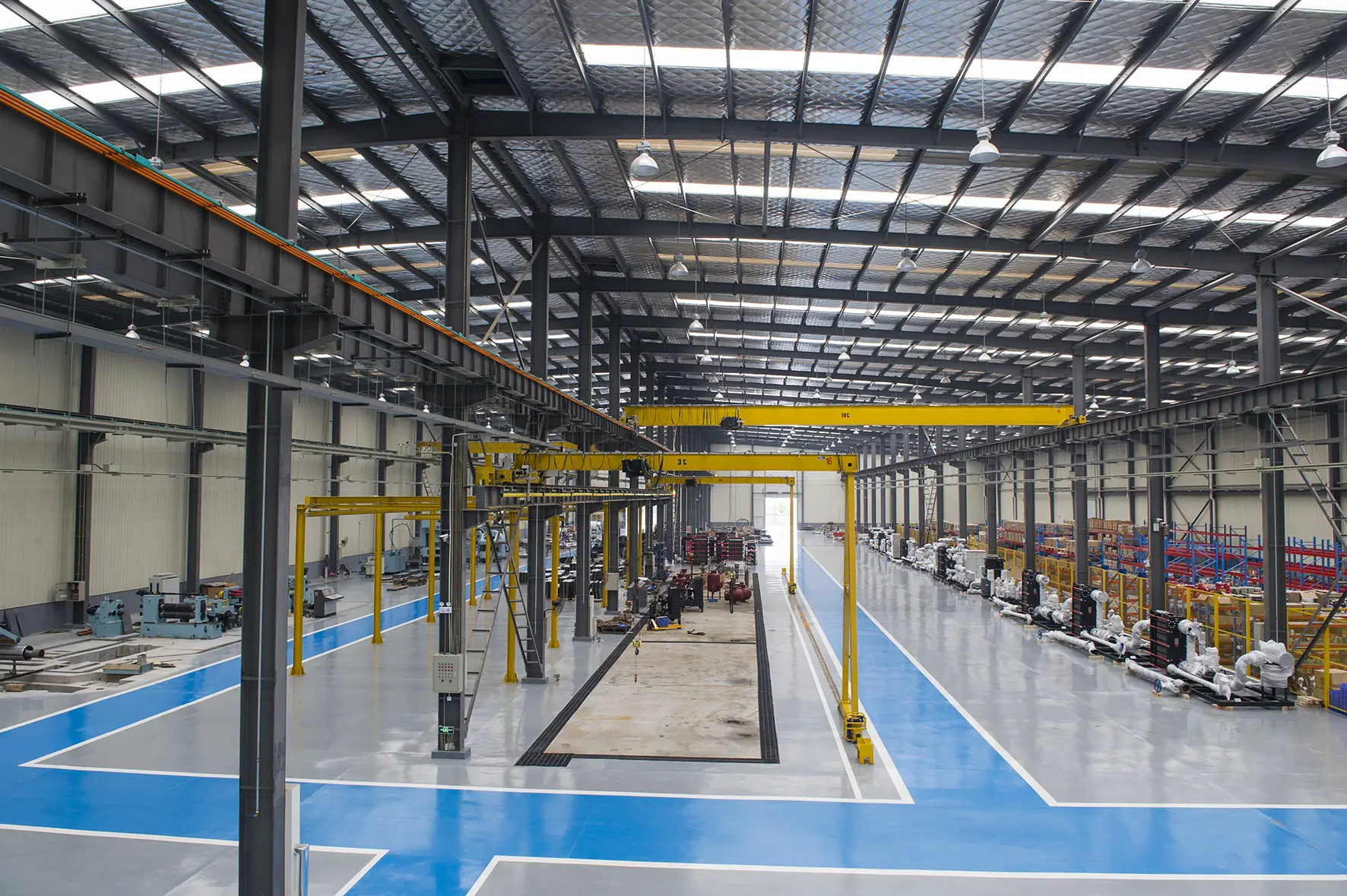
Exacting engineering requires rigorous production. Flotte operates advanced automated manufacturing workshops where raw materials are transformed into certified thermal units under strict quality control loops. We integrate high-tonnage hydraulic presses, precision laser cutting, and automated assembly systems to eliminate structural micro-defects.
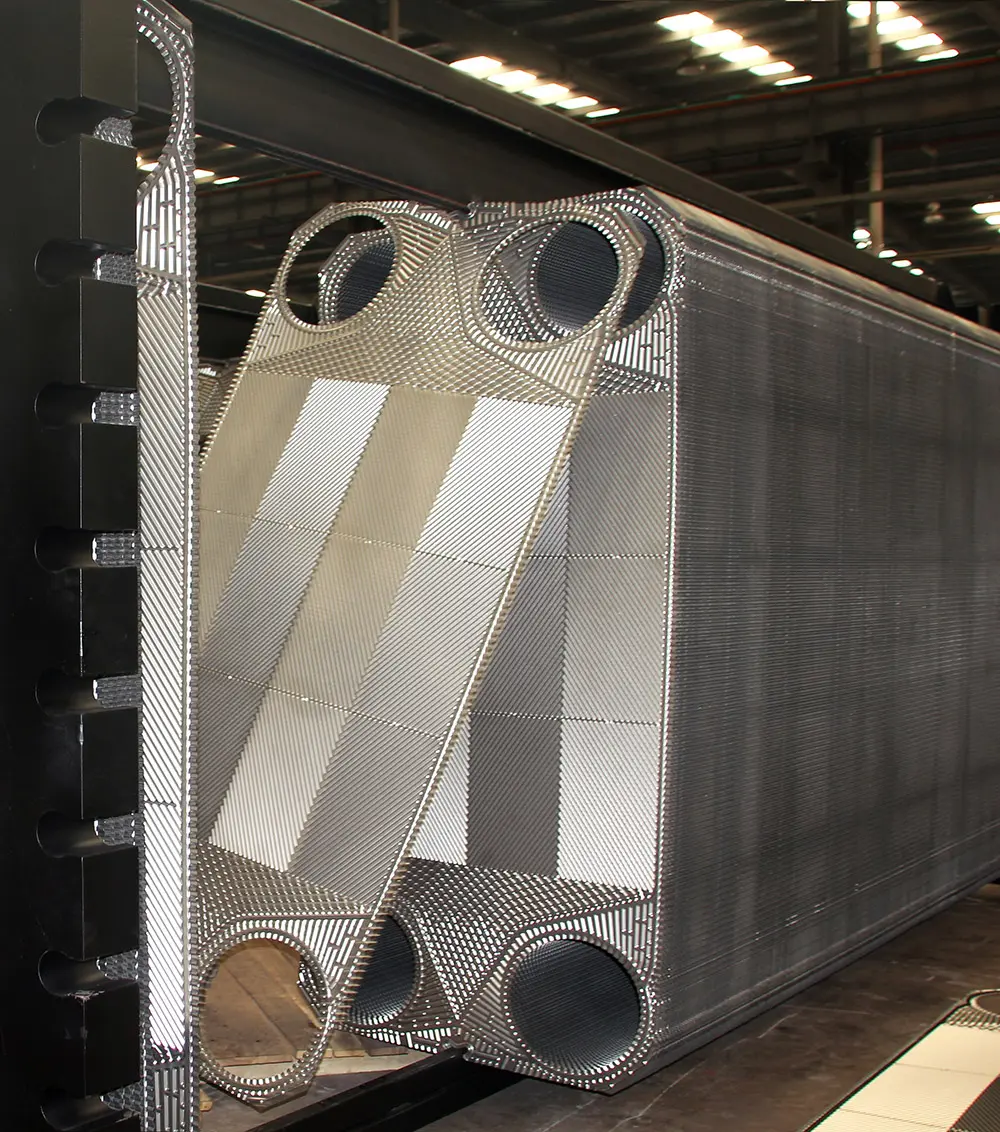
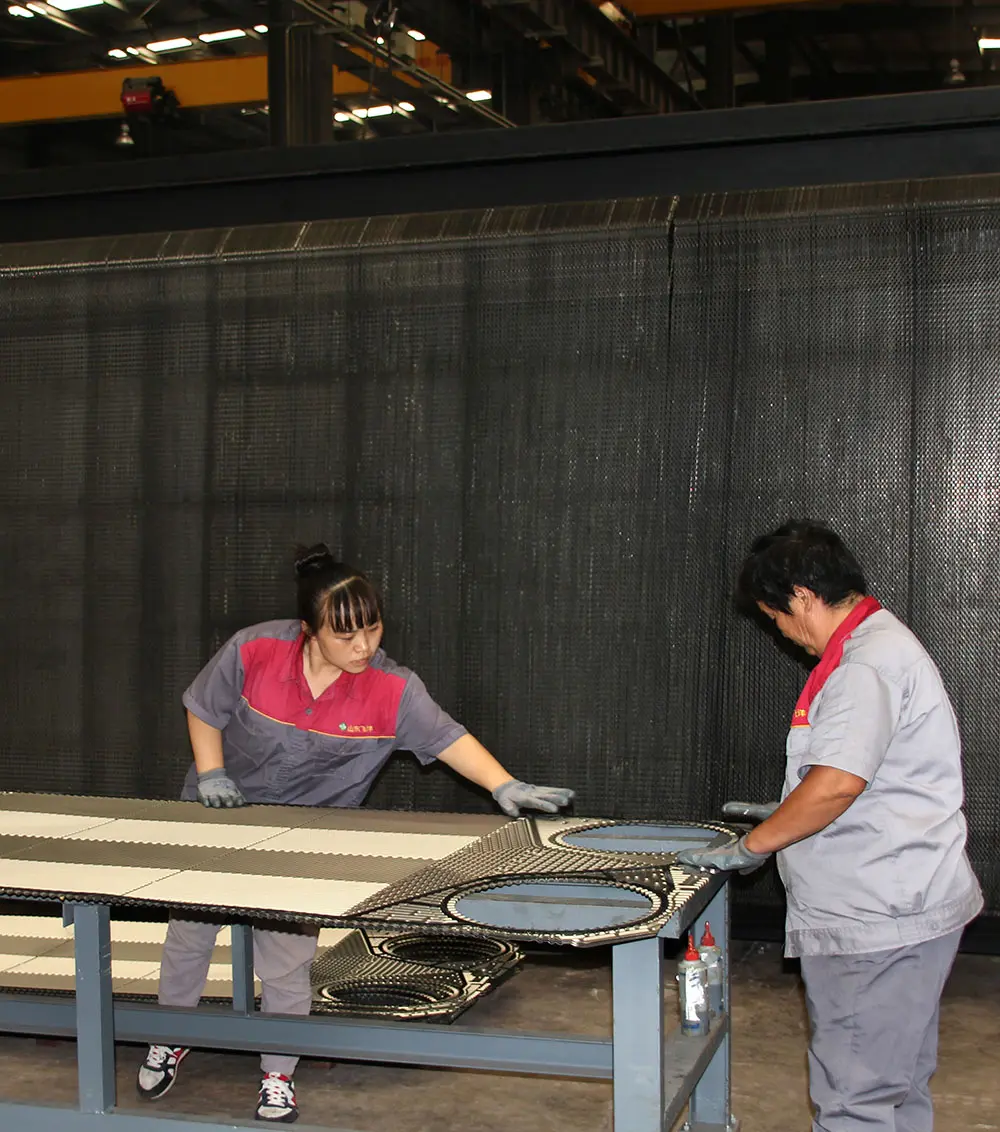
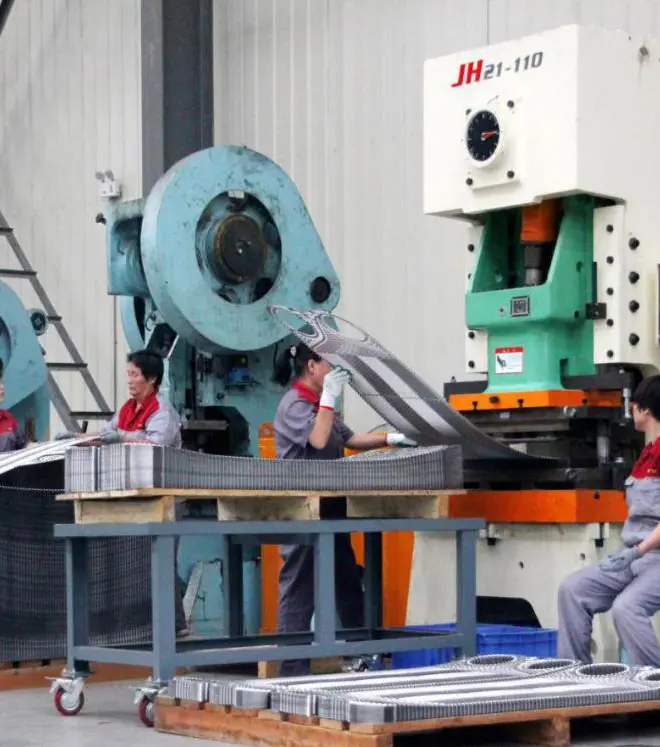
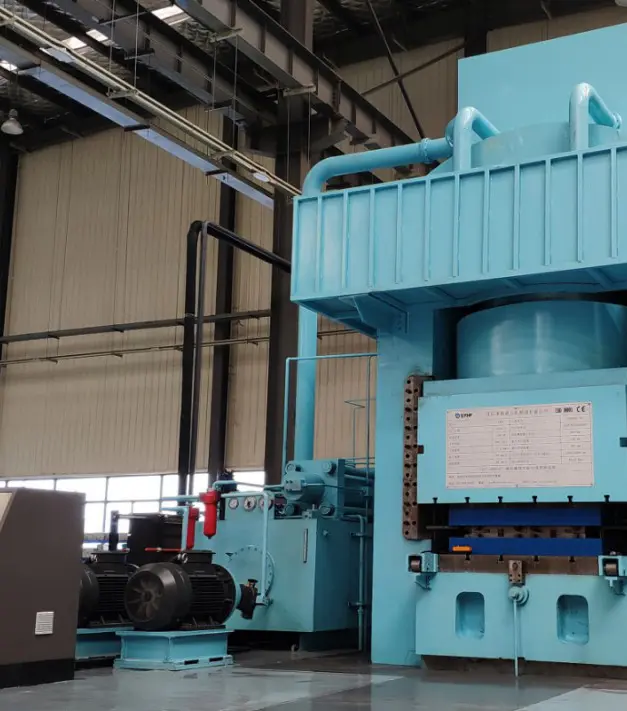
The global heat exchanger market is experiencing a profound transition driven by energy conservation mandates, carbon neutrality initiatives, and industrial electrification. Procurement managers, EPC contractors, and system engineers are moving away from oversized, generic cooling units in favor of highly optimized LMTD Plate Heat Exchangers. By configuring channels specifically to fluid properties, modern operations can minimize heat wastage, recover high-grade energy from low-temperature cycles, and reduce overall equipment footprints.
Flotte’s product portfolio addresses complex heat transfer demands across diverse industrial landscapes. By engineering specifically for the thermal profile and LMTD limits of each application, we maximize thermodynamic and economic efficiency.
In municipal heating infrastructure, our plate heat exchangers isolate the high-pressure primary boiler loop from the secondary building distribution loops. By accurately regulating hot water delivery relative to external temperatures, Flotte systems reduce fuel consumption, maintain hydraulic balance, and deliver uniform heating comforts during severe winters. The integration of Secondary Network Intelligent Balance Valves prevents flow imbalances and maximizes system LMTD efficiency.
Corrosive chemical reactions require rapid thermal control. Flotte’s detachable plate heat exchangers allow regular inspection, chemical cleaning, and resizing. For pharmaceutical GMP environments, our systems deliver sanitary process heating, CIP (Clean-in-Place) utility isolation, and rapid cooling cycles with high heat transfer coefficients and zero cross-contamination risks.
In power plants, condensing exhaust steam demands robust cooling solutions. Our high-efficiency shell and tube units, alongside custom plate packs, manage high-volume steam condensation. The durability of materials ensures stable performance under high pressures and cyclic thermal stresses, minimizing system downtime.
Operating as a premium exporter requires strict alignment with localized international quality standards. Flotte designs and builds products to satisfy global pressure vessel codes, environmental standards, and quality management protocols. Every unit shipped undergoes rigorous hydro-testing and material traceability audits to ensure field safety.
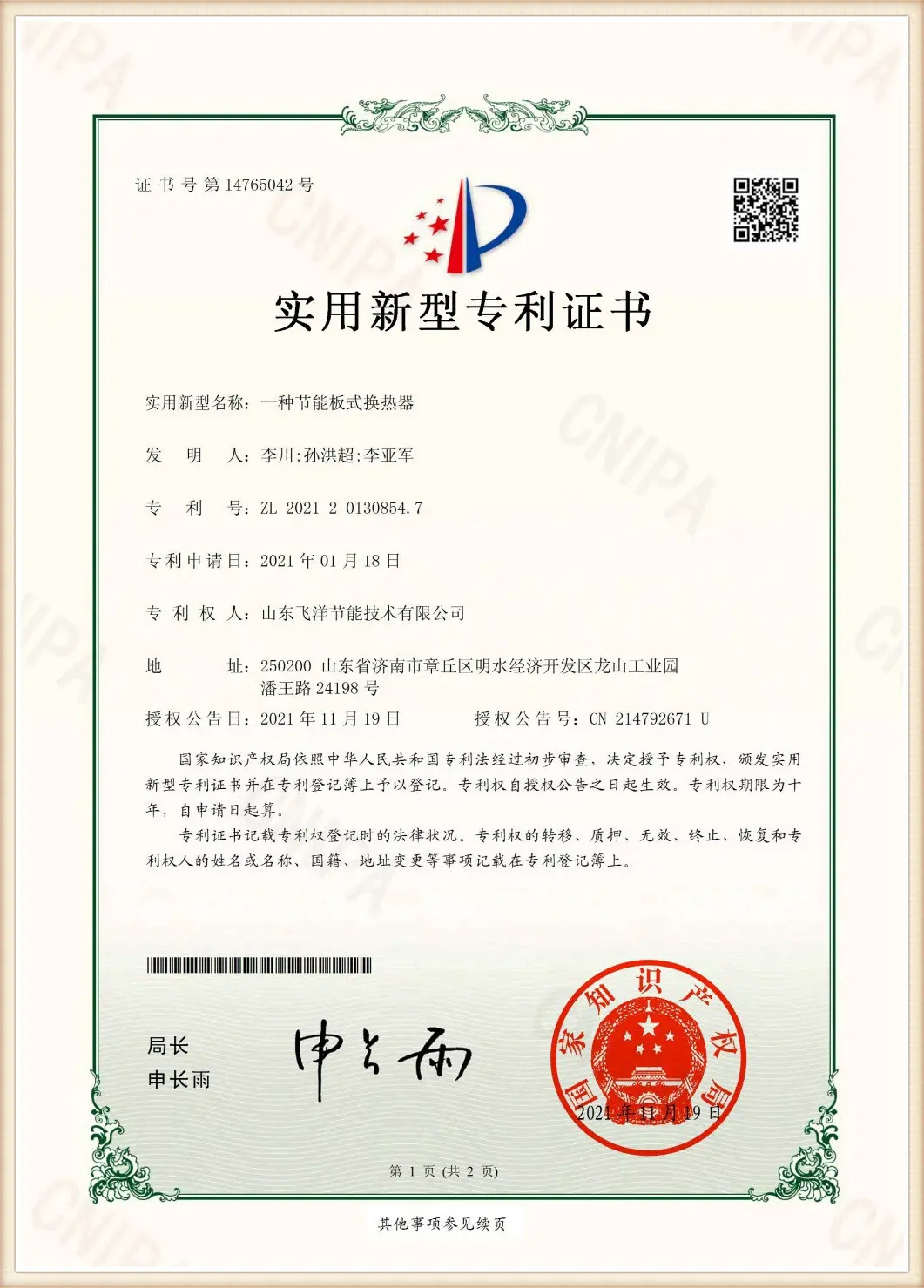
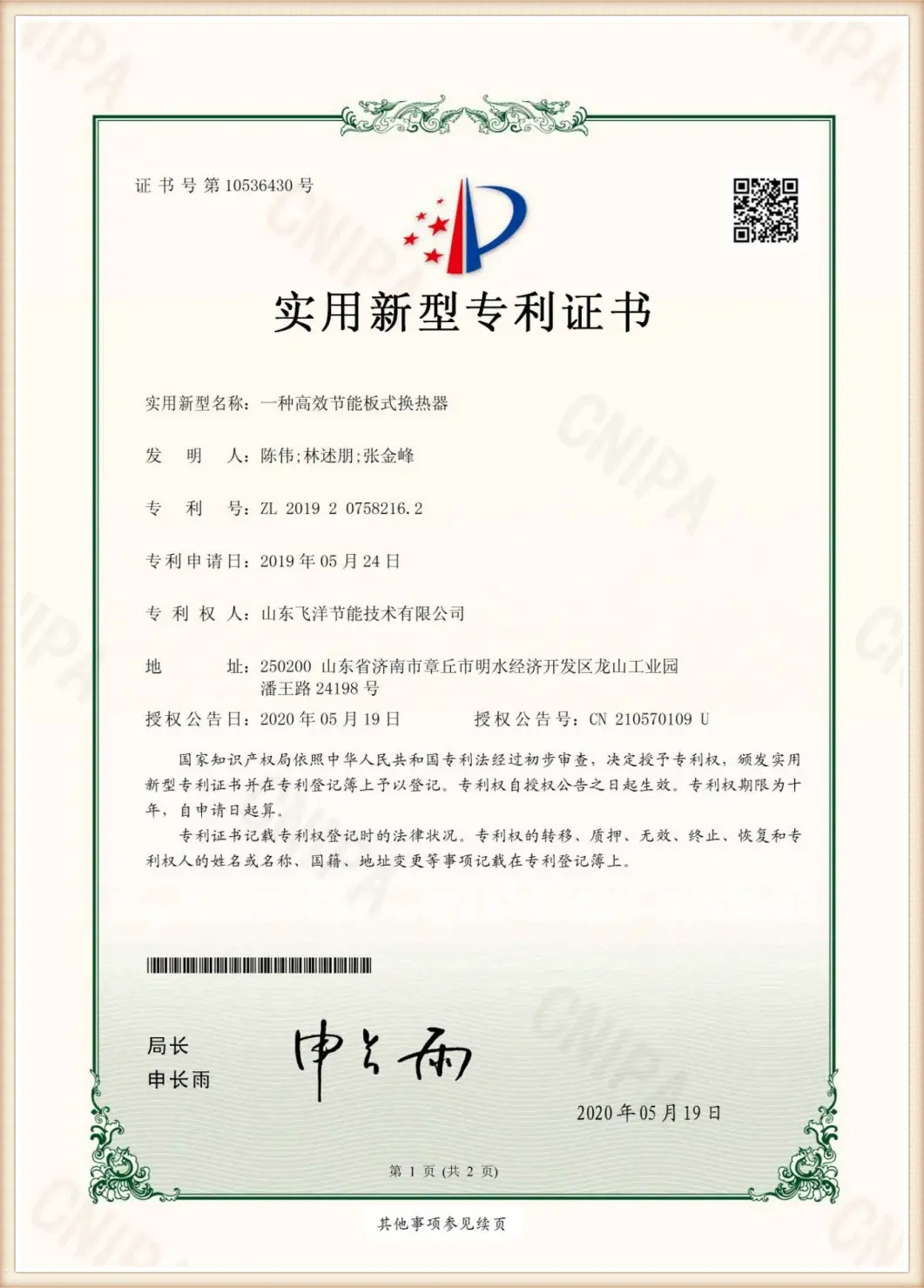
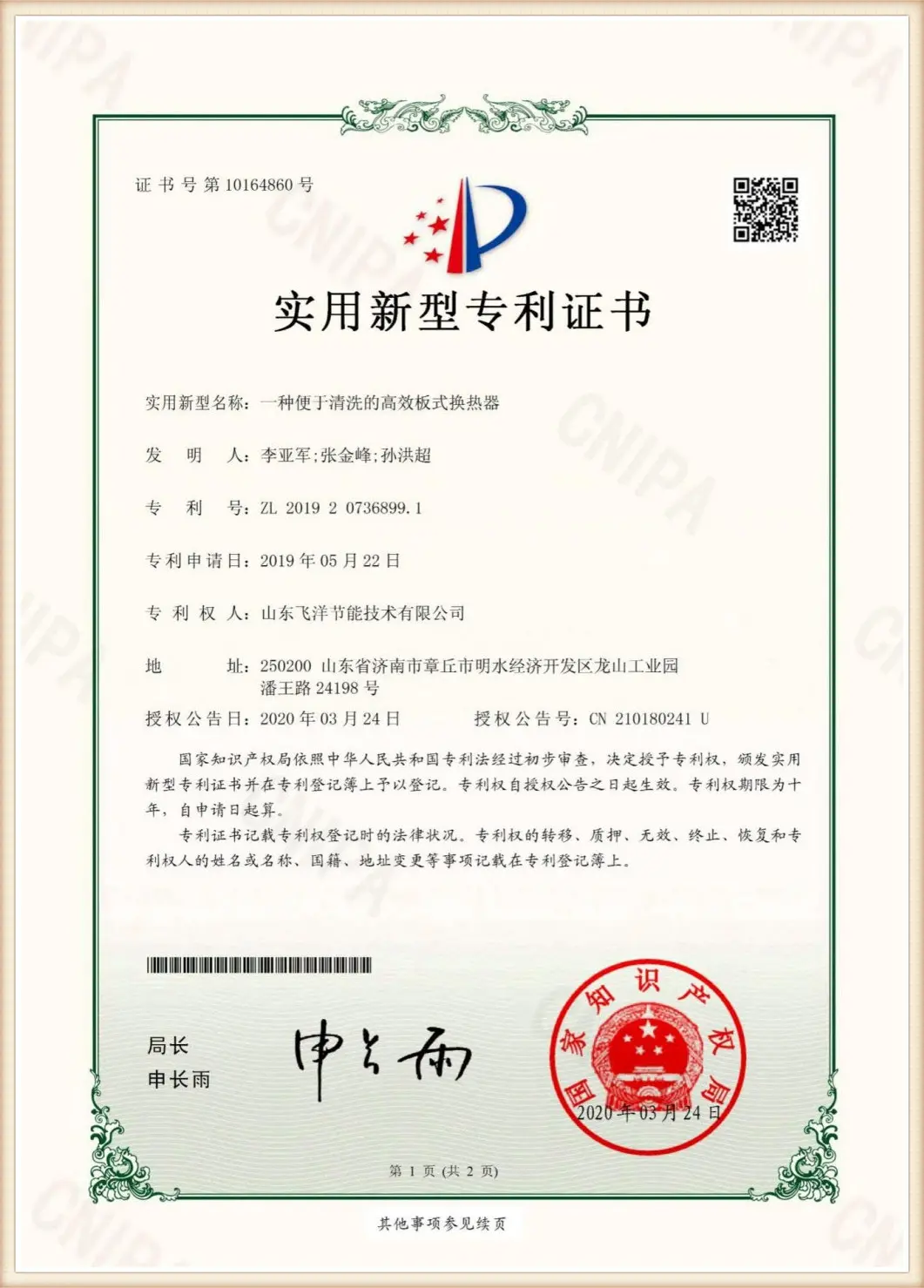
Take an inside look at our modern manufacturing infrastructure, heavy plate punching machinery, and quality testing labs.


The next generation of heat exchange systems will prioritize zero-emission manufacturing, advanced surface topographies, and closed-loop smart sensing. Flotte is actively driving research in the following domains:
By studying fluid flows in nature, our R&D center is developing next-generation plate corrugations that induce turbulence at even lower Reynolds numbers. This reduces auxiliary pumping energy demands by up to 15% while sustaining high heat transfer rates.
Fouling remains a major contributor to thermal efficiency degradation. We are testing hydrophobic and oleophobic nano-coatings on SS316L plates. These coatings prevent mineral scaling and biological adhesion, extending required maintenance intervals from 12 months to 36 months.
As green energy infrastructures expand, the demand for high-pressure heat exchange grows. We are refining high-pressure diffusion-bonded and semi-welded plate variants to handle supercritical CO2 cycles and high-pressure hydrogen cooling configurations safely and reliably.
A: The Logarithmic Mean Temperature Difference (LMTD) acts as the driving force for heat transfer. The fundamental heat transfer equation is Q = U * A * LMTD. Therefore, a smaller LMTD (where fluid inlet and outlet temperatures are close) requires a larger heat transfer area (A) or a higher heat transfer coefficient (U) to transfer the same thermal load (Q). Flotte optimizes plate corrugations to maximize U, keeping the required physical footprint compact even at tight temperature approaches.
A: For standard freshwater and HVAC loops, AISI304 or AISI316L stainless steel is typical. For seawater, brackish fluid, or aggressive chloride solutions, Titanium (Grade 1/2) is essential. For highly concentrated acids or high-temperature chemical reactions, we source specialized materials like Hastelloy C-276, Nickel, or Titanium-Palladium alloys.
A: Our intelligent balance valves continuously monitor flow rates and pressure differentials across secondary heating networks. By automatically adjusting valve positions based on real-time feedback, they ensure that every building or processing unit receives the exact required thermal energy. This prevents overheating near the source and underheating at the network ends.
A: Detachable designs allow for straightforward mechanical cleaning. The plate pack clamping bolts are loosened, the plates are moved along the guide bars, and then inspected. Scaling can be removed via high-pressure washing or specialized chemical baths. Gaskets should be inspected for compression set and replaced if leaking. The plates are then compressed back to the original nominal sizing dimension (A-dimension).
A: Yes, as an established global exporter, Flotte manages complete ocean, air, and overland logistics. We supply comprehensive custom documentation, certificate of origin paperwork, material traceability test reports, and pressure vessel compliance certifications (such as CE, ASME, or GB150) based on target regional regulations.
 Flotte Energy