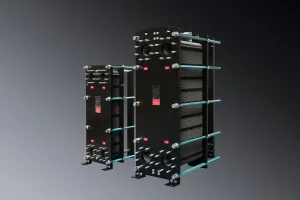
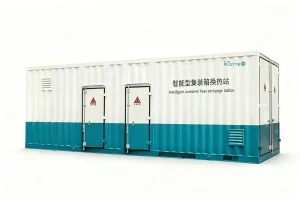
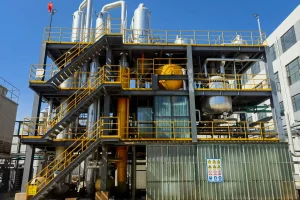
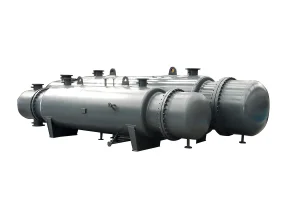
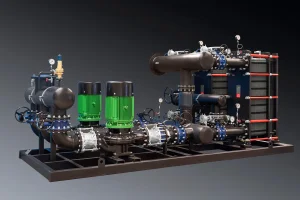
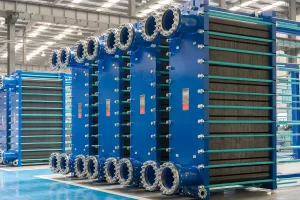
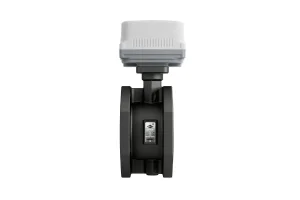
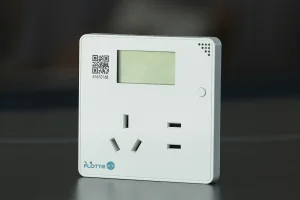
Discover our core array of high-efficiency detachable plate heat exchangers, intelligent heating units, and micro-concentration thermal evaporators built to streamline industrial performance and promote clean energy transition.
Established in 2013 with a registered capital of 101 million yuan, Flotte Energy Saving Company traces its prestigious pedigree back to Flotte Thermal Engineering, founded in 1995. Backed by three decades of comprehensive technical expertise, we specialize in high-grade water equipment systems, commercial and industrial HVAC solutions, and chemical water treatment technologies. Our position as a market leader in China and as a premier global exporter is characterized by a commitment to continuous technological integration and sustainable thermal recovery solutions.
Flotte's design engineers possess decades of combined experience, providing robust custom thermal configurations that satisfy strict engineering codes. Our specialized R&D center and high-precision testing laboratories ensure that every system exported delivers maximum thermal density, exceptional structural integrity, and optimized flow dynamics. Moving forward, Flotte will continue to offer premium products and reliable after-sales services, ensuring peace of mind for past, present, and future customers.
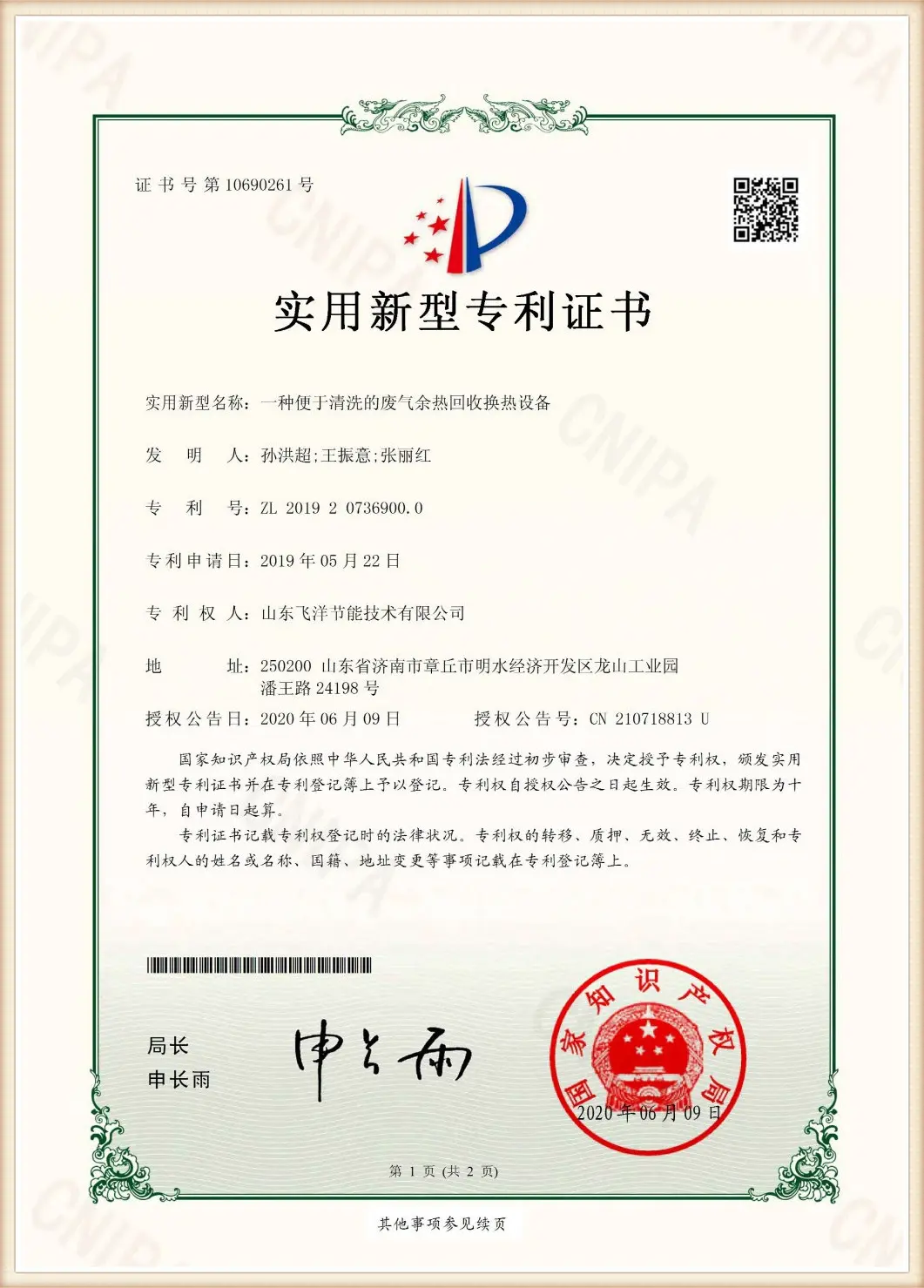
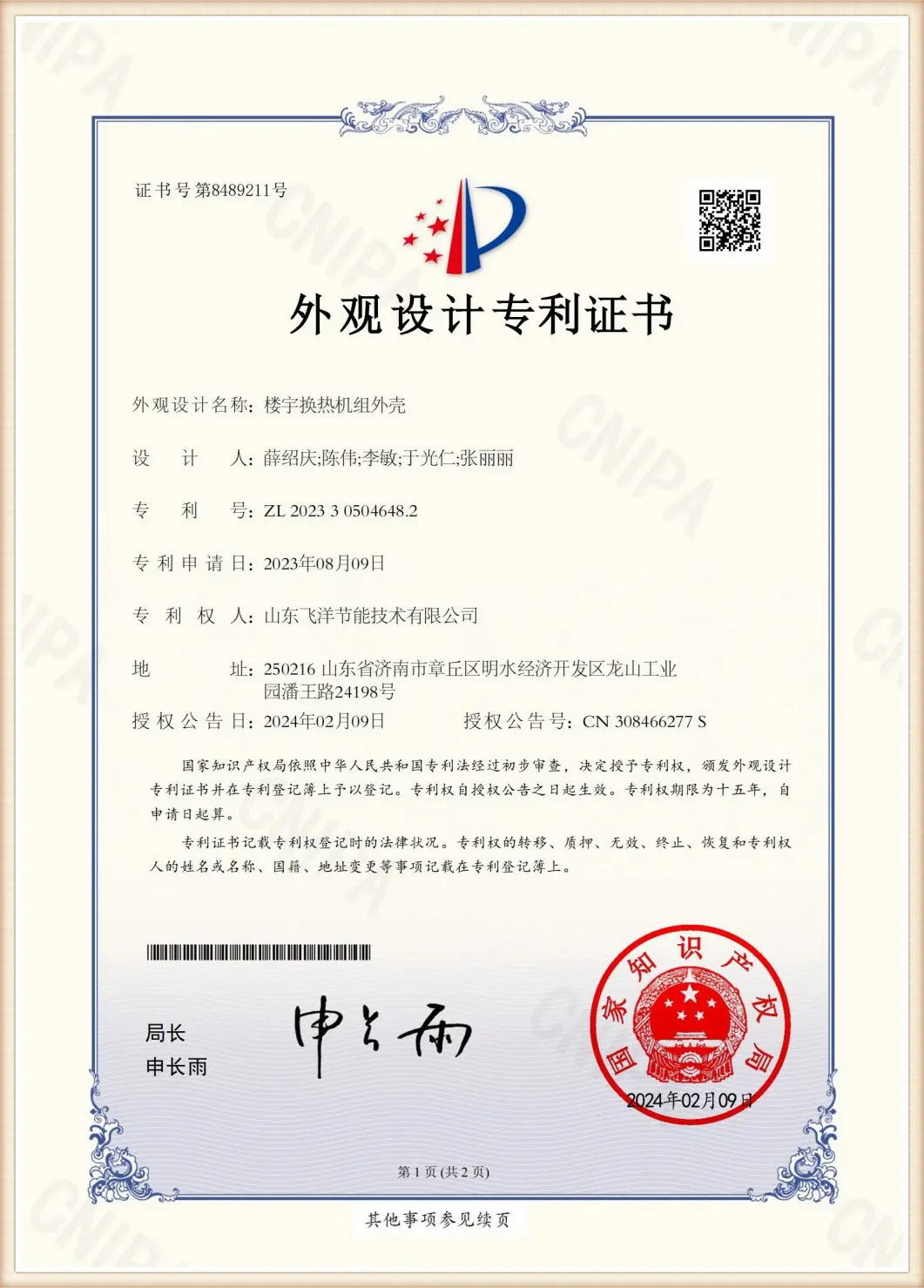
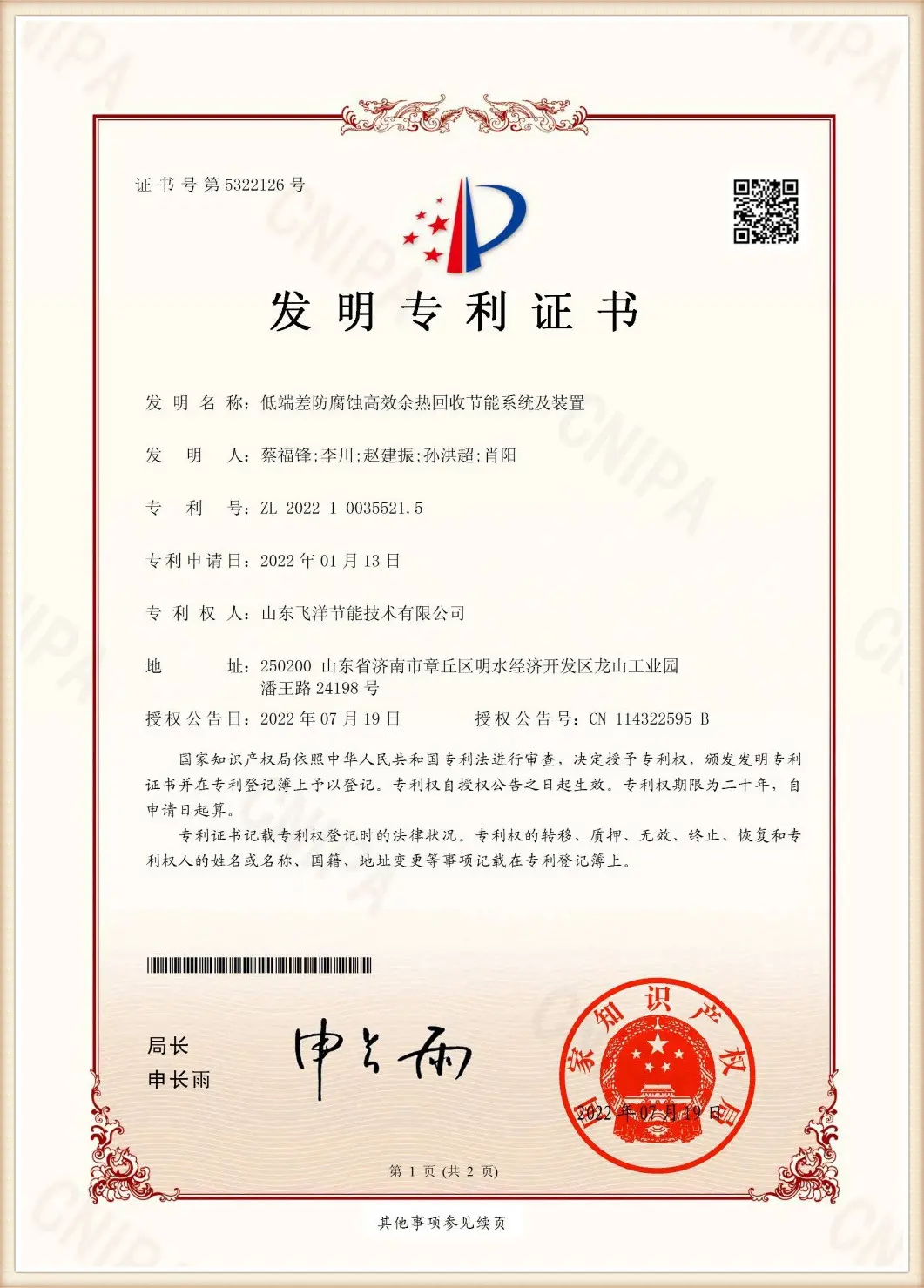
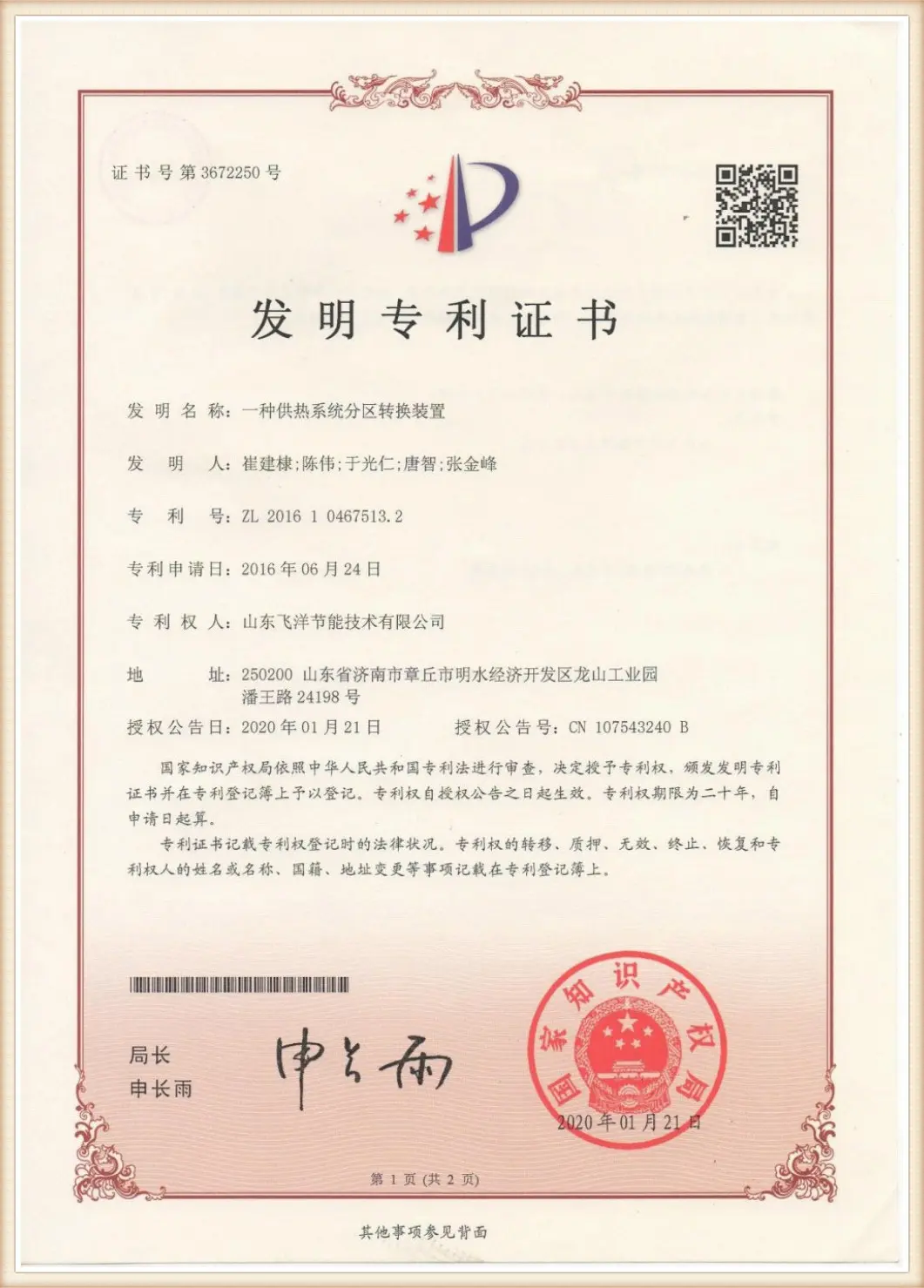
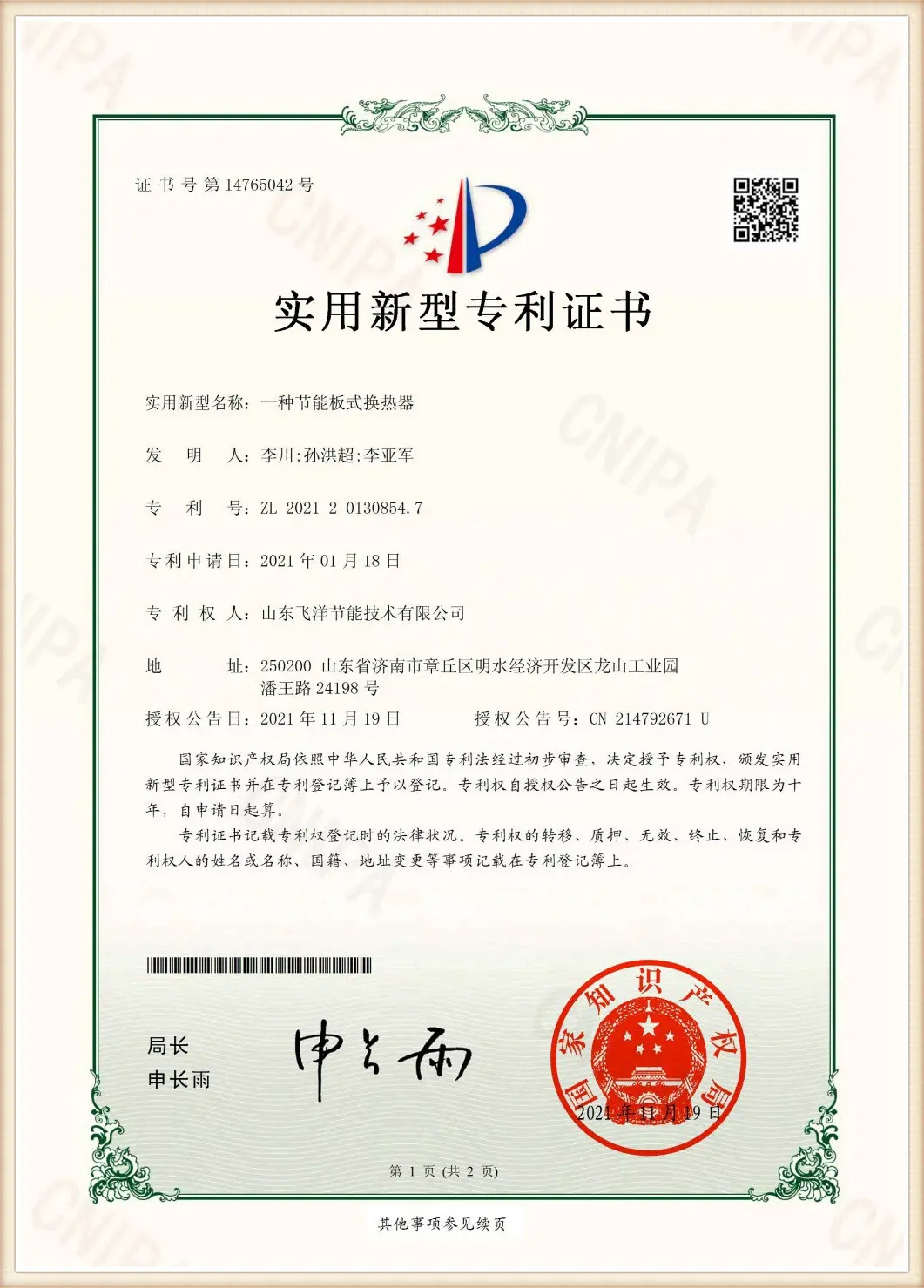
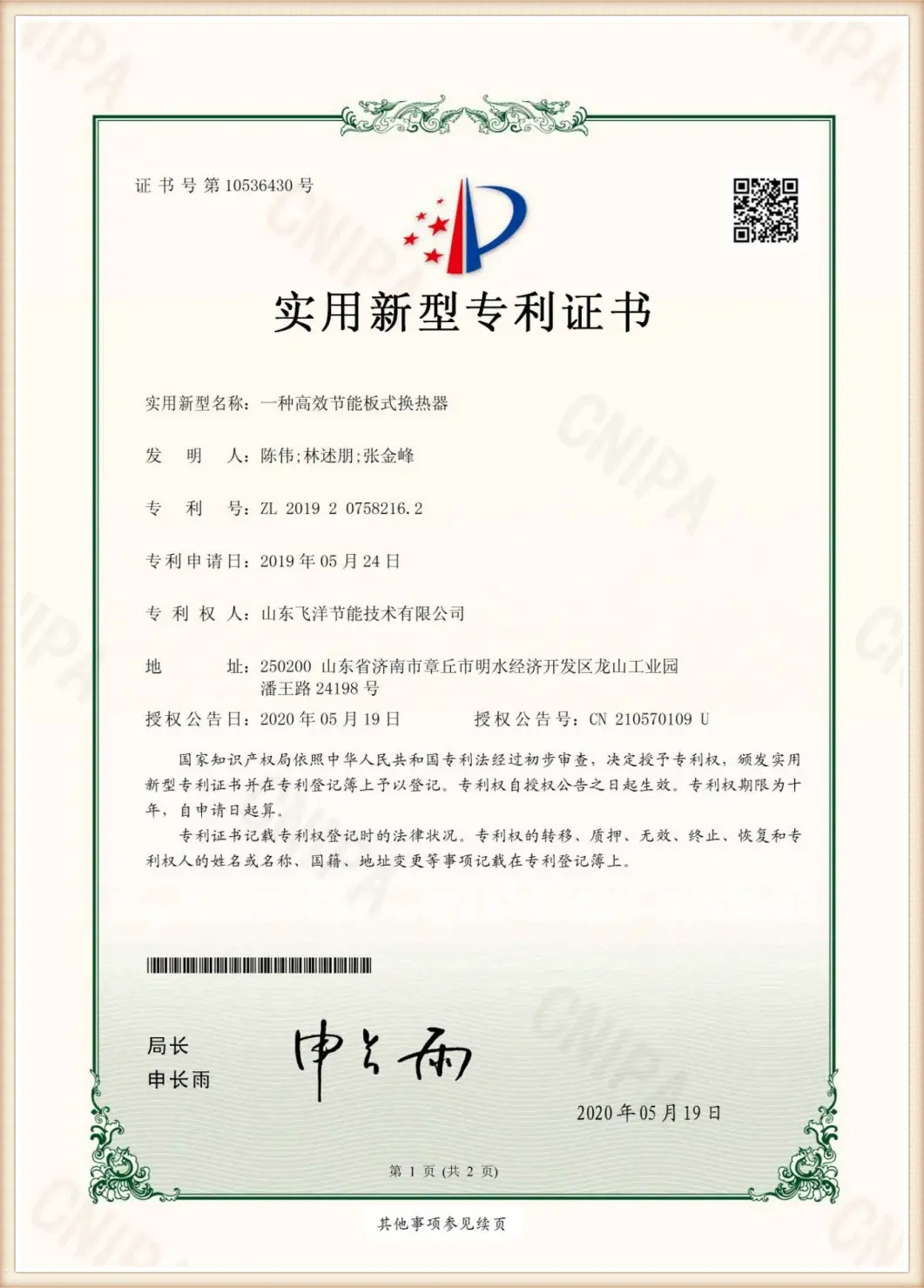
Our production facilities utilize rigorous quality control frameworks aligned with the ISO 9001:2015 Quality Management System, ISO 14001 Environmental Management System, and ISO 45001 Occupational Health and Safety System. Our core heat exchange technologies hold multiple patent certifications including "High-Efficiency Plate Heat Exchanger", "Intelligent Plate Heat Exchanger System", and "Plate Heat Exchanger Scale Removal Device". Our pressure vessels comply with safety regulations mandated by the National Standardization Committee and have achieved formal safety registration from the National Boiler and Pressure Vessel Standardization Technical Committee.
In modern process industries, the term "Lo Purifier" (low-carbon, closed-loop thermal purifier) represents a paradigm shift where wastewater purification, steam recovery, and high-efficiency thermal exchange are consolidated. Historically, filtration, evaporation, and thermal management were isolated stages. This resulted in significant entropy loss, accelerated scaling, and high operating costs. Flotte's integration of high-grade membrane concentration and multi-effect evaporation (MEE) technology minimizes thermal variance, creating a unified system that functions both as a heat-transfer interface and an industrial purifier.
When executing Zero Liquid Discharge (ZLD) or purifying complex chemical streams, the system's thermal efficiency directly dictates processing costs. High-efficiency plate heat exchangers with corrugated channels create high turbulence at low Reynolds numbers. This design achieves heat-transfer coefficients (U-values) 2 to 3 times higher than traditional shell-and-tube heat exchangers, preventing localized thermal stress and reducing chemical precipitation (scaling). Consequently, the overall system functions with lower energy input (low-carbon footprint) while maintaining continuous purification throughput.
By leveraging specialized plate alloys (such as Titanium Gr. 1, Hastelloy C-276, and AISI 316L) and specialized gasket configurations, Flotte's plate heat exchangers handle corrosive media, hazardous chemical slurries, and high-purity pharmaceutical fluids. Our systems are engineered to withstand complex physical demands, providing reliable performance in critical purification workflows.
Flotte's technology operates at the intersection of thermal management, resource recovery, and environmental safety. Below are the core sectors where our systems are deployed globally:
In municipal networks, our detachable plate heat exchangers serve as primary isolators in pressure-regulating stations. By separating high-pressure grid loops from residential distribution lines, they ensure stable thermal delivery and minimize structural strain on residential piping. Coupled with our room temperature collectors and self-balancing valves, municipal plants can adjust heat delivery based on real-time ambient data, reducing heat waste by up to 18%.
Chemical processing requires precise heat management to keep reaction temperatures within tight safety windows. Our high-efficiency exchangers utilize plates pressed from corrosion-resistant titanium and nickel alloys. This construction prevents cross-contamination of aggressive solvents, protects heating loops, and maintains structural integrity when handling volatile raw materials.
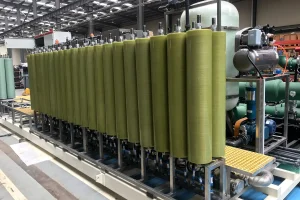
In wastewater management, Flotte's Multi-Effect Evaporation (MEE) and Membrane Concentration Systems isolate high-value salts and recycle clean condensates. This closed-loop configuration helps industrial facilities comply with strict environmental regulations, lower freshwater consumption, and recover valuable mineral by-products.
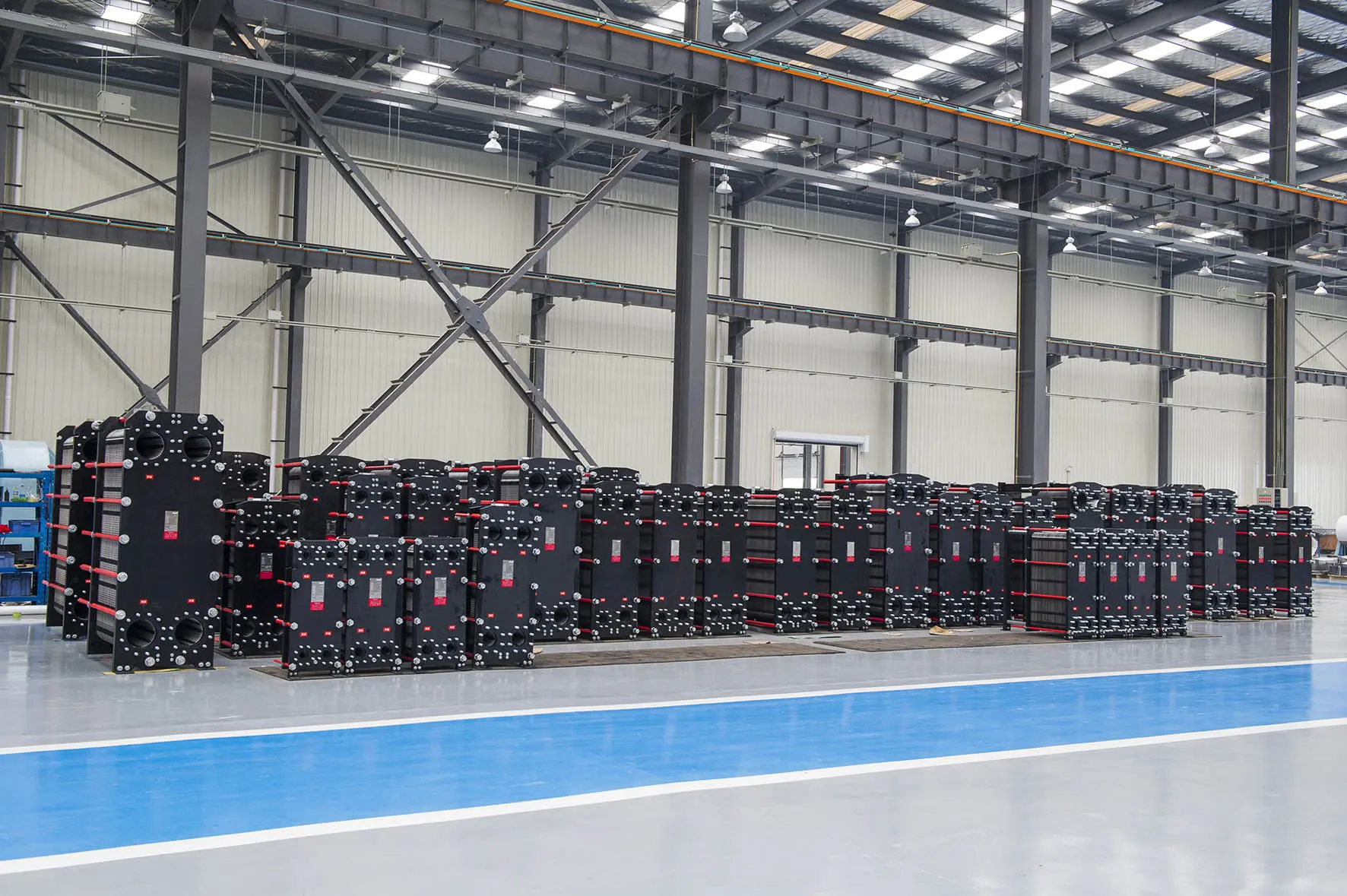
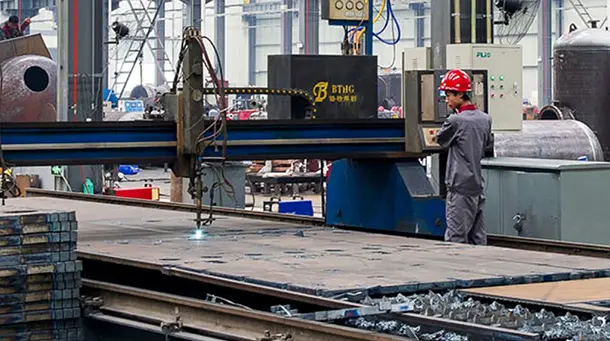
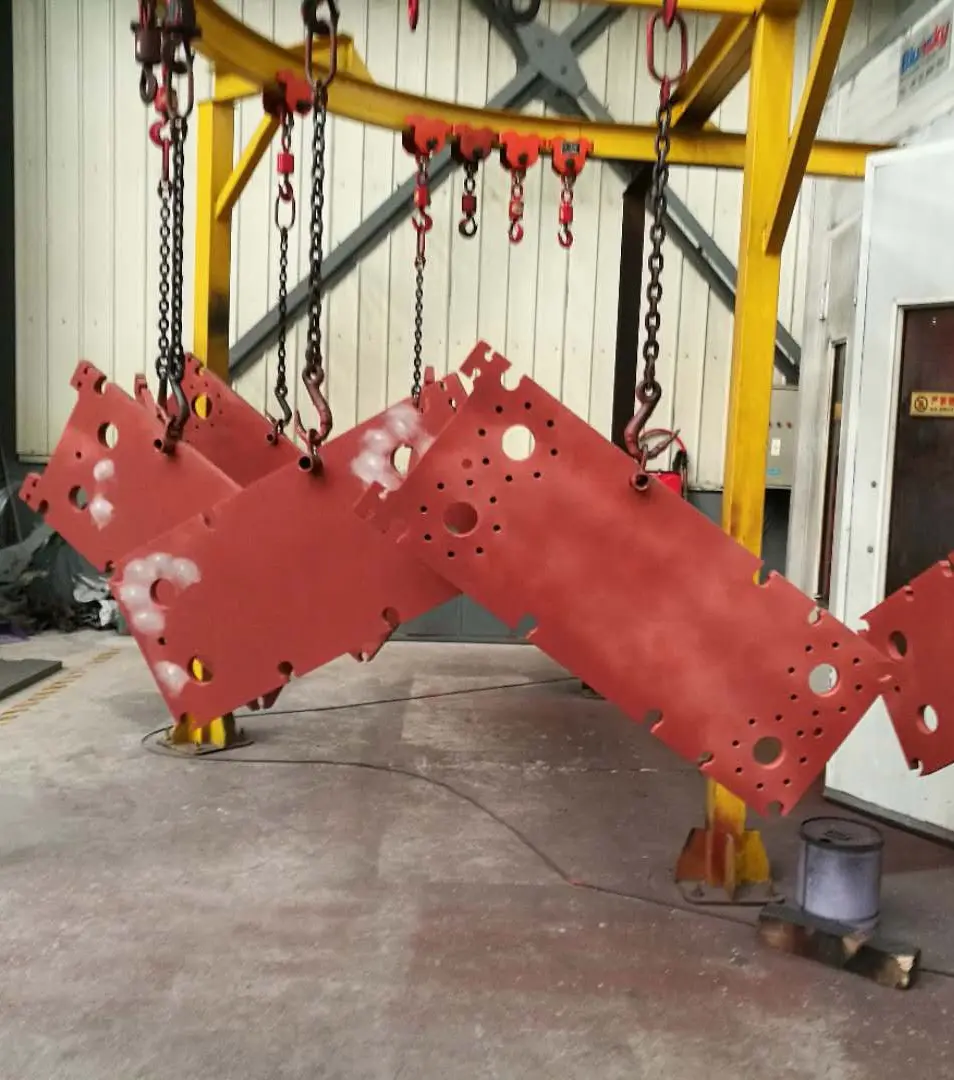
Every piece of thermal equipment exported by Flotte undergoes a structured manufacturing sequence. We utilize premium raw material sourcing and rigorous non-destructive quality testing to ensure all systems deliver reliable, long-term performance under demanding operating conditions.
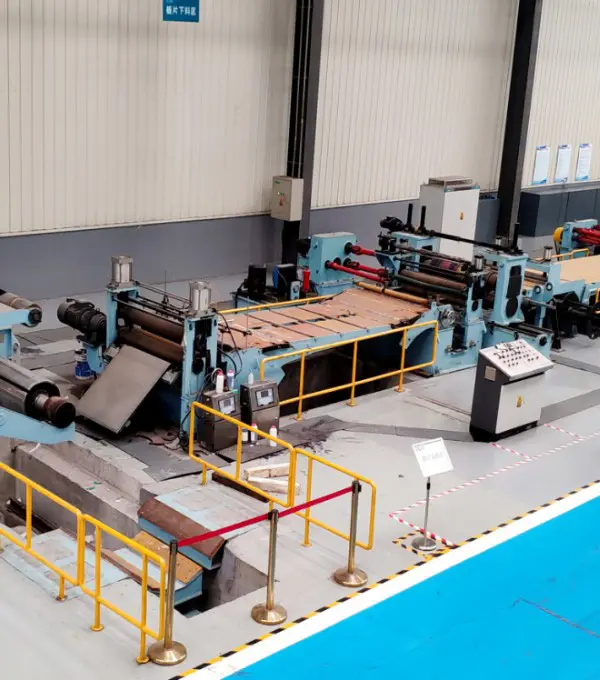
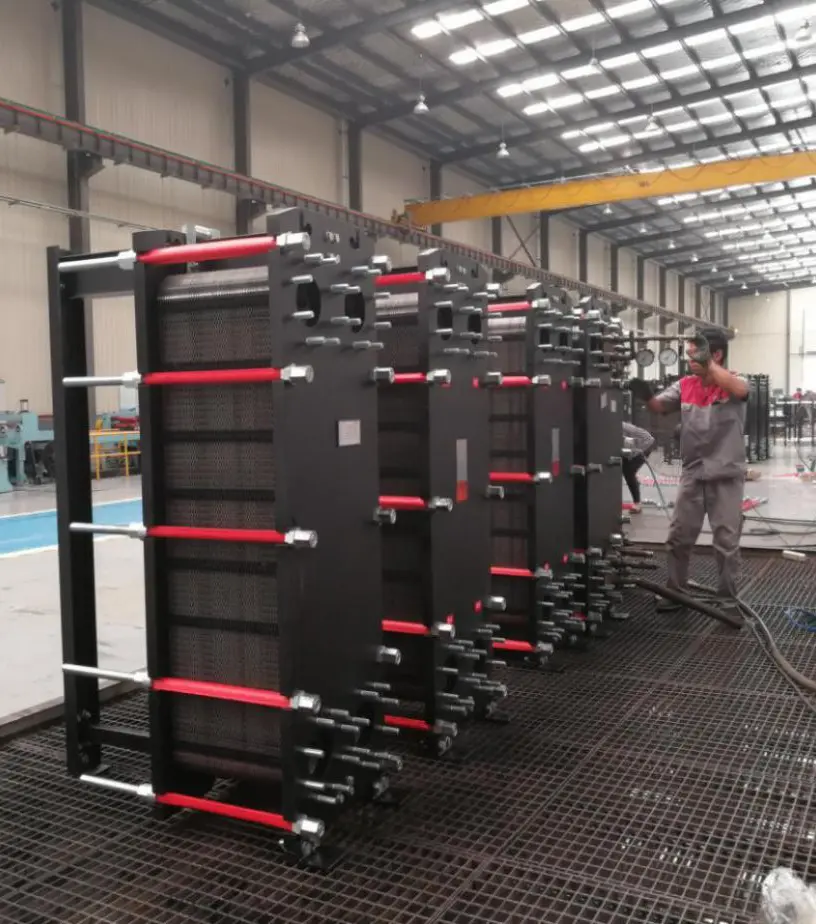
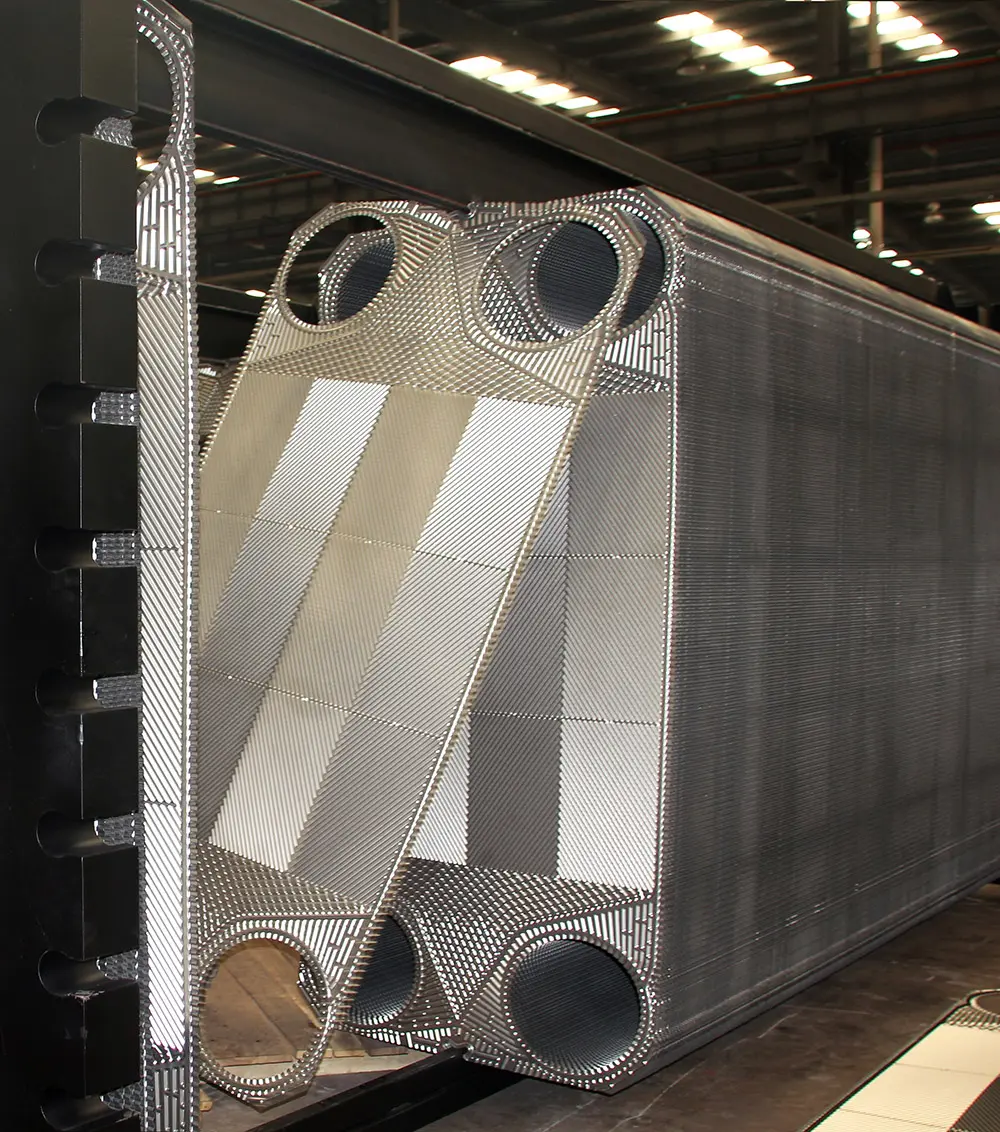
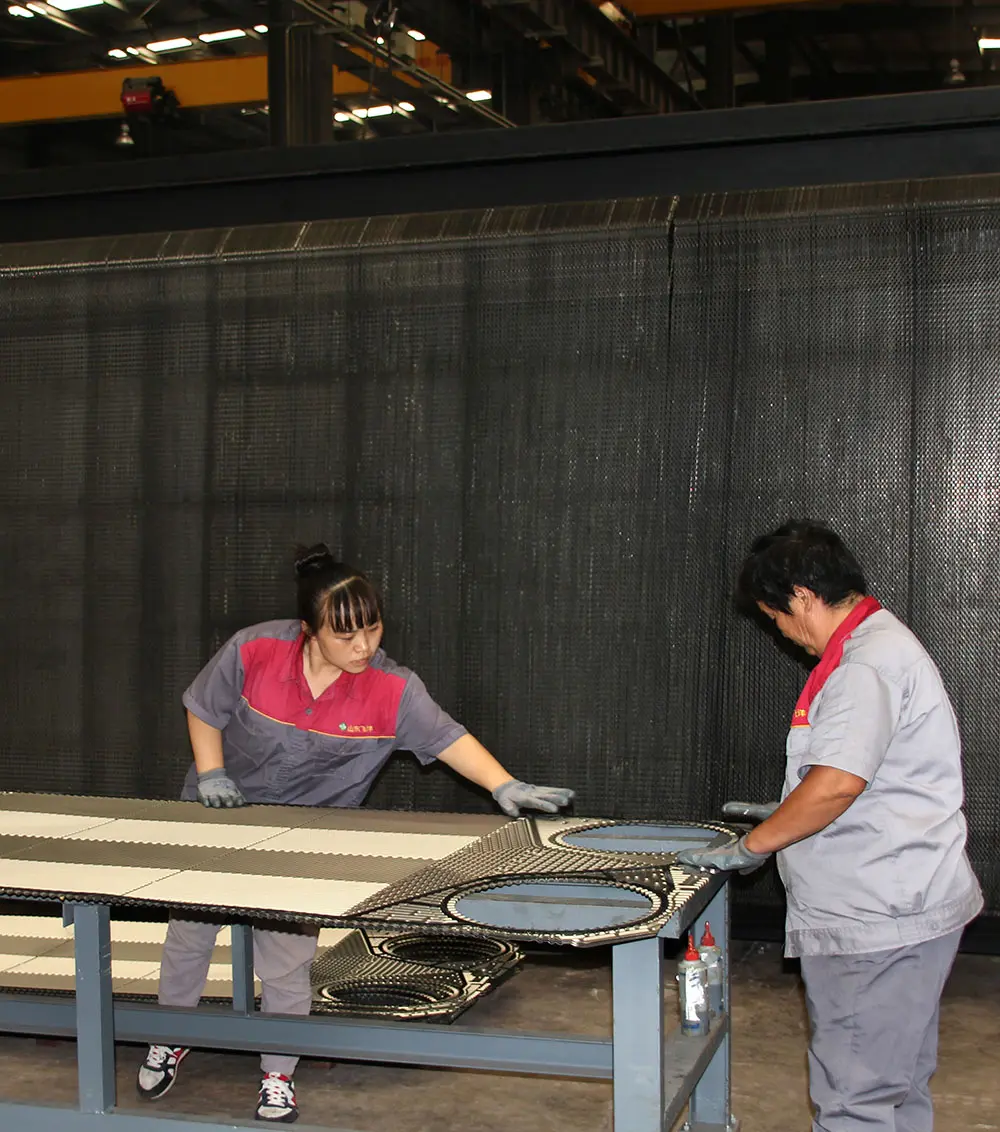
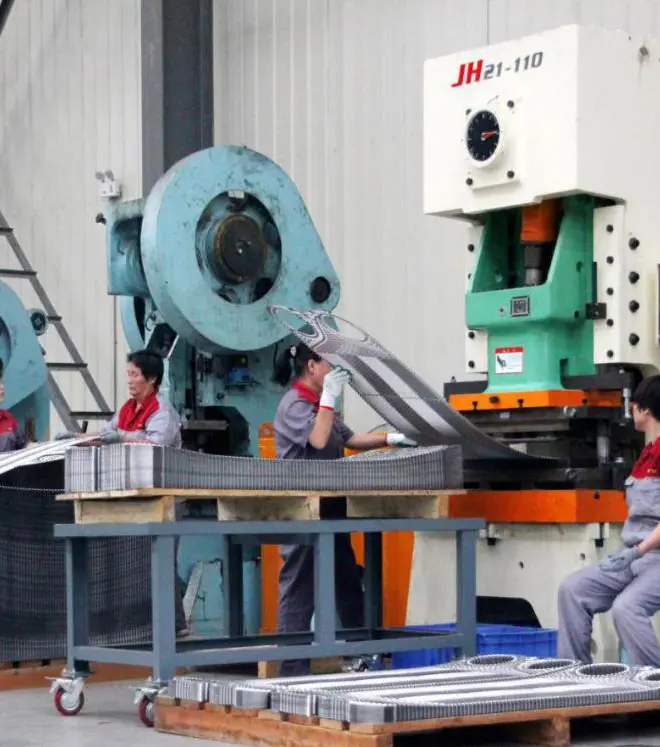
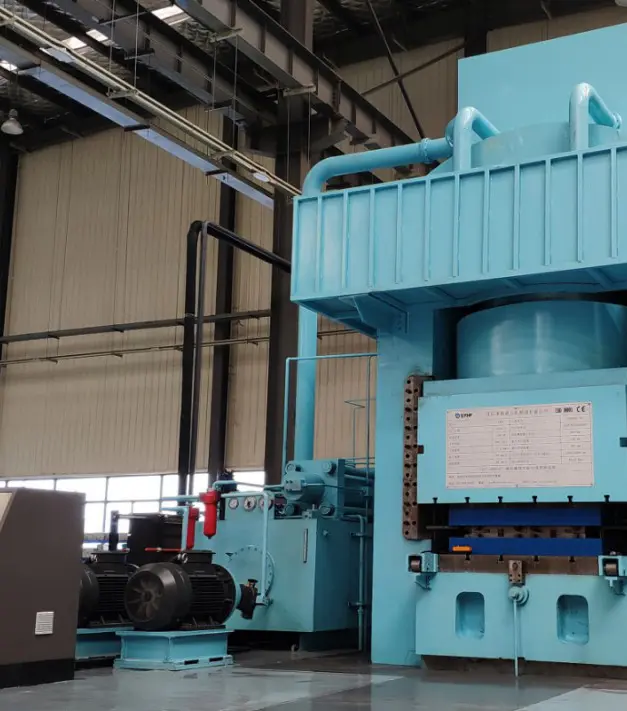
As a leading exporter, Flotte serves primary industrial hubs in Asia, Europe, North America, and the Middle East. Exporting heavy thermal and pressure equipment requires strict adherence to localized safety certifications. We work with certifying authorities globally to ensure that every system shipped is code-compliant, safe, and ready for deployment.
Our engineering division designs and manufactures systems to satisfy major international codes and standards:
Additionally, Flotte coordinates with international shipping lines and logistics providers to offer certified export packing, ocean freight management, and customs documentation. This comprehensive support guarantees safe delivery to sites worldwide.
A frequent point of failure in industrial plate heat exchangers is gasket degradation from thermal cycling and exposure to aggressive fluids. Flotte addresses this by utilizing custom-formulated EPDM and NBR compounds, alongside high-performance Viton-G (FKM) gaskets. Our specialized compounds maintain elasticity under high mechanical strain, minimizing maintenance downtime. Additionally, our patented corrugation designs promote fluid turbulence, which reduces mineral deposit build-up and maintains optimal heat transfer rates over longer service periods.
The future of thermal systems lies in the transition from static, manual equipment to dynamic, self-balancing thermal networks. Flotte's R&D division is actively developing intelligent controls that improve thermodynamic performance, reduce manual monitoring requirements, and prevent system faults.
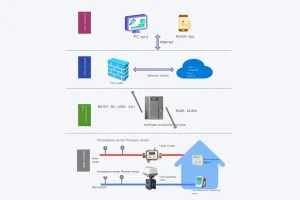
Integrated temperature and pressure sensors monitor inlet and outlet conditions across the plate pack. These sensors stream real-time operational data to our self-balancing valves. By adjusting flow rates to match changes in the thermal load, the system maintains steady temperatures and reduces auxiliary pump energy consumption by up to 22%.
By monitoring pressure drop variations across the heat exchanger, our cloud-linked monitoring platform identifies early-stage mineral scaling. The system alerts plant operators before performance drops below critical levels, enabling planned chemical cleaning cycles and avoiding costly emergency shutdowns.
Our long-term R&D roadmap is focused on developing graphene-enhanced plate coatings. These thin coatings increase overall heat-transfer coefficients while preventing organic scaling in challenging biological and industrial wastewater applications.
Plate material selection depends on the chloride content, operating temperature, and pH of the fluid. For standard clean water or HVAC applications, AISI 304 or AISI 316L stainless steel provides sufficient corrosion resistance. For fluids with high chloride concentrations (such as seawater or brine) or chemical processing applications, we utilize Titanium (Gr. 1) or Hastelloy C-276. These alloys form stable oxide layers that resist pitting, crevice corrosion, and stress corrosion cracking in aggressive environments.
Multi-Effect Evaporators reuse the latent heat of vapor generated in one stage to heat the next stage, which operates at a lower boiling point and pressure. By cascading the evaporation stages, a 3-effect system can evaporate approximately 2.4 kg of water per kg of live steam consumed, significantly lowering energy requirements. This design provides a reliable and cost-effective solution for wastewater treatment and resource recovery.
Gasketed plate heat exchangers are ideal for applications requiring high thermal efficiency, tight temperature approaches (down to 1°C), and compact installation footprints. Their design allows for easy cleaning and capacity expansion by adding or removing plates. Shell-and-tube heat exchangers are typically selected for applications with extreme operating pressures (exceeding 40 bar) or temperatures outside gasket limits, as well as streams containing large suspended solids that could clog narrow plate channels.
Pressure drops are caused by fluid friction along the corrugated plate channels. High turbulence increases the heat transfer rate but also raises the pressure drop. During design, our engineers optimize the plate pattern (combining high-theta and low-theta plates) to balance thermal performance with the system's allowable pressure limit, ensuring optimal flow and pump efficiency.
Every heat exchanger undergoes hydrostatic testing at 1.3 to 1.5 times the maximum design pressure. For critical processes, we perform helium leak testing, dye-penetrant inspections, and ultrasonic testing of weld zones. These quality control steps ensure all units meet international pressure vessel safety standards before shipment.
Yes, Flotte's intelligent monitoring systems can be retrofitted to existing systems. By installing inline temperature sensors, pressure transducers, and variable-speed balancing valves, older installations can be integrated into central control systems to improve thermal management and reduce energy waste.
Browse our specialized systems engineered for industrial heating, intelligent monitoring, high-density membrane concentration, and energy recovery.
 Flotte Energy