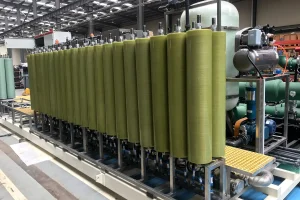
Explore our foundational heat transfer and water filtration systems, designed for heavy industrial integration and maximum thermal recovery.
Established in 2013 with a registered capital of 101 million yuan, Flotte Energy Saving Company originated from the pioneering Flotte Thermal Engineering founded in 1995. With three decades of deeply rooted technical expertise, we specialize in high-performance water equipment, HVAC systems, and industrial water treatment installations.
Our design engineering and production processes are driven by advanced thermal physics. We lead the domestic and global markets in adopting cutting-edge heat transfer configurations and multi-stage separation technologies, offering tailored EPC and supply services to municipal utilities, pharmaceutical giants, power stations, and petrochemical companies.
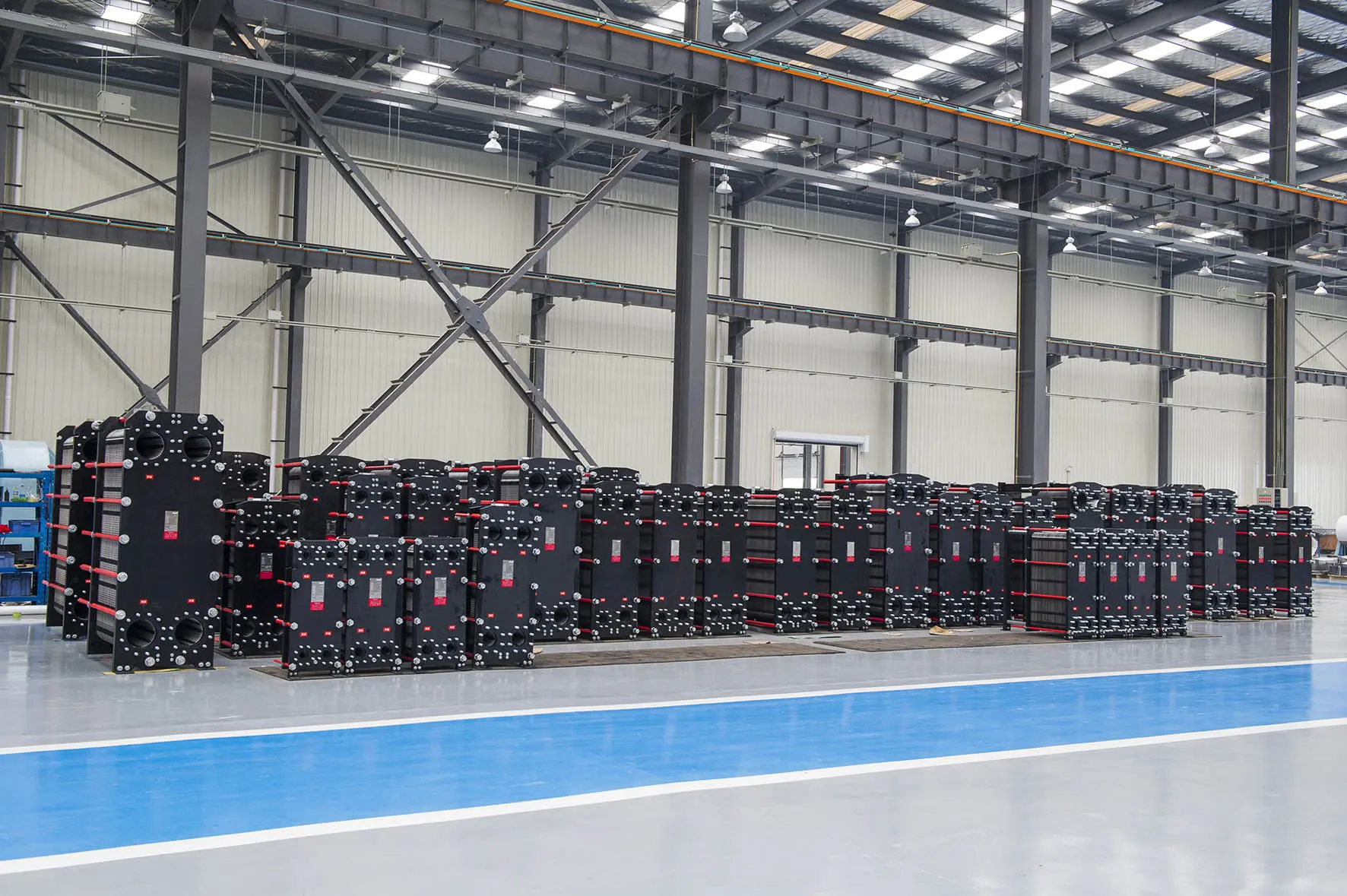
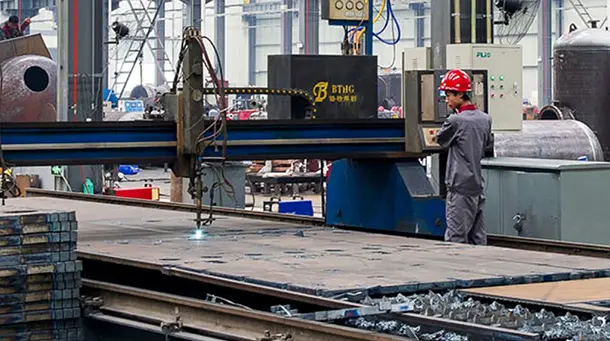
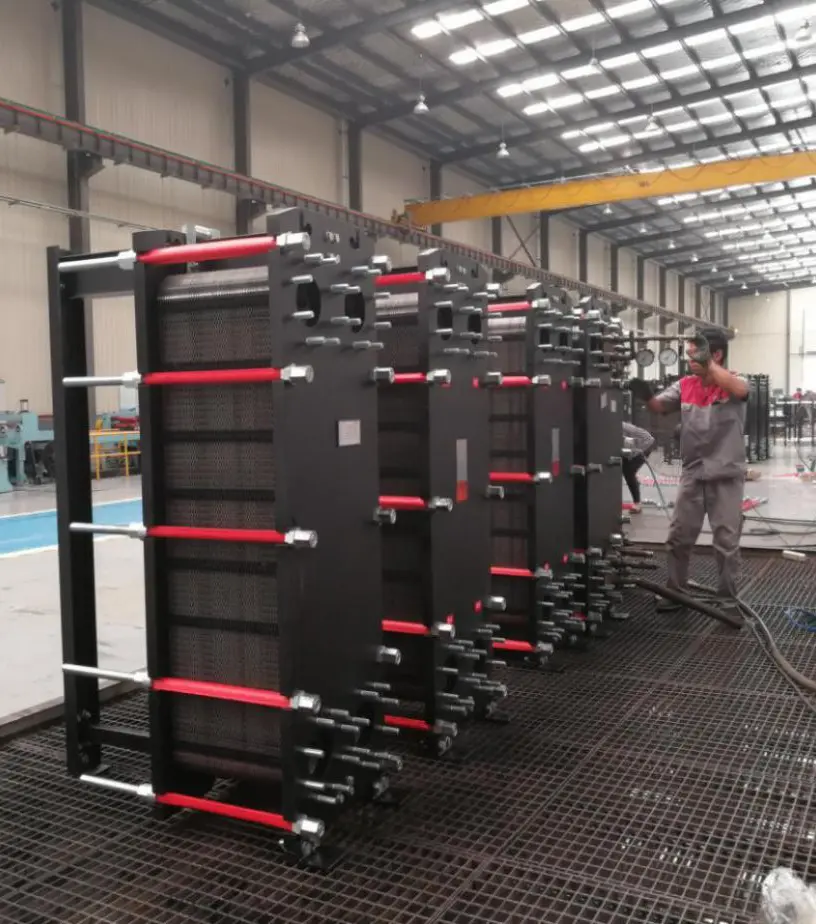
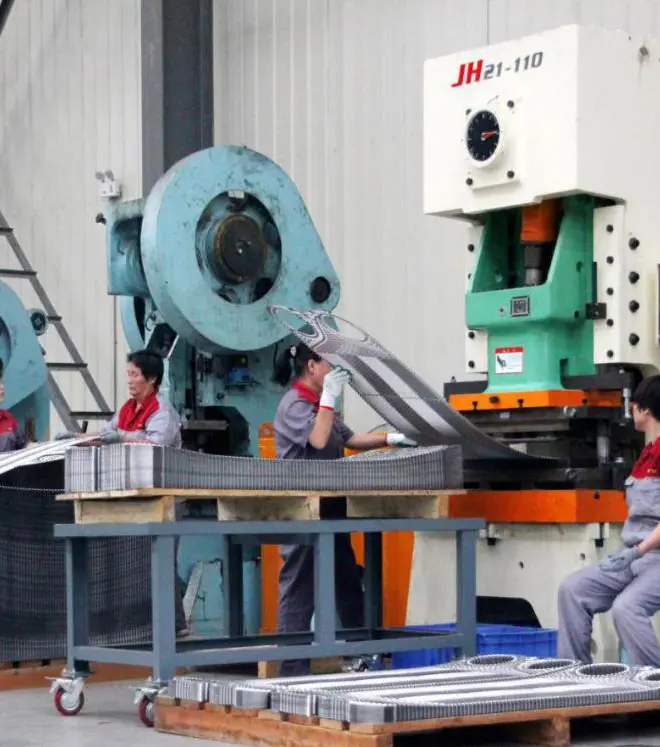
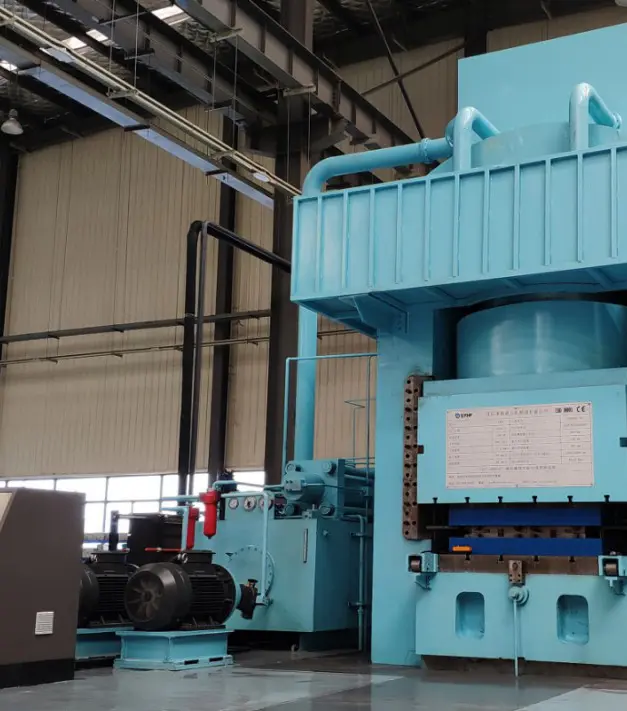
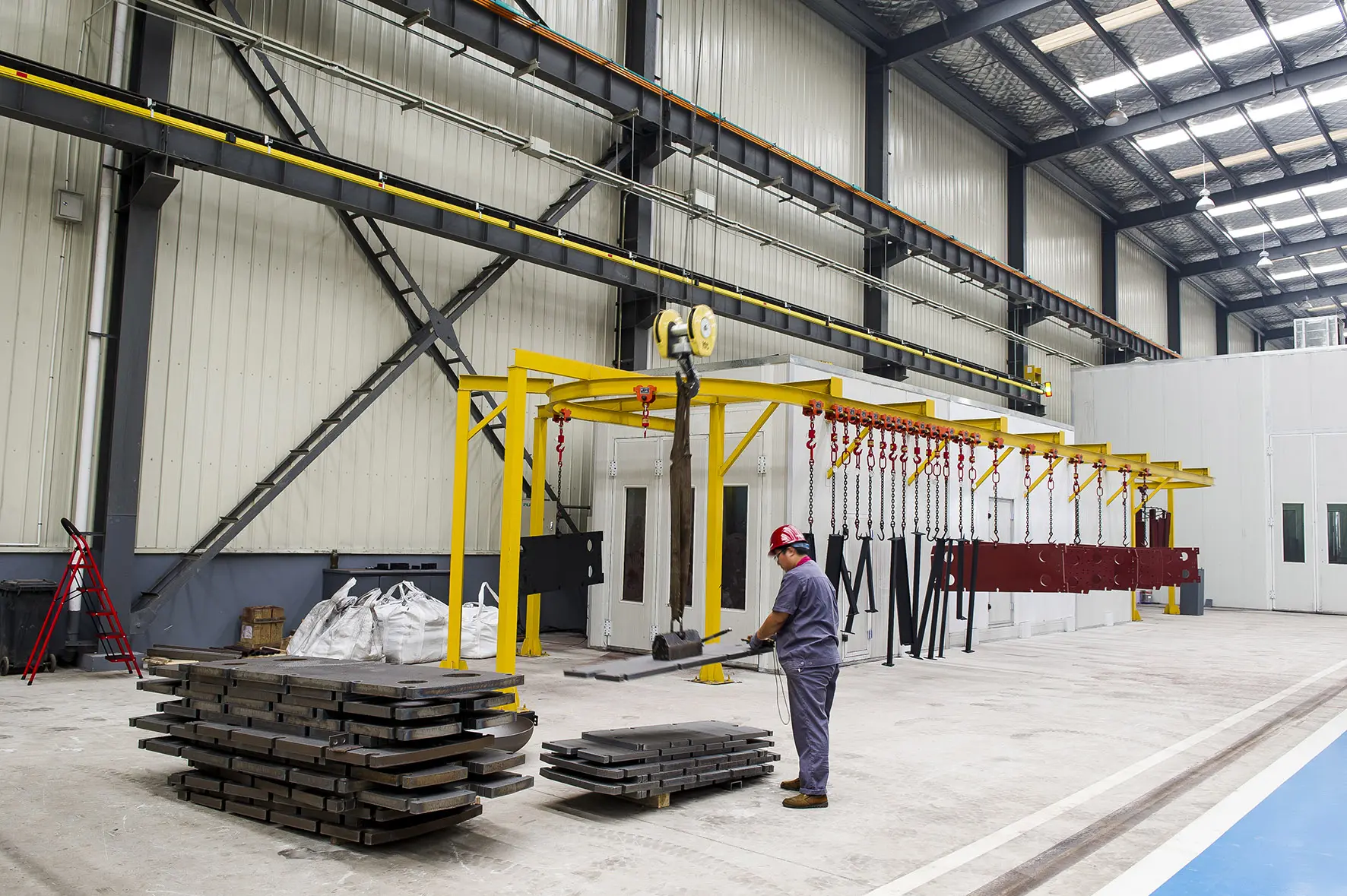
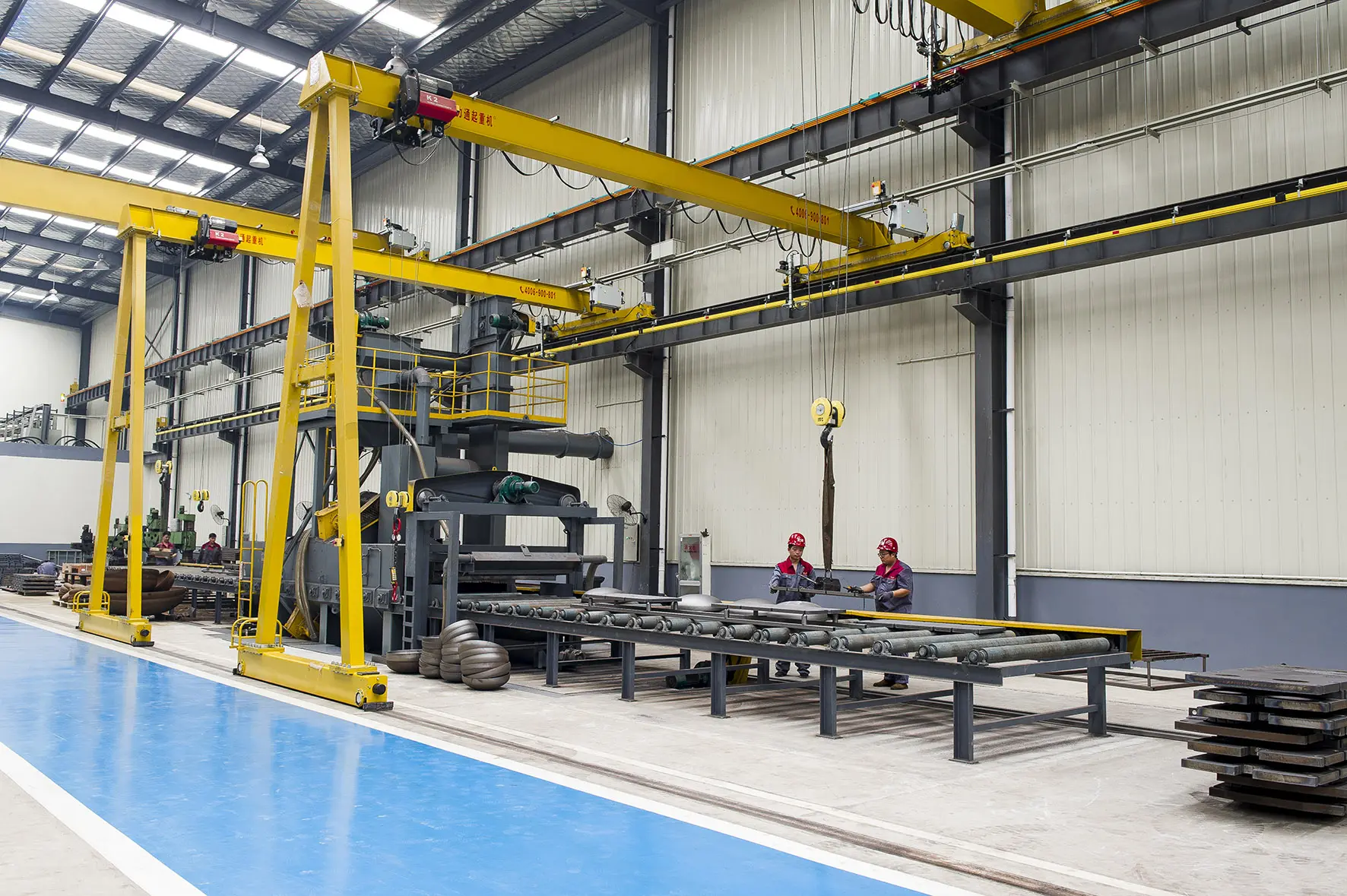
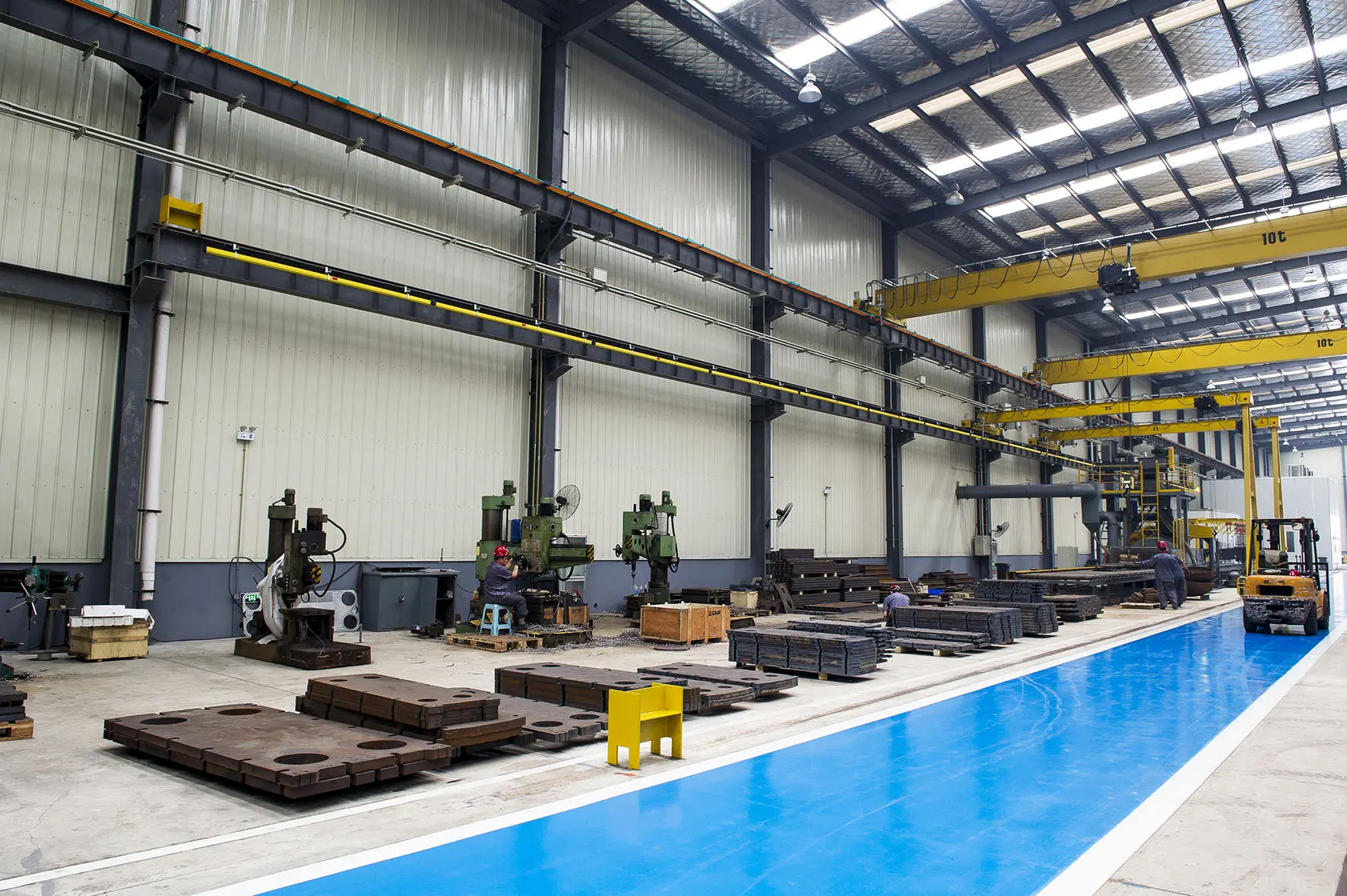
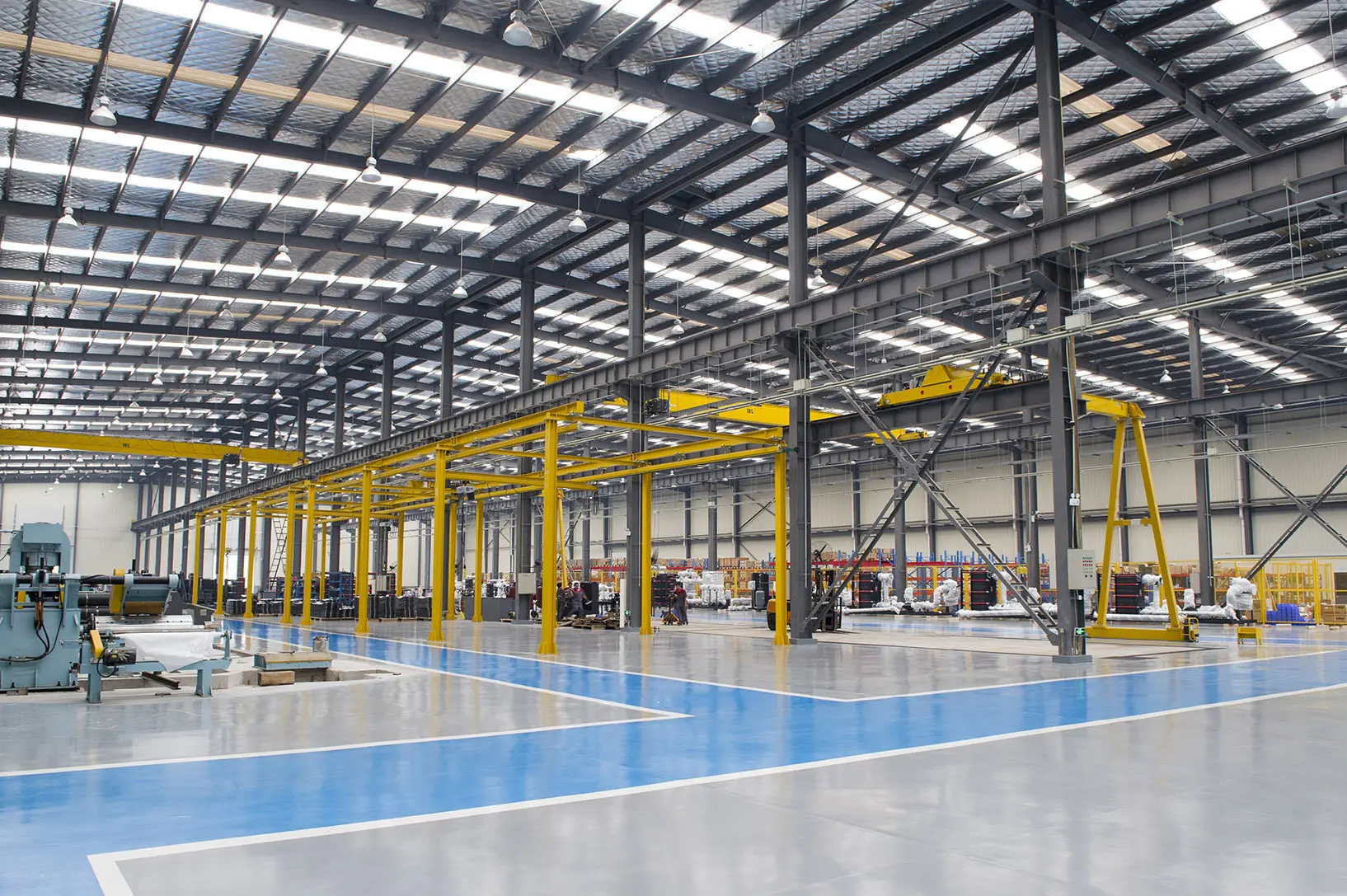
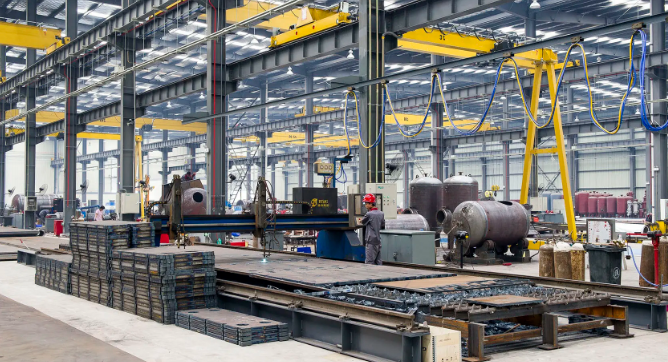
Our modern production facilities feature state-of-the-art hydraulic testing rigs, heavy plate stamping presses, and robotic welding lines. We control the complete quality chain from incoming steel sheet sourcing to final hydrostatic pressure testing, yielding over 4,500 units of heat exchange assemblies and water supply/drainage systems annually.
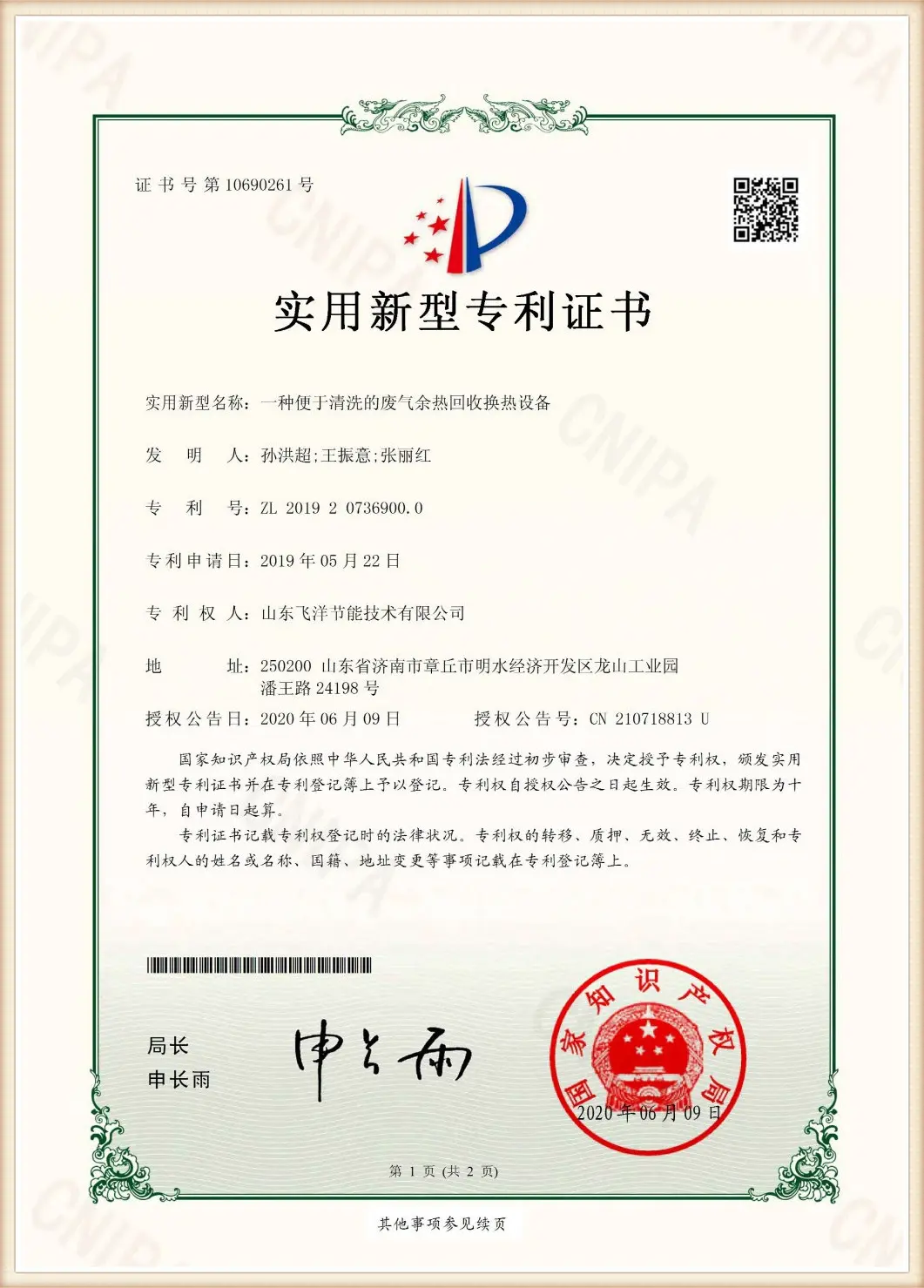
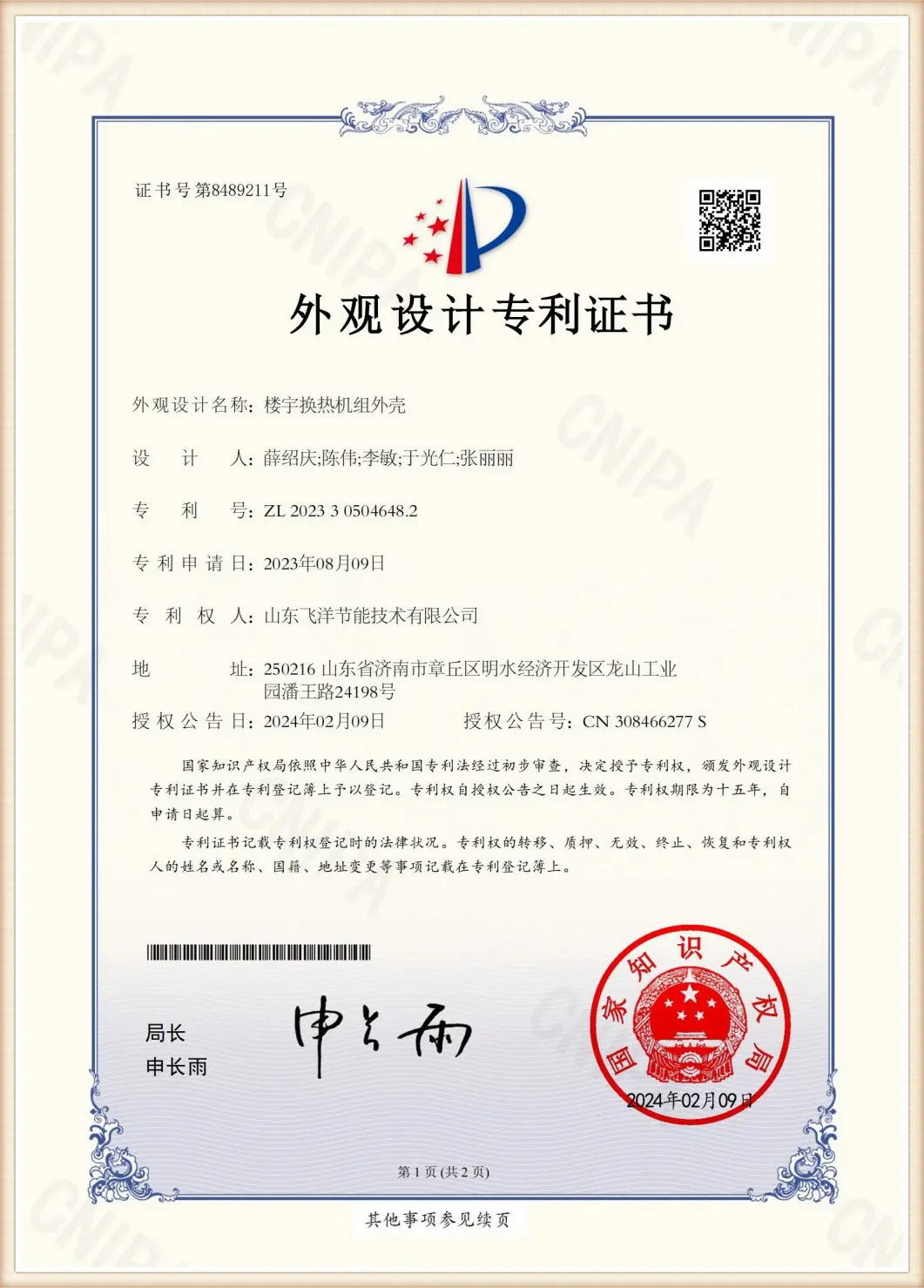
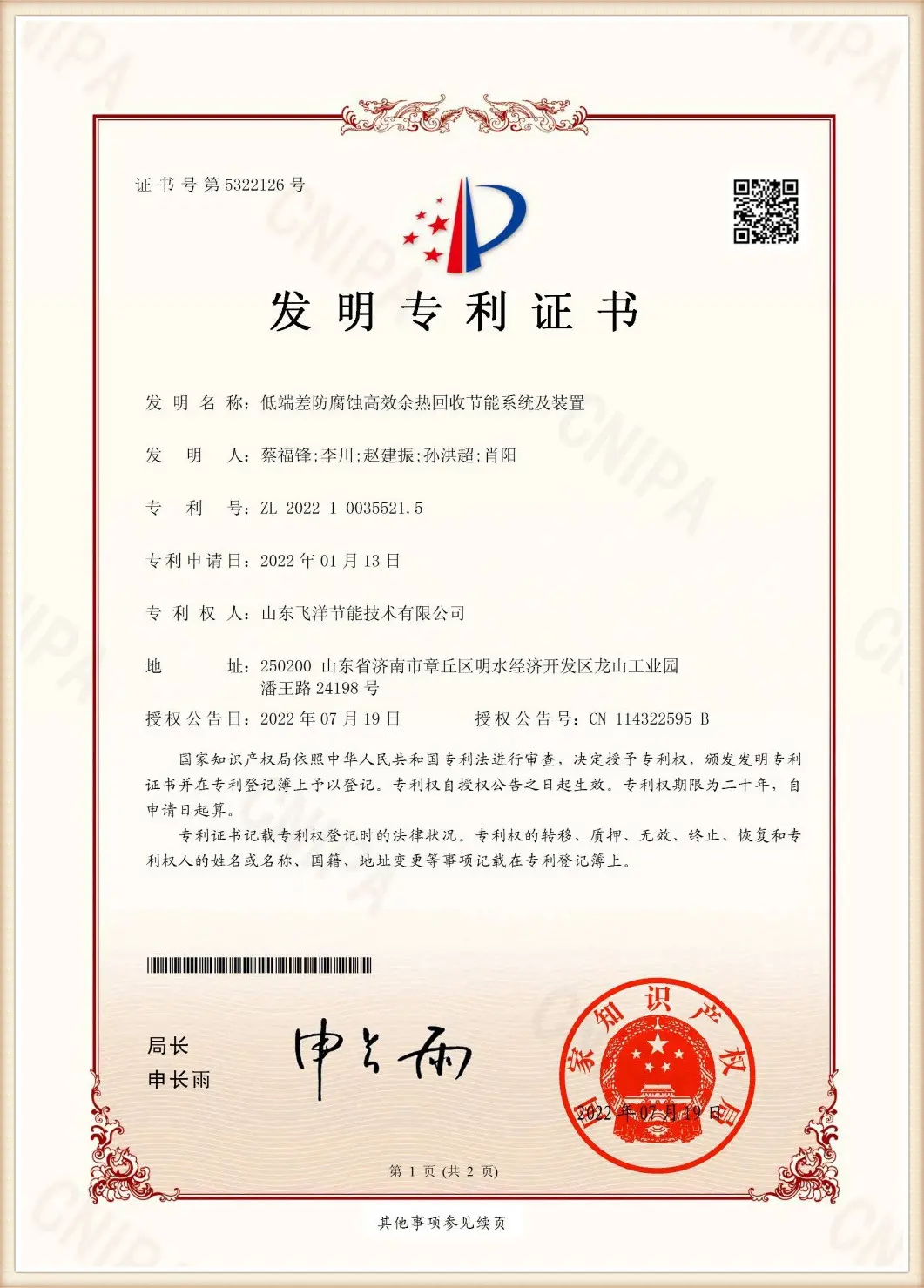
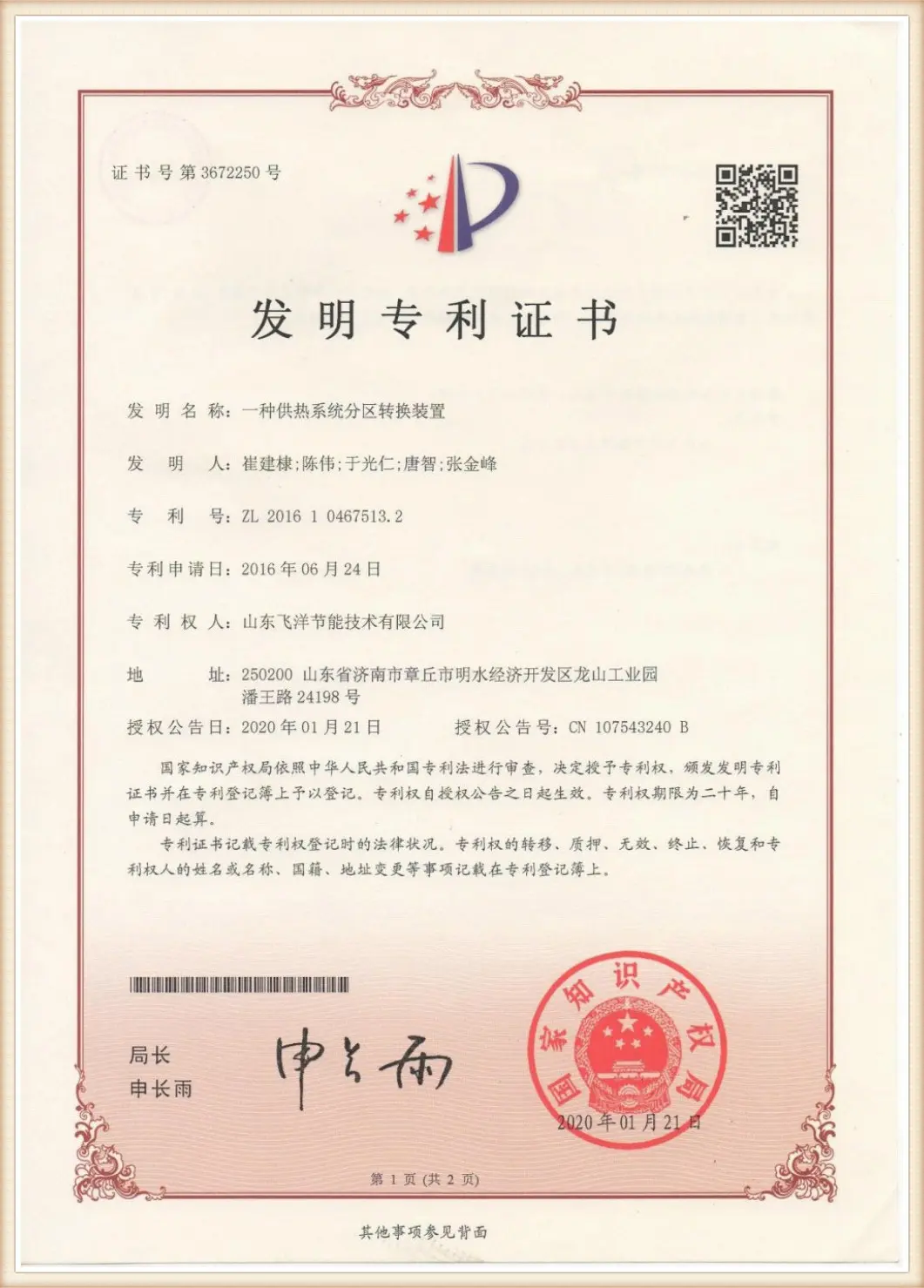
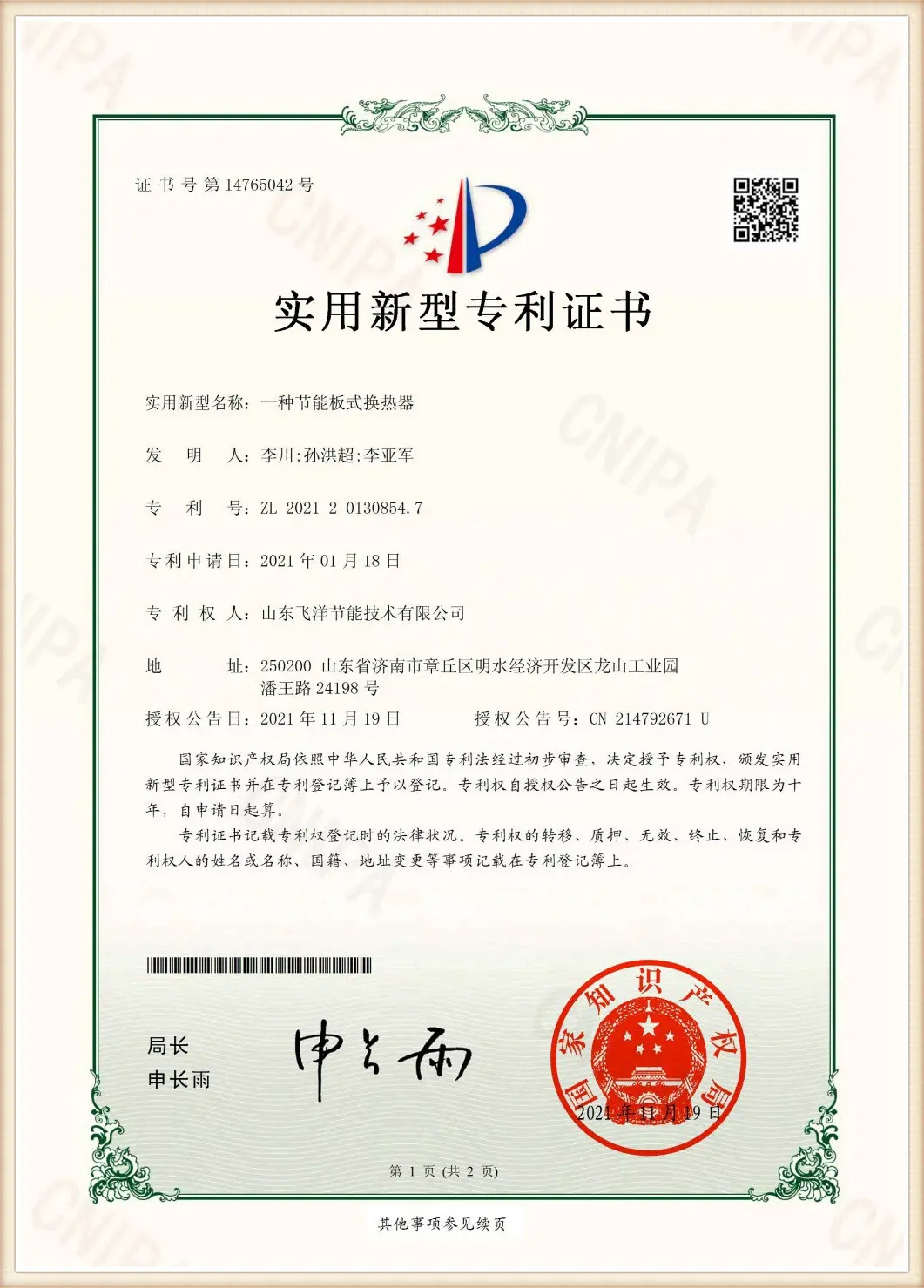
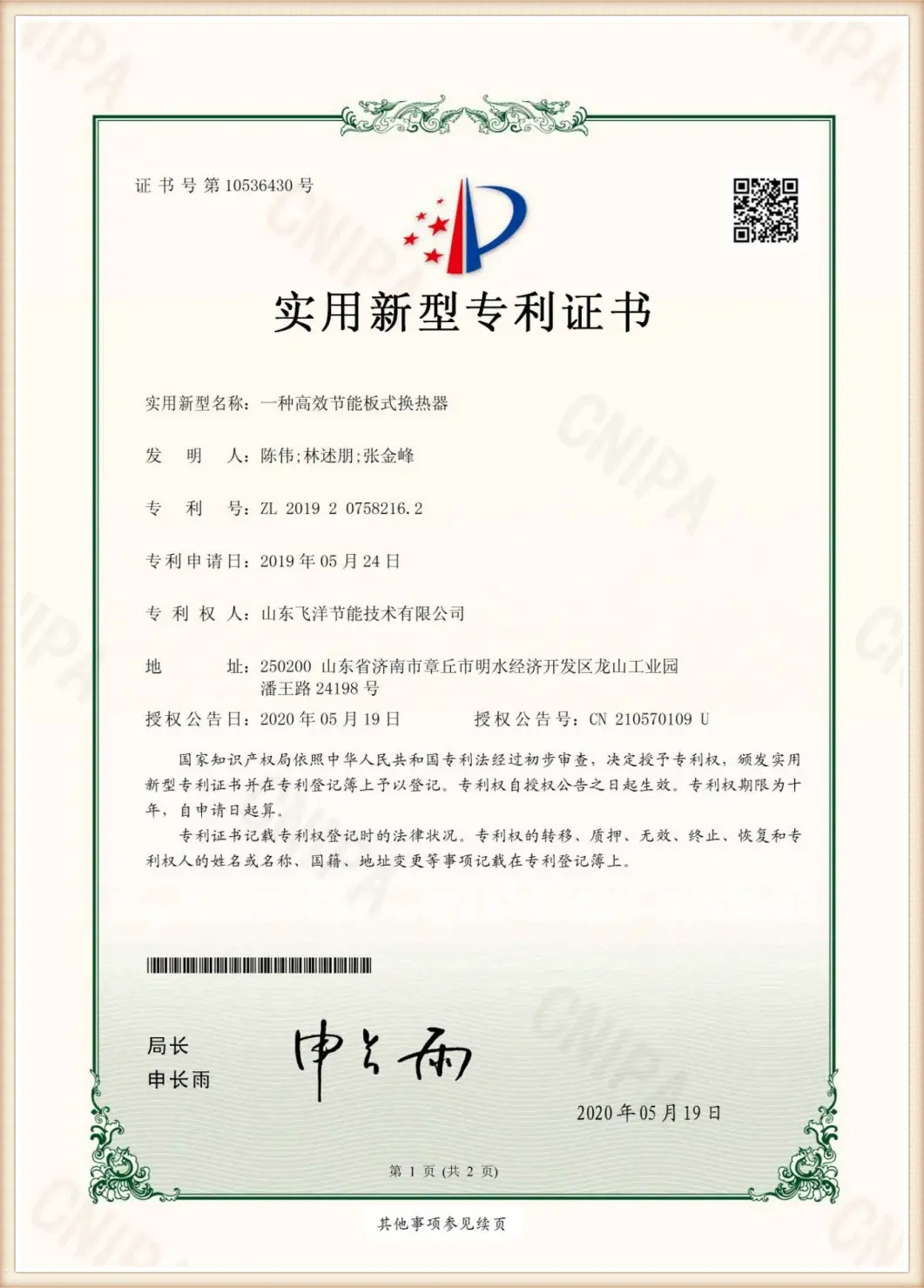
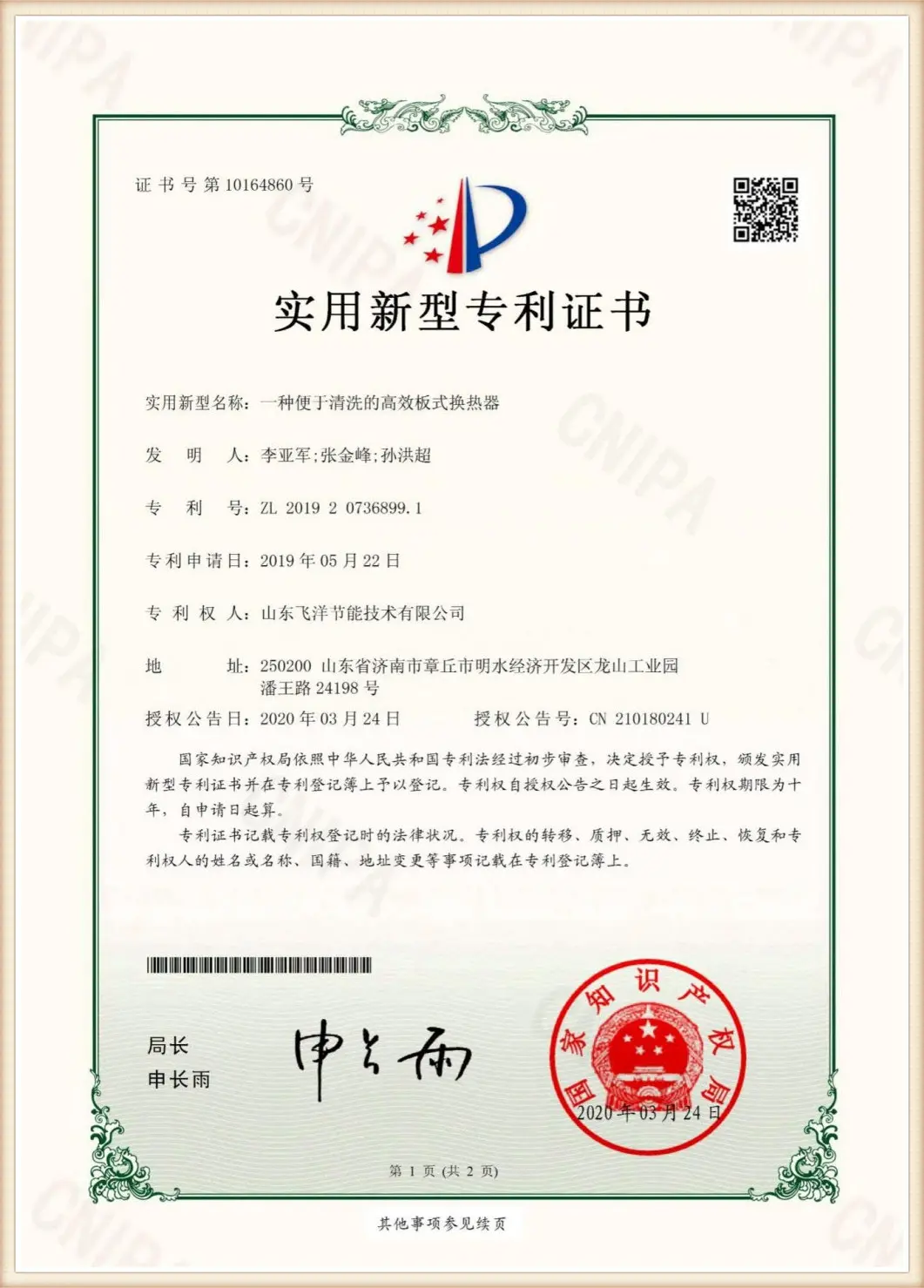
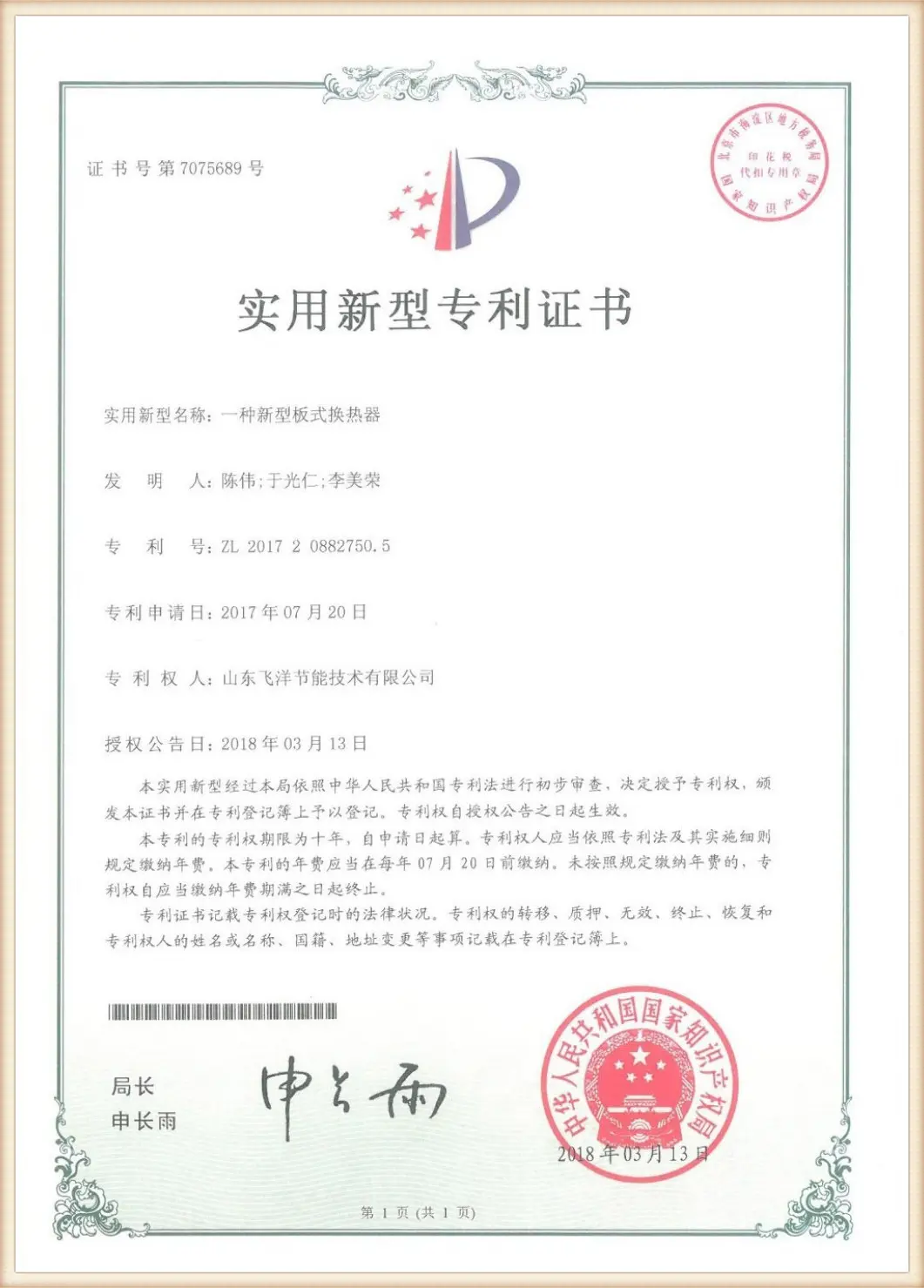
Flotte holds multiple national patent certifications, including our proprietary "High-Efficiency Plate Heat Exchanger", "Intelligent Plate Heat Exchanger System", and "Plate Heat Exchanger Scale Removal Device". All pressure-containing vessels are fully registered with the National Boiler and Pressure Vessel Standardization Technical Committee, operating in compliance with ISO9001, ISO14001, and ISO45001 standards.
Why Tier-1 global industrial procurers partner with Flotte for advanced thermal and water treatment challenges.
Utilizing patented corrugated plate technology, Flotte detachable plate heat exchangers achieve a heat transfer coefficient (U-value) 2 to 3 times higher than conventional shell-and-tube units under equivalent pressure drops.
We configure system architectures across 8 core fields, including heavy chemistry, pharmaceuticals, centralized urban heating, and zero liquid discharge. Solutions are tailored for diverse regional fluid chemistry and local compliance standards.
Our quality management is deeply integrated with digital tracing. Every system undergoes extensive NDT (Non-Destructive Testing) and hydraulic testing using automated sensors prior to factory clearance, ensuring trouble-free operational lifespans exceeding 15 years.
Flotte maintains dedicated multi-lingual technical engineering support teams available for remote virtual design configuration, sizing analysis, dynamic hydraulic modeling, and site-level installation support globally.
A technical guide on procurement optimization, zero liquid discharge, thermodynamic integration, and quality assurance in the era of global carbon-neutral transitions.
In modern industrial manufacturing, water treatment is no longer a isolated environmental compliance process. Instead, it is an integrated sub-system that governs a plant’s thermodynamic efficiency, water-footprint index, and operational cost structures. As global industries align with decarbonization mandates, the demand for local water treatment plants that offer high integration with thermal recovery has grown exponentially.
China's industrial water treatment and equipment manufacturing sectors have undergone a major paradigm shift. Suppliers like Flotte have evolved from basic components fabricators into system-integrators, offering custom, high-precision thermodynamic and separation solutions. This whitepaper analyzes how plants can leverage advanced plate heat exchangers, membrane concentration setups, and multi-effect evaporation technologies to achieve efficient water treatment operations.
Procuring heavy water treatment and heat exchange hardware from a China local supplier requires an understanding of supply chain integration and localized technical support. Global EPCs (Engineering, Procurement, and Construction) and plant operators must look beyond superficial pricing and evaluate the following metrics:
Water treatment plants operate under different parameters depending on their target industries. Here is how Flotte integrates its thermodynamic and water processing solutions across key industrial verticals:
Corrosive wastewater and high-temp reactions require heat exchange systems that can cool processing fluids while preheating feed streams. Multi-effect evaporation systems separate salts and solvents from the process water, permitting reuse and preventing groundwater contamination.
Sanitary requirements demand extremely clean processing loops. Double tube sheet heat exchangers and high-grade stainless membrane concentration skids ensure there is no cross-contamination, satisfying pharmacopoeia purity standards for WFI (Water for Injection).
In thermal power stations and central district heating, plate heat exchangers isolate primary heating grids from secondary user distribution loops. This protects municipal infrastructure from high pressures and prevents chemical impurities from migrating between loops.
A water treatment supplier’s technical capabilities are defined by their engineering pathways. Flotte's technology roadmap focuses on three main pillars: thermodynamic optimization, advanced membrane separation, and smart digital control.
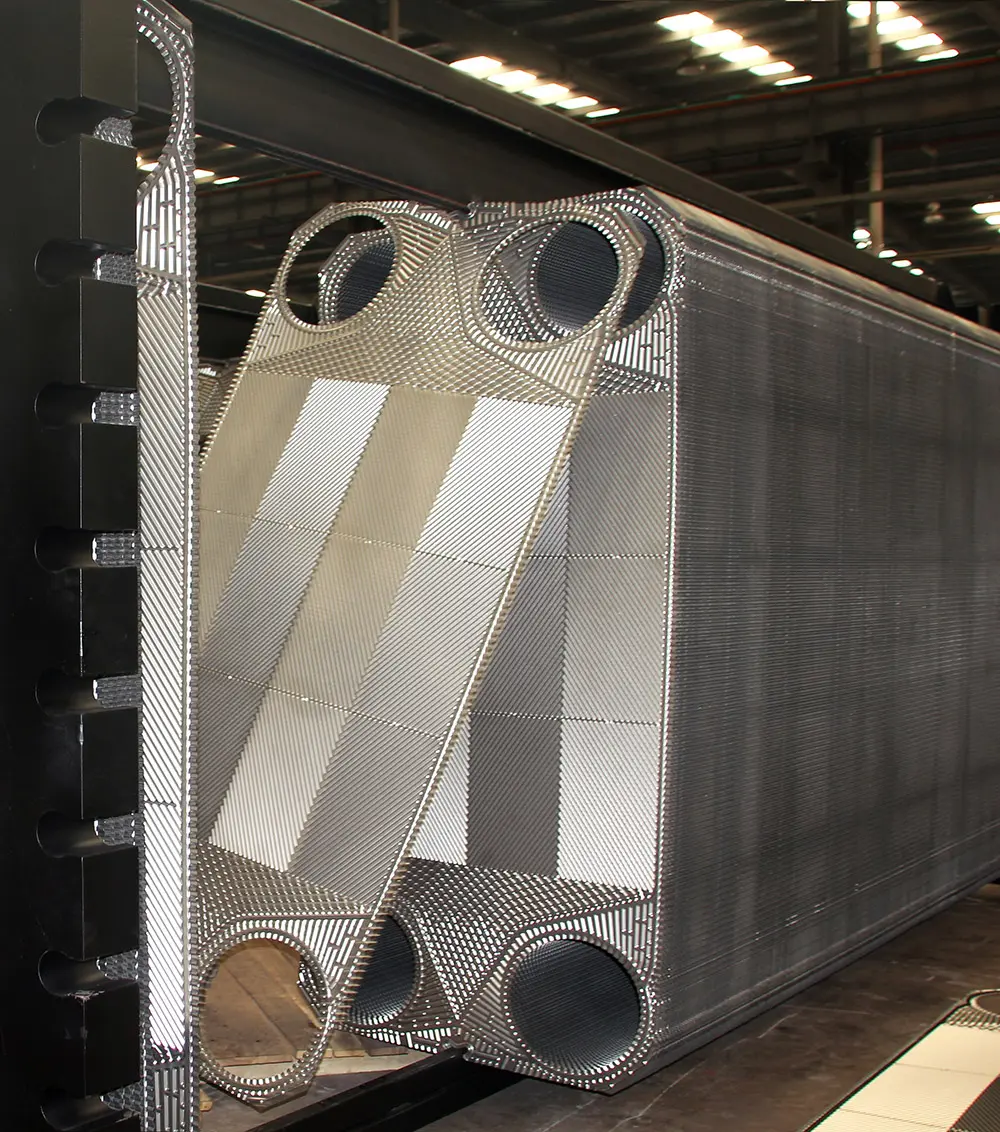
Thermodynamic Optimization via Detachable Plate Heat Exchangers: By creating highly turbulent flow channels within corrugated plate designs, we break boundary fluid layers, maximizing the heat transfer rate while inducing a self-cleaning action. This design minimizes surface scaling, which is a major operational challenge in water treatment plants dealing with hard water or mineral-heavy process flows.
Advanced Membrane Concentration Systems: When dealing with zero liquid discharge (ZLD) schemes, membrane concentration acts as the primary volume reduction step. High-pressure reverse osmosis (RO) or nanofiltration (NF) membranes concentrate dissolved solids up to their solubility limits, reducing the volume of brine that must be sent to the energy-intensive thermal crystallizer or evaporation pond.
Multi-Effect Evaporation (MEE) Configurations: In the final stage of ZLD, MEE plants utilize the latent heat of vapor from one effect to boil water in the subsequent effect operating at a lower pressure. This cascading design reduces steam consumption, offering energy-saving profiles compared to single-effect evaporation systems.
To successfully deploy equipment in North America, Europe, or the Middle East, a supplier must comply with local safety and quality frameworks. Flotte maintains strict alignment with global engineering certifications:
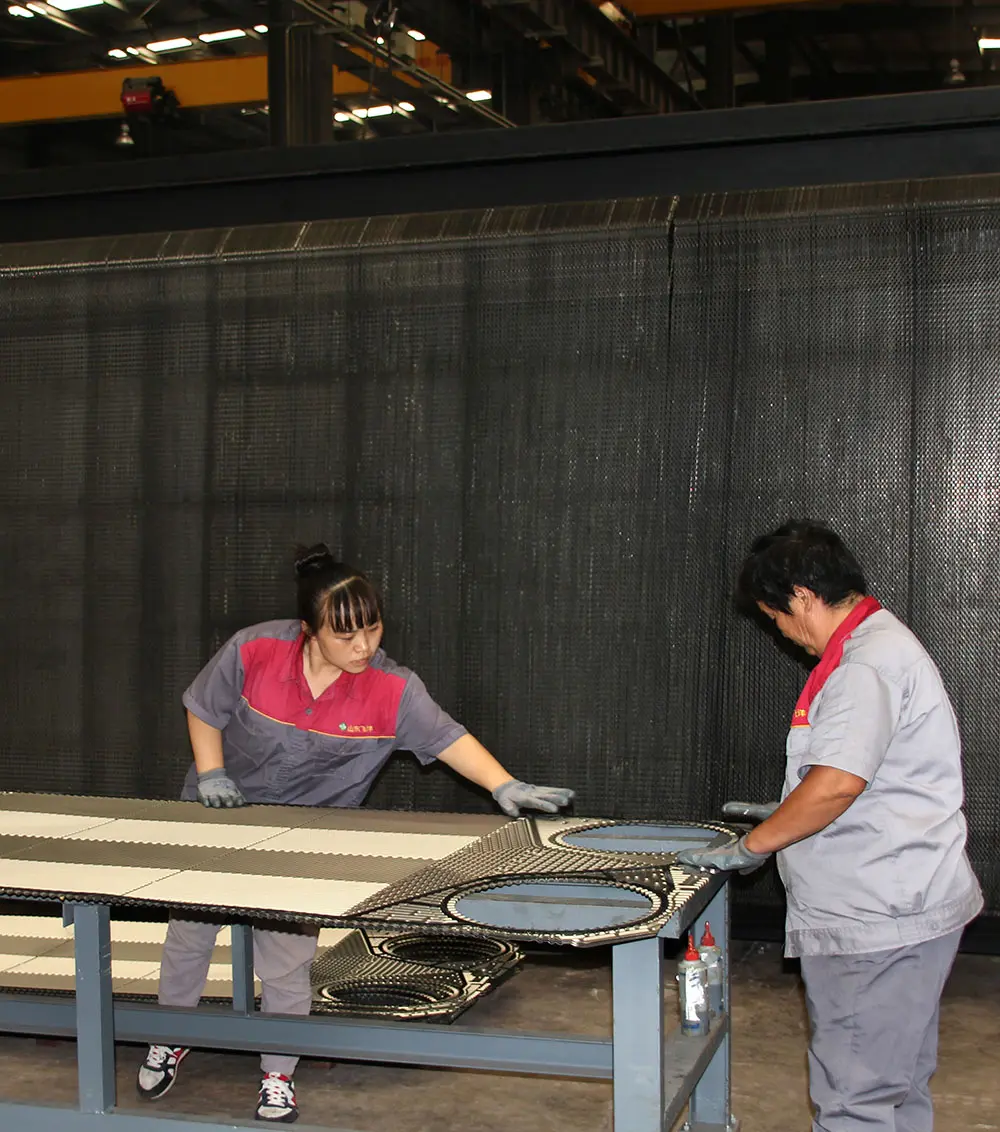
Operating a modern production workshop with these systems ensures that every plate, weld bead, and structural frame is fully traceable from the raw material mill to the operational site.
The future of industrial water treatment relies on digital control systems. Modern plants use edge computing, smart sensors, and automated control valves to adapt to changing raw water qualities and temperature fluctuations. Integrating components like Intelligent Unit Balance Valves and Room Temperature Collectors enables municipal heating and industrial cooling loops to self-regulate. These components automatically adjust hydraulic profiles based on real-time feedback, reducing energy use and thermal stress across the system.
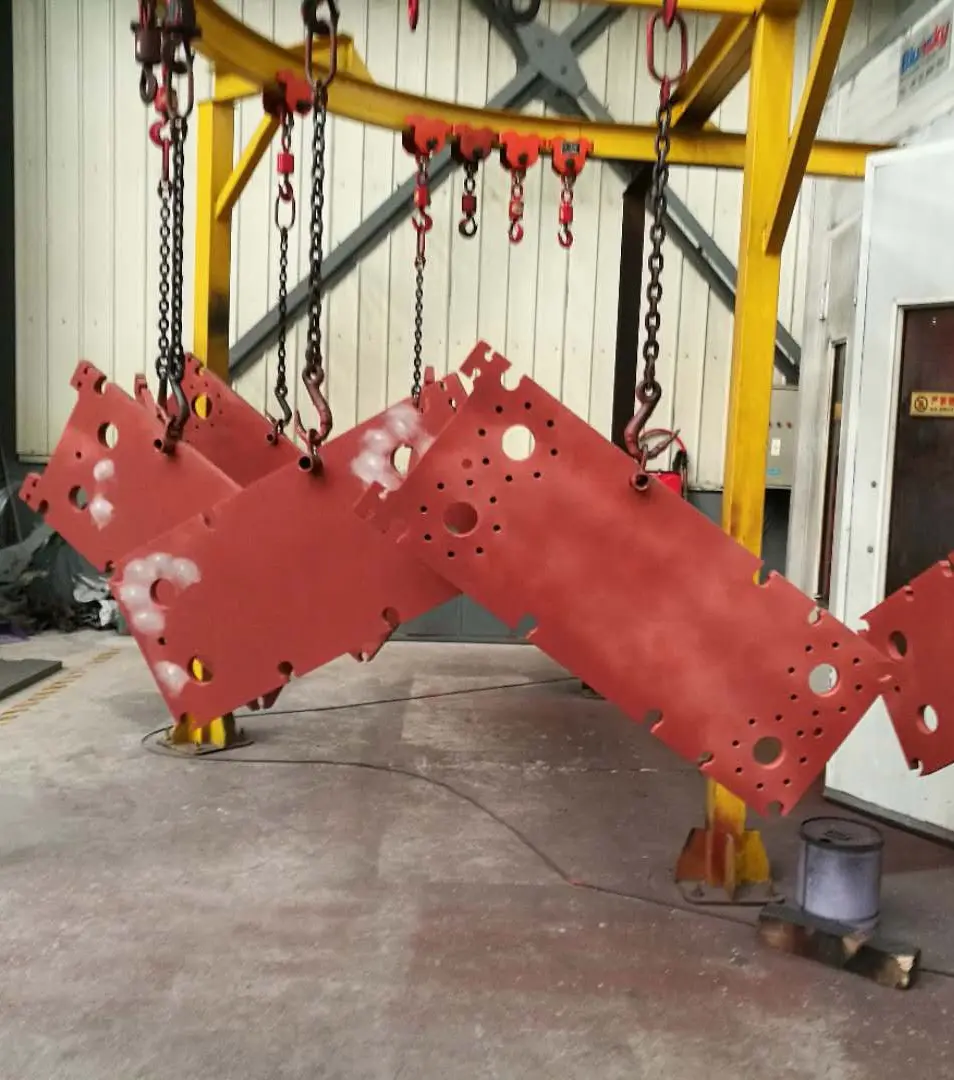
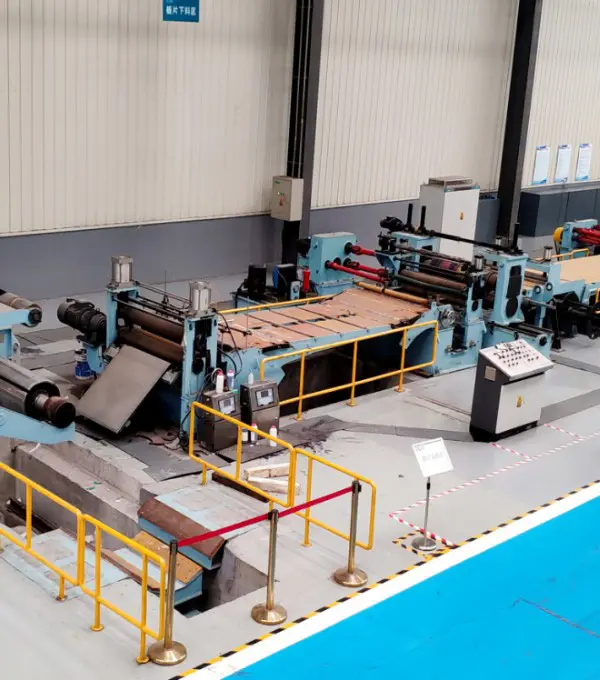
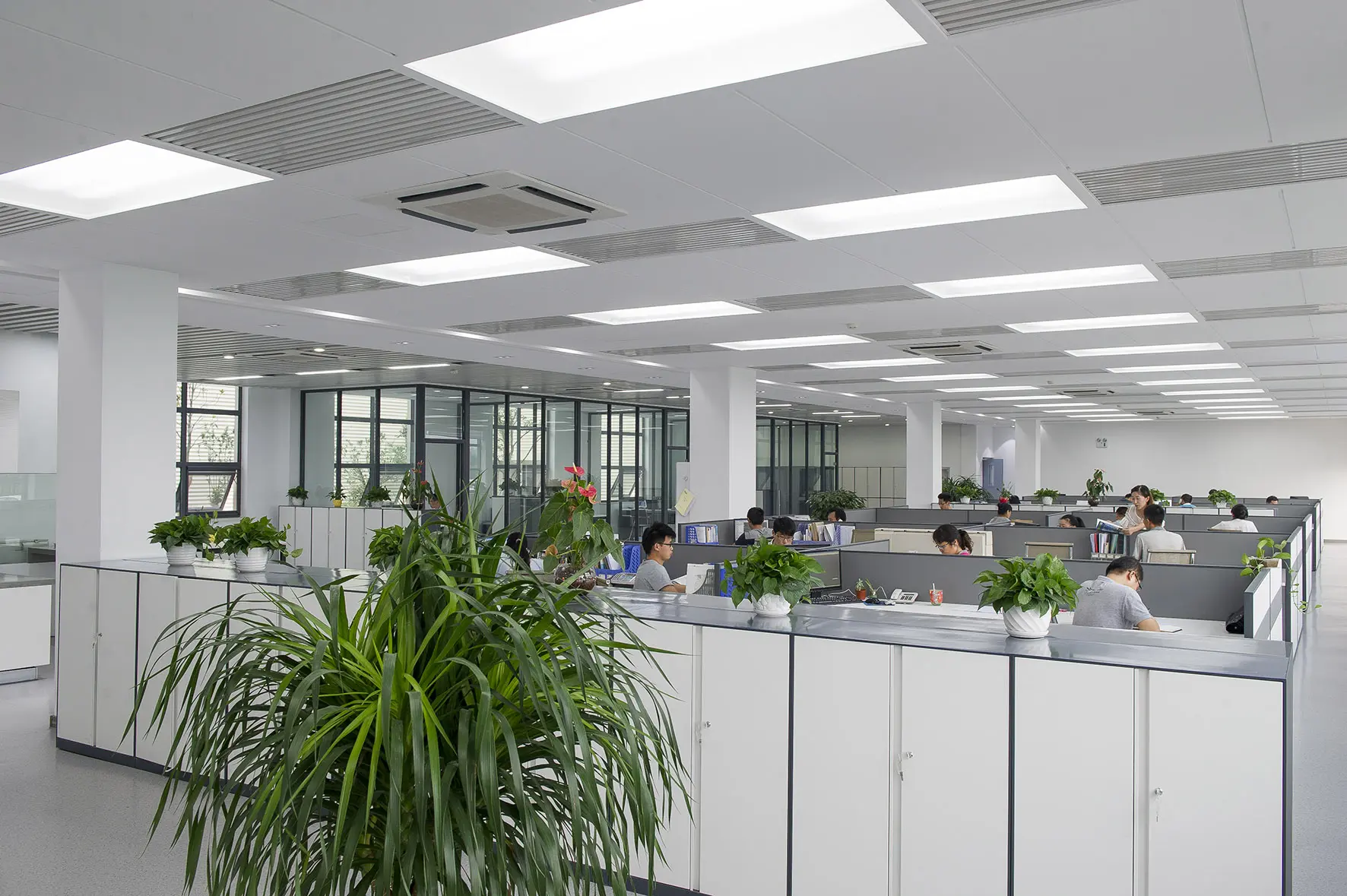
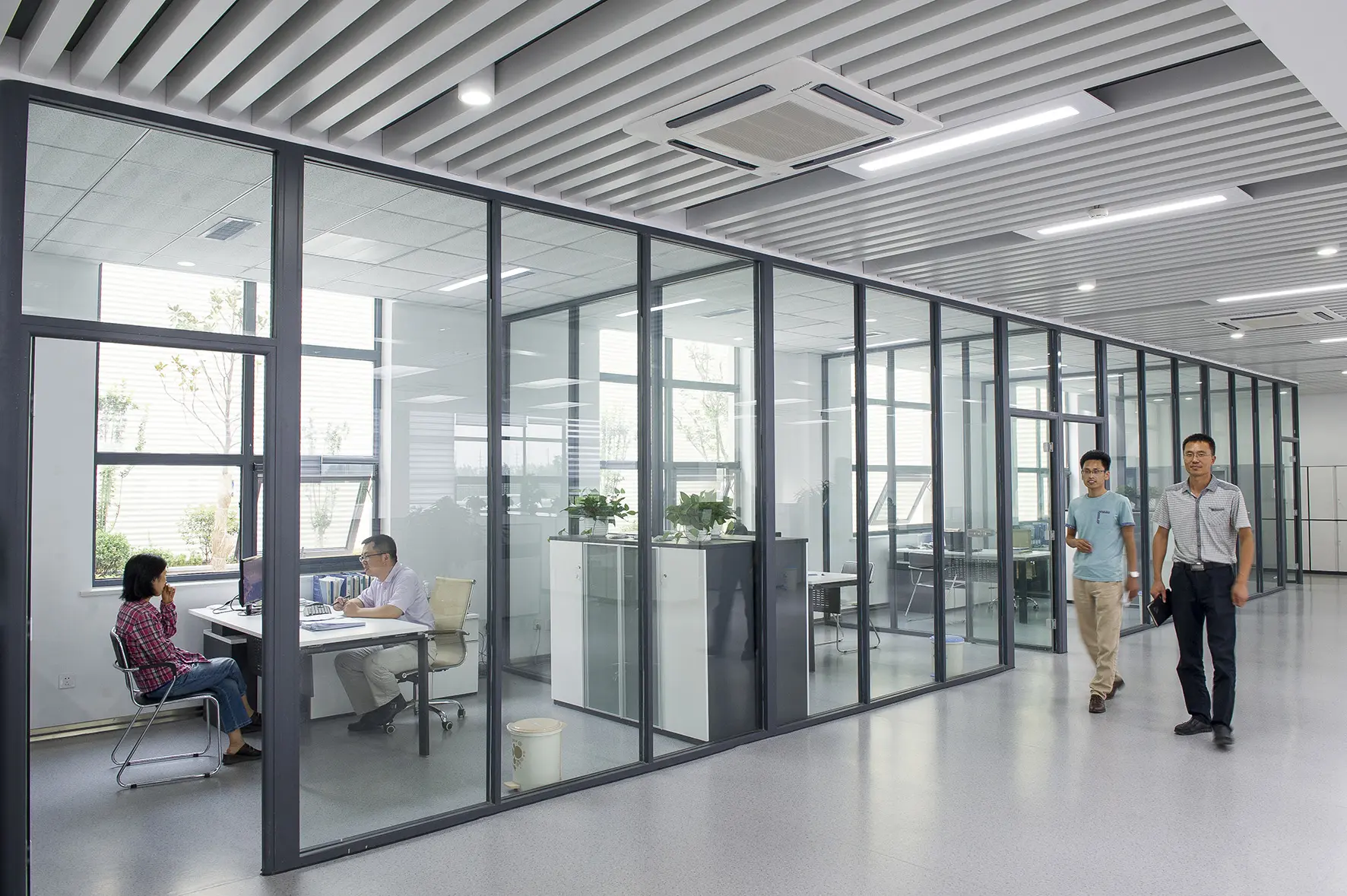
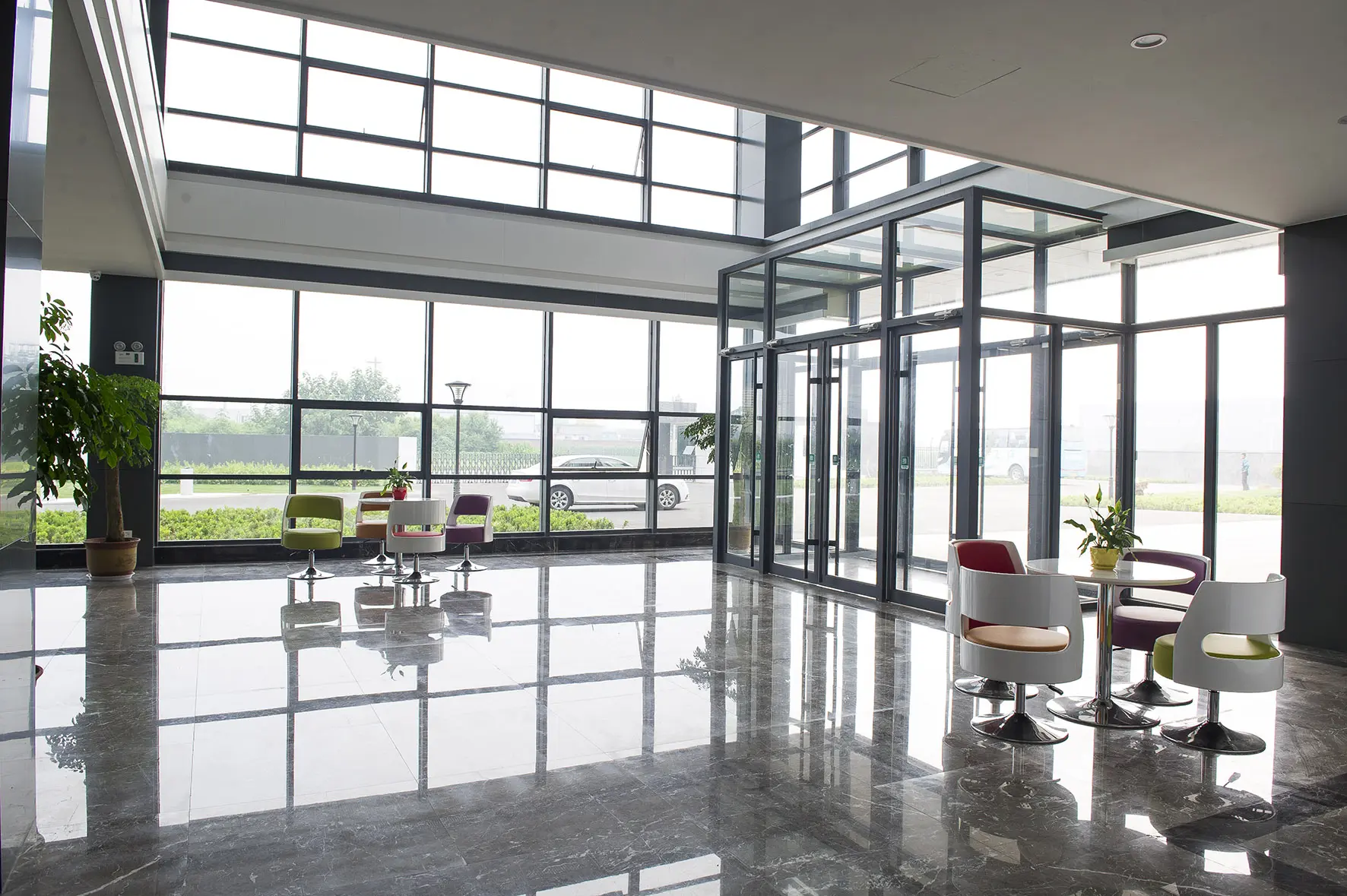
A transparent view into our vertically integrated manufacturing workflow, ensuring pressure vessel integrity at every phase.
A closer look at the specific heat exchange and water treatment skids manufactured in our facility.
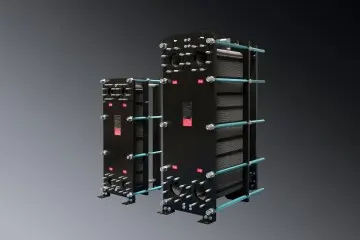
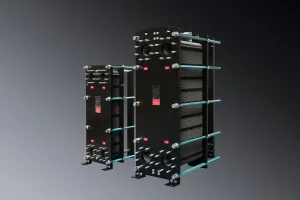
Engineered for high thermal transfer rates under low pressure drops. Ideal for heating, ventilation, air conditioning, and municipal water heating. Easily disassembled for maintenance and scale removal.
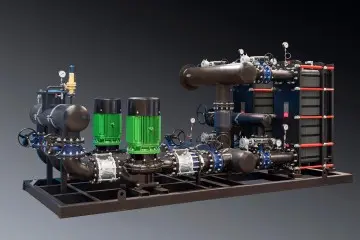
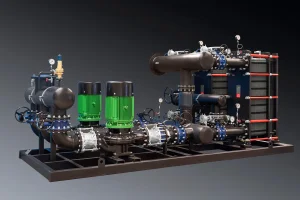
A pre-assembled skid combining plate heat exchangers, intelligent control systems, pumps, and valves for efficient central heating control.
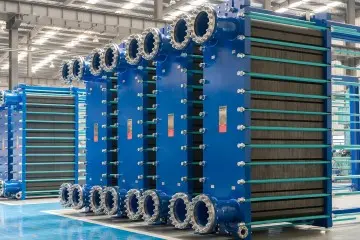
Designed for water utility networks requiring high flow capacities coupled with pressure step-down functions without causing thermal degradation.
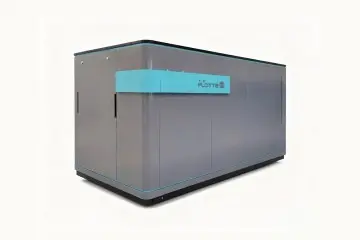
Compact thermal transfer stations specifically sized for commercial real estate development, providing quiet, high-efficiency heat integration.
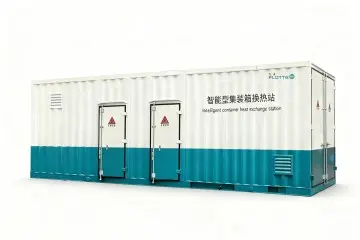
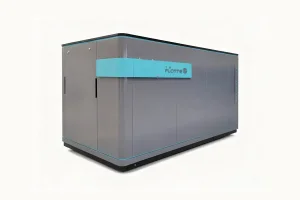
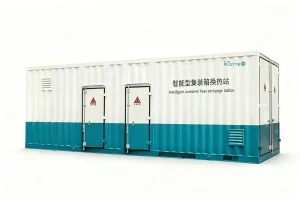
Enclosed, weatherproof box-type units designed for decentralized installations. Simplifies maintenance and provides reliable outdoor performance.
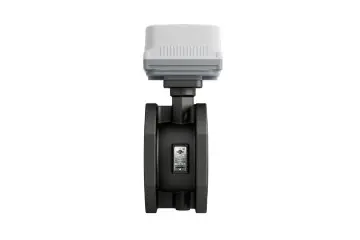
Maintains stable hydraulic balances across complex secondary district heating networks, preventing cold or hot spots in terminal nodes.
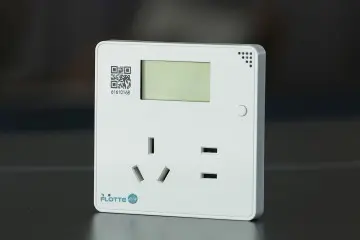
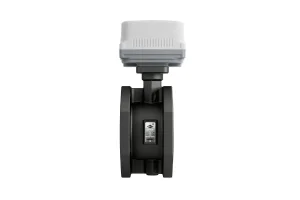
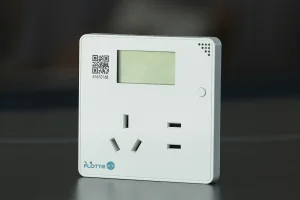
High-precision smart sensor networks that gather real-time temperature profiles, feed data directly into centralized heating controllers, and optimize energy use.
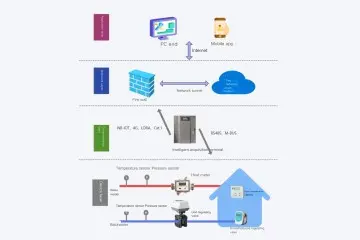
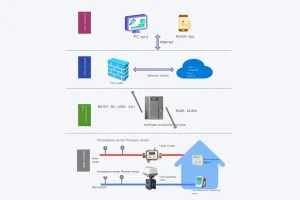
An integrated platform linking balancing valves, temperature collectors, and remote SCADA control networks for optimized performance.
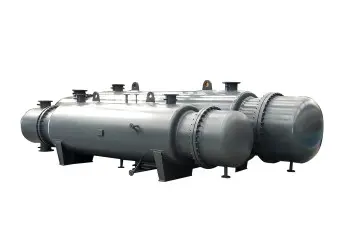
Robust configurations built for extreme temperature differentials and high operating pressures, suitable for oil refining and petrochemical plants.
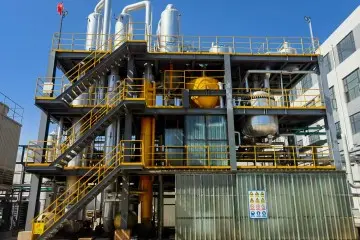
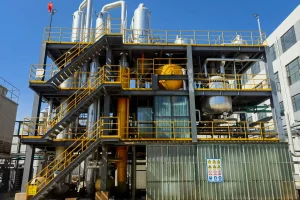
Industrial steam-saving configurations designed for concentration of highly polluted effluent streams, driving plants toward zero liquid discharge.
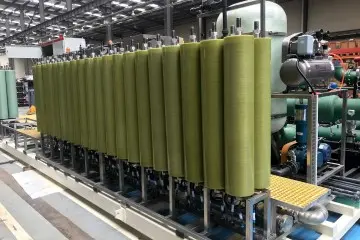
Utilizes advanced composite semi-permeable membranes for high-efficiency chemical and mineral separation, providing stable salt removal and water purification.
Verification of our compliance with international manufacturing, environmental, and occupational safety regulations.
Insights from our engineering department regarding system design, operational limits, and compliance for water treatment projects.
Plate heat exchangers generate high turbulence inside the flow channels, even at low fluid velocities. This turbulence breaks boundary fluid layers, yielding a heat transfer coefficient (U-value) 2 to 3 times higher than shell-and-tube units. Additionally, the high shear stress on the plate surfaces helps prevent particulate fouling and scaling, which is a key requirement when processing industrial wastewater.
We use a multi-stage approach. In stage one, high-pressure membrane concentration (reverse osmosis/nanofiltration) isolates dissolved solids, reducing the wastewater volume by 70-80%. The concentrated brine is then sent to our multi-effect evaporation system, where the remaining water is boiled off using cascaded thermal energy, leaving only solid salts for disposal or recovery. This setup reduces overall steam consumption and operational costs.
All Flotte systems are fully certified. Our pressure vessels are manufactured in accordance with China's GB150 standards and can be certified to ASME (Section VIII) or EU PED (Pressure Equipment Directive) requirements. Our manufacturing facilities are also fully compliant with ISO 9001:2015, ISO 14001:2015, and ISO 45001:2018.
For standard applications, we recommend SUS316L. For environments containing high chloride concentrations (exceeding 200 ppm at elevated temperatures), we utilize Titanium (Ti-Grade 1) or Hastelloy alloys to prevent pitting and stress corrosion cracking.
The system uses intelligent balance valves and room temperature collectors to monitor temperature and flow rates across the network in real-time. Dynamic control algorithms automatically adjust the valve positions to match actual heating demands, eliminating hydraulic imbalances and reducing heating energy consumption by 15-25%.
Explore our advanced evaporation, concentration, and sensor networks designed for zero liquid discharge (ZLD) configurations and municipal HVAC networks.
 Flotte Energy