High-precision detachable exchangers, thermal control components, and advanced evaporation packages optimized for industrial lubricating oil networks.

Flotte Energy Saving Company, established in 2013 with a registered capital of 101 million yuan, proudly originated from Flotte Thermal Engineering founded in 1995. With three decades of deep-rooted technical expertise, the company specializes in water equipment, HVAC systems, and high-performance fluid treatment industries.
By consistently leading industry peers in adopting cutting-edge technologies, developing innovative thermal management products, and delivering comprehensive production and sales services, Flotte has integrated the core capabilities of China's premium engineering and heavy machinery manufacturing sectors.
Evaluating the convergence of fluid dynamics, thermal conditioning, and mechanical separation technologies. A strategic analysis for global procurement managers and asset preservation engineers.
In modern industrial operations, machinery lubrication is no longer just a matter of friction reduction; it is a critical variable in system reliability, energy efficiency, and thermal stability. Large-scale steam turbines, hydraulic systems, compressor units, and marine diesel systems demand extremely clean lubricant fluids. The degradation of lubrication oil is directly driven by two main factors: particulate contamination and thermal stress. This is where Lube Oil Filtration systems must operate in tandem with precision heat exchange units to control both physical debris and fluid temperature.
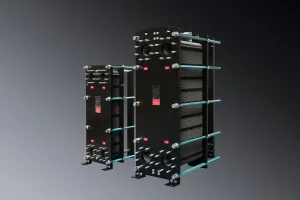
When lubricants exceed their optimal temperature range (typically 40°C to 55°C), the rate of oxidation doubles for every 10°C increase. This thermal cracking forms varnish, sludge, and acidic by-products. Consequently, premium suppliers do not view filtration in isolation. High-efficiency heat management through Detachable Plate Heat Exchangers ensures that the fluid stays within its viscosity limits, allowing filtration elements (such as cellulose, fiberglass, or stainless mesh) to capture sub-micron particles without premature bypass activation or excessive differential pressure.
The industrial filtration landscape is transitioning from passive containment capture to active, predictive fluid conditioning. Flotte's R&D team tracks a multi-stage technical roadmap aimed at achieving zero-downtime lubrication management:
Utilizing electrostatic oil cleaning and chemical-tailored adsorption to remove soft contaminants and varnish precursors before they precipitate on critical valve surfaces.
Pairing vacuum chambers with high-efficiency heating networks to evaporate free, emulsified, and dissolved water content from lube oils down to under 100 ppm.
Applying real-time optical particle counters and moisture sensors directly integrated into the secondary heating and flow-regulation manifold for continuous ISO 4406 verification.
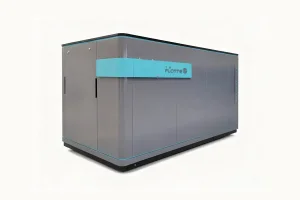
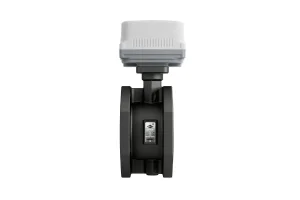
By coupling these filtration advancements with intelligent temperature maintenance systems—such as our Intelligent Integrated Box-Type Heat Exchanger Units—industrial plants can achieve a closed-loop system where lubricant oils are continuously polished, cooled, and monitored, virtually eliminating manual oil changes and extending asset life cycles by up to 300%.
Industrial fluid conditioning must be tailored to the specific environmental pressures of each sector. The requirements of a heavy chemical processing plant differ vastly from municipal district heating grids, yet both depend on robust fluid maintenance:
In centralized heating systems, plate heat exchangers act as the primary interface transferring heat from municipal thermal plants to distribution networks. Ensuring the purity of loop water prevents scale buildup, which causes catastrophic drop-offs in thermal transfer coefficients. Furthermore, steam turbine governor oils demand particulate removal to ISO 16/14/11 standards to prevent valve sticking.
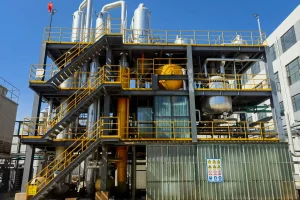
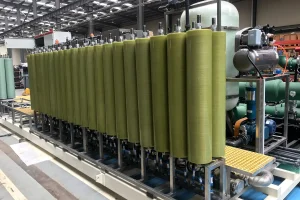
Our Multi-Effect Evaporation Systems and Membrane Concentration Systems are designed to treat industrial process wastewater and reclaim organic solvents. Efficient phase separation prevents heavy hydrocarbons from contaminating high-temperature vapor flows, securing thermal economy while maintaining strict compliance with regional environmental discharge regulations.
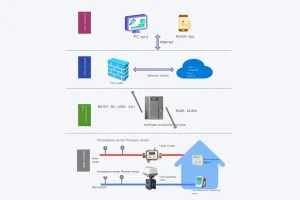
High-pressure hydraulic fluids in heavy manufacturing demand continuous, fine-mesh filtration. By applying a secondary network intelligent regulation and balance loop, the operating fluid remains at a constant temperature, avoiding cavitation, elastomer seal cracking, and premature mechanical wear.
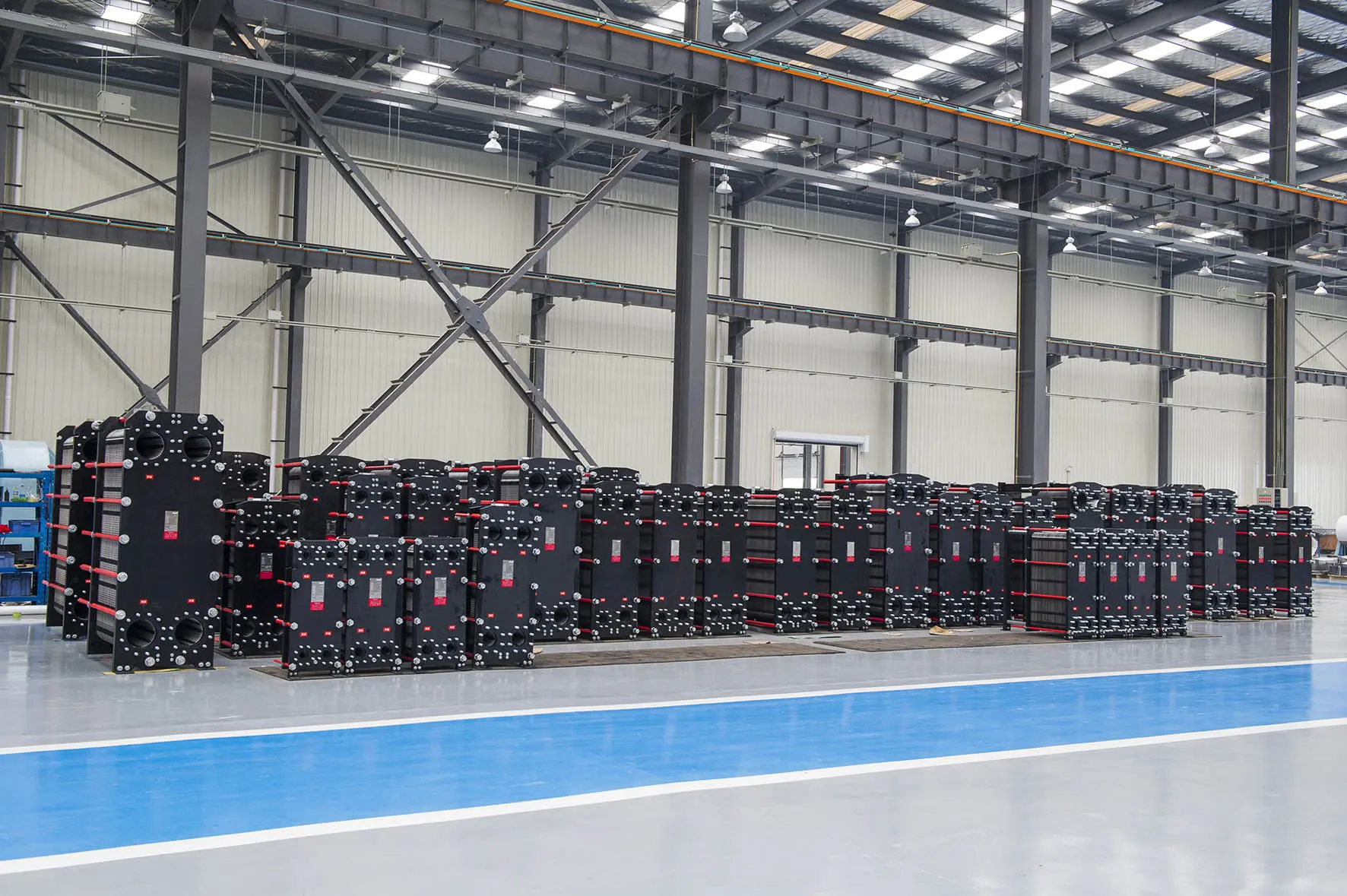
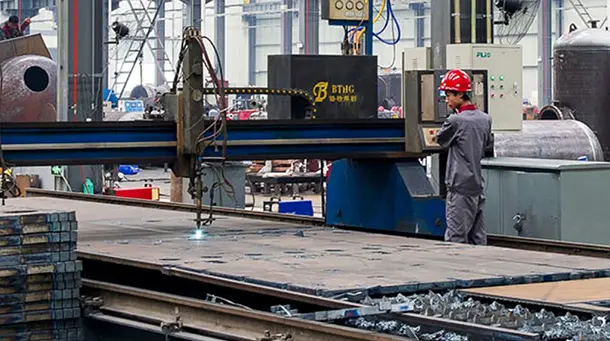
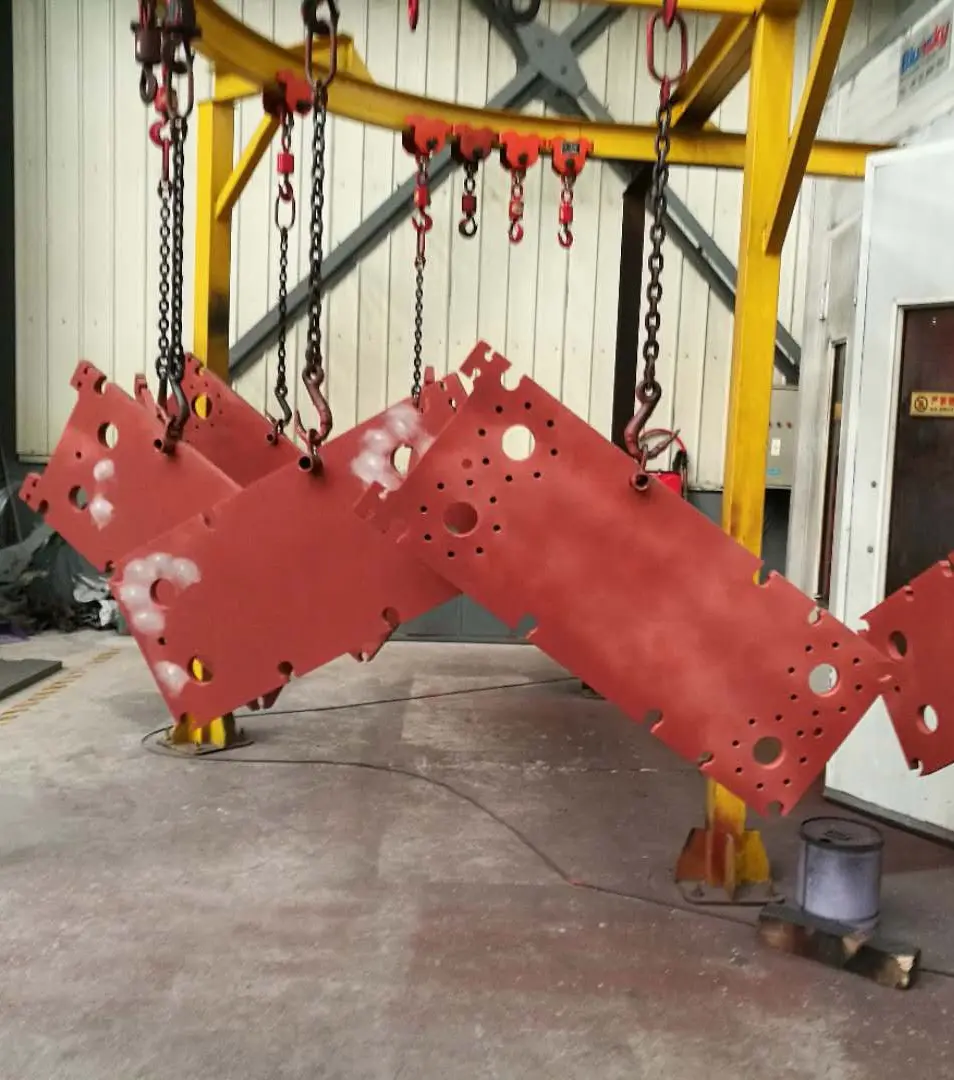
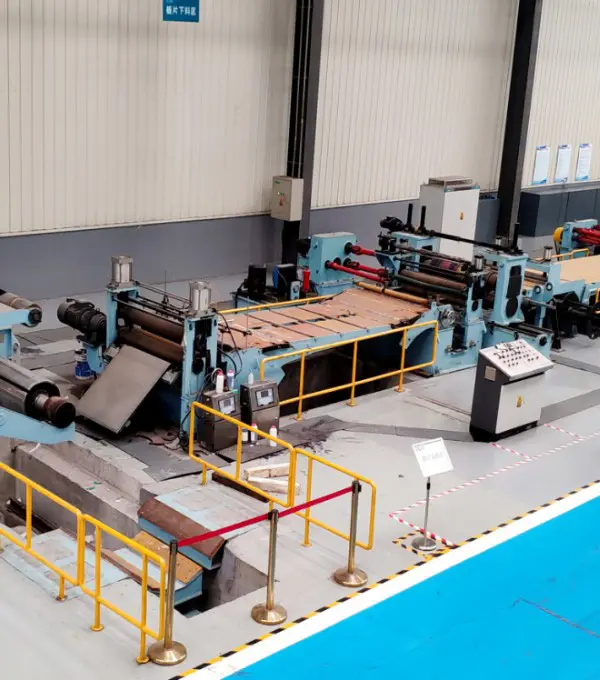
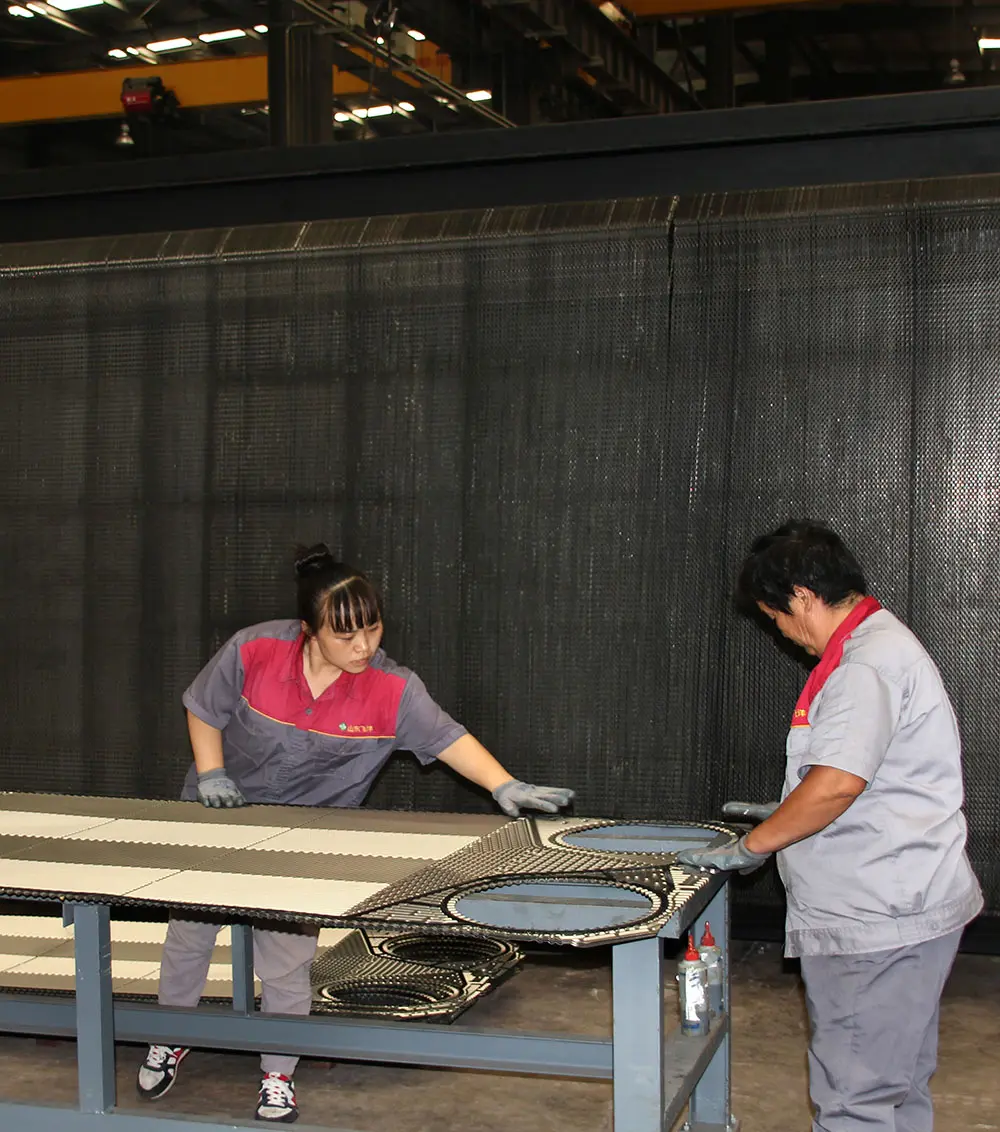
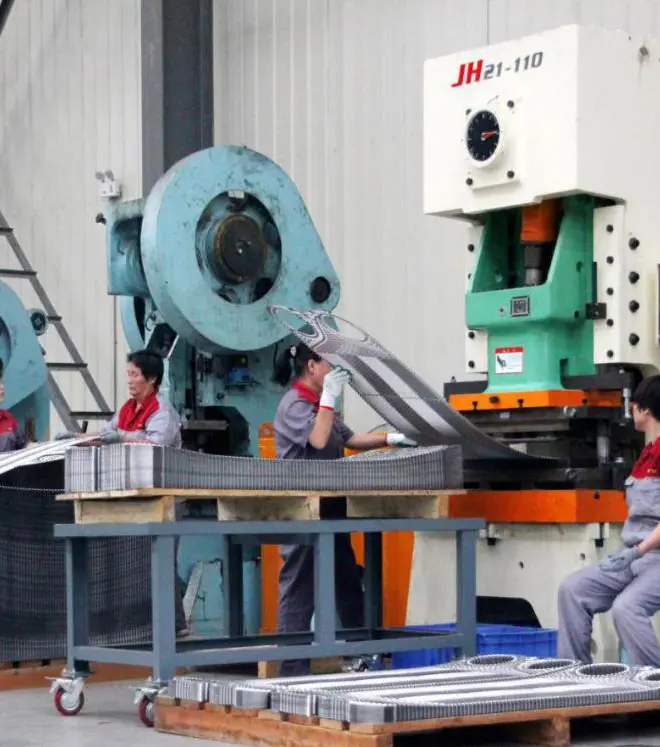
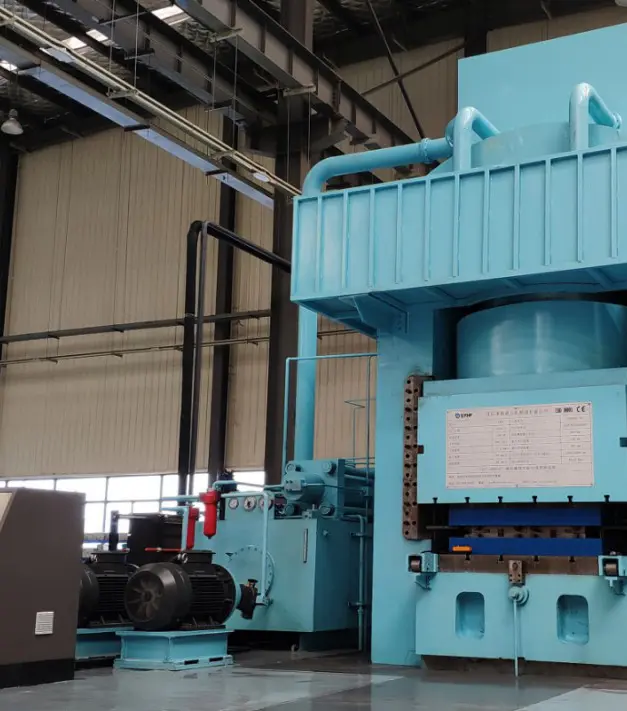
Operating a modern 70,000 square meter facility, Flotte has integrated the principles of Industry 4.0 to guarantee supply chain resilience. Annual production exceeds 4,500 integrated heat exchange and fluid systems, supported by a staff of over 300 skilled specialists. Our factory is equipped with high-pressure sheet stamping units, automated CNC laser profiling, and multi-stage testing stations to verify system performance under simulated extreme conditions.
The manufacturing chain is optimized from raw material acquisition (sourcing certified premium stainless steel, titanium, and elastomer compounds) to automated welding, sandblasting, and pressure testing. Maintaining in-house controls on all production stages allows Flotte to offer highly competitive lead times, custom adaptation options, and direct price benefits compared to Western OEM assemblies.
For international procurement managers, purchasing from China is not just about cost reduction; it requires strict adherence to international regulatory standards and quality certifications. Flotte safeguards foreign capital and project success by maintaining comprehensive credentials:
Whether engineering custom shell-and-tube configurations or detachable systems for chemical plants, our design department provides complete engineering CAD files, flow simulation reports, and material traceability declarations.
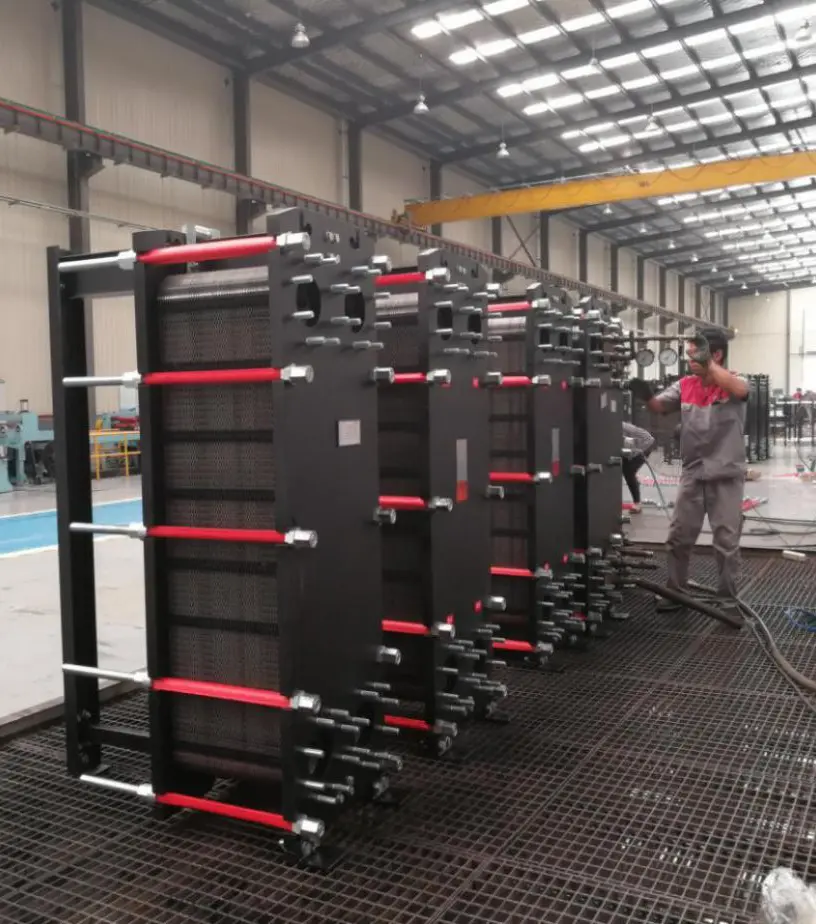
Every thermal component and filtration assembly undergoes a multi-phase validation procedure before leaving the factory floor.
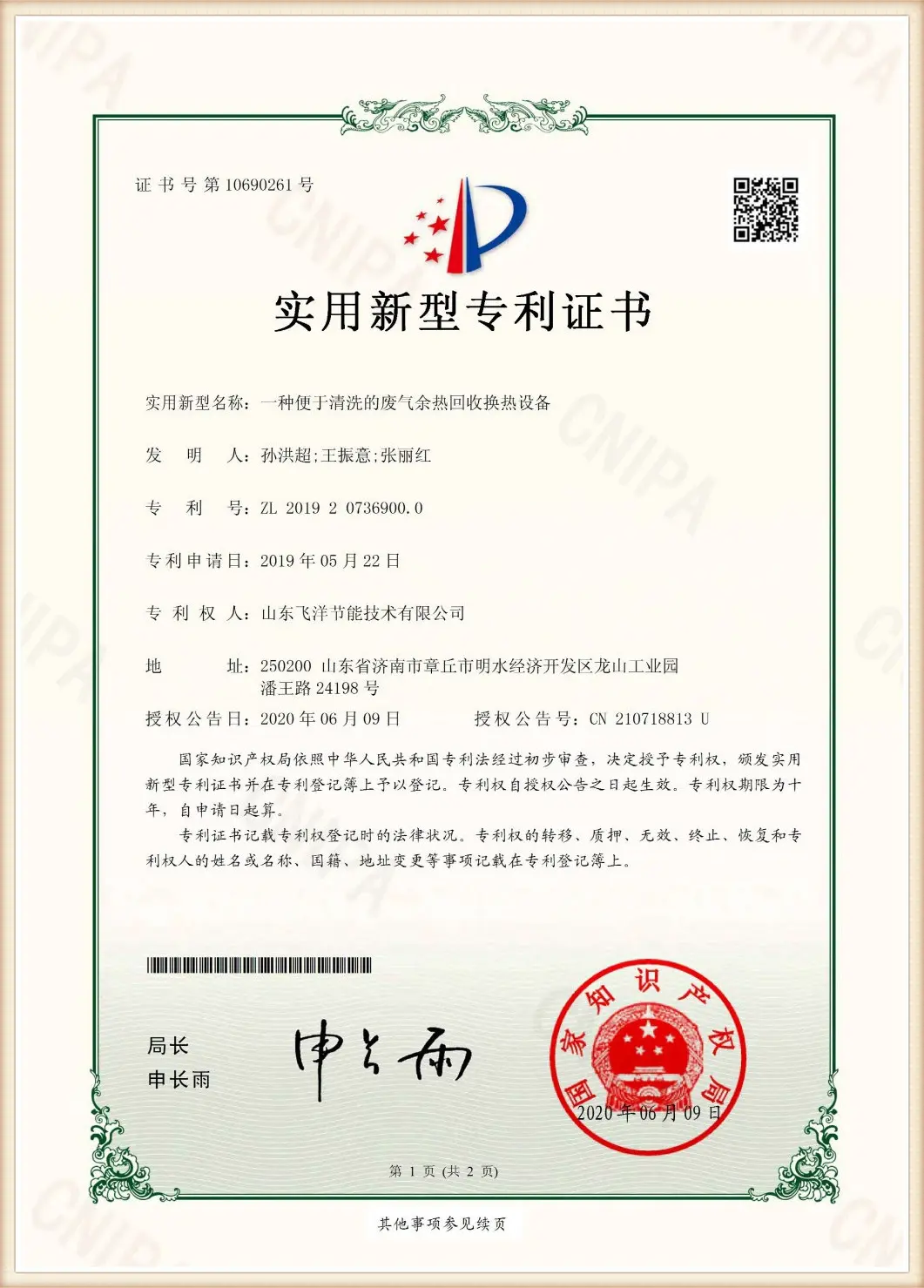
Flotte consistently maintains the highest national and international safety design approvals.
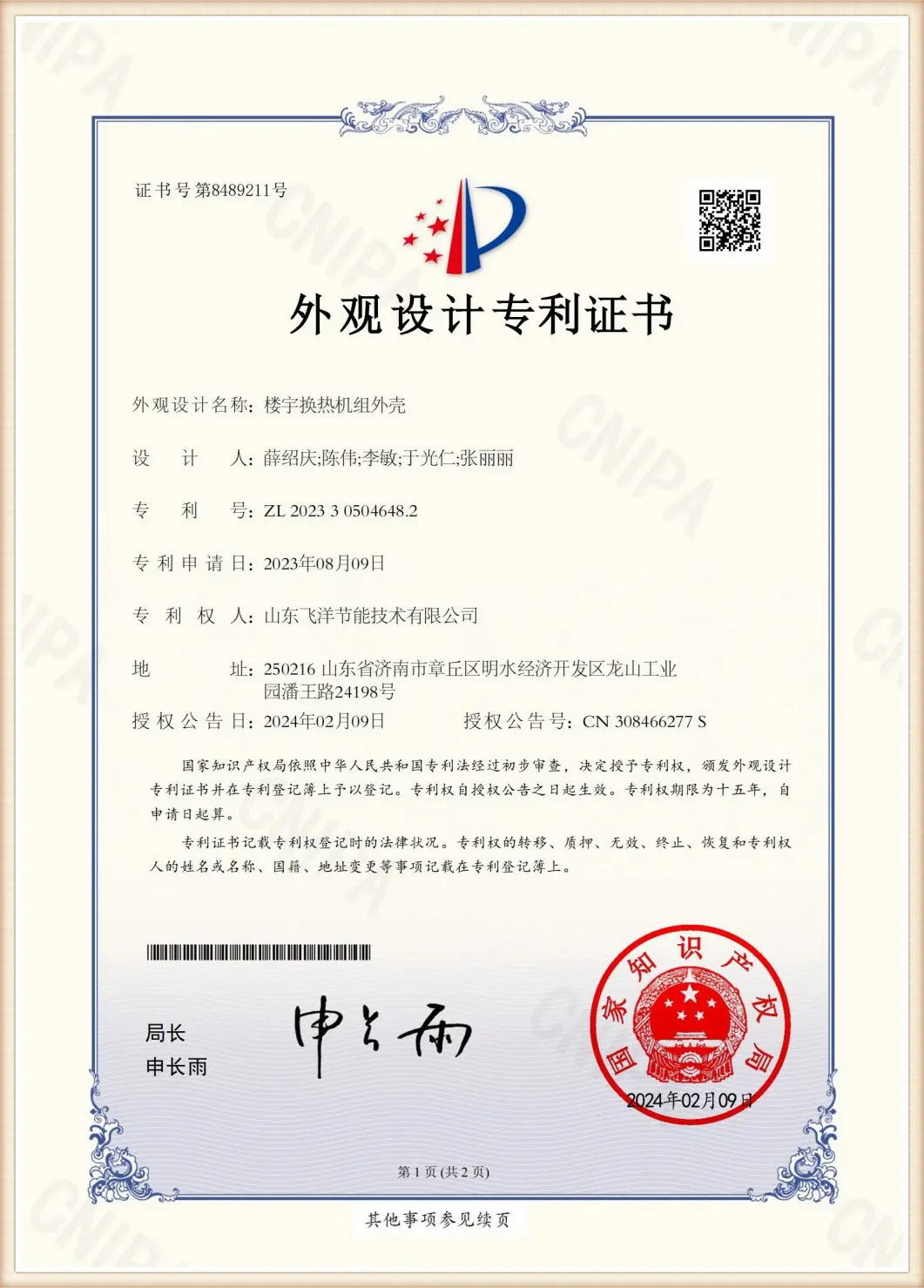
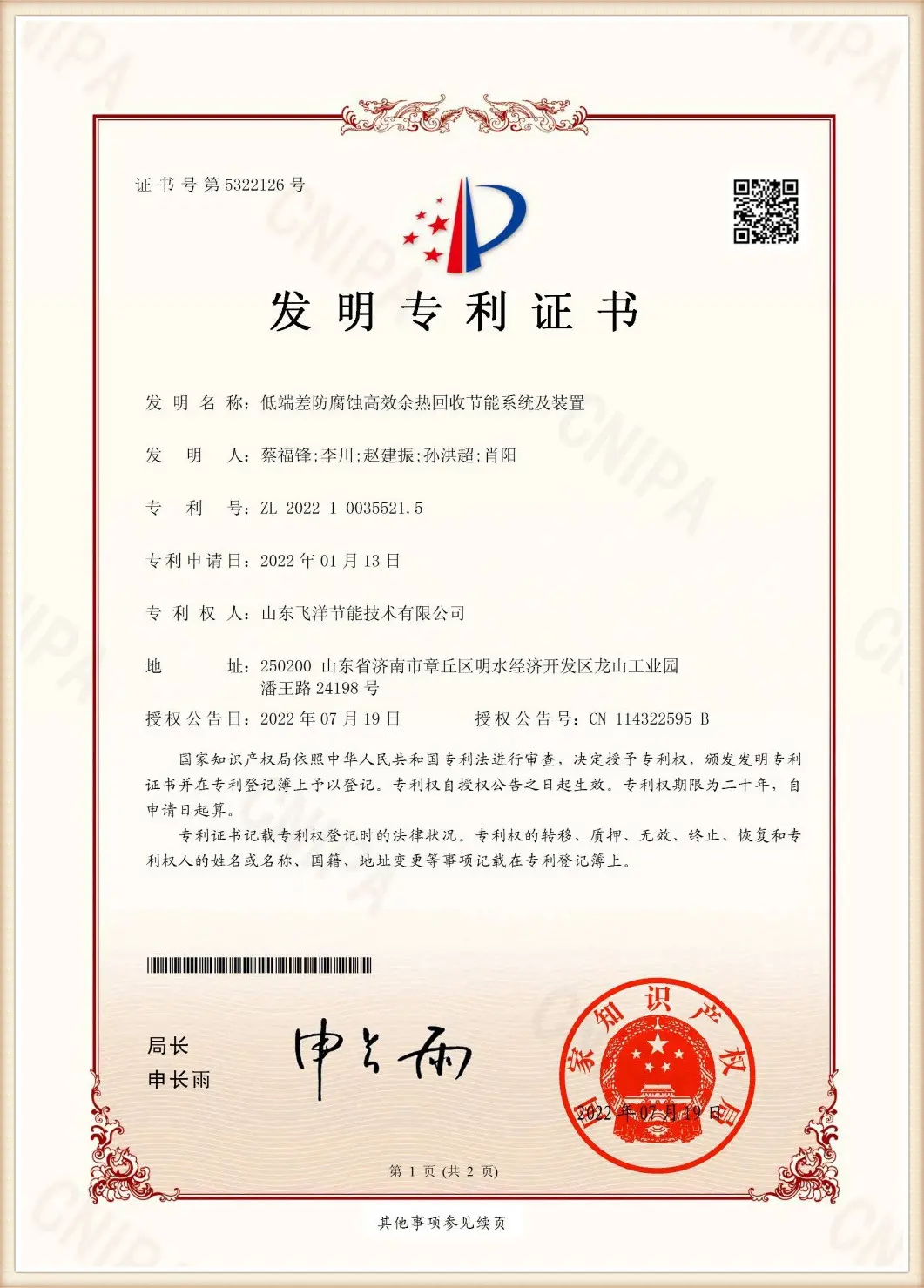
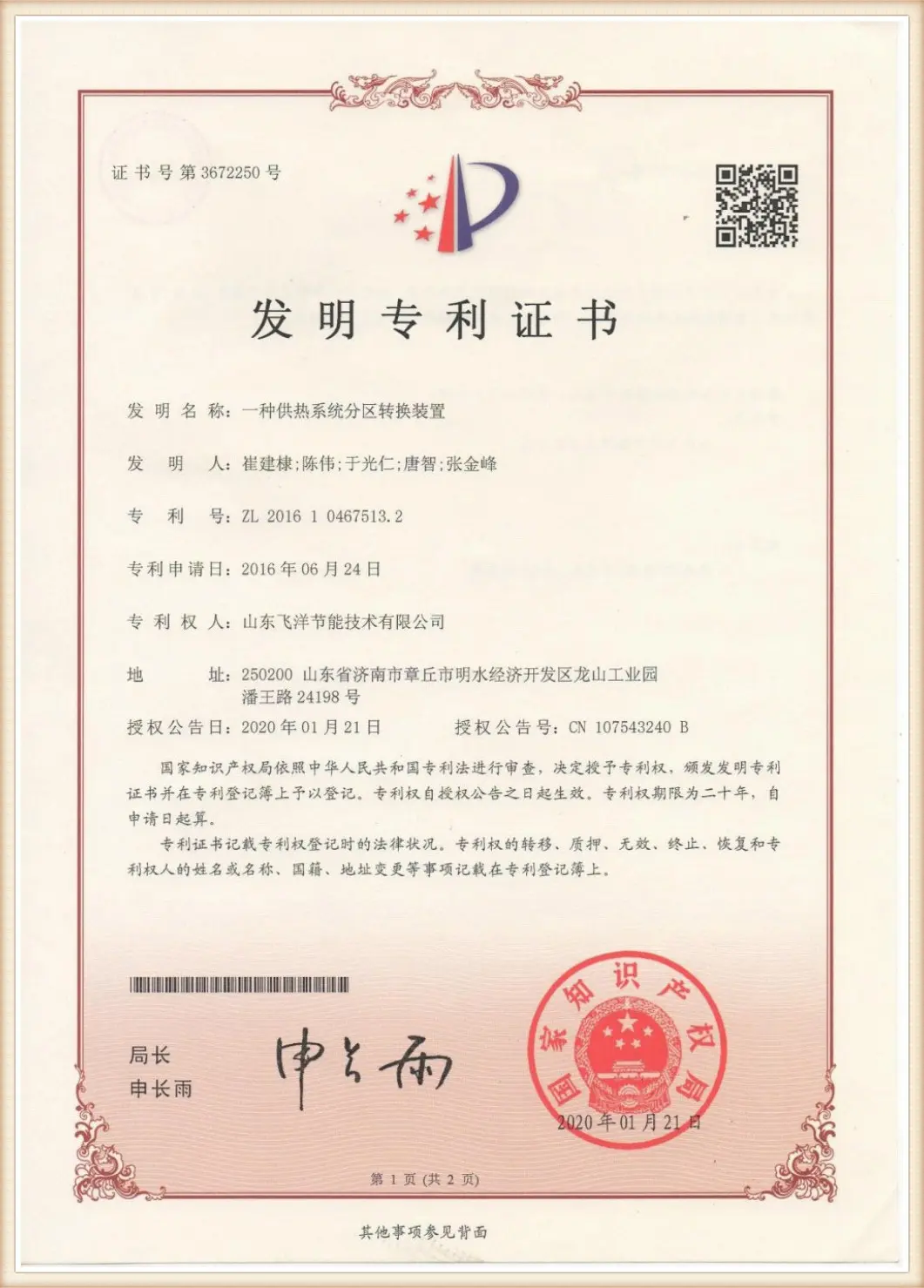
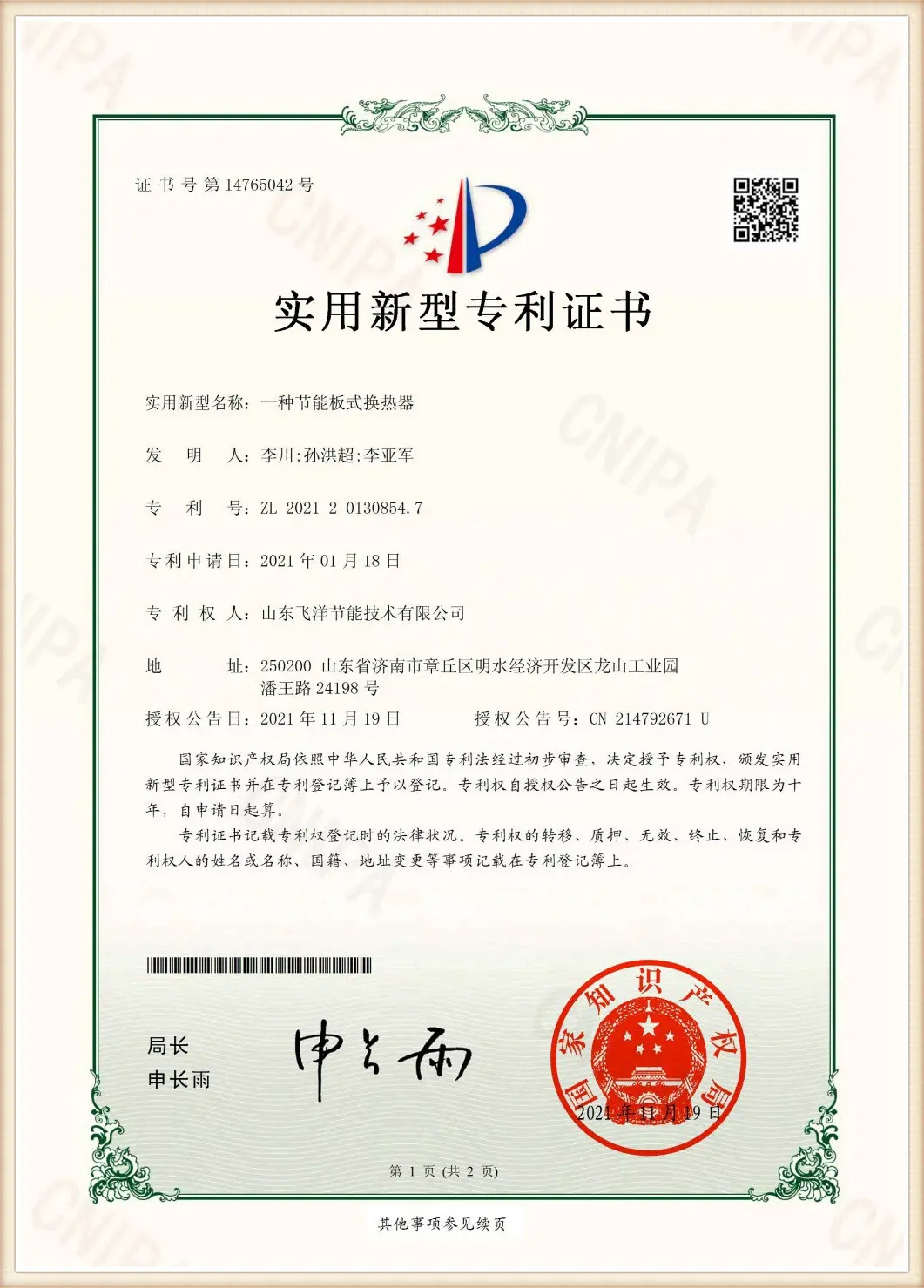
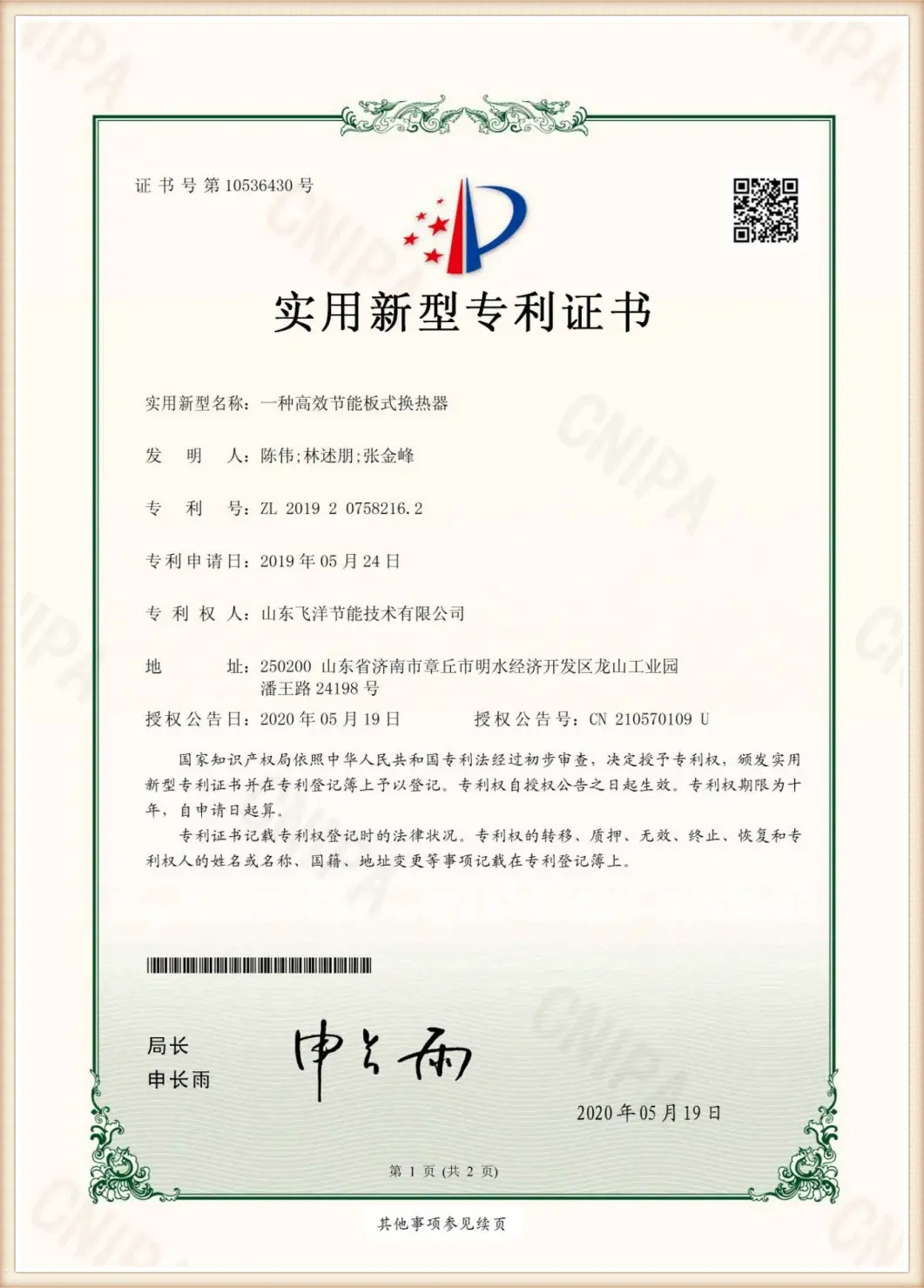
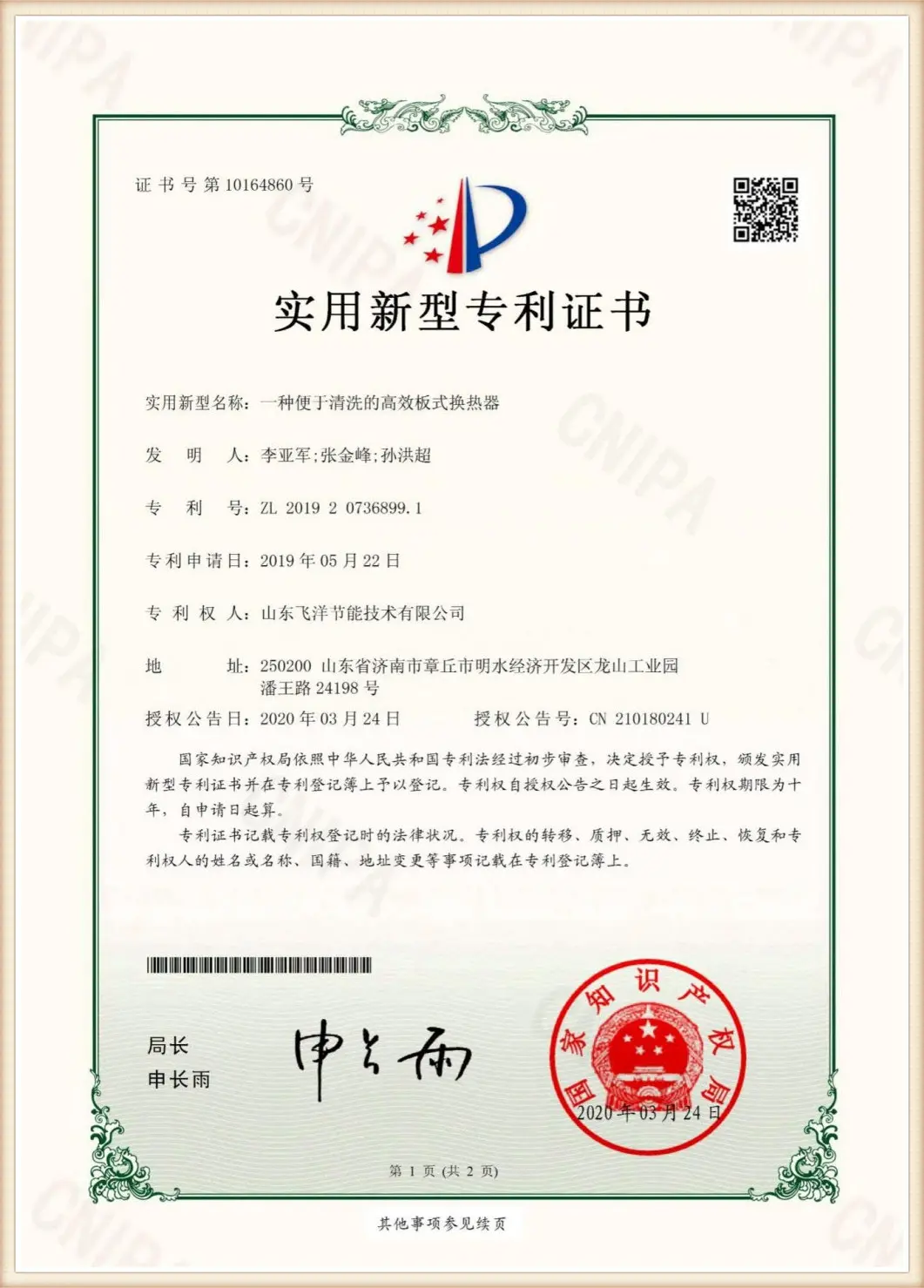
Why global heavy industry enterprises partner with Flotte for their fluid purification systems.
Specializing in plate heat exchangers, it features patented corrugated plate design, achieving 2-3 times higher heat exchange efficiency than conventional equipment.
The products cover 8 core areas such as air conditioning, heating and ventilation, and central heating. The solutions have been verified by projects in many places around the world, and can accurately match different regional conditions and compliance requirements.
The whole process quality control system runs through the production, the products have obtained a variety of certifications, and the preferred stainless steel, titanium and other high-end materials ensure stable and durable in harsh environments.
We provide customized design, after-sales maintenance and one-stop service, multilingual team + efficient supply chain, to ensure that global customers can get timely technical and logistical support.
Essential insights for engineers maintaining high-value industrial lubricating systems.
Lube oil viscosity changes exponentially with temperature. If the temperature is too low, fluid resistance increases, leading to filter element bypass or high differential pressure. If the temperature is too high, the oil oxidizes rapidly, generating sub-micron varnish that standard mechanical filters cannot catch. Stabilizing the temperature with a Plate Heat Exchanger ensures the lubricant remains within its optimal filtration window.
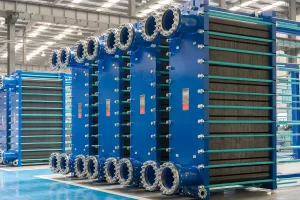
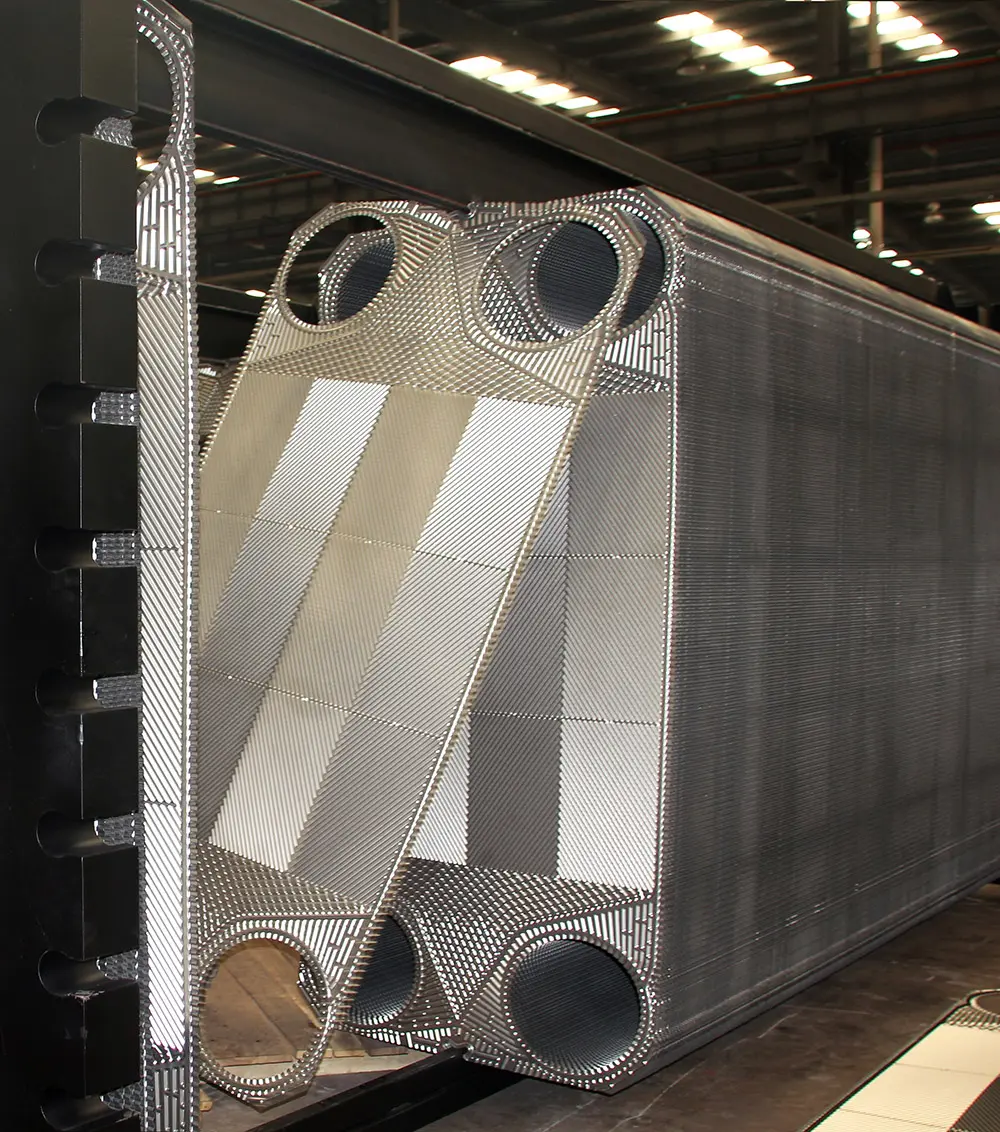
Detachable plate heat exchangers offer a significantly higher heat transfer coefficient, requiring up to 70% less space. They are easily dismantled for cleaning, scaling removal, and capacity expansion by adding plates, which is crucial for handling highly viscous industrial oils.
Our production processes strictly comply with ISO 9001 quality management systems and pressure vessel specifications. We carry out 100% water pressure testing on every heat exchanger unit and supply full material inspection sheets, design calculations, and third-party inspection certifications for our global projects.
Dissolved and emulsified water is typically separated using Vacuum Dehydration or Multi-Effect Evaporation systems. By reducing the ambient pressure, water evaporates at much lower temperatures (e.g., 50°C), protecting the chemical properties of the additives in the oil while achieving high purification efficiency.
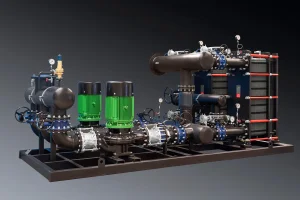
Flotte provides fully skidded packages containing heat exchangers, regulation valves, secondary loop control networks, and smart sensor arrays. Our team of engineering designers works directly from client specifications to integrate these packages seamlessly into existing industrial machinery layouts.
Explore our technical systems designed for fluid conditioning, pressure regulation, and energy-saving HVAC integration.
 Flotte Energy