Explore our foundational thermodynamic modules optimized for heavy industrial, commercial HVAC, and district heating networks.

Established in 2013 with a robust registered capital of 101 million yuan, Flotte Energy Saving Company originated from Flotte Thermal Engineering, founded in 1995. With three decades of rigorous technical expertise, our company specializes in water equipment, HVAC systems, and the global water treatment industry.
We consistently lead industry peers in adopting cutting-edge thermodynamic technologies, developing innovative heat-transfer systems, and delivering comprehensive, localized production-to-sales systems. Our technical frameworks are constructed to serve high-performance process configurations across Europe, the Americas, and the Asia-Pacific region.
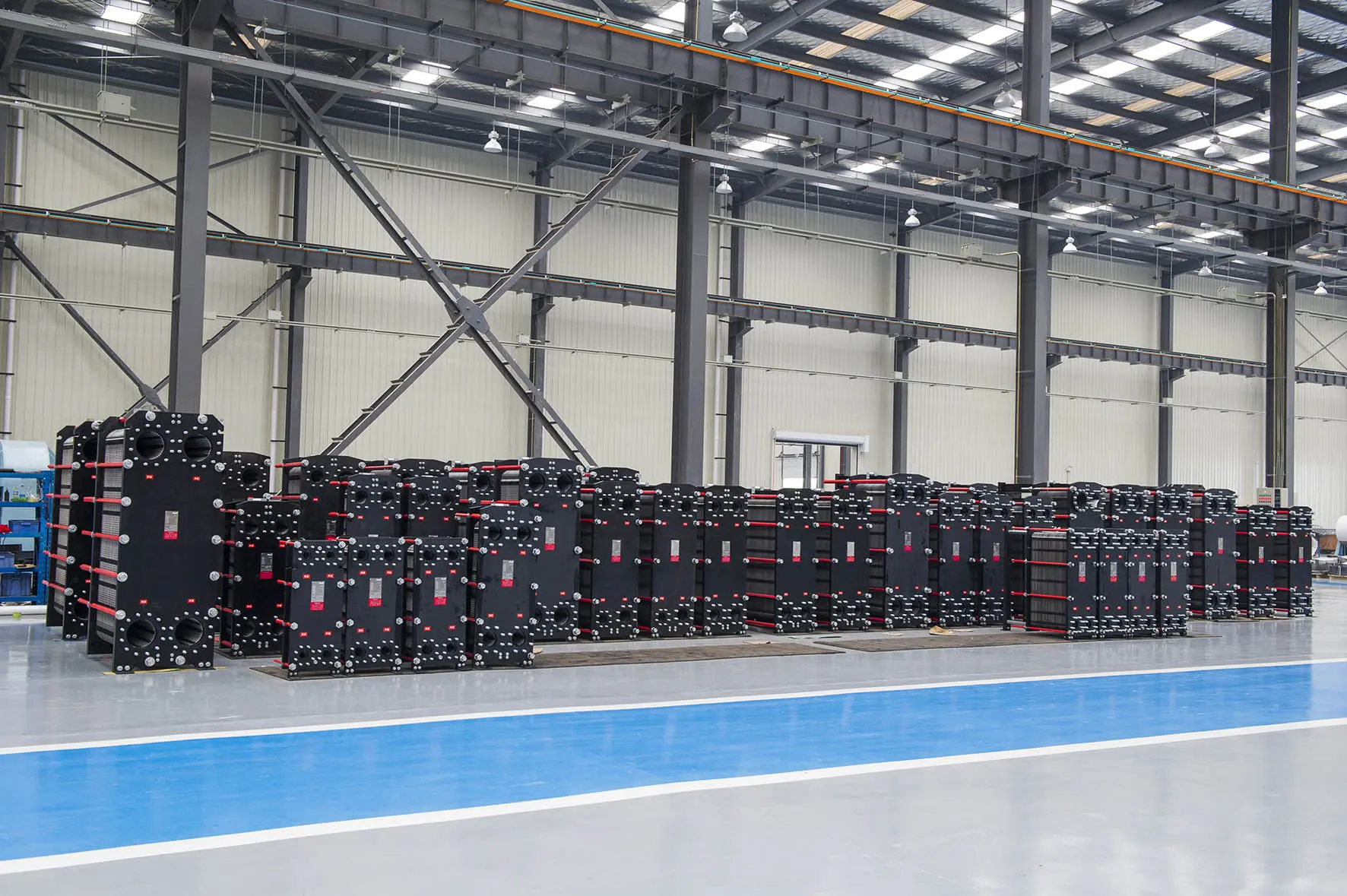
A comprehensive analysis of design parameters, mathematical modeling, and the prevention of scaling and pressure drop deficits in industrial thermal exchange.
The design of a detachable plate heat exchanger relies on the Logarithmic Mean Temperature Difference (LMTD) and the Number of Transfer Units (NTU) methods. A precise calculator balances flow rates, specific heat capacities ($C_p$), and temperature differences to calculate the required heat transfer area ($A$).
Modern calculations determine the Reynolds number ($Re$) inside chevron corrugations. Low-theta and high-theta plates are calculated dynamically to trigger localized turbulent flow at low velocities, maximizing heat transfer coefficients while managing pressure drop limits ($dP$).
Calculators prevent system degradation by factoring in localized fouling resistance ($R_f$). By accurately sizing plates based on fluid viscosity, suspended solids, and chemical composition, Flotte's calculators extend service intervals and lower lifecycle costs.
The transition from static engineering nomographs to digital modeling systems is reshaping thermal design. Modern plate and frame heat exchanger calculators are evolving into cloud-based AI tools. These platforms process real-time telemetry from operating units to dynamically adjust models for fouling, wear, and flow path restrictions.
Connecting physical units, like our building HVAC heat exchangers, to predictive monitoring systems allows for real-time calculation of actual heat transfer coefficients versus theoretical baselines.
Calculators are integrated with thermal-mechanical FEA solvers to simulate the structural behavior of plates under cyclic pressure loads, protecting against gasket failure and fatigue.
Smart calculators cross-reference chemical database APIs to recommend plate materials (SS304, SS316L, Titanium, Hastelloy) and gasket compounds (NBR, EPDM, Viton) optimized for target lifetimes.
A detailed view of how raw materials are transformed into certified, high-performance heat exchange equipment through our manufacturing stages.
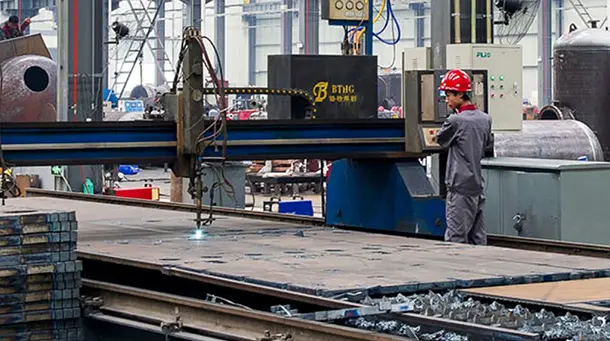
Using precision CNC systems to cut heavy-gauge carbon steel frames, ensuring flat sealing surfaces that prevent gasket deformation.
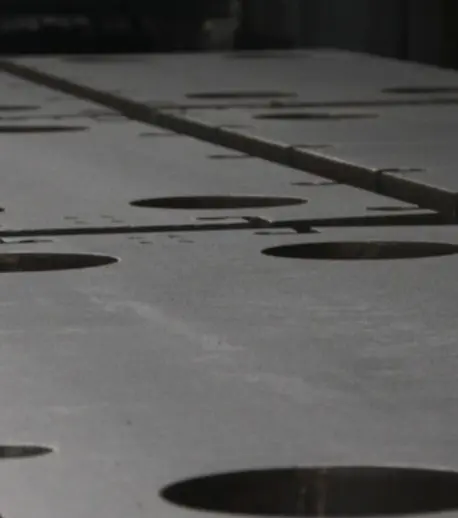
Refining localized microstructures on metal components to increase fatigue resistance and withstand high system pressure surges.
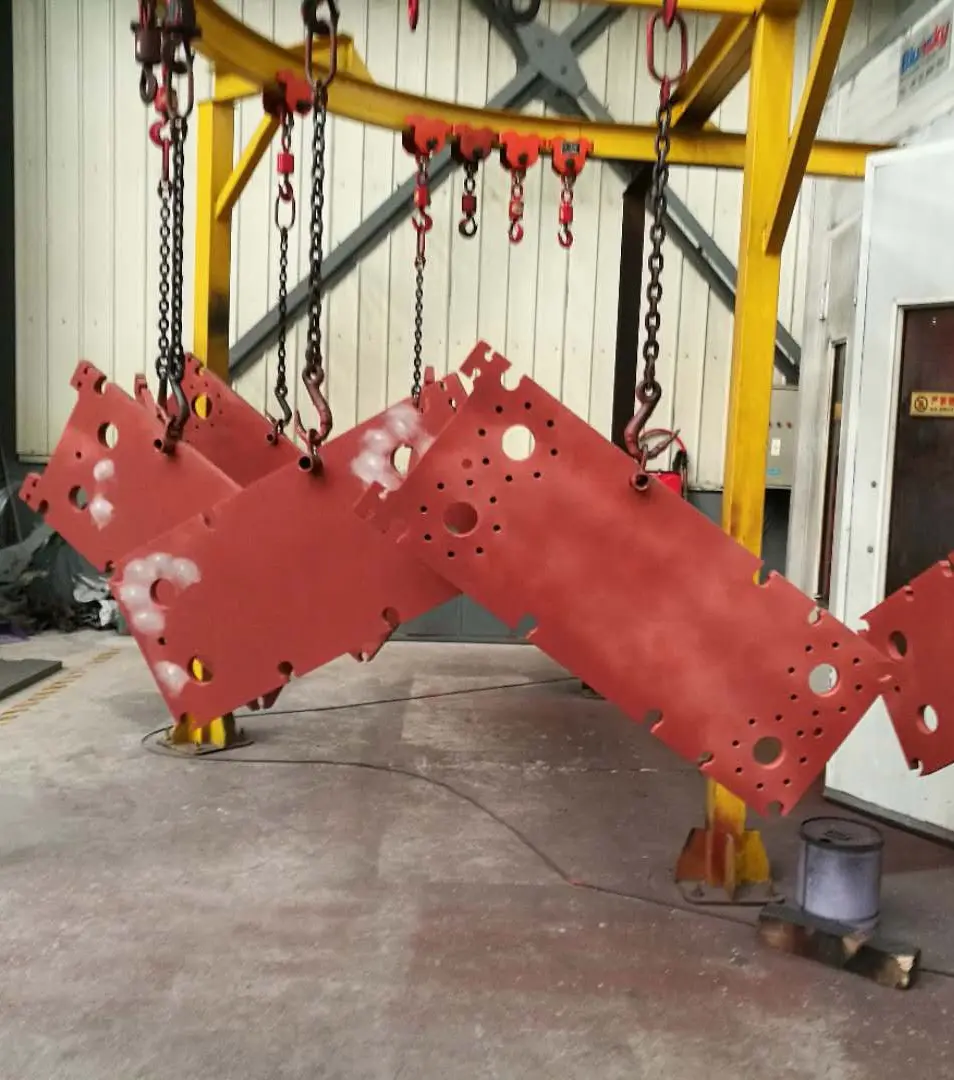
Applying multi-layer, industrial-grade epoxy coatings to frames for superior resistance to corrosion and environmental wear.
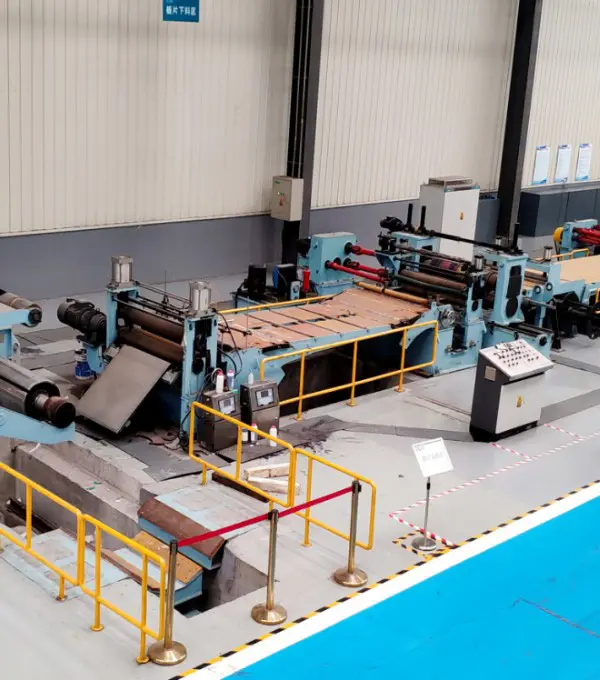
Precision shearing of raw stainless steel and titanium sheet coils with unique tracking codes for materials traceability.
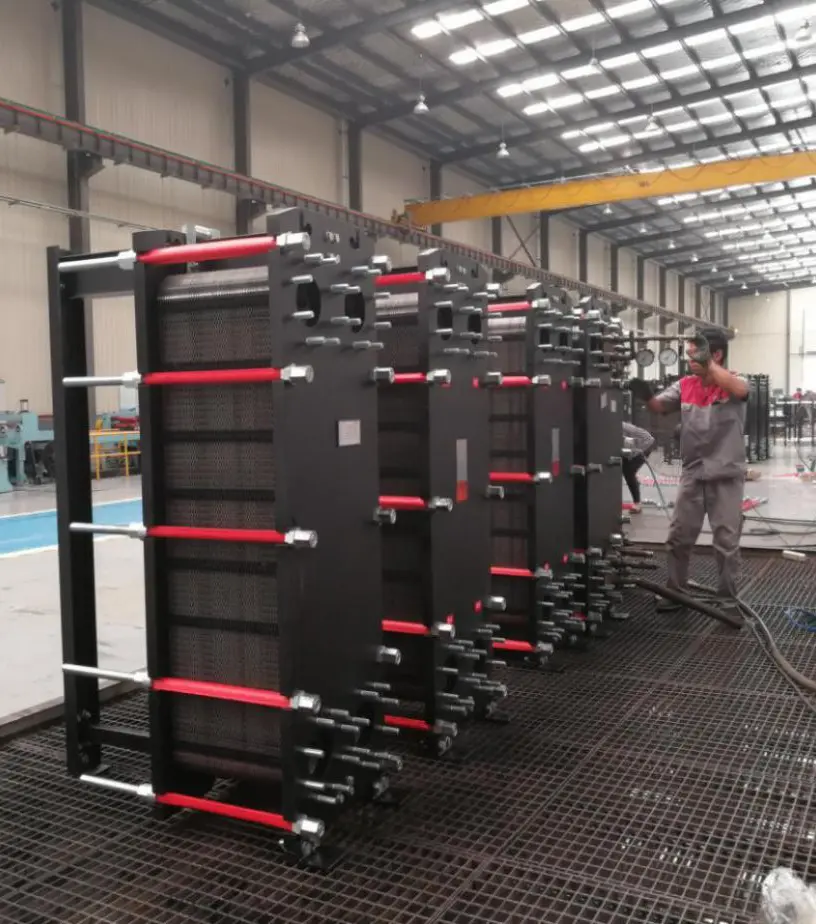
Hydrostatic testing of each assembled unit at 1.3 to 1.5 times the design pressure to guarantee leak-free operation.
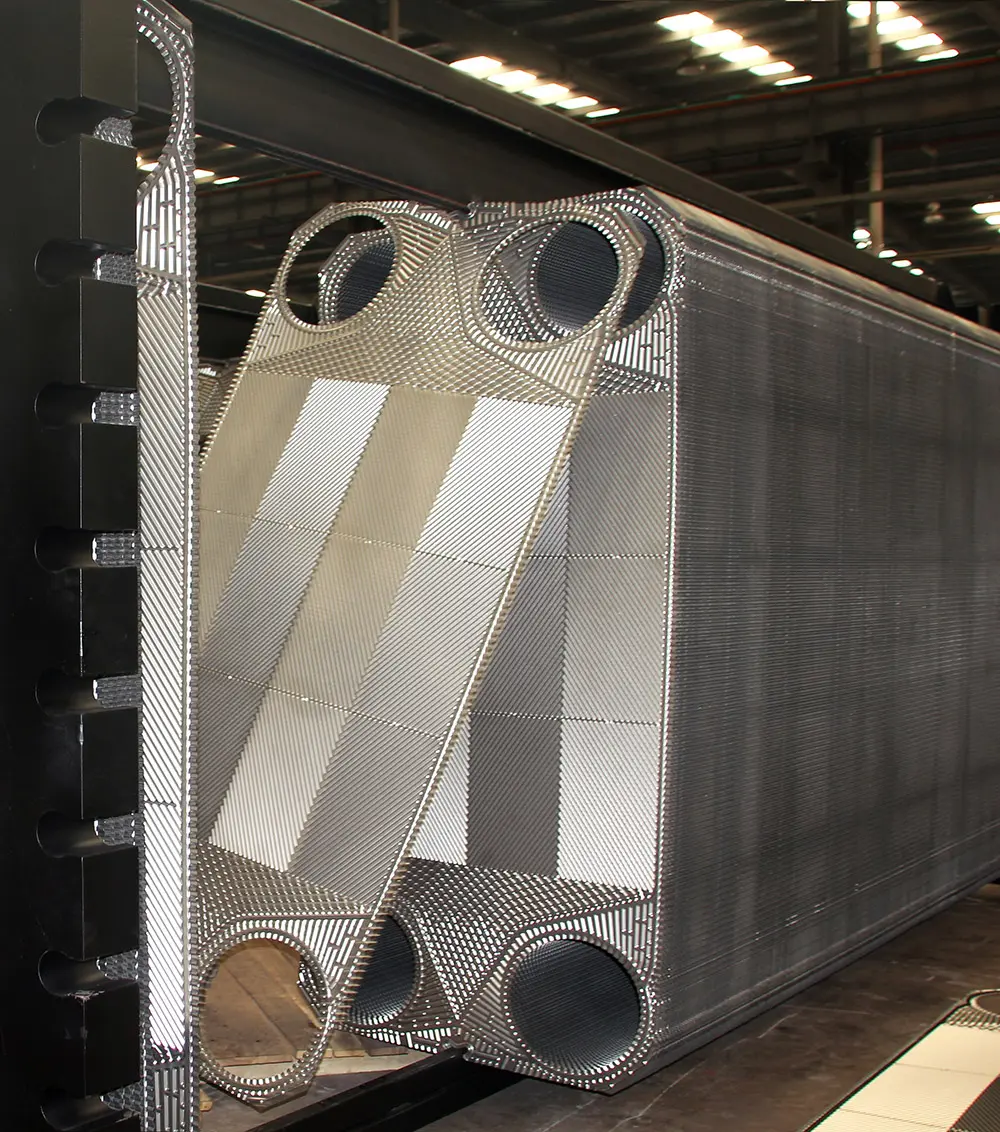
Carefully aligning the plate pack and torquing the tie bolts to exact dimensions for uniform gasket compression.
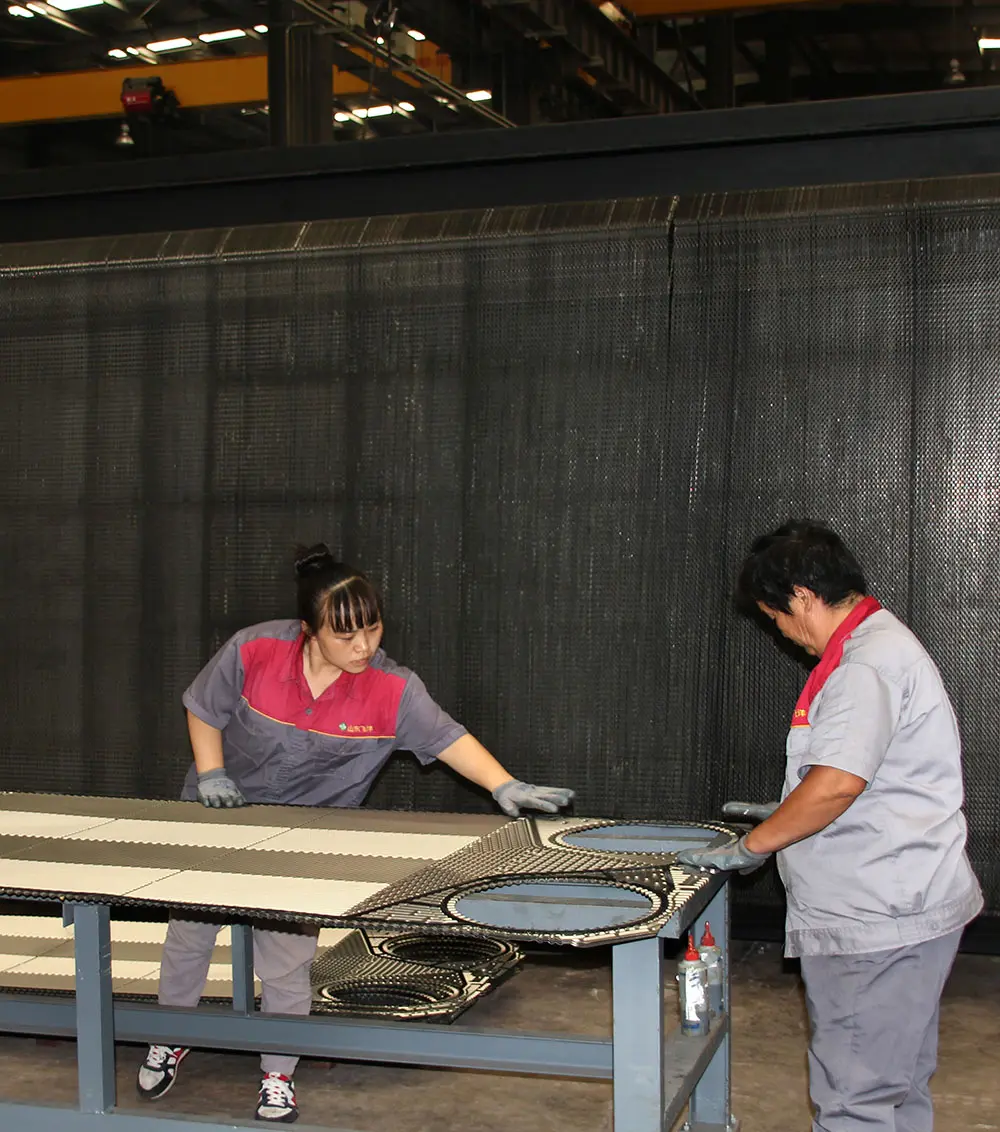
Fitting precision EPDM or NBR gaskets into molded plate grooves for stable sealing under varying thermal cycles.
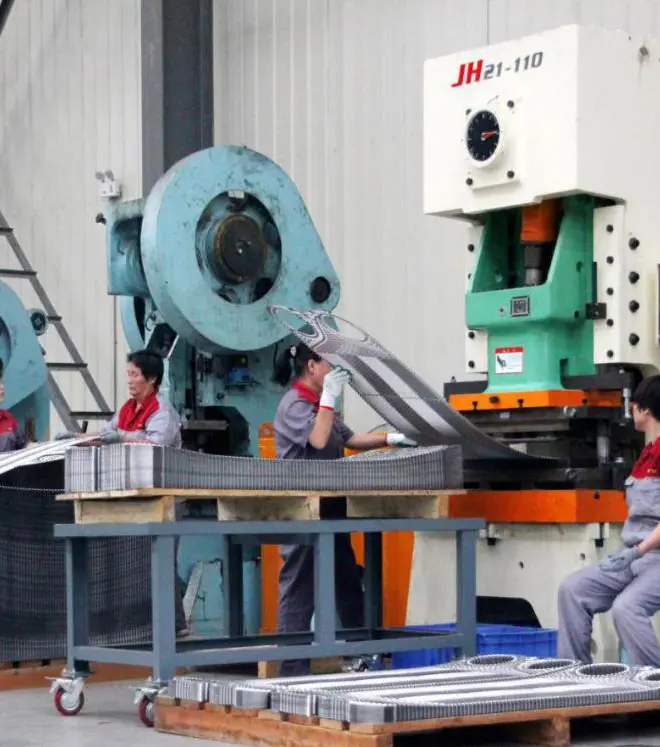
Punching port holes into sheet blanks for consistent fluid path alignment and reduced pressure drop.
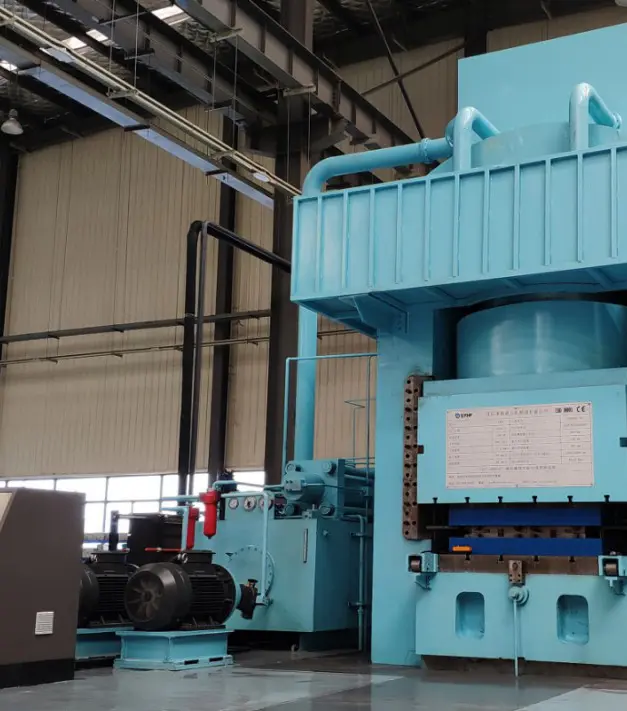
Using large hydraulic presses to stamp chevron patterns into plates, ensuring uniform depth for optimal turbulence.
From central municipal heating networks to pharmaceutical and chemical processing facilities, our thermal units are customized for specific localized environments.
In municipal district heating, plate heat exchangers act as isolation barriers between high-pressure transmission networks and building systems. Precise calculators design these systems for tight temperature approaches, optimizing municipal heat utilization, reducing loop energy losses, and maintaining comfortable building temperatures.
Sizing calculators for chemical applications select specialized metals like Hastelloy or titanium to resist corrosive acids, organic solvents, and high-salinity fluids. Flotte systems are designed to balance fluid velocity and shear stress to prevent rapid fouling and localized pitting corrosion.
In low-temperature heat recovery, calculators help configure multi-section systems. This allows plants to capture waste heat from cooling water or exhaust streams and reuse it for boiler feedwater preheating, improving overall plant efficiency.
Our quality management systems and pressure vessel designs are fully audited, certified, and compliant with global safety and engineering standards.
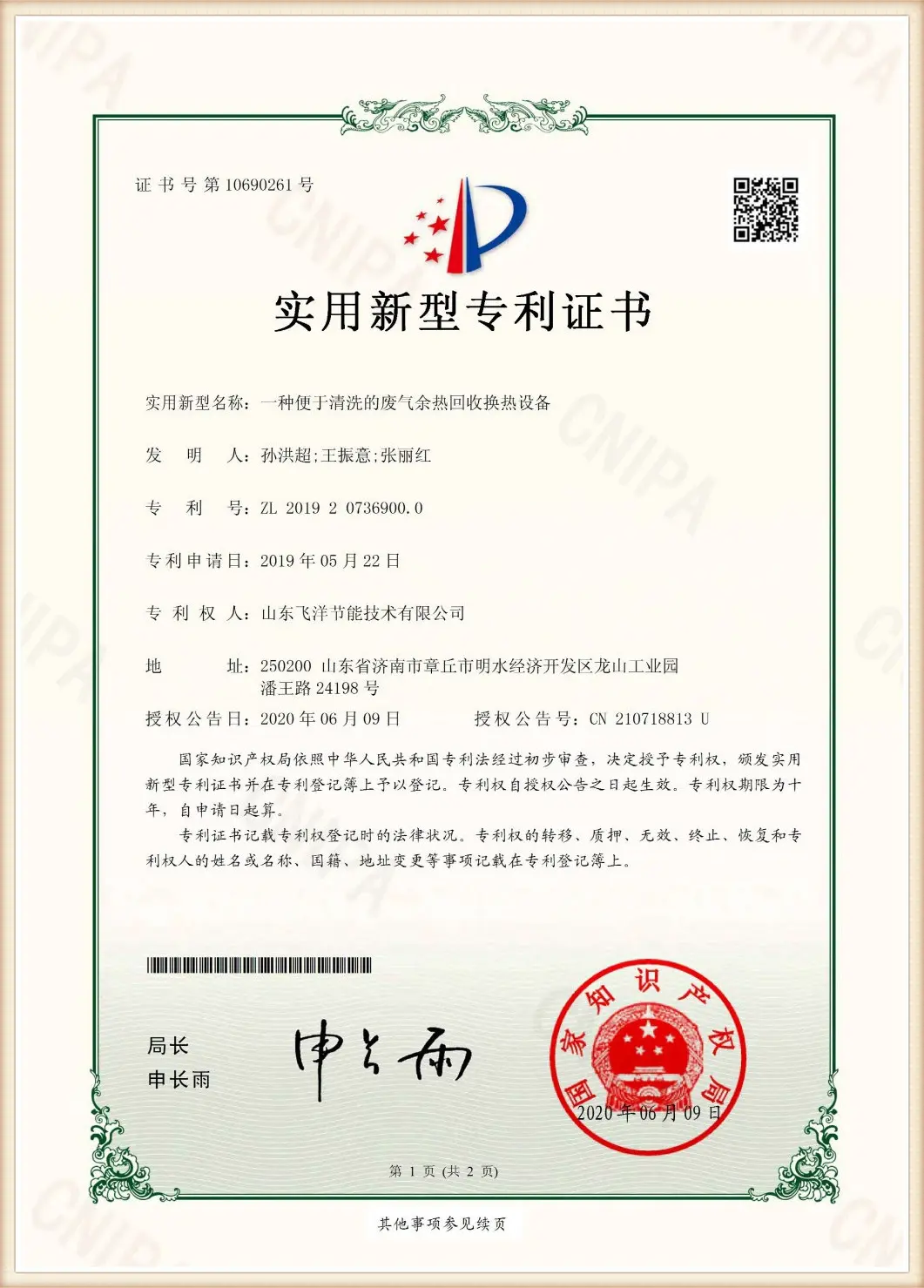
Pressure Vessel Manufacture License
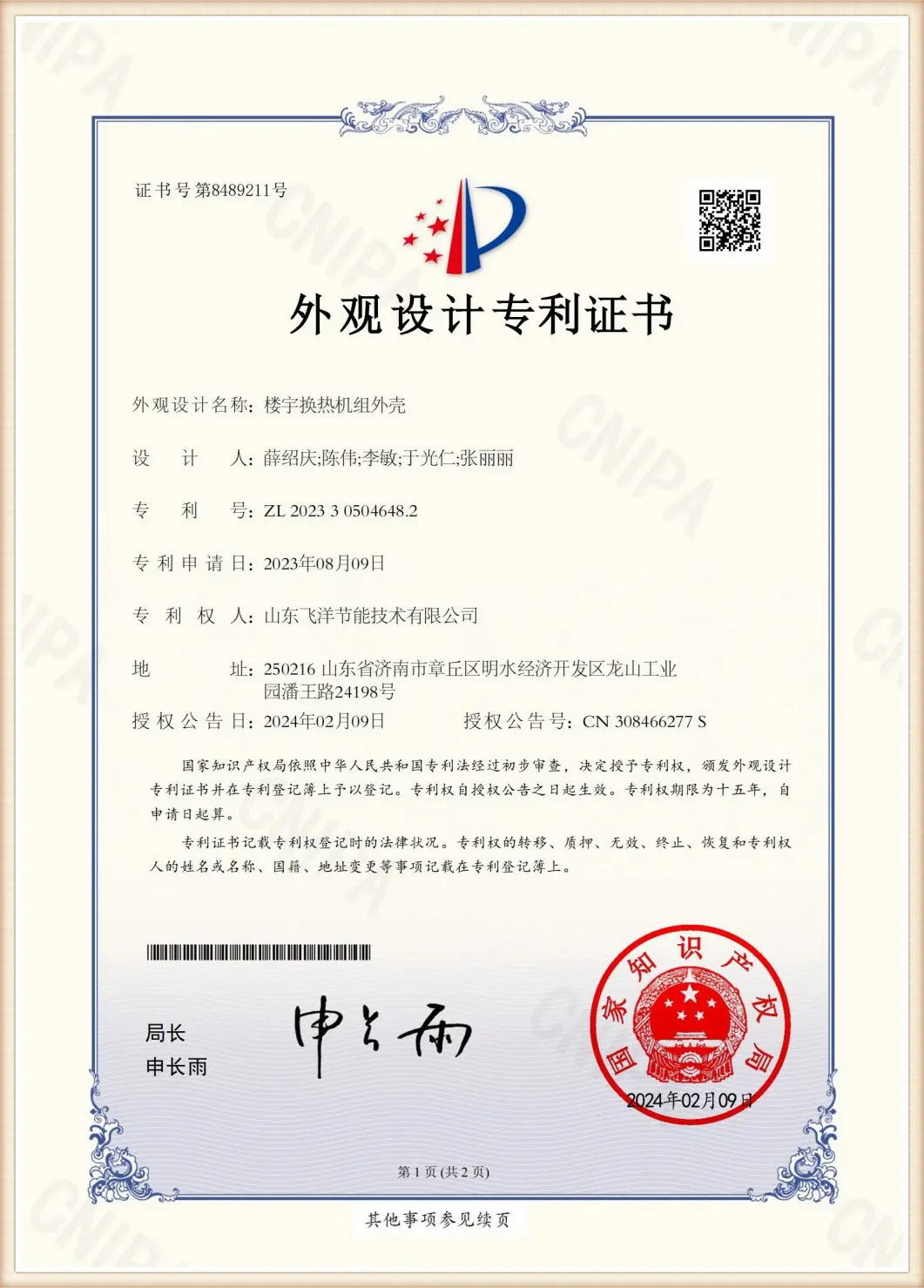
ISO 9001:2015 Certification
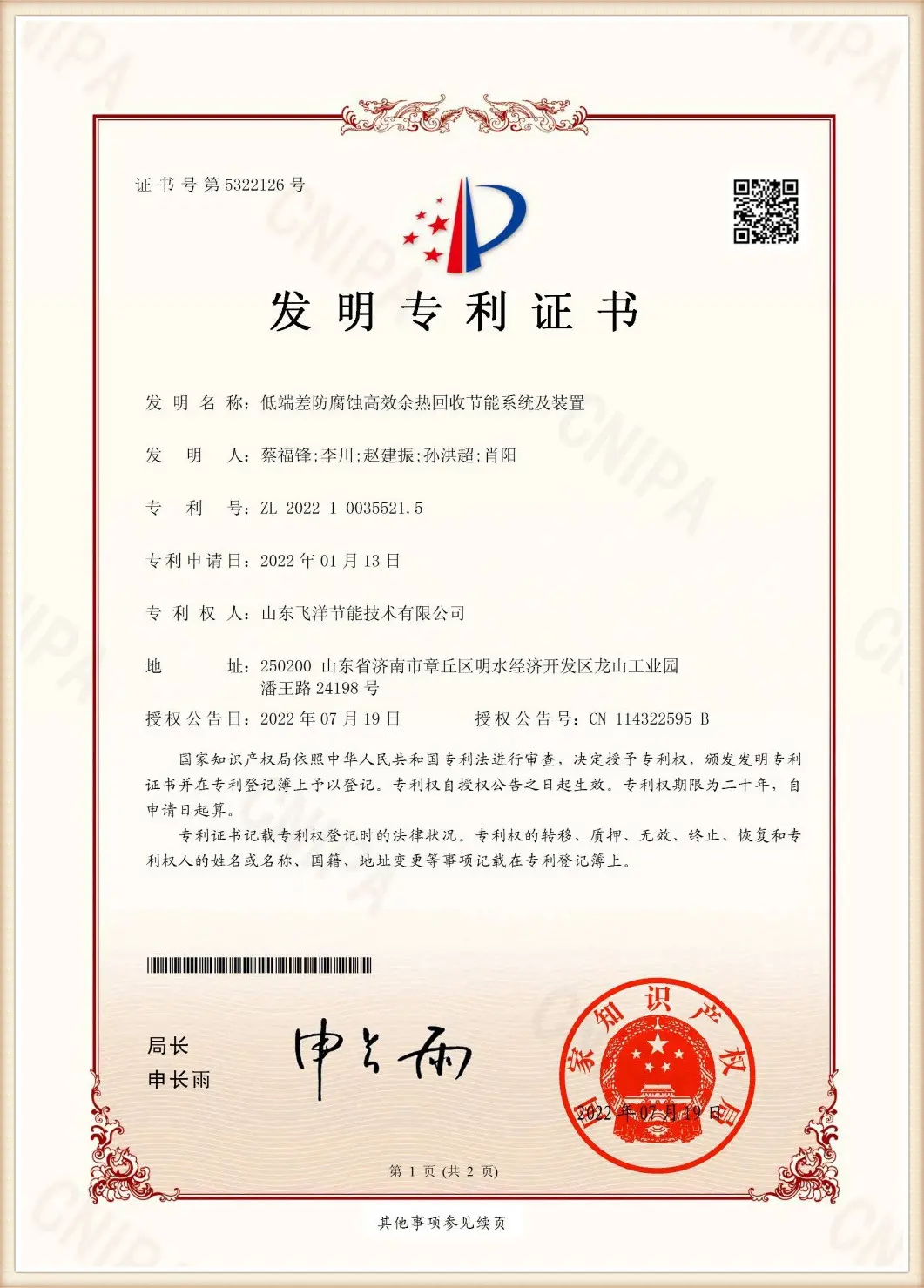
ISO 14001:2015 Environmental System
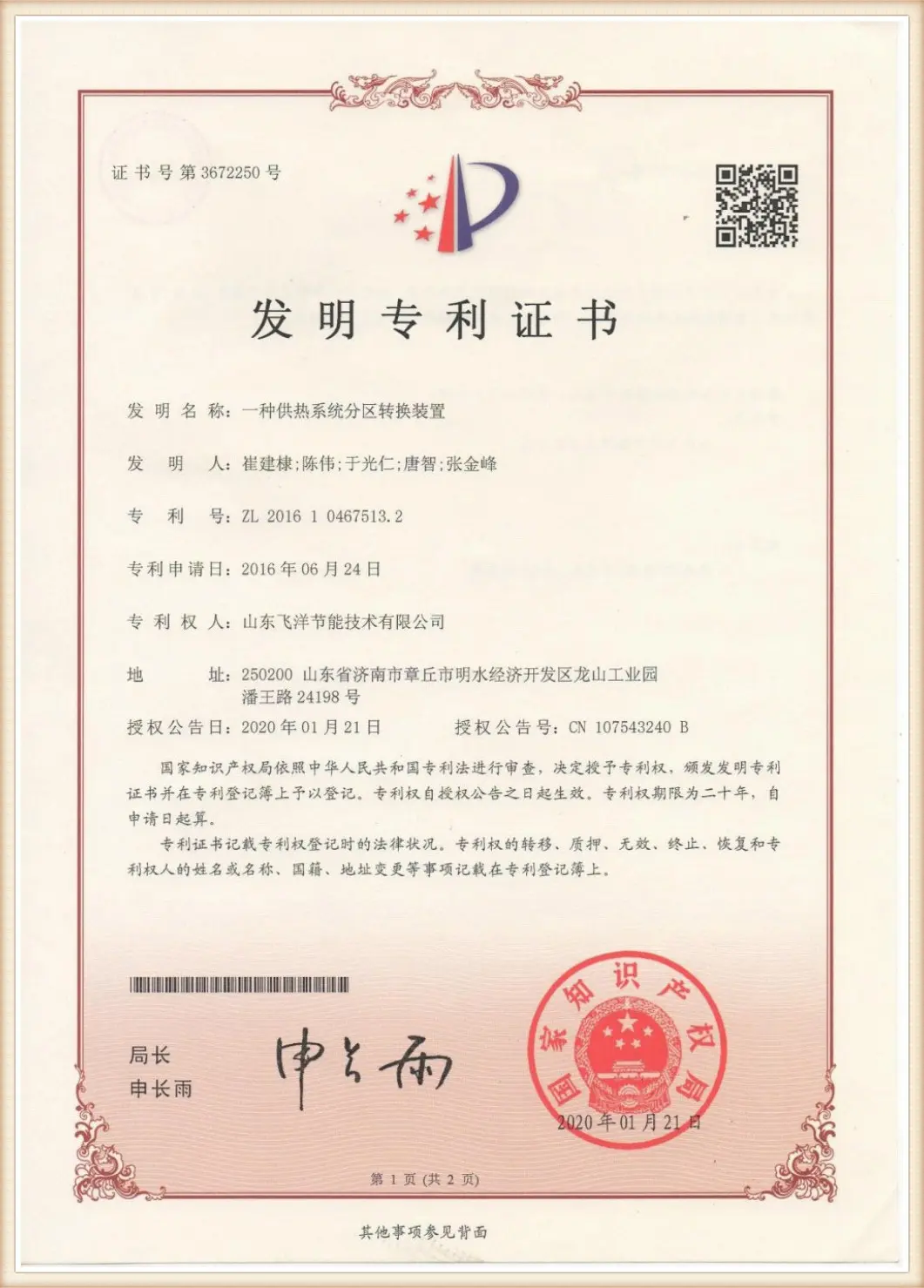
ISO 45001:2018 Safety Management
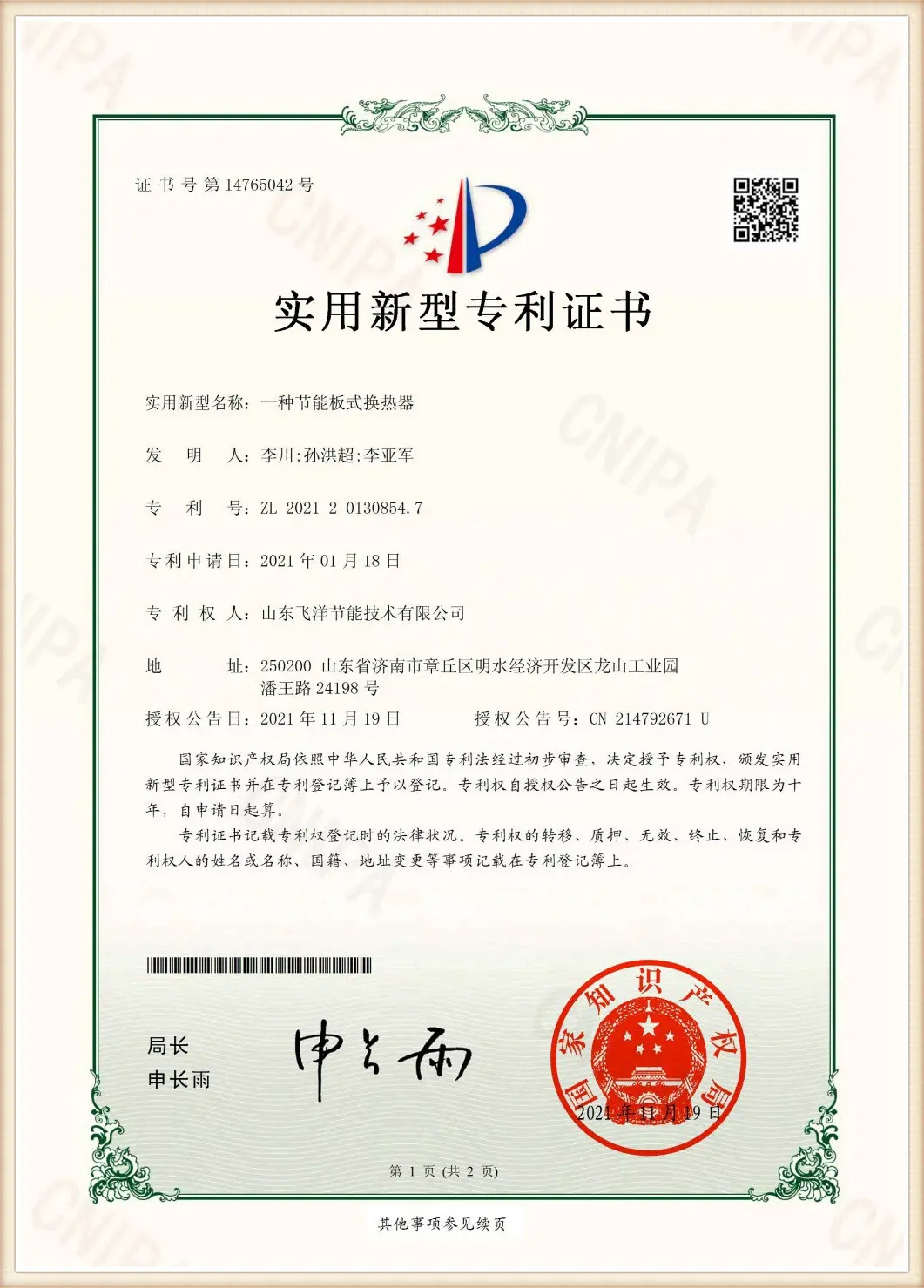
Safety Registration Certificate
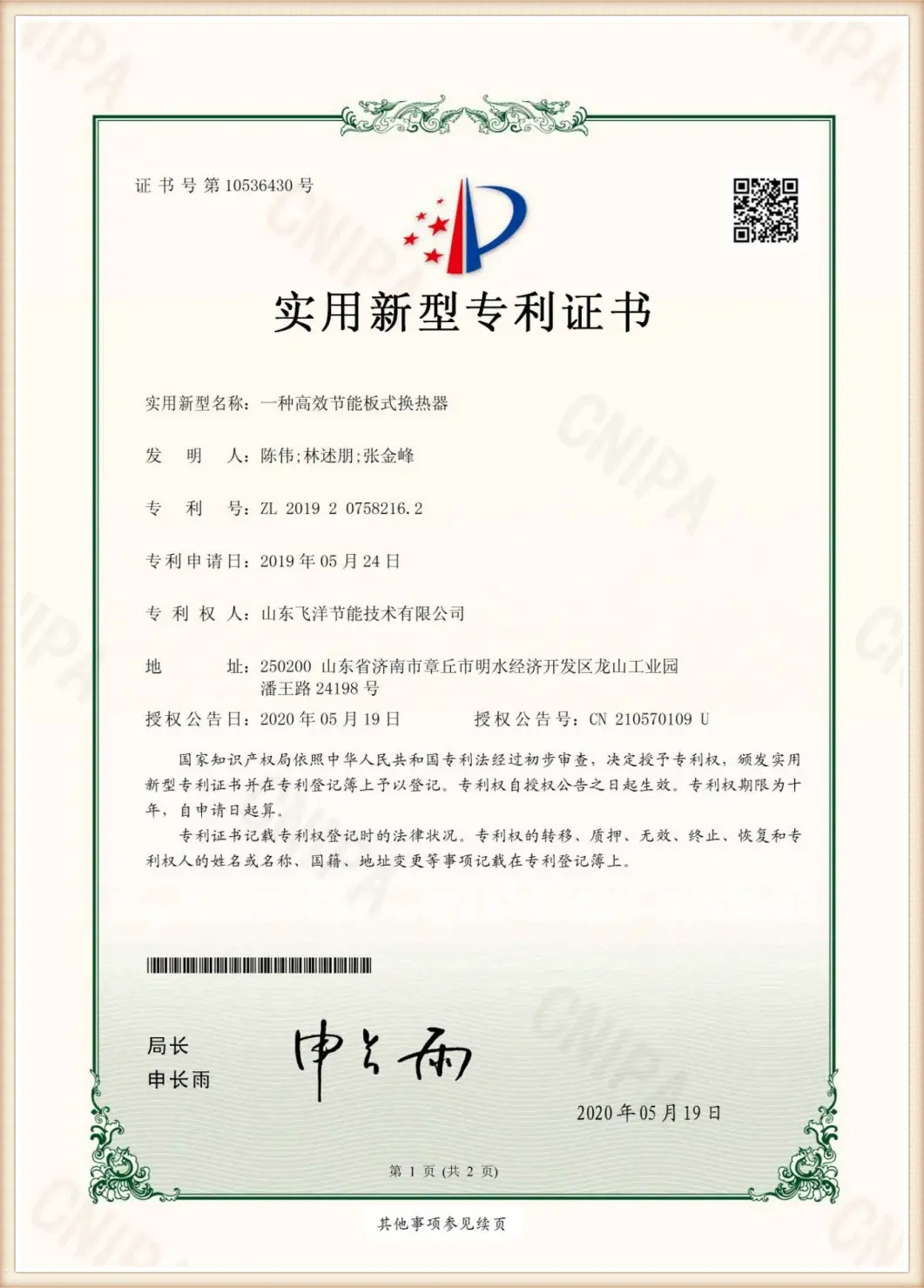
Design Patent - Plate Corrugation
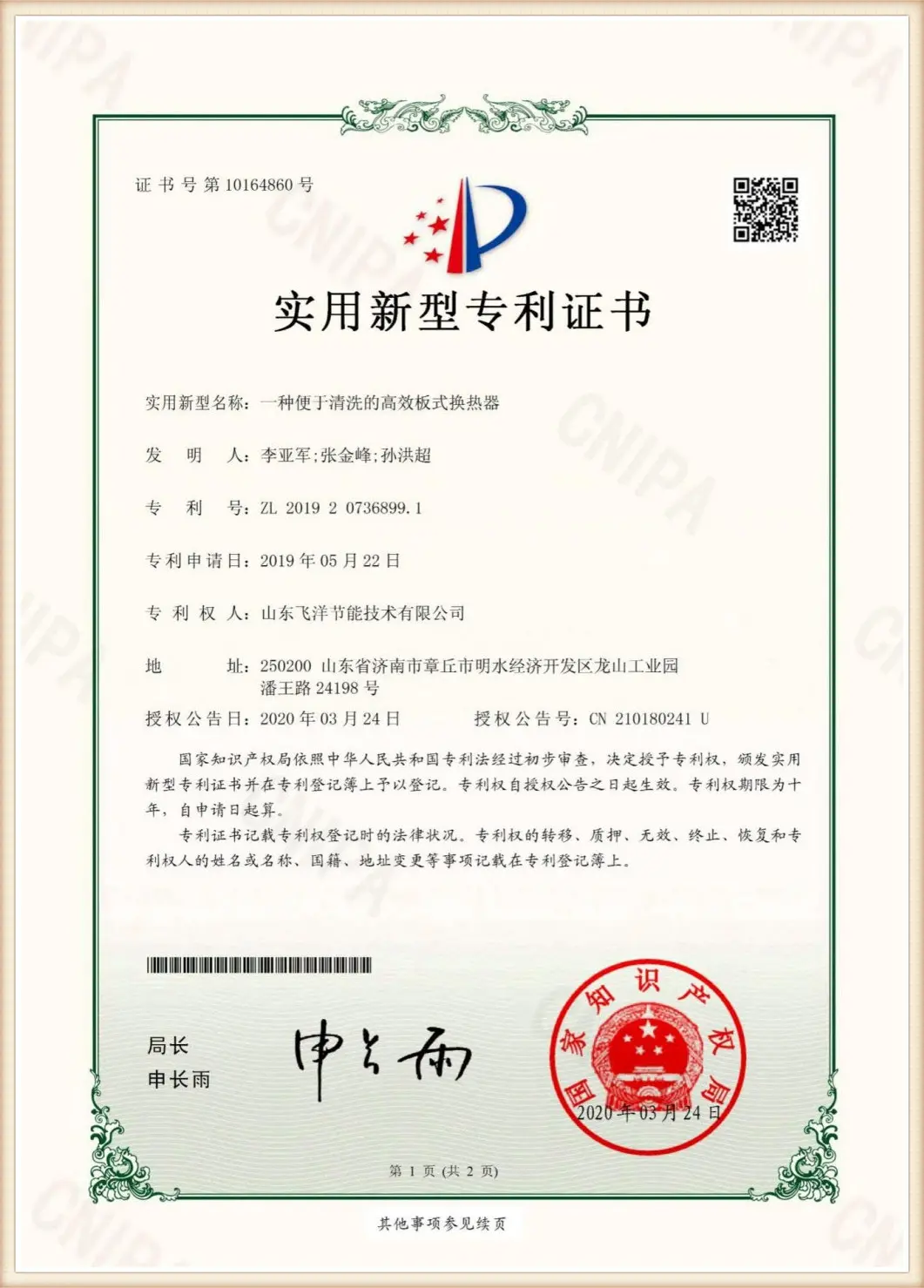
Intelligent Systems Verification
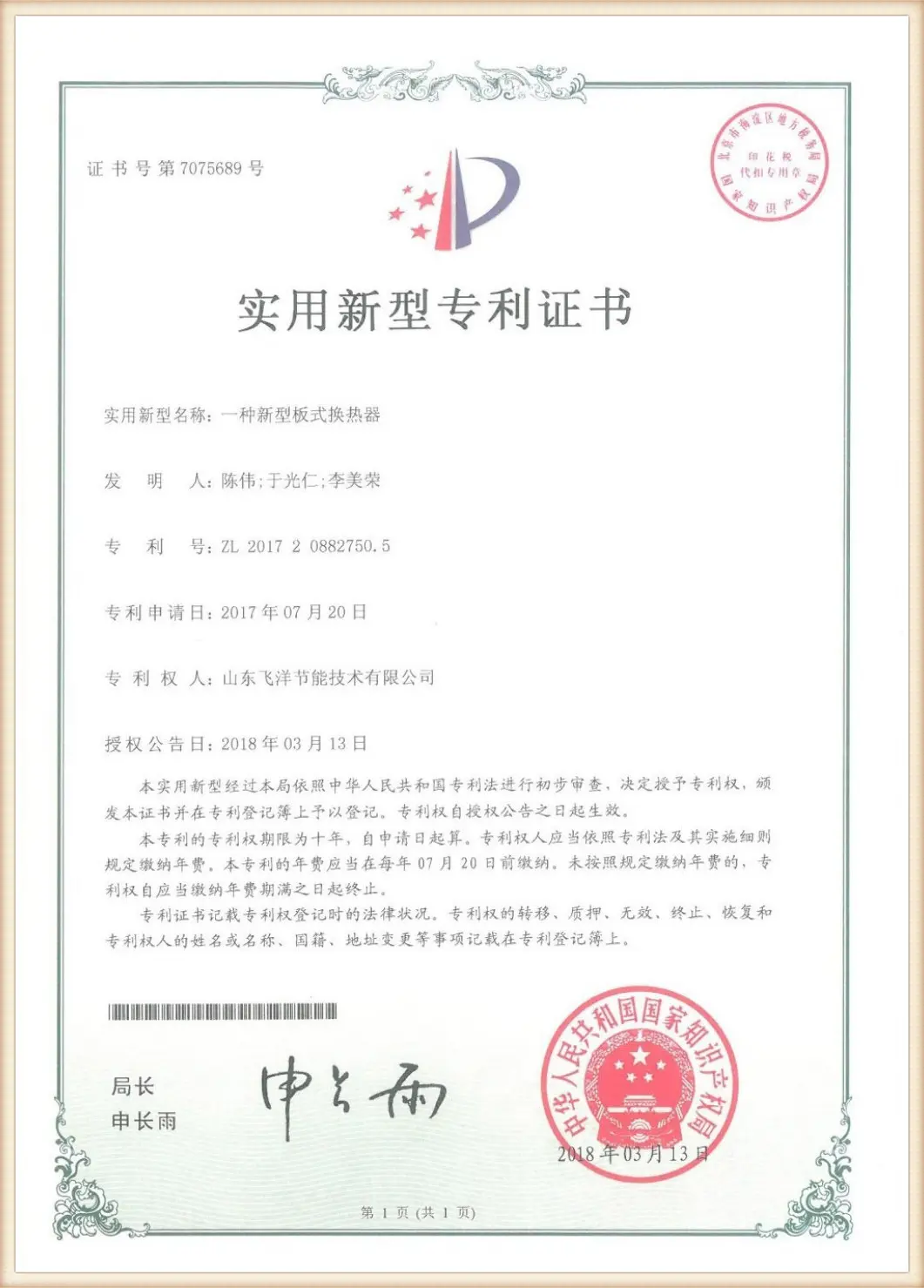
National Standard Compliance Audit
Direct technical answers from Flotte's thermodynamics department to help guide your system design and procurement decisions.
The chevron (or corrugation) angle determines the balance between heat transfer efficiency and pressure drop. High chevron angles (e.g., 30° relative to the flow direction) create high turbulence and heat transfer rates (high NTU) but result in larger pressure drops. Low chevron angles (e.g., 60°) produce lower pressure drops and heat transfer rates. A modern calculator optimizes this by mixing different plate configurations within a single plate pack to match the thermal duty and allowable pressure drop.
Elastomer gaskets (NBR, EPDM, FKM) experience physical degradation and chemical aging under high temperatures and cyclic loads. Our calculator simulates these thermal stresses alongside fluid compatibility. EPDM is selected for steam and water systems up to 150°C, while NBR is typically specified for oil-based applications. Simulating these conditions helps prevent gasket relaxation and external leaks.
All Flotte systems are designed and manufactured in compliance with international and national standards, including ISO 9001:2015, ISO 14001, ISO 45001, and GB pressure vessel standards. We maintain strict manufacturing procedures, including raw material heat code verification and hydrostatic testing, to meet the requirements of global engineering projects.
Our sizing calculator estimates fouling margins by applying a specific fouling factor ($R_f$) based on fluid characteristics, operating temperatures, and velocity profiles. Rather than simply adding extra plates, the calculator optimizes fluid velocities above critical shear thresholds (typically >0.3 m/s) to promote self-cleaning, preventing scale buildup and maintaining efficiency.
Advanced system components, including intelligent balance valves and monitoring systems, designed to work alongside our heat exchangers.
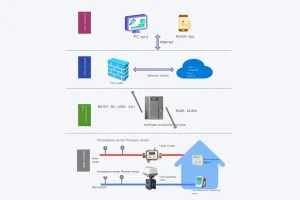
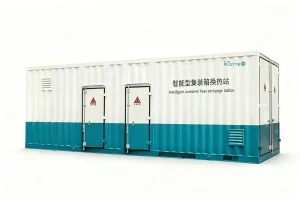
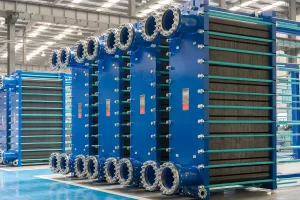
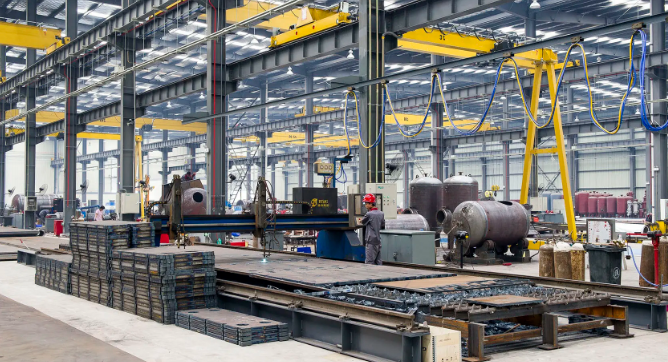
A tour through our assembly and production areas, highlighting our manufacturing capabilities and equipment.
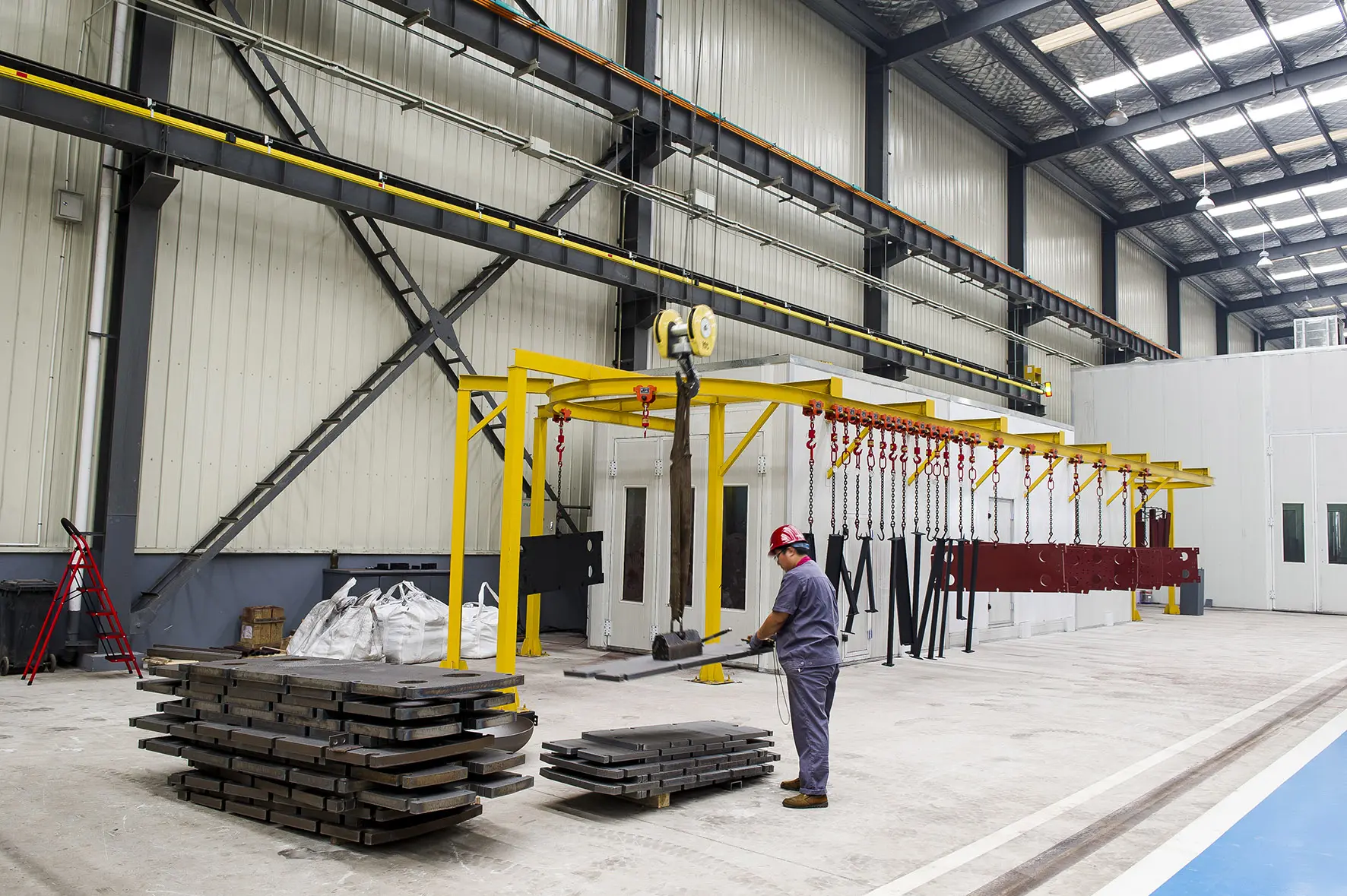
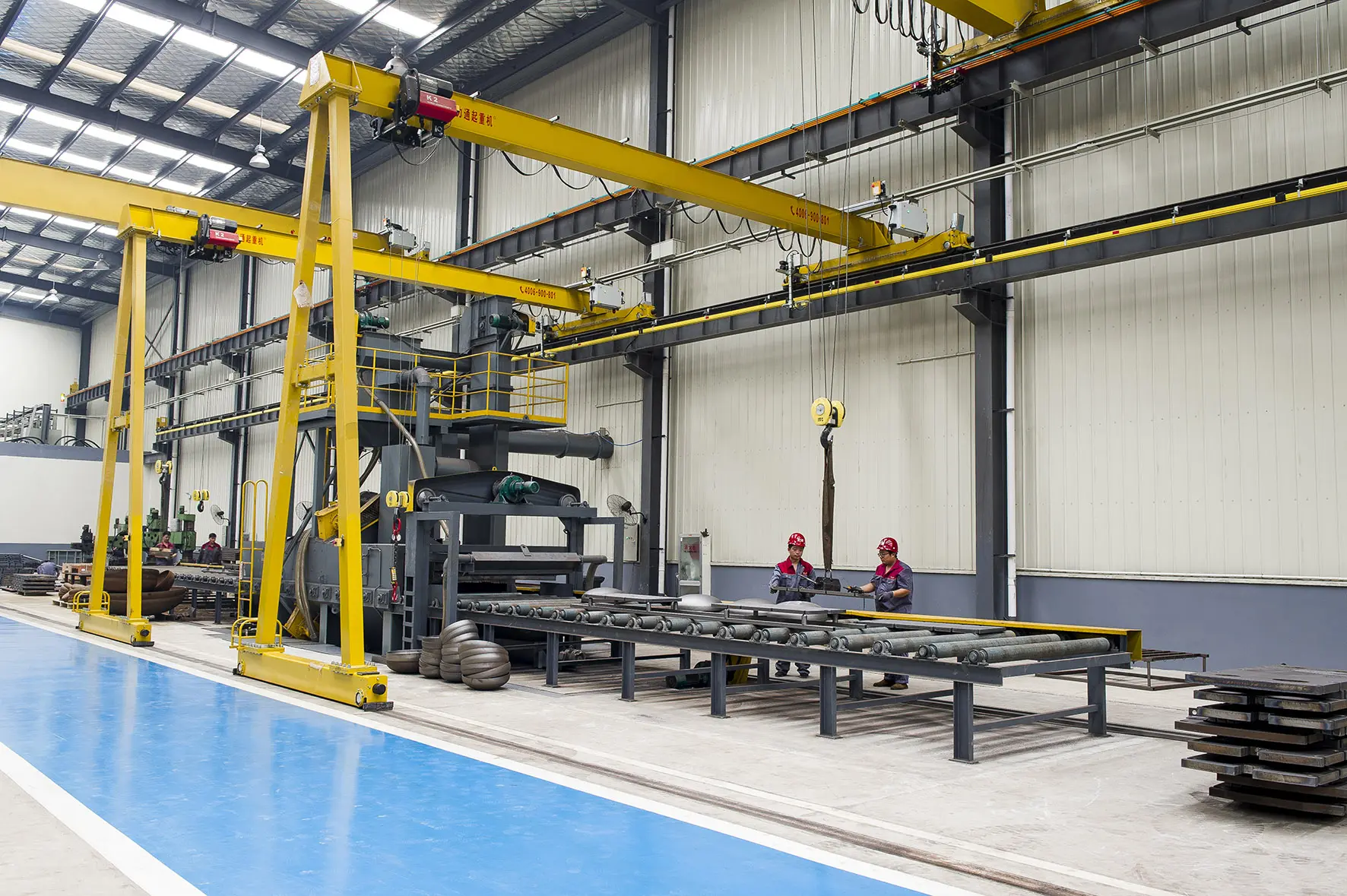
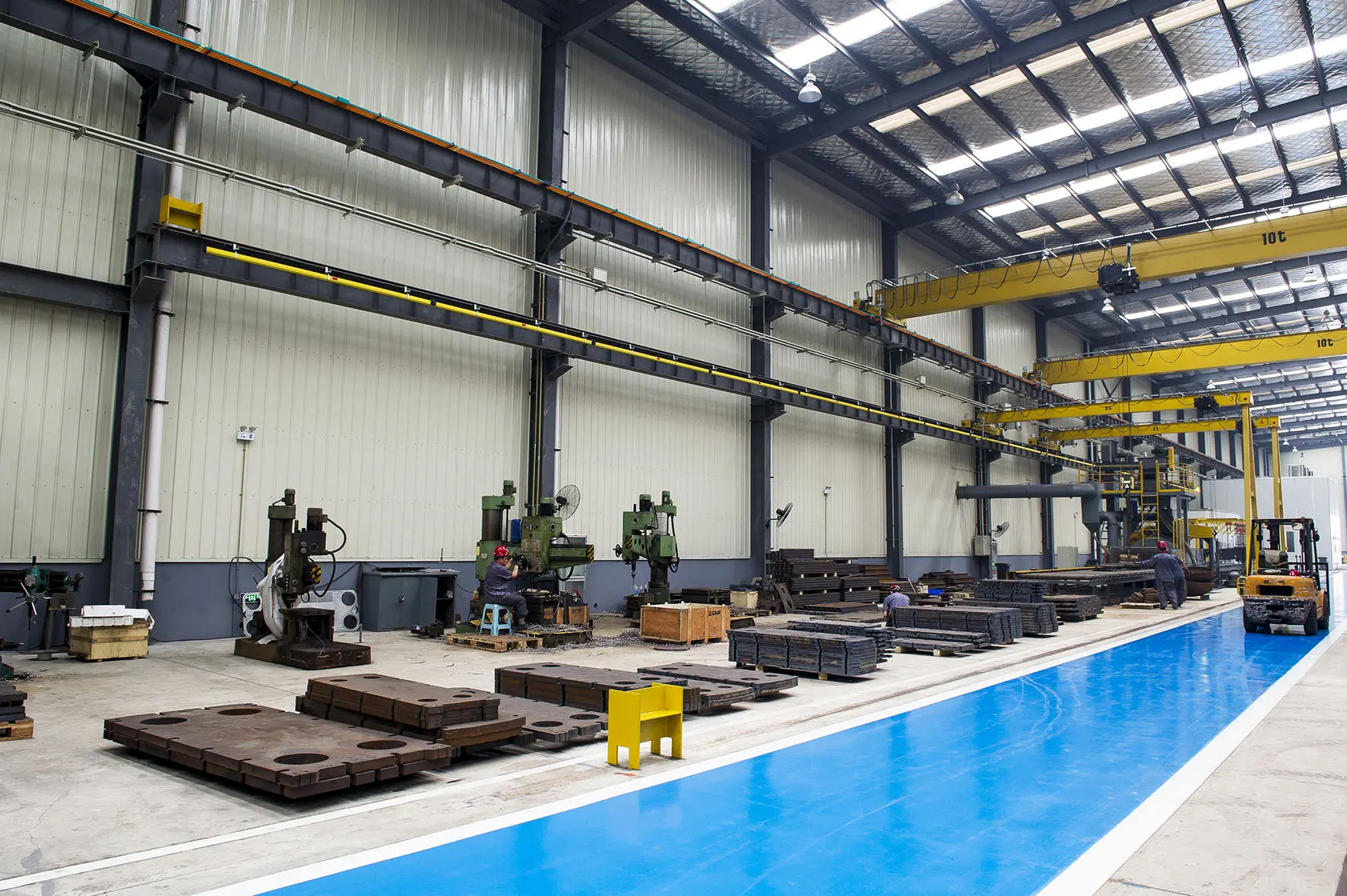

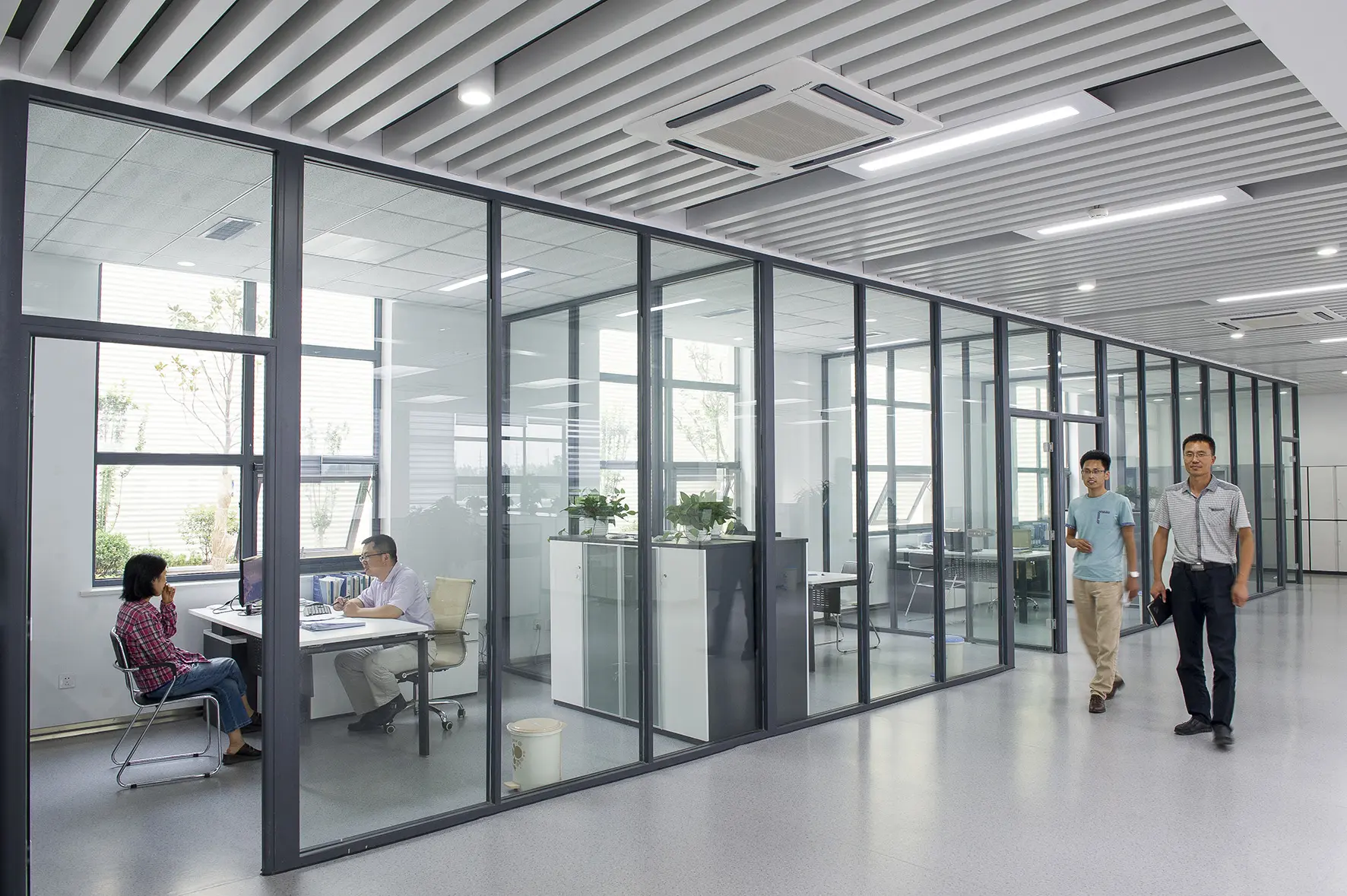

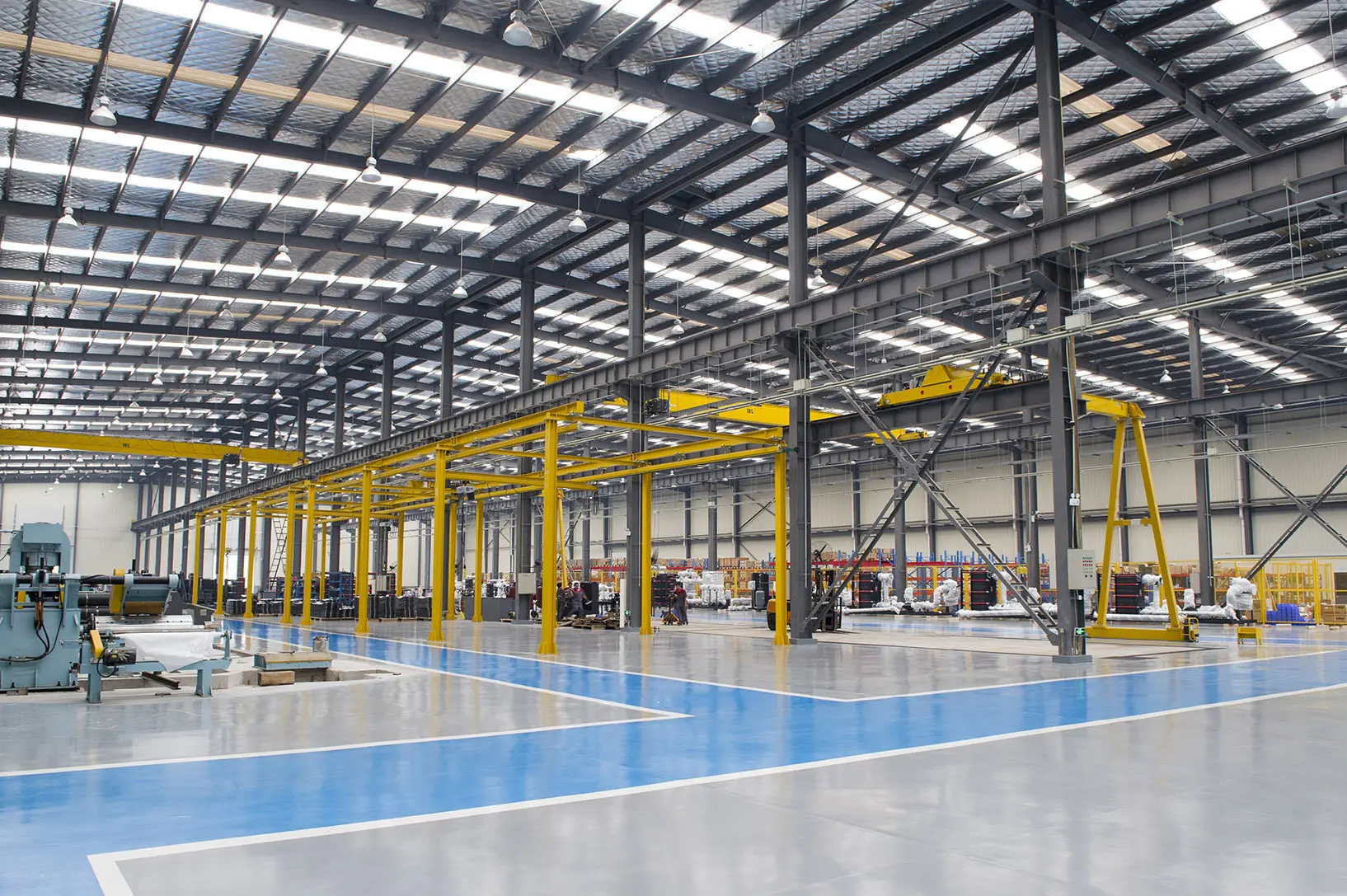
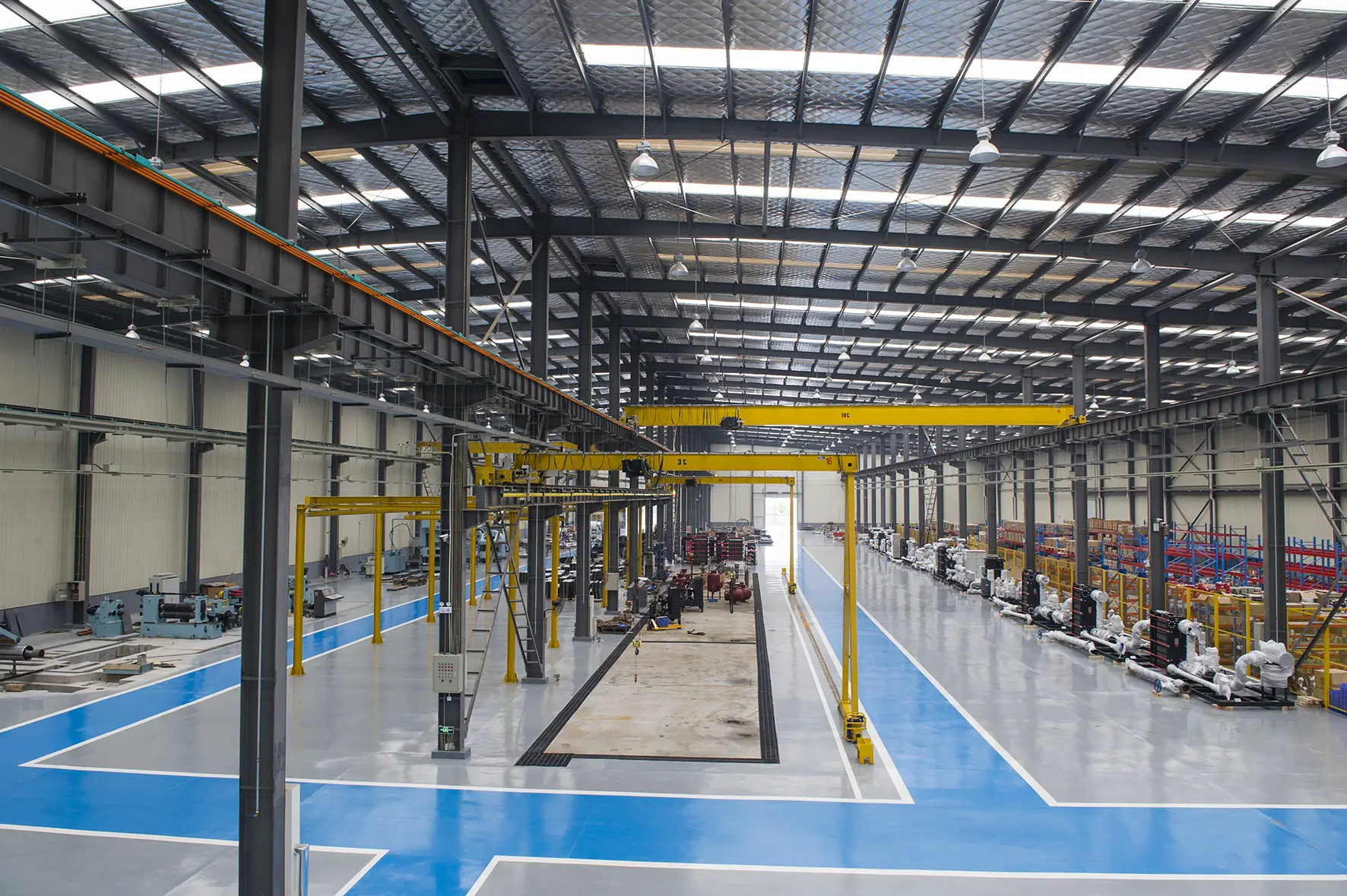
Comprehensive overview of finished equipment assemblies manufactured by Flotte.
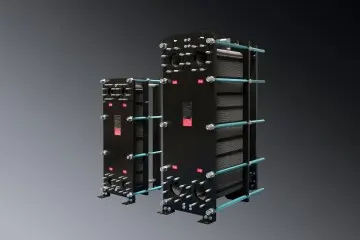
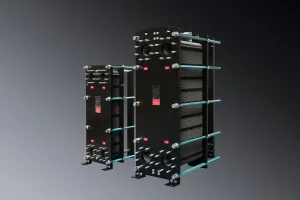
Designed for easy disassembly, cleaning, and maintenance, ideal for processing fluids with scaling tendencies.
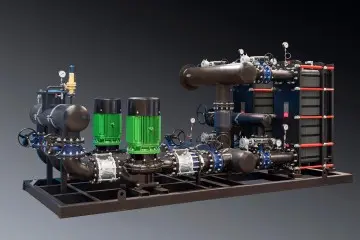
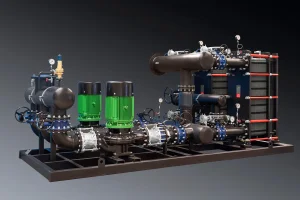
A pre-assembled skid featuring integrated heat exchangers, control valves, and sensors for automated building heating.
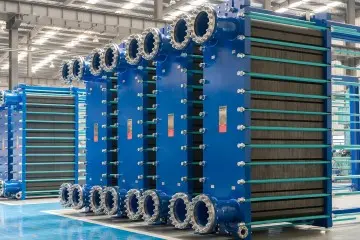
Combines detachable heat exchangers with custom pressure regulating loops for reliable district heating delivery.
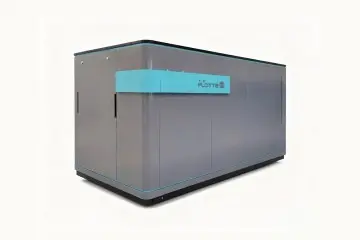
Specifically sized for HVAC applications, optimizing thermal distribution across multi-story buildings.
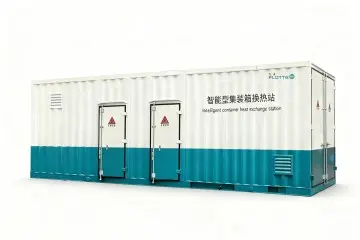
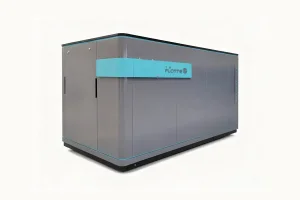
A self-contained heat exchange system in a protective enclosure, suitable for outdoor or space-constrained locations.
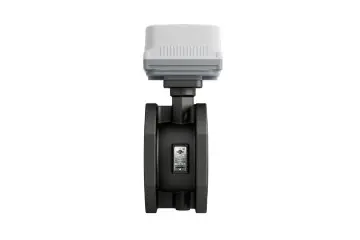
Provides precise flow control across secondary distribution lines to ensure balanced heat delivery.

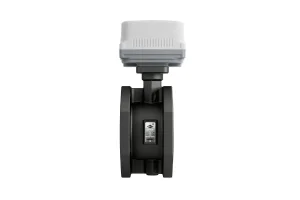
A high-precision sensor module designed to provide feedback to central HVAC systems for optimized operation.
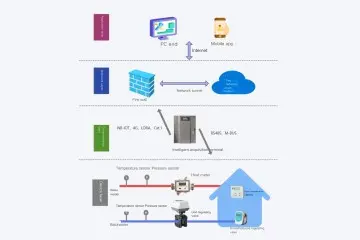
Software and hardware integration that automatically balances primary and secondary networks to save energy.
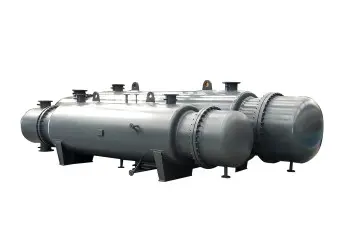
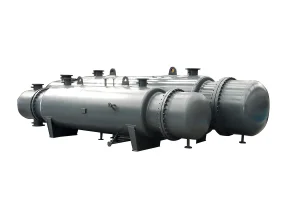
Heavy-duty heat exchanger designed for high-pressure, high-temperature industrial processes.
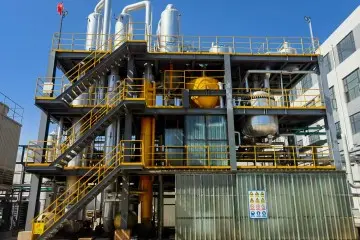
An advanced concentration system for wastewater treatment and chemical processing applications.
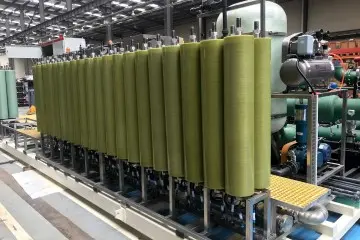
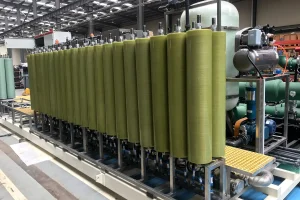
Utilizes advanced membrane filtration for high-efficiency desalination and fluid purification.
 Flotte Energy