Explore our industrial energy-saving components designed for high-efficiency heat exchange, separation, and intelligent control.
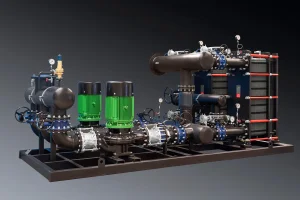
A comprehensive engineering guide to fluid routing, gasket isolation, and boundary layer heat transfer mechanics.
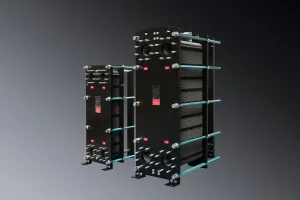
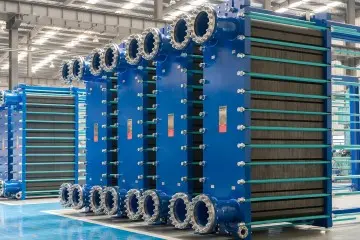
In modern process engineering, the Plate and Frame Heat Exchanger (PHE) diagram serves as the structural and thermodynamic blueprint for high-efficiency heat recovery. Unlike conventional shell and tube designs, a plate and frame system utilizes a series of thin, corrugated metal plates aligned in a compression frame to isolate and transfer thermal energy between fluids. Understanding the mechanical layout and routing schematics is essential for engineers aiming to optimize fluid flow rates, control pressure drops, and minimize thermal resistance.
"A plate and frame heat exchanger diagram is not simply a representation of physical geometry; it is a mapping of thermodynamic boundaries. The alternation between hot and cold flow channels, paired with chevron-angle dynamics, dictates the overall heat transfer coefficient (U-value) and the system's susceptibility to fouling."
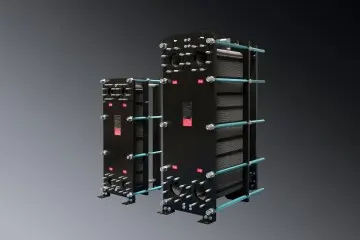
According to industry-standard drawings, a commercial-grade gasketed plate heat exchanger consists of the following primary components:
In the standard schematic, fluid flow paths are typically depicted in a counter-current arrangement. The hot utility enters through an upper nozzle and cascades downward through alternate plates, while the process fluid enters from the bottom-opposite nozzle and moves upward. This counter-flow optimization maximizes the Logarithmic Mean Temperature Difference (LMTD), facilitating a thermal approach of less than 1°C in highly optimized scenarios.
Built on engineering excellence since 1995, delivering high-performance HVAC and industrial heat recovery units.
Established in 2013 with a registered capital of 101 million yuan, Flotte Energy Saving Company originated from Flotte Thermal Engineering founded in 1995. With three decades of cumulative technical expertise, the company specializes in water equipment, HVAC systems, and water treatment industries. It consistently leads industry peers in adopting cutting-edge technologies, developing innovative products, and delivering comprehensive production and sales services.
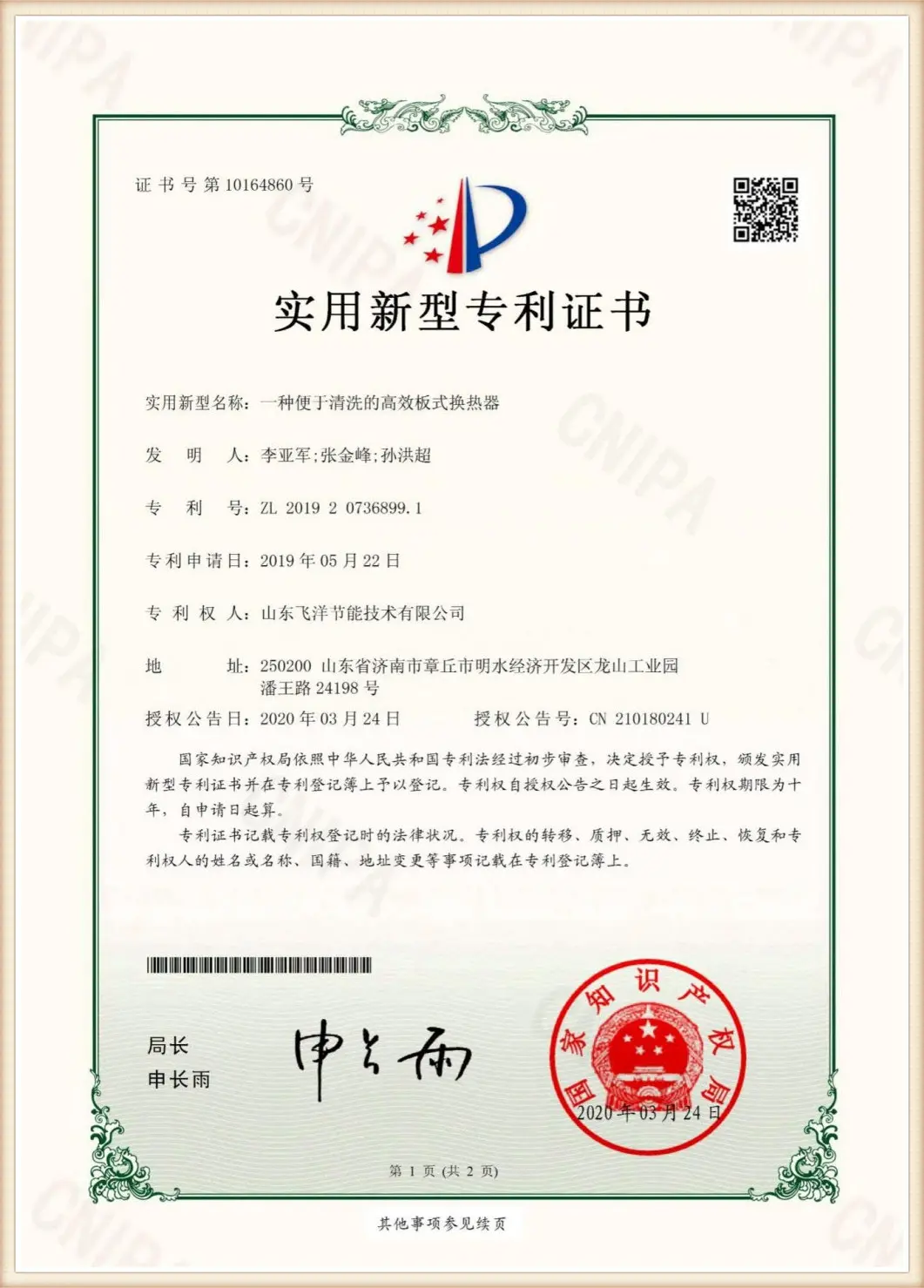
The company has been continuously advancing in production technology innovation, holding multiple patent certifications including "High-Efficiency Plate Heat Exchanger", "Intelligent Plate Heat Exchanger System", and "Plate Heat Exchanger Scale Removal Device" (see qualification documentation). Its products have obtained mandatory national product certification and safety registration from the National Standardization Committee, along with the safety registration for plate heat exchangers issued by the National Boiler and Pressure Vessel Standardization Technical Committee.
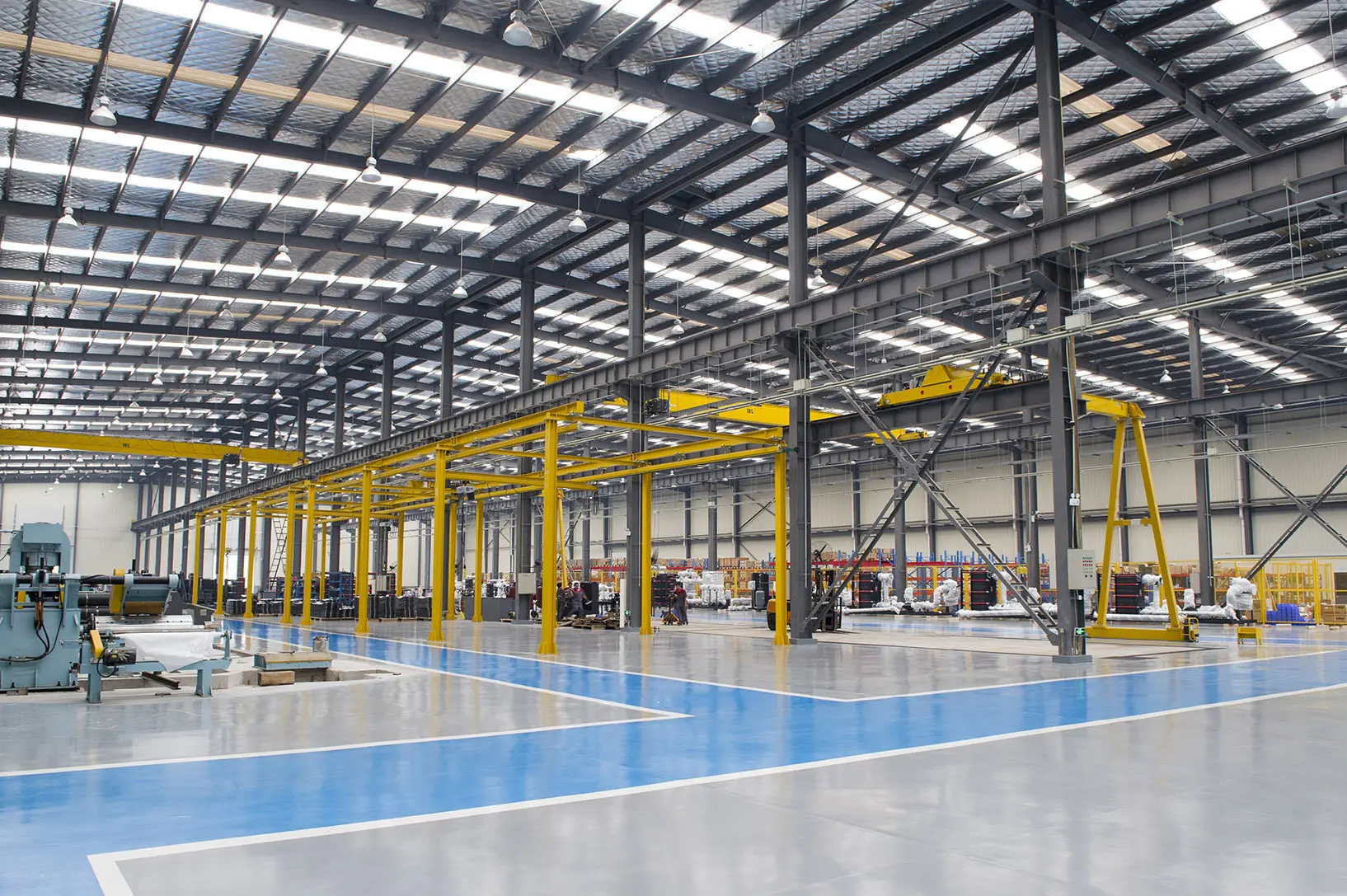
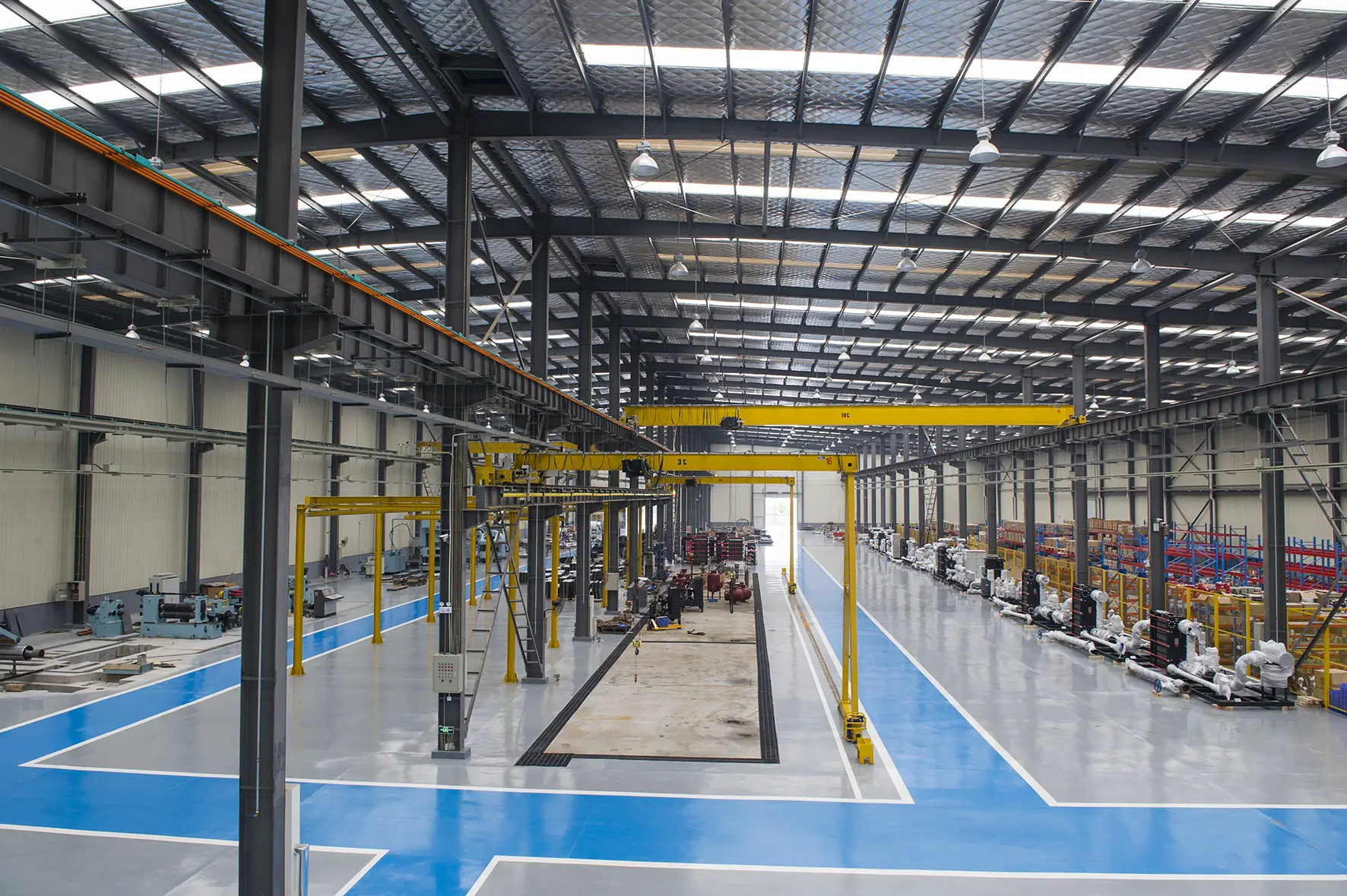
The company has established modern production facilities that combine advanced manufacturing with systematic management, producing high-tech integrated products. It holds a leading position in the industry nationwide and commands a substantial market share. Annually, it manufactures approximately 4,500 heat exchange units and water supply/drainage equipment sets. With over 300 employees (including 260+ dedicated manufacturing/engineering staff), the company generates annual sales revenue of 500 million yuan and contributes 15 million yuan in taxes and profits.
Why domestic vertical integration drives international efficiency, cost reduction, and material integrity.
Direct integration with premium stainless steel, titanium, and hastelloy mills ensures certified material traceability and zero-defect raw plates.
Equipped with high-capacity hydraulic press lines, we achieve highly repeatable chevron patterns and precise depth distributions down to ±0.1mm tolerances.
From frame machining, plate punching, gasket vulcanization to full system assembly, our complete process control ensures shorter lead times.
China’s industrial manufacturing sector has shifted from basic assembly to high-precision engineering. By locating production within our 70,000 ㎡ facility, Flotte capitalizes on localized access to raw materials and rapid prototyping cycles. The ability to customize plate thickness (ranging from 0.4mm for clean water systems to 0.8mm for high-pressure industrial applications) allows us to design heat exchangers that match thermal demands without adding unnecessary capital costs. Furthermore, our ISO 9001:2015, ISO 14001, and ISO 45001 certifications guarantee that every unit is manufactured in a safe, environmentally conscious, and systematically monitored environment.
Visualizing the rigorous engineering phases that guarantee the physical integrity and sealing performance of Flotte heat exchangers.
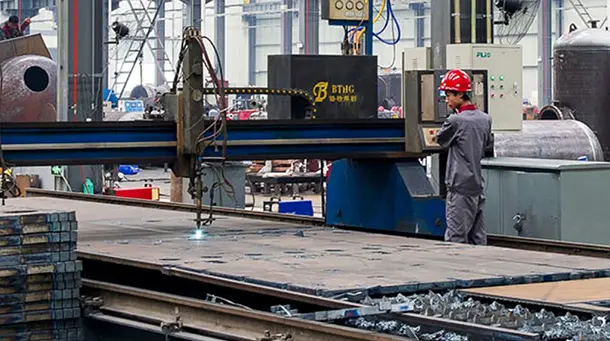
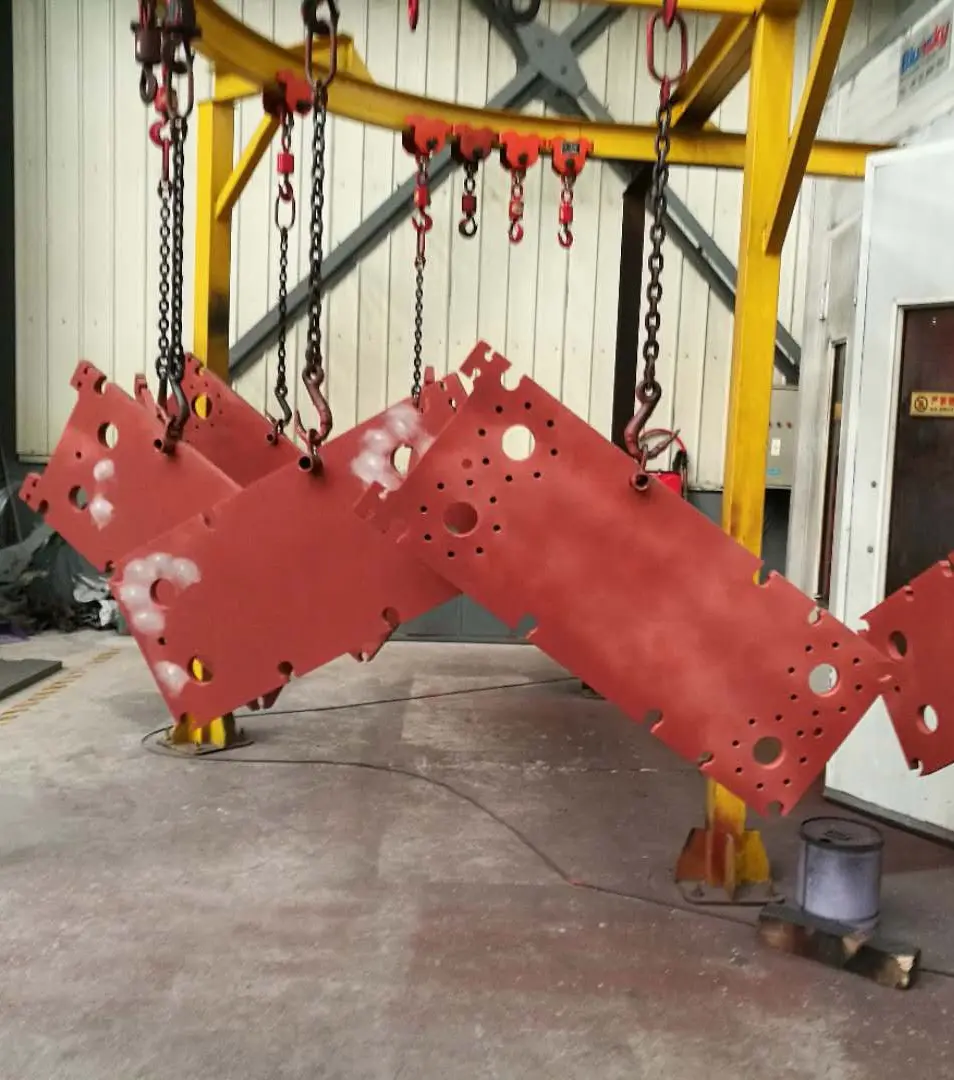
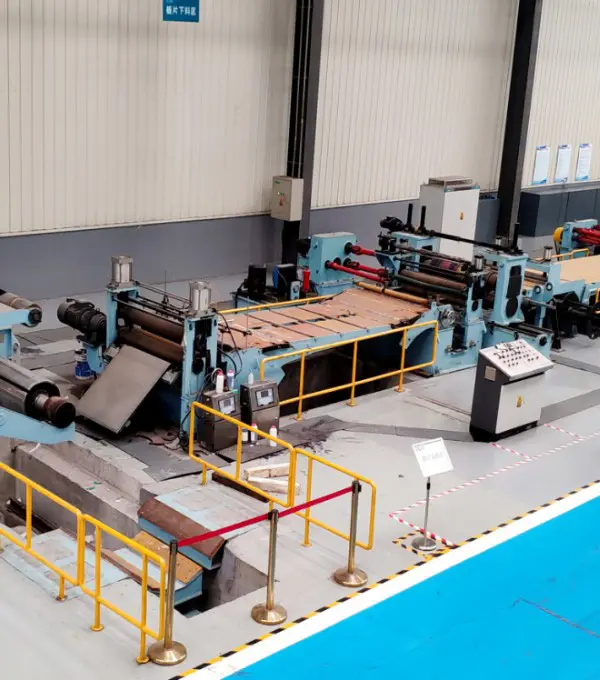
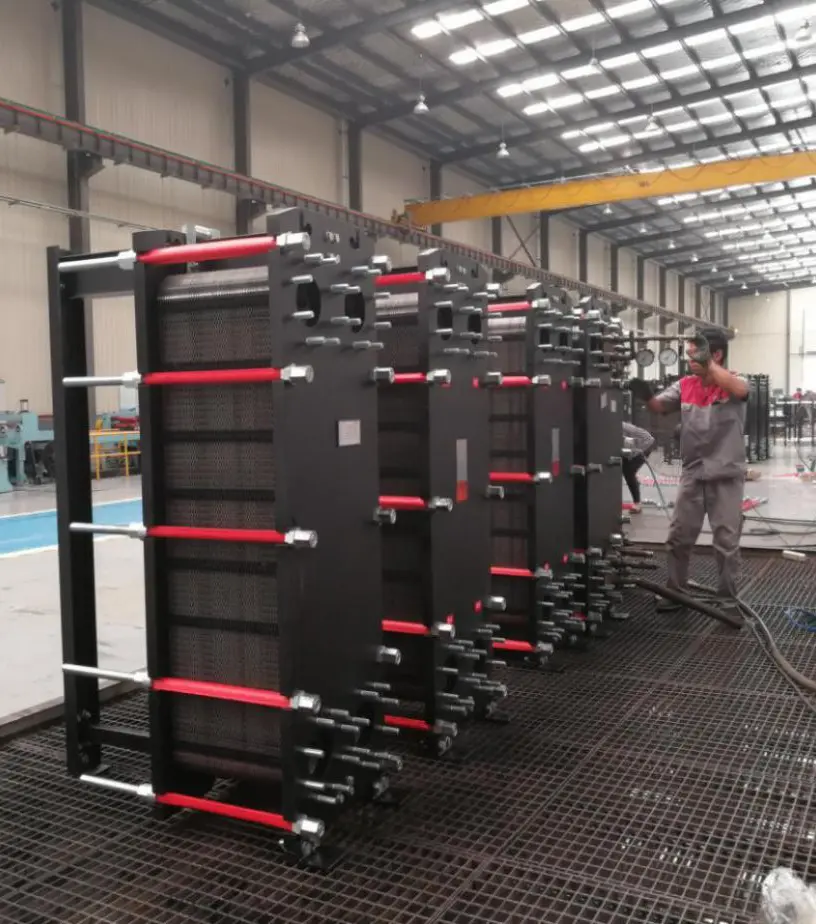
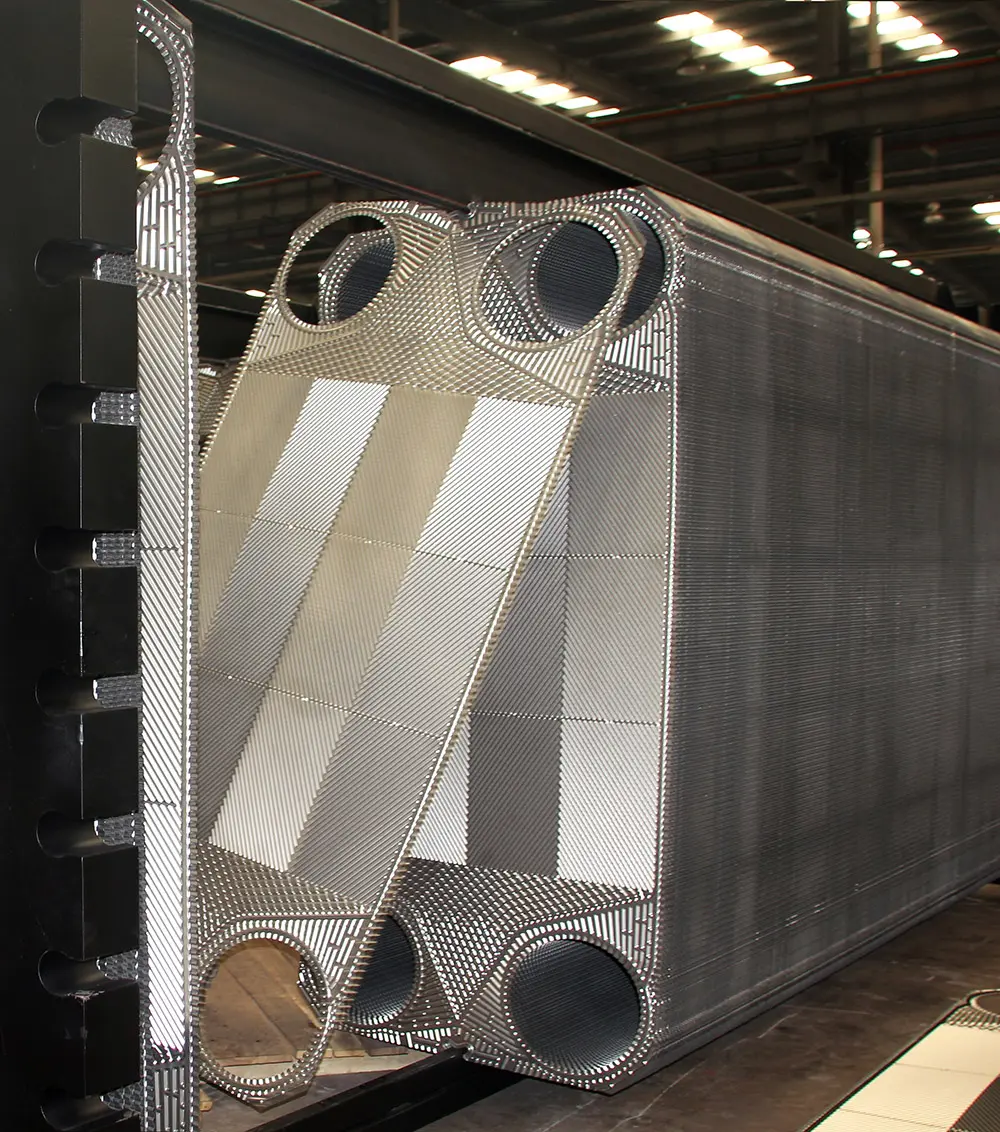
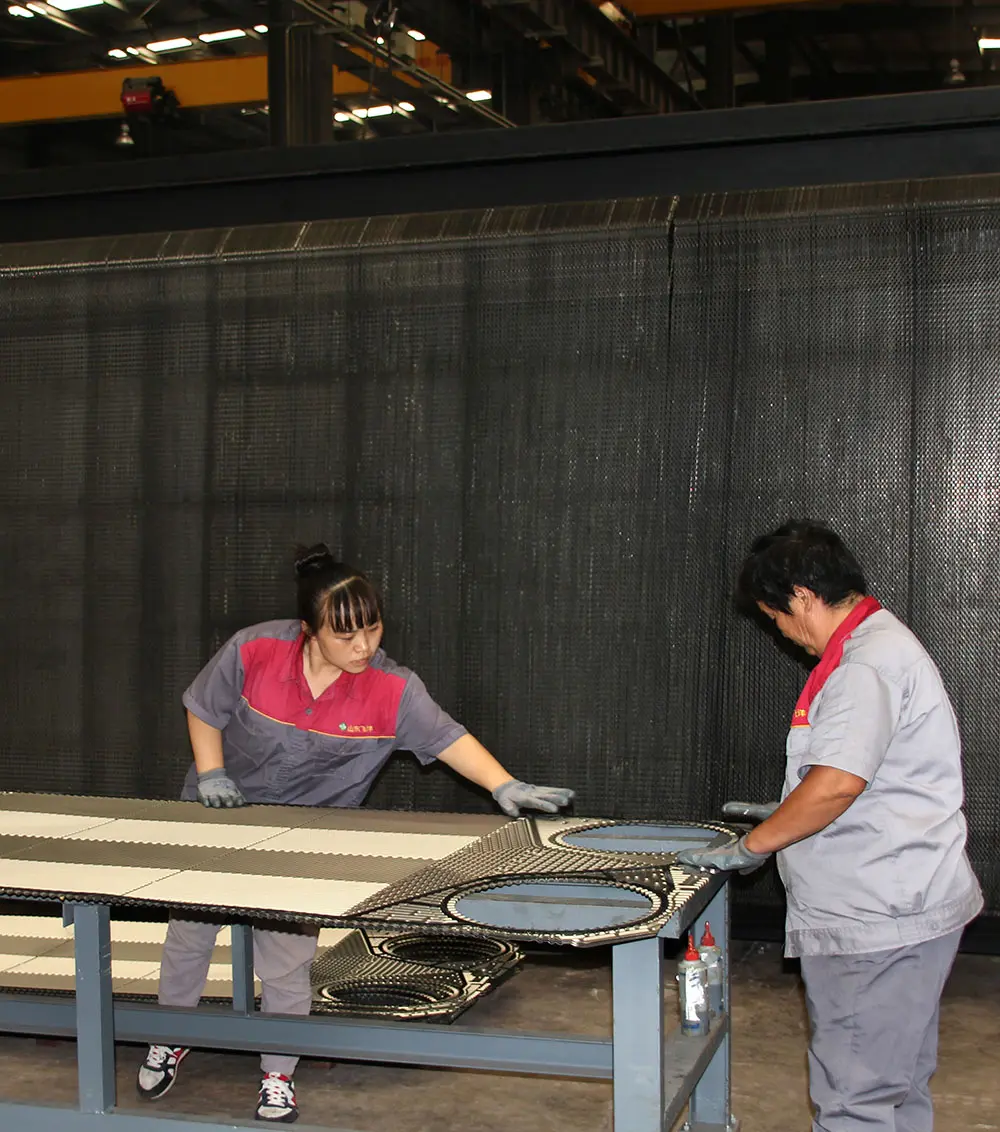
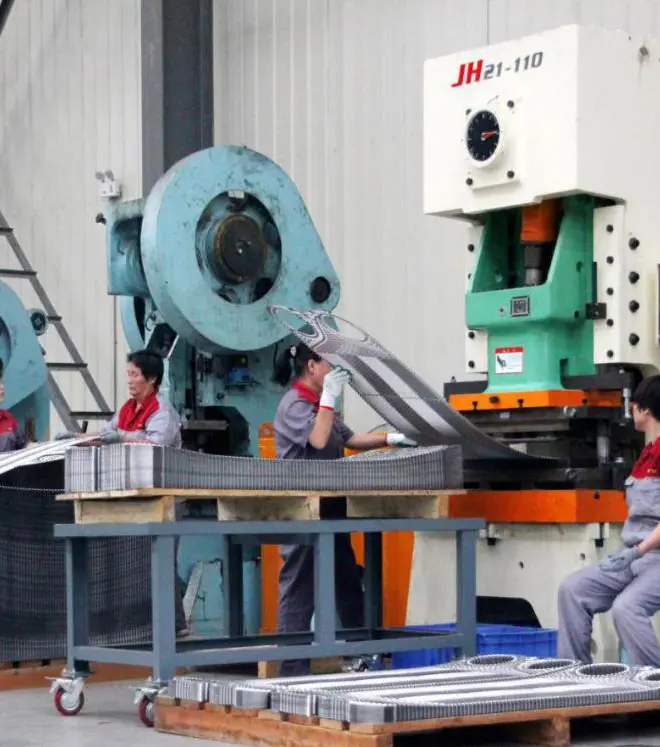
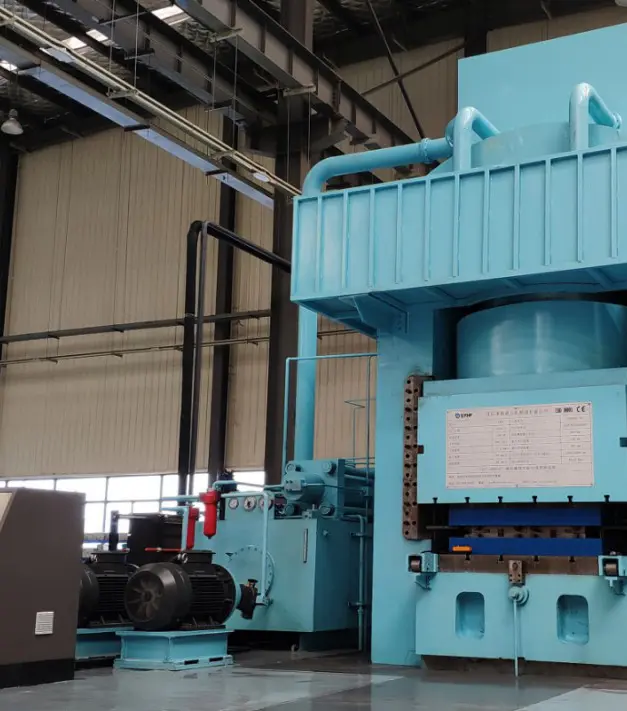
Aligning manufacturing capabilities with local engineering codes, regional standards, and field-support requirements.
Industrial global sourcing requires rigorous adherence to local regulations and pressure vessel standards. A high-efficiency plate and frame heat exchanger diagram developed for a European HVAC system must conform to the PED (Pressure Equipment Directive) 2014/68/EU, while North American systems demand ASME Section VIII Division 1 stamps and CRN (Canadian Registration Numbers).
Flotte bridges this gap by ensuring all drawings, raw material certificates (MTRs), and hydrostatic test logs align with regional requirements. Our engineering team translates the raw thermodynamic plate heat exchanger diagram into fully compliant CAD models. This supports localization across three key operational areas:
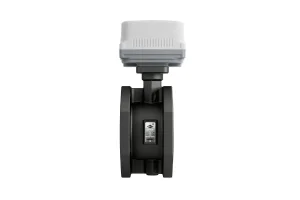
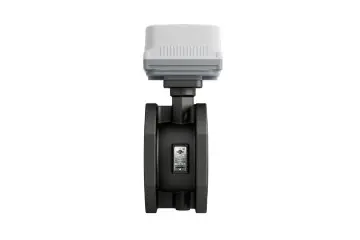
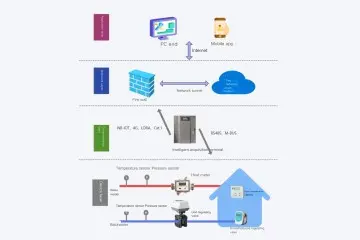
Additionally, the transition to sustainable energy infrastructure has prompted global buyers to demand high-efficiency solutions. Flotte’s integrated, energy-saving heat exchange units use advanced sensors and balance valves. These adjust flow rates dynamically based on seasonal loads, supporting net-zero targets and reducing utility expenses.
Proof of regulatory safety, quality management, and adherence to pressure equipment standards.
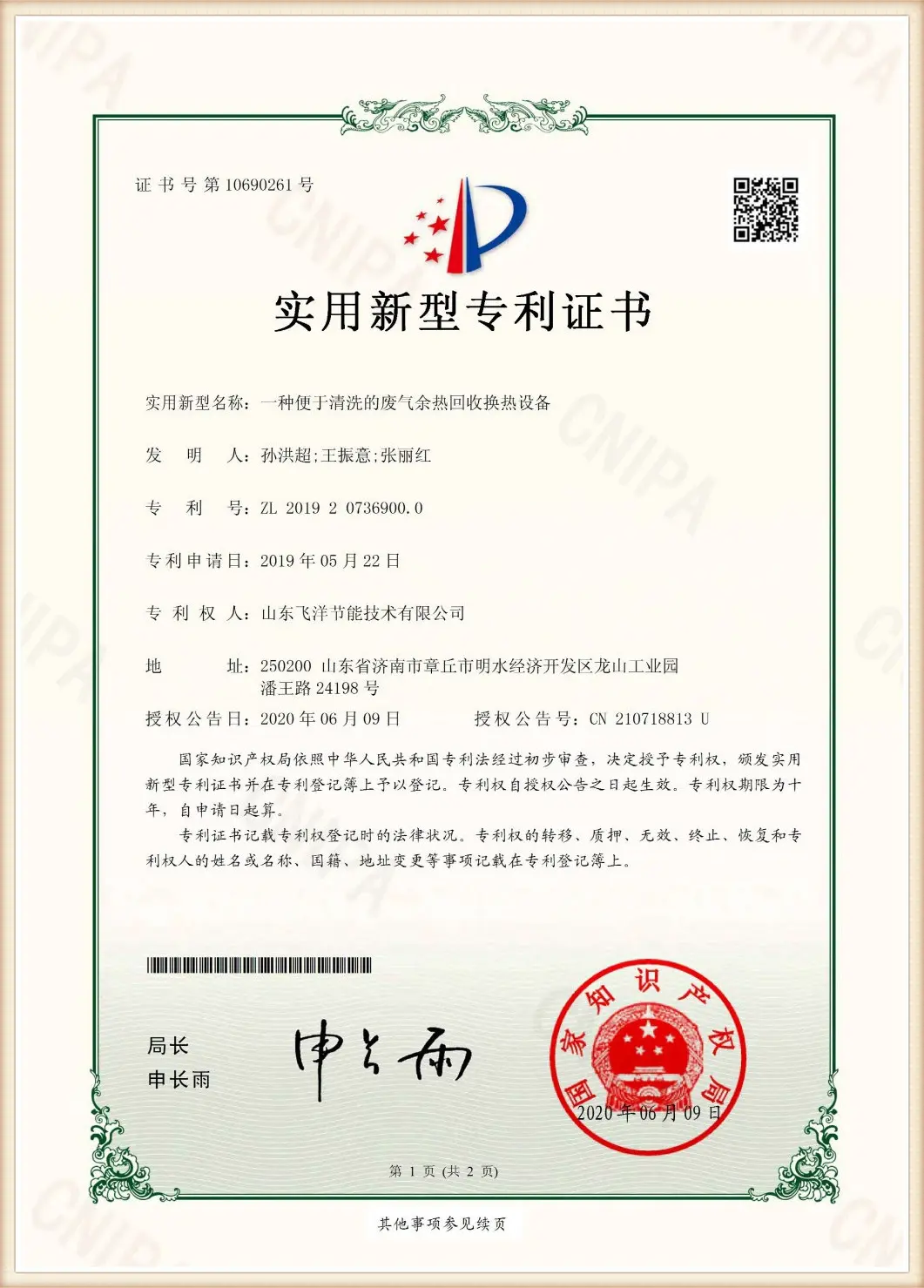
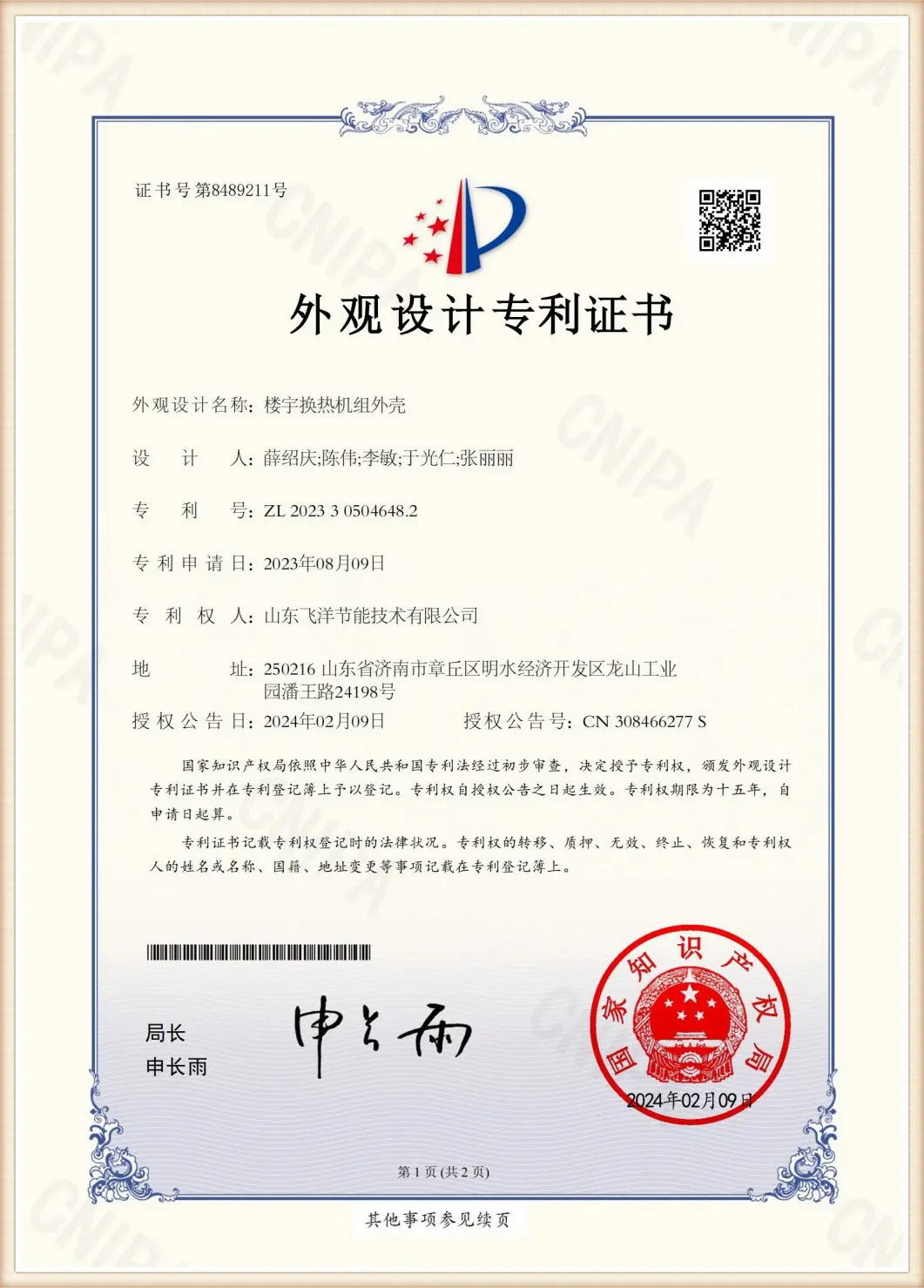
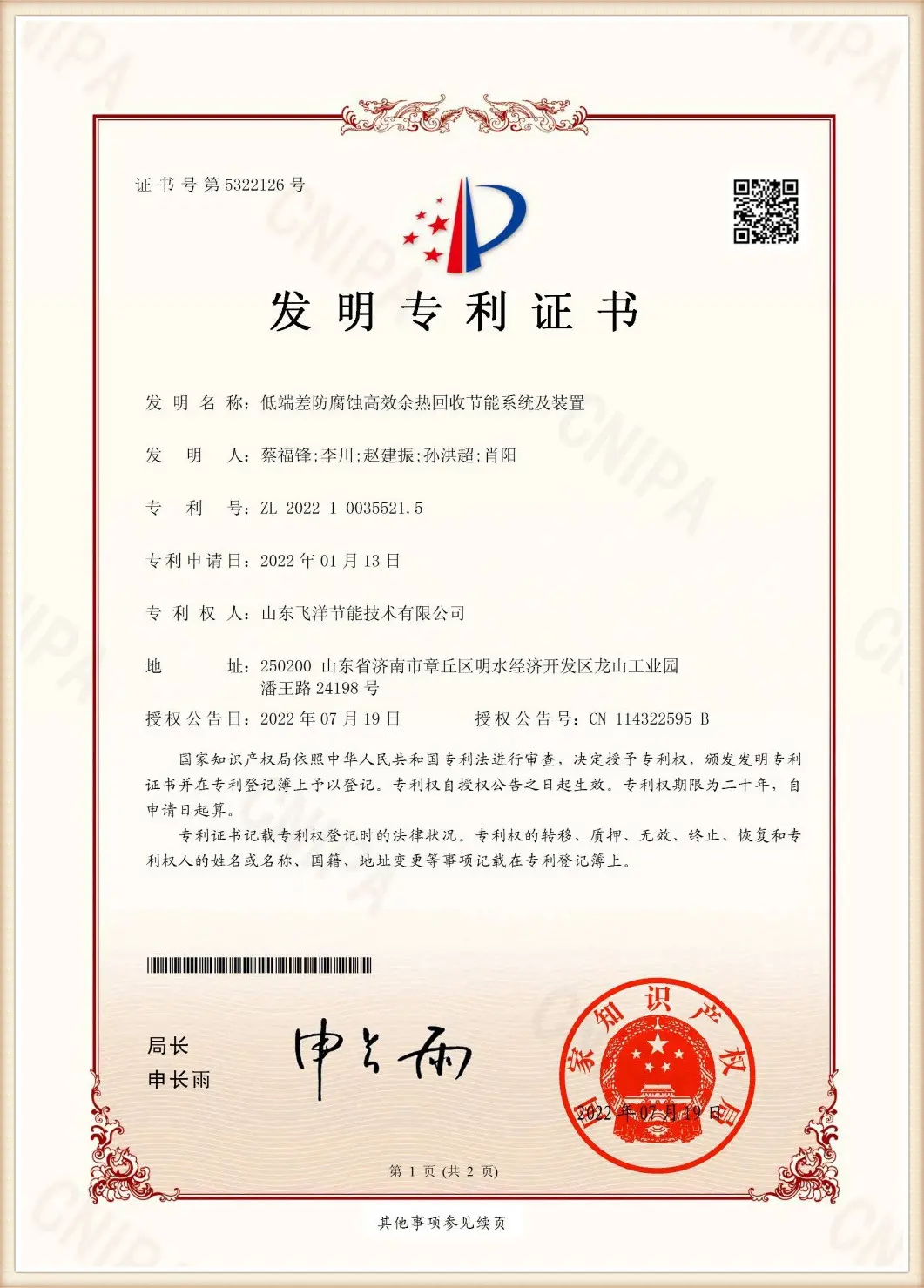
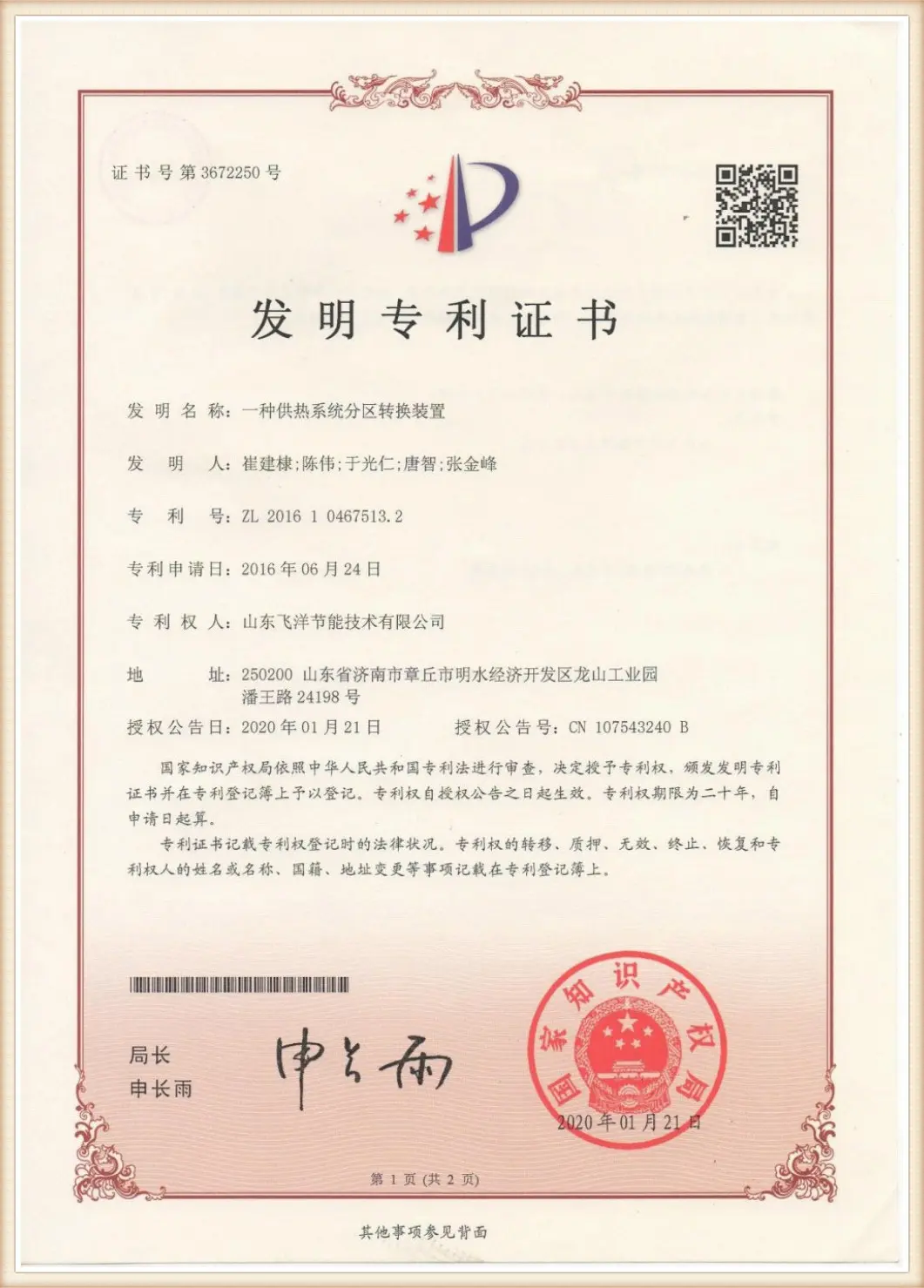
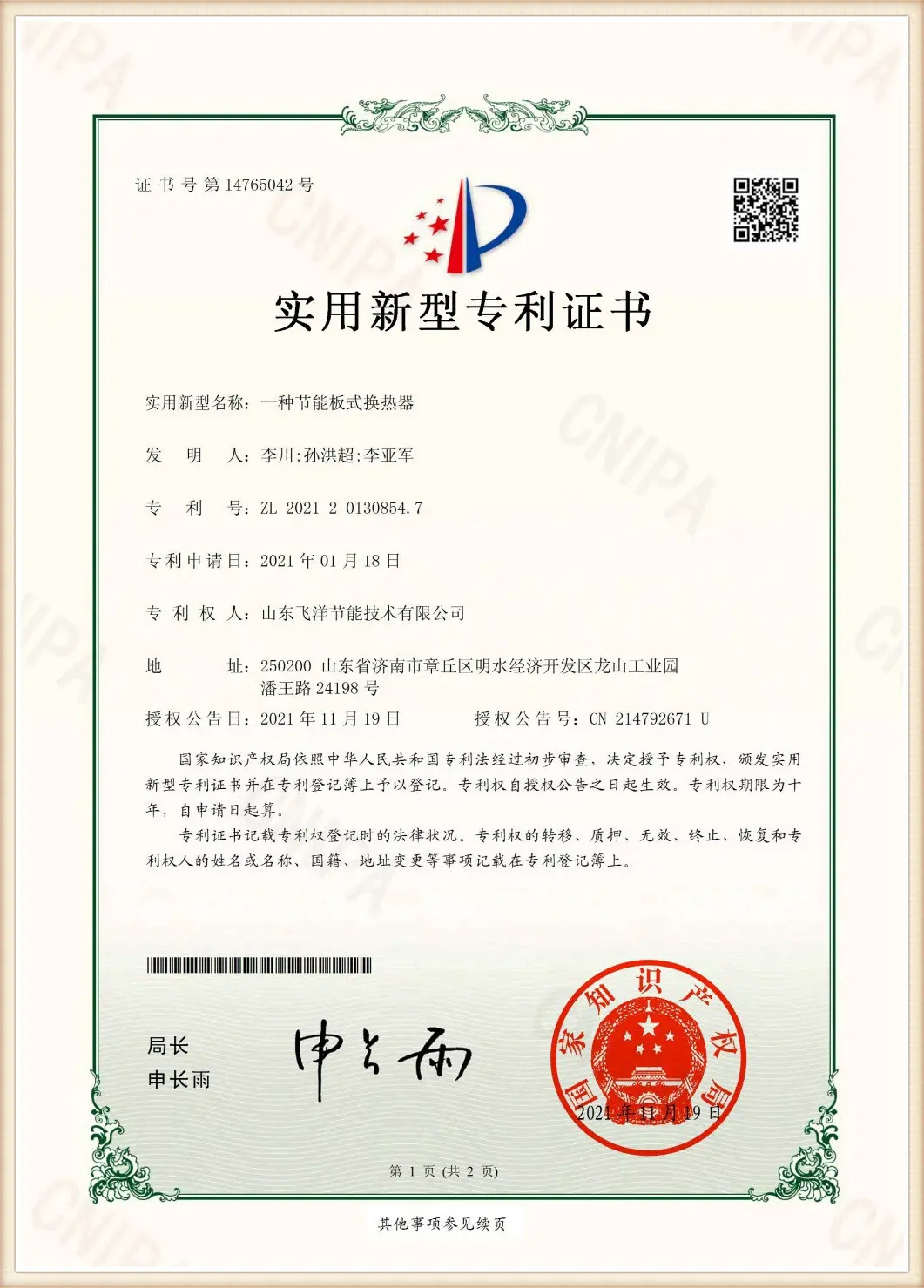
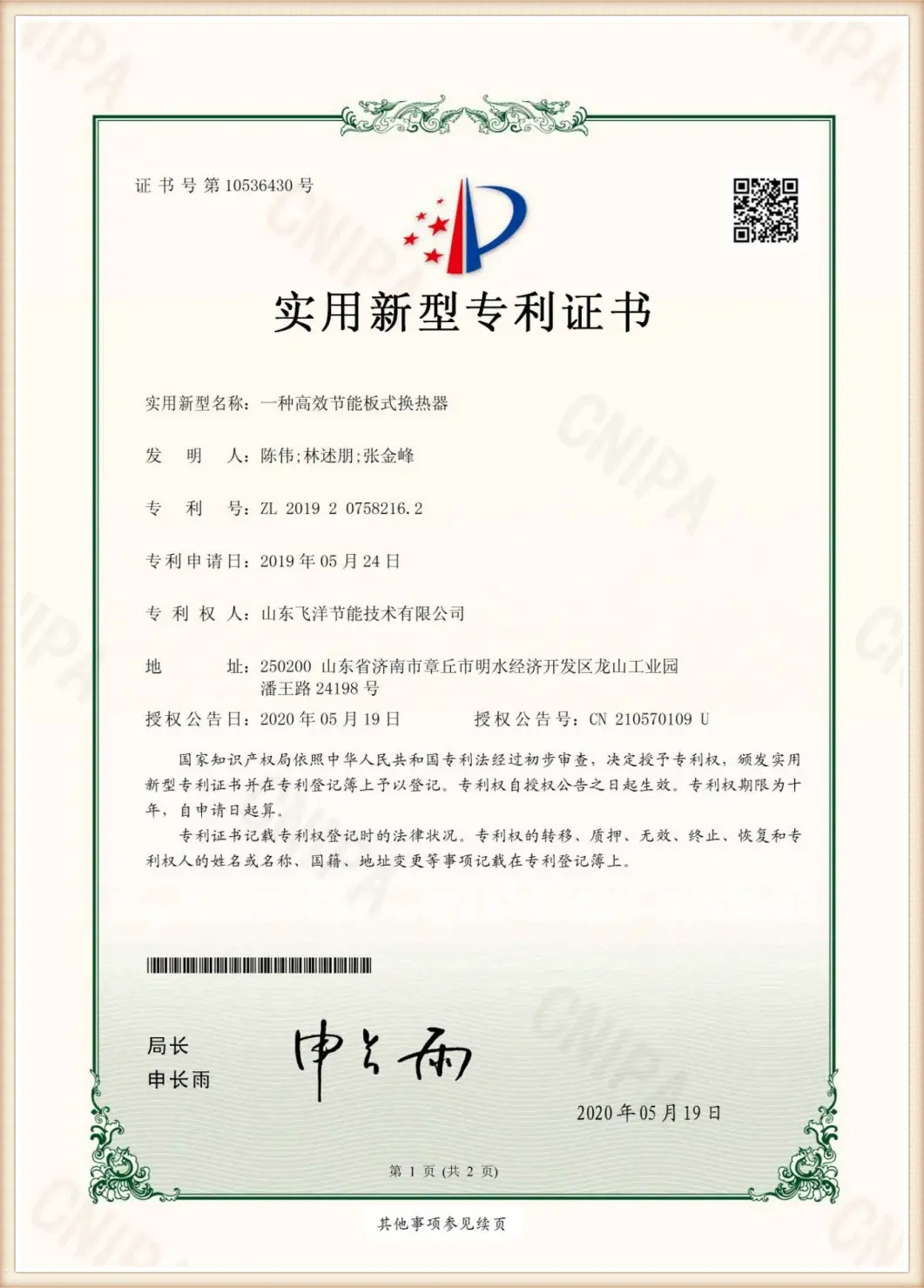
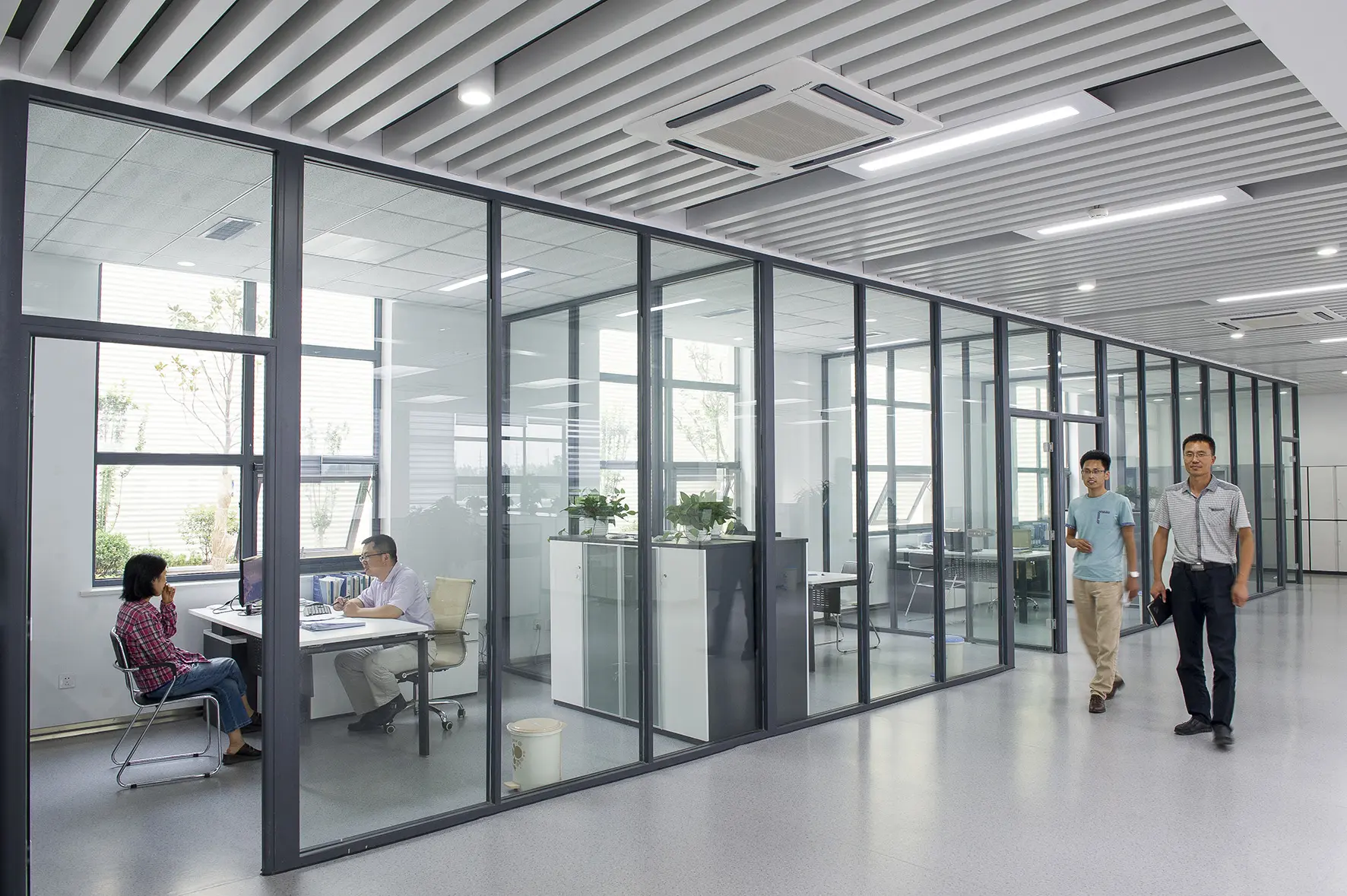
A closer look at our 70,000 square meter industrial complex, clean rooms, and automated testing bays.
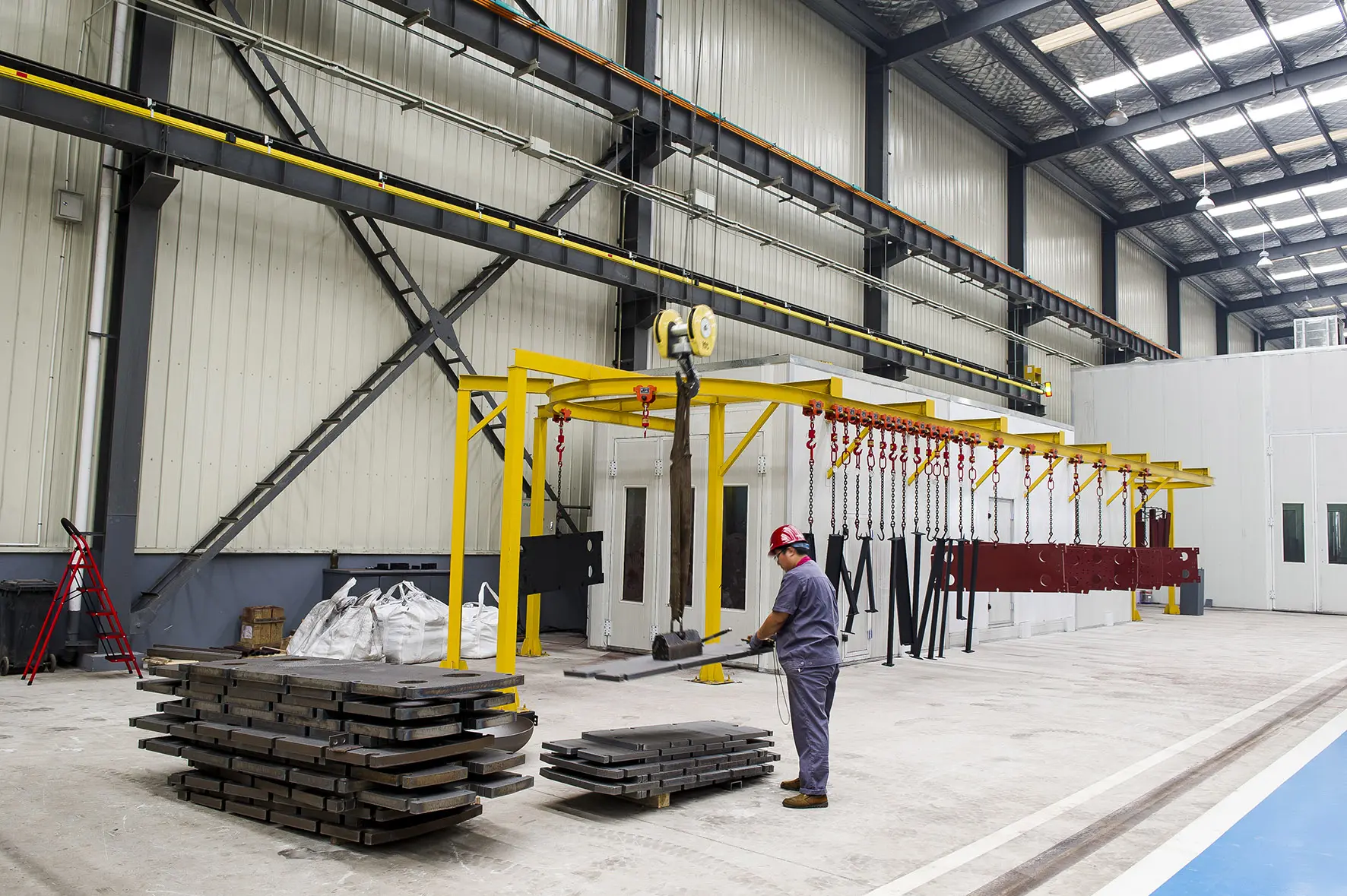
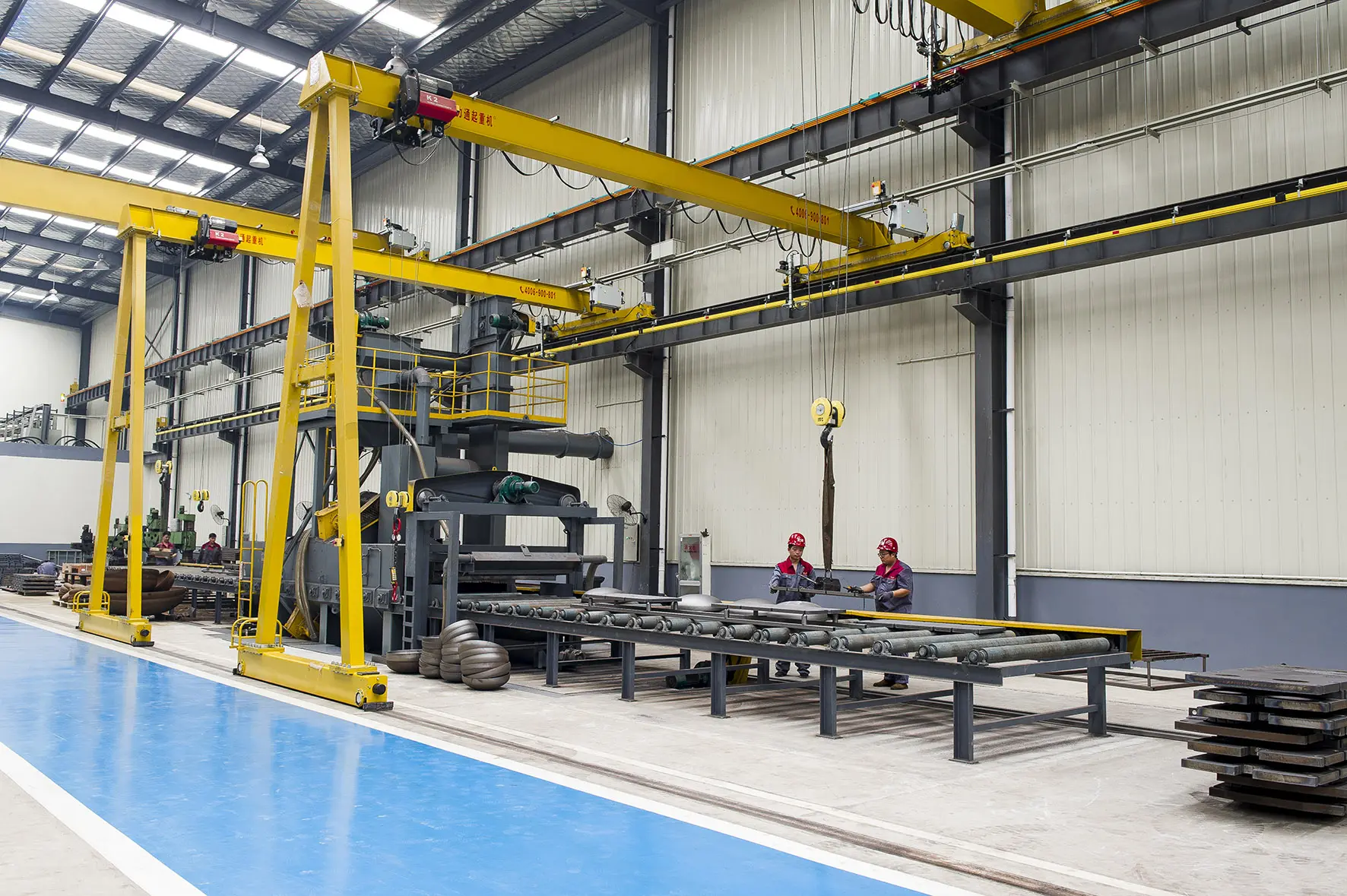
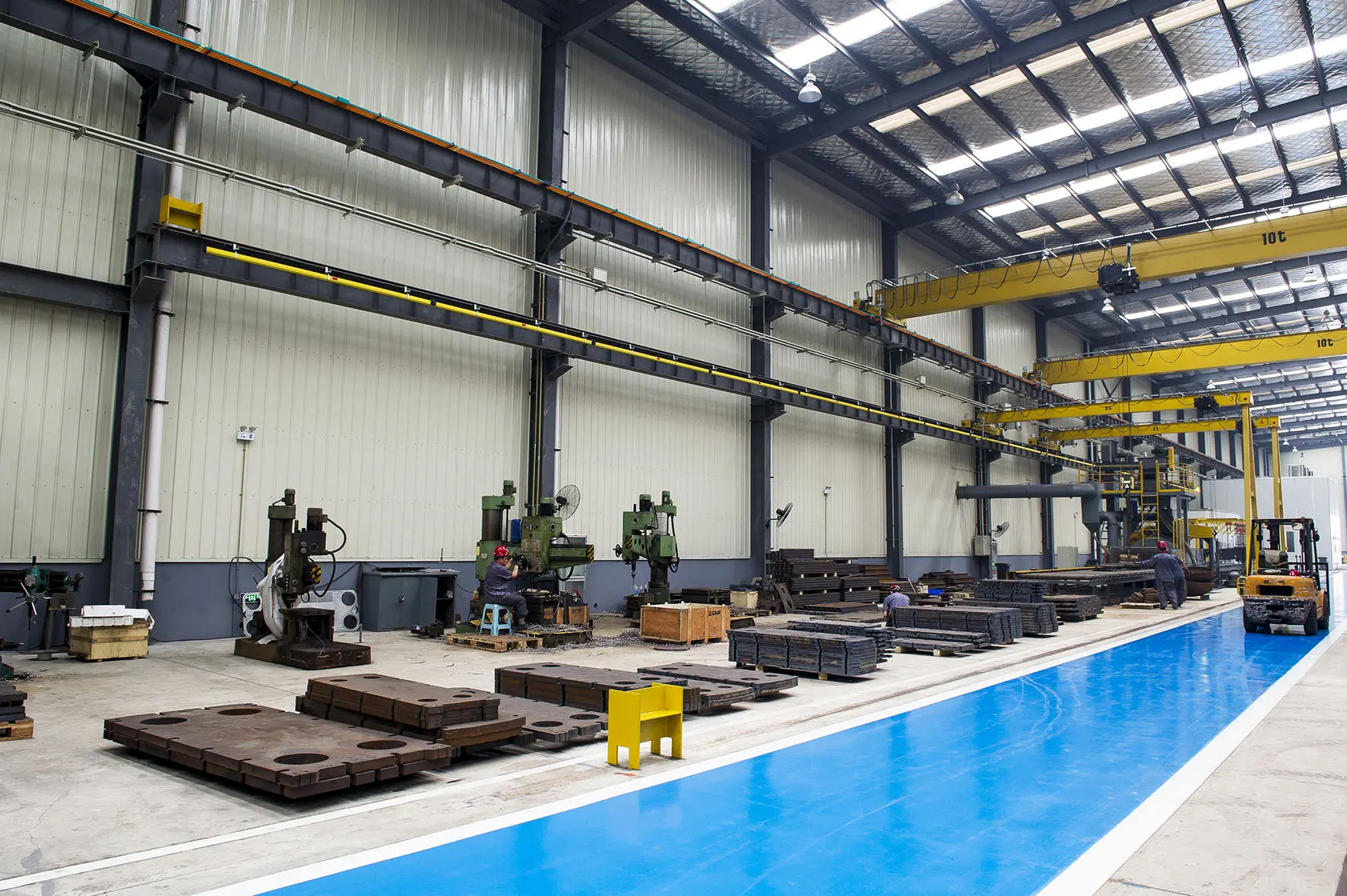


How high-efficiency heat exchangers support smart HVAC networks, zero-discharge wastewater loops, and carbon-neutral targets.
The performance demands for plate heat exchangers vary significantly across industries. Custom layouts must adapt to these specific fluid dynamics:
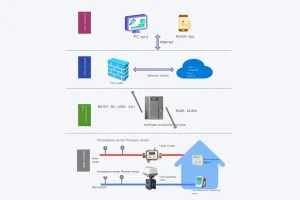
In urban central heating systems, plate heat exchangers isolate primary high-pressure municipal steam loops from secondary building heating networks. Precise control is required to prevent thermal shock and manage seasonal demand changes. Incorporating intelligent balancing valves and temperature collectors helps operators regulate heat distribution based on real-time ambient conditions, reducing energy waste and municipal operating costs.
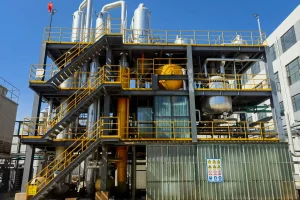
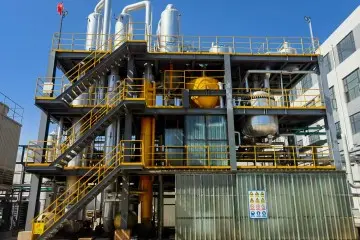
High-purity process steps in chemical processing require materials with high chemical resistance. Gasketed titanium plate heat exchangers prevent corrosion when handling organic acids, high-salinity solutions, or chlorinated compounds. In multi-effect evaporation loops, these units capture latent heat from waste steam, reducing fuel use and steam demand across the facility.
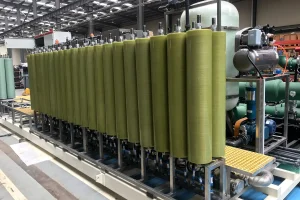
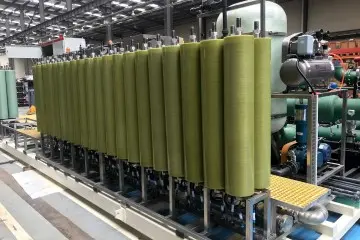
Modern environmental regulations require industrial plants to limit liquid waste. Membrane concentration systems work alongside plate heat exchangers to manage brine concentration and thermal desalination. Pre-heating feed streams with recovered heat lowers the electrical consumption of reverse osmosis units, making the water purification process more cost-effective.
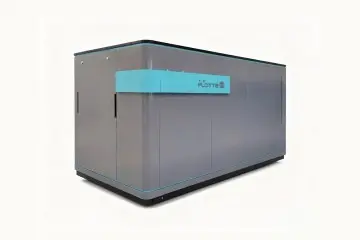
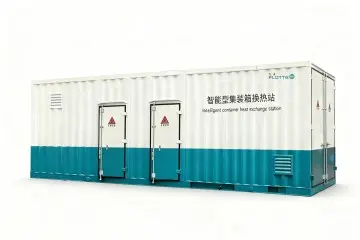
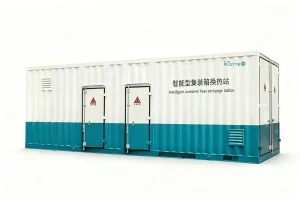
"The industry is moving toward smart, IoT-enabled thermal stations. Integrating real-time flow control, sensor feedback, and automated balancing allows modern heat exchange stations to adapt dynamically to load variations, helping facilities operate more efficiently and sustainably."
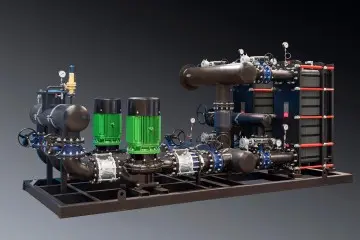
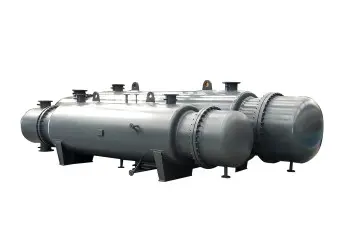
Explore our complete range of high-efficiency detachable plate exchangers, intelligent regulation valves, and evaporation systems.

Direct answers to critical thermodynamic, maintenance, and specification questions asked by procurement engineers.
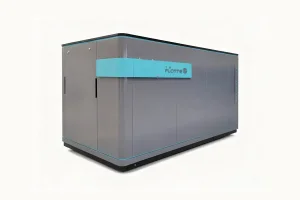
Explore our secondary-loop balancing valves, integrated heating units, and high-precision temperature collector products.

 Flotte Energy