Established in 2013 with a registered capital of 101 million yuan, Flotte Energy Saving Company proudly originated from Flotte Thermal Engineering, which was founded in 1995. With three decades of dedicated technical expertise, the company specializes in water equipment, HVAC systems, and water treatment industries. We lead industry peers in adopting cutting-edge technologies, developing innovative products, and delivering comprehensive production and sales services.
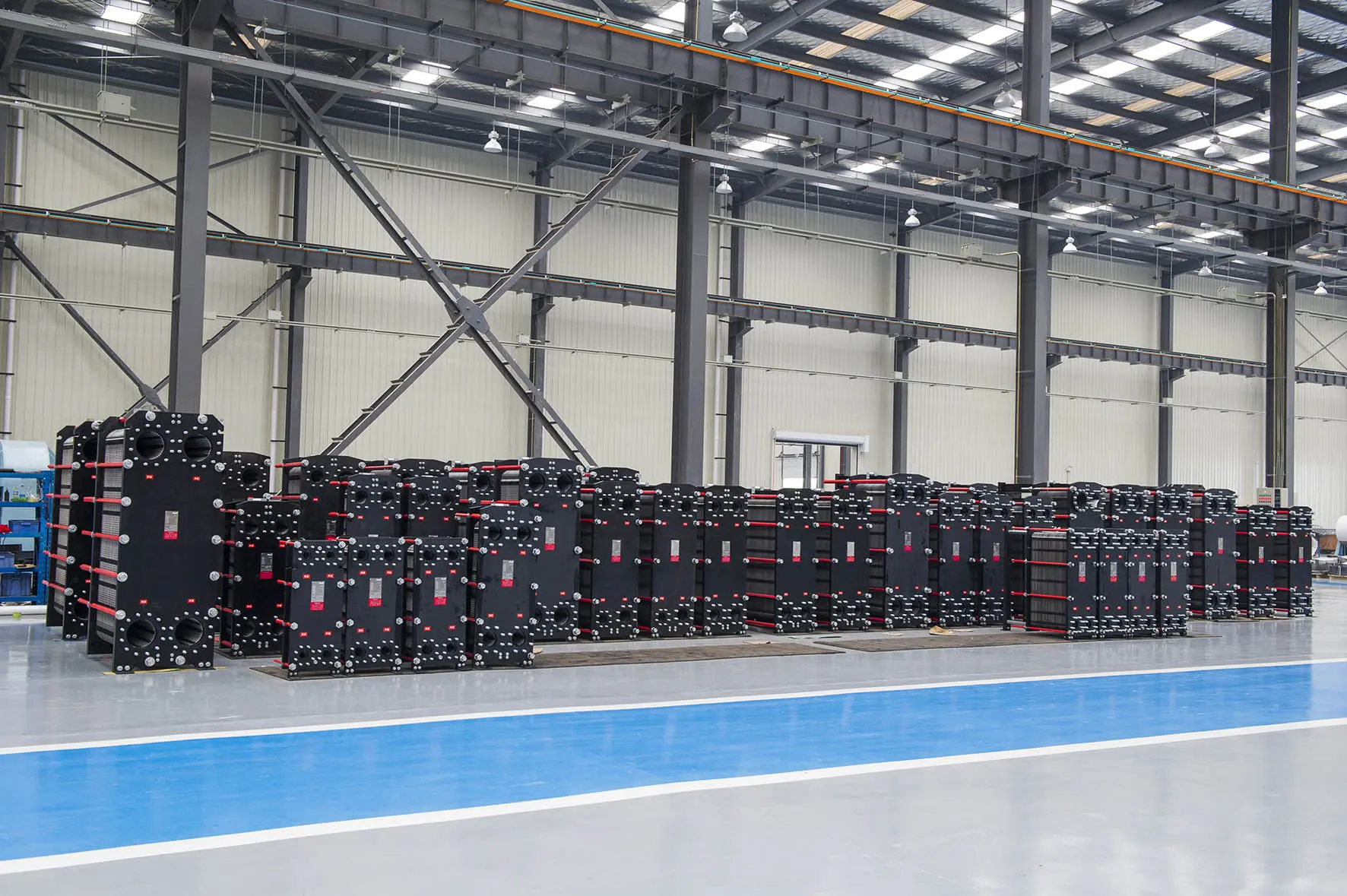
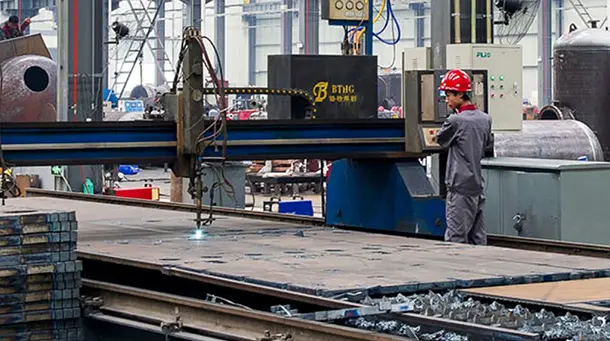
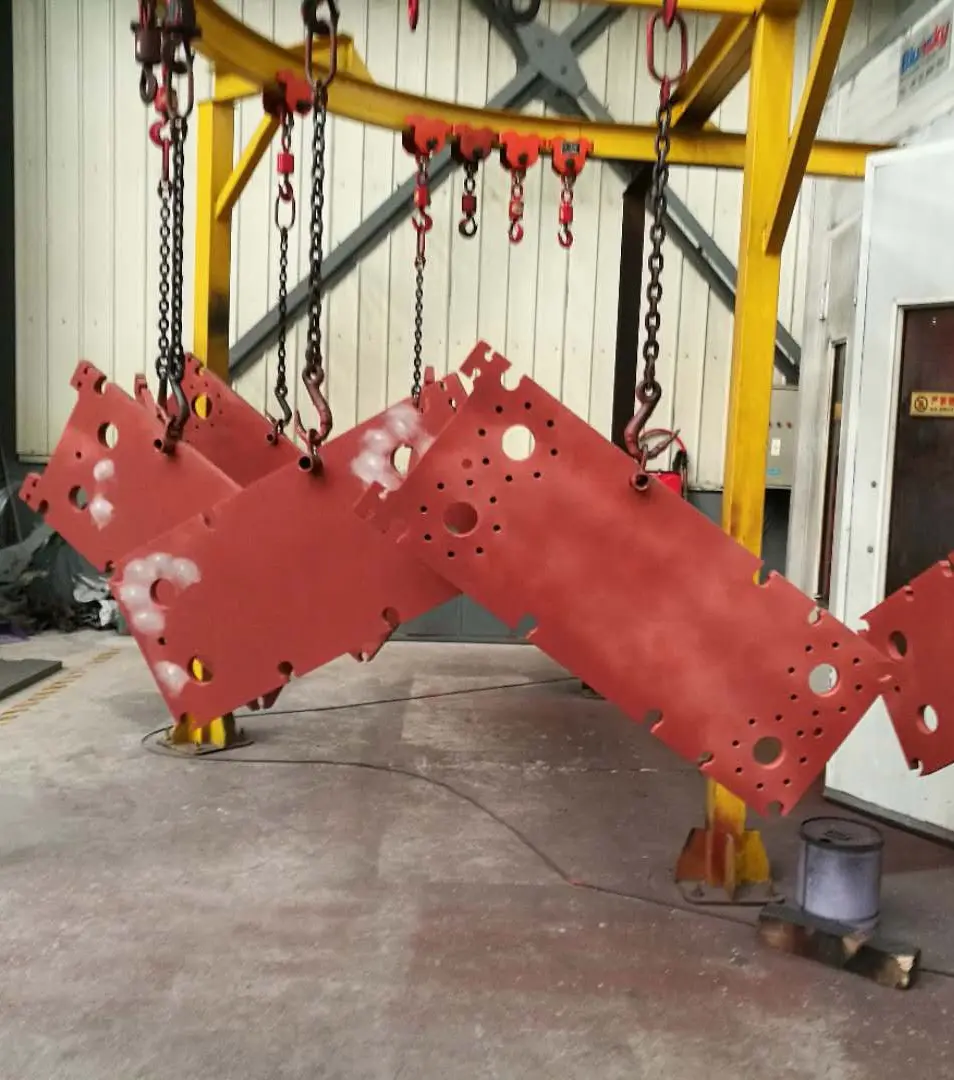
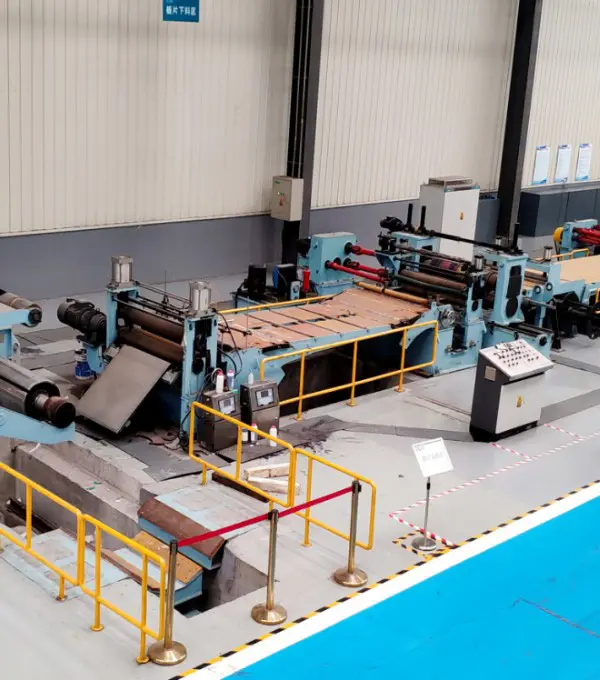
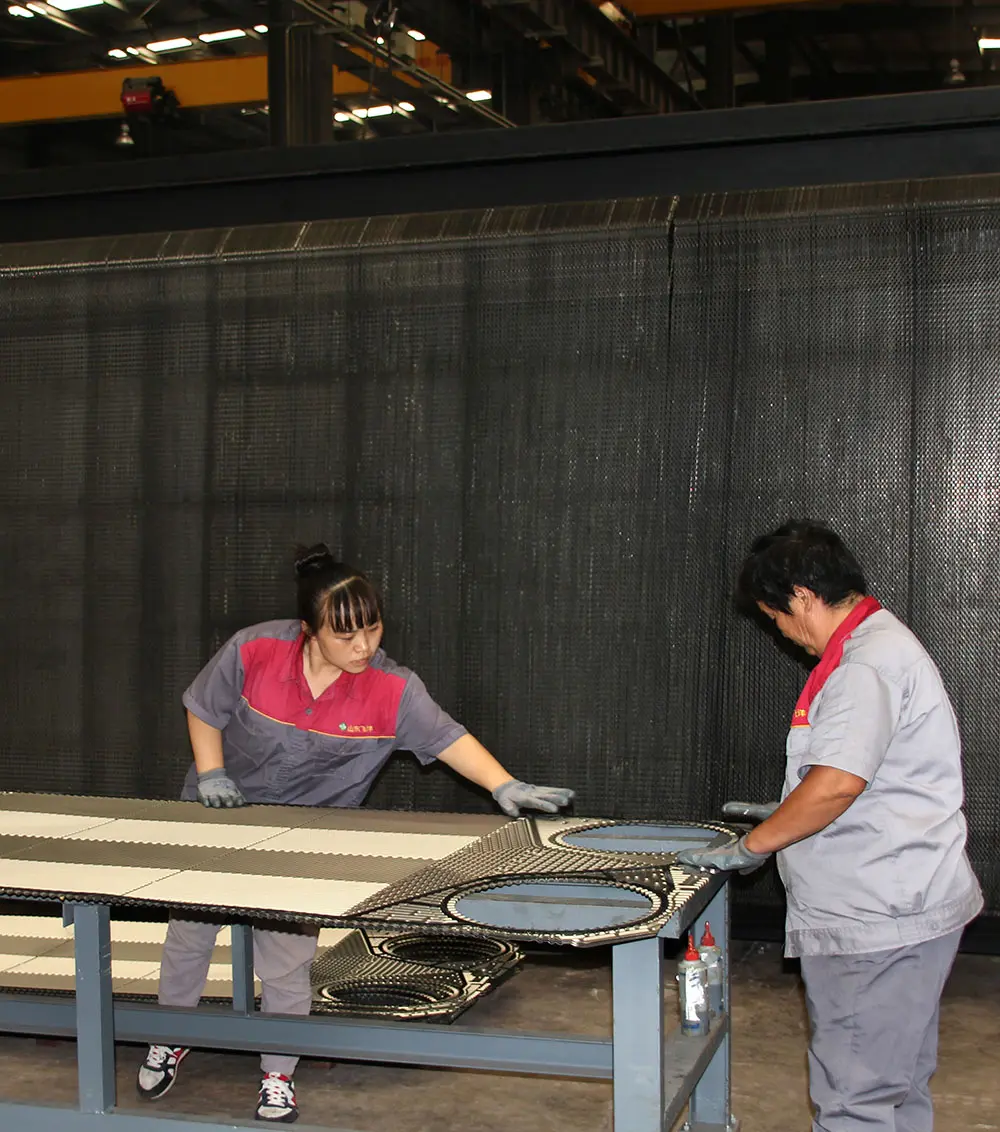
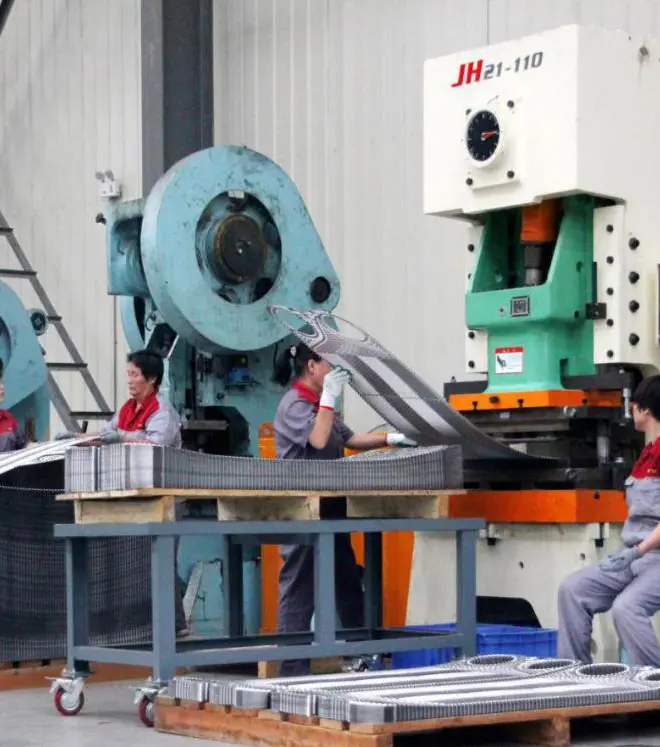
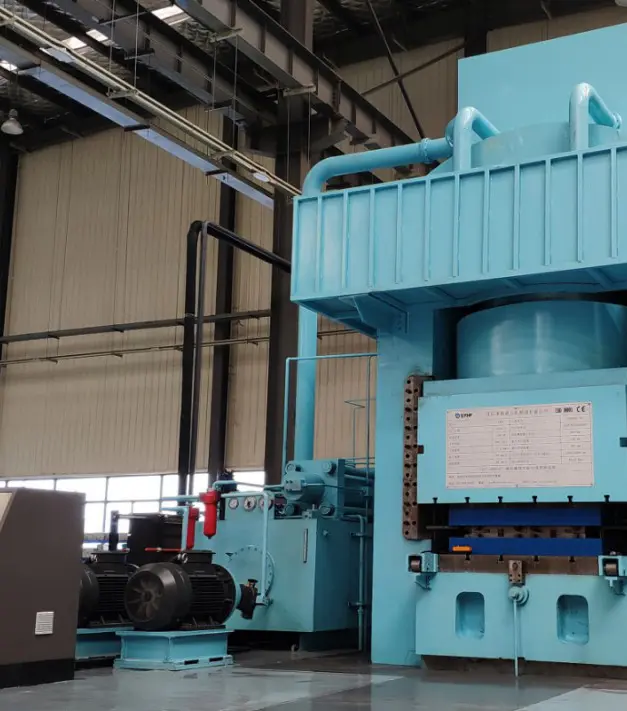
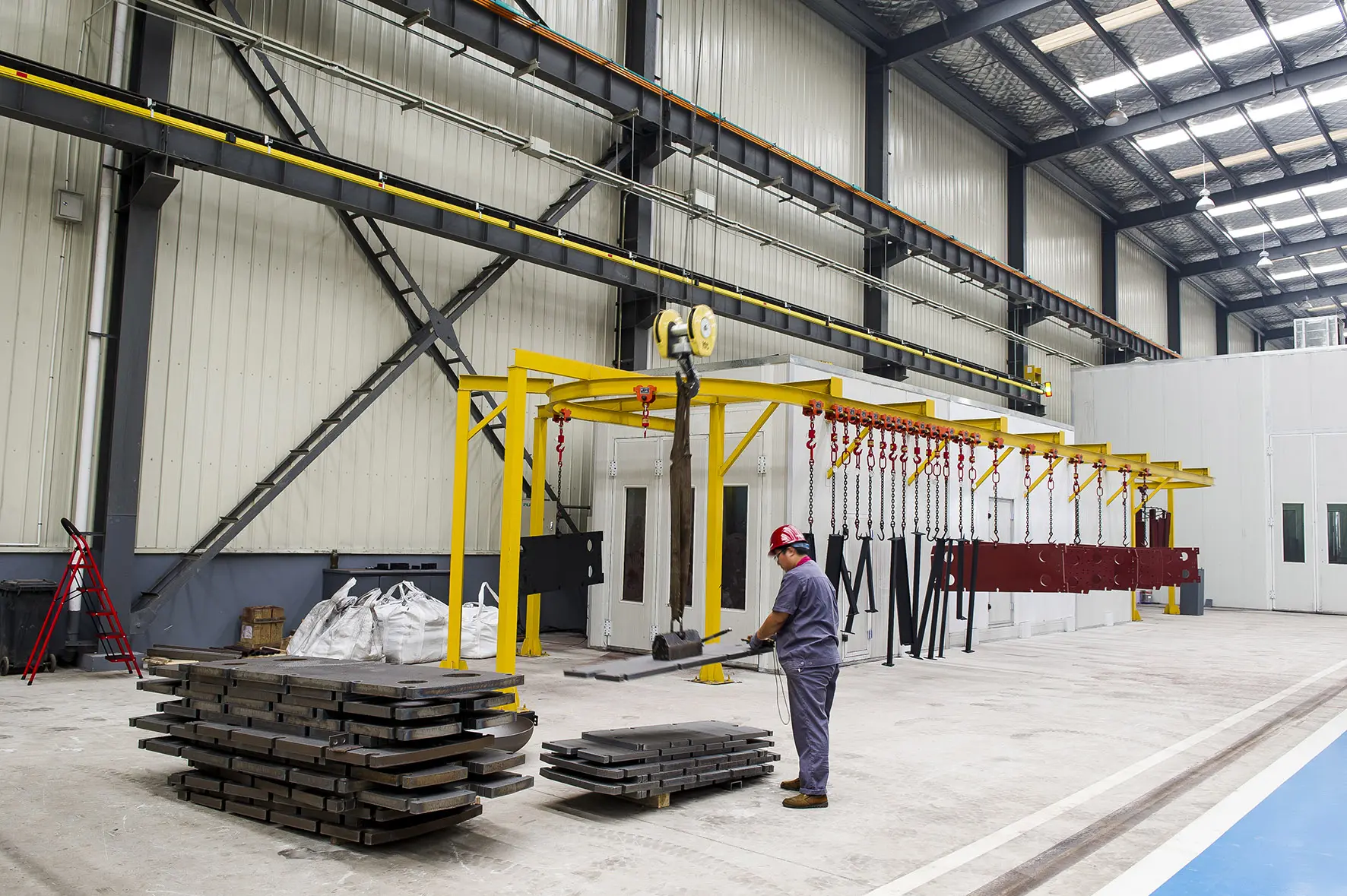
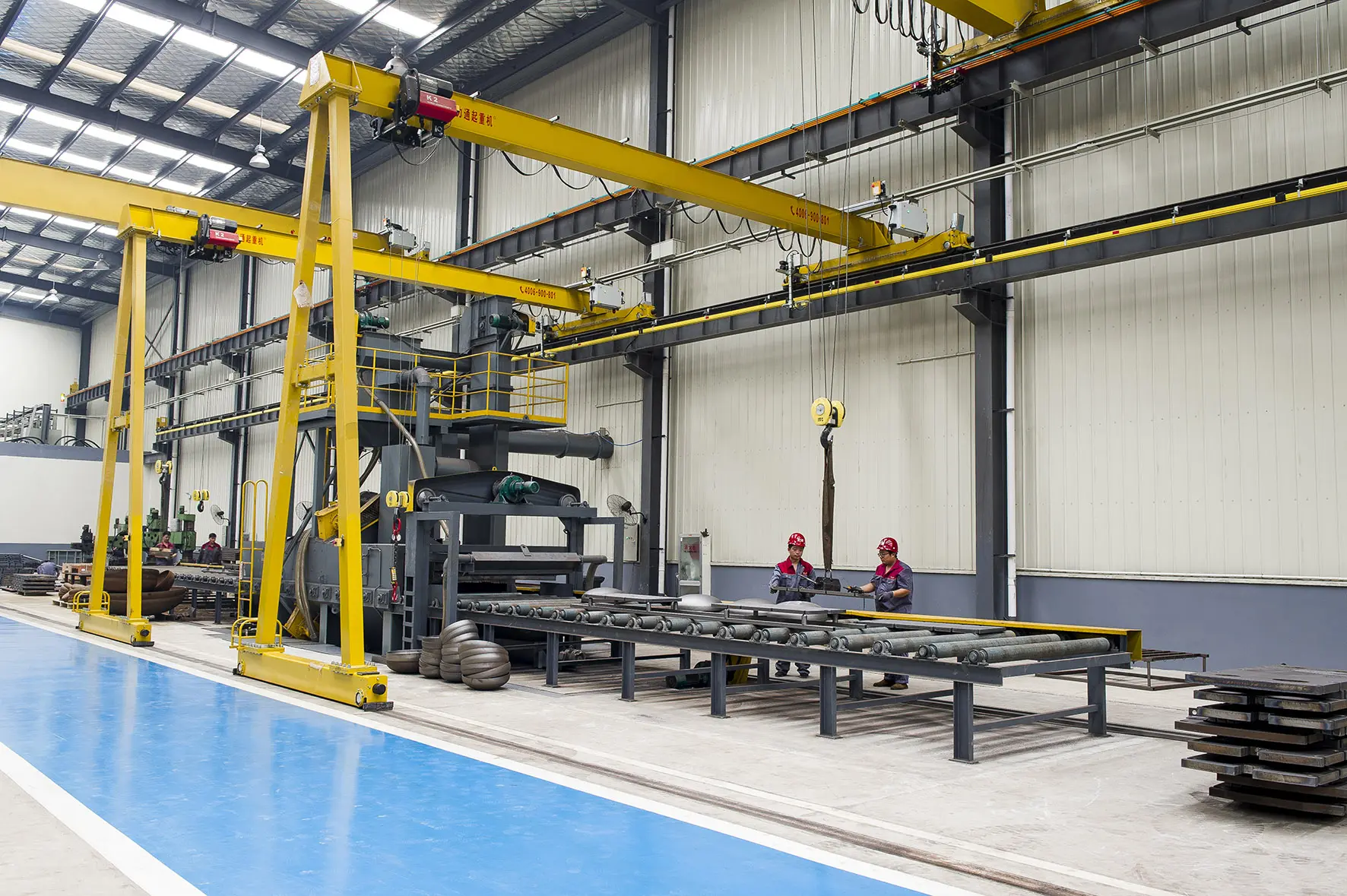
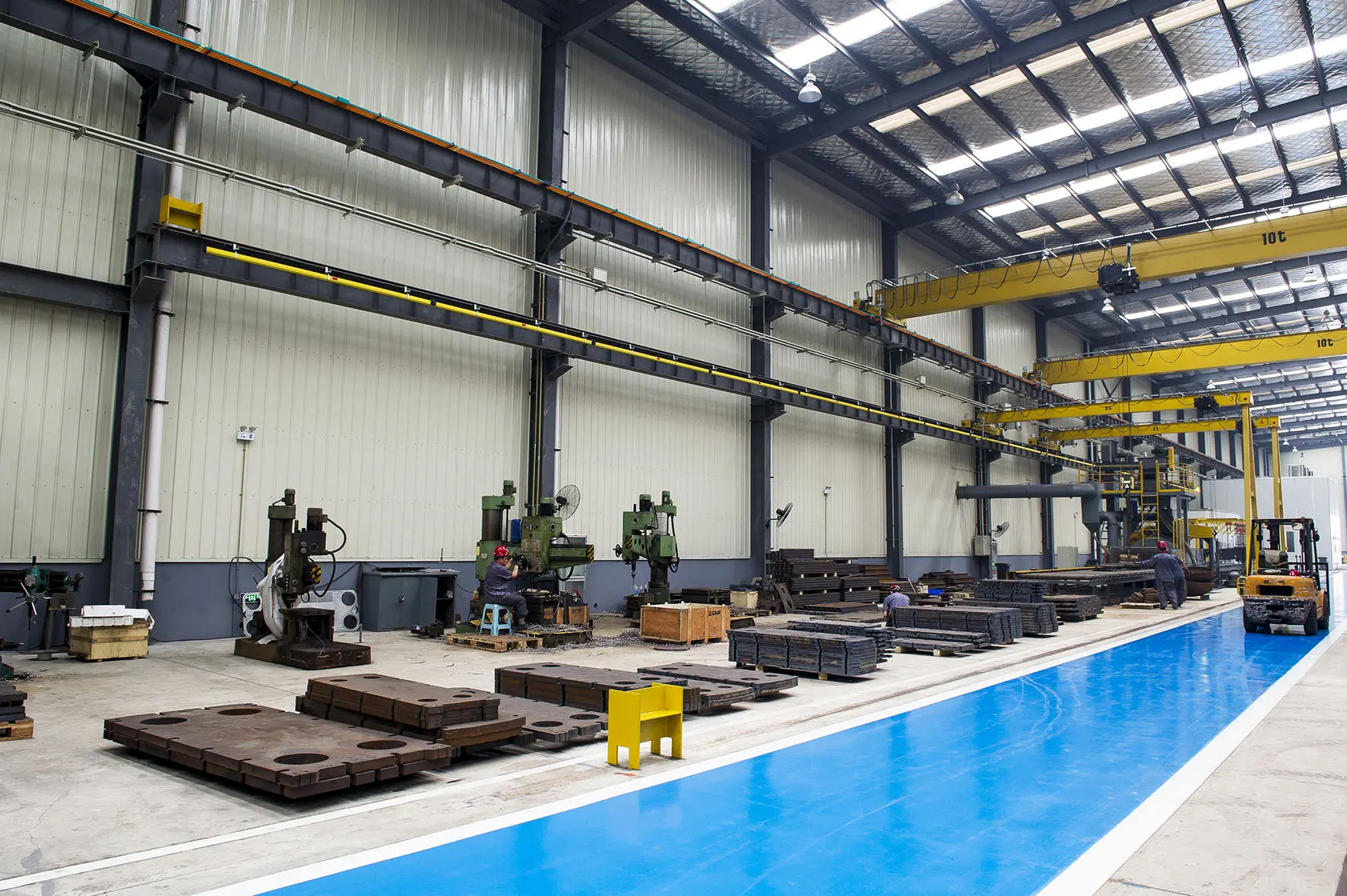
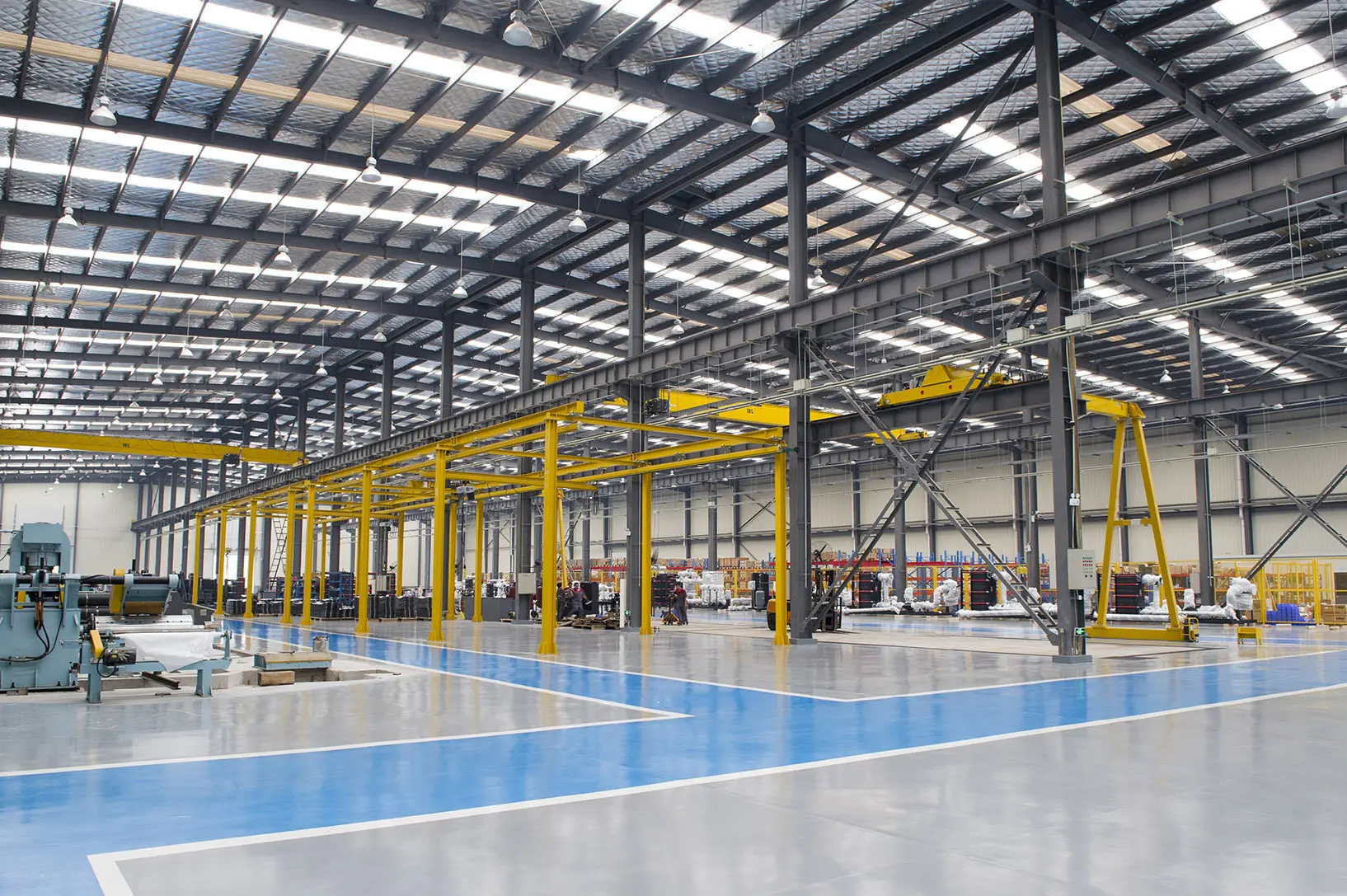
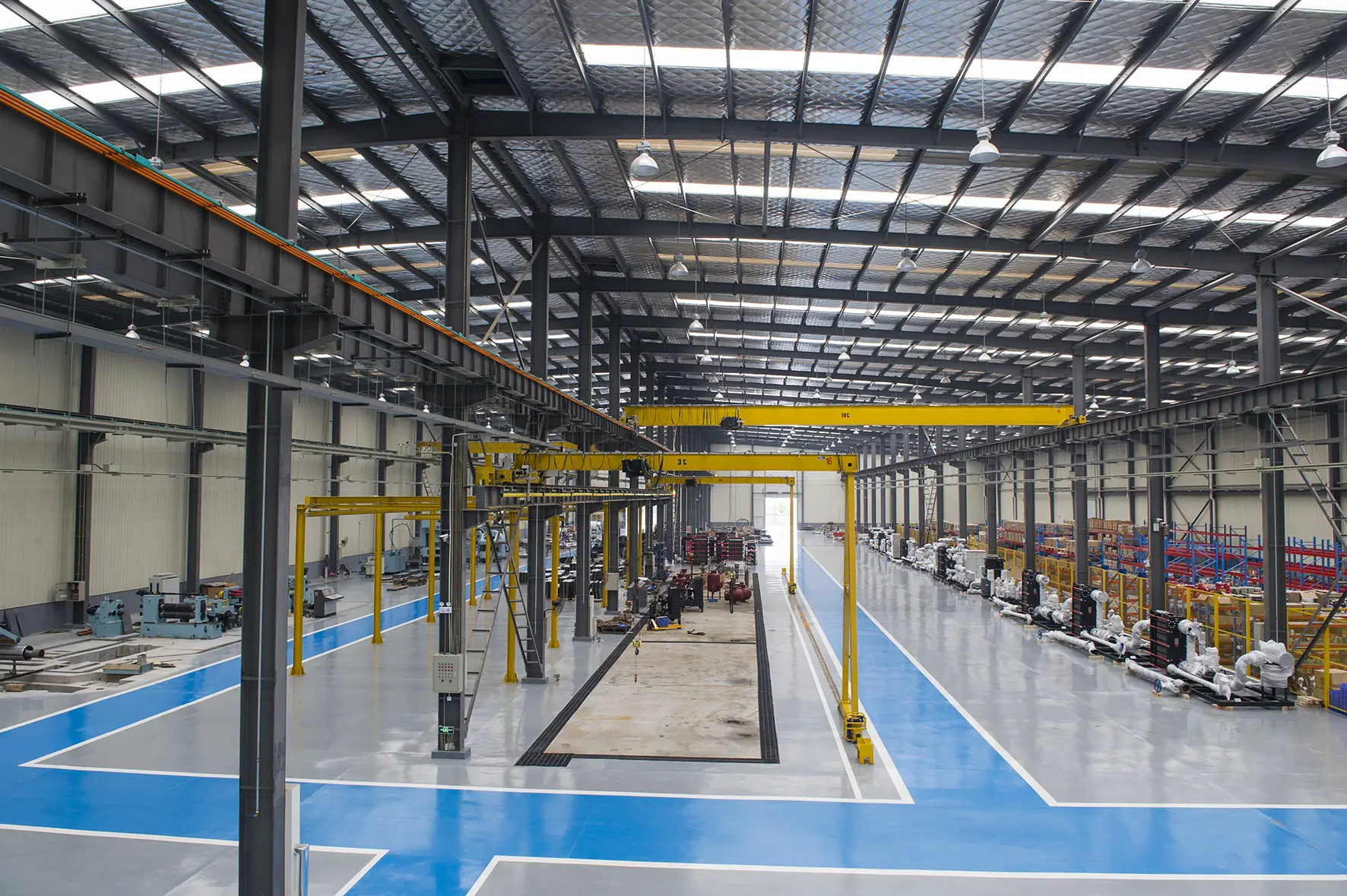
Operating modern production workshops equipped with advanced manufacturing and quality inspection facilities, all our frontline production staff are certified technicians who have undergone rigorous training. Our processes adhere strictly to the ISO 9001:2015 international quality management system, ISO 14001, ISO 45001, and the pressure vessel quality assurance framework.
The engineering landscape of plate heat exchanger (PHE) design calculation has shifted from empirical approximations to multi-dimensional, simulation-driven methodologies. Historically, thermal designers relied exclusively on the LMTD (Logarithmic Mean Temperature Difference) and the NTU (Number of Transfer Units) methods under steady-state assumptions. Today, modern industrial processes demand higher thermal efficiency within compact spatial envelopes, giving rise to several key development trends:
Instead of choosing simple high-theta or low-theta plate patterns, design algorithms now utilize machine learning models. These models optimize chevron angle variations and pressing depths to maximize the Nusselt number while simultaneously minimizing pressure drop parameters.
Traditional calculations only determined performance at start-up or standard operating modes. Modern calculations dynamically model structural thermal stress and flow variations caused by cyclic operations, district heating fluctuations, or seasonal temperature profiles.
Calculations for condensation, boiling, or highly viscous non-Newtonian fluid behaviors have evolved. Software now integrates localized pressure drop maps along the plate length, predicting vapor quality change patterns and optimizing localized channel configurations.
Industrial procurement managers, EPC contractors, and mechanical engineers are tasked with evaluating Chinese thermal suppliers on criteria that extend far beyond manufacturing costs. The modern sourcing mandate focuses on engineering reliability, material authenticity, and long-term operating costs:
With chemical processing and district heating plants operating in aggressive environments, purchasers require absolute certainty regarding alloy composition. Sourcing teams prioritize factories that provide certified Mill Test Reports (MTR) for materials like AISI 304, AISI 316L, Titanium Gr.1, Hastelloy C-276, and specialized gasket elastomers (NBR, EPDM, FKM).
Procurement engineers expect suppliers to design heat exchangers using standardized software packages or proprietary calculation suites that align with HTRI or ASPEN. This compatibility enables independent engineering validation of the heat transfer coefficient (U-value), fouling factors, margins, and pressure drop budgets.
Global projects demand strict adherence to national and international codes. Factories must maintain active ASME Section VIII Division 1 U-Stamp authorizations, European PED 2014/68/EU compliance, and ISO 9001/14001/45001 certificates. Verification of safety registration plates issued by the National Boiler and Pressure Vessel Standardization Technical Committee is standard.
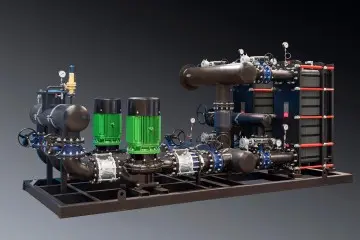
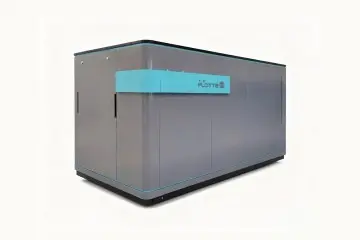
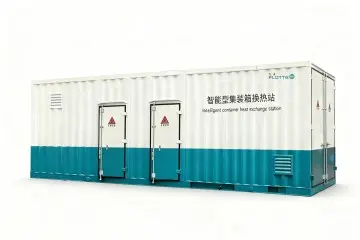
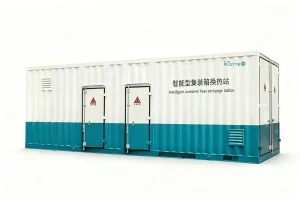
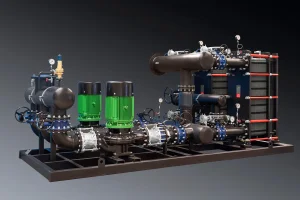
Instead of standalone components, the trend is toward buying fully integrated heat exchange packages. The modular package must integrate heat exchangers, secondary network balance valves, IoT communication hubs, and room temperature collectors to allow remote municipal energy control.
Modern process cooling and heating require a holistic approach to dynamic fluid networks. Flotte delivers robust macro-level solutions that resolve thermal transfer and regulatory challenges across different sectors:
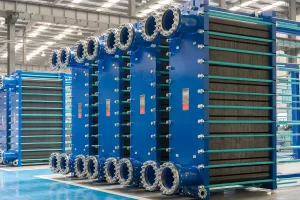
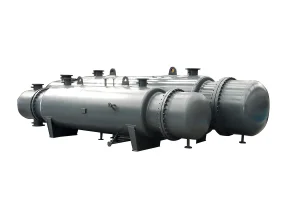
In municipal district heating, plate heat exchangers act as isolation barriers between high-pressure primary networks and lower-pressure secondary building circuits. By incorporating our Pressure Regulating Stations with Detachable Plate Heat Exchangers, cities can mitigate high-pressure risks while maximizing BTU utilization.
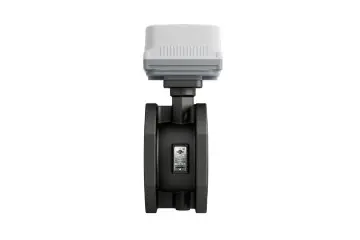
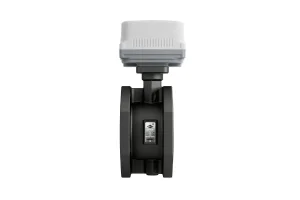
For commercial skyscrapers, pressure drops in HVAC circuits translate to substantial pump energy costs. Our design calculation engineers optimize plate corrugations to achieve the exact heat transfer coefficient (U) with minimum head loss, integrating smart hydraulic balance valves to balance variable flow systems.
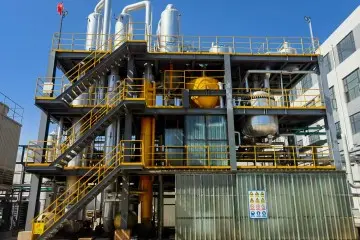
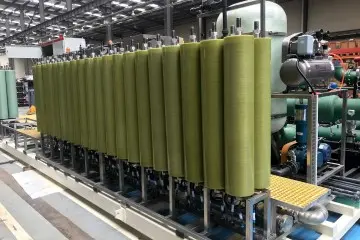
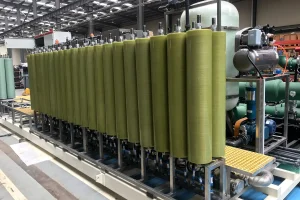
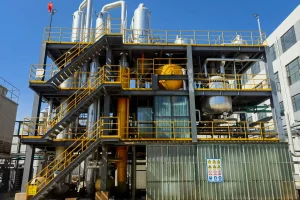
In chemical processing and zero-liquid-discharge (ZLD) plants, we integrate Multi-Effect Evaporation Systems and Membrane Concentration Systems. The calculations balance boiling temperature elevations, heat transfer coefficients, and non-condensable gas vents to ensure optimal concentration efficiency.
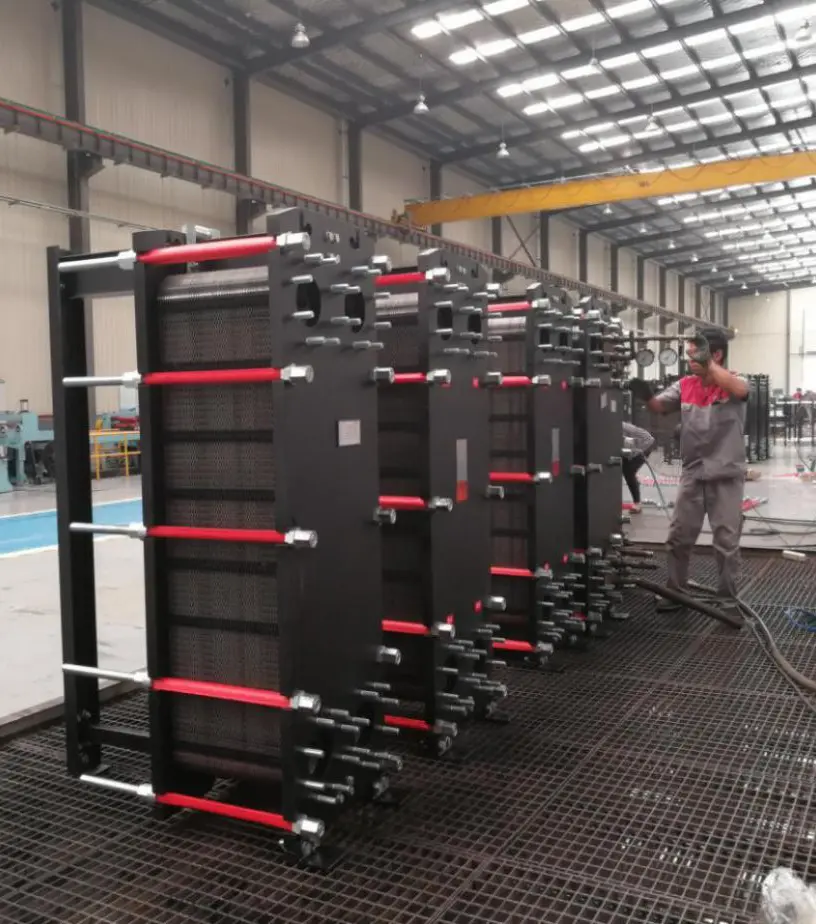
Flotte employs systematic management, running a strict QA/QC system across all stages of production. Our facility manufactures approximately 4,500 heat exchange units and water supply/drainage equipment sets annually.
Doing business internationally requires localized technical support and strict regional compliance. Flotte works directly with local engineering consultancies, providing customized design calculation reports translated into regional project documentation styles. We guarantee compliance with:
By supporting bilingual documentation, offering remote commissioning assistance, and partnering with verified local service hubs, we ensure your heat exchangers operate smoothly throughout their operational lifespan.
Our technology roadmap targets thermal integration and smart intelligence. Future PHE designs will transition from passive thermal transmission units to self-regulating nodes.
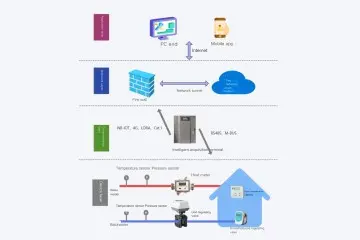
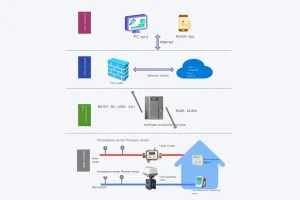
We are actively integrating cloud-based Intelligent Heating Network Monitoring Systems directly with modular heat exchange packages. By utilizing IoT temperature collectors and electric intelligent unit balancing valves, the network continuously analyzes flow trends and dynamically adjusts heat exchange parameters to prevent energy waste and overheating in secondary pipelines. Additionally, we are researching nanostructured surface treatments on plates to prevent scaling, which will dramatically lower operational maintenance requirements in high-fouling applications.
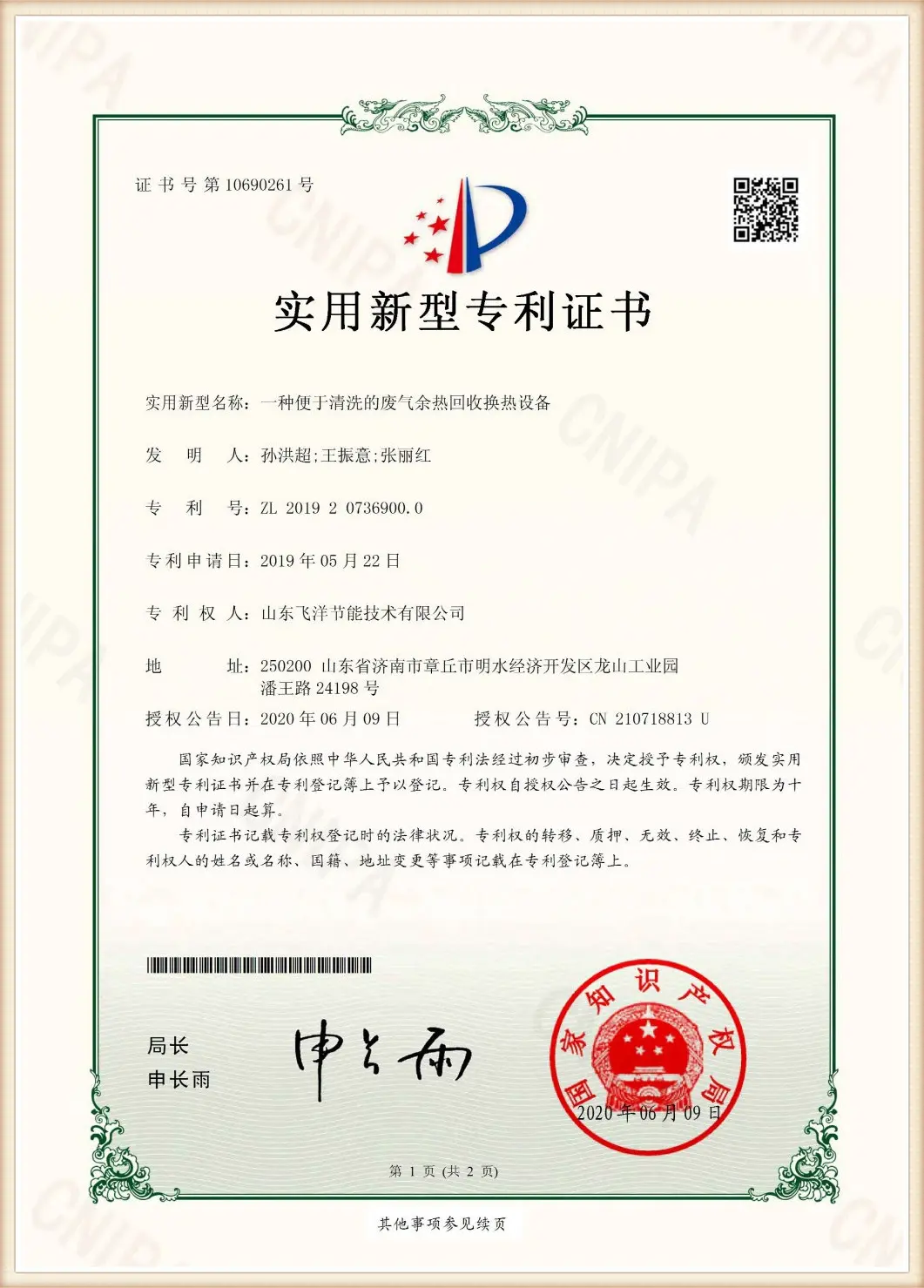
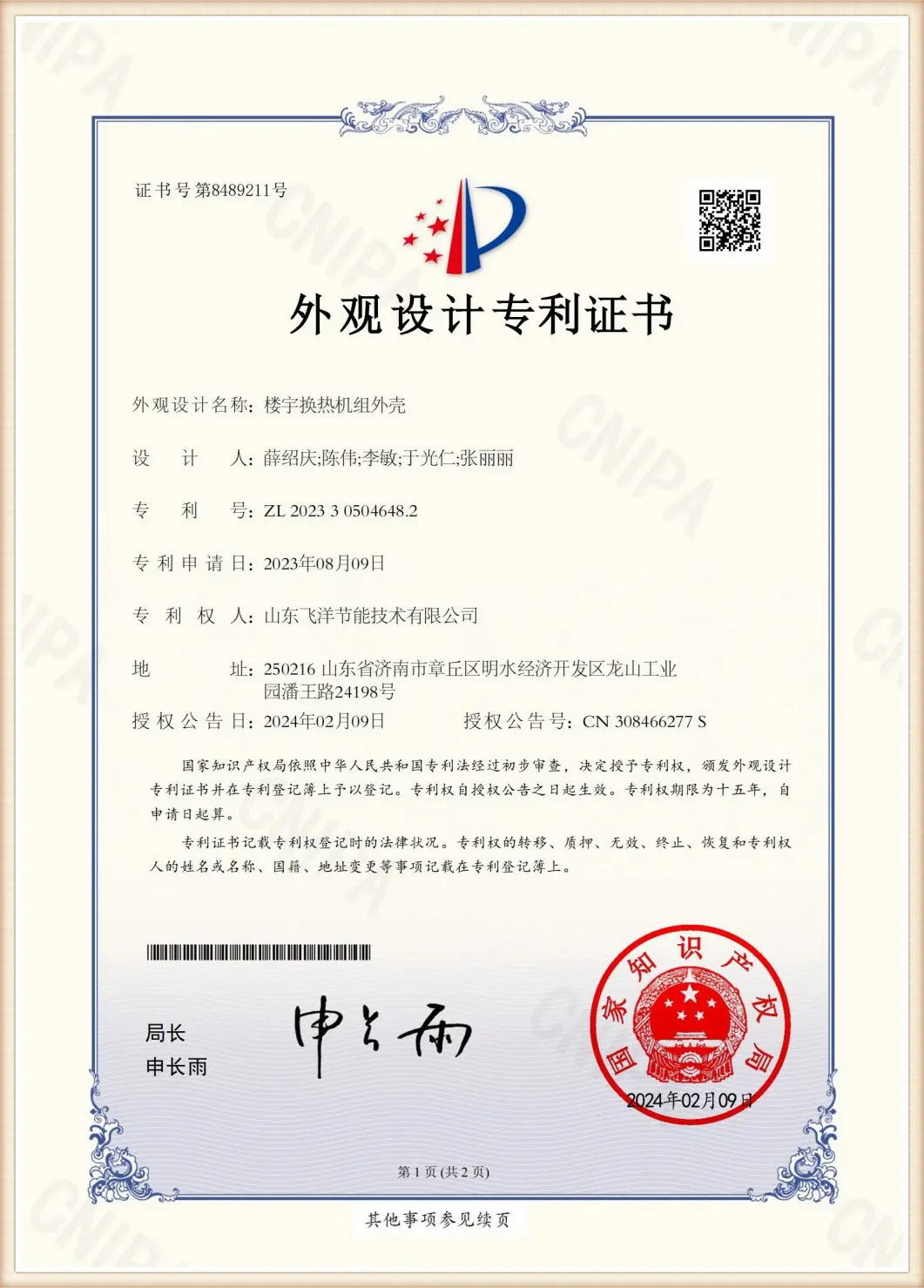
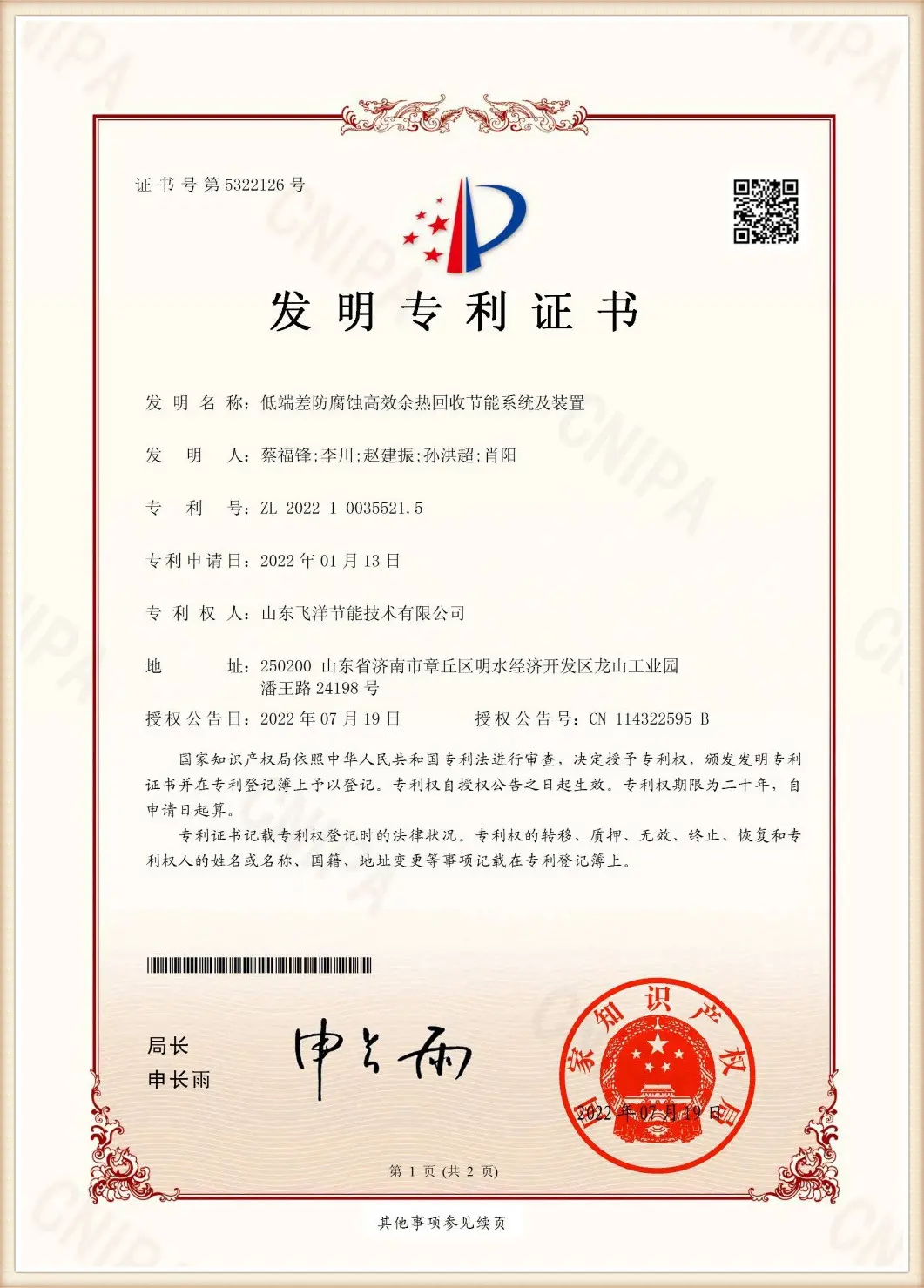
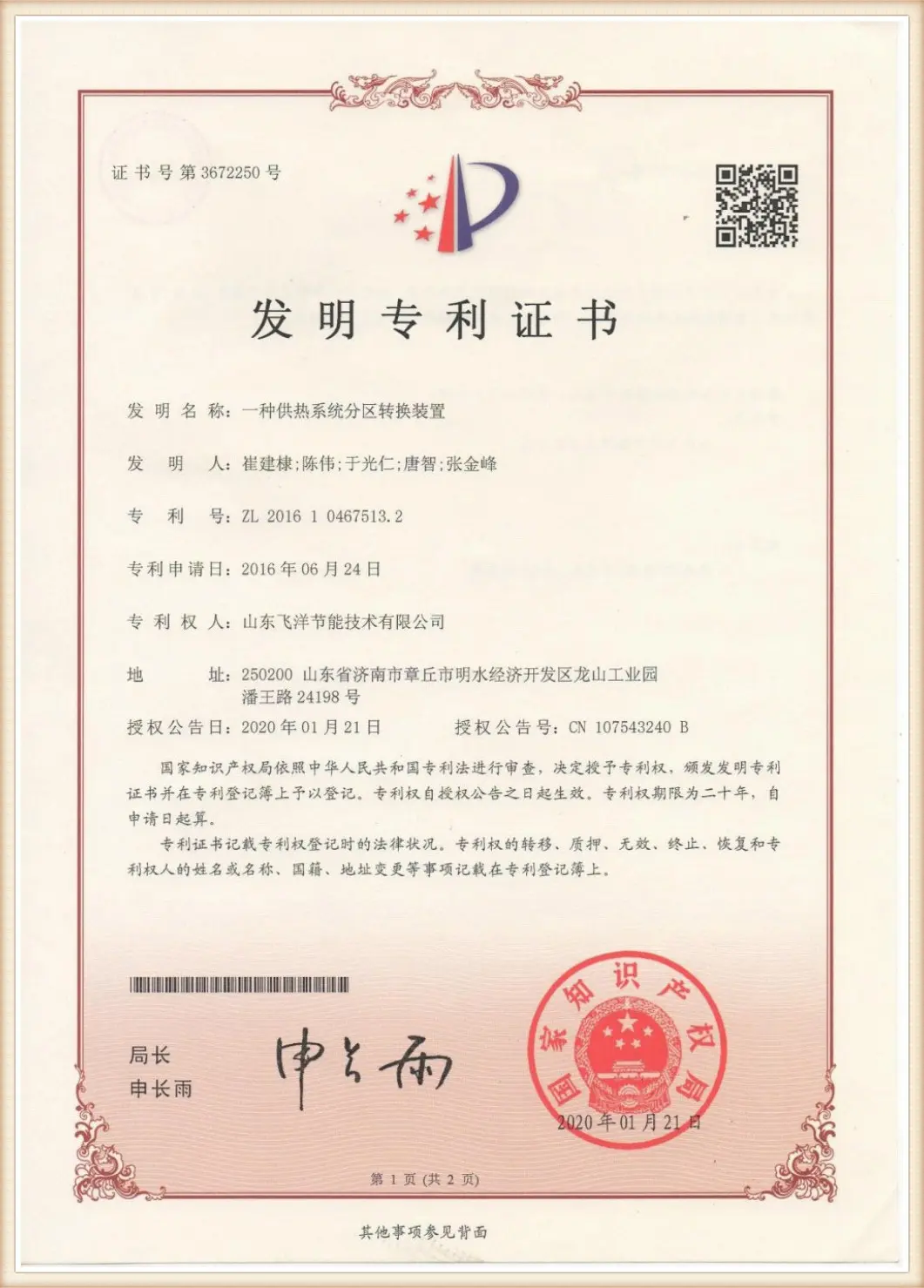
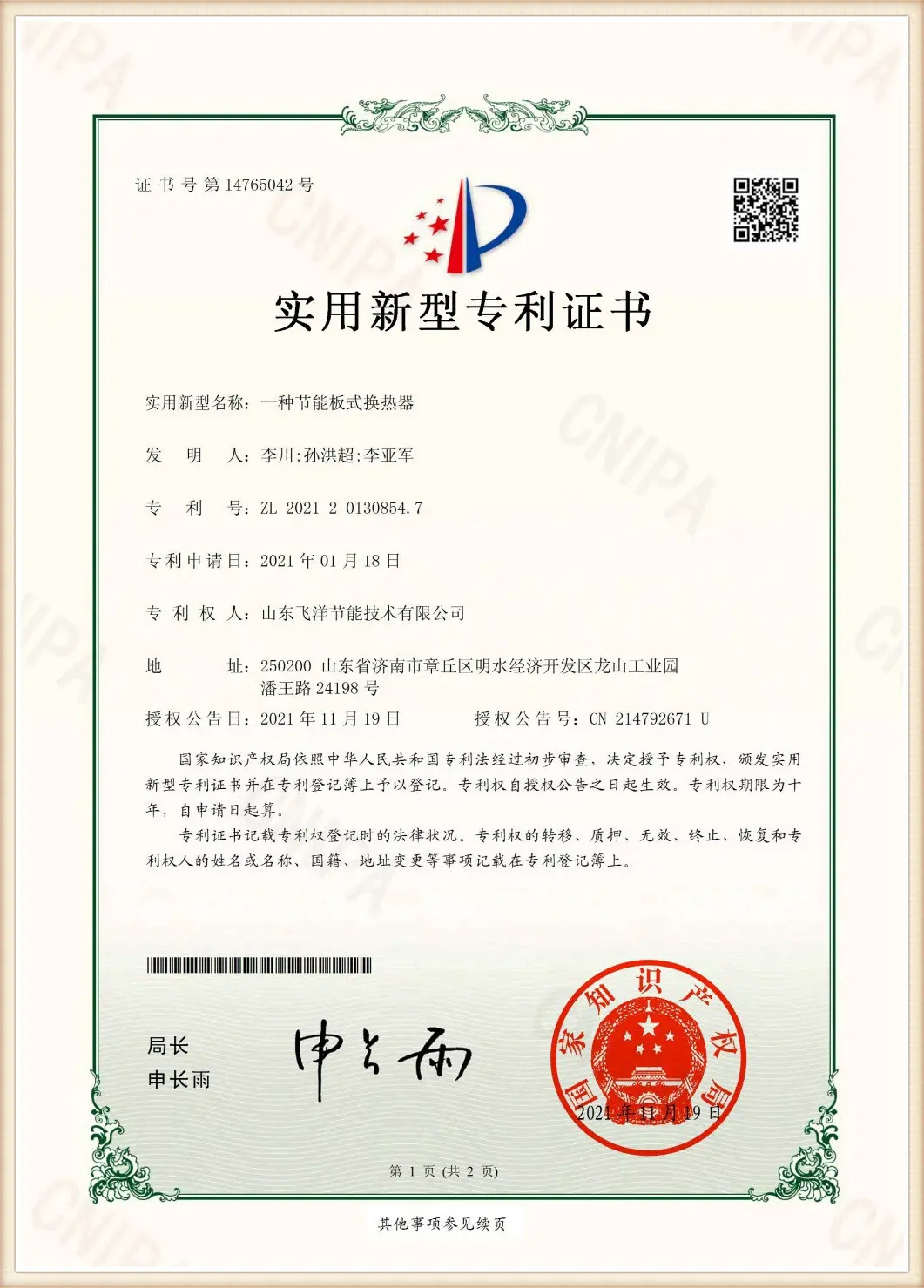
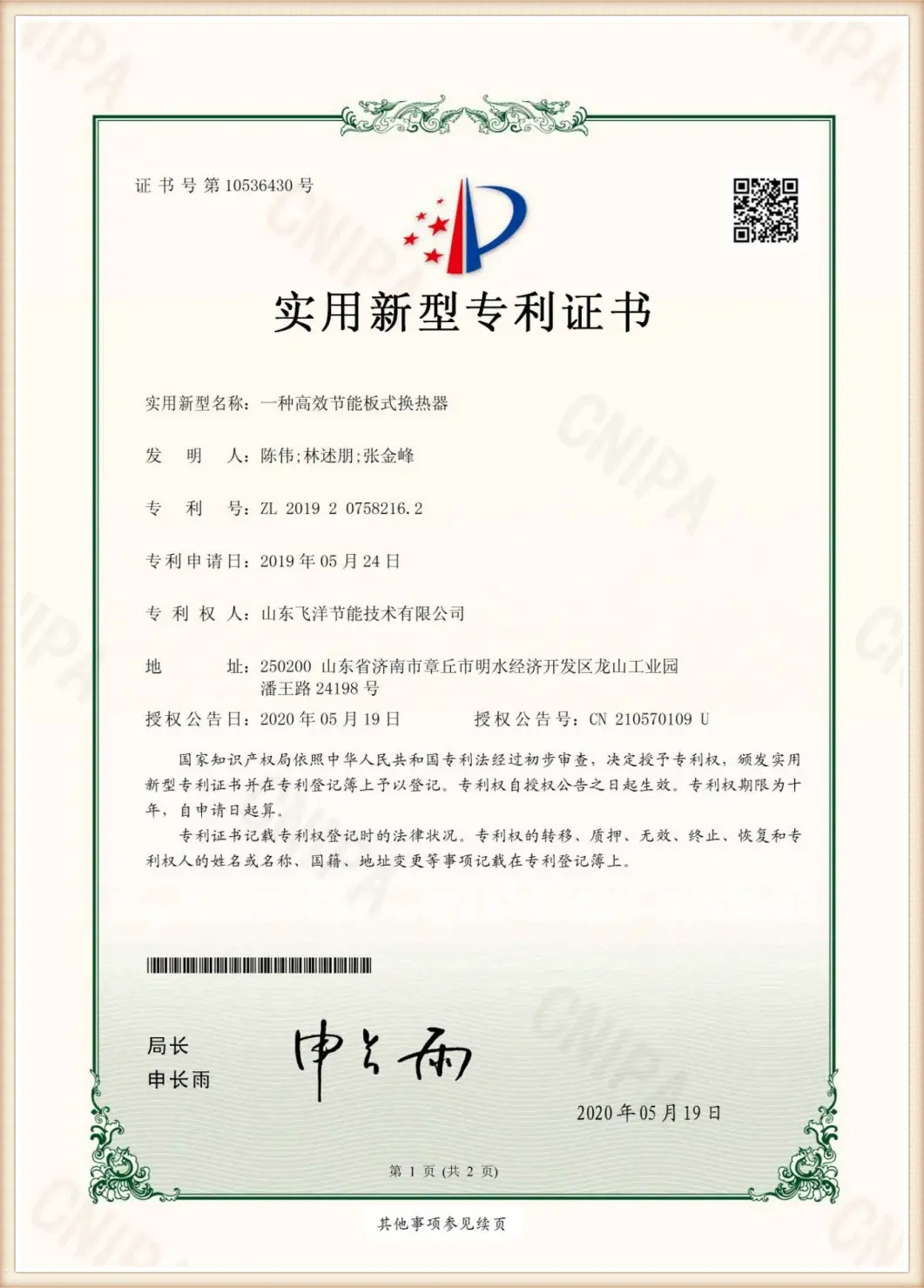
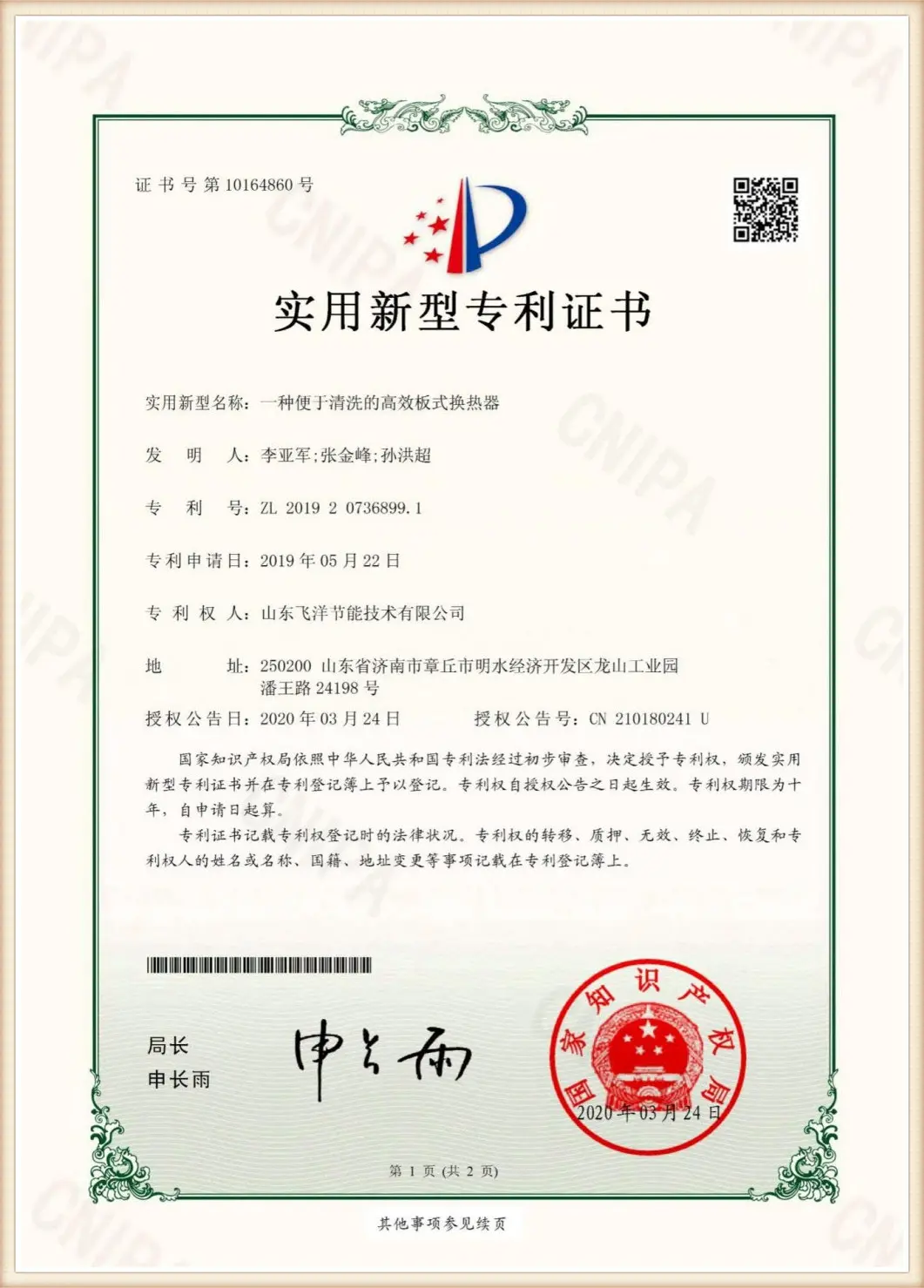
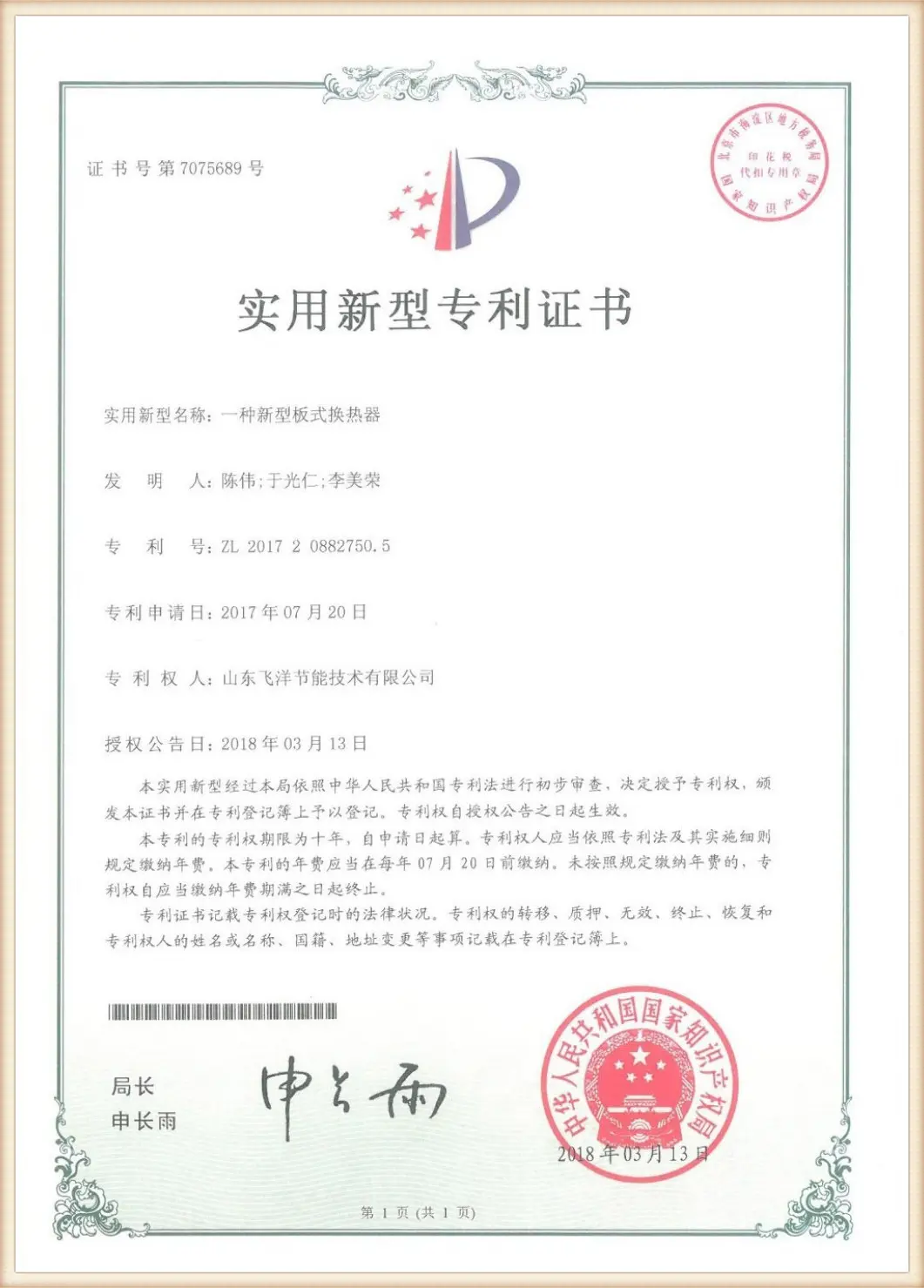
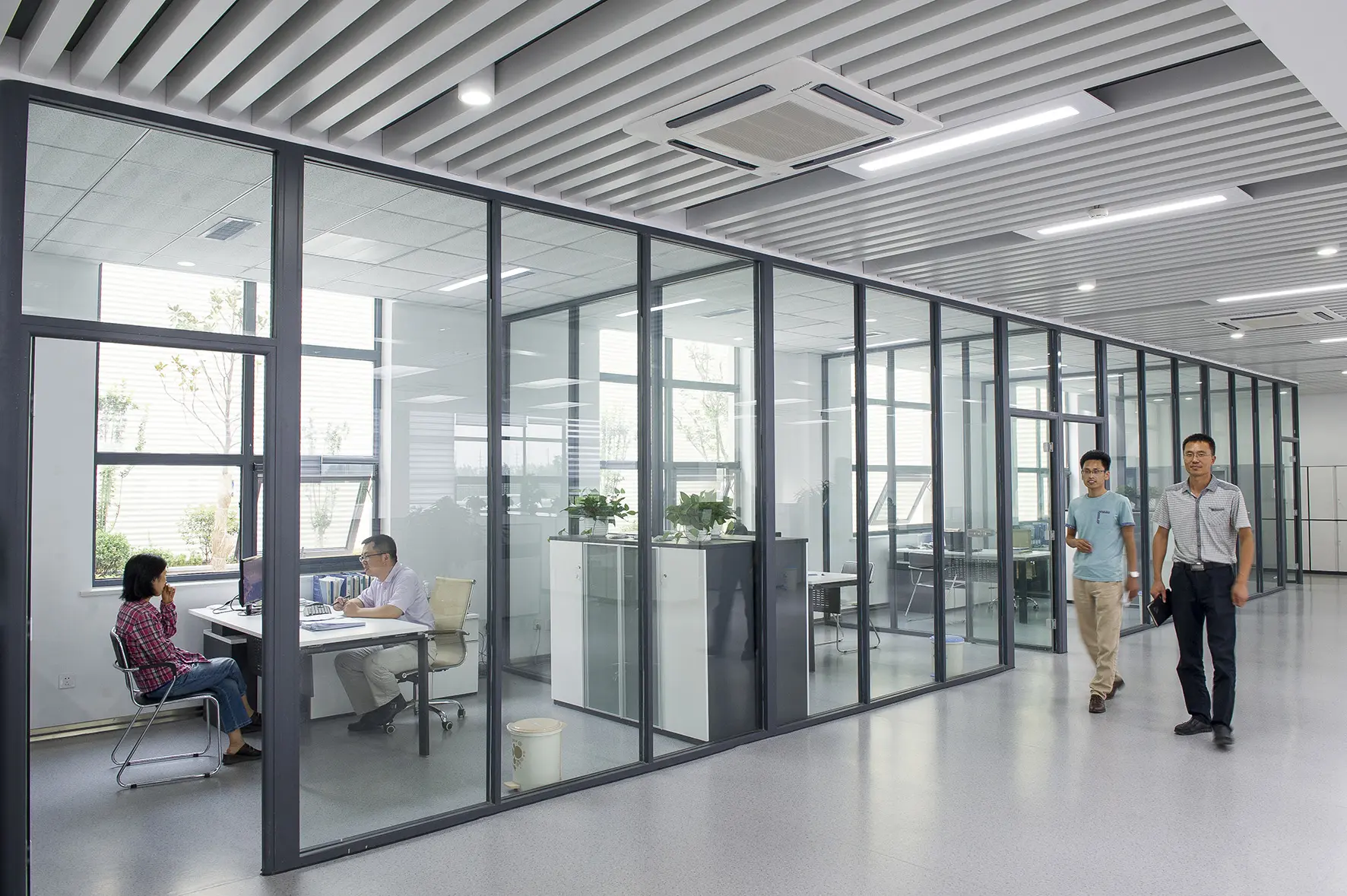
Flotte maintains strict quality control and certifications to meet international standards. Below are the credentials and facilities that guarantee our engineering reliability.


Below, our technical design department addresses common engineering calculations and selection questions that arise during international project procurement:
A: Engineering teams should audit key calculated parameters. This includes checking the Logarithmic Mean Temperature Difference (LMTD) margin, verifying that the selected heat transfer coefficient (U-value) corresponds to realistic fluid velocities (typically 0.3 to 0.8 m/s for water), and confirming the pressure drop budget does not exceed the system pump allowances. Additionally, check that the fouling margin (usually 10% to 15%) is included in the calculations.
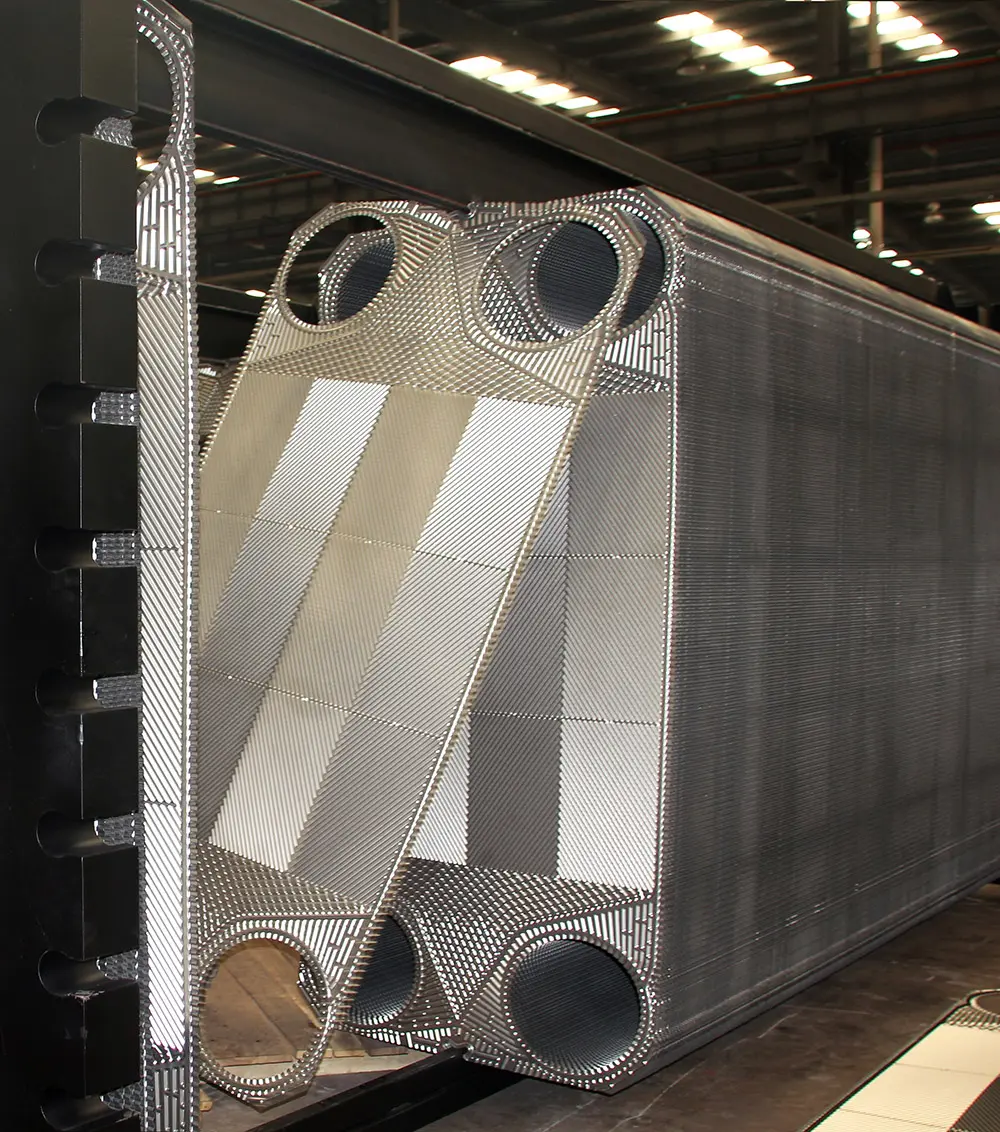
A: The chevron angle determines the ratio between thermal efficiency and flow pressure drop. High chevron angles (often called hard plates or high theta) create higher turbulence, yielding high heat transfer coefficients at the expense of a higher pressure drop. Low chevron angles (soft plates or low theta) yield lower pressure drops but require more heat transfer area to achieve the same thermal performance. Optimal designs often mix hard and soft plates within a single frame to hit design targets.
A: In standard water-to-water applications, Stainless Steel 304 or 316L is sufficient. For seawater, brackish water, or acidic processes, Titanium (Gr. 1) or Hastelloy C-276 plates are utilized. For gaskets, NBR is suitable for oil/water mixtures below 120°C, EPDM is the choice for water-steam networks up to 150°C, and Viton (FKM) is used for high-temperature chemical media.
A: Box-type integrated systems pre-assemble the plate heat exchanger with balance valves, variable speed circulating pumps, control sensors, and room temperature collectors. Rather than just transferring heat at a static rate, the system uses digital controllers to dynamically adjust secondary flow, reducing energy waste and maintaining stable return temperatures.
A: Flotte holds the safety registration issued by the National Boiler and Pressure Vessel Standardization Committee. Our manufacturing processes are audited under ISO 9001 quality guidelines, and our welding/stamping lines are certified to meet code standards. We perform hydrostatic tests at 1.3 to 1.5 times the design pressure limit on every unit before shipment, providing full verification documentation.
To provide complete industrial support, Flotte supplies components that optimize performance, manage hydraulic balance, and support evaporation and concentration systems.
 Flotte Energy