Explore our foundational heat exchange solutions selected for industrial evaporation, district heating, and fluid control.
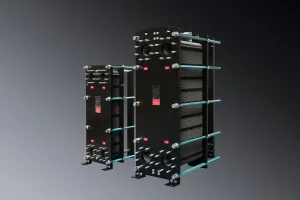
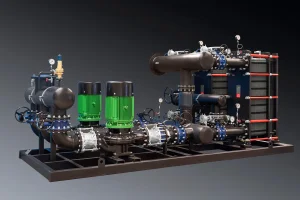
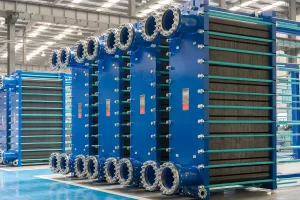
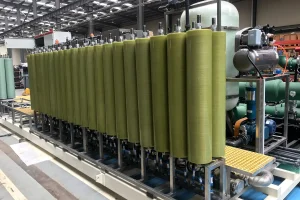
Flotte Energy Saving Company, established in 2013 with a registered capital of 101 million yuan, originated from Flotte Thermal Engineering founded in 1995. With three decades of technical expertise, the company specializes in water equipment, HVAC systems, and water treatment industries. It consistently leads industry peers in adopting cutting-edge technologies, developing innovative products, and delivering comprehensive production and sales services.
Our organization operates at the intersection of high-precision thermodynamic design and scaled manufacturing capacity. Over thirty years of continuous investment in thermal technology research has enabled us to bridge the gap between basic heat transfer mechanics and heavy industrial demands. By focusing on structural integrity and hydraulic distribution optimization, we provide highly robust thermal machinery optimized for long lifespan cycles.
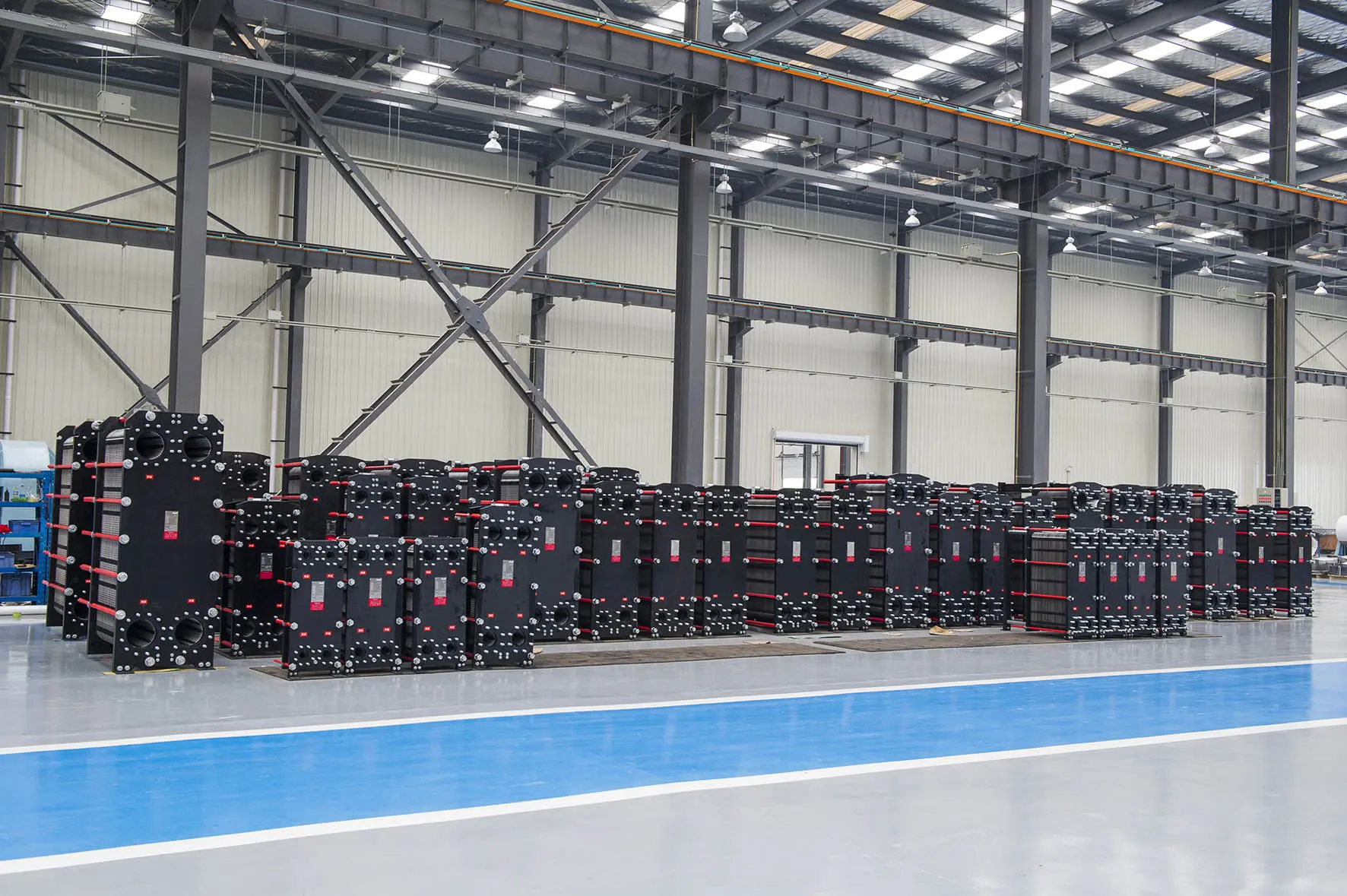
Our commitment to rigorous design parameters, precision engineering, and verified testing protocols is reflected in our operating scale and market footprint.
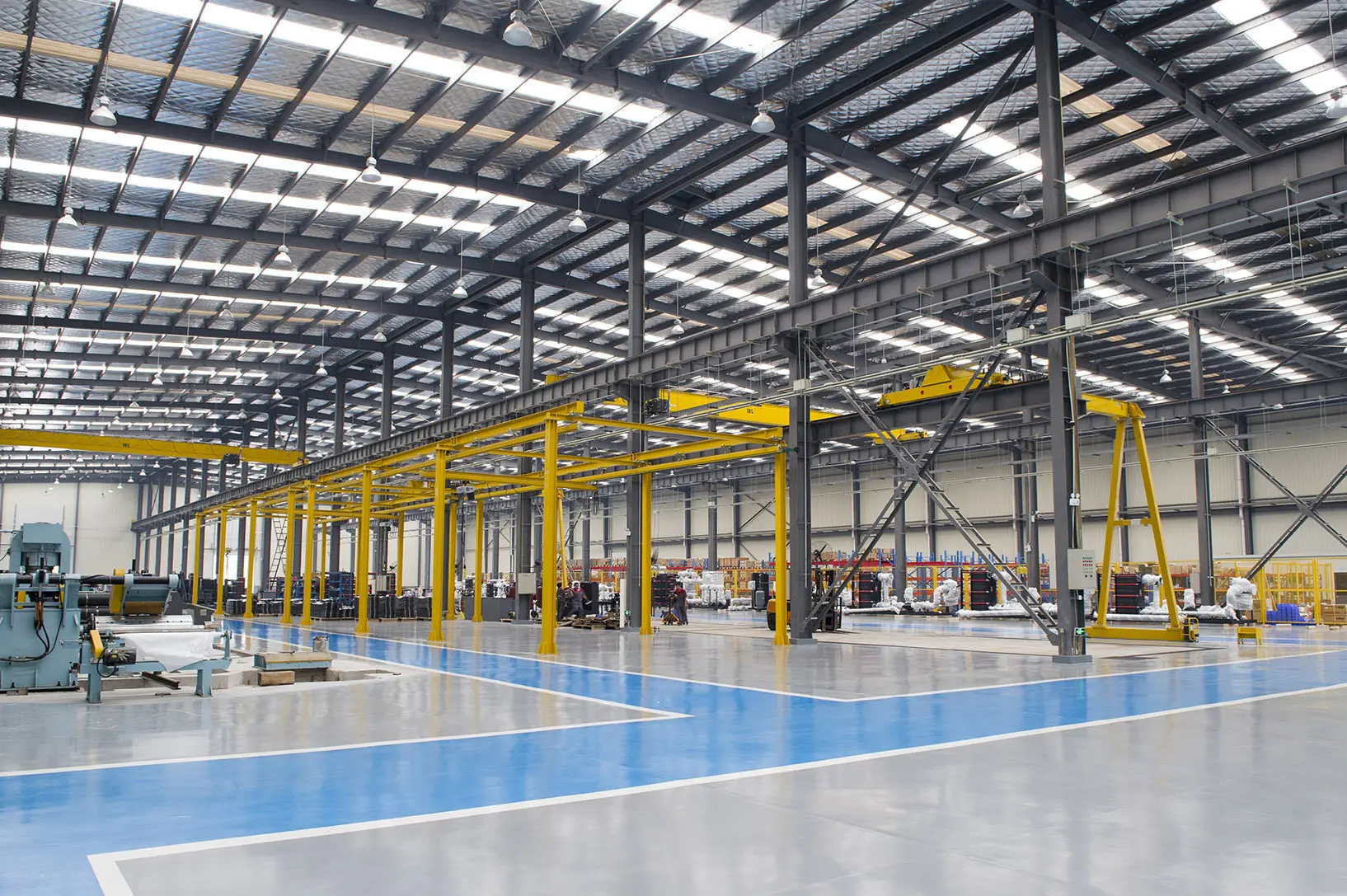
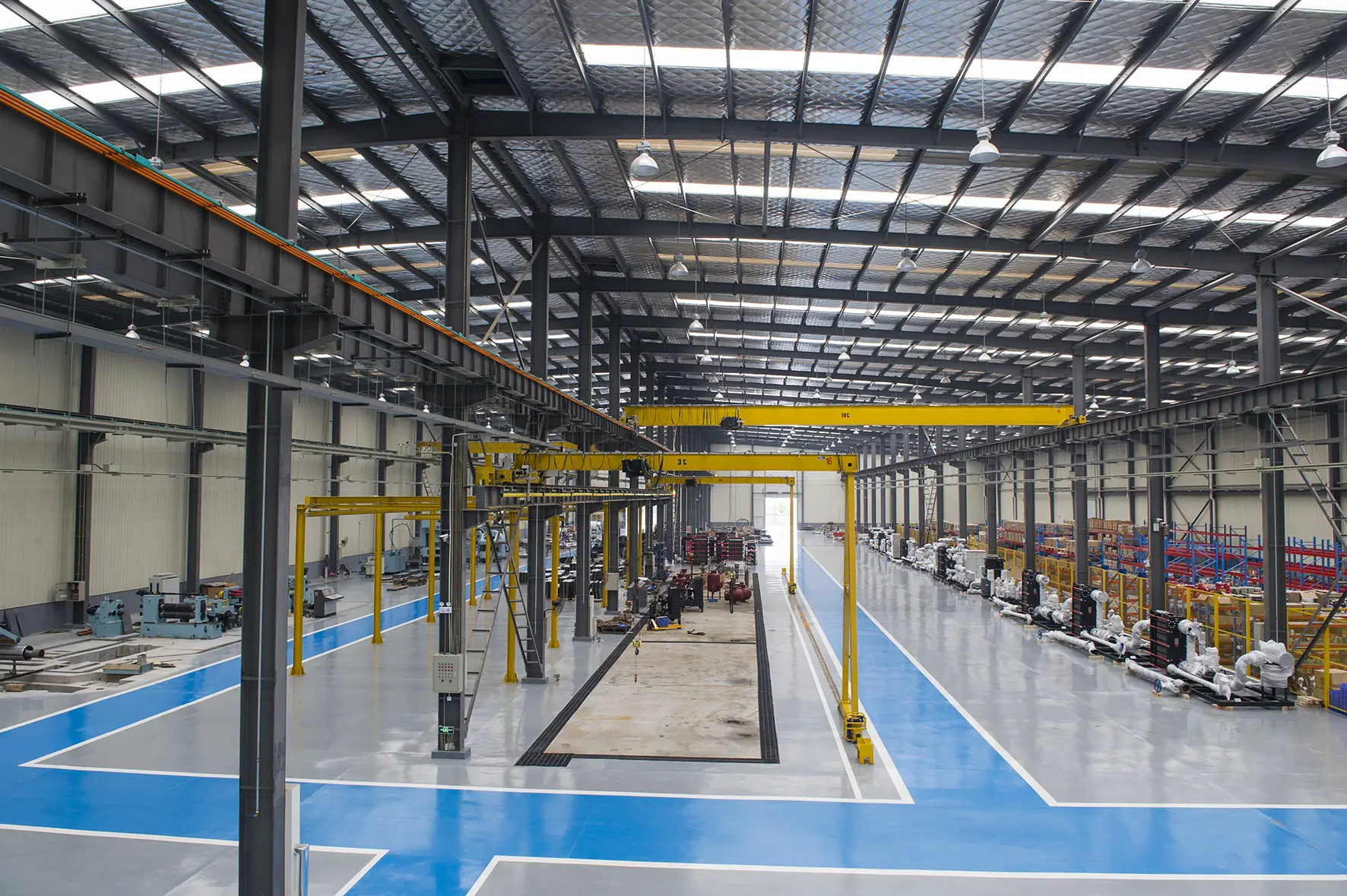
The company has established modern production facilities that combine advanced manufacturing with systematic management, producing high-tech integrated products. It holds a leading position in the industry nationwide and commands a substantial market share. Annually, it manufactures approximately 4,500 heat exchange units and water supply/drainage equipment sets. With over 300 employees, the company generates annual sales revenue of 500 million yuan and contributes 15 million yuan in taxes and profits.
The demand for efficient phase-change thermal equipment has intensified globally due to rapid industrialization, stringent environmental regulations, and the urgent need to optimize energy utilization. Plate Heat Exchanger Evaporators (PHEEs) represent a pivotal technology in this landscape. Unlike traditional shell-and-tube evaporators, which require massive fluid volumes and large installation footprints, PHEEs utilize a series of corrugated metal plates to create highly turbulent flow regimes. This turbulence increases the overall heat transfer coefficient (U-value) by up to three to five times compared to tubular designs, enabling rapid evaporation under lower Logarithmic Mean Temperature Differences (LMTD).
In modern chemical processing, pharmaceutical synthesis, food preservation, and industrial wastewater treatment, evaporation is a primary separation methodology. However, phase change is inherently energy-intensive. As global carbon-neutrality initiatives (such as the EU Green Deal and China's Dual Carbon Goals) mandate substantial energy conservation across energy-intensive sectors, industrial factories are transitioning away from thermal systems that rely on steam venting. Instead, they are adopting closed-loop evaporator configurations like Mechanical Vapor Recompression (MVR) and Multi-Effect Evaporation (MEE), where plate-type evaporators act as the core boiling and condensing interfaces.
China's manufacturing sector has risen to prominence as a critical node in the global thermal engineering supply chain. Over the past three decades, Chinese factories have evolved from basic component fabricators into engineering centers capable of manufacturing specialized alloy plates (such as Titanium, Hastelloy, and Nickel-based superalloys) and performing massive pressing operations. China-based suppliers like Flotte offer a vital commercial advantage: they combine high-throughput precision stamping (using 10,000-ton to 20,000-ton hydraulic presses) with highly competitive cost structures, ensuring global process plants can procure reliable, certified thermal equipment without capital cost overruns.
The selection of plate materials and manufacturing processes determines the reliability of a Plate Heat Exchanger Evaporator in corrosive, high-temperature, or high-pressure environments. Flotte's technological roadmap integrates metallurgical analysis with hydrodynamic simulation software (Computational Fluid Dynamics - CFD) to engineer plate profiles that balance thermal efficiency against pressure loss.
| Material Designation | Chemical Composition / Grade | Corrosion Resistance Profile | Primary Industrial Application |
|---|---|---|---|
| AISI 316L Stainless Steel | Low-carbon Cr-Ni-Mo alloy | Standard organic acids, mild chlorides | HVAC, HVAC Steam, Food & Beverage processing |
| Industrial Pure Titanium | ASTM Grade 1 / Grade 2 | Exceptional resistance to seawater, brine, and high chlorides | Seawater desalination, chemical plants, chlor-alkali industries |
| Hastelloy C-276 | Ni-Cr-Mo-W alloy | Resists wet chlorine gas, hypochlorites, and strong mineral acids | Pharmaceutical synthesis, pesticide concentration, petrochemicals |
| SMO 254 | Ultra-low carbon high-alloy austenitic steel | High pitting resistance equivalent (PREN > 42) | Flue gas desulfurization, marine scrubbing systems |
Beyond material chemistry, the mechanical geometry of the corrugations defines thermal behavior. Plate corrugations are typically pressed with herringbone or chevron patterns at varying angles. A "high theta" plate possesses a larger chevron angle, creating significant flow disturbance, maximizing heat transfer but inducing a higher pressure drop. A "low theta" plate features a smaller chevron angle, minimizing flow resistance but delivering lower heat transfer coefficients. Flotte engineers utilize a hybrid plate configuration where high-theta and low-theta plates are systematically interleaved to customize the pressure-to-heat ratio specifically for each evaporator or condenser project, matching the unique thermodynamic properties of the process fluids.
Reliability is the cornerstone of E-E-A-T. A plate heat exchanger evaporator operates under cycling thermal loads and physical stresses. Any failure in gasket seal integrity or a micro-crack in a plate can lead to cross-contamination, system shutdown, or industrial hazards. At Flotte, our manufacturing workflows are governed by international pressure vessel frameworks and quality management standards.
The company has professional designers and skilled technical workers; the designers have been engaged in design work for many years, with good professional knowledge and rich practical experience to ensure the reliability of the technical products designed; has a special R & D center and advanced laboratory, to ensure the technical advancement of products developed and produced.
The company has accumulated valuable expertise in technology development, production, application, and installation services. Having delivered equipment and technical support for multiple key projects, it has cultivated a team of highly skilled technicians and installation specialists. Moving forward, the company will continue to thrive in the industry by maintaining cutting-edge technologies, providing premium products and professional services, while ensuring that past, present, and future users can rest assured about after-sales support.
The company operates modern production workshops equipped with advanced manufacturing and quality inspection facilities. All frontline production staff are certified technicians who have undergone rigorous formal training. Production processes, quality control, and service operations strictly adhere to the ISO 9001:2015 international quality management system, while also complying with the pressure vessel quality assurance framework. Our products undergo mandatory inspections by national quality supervision authorities, ensuring full compliance with performance standards.
Adhering to the concept of "quality first" and "winning by quality", the company has established a sound quality assurance system, improved the quality supervision and management of all staff, whole process and all aspects, and made great efforts in product technology, quality and service. The company conscientiously carries out on-site management and rectification work, and establishes a safe and civilized production environment.
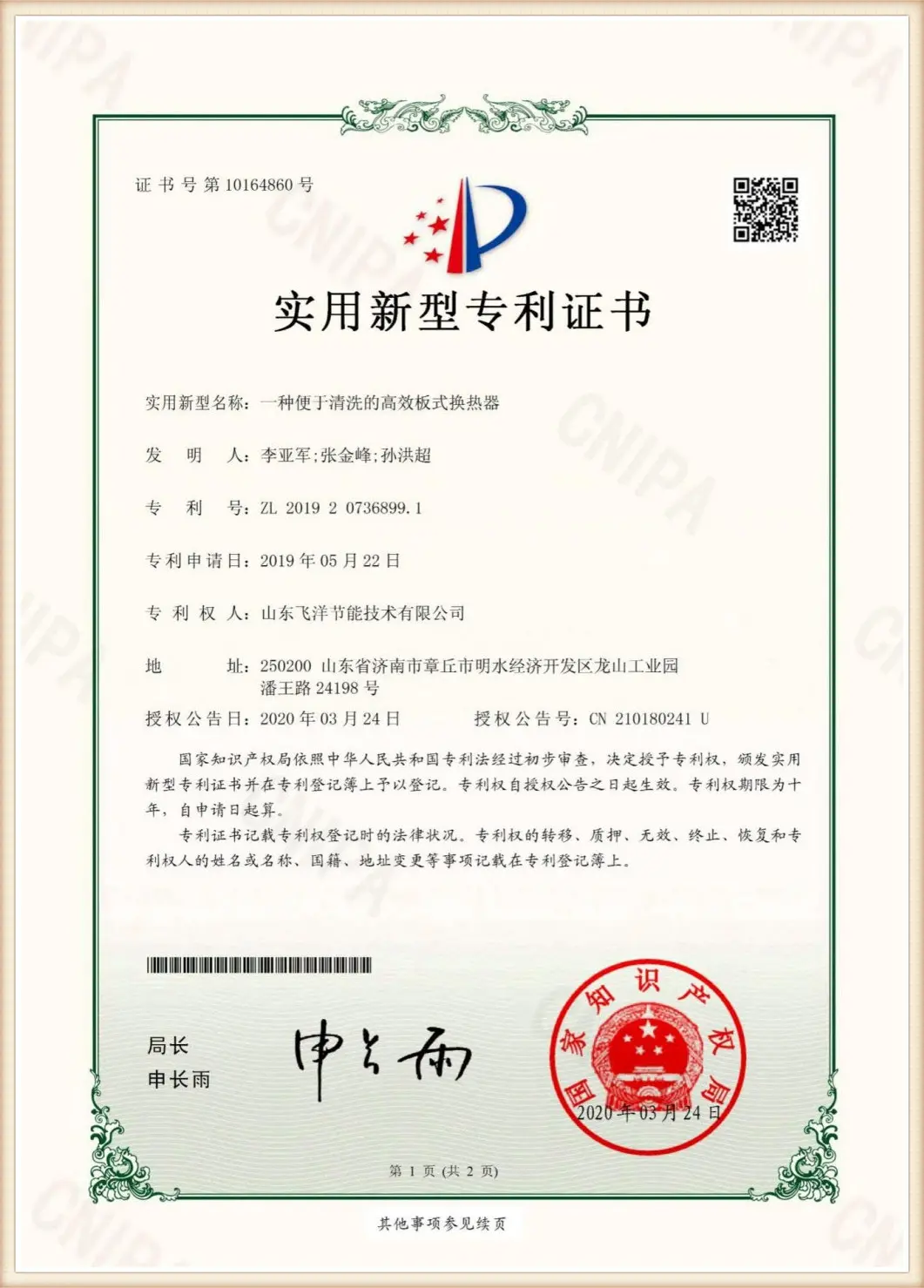
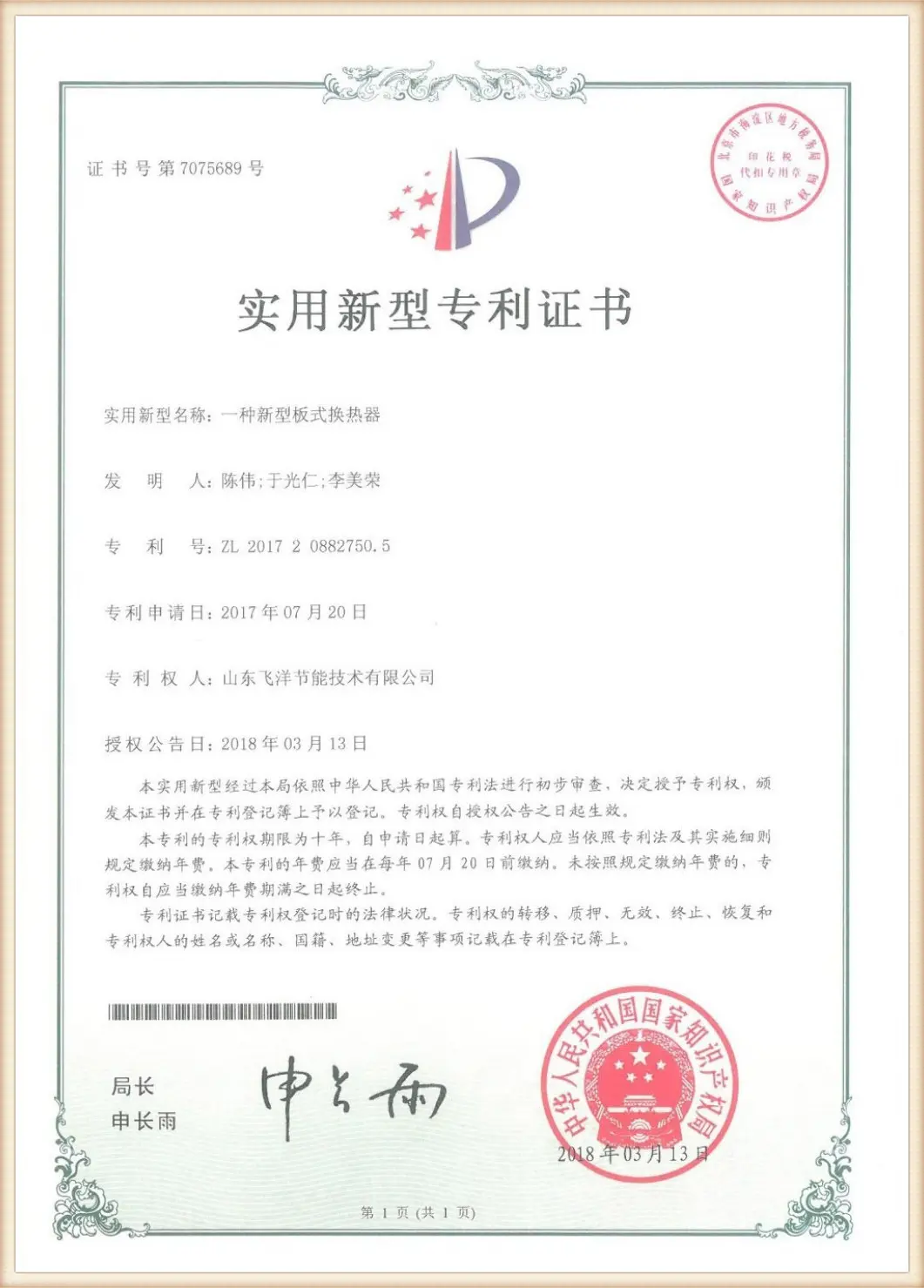
Our technical credentials are confirmed by multiple national and international regulatory bodies. We hold patent certifications including "High-Efficiency Plate Heat Exchanger", "Intelligent Plate Heat Exchanger System", and "Plate Heat Exchanger Scale Removal Device" (see qualification documentation). Its products have obtained mandatory national product certification and safety registration from the National Standardization Committee, along with the safety registration for plate heat exchangers issued by the National Boiler and Pressure Vessel Standardization Technical Committee. The company has also achieved ISO9001 Quality Management System certification, ISO14001 Environmental Management System certification, and ISO45001 Occupational Health and Safety Management System certification.
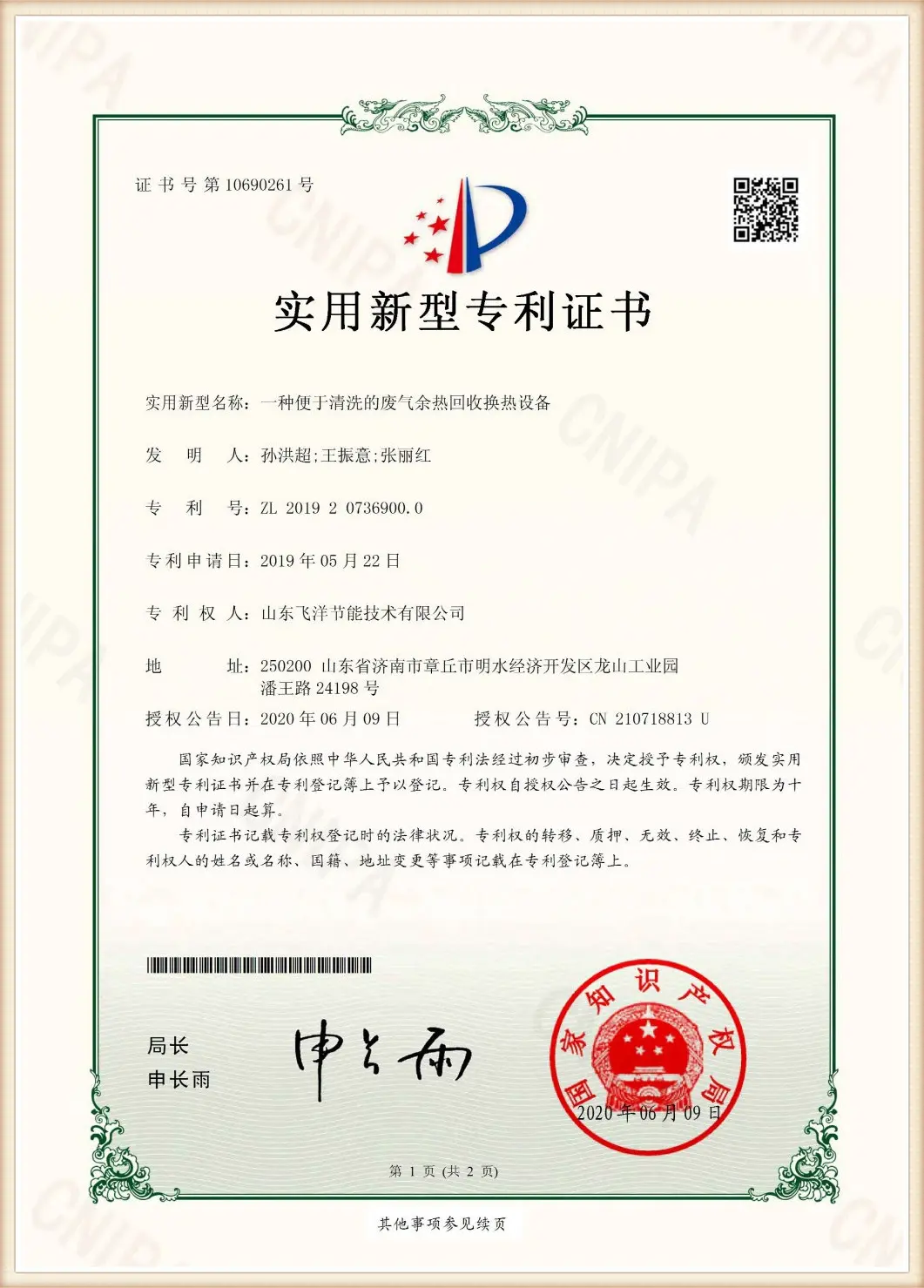
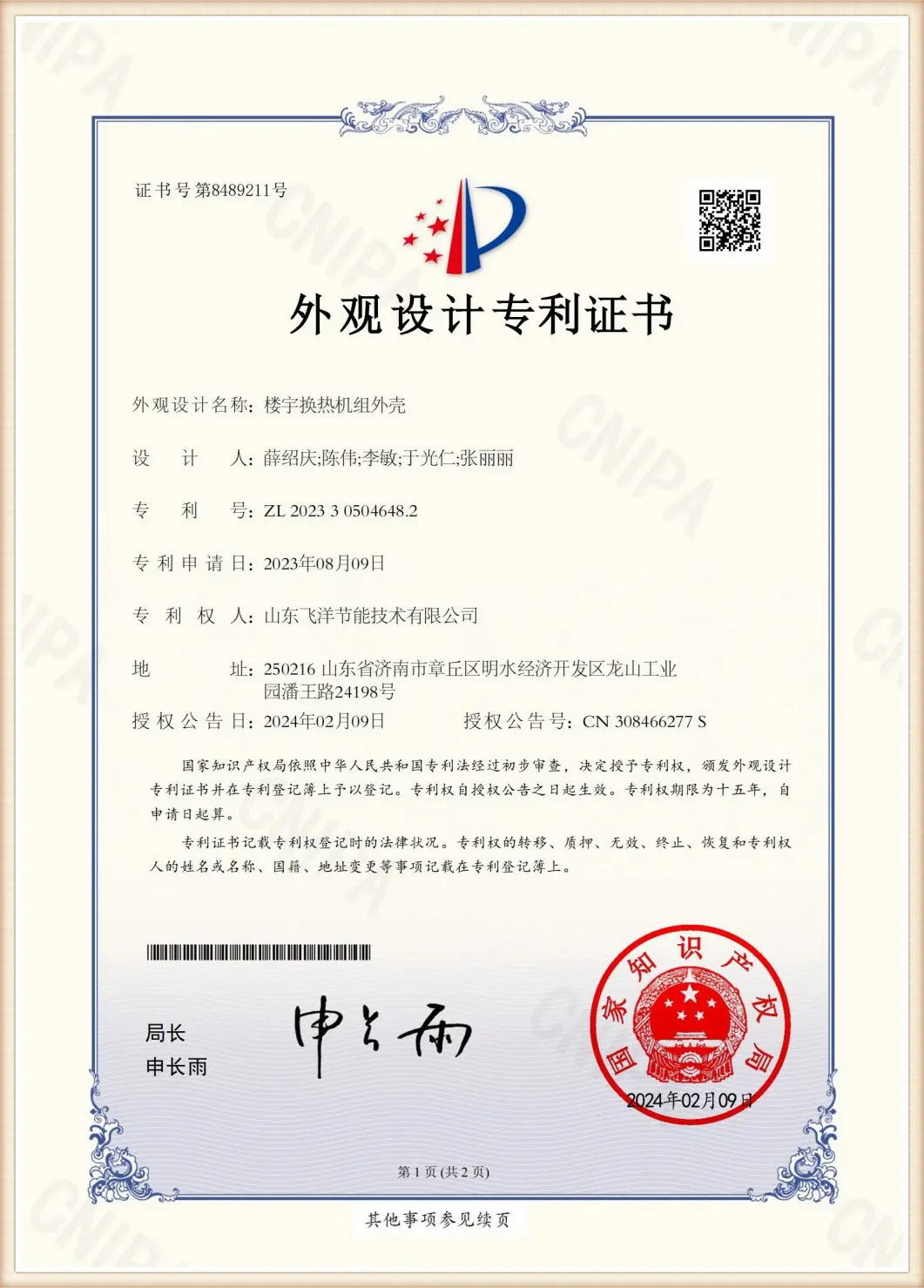
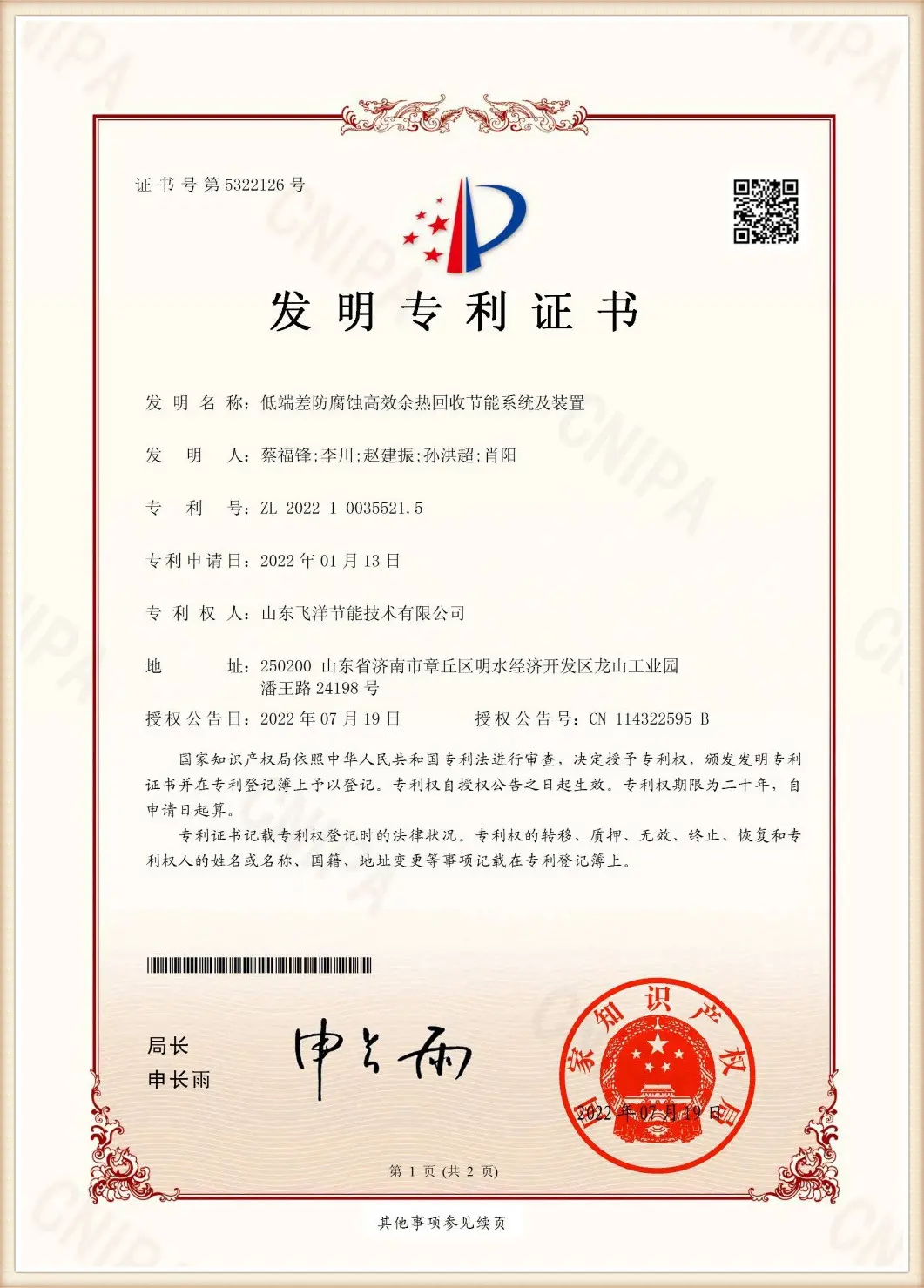
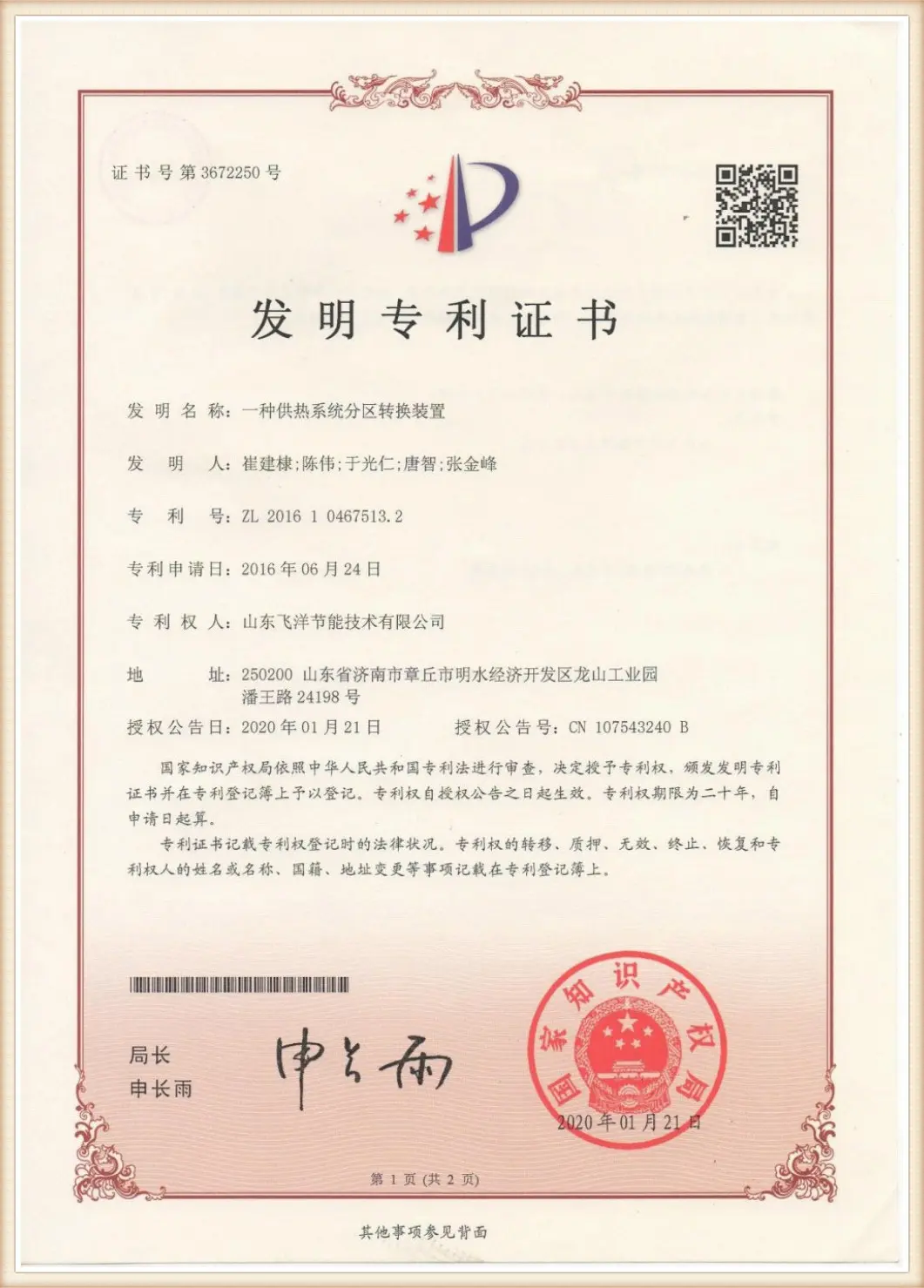
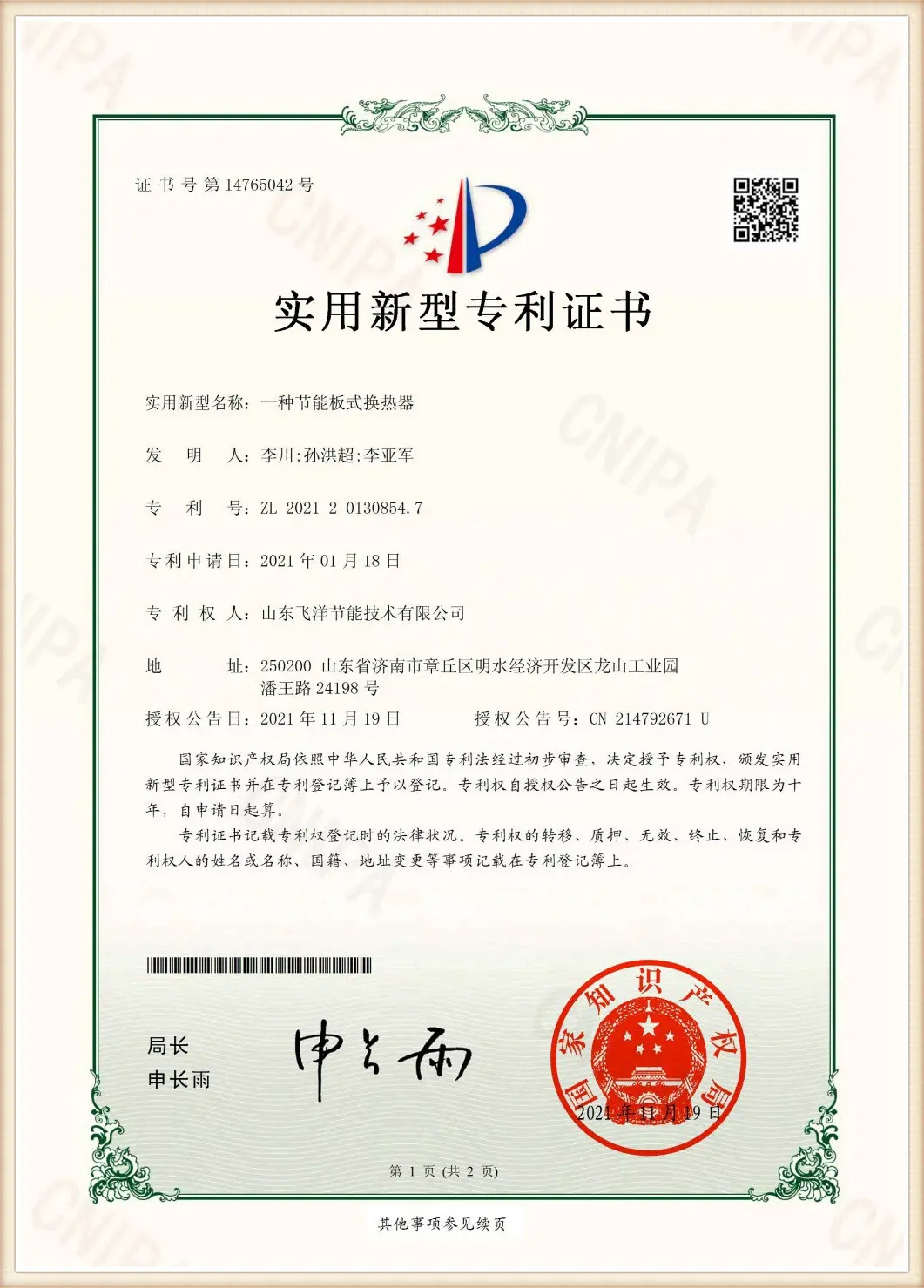
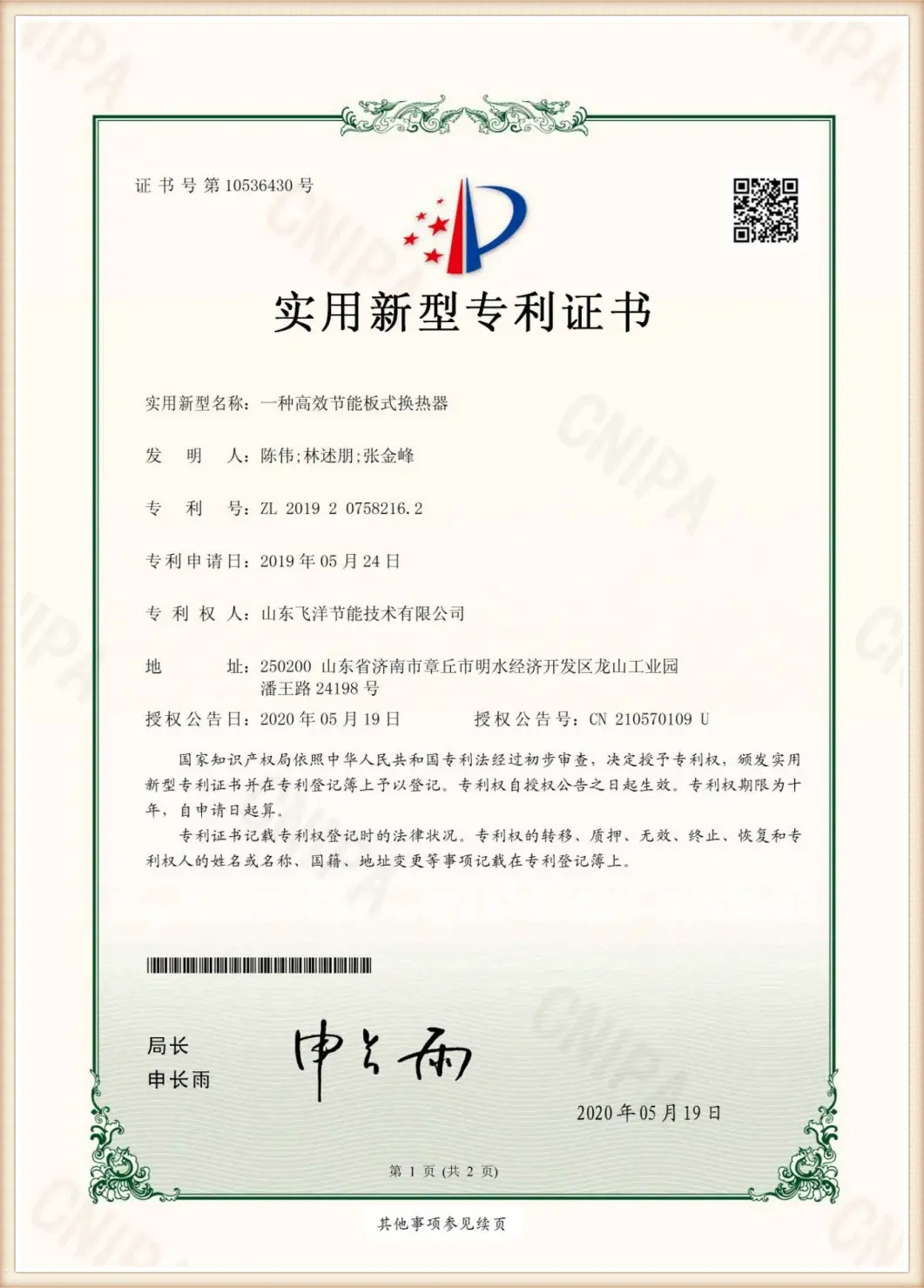
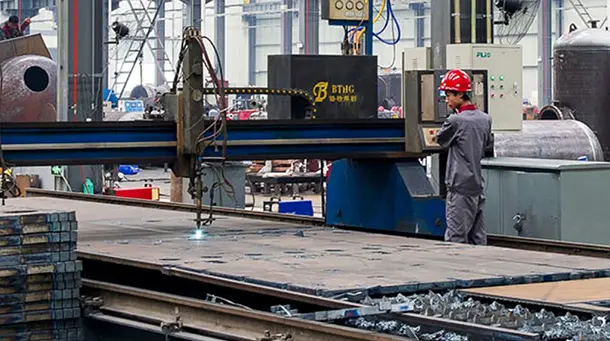
Every step of our manufacturing is subject to rigorous inspections to guarantee the structural integrity of our heat exchange products.
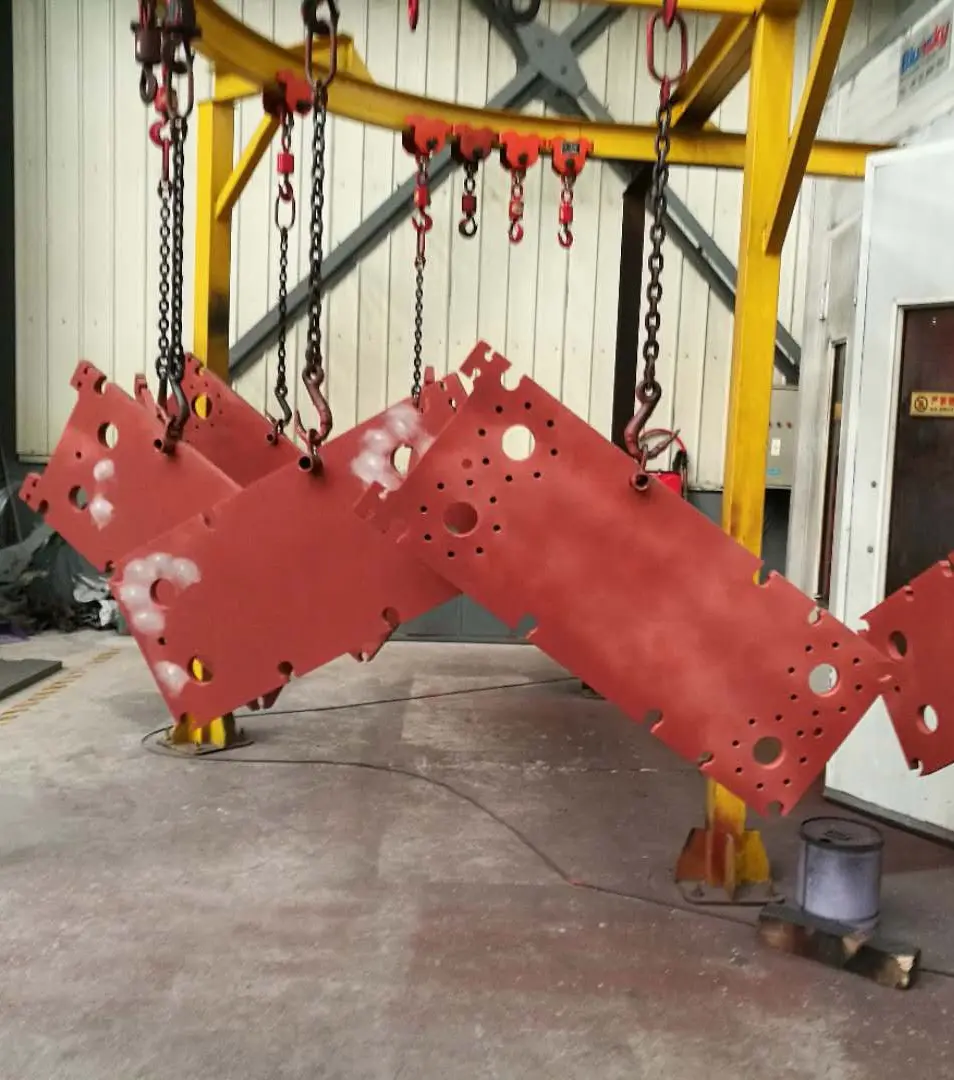
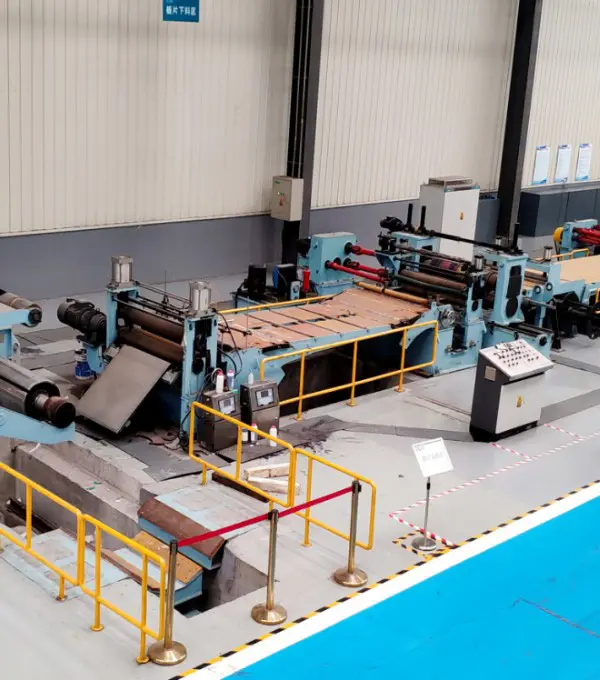
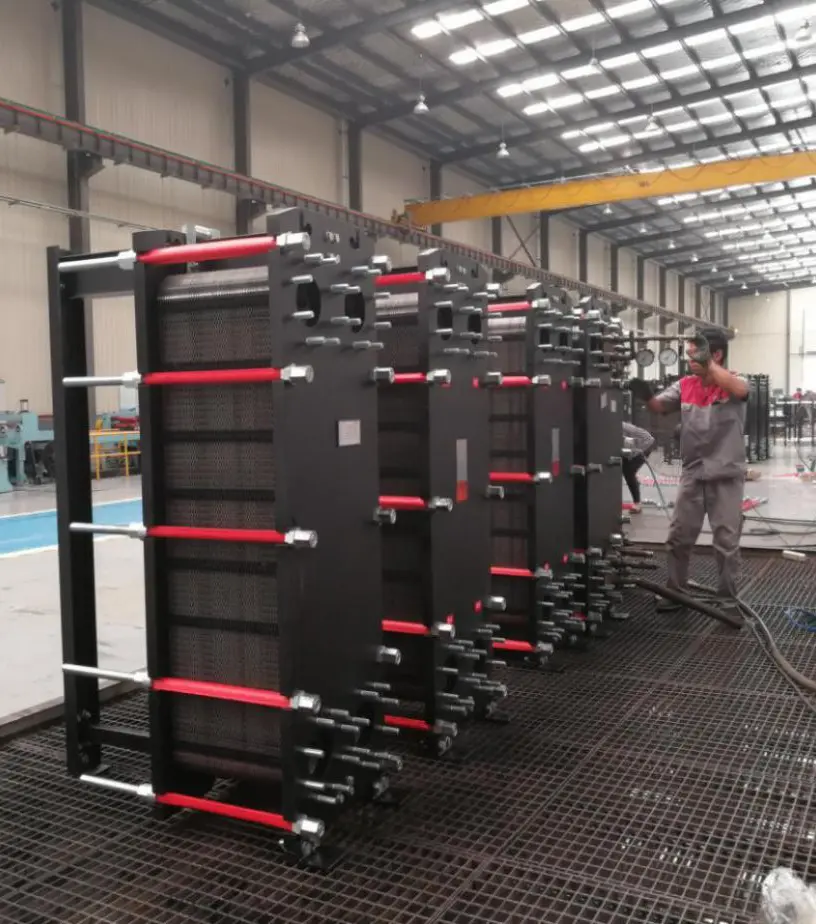
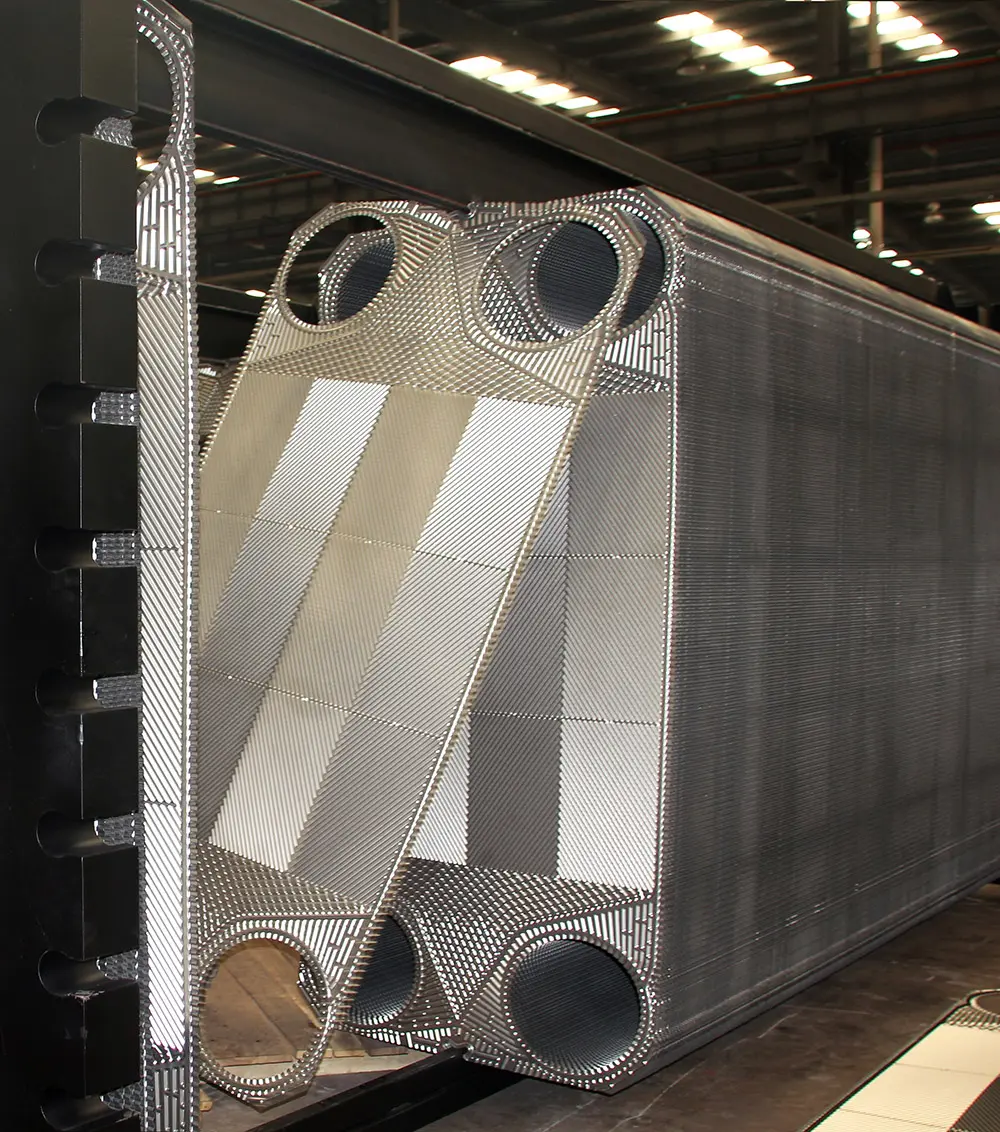
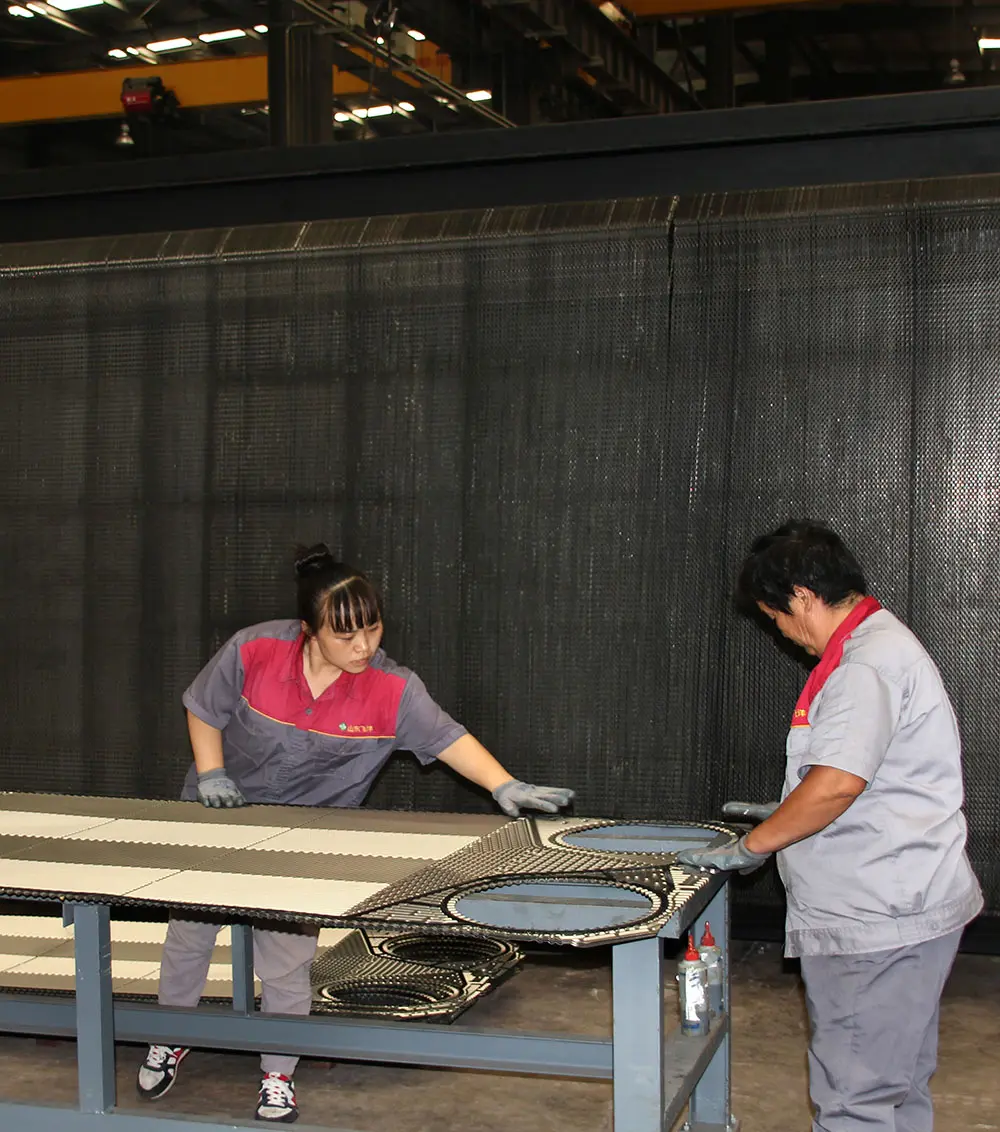
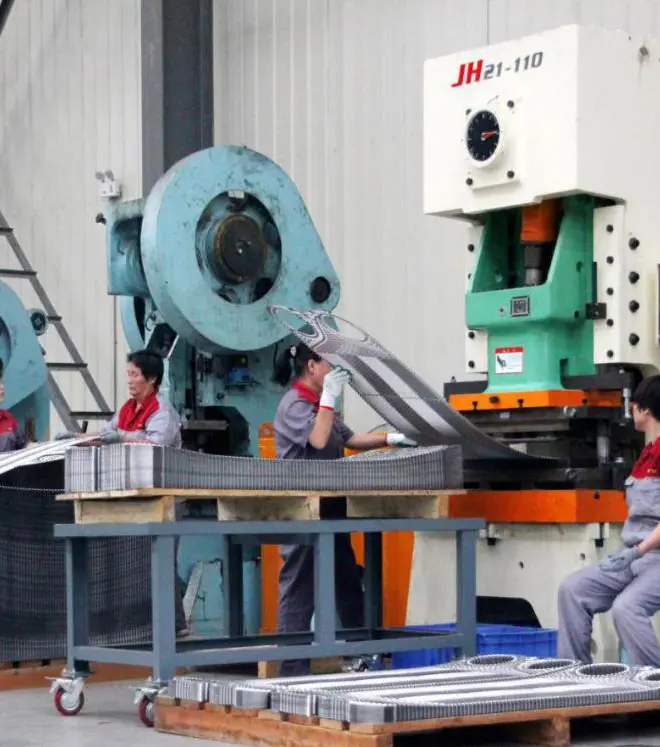
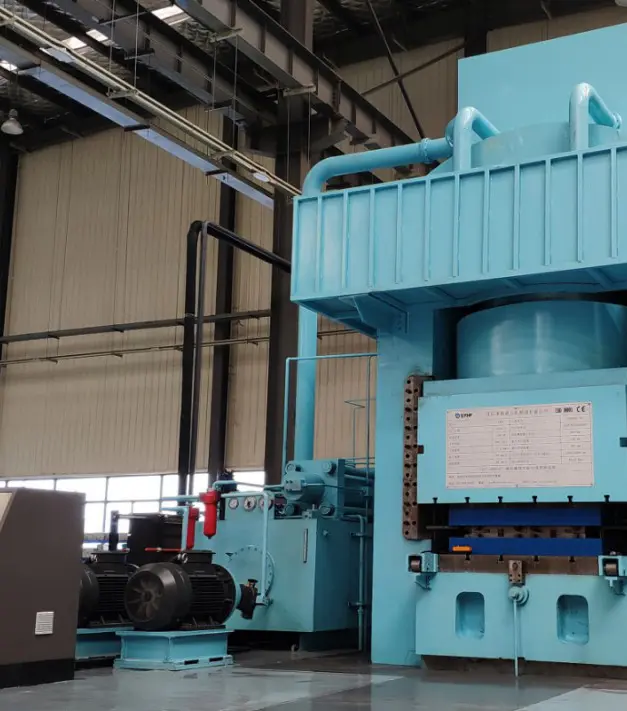
Flotte's plate thermal products are deployed in power generation, pharmaceutical separation, chemical concentration, and HVAC services. By matching specific structural patterns to each application, we maximize thermal performance and process stability.
Centralized District Heating: In centralized heating systems, plate heat exchangers are the core heat exchange equipment, used for heat transfer between municipal heat sources and user ends, precisely regulating the supply water temperature to meet the heating demands of different regions, enhancing heat utilization, reducing pipeline losses, facilitating the efficient and stable operation of urban centralized heating systems, and ensuring the comfort of residents during winter heating.
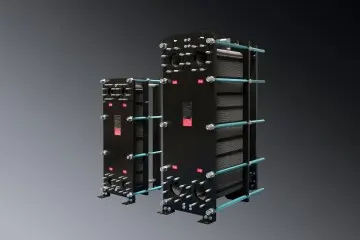
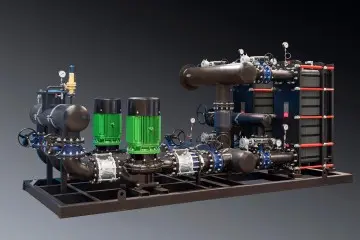
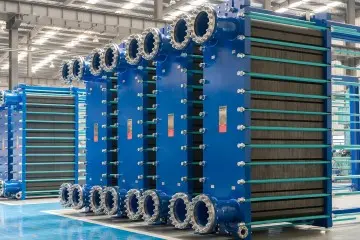
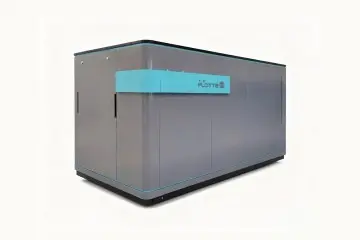
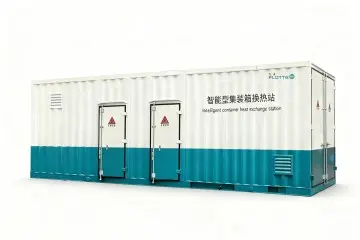

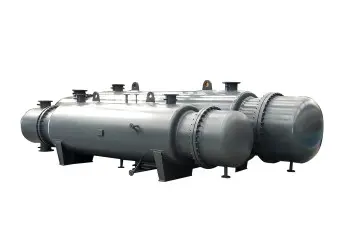
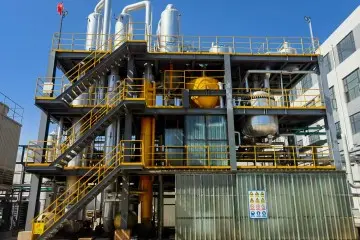
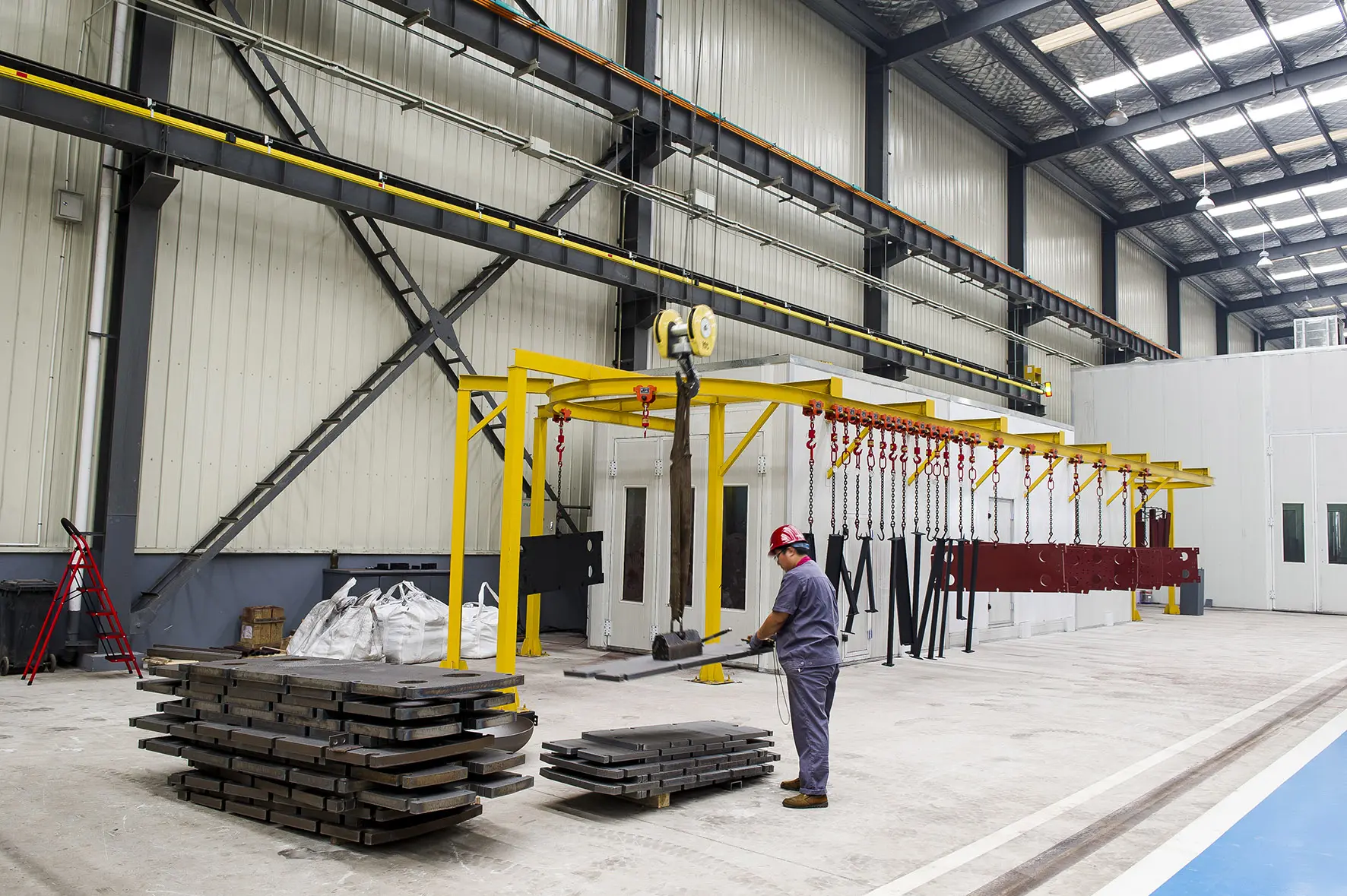
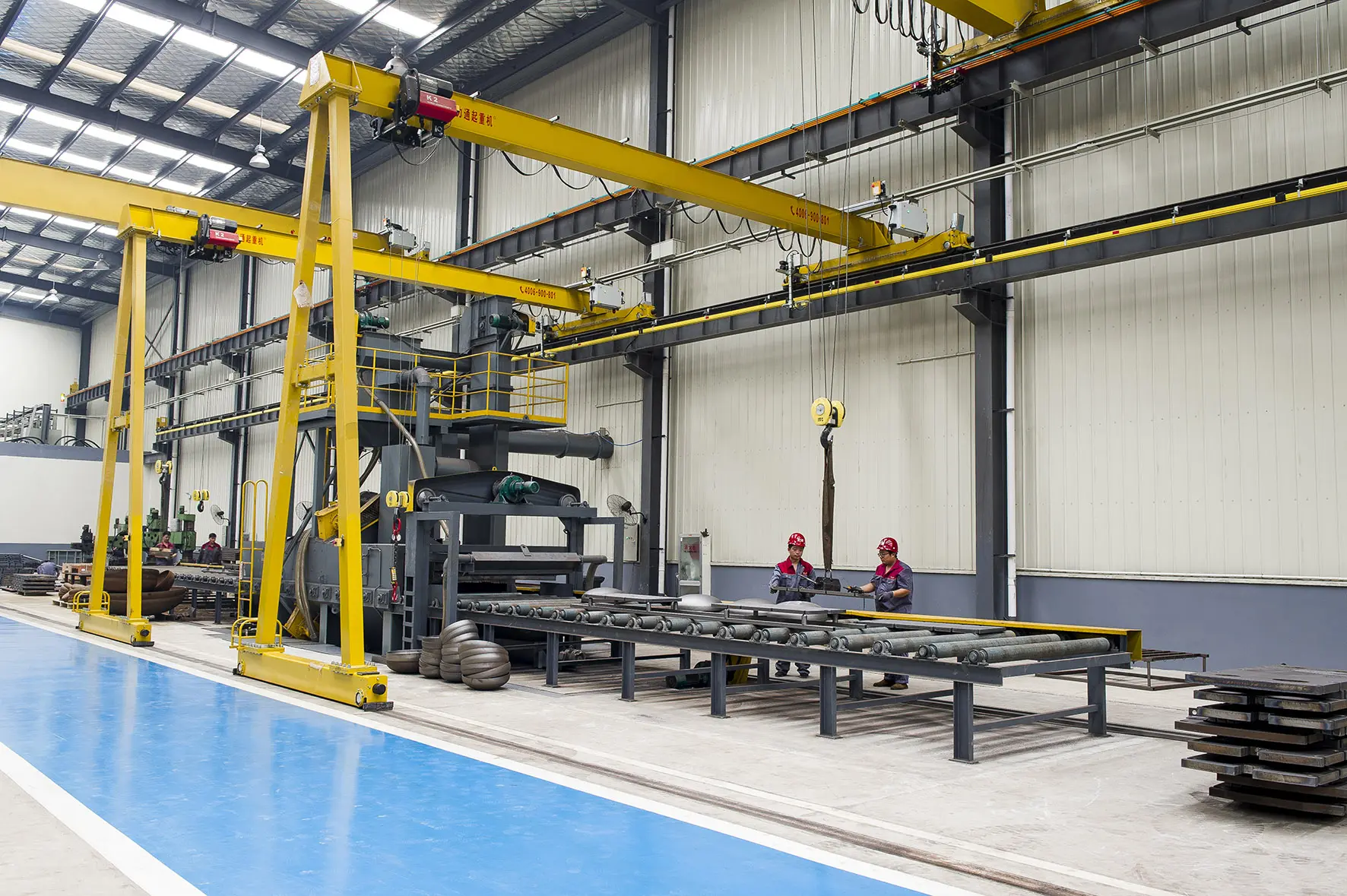
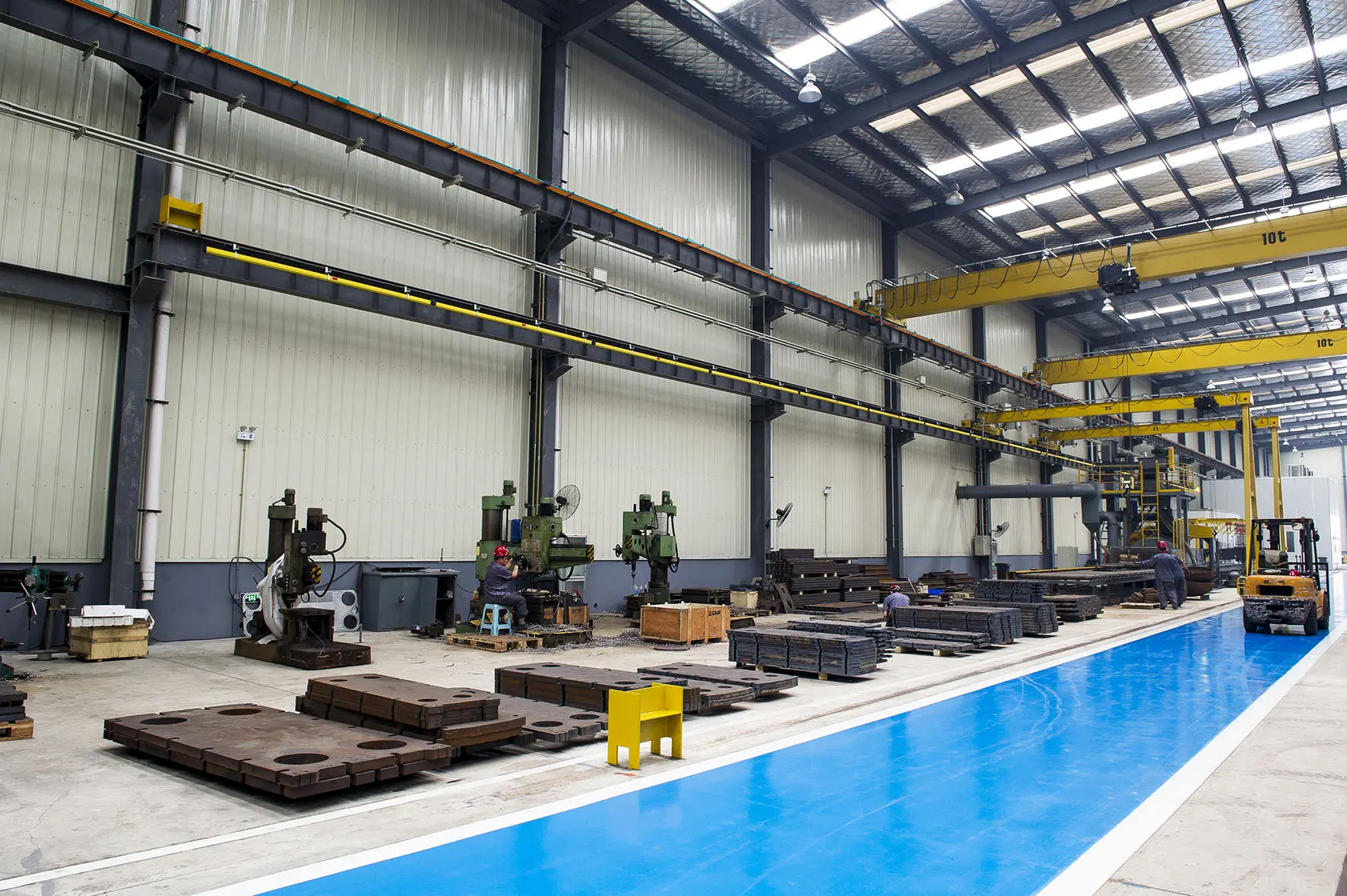
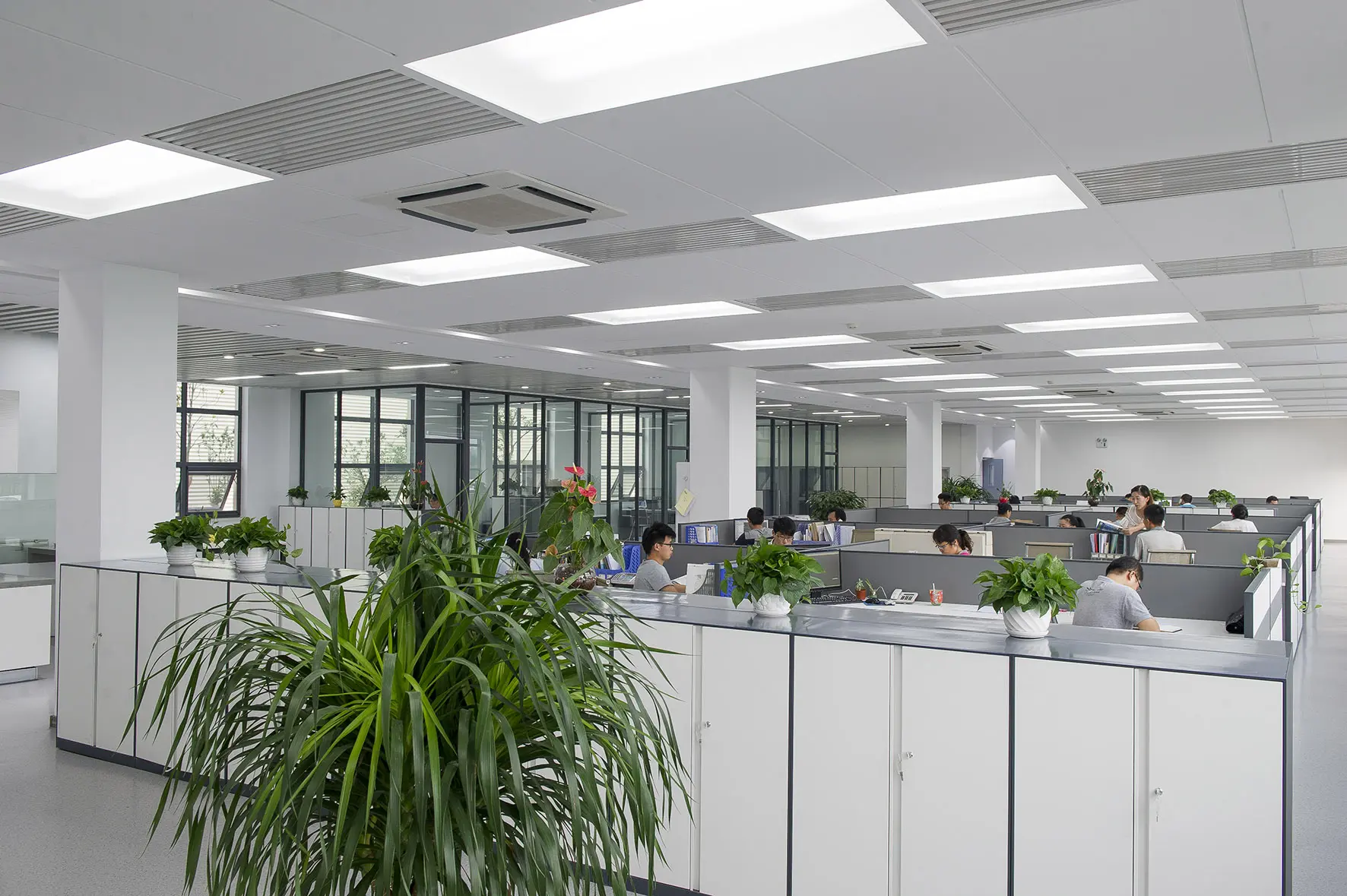
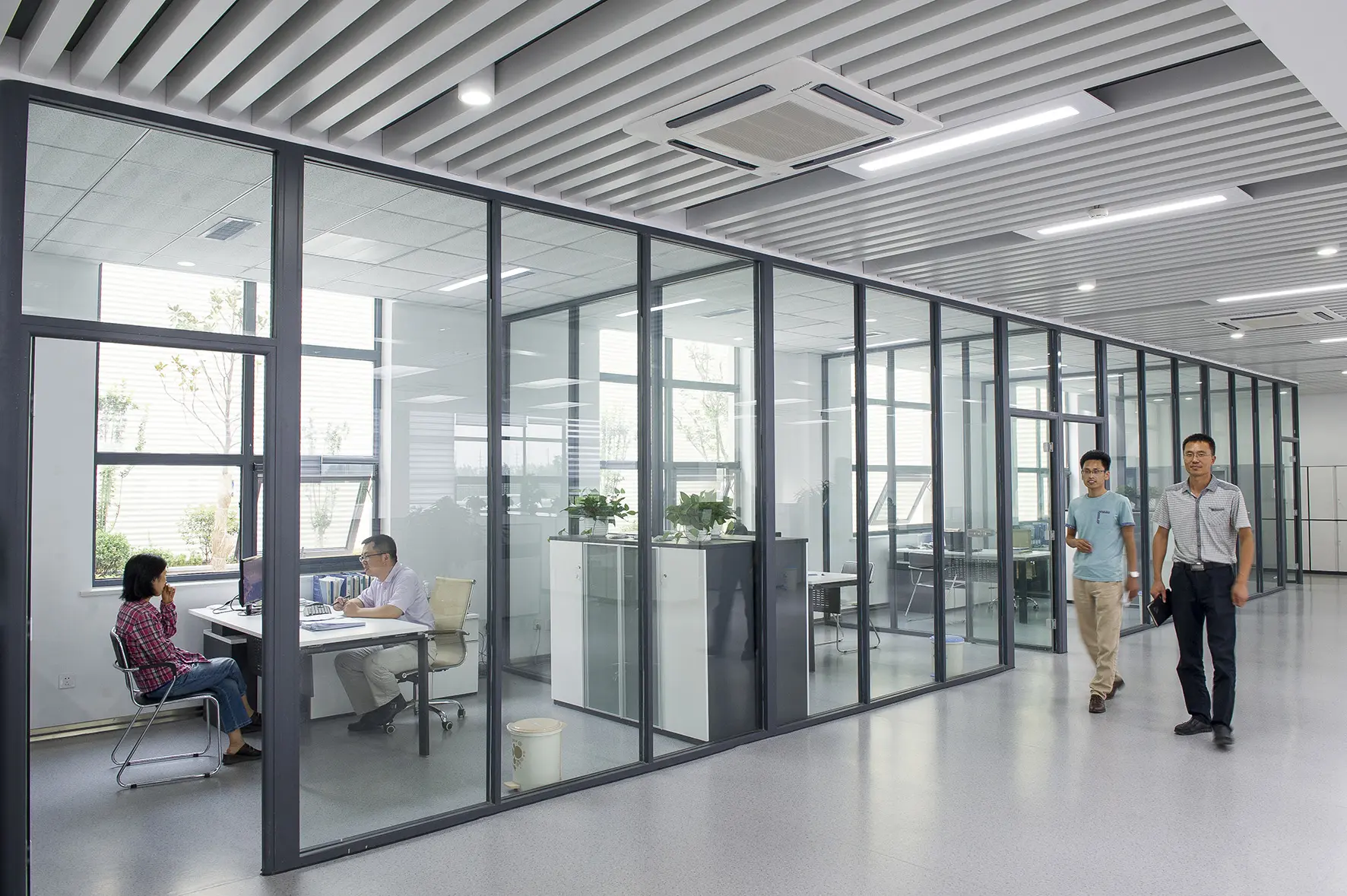
A transparent look at our specialized production workshops, pressing lines, and machining centers.

Why process plants and HVAC installers choose Flotte for their thermal engineering requirements.
Specializing in plate heat exchangers, it features patented corrugated plate design, achieving 2-3 times higher heat exchange efficiency than conventional equipment.
The products cover 8 core areas such as air conditioning, heating and ventilation, and central heating. The solutions have been verified by projects in many places around the world, and can accurately match different regional conditions and compliance requirements.
The whole process quality control system runs through the production, the products have obtained a variety of certifications, and the preferred stainless steel, titanium and other high-end materials ensure stable and durable in harsh environments.
We provide customized design, after-sales maintenance and one-stop service, multilingual team + efficient supply chain, to ensure that global customers can get timely technical and logistical support.
Detailed insights to assist facility managers and process engineers in selecting and maintaining plate evaporators.
Plate Heat Exchanger Evaporators (PHEEs) utilize thin corrugated plates to induce highly turbulent flow even at low velocities. This results in heat transfer coefficients (U-values) that are 3 to 5 times higher than traditional Shell & Tube evaporators. Additionally, the liquid holdup volume of a plate design is significantly lower, offering rapid response times to process adjustments. Structurally, a PHEE occupies up to 80% less physical footprint, saving space and reducing support framework costs.
For standard low-chloride systems, AISI 316L stainless steel provides an optimal cost-to-performance ratio. However, when working with seawater, high brine concentrations, or acidic wastewater, Industrial Pure Titanium (ASTM Grade 1 or 2) is required to prevent chloride pitting and stress corrosion cracking. For extreme chemical applications involving hot sulfuric or hydrochloric acids, Hastelloy C-276 plates are used.
The chevron corrugations on the plates create narrow, tortuous channels that generate high shear stress along the wall surface. This shear stress continuously sweeps away boundary-layer fluid particles, preventing crystallizing salts, suspended solids, or organic biofilms from adhering to the heat transfer surfaces. This self-cleaning action maintains steady evaporation performance and extends operating run-times between chemical wash cycles.
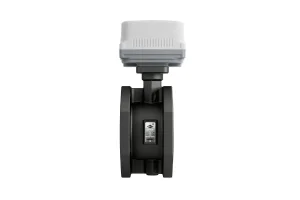
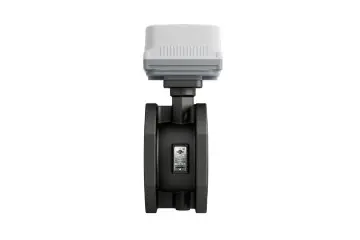
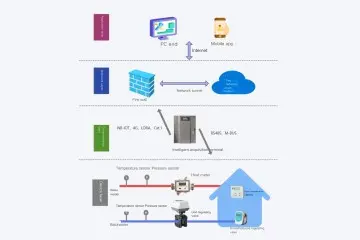
Our secondary network balancing valves and room temperature collectors continuously transmit hydronic and temperature readings to a central control unit. By regulating flow rate variations dynamically based on actual demand, the system eliminates regional thermal imbalances. This optimization reduces supply/return temperature differences, prevents pump over-cycling, and lowers energy consumption across the entire heating loop.
Explore our complete technical catalog, including modular heat exchanger units, evaporation systems, and smart HVAC controls.

 Flotte Energy